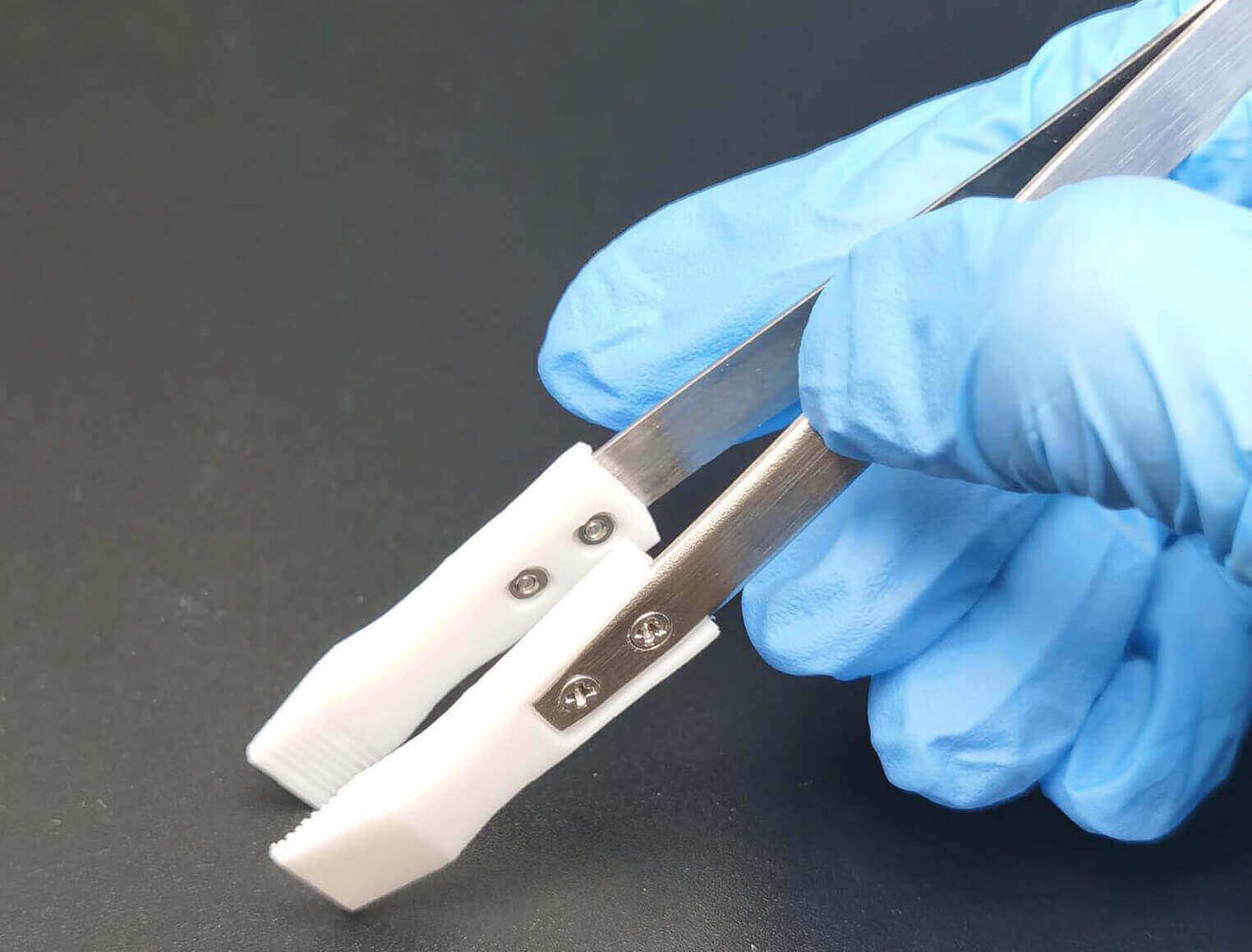
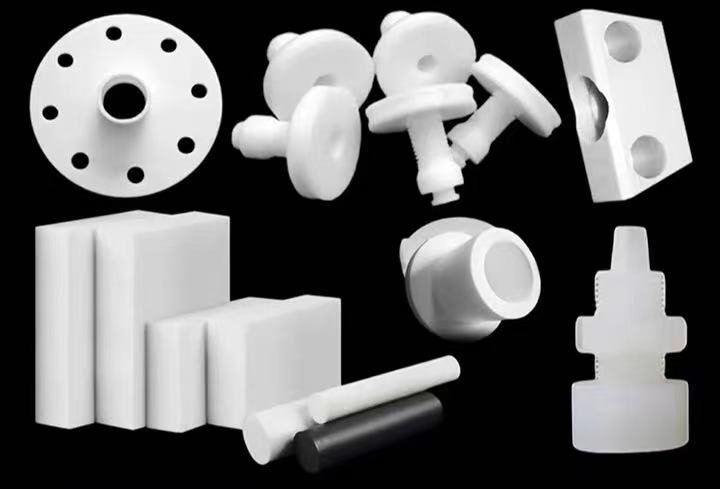
Cutting-Edge Techniques: PPS CNC Machining for Industrial Equipment Enhancement

PPS Plastic

Unlock the Future of Industrial Equipment Enhancement with PPS CNC Machining! Dive into this comprehensive guide as we unveil the extraordinary world of Polyphenylene Sulfide (PPS) material, its unmatched properties, and the game-changing advantages it offers. Discover the inner workings of CNC machining, a pivotal tool in revolutionizing your industrial machinery. Explore real-world success stories through captivating case studies that highlight the tangible benefits of PPS CNC machining. Plus, gain essential insights on how to select the perfect CNC machining partner for your equipment improvement needs. Elevate your industry standards and stay at the forefront of innovation with PPS CNC machining – the cutting-edge solution you’ve been waiting for!

πŸŽ‰πŸŽ‰πŸŽ‰Limited Time Offer Use code: QR4GNY08SHVR at checkout and enjoy a special discount on your entire order! πŸ‘‰PPS board

PPS CNC Machining

Unlocking the Power of PPS (Polyphenylene Sulfide) Material

When it comes to enhancing industrial equipment, selecting the right material is paramount. One such material that has been making waves in the industry is Polyphenylene Sulfide (PPS). In this section, we will delve deep into the unique characteristics and undeniable advantages that make PPS a game-changer for industrial equipment enhancement.

The Unparalleled Properties of PPS

Polyphenylene Sulfide (PPS) is a high-performance thermoplastic known for its exceptional qualities. Its chemical structure sets it apart, as it boasts a combination of properties that are perfectly suited for demanding industrial applications. Key characteristics include:

Thermal Stability and Resistance

PPS is celebrated for its exceptional thermal stability. It can withstand high temperatures without warping or deforming, making it a top choice for components exposed to extreme heat. Whether it’s in the automotive, aerospace, or manufacturing sector, PPS ensures reliable performance even in the harshest environments.

Chemical Resistance

Another standout feature of PPS is its impressive chemical resistance. It remains unaffected by a wide range of chemicals, acids, and solvents, making it ideal for components that come into contact with corrosive substances. This durability ensures the longevity of your industrial equipment.

Mechanical Strength

PPS doesn’t just excel in extreme temperatures and harsh chemical environments; it also boasts remarkable mechanical strength. It maintains its structural integrity under heavy loads, ensuring that your machinery remains robust and dependable over time.

Electrical Insulation Properties

In applications requiring electrical insulation, PPS shines. Its excellent dielectric properties make it a preferred choice for components where electrical conductivity must be minimized, promoting safety and reliability.

PPS material

Advantages of PPS for Industrial Equipment Enhancement

Now that we’ve explored the remarkable properties of PPS, let’s delve into why it’s the go-to material for enhancing industrial equipment.

Lightweight Yet Durable

One of the primary advantages of PPS is its lightweight nature combined with exceptional durability. This unique combination reduces the overall weight of your equipment while maintaining structural integrity, leading to improved efficiency and performance.

Cost-Effective Solution

PPS’s longevity and resistance to wear and tear translate into cost savings for industrial operations. Reduced maintenance, fewer replacements, and increased equipment lifespan all contribute to a more budget-friendly solution.

Environmental Friendliness

In an era where sustainability matters, PPS stands out as an environmentally friendly choice. It is fully recyclable, contributing to a greener manufacturing process and a reduced carbon footprint.

By understanding the unparalleled properties and undeniable advantages of PPS, you’ll be better equipped to harness its potential in enhancing your industrial equipment.

PPS CNC Machining

The CNC Machining Process Demystified

When it comes to industrial equipment enhancement, CNC machining is a technology that has become indispensable. In this section, we’ll unravel the intricacies of CNC machining, providing a detailed explanation of how it works and why it holds paramount relevance in improving industrial equipment.

An In-Depth Look at CNC Machining

Understanding CNC: Computer Numerical Control

At the heart of CNC machining lies the acronym CNC, which stands for Computer Numerical Control. This innovative technology represents a significant leap forward in precision manufacturing. At its core, CNC machining relies on specialized software and computerized systems to control the machining tools with unparalleled accuracy.

How CNC Machining Works

CNC machining begins with the creation of a detailed CAD (Computer-Aided Design) model of the desired component or part. This CAD model serves as a digital blueprint, outlining every dimension and contour precisely.

The CAD model is then translated into a CAM (Computer-Aided Manufacturing) program. This program generates the set of instructions necessary to control the CNC machine. It specifies the toolpath, machining speeds, and feeds required to transform a raw material into the final component.

The CNC Machine in Action

Once the CAM program is loaded into the CNC machine, it takes over with precision and consistency. The machine’s movements are driven by motors that receive instructions from the computer. Cutting, drilling, milling, and shaping operations are carried out with incredible accuracy, all guided by the digital design.

The Role of CNC in Industrial Equipment Enhancement

So, why is CNC machining so relevant to industrial equipment improvement? Here are the key reasons:

Precision and Consistency

CNC machining offers unparalleled levels of precision and consistency. Whether you’re crafting intricate components or ensuring uniformity in large-scale production, CNC ensures that each piece meets exact specifications.

Complex Geometries

In the world of industrial equipment, components often feature intricate and complex geometries. CNC machining can effortlessly create these complex shapes with unmatched precision, facilitating enhanced performance and functionality.

Versatility and Adaptability

Industrial equipment varies significantly across industries. CNC machining’s versatility allows it to work with a wide range of materials, from metals to plastics like PPS. This adaptability makes it a go-to choice for equipment enhancement projects.

Increased Efficiency

The automation and repeatability of CNC machining reduce human error, leading to increased efficiency in the manufacturing process. This not only saves time but also reduces waste and costs.

As we demystify the CNC machining process, it becomes evident that this technology is at the forefront of industrial equipment enhancement. Its precision, versatility, and efficiency make it an invaluable tool for manufacturers seeking to elevate the performance and quality of their equipment.

PPS CNC Machining center

Benefits of PPS CNC Machining in Industrial Settings

In the realm of industrial equipment enhancement, one technology has risen to prominence for its exceptional advantages – PPS CNC machining. In this section, we’ll explore the specific benefits that PPS CNC machining brings to the table, revolutionizing the way industrial settings approach equipment improvement.

Unveiling the PPS Advantage

Precision Engineering at Its Finest

PPS CNC machining is synonymous with precision engineering. Its exceptional dimensional accuracy ensures that every component, from gears and bushings to complex structural parts, is crafted to perfection. This level of precision is paramount in industries where even the slightest deviation can lead to equipment malfunction or inefficiency.

Exceptional Heat Resistance

One of PPS’s standout features is its remarkable heat resistance. In industrial settings where machinery operates at high temperatures, PPS maintains its structural integrity without warping or deteriorating. This heat resistance ensures that equipment functions reliably even under the most demanding conditions.

Chemical Resilience

Industrial environments often expose equipment to harsh chemicals and corrosive substances. Here, PPS shines with its outstanding chemical resilience. It remains unaffected by a wide range of chemicals, safeguarding your equipment against corrosion and degradation.

Mechanical Strength

PPS is not just about thermal and chemical properties; it’s also prized for its impressive mechanical strength. Whether it’s load-bearing components or parts subject to mechanical stress, PPS CNC machining delivers components that withstand the rigors of industrial operations.

Reduced Maintenance and Downtime

One of the most tangible benefits of PPS CNC machining is reduced maintenance and downtime. Components crafted from PPS require minimal upkeep, resulting in fewer disruptions to your operations. Reduced maintenance costs and increased equipment lifespan translate into substantial cost savings over time.

Enhanced Efficiency and Performance

PPS CNC machining contributes to enhanced efficiency and performance across various industrial applications. Its lightweight yet durable nature reduces the overall weight of equipment, leading to improved energy efficiency. Additionally, the precise engineering of PPS components optimizes equipment functionality, resulting in increased productivity.

PPS CNC Machining

The Eco-Friendly Choice

Sustainability Matters

In an era where sustainability is paramount, PPS CNC machining stands out as an eco-friendly choice. PPS is fully recyclable, reducing waste and contributing to a greener manufacturing process. Choosing PPS not only benefits your equipment but also aligns with responsible environmental practices.

As we’ve uncovered, PPS CNC machining brings a multitude of benefits to industrial settings. Its precision engineering, heat resistance, chemical resilience, mechanical strength, and eco-friendliness make it a frontrunner in enhancing industrial equipment. By embracing PPS CNC machining, industries can elevate their standards, reduce costs, and ensure the reliability and longevity of their equipment.

Case Studies: Real-World Applications of PPS CNC Machining

Let’s dive into the real-world success stories where PPS CNC machining has proven to be a transformative force, elevating industrial equipment and machinery to new heights. These case studies showcase the incredible potential of PPS CNC machining in addressing unique challenges and achieving exceptional results.

Precision in Motion

Aerospace Advancements

In the aerospace industry, precision and reliability are non-negotiable. PPS CNC machining plays a pivotal role in crafting intricate components that meet the rigorous demands of aerospace equipment. From lightweight yet robust aircraft interior parts to heat-resistant engine components, PPS CNC machining ensures precision in motion.

Enhancing Automotive Efficiency

In the automotive sector, efficiency is paramount. PPS CNC machining has been instrumental in the development of components that contribute to improved fuel efficiency and reduced emissions. From fuel system components to transmission parts, PPS CNC machining enhances the performance of vehicles while adhering to stringent environmental standards.

Resilience in Harsh Environments

Oil and Gas Industry Resilience

The oil and gas industry operates in some of the harshest environments on the planet. PPS CNC machining delivers components that can withstand extreme temperatures, corrosive chemicals, and high-pressure conditions. Whether it’s downhole tools or offshore equipment, PPS CNC machining ensures resilience in the face of adversity.

Marine Marvels

In maritime applications, the durability of components is paramount. PPS CNC machining has been pivotal in crafting marine equipment that resists saltwater corrosion and harsh weather conditions. From ship fittings to underwater exploration devices, PPS CNC machining ensures longevity and performance in the marine industry.
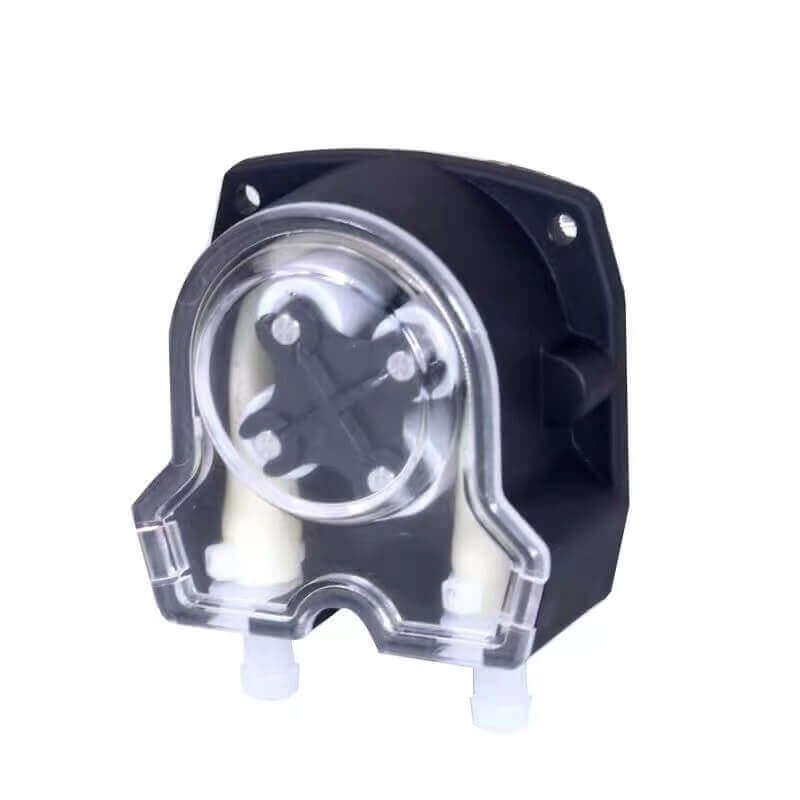
PPS CNC Machining

Efficiency Across Industries

Industrial Equipment Optimization

Across various industrial sectors, PPS CNC machining has played a significant role in optimizing equipment performance. From conveyor systems to manufacturing machinery, PPS CNC machining improves efficiency, reduces downtime, and enhances overall productivity.

Renewable Energy Solutions

In the renewable energy sector, PPS CNC machining contributes to the development of components used in wind turbines, solar panels, and hydroelectric systems. These components are engineered to withstand the elements and ensure the reliability of renewable energy sources.

These real-world case studies vividly illustrate the remarkable impact of PPS CNC machining on industrial equipment and machinery. From aerospace advancements to marine marvels, PPS CNC machining has proven itself as a versatile and indispensable technology, pushing the boundaries of what’s possible in various industries. Its ability to deliver precision, resilience, and efficiency is transforming the way industries approach equipment enhancement, ultimately driving progress and innovation.

Choosing the Right PPS CNC Machining Partner

Selecting the ideal CNC machining provider for your industrial equipment enhancement needs is a crucial decision that can significantly impact the success of your projects. In this section, we’ll provide valuable tips and considerations to help industrial customers make an informed choice when seeking a PPS CNC machining partner.

PPS plastic CNC Machining center

The Importance of the Right Partner

A Strategic Partnership

Choosing the right PPS CNC machining partner is not merely a transaction; it’s the foundation of a strategic partnership. Your chosen partner should align with your goals, understand your specific needs, and possess the expertise to deliver exceptional results.

Quality Assurance

Quality is non-negotiable when it comes to industrial equipment enhancement. Look for a CNC machining partner with rigorous quality assurance processes in place. They should adhere to industry standards and have a track record of consistently delivering high-quality components.

Finding the Ideal CNC Machining Provider

Expertise in PPS CNC Machining

First and foremost, seek a provider with expertise in PPS CNC machining. PPS is a unique material, and a specialized understanding of its properties and machining requirements is paramount for success.

State-of-the-Art Equipment

The machining partner’s equipment plays a pivotal role in the quality of the components produced. Ensure they have state-of-the-art CNC machines that are well-maintained and capable of meeting your project’s demands.

Customization Capability

Industrial equipment enhancement often requires customized solutions. Look for a partner with the capability for customization. They should be able to tailor their processes to meet your specific design and performance requirements.

PPS CNC Machining for Machine Building

Transparency and Communication

Open and Transparent Communication

Effective communication is the cornerstone of a successful partnership. Seek a provider that prioritizes open and transparent communication. They should be responsive to your inquiries, provide regular project updates, and be willing to address any concerns promptly.

References and Testimonials

Don’t hesitate to request references and testimonials from past clients. Hearing about their experiences and the outcomes of their projects can provide valuable insights into the provider’s reliability and reputation.

Project Management and Timelines

Robust Project Management

Efficient project management is essential to ensure timelines are met. Inquire about their project management processes and their ability to deliver within agreed-upon deadlines.

Scalability and Flexibility

Consider your long-term needs and the provider’s scalability and flexibility. Can they accommodate changes in project scope or increasing production requirements as your business grows?

Β PPS Plastic

In the realm of industrial equipment enhancement, choosing the right PPS CNC machining partner is a critical decision. By focusing on expertise, equipment quality, customization capability, transparency, communication, and project management, industrial customers can forge partnerships that lead to successful outcomes. Remember, your chosen partner should not just be a supplier but a collaborator committed to helping you achieve your industrial equipment enhancement goals.

In the ever-evolving landscape of industrial equipment enhancement, PPS CNC machining stands out as a beacon of innovation and excellence. Its precision engineering, exceptional heat resistance, and mechanical strength have the power to transform industries, from aerospace and automotive to oil and gas and renewable energy. These real-world case studies illuminate the remarkable potential of PPS CNC machining, showcasing its ability to overcome challenges and achieve outstanding results. As you embark on your journey to enhance industrial equipment, remember that choosing the right PPS CNC machining partner is not just a transaction; it’s the foundation of a strategic partnership. Prioritize expertise, transparency, and effective communication in your selection process. By doing so, you’ll unlock the full potential of PPS CNC machining and position yourself at the forefront of innovation in your industry. Elevate your standards, reduce costs, and ensure the reliability and longevity of your equipment with PPS CNC machining – the cutting-edge solution you’ve been waiting for.

PPS Plastic

Discover the Power of PPS CNC Machining – Request a Quote Now!

Here, you’re enticing readers to explore the potential of PPS CNC machining by requesting a quote. It positions the action as an opportunity to uncover the benefits and possibilities of this cutting-edge technology.

πŸŽ‰πŸŽ‰πŸŽ‰Limited Time Offer Use code: QR4GNY08SHVR at checkout and enjoy a special discount on your entire order! πŸ‘‰PPS board

Leave a comment


Please note, comments must be approved before they are published


Custom Plastic Fabrication

Send your drawing, material and quantity for review

πŸ”§
Precision Machining
CNC milling & turning
βœ‚οΈ
Cutting & Engraving
Laser & waterjet cutting
🏭
Forming & Molding
Thermoforming & injection
πŸ”—
Joining & Assembly
Welding & bonding
πŸ“
Design & Prototyping
CAD design & samples

General

HDPE

PP

PVC

ABS

Engineering

POM

Nylon

PC

PMMA

High-Performance

PEEK

PEI

PTFE

Composites

FR-4

G10

Flexible

TPU

Silicone

Why Choose BeePlastic?

🎯
Perfect Fit
Custom specs eliminate adaptation needs
⚑
Clear Lead Times
Lead time confirmed with every quote
πŸ’°
Volume Pricing
Volume pricing available on bulk orders
🀝
Expert Support
Free engineering consultation included
πŸ“‹
Submit
β†’
πŸ”
Review
β†’
πŸ’΅
Quote
β†’
βœ…
Production
β†’
πŸ“¦
Deliver

Request a Quote

Share your project details, selected material and quantity on our quote page. You can add a file link or use the email drawing route shown there.


Request Quote

Industries: Automotive β€’ Medical β€’ Food β€’ Lab β€’ Semiconductor

beeplastic@beeplastic.com


Crafting Excellence: How CNC Machined PTFE Parts are Changing Product Design

CNC machining PTFE parts

In the blog post “Crafting Excellence: How CNC Machined PTFE Parts are Changing Product Design,” we delve into the transformative role of CNC machined PTFE parts in the realm of modern product design. We begin by exploring the Advantages of PTFE in CNC Machining, highlighting the material’s unique properties that make it a game-changer for designers seeking precision and durability.

πŸŽ‰πŸŽ‰πŸŽ‰Limited Time Offer Use code: QR4GNY08SHVR at checkout and enjoy a special discount on your entire order! πŸ‘‰Β PTFEΒ plastic
Advantages of PTFE in CNC Machining

Next, we shift our focus to Innovative Applications of these parts in product design, showcasing real-world examples where CNC machined PTFE has elevated design possibilities. The comparison of PTFE with other materials in CNC Machining follows, providing a comprehensive understanding of why PTFE often emerges as the superior choice for various design needs.

A deep dive into the Technical Insights of the CNC machining process for PTFE parts offers readers an in-depth look at the techniques and machinery involved, enhancing their appreciation of the craftsmanship behind each part.

Finally, we gaze into the future, discussing Future Trends and the potential impact of CNC machined PTFE parts on the evolution of product design. This post is not just a testament to the versatility of PTFE in CNC machining but also a guide for product designers eager to harness the full potential of this remarkable material in their creative endeavors.

The Advantages of PTFE in CNC Machining

In the world of product design and manufacturing, the choice of materials plays a pivotal role in the success of the final product. Among these materials, PTFE (Polytetrafluoroethylene), commonly known by its brand name Teflon, stands out for its remarkable properties, especially when it comes to CNC machining.

Advantages of PTFE plastic in CNC Machining

Unique Properties of PTFE

High Chemical Resistance

One of the most notable properties of PTFE is its exceptional chemical resistance. This quality makes it an ideal choice for components used in harsh chemical environments, where other materials would degrade quickly. For product designers, this means a broader scope in terms of applications, ranging from medical devices to industrial equipment.

Outstanding Thermal Stability

Another key characteristic of PTFE is its excellent thermal stability. With a melting point of around 327Β°C (620Β°F), PTFE parts can withstand extreme temperatures without losing their structural integrity. This property is crucial for products designed for high-temperature applications, ensuring longevity and reliability.

Low Friction Coefficient

PTFE’s low friction coefficient is a major advantage in applications requiring smooth, non-stick surfaces. This feature is particularly beneficial in the design of moving parts, where reduced friction means less wear and tear, and consequently, a longer lifespan for the product.

Benefits for Product Designers

Versatility in Applications

The unique properties of PTFE open up a world of possibilities for product designers. Its versatility allows for its use in a wide range of industries, including aerospace, automotive, and electronics. Designers can leverage PTFE’s properties to create parts that meet specific requirements, whether it’s chemical resistance, thermal stability, or low friction.

Precision and Customization

With CNC machining, designers have the ability to create highly precise and customized PTFE parts. The accuracy of CNC machines ensures that even the most intricate designs can be brought to life with exact specifications. This precision is crucial in industries where even the slightest deviation can lead to significant consequences.

Durability and Longevity

The durability of PTFE, combined with the precision of CNC machining, results in parts that are not only accurate but also long-lasting. This durability is a significant advantage for product designers, as it translates to lower maintenance costs and longer intervals between replacements.

In conclusion, the integration of PTFE in CNC machining offers a multitude of benefits for product designers. Its unique properties, coupled with the precision and customization capabilities of CNC machining, make it a material of choice for a wide range of applications. As we continue to push the boundaries of innovation, PTFE’s role in product design is set to become even more significant, offering endless possibilities for creative and durable solutions.

PTFE in CNC machining

Innovative Applications of CNC Machined PTFE in Product Design

The versatility of CNC machined PTFE parts has opened up a plethora of innovative applications in various fields of product design. These applications not only demonstrate the material’s adaptability but also highlight how product designers are leveraging PTFE’s unique properties to solve complex design challenges.

PTFE in Medical Device Design

Biocompatibility and Sterilization

In the medical industry, the biocompatibility of PTFE makes it an excellent choice for a range of medical devices. Its ability to withstand sterilization processes without degrading is particularly valuable. For instance, PTFE is used in the creation of catheters and surgical instruments, where its non-reactive nature ensures safety and longevity.

TFE is used in the creation of catheters and surgical instruments

Precision Components

The precision of CNC machining allows for the creation of intricate PTFE components used in advanced medical equipment. These components often require exact specifications to function correctly, and CNC machined PTFE parts deliver this level of precision, ensuring the reliability and accuracy of medical devices.

PTFE in Aerospace and Automotive Design

High-Performance Seals and Bearings

In both aerospace and automotive industries, the demand for high-performance materials is paramount. CNC machined PTFE parts are extensively used for creating seals and bearings that can withstand extreme temperatures and pressures, a common requirement in these sectors. The low friction coefficient of PTFE also contributes to the efficiency and longevity of these components.

Lightweight and Durable Solutions

The lightweight nature of PTFE, combined with its durability, makes it an ideal material for aerospace and automotive applications where weight reduction without compromising strength is crucial. For instance, PTFE is used in the manufacture of lightweight, high-strength gears and insulation components in aircraft and high-performance vehicles.

PTFE in Electronics and Electrical Applications

Insulation and Protection

In the electronics industry, PTFE’s excellent electrical insulation properties are highly valued. CNC machined PTFE parts are used in the production of insulators and protective components for electronic devices. These parts ensure safety and functionality by preventing electrical interference and protecting sensitive components.

Heat Resistant Components

The thermal stability of PTFE is a significant advantage in electronics where components are often exposed to high temperatures. CNC machined PTFE parts are used to create heat-resistant connectors and enclosures, ensuring the longevity and reliability of electronic devices.

In conclusion, the innovative applications of CNC machined PTFE parts in product design are vast and varied. From medical devices to aerospace components, and electronic insulators, the use of PTFE is revolutionizing how designers approach material challenges. As technology advances, we can expect to see even more creative and effective uses of CNC machined PTFE parts in various industries, further cementing its role as a key material in innovative product design.

CNC machined PTFE parts in product design

Comparing PTFE with Other Materials in CNC Machining

When it comes to CNC machining, the choice of material significantly impacts the performance and suitability of the final product. PTFE (Polytetrafluoroethylene), often stands out among other commonly used materials due to its unique properties. This comparison highlights how PTFE excels in terms of durability, flexibility, and design precision.

PTFE vs. Metals in CNC Machining

Corrosion Resistance and Weight

While metals like aluminum and stainless steel are popular in CNC machining, PTFE offers superior corrosion resistance, making it ideal for harsh environments where metals might fail. Additionally, PTFE is significantly lighter than most metals, which is crucial in applications where weight is a critical factor, such as in aerospace and automotive industries.

Thermal Stability

Unlike metals, PTFE maintains its properties across a wide range of temperatures. This thermal stability is essential in applications subjected to extreme heat, where metals might warp or lose strength.

PTFE vs. Other Plastics

Chemical Resistance

Compared to other plastics used in CNC machining, such as ABS or PVC, PTFE stands out with its exceptional chemical resistance. This makes it suitable for use in chemical processing industries, where other plastics might degrade or react with the chemicals.

Non-Stick and Low Friction

PTFE’s non-stick surface and low friction coefficient are unparalleled in the world of plastics. This is particularly beneficial in applications like seals and bearings, where reduced friction is desired to minimize wear and extend the lifespan of the part.

PTFE's non-stick surface

PTFE’s Design Precision

Machinability and Accuracy

PTFE’s machinability is another area where it excels. It allows for high precision and accuracy in CNC machining, enabling the creation of complex and intricate parts that might be challenging to produce with other materials. This precision is vital in industries like medical devices and electronics, where every micron counts.

Flexibility in Design

The flexibility of PTFE in terms of design is unmatched. It can be machined into various shapes and sizes, catering to a wide range of applications. This versatility is a significant advantage for product designers, allowing them to explore creative solutions without being limited by material constraints.

In conclusion, when compared to other materials commonly used in CNC machining, PTFE offers distinct advantages in terms of durability, flexibility, and design precision. Its unique properties, such as chemical resistance, thermal stability, and low friction, make it a preferred choice for a wide range of applications, from industrial components to high-tech devices. The versatility of PTFE in CNC machining not only enhances the performance of the parts but also expands the creative horizons for product designers.

Technical Insights: The CNC Machining Process for PTFE Parts

Understanding the technical nuances of CNC machining PTFE parts is crucial for product designers to fully leverage the material’s capabilities. This detailed look into the CNC machining process for PTFE covers the machinery involved, the techniques employed, and the intricacies of the process.

CNC machining PTFE parts

Machinery Used in CNC Machining of PTFE

Specialized CNC Equipment

CNC machining of PTFE often requires specialized equipment designed to handle its unique properties. While standard CNC machines are used, certain modifications or adjustments might be necessary to accommodate the softness and flexibility of PTFE. This includes using sharper cutting tools and adjusting feed rates and speeds to prevent material deformation.

Precision Tooling

The precision tooling in CNC machines plays a pivotal role in machining PTFE. Due to PTFE’s tendency to flex, tools must be exceptionally sharp and precise to ensure clean cuts and accurate dimensions. This is especially important for creating intricate parts where precision is paramount.

Techniques in CNC Machining of PTFE

Controlling Temperatures

Managing temperatures is a critical aspect of machining PTFE. Although PTFE has a high melting point, it can still be sensitive to heat generated during the machining process. Effective cooling techniques are employed to maintain the integrity of the PTFE, ensuring that the final product meets the required specifications.

Minimizing Material Waste

Given the cost of PTFE, minimizing material waste is a significant consideration. Advanced CNC programming and tool path optimization are used to maximize material utilization, reducing waste and improving overall efficiency.

CNC machining PTFE parts

Intricacies of the CNC Machining Process for PTFE

Handling Material Properties

The soft and flexible nature of PTFE presents unique challenges in CNC machining. Adjustments in the machining process, such as reduced cutting force and careful handling, are necessary to prevent material distortion and to achieve the desired accuracy.

Quality Control

Quality control is paramount in CNC machining PTFE parts. Rigorous inspections are conducted throughout the machining process to ensure that each part meets the stringent standards required in applications where PTFE is used. This includes dimensional accuracy, surface finish, and ensuring the absence of defects.

Customization and Complexity

The CNC machining process for PTFE allows for a high degree of customization and complexity in part design. This flexibility is a boon for product designers, enabling them to create bespoke parts tailored to specific applications, whether it’s in medical devices, aerospace components, or industrial machinery.

In conclusion, the CNC machining process for PTFE parts involves a blend of specialized machinery, precise techniques, and an understanding of the material’s intricacies. For product designers, being aware of these technical aspects is crucial in harnessing the full potential of PTFE in their designs. The ability to create precise, customized, and high-quality PTFE parts through CNC machining opens up a world of possibilities in product innovation and design.

Future Trends: PTFE and the Evolution of Product Design

As we look towards the future of product design, the role of CNC machined PTFE parts is poised to become increasingly significant. Advancements in technology and material science are set to expand the capabilities and applications of PTFE, influencing various industries and shaping new design trends.

CNC machining PTFE parts

Advancements in CNC Machining Technology

Increased Precision and Efficiency

Future advancements in CNC machining technology are expected to offer even greater precision and efficiency. This will allow for more complex and intricate PTFE parts to be produced with higher accuracy, opening up new possibilities in design and application. The integration of AI and machine learning in CNC machining could lead to smarter, more adaptive manufacturing processes, further enhancing the quality and capabilities of PTFE parts.

Sustainability in Manufacturing

Sustainability is becoming a key focus in manufacturing, and this trend is likely to influence the production of CNC machined PTFE parts. Advances in eco-friendly machining processes and recycling methods for PTFE scrap will make the production of PTFE parts more sustainable, aligning with the growing demand for environmentally responsible manufacturing practices.

Material Science Innovations

Enhanced PTFE Composites

Ongoing research in material science is expected to lead to the development of new PTFE composites with enhanced properties. These composites might offer improved strength, heat resistance, or electrical conductivity, broadening the scope of PTFE applications in product design. Such innovations could revolutionize industries like aerospace, automotive, and electronics, where these enhanced properties are highly sought after.

Customizable Material Properties

The future might see the advent of PTFE materials with customizable properties, tailored to specific application needs. This could involve the development of PTFE blends that can be modified for particular characteristics, such as flexibility, durability, or chemical resistance, offering product designers unprecedented material customization options.

Impact on Product Design

Broader Application Spectrum

With these advancements, CNC machined PTFE parts are likely to find applications in a broader spectrum of industries. From advanced medical devices and high-performance automotive components to cutting-edge aerospace technologies, the potential uses of PTFE are vast and varied.

Driving Innovation in Design

The evolving capabilities of PTFE will drive innovation in product design. Designers will have more freedom to experiment with complex shapes and structures, knowing that the advanced CNC machining of PTFE can bring their most ambitious designs to life. This will not only lead to more innovative products but also to designs that are more efficient, sustainable, and tailored to specific user needs.

In conclusion, the future of CNC machined PTFE parts in product design is incredibly promising. As technology and material science continue to advance, we can expect to see PTFE playing a pivotal role in the evolution of product design. Its versatility, coupled with the advancements in CNC machining and material properties, will open up new horizons for designers, enabling them to create products that are more innovative, efficient, and aligned with the needs of a rapidly changing world.

In summary, the exploration of CNC machined PTFE parts in product design reveals a world of possibilities and innovation. From the unique advantages of PTFE in CNC machining, its diverse applications across various industries, to the comparative analysis with other materials, and the technical insights into the machining process, we’ve uncovered the multifaceted role of PTFE in modern design. Looking ahead, the future trends in PTFE usage and the evolution of product design indicate a bright and transformative path. As technology and material science continue to advance, PTFE’s role in product design is set to become even more integral and influential. For product designers and manufacturers, embracing the capabilities of CNC machined PTFE parts means stepping into a future where design limitations are continually being redefined, paving the way for more innovative, efficient, and sustainable products. This journey into the world of PTFE and CNC machining is not just about understanding a material; it’s about envisioning and crafting the future of design.

CNC machining PTFE parts

Join the Forefront of Product Design Innovation!

If you’re intrigued by the potential of CNC machined PTFE parts in your next project, we’d love to hear from you. Fill out the contact form at the bottom of this page, and let’s collaborate to push the boundaries of what’s possible in product design.

πŸŽ‰πŸŽ‰πŸŽ‰Limited Time Offer Use code: QR4GNY08SHVR at checkout and enjoy a special discount on your entire order! πŸ‘‰Β PTFEΒ plastic

Leave a comment


Please note, comments must be approved before they are published


Custom Plastic Fabrication

Send your drawing, material and quantity for review

πŸ”§
Precision Machining
CNC milling & turning
βœ‚οΈ
Cutting & Engraving
Laser & waterjet cutting
🏭
Forming & Molding
Thermoforming & injection
πŸ”—
Joining & Assembly
Welding & bonding
πŸ“
Design & Prototyping
CAD design & samples

General

HDPE

PP

PVC

ABS

Engineering

POM

Nylon

PC

PMMA

High-Performance

PEEK

PEI

PTFE

Composites

FR-4

G10

Flexible

TPU

Silicone

Why Choose BeePlastic?

🎯
Perfect Fit
Custom specs eliminate adaptation needs
⚑
Clear Lead Times
Lead time confirmed with every quote
πŸ’°
Volume Pricing
Volume pricing available on bulk orders
🀝
Expert Support
Free engineering consultation included
πŸ“‹
Submit
β†’
πŸ”
Review
β†’
πŸ’΅
Quote
β†’
βœ…
Production
β†’
πŸ“¦
Deliver

Request a Quote

Share your project details, selected material and quantity on our quote page. You can add a file link or use the email drawing route shown there.


Request Quote

Industries: Automotive β€’ Medical β€’ Food β€’ Lab β€’ Semiconductor

beeplastic@beeplastic.com


Revolution in Electronics: Choosing Plastic Over Metal for Enclosures & Boxes

Plastic Game Cases
The Dawn of a New Era in Electronics: Embracing Plastic Enclosures and Boxes

In the dynamic world of the electronics industry, a significant shift is unfolding. Once dominated by metal, the industry is increasingly turning towards plastic enclosures and boxes. This transition is not just a fleeting trend but a substantial move towards innovation and efficiency.

plastic box

Why is this shift happening, and what does it mean for the future of electronic design and manufacturing? In this exploration, we delve into the core reasons behind the electronics industry’s growing preference for plastic over metal. We will touch upon critical aspects such as weight, cost, customization, and durability – all pivotal factors driving this change.

As we navigate through this transformation, it becomes evident that the choice of material is not just about the physical product. It reflects a broader evolution in industry priorities and consumer demands. The move towards plastic signifies a leap into a future where flexibility, efficiency, and sustainability are not just desired but essential.

Join us in uncovering the reasons behind why the electronics industry is choosing plastic enclosures and boxes over metal. From the drawing board to the production line, we will see how plastic is reshaping the very fabric of electronic manufacturing.

The Shift from Metal to Plastic

Historical Predominance of Metal and the Paradigm Shift

Metal, traditionally the cornerstone material in the electronics industry, has long been valued for its strength and durability. However, the industry is currently witnessing a paradigm shift – a move towards plastic enclosures and boxes. This transition is rooted in the evolving needs of the industry and the innovative properties that plastics offer.

Why Plastic? The Core Reasons

The shift from metal to plastic in the electronics industry isn’t arbitrary. It’s driven by several compelling reasons:

  1. Innovative Design Possibilities: Plastic offers unparalleled design flexibility compared to metal. This allows for more innovative and ergonomic electronic products.
  2. Ease of Manufacturing: The ease of molding and shaping plastic has opened new horizons in manufacturing, making it a go-to choice for electronic enclosures.
  3. Economic Efficiency: Plastics tend to be more cost-effective than metals, not just in terms of raw materials but also in terms of manufacturing processes.

Plastic shell

The Role of Consumer Demand and Industry Trends

Consumer demand for lighter, more affordable, and uniquely designed electronics has further fueled this shift. Additionally, the industry’s trend towards miniaturization and portability aligns perfectly with the lightweight nature of plastic.

Customization and Design Flexibility

Unleashing Creativity with Plastic

The realm of electronic enclosures has been revolutionized by the customization capabilities of plastic. Unlike metal, which often restricts design due to its rigidity, plastic’s malleability allows for custom plastic boxes and enclosures tailored to the unique needs of each electronic device.

Adapting to Design Innovations

This flexibility extends beyond mere shape and size. It encompasses a range of textures, colors, and finishes, enabling designers to push the boundaries of traditional electronic product aesthetics.

Adaptive Design Innovative Plastic Boxes

Meeting Specific Functional Requirements

Moreover, the adaptability of plastic plays a significant role in meeting specific functional requirements, such as heat resistance, transparency, or RF shielding. This level of customization is a game-changer, particularly in an industry where each component’s form and function are critical.

Durability and Performance

Redefining Resilience with Advanced Plastics

The notion that plastics lack the durability of metal is rapidly becoming outdated. Thanks to technological advancements, modern plastics are engineered to offer remarkable durability. These materials can withstand harsh environmental conditions, including extreme temperatures and corrosive substances, making them ideal for various electronic applications.

Performance that Meets Demand

In addition to being durable, plastics offer superior performance in many scenarios. Their inherent properties, such as electrical insulation and resistance to electromagnetic interference, are critical in the electronics industry. This makes plastics not just an alternative to metal, but often the preferred choice for specific functionalities.

Longevity and Reliability

Moreover, the latest plastic enclosures are designed to last. Their resistance to wear and tear, coupled with minimal maintenance requirements, ensures longevity and reliability – essential factors for electronic devices.

Transparent plastic box

Eco-Friendly and Sustainable Options

Plastics: Paving the Way for a Greener Future

In an era where environmental sustainability is paramount, the electronics industry is increasingly recognizing the eco-friendly benefits of using plastic enclosures. Unlike certain metals that require intensive mining and processing, many modern plastics are being manufactured with reduced environmental impact in mind.

Recyclability and Waste Reduction

A key aspect of this sustainable shift is the recyclability of plastic materials. Advanced plastics can be efficiently recycled, reducing waste and promoting a circular economy. This aligns with global efforts to minimize environmental footprints and supports the industry’s move towards more sustainable practices.

Recyclable Plastic Shells

Innovations in Biodegradable Plastics

Moreover, the development of biodegradable plastics marks a significant stride in reducing the long-term environmental impact of electronic products. These materials decompose naturally, presenting an eco-friendly alternative to traditional plastics.

Case Studies

Innovations in the Field: Real-World Examples

To truly grasp the impact of the shift towards plastic in electronics, let’s look at some real-world case studies.

  1. Smartphone Revolution: One notable example is the transition in smartphone enclosures. Initially dominated by metal, many leading manufacturers now prefer plastic for its lightweight, durable, and design-flexible nature.

  2. Medical Devices: In the medical sector, the move to plastic has been revolutionary, especially in portable medical devices, where weight and customization are crucial.Physical therapy equipment plastic shell

  3. Consumer Electronics: Consider gaming consoles, which have evolved from bulky metal enclosures to sleek, lightweight plastic designs without compromising on durability or performance.

Embracing the Future with Plastic Enclosures

As we have explored, the shift from metal to plastic in the electronics industry is more than just a change in material choice; it represents a broader move towards innovation, sustainability, and efficiency. The benefits of plastic, from cost-effectiveness to customization and durability, align perfectly with the evolving demands of the industry and the expectations of consumers.

In conclusion, the adoption of plastic enclosures and boxes is not just a passing trend but a forward-thinking approach in electronic design and manufacturing. It’s a step towards a future where the functionality, aesthetics, and environmental impact are harmoniously balanced.

Visual Plastic Box

Explore the World of Custom Plastic Solutions

Interested in learning more about how plastic can revolutionize your electronic products? Whether it’s about lightweight plastic enclosures or custom plastic boxes, we invite you to dive deeper into the possibilities that plastic fabrication offers.

Connect with Industry Experts

Join our community to stay updated on the latest trends in plastic customization in the electronics industry. Share your thoughts, ask questions, and engage with experts who are at the forefront of this exciting shift.

Take the Next Step

Ready to make the switch? Contact us for a consultation on how our custom plastic fabrication solutions can meet your specific needs in the electronics industry.

Leave a comment


Please note, comments must be approved before they are published


Custom Plastic Fabrication

Send your drawing, material and quantity for review

πŸ”§
Precision Machining
CNC milling & turning
βœ‚οΈ
Cutting & Engraving
Laser & waterjet cutting
🏭
Forming & Molding
Thermoforming & injection
πŸ”—
Joining & Assembly
Welding & bonding
πŸ“
Design & Prototyping
CAD design & samples

General

HDPE

PP

PVC

ABS

Engineering

POM

Nylon

PC

PMMA

High-Performance

PEEK

PEI

PTFE

Composites

FR-4

G10

Flexible

TPU

Silicone

Why Choose BeePlastic?

🎯
Perfect Fit
Custom specs eliminate adaptation needs
⚑
Clear Lead Times
Lead time confirmed with every quote
πŸ’°
Volume Pricing
Volume pricing available on bulk orders
🀝
Expert Support
Free engineering consultation included
πŸ“‹
Submit
β†’
πŸ”
Review
β†’
πŸ’΅
Quote
β†’
βœ…
Production
β†’
πŸ“¦
Deliver

Request a Quote

Share your project details, selected material and quantity on our quote page. You can add a file link or use the email drawing route shown there.


Request Quote

Industries: Automotive β€’ Medical β€’ Food β€’ Lab β€’ Semiconductor

beeplastic@beeplastic.com