Expert Custom POM Machining for High-Quality POM Parts

Acetal can be machined

Achieving Precision with Expert POM Machining

Polyoxymethylene (POM), known widely as Acetal or Delrin®, has emerged as a top choice among engineers and manufacturers due to its unique combination of machinability, exceptional dimensional stability, and robust mechanical properties. Precision machining of POM plays a pivotal role in ensuring components precisely match rigorous specifications required in sectors such as automotive, aerospace, medical devices, industrial automation, and consumer electronics. Precise machining enhances not only dimensional accuracy and surface quality but also directly impacts the reliability and performance of the final components. By partnering with skilled machinists, manufacturers gain a competitive advantage, producing high-quality parts that outperform alternatives in harsh and demanding applications.

🎉🎉🎉Limited Time Offer Use code: QR4GNY08SHVR at checkout and enjoy a special discount on your entire order! 👉 POM plastic

Polyoxymethylene (POM), known widely as Acetal or Delrin®,

In this comprehensive guide, I’ll explore the distinctive advantages of custom POM machining, compare advanced machining techniques, discuss essential material selection considerations, provide expert strategies to enhance component durability, and highlight practical, real-world applications showcasing the versatility and superiority of machined POM components.

The Unique Advantages of Acetal Machining in Precision Engineering

Acetal stands apart from other plastics due to its unique combination of strength, stability, and ease of machining. Unlike metals, Acetal can be machined with high precision without significant deformation or stress, resulting in minimal waste and consistent outcomes. This exceptional machinability allows engineers and designers the flexibility to create intricate components that meet precise dimensional specifications, ensuring consistent quality across batches.

Components like precision gears, bearings, bushings, rollers, and detailed mechanical assemblies frequently rely on Acetal’s superior finish quality straight off the machining equipment. This feature drastically reduces additional finishing processes, leading to faster production times and lower overall costs. Moreover, its high strength-to-weight ratio makes it an ideal substitute for metal in applications demanding lightweight yet robust parts, significantly enhancing product efficiency and performance.

Comparing Polyoxymethylene Machining Techniques: CNC vs. Traditional Methods

Choosing the correct machining technique is crucial for optimal component performance and economic efficiency. CNC (Computer Numerical Control) machining stands out prominently due to its precision, repeatability, and capability to efficiently handle complex geometries. CNC machines use computer-guided tools to produce consistently accurate parts, even in large-scale production runs. This reduces variability in product quality, ensures precise adherence to specifications, and improves overall productivity.

While traditional manual machining methods still hold value, particularly for simpler designs and smaller production runs, they fall short when faced with complex geometries and strict dimensional tolerances. The inherent variability and higher manual labor involvement in traditional machining can lead to inconsistent quality. CNC machining, despite higher initial investment, delivers lower long-term operational costs, reduced material wastage, and enhanced productivity, making it the preferred method for precise POM components  .

POM components

Selecting the Ideal Material: Acetal Homopolymer vs. Copolymer

For instance, Delrin® homopolymer is frequently used in automotive gears and mechanical linkages due to its high strength and fatigue resistance, whereas Acetal copolymer is often the choice for medical devices and chemical processing equipment that require enhanced chemical and thermal resistance. Accurate material selection is fundamental to ensuring the success and longevity of machined components. Acetal is available primarily in two forms—homopolymer (Delrin®) and copolymer—each presenting distinct properties that impact machinability and performance in real-world applications.

Acetal homopolymer, or Delrin®, excels in applications requiring superior mechanical properties, including greater stiffness, hardness, and resistance to fatigue. These characteristics make Delrin® especially suitable for demanding mechanical applications, such as precision gears, linkages, and load-bearing components.

In contrast, Acetal copolymer offers enhanced chemical resistance and better thermal stability, making it an excellent choice for environments exposed to chemicals, solvents, and higher temperatures. Applications where chemical exposure or thermal stability is a critical consideration, such as chemical processing equipment or medical devices, benefit significantly from copolymer properties.

Selecting the right variant involves a detailed analysis of the expected operating environment, mechanical stresses, and long-term performance requirements, ensuring each custom-machined part performs optimally throughout its service life.

Enhancing Durability Through Expert POM Machining

One particularly effective technique is the implementation of precise CNC-controlled cooling strategies during machining. By maintaining optimal temperatures, this method significantly reduces thermal stresses and prevents microscopic fractures, thereby greatly extending the lifespan of POM components under demanding operational conditions. Durability is paramount in manufacturing sectors where parts must endure continuous operational stresses and prolonged use. Expert POM machining employs advanced techniques to significantly enhance component durability and service longevity. Properly controlled machining parameters—including optimized cutting speeds, precision tooling selection, effective cooling strategies, and expert handling—minimize internal stresses and material degradation during processing.

Additionally, achieving optimal surface finishes through expert machining reduces friction between moving components, significantly lowering wear and prolonging component life. Precise machining also ensures accurate fitment and alignment within assemblies, reducing unnecessary stresses and enhancing overall operational reliability.

These expert machining practices particularly benefit high-demand industrial components like conveyor rollers, industrial gearboxes, bearings, and precision machinery parts, significantly enhancing their reliability, reducing maintenance frequency, and ultimately improving the efficiency and safety of industrial operations.

POM components

Real-World Impact: Custom Machined POM Components in the Automotive Industry

Compared to traditional automotive materials such as metal alloys or standard plastics, POM offers significant advantages, including superior strength-to-weight ratio, reduced friction, and exceptional wear resistance. This translates to increased fuel efficiency, improved durability, and lower maintenance requirements, making custom-machined POM parts an optimal choice for critical automotive applications. Custom-machined POM components have proven instrumental in improving automotive performance and reliability. Their excellent strength-to-weight ratios, precision manufacturing capability, and resistance to wear have made them invaluable in various automotive applications.

For example, automotive gears precision-machined from POM significantly reduce friction and improve drivetrain efficiency. Lightweight bearings and bushings machined from POM offer a durable solution that enhances fuel economy by reducing vehicle weight without compromising component reliability. Additionally, specialized connectors and fittings manufactured from POM provide excellent resistance to vibration and mechanical stress, ensuring dependable performance under demanding operational conditions.

By integrating precision-machined POM components, automotive manufacturers can meet rigorous performance standards, reduce maintenance intervals, and ultimately deliver more efficient and reliable vehicles.

Achieving Excellence with Expert Custom POM Machining

Custom POM machining empowers manufacturers to achieve unmatched precision, superior durability, and exceptional component performance tailored precisely to their application requirements. By carefully selecting appropriate machining processes, materials, and finishing techniques, engineers can significantly optimize product performance and enhance their competitive advantage.

Act Now—Unlock Exclusive Precision with Custom POM Machining Solutions

Unlock the potential of your projects today with precision-engineered custom POM machining solutions. If you need specialized POM machining (explore custom machining solutions), premium quality POM sheets and rods (browse our extensive material selection), or insights into our comprehensive machining capabilities (discover advanced manufacturing capabilities), our team of machining experts (schedule your personalized consultation) is ready to support your needs.

Custom POM machining

🎉🎉🎉Limited Time Offer Use code: QR4GNY08SHVR at checkout and enjoy a special discount on your entire order! 👉 POM plastic

Take the first step toward superior performance and durability—let’s create precision solutions together today!

Leave a comment


Please note, comments must be approved before they are published


Custom Plastic Fabrication

Send your drawing, material and quantity for review

🔧
Precision Machining
CNC milling & turning
✂️
Cutting & Engraving
Laser & waterjet cutting
🏭
Forming & Molding
Thermoforming & injection
🔗
Joining & Assembly
Welding & bonding
📐
Design & Prototyping
CAD design & samples

General

HDPE

PP

PVC

ABS

Engineering

POM

Nylon

PC

PMMA

High-Performance

PEEK

PEI

PTFE

Composites

FR-4

G10

Flexible

TPU

Silicone

Why Choose BeePlastic?

🎯
Perfect Fit
Custom specs eliminate adaptation needs
⚡
Clear Lead Times
Lead time confirmed with every quote
💰
Volume Pricing
Volume pricing available on bulk orders
🤝
Expert Support
Free engineering consultation included
📋
Submit
→
🔍
Review
→
💵
Quote
→
✅
Production
→
📦
Deliver

Request a Quote

Share your project details, selected material and quantity on our quote page. You can add a file link or use the email drawing route shown there.


Request Quote

Industries: Automotive • Medical • Food • Lab • Semiconductor

beeplastic@beeplastic.com


Unlock Precision: Custom POM Machining for Tailor-Made Parts

POM gears

Precision Manufacturing Starts with Custom POM Machining

Precision is a non-negotiable factor in modern manufacturing, and POM machining has become a cornerstone for creating highly customized, durable, and precise components. Polyoxymethylene (POM), commonly referred to as acetal, is a high-performance engineering thermoplastic with exceptional mechanical properties. It has become a preferred material for industries requiring wear-resistant, low-friction, and dimensionally stable parts that can withstand harsh environments.

🎉🎉🎉Limited Time Offer Use code: QR4GNY08SHVR at checkout and enjoy a special discount on your entire order! 👉 POM plastic

POM machining

Custom POM machining enables manufacturers to develop parts tailored to exact specifications, ensuring optimal performance, extended service life, and cost savings through reduced maintenance and downtime. Industries such as industrial automation, mechanical engineering, and high-precision equipment manufacturing rely on POM for its ability to deliver low-friction, wear-resistant components that improve operational efficiency. Whether used in gears, bushings, or high-load bearings, POM machining ensures that these parts meet strict engineering requirements while maintaining reliability in demanding environments. In this article, I will explore the material benefits of POM, essential machining techniques, CAD integration for precision, quality control measures, and provide an in-depth case study demonstrating how custom POM parts address real-world challenges in machinery applications.


Understanding POM: Material Properties and Machining Benefits

What is POM?

Polyoxymethylene (POM), also known as acetal or Delrin®, is a highly versatile engineering plastic valued for its exceptional mechanical properties. It is widely used in the manufacturing industry for precision-machined components that require high stiffness, low wear, and excellent dimensional stability. Unlike metals, POM is lightweight while maintaining excellent strength, making it an ideal choice for applications where reducing weight without compromising durability is critical.

POM is a semi-crystalline thermoplastic, which means it offers superior resistance to moisture, solvents, and wear compared to other plastics. Its ability to withstand continuous friction and heavy loads while retaining structural integrity makes it a preferred material for industries such as industrial machinery, automation, and equipment manufacturing.

Why POM is Ideal for Machining

One of the key advantages of POM machining is its exceptional machinability. Unlike many plastics that may deform under machining stress, POM maintains its dimensional stability, making it an excellent choice for parts requiring tight tolerances. Some additional benefits include:
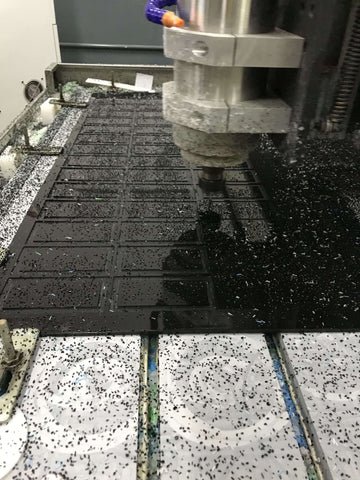
  • Low moisture absorption: Ensures minimal material expansion or distortion over time.

  • High wear resistance: Reduces friction and extends the lifespan of moving components.

  • Excellent surface finish: Achieves smooth, precision-machined parts with minimal post-processing.

  • Chemical resistance: Withstands exposure to fuels, oils, and various chemicals without degradation.

With these properties, custom POM machining is widely used for gears, bearings, bushings, rollers, and structural machine components, offering enhanced performance and longevity.

custom POM machining is widely used for gears, bearings, bushings, rollers, and structural machine components


Techniques in Custom POM Machining: CNC, Milling, and Turning

CNC Machining for POM

CNC machining is the preferred technique for processing custom POM parts, allowing manufacturers to achieve precise, repeatable, and complex geometries with exceptional accuracy. CNC routers, mills, and lathes are used to shape POM plastic with high-speed cutting tools, ensuring that the final component meets strict engineering specifications.

A major advantage of CNC machining is its ability to handle high-volume production while maintaining tight tolerances. For example, a manufacturer of conveyor belt systems required thousands of custom-machined POM rollers per month. By utilizing CNC machining, they achieved consistent part quality, reducing variability in production and ensuring each roller met precise dimensional standards. This not only streamlined the assembly process but also cut production waste by 20%, optimizing efficiency and lowering costs. Since POM is a relatively soft material compared to metals, CNC cutting speeds and feed rates must be carefully adjusted to prevent excessive heat buildup and material warping.

Milling and Turning for POM

  • Milling: Utilizes rotating cutting tools to remove material and create intricate part geometries, such as slots, pockets, and holes, commonly required in machinery components.

  • Turning: Ideal for producing cylindrical components like bushings, rollers, and gears with high rotational precision, ensuring that parts fit seamlessly into mechanical systems.

Selecting the right machining technique depends on part complexity, application requirements, and production volume. By leveraging these methods, manufacturers can achieve high-precision, long-lasting POM parts tailored to their needs.


Designing for Precision: CAD Integration with Custom POM Machining

The Role of CAD in Custom Machining

Computer-Aided Design (CAD) is an essential tool in custom POM machining, enabling manufacturers to optimize designs, simulate machining processes, and eliminate errors before production begins. CAD software ensures that each component is engineered with the highest precision, translating digital designs into tangible parts with near-zero deviations.

Optimizing POM Parts Through CAD

By integrating CAD into the machining process, engineers can:

  • Improve dimensional accuracy, ensuring every part meets tight tolerances.

  • Optimize cutting paths, reducing waste and enhancing machining efficiency.

  • Enhance structural integrity, designing parts that resist wear and mechanical stress.

With CAD-driven precision machining, manufacturers can eliminate costly errors, reduce production lead times, and create POM components that meet high-performance industrial standards.

custom POM machining

Case Study: Custom POM Gear Housing for Industrial Machinery

The Challenge: Reducing Friction and Wear in High-Speed Equipment

A leading manufacturer of industrial automation equipment approached me with a recurring issue in their high-speed machinery. Their existing metal gear housing was causing excessive friction, heat buildup, and wear, leading to frequent breakdowns, increased maintenance costs, and productivity losses. They needed a lightweight, low-friction alternative that could withstand continuous operation without compromising machine efficiency.

The Solution: CNC-Machined POM Gear Housing

After analyzing the problem, I recommended a CNC-machined POM gear housing as a direct replacement for the existing metal component. POM was chosen for its natural self-lubricating properties, wear resistance, and ability to withstand mechanical stress without warping.

Using advanced CAD modeling, I optimized the gear housing’s load distribution and structural reinforcement, ensuring it would perform under high-speed operational stress. The component was then CNC machined with ±0.2mm tolerances, guaranteeing a precise fit within the machinery while reducing vibrations and friction.

The Outcome: Enhanced Efficiency and Cost Savings

  • Friction reduced by 30%, lowering energy consumption.

  • Increased service life by over 3X compared to the original metal housing.

  • 50% reduction in maintenance costs due to lower wear rates.

  • Higher machine efficiency, reducing downtime and increasing production output.

This case study highlights how custom POM machining not only solves engineering challenges but also provides long-term operational and financial benefits. Compared to traditional metal components, POM parts offer significant cost savings due to lower material expenses, reduced machining complexity, and extended service life. Unlike metal parts that require frequent lubrication and maintenance, POM’s self-lubricating properties minimize wear and tear, reducing downtime and associated labor costs. Additionally, machining POM consumes less energy than metalworking processes such as milling and grinding, leading to lower production costs and improved efficiency. These financial advantages make custom POM machining an excellent investment for manufacturers looking to optimize performance while keeping expenses under control.

POM parts

Quality Control and Process Optimization in POM Machining

To ensure high-precision POM machining, stringent quality control measures are implemented, including: Unlike some other materials, POM requires careful monitoring during machining due to its thermal expansion properties, potential for dimensional creep, and sensitivity to improper tool settings. Maintaining strict quality control ensures that each machined POM component meets exacting industry standards and performs reliably in demanding applications.

  • Dimensional inspections with Coordinate Measuring Machines (CMM) to verify tolerances.

  • Surface finish analysis to guarantee smooth, friction-free functionality.

  • Mechanical stress testing to validate performance under real-world operating conditions.

Continuous process optimization through advanced CNC programming, real-time adjustments, and automated quality checks ensures that every batch of machined POM parts meets industrial-grade precision standards.


Elevate Your Operations with Custom POM Machining Solutions

Custom POM machining provides high-performance, precision-engineered solutions for machinery applications. Whether you need CNC-machined POM components, custom-designed gear housings, or wear-resistant industrial parts, investing in tailor-made solutions can significantly enhance efficiency and reduce operational costs.

Get Started with Custom POM Machining Today

Start optimizing your machinery today with precision-engineered POM parts tailored to your exact specifications. Experience the benefits of high-performance, wear-resistant POM components that enhance efficiency and reduce operational costs. Whether you’re looking for POM plastic sheets and rods for your project (explore our POM materials), need custom POM machining services (view our manufacturing capabilities), or have a unique customized POM part requirement (submit your request), I am here to assist. If you have any questions, feel free to contact us for a consultation today!

POM machining

🎉🎉🎉Limited Time Offer Use code: QR4GNY08SHVR at checkout and enjoy a special discount on your entire order! 👉 POM plastic

Leave a comment


Please note, comments must be approved before they are published


Custom Plastic Fabrication

Send your drawing, material and quantity for review

🔧
Precision Machining
CNC milling & turning
✂️
Cutting & Engraving
Laser & waterjet cutting
🏭
Forming & Molding
Thermoforming & injection
🔗
Joining & Assembly
Welding & bonding
📐
Design & Prototyping
CAD design & samples

General

HDPE

PP

PVC

ABS

Engineering

POM

Nylon

PC

PMMA

High-Performance

PEEK

PEI

PTFE

Composites

FR-4

G10

Flexible

TPU

Silicone

Why Choose BeePlastic?

🎯
Perfect Fit
Custom specs eliminate adaptation needs
⚡
Clear Lead Times
Lead time confirmed with every quote
💰
Volume Pricing
Volume pricing available on bulk orders
🤝
Expert Support
Free engineering consultation included
📋
Submit
→
🔍
Review
→
💵
Quote
→
✅
Production
→
📦
Deliver

Request a Quote

Share your project details, selected material and quantity on our quote page. You can add a file link or use the email drawing route shown there.


Request Quote

Industries: Automotive • Medical • Food • Lab • Semiconductor

beeplastic@beeplastic.com


From Concept to Production: CNC Machining of POM Plastic Parts for the Future of Industrial Innovation

From Concept to Production: CNC Machining of POM Plastic Parts for the Future of Industrial Innovation

The Role of CNC Machining of POM in Industrial Innovation

As industries evolve, the demand for precision-engineered components continues to grow. Among the many materials utilized in modern industrial production, Polyoxymethylene (POM) has proven to be an exceptional choice due to its high strength, low friction, and excellent dimensional stability. When combined with CNC machining, POM is transforming industries such as automotive, medical, and consumer electronics by enabling the production of high-performance, wear-resistant, and lightweight components.

Polyoxymethylene (POM)

🎉🎉🎉Limited Time Offer Use code: QR4GNY08SHVR at checkout and enjoy a special discount on your entire order! 👉 POM plastic

The transition from concept to full-scale production requires the implementation of advanced CNC machining techniques. For example, in the automotive industry, manufacturers have successfully scaled from prototyping to full production by using CNC machining of POM to create fuel system components and precision gears. These parts require tight tolerances and superior wear resistance, both of which POM offers. Similarly, the medical device sector relies on CNC-machined POM for surgical tools and prosthetic components, ensuring both biocompatibility and dimensional stability in high-precision applications. By leveraging CNC machining technology, companies in these industries can efficiently move from initial concept designs to mass production while maintaining quality and consistency. to optimize efficiency, accuracy, and material utilization. This article delves into the best machining techniques, material advantages, and industrial applications that position CNC machining of POM as a key driver in industrial innovation.


Material Selection: Why POM Stands Out Among Engineering Plastics

Key Properties of POM for Machining

POM, also known as Acetal, is widely recognized for its mechanical superiority in CNC machining applications. It offers a combination of high tensile strength and rigidity, making it ideal for load-bearing applications. Its low coefficient of friction reduces wear and tear, ensuring durability in moving mechanical components. Furthermore, POM demonstrates excellent dimensional stability, which allows it to maintain precise tolerances without distortion, even under fluctuating temperatures and humidity levels.

One of POM’s key advantages is its strong chemical resistance, making it an ideal choice for environments exposed to fuels, oils, and solvents. Unlike other plastics that absorb moisture and swell, POM has low moisture absorption, ensuring long-term reliability and performance in applications requiring consistent mechanical properties.

POM Compared to Other Engineering Plastics

While POM is a superior material for many CNC applications, it is essential to understand how it compares to other commonly used engineering plastics.

Property POM (Acetal) Nylon PTFE (Teflon) Polycarbonate
Strength High Moderate Low High
Wear Resistance Excellent Good Low Moderate
Machinability Excellent Moderate Difficult Moderate
Moisture Absorption Low High Very Low Low
Friction Low High Very Low Moderate

POM’s high wear resistance, low moisture absorption, and superior machinability set it apart as the preferred choice for high-precision machining applications. For instance, in the automotive industry, CNC-machined POM components are used in fuel system valves and precision gears, ensuring minimal friction and long-term durability. In medical manufacturing, its high dimensional stability and biocompatibility make it ideal for surgical tools and prosthetic devices, where accuracy is critical. These industry applications highlight how POM’s unique properties translate into tangible benefits in real-world scenarios, making it a top choice for CNC machining.

POM’s high wear resistance, low moisture absorption, and superior machinability

Advanced CNC Techniques for Machining POM Components

Optimizing Cutting Parameters

Precision in CNC machining of POM depends on well-optimized cutting parameters. A spindle speed range of 4000-8000 RPM helps achieve smooth material removal while minimizing excessive heat buildup that could alter the material’s properties. Feed rates must be adjusted moderately to prevent tool wear and ensure clean, precise cuts, reducing the need for post-processing. Additionally, machining in incremental passes rather than deep cuts ensures better accuracy and improves surface finish, preventing chipping or warping that can occur from excessive force.

High-Speed vs. Conventional CNC Machining

High-speed CNC machining of POM offers benefits such as shorter production cycles, enhanced surface finishes, and reduced risk of material deformation. However, it also introduces challenges that must be managed to maintain machining efficiency and part quality. One potential downside is increased tool wear, as high-speed cutting generates greater friction, which can degrade cutting edges more quickly. Additionally, excessive heat buildup during high-speed operations can lead to thermal expansion, affecting dimensional accuracy. To mitigate these issues, manufacturers often employ advanced cooling techniques, optimize feed rates, and use high-performance coated tools designed for high-speed machining applications., enhanced surface finishes, and reduced risk of material deformation. However, this technique also introduces challenges like increased tool wear and heat generation, which require proper cooling strategies and tool coatings to ensure a balance between speed and quality.

Selecting the Right Cutting Tools

Selecting the right tool is crucial in machining POM efficiently. Carbide tools offer high wear resistance, ensuring extended tool life and improved cutting performance. DLC-coated tools reduce friction, preventing material adhesion and delivering superior surface quality. To further reduce burr formation, sharp-edged cutters should be used to achieve smooth and precise cuts, minimizing the need for secondary finishing operations.


Overcoming Common Challenges in POM Machining

Preventing Tool Wear and Burr Formation

One of the most common challenges in CNC machining of POM is burr formation, which affects the final part’s accuracy and functionality. Achieving clean cuts requires the use of sharp, high-precision cutting tools that minimize material tearing. Additionally, incorporating chip-breaking strategies ensures that long, continuous chips do not clog the machining area, which can lead to tool breakage or surface defects. For parts that require ultra-smooth finishes, post-machining processes like ultrasonic deburring can be employed to refine edges and eliminate imperfections.

Managing Thermal Expansion

Although POM has a relatively low thermal expansion coefficient, improper machining techniques can still result in dimensional inaccuracies, which is particularly critical in industries such as aerospace and medical implants. In aerospace applications, even the slightest dimensional deviation can affect aerodynamics and structural integrity, requiring extremely tight tolerances. Similarly, in the medical field, CNC-machined POM components used in prosthetics and surgical instruments must maintain precise dimensions to ensure patient safety and proper functionality. Addressing thermal expansion through optimized machining parameters and effective cooling strategies is essential for maintaining high precision in these demanding applications.. To mitigate this issue, coolants or air blasts are often used to maintain a stable temperature during machining. Adjusting spindle speeds and feed rates accordingly helps prevent excessive friction that could lead to overheating. In addition, heat-resistant tool coatings extend tool life while ensuring stable and precise machining conditions, allowing for consistency in production.

CNC-machined POM components used in prosthetics and surgical instruments

Innovations in CNC-Machined POM Applications Across Industries

Automotive Industry

POM is widely used in the automotive industry, particularly in fuel system components, transmission gears, and braking systems. Its chemical resistance and mechanical durability make it an excellent material for parts that are exposed to harsh conditions. Automotive manufacturers rely on CNC-machined POM parts to enhance performance, efficiency, and reliability in modern vehicles.

Medical Devices

In the medical field, POM is a preferred material for prosthetic joints, surgical instruments, and diagnostic equipment. Its biocompatibility and structural strength make it an ideal choice for medical applications that require precision and durability. The ability to sterilize CNC-machined POM components without degradation is an additional benefit for medical manufacturers.

Consumer Electronics

POM is extensively used in consumer electronics, with major brands incorporating CNC-machined POM in their products for enhanced durability and precision. For instance, Apple and Logitech use POM in mechanical keyboards, ensuring smoother key actuation and long-lasting wear resistance. Additionally, high-end audio manufacturers rely on POM for precision-molded components in speakers and headphone mechanisms, reducing friction and improving acoustic performance. Its stability and wear resistance make it a go-to material for critical electronic applications that demand reliability and longevity., such as precision connectors, mechanical switches, and durable electronic housings. Its wear resistance, low friction, and high impact strength ensure that electronic components maintain long-lasting performance under repeated use.


Why CNC Machined POM is the Ultimate Choice for High-Performance Manufacturing

The combination of POM’s exceptional properties and advanced CNC machining techniques makes it a valuable material for high-precision industries. From automotive innovations to cutting-edge medical devices, CNC-machined POM continues to drive industrial advancements.

If you are looking for custom CNC-machined POM components, explore our custom POM plastic machining solutions to find the perfect high-precision, wear-resistant parts for your needs.

For high-quality POM raw materials, check out our POM sheets and rods to ensure you use the best materials for your machining projects.

Interested in enhancing your manufacturing capabilities? Learn more about our advanced CNC machining services to achieve high-accuracy production at scale.

🎉🎉🎉Limited Time Offer Use code: QR4GNY08SHVR at checkout and enjoy a special discount on your entire order! 👉 POM plastic

POM sheets and rods

Have specific project requirements? Consult our CNC machining experts today and let us create the perfect high-performance POM components for your industry!

Leave a comment


Please note, comments must be approved before they are published


Custom Plastic Fabrication

Send your drawing, material and quantity for review

🔧
Precision Machining
CNC milling & turning
✂️
Cutting & Engraving
Laser & waterjet cutting
🏭
Forming & Molding
Thermoforming & injection
🔗
Joining & Assembly
Welding & bonding
📐
Design & Prototyping
CAD design & samples

General

HDPE

PP

PVC

ABS

Engineering

POM

Nylon

PC

PMMA

High-Performance

PEEK

PEI

PTFE

Composites

FR-4

G10

Flexible

TPU

Silicone

Why Choose BeePlastic?

🎯
Perfect Fit
Custom specs eliminate adaptation needs
⚡
Clear Lead Times
Lead time confirmed with every quote
💰
Volume Pricing
Volume pricing available on bulk orders
🤝
Expert Support
Free engineering consultation included
📋
Submit
→
🔍
Review
→
💵
Quote
→
✅
Production
→
📦
Deliver

Request a Quote

Share your project details, selected material and quantity on our quote page. You can add a file link or use the email drawing route shown there.


Request Quote

Industries: Automotive • Medical • Food • Lab • Semiconductor

beeplastic@beeplastic.com


How Durable is POM? Discover the Strength of Polyoxymethylene with Precision Processing

Advanced POM blends with enhanced UV resistance

Why POM is the Material of Choice for Durability and Reliability

Polyoxymethylene (POM), commonly known as acetal or polyacetal, is renowned for its exceptional durability and mechanical properties. What sets POM apart from other engineering plastics is its combination of high stiffness, excellent dimensional stability, and low friction. For instance, compared to nylon, which tends to absorb moisture and lose stability in humid environments, POM maintains its structure and performance. Similarly, while ABS offers affordability, it cannot match POM’s wear resistance and ability to handle continuous mechanical stress. This makes POM uniquely suited for precision applications requiring durability and reliability. Unlike materials that compromise between flexibility and strength, POM offers a balanced profile, making it ideal for precision applications. Its unique molecular structure allows it to perform reliably under heavy loads, while its wear resistance ensures long-term functionality in demanding environments. This makes POM an indispensable material for industries requiring high-performance components. From automotive gears to medical device housings, this engineering plastic has earned its reputation as a reliable choice for demanding applications. Its ability to combine strength, stability, and resistance to environmental factors ensures it stands out as a premium material.

POM gear in automotive applications showcasing durability and strength

POM is specifically engineered to perform under challenging conditions, making it ideal for industries that demand precision and reliability. But what makes POM so durable? The secret lies in its high crystallinity and advanced POM processing techniques. Let’s delve deeper into the key factors that contribute to POM’s remarkable strength and how precision processing unlocks its full potential for modern manufacturing.


Understanding the Durability of POM

POM’s durability stems from its unique molecular structure. As a highly crystalline thermoplastic, POM features tightly packed molecular chains that enhance its rigidity and resistance to deformation. This high crystallinity allows POM to handle mechanical stress efficiently, making it particularly well-suited for applications such as automotive gears that require consistent performance under load. In aerospace applications, POM’s molecular alignment ensures reliability in components exposed to vibrations and fluctuating pressures, demonstrating its capacity to maintain integrity in challenging environments. This high degree of crystallinity allows POM to distribute mechanical stress evenly across its structure, minimizing weak points and reducing the risk of failure under load. Compared to less crystalline materials like polypropylene, POM offers superior strength and stability, making it the material of choice for components that must endure prolonged mechanical and environmental stress. Understanding these characteristics reveals why it outperforms other materials in demanding environments.

Exceptional Mechanical Strength

POM’s tight molecular alignment distributes stress uniformly, reducing weak points and enhancing its ability to withstand heavy loads. This structure ensures exceptional rigidity even under constant mechanical stress, making it indispensable in industrial machinery, automotive systems, and high-performance equipment. For instance, components like sprockets and conveyor belt guides depend on POM’s mechanical stability to maintain performance over extended periods of operation. Unlike amorphous plastics like ABS, which can deform or warp over time, POM retains its shape and stability even when exposed to continuous strain.

Superior Wear Resistance

Thanks to its low coefficient of friction, POM excels in applications involving sliding or rotating components. For example, conveyor belt rollers made from POM offer superior wear resistance and smooth operation, reducing maintenance and ensuring consistent performance in industrial settings. These qualities make POM an essential material for applications requiring long-lasting and efficient movement of components. Parts such as gears, bearings, and conveyor elements made from POM resist surface abrasion, ensuring long-lasting performance. For example, in high-speed assembly lines, POM gears deliver consistent performance without significant wear, reducing downtime and maintenance. Its ability to maintain functionality under repetitive movement reduces wear and prolongs component life, making it indispensable in high-performance systems.

Polyoxymethylene gear systems for high-stress applications

Resistance to Environmental Factors

POM resists moisture absorption, a significant advantage over materials like nylon, which can swell and warp in humid environments. This characteristic ensures that POM components maintain their structural integrity even when exposed to varying temperatures or wet conditions. In marine equipment or outdoor machinery, this resistance is critical for maintaining consistent performance. Additionally, POM’s resistance to chemicals such as fuels, solvents, and oils solidifies its reputation as a robust material for challenging environments, including automotive fuel systems and chemical handling equipment.

These properties make POM a reliable and versatile material capable of withstanding the most demanding industrial conditions.


Advanced Techniques in POM Processing

The remarkable durability of POM is further enhanced through advanced processing methods. Each technique maximizes the material’s inherent properties while tailoring it to meet specific application requirements. These methods ensure that POM components deliver consistent quality and high performance.

Injection Molding

Injection molding is widely used for manufacturing intricate components, such as precision fuel system parts and housings for sensitive medical devices. This process is particularly effective because it allows for the mass production of highly detailed parts with consistent quality. By using controlled temperatures and pressures, injection molding ensures that POM maintains its mechanical strength and dimensional accuracy, even for components with complex geometries. This makes it a preferred choice for industries requiring both precision and reliability. The process ensures consistent quality and precise replication of complex shapes. For example, in automotive applications, injection molding creates fuel pump components that must withstand exposure to high pressure and corrosive substances. Proper temperature and pressure control during injection molding preserve POM’s high mechanical strength and dimensional stability, ensuring parts meet exacting standards and perform flawlessly.

CNC Machining

CNC machining offers unmatched precision, making it ideal for producing custom components such as automotive gears and industrial bushings. This technique enables the creation of parts with intricate designs and tight tolerances, ensuring reliability and superior performance. For instance, CNC machining is critical in manufacturing medical implants and instrumentation where precision can impact patient safety. The versatility of CNC machining allows manufacturers to adapt POM for a wide range of applications across different industries.

Hot Pressing

Hot pressing is a specialized technique that enhances POM’s strength and durability by applying uniform heat and pressure. This method is particularly useful for producing heavy-duty seals and bushings that require high resilience and long-term reliability. For example, heavy machinery components often rely on hot-pressed POM parts to maintain stability under high loads and abrasive conditions. By controlling heat application, manufacturers ensure that POM retains its integrity during processing while achieving superior performance in demanding applications.

These POM processing methods allow manufacturers to produce high-quality, durable components that meet the rigorous demands of diverse industries.

Energy-efficient POM processing equipment in operation

Benefits of POM Processing for High-Performance Applications

Custom POM processing unlocks a host of benefits, making it an indispensable material for applications where performance and reliability are paramount. From its dimensional stability to its chemical resistance, POM’s unique properties ensure long-term success in various industries.

Dimensional Stability

POM’s ability to maintain its shape under mechanical stress makes it a superior choice for precision applications. This is especially important in aerospace, robotics, and industrial automation, where even slight deviations can compromise functionality. For example, robotic arms with POM components maintain consistent accuracy in repetitive tasks, ensuring efficiency and reliability.

Chemical Resistance

The chemical resilience of POM allows it to perform reliably in environments exposed to fuels, oils, and industrial solvents. This property makes it a preferred material in automotive and heavy machinery industries, where exposure to harsh substances is common. For instance, POM is often used in fuel injector components that require resistance to corrosive liquids, maintaining functionality even under extreme chemical exposure.

Long-Lasting Performance

Components made from POM exhibit exceptional wear resistance, reducing maintenance requirements and ensuring long service life. For manufacturers, this translates to lower operational costs and fewer interruptions. For example, conveyor systems with POM components experience reduced downtime, enabling continuous production and enhancing profitability over time.


Comparing POM Processing with Other Engineering Plastics

When compared to other engineering plastics, POM consistently delivers superior performance. Let’s examine how it stacks up against some popular alternatives:

POM vs. Nylon

While nylon is valued for its flexibility, its high moisture absorption can lead to swelling and dimensional instability. POM’s superior resistance to water and environmental factors makes it a reliable choice for outdoor and marine applications, where stability and durability are essential. For example, marine pump components made from POM outperform those made from nylon, maintaining efficiency even in wet conditions.

POM vs. ABS

ABS offers affordability and ease of processing, but it lacks the strength and wear resistance of POM. For applications demanding precision and long-term durability, such as automotive gears or mechanical components, POM’s rigidity and surface finish make it the better choice. For instance, precision timing gears benefit significantly from POM’s low friction and high wear resistance.

POM vs. Polypropylene

Polypropylene is known for its chemical resistance and low cost, but it cannot match POM’s stiffness or ability to maintain dimensional accuracy under stress. This makes POM ideal for high-load environments where consistent performance is required, such as in heavy-duty agricultural equipment components.

These comparisons highlight why POM processing is integral to manufacturing advanced, reliable components for various industries.

Injection-molding setup for polyoxymethylene components

Innovations and Future Trends in POM Processing

As industries evolve, new technologies and techniques are shaping the future of POM processing. Key trends include:

Automation in Manufacturing

The integration of robotics and AI in POM processing workflows is enhancing efficiency, reducing errors, and streamlining production. These advancements enable manufacturers to meet increasing demand while maintaining high quality. For example, automated systems can produce POM components with greater speed and precision, reducing production time.

Sustainable Practices

Sustainability is becoming a core focus, with recyclable POM grades and energy-efficient processing techniques gaining popularity. For instance, closed-loop recycling systems are being used to collect and repurpose POM waste, converting it into high-quality pellets for reuse in manufacturing. Additionally, innovative technologies like hybrid molding machines significantly reduce energy consumption during processing, lowering the environmental impact. These sustainable advancements showcase how manufacturers are aligning with eco-friendly practices while maintaining production efficiency. For example, manufacturers are increasingly adopting closed-loop recycling systems to repurpose POM waste into high-quality pellets for reuse. Additionally, energy-efficient molding machines, which consume significantly less electricity, are reducing the carbon footprint associated with POM processing. These advancements not only make production more eco-friendly but also align with global efforts to create sustainable manufacturing practices. These practices help manufacturers reduce their environmental footprint while meeting regulatory standards. For instance, energy-efficient molding machines significantly reduce power consumption during POM processing.

Enhanced Material Blends

Advances in polymer science are introducing innovative POM blends with enhanced properties. These include improved UV resistance, higher thermal stability, and increased impact strength, expanding POM’s application range in industries such as renewable energy and aerospace. For example, POM blends are now being utilized in solar panel components to withstand prolonged UV exposure.

By adopting these innovations, manufacturers ensure that POM remains a leading material in high-performance applications.


Unlock the Full Potential of POM with Custom Processing

Transform Your Manufacturing with Custom POM Solutions

POM’s durability, versatility, and reliability make it a cornerstone of modern manufacturing. For manufacturers, this translates into tangible benefits such as reduced operational costs, extended product lifespan, and improved performance consistency. For instance, the exceptional wear resistance of POM significantly lowers maintenance requirements, minimizing downtime in high-demand industries like automotive and industrial automation. Additionally, its ability to maintain dimensional stability under varying conditions ensures fewer part replacements and enhanced long-term efficiency, making it a highly cost-effective solution. However, its true strength is realized through precision POM processing techniques. From injection molding to CNC machining, advanced methods ensure that POM components meet the highest standards of quality and performance.

Are you ready to elevate your products with custom POM solutions? Explore our specialized services:

Ready to bring your project to the next level? Let us help you harness the power of precision POM processing for your needs. Whether you’re developing automotive components, medical devices, or industrial machinery, our expertise ensures high-quality solutions tailored to your industry. Whether you require custom POM plastic solutions, high-quality polyoxymethylene sheets and rods, or advanced manufacturing capabilities, we’re here to deliver. Fill out the contact form below and take the first step toward innovative and reliable solutions.

Highly durable POM parts in automotive fuel systems


Leave a comment


Please note, comments must be approved before they are published


Custom Plastic Fabrication

Send your drawing, material and quantity for review

🔧
Precision Machining
CNC milling & turning
✂️
Cutting & Engraving
Laser & waterjet cutting
🏭
Forming & Molding
Thermoforming & injection
🔗
Joining & Assembly
Welding & bonding
📐
Design & Prototyping
CAD design & samples

General

HDPE

PP

PVC

ABS

Engineering

POM

Nylon

PC

PMMA

High-Performance

PEEK

PEI

PTFE

Composites

FR-4

G10

Flexible

TPU

Silicone

Why Choose BeePlastic?

🎯
Perfect Fit
Custom specs eliminate adaptation needs
⚡
Clear Lead Times
Lead time confirmed with every quote
💰
Volume Pricing
Volume pricing available on bulk orders
🤝
Expert Support
Free engineering consultation included
📋
Submit
→
🔍
Review
→
💵
Quote
→
✅
Production
→
📦
Deliver

Request a Quote

Share your project details, selected material and quantity on our quote page. You can add a file link or use the email drawing route shown there.


Request Quote

Industries: Automotive • Medical • Food • Lab • Semiconductor

beeplastic@beeplastic.com


What is the difference between UHMWPE and HDPE?

HDPE guide bar and UPE scaper

🎉 Limited Time Special Offer

Unlock exclusive savings on high-performance plastics. Use code QR4GNY08SHVR at checkout.

Shop UHMWPE Now →

Difference between HDPE and UHMWPE plastic sheets

Plastic sheet is more and more widely used in people’s life and industrial applications, and our reliance on plastic is also increasing, among which, both UHMWPE and HDPE are more commonly used in various industries, but for many people it is still unclear whether these two materials are the same, and if not, what is the difference between them.

In this article, we will introduce the difference between UHMWPE sheet and HDPE sheet in terms of performance and processing application such as cut-to-size services, so that you can better distinguish what is the difference between UHMWPE sheet and HDPE sheet to help you better choose the right material to meet your business needs. In addition, we will also compare other materials or metal materials that can be replaced by UHMWPE sheet and HDPE sheet, so as to analyze the development space of UHMWPE sheet and HDPE sheet in various industries in the future. We hope that by reading this article, you can gain more knowledge about UHMWPE and HDPE materials and improve your understanding of their applications.

The difference and comparison of the performance of UHMWPE and HDPE materials

UHMWPE material with molecular weight over 1 million polyethylene is a thermoplastic engineering plastic with excellent comprehensive performance in linear structure. UHMWPE has super wear resistance, self-lubricating, high strength, stable chemical properties and strong anti-aging properties, HDPE also has these properties, but the performance of UHMWPE is far better than HDPE, usually the toughness and temperature resistance of UHMWPE material is more stable, UHMWPE material will only become soft to 200 degrees and will not be deformed. UHMWPE material will only become soft but not deformed by 200 degrees.

UHMWPE board and stick plastic materials
HDPE sheet and bar standard products

UHMWPE material usually has several molecular weights, 5 million molecular weight / 8 million molecular weight and 9.2 million molecular weight, the higher the molecular weight, the more stable its performance and longer service life under the same conditions.

HDPE materials are usually only about 100,000 molecular weight. The difference between polyethylene and UHMWPE is that UHMWPE has enough strength to achieve the wear and impact resistance that is not possible with other lower polymeric products.

What materials can be replaced by UHMWPE and HDPE?

UHMWPE sheet and HDPE sheet are both very widely used engineering plastic sheets, and at the same time they both have very excellent performance. Due to the influence of traditional metal in weight, price, processing difficulty, etc. UHMWPE sheet and HDPE sheet gradually replace some metal parts through their own advantages of light material quality, low price and easy processing, etc. Moreover, plastic friction is less sound than metal, which reduces noise. Light quality UHMWPE sheet and HDPE sheet also reduce a lot of transportation cost. But the advantages of metal in terms of hardness and deformation are still more obvious, so you have to choose the right material for you according to the environment of your application.

UPE buffer block for industrial use

The uhmwpe plate can be used in textile, paper making, food machinery, transportation, medical, coal mining, chemical and other sectors. Such as the textile industry on the bobbin bar, gear, sweeping flower rod, buffer block, eccentric block, rod sleeve and other impact-resistant wear parts. Paper industry to do box cover plate, water scraper, eccentric guide wheel, scraper, etc.; transport industry to do powder material hopper, bin, chute lining. Due to its low material adhesion, non-toxic and odorless, self-lubricating properties, the material occupies a large number of applications in the above applications.

HDPE board can be used to make skating board, hockey board, vegetable board, cutting board, tank, rail, guide bar, earthmoving carriage board, dumping carriage board, etc.

Compare to other plastics

  • Nylon plastic: Nylon sheet has higher temperature resistance, hardness and specific gravity.
  • POM plastic: POM sheet is relatively hard, but relatively brittle. Toughness is not good, processing is easy to deformation
  • PVC: The biggest advantage of PVC is its low price, but it performs poorly in terms of strength and temperature stability.
HDPE slide rail parts HDPE guide rail

The difference between UHMWPE and HDPE molding and processing methods

UHWMPE CNC machining service

The ultra-high molecular weight of UHMW polyethylene means that it does not melt and flows like a liquid, hence the processing methods derived from powder metal technology. Traditional plastics processing techniques, such as injection molding, blow molding and heat setting, cannot be applied to UHMWPE. Extrusion molding is the most common process applied to this resin, which produces a much tougher product. In the finished product processing, because UHMWPE has good toughness and high hardness, it is more difficult in processing, and the type of product processing is more limited. UHMWPE also needs enough experience in CNC processing to better complete the product processing requirements.

HDPE has excellent fluidity and is produced by two high-pressure liquid-phase processes, namely the kettle method and the tubular method. The polymer produced by the kettle process has a narrow molecular weight distribution with more branched chains; while the product of the tubular process has a wider molecular weight distribution and fewer branched chains. Polyethylene sheet because of its excellent performance and easy processing characteristics, in the finished product processing can do more complex workpiece, which, CNC products also occupy a large part of the processed products, and other similar shaped guide type of products.

HDPE CNC machining service

Come on! UHMWPE and HDPE Fans!

If you are interested in this article and would like to learn more about UHMWPE and HDPE in terms of customization, please feel free to contact our website. We can provide you with technical support and professional advice tailored to your needs to help you achieve the best results in processing the materials you need.

PE CNC machining custom parts

If you need further information or to purchase UHMWPE or HDPE materials, please contact us by email. Our professional team will promptly reply to your emails and assist you in selecting quality and reliable materials for your various applications.

Finally, thank you for reading this article and visiting other related articles on our website. We will continue to publish the latest industry news and high quality technical articles in order to better serve our users and contribute to the advancement of the plastics processing field.

Exclusive Offer

Looking for premium plastic materials? Use code below at checkout.

QR4GNY08SHVR

Leave a comment


Please note, comments must be approved before they are published


Custom Plastic Fabrication

Send your drawing, material and quantity for review

🔧
Precision Machining
CNC milling & turning
✂️
Cutting & Engraving
Laser & waterjet cutting
🏭
Forming & Molding
Thermoforming & injection
🔗
Joining & Assembly
Welding & bonding
📐
Design & Prototyping
CAD design & samples

General

HDPE

PP

PVC

ABS

Engineering

POM

Nylon

PC

PMMA

High-Performance

PEEK

PEI

PTFE

Composites

FR-4

G10

Flexible

TPU

Silicone

Why Choose BeePlastic?

🎯
Perfect Fit
Custom specs eliminate adaptation needs
⚡
Clear Lead Times
Lead time confirmed with every quote
💰
Volume Pricing
Volume pricing available on bulk orders
🤝
Expert Support
Free engineering consultation included
📋
Submit
→
🔍
Review
→
💵
Quote
→
✅
Production
→
📦
Deliver

Request a Quote

Share your project details, selected material and quantity on our quote page. You can add a file link or use the email drawing route shown there.


Request Quote

Industries: Automotive • Medical • Food • Lab • Semiconductor

beeplastic@beeplastic.com
