Choosing Between HDPE and UHMWPE for Custom Components: What Every Manufacturer Should Know

HDPE machining solutions

Selecting the appropriate plastic material for custom manufacturing projects is more than just a technical decision—it’s a strategic investment in product quality, operational efficiency, and long-term cost savings. Two of the most prominent and widely adopted materials for industrial and manufacturing applications today are High-Density Polyethylene (HDPE) and Ultra-High Molecular Weight Polyethylene (UHMWPE). While both derive from the polyethylene family, their unique properties significantly influence their suitability for specific applications. As a manufacturer, understanding the distinct advantages and limitations of each is critical to ensuring optimal component performance, durability, and overall success.

Limited Time Manufacturer Offer
Use code QR4GNY08SHVR at checkout and enjoy a special discount on your entire order! 👉 Shop UPE Plastic Standard Parts

Comparative Analysis – HDPE vs UHMWPE in Custom Fabrication

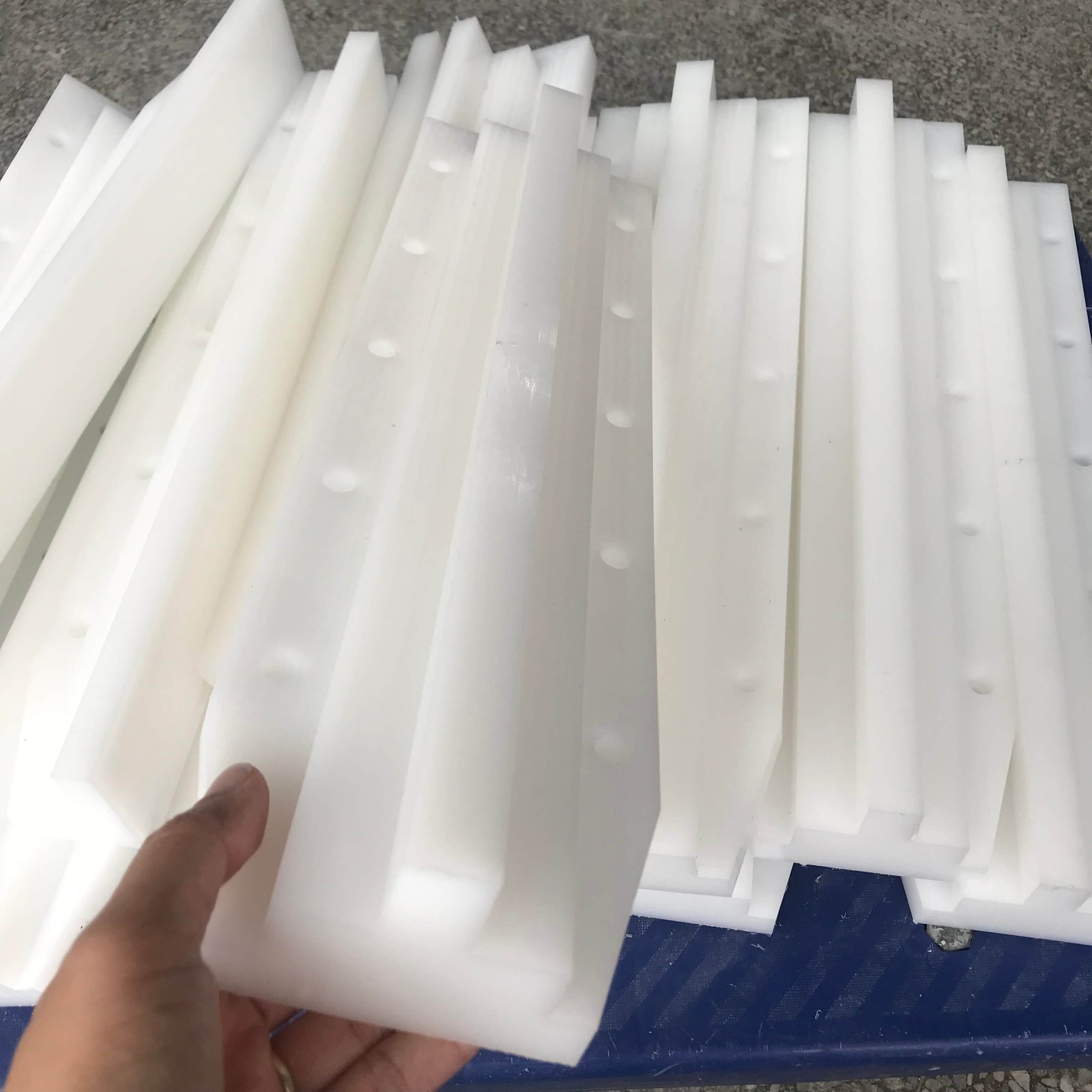
High-Density Polyethylene (HDPE) sheets prepared for CNC machining

In custom component fabrication, machinability can substantially impact productivity and cost-efficiency. HDPE is renowned among manufacturers for its excellent machinability, facilitating straightforward CNC machining, routing, welding, and thermoforming. Its relatively low melting point and predictable behavior under fabrication processes make it especially advantageous for rapid prototyping and high-volume production. HDPE’s easy machinability translates to reduced labor costs, shorter production cycles, and minimal tool wear, thus offering significant economic benefits for projects requiring efficient turnaround times.

Conversely, UHMWPE, while more challenging to fabricate due to its exceptionally high molecular weight and extremely low friction characteristics, excels in specialized applications. Machining UHMWPE requires precise control of cutting parameters, specialized tooling, and often slower operational speeds to prevent deformation and maintain dimensional accuracy. However, once mastered, UHMWPE’s machinability challenges are significantly outweighed by its superior performance in high-wear and friction-intensive environments. Its unparalleled resistance to abrasion and impact makes it an indispensable material for components like conveyor guides, wear strips, and bearing surfaces, where prolonged durability significantly reduces maintenance intervals and replacement costs.

Comparison Metric HDPE UHMWPE
Machinability Excellent (Easy to CNC, Weld) Moderate (Requires Specialized Tooling)
Impact Resistance Good Superior (No-break)
Friction Coefficient Low Extremely Low (Self-Lubricating)

Understanding Material Properties and Performance Metrics

UHMWPE’s self-lubricating rods and sheets ready for delivery

HDPE and UHMWPE present distinct sets of material properties that manufacturers must carefully evaluate against their specific application requirements. HDPE exhibits strong structural integrity, commendable tensile strength, and good chemical resistance, making it suitable for applications such as chemical containment, storage tanks, and structural support panels. Its rigidity and stability under moderate load conditions often fulfill requirements in general industrial applications where cost-effectiveness and material reliability are paramount.

UHMWPE, however, stands out significantly with its exceptional impact resistance and wear performance. Its molecular composition provides remarkable resistance to abrasive environments, mechanical stress, and repeated impact, making UHMWPE ideal for rigorous applications demanding consistent performance under severe operational conditions. Furthermore, UHMWPE’s self-lubricating properties reduce friction and maintenance demands, offering further long-term operational benefits. Components fabricated from UHMWPE can handle heavy-duty usage in industries such as mining, material handling, and manufacturing assembly lines, where material failure translates directly into operational downtime and substantial financial implications.

Cost-Benefit Evaluation in Real Manufacturing Scenarios

A thorough cost-benefit analysis of HDPE and UHMWPE goes beyond initial purchase prices, encompassing machining costs, operational efficiencies, and maintenance considerations. HDPE’s lower initial cost and ease of machining provide immediate financial benefits, especially for projects with limited budgets, rapid prototyping requirements, or parts not subjected to intensive wear or mechanical stress.

In contrast, UHMWPE, while demanding higher initial investments and specialized machining techniques, often delivers substantial long-term savings. Its superior durability significantly prolongs component lifespan, thereby reducing the frequency of replacements and associated downtime. In industries where the cost of operational interruptions is high, the initial investment in UHMWPE can quickly translate into substantial financial advantages. Consequently, manufacturers should carefully balance immediate budget constraints against the anticipated lifecycle performance and associated costs when selecting between these materials.

Industry Applications and Case Studies

Industry-specific examples highlight the effectiveness of HDPE and UHMWPE, underscoring the necessity of material alignment with operational requirements. HDPE finds extensive use in food processing environments, marine applications, and outdoor structures due to its chemical resistance, ease of maintenance, and overall affordability. For instance, food-grade cutting boards and chemical storage containers benefit from HDPE’s non-toxic, FDA-compliant nature.

Conversely, UHMWPE is often the material of choice in sectors requiring extreme resilience and longevity under harsh conditions. Its widespread adoption in conveyor systems, wear components for manufacturing machinery, and automotive bushings illustrates its value. A notable example is its use in conveyor belt guide rails within manufacturing plants, where UHMWPE dramatically reduces wear and extends replacement intervals, minimizing costly production downtime and labor expenses.

Environmental and Regulatory Compliance Considerations

CNC milled White HDPE board showing surface quality

As environmental sustainability and regulatory compliance become increasingly critical in material selection, both HDPE and UHMWPE offer noteworthy advantages. HDPE’s recyclability and compliance with FDA regulations make it a preferred choice in industries emphasizing sustainable practices and food safety.

Similarly, UHMWPE complies with stringent FDA standards and offers remarkable chemical inertness and stability under variable environmental conditions, positioning it ideally for applications in pharmaceutical, food processing, and chemical manufacturing industries. Its resistance to degradation in chemically aggressive or challenging environmental scenarios ensures consistent regulatory compliance and aligns with contemporary environmental stewardship objectives.

Making the Right Material Choice for Your Custom Components

Ultimately, choosing between HDPE and UHMWPE demands a comprehensive evaluation of your project’s specific requirements, including machinability, operational environment, lifecycle costs, and regulatory obligations. By understanding the nuanced differences between these two widely adopted industrial plastics, manufacturers can confidently select the material best suited to their needs, ensuring superior component performance and cost-effective production outcomes.

Ready to optimize your material selection and custom component manufacturing?

Explore our comprehensive HDPE machining solutions, specialized UHMWPE custom fabrication services, or browse our UHMWPE product catalog. Learn about our extensive plastic machining capabilities, or contact our team for tailored consultations today.

Selecting the right material today ensures a successful manufacturing future. Let’s collaborate to produce high-quality, durable, and efficient custom components tailored precisely to your requirements.

Custom UHMWPE parts fabrication service overview

Leave a comment


Please note, comments must be approved before they are published


Custom Plastic Fabrication

1pc to 10,000+ | ±0.03mm | No MOQ

🔧
Precision Machining
CNC milling & turning
✂️
Cutting & Engraving
Laser & waterjet cutting
🏭
Forming & Molding
Thermoforming & injection
🔗
Joining & Assembly
Welding & bonding
📐
Design & Prototyping
CAD design & samples

General

HDPE

PP

PVC

ABS

Engineering

POM

Nylon

PC

PMMA

High-Performance

PEEK

PEI

PTFE

Composites

FR-4

G10

Flexible

TPU

Silicone

Why Choose BeePlastic?

🎯
Perfect Fit
Custom specs eliminate adaptation needs
⚡
Clear Lead Times
Lead time confirmed with every quote
💰
Volume Pricing
Volume pricing available on bulk orders
🤝
Expert Support
Free engineering consultation included
📋
Submit
→
🔍
Review
→
💵
Quote
→
✅
Production
→
📦
Deliver

Request a Quote


Industries: Automotive • Medical • Food • Lab • Semiconductor

Free consultation → beeplastic@beeplastic.com


HDPE vs UHMWPE in the Factory: A Machinist’s Guide to the Best Fit for Your Parts

Conveyor tracks, guide rails, and robotic assembly lines

🔥 Machinist’s Exclusive Offer: Use code QR4GNY08SHVR at checkout for a special discount on your entire order! 👉 Shop UHMWPE & Acrylic

In any machining environment, the materials you choose are as critical as the tools you use. When you’re selecting between HDPE (High-Density Polyethylene) and UHMWPE (Ultra-High Molecular Weight Polyethylene), understanding their real-world behavior on the factory floor is key to machining efficiency, part durability, and long-term performance.

As a machinist or production engineer, you need more than datasheets—you need insights from practical applications. Whether you’re working to reduce tool wear, improve turnaround time, or avoid unnecessary part replacements, this guide helps you determine which plastic gives your parts the edge they need.

Choosing the right thermoplastic material is like choosing the right cutting tool—it affects everything from finish quality and lead time to maintenance cycles and equipment longevity. As industries push for faster production, lighter materials, and extended part lifespan, polyethylene-based plastics have emerged as the go-to solution in environments demanding versatility, chemical resistance, and mechanical performance. HDPE and UHMWPE are two standouts in this category, but while they may look similar at a glance, their machining behavior, wear resistance, and suitability under pressure diverge in critical ways.

Machining Matters: How HDPE and UHMWPE Perform on the Shop Floor

Feature HDPE UHMWPE
Machinability Excellent (Crisp edges) Requires Finesse
Wear Resistance Good Superior

HDPE is widely appreciated for its ease of fabrication. It responds beautifully to standard CNC milling and turning, producing crisp edges, minimal burrs, and predictable chip patterns. Most machinists find HDPE forgiving, with low tool wear, excellent cut consistency, and a surface finish that often requires minimal post-processing. It’s ideal for high-throughput jobs where speed and reliability are paramount.

UHMWPE, however, demands more finesse. Its slippery, low-friction nature means it can shift or deform slightly during machining if not properly secured. It also has a tendency to develop heat if machined too aggressively, which may compromise dimensional accuracy. But with sharp tooling, lower RPMs, and refined feeds and speeds, machinists can produce parts with exceptional wear properties that will outlast most alternatives. While HDPE may save you time at the spindle, UHMWPE can deliver years of value in use.

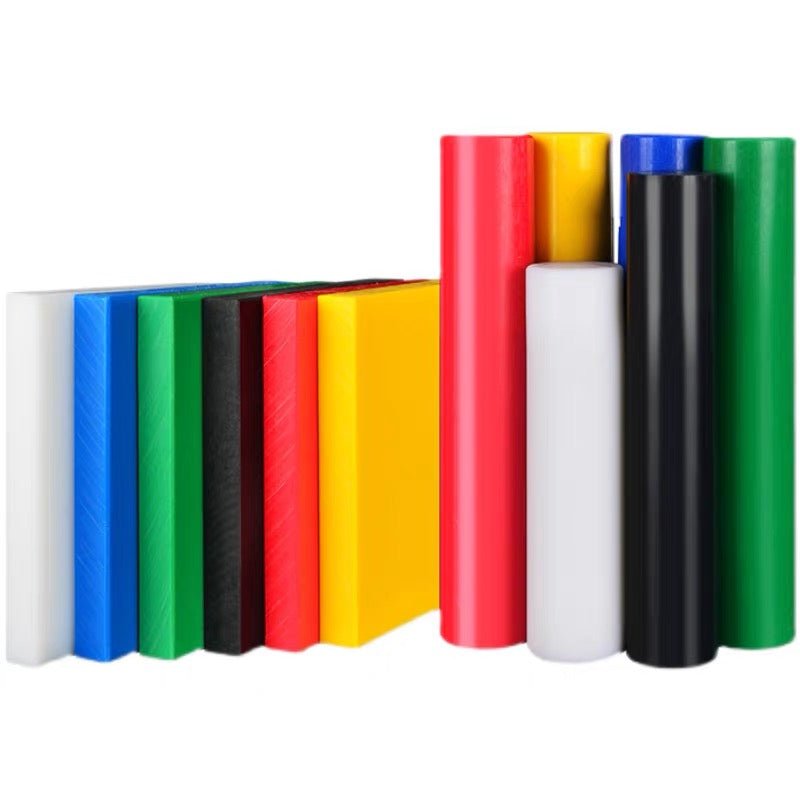
CNC machining comparison of HDPE vs UHMWPE sheets and rods

Figure 1: Comparison of polyethylene standard stock forms.

UHMWPE Rods for Sale

Need High Wear Resistance?

Get UHMWPE Rods (Black/White) for your next machining project. Available in 10mm-50mm+ diameters. Impact resistant and self-lubricating.

View Product Pricing →

Wear Resistance and Longevity: Which One Lasts Longer?

When you need parts to stand up to daily punishment, UHMWPE leads the charge. With a coefficient of friction lower than most plastics, and even some metals, UHMWPE dramatically reduces the wear caused by repeated contact or motion. Components made from this material can absorb shock loads, resist abrasion, and operate quietly without lubrication.

This makes UHMWPE ideal for components like conveyor rails, wear strips, chute liners, and high-speed guide elements. In these applications, long service life directly translates to fewer replacements, less downtime, and higher efficiency.

Guide to UHMWPE wear resistance applications

HDPE still plays an important role in environments where parts are static or face minimal mechanical contact. It has solid impact resistance, can flex slightly under load without cracking, and remains chemically stable over time. For parts like chemical tank fittings, enclosures, or mounting panels, HDPE offers a cost-efficient balance of strength and ease of production.

Cost vs. Value: What’s the Smart Spend?

HDPE is clearly the more economical option upfront. It’s not only less expensive per pound, but it also machines faster, creating lower labor costs and tool wear. That makes it the material of choice for short runs, prototype work, or projects where price sensitivity matters more than endurance.

But when failure isn’t an option—or when replacement involves halting production—UHMWPE shines. Its higher initial cost is balanced by its ability to last much longer, especially in moving or load-bearing roles. In fact, many manufacturers consider it a long-term investment: instead of replacing HDPE parts every 6–12 months, a well-machined UHMWPE part might last two years or more under identical conditions.

The smartest spend is based on lifecycle thinking. Ask yourself: What’s the true cost of a failed part? How much time and money does your team spend on replacements, troubleshooting, or unplanned maintenance? If longevity matters, UHMWPE often becomes the more economical choice in the long run.

Chemical and Environmental Resistance: Working Conditions Matter

Both materials hold up well to a variety of industrial chemicals, but UHMWPE offers a broader spectrum of compatibility and long-term durability. HDPE resists many diluted acids and alcohols, and it’s FDA-approved for food contact, which makes it common in packaging, agricultural, and food production settings.

UHMWPE goes further. It resists even concentrated acids and strong bases. It also retains its properties in freezing conditions and humid environments, where some plastics might become brittle or soften. That makes it especially useful in outdoor, marine, and pharmaceutical environments where exposure to aggressive agents is frequent.

In short, if your plant runs in a high-humidity, chemically aggressive, or highly variable temperature range, UHMWPE is better engineered for consistency and reliability.

Practical Recommendations: Which Plastic Fits Which Part?

Selecting the right material often comes down to asking the right questions about application needs, operational cycles, and tolerances for failure. Here’s a breakdown based on functionality and environment:

HDPE is ideal for:

  • Structural components and industrial panels
  • Pipe fittings, tanks, and reservoir walls
  • Food-grade machine guards
  • Cost-driven projects or early-stage prototyping
UHMWPE is ideal for:

  • High-wear parts under dynamic load (sliders, glides, cams)
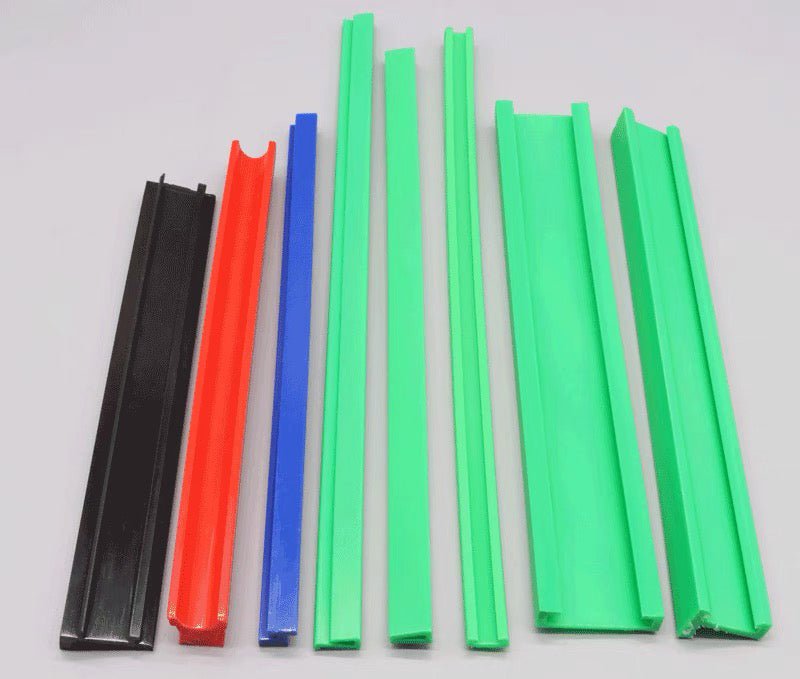
  • Conveyor tracks, guide rails, and robotic assembly lines
  • Sub-zero or chemically aggressive environments
  • Any application where lubrication is limited

Every factory setup is different. Your ideal solution will depend on what you’re producing, how it moves, and how long it needs to last.

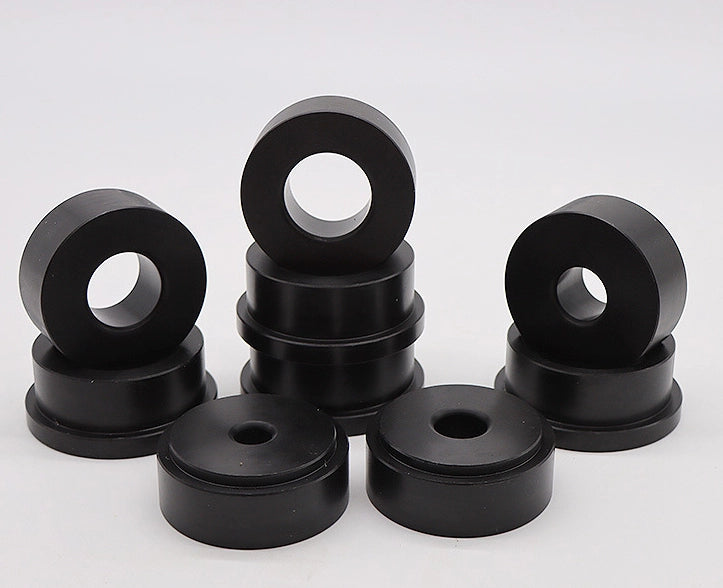
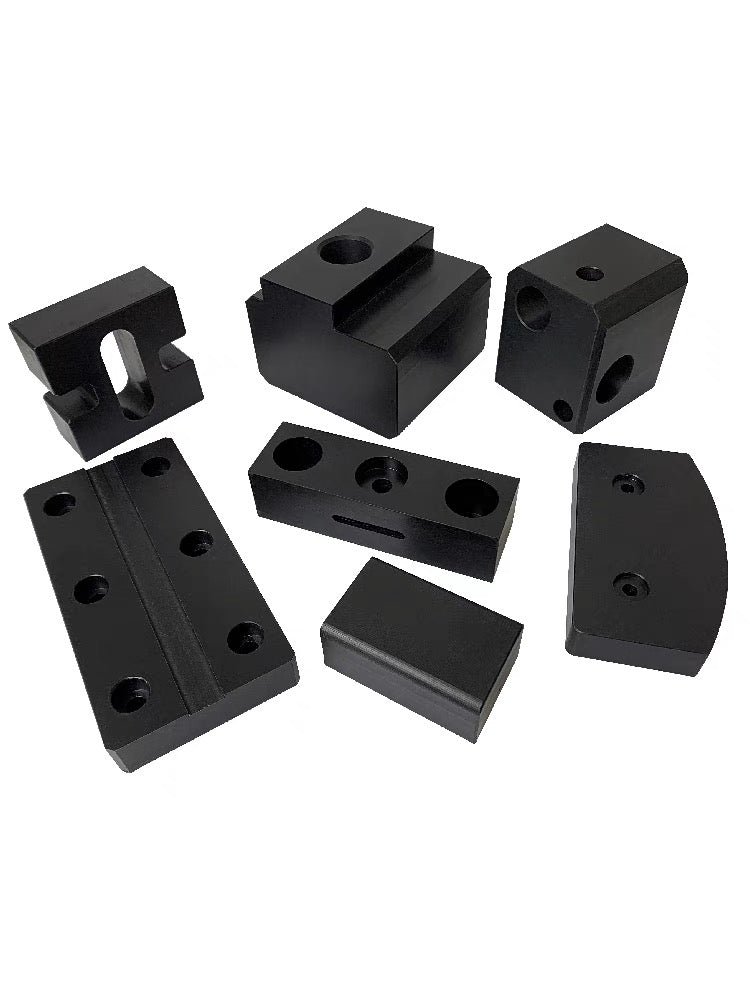
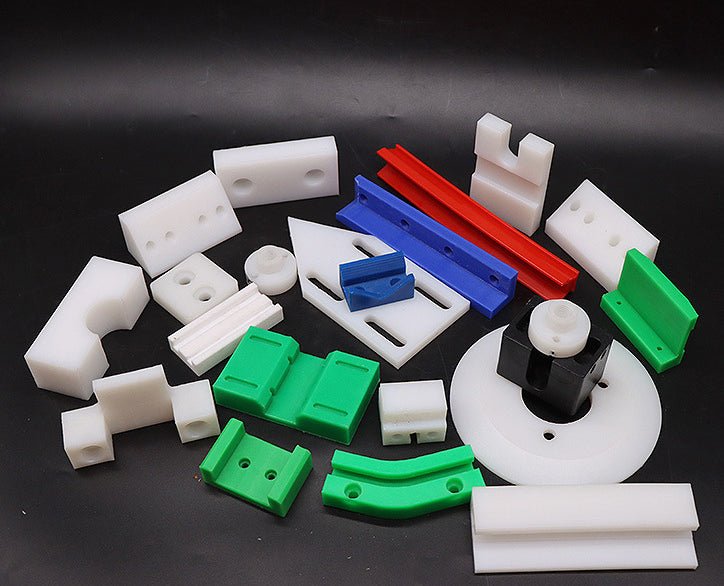
UHMWPE parts for conveyor tracks and guide rails

Figure 2: Custom machined UHMWPE industrial parts.

Need Custom Parts Machined?

We provide CNC plastic milling, turning, and cut-to-size services for both HDPE and UHMWPE. No minimum quantity required.

Explore CNC Machining Services →

Built to Perform: Choose the Right Plastic and Cut with Confidence

HDPE sheets and rods custom machining solutions slide rail

In a high-output machining environment, every material decision has ripple effects. HDPE offers speed, affordability, and versatility for a wide range of standard applications. UHMWPE, while requiring a more precise machining approach, delivers unmatched durability where motion, impact, and wear dominate the scene.

If you’re ready to select the ideal plastic for your application—or need expert insight into the machining process—take the next step:

Smart parts start with smart material choices. Let’s cut, build, and perform with confidence.

🎉 Limit Time Offer

Equip your factory floor with premium UPE and Acrylic plastics. Don’t miss out on this week’s efficiency boost.

Use Code: QR4GNY08SHVR

Shop Now & Save →

Leave a comment


Please note, comments must be approved before they are published


Custom Plastic Fabrication

Send your drawing, material and quantity for review

🔧
Precision Machining
CNC milling & turning
✂️
Cutting & Engraving
Laser & waterjet cutting
🏭
Forming & Molding
Thermoforming & injection
🔗
Joining & Assembly
Welding & bonding
📐
Design & Prototyping
CAD design & samples

General

HDPE

PP

PVC

ABS

Engineering

POM

Nylon

PC

PMMA

High-Performance

PEEK

PEI

PTFE

Composites

FR-4

G10

Flexible

TPU

Silicone

Why Choose BeePlastic?

🎯
Perfect Fit
Custom specs eliminate adaptation needs
⚡
Clear Lead Times
Lead time confirmed with every quote
💰
Volume Pricing
Volume pricing available on bulk orders
🤝
Expert Support
Free engineering consultation included
📋
Submit
→
🔍
Review
→
💵
Quote
→
✅
Production
→
📦
Deliver

Request a Quote

Share your project details, selected material and quantity on our quote page. You can add a file link or use the email drawing route shown there.


Request Quote

Industries: Automotive • Medical • Food • Lab • Semiconductor

beeplastic@beeplastic.com


Custom Processing HDPE or UHMWPE: The Smart Choice for Industrial Applications

HDPE (High-Density Polyethylene) sheets

In the industrial world, materials aren’t just components—they’re strategic assets. Whether you’re optimizing production lines, replacing worn-out machine parts, or fabricating new custom components, choosing between HDPE and UHMWPE isn’t just a technical decision—it’s a competitive one. The right plastic material can reduce downtime, increase efficiency, and drive long-term value. This article is your practical guide to understanding how these two high-performance thermoplastics compare in structure, performance, cost, and real-world functionality—so you can make smarter decisions for your operations.

🎉🎉🎉Limited Time Offer Use code: QR4GNY08SHVR at checkout and enjoy a special discount on your entire order! 👉 UPE plastic

HDPE (High-Density Polyethylene)

Understanding HDPE and UHMWPE: Key Differences and Properties

Though both HDPE (High-Density Polyethylene) and UHMWPE (Ultra-High Molecular Weight Polyethylene) belong to the polyethylene family, their differences in molecular weight result in unique mechanical characteristics that affect performance, durability, and suitability for different environments.

HDPE features a tightly packed polymer structure, giving it strong rigidity and moderate impact resistance. This makes it ideal for applications requiring dimensional stability and chemical resistance—such as chemical tanks, industrial panels, and food-safe cutting boards. Its balance between machinability and performance has made HDPE a staple across various industrial applications, especially when cost-effectiveness and fabrication speed are priorities.

UHMWPE, in contrast, has ultra-long polymer chains that create a much more abrasion-resistant, impact-absorbing material. It doesn’t just withstand abuse—it thrives in high-wear environments where constant movement, sliding contact, or mechanical shock would degrade other materials. For components like conveyor guides, chute liners, sliding bearings, or protective pads, UHMWPE offers unmatched longevity.

Machining HDPE vs UHMWPE: Techniques for Custom Plastic Fabrication

Fabricating custom plastic parts requires not only understanding the material’s behavior but also how it responds under machining conditions. HDPE is generally regarded as user-friendly. It machines cleanly, responds well to cutting and routing, and can be easily welded or thermoformed with minimal setup. It’s the preferred choice when quick turnaround or low tooling complexity is required.

UHMWPE, however, presents a unique challenge. Its slick surface and high impact strength mean it resists traditional bonding methods and often causes tool slippage if not managed correctly. Specialized sharp tools, slower speeds, and steady feed rates are necessary to maintain precision. Despite this, once fabricated, UHMWPE parts often outlast alternatives by several factors, offering a compelling return on investment in the right scenarios.

For any project involving custom plastic machining, choosing between the ease of HDPE and the durability of UHMWPE depends heavily on how critical part longevity and performance are in your system.

UHMWPE parts

Wear Resistance and Friction: Which Performs Better?

Wear resistance is one of the most defining factors in the decision-making process, especially for moving parts or contact surfaces. UHMWPE is engineered to thrive in this arena. Its extremely low coefficient of friction makes it naturally self-lubricating, which reduces operational noise and the need for external lubricants. In high-speed packaging lines or material transfer systems, UHMWPE components maintain their structure and functionality far longer than most plastics.

While HDPE does offer commendable wear resistance, particularly for static parts or low-friction environments, it doesn’t match UHMWPE’s capacity to withstand abrasive conditions. Over time, in highly dynamic applications, HDPE may require more frequent replacement, which can affect overall system efficiency and maintenance budgets.

So if your project involves repetitive motion, sliding contact, or abrasive materials, UHMWPE should be considered the default choice for performance-driven outcomes.

Cost Considerations: Finding the Right Balance Between Price and Performance

When evaluating materials, cost isn’t just about price per pound—it’s about lifecycle value. HDPE’s lower material and machining costs make it a clear winner for applications with moderate wear and less demanding performance requirements. It is also ideal for prototypes or non-critical components where budget is a primary concern.

UHMWPE, with its higher upfront cost, can be viewed as an investment in reliability. It reduces the frequency of part replacements, minimizes system downtime, and lowers long-term maintenance costs. For businesses where equipment reliability directly affects productivity or revenue, UHMWPE often proves to be more cost-efficient over time.

Therefore, the smarter approach is to align your material selection with operational demands. In many cases, the additional cost of UHMWPE is quickly justified by performance and longevity in harsh industrial environments.

HDPE’s lower material and machining costs

Choosing the Right Plastic for Your Application: Real-World Use Cases

Instead of offering a generic comparison, it’s more helpful to look at how these materials are actually used in practice.

HDPE shines in industries such as agriculture, marine fabrication, water treatment, and chemical handling. Its ability to resist moisture, chemical corrosion, and UV exposure (with additives) makes it perfect for outdoor enclosures, containment systems, and fluid transport components.

On the other hand, UHMWPE is a go-to solution for logistics, material handling, food processing, and heavy-duty manufacturing. It’s commonly used in sliding tracks, robotic arms, guide rails, and any area where wear and friction dominate. Its natural toughness and non-stick properties make it food-safe and efficient in automated systems.

By analyzing the mechanical needs of your environment, you can map each material to the right role. Smart material matching ensures your components don’t just survive—they perform optimally.

Final Takeaway: Turn Industrial Performance into Long-Term Savings

Smart material selection is the foundation of smart manufacturing. Whether your project demands the affordable rigidity of HDPE or the extreme durability of UHMWPE, your success starts with choosing the plastic that fits your environment and expectations. And when you’re customizing parts for high-demand industrial applications, that decision can have a direct impact on performance, cost, and scalability.

Looking to make the right choice for your next custom plastic machining project?

Custom-cut HDPE and UPE plastic sheets for machining and fabrication services

🎉🎉🎉Limited Time Offer Use code: QR4GNY08SHVR at checkout and enjoy a special discount on your entire order! 👉 UPE plastic

Let your material work as hard as your equipment does—request a quote today and get started with expert plastic processing designed for performance and precision.

Leave a comment


Please note, comments must be approved before they are published


Custom Plastic Fabrication

Send your drawing, material and quantity for review

🔧
Precision Machining
CNC milling & turning
✂️
Cutting & Engraving
Laser & waterjet cutting
🏭
Forming & Molding
Thermoforming & injection
🔗
Joining & Assembly
Welding & bonding
📐
Design & Prototyping
CAD design & samples

General

HDPE

PP

PVC

ABS

Engineering

POM

Nylon

PC

PMMA

High-Performance

PEEK

PEI

PTFE

Composites

FR-4

G10

Flexible

TPU

Silicone

Why Choose BeePlastic?

🎯
Perfect Fit
Custom specs eliminate adaptation needs
⚡
Clear Lead Times
Lead time confirmed with every quote
💰
Volume Pricing
Volume pricing available on bulk orders
🤝
Expert Support
Free engineering consultation included
📋
Submit
→
🔍
Review
→
💵
Quote
→
✅
Production
→
📦
Deliver

Request a Quote

Share your project details, selected material and quantity on our quote page. You can add a file link or use the email drawing route shown there.


Request Quote

Industries: Automotive • Medical • Food • Lab • Semiconductor

beeplastic@beeplastic.com


Why CNC Machining of POM is the Best Choice for Wear-Resistant and High-Strength Components

Why CNC Machining of POM is the Best Choice for Wear-Resistant and High-Strength Components

Unlocking the Power of CNC Machining for High-Performance POM Components

Industries that require high-strength and wear-resistant components must carefully select both materials and manufacturing processes. For instance, in the automotive industry, major manufacturers rely on CNC-machined POM for precision fuel system components and high-performance gear assemblies, ensuring durability and reduced friction. Similarly, in medical device production, POM is widely used for surgical instrument handles and prosthetic components, where strength and biocompatibility are critical. These real-world applications demonstrate how CNC machining of POM plays a key role in creating reliable, long-lasting parts across industries. Among the various options available, CNC machining of POM (Polyoxymethylene) stands out due to its exceptional mechanical properties, durability, and precision. This engineering thermoplastic is widely used in automotive, medical, and industrial machinery applications, where resistance to wear and mechanical stress is a fundamental requirement.

🎉🎉🎉Limited Time Offer Use code: QR4GNY08SHVR at checkout and enjoy a special discount on your entire order! 👉 POM plastic

CNC machining of POM (Polyoxymethylene)

This article explores why POM is the ideal material for high-performance applications, how CNC machining maximizes its advantages, and key considerations to further enhance its performance in load-bearing and wear-intensive applications. Understanding these factors will help manufacturers optimize their production processes and ensure long-lasting, reliable components.

Optimizing CNC Machining Parameters for Wear Resistance

To achieve optimal wear resistance and high precision, manufacturers must carefully configure CNC machining parameters when working with POM. The correct cutting speeds, feed rates, and tool selection can significantly influence the quality and longevity of the final product.

Machining Speeds and Tool Selection

POM is a relatively easy material to machine, but improper machining speeds can lead to surface defects, burr formation, or excessive tool wear. If speeds are too high, it may result in melting or thermal degradation, reducing the overall quality of the component. Conversely, if speeds are too low, tool chatter and inefficient cutting can cause uneven finishes and excessive wear on both the tool and material. These inefficiencies not only compromise component durability but also increase production costs due to the need for additional finishing processes and frequent tool replacements. By optimizing speed and feed rates, manufacturers can improve machining efficiency, extend tool life, and ensure consistent product quality. The recommended spindle speed typically ranges between 4000-8000 RPM, ensuring efficient cutting without generating excessive heat. Moderate feed rates help maintain a smooth surface finish while preventing material deformation.

Choosing the right cutting tools is also crucial. Carbide tools provide superior hardness and longevity, making them a preferred option for high-precision machining. For even better results, diamond-like carbon (DLC) coatings can be applied to minimize friction and wear, reducing tool maintenance and extending operational life.

Enhancing Surface Wear Resistance

Proper post-machining treatments can significantly improve the wear resistance of POM components. Polishing techniques remove machining marks and enhance the surface finish, while deburring processes eliminate sharp edges that could lead to stress points. In applications requiring additional durability, coatings such as Teflon or hard anodizing can provide an extra layer of protection against friction and environmental factors.

POM components

POM vs. Other Engineering Plastics for High-Strength Applications

POM is often compared to other high-performance plastics, including nylon, PTFE (Teflon), and polycarbonate. The table below highlights the key differences between these materials in terms of strength, wear resistance, and machinability, helping manufacturers choose the most suitable option for their applications:

Property POM (Acetal) Nylon PTFE (Teflon) Polycarbonate
Strength High Moderate Low High
Wear Resistance Excellent Good Low Moderate
Machinability Excellent Moderate Difficult Moderate
Friction Low High Very Low Moderate
Moisture Absorption Low High Very Low Low
Chemical Resistance Moderate Low Excellent Moderate

This comparison demonstrates that POM is the superior choice for high-strength, wear-resistant components that require precision machining, making it the preferred material in applications where durability and performance are crucial. Each material has its strengths and weaknesses, but POM’s unique combination of wear resistance, strength, and precision machinability makes it the preferred choice in many demanding applications.

POM vs. Nylon

One of the key advantages of POM over nylon is its ability to resist moisture absorption. Nylon absorbs water, which can cause dimensional instability, making it unsuitable for applications requiring tight tolerances. Additionally, POM’s low coefficient of friction makes it a superior choice for moving parts, as it reduces wear and extends component life.

POM vs. PTFE (Teflon)

While PTFE is known for its excellent chemical resistance, it lacks the mechanical strength that POM provides. POM’s structural rigidity and impact resistance make it ideal for load-bearing components that require both strength and precision. Additionally, POM is easier to machine than PTFE, providing better surface finishes and tighter tolerances.

POM vs. Polycarbonate

Polycarbonate is often chosen for impact resistance, but it does not offer the same level of wear resistance as POM. POM’s self-lubricating properties and low friction make it a better option for sliding components and bearings, ensuring long-lasting performance without excessive wear.

POM’s self-lubricating properties

Innovations in CNC Tooling for Machining POM

Advancements in CNC tooling technologies have further optimized POM machining, allowing manufacturers to achieve higher precision and longer tool life. Special cutting tool coatings have been developed to improve efficiency and surface quality.

High-Performance Tool Coatings

Recent developments in tool coatings have enhanced the durability and cutting performance of CNC tools for POM. Titanium Nitride (TiN) coatings increase tool hardness, while Titanium Aluminum Nitride (TiAlN) coatings improve heat resistance. For ultra-smooth finishes, Diamond-Like Carbon (DLC) coatings reduce friction and prevent material adhesion.

The Benefits of High-Speed CNC Machining

By integrating high-speed machining techniques, manufacturers can increase production efficiency without sacrificing quality. However, it is essential to consider potential drawbacks such as accelerated tool wear due to higher cutting speeds and increased heat generation, which can lead to thermal expansion and material deformation if not properly managed. Implementing cooling and lubrication strategies, selecting heat-resistant cutting tools, and carefully monitoring spindle speeds can help mitigate these risks, ensuring both efficiency and precision in CNC-machined POM components. Using multi-axis CNC machines allows for complex geometries to be machined with minimal tool wear. Additionally, chip-breaking strategies help maintain a clean machining process, reducing the risk of material buildup and maintaining high precision.

Design Considerations for CNC Machined POM Parts in Load-Bearing Applications

To ensure maximum durability and performance, manufacturers must design POM components with structural integrity in mind. Proper design choices can reduce stress points and increase component lifespan.

Optimized Geometric Design

For high-load applications, incorporating reinforced ribs and strategically placed fillets helps distribute stress evenly across the part. This prevents premature failure and improves the mechanical stability of the component.

Stress Distribution and Assembly Methods

POM components in high-load environments should be designed with uniform wall thickness to prevent stress fractures. Additionally, assembly techniques such as press-fit connections and ultrasonic welding can ensure secure and reliable part integration without compromising structural integrity.

POM components in high-load environments

Applications of CNC Machined POM in Wear-Intensive Industries

POM is widely utilized in industries requiring precision, strength, and wear resistance. According to market research, the global demand for high-performance plastics, including POM, is projected to grow significantly, driven by increasing applications in automotive, medical, and industrial sectors. In the automotive industry alone, POM usage has surged due to its role in fuel system components and transmission parts, helping manufacturers reduce weight while maintaining durability. Similarly, the medical sector has seen an increasing preference for CNC-machined POM in surgical tools and prosthetic devices, emphasizing its biocompatibility and strength. As industries continue to prioritize lightweight, high-performance materials, the market for CNC-machined POM parts is expected to expand further, making it a critical component in modern manufacturing. Its versatility and superior mechanical properties make it ideal for automotive, medical, and industrial applications.

Automotive Industry

POM is commonly used in the automotive industry for fuel system components, gear wheels, and brake system bushings. Its resistance to gasoline and diesel, combined with low friction properties, ensures long-term reliability and durability.

Medical Industry

In the medical field, CNC-machined POM is used for prosthetics, surgical instruments, and fluid handling components. The material’s biocompatibility and high strength make it an ideal choice for medical-grade applications that require both precision and sterility.

Industrial Machinery

In industrial machinery, POM plays a crucial role in conveyor system rollers, bearings, and wear strips. Its ability to self-lubricate and maintain structural integrity under heavy loads makes it an essential material for high-performance manufacturing environments.

Elevate Your Manufacturing with Precision CNC Machined POM Parts

CNC machining of POM is the ultimate choice for high-performance, wear-resistant, and strong plastic components. Its exceptional mechanical properties and durability make it an industry standard for automotive, medical, and industrial applications where precision and longevity matter.

Are you searching for high-precision CNC-machined POM components that offer exceptional wear resistance and durability? Our custom POM plastic machining solutions are tailored to meet the highest industry standards, ensuring optimal performance for your applications., explore our custom POM plastic machining solutions to find the perfect high-precision, wear-resistant parts for your needs.

Looking for premium POM raw materials for your manufacturing process? Explore our POM sheets and rods to source top-quality materials designed for superior machinability and longevity., check out our POM sheets and rods to ensure you use the best materials for your projects.

Want to achieve greater efficiency and precision in your production? Learn more about our advanced CNC machining services and discover how our expertise can elevate your manufacturing processes.? Learn more about our advanced CNC machining services to achieve high-accuracy production at scale.

advanced CNC machining services

🎉🎉🎉Limited Time Offer Use code: QR4GNY08SHVR at checkout and enjoy a special discount on your entire order! 👉 POM plastic

Need a customized machining solution for your project? Our team specializes in delivering precision-crafted POM components that meet even the most demanding specifications. Consult our CNC machining experts today and bring your vision to life with expertly machined POM parts! Consult our CNC machining experts today and let us create the perfect high-performance POM components for your industry!

Leave a comment


Please note, comments must be approved before they are published


Custom Plastic Fabrication

Send your drawing, material and quantity for review

🔧
Precision Machining
CNC milling & turning
✂️
Cutting & Engraving
Laser & waterjet cutting
🏭
Forming & Molding
Thermoforming & injection
🔗
Joining & Assembly
Welding & bonding
📐
Design & Prototyping
CAD design & samples

General

HDPE

PP

PVC

ABS

Engineering

POM

Nylon

PC

PMMA

High-Performance

PEEK

PEI

PTFE

Composites

FR-4

G10

Flexible

TPU

Silicone

Why Choose BeePlastic?

🎯
Perfect Fit
Custom specs eliminate adaptation needs
⚡
Clear Lead Times
Lead time confirmed with every quote
💰
Volume Pricing
Volume pricing available on bulk orders
🤝
Expert Support
Free engineering consultation included
📋
Submit
→
🔍
Review
→
💵
Quote
→
✅
Production
→
📦
Deliver

Request a Quote

Share your project details, selected material and quantity on our quote page. You can add a file link or use the email drawing route shown there.


Request Quote

Industries: Automotive • Medical • Food • Lab • Semiconductor

beeplastic@beeplastic.com


What is Acetal Used For? Essential Guide to Acetal Sheet Applications

POM plastic

Are you exploring engineering materials for your next project? When durability meets precision, acetal sheet stands out as a remarkable solution. Whether you’re an engineer, manufacturer, or product designer, understanding the versatile applications of this high-performance thermoplastic can be a game-changer for your designs.

🎉🎉🎉Limited Time Offer Use code: QR4GNY08SHVR at checkout and enjoy a special discount on your entire order! 👉 POM plastic

POM plastic

Acetal material, also known as polyoxymethylene (POM) or by its trade name Delrin, has revolutionized various industries with its exceptional combination of properties. From precision mechanical components to sophisticated automotive parts, acetal’s unique characteristics make it an invaluable choice for demanding applications.

But what exactly makes acetal sheet such a sought-after material? In this comprehensive guide, we’ll explore the diverse applications of acetal and uncover why it has become the go-to choice for engineers worldwide. Whether you’re seeking solutions for wear-resistant components or looking to upgrade your manufacturing processes, understanding acetal’s capabilities is crucial for making informed decisions.

Join us as we delve into the world of acetal applications, examining its properties, benefits, and practical uses across different industries. By the end of this guide, you’ll have a clear understanding of how this versatile material can benefit your specific needs.

Primary Applications of Acetal Sheet: Exploring Industrial Excellence to Consumer Innovation

In today’s advanced manufacturing landscape, the versatility of acetal plastic has revolutionized how industries approach their material selection. As we delve deeper into the world of engineering plastics, understanding the comprehensive applications of this remarkable material becomes increasingly crucial for engineers, designers, and manufacturers alike.

Industrial Uses: Where Precision Meets Performance

The industrial sector stands as a testament to acetal sheet’s exceptional capabilities. In modern manufacturing facilities, where precision and reliability are non-negotiable, this material has established itself as an indispensable component. Picture a bustling factory floor where conveyor systems operate continuously, moving thousands of products daily. Here, acetal’s low friction coefficient and outstanding wear resistance prove invaluable.

Manufacturing components crafted from POM plastic showcase remarkable durability in demanding environments. Take, for instance, the precision gear assemblies in industrial machinery. These components operate under intense pressure and frequent use, yet acetal’s inherent properties ensure they maintain dimensional stability and smooth operation even after extended periods of service. This reliability translates directly into reduced maintenance costs and improved operational efficiency for manufacturing facilities.

At the heart of precision manufacturing, acetal excels in creating intricate parts that require tight tolerances. Consider automated assembly lines where components must interact flawlessly thousands of times per day. The material’s excellent machinability allows for the production of complex geometries while maintaining crucial dimensional accuracy. This capability has made it particularly valuable in sectors where precision is paramount, such as aerospace and medical equipment manufacturing.

POM sheet

Automotive Applications: Driving Innovation Forward

The automotive industry’s relationship with acetal materials represents a perfect marriage of form and function. Modern vehicles have become increasingly sophisticated, demanding materials that can withstand diverse environmental conditions while maintaining performance integrity. Inside today’s automobiles, delrin material plays a crucial role in both visible and hidden components.

Interior components manufactured from acetal demonstrate exceptional durability in daily use scenarios. From the smooth operation of window regulators to the precise movement of seat adjustment mechanisms, these parts benefit from acetal’s natural lubricity and resistance to wear. More impressively, the material’s ability to maintain its properties across a wide temperature range makes it ideal for components that must perform reliably in both freezing winters and scorching summers.

Under the hood, where conditions are even more demanding, acetal components prove their worth in critical systems. Fuel system components, for example, must maintain their integrity while constantly exposed to aggressive chemicals. Here, acetal’s chemical resistance and dimensional stability ensure consistent performance throughout the vehicle’s lifecycle. Engineers particularly value these properties when designing components that require precise fitment and long-term reliability.

Consumer Products: Enhancing Daily Life

In the realm of consumer products, acetal’s versatility shines through in applications that touch our daily lives. The material’s combination of strength, durability, and aesthetic appeal makes it an excellent choice for products that must balance functionality with visual appeal.

Home appliances represent one of the most significant areas where acetal proves its worth. Consider your modern coffee maker or washing machine. Inside these devices, acetal components work tirelessly, resisting repeated exposure to hot water, detergents, and constant mechanical stress. The material’s food-grade safety certification and resistance to hot water make it particularly suitable for kitchen appliances, where hygiene and durability are paramount concerns.

In the world of electronic components, acetal’s electrical insulation properties and dimensional stability come to the forefront. From protective housings to internal structural components, the material provides reliable performance while meeting stringent safety requirements. Its ability to maintain precise dimensions even in varying humidity conditions makes it especially valuable in electronic applications where component fit and function must remain consistent.

The success of acetal in these diverse applications stems from its unique combination of properties. Its natural lubricity reduces wear in moving parts, while its excellent dimensional stability ensures components maintain their precise fit over time. For manufacturers, this translates into products with longer service lives and reduced warranty claims.

Through these applications, we can see how acetal has earned its place as a preferred material across multiple industries. Its versatility, combined with reliable performance and cost-effectiveness, continues to drive innovation in product design and manufacturing processes.

The journey of acetal from industrial applications to consumer products highlights its remarkable adaptability. As technology advances and new challenges emerge, this versatile material continues to find new applications, proving its worth in increasingly demanding environments.

This exploration of acetal’s applications demonstrates why it remains a crucial material in modern manufacturing. Whether in industrial machinery, automotive components, or consumer products, its unique properties continue to enable innovations that enhance performance and reliability across diverse applications.

Properties and Benefits of Acetal: A Deep Dive into Material Excellence

When we explore the remarkable characteristics of acetal plastic, it becomes clear why this material has become indispensable across various industries. Let’s delve into the core properties that make this engineering plastic stand out from conventional materials, offering solutions that continue to impress engineers and manufacturers worldwide.

Mechanical Properties: The Foundation of Performance

The mechanical properties of POM plastic represent a perfect balance of strength and practicality. Think about the daily stress that industrial components endure – constant friction, repeated impact, and continuous operation. Acetal’s exceptional mechanical properties make it uniquely suited to handle these demanding conditions.

Strength and Durability That Exceeds Expectations

In the world of engineering plastics, strength isn’t just about withstanding force; it’s about maintaining performance over time. Acetal plastic exhibits remarkable tensile strength, typically ranging from 60 to 70 MPa, making it comparable to many metals in certain applications. This inherent strength doesn’t come at the cost of weight – the material remains lightweight while delivering robust performance.

What’s particularly impressive is how this strength translates into real-world applications. Consider a precision gear operating in a high-stress environment. The material’s excellent fatigue resistance means it can withstand millions of cycles without significant degradation in performance. This combination of strength and fatigue resistance makes it an ideal choice for components that require long-term reliability under stress.

Wear Resistance: The Secret to Longevity

One of the most distinctive features of delrin material is its exceptional wear resistance. This property stems from its unique molecular structure, which provides natural lubricity. In practical terms, this means components experience:

  • Reduced friction during operation
  • Minimal surface wear even under continuous use
  • Extended service life compared to traditional materials
  • Lower maintenance requirements

Engineers particularly value this characteristic in applications where metal-to-plastic or plastic-to-plastic contact is frequent. The material’s ability to maintain its dimensional stability while resisting wear makes it ideal for bearings, bushings, and other components subject to constant motion.

Physical Characteristics: Adapting to Environmental Challenges

Chemical Resistance That Protects and Preserves

In today’s industrial environments, materials must withstand exposure to various chemicals while maintaining their structural integrity. Acetal’s chemical resistance profile is particularly impressive, showing excellent resistance to:

  • Hydrocarbons and organic solvents
  • Neutral chemicals
  • Many industrial cleaners and lubricants
  • Fuels and automotive fluids

This chemical stability ensures that components maintain their performance even when exposed to harsh operating environments. For instance, in automotive applications, parts made from acetal continue to function reliably despite regular exposure to fuels, oils, and cleaning agents.

Weather Resistance: Performing in All Conditions

The ability to maintain properties across a wide range of environmental conditions sets acetal apart from many other engineering plastics. Its weather resistance characteristics include:

Outstanding performance in temperature extremes (-40°C to 82°C) Excellent dimensional stability despite humidity changes UV resistance for outdoor applications Minimal degradation under normal atmospheric conditions

Performance Advantages: The Economic Perspective

Cost-effectiveness: Beyond Initial Investment

When evaluating materials for industrial applications, cost considerations extend far beyond the initial purchase price. Acetal’s cost-effectiveness stems from several factors:

  • Lower maintenance requirements
  • Reduced replacement frequency
  • Minimal downtime for repairs
  • Energy efficiency in processing and operation

For manufacturers, these factors contribute to a lower total cost of ownership, making acetal an economically sound choice for many applications.

Acetal's chemical resistance

Long-term Reliability: The True Measure of Value

Perhaps the most compelling aspect of acetal’s performance advantages is its long-term reliability. This characteristic manifests in several ways:

  1. Consistent Performance
  • Maintains mechanical properties over extended periods
  • Predictable behavior under stress
  • Reliable operation in varying conditions
  1. Minimal Maintenance
  • Reduced need for lubrication
  • Lower frequency of replacement
  • Simplified maintenance procedures
  1. Quality Assurance
  • Consistent manufacturing quality
  • Reliable material properties
  • Predictable performance metrics

The combination of these properties makes acetal an invaluable material in applications where reliability is crucial. Whether in precision machinery or consumer products, its ability to deliver consistent performance over time provides peace of mind for engineers and manufacturers alike.

Understanding these properties and benefits helps explain why acetal continues to be a preferred choice in engineering applications. Its unique combination of mechanical strength, wear resistance, and long-term reliability makes it an ideal material for demanding applications across various industries.

The true value of acetal lies not just in its individual properties, but in how these characteristics work together to provide comprehensive solutions for complex engineering challenges. As we continue to push the boundaries of material performance, acetal remains at the forefront of engineering plastic innovation.

Working with Acetal Sheet: Essential Processing and Maintenance Guide

The art of working with acetal plastic requires not just technical knowledge, but also a deep understanding of its unique characteristics. Through years of experience and continuous innovation in material processing, we’ve discovered that achieving optimal results with this versatile material goes far beyond basic machining techniques.

Processing Methods: The Art of Precision

The journey of transforming acetal into precision components begins with understanding its machining behavior. Unlike conventional materials, POM plastic responds uniquely to different processing methods. The key lies in recognizing how the material behaves under various cutting conditions and adapting your approach accordingly.

When machining acetal, temperature control becomes your greatest ally. The material’s thermal properties require a delicate balance of cutting speed and feed rate. Too aggressive, and you risk heat buildup that can compromise dimensional stability. Too conservative, and you might not achieve the efficiency your project demands. Through careful observation and experience, we’ve found that maintaining moderate cutting speeds around 500-1000 surface feet per minute typically yields the best results.

Heat management during machining deserves special attention. While acetal’s natural properties make it highly machinable, excessive heat can lead to unexpected dimensional changes. Implementing proper cooling strategies isn’t just about preventing material damage – it’s about ensuring the precision and quality of your finished components. Consider how heat dissipation affects not just the immediate cutting zone, but the entire workpiece.

The forming process opens up another realm of possibilities with acetal sheet. Thermoforming, when executed correctly, can create complex geometries that would be challenging or impossible to achieve through machining alone. The process requires an intimate understanding of how the material responds to heat and pressure. Success lies in maintaining uniform heating throughout the sheet while carefully controlling the cooling rate to achieve desired properties in the finished part.

acetal's natural properties

Installation Excellence: Beyond Basic Assembly

Installing acetal components requires more than just mechanical aptitude – it demands an understanding of how the material interacts with its environment. Environmental factors play a crucial role in the success of any installation. Temperature fluctuations, humidity levels, and chemical exposure can all impact the long-term performance of your components.

Consider the example of a precision bearing assembly. The success of the installation doesn’t just depend on the initial fit – it requires consideration of how thermal expansion might affect clearances during operation. Understanding these dynamics helps you make informed decisions about installation tolerances and operating parameters.

Component handling during installation deserves special attention. Acetal’s surface properties can be affected by contamination, making clean handling practices essential. Using appropriate tools and maintaining a clean working environment isn’t just good practice – it’s fundamental to ensuring optimal performance of your installed components.

Maintenance: Ensuring Long-term Performance

Maintaining acetal components is an ongoing process that requires attention to detail and understanding of how the material ages in service. Regular monitoring of component performance can reveal early signs of wear or potential issues before they become critical problems. This proactive approach to maintenance has proven invaluable in extending component life and preventing unexpected failures.

The relationship between maintenance and performance becomes particularly evident in applications involving continuous operation. For instance, in conveyor systems using acetal components, regular inspection of wear patterns can provide valuable insights into system alignment and loading conditions. This information allows for timely adjustments that can significantly extend component life.

Environmental factors continue to play a crucial role throughout the component’s service life. Temperature fluctuations, exposure to chemicals, and varying load conditions all contribute to how acetal performs over time. Understanding these influences helps in developing effective maintenance strategies that address the specific challenges of your application.

Cleaning and care of acetal components require careful consideration of compatible chemicals and cleaning methods. The material’s resistance to many common chemicals makes it versatile, but proper selection of cleaning agents remains important for maintaining surface properties and preventing material degradation over time.

Documentation of maintenance activities, while often overlooked, provides valuable historical data that can help optimize future maintenance schedules and troubleshooting efforts. Recording observations about wear patterns, operating conditions, and maintenance actions creates a knowledge base that becomes increasingly valuable over time.

The long-term success of acetal components in your application depends on this comprehensive approach to processing, installation, and maintenance. By understanding and respecting the material’s properties throughout its lifecycle, you can achieve optimal performance and reliability in your engineering applications.

Remember, working with acetal sheet is both a science and an art. Success comes from combining technical knowledge with practical experience, always staying mindful of how this versatile material responds to different processing methods and operating conditions. Through careful attention to these aspects, you can maximize the benefits of this remarkable engineering plastic in your applications.

Selection Guide for Acetal Sheet: Making Informed Material Decisions

Selecting the right acetal plastic for your application involves more than just choosing a material off the shelf. The decision-making process requires careful consideration of various factors that can significantly impact your project’s success. Let’s explore how to make the best choice for your specific needs.

Understanding Grade Selection

The world of POM plastic offers a diverse range of grades, each engineered to excel in specific applications. When we consider the selection process, it’s crucial to understand how different grades affect performance in real-world scenarios. Superior grades might offer enhanced wear resistance or improved thermal stability, while standard grades could provide excellent general-purpose performance at a more economical price point.

Consider a medical device application, where material purity and biocompatibility are paramount. In such cases, medical-grade acetal becomes the obvious choice, offering the necessary certifications and quality assurance. However, for general industrial applications, standard grades often provide the perfect balance of performance and cost-effectiveness.

Temperature resistance plays a crucial role in grade selection. While all acetal grades offer good temperature stability, some specialized formulations push these boundaries further. We’ve seen remarkable success stories where carefully selected high-temperature grades have solved challenging application problems that standard materials couldn’t handle.

Dimensional Considerations Matter

The size and thickness of acetal sheet significantly influence both performance and processability. When working with larger components, understanding how the material’s properties scale becomes crucial. Thickness variations can affect everything from machining parameters to final application performance.

Material stability across different dimensions requires careful consideration. Larger sheets might require additional support during processing, while thinner sections need special attention to maintain flatness and prevent warping. Through years of experience, we’ve learned that successful projects often start with proper dimensional planning.

delrin material

Application-Driven Decision Making

Your specific application should ultimately drive the selection process for delrin material. Consider the operating environment – will the component face chemical exposure? What about temperature fluctuations? Understanding these parameters helps narrow down the suitable options.

Let’s explore a real-world scenario: A manufacturer needed components for a high-speed conveyor system operating in a humid environment. The choice wasn’t just about wear resistance; it required considering factors like moisture absorption, friction coefficients, and long-term dimensional stability. By carefully evaluating these requirements, they selected a grade that has performed flawlessly for years.

The loading conditions in your application also play a vital role. Static loads differ significantly from dynamic ones, and impact resistance requirements might push you toward specific grades. We’ve observed that successful material selection often involves mapping these requirements against the performance characteristics of different acetal formulations.

The Economics of Selection

Cost considerations extend far beyond the initial material price. When evaluating different options, it’s essential to consider the total cost of ownership. A slightly more expensive grade might ultimately prove more economical through extended service life or reduced maintenance requirements.

Processing costs vary between grades and sizes. Some formulations machine more easily, reducing tool wear and processing time. Others might require special handling or equipment, adding to the overall project cost. Understanding these nuances helps make more informed decisions that balance performance with economic considerations.

Material availability also affects long-term costs. Standard grades typically offer better availability and shorter lead times, which can be crucial for maintaining production schedules. However, specialized grades might provide performance benefits that outweigh any availability concerns.

The relationship between material choice and production efficiency deserves careful consideration. Higher-performance grades might allow for thinner sections or simplified designs, potentially reducing material usage and processing time. We’ve seen cases where investing in premium grades actually lowered overall production costs through these optimization opportunities.

Making the Final Decision

Successful material selection combines technical knowledge with practical experience. Start by thoroughly analyzing your application requirements, including both primary functions and secondary considerations like regulatory compliance or aesthetic requirements. Consider how different grades might perform not just at launch, but throughout the expected service life.

Remember that material suppliers can be valuable resources during the selection process. Their experience across different applications can provide insights that might not be immediately apparent. Don’t hesitate to request sample materials for testing or prototyping – real-world validation often reveals performance aspects that might not be evident from data sheets alone.

The journey of selecting the right acetal sheet material requires balancing multiple factors. By carefully considering grade options, dimensional requirements, application demands, and economic factors, you can make an informed decision that ensures optimal performance for your specific needs. Success often comes from taking a comprehensive approach to material selection, considering both immediate requirements and long-term performance goals.

Making the Most of Acetal: Your Next Steps

As we’ve journeyed through the remarkable world of acetal plastic and its diverse applications, it’s clear that this versatile material continues to revolutionize modern manufacturing and engineering solutions. The unique combination of mechanical strength, wear resistance, and processing flexibility makes POM plastic an invaluable choice for countless applications.

Understanding acetal’s properties and applications is just the beginning. The real value comes from implementing this knowledge in your specific projects and challenges. Whether you’re designing new components or optimizing existing ones, the insights we’ve explored can help guide your decision-making process.

Ready to Transform Your Next Project?

Take the next step in your material selection journey with our expert team. We offer:

“Discover our extensive range of premium POM plastic sheets and rods engineered for superior performance and reliability.”

“Explore how our custom POM plastic solutions can meet your unique application requirements with precision and excellence.”

“Learn about our advanced manufacturing capabilities for acetal materials and how we can bring your designs to life.”

Let’s Connect

Your project deserves the best materials and expertise. Share your specific requirements with us through our contact form below, and our technical team will provide personalized recommendations tailored to your needs.

By partnering with us, you gain access to:

  • Expert material selection guidance
  • Custom solutions for unique applications
  • Comprehensive technical support
  • Quality assurance at every step

Remember, selecting the right material is crucial for project success, and we’re here to ensure you make the best choice for your application.

acetal materials

🎉🎉🎉Limited Time Offer Use code: QR4GNY08SHVR at checkout and enjoy a special discount on your entire order! 👉 POM plastic

Fill out our contact form today to begin your journey toward optimal material solutions. Let our expertise in delrin material guide you to success in your next project.

Leave a comment


Please note, comments must be approved before they are published


Custom Plastic Fabrication

Send your drawing, material and quantity for review

🔧
Precision Machining
CNC milling & turning
✂️
Cutting & Engraving
Laser & waterjet cutting
🏭
Forming & Molding
Thermoforming & injection
🔗
Joining & Assembly
Welding & bonding
📐
Design & Prototyping
CAD design & samples

General

HDPE

PP

PVC

ABS

Engineering

POM

Nylon

PC

PMMA

High-Performance

PEEK

PEI

PTFE

Composites

FR-4

G10

Flexible

TPU

Silicone

Why Choose BeePlastic?

🎯
Perfect Fit
Custom specs eliminate adaptation needs
⚡
Clear Lead Times
Lead time confirmed with every quote
💰
Volume Pricing
Volume pricing available on bulk orders
🤝
Expert Support
Free engineering consultation included
📋
Submit
→
🔍
Review
→
💵
Quote
→
✅
Production
→
📦
Deliver

Request a Quote

Share your project details, selected material and quantity on our quote page. You can add a file link or use the email drawing route shown there.


Request Quote

Industries: Automotive • Medical • Food • Lab • Semiconductor

beeplastic@beeplastic.com


The Complete Guide to UHMWPE Processing Parts: From CNC Machining to Fabrication

The Complete Guide to UHMWPE Processing Parts: From CNC Machining to Fabrication

Discover everything you need to know about UHMWPE processing parts, from its unique material properties to the advanced CNC machining techniques that ensure precision. In this comprehensive guide, I’ll explore how ultra-high molecular weight polyethylene (UHMWPE) is used across various industrial applications, and why it’s preferred for creating wear-resistant, high-impact custom parts.

You’ll also learn about the key differences between UHMWPE vs HDPE, and how custom UHMWPE machining can provide tailored solutions for specialized needs. Whether you need UHMWPE precision parts, UHMWPE polyethylene strips, or custom-fabricated components, this guide covers every aspect of UHMWPE fabrication. I’ll also walk you through real-world case studies, showcasing the versatility of UHMWPE material and our expertise in creating UHMWPE custom parts through CNC machining for demanding environments.

🎉 Limited Time Offer for Blog Readers

Get a special discount on your entire order of CNC parts or materials.

Use code: QR4GNY08SHVR at checkout!

👉 Start Your Custom Order Now

UHMWPE custom parts

Inside This Guide:

  • What is UHMWPE? Understanding its superior material properties.
  • CNC Machining of UHMWPE: Techniques and precision for custom parts.
  • UHMWPE Industrial Applications: Where and how it’s used successfully.
  • Comparing UHMWPE vs HDPE: Key differences in processing.
  • Customizing UHMWPE Parts: From concept to production with CNC technology.
  • Case Studies: Real-world examples of UHMWPE solutions.

What is UHMWPE? A Comprehensive Breakdown of Its Unique Properties

Ultra-high molecular weight polyethylene (UHMWPE) is an incredibly versatile thermoplastic known for its exceptional mechanical properties. At its core, UHMWPE is distinguished by its long molecular chains, which directly contribute to its extraordinary strength, impact resistance, and low friction coefficient. These properties make UHMWPE ideal for manufacturing processing parts in industries such as automotive, food processing, and medical technology, where durability and reliability are paramount.

UHMWPE is different from other forms of polyethylene due to its ultra-high molecular weight. This results in its impressive performance in applications that require long-lasting, wear-resistant parts.

Key Advantages of UHMWPE for Custom Processing Parts

One of the primary reasons UHMWPE is so highly regarded in custom processing is its combination of durability and flexibility. Its high tensile strength enables it to withstand significant loads without deforming, while its low coefficient of friction minimizes wear on moving parts. This is why UHMWPE custom parts are often used in the manufacture of conveyor systems, wear strips, and high-load bearings.

  • Low Friction for Smooth Operations: UHMWPE has an exceptionally low friction coefficient compared to other plastics. This allows for smoother operations in applications involving sliding or rotational motion, such as in gears or rollers. In environments where moving parts require minimal friction to operate efficiently, UHMWPE excels, reducing the need for frequent maintenance.
  • Exceptional Wear and Abrasion Resistance: UHMWPE is renowned for its wear-resistant properties, making it ideal for use in environments where parts are exposed to continuous friction or abrasive materials. In industries like mining or material handling, components made from UHMWPE outperform traditional materials like steel by lasting significantly longer in harsh conditions.

UHMWPE Industrial Rods

UHMWPE Rod (10mm-45mm)

High impact resistance for machined parts.

View Product

UHMWPE White Sheet

UHMWPE Sheet (Food Grade)

Perfect for cutting boards & wear strips.

View Product

Why is UHMWPE Ideal for Custom Processing?

Custom UHMWPE machining is a preferred option for companies that require parts tailored to specific applications. Unlike metals, which are prone to corrosion and rust, UHMWPE offers outstanding chemical resistance. It can withstand exposure to a wide range of chemicals, including acids, alkalis, and organic solvents, without degrading. This makes it particularly useful in industries such as chemical processing, where materials are regularly exposed to harsh environments.

  • Temperature Resistance: UHMWPE maintains its integrity across a broad temperature range, remaining stable in both high and low temperatures. This property is crucial for applications like food processing, where machinery might be exposed to both heat and cold. UHMWPE parts, such as cutting boards and machine components, continue to perform reliably without warping or cracking, ensuring consistent performance under extreme conditions.
  • Biocompatibility and FDA Approval: One aspect that sets UHMWPE apart from many other plastics is its biocompatibility. It is frequently used in medical devices such as prosthetic joints because it is inert and doesn’t react with bodily fluids or tissues. Additionally, UHMWPE is approved by the FDA for use in food-contact applications, making it a go-to material in industries like food packaging and processing.

High-Impact Resistance: The Key to Longevity

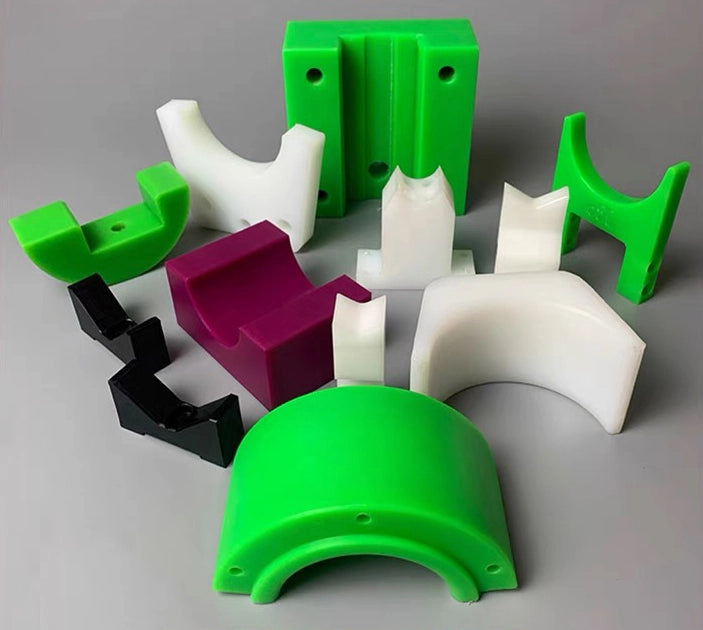
Green UHMWPE complex parts

The high-impact resistance of UHMWPE is perhaps one of its most valuable characteristics. It can endure heavy blows and extreme conditions without cracking or breaking. In industries like construction, where materials are constantly exposed to mechanical stress, UHMWPE processing parts serve as durable, long-lasting solutions. For example, UHMWPE liners are commonly used in chutes and hoppers to reduce wear from abrasive materials such as gravel or sand.

Additionally, UHMWPE’s ability to absorb high impacts makes it a top choice for protective gear and safety equipment, where maintaining structural integrity under extreme conditions is critical.

Low Friction and Self-Lubrication: Enhancing Machinery Efficiency

Another standout feature of UHMWPE is its natural self-lubricating properties. This characteristic reduces the need for additional lubrication, cutting down on maintenance and operational costs. In high-speed conveyor systems or industrial machines where parts are in constant motion, UHMWPE precision parts can enhance machinery efficiency by minimizing friction and extending the lifespan of components.

For industries that rely on CNC machining to create precise custom parts, UHMWPE is an ideal material. Its ability to be precisely cut and shaped without losing its properties allows manufacturers to produce highly specialized components, from bearings to guides.

Chemical and Abrasion Resistance: How UHMWPE Handles Harsh Environments

UHMWPE’s chemical resistance is another reason why it is widely used in industries dealing with corrosive substances. Unlike many metals and plastics that degrade when exposed to chemicals, UHMWPE retains its strength and flexibility even in highly corrosive environments. This makes it ideal for chemical processing plants, where components are regularly exposed to acids, bases, and other harmful chemicals.

  • Abrasion Resistance in Harsh Conditions: Beyond its chemical resistance, UHMWPE also exhibits high resistance to abrasion, making it suitable for applications where constant contact with rough or sharp materials is a concern. In sectors such as mining, agriculture, and manufacturing, UHMWPE parts like wear strips, gears, and bearings are designed to endure repeated contact with abrasive materials without deteriorating.

Key Properties of UHMWPE That Influence Machining and Fabrication

Ultra-high molecular weight polyethylene (UHMWPE) offers a set of properties that significantly influence its machining and fabrication processes. Whether you’re creating wear-resistant parts for industrial machinery or custom UHMWPE components for medical devices, understanding these key properties ensures precision and longevity in the final product.

Wear Resistance: The Durability of UHMWPE in Challenging Environments

One of the standout features of UHMWPE is its remarkable wear resistance. When exposed to continuous friction, UHMWPE outperforms many traditional materials, including metals and other plastics. This resistance is crucial in industries like mining, material handling, and manufacturing, where parts such as gears, liners, and bearings must withstand constant wear and tear.

  • Enhanced Durability in High-Friction Applications: Unlike other plastics, UHMWPE doesn’t degrade quickly when used in high-friction environments. Its low coefficient of friction ensures that moving parts remain operational for extended periods without excessive wear, making it an ideal material for sliding surfaces and conveyor systems.

High Impact Strength: Protecting Against Mechanical Stress

Another vital property of UHMWPE is its high impact strength, which allows it to absorb significant mechanical stress without cracking or breaking. This characteristic is essential in applications that involve repeated impact or heavy loads. UHMWPE machining often produces parts that need to resist high-force impacts, such as chutes, hoppers, and wear plates in industries like agriculture and construction.

  • Toughness in Adverse Conditions: UHMWPE’s ability to maintain structural integrity under extreme conditions makes it an invaluable material in industries where equipment is exposed to rough materials and continuous mechanical stress. For instance, impact-resistant UHMWPE components help extend the life of equipment used in bulk material handling and transportation.
Precision machined mechanical parts

Low Coefficient of Friction: Enhancing Efficiency and Reducing Maintenance

UHMWPE is widely recognized for its low coefficient of friction, a property that allows it to function smoothly in applications where sliding or rotational movement is required. Components made from UHMW plastic glide easily over surfaces without generating excessive heat or friction, which reduces wear and enhances operational efficiency.

  • Self-Lubricating Properties: One of the unique features of UHMWPE is its self-lubricating capability, which means it requires little to no external lubrication. This not only improves the longevity of parts but also reduces maintenance costs for industries like food processing, where lubrication can pose contamination risks. UHMWPE custom parts are often used in food packaging equipment because of their non-stick and frictionless performance.

Chemical Resistance: Withstanding Corrosive Environments

UHMWPE’s chemical resistance is another property that influences its application in machining and fabrication. This material is virtually unaffected by exposure to most acids, alkalis, and organic solvents, making it a preferred choice in industries where parts are frequently exposed to corrosive substances.

  • Corrosion-Free Performance: Components like tanks, piping, and chemical-resistant liners are commonly fabricated from UHMWPE because they can handle aggressive chemicals without degrading. This resistance ensures that UHMWPE processing parts perform reliably in environments such as chemical plants, waste treatment facilities, and laboratories.

Machinability: Precision and Flexibility in Custom UHMWPE Machining

Despite its toughness, UHMWPE is relatively easy to machine into complex shapes, making it highly suitable for custom parts. It can be cut, drilled, and shaped with precision, enabling manufacturers to create parts with exact tolerances. The CNC machining of UHMWPE allows for high-volume production of custom components without sacrificing the material’s inherent properties.

  • Versatile Fabrication Methods: From CNC milling to turning and drilling, UHMWPE can be machined using various methods, making it adaptable for creating both simple and complex designs. This flexibility allows for the production of everything from wear strips to custom seals, depending on the specific needs of the industry.

Thermal Stability: Reliable Performance Across Temperatures

While UHMWPE excels in both high and low temperatures, its ability to maintain mechanical strength and wear resistance even in extreme conditions makes it a material of choice for environments that experience significant temperature fluctuations.

  • Stable at Varying Temperatures: Whether in the cold climates of refrigeration or the heat of industrial processing plants, UHMWPE processing parts retain their integrity, providing reliable performance without warping or cracking. This makes it an essential material for equipment exposed to harsh environmental conditions.

CNC Machining Techniques for UHMWPE Parts

CNC machining has revolutionized the production of custom UHMWPE parts, allowing manufacturers to achieve precise and highly customized components for a variety of industrial applications. Because of its unique material properties, ultra-high molecular weight polyethylene (UHMWPE) requires specialized techniques during the machining process to ensure accuracy and durability. In this section, I’ll discuss the different CNC machining methods used to craft UHMWPE and how they contribute to precision in UHMWPE processing.

Black CNC machined UHMWPE parts

Precision CNC Milling for Custom UHMWPE Parts

CNC milling is one of the most common methods used in the machining of UHMWPE. This process involves using multi-point cutting tools to remove material from the workpiece, shaping it into a precise form. UHMWPE is particularly suited for milling because of its toughness and wear resistance, which ensure that the material holds its shape well, even under heavy use.

  • Multi-Axis CNC Milling for Complex Parts: For industries that require intricate designs, such as medical devices or precision bearings, multi-axis CNC milling provides the flexibility needed to create detailed shapes. Using multiple axes allows for more freedom in the design, enabling the production of complex custom UHMWPE parts with tight tolerances.
  • Tooling Adjustments for Optimal Performance: Because UHMWPE is prone to heat buildup during machining, it is crucial to use sharp cutting tools and adjust feed rates to minimize friction. This helps maintain the material’s integrity and prevents warping or melting during the process.

CNC Turning for UHMWPE Cylindrical Components

CNC turning is another widely used technique in the machining of UHMWPE. In this process, the material is rotated while a single-point cutting tool shapes the exterior or interior of the component. This method is ideal for creating cylindrical UHMWPE parts, such as bushings, rollers, and gears.

  • Precision in Cylindrical Shapes: UHMWPE turning ensures smooth, uniform surfaces, which is especially important for components like bearings that rely on low friction and precision to function effectively. The ability to control the turning speed and feed rate allows machinists to produce parts with consistent dimensions, reducing the likelihood of errors.
  • Custom UHMWPE Machining for High-Impact Applications: CNC turning is often employed in the production of high-impact UHMWPE parts, which are used in industries like automotive and construction. The superior impact resistance of UHMWPE makes it an excellent choice for components exposed to heavy loads and mechanical stress.

Drilling and Tapping in UHMWPE Processing

Drilling and tapping are essential techniques in UHMWPE machining, especially when producing parts that require holes or threads for assembly. Due to the material’s flexibility and toughness, specialized tooling is required to ensure clean, accurate cuts without tearing or deforming the part.

  • Optimizing Feed Rates for Clean Drilling: During the drilling process, UHMWPE can exhibit “gumming,” where excess material builds up around the drill bit, reducing accuracy. To avoid this, machinists adjust the feed rate and use lubricants to reduce friction. This helps in producing smooth holes that align perfectly with the specifications of custom UHMWPE parts.
  • Tapping for Threaded UHMWPE Components: Tapping UHMWPE requires a delicate balance of force and speed to prevent the material from stretching or warping. Proper tapping techniques allow for the creation of precise threads, which are critical in components like screws, nuts, and fittings.

CNC Machining for Large-Scale UHMWPE Fabrication

When it comes to large-scale UHMWPE fabrication, CNC machining provides the necessary precision and efficiency to produce parts in high volumes. Industries such as food processing and packaging often require bulk orders of custom parts, such as conveyor belts, wear strips, and guides.

  • Efficient Production with CNC Routers: CNC routers are used in large-scale UHMWPE fabrication to cut and shape sheets of UHMWPE into exact dimensions. This method ensures that each piece is identical, meeting the high standards required in industries where precision and uniformity are crucial.
  • Scalability in Custom UHMWPE Machining: Whether producing a single prototype or manufacturing thousands of parts, CNC machining offers the scalability needed to meet the demands of different industries. For example, in agriculture, CNC-machined UHMWPE wear strips and guides provide the durability needed to keep heavy machinery operational for extended periods.

Post-Machining Finishing Techniques for UHMWPE Parts

After the primary machining processes, finishing techniques such as deburring and polishing are applied to UHMWPE parts to remove any excess material and ensure a smooth surface. Given UHMWPE’s low friction and self-lubricating properties, finishing is a critical step to optimize performance in sliding and rotational applications.

  • Deburring for Safety and Performance: Deburring removes any sharp edges or leftover material that could interfere with the part’s performance or safety. This step is especially important in medical devices or food processing equipment, where smooth, clean surfaces are essential.
  • Polishing for Enhanced Functionality: Polishing UHMWPE components further enhances their wear resistance and reduces the likelihood of buildup or friction in moving parts. This is particularly beneficial in high-speed conveyor systems or rotational equipment, where smooth operation is critical for efficiency.

UHMWPE Processing for Industrial Applications

Ultra-high molecular weight polyethylene (UHMWPE) is a material widely used across various industries due to its exceptional mechanical properties and versatility. Its wear resistance, low friction, and chemical resistance make it ideal for a broad range of industrial applications, including automotive, medical, and packaging. In this section, I’ll explore how different industries utilize UHMWPE custom parts and the benefits they bring to each sector.

UHMWPE in the Medical Industry: Precision and Safety

In the medical field, UHMWPE has proven to be a reliable material for critical applications, particularly in prosthetics and medical implants. Its biocompatibility and low friction coefficient ensure that it does not cause adverse reactions when used in joint replacements like hips and knees.

  • Custom UHMWPE Components for Medical Devices: UHMWPE is used to create precision parts for medical devices, such as implants, joint liners, and orthopedic components. Its ability to withstand wear while maintaining smooth motion ensures that these parts have a long lifespan, reducing the need for frequent replacements.
  • Sterilization and Durability: Medical-grade UHMWPE parts can be sterilized without degrading their structure, making them suitable for repeated use in surgical settings. Custom UHMWPE components designed for medical devices also offer superior resistance to wear, ensuring reliability during high-impact movements.

UHMWPE in the Packaging Industry: High-Speed and Low-Friction Solutions

The packaging industry is another sector where UHMWPE excels, especially in high-speed environments where low friction and wear resistance are critical. UHMWPE wear strips and guides are commonly used in conveyor systems to ensure the smooth and efficient transportation of goods.

  • Custom UHMWPE Parts for Packaging Equipment: Conveyor belts, bushings, and gears made from UHMWPE significantly reduce wear and tear on machinery, extending the operational life of equipment. Its self-lubricating properties also help minimize the need for maintenance, reducing downtime in fast-paced packaging operations.
  • High-Impact and Wear-Resistant Solutions: UHMWPE fabrication for the packaging industry focuses on producing wear-resistant parts that handle constant contact with abrasive materials. Whether in food packaging or material handling, UHMWPE custom parts like rollers and guides ensure smooth movement and efficient product flow.

Automotive Industry: UHMWPE for Long-Lasting, High-Performance Parts

The automotive industry also benefits from UHMWPE custom parts, particularly in applications where durability and high impact resistance are essential. UHMWPE components used in vehicles ensure better performance and longer part life, reducing the need for frequent replacements.

  • UHMWPE Bushings and Gears: In automotive applications, UHMWPE bushings are widely used to absorb shock and reduce vibration. These bushings provide durability in high-stress environments, offering longer-lasting solutions compared to conventional plastic parts. Similarly, UHMWPE gears ensure smooth transmission in mechanical systems, reducing friction and wear during operation.
  • Chemical and Corrosion Resistance: Custom UHMWPE parts are highly resistant to chemicals and environmental exposure, making them suitable for under-the-hood applications, such as fuel system components and engine linings. The material’s ability to withstand extreme temperatures and chemical corrosion extends the lifespan of critical automotive parts.

UHMWPE in the Food Processing Industry: Hygienic and Durable

In the food processing industry, UHMWPE is frequently chosen for its FDA-approved, food-safe properties. Parts made from UHMWPE are resistant to moisture, wear, and chemical exposure, making them ideal for the hygienic handling of food products.

  • Custom UHMWPE Cutting Boards and Conveyor Components: Food processing plants rely on custom UHMWPE parts such as cutting surfaces, conveyor belts, and guides for efficient production lines. UHMWPE’s non-stick properties and ease of cleaning make it ideal for use in equipment that comes into contact with food.
  • Non-Toxic and Durable Material: The non-toxic nature of UHMWPE ensures that it is safe to use in food production without the risk of contamination. Its wear-resistant properties also reduce downtime for maintenance, ensuring continuous operation in large-scale food processing facilities.
UHMWPE rod CNC machining

Mining and Material Handling: UHMWPE for Heavy-Duty Applications

In mining and material handling, UHMWPE is the material of choice for parts that are subjected to abrasive materials and heavy loads. Its impact resistance and abrasion-resistant properties make it perfect for demanding environments where traditional materials like metal may fail.

  • UHMWPE Liners and Wear Strips: UHMWPE wear strips and liners are commonly used to protect equipment such as chutes, hoppers, and conveyors from damage caused by constant exposure to rough materials like gravel, sand, or ore. These liners not only extend the life of the equipment but also reduce maintenance costs by minimizing wear.
  • Custom UHMWPE Parts for Material Handling: Components like rollers, guides, and bearings made from UHMWPE play a critical role in the smooth operation of conveyor systems in mining. Their self-lubricating properties and high durability reduce friction and wear, allowing for more efficient material transport over long periods.

UHMWPE in Agriculture: Protecting Equipment from Wear and Tear

In the agricultural industry, where equipment faces constant exposure to dirt, grit, and impact, UHMWPE parts provide a reliable solution for extending the life of machinery. Components such as bearings, gears, and liners made from UHMWPE offer enhanced abrasion resistance and durability, ensuring that equipment runs smoothly even in harsh environments.

  • Custom UHMWPE Components for Agricultural Machinery: UHMWPE fabrication for the agricultural sector often includes parts like sprockets, chains, and guides. These parts help minimize wear and reduce downtime, keeping essential machinery like tractors and harvesters operational for longer periods.

UHMWPE vs. HDPE: How Processing Differs Between These Two Plastics

HDPE lathe machined parts comparison

When it comes to high-performance plastics, both UHMWPE (Ultra-high molecular weight polyethylene) and HDPE (High-density polyethylene) stand out due to their excellent mechanical properties and versatility. While these materials share similar chemical compositions, their differences in molecular structure lead to varying performance characteristics. In this section, I’ll compare UHMWPE vs. HDPE, focusing on how they differ in processing, machining, and their suitability for various applications.

The Molecular Difference: UHMWPE vs. HDPE

The key distinction between UHMWPE and HDPE lies in their molecular weight. UHMWPE plastic has an extremely high molecular weight, ranging from 3 to 6 million g/mol, which makes it far more durable and wear-resistant compared to HDPE, which has a molecular weight typically below 500,000 g/mol. This increased molecular weight in UHMWPE provides the material with superior impact resistance, wear resistance, and low friction properties, making it ideal for demanding environments.

Processing UHMWPE: A Challenge Worth the Results

UHMWPE requires specialized processing techniques due to its high molecular weight. It is typically processed using compression molding, ram extrusion, or CNC machining. These methods allow for the creation of custom UHMWPE parts with precise tolerances, making the material ideal for industrial applications that demand long-lasting performance.

  • CNC Machining UHMWPE: One of the biggest advantages of UHMWPE is its ease of CNC machining despite its toughness. However, due to its tendency to expand with heat, machinists must control the temperature carefully during processing. By using sharp tools and adjusting feed rates, manufacturers can produce precision parts like gears, bushings, and wear strips with minimal surface defects.
  • Wear and Friction Performance: UHMWPE’s low coefficient of friction and high abrasion resistance make it perfect for applications requiring moving parts, such as conveyor systems or bearings. These characteristics enable UHMWPE plastic to outperform HDPE in situations where continuous wear and smooth motion are critical.

HDPE: Easier Processing but Limited Durability

On the other hand, HDPE is easier to process and machine compared to UHMWPE due to its lower molecular weight. HDPE is often processed using injection molding or extrusion, allowing for the rapid production of various shapes and sizes. HDPE’s lower density also makes it more flexible, which can be an advantage in certain applications requiring pliability.

  • HDPE Machining Conditions: HDPE is easier to machine than UHMWPE and does not generate as much heat during cutting or shaping. This means it can be machined more quickly and with less stringent tool requirements. However, HDPE lacks the extreme durability and wear resistance of UHMWPE, which limits its use in high-impact or high-wear applications.
  • Cost and Availability: HDPE is generally more cost-effective than UHMWPE due to its simpler processing requirements. For applications that do not require the extreme properties of UHMWPE, HDPE offers a more economical solution. HDPE parts are commonly used in piping, packaging, and general-purpose plastic applications where durability is important, but extreme wear resistance is not essential.

Why UHMWPE is Preferred for High-Impact and Wear-Resistant Applications

While both UHMWPE and HDPE are valued for their versatility, UHMWPE is often the material of choice for high-impact and wear-intensive environments. The superior impact resistance and wear performance of UHMWPE make it ideal for industries like mining, material handling, and food processing, where parts must withstand constant abrasion and stress.

  • Longevity in Extreme Conditions: UHMWPE maintains its structural integrity even when exposed to extreme conditions such as harsh chemicals, high impact, or abrasive materials. This makes it the preferred option for bushings, bearings, and wear plates used in industrial applications where longevity and minimal maintenance are critical.

How UHMWPE and HDPE Compare in Industrial Applications

In many industrial applications, the choice between UHMWPE and HDPE depends on the specific demands of the environment. UHMWPE custom parts are favored for heavy-duty applications where abrasion resistance, impact strength, and low friction are crucial. HDPE, while still durable, is typically used in less demanding applications due to its lower molecular weight and reduced resistance to wear.

  • UHMWPE for Heavy-Duty Applications: In industries like mining and agriculture, where equipment is subject to significant wear and tear, UHMWPE parts such as liners, wear strips, and conveyor components provide extended service life. These components handle abrasive materials like rocks and sand far better than HDPE alternatives, reducing downtime and maintenance costs.
  • HDPE for Lightweight and Flexible Applications: In contrast, HDPE is commonly used in applications like piping, packaging, and containers, where flexibility and cost are more important than extreme wear resistance. HDPE polyethylene is lightweight and easier to form, making it suitable for large-scale production of general-purpose plastic products.

The Machining Edge: UHMWPE’s Advantages in Custom Fabrication

Custom UHMWPE machining allows manufacturers to create parts with tight tolerances and unique specifications. Because of its superior properties, UHMWPE is often used in precision machining for applications that demand a high level of durability, such as medical devices, food processing equipment, and automotive components.

  • Custom Machined UHMWPE Parts: With its combination of chemical resistance, wear performance, and impact strength, UHMWPE is ideal for producing custom parts that need to withstand the rigors of harsh environments. Whether for gears, sprockets, or liners, UHMWPE parts outperform HDPE in scenarios where mechanical stress and longevity are priorities.

Customizing UHMWPE Parts: From Concept to Production

The process of customizing UHMWPE parts requires careful planning and precision to ensure the final product meets specific performance requirements. Ultra-high molecular weight polyethylene (UHMWPE) is well-suited for custom fabrication due to its excellent wear resistance, low friction, and chemical resistance. From initial concept design to final production, custom UHMWPE machining enables manufacturers to create parts that can withstand harsh industrial environments while offering durability and long-lasting performance.

Initial Design and Material Selection for UHMWPE Parts

The customization of UHMWPE precision parts begins with a thorough understanding of the application’s demands. Engineers and designers collaborate closely with clients to determine the exact requirements, such as load-bearing capacity, chemical exposure, and friction levels. Choosing the right material properties is crucial—UHMWPE is often selected for its superior impact resistance and abrasion resistance, which make it ideal for industries like food processing, mining, and packaging.

  • Tailored Solutions for Specific Applications: Each application demands unique features, and custom UHMWPE machining allows for those specific needs to be addressed. Whether it’s producing components that need to withstand frequent cleaning with harsh chemicals or creating parts for high-friction systems, UHMWPE fabrication can be tailored to optimize performance and longevity.

CNC Machining for Custom UHMWPE Parts

The use of CNC machining in the production of UHMWPE custom parts allows for a high degree of precision and accuracy. CNC machines can create complex shapes with tight tolerances, ensuring that each part fits perfectly within the system it is designed for. The flexibility of CNC machining makes it ideal for UHMWPE fabrication, where components like gears, bushings, and wear strips need to be manufactured to exact specifications.

  • Precision Machining for Complex Parts: With CNC machining, engineers can achieve precise tolerances and intricate designs that are critical for certain industrial applications. For example, UHMWPE precision parts used in medical devices require exact measurements to ensure safety and reliability. CNC milling and turning allow for the production of parts with consistent quality, reducing the margin for error.
  • Durability in Harsh Conditions: Machined UHMWPE parts are highly durable and can withstand extreme wear and tear. In industries like automotive and construction, custom UHMWPE components provide long-lasting solutions that minimize downtime and reduce maintenance costs.

UHMWPE Fabrication: From Prototyping to Mass Production

After the design and machining processes are complete, UHMWPE fabrication moves from prototyping to mass production. Whether the client needs a small batch of components for testing or a large-scale production run, UHMWPE machining is scalable, allowing for flexibility in production volumes.

  • Prototyping for Precision Parts: Before full-scale production begins, prototypes are often created to test the functionality of the custom parts. CNC-machined UHMWPE prototypes provide a tangible representation of the final product, allowing clients to evaluate its performance in real-world conditions. Adjustments can be made based on feedback before moving into larger production runs.
  • Efficient Mass Production: Once the prototype is approved, CNC machines can be used to produce high volumes of parts quickly and efficiently. The precision and consistency provided by CNC machining ensure that every UHMWPE part meets the same high standards, whether it’s a small custom gear or a large conveyor component.
White UHMWPE parts UPE scraper

Case Study 1: Custom UHMWPE Gears for a Food Processing Plant

One of my clients, a large food processing company, faced significant challenges with their existing metal gears. The metal components were constantly exposed to moisture and harsh cleaning chemicals, which caused corrosion and frequent breakdowns. The company needed a solution that would not only withstand the chemical exposure but also reduce maintenance costs and downtime.

  • Assessing the Client’s Needs: After evaluating the environment and usage, I recommended UHMWPE for its high chemical resistance and wear-resistant properties. These characteristics made UHMWPE gears a perfect fit for the harsh conditions of a food processing plant. The material’s low friction and self-lubricating properties also promised to reduce wear and prolong the life of the gears.
  • Designing the Solution with CNC Machining: Working closely with the client, I designed a set of custom UHMWPE gears that fit seamlessly into their existing system. Using CNC machining, I was able to produce gears with precise tolerances that matched the required specifications. The custom machining process ensured that the gears could handle the operational demands without compromising on performance.
  • Reducing Downtime and Maintenance Costs: The result was a set of durable, low-maintenance gears that eliminated the frequent need for replacements. The UHMWPE gears not only reduced downtime but also significantly cut down on maintenance costs. The food processing company saw immediate benefits, with increased efficiency and fewer operational interruptions.

Case Study 2: Precision-Machined UHMWPE Parts for a Medical Equipment Manufacturer

The medical industry often requires precision parts that meet stringent standards for safety and performance. A medical equipment manufacturer approached me with a request for custom UHMWPE parts to be used in a highly specialized surgical tool. Their challenge was to find a material that not only offered precise tolerances but also met the necessary biocompatibility standards for use in surgical environments. UHMWPE (Ultra-high molecular weight polyethylene) was the ideal choice due to its low friction and proven biocompatibility, making it safe for use in medical procedures.

Understanding the Requirements for Medical-Grade UHMWPE Parts

The first step in the process involved understanding the exact requirements of the surgical tool. The client needed parts with extremely precise measurements to ensure the tool’s performance in delicate procedures. UHMWPE was selected for its ability to meet these exact tolerances while providing the necessary durability and lightweight characteristics.

  • Biocompatibility and Safety: One of the most important factors in choosing UHMWPE for medical applications is its biocompatibility. The material does not react with bodily fluids, making it suitable for use in surgical instruments and medical implants. It also possesses low friction, ensuring that the parts would function smoothly within the surgical tool without causing irritation or wear on surrounding tissues.
  • Low Friction for Enhanced Performance: The client needed a material that would allow for smooth, precise movements within the tool. UHMWPE’s low friction coefficient ensured that the components would operate with minimal resistance, which was critical for the functionality of the surgical tool. This feature not only improved the tool’s performance but also contributed to the safety and effectiveness of medical procedures.

Custom Design Collaboration with the Medical Team

Once we had a clear understanding of the requirements, I collaborated closely with the client’s design team to create a custom solution that would meet their needs. Working through several iterations, we focused on optimizing the design to ensure the UHMWPE parts fit seamlessly within the tool while maintaining high precision and durability.

  • Tailored Solutions for Medical Applications: The design process involved creating parts with exact measurements to ensure they functioned precisely in the surgical tool. Using CNC machining, we were able to produce custom UHMWPE parts that adhered to strict medical standards. Every aspect of the design was tailored to the client’s specific requirements, ensuring that the parts would perform optimally in the field.
  • Iterative Prototyping and Testing: Prototypes were created to test the functionality of the parts under real-world conditions. This allowed us to make necessary adjustments before moving into full production. The prototypes underwent rigorous testing to ensure that they met the performance and safety standards required for surgical tools. By refining the design at this stage, we were able to produce parts that delivered consistent quality and reliability.

CNC Machining for Precision UHMWPE Parts

The production phase involved using CNC machining to create the final UHMWPE parts. One of the biggest challenges in this process was maintaining precise tolerances to meet the client’s specifications. UHMWPE machining requires specialized techniques to avoid deformation during the cutting process, but our advanced CNC technology allowed us to achieve the exact measurements needed for the medical-grade parts.

  • Precision and Durability in Machining: UHMWPE is a durable material, but achieving high precision during machining can be challenging due to its low melting point and tendency to expand under heat. By utilizing the latest CNC techniques, we were able to produce parts that were not only lightweight but also durable enough to withstand the rigorous demands of medical applications.
  • Creating Lightweight and Reliable Parts: The parts we created were designed to be lightweight without compromising on strength, making them ideal for use in handheld surgical tools. UHMWPE’s durability ensured that the parts would hold up under repeated use, while its lightweight nature made the tool easier for surgeons to handle, enhancing overall performance in the operating room.

Enhancing Functionality and Safety in Surgical Tools

The end result was a set of custom UHMWPE parts that significantly improved the functionality of the surgical tool. The parts not only met the client’s exact specifications but also exceeded their expectations in terms of durability and performance. By incorporating UHMWPE into the design, the manufacturer was able to produce a tool that offered smoother operation, greater precision, and enhanced safety during medical procedures.

  • Improved Efficiency for Surgeons: Surgeons using the tool reported improved control and precision during procedures, thanks to the low friction and smooth operation of the UHMWPE parts. This helped to reduce fatigue during long surgeries and improved patient outcomes.
  • Long-Term Benefits for the Client: By switching to UHMWPE components, the client also saw long-term benefits, including reduced maintenance costs and fewer part replacements. The wear-resistant properties of UHMWPE ensured that the parts would last longer, even under the demanding conditions of surgical use.
UHMWPE CNC machining capabilities

Frequently Asked Questions About Beeplastics’ Customization Services

1. Can Beeplastics Handle Both Sample and Batch Customizations?

Yes, Beeplastics is equipped to manage any type of customization, including both sample customizations and batch production. Whether you require a prototype for testing or large-scale production, we can cater to your specific needs with precision.


2. What File Formats Does Beeplastics Accept for Custom Part Designs?

We accept a variety of file formats for your convenience, including PDF, CAD, and other standard industry formats. This ensures seamless collaboration between your design and our production team, allowing us to create custom UHMWPE parts that meet your exact specifications.


3. Is There a Minimum Order Quantity (MOQ) at Beeplastics?

No, at Beeplastics, there is no minimum order quantity (MOQ). We are flexible and can accommodate orders of all sizes, whether you need a single part or a large batch of custom-made products.


4. How Long Does the Production Cycle Take for Custom Orders?

The production cycle depends on the size of the order and the complexity of the customization. We always strive to meet your deadlines and will communicate progress in real-time to keep you updated throughout the process.


5. Does Beeplastics Provide Free Samples?

Yes, we provide free samples to help you test our products. The only cost you’ll incur is for shipping. This allows you to ensure our products meet your requirements before moving forward with larger orders.


6. Can Beeplastics Work on Custom Projects with Specific Materials Like UHMWPE?

Absolutely! Beeplastics specializes in working with materials like UHMWPE and can provide custom parts for a variety of industries. Our expertise in custom UHMWPE machining ensures that your parts are produced with the highest standards of quality and precision.


7. What Industries Does Beeplastics Serve with Custom UHMWPE Parts?

We serve a wide range of industries, including food processing, medical equipment, automotive, packaging, and more. Our custom UHMWPE parts are designed to meet the rigorous demands of each sector, offering solutions that are durable and wear-resistant.


8. How Does Beeplastics Ensure Precision in Custom Machining?

We use CNC machining to achieve precise tolerances and tailored solutions for complex custom parts. Our advanced equipment and skilled team ensure every component is machined to exact specifications, enhancing its performance in your specific application.


9. How Can I Get Started with a Custom Project at Beeplastics?

To get started, simply contact us with your project details and design files. We’ll provide guidance on materials, production options, and pricing. Whether you need custom UHMWPE parts or other plastic solutions, we’re here to help from concept to completion.


10. Does Beeplastics Offer Support Throughout the Customization Process?

Yes, we provide full support from the initial design stage through production and delivery. Our team is committed to keeping you informed about your project’s progress and ensuring that every detail is addressed to meet your expectations.

Leave a comment


Please note, comments must be approved before they are published


Custom Plastic Fabrication

Send your drawing, material and quantity for review

🔧
Precision Machining
CNC milling & turning
✂️
Cutting & Engraving
Laser & waterjet cutting
🏭
Forming & Molding
Thermoforming & injection
🔗
Joining & Assembly
Welding & bonding
📐
Design & Prototyping
CAD design & samples

General

HDPE

PP

PVC

ABS

Engineering

POM

Nylon

PC

PMMA

High-Performance

PEEK

PEI

PTFE

Composites

FR-4

G10

Flexible

TPU

Silicone

Why Choose BeePlastic?

🎯
Perfect Fit
Custom specs eliminate adaptation needs
⚡
Clear Lead Times
Lead time confirmed with every quote
💰
Volume Pricing
Volume pricing available on bulk orders
🤝
Expert Support
Free engineering consultation included
📋
Submit
→
🔍
Review
→
💵
Quote
→
✅
Production
→
📦
Deliver

Request a Quote

Share your project details, selected material and quantity on our quote page. You can add a file link or use the email drawing route shown there.


Request Quote

Industries: Automotive • Medical • Food • Lab • Semiconductor

beeplastic@beeplastic.com


UHMWPE Processing Explained: Custom Machining for Industrial Applications

UHMWPE Processing Explained: Custom Machining for Industrial Applications

Discover how ultra-high molecular weight polyethylene (UHMWPE) is expertly processed into durable, wear-resistant UHMWPE parts through advanced CNC machining techniques. In this blog post, I’ll explore the custom machining of UHMWPE, highlighting its exceptional material properties, such as chemical resistance and high-impact strength, which make it ideal for a wide range of industrial applications.

Custom machined plastic sheets

Learn the differences between UHMWPE vs HDPE, and find out why UHMWPE plastic is the preferred choice for critical components like precision parts and custom strips. With a focus on UHMWPE fabrication, I’ll walk through the key processes behind turning UHMWPE polyethylene into custom parts, tailored for demanding industries. Real-world case studies, including the production of custom UHMWPE processing parts, will showcase how this versatile material can be machined for specific needs, ensuring precision and quality.

🎉 Limited Time Offer

Use code: QR4GNY08SHVR at checkout and enjoy a special discount on your entire order!

👉 Shop UHMWPE Plastic Now

Key Points:

  1. Introduction to UHMWPE – What makes UHMWPE stand out in industrial applications?
  2. Understanding UHMWPE Processing Parts – The technical breakdown of CNC machining UHMWPE.
  3. Custom Machining Solutions – Creating custom UHMWPE parts for high-impact applications.
  4. UHMWPE vs HDPE – Comparison of material properties and applications.
  5. The CNC Machining Process – How precision is achieved in UHMWPE fabrication.
  6. Case Studies – Real-world examples of custom UHMWPE machining for gears and conveyor systems.

What is UHMWPE? An Overview of Ultra-High Molecular Weight Polyethylene

Ultra-high molecular weight polyethylene (UHMWPE) is a high-performance thermoplastic known for its durability, exceptional wear resistance, and versatility in a wide range of industrial applications. With a molecular weight significantly higher than traditional polyethylene plastics, UHMWPE stands out as a unique material that meets the demands of industries where toughness and longevity are critical. Whether used in manufacturing equipment, medical devices, or food processing, UHMWPE has earned its reputation for reliability under extreme conditions.

The Importance of Molecular Weight in UHMWPE

What sets UHMWPE apart is its extraordinarily high molecular weight. To put it in perspective, the molecular weight of UHMWPE can range from 3 to 6 million g/mol, while standard high-density polyethylene (HDPE) typically ranges between 200,000 to 500,000 g/mol. This substantial difference in molecular structure gives UHMWPE plastic enhanced wear resistance, greater tensile strength, and the ability to withstand repeated impacts. In industrial applications where moving parts constantly endure friction, the low coefficient of friction offered by UHMWPE reduces wear, extending the lifespan of both the UHMWPE components and the equipment they interact with.
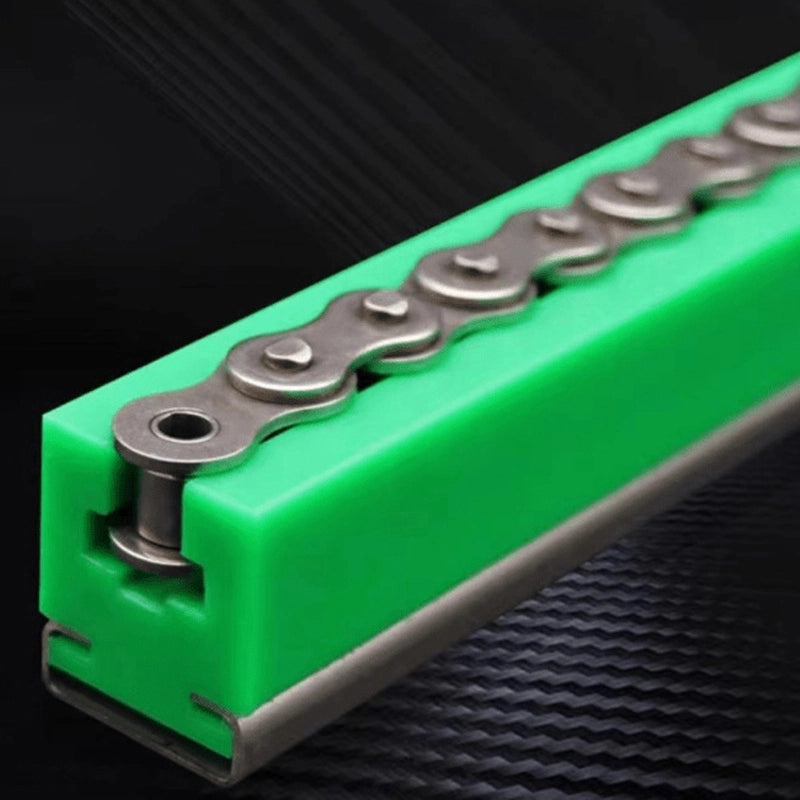
UHMWPE precision parts wear guide

Key Properties of UHMWPE Plastic

One of the standout properties of UHMWPE is its exceptional ability to resist wear, even in environments where abrasion and mechanical stress are present. This makes UHMWPE an ideal material for parts that experience high levels of friction, such as conveyor belt components, gears, and sliding surfaces. Furthermore, UHMWPE exhibits excellent impact resistance, absorbing significant energy without cracking or breaking, which makes it valuable for high-impact applications like chute liners, protective barriers, and industrial guides.

Wear Resistance and Durability

When exposed to abrasive conditions, UHMWPE demonstrates far greater durability than most other thermoplastics, including HDPE. Its wear-resistant nature allows it to outperform metals and other plastics in applications involving high friction or regular mechanical stress. For example, UHMWPE precision parts can reduce maintenance costs and downtime in industries where equipment frequently handles rough or sharp materials.

Chemical Resistance of UHMWPE

In addition to its mechanical strength, UHMWPE offers excellent resistance to a wide range of chemicals, making it suitable for use in environments where other materials may degrade. It resists strong acids, alkalis, organic solvents, and even some oxidizing agents. This chemical resistance is a critical feature in industries like food processing, pharmaceuticals, and chemical manufacturing, where equipment must withstand regular exposure to harsh cleaning agents or processing chemicals without deteriorating.

Low Friction Properties

Another significant advantage of UHMWPE is its low coefficient of friction, which ensures smooth operation in dynamic systems. Components made from UHMW polyethylene plastic are commonly used in conveyor systems, sliding mechanisms, and machine guides due to their ability to reduce friction and minimize wear on moving parts. In applications where low maintenance and long-lasting performance are essential, UHMWPE offers a distinct benefit over materials like metals or lower-grade plastics.

Applications of UHMWPE in Industrial Settings

Thanks to its remarkable combination of wear resistance, impact resistance, and chemical durability, UHMWPE is widely used across various industries. In food processing, for instance, UHMWPE is employed to create conveyor belt components, cutting boards, and guides due to its non-toxic and food-safe properties. The medical industry also values UHMWPE for its use in orthopedic implants, such as joint replacements, because of its biocompatibility and ability to withstand long-term wear inside the human body.

UHMWPE in Manufacturing Equipment

In heavy industrial environments, UHMWPE custom parts are essential for keeping machinery running efficiently. Components like UHMWPE bearings, bushings, and gears are often custom-machined to meet the specific needs of a manufacturer. These parts not only provide strength and durability but also reduce friction, ensuring smoother operations and lower energy consumption. In high-impact environments, UHMWPE processing parts help to extend the lifespan of equipment by reducing the need for frequent part replacement.

Why UHMWPE is Essential for Industrial Applications

Ultimately, UHMWPE is a critical material in industries that require tough, long-lasting components capable of withstanding mechanical wear, impact, and chemical exposure. From custom UHMWPE machining for specialized parts to its application in conveyor systems and medical devices, this versatile material plays a key role in enhancing both performance and efficiency.

Understanding the UHMWPE Processing Parts: From Material to Precision Machining

Ultra-high molecular weight polyethylene (UHMWPE) is a versatile material, but the process of transforming raw UHMWPE into precise, functional parts requires advanced techniques. One of the most effective methods for creating UHMWPE processing parts is through CNC machining, a highly controlled process that ensures the accuracy and reliability of each component. Machining UHMWPE presents unique challenges due to the material’s inherent properties, but when done correctly, the results are superior, wear-resistant, and durable parts that perform well in demanding industrial applications.

CNC UHMWPE plastic machining

Challenges of Machining UHMWPE

Machining UHMWPE is unlike machining metals or other thermoplastics. One of the key challenges is the material’s low melting point, which can cause deformation during the cutting process if excessive heat is generated. The high molecular weight of UHMWPE contributes to its toughness, but it also makes the material more difficult to cut cleanly. Additionally, UHMWPE’s low friction properties, while beneficial in end-use applications, can make it harder for the material to stay in place during machining, leading to dimensional inconsistencies if not properly managed.

To overcome these challenges, machinists often use specialized tools designed to minimize heat generation and ensure precision. Cooling techniques, such as using compressed air or specialized lubricants, help maintain the material’s integrity during the machining process. Precision machining is critical to ensure the UHMWPE processing parts meet exact specifications without compromising the material’s performance capabilities.

Advantages of CNC Machining for UHMWPE

CNC machining offers several advantages when it comes to producing custom UHMWPE parts. The most notable benefit is the high level of precision that CNC technology provides. Computer numerical control (CNC) allows machinists to program exact dimensions into the system, ensuring that each part is manufactured to within tight tolerances. This level of accuracy is particularly important for industries that require UHMWPE parts to function in mechanical systems, where even minor deviations in size or shape can lead to operational failures.

Furthermore, CNC machining UHMWPE provides consistency across large production runs. Once the machining program is set, each part produced is identical, which is crucial for industries like automotive and medical manufacturing, where precision and reliability are paramount. CNC machines can handle complex shapes and intricate designs that would be difficult or impossible to achieve with traditional machining techniques, making it an essential tool for producing high-quality UHMWPE precision parts.
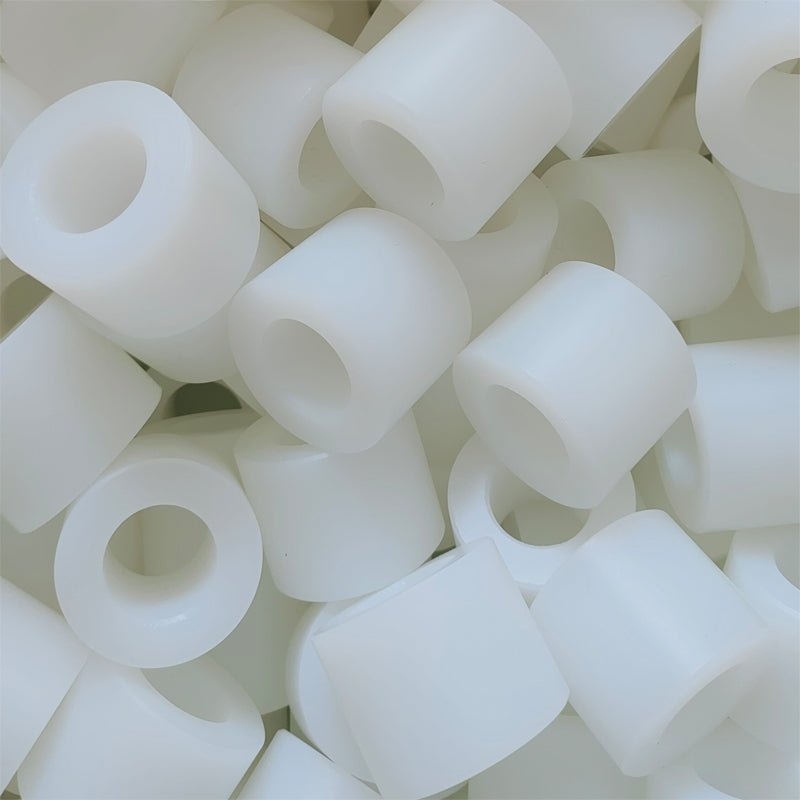
UHMWPE Rod CNC Machinable

UHMWPE Rod (Black/White)

Ideal for custom CNC machining of gears and bushings. High impact strength.

View Product

Customization of UHMWPE Processing Parts

One of the key advantages of working with UHMWPE is its ability to be custom-machined into a variety of shapes and sizes, depending on the application. Custom UHMWPE machining allows manufacturers to tailor the material’s properties to meet the specific needs of their industry. For example, in the food processing industry, custom UHMWPE parts might include conveyor guides, wear strips, or bushings, all designed to withstand constant contact with abrasive materials while maintaining low friction.

In the medical device sector, custom UHMWPE parts may be used for joint implants or surgical components, where biocompatibility and wear resistance are critical. These parts need to be machined with the utmost precision to ensure they meet regulatory standards and function safely within the human body. CNC technology plays a vital role in achieving the precision required for such high-stakes applications.

Precision in UHMWPE Machining

Achieving precision during the machining of UHMWPE is essential to ensure that each part fits perfectly within its intended system. This precision is often achieved through the use of advanced CNC machines that can handle complex geometries while maintaining exact dimensional tolerances. For example, custom UHMWPE gears for heavy machinery require precise tooth alignment and spacing to ensure smooth operation and minimize wear on both the gear and the surrounding parts.

By using CNC technology, manufacturers can also create intricate features, such as grooves, slots, and holes, which are essential for parts that need to fit into larger systems or connect to other components. The flexibility of CNC machining makes it the ideal method for producing everything from simple bushings to complex, multi-component assemblies, ensuring that UHMWPE processing parts meet the highest standards of precision and quality.

Custom UHMWPE Machining Solutions for High-Impact Applications

Custom UHMWPE machining plays a crucial role in industries that demand parts capable of withstanding intense mechanical stress and high-impact environments. From the automotive to the aerospace sectors, UHMWPE (ultra-high molecular weight polyethylene) has become a go-to material for creating precision parts that not only resist wear but also absorb significant impact. The versatility of UHMWPE in these applications is largely due to its outstanding impact resistance, which can be further enhanced through custom CNC machining techniques.

The Need for High-Impact Resistance in Industrial Applications

Industries such as automotive and aerospace require materials that can endure repeated impact without losing integrity. For instance, in automotive manufacturing, parts are subjected to constant mechanical stress, whether in engines, suspension systems, or safety equipment. UHMWPE precision parts are particularly valuable in these high-stress applications due to their ability to absorb and disperse energy, reducing wear and tear on the components themselves and the machinery they interact with.

In aerospace, high-impact UHMWPE parts are often used in environments where both strength and lightness are required. The low weight of UHMWPE, combined with its superior impact resistance, makes it an excellent choice for reducing the overall weight of aerospace vehicles while maintaining performance standards.

Custom UHMWPE Machining for Enhanced Performance

CNC machining allows manufacturers to tailor UHMWPE components to the specific needs of their industries, ensuring that each part meets exacting standards. In high-impact applications, precise custom machining ensures that UHMWPE parts maintain their structural integrity even under the most challenging conditions. By using CNC technology, complex shapes and detailed features can be achieved with high precision, which is essential for parts that need to fit seamlessly into larger mechanical systems.

For example, custom-machined UHMWPE gears for the automotive industry require precise tooth profiles to ensure smooth operation and minimize wear. By tailoring the design and dimensions of these gears through CNC machining, manufacturers can improve the performance and longevity of the parts, leading to more efficient machinery and reduced maintenance costs.

UHMWPE precision parts board and stick

Advantages of High-Impact UHMWPE in Automotive and Aerospace

One of the key reasons why custom UHMWPE machining is so valuable in high-impact industries is the material’s ability to perform under extreme conditions. In automotive applications, UHMWPE precision parts are used in everything from impact-resistant bumpers to durable bushings and bearings. These components must withstand not only physical stress but also exposure to harsh chemicals, lubricants, and temperature fluctuations. UHMWPE offers the perfect balance of strength, chemical resistance, and low friction, making it a preferred material for such demanding environments.

In aerospace, UHMWPE parts are engineered to endure vibrations, shocks, and other mechanical stresses while maintaining lightweight properties. The ability to custom machine UHMWPE into parts that fit precisely within aerospace systems enhances both performance and safety, as these components are critical to the proper functioning of high-stakes equipment. Moreover, custom machining allows for the integration of specialized features, such as holes, grooves, and threads, which are essential for connecting UHMWPE parts to other components in complex systems.

Precision Tailoring Through CNC Machining

The process of CNC machining UHMWPE offers a level of precision that is vital for industries where tolerances are tight and performance is non-negotiable. In high-impact environments, even a slight deviation in the dimensions of a part can lead to operational issues or premature failure. By utilizing CNC technology, manufacturers can achieve exact specifications, ensuring that each custom UHMWPE part performs as expected over extended periods of use.

Precision is especially critical when it comes to parts like custom UHMWPE bushings or shock-absorbing pads. These components must fit perfectly into larger systems to prevent excess movement and wear, which could compromise the overall performance of the equipment. CNC machining enables the production of parts with intricate geometries, tight tolerances, and consistent quality, making it the ideal method for creating high-performance UHMWPE precision parts for demanding industries.

The Future of Custom UHMWPE Machining in High-Impact Industries

As industries continue to evolve, the demand for high-performance materials like UHMWPE is only expected to grow. The ability to custom machine UHMWPE into durable, impact-resistant components ensures that manufacturers can meet the ever-increasing demands of industries like automotive and aerospace. With advancements in CNC machining technology, the potential for creating even more complex and high-performing UHMWPE parts will expand, driving innovation in high-impact applications across various sectors.

UHMWPE vs HDPE: Choosing the Right Material for Your Project

When selecting materials for industrial projects, two commonly considered options are ultra-high molecular weight polyethylene (UHMWPE) and high-density polyethylene (HDPE). While both materials belong to the polyethylene family and share some similar characteristics, their properties and applications differ significantly. Choosing between UHMWPE and HDPE depends on the specific needs of your project, such as the desired durability, wear resistance, and chemical resilience. In this section, I’ll explore the key differences between these two materials and explain why UHMWPE may be the preferred choice for certain demanding applications.

Understanding the Basic Properties of UHMWPE and HDPE

At first glance, both UHMWPE and HDPE are high-performance thermoplastics known for their strength and durability. However, the primary difference lies in their molecular structure. UHMWPE has an exceptionally high molecular weight, often exceeding 3 million g/mol, compared to HDPE, which typically has a molecular weight of around 200,000 to 500,000 g/mol. This difference in molecular weight translates into different material properties and performance characteristics.

Property Comparison UHMWPE (Ultra-High Molecular Weight) HDPE (High-Density)
Wear Resistance Superior Good
Impact Strength Excellent (No Break) High
Friction Coefficient Extremely Low (Self-Lubricating) Low
Chemical Resistance Excellent Good/Excellent
Machinability Requires Specialized Tooling Easier to Machine
  • UHMWPE is renowned for its superior wear resistance and ability to withstand mechanical stress over long periods.
  • HDPE, while durable, does not offer the same level of impact resistance and abrasion resistance as UHMWPE.

Because of these fundamental differences, the decision between UHMWPE vs HDPE often comes down to the specific demands of the application, particularly in terms of mechanical stress and environmental exposure.
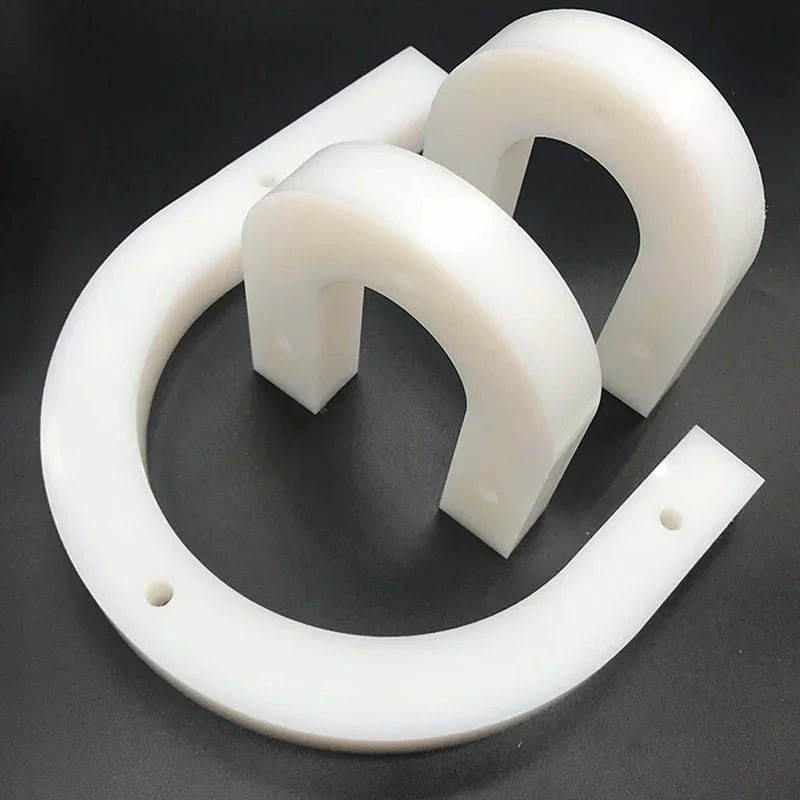
Color comparison of HDPE board showing black and white sides

Durability and Wear Resistance: UHMWPE’s Advantage

One of the most significant advantages of UHMWPE over HDPE is its exceptional wear resistance. In environments where parts are exposed to constant friction or abrasive materials, UHMWPE outperforms HDPE due to its higher molecular weight and tougher structure. This makes UHMWPE material ideal for use in applications such as conveyor belts, gears, and bushings, where extended service life and reduced maintenance are critical.

In contrast, HDPE can wear down more quickly under similar conditions. While HDPE is still a highly durable plastic, it is more prone to wear and tear over time, particularly in high-friction environments. This makes it a suitable choice for applications that do not require the extreme toughness of UHMWPE, such as lightweight containers or pipes for transporting fluids.

Chemical Resistance and Environmental Durability

Both UHMWPE and HDPE exhibit excellent chemical resistance, making them suitable for use in industries where exposure to corrosive chemicals, solvents, or cleaning agents is a concern. However, UHMWPE generally provides greater resilience against a wider range of chemicals, especially in harsh industrial settings. This makes UHMW polyethylene plastic a preferred material in industries such as food processing, pharmaceuticals, and chemical manufacturing.

For example, UHMWPE components are often used in food processing environments where parts are exposed to acidic or alkaline cleaning agents. The material’s ability to resist chemical degradation ensures that the parts last longer and maintain their structural integrity, even in chemically aggressive environments. HDPE, while also resistant to many chemicals, may not hold up as well under the most extreme conditions, making UHMWPE a better choice for applications where chemical exposure is frequent or prolonged.

Processing Techniques: Machining UHMWPE vs HDPE

Another consideration when choosing between UHMWPE and HDPE is the processing techniques required to manufacture parts. Both materials can be processed through various methods, including injection molding, extrusion, and CNC machining. However, due to its higher molecular weight and tougher structure, UHMWPE presents more challenges during machining. Specialized tools and techniques are often required to prevent heat buildup and ensure smooth, precise cuts when working with UHMWPE material.

On the other hand, HDPE is easier to machine and process. It melts at a lower temperature than UHMWPE, which simplifies the manufacturing process, particularly in high-volume production runs. This ease of processing makes HDPE a cost-effective option for applications that do not require the extreme durability or wear resistance offered by UHMWPE.

Applications: When to Choose UHMWPE Over HDPE

The choice between UHMWPE and HDPE ultimately comes down to the specific requirements of your project. If your application demands a material with exceptional impact resistance, wear resistance, and the ability to withstand harsh chemical environments, UHMWPE is likely the better option. This is particularly true in industries such as mining, automotive, and aerospace, where parts are subjected to constant friction, impact, and chemical exposure.

For less demanding applications, such as piping, storage tanks, or lightweight containers, HDPE may be the more economical choice. Its lower cost and easier processing make it suitable for applications where extreme durability is not necessary.

In summary, both UHMWPE and HDPE are valuable materials, each with its own set of advantages. The decision should be based on the specific requirements of your project, with UHMWPE offering greater resilience in high-impact, high-wear, or chemically aggressive environments.

The Versatility of UHMWPE: Applications and Custom Parts

Ultra-high molecular weight polyethylene (UHMWPE) is one of the most versatile and durable materials used across a wide range of industries. Thanks to its unique properties—such as wear resistance, chemical resistance, and low friction—UHMWPE has become a preferred material for creating custom parts that meet the specific demands of industrial sectors like food processing, packaging, marine, and medical fields. The ability to machine UHMWPE into highly specialized components makes it indispensable in applications requiring durability and precision.

UHMWPE in Food Processing and Packaging Industries

The food processing industry relies heavily on materials that are both non-toxic and resistant to wear. UHMWPE meets these requirements, which is why it is frequently used to manufacture parts like conveyor system components, guides, and wear strips. In environments where constant friction and exposure to moisture are unavoidable, UHMWPE custom parts offer the added benefits of low friction and chemical resistance, ensuring food safety while prolonging the lifespan of the equipment.

For the packaging industry, UHMW polyethylene strips are often used to create sliding surfaces or wear-resistant components in automated systems. The smooth, low-friction surface of UHMWPE allows for the easy movement of goods, reducing the risk of jams and ensuring efficient packaging processes.

Marine Industry Applications of UHMWPE

The marine industry demands materials that can withstand harsh environments, including constant exposure to water, salt, and high levels of mechanical stress. UHMWPE is ideal for this sector due to its resistance to water absorption and corrosion. Custom UHMWPE parts are used in applications such as dock fenders, buoys, and sliding plates that require materials capable of withstanding the elements while maintaining their structural integrity.

In addition to these uses, UHMWPE is frequently machined into bushings and bearings for marine vessels. These parts need to function smoothly even after prolonged exposure to seawater, making UHMWPE the material of choice for ensuring both durability and reliability in marine environments.

UHMWPE in the Medical Field

In the medical industry, UHMWPE has gained a reputation for being a biocompatible material with excellent wear resistance, making it essential for use in orthopedic implants and prosthetics. Due to its ability to withstand long-term wear and its compatibility with the human body, UHMWPE custom parts are widely used in hip and knee replacements.

Medical-grade UHMWPE is machined with extreme precision to create parts that must meet stringent regulatory standards. The material’s low friction and high-impact resistance ensure that these medical devices function smoothly and safely within the human body, reducing wear on both the implants and surrounding tissues.

Custom Machining of UHMWPE for Precision Parts

One of the major advantages of UHMWPE is its ability to be custom-machined into a variety of shapes and sizes, catering to the specific needs of different industries. From precision bearings used in high-speed machinery to wear plates in conveyor systems, UHMWPE custom parts can be manufactured with tight tolerances using CNC machining techniques.

The customization process allows manufacturers to create parts that are uniquely suited to their applications, whether it’s a complex gear for automotive systems or a protective barrier for industrial machinery. UHMWPE can also be machined into intricate components, such as seals, gaskets, and bushings, further enhancing its versatility across a broad range of sectors.

Applications of UHMWPE in Heavy Industry

In heavy industries such as mining and construction, where equipment is exposed to extreme wear and impact, UHMWPE proves to be an invaluable material. UHMWPE wear strips and liners protect machinery from abrasion while minimizing downtime for maintenance. This high level of wear resistance makes UHMWPE parts essential for extending the lifespan of industrial equipment and ensuring consistent performance in the most demanding environments.

By customizing UHMWPE parts through advanced machining processes, manufacturers can produce components that are specifically designed to withstand heavy-duty use, ensuring both durability and efficiency in industrial operations.

The CNC Machining Process for UHMWPE: Achieving Precision and Quality

CNC machining is a crucial process in the production of custom UHMWPE parts, ensuring high precision, repeatability, and efficiency. UHMWPE (ultra-high molecular weight polyethylene), known for its excellent wear resistance and low friction properties, is widely used in demanding industries, but machining this material requires advanced techniques to achieve the necessary precision and quality. By utilizing modern CNC technology, manufacturers can produce intricate parts with consistent quality, meeting the unique requirements of industries such as automotive, aerospace, and heavy machinery.

CNC Processed plastic parts

The Challenges and Advantages of CNC Machining UHMWPE

CNC machining UHMWPE poses specific challenges due to its low melting point and tendency to deform when subjected to excessive heat. These characteristics necessitate the use of specialized cutting tools and cooling techniques to maintain the integrity of the material during the machining process. However, when handled correctly, UHMWPE fabrication through CNC technology offers significant advantages. CNC machining allows for the creation of highly complex shapes and detailed geometries, making it possible to produce custom parts tailored to specific industrial applications. The precision of CNC ensures that each part is manufactured to exact specifications, with minimal tolerances, which is crucial for high-performance equipment.

Ensuring Consistency in UHMWPE Fabrication

One of the greatest benefits of CNC machining UHMWPE is the ability to achieve consistency across large production runs. Once a CNC machine is programmed with the desired specifications, it can replicate the exact same part repeatedly with no deviation in quality. This level of consistency is especially important for industries that rely on custom UHMWPE parts to ensure the smooth operation of their machinery and systems. For example, in the automotive or machinery manufacturing sectors, precision is paramount to avoid operational failures and to prolong the lifespan of equipment.

Case Study 1: Custom UHMWPE Gears for a High-Impact Machinery Manufacturer

A machinery manufacturer approached me with a challenge: they needed high-impact resistant gears for their production line. The gears had to endure constant wear from abrasive materials while maintaining smooth operation and low friction. After assessing their requirements, it was clear that UHMWPE was the ideal material for the job due to its wear resistance and impact absorption capabilities.

I worked closely with the client to design custom gears that would not only meet their performance criteria but also reduce maintenance costs. Using CNC machining, we produced highly precise gears with the exact tooth profiles required for their machinery. The UHMWPE fabrication process involved careful temperature management to prevent warping and ensure a smooth finish on each gear.

The results were impressive: the custom UHMWPE gears significantly reduced operational noise, which had been a concern for the manufacturer, and extended the maintenance intervals due to the superior wear resistance of the material. This project demonstrated how UHMWPE machining can provide tailored solutions that meet the unique challenges of industrial applications.

UHMWPE custom gears

Case Study 2: UHMWPE Conveyor Components for the Food Processing Industry

A large food processing plant faced ongoing challenges with their conveyor system. The components they were using had to withstand constant exposure to moisture and harsh cleaning agents, but the materials they had been using wore out quickly, leading to frequent maintenance and costly downtime. Moreover, the components needed to be made from a food-safe material that complied with regulatory standards while offering low friction for efficient operation.

Identifying the Need for Durable, Food-Safe Materials

After an initial assessment of the plant’s operations and environment, it became clear that the existing conveyor components were not suitable for long-term use in such a demanding environment. The plant’s machinery operated in wet conditions, and regular exposure to cleaning chemicals was causing rapid degradation of the parts. Additionally, the high friction of the previous materials created inefficiencies in the conveyor system, slowing down production.

I recommended UHMWPE as the ideal material for their conveyor components due to its combination of chemical resistance, durability, and low friction properties. UHMWPE is well-known for its ability to withstand wet conditions and resist the corrosive effects of cleaning agents, which made it an excellent fit for the food processing industry.

Customizing UHMWPE Conveyor Strips with CNC Technology

To address the plant’s specific needs, we designed custom UHMWPE conveyor strips that would fit seamlessly into their existing machinery. Using CNC machining, we ensured that each strip was cut with precision to match the dimensions of their conveyor system. This level of customization allowed us to optimize the conveyor system for low friction, reducing the energy required to move products along the line.

The CNC technology enabled us to produce parts with tight tolerances, ensuring smooth operation and reducing the likelihood of jams or breakdowns. The customized UHMWPE strips also improved the overall hygiene of the system, as the material’s non-porous surface made it easier to clean, reducing the risk of bacterial buildup.

Food Grade UHMWPE Sheet Custom Cut

Food Grade UHMWPE Sheet

FDA-compliant material ideal for conveyor strips and food processing parts.

Shop Sheets

Improved Efficiency and Reduced Downtime

The switch to UHMWPE conveyor components had a profound impact on the plant’s operations. The improved chemical resistance of the material allowed the components to last significantly longer than the previous ones, reducing the need for frequent replacements. This led to a dramatic decrease in downtime, which was previously caused by maintenance issues related to worn-out parts.

Additionally, the low friction of the UHMWPE strips made the conveyor system more efficient, reducing the energy consumption required to move products through the processing line. The plant experienced smoother operation, faster production speeds, and fewer interruptions, all of which contributed to higher overall productivity.

By using UHMWPE custom parts tailored to the specific requirements of the food processing industry, we were able to provide a long-term solution that enhanced both efficiency and hygiene, demonstrating the versatility and reliability of UHMWPE in demanding industrial environments.

Frequently Asked Questions About BeePlastic’s Custom UHMWPE Machining and Fabrication Services

  1. What types of customization services does BeePlastic offer?
    BeePlastic provides comprehensive customization services, including both sample customization and batch customization. Whether you need a single prototype or a full production run, we can meet your requirements with precision and quality.

  2. What file formats does BeePlastic accept for custom designs?
    BeePlastic accepts a variety of file formats to streamline the customization process. We work with industry-standard formats like PDF and CAD files, ensuring that we can accurately produce your parts according to your specifications.

  3. Is there a minimum order quantity (MOQ) for custom UHMWPE parts?
    No, BeePlastic does not have a minimum order quantity. We are happy to produce custom parts in any volume, from one-off prototypes to large-scale production runs, depending on your needs.

  4. How is the production cycle determined for custom UHMWPE parts?
    The production cycle is based on the size and complexity of your order. More intricate designs may require longer lead times, but we ensure real-time communication throughout the process to keep you updated on production progress and expected delivery dates.

  5. Can I request a sample before committing to a large order?
    Yes, BeePlastic supports sample requests. We offer free samples so that you can evaluate the quality and fit of our custom parts. You will only need to cover the shipping costs.

  6. What industries does BeePlastic serve with custom UHMWPE parts?
    BeePlastic provides custom UHMWPE machining and fabrication services to a wide range of industries, including food processing, packaging, automotive, aerospace, marine, and medical. Our versatile manufacturing capabilities allow us to meet the specific needs of diverse sectors.

  7. What materials can BeePlastic customize besides UHMWPE?
    In addition to UHMWPE, BeePlastic specializes in machining and fabricating a variety of materials, such as PTFE, Nylon, POM, Acrylic, and PVC. We offer customized solutions across a wide range of high-performance plastics.

  8. How do I get started with a custom order at BeePlastic?
    Simply reach out to us through our contact form or email. We’ll guide you through the customization process, review your design files, and provide a quote based on your project’s requirements and timeline.

  9. What quality assurance measures does BeePlastic take during production?
    At BeePlastic, we take quality seriously. Every part undergoes strict quality control checks throughout the production process to ensure that your custom UHMWPE parts meet the highest industry standards and your specific needs.

  10. Can BeePlastic help with design modifications or optimization?
    Yes, our team of experts can assist with design optimization to ensure that your custom parts are not only feasible but also optimized for the most efficient production. We collaborate with you to refine the design, ensuring cost-effective and high-quality results.

Custom black UHMWPE parts

By leveraging the unique properties of UHMWPE and combining them with advanced CNC machining techniques, businesses across various industries can access highly durable, custom-engineered parts designed to meet their specific needs. From the automotive and aerospace sectors to food processing and medical applications, UHMWPE offers superior wear resistance, chemical resilience, and impact durability. With BeePlastic’s custom UHMWPE fabrication services, you can ensure your equipment runs smoothly, efficiently, and with minimal downtime. Ready to start your project? Contact us today to explore how our custom UHMWPE machining solutions can optimize your operations.

Leave a comment


Please note, comments must be approved before they are published


Custom Plastic Fabrication

Send your drawing, material and quantity for review

🔧
Precision Machining
CNC milling & turning
✂️
Cutting & Engraving
Laser & waterjet cutting
🏭
Forming & Molding
Thermoforming & injection
🔗
Joining & Assembly
Welding & bonding
📐
Design & Prototyping
CAD design & samples

General

HDPE

PP

PVC

ABS

Engineering

POM

Nylon

PC

PMMA

High-Performance

PEEK

PEI

PTFE

Composites

FR-4

G10

Flexible

TPU

Silicone

Why Choose BeePlastic?

🎯
Perfect Fit
Custom specs eliminate adaptation needs
⚡
Clear Lead Times
Lead time confirmed with every quote
💰
Volume Pricing
Volume pricing available on bulk orders
🤝
Expert Support
Free engineering consultation included
📋
Submit
→
🔍
Review
→
💵
Quote
→
✅
Production
→
📦
Deliver

Request a Quote

Share your project details, selected material and quantity on our quote page. You can add a file link or use the email drawing route shown there.


Request Quote

Industries: Automotive • Medical • Food • Lab • Semiconductor

beeplastic@beeplastic.com


Antistatic UHMW-PE: The Game-Changer for Electronic Components in Defense Applications

UHMWPE board finished product processing workpiece

Discover how antistatic UHMW-PE is revolutionizing the defense industry by protecting sensitive electronic components from static damage. This high-performance material combines electrostatic dissipative properties with exceptional wear resistance, impact resistance, and low friction.

Learn about the critical importance of static control in defense electronics, and explore detailed material properties that make antistatic UHMW-PE an indispensable choice.

🎉 Limited Time Partner Offer

Use code: QR4GNY08SHVR at checkout and enjoy a special discount on your entire order!

Shop UHMWPE Plastic

antistatic UHMW-PE in defense

Dive into real-world applications in defense, from bushings and bearings to chain guides and wear pads. Understand how antistatic UHMW-PE compares with other materials and why it’s preferred for durability and reliability.

Gain insights from case studies showcasing successful implementations and look ahead to future trends in defense materials. Finally, get practical tips on choosing the right UHMW-PE material for your specific needs, considering factors like thickness, color options, and customization.

Unlock the potential of antistatic UHMW-PE and see why it’s the game-changer in safeguarding electronic components in defense applications.

Introduction to Antistatic UHMW-PE

antistatic UHMW-PE material

Understanding Antistatic UHMW-PE

Antistatic UHMW-PE (Ultra-High Molecular Weight Polyethylene) is a highly specialized plastic designed to minimize the buildup of static electricity. This material incorporates an electrostatic dissipative additive, enabling it to safely conduct electrical charges away from sensitive components.

This property makes it indispensable in environments where static discharge could cause significant damage, particularly in the defense sector where the protection of electronic components is critical.

Unique Properties of Antistatic UHMW-PE

The exceptional properties of antistatic UHMW-PE make it a preferred choice for defense applications. This material not only dissipates static electricity but also maintains the inherent benefits of standard UHMW-PE. These benefits include:

  • High Wear Resistance: Antistatic UHMW-PE exhibits superior durability, which is crucial for applications involving frequent mechanical stress.
  • Impact Resistance: It can withstand high-impact forces without deforming, ensuring longevity in demanding environments.
  • Low Coefficient of Friction: This property reduces wear and tear on moving parts, enhancing the efficiency of mechanical systems.
  • Chemical Resistance: Antistatic UHMW-PE is resistant to a wide range of chemicals, making it suitable for harsh environments often encountered in defense applications.
  • Low Moisture Absorption: This characteristic prevents degradation and maintains the material’s integrity even in humid conditions.

Electrostatic Dissipative Qualities

The electrostatic dissipative qualities of antistatic UHMW-PE are achieved by incorporating specific additives during the manufacturing process. These additives create a pathway for electrical charges to be safely conducted away from critical components, thus preventing the buildup of static electricity. This feature is vital in defense electronics, where even a small static discharge can cause malfunctions or damage to sensitive equipment.

Applications in Defense

Antistatic UHMW-PE is widely used in various defense applications due to its combination of mechanical strength and electrostatic dissipation. Typical uses include:

  • Bushings and Bearings: Where durability and static dissipation are paramount.
  • Wear Pads and Strips: To protect surfaces from abrasion while preventing static buildup.
  • Chain Guides and Linings: Ensuring smooth operation of mechanical systems without the risk of static discharge.

Selecting the Right Material

When selecting antistatic UHMW-PE for defense applications, it is essential to consider the specific requirements of the project. Factors such as thickness, color options (e.g., black reprocessed UHMW-PE), and customization needs should be evaluated to ensure the material meets the operational demands. Consulting with suppliers who can provide detailed material properties and certifications can aid in making an informed decision.

By understanding these aspects of antistatic UHMW-PE, defense manufacturers can significantly enhance the reliability and safety of their electronic components. For more detailed insights into UHMW-PE material properties, visit our comprehensive guide on UHMW-PE.

Importance of Static Control in Defense Electronics

Static Control in Electronics

The Critical Need for Static Control

In the field of defense electronics, maintaining static control is paramount. Sensitive electronic components used in military equipment are highly susceptible to damage from electrostatic discharge (ESD). A single ESD event can cause immediate failure or latent defects, potentially leading to system malfunctions at critical moments. Therefore, implementing effective static control measures is essential to ensure the operational reliability of defense systems.

Preventing Damage to Sensitive Components

Electrostatic discharge can occur in various ways, such as through human contact, equipment handling, or environmental conditions. Antistatic UHMW-PE materials are designed to dissipate static charges safely, preventing them from accumulating on electronic components. This is crucial in environments where the integrity of electronic systems is vital for mission success.

Ensuring Operational Reliability

Operational reliability in defense applications means that all systems must function flawlessly under diverse conditions. The use of antistatic UHMW-PE helps achieve this by providing consistent static control. This material’s ability to resist wear and impact while maintaining low friction and chemical resistance further enhances its suitability for defense electronics. Ensuring that components are free from static damage translates directly to higher system reliability and mission readiness.

Role of Antistatic Materials in Defense Systems

Antistatic materials like Tivar 1000 UHMW-PE play a crucial role in protecting defense electronics. These materials are used in various applications, such as:

  • Circuit Boards: To prevent static buildup that can damage microchips.
  • Connectors and Interfaces: Ensuring secure and static-free connections.
  • Casings and Enclosures: Protecting internal components from external static sources.

Case Studies and Real-World Examples

Real-world applications of antistatic UHMW-PE in defense electronics highlight its effectiveness. For instance, in aerospace components, antistatic UHMW-PE helps protect avionic systems from ESD, ensuring reliable operation during flights. Similarly, in ground-based military vehicles, these materials are used to protect communication and navigation systems, enhancing their durability and performance.

Advancements in Static Control Technology

Ongoing advancements in static control technology continue to improve the effectiveness of materials like antistatic UHMW-PE. Innovations in additive technologies and material processing have led to even better performance characteristics, making these materials more reliable and efficient for defense applications.

For more information on how antistatic UHMW-PE materials can enhance your defense electronics, visit our detailed guide on antistatic materials. By addressing the critical need for static control, defense manufacturers can significantly reduce the risk of ESD damage, ensuring the longevity and reliability of their electronic components.

Material Properties of Antistatic UHMW-PE

Material Properties of UHMW-PE

Wear Resistance

One of the standout features of antistatic UHMW-PE is its exceptional wear resistance. This material can withstand prolonged exposure to abrasive conditions without significant degradation. Its high molecular weight contributes to its durability, making it ideal for applications where mechanical parts are subject to continuous friction and wear. According to data from Eagle Performance Plastics, UHMW-PE exhibits a hardness rating of D64 and an impact strength (Izod) of no break under ASTM D256 testing, indicating its robust nature in resisting wear and tear.

Impact Resistance

Antistatic UHMW-PE also boasts excellent impact resistance, a critical property for defense applications where materials are often subjected to sudden shocks and heavy loads. This material can absorb high-impact forces without cracking or breaking, ensuring longevity and reliability. With a tensile strength at break of 5200 psi and an elongation at break of 290% as per ASTM D638 standards, UHMW-PE provides resilience against physical stress, making it suitable for components such as bushings, bearings, and wear pads.

Low Coefficient of Friction

The low coefficient of friction is another key attribute of antistatic UHMW-PE, which reduces the wear on moving parts and enhances the efficiency of mechanical systems. This property is particularly important in applications involving sliding or rotating components, where reduced friction translates to less energy loss and lower maintenance costs. The coefficient of friction (kinetic) of 0.12 and static coefficient of 0.18 under ASTM D3702 testing highlight its capability to provide smooth operation, crucial for maintaining the performance of defense electronics and machinery.

High Durability

High durability is a hallmark of antistatic UHMW-PE, thanks to its combination of physical and mechanical properties. This material can endure harsh environmental conditions, including exposure to chemicals and moisture, without losing its integrity. Its chemical resistance makes it suitable for use in corrosive environments, while its low moisture absorption of only 0.01% (ASTM D570) ensures stability even in humid conditions. The thermal properties, such as a melting point of 275°F and service temperature up to 180°F, further contribute to its versatility and reliability in various defense applications.

Comprehensive Data

For a more detailed understanding of the material properties of antistatic UHMW-PE, reference the comprehensive data available from sources like Eagle Performance Plastics and Emco Industrial Plastics. These sources provide in-depth information on the physical, mechanical, thermal, and electrical properties of UHMW-PE, enabling engineers and designers to make informed decisions when selecting materials for their specific needs.

By leveraging the unique properties of antistatic UHMW-PE, defense manufacturers can enhance the performance, durability, and safety of their electronic components. For additional insights and detailed specifications, explore the full material datasheets and technical resources available online.

Applications of Antistatic UHMW-PE in Defense

UHMW-PE sheets applications

Bushings and Bearings

Antistatic UHMW-PE is extensively used in bushings and bearings within defense equipment. These components are critical in reducing friction between moving parts and are often exposed to significant mechanical stress. The wear resistance and low friction properties of antistatic UHMW-PE make it an ideal material for these applications. In addition, its electrostatic dissipative qualities prevent the buildup of static electricity, protecting sensitive electronic systems that may be in proximity.

Wear Pads and Wear Strips

In defense machinery, wear pads and wear strips play a vital role in protecting surfaces from abrasion and extending the lifespan of equipment. Antistatic UHMW-PE provides superior durability and impact resistance, ensuring these components can withstand harsh operational environments. The material’s ability to dissipate static charges is particularly beneficial in environments where static buildup could lead to equipment malfunctions or safety hazards.

Chain Guides

Chain guides made from antistatic UHMW-PE are commonly used in defense applications to ensure smooth and efficient operation of chains in various machinery and vehicles. These guides help reduce friction and wear on the chains, enhancing their performance and longevity. The electrostatic dissipative properties of antistatic UHMW-PE are crucial in preventing static electricity from affecting the performance of electronic components associated with the machinery.

Seals and Valves

Seals and valves are essential components in defense equipment, often required to operate under extreme conditions. Antistatic UHMW-PE is utilized in these applications due to its chemical resistance and ability to maintain integrity in harsh environments. The material’s static dissipative nature helps prevent static buildup, which is critical in maintaining the functionality and safety of seals and valves in electronic and fluid handling systems.

Protective Casings

Protective casings for sensitive electronic components in defense applications benefit greatly from antistatic UHMW-PE. These casings shield electronics from mechanical impact, abrasion, and static electricity. The high durability and low moisture absorption of antistatic UHMW-PE ensure that the protective casings remain effective over time, even in challenging environmental conditions.

Conveyor Systems

In defense manufacturing and logistics, conveyor systems often incorporate components made from antistatic UHMW-PE. The material’s low coefficient of friction and wear resistance enhance the efficiency and longevity of these systems. Additionally, its ability to prevent static charge buildup ensures that sensitive electronic items transported on the conveyors are protected from potential static discharge damage.

Linings and Insulators

Antistatic UHMW-PE is also used as linings and insulators in various defense equipment. These applications benefit from the material’s impact resistance and electrostatic dissipative properties. By providing a protective barrier, antistatic UHMW-PE linings and insulators help maintain the operational integrity of equipment and prevent damage from static electricity and physical impacts.

The versatility and reliability of antistatic UHMW-PE make it a crucial material in numerous defense applications. For more detailed information on the specific uses and benefits of antistatic UHMW-PE, visit Eagle Performance Plastics and Emco Industrial Plastics. By leveraging the unique properties of antistatic UHMW-PE, defense manufacturers can enhance the performance, durability, and safety of their electronic components.

Comparison with Other Materials

Comparing UHMW-PE with other materials

Durability

When comparing antistatic UHMW-PE to other materials used in similar applications, one of the standout advantages is its durability. Unlike traditional plastics and metals, antistatic UHMW-PE combines high molecular weight with the ability to dissipate static charges, providing exceptional wear resistance and impact resistance. Materials like PTFE (polytetrafluoroethylene) and nylon may offer good wear resistance, but they do not provide the same level of electrostatic dissipation. Metals, while strong, can corrode and are significantly heavier, making UHMW-PE a more versatile and long-lasting option for dynamic and demanding environments.

Static Control

Antistatic UHMW-PE offers superior static control compared to many other materials. For instance, standard polyethylene and polypropylene lack the electrostatic dissipative properties that are essential in environments where static buildup can damage sensitive electronic components. Antistatic UHMW-PE is specifically engineered to prevent static accumulation, thereby protecting electronics and reducing the risk of ESD-related failures. In contrast, polycarbonate and acrylic materials, while sometimes used for their clarity and strength, do not inherently provide the same level of static dissipation without additional treatments.

Overall Performance

In terms of overall performance, antistatic UHMW-PE outshines many other materials due to its comprehensive set of properties:

  • Wear Resistance: It surpasses other plastics like PVC and ABS, which can degrade quickly under abrasive conditions.
  • Impact Resistance: It maintains integrity under high-impact scenarios better than acrylic and polycarbonate.
  • Low Coefficient of Friction: This makes it ideal for applications involving moving parts, where materials like metal would cause increased friction and wear.
  • Chemical Resistance: It holds up against a variety of chemicals, outperforming materials like nylon, which can be susceptible to chemical attack.

Specific Advantages

  1. Versatility: Antistatic UHMW-PE can be used in a wide range of applications from bushings and bearings to chain guides and protective casings. Its versatility is unmatched by other materials that may be limited to specific applications.
  2. Cost-Effectiveness: While metals and certain high-performance plastics can be expensive, antistatic UHMW-PE offers a cost-effective solution without compromising on performance. Its long lifespan and low maintenance needs further enhance its cost-efficiency.
  3. Ease of Machining: Unlike ceramics and some composite materials, antistatic UHMW-PE is easier to machine and fabricate, allowing for more precise and customizable components.

Practical Applications

In defense applications, the choice of material can significantly impact the performance and reliability of equipment. For example, antistatic UHMW-PE used in wear pads and chain guides ensures smooth operation and longevity, whereas using a less durable material might lead to frequent replacements and downtime. Its static dissipative properties are critical in preventing ESD in sensitive electronics, a feature that is not inherent in many other materials.

For more detailed comparisons and specifications, resources such as Eagle Performance Plastics and Emco Industrial Plastics offer comprehensive guides on UHMW-PE and its advantages over other materials. Explore their data sheets and technical resources to understand the full scope of benefits offered by antistatic UHMW-PE in defense and other high-performance applications.

Case Studies and Real-World Applications

Real World Applications of UHMWPE

Aerospace Components

In the aerospace industry, the use of antistatic UHMW-PE has proven to be a game-changer for the protection of sensitive avionics. One notable case involves its application in wear strips and linings for aircraft interiors. These components often encounter high friction and need to dissipate static electricity to prevent interference with onboard electronics. The durability and electrostatic dissipative properties of antistatic UHMW-PE ensure reliable performance in these critical applications, significantly reducing the risk of static discharge that could compromise avionic systems. Eagle Performance Plastics highlights how this material has been successfully integrated into several aerospace projects, enhancing both safety and functionality.

Military Vehicles

Antistatic UHMW-PE has also found extensive use in military vehicles, particularly in the construction of chain guides and wear pads. These vehicles operate under harsh conditions, where durability and static control are essential. A case study involving the U.S. military demonstrated the effectiveness of antistatic UHMW-PE in extending the lifespan of vehicle components while maintaining operational efficiency. The material’s impact resistance and ability to function in extreme environments make it a preferred choice for enhancing the reliability of military hardware.

Electronic Enclosures

In defense electronics, protecting sensitive components from static electricity is crucial. Antistatic UHMW-PE has been successfully used in the fabrication of protective enclosures for electronic systems. These enclosures shield the electronics from mechanical impact and static discharge, ensuring uninterrupted performance. A defense contractor integrated antistatic UHMW-PE enclosures into their communication equipment, resulting in a marked reduction in static-related failures. This application underscores the material’s ability to combine physical protection with electrostatic dissipation, making it invaluable for sensitive electronic components.

Radar Systems

Radar systems are another area where antistatic UHMW-PE has demonstrated its value. These systems require materials that can withstand environmental stresses while preventing static buildup that could interfere with radar signals. Antistatic UHMW-PE is used in seals and valves within radar systems, ensuring that these components remain static-free and operational even in the most challenging conditions. This use case from Emco Industrial Plastics illustrates the material’s effectiveness in maintaining the integrity and performance of advanced defense technologies.

Missile Guidance Systems

Precision in missile guidance systems is paramount, and any static interference can lead to critical failures. Antistatic UHMW-PE has been employed in the housing and bushings of these systems, providing both mechanical stability and static control. The material’s low friction and high impact resistance ensure that moving parts function smoothly without generating static charges. This application has been documented in various defense projects, highlighting antistatic UHMW-PE as a key material in the advancement of reliable missile technologies.

Submarine Components

Submarines operate in a highly corrosive and challenging environment where static control is essential for the safety of electronic systems. Antistatic UHMW-PE is used in linings and insulators within submarines to protect against static buildup and ensure the longevity of electronic components. The material’s resistance to moisture absorption and chemical attack makes it ideal for underwater applications, as evidenced by its successful use in several naval defense projects.

These case studies demonstrate the diverse applications and significant advantages of antistatic UHMW-PE in defense. For further detailed insights and specific project data, refer to the technical resources available from Eagle Performance Plastics and Emco Industrial Plastics. By understanding these real-world applications, defense manufacturers can better appreciate the transformative impact of antistatic UHMW-PE on enhancing the performance and reliability of their systems.

Future Trends in Defense Materials

Future Trends in UHMW-PE

Advances in Antistatic UHMW-PE

The use of antistatic UHMW-PE in defense applications is set to grow significantly as new advancements enhance its performance and versatility. Ongoing research focuses on improving the electrostatic dissipative properties of UHMW-PE through innovative additive technologies. These advancements aim to further reduce the risk of electrostatic discharge (ESD) while maintaining the material’s inherent strengths such as wear resistance and impact resistance. Researchers are exploring the incorporation of nanomaterials and conductive polymers to achieve superior static control.

Integration with Smart Materials

One of the most exciting future trends is the integration of antistatic UHMW-PE with smart materials that have adaptive and self-healing properties. These smart materials can respond to environmental changes, such as variations in temperature and pressure, providing enhanced protection for sensitive defense electronics. The development of self-healing UHMW-PE could significantly extend the lifespan of components exposed to harsh conditions, thereby reducing maintenance costs and improving reliability.

Lightweight and High-Strength Composites

The defense industry is increasingly demanding materials that are both lightweight and high-strength. Antistatic UHMW-PE is being combined with other high-performance materials to create lightweight composites that offer superior durability without adding excessive weight. These composites are particularly beneficial for aerospace and military vehicle applications, where reducing weight can enhance mobility and fuel efficiency. The integration of carbon fiber and glass fiber with antistatic UHMW-PE is an area of active research and development.

Enhanced Chemical Resistance

Future developments in antistatic UHMW-PE also include improving its chemical resistance. While the material already boasts excellent resistance to a variety of chemicals, advancements aim to expand its applicability in environments with extreme chemical exposure. By incorporating advanced chemical-resistant additives, manufacturers can produce UHMW-PE that withstands more aggressive solvents and corrosive agents, making it even more suitable for defense applications.

Sustainable and Recyclable Materials

Sustainability is becoming a key focus in the defense industry, with a growing emphasis on using materials that are both high-performing and environmentally friendly. Research into recycled antistatic UHMW-PE is gaining momentum, as it offers a sustainable option without compromising on performance. The development of recycling processes that maintain the electrostatic dissipative and mechanical properties of UHMW-PE is crucial for creating a circular economy in the defense sector.

Potential Innovations

Graphene-enhanced UHMW-PE is another promising innovation on the horizon. Graphene, known for its exceptional conductivity and strength, can be integrated into UHMW-PE to further enhance its static dissipative properties and mechanical performance. This hybrid material could revolutionize the defense industry by providing even more robust solutions for protecting sensitive electronics and improving the durability of mechanical components.

Ongoing Research and Collaborations

Collaborations between defense agencies, research institutions, and material science companies are driving the development of next-generation antistatic UHMW-PE. These partnerships are essential for accelerating the transition from laboratory research to real-world applications. Funding from government and private sectors supports ongoing research into novel additives, advanced manufacturing processes, and the testing of new composite materials.

By staying at the forefront of material science innovations, the defense industry can continue to enhance the performance, safety, and sustainability of its equipment. For more detailed insights into current research and potential innovations, explore the resources available from Eagle Performance Plastics and Emco Industrial Plastics. By understanding these emerging trends and advancements, defense manufacturers can better prepare for the future and integrate the latest material technologies into their applications. For further information, visit our comprehensive guide on future trends in defense materials.

Choosing the Right UHMW-PE Material for Your Application

Choosing the right UHMW-PE

Factors to Consider

Selecting the appropriate UHMW-PE material for defense applications involves several critical factors. These include thickness, color options, and customization needs. Understanding these parameters helps ensure that the material meets the specific requirements of the application, providing optimal performance and longevity.

Thickness

Thickness is a crucial factor when choosing UHMW-PE for defense applications. The required thickness depends on the application’s load-bearing and wear-resistance needs. For instance:

  • Thin Sheets (e.g., 1/8 inch UHMW-PE): These are suitable for applications that require flexibility and ease of installation, such as protective linings and wear strips. They offer sufficient protection against abrasion while maintaining a lightweight profile.
  • Medium Thickness (e.g., 3/16 inch UHMW-PE): These are ideal for bushings and bearings, where moderate impact resistance and durability are necessary. They provide a balance between strength and weight, making them versatile for various defense applications.
  • Thick Sheets (e.g., 1/2 inch or thicker): For heavy-duty applications like chain guides and impact-resistant pads, thicker UHMW-PE sheets provide maximum durability and wear resistance. These are essential in environments with high mechanical stress and potential impact.

Color Options

The choice of color in UHMW-PE materials can also be important, especially in applications where visibility and differentiation are crucial. For example:

  • Black Reprocessed UHMW-PE: This is a cost-effective and environmentally friendly option, as it uses recycled materials. It is suitable for non-critical applications where the primary focus is on durability and cost-efficiency. Black reprocessed UHMW-PE is often used in wear pads and chain guides.
  • Natural (White) UHMW-PE: This is commonly used in food-grade applications and environments where contamination must be easily detectable. It is also preferred for applications requiring FDA compliance.
  • Colored UHMW-PE: Custom colors can be used for specific coding or visual identification, enhancing safety and efficiency in complex systems. For example, different colors can denote various components in a mechanical system, making maintenance and assembly more straightforward.

Customization Needs

Customization is another key consideration when selecting UHMW-PE for defense applications. Customization can include specific dimensions, shapes, and properties tailored to the application’s requirements. Here are some aspects of customization:

  • Precision Machining: Customizing UHMW-PE components through precision machining ensures that parts fit perfectly and function optimally in their designated roles. This is particularly important for bushings, bearings, and other components where tolerances are tight.
  • Additives for Enhanced Properties: Adding specific fillers or additives can enhance the material’s properties, such as antistatic additives for static control, UV stabilizers for outdoor applications, or lubricants for reduced friction. These additives make the UHMW-PE more suitable for specialized defense applications.
  • Form Factor Adjustments: Customizing the form factor, such as creating sheets, rods, or profiles, ensures that the UHMW-PE fits the application’s specific design and operational needs.

Consulting with Experts

For defense manufacturers, consulting with material experts and suppliers like Eagle Performance Plastics and Emco Industrial Plastics can provide valuable insights and recommendations. These suppliers offer detailed specifications, customization options, and technical support to help select the right UHMW-PE material. They can also provide samples and prototypes to ensure the material meets the application’s exact requirements before full-scale production.

By considering these factors, defense manufacturers can choose the most appropriate UHMW-PE material, ensuring enhanced performance, reliability, and longevity of their components. For more detailed information and customization options, explore the technical resources and guides available from leading UHMW-PE suppliers. Visit our comprehensive guide on UHMW-PE materials for further insights and assistance.

Common Questions and Answers about Antistatic UHMW-PE and BeePlastics Customization

Custom machined plastic parts

General Questions about Antistatic UHMW-PE

1. What is antistatic UHMW-PE and how does it differ from regular UHMW-PE?

Antistatic UHMW-PE is a type of Ultra-High Molecular Weight Polyethylene that incorporates electrostatic dissipative additives to prevent the buildup of static electricity. Unlike regular UHMW-PE, which can accumulate static charges, antistatic UHMW-PE safely dissipates static, making it ideal for applications in sensitive electronic environments.

2. What are the main benefits of using antistatic UHMW-PE in defense applications?

The main benefits include:

  • Electrostatic dissipation: Prevents static buildup, protecting sensitive electronic components.
  • High wear resistance: Ensures durability in high-friction environments.
  • Impact resistance: Absorbs shocks and impacts without cracking.
  • Chemical resistance: Withstands exposure to various chemicals.
  • Low coefficient of friction: Enhances the efficiency of moving parts.

3. In which defense applications is antistatic UHMW-PE commonly used?

Antistatic UHMW-PE is commonly used in:

  • Bushings and bearings: Reducing friction and wear.
  • Wear pads and wear strips: Protecting surfaces from abrasion.
  • Chain guides: Ensuring smooth operation of chains.
  • Protective casings: Shielding electronic components from static and physical damage.
  • Seals and valves: Maintaining integrity in harsh environments.

4. How does antistatic UHMW-PE compare to other materials like PTFE or nylon?

Compared to PTFE and nylon, antistatic UHMW-PE offers superior static control, wear resistance, and impact resistance. While PTFE and nylon have their own strengths, they lack the electrostatic dissipative properties and durability of antistatic UHMW-PE, making the latter more suitable for demanding defense applications.

BeePlastics Customization

5. Can BeePlastics undertake customizations for specific defense applications?

Yes, BeePlastics can undertake any customization, including sample customization and batch customization. Whether you need specialized components or large-scale production, we can tailor our solutions to meet your specific requirements.

6. What file formats does BeePlastics accept for custom design requests?

BeePlastics accepts a variety of file formats, including PDF and CAD. This flexibility ensures that you can submit your designs in the format that works best for you, facilitating a smooth customization process.

7. Is there a minimum order quantity (MOQ) for custom orders at BeePlastics?

No, BeePlastics does not have a minimum MOQ. Whether you need a single prototype or a large batch, we can accommodate orders of any size, providing flexibility to meet your needs.

8. How does BeePlastics manage the production cycle for custom orders?

The production cycle at BeePlastics is managed according to the order volume and the complexity of the process. We communicate with you in real-time about the production progress, ensuring transparency and timely delivery.

9. Does BeePlastics provide samples for custom orders?

Yes, BeePlastics supports the provision of samples. The samples are free of charge; however, the customer is responsible for the shipping costs. This allows you to evaluate the quality and suitability of our products before committing to larger orders.

10. What are the customization capabilities of BeePlastics for UHMW-PE products?

BeePlastics offers extensive customization capabilities, including:

  • Precision machining: Tailoring dimensions and shapes to exact specifications.
  • Additives and enhancements: Incorporating specific fillers for enhanced properties, such as UV resistance or lubricants.
  • Color options: Offering various colors, including black reprocessed UHMW-PE, for different application needs.
  • Form factor adjustments: Providing UHMW-PE in sheets, rods, or profiles to fit diverse applications.

For more detailed information and to discuss your specific customization needs, visit our customization services page or contact us directly. Incorporating antistatic UHMW-PE into defense applications offers a myriad of benefits, from enhanced static control and durability to improved performance and safety.

As we’ve explored, this versatile material excels in various roles, such as bushings, bearings, wear pads, and protective casings, ensuring the longevity and reliability of critical defense equipment. By understanding the specific properties and advantages of antistatic UHMW-PE, manufacturers can make informed decisions that optimize their operations and meet the stringent demands of defense environments.

For tailored solutions and expert guidance on customization, BeePlastics stands ready to provide the necessary support and innovation, ensuring your projects achieve the highest standards of excellence. For more information, visit our customization services page and discover how BeePlastics can enhance your defense applications.

Leave a comment


Please note, comments must be approved before they are published


Custom Plastic Fabrication

Send your drawing, material and quantity for review

🔧
Precision Machining
CNC milling & turning
✂️
Cutting & Engraving
Laser & waterjet cutting
🏭
Forming & Molding
Thermoforming & injection
🔗
Joining & Assembly
Welding & bonding
📐
Design & Prototyping
CAD design & samples

General

HDPE

PP

PVC

ABS

Engineering

POM

Nylon

PC

PMMA

High-Performance

PEEK

PEI

PTFE

Composites

FR-4

G10

Flexible

TPU

Silicone

Why Choose BeePlastic?

🎯
Perfect Fit
Custom specs eliminate adaptation needs
⚡
Clear Lead Times
Lead time confirmed with every quote
💰
Volume Pricing
Volume pricing available on bulk orders
🤝
Expert Support
Free engineering consultation included
📋
Submit
→
🔍
Review
→
💵
Quote
→
✅
Production
→
📦
Deliver

Request a Quote

Share your project details, selected material and quantity on our quote page. You can add a file link or use the email drawing route shown there.


Request Quote

Industries: Automotive • Medical • Food • Lab • Semiconductor

beeplastic@beeplastic.com


Maximize Efficiency: Custom-Cut UHMW Sheets for Your Accessory Needs

UHMW sheets

In the dynamic world of accessory manufacturing, finding materials that combine durability, versatility, and cost-effectiveness is paramount. UHMW Plastic Sheets Cut To Size offer an unparalleled solution, and our latest blog post, “Maximize Efficiency: Custom-Cut UHMW Sheets for Your Accessory Needs,” dives deep into how these innovative materials can revolutionize your production process.

🎉🎉🎉Limited Time Offer Use code: QR4GNY08SHVR at checkout and enjoy a special discount on your entire order! 👉 UHMWPE plastic

UHMW Plastic Sheets

We begin by exploring the Understanding UHMW Plastic: Properties and Advantages for Accessory Manufacturing, highlighting the exceptional wear resistance, impact strength, and chemical inertness of UHMW plastic. This section underscores why UHMW is the go-to material for those in the know, offering insights into its unmatched durability and performance in various applications.

Next, we delve into The Custom-Cut Advantage: Tailoring UHMW Sheets to Your Project Specifications, showcasing how custom sizing can drastically reduce waste and save costs. This part of the discussion emphasizes the efficiency gains and environmental benefits of using materials cut precisely to your needs, ensuring you only pay for what you use.

Our Step-by-Step Guide to Ordering Your Cut-to-Size UHMW Sheets provides a practical roadmap for procuring these custom solutions. From measuring tips to understanding tolerance levels, this guide is designed to streamline your ordering process, making it as seamless as possible.

In Innovative Uses of Cut-to-Size UHMW Sheets in Accessory Design and Manufacturing, we inspire with a look at the creative and functional uses of UHMW plastic in crafting high-quality accessories. Whether it’s industrial components or consumer products, this section illustrates the material’s versatility and efficiency in bringing ideas to life.

Finally, Maintaining Your Custom-Cut UHMW Accessories: Tips and Best Practices offers valuable advice on extending the lifespan of your UHMW-made accessories. From cleaning methods to storage suggestions, we cover everything you need to know to maintain the quality and durability of your products.

Join us as we explore the cutting-edge world of UHMW Plastic Sheets Cut To Size, and discover how customizing your materials can lead to greater efficiency, innovation, and sustainability in accessory manufacturing.

UHMW Plastic Sheets Cut To Size

Understanding UHMW Plastic: Properties and Advantages for Accessory Manufacturing

Ultra High Molecular Weight Polyethylene, or UHMW, stands out in the world of polymers for its remarkable set of properties. This material has become a cornerstone in various industries, from automotive to food processing, due to its unique blend of characteristics. Let’s delve deeper into what makes UHMW Plastic an ideal choice for accessory manufacturing and how its attributes can be leveraged to produce high-quality, durable products.

Key Properties of UHMW Plastic

High Resistance to Wear

One of the standout features of UHMW is its high resistance to wear. This attribute is crucial for accessories that require longevity and durability, especially in applications where friction and continuous use are common. The wear resistance of UHMW ensures that products maintain their integrity and functionality over time, significantly reducing the need for replacements and repairs.

Impact Strength

UHMW’s impact strength is another key factor that makes it an excellent material for manufacturing accessories. Its ability to absorb energy without deforming or breaking under sudden impacts makes it suitable for protective gear, mechanical parts, and other accessories that might experience shocks or drops during their lifecycle.

Chemical Inertness

The chemical inertness of UHMW is a vital property for accessories exposed to harsh environments. This material’s resistance to acids, alkalis, and solvents means it can be used in chemical processing plants, laboratories, and outdoor applications without degrading. Accessories made from UHMW can withstand exposure to corrosive substances, ensuring longevity and reliability.

The chemical inertness of UHMW

Advantages of UHMW in Accessory Manufacturing

The unique properties of UHMW translate into significant advantages when it comes to accessory manufacturing. Here are a few ways in which UHMW stands out:

  • Versatility: UHMW’s properties make it suitable for a wide range of applications. Whether it’s for industrial machinery components, medical devices, or consumer products, UHMW can be tailored to meet diverse requirements.

  • Cost-Effectiveness: Despite its high-performance characteristics, UHMW is a cost-effective solution for accessory manufacturing. Its durability and resistance to wear and chemicals mean lower maintenance costs and longer service life, offering excellent value over time.

  • Ease of Fabrication: UHMW can be easily fabricated into various shapes and sizes, making it ideal for custom-designed accessories. Its ability to be cut to size with precision allows for the creation of components that fit specific requirements, enhancing the efficiency of the manufacturing process.

  • Eco-Friendly: UHMW is an environmentally friendly option. It is recyclable and does not emit harmful gases during fabrication, aligning with sustainability goals and reducing the environmental footprint of manufacturing processes.

UHMW’s combination of high resistance to wear, impact strength, and chemical inertness, along with its versatility and cost-effectiveness, make it an unparalleled choice for accessory manufacturing. Its ability to be precisely cut to size opens up a world of possibilities for creating custom accessories that meet the exact needs of various industries. By choosing UHMW for your manufacturing projects, you’re opting for a material that offers durability, reliability, and efficiency, ensuring that the end products stand the test of time.

custom-cut UHMW sheets

The Custom-Cut Advantage: Tailoring UHMW Sheets to Your Project Specifications

In the realm of manufacturing and design, precision is key. The ability to tailor materials to the exact needs of a project not only enhances the quality of the final product but also optimizes the production process. This is where the custom-cut UHMW sheets come into play, offering a multitude of benefits that go beyond mere customization. Let’s delve into how these tailored solutions can significantly impact your projects in terms of waste reduction, cost savings, and efficiency.

Reducing Waste with Precision Cutting

One of the most compelling advantages of opting for custom-cut UHMW sheets is the dramatic reduction in material waste. Traditional methods of material procurement often involve purchasing standard sizes, which then need to be cut down to fit specific project requirements. This process inevitably leads to excess material that goes unused, contributing to waste and inefficiency. By ordering UHMW sheets that are cut to size, you receive pieces that fit your exact specifications, ensuring that every inch of the material serves a purpose. This precision not only conserves resources but also supports sustainable manufacturing practices by minimizing the environmental footprint of your projects.

Cost-Effectiveness of Custom-Cut Solutions

The financial implications of custom-cut UHMW sheets are equally significant. At first glance, the idea of custom sizing might seem like a premium service with a higher price tag. However, when considering the bigger picture, the cost savings become evident. Reducing waste means you’re not paying for material that you won’t use. Furthermore, the elimination of in-house cutting processes reduces labor costs and the need for specialized cutting equipment. These savings can be substantial, especially for projects that require large volumes or frequent production runs. In essence, custom-cut UHMW sheets offer a more economical approach to material procurement, aligning cost with actual usage.

custom-cut UHMW sheets

Enhancing Efficiency and Productivity

Another key benefit of utilizing custom-cut UHMW sheets is the boost in efficiency and productivity they bring to the manufacturing process. Receiving materials that are ready to use straight out of the box eliminates several steps in the production workflow. There’s no need to measure, mark, and cut large sheets into usable pieces, a process that not only consumes time but also introduces the risk of errors and inconsistencies. With custom-cut materials, projects can move forward more quickly, with a smoother transition from design to production. This efficiency gain not only speeds up project timelines but also enhances the overall quality of the finished products, as each piece meets precise specifications from the outset.

Streamlining Project Management

The convenience of custom-cut UHMW sheets extends into project management and logistics. Coordinating the procurement, storage, and processing of materials can be a complex task, especially for large-scale or multiple concurrent projects. Custom-cut solutions simplify these aspects by delivering materials that are project-ready, reducing the need for extensive storage space and streamlining the supply chain. This not only makes project management more straightforward but also reduces the risk of delays and complications, ensuring that projects are completed on time and within budget.

By embracing the custom-cut advantage of UHMW sheets, manufacturers and designers can achieve a higher level of precision, efficiency, and sustainability in their projects. This approach not only meets the specific needs of each project with unmatched accuracy but also offers significant cost savings, waste reduction, and productivity gains. As the demand for tailored solutions continues to grow, the benefits of custom-cut UHMW sheets become increasingly clear, making them an indispensable resource for industries seeking to optimize their manufacturing processes and product quality.

Step-by-Step Guide to Ordering Your Cut-to-Size UHMW Sheets

Ordering UHMW plastic sheets cut to size can streamline your manufacturing process, ensuring you receive materials that perfectly match your project requirements. This guide will walk you through the essential steps to order your custom-cut UHMW sheets, from measuring accurately to communicating your needs effectively with suppliers.

UHMW plastic sheets

Step 1: Determine Your Project Requirements

Before reaching out to suppliers, it’s crucial to have a clear understanding of your project’s specific needs. This includes the dimensions of the UHMW sheets you require, the thickness necessary for your application, and any other specifications that are critical to the performance and fit of the material in your final product.

Accurate Measurements

Start by accurately measuring the dimensions needed for your project. Use precise tools and double-check your measurements to ensure accuracy. Remember, the success of your project hinges on the precision of these initial measurements.

Selecting Thickness

Selecting the right thickness for your UHMW sheets is vital. Consider the application of the product: Will it bear significant loads, or does it need to flex? Different thicknesses offer varying degrees of strength and flexibility, so choose based on the demands of your application.

Step 2: Understand Tolerance Levels

Tolerance levels are critical when ordering custom-cut UHMW sheets. These levels indicate the permissible limit of variation in the sheets’ dimensions. Understanding and communicating the acceptable tolerance levels for your project is essential to ensure the final product meets your specifications.

Step 3: Choose a Reputable Supplier

Selecting a reputable supplier is crucial. Look for suppliers with a track record of delivering high-quality UHMW sheets and the capability to cut to your specified dimensions and tolerances. Research their reputation, read customer reviews, and perhaps ask for samples of their work.

Step 4: Communicate Your Needs Clearly

When you’re ready to place an order, clear communication with your supplier is key. Provide them with detailed specifications of your requirements, including dimensions, thickness, tolerance levels, and any other relevant information. It’s helpful to provide drawings or diagrams if your project involves complex shapes or sizes.

Request a Quote

Once you’ve communicated your needs, request a quote. Ensure the quote includes all your specifications and any additional costs, such as shipping or handling fees.

Step 5: Review and Confirm Your Order

Before finalizing your order, review all the details carefully. Check the dimensions, thickness, tolerance levels, and any other specifications to ensure they match your requirements. Once you’re satisfied, confirm your order. Keep in communication with your supplier throughout the production process to address any questions or concerns that may arise.

Follow-up

After placing your order, it’s a good practice to follow up with the supplier to confirm the timeline for delivery and stay updated on the progress of your order. This proactive approach can help avoid any misunderstandings and ensure your project stays on track.

Ordering UHMW plastic sheets cut to size requires attention to detail and clear communication with your supplier. By following these steps, you can ensure that you receive materials that meet your exact specifications, contributing to the success of your project. Remember, the key to a smooth ordering process is understanding your needs, choosing the right supplier, and maintaining open lines of communication throughout the process.

UHMW plastic sheets

Innovative Uses of Cut-to-Size UHMW Sheets in Accessory Design and Manufacturing

UHMW (Ultra High Molecular Weight Polyethylene) plastic sheets, known for their durability, wear resistance, and low friction, have opened up a world of possibilities in accessory design and manufacturing. The versatility of UHMW plastic sheets cut to size allows for precision in creating components that meet exact specifications, leading to innovations across various industries. Let’s explore some of the innovative and practical applications of UHMW plastic sheets in the realm of accessory design and manufacturing.

Industrial Applications

Gears and Bearings

In the industrial sector, UHMW gears and bearings stand out for their exceptional wear resistance and ability to operate quietly and smoothly without lubrication. Unlike metal counterparts, UHMW parts do not rust or corrode, making them ideal for environments where moisture or chemicals are present. The custom-cut capability of UHMW sheets ensures that gears and bearings can be produced to fit specific machinery requirements, enhancing operational efficiency and longevity.

Conveyor System Components

Conveyor system components made from cut-to-size UHMW sheets are revolutionizing material handling in industries. These components, including guide rails, rollers, and slider beds, benefit from UHMW’s low friction coefficient, reducing energy consumption and wear on both the conveyor parts and the products being moved. The ability to custom-cut UHMW sheets to specific dimensions means that conveyor systems can be optimized for any facility layout and product type, improving throughput and reducing downtime.

UHMW sheets

Consumer Products

Durable Kitchen Cutting Boards

In the consumer market, durable kitchen cutting boards made from UHMW plastic have gained popularity for their hygienic properties and longevity. UHMW does not absorb moisture or harbor bacteria, making it a safer choice for food preparation. The custom-cut nature of UHMW sheets allows for the creation of cutting boards in various sizes and shapes, catering to the needs of both professional chefs and home cooks.

High-Performance Sports Equipment Parts

High-performance sports equipment parts, such as protective gear, bindings, and components for water sports, benefit significantly from the properties of UHMW. The material’s impact resistance ensures that sports accessories can withstand extreme conditions and rough handling, protecting athletes and enhancing their performance. Custom-cut UHMW sheets enable the design and production of ergonomic and size-specific equipment, offering comfort and efficiency to users.

Niche Applications

Medical Device Components

The medical industry has also embraced UHMW for device components, valuing its biocompatibility and resistance to sterilization processes. Custom-cut UHMW sheets are used to create parts for surgical instruments, prosthetics, and diagnostic equipment, where precision and reliability are paramount.

Robotics and Automation

In robotics and automation, UHMW parts play a crucial role in the construction of robots and automated systems. Their low friction and wear resistance contribute to the longevity and efficiency of these systems, with custom-cut pieces ensuring perfect integration into complex assemblies.

The innovative uses of UHMW plastic sheets cut to size in accessory design and manufacturing showcase the material’s adaptability and performance across a broad spectrum of applications. From industrial machinery to consumer products and beyond, UHMW’s unique properties, combined with the precision of custom cutting, offer solutions that enhance durability, efficiency, and functionality. As technology advances and demands for high-performance materials increase, UHMW plastic sheets will continue to play a pivotal role in driving innovation in accessory design and manufacturing.

Maintaining Your Custom-Cut UHMW Accessories: Tips and Best Practices

UHMW (Ultra High Molecular Weight Polyethylene) is renowned for its durability, impact resistance, and low friction properties, making it an ideal material for a wide range of accessories. However, to ensure that your custom-cut UHMW accessories maintain their performance and longevity, proper care and maintenance are essential. Here are some valuable tips and best practices for cleaning, storing, and maximizing the lifespan of your UHMW products.

Cleaning Methods for UHMW Accessories

Routine Cleaning

For routine cleaning of UHMW accessories, a simple solution of soap and water is often sufficient. Use a soft cloth or sponge to gently wipe the surface, removing dirt and grime. For tougher stains, a mild detergent can be used without damaging the material. It’s important to avoid abrasive cleaners or pads, as they can scratch the surface of the UHMW, potentially compromising its wear resistance and aesthetic appeal.

Dealing with Stubborn Stains

In cases where you encounter stubborn stains or residues, isopropyl alcohol can be a safe and effective cleaning agent. Apply a small amount to a clean cloth and gently rub the affected area. Always test on a small, inconspicuous area first to ensure compatibility. After cleaning with alcohol, rinse the accessory with water and dry it thoroughly.

Storage Tips for UHMW Accessories

Avoid Direct Sunlight

When storing UHMW accessories, it’s crucial to keep them out of direct sunlight. Prolonged exposure to UV rays can cause the material to become brittle over time, reducing its impact resistance and flexibility. Store your UHMW products in a cool, dry place where they are protected from the elements.

Proper Stacking and Handling

If you need to stack your UHMW accessories, ensure that they are evenly supported to prevent warping or deformation. Use spacers if necessary to maintain airflow and avoid placing heavy objects on top that could compress or damage the material. Proper handling is also important; even though UHMW is impact resistant, it can still be damaged by sharp impacts or abrasive surfaces.

Maximizing the Lifespan of UHMW Products

Regular Inspections

Regularly inspect your UHMW accessories for any signs of wear, damage, or fatigue. Early detection of potential issues can prevent more significant problems down the line and extend the lifespan of the product. Pay particular attention to areas that are subject to repeated stress or contact with other surfaces.

UHMW accessories

Avoid Chemical Exposure

Although UHMW is resistant to many chemicals, prolonged exposure to aggressive substances can degrade the material over time. Be mindful of the chemicals your UHMW accessories come into contact with and consult material compatibility charts if you’re unsure. Rinse any chemical spills off the accessory as soon as possible to minimize potential damage.

By following these maintenance tips and best practices, you can ensure that your custom-cut UHMW accessories continue to perform at their best for years to come. Proper care not only extends the lifespan of these products but also maintains their functionality and appearance, providing you with maximum value from your investment in this versatile material.

In conclusion, leveraging the unique benefits of custom-cut UHMW sheets in accessory design and manufacturing opens up a realm of possibilities for creating durable, efficient, and high-quality products. From the industrial floor to consumer goods, the versatility and performance of UHMW plastic are unmatched. By following the detailed guide on ordering, understanding the innovative applications, and adhering to the maintenance tips provided, manufacturers and designers can maximize the potential of UHMW in their projects. Embracing these practices ensures that your UHMW accessories not only meet the exact needs of your applications but also stand the test of time, delivering unparalleled value and performance. Whether you’re at the drawing board or in the final stages of production, the insights shared here will help you harness the full potential of UHMW plastic sheets, ensuring your projects are as successful as they are ambitious.

Unlock the Potential of UHMW for Your Accessories

Don’t miss the opportunity to enhance the durability and efficiency of your products. Complete the contact form at the bottom of this page to get expert advice tailored to your specific needs. Discover the difference precision-cut UHMW can make for you today!

🎉🎉🎉Limited Time Offer Use code: QR4GNY08SHVR at checkout and enjoy a special discount on your entire order! 👉 UHMWPE plastic

Leave a comment


Please note, comments must be approved before they are published


Custom Plastic Fabrication

Send your drawing, material and quantity for review

🔧
Precision Machining
CNC milling & turning
✂️
Cutting & Engraving
Laser & waterjet cutting
🏭
Forming & Molding
Thermoforming & injection
🔗
Joining & Assembly
Welding & bonding
📐
Design & Prototyping
CAD design & samples

General

HDPE

PP

PVC

ABS

Engineering

POM

Nylon

PC

PMMA

High-Performance

PEEK

PEI

PTFE

Composites

FR-4

G10

Flexible

TPU

Silicone

Why Choose BeePlastic?

🎯
Perfect Fit
Custom specs eliminate adaptation needs
⚡
Clear Lead Times
Lead time confirmed with every quote
💰
Volume Pricing
Volume pricing available on bulk orders
🤝
Expert Support
Free engineering consultation included
📋
Submit
→
🔍
Review
→
💵
Quote
→
✅
Production
→
📦
Deliver

Request a Quote

Share your project details, selected material and quantity on our quote page. You can add a file link or use the email drawing route shown there.


Request Quote

Industries: Automotive • Medical • Food • Lab • Semiconductor

beeplastic@beeplastic.com


Revolutionizing Robotics: The Pivotal Role of UHMW Sheets in Advanced Automation

UHMW sheets in robotics

Introduction

UHMWPE plastic sheet material for industrial use

Ultra High Molecular Weight (UHMW) polyethylene sheets, with their extremely long polymer chains and high molecular weight, possess a unique combination of properties including high durability, low friction coefficient, high abrasion and chemical resistance, making them an ideal material for applications in demanding environments.

As robotics and automation continue advancing into unprecedented complexity, materials that can withstand intensive wear and friction are pivotal for constructing reliable, high-performance robotic systems. UHMW sheets in robotics have become indispensable across automated factories, processing plants, surgical centres and more. UHMW in advanced robotics marks an integration of high strength polymers for revolutionizing functionality.

🎉 Limited Time Offer 🎉
Use code: QR4GNY08SHVR at checkout and enjoy a special discount on your entire order!
👉 Get your UHMWPE plastic materials now

UHMW Sheets in the World of Robotics

The Integration of UHMW in Robotic Engineering

CNC machined plastic parts for robotic prosthetics

Constructing robots capable of sophisticated movement control relies heavily on optimizing friction within mechanical systems. Robotic applications of UHMW sheets as bearing sleeves, gears and body panels grant smooth articulation under extreme loads.

For instance, the latest humanoid robots by Boston Dynamics incorporate UHMW hip joint bearings, improving stability for dynamic motions. Researchers also laminate UHMW films onto robotic grippers, enhancing grip and reducing surface damage for delicate objects. From prosthetic limbs to surgical manipulators, UHMW-lined interfaces are driving the frontier.

UHMW in robotic engineering marks a shift toward durable polymers for withstanding multidirectional stresses. Backed by computational analysis and field evidence, the integration of UHMW unlocks unprecedented robotic performance under demanding conditions.

UHMW in Modern Robotic Systems

Beyond foundations of mechanical design, UHMW sheets for robotic systems also upgrade performance through sensors, controllers and peripherals. Thin UHMW buffers in self-balancing transporters like Segway handle intense vibrations, maintaining positioning precision. Industrial pick-and-place arms utilize UHMW suction cups with vacuum sensors, enabling reliable lifting despite surface irregularities.

UHMW in modern robotics is also enabling miniaturization advances through microelectromechanical systems (MEMS) technology. As diminutive sensors and polymer actuators emerge, flexible and highly wear-resistant UHMW films have become the material substrate for microswarm construction. From intuitive collision detection to adaptive self-organization, UHMW-MEMS integration unlocks sophisticated capabilities.

UHMW and Its Impact on Automation

UHMW in Industrial Automation

Wear resistant plastic gears for automation

Automated control now governs large-scale manufacturing, chemical processing and supply chains. Within such extensive interconnected systems, high-performance UHMW in automation reigns to counter extreme operational demands.

Machines with UHMW bearings withstand vast throughput of heavy payloads in smart factories. Food processing equipment lined with anti-static UHMW films maintains precise coordination despite caustic contaminants. Stepper systems across automated teller machines rely on UHMW belts and rollers for millions of high-friction cycles.

By bolstering reliability over prolonged intensive use, UHMW in industrial automation has become instrumental for increasing productivity and efficiency. Cost-benefit analyses confirm that integrating UHMW into robotic elements generates substantial long-term profits.

Innovative Automation Solutions with UHMW

Beyond conventional automation domains, UHMW also catapults cutting-edge technologies by tackling complex environments. Self-driving vehicles outfitted with UHMW bumpers, lidars and radomes push through rain, sleet and snow. Extreme terrain robotics with UHMW treads traverse radioactive, biologically hazardous sites.

Highly dynamic control further allows innovative UHMW applications, from morphing airplane wings that reshape aerodynamics mid-flight to omni-directional wheels enabling café table robots to navigate cramped spaces. By buffering extreme forces, UHMW assimilates movements once considered impossibly complex into robotic possibility.

Automation advancements with UHMW will continue opening possibilities. Exoskeletons granting superhuman strength and fractal sensor grids detecting pre-tremors promise extraordinary progress on horizons by synergizing polymers, electronics and automation.

The Future of UHMW in Robotics and Automation

UHMW in Next-Generation Robotics

As artificial intelligence merged with expanded robotic capabilities accelerates developing UHMW in next-gen robotics, expectations run high for machines exceeding human limitations. We may foresee bipedal robots with UHMW-woven muscle analogs that lift 2 tons in disaster rescue. Microsubmarine drones lined with anti-biofouling UHMW films may soon survey extreme underwater environments.

Custom UHMW PE CNC Machining

UHMW in sophisticated automation will also likely reinvent supply chains through omnivehicle fleets that self-coordinate complex logistics. Robots with UHMW touch receptors may even tend household duties or provide healthcare services. The integration of high-performance polymers and automation is set to reshape society.

UHMW and the Integration with High-Tech Systems

Beyond industrial contexts, UHMW also promises to elevate consumer technology experiences to greater intuitiveness. Haptic VR gloves containing flexible UHMW membranes paired with pressure sensors may enable realistic touch sensation across virtual environments. UHMW sheets in smart robotics will drive smoother home assistance from cleaning robots, alarm clocks with mobility to automated chef stations.

Even augmenting human bodies, UHMW promises integration with biomechatronic technology – from brain signal processors enabling paraplegics to control computer cursors to artificial organ scaffolds paving way for enhanced natural tissue regeneration. At the intersection of material science and biology, UHMW technology in robotics heralds an era of dissolving boundaries between bodies and machines.

Boasting exceptional durability, wear resistance and friction characteristics, UHMW in high-tech applications will remain pivotal in coming decades. As robotics and automation continue permeating our homes, workplaces and exploratory frontiers, UHMW promises to be a high-performance backbone reinforcing systemic reliability and versatility.

Overall, the multifaceted strengths of this polymer empowers constructing machines that overcome environments once unnavigable. With integration across industrial and consumer systems, UHMW and advanced robotic technology mark an ever-expanding realm of possibility in directly enhancing efficiency, safety, discovery potential and quality of services that automation delivers. We have only begun unlocking the hidden properties of materials that will propel future innovation bursts.

For engineers, researchers and technology executives exploring automation solutions, UHMW promises game-changing improvements in product performance. Please share your thoughts on how UHMW applications can address unique challenges in your field. Manufacturers may also contact us regarding custom UHMW fabrication. Let us continue discussing innovative uses of UHMW sheets that will push progress for all.

Exploring the Cutting-Edge: A Comprehensive FAQ on UHMW Sheets in Robotics and Automation

Q1: What are UHMW Sheets and Why are They Important in Robotics?

A1: UHMW (Ultra-High Molecular Weight Polyethylene) sheets are a type of plastic known for their high durability, low friction, and resistance to wear and tear. In robotics, these properties make UHMW sheets ideal for parts that require strength, low friction, and longevity, such as gears, bearings, and sliding surfaces.

Q2: How are UHMW Sheets Used in Robotic Engineering?

A2: In robotic engineering, UHMW sheets are often used to create components that need to withstand repetitive motion and stress, such as joints, gears, and sliding guides. Their low friction coefficient and high wear resistance make them perfect for these applications.

Q3: Can UHMW Sheets Improve the Performance of Robotic Systems?

A3: Yes, UHMW sheets can significantly improve the performance of robotic systems. Their durability and low friction reduce the need for frequent maintenance and replacement of parts, leading to more efficient and reliable robotic operations.

Q4: What Role Do UHMW Sheets Play in Industrial Automation?

A4: In industrial automation, UHMW sheets are used to manufacture components that require high strength and low friction, such as conveyor belts, guide rails, and rollers. This helps in reducing downtime and increasing the efficiency of automated systems.

Q5: Are There Innovative Applications of UHMW in Complex Automated Systems?

A5: Yes, UHMW is being innovatively used in complex automated systems, such as in precision parts in high-speed machinery, in packaging and sorting systems, and in advanced manufacturing processes where durability and precision are crucial.

Available custom UHMW sheet solutions
Q6: What is the Future Potential of UHMW in Robotics and Automation?

A6: The future potential of UHMW in robotics and automation is vast. As technology advances, UHMW could be used in more sophisticated applications, such as in the development of smart robotic systems that require materials with high durability and flexibility.

Q7: How Does UHMW Contribute to the Development of Smart Robotics?

A7: UHMW contributes to the development of smart robotics by providing a material that can withstand the demanding environments of advanced robotic systems. Its durability and resistance to wear and tear make it suitable for smart robots that require long-lasting, reliable components.

Q8: Are UHMW Sheets Environmentally Friendly?

A8: UHMW sheets are considered environmentally friendly due to their long lifespan and recyclability. Their durability means they don’t need to be replaced often, reducing waste, and they can be recycled at the end of their life cycle.

Q9: What Challenges are Faced When Integrating UHMW in Robotic Systems?

A9: The main challenges include ensuring precise machining of UHMW for specific parts, adapting designs to leverage UHMW’s unique properties, and integrating these components seamlessly into existing robotic systems.

Q10: Can UHMW Sheets be Customized for Specific Robotic Applications?

A10: Yes, UHMW sheets can be customized in terms of size, thickness, and even added properties like UV resistance or anti-static features to meet specific requirements in robotic applications.

Unlock the Potential of UHMW Plastic for Your Projects: Your Gateway to Customized Solutions!

Are you on the lookout for top-tier UHMW Plastic for your next big project, or simply eager to dive deeper into its possibilities? Look no further! At BeePlastic, we’re not just suppliers; we’re innovators and craftsmen in the world of custom plastic processing and production. Our dedicated team of engineering experts, armed with precision equipment, stands ready to tailor plastic solutions that align perfectly with your unique specifications and budget.

We’re more than just a service; we’re your partners in bringing visions to life. Whether you’re seeking a no-obligation quote or need guidance on material choices and project specifics, we’re here to assist. Our commitment is to your success, and we’re excited to help you navigate your journey with our expertise.

Discover how we can elevate your project at www.BeePlastic.com. Ready to take the first step or have questions?

Click Here for Custom UHMW Plastic Solutions

Let’s start a conversation that could transform your ideas into reality! 🌟🔧🛠️


Leave a comment


Please note, comments must be approved before they are published


Custom Plastic Fabrication

Send your drawing, material and quantity for review

🔧
Precision Machining
CNC milling & turning
✂️
Cutting & Engraving
Laser & waterjet cutting
🏭
Forming & Molding
Thermoforming & injection
🔗
Joining & Assembly
Welding & bonding
📐
Design & Prototyping
CAD design & samples

General

HDPE

PP

PVC

ABS

Engineering

POM

Nylon

PC

PMMA

High-Performance

PEEK

PEI

PTFE

Composites

FR-4

G10

Flexible

TPU

Silicone

Why Choose BeePlastic?

🎯
Perfect Fit
Custom specs eliminate adaptation needs
⚡
Clear Lead Times
Lead time confirmed with every quote
💰
Volume Pricing
Volume pricing available on bulk orders
🤝
Expert Support
Free engineering consultation included
📋
Submit
→
🔍
Review
→
💵
Quote
→
✅
Production
→
📦
Deliver

Request a Quote

Share your project details, selected material and quantity on our quote page. You can add a file link or use the email drawing route shown there.


Request Quote

Industries: Automotive • Medical • Food • Lab • Semiconductor

beeplastic@beeplastic.com