The Ultimate Guide to Bakelite: For DIY Enthusiasts and OEM Purchasers Alike

custom Bakelite materials parts

Limited Time Offer: Use code QR4GNY08SHVR at checkout for a special discount on your entire order! Shop Now 👉

Embark on a fascinating journey through the world of Bakelite, a material that has captured the imagination of DIY enthusiasts and OEM purchasers alike. Our comprehensive guide, “The Ultimate Guide to Bakelite: For DIY Enthusiasts and OEM Purchasers Alike,” delves deep into the heart of Bakelite materials, sheets, and boards, unraveling the mysteries of this versatile and enduring substance.

Bakelite cut to size electrical insulation materials

We kick off with a captivating exploration of Bakelite’s history and composition, shedding light on its origins as the first synthetic plastic and its evolution into a cornerstone of modern manufacturing and design. Discover the chemical ingenuity that makes Bakelite an unparalleled choice for a myriad of applications.

Dive into the specific qualities of Bakelite sheets, celebrated for their durability and versatility. Learn why these sheets have become indispensable in both industrial settings and personal projects, offering unparalleled heat resistance and insulating properties.

Our guide doesn’t stop there; we spotlight the innovative uses of Bakelite materials in today’s manufacturing landscape. From electrical insulators to automotive parts, see how Bakelite’s reliability and efficiency continue to make it a go-to material for cutting-edge applications.

Selecting the perfect Bakelite board for your project can be daunting. We provide expert guidance on choosing the right board to meet your specific needs, considering factors like thickness, size, and type to ensure your project’s success.

For those ready to get their hands dirty, our section on working with Bakelite offers valuable tips and techniques. Whether you’re a seasoned professional or a crafting newbie, learn how to cut, shape, and finish Bakelite materials with confidence and creativity.

Finally, our guide concludes with a practical buyer’s guide for sourcing Bakelite sheets, materials, and boards. Discover where to find high-quality Bakelite products, how to assess supplier reliability, and ensure you get the best value for your investment.

“The Ultimate Guide to Bakelite: For DIY Enthusiasts and OEM Purchasers Alike” is more than just a blog post; it’s your gateway to mastering Bakelite in all its forms. Whether you’re embarking on a personal project or sourcing materials for large-scale manufacturing, this guide is an indispensable resource for anyone looking to harness the potential of this extraordinary material.
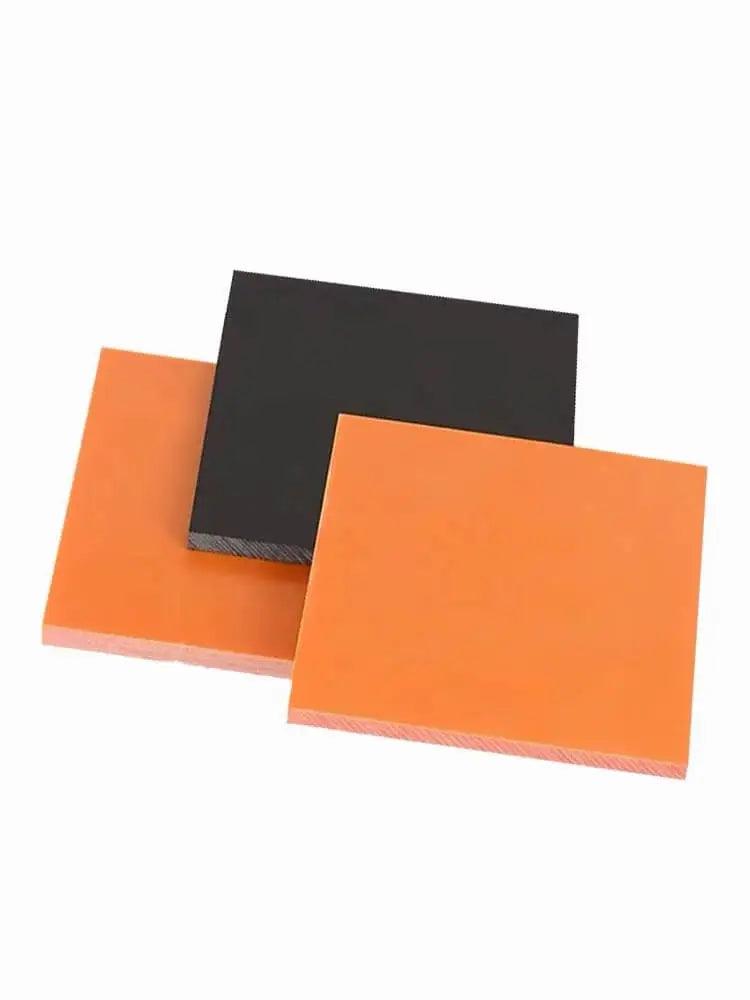
Bakelite boards for sale

Discovering Bakelite: History and Composition

The Birth of Bakelite

The journey of Bakelite takes us back to the dawn of the 20th century, introducing us to the first synthetic plastic to ever grace the world. Invented in 1907 by the innovative Belgian-American chemist Leo Baekeland, Bakelite was not just any material; it was the herald of the age of plastics. Created as an answer to the insatiable demand for an insulating material within the burgeoning electrical industry, Bakelite set the stage for the diverse and ubiquitous world of plastic products we see today.

The Chemical Composition of Bakelite

At its heart, the magic of Bakelite lies in its unique chemical structure. This material is the result of a chemical romance between phenol and formaldehyde, bonded through a condensation reaction known as polycondensation. Baekeland’s patented process transformed these substances into a hard, infusible, and thermosetting polymer, endowing Bakelite with its iconic properties: unparalleled resistance to electricity, heat, and chemical corrosion. It’s these properties that propelled Bakelite into the limelight as the ideal substance for electrical insulators and a myriad of other applications.

Bakelite’s Multifaceted Applications

The adaptability of Bakelite is truly remarkable. Classified under phenolic resins, it not only spearheaded the development of various synthetic polymers but also boasted a wide array of applications. From electrical insulators to automotive components, and even into the realm of household items like radio casings, kitchenware, and jewelry, Bakelite demonstrated its versatility. Its capability to be molded into any desired shape, coupled with its aesthetic appeal – characterized by rich colors and a glossy finish – secured its place in both functional and ornamental domains.

Legacy and Modern Relevance of Bakelite

The legacy of Bakelite extends far beyond its historical inception. Today, it is revered not only for its pivotal role in the advancement of materials science but also as a cherished collectible among vintage enthusiasts. The narrative of Bakelite, labeled as the “material of a thousand uses,” is a testament to the profound impact that thoughtful chemical engineering can have on technological progress and societal trends. As we venture into new territories of material innovation, the story of Bakelite serves as an enduring emblem of the transformative potential inherent in scientific exploration.

This deep dive into the history and composition of Bakelite enriches our understanding of this pioneering material. From its initial development from phenolic resin and formaldehyde to its widespread integration across diverse industries, Bakelite’s journey encapsulates the essence of innovation. Whether you’re a DIY enthusiast eager to infuse your projects with a touch of vintage elegance or an OEM purchaser in search of robust materials, the enduring saga of Bakelite continues to inspire and inform a wide audience.

Customized Bakelite sheets and insulation components

Bakelite Sheets: Versatility Meets Durability

Unveiling the Strength of Bakelite Sheets

Bakelite sheets, known for their remarkable durability and versatility, stand as a testament to the enduring legacy of Bakelite material. These sheets, often referred to as phenolic panels or laminate sheets, are celebrated for their robustness, making them an excellent choice for both DIY enthusiasts and industrial applications. The unique composition of Bakelite lends these sheets exceptional heat resistance and insulating properties, positioning them as an ideal material for a myriad of uses.

Orange Bakelite Sheet Standard Material

Bakelite Sheets & Rods (In Stock)

Standard Phenolic Laminate Sheets available in thicknesses from 3mm to 100mm. Perfect for electrical insulation, jigs, and fixtures.

  • Heat Resistant & Electrical Insulation
  • Custom Cut-to-Size Available
  • No Minimum Order Quantity

Shop Bakelite Sheets →

The Composition and Properties of Bakelite Sheets

At the heart of Bakelite sheets lies their chemical makeup, a harmonious blend of phenol-formaldehyde resin, hardened under high pressure and temperature. This process imbues the sheets with a set of properties that are highly sought after in materials used for electrical and mechanical applications. Notably, their non-conductivity, resistance to heat, and chemical inertness make Bakelite sheets a safe and reliable choice for environments where these properties are paramount.

Applications in DIY Projects and Beyond

For DIY enthusiasts, the appeal of Bakelite sheets extends into their ease of use and the aesthetic qualities they offer. Whether it’s for crafting custom jewelry, creating unique home decor, or building prototype models, these sheets provide a durable yet easily workable material. Their ability to be cut, shaped, and drilled into without compromising their structural integrity allows for endless creativity in projects.

On the industrial front, Bakelite sheets serve a critical role in the manufacturing of electrical components, such as insulators, circuit boards, and switchgear. The material’s inherent fire retardancy and electrical insulation capabilities ensure safety and efficiency in high-stakes applications. Moreover, their use in automotive parts, particularly under the hood, highlights their ability to withstand extreme conditions without degradation.

The Sustainable Choice

In today’s environmentally conscious world, the sustainability of materials is more important than ever. Bakelite sheets offer an advantage in this area as well, being long-lasting and requiring less frequent replacement than less durable alternatives. This longevity contributes to a reduction in waste, positioning Bakelite as a choice that benefits not only the end-user but also the environment.

Bakelite sheets embody the perfect blend of historical significance and contemporary relevance. Their wide range of applications, from artistic DIY projects to critical industrial components, underscores the material’s unparalleled flexibility and endurance. As we continue to explore and innovate within the realms of material science, Bakelite sheets remain a steadfast reminder of the possibilities that arise when durability meets versatility.

custom Bakelite materials

Choosing the Right Bakelite Board for Your Project

Understanding Bakelite Board Varieties

When embarking on a project that requires the unique properties of Bakelite boards, understanding the variety available is crucial. Bakelite boards, known for their durability, heat resistance, and electrical insulation properties, come in a range of thicknesses, sizes, and types. This diversity makes them suitable for a wide array of applications, from electrical engineering projects to decorative pieces. However, selecting the right Bakelite board requires a thoughtful consideration of your project’s specific needs.

Factor 1: Determining the Thickness Required

The thickness of the Bakelite board is one of the first factors to consider. The choice here largely depends on the structural demands of your project. For instance, thicker boards offer greater rigidity and are ideal for high-stress applications such as mechanical supports or heavy-duty electrical insulators. On the other hand, thinner sheets may be preferable for applications requiring flexibility, such as in some types of decorative arts. The thickness will also affect the board’s heat resistance and electrical insulation capabilities, which are critical for safety in electrical applications.

Factor 2: Size Matters

Next, consider the size of the Bakelite board. This decision should be guided by the dimensions of the final product. Larger boards are useful for projects that require single, uninterrupted pieces, offering aesthetic coherence or structural integrity. Smaller sizes, however, may suffice for projects that involve detailed work or where the Bakelite will be used sparingly. Remember, choosing the right size can minimize waste and optimize the cost-effectiveness of your material selection.

Factor 3: Selecting the Appropriate Type

Bakelite boards are not a one-size-fits-all solution. They come in various types, each tailored for specific applications. For example, some boards are reinforced with materials like cotton or glass fibers to enhance their mechanical strength or thermal stability. Others may contain additives that improve their machinability or color. When selecting the type, consider the environmental conditions the board will be subjected to, such as exposure to chemicals, extreme temperatures, or physical stress.

Balancing Project Requirements with Material Properties

Choosing the right Bakelite board boils down to a balance between your project’s requirements and the material’s properties. Consider not only the physical demands of the application but also the aesthetic or regulatory requirements that may apply. For electrical applications, ensuring the board meets the necessary insulation standards is paramount. For decorative projects, the board’s color, texture, and ability to hold a finish could be key considerations.

Material selection is a critical phase in any project’s planning and execution. By carefully evaluating the factors of thickness, size, and type, you can select a Bakelite board that not only meets your project’s demands but also optimizes performance and safety. Whether you’re a hobbyist working on a personal project or an engineer designing for industrial applications, the right choice of Bakelite board can be the cornerstone of your success.

Bakelite plate

Working with Bakelite: Tips and Techniques for DIY and Professional Projects

Getting Started: Understanding Bakelite

Before diving into projects involving Bakelite, it’s crucial to grasp the unique properties of this material. Known for its durability, heat resistance, and electrical insulation capabilities, Bakelite offers a plethora of applications in both DIY and professional settings. However, working with Bakelite requires a certain level of know-how to ensure both the quality of your project and your safety.

Cutting and Shaping Bakelite

When it comes to cutting and shaping Bakelite, selecting the right tools is paramount. High-speed rotary tools and fine-toothed saws are ideal for making precise cuts without causing the material to crack or chip. For shaping, files and sandpaper can be used to smooth edges and create desired contours. It’s important to work in a well-ventilated area and wear protective gear, such as masks and goggles, to avoid inhaling dust particles.

Drilling Bakelite also requires attention to detail. Using drill bits designed for plastics will minimize the risk of cracking or splitting the material. Start with a small pilot hole and gradually increase to the desired size to ensure accuracy and prevent damage.

CNC Machined Bakelite Parts Custom Service

Need Precise Custom Parts?

Don’t have the tools to cut or shape Bakelite? Our professional CNC machining service can turn your drawings into reality with high precision. Milling, Turning, and Drilling services available.

  • Precision CNC Machining
  • Complex Geometries & Tight Tolerances
  • Fast Global Shipping (DHL/FedEx)

Get a Free CNC Quote →

Finishing Techniques for Bakelite

Achieving a professional finish on Bakelite involves several steps. After shaping, start with coarse sandpaper and work your way up to finer grits for a smooth surface. For a glossy finish, buffing wheels and polishing compounds can bring out the material’s natural luster. For those looking to add color or designs, acrylic paints or specialty dyes designed for plastics can be applied. Always test these finishes on a small area first to ensure compatibility with the Bakelite.

Safety Measures and Best Practices

Safety should never be an afterthought when working with Bakelite. The material can produce fine dust when cut or sanded, which is irritating to the lungs and skin. Always use dust masks, safety goggles, and protective clothing. Additionally, work in an area with good airflow or consider using a dust extraction system to minimize airborne particles.

It’s also worth noting that Bakelite can generate heat when being worked on extensively, especially during cutting or drilling. Take breaks to allow the material to cool down and prevent any tools from overheating.

Creative Ideas and Applications

Bakelite’s versatility opens up a world of creative possibilities for both hobbyists and professionals. Its electrical insulation properties make it ideal for custom electronics projects, while its aesthetic appeal can be leveraged in jewelry making, home decor, or restoration of vintage items. With the right techniques, Bakelite can be incorporated into modern design projects, blending its historical charm with contemporary flair.

Working with Bakelite offers a unique opportunity to explore a material that bridges the gap between past and present. By adhering to these tips and techniques, you can unlock the full potential of Bakelite in your DIY or professional projects, ensuring safety, quality, and creativity in every endeavor.

Bakelite materials parts

Where to Buy Bakelite Sheets, Materials, and Boards: A Buyer’s Guide

Navigating the Market: Local Suppliers vs. Online Marketplaces

When on the hunt for Bakelite sheets, materials, and boards, the journey begins with choosing between local suppliers and online marketplaces. Both avenues have their perks, but the key lies in understanding your project needs and balancing them with concerns about quality, pricing, and supplier reliability.

Local suppliers offer the advantage of physical inspection and immediate availability. You can touch, feel, and visually inspect the quality of the Bakelite products before making a purchase, ensuring that the material meets your expectations. Additionally, establishing a relationship with local suppliers can lead to valuable advice and insights specific to your projects, as well as potential discounts for repeat business.

On the flip side, online marketplaces broaden your options significantly, often providing a wider range of products at competitive prices. They allow you to easily compare pricing and product specifications across multiple sellers. However, the inability to inspect the products physically before purchase means you must rely on seller ratings, reviews, and clear return policies to gauge quality and reliability.

Key Considerations for Quality and Pricing

When evaluating Bakelite products, whether online or in person, prioritize quality above all. Look for trusted suppliers known for offering quality phenolic products. Certifications and product specifications can serve as indicators of quality, so don’t hesitate to ask for these details.

Pricing is another crucial consideration. While it’s tempting to opt for the lowest price, remember that this could affect the material’s quality. Competitive pricing is important, but it shouldn’t compromise the quality you need for your project. Consider the long-term durability and reliability of the Bakelite material, as these factors can offset initial costs by reducing the need for replacements.

Bakelite phenolic resin custom machining for electrical insulation and heat-resistant parts

Assessing Supplier Reliability

Supplier reliability is paramount, whether you’re dealing with local vendors or online sellers. Reliable suppliers ensure that you receive the Bakelite materials you need, when you need them, and in the condition you expect. For online purchases, thoroughly review customer feedback and seller ratings. For local suppliers, ask for references or examples of businesses that have successfully used their products.

It’s also wise to evaluate the supplier’s knowledge of Bakelite products. A supplier well-versed in Bakelite can provide invaluable advice on the best type of material for your specific application, ensuring that your project is a success.

Making the Choice

Choosing where to buy Bakelite sheets, materials, and boards ultimately hinges on your specific project needs, preferences for purchasing (in-person vs. online), and the importance of factors like material quality, cost, and supplier reliability. By carefully considering these aspects, you can select a sourcing option that not only meets your immediate project requirements but also supports your long-term success.

Armed with this knowledge, you’re well-prepared to navigate the market for Bakelite products. Whether you opt for the convenience and variety of online marketplaces or the personalized service and immediacy of local suppliers, ensuring the quality and reliability of your Bakelite materials will pave the way for your project’s success.

Embarking on a journey with Bakelite, whether for a personal DIY project or a professional manufacturing endeavor, unveils a world of possibilities. From understanding the rich history and composition of Bakelite to mastering the techniques for shaping and finishing this versatile material, we’ve explored how to make informed choices about thickness, size, and type suitable for any task. Furthermore, navigating the purchasing landscape with insights on where to find quality Bakelite products ensures that your projects not only start on solid ground but are destined for success. Equipped with this comprehensive guide, you’re now ready to harness the full potential of Bakelite, leveraging its timeless qualities to bring your creative visions to life or to solve practical challenges with confidence and skill.

custom Bakelite materials parts

Take the Next Step in Innovation with Bakelite – Your project deserves the best materials and expertise. If you’re eager to explore how Bakelite can elevate your work, we’re here to help. Complete the contact form at the bottom of the page and connect with us today. Let’s make your ideas a reality!

🚀 Ready to Order or Customize?

Use limited time code QR4GNY08SHVR at checkout.

Leave a comment


Please note, comments must be approved before they are published


Custom Plastic Fabrication

Send your drawing, material and quantity for review
🔧
Precision Machining
CNC milling & turning
✂️
Cutting & Engraving
Laser & waterjet cutting
🏭
Forming & Molding
Thermoforming & injection
🔗
Joining & Assembly
Welding & bonding
📐
Design & Prototyping
CAD design & samples

General

HDPE

PP

PVC

ABS

Engineering

POM

Nylon

PC

PMMA

High-Performance

PEEK

PEI

PTFE

Composites

FR-4

G10

Flexible

TPU

Silicone

Why Choose BeePlastic?

🎯
Perfect Fit
Custom specs eliminate adaptation needs
⚡
Clear Lead Times
Lead time confirmed with every quote
💰
Volume Pricing
Volume pricing available on bulk orders
🤝
Expert Support
Free engineering consultation included
📋
Submit
→
🔍
Review
→
💵
Quote
→
✅
Production
→
📦
Deliver

Request a Quote

Share your project details, selected material and quantity on our quote page. You can add a file link or use the email drawing route shown there.


Request Quote

Industries: Automotive • Medical • Food • Lab • Semiconductor
beeplastic@beeplastic.com


Cutting ABS Sheets Like a Pro: A Must-Read for Industrial Parts Fabricators
ABS plastic material

In the blog post “Cutting ABS Sheets Like a Pro: A Must-Read for Industrial Parts Fabricators,” I delve into the world of industrial fabrication, offering a treasure trove of insights and tips for professionals looking to master the art of cutting ABS plastic. This comprehensive guide kicks off with “The Basics of Cutting ABS Plastic: Tools and Techniques,” where I introduce you to the essential tools like Dremel, jigsaw, and hot knife, and the techniques that make cutting ABS sheets a breeze.

🎉 Limited Time Offer 🎉

Use code: QR4GNY08SHVR at checkout

Enjoy a special discount on your entire order! 👉 Shop ABS Plastic Now

custom cut ABS plastic sheets for industrial applications

Moving forward, the post dives into “Precision Cutting with Jigsaws and Dremels: A Step-by-Step Guide,” providing a detailed walkthrough on using these specific tools for achieving the utmost precision in your cuts. This is especially crucial for fabricating intricate industrial parts via CNC machining.

For those interested in cutting-edge technology, “Laser Cutting ABS Sheets: Advantages for Industrial Fabrication” highlights the efficiency and precision of laser cutting in industrial manufacturing, a game-changer for many fabricators.

In “Customizing ABS Sheets: Tips for Tailored Cuts and Shapes,” I share valuable advice on achieving custom cuts and shapes, a must-know for fabricators looking to meet specific industrial requirements.

Safety is paramount in any industrial setting, and in “Safety First: Best Practices for Cutting ABS Plastic,” I emphasize the importance of safety measures and proper handling techniques to ensure a hazard-free work environment.

Lastly, “Innovative Applications: Cutting ABS Sheets for Advanced Industrial Use” explores the versatile applications of ABS sheets in various industrial scenarios, showcasing how this material can revolutionize machinery and equipment manufacturing.

This blog post is not just a guide; it’s an essential read for anyone in the field of industrial parts fabrication, packed with practical advice, safety tips, and innovative applications. Whether you’re a seasoned pro or just starting, this post will elevate your skills in cutting ABS sheets to the next level.

The Basics of Cutting ABS Plastic: Tools and Techniques

When it comes to fabricating parts for industrial applications, understanding the basics of cutting ABS plastic is crucial. ABS (Acrylonitrile Butadiene Styrene) is a widely used thermoplastic known for its strength, durability, and versatility. In this section, I’ll guide you through the fundamental methods and tools necessary for cutting ABS sheets effectively and efficiently.

Understanding ABS Plastic

Before diving into the cutting techniques, it’s important to understand what makes ABS plastic a preferred choice in industrial fabrication. ABS combines the strength and rigidity of acrylonitrile and styrene polymers with the toughness of polybutadiene rubber. This unique composition results in a material that is resistant to physical impacts and chemical corrosion, making it ideal for a wide range of industrial applications, including industrial plastic rods and sheets.

Selecting the Right Tools

Industrial Dremel tool cutting ABS plastic detail

1. Dremel: Precision and Versatility
A Dremel tool is often the go-to choice for cutting ABS plastic due to its precision. Ideal for detailed work, a Dremel can make intricate cuts and shapes. When using a Dremel, selecting the right bit is key. For ABS, use a high-speed cutter or a multipurpose cutting bit. The speed and maneuverability of a Dremel make it perfect for small or complex cuts.

2. Jigsaw: Ideal for Curved Cuts
For larger pieces or curved cuts, a jigsaw is incredibly effective. When using a jigsaw to cut ABS sheets, opt for a blade designed for cutting plastics. This will ensure smoother cuts and reduce the risk of melting the plastic. Remember to clamp down your ABS sheet securely and work at a steady pace for the best results.

3. Hot Knife: Clean and Controlled Cuts
A hot knife is another excellent tool for cutting ABS plastic, especially when you need a clean, sealed edge. It works by melting through the plastic, which means there’s no sawdust or rough edges. However, it requires a steady hand and some practice to master. Always work in a well-ventilated area when using a hot knife, as it can produce fumes.

Cutting Techniques and Tips

When cutting ABS plastic, regardless of the tool, there are several techniques and tips that can help achieve the best results:

  • Measure and Mark Accurately: Before cutting, always measure and mark your cutting line clearly. This ensures precision in your cuts and reduces material wastage.
  • Secure the Material: Ensure the ABS sheet is securely clamped down to your work surface. This prevents movement and potential inaccuracies while cutting.
  • Use Protective Gear: Safety should always be a priority. Wear protective eyewear and gloves to safeguard against flying debris and sharp edges.
  • Controlled Speed: Maintain a steady speed while cutting. Going too fast can melt the plastic, while too slow can lead to uneven cuts.

By understanding and applying these basic tools and techniques, you can effectively and efficiently cut ABS sheets for your industrial applications. Whether you’re creating custom parts, prototypes, or final products, mastering these skills is essential for any industrial parts fabricator.

📦 Need Standard ABS Sheets?

We supply high-quality Black & White ABS sheets (2mm-30mm) with No Minimum Order Quantity.

Perfect for DIY, Automotive repair, and CNC projects immediately available from stock.

Shop Black ABS Sheets →

Precision Cutting with Jigsaws and Dremels: A Step-by-Step Guide

In the realm of industrial fabrication, achieving precision in cutting ABS plastic is paramount, especially when creating accurate parts and components. Two tools that stand out for their precision and versatility are jigsaws and Dremels. This guide will walk you through the steps to use these tools effectively for precise cuts in ABS plastic.

Using a Jigsaw for Precise Cuts

Step 1: Choosing the Right Blade
The first step in precision cutting with a jigsaw is selecting the appropriate blade. For ABS plastic, a blade with fine teeth is ideal, as it reduces the chances of melting the plastic and ensures a smoother cut. Look for blades specifically designed for cutting plastics.

Step 2: Marking and Clamping
Before cutting, accurately mark the area you wish to cut on the ABS sheet. Use a ruler and a marker for precise lines. Once marked, securely clamp the ABS sheet to your workbench. This stability is crucial for precision and safety.

Step 3: Cutting Process
With your ABS sheet clamped and your jigsaw set at a moderate speed, begin cutting along the marked line. Maintain a steady pace, allowing the blade to do the work without forcing it. If you need to make curved cuts, a jigsaw is particularly adept at this, but remember to maneuver slowly to maintain control and accuracy.

Mastering the Dremel for Detailed Cuts

Step 1: Selecting the Right Bit
When using a Dremel for cutting ABS plastic, choosing the correct bit is essential. High-speed cutter bits or multipurpose cutting bits are most effective. Ensure the bit is securely attached to the Dremel before starting.

Step 2: Marking and Securing the ABS Sheet
As with the jigsaw, begin by marking your cutting line on the ABS sheet. Once marked, secure the sheet to prevent any movement during the cutting process. This step is vital for achieving precise cuts, especially when working on detailed or small-scale projects.

Step 3: The Cutting Technique
Turn on your Dremel to a suitable speed – not too fast to melt the plastic, but fast enough to cut through efficiently. Gently guide the Dremel along the marked line, letting the tool do the work. For intricate cuts or shapes, the Dremel’s precision can be incredibly beneficial. Keep a steady hand and focus on following the line accurately.

Tips for Precision Cutting with Jigsaws and Dremels

  • Practice Makes Perfect: If you’re new to using these tools, practice on scrap pieces of ABS plastic to get a feel for the cutting process.
  • Maintain Your Tools: Regularly check and maintain your jigsaw and Dremel to ensure they are in good working condition. This includes checking the sharpness of blades and bits.
  • Safety First: Always wear safety glasses and gloves. Cutting plastic can create sharp edges and debris.
  • Clean Cuts: After cutting, you may need to sand the edges for a smoother finish, especially if the cuts will be visible in the final product.

By following these steps and tips, you can achieve precise and clean cuts in ABS plastic using jigsaws and Dremels. This precision is crucial in industrial fabrication, where the accuracy of parts and components can significantly impact the quality and functionality of the final product.

Laser Cutting ABS Sheets: Advantages for Industrial Fabrication

In the world of industrial manufacturing, laser cutting stands out as a highly efficient and precise method, especially when working with materials like ABS plastic. This section explores the numerous benefits and techniques of laser cutting ABS sheets, emphasizing why it’s a preferred method in many industrial fabrication scenarios.

Laser cutting machine processing ABS plastic sheet with high precision

The Precision of Laser Cutting

Unmatched Accuracy
One of the most significant advantages of laser cutting is its incredible precision. Lasers can produce extremely accurate cuts, with a level of detail that is often unachievable with traditional cutting methods. This precision is crucial for creating complex parts and components in industrial manufacturing, where even the slightest deviation can lead to significant issues in the final product.

Consistency in Repetitive Cuts
Laser cutting is not only precise but also consistent. When producing multiple pieces of the same design, laser cutting ensures that each piece is identical to the last. This consistency is vital in industrial production runs where uniformity is essential.

Efficiency and Versatility of Laser Cutting

Speed and Productivity
Laser cutting is much faster than traditional mechanical cutting methods. The speed of a laser cutter can significantly increase productivity, allowing for quicker turnaround times in manufacturing processes. This efficiency is a substantial advantage in industries where time is of the essence.

Versatility in Design
Laser cutters are incredibly versatile and can handle complex designs and shapes with ease. This flexibility allows manufacturers to experiment with intricate designs and patterns, something that would be challenging or impossible with other cutting methods.

Safety and Cleanliness in Laser Cutting

Reduced Physical Contact
Unlike traditional cutting methods, laser cutting involves very little physical contact with the material, reducing the risk of accidental injuries and material contamination. This aspect is particularly important in industries where cleanliness and safety are paramount.

Clean Edges and Minimal Waste
Laser cutting produces clean, sealed edges on ABS sheets, minimizing the need for additional finishing processes. Additionally, it generates less waste material compared to mechanical cutting methods, making it a more sustainable choice for environmentally conscious manufacturers.

High quality ABS rod connecting parts machined via laser

Implementing Laser Cutting in Industrial Fabrication

Choosing the Right Laser Cutter
Selecting the appropriate laser cutter for ABS sheets is crucial. Factors to consider include the power of the laser, the thickness of the material, and the complexity of the designs you intend to cut.

Understanding the Material
Before starting the laser cutting process, it’s essential to understand the properties of ABS plastic. Being aware of its melting point and how it reacts to high heat can help in adjusting the laser settings for optimal results.

Regular Maintenance and Safety Measures
Regular maintenance of the laser cutter ensures its longevity and performance. Additionally, always adhere to safety guidelines, such as using protective eyewear and operating the machine in well-ventilated areas.

By leveraging the precision, efficiency, and versatility of laser cutting, industrial manufacturers can significantly enhance their fabrication processes. Laser cutting ABS sheets offers a modern solution that meets the high standards of today’s industrial applications, making it an invaluable technique in the manufacturing toolkit.

Customizing ABS Sheets: Tips for Tailored Cuts and Shapes

Customizing ABS sheets to create specific parts and tools is a critical aspect of industrial fabrication. Achieving tailored cuts and shapes in ABS plastic requires a combination of the right techniques, tools, and a bit of creativity. This section provides essential advice on how to effectively customize ABS sheets for your industrial needs.

Planning Your Design

Understanding the Material
Before you start cutting, it’s important to understand the properties of ABS plastic. ABS is known for its strength, rigidity, and thermal stability, which makes it ideal for a variety of industrial applications. However, it also has a specific melting point and can be sensitive to certain types of cutting methods. Keeping these properties in mind will help you choose the best approach for customizing your ABS sheets.

Detailed Designing
Start with a detailed design or blueprint of the part or tool you intend to create. This design should include precise measurements and a clear vision of the final product. Using CAD (Computer-Aided Design) software can be incredibly helpful in this stage, especially for complex shapes and patterns.

White ABS plastic CNC machining for custom parts

Choosing the Right Cutting Method

Laser Cutting for Complex Designs
For intricate designs and high precision, laser cutting is the most effective method. It allows for complex cuts with a high degree of accuracy and can be programmed to replicate designs consistently.

Mechanical Cutting for Larger Pieces
For larger or less complex shapes, mechanical cutting methods like jigsaws or CNC (Computer Numerical Control) routers can be more appropriate. These tools offer more flexibility in terms of the size of the ABS sheet you can work with.

⚙️ Require Precision Custom Parts?

Don’t just buy the material—let us machine it for you. BeePlastic offers professional CNC Machining, Bending, and Milling services.

  • Send us your CAD/PDF drawings.
  • High precision tolerances.
  • One-stop solution: Material + Machining.

Get a Custom Fabrication Quote →

Executing the Cut

Preparing the ABS Sheet
Before cutting, ensure that the ABS sheet is clean and free from any debris. Any imperfections on the surface can affect the quality of the cut.

Processing ABS rod with band saw

Secure Clamping
Securely clamp the ABS sheet to your work surface. This prevents any movement during the cutting process, which is crucial for achieving precise cuts.

Slow and Steady
Whether you’re using a laser cutter, jigsaw, or CNC router, it’s important to maintain a steady pace. Rushing the process can lead to mistakes or uneven cuts. With mechanical cutting methods, be mindful of the speed to avoid melting the plastic.

Finishing Touches

Sanding and Polishing
After cutting, you might find that the edges of the ABS plastic are a bit rough. Use fine-grit sandpaper to smooth out these edges. For a polished finish, you can also use a buffing wheel or a polishing compound.

Testing and Adjusting
Once the part or tool is cut, it’s important to test it in its intended application. This may reveal the need for slight adjustments or refinements to the shape or size.

Customizing ABS sheets for specific industrial applications requires careful planning, the right tools, and attention to detail. By following these tips, you can achieve tailored cuts and shapes that meet the exact needs of your industrial projects. Remember, the key to successful customization lies in precision, patience, and a thorough understanding of the material you’re working with.

Safety First: Best Practices for Cutting ABS Plastic

When working with ABS plastic, especially in industrial settings, prioritizing safety is paramount. Cutting ABS plastic, like any manufacturing process, involves risks, and it’s essential to understand and implement best safety practices. This section focuses on the key aspects of safety, including the proper handling of tools and the use of protective gear.

Understanding the Risks

Hazard Awareness
Before starting any cutting project, it’s important to be aware of the potential hazards. These can include the risk of physical injury from sharp tools, the possibility of inhaling harmful fumes, especially when heating or melting the plastic, and the chance of eye injury from flying debris.

Proper Tool Handling

Using Tools Correctly
Each tool used for cutting ABS plastic, whether it’s a jigsaw, Dremel, laser cutter, or hot knife, has its specific safety protocols. Always use the tool according to the manufacturer’s instructions. Ensure that all tools are in good working condition before use, as damaged or malfunctioning tools can increase the risk of accidents.

Maintaining a Clean Workspace
A cluttered workspace can lead to accidents. Keep your work area clean and organized. Ensure that all necessary tools are within easy reach and that there is enough space to maneuver safely.

Protective Gear

Eye Protection
Always wear safety goggles or glasses when cutting ABS plastic. This protects your eyes from harmful debris that can result from cutting or trimming the material.

Respiratory Protection
When cutting ABS plastic, especially using methods that generate heat, harmful fumes can be released. It’s crucial to work in a well-ventilated area and consider wearing a mask or respirator to avoid inhaling these fumes.

Hand Protection
Wear gloves to protect your hands from sharp edges and to provide a better grip on your tools. This is particularly important when handling hot tools or when doing intricate work that requires a steady hand.

CNC processing of ABS plastic focusing on safety

Emergency Preparedness

First Aid and Fire Safety
Always have a first aid kit and a fire extinguisher accessible in your workspace. Knowing basic first aid procedures and how to quickly respond to a fire can prevent accidents from turning into serious injuries.

Training and Knowledge
If you’re working in an industrial setting, ensure that all personnel are trained in the safe handling of tools and materials. Regular safety training sessions can help maintain a safe working environment.

Safety should always be the top priority when cutting ABS plastic. By understanding the risks, using tools correctly, wearing the right protective gear, and being prepared for emergencies, you can ensure a safer working environment. Remember, taking the time to implement these safety measures not only protects you and your colleagues but also leads to more efficient and effective work processes.

Innovative Applications: Cutting ABS Sheets for Advanced Industrial Use

ABS plastic, known for its strength, durability, and versatility, has become a cornerstone material in various industrial applications. This section explores the innovative and advanced uses of ABS sheets in industrial machinery and equipment, highlighting the material’s adaptability across different industrial scenarios.

The Versatility of ABS in Industrial Manufacturing

A Material for Multiple Uses
ABS plastic is not just popular for its physical properties; its ease of fabrication makes it suitable for a wide range of industrial applications. From automotive parts to electronic housings, ABS’s ability to be easily cut, shaped, and molded allows for its use in diverse manufacturing processes.

Custom Parts Fabrication

Tailoring to Specific Needs
One of the most significant advantages of using ABS sheets in industrial settings is the ability to customize parts. Whether it’s for specialized machinery, bespoke tools, or unique components, ABS can be cut and shaped to meet specific design requirements. This customization is particularly beneficial in industries where standard parts are insufficient or unavailable.

Prototyping and Model Making

Rapid and Cost-Effective
ABS sheets are widely used in prototyping and model making. Their ease of cutting and shaping allows for rapid production of prototypes, enabling engineers and designers to test and refine their ideas quickly and cost-effectively. This rapid prototyping is crucial in industries like automotive and aerospace, where design precision and innovation are key.

Use in Robotics and Automation

Durability in Motion
In the field of robotics and automation, ABS sheets are often used to create parts and components that require both strength and lightness. ABS’s durability makes it ideal for moving parts in robotic assemblies, where resistance to wear and tear is essential.

ABS plastic custom machining for prototypes housings and cost-effective production parts

Safety Equipment and Enclosures

Protecting Machinery and Operators
ABS’s impact resistance and strength make it suitable for creating safety enclosures and guards for machinery. These applications are vital in ensuring the safety of operators and the protection of sensitive equipment in industrial environments.

Environmental and Chemical Resistance

Withstanding Harsh Conditions
ABS sheets are known for their resistance to environmental factors and certain chemicals. This makes them suitable for use in industries like chemical processing or outdoor applications where materials are exposed to harsh conditions.

Embracing ABS Plastic’s Potential

The innovative applications of cutting ABS sheets for advanced industrial use demonstrate the material’s incredible versatility. From custom part fabrication to its use in robotics, prototyping, and safety equipment, ABS plastic continues to play a pivotal role in advancing industrial manufacturing processes. Its adaptability to various scenarios underscores its importance as a key material in modern industry, offering solutions that are both practical and innovative. As technology evolves, so too will the ways in which ABS plastic is used, further cementing its status as an indispensable resource in industrial applications.


In conclusion, the journey through the world of cutting ABS sheets for industrial applications reveals a landscape rich with possibilities. From the precision and intricacy achievable with tools like jigsaws and Dremels, to the cutting-edge efficiency of laser cutting, each technique opens new doors for innovation in industrial fabrication. The ability to customize ABS sheets for specific needs, coupled with the essential practice of maintaining safety standards, highlights the material’s versatility and the importance of skillful handling. Moreover, the exploration of ABS plastic in advanced industrial applications, from robotics to safety equipment, underscores its pivotal role in modern manufacturing. This guide not only serves as a practical resource for industrial parts fabricators but also as an inspiration to embrace the full potential of ABS plastic. As we continue to push the boundaries of what’s possible in industrial manufacturing, the knowledge and techniques shared here will undoubtedly be integral in shaping a future where precision, efficiency, and innovation are at the forefront.

ABS plastic material final product display

Got Questions About Cutting ABS Sheets? We Have Answers!

If you’re looking to enhance your industrial fabrication skills or need tailored advice, we’re here to help. Drop us a message through the contact form below and let’s start a conversation that could revolutionize your manufacturing approach.

Contact Our Engineers Now →

BeePlastic offers Fast Global Shipping and No Minimum Order Quantity for standard sheets and custom parts.

Leave a comment


Please note, comments must be approved before they are published


Custom Plastic Fabrication

Send your drawing, material and quantity for review

🔧
Precision Machining
CNC milling & turning
✂️
Cutting & Engraving
Laser & waterjet cutting
🏭
Forming & Molding
Thermoforming & injection
🔗
Joining & Assembly
Welding & bonding
📐
Design & Prototyping
CAD design & samples

General

HDPE

PP

PVC

ABS

Engineering

POM

Nylon

PC

PMMA

High-Performance

PEEK

PEI

PTFE

Composites

FR-4

G10

Flexible

TPU

Silicone

Why Choose BeePlastic?

🎯
Perfect Fit
Custom specs eliminate adaptation needs
⚡
Clear Lead Times
Lead time confirmed with every quote
💰
Volume Pricing
Volume pricing available on bulk orders
🤝
Expert Support
Free engineering consultation included
📋
Submit
→
🔍
Review
→
💵
Quote
→
✅
Production
→
📦
Deliver

Request a Quote

Share your project details, selected material and quantity on our quote page. You can add a file link or use the email drawing route shown there.


Request Quote

Industries: Automotive • Medical • Food • Lab • Semiconductor

beeplastic@beeplastic.com


How to Use Pi Plastic Sheets for Amazing Projects – Discover the Unique Properties and Applications of Polyimide Plastic

Polyimide plus parts

Pi Plastic Sheets, also known as Polyimide Plastic, are a type of high temperature polymer that have excellent thermal stability, mechanical strength, chemical resistance, and dielectric properties. They are widely used in various industries, such as electronics, aerospace, automobiles, and vacuum. In this article, we will explore some of the unique uses for Pi Plastic Sheets that you can try for your own creative and innovative projects.

🎉🎉🎉Limited Time Offer Use code: QR4GNY08SHVR at checkout and enjoy a special discount on your entire order! 👉 Polyimide plastic
PI plastic plate and bar

What are Pi Plastic Sheets and Why are They So Special?

Pi Plastic Sheets are made from polyimide, a high-performance plastic material that can withstand extreme temperatures. The sheets are formed through a process called imidization, where the polyamic acid is transformed into polyimide through a chemical reaction.

Polyimide plastic comes in different forms like film, rod, tube, powder, laminating resins, insulating coatings, and structural adhesives. The most common type is polyimide film, which is what Pi Plastic Sheets are made of.

PI plastic gasket

Pi Plastic Sheets stand out from other plastics due to their exceptional properties:

  • High temperature resistance – Can withstand continuous use up to 300°C and peaks up to 500°C. The glass transition temperature is around 360°C.
  • Low coefficient of thermal expansion – Dimensional stability across a wide temperature range.
  • High tensile strength – Up to 231 MPa, does not become brittle when exposed to cryogenic temperatures.
  • Low moisture absorption – Absorbs very little water vapor.
  • Excellent electrical insulation – High dielectric strength of up to 7700 V/mm. Used as wire and cable insulation.

These properties allow polyimide plastic to be used in applications where high heat and mechanical stress are present. Some examples include:

  • Flexible printed circuits in consumer electronics
  • Thermal insulation blankets in spacecraft
  • Seals, gaskets and wear pads in automobiles
  • Protective coatings for industrial equipment
  • High temperature membranes for gas separation
PI Goldfinger

How to Process Pi Plastic Sheets for Your Projects

There are a few techniques used to process Pi Plastic Sheets so they can be formed into different shapes:

Sintering

  • Sheets stacked and compressed under heat and pressure
  • Causes partial melting and fusion between layers
  • Used to produce intricate 3D shapes
  • Achievable feature size around 0.4mm

Machining

  • Cutting, drilling, milling,turning and other mechanical processes
  • Allows precise shaping with tight tolerances
  • CNC machining is preferable for complex parts

Direct Forming

  • Stamping, thermoforming and injection molding
  • Efficient for mass production of parts
  • Rapid prototyping methods like 3D printing also usable

When working with polyimide sheets, keep these processing guidelines in mind:

  • Maintain temperatures between 340-370°C for best formability
  • Apply pressure uniformly to prevent internal stresses
  • Allow sufficient time for even heating/cooling to avoid warpage
  • Design molds with draft angles for easy part ejection
  • Pretreat material surface to improve adhesion if coating/joining
  • Use diamond-tipped tools and low cutting speeds during machining

Adhering to these basic rules will help you get the most out of

Polyimide plus parts

 while avoiding common processing pitfalls. Don’t be afraid to experiment – polyimide’s resilience makes it very forgiving!


How to Use Pi Plastic Sheets for Amazing Projects

The creative possibilities with polyimide sheets are endless! Here are just some of the unique projects you can create with a little skill and imagination:

Making a Solar Cooker

  • Take a sheet of Pi Plastic 2ft x 2ft in size
  • Shape into a parabolic dish using a mold
  • Line dish with aluminium foil
  • Attach to a wooden stand with adjustable angle
  • Position to concentrate sunlight on a focal point
  • Put a cooking vessel at the focal point
  • Adjust reflector angle to track the sun
  • Temperatures can reach 150°C to cook food!


Polyimide’s heat resistance is perfect for solar cooking applications. Its transparency also allows light to pass through effectively. Aligning the angles properly is key to reaching cooking temperatures.

Creating a Holographic Display

  • Take a 3″ x 3″ Pi Plastic square
  • Use sandpaper to frost one surface
  • Secure sheet at 45° angle on a stand
  • Shine a laser pointer onto the frosted side
  • Angle laser so beam strikes surface at precise 90° angle
  • A vibrant 3D hologram will form on the opposite side!


The frosted polyimide sheet diffuses the laser beam to form a holographic interference pattern. Positioning is critical to get the best holographic effect. Try using different laser pointer colors!

Building a Matchstick Rocket

  • Cut polyimide sheet into 4 x 6 inch rounded rectangle
  • Roll into cone, overlap edges by 1 inch
  • Bond edges using cyanoacrylate adhesive
  • Cut small triangles around the bottom opening
  • Fold triangles in to create ridges
  • Secure cone on launch platform upright
  • Drop small matchstick rocket through top
  • Ignite rocket – it will launch over 50 feet high!

The heat resistance allows the plastic cone to withstand the matchstick exhaust safely. The ridges help guide the rocket straight upwards. Make sure to launch rockets safely away from people and buildings!

Crafting a Pi Plastic Jewelry Box

  • Design a jewelry box with lid using CAD software
  • Import design into a 3D printer
  • Use 1.5mm thick polyimide sheets as printing material
  • Print jewelry box and lid as separate parts
  • The fine resolution allows intricate decorative patterns
  • Polyimide’s strength makes the box very durable
  • Sections slide smoothly together thanks to low friction


Polyimide’s electrical insulation allows conductive prints for circuits or embedded electronics. Print vertical partitions to safely organize jewelry inside the box.

Processed parts of special materials

Making Wearable Sensors

  • Laser cut Pi Plastic Sheets into desired wearable product shapes
  • Use conductive silver ink on sheets to print flexible circuits
  • Mount components like LEDs and microcontrollers on circuits
  • Write code to control LED light patterns
  • Embed circuits into fabrics using thermal bonding
  • Attach battery holder and power switch with conductive thread
  • Add snaps, velcro or elastic for easy wearing

<img src=”images/wearable.jpg”>

Thin polyimide film makes flexible substrates for printed electronics. Wearables with intricate circuitry and functionality can be created and washed repeatedly.

The versatility of polyimide means there are almost no limits on what you can design and make! Share your own awesome polyimide projects with the community.

Conclusion

Pi Plastic Sheets made of polyimide have a rare combination of thermal, mechanical and electrical properties unmatched by other plastics. This lets them excel in demanding applications across industries.

As we’ve shown, polyimide sheets offer astounding potential for DIY projects due to their resilience and formability. From solar cookers to wearable microelectronics, you’re limited only by your creativity!

We carry a wide selection of polyimide films and laminates at Bee Plastic available for purchase online. Visit our shop at www.beeplastic.com to get high quality Pi Plastic Sheets for your next project!

Polyimide processed products
🎉🎉🎉Limited Time Offer Use code: QR4GNY08SHVR at checkout and enjoy a special discount on your entire order! 👉 Polyimide plastic

Did you find this article useful? Don’t forget to subscribe to our blog for tips, guides and innovative ideas using engineering plastics. You can also connect with us on Facebook and Twitter @beeplastic to share your own polyimide projects! 

Leave a comment


Please note, comments must be approved before they are published


Custom Plastic Fabrication

Send your drawing, material and quantity for review

🔧
Precision Machining
CNC milling & turning
✂️
Cutting & Engraving
Laser & waterjet cutting
🏭
Forming & Molding
Thermoforming & injection
🔗
Joining & Assembly
Welding & bonding
📐
Design & Prototyping
CAD design & samples

General

HDPE

PP

PVC

ABS

Engineering

POM

Nylon

PC

PMMA

High-Performance

PEEK

PEI

PTFE

Composites

FR-4

G10

Flexible

TPU

Silicone

Why Choose BeePlastic?

🎯
Perfect Fit
Custom specs eliminate adaptation needs
⚡
Clear Lead Times
Lead time confirmed with every quote
💰
Volume Pricing
Volume pricing available on bulk orders
🤝
Expert Support
Free engineering consultation included
📋
Submit
→
🔍
Review
→
💵
Quote
→
✅
Production
→
📦
Deliver

Request a Quote

Share your project details, selected material and quantity on our quote page. You can add a file link or use the email drawing route shown there.


Request Quote

Industries: Automotive • Medical • Food • Lab • Semiconductor

beeplastic@beeplastic.com


Mastering Custom Processing Techniques for PEI Plastic: Achieving Precision and Quality

PEI plastic

Polyetherimide (PEI) plastic has become an increasingly popular engineering thermoplastic in recent years, owing to its exceptional mechanical, thermal, and chemical properties. With high heat resistance, mechanical strength, and dimensional stability, PEI offers unique solutions for components and parts across various industries including aerospace, automotive, healthcare and more. This article focuses on advanced custom processing techniques for PEI plastic that enable manufacturers to achieve precision and quality results as per application requirements.

🎉🎉🎉Limited Time Offer Use code: QR4GNY08SHVR at checkout and enjoy a special discount on your entire order! 👉 Polyetherimide (PEI) plastic

We will discuss key aspects of understanding PEI plastic, specialized fabrication methods, tailored solutions for different needs, prototyping, precision engineering, and common challenges and solutions in processing this versatile material. Whether you are looking to produce PEI prototypes, scale up to mass production, or require tight tolerances and fine surface finishes, choosing the right processing techniques is crucial. Read on as we explore mastering custom PEI plastic processing for enhanced performance.

polyetherimide (PEI) plastic

Understanding PEI Plastic

PEI, also known as polyetherimide, is an amorphous, transparent thermoplastic with exceptional temperature and chemical resistance properties. With a glass transition temperature of 217°C and melting point of 217°C, PEI plastic retains good mechanical properties and dimensional stability at high temperatures.

Key properties that make PEI a popular choice across industries include:

  • High heat resistance and thermal stability
  • Excellent mechanical strength and rigidity
  • Low smoke and toxic fume generation
  • Good chemical and solvent resistance
  • Dimensional stability across temperature fluctuations
  • Good electrical insulating properties
  • Flame retardance and UL 94 V-0 rating
  • Aesthetic clarity and polishability

Owing to this unique combination of properties, PEI finds widespread use in aerospace, automotive, healthcare, semiconductor, oil and gas, and other demanding applications. From structural aircraft components to medical devices and electronics parts, PEI provides durability, chemical inertness, heat resistance, and precision. Understanding the characteristics and capabilities of this engineering thermoplastic is key to leveraging its full potential through customized processing.

PEI Applications in Electronics

Custom PEI Techniques for Enhanced Performance

While PEI plastic has inherently good properties, utilizing advanced processing techniques can further enhance its performance, precision, and aesthetics for specific applications. Some key techniques include:

Precision Machining – PEI is suitable for precision machining processes like milling, turning, drilling, tapping etc. This enables fabricating dimensionally accurate PEI parts with good edge finish and surface quality. Processes like CNC machining allow custom machined features, holes, slots, threads etc. in PEI.

Injection Molding – For high volume manufacturing, injection molding can produce complex, tight tolerance PEI plastic parts by forcing molten PEI into mold cavities. It enables adding custom shapes, bosses, inserts, threads etc.

PEI material injection molding

Extrusion – PEI plastic extrusion creates long straight profiles for applications like tubes, rods, window glazing etc. Co-extrusion can combine PEI with other materials for unique properties.

Thermoforming – Heated PEI sheets can be vacuum/pressure formed over molds to make customized enclosures, trays, lenses etc. It offers design flexibility for both prototypes and production.

3D Printing – PEI filaments allow additive manufacturing of custom plastic parts with complex geometries not possible through conventional methods. It enables rapid prototyping.

Surface Treatment – Secondary finishing processes like vapor smoothing, flame polishing, sanding, painting etc. can enhance the aesthetics and texture of PEI plastic parts.

Post-Processing – Annealing, machining, boring, welding help meet precise dimensional and tolerance requirements for PEI parts.

Choosing the right techniques and process parameters is key to meeting design goals with PEI plastic. Precision engineering equips manufacturers with the capabilities for custom results.

Tailored Solutions in PEI Plastic Fabrication

An exciting aspect of custom PEI plastic processing is the ability to tailor solutions for specific application requirements across industries.

For example, in aerospace engineering PEI is often used for precision structural brackets, connectors, housings, and insulation components. Meeting tight tolerances, smooth surface finish, dimensional stability at temperature extremes, and flame retardance are critical here. Processes like CNC machining, injection molding, annealing allow aerospace-grade PEI part fabrication.

The healthcare industry takes advantage of PEI’s sterilization capability, biocompatibility and chemical resistance to create customized components for medical devices like dialyzers, neurostimulators, surgical tools etc.

Automotive engineers employ molded PEI for lighting components, electrical insulators, connectors that must perform in high heat and humidity conditions in the engine compartment and withstand vibrations.

PEI’s heat and chemical resistance enables specialized fabrication in semiconductor front-end applications like wafer carriers, bell jars, transport modules, wet benches etc.

Thus by selecting suitable techniques, custom PEI plastic solutions can be tailored to vastly different needs across industries.

Advanced Techniques in PEI Plastic Processing

Now let’s look at some of the advanced techniques for processing PEI in detail:

CNC Machining – Computer numerical control (CNC) machining is widely used for fabricating high precision custom PEI parts in small batches. The automated process can create complex 3D geometries unattainable through other methods. Precision capabilities like tight tolerances up to +/-0.005″, smooth surface finishes up to 2 Ra, multi-axis milling, contouring make CNC an ideal PEI machining method.

Injection Molding – From prototypes to up to millions of parts, injection molding offers accuracy, repeatability and design flexibility for PEI plastics. Complex parts with intricate features, multi-cavity molds, multi-component construction, and overmolding can be achieved through this automated technique. Injection molding parameters like temperature, pressure, timing, clamping force etc. can be optimized for PEI’s melt rheology.

Extrusion – For long continuous profiles, extrusion process offers quick fabrication of tubes, rods, sheets in PEI. Temperature-controlled extrusion and downstream drawing help obtain dimensional accuracy and desired material properties like improved tensile strength. Co-extrusion allows combining PEI with other polymers for unique functional properties.

Thermoforming – Heated PEI plastic sheets can be thermoformed over temperature-controlled molds using vacuum, air pressure, or mechanical methods to produce custom enclosures, trays, lenses etc. Design flexibility, fast turnaround, and ability to consolidate parts makes thermoforming ideal for small-medium production scales.

PEI Plastic Processing

PEI Plastic Prototyping to Production

Many custom PEI plastic applications begin with prototyping to validate the design. As quantities scale up, production processes come into play.

For quick turnaround prototypes, CNC machining and 3D printing offer the flexibility to create custom PEI plastic parts from CAD models without the need for hard tooling like molds and dies. This enables rapid design verification.

Once the design is finalized, injection molding combined with precision finishing is ideal for economically transitioning prototypes to mass production. Multi-cavity molds, automation, quality control aid high volume manufacturing.

Injection molding process

Maintenance of dimensional accuracy from prototyping to production is enabled by utilizing quality materials, optimizing process parameters, and using production-grade tooling. Design for manufacturing principles should be applied when designing parts.

This proof of concept to high volume production transition allows manufacturers to bring custom PEI products to market faster and more economically.

Precision Engineering for PEI Plastics

Achieving fine tolerances, specific material properties, excellent finish and custom features in PEI plastic products requires precision engineering capabilities.

Precision machining centers offer tight tolerances down to +/-0.005″ for fixtured PEI workpieces. Equipment accuracies, rigid setup, sharp cutting tools, and optimized machining parameters enable meeting stipulated design goals.

For injection molding, precision-ground molds fabricated from tool steels maintain tolerances over millions of cycles. Automation maintains consistency in injected material volume, temperature, pressure etc.

Advanced metrology and measurement tools like coordinate measuring machines (CMM) allow stringent inspection of custom PEI plastic parts against print specifications. This ensures quality assurance.

Overall, utilizing precision tools, quality materials, trained technicians, and controlled processes is key to delivering high accuracy and repeatability in custom PEI plastic fabrication, thereby achieving intended functionality.

CNC machining of PEI materials

Challenges and Solutions in Custom PEI Processing

Despite its many advantages, processing PEI plastic also poses some unique challenges that engineers must address:

Maintaining Dimensional Stability – As a thermoplastic, PEI tends to expand and contract during heating-cooling cycles. This requires compensating by designing/machining parts accordingly. Annealing relieves internal stresses.

High Molding Temperatures – PEI’s high melt viscosity necessitates molding at over 340°C. This could degrade material properties over prolonged exposure. Precise process control is needed.

Abrasive Wear on Tooling – PEI’s abrasiveness can lead to excessive tool wear during machining and molding. Using appropriate tool materials, geometries and coatings mitigates this issue.

Flame Retardance – While PEI has good flame retardance, adding fillers/reinforcements for specialized applications requires validation testing.

Cost Considerations – As an engineering-grade thermoplastic, PEI plastic is costlier than commodity plastics. Design optimization and production techniques offset initial material costs.

Limits to Bonding – Joining and bonding options for PEI are limited. Mechanical fastening or methods like ultrasonic and vibration welding work better.

With engineering expertise, suitable equipment, controlled processes, and quality assurance practices, these challenges in custom PEI plastic fabrication can be overcome.

PEI’s unique property profile enables fabricating custom plastic components that can withstand demanding industrial environments. Mastering specialized processing techniques tailored to the application allows manufacturers to fully leverage PEI’s capabilities.

Precision machining, injection molding, thermoforming and other advanced methods, combined with precision engineering enable producing parts with tight tolerances, excellent finish and lasting performance. A systematic prototyping to production approach delivers custom PEI plastic solutions scaled to different production quantities and design complexity.

By selecting appropriate techniques and optimizing process parameters for factors like temperature, pressure, cycle time etc. manufacturers can achieve both prototypes and production-ready PEI plastic parts that meet quality, functionality and aesthetic requirements. With its exceptional capabilities and ease of customization, PEI is truly a versatile engineering thermoplastic for critical applications.

PEI material products

Are you looking to harness PEI plastic’s capabilities for your project through precision custom processing? As leading manufacturers of engineered plastics, we have extensive expertise across the complete range of fabrication processes for PEI and other advanced materials. Get in touch with us today to discuss your project requirements. Our engineers will recommend the ideal manufacturing approach to achieve your target application specifications. Contact us at www.beeplastic.com for a free consultation on custom PEI plastic solutions that deliver results. 

🎉🎉🎉Limited Time Offer Use code: QR4GNY08SHVR at checkout and enjoy a special discount on your entire order! 👉 Polyetherimide (PEI) plastic

Leave a comment


Please note, comments must be approved before they are published


Custom Plastic Fabrication

Send your drawing, material and quantity for review

🔧
Precision Machining
CNC milling & turning
✂️
Cutting & Engraving
Laser & waterjet cutting
🏭
Forming & Molding
Thermoforming & injection
🔗
Joining & Assembly
Welding & bonding
📐
Design & Prototyping
CAD design & samples

General

HDPE

PP

PVC

ABS

Engineering

POM

Nylon

PC

PMMA

High-Performance

PEEK

PEI

PTFE

Composites

FR-4

G10

Flexible

TPU

Silicone

Why Choose BeePlastic?

🎯
Perfect Fit
Custom specs eliminate adaptation needs
⚡
Clear Lead Times
Lead time confirmed with every quote
💰
Volume Pricing
Volume pricing available on bulk orders
🤝
Expert Support
Free engineering consultation included
📋
Submit
→
🔍
Review
→
💵
Quote
→
✅
Production
→
📦
Deliver

Request a Quote

Share your project details, selected material and quantity on our quote page. You can add a file link or use the email drawing route shown there.


Request Quote

Industries: Automotive • Medical • Food • Lab • Semiconductor

beeplastic@beeplastic.com


PP Sheet: Common Problems and Solutions for High-Quality Products

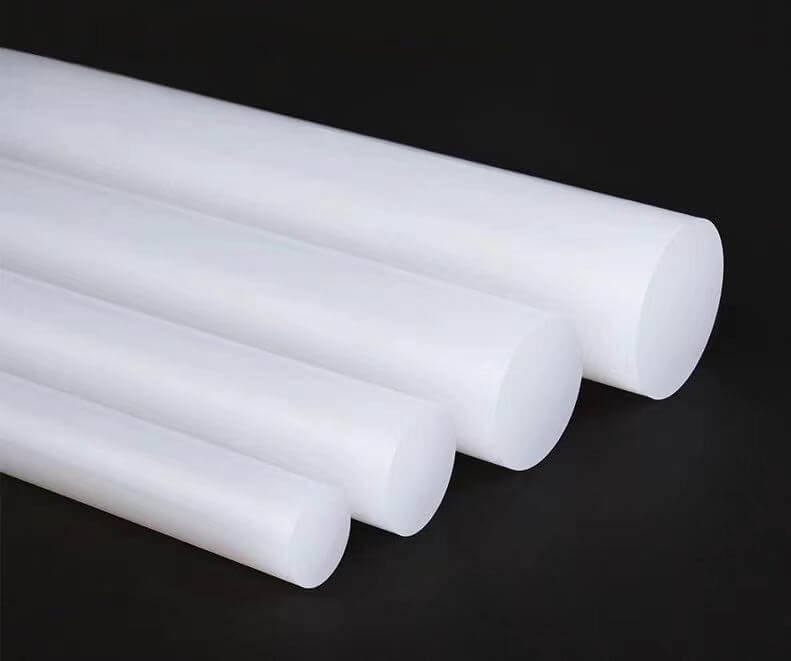
PP rods
  • In this article, I have introduced the basic characteristics and types of PP sheet material, as well as the common problems and solutions for shrinkage deformation, dimensional accuracy and surface treatment of PP sheet products.
  • PP sheet material has a great development potential and application prospect due to its excellent properties and low cost. It can replace some other materials in some fields or create new applications in other fields.
  • I hope this article can help you understand PP sheet material better and produce high-quality PP sheet products more easily. 

PP Sheet is a widely used plastic material that has many advantages, such as light weight, heat resistance, chemical resistance, etc. However, it also has some common problems, such as shrinkage deformation, low dimensional accuracy, surface treatment difficulty, etc. In this article, I will introduce the common problems and solutions of PP Sheet from the following aspects, to help you produce high-quality PP products.

🎉🎉🎉Limited Time Offer Use code: QR4GNY08SHVR at checkout and enjoy a special discount on your entire order! 👉PP board

PP materials

1. Basic Characteristics and Types of PP Sheet

PP Sheet is short for polypropylene sheet, which is a tough, rigid, and crystalline thermoplastic. It is made from propene (or propylene) monomer. Its chemical formula is (C3H6)n.

PP Sheet has different types depending on how it is produced and formulated. It can be either a homopolymer or a copolymer, and it can be modified with additives, such as fillers, fibers, or crosslinking agents.

PP Sheet has many advantages and disadvantages, and it has a wide range of applications. It is suitable for packaging, automotive, consumer goods, medical, cast films, etc.

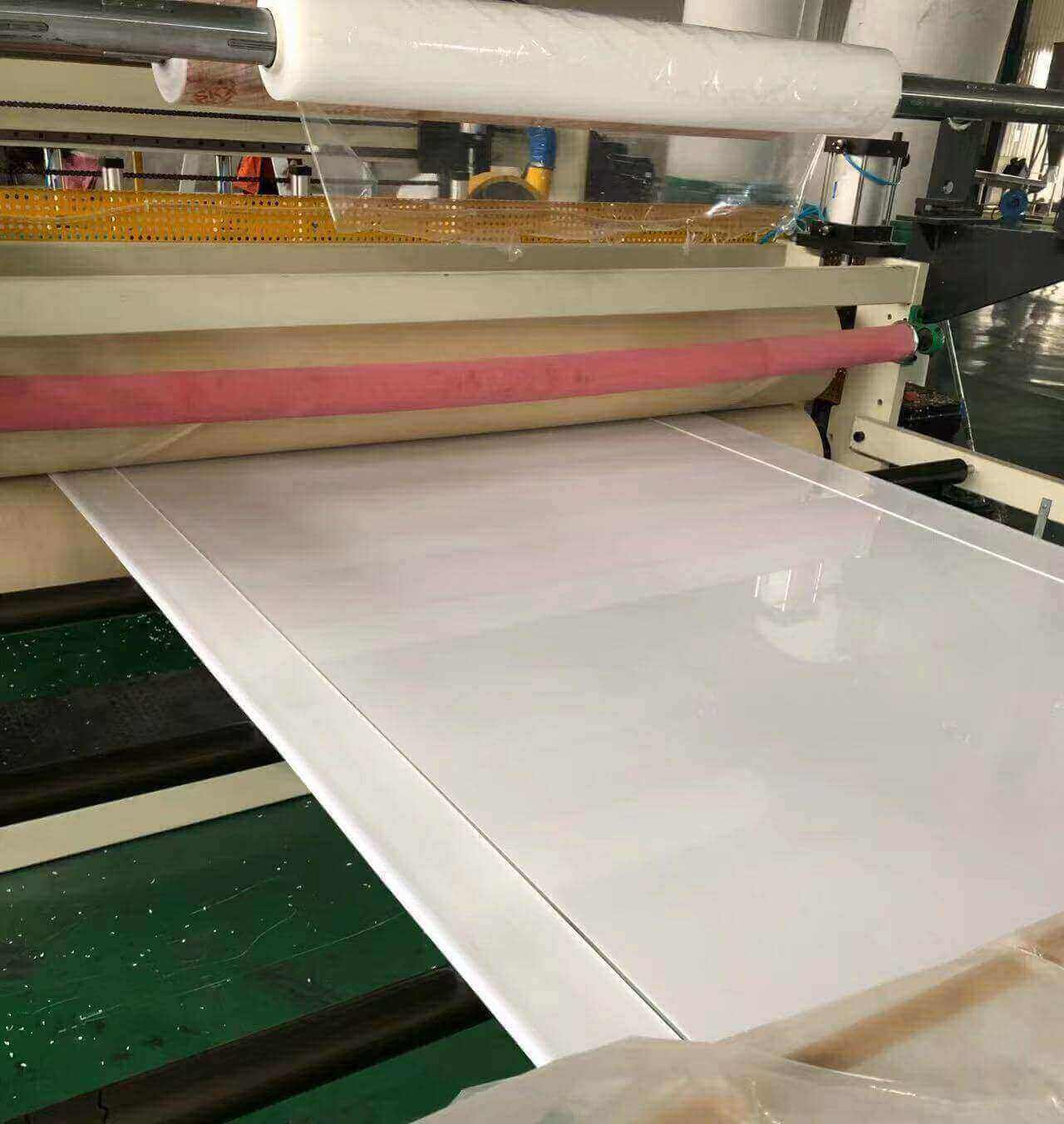
PP production line

2. Shrinkage Deformation Problem and Solution of PP Sheet

Shrinkage deformation is the phenomenon that the PP sheet product surface appears concave marks or dents due to the shrinkage of the material during cooling and solidification. It affects the appearance and performance of the product.
The main causes of shrinkage deformation are the high shrinkage rate of PP material, the uneven wall thickness of the product, the insufficient pressure and cooling time during molding, etc.
The main methods to solve shrinkage deformation are to control the quality of the raw material, to design a reasonable wall thickness and round corner for the product, to increase the holding pressure and cooling time during molding, etc.

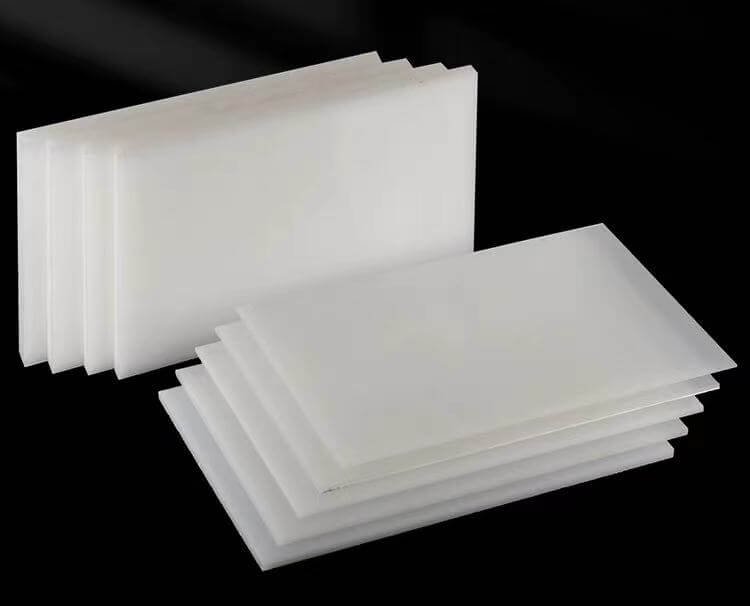
PP sheets

3. Dimensional Accuracy Problem and Solution of PP Sheet

Dimensional accuracy is the degree of conformity between the actual size of the product and the design size. It reflects the quality and precision of the product.
The main factors affecting dimensional accuracy are the shrinkage rate, temperature, pressure, flowability of PP material, as well as the mold design and processing accuracy.
The main methods to improve dimensional accuracy are to select a suitable shrinkage rate, temperature and pressure parameter for PP material, to use alignment tools and column tools for mold design and processing, etc.

PP processed products

4. Surface Treatment Problem and Solution of PP Sheet

Surface treatment is the process of modifying or enhancing the surface properties of PP sheet products, such as color, gloss, texture, adhesion, etc. It can improve the appearance and functionality of the products.
The main difficulties of surface treatment for PP sheet products are the poor printing, coding and engraving effects due to the low surface energy and polarity of PP material, as well as the poor resistance to solvents or aromatic hydrocarbons.
The main methods to improve surface treatment effects for PP sheet products are to select suitable ink or coating for PP material, to use special equipment or technology for printing, coding or engraving, to increase surface roughness or activity by corona treatment or plasma treatment, etc.

PP drawer

 Among PP boards and rods, it is an interesting and creative material, and many special shapes can be used for various plastic projects. They have unique properties and benefits to add some sparkle and elegance to your mechanical equipment, storage shelving components or architectural accessories and more.
I hope this blog post has inspired you to try some of these ideas or come up with your own. If you do, please share your results with me in the comments below. I’d love to see where you’ve used PP panels and rods!
If you are interested in using PP sheets and rods or want to know more information, welcome to harass us. We are a professional supplier of customized processing and production of various engineering materials, with a professional engineer team and precision equipment, we are happy to be bothered by you and help you meet your needs. Do you need a free quote or help with any questions or materials?

Our website: www.beeplastic.com
Click to contact: Customized PP board and rod 

🎉🎉🎉Limited Time Offer Use code: QR4GNY08SHVR at checkout and enjoy a special discount on your entire order! 👉PP board

PP rods

Leave a comment


Please note, comments must be approved before they are published


Custom Plastic Fabrication

Send your drawing, material and quantity for review

🔧
Precision Machining
CNC milling & turning
✂️
Cutting & Engraving
Laser & waterjet cutting
🏭
Forming & Molding
Thermoforming & injection
🔗
Joining & Assembly
Welding & bonding
📐
Design & Prototyping
CAD design & samples

General

HDPE

PP

PVC

ABS

Engineering

POM

Nylon

PC

PMMA

High-Performance

PEEK

PEI

PTFE

Composites

FR-4

G10

Flexible

TPU

Silicone

Why Choose BeePlastic?

🎯
Perfect Fit
Custom specs eliminate adaptation needs
⚡
Clear Lead Times
Lead time confirmed with every quote
💰
Volume Pricing
Volume pricing available on bulk orders
🤝
Expert Support
Free engineering consultation included
📋
Submit
→
🔍
Review
→
💵
Quote
→
✅
Production
→
📦
Deliver

Request a Quote

Share your project details, selected material and quantity on our quote page. You can add a file link or use the email drawing route shown there.


Request Quote

Industries: Automotive • Medical • Food • Lab • Semiconductor

beeplastic@beeplastic.com
