FR4 vs G10: Dielectric Properties, Moisture Resistance, and Thermal Stability

Fiberglass Epoxy Sheets

Choosing the right glass epoxy laminate for industrial and electronic applications often comes down to a close comparison between G10 and FR4. While both materials offer impressive mechanical strength and electrical insulation, their unique properties cater to different needs. In this post, I’ll break down the key differences between G10 vs FR4, focusing on their dielectric properties, ability to withstand moisture, and performance in high-temperature insulation settings. With flame retardant FR4 being the go-to for printed circuit boards and G10 excelling in aerospace applications, the choice depends on your specific project requirements. Learn how FR4’s UL 94V-0 certification impacts flame resistance, why G10’s mechanical strength holds up under CNC machining, and how both materials are utilized in fiberglass composites and epoxy resin sheets across industries.

🎉 Limited Time Offer
Use code QR4GNY08SHVR at checkout and enjoy a special discount on your entire order!
👉 Bakelite | FR4 Custom Parts | Standard Sheets

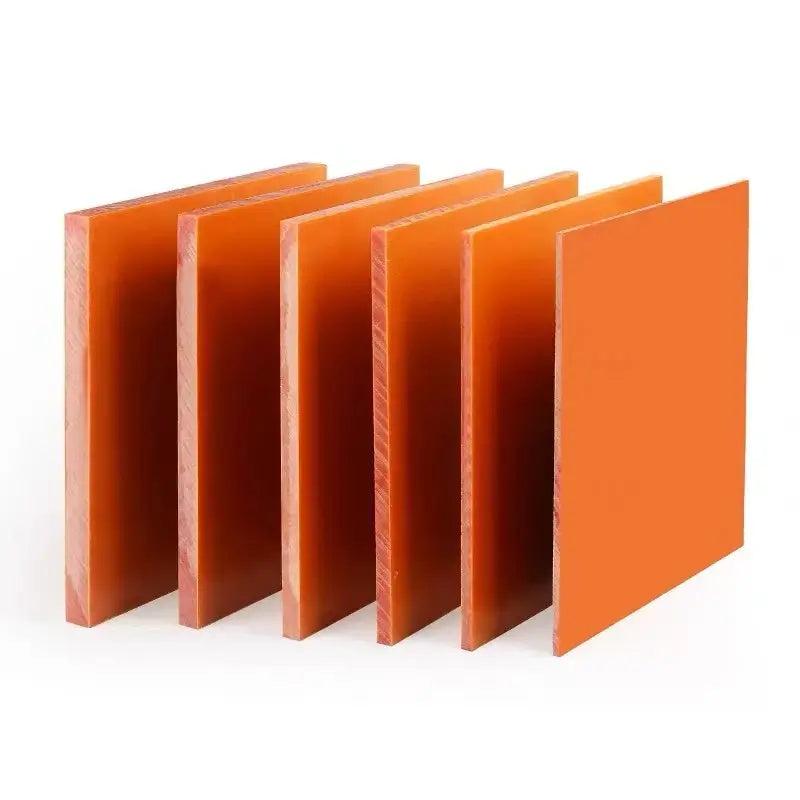
glass epoxy laminate FR4 vs G10 comparison

Understanding the Core Differences Between G10 and FR4 Glass Epoxy Laminates

Feature FR4 (Flame Retardant) G10 (Glass Epoxy)
Flame Resistance UL 94V-0 Certified (Yes) Not Flame Retardant
Moisture Absorption ~0.15% – 0.20% ~0.10% (Superior)
Key Application PCB, Electronics Structural, Aerospace

When delving into the world of glass epoxy laminates, it becomes clear that G10 and FR4 serve as foundational materials within the electronics and aerospace industries due to their robust mechanical and electrical properties. However, the decision between using G10 or FR4 hinges on understanding their distinct characteristics, especially in terms of flame retardancy, mechanical strength, and application suitability.

The Significance of Flame Retardant Additives in FR4

FR4 stands out from its counterpart primarily because it includes flame retardant additives. These additives imbue FR4 with critical properties that make it compliant with the UL 94V-0 standard, which is a benchmark for materials that must self-extinguish after being exposed to a flame. This attribute is particularly vital in environments where fire risk is a concern, such as in the manufacturing of printed circuit boards (PCBs) and other electronic components where safety standards cannot be compromised.

The inclusion of these flame retardants does not just contribute to safety but also enhances the material’s suitability for use in high-risk electrical applications, making FR4 a preferred choice in the electronic manufacturing industry. The flame-resistant nature of FR4 ensures that it remains a staple in applications where both high electrical insulation and strict fire safety standards are pivotal.

G10’s Excellence in Mechanical Applications

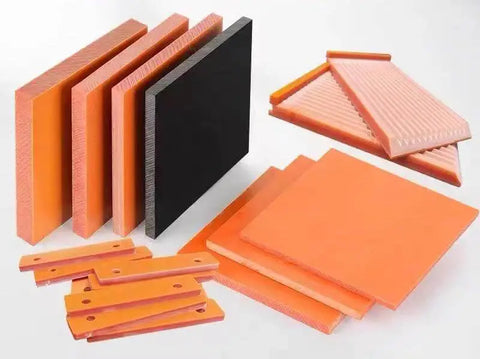
G10 or FR4 structural difference

Conversely, G10 lacks these flame retardant properties, which shapes its use in different contexts. Absence of these additives makes G10 less suitable for electronic applications where fire safety is paramount but opens up a plethora of opportunities in areas where high mechanical strength and durability are more critical. G10’s robustness makes it ideal for aerospace applications, where materials need to withstand extreme conditions without compromising structural integrity.

G10’s performance in non-flame-sensitive environments is noteworthy, particularly in the aerospace and defense sectors. Here, materials are required to endure rigorous conditions, and G10’s capacity to maintain high mechanical strength under stress makes it an invaluable resource. It is also frequently used in the production of heavy-duty industrial machines and sports equipment, where durability and reliability are key.

Electrical Insulation and Moisture Resistance

Both materials are celebrated for their excellent electrical insulation capabilities, which make them indispensable in electrical and electronic applications. However, the choice between G10 and FR4 often comes down to the specific environmental conditions they will be subjected to. While FR4’s flame retardancy is crucial for indoor electronics prone to overheating or fire hazards, G10’s superior moisture resistance makes it suitable for outdoor or marine environments where materials must withstand humid conditions.

Comparing Thermal and Dielectric Properties

In applications where thermal stability is crucial, FR4’s ability to resist fire can significantly impact the longevity and reliability of electronic components operating at high temperatures. Meanwhile, G10’s dielectric strength, which measures its ability to prevent electrical conductivity, makes it suitable for high-voltage applications where insulative properties are a priority.

In summary, the decision to use G10 or FR4 depends largely on the specific requirements of the project at hand. For applications demanding stringent fire resistance and thermal stability, FR4 is the unequivocal choice. Conversely, for projects requiring superior mechanical strength and durability, particularly where flame retardancy is not a concern, G10 offers an unparalleled advantage. Understanding these nuances allows engineers and designers to select the most appropriate material to meet the exacting demands of their applications, ensuring both safety and functionality.

Dielectric Properties of G10 vs FR4: Which Offers Better Electrical Insulation?

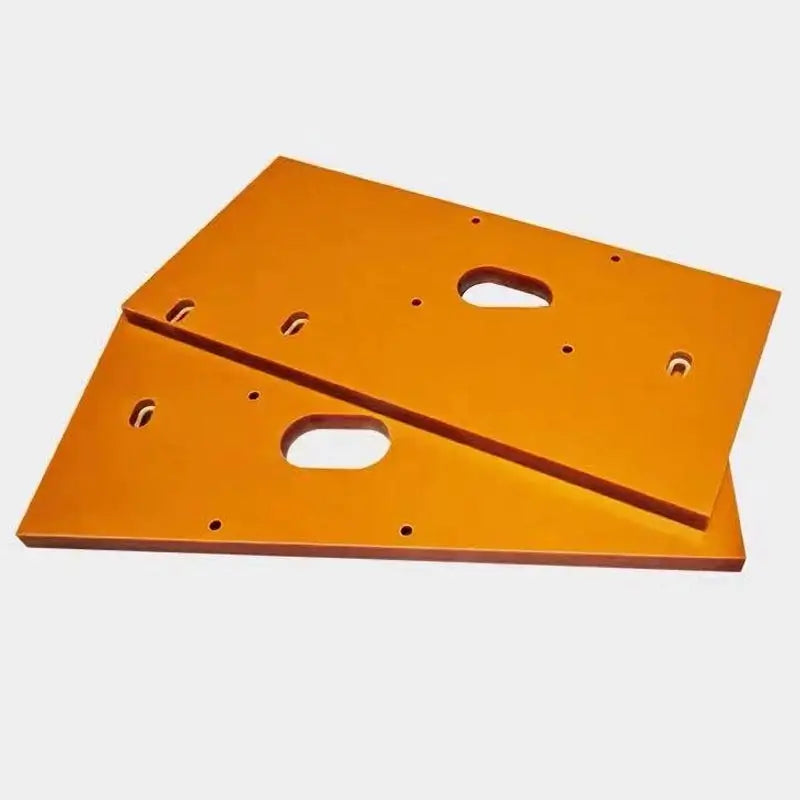
High voltage insulation bracket CNC machined from FR4

The dielectric properties of materials like G10 and FR4 are critical when selecting the appropriate laminate for electronic and electrical applications. Both materials offer high levels of electrical insulation, but their dielectric strength—which is the maximum electric field a material can withstand without breaking down—varies slightly, influencing their specific uses in different industries.

What Is Dielectric Strength and Why Does It Matter?

Dielectric strength is a crucial factor in selecting materials for electronic applications, particularly in high-voltage environments. This property measures a material’s ability to act as an insulator by preventing electrical currents from passing through it. The higher the dielectric strength, the more effective the material is at withstanding high electric fields without experiencing electrical breakdown.

For instance, FR4 and G10 are both widely used in printed circuit boards (PCBs) due to their excellent insulation capacity. However, their respective dielectric strengths make them suitable for different scenarios within the electronics industry.

FR4: Superior Dielectric Properties for High-Voltage Applications

FR4, with its flame retardant additives and high dielectric strength, is typically used in high-voltage environments where safety is paramount. Its ability to resist electrical breakdown makes it an ideal material for printed circuit boards (PCBs), especially in applications that require both electrical insulation and thermal stability.

FR4’s dielectric strength typically ranges between 19 kV/mm and 24 kV/mm, depending on the thickness and processing of the laminate. This makes FR4 the preferred choice in high-voltage electronics and power distribution systems where preventing electrical discharge is critical to maintaining safety and functionality.


Light Green FR4 G10 Epoxy Sheets

Light Green FR4 / G10 Sheets

Premium standard sheets available in 0.5mm to 5mm thickness for immediate shipment.

View Product


Custom FR4 G10 Machining Service

Custom CNC Machining

Precision milling and turning for FR4/G10 parts. No MOQ. Fast turnaround.

Get Quote

G10: Strong Electrical Insulation Without Flame Retardancy

While G10 also offers excellent dielectric properties, it falls slightly behind FR4 in terms of electrical insulation capacity. G10 typically has a dielectric strength of around 19 kV/mm, which is sufficient for many electronic applications but does not provide the same flame-resistant protection as FR4.

That said, G10 excels in applications where flame retardancy is not required but mechanical strength is critical. Its dielectric properties still make it highly suitable for use in electrical enclosures, insulators, and non-flame-sensitive electronics where moisture resistance and toughness are important factors. Industries such as aerospace and industrial machinery often favor G10 for its durability combined with its adequate electrical insulation.

Applications in PCBs and Electrical Systems

The difference in dielectric strength between G10 and FR4 means that FR4 is often the go-to material for printed circuit boards (PCBs), especially in high-voltage applications. In contrast, G10 finds more frequent use in lower-voltage systems or applications where mechanical durability outweighs the need for flame resistance.

Both materials can be CNC machined into intricate parts for electrical systems, but when it comes to electrical insulation in high-risk environments, FR4’s superior dielectric properties provide the necessary edge. However, in situations where cost and mechanical properties are more important, G10 remains an excellent alternative.

Choosing Between G10 and FR4 for Electrical Insulation

Ultimately, the decision between G10 and FR4 comes down to the specific electrical insulation needs of your project. If your application demands a material that can withstand high-voltage and offers flame resistance, FR4 is the clear winner. However, if you are working on a project that values mechanical strength and cost efficiency, and does not require flame retardant properties, G10 is a robust alternative that still provides solid electrical insulation.

Both materials excel in their respective roles, but FR4’s dielectric strength and thermal stability make it the industry standard for printed circuit boards and electronic components that need to operate safely under extreme conditions.

FR4's dielectric strength sheet material

Moisture Resistance in Industrial Laminates: How G10 and FR4 Perform Under Humidity

When selecting industrial laminates like G10 and FR4, one of the most important factors to consider is their moisture resistance. Both materials have excellent water absorption resistance, but they perform differently under varying environmental conditions, especially in high-humidity environments. Understanding the moisture absorption rates of these materials is critical to ensuring they perform optimally in your application.

Water Absorption Rates of G10 and FR4

G10 and FR4 both exhibit low water absorption rates, which makes them excellent choices for electrical insulation and mechanical applications in environments where moisture exposure is likely. However, they have slight differences in how they handle prolonged exposure to water and humidity.

G10, which is known for its mechanical strength and structural integrity, has a water absorption rate of around 0.10% to 0.15%. This low rate ensures that G10 remains dimensionally stable and retains its high tensile strength, even in damp environments. However, since G10 lacks flame retardant additives, it is best suited for dry conditions or environments where the risk of fire is minimal.

On the other hand, FR4 has a slightly higher moisture absorption rate, typically around 0.15% to 0.20%, but it offers superior performance in humid environments due to its flame retardant properties. FR4 maintains its electrical insulation capacity and mechanical strength even when exposed to high levels of moisture, which makes it the preferred choice for applications like printed circuit boards (PCBs) and electrical insulation in high-humidity or wet environments.

G10’s Durability in Dry Conditions

In dry environments, G10 stands out due to its superior mechanical strength and resistance to wear and tear. This makes it an ideal material for structural components and mechanical parts that need to endure high levels of stress without being compromised by moisture. The low water absorption of G10 ensures that it remains dimensionally stable, even over extended periods, making it a popular choice for aerospace applications, defense systems, and heavy-duty industrial machinery.

Additionally, G10’s mechanical properties make it highly suitable for applications where flame retardancy is not a concern, but where humidity resistance is still necessary. Its high moisture resistance ensures that it does not swell or degrade when exposed to damp conditions, making it a reliable material for outdoor equipment and machinery that may come into contact with moisture.

FR4’s Stability in Humid Environments

When it comes to humid environments, FR4 excels due to its ability to resist moisture absorption while maintaining flame resistance. FR4 is specifically designed for applications where both electrical insulation and flame retardancy are critical. This makes FR4 the preferred choice in high-humidity applications like marine electronics, power distribution systems, and printed circuit boards (PCBs).

Even when exposed to high levels of moisture, FR4 retains its high dielectric properties and thermal stability, ensuring that electronic systems remain safe and operational. Its moisture resistance also prevents electrical breakdown, making it ideal for industrial laminates used in wet or humid settings where flame resistance is necessary.

High-Temperature and Humidity Endurance

Both G10 and FR4 have excellent performance in high-temperature environments, but FR4’s flame retardant additives give it an edge when dealing with both high humidity and elevated temperatures. FR4’s thermal stability allows it to function effectively in electronics and high-temperature systems, where maintaining insulation and fire safety are crucial. Its ability to withstand both heat and moisture without losing structural integrity makes it a reliable material for long-term applications in humid environments.

Conversely, G10 is better suited for dry, high-temperature conditions, where moisture resistance is important but flame retardancy is not a requirement. G10’s mechanical strength and low water absorption make it a valuable material for environments where impact resistance and toughness are prioritized over fire safety.

Applications Where Moisture Resistance is Critical

Industries that operate in wet environments, such as marine and outdoor industrial equipment, often turn to FR4 for its combination of flame resistance and moisture endurance. Printed circuit boards and other electronic components rely on FR4’s superior dielectric properties, which remain stable in high-humidity situations. For mechanical applications requiring strength and durability, G10 is often the material of choice in environments where humidity may be present but fire resistance is not required.

FR-4 G10 fiberglass epoxy laminate CNC machining for electrical insulation and structural components

Both G10 and FR4 offer excellent moisture resistance, but the decision between the two materials ultimately depends on the specific requirements of the project, such as whether flame resistance is necessary and the environmental conditions the materials will face.

Thermal Stability: High-Temperature Performance of G10 vs Flame Retardant FR4

Thermal stability is a crucial factor when selecting industrial laminates like G10 and FR4, especially in applications where high temperatures are a constant challenge. Both materials are known for their mechanical strength and electrical insulation properties, but they perform differently under varying temperature ranges. Understanding their distinct heat resistance and thermal endurance helps in making the right material choice for high-temperature applications.

High-Temperature Performance of G10: Superior Mechanical Stability

G10 is renowned for its mechanical stability under high temperatures. Composed of glass cloth and epoxy resin, G10 maintains its structural integrity even when exposed to extreme heat. This makes it an excellent choice for high-impact mechanical applications such as aerospace components, defense equipment, and heavy-duty industrial parts.

One of the key advantages of G10 is its ability to withstand high heat without losing its mechanical strength. While G10’s flame resistance is not as robust as FR4, it offers thermal endurance in non-flame-sensitive environments, performing well at temperatures up to 140°C (284°F). This makes G10 a reliable material for applications where high mechanical stress and heat resistance are essential, but where fire retardancy is not required.

Flame Retardant Properties of FR4 and UL 94V-0 Certification

FR4, in contrast, is specifically designed to perform in high-temperature environments where fire safety is a concern. Thanks to its flame retardant additives, FR4 meets the UL 94V-0 certification, which ensures that the material is capable of self-extinguishing when exposed to flames. This certification makes FR4 the preferred choice in high-risk environments like electrical insulation, printed circuit boards (PCBs), and high-temperature electronics where both fire safety and thermal stability are critical.

FR4’s thermal performance is impressive, with a working temperature range similar to G10 but with the added benefit of flame retardancy. FR4 can also endure temperatures up to 140°C (284°F), but its flame-resistant properties allow it to operate safely in applications where heat and fire hazards are prevalent.

Thermal Endurance and Heat Resistance

Both G10 and FR4 have excellent heat resistance and are capable of maintaining their mechanical and electrical properties at high temperatures. However, FR4 is the better option in environments where fire resistance is mandatory, as its UL 94V-0 certification ensures compliance with fire safety standards. This makes FR4 a superior choice for electronic components and industrial applications where thermal stability and fire resistance must work hand in hand.

In applications where high temperatures are present but flame retardancy is not a concern, G10 excels due to its toughness and mechanical endurance under heat. The material is particularly useful in industries where impact resistance and heat stability are more important than fire protection, such as in industrial machinery, aerospace, and defense applications.

Applications That Demand High Thermal Stability

In the world of industrial laminates, FR4 is frequently chosen for applications like printed circuit boards (PCBs) in electronics, where high thermal stability is required alongside fire safety. Its ability to withstand both heat and flame hazards makes it a valuable material in power distribution and high-temperature environments.

G10, on the other hand, shines in environments where high mechanical performance under heat is required without the need for flame retardancy. This makes G10 an excellent material for structural components, mechanical insulators, and machinery parts where heat resistance is necessary, but fire hazards are less of a concern.

Both materials exhibit strong thermal performance, but their flame resistance capabilities distinguish them for use in specific industries. While FR4’s UL 94V-0 certification offers the reassurance of safety in high-temperature, fire-prone environments, G10 continues to deliver exceptional mechanical stability under high heat for heavy-duty applications.

Applications of G10 and FR4: From Aerospace to Electronics

Both G10 and FR4 are widely used in various industries, including aerospace, electronics, and mechanical engineering, due to their specific thermal, mechanical, and dielectric properties. While both materials are classified as glass epoxy laminates, their unique attributes make them better suited to different environments and applications. Below, I’ll explore the primary industries where these materials excel and why they are chosen for specific roles.

G10 in Aerospace and High-Impact Applications

A precision-machined green FR-4 component, demonstrating its use as a flame-retardant electrical insulator

G10 is highly regarded in the aerospace industry because of its superior mechanical strength and durability under extreme conditions. Its ability to maintain structural integrity at elevated temperatures, combined with its lightweight nature, makes it an excellent choice for aerospace components that need to withstand high mechanical stress while minimizing weight. This balance of toughness and low weight is critical in aerospace applications, where performance and safety are paramount.

The high tensile strength of G10, combined with its resistance to wear and tear, also makes it suitable for parts subjected to mechanical loads, such as brackets, insulating plates, and structural components in aircraft and spacecraft. Additionally, G10’s moisture resistance makes it ideal for environments where condensation or exposure to moisture is a factor, such as in the upper atmosphere or space missions where environmental conditions fluctuate drastically.

FR4 in Electronics and Electrical Insulation

In contrast, FR4 finds its primary use in the electronics industry, particularly in the production of printed circuit boards (PCBs). Its flame retardant properties, certified by the UL 94V-0 standard, make it essential in high-risk environments where fire safety is critical. **FR4’s combination of excellent electrical insulation and flame resistance allows it to safely carry electrical currents without compromising the system’s integrity under high temperatures.

FR4’s dielectric properties are a key reason why it is the material of choice for PCBs. Its high dielectric strength ensures that electrical signals can pass through circuits without interference, making it a reliable material for consumer electronics, telecommunications equipment, and power distribution systems. Furthermore, FR4’s moisture resistance adds to its appeal for electronic applications in humid environments or where moisture exposure is likely, such as marine electronics or industrial equipment.

Thermal and Dielectric Properties for Industrial Applications

In industrial applications, both G10 and FR4 are used for their excellent thermal stability and dielectric properties. However, the decision to use one material over the other depends on whether flame retardancy is required. G10’s superior mechanical strength and heat resistance make it suitable for machinery components, insulation in motors, and structural parts in high-stress environments. Its ability to maintain dimensional stability at high temperatures and resist wear makes it a go-to material for machined parts and insulators in industrial settings.

FR4, on the other hand, is widely used in electronic components where both electrical insulation and fire safety are needed. Its thermal endurance and flame resistance make it an ideal material for industrial laminates that need to operate safely at high temperatures while maintaining electrical performance. FR4 is often used in power generation systems and high-voltage equipment, where heat dissipation and fire resistance are critical to maintaining operational safety.

Fiberglass Composite in Electronics and Mechanical Engineering

Both G10 and FR4 are classified as fiberglass composites, but their specific properties make them valuable in different engineering disciplines. In electronics, FR4’s glass fiber reinforcement ensures that it can handle high voltages while preventing electrical breakdowns, making it indispensable for circuit boards and electronic insulation. The material’s ability to withstand high temperatures and humidity further enhances its use in complex electronic systems.

In mechanical engineering, G10’s fiberglass composite structure provides impact resistance and dimensional stability under stress. These qualities are important in the manufacturing of mechanical components, where structural reliability is key. G10’s CNC machinability makes it ideal for custom parts in both prototype development and mass production.

CNC Machining of G10 and FR4 for Custom Parts

One of the standout features of both G10 and FR4 is their compatibility with CNC machining, allowing for the precise cutting and shaping of custom components. CNC machining ensures that G10 and FR4 can be tailored to specific design requirements, making them versatile for industries that need custom insulators, mechanical parts, and electrical components. For G10, this machinability is often applied in producing high-strength parts for aerospace and defense. Meanwhile, FR4 is machined for electronic insulation and PCBs.

This machinability also allows manufacturers to optimize material usage, reduce waste, and create components with precise tolerances, enhancing the performance and reliability of the final product in both electronic and mechanical applications.

CNC Machining: Why G10 and FR4 Are Perfect for Precision Manufacturing

6mm green FR4 board for PCB prototyping and CNC dielectric applications

Both G10 and FR4 are highly machinable glass epoxy laminates, making them excellent choices for CNC machining. Their combination of mechanical strength, dimensional stability, and durability enables them to be crafted into high-precision components across various industries. Whether you need parts for electronic systems, aerospace applications, or industrial machinery, the machinability of G10 and FR4 allows for the creation of detailed, custom parts that meet stringent performance requirements.

CNC Machining for High-Precision Parts

CNC machining plays a critical role in modern manufacturing, offering unmatched precision and repeatability for both simple and complex geometries. In the case of G10 and FR4, CNC techniques like milling, cutting, and forming are essential to producing components with tight tolerances. These materials are designed to be compatible with high-speed CNC milling, allowing manufacturers to create intricate shapes without sacrificing material integrity.

The machinability of laminates like G10 and FR4 makes them ideal for high-precision parts in electronics and mechanical systems. By using CNC machines, manufacturers can achieve consistent dimensions, smooth finishes, and accurate cuts, ensuring that parts fit perfectly into the assembly.

CNC Cutting and Forming for Electronics and Mechanical Components

In electronic applications, CNC cutting of FR4 is particularly important for producing printed circuit boards (PCBs). The process involves precise cutting of the laminate into the desired shape and size, creating the foundation for electrical circuits. CNC machining allows for detailed etching, drilling, and cutting of complex patterns, ensuring the accuracy required for PCB manufacturing.

Similarly, G10 is commonly CNC machined into insulators, brackets, and mechanical components. Its high mechanical strength and impact resistance make it perfect for creating parts that need to endure mechanical loads and harsh conditions. CNC forming and milling techniques allow for the creation of custom G10 parts with precise tolerances, making it a favorite in aerospace and industrial applications.

Machinability of Laminates: Advantages of Precision Milling

One of the greatest advantages of CNC precision milling is the ability to create parts with minimal material waste while achieving consistent results. G10 and FR4 laminates can be machined to exact specifications, enabling manufacturers to produce high-precision parts quickly and efficiently. The dimensional stability of these materials ensures that they maintain their shape throughout the machining process, resulting in components that are both accurate and durable.

Additionally, CNC machining reduces the need for manual intervention, leading to lower production costs and faster turnaround times. The ability to work with G10 and FR4 using CNC milling or laser cutting also enhances the overall machinability of these materials, making them highly versatile for a range of applications in electronic insulation, mechanical engineering, and aerospace.

Customization Through CNC Machining

CNC machining not only ensures precision but also enables the customization of G10 and FR4 parts for specialized uses. Whether you need custom shapes, sizes, or finishes, CNC techniques allow manufacturers to tailor components to exact requirements. For example, FR4 sheets can be cut to specific dimensions for PCB applications, while G10 can be machined into brackets and insulators that fit unique designs in high-stress mechanical environments.

By employing advanced CNC techniques like routing, drilling, and turning, manufacturers can create highly customized components from G10 and FR4, enhancing the performance of products in electronics, aerospace, and industrial systems.

CNC Machining G10 vs FR4: Key Considerations

While both materials are highly machinable, there are some key differences in how they perform under CNC processes. FR4 requires more attention during machining due to its flame retardant properties, which can affect cutting speeds and tool selection. However, its excellent electrical insulation and thermal stability make it indispensable in applications like high-voltage electronics.

On the other hand, G10 offers superior machinability for mechanical components due to its high mechanical strength and impact resistance. CNC milling of G10 allows for intricate detailing without compromising the material’s structural integrity, making it a go-to material for heavy-duty applications.

Both G10 and FR4 benefit greatly from CNC machining, ensuring precision, efficiency, and customization for a wide range of industrial and electronic applications.

Frequently Asked Questions About G10 and FR4 Customization at BeePlastics

1. Can BeePlastics handle custom orders for both G10 and FR4 materials?

Yes, BeePlastics offers complete customization for G10 and FR4 epoxy glass fiber laminates, including both sample customization and batch orders. Whether you need a small run of custom parts or a large production order, we can accommodate your needs with precision.


2. What file formats does BeePlastics accept for custom CNC machining projects?

BeePlastics accepts a wide variety of file formats to ensure compatibility with our CNC machining services. We work with formats such as PDF, CAD, and other industry-standard design files, allowing us to deliver accurate and detailed parts based on your designs.


3. Is there a minimum order quantity (MOQ) required for custom G10 or FR4 parts?

No, there is no minimum order quantity (MOQ) at BeePlastics. We understand that some projects may require only a few custom parts, while others involve large-scale production. We cater to both, providing flexibility based on your specific project needs.


4. How long is the production cycle for customized G10 and FR4 parts?

The production cycle at BeePlastics depends on the complexity of the design and the order size. We tailor our production schedule to meet your specific requirements and will communicate with you in real time about the progress of your order, ensuring that you’re updated at every stage of the process.

FR4 probe card stiffener semiconductor testing


5. Can I request a sample of G10 or FR4 materials before placing a bulk order?

Yes, BeePlastics provides free samples of G10 and FR4 materials. However, the customer is responsible for shipping costs. This allows you to evaluate the material before committing to a larger order, ensuring it meets your specifications.


6. Does BeePlastics offer batch customization for G10 and FR4 materials?

Absolutely! BeePlastics specializes in batch customization for both G10 and FR4 materials. Whether you require a small batch or a large production run, our manufacturing process is designed to handle orders of any size while maintaining high quality.


7. What industries typically use BeePlastics’ customized G10 and FR4 parts?

Our customized G10 and FR4 parts are widely used in various industries, including aerospace, electronics, automotive, and industrial machinery. The combination of high mechanical strength, thermal stability, and electrical insulation makes these materials ideal for a broad range of applications.


8. How can I ensure that the custom part I order will meet my exact specifications?

BeePlastics employs precise CNC machining and offers real-time communication throughout the production process to ensure that your custom G10 or FR4 parts meet your exact specifications. We also work with your submitted CAD or PDF files to ensure accuracy from design to final product.


9. What is the maximum size of custom G10 or FR4 sheets BeePlastics can produce?

BeePlastics can accommodate a variety of sheet sizes for custom orders. We offer flexibility in sizing, and depending on your project requirements, we can work with you to determine the most suitable dimensions for your custom G10 or FR4 sheets.


10. How do I place a custom order for G10 or FR4 materials at BeePlastics?

To place a custom order, you can visit our CNC Machining Center page to explore the options. Simply fill out the contact form with your project details, upload your design files, and we will get back to you promptly with a tailored quote. You can also explore our FR4 and G10 Epoxy Glass Fiber Sheets for more information on our products.
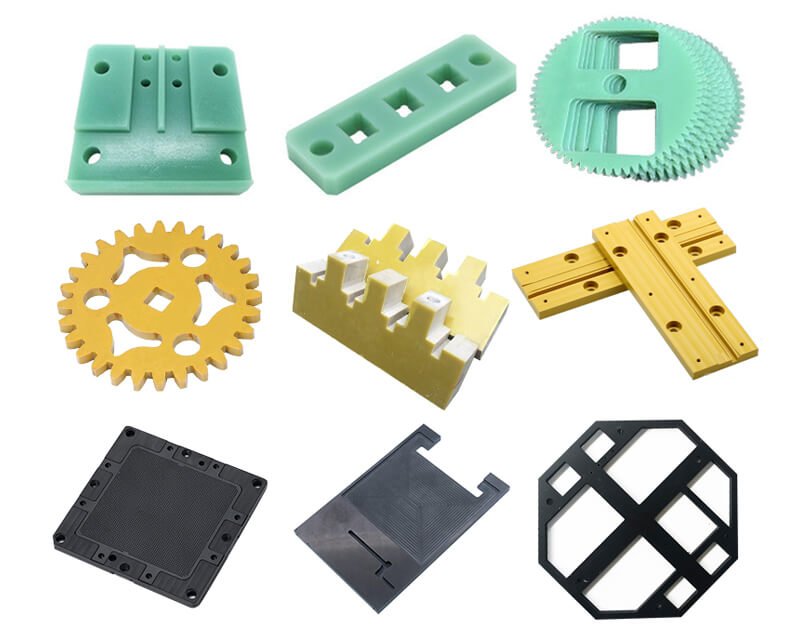
G10 FR4 Epoxy Sheet Material Stock

Leave a comment


Please note, comments must be approved before they are published


Custom Plastic Fabrication

Send your drawing, material and quantity for review

🔧
Precision Machining
CNC milling & turning
✂️
Cutting & Engraving
Laser & waterjet cutting
🏭
Forming & Molding
Thermoforming & injection
🔗
Joining & Assembly
Welding & bonding
📐
Design & Prototyping
CAD design & samples

General

HDPE

PP

PVC

ABS

Engineering

POM

Nylon

PC

PMMA

High-Performance

PEEK

PEI

PTFE

Composites

FR-4

G10

Flexible

TPU

Silicone

Why Choose BeePlastic?

🎯
Perfect Fit
Custom specs eliminate adaptation needs
⚡
Clear Lead Times
Lead time confirmed with every quote
💰
Volume Pricing
Volume pricing available on bulk orders
🤝
Expert Support
Free engineering consultation included
📋
Submit
→
🔍
Review
→
💵
Quote
→
✅
Production
→
📦
Deliver

Request a Quote

Share your project details, selected material and quantity on our quote page. You can add a file link or use the email drawing route shown there.


Request Quote

Industries: Automotive • Medical • Food • Lab • Semiconductor

beeplastic@beeplastic.com


Exploring Bakelite Properties: The Ideal Solution for High-Performance Electrical Insulation

bakelite sheets

In this in-depth blog post, discover why Bakelite stands out as the premier choice for high-performance electrical insulation. With a unique combination of properties, Bakelite material offers exceptional heat resistance, durability, and electrical insulating capabilities, making it indispensable in modern industries. Whether you’re sourcing Bakelite sheets for automotive, aerospace, or electrical equipment, understanding the specific benefits of Bakelite plastic and Bakelite synthetics can significantly enhance the quality and longevity of your projects.

🎉🎉🎉Limited Time Offer Use code: QR4GNY08SHVR at checkout and enjoy a special discount on your entire order! 👉 Bakelite plastic
Bakelite material

From the mechanical strength of Bakelite to its unparalleled thermal stability, this post delves into how Bakelite sheets meet the stringent demands of high-stress environments. Additionally, you’ll find practical insights on how to choose the right Bakelite board supplier, ensuring you receive the highest quality Bakelite sheet for your specific needs. Whether you’re looking for Bakelite sheet for sale or exploring its properties for your next project, this guide provides all the essential information to make informed decisions.

Understanding Bakelite’s Electrical Insulation Properties

The Unique Composition of Bakelite

Bakelite is renowned for its outstanding electrical insulation properties, a characteristic that stems from its unique composition of phenolic resin. This thermosetting polymer, created by combining phenol and formaldehyde, undergoes a polymerization process that results in a material with exceptional dielectric strength. The phenolic resin in Bakelite material forms a robust, non-conductive barrier, making it an ideal choice for high-performance applications where electrical insulation is critical.

How Phenolic Resin Enhances Electrical Insulation

The key to Bakelite’s superior electrical insulation lies in its structure. The phenolic resin used in Bakelite plastic forms a cross-linked polymer network, which significantly reduces the flow of electrical currents. This makes Bakelite synthetics particularly effective in environments where high voltage and heat are present. Moreover, the low water absorption rate of Bakelite sheets ensures that their insulating properties remain stable even in humid conditions, further enhancing their reliability in demanding electrical applications.

Applications of Bakelite in Electrical Insulation

Given its unique insulating properties, Bakelite is widely used in the production of electrical insulators, switchgear, and other components that require reliable insulation. In these applications, Bakelite sheet provides a stable, non-conductive surface that prevents the unwanted flow of electricity, thereby protecting both equipment and users. Its thermal stability also allows Bakelite to maintain its insulating properties under extreme conditions, making it a preferred material in industries ranging from electronics to automotive.

Why Bakelite is a Preferred Choice for High-Performance Applications

Bakelite’s combination of electrical insulation, mechanical strength, and heat resistance makes it an unparalleled choice for high-performance applications. Whether you are sourcing Bakelite sheets for sale or looking for a reliable Bakelite board supplier, understanding these properties will help you select the right material for your needs. The ability of Bakelite to withstand high temperatures and electrical stress ensures that it continues to be a go-to material for electrical insulation in various industries.

Bakelite Accessories

Comparing Bakelite with Other Insulating Materials

Bakelite vs. Ceramics: Insulation Efficiency and Mechanical Strength

When comparing Bakelite with ceramics, it’s essential to consider both insulation efficiency and mechanical strength. Ceramics are well-known for their excellent thermal resistance and insulating properties. However, ceramics are inherently brittle, making them susceptible to fractures and breakage under mechanical stress. This brittleness limits their application in environments where mechanical durability is crucial.

On the other hand, Bakelite material offers a unique combination of electrical insulation and mechanical resilience. Unlike ceramics, Bakelite plastic can withstand significant physical stress without cracking or breaking, making it a more reliable option in demanding industrial applications. Additionally, Bakelite synthetics provide excellent dielectric strength, similar to ceramics, but with added durability, making them a top choice for both electrical insulation and mechanical applications.

Fiberglass vs. Bakelite: Cost-Effectiveness and Ease of Fabrication

Fiberglass is another popular insulating material known for its thermal stability and non-conductive properties. However, when compared to Bakelite sheets, fiberglass has certain drawbacks that affect its overall cost-effectiveness. Fiberglass is often more challenging to fabricate and handle, as its fibrous nature can cause irritation during processing and installation.

In contrast, Bakelite is easier to machine and mold into various shapes and sizes, which simplifies the manufacturing process. This ease of fabrication, combined with Bakelite’s robust insulating capabilities, often makes it a more economical choice, especially for large-scale applications. Additionally, Bakelite sheets provide a smoother surface finish, which can be beneficial in applications where aesthetics and precision are important.

Bakelite vs. Newer Synthetics: Balancing Performance and Affordability

With the advent of newer synthetic materials like polyimides and PEEK, the insulation landscape has expanded with options that offer high-temperature resistance and superior electrical properties. However, these advanced materials come at a significantly higher cost, which may not always be justified depending on the application.

Bakelite strikes an effective balance between performance and affordability. While newer synthetics might offer marginal improvements in specific areas, Bakelite synthetics provide reliable insulation, heat resistance, and mechanical strength at a fraction of the cost. For industries where cost-effectiveness is a priority, without sacrificing essential performance characteristics, Bakelite remains a preferred choice.

Industry Preference for Bakelite: A Proven Track Record

Despite the availability of newer materials, Bakelite continues to be favored across various industries for its proven reliability and cost-effectiveness. Whether used in electrical insulation, automotive components, or industrial machinery, Bakelite sheets offer a versatile solution that meets the high standards required in these sectors.

By understanding the properties of Bakelite and how it compares with other insulating materials, industries can make informed decisions that align with both their performance needs and budget constraints. When sourcing Bakelite sheet for sale or choosing a Bakelite board supplier, it’s clear that Bakelite offers a competitive edge in both insulation efficiency and overall value.

Bakelite sheets

The Role of Bakelite in Modern Electrical Equipment

Bakelite in Transformers: Ensuring Reliable Electrical Insulation

Bakelite plays a crucial role in the construction and operation of modern transformers. Transformers, essential components in electrical grids, rely on materials that offer both electrical insulation and mechanical stability. Bakelite sheets are often used as insulation barriers within transformers, providing a stable, non-conductive layer that prevents electrical shorts and enhances the transformer’s overall efficiency.

The phenolic resin in Bakelite material gives it a high dielectric strength, enabling it to withstand the intense electrical fields present within transformers. Additionally, Bakelite’s resistance to heat and chemical degradation ensures that it maintains its insulating properties over time, even under the demanding conditions of a transformer in operation. This makes Bakelite plastic a preferred choice in the design and manufacturing of transformers, where reliability and longevity are paramount.

Bakelite Sheets in Switchboards: Enhancing Safety and Performance

Switchboards, the hubs of electrical distribution, require materials that can handle both high voltage and the associated thermal loads. Bakelite sheets are extensively used in switchboards due to their excellent insulating properties and ability to resist high temperatures. In these applications, Bakelite acts as an insulating barrier between electrical components, preventing short circuits and ensuring the safe operation of the electrical system.

Moreover, Bakelite’s mechanical strength ensures that it can support the physical stresses encountered in switchboards, such as vibrations and mechanical impacts. This durability, combined with its electrical insulating capabilities, makes Bakelite synthetics an indispensable material in the construction of switchboards used in industrial, commercial, and residential settings.

High-Stress Environments: Bakelite’s Role in Electrical Equipment

In addition to transformers and switchboards, Bakelite is used in various other high-stress environments within the electrical industry. Its ability to maintain structural integrity and insulation efficiency under high thermal and electrical stress makes it suitable for use in motor insulation, generator components, and circuit breakers. Bakelite boards provide a stable platform for these applications, ensuring that the equipment operates safely and efficiently.

For instance, in motors, Bakelite is often used to insulate winding wires, preventing short circuits and protecting the motor from electrical failures. The material’s resistance to high temperatures also makes it ideal for use in components that are subject to continuous thermal cycling, such as those found in generators and circuit breakers.

Why Bakelite is Preferred in Modern Electrical Equipment

The preference for Bakelite in modern electrical equipment is largely due to its combination of electrical insulation, thermal stability, and mechanical strength. These properties ensure that Bakelite sheets and Bakelite boards can meet the rigorous demands of high-stress environments while providing long-lasting performance. For manufacturers and engineers looking to enhance the safety and reliability of electrical systems, Bakelite remains a go-to material.

When sourcing Bakelite sheet for sale or selecting a Bakelite board supplier, it’s important to consider these applications and the specific requirements of your electrical equipment. By understanding the role of Bakelite in these critical components, you can make informed decisions that contribute to the efficiency and safety of your electrical systems.

Bakelite sheet for sale

How Bakelite Sheets Contribute to Heat Resistance and Durability

The Phenolic Resin’s Role in Heat Resistance

Bakelite sheets are renowned for their impressive heat resistance, which is primarily attributed to the phenolic resin used in their composition. This thermosetting polymer undergoes a curing process that creates a cross-linked molecular structure, giving Bakelite its remarkable ability to withstand high temperatures without losing its structural integrity. Unlike thermoplastics, which soften and melt when exposed to heat, Bakelite material maintains its form and properties, making it an ideal choice for applications in environments where consistent exposure to high temperatures is a concern.

The phenolic resin in Bakelite also provides excellent resistance to thermal degradation. This means that Bakelite sheets do not break down or lose their insulating properties when subjected to prolonged heat, making them suitable for use in critical electrical components, industrial machinery, and automotive parts where heat resistance is essential.

Durability in High-Temperature Applications

The durability of Bakelite sheets is not only due to their heat-resistant properties but also to their mechanical strength. Bakelite plastic can withstand significant mechanical stress while operating at high temperatures, ensuring that it remains reliable in demanding conditions. This combination of heat resistance and mechanical durability is why Bakelite is commonly used in applications such as brake pads, clutch facings, and thermal insulation in engines and industrial machinery.

In high-temperature environments, materials are often subjected to thermal cycling, where they repeatedly heat up and cool down. Bakelite synthetics are specifically designed to endure these cycles without warping, cracking, or losing their insulating properties. This makes Bakelite sheets particularly valuable in industries where both thermal stability and mechanical resilience are critical.

Applications Where Heat Resistance is Crucial

Bakelite’s heat resistance makes it a preferred material in a wide range of applications. In the electrical industry, Bakelite boards are used in switchboards, transformers, and electrical insulators that must operate safely under high thermal stress. The material’s ability to resist heat ensures that it can effectively prevent electrical failures and protect equipment from overheating.

In the automotive sector, Bakelite sheets are used in components that are regularly exposed to high temperatures, such as engine gaskets, thermal shields, and exhaust systems. Here, Bakelite’s durability under heat not only contributes to the longevity of the parts but also enhances the safety and performance of the vehicle.

Moreover, in industrial machinery, Bakelite’s heat-resistant properties allow it to be used in manufacturing equipment that must operate under extreme temperatures. This includes molds, presses, and machining jigs, where the material’s stability under heat is crucial for maintaining precision and quality in the production process.

Bakelite: A Trusted Material for High-Temperature Durability

Given its ability to resist high temperatures while maintaining mechanical strength, Bakelite continues to be a trusted material across various industries. When sourcing Bakelite sheet for sale or considering a Bakelite board supplier, it’s important to understand these heat-resistant qualities to ensure you choose the right material for your specific application needs.

Bakelite board supplier

Customizing Bakelite Sheets for Specific Industrial Needs

Tailoring Size and Thickness for Industry Applications

Bakelite sheets are widely used across various industries due to their versatility and adaptability to specific requirements. One of the most significant aspects of customizing Bakelite involves tailoring the size and thickness of the sheets to meet the unique demands of different applications. Whether you’re in the automotive industry, electrical equipment manufacturing, or industrial machinery production, selecting the right Bakelite sheet size and thickness is crucial for optimizing performance and durability.

For example, thinner Bakelite sheets, ranging from 1mm to 3mm, are ideal for applications that require precision and flexibility. These are often used in electrical insulation components, such as printed circuit boards (PCBs), where space constraints and lightweight materials are critical. In contrast, thicker Bakelite sheets, such as those between 10mm and 12mm, are better suited for applications requiring mechanical strength and thermal stability, like in automotive components and heavy-duty industrial equipment.

Customizing Material Properties for Enhanced Performance

Beyond size and thickness, Bakelite can be customized by altering its material composition to enhance specific properties, such as thermal resistance, electrical insulation, and mechanical durability. For industries that operate in high-temperature environments, Bakelite sheets can be formulated with additives that improve heat resistance and flame retardancy. This customization ensures that the material not only withstands extreme temperatures but also maintains its insulating properties over time.

In the electronics industry, where precise insulation is paramount, Bakelite can be engineered to offer superior dielectric strength, ensuring that it can handle high voltages without breaking down. Customizing Bakelite synthetics in this way makes them ideal for use in transformers, switchgear, and other critical electrical components.

Surface Finishing and Fabrication for Specialized Uses

Another essential aspect of customizing Bakelite sheets involves surface finishing and fabrication. Depending on the intended application, Bakelite can be machined, drilled, and shaped into various forms while maintaining its structural integrity. For instance, Bakelite boards used in the automotive industry often undergo surface treatments to improve wear resistance and aesthetic appeal, making them suitable for visible interior components.

In industrial applications, Bakelite sheets may be cut to precise dimensions or laminated to enhance their mechanical properties. These customizations ensure that the Bakelite material meets the specific needs of each industry, whether it’s used in the production of machinery parts, thermal insulators, or protective barriers.

Industry-Specific Customization Options

Different industries have distinct needs when it comes to Bakelite customization. For instance, in the aerospace industry, where weight and strength are critical, Bakelite sheets can be customized to provide a balance between lightweight properties and structural integrity. In contrast, the construction industry might require Bakelite boards with enhanced fire resistance and dimensional stability for use in architectural applications.

Selecting the right Bakelite board supplier who offers a range of customization options is key to ensuring that the material aligns with your project’s requirements. Whether you’re looking for Bakelite sheet for sale with specific thicknesses or seeking custom formulations to meet stringent electrical insulation standards, understanding these customization possibilities will help you achieve optimal results.

Bakelite’s Mechanical Strength and Its Impact on Longevity

Understanding Bakelite’s Wear Resistance

Bakelite is highly valued for its impressive wear resistance, a property that plays a crucial role in the material’s longevity, especially in demanding industrial applications. This resistance to wear is primarily due to the dense, cross-linked structure of the phenolic resin used in Bakelite material. As a thermosetting polymer, Bakelite doesn’t melt or deform under mechanical stress, which makes it exceptionally durable in environments where friction and abrasion are constant challenges.

In the context of electrical insulation components, Bakelite sheets and boards are often exposed to high levels of friction and wear, particularly in applications such as switchgear, transformers, and industrial machinery. The wear resistance of Bakelite ensures that these components maintain their insulating properties over extended periods, even under harsh operating conditions. This not only enhances the reliability of the equipment but also reduces the need for frequent maintenance or replacement, contributing to cost savings over time.

Impact Durability: Protecting Components in High-Stress Environments

Another critical aspect of Bakelite’s mechanical strength is its impact durability. Bakelite is engineered to absorb and dissipate energy from mechanical impacts, making it highly resistant to cracking or breaking under pressure. This property is particularly important in high-stress environments, such as automotive and aerospace applications, where components must withstand significant physical forces without compromising their structural integrity.

For electrical insulation components, Bakelite’s impact durability ensures that these parts remain functional even when subjected to mechanical shocks or vibrations. This is especially relevant in environments where electrical systems are exposed to external forces, such as in transportation infrastructure or heavy machinery. By maintaining their mechanical integrity, Bakelite boards help prevent electrical failures that could result from damage to the insulation materials, thereby enhancing the overall longevity and reliability of the equipment.

Longevity Through Thermal and Mechanical Stability

The combination of wear resistance and impact durability also contributes to Bakelite’s thermal stability. Unlike other materials that may degrade or lose their structural properties under prolonged exposure to heat, Bakelite retains its mechanical strength even at elevated temperatures. This makes Bakelite sheets an ideal choice for applications where both thermal resistance and mechanical durability are required, such as in electrical enclosures, industrial equipment, and automotive components.

The ability of Bakelite to withstand both thermal and mechanical stress over long periods significantly extends the lifespan of the components made from this material. This extended lifespan not only improves the reliability of the equipment but also minimizes downtime and maintenance costs, making Bakelite a cost-effective solution for industries that demand high performance and durability.

Applications Where Bakelite’s Mechanical Strength is Critical

Given its exceptional mechanical strength, Bakelite is widely used in applications where durability and longevity are critical. In the automotive industry, for example, Bakelite is used in brake pads, clutch facings, and other components that require high wear resistance and the ability to withstand mechanical shocks. Similarly, in the electrical industry, Bakelite sheets are used in transformers and switchboards, where their insulating properties and mechanical strength ensure safe and reliable operation over long periods.

When sourcing Bakelite sheet for sale or selecting a Bakelite board supplier, understanding the mechanical properties of Bakelite and how they contribute to the material’s longevity can help you choose the right product for your specific needs. Whether you require Bakelite for electrical insulation, industrial machinery, or automotive applications, its mechanical strength ensures that your components will perform reliably and last longer in even the most challenging environments.

Bakelite for electrical insulation

Choosing the Right Bakelite Board Supplier for Your Project

The Importance of Quality in Bakelite Boards

When selecting a Bakelite board supplier, one of the most critical factors to consider is the quality of the Bakelite sheets being offered. High-quality Bakelite material ensures that the boards will perform reliably in your applications, whether they are used for electrical insulation, industrial machinery, or automotive components. Inferior quality Bakelite may not possess the same thermal resistance, mechanical strength, or electrical insulating properties, which could lead to failures and costly downtime in your projects.

To ensure you are purchasing from a supplier that provides high-quality Bakelite boards, look for certifications or compliance with industry standards. Reputable suppliers will often provide detailed technical specifications and testing data for their products, giving you confidence in the material’s performance. Additionally, customer reviews and testimonials can provide insights into the supplier’s track record and the reliability of their products in real-world applications.

Customization Options to Meet Specific Project Needs

Another key consideration when choosing a Bakelite board supplier is the range of customization options they offer. Different industries have specific requirements in terms of Bakelite sheet size, thickness, and material properties, and your supplier should be able to accommodate these needs. For example, if your project requires Bakelite sheets with enhanced thermal resistance or mechanical durability, your supplier should offer options to tailor the Bakelite composition to meet these demands.

Custom cutting, drilling, and surface finishing services are also important aspects of Bakelite customization. A supplier that can provide precise fabrication services will save you time and resources, allowing you to focus on the core aspects of your project. When evaluating suppliers, inquire about their customization capabilities and ensure they have the necessary equipment and expertise to deliver Bakelite boards that match your exact specifications.

Evaluating Supplier Reputation and Reliability

The reputation of your Bakelite board supplier is another crucial factor that can impact the success of your project. A supplier with a strong reputation in the industry is more likely to deliver high-quality Bakelite sheets consistently and on time. Look for suppliers with a history of working with reputable companies in your industry, as this can be a strong indicator of their reliability and ability to meet stringent quality standards.

You can assess a supplier’s reputation by checking online reviews, industry forums, and case studies. Additionally, consider reaching out to their past clients to get first-hand feedback on their experiences. A supplier with a solid reputation is more likely to be transparent in their dealings and provide the necessary support throughout the purchasing process, ensuring that you receive the right Bakelite material for your needs.

Ensuring Supplier Support and Service

Finally, the level of support and service offered by a Bakelite board supplier is an essential factor to consider. A reliable supplier should provide excellent customer service, offering guidance and technical support during the selection process. This includes helping you choose the right Bakelite sheets for your specific application, providing detailed product information, and assisting with any customization requirements.

Good communication is key to ensuring that your orders are processed accurately and delivered on time. A supplier who is responsive and attentive to your needs can help prevent delays and ensure that your project stays on track. When evaluating potential suppliers, consider their responsiveness to inquiries and their willingness to work closely with you to meet your project’s requirements.

Making the Right Choice

Selecting the right Bakelite board supplier is essential for the success of your project. By prioritizing quality, customization options, and supplier reputation, and ensuring that you receive the necessary support and service, you can be confident that your Bakelite sheets will perform as expected, contributing to the reliability and longevity of your applications. Whether you’re sourcing Bakelite sheet for sale or looking for a long-term supplier partnership, taking these factors into account will help you make an informed decision.

Bakelite board

Common Questions and Answers Related to Bakelite and BeePlastics Customization

1. What makes Bakelite an ideal material for electrical insulation?

Answer: Bakelite is highly regarded for its exceptional electrical insulation properties due to its phenolic resin composition. This material offers high dielectric strength, low water absorption, and excellent thermal resistance, making it perfect for use in electrical components like transformers, switchgear, and circuit boards. Its ability to withstand high voltages and prevent electrical shorts ensures safety and reliability in demanding applications.

2. Can BeePlastics customize Bakelite sheets for specific industrial needs?

Answer: Yes, BeePlastics can undertake any customization of Bakelite sheets, including both sample and batch customization. Whether you need specific sizes, thicknesses, or material properties tailored to your project, BeePlastics can deliver. We provide custom cutting, drilling, and surface finishing services to ensure the Bakelite sheets meet your exact specifications.

3. What file formats does BeePlastics accept for customization requests?

Answer: BeePlastics accepts a variety of file formats for customization, including PDF, CAD, and other standard design formats. This flexibility allows customers to submit detailed designs or specifications for precise customization of Bakelite sheets or other plastic materials, ensuring the final product meets their needs.

4. Is there a minimum order quantity (MOQ) for Bakelite sheet customization?

Answer: No, there is no minimum order quantity (MOQ) at BeePlastics. We cater to both small and large orders, allowing you to order exactly what you need, whether it’s a single sample piece or a large batch for mass production. This approach is ideal for businesses of all sizes, offering flexibility in order quantities.

5. How does BeePlastics manage the production cycle for custom Bakelite sheets?

Answer: The production cycle at BeePlastics is tailored according to the size and complexity of your order. We carefully plan and execute each project, ensuring that even intricate designs are produced efficiently. Throughout the process, BeePlastics communicates the production progress in real time, keeping you informed of the status and expected delivery timelines.

6. Can I request a sample of Bakelite material before placing a bulk order?

Answer: Yes, BeePlastics supports the provision of samples for customers who want to evaluate the material before committing to a bulk order. The sample is provided free of charge; however, the customer is responsible for the shipping costs. This allows you to assess the quality and suitability of the Bakelite material for your specific application.

7. What are the typical applications of customized Bakelite sheets?

Answer: Customized Bakelite sheets are used in a wide range of applications across various industries. Common uses include electrical insulation in transformers and switchgear, thermal barriers in industrial machinery, and mechanical components in automotive parts. BeePlastics can tailor Bakelite sheets to meet the specific needs of these applications, ensuring optimal performance.

8. How does BeePlastics ensure the quality of customized Bakelite sheets?

Answer: BeePlastics maintains strict quality control throughout the customization process. We use high-quality Bakelite materials and advanced manufacturing techniques to ensure that each sheet meets industry standards. Additionally, we conduct thorough testing and inspections before delivery to guarantee the reliability and durability of our products.

9. What are the benefits of choosing BeePlastics as my Bakelite board supplier?

Answer: Choosing BeePlastics as your Bakelite board supplier comes with several benefits. We offer high-quality customization services, no minimum order quantity, and excellent customer support. Our team of experts is always available to assist with design, customization, and technical questions, ensuring that you receive the best possible solution for your project.

10. How can I get a quote for customized Bakelite sheets from BeePlastics?

Answer: To get a quote for customized Bakelite sheets, simply contact BeePlastics with your project details, including the desired specifications, quantity, and file formats. Our team will review your requirements and provide a competitive quote, along with an estimated production timeline. We strive to offer transparent pricing and fast responses to help you plan your project efficiently.

When considering Bakelite for your next project, it’s essential to recognize the material’s unmatched properties, including electrical insulation, mechanical strength, and thermal resistance. These characteristics make Bakelite sheets an excellent choice across various industries, from automotive to electrical equipment manufacturing. By selecting a reliable Bakelite board supplier like BeePlastics, you can ensure that your customized Bakelite components meet the highest standards of quality and performance. Whether you need small samples or large-scale production, BeePlastics offers the flexibility, expertise, and support necessary to help you achieve success with your specific application.

customized Bakelite sheets

Looking for high-quality Bakelite sheets? Get in touch by filling out the contact form below to start your project with BeePlastics. Or, if you’re ready to shop, jump directly to our Bakelite collection here: View Bakelite Products.

🎉🎉🎉Limited Time Offer Use code: QR4GNY08SHVR at checkout and enjoy a special discount on your entire order! 👉 Bakelite plastic

Leave a comment


Please note, comments must be approved before they are published


Custom Plastic Fabrication

Send your drawing, material and quantity for review

🔧
Precision Machining
CNC milling & turning
✂️
Cutting & Engraving
Laser & waterjet cutting
🏭
Forming & Molding
Thermoforming & injection
🔗
Joining & Assembly
Welding & bonding
📐
Design & Prototyping
CAD design & samples

General

HDPE

PP

PVC

ABS

Engineering

POM

Nylon

PC

PMMA

High-Performance

PEEK

PEI

PTFE

Composites

FR-4

G10

Flexible

TPU

Silicone

Why Choose BeePlastic?

🎯
Perfect Fit
Custom specs eliminate adaptation needs
⚡
Clear Lead Times
Lead time confirmed with every quote
💰
Volume Pricing
Volume pricing available on bulk orders
🤝
Expert Support
Free engineering consultation included
📋
Submit
→
🔍
Review
→
💵
Quote
→
✅
Production
→
📦
Deliver

Request a Quote

Share your project details, selected material and quantity on our quote page. You can add a file link or use the email drawing route shown there.


Request Quote

Industries: Automotive • Medical • Food • Lab • Semiconductor

beeplastic@beeplastic.com


Top 5 Benefits of Bakelite Material for Electrical Equipment Manufacturers

Bakelite Accessories

Discover the top 5 benefits of using Bakelite material for electrical equipment manufacturers. This versatile and reliable material offers superior electrical insulation properties, ensuring safety and efficiency in high-frequency applications. Learn about Bakelite’s heat resistance and thermal stability, making it perfect for components exposed to high temperatures. Understand the mechanical strength and durability that make Bakelite ideal for heavy-duty industrial parts. Explore its chemical and corrosion resistance, which guarantees longevity in harsh environments. Finally, discover the customizability of Bakelite, allowing for precise specifications in various applications. Enhance your manufacturing processes with the unmatched properties of Bakelite.

🎉🎉🎉Limited Time Offer Use code: QR4GNY08SHVR at checkout and enjoy a special discount on your entire order! 👉 Bakelite plastic
Bakelite Processing Customization

Superior Electrical Insulation Properties

High Dielectric Strength

Bakelite material is renowned for its exceptional dielectric strength, making it an ideal choice for electrical insulation in high-frequency applications. This high dielectric strength ensures that Bakelite can withstand significant electrical voltage without breaking down, which is crucial for maintaining safety and efficiency in electronic devices. By preventing electrical shorts, Bakelite helps in protecting sensitive components and circuits from potential damage.

Low Dielectric Loss

Another significant advantage of Bakelite is its low dielectric loss, which means it minimizes energy loss when used as an insulator in electronic devices. This property is particularly beneficial in high-frequency applications, where maintaining signal integrity is critical. Bakelite’s low dielectric loss ensures that signals remain strong and clear, which is essential for the optimal performance of high-frequency circuits and communication devices.

Prevention of Electrical Shorts

In addition to its dielectric properties, Bakelite is also effective in preventing electrical shorts. Its non-conductive nature means that it can effectively isolate electrical currents, reducing the risk of short circuits. This makes Bakelite an essential material for components that need to operate safely under varying electrical stresses. By using Bakelite, manufacturers can enhance the reliability and safety of their electrical equipment.

Maintaining Signal Integrity

For electronic devices, maintaining signal integrity is of utmost importance. Bakelite’s unique combination of high dielectric strength and low dielectric loss ensures that electronic signals are transmitted without significant degradation. This is particularly important in high-frequency applications, where even minor signal loss can impact overall device performance. Bakelite helps in preserving signal quality, making it a preferred choice for high-frequency electronic components.

Applications in High-Frequency Electronics

Bakelite is widely used in high-frequency electronic applications due to its superior electrical insulation properties. Components such as RF insulators, circuit boards, and other high-frequency devices benefit from Bakelite’s ability to maintain stable performance under various conditions. The material’s robustness and reliability make it an excellent choice for applications that demand consistent and high-quality electrical insulation.

By understanding the superior electrical insulation properties of Bakelite, manufacturers can make informed decisions about its use in high-frequency electronic applications, ensuring safety, reliability, and performance in their products.

Bakelite material

Heat Resistance and Thermal Stability

Exceptional Heat Resistance

Bakelite material is highly valued for its exceptional heat resistance, making it an indispensable choice for components exposed to high temperatures. This property allows Bakelite to withstand intense heat without losing its structural integrity, ensuring the longevity and reliability of the components it is used in. For instance, in high-temperature environments such as automotive engines, Bakelite remains stable and maintains its performance, providing a safe and durable solution.

Performance in High-Temperature Environments

When it comes to high-temperature environments, the ability of Bakelite to endure heat without degrading is critical. Components like brake pads, which experience extreme friction and heat during operation, benefit greatly from Bakelite’s heat-resistant properties. Bakelite brake pads can handle the high temperatures generated during braking, ensuring that the pads do not wear out quickly and maintain their effectiveness over time.

Durability in Engine Parts

Bakelite’s durability is especially important in engine parts where the material is subjected to continuous high temperatures and mechanical stress. For example, distributor caps made from Bakelite can resist the heat and electrical stress within the engine, providing reliable performance throughout the vehicle’s lifespan. This durability ensures that Bakelite components do not need frequent replacements, reducing maintenance costs and enhancing overall safety.

Ensuring Safety in High-Heat Applications

Safety is a paramount concern in applications involving high heat, and Bakelite excels in providing this. Its thermal stability ensures that components made from Bakelite do not melt or deform under high temperatures, preventing potential failures that could lead to accidents. This makes Bakelite an ideal material for safety-critical components in various industries, including automotive and aerospace.

Applications in High-Performance Settings

The high-performance settings where Bakelite is used highlight its versatility and reliability. In addition to automotive applications, Bakelite is also used in industrial machinery and electrical equipment that operate at high temperatures. Its ability to maintain structural integrity and performance in such demanding conditions underscores its importance as a material of choice for high-heat applications.

By leveraging the heat resistance and thermal stability of Bakelite, manufacturers can ensure the durability and safety of their high-temperature components, making it a valuable material for a wide range of applications.

Mechanical Strength and Durability

Exceptional Mechanical Strength

Bakelite material is highly regarded for its exceptional mechanical strength, making it a reliable choice for various industrial applications. This mechanical strength enables Bakelite to withstand heavy loads and significant mechanical stress without deforming or breaking. Its robustness ensures that components made from Bakelite maintain their integrity and functionality even under demanding conditions. This property is particularly valuable in environments where mechanical parts are subject to constant pressure and wear.

Resistance to Deformation

One of the key advantages of Bakelite is its resistance to deformation. Unlike many other materials that may bend or warp under stress, Bakelite retains its shape and structural integrity. This makes it ideal for high-stress applications such as gears, bearings, and other mechanical components that require precise dimensions and stability. The ability to resist deformation ensures that these parts operate smoothly and efficiently, contributing to the overall reliability of the machinery.

advantages of Bakelite is its resistance to deformation

Industrial Applications

Bakelite’s mechanical strength and durability make it suitable for a wide range of industrial applications. In heavy machinery, Bakelite components such as gears and bearings are essential for ensuring smooth operation and long-term reliability. These parts need to handle high loads and friction without wearing out quickly, and Bakelite’s properties make it an excellent material for these purposes. Additionally, its use in high-stress components helps improve the performance and lifespan of industrial equipment.

High-Stress Components

In applications involving high-stress components, Bakelite proves to be a superior material due to its strength and durability. Components like gears, bearings, and structural parts in heavy machinery benefit from Bakelite’s ability to withstand mechanical stress and heavy loads. This resistance to wear and tear extends the lifespan of these components, reducing the need for frequent replacements and maintenance. As a result, machinery that utilizes Bakelite parts operates more efficiently and with greater reliability.

Durability in Harsh Environments

Bakelite is not only strong but also highly durable in harsh environments. Its resistance to chemicals, moisture, and high temperatures makes it suitable for use in various industrial settings. This durability ensures that Bakelite components continue to perform well even when exposed to adverse conditions, such as chemical processing plants or marine environments. By choosing Bakelite, manufacturers can rely on its long-lasting performance and minimal degradation over time.

Benefits for Manufacturers

For manufacturers, the use of Bakelite offers several benefits. Its mechanical strength and durability lead to lower maintenance costs and less downtime, as components made from Bakelite require fewer replacements. The material’s ability to maintain performance under stress enhances the overall efficiency and reliability of industrial machinery. Additionally, Bakelite’s resistance to environmental factors means that it can be used in a variety of applications without compromising on quality or longevity.

By leveraging the mechanical strength and durability of Bakelite, industries can ensure the optimal performance and longevity of their machinery and components. This makes Bakelite a valuable material for applications requiring robust and reliable solutions.

Chemical and Corrosion Resistance

Exceptional Chemical Resistance

Bakelite material stands out for its exceptional chemical resistance, which makes it a preferred choice for components used in harsh environments. Unlike many other materials that degrade when exposed to chemicals, Bakelite maintains its integrity and performance. This resistance to chemicals ensures that Bakelite components can withstand prolonged exposure to a variety of substances without suffering from corrosion or degradation. This property is particularly valuable in industries where chemical exposure is a constant concern.

Ideal for Marine Environments

In marine environments, materials are constantly exposed to saltwater and other corrosive elements. Bakelite’s resistance to corrosion makes it an ideal material for marine applications. Components made from Bakelite can endure the harsh conditions of marine environments, including exposure to saltwater, humidity, and varying temperatures, without deteriorating. This longevity ensures that marine equipment and structures remain reliable and functional over extended periods, reducing maintenance costs and improving overall performance.

Applications in Chemical Processing

Bakelite is also widely used in the chemical processing industry due to its ability to resist a wide range of chemicals. Components such as gaskets, seals, and protective covers benefit from Bakelite’s durability in the face of chemical exposure. In chemical plants, where equipment is frequently exposed to harsh substances, Bakelite’s chemical resistance helps in maintaining the integrity and safety of the components. This property ensures that equipment operates smoothly and efficiently, even in challenging conditions.

Bakelite is also widely used in the chemical processing industry

Longevity and Reliability

The longevity and reliability of Bakelite components in harsh environments are significant advantages. Because Bakelite does not corrode or degrade easily, components made from this material have a longer lifespan compared to those made from less resistant materials. This durability translates to fewer replacements and lower maintenance costs over time. For industries that operate in challenging environments, using Bakelite means improved reliability and reduced downtime, which is crucial for maintaining productivity.

Benefits for Industrial Applications

In industrial applications, Bakelite’s resistance to chemicals and corrosion offers numerous benefits. Whether used in marine, chemical processing, or other harsh environments, Bakelite ensures that components remain intact and functional. Its ability to resist the effects of chemicals and corrosive substances makes it a valuable material for creating durable and reliable industrial equipment. This ensures that industries can rely on Bakelite for critical components that need to withstand harsh conditions without compromising on performance.

Enhancing Equipment Performance

Bakelite’s resistance to chemicals not only protects individual components but also enhances the overall performance of the equipment. By preventing corrosion and degradation, Bakelite helps maintain the efficiency and functionality of machinery. This protection is especially important in environments where equipment is exposed to aggressive chemicals or extreme conditions. Using Bakelite ensures that the equipment operates at optimal levels, providing consistent and reliable performance.

Customization for Specific Needs

Bakelite’s versatility allows it to be customized for specific applications, ensuring that it meets the unique needs of different industries. Whether it’s for marine components, chemical processing equipment, or other industrial uses, Bakelite can be tailored to provide the best possible resistance to chemicals and corrosion. This customization ensures that Bakelite components deliver maximum durability and reliability, making it a preferred material for various challenging applications.

By understanding the chemical and corrosion resistance of Bakelite, industries can make informed decisions about its use in harsh environments, ensuring longevity and reliability in their components and equipment.

Versatility in Industrial Applications

Tailored Thicknesses and Sizes

Bakelite sheets are available in a variety of thicknesses and sizes, making them highly versatile and adaptable to specific industrial needs. This versatility ensures that Bakelite can be used in a wide range of applications, each requiring different physical properties. For example, thin Bakelite sheets (such as those in 1mm or 3mm thicknesses) are ideal for applications where flexibility and precision are paramount, whereas thicker sheets (like 10mm or 12mm) provide the necessary strength and durability for heavy-duty uses.

Applications in Control Panels and Switchgear

In the electrical industry, Bakelite sheets play a crucial role in the manufacturing of control panels and switchgear. These components require materials that provide excellent electrical insulation and structural stability. Bakelite’s ability to withstand high voltages and its non-conductive properties make it an ideal choice for these applications. The material’s robustness ensures that control panels and switchgear can operate safely and efficiently, even under high electrical stress.

Automotive Interiors and Components

Bakelite is also extensively used in the automotive industry for interior components and other crucial parts. Its heat resistance and mechanical strength make it perfect for manufacturing dashboards, interior panels, and various engine components. These applications demand materials that can endure high temperatures and mechanical stress without degrading. Bakelite’s properties ensure that automotive components remain reliable and maintain their aesthetic appeal over time, providing both safety and durability.

Bakelite is also extensively used in the automotive industry

Adaptability to Specific Needs

The adaptability of Bakelite allows it to be customized for a wide range of industrial applications. Whether used in chemical processing, marine environments, or heavy machinery, Bakelite can be tailored to meet the specific requirements of each industry. For example, in chemical processing plants, Bakelite’s chemical resistance makes it ideal for creating gaskets, seals, and protective covers that must withstand harsh chemicals. In marine environments, its corrosion resistance ensures long-lasting performance despite exposure to saltwater and humidity.

Enhancing Industrial Efficiency

The use of Bakelite sheets in various industries enhances overall industrial efficiency by providing reliable and durable components. In heavy machinery, Bakelite parts such as gears, bearings, and structural components help maintain operational stability and reduce maintenance needs. This not only improves the efficiency of the machinery but also extends its lifespan, resulting in cost savings for manufacturers.

Custom Fabrication for Precision

Bakelite’s versatility is further highlighted by its ability to be custom-fabricated to precise specifications. This flexibility ensures that manufacturers can produce components that fit exact design requirements, enhancing the performance and reliability of the final product. Custom fabrication allows for the optimization of both performance and cost, making Bakelite an attractive material for a wide range of industrial applications​.

Diverse Industrial Applications

From electrical insulation to mechanical components, Bakelite sheets are used across a multitude of industrial applications. This diversity showcases Bakelite’s adaptability and the broad range of benefits it offers. Its unique combination of properties makes it a go-to material for industries seeking high-performance and durable solutions for their manufacturing needs.

By understanding the versatility in industrial applications of Bakelite, industries can leverage its unique properties to enhance the efficiency, reliability, and longevity of their products and components.

Safety and Reliability Enhancements

Non-Conductive Nature

Bakelite is renowned for its non-conductive nature, which significantly enhances the safety and reliability of electrical systems. By preventing the flow of electrical currents, Bakelite reduces the risk of electrical fires and short circuits. This property is crucial for components that must adhere to strict safety standards, ensuring that electrical systems remain safe and efficient. The non-conductive nature of Bakelite makes it an essential material for various electrical insulation applications, providing a reliable barrier against electrical hazards​.

Bakelite's dielectric properties

Prevention of Electrical Fires

Bakelite effectively prevents electrical fires due to its high resistance to electrical conductivity. In environments where electrical components are prone to overheating or short-circuiting, Bakelite serves as a critical safeguard. Its ability to withstand high voltages without conducting electricity minimizes the chances of sparks and fire outbreaks, ensuring a safer operational environment. This is particularly important in industries where safety is paramount, such as electrical and electronic manufacturing​.

Ensuring Short Circuit Protection

One of the key benefits of Bakelite is its role in short circuit protection. Electrical systems often face the risk of short circuits, which can cause significant damage to equipment and pose safety hazards. Bakelite’s insulating properties ensure that electrical currents do not stray from their intended paths, thereby preventing short circuits. This reliability makes Bakelite a preferred material for components such as circuit breakers, switches, and other critical electrical parts​.

Adherence to Safety Standards

Bakelite components are designed to meet stringent safety standards, ensuring their suitability for use in high-risk environments. Regulatory bodies require materials used in electrical systems to meet specific safety criteria, and Bakelite’s properties align perfectly with these requirements. Its use in manufacturing electrical components ensures that the final products adhere to industry safety standards, providing peace of mind to manufacturers and end-users alike.

Applications in Critical Components

Bakelite is used extensively in critical electrical components that require high reliability and safety. For instance, in the manufacturing of switches, sockets, and circuit boards, Bakelite’s insulating properties are leveraged to enhance safety and performance. These components are integral to the functioning of electrical systems, and the use of Bakelite ensures that they operate safely under various conditions. By preventing electrical failures, Bakelite contributes to the longevity and reliability of these components.

Enhancing System Reliability

The use of Bakelite in electrical systems not only enhances safety but also improves overall system reliability. Components made from Bakelite are less likely to fail due to electrical stress or environmental factors. This durability ensures that electrical systems can function continuously without frequent maintenance or replacements, leading to increased efficiency and reduced downtime. For industries that rely heavily on electrical systems, the reliability offered by Bakelite is invaluable​.

Versatility in Safety Applications

Bakelite’s versatility extends to various safety applications across different industries. Its ability to function effectively as an insulator in diverse environments makes it suitable for use in industrial machinery, consumer electronics, and automotive systems. The consistent performance of Bakelite in preventing electrical hazards ensures that it remains a trusted material for safety-critical applications.

By understanding how Bakelite enhances the safety and reliability of electrical systems, industries can leverage its properties to improve the performance and safety of their products. This makes Bakelite an essential material for manufacturers aiming to meet high safety standards and ensure the reliability of their electrical components.

Bakelite Experiment Board

Customizability for Specific Requirements

Precision Manufacturing

Bakelite is renowned for its customizability, allowing manufacturers to produce components that meet precise specifications. This flexibility is crucial in various industries where specific dimensions, shapes, and properties are required to optimize performance and cost. By tailoring Bakelite to exact requirements, manufacturers can ensure that each component delivers the best possible performance for its intended application. This precision manufacturing is especially important for industries that demand high accuracy and reliability.

Electrical Insulators

In the realm of electrical insulators, Bakelite’s customizability is a significant advantage. Electrical components often require materials that can be molded into specific shapes and sizes to fit various designs and configurations. Bakelite can be precisely fabricated to create insulators that provide excellent dielectric properties, ensuring safe and efficient electrical operation. This capability allows for the production of custom insulators that meet the unique needs of different electrical systems, enhancing both safety and performance.

Mechanical Parts

For mechanical parts, the customizability of Bakelite enables the creation of components that can withstand specific mechanical stresses and environmental conditions. Gears, bearings, and structural parts can be manufactured to precise dimensions, ensuring they fit perfectly within machinery and perform reliably under operational stress. This level of customization helps in reducing wear and tear, extending the lifespan of mechanical parts, and maintaining the efficiency of industrial equipment​.

Optimizing Performance and Cost

Bakelite’s customizability is not just about meeting technical specifications; it also plays a crucial role in optimizing performance and cost. By producing components that are tailored to specific applications, manufacturers can avoid the inefficiencies associated with using standard, off-the-shelf parts. Custom Bakelite components ensure that machinery and equipment operate at peak performance, reducing the likelihood of malfunctions and the need for frequent repairs. This optimization leads to significant cost savings over time, as well as improved overall efficiency​.

Diverse Applications

The ability to customize Bakelite makes it suitable for a wide range of applications. In the automotive industry, custom Bakelite parts are used for dashboards, interior panels, and various engine components, each tailored to meet the specific requirements of different vehicle models. In the electronics industry, Bakelite is customized to create circuit boards, switchgear, and other components that require precise electrical properties. This versatility highlights the material’s adaptability and the benefits of using custom solutions in diverse industrial contexts​.

Custom Fabrication Techniques

The custom fabrication techniques used for Bakelite involve advanced manufacturing processes that ensure high precision and quality. These techniques include molding, machining, and laminating, each tailored to produce components that meet specific design and performance criteria. By employing these methods, manufacturers can create custom Bakelite parts that offer superior reliability and durability, meeting the exact needs of their clients and applications​.

Meeting Industry Standards

Custom Bakelite components are designed to meet stringent industry standards, ensuring that they comply with all relevant regulations and requirements. This compliance is essential for applications in critical sectors such as aerospace, automotive, and electrical engineering, where safety and performance standards are particularly high. Customization allows manufacturers to produce Bakelite parts that not only meet but often exceed these standards, providing an added layer of assurance for end-users​.

By leveraging the customizability of Bakelite, industries can achieve optimal performance and cost-efficiency in their applications, ensuring that each component is perfectly suited to its intended purpose.

key properties of Bakelite

Common Questions and Answers about Bakelite and BeePlastics Customization

1. What is Bakelite and why is it commonly used in industrial applications?

Answer: Bakelite is a thermosetting plastic known for its excellent electrical insulation, heat resistance, and mechanical strength. These properties make it ideal for a variety of industrial applications, including electrical insulators, mechanical parts, and chemical-resistant components. Its durability and reliability in harsh environments ensure long-lasting performance in critical applications.

2. Can BeePlastics customize Bakelite components to specific requirements?

Answer: Yes, BeePlastics can undertake any customization, including sample customization and batch customization. We have the capability to tailor Bakelite components to meet precise specifications, ensuring that they fit perfectly within your application and deliver optimal performance.

3. What file formats does BeePlastics accept for custom designs?

Answer: BeePlastics accepts a variety of file formats for custom designs, including PDF and CAD. This flexibility allows customers to provide their designs in the format that is most convenient for them, ensuring a smooth customization process.

4. Is there a minimum order quantity (MOQ) for custom Bakelite products at BeePlastics?

Answer: No, there is no minimum order quantity (MOQ) for custom Bakelite products at BeePlastics. Whether you need a single item or a large batch, we can accommodate your order, making our services accessible to businesses of all sizes.

5. How does BeePlastics manage the production cycle for custom orders?

Answer: The production cycle at BeePlastics is carried out according to the amount of orders and the complexity of the process. We communicate the production progress in real-time, ensuring that customers are kept informed throughout the manufacturing process. This transparency helps in managing timelines and expectations effectively.

6. Does BeePlastics provide samples of custom Bakelite products?

Answer: Yes, BeePlastics supports the provision of samples. The samples are free of charge, but customers are responsible for the shipping costs. This allows customers to evaluate the quality and specifications of our products before committing to a larger order.

7. What are the benefits of using Bakelite for electrical insulators?

Answer: Bakelite is an excellent material for electrical insulators due to its high dielectric strength, low dielectric loss, and non-conductive nature. These properties prevent electrical shorts and fires, making Bakelite a reliable choice for ensuring the safety and efficiency of electrical systems.

8. How does Bakelite’s heat resistance benefit industrial applications?

Answer: Bakelite’s heat resistance allows it to withstand high temperatures without degrading, making it suitable for applications such as brake pads, engine parts, and other components exposed to significant heat. This ensures durability and safety in high-temperature environments, enhancing the performance and longevity of industrial equipment.

9. Why is Bakelite preferred in environments with chemical exposure?

Answer: Bakelite’s resistance to chemicals and corrosion makes it ideal for use in harsh environments, such as marine and chemical processing industries. This property ensures that components made from Bakelite remain reliable and functional, even when exposed to corrosive substances, thereby extending their lifespan and reducing maintenance needs.

10. Can BeePlastics customize Bakelite for specific industrial applications?

Answer: Absolutely. BeePlastics can customize Bakelite components to meet the unique needs of various industrial applications. Whether it’s for electrical insulation, mechanical parts, or chemical-resistant components, we can tailor Bakelite to provide the best possible performance for your specific requirements. This customization ensures that each component is perfectly suited to its intended purpose, optimizing both performance and cost.

Conclusion

Incorporating Bakelite material into your manufacturing processes offers a multitude of benefits, from its superior electrical insulation properties to its exceptional heat resistance and mechanical strength. Whether you are in the electrical, automotive, or chemical processing industry, Bakelite’s versatility and durability make it an ideal choice for various applications. With the added advantage of customizability, manufacturers can ensure that Bakelite components meet precise specifications, optimizing performance and cost. By leveraging the unique properties of Bakelite, you can enhance the safety, reliability, and efficiency of your products, making it a valuable material for any industrial application.

Bakelite products

Explore Bakelite Products

Discover the full range of Bakelite products tailored to meet your specific industrial requirements. Click here to explore our collection: Bakelite Plastic Collection.

🎉🎉🎉Limited Time Offer Use code: QR4GNY08SHVR at checkout and enjoy a special discount on your entire order! 👉 Bakelite plastic

Leave a comment


Please note, comments must be approved before they are published


Custom Plastic Fabrication

Send your drawing, material and quantity for review

🔧
Precision Machining
CNC milling & turning
✂️
Cutting & Engraving
Laser & waterjet cutting
🏭
Forming & Molding
Thermoforming & injection
🔗
Joining & Assembly
Welding & bonding
📐
Design & Prototyping
CAD design & samples

General

HDPE

PP

PVC

ABS

Engineering

POM

Nylon

PC

PMMA

High-Performance

PEEK

PEI

PTFE

Composites

FR-4

G10

Flexible

TPU

Silicone

Why Choose BeePlastic?

🎯
Perfect Fit
Custom specs eliminate adaptation needs
⚡
Clear Lead Times
Lead time confirmed with every quote
💰
Volume Pricing
Volume pricing available on bulk orders
🤝
Expert Support
Free engineering consultation included
📋
Submit
→
🔍
Review
→
💵
Quote
→
✅
Production
→
📦
Deliver

Request a Quote

Share your project details, selected material and quantity on our quote page. You can add a file link or use the email drawing route shown there.


Request Quote

Industries: Automotive • Medical • Food • Lab • Semiconductor

beeplastic@beeplastic.com


Top Benefits of PEEK Sheets for Electrical and Electronics Manufacturing

PEEK material

Discover the Top Benefits of PEEK Sheets for Electrical and Electronics Manufacturing

In the ever-evolving world of electrical and electronics manufacturing, PEEK sheets stand out as a high-performance material offering unmatched advantages. This post dives deep into the thermal stability and high-temperature performance of PEEK, crucial for ensuring reliable operation under extreme conditions. Explore how PEEK’s electrical insulation properties make it ideal for use in insulators, maintaining safety and efficiency even at elevated temperatures.

🎉🎉🎉Limited Time Offer Use code: QR4GNY08SHVR at checkout and enjoy a special discount on your entire order! 👉 PEEK plastic

PEEK sheets

We also cover PEEK’s exceptional chemical resistance and durability, making it perfect for environments exposed to harsh chemicals and reducing maintenance costs significantly. Learn about the mechanical strength and wear resistance of PEEK sheets, which contribute to their long lifespan and robustness in high-wear applications.

Safety is paramount, and PEEK’s inherent flame retardancy and low smoke emission make it a top choice for electronic devices requiring stringent fire safety standards. Additionally, PEEK sheets are highly machinable, allowing for precise and intricate designs essential for advanced electronic components.

Finally, discover specific applications of PEEK in high-frequency and high-performance electronics, such as semiconductor manufacturing, where its properties enhance performance and reliability. This comprehensive guide will equip you with the knowledge to leverage the top benefits of PEEK sheets in your manufacturing processes.

By understanding these advantages, you can make informed decisions about incorporating PEEK sheets into your electrical and electronics manufacturing projects, ensuring superior performance and reliability.

Thermal Stability and High-Temperature Performance of PEEK Sheets

Understanding the Heat Resistance of PEEK

PEEK (Polyetheretherketone) is renowned for its exceptional thermal stability, making it an invaluable material in the manufacturing of electronic components that are subjected to extreme temperatures. This high-performance thermoplastic can consistently withstand high temperatures up to 260°C (500°F) and even higher for short periods without losing its mechanical integrity.

How PEEK Maintains Performance Under Heat

The ability of PEEK to maintain its properties at elevated temperatures is largely due to its high glass transition temperature (around 143°C) and melting point (approximately 341°C). These characteristics ensure that PEEK does not undergo significant thermal deformation even when used in harsh thermal environments.

Benefits of High Thermal Stability

Reliability in High-Temperature Applications

The high thermal stability of PEEK sheets ensures that electronic components can operate reliably under extreme conditions without degradation. This is crucial for applications in sectors such as aerospace, automotive, and industrial manufacturing, where components often encounter high operational temperatures.

Mechanical Strength at Elevated Temperatures

PEEK maintains its mechanical strength at elevated temperatures, which includes properties such as high tensile strength, modulus of elasticity, and creep resistance. This makes PEEK an ideal material for precision parts that require both high strength and stability under thermal stress.

Applications of PEEK in High-Temperature Environments

Aerospace and Automotive Industries

In the aerospace and automotive industries, PEEK is used for components such as engine parts, brake systems, and thermal shields. Its ability to withstand high temperatures without losing performance ensures the longevity and reliability of critical components.

Semiconductor Manufacturing

In semiconductor manufacturing, PEEK is employed for wafer carriers and other high-precision components. Its thermal stability ensures that these components do not deform during the high-temperature processes involved in semiconductor fabrication.

Conclusion

The thermal stability and high-temperature performance of PEEK sheets make them indispensable in various high-stress applications. Their ability to maintain mechanical integrity under extreme conditions ensures reliability and efficiency, making PEEK a preferred material in many advanced engineering fields.
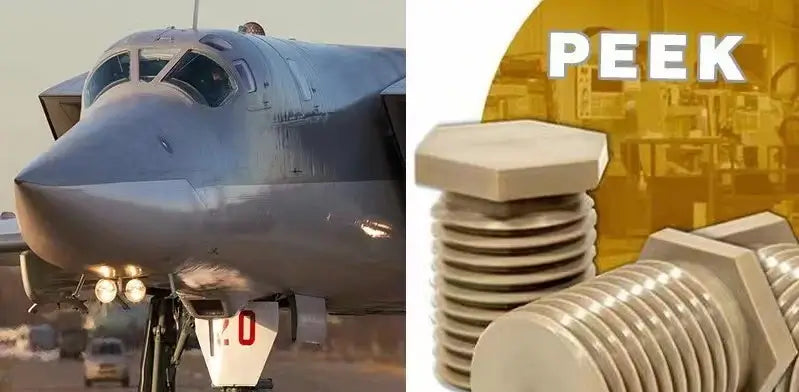
high-temperature performance of PEEK sheets

Electrical Insulation Properties of PEEK Sheets

High Dielectric Strength of PEEK

PEEK sheets exhibit high dielectric strength, making them an ideal choice for insulators in electronic applications. Dielectric strength refers to the maximum electric field that a material can withstand without breaking down. For PEEK, this means it can handle high voltages without losing its insulating properties, ensuring safety and reliability in various electronic components.

Maintaining Insulation at Elevated Temperatures

Thermal Stability and Insulation

One of the standout features of PEEK is its ability to maintain its insulating properties even at elevated temperatures. This is crucial for electronic applications where components are often subjected to high thermal stress. The stability of PEEK’s molecular structure allows it to perform reliably, preventing electrical failures and ensuring continuous operation of electronic devices.

Applications in High-Temperature Environments

In high-temperature environments, such as those found in aerospace and automotive industries, PEEK insulators are essential. These insulators protect sensitive electronic components from thermal degradation and electrical breakdown, ensuring the longevity and reliability of the entire system. Components such as connectors, cable insulations, and high-frequency transformers benefit greatly from the use of PEEK due to its exceptional thermal and electrical properties.

Safety and Reliability of PEEK Insulators

Chemical and Radiation Resistance

Apart from its thermal stability, PEEK also boasts excellent resistance to chemicals and radiation. This makes it suitable for environments where it might be exposed to harsh chemicals or high levels of radiation. The ability to maintain its dielectric strength under these conditions further enhances its reliability and safety as an insulating material in critical electronic applications.

Mechanical Properties and Durability

The mechanical properties of PEEK contribute to its effectiveness as an insulator. It has high tensile strength and rigidity, which means it can withstand mechanical stress without compromising its electrical insulating capabilities. This durability ensures that PEEK insulators remain effective over long periods, even in demanding applications.

PEEK in Cutting-Edge Electronics

Innovative Applications

With the advancement of electronics and semiconductor manufacturing, the demand for materials that can provide both high performance and reliability is increasing. PEEK sheets are being used in the latest electronic devices, from smartphones to high-performance computing systems, due to their unique combination of electrical, thermal, and mechanical properties. This makes PEEK a material of choice for engineers looking to design cutting-edge, reliable electronic components.

PEEK sheets offer unparalleled electrical insulation properties, high dielectric strength, and the ability to maintain performance under extreme conditions. This makes them indispensable in various electronic applications, ensuring safety, reliability, and efficiency in some of the most demanding environments.

PEEK material automotive parts

Chemical Resistance and Durability of PEEK Sheets

Exceptional Chemical Resistance

PEEK sheets are renowned for their resistance to chemicals, solvents, and hydrolysis, making them an ideal choice for environments where exposure to harsh substances is common. PEEK can withstand aggressive chemicals, including strong acids, bases, and organic solvents, without degrading. This resistance is crucial for applications in the chemical processing, oil and gas, and pharmaceutical industries, where components are frequently exposed to corrosive materials.

Long-Term Durability in Harsh Conditions

High Resistance to Hydrolysis

One of the standout features of PEEK is its resistance to hydrolysis. This means it can maintain its properties even when exposed to high humidity or immersed in water for prolonged periods. This makes PEEK sheets particularly suitable for marine applications and wet environments, ensuring the reliability of components that must operate in such conditions.

Durability Against Solvents and Chemicals

PEEK’s durability extends to its resistance to a wide range of solvents and chemicals. Unlike many other polymers, PEEK does not degrade or lose its mechanical properties when exposed to substances like hydrocarbons, alcohols, and ketones. This robustness makes it an excellent choice for seals, gaskets, and valves in chemical processing equipment, where long-term exposure to aggressive chemicals is common.

Impact on Maintenance and Longevity

Lower Maintenance Costs

The chemical resistance and durability of PEEK sheets directly contribute to lower maintenance costs. Components made from PEEK do not require frequent replacement or repair, even in the most challenging environments. This reduces downtime and maintenance expenses, making PEEK a cost-effective material for high-performance applications.

Extended Lifespan of Electronic Components

The exceptional durability of PEEK ensures that electronic components can withstand harsh conditions over extended periods. In environments with high chemical exposure, such as semiconductor manufacturing and industrial electronics, PEEK components continue to perform reliably, enhancing the overall longevity of the equipment. This makes PEEK sheets a preferred material for engineers looking to maximize the lifespan and reliability of their designs.

Applications in High-Chemical-Exposure Environments

Chemical Processing Equipment

In the chemical processing industry, PEEK is used for various components such as pumps, valves, and seals. Its resistance to a broad range of chemicals ensures that these components can operate without degradation, maintaining the efficiency and safety of chemical processing systems.

Oil and Gas Industry

The oil and gas industry also benefits from the chemical resistance of PEEK. Components such as drill heads, seals, and sensor housings made from PEEK can withstand the harsh chemical environments typical in oil and gas exploration and production, providing reliable performance and reducing the need for frequent maintenance.

PEEK sheets offer unparalleled chemical resistance and durability, making them essential for applications in environments with high chemical exposure. Their ability to maintain performance under harsh conditions ensures the longevity and reliability of components, leading to lower maintenance costs and improved operational efficiency across various industries.

Chemical solvents

Mechanical Strength and Wear Resistance of PEEK Sheets

High Tensile Strength and Stiffness

PEEK sheets are celebrated for their high tensile strength and stiffness, which are crucial for components subjected to significant mechanical stress. With a tensile strength often exceeding 90 MPa, PEEK provides robust mechanical performance, making it suitable for demanding applications where reliability and durability are paramount.

Applications Requiring High Mechanical Strength

In industries such as aerospace and automotive, components often encounter heavy loads and high stress. PEEK excels in these environments due to its superior mechanical properties. For instance, parts such as engine components, gears, and brake systems benefit from PEEK’s high tensile strength and stiffness, ensuring they can withstand the operational demands without deforming or failing.

Wear Resistance and Durability

Reduction of Frequent Replacements

PEEK sheets possess outstanding wear resistance, significantly reducing the need for frequent replacements in high-wear applications. This characteristic is particularly important in environments where components are subjected to constant friction and wear. PEEK‘s wear resistance ensures that parts such as bearings, seals, and sliding elements maintain their integrity and functionality over prolonged periods.

Cost-Effectiveness through Longevity

The durability of PEEK directly translates to cost-effectiveness. Components made from PEEK require less frequent maintenance and replacement, thereby reducing downtime and maintenance costs. This long-term durability makes PEEK an attractive option for industries focused on maximizing operational efficiency and minimizing costs.

Enhanced Mechanical Properties with Fillers

Reinforced PEEK Grades

PEEK can be enhanced with fillers such as carbon fibers and glass fibers to improve its mechanical properties further. These reinforced grades offer higher tensile strength, greater stiffness, and improved wear resistance, making them ideal for applications requiring exceptional performance. For example, carbon fiber-reinforced PEEK is often used in aerospace and medical devices due to its superior strength and rigidity.

Applications of Reinforced PEEK

In the automotive industry, glass fiber-reinforced PEEK is utilized for transmission components and under-the-hood applications due to its ability to withstand high temperatures and mechanical stress. Similarly, in the medical field, PEEK’s biocompatibility combined with its mechanical strength makes it suitable for implants and surgical instruments.

Implantable PEEK

Key Benefits in Industrial Applications

Industrial Machinery

In industrial machinery, PEEK components such as valves, pumps, and compressors benefit from its mechanical strength and wear resistance. These components operate under high stress and often in corrosive environments, where PEEK’s properties ensure long-lasting performance and reliability.

Semiconductor Manufacturing

Semiconductor manufacturing also leverages PEEK’s mechanical properties. Components such as wafer carriers and insulators need to maintain precise tolerances and withstand the mechanical stresses of the manufacturing process. PEEK’s high strength and wear resistance ensure these components function effectively without frequent replacements.

PEEK sheets offer unparalleled mechanical strength and wear resistance, making them essential for high-stress and high-wear applications across various industries. Their ability to withstand mechanical stress and reduce the need for frequent replacements contributes to their widespread use in critical and demanding environments.

Flame Retardancy and Low Smoke Emission of PEEK Sheets

Inherent Flame Retardancy

PEEK sheets are known for their inherent flame retardancy, making them a critical material in applications where fire safety is paramount. PEEK has a V-0 rating according to the UL94 flammability standards, indicating that it can withstand flames for a specified period without burning. This property is particularly important for components used in electronic devices, where the risk of fire must be minimized to ensure user safety and protect sensitive equipment.

Low Smoke and Toxic Gas Emission

Safety in Fire Situations

One of the standout characteristics of PEEK is its low smoke and toxic gas emission when exposed to fire. Unlike many other polymers, PEEK emits very little smoke and produces minimal toxic gases such as carbon monoxide and hydrogen cyanide. This significantly reduces the risk of harmful exposure during a fire, enhancing the safety of environments where PEEK components are used, such as in aerospace, automotive, and building construction.

Meeting Stringent Fire Safety Standards

The ability of PEEK sheets to meet stringent fire safety standards is crucial for industries that demand the highest levels of safety and performance. For example, in the aerospace industry, materials must pass rigorous fire safety tests to be certified for use in aircraft interiors. PEEK’s low flammability and reduced smoke and toxic gas emissions help it comply with these strict regulations, ensuring that it can be used safely in critical applications such as aircraft cabin components and insulation materials.

PEEK sheets

Applications Benefiting from Flame Retardancy

Electronic Devices and Enclosures

In electronic devices, the flame retardancy of PEEK is vital for protecting both the device and the user. Components such as circuit boards, connectors, and housing enclosures made from PEEK can prevent the spread of fire within the device, minimizing damage and enhancing user safety. The low smoke emission also ensures that visibility and air quality are maintained, reducing the risk of inhalation of toxic fumes.

Automotive and Transportation

The automotive industry benefits greatly from PEEK’s flame retardant properties. Components like under-the-hood parts, battery housings, and electrical insulation need to withstand high temperatures and potential fire hazards. PEEK’s ability to resist burning and emit low levels of smoke and toxic gases ensures that these parts remain safe and reliable even under extreme conditions.

Environmental and Health Benefits

Reduced Toxic Exposure

Using materials with low smoke and toxic gas emissions like PEEK has significant environmental and health benefits. In the event of a fire, the lower emission of harmful substances means that both firefighters and occupants are less likely to suffer from smoke inhalation and exposure to toxic gases. This is particularly important in confined spaces such as aircraft cabins, submarines, and building interiors.

PEEK sheets offer exceptional flame retardancy and low smoke and toxic gas emissions, making them indispensable in applications where fire safety is critical. Their ability to meet stringent fire safety standards ensures they are used widely in various industries, enhancing safety and reliability.

Ease of Machining and Customization of PEEK Sheets

Superior Machinability of PEEK Sheets

PEEK sheets are highly regarded for their ease of machining, which allows for the creation of precise and intricate designs essential for advanced electronic components. PEEK can be easily machined using standard techniques, including milling, turning, drilling, and cutting, without compromising the material’s integrity. This machinability ensures that engineers and manufacturers can produce high-precision parts with tight tolerances, which are crucial in applications such as semiconductor manufacturing and medical devices.

High Precision and Intricate Designs

The excellent machinability of PEEK means that it can be shaped into complex geometries and fine details, making it ideal for custom electronic components. This is particularly important for components like connectors, insulators, and housing enclosures where precise dimensions and intricate features are required. The ability to maintain dimensional stability and surface finish during machining enhances the performance and reliability of the final product.

Availability of Different Grades for Specific Applications

Enhanced Customization Options

PEEK is available in various grades, each tailored for specific applications, enhancing customization options for different industries. For example, glass fiber-reinforced PEEK provides improved mechanical strength and stiffness, making it suitable for high-stress applications in the automotive and aerospace industries. On the other hand, carbon fiber-reinforced PEEK offers superior thermal conductivity and wear resistance, which are essential for industrial machinery and high-performance electronics.

Specialized Grades for Unique Requirements

Specialized grades of PEEK, such as those filled with PTFE for enhanced lubricity or ceramic fillers for extreme thermal stability, provide tailored solutions for unique requirements. These variants allow manufacturers to select the optimal PEEK grade based on the specific needs of their application, ensuring the best performance and longevity of the components. This versatility makes PEEK a highly adaptable material for a wide range of engineering challenges.

Applications Benefiting from PEEK’s Machinability

Advanced Electronics and Semiconductors

In the electronics and semiconductor industries, the machinability of PEEK is critical for producing components like wafer carriers, connectors, and insulators. The ability to achieve high precision and maintain electrical insulation properties under various conditions ensures the reliability and efficiency of electronic devices and systems.
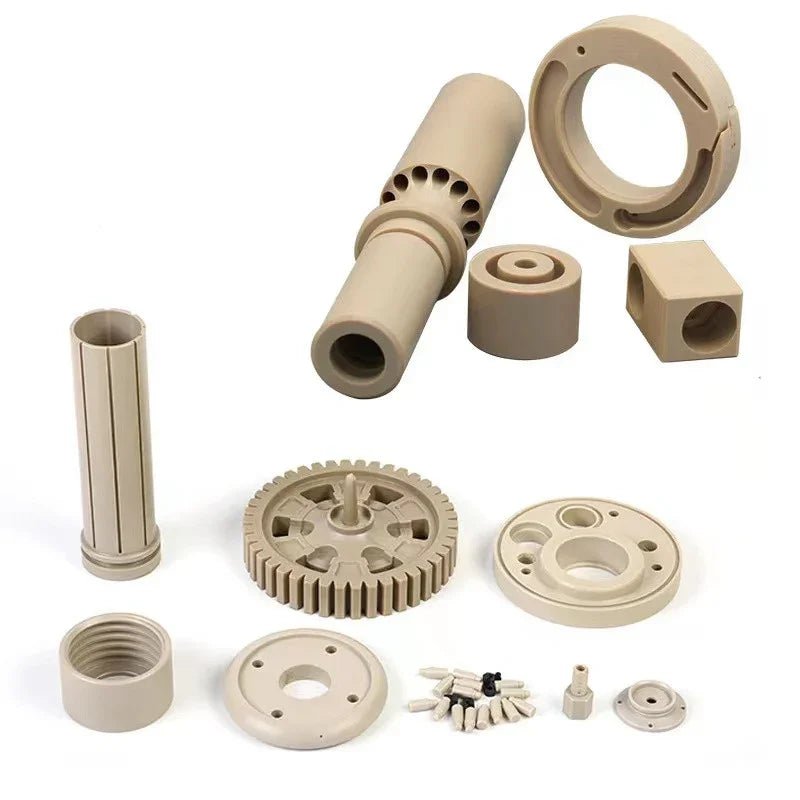
Medical Devices and Implants

For medical applications, the biocompatibility and machinability of PEEK make it an excellent choice for implants and surgical instruments. The material can be machined to precise dimensions, ensuring a perfect fit and reliable performance in the human body. Additionally, the availability of medical-grade PEEK ensures that the material meets the stringent requirements of the medical industry, providing safe and effective solutions for healthcare.

PEEK sheets offer exceptional machinability and customization options, making them suitable for a wide range of high-precision applications. The availability of different grades tailored for specific needs further enhances their versatility, allowing for the production of reliable and high-performance components across various industries.

Applications in High-Frequency and High-Performance Electronics

PEEK in High-Frequency Devices

PEEK sheets are widely used in high-frequency electronic devices due to their excellent dielectric properties and thermal stability. These properties ensure that PEEK can handle high-frequency signals without significant loss or interference, making it ideal for components such as antennas, waveguides, and resonators. The ability of PEEK to maintain performance at high frequencies enhances the efficiency and reliability of these devices, crucial for applications in telecommunications and satellite communications.

Semiconductor Manufacturing Applications

Wafer Carriers and Handling Components

In the semiconductor industry, PEEK is extensively used for wafer carriers, handling components, and process fixtures. The high thermal stability and chemical resistance of PEEK allow it to withstand the rigorous conditions of semiconductor manufacturing processes, including exposure to harsh chemicals and high temperatures. These properties help in maintaining the integrity of delicate semiconductor wafers, reducing the risk of contamination and damage.

Benefits in High-Precision Manufacturing

The dimensional stability and machinability of PEEK are particularly beneficial in semiconductor manufacturing, where precision is paramount. Components made from PEEK can be machined to exact tolerances, ensuring precise positioning and handling of semiconductor wafers. This precision helps in improving the yield and quality of semiconductor devices, making PEEK an invaluable material in this high-tech industry.

machinability of PEEK

High-Performance Electronics

Connectors and Insulators

In high-performance electronics, PEEK is used for connectors, insulators, and other critical components. The high dielectric strength and thermal stability of PEEK ensure that these components can handle high voltages and temperatures without degradation. This reliability is essential for maintaining the performance and safety of electronic systems in demanding environments such as aerospace, automotive, and industrial automation.

Printed Circuit Boards (PCBs)

PEEK is also used in the manufacture of printed circuit boards (PCBs) for high-performance applications. The material’s excellent electrical insulating properties and ability to withstand soldering temperatures make it ideal for high-density and high-speed PCBs. These properties ensure that PEEK-based PCBs provide reliable performance in critical applications, including defense electronics and high-speed computing.

Case Studies and Examples

Aerospace Electronics

In the aerospace industry, PEEK components are used in high-frequency communication systems and avionics. For example, PEEK waveguides and antenna components provide reliable performance under extreme conditions, including high altitudes and variable temperatures. This reliability ensures uninterrupted communication and navigation systems, which are vital for aircraft safety and efficiency.

Automotive Sensors and Controls

The automotive industry also benefits from PEEK’s properties in high-performance electronic systems. PEEK is used in sensors, control units, and electrical insulation components that must operate reliably under the hood, where temperatures and mechanical stresses are high. The material’s durability and stability ensure that these electronic components perform effectively throughout the vehicle’s lifespan.

PEEK sheets are indispensable in high-frequency and high-performance electronics, offering unmatched properties that enhance the performance, reliability, and longevity of critical components across various advanced applications.

Common Questions and Answers about PEEK Sheets and BeePlastics Customization

General Questions about PEEK Sheets

  1. What are PEEK sheets used for in high-performance electronics?

    • Answer: PEEK sheets are used in high-frequency devices, semiconductor manufacturing, and other high-performance electronic components due to their exceptional thermal stability, dielectric properties, and mechanical strength. They are ideal for applications such as connectors, insulators, wafer carriers, and PCBs, ensuring reliability and efficiency under extreme conditions.
  2. What makes PEEK sheets suitable for high-temperature applications?

    • Answer: PEEK sheets can withstand continuous use at temperatures up to 260°C and short-term exposure to temperatures as high as 341°C without losing their mechanical properties. This high thermal stability makes them suitable for environments where maintaining material integrity at elevated temperatures is crucial.
  3. How does PEEK ensure safety in electronic devices?

  4. What are the benefits of PEEK’s chemical resistance in electronic manufacturing?

    • Answer: PEEK’s resistance to chemicals, solvents, and hydrolysis ensures that components made from PEEK can operate in harsh chemical environments without degrading. This is particularly beneficial in semiconductor manufacturing and other industries where chemical exposure is common, enhancing the longevity and reliability of the components.
  5. Why is wear resistance important for PEEK sheets in electronics?

    • Answer: Wear resistance is crucial for reducing the need for frequent replacements in high-wear applications. PEEK’s excellent wear resistance ensures that components like bearings, seals, and sliding elements maintain their integrity over long periods, even under constant friction and mechanical stress.
PEEK plastic sheets

Customization at BeePlastics

  1. Can BeePlastics undertake sample customization?

    • Answer: Yes, BeePlastics can undertake any customization, including sample customization and batch customization. We cater to the specific needs of our clients by providing tailored solutions to meet their exact requirements.
  2. What file formats does BeePlastics accept for customization projects?

    • Answer: BeePlastics accepts a variety of file formats, including PDF and CAD. This flexibility allows us to work with detailed designs and ensure precision in manufacturing custom components.
  3. Is there a minimum order quantity (MOQ) at BeePlastics?

    • Answer: There is no minimum MOQ at BeePlastics. We can handle both small and large orders, making it convenient for clients who need prototypes or limited production runs without committing to large quantities.
  4. How is the production cycle managed at BeePlastics?

    • Answer: The production cycle at BeePlastics is carried out according to the volume and complexity of the orders. We communicate the production progress in real-time to keep our clients informed and ensure timely delivery of their customized components.
  5. Does BeePlastics provide samples?

    • Answer: Yes, BeePlastics supports the provision of samples. While the samples are free of charge, customers are responsible for the shipping costs. This allows clients to evaluate the quality and suitability of our products before placing larger orders.

These questions and answers provide a comprehensive overview of the capabilities and benefits of PEEK sheets in high-performance electronics, as well as the customization services offered by BeePlastics. If you have further questions or need specific customization, feel free to contact us.

Conclusion

In the rapidly evolving world of high-frequency and high-performance electronics, PEEK sheets have emerged as a vital material due to their exceptional properties. Their thermal stability ensures reliable performance even at elevated temperatures, making them ideal for critical applications in aerospace and automotive industries. The superior mechanical strength and wear resistance of PEEK reduce the need for frequent replacements, thus lowering maintenance costs and enhancing the longevity of components. Additionally, PEEK’s inherent flame retardancy and low emissions of smoke and toxic gases significantly contribute to safety standards in electronic devices.

Moreover, the ease of machining and the availability of various grades for specific applications offer unparalleled customization options. This flexibility allows for precise and intricate designs necessary for advanced electronic components, making PEEK sheets indispensable in sectors like semiconductor manufacturing and medical devices.

By integrating PEEK sheets into your electronic manufacturing processes, you can ensure high performance, safety, and durability, ultimately driving innovation and efficiency in your projects. Whether you require high-frequency device components, robust semiconductor manufacturing parts, or reliable high-performance electronics, PEEK provides the ideal solution. Explore the endless possibilities with BeePlastics’ expertise in PEEK customization to elevate your products to new heights of excellence.

PEEK Gears

Enhance the reliability and efficiency of your electronic components with BeePlastics’ PEEK sheets. Reach out to us now by completing the contact form at the bottom of this page. For detailed information on our PEEK offerings and how they can benefit your applications, click here.

🎉🎉🎉Limited Time Offer Use code: QR4GNY08SHVR at checkout and enjoy a special discount on your entire order! 👉 PEEK plastic

Leave a comment


Please note, comments must be approved before they are published


Custom Plastic Fabrication

Send your drawing, material and quantity for review

🔧
Precision Machining
CNC milling & turning
✂️
Cutting & Engraving
Laser & waterjet cutting
🏭
Forming & Molding
Thermoforming & injection
🔗
Joining & Assembly
Welding & bonding
📐
Design & Prototyping
CAD design & samples

General

HDPE

PP

PVC

ABS

Engineering

POM

Nylon

PC

PMMA

High-Performance

PEEK

PEI

PTFE

Composites

FR-4

G10

Flexible

TPU

Silicone

Why Choose BeePlastic?

🎯
Perfect Fit
Custom specs eliminate adaptation needs
⚡
Clear Lead Times
Lead time confirmed with every quote
💰
Volume Pricing
Volume pricing available on bulk orders
🤝
Expert Support
Free engineering consultation included
📋
Submit
→
🔍
Review
→
💵
Quote
→
✅
Production
→
📦
Deliver

Request a Quote

Share your project details, selected material and quantity on our quote page. You can add a file link or use the email drawing route shown there.


Request Quote

Industries: Automotive • Medical • Food • Lab • Semiconductor

beeplastic@beeplastic.com


The Extreme Heat Tolerance of PEEK Plastic Explained

PEEK vessel inlet filters

🎉 Limited Time Offer: Use code QR4GNY08SHVR at checkout for a special discount! 👉 Shop PEEK Plastic

Polyether ether ketone (PEEK) plastic is an engineering thermoplastic known for its exceptional heat resistance. With a melting temperature over 330°C, PEEK offers thermal stability far beyond most other plastics.

This extreme thermal resistance makes PEEK an ideal material for components and parts exposed to high heat, including under-the-hood automotive and aerospace applications, medical sterilization equipment, and oil and gas drilling tools.

But what gives PEEK its incredible resistance to high temperatures? This article will explore the unique properties that allow PEEK to withstand extreme heat and outperform other thermoplastics.

PEEK plastic raw material granules

What Makes PEEK Thermally Resistant?

PEEK owes its thermal stability to its molecular structure and chemistry. The polymer consists of an aromatic backbone molecular chain, with alternating ketone and ether functional groups.

Several factors contribute to PEEK’s heat resistance:

Lack of a Glass Transition Temperature

Most thermoplastics have a defined glass transition temperature (Tg), above which the material transitions from a rigid, glassy state to a soft, rubbery state. As temperature increases above Tg, the plastic becomes less stiff and more prone to creeping under load.

PEEK does not exhibit a glass transition, maintaining its stiff, rigid chains even at high temperatures. With no glass transition phase change, PEEK shows little change in mechanical properties up to its 334°C melting point.

High Melting Point

PEEK has an extraordinarily high melting temperature of 334°C. Most commodity plastics melt or deform at temperatures below 150°C. PEEK’s high melting point reflects the stability of its molecular chains and stiff backbone structure.

The aromatic rings provide thermal stability, while the ketone and ether linkages resist breakdown even at extreme temperatures. This preserves PEEK’s mechanical strength well above 300°C.

PEEK Rods and Sheets

Looking for PEEK Materials?

Browse our stock of PEEK Sheets, Rods, and Films. No Minimum Order Quantity.

Thermal Stability of Chemical Structure

PEEK’s chemical composition resists oxidative degradation and decomposition at high sustained heat. The polymer retains its structural integrity and does not corrode or char.

PEEK’s thermal oxidative stability gives it an advantage in environments that combine elevated temperature and contact with aggressive chemicals or radiation.

PEEK vessel inlet filters custom machined

Low Coefficient of Thermal Expansion

PEEK expands very little when heated, with a coefficient of thermal expansion below 50 x 10-6 m/m°C. This dimensional stability at temperature extremes prevents warping or deformation.

Components machined from PEEK hold tight tolerances without distortion, even with wide temperature fluctuations.

PEEK vs. Other Engineering Plastics

How does PEEK compare to other high-performance engineered plastics used in extreme conditions?

Comparison with POM processing customization

Nylon (PA)

Nylon has better chemical resistance than PEEK but lower temperature capabilities. The Tg of nylon is about 65°C, with melting points from 215-265°C. While strong at room temperature, nylon loses stiffness rapidly above 80°C.

Polyphenylene Sulfide (PPS)

PPS retains strength up to 190°C but has lower long-term thermal resistance than PEEK. It is more affordable but more brittle.

Polyimide (PI)

PI can withstand temperatures approaching 300°C. However, it absorbs moisture easily leading to dimensional changes. Polyimide has higher dielectric losses than PEEK.

Polyethylene Terephthalate (PET)

PET melts at 250°C and loses strength by 150°C. It decomposes faster than PEEK at high temperatures.

Polyetherimide (PEI)

With a glass transition temperature of 217°C PEI maintains properties at higher temperatures than PET or nylon. It is less expensive than PEEK but more limited in heat resistance.

Acetal (POM)

POM begins to deform above 90°C and melts at 175°C, making it unsuitable for high heat applications.

PEEK clearly outperforms other thermoplastics at extreme temperatures. The aromatic structure and ketone/ether linkages provide unparalleled thermal stability.

Applications Capitalizing on PEEK’s Heat Resistance

Thanks to its uniquely high melting point and thermal stability, PEEK is widely used in applications that experience temperatures exceeding 250°C:

High-precision CNC-machined PEEK gears and components

Automotive and Aerospace Components

Engine compartments, powertrain systems, exhaust components, pumps, and seals must withstand temperatures up to 350°C. PEEK’s resistance to heat and chemicals makes it an ideal under-the-hood plastic.

PEEK is used for wiring insulation, gears, bushings, speakers, and other parts in close proximity to hot engines. Aerospace applications include insulation for wiring near turbines and engine mounts.

Medical Sterilization and Implants

The ability to repeatedly sterilize implants and surgical tools saves lives. PEEK’s heat tolerance allows hundreds of autoclave and steam sterilization cycles.

PEEK’s biocompatibility also makes it suitable for high-temperature sterilizable medical implants like replacement joints.

Oil and Gas Drilling Tools

During petroleum drilling operations, components like seals, valves, and drill bits are subjected to high heat. PEEK stands up to steam, abrasion, and corrosion in these harsh downhole environments.

PEEK’s strength lets drill bits bore longer and faster, while its dimensional stability precisely controls drilling tolerances.

Need Custom PEEK Machined Parts?

Our engineers specialize in high-precision CNC machining for aerospace, medical, and energy sectors.

Electronics in Extreme Environments

PEEK’s electrical insulation properties persist at elevated temperatures. It is used for connectors, switches, and wire insulation where electronics experience intermittent high heat.

Fire Protection Systems

PEEK does not burn easily and does not produce toxic fumes when exposed to fire. The UL 94 flammability standard rates PEEK as V-0, the highest rating for fire resistance.

Cooking Equipment and Smoking Pipes

For cooking tools and smoking paraphernalia designed for extended high heat, PEEK provides an inert, non-reactive surface safe for food contact.

PEEK block material

The Future of High-Temperature Plastics

While PEEK offers unmatched performance among today’s thermoplastics, researchers continue seeking ways to improve its thermal capabilities:

  • Reinforced PEEK compounds with ceramic or carbon fibers boost stiffness and strength to over 300°C.
  • Fillers like molybdenum disulfide improve PEEK’s machinability for precision components.
  • Composite blends combine PEEK with other thermoplastics for specialized high-temperature properties.
  • New techniques modify PEEK’s backbone structure to incrementally increase its melting point and glass transition temperature.

Other new plastics also aim to compete with PEEK in extreme environments:

  • Polyphenylene sulfide (PPS) and its alloys offer higher temperature resistance focused on select properties.
  • Liquid crystal polymers (LCP) provide an alternative stiff, chemically resistant structure stable to over 300°C.
  • Polytetrafluoroethylene (PTFE) excels in corrosion resistance though has lower strength than PEEK.
  • Polyimide (PI) possesses thermal stability near the range of PEEK but absorbs moisture easily.

While PEEK retains its dominance for universal high heat applications, tailored alternatives continue emerging for specialized uses.

Conclusion

PEEK plastic possesses unique high temperature properties unmatched by other thermoplastics. Its aromatic molecular structure, lack of a glass transition temperature phase change, and high melting point of 334°C give PEEK thermal stability to over 300°C.

Compared to plastics like nylon, acetal, PET, and PTFE, PEEK performs consistently even when exposed to extreme heat, oxidizing environments, and repeated sterilization cycles.

Thanks to properties like dimensional stability and chemical resistance at high temperatures, PEEK excels in automotive, aerospace, oil and gas, medical, and electronics applications.

Ongoing development aims to modify PEEK for even higher performance and create alternative thermoplastics with capabilities rivalling PEEK’s thermal resistance.

Understanding PEEK’s superior high-temperature properties helps engineers select the right material for designs subjected to extreme heat. When performance at over 300°C is critical, PEEK provides unbeatable thermal resistance.

PEEK medical implants

Start Your PEEK Project Today

If you are interested in using PEEK Plastic in your project or want to know more information, we are here to help. We are a professional supplier and manufacturer of all kinds of plastic custom processing, with a professional team of engineers and precision equipment. We can provide you with customized plastic solutions that meet your specifications and budget.

Don’t forget! Use Limited Time Offer code: QR4GNY08SHVR at checkout.

Visit us: www.BeePlastic.com | Custom PEEK Plastic

Leave a comment


Please note, comments must be approved before they are published


Custom Plastic Fabrication

Send your drawing, material and quantity for review

🔧
Precision Machining
CNC milling & turning
✂️
Cutting & Engraving
Laser & waterjet cutting
🏭
Forming & Molding
Thermoforming & injection
🔗
Joining & Assembly
Welding & bonding
📐
Design & Prototyping
CAD design & samples

General

HDPE

PP

PVC

ABS

Engineering

POM

Nylon

PC

PMMA

High-Performance

PEEK

PEI

PTFE

Composites

FR-4

G10

Flexible

TPU

Silicone

Why Choose BeePlastic?

🎯
Perfect Fit
Custom specs eliminate adaptation needs
⚡
Clear Lead Times
Lead time confirmed with every quote
💰
Volume Pricing
Volume pricing available on bulk orders
🤝
Expert Support
Free engineering consultation included
📋
Submit
→
🔍
Review
→
💵
Quote
→
✅
Production
→
📦
Deliver

Request a Quote

Share your project details, selected material and quantity on our quote page. You can add a file link or use the email drawing route shown there.


Request Quote

Industries: Automotive • Medical • Food • Lab • Semiconductor

beeplastic@beeplastic.com


Engineering Plastics for the Chemical Processing Industry: How They Enhance Performance and Safety

Teflon bottles

Do you know what engineering plastics are? They are a group of materials that have amazing properties. They are better than conventional plastics in many ways. They are used in many industries, such as cars, planes, medicine and electricity. But one of the most difficult and important uses for engineering plastics is the chemical processing industry.

The chemical processing industry is where chemicals are made, changed and moved. These chemicals can be very dangerous. They can burn, cut, explode or poison things. They can harm the machines, people and environment. So, the materials used in the chemical processing industry must be very good, strong and safe.

In this blog post, we will tell you how engineering plastics can help make tanks and machines that are easy to use and safe. We will also show you some examples of how engineering plastics are used in the chemical processing industry.

Plastic chemical drum

Why are engineering plastics better than conventional plastics?

Engineering plastics have many benefits over conventional plastics for the chemical processing industry. Some of these benefits are:

  • They resist chemicals and heat: Engineering plastics can handle different chemicals and high temperatures without breaking or changing. This means they don’t leak, crack or fail. This makes the machines and tanks safer and more reliable.
  • They are lighter and cheaper: Engineering plastics weigh less and cost less than metal options, such as steel or titanium. This means they save money and energy for making and moving them. This also means they produce less pollution and waste.
  • They are easier to make and use: Engineering plastics are easier to work with than metals. They can be cut, drilled, welded or molded into different shapes and sizes. This makes it easier to make and use the machines and tanks. It also makes it easier to fix and maintain them.

    plastic machine
  • They perform better and last longer: Engineering plastics are stronger, stiffer and tougher than conventional plastics. This means they can take more load and pressure without bending or breaking. They also have less friction and wear than metals. This means they work better and last longer.

How are engineering plastics used in the chemical processing industry?

Engineering plastics are used for many things in the chemical processing industry, such as:

  • Chemical storage tanks: Engineering plastics are used to make square or round tanks that hold different chemicals. They can also be used as layers inside tanks that have plastic and metal parts. Engineering plastics are very good at resisting corrosion, leakage and sunlight. They also have high impact strength and shape stability.

    Teflon bottles
  • Galvanic plants: Engineering plastics are used to make galvanic systems that cover metals with other metals using electricity and chemicals. These systems use harsh chemicals such as acids, bases or salts, as well as high voltages and currents. Engineering plastics have high electrical insulation and chemical resistance. They also have low weight and cost.
  • Steel-pickling plants: Engineering plastics are used to make steel-pickling plants that clean steel surfaces from rust and dirt using acid solutions. These solutions can be very corrosive and produce toxic gases. Engineering plastics have high resistance to acids and heat. They also have low weight and cost.
  • Ventilation plants: Engineering plastics are used to make ventilation systems that control the air quality and temperature in chemical facilities. These systems have fans, housings, ducts and filters that deal with different gases, vapors or dusts. Engineering plastics have high resistance to chemicals and heat. They also have low noise and vibration levels.
    Exhaust fan blade
  • Exhaust-air cleaning plants: Engineering plastics are used to make exhaust-air cleaning systems that remove pollution from the air that comes out of chemical processes. These systems have drop separators, gas washers and exhaust washers that use water or other liquids to catch or neutralize harmful substances. Engineering plastics have high resistance to chemicals and heat. They also have low weight and cost. 

Engineering plastics are of great use to the chemical processing industry. They have better mechanical, thermal and chemical properties than conventional plastics. They can help to make tanks and machines that are easy to use and safe. They can also reduce material and operating costs, energy consumption and the environmental impact of equipment. The wide range of applications for engineering plastics, such as chemical storage tanks, electroplating plants, steel mills, ventilation plants and exhaust gas cleaning plants, is proof that this is so.

PVC plastic welding pool

If you are interested in using engineering plastics or would like more information, please feel free to harass us. We are a source manufacturer specialising in the custom processing and production of plastics. With a team of professional engineers and sophisticated equipment we would be happy to be disturbed and help you with your needs. Do you need a free quote or help with any questions or materials?

Our website: www.beeplastic.com
Click to contact: Engineering plastic materials

PP acid and alkali tank

Leave a comment


Please note, comments must be approved before they are published


Custom Plastic Fabrication

Send your drawing, material and quantity for review

🔧
Precision Machining
CNC milling & turning
✂️
Cutting & Engraving
Laser & waterjet cutting
🏭
Forming & Molding
Thermoforming & injection
🔗
Joining & Assembly
Welding & bonding
📐
Design & Prototyping
CAD design & samples

General

HDPE

PP

PVC

ABS

Engineering

POM

Nylon

PC

PMMA

High-Performance

PEEK

PEI

PTFE

Composites

FR-4

G10

Flexible

TPU

Silicone

Why Choose BeePlastic?

🎯
Perfect Fit
Custom specs eliminate adaptation needs
⚡
Clear Lead Times
Lead time confirmed with every quote
💰
Volume Pricing
Volume pricing available on bulk orders
🤝
Expert Support
Free engineering consultation included
📋
Submit
→
🔍
Review
→
💵
Quote
→
✅
Production
→
📦
Deliver

Request a Quote

Share your project details, selected material and quantity on our quote page. You can add a file link or use the email drawing route shown there.


Request Quote

Industries: Automotive • Medical • Food • Lab • Semiconductor

beeplastic@beeplastic.com