Discover the Versatility of FR-4 Materials for Next-Gen Consumer Electronics

Unleash the full potential of FR-4 material in your next electronics project! This comprehensive guide explores the robust composition and properties of FR-4, detailing its flame retardancy, mechanical strength, and excellent electrical insulation capabilities. Dive deep into the mechanical and thermal properties that ensure durability and reliability in demanding applications.
🎉🎉🎉Limited Time Offer Use code: QR4GNY08SHVR at checkout and enjoy a special discount on your entire order! 👉 FR4 fiberglass plastic
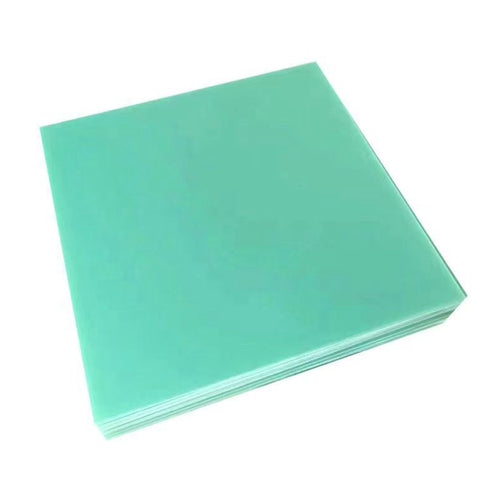
Understand why FR-4 glass epoxy is the backbone of modern consumer electronics, offering an optimal balance of cost and performance. Learn about the diverse applications of FR-4 in devices ranging from smartphones to automotive electronics. Stay ahead of the curve with insights into innovations and future trends, including halogen-free variants and advancements in flame retardancy.
Finally, navigate the landscape of PCB materials with a thorough comparison of FR-4 to alternatives like G-10 and high-frequency laminates, guiding you to make informed decisions for your specific needs. Embrace the versatility and discover why FR-4 is the go-to choice for next-gen consumer electronics.
For more detailed insights, check out the full blog post and elevate your knowledge of FR-4 materials!
Understanding FR-4 Material: Composition and Properties
Composition of FR-4 Material
FR-4 material is a crucial component in the electronics industry, especially for printed circuit boards (PCBs). It is composed of a woven fiberglass cloth and an epoxy resin binder. This combination provides the material with its unique properties. The fiberglass cloth offers excellent mechanical strength, while the epoxy resin acts as a binder, giving the material its electrical insulation and flame retardant properties.
Key Properties of FR-4 Material
Flame Retardancy
One of the standout features of FR-4 material is its flame retardancy. It meets stringent safety standards, such as UL 94V-0, indicating its ability to self-extinguish once the flame source is removed. This property makes FR-4 a safe choice for electronic applications, minimizing the risk of fire hazards.
Mechanical Strength
FR-4 exhibits high mechanical strength, which is essential for supporting and protecting the delicate electronic components on a PCB. The woven fiberglass fabric contributes to this strength, allowing FR-4 to withstand significant mechanical stresses without deforming or breaking.
Electrical Insulation
Another critical property of FR-4 is its excellent electrical insulation. The epoxy resin ensures that the material can effectively insulate electronic components, preventing electrical shorts and enhancing the overall reliability of electronic devices. This makes FR-4 ideal for high-performance electronic applications.
Low Water Absorption
FR-4 material has a low moisture absorption rate, which ensures that its properties remain stable even in humid environments. This low water absorption rate makes FR-4 suitable for use in various climates and conditions, maintaining the integrity and performance of the PCBs.
Applications of FR-4 Material
Consumer Electronics
FR-4 is extensively used in the manufacturing of consumer electronics, including smartphones, tablets, and laptops. Its balance of cost, performance, and reliability makes it a preferred choice for mass-produced electronics.
Industrial Applications
In industrial settings, FR-4 is utilized in control systems, instrumentation, and power supplies. Its durability and resistance to harsh conditions make it ideal for demanding industrial environments.
Telecommunications
The telecommunications industry relies on FR-4 for devices such as routers, switches, and other networking equipment. The material’s ability to maintain stable electrical properties across various frequencies ensures reliable communication performance.
By understanding the composition and properties of FR-4 material, professionals in the electronics industry can make informed decisions when selecting materials for PCB manufacturing and other applications, ensuring optimal performance and reliability of their electronic devices.

Mechanical and Thermal Properties of FR-4
Mechanical Properties of FR-4
Tensile Strength
Tensile strength is a critical factor in determining a material’s ability to withstand pulling forces without breaking. FR-4 exhibits a high tensile strength, typically around 45,000 psi (pounds per square inch). This robust property ensures that FR-4 laminates can endure significant mechanical stress during manufacturing and usage, providing stability and durability to printed circuit boards (PCBs).
Flexural Strength
Flexural strength measures a material’s capacity to resist deformation under load. FR-4 materials have an impressive flexural strength of approximately 70,000 psi. This high value indicates that FR-4 can maintain its shape and integrity under bending forces, which is crucial for maintaining the structural integrity of PCBs in dynamic environments.
Impact Resistance
Impact resistance refers to the material’s ability to absorb energy and resist impact forces. FR-4 demonstrates good impact resistance, with an Izod impact strength of about 14 ft-lbs/in. This property ensures that FR-4 PCBs can withstand shocks and impacts during handling and operation, making them suitable for applications where mechanical stress is a concern.
Thermal Properties of FR-4
In addition to its mechanical properties, FR-4 also boasts impressive thermal properties that contribute to its widespread use in the electronics industry.
Service Temperature Ranges
FR-4 material can operate within a broad range of temperatures. The continuous service temperature for FR-4 is typically up to 130°C, with short-term exposure tolerances up to 180°C. This makes FR-4 suitable for applications where heat resistance is essential, such as in high-temperature environments found in various electronic devices.
Thermal Expansion
Thermal expansion measures how much a material expands when heated. FR-4 has a coefficient of thermal expansion (CTE) of about 15-18 ppm/°C, indicating it has low expansion rates under temperature variations. This low CTE ensures that FR-4 PCBs remain dimensionally stable, preventing warping or distortion that could affect the performance and reliability of electronic circuits.
Contribution to Durability and Reliability
The combination of high mechanical strength and excellent thermal properties makes FR-4 material incredibly durable and reliable. These characteristics ensure that FR-4 PCBs can withstand the mechanical stresses and thermal cycles encountered during manufacturing and operation, making them ideal for a wide range of applications in consumer electronics, industrial equipment, and telecommunications.
By understanding the mechanical and thermal properties of FR-4, professionals in the electronics industry can appreciate why this material remains a top choice for PCB manufacturing and other demanding applications.
Advantages of FR-4 Glass Epoxy in Consumer Electronics
Cost-Effectiveness of FR-4 Glass Epoxy
FR-4 glass epoxy is highly favored in the consumer electronics industry due to its remarkable balance of cost-effectiveness and performance. This material is relatively inexpensive compared to other high-performance alternatives like ceramic substrates or polyimide laminates. The affordability of FR-4 makes it an attractive choice for mass production of electronic devices, ensuring that manufacturers can keep production costs low while maintaining high-quality standards.
Performance and Reliability
Despite its affordability, FR-4 glass epoxy does not compromise on performance. It provides excellent electrical insulation, which is crucial for the safety and functionality of electronic devices. The material’s high dielectric strength ensures that electronic components are well-insulated, preventing electrical shorts and enhancing device reliability. This is particularly important in consumer electronics, where devices are expected to perform consistently under various conditions.
Insulation and Stability
One of the key reasons why FR-4 glass epoxy is preferred in consumer electronics is its superior insulation properties. The epoxy resin used in FR-4 acts as a robust insulator, protecting sensitive electronic components from electrical interference. Additionally, FR-4’s low water absorption ensures that the material remains stable in humid environments, which is essential for devices that may be exposed to moisture, such as smartphones and tablets.
Environmental Resilience
FR-4 material excels in providing stability and reliability under varying environmental conditions. Its thermal stability allows it to withstand high operating temperatures without degrading, making it suitable for devices that generate significant heat. The material’s mechanical strength ensures that it can endure physical stress and impact, protecting electronic components during drops or rough handling. This resilience is critical for consumer electronics, which are often subject to harsh and unpredictable conditions.
Versatility in Applications
The versatility of FR-4 glass epoxy further enhances its appeal in the consumer electronics sector. It can be used in a wide range of applications, from motherboards and graphic cards to mobile phones and home appliances. This versatility is due to its excellent combination of mechanical and electrical properties, making it a go-to material for various electronic devices.
Ease of Manufacturing
Another significant advantage of FR-4 glass epoxy is its compatibility with standard PCB manufacturing processes. It can be easily drilled, etched, and soldered, simplifying the production process and reducing manufacturing time and costs. This ease of fabrication makes FR-4 an efficient choice for large-scale production, meeting the high demand for consumer electronics without sacrificing quality.
By understanding these advantages, it’s clear why FR-4 glass epoxy remains a preferred material in the consumer electronics industry. Its cost-effectiveness, combined with superior performance, reliability, and versatility, ensures that manufacturers can produce high-quality devices that meet consumer expectations and withstand the rigors of everyday use.

Applications of FR-4 in Modern Electronics
Consumer Electronics
FR-4 material is a staple in the consumer electronics industry, finding extensive use in devices such as smartphones, tablets, and laptops. Its combination of mechanical strength and electrical insulation makes it ideal for the densely packed circuits in these devices. Smartphones and tablets require materials that can withstand frequent handling, drops, and various environmental conditions. The low water absorption and high dielectric strength of FR-4 ensure that these devices remain reliable and functional over time, even in humid environments.
Automotive Electronics
In the automotive industry, FR-4 is utilized in advanced electronic systems, including engine control units (ECUs), infotainment systems, and sensor modules. The high thermal stability of FR-4 is crucial for withstanding the elevated temperatures often found in engine compartments. Additionally, its mechanical durability ensures that automotive electronic components can endure the vibrations and shocks experienced during vehicle operation. The electrical insulation properties of FR-4 also protect sensitive electronics from electrical interference, enhancing the reliability of automotive systems.
Aerospace Electronics
The aerospace sector demands materials that can perform reliably under extreme conditions, and FR-4 meets these requirements with its superior mechanical and thermal properties. FR-4 is used in various aerospace applications, including navigation systems, communication equipment, and control systems. The material’s ability to maintain dimensional stability and resist thermal expansion ensures that electronic components function correctly at high altitudes and during rapid temperature changes. The flame retardancy of FR-4 also adds an essential safety layer, making it suitable for use in critical aerospace systems.
Telecommunication Devices
FR-4 is widely used in the telecommunications industry for routers, switches, and other networking equipment. Its high-frequency performance is essential for ensuring reliable data transmission and minimizing signal loss. The dielectric properties of FR-4 allow for stable impedance, which is critical in maintaining the integrity of high-speed communication signals. The material’s electrical insulation capabilities prevent interference between densely packed circuits, ensuring that telecommunication devices operate efficiently.
Industrial Equipment
In industrial electronics, FR-4 is used in control systems, power supplies, and automation equipment. The robust mechanical strength of FR-4 allows it to withstand the demanding conditions of industrial environments, including exposure to chemicals, moisture, and mechanical stress. Its thermal stability ensures that electronic components can operate reliably in high-temperature settings, which is often required in industrial applications.
Medical Devices
FR-4 also plays a crucial role in the medical electronics field. It is used in devices such as diagnostic equipment, patient monitors, and medical imaging systems. The electrical insulation and reliability of FR-4 are paramount in ensuring the safety and effectiveness of medical devices. Additionally, the material’s low water absorption and chemical resistance make it suitable for use in environments where hygiene and durability are critical.
By leveraging the unique properties of FR-4 material, manufacturers across various industries can produce electronic devices that are reliable, durable, and capable of meeting the specific demands of their applications.
Innovations and Future Trends in FR-4 Materials
Halogen-Free FR-4 Variants
One of the significant innovations in FR-4 materials is the development of halogen-free variants. Traditional FR-4 materials often contain halogens such as bromine, which act as flame retardants. However, halogens can release toxic gases when burned, posing environmental and health risks. Halogen-free FR-4 materials address these concerns by using alternative flame retardants that do not release harmful substances. These materials maintain the high flame retardancy and mechanical properties of traditional FR-4, making them a safer and more environmentally friendly option for PCB manufacturing.
Improvements in Flame Retardancy
Recent advancements have also focused on enhancing the flame retardancy of FR-4 materials. Researchers are developing new formulations that improve the material’s ability to withstand high temperatures and resist ignition. For instance, incorporating advanced epoxy resins and additives has led to FR-4 materials with higher thermal stability and better flame retardant properties. These improvements make FR-4 even more suitable for applications in critical industries such as aerospace and automotive electronics, where safety is paramount.
Enhanced Thermal and Electrical Performance
Ongoing research aims to boost the thermal and electrical performance of FR-4 materials. Innovations include the development of FR-4 variants with higher thermal conductivity, which helps in better heat dissipation from electronic components. This is particularly important for high-density PCBs used in modern consumer electronics and telecommunication devices, where managing heat is crucial to ensure device reliability and longevity. Additionally, advancements in resin technology are leading to FR-4 materials with improved dielectric properties, reducing signal loss and enhancing high-frequency performance.
Nanotechnology Integration
Nanotechnology is another promising area of research for enhancing FR-4 materials. By incorporating nanomaterials such as carbon nanotubes or graphene, researchers can significantly improve the mechanical, thermal, and electrical properties of FR-4. These nano-enhanced FR-4 materials exhibit higher strength, better thermal conductivity, and superior electrical performance. This makes them ideal for next-generation electronic applications, including flexible electronics and wearable devices, where traditional materials might fall short.
Eco-Friendly and Sustainable Options
With growing environmental concerns, there is a strong push towards developing more eco-friendly and sustainable FR-4 materials. This includes the use of bio-based resins and recyclable composites that reduce the environmental footprint of PCB manufacturing. Additionally, advancements in manufacturing processes aim to minimize waste and improve the efficiency of material usage. These sustainable innovations not only benefit the environment but also align with the increasing demand for green technologies in the electronics industry.
Future Trends in FR-4 Applications
The future of FR-4 materials looks promising, with continuous improvements and innovations enhancing their performance and expanding their applications. As the demand for more compact, powerful, and efficient electronic devices grows, FR-4 materials will play a crucial role in meeting these requirements. Future trends include the integration of FR-4 in 5G technology, Internet of Things (IoT) devices, and advanced automotive systems. These applications will benefit from the improved properties of next-generation FR-4 materials, driving the evolution of electronics and supporting technological advancements across various sectors.
By staying ahead of these innovations and future trends, professionals in the electronics industry can leverage the enhanced capabilities of FR-4 materials to develop cutting-edge products that meet the evolving demands of consumers and industries alike.
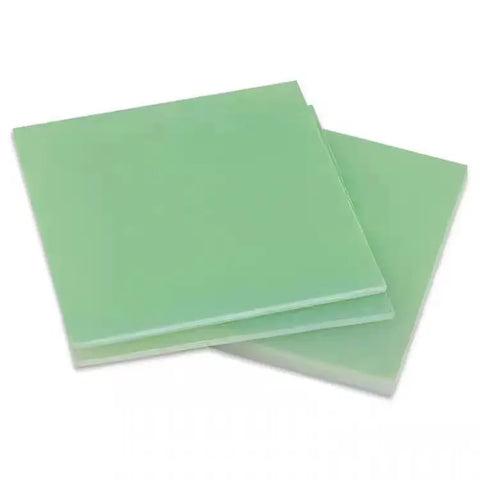
Comparing FR-4 with Alternative PCB Materials
FR-4 vs. G-10
G-10 and FR-4 are both types of fiberglass laminates commonly used in PCB manufacturing. While they share many similarities, there are some key differences:
Strengths of G-10
- Mechanical Strength: G-10 is known for its excellent mechanical strength and rigidity. It is highly durable and can withstand significant mechanical stress, making it suitable for high-impact applications.
- Cost-Effective: G-10 is generally less expensive than FR-4, which makes it a cost-effective option for applications that do not require flame retardancy.
Limitations of G-10
- Lack of Flame Retardancy: Unlike FR-4, G-10 does not possess flame retardant properties, which limits its use in applications where fire safety is a concern.
- Electrical Insulation: While G-10 provides good electrical insulation, it is not as effective as FR-4 in environments where electrical insulation properties are critical.
FR-4 vs. High-Frequency Laminates
High-frequency laminates are designed for applications that require stable electrical performance at high frequencies, such as RF (radio frequency) and microwave circuits.
Strengths of High-Frequency Laminates
- Electrical Performance: High-frequency laminates offer superior electrical properties, including low dielectric constant (Dk) and dissipation factor (Df), which are essential for maintaining signal integrity at high frequencies.
- Thermal Stability: These laminates also provide better thermal stability, which is crucial for high-frequency applications that generate significant heat.
Limitations of High-Frequency Laminates
- Cost: High-frequency laminates are typically more expensive than FR-4, which can be a limiting factor for cost-sensitive projects.
- Manufacturing Complexity: The manufacturing process for high-frequency laminates can be more complex and requires specialized equipment and techniques, potentially increasing production time and costs.
FR-4 vs. Carbon Fiber Composites
Carbon fiber composites are known for their exceptional strength-to-weight ratio and are used in applications where weight reduction is critical, such as aerospace and high-performance automotive components.
Strengths of Carbon Fiber Composites
- High Strength and Low Weight: Carbon fiber composites provide high mechanical strength while being significantly lighter than FR-4. This makes them ideal for applications requiring strong yet lightweight materials.
- Thermal Conductivity: Carbon fiber materials can offer better thermal conductivity, which is beneficial for dissipating heat in high-power electronic applications.
Limitations of Carbon Fiber Composites
- Cost: Carbon fiber composites are generally more expensive than FR-4, which can be a significant drawback for large-scale or budget-constrained projects.
- Electrical Conductivity: Unlike FR-4, carbon fiber composites can be electrically conductive, which may require additional insulation measures in electronic applications.
Selecting the Right Material
When selecting the appropriate material for a specific application, consider the following factors:
Application Requirements
- Electrical Performance: For high-frequency applications, high-frequency laminates are preferable due to their superior electrical properties.
- Mechanical Durability: If the application requires high mechanical strength and impact resistance, G-10 or carbon fiber composites might be suitable options.
- Flame Retardancy: For applications where fire safety is critical, FR-4 is the optimal choice due to its flame retardant properties.
Cost Considerations
- Budget Constraints: If cost is a significant factor, G-10 offers a more affordable alternative to FR-4, provided that flame retardancy is not required.
- Performance vs. Cost: Balance the need for advanced properties with budget considerations. While high-frequency laminates and carbon fiber composites offer superior performance, their higher costs may not be justified for all applications.
By understanding the strengths and limitations of these materials, professionals in the electronics industry can make informed decisions to select the best material for their specific PCB manufacturing and electronic applications.

Frequently Asked Questions about FR-4 Material and Beeplastics Customization
1. What is FR-4 material and why is it used in PCB manufacturing?
Answer: FR-4 is a grade designation for fiberglass reinforced epoxy laminate material. It is widely used in PCB manufacturing because of its excellent electrical insulation properties, high mechanical strength, flame retardancy, and low water absorption. These properties make FR-4 ideal for supporting and insulating electronic components in various environmental conditions.
2. What are the mechanical properties of FR-4?
Answer: The mechanical properties of FR-4 include high tensile strength (approximately 45,000 psi), impressive flexural strength (around 70,000 psi), and good impact resistance (with an Izod impact strength of about 14 ft-lbs/in). These properties ensure that FR-4 can withstand significant mechanical stress without deforming, making it suitable for high-impact applications.
3. How does FR-4 perform in high-temperature environments?
Answer: FR-4 exhibits excellent thermal stability, with a continuous service temperature up to 130°C and short-term exposure tolerances up to 180°C. Its low coefficient of thermal expansion (15-18 ppm/°C) ensures that it remains dimensionally stable under varying temperatures, preventing warping or distortion of PCBs.
4. Why is FR-4 favored in consumer electronics?
Answer: FR-4 is favored in consumer electronics due to its balance of cost-effectiveness and high performance. It provides superior electrical insulation, mechanical strength, and thermal stability, ensuring the reliability and longevity of devices like smartphones, tablets, and laptops even under frequent use and diverse environmental conditions.
5. Can Beeplastics undertake any customization for FR-4 materials?
Answer: Yes, Beeplastics can undertake any customization, including sample customization and batch customization. They cater to various customer needs by offering tailored solutions for both small and large orders.
6. What file formats does Beeplastics accept for custom orders?
Answer: Beeplastics accepts a variety of file formats for custom orders, including PDF and CAD. This flexibility allows customers to provide their design specifications in the format that best suits their project requirements.
7. Is there a minimum order quantity (MOQ) for Beeplastics customization?
Answer: No, Beeplastics does not have a minimum order quantity (MOQ). This allows customers to order exactly what they need, whether it’s a single prototype or a large batch for mass production.
8. How does Beeplastics handle the production cycle for custom orders?
Answer: The production cycle at Beeplastics is determined by the order volume and the complexity of the process. They communicate with customers in real-time about the production progress, ensuring transparency and timely delivery of orders.
9. Does Beeplastics provide samples before full production?
Answer: Yes, Beeplastics supports the provision of samples. Customers are only responsible for the shipping costs, as the samples themselves are provided free of charge. This allows customers to evaluate the quality and suitability of the material before committing to a larger order.
10. What are the environmental benefits of using halogen-free FR-4 variants?
Answer: Halogen-free FR-4 variants offer significant environmental benefits by eliminating the release of toxic halogen gases during combustion. These materials use alternative flame retardants that do not pose environmental or health risks, making them safer for use in various electronic applications while maintaining the high performance and reliability of traditional FR-4 materials.
By understanding the properties, applications, and customization options for FR-4 materials, professionals in the electronics industry can make informed decisions to optimize their PCB manufacturing processes and ensure the performance and reliability of their electronic devices. Beeplastics provides comprehensive customization services to meet the specific needs of their customers, enhancing the overall value and quality of their products.
Conclusion
In the rapidly evolving field of electronics, FR-4 material remains a cornerstone due to its exceptional balance of cost-effectiveness, mechanical strength, and thermal stability. From consumer electronics to aerospace applications, the versatility of FR-4 ensures its continued relevance and indispensability. Recent innovations, such as halogen-free variants and enhanced flame retardancy, underscore the ongoing advancements aimed at improving the material’s performance and safety. By understanding the properties, applications, and customization options available through providers like Beeplastics, professionals can make informed decisions to meet the specific needs of their projects. With no minimum order quantities and a commitment to real-time production updates, Beeplastics offers a flexible and customer-focused approach to PCB manufacturing and material customization. Embrace the future of electronics with confidence, knowing that FR-4 and innovative companies like Beeplastics are at the forefront of supporting your technological advancements.

🎉🎉🎉Limited Time Offer Use code: QR4GNY08SHVR at checkout and enjoy a special discount on your entire order! 👉 FR4 fiberglass plastic
Get your custom FR-4 solutions today! Contact us using the form at the bottom of this page to start your project. Explore the extensive benefits of our FR-4 materials by clicking here: FR-4 Epoxy Glass Fiber.
-
Posted in
Consumer Electronics, Electronics, Engineering, FR-4, Materials, Technology