Unlocking the Potential of HDPE: A Must-Have for Packaging Innovation

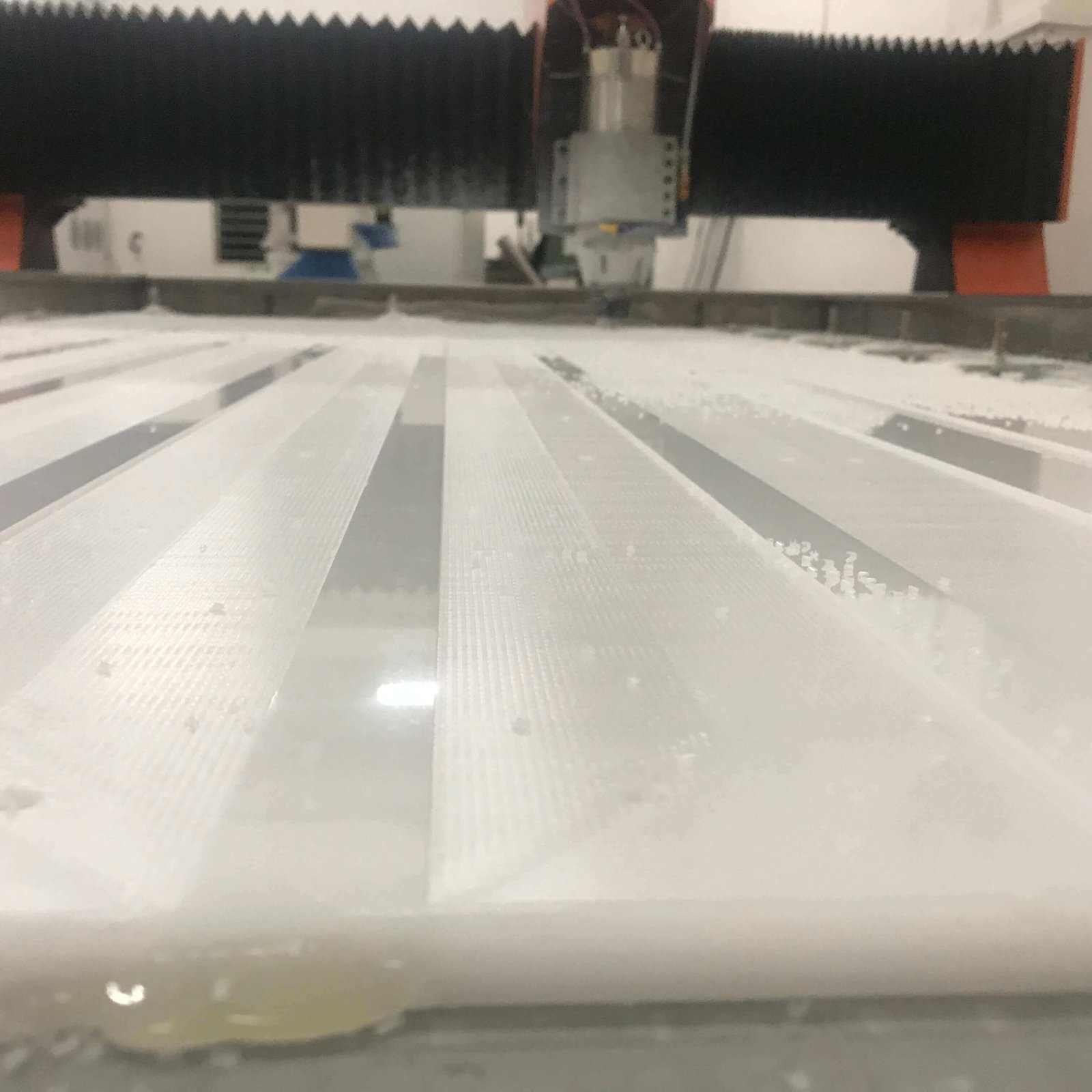
HDPE Custom Processing

Dive into the dynamic world of HDPE (High-Density Polyethylene), the game-changer in packaging innovation. This blog post explores the remarkable versatility of HDPE in providing state-of-the-art packaging solutions that are not only durable but also incredibly resilient. Learn about the protective qualities of HDPE sheets and boards that make them indispensable in safeguarding products during transport and storage. We’ll also discuss the environmental benefits of using HDPE, emphasizing its role in promoting eco-friendly packaging choices through its recyclability and energy efficiency. Additionally, the post will highlight innovative uses of HDPE panels in industrial settings, showcasing their unparalleled durability and chemical resistance. Finally, we’ll offer a detailed comparative analysis, positioning HDPE against other plastic materials in the industry, to underline its superior performance and cost-effectiveness. Discover why HDPE is the go-to material for enhancing packaging efficiency and sustainability.

🎉🎉🎉Limited Time Offer Use code: QR4GNY08SHVR at checkout and enjoy a special discount on your entire order! 👉 HDPE plastic

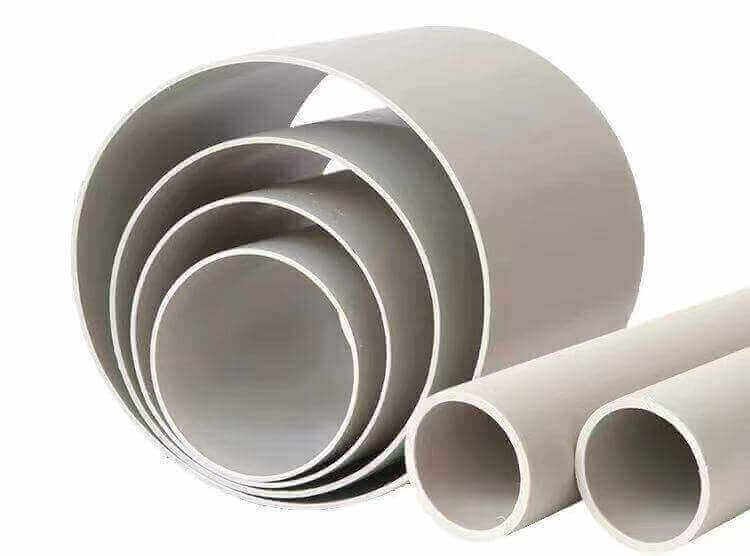
High-density polyethylene (HDPE)

The Versatility of HDPE in Packaging Solutions

High-density polyethylene (HDPE) stands out as a cornerstone material in the packaging industry, valued highly for its flexibility and sturdiness. This thermoplastic polymer, processed from petroleum, offers a blend of qualities that make it ideal for various packaging needs.

Utilizing HDPE Sheets and Films

HDPE sheets and films are remarkably adaptable for a wide array of packaging formats. From rigid containers to flexible film applications, HDPE’s physical properties allow it to withstand environmental stress and chemical corrosion, ensuring that everything from consumer goods to industrial components is securely protected. The lightweight nature of HDPE films makes them perfect for food packaging, where they function as effective barriers against moisture and contaminants, preserving freshness and extending shelf life.

The Adaptability of HDPE

One of the primary advantages of HDPE is its ability to be molded into nearly any shape and size, which means HDPE sheets can be custom-made to fit specific packaging requirements. This adaptability not only facilitates the packaging of irregularly shaped items but also enhances the product’s overall aesthetic and consumer appeal. Additionally, the surface of HDPE allows for high-quality printing and labeling, which is crucial for branding and product identification in retail environments.

Resilience Against Environmental Challenges

HDPE’s resilience is another attribute that makes it an excellent choice for packaging. It has a high strength-to-density ratio, which is why HDPE containers are robust and durable, capable of resisting punctures and tears during transportation and handling. Moreover, HDPE’s low moisture absorption helps maintain the integrity of the package, even in humid or wet conditions.

HDPE: A Material Designed for Efficiency

The production process of HDPE is designed for efficiency, with relatively low energy consumption compared to other plastics. This efficiency, coupled with HDPE’s recyclability, positions it as a sustainable choice for environmentally conscious businesses. By opting for HDPE, companies not only utilize a material that meets stringent packaging standards but also contribute to a reduction in environmental impact.

HDPE is designed for efficiency

Advantages of HDPE Sheets in Protecting Goods

High-Density Polyethylene (HDPE) sheets are widely recognized for their robust protective qualities. As an integral material in the packaging sector, HDPE boards and panels are pivotal in ensuring that products remain safe and intact during transport and storage. This section explores how HDPE offers superior protection, preserving the quality and integrity of goods across various industries.

Shielding Properties of HDPE

HDPE is renowned for its impressive impact resistance, which makes it an ideal choice for packaging applications where protection against drops, strikes, and compression is crucial. The innate toughness of HDPE boards helps prevent damage to packaged goods, reducing the risk of breakage during shipping and handling. This feature is particularly vital in sectors like electronics and pharmaceuticals, where the safety of the products can directly impact their functionality and efficacy.

HDPE’s Barrier Effectiveness

Besides physical strength, HDPE panels provide excellent barrier properties against moisture, dust, and chemical contaminants. This is due to HDPE’s non-porous surface, which blocks external elements from penetrating the packaging. Such an effective barrier is essential for maintaining the cleanliness and sterility of medical devices and food products, ensuring that they reach consumers in pristine condition.

Durability During Transport

Transportation can expose goods to various stressors, including fluctuating temperatures and humidity levels. HDPE’s thermal stability and low moisture absorption rate ensure that changes in environmental conditions do not compromise the material’s structure or the products it protects. These attributes make HDPE an ideal choice for exporting goods over long distances and through diverse climatic zones.

Customization and Versatility

The malleability of HDPE allows for its customization into sheets and panels of varying thicknesses and dimensions, tailored to meet specific packaging needs. This versatility not only makes HDPE suitable for protecting a wide range of products but also enables manufacturers to streamline their packaging processes, reducing waste and optimizing material use.

By leveraging HDPE’s protective, barrier, and thermal properties, industries can significantly enhance the safety and integrity of their products during transport and storage. The use of HDPE sheets and panels in packaging not only safeguards goods but also supports sustainability through material efficiency and durability.

Sustainability and HDPE: Eco-Friendly Packaging Choices

High-Density Polyethylene (HDPE) is not only celebrated for its strength and versatility but also for its compelling environmental benefits. This section delves into why HDPE is considered a superior choice for sustainable packaging solutions, focusing on its recyclability and energy-efficient production processes.High-Density Polyethylene (HDPE)

HDPE and Recyclability

HDPE stands out in the plastics family due to its high recyclability. Unlike other polymers that may degrade in quality after recycling, HDPE retains its integrity, allowing it to be reused multiple times without significant material degradation. This capacity for recycling not only reduces the need for virgin plastic production but also minimizes waste, contributing to a lower environmental footprint. Packaging made from HDPE can be recycled into new products such as plastic lumber, containers, and even piping, illustrating a practical application of circular economy principles in the packaging industry.

Energy Efficiency in HDPE Production

The production of HDPE is notably energy-efficient, consuming less energy compared to the manufacture of many other plastics. This efficiency is due in part to advancements in catalysis and process engineering, which have streamlined polymerization reactions and reduced energy requirements. By using less energy, HDPE production helps lower overall carbon emissions, making it a preferred material for companies aiming to enhance their sustainability profile.

Longevity and Durability

Another environmental advantage of HDPE is its longevity. Products made from HDPE are incredibly durable, resisting corrosion, mold, and mildew. This durability extends the life of products, reducing the frequency of replacement and further lessening the resource burden. For packaging applications, this means that HDPE containers can withstand severe handling and varying environmental conditions without compromising the safety or quality of the contents.

Impact on Reducing Carbon Footprint

By incorporating HDPE into packaging solutions, companies can significantly reduce their carbon footprint. The combination of HDPE’s recyclability, energy-efficient production, and long-lasting nature makes it an environmentally friendly choice that supports global sustainability goals. Industries leveraging HDPE are not only ensuring product safety and quality but are also actively participating in the movement towards more sustainable manufacturing practices.

Through these attributes, HDPE continues to play a pivotal role in promoting environmental stewardship within the packaging sector. Its ability to be recycled, coupled with its low energy consumption during production and durable characteristics, underscores its status as an eco-friendly material that aligns with the growing demand for sustainable business practices.

Innovative Uses of HDPE Panels in Industrial Packaging

High-Density Polyethylene (HDPE) panels are increasingly recognized for their innovative applications in industrial packaging, thanks to their durability and chemical resistance. These characteristics make HDPE an excellent choice for industries looking to improve their packaging solutions while ensuring product safety and compliance with environmental standards.

Durability that Withstands Industrial Demands

HDPE panels are engineered to withstand harsh industrial environments, making them ideal for use in settings where durability is crucial. The inherent toughness and impact resistance of HDPE protect goods against physical damages such as dents, scratches, and breaks that can occur during handling, transportation, and storage. This robustness ensures that products reach their destination in pristine condition, minimizing the risk of returns or losses due to packaging failure.

Chemical Resistance for Sensitive Products

One of the most valued properties of HDPE is its resistance to a wide range of chemicals. This makes HDPE panels particularly suitable for packaging products that might react adversely to other materials. From acids and alkalis to various solvents, HDPE does not react, ensuring that the packaged goods are not contaminated or degraded. This feature is essential for industries such as pharmaceuticals, agriculture, and chemicals, where maintaining the integrity of the product is paramount.

HDPE’s Role in Sustainable Industrial Packaging

HDPE panels not only meet the physical and chemical safety requirements but also contribute to sustainability efforts in industrial packaging. The recyclability of HDPE means that the panels can be reprocessed and reused, reducing the production of waste and the demand for new raw materials. Additionally, the energy-efficient production processes of HDPE panels align with the growing industry trend towards reducing carbon footprints and enhancing environmental responsibility.

Customization Flexibility

The flexibility in the customization of HDPE panels also plays a significant role in their innovative applications. Manufacturers can produce panels in various thicknesses, sizes, and even colors, tailored to specific industry needs. This adaptability not only improves the functional aspects of packaging but also enhances aesthetic appeal, which can be crucial for consumer-facing products.

Through these advanced applications, HDPE panels are setting new standards in industrial packaging. Their durability, chemical resistance, and environmental benefits make them a top choice for companies aiming to innovate their operations while upholding stringent safety and sustainability criteria. HDPE continues to be a key player in driving forward the evolution of packaging technologies in various industrial sectors.

HDPE water tank

Comparative Analysis: HDPE vs. Other Plastic Materials in Packaging

When evaluating materials for packaging applications, High-Density Polyethylene (HDPE) frequently emerges as a leading choice due to its superior performance and cost-effectiveness. This comparative analysis delves into how HDPE stacks up against other commonly used plastics in the packaging industry, such as Polyethylene Terephthalate (PET), Polyvinyl Chloride (PVC), and Polystyrene (PS).

Durability and Strength

HDPE is renowned for its exceptional durability and strength. Unlike PET, which is also strong but more brittle, HDPE can withstand significant impact without cracking. This makes it ideal for heavy-duty applications where a high level of resilience is necessary. In contrast, materials like PVC and PS are less resistant to impact and can fracture or deform under stress, leading to potential product loss or damage during shipping.

Chemical Resistance

Chemical resistance is another area where HDPE excels. It is inert to many chemicals, making it safe for use in food packaging and industrial applications that involve corrosive substances. PVC, while resistant to some chemicals, can release harmful compounds under certain conditions. Polystyrene offers limited resistance and can interact with acidic or fatty foods, which restricts its utility in food-related applications.

Flexibility and Lightweight

HDPE offers considerable flexibility without the need for plasticizers, unlike PVC, which requires additives to achieve a similar level of flexibility. This not only makes HDPE safer but also reduces production costs. Additionally, HDPE is lighter than comparable materials like PVC, which contributes to lower transportation costs and easier handling, enhancing its cost-effectiveness.

Recyclability and Environmental Impact

One of the most significant advantages of HDPE is its recyclability. It can be recycled multiple times without significant degradation of quality, unlike PVC and PS, which are more challenging to recycle and often end up in landfills. This makes HDPE a more environmentally friendly option, aligning with global sustainability goals and reducing the ecological footprint of packaging practices.

Cost-Effectiveness

Finally, the cost-effectiveness of HDPE is evident in its low production costs, durability, and minimal impact on operational expenses. Its longevity and resistance to wear and tear extend the lifecycle of packaging, offering long-term savings that other plastics like PVC and PS cannot match due to their less robust nature and higher handling and replacement costs.

Through this analysis, it becomes clear that HDPE offers a balanced profile of durability, safety, flexibility, and sustainability, making it a preferred material over other plastics in the packaging sector. Its benefits not only enhance the safety and integrity of packaged goods but also support cost-effective and environmentally responsible manufacturing practices.

HDPE sheets

Frequently Asked Questions about HDPE Products and Beeplastics Customization Services

Here are some of the most common questions related to HDPE materials and the specific customization services offered by Beeplastics, along with detailed answers to help clarify your queries.

1. What is HDPE and why is it used in packaging?

Answer: High-Density Polyethylene (HDPE) is a versatile plastic known for its strength, durability, and chemical resistance. It’s widely used in packaging due to its ability to protect goods from damage and contamination, its lightweight nature, and its recyclability, making it environmentally friendly.

2. Can Beeplastics undertake any customization, including sample and batch customization?

Answer: Yes, Beeplastics offers comprehensive customization services, from sample customization to full batch production. We can tailor our HDPE products to meet your specific needs, ensuring that the final product aligns perfectly with your requirements.

3. What file formats does Beeplastics accept for designs?

Answer: Beeplastics accepts a variety of file formats for designs, including PDF and CAD files. These formats allow us to precisely understand your specifications and produce products that are accurate to your designs.

4. Is there a minimum order quantity (MOQ) required at Beeplastics?

Answer: No, Beeplastics does not enforce a minimum order quantity. We are committed to supporting businesses of all sizes, providing flexibility in order quantities, from small batches to large-scale production.

5. How does the production cycle work at Beeplastics?

Answer: The production cycle at Beeplastics depends on the order amount and the complexity of the process involved. We communicate with our clients throughout the production process to keep them updated on the progress and any adjustments needed to meet their timelines and quality standards.

6. Does Beeplastics provide samples, and what are the costs involved?

Answer: Yes, Beeplastics supports the provision of samples. The samples are free of charge; however, the customer is responsible for the shipping costs. This policy allows clients to assess the quality and suitability of our products before committing to a larger order.

7. How does HDPE compare to other plastics like PET or PVC in terms of environmental impact?

Answer: HDPE is more environmentally friendly compared to plastics like PET and PVC. It has a lower carbon footprint during production, is fully recyclable, and does not release harmful chemicals during the recycling process. These factors make HDPE a preferred choice for businesses focusing on sustainability.

8. Are HDPE products from Beeplastics recyclable?

Answer: Yes, all HDPE products manufactured by Beeplastics are 100% recyclable. We emphasize sustainability in our production processes and encourage our clients to recycle the products after their life cycle.

9. What industries commonly use HDPE products from Beeplastics?

Answer: HDPE products from Beeplastics are used across various industries, including food and beverage, pharmaceutical, agricultural, automotive, and construction. The versatility and safety of HDPE make it suitable for a wide range of applications.

10. How does Beeplastics ensure the quality of its HDPE products?

Answer: Beeplastics adheres to strict quality control procedures throughout the manufacturing process. From sourcing high-quality raw materials to conducting thorough testing on finished products, we ensure that every item meets or exceeds industry standards and client expectations.

In conclusion, HDPE stands out as a remarkably robust and versatile material in the packaging industry, offering unmatched durability, chemical resistance, and environmental sustainability. Beeplastics enhances these inherent qualities through our bespoke customization services, which cater to a broad range of industry needs without the constraint of minimum order quantities. By choosing HDPE and partnering with Beeplastics, businesses not only ensure the protection and longevity of their products but also contribute positively to environmental conservation efforts. Whether you are just starting out or scaling up, our commitment to providing high-quality, customizable solutions is designed to support your unique requirements and help drive your success in an increasingly competitive marketplace.

HDPE Custom Processing

Get Started on Your Custom Packaging Journey Today

Have specific packaging requirements? We’re here to help! Fill out the contact form below to discuss your needs, or jump straight to our HDPE Custom Processing page to discover the possibilities with Beeplastics. Your journey to better packaging begins here!

🎉🎉🎉Limited Time Offer Use code: QR4GNY08SHVR at checkout and enjoy a special discount on your entire order! 👉 HDPE plastic

Leave a comment


Please note, comments must be approved before they are published


Custom Plastic Fabrication

Send your drawing, material and quantity for review

🔧
Precision Machining
CNC milling & turning
✂️
Cutting & Engraving
Laser & waterjet cutting
🏭
Forming & Molding
Thermoforming & injection
🔗
Joining & Assembly
Welding & bonding
📐
Design & Prototyping
CAD design & samples

General

HDPE

PP

PVC

ABS

Engineering

POM

Nylon

PC

PMMA

High-Performance

PEEK

PEI

PTFE

Composites

FR-4

G10

Flexible

TPU

Silicone

Why Choose BeePlastic?

🎯
Perfect Fit
Custom specs eliminate adaptation needs
⚡
Clear Lead Times
Lead time confirmed with every quote
💰
Volume Pricing
Volume pricing available on bulk orders
🤝
Expert Support
Free engineering consultation included
📋
Submit
→
🔍
Review
→
💵
Quote
→
✅
Production
→
📦
Deliver

Request a Quote

Share your project details, selected material and quantity on our quote page. You can add a file link or use the email drawing route shown there.


Request Quote

Industries: Automotive • Medical • Food • Lab • Semiconductor

beeplastic@beeplastic.com


Rev Up Your Manufacturing with Impact-Resistant UPE: The Future of Automotive Parts

UPE CNC machining

Rev Up Your Manufacturing with Impact-Resistant UPE: The Future of Automotive Parts delves into the revolutionary world of UPE CNC machining and its transformative impact on the automotive manufacturing industry. This comprehensive guide begins by exploring the properties and benefits of Ultra High Molecular Weight Polyethylene (UPE), emphasizing its durability and precision in CNC machining. It then transitions into an in-depth discussion on advanced machining techniques and the latest technological innovations that enhance automotive part performance. A pivotal section on cost analysis offers a detailed look at the financial aspects, providing insights into pricing strategies and how manufacturers can secure competitive quotes from top UPE machining factories. Real-world case studies from industry leaders illustrate successful applications of UPE in the production of wear-resistant and impact-resistant parts. Lastly, the post forecasts future trends in UPE usage, highlighting potential growth areas and technological advancements that could redefine automotive manufacturing standards. This blog post is an essential read for automotive manufacturers eager to elevate their production capabilities and stay ahead in a rapidly evolving market.

🎉🎉🎉Limited Time Offer Use code: QR4GNY08SHVR at checkout and enjoy a special discount on your entire order! 👉 UPE plastic

UPE CNC machining

Understanding UPE: Properties and Benefits for CNC Machining

What is Ultra High Molecular Weight Polyethylene (UPE)?

Ultra High Molecular Weight Polyethylene, or UPE, stands out in the world of plastics due to its superior properties, which make it highly suitable for CNC machining. Characterized by its long polymer chains, UPE offers exceptional strength and durability, surpassing many other materials in resistance to wear and impact. This makes UPE an ideal choice for industries where high performance and reliability are critical, such as in the manufacture of automotive parts.

Key Properties of UPE

One of the standout features of UPE is its high impact strength, which ensures that products can withstand severe conditions without deforming or breaking. Additionally, its low coefficient of friction and excellent abrasion resistance minimize wear, making UPE perfect for the high demands of automotive applications. Moreover, UPE is chemically resistant, which means it does not react easily with oils, fuels, and other chemicals commonly found in automotive environments.

Benefits of UPE in CNC Machining

When it comes to CNC machining, UPE’s properties offer significant advantages. The material’s consistency allows for high precision and minimal deviation, which is crucial when producing complex parts for vehicles. Its machinability allows for smoother finishes and tighter tolerances, which are essential for components that must fit perfectly and function reliably under stress.

UPE in Automotive Manufacturing

In automotive manufacturing, the use of UPE can be a game-changer. Its durability leads to longer-lasting parts, which is a major benefit for automotive companies looking to enhance the reliability and lifespan of their vehicles. Components such as gears, bearings, and bushings made from UPE are less likely to require frequent replacements, reducing maintenance costs and improving vehicle performance.

Advancing Automotive Technology with UPE

The automotive industry continues to evolve, and the integration of UPE into parts manufacturing is a testament to the industry’s commitment to innovation and quality. As manufacturers seek to improve the performance and durability of their vehicles, the role of materials like UPE becomes increasingly important. By choosing UPE for CNC machining, manufacturers are investing in a future where cars are not only more reliable but also more sustainable and efficient.

By exploring the unique characteristics and benefits of UPE, manufacturers can better understand how this material can elevate the quality and durability of automotive components. The continual advancements in UPE processing technology promise even greater possibilities, making it a key player in the future of automotive manufacturing.

benefits of UPE

Advanced Techniques in UPE CNC Machining for Automotive Applications

Cutting-Edge Machining Technologies for UPE

The CNC machining of Ultra High Molecular Weight Polyethylene (UPE) incorporates several advanced technologies that enhance its application in automotive manufacturing. Modern CNC machines equipped with precision tools allow for the detailed and accurate cutting of UPE, which is essential for creating complex parts required in modern vehicles. The ability of these machines to handle UPE’s tough characteristics reduces production times and increases efficiency.

Precision Tools and Techniques

Key to the success of UPE machining are the specialized tools and techniques used to handle its unique properties. Tools designed for high wear resistance and minimal friction are essential, as they prevent degradation during the machining process, ensuring a longer tool life and consistent product quality. Techniques such as high-speed milling and ultra-precision cutting are employed to maintain the integrity of UPE, preserving its inherent strength and resistance.

Enhancing Durability through Machining Practices

One of the primary advantages of utilizing advanced CNC machining for UPE is the enhancement of the material’s durability. Through precise control of machining parameters like speed, feed rate, and cooling, manufacturers can significantly extend the life of the UPE automotive parts. This precise control helps in maintaining the optimal temperature and reducing thermal stress on UPE during the machining process, which is crucial for producing parts that meet stringent industry standards for durability and performance.

Integration of Automation in UPE Machining

Automation plays a pivotal role in the efficient machining of UPE. Automated CNC systems are programmed to optimize cutting paths and adjust parameters in real-time, ensuring high precision and minimal material waste. This level of automation not only speeds up the manufacturing process but also enhances the consistency of the parts produced, which is crucial for automotive applications where every component must conform to exact specifications.

Future Prospects of UPE CNC Machining in Automotive Manufacturing

As the automotive industry continues to demand higher performance and more durable materials, the role of UPE and its machining technologies is set to grow. The ongoing development of CNC machining capabilities, including the use of AI and machine learning to further optimize the manufacturing process, indicates a future where UPE’s attributes are even more integral to automotive design and production.

Exploring these advanced techniques and technologies demonstrates how the precision machining of UPE can significantly improve the quality and durability of automotive parts. This section highlights the synergy between UPE’s material properties and modern CNC machining capabilities, setting the stage for future innovations in automotive manufacturing.

UPE's material properties and modern CNC machining capabilities

Cost Analysis of UPE CNC Machining: Pricing Insights for Manufacturers

Understanding the Cost Components of UPE CNC Machining

When evaluating the costs of UPE CNC machining, it’s crucial for manufacturers to consider multiple components that contribute to the overall expense. These components include the raw material costs of Ultra High Molecular Weight Polyethylene (UPE), which can vary based on market supply and demand dynamics. Additionally, the costs associated with the machining process itself—such as labor, machine operation, and maintenance—are significant. Understanding these factors is essential for budgeting and assessing the cost-effectiveness of UPE for automotive applications.

Material Costs and Sourcing Efficiency

The price of UPE raw material is influenced by global polymer market trends and availability. Manufacturers need to strategize their sourcing to secure the best prices and maintain a steady supply chain. Effective sourcing involves negotiating contracts with suppliers or buying in bulk to reduce costs. It’s beneficial for manufacturers to stay informed about market conditions and price fluctuations to optimize their purchase timing and budgeting.

Machining Costs: Labor and Technology

Labor costs in UPE CNC machining are influenced by the skill level required to operate advanced CNC machinery. As UPE machining requires high precision, skilled technicians are essential, which can drive up labor costs. Additionally, the investment in state-of-the-art CNC technology, while providing long-term savings through efficiency and quality, requires substantial upfront capital. Manufacturers must balance these costs with the benefits these technologies bring, such as reduced waste and faster production times.

Operational Efficiency and Waste Management

Operational efficiency in CNC machining not only impacts production speed but also affects material waste and energy usage. Optimizing the CNC process through advanced programming and tooling can significantly reduce waste, thereby decreasing the cost per part. Energy-efficient machinery and lean manufacturing practices can further enhance cost savings by lowering energy consumption and minimizing unnecessary expenditures.

Getting Competitive Quotes from Processing Factories

To secure competitive quotes from processing factories, manufacturers should consider multiple vendors and conduct a comprehensive comparison of their offerings. This includes evaluating not just the price but also the quality of the work, turnaround times, and after-sales support. Building long-term relationships with reliable suppliers can also lead to better pricing and terms. Manufacturers are encouraged to regularly review and renegotiate terms to align with market changes and internal budgetary goals.

By providing a detailed breakdown of these cost factors, this section helps manufacturers gain a clear perspective on how to effectively budget for and maximize their investment in UPE CNC machining. Understanding these pricing insights is crucial for making informed decisions that enhance overall production efficiency and profitability in automotive part manufacturing.

Case Studies: Success Stories from UPE CNC Machining Factories

Case Study 1: Revolutionizing Gear Production with UPE

One leading CNC machining factory, specializing in automotive gears, transitioned to using UPE due to its superior wear resistance and strength. Initially, the challenge was adapting their CNC operations to handle UPE’s unique material properties, such as its high abrasion resistance and differing melting points compared to more traditional materials. Through innovative tooling adjustments and reprogramming of CNC machines, they achieved a breakthrough in production speed and precision. The result was a significant increase in the lifespan of the gears produced, positively impacting both product quality and customer satisfaction. This success story highlights the factory’s adaptation process and the tangible benefits of switching to UPE in terms of durability and performance.

Case Study 2: Overcoming Wear Challenges in Bearing Manufacture

Another success story comes from a factory that specializes in the production of high-load bearings for automotive applications. The use of UPE significantly reduced wear rates in their products, which was a major challenge with previous materials. The factory implemented a series of controlled tests to optimize CNC machine settings for UPE processing, focusing on reducing friction and enhancing precision. The end products not only met but exceeded industry standards, with a marked improvement in wear resistance, which directly contributed to extending the operational lifespan of automotive components. This case study demonstrates the impact of material choice on overcoming manufacturing challenges and enhancing product performance.

Case Study 3: Streamlining Production with Automated UPE Machining

A third factory utilized advanced automation in their UPE CNC machining processes to produce complex automotive parts. The introduction of automated tool-path optimization led to a decrease in production time and material waste. By integrating real-time monitoring systems, the factory was able to make immediate adjustments during the manufacturing process, ensuring consistent quality across batches. The automation not only streamlined the production process but also allowed for a scalable solution that could adapt to increasing demand without sacrificing quality. The successful integration of automation in UPE machining showcased the potential for increased efficiency and cost-effectiveness in automotive parts manufacturing.

Impact on Market Reception and Industry Standards

These case studies collectively illustrate how leading factories are utilizing UPE CNC machining to solve traditional manufacturing challenges, enhance product quality, and set new benchmarks in the automotive industry. Each story not only underscores the versatility and benefits of UPE as a material but also demonstrates practical applications and improvements in production processes. The positive market reception and adherence to elevated industry standards further validate the transition towards UPE in automotive manufacturing, signaling a shift towards more durable, efficient, and sustainable production practices.

Through these narratives, the significant role of UPE CNC machining in driving technological advancements and operational excellence in automotive parts production is clearly highlighted, offering valuable insights into its application and effectiveness.

UPE CNC machining

Future Trends in UPE Usage for Automotive Manufacturing

Technological Advancements in UPE Machining

The ongoing technological advancements in CNC machining promise to further enhance the application of Ultra High Molecular Weight Polyethylene (UPE) in the automotive industry. Innovations such as AI-driven precision machining and the integration of more robust data analytics are expected to improve the efficiency and accuracy of UPE machining processes. These technologies enable real-time adjustments during production, minimizing defects and reducing waste, which aligns with the increasing demands for sustainability and cost-efficiency in manufacturing.

Environmental Considerations and Sustainability

Environmental impact is becoming a crucial factor in material selection in the automotive industry. UPE is non-toxic and recyclable, making it an environmentally friendly option compared to traditional plastics and metals. As the industry moves towards more sustainable practices, the use of UPE is likely to increase. Research and development are also focusing on ways to improve the recyclability of UPE products and reduce the energy consumption during the CNC machining process, enhancing the material’s environmental footprint.

Evolving Market Demands and Consumer Expectations

Market demands in the automotive sector are evolving with a growing emphasis on durability and longevity of components. Consumers are increasingly aware of the environmental impact of their purchases, driving manufacturers to adopt more sustainable materials like UPE. Additionally, the rise in electric vehicle production has created new opportunities for UPE, particularly in battery protection and insulation components, where its high impact resistance and insulative properties are beneficial.

Collaboration and Innovation in Material Science

The future of UPE in automotive manufacturing will likely see increased collaboration between material scientists, engineers, and manufacturers to develop new UPE blends and composites that are tailored for specific automotive applications. These collaborations aim to enhance the material properties of UPE, such as heat resistance and mechanical strength, to meet specific demands of next-generation automotive parts.

Regulatory Impacts and Industry Standards

As global regulations on vehicle emissions and safety standards become stricter, automotive manufacturers are prompted to explore alternative materials like UPE that can contribute to lighter, safer, and more fuel-efficient vehicles. This regulatory environment is expected to drive further innovations in UPE technology and its applications, influencing industry standards and manufacturing practices in the automotive sector.

These emerging trends indicate a bright future for UPE in automotive manufacturing, driven by technological advancements, environmental considerations, and evolving market demands. The industry’s shift towards more sustainable and efficient materials, like UPE, highlights its commitment to innovation and environmental stewardship, setting new benchmarks for the manufacturing of automotive components.

future of UPE in automotive manufacturing

Frequently Asked Questions About UPE CNC Machining and Beeplastics Customization

1. Can Beeplastics handle both sample and batch customization for UPE CNC machining?

Answer: Yes, Beeplastics offers comprehensive customization services, accommodating both single-sample customizations and large-scale batch orders. Our capabilities ensure that we can meet various customer needs from prototype development to full production runs.

2. What file formats does Beeplastics accept for UPE CNC machining projects?

Answer: Beeplastics accepts a range of file formats to facilitate the machining process, including PDF and CAD files. These formats allow us to accurately interpret your design specifications and ensure high-quality production outcomes.

3. Is there a minimum order quantity (MOQ) required for UPE CNC machining at Beeplastics?

Answer: No, Beeplastics does not require a minimum order quantity. We support projects of all sizes, from small, custom orders to large-scale productions, providing flexibility for all our clients.

4. How does the order size and complexity affect the production cycle at Beeplastics?

Answer: The production cycle at Beeplastics is influenced by the volume and complexity of the order. Larger or more complex orders may require additional time for completion. We maintain open communication with our clients about production progress and timelines to ensure transparency and satisfaction.

5. Does Beeplastics provide samples for UPE CNC machining projects?

Answer: Yes, we support the provision of samples to ensure your specifications are met before full-scale production commences. Samples are provided free of charge, with the customer only responsible for the shipping costs.

6. What are the key benefits of using UPE for CNC machining in automotive manufacturing?

Answer: UPE is highly valued in automotive manufacturing for its excellent wear and impact resistance, chemical stability, and low friction properties. These qualities make UPE ideal for producing durable, high-performance automotive parts.

7. How does UPE stand out compared to other plastics in CNC machining?

Answer: UPE’s superior abrasion resistance and strength set it apart from other plastics. It offers better longevity and reliability under extreme conditions, making it a preferred material for high-stress applications in various industries, including automotive.

8. What are some common automotive parts manufactured using UPE?

Answer: Common automotive parts made from UPE include gears, bearings, and bushings. These components benefit from UPE’s durability and wear resistance, contributing to longer service life and reduced maintenance.

9. How does Beeplastics ensure quality in its UPE CNC machining processes?

Answer: Beeplastics adheres to strict quality control protocols throughout the CNC machining process. We use state-of-the-art machinery and techniques to ensure that every part meets our high standards of precision and quality.

10. What support does Beeplastics offer to clients unfamiliar with UPE CNC machining?

Answer: For clients new to UPE or CNC machining, Beeplastics provides comprehensive consultation and support. We guide you through the material selection process, design considerations, and production options to ensure your project’s success.

As we’ve explored the innovative realm of UPE CNC machining and its pivotal role in automotive manufacturing, it’s clear that the material’s superior properties not only enhance the durability and performance of automotive components but also drive advancements in manufacturing technology. Beeplastics stands at the forefront of these developments, offering tailored solutions that range from prototype samples to large-scale production, with no minimum order requirement and a commitment to quality and client satisfaction. By embracing the latest in CNC machining technology and material science, Beeplastics is equipped to meet the evolving demands of the automotive industry, ensuring that each project not only meets but exceeds expectations. Whether you’re stepping into the world of UPE CNC machining for the first time or looking to refine your manufacturing process, Beeplastics is your trusted partner in achieving excellence and innovation in automotive manufacturing.

UPE CNC machining

Take Your Automotive Parts to the Next Level

Experience the unmatched durability and precision of UPE CNC machining with Beeplastics. Click here to learn more about our customization options and start your journey towards efficiency and excellence. Don’t hesitate—explore our offerings today and connect with us by completing the contact form at the bottom of this page.

🎉🎉🎉Limited Time Offer Use code: QR4GNY08SHVR at checkout and enjoy a special discount on your entire order! 👉 UPE plastic

Leave a comment


Please note, comments must be approved before they are published


Custom Plastic Fabrication

Send your drawing, material and quantity for review

🔧
Precision Machining
CNC milling & turning
✂️
Cutting & Engraving
Laser & waterjet cutting
🏭
Forming & Molding
Thermoforming & injection
🔗
Joining & Assembly
Welding & bonding
📐
Design & Prototyping
CAD design & samples

General

HDPE

PP

PVC

ABS

Engineering

POM

Nylon

PC

PMMA

High-Performance

PEEK

PEI

PTFE

Composites

FR-4

G10

Flexible

TPU

Silicone

Why Choose BeePlastic?

🎯
Perfect Fit
Custom specs eliminate adaptation needs
⚡
Clear Lead Times
Lead time confirmed with every quote
💰
Volume Pricing
Volume pricing available on bulk orders
🤝
Expert Support
Free engineering consultation included
📋
Submit
→
🔍
Review
→
💵
Quote
→
✅
Production
→
📦
Deliver

Request a Quote

Share your project details, selected material and quantity on our quote page. You can add a file link or use the email drawing route shown there.


Request Quote

Industries: Automotive • Medical • Food • Lab • Semiconductor

beeplastic@beeplastic.com


Unlocking the Potential of Acrylic in Business: Innovations, Sustainability, and Custom Solutions

Unlocking the Potential of Acrylic in Business: Innovations, Sustainability, and Custom Solutions

In the dynamic world of business materials, understanding the nuances between acrylic and plexiglass can be a game-changer for entrepreneurs and business owners. Our latest blog post, “Acrylic and Plexiglass Difference: What Business Owners Need to Know,” dives deep into the heart of these popular materials, shedding light on their composition, properties, and how they stack up against traditional glass.

🎉🎉🎉Limited Time Offer Use code: QR4GNY08SHVR at checkout and enjoy a special discount on your entire order! 👉 Acrylic plastic
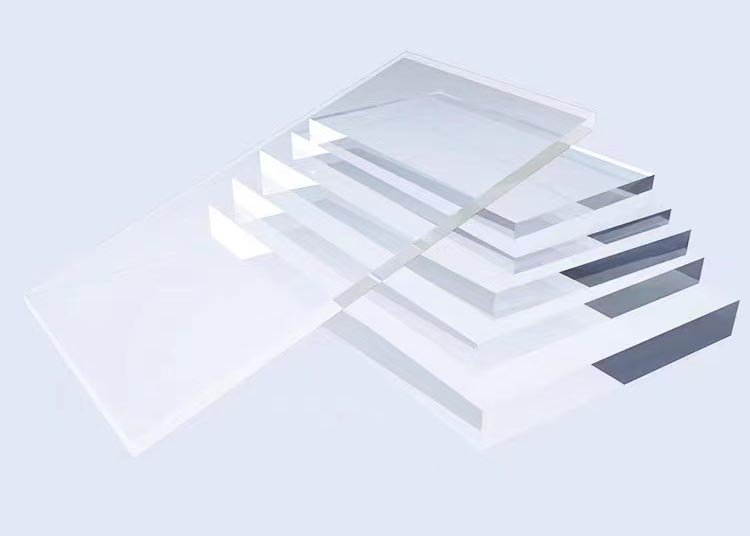
acrylic box

Discover the science behind acrylic, from its molecular structure to the advanced manufacturing processes that transform it into the versatile material beloved by industries worldwide. We’ll explore the various types of acrylic sheets, their applications, and why they’re increasingly preferred for everything from retail displays to architectural elements.

Design enthusiasts and professionals will appreciate our insights into acrylic in design, highlighting its role in enhancing both aesthetics and functionality in modern spaces. Whether it’s chic furniture, sleek interior designs, or innovative architectural projects, acrylic offers a blend of beauty and durability that’s hard to match.

Maintenance is key to longevity, and our post doesn’t shy away from the practical aspects of using acrylic. Learn essential tips on caring for acrylic products, ensuring they remain pristine and functional for years to come. From cleaning dos and don’ts to scratch prevention, we’ve got you covered.

Lastly, we tackle the all-important question of cost-effectiveness. Is investing in acrylic a wise decision for your business? We analyze the initial investment, ongoing maintenance costs, and the potential ROI acrylic offers, helping you make an informed decision that aligns with your business goals.

Join us as we unravel the mysteries of acrylic and plexiglass, providing you with the knowledge you need to make smart choices for your business. Whether you’re a seasoned entrepreneur or just starting out, this post is a must-read for anyone looking to stay ahead in the competitive business landscape.

acrylic in design

Acrylic Sheets: A Versatile Material for Business Applications

Acrylic sheets, known for their durability and clarity, have become a staple in various industries. This versatile material offers a wide range of applications, from signage to protective barriers, making it an invaluable asset for businesses looking to enhance their operations and aesthetic appeal. In this detailed exploration, we delve into the different types of acrylic sheets available, their unique properties, and how businesses can leverage them for diverse purposes.

Types of Acrylic Sheets

Acrylic sheets come in several types, each with its specific characteristics and advantages. The most common types include:

  • Clear Acrylic Sheets: Renowned for their glass-like clarity and excellent light transmission, clear acrylic sheets are perfect for applications where visibility is paramount.
  • Frosted Acrylic Sheets: Offering a matte finish, frosted sheets provide privacy while still allowing light to pass through, ideal for room dividers or office partitions.
  • Colored Acrylic Sheets: Available in a wide range of colors, these sheets can be used to add vibrant hues to designs or match brand colors for signage and displays.
  • Mirrored Acrylic Sheets: These sheets have a reflective surface on one side, making them a lightweight and shatter-resistant alternative to traditional glass mirrors.
  • Impact-Modified Acrylic Sheets: Designed for applications requiring enhanced durability, these sheets offer increased resistance to impact and breakage.

Properties of Acrylic Sheets

Acrylic sheets boast several properties that make them a preferred choice over materials like glass:

  • Durability: Acrylic is more impact-resistant than glass, making it less likely to shatter upon impact.
  • Lightweight: Weighing less than half of glass, acrylic sheets are easier to handle, transport, and install.
  • UV Resistance: Certain acrylic sheets are treated to resist UV rays, preventing discoloration and maintaining clarity over time.
  • Customizability: Acrylic can be easily cut, shaped, and molded into various forms, allowing for custom applications tailored to specific business needs.

Utilizing Acrylic Sheets in Business Applications

The versatility of acrylic sheets allows for their use in a myriad of business applications:

  • Signage: Acrylic’s clarity and ability to hold vibrant colors make it an excellent choice for both indoor and outdoor signs, logos, and branding elements.
  • Protective Barriers: In response to health and safety needs, acrylic sheets have been widely adopted as protective screens in retail, hospitality, and office settings.
  • Display Cases: The durability and UV resistance of acrylic make it ideal for protecting valuable items in display cases without compromising visibility.
  • Architectural Features: From windows to skylights and even structural elements, acrylic offers architects and designers the freedom to innovate while ensuring safety and aesthetics.
  • Furniture and Decor: Acrylic sheets are used in modern furniture designs, offering a contemporary look that’s both stylish and functional.

Businesses across various sectors can harness the potential of acrylic sheets to enhance their operations, improve safety, and elevate their aesthetic appeal. Whether for practical applications like protective barriers or creative uses in design and decor, acrylic sheets offer a combination of durability, versatility, and beauty that’s hard to match.

The Science Behind Acrylic: Unveiling Its Composition and Manufacturing

Acrylic, a material celebrated for its versatility and durability, has become a cornerstone in various industries, from construction to design. This section delves into the composition of acrylic and the sophisticated manufacturing process that transforms it into the versatile material known today. Understanding the science behind acrylic not only highlights its importance but also showcases the technological advancements that have propelled its widespread use in business applications.

Composition of Acrylic

At its core, acrylic is a synthetic polymer known scientifically as polymethyl methacrylate (PMMA). This polymer is derived from the organic compound methyl methacrylate (MMA), which undergoes a process called polymerization. During polymerization, MMA molecules bond together to form long chains, creating the solid material known as acrylic. This material stands out for its glass-like clarity, strength, and resistance to UV light and weathering, making it an excellent alternative to glass in many applications.

Manufacturing Process of Acrylic Sheets

The manufacturing of acrylic sheets involves two primary methods: cell casting and extrusion. Each method has its unique advantages and influences the properties of the final product.

  • Cell Casting: This traditional method involves pouring liquid MMA between two glass plates, which are then sealed and subjected to a polymerization process. The resulting acrylic sheets are known for their excellent optical clarity, superior surface finish, and greater thickness variability. Cell-cast acrylic is highly sought after for applications requiring precise fabrication, such as art installations and high-quality displays.

  • Extrusion: In the extrusion process, MMA is polymerized to form a molten PMMA, which is then fed through a set of rollers that shape it into sheets. Extruded acrylic sheets are characterized by their consistent thickness and higher production rates, making this method cost-effective for large-scale applications. However, they may have slightly less optical clarity compared to cell-cast sheets.

Technological Advancements in Acrylic Manufacturing

The evolution of acrylic manufacturing has been significantly influenced by technological advancements. Innovations in polymer chemistry have led to the development of impact-modified acrylics, which offer enhanced durability and resistance to breakage. Additionally, advancements in manufacturing technology have improved the efficiency and environmental sustainability of acrylic production, reducing waste and energy consumption.

Modern techniques such as laser cutting and CNC machining have also expanded the possibilities for acrylic use, allowing for precise cuts, intricate designs, and customization that were previously challenging to achieve. These advancements have solidified acrylic’s role as a preferred material for businesses seeking versatility, durability, and aesthetic appeal in their products and designs.

The science behind acrylic, from its molecular composition to the cutting-edge manufacturing processes, underscores its value as a material that meets the diverse needs of today’s businesses. Whether for protective barriers, signage, or innovative design elements, acrylic offers a blend of properties that few materials can match, making it a staple in industries worldwide.

Acrylic in Modern Design: A Fusion of Aesthetics and Functionality

Acrylic has emerged as a pivotal material in the realm of modern design, offering a unique blend of aesthetic appeal and functional benefits. Its role in furniture, interior design, and architectural projects underscores its versatility and capacity to elevate design concepts to new heights. This exploration delves into how acrylic is utilized across these domains, highlighting its impact on contemporary design practices.

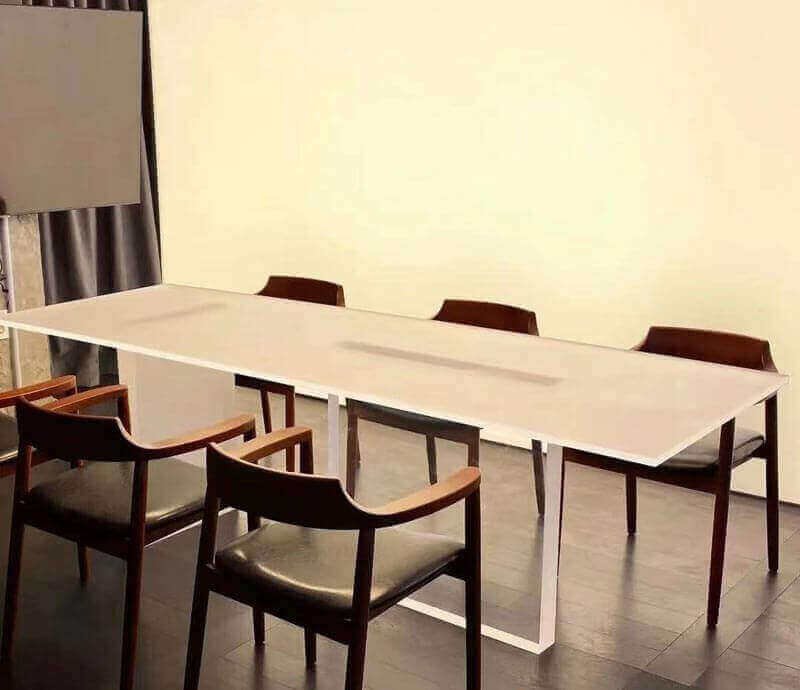
acrylic table

Acrylic in Furniture Design

In the furniture industry, acrylic brings a touch of elegance and modernity. Designers favor acrylic for its lightweight nature and the ability to mold it into various shapes, creating pieces that are not only visually striking but also durable and practical. From sleek acrylic chairs and tables to ornate decorative pieces, acrylic furniture can seamlessly integrate into any decor style, adding a futuristic or minimalist flair. The material’s transparency also plays with light and space, making it ideal for smaller rooms where bulky furniture might overcrowd the area.

Innovative Interior Design with Acrylic

Acrylic’s versatility shines in interior design, where its application ranges from wall panels and room dividers to lighting fixtures. Its translucency and ability to diffuse light beautifully enhance interiors, creating atmospheres that are both inviting and dynamic. Designers often use colored acrylic panels as a bold statement piece or to introduce a subtle play of colors in a room, leveraging the material’s vast color palette. Moreover, acrylic’s ease of maintenance and resistance to wear make it a practical choice for high-traffic areas, blending form and function effortlessly.

Architectural Applications of Acrylic

In architecture, acrylic is valued for its durability and weather resistance, making it suitable for both indoor and outdoor applications. It is frequently used in skylights, canopies, and facade elements, where its clarity and resistance to UV degradation are paramount. Acrylic’s ability to withstand the elements without losing its visual appeal or structural integrity allows architects to design with confidence, knowing their creations will stand the test of time. Additionally, the material’s flexibility in fabrication enables the realization of complex architectural forms and structures, pushing the boundaries of traditional design.

The Functional Benefits of Acrylic in Design

Beyond its aesthetic versatility, acrylic offers several functional advantages that make it a preferred choice among designers and architects. Its impact resistance is significantly higher than that of glass, reducing the risk of breakage and ensuring safety in various applications. Acrylic’s lightweight nature also simplifies the installation process and supports innovative design solutions that would be challenging with heavier materials. Furthermore, the material’s adaptability to different environmental conditions and its ease of cleaning and maintenance underscore its practicality in both residential and commercial settings.

Acrylic’s role in modern design is multifaceted, bridging the gap between beauty and utility. Its application in furniture, interior design, and architecture not only enhances the aesthetic appeal of spaces but also introduces functional benefits that are hard to match. As designers and architects continue to explore the possibilities of acrylic, its influence on contemporary design is set to grow, further cementing its status as a material of choice for innovative and forward-thinking projects.

Acrylic's role in modern design

Durability and Maintenance: Ensuring Longevity of Acrylic Products

Acrylic products, known for their durability and visual appeal, play a pivotal role in businesses across various sectors. From retail displays to architectural features, the longevity of these items is crucial. Proper maintenance and care are essential to preserve their clarity and functionality. This guide provides comprehensive advice on maintaining acrylic products, focusing on effective cleaning methods and strategies to prevent scratches and damage.

Cleaning Acrylic Products

The key to maintaining the pristine condition of acrylic lies in the cleaning technique used. Acrylic surfaces are susceptible to scratches, so gentle cleaning is paramount.

  • Use the Right Cleaning Agents: Avoid ammonia-based cleaners as they can damage the acrylic surface. Opt for a mild soap or detergent diluted in water. Apply the solution with a soft, damp cloth or sponge to gently wipe the surface.
  • Soft Cloths Are Essential: Always use a soft, non-abrasive cloth for cleaning. Microfiber cloths are ideal as they do not scratch the surface and effectively remove dust and dirt without leaving residues.
  • Rinse with Clean Water: After cleaning with a soapy solution, rinse the acrylic surface with clean water. This step removes any soap residue that might cloud the appearance of the acrylic.
  • Dry Gently: Pat the acrylic dry with a clean, soft cloth. Avoid using paper towels or rough fabrics that could potentially scratch the surface.
acrylic dry with a clean

Preventing Scratches and Damage

Protecting acrylic products from scratches and other forms of damage is crucial for maintaining their aesthetic and functional integrity.

  • Avoid Abrasive Materials: Never use scouring pads, abrasive cleaners, or rough cloths on acrylic surfaces. These materials can leave permanent scratches.
  • Lift, Don’t Slide: When moving objects on acrylic surfaces, such as displays or furniture, lift them instead of sliding to prevent scratching.
  • Use Protective Coatings: For high-traffic areas or surfaces prone to frequent contact, consider applying a protective silicone or wax coating. These coatings can provide an additional layer of protection against scratches.
  • Regular Dusting: Accumulated dust and grit can act as an abrasive under items placed on acrylic surfaces. Regular dusting with a soft cloth helps prevent scratches caused by these particles.

Addressing Minor Scratches

Even with the best care, minor scratches may occur. Fortunately, small scratches can often be buffed out of acrylic surfaces.

  • Buffing Small Scratches: Apply a small amount of acrylic polish or scratch remover to a soft cloth. Gently buff the scratched area in a circular motion until the scratch diminishes.
  • Professional Repair: For deeper scratches or damage, consider seeking professional repair services. Specialists can often restore acrylic to its original condition.

Maintaining acrylic products requires attention to detail and a gentle approach. By following these cleaning and care tips, businesses can ensure their acrylic items remain in top condition, preserving their clarity, durability, and aesthetic appeal. Proper maintenance not only extends the life of acrylic products but also supports a positive image for your business, showcasing a commitment to quality and care.

Comparing Acrylic Costs: A Financial Perspective for Businesses

In the competitive landscape of business operations, making cost-effective material choices is paramount. Acrylic, with its versatile applications and aesthetic appeal, stands as a popular choice. However, understanding its cost-effectiveness involves analyzing the initial investment, maintenance costs, and return on investment (ROI). This analysis compares acrylic to traditional materials like glass and plastic, providing businesses with a comprehensive financial perspective.

Initial Investment in Acrylic

The initial cost of acrylic products can be higher than that of conventional glass or standard plastics. This is due to the manufacturing process and the material’s superior qualities, such as durability, clarity, and UV resistance. For businesses considering acrylic for signage, displays, or architectural features, the upfront cost must be weighed against the benefits. Despite the higher initial expense, acrylic’s longevity and versatility can lead to cost savings over time, reducing the need for replacements or repairs.

Maintenance Costs of Acrylic

When it comes to maintenance, acrylic is notably cost-effective. Its ease of care and resistance to weathering and UV damage mean that long-term maintenance expenses are generally lower compared to glass. Glass, while initially cheaper, may incur higher costs over time due to cleaning, susceptibility to breakage, and the need for more frequent replacements. Acrylic’s ability to maintain its clarity and integrity with minimal upkeep is a significant financial advantage for businesses aiming to manage operational costs effectively.

ROI of Acrylic in Business Operations

Evaluating the return on investment is crucial when considering acrylic for business use. Acrylic’s impact resistance and lightweight nature offer substantial benefits in terms of shipping, handling, and installation costs. These factors contribute to a lower overall cost of ownership compared to glass. Additionally, the aesthetic appeal and customization options of acrylic can enhance the visual branding of a business, potentially driving increased customer engagement and sales. The ROI of acrylic, therefore, extends beyond direct financial savings to include intangible benefits that contribute to a business’s bottom line.

Comparing Acrylic to Other Materials

When compared to other materials, acrylic offers a unique combination of aesthetic appeal, durability, and cost-efficiency. Unlike standard plastics, acrylic provides a higher-quality finish and greater durability, making it a more cost-effective option in the long run. Glass may offer a lower initial cost but lacks the versatility and safety features of acrylic, leading to potentially higher overall costs due to breakage and replacement.

Businesses must consider their specific needs, including the intended application, desired lifespan, and aesthetic requirements, when evaluating the cost-effectiveness of acrylic. For many, the benefits of using acrylic—ranging from its visual appeal to its durability—justify the initial investment, leading to significant savings and enhanced ROI over time.

Choosing acrylic for business operations involves a careful consideration of costs and benefits. While the initial investment may be higher than that of glass or standard plastics, the long-term savings in maintenance and the potential for increased customer engagement make acrylic a financially sound choice for many businesses. By analyzing the cost-effectiveness of acrylic in comparison to other materials, businesses can make informed decisions that support their operational goals and financial health.

In navigating the complexities of material selection for business operations, acrylic stands out as a compelling choice, blending aesthetic elegance with practical durability. The analysis of its cost-effectiveness, from initial investment through to maintenance and potential ROI, underscores acrylic’s value proposition compared to traditional materials like glass and plastic. By offering a harmonious balance of visual appeal, longevity, and overall cost savings, acrylic not only meets but often exceeds the demands of various business applications. As businesses strive to optimize their operations and enhance their brand presence, the strategic selection of acrylic emerges as a clear pathway to achieving both immediate and long-term objectives, making it an investment that continues to pay dividends in the competitive landscape of modern commerce.

Choosing acrylic for business

Ready to Transform Your Business with Acrylic?

Don’t miss out on the opportunity to elevate your operations and aesthetic appeal. Scroll down now and fill out the contact form at the bottom of the page. Let’s start crafting your success story with acrylic today!

🎉🎉🎉Limited Time Offer Use code: QR4GNY08SHVR at checkout and enjoy a special discount on your entire order! 👉 Acrylic plastic

Leave a comment


Please note, comments must be approved before they are published


Custom Plastic Fabrication

Send your drawing, material and quantity for review

🔧
Precision Machining
CNC milling & turning
✂️
Cutting & Engraving
Laser & waterjet cutting
🏭
Forming & Molding
Thermoforming & injection
🔗
Joining & Assembly
Welding & bonding
📐
Design & Prototyping
CAD design & samples

General

HDPE

PP

PVC

ABS

Engineering

POM

Nylon

PC

PMMA

High-Performance

PEEK

PEI

PTFE

Composites

FR-4

G10

Flexible

TPU

Silicone

Why Choose BeePlastic?

🎯
Perfect Fit
Custom specs eliminate adaptation needs
⚡
Clear Lead Times
Lead time confirmed with every quote
💰
Volume Pricing
Volume pricing available on bulk orders
🤝
Expert Support
Free engineering consultation included
📋
Submit
→
🔍
Review
→
💵
Quote
→
✅
Production
→
📦
Deliver

Request a Quote

Share your project details, selected material and quantity on our quote page. You can add a file link or use the email drawing route shown there.


Request Quote

Industries: Automotive • Medical • Food • Lab • Semiconductor

beeplastic@beeplastic.com


From Concept to Creation: The Role of Acrylic UV Printing in Modern Retail Design

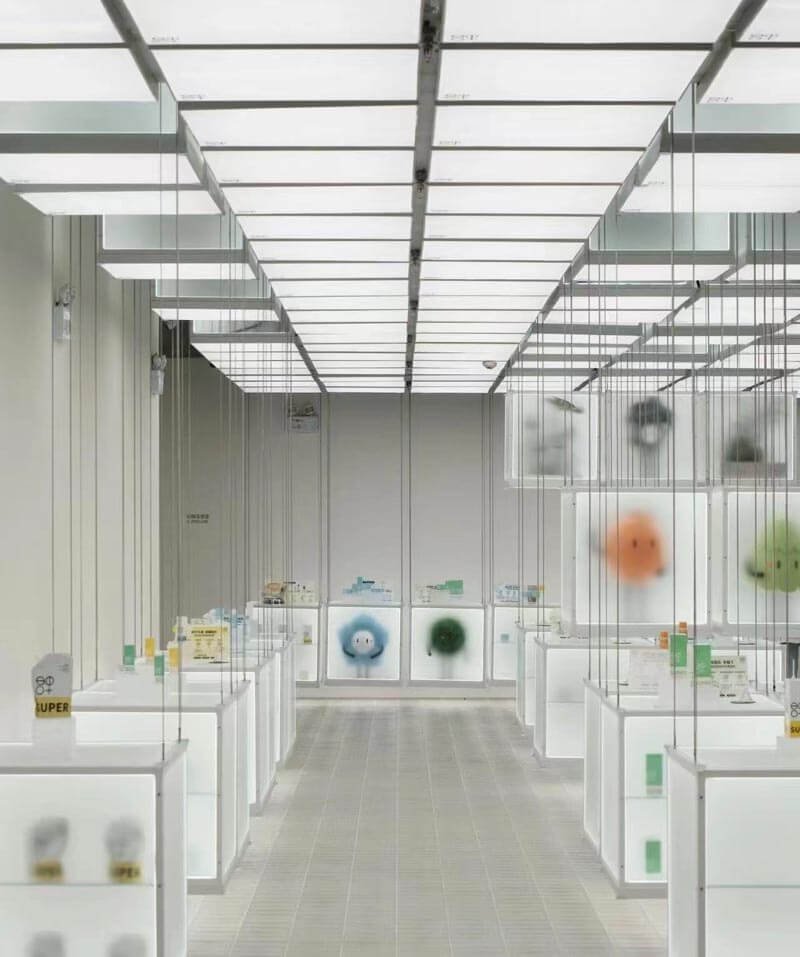
acrylic UV printing accuracy

In the dynamic world of retail design, the quest for innovative and eye-catching displays has led to the adoption of cutting-edge technologies. Among these, Acrylic UV Printing stands out as a game-changer, transforming retail spaces into captivating environments that engage and inspire customers. Our latest blog post, “From Concept to Creation: The Role of Acrylic UV Printing in Modern Retail Design,” delves into the heart of this revolutionary technology, offering readers a comprehensive exploration of its impact on the retail industry.

🎉🎉🎉Limited Time Offer Use code: QR4GNY08SHVR at checkout and enjoy a special discount on your entire order! 👉 Acrylic plastic

Starting with “The Basics of Acrylic UV Printing: Understanding the Technology,” we demystify the process behind this innovative printing method, highlighting its efficiency and the stunning visual clarity it brings to designs. We then journey into “Comparing Acrylic UV Printing with Traditional Retail Display Methods,” where we lay out the compelling advantages of acrylic prints over conventional materials, emphasizing their unparalleled durability, vibrant colors, and the ability to produce intricate designs with precision.

Our exploration takes a creative turn with “Creative Applications of Acrylic UV Printing in Retail Spaces,” showcasing real-world examples of how businesses are leveraging this technology to create immersive brand experiences. From bespoke signage to unique shelving units, we illustrate the versatility and transformative power of acrylic UV printing in setting a new standard for retail aesthetics.

In “Designing with Durability in Mind: The Long-Term Benefits of Acrylic UV Printed Displays,” we delve into the sustainability and cost-effectiveness of using acrylic materials, underscoring their resistance to environmental factors and their contribution to long-lasting retail environments.

Finally, our “Step-by-Step Guide to Implementing Acrylic UV Printing in Your Retail Design Project” offers practical advice for integrating this technology into retail design projects. We provide insights into selecting the right printing partner, incorporating acrylic elements seamlessly into store designs, and ensuring that every piece resonates with the brand’s identity and values.

Join us as we explore the transformative role of Acrylic UV Printing in modern retail design, from concept to creation, and discover how this technology is not just changing the game but setting a new benchmark for retail environments worldwide.

The Basics of Acrylic UV Printing: Understanding the Technology

In the realm of retail design, the quest for innovative solutions that combine aesthetic appeal with durability has led to the adoption of Acrylic UV Printing. This technology has revolutionized the way brands and designers think about visual merchandising and store aesthetics. But what exactly is Acrylic UV Printing, and how does it work? Let’s dive into the fundamentals of this cutting-edge technology.

How Acrylic UV Printing Works

At its core, Acrylic UV Printing involves the direct application of ink onto acrylic surfaces using ultraviolet (UV) light to cure or dry the ink instantly. This process differs significantly from traditional printing methods, where ink may spread before it dries, potentially distorting the image. In UV printing, the ink is exposed to UV light as soon as it hits the acrylic surface, resulting in crisp, vibrant images that are resistant to fading and wear.

The key components of this technology include UV inks, UV light, and state-of-the-art printers that are specifically designed for this purpose. UV inks are formulated to dry instantly under UV light, allowing for multiple layers to be applied and cured in quick succession. This capability enables the creation of textured effects and the printing of white ink as a base layer, enhancing the vibrancy of colors on transparent or colored acrylic.

Why Acrylic UV Printing Is Suited for Retail Design

Acrylic UV Printing shines in retail design applications for several reasons. Firstly, the durability of the printed pieces is unparalleled, making them ideal for high-traffic retail environments where longevity is key. The UV-cured inks are resistant to scratches, moisture, and sunlight, ensuring that displays remain vibrant and intact for years.

Secondly, the versatility of acrylic as a material, combined with the precision of UV printing, opens up a world of creative possibilities. Retailers can customize their spaces with intricate designs, photorealistic images, and bold branding elements that capture the essence of their identity. From eye-catching signage to innovative point-of-sale displays, acrylic UV printing allows for a level of customization and visual impact that traditional materials cannot match.

Moreover, the sustainability aspect of UV printing is particularly appealing in today’s eco-conscious market. UV inks are solvent-free, meaning they don’t release volatile organic compounds (VOCs) into the environment. This feature, coupled with the durability of acrylic, contributes to a reduced need for frequent replacements and, consequently, less waste.

Implementing Acrylic UV Printing in Retail Spaces

For retailers looking to elevate their store design, incorporating Acrylic UV Printing is a strategic move. Whether it’s through bespoke wall art, branded display cases, or innovative signage solutions, the technology offers a unique blend of durability, versatility, and environmental responsibility. By partnering with experienced printers who specialize in acrylic UV printing, retailers can transform their spaces into visually stunning environments that resonate with their brand and appeal to their customers.

As we continue to explore the capabilities and applications of Acrylic UV Printing, it’s clear that this technology is not just a passing trend but a fundamental shift in how retail spaces are designed and experienced. Its ability to bring concepts to creation with unparalleled precision and vibrancy makes it an indispensable tool in the modern retail designer’s arsenal.

Comparing Acrylic UV Printing with Traditional Retail Display Methods

The evolution of retail design has been significantly influenced by advancements in printing and material technologies. Among these, Acrylic UV Printing has emerged as a standout method, offering distinct advantages over traditional retail display techniques. Understanding these differences can help retailers make informed decisions about how best to showcase their products and brand.

Durability and Longevity

One of the most compelling advantages of Acrylic UV Printing is its durability. Traditional methods, such as vinyl decals or standard print on paper behind glass, are susceptible to fading, peeling, and wear over time, especially in high-traffic areas. Acrylic UV prints, on the other hand, boast a resilience that is unmatched. The UV-cured inks form a strong bond with the acrylic surface, making them resistant to scratches, moisture, and UV light. This durability ensures that retail displays remain vibrant and intact for years, reducing the need for frequent replacements and maintenance.

Vivid Colors and High-Quality Finishes

The quality of the imagery produced through Acrylic UV Printing is another area where it outshines traditional methods. The precision of UV printers allows for the reproduction of vivid colors and sharp details directly onto acrylic surfaces. Unlike traditional printing, where colors may appear muted or details lost when transferred to different materials, UV printing maintains the integrity of the original design. This capability is particularly beneficial for brands that rely on high-impact visuals to attract and engage customers.

Complex Designs and Customization

The flexibility of Acrylic UV Printing in creating complex designs is unparalleled. Traditional display methods often limit creativity due to material constraints or the complexity of applying designs to surfaces. With UV printing, however, retailers can achieve intricate patterns, layered images, and even textured effects with ease. This level of customization allows for truly unique displays that can be tailored to fit any brand’s aesthetic or promotional theme.

Sustainability and Environmental Impact

In today’s eco-conscious market, the sustainability of retail displays is increasingly important. Acrylic UV Printing offers a more environmentally friendly option compared to some traditional methods. The UV inks used are solvent-free and do not emit volatile organic compounds (VOCs), making them safer for the environment and the people who work with them. Additionally, the longevity of acrylic displays means less waste is generated over time, contributing to a more sustainable retail environment.

Cost-Effectiveness Over Time

While the initial investment in Acrylic UV Printing may be higher than some traditional display methods, the long-term cost benefits are significant. The durability and low maintenance requirements of acrylic UV printed displays result in lower replacement and repair costs. Furthermore, the ability to quickly and easily update designs or promotional messages without replacing the entire display can lead to significant savings for retailers.

Implementing Acrylic UV Printing in Retail Design

For retailers looking to stand out in a crowded market, Acrylic UV Printing offers a compelling solution. Its advantages over traditional display methods—ranging from enhanced durability and visual appeal to customization and sustainability—make it an attractive choice for modern retail environments. By embracing this technology, retailers can create engaging, long-lasting displays that captivate customers and elevate their brand.

Creative Applications of Acrylic UV Printing in Retail Spaces

The versatility of Acrylic UV Printing has opened up a new world of possibilities for retail design, allowing for the creation of unique and innovative displays that capture the essence of a brand. This technology is not just about printing images; it’s about transforming retail spaces into immersive environments that enhance the customer experience. Let’s explore some of the creative applications of acrylic UV printing in retail environments.

Signage That Stands Out

One of the most common yet impactful uses of Acrylic UV Printing is in the creation of signage. Unlike traditional signs, acrylic UV printed signs offer unparalleled clarity and color depth, making them more likely to catch the eye of passersby. From elegant, minimalist logos to complex, layered graphics, the precision of UV printing ensures that every detail is sharp and vibrant. Illuminated signage, where LED lights are used to backlight the printed acrylic, can further enhance visibility and aesthetic appeal, making a store’s entrance truly memorable.

Point-of-Sale Displays That Engage

At the point of sale, engaging the customer is crucial. Acrylic UV Printing allows for the design of highly customized point-of-sale displays that can incorporate brand colors, logos, and thematic elements into the design. These displays can range from simple countertop stands showcasing new products to elaborate installations that tell a brand’s story or highlight the features of a product. The durability of acrylic also means these displays can withstand the rigors of high-traffic areas, maintaining their visual appeal over time.

Shelving Units with a Twist

Retail shelving doesn’t have to be mundane. With Acrylic UV Printing, shelving units can become part of the store’s decor, featuring printed patterns, brand motifs, or even ambient scenes that complement the products on display. This approach not only adds a visual element to the shelving but can also enhance the overall shopping experience, making it more enjoyable and memorable for customers.

Branded Decor Elements That Resonate

Beyond functional elements like signage and displays, Acrylic UV Printing can be used to create branded decor elements that reinforce a store’s identity. This could include wall murals, ceiling hangings, or even floor decals that guide customers through the space. By integrating brand elements into the store’s design in a subtle and artistic way, retailers can create a cohesive environment that resonates with customers and strengthens brand recognition.

Innovative Use Cases Beyond the Ordinary

The potential applications of Acrylic UV Printing in retail spaces extend far beyond traditional uses. Imagine fitting rooms with printed acrylic doors that change opacity for privacy or interactive displays where customers can engage with printed QR codes to learn more about products. The technology also allows for the creation of unique experiential zones, such as themed fitting areas or immersive product demonstration stations, further blurring the lines between retail and entertainment.

Embracing Acrylic UV Printing in Retail Design

The creative applications of Acrylic UV Printing in retail spaces showcase the technology’s ability to transform ordinary environments into extraordinary experiences. By leveraging the durability, versatility, and visual impact of printed acrylic, retailers can create spaces that not only attract customers but also engage them in meaningful ways. As retail design continues to evolve, the innovative use of acrylic UV printing will undoubtedly play a key role in shaping the future of retail environments.

Designing with Durability in Mind: The Long-Term Benefits of Acrylic UV Printed Displays

In the competitive landscape of retail design, the durability and longevity of display materials are as crucial as their aesthetic appeal. Acrylic UV Printed Displays stand out not only for their visual impact but also for their remarkable resilience. This combination makes them a preferred choice for retailers looking to invest in long-lasting design solutions. Let’s delve into the aspects that contribute to the durability of acrylic UV printed materials and how they offer cost-effectiveness and sustainability in retail environments.

Resistance to Fading and Wear

One of the most significant advantages of Acrylic UV Printing is its resistance to fading. The UV curing process locks the ink onto the acrylic surface, creating a bond that is impervious to the effects of sunlight and indoor lighting. This means that displays maintain their vibrant colors and sharp details much longer than traditional printed materials, which can fade when exposed to UV light over time. Additionally, acrylic’s inherent strength and the scratch-resistant nature of UV-cured inks mean that these displays can withstand the wear and tear of high-traffic retail settings without losing their visual appeal.

Environmental Resilience

Acrylic UV printed materials are also known for their environmental resilience. They can endure extreme temperatures, humidity, and exposure to elements without warping, yellowing, or deteriorating. This makes them ideal for both indoor and outdoor applications, from storefront signs to outdoor kiosks and patio displays. The ability to withstand environmental factors without significant degradation extends the life of the displays, reducing the need for frequent replacements and, consequently, the environmental footprint of retail design materials.

Cost-Effectiveness Over Time

While the initial cost of Acrylic UV Printed Displays may be higher than some traditional materials, their durability translates into significant cost savings over time. The longevity of these displays means fewer resources are spent on maintenance, repairs, and replacements. Retailers can enjoy the benefits of eye-catching, brand-aligned designs that remain in pristine condition for years, ensuring a consistent and engaging customer experience without the need for constant investment in new signage and decor.

Sustainability Aspects

Choosing Acrylic UV Printing for retail design is not just a decision made with durability in mind; it’s also a step towards more sustainable retail practices. The longevity of acrylic displays reduces waste, as these materials do not need to be replaced as frequently as less durable alternatives. Moreover, the UV printing process itself is more environmentally friendly than traditional printing methods, as it uses less energy and produces no volatile organic compounds (VOCs). By opting for acrylic UV printed materials, retailers can lower their environmental impact while maintaining high standards of design and durability.

Emphasizing Durability in Retail Design

Incorporating Acrylic UV Printed Displays into retail spaces is a strategic choice that balances aesthetic desires with practical considerations. The durability, environmental resilience, and cost-effectiveness of these materials make them an ideal choice for retailers looking to create sustainable, long-lasting designs. As the retail industry continues to evolve, the emphasis on durable materials like acrylic UV printed displays will likely grow, reflecting a broader shift towards sustainability and efficiency in retail design.

Step-by-Step Guide to Implementing Acrylic UV Printing in Your Retail Design Project

Integrating Acrylic UV Printing into retail design projects offers a unique opportunity to elevate brand presence and create an engaging customer experience. This guide provides practical steps for retailers, designers, and brand managers to effectively incorporate this innovative technology into their design projects.

Step 1: Define Your Design Objectives

Before diving into the specifics of acrylic UV printing, it’s crucial to clearly define the objectives of your retail design project. Consider what you aim to achieve with your printed acrylic elements—whether it’s enhancing brand visibility, creating an immersive environment, or showcasing products in a new light. Understanding your goals will guide your design decisions and help you communicate your vision to your printing partner.

Step 2: Explore Design Possibilities

Acrylic UV printing offers unparalleled versatility in terms of design. From vivid colors and intricate patterns to custom textures and 3D effects, the possibilities are nearly endless. Spend time exploring creative ideas that align with your brand identity and project objectives. Consider how different elements like signage, point-of-sale displays, and decor can be designed to captivate and engage your audience.

Step 3: Select the Right Printing Partner

Choosing a printing partner with expertise in Acrylic UV Printing is critical. Look for providers with a strong portfolio of retail projects, advanced printing technology, and a reputation for quality and reliability. Discuss your project in detail with potential partners, including your design ideas, material preferences, and timeline. A good partner will offer valuable insights, suggest improvements, and ensure your vision is realized to the highest standards.

Step 4: Finalize Your Designs

With your printing partner selected, it’s time to finalize your designs. This step involves refining your concepts based on technical considerations and your partner’s feedback. Pay attention to details such as color accuracy, image resolution, and the scale of patterns or graphics. Ensure your designs are optimized for printing on acrylic, considering factors like ink opacity and the effect of lighting on transparent or translucent materials.

Step 5: Integrate with Overall Store Aesthetics

Successfully integrating acrylic UV printed elements into your retail space requires careful consideration of the store’s overall aesthetics. Each piece should complement the environment and contribute to a cohesive look and feel. Consider how your acrylic elements interact with lighting, store layout, and existing decor. The goal is to enhance the shopping experience without overwhelming customers with too many visual stimuli.

Step 6: Installation and Maintenance

Proper installation is key to maximizing the impact of your acrylic UV printed elements. Work with your printing partner or a professional installer to ensure each piece is securely mounted and positioned for optimal visibility. Additionally, discuss maintenance requirements with your partner. Acrylic is durable and easy to clean, but understanding the best practices for care will help keep your displays looking their best over time.

Leveraging Acrylic UV Printing for Retail Success

By following these steps, retailers and designers can effectively incorporate Acrylic UV Printing into their retail design projects. This innovative technology offers a powerful way to enhance brand storytelling, create memorable customer experiences, and stand out in the competitive retail landscape. With careful planning, creative design, and the right partnership, acrylic UV printed elements can transform any retail space into a dynamic and engaging environment.

Embracing Acrylic UV Printing in retail design not only sets the stage for creating visually stunning environments but also underscores a commitment to durability, sustainability, and innovation. As we’ve explored the multifaceted benefits and practical steps to integrating this technology into retail spaces, it’s clear that acrylic UV printed elements offer a unique opportunity to captivate customers, enhance brand identity, and navigate the future of retail aesthetics with confidence. By thoughtfully implementing these strategies, retailers can forge deeper connections with their audience, standing out in a crowded marketplace with designs that resonate on both an aesthetic and emotional level. As the retail landscape continues to evolve, leveraging the power of acrylic UV printing will undoubtedly be a key differentiator for brands looking to make a lasting impression.

Ready to Transform Your Retail Space?

Dive into the future of retail design with our cutting-edge Acrylic UV Printing solutions. Don’t miss out on creating an unforgettable shopping experience. Fill out the contact form below to start your journey towards a visually stunning retail environment today! 

🎉🎉🎉Limited Time Offer Use code: QR4GNY08SHVR at checkout and enjoy a special discount on your entire order! 👉 Acrylic plastic

Leave a comment


Please note, comments must be approved before they are published


Custom Plastic Fabrication

Send your drawing, material and quantity for review

🔧
Precision Machining
CNC milling & turning
✂️
Cutting & Engraving
Laser & waterjet cutting
🏭
Forming & Molding
Thermoforming & injection
🔗
Joining & Assembly
Welding & bonding
📐
Design & Prototyping
CAD design & samples

General

HDPE

PP

PVC

ABS

Engineering

POM

Nylon

PC

PMMA

High-Performance

PEEK

PEI

PTFE

Composites

FR-4

G10

Flexible

TPU

Silicone

Why Choose BeePlastic?

🎯
Perfect Fit
Custom specs eliminate adaptation needs
⚡
Clear Lead Times
Lead time confirmed with every quote
💰
Volume Pricing
Volume pricing available on bulk orders
🤝
Expert Support
Free engineering consultation included
📋
Submit
→
🔍
Review
→
💵
Quote
→
✅
Production
→
📦
Deliver

Request a Quote

Share your project details, selected material and quantity on our quote page. You can add a file link or use the email drawing route shown there.


Request Quote

Industries: Automotive • Medical • Food • Lab • Semiconductor

beeplastic@beeplastic.com


Innovative Retail Solutions: Exploring the Benefits of Acrylic UV Printing

Acrylic UV printing is the future of retail printing

In the dynamic world of retail, standing out is more crucial than ever. “Innovative Retail Solutions: Exploring the Benefits of Acrylic UV Printing” dives deep into the transformative power of Acrylic UV Printing, a cutting-edge technology that is redefining retail aesthetics and functionality. This comprehensive blog post begins by unraveling The Basics of Acrylic UV Printing, shedding light on its innovative process and how it stands apart from traditional printing methods. With its unparalleled clarity, durability, and versatility, Acrylic UV Printing emerges as a game-changer for retail displays.

🎉🎉🎉Limited Time Offer Use code: QR4GNY08SHVR at checkout and enjoy a special discount on your entire order! 👉 Acrylic plastictic

As we delve further, we compare Acrylic UV Printing with Other Retail Display Solutions, highlighting its superior durability, visual appeal, and cost-effectiveness. This comparison not only showcases the unique advantages of acrylic prints but also illustrates why they are becoming the preferred choice for retailers seeking to elevate their store environments.

The heart of our discussion focuses on Creative Applications of Acrylic UV Printing in Retail Environments. From eye-catching in-store signage to bespoke product displays, we explore a myriad of innovative uses that enhance customer engagement and brand visibility. This section is rich with examples and case studies that demonstrate the transformative impact of acrylic UV prints in creating memorable shopping experiences.

Understanding the importance of branding in retail, we also examine how to Maximize Brand Impact with Acrylic UV Printed Displays. This segment reveals how the high-quality, vibrant prints produced by Acrylic UV Printing can capture the essence of a brand and communicate its values to consumers effectively.

Lastly, we address the growing concern for sustainability in retail through Sustainability and Durability: The Long-Term Advantages of Acrylic UV Printing. This part underscores the eco-friendly nature of acrylic materials and the longevity of UV prints, presenting them as a sustainable choice that benefits retailers, consumers, and the planet alike.

Join us as we navigate through the exciting world of Acrylic UV Printing, uncovering its potential to revolutionize retail displays with innovation, sustainability, and style. Whether you’re a retailer, designer, or simply fascinated by the latest trends in retail technology, this blog post offers valuable insights into how Acrylic UV Printing is setting new standards in the industry.

The Basics of Acrylic UV Printing: What It Is and How It Works

Acrylic UV Printing is a revolutionary technology that has transformed the landscape of retail displays and signage. Unlike traditional printing methods, Acrylic UV Printing utilizes ultraviolet (UV) light to cure or dry ink as it is printed onto the acrylic surface. This process results in vibrant, high-resolution images that are both durable and visually striking. But what exactly makes this technology stand out, and why is it increasingly favored for retail applications? Let’s dive deeper into the mechanics and benefits of Acrylic UV Printing.

Understanding the Technology Behind Acrylic UV Printing

At its core, Acrylic UV Printing involves the direct application of UV-curable inks onto acrylic materials. The key component here is the UV light, which instantly cures the ink upon contact. This instant curing process is what sets Acrylic UV Printing apart from conventional printing techniques, which typically require solvents to dry the ink and can lead to longer drying times and potential smudging.

The UV inks used in this process are specially formulated to adhere to acrylic surfaces, ensuring that the prints are not only vivid and sharp but also resistant to fading and weathering. This makes Acrylic UV Printing an ideal choice for both indoor and outdoor retail displays, offering longevity that traditional inks can’t match.

How Acrylic UV Printing Differs from Traditional Printing Methods

Traditional printing methods on acrylic often involve applying a layer of ink that needs time to dry and may not achieve the same level of detail and color saturation as UV printing. In contrast, Acrylic UV Printing produces images with stunning clarity and depth of color, thanks to the immediate curing of the UV inks. This method also allows for printing on a variety of acrylic thicknesses and finishes, from clear to frosted, providing unparalleled flexibility in design and application.

Another significant advantage is the environmental aspect. Traditional printing methods can emit volatile organic compounds (VOCs) during the drying process, whereas Acrylic UV Printing is a more eco-friendly option, emitting no VOCs due to the instant curing of the ink.

Why Acrylic UV Printing Is Suited for Retail Applications

For retailers, the appeal of Acrylic UV Printing lies in its ability to produce eye-catching, durable displays that capture the attention of customers. The vibrancy and quality of UV prints can enhance the visual appeal of products, promotions, and branding, making them stand out in a competitive retail environment. Additionally, the durability and resistance to elements mean that displays maintain their aesthetic appeal over time, reducing the need for frequent replacements and offering a better return on investment.

Moreover, the versatility of Acrylic UV Printing allows for customization that can fit any brand’s aesthetic or promotional needs. Whether it’s intricate logos, detailed images, or bold colors, this printing method can achieve it all with precision and clarity. This level of customization is crucial for creating unique retail environments that reflect the brand’s identity and values.

Acrylic UV Printing represents a significant advancement in printing technology, offering benefits that go beyond what traditional methods can provide. Its combination of durability, versatility, and environmental friendliness makes it an excellent choice for retailers looking to elevate their display game. As this technology continues to evolve, its role in shaping the future of retail displays is undoubtedly promising, providing endless possibilities for creative and impactful visual merchandising.

Comparing Acrylic UV Printing with Other Retail Display Solutions

When it comes to creating compelling retail displays, the choice of material and printing technique plays a pivotal role in capturing customer attention and conveying brand messages effectively. Acrylic UV Printing stands out as a superior option for several reasons, including its durability, visual quality, customization options, and cost-effectiveness. Let’s delve into a comparative analysis of Acrylic UV Printing against other retail display solutions to understand its distinct advantages.

Durability: Acrylic UV Printing vs. Traditional Materials

One of the most significant advantages of Acrylic UV Printing is its exceptional durability. Unlike other materials that may fade, peel, or wear out over time, acrylic printed with UV technology maintains its color and integrity even under harsh environmental conditions. This is because the UV curing process ensures that the ink is bonded to the acrylic surface at a molecular level, making it resistant to sun exposure, weathering, and physical wear. In contrast, traditional materials like paper, vinyl, or even standard plastics can deteriorate quickly, especially when used outdoors.

Visual Quality: The Clear Advantage

The visual quality of Acrylic UV Printing is unparalleled, offering vibrant colors, sharp details, and a glossy finish that can make any display stand out. This is due to the high-resolution capabilities of UV printers and the quality of UV-curable inks, which provide a wider color gamut and higher pigment density. Traditional printing methods on materials such as vinyl or fabric often result in less saturated colors and can struggle with fine details, leading to displays that lack impact and fail to catch the eye of potential customers.

Customization Options: Tailoring to Brand Needs

Customization is where Acrylic UV Printing truly shines. The versatility of UV printing technology allows for printing on various shapes, sizes, and thicknesses of acrylic, offering endless possibilities for bespoke retail displays. Whether it’s intricate patterns, complex images, or unique shapes, acrylic UV printing can accommodate. Traditional methods and materials offer less flexibility, often limiting designs to standard shapes and sizes, which can stifle creativity and brand expression.

Cost-Effectiveness: Maximizing ROI

While the initial cost of Acrylic UV Printing may be higher than some traditional printing methods, its long-term cost-effectiveness is undeniable. The durability and longevity of acrylic UV printed displays mean that they need to be replaced less frequently, offering a better return on investment over time. Additionally, the efficiency of the UV printing process reduces labor and material waste, contributing to overall cost savings. In comparison, cheaper materials and printing methods may seem economical at first but can become more costly due to frequent replacements and maintenance.

Acrylic UV Printing emerges as a superior choice for retail displays when compared to traditional materials and printing techniques. Its unmatched durability, exceptional visual quality, extensive customization options, and overall cost-effectiveness make it an ideal solution for retailers looking to create impactful and lasting displays. As brands continue to seek innovative ways to engage with customers, Acrylic UV Printing provides a powerful tool for achieving vibrant, durable, and customized retail environments.
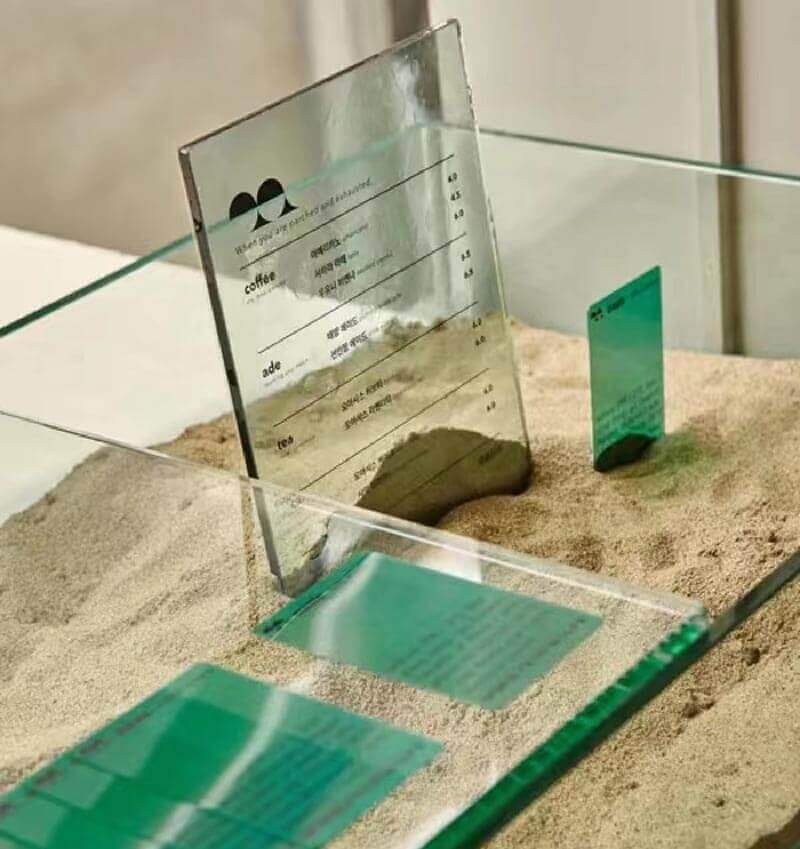
Creative Applications of Acrylic UV Printing in Retail Environments

Acrylic UV Printing has opened up a world of possibilities for retail spaces, offering innovative ways to captivate customers and elevate the shopping experience. This technology’s versatility allows for its application in various aspects of retail design, from functional signage to aesthetic decor. Here, we explore some of the most creative and impactful uses of Acrylic UV Printing in the retail sector.

In-Store Signage: A New Dimension of Clarity and Color

One of the primary applications of Acrylic UV Printing in retail is in the creation of in-store signage. The vibrant colors and sharp details achievable with UV printing make for signs that are not only informative but also visually appealing. Whether it’s directional signage, promotional banners, or brand logos, acrylic signs offer a premium look that enhances the overall store aesthetic. The durability of acrylic also means these signs can withstand the bustling retail environment, maintaining their quality over time.

Product Displays: Highlighting Merchandise with Precision and Elegance

Product displays are another area where Acrylic UV Printing shines. Retailers can use this technology to create custom display stands, shelving units, or product holders that feature intricate designs, brand colors, and logos. These displays are not just functional; they’re also compelling pieces of visual merchandising that draw attention to the products and make them more enticing to customers. The clear, glossy finish of acrylic adds a touch of elegance, making products appear more valuable and desirable.

Decorative Elements: Enhancing Ambiance with Artistic Flair

Beyond practical applications, Acrylic UV Printing is also used to infuse retail spaces with creativity and style through decorative elements. Wall art, ceiling hangings, and even floor decals can transform a store’s ambiance, making shopping a more immersive and enjoyable experience. Retailers can print custom artwork, patterns, or thematic visuals that align with their brand identity or seasonal promotions, adding depth and character to the retail environment.

Case Studies: Real-World Impact of Acrylic UV Printing

To illustrate the impact of Acrylic UV Printing, consider the case of a high-end cosmetics retailer who used acrylic UV printed panels as part of their store redesign. These panels, featuring vibrant, high-resolution images of their products, were installed as backlit displays, creating a luminous, inviting atmosphere that significantly increased customer engagement and sales.

Another example is a sports apparel store that utilized custom acrylic UV printed signage for a marketing campaign. The signs, designed with dynamic, action-packed images of athletes wearing the store’s gear, not only conveyed the brand’s energetic vibe but also served as an effective promotional tool, drawing more visitors to the store.

The Versatility and Impact of Acrylic UV Printing

These examples underscore the versatility and impact of Acrylic UV Printing in enhancing the retail experience. By combining durability, visual appeal, and customization capabilities, acrylic UV printing offers retailers a powerful tool to create engaging, memorable environments that resonate with customers. As retail spaces continue to evolve, the innovative applications of Acrylic UV Printing will undoubtedly play a key role in shaping the future of retail design.

Maximizing Brand Impact with Acrylic UV Printed Displays

In the competitive retail landscape, establishing a strong brand identity and making a lasting impression on customers is crucial. Acrylic UV Printing emerges as a powerful ally in this endeavor, offering unparalleled opportunities to showcase brand elements in a visually striking manner. This technology’s ability to deliver high color fidelity, exceptional print quality, and intricate designs plays a pivotal role in enhancing brand impact and customer attraction.

High Color Fidelity: Bringing Brand Colors to Life

Color is a fundamental component of brand identity, evoking emotions and conveying messages without words. Acrylic UV Printing excels in reproducing brand colors with remarkable accuracy and vibrancy, thanks to its wide color gamut and high-quality UV-curable inks. This high color fidelity ensures that brand logos, motifs, and themes are presented in their truest form, resonating with the audience and reinforcing brand recognition. Whether it’s the deep blues of a technology brand or the vibrant reds of a food retailer, acrylic UV prints make these colors pop, capturing customer attention from afar.

Exceptional Print Quality: Detail and Clarity That Speaks Volumes

The print quality of Acrylic UV Printing is second to none, with the ability to render images, text, and patterns in crisp, clear detail. This precision is particularly beneficial for displaying intricate designs or fine text that communicates the brand’s message or values. High-resolution prints on acrylic not only look professional but also signify the quality and attention to detail that the brand stands for. In retail settings, where first impressions matter, the sharpness and clarity of acrylic UV printed displays can significantly influence customer perceptions and engagement.

Reproducing Intricate Designs: A Canvas for Creativity

Acrylic UV Printing offers unmatched versatility in design reproduction, accommodating everything from simple logos to complex artwork. This flexibility allows brands to get creative with their visual merchandising, using acrylic displays as canvases to tell their story or showcase their uniqueness. Whether it’s through elaborate graphic illustrations, photo-realistic images, or innovative typographic designs, acrylic UV prints can bring these concepts to life with precision and impact. This capability not only enhances the aesthetic appeal of retail spaces but also serves as a powerful communication tool, enabling brands to convey their messages effectively and memorably.

Leveraging Acrylic UV Printed Displays for Branding

By harnessing the strengths of Acrylic UV Printing, retailers can create displays that not only draw the eye but also communicate the essence of their brand. From window displays and in-store signage to product showcases and decorative elements, every piece can contribute to a cohesive brand experience that captivates and retains customer interest. In an era where visual communication dominates, the vivid colors, superior quality, and creative freedom offered by acrylic UV printing are invaluable assets for any brand looking to stand out and make a lasting impression.

As brands continue to seek innovative ways to connect with their audiences, Acrylic UV Printing stands out as a key strategy for maximizing brand impact in retail environments. Its ability to deliver visually stunning, high-quality displays makes it an essential tool for any brand aiming to enhance its identity and attract customer attention in a crowded marketplace.

Sustainability and Durability: The Long-Term Advantages of Acrylic UV Printing

In today’s retail industry, sustainability and durability are not just trends but essential criteria for choosing display materials and technologies. Acrylic UV Printing stands out as a solution that aligns with these values, offering significant environmental benefits alongside its superior durability. This combination makes it an attractive choice for retailers looking to minimize their ecological footprint while ensuring their displays remain vibrant and intact for longer periods.

Durability That Reduces Waste

The inherent durability of Acrylic UV Printing is one of its most compelling advantages. Acrylic materials are known for their resistance to impact, weathering, and UV radiation, which means displays created using this technology can withstand the rigors of both indoor and outdoor environments without fading, peeling, or cracking. This longevity reduces the need for frequent replacements, thereby lowering the volume of waste generated over time. For retailers, this not only means cost savings but also contributes to a reduction in the environmental impact associated with the production and disposal of display materials.

High Resistance to Fading: Preserving Visuals and Resources

One of the standout features of Acrylic UV Printing is its exceptional resistance to fading. The UV-curable inks used in this printing method are designed to be UV resistant, ensuring that the vibrant colors and sharp details of retail displays remain as striking as the day they were printed, even when exposed to sunlight for extended periods. This resistance to fading is crucial for maintaining the aesthetic appeal of retail spaces without the need for resource-intensive maintenance or replacements, further emphasizing the sustainability aspect of acrylic UV printed displays.

Recyclability: A Step Towards Sustainable Retail Environments

Acrylic materials offer the added benefit of being recyclable, which is a significant consideration for retailers aiming to operate more sustainably. While the recycling process for acrylic can be complex, the ability to repurpose these materials at the end of their life cycle presents an opportunity to reduce waste and conserve resources. By choosing Acrylic UV Printing for their displays, retailers can take a proactive step towards creating a more sustainable retail environment, aligning with the growing consumer demand for eco-friendly practices and products.
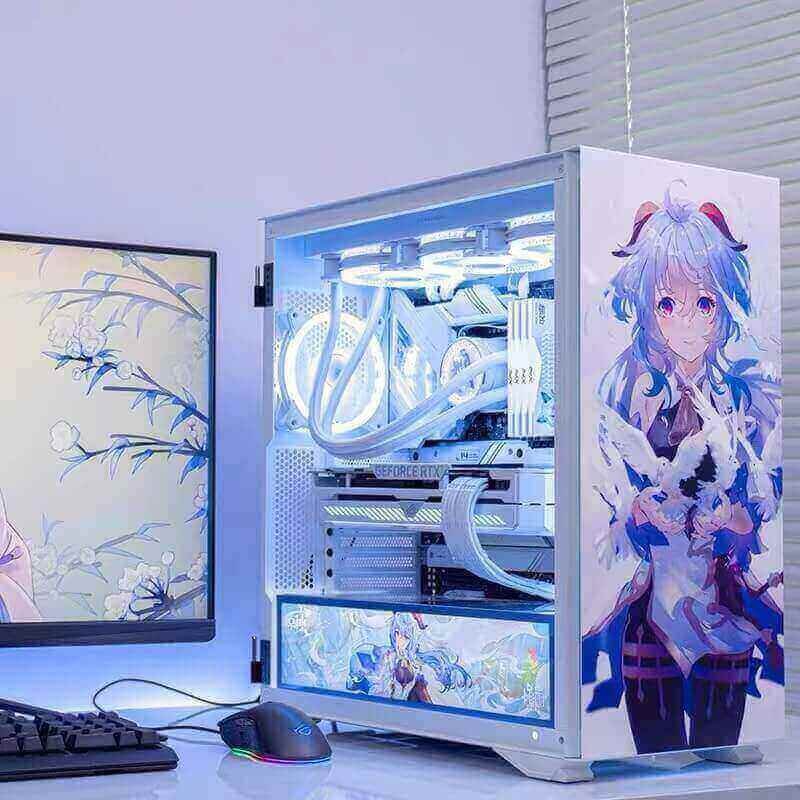
The Environmental Impact of UV Printing Technology

Beyond the material itself, the UV printing process offers environmental advantages. Unlike traditional printing methods that may use solvents and produce volatile organic compounds (VOCs), Acrylic UV Printing is a cleaner technology. The UV inks are cured instantly by UV light, eliminating the need for solvents and significantly reducing the emission of harmful VOCs into the atmosphere. This aspect of UV printing not only contributes to a safer working environment but also aligns with broader environmental sustainability goals.

Embracing Sustainability with Acrylic UV Printing

For retailers, the decision to use Acrylic UV Printing is not just about achieving visually appealing displays; it’s also an investment in sustainability and durability. By opting for this technology, retailers can enjoy long-lasting, high-quality displays that minimize environmental impact through reduced waste, lower VOC emissions, and the potential for recycling. As the retail industry continues to evolve towards more sustainable practices, Acrylic UV Printing offers a way to meet consumer expectations for eco-friendliness without compromising on design quality or brand visibility.

Embracing Acrylic UV Printing in retail environments represents a forward-thinking approach to visual merchandising, combining aesthetic appeal with practical benefits. This innovative technology not only elevates the retail experience through vibrant, durable displays but also aligns with the growing emphasis on sustainability within the industry. By offering unparalleled color fidelity, exceptional print quality, and the ability to reproduce intricate designs, acrylic UV printed displays serve as a testament to a brand’s commitment to quality and environmental responsibility. As retailers continue to navigate the challenges of attracting and retaining customer attention, Acrylic UV Printing emerges as a key strategy, providing a sustainable, impactful, and customizable solution that stands the test of time. In the pursuit of creating memorable shopping experiences, the advantages of acrylic UV printing underscore its role as an indispensable tool in the modern retail landscape.
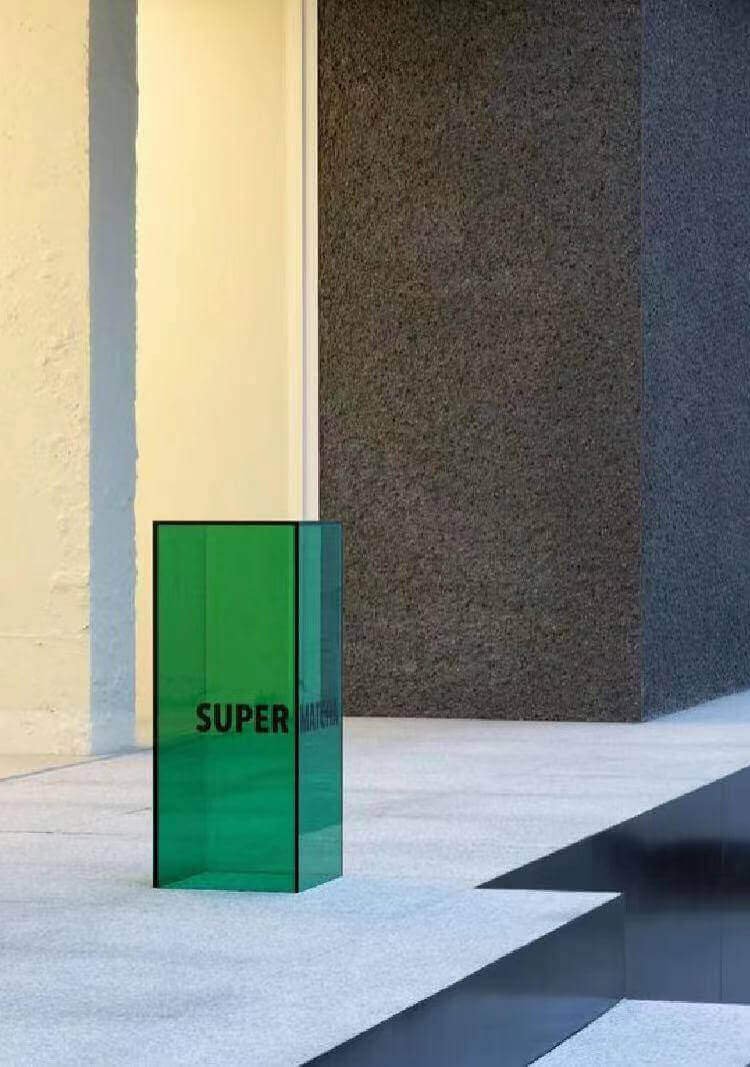
Elevate Your Brand Today!

Are you looking to make a lasting impression in the competitive retail market? Acrylic UV Printing is your answer. Take the first step towards innovative and sustainable retail solutions by filling out our contact form below. Let’s discuss how we can bring your brand to life in vibrant color and unparalleled quality. 

🎉🎉🎉Limited Time Offer Use code: QR4GNY08SHVR at checkout and enjoy a special discount on your entire order! 👉 Acrylic plastic

Leave a comment


Please note, comments must be approved before they are published


Custom Plastic Fabrication

Send your drawing, material and quantity for review

🔧
Precision Machining
CNC milling & turning
✂️
Cutting & Engraving
Laser & waterjet cutting
🏭
Forming & Molding
Thermoforming & injection
🔗
Joining & Assembly
Welding & bonding
📐
Design & Prototyping
CAD design & samples

General

HDPE

PP

PVC

ABS

Engineering

POM

Nylon

PC

PMMA

High-Performance

PEEK

PEI

PTFE

Composites

FR-4

G10

Flexible

TPU

Silicone

Why Choose BeePlastic?

🎯
Perfect Fit
Custom specs eliminate adaptation needs
⚡
Clear Lead Times
Lead time confirmed with every quote
💰
Volume Pricing
Volume pricing available on bulk orders
🤝
Expert Support
Free engineering consultation included
📋
Submit
→
🔍
Review
→
💵
Quote
→
✅
Production
→
📦
Deliver

Request a Quote

Share your project details, selected material and quantity on our quote page. You can add a file link or use the email drawing route shown there.


Request Quote

Industries: Automotive • Medical • Food • Lab • Semiconductor

beeplastic@beeplastic.com


Polypropylene: The Amazing Plastic You Need to Know About

PP

You’ve probably heard of polypropylene, or PP for short. It’s one of the most common plastics in the world. But do you know what it is and why it’s so awesome? In this article, we’ll tell you everything you need to know about this amazing plastic, from how it’s made and what it can do to how you can use it and recycle it.

🎉🎉🎉Limited Time Offer Use code: QR4GNY08SHVR at checkout and enjoy a special discount on your entire order! 👉 PP plastic

PP

What is Polypropylene and How is it Made?

Polypropylene is a type of plastic that can be melted and reshaped many times. It’s made from small molecules called propylene, which come from oil or gas.

Polypropylene is made by a process called chain-growth polymerization, which means linking together many propylene molecules to make long chains. The way these chains are arranged makes different kinds of polypropylene with different properties.

Why is Polypropylene So Great?

Polypropylene has many great properties that make it perfect for a lot of things. Some of these properties are:

  • It’s strong and stiff
  • It’s resistant to chemicals
  • It’s light and cheap
  • It can handle high temperatures and electricity
  • It’s easy to find and use

Polypropylene also has some drawbacks, like it doesn’t like sunlight, it can break easily in cold weather, and it can get old and worn out. But don’t worry, these problems can be fixed by adding some other stuff to polypropylene, like additives, fillers, or other plastics.

Additives

What Can You Do With Polypropylene?

Polypropylene is used for a lot of things in a lot of industries and products, such as:

  • Packaging: Polypropylene is great for food containers, bottles, caps, bags, films, labels, etc. It’s safe for food, strong, light, and recyclable.
    PP bottle
  • Textiles: Polypropylene is great for carpets, rugs, upholstery, clothing, diapers, etc. It’s soft, breathable, water-repellent, and stain-resistant.
  • Automotive: Polypropylene is great for bumpers, dashboards, door panels, battery cases, etc. It’s strong, flexible, heat-resistant, and saves fuel.
  • Medical: Polypropylene is great for syringes, sutures, implants, masks, gowns, etc. It’s compatible with your body, clean, and resistant to bacteria and chemicals.
  • Construction: Polypropylene is great for pipes, fittings, roofing membranes, insulation materials, etc. It’s corrosion-resistant, weather-resistant, and easy to install.
    PP pipe

What Kinds of Polypropylene Are There?

Polypropylene can be divided into different kinds based on how its molecules are arranged and how they behave. The main kinds are:

  • Homopolymer: This is the simplest kind of polypropylene that has only propylene molecules. It’s very strong and stiff but not very flexible or tough.
  • Copolymer: This kind of polypropylene has some other molecules mixed with propylene molecules. It’s less strong and stiff but more flexible and tough than homopolymer.
  • Random copolymer: This kind of polypropylene has propylene and other molecules mixed randomly along the chain. It’s clear and transparent but melts easier than homopolymer.
  • Block copolymer: This kind of polypropylene has propylene and other molecules mixed in blocks along the chain. It’s very tough and strong but not very clear than random copolymer.
  • Impact copolymer: This kind of polypropylene has a core of homopolymer and a shell of copolymer. It’s super tough and stiff but doesn’t flow very well than other kinds.
PP

Polypropylene can also be mixed with other plastics like polyethylene or polystyrene to make it better or cheaper. Some examples of polypropylene mixes are:

  • Polypropylene/polyethylene (PP/PE): This mix is more flexible and tough than pure polypropylene.
  • Polypropylene/polystyrene (PP/PS): This mix is more stiff and heat-resistant than pure polypropylene.
  • Polypropylene/polyamide (PP/PA): This mix is more abrasion-resistant and barrier-resistant than pure polypropylene.

How Can You Use and Recycle Polypropylene?

Polypropylene can be used by various methods like injection molding, extrusion, blow molding, thermoforming, etc. Depending on what kind and grade of polypropylene you have, you need to adjust different things like temperature, pressure, speed, and mold design to get the best product quality and performance.

Polypropylene is also recyclable and can be used again for making new things. But there are some challenges and limits in recycling polypropylene, such as:

  • Sorting: Polypropylene needs to be separated from other plastics and trash before recycling. You can do this by hand or by using machines that can see or feel the difference.
  • Cleaning: Polypropylene needs to be cleaned from dirt, grease, labels, glue, etc. before recycling. You can do this by using water, soap, chemicals, or heat.
PP tray
  • Degradation: Polypropylene can get old and bad due to heat, light, air, or water during use or storage. This can change its properties and quality. You can prevent or reduce this by using stuff that protects polypropylene from these things.
  • Compatibility: Polypropylene can have different kinds, grades, additives, or mixes that may not work well with each other during recycling. This can cause problems like poor sticking, low strength, or bad look. You can improve this by using stuff that makes polypropylene work better with each other.

Polypropylene is an amazing plastic that has many benefits and uses in various things and places. It has different kinds and properties that can be changed to suit different needs and wants. It can also be used and recycled in different ways to reduce its impact on the environment and save resources.

We hope you had fun reading this article and discovering more about polypropylene.

Recycling

If you are interested in using Polypropylene (PP) products or would like more information, We are a professional plastic maker with over 20 years of experience and skill in polypropylene and other plastics. please do not hesitate to contact us. We would be happy to be disturbed and help you with your needs. Do you need a free quote or help with any questions or materials? 

🎉🎉🎉Limited Time Offer Use code: QR4GNY08SHVR at checkout and enjoy a special discount on your entire order! 👉 PP plastic

Our website: www.beeplastic.com
Click to contact: Polypropylene (PP)

Leave a comment


Please note, comments must be approved before they are published


Custom Plastic Fabrication

Send your drawing, material and quantity for review

🔧
Precision Machining
CNC milling & turning
✂️
Cutting & Engraving
Laser & waterjet cutting
🏭
Forming & Molding
Thermoforming & injection
🔗
Joining & Assembly
Welding & bonding
📐
Design & Prototyping
CAD design & samples

General

HDPE

PP

PVC

ABS

Engineering

POM

Nylon

PC

PMMA

High-Performance

PEEK

PEI

PTFE

Composites

FR-4

G10

Flexible

TPU

Silicone

Why Choose BeePlastic?

🎯
Perfect Fit
Custom specs eliminate adaptation needs
⚡
Clear Lead Times
Lead time confirmed with every quote
💰
Volume Pricing
Volume pricing available on bulk orders
🤝
Expert Support
Free engineering consultation included
📋
Submit
→
🔍
Review
→
💵
Quote
→
✅
Production
→
📦
Deliver

Request a Quote

Share your project details, selected material and quantity on our quote page. You can add a file link or use the email drawing route shown there.


Request Quote

Industries: Automotive • Medical • Food • Lab • Semiconductor

beeplastic@beeplastic.com


What is Polypropylene and Why is it Useful?

Polypropylene (PP)

Polypropylene (PP) is a type of plastic that has many applications in various industries and products. But what exactly is polypropylene, how is it made, and what are its advantages? In this article, we will explore the properties, types, uses, and benefits of this versatile material.

🎉🎉🎉Limited Time Offer Use code: QR4GNY08SHVR at checkout and enjoy a special discount on your entire order! 👉 PP plastic

Polypropylene (PP)

What is Polypropylene?

Polypropylene is a thermoplastic polymer, which means it can be melted and reshaped multiple times. It is made from propylene monomer, a hydrocarbon molecule derived from petroleum or natural gas. Polypropylene belongs to the group of polyolefins, which are plastics that have only carbon and hydrogen atoms in their structure. Polypropylene is partially crystalline and non-polar, which means it has a regular and ordered arrangement of molecules and does not have positive or negative charges on its surface

Polypropylene has some remarkable properties that make it suitable for many applications. Some of these properties are:

Polypropylene plastics
  • Low density: Polypropylene is the lightest among all commodity plastics, with a density of 0.895-0.93 g/cm3. This means it can produce more parts with less weight and save material costs
  • High heat resistance: Polypropylene can withstand temperatures up to 160°C (320°F), which makes it ideal for food packaging that can be heated in a microwave. It also has good thermal stability and does not degrade easily when exposed to heat
  • Chemical resistance: Polypropylene is resistant to most acids, bases, solvents, oils, and fats. It does not react with water or alcohol and does not absorb moisture. It also has good resistance to oxidation and UV radiation
  • Mechanical strength: Polypropylene has high tensile strength, stiffness, and impact resistance. It can endure repeated bending, twisting, and stretching without breaking or deforming. It also has good abrasion resistance and low friction coefficient

Types of Polypropylene

Polypropylene can be classified into different types based on its molecular structure, which affects its properties and performance. The main types of polypropylene are:

Polypropylene
  • Isotactic polypropylene: This is the most common type of polypropylene, which has all the methyl groups (CH3) attached to the same side of the carbon backbone. This arrangement creates a high degree of crystallinity and results in a stiff and strong material that is resistant to creep (deformation under stress). Isotactic polypropylene is used for rigid products such as pipes, containers, crates, etc
  • Syndiotactic polypropylene: This type of polypropylene has the methyl groups attached alternately to opposite sides of the carbon backbone. This arrangement creates a lower degree of crystallinity and results in a softer and more flexible material that has better clarity and transparency. Syndiotactic polypropylene is used for films, sheets, fibers, etc
  • Atactic polypropylene: This type of polypropylene has the methyl groups attached randomly to either side of the carbon backbone. This arrangement creates a very low degree of crystallinity and results in a rubbery and sticky material that has poor mechanical properties. Atactic polypropylene is not used as a standalone product but as an additive or modifier for other plastics or rubber
  • Copolymer polypropylene: This type of polypropylene is produced by copolymerizing propylene with other monomers such as ethylene or butene. This process creates different types of copolymers such as random copolymers, block copolymers, or impact copolymers. These copolymers have different properties than homopolymer polypropylene depending on the type and proportion of comonomer used. For example, random copolymers have improved clarity and flexibility; block copolymers have improved impact strength; and impact copolymers have improved toughness and durability. Copolymer polypropylene is used for products that require a balance of properties such as automotive parts, appliances, toys, etc

What Can You Do With Polypropylene?

Polypropylene is a super versatile plastic that you can find in many things around you. You can shape it in different ways, mix it with other materials, and make it do different things. Here are some of the common things that polypropylene can do for you:

PP plastics
  • Keep your food fresh and safe: Polypropylene is great for food packaging because it keeps out moisture, oxygen, and smells. It also doesn’t melt or leak when you heat it up in the microwave. You can use polypropylene containers for your yogurt, butter, ketchup, and more.
  • Help you heal and stay healthy: Polypropylene is friendly to your body and can resist germs and chemicals. It can also handle high temperatures and radiation without breaking down. You can use polypropylene devices for your surgery, implants, injections, stitches, and more.
  • Make your home cozy and stylish: Polypropylene is light, durable, and easy to clean. It also doesn’t fade or wrinkle when exposed to sunlight or water. You can use polypropylene fabrics for your carpets, rugs, furniture, clothes, diapers, and more.
  • Enhance your car’s performance and appearance: Polypropylene is strong, tough, and stable. It also doesn’t expand or shrink when it gets hot or cold. You can use polypropylene parts for your bumpers, dashboards, doors, fuel tanks, and more.

Why Should You Choose Polypropylene?

Polypropylene is not only a useful plastic but also a safe and eco-friendly one. You can use it without worrying about harming yourself or the environment. Here are some of the reasons why polypropylene is a good choice for you:

pp plastic
  • It’s BPA-free: You may have heard of BPA, a chemical that can leak into your food or water and mess up your hormones, fertility, or health. Well, you don’t have to worry about that with polypropylene. Polypropylene doesn’t contain BPA or any other harmful chemicals. It’s one of the safest plastics for human use.
  • It’s recyclable: You may also have heard of the plastic pollution problem, where tons of plastic waste end up in landfills or oceans and harm wildlife and ecosystems. Well, you can help reduce that problem by recycling polypropylene. Polypropylene can be easily recycled and reused for making new products. You can identify it by the number 5 inside the recycling symbol. Recycling polypropylene reduces waste and saves energy and resources.
  • It’s low impact: You may also have heard of the greenhouse effect, where gases like carbon dioxide trap heat in the atmosphere and cause global warming and climate change. Well, you can help lower that effect by using polypropylene. Polypropylene has a lower environmental impact than other plastics because it requires less energy and water to produce and emits less greenhouse gases and pollutants during its life cycle. It also degrades faster than other plastics in landfills or oceans.

So, what have we learned about polypropylene? We’ve learned that it’s a type of plastic that can do many things for us. It’s made from propylene monomer and has different types based on its structure. It has amazing properties like low density, high heat resistance, chemical resistance, and mechanical strength. It’s also a safe and eco-friendly plastic that is BPA-free, recyclable, and low impact.

pp board

We hope you had fun reading this article and discovering more about polypropylene.

If you are interested in using Polypropylene (PP) products or would like more information, please do not hesitate to contact us. We would be happy to be disturbed and help you with your needs. Do you need a free quote or help with any questions or materials? 

🎉🎉🎉Limited Time Offer Use code: QR4GNY08SHVR at checkout and enjoy a special discount on your entire order! 👉 PP plastic

Our website: www.beeplastic.com
Click to contact: Polypropylene (PP)

Leave a comment


Please note, comments must be approved before they are published


Custom Plastic Fabrication

Send your drawing, material and quantity for review

🔧
Precision Machining
CNC milling & turning
✂️
Cutting & Engraving
Laser & waterjet cutting
🏭
Forming & Molding
Thermoforming & injection
🔗
Joining & Assembly
Welding & bonding
📐
Design & Prototyping
CAD design & samples

General

HDPE

PP

PVC

ABS

Engineering

POM

Nylon

PC

PMMA

High-Performance

PEEK

PEI

PTFE

Composites

FR-4

G10

Flexible

TPU

Silicone

Why Choose BeePlastic?

🎯
Perfect Fit
Custom specs eliminate adaptation needs
⚡
Clear Lead Times
Lead time confirmed with every quote
💰
Volume Pricing
Volume pricing available on bulk orders
🤝
Expert Support
Free engineering consultation included
📋
Submit
→
🔍
Review
→
💵
Quote
→
✅
Production
→
📦
Deliver

Request a Quote

Share your project details, selected material and quantity on our quote page. You can add a file link or use the email drawing route shown there.


Request Quote

Industries: Automotive • Medical • Food • Lab • Semiconductor

beeplastic@beeplastic.com


HDPE Sheet White Polyethylene Plastic Sheets: A Cost-effective, Durable, and Hygienic Solution for Various Applications

White HDPE board perforation

If you are looking for a plastic material that can meet your various needs and requirements, you may want to consider HDPE Sheet White Polyethylene Plastic Sheets. HDPE Sheet White Polyethylene Plastic Sheets are made from High Density Polyethylene, or HDPE for short, which is a type of polyethylene that has high strength, high rigidity, high heat resistance, high chemical resistance, and high UV resistance. HDPE Sheet White Polyethylene Plastic Sheets are widely used in various industries and applications, such as packaging, construction, automotive, medical, and more. But why choose white color over other colors? In this blog post, we will introduce you to some of the advantages and benefits of HDPE Sheet White Polyethylene Plastic Sheets, and how they can fit the needs and preferences of European and American users who care about the cost-effectiveness, durability, and hygiene of their plastic products. Let’s get started!

🎉🎉🎉Limited Time Offer Use code: QR4GNY08SHVR at checkout and enjoy a special discount on your entire order! 👉 HDPE plastic 
White HDPE board engraving and milling surface

Advantages and Benefits of HDPE Sheet White Polyethylene Plastic Sheets

HDPE Sheet White Polyethylene Plastic Sheets have several advantages and benefits over other colors of HDPE sheets, such as:

  • They are cost-effective. HDPE Sheet White Polyethylene Plastic Sheets are low-cost but high-quality plastic materials that can offer you great value for your money. HDPE Sheet White Polyethylene Plastic Sheets have a low density of about 0.95 g/cm3, which means that they are lightweight but strong, and can reduce the material and transportation costs. HDPE Sheet White Polyethylene Plastic Sheets also have a low melt flow index of about 0.3 g/10 min, which means that they have a high viscosity and can be processed at lower temperatures and pressures, which can reduce the energy and equipment costs.
  • They are durable. HDPE Sheet White Polyethylene Plastic Sheets are durable plastic materials that can last for a long time without damage or deformation. HDPE Sheet White Polyethylene Plastic Sheets can withstand temperatures up to 90°C, which makes them suitable for applications that require heat resistance. HDPE Sheet White Polyethylene Plastic Sheets are also resistant to most chemicals, solvents, acids, and bases, which makes them suitable for applications that require chemical resistance. HDPE Sheet White Polyethylene Plastic Sheets are also resistant to UV rays, which makes them suitable for outdoor applications that require weather resistance.
  • They are hygienic. HDPE Sheet White Polyethylene Plastic Sheets are hygienic plastic materials that can offer you a clean and safe solution for your plastic products. HDPE Sheet White Polyethylene Plastic Sheets have a smooth and non-porous surface that can prevent the growth of bacteria and fungi, which can cause contamination and infection. HDPE Sheet White Polyethylene Plastic Sheets can also be easily cleaned and disinfected with common cleaning agents or hot water, which can ensure the hygiene and safety of your products.

HDPE cutting board

How to Choose HDPE Sheet White Polyethylene Plastic Sheets for Your Plastic Products

If you are interested in choosing HDPE Sheet White Polyethylene Plastic Sheets for your plastic products, you need to consider some factors, such as:

  • The type of HDPE sheet. There are different types of HDPE sheets with different properties and characteristics, such as density, melt flow index, molecular weight distribution, etc. You need to choose the type of HDPE sheet that suits your product specifications and requirements.
  • The processing method. There are different processing methods that can create different shapes and sizes of products from HDPE sheet white polyethylene plastic sheets, such as extrusion, cutting, welding, bending, etc. You need to choose the processing method that suits your product design and functionality.  
  • The supplier. There are different suppliers that can provide you with high-quality HDPE sheet white polyethylene plastic sheets at competitive prices and fast delivery times. You need to choose a supplier that has rich experience and expertise in plastic processing and molding, such as www.beeplastic.com.
White HDPE board perforation

Conclusion

HDPE sheet white polyethylene plastic sheets are cost-effective, durable, and hygienic plastic materials that can meet various needs and requirements in different industries and applications. They have several advantages and benefits over other colors of HDPE sheets, such as offering you great value for your money, lasting for a long time without damage or deformation, and ensuring the cleanliness and safety of your products. They also fit the needs and preferences of European and American users who care about the cost-effectiveness, durability, and hygiene of their plastic products.

If you want to learn more about HDPE sheet white polyethylene plastic sheets or order some customized products from us, please visit our website www.beeplastic.com or send us an email at beeplastic@beeplastic.com. We are a professional plastic customization service provider with rich experience and expertise in plastic processing and molding. We can offer you high-quality products at competitive prices and fast delivery times. We look forward to hearing from you soon!

🎉🎉🎉Limited Time Offer Use code: QR4GNY08SHVR at checkout and enjoy a special discount on your entire order! 👉 HDPE plastic 

CNC processing of white HDPE sheet

Leave a comment


Please note, comments must be approved before they are published


Custom Plastic Fabrication
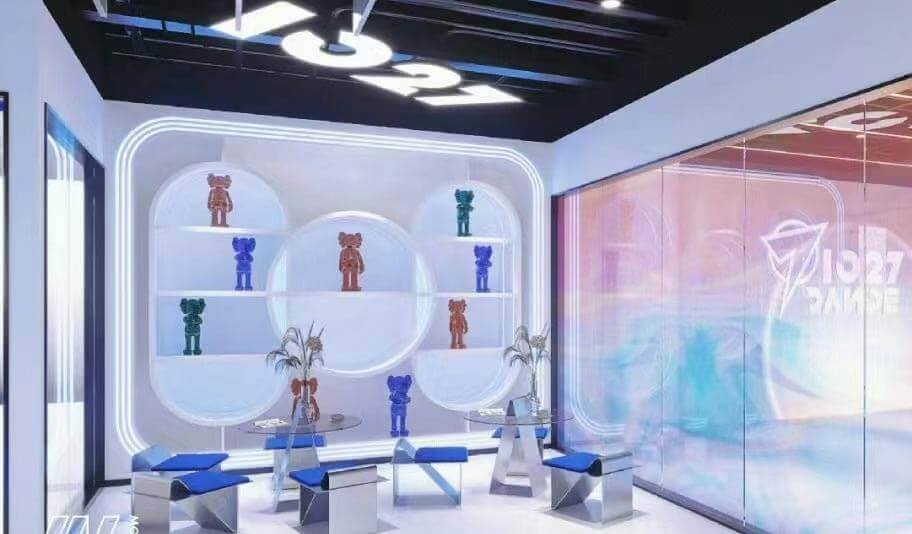
Send your drawing, material and quantity for review

🔧
Precision Machining
CNC milling & turning
✂️
Cutting & Engraving
Laser & waterjet cutting
🏭
Forming & Molding
Thermoforming & injection
🔗
Joining & Assembly
Welding & bonding
📐
Design & Prototyping
CAD design & samples

General

HDPE

PP

PVC

ABS

Engineering

POM

Nylon

PC

PMMA

High-Performance

PEEK

PEI

PTFE

Composites

FR-4

G10

Flexible

TPU

Silicone

Why Choose BeePlastic?

🎯
Perfect Fit
Custom specs eliminate adaptation needs
⚡
Clear Lead Times
Lead time confirmed with every quote
💰
Volume Pricing
Volume pricing available on bulk orders
🤝
Expert Support
Free engineering consultation included
📋
Submit
→
🔍
Review
→
💵
Quote
→
✅
Production
→
📦
Deliver

Request a Quote

Share your project details, selected material and quantity on our quote page. You can add a file link or use the email drawing route shown there.


Request Quote

Industries: Automotive • Medical • Food • Lab • Semiconductor

beeplastic@beeplastic.com


High Density Rectangular Solid Block Plastic HDPE Sheet: A Durable, Versatile, and Eco-friendly Plastic Customization Material
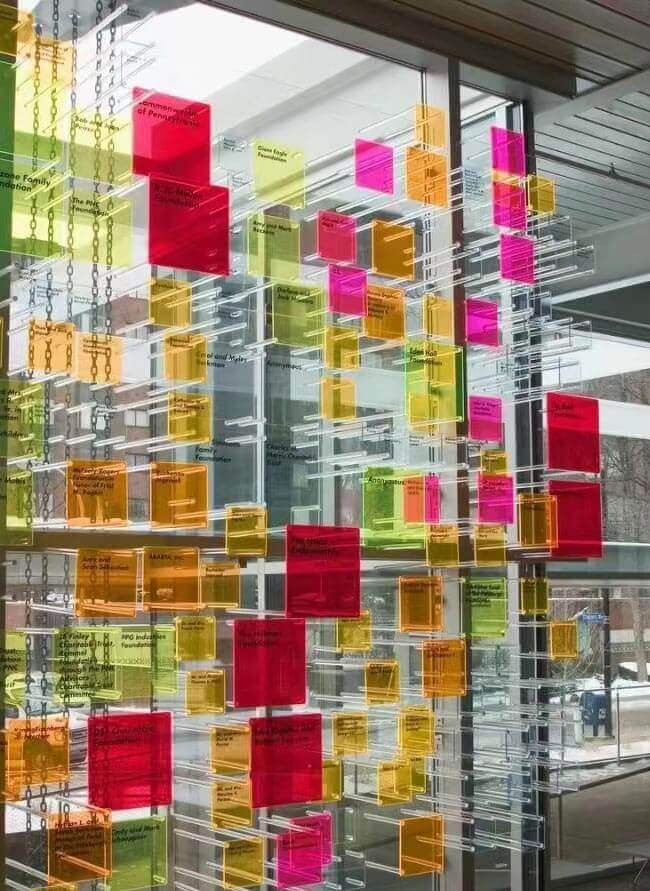
HDPE guide bar

Are you looking for a plastic customization material that can meet your various needs and requirements? Do you want a material that is easy to work with, resistant to different conditions, and cost-effective? Do you also want a material that has a rectangular solid block shape that can provide more stability and support? If you answered yes to any of these questions, then you should consider using High Density Rectangular Solid Block Plastic HDPE Sheet.

🎉🎉🎉Limited Time Offer Use code: QR4GNY08SHVR at checkout and enjoy a special discount on your entire order! 👉 HDPE plastic

HDPE guide bar

What is High Density Rectangular Solid Block Plastic HDPE Sheet?

High Density Rectangular Solid Block Plastic HDPE Sheet is a type of plastic sheet that is made of HDPE (High Density Polyethylene) resin. HDPE is a thermoplastic polymer that has excellent mechanical properties, such as strength, toughness, and impact resistance. High Density Rectangular Solid Block Plastic HDPE Sheet is designed to be used for various plastic customization projects that involve cutting, drilling, sawing, painting, and gluing. It can be shaped into different forms and sizes according to your specifications. It can also be decorated with other materials.

High Density Rectangular Solid Block Plastic HDPE Sheet has a rectangular solid block shape that is not hollow or perforated. This means that it has a uniform and consistent thickness throughout the sheet. It also means that it has more weight and density than other plastic sheets. High Density Rectangular Solid Block Plastic HDPE Sheet can provide more stability and support for any project or product.

Green HDPE processed parts

What are the advantages of High Density Rectangular Solid Block Plastic HDPE Sheet?

High Density Rectangular Solid Block Plastic HDPE Sheet has many advantages over other plastic customization materials, such as nylon, PVC, PE, etc. Here are some of them:

  • High temperature resistance: High Density Rectangular Solid Block Plastic HDPE Sheet can withstand temperatures up to 100°C without deforming or melting. This makes it suitable for projects that involve heat sources or high ambient temperatures.
  • Corrosion resistance: High Density Rectangular Solid Block Plastic HDPE Sheet can resist acids, alkalis, salts, oils, and other chemicals that may cause damage to other plastic materials. This makes it suitable for projects that involve exposure to corrosive environments or substances.
  • Impact resistance: High Density Rectangular Solid Block Plastic HDPE Sheet has a high resistance to cracking and breaking under stress or impact. This makes it suitable for projects that involve high loads or pressures.
  • Eco-friendly: High Density Rectangular Solid Block Plastic HDPE Sheet is made of recyclable and biodegradable materials. It does not contain harmful substances such as lead, mercury, cadmium, etc. It also has a low carbon footprint and a low energy consumption during production. This makes it suitable for projects that involve environmental protection and sustainability.
HDPE cutting board

How to use High Density Rectangular Solid Block Plastic HDPE Sheet?

High Density Rectangular Solid Block Plastic HDPE Sheet is easy to use and install. You just need to choose the right size and shape of the sheet according to your project specifications. Then you need to cut, drill, saw, or paint the sheet as you wish. You can also use glue or other materials to attach the sheet to other objects or surfaces.

Where to use High Density Rectangular Solid Block Plastic HDPE Sheet?

High Density Rectangular Solid Block Plastic HDPE Sheet has a wide range of applications in different industries and fields. Here are some examples:

  • Signage: High Density Rectangular Solid Block Plastic HDPE Sheet can be used to make various signage products, such as banners, signs, posters, etc. You can also customize your signage products with different colors and patterns to attract more attention and customers.
  • Furniture: High Density Rectangular Solid Block Plastic HDPE Sheet can be used to make various furniture products, such as tables, chairs, cabinets, etc. You can also design your own furniture products with different shapes and functions to suit your needs and preferences.
  • Kitchenware: High Density Rectangular Solid Block Plastic HDPE Sheet can be used to make various kitchenware products, such as cutting boards, trays, containers, etc. You can also sanitize your kitchenware products with hot water and soap without damaging them.
  • Toys: High Density Rectangular Solid Block Plastic HDPE Sheet can be used to make various toys products, such as puzzles, blocks, figures, etc. You can also create your own unique toys products with different shapes and functions to suit your hobbies and interests.

Why choose us for plastic customization?

If you are interested in using High Density Rectangular Solid Block Plastic HDPE Sheet or any other plastic customization material for your project or business, you should choose us as your partner. We are a professional website that specializes in plastic customization processing. We have more than 10 years of experience in this field and we have served thousands of customers from different countries and regions.

We offer high-quality products at competitive prices. We have advanced equipment and technology to produce various shapes and sizes of plastic sheets according to your specifications. We also have strict quality control procedures to ensure that every product meets your expectations.

We offer fast delivery and excellent customer service. We have a large inventory of plastic sheets ready for shipment at any time. We also have a dedicated team of customer service representatives who are ready to answer your questions and solve your problems.

White HDPE processed parts

We offer free samples and quotations. If you want to try our products before placing an order, you can request a free sample from us. We will send it to you as soon as possible. You can also request a free quotation from us by filling out a simple form on our website.

How to contact us?

If you want to know more about our products or services, or if you want to place an order with us, you can contact us by email at beeplastic@beeplastic.com . We will reply to you within 1 business day.

🎉🎉🎉Limited Time Offer Use code: QR4GNY08SHVR at checkout and enjoy a special discount on your entire order! 👉 HDPE plastic

We look forward to hearing from you soon!


Leave a comment


Please note, comments must be approved before they are published


Custom Plastic Fabrication

Send your drawing, material and quantity for review

🔧
Precision Machining
CNC milling & turning
✂️
Cutting & Engraving
Laser & waterjet cutting
🏭
Forming & Molding
Thermoforming & injection
🔗
Joining & Assembly
Welding & bonding
📐
Design & Prototyping
CAD design & samples

General

HDPE

PP

PVC

ABS

Engineering

POM

Nylon

PC

PMMA

High-Performance

PEEK

PEI

PTFE

Composites

FR-4

G10

Flexible

TPU

Silicone

Why Choose BeePlastic?

🎯
Perfect Fit
Custom specs eliminate adaptation needs
⚡
Clear Lead Times
Lead time confirmed with every quote
💰
Volume Pricing
Volume pricing available on bulk orders
🤝
Expert Support
Free engineering consultation included
📋
Submit
→
🔍
Review
→
💵
Quote
→
✅
Production
→
📦
Deliver

Request a Quote

Share your project details, selected material and quantity on our quote page. You can add a file link or use the email drawing route shown there.


Request Quote

Industries: Automotive • Medical • Food • Lab • Semiconductor

beeplastic@beeplastic.com