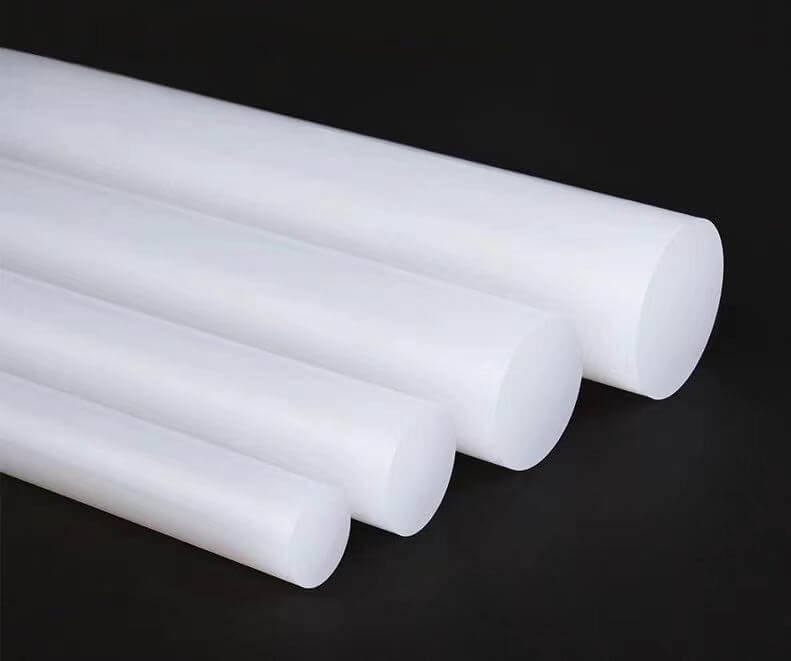
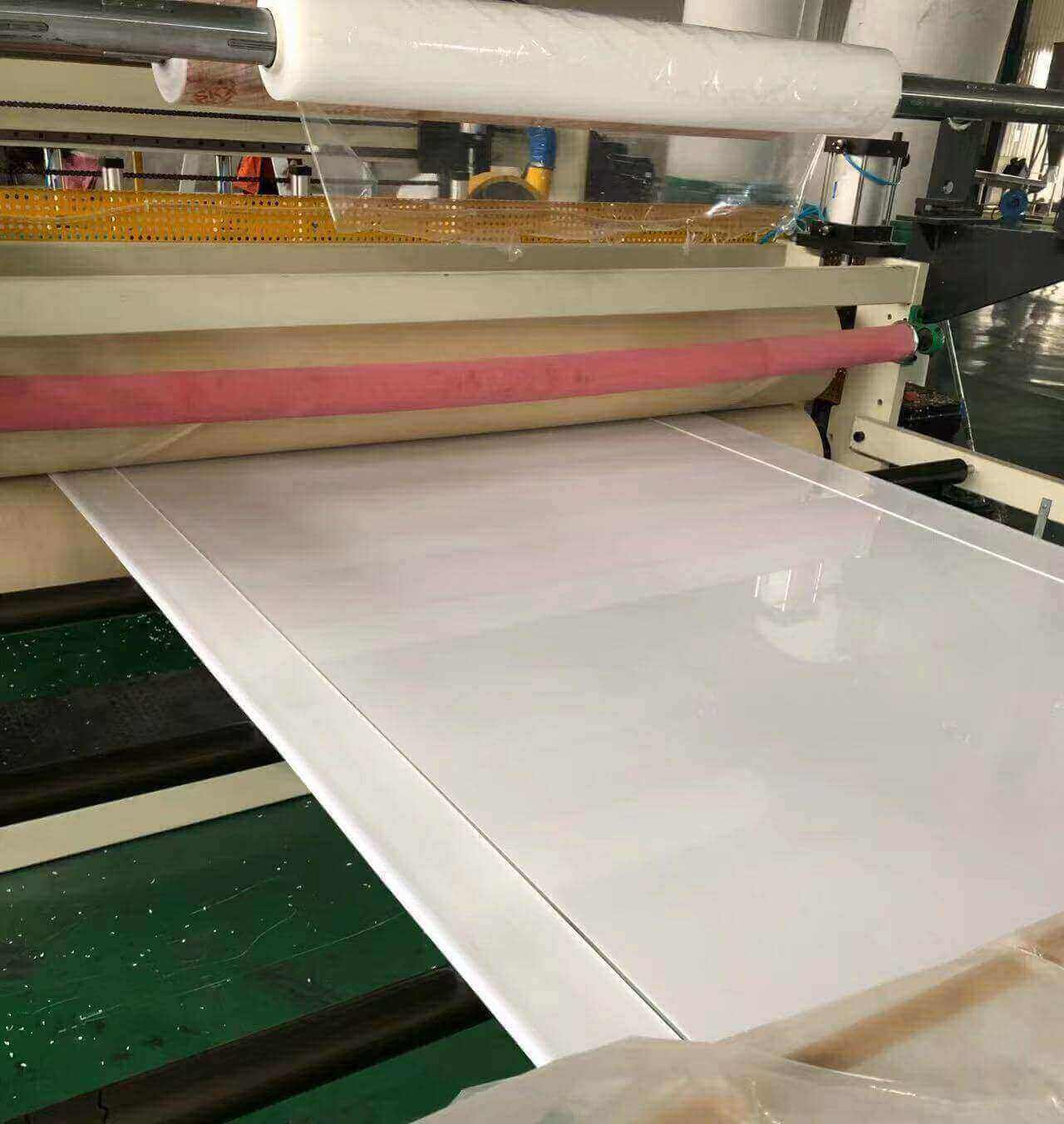
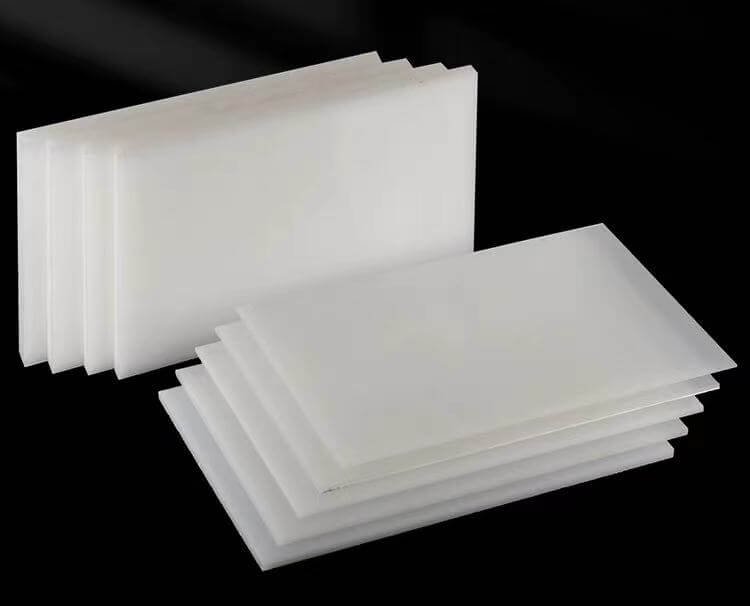
Maximize Efficiency: Machining UHMW Polyethylene for Material Handling Solutions

Discover how machining UHMW Polyethylene can revolutionize your material handling solutions with enhanced durability and performance. This comprehensive guide covers the essentials of UHMW-PE (Ultra-High Molecular Weight Polyethylene), exploring its unique properties such as high impact strength, abrasion resistance, and a low coefficient of friction. Learn about the best practices for machining UHMW-PE, including tool selection, cutting speeds, and cooling techniques to overcome common challenges.

Delve into the diverse applications of machined UHMW-PE parts across various industries:
- Material Handling and Logistics: Improve efficiency with durable components like conveyor belts and guide rails.
- Food and Beverage Processing: Ensure safety and hygiene with FDA-compliant, easy-to-clean parts.
- Chemical and Pharmaceutical: Utilize chemical-resistant components in laboratory and production equipment.
- Automotive and Transportation: Enhance performance with wear-resistant gears and bearings.
- Mining and Construction: Rely on robust parts that withstand extreme conditions.
Find out how to choose the right supplier for UHMW-PE machined parts, ensuring quality and customization to meet your specific needs. Whether you’re in material handling, food processing, pharmaceuticals, automotive, or mining, this guide provides the insights you need to maximize efficiency with machined UHMW Polyethylene.
Embrace the future of material handling solutions with the unmatched properties and benefits of machined UHMW-PE parts.
Introduction to UHMW Polyethylene
Understanding UHMW Polyethylene (UHMW-PE)
Ultra-High Molecular Weight Polyethylene (UHMW-PE) is a thermoplastic polymer known for its exceptional properties, making it a preferred material in various industries. This unique plastic boasts a high impact strength, allowing it to withstand heavy loads and sudden impacts without cracking or breaking. The abrasion resistance of UHMW-PE ensures that it can endure continuous friction and wear, maintaining its integrity over long periods.
Key Properties of UHMW-PE
One of the standout features of UHMW-PE is its low coefficient of friction, meaning it facilitates smoother movement of materials with minimal resistance. This property is particularly beneficial in material handling solutions, where efficient movement of goods is crucial. The material’s self-lubricating nature reduces the need for additional lubrication, enhancing its operational efficiency in various applications.
Why UHMW-PE is Ideal for Material Handling Solutions
UHMW-PE’s combination of durability, chemical resistance, and moisture resistance makes it ideal for the material handling industry. Its high impact strength allows it to be used in environments where heavy or abrasive materials are transported. The abrasion resistance ensures that components like conveyor belts and guide rails made from UHMW-PE have a longer lifespan, reducing maintenance costs and downtime.
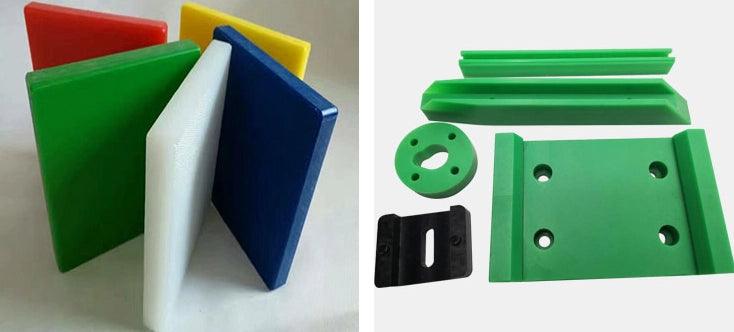
The Advantages of Using UHMW-PE in Material Handling
Durability and Longevity
The exceptional durability of UHMW-PE makes it suitable for demanding environments. Whether it’s used in conveyor systems, wear strips, or rollers, UHMW-PE can handle continuous use without significant wear and tear. This durability translates into cost savings, as parts made from UHMW-PE require less frequent replacements.
Chemical and Moisture Resistance
UHMW-PE is highly resistant to chemicals and moisture, which is essential for applications in industries like food processing and pharmaceuticals. Its ability to resist corrosion ensures that it remains functional even in harsh chemical environments, making it a reliable choice for laboratory equipment and chemical processing machinery.
Efficiency in Operations
The low coefficient of friction and self-lubricating properties of UHMW-PE enhance the efficiency of material handling systems. Components made from UHMW-PE, such as guide rails and conveyor belts, experience less friction, resulting in smoother operations and reduced energy consumption. This efficiency not only improves productivity but also extends the lifespan of the equipment.
Versatility in Applications
UHMW-PE is versatile and can be machined into various shapes and sizes to meet specific application requirements. Its adaptability makes it suitable for a wide range of industries, from material handling and logistics to food processing, chemical processing, automotive, and mining. This versatility ensures that UHMW-PE components can be customized to fit unique operational needs, providing tailored solutions that enhance overall system performance.
By leveraging the unique properties of UHMW-PE, industries can achieve greater efficiency, reduce maintenance costs, and enhance the longevity of their equipment. This material stands out as a superior choice for applications requiring durability, chemical resistance, and operational efficiency.

Advantages of Machined UHMW Polyethylene in Material Handling
Enhancing Durability and Longevity
Using machined UHMW-PE parts in material handling applications significantly boosts the durability and lifespan of equipment. UHMW-PE is renowned for its exceptional impact strength, which means it can withstand heavy loads and repetitive impacts without cracking or breaking. This makes it an ideal material for conveyor belts, guide rails, and rollers that are subject to constant use and physical stress. The material’s inherent toughness ensures that components remain intact and functional over prolonged periods, reducing the need for frequent replacements and lowering maintenance costs.
Superior Abrasion Resistance
One of the key advantages of machined UHMW-PE is its abrasion resistance. In material handling systems, components like conveyor belts and wear strips are continuously exposed to abrasive materials, leading to wear and tear. UHMW-PE’s high resistance to abrasion means that these parts can endure this constant friction without significant degradation. This quality not only extends the service life of the parts but also maintains the efficiency of the entire system, ensuring smooth and uninterrupted operations.
Chemical and Moisture Resistance
UHMW-PE exhibits outstanding chemical resistance, making it suitable for environments where exposure to harsh chemicals is common. In industries such as chemical processing and food and beverage processing, equipment must withstand frequent cleaning and contact with various substances. UHMW-PE’s resistance to chemicals and moisture ensures that it does not corrode or degrade, maintaining its structural integrity and functionality. This property is crucial for conveyor systems and processing equipment that must remain hygienic and operational despite harsh conditions.
Low Coefficient of Friction for Efficient Operations
The low coefficient of friction of UHMW-PE is another significant benefit, particularly for material handling solutions. Components made from UHMW-PE facilitate smoother movement of materials with minimal resistance. This self-lubricating property reduces the need for additional lubrication, which can be both costly and labor-intensive. In applications such as guide rails and conveyor belts, this low friction results in quieter and more efficient operations, reducing wear on both the equipment and the materials being transported.
Versatility in Application
UHMW-PE is a versatile material that can be machined into a wide range of shapes and sizes to meet specific application requirements. Its adaptability makes it suitable for use in various industries, from material handling and logistics to automotive and mining. This versatility ensures that UHMW-PE components can be customized to fit unique operational needs, providing tailored solutions that enhance overall system performance. Whether it’s used in conveyor systems, wear strips, or rollers, UHMW-PE offers unparalleled flexibility and reliability.
Cost-Effectiveness
The durability and low maintenance requirements of machined UHMW-PE parts make them a cost-effective choice for material handling applications. By reducing the frequency of part replacements and minimizing downtime for maintenance, businesses can achieve significant cost savings over time. The initial investment in UHMW-PE components is offset by their long-term performance and reliability, making them a financially sound choice for industries aiming to optimize their material handling operations.
Leveraging the unique properties of UHMW-PE in material handling applications leads to enhanced durability, efficiency, and cost savings. This makes it an invaluable material for industries seeking to improve the performance and longevity of their equipment.

Tool Selection and Machining Techniques for UHMW-PE
Importance of Using Sharp Tools
When machining UHMW-PE, the use of sharp tools is paramount. Ultra-High Molecular Weight Polyethylene is a tough material, and dull tools can cause excessive heat generation, leading to material deformation and poor surface finish. Sharp tools ensure clean cuts, reducing the risk of stress cracking and improving the overall quality of the machined parts. Tools made from carbide or diamond-coated materials are recommended for their ability to maintain sharpness and durability over prolonged use.
Appropriate Cutting Speeds
Selecting the right cutting speeds is crucial when working with UHMW-PE. Too high a speed can result in excessive heat, causing the material to melt or deform. Conversely, too slow a speed may lead to an uneven cut and poor surface finish. The optimal cutting speed for UHMW-PE typically ranges between 300 to 500 surface feet per minute (SFM). It’s essential to find a balance that minimizes heat buildup while maintaining efficiency in the machining process.
Managing Heat Buildup with Coolants
Heat management is a significant concern when machining UHMW-PE. The material’s low melting point means that excessive heat can quickly lead to deformation and other machining issues. Using appropriate coolants is a best practice to manage heat buildup. Water-soluble coolants are often preferred as they provide excellent cooling and lubrication, reducing friction and heat generation during the cutting process. Applying coolants directly to the cutting zone helps maintain the integrity of both the tool and the material.
Techniques for Optimal Machining
Tool Geometry
The geometry of the cutting tool plays a vital role in machining UHMW-PE. Tools with a positive rake angle and sharp edges are ideal as they reduce cutting forces and minimize heat generation. Ensuring that the tool geometry is optimized for plastics machining can significantly enhance the quality of the machined parts.
Feed Rates and Depth of Cut
Setting the correct feed rates and depth of cut is essential for achieving the desired finish and dimensional accuracy. A higher feed rate can be used with UHMW-PE due to its toughness, but it should be balanced with the cutting speed to avoid excessive heat. The depth of cut should be sufficient to engage the material effectively without causing tool deflection or excessive wear.
Clamping and Workholding
Proper clamping and workholding techniques are crucial to prevent material deformation and ensure precision. UHMW-PE can be prone to movement during machining due to its flexibility. Using fixtures that evenly distribute clamping pressure and minimize movement can help achieve consistent results. Soft jaws or specialized fixtures can be employed to hold the material securely without causing damage.
Conclusion
By following these best practices for machining UHMW-PE, manufacturers can achieve high-quality, precision parts that meet the demands of various applications. Using sharp tools, selecting appropriate cutting speeds, and effectively managing heat with coolants are essential steps in optimizing the machining process for UHMW-PE. Proper tool geometry, feed rates, and workholding techniques further enhance the efficiency and quality of the machined components, making UHMW-PE a reliable choice for durable and high-performance parts.

Applications in the Food and Beverage Processing Industry
FDA Compliance and Safety
Ultra-High Molecular Weight Polyethylene (UHMW-PE) is widely utilized in the food and beverage processing industry due to its compliance with FDA regulations. The material meets stringent standards for food safety, ensuring that it does not leach harmful substances into food products. This compliance is crucial for maintaining the integrity and safety of food and beverage items throughout the processing stages. Additionally, UHMW-PE is non-toxic, making it a safe choice for direct contact with food. This non-toxicity ensures that there are no adverse effects on food quality, making UHMW-PE an ideal material for various processing equipment.
Non-Toxicity and Hygiene
The non-toxic nature of UHMW-PE is a significant advantage in the food processing industry. Unlike some materials that may release toxins or degrade over time, UHMW-PE remains stable and safe, ensuring that food products are not contaminated. This property is especially important in applications such as cutting boards, chutes, and guides, where the material is in constant contact with food items. Furthermore, the ease of cleaning UHMW-PE components ensures that hygiene standards are maintained. Its smooth surface resists sticking and bacterial growth, which is essential for preventing contamination and ensuring food safety.
Ease of Cleaning and Maintenance
UHMW-PE is highly valued for its ease of cleaning. In the food and beverage industry, equipment must be cleaned frequently to prevent bacterial buildup and contamination. UHMW-PE components can be easily washed and sanitized without degrading or absorbing cleaning agents. This ease of maintenance ensures that equipment remains in top condition, reducing downtime and enhancing overall productivity. The material’s resistance to moisture and chemicals further simplifies the cleaning process, making it an efficient choice for busy processing environments.
Specific Applications in Food Processing
Cutting Boards and Surfaces
UHMW-PE cutting boards and surfaces are popular in food processing plants due to their durability and hygiene. The material’s high impact strength ensures that it can withstand heavy use without chipping or cracking. Additionally, its low coefficient of friction provides a smooth cutting surface that does not dull knives quickly, enhancing both safety and efficiency in food preparation areas.
Conveyor Systems
In conveyor systems, UHMW-PE is used for guide rails, wear strips, and belt scrapers. These components benefit from UHMW-PE’s abrasion resistance and low friction, which ensure smooth and efficient movement of food products along the conveyor. The material’s ability to withstand continuous friction and contact with various food items without degrading makes it ideal for these applications.
Chutes and Hoppers
UHMW-PE is also used in chutes and hoppers for transporting bulk food items. Its chemical resistance and low moisture absorption prevent contamination and material buildup, ensuring a smooth flow of products. The material’s durability and resistance to wear make it suitable for handling abrasive or sticky food items, enhancing the efficiency of bulk material handling systems.
Advantages in Beverage Processing
In the beverage industry, UHMW-PE is used for components such as valves, seals, and fillers. The material’s resistance to chemicals and moisture is particularly beneficial in environments where frequent cleaning and exposure to various liquids are required. UHMW-PE components do not swell or degrade when exposed to liquids, ensuring a long service life and reliable performance. This reliability is crucial for maintaining consistent operation in beverage processing lines, reducing maintenance costs and downtime.
By leveraging the unique properties of UHMW-PE, the food and beverage processing industry can achieve enhanced safety, efficiency, and hygiene, making it an indispensable material for a wide range of applications.

UHMW-PE in the Chemical and Pharmaceutical Industries
Chemical Resistance
Ultra-High Molecular Weight Polyethylene (UHMW-PE) is highly valued in the chemical and pharmaceutical industries for its exceptional chemical resistance. This property ensures that UHMW-PE does not react with or degrade when exposed to a wide range of chemicals, including acids, alkalis, and solvents. This resistance makes UHMW-PE an ideal material for various applications in laboratory and production environments, where contact with harsh chemicals is frequent. The material’s stability and durability ensure that equipment remains functional and safe over extended periods, reducing the risk of contamination and equipment failure.
Moisture Resistance
UHMW-PE also boasts superior moisture resistance, which is crucial in both the chemical and pharmaceutical sectors. The material does not absorb water, preventing swelling and maintaining its structural integrity even in high-moisture environments. This property is particularly important for laboratory equipment and production machinery, where consistent performance and reliability are critical. UHMW-PE’s ability to withstand moisture ensures that components remain effective and durable, supporting the stringent operational requirements of these industries.
Applications in Laboratory Equipment
Chemical-Resistant Labware
UHMW-PE is commonly used to manufacture chemical-resistant labware, such as beakers, flasks, and storage containers. The material’s chemical inertness ensures that it does not contaminate sensitive chemicals or pharmaceutical compounds. This inertness is essential for maintaining the purity and integrity of substances handled in the laboratory. Additionally, UHMW-PE labware is easy to clean and sterilize, which is critical for preventing cross-contamination and ensuring the accuracy of experimental results.
Protective Linings and Coatings
In laboratory settings, UHMW-PE is often used as a protective lining or coating for work surfaces and storage areas. Its resistance to chemicals and abrasion makes it an excellent barrier against spills and splashes, protecting underlying surfaces from damage. The material’s non-stick properties also prevent residues from adhering, making cleanup simple and efficient. This protection is vital for maintaining a safe and functional laboratory environment.
Applications in Production Equipment
Pumps, Valves, and Seals
In the pharmaceutical industry, UHMW-PE is used to manufacture critical components such as pumps, valves, and seals. These parts are essential for the precise handling and processing of pharmaceutical compounds. UHMW-PE’s chemical resistance ensures that these components do not degrade or react with the substances they come into contact with, maintaining the purity and safety of pharmaceutical products. Additionally, the material’s low coefficient of friction reduces wear and tear, extending the lifespan of the equipment and minimizing maintenance requirements.
Conveyor Systems and Wear Parts
UHMW-PE is also utilized in conveyor systems and other wear parts within production facilities. Its durability and resistance to abrasion ensure that conveyors can handle the constant movement of materials without significant wear. This property is particularly important in environments where materials are continuously processed and transported. UHMW-PE’s ability to withstand harsh conditions without degrading helps maintain efficient and reliable production operations.
Ensuring Compliance and Safety
The use of UHMW-PE in the chemical and pharmaceutical industries is not only due to its physical properties but also its compliance with industry standards. The material is non-toxic and does not release harmful substances, ensuring that it meets stringent safety and regulatory requirements. This compliance is crucial for protecting both workers and end-users, ensuring that products are safe and free from contamination.
By leveraging the unique properties of UHMW-PE, the chemical and pharmaceutical industries can enhance the efficiency, safety, and reliability of their operations. Whether used in laboratory equipment, production machinery, or protective linings, UHMW-PE offers unparalleled performance and durability, making it an indispensable material for these critical sectors.

Impact on the Automotive and Transportation Industry
Applications in Gears and Bearings
Ultra-High Molecular Weight Polyethylene (UHMW-PE) is extensively used in the automotive and transportation industry for manufacturing gears and bearings. These components benefit greatly from UHMW-PE’s high impact strength and low friction properties, which are crucial for the demanding conditions encountered in automotive applications. The high impact strength of UHMW-PE ensures that gears and bearings can withstand significant mechanical stress and shock loads without cracking or deforming. This durability makes UHMW-PE an ideal material for components that require long-lasting performance under constant operational stress.
Wear-Resistant Parts
The low coefficient of friction of UHMW-PE significantly reduces wear and tear on automotive components. In applications such as bushings, sliding elements, and wear plates, UHMW-PE minimizes friction between moving parts, which enhances the efficiency and longevity of these components. This property is particularly important in the transportation industry, where minimizing maintenance and downtime is critical for operational efficiency. By reducing friction, UHMW-PE components help in lowering energy consumption and improving fuel efficiency, contributing to overall sustainability.
Shock Absorption and Noise Reduction
UHMW-PE’s ability to absorb shock and vibrations makes it ideal for use in vibration dampening and noise reduction applications. Components such as mounts, isolators, and cushions made from UHMW-PE provide superior damping properties, which are essential for improving ride comfort and reducing noise in vehicles. The material’s inherent flexibility and toughness ensure that it can absorb impact forces without compromising structural integrity, making it suitable for critical automotive applications.
Chemical and Moisture Resistance
In the automotive industry, components are often exposed to harsh chemicals, oils, and varying environmental conditions. UHMW-PE offers excellent chemical resistance, ensuring that parts do not degrade or corrode when in contact with automotive fluids. Additionally, the material’s moisture resistance prevents swelling and maintains dimensional stability, which is vital for parts that need to function reliably in diverse climates and conditions. This resistance enhances the lifespan of components such as fuel system parts, seals, and gaskets.
Lightweight and High-Performance Components
UHMW-PE is significantly lighter than metals, which is a major advantage in the transportation industry. The lightweight nature of UHMW-PE reduces the overall weight of vehicles, contributing to improved fuel efficiency and lower emissions. Despite its lighter weight, UHMW-PE does not compromise on performance, offering a robust alternative to traditional materials. Components like chain guides, rollers, and protective covers benefit from the material’s high strength-to-weight ratio, providing durable and efficient solutions for modern automotive engineering.
Versatility and Customization
The versatility of UHMW-PE allows it to be machined into a variety of shapes and sizes, catering to specific automotive applications. This adaptability means that UHMW-PE components can be tailored to meet unique design and performance requirements, providing customized solutions for different automotive and transportation needs. Whether used in heavy-duty trucks, passenger vehicles, or industrial machinery, UHMW-PE offers flexibility and reliability that enhance the overall performance and efficiency of the transportation sector.
By leveraging the unique properties of UHMW-PE, the automotive and transportation industry can achieve significant improvements in durability, efficiency, and performance, making it an indispensable material for modern vehicle design and manufacturing.

Machining Challenges and Solutions
Addressing Thermal Expansion
Thermal expansion is a significant challenge when machining Ultra-High Molecular Weight Polyethylene (UHMW-PE). Due to its low melting point, UHMW-PE can easily expand and deform when exposed to heat generated during the machining process. This expansion can lead to inaccuracies in dimensions and poor surface finishes.
Solutions for Managing Thermal Expansion
- Use Coolants: Applying water-soluble coolants helps dissipate heat during machining, preventing excessive temperature rise and reducing the risk of thermal expansion. Coolants should be applied directly to the cutting zone for maximum effectiveness.
- Optimize Cutting Speeds and Feeds: Adjusting the cutting speeds and feed rates is crucial. Lowering the cutting speed and increasing the feed rate can minimize heat generation, helping maintain the material’s integrity.
- Sharp Cutting Tools: Using sharp cutting tools made from carbide or diamond reduces friction and heat buildup. Sharp tools ensure cleaner cuts and less thermal stress on the material.
Maintaining Tight Tolerances
Maintaining tight tolerances is another challenge due to the flexibility and thermal sensitivity of UHMW-PE. The material’s tendency to deform under heat and pressure makes it difficult to achieve precise dimensions.
Solutions for Achieving Tight Tolerances
- Proper Tool Geometry: Selecting tools with an appropriate positive rake angle and sharp cutting edges can help in achieving tight tolerances. These tools reduce cutting forces and heat, resulting in more accurate machining.
- Controlled Machining Environment: Maintaining a consistent temperature in the machining environment can reduce the variability caused by thermal expansion. Implementing controlled cooling methods helps in stabilizing the material during the machining process.
- Annealing: Pre-machining annealing of UHMW-PE can relieve internal stresses and reduce the material’s tendency to warp or deform. Annealing involves heating the material to a specified temperature and then slowly cooling it, which helps in achieving better dimensional stability.
Overcoming Material Flexibility
The inherent flexibility of UHMW-PE poses challenges in maintaining the rigidity required for precise machining. This flexibility can lead to vibrations and deflections during the cutting process.
Solutions for Managing Material Flexibility
- Effective Clamping and Workholding: Using proper clamping techniques and fixtures ensures that the material is held securely without causing deformation. Soft jaws or specialized fixtures can provide the necessary support to prevent movement during machining.
- Minimize Tool Overhang: Reducing the tool overhang minimizes deflection and vibration, leading to more stable and accurate cuts. Keeping the tool length as short as possible enhances control and precision.
- Incremental Cutting: Employing incremental cutting strategies, where the material is removed in smaller passes, can help maintain control over the machining process. This approach reduces the stress on the material, preventing excessive bending or flexing.
Handling Surface Finish Quality
Achieving a high-quality surface finish on UHMW-PE can be difficult due to its low melting point and tendency to exhibit a gummy texture when machined improperly.
Solutions for Enhancing Surface Finish
- Use of Lubricants: Applying lubricants alongside coolants can reduce friction and improve the quality of the surface finish. Lubricants help in achieving smoother cuts and reducing the gummy texture.
- Proper Tool Selection: Utilizing polished cutting tools specifically designed for plastics can enhance the surface finish. Polished tools reduce friction and material buildup on the cutting edge.
- Fine-Tuning Machining Parameters: Fine-tuning the machining parameters, including feed rates and spindle speeds, can lead to better surface finishes. Lower feed rates combined with moderate spindle speeds often yield the best results.
By addressing these challenges with effective solutions, manufacturers can achieve high-quality, precision machined UHMW-PE parts suitable for a wide range of applications. Proper tool selection, machining techniques, and environmental control are key factors in overcoming the difficulties associated with machining UHMW-PE.

Choosing the Right Supplier for UHMW-PE Machined Parts
Quality Assurance
When selecting a supplier for UHMW-PE machined parts, ensuring that the supplier adheres to strict quality assurance standards is paramount. Look for suppliers that have robust quality control processes in place, such as ISO 9001 certification. This certification indicates that the supplier follows internationally recognized quality management principles, ensuring consistency and reliability in their products. Additionally, inquire about the supplier’s inspection and testing procedures. Suppliers that use advanced testing methods, such as dimensional inspection and material verification, can provide high-quality parts that meet precise specifications.
Customization Capabilities
Another critical consideration is the supplier’s ability to offer customization capabilities. UHMW-PE machined parts are often used in specialized applications that require unique shapes, sizes, and properties. A reliable supplier should have the capability to provide custom machining services, including CNC machining, milling, and turning. Check if the supplier can work with detailed CAD files and offer tailored solutions that meet your specific needs. The ability to customize parts ensures that the components will fit perfectly into your existing systems and perform as expected.
Industry Experience
Experience in the UHMW-PE machining industry is a valuable indicator of a supplier’s expertise and reliability. Suppliers with extensive experience are more likely to understand the unique challenges associated with machining UHMW-PE and can offer practical solutions to overcome these challenges. Look for suppliers that have a proven track record in providing UHMW-PE parts to industries similar to yours. Experience in sectors such as food and beverage processing, chemical and pharmaceutical, automotive and transportation, and material handling suggests that the supplier has the necessary knowledge and skills to deliver high-quality components.
Technical Support and Customer Service
Excellent technical support and customer service are crucial when choosing a supplier. The supplier should be willing to work closely with you to understand your requirements and provide guidance throughout the purchasing process. This includes offering design assistance, material selection advice, and troubleshooting support. Reliable suppliers often have dedicated customer service teams that can respond promptly to inquiries and provide ongoing support after the purchase.
Production Capacity and Lead Times
Consider the supplier’s production capacity and lead times to ensure they can meet your demands within the required timeframe. A supplier with a large production capacity and efficient processes can handle bulk orders and deliver parts promptly. Ask about their average lead times and whether they can accommodate urgent requests if needed. Reliable suppliers should be able to provide a realistic timeline for production and delivery, helping you plan your projects effectively.
Reputation and Reviews
Research the supplier’s reputation and customer reviews to gain insights into their reliability and performance. Look for testimonials and case studies on the supplier’s website, as well as independent reviews on industry forums and review sites. Positive feedback from previous clients indicates that the supplier consistently delivers high-quality products and excellent customer service. Conversely, recurring complaints about quality issues, delayed deliveries, or poor customer service should be considered red flags.
Value for Money
While cost should not be the sole factor in your decision, it is essential to consider the value for money offered by the supplier. Compare quotes from multiple suppliers to ensure you are getting a fair price for the quality and service provided. Keep in mind that the cheapest option may not always be the best, as it could compromise on quality or reliability. Instead, look for a supplier that offers a good balance of quality, customization capabilities, and competitive pricing.
By considering these factors, you can select a reliable supplier for UHMW-PE machined parts that meets your specific needs and ensures high-quality, durable components for your applications.
Common Questions About UHMW-PE Machined Parts and Customization at Beeplastics
1. What types of customization can Beeplastics undertake?
Answer: Beeplastics can handle any type of customization, including both sample customization and batch customization. Whether you need a prototype for testing or a full production run, Beeplastics has the capabilities to meet your specific needs. This flexibility ensures that you can get the exact parts required for your application, whether for initial trials or mass production.
2. What file formats does Beeplastics accept for customization projects?
Answer: Beeplastics accepts a variety of file formats, making it convenient for customers to submit their designs. The accepted formats include PDF and CAD files. This compatibility allows for precise and accurate production of custom parts based on your specific design requirements, ensuring that the final product meets your exact specifications.
3. Is there a minimum order quantity (MOQ) at Beeplastics?
Answer: No, there is no minimum order quantity (MOQ) at Beeplastics. This policy allows customers to order any quantity of parts they need, whether it’s a single prototype or a large batch. This flexibility is particularly beneficial for businesses that require small runs or custom parts for specific projects.
4. How does Beeplastics manage the production cycle for custom orders?
Answer: The production cycle at Beeplastics is tailored according to the volume and complexity of the orders. The company ensures real-time communication with customers about the production progress. This approach allows for efficient management of timelines and ensures that customers are kept informed throughout the production process, enabling adjustments if necessary.
5. Does Beeplastics provide samples before full production?
Answer: Yes, Beeplastics supports the provision of samples. Customers can request samples to evaluate the quality and suitability of the parts before committing to full production. The samples are free of charge, although customers are responsible for the shipping costs. This service helps customers make informed decisions and ensures satisfaction with the final product.
6. What industries benefit most from UHMW-PE machined parts?
Answer: UHMW-PE machined parts are beneficial across a variety of industries, including material handling and logistics, food and beverage processing, chemical and pharmaceutical, automotive and transportation, and mining and construction. Each industry values UHMW-PE for its durability, chemical resistance, and low friction properties, making it ideal for components like conveyor belts, gears, and bearings.
7. How does Beeplastics ensure the quality of its UHMW-PE machined parts?
Answer: Beeplastics ensures quality through rigorous quality assurance processes. This includes adherence to ISO standards, comprehensive inspections, and the use of high-quality raw materials. The company also employs advanced machining techniques and continuous monitoring throughout the production process to maintain high standards and meet customer expectations.
8. Can Beeplastics provide custom machined parts in different shapes and sizes?
Answer: Yes, Beeplastics can machine UHMW-PE parts in a wide variety of shapes and sizes. The company’s advanced CNC machining capabilities allow for precise customization, whether the parts are complex geometries or simple forms. This versatility ensures that Beeplastics can meet diverse customer requirements across different applications.
9. What are the benefits of using UHMW-PE in the food and beverage industry?
Answer: UHMW-PE is ideal for the food and beverage industry due to its FDA compliance, non-toxicity, and ease of cleaning. These properties make it suitable for direct contact with food products, ensuring safety and hygiene. Additionally, UHMW-PE’s durability and resistance to chemicals make it an excellent choice for equipment like cutting boards, chutes, and conveyor systems.
10. How does Beeplastics handle urgent or high-priority orders?
Answer: Beeplastics is equipped to handle urgent or high-priority orders by leveraging its flexible production capabilities and efficient processes. The company communicates closely with customers to understand their deadlines and prioritizes production schedules accordingly. This ensures that critical projects are completed on time without compromising on quality.
These common questions and answers provide a comprehensive overview of the customization capabilities and benefits of UHMW-PE machined parts offered by Beeplastics. If you have any more specific queries or need further details, feel free to contact Beeplastics directly.
Conclusion
Choosing the right material for your industrial applications can significantly impact performance, efficiency, and cost-effectiveness. Ultra-High Molecular Weight Polyethylene (UHMW-PE) stands out as a versatile and durable option across various industries, from material handling and logistics to food and beverage processing, chemical and pharmaceutical, automotive and transportation, and mining and construction. Its unique properties, including high impact strength, abrasion resistance, and chemical resistance, make it an ideal choice for components like gears, bearings, conveyor belts, and lab equipment.
Partnering with a reliable supplier like Beeplastics ensures that you receive high-quality, customized UHMW-PE machined parts tailored to your specific needs. With comprehensive customization capabilities, adherence to stringent quality assurance standards, and a commitment to customer satisfaction, Beeplastics is equipped to meet the demands of your projects efficiently and effectively. Whether you need prototypes, small batches, or large-scale production, Beeplastics provides the expertise and support necessary to help you achieve optimal results with UHMW-PE components. Explore the potential of UHMW-PE with Beeplastics and take your industrial applications to the next level.

Take the first step towards optimizing your equipment with UHMW-PE machined parts! Fill out the contact form at the bottom of the page, and let us help you find the perfect solution. Don’t forget to explore our custom UHMW-PE options by visiting our page here.
-
Posted in
conveyors, corrosion resistance, durability, friction, machining, material handling, rollers, solutions, UHMW polyethylene, wear strips