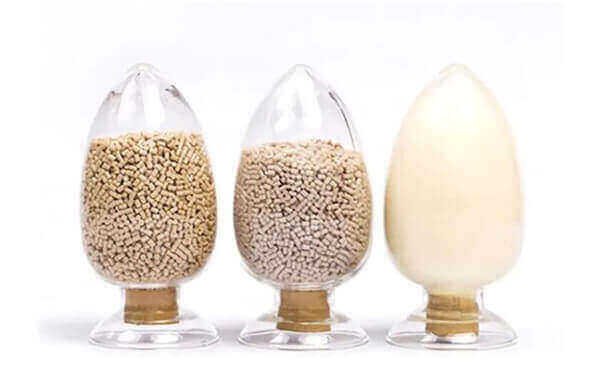
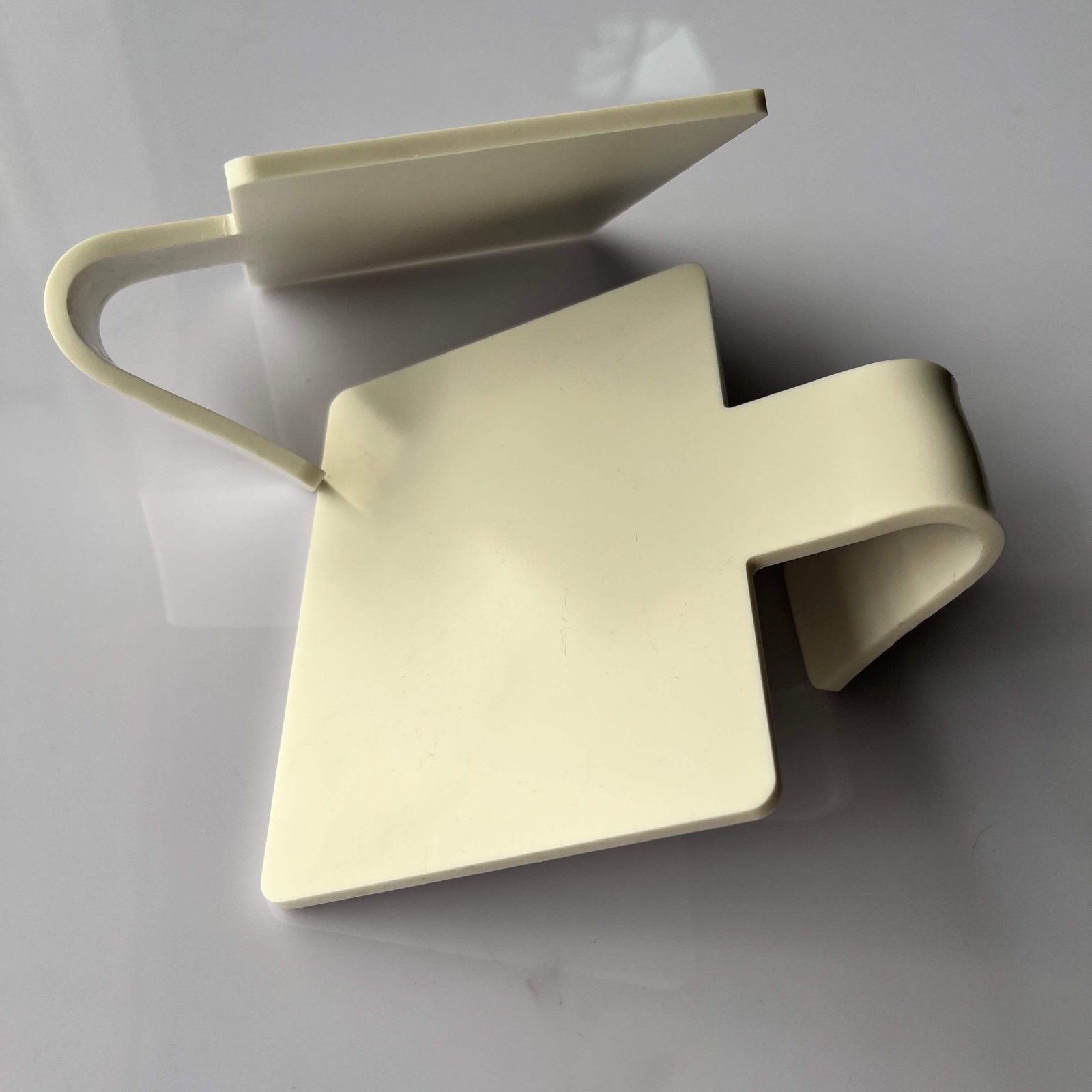
Innovative Uses of Bakelite Sheets: From Electronics to Art

Bakelite housing

In my latest blog post, “Innovative Uses of Bakelite Sheets: From Electronics to Art,” I dive deep into the multifaceted world of Bakelite and its modern applications. This versatile material, known for its durability and heat resistance, is making waves in various industries today.

🎉🎉🎉Limited Time Offer Use code: QR4GNY08SHVR at checkout and enjoy a special discount on your entire order! 👉 Bakelite plastic
Bakelite Sheets

Bakelite in High-Frequency Electronics

Learn how Bakelite sheets are revolutionizing high-frequency electronics with their excellent insulation properties, providing cost-effective solutions for RF insulators and specialized electronic circuits.

Heat Management Solutions

Discover the innovative role of Bakelite in managing heat within electronic devices. Its thermal stability makes it perfect for heat sinks and thermal insulators, crucial for the longevity and reliability of power electronics.

Advanced Composite Materials

Explore the creation of advanced composites by combining Bakelite with materials like carbon fibers or metals. These composites enhance mechanical strength and electrical properties, making them ideal for aerospace and automotive electronics.

Sustainable Electronic Components

Find out how Bakelite promotes sustainability in electronics manufacturing. Its durability reduces environmental impact, making it a preferred choice for components in renewable energy systems like solar panels and wind turbines.

Artistic and Decorative Applications

Uncover the artistic potential of Bakelite sheets. From jewelry to decorative objects, this material’s unique aesthetic appeal and ability to be intricately carved make it a favorite among artists and crafters.

Architectural and Interior Design Uses

Discover how Bakelite sheets are used in architectural and interior design for countertops, wall tiles, partitions, and decorative accents, thanks to their sleek appearance and heat resistance.

Industrial and Mechanical Applications

Learn about Bakelite’s role in industrial and mechanical products such as gears, bearings, housings, and fittings. Its properties like reducing friction and maintaining dimensional stability under high loads make it indispensable in these fields.

Join me as I explore the versatility and innovation behind Bakelite sheets and their growing importance across various industries. Whether you’re in electronics, design, or manufacturing, you’ll find valuable insights on how to leverage this incredible material.

Bakelite in High-Frequency Electronics

The Role of Bakelite Sheets in High-Frequency Electronics

Bakelite sheets are essential in high-frequency electronics due to their outstanding insulation properties and cost-effectiveness. These properties make Bakelite an ideal material for components such as RF insulators and specialized electronic circuits.

Bakelite sheets are essential in high-frequency electronics

Applications in RF Insulators

RF insulators are critical in maintaining the efficiency and performance of high-frequency electronic devices. Bakelite sheets provide excellent electrical insulation, ensuring that signals remain uninterrupted and free from interference. Their stability under varying environmental conditions makes them a reliable choice for such applications.

Specialized Electronic Circuits

In specialized electronic circuits, Bakelite plays a pivotal role. Its low moisture absorption is crucial in preventing short circuits and maintaining the integrity of electronic components. This characteristic ensures that Bakelite-based components perform consistently even in humid conditions, which is vital for maintaining the reliability of high-frequency electronics.

Cost-Effectiveness of Bakelite

One of the major advantages of using Bakelite sheets in high-frequency electronics is their cost-effectiveness. While newer materials are available, Bakelite offers a balance of performance and affordability. This makes it a preferred choice for manufacturers looking to optimize costs without compromising on quality.

Stability and Durability

Bakelite’s stability under various environmental conditions is another significant benefit. It does not deform or degrade easily, which is essential for components exposed to high frequencies and varying temperatures. This durability ensures a longer lifespan for electronic components, reducing the need for frequent replacements and maintenance.

Advancements in Material Science

Recent advancements in material science have further enhanced the properties of Bakelite. Researchers are continuously exploring ways to improve its thermal stability and electrical insulation, making it even more suitable for high-frequency applications. These innovations are expanding the potential uses of Bakelite in the electronics industry.

Environmental Considerations

In addition to its technical advantages, Bakelite is also considered a more environmentally friendly option compared to some modern plastics. Its durability reduces the frequency of replacements, leading to less electronic waste. As industries move towards sustainable practices, Bakelite’s long lifespan and reliability make it an attractive choice for eco-conscious manufacturers.

Conclusion

The use of Bakelite sheets in high-frequency electronics highlights their versatility and reliability. From RF insulators to specialized electronic circuits, Bakelite’s properties make it an indispensable material in the electronics industry. Its cost-effectiveness, stability, and advancements in material science ensure that Bakelite remains a vital component in modern high-frequency electronics.

By incorporating Bakelite into high-frequency electronics, manufacturers can achieve a balance of performance, durability, and environmental responsibility, making it a smart choice for the future of electronic device design and production.

Heat Management Solutions in Electronics

The Role of Bakelite in Heat Management

Bakelite plays a pivotal role in managing heat within electronic devices. Its exceptional thermal stability and resistance to degradation make it an ideal material for heat sinks and thermal insulators in power electronics. These properties ensure that electronic components remain cool and function optimally, even under high thermal loads.
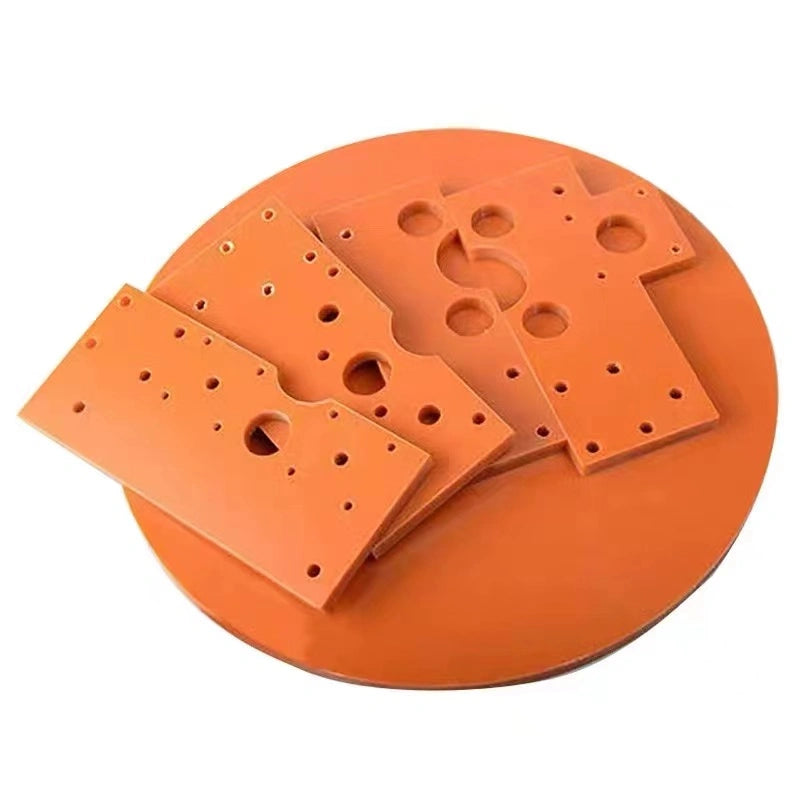
custom Bakelite materials

Thermal Stability of Bakelite

The thermal stability of Bakelite is one of its most significant advantages. Unlike many other materials, Bakelite can withstand high temperatures without losing its structural integrity. This makes it an excellent choice for components that are exposed to continuous heat, such as power transistors and voltage regulators. By maintaining its form and function under extreme conditions, Bakelite helps prevent overheating and prolongs the lifespan of electronic devices.

Resistance to Degradation

Bakelite’s resistance to degradation is another critical feature that enhances its suitability for heat management in electronics. It does not easily degrade when exposed to high temperatures, chemicals, or moisture, which are common in electronic environments. This resistance ensures that Bakelite components remain reliable and efficient over time, reducing the need for frequent replacements and maintenance.

Applications in Heat Sinks

Heat sinks are essential components in electronic devices, designed to dissipate heat away from sensitive parts. Bakelite is used in heat sinks due to its ability to conduct heat efficiently while remaining electrically insulating. This combination ensures that heat is effectively managed without causing electrical interference, which is crucial in maintaining the performance and safety of electronic devices.

Thermal Insulators in Power Electronics

In power electronics, managing heat is vital for device longevity and reliability. Bakelite serves as an excellent thermal insulator, preventing heat from spreading to other components and maintaining optimal operating temperatures. Its use in components like transformers, inductors, and capacitors highlights its importance in protecting and enhancing the efficiency of power electronic systems.

Durability and Longevity

The durability of Bakelite further contributes to its effectiveness in heat management. Its robust nature ensures that it can endure harsh conditions without compromising its insulating properties. This durability not only enhances the performance of electronic devices but also contributes to sustainability by reducing the frequency of replacements and associated waste.

Innovations in Material Science

Recent advancements in material science have led to the development of enhanced Bakelite composites. These innovations improve the thermal conductivity and mechanical strength of Bakelite, making it even more effective in managing heat in advanced electronic applications. By incorporating these composites, manufacturers can achieve better thermal management and overall device performance.

Environmental Considerations

In addition to its technical benefits, Bakelite is also considered a more sustainable option compared to some modern plastics. Its long lifespan reduces electronic waste, aligning with the growing emphasis on environmental responsibility in manufacturing. This makes Bakelite an attractive choice for eco-conscious manufacturers looking to improve the thermal management of their electronic devices.

Bakelite continues to prove its value in the electronics industry, especially in managing heat within devices. Its unique combination of thermal stability, resistance to degradation, and durability makes it a preferred material for heat sinks and thermal insulators in power electronics.

Bakelite materials parts

Advanced Composite Materials

Combining Bakelite with Carbon Fibers

Bakelite, when combined with carbon fibers, creates advanced composite materials that offer enhanced mechanical strength and improved electrical characteristics. These composites leverage the inherent properties of both materials to produce components that are not only robust but also lightweight and electrically insulating. Carbon fibers provide high tensile strength and stiffness, which complement Bakelite’s thermal stability and durability. This combination is particularly useful in applications where high performance and reliability are crucial.

Enhancing Mechanical Strength

The incorporation of carbon fibers into Bakelite composites significantly enhances their mechanical properties. Carbon fibers are known for their exceptional strength-to-weight ratio, making the resulting composites ideal for demanding environments. These advanced composites can withstand high mechanical loads without deforming or breaking, making them suitable for use in automotive electronics and aerospace applications. In these industries, components must endure extreme conditions, such as high stress, vibration, and temperature fluctuations.

Improving Electrical Characteristics

In addition to mechanical strength, Bakelite-carbon fiber composites also offer improved electrical characteristics. The non-conductive nature of Bakelite ensures excellent electrical insulation, while the structural integrity provided by carbon fibers ensures that the components remain stable and reliable. This makes these composites ideal for use in high-performance electronic circuits and components where electrical insulation is critical. Applications include printed circuit boards (PCBs), insulators, and electronic housings that need to operate reliably in harsh conditions.

Applications in Aerospace Electronics

Bakelite composites are extensively used in the aerospace industry due to their ability to withstand high temperatures and mechanical stress. Components made from these composites are used in various parts of aircraft, including avionics and sensor housings. The lightweight nature of carbon fibers helps reduce the overall weight of the aircraft, contributing to better fuel efficiency and performance. Moreover, the thermal stability and durability of Bakelite ensure that these components can endure the rigorous demands of aerospace environments.

Applications in Automotive Electronics

In the automotive industry, Bakelite-carbon fiber composites are used in the production of high-performance electronic components. These include ignition systems, control units, and sensor housings. The combination of mechanical strength and electrical insulation provided by these composites ensures that automotive electronics can operate reliably under the hood, where they are exposed to high temperatures and mechanical vibrations. This enhances the safety and efficiency of modern vehicles, making them more reliable and longer-lasting.

Integration with Metallic Components

Bakelite can also be combined with metallic components to create composites with unique properties. By integrating metals like aluminum or copper, the resulting Bakelite-metal composites offer enhanced thermal conductivity while maintaining good electrical insulation. These composites are useful in applications that require efficient heat dissipation, such as power electronics and thermal management systems. The metallic components help to spread heat away from sensitive areas, while the Bakelite ensures that electrical insulation is maintained.

Future Innovations in Composite Materials

Ongoing research and development in material science are continually pushing the boundaries of Bakelite composites. Innovations aim to further enhance the properties of these materials, making them even more suitable for advanced electronic applications. This includes the development of nano-composites and the use of bio-based materials to improve sustainability. These advancements are expected to open new possibilities for Bakelite composites in various high-tech industries, ensuring their relevance and importance in the future of electronics and beyond.

By integrating Bakelite with advanced materials like carbon fibers and metals, manufacturers can produce components that meet the stringent requirements of modern electronic and industrial applications. The result is a range of high-performance, durable, and reliable materials that continue to drive innovation in aerospace, automotive, and beyond.

integrating Bakelite with advanced materials like carbon fibers and metals

Sustainable Electronic Components

Promoting Sustainability in Electronics Manufacturing with Bakelite

Bakelite plays a significant role in promoting sustainability within the electronics manufacturing sector. Its inherent durability and long lifespan make it an eco-friendly choice compared to other materials. By using Bakelite, manufacturers can create products that last longer, reducing the need for frequent replacements and minimizing electronic waste. This reduction in waste contributes to a lower environmental footprint, aligning with the growing emphasis on sustainability in manufacturing.

Durability Reduces Environmental Impact

One of the standout features of Bakelite is its exceptional durability. Unlike many modern plastics, Bakelite does not degrade easily over time. This durability means that components made from Bakelite can withstand harsh conditions and remain functional for extended periods. In electronic devices, this translates to a longer lifespan, reducing the frequency of replacements. Fewer replacements mean less waste, contributing to a more sustainable approach to electronics manufacturing. By extending the life of electronic components, Bakelite helps reduce the overall environmental impact of production and disposal.

Bakelite in Renewable Energy Systems

Bakelite’s potential extends beyond traditional electronics into the realm of renewable energy systems. Its excellent thermal stability and electrical insulation properties make it an ideal material for components in solar panels and wind turbines. In solar panels, Bakelite can be used in various insulating parts to protect electrical components from heat and environmental exposure. Its ability to withstand high temperatures without degrading ensures that solar panels remain efficient and reliable over their operational lifespan.

Components in Solar Panels

Solar panels require materials that can endure constant exposure to sunlight and fluctuating temperatures. Bakelite is an excellent choice for insulating components within solar panels due to its heat resistance and durability. By using Bakelite, manufacturers can ensure that these critical parts do not degrade quickly, thereby maintaining the efficiency and effectiveness of the solar panels. This durability not only enhances the performance of renewable energy systems but also contributes to their overall sustainability by reducing the need for frequent maintenance and replacements.

Applications in Wind Turbines

In wind turbines, Bakelite is used for similar purposes. Its electrical insulating properties are crucial for components that must resist electrical interference and heat generated by mechanical operations. Bakelite’s robustness ensures that these components remain operational under the stress of continuous movement and exposure to the elements. By integrating Bakelite into wind turbine designs, manufacturers can create more durable and reliable systems that contribute to the long-term viability of renewable energy.

Environmental Benefits of Using Bakelite

The environmental benefits of using Bakelite are manifold. Its long lifespan means less frequent replacements, which translates to reduced waste. Furthermore, the manufacturing process of Bakelite, while involving synthetic materials, results in a product that does not easily break down into microplastics. This characteristic is significant in the context of reducing pollution and maintaining cleaner ecosystems. Additionally, ongoing research into bio-based Bakelite and other sustainable innovations aims to further reduce its environmental footprint, making it an even more attractive option for eco-conscious manufacturers.

Advancements in Sustainable Bakelite

Recent advancements in material science are making Bakelite even more sustainable. Researchers are developing bio-based Bakelite by using renewable resources for its production, reducing reliance on fossil fuels. These innovations not only lower the environmental impact of Bakelite’s production but also enhance its properties, making it more versatile for a wider range of applications. By adopting these advancements, manufacturers can contribute to a more sustainable future while benefiting from the robust and reliable nature of Bakelite.

Bakelite’s role in promoting sustainability in electronics manufacturing is clear. Its durability, thermal stability, and potential applications in renewable energy systems make it a valuable material for creating long-lasting, eco-friendly electronic components. As industries continue to prioritize environmental responsibility, Bakelite’s contributions to sustainability will only grow more significant.

Bakelite's role in promoting sustainability in electronics manufacturing is clear

Bakelite in Artistic and Decorative Applications

The Unique Aesthetic Appeal of Bakelite

Bakelite has a distinct and timeless aesthetic that has captured the attention of artists and designers for decades. Its rich colors, glossy finish, and ability to be intricately carved and polished make it a favorite material for creating artistic and decorative objects. Unlike many modern plastics, Bakelite has a vintage charm that adds a touch of elegance and nostalgia to any piece. This unique appeal has ensured Bakelite’s place in the world of art and craft, where it continues to inspire creativity and innovation.

Bakelite in Jewelry

One of the most popular artistic applications of Bakelite sheets is in the creation of jewelry. From the early 20th century to the present, Bakelite has been used to craft a wide range of jewelry items, including bracelets, bangles, earrings, and rings. The material’s ability to be easily carved and polished allows artisans to create intricate and detailed designs that are both beautiful and durable. Bakelite jewelry is prized for its vibrant colors and smooth finish, making it a standout choice for those looking to add a retro touch to their accessory collection.

Decorative Objects and Retro-Style Items

Bakelite is also widely used in making decorative objects and retro-style items. Its versatility allows it to be shaped into a variety of forms, from small figurines and ornaments to larger home decor pieces like vases and picture frames. The vintage aesthetic of Bakelite adds a unique charm to these objects, making them popular among collectors and interior designers. The material’s durability ensures that these decorative items maintain their appearance over time, preserving their beauty and value for years to come.

Intricate Carving and Polishing

The ability to intricately carve and polish Bakelite is one of its most appealing characteristics. Artists and crafters appreciate how Bakelite can be worked into fine details, allowing for the creation of complex patterns and shapes. This makes Bakelite an ideal material for custom, one-of-a-kind pieces that require precision and attention to detail. The smooth, polished surface of Bakelite also enhances its visual appeal, adding a professional finish to any artistic creation.

Popularity Among Artists and Crafters

Bakelite remains a popular choice among artists and crafters due to its unique properties and aesthetic qualities. It is celebrated for its ease of use, allowing creators to experiment with various techniques and styles. Whether used in jewelry making, decorative arts, or crafting retro-style items, Bakelite offers endless possibilities for artistic expression. Its enduring popularity is a testament to its versatility and the timeless appeal of its distinctive look.

Modern Innovations and Uses

While Bakelite is often associated with vintage and retro styles, modern artists and designers continue to find new and innovative ways to incorporate it into their work. Advances in material science have expanded the potential applications of Bakelite, allowing it to be used in contemporary designs that blend old-world charm with modern aesthetics. This fusion of past and present ensures that Bakelite remains relevant and continues to inspire new generations of artists and crafters.

Bakelite‘s role in artistic and decorative applications highlights its versatility and enduring appeal. Its unique combination of aesthetic qualities, durability, and workability makes it a valuable material for a wide range of creative projects. Whether used to craft stunning jewelry, elegant decorative objects, or innovative modern designs, Bakelite continues to be a source of inspiration and beauty in the world of art and craft.

Bakelite's role in promoting sustainability in electronics manufacturing is clear

Architectural and Interior Design Uses

Bakelite in Countertops

Bakelite sheets are widely used in countertops due to their durability and heat resistance. These properties make Bakelite an ideal material for kitchen and bathroom countertops where surfaces are frequently exposed to high temperatures from cooking appliances or hot water. The sleek, polished appearance of Bakelite adds a touch of modernity and elegance to any space, making it a favored choice among interior designers.

Wall Tiles and Partitions

In architectural design, Bakelite wall tiles and partitions offer both aesthetic appeal and practical benefits. The material’s heat resistance ensures that it can withstand the environmental stresses found in both residential and commercial settings. Additionally, Bakelite’s durability means that these tiles and partitions are less prone to damage and can maintain their appearance over time. The versatility of Bakelite allows it to be used in a variety of colors and finishes, providing designers with the flexibility to create unique and personalized spaces.

Decorative Accents

Decorative accents made from Bakelite add a distinctive touch to both interior and architectural designs. Items such as molding, trim, and decorative panels benefit from Bakelite’s ability to be intricately carved and polished. These accents can enhance the visual appeal of a room by adding intricate details and a polished look. Bakelite’s ability to hold its shape and finish makes it an excellent choice for detailed work that requires a high level of craftsmanship.

Durability and Heat Resistance

The durability of Bakelite is one of its most significant advantages in architectural and interior design. Unlike many modern materials, Bakelite can withstand significant wear and tear without losing its structural integrity. This makes it ideal for high-traffic areas where surfaces are subjected to frequent use and potential damage. Additionally, Bakelite’s heat resistance is crucial in environments where it might be exposed to high temperatures, such as near stoves or heating systems. These properties ensure that Bakelite components remain functional and aesthetically pleasing for many years.

Sleek Appearance

Bakelite’s sleek appearance is another reason it is favored in design applications. Its smooth, glossy finish can be easily maintained, making it an attractive option for surfaces that need to look clean and polished. The material’s ability to be produced in a variety of colors and finishes means that it can be tailored to suit different design aesthetics, from classic to contemporary. This versatility allows designers to use Bakelite in a wide range of applications, creating cohesive and visually appealing spaces.

Sustainable Design Choices

Using Bakelite in architectural and interior design also supports sustainable practices. The material’s long lifespan reduces the need for frequent replacements, minimizing waste and the environmental impact associated with the production and disposal of building materials. Additionally, ongoing research into more sustainable production methods for Bakelite, such as using bio-based phenols, is making it an even more eco-friendly option. This aligns with the growing emphasis on sustainability in architecture and design.

Versatility in Application

The versatility of Bakelite in architectural and interior design cannot be overstated. Its ability to be molded into various shapes and sizes makes it suitable for a wide range of applications, from large structural elements to small decorative details. This flexibility allows designers to experiment and innovate, using Bakelite to achieve unique and customized design solutions. Whether used in traditional or modern settings, Bakelite offers the reliability and aesthetic appeal needed to enhance any architectural or interior design project.

By leveraging the unique properties of Bakelite, architects and interior designers can create spaces that are not only beautiful and functional but also durable and sustainable. The material’s durability, heat resistance, and sleek appearance make it an excellent choice for various design applications, ensuring that it remains a valued material in the design industry.

Bakelite Furniture

Industrial and Mechanical Applications

Bakelite in Gears and Bearings

Bakelite is widely used in the production of gears and bearings due to its excellent mechanical properties. These components benefit from Bakelite’s ability to reduce friction and maintain dimensional stability under high loads. In industrial machinery, where precision and reliability are crucial, Bakelite gears and bearings ensure smooth operation and long-lasting performance. The low friction coefficient of Bakelite minimizes wear and tear, extending the lifespan of the machinery and reducing maintenance costs.

Housings and Enclosures

Bakelite housings and enclosures are essential in protecting sensitive mechanical and electronic components from environmental factors. The material’s resistance to chemicals and heat makes it ideal for use in harsh industrial environments. Bakelite can withstand exposure to various chemicals and high temperatures without degrading, ensuring that the components inside remain safe and functional. This durability is particularly important in industries such as automotive and aerospace, where components are exposed to extreme conditions.

Fittings and Connectors

In the realm of fittings and connectors, Bakelite excels due to its dimensional stability and ease of machining. These properties make Bakelite an ideal material for creating precise and reliable fittings that are essential in maintaining the integrity of mechanical systems. Bakelite connectors are commonly used in electrical applications due to their excellent insulating properties, ensuring safe and efficient connections in complex industrial setups.

Reducing Friction and Wear

One of the key advantages of using Bakelite in industrial and mechanical applications is its ability to reduce friction. This property is crucial in components such as bearings and gears, where reducing friction can significantly enhance performance and efficiency. By minimizing friction, Bakelite helps prevent excessive wear and tear, reducing the need for frequent replacements and maintenance. This not only extends the life of the machinery but also lowers operational costs.

Maintaining Dimensional Stability

Bakelite’s dimensional stability under high loads and varying temperatures is another critical factor that makes it suitable for industrial use. Components made from Bakelite do not easily deform or change shape, ensuring consistent performance even under stress. This stability is particularly valuable in precision machinery where even slight deviations can lead to malfunctions or inefficiencies. Bakelite’s ability to maintain its shape and dimensions under pressure makes it a reliable choice for high-stress applications.

Chemical and Heat Resistance

Bakelite’s resistance to chemicals and heat is essential for many industrial applications. In environments where components are exposed to harsh chemicals, Bakelite remains unaffected, ensuring long-term durability and reliability. Its heat resistance makes it suitable for use in high-temperature applications, such as in the automotive and aerospace industries, where components must endure extreme heat without compromising their structural integrity. This resistance to both chemicals and heat ensures that Bakelite components perform consistently and reliably in demanding environments.

Applications in the Automotive Industry

In the automotive industry, Bakelite is used to manufacture various components, including ignition systems, brake components, and dashboard panels. The material’s ability to withstand high temperatures and its insulating properties make it ideal for automotive applications. Bakelite’s durability ensures that these components can endure the rigors of daily use, contributing to the overall reliability and safety of vehicles.

Applications in Aerospace

The aerospace industry also benefits from Bakelite‘s unique properties. Components made from Bakelite, such as insulators, brackets, and housings, are used in aircraft and spacecraft to ensure reliable performance under extreme conditions. The material’s ability to maintain its properties in high-stress environments makes it an essential component in the design and manufacturing of aerospace systems.

By leveraging Bakelite’s exceptional properties, industries can enhance the performance, durability, and reliability of their mechanical and industrial products. The material’s ability to reduce friction, maintain dimensional stability, and resist chemicals and heat makes it a versatile and valuable choice for a wide range of applications.

Bakelite sheets

Frequently Asked Questions (FAQs) About Bakelite and BeePlastics Customization

1. What is Bakelite, and what are its primary uses?

Bakelite is one of the first synthetic plastics, developed by Dr. Leo Baekeland in 1907. It is known for its excellent electrical insulation properties, heat resistance, and durability. Bakelite is commonly used in electrical insulators, automotive components, jewelry, decorative items, and various industrial applications.

2. What makes Bakelite suitable for high-frequency electronics?

Bakelite is ideal for high-frequency electronics due to its excellent insulation properties and low moisture absorption. These characteristics prevent electrical interference and short circuits, making Bakelite a reliable material for components like RF insulators and specialized electronic circuits.

3. How does Bakelite contribute to sustainability in electronics manufacturing?

Bakelite promotes sustainability by offering durability and a long lifespan, which reduce the need for frequent replacements. Its use in renewable energy systems, such as components in solar panels and wind turbines, further supports sustainability by enhancing the efficiency and longevity of these systems.

4. Can Bakelite be customized for specific industrial applications?

Yes, Bakelite can be customized for various industrial applications. At BeePlastics, we undertake any form of customization, including sample and batch customization. We accept a variety of file formats, including PDF and CAD, to meet your specific design requirements.

5. What are the advantages of using Bakelite in automotive and aerospace industries?

In the automotive industry, Bakelite is used for ignition systems, brake components, and dashboard panels due to its heat resistance and electrical insulating properties. In the aerospace industry, Bakelite components such as insulators and housings offer reliability and durability under extreme conditions, making them essential for aircraft and spacecraft.

6. Does BeePlastics have a minimum order quantity (MOQ) for custom Bakelite products?

No, at BeePlastics, there is no minimum order quantity (MOQ) for custom Bakelite products. We cater to projects of all sizes, whether you need a single prototype or a full-scale production run.

7. How does BeePlastics manage the production cycle for custom orders?

The production cycle at BeePlastics is tailored according to the amount of orders and the complexity of the process. We ensure real-time communication with our clients regarding the production progress to keep them informed at every stage.

8. Can BeePlastics provide samples for custom Bakelite products?

Yes, BeePlastics supports the provision of samples for custom Bakelite products. The sample itself is free of charge, but the customer is responsible for the shipping costs. This allows clients to evaluate the product before committing to larger orders.

9. What types of file formats does BeePlastics accept for customization orders?

BeePlastics accepts a variety of file formats for customization orders, including PDF and CAD files. This flexibility ensures that we can accommodate different design specifications and make the customization process as smooth as possible for our clients.

10. What are the main properties of Bakelite that make it ideal for industrial and mechanical applications?

Bakelite is ideal for industrial and mechanical applications due to its properties such as reducing friction, maintaining dimensional stability under high loads, and resistance to chemicals and heat. These characteristics make it suitable for producing gears, bearings, housings, and fittings that need to perform reliably under demanding conditions.

By addressing these common questions, you can better understand the versatility and benefits of Bakelite and the comprehensive customization services offered by BeePlastics. Whether you are involved in electronics, automotive, aerospace, or industrial manufacturing, Bakelite offers reliable solutions tailored to meet your specific needs.

In exploring the innovative and versatile uses of Bakelite, we see how this remarkable material continues to be a cornerstone in various industries. From its crucial role in high-frequency electronics and heat management solutions to its application in advanced composites and sustainable energy systems, Bakelite proves to be indispensable. Its aesthetic appeal and workability make it a favorite in artistic and decorative applications, while its durability and resilience ensure its prominence in architectural design and industrial mechanics. The customization capabilities at BeePlastics further enhance the value of Bakelite, offering tailored solutions that meet diverse needs without compromising on quality or sustainability. Whether you are looking to enhance your electronics, create beautiful decorative pieces, or build robust industrial components, Bakelite offers the reliability and versatility needed to achieve your goals.

Bakelite parts

Get Customized Bakelite Solutions Now!

Let us help you bring your vision to life with our expert Bakelite customization services. Complete the contact form at the bottom of this page to get started, and don’t forget to check out our detailed Bakelite product options at BeePlastics.

🎉🎉🎉Limited Time Offer Use code: QR4GNY08SHVR at checkout and enjoy a special discount on your entire order! 👉 Bakelite plastic

Leave a comment


Please note, comments must be approved before they are published


Custom Plastic Fabrication

Send your drawing, material and quantity for review

🔧
Precision Machining
CNC milling & turning
✂️
Cutting & Engraving
Laser & waterjet cutting
🏭
Forming & Molding
Thermoforming & injection
🔗
Joining & Assembly
Welding & bonding
📐
Design & Prototyping
CAD design & samples

General

HDPE

PP

PVC

ABS

Engineering

POM

Nylon

PC

PMMA

High-Performance

PEEK

PEI

PTFE

Composites

FR-4

G10

Flexible

TPU

Silicone

Why Choose BeePlastic?

🎯
Perfect Fit
Custom specs eliminate adaptation needs
⚡
Clear Lead Times
Lead time confirmed with every quote
💰
Volume Pricing
Volume pricing available on bulk orders
🤝
Expert Support
Free engineering consultation included
📋
Submit
→
🔍
Review
→
💵
Quote
→
✅
Production
→
📦
Deliver

Request a Quote

Share your project details, selected material and quantity on our quote page. You can add a file link or use the email drawing route shown there.


Request Quote

Industries: Automotive • Medical • Food • Lab • Semiconductor

beeplastic@beeplastic.com


Unlocking the Potential of Bakelite: A Buyer’s Guide to Sheets, Materials, and Boards

bakelite

Dive into the captivating world of Bakelite, a material that’s as versatile as it is durable, with our comprehensive guide, “Unlocking the Potential of Bakelite: A Buyer’s Guide to Sheets, Materials, and Boards”. Whether you’re a seasoned professional in the OEM purchasing business or an enthusiastic DIYer, this post has something for everyone.

🎉🎉🎉Limited Time Offer Use code: QR4GNY08SHVR at checkout and enjoy a special discount on your entire order! 👉 Bakelite plastic
Bakelite sheets

We kick things off by exploring the history and resurgence of Bakelite, tracing its journey from a revolutionary material of the early 20th century to its modern-day applications. This section not only pays homage to its rich heritage but also demonstrates why Bakelite has remained a material of choice for various industries.

Next, we delve into the composition and characteristics of Bakelite, revealing what sets it apart from other materials in terms of durability, heat resistance, and electrical insulation. Understanding these properties is key to unlocking the full potential of Bakelite in both creative projects and industrial applications.

Choosing the right type of Bakelite can be daunting, which is why we’ve dedicated an entire section to explaining the differences between Bakelite sheets, panels, and boards. Here, you’ll find practical advice on selecting the perfect Bakelite material for your specific needs, whether it’s for crafting unique jewelry or manufacturing electrical components.

Our guide also highlights innovative uses of Bakelite, showcasing its versatility across a wide range of projects. From DIY crafts to industrial manufacturing, Bakelite’s applications are nearly limitless, sparking inspiration for your next big idea.

Maintaining and working with Bakelite doesn’t have to be a challenge. We offer best practices for care and manipulation, ensuring that your Bakelite materials remain in top condition and your projects turn out just as you envisioned.

Finally, we provide valuable tips on where to buy Bakelite, helping you navigate the market to find high-quality materials at a competitive prices. Whether you’re purchasing small quantities for personal use or sourcing bulk materials for your business, our guide makes it easier to find reliable suppliers.

Join us as we unlock the endless possibilities of Bakelite, offering insights, tips, and inspiration for everyone from individual hobbyists to business owners. Discover why Bakelite remains a sought-after material in a vast array of applications, and how you can harness its potential in your own projects.

Bakelite boards  product designs

The Legacy and Revival of Bakelite: A Century of Innovation

Bakelite’s Origins: The Birth of Synthetic Plastic

At the dawn of the 20th century, Leo Baekeland, a Belgian-American chemist, introduced the world to Bakelite, marking the advent of synthetic plastics. This revolutionary material quickly gained acclaim for its unprecedented properties: heat resistance, electrical insulation, and structural integrity. Bakelite’s introduction not only heralded a new era in manufacturing but also demonstrated the potential for synthetic materials to transform industries.

The Golden Age of Bakelite: Versatility Unleashed

Bakelite found its way into an astonishing array of products, from the everyday to the exotic. Its ability to be molded into durable, heat-resistant shapes made it ideal for electrical insulators, automotive parts, and even fashionable jewelry. This period highlighted Bakelite’s versatility, earning it the moniker “the material of a thousand uses.” Its significance in the early 20th century cannot be overstated, as it played a pivotal role in the development of consumer goods and industrial components alike.

Bakelite Today: A Renaissance in Design and Sustainability

In recent years, Bakelite has experienced a resurgence, particularly within the realms of design and sustainability. Its appeal lies not only in its retro aesthetic but also in its eco-friendly attributes, making it a sought-after material among contemporary designers and environmentally conscious consumers. This renaissance is evident in its use in high-end fashion, vintage collectibles, and even in the electronics and automotive industries, where its insulating properties are invaluable.

Modern Applications: Bakelite in the 21st Century

The modern applications of Bakelite are as diverse as they were a century ago. Today, it’s celebrated for both its historical significance and its practicality in current manufacturing practices. Its durability and resistance to heat and electricity make it an ideal choice for specialized industrial components, while the sustainability movement has reignited interest in Bakelite as an alternative to more harmful plastics.

The Timeless Material: Bakelite’s Enduring Appeal

The story of Bakelite is a testament to the power of innovation and the lasting impact of materials science. From its early days as the first synthetic plastic to its contemporary resurgence, Bakelite remains a symbol of creativity and sustainability. Its journey through the decades demonstrates not only the versatility and durability of this material but also our ongoing quest for materials that combine form, function, and environmental responsibility.

Bakelite’s enduring legacy is a reminder of the material’s unique place in both history and modernity. Its ability to adapt and remain relevant through changing times speaks to the ingenuity of its creator and the timeless appeal of Bakelite itself. As we continue to explore and appreciate this remarkable material, it’s clear that Bakelite will continue to inspire and innovate for generations to come.

Bakelite boards  product designs

Unveiling Bakelite: The Science Behind the Revolutionary Material

The Building Blocks of Bakelite

At the heart of Bakelite’s revolutionary impact on the world of materials is its unique composition. Created from phenolic resin and formaldehyde, this synthetic polymer was the first of its kind, paving the way for the diverse world of plastics we know today. The chemical reaction between phenol and formaldehyde under heat and pressure produces a hard, infusible, and rigid material known for its remarkable durability. This process, known as polymerization, results in a substance that is not only strong but also resistant to heat and chemical actions.

Bakelite’s Remarkable Properties

What sets Bakelite apart from other materials is its impressive array of physical and chemical properties. Its durability makes it resistant to physical impacts and wear, standing the test of time in a variety of applications. The material’s heat resistance is another notable feature, allowing it to maintain its integrity under conditions that would compromise or degrade other plastics. This characteristic, in particular, made Bakelite an ideal choice for electrical and automotive components, where materials are often exposed to high temperatures.

Furthermore, Bakelite’s electrical nonconductivity ensures its safety and efficacy in electrical insulation. This property is crucial in preventing electrical shocks and fires, making Bakelite a trusted material in the electronics industry. Its nonporous surface also prevents it from absorbing water, further enhancing its insulative capabilities.

The Versatility of Bakelite in Applications

The combination of these properties grants Bakelite unparalleled versatility. Its application extends beyond simple household items to critical components in the automotive, aerospace, and electrical industries. From radio and telephone casings in the early 20th century to contemporary circuit boards and insulators, Bakelite’s role in technological advancements cannot be overstated. The material’s ability to be molded into various shapes before curing also allows for creative and functional design possibilities, making it a favorite among manufacturers and designers alike.

Bakelite: A Material Ahead of Its Time

Bakelite’s introduction to the market marked a significant milestone in the development of modern synthetic materials. Its composition of phenolic resin and formaldehyde, coupled with its exceptional durability, heat resistance, and electrical insulation, showcases the ingenuity of early 20th-century science. As we continue to explore and develop new materials, Bakelite serves as a reminder of the potential for innovation in material science. Its enduring presence in various industries underscores the importance of materials that are not only functional but also safe and sustainable.

Bakelite leaning board

Navigating the World of Bakelite: Sheets, Panels, and Boards

Understanding the Differences: Sheets, Panels, and Boards

When delving into Bakelite products, it’s crucial to distinguish between Bakelite sheets, panels, and boards, as each type serves unique purposes across different industries. Bakelite sheets are renowned for their versatility and are commonly used in electrical insulation applications due to their excellent heat resistance and electrical nonconductivity. These sheets can be easily machined into various shapes, making them ideal for intricate components.

Bakelite panels, on the other hand, are thicker and more rigid, offering enhanced durability for structural applications. Their robustness is particularly valued in the construction and automotive industries, where strength and longevity are paramount.

Bakelite boards are designed for high-stress environments and are often employed in electronic circuitry and aerospace applications. Their superior mechanical strength and insulation properties make them indispensable in settings that demand utmost reliability and safety.

Selecting the Right Type for Your Project

Choosing the right Bakelite product requires careful consideration of the project’s specific needs. For projects requiring excellent electrical insulation, such as circuit breakers or electrical switchgear, Bakelite sheets are often the go-to choice due to their customizability and insulative properties.

In scenarios where structural integrity is a priority, such as in building constructions or automotive parts, Bakelite panels provide the necessary strength and durability. Their ability to withstand physical stresses makes them an excellent option for heavy-duty applications.

For high-tech applications, including aerospace components or advanced electronic devices, Bakelite boards offer the required precision, strength, and thermal stability. Their exceptional performance in extreme conditions ensures the reliability and safety of sophisticated equipment.

Tips for Choosing the Right Bakelite Product

  1. Identify the primary requirements of your project, whether it be electrical insulation, structural strength, or mechanical durability. This step is crucial in narrowing down your options to the most suitable type of Bakelite.

  2. Consider the environmental conditions the product will be subjected to, such as temperature extremes or potential chemical exposures. Certain types of Bakelite perform better under specific conditions.

  3. Consult with suppliers or manufacturers to get expert advice on the best Bakelite product for your application. They can provide valuable insights into the properties and performance of different Bakelite materials.

  4. Evaluate the cost-effectiveness of each option. While some Bakelite products may offer superior performance, they might also come with a higher price tag. Balancing quality and budget is key to making the right choice.

By understanding the distinctive features and applications of Bakelite sheets, panels, and boards, and following these tips, you can select the most appropriate Bakelite product for your project. This ensures not only the success of your endeavors but also the longevity and reliability of the final product.

Bakelite Fixture

Exploring the Creative and Industrial World of Bakelite

Bakelite in DIY Projects: Unleashing Creativity

Bakelite’s unique properties have not only made it a staple in industrial applications but also a favorite among DIY enthusiasts. Its easy-to-manipulate nature before curing allows for the creation of a wide array of homemade crafts and jewelry. For instance, Bakelite beads and bangles have become popular items among vintage jewelry collectors and creators, prized for their durability and distinctive look. Additionally, DIYers have embraced Bakelite for making custom knobs and handles for furniture, providing a retro flair to modern pieces.

Transforming Spaces with Bakelite

Beyond jewelry and decorative items, Bakelite is also used in home decor projects. Its ability to be molded into various shapes and polished to a high shine makes it ideal for creating unique light fixtures and switch plates, adding a touch of vintage elegance to any room. The material’s heat resistance and electrical nonconductivity further ensure safety in applications close to electrical sources, combining functionality with style.

Bakelite in Industrial Manufacturing: A Pillar of Reliability

In the realm of industrial manufacturing, Bakelite proves indispensable. Its high mechanical strength and resistance to electricity, heat, and chemicals make it an excellent material for electrical insulators, gears, and seals in machinery. These components are crucial in ensuring the safety and efficiency of electrical systems and mechanical devices, particularly in high-demand environments such as automotive and aerospace industries.

Bakelite’s Role in Modern Electronics

With the electronics industry continually evolving, Bakelite remains a material of choice for manufacturing circuit boards and electronic casings. Its insulative properties are vital in preventing short circuits and protecting sensitive electronic components. Furthermore, Bakelite’s durability and resistance to environmental factors ensure that electronic devices can withstand regular use and harsh conditions, exemplifying the material’s adaptability to modern technological needs.

Bakelite: Bridging Tradition and Innovation

The enduring appeal and utility of Bakelite lie in its versatility. From handcrafted jewelry and decorative home items to critical industrial components and cutting-edge electronic applications, Bakelite continues to serve a wide range of purposes. Its presence in both traditional crafts and modern manufacturing highlights the material’s unique ability to adapt to various demands while maintaining its inherent qualities. As we explore new uses for Bakelite, we celebrate its role in both preserving tradition and fostering innovation.

Bakelite Fixture

Best Practices for Handling and Preserving Bakelite

Caring for Bakelite: Ensuring Long-Term Durability

When it comes to Bakelite, its longevity and aesthetic appeal can be significantly enhanced with proper care. For vintage Bakelite collectors or those who incorporate Bakelite into their products, regular cleaning is essential. It’s recommended to gently clean Bakelite items with a soft, damp cloth. Avoid harsh chemicals or abrasive cleaners, as they can damage Bakelite’s unique surface. For an extra layer of protection and to maintain its lustrous shine, applying a mild polish formulated for plastics can keep Bakelite looking its best.

Manipulating Bakelite: Cutting, Shaping, and Joining

Working with Bakelite to create or modify parts requires specific considerations due to its hard, durable nature. When cutting or shaping Bakelite, using tools equipped with fine-toothed blades or bits designed for hard plastics is crucial to prevent chipping or cracking. It’s advisable to proceed slowly and use steady, even pressure to achieve precise cuts and shapes. For drilling holes or adding intricate details, specialized drill bits for plastics ensure clean, crisp finishes without causing stress fractures.

Joining Bakelite pieces can be achieved through various methods, including adhesives designed for plastics or mechanical fasteners. When selecting adhesives, it’s important to choose types that are compatible with Bakelite to ensure a strong bond without damaging the material. Clamping the pieces together while the adhesive cures can help maintain alignment and pressure, resulting in a seamless join.

Maintaining Bakelite in Industrial Applications

For OEM business owners and industrial users of Bakelite, maintenance practices are slightly different. Industrial components made of Bakelite should be regularly inspected for signs of wear or damage, particularly in high-stress environments. Replacing worn or damaged parts promptly can prevent failures in machinery or electrical systems, ensuring operational safety and efficiency. Additionally, adhering to the manufacturer’s guidelines for the specific type of Bakelite used in your application is critical for maintaining its integrity and performance.

Ensuring the Integrity of Bakelite Products

Whether you’re a DIY enthusiast, a collector, or an OEM business owner, understanding the best practices for maintaining and working with Bakelite is essential. Proper care, combined with correct cutting, shaping, and joining techniques, can significantly extend the life and preserve the beauty of Bakelite items. By following these guidelines, you can ensure that your Bakelite materials and products remain functional and attractive for years to come, reflecting the timeless appeal and durability that Bakelite is known for.

Bakelite Experiment Board

Navigating the Marketplace: Acquiring High-Quality Bakelite

Identifying Reliable Bakelite Suppliers

When it comes to sourcing Bakelite sheets, materials, and boards, the quality and reliability of your supplier are paramount. For both local crafters and businesses requiring bulk quantities, the first step is to research potential suppliers thoroughly. Look for suppliers with a strong reputation in the industry, positive customer reviews, and a history of supplying high-quality Bakelite products. Certifications and memberships in relevant industry associations can also be indicators of a supplier’s commitment to quality and reliability.

Assessing Quality and Authenticity

Given Bakelite’s unique properties and applications, ensuring the authenticity and quality of the material is crucial. Ask potential suppliers for detailed product specifications and, if possible, material samples before making a large purchase. For vintage Bakelite collectors, knowledge of the material’s distinct characteristics, such as its weight, sound, and reaction to Simichrome polish, can help in verifying authenticity. When purchasing new Bakelite materials for manufacturing or crafting, technical datasheets that specify the material’s properties, such as heat resistance and electrical insulation, are invaluable.

Cost-Effectiveness Without Compromising Quality

Finding a balance between cost and quality is essential, especially for businesses looking to purchase Bakelite in bulk. While negotiating prices, keep in mind the total value offered by the supplier, including shipping costs, payment terms, and after-sales support. Bulk purchasing agreements can often be customized to secure better prices, but ensure that this does not lead to compromises on material quality. Remember, investing in higher-quality Bakelite can reduce the need for frequent replacements and save money in the long run.

Building Strong Supplier Relationships

Developing a good relationship with your Bakelite supplier can offer numerous benefits beyond the initial purchase. Reliable suppliers can provide valuable insights into new and existing Bakelite materials, offer recommendations based on your specific needs, and may provide favorable terms for repeat business. Regular communication and feedback can help in refining your procurement process and ensuring a steady supply of high-quality Bakelite for your projects.

Leveraging Online Resources and Communities

In the digital age, online marketplaces, forums, and social media groups can be excellent resources for finding Bakelite suppliers. These platforms allow you to connect with other Bakelite enthusiasts and professionals who can share their experiences and recommend trustworthy suppliers. However, when sourcing Bakelite online, extra diligence is required to verify the credibility of the suppliers and the quality of their products.

When sourcing Bakelite, taking the time to research and vet suppliers thoroughly will pay off in the quality and reliability of the materials you procure. Whether you’re a hobbyist in need of a small quantity of Bakelite for a personal project or a business looking to buy in bulk, following these tips can help ensure that you find the best possible materials for your needs, fostering successful projects and products.

bakelite boards

Common Questions About Bakelite

Q: What is Bakelite?
A: Bakelite is the first synthetic plastic, invented in 1907 by Belgian-American chemist Leo Baekeland. It’s made from phenol and formaldehyde and is known for its heat resistance, electrical nonconductivity, and durability.

Q: Why is Bakelite still used today?
A: Despite the development of newer plastics, Bakelite remains popular due to its unique properties, including high mechanical strength, excellent insulating capabilities, and resistance to heat and chemical corrosion. These attributes make it suitable for a wide range of applications, from electrical insulators and automotive parts to collectible jewelry and household items.

Q: Can Bakelite be recycled?
A: Recycling Bakelite is more challenging than recycling many other types of plastic due to its thermosetting properties, which mean it cannot be melted down and reshaped. However, recycling efforts typically focus on repurposing or reusing Bakelite items rather than breaking them down chemically.

Q: How can you tell if something is made of Bakelite?
A: There are a few methods to identify Bakelite, including the smell test (Bakelite gives off a formaldehyde smell when rubbed or heated), the hot water test (immersing it in hot water releases a formaldehyde scent), and using specialized polishes like Simichrome, which can turn yellow when applied to Bakelite due to its phenol content.

Q: Are there health concerns associated with Bakelite?
A: Bakelite itself is considered safe and inert once fully cured and is not known to release harmful substances during normal use. However, caution should be taken during the manufacturing process or when cutting or sanding Bakelite, as inhaling fine particles or fumes can be harmful.

Q: How do you care for Bakelite items?
A: Bakelite items can be cleaned with a soft, damp cloth. Avoid using abrasive cleaners or chemicals that could damage the surface. For a deeper clean or to restore shine, use a mild plastic polish designed for use on Bakelite.

Q: What distinguishes Bakelite from other plastics?
A: Bakelite is a thermosetting plastic, meaning it cannot be melted and reshaped after it has been cured. This is in contrast to thermoplastics, which can be melted and remolded multiple times. Bakelite’s thermosetting property contributes to its durability and heat resistance.

Q: Can Bakelite be repaired if it’s damaged?
A: Minor scratches or surface damage on Bakelite can often be polished out or minimized. For larger repairs, such as cracks or breaks, it’s sometimes possible to use adhesives designed for plastics or to create a physical patch with a matching piece of Bakelite, although color matching can be challenging.

Q: How is Bakelite used in electrical applications?
A: Bakelite’s nonconductive and heat-resistant properties make it ideal for use in electrical applications, including as an insulating material in wiring, switches, and electrical components. It helps prevent electrical shocks and fires.

Q: Why has Bakelite become a collectible material?
A: Bakelite has become collectible due to its historical significance as the first synthetic plastic, its unique aesthetic qualities, and its presence in a variety of vintage items, such as jewelry, radios, and household goods. Collectors value Bakelite for its beauty, durability, and the nostalgia it evokes.

Exploring the multifaceted world of Bakelite has unveiled a material that transcends its origins, proving to be as innovative and versatile today as it was over a century ago. From its unique composition and remarkable properties to its applications in DIY projects, industrial manufacturing, and beyond, Bakelite continues to leave an indelible mark on various industries. The guidance provided on maintaining, working with, and sourcing Bakelite underscores its enduring relevance and adaptability. Whether you’re an individual enthusiast, a DIY hobbyist, or an OEM business owner, the journey through the world of Bakelite offers valuable insights and inspiration. Embracing Bakelite not only connects us to a pivotal chapter in the history of materials science but also equips us with a timeless resource for creative and industrial endeavors. As we continue to innovate and explore the possibilities of materials like Bakelite, we pay homage to the legacy of Leo Baekeland while paving the way for future advancements.

Bakelite Fixture

Ready to revolutionize your projects with Bakelite? Dive deeper into the world of durable and versatile materials by filling out the contact form below. Let’s shape the future together!

🎉🎉🎉Limited Time Offer Use code: QR4GNY08SHVR at checkout and enjoy a special discount on your entire order! 👉 Bakelite plastic

Leave a comment


Please note, comments must be approved before they are published


Custom Plastic Fabrication

Send your drawing, material and quantity for review

🔧
Precision Machining
CNC milling & turning
✂️
Cutting & Engraving
Laser & waterjet cutting
🏭
Forming & Molding
Thermoforming & injection
🔗
Joining & Assembly
Welding & bonding
📐
Design & Prototyping
CAD design & samples

General

HDPE

PP

PVC

ABS

Engineering

POM

Nylon

PC

PMMA

High-Performance

PEEK

PEI

PTFE

Composites

FR-4

G10

Flexible

TPU

Silicone

Why Choose BeePlastic?

🎯
Perfect Fit
Custom specs eliminate adaptation needs
⚡
Clear Lead Times
Lead time confirmed with every quote
💰
Volume Pricing
Volume pricing available on bulk orders
🤝
Expert Support
Free engineering consultation included
📋
Submit
→
🔍
Review
→
💵
Quote
→
✅
Production
→
📦
Deliver

Request a Quote

Share your project details, selected material and quantity on our quote page. You can add a file link or use the email drawing route shown there.


Request Quote

Industries: Automotive • Medical • Food • Lab • Semiconductor

beeplastic@beeplastic.com


Transform Your Accessory Line with PEEK Sheets: Expert Procurement Strategies

PEEK Aerospace Applications

Dive into the world of and discover how this revolutionary material can elevate your accessory line to new heights with our latest blog post, “Transform Your Accessory Line with PEEK Sheets: Expert Procurement Strategies.” Whether you’re a seasoned manufacturer or new to the accessory industry, this guide is your ultimate resource for leveraging the unmatched durability, versatility, and aesthetic appeal of PEEK sheets.

🎉🎉🎉Limited Time Offer Use code: QR4GNY08SHVR at checkout and enjoy a special discount on your entire order! 👉 PEEK plastic

PEEK sheets

We start by introducing you to the properties and advantages of PEEK sheets, explaining why they’re becoming the go-to material for premium accessory production. From their exceptional resistance to high temperatures and chemicals to their impressive strength-to-weight ratio, PEEK sheets offer a plethora of benefits that can significantly enhance product quality and appeal.

Navigating the procurement landscape can be challenging, but our section on identifying quality suppliers demystifies the process, providing you with actionable tips on finding and partnering with the best PEEK sheet distributors. Learn what to look for in a supplier, from reliability and transparency to sustainability practices, ensuring that your procurement strategy is both effective and ethical.

Budgeting is crucial in manufacturing, and our insights into cost-effective procurement strategies for PEEK sheets will help you optimize your expenses without compromising on quality. Discover how strategic planning, market analysis, and smart negotiation tactics can lead to significant savings and a more streamlined procurement process.

Innovation is at the heart of the accessory industry, and our exploration of innovative design possibilities with PEEK sheets showcases how this material can be used to create cutting-edge products. Be inspired by examples of groundbreaking accessories that leverage the unique qualities of PEEK sheets, setting new trends and standards in the market.

Sustainability is more than a buzzword; it’s a necessity. Our discussion on the sustainability and environmental impact of using PEEK sheets highlights how this material aligns with eco-friendly manufacturing practices, offering durability and recyclability that benefit both the planet and your bottom line.

Finally, implementing new materials into your production line can present challenges. Our guide on implementing PEEK sheets into your production line addresses potential hurdles, from equipment adjustments to staff training, and offers solutions to ensure a smooth transition.

Join us as we delve into these topics and arm you with the knowledge and strategies needed to transform your accessory line with PEEK sheets. This comprehensive guide is your first step towards unlocking the full potential of PEEK sheets in your products, setting a new standard in the accessory industry for quality, innovation, and sustainability.

Introduction to PEEK Sheets: Properties and Advantages

What are PEEK Sheets?

PEEK sheets, or Polyether Ether Ketone sheets, stand out in the world of polymers for their exceptional characteristics. This high-performance material is celebrated for its robustness, resilience, and versatility. At the heart of PEEK’s popularity in various industries, especially in accessory manufacturing, lies its ability to withstand extreme conditions without losing integrity.

PEEK sheets

Unmatched Durability

One of the most compelling reasons to choose PEEK sheets for accessory production is their unparalleled durability. PEEK can endure high temperatures, up to 250°C (482°F), maintaining its mechanical properties even under sustained exposure. This thermal stability ensures that accessories made from PEEK are suitable for applications where heat resistance is crucial.

Superior Chemical Resistance

Besides heat, PEEK sheets exhibit excellent resistance to chemicals, including aggressive solvents and acids. This chemical inertness makes PEEK an ideal choice for accessories that may come into contact with corrosive substances, ensuring longevity and maintaining appearance and functionality over time.

Strength and Stiffness

Despite its lightweight nature, PEEK offers impressive strength and stiffness, rivaling metals in many applications. Its high strength-to-weight ratio is particularly beneficial for creating durable, yet lightweight accessories, optimizing both performance and portability.

Biocompatibility and Hygiene

In applications where hygiene and biocompatibility are paramount, such as medical devices, PEEK sheets shine again. Their resistance to sterilization processes and lack of toxic or reactive substances make them safe for both the user and the environment.

Ease of Fabrication

The adaptability of PEEK sheets extends to their ease of fabrication. They can be easily machined, molded, or extruded into complex shapes, allowing for the creation of intricate and detailed accessories. This processing versatility opens up a world of design possibilities, from sleek, modern aesthetics to functional, ergonomic products.

The Sustainability Factor

Finally, the sustainability aspect of PEEK sheets cannot be overstated. Their long service life, coupled with recyclability, positions PEEK as an environmentally friendly alternative to metals and other plastics. By choosing PEEK, manufacturers are not only investing in the quality and performance of their accessories but also contributing to a more sustainable production model.

Explore the world of PEEK sheets further and discover how to integrate this groundbreaking material into your accessory line for unparalleled quality and innovation.

PEEK sheets

Identifying Quality Suppliers of PEEK Sheets

The Importance of Finding the Right Supplier

When it comes to incorporating PEEK sheets into your accessory line, the quality of the material directly impacts the final product’s performance and durability. Therefore, selecting a reliable supplier is not just a procurement task; it’s a strategic decision that can define your brand’s reputation and success. Here, we explore key strategies to ensure you partner with the best PEEK sheet suppliers.

Evaluating Material Quality

First and foremost, the quality of PEEK sheets is paramount. High-quality PEEK should exhibit consistent properties, such as thermal stability, chemical resistance, and mechanical strength. Request samples and conduct your own tests to verify these attributes. Additionally, inquire about the origin of the raw materials and the manufacturing processes used. Transparency from the supplier about their product’s lifecycle is a good sign of quality.

Supplier Reputation and Reliability

A supplier’s reputation in the market can tell you a lot about what to expect in terms of service and product quality. Look for suppliers with positive reviews and testimonials from other businesses in your industry. Networking at industry events or online forums can provide insights into a supplier’s reliability and customer service. A reputable supplier should be known for timely deliveries, consistent quality, and responsive customer service.

Certifications and Testing

Certifications are crucial in verifying that PEEK sheets meet specific industry standards and regulations. Look for suppliers with ISO certification, which indicates that their manufacturing processes adhere to international quality standards. Other relevant certifications may include material-specific standards or industry-specific approvals, such as those required in medical or aerospace applications.

The Role of Testing and Compliance

Testing and compliance documentation is another critical factor in assessing PEEK sheets. A trustworthy supplier should readily provide test reports and compliance certificates for their products. These documents prove that the PEEK sheets have been rigorously tested for various properties, such as mechanical strength, chemical resistance, and thermal stability, ensuring they meet the required specifications for your applications.

Building a Partnership

Choosing a PEEK sheet supplier is not just a transaction; it’s the beginning of a partnership. A good supplier will understand your business needs and offer flexible solutions tailored to your requirements. They should also be proactive in communicating about potential material innovations, supply chain issues, or changes in pricing.

Finding the right supplier of PEEK sheets is a critical step in ensuring the success of your accessory line. By focusing on material quality, supplier reputation, certifications, and testing, you can establish a partnership that supports your business goals and upholds the highest standards of product excellence.

PEEK sheets

Cost-Effective Procurement Strategies for PEEK Sheets

Mastering the Art of Negotiation

Negotiating better prices for PEEK sheets starts with understanding the value they bring to your products and recognizing the leverage you might have. Before entering negotiations, arm yourself with knowledge about current market prices, the unique advantages of PEEK for your applications, and any bulk purchasing options. Building a strong case for why a supplier should offer you competitive pricing involves highlighting your growth potential and long-term partnership opportunities. Remember, suppliers are more likely to offer favorable terms to customers who demonstrate value and loyalty.

Understanding Market Trends

Staying abreast of market trends in the PEEK industry is crucial for timing your purchases optimally. Prices for PEEK sheets can fluctuate based on raw material costs, demand shifts, and changes in global supply chains. By monitoring these trends, you can anticipate price movements and plan your procurement strategy accordingly. Subscribing to industry newsletters, attending trade shows, and engaging in online forums are effective ways to gather insights and make informed decisions.

The Power of Bulk Purchasing

Strategic bulk purchasing can significantly reduce the cost per unit of PEEK sheets. Suppliers often provide discounts for larger orders due to the reduced handling and shipping costs on their end. However, it’s important to balance the benefits of bulk purchasing with the risks of overstocking. Implementing a just-in-time (JIT) inventory system can help mitigate these risks by aligning bulk purchases with production schedules, ensuring you don’t tie up too much capital in inventory while still enjoying bulk pricing.

Building Strong Supplier Relationships

Cultivating strong relationships with your PEEK sheet suppliers can lead to more favorable pricing and terms. Suppliers value consistency and reliability in their customers and may offer better deals to those who have proven to be good partners. Regular communication, prompt payments, and collaborative problem-solving are key to building and maintaining these relationships.

Leveraging Alternative Sourcing Strategies

Exploring alternative sourcing strategies, such as partnering with distributors or looking into secondary markets for PEEK sheets, can also yield cost savings. Distributors might offer competitive pricing based on their bulk purchasing capabilities and relationships with multiple manufacturers. Secondary markets, where surplus or off-spec materials are sold at reduced prices, can be a viable option for applications where top-grade material is not a necessity.

Adopting a strategic approach to procuring PEEK sheets can lead to substantial cost savings for accessory manufacturers. Through effective negotiation, understanding market trends, strategic bulk purchasing, building strong supplier relationships, and exploring alternative sourcing options, you can optimize your procurement strategy and enhance your competitive edge in the market.

PEEK sheets

Innovative Design Possibilities with PEEK Sheets in Accessory Manufacturing

Unleashing Creativity with PEEK Sheets

PEEK sheets are not just another material; they’re a canvas for innovation in accessory manufacturing. Their exceptional properties, including high temperature resistance, chemical stability, and mechanical strength, open up a realm of creative possibilities. Designers and engineers can push the boundaries of conventional accessory design, crafting products that stand out for their durability, functionality, and aesthetic appeal.

Case Study: High-Performance Eyewear

One compelling example of PEEK’s innovative application is in the creation of high-performance eyewear. Eyeglasses and sunglasses crafted from PEEK sheets offer unparalleled durability, flexibility, and resistance to extreme conditions. These qualities are especially beneficial for sports eyewear, where equipment is subjected to harsh environmental factors and needs to offer protection and comfort without compromising on style. The lightweight nature of PEEK also ensures that the eyewear is comfortable to wear for extended periods, a critical factor in user satisfaction.

Revolutionizing Wearable Technology

PEEK sheets are also making waves in the wearable technology sector. With the demand for wearable devices that are both functional and fashionable, PEEK offers an ideal solution. Its biocompatibility makes it safe for long-term skin contact, while its durability protects delicate electronic components. Designers have leveraged PEEK to create sleek, durable frames and casings for smartwatches, fitness trackers, and medical monitoring devices, blending high-tech functionality with sophisticated design.

Luxury Accessories with Enhanced Durability

In the luxury market, where quality and uniqueness are paramount, PEEK sheets have been used to craft exquisite jewelry and high-end fashion accessories. Designers favor PEEK for its ability to be precision machined into intricate shapes and polished to a high sheen, rivaling the appearance of traditional luxury materials. Moreover, PEEK’s resistance to chemicals and wear ensures that these luxury items retain their beauty and functionality over time, appealing to discerning consumers looking for investments in durability as well as style.

Customization and Personalization

The versatility of PEEK sheets extends to customization and personalization, a growing trend in accessory manufacturing. Through advanced manufacturing techniques like CNC machining and 3D printing, PEEK can be shaped into unique, bespoke items that meet individual preferences and specifications. This capability allows manufacturers to offer personalized options to their customers, from engraved details to custom-fit designs, enhancing the user experience and adding value to the product offering.

Exploring the innovative design possibilities with PEEK sheets in accessory manufacturing reveals a world where functionality meets fashion without compromise. Whether it’s through crafting durable sports eyewear, integrating high-tech functionality into wearable devices, designing luxury accessories, or offering personalized products, PEEK sheets provide the foundation for creativity, durability, and excellence in accessory design.

PEEK plastic sheets

Sustainability and Environmental Impact of Using PEEK Sheets

The Durability Advantage

The sustainability of PEEK sheets begins with their exceptional durability. PEEK’s resistance to high temperatures, chemicals, and wear contributes to longer product lifespans, reducing the need for frequent replacements. This inherent durability means that accessories made from PEEK are less likely to end up in landfills prematurely, embodying the principle of “buy once, use longer.” By extending the useful life of products, PEEK contributes significantly to waste reduction, a cornerstone of sustainable manufacturing practices.

Recyclability and Reuse

While PEEK is a high-performance polymer, its potential for recyclability is an important aspect of its environmental footprint. Advances in recycling technologies have made it possible to reclaim and repurpose PEEK materials, further reducing the demand for virgin raw materials and minimizing waste. Manufacturers are increasingly exploring ways to incorporate recycled PEEK into their products without compromising quality or performance, encouraging a circular economy within the accessory manufacturing sector.

Comparing Environmental Footprints

When evaluating the environmental impact of PEEK sheets compared to traditional materials like metals or lower-grade plastics, several factors come into play. Metals, while recyclable, require significant energy for both extraction and processing. Lower-grade plastics, on the other hand, may offer less durability and a higher tendency to degrade, contributing to plastic pollution. PEEK, with its long service life and potential for recycling, presents a more sustainable alternative, especially in applications where its unique properties can be fully utilized.

Reducing Carbon Footprint through Lightweighting

The lightweight nature of PEEK also contributes to its sustainability profile. In many applications, replacing heavier materials with PEEK can result in significant energy savings, particularly in the transportation and aerospace industries, where fuel efficiency is critical. By contributing to lightweighting, PEEK helps reduce overall carbon emissions, aligning with global efforts to combat climate change.

Sustainable Manufacturing Practices

The production of PEEK sheets itself is subject to continuous improvement in terms of energy efficiency and emissions reduction. Manufacturers of PEEK are adopting sustainable practices, such as using renewable energy sources and minimizing waste during production, to further reduce the environmental impact of their operations. These efforts are part of a broader industry trend towards more environmentally responsible manufacturing processes.

The sustainability and environmental impact of using PEEK sheets in accessory manufacturing is multifaceted, encompassing durability, recyclability, and the potential for reducing carbon emissions. By choosing PEEK, manufacturers not only invest in the performance and quality of their products but also contribute to more sustainable and responsible production practices. As the industry continues to innovate and improve recycling technologies, the role of PEEK in sustainable manufacturing is set to grow even further.

PEEK raw materials

Implementing PEEK Sheets into Your Production Line: Challenges and Solutions

Integrating PEEK sheets into an existing production line can be a transformative step towards manufacturing higher-quality, more durable accessories. However, this integration often comes with its own set of challenges, from equipment adjustments to ensuring staff proficiency. Let’s explore these challenges and the practical solutions that can smooth the transition.

Equipment Adjustments for Processing PEEK

Challenge: Adapting Machinery

PEEK sheets require specific processing conditions due to their high melting point and mechanical properties. Traditional machinery used for lower-grade plastics may not be suitable for PEEK, potentially leading to production inefficiencies or material waste.

Solution: Equipment Retrofitting or Upgrading

Evaluate your current equipment’s capabilities against the requirements for processing PEEK sheets. Retrofitting existing machinery with specialized components, such as high-temperature nozzles or molds, can be a cost-effective solution. In some cases, investing in new machinery designed for high-performance polymers like PEEK may be necessary. These upgrades can enhance your production line’s efficiency and expand your product range’s capabilities.

Staff Training and Skill Development

Challenge: Ensuring Staff Proficiency

The unique processing requirements of PEEK may be unfamiliar to your production team, leading to a learning curve that can affect production timelines and product quality.

Solution: Comprehensive Training Programs

Invest in comprehensive training programs to bring your staff up to speed on the best practices for handling and processing PEEK sheets. Hands-on training sessions, workshops, and seminars can provide your team with the knowledge and skills needed to efficiently work with PEEK. Partnering with PEEK sheet suppliers or industry experts for specialized training can also be beneficial.

PEEK Aerospace Applications

Maintaining Quality Control

Challenge: Ensuring Consistent Product Quality

Introducing a new material like PEEK into your production line can initially lead to variability in product quality if not carefully managed.

Solution: Implementing Rigorous Quality Control Protocols

Develop and implement stringent quality control protocols specifically designed for products made from PEEK sheets. This may include regular testing for mechanical properties, thermal stability, and chemical resistance to ensure that every product meets the high standards expected of PEEK-based accessories. Investing in advanced quality control equipment and training quality assurance staff in PEEK-specific testing methods can help maintain consistent product quality.

Streamlining the Supply Chain

Challenge: Securing a Reliable Supply of PEEK Sheets

The demand for PEEK sheets can lead to supply chain challenges, including availability issues and fluctuating prices.

Solution: Establishing Strong Supplier Relationships

Cultivate strong relationships with multiple PEEK sheet suppliers to ensure a steady and reliable supply. Consider entering into long-term contracts to lock in prices and guarantee supply volumes. Diversifying your supplier base can also protect your production line from disruptions due to supply chain issues with a single supplier.

Integrating PEEK sheets into your production line can significantly enhance the quality and performance of your accessories. By addressing the challenges of equipment adjustments, staff training, quality control, and supply chain management with practical solutions, manufacturers can successfully navigate the transition and leverage the benefits of PEEK in their products.

Embracing PEEK sheets in accessory manufacturing heralds a new era of innovation, sustainability, and quality. By navigating the challenges of equipment adaptation, staff training, quality control, and supply chain management, manufacturers can unlock the full potential of this remarkable material. The journey toward integrating PEEK into your production line is not without its hurdles, but the rewards – in terms of product durability, design flexibility, and environmental impact – are unparalleled. As the industry moves forward, those who leverage the advanced capabilities of PEEK sheets will undoubtedly lead the market, setting new standards for excellence and sustainability in accessory manufacturing. This transformative step not only enhances the competitive edge of your products but also aligns your manufacturing practices with the future of sustainable innovation.

PEEK plastic parts

Ready to revolutionize your product line with the unmatched quality of PEEK sheets? Take the first step towards a game-changing upgrade. Fill out our contact form now and let’s turn your vision into reality together.

🎉🎉🎉Limited Time Offer Use code: QR4GNY08SHVR at checkout and enjoy a special discount on your entire order! 👉 PEEK plastic

Leave a comment


Please note, comments must be approved before they are published


Custom Plastic Fabrication

Send your drawing, material and quantity for review

🔧
Precision Machining
CNC milling & turning
✂️
Cutting & Engraving
Laser & waterjet cutting
🏭
Forming & Molding
Thermoforming & injection
🔗
Joining & Assembly
Welding & bonding
📐
Design & Prototyping
CAD design & samples

General

HDPE

PP

PVC

ABS

Engineering

POM

Nylon

PC

PMMA

High-Performance

PEEK

PEI

PTFE

Composites

FR-4

G10

Flexible

TPU

Silicone

Why Choose BeePlastic?

🎯
Perfect Fit
Custom specs eliminate adaptation needs
⚡
Clear Lead Times
Lead time confirmed with every quote
💰
Volume Pricing
Volume pricing available on bulk orders
🤝
Expert Support
Free engineering consultation included
📋
Submit
→
🔍
Review
→
💵
Quote
→
✅
Production
→
📦
Deliver

Request a Quote

Share your project details, selected material and quantity on our quote page. You can add a file link or use the email drawing route shown there.


Request Quote

Industries: Automotive • Medical • Food • Lab • Semiconductor

beeplastic@beeplastic.com


The Ultimate Guide to Sourcing PEEK Sheets for High-Performance Accessories

PEEK sheets

Dive into The Ultimate Guide to Sourcing PEEK Sheets for High-Performance Accessories, your essential handbook to mastering the procurement of one of the most sought-after materials in the industry. This comprehensive guide begins with an Introduction to PEEK Sheets, unraveling the material properties and benefits that set PEEK apart as the premier choice for developing durable, high-performance accessories.

🎉🎉🎉Limited Time Offer Use code: QR4GNY08SHVR at checkout and enjoy a special discount on your entire order! 👉 PEEK plastic

PEEK sheet

Discover the secrets to Identifying Quality PEEK Sheets, where you’ll learn to navigate the nuances of material purity, consistency, and compliance, ensuring your projects are built on a foundation of unmatched quality. Our Sourcing Strategies section offers a treasure trove of insights, guiding you through selecting reliable suppliers, understanding global market dynamics, and embracing sustainable procurement practices.

We delve into the crucial aspect of Cost Considerations and Budgeting, providing you with smart tips to optimize your investment in PEEK materials without compromising on quality. The guide takes a creative turn as we explore Technical Applications of PEEK Sheets in Accessory Design, showcasing the versatility and innovation that PEEK brings to product development across various industries.

Finally, stay ahead of the curve with our look into Future Trends and Innovations in PEEK Sheet Manufacturing. This section highlights how emerging technologies and evolving market trends are shaping the future of PEEK procurement and usage in accessory design.

Whether you’re a seasoned procurement professional or a design innovator seeking to elevate your product line, this guide is packed with invaluable insights and practical advice to harness the full potential of PEEK sheets. Join us on this journey to transform your accessory procurement strategy and unlock new horizons of performance and durability.

Introduction to PEEK Sheets: Material Properties and Benefits

When it comes to the world of high-performance polymers, PEEK sheets stand out as a material of choice for a wide range of applications. Known for their remarkable blend of properties, these sheets offer solutions to some of the most demanding engineering challenges. In this section, we delve deep into the unique characteristics of PEEK sheets and explore why they are so valuable in crafting high-performance accessories.

PEEK raw materials

What Makes PEEK Sheets Exceptional?

Polyether ether ketone (PEEK) is a thermoplastic with a unique set of properties that include high thermal stability, resistance to chemicals, and superior mechanical properties. These features collectively make PEEK sheets an ideal candidate for applications that require durability, longevity, and consistent performance under extreme conditions.

High Thermal Stability

One of the most notable characteristics of PEEK sheets is their high thermal stability. PEEK can withstand temperatures up to 250°C (482°F) in continuous operation, and even higher for short durations. This resilience against high temperatures ensures that PEEK-made accessories maintain their integrity and performance without degrading when exposed to hot environments, making them perfect for automotive, aerospace, and industrial applications.

Chemical Resistance

PEEK sheets exhibit exceptional chemical resistance, able to withstand exposure to a wide range of solvents, acids, and bases. This resistance is crucial for accessories used in chemical processing industries or environments where exposure to harsh substances is common. The ability of PEEK to resist corrosion and maintain its properties over time ensures longevity and reliability of the components made from it.

Superior Mechanical Properties

The mechanical properties of PEEK sheets are equally impressive. They possess a unique combination of high strength, stiffness, and toughness, which is rare in most other materials. Additionally, PEEK’s low moisture absorption rate enhances its dimensional stability, making it an excellent choice for precision parts. These properties ensure that accessories manufactured from PEEK sheets can withstand heavy loads, impact, and wear, making them suitable for critical applications in the medical, aerospace, and automotive sectors.

Why PEEK Sheets for High-Performance Accessories?

The integration of PEEK sheets into the design and manufacture of high-performance accessories is driven by the material’s ability to meet the rigorous demands of various applications. Its thermal stability ensures that products can operate in high-temperature environments without losing their integrity. The chemical resistance allows for use in aggressive chemical environments, increasing the lifespan of accessories exposed to such conditions. Lastly, the outstanding mechanical properties provide the durability and reliability needed in applications where failure is not an option.

PEEK sheet thermal stability

PEEK’s versatility and superior performance characteristics not only make it an ideal material for high-performance accessories but also offer significant advantages in terms of reliability, longevity, and overall performance. By choosing PEEK sheets for accessory manufacturing, designers and engineers are unlocking the potential for innovation and excellence in their products.

Identifying Quality PEEK Sheets: What Procurement Professionals Need to Know

Procuring high-quality PEEK sheets is critical for ensuring the performance and reliability of high-performance accessories. The challenge, however, lies in distinguishing superior PEEK sheets from those of inferior quality. This section provides procurement professionals with essential insights into assessing the quality of PEEK sheets, focusing on material purity, consistency, and compliance with industry standards.

Assessing Material Purity

Material purity is paramount when it comes to PEEK sheets. Pure PEEK offers optimal performance, including maximum thermal stability, chemical resistance, and mechanical strength. To assess the purity of PEEK sheets, it’s essential to request detailed material specifications from the supplier. Look for information regarding the polymer’s molecular weight and any additives or fillers used. High-quality PEEK should have a consistent molecular weight distribution and minimal to no fillers, ensuring the material maintains its inherent properties.

Requesting Certifications and Test Reports

A reliable method to verify material purity is through certifications and test reports that validate the PEEK sheet’s composition. Certifications such as ISO 9001 for quality management and REACH compliance for European markets are indicators of a supplier’s commitment to quality. Additionally, test reports should detail analyses like NMR spectroscopy or chromatography results, providing evidence of the polymer’s purity and composition.

Ensuring Consistency Across Batches

Consistency in material properties across different batches is crucial for the predictable performance of PEEK-based accessories. Inconsistent material can lead to variability in product quality and performance. Engage with suppliers who implement stringent quality control processes throughout their manufacturing and handling operations. Regular auditing of supplier facilities and requesting batch-specific test data can help ensure that each PEEK sheet you procure meets the same high standards.

PEEK sheet

The Importance of Traceability

Traceability is a key aspect of ensuring consistency and quality in PEEK sheets. Suppliers should be able to provide detailed records of the material’s manufacturing history, including raw material sourcing, production conditions, and handling. This transparency allows for the identification of potential issues and ensures that the material meets the required specifications.

Compliance with Industry Standards

Compliance with relevant industry standards is a non-negotiable aspect of quality assurance for PEEK sheets. Standards such as ASTM (American Society for Testing and Materials) and ISO (International Organization for Standardization) set benchmarks for material properties, testing methodologies, and quality assurance.

Partnering with Accredited Suppliers

To guarantee compliance, prioritize suppliers who are accredited by recognized industry bodies and who actively participate in setting industry standards. These suppliers are more likely to produce PEEK sheets that not only meet but exceed the minimum quality requirements. Their involvement in standard-setting activities also indicates a deep understanding of the material and a commitment to quality.

Identifying high-quality PEEK sheets requires a comprehensive approach, focusing on material purity, consistency, and compliance with industry standards. By emphasizing these key areas, procurement professionals can ensure they source PEEK sheets that deliver the performance and reliability expected of high-performance accessories. Establishing strong partnerships with reputable suppliers, backed by rigorous quality assessments and certifications, is essential for securing the best materials for your projects.

Sourcing Strategies for PEEK Sheets: A Buyer’s Guide

In the competitive landscape of high-performance polymers, PEEK sheets stand out for their exceptional properties. However, sourcing this material efficiently requires a strategic approach that not only focuses on cost but also on quality, sustainability, and the strength of supplier relationships. This guide outlines effective sourcing strategies that can help buyers navigate the complexities of the global market for PEEK sheets.

PEEK sheets stand out

Selecting the Right Suppliers

The foundation of a successful sourcing strategy is the selection of reliable suppliers. When evaluating potential suppliers of PEEK sheets, consider their track record for quality and reliability. Look for suppliers with robust quality control systems, transparent supply chain practices, and a commitment to customer service.

Prioritizing Supplier Relationships

Building strong relationships with your suppliers is crucial. A supplier who views you as a key partner is more likely to offer favorable terms, prioritize your orders, and work with you to solve any issues that arise. Engage in regular communication, provide feedback, and discuss ways to improve the partnership.

Understanding Global Market Trends

Staying informed about global market trends is essential for sourcing PEEK sheets effectively. Supply chain disruptions, geopolitical tensions, and economic fluctuations can all impact the availability and pricing of PEEK.

Leveraging Market Intelligence

Utilize market intelligence tools and services to gather insights into the PEEK market. Understanding the forces driving supply and demand, as well as pricing trends, can inform your sourcing strategy and help you anticipate changes in the market.

Negotiating Contracts

Negotiating favorable contracts is a key aspect of sourcing. When negotiating with suppliers, focus on more than just the price. Consider terms such as delivery schedules, payment terms, and minimum order quantities. Flexibility in these areas can be just as valuable as a lower price.

Emphasizing Total Cost of Ownership

Consider the total cost of ownership (TCO) when negotiating contracts. The initial price of PEEK sheets is only one component of the cost. Other factors, such as shipping fees, import duties, and the cost of potential supply disruptions, should also be considered.

The Importance of Sustainability and Ethical Sourcing

Sustainability and ethical sourcing practices are increasingly important in the procurement of PEEK sheets. Consumers and regulatory bodies alike are demanding greater transparency and responsibility from companies regarding their environmental and social impact.

Implementing Sustainable Sourcing Practices

Look for suppliers that share your commitment to sustainability. This can include the use of renewable energy in manufacturing processes, efforts to reduce waste, and initiatives to recycle or reclaim PEEK materials. Ethical sourcing practices ensure that materials are sourced responsibly, with respect for labor rights and environmental standards.

By adopting these sourcing strategies, buyers can ensure a reliable, cost-effective, and sustainable supply of PEEK sheets. The right approach to sourcing not only secures the materials needed for high-performance accessories but also supports broader corporate goals around sustainability and ethical business practices. Establishing a comprehensive sourcing strategy is essential for navigating the complexities of the global market and achieving long-term success.

PEEK sheets

Cost Considerations and Budgeting for PEEK Sheet Procurement

Procuring PEEK sheets for high-performance applications is a significant investment, especially for small to medium-sized enterprises (SMEs) keen on leveraging the material’s superior properties. Understanding the cost drivers and employing strategic budgeting can optimize spending without compromising on quality. This section explores the financial aspects of procuring PEEK sheets, offering insights into managing costs effectively.

Understanding Cost Drivers

The price of PEEK sheets is influenced by several factors, including raw material costs, manufacturing complexity, and market demand. PEEK’s unique properties, such as high thermal resistance, chemical stability, and mechanical strength, result from a sophisticated production process that significantly contributes to its cost.

Raw Material Prices

The cost of the monomers used to produce PEEK polymer can fluctuate based on petroleum market prices and availability. Since PEEK is a high-performance material, its production and purification processes also add to the overall cost.

Optimizing Spending on PEEK Sheets

Optimizing your procurement strategy can lead to significant cost savings without sacrificing material quality. Consider the following approaches:

Bulk Purchasing and Long-term Contracts

Negotiating long-term contracts with suppliers can secure better pricing for PEEK sheets. Suppliers are often willing to offer discounts for bulk purchases or committed purchase volumes over time. This strategy not only reduces the unit cost but also ensures a stable supply chain.

Exploring Alternative Grades

PEEK comes in various grades, each tailored to specific applications. While some grades offer enhanced properties, such as higher strength or improved purity, they also come at a higher cost. Evaluate the specific requirements of your application to determine if a less expensive grade of PEEK could meet your needs without compromising performance.

Budgeting Tips for SMEs

For SMEs, budgeting for high-quality materials like PEEK sheets requires careful planning and financial management.

Prioritize Needs and Allocate Resources Wisely

Identify the applications where the unique properties of PEEK are truly necessary. Allocating resources to these priority areas ensures that you invest in quality where it matters most, optimizing your overall material spend.

Explore Financing Options

If upfront costs are a barrier, explore financing options that can spread the cost of procurement over time. Some suppliers may offer payment plans, or you may qualify for business loans or grants aimed at innovation and technology upgrades.

Implement Cost-saving Innovations

Consider investing in process innovations or design optimizations that reduce material waste or enhance product efficiency. Such improvements can offset the higher cost of PEEK by reducing the overall material required or by extending the lifespan of the final product.

Investing in PEEK sheets is a strategic decision that can differentiate your products in the marketplace. By understanding the cost drivers, exploring ways to optimize spending, and employing thoughtful budgeting strategies, SMEs can effectively manage the investment in PEEK materials. Careful planning and strategic procurement practices enable businesses to leverage the benefits of PEEK without straining their budgets, ensuring a competitive edge in the market for high-performance applications.

PEEK materials

Technical Applications of PEEK Sheets in Accessory Design

PEEK sheets have emerged as a cornerstone material in the design and manufacturing of high-performance accessories across various industries. From the intricate components in electronics to the demanding environments of automotive parts, PEEK’s unparalleled properties offer a multitude of benefits that significantly enhance product durability, lifespan, and performance. This exploration into the technical applications of PEEK sheets reveals how their unique characteristics can be leveraged to create superior accessories.

Enhancing Electronics with PEEK Sheets

In the electronics industry, the miniaturization of devices continues to push the limits of material performance. PEEK sheets are invaluable in this sector due to their excellent electrical insulation properties combined with a high resistance to heat. Components such as connectors, insulators, and semiconductor parts made from PEEK can withstand the high temperatures of soldering processes and prolonged operational conditions without degrading.

Advantages for Electronic Component Longevity

PEEK’s resistance to chemicals and moisture also plays a critical role in extending the lifespan of electronic devices. By protecting sensitive components from harsh environments, PEEK ensures the reliability and durability of electronics, from everyday consumer gadgets to sophisticated industrial equipment.

Revolutionizing Automotive Parts with PEEK

The automotive industry benefits significantly from the use of PEEK sheets in accessory design. Components such as seals, bearings, and gears made from PEEK can endure extreme conditions, including high temperatures and aggressive chemicals, often encountered in automotive applications.

Impact on Performance and Efficiency

PEEK’s lightweight nature, coupled with its strength, contributes to overall vehicle efficiency by reducing weight without sacrificing performance. Moreover, its low friction coefficient enhances the durability of moving parts, leading to longer service intervals and reduced maintenance costs.

PEEK Gear Applications

PEEK in Aerospace Applications

Aerospace is another field where PEEK sheets have made a substantial impact. The material’s high strength-to-weight ratio is critical for aerospace components, where every gram counts. PEEK’s thermal and chemical resistance ensures that parts can endure the harsh conditions of aerospace operations, from high-altitude UV exposure to the extreme temperatures of engine compartments.

Advantages in Safety and Reliability

For aerospace applications, safety and reliability are paramount. PEEK’s flame retardancy and low smoke and toxic gas emission in the event of a fire make it an ideal choice for interior components, wiring insulation, and other critical aerospace parts.

PEEK in Medical Device Manufacturing

The biocompatibility of PEEK makes it a preferred material in medical device manufacturing. Surgical instruments, implants, and components of diagnostic equipment benefit from PEEK’s ability to withstand sterilization processes and its compatibility with human tissue.

Enhancing Patient Care and Outcomes

Devices made from PEEK can offer improved patient outcomes through enhanced durability and reduced risk of infection. Its radiolucent nature allows for better imaging diagnostics, ensuring that PEEK-based medical devices are not only safe but also contribute to more effective treatments.

The technical applications of PEEK sheets in accessory design are vast and varied. Their unique combination of thermal stability, chemical resistance, mechanical strength, and in specific cases, biocompatibility, make PEEK an indispensable material in the creation of high-performance accessories. Whether it’s in the intricate circuits of electronics, the demanding environments of automotive and aerospace, or the critical applications in medical devices, PEEK sheets continue to push the boundaries of what is possible, driving innovation and enhancing the performance and reliability of products across industries.

Future Trends and Innovations in PEEK Sheet Manufacturing

The landscape of PEEK sheet manufacturing is on the cusp of significant transformation, driven by technological advancements and emerging trends. These developments are not just enhancing the material’s properties but are also reshaping procurement strategies and expanding the horizons for accessory designers and manufacturers. Let’s delve into the future of PEEK sheet manufacturing and its implications for the industry.

Advancements in Material Science

One of the most exciting areas of development in PEEK sheet manufacturing is the evolution of material science. Innovations in polymer chemistry are leading to the creation of modified PEEK composites with enhanced properties, such as increased impact resistance, improved thermal conductivity, and greater electrical insulation. These advancements open up new applications for PEEK sheets, particularly in sectors like electronics and automotive, where these enhanced properties can lead to more efficient and reliable products.

Tailored PEEK Composites for Specific Applications

The ability to tailor PEEK composites for specific applications allows manufacturers to meet the precise needs of accessory designers. Whether it’s for high-stress automotive parts or heat-resistant components in electronics, the development of specialized PEEK composites is a game-changer.

PEEK Automotive Applications

Sustainable Manufacturing Practices

Sustainability is becoming a pivotal factor in manufacturing, and PEEK sheet production is no exception. Emerging trends focus on reducing the environmental impact of PEEK production through recycling initiatives and the development of bio-based PEEK alternatives. These sustainable practices not only help mitigate the environmental footprint but also align with the growing demand for eco-friendly materials in the market.

Impact on Procurement Strategies

The shift towards sustainable manufacturing practices in PEEK production is influencing procurement strategies. Companies are increasingly prioritizing suppliers who adopt eco-friendly practices and materials, reflecting a broader commitment to sustainability. This trend is expected to continue, with procurement decisions being influenced by the environmental credentials of PEEK sheet manufacturers.

Technological Innovations in Manufacturing Processes

Technological advancements in manufacturing processes are set to revolutionize PEEK sheet production. From automation to 3D printing, these innovations promise to enhance efficiency, reduce costs, and improve the quality of PEEK sheets. 3D printing, in particular, offers the exciting possibility of producing complex PEEK components directly from digital designs, reducing waste and enabling more intricate geometries.

Opening New Possibilities for Accessory Designers

For accessory designers, these technological innovations expand the realm of what’s possible. The ability to produce complex parts with ease, coupled with the enhanced properties of next-generation PEEK composites, empowers designers to push the boundaries of innovation in accessory design.

The future of PEEK sheet manufacturing is bright, with emerging trends and technological advancements poised to redefine the industry. These developments are not only enhancing the material’s capabilities but are also shaping procurement strategies and expanding the creative possibilities for accessory designers and manufacturers. As we look forward, it’s clear that PEEK sheets will continue to play a pivotal role in the development of high-performance accessories, driven by a relentless pursuit of innovation and sustainability.

As we navigate through the evolving landscape of PEEK sheet manufacturing and its applications, it’s evident that this material stands at the forefront of innovation in high-performance accessory design. The advancements in material science, sustainable manufacturing practices, and technological innovations in production processes are not only enhancing the intrinsic properties of PEEK but also expanding its applicability across diverse industries. This journey through the unique characteristics, sourcing strategies, cost considerations, and technical applications of PEEK sheets underscores the material’s critical role in pushing the boundaries of what’s possible in design and functionality. For procurement professionals, designers, and manufacturers, staying abreast of these trends is essential to harnessing the full potential of PEEK sheets in creating the next generation of durable, efficient, and innovative accessories. The future of PEEK sheet manufacturing promises a landscape rich with opportunities for those ready to explore and innovate, marking an exciting chapter in the realm of high-performance materials.

PEEK Aerospace Applications

Step Into the Future of Accessory Design with PEEK Sheets

Your journey to creating more durable, efficient, and innovative accessories starts here. If you’re ready to harness the power of PEEK sheets in your projects, we’re here to help. Fill out the contact form below and join the forefront of accessory innovation today!

🎉🎉🎉Limited Time Offer Use code: QR4GNY08SHVR at checkout and enjoy a special discount on your entire order! 👉 PEEK plastic

Leave a comment


Please note, comments must be approved before they are published


Custom Plastic Fabrication

Send your drawing, material and quantity for review

🔧
Precision Machining
CNC milling & turning
✂️
Cutting & Engraving
Laser & waterjet cutting
🏭
Forming & Molding
Thermoforming & injection
🔗
Joining & Assembly
Welding & bonding
📐
Design & Prototyping
CAD design & samples

General

HDPE

PP

PVC

ABS

Engineering

POM

Nylon

PC

PMMA

High-Performance

PEEK

PEI

PTFE

Composites

FR-4

G10

Flexible

TPU

Silicone

Why Choose BeePlastic?

🎯
Perfect Fit
Custom specs eliminate adaptation needs
⚡
Clear Lead Times
Lead time confirmed with every quote
💰
Volume Pricing
Volume pricing available on bulk orders
🤝
Expert Support
Free engineering consultation included
📋
Submit
→
🔍
Review
→
💵
Quote
→
✅
Production
→
📦
Deliver

Request a Quote

Share your project details, selected material and quantity on our quote page. You can add a file link or use the email drawing route shown there.


Request Quote

Industries: Automotive • Medical • Food • Lab • Semiconductor

beeplastic@beeplastic.com


Unlocking the Potential of PEEK Sheets in Accessory Procurement: A Comprehensive Guide

PEEK sheets

Dive into the world of PEEK sheets and discover how they are revolutionizing the accessory manufacturing industry in our latest blog post, “Unlocking the Potential of PEEK Sheets in Accessory Procurement: A Comprehensive Guide.” This extensive guide begins by demystifying PEEK sheets, shedding light on their composition and the remarkable properties that make them an indispensable material in crafting high-performance accessories.

🎉🎉🎉Limited Time Offer Use code: QR4GNY08SHVR at checkout and enjoy a special discount on your entire order! 👉 PEEK plastic
PEEK plastics

We delve deep into the myriad benefits that PEEK sheets offer, from their unparalleled temperature resistance and durability to their chemical resistance and lightweight nature, illustrating how these properties can significantly elevate the quality and appeal of accessories. The guide doesn’t stop there; it also navigates through procurement strategies that ensure you source the highest quality PEEK sheets, emphasizing the importance of material certification, supplier evaluation, and cost-effective procurement without sacrificing quality.

The intricacies of design considerations when using PEEK sheets are explored, offering insights into how their unique properties influence design choices and compatibility with various manufacturing processes. Through real-world case studies, we showcase successful applications of PEEK sheets in accessory production, providing tangible examples of their versatility and effectiveness.

Lastly, we peer into the future trends shaping the use of PEEK sheets in accessory manufacturing, highlighting innovations, sustainability, and how staying ahead of these trends can provide a competitive edge. Whether you’re a procurement manager, designer, or enthusiast of cutting-edge materials, this guide is your key to unlocking the full potential of PEEK sheets in the world of accessories. Join us as we explore the transformative impact of PEEK sheets on the accessory industry, paving the way for a new era of high-quality, durable, and aesthetically pleasing products.

Introduction to PEEK Sheets: Understanding the Basics

When venturing into the realm of advanced materials for accessory manufacturing, PEEK sheets stand out as a beacon of innovation and performance. Polyether ether ketone, or PEEK, is a thermoplastic with a unique set of properties that make it highly sought after across various industries. From aerospace to healthcare, and notably in the production of high-end accessories, PEEK’s versatility and superior characteristics render it an indispensable material.

PEEK in the medical industry

What Are PEEK Sheets?

PEEK sheets are formed from the polymer polyether ether ketone, known for its robustness and durability. This thermoplastic polymer is celebrated for its ability to withstand extreme conditions, including high temperatures, aggressive chemicals, and prolonged wear and tear, making it an ideal choice for applications where reliability is paramount.

Chemical Composition and Properties

At the heart of PEEK’s remarkable performance is its unique chemical structure. The polymer consists of aromatic rings linked by ether and ketone groups. This composition contributes to its exceptional thermal stability, allowing PEEK to operate at temperatures up to 250°C (482°F) without losing its mechanical properties. Furthermore, PEEK is inherently resistant to hydrolysis in hot water and steam, making it suitable for challenging environmental conditions.

PEEK’s impressive mechanical properties include high strength and stiffness, coupled with outstanding wear and abrasion resistance. These characteristics ensure that products made from PEEK sheets can withstand the rigors of daily use, extending their lifespan significantly compared to those made from less durable materials.

Why PEEK Sheets Are Preferred in Various Industries

The adaptability of PEEK to meet the demands of various applications is unparalleled. In the medical field, its biocompatibility makes it a prime choice for surgical instruments and implants. The aerospace industry values PEEK for its lightweight nature and resistance to chemicals and heat, contributing to more fuel-efficient aircraft. Within the electronics sector, its excellent insulating properties and durability under thermal stress make it ideal for components subjected to high operating temperatures.

For accessory manufacturing, the appeal of PEEK sheets lies in their ability to combine aesthetic appeal with functional superiority. Accessories crafted from PEEK can offer a premium look and feel, enhanced by the material’s ability to resist wear, maintain structural integrity under stress, and withstand exposure to chemicals and moisture without degradation.

The adoption of PEEK sheets in accessory production opens up new avenues for design and innovation, allowing manufacturers to create products that stand out for their quality, durability, and performance. As we delve deeper into the benefits and applications of PEEK, it becomes clear why this material is increasingly becoming the go-to choice for those looking to push the boundaries of what’s possible in accessory design and manufacturing.

PEEK sheets in accessory production

Benefits of Using PEEK Sheets in Accessory Manufacturing

The integration of PEEK sheets into the world of accessory manufacturing brings forth a plethora of advantages that can significantly elevate product quality and appeal. This section explores the unique properties of PEEK and how they contribute to creating superior accessories that stand out in the competitive market.

High Temperature Resistance

One of the standout properties of PEEK is its exceptional high temperature resistance. Accessories made from PEEK can withstand temperatures up to 250°C (482°F), a feature that is particularly beneficial in environments where heat exposure is common. This resistance ensures that products maintain their integrity and performance without deforming or losing functionality, making PEEK an ideal choice for creating durable, high-performance accessories.

Durability and Strength

The strength and durability of PEEK sheets are unparalleled. With a high strength-to-weight ratio, PEEK-made accessories offer robustness without adding unnecessary weight, a crucial factor in wearable accessories and items designed for frequent use. This durability translates into products that resist wear and tear over time, ensuring longevity and sustained aesthetic appeal. Consumers increasingly seek out products that promise durability, making PEEK an attractive material choice for manufacturers aiming to meet these expectations.

Chemical Resistance

PEEK’s chemical resistance is another property that sets it apart. Accessories exposed to harsh environments or in contact with various chemicals can degrade over time. However, PEEK’s resistance to a wide range of chemicals, including hydrocarbons and even aggressive acids, ensures that products retain their appearance and functionality, unaffected by such exposures. This chemical inertness makes PEEK ideal for creating accessories that need to maintain their integrity in challenging conditions, from jewelry exposed to skin oils and perfumes to outdoor gear that faces environmental pollutants.

Lightweight Nature

The lightweight nature of PEEK enhances the comfort and wearability of accessories. In an era where the minimization of weight without compromising strength is a key design criterion, PEEK’s lightweight attributes allow for the production of accessories that are not only strong and durable but also comfortable for everyday wear. This aspect is especially important for accessories like eyewear, wearable tech, and any application where reducing the load without sacrificing durability is crucial.

Enhancing Quality and Lifespan

Together, these properties contribute to the enhanced quality and lifespan of accessories manufactured with PEEK sheets. The material’s ability to withstand harsh conditions, coupled with its durability, means that products will not only last longer but also maintain their aesthetic appeal over time. This longevity and sustained quality make PEEK-made accessories more appealing to consumers, who are often willing to invest in products that promise better performance and extended lifespan.

By leveraging the unique advantages of PEEK, manufacturers can create accessories that stand out for their quality, durability, and innovative use of materials. In turn, this can lead to increased consumer satisfaction and loyalty, as customers recognize and value the superior performance and longevity of PEEK-based products. As the demand for high-quality, durable accessories continues to grow, the role of PEEK sheets in meeting and exceeding these consumer expectations becomes increasingly significant.

unique advantages of PEEK

Procurement Strategies: Sourcing High-Quality PEEK Sheets

Securing high-quality PEEK sheets is pivotal for manufacturers aiming to produce superior accessories. The procurement process involves strategic planning and a keen eye for detail to ensure that the material meets the necessary standards of quality and performance. Here, we delve into effective strategies for sourcing the best PEEK sheets, focusing on supplier evaluation, the significance of material certification, and how to balance cost with quality.

Evaluating Suppliers

The first step in sourcing PEEK sheets is to identify and evaluate potential suppliers. This evaluation should encompass several key factors:

  • Reputation and Experience: Look for suppliers with a strong reputation and extensive experience in producing and distributing high-quality PEEK materials. A supplier with a proven track record is more likely to provide materials that meet your specifications and standards.

  • Quality Control Processes: Assess the supplier’s quality control measures to ensure that the PEEK sheets consistently meet high standards. Inquire about their testing procedures, material handling, and storage practices to gauge their commitment to quality.

  • Supply Chain Transparency: Opt for suppliers who offer transparency in their supply chain. This transparency helps you understand the origin of the materials and ensures that they are sourced ethically and sustainably.

The Importance of Material Certification

Material certification is a critical aspect of the procurement process. Certifications verify that the PEEK sheets adhere to specific standards and properties, such as chemical composition, mechanical strength, and temperature resistance. Insist on receiving material certifications from your suppliers for each batch of PEEK sheets. These documents serve as a guarantee of the material’s quality and compliance with industry standards, providing peace of mind and reducing the risk of procuring substandard materials.

Negotiating Cost Without Compromising Quality

Balancing cost and quality is a delicate aspect of procuring PEEK sheets. While it’s important to find cost-effective solutions, compromising on quality can lead to inferior products and damage your brand’s reputation. Here are some tips for negotiating favorable terms without sacrificing quality:

  • Volume Discounts: Leverage your purchasing power by negotiating volume discounts. Buying in bulk can significantly reduce the unit cost while ensuring a steady supply of high-quality PEEK sheets.

  • Long-term Contracts: Consider entering into long-term contracts with suppliers. Such agreements can secure better pricing and guarantee material availability, fostering a stable and mutually beneficial relationship.

  • Value-added Services: Look for suppliers who offer value-added services, such as custom cutting or material testing, as part of the deal. These services can add value and save costs elsewhere in your production process.

Establishing Long-term Relationships with Reputable Suppliers

Building long-term relationships with reputable suppliers of PEEK sheets can offer numerous benefits, including reliability, consistency in quality, and potentially better pricing. A strong partnership with your suppliers ensures that they understand your business needs and are more likely to go the extra mile to meet them. Communication is key; regularly discussing your requirements, feedback, and future plans can help align your goals and expectations, leading to a successful and sustainable procurement strategy.

By implementing these procurement strategies, manufacturers can secure high-quality PEEK sheets that meet their specific needs, ensuring the production of superior accessories that stand out in the market. Quality, after all, is the cornerstone of consumer trust and brand reputation in the competitive landscape of accessory manufacturing.

PEEK sheets

Design Considerations When Using PEEK Sheets for Accessories

Utilizing PEEK sheets in the design of accessories requires a nuanced understanding of their properties and how these influence both aesthetic and functional aspects of the final product. This section delves into the critical design considerations, compatibility with manufacturing processes, and practical tips for leveraging PEEK to its fullest potential in accessory design.

Influence of PEEK Properties on Design Decisions

PEEK’s unique properties significantly impact design decisions, necessitating a thoughtful approach to material selection and product development. Its high temperature resistance, strength, and durability allow for the creation of accessories that can withstand extreme conditions without compromising on performance or appearance. Designers must consider these attributes to ensure that the accessory fulfills its intended purpose while also appealing to consumers’ desires for longevity and reliability.

Compatibility with Manufacturing Processes

The versatility of PEEK sheets extends to their compatibility with various manufacturing processes, notably injection molding and CNC machining. Each method offers distinct advantages that can be leveraged based on the design requirements of the accessory.

  • Injection Molding: Ideal for producing complex shapes and high-volume production, injection molding with PEEK allows for intricate designs with tight tolerances. However, the high melting point of PEEK requires specialized equipment capable of operating at elevated temperatures, which must be considered in the design phase.

  • CNC Machining: CNC machining of PEEK sheets is well-suited for creating precise, custom designs or prototypes. This process offers flexibility in design alterations and is perfect for producing accessories with high dimensional accuracy. Designers must account for the material’s machining characteristics, such as feed rate and cutting speed, to optimize the process and achieve the desired finish.

Tips for Optimizing Design for Aesthetics and Functionality

Designing with PEEK sheets involves a balance between aesthetics and functionality, ensuring that the end product is not only visually appealing but also performs as expected. Here are some tips for achieving this balance:

  • Leverage the Material’s Aesthetic Qualities: PEEK’s natural color and texture can be used to create distinctive designs. Additionally, its ability to be colored or finished allows for customization to match brand aesthetics or consumer preferences.

  • Design for Durability: Take advantage of PEEK’s durability by designing accessories that highlight its strength and longevity. Incorporate features that utilize PEEK’s resistance to wear, impact, and environmental factors, ensuring that the product remains functional and attractive over time.

  • Consider the End-Use Environment: Given PEEK’s broad range of resistances (temperature, chemicals, wear), designs should reflect the environments in which the accessory will be used. For outdoor or industrial applications, emphasize the material’s resilience; for consumer electronics, focus on its lightweight and insulating properties.

  • Integrate Functionality with Aesthetics: Strive for designs that merge functional benefits with aesthetic appeal. This could mean incorporating ergonomic features into wearable accessories or using the material’s sleek finish to enhance the visual quality of tech gadgets.

By thoroughly understanding the implications of PEEK’s properties on design and manufacturing processes, designers can create accessories that not only meet but exceed expectations. The key lies in exploiting PEEK’s strengths to deliver products that are not only innovative and attractive but also durable and versatile, catering to the demanding needs of today’s consumers.

PEEK's properties on design

Case Studies: Success Stories of PEEK Sheets in Accessory Production

The innovative use of PEEK sheets in the production of high-end accessories has paved the way for groundbreaking products across various industries. These real-world examples highlight the versatility, durability, and performance of PEEK, offering valuable insights and inspiration for procurement managers and designers alike. Let’s delve into a few success stories that showcase the practical applications and benefits of utilizing PEEK sheets in accessory manufacturing.

High-Performance Automotive Components

One notable application of PEEK sheets can be found in the automotive industry, where their high temperature resistance and mechanical strength are invaluable. A leading automotive manufacturer utilized PEEK to produce lightweight, durable components for a high-performance vehicle line. These components included under-the-hood parts and interior elements that benefited from PEEK’s ability to withstand extreme temperatures and chemical exposure. The use of PEEK not only enhanced the vehicle’s performance but also contributed to a reduction in overall weight, leading to improved fuel efficiency.

Aerospace Fasteners and Fittings

The aerospace sector has also embraced PEEK sheets for their exceptional properties. A case study involves an aerospace company that integrated PEEK-based fasteners and fittings into their aircraft designs. These PEEK components offered significant advantages over traditional materials, including resistance to high pressure, temperature fluctuations, and corrosive chemicals. Additionally, the lightweight nature of PEEK contributed to overall weight reduction, a critical factor in aerospace applications, leading to enhanced fuel efficiency and reduced environmental impact.

Medical Device Innovations

PEEK’s biocompatibility has made it a material of choice in the medical device industry. A groundbreaking application involved the use of PEEK sheets in the creation of orthopedic implants. These implants, designed for bone replacement and augmentation, leveraged PEEK’s similarity to human bone in terms of flexibility and strength. The success of these implants demonstrated PEEK’s potential in medical applications, offering patients improved outcomes and faster recovery times due to the material’s compatibility with human tissue.

High-End Consumer Electronics

The consumer electronics market has witnessed the adoption of PEEK sheets in the design of durable, high-end products. A tech company successfully used PEEK to manufacture protective casings for smartphones and tablets. These casings stood out for their ability to resist thermal deformation, mechanical stress, and chemical damage, extending the lifespan of the devices they protected. This application underscored PEEK’s suitability for products requiring a blend of aesthetic appeal and long-term durability.

These case studies exemplify the transformative impact of PEEK sheets in accessory production across diverse industries. From automotive and aerospace to medical devices and consumer electronics, the strategic integration of PEEK has led to the development of products that offer unparalleled performance, durability, and efficiency. For procurement managers and designers, these success stories provide a source of inspiration and confidence in the potential of PEEK sheets to elevate the quality and competitiveness of their products.

PEEK sheets in accessory production

Future Trends: PEEK Sheets and the Evolution of Accessory Manufacturing

The landscape of accessory manufacturing is constantly evolving, with PEEK sheets playing a pivotal role in shaping the future of the industry. As we look ahead, several emerging trends highlight the increasing significance of PEEK in driving innovation, sustainability, and competitive advantage. This section explores these trends and the potential impact they hold for manufacturers and designers alike.

Innovations in Material Technology

One of the most exciting trends is the continuous innovation within PEEK material technology. Researchers are developing new formulations and composites that enhance the already impressive properties of PEEK sheets. These innovations include integrating nanomaterials to improve mechanical strength and thermal stability, making PEEK even more suitable for extreme conditions. As these advancements progress, we can expect PEEK sheets to become integral to more sophisticated and demanding applications, opening up new possibilities in accessory design and functionality.

Sustainability and Circular Economy

Sustainability is becoming a driving force in all manufacturing sectors, and the production of PEEK sheets is no exception. The industry is moving towards more environmentally friendly processes and the adoption of a circular economy model. This involves recycling and reusing PEEK materials, reducing waste, and minimizing the environmental footprint of manufacturing processes. By embracing these practices, companies can not only contribute to environmental preservation but also meet the growing consumer demand for sustainable products, thereby gaining a competitive edge.

Adapting to Consumer Demands

The rapid pace of technological advancement and changing consumer preferences are pushing manufacturers to continually adapt. PEEK sheets offer the versatility and performance needed to meet these evolving demands. For instance, the demand for lighter, more durable, and high-performance accessories in sectors like wearable technology, sports equipment, and personal devices is growing. PEEK’s unique properties make it an ideal material to develop products that align with these trends, offering consumers the quality and functionality they seek.

The Role of Digitalization and Customization

Digitalization is transforming accessory manufacturing, with PEEK sheets at the forefront of this shift. Advanced manufacturing techniques such as 3D printing are becoming more prevalent, allowing for the rapid prototyping and production of custom PEEK-based accessories. This trend towards customization and on-demand manufacturing enables companies to offer unique products tailored to individual preferences, further leveraging PEEK’s adaptability and performance capabilities.

The future of accessory manufacturing with PEEK sheets is bright, marked by continuous innovation, a commitment to sustainability, and responsiveness to consumer demands. As these trends evolve, manufacturers and designers equipped with the knowledge and creativity to utilize PEEK effectively will find themselves at the forefront of the industry. Embracing these changes and the opportunities they present will be key to securing a competitive advantage in the dynamic world of accessory manufacturing.

As we journey through the dynamic landscape of accessory manufacturing, the role of PEEK sheets emerges as both transformative and integral. This comprehensive guide has illuminated the vast potential of PEEK, from its unparalleled properties and design flexibility to its sustainability and innovative applications across industries. Embracing PEEK in accessory production not only elevates product quality and performance but also aligns with future trends and consumer expectations. For designers and procurement managers alike, leveraging the strengths of PEEK sheets offers a pathway to creating accessories that are not only aesthetically appealing and highly functional but also sustainable and forward-looking. As we continue to push the boundaries of what’s possible, PEEK stands as a beacon of innovation, driving the accessory manufacturing industry towards a brighter, more resilient future.

custom PEEK sheets

Ready to revolutionize your accessory line with the unparalleled potential of PEEK sheets? Take the first step towards innovation and sustainability today. Fill out our contact form below and let’s transform your product portfolio together. Your future in accessory manufacturing starts now.

🎉🎉🎉Limited Time Offer Use code: QR4GNY08SHVR at checkout and enjoy a special discount on your entire order! 👉 PEEK plastic

Leave a comment


Please note, comments must be approved before they are published


Custom Plastic Fabrication

Send your drawing, material and quantity for review

🔧
Precision Machining
CNC milling & turning
✂️
Cutting & Engraving
Laser & waterjet cutting
🏭
Forming & Molding
Thermoforming & injection
🔗
Joining & Assembly
Welding & bonding
📐
Design & Prototyping
CAD design & samples

General

HDPE

PP

PVC

ABS

Engineering

POM

Nylon

PC

PMMA

High-Performance

PEEK

PEI

PTFE

Composites

FR-4

G10

Flexible

TPU

Silicone

Why Choose BeePlastic?

🎯
Perfect Fit
Custom specs eliminate adaptation needs
⚡
Clear Lead Times
Lead time confirmed with every quote
💰
Volume Pricing
Volume pricing available on bulk orders
🤝
Expert Support
Free engineering consultation included
📋
Submit
→
🔍
Review
→
💵
Quote
→
✅
Production
→
📦
Deliver

Request a Quote

Share your project details, selected material and quantity on our quote page. You can add a file link or use the email drawing route shown there.


Request Quote

Industries: Automotive • Medical • Food • Lab • Semiconductor

beeplastic@beeplastic.com


Cutting ABS Sheets Like a Pro: A Must-Read for Industrial Parts Fabricators

ABS plastic material

In the blog post “Cutting ABS Sheets Like a Pro: A Must-Read for Industrial Parts Fabricators,” I delve into the world of industrial fabrication, offering a treasure trove of insights and tips for professionals looking to master the art of cutting ABS plastic. This comprehensive guide kicks off with “The Basics of Cutting ABS Plastic: Tools and Techniques,” where I introduce you to the essential tools like Dremel, jigsaw, and hot knife, and the techniques that make cutting ABS sheets a breeze.

🎉 Limited Time Offer 🎉

Use code: QR4GNY08SHVR at checkout

Enjoy a special discount on your entire order! 👉 Shop ABS Plastic Now

custom cut ABS plastic sheets for industrial applications

Moving forward, the post dives into “Precision Cutting with Jigsaws and Dremels: A Step-by-Step Guide,” providing a detailed walkthrough on using these specific tools for achieving the utmost precision in your cuts. This is especially crucial for fabricating intricate industrial parts via CNC machining.

For those interested in cutting-edge technology, “Laser Cutting ABS Sheets: Advantages for Industrial Fabrication” highlights the efficiency and precision of laser cutting in industrial manufacturing, a game-changer for many fabricators.

In “Customizing ABS Sheets: Tips for Tailored Cuts and Shapes,” I share valuable advice on achieving custom cuts and shapes, a must-know for fabricators looking to meet specific industrial requirements.

Safety is paramount in any industrial setting, and in “Safety First: Best Practices for Cutting ABS Plastic,” I emphasize the importance of safety measures and proper handling techniques to ensure a hazard-free work environment.

Lastly, “Innovative Applications: Cutting ABS Sheets for Advanced Industrial Use” explores the versatile applications of ABS sheets in various industrial scenarios, showcasing how this material can revolutionize machinery and equipment manufacturing.

This blog post is not just a guide; it’s an essential read for anyone in the field of industrial parts fabrication, packed with practical advice, safety tips, and innovative applications. Whether you’re a seasoned pro or just starting, this post will elevate your skills in cutting ABS sheets to the next level.

The Basics of Cutting ABS Plastic: Tools and Techniques

When it comes to fabricating parts for industrial applications, understanding the basics of cutting ABS plastic is crucial. ABS (Acrylonitrile Butadiene Styrene) is a widely used thermoplastic known for its strength, durability, and versatility. In this section, I’ll guide you through the fundamental methods and tools necessary for cutting ABS sheets effectively and efficiently.

Understanding ABS Plastic

Before diving into the cutting techniques, it’s important to understand what makes ABS plastic a preferred choice in industrial fabrication. ABS combines the strength and rigidity of acrylonitrile and styrene polymers with the toughness of polybutadiene rubber. This unique composition results in a material that is resistant to physical impacts and chemical corrosion, making it ideal for a wide range of industrial applications, including industrial plastic rods and sheets.

Selecting the Right Tools

Industrial Dremel tool cutting ABS plastic detail

1. Dremel: Precision and Versatility
A Dremel tool is often the go-to choice for cutting ABS plastic due to its precision. Ideal for detailed work, a Dremel can make intricate cuts and shapes. When using a Dremel, selecting the right bit is key. For ABS, use a high-speed cutter or a multipurpose cutting bit. The speed and maneuverability of a Dremel make it perfect for small or complex cuts.

2. Jigsaw: Ideal for Curved Cuts
For larger pieces or curved cuts, a jigsaw is incredibly effective. When using a jigsaw to cut ABS sheets, opt for a blade designed for cutting plastics. This will ensure smoother cuts and reduce the risk of melting the plastic. Remember to clamp down your ABS sheet securely and work at a steady pace for the best results.

3. Hot Knife: Clean and Controlled Cuts
A hot knife is another excellent tool for cutting ABS plastic, especially when you need a clean, sealed edge. It works by melting through the plastic, which means there’s no sawdust or rough edges. However, it requires a steady hand and some practice to master. Always work in a well-ventilated area when using a hot knife, as it can produce fumes.

Cutting Techniques and Tips

When cutting ABS plastic, regardless of the tool, there are several techniques and tips that can help achieve the best results:

  • Measure and Mark Accurately: Before cutting, always measure and mark your cutting line clearly. This ensures precision in your cuts and reduces material wastage.
  • Secure the Material: Ensure the ABS sheet is securely clamped down to your work surface. This prevents movement and potential inaccuracies while cutting.
  • Use Protective Gear: Safety should always be a priority. Wear protective eyewear and gloves to safeguard against flying debris and sharp edges.
  • Controlled Speed: Maintain a steady speed while cutting. Going too fast can melt the plastic, while too slow can lead to uneven cuts.

By understanding and applying these basic tools and techniques, you can effectively and efficiently cut ABS sheets for your industrial applications. Whether you’re creating custom parts, prototypes, or final products, mastering these skills is essential for any industrial parts fabricator.

📦 Need Standard ABS Sheets?

We supply high-quality Black & White ABS sheets (2mm-30mm) with No Minimum Order Quantity.

Perfect for DIY, Automotive repair, and CNC projects immediately available from stock.

Shop Black ABS Sheets →

Precision Cutting with Jigsaws and Dremels: A Step-by-Step Guide

In the realm of industrial fabrication, achieving precision in cutting ABS plastic is paramount, especially when creating accurate parts and components. Two tools that stand out for their precision and versatility are jigsaws and Dremels. This guide will walk you through the steps to use these tools effectively for precise cuts in ABS plastic.

Using a Jigsaw for Precise Cuts

Step 1: Choosing the Right Blade
The first step in precision cutting with a jigsaw is selecting the appropriate blade. For ABS plastic, a blade with fine teeth is ideal, as it reduces the chances of melting the plastic and ensures a smoother cut. Look for blades specifically designed for cutting plastics.

Step 2: Marking and Clamping
Before cutting, accurately mark the area you wish to cut on the ABS sheet. Use a ruler and a marker for precise lines. Once marked, securely clamp the ABS sheet to your workbench. This stability is crucial for precision and safety.

Step 3: Cutting Process
With your ABS sheet clamped and your jigsaw set at a moderate speed, begin cutting along the marked line. Maintain a steady pace, allowing the blade to do the work without forcing it. If you need to make curved cuts, a jigsaw is particularly adept at this, but remember to maneuver slowly to maintain control and accuracy.

Mastering the Dremel for Detailed Cuts

Step 1: Selecting the Right Bit
When using a Dremel for cutting ABS plastic, choosing the correct bit is essential. High-speed cutter bits or multipurpose cutting bits are most effective. Ensure the bit is securely attached to the Dremel before starting.

Step 2: Marking and Securing the ABS Sheet
As with the jigsaw, begin by marking your cutting line on the ABS sheet. Once marked, secure the sheet to prevent any movement during the cutting process. This step is vital for achieving precise cuts, especially when working on detailed or small-scale projects.

Step 3: The Cutting Technique
Turn on your Dremel to a suitable speed – not too fast to melt the plastic, but fast enough to cut through efficiently. Gently guide the Dremel along the marked line, letting the tool do the work. For intricate cuts or shapes, the Dremel’s precision can be incredibly beneficial. Keep a steady hand and focus on following the line accurately.

Tips for Precision Cutting with Jigsaws and Dremels

  • Practice Makes Perfect: If you’re new to using these tools, practice on scrap pieces of ABS plastic to get a feel for the cutting process.
  • Maintain Your Tools: Regularly check and maintain your jigsaw and Dremel to ensure they are in good working condition. This includes checking the sharpness of blades and bits.
  • Safety First: Always wear safety glasses and gloves. Cutting plastic can create sharp edges and debris.
  • Clean Cuts: After cutting, you may need to sand the edges for a smoother finish, especially if the cuts will be visible in the final product.

By following these steps and tips, you can achieve precise and clean cuts in ABS plastic using jigsaws and Dremels. This precision is crucial in industrial fabrication, where the accuracy of parts and components can significantly impact the quality and functionality of the final product.

Laser Cutting ABS Sheets: Advantages for Industrial Fabrication

In the world of industrial manufacturing, laser cutting stands out as a highly efficient and precise method, especially when working with materials like ABS plastic. This section explores the numerous benefits and techniques of laser cutting ABS sheets, emphasizing why it’s a preferred method in many industrial fabrication scenarios.

Laser cutting machine processing ABS plastic sheet with high precision

The Precision of Laser Cutting

Unmatched Accuracy
One of the most significant advantages of laser cutting is its incredible precision. Lasers can produce extremely accurate cuts, with a level of detail that is often unachievable with traditional cutting methods. This precision is crucial for creating complex parts and components in industrial manufacturing, where even the slightest deviation can lead to significant issues in the final product.

Consistency in Repetitive Cuts
Laser cutting is not only precise but also consistent. When producing multiple pieces of the same design, laser cutting ensures that each piece is identical to the last. This consistency is vital in industrial production runs where uniformity is essential.

Efficiency and Versatility of Laser Cutting

Speed and Productivity
Laser cutting is much faster than traditional mechanical cutting methods. The speed of a laser cutter can significantly increase productivity, allowing for quicker turnaround times in manufacturing processes. This efficiency is a substantial advantage in industries where time is of the essence.

Versatility in Design
Laser cutters are incredibly versatile and can handle complex designs and shapes with ease. This flexibility allows manufacturers to experiment with intricate designs and patterns, something that would be challenging or impossible with other cutting methods.

Safety and Cleanliness in Laser Cutting

Reduced Physical Contact
Unlike traditional cutting methods, laser cutting involves very little physical contact with the material, reducing the risk of accidental injuries and material contamination. This aspect is particularly important in industries where cleanliness and safety are paramount.

Clean Edges and Minimal Waste
Laser cutting produces clean, sealed edges on ABS sheets, minimizing the need for additional finishing processes. Additionally, it generates less waste material compared to mechanical cutting methods, making it a more sustainable choice for environmentally conscious manufacturers.

High quality ABS rod connecting parts machined via laser

Implementing Laser Cutting in Industrial Fabrication

Choosing the Right Laser Cutter
Selecting the appropriate laser cutter for ABS sheets is crucial. Factors to consider include the power of the laser, the thickness of the material, and the complexity of the designs you intend to cut.

Understanding the Material
Before starting the laser cutting process, it’s essential to understand the properties of ABS plastic. Being aware of its melting point and how it reacts to high heat can help in adjusting the laser settings for optimal results.

Regular Maintenance and Safety Measures
Regular maintenance of the laser cutter ensures its longevity and performance. Additionally, always adhere to safety guidelines, such as using protective eyewear and operating the machine in well-ventilated areas.

By leveraging the precision, efficiency, and versatility of laser cutting, industrial manufacturers can significantly enhance their fabrication processes. Laser cutting ABS sheets offers a modern solution that meets the high standards of today’s industrial applications, making it an invaluable technique in the manufacturing toolkit.

Customizing ABS Sheets: Tips for Tailored Cuts and Shapes

Customizing ABS sheets to create specific parts and tools is a critical aspect of industrial fabrication. Achieving tailored cuts and shapes in ABS plastic requires a combination of the right techniques, tools, and a bit of creativity. This section provides essential advice on how to effectively customize ABS sheets for your industrial needs.

Planning Your Design

Understanding the Material
Before you start cutting, it’s important to understand the properties of ABS plastic. ABS is known for its strength, rigidity, and thermal stability, which makes it ideal for a variety of industrial applications. However, it also has a specific melting point and can be sensitive to certain types of cutting methods. Keeping these properties in mind will help you choose the best approach for customizing your ABS sheets.

Detailed Designing
Start with a detailed design or blueprint of the part or tool you intend to create. This design should include precise measurements and a clear vision of the final product. Using CAD (Computer-Aided Design) software can be incredibly helpful in this stage, especially for complex shapes and patterns.

White ABS plastic CNC machining for custom parts

Choosing the Right Cutting Method

Laser Cutting for Complex Designs
For intricate designs and high precision, laser cutting is the most effective method. It allows for complex cuts with a high degree of accuracy and can be programmed to replicate designs consistently.

Mechanical Cutting for Larger Pieces
For larger or less complex shapes, mechanical cutting methods like jigsaws or CNC (Computer Numerical Control) routers can be more appropriate. These tools offer more flexibility in terms of the size of the ABS sheet you can work with.

⚙️ Require Precision Custom Parts?

Don’t just buy the material—let us machine it for you. BeePlastic offers professional CNC Machining, Bending, and Milling services.

  • Send us your CAD/PDF drawings.
  • High precision tolerances.
  • One-stop solution: Material + Machining.

Get a Custom Fabrication Quote →

Executing the Cut

Preparing the ABS Sheet
Before cutting, ensure that the ABS sheet is clean and free from any debris. Any imperfections on the surface can affect the quality of the cut.

Processing ABS rod with band saw

Secure Clamping
Securely clamp the ABS sheet to your work surface. This prevents any movement during the cutting process, which is crucial for achieving precise cuts.

Slow and Steady
Whether you’re using a laser cutter, jigsaw, or CNC router, it’s important to maintain a steady pace. Rushing the process can lead to mistakes or uneven cuts. With mechanical cutting methods, be mindful of the speed to avoid melting the plastic.

Finishing Touches

Sanding and Polishing
After cutting, you might find that the edges of the ABS plastic are a bit rough. Use fine-grit sandpaper to smooth out these edges. For a polished finish, you can also use a buffing wheel or a polishing compound.

Testing and Adjusting
Once the part or tool is cut, it’s important to test it in its intended application. This may reveal the need for slight adjustments or refinements to the shape or size.

Customizing ABS sheets for specific industrial applications requires careful planning, the right tools, and attention to detail. By following these tips, you can achieve tailored cuts and shapes that meet the exact needs of your industrial projects. Remember, the key to successful customization lies in precision, patience, and a thorough understanding of the material you’re working with.

Safety First: Best Practices for Cutting ABS Plastic

When working with ABS plastic, especially in industrial settings, prioritizing safety is paramount. Cutting ABS plastic, like any manufacturing process, involves risks, and it’s essential to understand and implement best safety practices. This section focuses on the key aspects of safety, including the proper handling of tools and the use of protective gear.

Understanding the Risks

Hazard Awareness
Before starting any cutting project, it’s important to be aware of the potential hazards. These can include the risk of physical injury from sharp tools, the possibility of inhaling harmful fumes, especially when heating or melting the plastic, and the chance of eye injury from flying debris.

Proper Tool Handling

Using Tools Correctly
Each tool used for cutting ABS plastic, whether it’s a jigsaw, Dremel, laser cutter, or hot knife, has its specific safety protocols. Always use the tool according to the manufacturer’s instructions. Ensure that all tools are in good working condition before use, as damaged or malfunctioning tools can increase the risk of accidents.

Maintaining a Clean Workspace
A cluttered workspace can lead to accidents. Keep your work area clean and organized. Ensure that all necessary tools are within easy reach and that there is enough space to maneuver safely.

Protective Gear

Eye Protection
Always wear safety goggles or glasses when cutting ABS plastic. This protects your eyes from harmful debris that can result from cutting or trimming the material.

Respiratory Protection
When cutting ABS plastic, especially using methods that generate heat, harmful fumes can be released. It’s crucial to work in a well-ventilated area and consider wearing a mask or respirator to avoid inhaling these fumes.

Hand Protection
Wear gloves to protect your hands from sharp edges and to provide a better grip on your tools. This is particularly important when handling hot tools or when doing intricate work that requires a steady hand.

CNC processing of ABS plastic focusing on safety

Emergency Preparedness

First Aid and Fire Safety
Always have a first aid kit and a fire extinguisher accessible in your workspace. Knowing basic first aid procedures and how to quickly respond to a fire can prevent accidents from turning into serious injuries.

Training and Knowledge
If you’re working in an industrial setting, ensure that all personnel are trained in the safe handling of tools and materials. Regular safety training sessions can help maintain a safe working environment.

Safety should always be the top priority when cutting ABS plastic. By understanding the risks, using tools correctly, wearing the right protective gear, and being prepared for emergencies, you can ensure a safer working environment. Remember, taking the time to implement these safety measures not only protects you and your colleagues but also leads to more efficient and effective work processes.

Innovative Applications: Cutting ABS Sheets for Advanced Industrial Use

ABS plastic, known for its strength, durability, and versatility, has become a cornerstone material in various industrial applications. This section explores the innovative and advanced uses of ABS sheets in industrial machinery and equipment, highlighting the material’s adaptability across different industrial scenarios.

The Versatility of ABS in Industrial Manufacturing

A Material for Multiple Uses
ABS plastic is not just popular for its physical properties; its ease of fabrication makes it suitable for a wide range of industrial applications. From automotive parts to electronic housings, ABS’s ability to be easily cut, shaped, and molded allows for its use in diverse manufacturing processes.

Custom Parts Fabrication

Tailoring to Specific Needs
One of the most significant advantages of using ABS sheets in industrial settings is the ability to customize parts. Whether it’s for specialized machinery, bespoke tools, or unique components, ABS can be cut and shaped to meet specific design requirements. This customization is particularly beneficial in industries where standard parts are insufficient or unavailable.

Prototyping and Model Making

Rapid and Cost-Effective
ABS sheets are widely used in prototyping and model making. Their ease of cutting and shaping allows for rapid production of prototypes, enabling engineers and designers to test and refine their ideas quickly and cost-effectively. This rapid prototyping is crucial in industries like automotive and aerospace, where design precision and innovation are key.

Use in Robotics and Automation

Durability in Motion
In the field of robotics and automation, ABS sheets are often used to create parts and components that require both strength and lightness. ABS’s durability makes it ideal for moving parts in robotic assemblies, where resistance to wear and tear is essential.

ABS plastic custom machining for prototypes housings and cost-effective production parts

Safety Equipment and Enclosures

Protecting Machinery and Operators
ABS’s impact resistance and strength make it suitable for creating safety enclosures and guards for machinery. These applications are vital in ensuring the safety of operators and the protection of sensitive equipment in industrial environments.

Environmental and Chemical Resistance

Withstanding Harsh Conditions
ABS sheets are known for their resistance to environmental factors and certain chemicals. This makes them suitable for use in industries like chemical processing or outdoor applications where materials are exposed to harsh conditions.

Embracing ABS Plastic’s Potential

The innovative applications of cutting ABS sheets for advanced industrial use demonstrate the material’s incredible versatility. From custom part fabrication to its use in robotics, prototyping, and safety equipment, ABS plastic continues to play a pivotal role in advancing industrial manufacturing processes. Its adaptability to various scenarios underscores its importance as a key material in modern industry, offering solutions that are both practical and innovative. As technology evolves, so too will the ways in which ABS plastic is used, further cementing its status as an indispensable resource in industrial applications.


In conclusion, the journey through the world of cutting ABS sheets for industrial applications reveals a landscape rich with possibilities. From the precision and intricacy achievable with tools like jigsaws and Dremels, to the cutting-edge efficiency of laser cutting, each technique opens new doors for innovation in industrial fabrication. The ability to customize ABS sheets for specific needs, coupled with the essential practice of maintaining safety standards, highlights the material’s versatility and the importance of skillful handling. Moreover, the exploration of ABS plastic in advanced industrial applications, from robotics to safety equipment, underscores its pivotal role in modern manufacturing. This guide not only serves as a practical resource for industrial parts fabricators but also as an inspiration to embrace the full potential of ABS plastic. As we continue to push the boundaries of what’s possible in industrial manufacturing, the knowledge and techniques shared here will undoubtedly be integral in shaping a future where precision, efficiency, and innovation are at the forefront.

ABS plastic material final product display

Got Questions About Cutting ABS Sheets? We Have Answers!

If you’re looking to enhance your industrial fabrication skills or need tailored advice, we’re here to help. Drop us a message through the contact form below and let’s start a conversation that could revolutionize your manufacturing approach.

Contact Our Engineers Now →

BeePlastic offers Fast Global Shipping and No Minimum Order Quantity for standard sheets and custom parts.

Leave a comment


Please note, comments must be approved before they are published


Custom Plastic Fabrication

Send your drawing, material and quantity for review

🔧
Precision Machining
CNC milling & turning
✂️
Cutting & Engraving
Laser & waterjet cutting
🏭
Forming & Molding
Thermoforming & injection
🔗
Joining & Assembly
Welding & bonding
📐
Design & Prototyping
CAD design & samples

General

HDPE

PP

PVC

ABS

Engineering

POM

Nylon

PC

PMMA

High-Performance

PEEK

PEI

PTFE

Composites

FR-4

G10

Flexible

TPU

Silicone

Why Choose BeePlastic?

🎯
Perfect Fit
Custom specs eliminate adaptation needs
⚡
Clear Lead Times
Lead time confirmed with every quote
💰
Volume Pricing
Volume pricing available on bulk orders
🤝
Expert Support
Free engineering consultation included
📋
Submit
→
🔍
Review
→
💵
Quote
→
✅
Production
→
📦
Deliver

Request a Quote

Share your project details, selected material and quantity on our quote page. You can add a file link or use the email drawing route shown there.


Request Quote

Industries: Automotive • Medical • Food • Lab • Semiconductor

beeplastic@beeplastic.com


A Beginner’s Guide to Bending ABS Plastic Sheets and Rods

ABS concave bending

This overview introduces bending ABS plastic and the questions to confirm before specifying a forming process. It does not replace the processing guidance and safety data sheet for the exact ABS grade.

The sections below cover material selection, equipment considerations, forming stages and questions to review if a part does not meet its requirements. Conditions depend on the ABS grade, dimensions and equipment.

Before attempting forming, obtain the material supplier’s processing guidance and safety data sheet. If the grade or instructions are unknown, confirm them with the supplier before proceeding.

Quick Reference Guide

Ideal Temperature: Use the exact grade’s processing guidance.
Working Time: Confirm for the grade, dimensions and forming method.
Material Data: Check the grade’s technical data sheet; a material-property value is not a forming setting.
Cooling Time: Follow the supplier’s cooling guidance for the part and setup.

Looking for High-Quality ABS Sheets and Rods for Your Project?

Whether you’re bending ABS for DIY, prototyping, or light industrial use — we offer premium ABS sheets and rods in a variety of sizes and colors.

  • ✓ Smooth, thermoformable surface — perfect for heat bending
  • ✓ Standard sizes available: 2mm, 3mm, 5mm, 6mm, 8mm (more on request)
  • ✓ Color options: Natural, Black, White
  • ✓ No minimum order quantity — order exactly what you need
  • ✓ Free standard shipping available to selected regions

Browse ABS Materials →

What is ABS Plastic?

ABS, or acrylonitrile butadiene styrene, is an extremely common thermoplastic used across countless industries. Some major features of ABS materials are:

  • High impact strength – it’s very durable and impact-resistant
  • Rigidity and structural stability – it holds its shape well with minimal warping or deforming
  • Thermoplastic properties – ABS can be heated and reshaped/rebent when needed
  • Outdoor suitability depends on the ABS grade and exposure conditions. Confirm UV-stabilization and outdoor-use requirements with the material supplier.
  • Excellent machinability – easy to cut, drill, and fabricate with standard tools

These characteristics make ABS an ideal choice for bending into custom shapes and parts to meet the exact needs of hobbyists and professional manufacturers alike.

Some examples of places you’ll see bent ABS plastic used are:

  • Sprinkler pipes and irrigation systems
  • Model aircraft body panels and RC vehicle parts
  • Machine housings and protective enclosures
  • Car interior trim components and dashboard elements
  • Custom handles, grips, and ergonomic fittings
  • DIY home goods and furniture components
  • Cosplay armor and prop making

And thousands more – if you can dream it up, you can likely bend ABS plastic to create it!

Use the following sections to identify the information needed before selecting a forming process.

Examples of bent ABS plastic applications in indoor accessories and custom fabricated parts

Equipment You’ll Need for Bending ABS Plastic

ABS forming conditions depend on the grade, dimensions and equipment. Obtain the material supplier’s processing guidance before choosing a heating or forming method. Related: Bending ABS

To generate enough focused heat, you’ll need:

Heat Source

Popular options are:

Strip Heater – Electrically heated bending strip that directs heat exactly where it’s needed. Often used for precise line bending on sheets.

Heat Gun – Shoots a stream of very hot air to evenly and quickly heat the plastic. Offers good control over heating zones.

Oven – For bending larger ABS pieces, oven heating in an appliance dedicated to plastic treatment may be ideal. Provides even heating across large areas.

Equipment selection must be suitable for the exact ABS product, part geometry and processing guidance; a generic recommendation is not sufficient for every setup. Related: ABS rods or sheets

Heat gun being used for ABS plastic hot air blow molding and bending process

ABS Plastic Bending Equipment

Along with a heat source, having the proper plastic bending setup makes the process much easier and repeatable:

  • Tube bender – For bending ABS pipe or tubing to specific angles
  • Sheet bender – For precise bends along large ABS plastic sheets
  • DIY bending jig – A custom wood or metal structure with forming pins to bend ABS to an exact angle
  • Wood or aluminum molds – For shaping complex curves or multiple bends
  • Temperature probe or pyrometer – For accurate temperature monitoring

Safety Equipment

Use the exact material’s safety data sheet and equipment instructions to determine the required controls. The considerations below are not a complete safety procedure for a particular workplace:

  • Hand protection suitable for the material, equipment and handling conditions, as specified in the applicable safety instructions.
  • Eye protection like goggles/face shield
  • Ventilation and any respiratory protection specified by the material’s safety data sheet and workplace assessment; a generic mask does not establish adequate protection.
  • Flame-retardant clothing or shop apron
  • Fire extinguisher readily accessible

Before heating ABS: Do not select a heating limit from a generic article. Use the processing limits and safety data sheet for the exact ABS product. If the grade or instructions are unknown, confirm them with the supplier before proceeding.

Okay, you’ve got your essential ABS bending tools assembled – great! Now let’s look at how to actually bend this popular plastic.

Need Pre-Bent ABS Components? We Provide Custom Bending Services

For an ABS forming enquiry, send a drawing or dimensions, the material grade if known, quantity and critical requirements so feasibility can be reviewed.

  • ✓ Precision heat bending with controlled radius
  • ✓ Accepts technical drawings or sketches
  • ✓ Achievable dimensions and tolerances reviewed for the submitted part
  • ✓ No minimum order quantity
  • ✓ Trusted by engineers, designers, and hobbyists worldwide

Request Free Quote →

Step 1 – Prepare the ABS Plastic

To start, you’ll of course need some ABS plastic rods, tubes, or sheets to work with. Common sizes are:

  • Rods – Diameters ranging from 1/8 inch (3mm) to over 2 inches (50mm)
  • Sheets – From 1/32 inch (0.8mm) thin sheets up to 1 inch (25mm) thick slabs
  • Pipes/tubing – Inside diameters starting around 1/4 inch (6mm) all the way up to several inches

Whether stress relief or annealing is appropriate depends on the ABS grade and fabrication process. Use the supplier’s instructions for the exact product; do not apply a universal home-oven schedule.

Confirm Whether Annealing Is Required

  1. Identify the ABS grade and obtain its processing guidance.
  2. Confirm whether the specified material and process require stress relief.
  3. If required, use the supplier’s procedure and suitable equipment.
  4. Confirm handling and inspection requirements for the resulting part.

Prepare the blank dimensions and handling allowance according to the selected forming setup. Do not assume that an unspecified heat treatment has qualified the material for bending.

Sharpening blades and using proper shears will give cleanest cuts. Take your time to prep properly for best results.

Step 2 – Set up the Plastic Bending Area

Set up the workplace and equipment according to the material safety data sheet, equipment instructions and the controls required for the particular operation.

Choose and position forming tools, fixtures and the heat source for the particular part and equipment instructions. Check handling access and the agreed process before starting.

For repeatable results, build or buy bending forms like 90 degree aluminum jigs that enable accurate and consistent angles. Having robust framework prevents springback which can warp delicate bends.

Step 3 – Heat the ABS Plastic

Use the material supplier’s processing guide for the exact ABS grade, dimensions and equipment to establish heating conditions.

Forming conditions must be confirmed for the exact ABS product.

A generic temperature range is not suitable for all ABS grades, thicknesses or shapes.

Record the agreed equipment setup and process checks for the specific material and part, including:

  • Time required to fully heat to temperature
  • If any sections seem to lag behind others in heating
  • How the established process determines that the part is ready for forming.
  • How deviations from the agreed processing conditions are detected and handled.

Heating time depends on the grade, dimensions, method and equipment. Follow the exact product’s processing guidance instead of a universal time.

Use the heating arrangement established for the part; this article does not specify a universal temperature or heating time.

Professional plastic bending machine demonstrating precision ABS sheet bending process

Step 4 – Bend and Cool the ABS Plastic

Use the forming method, fixtures and working time established for the exact material and equipment. Confirm the part’s required geometry and acceptance criteria.

Common bent angles for various ABS projects are:

  • 90 degree bends – Perpendicular connections for handles, brackets, frames
  • Diagonal angles – Dynamic shapes for art sculptures or cosplay props
  • Gradual curves – Ergonomic grips, custom car interiors, architectural elements

The usable forming window depends on the material, dimensions and setup. Do not assume the same working time for every thickness or shape.

Use the cooling and support method specified for the material and forming process. Confirm when the part may be released from its fixture or handled:

  • Cooling time is established for the part and process.
  • Support and restraint are selected for the specified geometry.
  • Any active cooling follows the supplier’s processing guidance.
  • Release and handling conditions follow the agreed process.

Repeat bending sequential zones down the length of rods or tubes. Take notes on any tweak needed to perfect the process.

Step 5 – Repeat as Needed

To fabricate more complex components like handles, housings, ornate frames or cosplay armor, you’ll need to repeat the strategic heating and bending process in stages.

Mark measured zones along the raw materials where bends should be located using tape, grease pencil or other non-permanent methods.

Execute your bends incrementally, allowing proper cooling time before next steps. Having a master diagram or computer model helps envision the end goal.

Before reheating a rejected part, check the supplier’s guidance and whether the required material properties and dimensions can still be met.

In time you’ll be amazed at the intricate shapes and plastic art you can create by methodically bending abs plastic rods, sheets and tubing to your custom needs.

Common Bending Issues and Troubleshooting

Of course no process is without the occasional hiccup! Review some of the most frequent beginner issues when heat bending abs plastic here:

Problem: Cracking Sounds or Fractures

This depressing result indicates the ABS experienced highly uneven stresses either during heating, shaping, or cooling. Step back through those stages to find the flaw:

  • Did you allow enough heat soak time for even temperature?
  • Was quenching too severe creating internal tension?
  • Any extremely acute angles attempted?
  • Does the supplier’s guidance require stress relief for this grade and process?

Problem: Webbing or Thinning Around the Bend

Overheating and stretching ABS past its formable limits results in unsightly webs or weak spots at the inside/outside of bends. Revisit recommended temperature guidelines.

Review: Check heating conditions and bend geometry against the supplier’s processing guidance and the part requirements.

Problem: Warping or Distorting

If the final bend angle or shape changes, review material selection, geometry and the heating, forming and cooling conditions against the supplier’s guidance. Do not assume that every grade requires annealing.

Review: Check whether stress relief is appropriate for the exact grade and process, and confirm the required cooling and support method.

Problem: Bend Angle Inconsistency

Frustrating variances in replicated bends mean your guiding forms/jigs lack sufficient accuracy or clamping strength. Invest in quality equipment and robust framework to achieve precision project after project.

Solution: Use metal jigs with positive stops, maintain consistent temperature and timing, or consider professional bending services for production runs.

With attention to the right temperature thresholds, heating tools, and bending equipment – achieving smooth, strong, accurately shaped custom ABS creations is very attainable! Don’t be discouraged by initial failed attempts. Bending thermoplastics has a learning curve. Read up on as much theory around the chemical properties of ABS to understand why and how it behaves when heated/cooled.

Enjoy the process and be proud of each small win with every successfully bent ABS part you complete!

Summary

Mastering bending ABS only requires adherence to some key principles we’ve covered here:

  • Confirm the grade and whether stress relief is required by its supplier.
  • Invest in quality bending tools – Heaters, jigs, forms, gloves and safety gear
  • Establish heating conditions from the exact grade’s processing guidance.
  • Confirm the usable forming window for the dimensions and equipment.
  • Use the cooling and support method established for the part.
  • Take notes and test..test..test! – Your settings WILL need tweaking

Armed with the right scientific background, tools and patience through a potentially messy learning period; smoothly bending ABS plastic at will IS possible for even the newest hobbyists and students of manufacturing.

I wish you great success with all your custom abs plastic bending projects! Let me know if any other questions come up.

Professional example of concave ABS plastic bending technique showing smooth curved profile

Recommended ABS Products for Bending Projects

ABS Sheets 2mm-30mm

Black, White, Natural colors
Custom cut-to-size available

View Product

ABS Thin Sheets 0.5mm

Perfect for easy bending
Lightweight applications

View Product

ABS Large Panels

1000x2000mm format
Ideal for large projects

View Product

All ABS Products

Browse complete collection
Multiple sizes & colors

Browse All

Related Custom Fabrication Services

Plastic Bending Services

Professional heat bending, line bending, and thermoforming for multiple plastic types

Learn More →

CNC Machining

CNC milling, turning and routing for ABS parts; critical dimensions and achievable tolerances are reviewed for the project.

Learn More →

ABS Custom Fabrication

Complete ABS fabrication solutions from design to finished product

Learn More →

Frequently Asked Questions

What is the ideal temperature for bending ABS plastic?

There is no single forming-temperature range suitable for every ABS product. Use the processing guide for the exact grade, thickness and equipment; do not treat a glass-transition or service-temperature value as a forming setting.

How long does it take to heat ABS plastic for bending?

Heating time depends on grade, dimensions, heating method and equipment. Follow the supplier’s processing guidance and the agreed process for the part instead of a universal time.

Why does my ABS plastic crack when I bend it?

Cracking can have several causes. Review the material grade, geometry and heating, forming and cooling conditions against the supplier’s guidance; do not assume that annealing is required for every ABS product.

Can I re-bend ABS plastic if I make a mistake?

ABS is a thermoplastic, but reheating may affect properties and dimensions. Confirm the supplier’s guidance and the part’s acceptance requirements before attempting to rework it.

Do you offer custom ABS bending services?

Send the drawing or sketch, ABS grade if known, quantity and critical dimensions for review. Feasibility, achievable tolerances, production timing and shipping arrangements are confirmed for the quoted project. Related: ABS bending services Contact us for a free quote

What safety equipment do I need for bending ABS?

Use the safety data sheet for the exact ABS grade and the equipment instructions to determine protective equipment, ventilation and handling controls. A generic checklist does not establish that a particular forming operation is safe.

If you are interested in using ABS Plastic in your project or want to know more information, welcome to contact us. We are a professional supplier and manufacturer of all kinds of plastic custom processing and production, with a professional team of engineers and precision equipment, we can provide you with customized plastic solutions that meet your specifications and budget.

We are happy to serve you and help you fulfill your needs. Do you need a free quote or help with any questions or materials?

BeePlastic.com — Professional Plastic Solutions Provider

✓ No Minimum Order Quantity | ✓ Free Shipping Available | ✓ International Delivery

Contact: Custom ABS Plastic Services

Leave a comment


Please note, comments must be approved before they are published


Custom Plastic Fabrication

Send your drawing, material and quantity for review

🔧
Precision Machining
CNC milling & turning
✂️
Cutting & Engraving
Laser & waterjet cutting
🏭
Forming & Molding
Thermoforming & injection
🔗
Joining & Assembly
Welding & bonding
📐
Design & Prototyping
CAD design & samples

General

HDPE

PP

PVC

ABS

Engineering

POM

Nylon

PC

PMMA

High-Performance

PEEK

PEI

PTFE

Composites

FR-4

G10

Flexible

TPU

Silicone

Why Choose BeePlastic?

🎯
Perfect Fit
Custom specs eliminate adaptation needs
⚡
Clear Lead Times
Lead time confirmed with every quote
💰
Volume Pricing
Volume pricing available on bulk orders
🤝
Expert Support
Free engineering consultation included
📋
Submit
→
🔍
Review
→
💵
Quote
→
✅
Production
→
📦
Deliver

Request a Quote

Share your project details, selected material and quantity on our quote page. You can add a file link or use the email drawing route shown there.


Request Quote

Industries: Automotive • Medical • Food • Lab • Semiconductor

beeplastic@beeplastic.com