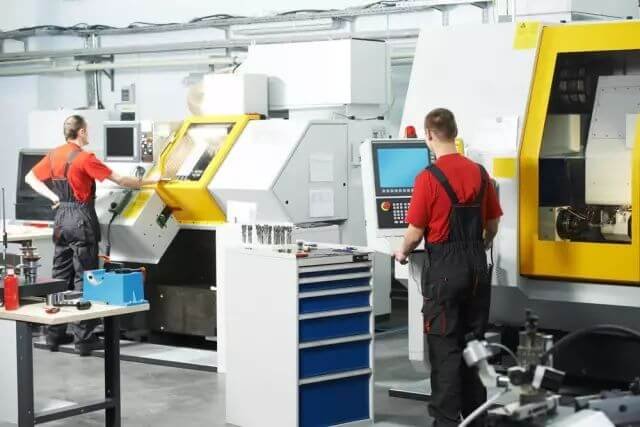
The Role of UHMW-PE in Food and Beverage Industries: From Processing to Packaging

UHMW-PE plastic sheets

Discover how UHMW-PE (Ultra-High Molecular Weight Polyethylene) is revolutionizing the food and beverage industry by enhancing efficiency and safety from processing to packaging. This versatile material meets stringent FDA and USDA regulations, ensuring food safety and hygiene. Explore its exceptional durability and wear resistance, making it perfect for conveyor systems, wear strips, and material handling components. Learn about the sanitation benefits of non-porous surfaces that resist moisture and bacteria, simplifying cleaning processes. Delve into real-world case studies, like those of Southern Glazer’s Wine & Spirits and Cargill, showcasing significant improvements in operational efficiency. Understand the cost-effective nature of UHMW-PE, with long-term savings due to reduced maintenance and downtime. Additionally, discover the advantages of antistatic and colored UHMW-PE variants for specific applications, and its wide range of uses in material handling. Enhance your knowledge on how this innovative material is transforming the food and beverage industry for better safety, efficiency, and cost savings.

🎉🎉🎉Limited Time Offer Use code: QR4GNY08SHVR at checkout and enjoy a special discount on your entire order! 👉 UHMWPE plastic
UHMW-PE (Ultra-High Molecular Weight Polyethylene)

Compliance with Food Safety Standards

Meeting FDA and USDA Regulations

UHMW-PE materials are meticulously engineered to comply with stringent FDA and USDA regulations, ensuring their suitability for direct contact with food. These regulations are crucial as they guarantee that the materials used in food processing do not contaminate the food products, thereby safeguarding consumer health. UHMW-PE’s compliance with these standards means it is free from harmful chemicals and does not leach any substances that could compromise food safety.

Importance of Food Safety Standards

Adhering to food safety standards is essential in the food and beverage industry. These standards are designed to maintain high levels of hygiene and sanitation throughout the food production process. By using FDA-approved UHMW-PE, manufacturers ensure that their operations are in line with legal requirements, thereby avoiding potential penalties and product recalls. This compliance not only protects consumers but also enhances the reputation of food producers as reliable and safety-conscious.

Hygienic Properties of UHMW-PE

One of the standout features of UHMW-PE is its non-porous surface, which makes it resistant to moisture absorption and bacterial growth. This property is particularly important in food processing environments where maintaining cleanliness is paramount. Unlike other materials that can harbor bacteria and lead to contamination, UHMW-PE provides a sanitary solution that supports rigorous hygiene protocols. This makes it an ideal choice for components that come into direct contact with food, such as conveyor belts, cutting boards, and wear strips.

Enhancing Consumer Safety

By utilizing UHMW-PE in food processing, manufacturers can significantly enhance consumer safety. The material’s compliance with FDA and USDA standards ensures that it does not contribute to any contamination risks, thereby maintaining the integrity of the food products. Additionally, the ease of cleaning and maintenance associated with UHMW-PE further supports a hygienic production environment, reducing the likelihood of foodborne illnesses.

Advantages Over Alternative Materials

Compared to other materials, UHMW-PE offers superior safety and hygiene benefits. Metals, for instance, can corrode and introduce contaminants, while other plastics may not meet the stringent regulatory requirements or may degrade over time. UHMW-PE’s robustness and compliance with safety standards provide a reliable and durable solution for food processing applications. This makes it a preferred choice for manufacturers looking to maintain the highest levels of food safety and quality.

Real-World Applications

Numerous companies in the food and beverage industry have successfully implemented UHMW-PE in their operations. For example, Cargill uses UHMW-PE in their packaging lines, benefiting from its durability and compliance with food safety standards. Such applications demonstrate the material’s effectiveness in maintaining hygiene and improving operational efficiency, further establishing its role as an essential component in food processing.

By choosing UHMW-PE for their food processing needs, manufacturers can ensure compliance with safety standards, maintain hygiene, and ultimately protect consumer health.

Durability and Longevity of UHMW-PE Components

Exceptional Durability and Wear Resistance

UHMW-PE (Ultra-High Molecular Weight Polyethylene) is renowned for its exceptional durability and wear resistance, making it a preferred material in industries that demand high-performance and long-lasting components. This material’s high molecular weight grants it superior strength, enabling it to withstand constant use and harsh conditions without degrading. Components such as conveyor parts, wear strips, and guide rails benefit immensely from these properties, ensuring reliable and continuous operation in demanding environments.

Ideal for High-Use Applications

The robustness of UHMW-PE makes it particularly suitable for applications that experience significant wear and tear. In the food and beverage industry, for instance, conveyor systems and wear strips made from UHMW-PE are subject to continuous use and must resist abrasion and impact. UHMW-PE’s low friction coefficient further enhances its performance by reducing operational resistance, which in turn minimizes energy consumption and extends the lifespan of the machinery.

Reduced Maintenance Costs

One of the standout benefits of using UHMW-PE components is the significant reduction in maintenance costs. The material’s wear resistance means that parts do not need to be replaced as frequently as those made from alternative materials. This durability leads to fewer interruptions in production, lowering the frequency of maintenance shutdowns. Companies can thus save on both the direct costs of spare parts and the indirect costs associated with downtime.

Minimizing Downtime

UHMW-PE components contribute to minimized downtime in production lines. The inherent strength and resilience of the material ensure that components such as chain guides and chute liners remain operational for longer periods. This continuous operation is crucial in industries where production efficiency and reliability are paramount. By reducing the need for frequent replacements and maintenance interventions, UHMW-PE helps maintain a smooth and uninterrupted workflow.

Versatility in Harsh Environments

UHMW-PE is not only durable but also versatile enough to perform well in harsh environments. Its chemical resistance makes it suitable for use in areas exposed to aggressive substances, such as in chemical processing plants and mining operations. The material’s ability to withstand extreme conditions without compromising its structural integrity further underscores its suitability for high-stress applications.

Long-Term Cost Efficiency

The longevity of UHMW-PE components translates to long-term cost efficiency. Although the initial investment in UHMW-PE parts might be higher compared to other materials, the extended service life and reduced maintenance requirements result in overall savings. This cost-efficiency is particularly beneficial for industries with high operational demands, where ensuring continuous production and minimizing downtime are critical.

Real-World Applications

Real-world applications of UHMW-PE showcase its effectiveness and reliability. In sectors like food processing, companies have successfully integrated UHMW-PE into their material handling and packaging systems, experiencing enhanced performance and durability. For example, conveyor belts lined with UHMW-PE offer smoother and more efficient movement of products, reducing wear on both the conveyor and the products being transported.

Enhancing Operational Efficiency

By choosing UHMW-PE for critical components, manufacturers can enhance their overall operational efficiency. The material’s properties support a more reliable and sustainable production process, ensuring that machinery operates at optimal performance levels. This enhancement not only improves productivity but also contributes to a safer and more cost-effective production environment.

Through its exceptional durability, wear resistance, and versatility, UHMW-PE proves to be an invaluable material in the food and beverage industry and beyond, supporting efficient, reliable, and cost-effective operations.

UHMW-PE in the food and beverage industry

Innovations in Conveyor Systems with UHMW-PE

Enhancing Efficiency with Low Friction Coefficient

UHMW-PE (Ultra-High Molecular Weight Polyethylene) is revolutionizing conveyor systems in the food and beverage industry due to its exceptionally low friction coefficient. This characteristic is crucial because it significantly minimizes resistance, allowing conveyor belts to operate more smoothly and efficiently. The reduced resistance directly translates to lower energy consumption, making the overall system more cost-effective and environmentally friendly.

Custom-Engineered Components for Improved Material Flow

The versatility of UHMW-PE allows for the creation of custom-engineered components tailored to specific applications within conveyor systems. These components include wear strips, chain guides, and guide rails, all designed to optimize material flow and reduce production bottlenecks. For example, custom UHMW-PE wear strips can be manufactured to fit unique conveyor layouts, ensuring seamless and efficient movement of products. This customization helps prevent delays and enhances the overall productivity of the production line.

Case Study: Smoother Operations in Food Processing

A notable application of UHMW-PE in conveyor systems is its use in food processing plants. These facilities require materials that can withstand continuous operation and frequent cleaning without degrading. UHMW-PE components, such as conveyor belt rollers and side guides, have demonstrated their ability to maintain smooth operations by minimizing friction and wear. This results in fewer maintenance requirements and prolonged equipment life, which are essential for maintaining high efficiency in food processing.

Reducing Energy Consumption

The low friction properties of UHMW-PE not only enhance operational efficiency but also contribute to significant energy savings. In conveyor systems, reduced friction means that less force is required to move products along the line. This reduction in force translates to lower energy usage by the motors driving the conveyors. Over time, these energy savings can lead to a considerable decrease in operational costs, making UHMW-PE an economically advantageous choice for manufacturers.

Custom Solutions for Specific Needs

Manufacturers can leverage the unique properties of UHMW-PE to develop custom solutions that address specific challenges in their conveyor systems. For instance, antistatic UHMW-PE can be used in environments where static electricity poses a risk to product integrity or operational safety. Similarly, colored UHMW-PE can be utilized to comply with industry regulations or for easy identification of different conveyor parts, enhancing operational efficiency and safety.

Versatility Across Industries

While the food and beverage industry benefits significantly from UHMW-PE, its applications extend to other sectors as well. In the automotive industry, for example, UHMW-PE is used in conveyor systems to transport heavy components without causing damage. The chemical industry employs UHMW-PE for its chemical resistance and durability, ensuring that conveyor systems remain operational even in harsh environments.

Real-World Example: Improving Production Lines

A practical example of UHMW-PE’s impact can be seen in a large-scale bottling plant, where custom UHMW-PE guides and rollers were installed to handle high-speed production lines. The low friction and high wear resistance of these components resulted in a smoother, more efficient operation, reducing downtime and maintenance costs. The plant experienced a notable improvement in production throughput and a reduction in operational expenses, demonstrating the tangible benefits of UHMW-PE in conveyor applications.

By utilizing UHMW-PE in conveyor systems, manufacturers can achieve enhanced efficiency, reduced energy consumption, and improved material flow, ultimately leading to more productive and cost-effective operations. This material’s unique properties make it an indispensable component in the modern food and beverage industry, as well as in various other sectors.

Sanitation and Hygiene Benefits

Non-Porous Surface for Enhanced Hygiene

UHMW-PE (Ultra-High Molecular Weight Polyethylene) boasts a non-porous surface, making it an ideal material for environments where hygiene is paramount. Unlike porous materials that can absorb moisture and harbor bacteria, UHMW-PE resists moisture absorption. This non-porous quality ensures that the surface remains impermeable, preventing the growth of bacteria, mold, and other microorganisms that could compromise food safety. This characteristic is crucial in the food and beverage industry, where maintaining high sanitation standards is essential for consumer safety.

Easy Cleaning and Maintenance

The smooth, non-porous surface of UHMW-PE facilitates easy cleaning and maintenance, a critical feature in food processing environments. This ease of cleaning ensures that sanitation processes can be carried out quickly and effectively, reducing the risk of contamination. Traditional cleaning methods can be employed without the need for harsh chemicals, which might otherwise degrade other materials. The ability to maintain a clean surface with minimal effort helps in adhering to strict hygiene protocols mandated by FDA and USDA regulations.

Resistance to Chemicals and Stains

UHMW-PE is highly resistant to a wide range of chemicals, including cleaning agents and sanitizers used in food processing plants. This chemical resistance ensures that the material does not degrade or stain over time, maintaining its hygienic properties throughout its lifespan. The stain resistance of UHMW-PE also prevents discoloration and retains the aesthetic quality of the equipment, which is important for visual inspections and maintaining a clean working environment.

Supporting High Sanitation Standards

By incorporating UHMW-PE into food processing equipment, manufacturers can ensure that their operations meet and exceed high sanitation standards. The material’s inherent properties reduce the risk of cross-contamination and ensure that food contact surfaces remain clean and safe. This compliance with stringent health and safety regulations helps protect consumers from foodborne illnesses and supports the overall quality of food products.

Applications in Food Processing

UHMW-PE is utilized in various applications within the food and beverage industry to maintain hygiene standards. Common applications include cutting boards, conveyor belts, and wear strips. For instance, cutting boards made from UHMW-PE do not harbor bacteria, ensuring that food preparation surfaces remain sanitary. Similarly, conveyor belts and wear strips benefit from the material’s easy-to-clean properties, which are essential in high-speed production lines where cleanliness cannot be compromised.

Enhancing Operational Efficiency

The easy maintenance and high sanitation standards provided by UHMW-PE not only ensure food safety but also enhance operational efficiency. Reduced cleaning time and less frequent maintenance mean that production lines can operate continuously with fewer interruptions. This efficiency is crucial in industries where downtime can significantly impact productivity and profitability. By maintaining a clean and hygienic environment, UHMW-PE helps streamline operations and supports consistent, high-quality output.

Compliance with Industry Regulations

The use of UHMW-PE helps manufacturers comply with industry regulations set by organizations such as the FDA and USDA. These regulations require materials that come into contact with food to be non-toxic, non-absorbent, and resistant to bacterial growth. UHMW-PE meets these criteria, making it a trusted choice for food processing equipment. Compliance with these regulations not only ensures consumer safety but also protects manufacturers from potential legal issues and recalls.

Incorporating UHMW-PE in food and beverage processing is a strategic decision that enhances hygiene, simplifies maintenance, and ensures compliance with regulatory standards, ultimately contributing to safer and more efficient food production.

UHMW-PE proves to be an invaluable material in the food and beverage industry

Cost-Effective Solutions

Longevity and Reduced Replacements

UHMW-PE (Ultra-High Molecular Weight Polyethylene) is known for its exceptional durability and wear resistance, which contribute significantly to its long lifespan. This longevity means that components made from UHMW-PE do not need frequent replacements, resulting in substantial cost savings over time. For food and beverage manufacturers, this translates to reduced operational costs and less frequent downtime for maintenance. By choosing UHMW-PE, manufacturers invest in a material that ensures long-term performance and reliability, thereby enhancing the overall cost-effectiveness of their operations.

Long-Term Cost Savings

The initial investment in UHMW-PE components may be higher compared to other materials, but the long-term savings are considerable. The reduced need for replacements and the minimal maintenance required for UHMW-PE components lower the total cost of ownership. This material’s ability to withstand harsh conditions and continuous use without significant wear and tear means that manufacturers can rely on their equipment for longer periods, reducing both direct and indirect costs associated with maintenance and part replacements.

Applications Beyond Traditional Material Handling

UHMW-PE is versatile and finds applications beyond traditional material handling components. For instance, it is used in protective linings in food processing equipment, which help protect machinery from damage and wear. These linings extend the life of the equipment and reduce the frequency of expensive repairs or replacements. Additionally, UHMW-PE is employed in noise-dampening parts, which are essential in reducing the operational noise in manufacturing environments. This not only improves the working conditions but also minimizes noise pollution, contributing to a healthier and more productive work environment.

Protective Linings

In the food and beverage industry, maintaining the integrity of processing equipment is crucial. UHMW-PE protective linings offer an effective solution to protect machinery from abrasive materials and mechanical impacts. These linings are particularly beneficial in high-wear areas, such as chutes, hoppers, and bins, where material flow can cause significant wear over time. By using UHMW-PE linings, manufacturers can ensure that their equipment remains functional and efficient for longer periods, thus avoiding costly downtime and repairs.

Noise-Dampening Parts

Operational noise can be a significant issue in manufacturing environments, affecting both worker health and overall productivity. UHMW-PE components, such as noise-dampening pads and panels, effectively reduce noise levels by absorbing sound and vibrations. This application not only creates a quieter work environment but also extends the life of the machinery by reducing the impact of vibrations. The use of UHMW-PE for noise reduction is a cost-effective solution that addresses both environmental and operational concerns.

Real-World Examples

Numerous manufacturers have successfully integrated UHMW-PE into their operations, reaping the benefits of its durability and cost-effectiveness. For example, a major food processing plant replaced its traditional conveyor belts with UHMW-PE belts. The result was a significant reduction in maintenance costs and downtime, as the new belts required less frequent replacement and repair. Another example is a beverage bottling facility that utilized UHMW-PE noise-dampening panels to create a quieter working environment, leading to improved worker satisfaction and productivity.

Enhancing Operational Efficiency

The use of UHMW-PE in various applications contributes to the overall operational efficiency of food and beverage manufacturers. By reducing the frequency of maintenance and replacements, UHMW-PE helps ensure that production lines remain operational for longer periods, thus maximizing output and profitability. The material’s versatility allows it to be used in innovative ways that further enhance efficiency and cost-effectiveness across different areas of manufacturing.

UHMW-PE provides a comprehensive solution for food and beverage manufacturers looking to optimize their operations through durable, cost-effective, and versatile material choices. Its applications in protective linings and noise-dampening parts, among others, demonstrate its value in enhancing both the efficiency and sustainability of manufacturing processes.

UHMW-PE provides a comprehensive solution for food

Case Studies of UHMW-PE in Food Processing

Southern Glazer’s Wine & Spirits

Southern Glazer’s Wine & Spirits is the largest wine and spirits distributor in the United States, and their operations require highly efficient and reliable material handling systems. To enhance their operational efficiency, Southern Glazer’s incorporated UHMW-PE components into their conveyor systems. The low friction coefficient and high wear resistance of UHMW-PE significantly reduced the wear and tear on their conveyor belts and other moving parts. This resulted in lower maintenance costs and less downtime, enabling smoother and more efficient operations. The use of UHMW-PE also ensured that the conveyor systems met stringent sanitation standards, crucial for maintaining the quality and safety of their products.

Cargill’s Packaging Operations

Cargill, a global food corporation, faced challenges in their secondary packaging operations, particularly with their robotic palletizing systems. The integration of UHMW-PE components proved to be a game-changer. The high durability and low friction properties of UHMW-PE improved the reliability and speed of the packaging lines. By reducing the friction between moving parts, UHMW-PE helped in minimizing wear and extending the lifespan of the machinery. This resulted in fewer breakdowns and lower maintenance requirements, significantly enhancing the overall efficiency of Cargill’s packaging operations. The smooth surface of UHMW-PE also facilitated easier cleaning, ensuring compliance with FDA and USDA hygiene regulations.

JFC International’s Distribution Enhancements

JFC International, a leading distributor of Asian food products, implemented UHMW-PE in their distribution facilities to address issues with material handling equipment. The abrasion resistance and impact strength of UHMW-PE were critical in protecting their conveyor systems and reducing the need for frequent repairs. By using UHMW-PE liners and guides, JFC International achieved more reliable and efficient material flow, minimizing disruptions and maximizing throughput. The durability of UHMW-PE components also contributed to significant cost savings by extending the service life of their equipment.

General Mills’ Food Processing

General Mills, a major food processing company, integrated UHMW-PE into their production lines to improve the handling and processing of bulk materials. The non-porous surface of UHMW-PE ensured that it did not absorb moisture or harbor bacteria, making it an ideal material for maintaining high sanitation standards. The use of UHMW-PE wear strips and chutes improved the flow of materials, reducing blockages and downtime. Additionally, the chemical resistance of UHMW-PE allowed for easy cleaning with standard sanitizing agents, further enhancing the hygiene and safety of their food processing operations.

Tyson Foods’ Meat Processing

Tyson Foods, a leader in meat processing, adopted UHMW-PE for various applications in their facilities, including cutting boards, conveyor belts, and wear strips. The easy-to-clean nature of UHMW-PE and its resistance to bacteria growth were crucial in maintaining the stringent hygiene standards required in meat processing. The material’s durability and low friction properties also ensured that equipment operated smoothly and required less maintenance. This implementation not only improved the efficiency and reliability of Tyson’s processing lines but also enhanced the overall safety and quality of their products.

Kellogg’s Cereal Production

Kellogg’s, a global cereal manufacturer, utilized UHMW-PE in their cereal production lines to address issues related to material handling and equipment wear. The incorporation of UHMW-PE components in chutes and hoppers reduced the friction and wear caused by the constant movement of cereal grains. This resulted in fewer blockages and a smoother production process. The longevity of UHMW-PE components also meant that Kellogg’s experienced fewer interruptions for maintenance, leading to higher productivity and lower operational costs.

Nestlé’s Beverage Bottling

Nestlé, a leading food and beverage company, integrated UHMW-PE in their beverage bottling lines to enhance efficiency and reduce operational noise. The use of UHMW-PE rollers and guides minimized friction and wear, ensuring that bottles moved smoothly through the production line. The noise-dampening properties of UHMW-PE also created a quieter work environment, which improved worker comfort and safety. The durability of UHMW-PE components reduced the frequency of replacements and maintenance, contributing to significant cost savings and more efficient operations.

These case studies illustrate the versatility and effectiveness of UHMW-PE in improving operational efficiency, reliability, and hygiene in the food and beverage industry. By adopting UHMW-PE, companies can achieve long-term cost savings and maintain high standards of quality and safety in their production processes.

UHMW-PE plastic applications in aerospace

Antistatic and Color Variants of UHMW-PE

Availability of Antistatic UHMW-PE

Antistatic UHMW-PE is specifically engineered to dissipate static electricity, a crucial feature in environments where static buildup could pose safety hazards. This variant of Ultra-High Molecular Weight Polyethylene is widely available and is used in applications where static discharge could ignite flammable substances or disrupt sensitive electronic components. In the food and beverage industry, antistatic UHMW-PE is often employed in packaging and processing areas to prevent static electricity from affecting the quality and safety of food products.

Benefits of Antistatic Properties

The antistatic properties of this UHMW-PE variant help to maintain a safe working environment by reducing the risk of static discharge. This is particularly important in environments where fine powders or other combustible materials are present. By dissipating static electricity, antistatic UHMW-PE minimizes the risk of sparks that could lead to explosions or fires. Additionally, these properties help in maintaining the integrity of electronic components used in automated food processing machinery, ensuring that static discharge does not interfere with their operation.

Applications in the Food and Beverage Industry

In the food and beverage industry, antistatic UHMW-PE is used in various applications to enhance safety and efficiency. For example, it is commonly used in the construction of conveyor belts, chutes, and hoppers where the movement of materials can generate static electricity. The use of antistatic materials ensures that the production line operates smoothly and safely. Furthermore, packaging lines that handle dry goods like flour or sugar benefit from antistatic UHMW-PE by preventing clinging and buildup of these materials due to static, thus improving the packaging process.

Availability of Colored UHMW-PE

Colored UHMW-PE is available in a range of colors, including black, blue, green, and red. These color variants are achieved by adding pigments during the manufacturing process. Colored UHMW-PE retains all the beneficial properties of natural UHMW-PE, such as high abrasion resistance, low friction, and excellent durability, while providing additional benefits related to color coding and aesthetics.

Benefits of Color Coding

Color coding with UHMW-PE can significantly enhance operational efficiency and safety in the food and beverage industry. Different colors can be used to designate specific zones or purposes within a production facility, making it easier to identify equipment and components at a glance. For example, blue UHMW-PE might be used in areas where allergen-free processing is conducted, while green could denote areas for organic product handling. This visual differentiation helps in maintaining strict hygiene protocols and preventing cross-contamination.

Applications of Colored UHMW-PE

Colored UHMW-PE is used in various applications within the food and beverage sector to meet unique operational requirements. Wear strips, guide rails, and conveyor components made from colored UHMW-PE not only perform their primary functions effectively but also contribute to a well-organized and visually efficient workspace. For instance, black UHMW-PE is often used in high-wear areas due to its ability to hide dirt and wear marks, thereby maintaining a clean appearance even in heavy-duty applications.

Enhancing Safety with Color Variants

In addition to operational efficiency, the use of colored UHMW-PE enhances safety by providing clear visual indicators for different parts of the processing line. For example, red UHMW-PE can be used to mark emergency stop zones or hazardous areas, ensuring that workers are immediately aware of potential dangers. This color differentiation aids in quick decision-making and enhances overall workplace safety.

Real-World Example: Beverage Bottling Facility

A beverage bottling facility implemented colored UHMW-PE in their production line to improve organization and safety. By using blue UHMW-PE for allergen-free zones and red UHMW-PE for emergency stops, the facility achieved better operational clarity and reduced the risk of cross-contamination. The visual cues provided by the colored UHMW-PE components helped workers to quickly identify specific areas and adhere to safety protocols, leading to a more efficient and safer production environment.

The use of antistatic and

colored UHMW-PE

 variants in the food and beverage industry provides significant benefits in terms of safety, operational efficiency, and compliance with hygiene standards. These materials help manufacturers meet unique requirements and ensure the smooth, safe, and efficient operation of their production lines.


Versatility in Material Handling Applications

UHMW-PE in Chute Liners

UHMW-PE (Ultra-High Molecular Weight Polyethylene) is widely used in chute liners due to its high abrasion resistance and low friction properties. In the food and beverage industry, chute liners made from UHMW-PE are essential for ensuring smooth and efficient material flow. These liners prevent materials from sticking to the chute surfaces, reducing blockages and ensuring a consistent flow of products. The durability of UHMW-PE also means that chute liners require less frequent replacement, minimizing downtime and maintenance costs.

Enhancing Efficiency with Star Wheels

Star wheels are crucial components in many conveyor systems, particularly in the bottling and packaging sectors of the food and beverage industry. UHMW-PE is an ideal material for star wheels due to its wear resistance and self-lubricating properties. These features ensure that star wheels operate smoothly, reducing friction and wear. The use of UHMW-PE in star wheels enhances the efficiency of the conveyor systems by ensuring reliable and continuous operation, thereby improving the overall productivity of the production line.

Durable Truck Bed Liners

Truck bed liners made from UHMW-PE are essential for protecting truck beds from impact and abrasion during the transport of goods. In the food and beverage industry, these liners are particularly beneficial for transporting bulk materials such as grains, fruits, and other perishables. The impact resistance and durability of UHMW-PE protect the truck beds from damage, reducing repair and replacement costs. Additionally, the non-stick surface of UHMW-PE ensures that materials are easily unloaded, enhancing the efficiency of the transport process.

Adaptability to Different Environments

One of the key advantages of UHMW-PE is its adaptability to different environments. This material performs exceptionally well under a variety of conditions, making it suitable for use in diverse applications. Whether in dry, wet, or chemically aggressive environments, UHMW-PE maintains its structural integrity and performance. This versatility is particularly beneficial in the food and beverage industry, where equipment is often exposed to different types of materials and cleaning agents. The resistance of UHMW-PE to chemicals and moisture ensures long-lasting performance in these demanding conditions.

Improving Production Line Efficiency

The use of UHMW-PE in material handling applications significantly enhances the overall efficiency of production lines in the food and beverage industry. By reducing friction and wear, UHMW-PE components such as chute liners, star wheels, and truck bed liners help maintain a smooth and continuous flow of materials. This reduction in operational interruptions leads to higher throughput and productivity. Moreover, the low maintenance requirements of UHMW-PE components translate to less downtime, allowing for more consistent and reliable production schedules.

Real-World Applications

Many companies in the food and beverage industry have successfully implemented UHMW-PE in their material handling systems. For instance, a major cereal manufacturer uses UHMW-PE chute liners to ensure smooth material flow and prevent blockages during the production process. Similarly, a large bottling plant has integrated UHMW-PE star wheels in their conveyor systems to enhance efficiency and reduce maintenance needs. These real-world applications highlight the versatility and effectiveness of UHMW-PE in improving operational efficiency and reliability.

Versatility Across Applications

Beyond traditional material handling components, UHMW-PE is also used in a variety of other applications within the food and beverage industry. These include protective linings for equipment, guide rails for conveyors, and impact pads for high-wear areas. The versatility of UHMW-PE allows it to be tailored to specific needs, ensuring optimal performance and durability across different applications. This adaptability makes UHMW-PE an invaluable material for enhancing the efficiency and reliability of food and beverage production lines.

UHMW-PE provides a comprehensive solution for the material handling needs of the food and beverage industry, offering unmatched durability, low maintenance, and versatility across a broad range of applications.

Ultra-High Molecular Weight Polyethylene (UHMW PE

Common Questions and Answers about UHMW-PE and BeePlastic’s Customization Services

General Questions about UHMW-PE

1. What is UHMW-PE and what are its main properties?

Answer: UHMW-PE (Ultra-High Molecular Weight Polyethylene) is a type of plastic known for its high abrasion resistance, low friction coefficient, and exceptional durability. It is non-porous, which makes it resistant to moisture and bacterial growth, and it can withstand a wide range of temperatures and chemical exposures, making it ideal for various industrial applications.

2. What industries commonly use UHMW-PE?

Answer: UHMW-PE is widely used in industries such as food and beverage, automotive, chemical processing, mining, material handling, and medical sectors. Its versatility and durability make it suitable for applications like conveyor parts, wear strips, chute liners, and truck bed liners.

3. How does UHMW-PE improve operational efficiency in the food and beverage industry?

Answer: In the food and beverage industry, UHMW-PE enhances operational efficiency by reducing friction and wear on conveyor systems, ensuring smooth material flow, and minimizing maintenance needs. Its non-porous surface also supports high sanitation standards, reducing the risk of contamination and simplifying cleaning processes.

4. What are the benefits of using antistatic UHMW-PE?

Answer: Antistatic UHMW-PE helps to dissipate static electricity, preventing static discharge that can cause safety hazards in environments with flammable substances or sensitive electronic components. This makes it particularly valuable in packaging and processing areas of the food and beverage industry.

5. Why is colored UHMW-PE used in industrial applications?

Answer: Colored UHMW-PE is used for color coding and visual differentiation within production facilities. This helps in organizing operations, ensuring compliance with hygiene protocols, and enhancing safety by clearly marking different zones or types of processing areas. It retains all the beneficial properties of natural UHMW-PE while adding functional visual cues.

BeePlastic Customization Services

6. Can BeePlastic undertake any type of customization?

Answer: Yes, BeePlastic can undertake any type of customization, including sample customization and batch customization. We cater to specific client needs by customizing products to exact specifications, ensuring the highest quality and performance.

7. What file formats does BeePlastic accept for customization?

Answer: BeePlastic accepts a variety of file formats for customization, including PDF and CAD files. This flexibility allows us to work with detailed and precise designs, ensuring accurate production according to the client’s requirements.

8. Is there a minimum order quantity (MOQ) for custom orders at BeePlastic?

Answer: There is no minimum order quantity (MOQ) at BeePlastic. We are committed to supporting both small and large orders, making our services accessible to businesses of all sizes.

9. How does BeePlastic determine the production cycle for custom orders?

Answer: The production cycle at BeePlastic is determined by the amount of orders and the complexity of the process. We communicate the production progress in real-time, ensuring transparency and allowing clients to stay informed about the status of their orders.

10. Does BeePlastic provide samples, and what are the conditions?

Answer: Yes, BeePlastic supports the provision of samples. The samples are free of charge; however, customers are responsible for the shipping costs. This allows clients to evaluate the quality and suitability of the products before placing larger orders.

These questions and answers provide a comprehensive overview of UHMW-PE and the customization services offered by BeePlastic, highlighting the benefits, applications, and flexibility of this versatile material.

UHMW-PE offers unmatched versatility, durability, and efficiency in the food and beverage industry, making it an indispensable material for enhancing production processes and maintaining high sanitation standards. From chute liners and star wheels to truck bed liners and protective linings, UHMW-PE’s adaptability to various environments ensures reliable performance across a wide range of applications. The material’s low friction coefficient, non-porous surface, and chemical resistance contribute to its effectiveness in reducing maintenance costs, minimizing downtime, and ensuring smooth, continuous operations. Additionally, the availability of antistatic and colored UHMW-PE variants further enhances its applicability, offering specialized solutions to meet unique operational needs and improve safety. By integrating UHMW-PE into their production lines, manufacturers can achieve significant long-term cost savings, operational efficiency, and compliance with stringent health and safety regulations, ultimately driving the success and sustainability of their operations. 

Ultra-high molecular weight polyethylene (UHMWPE)

Optimize Your Operations with Custom UHMW-PE Solutions!

🎉🎉🎉Limited Time Offer Use code: QR4GNY08SHVR at checkout and enjoy a special discount on your entire order! 👉 UHMWPE plastic

Whether you need chute liners, star wheels, or truck bed liners, our UHMW-PE products offer unmatched performance. Contact us by filling out the form at the bottom of this page, or click here to explore our Custom UHMW-PE Page for more details.

Leave a comment


Please note, comments must be approved before they are published


Custom Plastic Fabrication

Send your drawing, material and quantity for review

🔧
Precision Machining
CNC milling & turning
✂️
Cutting & Engraving
Laser & waterjet cutting
🏭
Forming & Molding
Thermoforming & injection
🔗
Joining & Assembly
Welding & bonding
📐
Design & Prototyping
CAD design & samples

General

HDPE

PP

PVC

ABS

Engineering

POM

Nylon

PC

PMMA

High-Performance

PEEK

PEI

PTFE

Composites

FR-4

G10

Flexible

TPU

Silicone

Why Choose BeePlastic?

🎯
Perfect Fit
Custom specs eliminate adaptation needs
⚡
Clear Lead Times
Lead time confirmed with every quote
💰
Volume Pricing
Volume pricing available on bulk orders
🤝
Expert Support
Free engineering consultation included
📋
Submit
→
🔍
Review
→
💵
Quote
→
✅
Production
→
📦
Deliver

Request a Quote

Share your project details, selected material and quantity on our quote page. You can add a file link or use the email drawing route shown there.


Request Quote

Industries: Automotive • Medical • Food • Lab • Semiconductor

beeplastic@beeplastic.com


Transform Your Production Line with UPE CNC Machining: Top Solutions for Automotive Durability

UPE CNC machining

In the blog post “Transform Your Production Line with UPE CNC Machining: Top Solutions for Automotive Durability,” explore the game-changing potential of UPE (Ultra-High Molecular Weight Polyethylene) for the automotive industry. We begin with an introduction to the essential properties of UPE and its significance in CNC machining for creating wear-resistant and impact-resistant automotive components. Discover the advantages that set UPE apart from other materials, ensuring enhanced durability and performance of vehicle parts.

🎉🎉🎉Limited Time Offer Use code: QR4GNY08SHVR at checkout and enjoy a special discount on your entire order! 👉 UPE plastic

UPE (Ultra-High Molecular Weight Polyethylene)

Delve into a detailed cost analysis, providing an insightful pricelist to guide manufacturers in budgeting effectively for UPE CNC machining. We’ll also help you choose the right manufacturing partner by highlighting key factors to consider when selecting a UPE CNC machining factory. Lastly, uncover upcoming trends and technological innovations in UPE processing that promise to boost efficiency and redefine automotive manufacturing standards.

This post is your comprehensive guide to leveraging UPE’s remarkable qualities to optimize your production line for superior automotive durability and efficiency.

Introduction to UPE CNC Machining in the Automotive Industry

Ultra-high molecular weight polyethylene, or UPE, is revolutionizing the automotive sector with its application in CNC machining for the production of high-performance automotive parts. Known for its superior durability and resistance qualities, UPE is becoming a go-to material for manufacturers seeking to enhance the longevity and efficiency of their products.

The Role of UPE in Automotive Manufacturing

UPE stands out in the realm of plastics due to its exceptional resistance to wear, impact, and corrosion, which makes it particularly suitable for automotive applications. Its usage spans a variety of components, including gears, bushings, and bearings, all of which benefit from UPE’s low friction and excellent wear resistance. This plastic’s robustness ensures that parts can withstand the rigorous demands of automotive operations without compromising on performance.

Advantages of CNC Machining UPE

CNC (Computer Numerical Control) machining of UPE offers unparalleled precision in manufacturing complex parts. This method allows for exacting tolerances and repeatable production essential for automotive manufacturing scales. The ability to program CNC machines to carve intricate designs from UPE blocks ensures high-quality, consistent outputs that are crucial for the mass production of vehicle components.

UPE’s Impact on Automotive Durability and Efficiency

Utilizing UPE in the production of automotive parts significantly enhances the durability and operational efficiency of vehicles. Parts made from UPE are not only stronger and more resistant to wear but also lighter than those made from traditional materials like metal. This reduction in weight contributes to greater fuel efficiency and lower emissions, aligning with global trends towards more environmentally friendly automotive technologies.

The integration of UPE into automotive manufacturing through CNC machining represents a significant advancement in the design and functionality of vehicle components. As this technology evolves, it promises to further drive the efficiency and sustainability of automotive production processes, offering substantial benefits to manufacturers and consumers alike.

By embracing UPE CNC machining, automotive manufacturers are setting new standards in vehicle performance and part longevity, ensuring they remain competitive in a rapidly evolving industry. The ongoing developments in precision machining and material science continue to unlock new possibilities for the use of UPE in automotive applications, making it a pivotal material in the future of automotive engineering.

UPE CNC machining

Advantages of UPE for Wear and Impact Resistance in Vehicles

Ultra-high molecular weight polyethylene (UPE) is increasingly recognized for its outstanding material properties that make it ideal for automotive components requiring high durability and resistance. In the automotive industry, the ability to withstand intense wear and impact without significant degradation is crucial. UPE offers a compelling advantage in these areas compared to traditional plastics.

Material Properties of UPE

The molecular structure of UPE is characterized by extremely long chains, which provide exceptional strength and durability. This structure allows for a high resistance to wear and abrasion, which is essential for automotive parts that experience frequent or intense contact with other surfaces. The high impact strength of UPE ensures that it can absorb shocks and impacts without fracturing, making it perfect for high-stress applications in vehicles.

Comparison with Other Plastics

When compared to other commonly used plastics in the automotive industry, such as ABS or polypropylene, UPE stands out for its superior wear and impact resistance. While materials like ABS offer good toughness and impact resistance, UPE’s performance in extreme conditions is significantly better. For instance, UPE’s ability to resist abrasion and maintain its properties at very low temperatures makes it more suitable for outdoor automotive applications.

UPE’s Role in Enhancing Vehicle Longevity and Safety

The use of UPE in automotive components directly contributes to the longevity and safety of vehicles. Parts made from UPE, such as bushings, gears, and liners, require less frequent replacement due to their durability. This not only reduces maintenance costs but also enhances the overall safety of the vehicle by ensuring that critical components remain functional under harsh operating conditions. Additionally, UPE’s resistance to chemicals and corrosion further extends the life of these parts.

The incorporation of UPE in the manufacturing of automotive parts represents a significant step forward in achieving higher performance and reliability. Automotive engineers and designers are increasingly turning to UPE CNC machining to meet the demands of modern vehicle design, where durability, efficiency, and safety are paramount.

By selecting UPE for components that are subject to severe wear and impact, manufacturers are not only improving the quality of their vehicles but are also contributing to more sustainable manufacturing practices by reducing the need for frequent parts replacement. This move towards more durable materials like UPE is indicative of the industry’s commitment to innovation and excellence in automotive design and manufacturing.

UPE for components

Cost-Effective Solutions: UPE CNC Machining Price List Explained

Navigating the costs of UPE CNC machining can be complex due to the various factors that influence pricing. Understanding these factors and how they impact the overall cost of UPE components is essential for automotive manufacturers looking to optimize their budget while maintaining high-quality production standards.

Factors Affecting UPE CNC Machining Costs

The cost of UPE CNC machining is influenced by several key factors, including the complexity of the part design, the size of the order, and the specific requirements for finishing and tolerance. The complexity of the part often determines the amount of time and resources needed to machine a component, with more intricate designs requiring longer machining times and potentially more advanced machinery. Similarly, the volume of the order can significantly affect pricing, as larger orders typically benefit from economies of scale, reducing the cost per unit.

Material Costs and Availability

The price of raw UPE material is another crucial component of the overall cost. Fluctuations in the market price of UPE can affect the cost-effectiveness of producing parts using this material. Additionally, the availability of UPE can also impact pricing, especially in regions where the material is less commonly stocked, leading to higher import or shipping costs.

Budgeting Tips for Automotive Manufacturers

For automotive manufacturers, effective budgeting for UPE CNC machining involves several strategic considerations. Firstly, partnering with a reliable supplier who can offer competitive pricing and consistent quality is vital. It is also beneficial to plan for bulk purchasing if possible, to leverage lower per-unit costs. Manufacturers should also consider the long-term benefits of investing in UPE parts, such as reduced maintenance costs and longer service life, which can offset the initial higher costs associated with UPE machining.

Strategic Sourcing and Cost Management

Establishing long-term relationships with UPE suppliers and CNC machining services can lead to more favorable pricing and terms. Additionally, staying informed about market trends in UPE pricing and availability can help manufacturers anticipate changes in costs and adjust their budgeting strategies accordingly.

Understanding these cost dynamics is crucial for automotive manufacturers to make informed decisions about incorporating UPE CNC machining into their production processes. By carefully evaluating the factors affecting costs and implementing strategic budgeting practices, manufacturers can effectively manage expenses while still benefiting from the superior properties of UPE for their automotive components.

UPE CNC machining

Selecting the Right UPE CNC Machining Factory for Your Automotive Needs

Choosing the appropriate UPE CNC machining factory is crucial for automotive manufacturers who require high-quality, durable parts for their vehicles. The selection process involves evaluating various factors that can significantly impact the quality and reliability of the manufactured components.

Key Factors in Factory Selection

Certifications and Standards

When evaluating potential factories, one of the first aspects to consider is their certifications. Factories that adhere to international standards such as ISO 9001 for quality management systems are often more reliable. These certifications indicate that the factory maintains high standards in its operations and product quality. Manufacturers should look for facilities that have specific certifications related to CNC machining and plastics engineering, which provide an additional layer of assurance regarding their capability to handle UPE effectively.

Quality Control Processes

Another critical factor is the factory’s quality control (QC) processes. Effective QC measures ensure that every part produced meets strict specifications and tolerances, which is essential for automotive components that must perform reliably under various conditions. Ask potential factories about their QC protocols, including how they manage batch testing and whether they have in-house capabilities to test the properties and durability of UPE components.

Technological Capabilities

The technological capabilities of a factory also play a significant role. A factory equipped with the latest CNC machining technology and software is more likely to produce precision parts consistently. Additionally, factories that invest in advanced technology are generally better at adapting to new production methods and materials, which can be beneficial as automotive design specifications evolve.

Assessing Factory Reputation and Experience

Market Reputation

Reputation in the market can provide valuable insights into a factory’s reliability and quality of work. Automotive manufacturers should research potential factories’ histories, looking at past projects and client testimonials. A factory with a strong reputation is likely to provide more dependable and high-quality services.

Experience with UPE

Specific experience with UPE is crucial. Due to UPE’s unique properties, not all CNC machining factories may be adept at handling this material. It’s beneficial to choose a factory with a proven track record of working with UPE, as they are more likely to understand the nuances of machining this specific type of plastic.

Conclusion

Selecting the right UPE CNC machining factory involves careful consideration of several factors, including certifications, quality control measures, technological capabilities, and market reputation. By prioritizing these elements, automotive manufacturers can ensure they partner with a factory that will meet their needs for high-quality, durable UPE components, contributing to the overall success of their production operations.

UPE CNC machining factory

Future Trends: UPE CNC Machining and Automotive Manufacturing Innovations

The landscape of UPE CNC machining is poised for significant transformations as emerging technologies and innovative techniques continue to develop. These advancements promise to enhance both the efficiency and performance of automotive part production, leading to more sophisticated and durable components.

Technological Advancements in CNC Machining of UPE

Integration of Automation and Robotics

One of the most exciting trends in CNC machining is the increased integration of automation and robotics. Automated systems are becoming more prevalent in the machining of UPE, allowing for more precise and consistent production with minimal human intervention. This shift not only improves the efficiency of the manufacturing process but also reduces the likelihood of errors, ensuring higher quality parts with greater uniformity.

Advancements in Precision Machining

Further advancements in precision machining technologies are enabling factories to produce UPE parts with even tighter tolerances. High-precision CNC machines equipped with advanced sensors and software can now monitor the machining process in real-time, adjusting parameters on-the-fly to maintain the quality and specificity of each component. This capability is crucial for automotive parts that must meet exacting standards.

New Techniques in Material Handling and Processing

Enhanced Material Properties

Researchers are also focusing on enhancing the material properties of UPE to better suit automotive applications. Through modifications at the molecular level, UPE can be engineered to have improved impact resistance, wear resistance, and thermal stability. These material innovations extend the life of automotive parts and reduce maintenance needs, which is especially important in high-stress automotive applications.

Eco-Friendly Manufacturing Practices

Sustainability is becoming increasingly important in automotive manufacturing. New techniques in CNC machining of UPE are emerging that prioritize eco-friendly practices, such as reducing waste and recycling UPE offcuts. These practices not only help manufacturers adhere to environmental regulations but also appeal to consumers who value sustainability.

The Future of UPE in Automotive Design

The ongoing developments in CNC machining technology and material science are setting the stage for revolutionary changes in how automotive parts are designed and produced. As these technologies mature, we can expect to see lighter, stronger, and more efficient automotive components that push the boundaries of what is currently possible.

The innovations in UPE CNC machining and automotive manufacturing are not just enhancing the way parts are made but are also helping the automotive industry meet the increasing demands for higher performance and sustainability. These trends highlight the growing importance of UPE in the future of automotive engineering, promising a new era of innovation and efficiency in automotive part production.

UPE CNC machining

Frequently Asked Questions About Beeplastics UPE CNC Machining Services

Here are some of the most common questions and answers regarding Beeplastics and our UPE CNC machining services, addressing everything from customization capabilities to order specifics:

1. Can Beeplastics handle both sample and batch customizations for UPE CNC machining?

Answer: Yes, Beeplastics is fully equipped to undertake any customization requests, including both sample customizations and large batch productions. We tailor our services to meet specific client needs, ensuring precision and quality regardless of the scale of the project.

2. What file formats does Beeplastics accept for custom orders?

Answer: Beeplastics accepts a variety of file formats to make the submission process as convenient as possible for our clients. This includes popular formats such as PDF and CAD files, which allow us to accurately translate your designs into finished products.

3. Is there a minimum order quantity (MOQ) required at Beeplastics?

Answer: No, there is no minimum order quantity at Beeplastics. We aim to support projects of all sizes, from single prototypes to large-scale productions, providing flexibility for businesses and individuals alike.

4. How does Beeplastics determine the production cycle for UPE CNC machining orders?

Answer: The production cycle for each order depends on several factors, including the volume of the order and the complexity of the machining process required. Beeplastics communicates with customers throughout the process to provide updates and ensure transparency regarding timelines.

5. Does Beeplastics provide samples, and what is the cost?

Answer: Beeplastics supports the provision of samples to ensure your requirements are met before proceeding with larger orders. Samples are provided free of charge; however, customers are responsible for the shipping costs.

6. How does Beeplastics ensure quality in UPE CNC machining?

Answer: Quality is paramount at Beeplastics. We utilize advanced CNC machining technology and stringent quality control processes to ensure that every product meets our high standards. Regular inspections and adherence to industry best practices guarantee the reliability and durability of our machined parts.

7. Can Beeplastics assist with the design process for custom UPE parts?

Answer: Absolutely. Our team of experts is available to assist with the design process, offering advice on optimizing designs for CNC machining to ensure the best results. We can help refine your designs to enhance functionality and manufacturability.

8. What industries does Beeplastics serve with its UPE CNC machining services?

Answer: Beeplastics serves a wide range of industries requiring high-quality UPE components. This includes automotive, aerospace, industrial machinery, and more, where durability and precision are critical.

9. How does Beeplastics handle complex UPE CNC machining projects?

Answer: For complex projects, Beeplastics employs a combination of advanced machining technology, experienced engineers, and iterative testing to ensure the final products meet all specifications. We tackle each challenge with a solution-oriented approach to deliver superior results.

10. How can clients get a quote for their UPE CNC machining needs from Beeplastics?

Answer: Clients can easily request a quote by contacting us through our website or by sending their design files and project requirements directly to our sales team. We respond promptly with detailed pricing and project timelines to help you make informed decisions.

To sum up, embracing UPE CNC machining offers remarkable advantages for automotive manufacturers, from enhancing the durability and efficiency of parts to ensuring flexibility in production through custom orders. At Beeplastics, we are committed to delivering excellence and precision with every project, whether it’s a single prototype or a large-scale production run. By leveraging advanced technologies, accommodating a range of file formats, and offering detailed communication throughout the production process, we tailor our services to meet your specific needs. With no minimum order quantity and the option for free samples, Beeplastics is your trusted partner in driving innovation and quality in automotive manufacturing. Choose Beeplastics for your next project to experience the cutting-edge of UPE CNC machining, where every detail counts towards crafting the future of automotive components.

UPE CNC machining

Ready to Elevate Your Production with Precision? 

Don’t miss out on the superior performance and durability that our UPE CNC machining can offer. Visit our custom UHMW PE page now to see how we can transform your manufacturing process. Explore our solutions.
🎉🎉🎉Limited Time Offer Use code: QR4GNY08SHVR at checkout and enjoy a special discount on your entire order! 👉 UPE plastic

Leave a comment


Please note, comments must be approved before they are published


Custom Plastic Fabrication

Send your drawing, material and quantity for review

🔧
Precision Machining
CNC milling & turning
✂️
Cutting & Engraving
Laser & waterjet cutting
🏭
Forming & Molding
Thermoforming & injection
🔗
Joining & Assembly
Welding & bonding
📐
Design & Prototyping
CAD design & samples

General

HDPE

PP

PVC

ABS

Engineering

POM

Nylon

PC

PMMA

High-Performance

PEEK

PEI

PTFE

Composites

FR-4

G10

Flexible

TPU

Silicone

Why Choose BeePlastic?

🎯
Perfect Fit
Custom specs eliminate adaptation needs
⚡
Clear Lead Times
Lead time confirmed with every quote
💰
Volume Pricing
Volume pricing available on bulk orders
🤝
Expert Support
Free engineering consultation included
📋
Submit
→
🔍
Review
→
💵
Quote
→
✅
Production
→
📦
Deliver

Request a Quote

Share your project details, selected material and quantity on our quote page. You can add a file link or use the email drawing route shown there.


Request Quote

Industries: Automotive • Medical • Food • Lab • Semiconductor

beeplastic@beeplastic.com


Transform Your Accessory Line with PEEK Sheets: Expert Procurement Strategies

PEEK Aerospace Applications

Dive into the world of and discover how this revolutionary material can elevate your accessory line to new heights with our latest blog post, “Transform Your Accessory Line with PEEK Sheets: Expert Procurement Strategies.” Whether you’re a seasoned manufacturer or new to the accessory industry, this guide is your ultimate resource for leveraging the unmatched durability, versatility, and aesthetic appeal of PEEK sheets.

🎉🎉🎉Limited Time Offer Use code: QR4GNY08SHVR at checkout and enjoy a special discount on your entire order! 👉 PEEK plastic

PEEK sheets

We start by introducing you to the properties and advantages of PEEK sheets, explaining why they’re becoming the go-to material for premium accessory production. From their exceptional resistance to high temperatures and chemicals to their impressive strength-to-weight ratio, PEEK sheets offer a plethora of benefits that can significantly enhance product quality and appeal.

Navigating the procurement landscape can be challenging, but our section on identifying quality suppliers demystifies the process, providing you with actionable tips on finding and partnering with the best PEEK sheet distributors. Learn what to look for in a supplier, from reliability and transparency to sustainability practices, ensuring that your procurement strategy is both effective and ethical.

Budgeting is crucial in manufacturing, and our insights into cost-effective procurement strategies for PEEK sheets will help you optimize your expenses without compromising on quality. Discover how strategic planning, market analysis, and smart negotiation tactics can lead to significant savings and a more streamlined procurement process.

Innovation is at the heart of the accessory industry, and our exploration of innovative design possibilities with PEEK sheets showcases how this material can be used to create cutting-edge products. Be inspired by examples of groundbreaking accessories that leverage the unique qualities of PEEK sheets, setting new trends and standards in the market.

Sustainability is more than a buzzword; it’s a necessity. Our discussion on the sustainability and environmental impact of using PEEK sheets highlights how this material aligns with eco-friendly manufacturing practices, offering durability and recyclability that benefit both the planet and your bottom line.

Finally, implementing new materials into your production line can present challenges. Our guide on implementing PEEK sheets into your production line addresses potential hurdles, from equipment adjustments to staff training, and offers solutions to ensure a smooth transition.

Join us as we delve into these topics and arm you with the knowledge and strategies needed to transform your accessory line with PEEK sheets. This comprehensive guide is your first step towards unlocking the full potential of PEEK sheets in your products, setting a new standard in the accessory industry for quality, innovation, and sustainability.

Introduction to PEEK Sheets: Properties and Advantages

What are PEEK Sheets?

PEEK sheets, or Polyether Ether Ketone sheets, stand out in the world of polymers for their exceptional characteristics. This high-performance material is celebrated for its robustness, resilience, and versatility. At the heart of PEEK’s popularity in various industries, especially in accessory manufacturing, lies its ability to withstand extreme conditions without losing integrity.

PEEK sheets

Unmatched Durability

One of the most compelling reasons to choose PEEK sheets for accessory production is their unparalleled durability. PEEK can endure high temperatures, up to 250°C (482°F), maintaining its mechanical properties even under sustained exposure. This thermal stability ensures that accessories made from PEEK are suitable for applications where heat resistance is crucial.

Superior Chemical Resistance

Besides heat, PEEK sheets exhibit excellent resistance to chemicals, including aggressive solvents and acids. This chemical inertness makes PEEK an ideal choice for accessories that may come into contact with corrosive substances, ensuring longevity and maintaining appearance and functionality over time.

Strength and Stiffness

Despite its lightweight nature, PEEK offers impressive strength and stiffness, rivaling metals in many applications. Its high strength-to-weight ratio is particularly beneficial for creating durable, yet lightweight accessories, optimizing both performance and portability.

Biocompatibility and Hygiene

In applications where hygiene and biocompatibility are paramount, such as medical devices, PEEK sheets shine again. Their resistance to sterilization processes and lack of toxic or reactive substances make them safe for both the user and the environment.

Ease of Fabrication

The adaptability of PEEK sheets extends to their ease of fabrication. They can be easily machined, molded, or extruded into complex shapes, allowing for the creation of intricate and detailed accessories. This processing versatility opens up a world of design possibilities, from sleek, modern aesthetics to functional, ergonomic products.

The Sustainability Factor

Finally, the sustainability aspect of PEEK sheets cannot be overstated. Their long service life, coupled with recyclability, positions PEEK as an environmentally friendly alternative to metals and other plastics. By choosing PEEK, manufacturers are not only investing in the quality and performance of their accessories but also contributing to a more sustainable production model.

Explore the world of PEEK sheets further and discover how to integrate this groundbreaking material into your accessory line for unparalleled quality and innovation.

PEEK sheets

Identifying Quality Suppliers of PEEK Sheets

The Importance of Finding the Right Supplier

When it comes to incorporating PEEK sheets into your accessory line, the quality of the material directly impacts the final product’s performance and durability. Therefore, selecting a reliable supplier is not just a procurement task; it’s a strategic decision that can define your brand’s reputation and success. Here, we explore key strategies to ensure you partner with the best PEEK sheet suppliers.

Evaluating Material Quality

First and foremost, the quality of PEEK sheets is paramount. High-quality PEEK should exhibit consistent properties, such as thermal stability, chemical resistance, and mechanical strength. Request samples and conduct your own tests to verify these attributes. Additionally, inquire about the origin of the raw materials and the manufacturing processes used. Transparency from the supplier about their product’s lifecycle is a good sign of quality.

Supplier Reputation and Reliability

A supplier’s reputation in the market can tell you a lot about what to expect in terms of service and product quality. Look for suppliers with positive reviews and testimonials from other businesses in your industry. Networking at industry events or online forums can provide insights into a supplier’s reliability and customer service. A reputable supplier should be known for timely deliveries, consistent quality, and responsive customer service.

Certifications and Testing

Certifications are crucial in verifying that PEEK sheets meet specific industry standards and regulations. Look for suppliers with ISO certification, which indicates that their manufacturing processes adhere to international quality standards. Other relevant certifications may include material-specific standards or industry-specific approvals, such as those required in medical or aerospace applications.

The Role of Testing and Compliance

Testing and compliance documentation is another critical factor in assessing PEEK sheets. A trustworthy supplier should readily provide test reports and compliance certificates for their products. These documents prove that the PEEK sheets have been rigorously tested for various properties, such as mechanical strength, chemical resistance, and thermal stability, ensuring they meet the required specifications for your applications.

Building a Partnership

Choosing a PEEK sheet supplier is not just a transaction; it’s the beginning of a partnership. A good supplier will understand your business needs and offer flexible solutions tailored to your requirements. They should also be proactive in communicating about potential material innovations, supply chain issues, or changes in pricing.

Finding the right supplier of PEEK sheets is a critical step in ensuring the success of your accessory line. By focusing on material quality, supplier reputation, certifications, and testing, you can establish a partnership that supports your business goals and upholds the highest standards of product excellence.

PEEK sheets

Cost-Effective Procurement Strategies for PEEK Sheets

Mastering the Art of Negotiation

Negotiating better prices for PEEK sheets starts with understanding the value they bring to your products and recognizing the leverage you might have. Before entering negotiations, arm yourself with knowledge about current market prices, the unique advantages of PEEK for your applications, and any bulk purchasing options. Building a strong case for why a supplier should offer you competitive pricing involves highlighting your growth potential and long-term partnership opportunities. Remember, suppliers are more likely to offer favorable terms to customers who demonstrate value and loyalty.

Understanding Market Trends

Staying abreast of market trends in the PEEK industry is crucial for timing your purchases optimally. Prices for PEEK sheets can fluctuate based on raw material costs, demand shifts, and changes in global supply chains. By monitoring these trends, you can anticipate price movements and plan your procurement strategy accordingly. Subscribing to industry newsletters, attending trade shows, and engaging in online forums are effective ways to gather insights and make informed decisions.

The Power of Bulk Purchasing

Strategic bulk purchasing can significantly reduce the cost per unit of PEEK sheets. Suppliers often provide discounts for larger orders due to the reduced handling and shipping costs on their end. However, it’s important to balance the benefits of bulk purchasing with the risks of overstocking. Implementing a just-in-time (JIT) inventory system can help mitigate these risks by aligning bulk purchases with production schedules, ensuring you don’t tie up too much capital in inventory while still enjoying bulk pricing.

Building Strong Supplier Relationships

Cultivating strong relationships with your PEEK sheet suppliers can lead to more favorable pricing and terms. Suppliers value consistency and reliability in their customers and may offer better deals to those who have proven to be good partners. Regular communication, prompt payments, and collaborative problem-solving are key to building and maintaining these relationships.

Leveraging Alternative Sourcing Strategies

Exploring alternative sourcing strategies, such as partnering with distributors or looking into secondary markets for PEEK sheets, can also yield cost savings. Distributors might offer competitive pricing based on their bulk purchasing capabilities and relationships with multiple manufacturers. Secondary markets, where surplus or off-spec materials are sold at reduced prices, can be a viable option for applications where top-grade material is not a necessity.

Adopting a strategic approach to procuring PEEK sheets can lead to substantial cost savings for accessory manufacturers. Through effective negotiation, understanding market trends, strategic bulk purchasing, building strong supplier relationships, and exploring alternative sourcing options, you can optimize your procurement strategy and enhance your competitive edge in the market.

PEEK sheets

Innovative Design Possibilities with PEEK Sheets in Accessory Manufacturing

Unleashing Creativity with PEEK Sheets

PEEK sheets are not just another material; they’re a canvas for innovation in accessory manufacturing. Their exceptional properties, including high temperature resistance, chemical stability, and mechanical strength, open up a realm of creative possibilities. Designers and engineers can push the boundaries of conventional accessory design, crafting products that stand out for their durability, functionality, and aesthetic appeal.

Case Study: High-Performance Eyewear

One compelling example of PEEK’s innovative application is in the creation of high-performance eyewear. Eyeglasses and sunglasses crafted from PEEK sheets offer unparalleled durability, flexibility, and resistance to extreme conditions. These qualities are especially beneficial for sports eyewear, where equipment is subjected to harsh environmental factors and needs to offer protection and comfort without compromising on style. The lightweight nature of PEEK also ensures that the eyewear is comfortable to wear for extended periods, a critical factor in user satisfaction.

Revolutionizing Wearable Technology

PEEK sheets are also making waves in the wearable technology sector. With the demand for wearable devices that are both functional and fashionable, PEEK offers an ideal solution. Its biocompatibility makes it safe for long-term skin contact, while its durability protects delicate electronic components. Designers have leveraged PEEK to create sleek, durable frames and casings for smartwatches, fitness trackers, and medical monitoring devices, blending high-tech functionality with sophisticated design.

Luxury Accessories with Enhanced Durability

In the luxury market, where quality and uniqueness are paramount, PEEK sheets have been used to craft exquisite jewelry and high-end fashion accessories. Designers favor PEEK for its ability to be precision machined into intricate shapes and polished to a high sheen, rivaling the appearance of traditional luxury materials. Moreover, PEEK’s resistance to chemicals and wear ensures that these luxury items retain their beauty and functionality over time, appealing to discerning consumers looking for investments in durability as well as style.

Customization and Personalization

The versatility of PEEK sheets extends to customization and personalization, a growing trend in accessory manufacturing. Through advanced manufacturing techniques like CNC machining and 3D printing, PEEK can be shaped into unique, bespoke items that meet individual preferences and specifications. This capability allows manufacturers to offer personalized options to their customers, from engraved details to custom-fit designs, enhancing the user experience and adding value to the product offering.

Exploring the innovative design possibilities with PEEK sheets in accessory manufacturing reveals a world where functionality meets fashion without compromise. Whether it’s through crafting durable sports eyewear, integrating high-tech functionality into wearable devices, designing luxury accessories, or offering personalized products, PEEK sheets provide the foundation for creativity, durability, and excellence in accessory design.

PEEK plastic sheets

Sustainability and Environmental Impact of Using PEEK Sheets

The Durability Advantage

The sustainability of PEEK sheets begins with their exceptional durability. PEEK’s resistance to high temperatures, chemicals, and wear contributes to longer product lifespans, reducing the need for frequent replacements. This inherent durability means that accessories made from PEEK are less likely to end up in landfills prematurely, embodying the principle of “buy once, use longer.” By extending the useful life of products, PEEK contributes significantly to waste reduction, a cornerstone of sustainable manufacturing practices.

Recyclability and Reuse

While PEEK is a high-performance polymer, its potential for recyclability is an important aspect of its environmental footprint. Advances in recycling technologies have made it possible to reclaim and repurpose PEEK materials, further reducing the demand for virgin raw materials and minimizing waste. Manufacturers are increasingly exploring ways to incorporate recycled PEEK into their products without compromising quality or performance, encouraging a circular economy within the accessory manufacturing sector.

Comparing Environmental Footprints

When evaluating the environmental impact of PEEK sheets compared to traditional materials like metals or lower-grade plastics, several factors come into play. Metals, while recyclable, require significant energy for both extraction and processing. Lower-grade plastics, on the other hand, may offer less durability and a higher tendency to degrade, contributing to plastic pollution. PEEK, with its long service life and potential for recycling, presents a more sustainable alternative, especially in applications where its unique properties can be fully utilized.

Reducing Carbon Footprint through Lightweighting

The lightweight nature of PEEK also contributes to its sustainability profile. In many applications, replacing heavier materials with PEEK can result in significant energy savings, particularly in the transportation and aerospace industries, where fuel efficiency is critical. By contributing to lightweighting, PEEK helps reduce overall carbon emissions, aligning with global efforts to combat climate change.

Sustainable Manufacturing Practices

The production of PEEK sheets itself is subject to continuous improvement in terms of energy efficiency and emissions reduction. Manufacturers of PEEK are adopting sustainable practices, such as using renewable energy sources and minimizing waste during production, to further reduce the environmental impact of their operations. These efforts are part of a broader industry trend towards more environmentally responsible manufacturing processes.

The sustainability and environmental impact of using PEEK sheets in accessory manufacturing is multifaceted, encompassing durability, recyclability, and the potential for reducing carbon emissions. By choosing PEEK, manufacturers not only invest in the performance and quality of their products but also contribute to more sustainable and responsible production practices. As the industry continues to innovate and improve recycling technologies, the role of PEEK in sustainable manufacturing is set to grow even further.

PEEK raw materials

Implementing PEEK Sheets into Your Production Line: Challenges and Solutions

Integrating PEEK sheets into an existing production line can be a transformative step towards manufacturing higher-quality, more durable accessories. However, this integration often comes with its own set of challenges, from equipment adjustments to ensuring staff proficiency. Let’s explore these challenges and the practical solutions that can smooth the transition.

Equipment Adjustments for Processing PEEK

Challenge: Adapting Machinery

PEEK sheets require specific processing conditions due to their high melting point and mechanical properties. Traditional machinery used for lower-grade plastics may not be suitable for PEEK, potentially leading to production inefficiencies or material waste.

Solution: Equipment Retrofitting or Upgrading

Evaluate your current equipment’s capabilities against the requirements for processing PEEK sheets. Retrofitting existing machinery with specialized components, such as high-temperature nozzles or molds, can be a cost-effective solution. In some cases, investing in new machinery designed for high-performance polymers like PEEK may be necessary. These upgrades can enhance your production line’s efficiency and expand your product range’s capabilities.

Staff Training and Skill Development

Challenge: Ensuring Staff Proficiency

The unique processing requirements of PEEK may be unfamiliar to your production team, leading to a learning curve that can affect production timelines and product quality.

Solution: Comprehensive Training Programs

Invest in comprehensive training programs to bring your staff up to speed on the best practices for handling and processing PEEK sheets. Hands-on training sessions, workshops, and seminars can provide your team with the knowledge and skills needed to efficiently work with PEEK. Partnering with PEEK sheet suppliers or industry experts for specialized training can also be beneficial.

PEEK Aerospace Applications

Maintaining Quality Control

Challenge: Ensuring Consistent Product Quality

Introducing a new material like PEEK into your production line can initially lead to variability in product quality if not carefully managed.

Solution: Implementing Rigorous Quality Control Protocols

Develop and implement stringent quality control protocols specifically designed for products made from PEEK sheets. This may include regular testing for mechanical properties, thermal stability, and chemical resistance to ensure that every product meets the high standards expected of PEEK-based accessories. Investing in advanced quality control equipment and training quality assurance staff in PEEK-specific testing methods can help maintain consistent product quality.

Streamlining the Supply Chain

Challenge: Securing a Reliable Supply of PEEK Sheets

The demand for PEEK sheets can lead to supply chain challenges, including availability issues and fluctuating prices.

Solution: Establishing Strong Supplier Relationships

Cultivate strong relationships with multiple PEEK sheet suppliers to ensure a steady and reliable supply. Consider entering into long-term contracts to lock in prices and guarantee supply volumes. Diversifying your supplier base can also protect your production line from disruptions due to supply chain issues with a single supplier.

Integrating PEEK sheets into your production line can significantly enhance the quality and performance of your accessories. By addressing the challenges of equipment adjustments, staff training, quality control, and supply chain management with practical solutions, manufacturers can successfully navigate the transition and leverage the benefits of PEEK in their products.

Embracing PEEK sheets in accessory manufacturing heralds a new era of innovation, sustainability, and quality. By navigating the challenges of equipment adaptation, staff training, quality control, and supply chain management, manufacturers can unlock the full potential of this remarkable material. The journey toward integrating PEEK into your production line is not without its hurdles, but the rewards – in terms of product durability, design flexibility, and environmental impact – are unparalleled. As the industry moves forward, those who leverage the advanced capabilities of PEEK sheets will undoubtedly lead the market, setting new standards for excellence and sustainability in accessory manufacturing. This transformative step not only enhances the competitive edge of your products but also aligns your manufacturing practices with the future of sustainable innovation.

PEEK plastic parts

Ready to revolutionize your product line with the unmatched quality of PEEK sheets? Take the first step towards a game-changing upgrade. Fill out our contact form now and let’s turn your vision into reality together.

🎉🎉🎉Limited Time Offer Use code: QR4GNY08SHVR at checkout and enjoy a special discount on your entire order! 👉 PEEK plastic

Leave a comment


Please note, comments must be approved before they are published


Custom Plastic Fabrication

Send your drawing, material and quantity for review

🔧
Precision Machining
CNC milling & turning
✂️
Cutting & Engraving
Laser & waterjet cutting
🏭
Forming & Molding
Thermoforming & injection
🔗
Joining & Assembly
Welding & bonding
📐
Design & Prototyping
CAD design & samples

General

HDPE

PP

PVC

ABS

Engineering

POM

Nylon

PC

PMMA

High-Performance

PEEK

PEI

PTFE

Composites

FR-4

G10

Flexible

TPU

Silicone

Why Choose BeePlastic?

🎯
Perfect Fit
Custom specs eliminate adaptation needs
⚡
Clear Lead Times
Lead time confirmed with every quote
💰
Volume Pricing
Volume pricing available on bulk orders
🤝
Expert Support
Free engineering consultation included
📋
Submit
→
🔍
Review
→
💵
Quote
→
✅
Production
→
📦
Deliver

Request a Quote

Share your project details, selected material and quantity on our quote page. You can add a file link or use the email drawing route shown there.


Request Quote

Industries: Automotive • Medical • Food • Lab • Semiconductor

beeplastic@beeplastic.com


The Future of Industrial Manufacturing: Embracing PPS CNC Machining Technology

PPS CNC Machining for Machine Building

Discover the Future of Industrial Manufacturing as we delve into the game-changing world of PPS CNC Machining Technology. Uncover the Advantages it offers, explore its wide-ranging Applications across industries, and learn about the innovative use of materials and components. Stay ahead of the curve with insights into Future Trends and Innovations, and gain inspiration from Case Studies showcasing its transformative potential. Join us on a journey towards more precise, efficient, and cost-effective industrial manufacturing.

🎉🎉🎉Limited Time Offer Use code: QR4GNY08SHVR at checkout and enjoy a special discount on your entire order! 👉PPS board

PPS CNC Machining Technology

The Advantages of PPS CNC Machining in Industrial Manufacturing

In the realm of industrial manufacturing, the adoption of PPS CNC Machining technology has brought about a transformative wave of benefits, revolutionizing the way components and parts are crafted. This advanced machining technique stands out for its impeccable precision, unparalleled efficiency, and remarkable cost-effectiveness, making it a cornerstone of modern manufacturing processes.

Precision Beyond Compare

One of the standout advantages of PPS CNC machining is its exceptional precision. Utilizing computer numerical control (CNC) systems, this technology allows for the creation of intricate, highly detailed components with micron-level accuracy. Manufacturers can confidently craft parts that meet the most demanding specifications, ensuring a level of precision that was once unimaginable.

Enhanced Efficiency

Efficiency is the lifeblood of any industrial operation, and PPS CNC machining excels in this department. With its automated, computer-guided processes, it significantly reduces the margin of error and minimizes material wastage. Manufacturers can achieve consistent, repeatable results with minimal human intervention, leading to streamlined production and faster turnaround times.

Cost-Effectiveness Unveiled

Cost-effectiveness is a key driver in industrial manufacturing, and PPS CNC machining shines brightly in this regard. The precision and efficiency it offers translate into reduced labor costs, lower material wastage, and fewer defects in the final product. This means not only a reduction in production expenses but also increased competitiveness in the market.

PPS CNC machining

Versatility in Material Choice

Another noteworthy aspect is the versatility of materials that can be used with PPS CNC machining. PPS (Polyphenylene Sulfide) itself is known for its excellent thermal stability, chemical resistance, and electrical properties. This opens the door to manufacturing a wide range of components suitable for various industrial applications, from automotive to aerospace.

Meeting the Demands of Modern Industry

In an era where precision, efficiency, and cost-effectiveness reign supreme, PPS CNC machining technology stands as a beacon of innovation in industrial manufacturing. It not only meets the demands of modern industry but also sets new standards for quality and productivity. Embracing this technology is not just an option; it’s a strategic move towards a brighter, more efficient future in the industrial manufacturing landscape.

PPS CNC machining technology is a game-changer, offering precision, efficiency, and cost-effectiveness that are redefining the industrial manufacturing landscape. By embracing this innovative approach, manufacturers can stay ahead of the curve, deliver higher-quality components, and remain competitive in a fast-paced market.

PPS CNC Machining: Revolutionizing Industrial Manufacturing Across Diverse Sectors

When it comes to industrial manufacturing, the versatility of PPS CNC machining knows no bounds. This technology has found its place in a multitude of industries and sectors, making significant strides in improving manufacturing processes and delivering high-quality components that meet the stringent demands of modern production.

Automotive Excellence

In the automotive industry, precision and durability are non-negotiable. PPS CNC machining plays a pivotal role in crafting engine components, transmission parts, and intricate electrical connectors. Its ability to withstand extreme temperatures and corrosive environments makes it an ideal choice for automotive applications. From fuel systems to sensor housings, PPS CNC machining ensures peak performance.

PPS CNC machining

Aerospace Advancements

Aerospace manufacturing demands components that can withstand the rigors of space travel and extreme atmospheric conditions. PPS CNC machining is utilized to create critical parts such as aircraft engine components, structural elements, and intricate airframe details. Its lightweight yet robust nature contributes to fuel efficiency and enhanced safety in the skies.

Medical Marvels

In the medical field, precision and biocompatibility are paramount. PPS CNC machining is employed to create medical devices, surgical instruments, and diagnostic equipment. Its ability to maintain sterilization and resist chemical agents makes it an excellent choice for healthcare applications. From implantable devices to laboratory tools, PPS CNC machining ensures the highest level of quality and safety.

Electronics and Electrical Engineering

The electronics industry relies on PPS CNC machining for the production of circuit boards, connectors, and insulating components. Its exceptional electrical properties and resistance to heat make it an ideal material for safeguarding delicate electronic systems. From smartphones to aerospace avionics, PPS CNC machining contributes to the reliability of electronic devices.

Oil and Gas Innovation

In the oil and gas sector, where harsh environments are the norm, PPS CNC machining is invaluable. It’s used to create critical components such as valves, seals, and connectors that can withstand extreme temperatures and corrosive substances. Its durability ensures the safety and efficiency of drilling and extraction operations.

In each of these industries and more, PPS CNC machining technology has not only found a niche but has become an indispensable tool for achieving precision, durability, and efficiency. Real-world examples abound, showcasing how this technology is transforming the way components are manufactured across diverse sectors. Embracing PPS CNC machining isn’t just a choice; it’s a strategic move towards excellence in industrial manufacturing.

PPS CNC machining center

H1: Materials and Components in PPS CNC Machining: A World of Possibilities

In the realm of industrial manufacturing, the choice of materials and components can make or break a project’s success. PPS CNC machining offers a wide array of options, allowing manufacturers to create components that cater to the unique demands of their respective industries. Let’s delve into the diverse materials that can be used with this technology, explore the range of components that can be produced, and understand why PPS is an excellent choice for industrial applications.

H2: The Versatility of PPS Material

Polyphenylene Sulfide, or PPS, is a high-performance polymer known for its exceptional properties. It boasts impressive thermal stability, excellent chemical resistance, and remarkable electrical insulation capabilities. This versatility makes PPS a go-to choice for industrial applications where precision and durability are paramount.

H3: Materials Compatible with PPS CNC Machining

PPS CNC machining is not limited to PPS alone. It can also work with various other materials, including metals, plastics, and composites. Whether you require the robustness of stainless steel, the lightweight properties of aluminum, or the intricate detailing of engineering plastics, PPS CNC machining seamlessly adapts to your material needs.

H4: Components Crafted to Perfection

The range of components that can be produced through PPS CNC machining is vast and diverse. From intricate gears and impellers to complex housings and connectors, the technology offers a level of precision that is unmatched. Its ability to handle small-scale to large-scale components ensures that manufacturers can cater to a wide spectrum of industrial needs.

PPS CNC machining parts

Why PPS is Ideal for Industrial Applications

PPS stands out as an ideal choice for industrial applications for several reasons. Its resistance to high temperatures, chemicals, and wear and tear ensures that components crafted with PPS can endure the harshest of environments. This makes it indispensable in industries like automotive, aerospace, and oil and gas, where durability is non-negotiable.

Precision and Consistency

PPS CNC machining delivers not only precision but also consistency in the manufacturing process. Manufacturers can rely on its computer-guided accuracy to produce components that meet exacting standards time and again. This level of consistency is a game-changer in industries where quality control is paramount.

The world of materials and components in PPS CNC machining is a realm of endless possibilities. With PPS as a versatile base material and the ability to work with a range of other materials, manufacturers can create components tailored to their specific needs. The inherent properties of PPS make it an excellent choice for industrial applications, providing durability, precision, and consistency that are second to none. Embracing PPS CNC machining is a strategic move towards elevating the quality and performance of industrial components.

Future Trends and Innovations in PPS CNC Machining Technology

In the dynamic world of industrial manufacturing, staying ahead of the curve is imperative. PPS CNC machining has proven to be a game-changer, but what lies ahead in terms of future trends and innovations? Let’s delve into the exciting developments that are shaping the evolution of PPS CNC machining and how it’s poised to meet the changing needs of industrial manufacturing.

Advancements in Automation

Automation is at the forefront of future trends in PPS CNC machining. Manufacturers are increasingly integrating artificial intelligence and machine learning algorithms into CNC systems. This enables real-time adjustments, predictive maintenance, and even self-optimizing machining processes. The result? Enhanced efficiency, reduced downtime, and improved overall productivity.

3D Printing Integration

The convergence of 3D printing technology with CNC machining is opening new doors in industrial manufacturing. PPS, known for its compatibility with 3D printing, is becoming a popular choice for creating complex prototypes and tooling components. This integration allows for rapid prototyping and customization, reducing lead times and costs.

Sustainable Manufacturing Practices

Sustainability is a driving force in industrial manufacturing, and PPS CNC machining is no exception. Innovations in materials and processes are focusing on reducing waste and energy consumption. PPS materials with enhanced biodegradability and recyclability are emerging, aligning with the growing demand for eco-friendly manufacturing solutions.

IoT-Enabled Machining

The Internet of Things (IoT) is ushering in a new era of connectivity in PPS CNC machining. Sensors and IoT devices are being incorporated into machining equipment to monitor performance, collect data, and provide real-time insights. This data-driven approach enables manufacturers to optimize processes, minimize errors, and ensure consistent quality.

Customization and Personalization

As consumer demands for customized products rise, PPS CNC machining is adapting to meet this need. Future trends include the ability to easily reconfigure CNC machines for different tasks and a focus on rapid customization. Manufacturers will have the flexibility to produce tailored components on-demand, catering to individual client requirements.

PPS CNC machining center

The future of PPS CNC machining is filled with exciting possibilities. From advancements in automation and 3D printing integration to a strong emphasis on sustainability, IoT-enabled machining, and increased customization, the technology is evolving to address the ever-changing needs of industrial manufacturing. Embracing these future trends and innovations will not only keep manufacturers competitive but also lead to more efficient, sustainable, and personalized solutions in the industrial landscape.

Case Studies: The Transformational Power of PPS CNC Machining

The real-world impact of PPS CNC machining on industrial manufacturing cannot be overstated. To truly understand the significance of this technology, let’s dive into some compelling case studies that shed light on how industrial businesses have embraced PPS CNC machining and achieved remarkable improvements in their manufacturing processes and products.

Automotive Industry Marvel

In one remarkable case study, a leading automotive manufacturer turned to PPS CNC machining to enhance the performance of their fuel system components. By leveraging the precision and durability of PPS, they achieved a significant reduction in component weight while maintaining superior strength and chemical resistance. This not only improved fuel efficiency but also contributed to reduced emissions, aligning with the industry’s drive towards sustainability.

Aerospace Excellence

A prominent aerospace company embarked on a journey to improve the reliability and safety of their aircraft components. PPS CNC machining emerged as the solution of choice for crafting intricate engine components and airframe details. The result? Enhanced performance, increased fuel efficiency, and a notable decrease in maintenance costs. The adoption of PPS CNC machining allowed them to maintain their reputation for quality and reliability in the aerospace industry.

Medical Breakthroughs

In the realm of medical manufacturing, a medical device company sought to create cutting-edge, biocompatible components for implantable devices. PPS CNC machining provided the precision required to meet stringent medical standards. The use of PPS not only ensured the biocompatibility of components but also improved their longevity and performance. Patients benefitted from safer and more effective medical solutions.

Electronics Advancements

A global electronics manufacturer embraced PPS CNC machining to elevate the quality of their connectors and insulating components. The exceptional electrical properties of PPS ensured optimal performance in a range of electronic devices, from consumer electronics to critical aerospace avionics. The company saw a significant reduction in defects and increased customer satisfaction.

Oil and Gas Reliability

In the demanding world of oil and gas, a drilling equipment manufacturer sought to enhance the reliability of their critical components. PPS CNC machining was instrumental in crafting seals, valves, and connectors that could withstand extreme temperatures and corrosive environments. The result was reduced downtime, improved safety, and increased efficiency in drilling operations.

These case studies serve as compelling evidence of the transformative power of PPS CNC machining in industrial manufacturing. They illustrate how embracing this technology can lead to improved product performance, cost savings, and a competitive edge in diverse industries. These success stories stand as a testament to the potential of PPS CNC machining to revolutionize the world of manufacturing.

In conclusion, the future of industrial manufacturing is undeniably intertwined with the advancements in PPS CNC machining technology. Its advantages in precision, efficiency, and cost-effectiveness have reshaped industries ranging from automotive and aerospace to medical and electronics. As we look ahead, the evolution of PPS CNC machining promises even more exciting developments, including automation, 3D printing integration, sustainability, IoT-enabled machining, and enhanced customization. The case studies we’ve explored demonstrate its real-world impact, showcasing how businesses have harnessed its potential to achieve remarkable improvements in their manufacturing processes and products. Embracing PPS CNC machining isn’t just about keeping up; it’s about staying at the forefront of innovation, delivering higher quality, and ensuring competitiveness in the dynamic landscape of industrial manufacturing. So, as we stand on the brink of the future, remember that PPS CNC machining isn’t just a technology; it’s a catalyst for excellence in industrial manufacturing, a journey toward a brighter, more efficient future.

PPS CNC machining technology

Don’t miss out on the future of industrial manufacturing. Get in touch today to discuss how PPS CNC machining can revolutionize your components and take your business to the next level. Let’s shape the future together!

🎉🎉🎉Limited Time Offer Use code: QR4GNY08SHVR at checkout and enjoy a special discount on your entire order! 👉PPS board

Leave a comment


Please note, comments must be approved before they are published


Custom Plastic Fabrication

Send your drawing, material and quantity for review

🔧
Precision Machining
CNC milling & turning
✂️
Cutting & Engraving
Laser & waterjet cutting
🏭
Forming & Molding
Thermoforming & injection
🔗
Joining & Assembly
Welding & bonding
📐
Design & Prototyping
CAD design & samples

General

HDPE

PP

PVC

ABS

Engineering

POM

Nylon

PC

PMMA

High-Performance

PEEK

PEI

PTFE

Composites

FR-4

G10

Flexible

TPU

Silicone

Why Choose BeePlastic?

🎯
Perfect Fit
Custom specs eliminate adaptation needs
⚡
Clear Lead Times
Lead time confirmed with every quote
💰
Volume Pricing
Volume pricing available on bulk orders
🤝
Expert Support
Free engineering consultation included
📋
Submit
→
🔍
Review
→
💵
Quote
→
✅
Production
→
📦
Deliver

Request a Quote

Share your project details, selected material and quantity on our quote page. You can add a file link or use the email drawing route shown there.


Request Quote

Industries: Automotive • Medical • Food • Lab • Semiconductor

beeplastic@beeplastic.com


From Concept to Reality: Integrating CNC Machined PTFE Parts in Product Design

CNC machined PTFE parts

In the blog post “From Concept to Reality: Integrating CNC Machined PTFE Parts in Product Design,” we embark on an enlightening journey through the world of CNC machined PTFE parts. This comprehensive guide begins by Understanding CNC Machined PTFE Parts: Properties and Benefits, where we delve into the unique characteristics and advantages of PTFE in product design. We explore its durability, versatility, and how it revolutionizes design concepts.

🎉🎉🎉Limited Time Offer Use code: QR4GNY08SHVR at checkout and enjoy a special discount on your entire order! 👉 PTFE plastic
CNC Machined PTFE Parts

Moving forward, the post addresses Design Considerations for CNC Machined PTFE Components. Here, we discuss the critical aspects of incorporating PTFE into your designs, focusing on precision, tolerances, and the impact on the final product’s functionality and aesthetics.

A particularly engaging section, Case Studies: Successful Applications of CNC Machined PTFE in Product Design, brings real-world examples to the forefront. We analyze how various industries have successfully integrated PTFE parts, providing practical insights and inspiration.

In Innovative Techniques in Machining PTFE for Enhanced Product Design, we dive into the technical side, uncovering advanced machining methods that elevate the role of PTFE in innovative designs. This part is a treasure trove for designers looking to push the boundaries of what’s possible.

Lastly, Future Trends: The Evolving Role of CNC Machined PTFE in Product Design offers a glimpse into the future. We speculate on emerging trends, potential new applications, and the impact of technological advancements on the use of PTFE in product design.

This post is not just a guide but a source of inspiration for product designers, engineers, and enthusiasts alike, showcasing the incredible potential of CNC machined PTFE parts in transforming concepts into tangible, cutting-edge products.

Understanding CNC Machined PTFE Parts: Properties and Benefits

In the realm of modern product design, the use of CNC machined PTFE parts has become increasingly prominent. This section delves deep into the unique properties and benefits of PTFE, explaining why it’s a preferred material for CNC machining and how it enhances product design.

Polytetrafluoroethylene (PTFE) plastic sheet

The Unique Properties of PTFE

Polytetrafluoroethylene (PTFE), commonly known by its brand name Teflon, is renowned for its remarkable properties. Its high resistance to heat and chemicals makes it an ideal choice for various applications. PTFE maintains its integrity in extreme temperatures, which is crucial for products exposed to harsh environments. Additionally, its low friction coefficient ensures smooth operation of moving parts, a vital aspect in mechanical design.

Another significant property of PTFE is its excellent electrical insulation capabilities. This makes it indispensable in electronic components where insulating materials are crucial. Its ability to resist water and oil also contributes to its versatility, making it suitable for a wide range of industrial applications.

Why Choose PTFE for CNC Machining?

When it comes to CNC machining, PTFE stands out for several reasons. Its machinability allows for the creation of complex parts with high precision. Unlike some plastics that may warp or deform, PTFE retains its shape and dimensions, ensuring accuracy in the final product. This precision is essential for components that must fit into specific configurations or require tight tolerances.

Moreover, PTFE’s durability reduces the need for frequent replacements, making it a cost-effective choice in the long run. Its compatibility with a wide range of chemicals means that parts made from PTFE can be used in chemically aggressive environments without degradation.

Advantages in Product Design

Incorporating CNC machined PTFE parts in product design opens up a world of possibilities. Designers can leverage PTFE’s properties to enhance the functionality and longevity of their products. For instance, its low friction is ideal for parts that require smooth movement, such as gears and bearings.

The material’s thermal stability is another boon, particularly in products that operate under fluctuating temperatures. This stability ensures that the parts will not expand or contract significantly, maintaining the product’s integrity over time.

In summary, the integration of CNC machined PTFE parts in product design is not just a trend but a strategic decision. By understanding the unique properties of PTFE and its advantages in CNC machining, designers and engineers can create products that are not only efficient and durable but also cost-effective and versatile. The use of PTFE in product design is a testament to the material’s adaptability and the endless possibilities it offers in the realm of modern engineering and design.

Design Considerations for CNC Machined PTFE Components

When integrating CNC machined PTFE parts into product design, several critical design aspects must be considered to ensure optimal performance and functionality. This section focuses on key factors such as tolerances, surface finish, and design complexity, which are pivotal in the successful application of PTFE components.

Polytetrafluoroethylene (PTFE) CNC machining center

Understanding Tolerances in PTFE Machining

Tolerances are crucial in the world of CNC machining, especially when dealing with PTFE components. PTFE’s unique properties, such as its flexibility and thermal expansion, require precise control over tolerances to ensure proper fit and function in the final assembly. Designers must account for these factors to avoid issues like part misalignment or improper fit, which can significantly impact the product’s performance.

When specifying tolerances for PTFE parts, it’s essential to consider the intended application and the environmental conditions the part will face. For instance, tighter tolerances may be necessary for parts used in high-precision applications, while more lenient tolerances could suffice for less critical components.

Achieving the Right Surface Finish

The surface finish of CNC machined PTFE parts is another vital aspect. A smooth surface finish is often desired for parts that interact with other components or materials, as it can reduce wear and friction. However, in some applications, a rougher surface may be required to enhance bonding with adhesives or other materials.

Achieving the desired surface finish involves careful planning during the CNC machining process. Factors like the choice of cutting tools, machining speed, and feed rates play a significant role in determining the final surface quality. It’s essential to balance these factors to achieve the optimal surface finish for each specific application.

Navigating Design Complexity with PTFE

Design complexity is an inherent challenge in creating CNC machined PTFE parts. PTFE’s versatility allows for the creation of complex shapes and geometries, which can be both an advantage and a challenge. Complex designs may offer better performance or functionality but can also pose difficulties in machining and assembly.

Designers must carefully evaluate the complexity of the PTFE parts they intend to create. It’s crucial to strike a balance between the desired complexity and the practicality of manufacturing and assembling these parts. Simplifying designs without compromising functionality can often lead to more efficient production and reduced costs.

Polytetrafluoroethylene (PTFE) CAD design

In conclusion, when designing CNC machined PTFE components, it’s imperative to consider aspects like tolerances, surface finish, and design complexity. These factors play a significant role in the performance, functionality, and manufacturability of the final product. By paying close attention to these details, designers can effectively harness the benefits of PTFE in their projects, leading to innovative and high-performing products. Understanding the intricacies of PTFE machining is key to successful product design and development.

Case Studies: Successful Applications of CNC Machined PTFE in Product Design

The application of CNC machined PTFE parts in product design spans various industries, each presenting unique challenges and innovative solutions. This section showcases real-world examples that highlight the effectiveness and versatility of PTFE in product design.

Aerospace Industry: High-Performance PTFE Components

In the aerospace industry, the demand for materials that can withstand extreme conditions is paramount. CNC machined PTFE parts have been crucial in this sector due to their high resistance to temperature fluctuations and chemical inertness. For instance, PTFE is used in the manufacturing of seals and gaskets in aircraft engines. These components face the challenge of operating efficiently at high temperatures and pressures.

The solution lies in the precision machining of PTFE, ensuring that these parts fit perfectly and maintain their integrity under extreme conditions. The success in this application underscores PTFE’s reliability in high-stakes environments, where failure is not an option.

Medical Devices: Ensuring Safety and Precision

In the medical field, CNC machined PTFE is used for its non-reactive properties, making it safe for medical devices that come into contact with human tissue. A notable example is in the production of catheters and surgical instruments. The challenge here is to create components that are biocompatible and can perform reliably in sensitive medical procedures.

The solution involves using CNC machining to produce PTFE parts with high precision and smooth finishes, ensuring that they are safe for use in medical applications. This showcases PTFE’s critical role in advancing medical technology, where patient safety and product reliability are of utmost importance.

Automotive Industry: Enhancing Durability and Performance

In the automotive sector, CNC machined PTFE parts are used for their durability and resistance to wear and tear. A common application is in the production of bushings and bearings, which are integral to the vehicle’s suspension system. The challenge in this application is to create parts that can withstand constant friction and temperature changes without degrading.

The solution is found in the unique properties of PTFE, combined with precise CNC machining to produce parts that meet the rigorous demands of the automotive industry. This application demonstrates PTFE’s ability to enhance the longevity and performance of automotive components.

These case studies illustrate the diverse applications and benefits of CNC machined PTFE parts in various industries. From the high-stakes environment of aerospace to the precision-critical field of medical devices, and the durability-focused automotive industry, PTFE’s versatility and reliability shine through. These real-world examples provide valuable insights into the challenges faced in different sectors and how PTFE offers effective solutions. Understanding the practical applications of CNC machined PTFE is essential for designers and engineers looking to innovate and improve product design across industries.

CNC machined PTFE parts

Innovative Techniques in Machining PTFE for Enhanced Product Design

The advancement in CNC machining techniques has significantly elevated the role of PTFE in product design, both in terms of functionality and aesthetics. This section explores how these innovative techniques are applied to CNC machined PTFE parts, enhancing their application in various industries.

Precision Machining for Complex Geometries

One of the most significant advancements in the machining of PTFE is the ability to achieve complex geometries with high precision. Modern CNC machines, equipped with sophisticated software, can handle intricate designs that were once considered impossible. This capability is crucial in industries like aerospace and medical devices, where complex shapes and precise dimensions are non-negotiable.

The use of advanced CNC machines allows for the creation of PTFE parts with intricate internal structures, thin walls, and detailed surface patterns. This level of precision not only enhances the functionality of the parts but also contributes to their aesthetic appeal, a factor increasingly important in consumer-facing products.

Surface Treatment and Finishing Techniques

Advancements in surface treatment and finishing techniques have also played a pivotal role in enhancing CNC machined PTFE parts. Techniques such as chemical etching and specialized coatings can improve the surface properties of PTFE, such as increasing its bonding capabilities or reducing its friction coefficient.

PTFE plastic

These treatments are particularly beneficial in applications where PTFE parts need to interact with other materials or require additional functionality, like enhanced grip or wear resistance. By tailoring the surface properties, designers can significantly expand the range of applications for PTFE components.

Integration with Other Materials

Another innovative technique in the machining of PTFE involves its integration with other materials. By combining PTFE with materials like metals or other polymers, it’s possible to create composite parts that leverage the strengths of each material. For instance, embedding metal reinforcements in PTFE parts can enhance their structural integrity and load-bearing capacity.

This hybrid approach not only improves the mechanical properties of the parts but also opens up new avenues in design aesthetics, allowing for a combination of textures and colors that can make the product more appealing to consumers.

The innovative techniques in CNC machining of PTFE have dramatically expanded the possibilities in product design. From achieving complex geometries with precision to enhancing surface properties and integrating with other materials, these advancements have made PTFE an even more versatile and valuable material in various industries. The ongoing development in this field promises even more exciting opportunities for product designers and engineers, making PTFE a material of choice for future innovations. Understanding the potential of advanced CNC machining techniques is key to pushing the boundaries of what can be achieved in product design.

CNC machined PTFE parts

Future Trends: The Evolving Role of CNC Machined PTFE in Product Design

As we look towards the future, the role of CNC machined PTFE parts in product design is poised for significant evolution. Emerging trends and technological advancements are set to expand the applications and capabilities of PTFE in various industries. This section explores these future trends and how they might influence the use of PTFE in product design.

Advancements in CNC Technology and PTFE Machining

The continuous development in CNC technology is expected to further enhance the precision and efficiency of machining PTFE. Future CNC machines will likely be equipped with more advanced sensors and AI-driven algorithms, enabling even more intricate and precise machining of PTFE parts. This advancement will open up new possibilities in design, allowing for the creation of components with even more complex geometries and tighter tolerances.

Additionally, the integration of additive manufacturing or 3D printing with traditional CNC machining could revolutionize how PTFE parts are produced. This hybrid approach might allow for the creation of parts with unique internal structures or customized features that are currently challenging to achieve.

Sustainable and Eco-Friendly Applications

Sustainability is becoming increasingly important in product design, and this trend is likely to influence the use of PTFE. Future applications of CNC machined PTFE parts may focus on eco-friendly and sustainable practices, such as using recycled PTFE or developing biodegradable alternatives. This shift will not only reduce the environmental impact but also meet the growing consumer demand for sustainable products.

Expanding Applications in Emerging Industries

PTFE’s unique properties make it an ideal candidate for applications in emerging industries such as renewable energy, electric vehicles, and advanced robotics. In these sectors, the demand for materials that can withstand harsh conditions while maintaining high performance is critical. For instance, in the renewable energy sector, PTFE could be used in components that require high resistance to weathering and corrosion.

Smart Materials and IoT Integration

Looking further ahead, the integration of PTFE with smart materials and IoT (Internet of Things) technology presents exciting possibilities. Imagine CNC machined PTFE parts that can change their properties in response to environmental stimuli or parts that are integrated with sensors to provide real-time data. This innovation could lead to the development of ‘intelligent’ products that are more responsive and adaptable to user needs.

The future of CNC machined PTFE parts in product design is bright and full of potential. With advancements in technology, a focus on sustainability, expanding applications in new industries, and the integration with smart materials, PTFE is set to play an even more crucial role in the next generation of product design. Staying abreast of these trends and understanding their implications is essential for designers and engineers who aim to lead in innovation and create products that are not only functional but also forward-thinking. The exploration of emerging trends in CNC machined PTFE will undoubtedly shape the future landscape of product design.

In conclusion, the exploration of CNC machined PTFE parts in product design reveals a world of immense possibilities and innovation. From achieving unparalleled precision in aerospace components to enhancing safety in medical devices, and pushing the boundaries in automotive engineering, PTFE’s versatility is unmatched. The advancements in CNC machining techniques have only expanded its applications, allowing designers to explore new frontiers in product functionality and aesthetics. Looking ahead, the evolving role of PTFE in emerging industries and its integration with cutting-edge technologies like IoT and smart materials herald a new era of product design. As we embrace these changes, it’s clear that CNC machined PTFE parts will continue to be a cornerstone in the development of innovative, efficient, and sustainable products. This journey from concept to reality, underscored by the adaptability and resilience of PTFE, is not just about embracing current trends but also about shaping the future of design and engineering. The ongoing evolution of CNC machined PTFE parts stands as a testament to the endless possibilities that await in the dynamic world of product design.

CNC machined PTFE parts

Take the First Step Towards Cutting-Edge Design!

Have questions or ideas about using CNC machined PTFE? We’re just a form away. Fill out your details below and let us guide you through the exciting possibilities that PTFE offers. Your journey to innovative design starts here!

🎉🎉🎉Limited Time Offer Use code: QR4GNY08SHVR at checkout and enjoy a special discount on your entire order! 👉 PTFE plastic

Leave a comment


Please note, comments must be approved before they are published


Custom Plastic Fabrication

Send your drawing, material and quantity for review

🔧
Precision Machining
CNC milling & turning
✂️
Cutting & Engraving
Laser & waterjet cutting
🏭
Forming & Molding
Thermoforming & injection
🔗
Joining & Assembly
Welding & bonding
📐
Design & Prototyping
CAD design & samples

General

HDPE

PP

PVC

ABS

Engineering

POM

Nylon

PC

PMMA

High-Performance

PEEK

PEI

PTFE

Composites

FR-4

G10

Flexible

TPU

Silicone

Why Choose BeePlastic?

🎯
Perfect Fit
Custom specs eliminate adaptation needs
⚡
Clear Lead Times
Lead time confirmed with every quote
💰
Volume Pricing
Volume pricing available on bulk orders
🤝
Expert Support
Free engineering consultation included
📋
Submit
→
🔍
Review
→
💵
Quote
→
✅
Production
→
📦
Deliver

Request a Quote

Share your project details, selected material and quantity on our quote page. You can add a file link or use the email drawing route shown there.


Request Quote

Industries: Automotive • Medical • Food • Lab • Semiconductor

beeplastic@beeplastic.com


Understanding PPS Plastic Shrinkage: A Crucial Guide for Manufacturers and Engineers

Understanding PPS Plastic Shrinkage: A Crucial Guide for Manufacturers and Engineers

Engineers and manufacturers working with high-performance PPS plastic face immense pressure to produce dimensionally stable parts. Even minute amounts of shrinkage or warpage can detrimentally impact performance and part fit in precision assemblies.

🎉🎉🎉Limited Time Offer Use code: QR4GNY08SHVR at checkout and enjoy a special discount on your entire order! 👉PPS board

As such, developing comprehensive insight into the shrinkage properties and behavior of PPS is a mandatory competency for any organization seeking to leverage the many benefits of this unique polymer while avoiding the headaches of dimensional variation.

This guide pulls the curtain back on the key factors that drive shrinkage in PPS, essential measurement and testing considerations, proven methods to minimize shrinkage, and proactive troubleshooting to nip issues in the bud.

custom PPS plastic product

Why PPS Plastic Shrinkage Presents Big Challenges

PPS (polyphenylene sulfide) offers an exceptional blend of temperature resistance, chemical resistance, and dimensional stability that makes it a popular choice for parts with tight tolerances for industries like automotive, aerospace, electronics, and industrial equipment.

However, like most thermoplastics, PPS still undergoes shrinkage during processing from the combined effects of thermal contraction as the polymer cools as well as crystallization:

  • As hot molten PPS cools, it contracts based on its coefficient of thermal expansion values.
  • Additionally, the PPS molecules rearrange and pack into an organized crystalline structure. This process squeezes out free volume, leading to additional shrinkage.

If uncontrolled, this shrinkage can lead to:

  • Warpage that causes parts to be out of specification
  • Dimensional variation between parts in the same run
  • Fit issues when assembling shrinkage-sensitive components
  • Scrap and rework costs to address out of tolerance parts

Clearly, having concrete working knowledge of the primary drivers influencing PPS shrinkage along with methods to predict, control, and troubleshoot issues is invaluable protection from preventable but painful manufacturing disruptions.

PPS plastic

Key Factors That Influence PPS Shrinkage Rates

While all amorphous and semi-crystalline thermoplastics display some volumetric shrinkage, the exact levels vary based on material composition and process conditions.

Engineers can forecast shrinkage amounts in PPS by understanding relationships between:

Crystallinity Level

PPS is a semi-crystalline plastic, meaning polymer chains align into ordered crystalline regions interspersed with amorphous areas.

The overall degree of crystallinity depends on:

  • Cooling rate – Faster cooling allows less time for organized crystalline arrangements to form
  • Presence of nucleating agents – These substances seed and facilitate crystal growth

Parts with higher crystalline content generally show increased shrinkage compared to largely amorphous materials. This occurs because the ordered packing of polymer chains in crystalline areas ejects free volume.

However, crystalline regions also restrict polymer chain mobility. At very high levels of crystallinity, shrinkage can actually decrease because the limited chain motion prevents further densification.

Molding Process Parameters

Key variables during molding, including:

  • Melt temperature
  • Mold temperature
  • Fill rate
  • Packing pressure
  • Cooling rate

…all significantly influence crystallinity development rates and ultimate shrinkage levels.

For example, high melt and mold temperatures followed by rapid cooling can reduce crystallinity and shrinkage. On the other hand, a cooler mold and slower cooling enables greater crystalline content and enhanced shrinkage.

Dialing in process settings correctly is crucial to achieve uniform shrinkage behavior across a production run.

Modifiers and Fillers

Introducing additives like glass fibers, minerals, impact modifiers induces physical restrictions that impede polymer chain mobility during crystallization. This lowers maximum potential shrinkage.

Similarly, nucleating agents promote formation of many small crystal domains instead of fewer large crystals. This reduced crystallite size limits shrinkage as well.

In filled compounds, shrinkage may also become anisotropic – displaying orientation-dependent values due to aligned fibers or filler particles.

Modified PPS sheet material

Part Geometry

Differences in wall thickness or overall part size can create uneven cooling patterns. This produces variability in crystalline content and shrinkage.

Additionally, some geometries tend to warp or distort more readily from imbalanced shrinkage strains.

Measuring and Predicting Shrinkage Rates in PPS

Quantifying volume change during processing is crucial for selecting optimal tooling dimensions and forecasting end-product dimensions.

Common methods for characterizing and predicting shrinkage in PPS plastic include:

Tracking Mass Density Changes

Monitoring subtle density fluctuations at various process stages estimates voids and volume loss due to crystallization. This requires precision measurement equipment and methods.

Following Dimensional Changes

Dimensional analysis uses metrology on molded specimens under controlled conditions to directly characterize shrinkage amounts. Values can be determined uniquely along flow and transverse directions to capture anisotropy.

Common standards like ASTM D955 provide testing procedures to promote consistency.

Analyzing Crystallinity

Advanced techniques like DSC (differential scanning calorimetry) identify thermal transitions associated with crystalline melting that estimate overall crystallinity values.

Since higher crystallinity drives more shrinkage, these measurements infer shrinkage behavior.

Computer Simulations

Mold filling simulations apply established shrinkage models and predicted crystallinity results to forecast final part dimensions.

They provide directional shrinkage estimates and even predict warp and twist deformation.

Validation builds confidence in using simulations for production predictions.

Shrinkage Rule of Thumb Values

General shrinkage guidelines for unfilled PPS range from:

  • 0.004-0.008 in/in (0.4-0.8%) along flow direction
  • 0.008-0.012 in/in (0.8-1.2%) across flow

However, properties differ between specific polymer grades and manufacturers. Always request shrinkage documentation from material suppliers when selecting PPS grades.

PPS CNC Processing

Proven Ways Manufacturers Minimize PPS Shrinkage

Armed with shrinkage rate information, engineers can then make adjustments during material selection, tool design, and process configuration to control shrinkage to acceptable levels:

Material Selection

  • Compare shrinkage values in material supplier datasheets for various grades and compounds. Opt for grades with suitable crystallization kinetics and filler loadings to minimize shrinkage for a given part geometry and process.
  • Leverage modified PPS grades using nucleating agents or impact modifiers that restrain crystallization and shrinkage.

Part Design Strategies

  • Where possible, specify uniform wall thicknesses to enable consistent cooling and shrinkage. Differences in wall thickness or cross-sectional area lead to non-uniform shrinkage strain.
  • Include proper mold offset tolerances by accounting for predicted shrinkage amounts during tool design. Insufficient offsets crash parts or introduce flash.
  • Add reinforcing ribs or gussets to minimize risk of warpage from shrinkage strains.
PPS plastic CNC machining workshop

Process Optimization

  • Start molding trials by matching supplier recommended processing conditions**. This establishes an appropriate baseline before further optimization.
  • Increase melt and mold temperatures in tandem to promote faster cooling while avoiding excessively high or low viscosities. Faster cooling restricts crystallinity.
  • Adjust packing pressure, hold times, and cooling rates to limit crystallinity based on PPS grade specifics and part thickness.
  • Verify stable dimensions early in a production run before continuing with longer cycles.

Troubleshooting PPS Shrinkage When Issues Arise

Despite best efforts in design and processing, dimensional stability issues still emerge. Here is an action plan to diagnose root causes and restore control:

Detecting Shrinkage Issues

Typical indicators of excess shrinkage include:

  • Short shots from insufficient material due to extra volume loss
  • Sinks, voids, and warpage from differential shrinkage
  • Dimensional variation between parts and cavities
  • Parts outside specified tolerances

Diagnosing Underlying Factors

Methodically assess known influence factors:

  • Material – Wrong grade or batch difference?
  • Mold – Uneven temperatures or worn tooling?
  • Machine – Fluctuating conditions?
  • Process – Deviations from proven recipe?
  • Environment – Ambient changes during run?

Identify prime suspects behind dimensional instability.

Taking Corrective Action

Address root causes:

  • Adjust material dried properly? Change grade?
  • Improve temperature control and tool monitoring
  • Tune filling, packing, and cooling steps
  • Enforce process disciplines
  • Compensate tooling dimensions

Implementing Robust Countermeasures

Prevent repeats by:

  • Improving process monitoring and control
  • Optimizing tool cooling designs
  • Validating any material or parameter changes
  • Strengthening dimensional measurement practices
  • Capturing prior shrinkage rates for next tool iteration
    High temperature resistant PPS screws

Get back on track to dependable production.

Best Practices for PPS Plastic Shrinkage Control

Specifying the right material composition using accurate shrinkage data, designing parts that minimize sensitivity, and consistently applying optimized molding processes culminates in dimensionally stable components ready for precision applications.

Some key guidelines that manufacturers and engineers should follow when leveraging PPS plastic include:

Know Your Material

  • Insist on shrinkage values from your material supplier rather than guesses or assumptions during grade selection
  • For modified PPS, understand impact of fillers/nucleants on crystallization behavior

Design Using Realistic Allowances

  • Use measured shrinkage rates from prior programs or supplier values for tool offset targets
  • Perform molding simulations on the part design using validated shrinkage assumptions early when changes are easier

Control Processing Conditions

  • Start process development using recommended parameters from material suppliers as an initial baseline
  • Adjust melt temperature, mold temperature, fill rate, packing pressure,cooling rate in a methodical way to find the optimum combination that produces complete fills while avoiding excessive shrinkage
  • Faster cooling generally restrict shrinkage but increases chance of warp; slower cooling allows lower molded-in stresses but permits higher crystallinity and shrinkage – careful tuning is needed
  • Monitor key characteristics like weight consistency, dimensions from multiple locations, presence of visual defects after demolding as process tuning indicators
  • Increase sampling rate and measurement frequency, particularly when adjusting process settings or starting a new production batch, to swiftly flag dimensional deviations
  • Apply additional cooling time for thicker wall sections prone to latent shrinkage not detected immediately after molding
  • Employ real-time monitoring on parameters like melt/mold temperatures,fill times,pressures etc and abort production if significant deviations occur until root cause is addressed

Controlling shrinkage is among the most persistent challenges with precision polymer processing. PPS’s semi-crystalline nature enables tailored dimensional stability capabilities but also necessitates heightened process rigor. Learning shrinkage root causes and risk factors empowers engineers and manufacturers to unleash PPS’s full potential. This guide outlined key considerations starting from material selection all the way through troubleshooting production issues for anyone seeking to adopt PPS. Master its shrinkage properties and enjoy the benefits of high heat resistance without geometric uncertainty!

PPS processed parts

Ready to stop fighting shrinkage and start leveraging PPS for your demanding applications? Get in touch with us to learn about available PPS material grades, get shrinkage measurements on your part design, or discuss requirements. Or browse our selection of stock shapes and finished components. We aim to make adopting PPS’s benefits seamless and pain-free. Contact us today to get started!

Please let me know if any sections need further improvement or expansion. I’m happy to refine this further based on your guidance. 

🎉🎉🎉Limited Time Offer Use code: QR4GNY08SHVR at checkout and enjoy a special discount on your entire order! 👉PPS board

Leave a comment


Please note, comments must be approved before they are published


Custom Plastic Fabrication

Send your drawing, material and quantity for review

🔧
Precision Machining
CNC milling & turning
✂️
Cutting & Engraving
Laser & waterjet cutting
🏭
Forming & Molding
Thermoforming & injection
🔗
Joining & Assembly
Welding & bonding
📐
Design & Prototyping
CAD design & samples

General

HDPE

PP

PVC

ABS

Engineering

POM

Nylon

PC

PMMA

High-Performance

PEEK

PEI

PTFE

Composites

FR-4

G10

Flexible

TPU

Silicone

Why Choose BeePlastic?

🎯
Perfect Fit
Custom specs eliminate adaptation needs
⚡
Clear Lead Times
Lead time confirmed with every quote
💰
Volume Pricing
Volume pricing available on bulk orders
🤝
Expert Support
Free engineering consultation included
📋
Submit
→
🔍
Review
→
💵
Quote
→
✅
Production
→
📦
Deliver

Request a Quote

Share your project details, selected material and quantity on our quote page. You can add a file link or use the email drawing route shown there.


Request Quote

Industries: Automotive • Medical • Food • Lab • Semiconductor

beeplastic@beeplastic.com


Mastering Custom Processing Techniques for PEI Plastic: Achieving Precision and Quality

PEI plastic

Polyetherimide (PEI) plastic has become an increasingly popular engineering thermoplastic in recent years, owing to its exceptional mechanical, thermal, and chemical properties. With high heat resistance, mechanical strength, and dimensional stability, PEI offers unique solutions for components and parts across various industries including aerospace, automotive, healthcare and more. This article focuses on advanced custom processing techniques for PEI plastic that enable manufacturers to achieve precision and quality results as per application requirements.

🎉🎉🎉Limited Time Offer Use code: QR4GNY08SHVR at checkout and enjoy a special discount on your entire order! 👉 Polyetherimide (PEI) plastic

We will discuss key aspects of understanding PEI plastic, specialized fabrication methods, tailored solutions for different needs, prototyping, precision engineering, and common challenges and solutions in processing this versatile material. Whether you are looking to produce PEI prototypes, scale up to mass production, or require tight tolerances and fine surface finishes, choosing the right processing techniques is crucial. Read on as we explore mastering custom PEI plastic processing for enhanced performance.

polyetherimide (PEI) plastic

Understanding PEI Plastic

PEI, also known as polyetherimide, is an amorphous, transparent thermoplastic with exceptional temperature and chemical resistance properties. With a glass transition temperature of 217°C and melting point of 217°C, PEI plastic retains good mechanical properties and dimensional stability at high temperatures.

Key properties that make PEI a popular choice across industries include:

  • High heat resistance and thermal stability
  • Excellent mechanical strength and rigidity
  • Low smoke and toxic fume generation
  • Good chemical and solvent resistance
  • Dimensional stability across temperature fluctuations
  • Good electrical insulating properties
  • Flame retardance and UL 94 V-0 rating
  • Aesthetic clarity and polishability

Owing to this unique combination of properties, PEI finds widespread use in aerospace, automotive, healthcare, semiconductor, oil and gas, and other demanding applications. From structural aircraft components to medical devices and electronics parts, PEI provides durability, chemical inertness, heat resistance, and precision. Understanding the characteristics and capabilities of this engineering thermoplastic is key to leveraging its full potential through customized processing.

PEI Applications in Electronics

Custom PEI Techniques for Enhanced Performance

While PEI plastic has inherently good properties, utilizing advanced processing techniques can further enhance its performance, precision, and aesthetics for specific applications. Some key techniques include:

Precision Machining – PEI is suitable for precision machining processes like milling, turning, drilling, tapping etc. This enables fabricating dimensionally accurate PEI parts with good edge finish and surface quality. Processes like CNC machining allow custom machined features, holes, slots, threads etc. in PEI.

Injection Molding – For high volume manufacturing, injection molding can produce complex, tight tolerance PEI plastic parts by forcing molten PEI into mold cavities. It enables adding custom shapes, bosses, inserts, threads etc.

PEI material injection molding

Extrusion – PEI plastic extrusion creates long straight profiles for applications like tubes, rods, window glazing etc. Co-extrusion can combine PEI with other materials for unique properties.

Thermoforming – Heated PEI sheets can be vacuum/pressure formed over molds to make customized enclosures, trays, lenses etc. It offers design flexibility for both prototypes and production.

3D Printing – PEI filaments allow additive manufacturing of custom plastic parts with complex geometries not possible through conventional methods. It enables rapid prototyping.

Surface Treatment – Secondary finishing processes like vapor smoothing, flame polishing, sanding, painting etc. can enhance the aesthetics and texture of PEI plastic parts.

Post-Processing – Annealing, machining, boring, welding help meet precise dimensional and tolerance requirements for PEI parts.

Choosing the right techniques and process parameters is key to meeting design goals with PEI plastic. Precision engineering equips manufacturers with the capabilities for custom results.

Tailored Solutions in PEI Plastic Fabrication

An exciting aspect of custom PEI plastic processing is the ability to tailor solutions for specific application requirements across industries.

For example, in aerospace engineering PEI is often used for precision structural brackets, connectors, housings, and insulation components. Meeting tight tolerances, smooth surface finish, dimensional stability at temperature extremes, and flame retardance are critical here. Processes like CNC machining, injection molding, annealing allow aerospace-grade PEI part fabrication.

The healthcare industry takes advantage of PEI’s sterilization capability, biocompatibility and chemical resistance to create customized components for medical devices like dialyzers, neurostimulators, surgical tools etc.

Automotive engineers employ molded PEI for lighting components, electrical insulators, connectors that must perform in high heat and humidity conditions in the engine compartment and withstand vibrations.

PEI’s heat and chemical resistance enables specialized fabrication in semiconductor front-end applications like wafer carriers, bell jars, transport modules, wet benches etc.

Thus by selecting suitable techniques, custom PEI plastic solutions can be tailored to vastly different needs across industries.

Advanced Techniques in PEI Plastic Processing

Now let’s look at some of the advanced techniques for processing PEI in detail:

CNC Machining – Computer numerical control (CNC) machining is widely used for fabricating high precision custom PEI parts in small batches. The automated process can create complex 3D geometries unattainable through other methods. Precision capabilities like tight tolerances up to +/-0.005″, smooth surface finishes up to 2 Ra, multi-axis milling, contouring make CNC an ideal PEI machining method.

Injection Molding – From prototypes to up to millions of parts, injection molding offers accuracy, repeatability and design flexibility for PEI plastics. Complex parts with intricate features, multi-cavity molds, multi-component construction, and overmolding can be achieved through this automated technique. Injection molding parameters like temperature, pressure, timing, clamping force etc. can be optimized for PEI’s melt rheology.

Extrusion – For long continuous profiles, extrusion process offers quick fabrication of tubes, rods, sheets in PEI. Temperature-controlled extrusion and downstream drawing help obtain dimensional accuracy and desired material properties like improved tensile strength. Co-extrusion allows combining PEI with other polymers for unique functional properties.

Thermoforming – Heated PEI plastic sheets can be thermoformed over temperature-controlled molds using vacuum, air pressure, or mechanical methods to produce custom enclosures, trays, lenses etc. Design flexibility, fast turnaround, and ability to consolidate parts makes thermoforming ideal for small-medium production scales.

PEI Plastic Processing

PEI Plastic Prototyping to Production

Many custom PEI plastic applications begin with prototyping to validate the design. As quantities scale up, production processes come into play.

For quick turnaround prototypes, CNC machining and 3D printing offer the flexibility to create custom PEI plastic parts from CAD models without the need for hard tooling like molds and dies. This enables rapid design verification.

Once the design is finalized, injection molding combined with precision finishing is ideal for economically transitioning prototypes to mass production. Multi-cavity molds, automation, quality control aid high volume manufacturing.

Injection molding process

Maintenance of dimensional accuracy from prototyping to production is enabled by utilizing quality materials, optimizing process parameters, and using production-grade tooling. Design for manufacturing principles should be applied when designing parts.

This proof of concept to high volume production transition allows manufacturers to bring custom PEI products to market faster and more economically.

Precision Engineering for PEI Plastics

Achieving fine tolerances, specific material properties, excellent finish and custom features in PEI plastic products requires precision engineering capabilities.

Precision machining centers offer tight tolerances down to +/-0.005″ for fixtured PEI workpieces. Equipment accuracies, rigid setup, sharp cutting tools, and optimized machining parameters enable meeting stipulated design goals.

For injection molding, precision-ground molds fabricated from tool steels maintain tolerances over millions of cycles. Automation maintains consistency in injected material volume, temperature, pressure etc.

Advanced metrology and measurement tools like coordinate measuring machines (CMM) allow stringent inspection of custom PEI plastic parts against print specifications. This ensures quality assurance.

Overall, utilizing precision tools, quality materials, trained technicians, and controlled processes is key to delivering high accuracy and repeatability in custom PEI plastic fabrication, thereby achieving intended functionality.

CNC machining of PEI materials

Challenges and Solutions in Custom PEI Processing

Despite its many advantages, processing PEI plastic also poses some unique challenges that engineers must address:

Maintaining Dimensional Stability – As a thermoplastic, PEI tends to expand and contract during heating-cooling cycles. This requires compensating by designing/machining parts accordingly. Annealing relieves internal stresses.

High Molding Temperatures – PEI’s high melt viscosity necessitates molding at over 340°C. This could degrade material properties over prolonged exposure. Precise process control is needed.

Abrasive Wear on Tooling – PEI’s abrasiveness can lead to excessive tool wear during machining and molding. Using appropriate tool materials, geometries and coatings mitigates this issue.

Flame Retardance – While PEI has good flame retardance, adding fillers/reinforcements for specialized applications requires validation testing.

Cost Considerations – As an engineering-grade thermoplastic, PEI plastic is costlier than commodity plastics. Design optimization and production techniques offset initial material costs.

Limits to Bonding – Joining and bonding options for PEI are limited. Mechanical fastening or methods like ultrasonic and vibration welding work better.

With engineering expertise, suitable equipment, controlled processes, and quality assurance practices, these challenges in custom PEI plastic fabrication can be overcome.

PEI’s unique property profile enables fabricating custom plastic components that can withstand demanding industrial environments. Mastering specialized processing techniques tailored to the application allows manufacturers to fully leverage PEI’s capabilities.

Precision machining, injection molding, thermoforming and other advanced methods, combined with precision engineering enable producing parts with tight tolerances, excellent finish and lasting performance. A systematic prototyping to production approach delivers custom PEI plastic solutions scaled to different production quantities and design complexity.

By selecting appropriate techniques and optimizing process parameters for factors like temperature, pressure, cycle time etc. manufacturers can achieve both prototypes and production-ready PEI plastic parts that meet quality, functionality and aesthetic requirements. With its exceptional capabilities and ease of customization, PEI is truly a versatile engineering thermoplastic for critical applications.

PEI material products

Are you looking to harness PEI plastic’s capabilities for your project through precision custom processing? As leading manufacturers of engineered plastics, we have extensive expertise across the complete range of fabrication processes for PEI and other advanced materials. Get in touch with us today to discuss your project requirements. Our engineers will recommend the ideal manufacturing approach to achieve your target application specifications. Contact us at www.beeplastic.com for a free consultation on custom PEI plastic solutions that deliver results. 

🎉🎉🎉Limited Time Offer Use code: QR4GNY08SHVR at checkout and enjoy a special discount on your entire order! 👉 Polyetherimide (PEI) plastic

Leave a comment


Please note, comments must be approved before they are published


Custom Plastic Fabrication

Send your drawing, material and quantity for review

🔧
Precision Machining
CNC milling & turning
✂️
Cutting & Engraving
Laser & waterjet cutting
🏭
Forming & Molding
Thermoforming & injection
🔗
Joining & Assembly
Welding & bonding
📐
Design & Prototyping
CAD design & samples

General

HDPE

PP

PVC

ABS

Engineering

POM

Nylon

PC

PMMA

High-Performance

PEEK

PEI

PTFE

Composites

FR-4

G10

Flexible

TPU

Silicone

Why Choose BeePlastic?

🎯
Perfect Fit
Custom specs eliminate adaptation needs
⚡
Clear Lead Times
Lead time confirmed with every quote
💰
Volume Pricing
Volume pricing available on bulk orders
🤝
Expert Support
Free engineering consultation included
📋
Submit
→
🔍
Review
→
💵
Quote
→
✅
Production
→
📦
Deliver

Request a Quote

Share your project details, selected material and quantity on our quote page. You can add a file link or use the email drawing route shown there.


Request Quote

Industries: Automotive • Medical • Food • Lab • Semiconductor

beeplastic@beeplastic.com