POM Acetal Plastic vs. Other Engineering Plastics: What Makes POM Unique?

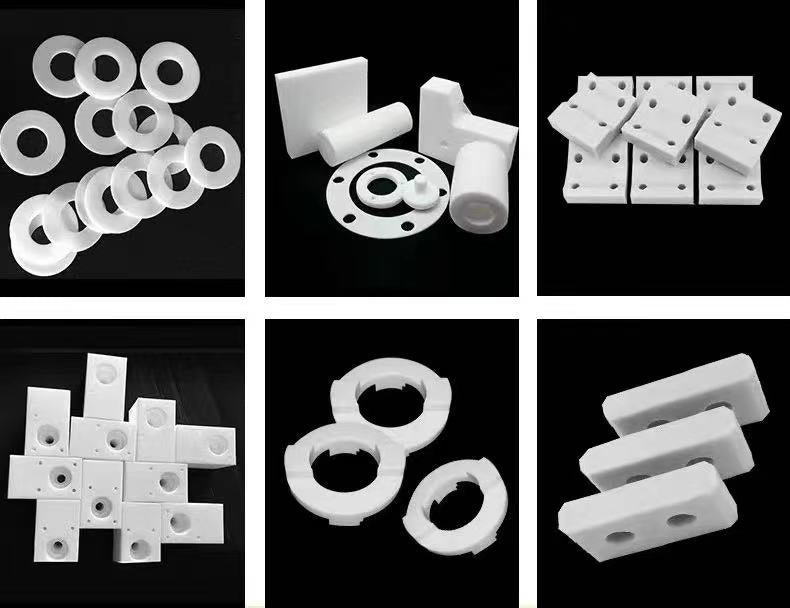
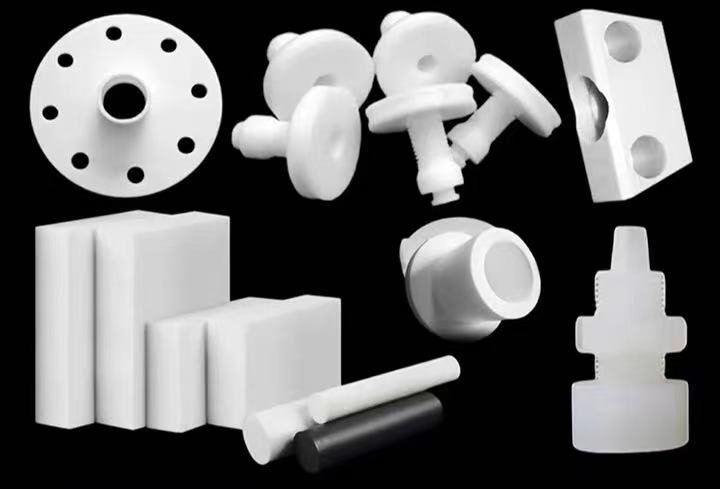
POM precision parts

POM Acetal Plastic vs. Other Engineering Plastics: What Makes POM Unique?” delves into the strength, durability, and wear resistance that set POM Acetal Plastic apart from Nylon and Polycarbonate. Discover why POM Plastic excels in precision parts and how its chemical resistance outperforms Polypropylene. Explore the temperature tolerance of POM compared to PTFE and PEI, and learn how POM Plastic Sheets measure up against ABS in terms of mechanical properties. The blog also highlights why POM Acetal Plastic is a better choice over HDPE for rigidity and precision applications, and compares POM with PEEK in high-performance environments.
🎉🎉🎉Limited Time Offer Use code: QR4GNY08SHVR at checkout and enjoy a special discount on your entire order! 👉 POM plastic

POM Acetal Plastic

Strength Comparison: POM Acetal Plastic vs. Nylon

When it comes to engineering plastics, POM Acetal Plastic and Nylon are both renowned for their impressive strength. However, the tensile strength of POM often surpasses that of Nylon, making it a preferred choice for applications requiring high-stress endurance. While both materials exhibit robust mechanical properties, POM provides greater stability under load, especially in applications where dimensional accuracy is crucial.

Durability in Harsh Environments

Durability is a key factor in material selection, especially for industrial applications that demand long-lasting performance. POM Acetal Plastic is highly resistant to creep and fatigue, maintaining its structural integrity over extended periods. In contrast, Nylon can be more susceptible to moisture absorption, which may lead to changes in its mechanical properties over time. This makes POM a superior choice in environments where moisture resistance and consistent performance are essential.

Wear Resistance and Longevity

Another critical comparison between POM and Nylon is their ability to withstand wear and tear. POM Acetal Plastic offers exceptional wear resistance, making it ideal for applications involving repetitive motion or frictional contact. Its low coefficient of friction contributes to its longevity, reducing the need for frequent maintenance or replacement. While Nylon also exhibits good wear resistance, it does not perform as consistently as POM in high-wear scenarios, especially in applications where lubrication is limited or absent.

Application Suitability

Given its superior strength, durability, and wear resistance, POM Acetal Plastic is particularly well-suited for precision components such as gears, bearings, and bushings. These applications benefit from POM’s ability to maintain tight tolerances and consistent performance under load. While Nylon can be effective in similar applications, it is often chosen for uses where cost considerations are paramount, and the operating environment is less demanding.

These headings and content divisions help to clearly outline the strengths of POM Acetal Plastic compared to Nylon in key areas, making the article both informative and optimized for search engines.

POM Acetal Plastic vs. Polycarbonate: Which is Better for Precision Parts?

Material Properties: POM Acetal Plastic vs. Polycarbonate

When it comes to precision engineering, the choice of material can significantly impact the performance of the final product. POM Acetal Plastic and Polycarbonate are both popular choices, but they offer distinct properties that cater to different needs. POM Acetal Plastic is known for its high stiffness and low friction, making it ideal for parts that require dimensional stability and smooth operation. On the other hand, Polycarbonate is celebrated for its high impact resistance and optical clarity, making it a strong candidate for applications that require transparency and resilience under stress.
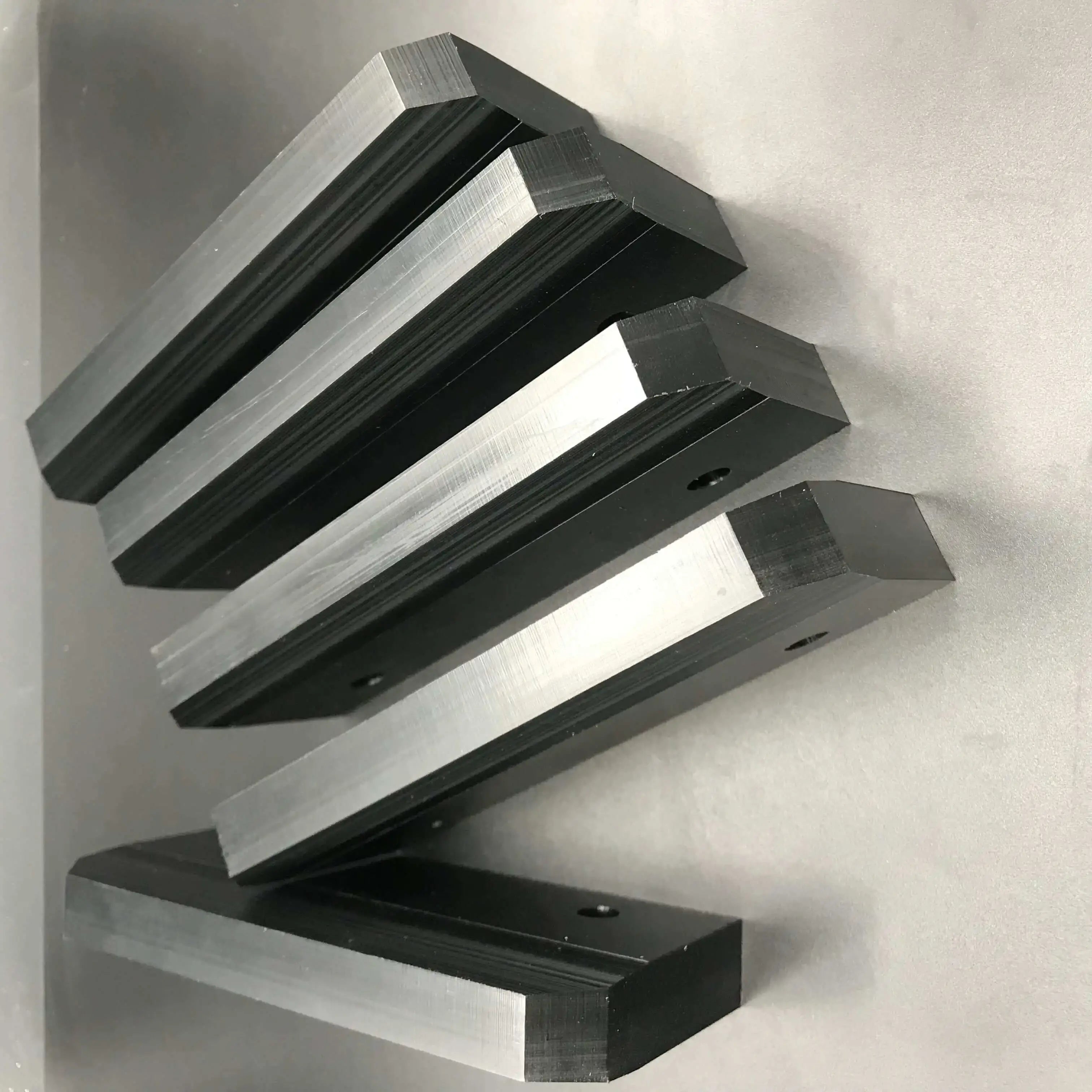
POM Acetal Plastic

Dimensional Stability and Precision

In the world of high-performance parts, dimensional stability is crucial. POM Acetal Plastic excels in this area due to its low thermal expansion and moisture absorption. This means that POM parts remain stable and maintain their dimensions even under varying environmental conditions, making it the material of choice for precision gears, bearings, and bushings. Conversely, while Polycarbonate offers decent stability, it is more susceptible to changes in temperature and humidity, which can lead to dimensional shifts that may affect the performance of precision parts.

Wear Resistance and Longevity

Wear resistance is another critical factor when selecting materials for precision engineering. POM Acetal Plastic offers exceptional wear resistance due to its low coefficient of friction, which reduces the wear and tear on moving parts. This makes it particularly suitable for mechanical components that undergo continuous motion, such as sliding parts and rotating mechanisms. Polycarbonate, while durable, does not offer the same level of wear resistance, making it less suitable for applications where continuous friction is a concern.

Impact Resistance and Toughness

While POM Acetal Plastic is renowned for its mechanical strength and stiffness, Polycarbonate shines in its impact resistance and toughness. This makes Polycarbonate a preferred material in applications where shock absorption and resistance to breakage are essential, such as in protective covers or transparent components. However, for precision parts that require consistent performance over time, POM‘s superior wear resistance and dimensional stability often outweigh the benefits of Polycarbonate’s impact resistance.

Application Suitability in Precision Engineering

When it comes to precision parts, the choice between POM Acetal Plastic and Polycarbonate often depends on the specific demands of the application. For components where stiffness, dimensional accuracy, and wear resistance are paramount, POM is usually the superior choice. This makes it ideal for gears, valves, and mechanical linkages that require long-term reliability. Meanwhile, Polycarbonate finds its strength in applications that benefit from its impact resistance and clarity, such as protective enclosures and light-transmitting parts.

This structure and content division effectively highlight the key differences between POM Acetal Plastic and Polycarbonate for precision engineering, making the article both informative and optimized for search engines.

POM Acetal Plastic

Chemical Resistance Showdown: POM Engineering Plastic vs. Polypropylene

Understanding Chemical Resistance in Industrial Applications

In industrial settings, chemical resistance is a critical factor when choosing materials for equipment, components, and structures. POM Engineering Plastic and Polypropylene are both known for their chemical resistance, but they excel in different environments and applications. POM is particularly resistant to organic solvents, fuels, and alkalines, making it ideal for precision parts in automotive and mechanical industries. Polypropylene, on the other hand, is highly resistant to acids, bases, and aqueous solutions, which makes it a common choice in chemical processing and laboratory environments.

Performance in Acidic and Alkaline Environments

POM Acetal Plastic shows excellent resistance to alkalines and organic solvents, allowing it to perform well in environments where exposure to these chemicals is frequent. However, it can be susceptible to strong acids, which limits its use in certain chemical processing applications. Conversely, Polypropylene is more versatile in acidic environments, as it resists degradation from a wide range of acids, including hydrochloric acid and sulfuric acid. This makes Polypropylene a better choice for industries that handle acidic substances, such as chemical manufacturing and wastewater treatment.

Suitability for High-Temperature Chemical Exposure

Temperature plays a significant role in the effectiveness of chemical resistance. POM Engineering Plastic maintains its properties well in moderate to high temperatures, making it suitable for applications where chemical resistance must be sustained under heat stress. For example, POM is often used in automotive fuel systems and industrial pumps where both chemical resistance and temperature stability are required. Polypropylene, although also resistant to chemicals, may degrade at higher temperatures, especially when exposed to oxidizing agents. Therefore, in applications involving high-temperature chemical exposure, POM is often the preferred material.

Impact of Chemical Resistance on Mechanical Properties

The interaction between chemical exposure and mechanical properties is crucial for material selection in industrial applications. POM Acetal Plastic retains its mechanical strength and dimensional stability even when exposed to harsh chemicals, which is why it’s often chosen for precision gears, bearings, and valves. Polypropylene, while excellent in chemical resistance, may experience a reduction in mechanical strength when subjected to prolonged exposure to certain chemicals, particularly at elevated temperatures. This makes POM a more reliable choice for components that must withstand both chemical exposure and mechanical stress.

Choosing the Right Material for Specific Industrial Environments

When selecting between POM and Polypropylene for chemical resistance, it’s essential to consider the specific industrial environment and the types of chemicals involved. POM Engineering Plastic excels in alkaline-rich environments and can handle exposure to fuels and organic solvents without compromising its mechanical properties. On the other hand, Polypropylene is the go-to material for handling acidic environments and aqueous solutions, particularly in industries like chemical processing and food production. The choice between these two materials should be based on the exact chemical exposure conditions and the required mechanical performance in the intended application.

This content is structured to provide an in-depth comparison of the chemical resistance between POM Engineering Plastic and Polypropylene, helping readers make informed decisions for their industrial needs. The use of SEO-friendly keywords and careful organization ensures the blog is both informative and optimized for search engines.

POM Engineering Plastic

Temperature Tolerance: How POM Acetal Plastic Stacks Up Against PTFE and PEI

Thermal Stability in High-Temperature Environments

In industrial and engineering applications, thermal stability is a crucial factor when selecting materials that will be exposed to high temperatures. POM Acetal Plastic, PTFE (Teflon), and PEI (Polyetherimide) are all known for their ability to perform in challenging thermal environments, but each has its unique advantages. POM Acetal Plastic offers excellent dimensional stability up to moderate temperatures, typically around 100°C (212°F), making it suitable for many mechanical components where precise tolerances are essential.

High-Temperature Performance: POM vs. PTFE

PTFE, commonly known as Teflon, is renowned for its exceptional high-temperature resistance, maintaining stability and performance at temperatures as high as 260°C (500°F). This makes PTFE a preferred material for seals, gaskets, and bearing surfaces in applications where extreme heat is a factor. While POM Acetal Plastic does not reach the same levels of temperature resistance as PTFE, it does offer superior mechanical strength and stiffness at lower temperature ranges, making it ideal for parts that require both structural integrity and thermal stability.

Comparing POM and PEI in High-Performance Applications

PEI (Polyetherimide), such as Ultem, is another material known for its impressive thermal stability. PEI can withstand continuous use temperatures up to 170°C (340°F), positioning it between POM and PTFE in terms of temperature tolerance. PEI also offers excellent flame resistance and maintains its mechanical properties even in high-heat conditions, making it suitable for electrical insulators, aircraft interiors, and automotive under-the-hood components. While POM may not handle as high temperatures as PEI, it is often preferred in applications where low friction, wear resistance, and precision are more critical than extreme heat resistance.

Impact of Temperature on Mechanical Properties

As temperatures rise, the mechanical properties of materials can degrade, affecting their performance in precision applications. POM Acetal Plastic maintains its tensile strength, stiffness, and dimensional accuracy up to its maximum operating temperature, making it a reliable choice for gears, bushings, and valves in environments with moderate heat. However, beyond this range, POM can begin to lose its structural integrity, which is where materials like PTFE and PEI become more advantageous. PTFE excels in extreme heat but lacks the mechanical strength of POM, while PEI balances thermal resistance with high mechanical performance, making it versatile across a range of high-temperature applications.

Application Suitability Based on Temperature Tolerance

When selecting between POM Acetal Plastic, PTFE, and PEI, the specific thermal demands of the application play a crucial role. POM is ideal for applications where moderate heat resistance and mechanical strength are required, such as in precision gears and mechanical linkages. PTFE is unmatched for extreme heat conditions, especially in chemical processing and food service industries, where both thermal stability and chemical inertness are critical. PEI offers a middle ground, providing excellent thermal resistance while maintaining strong mechanical properties, making it suitable for more demanding aerospace and automotive applications.

This content effectively expands on the comparison of POM Acetal Plastic with PTFE and PEI in terms of temperature tolerance and thermal stability, ensuring that the article is both informative and optimized for search engines.

PTFE is unmatched for extreme heat conditions

POM Plastic Sheet vs. ABS: A Deep Dive into Mechanical Properties and Applications

Mechanical Strength: POM Plastic Sheet vs. ABS

When comparing POM Plastic Sheets with ABS (Acrylonitrile Butadiene Styrene), one of the primary considerations is mechanical strength. POM is known for its exceptional tensile strength and rigidity, making it an ideal choice for precision parts that require dimensional stability and structural integrity under load. ABS, while also strong, offers more flexibility and is often chosen for parts that need to absorb impact without cracking or breaking. This makes POM superior in applications where stiffness and precision are crucial, while ABS excels in situations where some degree of flexibility is beneficial.

Impact Resistance and Toughness

Impact resistance is another key factor in determining the suitability of POM versus ABS. ABS is particularly renowned for its ability to withstand impacts without fracturing, making it a common choice in the automotive and consumer electronics industries for parts such as bumpers and protective casings. On the other hand, POM Plastic Sheets provide high impact resistance but are more suited for applications where wear resistance and low friction are more critical, such as in gears, bearings, and sliding components. While ABS can endure more direct impacts, POM offers a better balance between strength and impact resistance in dynamic applications.

Machinability and Fabrication

When it comes to machinability, POM Plastic Sheets are highly regarded for their ease of machining, offering clean cuts and fine details without the risk of cracking or breaking. POM‘s low friction coefficient also makes it ideal for parts that require smooth operation and minimal wear. ABS, on the other hand, is slightly more challenging to machine, as it can melt or deform under high temperatures generated by machining processes. However, ABS is easier to thermoform and can be readily shaped into complex geometries, making it a versatile material for molded components and custom designs. Therefore, POM is preferable for precision-machined parts, while ABS is often used where moldability and versatility are key.

Applications Where POM Excels

Given its superior mechanical properties, POM Plastic Sheets are widely used in industrial applications that demand high strength, low friction, and wear resistance. POM is ideal for gears, bushings, valves, and precision engineering components where maintaining tight tolerances is critical. The material’s dimensional stability and resistance to moisture and chemicals also make it suitable for automotive and aerospace applications. In contrast, ABS is often chosen for less demanding environments where impact resistance and ease of molding are more important, such as in household appliances, toys, and protective enclosures.

Applications Where ABS Shines

ABS shines in applications that require good impact resistance combined with aesthetic appeal. Its ability to be easily colored and finished makes it a popular choice for consumer products where appearance is as important as functionality. ABS is commonly used in automotive interiors, computer housings, and consumer electronics, where its blend of strength, flexibility, and formability offer significant advantages. While POM may offer superior mechanical properties for certain high-precision applications, ABS remains the material of choice for products that need to combine durability with a pleasing aesthetic finish.

This structure provides a detailed comparison between POM Plastic Sheets and ABS, focusing on their respective strengths in mechanical properties and applications. The use of SEO-friendly keywords and organized headings ensures that the content is both informative and optimized for search engines.

ABS shines in applications that require good impact resistance combined with aesthetic appeal

Why Choose POM Acetal Plastic Over HDPE? Understanding Their Unique Advantages

Rigidity and Structural Integrity

When it comes to rigidity and structural integrity, POM Acetal Plastic outperforms HDPE (High-Density Polyethylene) in several key areas. POM is known for its high stiffness and tensile strength, making it ideal for applications where maintaining shape and dimensional stability under load is critical. This makes POM a preferred material for precision parts such as gears, bearings, and valves, where even slight deformations can lead to performance issues. In contrast, HDPE, while still robust, offers more flexibility and is better suited for applications that require impact resistance and ductility rather than extreme rigidity.

Wear Resistance and Longevity

Wear resistance is a crucial factor when selecting materials for high-wear applications. POM Acetal Plastic has a low friction coefficient and excellent wear resistance, making it the go-to material for parts that experience continuous movement and friction. This characteristic is particularly important in applications like sliding components, mechanical linkages, and automotive parts where longevity and minimal maintenance are essential. HDPE, while also offering good wear resistance, does not match the durability of POM in environments where precision and continuous operation are required. Therefore, for applications demanding high performance over extended periods, POM provides a significant advantage.

Precision Engineering Applications

In the realm of precision engineering, POM Acetal Plastic is often favored over HDPE due to its ability to maintain tight tolerances and dimensional accuracy. POM’s stability in a range of temperatures and environments allows it to be used in applications where exact measurements and consistent performance are critical. HDPE, while versatile and easier to process for large-scale, less precise parts, does not offer the same level of precision. This makes POM the material of choice for components such as precision gears, screws, and instrumentation parts where accuracy cannot be compromised.

Chemical and Moisture Resistance

Both POM and HDPE offer good chemical resistance, but their applications differ based on the specific chemicals involved and the environment in which they are used. POM Acetal Plastic is particularly resistant to organic solvents, fuels, and alkaline solutions, making it suitable for automotive fuel systems, industrial pumps, and machinery components that come into contact with harsh substances. HDPE, on the other hand, excels in environments where acidic and aqueous solutions are present, and is often used in chemical storage tanks and piping systems. However, POM‘s superior moisture resistance and ability to retain mechanical properties in wet conditions often give it an edge in environments where precision is key.

Machining and Fabrication

When it comes to machining and fabrication, POM Acetal Plastic offers several advantages over HDPE. POM is easily machined with tight tolerances, producing clean, precise cuts that are essential for high-performance parts. This ease of machining makes POM ideal for complex components that require detailed work, such as valve components, bushings, and electrical insulators. HDPE, while also machinable, is more prone to deformation during cutting and may require additional processing steps to achieve the same level of precision. For applications where fine details and exact measurements are critical, POM is often the superior choice.

Temperature Tolerance and Stability

Temperature tolerance is another area where POM Acetal Plastic often outperforms HDPE. POM can maintain its structural integrity and mechanical properties across a wider temperature range, making it suitable for applications that experience fluctuations in temperature. HDPE has a lower melting point and may soften under high temperatures, which can lead to deformation and loss of dimensional accuracy. This makes POM the better option for high-performance environments where temperature stability is crucial.

This expanded content highlights the specific advantages of POM Acetal Plastic over HDPE, particularly in terms of rigidity, wear resistance, and application in precision parts. The use of SEO-friendly keywords and well-organized headings ensures that the content is both informative and optimized for search engines.

Customer Service Team at BeePlastic

POM Engineering Plastic in Comparison with PEEK: High-Performance Applications

Mechanical Strength: POM vs. PEEK

When it comes to mechanical strength, POM Engineering Plastic and PEEK (Polyether ether ketone) are both highly regarded in the field of high-performance materials. POM offers excellent tensile strength and stiffness, making it ideal for applications that require rigid and dimensionally stable components. However, PEEK surpasses POM in terms of ultimate tensile strength and creep resistance, particularly at elevated temperatures. This makes PEEK the material of choice for extreme conditions, such as those found in aerospace and oil and gas industries, where components must withstand high stress and heat without compromising their integrity.

Wear Resistance in Dynamic Environments

Wear resistance is a critical factor for materials used in dynamic environments where friction and continuous movement are prevalent. POM Engineering Plastic is renowned for its low coefficient of friction and superior wear resistance, making it suitable for gears, bearings, and sliding components. While PEEK also offers excellent wear resistance, it is particularly advantageous in applications involving high temperatures or aggressive chemicals where POM might degrade more rapidly. PEEK’s exceptional resistance to abrasion and its ability to maintain mechanical properties under challenging conditions make it a preferred material for high-performance applications where longevity and reliability are paramount.

Environmental Stability: POM vs. PEEK

Environmental stability refers to a material’s ability to maintain its properties when exposed to various environmental factors such as temperature, moisture, and chemicals. POM Engineering Plastic performs well in environments with moderate temperature and humidity, retaining its dimensional stability and mechanical strength. However, PEEK excels in more extreme environments, withstanding high temperatures up to 250°C (482°F) and resisting degradation from harsh chemicals. This makes PEEK ideal for use in chemical processing, medical implants, and high-performance automotive components where environmental stability is critical.

Cost vs. Performance Considerations

One of the key differences between POM and PEEK lies in the balance between cost and performance. POM Engineering Plastic is more cost-effective, offering a good balance of mechanical properties and wear resistance for many industrial applications. It is widely used in automotive, consumer goods, and mechanical engineering sectors where cost-efficiency is a priority. On the other hand, PEEK is significantly more expensive due to its superior performance characteristics, particularly in extreme conditions. Industries that require materials capable of enduring high temperatures, chemical exposure, and mechanical stress often opt for PEEK despite the higher cost, due to its unmatched performance and longevity.

Application Suitability in High-Performance Industries

The choice between POM Engineering Plastic and PEEK often depends on the specific demands of the application. POM is well-suited for precision parts in automotive and industrial machinery, where its rigidity and low friction are advantageous. PEEK, however, is favored in industries such as aerospace, medical, and oil and gas, where its ability to withstand extreme temperatures, chemical environments, and mechanical stress is crucial. The superior mechanical strength, wear resistance, and environmental stability of PEEK make it indispensable in applications that demand the highest levels of performance and reliability.

This content effectively compares POM Engineering Plastic with PEEK, highlighting their respective strengths in mechanical properties, wear resistance, and environmental stability. The use of SEO-friendly keywords and structured headings ensures that the article is informative and optimized for search engines.

PEEK material automotive parts

Common Questions and Answers about BeePlastics Customization Services

1. What types of customization does BeePlastics offer?

Answer: BeePlastics offers comprehensive customization services, including both sample customization and batch customization. Whether you need a prototype or a full production run, BeePlastics can tailor materials to your specific needs, ensuring that you receive exactly what your project requires.

2. Which file formats does BeePlastics accept for customization orders?

Answer: BeePlastics accepts a wide range of file formats to facilitate customization. You can submit your designs in formats such as PDF, CAD, DWG, and DXF. This flexibility allows you to work with the design tools that best suit your needs, ensuring smooth and accurate production.

3. Is there a minimum order quantity (MOQ) for custom orders at BeePlastics?

Answer: No, BeePlastics does not impose a minimum order quantity (MOQ) for custom orders. Whether you need a single item or a large batch, BeePlastics is equipped to handle orders of all sizes, making it an ideal partner for both small-scale and large-scale projects.

4. How is the production cycle managed at BeePlastics, and how long does it typically take?

Answer: The production cycle at BeePlastics is tailored to each specific order, depending on the quantity and complexity of the items being produced. BeePlastics prioritizes clear communication and will keep you updated on the progress of your order in real time. While production times can vary, BeePlastics ensures that each project is completed efficiently without compromising on quality.

5. Does BeePlastics provide samples before proceeding with full production?

Answer: Yes, BeePlastics supports the provision of samples before moving forward with full production. This allows you to evaluate the quality and fit of the materials before committing to a larger order. The samples are provided free of charge, with the only cost being the shipping fees, which the customer is responsible for.

6. Can BeePlastics assist with material selection and design optimization?

Answer: Absolutely. BeePlastics’ experienced engineering team can assist with material selection and design optimization to ensure that your project achieves the desired performance and aesthetics. This consultation is part of their commitment to delivering high-quality, customized solutions tailored to your specific requirements.

7. What industries does BeePlastics cater to with its customization services?

Answer: BeePlastics serves a wide range of industries, including automotive, aerospace, consumer electronics, medical, and industrial manufacturing. Their versatile customization services are designed to meet the unique demands of each sector, providing materials that are both functional and durable.

8. How does BeePlastics ensure quality control during the production process?

Answer: BeePlastics implements stringent quality control measures at every stage of the production process. This includes material inspection, precision machining, and final product testing to ensure that all customized products meet the highest standards of quality and performance.

9. What communication channels are available for tracking order progress?

Answer: BeePlastics offers multiple communication channels for tracking the progress of your order, including email updates, phone consultations, and an online customer portal. These tools allow you to stay informed about the status of your project and make any necessary adjustments promptly.

10. What is the typical lead time for a custom order at BeePlastics?

Answer: The lead time for a custom order at BeePlastics depends on the order size and complexity. Typically, smaller, less complex orders can be completed within a shorter timeframe, while larger or more intricate projects may require additional time. BeePlastics will provide an estimated lead time at the outset and keep you informed of any changes throughout the production process.

To wrap up, POM Acetal Plastic stands out as a versatile and reliable material in the realm of engineering plastics, offering unparalleled mechanical strength, wear resistance, and precision. Whether you’re navigating complex industrial challenges or seeking the best material for high-performance applications, POM delivers consistent, long-lasting results. By understanding how POM compares to other materials like PTFE, PEEK, and ABS, you can make informed decisions that optimize your projects and enhance product performance. As you explore your options, consider POM’s unique advantages and how it can meet the specific demands of your next engineering endeavor.

🎉🎉🎉Limited Time Offer Use code: QR4GNY08SHVR at checkout and enjoy a special discount on your entire order! 👉 POM plastic
POM Acetal Plastic

Have questions or need custom POM solutions? Complete the contact form at the bottom of the page to connect with our team, or check out our POM Plastic Sheets & Rods to see what we offer.

Leave a comment


Please note, comments must be approved before they are published


Custom Plastic Fabrication

Send your drawing, material and quantity for review

🔧
Precision Machining
CNC milling & turning
✂️
Cutting & Engraving
Laser & waterjet cutting
🏭
Forming & Molding
Thermoforming & injection
🔗
Joining & Assembly
Welding & bonding
📐
Design & Prototyping
CAD design & samples

General

HDPE

PP

PVC

ABS

Engineering

POM

Nylon

PC

PMMA

High-Performance

PEEK

PEI

PTFE

Composites

FR-4

G10

Flexible

TPU

Silicone

Why Choose BeePlastic?

🎯
Perfect Fit
Custom specs eliminate adaptation needs
⚡
Clear Lead Times
Lead time confirmed with every quote
💰
Volume Pricing
Volume pricing available on bulk orders
🤝
Expert Support
Free engineering consultation included
📋
Submit
→
🔍
Review
→
💵
Quote
→
✅
Production
→
📦
Deliver

Request a Quote

Share your project details, selected material and quantity on our quote page. You can add a file link or use the email drawing route shown there.


Request Quote

Industries: Automotive • Medical • Food • Lab • Semiconductor

beeplastic@beeplastic.com


From Concept to Reality: Integrating CNC Machined PTFE Parts in Product Design

CNC machined PTFE parts

In the blog post “From Concept to Reality: Integrating CNC Machined PTFE Parts in Product Design,” we embark on an enlightening journey through the world of CNC machined PTFE parts. This comprehensive guide begins by Understanding CNC Machined PTFE Parts: Properties and Benefits, where we delve into the unique characteristics and advantages of PTFE in product design. We explore its durability, versatility, and how it revolutionizes design concepts.

🎉🎉🎉Limited Time Offer Use code: QR4GNY08SHVR at checkout and enjoy a special discount on your entire order! 👉 PTFE plastic
CNC Machined PTFE Parts

Moving forward, the post addresses Design Considerations for CNC Machined PTFE Components. Here, we discuss the critical aspects of incorporating PTFE into your designs, focusing on precision, tolerances, and the impact on the final product’s functionality and aesthetics.

A particularly engaging section, Case Studies: Successful Applications of CNC Machined PTFE in Product Design, brings real-world examples to the forefront. We analyze how various industries have successfully integrated PTFE parts, providing practical insights and inspiration.

In Innovative Techniques in Machining PTFE for Enhanced Product Design, we dive into the technical side, uncovering advanced machining methods that elevate the role of PTFE in innovative designs. This part is a treasure trove for designers looking to push the boundaries of what’s possible.

Lastly, Future Trends: The Evolving Role of CNC Machined PTFE in Product Design offers a glimpse into the future. We speculate on emerging trends, potential new applications, and the impact of technological advancements on the use of PTFE in product design.

This post is not just a guide but a source of inspiration for product designers, engineers, and enthusiasts alike, showcasing the incredible potential of CNC machined PTFE parts in transforming concepts into tangible, cutting-edge products.

Understanding CNC Machined PTFE Parts: Properties and Benefits

In the realm of modern product design, the use of CNC machined PTFE parts has become increasingly prominent. This section delves deep into the unique properties and benefits of PTFE, explaining why it’s a preferred material for CNC machining and how it enhances product design.

Polytetrafluoroethylene (PTFE) plastic sheet

The Unique Properties of PTFE

Polytetrafluoroethylene (PTFE), commonly known by its brand name Teflon, is renowned for its remarkable properties. Its high resistance to heat and chemicals makes it an ideal choice for various applications. PTFE maintains its integrity in extreme temperatures, which is crucial for products exposed to harsh environments. Additionally, its low friction coefficient ensures smooth operation of moving parts, a vital aspect in mechanical design.

Another significant property of PTFE is its excellent electrical insulation capabilities. This makes it indispensable in electronic components where insulating materials are crucial. Its ability to resist water and oil also contributes to its versatility, making it suitable for a wide range of industrial applications.

Why Choose PTFE for CNC Machining?

When it comes to CNC machining, PTFE stands out for several reasons. Its machinability allows for the creation of complex parts with high precision. Unlike some plastics that may warp or deform, PTFE retains its shape and dimensions, ensuring accuracy in the final product. This precision is essential for components that must fit into specific configurations or require tight tolerances.

Moreover, PTFE’s durability reduces the need for frequent replacements, making it a cost-effective choice in the long run. Its compatibility with a wide range of chemicals means that parts made from PTFE can be used in chemically aggressive environments without degradation.

Advantages in Product Design

Incorporating CNC machined PTFE parts in product design opens up a world of possibilities. Designers can leverage PTFE’s properties to enhance the functionality and longevity of their products. For instance, its low friction is ideal for parts that require smooth movement, such as gears and bearings.

The material’s thermal stability is another boon, particularly in products that operate under fluctuating temperatures. This stability ensures that the parts will not expand or contract significantly, maintaining the product’s integrity over time.

In summary, the integration of CNC machined PTFE parts in product design is not just a trend but a strategic decision. By understanding the unique properties of PTFE and its advantages in CNC machining, designers and engineers can create products that are not only efficient and durable but also cost-effective and versatile. The use of PTFE in product design is a testament to the material’s adaptability and the endless possibilities it offers in the realm of modern engineering and design.

Design Considerations for CNC Machined PTFE Components

When integrating CNC machined PTFE parts into product design, several critical design aspects must be considered to ensure optimal performance and functionality. This section focuses on key factors such as tolerances, surface finish, and design complexity, which are pivotal in the successful application of PTFE components.

Polytetrafluoroethylene (PTFE) CNC machining center

Understanding Tolerances in PTFE Machining

Tolerances are crucial in the world of CNC machining, especially when dealing with PTFE components. PTFE’s unique properties, such as its flexibility and thermal expansion, require precise control over tolerances to ensure proper fit and function in the final assembly. Designers must account for these factors to avoid issues like part misalignment or improper fit, which can significantly impact the product’s performance.

When specifying tolerances for PTFE parts, it’s essential to consider the intended application and the environmental conditions the part will face. For instance, tighter tolerances may be necessary for parts used in high-precision applications, while more lenient tolerances could suffice for less critical components.

Achieving the Right Surface Finish

The surface finish of CNC machined PTFE parts is another vital aspect. A smooth surface finish is often desired for parts that interact with other components or materials, as it can reduce wear and friction. However, in some applications, a rougher surface may be required to enhance bonding with adhesives or other materials.

Achieving the desired surface finish involves careful planning during the CNC machining process. Factors like the choice of cutting tools, machining speed, and feed rates play a significant role in determining the final surface quality. It’s essential to balance these factors to achieve the optimal surface finish for each specific application.

Navigating Design Complexity with PTFE

Design complexity is an inherent challenge in creating CNC machined PTFE parts. PTFE’s versatility allows for the creation of complex shapes and geometries, which can be both an advantage and a challenge. Complex designs may offer better performance or functionality but can also pose difficulties in machining and assembly.

Designers must carefully evaluate the complexity of the PTFE parts they intend to create. It’s crucial to strike a balance between the desired complexity and the practicality of manufacturing and assembling these parts. Simplifying designs without compromising functionality can often lead to more efficient production and reduced costs.

Polytetrafluoroethylene (PTFE) CAD design

In conclusion, when designing CNC machined PTFE components, it’s imperative to consider aspects like tolerances, surface finish, and design complexity. These factors play a significant role in the performance, functionality, and manufacturability of the final product. By paying close attention to these details, designers can effectively harness the benefits of PTFE in their projects, leading to innovative and high-performing products. Understanding the intricacies of PTFE machining is key to successful product design and development.

Case Studies: Successful Applications of CNC Machined PTFE in Product Design

The application of CNC machined PTFE parts in product design spans various industries, each presenting unique challenges and innovative solutions. This section showcases real-world examples that highlight the effectiveness and versatility of PTFE in product design.

Aerospace Industry: High-Performance PTFE Components

In the aerospace industry, the demand for materials that can withstand extreme conditions is paramount. CNC machined PTFE parts have been crucial in this sector due to their high resistance to temperature fluctuations and chemical inertness. For instance, PTFE is used in the manufacturing of seals and gaskets in aircraft engines. These components face the challenge of operating efficiently at high temperatures and pressures.

The solution lies in the precision machining of PTFE, ensuring that these parts fit perfectly and maintain their integrity under extreme conditions. The success in this application underscores PTFE’s reliability in high-stakes environments, where failure is not an option.

Medical Devices: Ensuring Safety and Precision

In the medical field, CNC machined PTFE is used for its non-reactive properties, making it safe for medical devices that come into contact with human tissue. A notable example is in the production of catheters and surgical instruments. The challenge here is to create components that are biocompatible and can perform reliably in sensitive medical procedures.

The solution involves using CNC machining to produce PTFE parts with high precision and smooth finishes, ensuring that they are safe for use in medical applications. This showcases PTFE’s critical role in advancing medical technology, where patient safety and product reliability are of utmost importance.

Automotive Industry: Enhancing Durability and Performance

In the automotive sector, CNC machined PTFE parts are used for their durability and resistance to wear and tear. A common application is in the production of bushings and bearings, which are integral to the vehicle’s suspension system. The challenge in this application is to create parts that can withstand constant friction and temperature changes without degrading.

The solution is found in the unique properties of PTFE, combined with precise CNC machining to produce parts that meet the rigorous demands of the automotive industry. This application demonstrates PTFE’s ability to enhance the longevity and performance of automotive components.

These case studies illustrate the diverse applications and benefits of CNC machined PTFE parts in various industries. From the high-stakes environment of aerospace to the precision-critical field of medical devices, and the durability-focused automotive industry, PTFE’s versatility and reliability shine through. These real-world examples provide valuable insights into the challenges faced in different sectors and how PTFE offers effective solutions. Understanding the practical applications of CNC machined PTFE is essential for designers and engineers looking to innovate and improve product design across industries.

CNC machined PTFE parts

Innovative Techniques in Machining PTFE for Enhanced Product Design

The advancement in CNC machining techniques has significantly elevated the role of PTFE in product design, both in terms of functionality and aesthetics. This section explores how these innovative techniques are applied to CNC machined PTFE parts, enhancing their application in various industries.

Precision Machining for Complex Geometries

One of the most significant advancements in the machining of PTFE is the ability to achieve complex geometries with high precision. Modern CNC machines, equipped with sophisticated software, can handle intricate designs that were once considered impossible. This capability is crucial in industries like aerospace and medical devices, where complex shapes and precise dimensions are non-negotiable.

The use of advanced CNC machines allows for the creation of PTFE parts with intricate internal structures, thin walls, and detailed surface patterns. This level of precision not only enhances the functionality of the parts but also contributes to their aesthetic appeal, a factor increasingly important in consumer-facing products.

Surface Treatment and Finishing Techniques

Advancements in surface treatment and finishing techniques have also played a pivotal role in enhancing CNC machined PTFE parts. Techniques such as chemical etching and specialized coatings can improve the surface properties of PTFE, such as increasing its bonding capabilities or reducing its friction coefficient.

PTFE plastic

These treatments are particularly beneficial in applications where PTFE parts need to interact with other materials or require additional functionality, like enhanced grip or wear resistance. By tailoring the surface properties, designers can significantly expand the range of applications for PTFE components.

Integration with Other Materials

Another innovative technique in the machining of PTFE involves its integration with other materials. By combining PTFE with materials like metals or other polymers, it’s possible to create composite parts that leverage the strengths of each material. For instance, embedding metal reinforcements in PTFE parts can enhance their structural integrity and load-bearing capacity.

This hybrid approach not only improves the mechanical properties of the parts but also opens up new avenues in design aesthetics, allowing for a combination of textures and colors that can make the product more appealing to consumers.

The innovative techniques in CNC machining of PTFE have dramatically expanded the possibilities in product design. From achieving complex geometries with precision to enhancing surface properties and integrating with other materials, these advancements have made PTFE an even more versatile and valuable material in various industries. The ongoing development in this field promises even more exciting opportunities for product designers and engineers, making PTFE a material of choice for future innovations. Understanding the potential of advanced CNC machining techniques is key to pushing the boundaries of what can be achieved in product design.

CNC machined PTFE parts

Future Trends: The Evolving Role of CNC Machined PTFE in Product Design

As we look towards the future, the role of CNC machined PTFE parts in product design is poised for significant evolution. Emerging trends and technological advancements are set to expand the applications and capabilities of PTFE in various industries. This section explores these future trends and how they might influence the use of PTFE in product design.

Advancements in CNC Technology and PTFE Machining

The continuous development in CNC technology is expected to further enhance the precision and efficiency of machining PTFE. Future CNC machines will likely be equipped with more advanced sensors and AI-driven algorithms, enabling even more intricate and precise machining of PTFE parts. This advancement will open up new possibilities in design, allowing for the creation of components with even more complex geometries and tighter tolerances.

Additionally, the integration of additive manufacturing or 3D printing with traditional CNC machining could revolutionize how PTFE parts are produced. This hybrid approach might allow for the creation of parts with unique internal structures or customized features that are currently challenging to achieve.

Sustainable and Eco-Friendly Applications

Sustainability is becoming increasingly important in product design, and this trend is likely to influence the use of PTFE. Future applications of CNC machined PTFE parts may focus on eco-friendly and sustainable practices, such as using recycled PTFE or developing biodegradable alternatives. This shift will not only reduce the environmental impact but also meet the growing consumer demand for sustainable products.

Expanding Applications in Emerging Industries

PTFE’s unique properties make it an ideal candidate for applications in emerging industries such as renewable energy, electric vehicles, and advanced robotics. In these sectors, the demand for materials that can withstand harsh conditions while maintaining high performance is critical. For instance, in the renewable energy sector, PTFE could be used in components that require high resistance to weathering and corrosion.

Smart Materials and IoT Integration

Looking further ahead, the integration of PTFE with smart materials and IoT (Internet of Things) technology presents exciting possibilities. Imagine CNC machined PTFE parts that can change their properties in response to environmental stimuli or parts that are integrated with sensors to provide real-time data. This innovation could lead to the development of ‘intelligent’ products that are more responsive and adaptable to user needs.

The future of CNC machined PTFE parts in product design is bright and full of potential. With advancements in technology, a focus on sustainability, expanding applications in new industries, and the integration with smart materials, PTFE is set to play an even more crucial role in the next generation of product design. Staying abreast of these trends and understanding their implications is essential for designers and engineers who aim to lead in innovation and create products that are not only functional but also forward-thinking. The exploration of emerging trends in CNC machined PTFE will undoubtedly shape the future landscape of product design.

In conclusion, the exploration of CNC machined PTFE parts in product design reveals a world of immense possibilities and innovation. From achieving unparalleled precision in aerospace components to enhancing safety in medical devices, and pushing the boundaries in automotive engineering, PTFE’s versatility is unmatched. The advancements in CNC machining techniques have only expanded its applications, allowing designers to explore new frontiers in product functionality and aesthetics. Looking ahead, the evolving role of PTFE in emerging industries and its integration with cutting-edge technologies like IoT and smart materials herald a new era of product design. As we embrace these changes, it’s clear that CNC machined PTFE parts will continue to be a cornerstone in the development of innovative, efficient, and sustainable products. This journey from concept to reality, underscored by the adaptability and resilience of PTFE, is not just about embracing current trends but also about shaping the future of design and engineering. The ongoing evolution of CNC machined PTFE parts stands as a testament to the endless possibilities that await in the dynamic world of product design.

CNC machined PTFE parts

Take the First Step Towards Cutting-Edge Design!

Have questions or ideas about using CNC machined PTFE? We’re just a form away. Fill out your details below and let us guide you through the exciting possibilities that PTFE offers. Your journey to innovative design starts here!

🎉🎉🎉Limited Time Offer Use code: QR4GNY08SHVR at checkout and enjoy a special discount on your entire order! 👉 PTFE plastic

Leave a comment


Please note, comments must be approved before they are published


Custom Plastic Fabrication

Send your drawing, material and quantity for review

🔧
Precision Machining
CNC milling & turning
✂️
Cutting & Engraving
Laser & waterjet cutting
🏭
Forming & Molding
Thermoforming & injection
🔗
Joining & Assembly
Welding & bonding
📐
Design & Prototyping
CAD design & samples

General

HDPE

PP

PVC

ABS

Engineering

POM

Nylon

PC

PMMA

High-Performance

PEEK

PEI

PTFE

Composites

FR-4

G10

Flexible

TPU

Silicone

Why Choose BeePlastic?

🎯
Perfect Fit
Custom specs eliminate adaptation needs
⚡
Clear Lead Times
Lead time confirmed with every quote
💰
Volume Pricing
Volume pricing available on bulk orders
🤝
Expert Support
Free engineering consultation included
📋
Submit
→
🔍
Review
→
💵
Quote
→
✅
Production
→
📦
Deliver

Request a Quote

Share your project details, selected material and quantity on our quote page. You can add a file link or use the email drawing route shown there.


Request Quote

Industries: Automotive • Medical • Food • Lab • Semiconductor

beeplastic@beeplastic.com


Designing the Future: The Benefits of CNC Machined PTFE Parts for Innovative Creations

PTFE plastic sheet

In the blog post “Designing the Future: The Benefits of CNC Machined PTFE Parts for Innovative Creations,” we embark on an enlightening journey through the world of CNC machined PTFE parts, a cornerstone in modern product design. We begin by Understanding CNC Machined PTFE Parts, offering a comprehensive overview that demystifies this material’s unique properties and its significance in innovative design.

🎉🎉🎉Limited Time Offer Use code: QR4GNY08SHVR at checkout and enjoy a special discount on your entire order! 👉 PTFE plastic
CNC Machined PTFE Parts

Delving deeper, we explore The Role of CNC Machined PTFE in Modern Manufacturing Processes, highlighting how CNC machining has revolutionized manufacturing, bringing unmatched precision and customization capabilities. This leads us to the heart of creativity in Innovative Applications of CNC Machined PTFE in Product Design, where we showcase a range of groundbreaking uses of CNC machined PTFE, from intricate components in electronics to bespoke parts in automotive design.

A critical comparison comes next in Comparing CNC Machined PTFE with Other Materials: A Designer’s Perspective. Here, we weigh the advantages and potential limitations of CNC machined PTFE against other traditional materials, providing a balanced view for product designers.

Finally, we gaze into the crystal ball with Future Trends: The Evolving Landscape of CNC Machined PTFE in Design. This section predicts emerging trends and potential new applications, painting a picture of how CNC machined PTFE parts will continue to shape the future of product design and innovation.

This post is not just a read; it’s an expedition into the future of design, highlighting the pivotal role of CNC machined PTFE parts in pushing the boundaries of creativity and functionality in product design.

Understanding CNC Machined PTFE Parts: An Overview for Product Designers

In the realm of modern product design, the use of CNC machined PTFE parts stands out as a game-changer. This section delves into the essentials of CNC machined PTFE, highlighting its unique properties and significance in the world of design.

CNC Machined PTFE plastic Parts

What are CNC Machined PTFE Parts?

CNC (Computer Numerical Control) machining is a process used to manufacture precision parts. When applied to PTFE (Polytetrafluoroethylene), a material renowned for its high resistance to heat, chemicals, and electricity, it results in parts that are not only precise but also highly durable. These CNC machined PTFE parts are crafted using advanced computer-controlled machinery, ensuring unparalleled accuracy and consistency.

Unique Properties of CNC Machined PTFE

One of the standout features of CNC machined PTFE is its exceptional resistance to extreme temperatures. This makes it an ideal choice for applications in challenging environments. Additionally, its non-stick surface and chemical inertness make it suitable for use in the food industry, medical field, and beyond. The material’s low friction coefficient also means that parts made from PTFE operate smoothly, with minimal wear and tear.

Why CNC Machined PTFE is Significant in Product Design

For product designers, CNC machined PTFE parts offer a multitude of benefits. Their precision and reliability make them indispensable in creating complex components where tolerances are tight. This precision allows designers to push the boundaries of innovation, knowing that the parts can be manufactured to exact specifications. Furthermore, the versatility of PTFE means it can be used in a wide range of applications, from aerospace components to household appliances.

The Impact of CNC Machining on PTFE Parts

The impact of CNC machining on PTFE cannot be overstated. This technology has transformed how PTFE parts are made, allowing for more complex and intricate designs that were previously impossible. The ability to produce consistent, high-quality parts quickly and efficiently is a significant advantage in today’s fast-paced market.

Embracing CNC Machined PTFE in Design

In conclusion, CNC machined PTFE parts represent a significant advancement in the field of product design. Their unique properties, combined with the precision of CNC machining, open up new possibilities for designers to explore. As we continue to push the limits of what’s possible, CNC machined PTFE will undoubtedly play a crucial role in the future of design and manufacturing.

The Role of CNC Machined PTFE in Modern Manufacturing Processes

The integration of CNC machined PTFE into modern manufacturing processes marks a significant evolution in the production of high-performance parts. This section explores how CNC machining has revolutionized the use of PTFE, focusing on the precision and customization it offers.

CNC Machined PTFE Parts

Revolutionizing Manufacturing with CNC Machined PTFE

CNC machining has transformed the landscape of manufacturing, particularly with materials like PTFE (Polytetrafluoroethylene). This advanced manufacturing technique uses computer-controlled systems to ensure high precision in producing parts. When applied to PTFE, a material known for its versatility and durability, CNC machining opens up a world of possibilities in manufacturing.

Precision: The Hallmark of CNC Machined PTFE

One of the most significant advantages of using CNC machined PTFE is the level of precision it brings to manufacturing. CNC machines can produce parts with extremely tight tolerances, essential in industries where precision is paramount, such as aerospace, automotive, and medical devices. This precision ensures that each part is consistent, fitting perfectly into its intended application without the need for adjustments.

Customization Capabilities of CNC Machining

Another key benefit of CNC machining in the context of PTFE is its customization capabilities. Unlike traditional manufacturing methods, CNC machines can easily be programmed to produce complex shapes and designs. This flexibility allows manufacturers to create bespoke PTFE parts tailored to specific requirements, making it an ideal solution for custom projects and innovative applications.

Enhancing Efficiency and Reducing Wast

CNC machining not only offers precision and customization but also enhances efficiency in the manufacturing process. The high level of accuracy reduces material waste, as parts are made exactly to specification. This efficiency is particularly beneficial when working with PTFE, a valuable material, ensuring that every bit is utilized effectively.

CNC Machined PTFE – A Cornerstone in Modern Manufacturing

In conclusion, the role of CNC machined PTFE in modern manufacturing processes cannot be overstated. Its ability to deliver precision, customization, and efficiency has made it a cornerstone in the production of high-quality, reliable parts. As manufacturing continues to evolve, the use of CNC machined PTFE is set to grow, further revolutionizing the industry and paving the way for more innovative and effective manufacturing solutions.

Innovative Applications of CNC Machined PTFE in Product Design

The versatility of CNC machined PTFE has opened up a plethora of innovative applications in product design. This section highlights various ways in which product designers are incorporating CNC machined PTFE parts into their creations, showcasing specific case studies and examples.

CNC Machined PTFE Parts

Unleashing Creativity with CNC Machined PTFE

The advent of CNC machining technology has given product designers a powerful tool to realize their most creative ideas, especially when working with PTFE (Polytetrafluoroethylene). This material’s unique properties, combined with the precision of CNC machining, allow for the creation of complex, high-performance parts.

Case Study: Aerospace Industry

In the aerospace industry, the use of CNC machined PTFE parts has been groundbreaking. For instance, PTFE’s high resistance to extreme temperatures and chemicals makes it ideal for components exposed to harsh environmental conditions. A notable example is the use of CNC machined PTFE in creating seals and gaskets for aircraft engines, where they ensure reliability and safety under high-stress conditions.

Automotive Applications

The automotive sector has also seen a surge in the use of CNC machined PTFE parts. Their durability and low friction coefficient make them perfect for components like gears and bearings, which require smooth operation and longevity. This application not only enhances the performance of vehicles but also contributes to their overall efficiency and lifespan.

Medical Device Innovations

In the medical field, CNC machined PTFE is used to create intricate components for various devices. Its biocompatibility makes it safe for use in medical implants and surgical instruments. For example, PTFE’s non-reactive nature is ideal for creating parts of heart valves and stents, significantly improving patient outcomes.

The Future of Design with CNC Machined PTFE

In conclusion, the innovative applications of CNC machined PTFE in product design are vast and varied. From aerospace to automotive, and medical devices, the impact of this technology is profound. As designers continue to explore the potential of CNC machined PTFE, we can expect to see even more groundbreaking uses in various industries.

Comparing CNC Machined PTFE with Other Materials: A Designer’s Perspective

In the dynamic world of product design, the choice of materials plays a pivotal role. This section offers a detailed analysis of CNC machined PTFE compared to other commonly used materials, highlighting both the advantages and potential limitations from a designer’s perspective.

CNC machined PTFE

CNC Machined PTFE vs Traditional Materials

When it comes to material selection, CNC machined PTFE stands out for several reasons. Its unique properties offer distinct advantages over more traditional materials like metals, plastics, and ceramics. Understanding these differences is crucial for designers in making informed decisions about material selection.

Advantages of CNC Machined PTFE

Superior Chemical Resistance

One of the most significant advantages of CNC machined PTFE is its exceptional chemical resistance. Unlike metals that can corrode or plastics that may degrade, PTFE remains stable in a wide range of chemical environments. This property is particularly beneficial in industries like chemical processing or where parts are exposed to corrosive substances.

High-Temperature Tolerance

Another key advantage is PTFE’s ability to withstand extreme temperatures. While materials like plastics may melt or deform under high heat, CNC machined PTFE maintains its integrity, making it ideal for applications in aerospace and automotive industries.

Low Friction and Non-Stick Properties

PTFE’s low friction coefficient and non-stick nature are also noteworthy. These properties reduce wear and tear, extending the lifespan of parts, a feature not always present in other materials like metals or standard plastics.

Potential Limitations of CNC Machined PTFE

Despite its many advantages, CNC machined PTFE is not without its limitations. One potential drawback is its lower strength compared to some metals, which might limit its use in applications requiring high structural integrity. Additionally, PTFE’s cost can be higher than some conventional materials, which might be a consideration for budget-sensitive projects.

Comparing with Other Advanced Materials

CNC Machined PTFE vs Composites

When compared to advanced composite materials, CNC machined PTFE offers better chemical resistance but may lack the structural strength that composites provide. Composites, however, can be more expensive and less resistant to high temperatures.

CNC Machined PTFE vs Ceramics

Ceramics are known for their hardness and heat resistance, but they can be brittle. CNC machined PTFE, while not as hard, offers greater flexibility and resistance to thermal shock, making it more suitable for certain applications.

Balancing Pros and Cons in Material Selection

In conclusion, while CNC machined PTFE excels in chemical resistance, temperature tolerance, and low friction properties, it’s important to balance these benefits against its strength limitations and cost. For product designers, understanding these trade-offs is key to selecting the right material for their specific needs.

Future Trends: The Evolving Landscape of CNC Machined PTFE in Design

As we look towards the future, the role of CNC machined PTFE in product design is poised for even more groundbreaking developments. This section explores the emerging trends, potential new applications, and the continuing influence of CNC machined PTFE parts in the evolving field of product design.

CNC machined PTFE

Emerging Trends in CNC Machined PTFE Applications

The advancement of CNC technology and material science is set to expand the capabilities and applications of CNC machined PTFE. These trends are not just shaping the present but are also paving the way for future innovations.

Integration with Smart Technology

One of the most exciting trends is the integration of CNC machined PTFE parts with smart technology. The potential for PTFE components in IoT (Internet of Things) devices and smart sensors is vast, given their durability and resistance to environmental factors. This integration could lead to more efficient, self-monitoring systems in industries ranging from automotive to home appliances.

Sustainable and Eco-Friendly Manufacturing

Sustainability is becoming increasingly important in manufacturing. The production of CNC machined PTFE is evolving to become more eco-friendly, with a focus on reducing waste and improving recycling methods. This shift not only addresses environmental concerns but also meets the growing demand for sustainable manufacturing practices.

Potential New Applications

Biomedical Advances

In the biomedical field, the use of CNC machined PTFE is expected to grow, particularly in prosthetics and implantable devices. Its biocompatibility makes it an ideal choice for medical applications, and CNC machining allows for the creation of highly customized parts tailored to individual patient needs.

Aerospace and Defense Innovations

The aerospace and defense industries are also likely to see increased use of CNC machined PTFE. Its resistance to extreme temperatures and chemicals makes it suitable for critical components in spacecraft and military equipment, where reliability is paramount.

The Future of Design with CNC Machined PTFE

Looking ahead, the possibilities for CNC machined PTFE in product design are limitless. As technology advances, we can expect to see PTFE used in more innovative and complex ways, further solidifying its role in the future of design.

A Bright Future for CNC Machined PTFE in Design

In conclusion, the future trends in CNC machined PTFE point to a landscape of innovation and advancement. From smart technology integration to sustainable manufacturing and new applications in various industries, CNC machined PTFE is set to continue its significant impact on product design.

In conclusion, our journey through the world of CNC machined PTFE in product design has revealed its remarkable versatility and potential. From revolutionizing manufacturing processes with unparalleled precision and customization to inspiring innovative applications across various industries, CNC machined PTFE stands as a testament to the power of modern engineering and design. As we look towards the future, the evolving landscape of CNC machined PTFE promises even more exciting possibilities, blending sustainability with advanced technology. For product designers and manufacturers, embracing the capabilities of CNC machined PTFE means not just keeping pace with current trends but also shaping the future of design and innovation. This exploration into CNC machined PTFE not only highlights its current significance but also ignites imagination for what is yet to come, ensuring its role as a pivotal material in the ever-evolving realm of product design.

PTFE plastic CNC machining center

Ready to Transform Your Designs with CNC Machined PTFE?

Let’s make it happen! Share your ideas and questions with us. Fill out the contact form below and join the forefront of innovative product design. We’re excited to collaborate and bring your visions to life!

🎉🎉🎉Limited Time Offer Use code: QR4GNY08SHVR at checkout and enjoy a special discount on your entire order! 👉 PTFE plastic

Leave a comment


Please note, comments must be approved before they are published


Custom Plastic Fabrication

Send your drawing, material and quantity for review

🔧
Precision Machining
CNC milling & turning
✂️
Cutting & Engraving
Laser & waterjet cutting
🏭
Forming & Molding
Thermoforming & injection
🔗
Joining & Assembly
Welding & bonding
📐
Design & Prototyping
CAD design & samples

General

HDPE

PP

PVC

ABS

Engineering

POM

Nylon

PC

PMMA

High-Performance

PEEK

PEI

PTFE

Composites

FR-4

G10

Flexible

TPU

Silicone

Why Choose BeePlastic?

🎯
Perfect Fit
Custom specs eliminate adaptation needs
⚡
Clear Lead Times
Lead time confirmed with every quote
💰
Volume Pricing
Volume pricing available on bulk orders
🤝
Expert Support
Free engineering consultation included
📋
Submit
→
🔍
Review
→
💵
Quote
→
✅
Production
→
📦
Deliver

Request a Quote

Share your project details, selected material and quantity on our quote page. You can add a file link or use the email drawing route shown there.


Request Quote

Industries: Automotive • Medical • Food • Lab • Semiconductor

beeplastic@beeplastic.com


Crafting Excellence: How CNC Machined PTFE Parts are Changing Product Design

CNC machining PTFE parts

In the blog post “Crafting Excellence: How CNC Machined PTFE Parts are Changing Product Design,” we delve into the transformative role of CNC machined PTFE parts in the realm of modern product design. We begin by exploring the Advantages of PTFE in CNC Machining, highlighting the material’s unique properties that make it a game-changer for designers seeking precision and durability.

🎉🎉🎉Limited Time Offer Use code: QR4GNY08SHVR at checkout and enjoy a special discount on your entire order! 👉 PTFE plastic
Advantages of PTFE in CNC Machining

Next, we shift our focus to Innovative Applications of these parts in product design, showcasing real-world examples where CNC machined PTFE has elevated design possibilities. The comparison of PTFE with other materials in CNC Machining follows, providing a comprehensive understanding of why PTFE often emerges as the superior choice for various design needs.

A deep dive into the Technical Insights of the CNC machining process for PTFE parts offers readers an in-depth look at the techniques and machinery involved, enhancing their appreciation of the craftsmanship behind each part.

Finally, we gaze into the future, discussing Future Trends and the potential impact of CNC machined PTFE parts on the evolution of product design. This post is not just a testament to the versatility of PTFE in CNC machining but also a guide for product designers eager to harness the full potential of this remarkable material in their creative endeavors.

The Advantages of PTFE in CNC Machining

In the world of product design and manufacturing, the choice of materials plays a pivotal role in the success of the final product. Among these materials, PTFE (Polytetrafluoroethylene), commonly known by its brand name Teflon, stands out for its remarkable properties, especially when it comes to CNC machining.

Advantages of PTFE plastic in CNC Machining

Unique Properties of PTFE

High Chemical Resistance

One of the most notable properties of PTFE is its exceptional chemical resistance. This quality makes it an ideal choice for components used in harsh chemical environments, where other materials would degrade quickly. For product designers, this means a broader scope in terms of applications, ranging from medical devices to industrial equipment.

Outstanding Thermal Stability

Another key characteristic of PTFE is its excellent thermal stability. With a melting point of around 327°C (620°F), PTFE parts can withstand extreme temperatures without losing their structural integrity. This property is crucial for products designed for high-temperature applications, ensuring longevity and reliability.

Low Friction Coefficient

PTFE’s low friction coefficient is a major advantage in applications requiring smooth, non-stick surfaces. This feature is particularly beneficial in the design of moving parts, where reduced friction means less wear and tear, and consequently, a longer lifespan for the product.

Benefits for Product Designers

Versatility in Applications

The unique properties of PTFE open up a world of possibilities for product designers. Its versatility allows for its use in a wide range of industries, including aerospace, automotive, and electronics. Designers can leverage PTFE’s properties to create parts that meet specific requirements, whether it’s chemical resistance, thermal stability, or low friction.

Precision and Customization

With CNC machining, designers have the ability to create highly precise and customized PTFE parts. The accuracy of CNC machines ensures that even the most intricate designs can be brought to life with exact specifications. This precision is crucial in industries where even the slightest deviation can lead to significant consequences.

Durability and Longevity

The durability of PTFE, combined with the precision of CNC machining, results in parts that are not only accurate but also long-lasting. This durability is a significant advantage for product designers, as it translates to lower maintenance costs and longer intervals between replacements.

In conclusion, the integration of PTFE in CNC machining offers a multitude of benefits for product designers. Its unique properties, coupled with the precision and customization capabilities of CNC machining, make it a material of choice for a wide range of applications. As we continue to push the boundaries of innovation, PTFE’s role in product design is set to become even more significant, offering endless possibilities for creative and durable solutions.

PTFE in CNC machining

Innovative Applications of CNC Machined PTFE in Product Design

The versatility of CNC machined PTFE parts has opened up a plethora of innovative applications in various fields of product design. These applications not only demonstrate the material’s adaptability but also highlight how product designers are leveraging PTFE’s unique properties to solve complex design challenges.

PTFE in Medical Device Design

Biocompatibility and Sterilization

In the medical industry, the biocompatibility of PTFE makes it an excellent choice for a range of medical devices. Its ability to withstand sterilization processes without degrading is particularly valuable. For instance, PTFE is used in the creation of catheters and surgical instruments, where its non-reactive nature ensures safety and longevity.

TFE is used in the creation of catheters and surgical instruments

Precision Components

The precision of CNC machining allows for the creation of intricate PTFE components used in advanced medical equipment. These components often require exact specifications to function correctly, and CNC machined PTFE parts deliver this level of precision, ensuring the reliability and accuracy of medical devices.

PTFE in Aerospace and Automotive Design

High-Performance Seals and Bearings

In both aerospace and automotive industries, the demand for high-performance materials is paramount. CNC machined PTFE parts are extensively used for creating seals and bearings that can withstand extreme temperatures and pressures, a common requirement in these sectors. The low friction coefficient of PTFE also contributes to the efficiency and longevity of these components.

Lightweight and Durable Solutions

The lightweight nature of PTFE, combined with its durability, makes it an ideal material for aerospace and automotive applications where weight reduction without compromising strength is crucial. For instance, PTFE is used in the manufacture of lightweight, high-strength gears and insulation components in aircraft and high-performance vehicles.

PTFE in Electronics and Electrical Applications

Insulation and Protection

In the electronics industry, PTFE’s excellent electrical insulation properties are highly valued. CNC machined PTFE parts are used in the production of insulators and protective components for electronic devices. These parts ensure safety and functionality by preventing electrical interference and protecting sensitive components.

Heat Resistant Components

The thermal stability of PTFE is a significant advantage in electronics where components are often exposed to high temperatures. CNC machined PTFE parts are used to create heat-resistant connectors and enclosures, ensuring the longevity and reliability of electronic devices.

In conclusion, the innovative applications of CNC machined PTFE parts in product design are vast and varied. From medical devices to aerospace components, and electronic insulators, the use of PTFE is revolutionizing how designers approach material challenges. As technology advances, we can expect to see even more creative and effective uses of CNC machined PTFE parts in various industries, further cementing its role as a key material in innovative product design.

CNC machined PTFE parts in product design

Comparing PTFE with Other Materials in CNC Machining

When it comes to CNC machining, the choice of material significantly impacts the performance and suitability of the final product. PTFE (Polytetrafluoroethylene), often stands out among other commonly used materials due to its unique properties. This comparison highlights how PTFE excels in terms of durability, flexibility, and design precision.

PTFE vs. Metals in CNC Machining

Corrosion Resistance and Weight

While metals like aluminum and stainless steel are popular in CNC machining, PTFE offers superior corrosion resistance, making it ideal for harsh environments where metals might fail. Additionally, PTFE is significantly lighter than most metals, which is crucial in applications where weight is a critical factor, such as in aerospace and automotive industries.

Thermal Stability

Unlike metals, PTFE maintains its properties across a wide range of temperatures. This thermal stability is essential in applications subjected to extreme heat, where metals might warp or lose strength.

PTFE vs. Other Plastics

Chemical Resistance

Compared to other plastics used in CNC machining, such as ABS or PVC, PTFE stands out with its exceptional chemical resistance. This makes it suitable for use in chemical processing industries, where other plastics might degrade or react with the chemicals.

Non-Stick and Low Friction

PTFE’s non-stick surface and low friction coefficient are unparalleled in the world of plastics. This is particularly beneficial in applications like seals and bearings, where reduced friction is desired to minimize wear and extend the lifespan of the part.

PTFE's non-stick surface

PTFE’s Design Precision

Machinability and Accuracy

PTFE’s machinability is another area where it excels. It allows for high precision and accuracy in CNC machining, enabling the creation of complex and intricate parts that might be challenging to produce with other materials. This precision is vital in industries like medical devices and electronics, where every micron counts.

Flexibility in Design

The flexibility of PTFE in terms of design is unmatched. It can be machined into various shapes and sizes, catering to a wide range of applications. This versatility is a significant advantage for product designers, allowing them to explore creative solutions without being limited by material constraints.

In conclusion, when compared to other materials commonly used in CNC machining, PTFE offers distinct advantages in terms of durability, flexibility, and design precision. Its unique properties, such as chemical resistance, thermal stability, and low friction, make it a preferred choice for a wide range of applications, from industrial components to high-tech devices. The versatility of PTFE in CNC machining not only enhances the performance of the parts but also expands the creative horizons for product designers.

Technical Insights: The CNC Machining Process for PTFE Parts

Understanding the technical nuances of CNC machining PTFE parts is crucial for product designers to fully leverage the material’s capabilities. This detailed look into the CNC machining process for PTFE covers the machinery involved, the techniques employed, and the intricacies of the process.

CNC machining PTFE parts

Machinery Used in CNC Machining of PTFE

Specialized CNC Equipment

CNC machining of PTFE often requires specialized equipment designed to handle its unique properties. While standard CNC machines are used, certain modifications or adjustments might be necessary to accommodate the softness and flexibility of PTFE. This includes using sharper cutting tools and adjusting feed rates and speeds to prevent material deformation.

Precision Tooling

The precision tooling in CNC machines plays a pivotal role in machining PTFE. Due to PTFE’s tendency to flex, tools must be exceptionally sharp and precise to ensure clean cuts and accurate dimensions. This is especially important for creating intricate parts where precision is paramount.

Techniques in CNC Machining of PTFE

Controlling Temperatures

Managing temperatures is a critical aspect of machining PTFE. Although PTFE has a high melting point, it can still be sensitive to heat generated during the machining process. Effective cooling techniques are employed to maintain the integrity of the PTFE, ensuring that the final product meets the required specifications.

Minimizing Material Waste

Given the cost of PTFE, minimizing material waste is a significant consideration. Advanced CNC programming and tool path optimization are used to maximize material utilization, reducing waste and improving overall efficiency.

CNC machining PTFE parts

Intricacies of the CNC Machining Process for PTFE

Handling Material Properties

The soft and flexible nature of PTFE presents unique challenges in CNC machining. Adjustments in the machining process, such as reduced cutting force and careful handling, are necessary to prevent material distortion and to achieve the desired accuracy.

Quality Control

Quality control is paramount in CNC machining PTFE parts. Rigorous inspections are conducted throughout the machining process to ensure that each part meets the stringent standards required in applications where PTFE is used. This includes dimensional accuracy, surface finish, and ensuring the absence of defects.

Customization and Complexity

The CNC machining process for PTFE allows for a high degree of customization and complexity in part design. This flexibility is a boon for product designers, enabling them to create bespoke parts tailored to specific applications, whether it’s in medical devices, aerospace components, or industrial machinery.

In conclusion, the CNC machining process for PTFE parts involves a blend of specialized machinery, precise techniques, and an understanding of the material’s intricacies. For product designers, being aware of these technical aspects is crucial in harnessing the full potential of PTFE in their designs. The ability to create precise, customized, and high-quality PTFE parts through CNC machining opens up a world of possibilities in product innovation and design.

Future Trends: PTFE and the Evolution of Product Design

As we look towards the future of product design, the role of CNC machined PTFE parts is poised to become increasingly significant. Advancements in technology and material science are set to expand the capabilities and applications of PTFE, influencing various industries and shaping new design trends.

CNC machining PTFE parts

Advancements in CNC Machining Technology

Increased Precision and Efficiency

Future advancements in CNC machining technology are expected to offer even greater precision and efficiency. This will allow for more complex and intricate PTFE parts to be produced with higher accuracy, opening up new possibilities in design and application. The integration of AI and machine learning in CNC machining could lead to smarter, more adaptive manufacturing processes, further enhancing the quality and capabilities of PTFE parts.

Sustainability in Manufacturing

Sustainability is becoming a key focus in manufacturing, and this trend is likely to influence the production of CNC machined PTFE parts. Advances in eco-friendly machining processes and recycling methods for PTFE scrap will make the production of PTFE parts more sustainable, aligning with the growing demand for environmentally responsible manufacturing practices.

Material Science Innovations

Enhanced PTFE Composites

Ongoing research in material science is expected to lead to the development of new PTFE composites with enhanced properties. These composites might offer improved strength, heat resistance, or electrical conductivity, broadening the scope of PTFE applications in product design. Such innovations could revolutionize industries like aerospace, automotive, and electronics, where these enhanced properties are highly sought after.

Customizable Material Properties

The future might see the advent of PTFE materials with customizable properties, tailored to specific application needs. This could involve the development of PTFE blends that can be modified for particular characteristics, such as flexibility, durability, or chemical resistance, offering product designers unprecedented material customization options.

Impact on Product Design

Broader Application Spectrum

With these advancements, CNC machined PTFE parts are likely to find applications in a broader spectrum of industries. From advanced medical devices and high-performance automotive components to cutting-edge aerospace technologies, the potential uses of PTFE are vast and varied.

Driving Innovation in Design

The evolving capabilities of PTFE will drive innovation in product design. Designers will have more freedom to experiment with complex shapes and structures, knowing that the advanced CNC machining of PTFE can bring their most ambitious designs to life. This will not only lead to more innovative products but also to designs that are more efficient, sustainable, and tailored to specific user needs.

In conclusion, the future of CNC machined PTFE parts in product design is incredibly promising. As technology and material science continue to advance, we can expect to see PTFE playing a pivotal role in the evolution of product design. Its versatility, coupled with the advancements in CNC machining and material properties, will open up new horizons for designers, enabling them to create products that are more innovative, efficient, and aligned with the needs of a rapidly changing world.

In summary, the exploration of CNC machined PTFE parts in product design reveals a world of possibilities and innovation. From the unique advantages of PTFE in CNC machining, its diverse applications across various industries, to the comparative analysis with other materials, and the technical insights into the machining process, we’ve uncovered the multifaceted role of PTFE in modern design. Looking ahead, the future trends in PTFE usage and the evolution of product design indicate a bright and transformative path. As technology and material science continue to advance, PTFE’s role in product design is set to become even more integral and influential. For product designers and manufacturers, embracing the capabilities of CNC machined PTFE parts means stepping into a future where design limitations are continually being redefined, paving the way for more innovative, efficient, and sustainable products. This journey into the world of PTFE and CNC machining is not just about understanding a material; it’s about envisioning and crafting the future of design.

CNC machining PTFE parts

Join the Forefront of Product Design Innovation!

If you’re intrigued by the potential of CNC machined PTFE parts in your next project, we’d love to hear from you. Fill out the contact form at the bottom of this page, and let’s collaborate to push the boundaries of what’s possible in product design.

🎉🎉🎉Limited Time Offer Use code: QR4GNY08SHVR at checkout and enjoy a special discount on your entire order! 👉 PTFE plastic

Leave a comment


Please note, comments must be approved before they are published


Custom Plastic Fabrication

Send your drawing, material and quantity for review

🔧
Precision Machining
CNC milling & turning
✂️
Cutting & Engraving
Laser & waterjet cutting
🏭
Forming & Molding
Thermoforming & injection
🔗
Joining & Assembly
Welding & bonding
📐
Design & Prototyping
CAD design & samples

General

HDPE

PP

PVC

ABS

Engineering

POM

Nylon

PC

PMMA

High-Performance

PEEK

PEI

PTFE

Composites

FR-4

G10

Flexible

TPU

Silicone

Why Choose BeePlastic?

🎯
Perfect Fit
Custom specs eliminate adaptation needs
⚡
Clear Lead Times
Lead time confirmed with every quote
💰
Volume Pricing
Volume pricing available on bulk orders
🤝
Expert Support
Free engineering consultation included
📋
Submit
→
🔍
Review
→
💵
Quote
→
✅
Production
→
📦
Deliver

Request a Quote

Share your project details, selected material and quantity on our quote page. You can add a file link or use the email drawing route shown there.


Request Quote

Industries: Automotive • Medical • Food • Lab • Semiconductor

beeplastic@beeplastic.com


The Designer’s Guide to CNC Machined PTFE Parts: Enhancing Functionality and Aesthetics

Teflon containers

In the blog post “The Designer’s Guide to CNC Machined PTFE Parts: Enhancing Functionality and Aesthetics,” we delve into the fascinating world of CNC machined PTFE parts, a realm where precision engineering meets innovative design. This comprehensive guide begins by exploring the unique properties of PTFE material, highlighting why it’s a top choice for product designers seeking both durability and versatility.

🎉🎉🎉Limited Time Offer Use code: QR4GNY08SHVR at checkout and enjoy a special discount on your entire order! 👉 PTFE plastic
unique properties of PTFE material

We then take a deep dive into the CNC machining process tailored for PTFE, unraveling the technicalities and craftsmanship involved in transforming this robust material into intricate parts. This section is crucial for understanding the nuances of working with PTFE in a CNC environment.

Moving forward, the post addresses vital design considerations when using CNC machined PTFE parts. This includes insights into managing design complexities, ensuring precise tolerances, and optimizing material behavior to suit various design needs.

The journey continues with a showcase of innovative applications of CNC machined PTFE in product design. Here, we present real-world examples where PTFE parts have revolutionized products, offering a source of inspiration for designers looking to push the boundaries of creativity and functionality.

Finally, we discuss the art of balancing aesthetics and functionality in PTFE machining. This section is dedicated to helping designers strike the perfect harmony between the visual appeal and practical performance of their creations, ensuring that every CNC machined PTFE part is not just a component, but a masterpiece of design and engineering.

Join us in this enlightening exploration of CNC machined PTFE parts, where every paragraph brings you closer to mastering the art of designing with one of the most versatile materials in the modern world.

Understanding PTFE Material Properties

In the realm of CNC machining and product design, PTFE (Polytetrafluoroethylene) stands out as a material of choice for its exceptional properties. This section delves into the unique characteristics of PTFE, shedding light on why it is an ideal candidate for precision engineering and design applications.

The Chemical Composition of PTFE

At its core, PTFE is a polymer composed of carbon and fluorine atoms. This chemical structure grants it a range of properties that are highly sought after in various industries. The non-reactive nature of PTFE, due to its strong carbon-fluorine bonds, makes it resistant to corrosive chemicals. This resistance is a key factor in its widespread use, especially in environments where exposure to harsh substances is common.

Physical Properties of PTFE

Heat Resistance

One of the most notable features of PTFE is its exceptional heat resistance. With a melting point of around 327°C (620°F), PTFE maintains its structural integrity in extreme temperatures, making it an ideal choice for applications that operate under high heat conditions.

Low Friction Coefficient

PTFE’s low friction coefficient is another hallmark of its versatility. This property minimizes wear and tear, reduces energy consumption in moving parts, and extends the lifespan of components, making it an excellent choice for parts that require smooth, frictionless movement.

Electrical Insulation

Furthermore, PTFE is an excellent electrical insulator. Its ability to resist electric currents makes it a popular choice in the electrical and electronics industries, where it’s used to insulate wiring and connectors.

unique properties of PTFE material

Applications in Product Design

Versatility in CNC Machining

The versatility of PTFE is particularly evident in CNC machining. Its machinability allows for the creation of complex and precise components that are essential in advanced product designs. From intricate gears to seals and bearings, PTFE’s adaptability in CNC machining processes is unparalleled.

Durability and Longevity

In product design, durability is key. PTFE’s resistance to wear and tear, coupled with its chemical and temperature resilience, ensures that products designed with PTFE components are not only high-performing but also have a longer lifespan.

Aesthetic Flexibility

While often celebrated for its functional properties, PTFE also offers aesthetic flexibility. It can be manufactured in various colors and finishes, allowing designers to achieve the desired look without compromising on performance.

In summary, the unique properties of PTFE make it an indispensable material in the world of CNC machining and product design. Its chemical stability, heat resistance, low friction, and electrical insulation properties, combined with its versatility in machining and aesthetic adaptability, make PTFE an ideal choice for a wide range of applications. As we continue to explore the potential of PTFE in design, its role in driving innovation and efficiency remains undeniable.

The CNC Machining Process for PTFE

Understanding the CNC machining process for PTFE (Polytetrafluoroethylene) is crucial for product designers and engineers who seek precision and quality in their components. This section explores the intricacies of machining PTFE, focusing on the techniques and tools that are essential in achieving the desired outcomes.

Key Aspects of Machining PTFE

Material Preparation

Before delving into the machining process, it’s important to understand the preparation of PTFE. PTFE is known for its softness and flexibility, which can pose challenges during machining. Preparing the material properly, including ensuring it is free from impurities and defects, is crucial for a successful machining process.

CNC Machining Techniques for PTFE

CNC (Computer Numerical Control) machining for PTFE involves a series of controlled, precise movements and operations. Unlike harder materials, PTFE requires specific adjustments in terms of feed rate, cutting speed, and depth of cut to avoid material deformation and to achieve the desired accuracy.

Tools Used in PTFE Machining

Selecting the Right Cutting Tools

The selection of cutting tools is vital in PTFE machining. Tools made from materials like high-speed steel or carbide are commonly used. These tools must be sharp and well-maintained to ensure clean cuts and to prevent material from sticking to the tool edges.

Tool Path and Speed

Programming the correct tool path and speed is essential in CNC machining of PTFE. The tool path must be optimized to minimize tool wear and to ensure uniform material removal. The speed settings should be adjusted to prevent excessive heat buildup, which can alter the properties of PTFE.

Achieving Precision and Quality

Monitoring and Adjustments

Continuous monitoring and adjustments during the machining process are key to achieving precision. Due to PTFE’s sensitivity to heat and pressure, real-time adjustments may be necessary to maintain the integrity of the material and the accuracy of the part.

Finishing Techniques

After the primary machining, finishing techniques such as sanding or polishing may be employed to achieve the desired surface finish. These techniques are carefully applied to enhance the aesthetic and functional qualities of the CNC machined PTFE part.

The CNC machining process for PTFE is a delicate balance of art and science. It requires a deep understanding of the material’s properties, the right selection of tools and techniques, and a meticulous approach to achieve the high precision and quality demanded in modern product design. As technology advances, the potential for even more innovative applications of CNC machined PTFE continues to grow, opening new horizons in the field of product design and engineering.

custom PTFE material

Design Considerations with CNC Machined PTFE

When working with CNC machined PTFE parts, product designers must navigate a range of considerations to ensure the final product meets the required specifications and performance standards. This section focuses on key aspects such as tolerances, design complexity, and material behavior, which are critical in the successful integration of PTFE components in product design.

Understanding Tolerances in PTFE Machining

Importance of Precision

Tolerances are crucial in CNC machining, especially with materials like PTFE. Due to its inherent flexibility and softness, PTFE can behave differently under machining stresses compared to harder materials. Designers must specify tolerances that are realistic and achievable, considering the material’s nature.

Achieving Tight Tolerances

To achieve tight tolerances with PTFE, it’s essential to use advanced CNC machines capable of precise movements and cuts. The machining environment should be controlled to minimize factors that could affect the accuracy, such as temperature fluctuations.

Navigating Design Complexity

Balancing Design and Material Limitations

When designing parts to be machined from PTFE, one must balance the desired design complexity with the material’s limitations. Complex designs may require innovative machining strategies or multi-step processes to realize intricate features without compromising the material’s integrity.

Integrating Functional and Aesthetic Aspects

Designers should also consider how the functional requirements align with aesthetic goals. PTFE offers a unique blend of properties that can enhance both the performance and appearance of a product, but this requires careful planning to optimize.

Material Behavior and Its Implications

Thermal Expansion and Contraction

PTFE is subject to thermal expansion and contraction, more so than many other plastics. Designers must account for these changes in their designs, especially for parts that will experience temperature variations in their application.

Stress Relaxation

Another aspect to consider is stress relaxation in PTFE. Over time, PTFE can deform under constant load, which might affect the fit and functionality of the part. This behavior should be factored into the design, particularly for load-bearing components.

Designing with CNC machined PTFE parts requires a deep understanding of the material’s properties and behavior. By carefully considering tolerances, design complexity, and material behavior, product designers can effectively harness the benefits of PTFE, creating components that are not only functional but also aesthetically pleasing. This thoughtful approach to design ensures that the final products stand out in terms of quality, performance, and innovation.

PTFE material CNC machining center

Innovative Applications of CNC Machined PTFE in Product Design

The versatility of CNC machined PTFE parts has led to their innovative use in various fields of product design. This section highlights some of the most creative and impactful applications, showcasing how PTFE’s unique properties can be harnessed in real-world scenarios.

PTFE in Aerospace and Aviation

High-Performance Components

In the aerospace and aviation industry, the reliability and performance of each component are critical. CNC machined PTFE parts are extensively used in this sector due to their high heat resistance and low friction properties. For instance, PTFE is used in the manufacture of seals and gaskets that can withstand extreme temperatures and pressure variations, ensuring the safety and efficiency of aircraft operations.

Medical Device Innovation

Biocompatibility and Sterilization

The medical field has seen significant advancements with the integration of PTFE in device design. PTFE’s biocompatibility makes it safe for use in medical devices, while its resistance to sterilization processes ensures longevity and hygiene. An example is the use of CNC machined PTFE in prosthetic devices, where its lightweight and non-reactive nature improve patient comfort and device durability.

Automotive Industry Applications

Enhancing Performance and Durability

In the automotive industry, PTFE parts are used to enhance performance and durability. Components like bushings and bearings benefit from PTFE’s low friction coefficient, reducing wear and improving the lifespan of these parts. This application is crucial in high-performance vehicles where precision and durability are paramount.

Electronics and Electrical Engineering

Insulation and Protection

PTFE’s excellent electrical insulation properties make it a valuable material in electronics and electrical engineering. It is used in the insulation of wiring and as a protective layer in circuit boards. This application is vital in preventing short circuits and ensuring the longevity of electronic devices.

Food Industry Utilization

Non-Stick and Chemical Resistance

In the food industry, PTFE’s non-stick properties and chemical resistance make it an ideal material for machinery components that come into contact with food products. For example, CNC machined PTFE is used in the production of molds and conveyor parts, ensuring easy cleaning and maintenance, and preventing contamination.

The innovative applications of CNC machined PTFE in product design are a testament to the material’s versatility and effectiveness across various industries. From aerospace to medical devices, automotive, electronics, and the food industry, PTFE continues to play a pivotal role in advancing technology and improving the quality of products. As designers and engineers continue to explore the potential of PTFE, its impact on product design and innovation is bound to grow even further.

Teflon containers

Balancing Aesthetics and Functionality in PTFE Machining

The challenge of balancing aesthetic appeal with functional performance is a key aspect of product design, especially when working with CNC machined PTFE parts. This section explores how designers can optimize both aspects to create products that are not only high-performing but also visually appealing.

Understanding the Aesthetic Potential of PTFE

Visual Appeal in Design

While PTFE is often chosen for its functional properties, its aesthetic potential should not be overlooked. PTFE can be finished to a high degree of smoothness, offering a clean and professional look. Additionally, it can be pigmented during the manufacturing process, allowing for a range of color options to match design aesthetics.

Functional Performance: The Core of PTFE

Leveraging PTFE’s Unique Properties

The functional performance of PTFE is rooted in its unique properties, such as chemical resistance, low friction, and high-temperature tolerance. In product design, these properties can be leveraged to enhance the functionality of components, such as in creating durable, low-maintenance parts that operate smoothly under various conditions.

Integrating Aesthetics and Functionality

Design Strategies

To effectively balance aesthetics and functionality, designers should consider the end-use of the product and the environment in which it will operate. For instance, in consumer products where appearance is crucial, the surface finish and color of PTFE parts can be tailored to complement the overall design. In industrial applications, the focus might be more on the material’s durability and performance, but aesthetic considerations can still play a role in creating a cohesive and branded look.

Collaboration Between Design and Engineering

Achieving this balance often requires close collaboration between designers and engineers. Designers bring a creative perspective, focusing on the look and feel of the product, while engineers ensure that the functional aspects are not compromised. This teamwork is essential in optimizing both the aesthetic and functional aspects of CNC machined PTFE parts.

Balancing aesthetics and functionality in PTFE machining is a delicate art that requires a deep understanding of the material’s properties and the needs of the end product. By considering both aspects in the design process, product designers can create CNC machined PTFE parts that not only meet performance standards but also resonate with users on a visual and tactile level. This holistic approach to design is what sets apart truly innovative and successful products in today’s competitive market.

In conclusion, the journey through the world of CNC machined PTFE parts reveals a landscape where innovation, precision, and design converge. From understanding the unique material properties of PTFE to mastering the intricacies of its machining process, each aspect plays a pivotal role in the creation of high-quality, functional, and aesthetically pleasing products. As we’ve explored, the applications of PTFE in various industries showcase its versatility and indispensability. Moreover, the delicate balance between aesthetics and functionality in PTFE machining is not just a challenge but an opportunity for designers and engineers to push the boundaries of what’s possible. This guide serves as a testament to the endless possibilities that CNC machined PTFE parts offer in the realm of product design, encouraging professionals to continue exploring, innovating, and redefining the standards of excellence in their respective fields.

CNC machined PTFE parts

Ready to Elevate Your Design Game with CNC Machined PTFE Parts?

Don’t miss out on the opportunity to transform your projects. Reach out to us now! Fill out the contact form below and let’s start a conversation that could redefine the way you design.

🎉🎉🎉Limited Time Offer Use code: QR4GNY08SHVR at checkout and enjoy a special discount on your entire order! 👉 PTFE plastic

Leave a comment


Please note, comments must be approved before they are published


Custom Plastic Fabrication

Send your drawing, material and quantity for review

🔧
Precision Machining
CNC milling & turning
✂️
Cutting & Engraving
Laser & waterjet cutting
🏭
Forming & Molding
Thermoforming & injection
🔗
Joining & Assembly
Welding & bonding
📐
Design & Prototyping
CAD design & samples

General

HDPE

PP

PVC

ABS

Engineering

POM

Nylon

PC

PMMA

High-Performance

PEEK

PEI

PTFE

Composites

FR-4

G10

Flexible

TPU

Silicone

Why Choose BeePlastic?

🎯
Perfect Fit
Custom specs eliminate adaptation needs
⚡
Clear Lead Times
Lead time confirmed with every quote
💰
Volume Pricing
Volume pricing available on bulk orders
🤝
Expert Support
Free engineering consultation included
📋
Submit
→
🔍
Review
→
💵
Quote
→
✅
Production
→
📦
Deliver

Request a Quote

Share your project details, selected material and quantity on our quote page. You can add a file link or use the email drawing route shown there.


Request Quote

Industries: Automotive • Medical • Food • Lab • Semiconductor

beeplastic@beeplastic.com


How to Choose the Right PTFE Product for Your Application

Teflon containers

Have you ever wondered what makes your non-stick pan so slippery? Or how some fabrics can resist stains and wrinkles? Or how some pipes can carry corrosive fluids without leaking? The answer is PTFE. PTFE stands for polytetrafluoroethylene, and it’s a synthetic material that has many amazing properties. It’s one of the most widely used PFAS (per- and polyfluoroalkyl substances), which are a group of chemicals that have been around since the 1930s.

🎉🎉🎉Limited Time Offer Use code: QR4GNY08SHVR at checkout and enjoy a special discount on your entire order! 👉 PTFE plastic

PTFE plastic

But what exactly is PTFE Teflon? How does it differ from other PFAS? What are some of the products that are made of PTFE? And most importantly, how can you choose the right PTFE product for your specific application?

In this article, we will answer these questions and more, to help you understand the wonders of PTFE.

What is PTFE Teflon?

PTFE Teflon is a brand name of PTFE-based products made by Chemours, a company that was spun off from DuPont, which discovered PTFE by accident in 1938. PTFE Teflon is one of the most popular and widely used brands of PTFE, but it’s not the only one. There are other brands of PTFE, such as Fluon, Hostaflon and Polyflon, that have similar features and uses.

PTFE Teflon is a type of plastic that is made of long chains of carbon atoms with two fluorine atoms attached to each carbon. The fluorine atoms act like a shield around the carbon chain, making it very stable and resistant to almost anything. The plastic doesn’t melt below 327°C (620°F), and it has the lowest friction of any known solid.

What is PTFE Teflon sheet?

PTFE Teflon sheet is a thin layer of PTFE that can be used for many purposes. It can be made by cutting or pressing PTFE into sheets of different thicknesses and sizes. PTFE Teflon sheet has very little friction, very high strength and very high chemical resistance.

PTFE Teflon sheet can be used for:

  • Sealing or insulating pipes, valves or fittings that carry hot or corrosive fluids or gases
  • Lining or coating tanks, vessels or reactors that contain harsh chemicals or solvents
  • Making flexible or rigid electrical insulation for wires, cables or connectors
  • Creating non-stick surfaces for food processing, baking or packaging equipment
  • Forming anti-static or anti-adhesive tapes for industrial or medical applications
Teflon containers

Is PTFE Teflon safe?

PTFE Teflon is generally safe for most applications. However, there are some potential health and environmental risks associated with PFAS, the class of chemicals that includes PTFE. PFAS are persistent in the environment and can build up in the human body over time. Some studies have linked PFAS exposure to negative effects on the immune system, hormone levels, reproduction and development.

Therefore, it’s important to use PTFE Teflon products responsibly and follow the manufacturer’s instructions and safety precautions. For example, when using PTFE Teflon cookware, don’t overheat it above 260°C (500°F), as this can cause the coating to break down and release toxic fumes. Also, dispose of PTFE Teflon products properly and avoid releasing them into the environment.

Teflon cookware

To choose the right PTFE product for your application, you need to consider the following factors:

  • The operating conditions: You need to know the temperature, pressure, speed, load, media and environment that the PTFE product will be exposed to. This will help you select the appropriate type, grade and size of PTFE product that can withstand the operating conditions without compromising its performance or durability.
  • The desired properties: You need to know the specific properties that you want the PTFE product to have, such as low friction, high strength, chemical resistance, electrical insulation, etc. This will help you select the appropriate type, grade and size of PTFE product that can meet your requirements and expectations.
Teflon Grill Film

PTFE is a wonderful material with many applications in a variety of industries. Please note that not all PTFE products are the same. PTFE products are available in different types, grades and sizes with different properties and performance. It is therefore important to select the right PTFE product for your specific application based on the operating conditions, properties required. To ensure the success of your project development, Beeplastic is your best choice. Our high quality materials and professional team and precise machinery and equipment are your guarantee to reduce your risk, so harass us now and get a free quote and advice on Teflon.

🎉🎉🎉Limited Time Offer Use code: QR4GNY08SHVR at checkout and enjoy a special discount on your entire order! 👉 PTFE plastic
Teflon plastic

Leave a comment


Please note, comments must be approved before they are published


Custom Plastic Fabrication

Send your drawing, material and quantity for review

🔧
Precision Machining
CNC milling & turning
✂️
Cutting & Engraving
Laser & waterjet cutting
🏭
Forming & Molding
Thermoforming & injection
🔗
Joining & Assembly
Welding & bonding
📐
Design & Prototyping
CAD design & samples

General

HDPE

PP

PVC

ABS

Engineering

POM

Nylon

PC

PMMA

High-Performance

PEEK

PEI

PTFE

Composites

FR-4

G10

Flexible

TPU

Silicone

Why Choose BeePlastic?

🎯
Perfect Fit
Custom specs eliminate adaptation needs
⚡
Clear Lead Times
Lead time confirmed with every quote
💰
Volume Pricing
Volume pricing available on bulk orders
🤝
Expert Support
Free engineering consultation included
📋
Submit
→
🔍
Review
→
💵
Quote
→
✅
Production
→
📦
Deliver

Request a Quote

Share your project details, selected material and quantity on our quote page. You can add a file link or use the email drawing route shown there.


Request Quote

Industries: Automotive • Medical • Food • Lab • Semiconductor

beeplastic@beeplastic.com