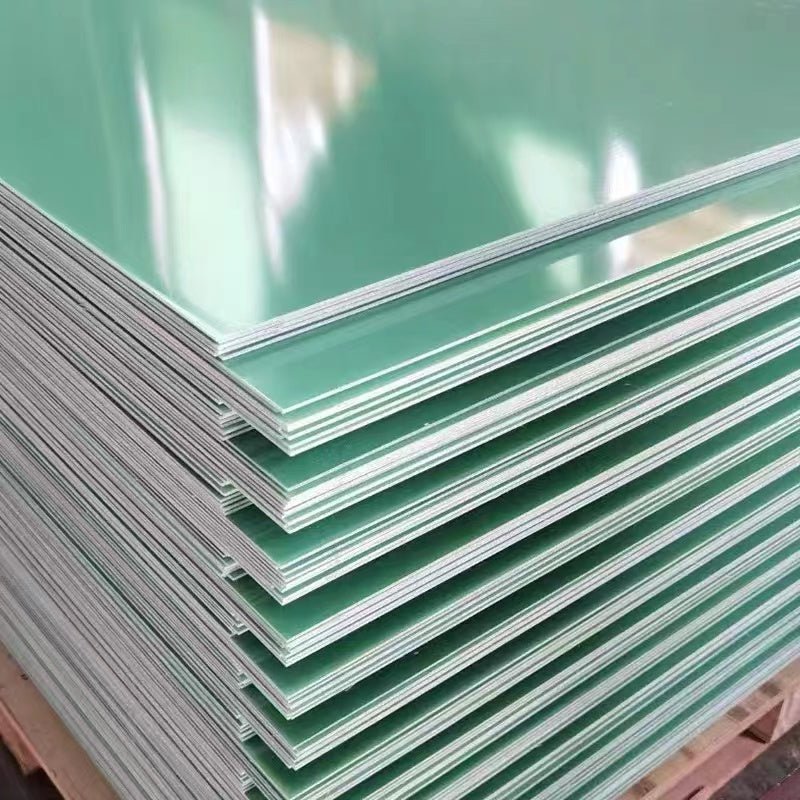
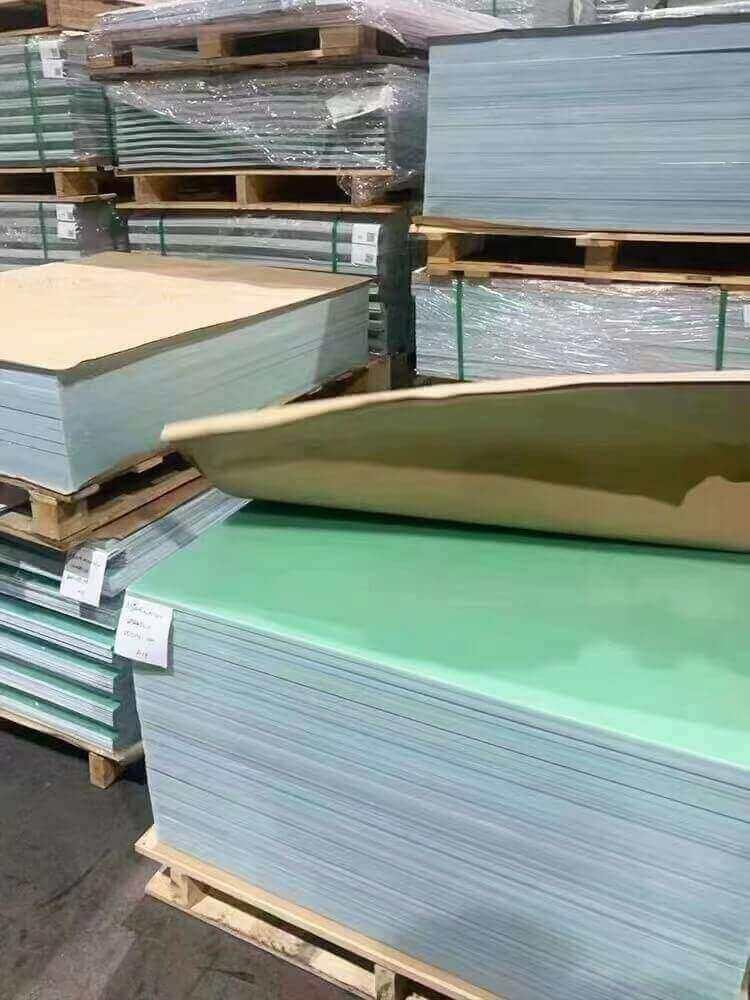
The Ultimate Guide to Bakelite: Electrical Insulation and Beyond

Bakelite plastic materials

Discover the Multifaceted World of Bakelite with “The Ultimate Guide to Bakelite: Electrical Insulation and Beyond”! This comprehensive guide dives deep into the history and chemical composition of Bakelite (phenolic resin), the first synthetic plastic. Learn about the various types of Bakelite products, including Bakelite sheets, phenolic sheets, and laminated sheets available for cut-to-size and precision machining.

🎉 Limited Time Offer

Looking for high-quality Phenolic or Bakelite materials? Use code QR4GNY08SHVR at checkout and enjoy a special discount on your entire order!

Shop Bakelite Plastic Now 👉

Bakelite plastic materials including orange phenolic sheets and rods

Explore how Bakelite’s exceptional insulation properties make it a cornerstone in the electrical and electronics industry. Understand its crucial role in the automotive industry, where its durability and heat resistance are indispensable. For musicians, discover why Bakelite is the preferred material for guitar pickguards and other musical instrument components.

This guide also highlights Bakelite’s applications in industrial machinery—specifically for CNC machined parts and heavy-duty gears—and household items, showcasing its versatility. You’ll find practical tips on the maintenance and care of Bakelite products, ensuring their longevity and preserving their vintage charm.

Whether you’re an industry professional, a hobbyist, or an antique collector, this guide offers valuable insights into the enduring legacy and modern applications of Bakelite. Dive in to uncover why Bakelite remains a material of choice across various fields, celebrated for its reliability, versatility, and timeless appeal.

The Birth of Synthetic Plastics

Pioneering material in the world of synthetic plastics, known for its role in revolutionizing various industries. In 1907, Belgian-American chemist Dr. Leo Baekeland invented Bakelite. Seeking an alternative to shellac, which was commonly used for electrical insulation at the time, Baekeland’s innovation addressed the need for a more durable and versatile material.

The Impact on Industrial Applications

Baekeland’s creation, Bakelite, was the first plastic made from synthetic components, marking a significant milestone in the field of chemistry. This material, a phenol-formaldehyde resin, was produced through a process of polymerization that resulted in a hard, moldable substance. Its introduction heralded the age of synthetic plastics, providing a foundation for the development of countless other materials.

The invention of Bakelite revolutionized many industries. Its unique properties made it an ideal choice for various applications, from electrical insulators to automotive parts. Bakelite’s durability, heat resistance, and electrical insulating properties ensured its widespread adoption and lasting impact on industrial manufacturing.

Chemical Composition and Properties

Garolite sheets and custom CNC machined phenolic parts

Bakelite’s chemical composition is based on the polymerization of phenol and formaldehyde. This reaction creates a thermosetting polymer, which means that once it is cured, it cannot be melted and reshaped. This characteristic sets Bakelite apart from many other plastics, which are thermoplastics.

Thermosetting Properties

The thermosetting properties of Bakelite contribute to its high mechanical strength and dimensional stability. Once set, Bakelite maintains its shape and does not soften under heat, making it suitable for applications requiring long-term reliability and resistance to high temperatures.

Resistance to Heat and Chemicals

Bakelite is highly resistant to heat and chemicals, which further enhances its suitability for demanding environments. It can withstand temperatures up to 250°C without degrading, making it a preferred material for electrical insulators and heat-resistant components. Additionally, its chemical resistance ensures it remains stable and effective in various industrial settings.

Electrical Insulation

One of the most celebrated properties of Bakelite is its excellent electrical insulation. This makes it invaluable in the production of electrical components such as circuit boards, switches, and insulators. Bakelite’s ability to prevent electrical conduction and withstand high temperatures ensures the safety and efficiency of electrical systems.

Mechanical Strength and Machinability

Bakelite’s mechanical strength is another key attribute. It is a rigid material that can be easily machined into various shapes and sizes using CNC plastic milling services. This makes it ideal for manufacturing intricate components and detailed designs. Its machinability, combined with its strength, has made Bakelite a staple in many industrial and consumer applications.

Versatility in Applications

The versatility of Bakelite is evident in its wide range of applications. From automotive parts to household items and industrial machinery, Bakelite’s unique properties have made it a preferred material for diverse uses. Its ability to be molded or CNC machined into complex shapes and its durability make it suitable for both functional and decorative purposes.

By understanding the history, invention, and chemical properties of Bakelite, we can appreciate its lasting impact and continued relevance in modern industries. Whether used for its insulating properties, mechanical strength, or heat resistance, Bakelite remains a material of choice for many applications.

Assorted Bakelite parts showing durability

Types of Bakelite Products

Before diving into specific types, explore our most popular standard Bakelite stock available for immediate shipping. At BeePlastic, we offer cut-to-size services for all sheets and rods.
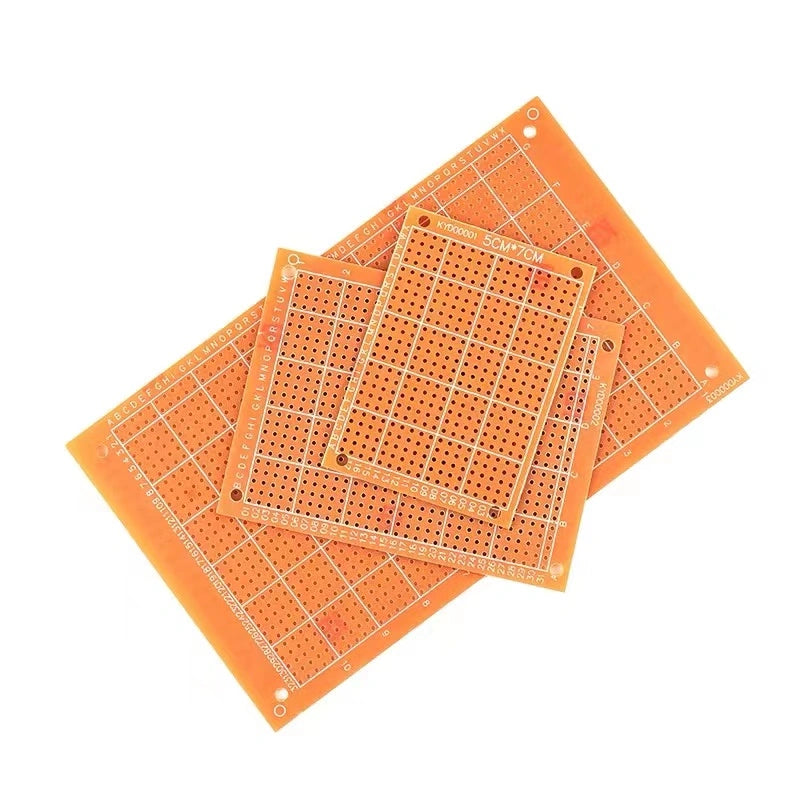
Bakelite Sheets

Bakelite sheets are among the most versatile and widely used forms of Bakelite products. These sheets come in various types, each tailored to specific applications and industries.

Electrical Bakelite Sheets

Electrical Bakelite sheets are designed specifically for insulating electrical components. These sheets exhibit exceptional electrical insulation properties, making them ideal for use in circuit boards, switchgear, and other electrical apparatus. The sheets can withstand high temperatures and prevent electrical conduction, ensuring safety and efficiency in electrical systems.

Phenolic Bakelite Sheets

Phenolic Bakelite sheets are known for their high mechanical strength and thermal stability. These sheets are created by impregnating layers of fabric or paper with phenolic resin and then curing them under heat and pressure. This process results in a material that is not only strong and durable but also resistant to heat and chemicals. Phenolic Bakelite sheets are widely used in applications requiring robust performance and long-term reliability.

Laminated Bakelite Sheets

Laminated Bakelite sheets, often referred to in the industry as phenolic laminates or Garolite, are formed by layering multiple sheets of Bakelite together, enhancing their strength and rigidity. These sheets are particularly useful in applications where additional mechanical support is needed. The lamination process also improves the sheet’s resistance to warping and cracking, making them suitable for demanding environments such as industrial machinery and structural components.

Bakelite Components

In addition to sheets, Bakelite is also used to manufacture a variety of components. These components leverage Bakelite’s unique properties to provide durable and reliable solutions for various applications.

Bakelite Rods

Bakelite rods are cylindrical pieces made from Bakelite resin. These rods are known for their high dimensional stability and machinability, making them suitable for precision parts in electrical and mechanical applications. Bakelite rods are often used in the production of bushings, spacers, and insulating sleeves.

Bakelite Tubes

Bakelite tubes are hollow cylinders that offer excellent insulation and heat resistance. These tubes are commonly used in electrical insulation, where they provide a protective barrier for wiring and other conductive elements. Bakelite tubes are also utilized in mechanical applications for bearing sleeves and protective covers.

Molded Bakelite Parts

Molded Bakelite parts are custom-shaped components created by molding Bakelite resin into specific forms. This process allows for the production of intricate and detailed parts, such as switches, knobs, and handles. Molded Bakelite parts are valued for their durability, heat resistance, and aesthetic appeal, making them a popular choice in both industrial and consumer products.

Bakelite in Automotive Applications

Bakelite’s properties make it an excellent material for various automotive components. Its high heat resistance and mechanical strength ensure that parts such as distributor caps, insulation pads, and trim pieces remain reliable under the demanding conditions of automotive use. Bakelite’s durability also makes it ideal for vintage car restoration, where maintaining the authenticity and performance of original components is crucial.

By understanding the different types of Bakelite products and their specific applications, it’s clear why Bakelite remains a preferred material across various industries. Its unique combination of properties—electrical insulation, mechanical strength, and heat resistance—makes it a versatile and reliable choice for numerous applications.

BeePlastic offers advanced CNC machining services to turn these standard materials into your custom parts.

For more detailed information on Bakelite products, you can explore resources from Bee Plastic.

Applications in the Electrical and Electronics Industry

Insulation Properties of Bakelite

Bakelite circuit boards with high electrical insulation

Bakelite is renowned for its exceptional electrical insulation properties, making it a vital material in the electrical and electronics industry. The key to Bakelite’s insulating capabilities lies in its phenol-formaldehyde resin composition, which creates a dense, cross-linked polymer structure. This structure effectively prevents the flow of electrical current, ensuring that components remain electrically isolated.

Thermal Stability and Dielectric Strength

One of Bakelite’s most significant advantages is its thermal stability. It can withstand high temperatures without losing its insulating properties, which is crucial in electrical applications where components often operate under heat. Additionally, Bakelite exhibits excellent dielectric strength, meaning it can endure high voltages without breaking down.

Resistance to Moisture and Chemicals

Bakelite’s resistance to moisture and chemicals further enhances its suitability for electrical applications. Unlike other materials that may degrade or conduct electricity when exposed to moisture, Bakelite maintains its insulating properties in humid or chemically aggressive environments.

Examples of Usage in Electrical Insulation

Circuit Boards: Bakelite circuit boards are a prime example of its application in electrical insulation. These boards provide a stable, non-conductive platform for mounting electronic components. The high mechanical strength and thermal resistance of Bakelite ensure that circuit boards remain robust and reliable, even under strenuous conditions. Bakelite’s insulating properties prevent short circuits and ensure the safe operation of electronic devices.

Switches and Relays: Bakelite is widely used in the manufacture of switches and relays due to its ability to insulate electrical contacts. The material’s rigidity and durability allow it to endure the mechanical stresses of repeated use, while its insulating properties ensure that electrical contacts remain isolated.

Transformers and Capacitors: In transformers and capacitors, Bakelite plays a critical role in insulation. Its high dielectric strength ensures that these components can handle high voltages without risk of breakdown. Bakelite is used to insulate windings and internal structures, preventing electrical arcing and ensuring efficient operation.

Protective Covers and Insulating Barriers: Bakelite is also used to manufacture protective covers and insulating barriers for various electrical components. These covers and barriers provide an additional layer of insulation, preventing accidental contact with live electrical parts and enhancing overall safety.

Motor Components: In electric motors, Bakelite is used for components such as commutator segments and insulating plates. These parts are critical for the motor’s operation, providing electrical insulation while withstanding the mechanical stresses of rotation and thermal loads generated during operation. Bakelite’s properties ensure that motor components remain reliable and efficient throughout their service life.

Bakelite’s unique combination of electrical insulation, thermal stability, and mechanical strength makes it an indispensable material in the electrical and electronics industry. From circuit boards to motor components, Bakelite continues to play a crucial role in ensuring the safety and reliability of electrical systems. For more detailed information on Bakelite applications, you can explore resources from Bee Plastic.

Bakelite in the Automotive Industry

Bakelite automotive testing

Durability and Heat Resistance

Bakelite is renowned for its exceptional durability and heat resistance, making it an ideal material for various automotive components. One of the primary applications of Bakelite in the automotive industry is in the production of distributor caps. These components are crucial for the proper functioning of a vehicle’s ignition system. Bakelite’s ability to withstand high temperatures and mechanical stress ensures that distributor caps remain reliable under the hood’s intense conditions.

Insulation Pads and Trim Pieces: Insulation pads made from Bakelite are another vital application in automobiles. These pads provide excellent thermal insulation, protecting sensitive components from engine heat. Additionally, Bakelite’s resistance to chemical corrosion ensures that these pads maintain their integrity over time, even when exposed to oil and other automotive fluids.

Trim pieces and various interior components also benefit from Bakelite’s properties. Its rigidity and ability to be molded into complex shapes make it perfect for producing durable, aesthetically pleasing trim parts. These components can withstand the wear and tear of daily use, maintaining their appearance and functionality for the vehicle’s lifespan.

Modern Applications in High-Performance Vehicles

Continued Use in Modern Vehicles: Despite the advent of newer materials, Bakelite continues to find applications in modern vehicles, especially in high-performance and racing cars. The material’s thermal stability and mechanical strength make it suitable for components that need to perform reliably under extreme conditions. For example, brake pads in racing cars often use Bakelite due to its ability to handle the intense heat generated during high-speed braking.

Innovative Uses in Racing Cars: In the realm of racing, where performance and reliability are paramount, Bakelite is used for components such as insulating panels and engine components. These parts benefit from Bakelite’s ability to maintain structural integrity at high temperatures and its excellent electrical insulating properties. This ensures that the electrical systems in racing cars function correctly, even under the most demanding conditions.

Bakelite in Electric Vehicles: With the rise of electric vehicles (EVs), Bakelite’s properties are once again proving invaluable. EVs require materials that can handle high electrical loads and provide reliable insulation. Bakelite’s dielectric strength and heat resistance make it an ideal choice for components such as battery housings and charging infrastructure. As the automotive industry continues to evolve, Bakelite remains a versatile and reliable material, adapting to new technologies and applications.

Bakelite’s unique combination of durability, heat resistance, and electrical insulation properties ensures its continued relevance in the automotive industry. Whether in classic cars or cutting-edge electric vehicles, Bakelite remains a material of choice for critical components that demand high performance and reliability. For more detailed information on Bakelite applications, you can explore resources from Bee Plastic.

Musical Instruments and Bakelite

Bakelite artistic and musical components

Pickguards and Components

Bakelite has found a unique and valuable niche in the world of musical instruments, particularly in the production of guitar pickguards, knobs, and other components. The material’s ability to be molded into intricate shapes while maintaining its structural integrity makes it ideal for these applications.

Guitar Pickguards: Guitar pickguards made from Bakelite are highly prized for their durability and aesthetic appeal. These pickguards protect the guitar’s body from scratches and damage caused by picks and fingers during playing. Bakelite’s smooth surface and ability to be polished to a high sheen make it an attractive choice for guitar manufacturers and musicians alike. The material can also be easily colored or patterned, adding to the visual appeal of the instrument.

Knobs and Switches: In addition to pickguards, Bakelite knobs and switches are commonly used in guitars and other musical instruments. These components benefit from Bakelite’s heat resistance and electrical insulating properties, which are essential for maintaining the safety and functionality of electric guitars. Bakelite knobs and switches are known for their tactile feel and vintage look, which many musicians appreciate.

Benefits for Musicians

Durability: One of the key benefits of Bakelite for musicians is its durability. Bakelite is a hard and rigid material that can withstand the wear and tear of regular use. Unlike other materials that may crack or degrade over time, Bakelite remains intact, ensuring that musical instruments maintain their functionality and appearance for many years.

Aesthetic Appeal: Bakelite’s aesthetic appeal is another significant advantage. The material can be molded into various shapes and designs, allowing for customization and creativity in instrument design. Bakelite can also be colored and polished, giving instruments a unique and attractive finish. This versatility in appearance makes Bakelite a popular choice among musicians who want their instruments to stand out visually.

Acoustic Properties: While Bakelite is primarily valued for its durability and appearance, it also offers favorable acoustic properties. The material’s density and rigidity contribute to the resonance and tone quality of the instruments. For example, Bakelite pickguards and knobs do not dampen the vibrations of the guitar body, allowing for a clear and bright sound. Musicians appreciate this feature as it enhances the overall performance of their instruments.

Vintage Appeal: Bakelite’s vintage appeal adds to its desirability among musicians. Many classic guitars and musical instruments from the mid-20th century featured Bakelite components, giving them a distinct and recognizable look. Modern musicians and collectors often seek out instruments with Bakelite parts for their historical significance and unique charm.

By understanding the various applications and benefits of Bakelite in musical instruments, it is clear why this material remains a popular choice among musicians. Its combination of durability, aesthetic appeal, and acoustic properties ensures that Bakelite continues to play an essential role in the world of music. For more detailed information on Bakelite applications in musical instruments, you can explore resources from Bee Plastic.

Industrial and Household Uses

Heat-Resistant Components

Bakelite is renowned for its exceptional heat resistance, making it an indispensable material in both industrial machinery and household items. In industrial settings, Bakelite (often referred to as phenolic laminate or Garolite) is often used for manufacturing heat-resistant components such as bearings, brake pads, and electrical insulators. These components benefit from Bakelite’s ability to withstand high temperatures without degrading, ensuring reliable performance even in harsh conditions.

Industrial Machinery: In industrial machinery, Bakelite’s thermal stability and mechanical strength are crucial. For example, bearings and bushings made from Bakelite can endure the friction and heat generated by moving parts. Bakelite’s resistance to wear and its insulating properties make it ideal for electrical insulators in high-voltage equipment, ensuring safety and efficiency in industrial operations.

Household Items: Bakelite is also widely used in household items due to its heat resistance and durability. Kitchen utensils such as handles for pots and pans, as well as appliance handles, are often made from Bakelite. These items need to withstand high temperatures and frequent use, and Bakelite’s properties ensure they remain functional and safe over time. Additionally, Bakelite’s ability to maintain its shape and appearance under heat makes it a popular choice for these applications.

Architectural and Decorative Uses

Furniture and Countertops: Beyond its industrial and household applications, Bakelite plays a significant role in architectural and decorative uses. Its versatility and aesthetic appeal make it an excellent material for furniture and countertops. Bakelite can be molded and polished to a high sheen, giving it a luxurious appearance. It is also available in a variety of colors and patterns, allowing for creative and custom designs.

Decorative Items: Bakelite is popular in the creation of decorative items due to its malleability and durability. It can be crafted into intricate shapes and designs, making it suitable for jewelry, buttons, and art pieces. The material’s ability to hold fine details and its resistance to wear and tear ensure that decorative items made from Bakelite remain beautiful and intact for many years.

Architectural Accents: In architecture, Bakelite is used for wall panels, trim pieces, and decorative accents. Its robustness and resistance to environmental factors make it suitable for both interior and exterior applications. Bakelite panels can add a touch of elegance and sophistication to any space, while also providing functional benefits such as insulation and durability.

Historical Significance and Modern Revival: Bakelite holds a significant place in design history, often associated with the Art Deco movement of the early 20th century. Its unique blend of functionality and aesthetic versatility made it a favorite among designers and architects of that era. Today, there is a renewed interest in Bakelite for its vintage appeal and sustainable qualities. Modern designers and architects are rediscovering Bakelite’s potential, using it in contemporary projects that blend retro charm with modern innovation.

Custom CNC-machined phenolic Bakelite bushings sleeves

For further reading on Bakelite’s applications and benefits, you can explore resources from Bee Plastic.

Maintenance and Care of Bakelite Products

Customized Bakelite sheets maintenance

Cleaning and Storage Tips

Proper maintenance and care are essential to ensure the longevity of Bakelite products. Here are some practical tips to keep your Bakelite items in excellent condition.

Cleaning Bakelite: To clean Bakelite products, always use a gentle approach. Avoid harsh chemicals or abrasive cleaners, as they can damage the surface. Instead, follow these steps:

  • Dusting: Begin by dusting the item with a soft, dry cloth to remove any loose dirt or debris.
  • Mild Soap Solution: Prepare a solution of warm water and a few drops of mild dish soap. Dampen a soft cloth with this solution and gently wipe the surface of the Bakelite item.
  • Rinsing: After cleaning, rinse the cloth with clean water and wipe the item again to remove any soap residue.
  • Drying: Use a clean, dry cloth to thoroughly dry the Bakelite item. Ensure no moisture remains, as prolonged exposure to water can damage Bakelite.

Polishing Bakelite: To restore the shine of Bakelite products, you can use a specialized Bakelite polish or a mild abrasive like Brasso. Apply a small amount to a soft cloth and gently buff the surface in a circular motion. This will help remove minor scratches and restore the original luster.

Storing Bakelite: When storing Bakelite items, keep them in a cool, dry place away from direct sunlight. Prolonged exposure to heat and UV rays can cause Bakelite to discolor or become brittle. Additionally, avoid storing Bakelite items in damp or humid environments to prevent moisture damage.

Avoiding Contact with Harmful Substances: Ensure that Bakelite products do not come into contact with harsh chemicals, including acetone, alcohol, and strong acids, as these substances can deteriorate the material. Store Bakelite items separately from such chemicals to maintain their integrity.

Repair and Restoration

Restoring vintage Bakelite items is particularly important for antique collectors and hobbyists. Here are some tips to repair and restore Bakelite products:

Repairing Cracks and Chips: For minor cracks or chips in Bakelite, use a high-quality epoxy resin or super glue. Apply a small amount to the damaged area and allow it to set according to the manufacturer’s instructions. Once the adhesive is dry, you can gently sand the area with fine-grit sandpaper to smooth it out.

Removing Surface Scratches: To remove surface scratches, you can use a fine abrasive polish. Apply the polish to a soft cloth and gently rub it into the scratched area using a circular motion. This will help to blend the scratch with the surrounding surface. For deeper scratches, start with a coarser polish and gradually move to a finer one for the best results.

Restoring Color and Shine: Over time, Bakelite can lose its color and shine due to oxidation. To restore the color, you can use a mixture of baking soda and water to create a mild abrasive paste. Apply the paste to the Bakelite surface with a soft cloth and gently rub in a circular motion. Rinse with clean water and dry thoroughly.

Professional Restoration Services: For significant damage or valuable vintage items, consider seeking the help of a professional restoration service. These experts have the tools and experience to restore Bakelite items to their original condition, ensuring they retain their value and appearance.

Proper care and maintenance are crucial for preserving the beauty and functionality of Bakelite products. By following these tips, you can ensure your Bakelite items remain in excellent condition for years to come. For more detailed information on maintaining and restoring Bakelite, you can explore resources from Bee Plastic.

Frequently Asked Questions about Bakelite and BeePlastics

1. What is Bakelite and why is it significant?

Bakelite is the first synthetic plastic, invented by Dr. Leo Baekeland in 1907. It is known for its high heat resistance, electrical insulation properties, and mechanical strength. These properties make it suitable for a wide range of applications, including electrical insulators, automotive components, and household items.

2. What types of Bakelite products are available?

There are various types of Bakelite products, including:

  • Bakelite sheets (electrical, phenolic, and laminated/Garolite)
  • Bakelite rods and tubes
  • Molded Bakelite parts (such as switches, knobs, and handles)
  • Automotive components (like distributor caps and insulation pads)
  • Musical instrument parts (such as guitar pickguards and knobs)

3. Why is Bakelite used in the electrical and electronics industry?

Bakelite is used in the electrical and electronics industry because of its excellent electrical insulation properties, thermal stability, and resistance to moisture and chemicals. It is commonly used in circuit boards, switches, transformers, capacitors, and protective covers.

4. How does Bakelite benefit the automotive industry?

In the automotive industry, Bakelite is valued for its durability and heat resistance. It is used in components such as distributor caps, insulation pads, and various trim pieces. Bakelite’s ability to withstand high temperatures and mechanical stress makes it ideal for automotive applications.

5. What are the uses of Bakelite in musical instruments?

Bakelite is used in musical instruments for making guitar pickguards, knobs, and other components. Its durability, aesthetic appeal, and favorable acoustic properties make it a popular choice among musicians.

6. How should I clean and maintain Bakelite products?

To clean Bakelite products:

  • Use a soft, dry cloth to dust the item.
  • Clean with a mild soap solution and a soft cloth.
  • Rinse with clean water and dry thoroughly.
  • Avoid harsh chemicals and abrasive cleaners.

For polishing, use a specialized Bakelite polish or a mild abrasive like Brasso.

7. Can Bakelite items be repaired or restored?

Yes, Bakelite items can be repaired or restored. For minor cracks or chips, use high-quality epoxy resin or super glue. Surface scratches can be removed with fine abrasive polish. For significant damage or valuable items, consider professional restoration services.

8. What customization services does BeePlastics offer?

BeePlastics can undertake any customization, including sample customization and batch customization. They accept various file formats, including PDF and CAD for CNC milling, and support the provision of free samples, with customers only responsible for shipping costs.

9. Is there a minimum order quantity (MOQ) for customization at BeePlastics?

No, BeePlastics does not have a minimum order quantity (MOQ) requirement. They cater to both small and large orders, providing flexibility for all customers.

10. What is the production cycle for customized orders at BeePlastics?

The production cycle at BeePlastics depends on the order volume and the complexity of the process. They communicate with customers in real-time about the production progress to ensure transparency and timely delivery.

For more detailed information about Bakelite and customization services, visit BeePlastic.

In exploring the multifaceted applications and benefits of Bakelite, it’s evident that this pioneering material continues to play a crucial role in various industries. From its origins as the first synthetic plastic to its enduring use in electrical insulation, automotive components, musical instruments, and household items, Bakelite’s unique properties of durability, heat resistance, and mechanical strength ensure its relevance and utility.

Additionally, the customizable solutions provided by BeePlastics offer unmatched flexibility, catering to a wide range of customer needs with no minimum order quantity and real-time production updates. Whether for industrial use, decorative purposes, or innovative new applications like custom cut-to-size plastic panels, Bakelite remains a material of choice for its reliability and versatility. For more information and to explore customized Bakelite products, visit BeePlastics.

Bakelite stock plate available for shipping

Have specific requirements or need a custom solution?

Contact us now by filling out the form on the right, and let us help you find the perfect Bakelite product for your needs. We specialize in Cut-to-Size and CNC Plastic Machining.

PROMO CODE: QR4GNY08SHVR – Don’t forget your discount at checkout!


Leave a comment


Please note, comments must be approved before they are published


Custom Plastic Fabrication

Send your drawing, material and quantity for review

🔧
Precision Machining
CNC milling & turning
✂️
Cutting & Engraving
Laser & waterjet cutting
🏭
Forming & Molding
Thermoforming & injection
🔗
Joining & Assembly
Welding & bonding
📐
Design & Prototyping
CAD design & samples

General

HDPE

PP

PVC

ABS

Engineering

POM

Nylon

PC

PMMA

High-Performance

PEEK

PEI

PTFE

Composites

FR-4

G10

Flexible

TPU

Silicone

Why Choose BeePlastic?

🎯
Perfect Fit
Custom specs eliminate adaptation needs
⚡
Clear Lead Times
Lead time confirmed with every quote
💰
Volume Pricing
Volume pricing available on bulk orders
🤝
Expert Support
Free engineering consultation included
📋
Submit
→
🔍
Review
→
💵
Quote
→
✅
Production
→
📦
Deliver

Request a Quote

Share your project details, selected material and quantity on our quote page. You can add a file link or use the email drawing route shown there.


Request Quote

Industries: Automotive • Medical • Food • Lab • Semiconductor

beeplastic@beeplastic.com


Unlocking the Potential of Bakelite: A Buyer’s Guide to Sheets, Materials, and Boards

bakelite

Dive into the captivating world of Bakelite, a material that’s as versatile as it is durable, with our comprehensive guide, “Unlocking the Potential of Bakelite: A Buyer’s Guide to Sheets, Materials, and Boards”. Whether you’re a seasoned professional in the OEM purchasing business or an enthusiastic DIYer, this post has something for everyone.

🎉🎉🎉Limited Time Offer Use code: QR4GNY08SHVR at checkout and enjoy a special discount on your entire order! 👉 Bakelite plastic
Bakelite sheets

We kick things off by exploring the history and resurgence of Bakelite, tracing its journey from a revolutionary material of the early 20th century to its modern-day applications. This section not only pays homage to its rich heritage but also demonstrates why Bakelite has remained a material of choice for various industries.

Next, we delve into the composition and characteristics of Bakelite, revealing what sets it apart from other materials in terms of durability, heat resistance, and electrical insulation. Understanding these properties is key to unlocking the full potential of Bakelite in both creative projects and industrial applications.

Choosing the right type of Bakelite can be daunting, which is why we’ve dedicated an entire section to explaining the differences between Bakelite sheets, panels, and boards. Here, you’ll find practical advice on selecting the perfect Bakelite material for your specific needs, whether it’s for crafting unique jewelry or manufacturing electrical components.

Our guide also highlights innovative uses of Bakelite, showcasing its versatility across a wide range of projects. From DIY crafts to industrial manufacturing, Bakelite’s applications are nearly limitless, sparking inspiration for your next big idea.

Maintaining and working with Bakelite doesn’t have to be a challenge. We offer best practices for care and manipulation, ensuring that your Bakelite materials remain in top condition and your projects turn out just as you envisioned.

Finally, we provide valuable tips on where to buy Bakelite, helping you navigate the market to find high-quality materials at a competitive prices. Whether you’re purchasing small quantities for personal use or sourcing bulk materials for your business, our guide makes it easier to find reliable suppliers.

Join us as we unlock the endless possibilities of Bakelite, offering insights, tips, and inspiration for everyone from individual hobbyists to business owners. Discover why Bakelite remains a sought-after material in a vast array of applications, and how you can harness its potential in your own projects.

Bakelite boards  product designs

The Legacy and Revival of Bakelite: A Century of Innovation

Bakelite’s Origins: The Birth of Synthetic Plastic

At the dawn of the 20th century, Leo Baekeland, a Belgian-American chemist, introduced the world to Bakelite, marking the advent of synthetic plastics. This revolutionary material quickly gained acclaim for its unprecedented properties: heat resistance, electrical insulation, and structural integrity. Bakelite’s introduction not only heralded a new era in manufacturing but also demonstrated the potential for synthetic materials to transform industries.

The Golden Age of Bakelite: Versatility Unleashed

Bakelite found its way into an astonishing array of products, from the everyday to the exotic. Its ability to be molded into durable, heat-resistant shapes made it ideal for electrical insulators, automotive parts, and even fashionable jewelry. This period highlighted Bakelite’s versatility, earning it the moniker “the material of a thousand uses.” Its significance in the early 20th century cannot be overstated, as it played a pivotal role in the development of consumer goods and industrial components alike.

Bakelite Today: A Renaissance in Design and Sustainability

In recent years, Bakelite has experienced a resurgence, particularly within the realms of design and sustainability. Its appeal lies not only in its retro aesthetic but also in its eco-friendly attributes, making it a sought-after material among contemporary designers and environmentally conscious consumers. This renaissance is evident in its use in high-end fashion, vintage collectibles, and even in the electronics and automotive industries, where its insulating properties are invaluable.

Modern Applications: Bakelite in the 21st Century

The modern applications of Bakelite are as diverse as they were a century ago. Today, it’s celebrated for both its historical significance and its practicality in current manufacturing practices. Its durability and resistance to heat and electricity make it an ideal choice for specialized industrial components, while the sustainability movement has reignited interest in Bakelite as an alternative to more harmful plastics.

The Timeless Material: Bakelite’s Enduring Appeal

The story of Bakelite is a testament to the power of innovation and the lasting impact of materials science. From its early days as the first synthetic plastic to its contemporary resurgence, Bakelite remains a symbol of creativity and sustainability. Its journey through the decades demonstrates not only the versatility and durability of this material but also our ongoing quest for materials that combine form, function, and environmental responsibility.

Bakelite’s enduring legacy is a reminder of the material’s unique place in both history and modernity. Its ability to adapt and remain relevant through changing times speaks to the ingenuity of its creator and the timeless appeal of Bakelite itself. As we continue to explore and appreciate this remarkable material, it’s clear that Bakelite will continue to inspire and innovate for generations to come.

Bakelite boards  product designs

Unveiling Bakelite: The Science Behind the Revolutionary Material

The Building Blocks of Bakelite

At the heart of Bakelite’s revolutionary impact on the world of materials is its unique composition. Created from phenolic resin and formaldehyde, this synthetic polymer was the first of its kind, paving the way for the diverse world of plastics we know today. The chemical reaction between phenol and formaldehyde under heat and pressure produces a hard, infusible, and rigid material known for its remarkable durability. This process, known as polymerization, results in a substance that is not only strong but also resistant to heat and chemical actions.

Bakelite’s Remarkable Properties

What sets Bakelite apart from other materials is its impressive array of physical and chemical properties. Its durability makes it resistant to physical impacts and wear, standing the test of time in a variety of applications. The material’s heat resistance is another notable feature, allowing it to maintain its integrity under conditions that would compromise or degrade other plastics. This characteristic, in particular, made Bakelite an ideal choice for electrical and automotive components, where materials are often exposed to high temperatures.

Furthermore, Bakelite’s electrical nonconductivity ensures its safety and efficacy in electrical insulation. This property is crucial in preventing electrical shocks and fires, making Bakelite a trusted material in the electronics industry. Its nonporous surface also prevents it from absorbing water, further enhancing its insulative capabilities.

The Versatility of Bakelite in Applications

The combination of these properties grants Bakelite unparalleled versatility. Its application extends beyond simple household items to critical components in the automotive, aerospace, and electrical industries. From radio and telephone casings in the early 20th century to contemporary circuit boards and insulators, Bakelite’s role in technological advancements cannot be overstated. The material’s ability to be molded into various shapes before curing also allows for creative and functional design possibilities, making it a favorite among manufacturers and designers alike.

Bakelite: A Material Ahead of Its Time

Bakelite’s introduction to the market marked a significant milestone in the development of modern synthetic materials. Its composition of phenolic resin and formaldehyde, coupled with its exceptional durability, heat resistance, and electrical insulation, showcases the ingenuity of early 20th-century science. As we continue to explore and develop new materials, Bakelite serves as a reminder of the potential for innovation in material science. Its enduring presence in various industries underscores the importance of materials that are not only functional but also safe and sustainable.

Bakelite leaning board

Navigating the World of Bakelite: Sheets, Panels, and Boards

Understanding the Differences: Sheets, Panels, and Boards

When delving into Bakelite products, it’s crucial to distinguish between Bakelite sheets, panels, and boards, as each type serves unique purposes across different industries. Bakelite sheets are renowned for their versatility and are commonly used in electrical insulation applications due to their excellent heat resistance and electrical nonconductivity. These sheets can be easily machined into various shapes, making them ideal for intricate components.

Bakelite panels, on the other hand, are thicker and more rigid, offering enhanced durability for structural applications. Their robustness is particularly valued in the construction and automotive industries, where strength and longevity are paramount.

Bakelite boards are designed for high-stress environments and are often employed in electronic circuitry and aerospace applications. Their superior mechanical strength and insulation properties make them indispensable in settings that demand utmost reliability and safety.

Selecting the Right Type for Your Project

Choosing the right Bakelite product requires careful consideration of the project’s specific needs. For projects requiring excellent electrical insulation, such as circuit breakers or electrical switchgear, Bakelite sheets are often the go-to choice due to their customizability and insulative properties.

In scenarios where structural integrity is a priority, such as in building constructions or automotive parts, Bakelite panels provide the necessary strength and durability. Their ability to withstand physical stresses makes them an excellent option for heavy-duty applications.

For high-tech applications, including aerospace components or advanced electronic devices, Bakelite boards offer the required precision, strength, and thermal stability. Their exceptional performance in extreme conditions ensures the reliability and safety of sophisticated equipment.

Tips for Choosing the Right Bakelite Product

  1. Identify the primary requirements of your project, whether it be electrical insulation, structural strength, or mechanical durability. This step is crucial in narrowing down your options to the most suitable type of Bakelite.

  2. Consider the environmental conditions the product will be subjected to, such as temperature extremes or potential chemical exposures. Certain types of Bakelite perform better under specific conditions.

  3. Consult with suppliers or manufacturers to get expert advice on the best Bakelite product for your application. They can provide valuable insights into the properties and performance of different Bakelite materials.

  4. Evaluate the cost-effectiveness of each option. While some Bakelite products may offer superior performance, they might also come with a higher price tag. Balancing quality and budget is key to making the right choice.

By understanding the distinctive features and applications of Bakelite sheets, panels, and boards, and following these tips, you can select the most appropriate Bakelite product for your project. This ensures not only the success of your endeavors but also the longevity and reliability of the final product.

Bakelite Fixture

Exploring the Creative and Industrial World of Bakelite

Bakelite in DIY Projects: Unleashing Creativity

Bakelite’s unique properties have not only made it a staple in industrial applications but also a favorite among DIY enthusiasts. Its easy-to-manipulate nature before curing allows for the creation of a wide array of homemade crafts and jewelry. For instance, Bakelite beads and bangles have become popular items among vintage jewelry collectors and creators, prized for their durability and distinctive look. Additionally, DIYers have embraced Bakelite for making custom knobs and handles for furniture, providing a retro flair to modern pieces.

Transforming Spaces with Bakelite

Beyond jewelry and decorative items, Bakelite is also used in home decor projects. Its ability to be molded into various shapes and polished to a high shine makes it ideal for creating unique light fixtures and switch plates, adding a touch of vintage elegance to any room. The material’s heat resistance and electrical nonconductivity further ensure safety in applications close to electrical sources, combining functionality with style.

Bakelite in Industrial Manufacturing: A Pillar of Reliability

In the realm of industrial manufacturing, Bakelite proves indispensable. Its high mechanical strength and resistance to electricity, heat, and chemicals make it an excellent material for electrical insulators, gears, and seals in machinery. These components are crucial in ensuring the safety and efficiency of electrical systems and mechanical devices, particularly in high-demand environments such as automotive and aerospace industries.

Bakelite’s Role in Modern Electronics

With the electronics industry continually evolving, Bakelite remains a material of choice for manufacturing circuit boards and electronic casings. Its insulative properties are vital in preventing short circuits and protecting sensitive electronic components. Furthermore, Bakelite’s durability and resistance to environmental factors ensure that electronic devices can withstand regular use and harsh conditions, exemplifying the material’s adaptability to modern technological needs.

Bakelite: Bridging Tradition and Innovation

The enduring appeal and utility of Bakelite lie in its versatility. From handcrafted jewelry and decorative home items to critical industrial components and cutting-edge electronic applications, Bakelite continues to serve a wide range of purposes. Its presence in both traditional crafts and modern manufacturing highlights the material’s unique ability to adapt to various demands while maintaining its inherent qualities. As we explore new uses for Bakelite, we celebrate its role in both preserving tradition and fostering innovation.

Bakelite Fixture

Best Practices for Handling and Preserving Bakelite

Caring for Bakelite: Ensuring Long-Term Durability

When it comes to Bakelite, its longevity and aesthetic appeal can be significantly enhanced with proper care. For vintage Bakelite collectors or those who incorporate Bakelite into their products, regular cleaning is essential. It’s recommended to gently clean Bakelite items with a soft, damp cloth. Avoid harsh chemicals or abrasive cleaners, as they can damage Bakelite’s unique surface. For an extra layer of protection and to maintain its lustrous shine, applying a mild polish formulated for plastics can keep Bakelite looking its best.

Manipulating Bakelite: Cutting, Shaping, and Joining

Working with Bakelite to create or modify parts requires specific considerations due to its hard, durable nature. When cutting or shaping Bakelite, using tools equipped with fine-toothed blades or bits designed for hard plastics is crucial to prevent chipping or cracking. It’s advisable to proceed slowly and use steady, even pressure to achieve precise cuts and shapes. For drilling holes or adding intricate details, specialized drill bits for plastics ensure clean, crisp finishes without causing stress fractures.

Joining Bakelite pieces can be achieved through various methods, including adhesives designed for plastics or mechanical fasteners. When selecting adhesives, it’s important to choose types that are compatible with Bakelite to ensure a strong bond without damaging the material. Clamping the pieces together while the adhesive cures can help maintain alignment and pressure, resulting in a seamless join.

Maintaining Bakelite in Industrial Applications

For OEM business owners and industrial users of Bakelite, maintenance practices are slightly different. Industrial components made of Bakelite should be regularly inspected for signs of wear or damage, particularly in high-stress environments. Replacing worn or damaged parts promptly can prevent failures in machinery or electrical systems, ensuring operational safety and efficiency. Additionally, adhering to the manufacturer’s guidelines for the specific type of Bakelite used in your application is critical for maintaining its integrity and performance.

Ensuring the Integrity of Bakelite Products

Whether you’re a DIY enthusiast, a collector, or an OEM business owner, understanding the best practices for maintaining and working with Bakelite is essential. Proper care, combined with correct cutting, shaping, and joining techniques, can significantly extend the life and preserve the beauty of Bakelite items. By following these guidelines, you can ensure that your Bakelite materials and products remain functional and attractive for years to come, reflecting the timeless appeal and durability that Bakelite is known for.

Bakelite Experiment Board

Navigating the Marketplace: Acquiring High-Quality Bakelite

Identifying Reliable Bakelite Suppliers

When it comes to sourcing Bakelite sheets, materials, and boards, the quality and reliability of your supplier are paramount. For both local crafters and businesses requiring bulk quantities, the first step is to research potential suppliers thoroughly. Look for suppliers with a strong reputation in the industry, positive customer reviews, and a history of supplying high-quality Bakelite products. Certifications and memberships in relevant industry associations can also be indicators of a supplier’s commitment to quality and reliability.

Assessing Quality and Authenticity

Given Bakelite’s unique properties and applications, ensuring the authenticity and quality of the material is crucial. Ask potential suppliers for detailed product specifications and, if possible, material samples before making a large purchase. For vintage Bakelite collectors, knowledge of the material’s distinct characteristics, such as its weight, sound, and reaction to Simichrome polish, can help in verifying authenticity. When purchasing new Bakelite materials for manufacturing or crafting, technical datasheets that specify the material’s properties, such as heat resistance and electrical insulation, are invaluable.

Cost-Effectiveness Without Compromising Quality

Finding a balance between cost and quality is essential, especially for businesses looking to purchase Bakelite in bulk. While negotiating prices, keep in mind the total value offered by the supplier, including shipping costs, payment terms, and after-sales support. Bulk purchasing agreements can often be customized to secure better prices, but ensure that this does not lead to compromises on material quality. Remember, investing in higher-quality Bakelite can reduce the need for frequent replacements and save money in the long run.

Building Strong Supplier Relationships

Developing a good relationship with your Bakelite supplier can offer numerous benefits beyond the initial purchase. Reliable suppliers can provide valuable insights into new and existing Bakelite materials, offer recommendations based on your specific needs, and may provide favorable terms for repeat business. Regular communication and feedback can help in refining your procurement process and ensuring a steady supply of high-quality Bakelite for your projects.

Leveraging Online Resources and Communities

In the digital age, online marketplaces, forums, and social media groups can be excellent resources for finding Bakelite suppliers. These platforms allow you to connect with other Bakelite enthusiasts and professionals who can share their experiences and recommend trustworthy suppliers. However, when sourcing Bakelite online, extra diligence is required to verify the credibility of the suppliers and the quality of their products.

When sourcing Bakelite, taking the time to research and vet suppliers thoroughly will pay off in the quality and reliability of the materials you procure. Whether you’re a hobbyist in need of a small quantity of Bakelite for a personal project or a business looking to buy in bulk, following these tips can help ensure that you find the best possible materials for your needs, fostering successful projects and products.

bakelite boards

Common Questions About Bakelite

Q: What is Bakelite?
A: Bakelite is the first synthetic plastic, invented in 1907 by Belgian-American chemist Leo Baekeland. It’s made from phenol and formaldehyde and is known for its heat resistance, electrical nonconductivity, and durability.

Q: Why is Bakelite still used today?
A: Despite the development of newer plastics, Bakelite remains popular due to its unique properties, including high mechanical strength, excellent insulating capabilities, and resistance to heat and chemical corrosion. These attributes make it suitable for a wide range of applications, from electrical insulators and automotive parts to collectible jewelry and household items.

Q: Can Bakelite be recycled?
A: Recycling Bakelite is more challenging than recycling many other types of plastic due to its thermosetting properties, which mean it cannot be melted down and reshaped. However, recycling efforts typically focus on repurposing or reusing Bakelite items rather than breaking them down chemically.

Q: How can you tell if something is made of Bakelite?
A: There are a few methods to identify Bakelite, including the smell test (Bakelite gives off a formaldehyde smell when rubbed or heated), the hot water test (immersing it in hot water releases a formaldehyde scent), and using specialized polishes like Simichrome, which can turn yellow when applied to Bakelite due to its phenol content.

Q: Are there health concerns associated with Bakelite?
A: Bakelite itself is considered safe and inert once fully cured and is not known to release harmful substances during normal use. However, caution should be taken during the manufacturing process or when cutting or sanding Bakelite, as inhaling fine particles or fumes can be harmful.

Q: How do you care for Bakelite items?
A: Bakelite items can be cleaned with a soft, damp cloth. Avoid using abrasive cleaners or chemicals that could damage the surface. For a deeper clean or to restore shine, use a mild plastic polish designed for use on Bakelite.

Q: What distinguishes Bakelite from other plastics?
A: Bakelite is a thermosetting plastic, meaning it cannot be melted and reshaped after it has been cured. This is in contrast to thermoplastics, which can be melted and remolded multiple times. Bakelite’s thermosetting property contributes to its durability and heat resistance.

Q: Can Bakelite be repaired if it’s damaged?
A: Minor scratches or surface damage on Bakelite can often be polished out or minimized. For larger repairs, such as cracks or breaks, it’s sometimes possible to use adhesives designed for plastics or to create a physical patch with a matching piece of Bakelite, although color matching can be challenging.

Q: How is Bakelite used in electrical applications?
A: Bakelite’s nonconductive and heat-resistant properties make it ideal for use in electrical applications, including as an insulating material in wiring, switches, and electrical components. It helps prevent electrical shocks and fires.

Q: Why has Bakelite become a collectible material?
A: Bakelite has become collectible due to its historical significance as the first synthetic plastic, its unique aesthetic qualities, and its presence in a variety of vintage items, such as jewelry, radios, and household goods. Collectors value Bakelite for its beauty, durability, and the nostalgia it evokes.

Exploring the multifaceted world of Bakelite has unveiled a material that transcends its origins, proving to be as innovative and versatile today as it was over a century ago. From its unique composition and remarkable properties to its applications in DIY projects, industrial manufacturing, and beyond, Bakelite continues to leave an indelible mark on various industries. The guidance provided on maintaining, working with, and sourcing Bakelite underscores its enduring relevance and adaptability. Whether you’re an individual enthusiast, a DIY hobbyist, or an OEM business owner, the journey through the world of Bakelite offers valuable insights and inspiration. Embracing Bakelite not only connects us to a pivotal chapter in the history of materials science but also equips us with a timeless resource for creative and industrial endeavors. As we continue to innovate and explore the possibilities of materials like Bakelite, we pay homage to the legacy of Leo Baekeland while paving the way for future advancements.

Bakelite Fixture

Ready to revolutionize your projects with Bakelite? Dive deeper into the world of durable and versatile materials by filling out the contact form below. Let’s shape the future together!

🎉🎉🎉Limited Time Offer Use code: QR4GNY08SHVR at checkout and enjoy a special discount on your entire order! 👉 Bakelite plastic

Leave a comment


Please note, comments must be approved before they are published


Custom Plastic Fabrication

Send your drawing, material and quantity for review

🔧
Precision Machining
CNC milling & turning
✂️
Cutting & Engraving
Laser & waterjet cutting
🏭
Forming & Molding
Thermoforming & injection
🔗
Joining & Assembly
Welding & bonding
📐
Design & Prototyping
CAD design & samples

General

HDPE

PP

PVC

ABS

Engineering

POM

Nylon

PC

PMMA

High-Performance

PEEK

PEI

PTFE

Composites

FR-4

G10

Flexible

TPU

Silicone

Why Choose BeePlastic?

🎯
Perfect Fit
Custom specs eliminate adaptation needs
⚡
Clear Lead Times
Lead time confirmed with every quote
💰
Volume Pricing
Volume pricing available on bulk orders
🤝
Expert Support
Free engineering consultation included
📋
Submit
→
🔍
Review
→
💵
Quote
→
✅
Production
→
📦
Deliver

Request a Quote

Share your project details, selected material and quantity on our quote page. You can add a file link or use the email drawing route shown there.


Request Quote

Industries: Automotive • Medical • Food • Lab • Semiconductor

beeplastic@beeplastic.com


How to Choose the Right FR4 Fiberglass Sheet for Your Accessory Needs

 FR4 fiberglass sheets in accessory design

In the quest for the perfect accessory, the choice of materials can make or break your project. “How to Choose the Right FR4 Fiberglass Sheet for Your Accessory Needs” is your essential guide to navigating the complexities of FR4 fiberglass sheets, ensuring you select the best material for your unique requirements. This comprehensive blog post delves into the technical specifications of FR4 sheets, highlighting the importance of understanding thickness, size, and thermal resistance to match your project’s demands.

🎉🎉🎉Limited Time Offer Use code: QR4GNY08SHVR at checkout and enjoy a special discount on your entire order! 👉 FR4 fiberglass plastic
FR4 fiberglass sheets

We’ll explore the critical role of quality in your selection process, providing insights on how to identify high-quality FR4 materials that promise durability and optimal performance. The discussion extends to comparing FR4 fiberglass sheet suppliers, offering practical advice on evaluating reliability, cost, material consistency, and customer service to find a supplier that meets your standards.

Understanding the versatile applications of FR4 sheets in accessory design is crucial. This post showcases innovative uses of the material, demonstrating how its characteristics can enhance various types of accessories. Finally, we share tips for working with FR4 sheets, covering essential techniques for cutting, drilling, and finishing, ensuring you can maintain material integrity and achieve your desired aesthetic and functional outcomes.

Whether you’re a seasoned accessory maker or embarking on your first project, this blog post will arm you with the knowledge to make informed decisions about FR4 fiberglass sheets, elevating the quality and uniqueness of your accessories.

Understanding FR4 Fiberglass Sheet Specifications

When embarking on any project that requires FR4 fiberglass sheets, understanding the material’s technical specifications is crucial. These specifications not only determine the sheet’s suitability for your specific application but also its performance and durability. Let’s delve deeper into the key aspects you should consider.

FR4 fiberglass sheets

Thickness and Size

The thickness and size of FR4 fiberglass sheets are among the first specifications to consider. Thickness can vary widely, typically ranging from as thin as 0.1mm to over 3.0mm. The choice of thickness directly impacts the rigidity and strength of the final product. For instance, thinner sheets might be preferred for lightweight accessories where flexibility is a benefit, while thicker sheets are ideal for more robust applications requiring higher mechanical strength.

Size is another critical factor. FR4 sheets come in various standard sizes, and some suppliers offer custom cutting services to meet specific project dimensions. It’s essential to select a size that minimizes waste while accommodating your design’s dimensions.

Thermal Resistance

Thermal resistance is a key feature of FR4 fiberglass sheets, making them suitable for a wide range of applications, including those exposed to high temperatures. This specification is particularly important for electronic accessories, where heat dissipation is a concern. The thermal resistance of FR4 ensures that it can withstand and protect components from the heat generated by electronic operations without degrading.

Understanding the thermal properties of FR4 is crucial for ensuring the longevity and reliability of your project. It’s not just about withstanding high temperatures but also about ensuring that the material’s integrity remains intact over its intended lifespan, even in fluctuating environmental conditions.

Selecting the Right FR4 Sheet for Your Project

Choosing the right FR4 fiberglass sheet involves balancing these specifications with your project’s requirements. Consider the environment in which the final product will be used, the mechanical stresses it will endure, and any electrical properties it needs to support.

For those new to working with FR4, consulting with suppliers can provide valuable insights. They can offer guidance on the most appropriate specifications for your application and may suggest custom solutions that perfectly fit your needs. Additionally, exploring online resources and forums can help you gain a deeper understanding of how others have successfully utilized FR4 sheets in similar projects.

By paying close attention to the thickness, size, and thermal resistance of FR4 fiberglass sheets, you can ensure that your project not only meets but exceeds expectations. This foundational knowledge empowers you to make informed decisions, leading to the successful completion of high-quality, durable accessories tailored to your specific needs.

The Importance of Quality in FR4 Fiberglass Sheets

Selecting high-quality FR4 fiberglass sheets is paramount for anyone involved in the manufacturing of accessories. The quality of these sheets directly influences the durability, performance, and overall success of the final product. Understanding the characteristics of high-quality FR4 materials and how to identify them is essential for ensuring your projects stand out in terms of reliability and longevity.

high-quality FR4 fiberglass sheets

Identifying High-Quality FR4 Materials

High-quality FR4 sheets are characterized by their uniformity in thickness, consistency in color and texture, and absence of defects such as bubbles, wrinkles, or delaminations. These attributes are critical as they affect the material’s mechanical strength and electrical insulation properties, which are vital for many accessory applications, especially in the electronics industry.

Uniformity in Thickness: A consistent thickness across the entire sheet ensures that the material behaves predictably during machining and in its final application. Variations can lead to weaknesses in the material, affecting the structural integrity of the finished product.

Consistency in Color and Texture: While aesthetic considerations might not be the primary concern for all projects, consistency in color and texture can be an indicator of the material’s quality. Inconsistencies may suggest variations in the manufacturing process, which could impact the material’s performance.

Absence of Defects: Defects such as bubbles or delaminations compromise the structural integrity of FR4 sheets. These flaws can significantly reduce the material’s strength and its ability to function as an electrical insulator.

Ensuring Durability and Performance

The durability and performance of accessories manufactured with FR4 fiberglass sheets hinge on the material’s quality. High-quality FR4 sheets offer excellent mechanical strength, making them resistant to cracking or breaking under stress. This is particularly important for accessories that will be subjected to physical impacts or need to support weight.

Moreover, the thermal and electrical insulation properties of FR4 are crucial for electronic accessories. High-quality FR4 materials maintain their insulating properties over a wide range of temperatures, ensuring the safety and functionality of the device they are used in. This thermal resistance also contributes to the longevity of the product by protecting it from heat-related damage.

Selecting the Right Supplier

Identifying and procuring high-quality FR4 fiberglass sheets often comes down to selecting the right supplier. Look for suppliers with a strong reputation in the industry, known for their commitment to quality and consistency. It’s beneficial to request samples or detailed specifications and, if possible, visit the supplier’s manufacturing facility to witness their processes firsthand.

Engaging with suppliers who are transparent about their manufacturing processes and quality control measures can provide assurance that the FR4 sheets you purchase will meet your high standards. Additionally, suppliers who are willing to provide technical support and advice can be invaluable partners in selecting the right materials for your projects.

By prioritizing the quality of FR4 fiberglass sheets, manufacturers can ensure that their accessories stand the test of time, both in terms of physical durability and performance. High-quality materials lead to high-quality products, satisfying both the maker and the end user.

Black Glass Fiberboard

Comparing FR4 Fiberglass Sheet Suppliers

Choosing the right supplier for FR4 fiberglass sheets is a critical decision that can significantly impact the quality and success of your projects. When comparing suppliers, it’s essential to evaluate several key factors, including reliability, cost, material consistency, and customer service. These elements play a pivotal role in ensuring you receive high-quality materials that meet your specifications and are delivered in a timely and cost-effective manner.

Evaluating Supplier Reliability

Reliability is a cornerstone of any supplier relationship. A reliable supplier not only delivers products on time but also ensures that each delivery meets the agreed-upon quality standards. Assessing a supplier’s reliability involves looking at their track record, including their history of on-time deliveries and their ability to maintain quality over time. Seeking feedback from current or past customers can provide valuable insights into a supplier’s reliability.

Understanding Cost Implications

While cost is an important consideration, it should not be the sole factor in selecting a supplier. The lowest price might not always equate to the best value, especially if it compromises quality or reliability. Consider the total cost of ownership, which includes not just the purchase price but also any additional costs related to shipping, handling, and potential quality issues. A supplier that offers competitive pricing without sacrificing quality or service can offer the best value in the long run.

Assessing Material Consistency

Material consistency is crucial for ensuring that every FR4 fiberglass sheet you receive performs as expected. Inconsistent materials can lead to production issues, increased waste, and potentially defective products. Evaluate suppliers based on their ability to provide consistent quality across batches. This may involve reviewing quality control processes, asking for samples from different batches, or even visiting the supplier’s facility to observe their manufacturing and quality assurance practices firsthand.

Prioritizing Customer Service

Excellent customer service is another critical factor to consider. A supplier that is responsive, knowledgeable, and willing to go the extra mile can make a significant difference, especially when unexpected issues arise. Look for suppliers that offer strong technical support, are transparent about their processes, and are proactive in communicating any potential delays or issues. A partnership approach, where the supplier is willing to work closely with you to meet your specific needs, can be highly beneficial.

customer service

Making the Right Choice

Comparing FR4 fiberglass sheet suppliers requires a balanced approach, weighing each of these factors carefully. Start by shortlisting suppliers that meet your basic requirements in terms of product specifications and delivery capabilities. From there, conduct a more in-depth evaluation based on reliability, cost, material consistency, and customer service.

Requesting quotes, samples, and references from each supplier can provide a comprehensive view of what each can offer. Additionally, consider the long-term aspects of the partnership, such as the supplier’s capacity to grow with your business and their commitment to ongoing quality and innovation.

Selecting the right supplier is not just about finding a source for FR4 fiberglass sheets; it’s about establishing a partnership that will contribute to the success of your projects and the satisfaction of your customers. By carefully considering each of these factors, you can make an informed decision that aligns with your business goals and quality standards.

FR4 Fiberglass Sheet Applications in Accessory Design

The versatility of FR4 fiberglass sheets has made them a material of choice in a wide range of accessory design applications. Known for their excellent mechanical strength, thermal resistance, and electrical insulation properties, FR4 sheets offer designers and manufacturers a robust foundation for innovative and durable products. Let’s delve into the diverse applications of FR4 sheets in accessory design, highlighting how their unique characteristics can benefit specific types of accessories.

The versatility of FR4 fiberglass sheets

Electronics Enclosures and Components

One of the most common applications of FR4 sheets is in the design and manufacture of electronics enclosures and components. The material’s inherent electrical insulation properties make it ideal for protecting sensitive electronic circuits from both physical and electrical interference. Accessories such as custom PCB (Printed Circuit Board) mounts, protective casings for wearable technology, and drone components benefit from FR4’s durability and thermal stability, ensuring reliable performance even under extreme conditions.

Custom Mechanical Parts

FR4’s mechanical strength and ease of machining also make it suitable for creating custom mechanical parts for accessories. This includes gears, brackets, and structural components in robotics, automotive accessories, and even musical instruments. The material’s resistance to moisture and chemicals further enhances the longevity and reliability of these parts, making FR4 a preferred choice for accessories exposed to harsh environments.

Heat-Resistant Barriers and Insulators

The thermal resistance of FR4 fiberglass sheets is a critical feature for accessories requiring heat insulation. This makes FR4 an excellent choice for creating heat-resistant barriers in consumer electronics, such as laptops and smartphones, where managing internal heat is crucial for performance and safety. Additionally, FR4 is used in designing insulators for kitchen appliances and other high-temperature environments, protecting users and sensitive components from heat exposure.

Aesthetic and Functional Design Elements

Beyond its functional benefits, FR4 can also be used to add aesthetic and tactile elements to accessories. Its surface can be treated, painted, or printed on, allowing for a range of visual designs. This versatility opens up possibilities for incorporating FR4 into fashion accessories, decorative elements in tech gadgets, and even in the creation of durable, lightweight jewelry pieces. The ability to customize the appearance of FR4 sheets meets the growing demand for personalized and unique accessory designs.

Prototyping and Customization

The ease of machining and fabricating FR4 fiberglass sheets makes them an excellent material for prototyping new accessory designs. Designers can quickly and cost-effectively create prototypes to test form, fit, and function, accelerating the development process for innovative accessories. This capability is invaluable in custom accessory design, where each piece may require a unique approach or fit.

Leveraging FR4 in Accessory Design

The applications of FR4 fiberglass sheets in accessory design are as varied as the imagination of the designers who use them. From creating durable components that withstand extreme conditions to adding unique design elements that set products apart, FR4 offers a combination of physical and aesthetic properties that can enhance a wide range of accessories. Its role in the development of innovative, high-quality accessories continues to grow, driven by the material’s versatility, durability, and adaptability to various design needs.

FR4 fiberglass sheets in accessory design

Tips for Working with FR4 Fiberglass Sheets

Working with FR4 fiberglass sheets requires a thoughtful approach to maintain material integrity and achieve the high-quality finishes that are essential for professional accessory manufacturing. From cutting and drilling to the final finishing touches, each step in the process demands specific techniques to ensure the best outcomes. Here are practical tips for handling and machining FR4 sheets effectively.

Cutting FR4 Fiberglass Sheets

When cutting FR4 sheets, using the right tools is crucial to prevent chipping and fraying, which can compromise the material’s structural integrity. Carbide-tipped cutting tools are recommended due to their hardness and resistance to wear. A CNC machine provides precision cuts for complex shapes and sizes, but if you’re using manual tools, a fine-toothed saw blade is preferable. Always secure the sheet firmly to minimize vibrations and ensure a clean cut.

Drilling Techniques

Drilling into FR4 fiberglass sheets requires precision to avoid cracking or delamination. Begin with a small pilot hole to guide the drill bit and reduce the risk of slipping. Using drill bits made for working with fiberglass or carbide-tipped bits can significantly improve the quality of the holes and extend the life of your tools. Keep the drill speed moderate to prevent overheating, which can damage both the material and the drill bit.

Finishing Techniques

Achieving a smooth finish on FR4 fiberglass sheets is essential for both aesthetic and functional reasons. Sanding is a common finishing technique, but it should be done with care. Start with a coarse grit sandpaper to remove any major imperfections and gradually work your way up to a finer grit for a smooth finish. Wet sanding can be used to minimize dust, which is particularly important when working with fiberglass due to its potential health hazards. Always wear protective gear, including a dust mask or respirator, and work in a well-ventilated area.

Maintaining Material Integrity

Maintaining the integrity of FR4 sheets during machining is paramount. Avoid excessive force or speed during cutting and drilling, as this can cause heat buildup and damage the material. Additionally, supporting the sheet adequately during these processes can prevent unwanted bending or breaking. When gluing or bonding FR4 parts, use adhesives compatible with fiberglass to ensure a strong bond without damaging the material.

Achieving Desired Outcomes

To achieve the desired outcomes when working with FR4, planning and precision are key. Always measure and mark your cuts and drill points accurately to ensure that the final product meets your specifications. Test your machining processes on scrap pieces before working on your final piece to fine-tune your technique and tool settings.

Working Safely with FR4

Safety should always be a priority when working with FR4 fiberglass sheets. The material can produce sharp edges when cut and hazardous dust when sanded or drilled. Wearing protective gloves, eye protection, and a respirator can protect you from injuries and health risks associated with fiberglass particles. Ensuring a clean and organized workspace can also help prevent accidents and improve the quality of your work.

By following these tips for cutting, drilling, and finishing FR4 fiberglass sheets, you can enhance the quality and durability of your accessories while maintaining a safe working environment.

Navigating the intricacies of working with FR4 fiberglass sheets is a journey that combines art with precision engineering. By understanding the material’s specifications, prioritizing quality, selecting the right supplier, exploring innovative applications, and mastering machining techniques, you can unlock the full potential of FR4 in accessory design and manufacturing. Embracing these insights ensures not only the success of your projects but also their distinction in the competitive landscape of accessory manufacturing. Armed with this knowledge, you’re well-equipped to push the boundaries of creativity and durability, crafting accessories that stand the test of time and captivate the market.

FR4 fiberglass sheets

Unlock Your Project’s Potential Now!

Take the first step towards turning your visionary ideas into reality. If you’re looking for premium FR4 fiberglass sheets that promise durability and performance, we’re here to help. Complete the contact form at the bottom of this page, and let’s discuss how we can elevate your accessory designs together.

🎉🎉🎉Limited Time Offer Use code: QR4GNY08SHVR at checkout and enjoy a special discount on your entire order! 👉 FR4 fiberglass plastic

Leave a comment


Please note, comments must be approved before they are published


Custom Plastic Fabrication

Send your drawing, material and quantity for review

🔧
Precision Machining
CNC milling & turning
✂️
Cutting & Engraving
Laser & waterjet cutting
🏭
Forming & Molding
Thermoforming & injection
🔗
Joining & Assembly
Welding & bonding
📐
Design & Prototyping
CAD design & samples

General

HDPE

PP

PVC

ABS

Engineering

POM

Nylon

PC

PMMA

High-Performance

PEEK

PEI

PTFE

Composites

FR-4

G10

Flexible

TPU

Silicone

Why Choose BeePlastic?

🎯
Perfect Fit
Custom specs eliminate adaptation needs
⚡
Clear Lead Times
Lead time confirmed with every quote
💰
Volume Pricing
Volume pricing available on bulk orders
🤝
Expert Support
Free engineering consultation included
📋
Submit
→
🔍
Review
→
💵
Quote
→
✅
Production
→
📦
Deliver

Request a Quote

Share your project details, selected material and quantity on our quote page. You can add a file link or use the email drawing route shown there.


Request Quote

Industries: Automotive • Medical • Food • Lab • Semiconductor

beeplastic@beeplastic.com


Exploring POM Plastic: Definition, Properties, and Custom Processing Applications

POM sheet

POM plastic, also known as acetal plastic or polyoxymethylene (POM), is an engineering thermoplastic widely used in precision parts manufacturing. With excellent mechanical properties, POM plastic has diverse industrial and consumer applications that highlight its strength, stiffness, and stability.

🎉🎉🎉Limited Time Offer Use code: QR4GNY08SHVR at checkout and enjoy a special discount on your entire order! 👉 POM plastic

As technology progresses, POM plastic has become increasingly valued for custom machined parts and injection molded components across transportation, electronics, medical devices, and more. This article will explore what makes POM plastic such an important material for custom processing.

custom POM plastic

A Primer on POM Plastic Materials

What is POM Plastic?

POM plastic, or polyoxymethylene, is a high-performance engineering thermoplastic created by polymerizing formaldehyde. The POM plastic molecular structure consists of repeating formaldehyde units connected by an ether linkage.

It has high crystallinity, molecular weight, and densification that grant POM excellent mechanical properties alongside chemical resistance. These characteristics make POM a popular choice for food processing equipment, consumer appliances, automotive systems, and industrial machineries.

Key Characteristics of POM Plastic

POM plastic stands out for being:

  • Extremely strong, stiff, and hard
  • Dimensionally stable
  • Naturally lubricious and low friction
  • Resistant to fuels, solvents, and other chemicals
  • Easy to fabricate using machining and injection molding

How Does POM Plastic Compare to Other Materials?

Compared to metals, POM plastic offers higher strength-to-weight ratios. Unlike nylons, POM has superior mechanical properties especially in wet environments. Against ABS and PVC, POM demonstrates better chemical and fatigue resistance.

This unique balance of strength, chemical inertia, and processability establishes POM as an extremely versatile engineering thermoplastic for custom applications.

POM in the medical industry

The Properties That Enable POM Plastic’s High Performance

What makes POM plastic well-suited for critical components across industries? POM owes its versatile high performance to exceptional mechanical properties.

Key Material Properties of POM Plastic

POM plastic possesses the following key material properties:

  • Tensile strength – 10,000 to 11,800 psi
  • Flexural modulus – 300,000 to 450,000 psi
  • Coefficient of friction – 0.25 to 0.35, low even without lubricants
  • Water absorption – Negligible, around 0.25% max
  • Operating temps – -40°F to 180°F (-40°C to 82°C)

These intrinsic physical characteristics already enable POM usage in demanding applications. On top of that, POM plastic offers excellent chemical resistance owing to its stable carbon-oxygen molecular linkages throughout the polymer chain.

POM material performance table

The Durability and Strength of POM Plastic

The high crystallinity grants POM its excellent strength-to-weight ratios, allowing substantial load-bearing capacity in small, lightweight components. At the same time, POM plastic parts retain the stiffness and dimensional stability crucial for precision fittings and moving assemblies even under cyclic strains.

Furthermore, POM’s abrasion resistance prevents premature wear even on moving parts that undergo constant frictional contact. Coupled with its natural lubricity, POM plastic enables smooth movements and long service life.

The Environmental Impact and Recyclability of POM

POM plastics are not derived from BPA or phthalates, thus avoiding major health concerns linked to those substances that may leach out from plastic parts. Properly processed POM plastic is food-contact approved by the FDA.

At end-of-life, POM can be recycled back into new plastic products just like PET and HDPE. POM plastic’s high value and ease of reprocessing make it economically attractive to regrind and remake into products.

custom pom plastic

Applications Benefiting from POM Plastic Parts

From tiny gears to huge structural components, POM offers engineers consistent performance meeting stringent requirements across applications.

POM Plastic in Manufacturing and Engineering

POM usage includes small precision parts that serve crucial functions:

  • Gears – Excellent strength and lubricity
  • Rollers – Low friction motion enablers
  • Bushings and bearings – Wear resistance
  • Clips, fasteners, handles – Snap-fitting capabilities
POM plastic gears

Larger structural POM plastic applications:

  • Conveyor chains – Constant movement resistors
  • Pulleys, cams, sprockets – Withstand cyclic stresses
  • Figurines, replicas, prototypes – Ease of machining

POM Plastic Parts in Automotive and Electronics

In vehicles, POM components help optimize:

  • Fuel systems – Fuel cap housings, impellers
  • Steering and suspensions – Bushings, rollers
  • Transmissions – Gears, shift fork pads

Consumer electronics depend on tiny POM plastic pieces guiding intricate mechanisms, like buttons, connectors, micro-switches, and more.

Industrial grade electronics encase sensitive innards in POM plastic housings that offer tough protection without interfering with signals.

POM Usage in Medical Devices and Consumer Goods

POM plastic possesses excellent bio-compatibility alongside machinability, allowing customized engineering of surgical tools, inhalers, orthodontic braces, pill casings, and other medical equipment where strength and precision matter.

For consumer applications, the FDA-approved food contact rating and high durability of POM enable usage in items such as:

  • Kitchen tools like slicers, peelers, graters
  • Lock mechanisms, buckles, and latches
  • High-wear components of appliances
POM material wire harness workwear

Custom Processing Techniques to Create POM Plastic Parts

Fabricating specialized POM components unlocked new potential in professional domains as diverse as aerospace and food processing. This section looks at producing custom POM parts.

The Benefits of Custom POM Plastic Parts

Machined POM stock allows engineers to create application-specific components with:

  • Precise dimensional accuracy
  • Intricate geometries impossible through injection molding
  • Small batches usable for prototyping and R&D
  • Shorter development cycles

Techniques for Machining and Fabricating POM

Common methods for machining fully dense POM plastic include:

  • CNC milling to carve extremely intricate geometries
  • Turning and boring to achieve cylindrically symmetrical precision parts
  • Sawing and cutting using calibrated commercial equipment

Whereas custom fabrication of large POM sheets, rods, and blocks employs:

  • Extruding molten POM through die heads
  • Compression molding POM resin under high heat and pressure
POM sheet precision parts processing

Injection Molding Parts from POM Plastic

For mass production, injection molded POM components offer extreme consistency and cost efficiency compared to CNC machining. Complex parts with tiny features or tight tolerances on critical dimensions can be injection molded with POM to reliably deliver high performance.

The Cost Effectiveness and Versatility Driving POM Plastic Adoption

What truly elevates POM is the unparalleled versatility enabling widespread adoption despite its engineering polymer price point. This high-performance thermoplastic empowers custom applications across domains to enhance user utility at relatively low costs.

POM Plastic’s Versatility in Diverse Applications

As explored throughout this article, POM allows excellent performance in areas that leverage:

  • Predictable mechanical properties from polymer consistency
  • Resistance to wear, abrasion, impacts, and harsh chemicals
  • Capabilities for machining, fabricating, and injection molding

This versatility makes POM suitable for uses where failure risks range from mere annoyances to life-threatening situations.

The Cost Effectiveness of POM Plastic

POM plastic offers substantial value, owing to:

  • Superb strength eliminating the need for metal parts in most cases
  • Production scalability from prototypes to millions of identical pieces
  • Part integration possibilities, consolidating assemblies

Customization Techniques Make POM Accessible

The machinability of POM plastic means:

  • No need for custom molds in low-volume production
  • Simpler systems by modifying off-the-shelf POM stock
  • Short design and testing cycles

Thus complementing high-volume injection molding for applications with established designs.

POM Plastic – An Essential Material for Present and Future Technologies

POM’s unique balance of mechanical properties, chemical resistance, machinability, and economy establish this high-performance thermoplastic as an essential engineering material for innumerable current and emerging applications.

As technology progresses, POM plastic usage will likely continue rising to meet demands for ever more complex, smaller, and higher precision components across industries. The material lends itself equally well to large-part structural design prototyping as tiny integrated mechanisms requiring reliability.

With capabilities spanning customized fabrication from stock forms as well as injection molded mass production, Polyoxymethylene is undoubtedly an indispensable material now and for the applications of the future.

POM cutting machine

Frequently Asked Questions About POM Plastic

What makes POM plastic ideal for gears?

Gears require maintaining precise dimensions and tight tolerances to effectively transfer motion. POM plastic’s stiffness, strength, hardness, and dimensional stability are vital for gears that encounter cyclic stresses through changing loads and directions while operating smoothly.

Why is POM plastic perfect for bearings and bushings?

Bearings and bushings greatly benefit from POM’s natural lubricity coupled with resistance to abrasive wear. Under loads, POM plastic parts retain dimensional accuracy while minimizing particle generation that could contaminate systems. The excellent consistency of injection molded POM’s properties take efficiency and service life to the next level.

How does POM plastic improve consumer appliances and products?

Many appliances and household items depend on small plastic components to drive mechanisms that would otherwise require metal pieces. POM offers high strength, low friction operation and long term structural integrity in the face of chemicals and humidity. Replacing metals with POM allows lighter products and far more design possibilities.

I aimed to create an informative, easy to follow guide explaining POM plastic’s significance in custom processing applications for industrial and consumer products. Please let me know if you would like me to modify or improve any part of this article further. I can also add more sections or content if needed.

POM medical devices
If you are interested in using POM Plastic in your project or want to know more information, welcome to harass us. We are a professional supplier and manufacturer of all kinds of plastic custom processing and production, with a professional team of engineers and precision equipment, we can provide you with customized plastic solutions that meet your specifications and budget. We are happy to serve you and help you fulfill your needs. Do you need a free quote or help with any questions or materials?

🎉🎉🎉Limited Time Offer Use code: QR4GNY08SHVR at checkout and enjoy a special discount on your entire order! 👉 POM plastic

Our website: www.BeePlastic.com
Click to contact: Custom POM Plastic

Leave a comment


Please note, comments must be approved before they are published


Custom Plastic Fabrication

Send your drawing, material and quantity for review

🔧
Precision Machining
CNC milling & turning
✂️
Cutting & Engraving
Laser & waterjet cutting
🏭
Forming & Molding
Thermoforming & injection
🔗
Joining & Assembly
Welding & bonding
📐
Design & Prototyping
CAD design & samples

General

HDPE

PP

PVC

ABS

Engineering

POM

Nylon

PC

PMMA

High-Performance

PEEK

PEI

PTFE

Composites

FR-4

G10

Flexible

TPU

Silicone

Why Choose BeePlastic?

🎯
Perfect Fit
Custom specs eliminate adaptation needs
⚡
Clear Lead Times
Lead time confirmed with every quote
💰
Volume Pricing
Volume pricing available on bulk orders
🤝
Expert Support
Free engineering consultation included
📋
Submit
→
🔍
Review
→
💵
Quote
→
✅
Production
→
📦
Deliver

Request a Quote

Share your project details, selected material and quantity on our quote page. You can add a file link or use the email drawing route shown there.


Request Quote

Industries: Automotive • Medical • Food • Lab • Semiconductor

beeplastic@beeplastic.com


The Best Nylon Fabrics for Outdoor Gear and Apparel

nylon rope

Outdoor enthusiasts demand a lot from their clothing and gear. Whether hiking through forests, climbing rocky cliffs, or camping in all weather, performance and durability are key. Nylon has become one of the most popular materials for outdoor apparel and equipment due to its advantageous properties.

🎉🎉🎉Limited Time Offer Use code: QR4GNY08SHVR at checkout and enjoy a special discount on your entire order! 👉 Nylon plastic

nylon rope

Key Characteristics That Make Nylon Ideal for Outdoor Use

Nylon fabrics like Cordura and Supplex offer several benefits that make them well-suited for the great outdoors:

Strength and Abrasion Resistance

Nylon is intrinsically strong and stands up to abrasion very well. This abrasion resistant nylon is good for items like pants, packs, and tents that undergo a lot of wear and tear. Studies show nylon retains over 50% of its strength after being rubbed 30,000 times with sandpaper. The material is also highly tear resistant. This durable nylon fabric means longer lasting performance and less need for replacement.

Lightweight Flexibility

Though robust, nylon material is lightweight. A significant advantage is that nylon weighs much less than natural fibers like cotton or wool. This lightweight nylon fabric makes clothing and equipment more comfortable to wear and carry over distance. It also allows freedom of movement which is essential for hikers, climbers, and other active pursuits.

Weather Resistance

Nylon dries quickly and resists absorbing water and moisture. Its hydrophobic properties make nylon naturally water repellent while coatings can enhance waterproof nylon abilities. This keeps outdoor enthusiasts dry in rain, sleet, or snow. Yet nylon remains breathable which prevents interior condensation buildup.

Easy Care and Maintenance

Nylon gear cleans up nicely after dusty, muddy outdoor trips. Simply using soap and water is often sufficient. Nylon equipment and clothing is also quick drying so less time is spent waiting to get back outdoors.

Nylon Tent

Where Nylon Excels for Outdoor Apparel and Gear

The benefits of nylon make it well-matched for these common outdoor uses:

Hiking and Camping Gear

Hiking boots, tents, and camping equipment get put through their paces and need to withstand the elements. Lightweight nylon hiking boots help prevent fatigue over long distances. Durable nylon tent fabrics hold up against gusting winds and don’t retain moisture like cotton. This nylon camping gear outperforms traditional canvas.

nylon pants

Outerwear and Pants

Nylon jackets, pants, and shell layers protect outdoor enthusiasts from the external environment. Waterproof nylon jackets paired with breathable interior linings provide optimal moisture protection and comfort. Abrasion resistant nylon pants stand up to branches and underbrush when bushwhacking or climbing without weighing you down.

Active Sportswear

Whether running trails, rock climbing, or paddling rapids, active sports demand unrestricted mobility. Breathable nylon clothing for high exertion activities wicks moisture to keep athletes dry and comfortable. This active wear stretches with an athlete’s body while providing durable performance.

Accessories

From cinch sacks to wide-brimmed hats, nylon accessories round out an outdoor wardrobe. Lightweight and packable nylon bags conveniently store gear. Nylon hats shield from the sun and can even float if blown into the water.

Nylon Backpack

Exciting Innovations in Outdoor Nylon Fabrics

Advancements in nylon fabric technology continue to improve performance and durability:

Enhanced Abrasion Resistance

New manufacturing techniques like filament weaving increase tensile strength and abrasion resistance for nylon outdoor pants and gear. This boosts long-term durability when dragging knee pads over rock or testing jacket sleeves against granite.

Improved Water Resistance and Breathability

Chemical enhancements to nylon plus specialized coatings, like durable water repellent (DWR) finishes, optimize weather protection and breathability. This next generation of waterproof nylon and moisture wicking abilities keeps outdoor enthusiasts dry without drenching them in sweat.

Flexible Stretch Blends

Mixing nylon with spandex creates four-way stretch fabric blends with enhanced mobility. This combination of durability and flexibility accommodates dynamic athletic movement in activities like climbing or downhill skiing.

Nylon Jacket

The Future Looks Bright for Nylon Outdoors

Nylon has secured its reputation as a top performing fabric for outdoor apparel and equipment. From tents to trekking poles, nylon’s unique balance of strength, weather resistance, breathability and lightweight versatility outshines other materials. Exciting new outdoor apparel made of nylon textile technologies will continue advancing what is possible for outdoor adventurers. The future is bright when gearing up with nylon for heading outdoors. 

🎉🎉🎉Limited Time Offer Use code: QR4GNY08SHVR at checkout and enjoy a special discount on your entire order! 👉 Nylon plastic

Leave a comment


Please note, comments must be approved before they are published


Custom Plastic Fabrication

Send your drawing, material and quantity for review

🔧
Precision Machining
CNC milling & turning
✂️
Cutting & Engraving
Laser & waterjet cutting
🏭
Forming & Molding
Thermoforming & injection
🔗
Joining & Assembly
Welding & bonding
📐
Design & Prototyping
CAD design & samples

General

HDPE

PP

PVC

ABS

Engineering

POM

Nylon

PC

PMMA

High-Performance

PEEK

PEI

PTFE

Composites

FR-4

G10

Flexible

TPU

Silicone

Why Choose BeePlastic?

🎯
Perfect Fit
Custom specs eliminate adaptation needs
⚡
Clear Lead Times
Lead time confirmed with every quote
💰
Volume Pricing
Volume pricing available on bulk orders
🤝
Expert Support
Free engineering consultation included
📋
Submit
→
🔍
Review
→
💵
Quote
→
✅
Production
→
📦
Deliver

Request a Quote

Share your project details, selected material and quantity on our quote page. You can add a file link or use the email drawing route shown there.


Request Quote

Industries: Automotive • Medical • Food • Lab • Semiconductor

beeplastic@beeplastic.com