From Concept to Reality: Integrating CNC Machined PTFE Parts in Product Design
- Posted by QIanjiesi
- 0 comments

In the blog post “From Concept to Reality: Integrating CNC Machined PTFE Parts in Product Design,” we embark on an enlightening journey through the world of CNC machined PTFE parts. This comprehensive guide begins by Understanding CNC Machined PTFE Parts: Properties and Benefits, where we delve into the unique characteristics and advantages of PTFE in product design. We explore its durability, versatility, and how it revolutionizes design concepts.

Moving forward, the post addresses Design Considerations for CNC Machined PTFE Components. Here, we discuss the critical aspects of incorporating PTFE into your designs, focusing on precision, tolerances, and the impact on the final product’s functionality and aesthetics.
A particularly engaging section, Case Studies: Successful Applications of CNC Machined PTFE in Product Design, brings real-world examples to the forefront. We analyze how various industries have successfully integrated PTFE parts, providing practical insights and inspiration.
In Innovative Techniques in Machining PTFE for Enhanced Product Design, we dive into the technical side, uncovering advanced machining methods that elevate the role of PTFE in innovative designs. This part is a treasure trove for designers looking to push the boundaries of what’s possible.
Lastly, Future Trends: The Evolving Role of CNC Machined PTFE in Product Design offers a glimpse into the future. We speculate on emerging trends, potential new applications, and the impact of technological advancements on the use of PTFE in product design.
This post is not just a guide but a source of inspiration for product designers, engineers, and enthusiasts alike, showcasing the incredible potential of CNC machined PTFE parts in transforming concepts into tangible, cutting-edge products.
Understanding CNC Machined PTFE Parts: Properties and Benefits
In the realm of modern product design, the use of CNC machined PTFE parts has become increasingly prominent. This section delves deep into the unique properties and benefits of PTFE, explaining why it’s a preferred material for CNC machining and how it enhances product design.

The Unique Properties of PTFE
Polytetrafluoroethylene (PTFE), commonly known by its brand name Teflon, is renowned for its remarkable properties. Its high resistance to heat and chemicals makes it an ideal choice for various applications. PTFE maintains its integrity in extreme temperatures, which is crucial for products exposed to harsh environments. Additionally, its low friction coefficient ensures smooth operation of moving parts, a vital aspect in mechanical design.
Another significant property of PTFE is its excellent electrical insulation capabilities. This makes it indispensable in electronic components where insulating materials are crucial. Its ability to resist water and oil also contributes to its versatility, making it suitable for a wide range of industrial applications.
Why Choose PTFE for CNC Machining?
When it comes to CNC machining, PTFE stands out for several reasons. Its machinability allows for the creation of complex parts with high precision. Unlike some plastics that may warp or deform, PTFE retains its shape and dimensions, ensuring accuracy in the final product. This precision is essential for components that must fit into specific configurations or require tight tolerances.
Moreover, PTFE’s durability reduces the need for frequent replacements, making it a cost-effective choice in the long run. Its compatibility with a wide range of chemicals means that parts made from PTFE can be used in chemically aggressive environments without degradation.
Advantages in Product Design
Incorporating CNC machined PTFE parts in product design opens up a world of possibilities. Designers can leverage PTFE’s properties to enhance the functionality and longevity of their products. For instance, its low friction is ideal for parts that require smooth movement, such as gears and bearings.
The material’s thermal stability is another boon, particularly in products that operate under fluctuating temperatures. This stability ensures that the parts will not expand or contract significantly, maintaining the product’s integrity over time.
In summary, the integration of CNC machined PTFE parts in product design is not just a trend but a strategic decision. By understanding the unique properties of PTFE and its advantages in CNC machining, designers and engineers can create products that are not only efficient and durable but also cost-effective and versatile. The use of PTFE in product design is a testament to the material’s adaptability and the endless possibilities it offers in the realm of modern engineering and design.
Design Considerations for CNC Machined PTFE Components
When integrating CNC machined PTFE parts into product design, several critical design aspects must be considered to ensure optimal performance and functionality. This section focuses on key factors such as tolerances, surface finish, and design complexity, which are pivotal in the successful application of PTFE components.

Understanding Tolerances in PTFE Machining
Tolerances are crucial in the world of CNC machining, especially when dealing with PTFE components. PTFE’s unique properties, such as its flexibility and thermal expansion, require precise control over tolerances to ensure proper fit and function in the final assembly. Designers must account for these factors to avoid issues like part misalignment or improper fit, which can significantly impact the product’s performance.
When specifying tolerances for PTFE parts, it’s essential to consider the intended application and the environmental conditions the part will face. For instance, tighter tolerances may be necessary for parts used in high-precision applications, while more lenient tolerances could suffice for less critical components.
Achieving the Right Surface Finish
The surface finish of CNC machined PTFE parts is another vital aspect. A smooth surface finish is often desired for parts that interact with other components or materials, as it can reduce wear and friction. However, in some applications, a rougher surface may be required to enhance bonding with adhesives or other materials.
Achieving the desired surface finish involves careful planning during the CNC machining process. Factors like the choice of cutting tools, machining speed, and feed rates play a significant role in determining the final surface quality. It’s essential to balance these factors to achieve the optimal surface finish for each specific application.
Navigating Design Complexity with PTFE
Design complexity is an inherent challenge in creating CNC machined PTFE parts. PTFE’s versatility allows for the creation of complex shapes and geometries, which can be both an advantage and a challenge. Complex designs may offer better performance or functionality but can also pose difficulties in machining and assembly.
Designers must carefully evaluate the complexity of the PTFE parts they intend to create. It’s crucial to strike a balance between the desired complexity and the practicality of manufacturing and assembling these parts. Simplifying designs without compromising functionality can often lead to more efficient production and reduced costs.

In conclusion, when designing CNC machined PTFE components, it’s imperative to consider aspects like tolerances, surface finish, and design complexity. These factors play a significant role in the performance, functionality, and manufacturability of the final product. By paying close attention to these details, designers can effectively harness the benefits of PTFE in their projects, leading to innovative and high-performing products. Understanding the intricacies of PTFE machining is key to successful product design and development.
Case Studies: Successful Applications of CNC Machined PTFE in Product Design
The application of CNC machined PTFE parts in product design spans various industries, each presenting unique challenges and innovative solutions. This section showcases real-world examples that highlight the effectiveness and versatility of PTFE in product design.
Aerospace Industry: High-Performance PTFE Components
In the aerospace industry, the demand for materials that can withstand extreme conditions is paramount. CNC machined PTFE parts have been crucial in this sector due to their high resistance to temperature fluctuations and chemical inertness. For instance, PTFE is used in the manufacturing of seals and gaskets in aircraft engines. These components face the challenge of operating efficiently at high temperatures and pressures.
The solution lies in the precision machining of PTFE, ensuring that these parts fit perfectly and maintain their integrity under extreme conditions. The success in this application underscores PTFE’s reliability in high-stakes environments, where failure is not an option.
Medical Devices: Ensuring Safety and Precision
In the medical field, CNC machined PTFE is used for its non-reactive properties, making it safe for medical devices that come into contact with human tissue. A notable example is in the production of catheters and surgical instruments. The challenge here is to create components that are biocompatible and can perform reliably in sensitive medical procedures.
The solution involves using CNC machining to produce PTFE parts with high precision and smooth finishes, ensuring that they are safe for use in medical applications. This showcases PTFE’s critical role in advancing medical technology, where patient safety and product reliability are of utmost importance.
Automotive Industry: Enhancing Durability and Performance
In the automotive sector, CNC machined PTFE parts are used for their durability and resistance to wear and tear. A common application is in the production of bushings and bearings, which are integral to the vehicle’s suspension system. The challenge in this application is to create parts that can withstand constant friction and temperature changes without degrading.
The solution is found in the unique properties of PTFE, combined with precise CNC machining to produce parts that meet the rigorous demands of the automotive industry. This application demonstrates PTFE’s ability to enhance the longevity and performance of automotive components.
These case studies illustrate the diverse applications and benefits of CNC machined PTFE parts in various industries. From the high-stakes environment of aerospace to the precision-critical field of medical devices, and the durability-focused automotive industry, PTFE’s versatility and reliability shine through. These real-world examples provide valuable insights into the challenges faced in different sectors and how PTFE offers effective solutions. Understanding the practical applications of CNC machined PTFE is essential for designers and engineers looking to innovate and improve product design across industries.
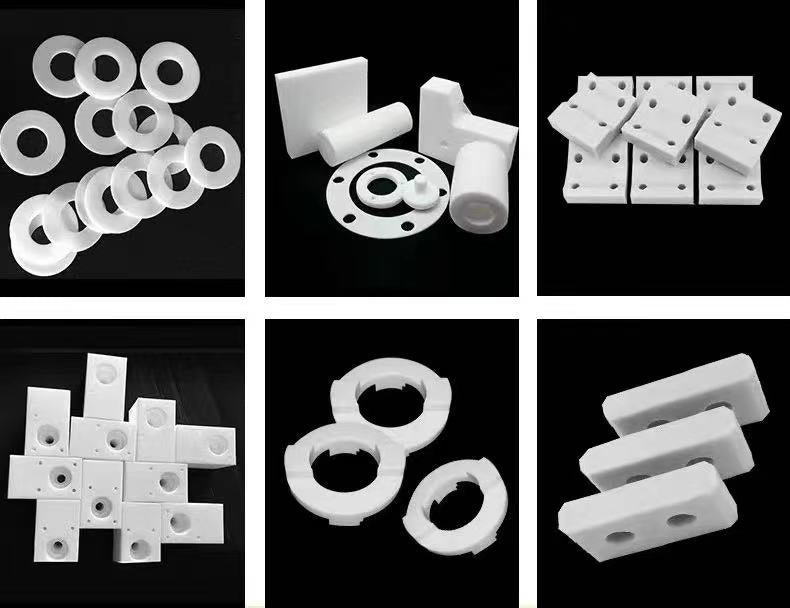
Innovative Techniques in Machining PTFE for Enhanced Product Design
The advancement in CNC machining techniques has significantly elevated the role of PTFE in product design, both in terms of functionality and aesthetics. This section explores how these innovative techniques are applied to CNC machined PTFE parts, enhancing their application in various industries.
Precision Machining for Complex Geometries
One of the most significant advancements in the machining of PTFE is the ability to achieve complex geometries with high precision. Modern CNC machines, equipped with sophisticated software, can handle intricate designs that were once considered impossible. This capability is crucial in industries like aerospace and medical devices, where complex shapes and precise dimensions are non-negotiable.
The use of advanced CNC machines allows for the creation of PTFE parts with intricate internal structures, thin walls, and detailed surface patterns. This level of precision not only enhances the functionality of the parts but also contributes to their aesthetic appeal, a factor increasingly important in consumer-facing products.
Surface Treatment and Finishing Techniques
Advancements in surface treatment and finishing techniques have also played a pivotal role in enhancing CNC machined PTFE parts. Techniques such as chemical etching and specialized coatings can improve the surface properties of PTFE, such as increasing its bonding capabilities or reducing its friction coefficient.

These treatments are particularly beneficial in applications where PTFE parts need to interact with other materials or require additional functionality, like enhanced grip or wear resistance. By tailoring the surface properties, designers can significantly expand the range of applications for PTFE components.
Integration with Other Materials
Another innovative technique in the machining of PTFE involves its integration with other materials. By combining PTFE with materials like metals or other polymers, it’s possible to create composite parts that leverage the strengths of each material. For instance, embedding metal reinforcements in PTFE parts can enhance their structural integrity and load-bearing capacity.
This hybrid approach not only improves the mechanical properties of the parts but also opens up new avenues in design aesthetics, allowing for a combination of textures and colors that can make the product more appealing to consumers.
The innovative techniques in CNC machining of PTFE have dramatically expanded the possibilities in product design. From achieving complex geometries with precision to enhancing surface properties and integrating with other materials, these advancements have made PTFE an even more versatile and valuable material in various industries. The ongoing development in this field promises even more exciting opportunities for product designers and engineers, making PTFE a material of choice for future innovations. Understanding the potential of advanced CNC machining techniques is key to pushing the boundaries of what can be achieved in product design.

Future Trends: The Evolving Role of CNC Machined PTFE in Product Design
As we look towards the future, the role of CNC machined PTFE parts in product design is poised for significant evolution. Emerging trends and technological advancements are set to expand the applications and capabilities of PTFE in various industries. This section explores these future trends and how they might influence the use of PTFE in product design.
Advancements in CNC Technology and PTFE Machining
The continuous development in CNC technology is expected to further enhance the precision and efficiency of machining PTFE. Future CNC machines will likely be equipped with more advanced sensors and AI-driven algorithms, enabling even more intricate and precise machining of PTFE parts. This advancement will open up new possibilities in design, allowing for the creation of components with even more complex geometries and tighter tolerances.
Additionally, the integration of additive manufacturing or 3D printing with traditional CNC machining could revolutionize how PTFE parts are produced. This hybrid approach might allow for the creation of parts with unique internal structures or customized features that are currently challenging to achieve.
Sustainable and Eco-Friendly Applications
Sustainability is becoming increasingly important in product design, and this trend is likely to influence the use of PTFE. Future applications of CNC machined PTFE parts may focus on eco-friendly and sustainable practices, such as using recycled PTFE or developing biodegradable alternatives. This shift will not only reduce the environmental impact but also meet the growing consumer demand for sustainable products.
Expanding Applications in Emerging Industries
PTFE’s unique properties make it an ideal candidate for applications in emerging industries such as renewable energy, electric vehicles, and advanced robotics. In these sectors, the demand for materials that can withstand harsh conditions while maintaining high performance is critical. For instance, in the renewable energy sector, PTFE could be used in components that require high resistance to weathering and corrosion.
Smart Materials and IoT Integration
Looking further ahead, the integration of PTFE with smart materials and IoT (Internet of Things) technology presents exciting possibilities. Imagine CNC machined PTFE parts that can change their properties in response to environmental stimuli or parts that are integrated with sensors to provide real-time data. This innovation could lead to the development of ‘intelligent’ products that are more responsive and adaptable to user needs.
The future of CNC machined PTFE parts in product design is bright and full of potential. With advancements in technology, a focus on sustainability, expanding applications in new industries, and the integration with smart materials, PTFE is set to play an even more crucial role in the next generation of product design. Staying abreast of these trends and understanding their implications is essential for designers and engineers who aim to lead in innovation and create products that are not only functional but also forward-thinking. The exploration of emerging trends in CNC machined PTFE will undoubtedly shape the future landscape of product design.
In conclusion, the exploration of CNC machined PTFE parts in product design reveals a world of immense possibilities and innovation. From achieving unparalleled precision in aerospace components to enhancing safety in medical devices, and pushing the boundaries in automotive engineering, PTFE’s versatility is unmatched. The advancements in CNC machining techniques have only expanded its applications, allowing designers to explore new frontiers in product functionality and aesthetics. Looking ahead, the evolving role of PTFE in emerging industries and its integration with cutting-edge technologies like IoT and smart materials herald a new era of product design. As we embrace these changes, it’s clear that CNC machined PTFE parts will continue to be a cornerstone in the development of innovative, efficient, and sustainable products. This journey from concept to reality, underscored by the adaptability and resilience of PTFE, is not just about embracing current trends but also about shaping the future of design and engineering. The ongoing evolution of CNC machined PTFE parts stands as a testament to the endless possibilities that await in the dynamic world of product design.
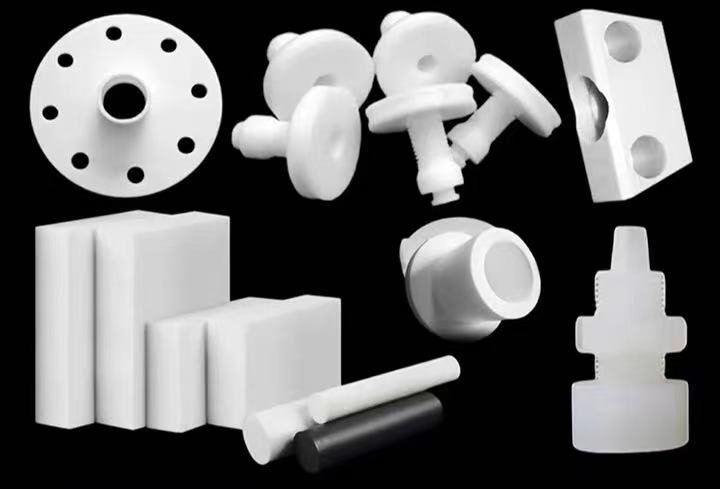
Take the First Step Towards Cutting-Edge Design!
Have questions or ideas about using CNC machined PTFE? We’re just a form away. Fill out your details below and let us guide you through the exciting possibilities that PTFE offers. Your journey to innovative design starts here!
🎉🎉🎉Limited Time Offer Use code: QR4GNY08SHVR at checkout and enjoy a special discount on your entire order! 👉 PTFE plastic





