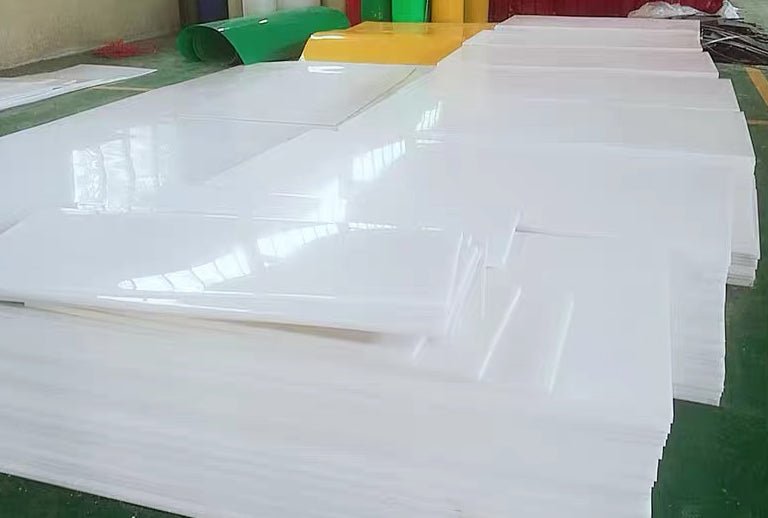
Why PEEK Sheets Are Essential for Automotive and Transportation Industries

PEEK sheets

Synopsis: Why PEEK Sheets Are Essential for Automotive and Transportation Industries

Discover why PEEK sheets are revolutionizing the automotive and transportation sectors. This comprehensive guide explores the superior thermal stability of PEEK, making it ideal for high-temperature applications like engines and braking systems. Learn about PEEK’s mechanical strength and durability, which ensure reliability in load-bearing components such as gears and bearings.

🎉🎉🎉Limited Time Offer Use code: QR4GNY08SHVR at checkout and enjoy a special discount on your entire order! 👉 PEEK plastic
EEK sheets

Understand the benefits of PEEK’s chemical resistance and longevity, crucial for components exposed to aggressive fluids in fuel systems and engine seals. Highlight the lightweight properties of PEEK sheets that contribute to fuel efficiency and reduced emissions by lowering vehicle weight.

Explore PEEK’s wear and friction resistance, perfect for high-wear applications including braking systems and transmission parts, reducing maintenance costs. See how PEEK is driving innovation in electric vehicles (EVs), providing excellent thermal management and weight reduction for battery insulation and electric motor components.

Finally, delve into the cost-effectiveness and processing advantages of PEEK, showcasing its ease of machining and molding, and how it can replace metals in many applications, offering a cost-effective solution without compromising performance.

By covering these key aspects, this blog post highlights why PEEK sheets are indispensable for modern automotive and transportation industries, ensuring high performance, reliability, and efficiency.

Superior Thermal Stability of PEEK Sheets

Exceptional Thermal Stability

PEEK sheets are renowned for their exceptional thermal stability, making them a superior choice for high-temperature applications in the automotive industry. These properties are critical in components such as automotive engines and braking systems, where maintaining performance at elevated temperatures is essential.

High Heat Deflection Temperature

One of the standout features of PEEK is its high heat deflection temperature (HDT). PEEK can withstand temperatures up to 260°C (500°F) without losing its mechanical integrity, which is significantly higher than many other polymers. This makes PEEK an ideal material for engine components and brake systems, which regularly operate under extreme thermal conditions.

Low Thermal Expansion

In addition to its high HDT, PEEK sheets exhibit a low coefficient of thermal expansion (CTE). This means that PEEK components will not expand or contract significantly with temperature changes, maintaining precise tolerances and reducing the risk of thermal deformation. This property is particularly beneficial in braking systems, where precise operation is critical for safety and performance.

Consistent Performance at Elevated Temperatures

PEEK maintains its mechanical strength even at high temperatures, unlike many traditional plastics that soften or degrade. For example, PEEK’s tensile strength remains largely unaffected at temperatures up to 250°C, ensuring that components such as gears, bearings, and bushings continue to perform reliably under harsh conditions. This consistency in performance makes PEEK a preferred material for critical automotive applications where durability and reliability are paramount.

Resistance to Thermal Degradation

PEEK also resists thermal degradation, which is a common issue with many polymers when exposed to continuous high temperatures. This resistance extends the lifespan of PEEK components, reducing maintenance costs and downtime for automotive manufacturers. The stability of PEEK in high-temperature environments makes it ideal for use in engine management systems, where thermal stability directly impacts the efficiency and longevity.

By leveraging these exceptional thermal properties, PEEK sheets play a crucial role in enhancing the performance, reliability, and safety of automotive components, making them an indispensable material in the automotive industry.

Mechanical Strength and Durability

High Mechanical Strength

PEEK sheets are highly valued in the automotive industry for their exceptional mechanical strength. This robust material can withstand significant stress and maintain its integrity under heavy loads, making it ideal for load-bearing components in vehicles. The tensile strength of PEEK is impressive, ensuring that it can handle the demands of high-pressure environments without deforming or failing. This strength is particularly beneficial in transmission thrust washers, gears, and bearings, where reliability is paramount.

PEEK sheets

Durability in Harsh Conditions

PEEK exhibits outstanding durability, even in the harshest conditions. This includes resistance to high temperatures, which is critical for components exposed to the extreme heat of engines and braking systems. The material’s ability to maintain its properties at elevated temperatures ensures that parts like gears and bearings remain functional and reliable, reducing the need for frequent replacements and maintenance.

Applications in Automotive Components

Transmission Thrust Washers

In the realm of transmission systems, PEEK thrust washers are favored for their ability to endure high loads and resist wear. These components benefit from PEEK’s low coefficient of friction, which minimizes wear and tear and extends the lifespan of the washers. The material’s inherent strength and durability ensure that the transmission system operates smoothly and efficiently.

Gears and Bearings

PEEK gears and bearings are integral to the performance of modern vehicles. The material’s high wear resistance and low friction make it an excellent choice for these critical components. Gears made from PEEK can handle high rotational speeds and significant loads without degrading, ensuring long-lasting performance. Similarly, PEEK bearings offer superior durability and reduced maintenance needs, thanks to their ability to withstand constant motion and stress without significant wear (Aalborg Engineering).

Chemical and Wear Resistance

PEEK also boasts excellent chemical resistance, making it suitable for use in environments where exposure to various automotive fluids is common. This resistance extends to acids, alkalis, and organic chemicals, ensuring that PEEK components do not degrade when in contact with these substances. Additionally, PEEK’s low wear rate contributes to its longevity, allowing components to maintain their performance over extended periods, even in challenging conditions.

Conclusion

The mechanical strength and durability of PEEK sheets make them indispensable in the automotive industry. Their ability to withstand high loads, resist wear, and perform reliably under extreme conditions ensures that components like transmission thrust washers, gears, and bearings deliver optimal performance. By leveraging these properties, PEEK enhances the reliability, efficiency, and longevity of automotive systems, making it a crucial material for modern vehicle design and manufacturing.

PEEK parts

Chemical Resistance and Longevity

Outstanding Chemical Resistance

PEEK sheets exhibit outstanding chemical resistance, making them ideal for use in harsh automotive environments. Unlike many traditional plastics, PEEK can withstand exposure to a wide range of chemicals without degrading. This includes resistance to automotive fluids such as fuels, lubricants, coolants, and hydraulic fluids. The ability to resist chemical attack ensures that PEEK components maintain their integrity and performance over time, even when exposed to aggressive chemicals.

Applications in Fuel Systems

In fuel systems, PEEK is used extensively due to its exceptional resistance to fuel and its by-products. Components such as fuel pumps, fuel injectors, and fuel line connectors benefit from PEEK’s stability in the presence of hydrocarbons and other fuel additives. PEEK’s chemical resistance prevents swelling, cracking, or degradation, which can occur with other plastics, thereby enhancing the reliability and lifespan of fuel system components.

Engine Seals and Gaskets

PEEK is also widely used in engine seals and gaskets. These components are critical in preventing leaks and maintaining the pressure within the engine. PEEK’s resistance to high temperatures and aggressive chemicals, such as oils and coolants, makes it an excellent material for cylinder head gaskets, valve seals, and O-rings. The use of PEEK in these applications ensures that the seals remain effective and durable, even under extreme operating conditions.

Additional Automotive Components

Beyond fuel systems and engine seals, PEEK is used in various other automotive components exposed to harsh environments. This includes parts like transmission components, braking systems, and electrical connectors. PEEK’s ability to resist acids, bases, and organic solvents ensures that these parts maintain their performance and do not require frequent replacement or maintenance. This reliability is crucial for components that must endure the constant exposure to harsh chemicals and high temperatures typical in automotive applications.

Long-Term Performance and Cost Efficiency

The longevity of PEEK components translates to reduced maintenance costs and downtime for automotive manufacturers. By preventing chemical-induced wear and degradation, PEEK parts offer a longer service life compared to traditional materials. This durability not only enhances vehicle reliability but also contributes to overall cost savings in the long term. The chemical resistance of PEEK ensures that it remains a preferred choice for critical automotive applications, providing both performance and economic benefits.

By leveraging PEEK’s chemical resistance and durability, automotive manufacturers can ensure that their components perform reliably under the most demanding conditions, making PEEK an invaluable material in modern automotive engineering.

PEEK's chemical resistance and durability

Lightweight and Fuel Efficiency

Contribution to Weight Reduction

PEEK sheets are increasingly adopted in the automotive industry due to their lightweight nature, which significantly contributes to vehicle weight reduction. Reducing the weight of a vehicle is crucial for improving fuel efficiency and reducing emissions. PEEK, being lighter than metals such as steel and aluminum, allows manufacturers to replace heavier components without sacrificing strength and durability.

Enhanced Fuel Efficiency and Reduced Emissions

By utilizing PEEK in various automotive parts, manufacturers can achieve notable fuel efficiency improvements. A reduction in vehicle weight directly correlates to better fuel economy. For instance, replacing metal parts with PEEK can lead to a weight reduction of up to 60%, translating into a 6-8% improvement in fuel efficiency. This not only lowers fuel consumption but also helps in reducing greenhouse gas emissions, supporting global sustainability goals.

Applications in Engine Components

Engine Parts

PEEK is ideal for manufacturing critical engine components due to its high heat tolerance and resistance to wear. Components such as piston parts, pumps, clutches, and valve components benefit from PEEK’s ability to maintain structural integrity and performance under extreme temperatures. The lightweight nature of PEEK also reduces the overall weight of these components, enhancing engine efficiency and performance.

Fuel System Components

In fuel systems, PEEK’s chemical resistance makes it suitable for parts like fuel rails, fuel pump parts, and fuel line connectors. These components must withstand continuous exposure to hydrocarbons and other aggressive fluids without degrading. The lightweight properties of PEEK contribute to overall vehicle weight reduction, supporting improved fuel efficiency.

Structural Parts and Safety Components

Safety Components

PEEK’s inherent strength and rigidity allow it to be used in critical safety components such as airbag housings and seat belt anchors. These parts require materials that can maintain their integrity under stress. PEEK’s lightweight nature does not compromise on strength, ensuring safety while reducing vehicle weight.

Structural Integrity

PEEK is also used in structural parts like engine mounts and suspension components. These parts benefit from PEEK’s vibration damping properties, which enhance durability and comfort. The reduced weight of these components further contributes to overall vehicle performance and fuel efficiency.

Bearings, Bushings, and Wear Parts

PEEK’s low friction and high abrasion resistance make it suitable for bearings, bushings, and other wear parts. These components experience constant motion and stress, and PEEK’s properties help in reducing wear and maintenance costs. The lightweight nature of PEEK also helps in minimizing the weight of these parts, contributing to the vehicle’s overall efficiency.

By integrating PEEK sheets into various automotive components, manufacturers can achieve significant weight savings, leading to improved fuel efficiency and reduced emissions. The versatility and performance benefits of PEEK make it an indispensable material in the quest for more efficient and sustainable vehicles.
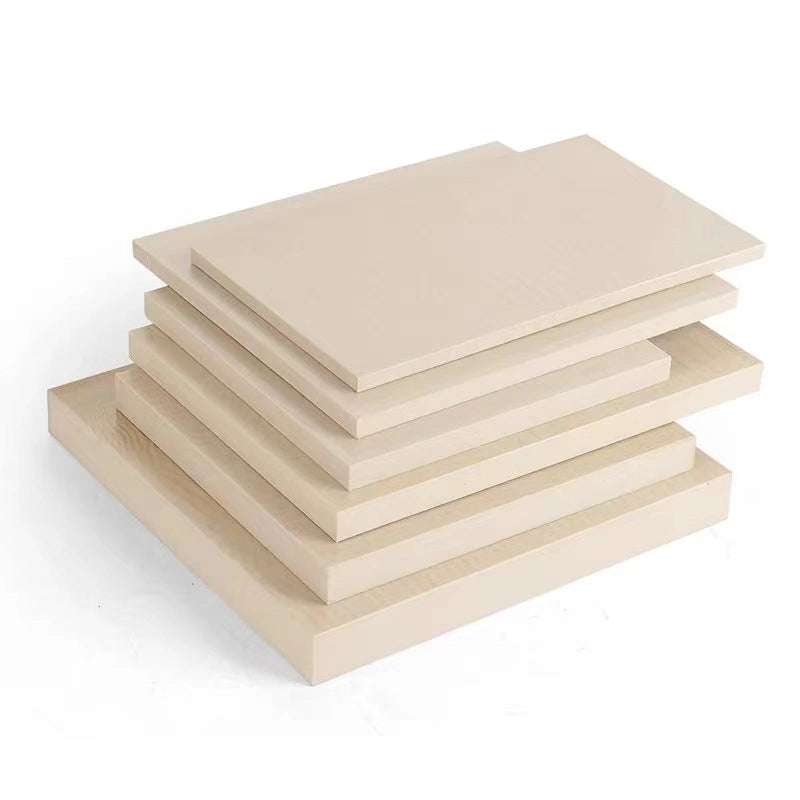
PEEK's chemical resistance and durability

Wear and Friction Resistance

Low Friction Properties

PEEK (Polyetheretherketone) is widely recognized for its low friction properties, making it an ideal material for applications where reducing friction is crucial. The low coefficient of friction in PEEK ensures minimal resistance between moving parts, which is particularly beneficial in automotive applications like braking systems and transmission parts. This characteristic reduces the wear on components, thereby enhancing their longevity and reliability.

High Wear Resistance

PEEK’s high wear resistance makes it suitable for high-wear applications, such as braking systems and transmission components. Its ability to withstand continuous mechanical stress without significant degradation ensures that PEEK components can endure the rigorous demands of automotive environments. For instance, PEEK is often used in brake wear sensors, transmission bushings, and power window gearings due to its durability and resistance to wear.

Applications in Braking Systems

In braking systems, PEEK components like brake wear sensors and brake cylinder components benefit from the material’s low friction and high wear resistance. These properties ensure that the braking system operates smoothly and reliably, reducing the risk of failure and the need for frequent maintenance. The robustness of PEEK in these high-stress environments contributes to safer and more efficient vehicle operation.

Transmission Parts

PEEK is also extensively used in transmission parts. Components such as transmission thrust washers and gears are exposed to high rotational speeds and significant mechanical loads. The low friction and high wear resistance of PEEK help in maintaining the efficiency and reliability of the transmission system. By minimizing wear, PEEK reduces maintenance requirements and extends the lifespan of these critical components.

Reduction in Maintenance Costs

The use of PEEK in automotive applications leads to a significant reduction in maintenance costs. The material’s durability and resistance to wear mean that components need to be replaced less frequently, resulting in lower maintenance expenses and less downtime for vehicle repairs. This is particularly advantageous for parts that are difficult to access or replace, as it enhances overall vehicle reliability and operational efficiency.

Extending Component Lifespan

By utilizing PEEK’s superior wear and friction resistance, automotive manufacturers can extend the lifespan of various components. This not only improves the performance and safety of vehicles but also contributes to cost savings over the vehicle’s lifecycle. PEEK’s ability to maintain its properties under high stress and temperature conditions ensures that it remains a reliable material for demanding automotive applications.

By integrating PEEK into automotive design, manufacturers can leverage its low friction and high wear resistance to produce more durable, efficient, and cost-effective vehicles. These properties make PEEK an invaluable material in enhancing the performance and reliability of modern automotive systems.

Applications in Electric Vehicles (EVs)

Role in Battery Insulation

PEEK sheets play a crucial role in the battery insulation of electric vehicles (EVs). The high dielectric strength of PEEK ensures effective insulation of battery packs, preventing electrical arcing and thermal runaway, which are critical safety concerns in high-voltage battery systems. PEEK’s superior thermal stability and resistance to aggressive chemicals make it ideal for maintaining the integrity of battery cells, even under extreme conditions. This enhances the overall safety and longevity of EV battery systems, supporting the move towards higher voltage batteries (up to 800V) that offer faster charging and greater efficiency.

Use in Electric Motor Components

PEEK is extensively used in electric motor components due to its excellent thermal conductivity and mechanical strength. Components such as magnet wire insulation and slot liners benefit from PEEK’s ability to manage heat effectively, which is essential for maintaining motor efficiency and reliability. The use of PEEK in these applications helps in increasing the power density of motors by allowing for higher copper content and improved thermal management. This leads to enhanced motor performance, reduced weight, and extended operational life, which are vital for the demanding requirements of electric vehicle motors.

High-Voltage Connectors

High-voltage connectors in EVs also leverage PEEK’s exceptional properties. These connectors need to ensure safe and reliable transmission of high-voltage currents while minimizing the risk of electrical faults. PEEK’s high dielectric strength and chemical resistance make it ideal for high-voltage interlock (HVIL) systems, which are critical for the safety of electric vehicles. HVIL connectors using PEEK ensure that high-voltage circuits are safely isolated during maintenance or in case of accidents, thereby protecting both the vehicle and its occupants.

Benefits of Thermal Management

PEEK’s high thermal conductivity significantly improves the thermal management of electric vehicle components. Effective thermal management is essential to prevent overheating and ensure the efficient operation of EV systems. PEEK’s ability to dissipate heat efficiently helps maintain optimal operating temperatures for battery packs and electric motors, thereby enhancing performance and reliability. Improved thermal management also contributes to the overall efficiency and safety of electric vehicles, making PEEK an indispensable material in modern EV design.

Weight Reduction in EVs

The lightweight nature of PEEK is another critical advantage in electric vehicles. Reducing the weight of components like battery insulation, motor parts, and connectors helps in improving the overall efficiency and range of EVs. Lighter vehicles require less energy to operate, which translates to longer driving ranges and better fuel efficiency. By replacing heavier materials with PEEK, automotive manufacturers can achieve significant weight savings without compromising on performance or safety, supporting the development of more efficient and environmentally friendly electric vehicles.

By incorporating PEEK sheets into various components of electric vehicles, manufacturers can leverage its unique properties to enhance the performance, safety, and efficiency of EVs, driving the future of sustainable transportation.

PEEK's chemical resistance and durability

Cost-Effectiveness and Processing Advantages

Cost Benefits in Automotive Manufacturing

PEEK sheets offer significant cost benefits in automotive manufacturing. One of the primary advantages is their ability to replace traditional metal components, which are often heavier and more expensive to produce. PEEK provides a cost-effective alternative without compromising on performance, making it an attractive option for manufacturers looking to optimize production costs. The initial material cost of PEEK can be higher than some metals, but the overall savings come from reduced machining, lower weight, and enhanced durability.

Ease of Machining and Molding

PEEK’s ease of machining and molding is another critical factor contributing to its cost-effectiveness. PEEK can be easily machined into complex shapes with high precision, reducing the need for additional processing steps. This ease of fabrication allows manufacturers to produce intricate components more efficiently, saving time and labor costs. Additionally, PEEK can be injection molded, which is a cost-effective method for mass production of parts. This versatility in processing methods makes PEEK suitable for a wide range of automotive applications, from small gears to large structural components.

Replacing Metals with PEEK

PEEK’s ability to replace metals in many applications offers substantial cost savings. Metals like steel and aluminum are traditionally used for their strength and durability, but they are also heavier and require more energy-intensive processing. PEEK, on the other hand, provides similar or superior mechanical properties while being much lighter. This weight reduction translates to improved fuel efficiency and lower emissions, further enhancing the cost benefits. For example, replacing metal gears and bearings with PEEK components not only reduces weight but also lowers wear and maintenance costs due to PEEK’s high wear resistance and low friction properties.

Performance without Compromise

Despite being more cost-effective, PEEK does not compromise on performance. It maintains excellent mechanical properties even at high temperatures and in chemically aggressive environments. This makes PEEK ideal for use in demanding automotive applications such as engine components, transmission parts, and braking systems. The durability and reliability of PEEK ensure that the components have a long service life, which reduces the frequency and cost of replacements. This performance consistency is crucial for automotive manufacturers aiming to produce high-quality, reliable vehicles.

Additional Processing Advantages

Beyond cost and performance, PEEK offers several additional processing advantages. Its high thermal stability allows it to withstand the heat generated during machining and molding processes without degrading. PEEK also has excellent dimensional stability, ensuring that components remain precise and functional even after processing. These properties make PEEK a versatile and efficient material for a wide range of automotive applications, further contributing to its cost-effectiveness in manufacturing.

By leveraging the cost benefits and processing advantages of PEEK sheets, automotive manufacturers can produce high-performance, durable, and lightweight components more efficiently. This not only reduces production costs but also enhances the overall quality and performance of the vehicles, making PEEK an indispensable material in modern automotive manufacturing.

PEEK sheets are used extensively in the automotive industry

Frequently Asked Questions (FAQ) about PEEK Sheets and Beeplastics Customization

1. What are the primary applications of PEEK sheets in the automotive industry?

Answer: PEEK sheets are used extensively in the automotive industry due to their excellent thermal stability, mechanical strength, and chemical resistance. Common applications include engine components, transmission parts, and braking systems. PEEK is also used in fuel system components, electric motor parts, and high-voltage connectors due to its superior properties.

2. How does the use of PEEK sheets improve fuel efficiency in vehicles?

Answer: The lightweight nature of PEEK sheets contributes to significant weight reduction in vehicles. By replacing heavier metal components with PEEK, vehicles become lighter, which directly improves fuel efficiency and reduces emissions. This is crucial for enhancing the overall performance and sustainability of modern vehicles.

3. What makes PEEK sheets suitable for high-wear automotive applications?

Answer: PEEK sheets exhibit low friction and high wear resistance, making them ideal for high-wear applications such as braking systems and transmission parts. These properties reduce maintenance costs and extend the lifespan of automotive components, ensuring reliable performance under demanding conditions.

4. Can PEEK sheets replace metals in automotive manufacturing without compromising performance?

Answer: Yes, PEEK sheets can effectively replace metals in many automotive applications. They offer similar or superior mechanical properties while being much lighter. This replacement results in cost savings, improved fuel efficiency, and enhanced performance without compromising the durability and reliability of the components.

5. What are the customization options available at Beeplastics?

Answer: Beeplastics offers extensive customization options, including sample customization and batch customization. We can tailor PEEK sheets and other plastic components to meet specific requirements, ensuring they fit perfectly within your application.

6. What file formats does Beeplastics accept for customization orders?

Answer: Beeplastics accepts a variety of file formats for customization orders, including PDF and CAD files. This flexibility allows us to work with detailed designs and specifications, ensuring the final product meets your exact needs.

7. Is there a minimum order quantity (MOQ) for customized orders at Beeplastics?

Answer: No, there is no minimum MOQ for customized orders at Beeplastics. We cater to both small and large orders, providing flexibility for customers with varying needs.

8. How is the production cycle determined for customized orders at Beeplastics?

Answer: The production cycle at Beeplastics is determined based on the order quantity and the complexity of the process. We communicate the production progress in real-time, ensuring transparency and timely delivery.

9. Does Beeplastics provide samples of customized products?

Answer: Yes, Beeplastics supports the provision of samples. Customers are responsible only for the shipping costs, and the sample itself is provided free of charge. This allows you to evaluate the product before placing a larger order.

10. What are the cost benefits of using PEEK sheets in automotive manufacturing?

Answer: Using PEEK sheets in automotive manufacturing offers several cost benefits. PEEK’s ease of machining and molding reduces production costs, while its ability to replace metals without compromising performance leads to significant cost savings. Additionally, the durability and reduced maintenance costs associated with PEEK components contribute to overall economic efficiency.

These FAQs provide a comprehensive overview of the advantages and customization options associated with PEEK sheets and the services offered by Beeplastics. For more detailed information or specific inquiries, please contact Beeplastics directly.

PEEK sheets are revolutionizing the automotive industry with their superior thermal stability, mechanical strength, and chemical resistance. Their lightweight nature enhances fuel efficiency and reduces emissions, while their low friction and high wear resistance ensure durability and reliability in high-stress applications like braking systems and transmission parts. The cost-effectiveness of PEEK, combined with its ease of machining and molding, makes it an invaluable material for automotive manufacturers. By adopting PEEK, the industry can achieve significant improvements in performance, sustainability, and economic efficiency, paving the way for the future of automotive innovation.

PEEK sheets

Ready to enhance your automotive components with the superior performance of PEEK sheets? Fill out our contact form below to get started on your customization order today. For more detailed information on PEEK and its applications, visit our dedicated page here. 

🎉🎉🎉Limited Time Offer Use code: QR4GNY08SHVR at checkout and enjoy a special discount on your entire order! 👉 PEEK plastic

Leave a comment


Please note, comments must be approved before they are published


Custom Plastic Fabrication

Send your drawing, material and quantity for review

🔧
Precision Machining
CNC milling & turning
✂️
Cutting & Engraving
Laser & waterjet cutting
🏭
Forming & Molding
Thermoforming & injection
🔗
Joining & Assembly
Welding & bonding
📐
Design & Prototyping
CAD design & samples

General

HDPE

PP

PVC

ABS

Engineering

POM

Nylon

PC

PMMA

High-Performance

PEEK

PEI

PTFE

Composites

FR-4

G10

Flexible

TPU

Silicone

Why Choose BeePlastic?

🎯
Perfect Fit
Custom specs eliminate adaptation needs
⚡
Clear Lead Times
Lead time confirmed with every quote
💰
Volume Pricing
Volume pricing available on bulk orders
🤝
Expert Support
Free engineering consultation included
📋
Submit
→
🔍
Review
→
💵
Quote
→
✅
Production
→
📦
Deliver

Request a Quote

Share your project details, selected material and quantity on our quote page. You can add a file link or use the email drawing route shown there.


Request Quote

Industries: Automotive • Medical • Food • Lab • Semiconductor

beeplastic@beeplastic.com


Unlock the Potential of UHMWPE Sheets for Industrial Excellence

Polyethylene (UHMWPE) sheets

Dive into the world of Ultra High Molecular Weight Polyethylene (UHMWPE) sheets and discover how they are revolutionizing industrial applications with our latest blog post, “Unlock the Potential of UHMWPE Sheets for Industrial Excellence.” This comprehensive guide begins with an introduction to UHMWPE, shedding light on its unique properties and why it stands out as a superior material choice for a myriad of industrial uses.

🎉🎉🎉Limited Time Offer Use code: QR4GNY08SHVR at checkout and enjoy a special discount on your entire order! 👉 UHMWPE plastic

white uhmw polyethylene plastic sheet

We delve into the advantages of UHMWPE sheets, highlighting their unparalleled impact resistance, low friction, and wear properties that make them indispensable in sectors ranging from manufacturing to aerospace. The versatility of UHMWPE is further explored through its customization and machining capabilities, demonstrating how these sheets can be tailored to meet specific industrial needs with precision and efficiency.

A comparative analysis puts UHMWPE sheets in the spotlight against traditional industrial materials, such as metal and wood, showcasing their cost-effectiveness and durability. This section helps you understand why UHMWPE is often the material of choice for those looking to enhance the longevity and performance of their products.

Lastly, we address the sustainability and environmental impact of UHMWPE sheets. In today’s eco-conscious world, it’s crucial to choose materials that not only perform exceptionally but also have a minimal environmental footprint. We discuss the recyclability and life cycle of UHMWPE, emphasizing its role in promoting sustainable industrial practices.

Join us as we unlock the potential of UHMWPE sheets, a material that is not only transforming industries with its exceptional qualities but also paving the way for a more sustainable future. Whether you’re an industrial product buyer, a distributor, or simply someone keen on the latest in material science, this post is your gateway to understanding the full spectrum of benefits offered by UHMWPE sheets.

Introduction to UHMWPE: Understanding the Basics

Ultra High Molecular Weight Polyethylene (UHMWPE) is a standout material in the world of polymers, offering a unique combination of properties that make it ideal for a wide range of industrial applications. This introductory guide aims to shed light on the basics of UHMWPE, its chemical composition, and the reasons behind its superior performance in demanding environments.

Polyethylene (UHMWPE)

What is UHMWPE?

UHMWPE, or Ultra High Molecular Weight Polyethylene, is a subset of the thermoplastic polyethylene. Its main characteristic is its extremely long chains, with a molecular mass typically between 3.5 and 7.5 million amu. This high molecular weight is the source of its unique properties, such as high impact strength, low friction, and remarkable resistance to wear and chemicals. These features make UHMWPE a preferred material for various industrial uses, from machinery components to bulletproof vests.

Chemical Composition and Properties

The chemical composition of UHMWPE is relatively simple, consisting of a long chain of ethylene monomers (CH2=CH2) linked together. However, it’s the length of these chains that gives UHMWPE its exceptional strength and durability. The material’s properties are a direct result of its molecular structure. UHMWPE is known for its:

  • High impact resistance: It can withstand sudden and severe impacts without cracking or breaking.
  • Low friction coefficient: This makes it an excellent choice for applications requiring a slick surface to reduce wear and energy consumption.
  • Outstanding chemical resistance: UHMWPE is resistant to most corrosive chemicals, making it suitable for use in harsh environments.
  • Excellent wear resistance: Its durability extends the life of components made from UHMWPE, reducing maintenance and replacement costs.

Why Choose UHMWPE for Industrial Applications?

The advantages of UHMWPE in industrial settings are numerous. Its low friction and high wear resistance make it an ideal material for parts that undergo constant motion and are prone to wear, such as gears, bearings, and sliders. The chemical resistance of UHMWPE allows it to perform well in environments where other materials would degrade, making it perfect for chemical processing equipment.

Moreover, UHMWPE’s impact resistance ensures that it can absorb shocks and impacts that would damage other materials, offering reliability and safety in applications like protective gear and lining materials. Its versatility and durability not only improve the performance and longevity of products but also contribute to cost efficiency by reducing the need for frequent replacements and maintenance.

UHMWPE’s combination of lightweight, strength, and resistance properties positions it as a superior choice for industrial applications, where performance and durability are paramount. Its ability to meet the demanding requirements of various industries, from automotive to defense, underscores its importance in modern material science and engineering.

By understanding the basics of UHMWPE, including its properties and chemical composition, industries can better leverage this material’s capabilities to enhance the performance and efficiency of their products. UHMWPE stands as a testament to the advancements in polymer technology, offering solutions that push the boundaries of what is possible in industrial applications.Polyethylene (UHMWPE) sheets

Advantages of UHMWPE Sheets in Industrial Applications

Ultra High Molecular Weight Polyethylene (UHMWPE) sheets are renowned for their exceptional performance in various industrial settings. This section delves into the unique benefits of UHMWPE sheets, such as their high impact resistance, low friction, and excellent wear properties, and explores specific industrial applications where these advantages can be fully leveraged.

Unmatched Impact Resistance

One of the most significant advantages of UHMWPE sheets is their high impact resistance. This property makes UHMWPE an ideal material for use in environments where components are subjected to heavy blows or sudden impacts. Industries such as mining and construction, where machinery parts are prone to extreme forces, benefit immensely from the durability and resilience of UHMWPE sheets. This high level of impact resistance ensures that machinery can operate more reliably, with less downtime for repairs or replacements.

Superior Low Friction

UHMWPE sheets exhibit an exceptionally low friction coefficient, which is a critical factor in many industrial applications. This low friction minimizes wear and tear on moving parts, leading to longer service life and reduced maintenance costs. Applications that benefit from this property include conveyor systems, where UHMWPE can be used as slide guides and wear strips, and in the manufacturing of gears and bearings that require smooth, frictionless movement. The reduced friction also contributes to energy savings, as less force is required to move parts against each other.

Excellent Wear Properties

The wear properties of UHMWPE sheets are unparalleled, making them suitable for applications where parts are subject to constant abrasion. This includes lining chutes, hoppers, and silos in the material handling industry, where the smooth surface of UHMWPE sheets allows for the free flow of materials, reducing blockages and enhancing efficiency. Additionally, the marine industry utilizes UHMWPE for dock fenders and pile guards, where the material’s resistance to wear and abrasion from water, sand, and debris is crucial.

Industrial Applications of UHMWPE

The benefits of UHMWPE sheets extend across a wide range of industrial applications. In the food processing industry, UHMWPE’s FDA compliance for direct food contact makes it an excellent choice for cutting boards, conveyor components, and guide rails. Its chemical resistance is also leveraged in the chemical processing industry, where UHMWPE is used for tank linings, pump gears, and seals that are exposed to corrosive substances.

Moreover, the material’s lightweight nature, combined with its strength, makes UHMWPE sheets a preferred choice in the automotive and aerospace industries for various components that benefit from weight reduction without sacrificing durability or performance.

UHMWPE sheets offer a combination of properties that are unmatched by other materials, making them a superior choice for a wide range of industrial applications. Their high impact resistance, low friction, and excellent wear properties not only enhance the performance and longevity of products but also contribute to operational efficiency and cost savings. As industries continue to seek materials that can withstand demanding environments while improving efficiency, UHMWPE sheets stand out as a versatile and reliable solution.

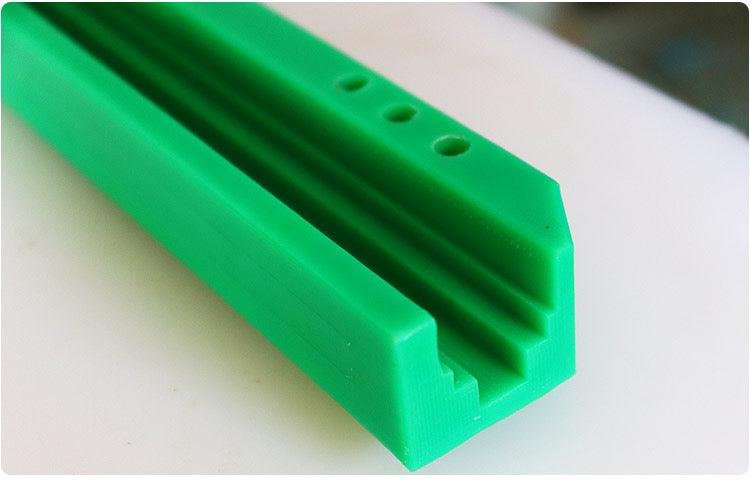
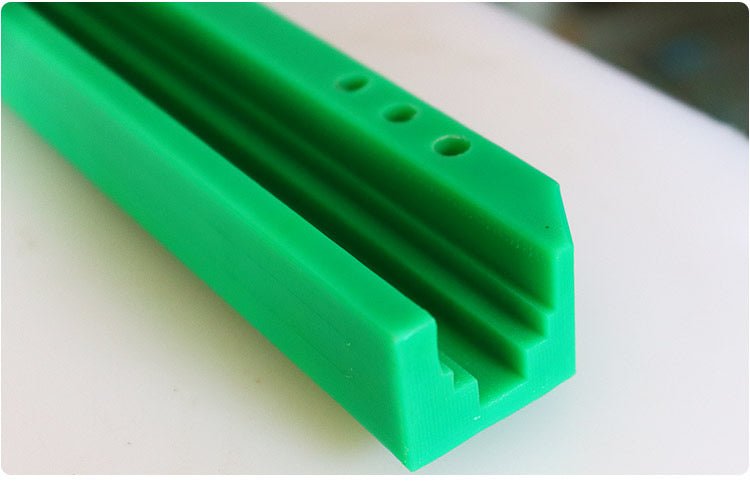
UHMWPE Sheets

Customization and Machining of UHMWPE Sheets

The adaptability of Ultra High Molecular Weight Polyethylene (UHMWPE) sheets to various industrial needs is one of its most valued characteristics. This section explores the customization and machining capabilities of UHMWPE sheets, highlighting how they can be tailored through cutting, drilling, and welding to meet the specific requirements of custom projects.

Machining UHMWPE for Precision Engineering

Machining UHMWPE is a straightforward process, thanks to the material’s unique properties. Despite its high strength and durability, UHMWPE can be easily cut to size, drilled, and machined to precise dimensions, making it ideal for creating custom parts and components. This ease of machining allows for the production of intricate designs and tight tolerances, essential for precision engineering applications in industries such as aerospace, automotive, and electronics.

Custom UHMWPE Solutions through Advanced Fabrication Techniques

The fabrication of custom UHMWPE solutions involves a variety of techniques, including CNC machining, which offers unparalleled precision and repeatability. UHMWPE’s versatility is further enhanced by its ability to be welded, a rare quality among high-performance polymers. Welding UHMWPE sheets can create complex assemblies and structures, expanding its application range. These fabrication techniques ensure that UHMWPE can be adapted to the most demanding industrial applications, providing solutions that precisely fit the needs of each project.

The Versatility of UHMWPE in Custom Projects

UHMWPE’s adaptability extends beyond its physical properties to its performance in diverse environments. It can withstand extreme temperatures, resist corrosive chemicals, and endure high levels of wear and impact, making it suitable for a wide range of custom projects. From creating wear-resistant linings in material handling systems to fabricating components for medical devices, UHMWPE’s versatility is unmatched. Its ability to be easily customized and machined opens up a world of possibilities for innovative applications and solutions.

The customization and machining of UHMWPE sheets stand at the forefront of material technology, offering a combination of durability, precision, and versatility. Whether it’s through cutting to size, drilling, or welding, UHMWPE can be tailored to meet the specific needs of virtually any industrial application. This adaptability, coupled with the material’s outstanding performance characteristics, makes UHMWPE an invaluable resource for engineers and designers seeking custom UHMWPE solutions and advanced fabrication techniques. As industries continue to push the boundaries of what’s possible, UHMWPE sheets remain a key player in the development of innovative and efficient solutions.

Comparative Analysis: UHMWPE Sheets vs. Other Industrial Materials

In the quest for the most efficient and durable materials for industrial applications, Ultra High Molecular Weight Polyethylene (UHMWPE) sheets stand out for their exceptional properties. This section provides a detailed comparison between UHMWPE sheets and other common industrial materials such as metal, wood, and other plastics, focusing on aspects like durability, cost-effectiveness, and application suitability.

Polyethylene (UHMWPE) sheets

UHMWPE vs. Metal: A Study in Durability and Weight

When comparing UHMWPE to metal, two key factors stand out: weight and corrosion resistance. UHMWPE sheets are significantly lighter than metals, which can be crucial in applications where weight reduction is essential, such as in the automotive or aerospace industries. Furthermore, unlike metals, UHMWPE does not corrode when exposed to harsh chemicals or environments, making it ideal for chemical processing equipment and outdoor applications.

Cost-Effectiveness of UHMWPE Compared to Other Materials

The cost-effectiveness of UHMWPE is another significant advantage. While the initial material cost may be higher than some alternatives, the longevity and reduced maintenance requirements of UHMWPE often result in lower overall lifecycle costs. Its resistance to wear and abrasion means that components made from UHMWPE do not need to be replaced as frequently as those made from materials like wood or conventional plastics, offering long-term savings.

Application Suitability: UHMWPE vs. Wood and Other Plastics

In terms of application suitability, UHMWPE sheets surpass wood and most other plastics in several areas. Unlike wood, UHMWPE does not absorb moisture, swell, or rot, making it suitable for outdoor or marine environments where wood would degrade quickly. Compared to other plastics, UHMWPE offers superior wear resistance and impact strength, making it the preferred choice for high-abrasion and high-impact applications.

UHMWPE’s Unique Properties in Industrial Use

UHMWPE’s unique combination of high impact strength, wear resistance, and chemical inertness makes it exceptionally suitable for a wide range of industrial applications. From lining hoppers and chutes in the material handling industry to serving as cutting boards in the food processing industry, UHMWPE’s versatility is unmatched. Its ability to perform under extreme conditions where other materials fail demonstrates its superiority in both durability and application flexibility.

The comparison between UHMWPE sheets and other industrial materials highlights the unique advantages that UHMWPE offers. Its unparalleled durability, cost-effectiveness, and suitability for a wide range of applications make it a superior choice for industries seeking reliable and efficient material solutions. As advancements in material science continue, UHMWPE’s role in industrial applications is set to grow, further solidifying its position as a material of choice for challenging industrial environments.

Polyethylene (UHMWPE) sheets

Sustainability and Environmental Impact of UHMWPE Sheets

In an era where environmental sustainability is not just a preference but a necessity, the materials we choose for industrial applications carry significant weight. Ultra High Molecular Weight Polyethylene (UHMWPE) sheets are increasingly under the spotlight for their environmental aspects, including recyclability, life cycle, and overall sustainability. This section delves into these critical factors, comparing UHMWPE with other materials to highlight its eco-friendly potential.

UHMWPE Sustainability: A Closer Look

UHMWPE sustainability is a multifaceted issue that encompasses the material’s production, use, and disposal phases. UHMWPE is renowned for its durability and resistance to wear, which translates into longer life spans for products made from this material. This inherent longevity means fewer resources are consumed over time, as UHMWPE components do not need to be replaced as frequently as those made from less durable materials. Furthermore, UHMWPE’s resistance to a wide range of chemicals reduces the need for protective coatings that can contain harmful substances, further enhancing its environmental credentials.

The Environmental Impact of UHMWPE

When considering the environmental impact of UHMWPE, it’s essential to examine its entire lifecycle. From production to disposal, UHMWPE exhibits characteristics that can mitigate environmental harm. Its production process is relatively energy-efficient, especially when compared to the manufacturing of metals and certain other plastics. Additionally, UHMWPE does not emit toxic gases upon decomposition, making it a safer choice for the environment when it reaches the end of its life.

Recycling UHMWPE: Challenges and Opportunities

The recycling of UHMWPE presents both challenges and opportunities. While UHMWPE is recyclable, its high molecular weight can make the recycling process more complex than for other plastics. However, advances in recycling technologies are gradually overcoming these hurdles, allowing for the more efficient processing of UHMWPE waste. Recycling UHMWPE not only reduces the demand for virgin materials but also minimizes waste, contributing to a more sustainable industrial ecosystem.

Comparing UHMWPE to Other Materials

When compared to materials like metal, which requires high energy inputs for production and recycling, or wood, which may contribute to deforestation and habitat loss, UHMWPE offers a compelling alternative. Its long service life, coupled with the potential for recycling, positions UHMWPE as a material with a lower overall environmental footprint. Moreover, the absence of corrosion and the reduced need for lubrication or chemical treatments further minimize its environmental impact.

The sustainability and environmental impact of UHMWPE sheets are increasingly recognized as aligning with the goals of eco-friendly industrial practices. By focusing on the recyclability, life cycle, and reduced environmental footprint of UHMWPE, industries can make more informed choices that support sustainability. As we move towards a more eco-conscious future, the role of materials like UHMWPE in promoting sustainable industrial applications becomes ever more critical.

In conclusion, the exploration of UHMWPE sheets through their unique properties, customization capabilities, comparative advantages, and environmental impact underscores their unparalleled value in industrial applications. UHMWPE stands out not only for its exceptional durability, low friction, and wear resistance but also for its adaptability to a wide range of uses, from precision engineering to sustainable practices. As industries continue to seek materials that offer both performance excellence and environmental responsibility, UHMWPE sheets emerge as a superior choice, promising to revolutionize industrial applications while aligning with the global shift towards sustainability. Embracing UHMWPE is not just a step towards enhancing industrial efficiency and product longevity; it’s a move towards a more sustainable and innovative future.

Polyethylene (UHMWPE) sheets

Ready to revolutionize your industrial applications with UHMWPE sheets? Don’t miss out on the opportunity to enhance efficiency and sustainability. Fill out the contact form below to get started on your journey towards innovation and excellence today!

🎉🎉🎉Limited Time Offer Use code: QR4GNY08SHVR at checkout and enjoy a special discount on your entire order! 👉 UHMWPE plastic

Leave a comment


Please note, comments must be approved before they are published


Custom Plastic Fabrication

Send your drawing, material and quantity for review

🔧
Precision Machining
CNC milling & turning
✂️
Cutting & Engraving
Laser & waterjet cutting
🏭
Forming & Molding
Thermoforming & injection
🔗
Joining & Assembly
Welding & bonding
📐
Design & Prototyping
CAD design & samples

General

HDPE

PP

PVC

ABS

Engineering

POM

Nylon

PC

PMMA

High-Performance

PEEK

PEI

PTFE

Composites

FR-4

G10

Flexible

TPU

Silicone

Why Choose BeePlastic?

🎯
Perfect Fit
Custom specs eliminate adaptation needs
⚡
Clear Lead Times
Lead time confirmed with every quote
💰
Volume Pricing
Volume pricing available on bulk orders
🤝
Expert Support
Free engineering consultation included
📋
Submit
→
🔍
Review
→
💵
Quote
→
✅
Production
→
📦
Deliver

Request a Quote

Share your project details, selected material and quantity on our quote page. You can add a file link or use the email drawing route shown there.


Request Quote

Industries: Automotive • Medical • Food • Lab • Semiconductor

beeplastic@beeplastic.com


The Future of Industrial Manufacturing: Embracing PPS CNC Machining Technology

PPS CNC Machining for Machine Building

Discover the Future of Industrial Manufacturing as we delve into the game-changing world of PPS CNC Machining Technology. Uncover the Advantages it offers, explore its wide-ranging Applications across industries, and learn about the innovative use of materials and components. Stay ahead of the curve with insights into Future Trends and Innovations, and gain inspiration from Case Studies showcasing its transformative potential. Join us on a journey towards more precise, efficient, and cost-effective industrial manufacturing.

🎉🎉🎉Limited Time Offer Use code: QR4GNY08SHVR at checkout and enjoy a special discount on your entire order! 👉PPS board

PPS CNC Machining Technology

The Advantages of PPS CNC Machining in Industrial Manufacturing

In the realm of industrial manufacturing, the adoption of PPS CNC Machining technology has brought about a transformative wave of benefits, revolutionizing the way components and parts are crafted. This advanced machining technique stands out for its impeccable precision, unparalleled efficiency, and remarkable cost-effectiveness, making it a cornerstone of modern manufacturing processes.

Precision Beyond Compare

One of the standout advantages of PPS CNC machining is its exceptional precision. Utilizing computer numerical control (CNC) systems, this technology allows for the creation of intricate, highly detailed components with micron-level accuracy. Manufacturers can confidently craft parts that meet the most demanding specifications, ensuring a level of precision that was once unimaginable.

Enhanced Efficiency

Efficiency is the lifeblood of any industrial operation, and PPS CNC machining excels in this department. With its automated, computer-guided processes, it significantly reduces the margin of error and minimizes material wastage. Manufacturers can achieve consistent, repeatable results with minimal human intervention, leading to streamlined production and faster turnaround times.

Cost-Effectiveness Unveiled

Cost-effectiveness is a key driver in industrial manufacturing, and PPS CNC machining shines brightly in this regard. The precision and efficiency it offers translate into reduced labor costs, lower material wastage, and fewer defects in the final product. This means not only a reduction in production expenses but also increased competitiveness in the market.

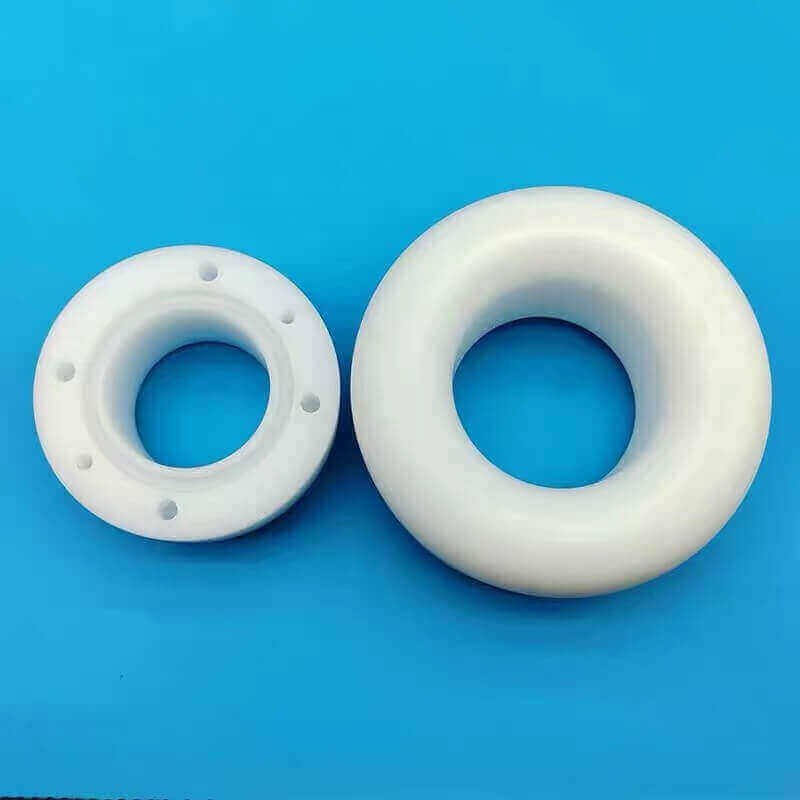
PPS CNC machining

Versatility in Material Choice

Another noteworthy aspect is the versatility of materials that can be used with PPS CNC machining. PPS (Polyphenylene Sulfide) itself is known for its excellent thermal stability, chemical resistance, and electrical properties. This opens the door to manufacturing a wide range of components suitable for various industrial applications, from automotive to aerospace.

Meeting the Demands of Modern Industry

In an era where precision, efficiency, and cost-effectiveness reign supreme, PPS CNC machining technology stands as a beacon of innovation in industrial manufacturing. It not only meets the demands of modern industry but also sets new standards for quality and productivity. Embracing this technology is not just an option; it’s a strategic move towards a brighter, more efficient future in the industrial manufacturing landscape.

PPS CNC machining technology is a game-changer, offering precision, efficiency, and cost-effectiveness that are redefining the industrial manufacturing landscape. By embracing this innovative approach, manufacturers can stay ahead of the curve, deliver higher-quality components, and remain competitive in a fast-paced market.

PPS CNC Machining: Revolutionizing Industrial Manufacturing Across Diverse Sectors

When it comes to industrial manufacturing, the versatility of PPS CNC machining knows no bounds. This technology has found its place in a multitude of industries and sectors, making significant strides in improving manufacturing processes and delivering high-quality components that meet the stringent demands of modern production.

Automotive Excellence

In the automotive industry, precision and durability are non-negotiable. PPS CNC machining plays a pivotal role in crafting engine components, transmission parts, and intricate electrical connectors. Its ability to withstand extreme temperatures and corrosive environments makes it an ideal choice for automotive applications. From fuel systems to sensor housings, PPS CNC machining ensures peak performance.

PPS CNC machining

Aerospace Advancements

Aerospace manufacturing demands components that can withstand the rigors of space travel and extreme atmospheric conditions. PPS CNC machining is utilized to create critical parts such as aircraft engine components, structural elements, and intricate airframe details. Its lightweight yet robust nature contributes to fuel efficiency and enhanced safety in the skies.

Medical Marvels

In the medical field, precision and biocompatibility are paramount. PPS CNC machining is employed to create medical devices, surgical instruments, and diagnostic equipment. Its ability to maintain sterilization and resist chemical agents makes it an excellent choice for healthcare applications. From implantable devices to laboratory tools, PPS CNC machining ensures the highest level of quality and safety.

Electronics and Electrical Engineering

The electronics industry relies on PPS CNC machining for the production of circuit boards, connectors, and insulating components. Its exceptional electrical properties and resistance to heat make it an ideal material for safeguarding delicate electronic systems. From smartphones to aerospace avionics, PPS CNC machining contributes to the reliability of electronic devices.

Oil and Gas Innovation

In the oil and gas sector, where harsh environments are the norm, PPS CNC machining is invaluable. It’s used to create critical components such as valves, seals, and connectors that can withstand extreme temperatures and corrosive substances. Its durability ensures the safety and efficiency of drilling and extraction operations.

In each of these industries and more, PPS CNC machining technology has not only found a niche but has become an indispensable tool for achieving precision, durability, and efficiency. Real-world examples abound, showcasing how this technology is transforming the way components are manufactured across diverse sectors. Embracing PPS CNC machining isn’t just a choice; it’s a strategic move towards excellence in industrial manufacturing.

PPS CNC machining center

H1: Materials and Components in PPS CNC Machining: A World of Possibilities

In the realm of industrial manufacturing, the choice of materials and components can make or break a project’s success. PPS CNC machining offers a wide array of options, allowing manufacturers to create components that cater to the unique demands of their respective industries. Let’s delve into the diverse materials that can be used with this technology, explore the range of components that can be produced, and understand why PPS is an excellent choice for industrial applications.

H2: The Versatility of PPS Material

Polyphenylene Sulfide, or PPS, is a high-performance polymer known for its exceptional properties. It boasts impressive thermal stability, excellent chemical resistance, and remarkable electrical insulation capabilities. This versatility makes PPS a go-to choice for industrial applications where precision and durability are paramount.

H3: Materials Compatible with PPS CNC Machining

PPS CNC machining is not limited to PPS alone. It can also work with various other materials, including metals, plastics, and composites. Whether you require the robustness of stainless steel, the lightweight properties of aluminum, or the intricate detailing of engineering plastics, PPS CNC machining seamlessly adapts to your material needs.

H4: Components Crafted to Perfection

The range of components that can be produced through PPS CNC machining is vast and diverse. From intricate gears and impellers to complex housings and connectors, the technology offers a level of precision that is unmatched. Its ability to handle small-scale to large-scale components ensures that manufacturers can cater to a wide spectrum of industrial needs.

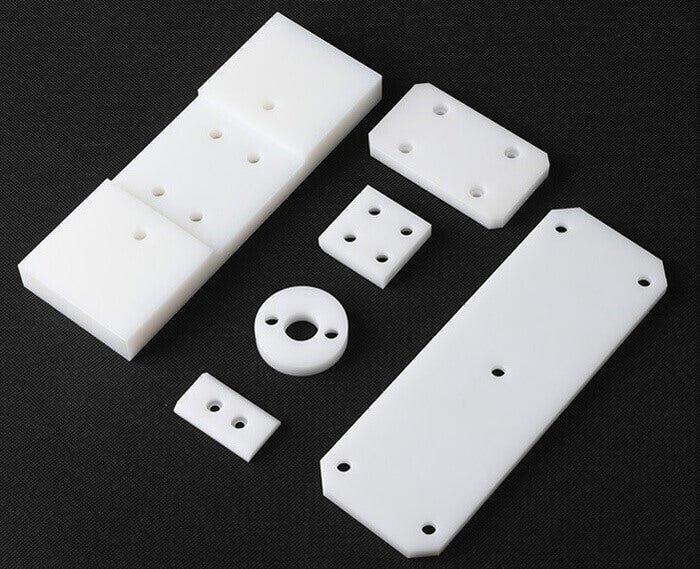
PPS CNC machining parts

Why PPS is Ideal for Industrial Applications

PPS stands out as an ideal choice for industrial applications for several reasons. Its resistance to high temperatures, chemicals, and wear and tear ensures that components crafted with PPS can endure the harshest of environments. This makes it indispensable in industries like automotive, aerospace, and oil and gas, where durability is non-negotiable.

Precision and Consistency

PPS CNC machining delivers not only precision but also consistency in the manufacturing process. Manufacturers can rely on its computer-guided accuracy to produce components that meet exacting standards time and again. This level of consistency is a game-changer in industries where quality control is paramount.

The world of materials and components in PPS CNC machining is a realm of endless possibilities. With PPS as a versatile base material and the ability to work with a range of other materials, manufacturers can create components tailored to their specific needs. The inherent properties of PPS make it an excellent choice for industrial applications, providing durability, precision, and consistency that are second to none. Embracing PPS CNC machining is a strategic move towards elevating the quality and performance of industrial components.

Future Trends and Innovations in PPS CNC Machining Technology

In the dynamic world of industrial manufacturing, staying ahead of the curve is imperative. PPS CNC machining has proven to be a game-changer, but what lies ahead in terms of future trends and innovations? Let’s delve into the exciting developments that are shaping the evolution of PPS CNC machining and how it’s poised to meet the changing needs of industrial manufacturing.

Advancements in Automation

Automation is at the forefront of future trends in PPS CNC machining. Manufacturers are increasingly integrating artificial intelligence and machine learning algorithms into CNC systems. This enables real-time adjustments, predictive maintenance, and even self-optimizing machining processes. The result? Enhanced efficiency, reduced downtime, and improved overall productivity.

3D Printing Integration

The convergence of 3D printing technology with CNC machining is opening new doors in industrial manufacturing. PPS, known for its compatibility with 3D printing, is becoming a popular choice for creating complex prototypes and tooling components. This integration allows for rapid prototyping and customization, reducing lead times and costs.

Sustainable Manufacturing Practices

Sustainability is a driving force in industrial manufacturing, and PPS CNC machining is no exception. Innovations in materials and processes are focusing on reducing waste and energy consumption. PPS materials with enhanced biodegradability and recyclability are emerging, aligning with the growing demand for eco-friendly manufacturing solutions.

IoT-Enabled Machining

The Internet of Things (IoT) is ushering in a new era of connectivity in PPS CNC machining. Sensors and IoT devices are being incorporated into machining equipment to monitor performance, collect data, and provide real-time insights. This data-driven approach enables manufacturers to optimize processes, minimize errors, and ensure consistent quality.

Customization and Personalization

As consumer demands for customized products rise, PPS CNC machining is adapting to meet this need. Future trends include the ability to easily reconfigure CNC machines for different tasks and a focus on rapid customization. Manufacturers will have the flexibility to produce tailored components on-demand, catering to individual client requirements.

PPS CNC machining center

The future of PPS CNC machining is filled with exciting possibilities. From advancements in automation and 3D printing integration to a strong emphasis on sustainability, IoT-enabled machining, and increased customization, the technology is evolving to address the ever-changing needs of industrial manufacturing. Embracing these future trends and innovations will not only keep manufacturers competitive but also lead to more efficient, sustainable, and personalized solutions in the industrial landscape.

Case Studies: The Transformational Power of PPS CNC Machining

The real-world impact of PPS CNC machining on industrial manufacturing cannot be overstated. To truly understand the significance of this technology, let’s dive into some compelling case studies that shed light on how industrial businesses have embraced PPS CNC machining and achieved remarkable improvements in their manufacturing processes and products.

Automotive Industry Marvel

In one remarkable case study, a leading automotive manufacturer turned to PPS CNC machining to enhance the performance of their fuel system components. By leveraging the precision and durability of PPS, they achieved a significant reduction in component weight while maintaining superior strength and chemical resistance. This not only improved fuel efficiency but also contributed to reduced emissions, aligning with the industry’s drive towards sustainability.

Aerospace Excellence

A prominent aerospace company embarked on a journey to improve the reliability and safety of their aircraft components. PPS CNC machining emerged as the solution of choice for crafting intricate engine components and airframe details. The result? Enhanced performance, increased fuel efficiency, and a notable decrease in maintenance costs. The adoption of PPS CNC machining allowed them to maintain their reputation for quality and reliability in the aerospace industry.

Medical Breakthroughs

In the realm of medical manufacturing, a medical device company sought to create cutting-edge, biocompatible components for implantable devices. PPS CNC machining provided the precision required to meet stringent medical standards. The use of PPS not only ensured the biocompatibility of components but also improved their longevity and performance. Patients benefitted from safer and more effective medical solutions.

Electronics Advancements

A global electronics manufacturer embraced PPS CNC machining to elevate the quality of their connectors and insulating components. The exceptional electrical properties of PPS ensured optimal performance in a range of electronic devices, from consumer electronics to critical aerospace avionics. The company saw a significant reduction in defects and increased customer satisfaction.

Oil and Gas Reliability

In the demanding world of oil and gas, a drilling equipment manufacturer sought to enhance the reliability of their critical components. PPS CNC machining was instrumental in crafting seals, valves, and connectors that could withstand extreme temperatures and corrosive environments. The result was reduced downtime, improved safety, and increased efficiency in drilling operations.

These case studies serve as compelling evidence of the transformative power of PPS CNC machining in industrial manufacturing. They illustrate how embracing this technology can lead to improved product performance, cost savings, and a competitive edge in diverse industries. These success stories stand as a testament to the potential of PPS CNC machining to revolutionize the world of manufacturing.

In conclusion, the future of industrial manufacturing is undeniably intertwined with the advancements in PPS CNC machining technology. Its advantages in precision, efficiency, and cost-effectiveness have reshaped industries ranging from automotive and aerospace to medical and electronics. As we look ahead, the evolution of PPS CNC machining promises even more exciting developments, including automation, 3D printing integration, sustainability, IoT-enabled machining, and enhanced customization. The case studies we’ve explored demonstrate its real-world impact, showcasing how businesses have harnessed its potential to achieve remarkable improvements in their manufacturing processes and products. Embracing PPS CNC machining isn’t just about keeping up; it’s about staying at the forefront of innovation, delivering higher quality, and ensuring competitiveness in the dynamic landscape of industrial manufacturing. So, as we stand on the brink of the future, remember that PPS CNC machining isn’t just a technology; it’s a catalyst for excellence in industrial manufacturing, a journey toward a brighter, more efficient future.

PPS CNC machining technology

Don’t miss out on the future of industrial manufacturing. Get in touch today to discuss how PPS CNC machining can revolutionize your components and take your business to the next level. Let’s shape the future together!

🎉🎉🎉Limited Time Offer Use code: QR4GNY08SHVR at checkout and enjoy a special discount on your entire order! 👉PPS board

Leave a comment


Please note, comments must be approved before they are published


Custom Plastic Fabrication

Send your drawing, material and quantity for review

🔧
Precision Machining
CNC milling & turning
✂️
Cutting & Engraving
Laser & waterjet cutting
🏭
Forming & Molding
Thermoforming & injection
🔗
Joining & Assembly
Welding & bonding
📐
Design & Prototyping
CAD design & samples

General

HDPE

PP

PVC

ABS

Engineering

POM

Nylon

PC

PMMA

High-Performance

PEEK

PEI

PTFE

Composites

FR-4

G10

Flexible

TPU

Silicone

Why Choose BeePlastic?

🎯
Perfect Fit
Custom specs eliminate adaptation needs
⚡
Clear Lead Times
Lead time confirmed with every quote
💰
Volume Pricing
Volume pricing available on bulk orders
🤝
Expert Support
Free engineering consultation included
📋
Submit
→
🔍
Review
→
💵
Quote
→
✅
Production
→
📦
Deliver

Request a Quote

Share your project details, selected material and quantity on our quote page. You can add a file link or use the email drawing route shown there.


Request Quote

Industries: Automotive • Medical • Food • Lab • Semiconductor

beeplastic@beeplastic.com