The Role of UHMW-PE in Food and Beverage Industries: From Processing to Packaging

UHMW-PE plastic sheets

Discover how UHMW-PE (Ultra-High Molecular Weight Polyethylene) is revolutionizing the food and beverage industry by enhancing efficiency and safety from processing to packaging. This versatile material meets stringent FDA and USDA regulations, ensuring food safety and hygiene. Explore its exceptional durability and wear resistance, making it perfect for conveyor systems, wear strips, and material handling components. Learn about the sanitation benefits of non-porous surfaces that resist moisture and bacteria, simplifying cleaning processes. Delve into real-world case studies, like those of Southern Glazer’s Wine & Spirits and Cargill, showcasing significant improvements in operational efficiency. Understand the cost-effective nature of UHMW-PE, with long-term savings due to reduced maintenance and downtime. Additionally, discover the advantages of antistatic and colored UHMW-PE variants for specific applications, and its wide range of uses in material handling. Enhance your knowledge on how this innovative material is transforming the food and beverage industry for better safety, efficiency, and cost savings.

🎉🎉🎉Limited Time Offer Use code: QR4GNY08SHVR at checkout and enjoy a special discount on your entire order! 👉 UHMWPE plastic
UHMW-PE (Ultra-High Molecular Weight Polyethylene)

Compliance with Food Safety Standards

Meeting FDA and USDA Regulations

UHMW-PE materials are meticulously engineered to comply with stringent FDA and USDA regulations, ensuring their suitability for direct contact with food. These regulations are crucial as they guarantee that the materials used in food processing do not contaminate the food products, thereby safeguarding consumer health. UHMW-PE’s compliance with these standards means it is free from harmful chemicals and does not leach any substances that could compromise food safety.

Importance of Food Safety Standards

Adhering to food safety standards is essential in the food and beverage industry. These standards are designed to maintain high levels of hygiene and sanitation throughout the food production process. By using FDA-approved UHMW-PE, manufacturers ensure that their operations are in line with legal requirements, thereby avoiding potential penalties and product recalls. This compliance not only protects consumers but also enhances the reputation of food producers as reliable and safety-conscious.

Hygienic Properties of UHMW-PE

One of the standout features of UHMW-PE is its non-porous surface, which makes it resistant to moisture absorption and bacterial growth. This property is particularly important in food processing environments where maintaining cleanliness is paramount. Unlike other materials that can harbor bacteria and lead to contamination, UHMW-PE provides a sanitary solution that supports rigorous hygiene protocols. This makes it an ideal choice for components that come into direct contact with food, such as conveyor belts, cutting boards, and wear strips.

Enhancing Consumer Safety

By utilizing UHMW-PE in food processing, manufacturers can significantly enhance consumer safety. The material’s compliance with FDA and USDA standards ensures that it does not contribute to any contamination risks, thereby maintaining the integrity of the food products. Additionally, the ease of cleaning and maintenance associated with UHMW-PE further supports a hygienic production environment, reducing the likelihood of foodborne illnesses.

Advantages Over Alternative Materials

Compared to other materials, UHMW-PE offers superior safety and hygiene benefits. Metals, for instance, can corrode and introduce contaminants, while other plastics may not meet the stringent regulatory requirements or may degrade over time. UHMW-PE’s robustness and compliance with safety standards provide a reliable and durable solution for food processing applications. This makes it a preferred choice for manufacturers looking to maintain the highest levels of food safety and quality.

Real-World Applications

Numerous companies in the food and beverage industry have successfully implemented UHMW-PE in their operations. For example, Cargill uses UHMW-PE in their packaging lines, benefiting from its durability and compliance with food safety standards. Such applications demonstrate the material’s effectiveness in maintaining hygiene and improving operational efficiency, further establishing its role as an essential component in food processing.

By choosing UHMW-PE for their food processing needs, manufacturers can ensure compliance with safety standards, maintain hygiene, and ultimately protect consumer health.

Durability and Longevity of UHMW-PE Components

Exceptional Durability and Wear Resistance

UHMW-PE (Ultra-High Molecular Weight Polyethylene) is renowned for its exceptional durability and wear resistance, making it a preferred material in industries that demand high-performance and long-lasting components. This material’s high molecular weight grants it superior strength, enabling it to withstand constant use and harsh conditions without degrading. Components such as conveyor parts, wear strips, and guide rails benefit immensely from these properties, ensuring reliable and continuous operation in demanding environments.

Ideal for High-Use Applications

The robustness of UHMW-PE makes it particularly suitable for applications that experience significant wear and tear. In the food and beverage industry, for instance, conveyor systems and wear strips made from UHMW-PE are subject to continuous use and must resist abrasion and impact. UHMW-PE’s low friction coefficient further enhances its performance by reducing operational resistance, which in turn minimizes energy consumption and extends the lifespan of the machinery.

Reduced Maintenance Costs

One of the standout benefits of using UHMW-PE components is the significant reduction in maintenance costs. The material’s wear resistance means that parts do not need to be replaced as frequently as those made from alternative materials. This durability leads to fewer interruptions in production, lowering the frequency of maintenance shutdowns. Companies can thus save on both the direct costs of spare parts and the indirect costs associated with downtime.

Minimizing Downtime

UHMW-PE components contribute to minimized downtime in production lines. The inherent strength and resilience of the material ensure that components such as chain guides and chute liners remain operational for longer periods. This continuous operation is crucial in industries where production efficiency and reliability are paramount. By reducing the need for frequent replacements and maintenance interventions, UHMW-PE helps maintain a smooth and uninterrupted workflow.

Versatility in Harsh Environments

UHMW-PE is not only durable but also versatile enough to perform well in harsh environments. Its chemical resistance makes it suitable for use in areas exposed to aggressive substances, such as in chemical processing plants and mining operations. The material’s ability to withstand extreme conditions without compromising its structural integrity further underscores its suitability for high-stress applications.

Long-Term Cost Efficiency

The longevity of UHMW-PE components translates to long-term cost efficiency. Although the initial investment in UHMW-PE parts might be higher compared to other materials, the extended service life and reduced maintenance requirements result in overall savings. This cost-efficiency is particularly beneficial for industries with high operational demands, where ensuring continuous production and minimizing downtime are critical.

Real-World Applications

Real-world applications of UHMW-PE showcase its effectiveness and reliability. In sectors like food processing, companies have successfully integrated UHMW-PE into their material handling and packaging systems, experiencing enhanced performance and durability. For example, conveyor belts lined with UHMW-PE offer smoother and more efficient movement of products, reducing wear on both the conveyor and the products being transported.

Enhancing Operational Efficiency

By choosing UHMW-PE for critical components, manufacturers can enhance their overall operational efficiency. The material’s properties support a more reliable and sustainable production process, ensuring that machinery operates at optimal performance levels. This enhancement not only improves productivity but also contributes to a safer and more cost-effective production environment.

Through its exceptional durability, wear resistance, and versatility, UHMW-PE proves to be an invaluable material in the food and beverage industry and beyond, supporting efficient, reliable, and cost-effective operations.

UHMW-PE in the food and beverage industry

Innovations in Conveyor Systems with UHMW-PE

Enhancing Efficiency with Low Friction Coefficient

UHMW-PE (Ultra-High Molecular Weight Polyethylene) is revolutionizing conveyor systems in the food and beverage industry due to its exceptionally low friction coefficient. This characteristic is crucial because it significantly minimizes resistance, allowing conveyor belts to operate more smoothly and efficiently. The reduced resistance directly translates to lower energy consumption, making the overall system more cost-effective and environmentally friendly.

Custom-Engineered Components for Improved Material Flow

The versatility of UHMW-PE allows for the creation of custom-engineered components tailored to specific applications within conveyor systems. These components include wear strips, chain guides, and guide rails, all designed to optimize material flow and reduce production bottlenecks. For example, custom UHMW-PE wear strips can be manufactured to fit unique conveyor layouts, ensuring seamless and efficient movement of products. This customization helps prevent delays and enhances the overall productivity of the production line.

Case Study: Smoother Operations in Food Processing

A notable application of UHMW-PE in conveyor systems is its use in food processing plants. These facilities require materials that can withstand continuous operation and frequent cleaning without degrading. UHMW-PE components, such as conveyor belt rollers and side guides, have demonstrated their ability to maintain smooth operations by minimizing friction and wear. This results in fewer maintenance requirements and prolonged equipment life, which are essential for maintaining high efficiency in food processing.

Reducing Energy Consumption

The low friction properties of UHMW-PE not only enhance operational efficiency but also contribute to significant energy savings. In conveyor systems, reduced friction means that less force is required to move products along the line. This reduction in force translates to lower energy usage by the motors driving the conveyors. Over time, these energy savings can lead to a considerable decrease in operational costs, making UHMW-PE an economically advantageous choice for manufacturers.

Custom Solutions for Specific Needs

Manufacturers can leverage the unique properties of UHMW-PE to develop custom solutions that address specific challenges in their conveyor systems. For instance, antistatic UHMW-PE can be used in environments where static electricity poses a risk to product integrity or operational safety. Similarly, colored UHMW-PE can be utilized to comply with industry regulations or for easy identification of different conveyor parts, enhancing operational efficiency and safety.

Versatility Across Industries

While the food and beverage industry benefits significantly from UHMW-PE, its applications extend to other sectors as well. In the automotive industry, for example, UHMW-PE is used in conveyor systems to transport heavy components without causing damage. The chemical industry employs UHMW-PE for its chemical resistance and durability, ensuring that conveyor systems remain operational even in harsh environments.

Real-World Example: Improving Production Lines

A practical example of UHMW-PE’s impact can be seen in a large-scale bottling plant, where custom UHMW-PE guides and rollers were installed to handle high-speed production lines. The low friction and high wear resistance of these components resulted in a smoother, more efficient operation, reducing downtime and maintenance costs. The plant experienced a notable improvement in production throughput and a reduction in operational expenses, demonstrating the tangible benefits of UHMW-PE in conveyor applications.

By utilizing UHMW-PE in conveyor systems, manufacturers can achieve enhanced efficiency, reduced energy consumption, and improved material flow, ultimately leading to more productive and cost-effective operations. This material’s unique properties make it an indispensable component in the modern food and beverage industry, as well as in various other sectors.

Sanitation and Hygiene Benefits

Non-Porous Surface for Enhanced Hygiene

UHMW-PE (Ultra-High Molecular Weight Polyethylene) boasts a non-porous surface, making it an ideal material for environments where hygiene is paramount. Unlike porous materials that can absorb moisture and harbor bacteria, UHMW-PE resists moisture absorption. This non-porous quality ensures that the surface remains impermeable, preventing the growth of bacteria, mold, and other microorganisms that could compromise food safety. This characteristic is crucial in the food and beverage industry, where maintaining high sanitation standards is essential for consumer safety.

Easy Cleaning and Maintenance

The smooth, non-porous surface of UHMW-PE facilitates easy cleaning and maintenance, a critical feature in food processing environments. This ease of cleaning ensures that sanitation processes can be carried out quickly and effectively, reducing the risk of contamination. Traditional cleaning methods can be employed without the need for harsh chemicals, which might otherwise degrade other materials. The ability to maintain a clean surface with minimal effort helps in adhering to strict hygiene protocols mandated by FDA and USDA regulations.

Resistance to Chemicals and Stains

UHMW-PE is highly resistant to a wide range of chemicals, including cleaning agents and sanitizers used in food processing plants. This chemical resistance ensures that the material does not degrade or stain over time, maintaining its hygienic properties throughout its lifespan. The stain resistance of UHMW-PE also prevents discoloration and retains the aesthetic quality of the equipment, which is important for visual inspections and maintaining a clean working environment.

Supporting High Sanitation Standards

By incorporating UHMW-PE into food processing equipment, manufacturers can ensure that their operations meet and exceed high sanitation standards. The material’s inherent properties reduce the risk of cross-contamination and ensure that food contact surfaces remain clean and safe. This compliance with stringent health and safety regulations helps protect consumers from foodborne illnesses and supports the overall quality of food products.

Applications in Food Processing

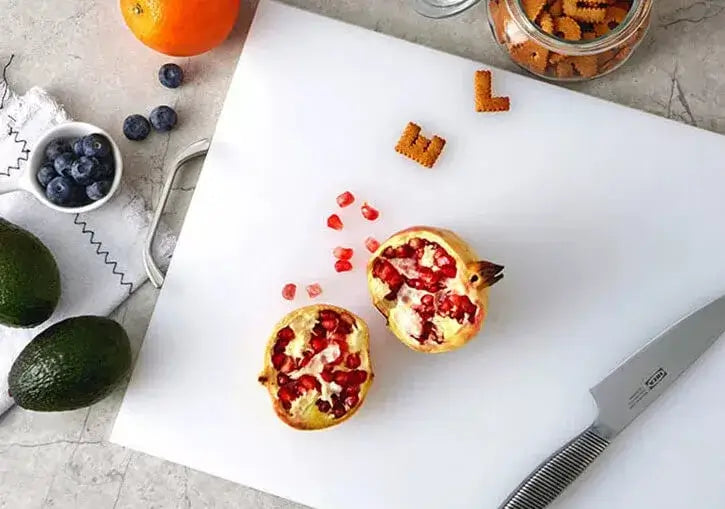
UHMW-PE is utilized in various applications within the food and beverage industry to maintain hygiene standards. Common applications include cutting boards, conveyor belts, and wear strips. For instance, cutting boards made from UHMW-PE do not harbor bacteria, ensuring that food preparation surfaces remain sanitary. Similarly, conveyor belts and wear strips benefit from the material’s easy-to-clean properties, which are essential in high-speed production lines where cleanliness cannot be compromised.

Enhancing Operational Efficiency

The easy maintenance and high sanitation standards provided by UHMW-PE not only ensure food safety but also enhance operational efficiency. Reduced cleaning time and less frequent maintenance mean that production lines can operate continuously with fewer interruptions. This efficiency is crucial in industries where downtime can significantly impact productivity and profitability. By maintaining a clean and hygienic environment, UHMW-PE helps streamline operations and supports consistent, high-quality output.

Compliance with Industry Regulations

The use of UHMW-PE helps manufacturers comply with industry regulations set by organizations such as the FDA and USDA. These regulations require materials that come into contact with food to be non-toxic, non-absorbent, and resistant to bacterial growth. UHMW-PE meets these criteria, making it a trusted choice for food processing equipment. Compliance with these regulations not only ensures consumer safety but also protects manufacturers from potential legal issues and recalls.

Incorporating UHMW-PE in food and beverage processing is a strategic decision that enhances hygiene, simplifies maintenance, and ensures compliance with regulatory standards, ultimately contributing to safer and more efficient food production.

UHMW-PE proves to be an invaluable material in the food and beverage industry

Cost-Effective Solutions

Longevity and Reduced Replacements

UHMW-PE (Ultra-High Molecular Weight Polyethylene) is known for its exceptional durability and wear resistance, which contribute significantly to its long lifespan. This longevity means that components made from UHMW-PE do not need frequent replacements, resulting in substantial cost savings over time. For food and beverage manufacturers, this translates to reduced operational costs and less frequent downtime for maintenance. By choosing UHMW-PE, manufacturers invest in a material that ensures long-term performance and reliability, thereby enhancing the overall cost-effectiveness of their operations.

Long-Term Cost Savings

The initial investment in UHMW-PE components may be higher compared to other materials, but the long-term savings are considerable. The reduced need for replacements and the minimal maintenance required for UHMW-PE components lower the total cost of ownership. This material’s ability to withstand harsh conditions and continuous use without significant wear and tear means that manufacturers can rely on their equipment for longer periods, reducing both direct and indirect costs associated with maintenance and part replacements.

Applications Beyond Traditional Material Handling

UHMW-PE is versatile and finds applications beyond traditional material handling components. For instance, it is used in protective linings in food processing equipment, which help protect machinery from damage and wear. These linings extend the life of the equipment and reduce the frequency of expensive repairs or replacements. Additionally, UHMW-PE is employed in noise-dampening parts, which are essential in reducing the operational noise in manufacturing environments. This not only improves the working conditions but also minimizes noise pollution, contributing to a healthier and more productive work environment.

Protective Linings

In the food and beverage industry, maintaining the integrity of processing equipment is crucial. UHMW-PE protective linings offer an effective solution to protect machinery from abrasive materials and mechanical impacts. These linings are particularly beneficial in high-wear areas, such as chutes, hoppers, and bins, where material flow can cause significant wear over time. By using UHMW-PE linings, manufacturers can ensure that their equipment remains functional and efficient for longer periods, thus avoiding costly downtime and repairs.

Noise-Dampening Parts

Operational noise can be a significant issue in manufacturing environments, affecting both worker health and overall productivity. UHMW-PE components, such as noise-dampening pads and panels, effectively reduce noise levels by absorbing sound and vibrations. This application not only creates a quieter work environment but also extends the life of the machinery by reducing the impact of vibrations. The use of UHMW-PE for noise reduction is a cost-effective solution that addresses both environmental and operational concerns.

Real-World Examples

Numerous manufacturers have successfully integrated UHMW-PE into their operations, reaping the benefits of its durability and cost-effectiveness. For example, a major food processing plant replaced its traditional conveyor belts with UHMW-PE belts. The result was a significant reduction in maintenance costs and downtime, as the new belts required less frequent replacement and repair. Another example is a beverage bottling facility that utilized UHMW-PE noise-dampening panels to create a quieter working environment, leading to improved worker satisfaction and productivity.

Enhancing Operational Efficiency

The use of UHMW-PE in various applications contributes to the overall operational efficiency of food and beverage manufacturers. By reducing the frequency of maintenance and replacements, UHMW-PE helps ensure that production lines remain operational for longer periods, thus maximizing output and profitability. The material’s versatility allows it to be used in innovative ways that further enhance efficiency and cost-effectiveness across different areas of manufacturing.

UHMW-PE provides a comprehensive solution for food and beverage manufacturers looking to optimize their operations through durable, cost-effective, and versatile material choices. Its applications in protective linings and noise-dampening parts, among others, demonstrate its value in enhancing both the efficiency and sustainability of manufacturing processes.
UHMW-PE provides a comprehensive solution for food

Case Studies of UHMW-PE in Food Processing

Southern Glazer’s Wine & Spirits

Southern Glazer’s Wine & Spirits is the largest wine and spirits distributor in the United States, and their operations require highly efficient and reliable material handling systems. To enhance their operational efficiency, Southern Glazer’s incorporated UHMW-PE components into their conveyor systems. The low friction coefficient and high wear resistance of UHMW-PE significantly reduced the wear and tear on their conveyor belts and other moving parts. This resulted in lower maintenance costs and less downtime, enabling smoother and more efficient operations. The use of UHMW-PE also ensured that the conveyor systems met stringent sanitation standards, crucial for maintaining the quality and safety of their products.

Cargill’s Packaging Operations

Cargill, a global food corporation, faced challenges in their secondary packaging operations, particularly with their robotic palletizing systems. The integration of UHMW-PE components proved to be a game-changer. The high durability and low friction properties of UHMW-PE improved the reliability and speed of the packaging lines. By reducing the friction between moving parts, UHMW-PE helped in minimizing wear and extending the lifespan of the machinery. This resulted in fewer breakdowns and lower maintenance requirements, significantly enhancing the overall efficiency of Cargill’s packaging operations. The smooth surface of UHMW-PE also facilitated easier cleaning, ensuring compliance with FDA and USDA hygiene regulations.

JFC International’s Distribution Enhancements

JFC International, a leading distributor of Asian food products, implemented UHMW-PE in their distribution facilities to address issues with material handling equipment. The abrasion resistance and impact strength of UHMW-PE were critical in protecting their conveyor systems and reducing the need for frequent repairs. By using UHMW-PE liners and guides, JFC International achieved more reliable and efficient material flow, minimizing disruptions and maximizing throughput. The durability of UHMW-PE components also contributed to significant cost savings by extending the service life of their equipment.

General Mills’ Food Processing

General Mills, a major food processing company, integrated UHMW-PE into their production lines to improve the handling and processing of bulk materials. The non-porous surface of UHMW-PE ensured that it did not absorb moisture or harbor bacteria, making it an ideal material for maintaining high sanitation standards. The use of UHMW-PE wear strips and chutes improved the flow of materials, reducing blockages and downtime. Additionally, the chemical resistance of UHMW-PE allowed for easy cleaning with standard sanitizing agents, further enhancing the hygiene and safety of their food processing operations.

Tyson Foods’ Meat Processing

Tyson Foods, a leader in meat processing, adopted UHMW-PE for various applications in their facilities, including cutting boards, conveyor belts, and wear strips. The easy-to-clean nature of UHMW-PE and its resistance to bacteria growth were crucial in maintaining the stringent hygiene standards required in meat processing. The material’s durability and low friction properties also ensured that equipment operated smoothly and required less maintenance. This implementation not only improved the efficiency and reliability of Tyson’s processing lines but also enhanced the overall safety and quality of their products.

Kellogg’s Cereal Production

Kellogg’s, a global cereal manufacturer, utilized UHMW-PE in their cereal production lines to address issues related to material handling and equipment wear. The incorporation of UHMW-PE components in chutes and hoppers reduced the friction and wear caused by the constant movement of cereal grains. This resulted in fewer blockages and a smoother production process. The longevity of UHMW-PE components also meant that Kellogg’s experienced fewer interruptions for maintenance, leading to higher productivity and lower operational costs.

Nestlé’s Beverage Bottling

Nestlé, a leading food and beverage company, integrated UHMW-PE in their beverage bottling lines to enhance efficiency and reduce operational noise. The use of UHMW-PE rollers and guides minimized friction and wear, ensuring that bottles moved smoothly through the production line. The noise-dampening properties of UHMW-PE also created a quieter work environment, which improved worker comfort and safety. The durability of UHMW-PE components reduced the frequency of replacements and maintenance, contributing to significant cost savings and more efficient operations.

These case studies illustrate the versatility and effectiveness of UHMW-PE in improving operational efficiency, reliability, and hygiene in the food and beverage industry. By adopting UHMW-PE, companies can achieve long-term cost savings and maintain high standards of quality and safety in their production processes.

UHMW-PE plastic applications in aerospace

Antistatic and Color Variants of UHMW-PE

Availability of Antistatic UHMW-PE

Antistatic UHMW-PE is specifically engineered to dissipate static electricity, a crucial feature in environments where static buildup could pose safety hazards. This variant of Ultra-High Molecular Weight Polyethylene is widely available and is used in applications where static discharge could ignite flammable substances or disrupt sensitive electronic components. In the food and beverage industry, antistatic UHMW-PE is often employed in packaging and processing areas to prevent static electricity from affecting the quality and safety of food products.

Benefits of Antistatic Properties

The antistatic properties of this UHMW-PE variant help to maintain a safe working environment by reducing the risk of static discharge. This is particularly important in environments where fine powders or other combustible materials are present. By dissipating static electricity, antistatic UHMW-PE minimizes the risk of sparks that could lead to explosions or fires. Additionally, these properties help in maintaining the integrity of electronic components used in automated food processing machinery, ensuring that static discharge does not interfere with their operation.

Applications in the Food and Beverage Industry

In the food and beverage industry, antistatic UHMW-PE is used in various applications to enhance safety and efficiency. For example, it is commonly used in the construction of conveyor belts, chutes, and hoppers where the movement of materials can generate static electricity. The use of antistatic materials ensures that the production line operates smoothly and safely. Furthermore, packaging lines that handle dry goods like flour or sugar benefit from antistatic UHMW-PE by preventing clinging and buildup of these materials due to static, thus improving the packaging process.

Availability of Colored UHMW-PE

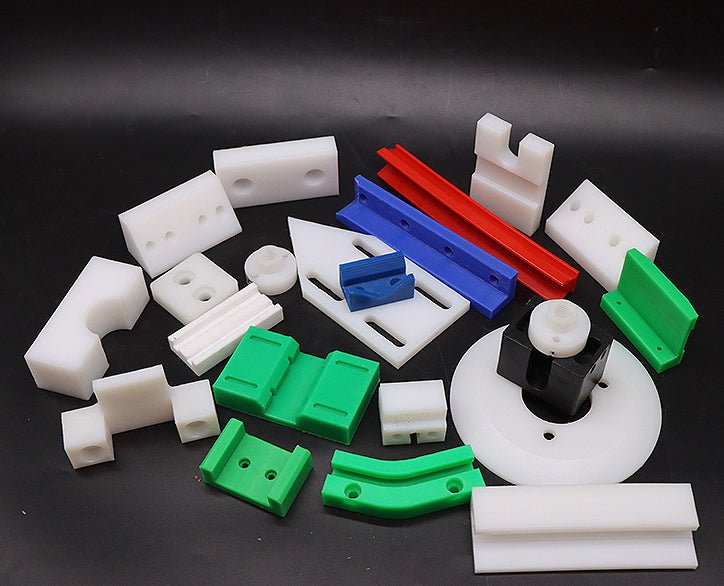
Colored UHMW-PE is available in a range of colors, including black, blue, green, and red. These color variants are achieved by adding pigments during the manufacturing process. Colored UHMW-PE retains all the beneficial properties of natural UHMW-PE, such as high abrasion resistance, low friction, and excellent durability, while providing additional benefits related to color coding and aesthetics.

Benefits of Color Coding

Color coding with UHMW-PE can significantly enhance operational efficiency and safety in the food and beverage industry. Different colors can be used to designate specific zones or purposes within a production facility, making it easier to identify equipment and components at a glance. For example, blue UHMW-PE might be used in areas where allergen-free processing is conducted, while green could denote areas for organic product handling. This visual differentiation helps in maintaining strict hygiene protocols and preventing cross-contamination.

Applications of Colored UHMW-PE

Colored UHMW-PE is used in various applications within the food and beverage sector to meet unique operational requirements. Wear strips, guide rails, and conveyor components made from colored UHMW-PE not only perform their primary functions effectively but also contribute to a well-organized and visually efficient workspace. For instance, black UHMW-PE is often used in high-wear areas due to its ability to hide dirt and wear marks, thereby maintaining a clean appearance even in heavy-duty applications.

Enhancing Safety with Color Variants

In addition to operational efficiency, the use of colored UHMW-PE enhances safety by providing clear visual indicators for different parts of the processing line. For example, red UHMW-PE can be used to mark emergency stop zones or hazardous areas, ensuring that workers are immediately aware of potential dangers. This color differentiation aids in quick decision-making and enhances overall workplace safety.

Real-World Example: Beverage Bottling Facility

A beverage bottling facility implemented colored UHMW-PE in their production line to improve organization and safety. By using blue UHMW-PE for allergen-free zones and red UHMW-PE for emergency stops, the facility achieved better operational clarity and reduced the risk of cross-contamination. The visual cues provided by the colored UHMW-PE components helped workers to quickly identify specific areas and adhere to safety protocols, leading to a more efficient and safer production environment.

The use of antistatic and

colored UHMW-PE

 variants in the food and beverage industry provides significant benefits in terms of safety, operational efficiency, and compliance with hygiene standards. These materials help manufacturers meet unique requirements and ensure the smooth, safe, and efficient operation of their production lines.


Versatility in Material Handling Applications

UHMW-PE in Chute Liners

UHMW-PE (Ultra-High Molecular Weight Polyethylene) is widely used in chute liners due to its high abrasion resistance and low friction properties. In the food and beverage industry, chute liners made from UHMW-PE are essential for ensuring smooth and efficient material flow. These liners prevent materials from sticking to the chute surfaces, reducing blockages and ensuring a consistent flow of products. The durability of UHMW-PE also means that chute liners require less frequent replacement, minimizing downtime and maintenance costs.

Enhancing Efficiency with Star Wheels

Star wheels are crucial components in many conveyor systems, particularly in the bottling and packaging sectors of the food and beverage industry. UHMW-PE is an ideal material for star wheels due to its wear resistance and self-lubricating properties. These features ensure that star wheels operate smoothly, reducing friction and wear. The use of UHMW-PE in star wheels enhances the efficiency of the conveyor systems by ensuring reliable and continuous operation, thereby improving the overall productivity of the production line.

Durable Truck Bed Liners

Truck bed liners made from UHMW-PE are essential for protecting truck beds from impact and abrasion during the transport of goods. In the food and beverage industry, these liners are particularly beneficial for transporting bulk materials such as grains, fruits, and other perishables. The impact resistance and durability of UHMW-PE protect the truck beds from damage, reducing repair and replacement costs. Additionally, the non-stick surface of UHMW-PE ensures that materials are easily unloaded, enhancing the efficiency of the transport process.

Adaptability to Different Environments

One of the key advantages of UHMW-PE is its adaptability to different environments. This material performs exceptionally well under a variety of conditions, making it suitable for use in diverse applications. Whether in dry, wet, or chemically aggressive environments, UHMW-PE maintains its structural integrity and performance. This versatility is particularly beneficial in the food and beverage industry, where equipment is often exposed to different types of materials and cleaning agents. The resistance of UHMW-PE to chemicals and moisture ensures long-lasting performance in these demanding conditions.

Improving Production Line Efficiency

The use of UHMW-PE in material handling applications significantly enhances the overall efficiency of production lines in the food and beverage industry. By reducing friction and wear, UHMW-PE components such as chute liners, star wheels, and truck bed liners help maintain a smooth and continuous flow of materials. This reduction in operational interruptions leads to higher throughput and productivity. Moreover, the low maintenance requirements of UHMW-PE components translate to less downtime, allowing for more consistent and reliable production schedules.

Real-World Applications

Many companies in the food and beverage industry have successfully implemented UHMW-PE in their material handling systems. For instance, a major cereal manufacturer uses UHMW-PE chute liners to ensure smooth material flow and prevent blockages during the production process. Similarly, a large bottling plant has integrated UHMW-PE star wheels in their conveyor systems to enhance efficiency and reduce maintenance needs. These real-world applications highlight the versatility and effectiveness of UHMW-PE in improving operational efficiency and reliability.

Versatility Across Applications

Beyond traditional material handling components, UHMW-PE is also used in a variety of other applications within the food and beverage industry. These include protective linings for equipment, guide rails for conveyors, and impact pads for high-wear areas. The versatility of UHMW-PE allows it to be tailored to specific needs, ensuring optimal performance and durability across different applications. This adaptability makes UHMW-PE an invaluable material for enhancing the efficiency and reliability of food and beverage production lines.

UHMW-PE provides a comprehensive solution for the material handling needs of the food and beverage industry, offering unmatched durability, low maintenance, and versatility across a broad range of applications.

Ultra-High Molecular Weight Polyethylene (UHMW PE

Common Questions and Answers about UHMW-PE and BeePlastic’s Customization Services

General Questions about UHMW-PE

1. What is UHMW-PE and what are its main properties?

Answer: UHMW-PE (Ultra-High Molecular Weight Polyethylene) is a type of plastic known for its high abrasion resistance, low friction coefficient, and exceptional durability. It is non-porous, which makes it resistant to moisture and bacterial growth, and it can withstand a wide range of temperatures and chemical exposures, making it ideal for various industrial applications.

2. What industries commonly use UHMW-PE?

Answer: UHMW-PE is widely used in industries such as food and beverage, automotive, chemical processing, mining, material handling, and medical sectors. Its versatility and durability make it suitable for applications like conveyor parts, wear strips, chute liners, and truck bed liners.

3. How does UHMW-PE improve operational efficiency in the food and beverage industry?

Answer: In the food and beverage industry, UHMW-PE enhances operational efficiency by reducing friction and wear on conveyor systems, ensuring smooth material flow, and minimizing maintenance needs. Its non-porous surface also supports high sanitation standards, reducing the risk of contamination and simplifying cleaning processes.

4. What are the benefits of using antistatic UHMW-PE?

Answer: Antistatic UHMW-PE helps to dissipate static electricity, preventing static discharge that can cause safety hazards in environments with flammable substances or sensitive electronic components. This makes it particularly valuable in packaging and processing areas of the food and beverage industry.

5. Why is colored UHMW-PE used in industrial applications?

Answer: Colored UHMW-PE is used for color coding and visual differentiation within production facilities. This helps in organizing operations, ensuring compliance with hygiene protocols, and enhancing safety by clearly marking different zones or types of processing areas. It retains all the beneficial properties of natural UHMW-PE while adding functional visual cues.

BeePlastic Customization Services

6. Can BeePlastic undertake any type of customization?

Answer: Yes, BeePlastic can undertake any type of customization, including sample customization and batch customization. We cater to specific client needs by customizing products to exact specifications, ensuring the highest quality and performance.

7. What file formats does BeePlastic accept for customization?

Answer: BeePlastic accepts a variety of file formats for customization, including PDF and CAD files. This flexibility allows us to work with detailed and precise designs, ensuring accurate production according to the client’s requirements.

8. Is there a minimum order quantity (MOQ) for custom orders at BeePlastic?

Answer: There is no minimum order quantity (MOQ) at BeePlastic. We are committed to supporting both small and large orders, making our services accessible to businesses of all sizes.

9. How does BeePlastic determine the production cycle for custom orders?

Answer: The production cycle at BeePlastic is determined by the amount of orders and the complexity of the process. We communicate the production progress in real-time, ensuring transparency and allowing clients to stay informed about the status of their orders.

10. Does BeePlastic provide samples, and what are the conditions?

Answer: Yes, BeePlastic supports the provision of samples. The samples are free of charge; however, customers are responsible for the shipping costs. This allows clients to evaluate the quality and suitability of the products before placing larger orders.

These questions and answers provide a comprehensive overview of UHMW-PE and the customization services offered by BeePlastic, highlighting the benefits, applications, and flexibility of this versatile material.

UHMW-PE offers unmatched versatility, durability, and efficiency in the food and beverage industry, making it an indispensable material for enhancing production processes and maintaining high sanitation standards. From chute liners and star wheels to truck bed liners and protective linings, UHMW-PE’s adaptability to various environments ensures reliable performance across a wide range of applications. The material’s low friction coefficient, non-porous surface, and chemical resistance contribute to its effectiveness in reducing maintenance costs, minimizing downtime, and ensuring smooth, continuous operations. Additionally, the availability of antistatic and colored UHMW-PE variants further enhances its applicability, offering specialized solutions to meet unique operational needs and improve safety. By integrating UHMW-PE into their production lines, manufacturers can achieve significant long-term cost savings, operational efficiency, and compliance with stringent health and safety regulations, ultimately driving the success and sustainability of their operations. 

Ultra-high molecular weight polyethylene (UHMWPE)

Optimize Your Operations with Custom UHMW-PE Solutions!

🎉🎉🎉Limited Time Offer Use code: QR4GNY08SHVR at checkout and enjoy a special discount on your entire order! 👉 UHMWPE plastic

Whether you need chute liners, star wheels, or truck bed liners, our UHMW-PE products offer unmatched performance. Contact us by filling out the form at the bottom of this page, or click here to explore our Custom UHMW-PE Page for more details.

Leave a comment


Please note, comments must be approved before they are published


Custom Plastic Fabrication

Send your drawing, material and quantity for review

🔧
Precision Machining
CNC milling & turning
✂️
Cutting & Engraving
Laser & waterjet cutting
🏭
Forming & Molding
Thermoforming & injection
🔗
Joining & Assembly
Welding & bonding
📐
Design & Prototyping
CAD design & samples

General

HDPE

PP

PVC

ABS

Engineering

POM

Nylon

PC

PMMA

High-Performance

PEEK

PEI

PTFE

Composites

FR-4

G10

Flexible

TPU

Silicone

Why Choose BeePlastic?

🎯
Perfect Fit
Custom specs eliminate adaptation needs
⚡
Clear Lead Times
Lead time confirmed with every quote
💰
Volume Pricing
Volume pricing available on bulk orders
🤝
Expert Support
Free engineering consultation included
📋
Submit
→
🔍
Review
→
💵
Quote
→
✅
Production
→
📦
Deliver

Request a Quote

Share your project details, selected material and quantity on our quote page. You can add a file link or use the email drawing route shown there.


Request Quote

Industries: Automotive • Medical • Food • Lab • Semiconductor

beeplastic@beeplastic.com


How to Choose the Right FR4 Fiberglass Sheet for Your Accessory Needs

 FR4 fiberglass sheets in accessory design

In the quest for the perfect accessory, the choice of materials can make or break your project. “How to Choose the Right FR4 Fiberglass Sheet for Your Accessory Needs” is your essential guide to navigating the complexities of FR4 fiberglass sheets, ensuring you select the best material for your unique requirements. This comprehensive blog post delves into the technical specifications of FR4 sheets, highlighting the importance of understanding thickness, size, and thermal resistance to match your project’s demands.

🎉🎉🎉Limited Time Offer Use code: QR4GNY08SHVR at checkout and enjoy a special discount on your entire order! 👉 FR4 fiberglass plastic
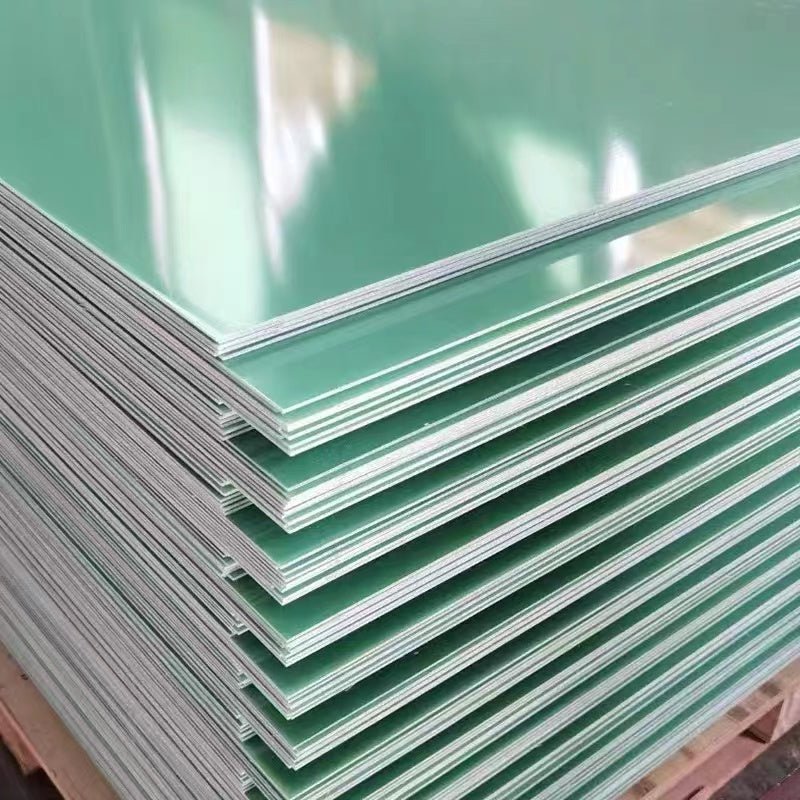
FR4 fiberglass sheets

We’ll explore the critical role of quality in your selection process, providing insights on how to identify high-quality FR4 materials that promise durability and optimal performance. The discussion extends to comparing FR4 fiberglass sheet suppliers, offering practical advice on evaluating reliability, cost, material consistency, and customer service to find a supplier that meets your standards.

Understanding the versatile applications of FR4 sheets in accessory design is crucial. This post showcases innovative uses of the material, demonstrating how its characteristics can enhance various types of accessories. Finally, we share tips for working with FR4 sheets, covering essential techniques for cutting, drilling, and finishing, ensuring you can maintain material integrity and achieve your desired aesthetic and functional outcomes.

Whether you’re a seasoned accessory maker or embarking on your first project, this blog post will arm you with the knowledge to make informed decisions about FR4 fiberglass sheets, elevating the quality and uniqueness of your accessories.

Understanding FR4 Fiberglass Sheet Specifications

When embarking on any project that requires FR4 fiberglass sheets, understanding the material’s technical specifications is crucial. These specifications not only determine the sheet’s suitability for your specific application but also its performance and durability. Let’s delve deeper into the key aspects you should consider.

FR4 fiberglass sheets

Thickness and Size

The thickness and size of FR4 fiberglass sheets are among the first specifications to consider. Thickness can vary widely, typically ranging from as thin as 0.1mm to over 3.0mm. The choice of thickness directly impacts the rigidity and strength of the final product. For instance, thinner sheets might be preferred for lightweight accessories where flexibility is a benefit, while thicker sheets are ideal for more robust applications requiring higher mechanical strength.

Size is another critical factor. FR4 sheets come in various standard sizes, and some suppliers offer custom cutting services to meet specific project dimensions. It’s essential to select a size that minimizes waste while accommodating your design’s dimensions.

Thermal Resistance

Thermal resistance is a key feature of FR4 fiberglass sheets, making them suitable for a wide range of applications, including those exposed to high temperatures. This specification is particularly important for electronic accessories, where heat dissipation is a concern. The thermal resistance of FR4 ensures that it can withstand and protect components from the heat generated by electronic operations without degrading.

Understanding the thermal properties of FR4 is crucial for ensuring the longevity and reliability of your project. It’s not just about withstanding high temperatures but also about ensuring that the material’s integrity remains intact over its intended lifespan, even in fluctuating environmental conditions.

Selecting the Right FR4 Sheet for Your Project

Choosing the right FR4 fiberglass sheet involves balancing these specifications with your project’s requirements. Consider the environment in which the final product will be used, the mechanical stresses it will endure, and any electrical properties it needs to support.

For those new to working with FR4, consulting with suppliers can provide valuable insights. They can offer guidance on the most appropriate specifications for your application and may suggest custom solutions that perfectly fit your needs. Additionally, exploring online resources and forums can help you gain a deeper understanding of how others have successfully utilized FR4 sheets in similar projects.

By paying close attention to the thickness, size, and thermal resistance of FR4 fiberglass sheets, you can ensure that your project not only meets but exceeds expectations. This foundational knowledge empowers you to make informed decisions, leading to the successful completion of high-quality, durable accessories tailored to your specific needs.

The Importance of Quality in FR4 Fiberglass Sheets

Selecting high-quality FR4 fiberglass sheets is paramount for anyone involved in the manufacturing of accessories. The quality of these sheets directly influences the durability, performance, and overall success of the final product. Understanding the characteristics of high-quality FR4 materials and how to identify them is essential for ensuring your projects stand out in terms of reliability and longevity.

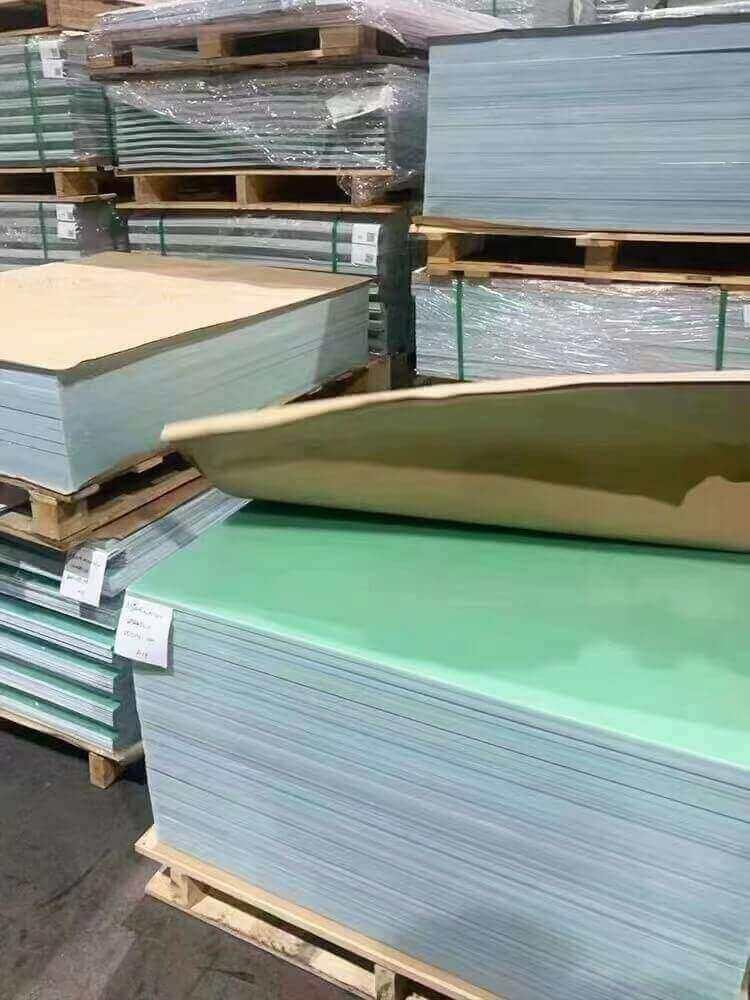
high-quality FR4 fiberglass sheets

Identifying High-Quality FR4 Materials

High-quality FR4 sheets are characterized by their uniformity in thickness, consistency in color and texture, and absence of defects such as bubbles, wrinkles, or delaminations. These attributes are critical as they affect the material’s mechanical strength and electrical insulation properties, which are vital for many accessory applications, especially in the electronics industry.

Uniformity in Thickness: A consistent thickness across the entire sheet ensures that the material behaves predictably during machining and in its final application. Variations can lead to weaknesses in the material, affecting the structural integrity of the finished product.

Consistency in Color and Texture: While aesthetic considerations might not be the primary concern for all projects, consistency in color and texture can be an indicator of the material’s quality. Inconsistencies may suggest variations in the manufacturing process, which could impact the material’s performance.

Absence of Defects: Defects such as bubbles or delaminations compromise the structural integrity of FR4 sheets. These flaws can significantly reduce the material’s strength and its ability to function as an electrical insulator.

Ensuring Durability and Performance

The durability and performance of accessories manufactured with FR4 fiberglass sheets hinge on the material’s quality. High-quality FR4 sheets offer excellent mechanical strength, making them resistant to cracking or breaking under stress. This is particularly important for accessories that will be subjected to physical impacts or need to support weight.

Moreover, the thermal and electrical insulation properties of FR4 are crucial for electronic accessories. High-quality FR4 materials maintain their insulating properties over a wide range of temperatures, ensuring the safety and functionality of the device they are used in. This thermal resistance also contributes to the longevity of the product by protecting it from heat-related damage.

Selecting the Right Supplier

Identifying and procuring high-quality FR4 fiberglass sheets often comes down to selecting the right supplier. Look for suppliers with a strong reputation in the industry, known for their commitment to quality and consistency. It’s beneficial to request samples or detailed specifications and, if possible, visit the supplier’s manufacturing facility to witness their processes firsthand.

Engaging with suppliers who are transparent about their manufacturing processes and quality control measures can provide assurance that the FR4 sheets you purchase will meet your high standards. Additionally, suppliers who are willing to provide technical support and advice can be invaluable partners in selecting the right materials for your projects.

By prioritizing the quality of FR4 fiberglass sheets, manufacturers can ensure that their accessories stand the test of time, both in terms of physical durability and performance. High-quality materials lead to high-quality products, satisfying both the maker and the end user.

Black Glass Fiberboard

Comparing FR4 Fiberglass Sheet Suppliers

Choosing the right supplier for FR4 fiberglass sheets is a critical decision that can significantly impact the quality and success of your projects. When comparing suppliers, it’s essential to evaluate several key factors, including reliability, cost, material consistency, and customer service. These elements play a pivotal role in ensuring you receive high-quality materials that meet your specifications and are delivered in a timely and cost-effective manner.

Evaluating Supplier Reliability

Reliability is a cornerstone of any supplier relationship. A reliable supplier not only delivers products on time but also ensures that each delivery meets the agreed-upon quality standards. Assessing a supplier’s reliability involves looking at their track record, including their history of on-time deliveries and their ability to maintain quality over time. Seeking feedback from current or past customers can provide valuable insights into a supplier’s reliability.

Understanding Cost Implications

While cost is an important consideration, it should not be the sole factor in selecting a supplier. The lowest price might not always equate to the best value, especially if it compromises quality or reliability. Consider the total cost of ownership, which includes not just the purchase price but also any additional costs related to shipping, handling, and potential quality issues. A supplier that offers competitive pricing without sacrificing quality or service can offer the best value in the long run.

Assessing Material Consistency

Material consistency is crucial for ensuring that every FR4 fiberglass sheet you receive performs as expected. Inconsistent materials can lead to production issues, increased waste, and potentially defective products. Evaluate suppliers based on their ability to provide consistent quality across batches. This may involve reviewing quality control processes, asking for samples from different batches, or even visiting the supplier’s facility to observe their manufacturing and quality assurance practices firsthand.

Prioritizing Customer Service

Excellent customer service is another critical factor to consider. A supplier that is responsive, knowledgeable, and willing to go the extra mile can make a significant difference, especially when unexpected issues arise. Look for suppliers that offer strong technical support, are transparent about their processes, and are proactive in communicating any potential delays or issues. A partnership approach, where the supplier is willing to work closely with you to meet your specific needs, can be highly beneficial.

customer service

Making the Right Choice

Comparing FR4 fiberglass sheet suppliers requires a balanced approach, weighing each of these factors carefully. Start by shortlisting suppliers that meet your basic requirements in terms of product specifications and delivery capabilities. From there, conduct a more in-depth evaluation based on reliability, cost, material consistency, and customer service.

Requesting quotes, samples, and references from each supplier can provide a comprehensive view of what each can offer. Additionally, consider the long-term aspects of the partnership, such as the supplier’s capacity to grow with your business and their commitment to ongoing quality and innovation.

Selecting the right supplier is not just about finding a source for FR4 fiberglass sheets; it’s about establishing a partnership that will contribute to the success of your projects and the satisfaction of your customers. By carefully considering each of these factors, you can make an informed decision that aligns with your business goals and quality standards.

FR4 Fiberglass Sheet Applications in Accessory Design

The versatility of FR4 fiberglass sheets has made them a material of choice in a wide range of accessory design applications. Known for their excellent mechanical strength, thermal resistance, and electrical insulation properties, FR4 sheets offer designers and manufacturers a robust foundation for innovative and durable products. Let’s delve into the diverse applications of FR4 sheets in accessory design, highlighting how their unique characteristics can benefit specific types of accessories.

The versatility of FR4 fiberglass sheets

Electronics Enclosures and Components

One of the most common applications of FR4 sheets is in the design and manufacture of electronics enclosures and components. The material’s inherent electrical insulation properties make it ideal for protecting sensitive electronic circuits from both physical and electrical interference. Accessories such as custom PCB (Printed Circuit Board) mounts, protective casings for wearable technology, and drone components benefit from FR4’s durability and thermal stability, ensuring reliable performance even under extreme conditions.

Custom Mechanical Parts

FR4’s mechanical strength and ease of machining also make it suitable for creating custom mechanical parts for accessories. This includes gears, brackets, and structural components in robotics, automotive accessories, and even musical instruments. The material’s resistance to moisture and chemicals further enhances the longevity and reliability of these parts, making FR4 a preferred choice for accessories exposed to harsh environments.

Heat-Resistant Barriers and Insulators

The thermal resistance of FR4 fiberglass sheets is a critical feature for accessories requiring heat insulation. This makes FR4 an excellent choice for creating heat-resistant barriers in consumer electronics, such as laptops and smartphones, where managing internal heat is crucial for performance and safety. Additionally, FR4 is used in designing insulators for kitchen appliances and other high-temperature environments, protecting users and sensitive components from heat exposure.

Aesthetic and Functional Design Elements

Beyond its functional benefits, FR4 can also be used to add aesthetic and tactile elements to accessories. Its surface can be treated, painted, or printed on, allowing for a range of visual designs. This versatility opens up possibilities for incorporating FR4 into fashion accessories, decorative elements in tech gadgets, and even in the creation of durable, lightweight jewelry pieces. The ability to customize the appearance of FR4 sheets meets the growing demand for personalized and unique accessory designs.

Prototyping and Customization

The ease of machining and fabricating FR4 fiberglass sheets makes them an excellent material for prototyping new accessory designs. Designers can quickly and cost-effectively create prototypes to test form, fit, and function, accelerating the development process for innovative accessories. This capability is invaluable in custom accessory design, where each piece may require a unique approach or fit.

Leveraging FR4 in Accessory Design

The applications of FR4 fiberglass sheets in accessory design are as varied as the imagination of the designers who use them. From creating durable components that withstand extreme conditions to adding unique design elements that set products apart, FR4 offers a combination of physical and aesthetic properties that can enhance a wide range of accessories. Its role in the development of innovative, high-quality accessories continues to grow, driven by the material’s versatility, durability, and adaptability to various design needs.

FR4 fiberglass sheets in accessory design

Tips for Working with FR4 Fiberglass Sheets

Working with FR4 fiberglass sheets requires a thoughtful approach to maintain material integrity and achieve the high-quality finishes that are essential for professional accessory manufacturing. From cutting and drilling to the final finishing touches, each step in the process demands specific techniques to ensure the best outcomes. Here are practical tips for handling and machining FR4 sheets effectively.

Cutting FR4 Fiberglass Sheets

When cutting FR4 sheets, using the right tools is crucial to prevent chipping and fraying, which can compromise the material’s structural integrity. Carbide-tipped cutting tools are recommended due to their hardness and resistance to wear. A CNC machine provides precision cuts for complex shapes and sizes, but if you’re using manual tools, a fine-toothed saw blade is preferable. Always secure the sheet firmly to minimize vibrations and ensure a clean cut.

Drilling Techniques

Drilling into FR4 fiberglass sheets requires precision to avoid cracking or delamination. Begin with a small pilot hole to guide the drill bit and reduce the risk of slipping. Using drill bits made for working with fiberglass or carbide-tipped bits can significantly improve the quality of the holes and extend the life of your tools. Keep the drill speed moderate to prevent overheating, which can damage both the material and the drill bit.

Finishing Techniques

Achieving a smooth finish on FR4 fiberglass sheets is essential for both aesthetic and functional reasons. Sanding is a common finishing technique, but it should be done with care. Start with a coarse grit sandpaper to remove any major imperfections and gradually work your way up to a finer grit for a smooth finish. Wet sanding can be used to minimize dust, which is particularly important when working with fiberglass due to its potential health hazards. Always wear protective gear, including a dust mask or respirator, and work in a well-ventilated area.

Maintaining Material Integrity

Maintaining the integrity of FR4 sheets during machining is paramount. Avoid excessive force or speed during cutting and drilling, as this can cause heat buildup and damage the material. Additionally, supporting the sheet adequately during these processes can prevent unwanted bending or breaking. When gluing or bonding FR4 parts, use adhesives compatible with fiberglass to ensure a strong bond without damaging the material.

Achieving Desired Outcomes

To achieve the desired outcomes when working with FR4, planning and precision are key. Always measure and mark your cuts and drill points accurately to ensure that the final product meets your specifications. Test your machining processes on scrap pieces before working on your final piece to fine-tune your technique and tool settings.

Working Safely with FR4

Safety should always be a priority when working with FR4 fiberglass sheets. The material can produce sharp edges when cut and hazardous dust when sanded or drilled. Wearing protective gloves, eye protection, and a respirator can protect you from injuries and health risks associated with fiberglass particles. Ensuring a clean and organized workspace can also help prevent accidents and improve the quality of your work.

By following these tips for cutting, drilling, and finishing FR4 fiberglass sheets, you can enhance the quality and durability of your accessories while maintaining a safe working environment.

Navigating the intricacies of working with FR4 fiberglass sheets is a journey that combines art with precision engineering. By understanding the material’s specifications, prioritizing quality, selecting the right supplier, exploring innovative applications, and mastering machining techniques, you can unlock the full potential of FR4 in accessory design and manufacturing. Embracing these insights ensures not only the success of your projects but also their distinction in the competitive landscape of accessory manufacturing. Armed with this knowledge, you’re well-equipped to push the boundaries of creativity and durability, crafting accessories that stand the test of time and captivate the market.

FR4 fiberglass sheets

Unlock Your Project’s Potential Now!

Take the first step towards turning your visionary ideas into reality. If you’re looking for premium FR4 fiberglass sheets that promise durability and performance, we’re here to help. Complete the contact form at the bottom of this page, and let’s discuss how we can elevate your accessory designs together.

🎉🎉🎉Limited Time Offer Use code: QR4GNY08SHVR at checkout and enjoy a special discount on your entire order! 👉 FR4 fiberglass plastic

Leave a comment


Please note, comments must be approved before they are published


Custom Plastic Fabrication

Send your drawing, material and quantity for review

🔧
Precision Machining
CNC milling & turning
✂️
Cutting & Engraving
Laser & waterjet cutting
🏭
Forming & Molding
Thermoforming & injection
🔗
Joining & Assembly
Welding & bonding
📐
Design & Prototyping
CAD design & samples

General

HDPE

PP

PVC

ABS

Engineering

POM

Nylon

PC

PMMA

High-Performance

PEEK

PEI

PTFE

Composites

FR-4

G10

Flexible

TPU

Silicone

Why Choose BeePlastic?

🎯
Perfect Fit
Custom specs eliminate adaptation needs
⚡
Clear Lead Times
Lead time confirmed with every quote
💰
Volume Pricing
Volume pricing available on bulk orders
🤝
Expert Support
Free engineering consultation included
📋
Submit
→
🔍
Review
→
💵
Quote
→
✅
Production
→
📦
Deliver

Request a Quote

Share your project details, selected material and quantity on our quote page. You can add a file link or use the email drawing route shown there.


Request Quote

Industries: Automotive • Medical • Food • Lab • Semiconductor

beeplastic@beeplastic.com


From Concept to Creation: Transforming UHMW Sheets into Precision-Cut Accessories

UHMW plastic sheets

Dive into the world of UHMW Plastic Sheet Cut To Size with our latest blog post, “From Concept to Creation: Transforming UHMW Sheets into Precision-Cut Accessories.” This comprehensive guide is your go-to resource for understanding the ins and outs of utilizing UHMW plastic—a material renowned for its durability, wear resistance, and versatility—in the creation of custom accessories. 

🎉🎉🎉Limited Time Offer Use code: QR4GNY08SHVR at checkout and enjoy a special discount on your entire order! 👉 UHMWPE plastic
UHMW plastic

We kick off with an in-depth look at Understanding UHMW Plastic: Properties and Benefits for Accessory Manufacturing, where we explore why this material stands out in the realm of accessory production. Discover the unique characteristics of UHMW that make it indispensable for crafting items that demand high impact strength and chemical resistance.

Next, we delve into The Precision Cutting Process, shedding light on the cutting-edge technologies that shape UHMW sheets into your exact specifications. Learn about the precision tools and techniques, from CNC machining to laser cutting, that ensure your designs are brought to life with unmatched accuracy.

Our journey continues with Design Considerations for UHMW Accessories, offering a treasure trove of insights on transforming your initial sketches into tangible, high-quality products. This section emphasizes the importance of design optimization to leverage UHMW’s full potential, ensuring your accessories are not only functional but also aesthetically pleasing.

In Cost-Effective Procurement Strategies for UHMW Plastic Sheets, we equip you with knowledge on how to navigate the procurement process smartly and efficiently. From selecting the right supplier to understanding bulk ordering benefits, this segment is designed to help you maximize quality while minimizing costs.

Lastly, our Case Studies segment brings theory into the real world, showcasing innovative applications of cut-to-size UHMW sheets in various industries. These success stories highlight the material’s adaptability and efficiency, inspiring you to push the boundaries of what’s possible in accessory design.

Whether you’re a seasoned manufacturer or a curious newcomer, “From Concept to Creation: Transforming UHMW Sheets into Precision-Cut Accessories” offers valuable insights into every step of the process. Join us as we explore how UHMW plastic sheets can elevate your accessory designs from mere concepts to market-ready creations.

UHMW Plastic Sheets

Understanding UHMW Plastic: Properties and Benefits for Accessory Manufacturing

Ultra High Molecular Weight Polyethylene, or UHMW, stands as a cornerstone in the world of plastics, especially when it comes to crafting accessories that demand durability, resilience, and longevity. This material’s unique set of properties not only sets it apart from other plastics but also makes it a preferred choice for a wide range of industrial and consumer applications.

The Unique Characteristics of UHMW

UHMW is renowned for its high impact strength, which enables it to withstand severe beating and abrasion without suffering damage. This characteristic is crucial for accessories that are exposed to harsh conditions, where regular plastics might crack or degrade. Whether it’s gears, bearings, or any component that faces mechanical stress, UHMW‘s ability to absorb impact and resist wear extends the life of these products significantly.

Another notable feature of UHMW is its low friction coefficient. This quality not only reduces wear and tear on moving parts but also enhances performance by minimizing resistance. Accessories that require smooth, sliding actions benefit immensely from this property, ensuring efficient operation with less need for maintenance and lubrication.

UHMW also boasts exceptional chemical resistance. This makes it an ideal candidate for use in environments where exposure to corrosive substances is a concern. From industrial machinery parts to kitchen cutting boards, UHMW ensures that the integrity of the accessory remains uncompromised, even when in contact with aggressive chemicals.

Benefits for Accessory Manufacturing

The manufacturing of accessories with UHMW brings forth a plethora of benefits, directly attributable to its superior properties. The durability of UHMW translates into longer-lasting products, offering consumers better value for their investment and manufacturers a reputation for quality.

Moreover, the versatility of UHMW cannot be overstated. Its ease of fabrication and ability to be cut to size make it a go-to material for custom projects. Whether for industrial components or consumer products, UHMW can be tailored to meet specific requirements, offering unparalleled flexibility in design and application.

The cost-effectiveness of UHMW also plays a significant role in its popularity for accessory manufacturing. Despite its high-performance characteristics, UHMW remains an economically viable option, especially when considering its longevity and the reduction in maintenance costs it offers.

The Environmental Aspect

In today’s eco-conscious world, the environmental impact of materials is more important than ever. UHMW is a non-toxic, recyclable plastic, which aligns with the growing demand for sustainable manufacturing practices. Its long service life and recyclability contribute positively to reducing waste and promoting a circular economy.

Final Thoughts

The unique properties of UHMW—from its high impact strength and low friction to its chemical resistance—make it an unparalleled choice for manufacturing durable, efficient, and versatile accessories. Its benefits extend beyond mere functionality, offering cost savings, design flexibility, and an environmentally friendly option for industries and consumers alike. As we continue to push the boundaries of innovation, UHMW stands as a testament to the role advanced materials play in shaping the future of manufacturing.

UHMW Plastic Sheets

The Precision Cutting Process: How UHMW Sheets are Tailored to Your Specifications

The manufacturing world is constantly evolving, seeking more efficient, accurate, and reliable methods to process materials. UHMW (Ultra High Molecular Weight Polyethylene) is no exception. Its popularity in accessory manufacturing owes much to the advanced cutting technologies that shape it into precise, custom sizes. Let’s delve into the core techniques like CNC machining and waterjet cutting, which play pivotal roles in transforming UHMW sheets into meticulously crafted parts.

CNC Machining: Precision at Its Core

CNC machining stands as a cornerstone in the precision cutting of UHMW sheets. This process utilizes computer-controlled machines to ensure each cut is exact, replicating designs with pinpoint accuracy. The beauty of CNC machining lies in its versatility and precision, capable of handling complex shapes and intricate details that other methods might not achieve. For manufacturers, this means the ability to produce custom accessories with tight tolerances, ensuring each piece fits perfectly in its intended application.

Waterjet Cutting: The Power of Water

Moving beyond traditional cutting methods, waterjet cutting introduces a powerful and versatile technique to the processing of UHMW plastic. By using a high-pressure stream of water, possibly mixed with an abrasive substance, waterjet cutters can slice through UHMW sheets without generating heat, thus preserving the material’s integrity. This method is particularly beneficial for materials sensitive to high temperatures, ensuring that the UHMW does not warp or lose its properties during cutting. The precision of waterjet cutting is remarkable, allowing for the creation of complex designs without the need for post-processing.

Laser Cutting: A Touch of Modernity

Laser cutting represents the cutting edge of technology in the fabrication of UHMW sheets. It employs a focused laser beam to melt, burn, or vaporize the material, offering an exceptionally high level of precision. While laser cutting is more commonly associated with metals, advancements in technology have made it increasingly viable for UHMW plastic. This method is prized for its ability to produce clean, sealed edges and intricate cuts, making it ideal for detailed accessory components. However, it’s important to note that the suitability of laser cutting can vary depending on the thickness of the UHMW sheet and the specific requirements of the project.

Ensuring Accuracy and Consistency

The choice of cutting technology plays a crucial role in the final quality of UHMW accessories. Each method—whether it’s CNC machining brings its own set of advantages to the table. The key lies in matching the method to the project’s specific needs, considering factors such as material thickness, complexity of the design, and desired finish.

The precision and consistency these technologies offer are indispensable in today’s manufacturing landscape. They ensure that every piece produced meets stringent quality standards, fitting seamlessly into its designated role. For manufacturers and designers alike, this means the ability to bring their visions to life with confidence, knowing that the final product will not only meet but exceed expectations.

The Role of Expertise

Behind every successful cutting process is a team of skilled operators and technicians. Their expertise in handling UHMW plastic and navigating the intricacies of each cutting method is vital. From programming CNC machines to adjusting waterjet pressure and fine-tuning laser settings, their knowledge ensures that each UHMW sheet is cut to perfection.

In the realm of UHMW plastic fabrication, the marriage of advanced technology and human skill is what leads to the creation of high-quality, precision-cut accessories. As we continue to push the boundaries of what’s possible, these cutting techniques stand as a testament to the industry’s commitment to excellence and innovation.

UHMW Plastic Sheets CNC machining center

Design Considerations for UHMW Accessories: From Sketch to Final Product

Designing accessories from UHMW sheets requires a deep understanding of the material’s properties and how they can be harnessed to create functional, durable, and aesthetically pleasing products. UHMW (Ultra High Molecular Weight Polyethylene) is favored for its exceptional wear resistance, low friction, and impact strength, but leveraging these qualities effectively calls for strategic design considerations. Let’s explore the critical aspects of designing with UHMW, from conceptual sketches to the final product.

Understanding UHMW’s Unique Properties

The first step in the design process is to fully appreciate the unique characteristics of UHMW. Its high impact strength allows for the creation of accessories that can withstand significant stress and shock, making it ideal for industrial applications. The material’s low friction coefficient is beneficial for parts requiring smooth movement without lubrication. Additionally, UHMW‘s resistance to chemicals and moisture opens up possibilities for use in harsh environments. Recognizing these properties early in the design phase is crucial for optimizing the functionality and longevity of the final product.

Optimizing Design for Material Properties

Thickness and Shape Considerations

When designing with UHMW, consider the thickness of the sheets and the shape of the final product. The thickness will affect the accessory’s strength and flexibility, requiring a balance that suits the application’s demands. Complex shapes might necessitate specific cutting techniques, as discussed earlier with CNC machining, waterjet cutting, and laser cutting. Designers must account for the capabilities and limitations of these technologies to ensure the design can be realized without compromising the material’s integrity.

Integration with Other Materials

Many accessories made from UHMW are part of larger systems and must integrate seamlessly with other materials. This integration requires thoughtful consideration of how UHMW parts will interact with metals, other plastics, or composite materials. For instance, differences in thermal expansion rates between UHMW and metal components must be accounted for to avoid fit issues in varying temperatures. Designing connection points, such as bolt holes or slots, requires precision to ensure a secure and lasting fit.

Achieving Aesthetic and Functional Harmony

While UHMW is often chosen for its functional benefits, aesthetics also play a role in the design process. Fortunately, UHMW can be produced in various colors, allowing designers to incorporate visual elements into their products. Additionally, the surface finish of UHMW parts can be tailored to specific requirements, whether a smooth finish for aesthetic appeal or a textured surface for improved grip is needed.

Prototyping and Testing

Prototyping is an invaluable step in the design process, allowing designers to test their concepts and make necessary adjustments before full-scale production. Testing prototypes made from UHMW can reveal insights into the material’s behavior under real-world conditions, such as wear patterns, impact resistance, and compatibility with other materials. This phase is critical for refining the design to meet both functional and aesthetic goals.

Navigating the Design Process

Designing accessories with UHMW is a complex but rewarding process that blends creativity with technical knowledge. By considering the material’s properties, optimizing designs for thickness and shape, and carefully planning the integration with other materials, designers can fully exploit UHMW‘s potential. Achieving a balance between functionality and aesthetics, while also anticipating the challenges of prototyping and testing, is key to transforming a sketch into a successful final product. Through this meticulous approach, UHMW continues to be a material of choice for innovative and durable accessories.

UHMW plastic

Cost-Effective Procurement Strategies for UHMW Plastic Sheets

Procuring UHMW plastic sheets in a cost-effective manner is crucial for businesses looking to optimize their production costs while maintaining high-quality standards in accessory manufacturing. Understanding how to navigate the procurement process can lead to significant savings and a competitive edge in the market. Here, we delve into strategies for sourcing UHMW sheets cut to size, selecting the right supplier, and the importance of bulk ordering, alongside a cost-benefit analysis of investing in high-quality UHMW plastic.

Selecting the Right Supplier

The foundation of a cost-effective procurement strategy is choosing a supplier that aligns with your quality requirements, budget, and logistical needs. When selecting a supplier for UHMW plastic sheets, consider the following:

  • Quality Assurance: Look for suppliers who provide high-quality UHMW plastic that meets industry standards. Quality should not be compromised for cost savings, as inferior materials can lead to product failures and increased waste.
  • Supply Chain Reliability: A reliable supply chain is essential for timely deliveries and minimizing production delays. Evaluate suppliers based on their track record for on-time delivery and their ability to maintain consistent stock levels.
  • Customization Capabilities: Ensure the supplier offers cut-to-size services that match your specific requirements. This can reduce waste and lower costs by eliminating the need for in-house cutting and processing.
  • Technical Support: A supplier that offers technical support can be invaluable, especially when it comes to material selection and design optimization for UHMW applications.

The Importance of Bulk Ordering

Bulk ordering is a key strategy for reducing the cost per unit of UHMW sheets. Purchasing larger quantities can unlock volume discounts, making it a cost-effective option for manufacturers with steady production demands. However, it’s important to balance the benefits of bulk ordering with the realities of storage space and capital tied up in inventory. Conducting a thorough demand forecast can help in making informed decisions about order quantities that optimize both cost savings and inventory management.

Understanding the Cost-Benefit Analysis

Investing in high-quality UHMW plastic for accessory production can offer long-term savings that outweigh the initial costs. Consider the following factors in a cost-benefit analysis:

  • Durability: High-quality UHMW has superior wear resistance and impact strength, leading to longer-lasting products and reduced replacement costs.
  • Maintenance: Accessories made from premium UHMW require less maintenance due to the material’s inherent properties, such as low friction and chemical resistance, saving on upkeep expenses.
  • Efficiency: UHMW’s ease of machining and fabrication can lead to faster production times and lower labor costs, enhancing overall manufacturing efficiency.

Navigating Cost-Efficiency

Achieving cost-efficiency in procuring UHMW plastic sheets requires a strategic approach that encompasses selecting the right supplier, leveraging bulk ordering, and understanding the long-term benefits of investing in quality materials. By considering these factors, manufacturers can ensure they are making informed decisions that balance cost with quality, ultimately leading to a more profitable and sustainable production process.

UHMW plastic sheets

In navigating the procurement of UHMW plastic sheets, manufacturers are advised to conduct a comprehensive analysis of their needs, market conditions, and supplier offerings. This holistic approach enables businesses to procure materials that not only meet their immediate production requirements but also align with their long-term operational goals and budget constraints.

Case Studies: Innovative Uses of Cut-to-Size UHMW Sheets in Accessory Design

The versatility and superior performance of UHMW (Ultra High Molecular Weight Polyethylene) have made it a material of choice across a wide range of industries. From industrial machinery components to sports equipment and consumer goods, UHMW plastic sheets cut to size have been instrumental in driving innovation and enhancing product durability and functionality. Here, we explore real-world examples that highlight the innovative applications of UHMW in accessory design.

Industrial Machinery Components

One notable application of UHMW is in the manufacturing of high-performance industrial machinery components. A leading packaging machinery manufacturer utilized cut-to-size UHMW sheets to create wear-resistant sliding components. These parts, essential for the smooth operation of conveyor systems, demonstrated exceptional durability and reduced maintenance needs, significantly increasing the machinery’s operational efficiency. The UHMW components outperformed traditional materials in terms of wear resistance and friction, showcasing UHMW’s ability to enhance industrial productivity and longevity.

Sports Equipment

In the sports sector, UHMW has been used to revolutionize the design of high-end snowboards. A renowned sports equipment company integrated UHMW base plates into their snowboard designs, taking advantage of the material’s low friction and high impact strength. This innovation resulted in snowboards that offered improved glide performance and resistance to abrasions from rough terrain. The use of UHMW in this context not only enhanced the sporting experience for enthusiasts but also set new standards for durability and performance in winter sports equipment.

Consumer Goods

The consumer goods industry has also seen significant benefits from the application of UHMW. A prominent example is in the design of durable kitchen cutting boards. By utilizing cut-to-size UHMW sheets, manufacturers were able to produce cutting boards that were not only resistant to knife wear but also possessed a non-porous surface that prevented bacteria accumulation. These UHMW cutting boards offered a superior alternative to traditional materials, combining hygiene, durability, and ease of cleaning in a single product.

Marine Applications

Another innovative use of UHMW can be found in marine applications, where its resistance to saltwater corrosion and marine growth has been leveraged. Boat manufacturers have employed cut-to-size UHMW sheets for the production of dock fenders and boat lift bunks. These UHMW-based accessories provide unparalleled protection for boats, absorbing impacts and resisting the harsh marine environment. The success of UHMW in these applications highlights its suitability for outdoor and marine environments, where durability and resistance to the elements are paramount.

These case studies underscore the adaptability and superior performance of UHMW plastic sheets in a variety of sectors. Whether in the rigorous demands of industrial machinery, the competitive world of sports equipment, the everyday utility of consumer goods, or the challenging conditions of marine applications, UHMW stands out for its durability, wear resistance, and versatility. The innovative use of cut-to-size UHMW sheets in accessory design not only enhances product functionality and longevity but also opens up new avenues for creative and practical applications across industries.

In wrapping up our exploration of UHMW plastic sheets and their transformative impact across various industries, it’s clear that this material’s unique properties—ranging from unparalleled durability and wear resistance to its low friction and chemical stability—have opened up a world of possibilities for accessory design and manufacturing. The case studies highlighted in this post are just a few examples of how businesses have leveraged UHMW to not only solve traditional challenges but also to innovate and set new benchmarks in their respective fields. As we continue to push the boundaries of material science and engineering, UHMW stands as a testament to the potential of high-performance polymers in driving forward the next generation of products. Whether for industrial components, sports equipment, consumer goods, or marine applications, UHMW plastic sheets cut to size offer a versatile and cost-effective solution that promises to keep shaping the future of manufacturing and design.

Ready to Elevate Your Project with UHMW?

Don’t miss the opportunity to transform your accessory designs with the unparalleled durability and versatility of UHMW plastic sheets. If you’re looking for custom solutions that meet your exact specifications, we’re here to help. Fill out the contact form below to start a conversation with our experts today. Let’s make your vision a reality together!

🎉🎉🎉Limited Time Offer Use code: QR4GNY08SHVR at checkout and enjoy a special discount on your entire order! 👉 UHMWPE plastic

Leave a comment


Please note, comments must be approved before they are published


Custom Plastic Fabrication

Send your drawing, material and quantity for review

🔧
Precision Machining
CNC milling & turning
✂️
Cutting & Engraving
Laser & waterjet cutting
🏭
Forming & Molding
Thermoforming & injection
🔗
Joining & Assembly
Welding & bonding
📐
Design & Prototyping
CAD design & samples

General

HDPE

PP

PVC

ABS

Engineering

POM

Nylon

PC

PMMA

High-Performance

PEEK

PEI

PTFE

Composites

FR-4

G10

Flexible

TPU

Silicone

Why Choose BeePlastic?

🎯
Perfect Fit
Custom specs eliminate adaptation needs
⚡
Clear Lead Times
Lead time confirmed with every quote
💰
Volume Pricing
Volume pricing available on bulk orders
🤝
Expert Support
Free engineering consultation included
📋
Submit
→
🔍
Review
→
💵
Quote
→
✅
Production
→
📦
Deliver

Request a Quote

Share your project details, selected material and quantity on our quote page. You can add a file link or use the email drawing route shown there.


Request Quote

Industries: Automotive • Medical • Food • Lab • Semiconductor

beeplastic@beeplastic.com