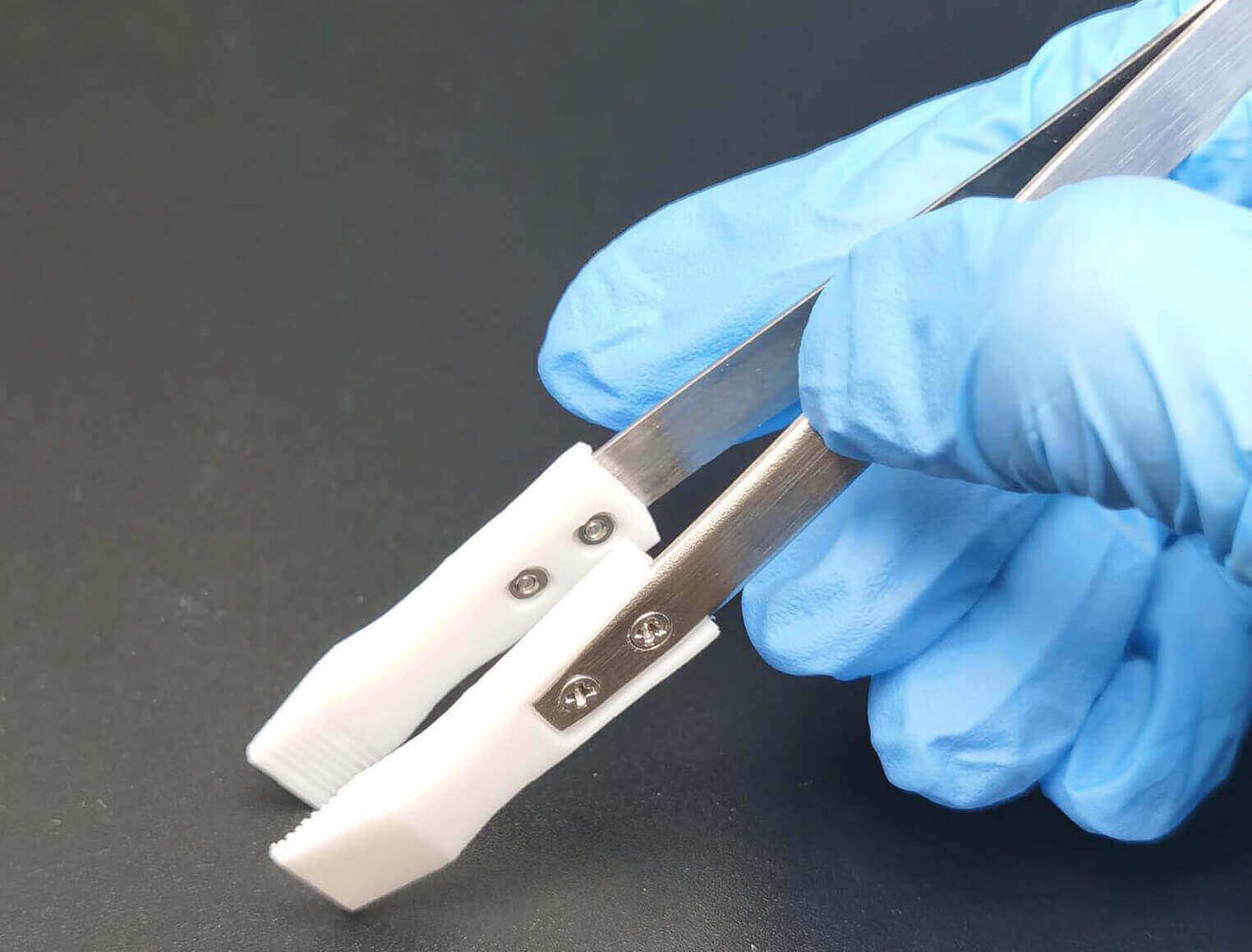
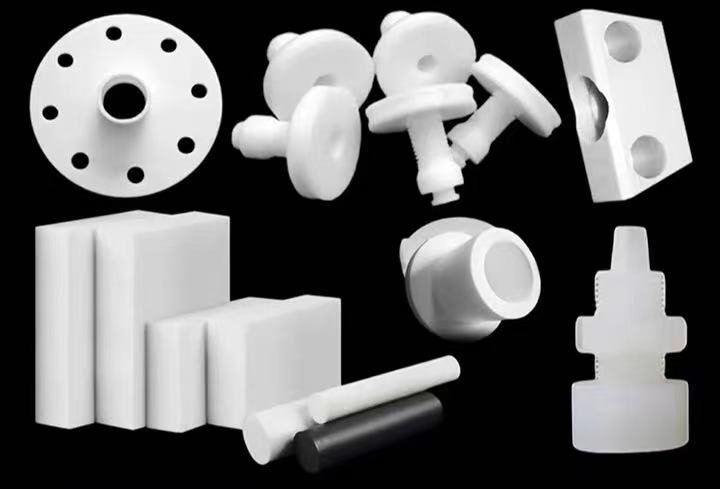
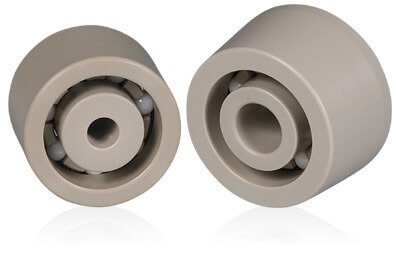
Precision and Durability: Choosing UHMW-PE Parts in CNC Machining

UHMW-PE's exceptional material properties

In the blog post “Precision and Durability: Choosing UHMW-PE Parts in CNC Machining,” we delve into the fascinating world of UHMW-PE (Ultra High Molecular Weight Polyethylene), a material renowned for its exceptional properties in CNC machining. This comprehensive guide begins by Understanding UHMW-PE Material Properties, highlighting its high impact strength, abrasion resistance, and low coefficient of friction.

🎉🎉🎉Limited Time Offer Use code: QR4GNY08SHVR at checkout and enjoy a special discount on your entire order! 👉 UHMWPE plastic
UHMW-PE (Ultra High Molecular Weight Polyethylene) plastic sheet

We then transition to The CNC Machining Process for UHMW-PE Parts, where we explore the intricate techniques and critical considerations, such as tool selection and cutting speed, essential for achieving the utmost precision in machining this versatile material. 

The post further explores the Advantages of UHMW-PE Parts in Various Industries, showcasing its wide-ranging applications from material handling to automotive and food processing sectors. This section underscores the material’s adaptability and effectiveness in diverse operational environments.

In Quality Control and Testing for UHMW-PE Machined Parts, we emphasize the importance of rigorous quality assurance practices. This includes ensuring dimensional accuracy and maintaining the material’s inherent properties post-machining, which are crucial for the durability and reliability of the finished parts.

Lastly, the post addresses Cost-Effectiveness and Customization in UHMW-PE CNC Machining. Here, we discuss how CNC machining facilitates the production of custom UHMW-PE parts in a cost-effective manner, meeting specific industry requirements without compromising on quality and performance.

This blog post is an essential read for anyone interested in the procurement and application of UHMW-PE parts, offering valuable insights into the precision and durability aspects of CNC machining with this advanced material.

Understanding UHMW-PE Material Properties

When it comes to CNC machining, the choice of material plays a pivotal role in the success of the final product. UHMW-PE (Ultra High Molecular Weight Polyethylene) stands out as a premier choice, thanks to its unique set of properties. In this section, we’ll explore why UHMW-PE is not just a material, but a cornerstone in precision machining.

HMW-PE (Ultra High Molecular Weight Polyethylene) CNC machining

High Impact Strength of UHMW-PE

One of the most notable characteristics of UHMW-PE is its high impact strength. This property makes it an ideal candidate for applications where durability and resilience are crucial. In CNC machining, the ability of UHMW-PE to withstand high levels of stress without cracking or breaking is invaluable. This strength is particularly beneficial in industries such as material handling and mining, where components are subjected to extreme conditions.

Abrasion Resistance: A Key Advantage

Another significant advantage of UHMW-PE is its abrasion resistance. This quality ensures that parts made from UHMW-PE can endure wear and tear over extended periods, maintaining their integrity and functionality. This resistance is crucial in applications like conveyor systems and marine dock fender pads, where constant friction is a norm. The longevity of UHMW-PE parts means less frequent replacements, leading to cost savings in the long run.

Low Coefficient of Friction: Enhancing Performance

The low coefficient of friction of UHMW-PE is a game-changer in many applications. This property reduces the energy required for moving parts, leading to more efficient operations. In CNC machining, this translates to smoother operations and less wear on tools, which is a significant advantage. Industries such as food processing and pharmaceuticals, where hygiene and smooth operation are paramount, greatly benefit from this property.

UHMW-PE in CNC Machining: A Perfect Match

The combination of high impact strength, abrasion resistance, and low coefficient of friction makes UHMW-PE an ideal material for CNC machining. Its machinability allows for the creation of complex parts with tight tolerances, essential in precision engineering. Moreover, UHMW-PE’s versatility makes it suitable for a wide range of applications, from intricate medical devices to robust mechanical components.

In conclusion, UHMW-PE’s unique properties not only make it a suitable material for a variety of applications but also a preferred choice in CNC machining. Its ability to withstand harsh conditions while maintaining performance is a testament to its superiority as a material in the world of precision engineering and manufacturing.

UHMW-PE

The CNC Machining Process for UHMW-PE Parts

CNC machining stands as a cornerstone in the world of modern manufacturing, especially when it comes to materials like UHMW-PE (Ultra High Molecular Weight Polyethylene). This section delves into the specific techniques and considerations that are pivotal in the CNC machining of UHMW-PE, ensuring precision and quality in the final product.

Key Considerations in UHMW-PE CNC Machining

When machining UHMW-PE, several factors need careful consideration to achieve the desired results. These include tool selection, cutting speed, and the overall machining strategy. Each of these elements plays a crucial role in how effectively UHMW-PE can be machined to meet specific requirements.

Tool Selection for Optimal Machining

Choosing the right tool is critical in CNC machining of UHMW-PE. The material’s unique properties require tools that can handle its abrasion resistance and toughness. Tools made from carbide or diamond-coated materials are often preferred for their durability and ability to maintain sharpness. This choice ensures a smoother cut and longer tool life, which is essential for maintaining efficiency in the machining process.

Cutting Speed: Balancing Efficiency and Precision

The cutting speed is another vital aspect of machining UHMW-PE. A balance must be struck between efficiency and precision. Too high a speed can lead to excessive heat, causing the material to deform. Conversely, too slow a speed can result in an uneven cut. Finding the optimal speed is crucial for achieving the precision required in parts like gears and bearings, where even the slightest deviation can impact the overall functionality.
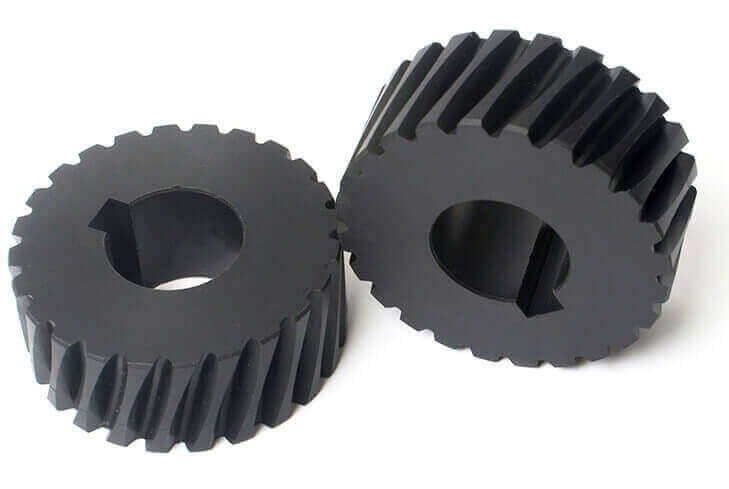
UHMW-PE gears

Precision in CNC Machining of UHMW-PE

Precision is the hallmark of CNC machining, and it’s no different with UHMW-PE. The ability to produce parts with tight tolerances is essential, especially in applications where accuracy is non-negotiable. This precision is achieved through a combination of advanced CNC machines, skilled operators, and meticulous planning. It ensures that each part meets the exact specifications required for its intended use.

The Role of CNC Technology in Machining UHMW-PE

Advanced CNC technology plays a pivotal role in machining UHMW-PE. With the aid of sophisticated software and precision tools, CNC machines can produce complex parts with high accuracy. This capability is particularly beneficial for custom parts, where unique designs and specifications are the norms.

In conclusion, the CNC machining process for UHMW-PE parts is a blend of art and science. It requires a deep understanding of the material’s properties, the right tools, optimal machining conditions, and advanced technology. By mastering these elements, manufacturers can produce UHMW-PE parts that meet the highest standards of precision and quality, suitable for a wide range of applications.

Advantages of UHMW-PE Parts in Various Industries

UHMW-PE (Ultra High Molecular Weight Polyethylene) has emerged as a material of choice across a wide range of industries, thanks to its unique combination of durability, versatility, and performance. This section explores how UHMW-PE parts are revolutionizing various sectors, from material handling to automotive and food processing.

UHMW-PE in Material Handling

In the material handling industry, UHMW-PE is prized for its exceptional wear resistance and low friction coefficient. Components such as conveyor guides, rollers, and chutes made from UHMW-PE exhibit a longer lifespan compared to those made from traditional materials. This durability translates to reduced downtime and maintenance costs, a crucial factor in high-demand environments.

UHMW-PE conveyor guides

Automotive Industry: Embracing UHMW-PE

The automotive industry benefits significantly from UHMW-PE’s impact strength and resistance to abrasion. Parts like bushings, bearings, and gear selectors made from UHMW-PE withstand the rigors of automotive use with ease. This resilience enhances the longevity of automotive components, contributing to safer and more reliable vehicles.

UHMW-PE’s Role in Food Processing

In food processing, UHMW-PE’s non-toxic, non-absorbent, and FDA-compliant nature makes it an ideal material for applications where hygiene is paramount. Components such as cutting boards, guides, and gears benefit from UHMW-PE’s ability to resist moisture and chemicals, ensuring that they remain safe and hygienic over prolonged use.

Versatility Across Other Industries

UHMW-PE’s versatility extends to numerous other sectors. In industries like mining, marine, and chemical processing, UHMW-PE parts offer unparalleled performance. Their resistance to corrosive substances, ability to operate in extreme temperatures, and overall durability make them indispensable in harsh working conditions.

UHMW-PE: A Material for the Future

The widespread adoption of UHMW-PE in these diverse industries is a testament to its superior properties. Its ability to be customized for specific applications further enhances its appeal, making it a material that not only meets current industry demands but is also poised to address future challenges.

In conclusion, UHMW-PE’s unique properties such as wear resistance, impact strength, and chemical inertness, coupled with its versatility, make it an invaluable material across various industries. Its role in improving efficiency, safety, and performance in these sectors underscores its importance as a modern engineering material.

Quality Control and Testing for UHMW-PE Machined Parts

Ensuring the highest quality in UHMW-PE (Ultra High Molecular Weight Polyethylene) machined parts is crucial for their performance and longevity. This section delves into the rigorous quality assurance measures and testing protocols that are essential in maintaining the durability and precision of UHMW-PE parts post-machining.

UHMW-PE (Ultra High Molecular Weight Polyethylene) machined parts

Importance of Dimensional Accuracy in UHMW-PE Parts

One of the primary aspects of quality control in UHMW-PE machining is ensuring dimensional accuracy. This involves precise measurements and inspections to guarantee that each machined part adheres to the specified dimensions and tolerances. Dimensional accuracy is vital in applications where UHMW-PE parts must fit seamlessly into complex assemblies, such as in precision gears and high-performance bearings.

Material Property Testing: Ensuring UHMW-PE Integrity

Post-machining, UHMW-PE parts undergo extensive material property testing. These tests assess various attributes such as impact strength, abrasion resistance, and chemical stability. Ensuring that the UHMW-PE retains its inherent properties after machining is crucial, especially for parts used in harsh environments like chemical processing plants or outdoor equipment.

Advanced Techniques in UHMW-PE Quality Assurance

Advanced testing techniques, including spectroscopy and microscopic analysis, are employed to detect any internal flaws or inconsistencies in the material. These methods provide a deeper insight into the material’s structure, ensuring that the UHMW-PE parts are free from defects that could compromise their performance.

Continuous Monitoring and Improvement

Quality control for UHMW-PE machined parts is not a one-time process but a continuous cycle of monitoring and improvement. Regular audits and feedback mechanisms are integral to this process, allowing for constant refinement in both the machining and quality assurance stages. This ongoing commitment to quality ensures that UHMW-PE parts consistently meet the high standards expected in various industries.

Adhering to Industry Standards and Certifications

Compliance with industry standards and certifications is a critical aspect of quality control. UHMW-PE parts are often subject to stringent regulations, especially in industries like food processing and medical equipment. Adhering to these standards not only ensures safety and reliability but also reinforces the trust and credibility of the manufacturers.

In conclusion, the quality control and testing of UHMW-PE machined parts are pivotal in ensuring their durability and precision. Through meticulous dimensional accuracy checks, comprehensive material property testing, and adherence to industry standards, manufacturers can guarantee the high quality of UHMW-PE parts, fulfilling the demanding requirements of various applications.

UHMW-PE parts

Cost-Effectiveness and Customization in UHMW-PE CNC Machining

The advent of CNC machining has revolutionized the production of UHMW-PE (Ultra High Molecular Weight Polyethylene) parts, offering unparalleled cost-effectiveness and customization options. This section explores how CNC machining facilitates the creation of high-quality, custom UHMW-PE parts that meet specific industry needs without compromising on performance.

Achieving High Precision at Lower Costs

CNC machining stands out for its ability to produce high-precision UHMW-PE parts at a fraction of the cost associated with traditional manufacturing methods. The precision of CNC equipment minimizes material waste, a significant factor in cost reduction. Moreover, the automated nature of CNC machining reduces labor costs and the potential for human error, further enhancing its cost-effectiveness.

Customization to Meet Specific Needs

One of the most significant advantages of CNC machining is its flexibility in producing custom UHMW-PE parts. Whether it’s a unique component for the automotive industry or a specialized part for medical devices, CNC machining can accommodate complex designs and tight tolerances. This ability to customize parts precisely according to customer specifications makes CNC machining an invaluable tool in various sectors.

Streamlining Production with CNC Machining

CNC machining streamlines the production process, allowing for rapid prototyping and quick adjustments to designs. This agility ensures that custom UHMW-PE parts can be developed and produced swiftly, reducing time to market for new products. The efficiency of CNC machining not only saves time but also contributes to overall cost savings, making it an ideal choice for both large-scale production and small, custom orders.

Maintaining High Quality and Performance

Despite the focus on cost-effectiveness and customization, there is no compromise on the quality and performance of UHMW-PE parts produced via CNC machining. The precision and control offered by CNC technology ensure that each part meets stringent quality standards, maintaining the inherent properties of UHMW-PE such as durability, wear resistance, and impact strength.

UHMW-PE parts produced via CNC machining

Leveraging CNC Machining for Competitive Advantage

The ability to produce cost-effective, custom UHMW-PE parts through CNC machining provides manufacturers with a competitive edge. By catering to the specific needs of various industries while maintaining high quality and performance, manufacturers can meet the demands of their customers more effectively and efficiently.

In conclusion, CNC machining of UHMW-PE parts represents a perfect synergy between cost-efficiency, customization, and quality. This manufacturing method allows industries to benefit from the unique properties of UHMW-PE, tailored to their specific requirements, without incurring excessive costs. The result is a win-win scenario where quality, performance, and affordability converge.

In the realm of modern manufacturing, the fusion of UHMW-PE with CNC machining technology stands as a beacon of innovation, offering a pathway to precision-engineered parts that boast unparalleled durability, versatility, and cost-efficiency. Through the exploration of UHMW-PE’s exceptional material properties, the meticulous process of CNC machining, its vast applications across industries, rigorous quality control measures, and the unmatched ability to produce customized solutions, we’ve unveiled the profound impact of this synergy. This collaboration not only meets the evolving demands of diverse sectors but also sets new benchmarks for quality and performance. As we continue to push the boundaries of what’s possible in manufacturing, the integration of UHMW-PE parts and CNC machining emerges as a cornerstone, promising to drive future advancements and fulfill the promise of innovation in the industrial landscape.

UHMW-PE's exceptional material properties

Get Started on Your Path to Excellence!

Are you ready to make a significant impact with high-quality, cost-effective UHMW-PE CNC machined parts? We’re here to turn your concepts into reality. Complete the contact form at the bottom of this page to connect with us. Let’s embark on this journey of innovation and excellence together. Your success is just a form away!

🎉🎉🎉Limited Time Offer Use code: QR4GNY08SHVR at checkout and enjoy a special discount on your entire order! 👉 UHMWPE plastic

Leave a comment


Please note, comments must be approved before they are published


Custom Plastic Fabrication

Send your drawing, material and quantity for review

🔧
Precision Machining
CNC milling & turning
✂️
Cutting & Engraving
Laser & waterjet cutting
🏭
Forming & Molding
Thermoforming & injection
🔗
Joining & Assembly
Welding & bonding
📐
Design & Prototyping
CAD design & samples

General

HDPE

PP

PVC

ABS

Engineering

POM

Nylon

PC

PMMA

High-Performance

PEEK

PEI

PTFE

Composites

FR-4

G10

Flexible

TPU

Silicone

Why Choose BeePlastic?

🎯
Perfect Fit
Custom specs eliminate adaptation needs
⚡
Clear Lead Times
Lead time confirmed with every quote
💰
Volume Pricing
Volume pricing available on bulk orders
🤝
Expert Support
Free engineering consultation included
📋
Submit
→
🔍
Review
→
💵
Quote
→
✅
Production
→
📦
Deliver

Request a Quote

Share your project details, selected material and quantity on our quote page. You can add a file link or use the email drawing route shown there.


Request Quote

Industries: Automotive • Medical • Food • Lab • Semiconductor

beeplastic@beeplastic.com


Crafting Excellence: How CNC Machined PTFE Parts are Changing Product Design

CNC machining PTFE parts

In the blog post “Crafting Excellence: How CNC Machined PTFE Parts are Changing Product Design,” we delve into the transformative role of CNC machined PTFE parts in the realm of modern product design. We begin by exploring the Advantages of PTFE in CNC Machining, highlighting the material’s unique properties that make it a game-changer for designers seeking precision and durability.

🎉🎉🎉Limited Time Offer Use code: QR4GNY08SHVR at checkout and enjoy a special discount on your entire order! 👉 PTFE plastic
Advantages of PTFE in CNC Machining

Next, we shift our focus to Innovative Applications of these parts in product design, showcasing real-world examples where CNC machined PTFE has elevated design possibilities. The comparison of PTFE with other materials in CNC Machining follows, providing a comprehensive understanding of why PTFE often emerges as the superior choice for various design needs.

A deep dive into the Technical Insights of the CNC machining process for PTFE parts offers readers an in-depth look at the techniques and machinery involved, enhancing their appreciation of the craftsmanship behind each part.

Finally, we gaze into the future, discussing Future Trends and the potential impact of CNC machined PTFE parts on the evolution of product design. This post is not just a testament to the versatility of PTFE in CNC machining but also a guide for product designers eager to harness the full potential of this remarkable material in their creative endeavors.

The Advantages of PTFE in CNC Machining

In the world of product design and manufacturing, the choice of materials plays a pivotal role in the success of the final product. Among these materials, PTFE (Polytetrafluoroethylene), commonly known by its brand name Teflon, stands out for its remarkable properties, especially when it comes to CNC machining.

Advantages of PTFE plastic in CNC Machining

Unique Properties of PTFE

High Chemical Resistance

One of the most notable properties of PTFE is its exceptional chemical resistance. This quality makes it an ideal choice for components used in harsh chemical environments, where other materials would degrade quickly. For product designers, this means a broader scope in terms of applications, ranging from medical devices to industrial equipment.

Outstanding Thermal Stability

Another key characteristic of PTFE is its excellent thermal stability. With a melting point of around 327°C (620°F), PTFE parts can withstand extreme temperatures without losing their structural integrity. This property is crucial for products designed for high-temperature applications, ensuring longevity and reliability.

Low Friction Coefficient

PTFE’s low friction coefficient is a major advantage in applications requiring smooth, non-stick surfaces. This feature is particularly beneficial in the design of moving parts, where reduced friction means less wear and tear, and consequently, a longer lifespan for the product.

Benefits for Product Designers

Versatility in Applications

The unique properties of PTFE open up a world of possibilities for product designers. Its versatility allows for its use in a wide range of industries, including aerospace, automotive, and electronics. Designers can leverage PTFE’s properties to create parts that meet specific requirements, whether it’s chemical resistance, thermal stability, or low friction.

Precision and Customization

With CNC machining, designers have the ability to create highly precise and customized PTFE parts. The accuracy of CNC machines ensures that even the most intricate designs can be brought to life with exact specifications. This precision is crucial in industries where even the slightest deviation can lead to significant consequences.

Durability and Longevity

The durability of PTFE, combined with the precision of CNC machining, results in parts that are not only accurate but also long-lasting. This durability is a significant advantage for product designers, as it translates to lower maintenance costs and longer intervals between replacements.

In conclusion, the integration of PTFE in CNC machining offers a multitude of benefits for product designers. Its unique properties, coupled with the precision and customization capabilities of CNC machining, make it a material of choice for a wide range of applications. As we continue to push the boundaries of innovation, PTFE’s role in product design is set to become even more significant, offering endless possibilities for creative and durable solutions.

PTFE in CNC machining

Innovative Applications of CNC Machined PTFE in Product Design

The versatility of CNC machined PTFE parts has opened up a plethora of innovative applications in various fields of product design. These applications not only demonstrate the material’s adaptability but also highlight how product designers are leveraging PTFE’s unique properties to solve complex design challenges.

PTFE in Medical Device Design

Biocompatibility and Sterilization

In the medical industry, the biocompatibility of PTFE makes it an excellent choice for a range of medical devices. Its ability to withstand sterilization processes without degrading is particularly valuable. For instance, PTFE is used in the creation of catheters and surgical instruments, where its non-reactive nature ensures safety and longevity.

TFE is used in the creation of catheters and surgical instruments

Precision Components

The precision of CNC machining allows for the creation of intricate PTFE components used in advanced medical equipment. These components often require exact specifications to function correctly, and CNC machined PTFE parts deliver this level of precision, ensuring the reliability and accuracy of medical devices.

PTFE in Aerospace and Automotive Design

High-Performance Seals and Bearings

In both aerospace and automotive industries, the demand for high-performance materials is paramount. CNC machined PTFE parts are extensively used for creating seals and bearings that can withstand extreme temperatures and pressures, a common requirement in these sectors. The low friction coefficient of PTFE also contributes to the efficiency and longevity of these components.

Lightweight and Durable Solutions

The lightweight nature of PTFE, combined with its durability, makes it an ideal material for aerospace and automotive applications where weight reduction without compromising strength is crucial. For instance, PTFE is used in the manufacture of lightweight, high-strength gears and insulation components in aircraft and high-performance vehicles.

PTFE in Electronics and Electrical Applications

Insulation and Protection

In the electronics industry, PTFE’s excellent electrical insulation properties are highly valued. CNC machined PTFE parts are used in the production of insulators and protective components for electronic devices. These parts ensure safety and functionality by preventing electrical interference and protecting sensitive components.

Heat Resistant Components

The thermal stability of PTFE is a significant advantage in electronics where components are often exposed to high temperatures. CNC machined PTFE parts are used to create heat-resistant connectors and enclosures, ensuring the longevity and reliability of electronic devices.

In conclusion, the innovative applications of CNC machined PTFE parts in product design are vast and varied. From medical devices to aerospace components, and electronic insulators, the use of PTFE is revolutionizing how designers approach material challenges. As technology advances, we can expect to see even more creative and effective uses of CNC machined PTFE parts in various industries, further cementing its role as a key material in innovative product design.

CNC machined PTFE parts in product design

Comparing PTFE with Other Materials in CNC Machining

When it comes to CNC machining, the choice of material significantly impacts the performance and suitability of the final product. PTFE (Polytetrafluoroethylene), often stands out among other commonly used materials due to its unique properties. This comparison highlights how PTFE excels in terms of durability, flexibility, and design precision.

PTFE vs. Metals in CNC Machining

Corrosion Resistance and Weight

While metals like aluminum and stainless steel are popular in CNC machining, PTFE offers superior corrosion resistance, making it ideal for harsh environments where metals might fail. Additionally, PTFE is significantly lighter than most metals, which is crucial in applications where weight is a critical factor, such as in aerospace and automotive industries.

Thermal Stability

Unlike metals, PTFE maintains its properties across a wide range of temperatures. This thermal stability is essential in applications subjected to extreme heat, where metals might warp or lose strength.

PTFE vs. Other Plastics

Chemical Resistance

Compared to other plastics used in CNC machining, such as ABS or PVC, PTFE stands out with its exceptional chemical resistance. This makes it suitable for use in chemical processing industries, where other plastics might degrade or react with the chemicals.

Non-Stick and Low Friction

PTFE’s non-stick surface and low friction coefficient are unparalleled in the world of plastics. This is particularly beneficial in applications like seals and bearings, where reduced friction is desired to minimize wear and extend the lifespan of the part.

PTFE's non-stick surface

PTFE’s Design Precision

Machinability and Accuracy

PTFE’s machinability is another area where it excels. It allows for high precision and accuracy in CNC machining, enabling the creation of complex and intricate parts that might be challenging to produce with other materials. This precision is vital in industries like medical devices and electronics, where every micron counts.

Flexibility in Design

The flexibility of PTFE in terms of design is unmatched. It can be machined into various shapes and sizes, catering to a wide range of applications. This versatility is a significant advantage for product designers, allowing them to explore creative solutions without being limited by material constraints.

In conclusion, when compared to other materials commonly used in CNC machining, PTFE offers distinct advantages in terms of durability, flexibility, and design precision. Its unique properties, such as chemical resistance, thermal stability, and low friction, make it a preferred choice for a wide range of applications, from industrial components to high-tech devices. The versatility of PTFE in CNC machining not only enhances the performance of the parts but also expands the creative horizons for product designers.

Technical Insights: The CNC Machining Process for PTFE Parts

Understanding the technical nuances of CNC machining PTFE parts is crucial for product designers to fully leverage the material’s capabilities. This detailed look into the CNC machining process for PTFE covers the machinery involved, the techniques employed, and the intricacies of the process.

CNC machining PTFE parts

Machinery Used in CNC Machining of PTFE

Specialized CNC Equipment

CNC machining of PTFE often requires specialized equipment designed to handle its unique properties. While standard CNC machines are used, certain modifications or adjustments might be necessary to accommodate the softness and flexibility of PTFE. This includes using sharper cutting tools and adjusting feed rates and speeds to prevent material deformation.

Precision Tooling

The precision tooling in CNC machines plays a pivotal role in machining PTFE. Due to PTFE’s tendency to flex, tools must be exceptionally sharp and precise to ensure clean cuts and accurate dimensions. This is especially important for creating intricate parts where precision is paramount.

Techniques in CNC Machining of PTFE

Controlling Temperatures

Managing temperatures is a critical aspect of machining PTFE. Although PTFE has a high melting point, it can still be sensitive to heat generated during the machining process. Effective cooling techniques are employed to maintain the integrity of the PTFE, ensuring that the final product meets the required specifications.

Minimizing Material Waste

Given the cost of PTFE, minimizing material waste is a significant consideration. Advanced CNC programming and tool path optimization are used to maximize material utilization, reducing waste and improving overall efficiency.

CNC machining PTFE parts

Intricacies of the CNC Machining Process for PTFE

Handling Material Properties

The soft and flexible nature of PTFE presents unique challenges in CNC machining. Adjustments in the machining process, such as reduced cutting force and careful handling, are necessary to prevent material distortion and to achieve the desired accuracy.

Quality Control

Quality control is paramount in CNC machining PTFE parts. Rigorous inspections are conducted throughout the machining process to ensure that each part meets the stringent standards required in applications where PTFE is used. This includes dimensional accuracy, surface finish, and ensuring the absence of defects.

Customization and Complexity

The CNC machining process for PTFE allows for a high degree of customization and complexity in part design. This flexibility is a boon for product designers, enabling them to create bespoke parts tailored to specific applications, whether it’s in medical devices, aerospace components, or industrial machinery.

In conclusion, the CNC machining process for PTFE parts involves a blend of specialized machinery, precise techniques, and an understanding of the material’s intricacies. For product designers, being aware of these technical aspects is crucial in harnessing the full potential of PTFE in their designs. The ability to create precise, customized, and high-quality PTFE parts through CNC machining opens up a world of possibilities in product innovation and design.

Future Trends: PTFE and the Evolution of Product Design

As we look towards the future of product design, the role of CNC machined PTFE parts is poised to become increasingly significant. Advancements in technology and material science are set to expand the capabilities and applications of PTFE, influencing various industries and shaping new design trends.

CNC machining PTFE parts

Advancements in CNC Machining Technology

Increased Precision and Efficiency

Future advancements in CNC machining technology are expected to offer even greater precision and efficiency. This will allow for more complex and intricate PTFE parts to be produced with higher accuracy, opening up new possibilities in design and application. The integration of AI and machine learning in CNC machining could lead to smarter, more adaptive manufacturing processes, further enhancing the quality and capabilities of PTFE parts.

Sustainability in Manufacturing

Sustainability is becoming a key focus in manufacturing, and this trend is likely to influence the production of CNC machined PTFE parts. Advances in eco-friendly machining processes and recycling methods for PTFE scrap will make the production of PTFE parts more sustainable, aligning with the growing demand for environmentally responsible manufacturing practices.

Material Science Innovations

Enhanced PTFE Composites

Ongoing research in material science is expected to lead to the development of new PTFE composites with enhanced properties. These composites might offer improved strength, heat resistance, or electrical conductivity, broadening the scope of PTFE applications in product design. Such innovations could revolutionize industries like aerospace, automotive, and electronics, where these enhanced properties are highly sought after.

Customizable Material Properties

The future might see the advent of PTFE materials with customizable properties, tailored to specific application needs. This could involve the development of PTFE blends that can be modified for particular characteristics, such as flexibility, durability, or chemical resistance, offering product designers unprecedented material customization options.

Impact on Product Design

Broader Application Spectrum

With these advancements, CNC machined PTFE parts are likely to find applications in a broader spectrum of industries. From advanced medical devices and high-performance automotive components to cutting-edge aerospace technologies, the potential uses of PTFE are vast and varied.

Driving Innovation in Design

The evolving capabilities of PTFE will drive innovation in product design. Designers will have more freedom to experiment with complex shapes and structures, knowing that the advanced CNC machining of PTFE can bring their most ambitious designs to life. This will not only lead to more innovative products but also to designs that are more efficient, sustainable, and tailored to specific user needs.

In conclusion, the future of CNC machined PTFE parts in product design is incredibly promising. As technology and material science continue to advance, we can expect to see PTFE playing a pivotal role in the evolution of product design. Its versatility, coupled with the advancements in CNC machining and material properties, will open up new horizons for designers, enabling them to create products that are more innovative, efficient, and aligned with the needs of a rapidly changing world.

In summary, the exploration of CNC machined PTFE parts in product design reveals a world of possibilities and innovation. From the unique advantages of PTFE in CNC machining, its diverse applications across various industries, to the comparative analysis with other materials, and the technical insights into the machining process, we’ve uncovered the multifaceted role of PTFE in modern design. Looking ahead, the future trends in PTFE usage and the evolution of product design indicate a bright and transformative path. As technology and material science continue to advance, PTFE’s role in product design is set to become even more integral and influential. For product designers and manufacturers, embracing the capabilities of CNC machined PTFE parts means stepping into a future where design limitations are continually being redefined, paving the way for more innovative, efficient, and sustainable products. This journey into the world of PTFE and CNC machining is not just about understanding a material; it’s about envisioning and crafting the future of design.

CNC machining PTFE parts

Join the Forefront of Product Design Innovation!

If you’re intrigued by the potential of CNC machined PTFE parts in your next project, we’d love to hear from you. Fill out the contact form at the bottom of this page, and let’s collaborate to push the boundaries of what’s possible in product design.

🎉🎉🎉Limited Time Offer Use code: QR4GNY08SHVR at checkout and enjoy a special discount on your entire order! 👉 PTFE plastic

Leave a comment


Please note, comments must be approved before they are published


Custom Plastic Fabrication

Send your drawing, material and quantity for review

🔧
Precision Machining
CNC milling & turning
✂️
Cutting & Engraving
Laser & waterjet cutting
🏭
Forming & Molding
Thermoforming & injection
🔗
Joining & Assembly
Welding & bonding
📐
Design & Prototyping
CAD design & samples

General

HDPE

PP

PVC

ABS

Engineering

POM

Nylon

PC

PMMA

High-Performance

PEEK

PEI

PTFE

Composites

FR-4

G10

Flexible

TPU

Silicone

Why Choose BeePlastic?

🎯
Perfect Fit
Custom specs eliminate adaptation needs
⚡
Clear Lead Times
Lead time confirmed with every quote
💰
Volume Pricing
Volume pricing available on bulk orders
🤝
Expert Support
Free engineering consultation included
📋
Submit
→
🔍
Review
→
💵
Quote
→
✅
Production
→
📦
Deliver

Request a Quote

Share your project details, selected material and quantity on our quote page. You can add a file link or use the email drawing route shown there.


Request Quote

Industries: Automotive • Medical • Food • Lab • Semiconductor

beeplastic@beeplastic.com


Precision and Durability: Exploring PPS CNC Machining for Industrial Tools and Parts

PPS CNC Processing

In the blog post “Precision and Durability: Exploring PPS CNC Machining for Industrial Tools and Parts,” we dive deep into the world of PPS (Polyphenylene Sulfide) CNC Machining, a cutting-edge technology revolutionizing the manufacturing of industrial tools and parts. We begin by Understanding PPS Material in CNC Machining, highlighting its exceptional properties like high temperature resistance and chemical stability, making it an ideal choice for demanding industrial environments.

🎉🎉🎉Limited Time Offer Use code: QR4GNY08SHVR at checkout and enjoy a special discount on your entire order! 👉PPS board

PPS (Polyphenylene Sulfide) CNC Machining

We then explore the Advantages of PPS CNC Machining in Tool and Part Production, emphasizing how this technology ensures unparalleled precision and durability. Real-world applications come to life in Case Studies: Successful Industrial Applications of PPS CNC Machined Parts, where we showcase how various industries benefit from this advanced material and machining process.

A critical Comparative Analysis: PPS vs. Other Materials in CNC Machining provides a comprehensive look at why PPS often outperforms other materials in industrial applications. We also delve into the Innovations in PPS CNC Machining Techniques, discussing the latest advancements that enhance the quality and efficiency of machined parts.

Lastly, the post offers valuable insights in Guidelines for Designing Industrial Tools and Parts with PPS, providing practical tips for engineers and designers to optimize their projects for PPS machining.

This post is a must-read for professionals in the industrial sector looking to leverage the benefits of PPS in their CNC machining processes, ensuring they stay at the forefront of technological advancements and maintain a competitive edge.

PPS plastic CNC machining workshop

Understanding PPS Material in CNC Machining

In the realm of industrial manufacturing, the choice of material plays a pivotal role in determining the efficiency, durability, and overall success of the produced parts. Polyphenylene Sulfide (PPS) stands out as a material of choice, particularly in CNC machining applications. This section delves into the unique properties of PPS and its suitability for industrial use.

Key Properties of Polyphenylene Sulfide

PPS is renowned for its remarkable thermal stability, chemical resistance, and mechanical strength. These attributes make it an excellent material for CNC machining, especially in environments where parts are exposed to harsh conditions.

Thermal Stability

One of the most significant properties of PPS is its high thermal resistance. PPS can withstand temperatures as high as 200°C (392°F) without losing its structural integrity. This makes it an ideal material for parts that are exposed to high-temperature processes or environments, common in many industrial applications.

Chemical Resistance

PPS is also highly resistant to a wide range of chemicals, including acids, alkalis, and organic solvents. This chemical resistance ensures that parts made from PPS can endure in corrosive environments without degrading, a crucial factor for many industrial applications.

Mechanical Strength

In terms of mechanical properties, PPS is known for its rigidity and dimensional stability. These characteristics are essential in CNC machining, where precision and accuracy are paramount. PPS parts maintain their shape and dimensions even under mechanical stress, ensuring consistent performance and reliability.

PPS is highly resistant

Why PPS is Ideal for CNC Machining

Precision and Accuracy

The inherent properties of PPS allow for high-precision machining. CNC machines can shape PPS with extreme accuracy, making it suitable for producing complex parts where tight tolerances are required.

Durability and Longevity

The durability of PPS contributes to the longevity of the parts. Products machined from PPS are less likely to need frequent replacements, making PPS a cost-effective material choice in the long run.

Versatility in Applications

PPS’s versatility makes it suitable for a wide range of industrial applications. From automotive to aerospace and electronics, PPS can be used to create parts that meet the rigorous demands of these industries.

In conclusion, Polyphenylene Sulfide (PPS) is a material that offers a combination of thermal stability, chemical resistance, and mechanical strength, making it an excellent choice for CNC machining in industrial applications. Its ability to maintain precision, durability, and versatility across various industries makes it a standout material in the world of advanced manufacturing.

Advantages of PPS CNC Machining in Tool and Part Production

The integration of Polyphenylene Sulfide (PPS) in CNC machining has brought a transformative change in the production of industrial tools and parts. This section highlights the specific benefits of using PPS in CNC machining, focusing on its high-temperature resistance, dimensional stability, and chemical resistance, which are crucial for the durability and functionality of industrial components.

High-Temperature Resistance of PPS

Enduring Extreme Conditions

One of the standout advantages of PPS in CNC machining is its exceptional high-temperature resistance. PPS can withstand continuous exposure to high temperatures, often up to 200°C (392°F), without compromising its structural integrity. This property is particularly beneficial in industries like aerospace and automotive manufacturing, where parts are regularly subjected to high thermal environments.

Consistent Performance Under Heat

The ability of PPS to maintain its properties under high temperatures ensures that the parts remain reliable and functional, even in extreme conditions. This heat resistance translates into fewer failures and replacements, leading to more efficient operations and reduced downtime.

PPS in CNC machining

Dimensional Stability in CNC Machining

Precision in Manufacturing

Dimensional stability is another critical advantage of PPS in CNC machining. During the machining process, PPS exhibits minimal thermal expansion, ensuring that the dimensions of the final product remain accurate and consistent. This precision is vital in industries where even the slightest deviation can lead to significant performance issues.

Maintaining Tolerances

The stability of PPS under various machining processes means that it can maintain tight tolerances, a necessity for complex and high-precision components. This aspect is particularly crucial in sectors like medical device manufacturing and precision engineering.

Chemical Resistance of PPS

Withstanding Harsh Environments

PPS’s excellent chemical resistance makes it an ideal choice for parts that are exposed to corrosive substances. It can resist a wide range of chemicals, including acids, alkalis, and organic solvents, ensuring that parts do not degrade or weaken over time.

Versatility Across Industries

This chemical resistance extends the usability of PPS CNC machined parts across various industries, including chemical processing, oil and gas, and electronics. It ensures that components can maintain their integrity and functionality in environments where other materials might fail.

In summary, the integration of PPS in CNC machining offers significant advantages for industrial tool and part production. Its high-temperature resistance, dimensional stability, and chemical resistance make it an ideal material for creating durable, precise, and reliable components suited for the demanding conditions of various industries. These properties not only enhance the performance of the parts but also contribute to the overall efficiency and cost-effectiveness of manufacturing processes.

PPS CNC machined parts

Case Studies: Successful Industrial Applications of PPS CNC Machined Parts

The practical applications of PPS CNC machined parts in various industries serve as a testament to their versatility and effectiveness. This section presents real-world case studies from industries such as automotive, aerospace, and electronics, showcasing the successful integration and benefits of PPS CNC machined components.

Automotive Industry: Enhancing Performance and Durability

Case Study: High-Performance Engine Components

In the automotive sector, PPS CNC machined parts have been instrumental in producing high-performance engine components. For instance, a leading automotive manufacturer utilized PPS for creating intricate parts of the fuel system. These components, exposed to high temperatures and aggressive chemicals, demonstrated exceptional performance thanks to PPS’s thermal resistance and chemical stability. The use of PPS not only extended the lifespan of these parts but also contributed to the overall efficiency and safety of the vehicles.

Aerospace Industry: Meeting Stringent Standards

Case Study: Aircraft Interior Components

The aerospace industry demands materials that can withstand extreme conditions while adhering to strict safety standards. A notable example is the use of PPS in crafting interior components of commercial aircraft. These parts, ranging from air ducts to electrical connectors, benefitted from PPS’s flame retardancy and low smoke emission properties. The successful application of PPS CNC machined parts in this sector highlights their reliability and compliance with rigorous aerospace standards.

Electronics Industry: Ensuring Precision and Stability

Case Study: High-Precision Electronic Connectors

In the realm of electronics, precision and stability are paramount. A case in point is the use of PPS in manufacturing high-precision connectors used in advanced electronic devices. These connectors, machined to exact specifications, showcased PPS’s dimensional stability and electrical insulation properties. The ability of PPS to maintain its form and function in varying environmental conditions ensured the reliability and longevity of these electronic components.

Impact on Industry Standards

These case studies across automotive, aerospace, and electronics sectors demonstrate the significant impact of PPS CNC machined parts in enhancing the performance, safety, and durability of industrial components. The successful application of PPS in these demanding environments underscores its suitability for high-precision, high-strength applications, setting new standards in industrial manufacturing.

In conclusion, the real-world applications of PPS CNC machined parts in these diverse industries provide compelling evidence of their effectiveness. By meeting and exceeding industry-specific requirements, PPS has established itself as a material of choice for high-performance, durable, and reliable components in various sectors.

PPS CNC machined parts

Comparative Analysis: PPS vs. Other Materials in CNC Machining

In the world of CNC machining, the choice of material significantly impacts the performance and suitability of the final product. This section provides a comparative analysis between Polyphenylene Sulfide (PPS) and other commonly used materials in CNC machining, highlighting the scenarios where PPS may be the superior choice for certain industrial applications.

PPS vs. Aluminum: Strength and Heat Resistance

Thermal Properties and Weight Considerations

While aluminum is favored for its lightweight and ease of machining, PPS outshines it in terms of thermal resistance and strength-to-weight ratio. PPS can withstand higher temperatures without deformation, making it more suitable for parts exposed to extreme heat. Although aluminum dissipates heat effectively, it can warp under high temperatures, a limitation not faced with PPS.

Durability in Harsh Environments

PPS also excels in environments where chemical resistance is crucial. Unlike aluminum, which can corrode or oxidize in certain conditions, PPS remains stable, maintaining its integrity over time.

PPS vs. Stainless Steel: Corrosion Resistance and Machinability

Corrosion Resistance

Stainless steel is renowned for its strength and corrosion resistance. However, PPS offers comparable, if not superior, chemical and corrosion resistance in many industrial applications. This makes PPS an excellent alternative in corrosive environments where stainless steel might still be susceptible to certain chemicals.

Ease of Machining

In terms of machinability, PPS is easier to machine than stainless steel, leading to lower tool wear and faster production times. This can be a significant advantage in reducing manufacturing costs and increasing efficiency.

PPS vs. ABS Plastic: Heat Resistance and Mechanical Properties

Superior Heat Resistance

ABS plastic is a common choice in CNC machining for its versatility and ease of use. However, PPS far exceeds ABS in terms of heat resistance. While ABS can deform at higher temperatures, PPS maintains its structural integrity, making it ideal for high-temperature applications.

Enhanced Mechanical Properties

PPS also offers better mechanical properties, such as higher tensile strength and rigidity, compared to ABS. This makes PPS parts more durable and suitable for more demanding industrial applications.

The Superiority of PPS in Specialized Applications

Through this comparative analysis, it’s evident that while other materials like aluminum, stainless steel, and ABS plastic have their advantages, PPS stands out in scenarios requiring high thermal resistance, chemical stability, and mechanical strength. Its unique properties make it a superior choice for specialized industrial applications where other materials may fall short. The selection of PPS in CNC machining is a strategic decision for industries seeking long-lasting, high-performance parts capable of withstanding challenging environments.

PPS Bearings

Innovations in PPS CNC Machining Techniques

The field of CNC machining is continually evolving, with new advancements and techniques emerging regularly. This is particularly true for machining with Polyphenylene Sulfide (PPS), a material known for its robustness and versatility. In this section, we explore the latest innovations in CNC machining techniques specifically tailored for PPS, and how these advancements contribute to the enhanced precision and durability of the final products.

Advanced Tooling for PPS Machining

Precision Cutting Tools

One significant innovation in PPS CNC machining is the development of advanced cutting tools designed to handle PPS’s unique properties. These tools are crafted from materials like polycrystalline diamond (PCD) or tungsten carbide, offering higher wear resistance and precision. This advancement allows for more accurate cuts and finer details in PPS parts, crucial for industries requiring high-precision components.

Tool Path Optimization

Modern CNC machines now incorporate sophisticated software that optimizes tool paths for PPS machining. This technology ensures more efficient material removal, reduces machining time, and minimizes tool wear. The result is a smoother surface finish and consistent quality in PPS parts.

Enhanced Cooling and Lubrication Techniques

Specialized Cooling Systems

Effective cooling is vital when machining PPS due to its high melting point. Recent innovations include specialized cooling systems that maintain optimal temperatures during machining. These systems prevent overheating and material deformation, ensuring the dimensional accuracy of PPS components.

Advanced Lubricants

The use of advanced lubricants in PPS machining has also seen significant improvements. These lubricants are formulated to reduce friction and heat buildup, further enhancing the machining process’s precision and extending the life of cutting tools.


Integration of Automation and AI

Automated Quality Control

The integration of automation and artificial intelligence (AI) in PPS CNC machining has revolutionized quality control. Automated inspection systems using AI algorithms can detect even the slightest deviations in machined parts, ensuring that every PPS component meets stringent quality standards.

Predictive Maintenance

AI-driven predictive maintenance in CNC machines helps in preemptively identifying potential issues before they lead to downtime. This innovation is particularly beneficial for PPS machining, where consistent machine performance is crucial for maintaining high precision.

The Future of PPS CNC Machining

These innovations in PPS CNC machining techniques not only enhance the precision and durability of the final products but also contribute to greater efficiency and cost-effectiveness in the manufacturing process. The continuous advancements in tooling, cooling, lubrication, and automation ensure that PPS remains a highly sought-after material in industries requiring parts that meet the highest standards of quality and reliability. As technology progresses, we can expect even more sophisticated techniques to emerge, further solidifying PPS’s position in the world of advanced CNC machining.

Guidelines for Designing Industrial Tools and Parts with PPS

Designing for CNC machining, especially when using materials like Polyphenylene Sulfide (PPS), requires a thoughtful approach to ensure optimal performance and manufacturability. This section provides practical advice for engineers and designers on how to best optimize their designs for PPS CNC machining, focusing on aspects such as tolerances, geometries, and surface finishes.

Understanding PPS Material Characteristics

Material Properties and Machinability

Before diving into design specifics, it’s crucial to understand PPS’s unique properties. Recognized for its high thermal resistance, chemical stability, and mechanical strength, PPS poses certain challenges and opportunities in CNC machining. Familiarity with these characteristics can guide the design process, ensuring that the material’s strengths are fully leveraged.

Designing for Tolerances

Precision and Accuracy

When designing parts to be machined from PPS, consider the material’s ability to maintain tight tolerances. PPS’s dimensional stability allows for precise machining, which means designs can include intricate details and tight fits. However, it’s essential to balance complexity with manufacturability to avoid overly complex designs that could be challenging or costly to produce.

PPS CNC Processing

Optimizing Geometries for PPS Machining

Complex Shapes and Internal Features

PPS’s machinability allows for the creation of complex geometries and internal features. However, it’s important to design these features with machining in mind. Avoid extremely thin walls or deep, narrow cavities, as these can be difficult to machine accurately. Instead, opt for robust designs that support the material’s strengths.

Consideration for Undercuts and Overhangs

Designs should minimize the need for undercuts and overhangs, as these features can complicate the machining process. If such features are necessary, ensure they are accessible and can be machined without requiring special tools or setups.

Surface Finish Considerations

Achieving Desired Aesthetics and Functionality

PPS can achieve a variety of surface finishes, from matte to high gloss, depending on the machining process and tooling used. Designers should specify the desired surface finish in their designs, considering both aesthetic and functional requirements. For instance, a smoother finish might be necessary for parts that need to minimize friction or resist contamination.

Balancing Design with Practical Machining Constraints

Feasibility and Cost-Effectiveness

While pushing the boundaries of design is often desirable, it’s important to balance creativity with practicality. Consider the limitations of CNC machining and the additional costs that complex designs might incur. Simplifying designs where possible can reduce machining time and costs while still achieving the desired functionality.

Designing Effectively with PPS

In conclusion, designing industrial tools and parts with PPS for CNC machining requires a deep understanding of the material’s properties, a thoughtful approach to tolerances and geometries, and a consideration for surface finishes. By adhering to these guidelines, engineers and designers can create efficient, functional, and aesthetically pleasing PPS parts that fully capitalize on the material’s capabilities. The key is to balance innovative design with the practicalities of CNC machining, ensuring that the final product is not only high in quality but also feasible and cost-effective to produce.

PPS for CNC machining

Harnessing the Potential of PPS in CNC Machining

As we reach the end of our exploration into PPS CNC Machining, it’s clear that Polyphenylene Sulfide offers a remarkable blend of properties that make it a standout choice for industrial tools and parts. From its exceptional thermal resistance and chemical stability to its dimensional accuracy and durability, PPS stands as a material uniquely suited to meet the rigorous demands of various industries.

Through the case studies and comparative analyses, we’ve seen how PPS outperforms other materials in challenging environments, offering both reliability and longevity. The ongoing innovations in machining techniques further enhance its applicability, ensuring that PPS components are not only precise but also cost-effective and efficient to produce.

For engineers and designers, the guidelines provided here serve as a roadmap to harness the full potential of PPS in CNC machining. By understanding the material’s characteristics and optimizing designs accordingly, one can create industrial parts that are not just functional but also innovative and forward-thinking.

In summary, the world of CNC machining is evolving, and PPS is at the forefront of this transformation. Its versatility and superior properties make it an ideal choice for a wide range of applications, setting a new standard in industrial manufacturing. As technology advances, we can expect PPS to play an even more significant role in shaping the future of CNC machined parts and tools.

PPS material

Start Transforming Your Production Today

Ready to elevate your industrial manufacturing with the precision and durability of PPS CNC Machining? Contact us now to discuss your project needs and discover how our cutting-edge solutions can revolutionize your production process. Don’t wait – transform your manufacturing capabilities today! 

🎉🎉🎉Limited Time Offer Use code: QR4GNY08SHVR at checkout and enjoy a special discount on your entire order! 👉PPS board

Leave a comment


Please note, comments must be approved before they are published


Custom Plastic Fabrication

Send your drawing, material and quantity for review

🔧
Precision Machining
CNC milling & turning
✂️
Cutting & Engraving
Laser & waterjet cutting
🏭
Forming & Molding
Thermoforming & injection
🔗
Joining & Assembly
Welding & bonding
📐
Design & Prototyping
CAD design & samples

General

HDPE

PP

PVC

ABS

Engineering

POM

Nylon

PC

PMMA

High-Performance

PEEK

PEI

PTFE

Composites

FR-4

G10

Flexible

TPU

Silicone

Why Choose BeePlastic?

🎯
Perfect Fit
Custom specs eliminate adaptation needs
⚡
Clear Lead Times
Lead time confirmed with every quote
💰
Volume Pricing
Volume pricing available on bulk orders
🤝
Expert Support
Free engineering consultation included
📋
Submit
→
🔍
Review
→
💵
Quote
→
✅
Production
→
📦
Deliver

Request a Quote

Share your project details, selected material and quantity on our quote page. You can add a file link or use the email drawing route shown there.


Request Quote

Industries: Automotive • Medical • Food • Lab • Semiconductor

beeplastic@beeplastic.com


Mastering Custom Processing Techniques for PEI Plastic: Achieving Precision and Quality

PEI plastic

Polyetherimide (PEI) plastic has become an increasingly popular engineering thermoplastic in recent years, owing to its exceptional mechanical, thermal, and chemical properties. With high heat resistance, mechanical strength, and dimensional stability, PEI offers unique solutions for components and parts across various industries including aerospace, automotive, healthcare and more. This article focuses on advanced custom processing techniques for PEI plastic that enable manufacturers to achieve precision and quality results as per application requirements.

🎉🎉🎉Limited Time Offer Use code: QR4GNY08SHVR at checkout and enjoy a special discount on your entire order! 👉 Polyetherimide (PEI) plastic

We will discuss key aspects of understanding PEI plastic, specialized fabrication methods, tailored solutions for different needs, prototyping, precision engineering, and common challenges and solutions in processing this versatile material. Whether you are looking to produce PEI prototypes, scale up to mass production, or require tight tolerances and fine surface finishes, choosing the right processing techniques is crucial. Read on as we explore mastering custom PEI plastic processing for enhanced performance.

polyetherimide (PEI) plastic

Understanding PEI Plastic

PEI, also known as polyetherimide, is an amorphous, transparent thermoplastic with exceptional temperature and chemical resistance properties. With a glass transition temperature of 217°C and melting point of 217°C, PEI plastic retains good mechanical properties and dimensional stability at high temperatures.

Key properties that make PEI a popular choice across industries include:

  • High heat resistance and thermal stability
  • Excellent mechanical strength and rigidity
  • Low smoke and toxic fume generation
  • Good chemical and solvent resistance
  • Dimensional stability across temperature fluctuations
  • Good electrical insulating properties
  • Flame retardance and UL 94 V-0 rating
  • Aesthetic clarity and polishability

Owing to this unique combination of properties, PEI finds widespread use in aerospace, automotive, healthcare, semiconductor, oil and gas, and other demanding applications. From structural aircraft components to medical devices and electronics parts, PEI provides durability, chemical inertness, heat resistance, and precision. Understanding the characteristics and capabilities of this engineering thermoplastic is key to leveraging its full potential through customized processing.

PEI Applications in Electronics

Custom PEI Techniques for Enhanced Performance

While PEI plastic has inherently good properties, utilizing advanced processing techniques can further enhance its performance, precision, and aesthetics for specific applications. Some key techniques include:

Precision Machining – PEI is suitable for precision machining processes like milling, turning, drilling, tapping etc. This enables fabricating dimensionally accurate PEI parts with good edge finish and surface quality. Processes like CNC machining allow custom machined features, holes, slots, threads etc. in PEI.

Injection Molding – For high volume manufacturing, injection molding can produce complex, tight tolerance PEI plastic parts by forcing molten PEI into mold cavities. It enables adding custom shapes, bosses, inserts, threads etc.

PEI material injection molding

Extrusion – PEI plastic extrusion creates long straight profiles for applications like tubes, rods, window glazing etc. Co-extrusion can combine PEI with other materials for unique properties.

Thermoforming – Heated PEI sheets can be vacuum/pressure formed over molds to make customized enclosures, trays, lenses etc. It offers design flexibility for both prototypes and production.

3D Printing – PEI filaments allow additive manufacturing of custom plastic parts with complex geometries not possible through conventional methods. It enables rapid prototyping.

Surface Treatment – Secondary finishing processes like vapor smoothing, flame polishing, sanding, painting etc. can enhance the aesthetics and texture of PEI plastic parts.

Post-Processing – Annealing, machining, boring, welding help meet precise dimensional and tolerance requirements for PEI parts.

Choosing the right techniques and process parameters is key to meeting design goals with PEI plastic. Precision engineering equips manufacturers with the capabilities for custom results.

Tailored Solutions in PEI Plastic Fabrication

An exciting aspect of custom PEI plastic processing is the ability to tailor solutions for specific application requirements across industries.

For example, in aerospace engineering PEI is often used for precision structural brackets, connectors, housings, and insulation components. Meeting tight tolerances, smooth surface finish, dimensional stability at temperature extremes, and flame retardance are critical here. Processes like CNC machining, injection molding, annealing allow aerospace-grade PEI part fabrication.

The healthcare industry takes advantage of PEI’s sterilization capability, biocompatibility and chemical resistance to create customized components for medical devices like dialyzers, neurostimulators, surgical tools etc.

Automotive engineers employ molded PEI for lighting components, electrical insulators, connectors that must perform in high heat and humidity conditions in the engine compartment and withstand vibrations.

PEI’s heat and chemical resistance enables specialized fabrication in semiconductor front-end applications like wafer carriers, bell jars, transport modules, wet benches etc.

Thus by selecting suitable techniques, custom PEI plastic solutions can be tailored to vastly different needs across industries.

Advanced Techniques in PEI Plastic Processing

Now let’s look at some of the advanced techniques for processing PEI in detail:

CNC Machining – Computer numerical control (CNC) machining is widely used for fabricating high precision custom PEI parts in small batches. The automated process can create complex 3D geometries unattainable through other methods. Precision capabilities like tight tolerances up to +/-0.005″, smooth surface finishes up to 2 Ra, multi-axis milling, contouring make CNC an ideal PEI machining method.

Injection Molding – From prototypes to up to millions of parts, injection molding offers accuracy, repeatability and design flexibility for PEI plastics. Complex parts with intricate features, multi-cavity molds, multi-component construction, and overmolding can be achieved through this automated technique. Injection molding parameters like temperature, pressure, timing, clamping force etc. can be optimized for PEI’s melt rheology.

Extrusion – For long continuous profiles, extrusion process offers quick fabrication of tubes, rods, sheets in PEI. Temperature-controlled extrusion and downstream drawing help obtain dimensional accuracy and desired material properties like improved tensile strength. Co-extrusion allows combining PEI with other polymers for unique functional properties.

Thermoforming – Heated PEI plastic sheets can be thermoformed over temperature-controlled molds using vacuum, air pressure, or mechanical methods to produce custom enclosures, trays, lenses etc. Design flexibility, fast turnaround, and ability to consolidate parts makes thermoforming ideal for small-medium production scales.

PEI Plastic Processing

PEI Plastic Prototyping to Production

Many custom PEI plastic applications begin with prototyping to validate the design. As quantities scale up, production processes come into play.

For quick turnaround prototypes, CNC machining and 3D printing offer the flexibility to create custom PEI plastic parts from CAD models without the need for hard tooling like molds and dies. This enables rapid design verification.

Once the design is finalized, injection molding combined with precision finishing is ideal for economically transitioning prototypes to mass production. Multi-cavity molds, automation, quality control aid high volume manufacturing.

Injection molding process

Maintenance of dimensional accuracy from prototyping to production is enabled by utilizing quality materials, optimizing process parameters, and using production-grade tooling. Design for manufacturing principles should be applied when designing parts.

This proof of concept to high volume production transition allows manufacturers to bring custom PEI products to market faster and more economically.

Precision Engineering for PEI Plastics

Achieving fine tolerances, specific material properties, excellent finish and custom features in PEI plastic products requires precision engineering capabilities.

Precision machining centers offer tight tolerances down to +/-0.005″ for fixtured PEI workpieces. Equipment accuracies, rigid setup, sharp cutting tools, and optimized machining parameters enable meeting stipulated design goals.

For injection molding, precision-ground molds fabricated from tool steels maintain tolerances over millions of cycles. Automation maintains consistency in injected material volume, temperature, pressure etc.

Advanced metrology and measurement tools like coordinate measuring machines (CMM) allow stringent inspection of custom PEI plastic parts against print specifications. This ensures quality assurance.

Overall, utilizing precision tools, quality materials, trained technicians, and controlled processes is key to delivering high accuracy and repeatability in custom PEI plastic fabrication, thereby achieving intended functionality.

CNC machining of PEI materials

Challenges and Solutions in Custom PEI Processing

Despite its many advantages, processing PEI plastic also poses some unique challenges that engineers must address:

Maintaining Dimensional Stability – As a thermoplastic, PEI tends to expand and contract during heating-cooling cycles. This requires compensating by designing/machining parts accordingly. Annealing relieves internal stresses.

High Molding Temperatures – PEI’s high melt viscosity necessitates molding at over 340°C. This could degrade material properties over prolonged exposure. Precise process control is needed.

Abrasive Wear on Tooling – PEI’s abrasiveness can lead to excessive tool wear during machining and molding. Using appropriate tool materials, geometries and coatings mitigates this issue.

Flame Retardance – While PEI has good flame retardance, adding fillers/reinforcements for specialized applications requires validation testing.

Cost Considerations – As an engineering-grade thermoplastic, PEI plastic is costlier than commodity plastics. Design optimization and production techniques offset initial material costs.

Limits to Bonding – Joining and bonding options for PEI are limited. Mechanical fastening or methods like ultrasonic and vibration welding work better.

With engineering expertise, suitable equipment, controlled processes, and quality assurance practices, these challenges in custom PEI plastic fabrication can be overcome.

PEI’s unique property profile enables fabricating custom plastic components that can withstand demanding industrial environments. Mastering specialized processing techniques tailored to the application allows manufacturers to fully leverage PEI’s capabilities.

Precision machining, injection molding, thermoforming and other advanced methods, combined with precision engineering enable producing parts with tight tolerances, excellent finish and lasting performance. A systematic prototyping to production approach delivers custom PEI plastic solutions scaled to different production quantities and design complexity.

By selecting appropriate techniques and optimizing process parameters for factors like temperature, pressure, cycle time etc. manufacturers can achieve both prototypes and production-ready PEI plastic parts that meet quality, functionality and aesthetic requirements. With its exceptional capabilities and ease of customization, PEI is truly a versatile engineering thermoplastic for critical applications.

PEI material products

Are you looking to harness PEI plastic’s capabilities for your project through precision custom processing? As leading manufacturers of engineered plastics, we have extensive expertise across the complete range of fabrication processes for PEI and other advanced materials. Get in touch with us today to discuss your project requirements. Our engineers will recommend the ideal manufacturing approach to achieve your target application specifications. Contact us at www.beeplastic.com for a free consultation on custom PEI plastic solutions that deliver results. 

🎉🎉🎉Limited Time Offer Use code: QR4GNY08SHVR at checkout and enjoy a special discount on your entire order! 👉 Polyetherimide (PEI) plastic

Leave a comment


Please note, comments must be approved before they are published


Custom Plastic Fabrication

Send your drawing, material and quantity for review

🔧
Precision Machining
CNC milling & turning
✂️
Cutting & Engraving
Laser & waterjet cutting
🏭
Forming & Molding
Thermoforming & injection
🔗
Joining & Assembly
Welding & bonding
📐
Design & Prototyping
CAD design & samples

General

HDPE

PP

PVC

ABS

Engineering

POM

Nylon

PC

PMMA

High-Performance

PEEK

PEI

PTFE

Composites

FR-4

G10

Flexible

TPU

Silicone

Why Choose BeePlastic?

🎯
Perfect Fit
Custom specs eliminate adaptation needs
⚡
Clear Lead Times
Lead time confirmed with every quote
💰
Volume Pricing
Volume pricing available on bulk orders
🤝
Expert Support
Free engineering consultation included
📋
Submit
→
🔍
Review
→
💵
Quote
→
✅
Production
→
📦
Deliver

Request a Quote

Share your project details, selected material and quantity on our quote page. You can add a file link or use the email drawing route shown there.


Request Quote

Industries: Automotive • Medical • Food • Lab • Semiconductor

beeplastic@beeplastic.com