Why POM Processing Delivers Unmatched Durability: A Guide for Manufacturers

Why POM Processing Delivers Unmatched Durability: A Guide for Manufacturers

Unlocking the Potential of POM: A Material Built for Modern Manufacturing

Polyoxymethylene (POM) stands out as a high-performance material that combines strength, durability, and adaptability. Known as acetal or polyacetal in various industries, POM’s unique molecular structure and exceptional properties make it a vital component in modern manufacturing. Its versatility and reliability position it as a key material in applications ranging from high-stress industrial environments to precision medical tools.

🎉🎉🎉Limited Time Offer Use code: QR4GNY08SHVR at checkout and enjoy a special discount on your entire order! 👉 POM plastic

High-performance POM bushings used in industrial machinery

From automotive gears to medical device housings, POM thrives under demanding conditions, delivering unparalleled performance and longevity. Its low coefficient of friction, resistance to wear, and high dimensional stability make it indispensable for components that require consistency and precision. The transformative power of POM processing lies in its ability to enhance these innate material properties, enabling manufacturers to achieve superior performance and long-term reliability.


Key Subtopics

The Science Behind POM’s Durability

POM’s molecular structure is defined by high crystallinity, which contributes to its rigidity and resistance to wear. This structural advantage ensures that POM components perform consistently in demanding applications requiring mechanical precision and endurance. Its ability to maintain performance under heavy loads and continuous operation sets it apart from other engineering plastics.

Unlike competing materials such as nylon, which absorbs moisture and can deform, or ABS, which struggles with wear under stress, POM maintains its structural integrity in challenging conditions. This makes it a superior choice for industries like automotive and aerospace, where durability is non-negotiable. For example, automotive gears and fuel system components made from POM consistently outperform alternatives, reducing maintenance costs and increasing operational efficiency.


Dimensional Stability: A Key Differentiator

One of POM’s standout properties is its dimensional stability, which allows it to retain its shape and functionality even in fluctuating environmental conditions. This stability stems from its low moisture absorption and resistance to thermal expansion, making it ideal for applications exposed to humidity or extreme temperatures.

In marine environments, for instance, where humidity and saltwater are constant challenges, POM gears and bushings outperform nylon by maintaining their shape and performance over extended periods. Similarly, in outdoor systems exposed to direct sunlight and varying temperatures, POM components provide consistent reliability. These qualities ensure that manufacturers can depend on POM for products that demand durability and precision.

Close-up of POM automotive gears showcasing durability and precision

Advanced Techniques in POM Processing

Injection Molding: Precision and Efficiency

Injection molding is a cornerstone of POM processing, enabling the creation of intricate parts with tight tolerances. This method is widely used in the automotive and medical industries to produce components like fuel caps and device housings. By precisely controlling temperature and pressure, injection molding minimizes defects and ensures uniformity across large production volumes.

CNC Machining: Customization at Its Best

For applications that require bespoke designs and tight tolerances, CNC machining offers unmatched precision. This technique is essential in aerospace and industrial manufacturing, where custom parts must meet exacting standards. CNC machining allows manufacturers to create POM components with intricate geometries, catering to specialized needs without compromising quality.

Hot Pressing: Enhanced Material Properties

Hot pressing is another critical technique for processing POM, particularly for heavy-duty applications. By applying controlled heat and pressure, this method enhances the material’s durability and consistency. Seals, bearings, and other components exposed to high stress benefit from the improved mechanical properties achieved through hot pressing.


Industry Applications Showcasing POM’s Versatility

Automotive Applications

POM’s low friction and high wear resistance make it an essential material for automotive components. From gears and bushings to fuel system parts, POM ensures longevity and efficiency in vehicles. Its ability to withstand mechanical stress and chemical exposure further cements its role in automotive manufacturing.

Medical Applications

Precision and biocompatibility are critical in the medical field, and POM excels in both areas. Its resistance to sterilization methods, including autoclaving, makes it suitable for surgical instruments and device housings. Medical manufacturers rely on POM for components that require consistent performance and compliance with stringent safety standards.

Industrial Applications

In industrial manufacturing, POM’s durability and low maintenance requirements make it ideal for conveyor systems, bearings, and rollers. These components often operate continuously under high loads, and POM’s properties ensure they perform reliably over extended periods. Its chemical resistance also makes it suitable for food processing equipment, where hygiene and durability are paramount.
CNC-machined POM rollers for conveyor systems

Sustainable Practices in POM Processing

Eco-Friendly Advancements

Sustainability is increasingly important in modern manufacturing, and POM processing has made significant strides in this area. Recyclable grades of POM and energy-efficient molding machines have reduced environmental impact while lowering production costs. These advancements align with global efforts to promote sustainable practices in manufacturing.

Economic and Environmental Benefits

A leading automotive manufacturer implemented a closed-loop recycling system for POM, achieving a 40% reduction in material waste. This initiative not only minimized the company’s environmental footprint but also resulted in significant cost savings. Such practices demonstrate how manufacturers can balance economic efficiency with environmental responsibility.


Take the Next Step with Precision POM Solutions

Precision POM processing transforms a high-performance material into industry-leading components. From its unmatched strength to its environmental resilience, POM is the key to durable, reliable manufacturing.

Looking to enhance your manufacturing processes with durable and precise POM solutions? Our expertise in POM processing ensures high-quality components tailored to your needs. Discover how we can elevate your operations with:

Fill out the contact form below to start your journey toward superior precision and reliability.

Custom POM parts designed with CNC machining

🎉🎉🎉Limited Time Offer Use code: QR4GNY08SHVR at checkout and enjoy a special discount on your entire order! 👉 POM plastic

Let us know if additional refinements or expansions are needed to tailor this further for your SEO and reader engagement goals!

Leave a comment


Please note, comments must be approved before they are published


Custom Plastic Fabrication

Send your drawing, material and quantity for review

🔧
Precision Machining
CNC milling & turning
✂️
Cutting & Engraving
Laser & waterjet cutting
🏭
Forming & Molding
Thermoforming & injection
🔗
Joining & Assembly
Welding & bonding
📐
Design & Prototyping
CAD design & samples

General

HDPE

PP

PVC

ABS

Engineering

POM

Nylon

PC

PMMA

High-Performance

PEEK

PEI

PTFE

Composites

FR-4

G10

Flexible

TPU

Silicone

Why Choose BeePlastic?

🎯
Perfect Fit
Custom specs eliminate adaptation needs
⚡
Clear Lead Times
Lead time confirmed with every quote
💰
Volume Pricing
Volume pricing available on bulk orders
🤝
Expert Support
Free engineering consultation included
📋
Submit
→
🔍
Review
→
💵
Quote
→
✅
Production
→
📦
Deliver

Request a Quote

Share your project details, selected material and quantity on our quote page. You can add a file link or use the email drawing route shown there.


Request Quote

Industries: Automotive • Medical • Food • Lab • Semiconductor

beeplastic@beeplastic.com


The Benefits of CNC Machined Nylon Blocks for Mechanical Transmission and Custom Components

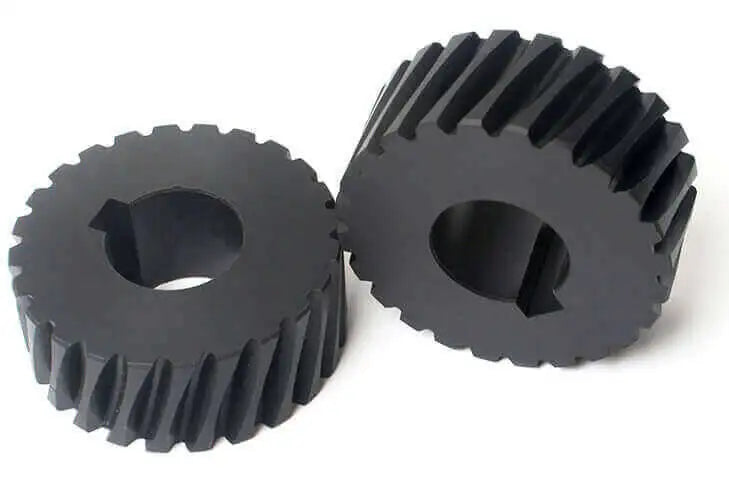
Nylon Gear

Why Nylon Blocks are Revolutionizing Mechanical Manufacturing

Nylon blocks have gained significant traction in the manufacturing industry, particularly in mechanical transmission systems and the production of custom components. As industries seek materials that are both durable and versatile, CNC machined nylon blocks have emerged as an ideal solution for their precision and adaptability. Nylon, as a synthetic polymer, offers a variety of benefits—high strength, durability, and low friction—which makes it well-suited for numerous industrial applications, providing reliable, long-lasting solutions.

🎉🎉🎉Limited Time Offer Use code: QR4GNY08SHVR at checkout and enjoy a special discount on your entire order! 👉 Nylon plastic

Nylon Gear

This blog delves into why nylon blocks are an excellent fit for various industrial applications and how CNC machining maximizes their potential. Whether reducing maintenance costs or enhancing the precision of custom components, CNC machined nylon blocks are revolutionizing mechanical manufacturing in significant ways.

What Are Nylon Blocks?

Nylon blocks are solid pieces made from nylon—a highly versatile synthetic polymer known for its excellent mechanical properties, such as strength, durability, and low friction. These blocks are commonly used in industries where reliable, wear-resistant materials are essential. Nylon blocks can be molded, cast, or machined to meet different specifications, making them highly adaptable for a wide range of uses. Among the various types of nylon, Nylon 6 and Cast Nylon are particularly notable due to their unique characteristics.

  • Nylon 6: Nylon 6 is well-regarded for its balanced mechanical properties. It offers toughness and fatigue resistance, making it a go-to material for applications that require sustained performance under stress. It also provides good strength and chemical resistance, which adds to its reliability.

  • Cast Nylon: Cast Nylon, made through a casting process, boasts superior dimensional stability and wear resistance. Its lower internal stress and better machinability compared to extruded nylons make it a preferred choice for creating large, high-performance parts that need to be durable and long-lasting.

Advantages of CNC Machined Nylon Blocks

CNC machining offers manufacturers the ability to precisely cut and shape nylon blocks into components that are tailored to meet specific requirements. Here are some of the key advantages:

  • Precision and Customization: CNC machining ensures an exceptional level of precision, enabling the creation of custom nylon components that meet exacting specifications. This level of accuracy is crucial for applications in mechanical transmission parts and other complex systems where even the slightest error can cause significant issues. CNC machining also supports the production of intricate designs that might be challenging or impossible to achieve through traditional manufacturing methods.

  • Cost Efficiency: By reducing material waste, CNC machining makes the production of custom nylon components more cost-effective, particularly for large-scale projects. Manufacturers can optimize the use of raw materials, thus cutting costs and contributing to more sustainable production practices.

  • Durability and Performance: Nylon blocks are known for their high strength and resistance to wear. CNC machining retains these properties, resulting in highly durable components that perform reliably even in demanding conditions. The combination of nylon’s inherent wear resistance and the precision of CNC machining makes these components highly suitable for continuous use in environments that require resilience against friction and stress.

Nylon blocks

Applications of Nylon Blocks in Mechanical Transmission

Nylon blocks are widely recognized for their suitability in mechanical transmission systems, thanks to their versatile properties. Here are some of the prominent applications:

  • Nylon Gears Manufacturing: Nylon blocks are an ideal choice for nylon gears manufacturing due to their lightweight nature, impressive wear resistance, and ability to minimize noise. Unlike metal gears, nylon gears help in significantly reducing operational noise, which is particularly advantageous for household appliances and automotive systems. Additionally, the self-lubricating nature of nylon further reduces the need for maintenance and improves overall efficiency.

  • Mechanical Transmission Parts: Nylon blocks are also used in producing various other transmission components, such as bushings, rollers, and guide rails. Their low friction and self-lubricating characteristics enhance efficiency and extend the lifespan of these components, making them a preferred choice for manufacturers aiming for long-term cost savings. By reducing system wear, nylon blocks contribute to increased durability and reduced downtime, ultimately improving operational efficiency.

Custom Nylon Machining Solutions

Custom nylon machining plays an essential role in industries that require components tailored to precise needs. CNC machining allows for the creation of nylon parts that fit perfectly into their designated applications, ensuring optimal performance.

  • Overview of Customization: Custom nylon machining provides a level of flexibility crucial for specialized components. CNC machining techniques allow precise cutting, drilling, and shaping of nylon blocks to meet intricate specifications. Whether the project demands unique geometries or tight tolerances, CNC machined nylon components can fulfill those needs.

  • Examples of Custom Components: Nylon blocks can be transformed into a variety of specialized components, such as spacers, gears, and machine parts. These components are particularly valued in industries like automotive, aerospace, and heavy machinery for their combination of strength and adaptability. Custom nylon components are also used extensively in medical devices, agricultural equipment, and conveyor systems, where dependability and performance are paramount.

Nylon 6 and Cast Nylon: A Material Comparison

When deciding between Nylon 6 and Cast Nylon, it is important to understand their differences and strengths. Both materials offer notable benefits, but their properties make them suitable for different applications:

  • Nylon 6: Nylon 6 is characterized by its fatigue resistance, which makes it highly suitable for components exposed to repetitive stress or motion. It is commonly used for CNC machined nylon components where durability is essential. Applications such as gears, bearings, and bushings benefit from Nylon 6’s ability to resist wear and handle mechanical loads.

  • Cast Nylon: Cast Nylon offers superior dimensional stability, making it the best choice for larger parts that need to maintain their shape under different environmental conditions. It is often used in mechanical transmission parts requiring enhanced wear resistance. Furthermore, Cast Nylon’s lower moisture absorption rate compared to extruded forms means that it retains its properties better in fluctuating humidity, ensuring consistent performance.

Cast Nylon

Why Choose Nylon Blocks for Mechanical and Industrial Applications?

Nylon blocks provide several benefits that make them a suitable choice for mechanical and industrial applications. They are valued for their consistent performance, especially in challenging environments.

  • Lightweight Yet Strong: The strength-to-weight ratio of nylon is one of its key advantages. It allows for a reduction in mechanical wear while maintaining robustness, which improves overall efficiency in moving parts and reduces strain on mechanical systems.

  • Chemical Resistance: Nylon’s resistance to oils, chemicals, and other harsh industrial substances ensures the longevity of components like nylon gears and other machine parts. This resistance makes nylon ideal for use in environments where exposure to chemicals could otherwise compromise the integrity of different materials.

  • Low Friction: The low coefficient of friction of nylon enables mechanical transmission parts and custom nylon machining solutions to operate smoothly, reducing wear and tear. This feature also contributes to lower energy consumption in machinery, positioning nylon as an energy-efficient option for industrial use.

Case Study: CNC Machined Nylon Gears in Transmission Systems

A recent project involved the use of CNC machined nylon gears in a transmission system, aiming to boost efficiency and minimize noise levels. By replacing traditional metal gears with nylon ones, the manufacturer achieved several improvements: quieter operation, reduced maintenance costs, and less frequent downtimes. Unlike metal gears, nylon gears required less lubrication, leading to easier maintenance and fewer disruptions to operations. This case study emphasizes how versatile and effective nylon blocks can be in real-world applications, especially for companies looking to improve cost efficiency and reliability.

Moreover, the reduced weight of nylon components contributed to lower overall machinery weight, which directly translated to decreased energy consumption. This advantage is particularly beneficial in the automotive sector, where every gram saved can have a significant impact on fuel efficiency and overall performance.

The Power of CNC Machined Nylon Blocks in Industry

CNC machined nylon blocks provide substantial advantages for both mechanical transmission and custom components, thanks to their versatility, durability, and cost-efficiency. Whether they are used in nylon gears manufacturing, bushings, or custom machine parts, nylon blocks offer a reliable solution for many industrial challenges. Their adaptability to CNC machining, combined with their superior material properties, makes them an ideal choice for manufacturers who aim to enhance efficiency, lower costs, and boost the durability of their products.

If you are in need of high-quality custom nylon components, get in touch with our team today to find out how we can help. With our expertise in CNC machining, we deliver precision-engineered nylon parts that can withstand the most demanding industrial environments.

🎉🎉🎉Limited Time Offer Use code: QR4GNY08SHVR at checkout and enjoy a special discount on your entire order! 👉 Nylon plastic

Nylon Gear

Your Nylon Block Questions Answered

  • What are the main advantages of CNC machined nylon blocks? CNC machined nylon blocks offer unparalleled precision, durability, and versatility, making them an excellent choice for custom components in mechanical systems. Their adaptability and cost-effectiveness make them a top choice across various industries.

  • How do Nylon 6 and Cast Nylon differ in industrial applications? Nylon 6 is well-suited for applications requiring fatigue resistance, while Cast Nylon excels in maintaining dimensional stability for larger components. Each type has unique advantages that make it suitable for specific applications, depending on operational needs.

  • Can nylon blocks be used in high-temperature environments? Yes, nylon blocks can be used in high-temperature environments, but it is important to choose the right type of nylon. Nylon 6 performs well at moderate temperatures, while certain grades of cast nylon are formulated to withstand higher heat levels.

  • Are nylon components environmentally friendly? Nylon is a durable material, which helps extend the lifespan of components and minimizes the need for frequent replacements, thereby reducing waste. Additionally, CNC machining processes can be optimized to reduce material usage, making nylon a more sustainable option for industrial use.

Leave a comment


Please note, comments must be approved before they are published


Custom Plastic Fabrication

Send your drawing, material and quantity for review

🔧
Precision Machining
CNC milling & turning
✂️
Cutting & Engraving
Laser & waterjet cutting
🏭
Forming & Molding
Thermoforming & injection
🔗
Joining & Assembly
Welding & bonding
📐
Design & Prototyping
CAD design & samples

General

HDPE

PP

PVC

ABS

Engineering

POM

Nylon

PC

PMMA

High-Performance

PEEK

PEI

PTFE

Composites

FR-4

G10

Flexible

TPU

Silicone

Why Choose BeePlastic?

🎯
Perfect Fit
Custom specs eliminate adaptation needs
⚡
Clear Lead Times
Lead time confirmed with every quote
💰
Volume Pricing
Volume pricing available on bulk orders
🤝
Expert Support
Free engineering consultation included
📋
Submit
→
🔍
Review
→
💵
Quote
→
✅
Production
→
📦
Deliver

Request a Quote

Share your project details, selected material and quantity on our quote page. You can add a file link or use the email drawing route shown there.


Request Quote

Industries: Automotive • Medical • Food • Lab • Semiconductor

beeplastic@beeplastic.com
