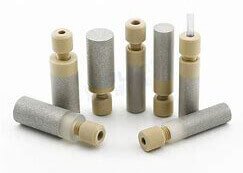
The Future of Industrial Manufacturing: Embracing PPS CNC Machining Technology

PPS CNC Machining for Machine Building

Discover the Future of Industrial Manufacturing as we delve into the game-changing world of PPS CNC Machining Technology. Uncover the Advantages it offers, explore its wide-ranging Applications across industries, and learn about the innovative use of materials and components. Stay ahead of the curve with insights into Future Trends and Innovations, and gain inspiration from Case Studies showcasing its transformative potential. Join us on a journey towards more precise, efficient, and cost-effective industrial manufacturing.

🎉🎉🎉Limited Time Offer Use code: QR4GNY08SHVR at checkout and enjoy a special discount on your entire order! 👉PPS board

PPS CNC Machining Technology

The Advantages of PPS CNC Machining in Industrial Manufacturing

In the realm of industrial manufacturing, the adoption of PPS CNC Machining technology has brought about a transformative wave of benefits, revolutionizing the way components and parts are crafted. This advanced machining technique stands out for its impeccable precision, unparalleled efficiency, and remarkable cost-effectiveness, making it a cornerstone of modern manufacturing processes.

Precision Beyond Compare

One of the standout advantages of PPS CNC machining is its exceptional precision. Utilizing computer numerical control (CNC) systems, this technology allows for the creation of intricate, highly detailed components with micron-level accuracy. Manufacturers can confidently craft parts that meet the most demanding specifications, ensuring a level of precision that was once unimaginable.

Enhanced Efficiency

Efficiency is the lifeblood of any industrial operation, and PPS CNC machining excels in this department. With its automated, computer-guided processes, it significantly reduces the margin of error and minimizes material wastage. Manufacturers can achieve consistent, repeatable results with minimal human intervention, leading to streamlined production and faster turnaround times.

Cost-Effectiveness Unveiled

Cost-effectiveness is a key driver in industrial manufacturing, and PPS CNC machining shines brightly in this regard. The precision and efficiency it offers translate into reduced labor costs, lower material wastage, and fewer defects in the final product. This means not only a reduction in production expenses but also increased competitiveness in the market.

PPS CNC machining

Versatility in Material Choice

Another noteworthy aspect is the versatility of materials that can be used with PPS CNC machining. PPS (Polyphenylene Sulfide) itself is known for its excellent thermal stability, chemical resistance, and electrical properties. This opens the door to manufacturing a wide range of components suitable for various industrial applications, from automotive to aerospace.

Meeting the Demands of Modern Industry

In an era where precision, efficiency, and cost-effectiveness reign supreme, PPS CNC machining technology stands as a beacon of innovation in industrial manufacturing. It not only meets the demands of modern industry but also sets new standards for quality and productivity. Embracing this technology is not just an option; it’s a strategic move towards a brighter, more efficient future in the industrial manufacturing landscape.

PPS CNC machining technology is a game-changer, offering precision, efficiency, and cost-effectiveness that are redefining the industrial manufacturing landscape. By embracing this innovative approach, manufacturers can stay ahead of the curve, deliver higher-quality components, and remain competitive in a fast-paced market.

PPS CNC Machining: Revolutionizing Industrial Manufacturing Across Diverse Sectors

When it comes to industrial manufacturing, the versatility of PPS CNC machining knows no bounds. This technology has found its place in a multitude of industries and sectors, making significant strides in improving manufacturing processes and delivering high-quality components that meet the stringent demands of modern production.

Automotive Excellence

In the automotive industry, precision and durability are non-negotiable. PPS CNC machining plays a pivotal role in crafting engine components, transmission parts, and intricate electrical connectors. Its ability to withstand extreme temperatures and corrosive environments makes it an ideal choice for automotive applications. From fuel systems to sensor housings, PPS CNC machining ensures peak performance.

PPS CNC machining

Aerospace Advancements

Aerospace manufacturing demands components that can withstand the rigors of space travel and extreme atmospheric conditions. PPS CNC machining is utilized to create critical parts such as aircraft engine components, structural elements, and intricate airframe details. Its lightweight yet robust nature contributes to fuel efficiency and enhanced safety in the skies.

Medical Marvels

In the medical field, precision and biocompatibility are paramount. PPS CNC machining is employed to create medical devices, surgical instruments, and diagnostic equipment. Its ability to maintain sterilization and resist chemical agents makes it an excellent choice for healthcare applications. From implantable devices to laboratory tools, PPS CNC machining ensures the highest level of quality and safety.

Electronics and Electrical Engineering

The electronics industry relies on PPS CNC machining for the production of circuit boards, connectors, and insulating components. Its exceptional electrical properties and resistance to heat make it an ideal material for safeguarding delicate electronic systems. From smartphones to aerospace avionics, PPS CNC machining contributes to the reliability of electronic devices.

Oil and Gas Innovation

In the oil and gas sector, where harsh environments are the norm, PPS CNC machining is invaluable. It’s used to create critical components such as valves, seals, and connectors that can withstand extreme temperatures and corrosive substances. Its durability ensures the safety and efficiency of drilling and extraction operations.

In each of these industries and more, PPS CNC machining technology has not only found a niche but has become an indispensable tool for achieving precision, durability, and efficiency. Real-world examples abound, showcasing how this technology is transforming the way components are manufactured across diverse sectors. Embracing PPS CNC machining isn’t just a choice; it’s a strategic move towards excellence in industrial manufacturing.

PPS CNC machining center

H1: Materials and Components in PPS CNC Machining: A World of Possibilities

In the realm of industrial manufacturing, the choice of materials and components can make or break a project’s success. PPS CNC machining offers a wide array of options, allowing manufacturers to create components that cater to the unique demands of their respective industries. Let’s delve into the diverse materials that can be used with this technology, explore the range of components that can be produced, and understand why PPS is an excellent choice for industrial applications.

H2: The Versatility of PPS Material

Polyphenylene Sulfide, or PPS, is a high-performance polymer known for its exceptional properties. It boasts impressive thermal stability, excellent chemical resistance, and remarkable electrical insulation capabilities. This versatility makes PPS a go-to choice for industrial applications where precision and durability are paramount.

H3: Materials Compatible with PPS CNC Machining

PPS CNC machining is not limited to PPS alone. It can also work with various other materials, including metals, plastics, and composites. Whether you require the robustness of stainless steel, the lightweight properties of aluminum, or the intricate detailing of engineering plastics, PPS CNC machining seamlessly adapts to your material needs.

H4: Components Crafted to Perfection

The range of components that can be produced through PPS CNC machining is vast and diverse. From intricate gears and impellers to complex housings and connectors, the technology offers a level of precision that is unmatched. Its ability to handle small-scale to large-scale components ensures that manufacturers can cater to a wide spectrum of industrial needs.

PPS CNC machining parts

Why PPS is Ideal for Industrial Applications

PPS stands out as an ideal choice for industrial applications for several reasons. Its resistance to high temperatures, chemicals, and wear and tear ensures that components crafted with PPS can endure the harshest of environments. This makes it indispensable in industries like automotive, aerospace, and oil and gas, where durability is non-negotiable.

Precision and Consistency

PPS CNC machining delivers not only precision but also consistency in the manufacturing process. Manufacturers can rely on its computer-guided accuracy to produce components that meet exacting standards time and again. This level of consistency is a game-changer in industries where quality control is paramount.

The world of materials and components in PPS CNC machining is a realm of endless possibilities. With PPS as a versatile base material and the ability to work with a range of other materials, manufacturers can create components tailored to their specific needs. The inherent properties of PPS make it an excellent choice for industrial applications, providing durability, precision, and consistency that are second to none. Embracing PPS CNC machining is a strategic move towards elevating the quality and performance of industrial components.

Future Trends and Innovations in PPS CNC Machining Technology

In the dynamic world of industrial manufacturing, staying ahead of the curve is imperative. PPS CNC machining has proven to be a game-changer, but what lies ahead in terms of future trends and innovations? Let’s delve into the exciting developments that are shaping the evolution of PPS CNC machining and how it’s poised to meet the changing needs of industrial manufacturing.

Advancements in Automation

Automation is at the forefront of future trends in PPS CNC machining. Manufacturers are increasingly integrating artificial intelligence and machine learning algorithms into CNC systems. This enables real-time adjustments, predictive maintenance, and even self-optimizing machining processes. The result? Enhanced efficiency, reduced downtime, and improved overall productivity.

3D Printing Integration

The convergence of 3D printing technology with CNC machining is opening new doors in industrial manufacturing. PPS, known for its compatibility with 3D printing, is becoming a popular choice for creating complex prototypes and tooling components. This integration allows for rapid prototyping and customization, reducing lead times and costs.

Sustainable Manufacturing Practices

Sustainability is a driving force in industrial manufacturing, and PPS CNC machining is no exception. Innovations in materials and processes are focusing on reducing waste and energy consumption. PPS materials with enhanced biodegradability and recyclability are emerging, aligning with the growing demand for eco-friendly manufacturing solutions.

IoT-Enabled Machining

The Internet of Things (IoT) is ushering in a new era of connectivity in PPS CNC machining. Sensors and IoT devices are being incorporated into machining equipment to monitor performance, collect data, and provide real-time insights. This data-driven approach enables manufacturers to optimize processes, minimize errors, and ensure consistent quality.

Customization and Personalization

As consumer demands for customized products rise, PPS CNC machining is adapting to meet this need. Future trends include the ability to easily reconfigure CNC machines for different tasks and a focus on rapid customization. Manufacturers will have the flexibility to produce tailored components on-demand, catering to individual client requirements.

PPS CNC machining center

The future of PPS CNC machining is filled with exciting possibilities. From advancements in automation and 3D printing integration to a strong emphasis on sustainability, IoT-enabled machining, and increased customization, the technology is evolving to address the ever-changing needs of industrial manufacturing. Embracing these future trends and innovations will not only keep manufacturers competitive but also lead to more efficient, sustainable, and personalized solutions in the industrial landscape.

Case Studies: The Transformational Power of PPS CNC Machining

The real-world impact of PPS CNC machining on industrial manufacturing cannot be overstated. To truly understand the significance of this technology, let’s dive into some compelling case studies that shed light on how industrial businesses have embraced PPS CNC machining and achieved remarkable improvements in their manufacturing processes and products.

Automotive Industry Marvel

In one remarkable case study, a leading automotive manufacturer turned to PPS CNC machining to enhance the performance of their fuel system components. By leveraging the precision and durability of PPS, they achieved a significant reduction in component weight while maintaining superior strength and chemical resistance. This not only improved fuel efficiency but also contributed to reduced emissions, aligning with the industry’s drive towards sustainability.

Aerospace Excellence

A prominent aerospace company embarked on a journey to improve the reliability and safety of their aircraft components. PPS CNC machining emerged as the solution of choice for crafting intricate engine components and airframe details. The result? Enhanced performance, increased fuel efficiency, and a notable decrease in maintenance costs. The adoption of PPS CNC machining allowed them to maintain their reputation for quality and reliability in the aerospace industry.

Medical Breakthroughs

In the realm of medical manufacturing, a medical device company sought to create cutting-edge, biocompatible components for implantable devices. PPS CNC machining provided the precision required to meet stringent medical standards. The use of PPS not only ensured the biocompatibility of components but also improved their longevity and performance. Patients benefitted from safer and more effective medical solutions.

Electronics Advancements

A global electronics manufacturer embraced PPS CNC machining to elevate the quality of their connectors and insulating components. The exceptional electrical properties of PPS ensured optimal performance in a range of electronic devices, from consumer electronics to critical aerospace avionics. The company saw a significant reduction in defects and increased customer satisfaction.

Oil and Gas Reliability

In the demanding world of oil and gas, a drilling equipment manufacturer sought to enhance the reliability of their critical components. PPS CNC machining was instrumental in crafting seals, valves, and connectors that could withstand extreme temperatures and corrosive environments. The result was reduced downtime, improved safety, and increased efficiency in drilling operations.

These case studies serve as compelling evidence of the transformative power of PPS CNC machining in industrial manufacturing. They illustrate how embracing this technology can lead to improved product performance, cost savings, and a competitive edge in diverse industries. These success stories stand as a testament to the potential of PPS CNC machining to revolutionize the world of manufacturing.

In conclusion, the future of industrial manufacturing is undeniably intertwined with the advancements in PPS CNC machining technology. Its advantages in precision, efficiency, and cost-effectiveness have reshaped industries ranging from automotive and aerospace to medical and electronics. As we look ahead, the evolution of PPS CNC machining promises even more exciting developments, including automation, 3D printing integration, sustainability, IoT-enabled machining, and enhanced customization. The case studies we’ve explored demonstrate its real-world impact, showcasing how businesses have harnessed its potential to achieve remarkable improvements in their manufacturing processes and products. Embracing PPS CNC machining isn’t just about keeping up; it’s about staying at the forefront of innovation, delivering higher quality, and ensuring competitiveness in the dynamic landscape of industrial manufacturing. So, as we stand on the brink of the future, remember that PPS CNC machining isn’t just a technology; it’s a catalyst for excellence in industrial manufacturing, a journey toward a brighter, more efficient future.

PPS CNC machining technology

Don’t miss out on the future of industrial manufacturing. Get in touch today to discuss how PPS CNC machining can revolutionize your components and take your business to the next level. Let’s shape the future together!

🎉🎉🎉Limited Time Offer Use code: QR4GNY08SHVR at checkout and enjoy a special discount on your entire order! 👉PPS board

Leave a comment


Please note, comments must be approved before they are published


Custom Plastic Fabrication

Send your drawing, material and quantity for review

🔧
Precision Machining
CNC milling & turning
✂️
Cutting & Engraving
Laser & waterjet cutting
🏭
Forming & Molding
Thermoforming & injection
🔗
Joining & Assembly
Welding & bonding
📐
Design & Prototyping
CAD design & samples

General

HDPE

PP

PVC

ABS

Engineering

POM

Nylon

PC

PMMA

High-Performance

PEEK

PEI

PTFE

Composites

FR-4

G10

Flexible

TPU

Silicone

Why Choose BeePlastic?

🎯
Perfect Fit
Custom specs eliminate adaptation needs
⚡
Clear Lead Times
Lead time confirmed with every quote
💰
Volume Pricing
Volume pricing available on bulk orders
🤝
Expert Support
Free engineering consultation included
📋
Submit
→
🔍
Review
→
💵
Quote
→
✅
Production
→
📦
Deliver

Request a Quote

Share your project details, selected material and quantity on our quote page. You can add a file link or use the email drawing route shown there.


Request Quote

Industries: Automotive • Medical • Food • Lab • Semiconductor

beeplastic@beeplastic.com


Cutting-Edge Techniques: PPS CNC Machining for Industrial Equipment Enhancement

PPS Plastic

Unlock the Future of Industrial Equipment Enhancement with PPS CNC Machining! Dive into this comprehensive guide as we unveil the extraordinary world of Polyphenylene Sulfide (PPS) material, its unmatched properties, and the game-changing advantages it offers. Discover the inner workings of CNC machining, a pivotal tool in revolutionizing your industrial machinery. Explore real-world success stories through captivating case studies that highlight the tangible benefits of PPS CNC machining. Plus, gain essential insights on how to select the perfect CNC machining partner for your equipment improvement needs. Elevate your industry standards and stay at the forefront of innovation with PPS CNC machining – the cutting-edge solution you’ve been waiting for!

🎉🎉🎉Limited Time Offer Use code: QR4GNY08SHVR at checkout and enjoy a special discount on your entire order! 👉PPS board

PPS CNC Machining

Unlocking the Power of PPS (Polyphenylene Sulfide) Material

When it comes to enhancing industrial equipment, selecting the right material is paramount. One such material that has been making waves in the industry is Polyphenylene Sulfide (PPS). In this section, we will delve deep into the unique characteristics and undeniable advantages that make PPS a game-changer for industrial equipment enhancement.

The Unparalleled Properties of PPS

Polyphenylene Sulfide (PPS) is a high-performance thermoplastic known for its exceptional qualities. Its chemical structure sets it apart, as it boasts a combination of properties that are perfectly suited for demanding industrial applications. Key characteristics include:

Thermal Stability and Resistance

PPS is celebrated for its exceptional thermal stability. It can withstand high temperatures without warping or deforming, making it a top choice for components exposed to extreme heat. Whether it’s in the automotive, aerospace, or manufacturing sector, PPS ensures reliable performance even in the harshest environments.

Chemical Resistance

Another standout feature of PPS is its impressive chemical resistance. It remains unaffected by a wide range of chemicals, acids, and solvents, making it ideal for components that come into contact with corrosive substances. This durability ensures the longevity of your industrial equipment.

Mechanical Strength

PPS doesn’t just excel in extreme temperatures and harsh chemical environments; it also boasts remarkable mechanical strength. It maintains its structural integrity under heavy loads, ensuring that your machinery remains robust and dependable over time.

Electrical Insulation Properties

In applications requiring electrical insulation, PPS shines. Its excellent dielectric properties make it a preferred choice for components where electrical conductivity must be minimized, promoting safety and reliability.

PPS material

Advantages of PPS for Industrial Equipment Enhancement

Now that we’ve explored the remarkable properties of PPS, let’s delve into why it’s the go-to material for enhancing industrial equipment.

Lightweight Yet Durable

One of the primary advantages of PPS is its lightweight nature combined with exceptional durability. This unique combination reduces the overall weight of your equipment while maintaining structural integrity, leading to improved efficiency and performance.

Cost-Effective Solution

PPS’s longevity and resistance to wear and tear translate into cost savings for industrial operations. Reduced maintenance, fewer replacements, and increased equipment lifespan all contribute to a more budget-friendly solution.

Environmental Friendliness

In an era where sustainability matters, PPS stands out as an environmentally friendly choice. It is fully recyclable, contributing to a greener manufacturing process and a reduced carbon footprint.

By understanding the unparalleled properties and undeniable advantages of PPS, you’ll be better equipped to harness its potential in enhancing your industrial equipment.

PPS CNC Machining

The CNC Machining Process Demystified

When it comes to industrial equipment enhancement, CNC machining is a technology that has become indispensable. In this section, we’ll unravel the intricacies of CNC machining, providing a detailed explanation of how it works and why it holds paramount relevance in improving industrial equipment.

An In-Depth Look at CNC Machining

Understanding CNC: Computer Numerical Control

At the heart of CNC machining lies the acronym CNC, which stands for Computer Numerical Control. This innovative technology represents a significant leap forward in precision manufacturing. At its core, CNC machining relies on specialized software and computerized systems to control the machining tools with unparalleled accuracy.

How CNC Machining Works

CNC machining begins with the creation of a detailed CAD (Computer-Aided Design) model of the desired component or part. This CAD model serves as a digital blueprint, outlining every dimension and contour precisely.

The CAD model is then translated into a CAM (Computer-Aided Manufacturing) program. This program generates the set of instructions necessary to control the CNC machine. It specifies the toolpath, machining speeds, and feeds required to transform a raw material into the final component.

The CNC Machine in Action

Once the CAM program is loaded into the CNC machine, it takes over with precision and consistency. The machine’s movements are driven by motors that receive instructions from the computer. Cutting, drilling, milling, and shaping operations are carried out with incredible accuracy, all guided by the digital design.

The Role of CNC in Industrial Equipment Enhancement

So, why is CNC machining so relevant to industrial equipment improvement? Here are the key reasons:

Precision and Consistency

CNC machining offers unparalleled levels of precision and consistency. Whether you’re crafting intricate components or ensuring uniformity in large-scale production, CNC ensures that each piece meets exact specifications.

Complex Geometries

In the world of industrial equipment, components often feature intricate and complex geometries. CNC machining can effortlessly create these complex shapes with unmatched precision, facilitating enhanced performance and functionality.

Versatility and Adaptability

Industrial equipment varies significantly across industries. CNC machining’s versatility allows it to work with a wide range of materials, from metals to plastics like PPS. This adaptability makes it a go-to choice for equipment enhancement projects.

Increased Efficiency

The automation and repeatability of CNC machining reduce human error, leading to increased efficiency in the manufacturing process. This not only saves time but also reduces waste and costs.

As we demystify the CNC machining process, it becomes evident that this technology is at the forefront of industrial equipment enhancement. Its precision, versatility, and efficiency make it an invaluable tool for manufacturers seeking to elevate the performance and quality of their equipment.
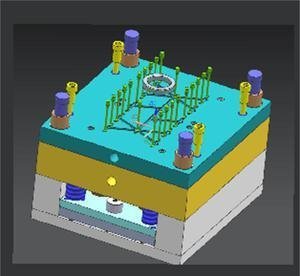
PPS CNC Machining center

Benefits of PPS CNC Machining in Industrial Settings

In the realm of industrial equipment enhancement, one technology has risen to prominence for its exceptional advantages – PPS CNC machining. In this section, we’ll explore the specific benefits that PPS CNC machining brings to the table, revolutionizing the way industrial settings approach equipment improvement.

Unveiling the PPS Advantage

Precision Engineering at Its Finest

PPS CNC machining is synonymous with precision engineering. Its exceptional dimensional accuracy ensures that every component, from gears and bushings to complex structural parts, is crafted to perfection. This level of precision is paramount in industries where even the slightest deviation can lead to equipment malfunction or inefficiency.

Exceptional Heat Resistance

One of PPS’s standout features is its remarkable heat resistance. In industrial settings where machinery operates at high temperatures, PPS maintains its structural integrity without warping or deteriorating. This heat resistance ensures that equipment functions reliably even under the most demanding conditions.

Chemical Resilience

Industrial environments often expose equipment to harsh chemicals and corrosive substances. Here, PPS shines with its outstanding chemical resilience. It remains unaffected by a wide range of chemicals, safeguarding your equipment against corrosion and degradation.

Mechanical Strength

PPS is not just about thermal and chemical properties; it’s also prized for its impressive mechanical strength. Whether it’s load-bearing components or parts subject to mechanical stress, PPS CNC machining delivers components that withstand the rigors of industrial operations.

Reduced Maintenance and Downtime

One of the most tangible benefits of PPS CNC machining is reduced maintenance and downtime. Components crafted from PPS require minimal upkeep, resulting in fewer disruptions to your operations. Reduced maintenance costs and increased equipment lifespan translate into substantial cost savings over time.

Enhanced Efficiency and Performance

PPS CNC machining contributes to enhanced efficiency and performance across various industrial applications. Its lightweight yet durable nature reduces the overall weight of equipment, leading to improved energy efficiency. Additionally, the precise engineering of PPS components optimizes equipment functionality, resulting in increased productivity.

PPS CNC Machining

The Eco-Friendly Choice

Sustainability Matters

In an era where sustainability is paramount, PPS CNC machining stands out as an eco-friendly choice. PPS is fully recyclable, reducing waste and contributing to a greener manufacturing process. Choosing PPS not only benefits your equipment but also aligns with responsible environmental practices.

As we’ve uncovered, PPS CNC machining brings a multitude of benefits to industrial settings. Its precision engineering, heat resistance, chemical resilience, mechanical strength, and eco-friendliness make it a frontrunner in enhancing industrial equipment. By embracing PPS CNC machining, industries can elevate their standards, reduce costs, and ensure the reliability and longevity of their equipment.

Case Studies: Real-World Applications of PPS CNC Machining

Let’s dive into the real-world success stories where PPS CNC machining has proven to be a transformative force, elevating industrial equipment and machinery to new heights. These case studies showcase the incredible potential of PPS CNC machining in addressing unique challenges and achieving exceptional results.

Precision in Motion

Aerospace Advancements

In the aerospace industry, precision and reliability are non-negotiable. PPS CNC machining plays a pivotal role in crafting intricate components that meet the rigorous demands of aerospace equipment. From lightweight yet robust aircraft interior parts to heat-resistant engine components, PPS CNC machining ensures precision in motion.

Enhancing Automotive Efficiency

In the automotive sector, efficiency is paramount. PPS CNC machining has been instrumental in the development of components that contribute to improved fuel efficiency and reduced emissions. From fuel system components to transmission parts, PPS CNC machining enhances the performance of vehicles while adhering to stringent environmental standards.

Resilience in Harsh Environments

Oil and Gas Industry Resilience

The oil and gas industry operates in some of the harshest environments on the planet. PPS CNC machining delivers components that can withstand extreme temperatures, corrosive chemicals, and high-pressure conditions. Whether it’s downhole tools or offshore equipment, PPS CNC machining ensures resilience in the face of adversity.

Marine Marvels

In maritime applications, the durability of components is paramount. PPS CNC machining has been pivotal in crafting marine equipment that resists saltwater corrosion and harsh weather conditions. From ship fittings to underwater exploration devices, PPS CNC machining ensures longevity and performance in the marine industry.

PPS CNC Machining

Efficiency Across Industries

Industrial Equipment Optimization

Across various industrial sectors, PPS CNC machining has played a significant role in optimizing equipment performance. From conveyor systems to manufacturing machinery, PPS CNC machining improves efficiency, reduces downtime, and enhances overall productivity.

Renewable Energy Solutions

In the renewable energy sector, PPS CNC machining contributes to the development of components used in wind turbines, solar panels, and hydroelectric systems. These components are engineered to withstand the elements and ensure the reliability of renewable energy sources.

These real-world case studies vividly illustrate the remarkable impact of PPS CNC machining on industrial equipment and machinery. From aerospace advancements to marine marvels, PPS CNC machining has proven itself as a versatile and indispensable technology, pushing the boundaries of what’s possible in various industries. Its ability to deliver precision, resilience, and efficiency is transforming the way industries approach equipment enhancement, ultimately driving progress and innovation.

Choosing the Right PPS CNC Machining Partner

Selecting the ideal CNC machining provider for your industrial equipment enhancement needs is a crucial decision that can significantly impact the success of your projects. In this section, we’ll provide valuable tips and considerations to help industrial customers make an informed choice when seeking a PPS CNC machining partner.

PPS plastic CNC Machining center

The Importance of the Right Partner

A Strategic Partnership

Choosing the right PPS CNC machining partner is not merely a transaction; it’s the foundation of a strategic partnership. Your chosen partner should align with your goals, understand your specific needs, and possess the expertise to deliver exceptional results.

Quality Assurance

Quality is non-negotiable when it comes to industrial equipment enhancement. Look for a CNC machining partner with rigorous quality assurance processes in place. They should adhere to industry standards and have a track record of consistently delivering high-quality components.
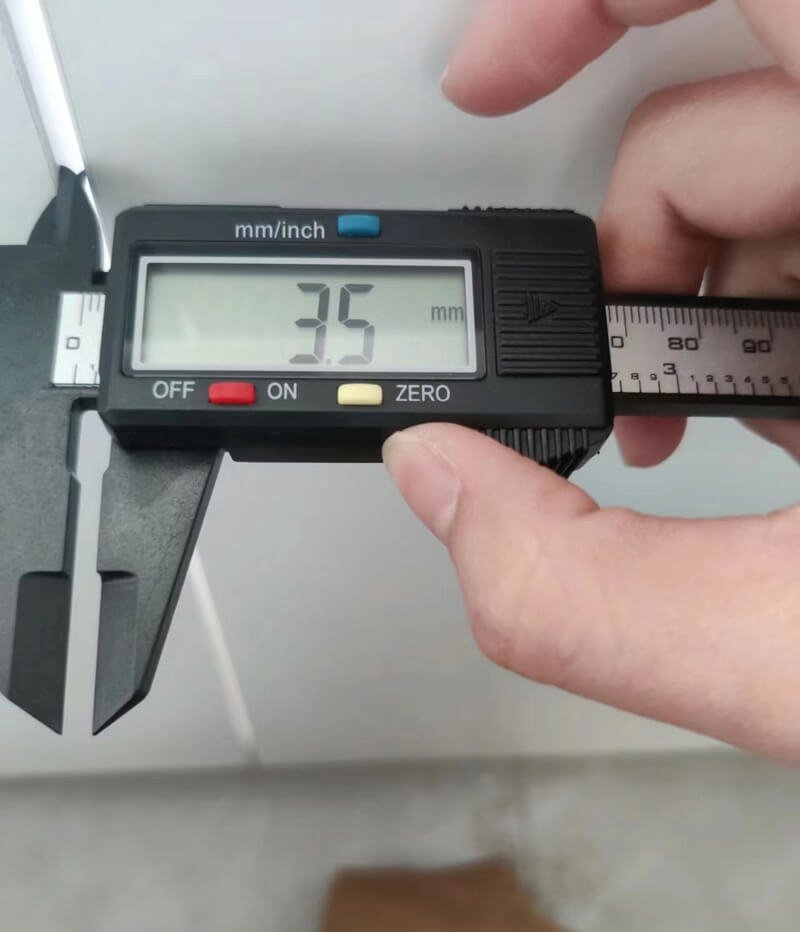
Finding the Ideal CNC Machining Provider

Expertise in PPS CNC Machining

First and foremost, seek a provider with expertise in PPS CNC machining. PPS is a unique material, and a specialized understanding of its properties and machining requirements is paramount for success.

State-of-the-Art Equipment

The machining partner’s equipment plays a pivotal role in the quality of the components produced. Ensure they have state-of-the-art CNC machines that are well-maintained and capable of meeting your project’s demands.

Customization Capability

Industrial equipment enhancement often requires customized solutions. Look for a partner with the capability for customization. They should be able to tailor their processes to meet your specific design and performance requirements.

PPS CNC Machining for Machine Building

Transparency and Communication

Open and Transparent Communication

Effective communication is the cornerstone of a successful partnership. Seek a provider that prioritizes open and transparent communication. They should be responsive to your inquiries, provide regular project updates, and be willing to address any concerns promptly.

References and Testimonials

Don’t hesitate to request references and testimonials from past clients. Hearing about their experiences and the outcomes of their projects can provide valuable insights into the provider’s reliability and reputation.

Project Management and Timelines

Robust Project Management

Efficient project management is essential to ensure timelines are met. Inquire about their project management processes and their ability to deliver within agreed-upon deadlines.

Scalability and Flexibility

Consider your long-term needs and the provider’s scalability and flexibility. Can they accommodate changes in project scope or increasing production requirements as your business grows?

 PPS Plastic

In the realm of industrial equipment enhancement, choosing the right PPS CNC machining partner is a critical decision. By focusing on expertise, equipment quality, customization capability, transparency, communication, and project management, industrial customers can forge partnerships that lead to successful outcomes. Remember, your chosen partner should not just be a supplier but a collaborator committed to helping you achieve your industrial equipment enhancement goals.

In the ever-evolving landscape of industrial equipment enhancement, PPS CNC machining stands out as a beacon of innovation and excellence. Its precision engineering, exceptional heat resistance, and mechanical strength have the power to transform industries, from aerospace and automotive to oil and gas and renewable energy. These real-world case studies illuminate the remarkable potential of PPS CNC machining, showcasing its ability to overcome challenges and achieve outstanding results. As you embark on your journey to enhance industrial equipment, remember that choosing the right PPS CNC machining partner is not just a transaction; it’s the foundation of a strategic partnership. Prioritize expertise, transparency, and effective communication in your selection process. By doing so, you’ll unlock the full potential of PPS CNC machining and position yourself at the forefront of innovation in your industry. Elevate your standards, reduce costs, and ensure the reliability and longevity of your equipment with PPS CNC machining – the cutting-edge solution you’ve been waiting for.

PPS Plastic

Discover the Power of PPS CNC Machining – Request a Quote Now!

Here, you’re enticing readers to explore the potential of PPS CNC machining by requesting a quote. It positions the action as an opportunity to uncover the benefits and possibilities of this cutting-edge technology.

🎉🎉🎉Limited Time Offer Use code: QR4GNY08SHVR at checkout and enjoy a special discount on your entire order! 👉PPS board

Leave a comment


Please note, comments must be approved before they are published


Custom Plastic Fabrication

Send your drawing, material and quantity for review

🔧
Precision Machining
CNC milling & turning
✂️
Cutting & Engraving
Laser & waterjet cutting
🏭
Forming & Molding
Thermoforming & injection
🔗
Joining & Assembly
Welding & bonding
📐
Design & Prototyping
CAD design & samples

General

HDPE

PP

PVC

ABS

Engineering

POM

Nylon

PC

PMMA

High-Performance

PEEK

PEI

PTFE

Composites

FR-4

G10

Flexible

TPU

Silicone

Why Choose BeePlastic?

🎯
Perfect Fit
Custom specs eliminate adaptation needs
⚡
Clear Lead Times
Lead time confirmed with every quote
💰
Volume Pricing
Volume pricing available on bulk orders
🤝
Expert Support
Free engineering consultation included
📋
Submit
→
🔍
Review
→
💵
Quote
→
✅
Production
→
📦
Deliver

Request a Quote

Share your project details, selected material and quantity on our quote page. You can add a file link or use the email drawing route shown there.


Request Quote

Industries: Automotive • Medical • Food • Lab • Semiconductor

beeplastic@beeplastic.com


Precision and Durability: Exploring PPS CNC Machining for Industrial Tools and Parts

PPS CNC Processing

In the blog post “Precision and Durability: Exploring PPS CNC Machining for Industrial Tools and Parts,” we dive deep into the world of PPS (Polyphenylene Sulfide) CNC Machining, a cutting-edge technology revolutionizing the manufacturing of industrial tools and parts. We begin by Understanding PPS Material in CNC Machining, highlighting its exceptional properties like high temperature resistance and chemical stability, making it an ideal choice for demanding industrial environments.

🎉🎉🎉Limited Time Offer Use code: QR4GNY08SHVR at checkout and enjoy a special discount on your entire order! 👉PPS board

PPS (Polyphenylene Sulfide) CNC Machining

We then explore the Advantages of PPS CNC Machining in Tool and Part Production, emphasizing how this technology ensures unparalleled precision and durability. Real-world applications come to life in Case Studies: Successful Industrial Applications of PPS CNC Machined Parts, where we showcase how various industries benefit from this advanced material and machining process.

A critical Comparative Analysis: PPS vs. Other Materials in CNC Machining provides a comprehensive look at why PPS often outperforms other materials in industrial applications. We also delve into the Innovations in PPS CNC Machining Techniques, discussing the latest advancements that enhance the quality and efficiency of machined parts.

Lastly, the post offers valuable insights in Guidelines for Designing Industrial Tools and Parts with PPS, providing practical tips for engineers and designers to optimize their projects for PPS machining.

This post is a must-read for professionals in the industrial sector looking to leverage the benefits of PPS in their CNC machining processes, ensuring they stay at the forefront of technological advancements and maintain a competitive edge.

PPS plastic CNC machining workshop

Understanding PPS Material in CNC Machining

In the realm of industrial manufacturing, the choice of material plays a pivotal role in determining the efficiency, durability, and overall success of the produced parts. Polyphenylene Sulfide (PPS) stands out as a material of choice, particularly in CNC machining applications. This section delves into the unique properties of PPS and its suitability for industrial use.

Key Properties of Polyphenylene Sulfide

PPS is renowned for its remarkable thermal stability, chemical resistance, and mechanical strength. These attributes make it an excellent material for CNC machining, especially in environments where parts are exposed to harsh conditions.

Thermal Stability

One of the most significant properties of PPS is its high thermal resistance. PPS can withstand temperatures as high as 200°C (392°F) without losing its structural integrity. This makes it an ideal material for parts that are exposed to high-temperature processes or environments, common in many industrial applications.

Chemical Resistance

PPS is also highly resistant to a wide range of chemicals, including acids, alkalis, and organic solvents. This chemical resistance ensures that parts made from PPS can endure in corrosive environments without degrading, a crucial factor for many industrial applications.

Mechanical Strength

In terms of mechanical properties, PPS is known for its rigidity and dimensional stability. These characteristics are essential in CNC machining, where precision and accuracy are paramount. PPS parts maintain their shape and dimensions even under mechanical stress, ensuring consistent performance and reliability.

PPS is highly resistant

Why PPS is Ideal for CNC Machining

Precision and Accuracy

The inherent properties of PPS allow for high-precision machining. CNC machines can shape PPS with extreme accuracy, making it suitable for producing complex parts where tight tolerances are required.

Durability and Longevity

The durability of PPS contributes to the longevity of the parts. Products machined from PPS are less likely to need frequent replacements, making PPS a cost-effective material choice in the long run.

Versatility in Applications

PPS’s versatility makes it suitable for a wide range of industrial applications. From automotive to aerospace and electronics, PPS can be used to create parts that meet the rigorous demands of these industries.

In conclusion, Polyphenylene Sulfide (PPS) is a material that offers a combination of thermal stability, chemical resistance, and mechanical strength, making it an excellent choice for CNC machining in industrial applications. Its ability to maintain precision, durability, and versatility across various industries makes it a standout material in the world of advanced manufacturing.

Advantages of PPS CNC Machining in Tool and Part Production

The integration of Polyphenylene Sulfide (PPS) in CNC machining has brought a transformative change in the production of industrial tools and parts. This section highlights the specific benefits of using PPS in CNC machining, focusing on its high-temperature resistance, dimensional stability, and chemical resistance, which are crucial for the durability and functionality of industrial components.

High-Temperature Resistance of PPS

Enduring Extreme Conditions

One of the standout advantages of PPS in CNC machining is its exceptional high-temperature resistance. PPS can withstand continuous exposure to high temperatures, often up to 200°C (392°F), without compromising its structural integrity. This property is particularly beneficial in industries like aerospace and automotive manufacturing, where parts are regularly subjected to high thermal environments.

Consistent Performance Under Heat

The ability of PPS to maintain its properties under high temperatures ensures that the parts remain reliable and functional, even in extreme conditions. This heat resistance translates into fewer failures and replacements, leading to more efficient operations and reduced downtime.

PPS in CNC machining

Dimensional Stability in CNC Machining

Precision in Manufacturing

Dimensional stability is another critical advantage of PPS in CNC machining. During the machining process, PPS exhibits minimal thermal expansion, ensuring that the dimensions of the final product remain accurate and consistent. This precision is vital in industries where even the slightest deviation can lead to significant performance issues.

Maintaining Tolerances

The stability of PPS under various machining processes means that it can maintain tight tolerances, a necessity for complex and high-precision components. This aspect is particularly crucial in sectors like medical device manufacturing and precision engineering.

Chemical Resistance of PPS

Withstanding Harsh Environments

PPS’s excellent chemical resistance makes it an ideal choice for parts that are exposed to corrosive substances. It can resist a wide range of chemicals, including acids, alkalis, and organic solvents, ensuring that parts do not degrade or weaken over time.

Versatility Across Industries

This chemical resistance extends the usability of PPS CNC machined parts across various industries, including chemical processing, oil and gas, and electronics. It ensures that components can maintain their integrity and functionality in environments where other materials might fail.

In summary, the integration of PPS in CNC machining offers significant advantages for industrial tool and part production. Its high-temperature resistance, dimensional stability, and chemical resistance make it an ideal material for creating durable, precise, and reliable components suited for the demanding conditions of various industries. These properties not only enhance the performance of the parts but also contribute to the overall efficiency and cost-effectiveness of manufacturing processes.

PPS CNC machined parts

Case Studies: Successful Industrial Applications of PPS CNC Machined Parts

The practical applications of PPS CNC machined parts in various industries serve as a testament to their versatility and effectiveness. This section presents real-world case studies from industries such as automotive, aerospace, and electronics, showcasing the successful integration and benefits of PPS CNC machined components.

Automotive Industry: Enhancing Performance and Durability

Case Study: High-Performance Engine Components

In the automotive sector, PPS CNC machined parts have been instrumental in producing high-performance engine components. For instance, a leading automotive manufacturer utilized PPS for creating intricate parts of the fuel system. These components, exposed to high temperatures and aggressive chemicals, demonstrated exceptional performance thanks to PPS’s thermal resistance and chemical stability. The use of PPS not only extended the lifespan of these parts but also contributed to the overall efficiency and safety of the vehicles.

Aerospace Industry: Meeting Stringent Standards

Case Study: Aircraft Interior Components

The aerospace industry demands materials that can withstand extreme conditions while adhering to strict safety standards. A notable example is the use of PPS in crafting interior components of commercial aircraft. These parts, ranging from air ducts to electrical connectors, benefitted from PPS’s flame retardancy and low smoke emission properties. The successful application of PPS CNC machined parts in this sector highlights their reliability and compliance with rigorous aerospace standards.

Electronics Industry: Ensuring Precision and Stability

Case Study: High-Precision Electronic Connectors

In the realm of electronics, precision and stability are paramount. A case in point is the use of PPS in manufacturing high-precision connectors used in advanced electronic devices. These connectors, machined to exact specifications, showcased PPS’s dimensional stability and electrical insulation properties. The ability of PPS to maintain its form and function in varying environmental conditions ensured the reliability and longevity of these electronic components.

Impact on Industry Standards

These case studies across automotive, aerospace, and electronics sectors demonstrate the significant impact of PPS CNC machined parts in enhancing the performance, safety, and durability of industrial components. The successful application of PPS in these demanding environments underscores its suitability for high-precision, high-strength applications, setting new standards in industrial manufacturing.

In conclusion, the real-world applications of PPS CNC machined parts in these diverse industries provide compelling evidence of their effectiveness. By meeting and exceeding industry-specific requirements, PPS has established itself as a material of choice for high-performance, durable, and reliable components in various sectors.

PPS CNC machined parts

Comparative Analysis: PPS vs. Other Materials in CNC Machining

In the world of CNC machining, the choice of material significantly impacts the performance and suitability of the final product. This section provides a comparative analysis between Polyphenylene Sulfide (PPS) and other commonly used materials in CNC machining, highlighting the scenarios where PPS may be the superior choice for certain industrial applications.

PPS vs. Aluminum: Strength and Heat Resistance

Thermal Properties and Weight Considerations

While aluminum is favored for its lightweight and ease of machining, PPS outshines it in terms of thermal resistance and strength-to-weight ratio. PPS can withstand higher temperatures without deformation, making it more suitable for parts exposed to extreme heat. Although aluminum dissipates heat effectively, it can warp under high temperatures, a limitation not faced with PPS.

Durability in Harsh Environments

PPS also excels in environments where chemical resistance is crucial. Unlike aluminum, which can corrode or oxidize in certain conditions, PPS remains stable, maintaining its integrity over time.

PPS vs. Stainless Steel: Corrosion Resistance and Machinability

Corrosion Resistance

Stainless steel is renowned for its strength and corrosion resistance. However, PPS offers comparable, if not superior, chemical and corrosion resistance in many industrial applications. This makes PPS an excellent alternative in corrosive environments where stainless steel might still be susceptible to certain chemicals.

Ease of Machining

In terms of machinability, PPS is easier to machine than stainless steel, leading to lower tool wear and faster production times. This can be a significant advantage in reducing manufacturing costs and increasing efficiency.

PPS vs. ABS Plastic: Heat Resistance and Mechanical Properties

Superior Heat Resistance

ABS plastic is a common choice in CNC machining for its versatility and ease of use. However, PPS far exceeds ABS in terms of heat resistance. While ABS can deform at higher temperatures, PPS maintains its structural integrity, making it ideal for high-temperature applications.

Enhanced Mechanical Properties

PPS also offers better mechanical properties, such as higher tensile strength and rigidity, compared to ABS. This makes PPS parts more durable and suitable for more demanding industrial applications.

The Superiority of PPS in Specialized Applications

Through this comparative analysis, it’s evident that while other materials like aluminum, stainless steel, and ABS plastic have their advantages, PPS stands out in scenarios requiring high thermal resistance, chemical stability, and mechanical strength. Its unique properties make it a superior choice for specialized industrial applications where other materials may fall short. The selection of PPS in CNC machining is a strategic decision for industries seeking long-lasting, high-performance parts capable of withstanding challenging environments.

PPS Bearings

Innovations in PPS CNC Machining Techniques

The field of CNC machining is continually evolving, with new advancements and techniques emerging regularly. This is particularly true for machining with Polyphenylene Sulfide (PPS), a material known for its robustness and versatility. In this section, we explore the latest innovations in CNC machining techniques specifically tailored for PPS, and how these advancements contribute to the enhanced precision and durability of the final products.

Advanced Tooling for PPS Machining

Precision Cutting Tools

One significant innovation in PPS CNC machining is the development of advanced cutting tools designed to handle PPS’s unique properties. These tools are crafted from materials like polycrystalline diamond (PCD) or tungsten carbide, offering higher wear resistance and precision. This advancement allows for more accurate cuts and finer details in PPS parts, crucial for industries requiring high-precision components.

Tool Path Optimization

Modern CNC machines now incorporate sophisticated software that optimizes tool paths for PPS machining. This technology ensures more efficient material removal, reduces machining time, and minimizes tool wear. The result is a smoother surface finish and consistent quality in PPS parts.

Enhanced Cooling and Lubrication Techniques

Specialized Cooling Systems

Effective cooling is vital when machining PPS due to its high melting point. Recent innovations include specialized cooling systems that maintain optimal temperatures during machining. These systems prevent overheating and material deformation, ensuring the dimensional accuracy of PPS components.

Advanced Lubricants

The use of advanced lubricants in PPS machining has also seen significant improvements. These lubricants are formulated to reduce friction and heat buildup, further enhancing the machining process’s precision and extending the life of cutting tools.


Integration of Automation and AI

Automated Quality Control

The integration of automation and artificial intelligence (AI) in PPS CNC machining has revolutionized quality control. Automated inspection systems using AI algorithms can detect even the slightest deviations in machined parts, ensuring that every PPS component meets stringent quality standards.

Predictive Maintenance

AI-driven predictive maintenance in CNC machines helps in preemptively identifying potential issues before they lead to downtime. This innovation is particularly beneficial for PPS machining, where consistent machine performance is crucial for maintaining high precision.

The Future of PPS CNC Machining

These innovations in PPS CNC machining techniques not only enhance the precision and durability of the final products but also contribute to greater efficiency and cost-effectiveness in the manufacturing process. The continuous advancements in tooling, cooling, lubrication, and automation ensure that PPS remains a highly sought-after material in industries requiring parts that meet the highest standards of quality and reliability. As technology progresses, we can expect even more sophisticated techniques to emerge, further solidifying PPS’s position in the world of advanced CNC machining.

Guidelines for Designing Industrial Tools and Parts with PPS

Designing for CNC machining, especially when using materials like Polyphenylene Sulfide (PPS), requires a thoughtful approach to ensure optimal performance and manufacturability. This section provides practical advice for engineers and designers on how to best optimize their designs for PPS CNC machining, focusing on aspects such as tolerances, geometries, and surface finishes.

Understanding PPS Material Characteristics

Material Properties and Machinability

Before diving into design specifics, it’s crucial to understand PPS’s unique properties. Recognized for its high thermal resistance, chemical stability, and mechanical strength, PPS poses certain challenges and opportunities in CNC machining. Familiarity with these characteristics can guide the design process, ensuring that the material’s strengths are fully leveraged.

Designing for Tolerances

Precision and Accuracy

When designing parts to be machined from PPS, consider the material’s ability to maintain tight tolerances. PPS’s dimensional stability allows for precise machining, which means designs can include intricate details and tight fits. However, it’s essential to balance complexity with manufacturability to avoid overly complex designs that could be challenging or costly to produce.

PPS CNC Processing

Optimizing Geometries for PPS Machining

Complex Shapes and Internal Features

PPS’s machinability allows for the creation of complex geometries and internal features. However, it’s important to design these features with machining in mind. Avoid extremely thin walls or deep, narrow cavities, as these can be difficult to machine accurately. Instead, opt for robust designs that support the material’s strengths.

Consideration for Undercuts and Overhangs

Designs should minimize the need for undercuts and overhangs, as these features can complicate the machining process. If such features are necessary, ensure they are accessible and can be machined without requiring special tools or setups.

Surface Finish Considerations

Achieving Desired Aesthetics and Functionality

PPS can achieve a variety of surface finishes, from matte to high gloss, depending on the machining process and tooling used. Designers should specify the desired surface finish in their designs, considering both aesthetic and functional requirements. For instance, a smoother finish might be necessary for parts that need to minimize friction or resist contamination.

Balancing Design with Practical Machining Constraints

Feasibility and Cost-Effectiveness

While pushing the boundaries of design is often desirable, it’s important to balance creativity with practicality. Consider the limitations of CNC machining and the additional costs that complex designs might incur. Simplifying designs where possible can reduce machining time and costs while still achieving the desired functionality.

Designing Effectively with PPS

In conclusion, designing industrial tools and parts with PPS for CNC machining requires a deep understanding of the material’s properties, a thoughtful approach to tolerances and geometries, and a consideration for surface finishes. By adhering to these guidelines, engineers and designers can create efficient, functional, and aesthetically pleasing PPS parts that fully capitalize on the material’s capabilities. The key is to balance innovative design with the practicalities of CNC machining, ensuring that the final product is not only high in quality but also feasible and cost-effective to produce.

PPS for CNC machining

Harnessing the Potential of PPS in CNC Machining

As we reach the end of our exploration into PPS CNC Machining, it’s clear that Polyphenylene Sulfide offers a remarkable blend of properties that make it a standout choice for industrial tools and parts. From its exceptional thermal resistance and chemical stability to its dimensional accuracy and durability, PPS stands as a material uniquely suited to meet the rigorous demands of various industries.

Through the case studies and comparative analyses, we’ve seen how PPS outperforms other materials in challenging environments, offering both reliability and longevity. The ongoing innovations in machining techniques further enhance its applicability, ensuring that PPS components are not only precise but also cost-effective and efficient to produce.

For engineers and designers, the guidelines provided here serve as a roadmap to harness the full potential of PPS in CNC machining. By understanding the material’s characteristics and optimizing designs accordingly, one can create industrial parts that are not just functional but also innovative and forward-thinking.

In summary, the world of CNC machining is evolving, and PPS is at the forefront of this transformation. Its versatility and superior properties make it an ideal choice for a wide range of applications, setting a new standard in industrial manufacturing. As technology advances, we can expect PPS to play an even more significant role in shaping the future of CNC machined parts and tools.

PPS material

Start Transforming Your Production Today

Ready to elevate your industrial manufacturing with the precision and durability of PPS CNC Machining? Contact us now to discuss your project needs and discover how our cutting-edge solutions can revolutionize your production process. Don’t wait – transform your manufacturing capabilities today! 

🎉🎉🎉Limited Time Offer Use code: QR4GNY08SHVR at checkout and enjoy a special discount on your entire order! 👉PPS board

Leave a comment


Please note, comments must be approved before they are published


Custom Plastic Fabrication

Send your drawing, material and quantity for review

🔧
Precision Machining
CNC milling & turning
✂️
Cutting & Engraving
Laser & waterjet cutting
🏭
Forming & Molding
Thermoforming & injection
🔗
Joining & Assembly
Welding & bonding
📐
Design & Prototyping
CAD design & samples

General

HDPE

PP

PVC

ABS

Engineering

POM

Nylon

PC

PMMA

High-Performance

PEEK

PEI

PTFE

Composites

FR-4

G10

Flexible

TPU

Silicone

Why Choose BeePlastic?

🎯
Perfect Fit
Custom specs eliminate adaptation needs
⚡
Clear Lead Times
Lead time confirmed with every quote
💰
Volume Pricing
Volume pricing available on bulk orders
🤝
Expert Support
Free engineering consultation included
📋
Submit
→
🔍
Review
→
💵
Quote
→
✅
Production
→
📦
Deliver

Request a Quote

Share your project details, selected material and quantity on our quote page. You can add a file link or use the email drawing route shown there.


Request Quote

Industries: Automotive • Medical • Food • Lab • Semiconductor

beeplastic@beeplastic.com


Revolutionize Your Industry: The Ultimate Guide to PPS CNC Machining for Machine Building

PPS CNC Machining for Machine Building

Dive into the world of industrial innovation with “Revolutionize Your Industry: The Ultimate Guide to PPS CNC Machining for Machine Building.” This comprehensive blog post is your go-to resource for understanding the transformative power of Polyphenylene Sulfide (PPS) in the realm of CNC machining.

🎉🎉🎉Limited Time Offer Use code: QR4GNY08SHVR at checkout and enjoy a special discount on your entire order! 👉PPS board

We begin by exploring the unique properties of PPS material, highlighting its exceptional heat resistance, chemical stability, and mechanical strength. These features make PPS an unparalleled choice for industrial applications, especially in machine building.

Next, we delve into the advantages of PPS CNC machining in industrial manufacturing. Discover how this technology offers unmatched precision and durability, significantly enhancing the efficiency and quality of your industrial machinery.

advantages of PPS CNC

Our journey continues with real-world innovative applications of PPS in machine building. Here, you’ll see practical examples of how PPS CNC machining is being used to create complex, high-quality parts and components, showcasing its versatility and utility in various industrial settings.

For those interested in the technical side, we provide a detailed step-by-step guide to the PPS CNC machining process. This section covers everything from design considerations and machining techniques to finishing processes and quality control, tailored specifically for PPS.

Finally, we look ahead to the future trends and developments in PPS CNC machining. Stay informed about the latest technological advancements, potential new applications, and strategies to keep your business at the forefront of industrial innovation.

Whether you’re a seasoned professional or new to the field, “Revolutionize Your Industry: The Ultimate Guide to PPS CNC Machining for Machine Building” is an essential read for anyone looking to enhance their industrial operations with cutting-edge technology. Join us in exploring the future of industrial manufacturing!

Understanding PPS Material in CNC Machining

When it comes to industrial applications, particularly in machine building, the choice of material plays a pivotal role in the success and efficiency of the end product. One such material that stands out in the realm of CNC machining is Polyphenylene Sulfide (PPS). This section delves deep into the properties of PPS, underscoring why it’s an increasingly popular choice in various industrial sectors.

Key Properties of Polyphenylene Sulfide (PPS)

Heat Resistance

One of the most notable properties of PPS is its exceptional heat resistance. PPS can withstand high temperatures without losing its structural integrity, making it an ideal material for components that are exposed to extreme heat during operation. This characteristic is particularly beneficial in industries such as aerospace, automotive, and electronics, where materials are often subjected to high thermal stress.

Chemical Stability

Chemical stability is another hallmark of PPS. This material exhibits remarkable resistance to a wide range of chemicals, including acids, alkalis, and organic solvents. This resistance makes PPS an excellent choice for parts that need to maintain their strength and functionality in corrosive environments. It’s particularly advantageous in chemical processing equipment, where exposure to aggressive substances is common.

Mechanical Strength

The mechanical strength of PPS is a key factor in its suitability for CNC machining and industrial applications. PPS boasts a high strength-to-weight ratio, making it both lightweight and robust. This strength is crucial for creating parts that are not only durable but also efficient in terms of energy consumption and material usage. The material’s rigidity and dimensional stability further enhance its applicability in precision engineering, where tight tolerances and consistent performance are essential.

PPS material

Why PPS is Ideal for CNC Machining

The combination of heat resistance, chemical stability, and mechanical strength makes PPS an excellent material for CNC machining. Its properties allow for the creation of complex and precise components that can withstand harsh industrial conditions. Additionally, PPS’s machinability means that it can be easily shaped and customized to meet specific design requirements, making it a versatile choice for a wide range of industrial applications.

In conclusion, Polyphenylene Sulfide (PPS) stands out as a material of choice for CNC machining in industrial settings. Its unique combination of heat resistance, chemical stability, and mechanical strength makes it an invaluable asset in machine building and other high-demand applications. As industries continue to evolve and face new challenges, materials like PPS will play a crucial role in driving innovation and efficiency.

custom PPS Plastic

By understanding the properties and benefits of PPS, industries can make informed decisions about their material choices, leading to improved product performance and longevity. The future of industrial manufacturing is bright, with materials like PPS paving the way for advanced, reliable, and efficient solutions.

Advantages of PPS CNC Machining in Industrial Manufacturing

The integration of Polyphenylene Sulfide (PPS) in CNC machining has revolutionized industrial manufacturing. PPS’s unique properties not only enhance the quality of the final products but also bring a multitude of benefits to the manufacturing process itself. This section highlights the specific advantages of using PPS in CNC machining, particularly focusing on precision, durability, and efficiency, and how it stands out compared to other materials.

PPS plastic CNC machining workshop

Precision and Accuracy with PPS

Unmatched Precision in Machining

One of the foremost benefits of using PPS in CNC machining is the exceptional precision it offers. The inherent stability and rigidity of PPS allow for tight tolerances and intricate detailing, which is crucial in industries where precision is paramount. This level of accuracy ensures that each component meets stringent specifications, reducing the need for post-machining adjustments.

Consistency Across Productions

PPS’s dimensional stability under varying conditions ensures consistent quality in mass production. Unlike some materials that may warp or deform due to temperature changes or mechanical stress, PPS maintains its shape and size, ensuring uniformity in every batch of products.

Enhanced Durability and Longevity

Superior Strength and Wear Resistance

Durability is another significant advantage of PPS in industrial manufacturing. The material’s high mechanical strength and wear resistance mean that components made from PPS can withstand rigorous use and harsh industrial environments. This durability translates to longer-lasting parts, reducing the frequency of replacements and maintenance.

Resistance to Harsh Conditions

PPS’s ability to resist high temperatures and corrosive chemicals further extends the life of CNC machined parts. This resistance makes it an ideal choice for applications in challenging environments, such as in chemical processing or high-temperature industrial settings.

PPS precision machined parts

Efficiency Improvements in Machine Building

Material Efficiency and Waste Reduction

The machinability of PPS contributes to material efficiency and waste reduction. Its ease of machining means less material is wasted during the manufacturing process, contributing to cost savings and environmental sustainability.

Energy Efficiency in Production

The lightweight nature of PPS, coupled with its strength, means that components can be designed to be more energy-efficient. Lighter parts can lead to reduced energy consumption in machinery and equipment, contributing to overall operational efficiency.

Comparing PPS to Other Materials

When compared to other materials commonly used in CNC machining, such as metals or other plastics, PPS stands out for its unique combination of properties. While metals may offer similar strength, they often fall short in terms of chemical resistance and can be heavier, leading to increased energy consumption. Other plastics might not provide the same level of heat resistance or mechanical strength as PPS, limiting their application in more demanding industrial environments.

In conclusion, the use of PPS in CNC machining offers a range of benefits for industrial manufacturing. Its precision, durability, and efficiency improvements make it a superior choice for machine building and other industrial applications. As industries continue to seek materials that can meet the demands of modern manufacturing, PPS is poised to play an increasingly important role in the future of industrial production.


The adoption of PPS in CNC machining is a testament to the ongoing evolution in industrial manufacturing, where materials are not just selected for their basic properties but for the comprehensive advantages they bring to the entire production process.

PPS plastic CNC machining shop

Innovative Applications of PPS in Machine Building

The world of industrial manufacturing is constantly evolving, with new materials and technologies emerging to meet the ever-growing demands of various sectors. Polyphenylene Sulfide (PPS), in particular, has emerged as a game-changer in the field of CNC machining, offering a range of applications that demonstrate its versatility and utility. This section explores the diverse and innovative applications of PPS in machine building, highlighting its impact across different industries.

PPS in Aerospace and Aviation

High-Performance Components for Aircraft

In the aerospace industry, the use of PPS is significant due to its high-temperature tolerance and lightweight nature. Components such as valve parts, connectors, and brackets are often machined from PPS. These parts benefit from PPS’s ability to withstand extreme temperatures and pressures, which are common in aerospace environments, without compromising on weight – a critical factor in aircraft design.

PPS material gasket

Automotive Industry Applications

Durable Parts for High-Stress Environments

The automotive sector also reaps the benefits of PPS CNC machining. Here, PPS is used to create durable, heat-resistant components like pump parts, under-hood connectors, and insulators. These parts must endure high temperatures and exposure to various chemicals and fluids, making PPS’s chemical stability and heat resistance ideal properties.

Medical Equipment Manufacturing

Precision and Sterility in Medical Devices

In medical equipment manufacturing, the precision and chemical inertness of PPS are crucial. Surgical instruments, sterilization tray components, and device housings made from PPS can withstand repeated sterilization processes without degrading, ensuring both durability and hygienic integrity.

Electronics and Electrical Components

Heat-Resistant Insulators and Connectors

The electronics industry benefits from PPS’s excellent electrical insulation properties and heat resistance. Components such as electrical insulators, connectors, and coil forms are often made from PPS. These parts need to maintain their integrity and performance in environments where they are exposed to high electrical loads and varying temperatures.

Custom Machinery and Equipment

Tailored Solutions for Specialized Industries

PPS CNC machining shines in the production of custom machinery and equipment for specialized industrial applications. Whether it’s for food processing, chemical plants, or other manufacturing sectors, PPS can be machined into complex, custom-designed parts that meet specific industry requirements.

Comparing PPS with Traditional Materials

When compared to traditional materials like metals or other plastics, PPS offers a unique combination of properties that make it more suitable for certain applications. Its ability to maintain strength and stability under high temperatures and in chemically aggressive environments gives it an edge over many conventional materials.

In conclusion, the innovative applications of PPS in machine building across various industries underscore its versatility and utility. From aerospace to automotive, medical to electronics, and beyond, PPS CNC machining is enabling advancements and efficiencies that were once challenging to achieve. As industries continue to evolve, the role of materials like PPS in driving innovation and meeting specific industrial needs becomes increasingly significant.


The exploration of PPS’s applications in machine building not only highlights its current uses but also opens the door to future possibilities. As technology advances, the potential for new and even more innovative uses of PPS in industrial manufacturing is vast, promising a future where efficiency, precision, and durability are at the forefront of production.

PPS plastic brain

Step-by-Step Guide to the PPS CNC Machining Process

The CNC machining process for Polyphenylene Sulfide (PPS) is a meticulous and precise operation, tailored to harness the unique properties of this high-performance material. This guide provides a detailed walkthrough of the steps involved in CNC machining PPS, from initial design considerations to the final quality control measures. Understanding this process is crucial for anyone looking to leverage PPS’s advantages in industrial applications.

Initial Design and Planning

Understanding Material Properties

Before the actual machining process begins, it’s essential to have a thorough understanding of PPS’s properties. This includes its heat resistance, chemical stability, and mechanical strength. Such knowledge informs the design process, ensuring that the parts are optimized for both the material and the intended application.

CAD Modeling and Simulation

The design phase typically involves Computer-Aided Design (CAD) modeling. Here, engineers create detailed 3D models of the parts to be machined. These models are crucial for simulating how the parts will behave under different conditions and for identifying any potential issues before machining begins.

detailed 3D models

Machining Techniques for PPS

Selecting the Right Tools and Parameters

When it comes to the actual machining of PPS, selecting the right cutting tools and machining parameters is critical. Tools must be chosen based on their ability to handle PPS’s hardness and abrasiveness. Similarly, machining parameters like speed, feed rate, and depth of cut need to be optimized to prevent material deformation and ensure precision.

CNC Machining Operations

The CNC machining of PPS can involve various operations such as milling, turning, drilling, and more. Each operation must be carefully executed to maintain the integrity of the PPS, ensuring that the final product meets the required specifications.

Finishing Processes for PPS Components

Post-Machining Treatments

After the primary machining, PPS components often undergo finishing processes. These can include deburring, polishing, and surface treatments. These steps are vital for achieving the desired surface finish and for enhancing the part’s physical properties, such as its wear resistance or chemical compatibility.

Quality Control and Inspection

Rigorous Testing and Inspection

Quality control is a critical aspect of the PPS CNC machining process. Each part is subjected to rigorous testing and inspection to ensure it meets all specified tolerances and quality standards. This may involve dimensional checks, material property tests, and performance evaluations under simulated working conditions.

Ensuring Consistency and Reliability

The final step in the process is ensuring that each machined part is consistent with the others and reliable in its intended application. This consistency is crucial for industries where precision and reliability are non-negotiable, such as in aerospace or medical device manufacturing.

In conclusion, the CNC machining process for PPS is a complex but highly rewarding endeavor. By following these steps and paying close attention to detail at each stage, manufacturers can produce high-quality, precision components that fully leverage the unique properties of PPS. This process not only highlights the technical capabilities of modern machining but also underscores the importance of material selection in achieving optimal performance in industrial applications.


The step-by-step guide to PPS CNC machining is more than just a technical procedure; it’s a testament to the advancements in manufacturing technology and material science. As industries continue to push the boundaries of what’s possible, materials like PPS and processes like CNC machining will be at the forefront, driving innovation and excellence in industrial manufacturing.

PPS CNC machining process

Future Trends and Developments in PPS CNC Machining for Industry

The landscape of industrial manufacturing is continuously evolving, with new materials and technologies shaping the future of production. Polyphenylene Sulfide (PPS), in the context of CNC machining, is at the forefront of this evolution. This section explores the future possibilities and emerging trends in the use of PPS for CNC machining, highlighting how technological advancements and innovative applications are set to redefine industry standards.

Technological Advancements in PPS Machining

Integration of Advanced CNC Technologies

One of the most significant trends in PPS CNC machining is the integration of advanced CNC technologies. This includes the use of AI-driven machining processes, automation, and robotics. These technologies not only enhance precision and efficiency but also open up new possibilities for complex designs that were previously challenging to achieve.

Material Science Innovations

Advancements in material science are leading to the development of new grades of PPS with enhanced properties. These innovations could result in PPS variants with even higher temperature resistance, greater mechanical strength, or improved chemical stability, further expanding its application scope.

Emerging Applications of PPS in Industry

Expanding into New Industrial Sectors

PPS is poised to expand its presence into new industrial sectors. Fields like renewable energy, space exploration, and advanced electronics are potential new frontiers for PPS CNC machined parts. In these sectors, the material’s unique properties can address specific challenges, such as the need for lightweight yet durable components in space applications.

Customization and Complex Designs

The future of PPS CNC machining also lies in its ability to cater to increasingly customized and complex designs. As industries move towards more tailored solutions, the versatility of PPS in CNC machining will be crucial in meeting these bespoke requirements.

PPS in CNC machining

Staying Ahead of the Curve

Embracing Innovation and Continuous Learning

For companies to stay ahead of the curve, embracing innovation and continuous learning is essential. This involves not only investing in the latest machining technologies but also staying abreast of developments in material science and industry trends.

Collaborative Efforts and Research

Collaborative efforts between industry, academia, and research institutions will play a vital role in advancing the applications of PPS in CNC machining. Such collaborations can lead to breakthroughs in material processing techniques and the discovery of new applications for PPS.

In conclusion, the future of PPS CNC machining is bright and filled with potential. As technological advancements continue to unfold, the versatility and utility of PPS in industrial applications are set to reach new heights. Companies that invest in these emerging trends and technologies will be well-positioned to lead in the ever-evolving landscape of industrial manufacturing.


The exploration of future trends and developments in PPS CNC machining is not just about predicting the next big thing; it’s about understanding the trajectory of industrial innovation. By staying informed and adaptable, manufacturers and engineers can harness the full potential of PPS, driving forward a future where efficiency, precision, and sustainability are at the heart of industrial production.

As we reach the conclusion of our exploration into the dynamic world of PPS CNC Machining for Industrial Applications, it’s clear that this field is not just about the material or the technology itself, but about the broader implications for the future of manufacturing. Polyphenylene Sulfide (PPS), with its remarkable properties and versatility, stands as a testament to the incredible advancements in material science and machining technology.

The journey through the various aspects of PPS CNC machining—from understanding its fundamental properties, examining its advantages in industrial manufacturing, witnessing its innovative applications, delving into the detailed machining process, and looking ahead to future trends—has revealed a landscape rich with potential and innovation.

As industries continue to evolve and face new challenges, the role of materials like PPS and processes like CNC machining will be crucial in driving efficiency, precision, and sustainability. The ability to adapt to these changes, to embrace new technologies and materials, will define the success of companies and industries in the coming years.

In closing, the story of PPS in CNC machining is more than just a narrative about a material; it’s a glimpse into the future of industrial manufacturing. A future where the boundaries of what’s possible are constantly being pushed by advancements in technology and material science. For engineers, designers, and manufacturers, staying informed and adaptable in this rapidly changing environment is not just an option, but a necessity to remain competitive and innovative.

As we look forward, let’s embrace the possibilities that materials like PPS bring to the table. Let’s continue to innovate, to experiment, and to push the limits of what we can achieve. The future of industrial manufacturing is bright, and with materials like PPS at our disposal, the potential for groundbreaking advancements and applications is limitless.

PPS CNC Processing

Top 10 Frequently Asked Questions About PPS CNC Machining in Industrial Applications

  1. What is PPS in CNC Machining?

    • Answer: PPS (Polyphenylene Sulfide) in CNC machining refers to the use of a high-performance thermoplastic known for its excellent chemical resistance, heat tolerance, and mechanical strength in computer-controlled machining processes.
  2. Why is PPS preferred in industrial manufacturing?

    • Answer: PPS is preferred due to its high heat resistance, chemical stability, and mechanical strength, making it ideal for producing durable and precise components for harsh industrial environments.
  3. Can PPS be used in high-temperature applications?

    • Answer: Yes, PPS is well-suited for high-temperature applications due to its ability to maintain structural integrity and performance at elevated temperatures.
  4. How does PPS compare to other plastics in CNC machining?

    • Answer: PPS often outperforms other plastics in CNC machining due to its superior heat resistance, chemical stability, and mechanical properties, making it more suitable for demanding industrial applications.
  5. What industries commonly use PPS CNC machined parts?

    • Answer: Industries such as aerospace, automotive, electronics, medical equipment manufacturing, and chemical processing commonly use PPS CNC machined parts.
  6. Is PPS CNC machining cost-effective?

    • Answer: While PPS material can be more expensive than some alternatives, its durability and longevity often make it a cost-effective choice in the long run, especially for applications requiring high performance under stress.
  7. What are some challenges in machining PPS?

    • Answer: Challenges include managing the material’s hardness and abrasiveness, which can wear down cutting tools, and ensuring precise control of machining parameters to maintain the integrity of the PPS.
  8. Can PPS be recycled or reused in manufacturing?

    • Answer: PPS can be recycled, but the process requires specific conditions to maintain its properties. Reusing or recycling PPS in manufacturing depends on the purity and condition of the recycled material.
  9. How does PPS perform in corrosive environments?

    • Answer: PPS performs exceptionally well in corrosive environments due to its high chemical resistance, making it ideal for parts exposed to acids, alkalis, and organic solvents.
  10. What future developments are expected in PPS CNC machining?

    • Answer: Future developments may include the creation of new PPS blends with enhanced properties, further integration of advanced CNC technologies like AI and automation, and expanding applications in emerging industries like renewable energy and space exploration.
Questions About PPS CNC Machining

Unlock the Potential of PPS CNC Machining

Ready to revolutionize your industrial manufacturing processes? Discover the unparalleled benefits of PPS CNC Machining. Click here to learn more and take the first step towards transforming your production capabilities!

🎉🎉🎉Limited Time Offer Use code: QR4GNY08SHVR at checkout and enjoy a special discount on your entire order! 👉PPS board

Leave a comment


Please note, comments must be approved before they are published


Custom Plastic Fabrication

Send your drawing, material and quantity for review

🔧
Precision Machining
CNC milling & turning
✂️
Cutting & Engraving
Laser & waterjet cutting
🏭
Forming & Molding
Thermoforming & injection
🔗
Joining & Assembly
Welding & bonding
📐
Design & Prototyping
CAD design & samples

General

HDPE

PP

PVC

ABS

Engineering

POM

Nylon

PC

PMMA

High-Performance

PEEK

PEI

PTFE

Composites

FR-4

G10

Flexible

TPU

Silicone

Why Choose BeePlastic?

🎯
Perfect Fit
Custom specs eliminate adaptation needs
⚡
Clear Lead Times
Lead time confirmed with every quote
💰
Volume Pricing
Volume pricing available on bulk orders
🤝
Expert Support
Free engineering consultation included
📋
Submit
→
🔍
Review
→
💵
Quote
→
✅
Production
→
📦
Deliver

Request a Quote

Share your project details, selected material and quantity on our quote page. You can add a file link or use the email drawing route shown there.


Request Quote

Industries: Automotive • Medical • Food • Lab • Semiconductor

beeplastic@beeplastic.com


Understanding PPS Plastic Shrinkage: A Crucial Guide for Manufacturers and Engineers

Understanding PPS Plastic Shrinkage: A Crucial Guide for Manufacturers and Engineers

Engineers and manufacturers working with high-performance PPS plastic face immense pressure to produce dimensionally stable parts. Even minute amounts of shrinkage or warpage can detrimentally impact performance and part fit in precision assemblies.

🎉🎉🎉Limited Time Offer Use code: QR4GNY08SHVR at checkout and enjoy a special discount on your entire order! 👉PPS board

As such, developing comprehensive insight into the shrinkage properties and behavior of PPS is a mandatory competency for any organization seeking to leverage the many benefits of this unique polymer while avoiding the headaches of dimensional variation.

This guide pulls the curtain back on the key factors that drive shrinkage in PPS, essential measurement and testing considerations, proven methods to minimize shrinkage, and proactive troubleshooting to nip issues in the bud.

custom PPS plastic product

Why PPS Plastic Shrinkage Presents Big Challenges

PPS (polyphenylene sulfide) offers an exceptional blend of temperature resistance, chemical resistance, and dimensional stability that makes it a popular choice for parts with tight tolerances for industries like automotive, aerospace, electronics, and industrial equipment.

However, like most thermoplastics, PPS still undergoes shrinkage during processing from the combined effects of thermal contraction as the polymer cools as well as crystallization:

  • As hot molten PPS cools, it contracts based on its coefficient of thermal expansion values.
  • Additionally, the PPS molecules rearrange and pack into an organized crystalline structure. This process squeezes out free volume, leading to additional shrinkage.

If uncontrolled, this shrinkage can lead to:

  • Warpage that causes parts to be out of specification
  • Dimensional variation between parts in the same run
  • Fit issues when assembling shrinkage-sensitive components
  • Scrap and rework costs to address out of tolerance parts

Clearly, having concrete working knowledge of the primary drivers influencing PPS shrinkage along with methods to predict, control, and troubleshoot issues is invaluable protection from preventable but painful manufacturing disruptions.

PPS plastic

Key Factors That Influence PPS Shrinkage Rates

While all amorphous and semi-crystalline thermoplastics display some volumetric shrinkage, the exact levels vary based on material composition and process conditions.

Engineers can forecast shrinkage amounts in PPS by understanding relationships between:

Crystallinity Level

PPS is a semi-crystalline plastic, meaning polymer chains align into ordered crystalline regions interspersed with amorphous areas.

The overall degree of crystallinity depends on:

  • Cooling rate – Faster cooling allows less time for organized crystalline arrangements to form
  • Presence of nucleating agents – These substances seed and facilitate crystal growth

Parts with higher crystalline content generally show increased shrinkage compared to largely amorphous materials. This occurs because the ordered packing of polymer chains in crystalline areas ejects free volume.

However, crystalline regions also restrict polymer chain mobility. At very high levels of crystallinity, shrinkage can actually decrease because the limited chain motion prevents further densification.

Molding Process Parameters

Key variables during molding, including:

  • Melt temperature
  • Mold temperature
  • Fill rate
  • Packing pressure
  • Cooling rate

…all significantly influence crystallinity development rates and ultimate shrinkage levels.

For example, high melt and mold temperatures followed by rapid cooling can reduce crystallinity and shrinkage. On the other hand, a cooler mold and slower cooling enables greater crystalline content and enhanced shrinkage.

Dialing in process settings correctly is crucial to achieve uniform shrinkage behavior across a production run.

Modifiers and Fillers

Introducing additives like glass fibers, minerals, impact modifiers induces physical restrictions that impede polymer chain mobility during crystallization. This lowers maximum potential shrinkage.

Similarly, nucleating agents promote formation of many small crystal domains instead of fewer large crystals. This reduced crystallite size limits shrinkage as well.

In filled compounds, shrinkage may also become anisotropic – displaying orientation-dependent values due to aligned fibers or filler particles.

Modified PPS sheet material

Part Geometry

Differences in wall thickness or overall part size can create uneven cooling patterns. This produces variability in crystalline content and shrinkage.

Additionally, some geometries tend to warp or distort more readily from imbalanced shrinkage strains.

Measuring and Predicting Shrinkage Rates in PPS

Quantifying volume change during processing is crucial for selecting optimal tooling dimensions and forecasting end-product dimensions.

Common methods for characterizing and predicting shrinkage in PPS plastic include:

Tracking Mass Density Changes

Monitoring subtle density fluctuations at various process stages estimates voids and volume loss due to crystallization. This requires precision measurement equipment and methods.

Following Dimensional Changes

Dimensional analysis uses metrology on molded specimens under controlled conditions to directly characterize shrinkage amounts. Values can be determined uniquely along flow and transverse directions to capture anisotropy.

Common standards like ASTM D955 provide testing procedures to promote consistency.

Analyzing Crystallinity

Advanced techniques like DSC (differential scanning calorimetry) identify thermal transitions associated with crystalline melting that estimate overall crystallinity values.

Since higher crystallinity drives more shrinkage, these measurements infer shrinkage behavior.

Computer Simulations

Mold filling simulations apply established shrinkage models and predicted crystallinity results to forecast final part dimensions.

They provide directional shrinkage estimates and even predict warp and twist deformation.

Validation builds confidence in using simulations for production predictions.

Shrinkage Rule of Thumb Values

General shrinkage guidelines for unfilled PPS range from:

  • 0.004-0.008 in/in (0.4-0.8%) along flow direction
  • 0.008-0.012 in/in (0.8-1.2%) across flow

However, properties differ between specific polymer grades and manufacturers. Always request shrinkage documentation from material suppliers when selecting PPS grades.

PPS CNC Processing

Proven Ways Manufacturers Minimize PPS Shrinkage

Armed with shrinkage rate information, engineers can then make adjustments during material selection, tool design, and process configuration to control shrinkage to acceptable levels:

Material Selection

  • Compare shrinkage values in material supplier datasheets for various grades and compounds. Opt for grades with suitable crystallization kinetics and filler loadings to minimize shrinkage for a given part geometry and process.
  • Leverage modified PPS grades using nucleating agents or impact modifiers that restrain crystallization and shrinkage.

Part Design Strategies

  • Where possible, specify uniform wall thicknesses to enable consistent cooling and shrinkage. Differences in wall thickness or cross-sectional area lead to non-uniform shrinkage strain.
  • Include proper mold offset tolerances by accounting for predicted shrinkage amounts during tool design. Insufficient offsets crash parts or introduce flash.
  • Add reinforcing ribs or gussets to minimize risk of warpage from shrinkage strains.
PPS plastic CNC machining workshop

Process Optimization

  • Start molding trials by matching supplier recommended processing conditions**. This establishes an appropriate baseline before further optimization.
  • Increase melt and mold temperatures in tandem to promote faster cooling while avoiding excessively high or low viscosities. Faster cooling restricts crystallinity.
  • Adjust packing pressure, hold times, and cooling rates to limit crystallinity based on PPS grade specifics and part thickness.
  • Verify stable dimensions early in a production run before continuing with longer cycles.

Troubleshooting PPS Shrinkage When Issues Arise

Despite best efforts in design and processing, dimensional stability issues still emerge. Here is an action plan to diagnose root causes and restore control:

Detecting Shrinkage Issues

Typical indicators of excess shrinkage include:

  • Short shots from insufficient material due to extra volume loss
  • Sinks, voids, and warpage from differential shrinkage
  • Dimensional variation between parts and cavities
  • Parts outside specified tolerances

Diagnosing Underlying Factors

Methodically assess known influence factors:

  • Material – Wrong grade or batch difference?
  • Mold – Uneven temperatures or worn tooling?
  • Machine – Fluctuating conditions?
  • Process – Deviations from proven recipe?
  • Environment – Ambient changes during run?

Identify prime suspects behind dimensional instability.

Taking Corrective Action

Address root causes:

  • Adjust material dried properly? Change grade?
  • Improve temperature control and tool monitoring
  • Tune filling, packing, and cooling steps
  • Enforce process disciplines
  • Compensate tooling dimensions

Implementing Robust Countermeasures

Prevent repeats by:

  • Improving process monitoring and control
  • Optimizing tool cooling designs
  • Validating any material or parameter changes
  • Strengthening dimensional measurement practices
  • Capturing prior shrinkage rates for next tool iteration
    High temperature resistant PPS screws

Get back on track to dependable production.

Best Practices for PPS Plastic Shrinkage Control

Specifying the right material composition using accurate shrinkage data, designing parts that minimize sensitivity, and consistently applying optimized molding processes culminates in dimensionally stable components ready for precision applications.

Some key guidelines that manufacturers and engineers should follow when leveraging PPS plastic include:

Know Your Material

  • Insist on shrinkage values from your material supplier rather than guesses or assumptions during grade selection
  • For modified PPS, understand impact of fillers/nucleants on crystallization behavior

Design Using Realistic Allowances

  • Use measured shrinkage rates from prior programs or supplier values for tool offset targets
  • Perform molding simulations on the part design using validated shrinkage assumptions early when changes are easier

Control Processing Conditions

  • Start process development using recommended parameters from material suppliers as an initial baseline
  • Adjust melt temperature, mold temperature, fill rate, packing pressure,cooling rate in a methodical way to find the optimum combination that produces complete fills while avoiding excessive shrinkage
  • Faster cooling generally restrict shrinkage but increases chance of warp; slower cooling allows lower molded-in stresses but permits higher crystallinity and shrinkage – careful tuning is needed
  • Monitor key characteristics like weight consistency, dimensions from multiple locations, presence of visual defects after demolding as process tuning indicators
  • Increase sampling rate and measurement frequency, particularly when adjusting process settings or starting a new production batch, to swiftly flag dimensional deviations
  • Apply additional cooling time for thicker wall sections prone to latent shrinkage not detected immediately after molding
  • Employ real-time monitoring on parameters like melt/mold temperatures,fill times,pressures etc and abort production if significant deviations occur until root cause is addressed

Controlling shrinkage is among the most persistent challenges with precision polymer processing. PPS’s semi-crystalline nature enables tailored dimensional stability capabilities but also necessitates heightened process rigor. Learning shrinkage root causes and risk factors empowers engineers and manufacturers to unleash PPS’s full potential. This guide outlined key considerations starting from material selection all the way through troubleshooting production issues for anyone seeking to adopt PPS. Master its shrinkage properties and enjoy the benefits of high heat resistance without geometric uncertainty!

PPS processed parts

Ready to stop fighting shrinkage and start leveraging PPS for your demanding applications? Get in touch with us to learn about available PPS material grades, get shrinkage measurements on your part design, or discuss requirements. Or browse our selection of stock shapes and finished components. We aim to make adopting PPS’s benefits seamless and pain-free. Contact us today to get started!

Please let me know if any sections need further improvement or expansion. I’m happy to refine this further based on your guidance. 

🎉🎉🎉Limited Time Offer Use code: QR4GNY08SHVR at checkout and enjoy a special discount on your entire order! 👉PPS board

Leave a comment


Please note, comments must be approved before they are published


Custom Plastic Fabrication

Send your drawing, material and quantity for review

🔧
Precision Machining
CNC milling & turning
✂️
Cutting & Engraving
Laser & waterjet cutting
🏭
Forming & Molding
Thermoforming & injection
🔗
Joining & Assembly
Welding & bonding
📐
Design & Prototyping
CAD design & samples

General

HDPE

PP

PVC

ABS

Engineering

POM

Nylon

PC

PMMA

High-Performance

PEEK

PEI

PTFE

Composites

FR-4

G10

Flexible

TPU

Silicone

Why Choose BeePlastic?

🎯
Perfect Fit
Custom specs eliminate adaptation needs
⚡
Clear Lead Times
Lead time confirmed with every quote
💰
Volume Pricing
Volume pricing available on bulk orders
🤝
Expert Support
Free engineering consultation included
📋
Submit
→
🔍
Review
→
💵
Quote
→
✅
Production
→
📦
Deliver

Request a Quote

Share your project details, selected material and quantity on our quote page. You can add a file link or use the email drawing route shown there.


Request Quote

Industries: Automotive • Medical • Food • Lab • Semiconductor

beeplastic@beeplastic.com


How to Tap into the PPS Market: Challenges, Opportunities, and Best Practices

PPS

Polyphenylene sulfide (PPS) is a badass engineering plastic that can handle anything you throw at it. PPS can deal with high heat, nasty chemicals, strong forces, and tight spaces. PPS is used for all sorts of stuff like cars, gadgets, planes, medical devices, and more.

🎉🎉🎉Limited Time Offer Use code: QR4GNY08SHVR at checkout and enjoy a special discount on your entire order! 👉PPS board

According to a report by Straits Research, the global PPS market size was worth USD 1.67 billion in 2020 and is expected to reach USD 3.28 billion by 2030, growing at a rate of 6.9% per year. The report also breaks down the market by type, application, and region.

In this article, we will show you why PPS is so hot right now in different industries, how to crush the competition and grab the opportunities in the PPS market, some examples of awesome PPS products and solutions in various sectors and regions, and some best practices and tips on how to optimize your PPS production, marketing, and sales strategies.

High temperature resistant PPS screws

Why Is PPS So Awesome?

The demand for PPS is mainly driven by these factors:

  • The increasing use of PPS in the automotive industry, especially in electric vehicles (EVs), hybrid electric vehicles (HEVs), and fuel cell vehicles (FCVs). PPS is used to replace metal parts and make them lighter, more fuel-efficient, and better performing. PPS is also used in various components like connectors, sensors, switches, valves, pumps, injectors, filters, etc.
  • The growing use of PPS in the electrical and electronics industry, especially in 5G communication devices, smart meters, LED lighting, solar panels, etc. PPS is used to provide insulation, flame retardance, durability, and reliability. PPS is also used in printed circuit boards (PCBs), connectors, sockets, capacitors, resistors, etc.
  • The rising use of PPS in the aerospace industry, especially in aircraft engines, turbines, compressors, fans, etc. PPS is used to withstand high temperatures, pressures, vibrations, and corrosive environments. PPS is also used in structural parts like brackets, housings, ducts, etc.
  • The increasing use of PPS in the medical industry, especially in surgical instruments, implants, catheters, syringes, etc. PPS is used to provide biocompatibility, sterilization resistance, infection prevention, and mechanical strength. PPS is also used in diagnostic devices like sensors, electrodes, etc.
PPS plastic

How to Dominate the PPS Market?

The PPS market is very competitive and crowded with many global and regional players. Some of the key players in the market are Toray Industries Inc., Solvay S.A., DIC Corporation, SK Chemicals Co. Ltd., China Lumena New Materials Corp., Tosoh Corporation, Kureha Corporation, Lion Idemitsu Composites Co. Ltd., RTP Company, and Polyplastics Co. Ltd.

Some of the challenges faced by the PPS manufacturers and distributors are:

  • The high cost of raw materials and production of PPS
  • The environmental regulations and standards for PPS disposal and recycling
  • The threat of substitutes like polyether ether ketone (PEEK), polyimide (PI), polyamide-imide (PAI), etc.
  • The fluctuation in demand and supply due to the COVID-19 pandemic and other factors

Some of the opportunities for the PPS manufacturers and distributors are:

  • The development of new grades and types of PPS with better properties and performance
  • The expansion of new applications and markets for PPS like renewable energy, biomedical, etc.
  • The establishment of strategic partnerships and collaborations with end-users, suppliers, and distributors
  • The innovation of new products and solutions based on PPS
PPS plastic

What Are Some Cool Examples of PPS Products and Solutions?

Here are some examples of how PPS is used in different industries and regions:

  • In Japan, Toray Industries Inc. has developed a new grade of PPS resin called TORELINA A677G that can be used for injection molding thin-walled parts with high dimensional accuracy. This grade has a high flowability, low warpage, and high heat resistance. It is suitable for applications like connectors, switches, and sensors for EVs, HEVs, and FCVs.
  • In China, China Lumena New Materials Corp. has launched a new series of PPS compounds called LUMENA N9900 that can be used for extrusion molding films with high transparency. This series has a high crystallinity, low haze, and high tensile strength. It is suitable for applications like LED lighting, solar panels, and flexible electronics.
  • In Europe, Solvay S.A. has introduced a new range of PPS products called Ryton R-4-300 and Ryton R-4-302 that can be used for blow molding hollow parts with complex shapes. These products have a high melt strength, low viscosity, and high impact resistance. They are suitable for applications like ducts, tubes, and containers for aircraft engines, turbines, and compressors.
  • In the US, RTP Company has developed a new line of PPS compounds called RTP 1300 that can be used for injection molding parts with high chemical resistance. These compounds have a high filler content, low moisture absorption, and high dimensional stability. They are suitable for applications like surgical instruments, implants, and catheters for the medical industry.
PPS material

How to Optimize Your PPS Production, Marketing, and Sales Strategies?

Here are some best practices and tips on how to optimize your PPS production, marketing, and sales strategies:

  • Conduct a thorough market research and analysis to identify the current and future trends, opportunities, challenges, and customer needs for PPS in different industries and regions
  • Develop a clear and differentiated value proposition and positioning for your PPS products and solutions that highlight your competitive advantages and benefits for your target customers
  • Invest in research and development to innovate new grades and types of PPS with improved properties and performance that meet the specific requirements and standards of your end-users
  • Implement a robust quality management system to ensure the consistency, reliability, and safety of your PPS products and solutions throughout the production process
  • Adopt a flexible and responsive supply chain management system to optimize your inventory, logistics, distribution, and delivery of your PPS products and solutions to your customers
  • Utilize various marketing channels and tools like websites, social media, blogs, newsletters, webinars, trade shows, etc. to promote your PPS products and solutions to your potential and existing customers
  • Engage with your customers through various communication methods like emails, calls, chats, surveys, feedback, etc. to build trust, loyalty, and satisfaction
  • Provide value-added services like technical support, training, consulting, customization, etc. to enhance your customer experience and retention
PPS plate and bar

Conclusion

PPS is a badass engineering plastic that has a wide range of applications in various industries like automotive, electrical and electronics, aerospace, medical, etc. The global PPS market is expected to grow at a rate of 6.9% per year from 2020 to 2030 due to the rising demand for PPS in these industries.

However, the PPS market is also very competitive and challenging due to the high cost of raw materials and production of PPS, the environmental regulations and standards for PPS disposal and recycling, the threat of substitutes like PEEK, PI, PAI, etc., and the fluctuation in demand and supply due to the COVID-19 pandemic and other factors.

Therefore, it is essential for PPS manufacturers and distributors to make a killing with the growing demand for PPS in their business by developing new grades and types of PPS with better properties and performance, expanding new applications and markets for PPS like renewable energy, biomedical, etc., establishing strategic partnerships and collaborations with end-users, suppliers, and distributors, and innovating new products and solutions based on PPS.

By following the best practices and tips on how to optimize your PPS production, marketing, and sales strategies that we have shared in this article, you can dominate the PPS market and achieve your business goals.

If you want to learn more about PPS or have any questions or feedback about this article, please feel free to contact us. We would love to hear from you. 😊

🎉🎉🎉Limited Time Offer Use code: QR4GNY08SHVR at checkout and enjoy a special discount on your entire order! 👉PPS board

PPS

Leave a comment


Please note, comments must be approved before they are published


Custom Plastic Fabrication

Send your drawing, material and quantity for review

🔧
Precision Machining
CNC milling & turning
✂️
Cutting & Engraving
Laser & waterjet cutting
🏭
Forming & Molding
Thermoforming & injection
🔗
Joining & Assembly
Welding & bonding
📐
Design & Prototyping
CAD design & samples

General

HDPE

PP

PVC

ABS

Engineering

POM

Nylon

PC

PMMA

High-Performance

PEEK

PEI

PTFE

Composites

FR-4

G10

Flexible

TPU

Silicone

Why Choose BeePlastic?

🎯
Perfect Fit
Custom specs eliminate adaptation needs
⚡
Clear Lead Times
Lead time confirmed with every quote
💰
Volume Pricing
Volume pricing available on bulk orders
🤝
Expert Support
Free engineering consultation included
📋
Submit
→
🔍
Review
→
💵
Quote
→
✅
Production
→
📦
Deliver

Request a Quote

Share your project details, selected material and quantity on our quote page. You can add a file link or use the email drawing route shown there.


Request Quote

Industries: Automotive • Medical • Food • Lab • Semiconductor

beeplastic@beeplastic.com


PPS vs PEEK: How to Choose the Right High-Performance Thermoplastic for Your Project

peek sheet

Did you know that plastics also come in materials that can cope with high temperatures, chemicals, abrasion and tearing, and still retain their shape and properties? Perhaps you have heard of two plastics, PPS or PEEK. Indeed, they are both high-performance thermoplastics and while they have a lot in common, they also have some important differences.

🎉🎉🎉Limited Time Offer Use code: QR4GNY08SHVR at checkout and enjoy a special discount on your entire order! 👉 PEEK plastic

PEEK plastic

Now take a look at this article!
In this article we will look at PPS and PEEK materials, their advantages and disadvantages, and their uses in various industries.

Similarities between PPS and PEEK

PPS and PEEK are both semi-crystalline, high-performance thermoplastics, which means they have a partially ordered molecular structure that gives them high strength and stiffness. So there are common properties and advantages, such as:

PEEK plastic

Good chemical compatibility: they are resistant to most acids, bases, solvents and fuels without degradation or corrosion.
Low friction: They have a smooth surface which reduces friction and noise when in contact with other materials.
Good resistance to fatigue cracking and abrasion: they can withstand repeated stress and abrasion without cracking or losing their shape.
Flame retardant: they are self-extinguishing when exposed to fire or heat without releasing toxic gases or fumes.
Dimensionally stable: Their low coefficient of thermal expansion means they do not expand or contract much when heated or cooled.
Low moisture absorption: they do not absorb water or humidity from the environment, which prevents expansion or distortion.
Good insulating properties: they have a high electrical resistance and a low dielectric constant, which makes them suitable for electrical insulation.
Due to these properties, PPS and PEEK are used in many different industries and applications, such as:
Oil and gas: They can withstand high temperatures, pressures and corrosive fluids in valves, seals, pumps, pipes and connectors.
Food and dairy: They can comply with FDA regulations and resist bacterial growth in food processing equipment, packaging and utensils.
Medical implants: They can be biocompatible and sterilisable in artificial joints, dental implants, surgical instruments and catheters.

What Makes PPS and PEEK Different

Knowing what they have in common, since they are not the same name, it means that there must be different differences, and these differences mean that they are used for different purposes. Here are some of the main differences between PPS and PEEK:

PEEK plastic

Temperature limit of use: PEEK has a higher maximum continuous working temperature than PPS (480°F versus 430°F), which means it can handle higher thermal environments without losing its properties or melting.
PV limit: PV is a measure of the pressure and speed a material can withstand in a bearing application. pEEK has a higher PV than PPS, which means it can handle higher loads and speeds without wearing out or generating excessive heat.
Tensile Strength: Tensile strength is a measure of how much force a material can withstand when stretched before it breaks.PEEK has a slightly higher tensile strength than PPS (14 ksi vs. 12 ksi), which means it can resist more tension without breaking or deforming.
Compressive Strength: Compressive strength is a measure of how much force a material can withstand before it breaks when compressed; PPS has a better compressive strength than PEEK (18 ksi vs 16 ksi), which means it can resist more compression without breaking or deforming.
Impact Strength: Impact strength is a measure of how much energy a material can absorb before it breaks when impacted by an object.PEEK has a higher Izod notched impact strength than PPS (1.5 to 2.2 ft-lb/in vs. 0.38 to 1.5 ft-lb/in), which means it can withstand more impact without cracking or shattering.
Chemical resistance: Although both PPS and PEEK have good chemical resistance, PPS has better chemical resistance than PEEK, with no known solvents below 400°F. This means it can resist more aggressive chemicals without dissolving or swelling.

Depending on the application, one material may be preferred over the other. For example

PEEK plastic

High temperature environments: PEEK is more suitable than PPS for applications involving high temperatures, such as aerospace, automotive and electronics.
High PV bearing applications: PEEK is more suitable than PPS for applications involving high pressures and speeds, such as pumps, compressors and turbines.
Coloured products: PPS is more suitable than PEEK for applications where colour is required, such as toys, cosmetics and household items. PPS is easier to add pigments to than PEEK, which is often available in dark colours.

How do we choose them?

In summarising the above, we have learned about the similarities and differences between the two materials, PPS and PEEK. If you are looking for a high performance thermoplastic material for your project or product, then feel free to harass us if you still have questions after reading this article. beeplastic could be one of your best options if you are looking for a high quality supplier of bespoke plastics. We would love to be bothered by you and help you with your needs. Do you need a free quote or any questions or help with your materials.

🎉🎉🎉Limited Time Offer Use code: QR4GNY08SHVR at checkout and enjoy a special discount on your entire order! 👉 PEEK plastic

PEEK plastic

Our website: www.beeplastic.com
Click to contact: PPS and PEEK

Leave a comment


Please note, comments must be approved before they are published


Custom Plastic Fabrication

Send your drawing, material and quantity for review

🔧
Precision Machining
CNC milling & turning
✂️
Cutting & Engraving
Laser & waterjet cutting
🏭
Forming & Molding
Thermoforming & injection
🔗
Joining & Assembly
Welding & bonding
📐
Design & Prototyping
CAD design & samples

General

HDPE

PP

PVC

ABS

Engineering

POM

Nylon

PC

PMMA

High-Performance

PEEK

PEI

PTFE

Composites

FR-4

G10

Flexible

TPU

Silicone

Why Choose BeePlastic?

🎯
Perfect Fit
Custom specs eliminate adaptation needs
⚡
Clear Lead Times
Lead time confirmed with every quote
💰
Volume Pricing
Volume pricing available on bulk orders
🤝
Expert Support
Free engineering consultation included
📋
Submit
→
🔍
Review
→
💵
Quote
→
✅
Production
→
📦
Deliver

Request a Quote

Share your project details, selected material and quantity on our quote page. You can add a file link or use the email drawing route shown there.


Request Quote

Industries: Automotive • Medical • Food • Lab • Semiconductor

beeplastic@beeplastic.com


PEEK vs PPS: Which is the Better Insulating Material?

PPS plastic

Insulating materials are essential for many applications that require thermal protection, electrical insulation, or mechanical stability. Among the various types of insulating materials, polyurethane (PUR) and polyisocyanurate (PIR) are widely used because of their excellent insulation properties, low thermal conductivity, and high strength. However, there are also other high-performance thermoplastics that can be used as insulating materials, such as polyether ether ketone (PEEK) and polyphenylene sulfide (PPS). In this article, we will compare PEEK and PPS based on their advantages and disadvantages, and help you decide which one is the better insulating material for your needs.

🎉🎉🎉Limited Time Offer Use code: QR4GNY08SHVR at checkout and enjoy a special discount on your entire order! 👉 PEEK plastic

materials

PEEK: Pros and Cons

PEEK is a semicrystalline thermoplastic that has a high maximum operating temperature of 480°F, compared to 430°F for PPS . This means that PEEK can withstand higher temperatures without losing its mechanical properties or thermal stability. PEEK also has a higher tensile strength and impact resistance than PPS , which makes it more durable and resistant to cracking or breaking. PEEK is available in FDA-approved grades for medical applications , which means that it can be used for implants, surgical instruments, or other devices that require biocompatibility and sterilization.

However, PEEK also has some drawbacks that limit its use as an insulating material. One of them is its high cost, which is much higher than PPS . PEEK is also prone to hydrolysis in hot water or steam , which means that it can degrade or lose its properties when exposed to moisture or humidity. PEEK is also difficult to process and requires special equipment , which increases the complexity and cost of manufacturing.

PEEK turbine

PPS: Pros and Cons

PPS is another semicrystalline thermoplastic that has similar properties to PEEK, such as low friction, good wear resistance, good chemical resistance, and good dimensional stability. However, PPS has some advantages over PEEK that make it a more economical and versatile insulating material. One of them is its lower cost, which is substantially lower than PEEK . PPS also has better chemical resistance than PEEK, with no known solvents below 400°F . This means that PPS can resist corrosion or degradation by acids, bases, salts, or organic solvents. PPS also has better compressive strength than PEEK , which means that it can withstand higher pressures or loads without deformation.

However, PPS also has some limitations that prevent it from being the best insulating material for all applications. One of them is its lower maximum operating temperature than PEEK (430°F vs 480°F) . This means that PPS cannot be used for applications that require higher temperatures or thermal shock resistance. PPS also has a lower PV limit and strength than PEEK , which means that it cannot handle high speeds or friction as well as PEEK. PPS also has a lower elongation and impact resistance than PEEK , which means that it is more brittle and prone to cracking or breaking.

PEEK turbine

In conclusion, both PEEK and PPS are high-performance thermoplastics that can be used as insulating materials for various applications. However, they have different advantages and disadvantages that make them suitable for different needs and requirements. If you need an insulating material that can withstand high temperatures, high impacts, or high biocompatibility, then PEEK might be the better choice for you. However, if you need an insulating material that can resist chemicals, compression, or pigmentation, then PPS might be the better choice for you. Ultimately, the best insulating material depends on your specific design and application.

PEEK medical implants

We hope this article has helped you understand the differences between PEEK and PPS as insulating materials. If you have any questions or comments, please feel free to contact us. We would love to hear from you.

If you are interested in using polyurethane products or want to know more information, welcome to harass us. We’d love to be bothered by you and help you with your needs. Do you need a free quote or any questions or help with the material.

Our website: www.beeplastic.com
Click to contact: PEEK vs PPS

🎉🎉🎉Limited Time Offer Use code: QR4GNY08SHVR at checkout and enjoy a special discount on your entire order! 👉 PEEK plastic

PPS VS PEEK

Leave a comment


Please note, comments must be approved before they are published


Custom Plastic Fabrication

Send your drawing, material and quantity for review

🔧
Precision Machining
CNC milling & turning
✂️
Cutting & Engraving
Laser & waterjet cutting
🏭
Forming & Molding
Thermoforming & injection
🔗
Joining & Assembly
Welding & bonding
📐
Design & Prototyping
CAD design & samples

General

HDPE

PP

PVC

ABS

Engineering

POM

Nylon

PC

PMMA

High-Performance

PEEK

PEI

PTFE

Composites

FR-4

G10

Flexible

TPU

Silicone

Why Choose BeePlastic?

🎯
Perfect Fit
Custom specs eliminate adaptation needs
⚡
Clear Lead Times
Lead time confirmed with every quote
💰
Volume Pricing
Volume pricing available on bulk orders
🤝
Expert Support
Free engineering consultation included
📋
Submit
→
🔍
Review
→
💵
Quote
→
✅
Production
→
📦
Deliver

Request a Quote

Share your project details, selected material and quantity on our quote page. You can add a file link or use the email drawing route shown there.


Request Quote

Industries: Automotive • Medical • Food • Lab • Semiconductor

beeplastic@beeplastic.com