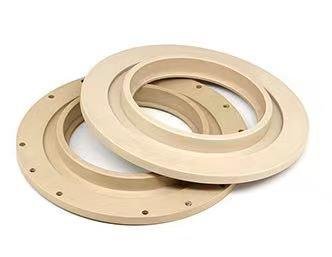
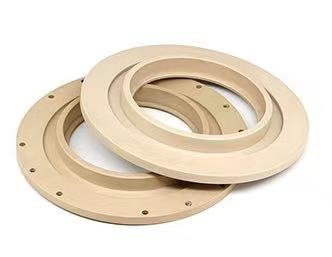
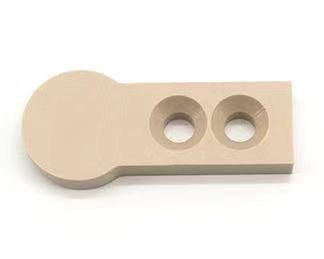
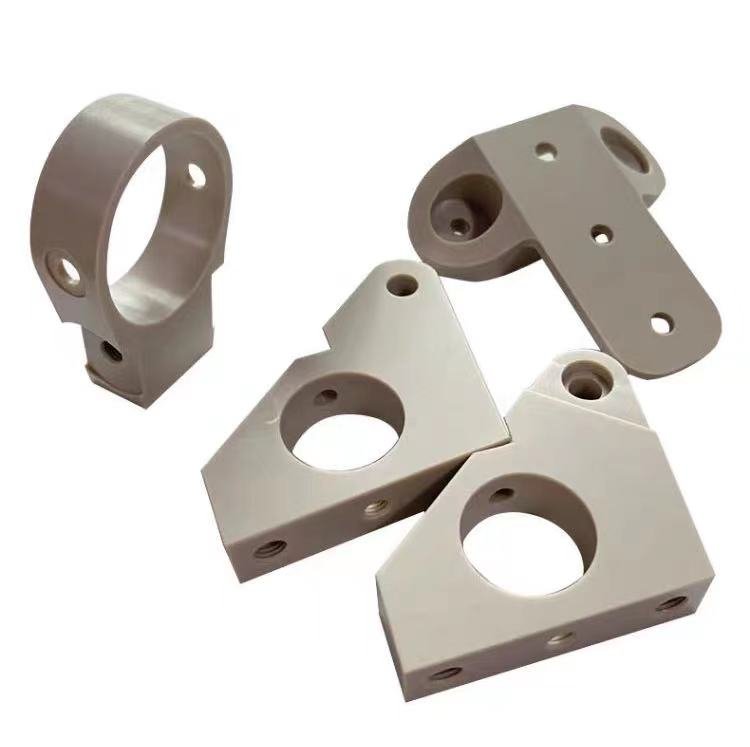
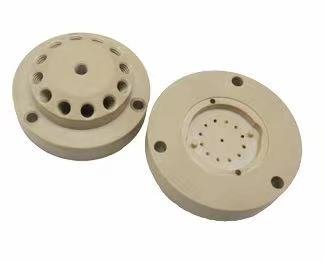
Elevating Industrial Standards: The Impact of PPS CNC Machining on Equipment Production

High temperature resistant PPS screws

Discover the game-changing power of PPS CNC Machining in our comprehensive guide, ‘[Elevating Industrial Standards: The Impact of PPS CNC Machining on Equipment Production].’ Dive into the world of Polyphenylene Sulfide and its pivotal role in industrial manufacturing. Explore how precision engineering through PPS CNC Machining ensures unmatched consistency in equipment production. Uncover the myriad benefits of incorporating PPS CNC machined components in your industrial equipment. Plus, get inspired by real-world case studies showcasing how this technology has revolutionized equipment performance. Stay ahead of the curve with insights into the exciting future trends in PPS CNC Machining, poised to reshape industrial standards. Elevate your industrial production to new heights with PPS CNC Machining expertise!

πŸŽ‰πŸŽ‰πŸŽ‰Limited Time Offer Use code: QR4GNY08SHVR at checkout and enjoy a special discount on your entire order! πŸ‘‰PPS boardPPS CNC Machining

Understanding PPS (Polyphenylene Sulfide) in Industrial Manufacturing

Polyphenylene Sulfide, often abbreviated as PPS, is a high-performance thermoplastic polymer that has made significant strides in revolutionizing the landscape of industrial manufacturing. It boasts a remarkable combination of properties that make it a standout material for various applications across different industries.

The Composition of PPS

At its core, PPS is composed of polymer chains with aromatic rings, lending it exceptional heat and chemical resistance. This intrinsic structure makes it a prime choice for environments where exposure to harsh conditions is inevitable.

The Versatility of PPS

One of the key attributes of PPS is its remarkable versatility. It can be extruded, injection-molded, or machined with precision, making it suitable for a wide range of manufacturing processes. This adaptability enables the creation of intricate and customized components for industrial machinery, equipment, tools, and parts.

Heat Resistance and Flame Retardancy

PPS exhibits an outstanding resistance to high temperatures, retaining its structural integrity even in extreme heat. Moreover, it possesses inherent flame retardant properties, making it an excellent choice for applications where fire safety is paramount. This is especially crucial in industries where equipment needs to withstand intense heat and potential fire hazards.

Chemical Resistance

In industrial manufacturing, exposure to various chemicals is common. PPS shines in this aspect as well, demonstrating impressive chemical resistance to a wide array of substances. This makes it suitable for applications where contact with corrosive materials is unavoidable.

Mechanical Strength and Durability

PPS is prized for its exceptional mechanical strength and durability. Its robust nature ensures that components made from PPS can withstand rigorous operational demands, enhancing the longevity of industrial equipment.

Electrical Insulation Properties

Another standout feature of PPS is its excellent electrical insulation properties. This makes it ideal for use in electrical and electronic components, ensuring the safety and reliability of critical systems.

The Role of PPS in Industrial Manufacturing

PPS CNC machining, in particular, has emerged as a game-changer in industrial manufacturing. With the ability to create intricate and precisely engineered components, PPS contributes to improved equipment performance, reduced downtime, and enhanced product quality.

Applications of PPS in Industrial Manufacturing

PPS finds extensive use in a variety of industrial applications, including but not limited to:

  • Aerospace: PPS components are used in critical aircraft parts, benefiting from their lightweight yet robust properties.
  • Automotive: PPS plays a role in enhancing engine components, transmission systems, and under-the-hood applications.
  • Electronics: Its electrical insulation properties make PPS a preferred choice in electronic devices.
  • Chemical Processing: PPS is used in equipment and piping for handling corrosive chemicals.

In summary, Polyphenylene Sulfide (PPS) is a versatile and high-performance thermoplastic polymer that plays a pivotal role in industrial manufacturing. Its unique combination of heat resistance, flame retardancy, chemical resistance, mechanical strength, and electrical insulation properties makes it a standout choice for various industrial applications. The precision offered by PPS CNC machining further elevates its role in creating customized components for industrial machinery and equipment, contributing to improved performance and reliability across industries. Understanding the capabilities and advantages of PPS is essential for those seeking to optimize their industrial manufacturing processes.

PPS CNC Machining center

Precision Engineering with PPS CNC Machining

When it comes to achieving the highest level of accuracy and consistency in equipment production, CNC (Computer Numerical Control) machining with PPS (Polyphenylene Sulfide) emerges as an indispensable technology. This advanced manufacturing process represents the pinnacle of precision engineering, and in this article, we’ll delve into how it plays a pivotal role in ensuring consistency throughout the equipment manufacturing process.

The Essence of CNC Machining

CNC machining is a cutting-edge manufacturing method that leverages computer-controlled machines to precisely shape and carve materials, including PPS, with unmatched accuracy. The key to its effectiveness lies in its ability to execute complex designs and patterns with microscopic tolerances, thus eliminating the margin for error.

PPS plastic CNC machining workshop

PPS as the Ideal Material

PPS, with its exceptional heat resistance, mechanical strength, and chemical resistance, stands out as the perfect material for equipment production in various industrial sectors. Its compatibility with CNC machining allows for the creation of intricate and tailored components with utmost precision.

Achieving Unparalleled Consistency

Computerized Precision

CNC machines follow computer-aided designs (CAD) to execute tasks with unparalleled precision. This means that every cut, every curve, and every hole is executed according to the exact specifications, eliminating human error and ensuring consistency in every produced part.

Reproducibility

Consistency is not a one-time achievement but a repetitive process in manufacturing. PPS CNC machining offers reproducibility at its finest. Once a design is perfected and programmed, the CNC machine can reproduce identical components with minimal deviation, maintaining a consistent level of quality.

Benefits of Precision Engineering with PPS CNC Machining

Enhanced Product Quality

The precision achieved with PPS CNC machining translates directly to enhanced product quality. Equipment components produced using this method are consistently accurate, leading to smoother operations and reduced chances of failures or breakdowns.

Reduced Downtime

In industries where equipment downtime can be costly and disruptive, PPS CNC machining shines. The reliability and consistency of components reduce the need for frequent maintenance and repairs, resulting in reduced downtime and increased productivity.

Cost-Efficiency

While CNC machining initially requires investment in programming and setup, it pays off in the long run. The consistent quality and reduced maintenance costs make it a cost-efficient choice for equipment manufacturers.

Precision engineering with PPS CNC machining is the cornerstone of ensuring consistency in equipment production. By harnessing the power of computer-controlled technology and the exceptional properties of PPS, manufacturers can create components with microscopic tolerances, resulting in enhanced product quality, reduced downtime, and cost-efficiency. This innovative approach is redefining the standards of industrial equipment production and cementing its place as an essential tool for industries striving for perfection and reliability.

PPS precision machined parts

The Benefits of Using PPS CNC Machined Components in Industrial Equipment

When it comes to enhancing the performance and reliability of industrial equipment, the choice of materials and manufacturing methods plays a pivotal role. PPS (Polyphenylene Sulfide) CNC machined components have emerged as a game-changer in this regard, offering a multitude of benefits that can significantly impact the industrial sector.

Exceptional Durability and Longevity

The foremost advantage of incorporating PPS CNC machined components is their exceptional durability and longevity. PPS, known for its robust properties, can withstand the harshest of industrial environments. Its resistance to heat, chemicals, and mechanical stress ensures that components made from PPS have an extended lifespan, reducing the need for frequent replacements.

Lightweight yet Sturdy

PPS is renowned for being both lightweight and sturdy, making it an ideal choice for industrial equipment. These components contribute to the overall reduction of equipment weight while maintaining the structural integrity necessary for reliable performance.

Superior Heat Resistance

Industrial equipment often operates in high-temperature environments. PPS’s exceptional heat resistance ensures that machined components can endure elevated temperatures without compromising their functionality. This is especially valuable in applications where thermal stability is critical.

Chemical Resistance

In industries dealing with corrosive substances or chemicals, PPS CNC machined components excel. They exhibit remarkable chemical resistance, ensuring that the components remain unaffected even when exposed to aggressive compounds.

Precise Tolerances and Customization

CNC machining offers the advantage of producing components with precise tolerances, guaranteeing consistency and accuracy in every part. Furthermore, the adaptability of PPS allows for the creation of customized components tailored to the specific needs of industrial equipment.

Reduced Maintenance and Downtime

The durability and reliability of PPS CNC machined components translate to reduced maintenance requirements and minimal downtime. Industrial equipment can operate for longer periods without the need for frequent repairs, contributing to increased productivity and cost savings.

Enhanced Safety and Performance

By utilizing PPS CNC machined components, industrial equipment manufacturers can enhance the overall safety and performance of their products. The consistent quality and resilience of these components lead to improved equipment operation and reduced risks of failures or accidents.

Environmental Considerations

PPS is known for its eco-friendly characteristics. It is a recyclable material, making it a sustainable choice for industries looking to reduce their environmental footprint and adhere to green practices.

Versatile Applications

PPS CNC machined components find applications across a wide spectrum of industrial sectors, including aerospace, automotive, electronics, and chemical processing, among others. Their versatility makes them a valuable asset in various industrial settings.

The benefits of using PPS CNC machined components in industrial equipment are multifaceted. From durability and longevity to lightweight design, heat and chemical resistance, precise tolerances, reduced maintenance, and enhanced safety, PPS CNC machined components elevate the performance and reliability of industrial machinery. As industries continue to seek innovative solutions, PPS remains a versatile and dependable choice for those striving for excellence in their equipment production.

PPS precision machined parts

Case Studies – Real-World Examples of PPS CNC Machining Enhancing Equipment Performance

In the world of industrial manufacturing, practicality often speaks louder than theory. To truly understand the potential of PPS (Polyphenylene Sulfide) CNC machining in enhancing equipment performance, it’s essential to delve into real-world case studies where this technology has made a significant impact.

Aerospace Advancements

Case Study 1 – Aircraft Components

In one compelling case study, an aerospace manufacturer turned to PPS CNC machining for critical aircraft components. The lightweight yet durable nature of PPS components allowed the aircraft to achieve greater fuel efficiency without compromising on safety. The precision engineering ensured that every component met stringent industry standards, contributing to enhanced performance and reliability in the aviation sector.

Automotive Excellence

Case Study 2 – Engine Optimization

In the automotive industry, a leading car manufacturer adopted PPS CNC machined components to optimize their engines. The heat resistance of PPS allowed for better thermal management, resulting in increased engine efficiency and reduced emissions. This not only improved the overall performance of the vehicles but also aligned with environmental regulations, showcasing the versatility of PPS in automotive applications.

Electronics Evolution

Case Study 3 – Electronic Enclosures

Electronic devices demand precision and reliability, and this was achieved in another case study where PPS CNC machining played a pivotal role. By utilizing PPS for electronic enclosures, the manufacturer ensured electrical insulation and protection against harsh environmental conditions. The lightweight yet robust PPS components improved the longevity and performance of electronic devices, setting a new standard in electronic manufacturing.

Industrial Ingenuity

Case Study 4 – Chemical Processing Equipment

In the chemical processing industry, where exposure to corrosive chemicals is a daily challenge, PPS CNC machining demonstrated its prowess. A manufacturer of chemical processing equipment incorporated PPS components, leading to enhanced resistance against chemical corrosion. This not only extended the lifespan of the equipment but also minimized the risk of leaks or failures, ensuring the safety of industrial processes.

The Power of PPS CNC Machining

These real-world case studies highlight the undeniable impact of PPS CNC machining in enhancing equipment performance across diverse industrial sectors. From aerospace and automotive to electronics and chemical processing, PPS has proven its mettle as a versatile and reliable material. Its ability to improve efficiency, reduce maintenance, and enhance safety underscores its position as a transformative technology in industrial equipment manufacturing. As industries continue to evolve, PPS CNC machining remains a valuable asset for those seeking to elevate their equipment to new heights of performance and reliability.
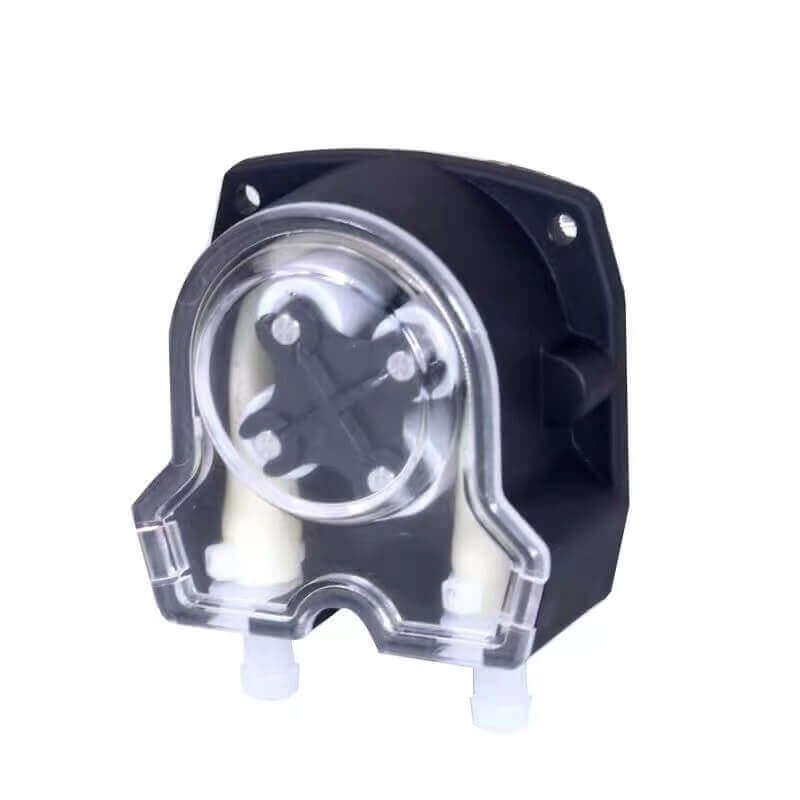
PPS pump

Future Trends – Innovations in PPS CNC Machining Set to Reshape Industrial Standards

The world of industrial manufacturing is constantly evolving, driven by technological advancements and the pursuit of excellence. As we look ahead, it’s clear that PPS (Polyphenylene Sulfide) CNC machining is set to play an even more pivotal role in reshaping industrial standards. In this article, we’ll explore the future trends and innovations that promise to revolutionize industrial equipment production.

Advanced Materials

Next-Generation PPS Blends

The future of PPS CNC machining lies in the development of next-generation PPS blends. These blends may incorporate additives and reinforcements to further enhance the material’s properties. Expect to see PPS variants that offer even higher heat resistance, improved mechanical strength, and enhanced chemical resistance, making them ideal for more demanding industrial applications.

Industry 4.0 Integration

Smart Manufacturing

Industry 4.0 is ushering in the era of smart manufacturing. PPS CNC machining is set to integrate seamlessly into this paradigm. With the incorporation of sensors, data analytics, and real-time monitoring, manufacturers will gain deeper insights into the machining process, leading to higher precision, reduced waste, and enhanced quality control.

Additive Manufacturing

3D Printing with PPS

The marriage of PPS and 3D printing holds enormous potential. Imagine the ability to create complex PPS components with intricate geometries, previously deemed impossible. This innovation will open up new horizons in equipment design, enabling engineers to optimize performance and reduce weight while maintaining PPS’s signature durability.

Sustainable Practices

Green Machining

Sustainability is a driving force in modern industry. Future trends in PPS CNC machining will prioritize green machining practices. This involves reducing energy consumption, minimizing waste, and utilizing recyclable PPS materials. Manufacturers will seek environmentally friendly solutions without compromising on quality or performance.

Nanotechnology Advancements

Nano-reinforced PPS

Nanotechnology is set to elevate PPS to new heights. Nano-reinforced PPS will incorporate nanoscale reinforcements, enhancing the material’s strength and thermal conductivity. This innovation will lead to the creation of smaller, lighter, and more efficient components for industrial equipment.

A Transformative Future

The future of PPS CNC machining is undeniably transformative. With advancements in materials, integration with Industry 4.0, the rise of additive manufacturing, a commitment to sustainability, and the utilization of nanotechnology, PPS is poised to redefine industrial standards. As manufacturers embrace these innovations, we can anticipate industrial equipment that is not only more efficient but also more environmentally responsible and adaptable to the demands of the modern world. PPS CNC machining is not just a technology; it’s a catalyst for progress in industrial manufacturing.

In conclusion, the world of industrial manufacturing is undergoing a remarkable transformation, and at the heart of this evolution lies the extraordinary potential of PPS CNC machining. From understanding the versatile nature of PPS to exploring its role in precision engineering, from reaping the benefits of its incorporation in industrial equipment to witnessing real-world case studies of its prowess, and finally, envisioning the future trends and innovations that it brings, PPS CNC machining is undeniably a game-changer. It’s not just a technology; it’s a force driving industrial standards to new heights. As industries continue to adapt and innovate, those who harness the power of PPS CNC machining are poised to lead the way in enhancing equipment performance, ensuring consistency, and shaping a more sustainable, efficient, and resilient industrial future. Embrace the possibilities, and let PPS CNC machining be your partner in the pursuit of excellence in industrial manufacturing.
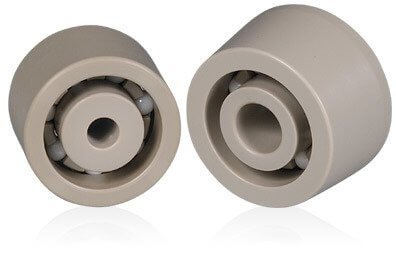
PPS Bearings

Experience the Benefits of PPS CNC Machining Firsthand!

Ready to witness the durability, precision, and cost-efficiency of PPS CNC machining? Reach out to us through the contact form below, and let’s embark on a journey to transform your industrial equipment.

πŸŽ‰πŸŽ‰πŸŽ‰Limited Time Offer Use code: QR4GNY08SHVR at checkout and enjoy a special discount on your entire order! πŸ‘‰PPS board

Leave a comment


Please note, comments must be approved before they are published


Custom Plastic Fabrication

Send your drawing, material and quantity for review

πŸ”§
Precision Machining
CNC milling & turning
βœ‚οΈ
Cutting & Engraving
Laser & waterjet cutting
🏭
Forming & Molding
Thermoforming & injection
πŸ”—
Joining & Assembly
Welding & bonding
πŸ“
Design & Prototyping
CAD design & samples

General

HDPE

PP

PVC

ABS

Engineering

POM

Nylon

PC

PMMA

High-Performance

PEEK

PEI

PTFE

Composites

FR-4

G10

Flexible

TPU

Silicone

Why Choose BeePlastic?

🎯
Perfect Fit
Custom specs eliminate adaptation needs
⚑
Clear Lead Times
Lead time confirmed with every quote
πŸ’°
Volume Pricing
Volume pricing available on bulk orders
🀝
Expert Support
Free engineering consultation included
πŸ“‹
Submit
β†’
πŸ”
Review
β†’
πŸ’΅
Quote
β†’
βœ…
Production
β†’
πŸ“¦
Deliver

Request a Quote

Share your project details, selected material and quantity on our quote page. You can add a file link or use the email drawing route shown there.


Request Quote

Industries: Automotive β€’ Medical β€’ Food β€’ Lab β€’ Semiconductor

beeplastic@beeplastic.com


Customized Excellence: PPS CNC Machining for Your Industrial Machinery Needs

appropriate PPS material

Unlocking Customized Excellence in Industrial Machinery: Explore the Power of PPS CNC Machining! Discover the benefits of precision and durability, delve into its applications in the industrial machinery sector, learn to choose the right PPS material, and be inspired by real-life success stories. Elevate your industrial machinery game with the cutting-edge technology of PPS CNC machining!

πŸŽ‰πŸŽ‰πŸŽ‰Limited Time Offer Use code: QR4GNY08SHVR at checkout and enjoy a special discount on your entire order! πŸ‘‰PPS board

PPS material CNC machining

Unveiling the Wonders of PPS CNC Machining

When it comes to precision engineering and customization in the world of industrial machinery, one technology stands out as a true game-changer: PPS CNC Machining. If you’re new to this innovative method or simply seeking a comprehensive understanding, you’ve come to the right place. In this article, we’ll embark on a journey through the fundamentals of PPS CNC machining, unraveling its inner workings and shedding light on its incredible potential.

What is PPS CNC Machining?

PPS, short for Polyphenylene Sulfide, is a high-performance thermoplastic polymer known for its exceptional heat resistance, chemical stability, and mechanical strength. PPS CNC machining leverages the power of computer numerical control (CNC) technology to craft intricate parts and components from this remarkable material.

In essence, PPS CNC machining combines the precision of computer-guided tools with the versatility of PPS, enabling the creation of intricate and customized parts with unparalleled accuracy. This technology has revolutionized the industrial machinery sector by providing engineers and manufacturers with a versatile, durable, and customizable solution for a wide range of applications.

advantages of PPS CNC

How Does PPS CNC Machining Work?

At its core, PPS CNC machining is a subtractive manufacturing process, meaning it starts with a solid block or sheet of PPS material and carves away excess material until the desired shape is achieved. The process involves several key steps:

1. Design and Programming: First, engineers create a detailed digital model of the component they want to produce. This model serves as the blueprint for the CNC machine.

2. Material Preparation: A high-quality PPS material block or sheet is selected based on the project’s requirements. This material is then securely fastened to the CNC machine’s worktable.

3. CNC Machining: The CNC machine, guided by the programmed design, precisely cuts, mills, drills, and shapes the PPS material to match the desired specifications. This process ensures a high degree of accuracy and repeatability.

4. Quality Control: After machining, the finished component undergoes rigorous quality control checks to verify its dimensions, tolerances, and overall quality. This step ensures that the final product meets the strictest industry standards.

5. Customization: One of the most significant advantages of PPS CNC machining is its ability to create highly customized parts. Engineers can easily adjust designs to accommodate specific industrial machinery needs, making it an ideal choice for a wide range of applications.

In the world of industrial machinery, where precision and reliability are paramount, PPS CNC machining offers a level of customization and accuracy that is hard to match with traditional manufacturing methods. It’s a technology that empowers engineers to push the boundaries of what’s possible and deliver exceptional results in the field.

In our journey through the world of PPS CNC machining, we’ll explore its numerous benefits, dive deeper into its applications, and provide valuable insights into choosing the right PPS material for your industrial machinery projects. So, stay with us as we continue to unravel the possibilities of this remarkable technology!

PPS CNC machining

Unleashing the Advantages of PPS CNC Machining in Industrial Machinery

As we delve deeper into the realm of PPS CNC machining, it’s time to uncover the multitude of benefits that this cutting-edge technology brings to the world of industrial machinery. Whether you’re an engineer, a manufacturer, or an enthusiast in this field, understanding the advantages of PPS CNC machining is crucial for making informed decisions and optimizing your projects.

Precision Beyond Compare

Precision is the hallmark of PPS CNC machining. Thanks to its computer-guided precision tools, this technology achieves levels of accuracy that are simply unparalleled. The CNC machine meticulously follows the programmed design, leaving no room for human error. This precision is especially critical in industrial machinery, where even the slightest deviation can lead to costly downtime and inefficiencies.

When intricate components and parts demand tight tolerances and exact specifications, PPS CNC machining shines. It ensures that each piece produced adheres to the highest standards, guaranteeing a seamless fit and optimal performance within the machinery.

Unrivaled Durability

Industrial machinery operates in demanding environments, often exposed to extreme temperatures, corrosive substances, and intense mechanical stress. In such conditions, the durability of components is paramount. This is where PPS CNC machining excels.

Durability is an inherent characteristic of PPS material itself. PPS is known for its resistance to heat, chemicals, and mechanical wear. When processed through CNC machining, it retains these qualities while achieving the required shape and functionality. As a result, components manufactured using PPS CNC machining can withstand harsh conditions, ensuring longevity and reliability in industrial settings.

Tailored to Perfection

The ability to customize components to exact specifications is a game-changer in the industrial machinery sector. PPS CNC machining offers engineers and manufacturers the freedom to design and produce parts that precisely meet their needs. Whether it’s a unique gear, a specialized bracket, or a complex housing, PPS CNC machining can bring any concept to life.

Customization extends beyond form; it also includes material selection. PPS comes in various grades, each with distinct properties. Engineers can select the most suitable PPS material for the specific application, taking into account factors such as temperature resistance, chemical compatibility, and mechanical strength.

By harnessing the customization capabilities of PPS CNC machining, industrial machinery professionals can optimize their equipment for peak performance, reduce maintenance costs, and even explore innovative designs that push the boundaries of what’s achievable.

The advantages of PPS CNC machining for industrial machinery are clear: unrivaled precision, exceptional durability, and limitless customization possibilities. It’s a technology that empowers professionals in this sector to enhance the performance, reliability, and longevity of their machinery, ultimately contributing to increased efficiency and competitiveness. In our journey through the world of PPS CNC machining, we’ll continue to explore its applications and practical insights, ensuring you have the knowledge needed to harness its full potential.

PPS material screws

PPS CNC Machining: Powering Innovation in Industrial Machinery

Having uncovered the remarkable benefits of PPS CNC machining, it’s time to turn our attention to its specific applications within the industrial machinery sector. By delving into real-world examples of components and parts that benefit from this technology, we can gain a deeper appreciation of its versatility and transformative capabilities.

1. Precision Gears and Bearings

Gears and bearings are the heartbeat of industrial machinery. They are responsible for transmitting motion and ensuring smooth, reliable operation. PPS CNC machining plays a pivotal role in crafting these crucial components. The precision and durability of PPS material make it ideal for manufacturing gears and bearings that can withstand heavy loads, high speeds, and harsh operating conditions. Whether it’s a gear in a conveyor system or a bearing in a rotating assembly, PPS CNC machining ensures optimal performance and longevity.

2. Robust Housings and Enclosures

Industrial machinery often operates in challenging environments, exposed to dust, moisture, and temperature fluctuations. Housings and enclosures protect sensitive components from these harsh conditions. PPS CNC machining enables the creation of customized, robust housings and enclosures that offer superior protection. The inherent resistance of PPS to chemicals and extreme temperatures ensures that these critical components remain intact and functional, even in the harshest industrial settings.

3. Complex Pump Components

Pumps are vital in industrial machinery, serving functions such as fluid transfer and pressure generation. PPS CNC machining is particularly well-suited for crafting pump components that demand precision and resistance to chemicals. Pump impellers, diaphragms, and valve bodies benefit from the dimensional accuracy and durability that PPS CNC machining provides, ensuring efficient fluid handling and minimal maintenance.

4. Electrical Insulation

In machinery with electrical components, such as motors and control systems, electrical insulation is paramount. PPS material possesses excellent electrical insulating properties, making it an ideal choice for manufacturing insulators, connectors, and electrical housings. PPS CNC machining ensures that these components meet stringent electrical insulation requirements, contributing to the safe and reliable operation of industrial machinery.

5. Structural Brackets and Supports

Industrial machinery often requires structural brackets and supports to maintain stability and alignment. PPS CNC machining allows engineers to design and produce these components with precision. The lightweight yet robust nature of PPS makes it an excellent choice for structural elements, reducing overall weight while ensuring structural integrity.

These are just a few examples of how PPS CNC machining can be applied in the industrial machinery sector. Its versatility and adaptability enable engineers and manufacturers to optimize a wide range of components, from small, intricate parts to larger, load-bearing elements. As you explore the possibilities of PPS CNC machining in your industrial machinery projects, keep in mind that its customization capabilities can be tailored to meet the unique requirements of your specific application. The result? Enhanced performance, extended equipment lifespan, and a competitive edge in the ever-evolving world of industrial machinery.

PPS CNC Processing

Navigating the PPS Landscape: Choosing the Right PPS Material for Your Industrial Machinery Projects

Selecting the appropriate PPS material for your industrial machinery projects is a pivotal decision that can significantly impact the performance and longevity of your equipment. In this section, we’ll provide a comprehensive guide to help you navigate the diverse world of PPS materials. We’ll explore key factors such as temperature resistance, chemical compatibility, and mechanical properties, ensuring that you make informed choices tailored to your specific application.

1. Temperature Resistance

One of the standout features of PPS material is its exceptional temperature resistance. However, not all PPS materials are created equal in this regard. When choosing the right PPS material for your project, consider the following:

a. Operating Temperature: Determine the temperature range within which your industrial machinery operates. Some PPS materials can withstand higher temperatures than others. If your equipment is exposed to extreme heat or frequent temperature fluctuations, opt for a high-temperature PPS variant.

b. Thermal Stability: Assess the long-term thermal stability requirements of your components. Certain PPS materials exhibit superior resistance to heat-induced degradation, making them suitable for applications where thermal stress is a concern.

2. Chemical Compatibility

Industrial machinery often encounters a variety of chemicals, including lubricants, solvents, and cleaning agents. The chemical compatibility of your chosen PPS material is critical to prevent degradation or failure. Here’s what to consider:

a. Exposure to Chemicals: Identify the specific chemicals that your components may come into contact with during operation. PPS materials vary in their resistance to different chemicals, so ensure compatibility with the substances in your industrial environment.

b. Corrosion Resistance: Evaluate the susceptibility of your PPS material to chemical corrosion. Some PPS variants offer enhanced resistance to corrosive agents, making them suitable for aggressive industrial settings.

3. Mechanical Properties

The mechanical properties of PPS materials play a vital role in determining their suitability for your industrial machinery projects. Pay attention to the following aspects:

a. Strength and Toughness: Consider the mechanical stresses that your components will experience. Different PPS materials offer varying levels of strength and toughness, so choose one that aligns with your application’s demands.

b. Wear Resistance: If your components are subject to friction and wear, prioritize PPS materials with excellent wear resistance to prolong their lifespan and minimize maintenance requirements.

c. Dimensional Stability: Ensure that your chosen PPS material maintains its dimensional stability under load and temperature variations. Dimensional changes can lead to performance issues in precision components.

4. Customization Possibilities

Beyond the fundamental properties, take advantage of the customization capabilities offered by PPS CNC machining. Tailor your PPS material selection to meet the specific requirements of your industrial machinery projects. The ability to design and produce custom components is a powerful advantage that allows you to optimize your equipment for peak performance.

By carefully considering factors such as temperature resistance, chemical compatibility, and mechanical properties, you can confidently select the ideal PPS material for your industrial machinery needs. Remember that making the right choice can enhance the efficiency, reliability, and longevity of your equipment, ultimately contributing to your success in the competitive industrial landscape.

PPS CNC machining.

Realizing Excellence: PPS CNC Machining Case Studies and Success Stories

To truly appreciate the transformative power of PPS CNC machining in industrial machinery, let’s dive into real-life case studies and success stories that vividly illustrate the technology’s value and potential. These instances of innovation and problem-solving demonstrate how PPS CNC machining has made a significant impact on industrial machinery development and modification.

1. Precision Components for Aerospace Manufacturing

In the aerospace industry, where precision and reliability are non-negotiable, PPS CNC machining has proven to be a game-changer. One noteworthy case involved the production of intricate aircraft engine components. By utilizing PPS CNC machining, engineers were able to create high-precision parts with complex geometries that were otherwise unattainable through traditional methods. These components not only met stringent quality standards but also contributed to fuel efficiency improvements and reduced maintenance costs, underscoring the technology’s value in this high-stakes sector.

2. Enhancing Chemical Processing Equipment

In the chemical processing industry, equipment durability and resistance to corrosive substances are paramount. PPS CNC machining came to the rescue in a project involving the development of specialized chemical processing components. By selecting PPS materials with exceptional chemical resistance and utilizing CNC machining precision, engineers designed and produced components that could withstand aggressive chemical environments. This not only extended the lifespan of the equipment but also minimized downtime and maintenance, delivering significant cost savings.

3. Optimizing Semiconductor Manufacturing

Semiconductor manufacturing demands the utmost precision and cleanliness. PPS CNC machining played a pivotal role in a case where wafer handling equipment required customization. By crafting PPS components with exacting tolerances and ultra-smooth surfaces, engineers improved the wafer handling process, reducing the risk of contamination and enhancing semiconductor yield. This success story underscores how PPS CNC machining can elevate performance in highly specialized industries.

4. Increasing Efficiency in Food Processing

Food processing equipment must meet strict hygiene standards while delivering efficient performance. PPS CNC machining was employed to create custom food-grade conveyor components. The result was equipment that not only met stringent food safety requirements but also exhibited superior wear resistance and longevity. This success story exemplifies how PPS CNC machining can address the unique challenges of diverse industries while enhancing productivity and product quality.

5. Advancing Automotive Production

In the automotive sector, where efficiency and cost-effectiveness are paramount, PPS CNC machining has been a driving force in tool and die manufacturing. By producing intricate molds and dies with PPS materials, manufacturers achieved shorter lead times, reduced tool wear, and improved product consistency. This case highlights how PPS CNC machining can streamline production processes and enhance competitiveness.

These real-life case studies and success stories vividly demonstrate the versatility, precision, and durability of PPS CNC machining in various industrial sectors. They underscore how this technology not only solves complex engineering challenges but also delivers tangible benefits such as cost savings, improved efficiency, and enhanced product quality. As you explore the potential of PPS CNC machining for your industrial machinery projects, these success stories serve as compelling evidence of its value and its ability to drive innovation and excellence.

In conclusion, PPS CNC machining stands as a remarkable testament to innovation and precision in the realm of industrial machinery. We’ve delved into its customized excellence, explored its myriad of benefits, examined its specific applications, and learned the art of choosing the right PPS material. Moreover, we’ve been inspired by real-life case studies and success stories where PPS CNC machining has not only met but exceeded the expectations of engineers and manufacturers across diverse industries.

As you embark on your industrial machinery projects, remember that PPS CNC machining is more than a technology; it’s a gateway to limitless possibilities. It empowers you to craft components with unparalleled precision, durability, and customization. Whether you’re in aerospace, chemical processing, semiconductor manufacturing, food processing, or automotive production, PPS CNC machining can be your trusted ally in achieving excellence and elevating your performance.

So, embrace the future of industrial machinery with confidence, armed with the knowledge of how PPS CNC machining can transform your projects. Your machinery can be more precise, more reliable, and more efficient than ever before. It’s time to harness the full potential of PPS CNC machining and unlock a world of possibilities for your industrial machinery needs.

PPS CNC machining center

Ready to Elevate Your Industrial Machinery?

Contact us now to explore how PPS CNC machining can revolutionize your projects. Let’s discuss your unique needs and discover the customized solutions that await.

πŸŽ‰πŸŽ‰πŸŽ‰Limited Time Offer Use code: QR4GNY08SHVR at checkout and enjoy a special discount on your entire order! πŸ‘‰PPS board

Leave a comment


Please note, comments must be approved before they are published


Custom Plastic Fabrication

Send your drawing, material and quantity for review

πŸ”§
Precision Machining
CNC milling & turning
βœ‚οΈ
Cutting & Engraving
Laser & waterjet cutting
🏭
Forming & Molding
Thermoforming & injection
πŸ”—
Joining & Assembly
Welding & bonding
πŸ“
Design & Prototyping
CAD design & samples

General

HDPE

PP

PVC

ABS

Engineering

POM

Nylon

PC

PMMA

High-Performance

PEEK

PEI

PTFE

Composites

FR-4

G10

Flexible

TPU

Silicone

Why Choose BeePlastic?

🎯
Perfect Fit
Custom specs eliminate adaptation needs
⚑
Clear Lead Times
Lead time confirmed with every quote
πŸ’°
Volume Pricing
Volume pricing available on bulk orders
🀝
Expert Support
Free engineering consultation included
πŸ“‹
Submit
β†’
πŸ”
Review
β†’
πŸ’΅
Quote
β†’
βœ…
Production
β†’
πŸ“¦
Deliver

Request a Quote

Share your project details, selected material and quantity on our quote page. You can add a file link or use the email drawing route shown there.


Request Quote

Industries: Automotive β€’ Medical β€’ Food β€’ Lab β€’ Semiconductor

beeplastic@beeplastic.com