How to Make Polypropylene (PP) Go Away? A Complete Guide

Oxygen Biodegradable Plastics

Do you know what polypropylene (PP) is? It’s a kind of plastic that you can find in many things you use every day, like bottles, bags, clothes, medical devices, and car parts. Polypropylene is awesome because it’s strong, durable, heat-resistant, and cheap. That’s why it’s one of the most popular plastics in the world.

🎉🎉🎉Limited Time Offer Use code: QR4GNY08SHVR at checkout and enjoy a special discount on your entire order! 👉PP board

But there’s a problem. Polypropylene doesn’t go away easily. It stays in the environment for a long time, filling up landfills and oceans. It can also leak harmful chemicals into the soil and water, affecting the health of animals and people.

So, can we make polypropylene go away? Is there a way to make it break down naturally by tiny living things called microorganisms? And are there better alternatives to polypropylene that are more friendly to the planet? In this article, we will answer these questions and give you a complete guide on polypropylene and bioplastics.

polypropylene (PP)

What does it mean to go away?

Before we get into the details of polypropylene and bioplastics, let’s first understand what it means to go away. According to the American Society for Testing and Materials (ASTM), biodegradable plastics are “a degradable plastic in which the degradation results from the action of naturally-occurring microorganisms such as bacteria, fungi, and algae”.

Biodegradation is a natural process that turns organic matter into simpler substances, like carbon dioxide, methane, water, inorganic compounds, or biomass. Biodegradation can happen in different places, like soil, compost, water, or landfill. The speed and amount of biodegradation depend on many things, like temperature, moisture, oxygen level, pH, and the presence of microorganisms and enzymes.

Biodegradation

But not all biodegradable plastics are the same. Some biodegradable plastics can go away completely within a few months or years under certain conditions. These plastics are usually called compostable plastics. To be called compostable, bioplastics must meet the ASTM D6400 standard for compostability – they must go away in a specific time period leaving no toxins in the soil.

Other biodegradable plastics can take decades or centuries to go away partly or fully under natural conditions. These plastics are usually called oxo-degradable or oxo-biodegradable plastics. They have an additive that makes them go away faster when exposed to oxygen or sunlight. But they may leave behind tiny pieces of plastic or toxic leftovers that can hurt the environment.

Why doesn’t polypropylene go away?

Polypropylene doesn’t go away because it has a strong structure that resists going away by natural microorganisms. Polypropylene is made of long chains of carbon and hydrogen atoms that are linked by single bonds. These bonds are very stable and hard to break by enzymes or bacteria.
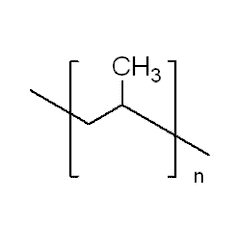
Polypropylene structure

Also, polypropylene has more resistance to cracking than polyethylene, resulting in rarely going away in the absence of pretreatment processes such as extended time exposure to high temperature or UV exposure. These C-C chains can be broken by alkane dehydrogenase, an enzyme that is made by some bacteria and fungi.

But alkane dehydrogenase is not common in nature and needs specific conditions to work well. So polypropylene going away by alkane dehydrogenase is very slow and ineffective.

How can we make polypropylene go away?

There are some possible ways to make polypropylene go away by changing its structure or adding some additives.

One way is to mix polypropylene with other biodegradable polymers, like starch or cellulose. This can reduce the amount of polypropylene in the final product and increase its chance of being attacked by microorganisms. But this method may affect the strength and performance of polypropylene.

Another way is to add organic additives that can help the oxidation or hydrolysis of polypropylene. These additives can be pro-oxidants (like metal salts), hydrophilic agents (like glycerol), or bio-based polymers (like PLA). These additives can make polypropylene more sensitive to environmental factors like heat, light, moisture, or oxygen. But this method may not guarantee complete going away and may create tiny pieces of plastic or toxic leftovers.

A third way is to use biological methods to make polypropylene go away. This can involve using microorganisms or enzymes that can break down polypropylene into simpler compounds. For example, some researchers have found bacteria and fungi that can make polypropylene go away by producing alkane dehydrogenase or other enzymes. But this method may need specific conditions and long periods of time to achieve significant going away.
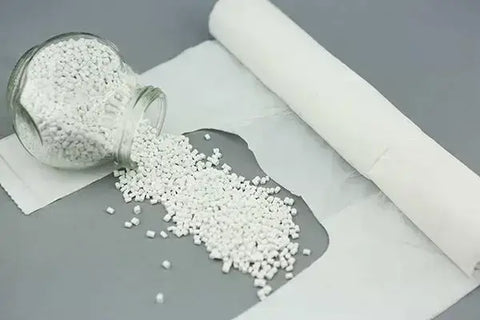
Oxygen Biodegradable Plastics

What can we use instead of polypropylene?

One of the alternatives to polypropylene is bioplastics. Bioplastics are plastics that are made from renewable or bio-based sources, like plants, algae, or waste. Bioplastics can have similar or better properties than conventional plastics, like strength, flexibility, transparency, and biocompatibility. Also, bioplastics can have a lower carbon footprint and offer going away as an end-of-life scenario if done in controlled or predictable environments.

But bioplastics are not a perfect solution. They also have some drawbacks and challenges, such as:

  • Negative agricultural impacts: Growing crops for bioplastics may compete with food production, use water and land resources, and cause deforestation and biodiversity loss.
  • Unclear end-of-life management: Bioplastics may not be compatible with existing recycling streams and may pollute them. Bioplastics may also not go away properly in natural environments and may leave behind tiny pieces of plastic or toxic leftovers.
  • Higher costs: Bioplastics may be more expensive than conventional plastics due to higher production costs, lower economies of scale, and lack of infrastructure and incentives.
  • Variable performance: Bioplastics may have different properties depending on the source, processing method, and additives used. Bioplastics may also be sensitive to temperature, moisture, or oxygen and may go away prematurely.
Biodegradable residues

Some examples of bioplastics that can be used instead of polypropylene are:

  • Polylactic acid (PLA): PLA is a bioplastic made from fermented corn starch or sugar cane. PLA has good mechanical properties, clarity, and biocompatibility. PLA is compostable under industrial conditions but not in home composts or natural environments.
  • Polyhydroxyalkanoates (PHA): PHA is a bioplastic made by bacterial fermentation of organic waste. PHA has excellent going away in soil and water and good mechanical properties. PHA is more expensive than PLA and has lower thermal stability.
  • Starch-based plastics: Starch-based plastics are bioplastics made from starch extracted from plants like corn, potatoes, or wheat. Starch-based plastics can be mixed with other polymers or additives to improve their properties. Starch-based plastics are compostable under industrial conditions but not in home composts or natural environments.
Biodegradable residues

Summary

To sum up, polypropylene is not biodegradable and causes a serious environmental problem. There are some possible ways to make polypropylene biodegradable, but they have limitations and trade-offs. Bioplastics are a promising alternative to polypropylene, but they also have challenges and drawbacks.

So, the best way to reduce the impact of polypropylene and other plastics on the environment is to adopt more eco-friendly practices, such as:

  • Reducing the use of plastic products and choosing reusable or recyclable options
  • Separating plastic waste properly and throwing it away in designated places
  • Supporting the development and innovation of bioplastics and their end-of-life management
  • Educating ourselves and others about the benefits and challenges of bioplastics
Bioplastics

We hope this article has helped you learn more about polypropylene and bioplastics. If you have any questions or comments, please feel free to share them below.

If you are interested in using Polypropylene (PP) products or would like more information, please do not hesitate to contact us. We would be happy to be disturbed and help you with your needs. Do you need a free quote or help with any questions or materials? 

🎉🎉🎉Limited Time Offer Use code: QR4GNY08SHVR at checkout and enjoy a special discount on your entire order! 👉PP board

Our website: www.beeplastic.com
Click to contact: Polypropylene (PP)

Leave a comment


Please note, comments must be approved before they are published


Custom Plastic Fabrication

Send your drawing, material and quantity for review

🔧
Precision Machining
CNC milling & turning
✂️
Cutting & Engraving
Laser & waterjet cutting
🏭
Forming & Molding
Thermoforming & injection
🔗
Joining & Assembly
Welding & bonding
📐
Design & Prototyping
CAD design & samples

General

HDPE

PP

PVC

ABS

Engineering

POM

Nylon

PC

PMMA

High-Performance

PEEK

PEI

PTFE

Composites

FR-4

G10

Flexible

TPU

Silicone

Why Choose BeePlastic?

🎯
Perfect Fit
Custom specs eliminate adaptation needs
⚡
Clear Lead Times
Lead time confirmed with every quote
💰
Volume Pricing
Volume pricing available on bulk orders
🤝
Expert Support
Free engineering consultation included
📋
Submit
→
🔍
Review
→
💵
Quote
→
✅
Production
→
📦
Deliver

Request a Quote

Share your project details, selected material and quantity on our quote page. You can add a file link or use the email drawing route shown there.


Request Quote

Industries: Automotive • Medical • Food • Lab • Semiconductor

beeplastic@beeplastic.com


What is Plastic Custom Processing Process and How Does It Work?

Injection molding machine

Plastic custom processing process is a process of producing plastic products that meet the specific needs and designs of customers, using different types of plastic raw materials and molding methods. Plastic custom processing process is important for creating plastic products that have various shapes, sizes, colors and functions, and that can improve the product competitiveness and customer satisfaction. In this article, we will introduce you to the different types of plastic custom processing methods, the steps involved in plastic custom processing process, some examples of plastic products that are made by plastic custom processing process, and how to choose a reliable plastic custom processing supplier.

Injection molding machine

Different Types of Plastic Custom Processing Methods

There are many types of plastic custom processing methods, each with its own advantages and disadvantages. Some of the most common ones are:

  • Injection molding: This is a method of injecting molten plastic into a metal mold under high pressure, and then cooling and solidifying it to form the desired shape. Injection molding is suitable for producing complex and precise plastic products in large quantities, such as plastic parts for cars, electronics, medical devices, etc. However, injection molding requires high upfront costs for mold making and setup, and can only use plastics with high melt index.
  • Blow molding: This is a method of blowing air into a heated plastic tube inside a mold, and then cooling and solidifying it to form a hollow shape. Blow molding is suitable for producing hollow and lightweight plastic products in large quantities, such as plastic bottles, containers, toys, etc. However, blow molding has limited design flexibility and can only use thermoplastic materials.

    Injection molded parts
  • Thermoforming: This is a method of heating a plastic sheet until it becomes soft and pliable, and then forming it over a mold by applying air or mechanical assistance. Thermoforming is suitable for producing simple and thin plastic products in small to medium quantities, such as plastic trays, cups, packaging, etc. However, thermoforming has high material waste and can only use thermoplastic materials.

Steps Involved in Plastic Custom Processing Process

The plastic custom processing process involves several steps, such as:

  • Design: The first step is to design the plastic product according to the customer’s needs and specifications. This includes choosing the type and grade of plastic material, the molding method and equipment, the mold design and production, the surface treatment and coating, etc.
  • Material selection: The next step is to select the appropriate plastic material for the product performance, quality, cost and environmental impact. There are many types and grades of plastic materials available in the market, such as polyethylene (PE), polypropylene (PP), polystyrene (PS), polyvinyl chloride (PVC), etc.
  • Mold making: The next step is to make the mold for the product shape and size. The mold can be made of metal or plastic, depending on the molding method and the product complexity. The mold making process can involve machining, casting, welding, etc.
  • Molding: The next step is to mold the product using the selected material and method. The molding process can involve heating, melting, injecting, blowing, forming, cooling and solidifying the plastic material in the mold cavity. The molding process can affect the product quality, accuracy and consistency.
  • Finishing: The final step is to finish the product by removing excess material, trimming edges, applying surface treatments and coatings, testing and inspecting the product quality and performance, packaging and shipping the product to the customer. The finishing process can improve the product appearance, durability and functionality.
ABS injection molded parts

Examples of Plastic Products Made by Plastic Custom Processing Process

There are many examples of plastic products that are made by plastic custom processing process, such as:

  • Plastic bottles: Plastic bottles are hollow and lightweight plastic products that are used for storing and dispensing liquids, such as water, juice, milk, etc. Plastic bottles are usually made by blow molding using thermoplastic materials such as PE or PET. Plastic bottles can have different shapes, sizes, colors and caps to suit different purposes and preferences.
  • Plastic containers: Plastic containers are hollow and sturdy plastic products that are used for storing and transporting solid or semi-solid items, such as food, medicine, cosmetics, etc. Plastic containers are usually made by injection molding or thermoforming using thermoplastic materials such as PP or PS. Plastic containers can have different shapes, sizes, colors and lids to suit different purposes and preferences.
  • Plastic toys: Plastic toys are fun and colorful plastic products that are used for playing and learning by children and adults. Plastic toys are usually made by injection molding or blow molding using thermoplastic materials such as PVC or ABS. Plastic toys can have different shapes, sizes, colors and functions to suit different interests and ages.
Finished Injection Molding

How to Choose a Reliable Plastic Custom Processing Supplier

If you need to customize plastic products for your business or personal use, you need to choose a reliable plastic custom processing supplier that can provide you with high-quality, low-cost, fast-delivery and excellent-service plastic products. Here are some tips and resources for choosing a reliable plastic custom processing supplier:

  • Check their professional capability: You need to check their professional capability in terms of the types and grades of plastic materials they use, the molding methods and equipment they have, the mold design and production they offer, the surface treatment and coating they provide, etc. You need to choose a plastic custom processing supplier that can meet your product performance, quality, quantity and time requirements.
  • Check their service quality: You need to check their service quality in terms of their communication methods and efficiency, contract terms and guarantees, quality control and testing, delivery time and method, after-sales service and warranty, etc. You need to choose a plastic custom processing supplier that can provide high-quality, professional, timely and flexible service.
  • Check their credibility: You need to check their credibility in terms of their qualification certification, industry experience, customer reviews, case display, etc. You need to choose a plastic custom processing supplier that has a good reputation and word-of-mouth, and can guarantee product quality and service level.
  • Check their price reasonableness: You need to check their price reasonableness in terms of their quotation method and basis, price composition and details, price fluctuation and change, etc. You need to choose a plastic custom processing supplier that can provide reasonable, transparent, stable and competitive prices.
Injection molding line

In summary, plastic custom processing process is a process of producing plastic products that meet the specific needs and designs of customers, using different types of plastic raw materials and molding methods. Plastic custom processing process is important for creating plastic products that have various shapes, sizes, colors and functions, and that can improve the product competitiveness and customer satisfaction. In this article, we have introduced you to the different types of plastic custom processing methods, the steps involved in plastic custom processing process, some examples of plastic products that are made by plastic custom processing process, and how to choose a reliable plastic custom processing supplier.

If you are interested in our plastic custom processing service, please feel free to send us an email for consultation. We are a professional plastic custom processing supplier with years of industry experience and technical strength. We can provide you with the following advantages:

Injection molding workshop
  • One-stop service: We can provide you with one-stop service from plastic raw material selection, mold design and production, plastic molding processing, surface treatment and coating, product testing and packaging to transportation and delivery, saving you time, effort and worry.
  • Customization ability: We can customize plastic products of various shapes, sizes, colors and functions according to your needs and designs, whether simple or complex, monochrome or multicolor, small or large batch.
  • Quality assurance: We use high-quality plastic raw materials, adopt advanced molding equipment and technology, implement strict quality control and testing, and ensure that every plastic product meets the specifications and standards and satisfies you.
  • Price preference: We offer reasonable, transparent, stable and competitive prices, allowing you to enjoy high-cost performance plastic custom processing service, saving your cost and budget.
  • Service professionalism: We have a professional team and system, providing timely, effective, flexible and friendly communication and service, solving any problems and difficulties for you, making you feel at ease and satisfied.

 We will reply to you as soon as possible and provide you with professional advice and quotation. We look forward to establishing a long-term cooperation relationship with you and providing you with the best quality plastic custom processing service.

Thank you for reading this blog article. We hope it helps you understand what plastic custom processing process is and how it works. If you have any questions or suggestions, please leave a comment or contact us. We will be happy to hear your opinions and feedback. Thank you again and wish you all the best!

Toy injection processing

Leave a comment


Please note, comments must be approved before they are published


Custom Plastic Fabrication

Send your drawing, material and quantity for review

🔧
Precision Machining
CNC milling & turning
✂️
Cutting & Engraving
Laser & waterjet cutting
🏭
Forming & Molding
Thermoforming & injection
🔗
Joining & Assembly
Welding & bonding
📐
Design & Prototyping
CAD design & samples

General

HDPE

PP

PVC

ABS

Engineering

POM

Nylon

PC

PMMA

High-Performance

PEEK

PEI

PTFE

Composites

FR-4

G10

Flexible

TPU

Silicone

Why Choose BeePlastic?

🎯
Perfect Fit
Custom specs eliminate adaptation needs
⚡
Clear Lead Times
Lead time confirmed with every quote
💰
Volume Pricing
Volume pricing available on bulk orders
🤝
Expert Support
Free engineering consultation included
📋
Submit
→
🔍
Review
→
💵
Quote
→
✅
Production
→
📦
Deliver

Request a Quote

Share your project details, selected material and quantity on our quote page. You can add a file link or use the email drawing route shown there.


Request Quote

Industries: Automotive • Medical • Food • Lab • Semiconductor

beeplastic@beeplastic.com
