POM Engineering Plastic: Advantages, Applications, and How to Choose the Right Product

Unlock the full potential of POM engineering plastic with this comprehensive guide that explores its advantages, diverse applications, and essential tips on choosing the right POM plastic product for your needs. POM plastic—also known as POM acetal plastic—is celebrated for its outstanding mechanical properties, including high tensile strength, excellent dimensional stability, and low friction. Whether you’re in the automotive, electronics, or industrial sectors, this material’s versatility and durability make it a top choice for precision components. Discover how POM plastic sheets and other POM plastic products excel in reducing wear and tear in machinery, and learn how to select the right POM plastic material based on specific POM plastic uses. This blog post is your go-to resource for understanding why POM engineering plastic stands out among other materials in the industry.

The Durability of POM Acetal Plastic in Engineering
POM acetal plastic is renowned for its durability, making it a top choice in various engineering applications. This engineering plastic offers high tensile strength and can withstand significant stress without deforming, which is critical for components that must endure repeated use. The durability of POM plastic ensures long-lasting performance, reducing the need for frequent replacements and maintenance, which is particularly advantageous in demanding industries such as automotive and industrial manufacturing.
Low Friction Properties of POM Plastic
Another standout feature of POM acetal plastic is its low friction coefficient. This property makes it ideal for applications where smooth movement is essential, such as in gears, bearings, and sliding components. The low friction of POM plastic material reduces wear and tear on moving parts, leading to quieter operation and increased efficiency in machinery. For industries focused on precision and performance, the friction-reducing capabilities of POM plastic offer a significant competitive advantage.
Chemical Resistance of POM Engineering Plastic
POM engineering plastic also excels in chemical resistance, making it suitable for environments where exposure to chemicals, fuels, and solvents is common. This resistance ensures that POM plastic products maintain their integrity and performance, even in harsh conditions. Whether used in chemical processing equipment or automotive fuel systems, the chemical resistance of POM plastic provides reliability and safety, reducing the risk of material degradation over time.
Why POM Plastic is Ideal for Precision Parts
The dimensional stability and precision of POM plastic sheet are unmatched, making it an excellent choice for manufacturing precision parts. POM acetal plastic maintains its shape and size under varying temperature and humidity conditions, ensuring that parts fit perfectly and function reliably. This stability is critical for components in sensitive applications, such as electronic connectors and medical devices, where even the slightest deviation can lead to failure. For industries that require exact specifications, the precision-engineered qualities of POM plastic are indispensable.
Applications of POM Acetal Plastic in High-Stress Environments
POM acetal plastic is widely used in environments where high stress and mechanical load are present. From automotive components to industrial machinery, the mechanical properties of POM plastic—such as impact resistance and toughness—enable it to perform under extreme conditions. Its ability to withstand heavy loads and resist deformation under pressure makes it a reliable choice for applications requiring durability and strength. The high-stress applications of POM engineering plastic demonstrate its versatility and robustness in various industries.
Selecting the Right POM Plastic Material for Your Project
When choosing the right POM plastic material for your project, it’s essential to consider the specific requirements of your application. Factors such as mechanical properties, chemical resistance, and dimensional stability should guide your decision. Whether you’re looking for POM plastic sheet, rods, or custom machined parts, understanding the unique benefits of POM engineering plastic will help ensure that you select the best material for your needs.

Automotive Industry: The Backbone of POM Engineering Plastic
The automotive industry heavily relies on POM engineering plastic due to its exceptional mechanical properties and durability. POM plastic is extensively used in the manufacturing of gears, bearings, fuel system components, and interior trim. Its low friction and high wear resistance make it ideal for parts that require precision and longevity. For instance, POM plastic material is commonly found in door systems, window lifters, and steering columns, where smooth operation and minimal maintenance are critical.
Gears and Bearings
In gears and bearings, POM acetal plastic shines due to its ability to maintain tight tolerances and reduce noise. The low friction coefficient of POM engineering plastic ensures that gears and bearings operate efficiently, even under high stress, leading to longer-lasting automotive components.
Fuel System Components
POM plastic products are also crucial in fuel system components because of their chemical resistance and ability to withstand harsh environments. Fuel pumps, valves, and connectors often use POM plastic to ensure safe and reliable fuel delivery.
Electronics Industry: Precision and Stability with POM Plastic
In the electronics industry, POM engineering plastic is valued for its dimensional stability and electrical insulation properties. POM plastic sheet is commonly used in the production of connectors, switches, and insulating components. The material’s ability to resist moisture and maintain its shape under varying environmental conditions makes it ideal for electronic devices that require reliability and precision.
Connectors and Switches
POM plastic material is often used in connectors and switches due to its precision molding capabilities. The material’s ability to produce intricate parts with consistent quality ensures that electronic devices function correctly without the risk of short circuits or connectivity issues.
Consumer Goods: Durability and Aesthetic Appeal
The versatility of POM engineering plastic extends to the consumer goods industry, where it is used in the production of household appliances, toys, and sports equipment. POM plastic offers a perfect balance between durability and aesthetic appeal, making it a preferred material for products that need to be both functional and visually pleasing.
Household Appliances
In household appliances, POM acetal plastic is used in components such as blender gears, vacuum cleaner parts, and washing machine mechanisms. The material’s wear resistance and strength ensure that these appliances remain operational for extended periods, reducing the need for frequent repairs.
Toys and Sports Equipment
POM plastic products are also popular in the manufacturing of toys and sports equipment due to their safety and durability. The material is non-toxic and can withstand rough handling, making it ideal for products like toy gears, action figures, and bicycle components.

Industrial Machinery: Robust Performance in High-Stress Environments
In industrial machinery, POM engineering plastic is used for its high strength and resistance to wear. POM plastic sheet is often fabricated into bushings, sliders, and guides that must endure constant friction and heavy loads. The ability of POM acetal plastic to perform under these conditions makes it indispensable in machinery that requires long-lasting, reliable components.
Bushings and Sliders
POM plastic is particularly effective in bushings and sliders where its low friction properties reduce wear and tear, ensuring smooth and efficient operation of industrial machinery.
High Tensile Strength of POM Plastic
One of the standout mechanical properties of POM plastic is its high tensile strength. This property is crucial for applications where precision parts must withstand significant stress without breaking or deforming. POM engineering plastic can endure high levels of tension, making it ideal for components such as gears, fasteners, and structural parts that need to maintain integrity under load. The tensile strength of POM plastic ensures that precision-engineered parts remain durable and reliable, even in demanding environments.
Why Tensile Strength Matters in Precision Parts
The tensile strength of POM acetal plastic plays a vital role in its ability to perform in precision engineering. Parts made from POM plastic material can endure forces that would cause other materials to fail, ensuring that machinery and devices function smoothly and efficiently. This strength makes POM plastic a preferred choice for critical components in industries such as automotive and aerospace.
Dimensional Stability of POM Engineering Plastic
Another key feature of POM engineering plastic is its dimensional stability. This property refers to the material’s ability to maintain its shape and size under varying environmental conditions, such as changes in temperature or humidity. POM plastic is known for its minimal expansion and contraction, which is essential for precision parts that require exact tolerances.
Importance of Dimensional Stability in Precision Engineering
In precision engineering, even the slightest deviation in dimensions can lead to component failure or reduced performance. The dimensional stability of POM plastic ensures that parts remain consistent and reliable, regardless of environmental changes. This stability is particularly important in applications such as electronic connectors, where precise fit and alignment are critical for functionality.

Wear Resistance: A Crucial Property for Long-Lasting Parts
POM plastic is also highly regarded for its wear resistance, which is a critical factor in the longevity of precision-engineered parts. Wear resistance refers to the material’s ability to resist surface degradation over time, even when subjected to friction and repetitive motion. The low friction coefficient of POM acetal plastic contributes to its ability to withstand wear, making it an excellent choice for moving parts such as bearings, gears, and sliding mechanisms.
Applications of Wear-Resistant POM Plastic in Precision Parts
The wear resistance of POM plastic products is particularly valuable in applications where components must endure constant motion or contact with other surfaces. For example, POM plastic sheet is often used to fabricate bushings and sliders that require a low-friction, durable surface to operate efficiently. The wear-resistant properties of POM plastic help reduce maintenance needs and extend the lifespan of precision parts, making it a cost-effective material for high-performance engineering.
Chemical Resistance Enhances POM’s Versatility
Beyond its mechanical properties, POM plastic material also offers chemical resistance, which enhances its versatility in various industries. POM engineering plastic can withstand exposure to many chemicals, fuels, and solvents without degrading, making it suitable for precision parts that operate in harsh environments.
Chemical Resistance in Precision Engineering Applications
The chemical resistance of POM plastic is particularly important in industries such as automotive and electronics, where parts may come into contact with corrosive substances. The chemical resistance of POM acetal plastic ensures that precision parts remain intact and functional, even when exposed to challenging conditions. This property allows engineers to use POM plastic in a wider range of applications, increasing its value as a versatile material for precision engineering.
Why POM Plastic Sheets Outperform Nylon in High-Precision Applications
When comparing POM plastic sheets to nylon (polyamide) in high-precision applications, POM engineering plastic stands out for its superior dimensional stability and low moisture absorption. Nylon tends to absorb moisture from the environment, which can lead to swelling and dimensional changes, compromising the precision of the parts. On the other hand, POM plastic exhibits minimal moisture absorption, ensuring that components remain stable and accurate over time. For applications requiring tight tolerances and consistent performance, the dimensional stability of POM plastic makes it the preferred choice.
Dimensional Stability and Moisture Resistance
The dimensional stability of POM acetal plastic is crucial in industries where precision is paramount, such as electronics and automotive manufacturing. Unlike nylon, which may deform under varying humidity levels, POM plastic material maintains its shape and size, ensuring that parts fit perfectly and function reliably. The low moisture absorption of POM plastic further enhances its suitability for high-precision components, making it an ideal material for environments with fluctuating humidity.

POM Plastic vs. Polyethylene: Superior Strength and Wear Resistance
While polyethylene is known for its excellent chemical resistance and low cost, POM plastic offers superior strength and wear resistance in demanding engineering applications. POM plastic sheets are often chosen over polyethylene when components need to withstand high mechanical stress and continuous use. The strength and wear resistance of POM plastic make it particularly valuable in the production of gears, bearings, and other moving parts that require durability and longevity.
Mechanical Strength and Longevity
POM engineering plastic is renowned for its mechanical strength, which outperforms polyethylene in applications where load-bearing capacity and durability are critical. POM plastic material can handle higher stress and resist deformation better than polyethylene, making it the material of choice for parts subjected to repetitive motion and heavy loads. This makes POM plastic products ideal for industrial machinery and automotive components, where long-term reliability is essential.
Chemical Resistance: A Closer Look at POM and Nylon
Both POM acetal plastic and nylon offer chemical resistance, but their performance varies depending on the application. Nylon excels in resisting certain solvents and oils, making it suitable for specific industrial uses. However, POM plastic offers a broader range of chemical resistance, particularly against fuels and weak acids, which expands its applicability in more diverse environments. For industries such as automotive and chemical processing, the chemical resistance of POM plastic ensures parts remain functional and safe, even in harsh conditions.
Choosing the Right Material for Chemical Exposure
When selecting materials for components exposed to chemicals, understanding the chemical resistance of each option is critical. POM engineering plastic is often preferred over nylon for parts that come into contact with a wide variety of substances, as it provides more reliable performance without degrading. The broad chemical resistance of POM plastic enhances its versatility, making it a go-to material for engineers designing for complex environments.
Comparing Wear Resistance: POM vs. Nylon and Polyethylene
Wear resistance is another key factor where POM plastic outshines nylon and polyethylene. POM plastic sheets are engineered to withstand friction and abrasion better than nylon and polyethylene, which can wear down more quickly in demanding applications. This characteristic makes POM plastic products ideal for moving parts such as sliders, bushings, and gears, where reducing wear and extending the lifespan of components is crucial.
Applications Requiring High Wear Resistance
In applications where parts are subjected to constant movement and friction, such as conveyor systems or mechanical linkages, POM acetal plastic provides superior wear resistance compared to nylon and polyethylene. The low friction and high durability of POM plastic ensure that components not only last longer but also operate more smoothly, reducing maintenance costs and downtime.

Understanding the Impact of Wear and Tear on Machinery
Wear and tear is an inevitable challenge in the operation of machinery across various industries. Over time, the friction between moving parts leads to degradation, causing components to wear out, lose efficiency, or even fail. This not only affects the performance of the machinery but also increases maintenance costs and downtime. POM engineering plastic offers a solution to this problem by significantly reducing wear and tear on machinery components, leading to longer-lasting and more reliable products.
The Low Friction Advantage of POM Plastic
One of the key reasons POM plastic is so effective in reducing wear and tear is its low friction properties. POM plastic material has a naturally smooth surface, which minimizes friction between moving parts. This low friction characteristic is particularly beneficial in applications where components are in constant motion, such as in gears, bearings, and sliders. By reducing friction, POM engineering plastic not only prolongs the life of these parts but also ensures smoother and more efficient operation of the machinery.
Applications Where Low Friction Matters
In industrial settings where machinery operates continuously, the low friction properties of POM plastic are crucial. For example, POM plastic is commonly used in conveyor systems, where the reduction of friction between moving parts directly translates to less wear and tear, resulting in longer intervals between maintenance and lower operational costs.
Wear Resistance: A Key Property of POM Engineering Plastic
POM engineering plastic is also highly regarded for its wear resistance. This property ensures that components made from POM plastic can withstand the rigors of continuous use without significant degradation. In environments where machinery parts are subjected to constant friction, abrasion, and contact with other surfaces, POM plastic demonstrates superior longevity compared to other materials like nylon or polyethylene.
Comparing POM Plastic to Other Materials
When compared to materials like nylon or polyethylene, POM acetal plastic offers better wear resistance, making it the material of choice for high-stress applications. The wear-resistant nature of POM plastic ensures that components such as bushings, gears, and cams maintain their structural integrity and continue to perform optimally over time.
Enhancing Reliability with POM Plastic Components
Reliability is a critical factor in the design and operation of machinery. Using POM plastic components enhances the reliability of machinery by reducing the likelihood of part failures due to wear and tear. As POM plastic resists deformation and maintains its properties under stress, it ensures consistent performance across the lifespan of the machinery. This reliability is especially important in industries such as automotive, aerospace, and manufacturing, where equipment failure can lead to costly downtime and safety concerns.
Real-World Examples of POM Plastic in Machinery
In the automotive industry, for instance, POM plastic is used in critical components such as fuel systems, door mechanisms, and steering systems. The reliability provided by POM engineering plastic in these applications contributes to the overall safety and longevity of vehicles. Similarly, in industrial machinery, the use of POM plastic in gears and bearings reduces the need for frequent replacements, ensuring that the machines operate efficiently with minimal interruptions.

Longer Lifespan and Cost Savings
The use of POM engineering plastic in machinery components not only extends the lifespan of the parts but also results in significant cost savings over time. As POM plastic reduces wear and tear, it minimizes the need for frequent maintenance and part replacements. This leads to lower maintenance costs and less downtime, which is crucial for businesses looking to optimize their operations and reduce expenses.
The Economic Benefits of POM Plastic
Investing in POM plastic components can lead to long-term economic benefits. By choosing POM engineering plastic for parts that experience high levels of wear, businesses can reduce their overall maintenance budget and increase the operational lifespan of their machinery. The cost-effectiveness of POM plastic makes it an attractive option for companies seeking to enhance the durability and efficiency of their equipment.
Understanding Your Engineering Requirements
Before selecting the right POM plastic product for your project, it’s crucial to thoroughly understand your engineering requirements. Consider factors such as the mechanical load, environmental conditions, and precision needed for your application. POM engineering plastic comes in various grades and forms, each designed to meet specific demands. By clearly defining what your project requires, you can narrow down the type of POM plastic material that will best suit your needs.
Evaluating Load and Stress Conditions
If your application involves high mechanical stress, such as in gears, bearings, or structural components, you’ll need a high-strength POM plastic that can withstand significant load without deforming. The tensile strength of POM plastic is a key factor to consider, as it determines how well the material will hold up under pressure. For heavy-duty applications, opt for POM plastic products that are specifically engineered to endure high stress and wear.
Choosing Between POM Sheets, Rods, and Custom Forms
POM plastic is available in multiple forms, including sheets, rods, and custom machined parts. The form you choose will depend on the specific needs of your project. POM plastic sheets are ideal for creating flat components, gaskets, or parts that require precision cutting. POM rods are more suited for machining into round or cylindrical parts, such as bushings and spacers. For complex or unique designs, custom machined POM plastic parts offer the flexibility to meet exact specifications.
Advantages of POM Plastic Sheets
When working on projects that require precision and stability, POM plastic sheets are often the best choice. They provide a uniform thickness and can be easily cut to size, ensuring that the components you produce are both accurate and reliable. The dimensional stability of POM sheets ensures that the parts will maintain their shape even under varying environmental conditions, making them ideal for applications where consistency is critical.
Applications for POM Plastic Rods
POM plastic rods are particularly useful for projects that involve the fabrication of round or cylindrical components. Due to their high strength and low friction properties, POM rods are commonly used in the production of bearings, rollers, and spacers. The wear resistance of POM rods ensures that these parts will last longer, reducing maintenance needs and downtime in machinery.

Selecting the Right Grade of POM Plastic
Not all POM plastics are created equal; different grades offer varying mechanical properties and chemical resistance. Standard POM acetal plastic is suitable for most general-purpose applications, but for more demanding environments, you might need a reinforced grade that offers enhanced strength or chemical resistance. When choosing the right grade, consider the specific challenges your components will face, such as exposure to chemicals, extreme temperatures, or heavy loads.
Reinforced POM Plastic for High-Performance Applications
If your project demands superior strength or chemical resistance, consider using reinforced POM plastic. These grades are designed to withstand harsher conditions and provide extra durability in applications where standard POM plastic material might fall short. The enhanced properties of reinforced POM make it a go-to material for critical components in automotive, aerospace, and industrial machinery.
Consulting with Experts for Custom POM Solutions
When in doubt, it’s always a good idea to consult with material experts who can help you determine the best POM plastic product for your specific needs. Whether you require custom machined parts or need advice on the most suitable grade of POM plastic, working with professionals ensures that you make the right choice for your project. The expertise of POM plastic suppliers can provide invaluable insights, helping you achieve optimal performance and longevity in your engineering applications.
POM Plastic in Additive Manufacturing: Expanding Possibilities
POM plastic is increasingly being utilized in additive manufacturing, commonly known as 3D printing. This technology is revolutionizing how POM engineering plastic can be applied in various industries, allowing for the creation of complex geometries and custom components with greater precision. As 3D printing technology advances, the demand for POM plastic as a high-performance material in additive manufacturing is expected to grow. The use of POM plastic in 3D printing enables manufacturers to produce lightweight yet durable parts, opening new avenues for innovation in engineering.
Customization and Rapid Prototyping
One of the most promising aspects of additive manufacturing with POM plastic is the ability to quickly prototype and customize parts. This flexibility is crucial in industries like automotive and aerospace, where engineers are constantly looking for ways to enhance performance while reducing weight. The customization potential of POM plastic in additive manufacturing allows for faster iteration cycles, enabling companies to bring innovative products to market more quickly.
Advanced POM Plastic Composites: Enhancing Performance
Another exciting trend is the development of advanced POM plastic composites. These materials combine POM plastic with other reinforcing agents such as carbon fibers or glass fibers, resulting in composites that offer superior mechanical properties. POM composites are finding their way into high-stress applications, where traditional materials might not provide the necessary strength or durability. The integration of reinforcing fibers into POM plastic enhances its applicability in sectors demanding high-performance materials, such as defense and automotive engineering.
Lightweight Solutions for High-Stress Applications
The combination of POM plastic with reinforcing fibers creates a material that is both lightweight and strong, making it ideal for applications where reducing weight without sacrificing strength is essential. For example, POM composite materials are increasingly used in vehicle components and structural parts that require both stiffness and impact resistance. The future of POM engineering plastic likely includes more innovations in composite technology, leading to even more advanced materials for critical engineering applications.
Sustainability and Recycling: The Next Frontier for POM Plastic
As industries worldwide place greater emphasis on sustainability, POM plastic is also evolving to meet these demands. Researchers are exploring ways to make POM plastic material more recyclable and environmentally friendly. One approach is the development of bio-based POM plastics that are derived from renewable resources rather than traditional fossil fuels. The shift towards sustainable POM plastic solutions reflects a broader trend in the materials industry, where the environmental impact of manufacturing is becoming a key consideration.
Recyclable POM Plastic and Circular Economy
The push for sustainability is driving innovations in the recyclability of POM plastic products. Efforts to improve the recyclability of POM plastic are aligned with the growing interest in the circular economy, where materials are reused and recycled rather than disposed of. In the near future, recyclable POM plastic could become standard in industries that prioritize sustainability, such as consumer goods and electronics. This trend not only reduces waste but also supports more sustainable production practices.
POM Plastic in Robotics: Precision and Reliability
As robotics continues to advance, the demand for materials that offer both precision and reliability is increasing. POM engineering plastic is already a staple in the production of robotic components, and its role is expected to grow as the industry evolves. The use of POM plastic in robotics is driven by its excellent mechanical properties, including low friction, high wear resistance, and dimensional stability. These characteristics make POM plastic ideal for producing parts such as gears, bearings, and guides, which are crucial for the smooth operation of robotic systems.
Innovations in Robotic Applications
The future of POM plastic in robotics includes the development of new grades and formulations that further enhance its performance. As robots become more sophisticated and are used in a wider range of environments, the demand for POM plastic with specialized properties, such as enhanced chemical resistance or temperature tolerance, is likely to increase. The evolving role of POM plastic in robotics underscores its importance as a material that can meet the precise and demanding requirements of this rapidly growing field.

POM Plastic in Medical Engineering: Meeting High Standards
The medical field is another area where POM plastic is making significant inroads. Its biocompatibility and sterilizability make it an excellent choice for medical devices and components. As the demand for high-quality, reliable medical equipment continues to grow, POM engineering plastic is increasingly used in applications ranging from surgical instruments to prosthetics. The medical applications of POM plastic are expected to expand as new technologies emerge and the need for safe, durable materials becomes more pressing.
Biocompatibility and Sterilization
POM plastic material is valued in the medical industry for its biocompatibility, meaning it can safely interact with biological tissues without causing adverse reactions. Additionally, POM plastic products can withstand repeated sterilization processes, which is essential for maintaining hygiene in medical settings. The future of POM plastic in medical engineering looks promising, with ongoing research into developing even more specialized grades of POM that meet the stringent requirements of medical applications.
Frequently Asked Questions About POM Plastic and BeePlastics Customization Services
1. What types of customization services does BeePlastics offer for POM plastic products?
Answer: BeePlastics provides a comprehensive range of customization services for POM plastic products. Whether you need sample customization for prototyping or batch customization for large-scale production, BeePlastics has the expertise and advanced machinery to meet your specific requirements. From precision cutting to complex machining, I can tailor the POM plastic to fit your exact specifications.
2. Can BeePlastics work with different file formats for custom POM plastic designs?
Answer: Yes, BeePlastics accepts a variety of file formats to facilitate the customization process. Whether your design is in PDF, CAD, or another format, I can work with your files to create the precise POM plastic product you need. This flexibility ensures that your designs are accurately translated into high-quality components.
3. Is there a minimum order quantity (MOQ) for custom POM plastic products at BeePlastics?
Answer: BeePlastics does not impose a minimum order quantity (MOQ) for custom POM plastic products. Whether you need a single prototype or a large production run, I can accommodate your order size. This no-MOQ policy allows you to order exactly what you need without unnecessary inventory costs.

4. How long does the production cycle take for custom POM plastic products?
Answer: The production cycle for custom POM plastic products varies depending on the order quantity and the complexity of the process. BeePlastics ensures that each project is carefully planned and executed to meet your deadlines. I also maintain real-time communication with you throughout the production process, keeping you informed of progress and any potential adjustments.
5. Can I request a sample of a custom POM plastic product before placing a large order?
Answer: Absolutely! BeePlastics supports the provision of samples for custom POM plastic products. This allows you to evaluate the material and design before committing to a larger order. The sample itself is provided free of charge; however, you will be responsible for the shipping costs.
6. What are the typical applications of POM plastic that BeePlastics can customize?
Answer: POM plastic is highly versatile and used in various industries, including automotive, electronics, consumer goods, and industrial machinery. BeePlastics can customize POM plastic components for a wide range of applications, such as gears, bearings, bushings, structural parts, and more. Whether your project requires high precision, durability, or specific mechanical properties, I can tailor the POM plastic material to suit your needs.
7. What makes BeePlastics a reliable choice for custom POM plastic products?
Answer: BeePlastics stands out due to its extensive experience, advanced technology, and commitment to quality. With a deep understanding of POM engineering plastic and its properties, I can provide customization services that meet the highest standards. Whether you need a one-off prototype or mass production, BeePlastics ensures that every product meets your exact specifications with precision and consistency.
8. How does BeePlastics ensure the quality of custom POM plastic products?
Answer: Quality assurance is a top priority at BeePlastics. I employ rigorous quality control measures throughout the customization process, from material selection to final inspection. Advanced machinery and experienced technicians work together to ensure that every POM plastic product meets the required specifications and performs reliably in its intended application.
9. Can BeePlastics handle complex designs and high-precision requirements for POM plastic products?
Answer: Yes, BeePlastics is equipped to handle even the most complex and high-precision requirements for POM plastic products. With state-of-the-art CNC machinery and skilled technicians, I can achieve tight tolerances and intricate designs. Whether you need components with detailed features or parts that must fit seamlessly into larger assemblies, BeePlastics delivers precision-engineered solutions.
10. What is the process for getting a quote for custom POM plastic products at BeePlastics?
Answer: To get a quote for custom POM plastic products at BeePlastics, simply provide your design files (in PDF, CAD, or other accepted formats), along with the details of your project, such as quantity, material specifications, and deadline. I will review your request and provide a detailed quote, including costs and production timelines. You can expect prompt and clear communication throughout the quoting process to ensure all your requirements are understood and met.
Embracing the unique advantages of POM engineering plastic can transform the efficiency and reliability of your projects. From its exceptional mechanical properties to the versatility it offers across various applications, POM plastic stands as a premier choice for industries that demand precision and durability. Whether you’re optimizing machinery, advancing automotive components, or innovating in electronics, selecting the right POM plastic product tailored to your specific needs can unlock new levels of performance and longevity. Explore the possibilities with BeePlastics and take your engineering solutions to the next level.
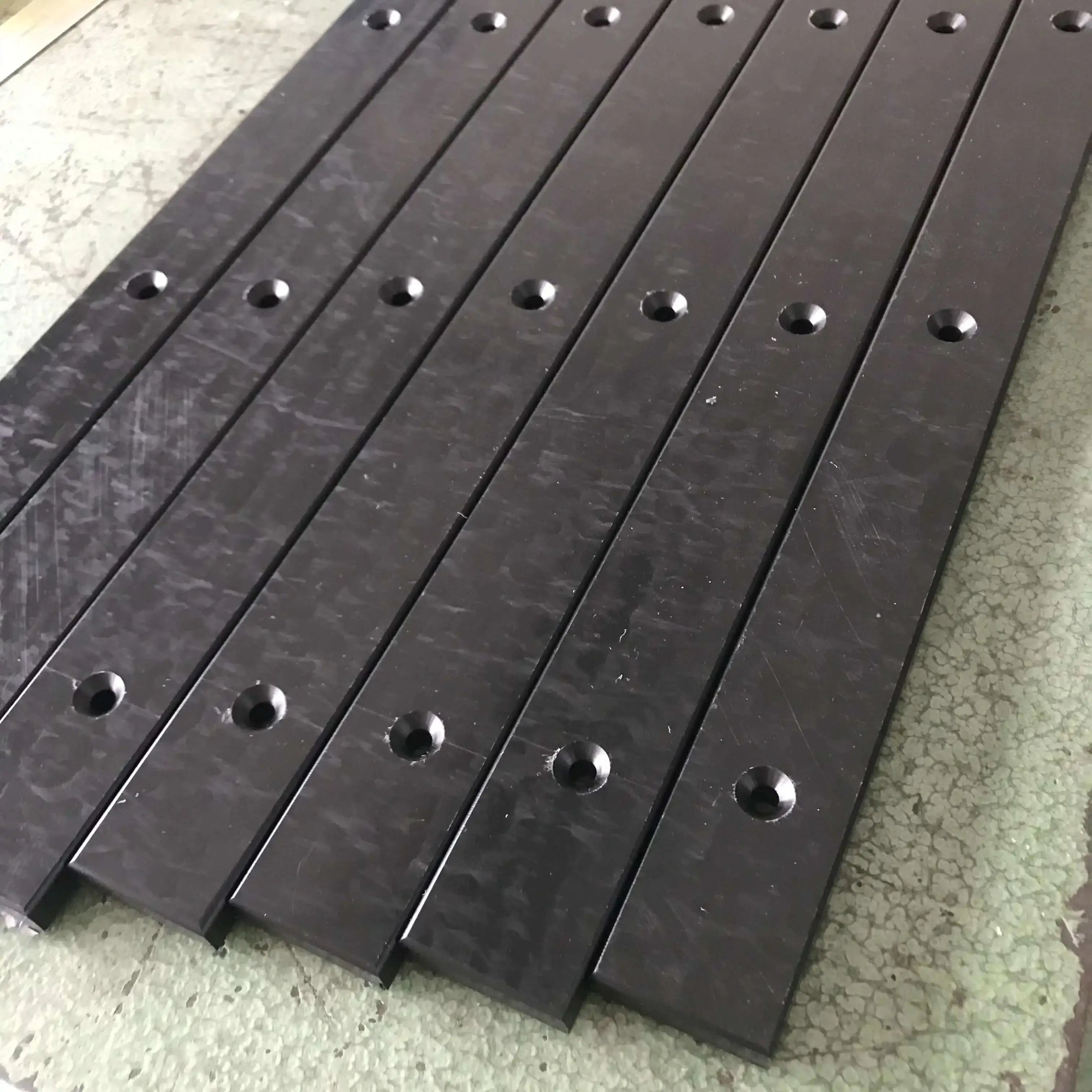
🎉🎉🎉Limited Time Offer Use code: QR4GNY08SHVR at checkout and enjoy a special discount on your entire order! 👉 POM plastic
Have a custom project in mind? Let’s make it happen. Contact us using the form below, or browse our POM Plastic Sheets and Rods to find the perfect solution for your engineering challenges.
-
Posted in
Choosing POM Plastic, Engineering Applications, Engineering Plastic, Engineering Plastics, Industrial Plastics, Plastic Selection, POM Applications, POM Benefits, POM Features, POM Material, POM Performance, POM Plastic, POM Plastic Guide, POM Plastic Use





