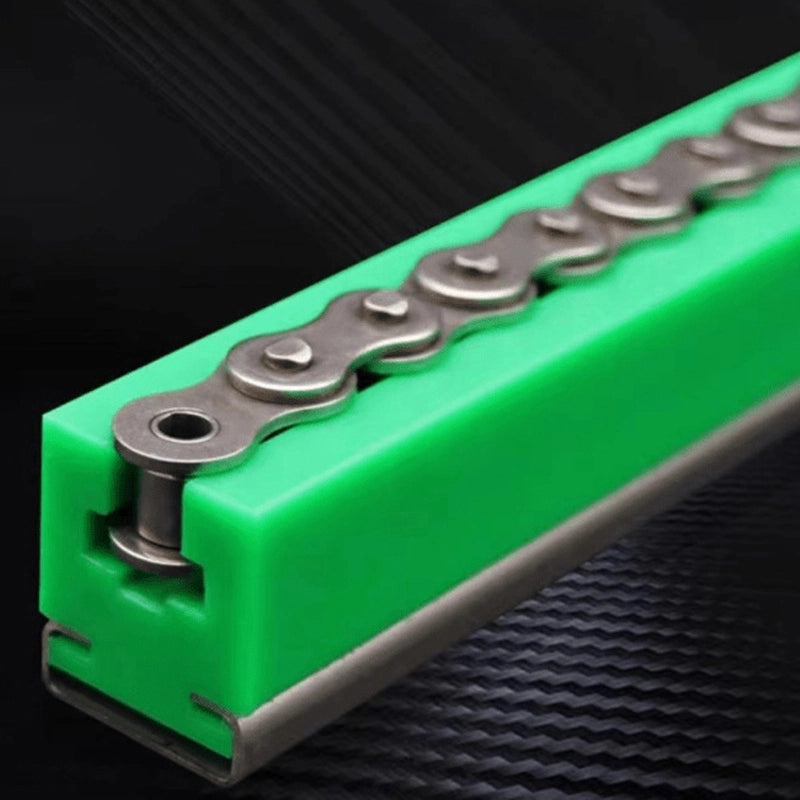
Custom UHMWPE Machining: Exploring Industrial Applications and Processing Methods

In this blog post, we explore the world of custom UHMWPE machining and its critical role in creating durable, wear-resistant UHMWPE processing parts for a wide range of industrial applications. UHMWPE (Ultra-High Molecular Weight Polyethylene) is known for its exceptional plastic material properties, making it ideal for high-impact and high-wear environments. I’ll explain the unique benefits of UHMW polyethylene plastic and dive into the precise methods used in CNC machining UHMWPE, where customization is key. We will also explore how UHMWPE custom parts outperform other materials, such as in the comparison of UHMWPE vs HDPE, and why industries turn to UHMWPE fabrication for solutions that require chemical resistance and durability. From ultra-high molecular weight polyethylene plastic to UHMW polyethylene strips, this guide offers a comprehensive look at how UHMWPE machining shapes modern industrial solutions.
Need Custom UHMW-PE Parts?
For a chain guide, wear strip, slide pad or drawing-based component, review our UHMW-PE machining service and request a quote for your part.
Send a STEP/STP model and PDF drawing where available, quantity, material grade or application requirements, critical dimensions and delivery country. The quotation confirms material, accepted tolerances and timing for your project.

🎉🎉🎉Limited Time Offer Use code: QR4GNY08SHVR at checkout and enjoy a special discount on your entire order! 👉 UHMWPE plastic
Key Points Covered in the Blog Post
-
Introduction to UHMWPE and Its Material Properties
- Exploring the standout features of UHMW plastic material properties like low friction and impact resistance.
-
CNC Machining Techniques for UHMWPE Processing Parts
- Detailed explanation of custom UHMWPE machining processes such as cutting, milling, and turning.
-
Applications of UHMWPE in Various Industries
- Insight into UHMWPE industrial applications in sectors like automotive, medical, and packaging.
-
Comparison: UHMWPE vs HDPE
- A look at how UHMWPE excels over HDPE in terms of strength, durability, and versatility.
-
UHMWPE Fabrication and Precision Parts
- Discussing the production of UHMWPE precision parts and their importance in high-demand industries.
-
Case Studies on Custom UHMWPE Parts
- Two in-depth stories demonstrating custom UHMWPE fabrication for industrial clients using CNC machining.
Key Material Properties of UHMWPE for Machining
Ultra-high molecular weight polyethylene (UHMWPE) is a highly versatile material used in various industries due to its exceptional properties. When machining UHMWPE processing parts, understanding its unique characteristics is critical for achieving precision and performance. The material’s high wear resistance, low friction, and chemical resistance make it ideal for applications where durability is essential.
One of the standout features of UHMW polyethylene plastic is its ability to endure extreme wear and tear. In high-wear environments, UHMWPE demonstrates superior resistance, making it a preferred choice for creating custom parts that can withstand abrasive forces. This is why UHMWPE plastic is commonly used in industries like mining and food processing, where components are exposed to high-impact operations.
Low Friction for Enhanced Machining Efficiency
A significant advantage of UHMWPE is its extremely low coefficient of friction. This property ensures smoother cuts and reduces the likelihood of surface damage during CNC machining UHMWPE. Due to its low friction, UHMW plastic material properties contribute to the production of components that are smooth and free of imperfections, which is crucial for industries requiring high hygiene standards, such as food processing.
The low-friction nature of UHMWPE also prevents the generation of excess heat during machining, which helps protect tools from premature wear. This, in turn, enhances the efficiency and lifespan of UHMWPE machining processes, allowing manufacturers to produce UHMWPE precision parts with minimal downtime.
Why Low Friction Matters in Industrial Applications
Industries like packaging, automotive, and medical rely heavily on components with low friction for both performance and safety. The low friction properties of UHMWPE plastic are essential in environments where smooth operations and minimal drag are critical to maintaining efficiency and avoiding equipment wear.
Chemical Resistance for Industrial Applications
UHMWPE is well-known for its outstanding chemical resistance, making it a go-to material in environments where exposure to chemicals is frequent. Whether in the chemical processing or pharmaceutical sectors, ultra-high molecular weight polyethylene remains unaffected by strong acids, alkalis, and solvents. This resilience ensures that custom parts made from UHMWPE maintain their structural integrity, even when exposed to aggressive chemicals.
Industrial Sectors Benefiting from Chemical Resistance
Industries that deal with corrosive substances—such as chemical manufacturing, waste management, and food processing—depend on UHMWPE processing parts for reliable, long-lasting performance. The ability to resist chemical damage significantly extends the service life of machinery and parts in these demanding environments.
Impact Resistance for High-Stress Applications
Another key attribute of UHMWPE is its high-impact resistance. In industries where mechanical shock or stress is common, such as packaging or automotive manufacturing, UHMWPE performs exceptionally well. The material can absorb significant impacts without cracking or warping, making it an excellent choice for parts like bearings, gears, and conveyor components.
How Impact Resistance Enhances Durability
High-impact UHMWPE parts are especially useful in heavy-duty operations, where components are subjected to repeated force or pressure. This characteristic reduces maintenance costs and downtime, offering a durable solution in sectors that demand resilience.
Tailored Solutions with Custom UHMWPE Machining
Through advanced custom UHMWPE machining techniques, manufacturers can create parts tailored to specific industrial needs. Whether fabricating UHMW polyethylene strips or more complex components, CNC machining UHMWPE allows for precision and customization. By leveraging the unique properties of UHMWPE, manufacturers can meet the exact specifications required for various applications, ensuring both quality and functionality in the final product.
Customization for Specific Industrial Requirements
With UHMWPE fabrication, manufacturers can design parts that fit exact industry requirements, from simple wear components to intricate, high-performance parts. The flexibility of UHMWPE machining makes it an ideal choice for a wide range of applications, including medical devices, food processing equipment, and heavy machinery.

Key CNC Machining Techniques for UHMWPE Processing Parts
CNC machining plays a vital role in transforming UHMWPE processing parts into precise, high-performance components. Due to the unique properties of ultra-high molecular weight polyethylene (UHMWPE), specific machining techniques are required to achieve the desired accuracy, surface finish, and durability. Custom UHMWPE machining involves processes such as turning, milling, and cutting, all of which are essential for shaping UHMWPE into functional parts used across various industries.
Turning UHMWPE for Precision Components
Turning UHMWPE is one of the most effective methods for producing cylindrical shapes and precise contours. During this process, a cutting tool removes material from the rotating UHMWPE workpiece, allowing manufacturers to create components such as bushings, rollers, and gears. Thanks to its low friction and high-impact resistance, UHMWPE performs exceptionally well under high-speed turning operations, ensuring that the material can be machined without warping or melting under pressure.
CNC turning UHMWPE is particularly useful for creating parts with tight tolerances, as the process allows for exceptional control over the dimensions of the final product. This makes it a popular choice for industries like food processing, where hygiene and precision are critical.
Milling UHMWPE for Complex Shapes
Milling UHMWPE is a critical process for creating intricate shapes and surfaces that cannot be achieved through turning alone. During milling, a rotating cutting tool removes material from the UHMWPE workpiece, allowing for the creation of slots, holes, and complex geometries. The custom UHMWPE machining process ensures that parts are not only accurate but also have smooth finishes, which is essential in applications where surface quality directly affects performance, such as conveyor systems and medical devices.
The low friction and wear-resistant properties of UHMWPE plastic make it an ideal material for milling, as the material can withstand the high-speed rotations of milling tools without excessive heat buildup. Additionally, CNC milling UHMWPE allows for the production of highly detailed and durable components that meet the strict standards of industries like automotive and aerospace.
Cutting UHMWPE for High-Precision Parts
When it comes to cutting UHMWPE, the goal is to achieve clean, precise cuts with minimal material waste. Cutting can be performed using a variety of tools, such as band saws, laser cutters, and water jets, depending on the specific requirements of the part being produced. For example, CNC cutting UHMWPE with a water jet provides an exceptionally smooth and accurate cut, ideal for complex shapes and designs.
UHMWPE fabrication through cutting is essential for producing components like UHMW polyethylene strips, which are used in applications requiring flexible, low-friction surfaces. The ability to cut UHMWPE into precise shapes makes it a versatile material for industries ranging from packaging to heavy machinery, where custom parts are essential for optimal performance.
Ensuring Durability and Accuracy in UHMWPE Parts
The precision offered by CNC machining UHMWPE is crucial for ensuring that the final parts meet exact specifications. Whether turning, milling, or cutting, each process must account for the UHMW plastic material properties that affect how the material behaves under different machining conditions. By carefully controlling each step of the machining process, manufacturers can produce high-impact UHMWPE parts that are not only durable but also optimized for their specific application.
By using these advanced machining techniques, UHMWPE precision parts can be customized to meet the needs of industries such as automotive, medical, and food processing. These methods ensure that UHMWPE custom parts retain their exceptional wear resistance, impact strength, and chemical resistance, even in the most demanding environments.

Challenges and Solutions in Custom UHMWPE Machining
Custom UHMWPE machining offers many advantages due to the material’s unique properties, but it also presents a set of challenges that need to be addressed during the UHMWPE processing stages. These challenges primarily arise from UHMWPE’s low melting point, high flexibility, and tendency to deform under heat, which can affect the precision of the final parts. Here, I’ll explore common machining issues and share best practices for overcoming them.
Heat Deformation During Machining
One of the most significant challenges in UHMWPE fabrication is its tendency to deform when exposed to heat. UHMWPE plastic has a relatively low melting point compared to other engineering plastics, which makes it susceptible to warping and deformation when subjected to friction or high temperatures during CNC machining. This can result in imprecise parts and even material failure.
Best Practices for Managing Heat
To avoid heat-related deformation, machinists must employ cooling techniques, such as using a steady stream of coolant or compressed air during UHMWPE machining. This helps maintain a stable temperature, reducing friction and preventing the material from overheating. Additionally, ensuring that tools remain sharp throughout the machining process minimizes heat buildup, as dull tools can increase friction and exacerbate the problem.
Material Flexibility and Dimensional Stability
While UHMWPE is renowned for its flexibility and impact resistance, these same characteristics pose challenges when trying to maintain dimensional stability during machining. UHMW polyethylene has a high elongation rate, meaning that it can stretch and bend more easily than other plastics. This flexibility can make it difficult to hold the material in place during the machining process, leading to dimensional inconsistencies in the final product.
Solutions for Ensuring Dimensional Accuracy
To mitigate issues with dimensional stability, machinists should use specialized clamps and fixtures that secure the UHMWPE custom parts without causing distortion. It’s also essential to account for material creep, where UHMWPE may change shape slightly over time. Using lower feed rates during CNC machining UHMWPE and avoiding excessive force can also help ensure that the material remains stable during cutting, milling, or turning operations.
Stringing and Surface Finish Quality
Another common issue encountered in UHMWPE processing is stringing, where fine, thread-like pieces of material are left on the surface after machining. This happens because UHMWPE is soft and tends to stick to tools, creating a rough surface finish. Poor surface finish can affect the performance of UHMWPE precision parts, especially in applications requiring smooth, frictionless surfaces.
Improving Surface Finish in UHMWPE Machining
To minimize stringing and achieve a smoother surface finish, machinists should use high-speed tools and ensure sharp cutting edges. Additionally, adjusting the feed rate and tool rotation speed during custom UHMWPE machining can lead to cleaner cuts, reducing the formation of strings. Polishing or using secondary finishing processes, such as buffing or burnishing, can also help improve the surface quality of UHMWPE custom parts.
Tool Wear and Material Adhesion
Tool wear is a challenge when working with UHMWPE because the material’s low friction can cause it to adhere to cutting tools, particularly during high-speed machining. This not only reduces the lifespan of the tools but can also lead to inconsistent part dimensions and quality issues.
Preventing Tool Adhesion
To prevent material adhesion and reduce tool wear, it’s important to choose the right tools for UHMWPE machining. Tools with a high rake angle and polished surfaces are ideal, as they help to minimize friction and prevent UHMWPE plastic from sticking to the tool. Additionally, regularly cleaning and maintaining tools during UHMWPE fabrication ensures consistent performance and reduces the chances of material buildup.
By addressing these challenges through careful machining techniques and understanding UHMWPE material properties, manufacturers can create high-quality, durable parts that meet the stringent demands of various industries. These best practices ensure that UHMWPE processing parts maintain their exceptional characteristics while being produced with the accuracy and precision required for modern applications.

UHMWPE Industrial Applications: From Medical to High-Impact Uses
Ultra-high molecular weight polyethylene (UHMWPE) is a highly sought-after material in numerous industries due to its remarkable properties, such as wear resistance, chemical resistance, and low friction. Its versatility makes it an essential component in sectors ranging from medical devices to heavy-duty industrial equipment. In this section, we will explore the wide range of UHMWPE industrial applications and how UHMWPE custom parts play a critical role in these industries.
Medical Applications of UHMWPE
One of the most prominent uses of UHMWPE is in the medical field. Due to its biocompatibility and excellent resistance to wear, UHMWPE plastic is commonly used in the production of medical implants, particularly in joint replacement surgeries. For example, UHMWPE custom parts are used as liners in hip and knee replacements, where they function as smooth, low-friction surfaces that facilitate joint movement. The material’s high impact resistance ensures that it can withstand repeated stress over time, providing long-lasting performance in medical applications.
Additionally, UHMWPE is used in medical devices such as surgical instruments and catheter components, where precision, durability, and resistance to chemicals are essential. The ability to fabricate custom parts through CNC machining UHMWPE allows medical device manufacturers to meet the exacting standards of this industry, ensuring patient safety and improving the effectiveness of the devices.
UHMWPE in Food Processing and Packaging
The food processing and packaging industries also rely heavily on UHMWPE due to its low friction and non-stick properties. Components such as UHMW polyethylene strips, conveyor belts, and wear plates are commonly made from wear-resistant UHMWPE, as these parts need to endure continuous operation while remaining easy to clean and maintain. The material’s chemical resistance ensures that it can handle the various cleaning agents used in food processing plants without degrading.
Custom UHMWPE machining allows for the precise fabrication of conveyor components and guides that ensure smooth product flow, reducing friction and wear on equipment. By integrating UHMWPE processing parts into their systems, food processing plants can enhance the efficiency of their operations, reduce downtime, and extend the lifespan of their equipment.
Heavy-Duty Applications: High-Impact Uses of UHMWPE
In industries where equipment is subjected to intense mechanical stress, high-impact UHMWPE is the material of choice. Its ability to absorb shocks and resist wear makes it ideal for use in mining, construction, and automotive applications. For example, UHMWPE custom parts are frequently used in dump truck liners, conveyor belts, and chutes, where their resistance to abrasion ensures long-lasting performance in harsh environments.
The durability of UHMWPE fabrication also makes it a preferred material for marine applications, such as in dock fender systems. These systems require materials that can withstand the constant impact of vessels docking without sustaining damage. UHMWPE’s low friction and high impact resistance make it an optimal choice for protecting both the dock and the vessel.
UHMWPE in Chemical Processing and Manufacturing
The chemical processing industry benefits from UHMWPE because of its exceptional resistance to chemicals. In environments where exposure to acids, alkalis, and solvents is common, UHMWPE processing parts ensure that equipment remains functional and durable over time. UHMWPE custom parts like pipes, valves, and seals are widely used in chemical plants to maintain the integrity of systems that handle corrosive substances.
Additionally, UHMWPE is often used in the pharmaceutical industry, where cleanliness, resistance to chemical exposure, and the ability to handle powders and other sensitive materials are critical. The material’s low friction and non-porous surface help minimize contamination risks, making it an excellent choice for manufacturing and conveying pharmaceutical products.
UHMWPE in Automotive Applications
In the automotive sector, UHMWPE precision parts are employed for a variety of purposes, including wear-resistant bushings, seals, and sliding components. The ability of UHMWPE to handle high-impact forces and resist wear makes it an ideal material for components that are subjected to continuous movement and friction. These custom UHMWPE parts contribute to the longevity and performance of vehicles, reducing the need for frequent maintenance.
The versatility of UHMWPE machining ensures that automotive manufacturers can produce a wide range of parts tailored to their specific requirements. From high-durability seals to low-friction sliding components, UHMWPE plays a crucial role in enhancing vehicle performance and reducing wear on essential parts.
By incorporating UHMWPE processing parts into a variety of industrial applications, businesses can leverage the material’s superior properties to improve operational efficiency, reduce equipment downtime, and ensure long-lasting performance in demanding environments.
UHMWPE vs. HDPE: Why Choose Ultra-High Molecular Weight Polyethylene?
When selecting the right plastic material for industrial applications, the comparison between Ultra-High Molecular Weight Polyethylene (UHMWPE) and High-Density Polyethylene (HDPE) is a common one. Both materials offer excellent performance in various environments, but UHMWPE stands out for applications requiring superior durability, impact resistance, and low friction. Let’s explore the key differences between these two materials to understand why UHMWPE is often the better choice for high-impact applications.
Durability: UHMWPE’s Superior Strength
UHMWPE is renowned for its exceptional durability, particularly in high-wear environments. While HDPE is also durable, UHMWPE surpasses it due to its higher molecular weight, which gives it greater resistance to wear and abrasion. This makes UHMWPE custom parts ideal for heavy-duty applications like mining, food processing, and packaging, where components are subjected to continuous friction and impact.
HDPE, while strong, is better suited for less demanding applications where extreme wear resistance is not critical. For example, HDPE is often used in piping and containers, where it performs well under moderate conditions. However, when it comes to components like UHMW polyethylene strips and conveyor systems that face constant wear, UHMWPE outlasts HDPE due to its higher endurance.
Friction: Low-Friction Advantage of UHMWPE
One of the most significant differences between UHMWPE vs HDPE is their friction properties. UHMWPE plastic is highly regarded for its extremely low coefficient of friction, which is much lower than that of HDPE. This makes UHMWPE the preferred material for applications requiring smooth, non-stick surfaces, such as conveyor belts, chute liners, and guide rails.
The low friction properties of UHMWPE also reduce wear on both the material itself and the machinery it interacts with. For industries where reducing downtime and maintenance costs is crucial, UHMWPE processing parts provide significant advantages over HDPE. In contrast, HDPE—while offering reasonable friction resistance—is not as efficient in high-speed or high-load applications where surface smoothness and reduced friction are paramount.
Machining Capabilities: Precision with UHMWPE
When it comes to machining capabilities, UHMWPE also outperforms HDPE in many ways. Custom UHMWPE machining allows for the creation of precision parts with tight tolerances, which is essential in industries like medical device manufacturing and food processing. UHMWPE fabrication is highly adaptable, enabling manufacturers to produce intricate shapes and components that retain their dimensional stability and structural integrity even after exposure to mechanical stress.
While HDPE can also be machined, it tends to be less stable during high-speed or high-precision machining processes. HDPE is more prone to cracking or deforming when machined at higher temperatures or speeds, making it less suitable for applications requiring fine details and exacting specifications. For this reason, CNC machining UHMWPE is preferred for producing parts that require both high-impact resistance and precision.
Impact Resistance: UHMWPE’s Robust Performance
In terms of impact resistance, UHMWPE is the clear winner. The material is engineered to withstand heavy impacts and repeated stress without cracking or losing its structural integrity. This makes high-impact UHMWPE an excellent choice for demanding environments, such as construction, automotive, and marine applications.
On the other hand, HDPE—while durable—cannot match the shock-absorbing capabilities of UHMWPE. HDPE performs well in moderate environments but falls short when subjected to continuous impact or vibration. Industries that require materials to absorb mechanical stress, such as mining or material handling, overwhelmingly favor UHMWPE custom parts for their ability to endure extreme conditions over long periods.
Chemical Resistance: UHMWPE and HDPE in Harsh Environments
Both UHMWPE and HDPE offer excellent chemical resistance, making them suitable for use in environments where exposure to corrosive substances is common. However, UHMWPE provides superior resistance to a broader range of chemicals, especially under extreme temperatures or in high-impact scenarios.
For applications in industries such as chemical processing, pharmaceutical manufacturing, and food processing, the enhanced chemical resistance of UHMWPE makes it the material of choice. While HDPE can perform well in standard chemical environments, UHMWPE’s chemical resistance, combined with its wear-resistant and low-friction properties, ensures long-lasting performance even in the harshest conditions.
By examining the differences between UHMWPE vs HDPE, it becomes clear that UHMWPE offers significant advantages in terms of durability, friction, machining capabilities, and impact resistance. These characteristics make ultra-high molecular weight polyethylene the optimal choice for industries requiring materials that can handle extreme wear, friction, and stress, ensuring reliable and efficient performance in the most demanding applications.
Customization and Precision: Tailoring UHMWPE Parts to Fit Any Need
The ability to customize UHMWPE parts is one of the key reasons why ultra-high molecular weight polyethylene (UHMWPE) is favored in various industries. Whether you need components for food processing, medical devices, or heavy-duty industrial applications, UHMWPE precision parts can be tailored to meet specific requirements in terms of size, shape, and functionality. The material’s adaptability makes it suitable for both simple and complex designs, allowing for maximum flexibility in custom fabrication.
Tailoring UHMWPE for Specific Dimensions and Shapes
One of the most notable advantages of custom UHMWPE machining is the ability to produce parts with exact dimensions and shapes. Manufacturers can use CNC machining UHMWPE to create highly accurate parts with tight tolerances, ensuring that each component fits perfectly into its intended system. This precision is crucial for industries like packaging, where custom-fitted parts such as UHMW polyethylene strips are required to maintain smooth and efficient operations.
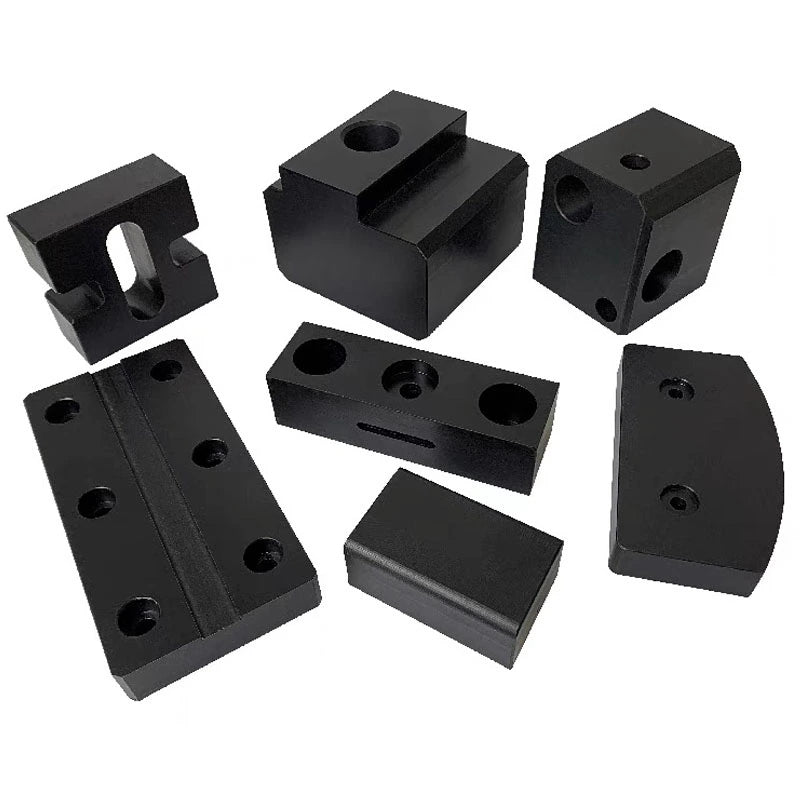
For more complex shapes, UHMWPE fabrication techniques such as milling, turning, and cutting can be employed to produce intricate geometries. Whether the need is for round components like bearings or uniquely shaped parts for specialized machinery, custom UHMWPE parts can be engineered to meet even the most demanding specifications.
Customization for Specific Functional Requirements
Beyond shape and size, UHMWPE parts can be customized to deliver specific functional advantages. For example, in environments that require high wear resistance, UHMWPE precision parts can be designed to withstand continuous use without degrading. This makes them ideal for applications in the mining and construction industries, where machinery components are constantly exposed to abrasive materials.
Additionally, industries that require chemical-resistant UHMWPE parts—such as pharmaceutical or chemical processing plants—can benefit from parts tailored to resist specific chemicals or extreme temperatures. By adjusting the UHMWPE material composition and machining techniques, manufacturers can create parts that maintain their structural integrity even in the harshest environments.
Achieving Enhanced Performance Through UHMWPE Customization
The customization process also allows manufacturers to enhance the overall performance of UHMWPE parts by focusing on the material’s key attributes. For example, high-impact UHMWPE parts can be crafted to absorb more shocks and mechanical stress, which is essential for components used in heavy machinery or automotive applications. By leveraging the inherent impact resistance of UHMWPE, manufacturers can create durable parts that reduce the need for frequent maintenance and replacement.
In industries like food processing, low-friction UHMWPE parts are often customized to ensure smooth operation and prevent product contamination. By engineering the right surface finishes and part designs, custom UHMWPE parts can improve workflow efficiency and hygiene standards, which are critical in food and beverage production.
Expertise in Custom UHMWPE Fabrication
The process of custom UHMWPE machining requires a high level of expertise and understanding of the material’s properties. The machinist must account for UHMWPE’s flexibility, low melting point, and other unique characteristics to avoid deformation or material failure during the fabrication process. Whether producing UHMWPE precision parts or larger, high-impact components, manufacturers must use specialized tools and techniques to achieve optimal results.
Moreover, the customization of UHMWPE parts often involves close collaboration with clients to ensure that each component meets their exact functional and operational needs. This partnership ensures that the final product not only fits seamlessly into the existing system but also enhances performance, durability, and reliability over time.
UHMWPE Custom Parts for Various Industries
From medical implants to heavy machinery components, custom UHMWPE parts are used across a wide range of industries. The material’s versatility and adaptability make it ideal for applications that require both precision and durability. Industries like automotive, packaging, and chemical processing depend on UHMWPE processing parts to keep their operations running smoothly, and the ability to tailor these parts to specific needs makes UHMWPE a superior choice for high-performance applications.
Through custom machining and expert fabrication, UHMWPE can be shaped and optimized to deliver exactly what each industry demands, ensuring that every component meets the highest standards of performance and reliability.
Case 1: High-Impact UHMWPE Gears for a Packaging Manufacturer
A few months ago, I was approached by a major packaging manufacturer facing a significant challenge. Their current gears, made of metal, were not holding up to the rigorous demands of their production lines. The gears were heavy, prone to wear over time, and required frequent replacement, which resulted in costly downtime and repairs. The manufacturer needed a more durable solution—gears that could withstand high-impact forces and operate smoothly under continuous use.
Identifying the Need for UHMWPE
After discussing the client’s requirements in detail, it became clear that they needed a material with excellent impact resistance, wear resistance, and low friction properties. Given the high-speed nature of their production lines, the gears needed to be able to handle constant mechanical stress without deteriorating quickly. Metal gears, although strong, were too heavy and wore down rapidly, which led to the frequent maintenance issues they were experiencing.
Based on their needs, I recommended using Ultra-High Molecular Weight Polyethylene (UHMWPE) for the gears. UHMWPE is known for its lightweight nature and high durability, especially in applications where components are subject to repeated impact and friction. These properties made UHMWPE the ideal material for replacing the metal gears.
Custom CNC Machining for UHMWPE Gears
Once the material was decided, we moved on to the custom UHMWPE machining process. Using advanced CNC machining techniques, we crafted precision UHMWPE gears tailored to the exact measurements required by the client’s machinery. The ability to customize UHMWPE parts to such tight tolerances is one of the material’s greatest strengths, ensuring that the gears fit seamlessly into the existing system without the need for additional adjustments.
The CNC machining process allowed us to produce gears with smooth surfaces and precise dimensions, minimizing friction during operation. This was particularly important in the packaging industry, where efficiency and speed are critical. By using UHMWPE gears, we were able to significantly reduce the wear on the system, increasing both the longevity of the gears and the overall operational efficiency of the packaging machinery.
Benefits of UHMWPE Gears: Durability and Reduced Maintenance
The switch to custom UHMWPE parts had immediate benefits for the client. The UHMWPE gears were much lighter than their metal counterparts, which reduced the overall strain on the machinery. This not only extended the life of the machine components but also resulted in a noticeable reduction in maintenance costs. Unlike the metal gears, which required frequent lubrication and adjustment due to wear, the UHMWPE gears ran smoothly for extended periods with minimal maintenance.
Moreover, the wear resistance of UHMWPE allowed the gears to withstand continuous operation at high speeds without losing performance. The client was particularly impressed by the fact that the UHMWPE gears could handle high-speed operations without generating excess heat or noise, issues they had frequently encountered with metal gears.
Improved Operational Efficiency
By switching to UHMWPE processing parts, the packaging manufacturer saw a marked increase in production uptime. The reduced need for maintenance meant that the machines could run longer without interruptions, boosting overall productivity. The lightweight nature of UHMWPE plastic also contributed to lower energy consumption, as the machines required less power to operate efficiently with the new gears.
The client was pleased with the significant improvement in both the performance and the lifespan of the gears. By opting for custom UHMWPE machining, they were able to solve the problem of frequent gear wear and downtime, allowing their production lines to operate more efficiently and cost-effectively. The success of this project demonstrates how UHMWPE fabrication can provide tailored solutions for high-impact industrial applications, delivering durability and performance where traditional materials fall short.

Case 2: Custom UHMWPE Bearings for a Food Processing Plant
A few months ago, I was approached by a food processing company that faced a persistent challenge with their machinery. They were using stainless steel bearings, which, although strong, were prone to corrosion in the plant’s extreme moisture and corrosive environments. These conditions made it difficult for the company to maintain efficient operations, as the bearings required frequent replacement. Additionally, the company needed to ensure that their equipment adhered to FDA compliance for food safety, adding another layer of complexity to their problem.
Identifying the Ideal Solution for Food Safety and Durability
After analyzing the company’s requirements, it became clear that their existing bearings could not withstand the unique challenges of their environment. They needed a material that offered superior chemical resistance, was non-porous to prevent bacterial growth, and could handle constant exposure to moisture without deteriorating. I recommended switching to custom UHMWPE bearings, as Ultra-High Molecular Weight Polyethylene (UHMWPE) is highly resistant to both chemicals and moisture, making it an ideal solution for food processing applications.
UHMWPE also has a non-porous surface, which is essential for preventing contamination and meeting stringent FDA regulations. Unlike metal bearings, which can corrode and harbor bacteria in porous cracks, UHMWPE custom parts provide a smooth and safe surface, ensuring compliance with food safety standards. The material’s low friction properties further make it perfect for environments requiring constant movement and high-speed operations.
Custom UHMWPE Bearings Designed for Precision
Once the material was selected, we proceeded with the design and fabrication of custom UHMWPE bearings. Using CNC machining UHMWPE, we were able to create precision bearings that fit seamlessly into the company’s existing equipment without the need for major modifications. The accuracy of CNC machining allowed us to craft bearings that were not only dimensionally perfect but also optimized for durability in the plant’s harsh operating conditions.
These UHMWPE precision parts were engineered to withstand continuous exposure to moisture, high temperatures, and corrosive cleaning agents used in the plant. The smooth, non-stick surface of UHMWPE plastic also minimized friction within the machinery, reducing wear and tear on the equipment and further prolonging the lifespan of the bearings.
Solving Corrosion Issues and Improving Longevity
The implementation of UHMWPE bearings immediately resolved the corrosion issues that had plagued the company’s operations. Unlike the stainless steel bearings, which often corroded under the harsh conditions of the plant, the UHMWPE custom parts remained intact and fully functional. This significantly reduced the frequency of maintenance and bearing replacements, leading to improved operational efficiency and cost savings for the company.
The client was particularly impressed with the longevity of the UHMWPE bearings. The custom bearings outlasted their previous metal counterparts by a significant margin, operating smoothly over extended periods without the need for constant repairs. The chemical resistance of UHMWPE played a crucial role in this improvement, as the material was able to withstand exposure to aggressive cleaning agents used in the plant without degrading or weakening.
Meeting Regulatory Requirements with UHMWPE Custom Parts
Another major benefit of switching to UHMWPE precision parts was the company’s ability to meet all FDA regulatory requirements for food safety. The non-porous and chemical-resistant nature of UHMWPE ensured that the bearings did not harbor any contaminants, a critical concern in food processing environments. The material’s biocompatibility and ease of cleaning helped the company maintain high hygiene standards, reducing the risk of contamination and ensuring the safety of their products.
By choosing UHMWPE processing parts, the client not only solved their corrosion problem but also achieved greater durability and compliance with industry regulations. The success of this project demonstrates the versatility and reliability of UHMWPE in challenging environments, especially where both chemical resistance and food safety are top priorities.
Need high-performance UHMWPE parts that meet your exact specifications? Learn more about our custom UHMWPE machining services on this page. Reach out to us by requesting a UHMW-PE machining quote, and we’ll help you find the perfect solution for your project.

Frequently Asked Questions about Custom UHMWPE Machining and Fabrication at BeePlastics
1. Can BeePlastics handle both small and large customization orders?
Yes! BeePlastics can undertake any level of customization, from sample customization to batch customization for larger orders. Whether you need a single prototype or a full production run, we’ve got you covered.
2. What file formats does BeePlastics accept for custom designs?
We accept a variety of file formats, including PDF and CAD, making it easy for you to submit your designs in the format that works best for you. This flexibility ensures that we can work with your specific design needs without hassle.
3. Is there a minimum order quantity (MOQ) for custom orders?
No, there is no minimum order quantity (MOQ) at BeePlastics. Whether you need a single part or hundreds, we are ready to accommodate orders of any size.
4. How does BeePlastics determine the production cycle for custom orders?
The production cycle depends on the order size and the complexity of the process. We also keep you updated in real-time about the production progress, ensuring smooth and transparent communication throughout the process.
5. Does BeePlastics offer free samples for custom parts?
Yes, we provide free samples of custom parts. You only need to cover the shipping costs, making it easy to try out our products before committing to a larger order.
6. Can I request custom UHMWPE parts even if I only need a small quantity?
Absolutely! There are no restrictions on order size, so even if you only need a small number of custom UHMWPE parts, we are happy to help you with your specific requirements.
7. How will I know the progress of my custom order at BeePlastics?
We maintain real-time communication with our customers, providing regular updates on the status of your order, from design to production. You will always be informed about the progress.
8. What types of customization services does BeePlastics provide for UHMWPE parts?
BeePlastics offers a wide range of customization services, including precision CNC machining, cutting, milling, and turning. We can customize parts to your exact specifications, regardless of the complexity.
9. How long does it take to complete a custom order at BeePlastics?
The timeline for completing a custom order varies based on the quantity and complexity of the order. However, we strive to complete all orders efficiently while maintaining high-quality standards, and we will keep you updated throughout the process.
10. Can BeePlastics handle complex custom designs for UHMWPE parts?
Yes, we specialize in handling complex custom designs. With our advanced CNC machining capabilities and expertise, we can create highly intricate UHMWPE parts that meet the most demanding specifications.
🎉🎉🎉Limited Time Offer Use code: QR4GNY08SHVR at checkout and enjoy a special discount on your entire order! 👉 UHMWPE plastic

To wrap up, UHMWPE stands as a versatile, high-performance material that meets the demands of various industries, from food processing and medical to heavy-duty manufacturing. With its wear resistance, low friction, and chemical resilience, UHMWPE processing parts offer durability and efficiency where traditional materials fall short. Through custom CNC machining and expert fabrication, you can ensure that your components are not only precise but also tailored to withstand the unique challenges of your industry. Ready to explore the potential of custom UHMWPE parts? Contact us today to get started with your project, or explore our range of UHMWPE sheets and rods for your next application.
-
Posted in
advanced materials, custom UHMWPE, industrial applications, machining methods, polyethylene processing, UHMWPE machining