Bakelite in the Automotive Industry: Durable Solutions for Modern Cars
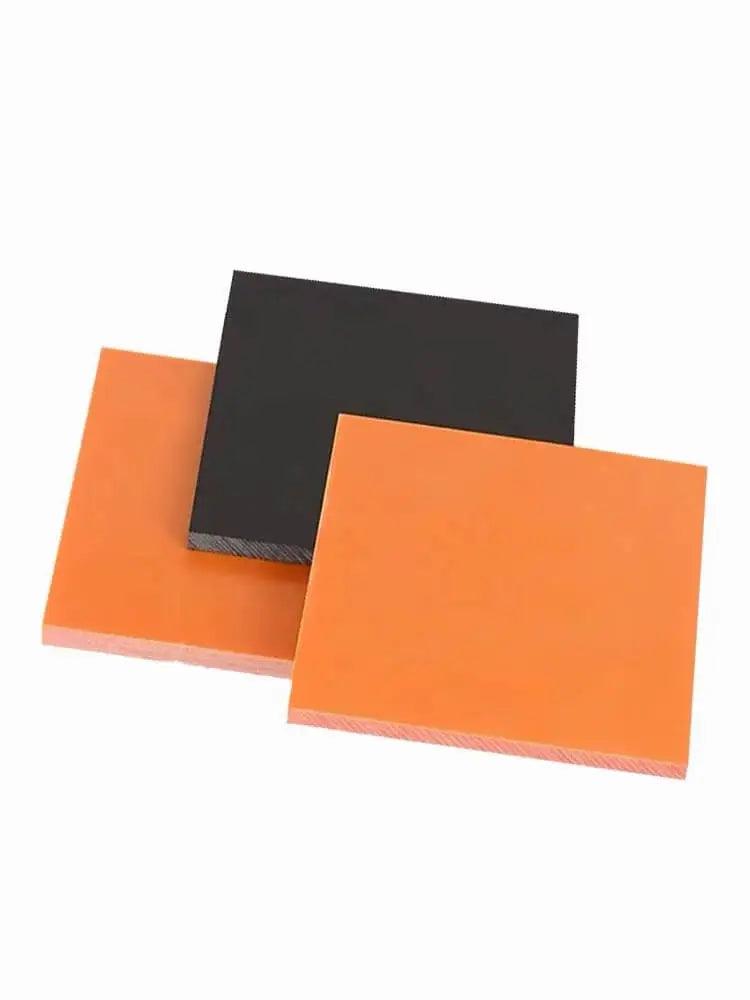
Bakelite boards

Bakelite has revolutionized the automotive industry with its remarkable lightweight advantages, electrical insulation properties, and heat resistance. This versatile material plays a crucial role in enhancing vehicle efficiency and safety.

🎉🎉🎉Limited Time Offer Use code: QR4GNY08SHVR at checkout and enjoy a special discount on your entire order! 👉 Bakelite plastic

Bakelite in automotive design

In this blog post, I delve into the lightweight nature of Bakelite and how it contributes to fuel-efficient automotive design. Discover how Bakelite’s superior electrical insulation improves the reliability of vehicle electrical systems, making it the perfect choice for components like ignition switches and distributor caps.

Explore Bakelite’s exceptional heat resistance in brake and engine components, ensuring reliable performance under high temperatures. Understand the durability and mechanical strength of Bakelite, making it ideal for sturdy parts such as gear shifters, knobs, and handles.

Learn about Bakelite’s impact resistance, which enhances safety by providing better protection in automotive structures like bumpers and fenders. Additionally, analyze Bakelite’s cost-effectiveness and production efficiency, making it an attractive option for manufacturers.

Finally, delve into the innovative applications of Bakelite in the electric vehicle (EV) industry, where its lightweight and heat-resistant properties support the shift towards more sustainable and efficient transportation solutions.

By examining these topics, you’ll understand why Bakelite remains a preferred material in modern automotive manufacturing, driving innovation and efficiency on the road.

Lightweight Advantages of Bakelite in Automotive Design

Reducing Overall Vehicle Weight

One of the primary benefits of Bakelite in automotive design is its lightweight nature. By incorporating Bakelite components, manufacturers can significantly reduce the overall weight of vehicles. This reduction in weight is crucial for enhancing both fuel efficiency and overall performance. Lighter vehicles require less energy to move, which translates into better fuel economy and lower emissions, aligning with the industry’s push towards more sustainable and environmentally friendly solutions.

Enhancing Fuel Efficiency and Performance

Bakelite’s lightweight properties not only reduce vehicle weight but also improve fuel efficiency. A lighter car demands less power from its engine, leading to lower fuel consumption. This benefit is particularly important in the current automotive landscape, where there is a strong emphasis on reducing carbon footprints and complying with stringent emission regulations. Vehicles that incorporate Bakelite parts can achieve these goals more effectively, making them attractive to both manufacturers and consumers.

Applications in Interior Components

Bakelite components are widely used in interior automotive design, including dashboard panels, interior trims, and various other fittings. These parts contribute to a lighter vehicle interior without compromising on durability or aesthetic appeal. Bakelite’s ability to be molded into intricate shapes allows for a high degree of customization, which is essential for modern car designs that prioritize both functionality and style.

Dashboard Panels

Bakelite dashboard panels offer a perfect blend of lightweight construction and durability. These panels can withstand high temperatures and mechanical stresses, ensuring they remain intact and functional throughout the vehicle’s lifespan. The lightweight nature of Bakelite means that dashboard panels can be designed to be thinner and lighter, further contributing to the overall reduction in vehicle weight.

Interior Trims

Interior trims made from Bakelite are not only lightweight but also provide excellent thermal and chemical resistance. This ensures that the trims maintain their appearance and functionality even under harsh conditions. Bakelite trims are available in a variety of finishes and colors, allowing for a high degree of customization that can enhance the interior aesthetic of the vehicle.

Manufacturing Efficiency

The manufacturing process of Bakelite is another factor that contributes to its popularity in the automotive industry. Bakelite can be easily molded and shaped, making it ideal for mass production. This ease of manufacturing reduces production costs and time, which are critical factors for automotive manufacturers aiming to produce lightweight and cost-effective components.

Cost-Effective Lightweight Solutions

Using Bakelite in automotive design provides a cost-effective solution for reducing vehicle weight. Compared to other lightweight materials such as aluminum or advanced polymers, Bakelite is relatively inexpensive and easier to produce. This makes it an attractive option for manufacturers looking to enhance vehicle performance without incurring high costs.

By integrating Bakelite components into automotive design, manufacturers can achieve significant weight reductions, improve fuel efficiency, and maintain high standards of durability and performance. These advantages make Bakelite a valuable material in the development of modern, efficient, and sustainable vehicles.

Bakelite components

Electrical Insulation Properties for Vehicle Safety

Superior Electrical Insulation

Bakelite’s superior electrical insulation properties make it an ideal material for a wide range of electrical components in the automotive industry. Its ability to prevent electrical currents from passing through ensures that ignition switches, voltage regulators, and distributor caps function reliably and safely. This unique property is crucial for maintaining the integrity and performance of a vehicle’s electrical system.

Ideal for Ignition Switches

Ignition switches are critical components in any vehicle, responsible for initiating the engine start process. Bakelite’s excellent insulating properties ensure that these switches operate effectively by preventing electrical short circuits and reducing the risk of electrical fires. This leads to more reliable engine starts and overall vehicle safety.

Voltage Regulators and Stability

Incorporating Bakelite in voltage regulators enhances their performance by providing stable and consistent voltage control. Voltage regulators are essential for maintaining the correct voltage level within the vehicle’s electrical system, protecting sensitive electronic components from damage due to voltage fluctuations. Bakelite’s insulation properties ensure that voltage regulators remain unaffected by external electrical interferences, thus enhancing the reliability of the vehicle’s electrical system.

Distributor Caps and Reliability

Distributor caps made from Bakelite are highly valued for their ability to withstand high voltages and prevent electrical leaks. These components play a pivotal role in directing high-voltage electricity from the ignition coil to the spark plugs in the correct firing order. Bakelite’s insulating capabilities ensure that the distributor caps perform this function efficiently, reducing the likelihood of misfires and ensuring smooth engine operation.

Enhancing Overall Vehicle Safety

The use of Bakelite in automotive electrical components significantly enhances vehicle safety. Its insulating properties help prevent electrical malfunctions that could lead to dangerous situations such as fires or complete electrical system failures. By ensuring that critical components like ignition switches, voltage regulators, and distributor caps are reliable and efficient, Bakelite contributes to the overall safety and performance of modern vehicles.

Durability and Longevity

In addition to its electrical insulation properties, Bakelite is known for its durability and resistance to heat. This makes it particularly well-suited for use in the demanding environments found in automotive applications. Bakelite components can withstand high temperatures and harsh conditions without degrading, ensuring long-term reliability and safety.

Cost-Effectiveness and Ease of Manufacturing

Bakelite is also cost-effective and easy to manufacture, which benefits automotive manufacturers. Its relatively low production cost compared to other insulating materials makes it an attractive option for mass production. Furthermore, Bakelite can be molded into complex shapes, allowing for the creation of custom electrical components that meet specific automotive requirements.

By leveraging the superior electrical insulation properties of Bakelite, automotive manufacturers can produce safer, more reliable vehicles. Its use in key components like ignition switches, voltage regulators, and distributor caps not only improves vehicle performance but also enhances safety and reduces the risk of electrical failures.

electrical insulation properties of Bakelite

Heat Resistance in Brake and Engine Components

Exploring the Use of Bakelite in Brake Systems

Bakelite’s exceptional heat resistance makes it an ideal material for brake systems in modern vehicles. Brake systems generate a significant amount of heat due to friction between the brake pads and rotors. This heat can cause traditional materials to degrade over time, leading to decreased performance and potential failure. Bakelite, however, can withstand these high temperatures without losing its structural integrity, ensuring reliable performance and longer lifespan for brake components.

Suitable for Brake Pads

Brake pads are critical components that require materials capable of enduring extreme heat and pressure. Bakelite’s ability to maintain its properties at high temperatures makes it suitable for use in brake pads. This material ensures that the pads provide consistent friction and effective braking performance, even under the most demanding conditions. The heat resistance of Bakelite also minimizes the risk of brake fade, a condition where brakes lose effectiveness due to overheating.

Application in Clutch Plates

Clutch plates in vehicles are subjected to high levels of friction and heat, especially during frequent gear changes. Bakelite’s thermal stability makes it an excellent choice for manufacturing clutch plates. The material’s ability to withstand high temperatures ensures that the clutch plates maintain their performance and durability, providing smooth and reliable gear transitions. This results in better driving experience and longer service intervals for the clutch system.

Critical Engine Components

Engine components such as gaskets, valve covers, and timing gear components also benefit from Bakelite’s heat-resistant properties. These parts operate in high-temperature environments and need materials that can endure prolonged exposure to heat without degrading. Bakelite’s heat resistance ensures that these components maintain their form and function, contributing to the overall reliability and efficiency of the engine.

Enhancing Performance and Safety

The use of Bakelite in brake and engine components not only enhances performance but also significantly improves vehicle safety. By providing reliable heat resistance, Bakelite reduces the likelihood of component failure due to overheating. This reliability is crucial for maintaining the safety of both the vehicle and its occupants, especially under extreme driving conditions.

Cost-Effectiveness in Manufacturing

Bakelite is also cost-effective in manufacturing high-performance automotive components. Its ability to be molded into complex shapes allows for the production of customized parts that meet specific design and performance requirements. This ease of manufacturing, combined with its thermal stability, makes Bakelite an attractive material for producing durable and efficient brake and engine components.

Versatility in Automotive Applications

Bakelite’s versatility extends beyond brake pads and clutch plates to other critical automotive components. Its thermal and chemical resistance properties make it suitable for a wide range of applications, including electrical insulators, housings for electronic components, and structural parts that require both strength and heat resistance. This versatility ensures that Bakelite remains a valuable material in the development of modern automotive technologies.

By leveraging Bakelite’s exceptional heat resistance, automotive manufacturers can produce components that offer enhanced performance, safety, and durability. Its application in brake systems and engine components underscores its importance in creating reliable and high-performing vehicles.

Bakelite’s exceptional heat resistance

Durability and Mechanical Strength

Mechanical Strength of Bakelite

Bakelite is renowned for its exceptional mechanical strength, making it a perfect material for creating sturdy automotive components. This strength is derived from its unique chemical structure, which forms a highly cross-linked polymer network. This network provides Bakelite with the rigidity and toughness necessary to withstand significant mechanical stresses. Components like gear shifters, knobs, and handles benefit greatly from Bakelite’s robust mechanical properties.

Sturdy Components: Gear Shifters, Knobs, and Handles

Gear shifters made from Bakelite exhibit outstanding durability. These components are subject to constant use and need to resist wear and tear over time. Bakelite’s mechanical strength ensures that gear shifters remain functional and aesthetically pleasing, even after prolonged use. This durability translates into a smoother and more reliable driving experience for vehicle owners.

Knobs and handles in vehicles also benefit from Bakelite’s strength and durability. These parts are frequently handled and must withstand repeated physical stress. Bakelite’s ability to maintain its shape and structural integrity under continuous use makes it an ideal material for these applications. Additionally, Bakelite can be molded into various shapes and designs, allowing for ergonomic and visually appealing knobs and handles.

Long-Lasting Automotive Parts

The durability of Bakelite extends the lifespan of automotive components, reducing the need for frequent replacements and maintenance. This longevity is particularly important for parts that are exposed to harsh conditions, such as high temperatures, mechanical stress, and exposure to chemicals. Bakelite’s resistance to these factors ensures that components like gear shifters, knobs, and handles retain their functionality and appearance over time.

Resistance to Wear and Tear

Bakelite’s resistance to wear and tear is a key factor in its suitability for automotive applications. Its hard and inflexible nature allows it to withstand abrasion and physical impact without degrading. This property is essential for parts that experience constant friction and movement, such as gear shifters and handles. By maintaining their structural integrity, Bakelite components contribute to the overall reliability and safety of the vehicle.

Enhanced Performance in Harsh Conditions

Bakelite’s durability is further highlighted by its performance in harsh environmental conditions. Unlike other materials that may weaken or deform under extreme temperatures or exposure to chemicals, Bakelite remains stable and robust. This makes it an ideal choice for automotive components that need to perform reliably in a variety of conditions, ensuring the safety and comfort of the vehicle occupants.

Cost-Effectiveness and Efficiency

Using Bakelite for automotive components is also a cost-effective solution. Its durability reduces the frequency of part replacements, leading to lower maintenance costs over the vehicle’s lifespan. Moreover, the ease of manufacturing Bakelite components contributes to efficient production processes, making it a valuable material for automotive manufacturers.

By emphasizing Bakelite’s mechanical strength and durability, automotive manufacturers can produce long-lasting and reliable components that enhance vehicle performance and safety. Its application in gear shifters, knobs, and handles demonstrates its suitability for parts that require both robustness and resilience, ensuring a high-quality driving experience.

Bakelite's mechanical strength and durability

Impact Resistance for Enhanced Safety

Importance of Impact Resistance in Automotive Structures

Bakelite’s impact resistance is a crucial property that significantly enhances the safety of automotive structures. This material is widely used in components such as bumpers and fenders, which are essential for absorbing and dissipating energy during collisions. Bakelite’s ability to withstand high-impact forces without cracking or breaking ensures that these parts provide reliable protection, thereby reducing the severity of damage to the vehicle and its occupants in the event of an accident.

Role of Bakelite in Bumpers

Bumpers are one of the primary components designed to absorb impact in a collision. The use of Bakelite in bumpers provides several benefits. Its high impact resistance allows bumpers to effectively absorb and distribute the force of a collision, minimizing damage to the vehicle’s body and frame. Additionally, Bakelite bumpers are more resistant to deformation, which ensures that they maintain their protective shape even after multiple impacts. This durability is essential for ensuring ongoing protection and reducing repair costs.

Enhanced Safety with Bakelite Fenders

Fenders are another critical area where Bakelite’s impact resistance plays a vital role. Fenders help shield the vehicle from debris and minor collisions. Bakelite fenders offer superior resistance to dents and cracks compared to traditional materials. This property not only enhances the aesthetic appeal of the vehicle by maintaining a smooth, undamaged surface but also provides better protection against more serious impacts. In the event of a collision, Bakelite fenders can absorb the energy and prevent it from reaching more vulnerable parts of the vehicle, thereby enhancing overall safety.

Durability Under Stress

The durability of Bakelite under stress is a significant advantage for automotive safety. Unlike some materials that may shatter or break upon impact, Bakelite retains its integrity, providing consistent protection. This reliability is crucial for maintaining the structural integrity of the vehicle and ensuring that safety features perform as intended during an accident. Bakelite’s ability to resist impact without losing its protective qualities makes it an indispensable material for safety-critical components.

Cost-Effective Safety Solutions

In addition to its safety benefits, using Bakelite for impact-resistant components is also cost-effective. Its high durability means that components made from Bakelite require less frequent replacement and maintenance, reducing the overall cost of ownership for vehicle manufacturers and owners. This cost-effectiveness does not compromise safety; instead, it ensures that vehicles are equipped with reliable and long-lasting protective parts that contribute to safer driving experiences.

Versatile Applications in Vehicle Design

Bakelite’s impact resistance is not limited to bumpers and fenders. It is also used in other structural components such as door panels, reinforcement beams, and protective housings for critical systems. These applications highlight the versatility of Bakelite in providing enhanced protection across various parts of the vehicle. Its consistent performance under impact stresses ensures that all these components contribute to the overall safety of the vehicle.

By leveraging Bakelite’s impact resistance, automotive manufacturers can create vehicles that offer superior protection in collisions, enhancing the safety of both drivers and passengers. The use of Bakelite in critical structural components like bumpers and fenders ensures that vehicles are better equipped to handle impacts, reducing the risk of injury and damage.

Bakelite’s impact resistance

Cost-Effectiveness and Production Efficiency

Cost-Effectiveness of Bakelite

Bakelite’s cost-effectiveness is a significant advantage that makes it a preferred material for automotive manufacturers. Compared to other materials like aluminum and advanced polymers, Bakelite offers a lower production cost while maintaining high quality and performance. This affordability is crucial in the automotive industry, where cost management is essential for competitive pricing and profitability.

Comparing Costs: Bakelite vs. Aluminum

Aluminum is widely used in the automotive industry for its lightweight and strength. However, the production cost of aluminum is relatively high due to the energy-intensive extraction and refining processes. Bakelite, on the other hand, is synthesized from phenol and formaldehyde, which are relatively inexpensive raw materials. The polymerization process to produce Bakelite is also less energy-intensive compared to aluminum production. This lower cost of raw materials and energy consumption translates into significant cost savings for manufacturers.

Advantages Over Advanced Polymers

Advanced polymers such as carbon fiber and high-performance plastics offer excellent properties but come with high production costs. These materials often require complex and expensive manufacturing processes. In contrast, Bakelite can be easily molded and machined, reducing both production time and costs. This simplicity in manufacturing makes Bakelite an attractive option for producing high-quality automotive components without the premium price tag associated with advanced polymers.

Ease of Machining and Production Efficiency

Bakelite’s ease of machining is another factor that enhances its cost-effectiveness. Bakelite can be molded into complex shapes with high precision, which is essential for automotive parts that require specific dimensions and tight tolerances. This machinability reduces the need for additional processing steps, further lowering production costs. Moreover, Bakelite’s stability during machining minimizes waste, ensuring that more of the raw material is used effectively.

Lower Production Costs

The lower production costs of Bakelite are a result of several factors:

  • Inexpensive Raw Materials: Phenol and formaldehyde are readily available and cost-effective.
  • Energy Efficiency: The polymerization process of Bakelite consumes less energy compared to the production of metals like aluminum.
  • Machining Ease: Bakelite’s ability to be easily molded and machined reduces labor and processing costs.

These factors collectively make Bakelite an economical choice for manufacturers looking to produce high-quality automotive components affordably.

High-Quality Automotive Components

Despite its lower cost, Bakelite does not compromise on quality. Its properties, such as heat resistance, electrical insulation, and mechanical strength, make it suitable for a wide range of automotive applications. Components made from Bakelite, such as gear shifters, knobs, handles, and brake pads, offer reliable performance and durability. This balance of cost and quality ensures that manufacturers can produce high-performing vehicles without exceeding budget constraints.

Competitive Advantage for Manufacturers

Using Bakelite provides a competitive advantage for automotive manufacturers. The cost savings achieved through lower material and production costs can be passed on to consumers in the form of lower vehicle prices. Alternatively, manufacturers can reinvest these savings into other areas of development, such as research and innovation, further enhancing their market position.

Sustainable Production Practices

Sustainability is another important consideration in modern manufacturing. Bakelite’s production process is relatively environmentally friendly compared to metals like aluminum, which require extensive mining and refining. The efficient use of raw materials and energy in Bakelite production aligns with the growing emphasis on sustainable manufacturing practices in the automotive industry.

By analyzing the cost-effectiveness and production efficiency of Bakelite, it becomes clear why this material is an attractive option for automotive manufacturers. Its combination of affordability, ease of machining, and high-quality performance makes it an ideal choice for producing durable and reliable automotive components.

Bakelite’s impact resistance

Innovative Applications in Electric Vehicles (EVs)

Growing Use of Bakelite in EVs

The electric vehicle (EV) industry is rapidly evolving, with a strong focus on developing sustainable and efficient transportation solutions. Bakelite has emerged as a valuable material in this sector due to its lightweight and heat-resistant properties. These characteristics make Bakelite suitable for various EV components, supporting the industry’s shift towards more environmentally friendly and high-performance vehicles.

Lightweight Properties for Enhanced Efficiency

Bakelite’s lightweight nature significantly contributes to the overall efficiency of electric vehicles. Reducing the weight of EV components allows for improved battery performance and extended driving range. Lighter vehicles require less energy to propel, which is crucial for maximizing the efficiency of electric powertrains. Bakelite’s use in components such as battery housings, interior panels, and structural supports helps achieve these weight reductions, enhancing the overall performance of EVs.

Heat Resistance for Thermal Management

Effective thermal management is essential in electric vehicles to ensure the optimal performance and safety of batteries and other electronic components. Bakelite’s exceptional heat resistance makes it an ideal material for parts that are exposed to high temperatures. Components such as battery casings, thermal barriers, and electronic housings benefit from Bakelite’s ability to withstand heat without degrading. This property helps maintain the integrity and functionality of critical EV systems, ensuring reliability and safety.

Applications in Battery Systems

Battery systems are at the heart of electric vehicles, and Bakelite plays a crucial role in their construction. The material’s insulating properties prevent thermal runaway, a condition where excessive heat leads to battery failure. By using Bakelite in battery separators and insulating barriers, manufacturers can enhance the safety and efficiency of EV batteries. Additionally, Bakelite’s lightweight nature contributes to reducing the overall weight of the battery pack, further improving vehicle efficiency.

Structural and Protective Components

Bakelite’s mechanical strength and durability make it suitable for various structural and protective components in electric vehicles. Its impact resistance ensures that components like underbody shields, protective covers, and interior trim panels can withstand mechanical stress and collisions. This durability enhances the longevity and safety of EVs, providing reliable protection for critical systems and passengers.

Advancing EV Innovation

The use of Bakelite in electric vehicles aligns with the industry’s goals of innovation and sustainability. By integrating Bakelite into EV designs, manufacturers can develop lighter, more efficient, and safer vehicles. This material’s versatility allows for creative engineering solutions that meet the specific demands of electric mobility, driving the industry forward.

Supporting Sustainable Transportation

The sustainability of electric vehicles is further enhanced by the use of Bakelite. Its production process is less resource-intensive compared to metals like aluminum, and its long-lasting properties reduce the need for frequent replacements. This contributes to a lower environmental impact over the vehicle’s lifecycle. By adopting Bakelite, the EV industry can continue to advance towards greener and more sustainable transportation solutions.

Future Prospects

As the electric vehicle industry continues to grow, the demand for materials that offer both performance and sustainability will increase. Bakelite’s unique properties position it as a key material for future EV innovations. Ongoing research and development efforts are likely to uncover new applications and improve the material’s performance, further solidifying its role in the evolution of electric mobility.

By leveraging Bakelite’s lightweight and heat-resistant properties, the electric vehicle industry can achieve significant advancements in vehicle efficiency, safety, and sustainability. Its application in critical components underscores its importance in supporting the transition to a more sustainable and efficient transportation future.

Bakelite’s lightweight and heat-resistant properties

Frequently Asked Questions about Bakelite and Beeplastics Customization

1. What are the primary benefits of using Bakelite in automotive components?

Answer: Bakelite offers several key benefits for automotive components, including lightweight properties, heat resistance, and mechanical strength. These properties make Bakelite ideal for parts such as brake pads, gear shifters, and electrical insulators. Its impact resistance enhances vehicle safety, and its cost-effectiveness makes it an attractive material for manufacturers.

2. How does Bakelite contribute to the safety of electric vehicles (EVs)?

Answer: Bakelite contributes to EV safety through its heat-resistant and electrical insulating properties. It is used in battery systems, thermal barriers, and electronic housings to prevent overheating and electrical failures. These characteristics help maintain the integrity and functionality of EV components, ensuring reliable performance and safety.

3. Can Bakelite be used in both interior and exterior automotive applications?

Answer: Yes, Bakelite is versatile enough to be used in both interior and exterior automotive applications. Internally, it is used for components like dashboard panels and interior trims. Externally, it is used in bumpers, fenders, and other structural parts that benefit from its impact resistance and durability.

4. What makes Bakelite a cost-effective material for automotive manufacturing?

Answer: Bakelite is cost-effective due to its inexpensive raw materials, energy-efficient production process, and ease of machining. These factors result in lower production costs compared to materials like aluminum and advanced polymers. Additionally, Bakelite’s durability reduces the frequency of replacements and maintenance, further lowering overall costs.

5. How does Bakelite enhance the performance of brake systems?

Answer: Bakelite enhances brake system performance through its heat resistance, which ensures reliable operation under high-temperature conditions. This property prevents brake fade and maintains consistent friction, improving the effectiveness of brake pads and other critical components.

6. What customization services does Beeplastics offer?

Answer: Beeplastics can undertake any customization, including sample customization and batch customization. They can work with various file formats, including PDF and CAD, ensuring that they meet the specific needs of their clients.

7. Does Beeplastics have a minimum order quantity (MOQ) for customization projects?

Answer: No, Beeplastics does not have a minimum MOQ. This flexibility allows customers to order both small and large quantities, making it convenient for different project sizes and requirements.

8. How does Beeplastics manage the production cycle for customized orders?

Answer: The production cycle at Beeplastics is carried out according to the order volume and the complexity of the process. They communicate the production progress in real-time, ensuring that clients are kept informed throughout the manufacturing process.

9. Can Beeplastics provide samples for customized products?

Answer: Yes, Beeplastics supports the provision of samples. The samples are provided free of charge, with the only cost being the shipping charges that the customer is responsible for.

10. What file formats does Beeplastics accept for customization?

Answer: Beeplastics accepts a variety of file formats for customization, including PDF and CAD. This allows clients to provide their designs and specifications in the most convenient format for them.

These questions and answers should help clarify common inquiries about Bakelite’s applications and Beeplastics’ customization services, providing useful information for both automotive professionals and potential customers. If you have any more specific questions, feel free to ask!

Conclusion

In the rapidly evolving automotive industry, Bakelite continues to prove its value as a versatile and cost-effective material. Its lightweight properties contribute to enhanced fuel efficiency and performance, while its heat resistance ensures reliable operation of brake and engine components. The mechanical strength and durability of Bakelite make it ideal for creating long-lasting parts like gear shifters, knobs, and handles. Additionally, Bakelite’s impact resistance significantly enhances vehicle safety, providing better protection during collisions.

In the realm of electric vehicles, Bakelite’s lightweight and heat-resistant properties support the industry’s shift towards more sustainable and efficient transportation solutions. With its cost-effectiveness and ease of machining, Bakelite remains an attractive option for manufacturers looking to produce high-quality automotive components affordably.

Furthermore, Beeplastics offers comprehensive customization services, accepting a variety of file formats and providing real-time communication throughout the production process. Their commitment to quality and flexibility, including no minimum order quantities and free sample provision (with shipping costs covered by the customer), ensures they can meet the diverse needs of their clients.

By integrating Bakelite into automotive designs, manufacturers can achieve significant advancements in vehicle efficiency, safety, and sustainability, making Bakelite a cornerstone in the development of modern automotive technology.

Bakelite’s lightweight and heat-resistant properties

Don’t miss out on the superior performance of Bakelite components. Fill out the contact form below to connect with our team and start your customization journey. To learn more about Bakelite plates, click here.

🎉🎉🎉Limited Time Offer Use code: QR4GNY08SHVR at checkout and enjoy a special discount on your entire order! 👉 Bakelite plastic

Leave a comment


Please note, comments must be approved before they are published


Custom Plastic Fabrication

Send your drawing, material and quantity for review

🔧
Precision Machining
CNC milling & turning
✂️
Cutting & Engraving
Laser & waterjet cutting
🏭
Forming & Molding
Thermoforming & injection
🔗
Joining & Assembly
Welding & bonding
📐
Design & Prototyping
CAD design & samples

General

HDPE

PP

PVC

ABS

Engineering

POM

Nylon

PC

PMMA

High-Performance

PEEK

PEI

PTFE

Composites

FR-4

G10

Flexible

TPU

Silicone

Why Choose BeePlastic?

🎯
Perfect Fit
Custom specs eliminate adaptation needs
⚡
Clear Lead Times
Lead time confirmed with every quote
💰
Volume Pricing
Volume pricing available on bulk orders
🤝
Expert Support
Free engineering consultation included
📋
Submit
→
🔍
Review
→
💵
Quote
→
✅
Production
→
📦
Deliver

Request a Quote

Share your project details, selected material and quantity on our quote page. You can add a file link or use the email drawing route shown there.


Request Quote

Industries: Automotive • Medical • Food • Lab • Semiconductor

beeplastic@beeplastic.com


PEEK: The Plastic That Can Do It All

PEEK

Imagine a plastic material that can handle anything you throw at it. A material that can resist high temperatures, harsh chemicals, and heavy wear. A material that can outperform other plastics and metals in many ways. Sounds too good to be true, right? Well, it’s not. It’s PEEK. PEEK is a high-performance thermoplastic that has a lot of benefits for engineering applications. In this blog post, we will show you what PEEK is, how it is made, what it can do, and where you can find it.

🎉🎉🎉Limited Time Offer Use code: QR4GNY08SHVR at checkout and enjoy a special discount on your entire order! 👉 PEEK plastic

PEEK material

What is PEEK and what makes it special?

PEEK stands for polyether ether ketone, which is a fancy name for a type of plastic. PEEK belongs to a family of plastics called polyaryletherketones (PAEKs), which are known for their amazing thermal and mechanical properties. PEEK was first developed in 1978 and introduced to the market in the early 1980s by two British companies: Victrex PLC and Imperial Chemical Industries (ICI).

PEEK is a semi-crystalline thermoplastic, which means that it has some order and some disorder in its molecular structure. The amount of order depends on how PEEK is processed and can affect how strong and stiff it is. PEEK has a high melting point of 343 °C (649 °F) and a glass transition temperature of 143 °C (289 °F), which means that it can keep its shape and function at high temperatures. PEEK also has a high tensile strength of 90 to 100 MPa (13,000 to 14,500 psi) and a Young’s modulus of 3.6 GPa (520,000 psi), which means that it can resist stretching and breaking under stress.

PEEK is not only strong and stiff, but also resistant to many types of damage. PEEK can resist wear, abrasion, fatigue, and creep, which means that it can last longer and perform better over time and under repeated loading. PEEK can also resist chemicals, solvents, acids, bases, and hydrolysis, which means that it can survive in corrosive environments. PEEK is also resistant to thermal degradation, UV radiation, gamma rays, and biodegradation, which means that it can withstand extreme conditions without losing its properties.

PEEK Gear Applications

What are the different types of PEEK and how are they different?

PEEK comes in different types depending on how pure and reinforced it is. The most common type is PEEK 450G, which is an unfilled type with high purity and excellent mechanical properties. However, PEEK can also be reinforced with various fillers to improve its properties for specific applications. Some of the common fillers are:

  • Carbon fiber: Carbon fiber makes PEEK stronger, stiffer, more thermally conductive, and more wear resistant, while making it lighter and less thermally expansive. Carbon fiber reinforced PEEK is good for applications that need high load-bearing capacity and dimensional stability at high temperatures.
  • Glass fiber: Glass fiber makes PEEK stronger, stiffer, more heat resistant, and more dimensionally stable, while making it cheaper and lighter. Glass fiber reinforced PEEK is good for applications that need high rigidity and resistance to deformation at elevated temperatures.
  • Other plastics: Other plastics such as polytetrafluoroethylene (PTFE), polyphenylene sulfide (PPS), or polyetherimide (PEI) can be mixed with PEEK to make it more slippery, more wear resistant, more chemical resistant, or more electrically insulating. These mixes are good for applications that need low friction or high insulation.
Fibered PEEK

What are some of the unique benefits of PEEK that make it versatile?

PEEK has some unique benefits that make it stand out from other plastics and metals. Some of these benefits are:

  • Biocompatibility: PEEK is biocompatible, which means that it does not harm living tissues or fluids when in contact with them. PEEK is also bioinert, which means that it does not degrade or interact with biological substances. These benefits make PEEK ideal for medical implants and surgical devices that need to be compatible with the human body.
  • UV resistance: PEEK is UV resistant, which means that it does not degrade or change color when exposed to sunlight or artificial light sources. This benefit makes PEEK suitable for outdoor applications that need to resist weathering and aging.
  • Radiolucency: PEEK is radiolucent, which means that it does not block or absorb X-rays or other forms of radiation. This benefit makes PEEK suitable for applications that need to be transparent to imaging techniques such as X-ray, MRI, or CT scan.
  • Gamma-ray resistance: PEEK is gamma-ray resistant, which means that it does not degrade or change its properties when exposed to high-energy radiation. This benefit makes PEEK suitable for applications that need to survive in radioactive environments such as nuclear power plants or medical sterilization.
  • Low/no toxicity: PEEK is low or non-toxic, which means that it does not release harmful substances or gases when heated, burned, or processed. This benefit makes PEEK suitable for applications that need to be safe and environmentally friendly.
PEEK Aerospace Applications

PEEK is a high-performance plastic that has many benefits over other plastics and metals. It has a unique combination of strength, stiffness, temperature resistance, chemical resistance, wear resistance, and creep resistance. It also has some unique benefits such as biocompatibility, UV resistance, radiolucency, gamma-ray resistance, and low/no toxicity. These benefits make PEEK suitable for various engineering applications in aerospace, automotive, structural, high temperature electrical, and biomedical industries.

If you want to learn more about PEEK or use it for your next project, please contact us today. We can provide you with high-quality PEEK products and services at competitive prices. We can also help you with design, prototyping, testing, and manufacturing of your PEEK parts. We are looking forward to hearing from you soon.

🎉🎉🎉Limited Time Offer Use code: QR4GNY08SHVR at checkout and enjoy a special discount on your entire order! 👉 PEEK plastic

PEEK plastic

Leave a comment


Please note, comments must be approved before they are published


Custom Plastic Fabrication

Send your drawing, material and quantity for review

🔧
Precision Machining
CNC milling & turning
✂️
Cutting & Engraving
Laser & waterjet cutting
🏭
Forming & Molding
Thermoforming & injection
🔗
Joining & Assembly
Welding & bonding
📐
Design & Prototyping
CAD design & samples

General

HDPE

PP

PVC

ABS

Engineering

POM

Nylon

PC

PMMA

High-Performance

PEEK

PEI

PTFE

Composites

FR-4

G10

Flexible

TPU

Silicone

Why Choose BeePlastic?

🎯
Perfect Fit
Custom specs eliminate adaptation needs
⚡
Clear Lead Times
Lead time confirmed with every quote
💰
Volume Pricing
Volume pricing available on bulk orders
🤝
Expert Support
Free engineering consultation included
📋
Submit
→
🔍
Review
→
💵
Quote
→
✅
Production
→
📦
Deliver

Request a Quote

Share your project details, selected material and quantity on our quote page. You can add a file link or use the email drawing route shown there.


Request Quote

Industries: Automotive • Medical • Food • Lab • Semiconductor

beeplastic@beeplastic.com


POM vs Other Engineering Plastics: A Comprehensive Comparison

POM plastic

If you are looking for a high-performance engineering plastic that can withstand demanding conditions, you might have heard of POM. POM, or polyoxymethylene, is a thermoplastic polymer that has excellent mechanical, thermal, and chemical properties. It is widely used in various industries, such as automotive, medical, electrical, and consumer goods.

POM plastic rods and sheets

🎉 Limited Time Offer: Use code QR4GNY08SHVR at checkout and enjoy a special discount on your entire order! Shop POM plastic 👉

But how does POM compare with other engineering plastics, such as nylon, ABS, and PET? These plastics are also popular choices for many applications, and they have their own strengths and weaknesses. In this article, we will compare POM with nylon, ABS, and PET in terms of mechanical properties, thermal properties, chemical resistance, and cost. We will also provide some examples of applications where each plastic is preferred.

Mechanical Properties

One of the main criteria for comparing different plastics is their mechanical properties. These include strength, stiffness, toughness, impact resistance, wear resistance, and fatigue resistance. Mechanical properties determine how well a plastic can handle stress, strain, impact, friction, and vibration.

CNC Machining POM Plastic

POM is known for its high strength and stiffness. It can resist deformation and maintain its shape under high loads and temperatures. It also has good toughness and impact resistance. It can absorb shocks and impacts without cracking or breaking. POM has excellent wear resistance and low friction. It can slide smoothly against other surfaces without wearing out or generating heat. POM also has good fatigue resistance. It can endure repeated stress cycles without losing its strength or stiffness.

Nylon is another strong and stiff plastic. It has high tensile strength and modulus. It can withstand stretching and bending forces without breaking or snapping. Nylon also has good toughness and impact resistance. It can handle shocks and impacts better than most plastics. Nylon has moderate wear resistance and low friction. It can slide against other surfaces with minimal wear or noise. Nylon has fair fatigue resistance. It can withstand some stress cycles but not as many as POM.

Nylon plastic
ABS plastic

ABS is a plastic that has moderate strength and stiffness. It has lower tensile strength and modulus than POM or nylon. It can handle some loads and temperatures but not as much as POM or nylon. ABS has good toughness and impact resistance. It can absorb shocks and impacts better than most plastics. ABS has fair wear resistance and low friction. It can slide against other surfaces with some wear or noise. ABS has poor fatigue resistance. It can lose its strength or stiffness after a few stress cycles.

PET is a plastic that has high strength and stiffness. It has higher tensile strength and modulus than POM or nylon. It can withstand high loads and temperatures without deformation or creep. PET also has good toughness and impact resistance. It can handle shocks and impacts better than most plastics. PET has poor wear resistance and high friction. It can slide against other surfaces with high wear or heat generation. PET also has poor fatigue resistance. It can lose its strength or stiffness after a few stress cycles.

PET plastic

Comparison POM Nylon ABS
Stiffness High High Moderate
Wear Resistance Excellent Moderate Fair

Thermal Properties

Another important criterion for comparing different plastics is their thermal properties. These include melting point, glass transition temperature, thermal expansion coefficient, thermal conductivity, heat deflection temperature, and flammability. Thermal properties determine how well a plastic can handle heat, cold, fire, and thermal stress.

POM has a high melting point of about 175°C (347°F). This means it can resist melting or softening at high temperatures. POM also has a high glass transition temperature of about 105°C (221°F). This means it can maintain its stiffness and strength at high temperatures. POM has a low thermal expansion coefficient of about 110 x 10^-6 /°C (61 x 10^-6 /°F). This means it does not expand or contract much when heated or cooled. POM has a low thermal conductivity of about 0.23 W/mK (0.13 BTU/hr ft °F). This means it does not conduct heat well from one part to another. POM has a high heat deflection temperature of about 110°C (230°F) at 0.46 MPa (66 psi) or 95°C (203°F) at 1.82 MPa (264 psi). This means it can resist deformation or sagging when heated under load. POM is flammable but self-extinguishing when removed from the flame source.

White POM plastic parts

Nylon has a lower melting point than POM, ranging from 160°C to 260°C (320°F to 500°F) depending on the type of nylon. This means it can melt or soften at lower temperatures than POM. Nylon also has a lower glass transition temperature than POM, ranging from 40°C to 80°C (104°F to 176°F) depending on the type of nylon. This means it can lose its stiffness and strength at lower temperatures than POM. Nylon has a higher thermal expansion coefficient than POM, ranging from 80 x 10^-6 /°C to 200 x 10^-6 /°C (44 x 10^-6 /°F to 111 x 10^-6 /°F) depending on the type of nylon. This means it can expand or contract more when heated or cooled than POM. Nylon has a higher thermal conductivity than POM, ranging from 0.25 W/mK to 0.4 W/mK (0.14 BTU/hr ft °F to 0.23 BTU/hr ft °F) depending on the type of nylon. This means it can conduct heat better from one part to another than POM. Nylon has a lower heat deflection temperature than POM, ranging from 60°C to 100°C (140°F to 212°F) at 0.46 MPa (66 psi) or 50°C to 80°C (122°F to 176°F) at 1.82 MPa (264 psi) depending on the type of nylon. This means it can deform or sag more when heated under load than POM. Nylon is flammable but self-extinguishing when removed from the flame source.

ABS has a lower melting point than POM, ranging from 105°C to 125°C (221°F to 257°F). This means it can melt or soften at much lower temperatures than POM. ABS also has a lower glass transition temperature than POM, ranging from 85°C to 110°C (185°F to 230°F). This means it can lose its stiffness and strength at much lower temperatures than POM. ABS has a higher thermal expansion coefficient than POM, ranging from 70 x 10^-6 /°C to 120 x 10^-6 /°C (39 x 10^-6 /°F to 67 x 10^-6 /°F). This means it can expand or contract more when heated or cooled than POM. ABS has a higher thermal conductivity than POM, ranging from 0.19 W/mK to 0.25 W/mK (0.11 BTU/hr ft °F to 0.14 BTU/hr ft °F). This means it can conduct heat better from one part to another than POM. ABS has a lower heat deflection temperature than POM, ranging from 85°C to 100°C (185°F to 212°F) at 0.46 MPa (66 psi) or 75°C to 90°C (167°F to 194°F) at 1.82 MPa (264 psi). This means it can deform or sag more when heated under load than POM. ABS is flammable but self-extinguishing when removed from the flame source.

PET has a higher melting point than POM, ranging from 250°C to 280°C (482°F to 536°F). This means it can resist melting or softening at higher temperatures than POM. PET also has a higher glass transition temperature than POM, ranging from 70°C to 90°C (158°F to 194°F). This means it can maintain its stiffness and strength at higher temperatures than POM. PET has a lower thermal expansion coefficient than POM, ranging from 50 x 10^-6 /°C to 80 x 10^-6 /°C (28 x 10^-6 /°F to 44 x 10^-6 /°F). This means it does not expand or contract much when heated or cooled than POM. PET has a higher thermal conductivity than POM, ranging from 0.24 W/mK to 0.34 W/mK (0.14 BTU/hr ft °F to 0.2 BTU/hr ft °F). This means it can conduct heat better from one part to another than POM. PET has a higher heat deflection temperature than POM, ranging from 115°C to 150°C (239°F to 302°F) at 0.46 MPa (66 psi) or 100°C to 130°C (212°F to 266°F) at 1.82 MPa (264 psi). This means it can resist deformation or sagging when heated under load better than POM. PET is flammable but self-extinguishing when removed from the flame source.

POM vs ABS CNC machining

Chemical Resistance

Another key criterion for comparing different plastics is their chemical resistance. This refers to how well a plastic can resist corrosion, degradation, or dissolution by various chemicals, such as acids, bases, solvents, oils, fuels, and water. Chemical resistance determines how long a plastic can last in a harsh environment without losing its properties or functionality.

POM has good chemical resistance to most chemicals. It can resist corrosion by acids, bases, solvents, oils, fuels, and water. It can also resist hydrolysis and oxidation. However, POM is not resistant to strong acids, such as sulfuric acid or nitric acid. It can also be attacked by chlorine or ozone.

Nylon has fair chemical resistance to most chemicals. It can resist corrosion by some acids, bases, solvents, oils, fuels, and water. It can also resist oxidation. However, nylon is not resistant to strong acids or bases. It can also be hydrolyzed by water or steam at high temperatures or pressures.

ABS has poor chemical resistance to most chemicals. It can be corroded by acids, bases, solvents, oils, fuels, and water. It can also be oxidized by air or sunlight. ABS is especially vulnerable to organic solvents, such as acetone or benzene.

PET has good chemical resistance to most chemicals. It can resist corrosion by acids, bases, solvents, oils, fuels, and water. It can also resist hydrolysis and oxidation. However, PET is not resistant to strong acids or bases. It can also be attacked by some organic solvents, such as methylene chloride or chloroform.

Summary

In this article, we have compared POM with other engineering plastics such as nylon, ABS, and PET in terms of mechanical properties, thermal properties, chemical resistance, and cost. We have seen that POM is a versatile and high-performance engineering plastic that can meet various requirements for different applications. However, POM is not perfect and it has some limitations and disadvantages compared to other plastics.

Therefore, when choosing the best plastic for a specific application, it is important to consider several factors such as:

  • The design and function of the part
  • The operating conditions and environment of the part
  • The performance and durability requirements of the part
  • The availability and affordability of the plastic

By doing so, you can select the most suitable plastic that can deliver the best results for your project.

I hope you found this article helpful and informative. If you have any questions or comments about POM or other engineering plastics, please feel free to contact me or leave a comment below. I would love to hear from you and answer your queries. Thank you for reading and have a great day!

You are interested in trying out POM material products or would like more information, please come and harass us. We’d love to be bothered by you and help you with your needs. Whether you need a free quote or any questions about the material or help with its use.

GET A CUSTOM QUOTE

SHOP POM STANDARD PARTS

Don’t forget code: QR4GNY08SHVR

Leave a comment


Please note, comments must be approved before they are published


Custom Plastic Fabrication

Send your drawing, material and quantity for review

🔧
Precision Machining
CNC milling & turning
✂️
Cutting & Engraving
Laser & waterjet cutting
🏭
Forming & Molding
Thermoforming & injection
🔗
Joining & Assembly
Welding & bonding
📐
Design & Prototyping
CAD design & samples

General

HDPE

PP

PVC

ABS

Engineering

POM

Nylon

PC

PMMA

High-Performance

PEEK

PEI

PTFE

Composites

FR-4

G10

Flexible

TPU

Silicone

Why Choose BeePlastic?

🎯
Perfect Fit
Custom specs eliminate adaptation needs
⚡
Clear Lead Times
Lead time confirmed with every quote
💰
Volume Pricing
Volume pricing available on bulk orders
🤝
Expert Support
Free engineering consultation included
📋
Submit
→
🔍
Review
→
💵
Quote
→
✅
Production
→
📦
Deliver

Request a Quote

Share your project details, selected material and quantity on our quote page. You can add a file link or use the email drawing route shown there.


Request Quote

Industries: Automotive • Medical • Food • Lab • Semiconductor

beeplastic@beeplastic.com


How to Choose the Right ABS Plastic Block for Your Project

ABS spray paint

If you are looking for a durable, versatile, and easy-to-use material for your project, you might want to consider ABS plastic block. ABS stands for acrylonitrile butadiene styrene, a thermoplastic polymer that can be molded into various shapes and sizes. ABS plastic block is widely used for applications such as pipe supports, orthotic devices, machine parts, and more. You can find ABS plastic block in different forms such as abs sheet, abs sheet 4×8, abs sheet lowes, and so on. In this article, we will show you how to choose the right ABS plastic block for your project and how to use it effectively.

🎉🎉🎉Limited Time Offer Use code: QR4GNY08SHVR at checkout and enjoy a special discount on your entire order! 👉 ABS plastic
White ABS plastic CNC machining

There are many types of plastics available in the market, each with its own properties and applications. How do you know which one is best for your project? Here are some factors to consider when choosing a plastic material:

  • Strength: How much force can the plastic withstand without breaking or deforming?
  • Impact resistance: How well can the plastic resist shocks or impacts?
  • Heat resistance: How well can the plastic withstand high temperatures or exposure to fire?
  • Chemical resistance: How well can the plastic resist corrosion or degradation by chemicals or solvents?
  • UV resistance: How well can the plastic resist fading or cracking by sunlight or UV rays?
  • Flexibility: How easily can the plastic be bent or shaped without breaking or losing its properties?
  • Cost: How much does the plastic cost per unit or per volume?
ABS mold molding

One of the most common and versatile plastics is ABS plastic. ABS plastic has many advantages such as:

  • High strength and impact resistance: ABS plastic can withstand high levels of stress and force without breaking or cracking. It can also absorb shocks and impacts without shattering or denting.
  • Good heat resistance: ABS plastic can withstand temperatures up to 80°C (176°F) without melting or deforming. It can also resist exposure to fire for a short time without burning or emitting toxic fumes.
  • Good chemical resistance: ABS plastic can resist corrosion or degradation by most acids, bases, oils, and solvents. It can also resist staining or discoloration by most substances.
  • Easy to machine and mold: ABS plastic can be easily cut, drilled, milled, sawed, and sanded with common tools. It can also be easily molded into various shapes and sizes with injection molding, extrusion, or vacuum forming.
    ABS spray paint
  • Low cost: ABS plastic is relatively cheap compared to other plastics. It is also widely available in different forms and colors.

However, ABS plastic also has some disadvantages such as:

  • Poor UV resistance: ABS plastic can fade or crack when exposed to sunlight or UV rays for a long time. It may also become brittle or yellow over time.
  • Poor solvent resistance: ABS plastic can dissolve or swell when exposed to certain solvents such as acetone, benzene, or chloroform. It may also lose its strength or shape when exposed to these solvents.
  • Flammable: ABS plastic can catch fire easily when exposed to high temperatures or flames. It may also emit toxic fumes when burned.


If you want to use ABS plastic for your project, you need to make sure that you are buying the right material. There are many types of plastics that look similar to ABS plastic, but have different properties and applications. How can you tell if a plastic block is made of ABS plastic? Here are some tips to help you identify ABS plastic:

  • Look at the color: ABS plastic is usually black or white, but it can also be dyed into various colors. If you see a plastic block that has a bright or unusual color, it may not be ABS plastic. You can also look for the recycling symbol on the plastic block. ABS plastic is usually marked with the number 7 or the letters ABS inside a triangle.
  • Feel the texture: ABS plastic has a smooth and glossy surface that feels hard and rigid. It may also have a slight grainy or sandy texture due to the blending of different materials. If you feel a plastic block that has a rough or matte surface, or that feels soft or flexible, it may not be ABS plastic.
  • Smell the odor: ABS plastic has a distinctive smell that is similar to burnt plastic or nail polish remover. You can try to scratch or heat up a small part of the plastic block and smell it. If you smell a strong or unpleasant odor, it may be ABS plastic. However, this method is not very reliable, as some plastics may have similar smells or no smell at all.
  • Test the solubility: ABS plastic can dissolve or swell when exposed to certain solvents such as acetone, benzene, or chloroform. You can try to apply a small amount of these solvents on a hidden part of the plastic block and see if it reacts. If you see the plastic block dissolving or swelling, it may be ABS plastic. However, this method is not very safe, as these solvents are flammable and toxic. You should wear gloves and goggles and work in a well-ventilated area when using these solvents.
ABS sheet Bending process

These are some of the ways to identify ABS plastic by its appearance, texture, smell, and solubility. However, the best way to confirm the type of plastic is to ask the seller or manufacturer for the product specifications or data sheet. This way, you can be sure that you are buying the right ABS plastic block for your project.

One of the advantages of ABS plastic block is that it is easy to machine and mold. You can use common tools such as saws, drills, heat guns, etc. to cut, shape, and bend ABS plastic block according to your project needs. Here are some tips on how to do that:

  • How to cut ABS plastic block: You can use a hand saw, a circular saw, a jigsaw, or a band saw to cut ABS plastic block into smaller pieces or shapes. You should use a fine-toothed blade and a low speed to avoid melting or chipping the plastic. You should also clamp the plastic block securely to a workbench or table and wear safety glasses and gloves when cutting. You can also use a ruler and a marker to mark the cutting lines on the plastic block before cutting.
  • How to shape ABS plastic block: You can use a drill, a mill, a lathe, or a router to shape ABS plastic block into more complex or precise shapes. You should use a sharp bit and a moderate speed to avoid overheating or cracking the plastic. You should also secure the plastic block firmly to a vise or a chuck and wear safety glasses and gloves when shaping. You can also use a template or a stencil to guide the shaping process.
  • How to bend ABS plastic block: You can use a heat gun, a hot air oven, or a hot water bath to bend ABS plastic block into curved or angled shapes. You should heat the plastic block evenly and slowly until it becomes soft and pliable. You should also wear heat-resistant gloves and use a mold or a jig to hold the plastic block in the desired shape until it cools down and hardens. You can also use a protractor or a compass to measure the bending angle.
ABS hot air blow molding

These are some of the ways to cut, shape, and bend ABS plastic block with common tools. However, you should always follow the manufacturer’s instructions and safety precautions when using these tools. You should also check the quality and accuracy of your work before proceeding to the next step.

After you have cut, shaped, and bent ABS plastic block for your project, you need to store and handle it properly to ensure its quality and durability. Here are some tips on how to do that:

  • Store ABS plastic block in a cool and dry place: You should avoid exposing ABS plastic block to high temperatures or humidity, as they may cause the plastic to melt, warp, or crack. You should also keep ABS plastic block away from direct sunlight or UV rays, as they may cause the plastic to fade, yellow, or brittle. You can store ABS plastic block in a sealed plastic bag or a cardboard box, and place it in a cool and dry place such as a closet, a basement, or a garage.
  • Handle ABS plastic block with care: You should avoid dropping, scratching, or denting ABS plastic block, as they may damage the surface or the structure of the plastic. You should also avoid applying excessive force or pressure on ABS plastic block, as they may cause the plastic to break or deform. You should wear gloves and use soft cloths or pads when handling ABS plastic block, and lift it with both hands or use a cart or a dolly when moving it.
  • Clean ABS plastic block regularly: You should clean ABS plastic block regularly to remove any dust, dirt, grease, or stains that may accumulate on the surface of the plastic. You can use a mild soap or detergent and a soft cloth or sponge to wipe the plastic gently. You can also use a soft brush or a vacuum cleaner to remove any loose particles or debris. You should avoid using any abrasive or harsh cleaners or solvents that may scratch or dissolve the plastic. You should also dry the plastic thoroughly after cleaning it.
ABS indoor accessories

These are some of the ways to store and handle ABS plastic block properly to avoid damage, deformation, or contamination. However, you should always follow the manufacturer’s instructions and safety precautions when storing and handling ABS plastic block. You should also check the condition and quality of your ABS plastic block before using it for your project.

If you are interested in buying ABS plastic blocks to complete your project, you can visit our website: www.beeplastic.com or click on our contact form, fill in the information to disturb us, we can find you ABS blocks in various forms and sizes. We will give you the best discount.

Thank you for hearing us out. Hopefully you have some new or useless knowledge about ABS plastic blocks. If you have any new boring ideas, feel free to leave a comment below. We’d love to hear from you.

🎉🎉🎉Limited Time Offer Use code: QR4GNY08SHVR at checkout and enjoy a special discount on your entire order! 👉 ABS plastic

Ideas and suggestions


Leave a comment


Please note, comments must be approved before they are published


Custom Plastic Fabrication

Send your drawing, material and quantity for review

🔧
Precision Machining
CNC milling & turning
✂️
Cutting & Engraving
Laser & waterjet cutting
🏭
Forming & Molding
Thermoforming & injection
🔗
Joining & Assembly
Welding & bonding
📐
Design & Prototyping
CAD design & samples

General

HDPE

PP

PVC

ABS

Engineering

POM

Nylon

PC

PMMA

High-Performance

PEEK

PEI

PTFE

Composites

FR-4

G10

Flexible

TPU

Silicone

Why Choose BeePlastic?

🎯
Perfect Fit
Custom specs eliminate adaptation needs
⚡
Clear Lead Times
Lead time confirmed with every quote
💰
Volume Pricing
Volume pricing available on bulk orders
🤝
Expert Support
Free engineering consultation included
📋
Submit
→
🔍
Review
→
💵
Quote
→
✅
Production
→
📦
Deliver

Request a Quote

Share your project details, selected material and quantity on our quote page. You can add a file link or use the email drawing route shown there.


Request Quote

Industries: Automotive • Medical • Food • Lab • Semiconductor

beeplastic@beeplastic.com


How to Use ABS Plastic Blocks for Your DIY Projects

ABS model

Do you have a passion for DIY? Do you love making things with your own hands? If you do, then you should try using ABS plastic blocks for your DIY projects. ABS plastic blocks are amazing materials that you can cut, shape, glue, paint, and recycle. They are strong, versatile, and cheap. In this blog post, we will show you some cool DIY projects that you can do with ABS plastic blocks, and some tips and tricks for working with them.

🎉🎉🎉Limited Time Offer Use code: QR4GNY08SHVR at checkout and enjoy a special discount on your entire order! 👉 ABS plastic
ABS model

What are ABS plastic blocks?

ABS plastic blocks are made of acrylonitrile butadiene styrene, or ABS for short. ABS is a mixture of three different plastics and one rubber: acrylonitrile, polystyrene, and butadiene. Each component gives the material different properties. Acrylonitrile makes it strong and resistant to chemicals, polystyrene makes it rigid and glossy, and butadiene makes it tough and impact resistant. ABS plastic blocks come in different colors, sizes, and shapes. 

ABS plastic

Why use ABS plastic blocks for DIY projects?

There are many reasons why ABS plastic blocks are perfect for DIY projects. Here are some of them:

  • They are easy to work with. You can use common tools such as saws, drills, knives, scissors, files, sandpaper, etc. to cut and shape them. You can also use heat guns or hair dryers to bend them. You can glue them together with super glue or epoxy resin. You can paint them with acrylic paints or spray paints.
    ABS hot air gun blow molding
  • They are durable and versatile. They can withstand high temperatures, moisture, chemicals, and impacts. They can be used for indoor or outdoor projects. They can be made into various objects such as toys, furniture, sculptures, signs, etc.
  • They are recyclable and eco-friendly. You can reuse them for different projects or melt them down and remold them into new shapes. You can also dispose of them in recycling bins or send them to recycling centers.


What are some examples of DIY projects with ABS plastic blocks?

There are endless possibilities for DIY projects with ABS plastic blocks. You can use your imagination and creativity to make anything you want. Here are some examples to inspire you:

  • Building toys. You can use ABS plastic blocks to build your own Lego-like toys, such as cars, robots, houses, etc. You can also mix and match them with other building blocks or accessories. You can have fun playing with your creations or give them as gifts to your friends or family.
  • Furniture. You can use ABS plastic blocks to make your own furniture, such as stools, tables, shelves, etc. You can customize them according to your preferences and needs. You can also decorate them with stickers, decals, or other embellishments. You can use them for your home or office or sell them online or at craft fairs.
  • Sculptures. You can use ABS plastic blocks to make your own sculptures, such as animals, plants, abstract shapes, etc. You can express your artistic vision and style with different colors and patterns. You can display them in your living room, bedroom, garden, or gallery.
    ABS board stool

What are some tips and tricks for working with ABS plastic blocks?

Working with ABS plastic blocks is easy and fun, but there are some tips and tricks that can help you improve your skills and speed up your process. Here are some of them:

  • Use a sharp and clean tool to cut the blocks. You can use a hacksaw, a utility knife, a rotary tool, or a laser cutter to cut the blocks into the desired shapes and sizes. Make sure to wear protective gloves and goggles when cutting the blocks. You can also use a ruler, a pencil, or a marker to mark the cutting lines on the blocks.
    ABS cutting
  • Use a heat gun or a hair dryer to bend the blocks. You can use a heat gun or a hair dryer to soften the blocks and bend them into curves or angles. You can also use a mold, a clamp, or a vice to hold the blocks in place while heating and bending them. Be careful not to overheat or burn the blocks. You can also use cold water or ice to cool down and harden the blocks after bending them.
  • Use super glue or epoxy resin to glue the blocks together. You can use super glue or epoxy resin to bond the blocks together. You can also use clamps or tape to hold the blocks in place while the glue is curing. Make sure to apply the glue evenly and sparingly on the surfaces of the blocks. You can also use sandpaper or a file to smooth out any excess glue or rough edges on the joints.
    ABS bonding
  • Use acrylic paints or spray paints to paint the blocks. You can use acrylic paints or spray paints to color the blocks. You can also use brushes, rollers, stencils, or masking tape to create different patterns and effects on the blocks. Make sure to clean and dry the blocks before painting them. You can also use a primer, a sealer, or a varnish to protect and enhance the paint on the blocks.

We hope you enjoyed this blog post and learned something new about ABS plastic blocks. If you want to try using ABS plastic blocks for your DIY projects, you can visit our website or contact us for more information. We have a wide range of ABS plastic blocks in different colors, sizes, and shapes for you to choose from. We also offer custom orders and fast delivery. Thank you for reading and happy DIY-ing!

🎉🎉🎉Limited Time Offer Use code: QR4GNY08SHVR at checkout and enjoy a special discount on your entire order! 👉 ABS plastic

ABS Plastic

Leave a comment


Please note, comments must be approved before they are published


Custom Plastic Fabrication

Send your drawing, material and quantity for review

🔧
Precision Machining
CNC milling & turning
✂️
Cutting & Engraving
Laser & waterjet cutting
🏭
Forming & Molding
Thermoforming & injection
🔗
Joining & Assembly
Welding & bonding
📐
Design & Prototyping
CAD design & samples

General

HDPE

PP

PVC

ABS

Engineering

POM

Nylon

PC

PMMA

High-Performance

PEEK

PEI

PTFE

Composites

FR-4

G10

Flexible

TPU

Silicone

Why Choose BeePlastic?

🎯
Perfect Fit
Custom specs eliminate adaptation needs
⚡
Clear Lead Times
Lead time confirmed with every quote
💰
Volume Pricing
Volume pricing available on bulk orders
🤝
Expert Support
Free engineering consultation included
📋
Submit
→
🔍
Review
→
💵
Quote
→
✅
Production
→
📦
Deliver

Request a Quote

Share your project details, selected material and quantity on our quote page. You can add a file link or use the email drawing route shown there.


Request Quote

Industries: Automotive • Medical • Food • Lab • Semiconductor

beeplastic@beeplastic.com


HDPE Sheet White Polyethylene Plastic Sheets: A Durable, Versatile, and Eco-friendly Plastic Customization Material

HDPE U-shaped mat

Are you looking for a plastic customization material that can meet your various needs and requirements? Do you want a material that is easy to work with, resistant to different conditions, and cost-effective? Do you also want a material that has a white color that can match any design or style? If you answered yes to any of these questions, then you should consider using HDPE Sheet White Polyethylene Plastic Sheets.

🎉🎉🎉Limited Time Offer Use code: QR4GNY08SHVR at checkout and enjoy a special discount on your entire order! 👉 HDPE plastic
HDPE Mould

What is HDPE Sheet White Polyethylene Plastic Sheets?

HDPE Sheet White Polyethylene Plastic Sheets is a type of plastic sheet that is made of HDPE (High Density Polyethylene) resin. HDPE is a thermoplastic polymer that has excellent mechanical properties, such as strength, toughness, and impact resistance. HDPE Sheet White Polyethylene Plastic Sheets is designed to be used for various plastic customization projects that involve cutting, drilling, sawing, painting, and gluing. It can be shaped into different forms and sizes according to your specifications. It can also be decorated with other materials.

HDPE Sheet White Polyethylene Plastic Sheets has a white color that is not dyed or pigmented. This means that it has a uniform and consistent color throughout the sheet. It also means that it does not fade or discolor over time. HDPE Sheet White Polyethylene Plastic Sheets can blend well with any design or style, whether it is modern or classic, simple or complex.

What are the advantages of HDPE Sheet White Polyethylene Plastic Sheets?

HDPE Sheet White Polyethylene Plastic Sheets has many advantages over other plastic customization materials, such as nylon, PVC, PE, etc. Here are some of them:

  • High temperature resistance: HDPE Sheet White Polyethylene Plastic Sheets can withstand temperatures up to 120°C without deforming or melting. This makes it suitable for projects that involve heat sources or high ambient temperatures.
  • Corrosion resistance: HDPE Sheet White Polyethylene Plastic Sheets can resist acids, alkalis, salts, oils, and other chemicals that may cause damage to other plastic materials. This makes it suitable for projects that involve exposure to corrosive environments or substances.
  • Impact resistance: HDPE Sheet White Polyethylene Plastic Sheets has a high resistance to cracking and breaking under stress or impact. This makes it suitable for projects that involve high loads or pressures.
  • Eco-friendly: HDPE Sheet White Polyethylene Plastic Sheets is made of recyclable and biodegradable materials. It does not contain harmful substances such as lead, mercury, cadmium, etc. It also has a low carbon footprint and a low energy consumption during production. This makes it suitable for projects that involve environmental protection and sustainability.
HDPE U-shaped mat

How to use HDPE Sheet White Polyethylene Plastic Sheets?

HDPE Sheet White Polyethylene Plastic Sheets is easy to use and install. You just need to choose the right size and shape of the sheet according to your project specifications. Then you need to cut, drill, saw, or paint the sheet as you wish. You can also use glue or other materials to attach the sheet to other objects or surfaces.

Where to use HDPE Sheet White Polyethylene Plastic Sheets?

HDPE Sheet White Polyethylene Plastic Sheets has a wide range of applications in different industries and fields. Here are some examples:

  • Signage: HDPE Sheet White Polyethylene Plastic Sheets can be used to make various signage products, such as banners, signs, posters, etc. You can also customize your signage products with different colors and patterns to attract more attention and customers.
  • Furniture: HDPE Sheet White Polyethylene Plastic Sheets can be used to make various furniture products, such as tables, chairs, cabinets, etc. You can also design your own furniture products with different shapes and functions to suit your needs and preferences.
  • Kitchenware: HDPE Sheet White Polyethylene Plastic Sheets can be used to make various kitchenware products, such as cutting boards, trays, containers, etc. You can also sanitize your kitchenware products with hot water and soap without damaging them.
  • Toys: HDPE Sheet White Polyethylene Plastic Sheets can be used to make various toys products, such as puzzles, blocks, figures, etc. You can also create your own unique toys products with different shapes and functions to suit your hobbies and interests.
HDPE cutting board

Why choose us for plastic customization?

If you are interested in using HDPE Sheet White Polyethylene Plastic Sheets or any other plastic customization material for your project or business, you should choose us as your partner. We are a professional website that specializes in plastic customization processing. We have more than 10 years of experience in this field and we have served thousands of customers from different countries and regions.

Green HDPE matting strips

We offer high-quality products at competitive prices. We have advanced equipment and technology to produce various shapes and sizes of plastic sheets according to your specifications. We also have strict quality control procedures to ensure that every product meets your expectations.

We offer fast delivery and excellent customer service. We have a large inventory of plastic sheets ready for shipment at any time. We also have a dedicated team of customer service representatives who are ready to answer your questions and solve your problems.

We offer free samples and quotations. If you want to try our products before placing an order, you can request a free sample from us. We will send it to you as soon as possible. You can also request a free quotation from us by filling out a simple form on our website. 

How to contact us?

If you want to know more about our products or services, or if you want to place an order with us, you can contact us by email at beeplastic@beeplastic.com . We will reply to you within 1 business day.

🎉🎉🎉Limited Time Offer Use code: QR4GNY08SHVR at checkout and enjoy a special discount on your entire order! 👉 HDPE plastic

We look forward to hearing from you soon!

Leave a comment


Please note, comments must be approved before they are published


Custom Plastic Fabrication

Send your drawing, material and quantity for review

🔧
Precision Machining
CNC milling & turning
✂️
Cutting & Engraving
Laser & waterjet cutting
🏭
Forming & Molding
Thermoforming & injection
🔗
Joining & Assembly
Welding & bonding
📐
Design & Prototyping
CAD design & samples

General

HDPE

PP

PVC

ABS

Engineering

POM

Nylon

PC

PMMA

High-Performance

PEEK

PEI

PTFE

Composites

FR-4

G10

Flexible

TPU

Silicone

Why Choose BeePlastic?

🎯
Perfect Fit
Custom specs eliminate adaptation needs
⚡
Clear Lead Times
Lead time confirmed with every quote
💰
Volume Pricing
Volume pricing available on bulk orders
🤝
Expert Support
Free engineering consultation included
📋
Submit
→
🔍
Review
→
💵
Quote
→
✅
Production
→
📦
Deliver

Request a Quote

Share your project details, selected material and quantity on our quote page. You can add a file link or use the email drawing route shown there.


Request Quote

Industries: Automotive • Medical • Food • Lab • Semiconductor

beeplastic@beeplastic.com


High Density Polyethylene Board Flexible Plastic Board Sheet: A Durable, Versatile, and Eco-friendly Plastic Customization Material

HDPE card strip

Are you looking for a plastic customization material that can meet your various needs and requirements? Do you want a material that is easy to work with, resistant to different conditions, and cost-effective? Do you also want a material that is flexible and can be bent or curved to fit any shape or space? If you answered yes to any of these questions, then you should consider using High Density Polyethylene Board Flexible Plastic Board Sheet.
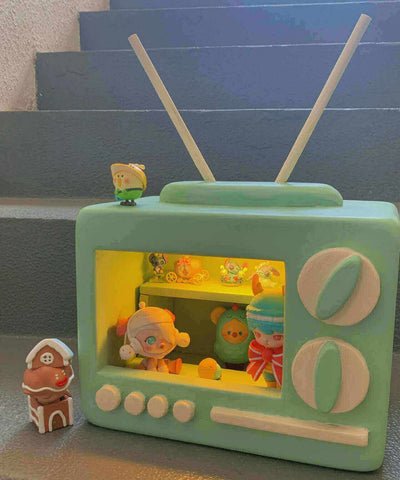
🎉🎉🎉Limited Time Offer Use code: QR4GNY08SHVR at checkout and enjoy a special discount on your entire order! 👉 HDPE plastic

What is High Density Polyethylene Board Flexible Plastic Board Sheet?

High Density Polyethylene Board Flexible Plastic Board Sheet is a type of plastic sheet that is made of HDPE (High Density Polyethylene) resin. HDPE is a thermoplastic polymer that has excellent mechanical properties, such as strength, toughness, and impact resistance. High Density Polyethylene Board Flexible Plastic Board Sheet is designed to be used for various plastic customization projects that involve cutting, drilling, sawing, painting, and gluing. It can be shaped into different forms and sizes according to your specifications. It can also be decorated with other materials.

HDPE guide bar

High Density Polyethylene Board Flexible Plastic Board Sheet has a flexible feature that allows it to be bent or curved to fit any shape or space. This means that it can conform to the contours of any surface or object. It also means that it can create more creative and innovative designs and styles. High Density Polyethylene Board Flexible Plastic Board Sheet can enhance the appearance and functionality of any project or product.

What are the advantages of High Density Polyethylene Board Flexible Plastic Board Sheet?

High Density Polyethylene Board Flexible Plastic Board Sheet has many advantages over other plastic customization materials, such as nylon, PVC, PE, etc. Here are some of them:

  • High temperature resistance: High Density Polyethylene Board Flexible Plastic Board Sheet can withstand temperatures up to 120°C without deforming or melting. This makes it suitable for projects that involve heat sources or high ambient temperatures.
  • Corrosion resistance: High Density Polyethylene Board Flexible Plastic Board Sheet can resist acids, alkalis, salts, oils, and other chemicals that may cause damage to other plastic materials. This makes it suitable for projects that involve exposure to corrosive environments or substances.
  • Impact resistance: High Density Polyethylene Board Flexible Plastic Board Sheet has a high resistance to cracking and breaking under stress or impact. This makes it suitable for projects that involve high loads or pressures.
  • Eco-friendly: High Density Polyethylene Board Flexible Plastic Board Sheet is made of recyclable and biodegradable materials. It does not contain harmful substances such as lead, mercury, cadmium, etc. It also has a low carbon footprint and a low energy consumption during production. This makes it suitable for projects that involve environmental protection and sustainability.
  • Flexibility: High Density Polyethylene Board Flexible Plastic Board Sheet has a flexible feature that allows it to be bent or curved to fit any shape or space. This makes it suitable for projects that involve complex shapes or spaces.
HDPE processing customization

How to use High Density Polyethylene Board Flexible Plastic Board Sheet?

High Density Polyethylene Board Flexible Plastic Board Sheet is easy to use and install. You just need to choose the right size and shape of the sheet according to your project specifications. Then you need to cut, drill, saw, or paint the sheet as you wish. You can also use glue or other materials to attach the sheet to other objects or surfaces.

You can also bend or curve the sheet as you wish by using heat sources or tools. You can use hot air guns, heat lamps, ovens, etc. to heat the sheet until it becomes soft and pliable. Then you can use clamps, molds, forms, etc. to bend or curve the sheet into the desired shape. You can also use cold water or air to cool down the sheet and make it harden again.

Where to use High Density Polyethylene Board Flexible Plastic Board Sheet?

High Density Polyethylene Board Flexible Plastic Board Sheet has a wide range of applications in different industries and fields. Here are some examples:

  • Signage: High Density Polyethylene Board Flexible Plastic Board Sheet can be used to make various signage products, such as banners, signs, posters, etc. You can also customize your signage products with different colors and patterns to attract more attention and customers. You can also bend or curve your signage products to fit any shape or space, such as walls, corners, columns, etc.
  • Furniture: High Density Polyethylene Board Flexible Plastic Board Sheet can be used to make various furniture products, such as tables, chairs, cabinets, etc. You can also design your own furniture products with different shapes and functions to suit your needs and preferences. You can also bend or curve your furniture products to create more creative and innovative designs and styles.
  • Kitchenware: High Density Polyethylene Board Flexible Plastic Board Sheet can be used to make various kitchenware products, such as cutting boards, trays, containers, etc. You can also sanitize your kitchenware products with hot water and soap without damaging them. You can also bend or curve your kitchenware products to fit any shape or space, such as drawers, shelves, cabinets, etc.
  • Toys: High Density Polyethylene Board Flexible Plastic Board Sheet can be used to make various toys products, such as puzzles, blocks, figures, etc. You can also create your own unique toys products with different shapes and functions to suit your hobbies and interests. You can also bend or curve your toys products to create more fun and playful shapes and styles.
HDPE cutting board

Why choose us for plastic customization?

If you are interested in using High Density Polyethylene Board Flexible Plastic Board Sheet or any other plastic customization material for your project or business, you should choose us as your partner. We are a professional website that specializes in plastic customization processing. We have more than 10 years of experience in this field and we have served thousands of customers from different countries and regions.

We offer high-quality products at competitive prices. We have advanced equipment and technology to produce various shapes and sizes of plastic sheets according to your specifications. We also have strict quality control procedures to ensure that every product meets your expectations.

We offer fast delivery and excellent customer service. We have a large inventory of plastic sheets ready for shipment at any time. We also have a dedicated team of customer service representatives who are ready to answer your questions and solve your problems.

HDPE card strip

We offer free samples and quotations. If you want to try our products before placing an order, you can request a free sample from us. We will send it to you as soon as possible. You can also request a free quotation from us by filling out a simple form on our website. 

🎉🎉🎉Limited Time Offer Use code: QR4GNY08SHVR at checkout and enjoy a special discount on your entire order! 👉 HDPE plastic

How to contact us?

If you want to know more about our products or services, or if you want to place an order with us, you can contact us by email at beeplastic@beeplastic.com . We will reply to you within 1 business day.

We look forward to hearing from you soon!

Leave a comment


Please note, comments must be approved before they are published


Custom Plastic Fabrication

Send your drawing, material and quantity for review

🔧
Precision Machining
CNC milling & turning
✂️
Cutting & Engraving
Laser & waterjet cutting
🏭
Forming & Molding
Thermoforming & injection
🔗
Joining & Assembly
Welding & bonding
📐
Design & Prototyping
CAD design & samples

General
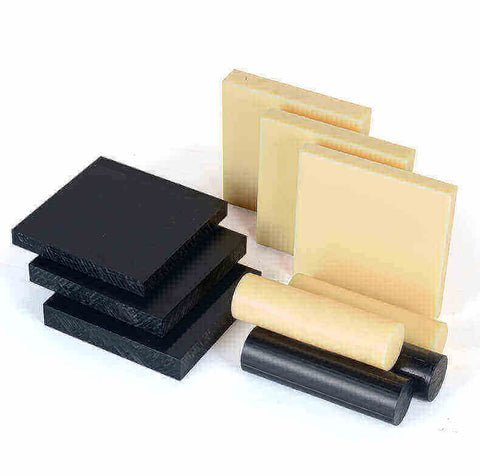
HDPE

PP

PVC

ABS

Engineering

POM

Nylon

PC

PMMA

High-Performance

PEEK

PEI

PTFE

Composites

FR-4

G10

Flexible

TPU

Silicone

Why Choose BeePlastic?

🎯
Perfect Fit
Custom specs eliminate adaptation needs
⚡
Clear Lead Times
Lead time confirmed with every quote
💰
Volume Pricing
Volume pricing available on bulk orders
🤝
Expert Support
Free engineering consultation included
📋
Submit
→
🔍
Review
→
💵
Quote
→
✅
Production
→
📦
Deliver

Request a Quote

Share your project details, selected material and quantity on our quote page. You can add a file link or use the email drawing route shown there.


Request Quote

Industries: Automotive • Medical • Food • Lab • Semiconductor

beeplastic@beeplastic.com


Natural White HDPE Plastic Sheet: A Durable, Versatile, and Eco-friendly Plastic Customization Material

HDPE anti-collision block

Are you looking for a plastic customization material that can meet your various needs and requirements? Do you want a material that is easy to work with, resistant to different conditions, and cost-effective? Do you also want a material that has a natural white color that can match any design or style? If you answered yes to any of these questions, then you should consider using Natural White HDPE Plastic Sheet.

🎉🎉🎉Limited Time Offer Use code: QR4GNY08SHVR at checkout and enjoy a special discount on your entire order! 👉 HDPE plastic
HDPE chain plate

What is Natural White HDPE Plastic Sheet?

Natural White HDPE Plastic Sheet is a type of plastic sheet that is made of HDPE (High Density Polyethylene) resin. HDPE is a thermoplastic polymer that has excellent mechanical properties, such as strength, toughness, and impact resistance. Natural White HDPE Plastic Sheet is designed to be used for various plastic customization projects that involve cutting, drilling, sawing, painting, and gluing. It can be shaped into different forms and sizes according to your specifications. It can also be decorated with other materials.

Natural White HDPE Plastic Sheet has a natural white color that is not dyed or pigmented. This means that it has a uniform and consistent color throughout the sheet. It also means that it does not fade or discolor over time. Natural White HDPE Plastic Sheet can blend well with any design or style, whether it is modern or classic, simple or complex.

What are the advantages of Natural White HDPE Plastic Sheet?

Natural White HDPE Plastic Sheet has many advantages over other plastic customization materials, such as nylon, PVC, PE, etc. Here are some of them:

  • High temperature resistance: Natural White HDPE Plastic Sheet can withstand temperatures up to 120°C without deforming or melting. This makes it suitable for projects that involve heat sources or high ambient temperatures.
  • Corrosion resistance: Natural White HDPE Plastic Sheet can resist acids, alkalis, salts, oils, and other chemicals that may cause damage to other plastic materials. This makes it suitable for projects that involve exposure to corrosive environments or substances.
  • Impact resistance: Natural White HDPE Plastic Sheet has a high resistance to cracking and breaking under stress or impact. This makes it suitable for projects that involve high loads or pressures.
  • Eco-friendly: Natural White HDPE Plastic Sheet is made of recyclable and biodegradable materials. It does not contain harmful substances such as lead, mercury, cadmium, etc. It also has a low carbon footprint and a low energy consumption during production. This makes it suitable for projects that involve environmental protection and sustainability.
HDPE anti-collision block

How to use Natural White HDPE Plastic Sheet?

Natural White HDPE Plastic Sheet is easy to use and install. You just need to choose the right size and shape of the sheet according to your project specifications. Then you need to cut, drill, saw, or paint the sheet as you wish. You can also use glue or other materials to attach the sheet to other objects or surfaces.

Where to use Natural White HDPE Plastic Sheet?

Natural White HDPE Plastic Sheet has a wide range of applications in different industries and fields. Here are some examples:

  • Signage: Natural White HDPE Plastic Sheet can be used to make various signage products, such as banners, signs, posters, etc. You can also customize your signage products with different colors and patterns to attract more attention and customers.
  • Furniture: Natural White HDPE Plastic Sheet can be used to make various furniture products, such as tables, chairs, cabinets, etc. You can also design your own furniture products with different shapes and functions to suit your needs and preferences.
  • Kitchenware: Natural White HDPE Plastic Sheet can be used to make various kitchenware products, such as cutting boards, trays, containers, etc. You can also sanitize your kitchenware products with hot water and soap without damaging them.
  • Toys: Natural White HDPE Plastic Sheet can be used to make various toys products, such as puzzles, blocks, figures, etc. You can also create your own unique toys products with different shapes and functions to suit your hobbies and interests.

    HDPE furniture stool

Why choose us for plastic customization?

If you are interested in using Natural White HDPE Plastic Sheet or any other plastic customization material for your project or business, you should choose us as your partner. We are a professional website that specializes in plastic customization processing. We have more than 10 years of experience in this field and we have served thousands of customers from different countries and regions.

HDPE environmental protection cutting board

We offer high-quality products at competitive prices. We have advanced equipment and technology to produce various shapes and sizes of plastic sheets according to your specifications. We also have strict quality control procedures to ensure that every product meets your expectations.

We offer fast delivery and excellent customer service. We have a large inventory of plastic sheets ready for shipment at any time. We also have a dedicated team of customer service representatives who are ready to answer your questions and solve your problems.

We offer free samples and quotations. If you want to try our products before placing an order, you can request a free sample from us. We will send it to you as soon as possible. You can also request a free quotation from us by filling out a simple form on our website. 

How to contact us?

If you want to know more about our products or services, or if you want to place an order with us, you can contact us by email at beeplastic@beeplastic.com . We will reply to you within 1 business day.

🎉🎉🎉Limited Time Offer Use code: QR4GNY08SHVR at checkout and enjoy a special discount on your entire order! 👉 HDPE plastic

We look forward to hearing from you soon!

Leave a comment


Please note, comments must be approved before they are published


Custom Plastic Fabrication

Send your drawing, material and quantity for review

🔧
Precision Machining
CNC milling & turning
✂️
Cutting & Engraving
Laser & waterjet cutting
🏭
Forming & Molding
Thermoforming & injection
🔗
Joining & Assembly
Welding & bonding
📐
Design & Prototyping
CAD design & samples

General

HDPE

PP

PVC

ABS

Engineering

POM

Nylon

PC

PMMA

High-Performance

PEEK

PEI

PTFE

Composites

FR-4

G10

Flexible

TPU

Silicone

Why Choose BeePlastic?

🎯
Perfect Fit
Custom specs eliminate adaptation needs
⚡
Clear Lead Times
Lead time confirmed with every quote
💰
Volume Pricing
Volume pricing available on bulk orders
🤝
Expert Support
Free engineering consultation included
📋
Submit
→
🔍
Review
→
💵
Quote
→
✅
Production
→
📦
Deliver

Request a Quote

Share your project details, selected material and quantity on our quote page. You can add a file link or use the email drawing route shown there.


Request Quote

Industries: Automotive • Medical • Food • Lab • Semiconductor

beeplastic@beeplastic.com


HDPE Sheet: A Durable, Versatile, and Eco-friendly Plastic Customization Material

HDPE cutting board

Are you looking for a plastic customization material that can meet your various needs and requirements? Do you want a material that is easy to work with, resistant to different conditions, and cost-effective? If you answered yes to any of these questions, then you should consider using HDPE Sheet.

🎉🎉🎉Limited Time Offer Use code: QR4GNY08SHVR at checkout and enjoy a special discount on your entire order! 👉 HDPE plastic

What is HDPE Sheet?

HDPE Sheet is a type of plastic sheet that is made of HDPE (High Density Polyethylene) resin. HDPE is a thermoplastic polymer that has excellent mechanical properties, such as strength, toughness, and impact resistance. HDPE Sheet is designed to be used for various plastic customization projects that involve cutting, drilling, sawing, painting, and gluing. It can be shaped into different forms and sizes according to your specifications. It can also be decorated with other materials.

HDPE slide rail

What are the advantages of HDPE Sheet?

HDPE Sheet has many advantages over other plastic customization materials, such as nylon, PVC, PE, etc. Here are some of them:

  • High temperature resistance: HDPE Sheet can withstand temperatures up to 120°C without deforming or melting. This makes it suitable for projects that involve heat sources or high ambient temperatures.
  • Corrosion resistance: HDPE Sheet can resist acids, alkalis, salts, oils, and other chemicals that may cause damage to other plastic materials. This makes it suitable for projects that involve exposure to corrosive environments or substances.
  • Impact resistance: HDPE Sheet has a high resistance to cracking and breaking under stress or impact. This makes it suitable for projects that involve high loads or pressures.

    HDPE Boat
  • Eco-friendly: HDPE Sheet is made of recyclable and biodegradable materials. It does not contain harmful substances such as lead, mercury, cadmium, etc. It also has a low carbon footprint and a low energy consumption during production. This makes it suitable for projects that involve environmental protection and sustainability.

How to use HDPE Sheet?

HDPE Sheet is easy to use and install. You just need to choose the right size and shape of the sheet according to your project specifications. Then you need to cut, drill, saw, or paint the sheet as you wish. You can also use glue or other materials to attach the sheet to other objects or surfaces.

Where to use HDPE Sheet?

HDPE Sheet has a wide range of applications in different industries and fields. Here are some examples:

  • Boating: HDPE Sheet can be used to make various parts and accessories for boats, such as hulls, decks, seats, etc. You can also customize your boat with different colors and patterns to enhance its appearance and performance.
  • Commercial kitchens: HDPE Sheet can be used to make various items for commercial kitchens, such as cutting boards, trays, containers, etc. You can also sanitize your HDPE items with hot water and soap without damaging them.

    HDPE cutting board
  • Automotive: HDPE Sheet can be used to make various components for cars, such as bumpers, fenders, dashboards, etc. You can also paint your HDPE components with different colors and finishes to match your car’s style and design.
  • Leisure: HDPE Sheet can be used to make various products for leisure activities, such as toys, games, sports equipment, etc. You can also create your own unique products with different shapes and functions to suit your hobbies and interests.

    PE assembled stool

Why choose us for plastic customization?

If you are interested in using HDPE Sheet or any other plastic customization material for your project or business, you should choose us as your partner. We are a professional website that specializes in plastic customization processing. We have more than 10 years of experience in this field and we have served thousands of customers from different countries and regions.

We offer high-quality products at competitive prices. We have advanced equipment and technology to produce various shapes and sizes of plastic sheets according to your specifications. We also have strict quality control procedures to ensure that every product meets your expectations.

We offer fast delivery and excellent customer service. We have a large inventory of plastic sheets ready for shipment at any time. We also have a dedicated team of customer service representatives who are ready to answer your questions and solve your problems.

We offer free samples and quotations. If you want to try our products before placing an order, you can request a free sample from us. We will send it to you as soon as possible. You can also request a free quotation from us by filling out a simple form on our website.

HDPE carriage skids

How to contact us?

If you want to know more about our products or services, or if you want to place an order with us, you can contact us by email at beeplastic@beeplastic.com . We will reply to you within 1 business day.

🎉🎉🎉Limited Time Offer Use code: QR4GNY08SHVR at checkout and enjoy a special discount on your entire order! 👉 HDPE plastic

We look forward to hearing from you soon!

Leave a comment


Please note, comments must be approved before they are published


Custom Plastic Fabrication

Send your drawing, material and quantity for review

🔧
Precision Machining
CNC milling & turning
✂️
Cutting & Engraving
Laser & waterjet cutting
🏭
Forming & Molding
Thermoforming & injection
🔗
Joining & Assembly
Welding & bonding
📐
Design & Prototyping
CAD design & samples

General

HDPE

PP

PVC

ABS

Engineering

POM

Nylon

PC

PMMA

High-Performance

PEEK

PEI

PTFE

Composites

FR-4

G10

Flexible

TPU

Silicone

Why Choose BeePlastic?

🎯
Perfect Fit
Custom specs eliminate adaptation needs
⚡
Clear Lead Times
Lead time confirmed with every quote
💰
Volume Pricing
Volume pricing available on bulk orders
🤝
Expert Support
Free engineering consultation included
📋
Submit
→
🔍
Review
→
💵
Quote
→
✅
Production
→
📦
Deliver

Request a Quote

Share your project details, selected material and quantity on our quote page. You can add a file link or use the email drawing route shown there.


Request Quote

Industries: Automotive • Medical • Food • Lab • Semiconductor

beeplastic@beeplastic.com


ABS Board: A Versatile, Durable, and Affordable Plastic Customization Material

ABS connecting rod

Are you looking for a plastic customization material that can meet your various needs and requirements? Do you want a material that is easy to work with, resistant to different conditions, and cost-effective? If you answered yes to any of these questions, then you should consider using ABS Board.

🎉🎉🎉Limited Time Offer Use code: QR4GNY08SHVR at checkout and enjoy a special discount on your entire order! 👉 ABS plastic

What is ABS Board?

ABS Board is a type of plastic sheet that is made of ABS (Acrylonitrile Butadiene Styrene) resin. ABS is a thermoplastic polymer that has excellent mechanical properties, such as strength, toughness, and impact resistance. ABS Board is designed to be used for various plastic customization projects that involve cutting, drilling, sawing, painting, and gluing. It can be shaped into different forms and sizes according to your specifications. It can also be decorated with other materials.

White ABS plastic CNC machining

What are the advantages of ABS Board?

ABS Board has many advantages over other plastic customization materials, such as nylon, PVC, PE, etc. Here are some of them:

  • High temperature resistance: ABS Board can withstand temperatures up to 100°C without deforming or melting. This makes it suitable for projects that involve heat sources or high ambient temperatures.
  • Corrosion resistance: ABS Board can resist acids, alkalis, salts, oils, and other chemicals that may cause damage to other plastic materials. This makes it suitable for projects that involve exposure to corrosive environments or substances.
  • Flame retardant: ABS Board has a high oxygen index and a low smoke density. This means that it can prevent or delay combustion and produce less toxic fumes when exposed to fire. This makes it suitable for projects that involve safety and fire prevention.

    ABS connecting rod
  • Eco-friendly: ABS Board is made of recyclable and biodegradable materials. It does not contain harmful substances such as lead, mercury, cadmium, etc. It also has a low carbon footprint and a low energy consumption during production. This makes it suitable for projects that involve environmental protection and sustainability.

How to use ABS Board?

ABS Board is easy to use and install. You just need to choose the right size and shape of the sheet according to your project specifications. Then you need to cut, drill, saw, or paint the sheet as you wish. You can also use glue or other materials to attach the sheet to other objects or surfaces.

Where to use ABS Board?

ABS Board has a wide range of applications in different industries and fields. Here are some examples:

  • Advertising boards: ABS Board can be used to make various advertising boards, such as for banners, signs, posters, etc. You can also customize your advertising boards with different colors and patterns to attract more attention and customers.
  • Identification boards: ABS Board can be used to make various identification boards, such as for labels, tags, badges, etc. You can also design your own identification boards with different shapes and functions to suit your needs and preferences.
  • Switch panels: ABS Board can be used to make various switch panels, such as for lights, fans, heaters, etc. You can also design your own switch panels with different shapes and functions to suit your needs and preferences.

    ABS switch panel
  • Bracket panels: ABS Board can be used to make various bracket panels, such as for shelves, frames, holders, etc. You can also adjust the height and distance of your bracket panels with different numbers and sizes of sheets.

Why choose us for plastic customization?

If you are interested in using ABS Board or any other plastic customization material for your project or business, you should choose us as your partner. We are a professional website that specializes in plastic customization processing. We have more than 10 years of experience in this field and we have served thousands of customers from different countries and regions.

We offer high-quality products at competitive prices. We have advanced equipment and technology to produce various shapes and sizes of plastic sheets according to your specifications. We also have strict quality control procedures to ensure that every product meets your expectations.

We offer fast delivery and excellent customer service. We have a large inventory of plastic sheets ready for shipment at any time. We also have a dedicated team of customer service representatives who are ready to answer your questions and solve your problems.

We offer free samples and quotations. If you want to try our products before placing an order, you can request a free sample from us. We will send it to you as soon as possible. You can also request a free quotation from us by filling out a simple form on our website.

ABS Frame

🎉🎉🎉Limited Time Offer Use code: QR4GNY08SHVR at checkout and enjoy a special discount on your entire order! 👉 ABS plastic

How to contact us?

If you want to know more about our products or services, or if you want to place an order with us, you can contact us by email at beeplastic@beeplastic.com . We will reply to you within 1 business day.

We look forward to hearing from you soon!

Leave a comment


Please note, comments must be approved before they are published


Custom Plastic Fabrication

Send your drawing, material and quantity for review

🔧
Precision Machining
CNC milling & turning
✂️
Cutting & Engraving
Laser & waterjet cutting
🏭
Forming & Molding
Thermoforming & injection
🔗
Joining & Assembly
Welding & bonding
📐
Design & Prototyping
CAD design & samples

General

HDPE

PP

PVC

ABS

Engineering

POM

Nylon

PC

PMMA

High-Performance

PEEK

PEI

PTFE

Composites

FR-4

G10

Flexible

TPU

Silicone

Why Choose BeePlastic?

🎯
Perfect Fit
Custom specs eliminate adaptation needs
⚡
Clear Lead Times
Lead time confirmed with every quote
💰
Volume Pricing
Volume pricing available on bulk orders
🤝
Expert Support
Free engineering consultation included
📋
Submit
→
🔍
Review
→
💵
Quote
→
✅
Production
→
📦
Deliver

Request a Quote

Share your project details, selected material and quantity on our quote page. You can add a file link or use the email drawing route shown there.


Request Quote

Industries: Automotive • Medical • Food • Lab • Semiconductor

beeplastic@beeplastic.com