The Complete Guide to UHMWPE Processing Parts: From CNC Machining to Fabrication

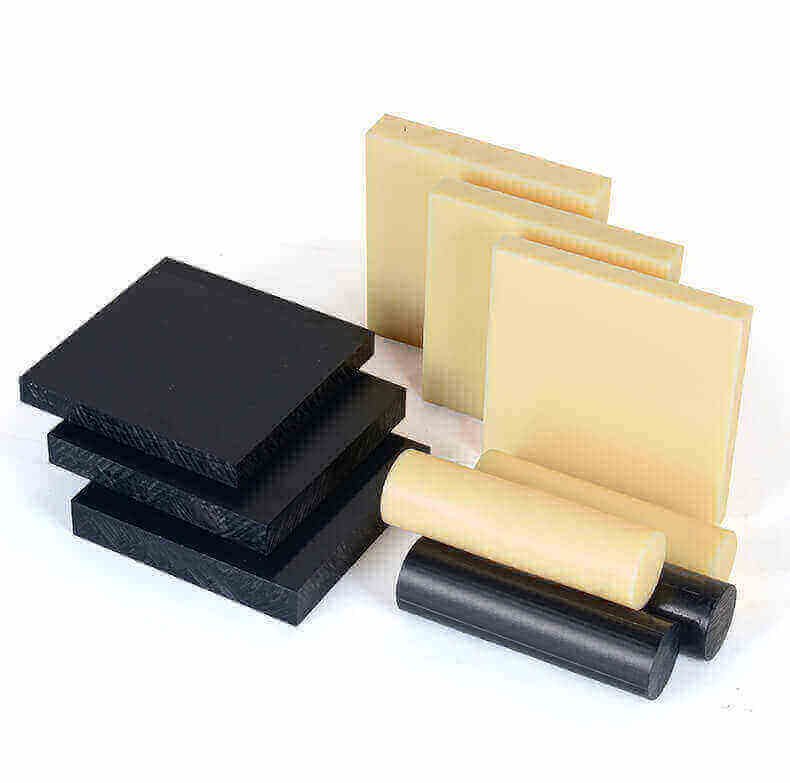
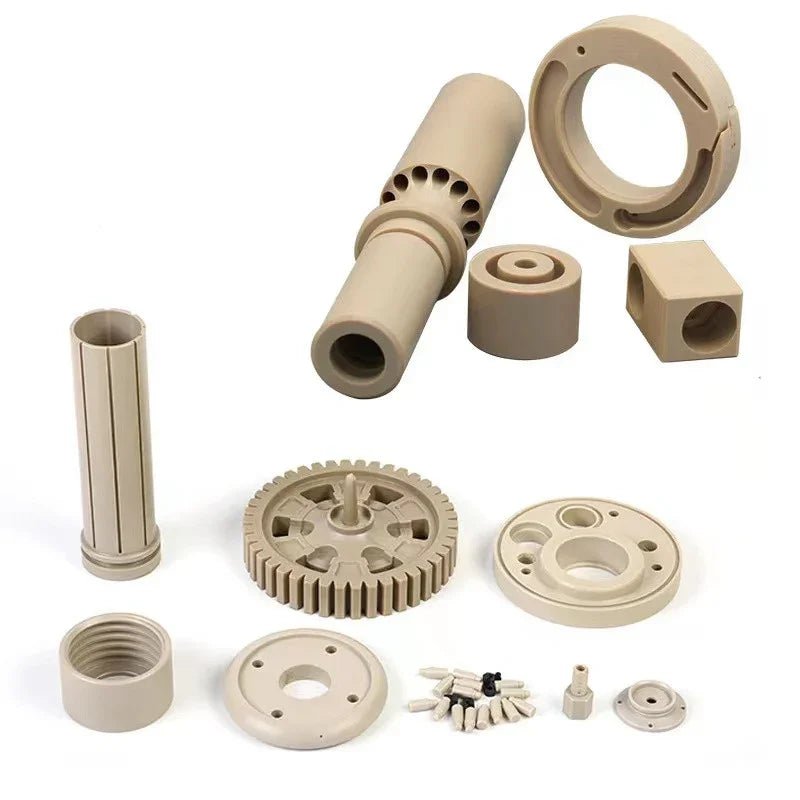
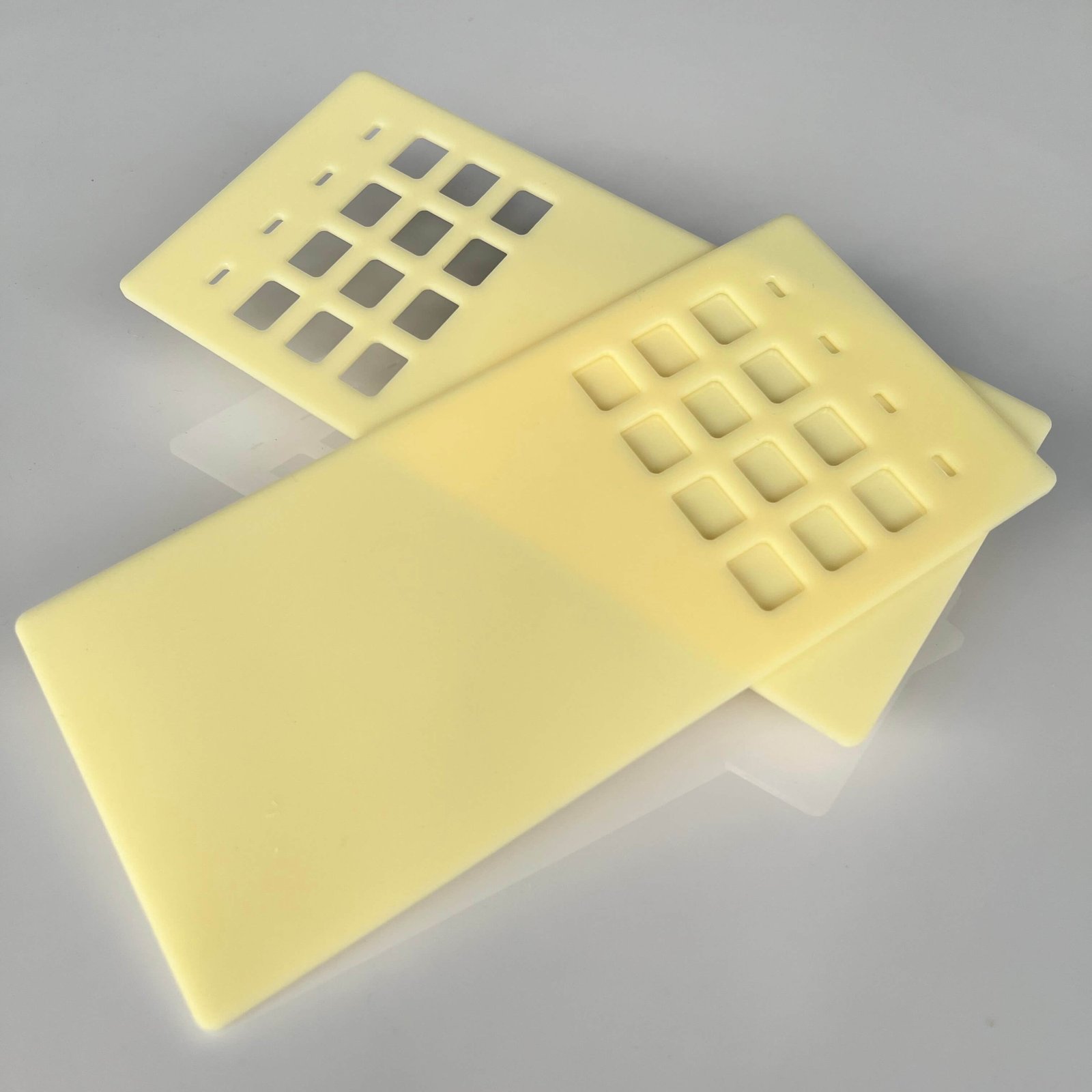
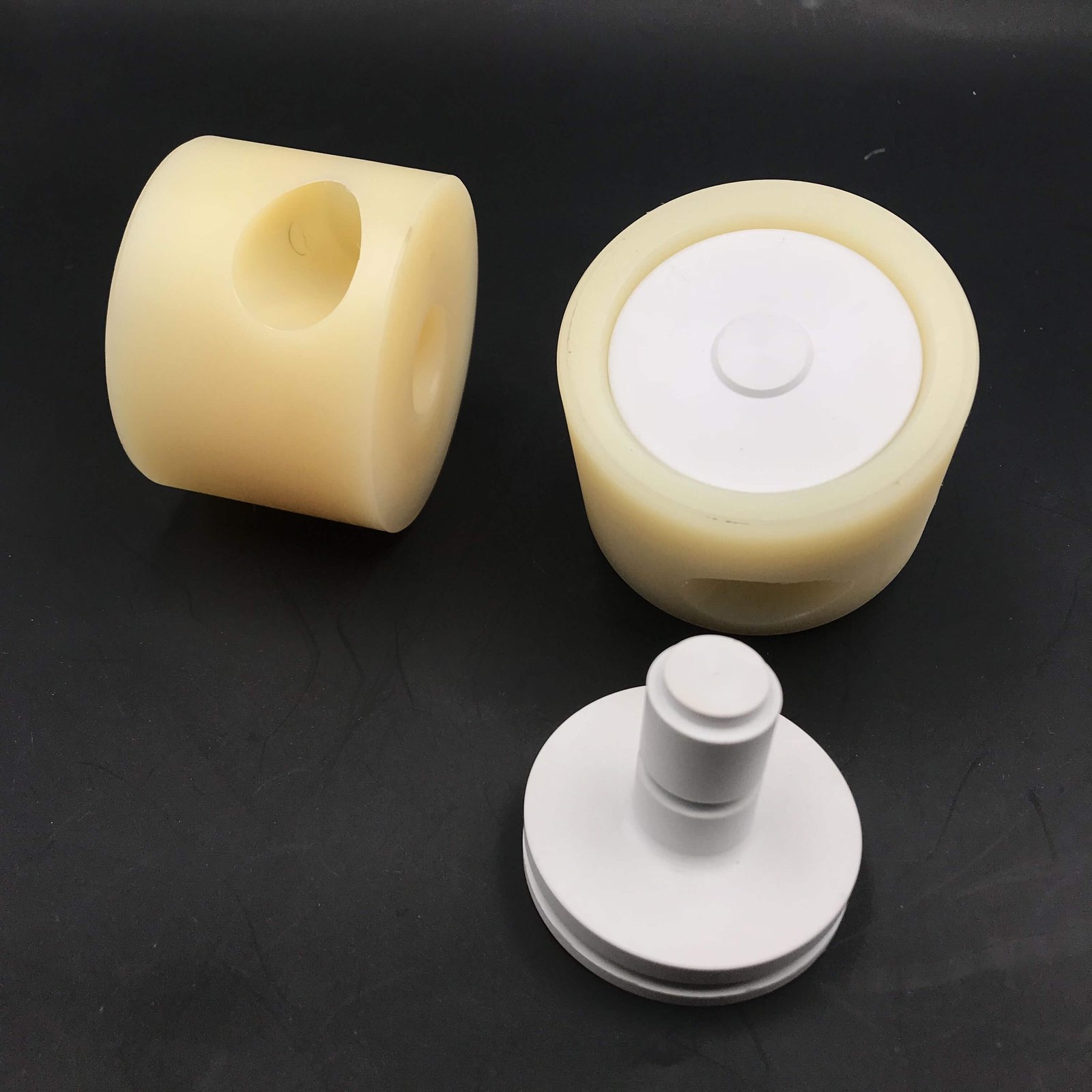
Discover everything you need to know about UHMWPE processing parts, from its unique material properties to the advanced CNC machining techniques that ensure precision. In this comprehensive guide, I’ll explore how ultra-high molecular weight polyethylene (UHMWPE) is used across various industrial applications, and why it’s preferred for creating wear-resistant, high-impact custom parts.
You’ll also learn about the key differences between UHMWPE vs HDPE, and how custom UHMWPE machining can provide tailored solutions for specialized needs. Whether you need UHMWPE precision parts, UHMWPE polyethylene strips, or custom-fabricated components, this guide covers every aspect of UHMWPE fabrication. I’ll also walk you through real-world case studies, showcasing the versatility of UHMWPE material and our expertise in creating UHMWPE custom parts through CNC machining for demanding environments.

Inside This Guide:
- What is UHMWPE? Understanding its superior material properties.
- CNC Machining of UHMWPE: Techniques and precision for custom parts.
- UHMWPE Industrial Applications: Where and how it’s used successfully.
- Comparing UHMWPE vs HDPE: Key differences in processing.
- Customizing UHMWPE Parts: From concept to production with CNC technology.
- Case Studies: Real-world examples of UHMWPE solutions.
What is UHMWPE? A Comprehensive Breakdown of Its Unique Properties
Ultra-high molecular weight polyethylene (UHMWPE) is an incredibly versatile thermoplastic known for its exceptional mechanical properties. At its core, UHMWPE is distinguished by its long molecular chains, which directly contribute to its extraordinary strength, impact resistance, and low friction coefficient. These properties make UHMWPE ideal for manufacturing processing parts in industries such as automotive, food processing, and medical technology, where durability and reliability are paramount.
UHMWPE is different from other forms of polyethylene due to its ultra-high molecular weight. This results in its impressive performance in applications that require long-lasting, wear-resistant parts.
Key Advantages of UHMWPE for Custom Processing Parts
One of the primary reasons UHMWPE is so highly regarded in custom processing is its combination of durability and flexibility. Its high tensile strength enables it to withstand significant loads without deforming, while its low coefficient of friction minimizes wear on moving parts. This is why UHMWPE custom parts are often used in the manufacture of conveyor systems, wear strips, and high-load bearings.
- Low Friction for Smooth Operations: UHMWPE has an exceptionally low friction coefficient compared to other plastics. This allows for smoother operations in applications involving sliding or rotational motion, such as in gears or rollers. In environments where moving parts require minimal friction to operate efficiently, UHMWPE excels, reducing the need for frequent maintenance.
- Exceptional Wear and Abrasion Resistance: UHMWPE is renowned for its wear-resistant properties, making it ideal for use in environments where parts are exposed to continuous friction or abrasive materials. In industries like mining or material handling, components made from UHMWPE outperform traditional materials like steel by lasting significantly longer in harsh conditions.


Why is UHMWPE Ideal for Custom Processing?
Custom UHMWPE machining is a preferred option for companies that require parts tailored to specific applications. Unlike metals, which are prone to corrosion and rust, UHMWPE offers outstanding chemical resistance. It can withstand exposure to a wide range of chemicals, including acids, alkalis, and organic solvents, without degrading. This makes it particularly useful in industries such as chemical processing, where materials are regularly exposed to harsh environments.
- Temperature Resistance: UHMWPE maintains its integrity across a broad temperature range, remaining stable in both high and low temperatures. This property is crucial for applications like food processing, where machinery might be exposed to both heat and cold. UHMWPE parts, such as cutting boards and machine components, continue to perform reliably without warping or cracking, ensuring consistent performance under extreme conditions.
- Biocompatibility and FDA Approval: One aspect that sets UHMWPE apart from many other plastics is its biocompatibility. It is frequently used in medical devices such as prosthetic joints because it is inert and doesn’t react with bodily fluids or tissues. Additionally, UHMWPE is approved by the FDA for use in food-contact applications, making it a go-to material in industries like food packaging and processing.
High-Impact Resistance: The Key to Longevity

The high-impact resistance of UHMWPE is perhaps one of its most valuable characteristics. It can endure heavy blows and extreme conditions without cracking or breaking. In industries like construction, where materials are constantly exposed to mechanical stress, UHMWPE processing parts serve as durable, long-lasting solutions. For example, UHMWPE liners are commonly used in chutes and hoppers to reduce wear from abrasive materials such as gravel or sand.
Additionally, UHMWPE’s ability to absorb high impacts makes it a top choice for protective gear and safety equipment, where maintaining structural integrity under extreme conditions is critical.
Low Friction and Self-Lubrication: Enhancing Machinery Efficiency
Another standout feature of UHMWPE is its natural self-lubricating properties. This characteristic reduces the need for additional lubrication, cutting down on maintenance and operational costs. In high-speed conveyor systems or industrial machines where parts are in constant motion, UHMWPE precision parts can enhance machinery efficiency by minimizing friction and extending the lifespan of components.
For industries that rely on CNC machining to create precise custom parts, UHMWPE is an ideal material. Its ability to be precisely cut and shaped without losing its properties allows manufacturers to produce highly specialized components, from bearings to guides.
Chemical and Abrasion Resistance: How UHMWPE Handles Harsh Environments
UHMWPE’s chemical resistance is another reason why it is widely used in industries dealing with corrosive substances. Unlike many metals and plastics that degrade when exposed to chemicals, UHMWPE retains its strength and flexibility even in highly corrosive environments. This makes it ideal for chemical processing plants, where components are regularly exposed to acids, bases, and other harmful chemicals.
- Abrasion Resistance in Harsh Conditions: Beyond its chemical resistance, UHMWPE also exhibits high resistance to abrasion, making it suitable for applications where constant contact with rough or sharp materials is a concern. In sectors such as mining, agriculture, and manufacturing, UHMWPE parts like wear strips, gears, and bearings are designed to endure repeated contact with abrasive materials without deteriorating.
Key Properties of UHMWPE That Influence Machining and Fabrication
Ultra-high molecular weight polyethylene (UHMWPE) offers a set of properties that significantly influence its machining and fabrication processes. Whether you’re creating wear-resistant parts for industrial machinery or custom UHMWPE components for medical devices, understanding these key properties ensures precision and longevity in the final product.
Wear Resistance: The Durability of UHMWPE in Challenging Environments
One of the standout features of UHMWPE is its remarkable wear resistance. When exposed to continuous friction, UHMWPE outperforms many traditional materials, including metals and other plastics. This resistance is crucial in industries like mining, material handling, and manufacturing, where parts such as gears, liners, and bearings must withstand constant wear and tear.
- Enhanced Durability in High-Friction Applications: Unlike other plastics, UHMWPE doesn’t degrade quickly when used in high-friction environments. Its low coefficient of friction ensures that moving parts remain operational for extended periods without excessive wear, making it an ideal material for sliding surfaces and conveyor systems.
High Impact Strength: Protecting Against Mechanical Stress
Another vital property of UHMWPE is its high impact strength, which allows it to absorb significant mechanical stress without cracking or breaking. This characteristic is essential in applications that involve repeated impact or heavy loads. UHMWPE machining often produces parts that need to resist high-force impacts, such as chutes, hoppers, and wear plates in industries like agriculture and construction.
- Toughness in Adverse Conditions: UHMWPE’s ability to maintain structural integrity under extreme conditions makes it an invaluable material in industries where equipment is exposed to rough materials and continuous mechanical stress. For instance, impact-resistant UHMWPE components help extend the life of equipment used in bulk material handling and transportation.
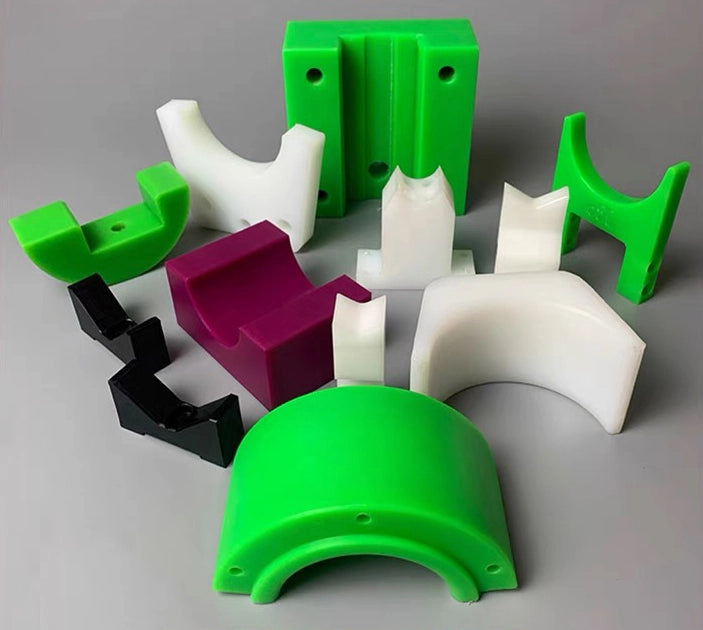
Low Coefficient of Friction: Enhancing Efficiency and Reducing Maintenance
UHMWPE is widely recognized for its low coefficient of friction, a property that allows it to function smoothly in applications where sliding or rotational movement is required. Components made from UHMW plastic glide easily over surfaces without generating excessive heat or friction, which reduces wear and enhances operational efficiency.
- Self-Lubricating Properties: One of the unique features of UHMWPE is its self-lubricating capability, which means it requires little to no external lubrication. This not only improves the longevity of parts but also reduces maintenance costs for industries like food processing, where lubrication can pose contamination risks. UHMWPE custom parts are often used in food packaging equipment because of their non-stick and frictionless performance.
Chemical Resistance: Withstanding Corrosive Environments
UHMWPE’s chemical resistance is another property that influences its application in machining and fabrication. This material is virtually unaffected by exposure to most acids, alkalis, and organic solvents, making it a preferred choice in industries where parts are frequently exposed to corrosive substances.
- Corrosion-Free Performance: Components like tanks, piping, and chemical-resistant liners are commonly fabricated from UHMWPE because they can handle aggressive chemicals without degrading. This resistance ensures that UHMWPE processing parts perform reliably in environments such as chemical plants, waste treatment facilities, and laboratories.
Machinability: Precision and Flexibility in Custom UHMWPE Machining
Despite its toughness, UHMWPE is relatively easy to machine into complex shapes, making it highly suitable for custom parts. It can be cut, drilled, and shaped with precision, enabling manufacturers to create parts with exact tolerances. The CNC machining of UHMWPE allows for high-volume production of custom components without sacrificing the material’s inherent properties.
- Versatile Fabrication Methods: From CNC milling to turning and drilling, UHMWPE can be machined using various methods, making it adaptable for creating both simple and complex designs. This flexibility allows for the production of everything from wear strips to custom seals, depending on the specific needs of the industry.
Thermal Stability: Reliable Performance Across Temperatures
While UHMWPE excels in both high and low temperatures, its ability to maintain mechanical strength and wear resistance even in extreme conditions makes it a material of choice for environments that experience significant temperature fluctuations.
- Stable at Varying Temperatures: Whether in the cold climates of refrigeration or the heat of industrial processing plants, UHMWPE processing parts retain their integrity, providing reliable performance without warping or cracking. This makes it an essential material for equipment exposed to harsh environmental conditions.
CNC Machining Techniques for UHMWPE Parts
CNC machining has revolutionized the production of custom UHMWPE parts, allowing manufacturers to achieve precise and highly customized components for a variety of industrial applications. Because of its unique material properties, ultra-high molecular weight polyethylene (UHMWPE) requires specialized techniques during the machining process to ensure accuracy and durability. In this section, I’ll discuss the different CNC machining methods used to craft UHMWPE and how they contribute to precision in UHMWPE processing.

Precision CNC Milling for Custom UHMWPE Parts
CNC milling is one of the most common methods used in the machining of UHMWPE. This process involves using multi-point cutting tools to remove material from the workpiece, shaping it into a precise form. UHMWPE is particularly suited for milling because of its toughness and wear resistance, which ensure that the material holds its shape well, even under heavy use.
- Multi-Axis CNC Milling for Complex Parts: For industries that require intricate designs, such as medical devices or precision bearings, multi-axis CNC milling provides the flexibility needed to create detailed shapes. Using multiple axes allows for more freedom in the design, enabling the production of complex custom UHMWPE parts with tight tolerances.
- Tooling Adjustments for Optimal Performance: Because UHMWPE is prone to heat buildup during machining, it is crucial to use sharp cutting tools and adjust feed rates to minimize friction. This helps maintain the material’s integrity and prevents warping or melting during the process.
CNC Turning for UHMWPE Cylindrical Components
CNC turning is another widely used technique in the machining of UHMWPE. In this process, the material is rotated while a single-point cutting tool shapes the exterior or interior of the component. This method is ideal for creating cylindrical UHMWPE parts, such as bushings, rollers, and gears.
- Precision in Cylindrical Shapes: UHMWPE turning ensures smooth, uniform surfaces, which is especially important for components like bearings that rely on low friction and precision to function effectively. The ability to control the turning speed and feed rate allows machinists to produce parts with consistent dimensions, reducing the likelihood of errors.
- Custom UHMWPE Machining for High-Impact Applications: CNC turning is often employed in the production of high-impact UHMWPE parts, which are used in industries like automotive and construction. The superior impact resistance of UHMWPE makes it an excellent choice for components exposed to heavy loads and mechanical stress.
Drilling and Tapping in UHMWPE Processing
Drilling and tapping are essential techniques in UHMWPE machining, especially when producing parts that require holes or threads for assembly. Due to the material’s flexibility and toughness, specialized tooling is required to ensure clean, accurate cuts without tearing or deforming the part.
- Optimizing Feed Rates for Clean Drilling: During the drilling process, UHMWPE can exhibit “gumming,” where excess material builds up around the drill bit, reducing accuracy. To avoid this, machinists adjust the feed rate and use lubricants to reduce friction. This helps in producing smooth holes that align perfectly with the specifications of custom UHMWPE parts.
- Tapping for Threaded UHMWPE Components: Tapping UHMWPE requires a delicate balance of force and speed to prevent the material from stretching or warping. Proper tapping techniques allow for the creation of precise threads, which are critical in components like screws, nuts, and fittings.
CNC Machining for Large-Scale UHMWPE Fabrication
When it comes to large-scale UHMWPE fabrication, CNC machining provides the necessary precision and efficiency to produce parts in high volumes. Industries such as food processing and packaging often require bulk orders of custom parts, such as conveyor belts, wear strips, and guides.
- Efficient Production with CNC Routers: CNC routers are used in large-scale UHMWPE fabrication to cut and shape sheets of UHMWPE into exact dimensions. This method ensures that each piece is identical, meeting the high standards required in industries where precision and uniformity are crucial.
- Scalability in Custom UHMWPE Machining: Whether producing a single prototype or manufacturing thousands of parts, CNC machining offers the scalability needed to meet the demands of different industries. For example, in agriculture, CNC-machined UHMWPE wear strips and guides provide the durability needed to keep heavy machinery operational for extended periods.
Post-Machining Finishing Techniques for UHMWPE Parts
After the primary machining processes, finishing techniques such as deburring and polishing are applied to UHMWPE parts to remove any excess material and ensure a smooth surface. Given UHMWPE’s low friction and self-lubricating properties, finishing is a critical step to optimize performance in sliding and rotational applications.
- Deburring for Safety and Performance: Deburring removes any sharp edges or leftover material that could interfere with the part’s performance or safety. This step is especially important in medical devices or food processing equipment, where smooth, clean surfaces are essential.
- Polishing for Enhanced Functionality: Polishing UHMWPE components further enhances their wear resistance and reduces the likelihood of buildup or friction in moving parts. This is particularly beneficial in high-speed conveyor systems or rotational equipment, where smooth operation is critical for efficiency.
UHMWPE Processing for Industrial Applications
Ultra-high molecular weight polyethylene (UHMWPE) is a material widely used across various industries due to its exceptional mechanical properties and versatility. Its wear resistance, low friction, and chemical resistance make it ideal for a broad range of industrial applications, including automotive, medical, and packaging. In this section, I’ll explore how different industries utilize UHMWPE custom parts and the benefits they bring to each sector.
UHMWPE in the Medical Industry: Precision and Safety
In the medical field, UHMWPE has proven to be a reliable material for critical applications, particularly in prosthetics and medical implants. Its biocompatibility and low friction coefficient ensure that it does not cause adverse reactions when used in joint replacements like hips and knees.
- Custom UHMWPE Components for Medical Devices: UHMWPE is used to create precision parts for medical devices, such as implants, joint liners, and orthopedic components. Its ability to withstand wear while maintaining smooth motion ensures that these parts have a long lifespan, reducing the need for frequent replacements.
- Sterilization and Durability: Medical-grade UHMWPE parts can be sterilized without degrading their structure, making them suitable for repeated use in surgical settings. Custom UHMWPE components designed for medical devices also offer superior resistance to wear, ensuring reliability during high-impact movements.
UHMWPE in the Packaging Industry: High-Speed and Low-Friction Solutions
The packaging industry is another sector where UHMWPE excels, especially in high-speed environments where low friction and wear resistance are critical. UHMWPE wear strips and guides are commonly used in conveyor systems to ensure the smooth and efficient transportation of goods.
- Custom UHMWPE Parts for Packaging Equipment: Conveyor belts, bushings, and gears made from UHMWPE significantly reduce wear and tear on machinery, extending the operational life of equipment. Its self-lubricating properties also help minimize the need for maintenance, reducing downtime in fast-paced packaging operations.
- High-Impact and Wear-Resistant Solutions: UHMWPE fabrication for the packaging industry focuses on producing wear-resistant parts that handle constant contact with abrasive materials. Whether in food packaging or material handling, UHMWPE custom parts like rollers and guides ensure smooth movement and efficient product flow.
Automotive Industry: UHMWPE for Long-Lasting, High-Performance Parts
The automotive industry also benefits from UHMWPE custom parts, particularly in applications where durability and high impact resistance are essential. UHMWPE components used in vehicles ensure better performance and longer part life, reducing the need for frequent replacements.
- UHMWPE Bushings and Gears: In automotive applications, UHMWPE bushings are widely used to absorb shock and reduce vibration. These bushings provide durability in high-stress environments, offering longer-lasting solutions compared to conventional plastic parts. Similarly, UHMWPE gears ensure smooth transmission in mechanical systems, reducing friction and wear during operation.
- Chemical and Corrosion Resistance: Custom UHMWPE parts are highly resistant to chemicals and environmental exposure, making them suitable for under-the-hood applications, such as fuel system components and engine linings. The material’s ability to withstand extreme temperatures and chemical corrosion extends the lifespan of critical automotive parts.
UHMWPE in the Food Processing Industry: Hygienic and Durable
In the food processing industry, UHMWPE is frequently chosen for its FDA-approved, food-safe properties. Parts made from UHMWPE are resistant to moisture, wear, and chemical exposure, making them ideal for the hygienic handling of food products.
- Custom UHMWPE Cutting Boards and Conveyor Components: Food processing plants rely on custom UHMWPE parts such as cutting surfaces, conveyor belts, and guides for efficient production lines. UHMWPE’s non-stick properties and ease of cleaning make it ideal for use in equipment that comes into contact with food.
- Non-Toxic and Durable Material: The non-toxic nature of UHMWPE ensures that it is safe to use in food production without the risk of contamination. Its wear-resistant properties also reduce downtime for maintenance, ensuring continuous operation in large-scale food processing facilities.
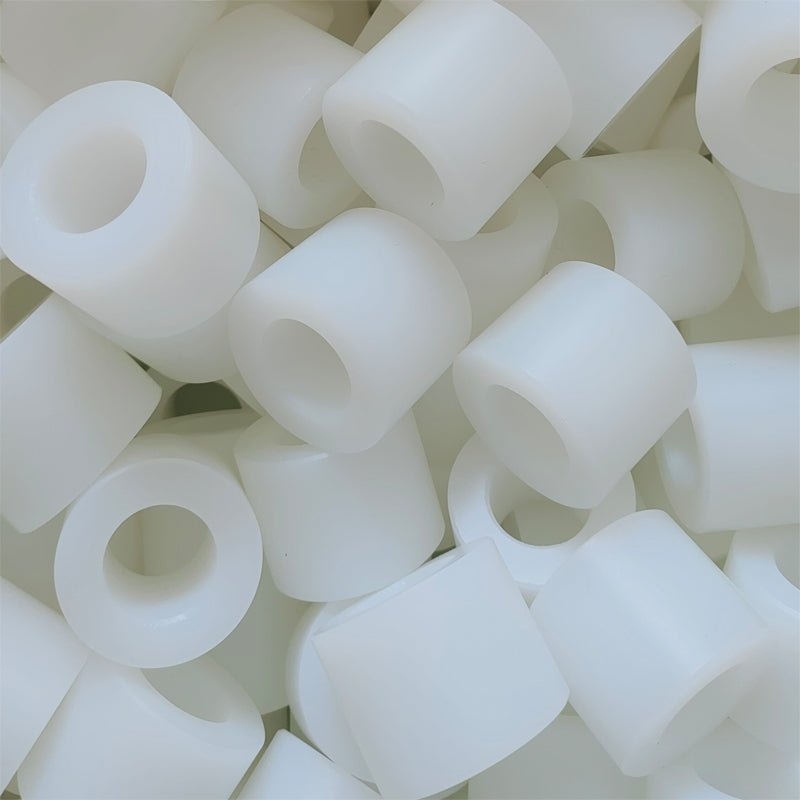
Mining and Material Handling: UHMWPE for Heavy-Duty Applications
In mining and material handling, UHMWPE is the material of choice for parts that are subjected to abrasive materials and heavy loads. Its impact resistance and abrasion-resistant properties make it perfect for demanding environments where traditional materials like metal may fail.
- UHMWPE Liners and Wear Strips: UHMWPE wear strips and liners are commonly used to protect equipment such as chutes, hoppers, and conveyors from damage caused by constant exposure to rough materials like gravel, sand, or ore. These liners not only extend the life of the equipment but also reduce maintenance costs by minimizing wear.
- Custom UHMWPE Parts for Material Handling: Components like rollers, guides, and bearings made from UHMWPE play a critical role in the smooth operation of conveyor systems in mining. Their self-lubricating properties and high durability reduce friction and wear, allowing for more efficient material transport over long periods.
UHMWPE in Agriculture: Protecting Equipment from Wear and Tear
In the agricultural industry, where equipment faces constant exposure to dirt, grit, and impact, UHMWPE parts provide a reliable solution for extending the life of machinery. Components such as bearings, gears, and liners made from UHMWPE offer enhanced abrasion resistance and durability, ensuring that equipment runs smoothly even in harsh environments.
- Custom UHMWPE Components for Agricultural Machinery: UHMWPE fabrication for the agricultural sector often includes parts like sprockets, chains, and guides. These parts help minimize wear and reduce downtime, keeping essential machinery like tractors and harvesters operational for longer periods.
UHMWPE vs. HDPE: How Processing Differs Between These Two Plastics

When it comes to high-performance plastics, both UHMWPE (Ultra-high molecular weight polyethylene) and HDPE (High-density polyethylene) stand out due to their excellent mechanical properties and versatility. While these materials share similar chemical compositions, their differences in molecular structure lead to varying performance characteristics. In this section, I’ll compare UHMWPE vs. HDPE, focusing on how they differ in processing, machining, and their suitability for various applications.
The Molecular Difference: UHMWPE vs. HDPE
The key distinction between UHMWPE and HDPE lies in their molecular weight. UHMWPE plastic has an extremely high molecular weight, ranging from 3 to 6 million g/mol, which makes it far more durable and wear-resistant compared to HDPE, which has a molecular weight typically below 500,000 g/mol. This increased molecular weight in UHMWPE provides the material with superior impact resistance, wear resistance, and low friction properties, making it ideal for demanding environments.
Processing UHMWPE: A Challenge Worth the Results
UHMWPE requires specialized processing techniques due to its high molecular weight. It is typically processed using compression molding, ram extrusion, or CNC machining. These methods allow for the creation of custom UHMWPE parts with precise tolerances, making the material ideal for industrial applications that demand long-lasting performance.
- CNC Machining UHMWPE: One of the biggest advantages of UHMWPE is its ease of CNC machining despite its toughness. However, due to its tendency to expand with heat, machinists must control the temperature carefully during processing. By using sharp tools and adjusting feed rates, manufacturers can produce precision parts like gears, bushings, and wear strips with minimal surface defects.
- Wear and Friction Performance: UHMWPE’s low coefficient of friction and high abrasion resistance make it perfect for applications requiring moving parts, such as conveyor systems or bearings. These characteristics enable UHMWPE plastic to outperform HDPE in situations where continuous wear and smooth motion are critical.
HDPE: Easier Processing but Limited Durability
On the other hand, HDPE is easier to process and machine compared to UHMWPE due to its lower molecular weight. HDPE is often processed using injection molding or extrusion, allowing for the rapid production of various shapes and sizes. HDPE’s lower density also makes it more flexible, which can be an advantage in certain applications requiring pliability.
- HDPE Machining Conditions: HDPE is easier to machine than UHMWPE and does not generate as much heat during cutting or shaping. This means it can be machined more quickly and with less stringent tool requirements. However, HDPE lacks the extreme durability and wear resistance of UHMWPE, which limits its use in high-impact or high-wear applications.
- Cost and Availability: HDPE is generally more cost-effective than UHMWPE due to its simpler processing requirements. For applications that do not require the extreme properties of UHMWPE, HDPE offers a more economical solution. HDPE parts are commonly used in piping, packaging, and general-purpose plastic applications where durability is important, but extreme wear resistance is not essential.
Why UHMWPE is Preferred for High-Impact and Wear-Resistant Applications
While both UHMWPE and HDPE are valued for their versatility, UHMWPE is often the material of choice for high-impact and wear-intensive environments. The superior impact resistance and wear performance of UHMWPE make it ideal for industries like mining, material handling, and food processing, where parts must withstand constant abrasion and stress.
- Longevity in Extreme Conditions: UHMWPE maintains its structural integrity even when exposed to extreme conditions such as harsh chemicals, high impact, or abrasive materials. This makes it the preferred option for bushings, bearings, and wear plates used in industrial applications where longevity and minimal maintenance are critical.
How UHMWPE and HDPE Compare in Industrial Applications
In many industrial applications, the choice between UHMWPE and HDPE depends on the specific demands of the environment. UHMWPE custom parts are favored for heavy-duty applications where abrasion resistance, impact strength, and low friction are crucial. HDPE, while still durable, is typically used in less demanding applications due to its lower molecular weight and reduced resistance to wear.
- UHMWPE for Heavy-Duty Applications: In industries like mining and agriculture, where equipment is subject to significant wear and tear, UHMWPE parts such as liners, wear strips, and conveyor components provide extended service life. These components handle abrasive materials like rocks and sand far better than HDPE alternatives, reducing downtime and maintenance costs.
- HDPE for Lightweight and Flexible Applications: In contrast, HDPE is commonly used in applications like piping, packaging, and containers, where flexibility and cost are more important than extreme wear resistance. HDPE polyethylene is lightweight and easier to form, making it suitable for large-scale production of general-purpose plastic products.
The Machining Edge: UHMWPE’s Advantages in Custom Fabrication
Custom UHMWPE machining allows manufacturers to create parts with tight tolerances and unique specifications. Because of its superior properties, UHMWPE is often used in precision machining for applications that demand a high level of durability, such as medical devices, food processing equipment, and automotive components.
- Custom Machined UHMWPE Parts: With its combination of chemical resistance, wear performance, and impact strength, UHMWPE is ideal for producing custom parts that need to withstand the rigors of harsh environments. Whether for gears, sprockets, or liners, UHMWPE parts outperform HDPE in scenarios where mechanical stress and longevity are priorities.
Customizing UHMWPE Parts: From Concept to Production
The process of customizing UHMWPE parts requires careful planning and precision to ensure the final product meets specific performance requirements. Ultra-high molecular weight polyethylene (UHMWPE) is well-suited for custom fabrication due to its excellent wear resistance, low friction, and chemical resistance. From initial concept design to final production, custom UHMWPE machining enables manufacturers to create parts that can withstand harsh industrial environments while offering durability and long-lasting performance.
Initial Design and Material Selection for UHMWPE Parts
The customization of UHMWPE precision parts begins with a thorough understanding of the application’s demands. Engineers and designers collaborate closely with clients to determine the exact requirements, such as load-bearing capacity, chemical exposure, and friction levels. Choosing the right material properties is crucial—UHMWPE is often selected for its superior impact resistance and abrasion resistance, which make it ideal for industries like food processing, mining, and packaging.
- Tailored Solutions for Specific Applications: Each application demands unique features, and custom UHMWPE machining allows for those specific needs to be addressed. Whether it’s producing components that need to withstand frequent cleaning with harsh chemicals or creating parts for high-friction systems, UHMWPE fabrication can be tailored to optimize performance and longevity.
CNC Machining for Custom UHMWPE Parts
The use of CNC machining in the production of UHMWPE custom parts allows for a high degree of precision and accuracy. CNC machines can create complex shapes with tight tolerances, ensuring that each part fits perfectly within the system it is designed for. The flexibility of CNC machining makes it ideal for UHMWPE fabrication, where components like gears, bushings, and wear strips need to be manufactured to exact specifications.
- Precision Machining for Complex Parts: With CNC machining, engineers can achieve precise tolerances and intricate designs that are critical for certain industrial applications. For example, UHMWPE precision parts used in medical devices require exact measurements to ensure safety and reliability. CNC milling and turning allow for the production of parts with consistent quality, reducing the margin for error.
- Durability in Harsh Conditions: Machined UHMWPE parts are highly durable and can withstand extreme wear and tear. In industries like automotive and construction, custom UHMWPE components provide long-lasting solutions that minimize downtime and reduce maintenance costs.
UHMWPE Fabrication: From Prototyping to Mass Production
After the design and machining processes are complete, UHMWPE fabrication moves from prototyping to mass production. Whether the client needs a small batch of components for testing or a large-scale production run, UHMWPE machining is scalable, allowing for flexibility in production volumes.
- Prototyping for Precision Parts: Before full-scale production begins, prototypes are often created to test the functionality of the custom parts. CNC-machined UHMWPE prototypes provide a tangible representation of the final product, allowing clients to evaluate its performance in real-world conditions. Adjustments can be made based on feedback before moving into larger production runs.
- Efficient Mass Production: Once the prototype is approved, CNC machines can be used to produce high volumes of parts quickly and efficiently. The precision and consistency provided by CNC machining ensure that every UHMWPE part meets the same high standards, whether it’s a small custom gear or a large conveyor component.

Case Study 1: Custom UHMWPE Gears for a Food Processing Plant
One of my clients, a large food processing company, faced significant challenges with their existing metal gears. The metal components were constantly exposed to moisture and harsh cleaning chemicals, which caused corrosion and frequent breakdowns. The company needed a solution that would not only withstand the chemical exposure but also reduce maintenance costs and downtime.
- Assessing the Client’s Needs: After evaluating the environment and usage, I recommended UHMWPE for its high chemical resistance and wear-resistant properties. These characteristics made UHMWPE gears a perfect fit for the harsh conditions of a food processing plant. The material’s low friction and self-lubricating properties also promised to reduce wear and prolong the life of the gears.
- Designing the Solution with CNC Machining: Working closely with the client, I designed a set of custom UHMWPE gears that fit seamlessly into their existing system. Using CNC machining, I was able to produce gears with precise tolerances that matched the required specifications. The custom machining process ensured that the gears could handle the operational demands without compromising on performance.
- Reducing Downtime and Maintenance Costs: The result was a set of durable, low-maintenance gears that eliminated the frequent need for replacements. The UHMWPE gears not only reduced downtime but also significantly cut down on maintenance costs. The food processing company saw immediate benefits, with increased efficiency and fewer operational interruptions.
Case Study 2: Precision-Machined UHMWPE Parts for a Medical Equipment Manufacturer
The medical industry often requires precision parts that meet stringent standards for safety and performance. A medical equipment manufacturer approached me with a request for custom UHMWPE parts to be used in a highly specialized surgical tool. Their challenge was to find a material that not only offered precise tolerances but also met the necessary biocompatibility standards for use in surgical environments. UHMWPE (Ultra-high molecular weight polyethylene) was the ideal choice due to its low friction and proven biocompatibility, making it safe for use in medical procedures.
Understanding the Requirements for Medical-Grade UHMWPE Parts
The first step in the process involved understanding the exact requirements of the surgical tool. The client needed parts with extremely precise measurements to ensure the tool’s performance in delicate procedures. UHMWPE was selected for its ability to meet these exact tolerances while providing the necessary durability and lightweight characteristics.
- Biocompatibility and Safety: One of the most important factors in choosing UHMWPE for medical applications is its biocompatibility. The material does not react with bodily fluids, making it suitable for use in surgical instruments and medical implants. It also possesses low friction, ensuring that the parts would function smoothly within the surgical tool without causing irritation or wear on surrounding tissues.
- Low Friction for Enhanced Performance: The client needed a material that would allow for smooth, precise movements within the tool. UHMWPE’s low friction coefficient ensured that the components would operate with minimal resistance, which was critical for the functionality of the surgical tool. This feature not only improved the tool’s performance but also contributed to the safety and effectiveness of medical procedures.
Custom Design Collaboration with the Medical Team
Once we had a clear understanding of the requirements, I collaborated closely with the client’s design team to create a custom solution that would meet their needs. Working through several iterations, we focused on optimizing the design to ensure the UHMWPE parts fit seamlessly within the tool while maintaining high precision and durability.
- Tailored Solutions for Medical Applications: The design process involved creating parts with exact measurements to ensure they functioned precisely in the surgical tool. Using CNC machining, we were able to produce custom UHMWPE parts that adhered to strict medical standards. Every aspect of the design was tailored to the client’s specific requirements, ensuring that the parts would perform optimally in the field.
- Iterative Prototyping and Testing: Prototypes were created to test the functionality of the parts under real-world conditions. This allowed us to make necessary adjustments before moving into full production. The prototypes underwent rigorous testing to ensure that they met the performance and safety standards required for surgical tools. By refining the design at this stage, we were able to produce parts that delivered consistent quality and reliability.
CNC Machining for Precision UHMWPE Parts
The production phase involved using CNC machining to create the final UHMWPE parts. One of the biggest challenges in this process was maintaining precise tolerances to meet the client’s specifications. UHMWPE machining requires specialized techniques to avoid deformation during the cutting process, but our advanced CNC technology allowed us to achieve the exact measurements needed for the medical-grade parts.
- Precision and Durability in Machining: UHMWPE is a durable material, but achieving high precision during machining can be challenging due to its low melting point and tendency to expand under heat. By utilizing the latest CNC techniques, we were able to produce parts that were not only lightweight but also durable enough to withstand the rigorous demands of medical applications.
- Creating Lightweight and Reliable Parts: The parts we created were designed to be lightweight without compromising on strength, making them ideal for use in handheld surgical tools. UHMWPE’s durability ensured that the parts would hold up under repeated use, while its lightweight nature made the tool easier for surgeons to handle, enhancing overall performance in the operating room.
Enhancing Functionality and Safety in Surgical Tools
The end result was a set of custom UHMWPE parts that significantly improved the functionality of the surgical tool. The parts not only met the client’s exact specifications but also exceeded their expectations in terms of durability and performance. By incorporating UHMWPE into the design, the manufacturer was able to produce a tool that offered smoother operation, greater precision, and enhanced safety during medical procedures.
- Improved Efficiency for Surgeons: Surgeons using the tool reported improved control and precision during procedures, thanks to the low friction and smooth operation of the UHMWPE parts. This helped to reduce fatigue during long surgeries and improved patient outcomes.
- Long-Term Benefits for the Client: By switching to UHMWPE components, the client also saw long-term benefits, including reduced maintenance costs and fewer part replacements. The wear-resistant properties of UHMWPE ensured that the parts would last longer, even under the demanding conditions of surgical use.

Frequently Asked Questions About Beeplastics’ Customization Services
1. Can Beeplastics Handle Both Sample and Batch Customizations?
Yes, Beeplastics is equipped to manage any type of customization, including both sample customizations and batch production. Whether you require a prototype for testing or large-scale production, we can cater to your specific needs with precision.
2. What File Formats Does Beeplastics Accept for Custom Part Designs?
We accept a variety of file formats for your convenience, including PDF, CAD, and other standard industry formats. This ensures seamless collaboration between your design and our production team, allowing us to create custom UHMWPE parts that meet your exact specifications.
3. Is There a Minimum Order Quantity (MOQ) at Beeplastics?
No, at Beeplastics, there is no minimum order quantity (MOQ). We are flexible and can accommodate orders of all sizes, whether you need a single part or a large batch of custom-made products.
4. How Long Does the Production Cycle Take for Custom Orders?
The production cycle depends on the size of the order and the complexity of the customization. We always strive to meet your deadlines and will communicate progress in real-time to keep you updated throughout the process.
5. Does Beeplastics Provide Free Samples?
Yes, we provide free samples to help you test our products. The only cost you’ll incur is for shipping. This allows you to ensure our products meet your requirements before moving forward with larger orders.
6. Can Beeplastics Work on Custom Projects with Specific Materials Like UHMWPE?
Absolutely! Beeplastics specializes in working with materials like UHMWPE and can provide custom parts for a variety of industries. Our expertise in custom UHMWPE machining ensures that your parts are produced with the highest standards of quality and precision.
7. What Industries Does Beeplastics Serve with Custom UHMWPE Parts?
We serve a wide range of industries, including food processing, medical equipment, automotive, packaging, and more. Our custom UHMWPE parts are designed to meet the rigorous demands of each sector, offering solutions that are durable and wear-resistant.
8. How Does Beeplastics Ensure Precision in Custom Machining?
We use CNC machining to achieve precise tolerances and tailored solutions for complex custom parts. Our advanced equipment and skilled team ensure every component is machined to exact specifications, enhancing its performance in your specific application.
9. How Can I Get Started with a Custom Project at Beeplastics?
To get started, simply contact us with your project details and design files. We’ll provide guidance on materials, production options, and pricing. Whether you need custom UHMWPE parts or other plastic solutions, we’re here to help from concept to completion.
10. Does Beeplastics Offer Support Throughout the Customization Process?
Yes, we provide full support from the initial design stage through production and delivery. Our team is committed to keeping you informed about your project’s progress and ensuring that every detail is addressed to meet your expectations.
Need Custom UHMWPE Processing Parts?
Ready to elevate your projects with precision-crafted UHMWPE processing parts? Connect with us to discuss your requirements.
Limited Time Offer Code: QR4GNY08SHVR
Use at checkout for a special discount on your entire order.

-
Posted in
cnc plastic machining, custom UHMWPE parts, engineering plastics, Plastic Machining Services, UHMWPE, UHMWPE Fabrication, UHMWPE Rod, UHMWPE Sheet, UHMWPE vs HDPE, Wear Resistant Plastic