Understanding POM Engineering Plastic: From Material Properties to Real-World Applications

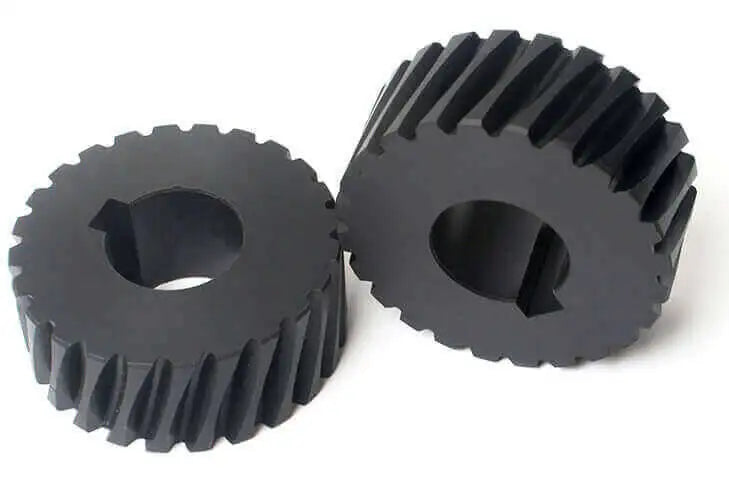
POM Gear

Unlock the potential of POM engineering plastic in your next project! This comprehensive guide delves into the key material properties that make POM plastic a standout choice for high-performance applications. Explore how POM acetal plastic compares to other polymers, discover the versatility of POM plastic sheets, and learn about the top industrial applications driving efficiency in sectors like automotive and electronics. Whether you’re interested in the mechanical properties of POM plastic or its customization potential, this post provides all the insights you need to understand how POM plastic products can revolutionize your engineering projects.

🎉🎉🎉Limited Time Offer Use code: QR4GNY08SHVR at checkout and enjoy a special discount on your entire order! 👉 POM plastic
POM engineering plastic

Stiffness: The Backbone of POM Plastic in Engineering

When selecting a material for engineering applications, stiffness is often a top priority. POM plastic offers exceptional stiffness, making it an ideal choice for components that require rigidity and dimensional stability. This property ensures that parts made from POM engineering plastic maintain their shape and performance even under significant stress. Whether in automotive gears or precision components, the stiffness of POM plastic plays a crucial role in enhancing durability and reliability.

Low Friction: Enhancing Performance and Reducing Wear

One of the standout properties of POM acetal plastic is its low coefficient of friction. This characteristic is particularly beneficial in applications where moving parts are in constant contact. POM plastic reduces the wear and tear associated with friction, leading to longer-lasting components and improved performance. In industries like automotive manufacturing and industrial machinery, where precision and efficiency are paramount, POM engineering plastic is often the material of choice for bearings, bushings, and sliding mechanisms.

Wear Resistance: Ensuring Longevity in Demanding Environments

The wear resistance of POM plastic is another key factor that makes it ideal for engineering applications. This material can withstand harsh conditions, including high pressure and abrasive environments, without degrading over time. Components made from POM plastic continue to perform reliably, even in the most demanding settings. For example, in electronic devices and industrial equipment, the wear resistance of POM plastic material ensures that parts like gears, fasteners, and electrical housings maintain their integrity, reducing maintenance needs and downtime.

Dimensional Stability: Precision Under Varying Conditions

Dimensional stability is a critical property for any material used in precision engineering. POM plastic sheets are known for their ability to maintain consistent dimensions despite changes in temperature and humidity. This stability is essential for applications where tight tolerances are required, such as in aerospace components and medical devices. By choosing POM engineering plastic, engineers can ensure that their designs will perform as expected, even in challenging environmental conditions.

Chemical Resistance: Versatility Across Industries

In addition to its mechanical properties, POM plastic offers excellent resistance to a wide range of chemicals, including fuels, solvents, and oils. This makes it a versatile choice for industries such as automotive, chemical processing, and consumer goods. The chemical resistance of POM acetal plastic allows it to be used in applications where other materials might degrade or fail, ensuring long-lasting performance and safety.

POM Acetal Plastic vs. Nylon: A Battle of Strength and Durability

When it comes to engineering plastics, both POM acetal plastic and nylon are frequently compared due to their widespread use in industrial applications. POM acetal plastic is renowned for its exceptional dimensional stability and low moisture absorption, making it superior to nylon in environments where precision is crucial. Nylon, while strong and flexible, tends to absorb more moisture, which can lead to dimensional changes over time. For applications requiring tight tolerances and consistent performance, POM engineering plastic often proves to be the better choice.

POM acetal plastic is renowned for its exceptional dimensional stability and low moisture absorption

Low Friction: The Edge of POM Acetal Plastic Over Nylon

Friction is a key consideration in the selection of materials for moving parts. POM plastic offers a significantly lower coefficient of friction compared to nylon, which translates into reduced wear and longer-lasting components. In applications like gears and bearings, where reducing friction is vital, POM acetal plastic stands out as the preferred material. Nylon, while still a good performer, cannot match the friction-reducing capabilities of POM plastic.

POM Acetal Plastic vs. Polycarbonate: Balancing Strength and Flexibility

Polycarbonate is another high-performance polymer often compared to POM acetal plastic. While polycarbonate is known for its impact resistance and transparency, POM plastic excels in areas that require a combination of strength, stiffness, and low friction. POM acetal plastic is less prone to creep, meaning it maintains its shape and mechanical properties under long-term stress better than polycarbonate. This makes POM engineering plastic ideal for precision parts that must endure consistent loads over time.

Chemical Resistance: How POM Plastic Outperforms Polycarbonate and Nylon

In environments where exposure to chemicals is a concern, POM plastic offers superior resistance compared to both polycarbonate and nylon. POM acetal plastic resists fuels, oils, and solvents, making it the material of choice for applications in the automotive and chemical processing industries. Nylon and polycarbonate, while resistant to many substances, can degrade when exposed to certain chemicals over extended periods. This chemical resistance gives POM engineering plastic a significant edge in harsh industrial environments.

Wear Resistance: POM Acetal Plastic’s Durability Compared to Nylon and Polycarbonate

Wear resistance is another area where POM acetal plastic shines. Due to its high molecular weight and inherent toughness, POM plastic is exceptionally resistant to wear and abrasion. While nylon also has good wear resistance, it does not match the durability of POM acetal plastic, especially in applications with high contact stress. Polycarbonate, though strong, is more prone to scratching and wear over time, making POM engineering plastic the preferred choice for high-wear components like gears and sliding elements.

Versatility in Applications: Why POM Acetal Plastic is Often Preferred

Given its combination of low friction, dimensional stability, and chemical resistance, POM acetal plastic is often the go-to material in industries ranging from automotive to consumer goods. While both nylon and polycarbonate have their own strengths, POM plastic often offers a better balance of properties for applications requiring precise engineering and long-term reliability. Whether you’re designing mechanical components or industrial equipment, POM engineering plastic provides the versatility and performance needed to ensure success.

The Versatility of POM Plastic Sheets in Automotive Engineering

POM plastic sheets are widely recognized for their exceptional versatility, especially in the automotive sector. Their dimensional stability and resistance to wear make them ideal for precision parts that need to perform consistently under the hood. In automotive manufacturing, these sheets are commonly used to fabricate components like gears, bushings, and fuel system parts. The ability of POM plastic to withstand harsh environments, including exposure to fuels and lubricants, makes it a reliable choice for long-term performance.

POM Plastic Sheets in Aerospace: Precision Meets Durability

In the aerospace industry, the demands on materials are exceptionally high, with a need for both precision and durability. POM plastic sheets offer a combination of these qualities, making them a popular choice for components that require tight tolerances and must endure extreme conditions. These sheets are used in the manufacturing of aircraft interior parts, bearing cages, and hydraulic components, where their low friction and high mechanical strength contribute to enhanced efficiency and safety. The adaptability of POM acetal plastic to various fabrication methods also allows for custom solutions tailored to specific aerospace applications.

Adaptability of POM Plastic Sheets in Custom Engineering

One of the standout features of POM plastic sheets is their adaptability in custom engineering projects. Whether for automotive or aerospace applications, these sheets can be easily machined, molded, or thermoformed to meet exact specifications. This flexibility makes POM plastic an excellent choice for engineers looking to develop custom components that require a combination of strength, stability, and low friction. The ease of customization ensures that POM engineering plastic can meet the unique demands of various industries, from complex machinery to precision instruments.

Wear Resistance: A Key Advantage of POM Plastic Sheets

Wear resistance is a critical factor in many engineering applications, and POM plastic sheets excel in this regard. Their ability to resist wear, even in high-friction environments, makes them suitable for parts that experience constant movement or pressure. In automotive systems, for example, POM plastic is used in components like throttle bodies and door lock systems, where durability is paramount. Similarly, in aerospace, these sheets contribute to the longevity of parts that must withstand continuous operation under challenging conditions.

Chemical Resistance and Thermal Stability in Harsh Environments

The chemical resistance and thermal stability of POM plastic sheets further enhance their versatility in precision engineering. These properties allow POM plastic to maintain its integrity in environments where exposure to chemicals or extreme temperatures could compromise other materials. In automotive applications, this resistance ensures that parts made from POM acetal plastic continue to perform efficiently despite exposure to fuels, oils, and high heat. In aerospace, the ability to withstand temperature fluctuations without losing structural integrity is vital, making POM plastic sheets an ideal choice for critical components.

Sustainability and Cost-Effectiveness of POM Plastic Sheets

Beyond performance, POM plastic sheets offer a balance of sustainability and cost-effectiveness. Their long lifespan reduces the need for frequent replacements, leading to lower maintenance costs over time. Additionally, the ability to recycle POM plastic adds to its appeal as an environmentally friendly option in industries increasingly focused on sustainability. Whether in automotive or aerospace, the use of POM plastic sheets supports both economic and environmental goals, making them a smart choice for modern engineering.

Automotive Industry: POM Engineering Plastic for High-Performance Components

The automotive industry is one of the primary sectors that heavily relies on POM engineering plastic. Due to its exceptional dimensional stability and low friction properties, POM plastic is widely used in the production of precision components such as gears, bearings, and fuel system parts. These components demand materials that can withstand harsh environments, including exposure to fuels and extreme temperatures, without losing their mechanical properties. POM acetal plastic offers the durability and reliability required to meet these stringent demands, making it a preferred material in automotive manufacturing.

Electronics Industry: Precision and Reliability with POM Engineering Plastic

In the electronics industry, POM engineering plastic plays a critical role in the manufacturing of components that require precision and high mechanical strength. POM plastic is commonly used in connectors, insulators, and switches, where its electrical insulation properties and resistance to wear are highly valued. The material’s ability to maintain dimensional stability even in small, intricate parts ensures that electronic devices function correctly and reliably. As electronics become more compact and sophisticated, the use of POM plastic continues to grow, supporting the development of next-generation technology.

Consumer Goods Manufacturing: Enhancing Product Durability

POM engineering plastic is also extensively used in the consumer goods manufacturing sector, where its wear resistance and aesthetic appeal make it ideal for a wide range of applications. From household appliances to sports equipment, POM plastic contributes to the durability and longevity of products that are subject to daily use. Its smooth surface finish and ability to be easily colored or textured also enhance the visual appeal of consumer goods, making it a popular choice among manufacturers seeking to combine functionality with design.

Industrial Machinery: POM Plastic for High-Load Bearing Applications

In the field of industrial machinery, the strength and wear resistance of POM engineering plastic are essential for components that must endure high loads and repetitive motion. POM plastic is frequently used in the production of cams, rollers, and gears, where it provides a long-lasting solution that reduces maintenance costs and downtime. The material’s low friction coefficient further enhances the efficiency of machinery, allowing for smoother operation and less energy consumption. This makes POM acetal plastic an indispensable material in the manufacturing of heavy-duty industrial equipment.

Aerospace Industry: Precision Components for Critical Applications

The aerospace industry demands materials that can perform under extreme conditions, and POM engineering plastic is often the material of choice for critical components. Its lightweight yet strong nature makes it suitable for use in aircraft interior parts, hydraulic components, and control systems. The chemical resistance of POM plastic also ensures that it can withstand exposure to various fuels and lubricants without degrading. This combination of properties allows aerospace engineers to design components that are both reliable and efficient, contributing to the overall safety and performance of aircraft.

Medical Devices: Safety and Sterilization with POM Engineering Plastic

In the medical industry, POM engineering plastic is highly valued for its biocompatibility and ease of sterilization. It is commonly used in the production of surgical instruments, dental devices, and medical housings, where safety and hygiene are paramount. The material’s ability to resist wear and maintain its mechanical properties after repeated sterilization cycles makes it ideal for use in environments where strict cleanliness is required. The versatility of POM plastic in medical applications highlights its importance in producing safe and reliable healthcare products.

Packaging Industry: Efficiency and Durability in POM Plastic Applications

The packaging industry benefits from the use of POM engineering plastic in the production of conveyor systems, sealing components, and packaging machinery. The material’s high stiffness and wear resistance ensure that packaging processes run smoothly and efficiently, reducing the likelihood of mechanical failures. POM plastic also offers excellent chemical resistance, making it suitable for packaging applications that involve exposure to various substances. This reliability and durability make POM acetal plastic a critical material in the fast-paced world of packaging.

Tensile Strength: The Backbone of POM Plastic’s Durability

One of the key mechanical properties that sets POM plastic apart is its tensile strength. POM engineering plastic exhibits high tensile strength, allowing it to withstand significant pulling or stretching forces without breaking. This makes it ideal for applications where components must endure mechanical stress, such as in gears, bearings, and structural parts. The impressive tensile strength of POM acetal plastic ensures that these components maintain their integrity and functionality over prolonged periods, even in demanding environments.

Durability: Ensuring Long-Term Performance

Durability is a critical factor in any engineering design, and POM plastic excels in this area. The material’s inherent durability allows it to resist wear and tear, ensuring long-term performance in applications subjected to continuous use. POM plastic material is particularly valued in industries such as automotive and industrial machinery, where components are often exposed to harsh conditions. The combination of wear resistance and high tensile strength makes POM plastic a reliable choice for engineers seeking to enhance the lifespan of their products.

Impact Resistance: Withstanding Sudden Forces

Another essential mechanical property of POM plastic is its impact resistance. This property refers to the material’s ability to absorb energy and resist cracking or breaking when subjected to sudden forces. POM acetal plastic offers excellent impact resistance, making it suitable for components that may experience shock loads or abrupt impacts. In automotive safety systems and electronic housings, the impact resistance of POM engineering plastic ensures that critical parts can withstand unexpected stresses, protecting both the component and the overall system.

Low Friction and Wear Resistance: Enhancing Efficiency

Low friction is a standout feature of POM plastic, contributing to its wear resistance and overall efficiency in mechanical applications. The low friction coefficient of POM acetal plastic minimizes the wear that occurs when components slide or rotate against each other. This property is particularly beneficial in bearings, bushings, and gears, where reducing friction can lead to smoother operation and increased energy efficiency. The wear resistance of POM engineering plastic also reduces maintenance requirements, leading to cost savings over the component’s lifecycle.

Dimensional Stability: Precision in Engineering

Dimensional stability is another key attribute of POM plastic, ensuring that components retain their shape and size even when exposed to varying environmental conditions. POM plastic material maintains its dimensional accuracy across a wide range of temperatures and humidity levels, making it ideal for precision engineering applications. In medical devices and aerospace components, where tight tolerances are critical, the dimensional stability of POM engineering plastic ensures reliable performance and reduces the risk of failure due to material deformation.

Chemical Resistance: Versatility Across Applications

POM plastic is known for its excellent chemical resistance, which enhances its versatility in different industrial applications. The material resists a wide range of chemicals, including fuels, oils, and solvents, making it suitable for use in automotive fuel systems and chemical processing equipment. The ability of POM plastic to maintain its mechanical properties in the presence of aggressive chemicals further solidifies its position as a go-to material for engineers looking for reliable performance in challenging environments.

Creep Resistance: Stability Under Continuous Load

Creep resistance is a critical factor for materials used in applications where they are subjected to continuous stress over time. POM plastic exhibits excellent resistance to creep, meaning it can withstand long-term mechanical stress without experiencing significant deformation. This property is particularly important in structural components and load-bearing parts, where maintaining dimensional accuracy and mechanical strength is essential. The creep resistance of POM acetal plastic ensures that components remain stable and perform as expected throughout their service life.

Boosting Efficiency with POM Plastic Gears

POM plastic gears are a cornerstone in many engineering projects, offering a combination of low friction and high wear resistance that significantly enhances operational efficiency. In applications where gears are in constant motion, such as in automotive transmissions or industrial machinery, the low friction properties of POM plastic reduce energy loss, allowing machines to operate more smoothly and with less power. The durability of POM engineering plastic also means that these gears maintain their performance over long periods, reducing the need for frequent maintenance and replacements, which can lead to increased productivity and lower costs.

POM Bearings: The Key to Smooth and Reliable Operations

POM plastic bearings are another essential component that contributes to the efficiency of engineering projects. These bearings excel in environments where low friction and dimensional stability are critical. POM acetal plastic provides the necessary support while minimizing wear and tear on moving parts, which is crucial in high-load applications like conveyor systems and machinery rollers. The self-lubricating properties of POM plastic further enhance their performance by reducing the need for additional lubrication, leading to less downtime and smoother, more reliable operations.

Enhanced Longevity with POM Plastic Fasteners

POM plastic fasteners offer a unique advantage in engineering projects where both strength and chemical resistance are required. These fasteners are commonly used in environments exposed to moisture, chemicals, or extreme temperatures, such as in automotive engine compartments or chemical processing plants. The ability of POM plastic material to resist corrosion and maintain its mechanical properties in harsh conditions ensures that fasteners remain secure and functional over time. This longevity not only enhances the safety and reliability of the overall system but also reduces the frequency of maintenance, contributing to long-term project efficiency.

POM Plastic’s Role in Reducing Maintenance Costs

One of the significant benefits of using POM plastic products in engineering is the reduction in maintenance costs. The wear resistance and durability of POM acetal plastic components mean that they are less likely to require frequent repairs or replacements. This is especially beneficial in industries where machinery downtime can result in substantial financial losses, such as in manufacturing or transportation. By integrating POM plastic components like gears, bearings, and fasteners, engineers can design systems that are more reliable and require less upkeep, thereby improving overall project efficiency.

Improving Energy Efficiency with POM Plastic Components

Energy efficiency is a critical consideration in modern engineering projects, and POM plastic products contribute significantly to this goal. The low friction nature of POM engineering plastic reduces the amount of energy required to move parts, leading to more energy-efficient machines. This is particularly important in large-scale operations, such as industrial manufacturing or power generation, where even small improvements in energy efficiency can lead to significant cost savings. By choosing POM plastic for key components, engineers can design systems that are not only efficient but also environmentally friendly.

Customizability of POM Plastic Products for Specific Applications

The customizability of POM plastic products is another factor that enhances their efficiency in engineering projects. POM plastic can be easily machined or molded into complex shapes, making it suitable for custom components that meet specific design requirements. Whether for specialized gears, custom bearings, or unique fasteners, POM engineering plastic offers the flexibility needed to optimize each component’s performance. This adaptability ensures that the final product meets the exact needs of the project, further enhancing efficiency and effectiveness.

Custom Machining of POM Plastic: Precision in Engineering

POM plastic material is highly adaptable to custom machining, making it a preferred choice in projects that require precise, tailor-made components. Due to its dimensional stability and mechanical strength, POM plastic can be easily machined into complex shapes and designs without losing its integrity. This is particularly important in automotive and aerospace applications, where even the slightest deviation can lead to performance issues. Engineers and manufacturers often rely on POM acetal plastic for custom parts like gears, bushings, and bearings, ensuring that each component meets the exact specifications required for the application.

Fabricating Custom Parts with POM Plastic

The fabrication potential of POM plastic extends beyond machining. POM plastic material can also be fabricated through various processes such as molding, extrusion, and thermoforming, allowing for the creation of highly specialized parts. For instance, in the electronics industry, custom POM plastic components like insulators and connectors are fabricated to meet specific electrical requirements. The material’s low friction and high wear resistance make it ideal for fabricating parts that must endure repetitive motion or harsh operating conditions, providing a balance of durability and performance.

Tailoring POM Plastic for Specific Engineering Requirements

POM plastic is versatile enough to be tailored for specific engineering needs, ensuring that it meets the unique demands of each project. For example, POM acetal plastic can be modified with additives to enhance properties such as UV resistance, impact strength, or color. This customization is particularly useful in outdoor applications where materials must withstand environmental factors. By adjusting the composition of POM plastic material, engineers can create components that offer not only the mechanical properties they require but also the environmental resilience necessary for long-term performance.

Custom Finishing Techniques for POM Plastic Components

The customization of POM plastic doesn’t end with machining or fabrication; it also includes a range of finishing techniques that enhance the material’s performance and appearance. POM plastic parts can undergo processes like surface texturing, polishing, or coating to improve their functionality or aesthetic appeal. In the consumer goods industry, for example, custom finishing techniques are applied to POM plastic to produce parts that are not only functional but also visually appealing. These finishing processes ensure that the final product meets both the technical and aesthetic requirements of the project.

Prototyping with POM Plastic: From Concept to Reality

POM plastic material is also an excellent choice for prototyping, enabling engineers to quickly and accurately bring their designs to life. The ease of machining and fabricating POM plastic allows for the rapid development of prototypes that closely mimic the properties of the final product. This is crucial in industries like medical devices and automotive engineering, where prototypes must undergo rigorous testing before full-scale production. The ability to customize POM plastic for prototyping ensures that the final product will perform as expected, reducing the time and cost associated with product development.

Long-Term Benefits of Customizing POM Plastic

Customizing POM plastic material to meet specific engineering requirements offers long-term benefits in terms of performance, durability, and cost-efficiency. By designing components that perfectly fit the intended application, engineers can reduce the need for adjustments or replacements down the line. This is particularly advantageous in industries with stringent performance standards, such as aerospace and industrial machinery. The ability to tailor POM plastic ensures that each component will perform reliably throughout its lifecycle, ultimately contributing to the success and efficiency of the overall project.

Customizing POM plastic material

Frequently Asked Questions About BeePlastics Customization Services

1. Can BeePlastics handle custom orders for both small and large quantities?

Yes, BeePlastics is equipped to handle any level of customization, whether you need a single sample or a large batch of products. There is no minimum order quantity (MOQ), which allows you to request exactly what you need, whether it’s a small prototype or full-scale production.

2. What types of file formats does BeePlastics accept for custom designs?

BeePlastics accepts a wide variety of file formats to ensure your custom designs are accurately produced. We commonly work with PDF, CAD, DXF, STL, and other standard formats. This flexibility allows you to submit designs in the format that best suits your project needs.

3. Is there a minimum order quantity (MOQ) for custom orders?

No, there is no minimum order quantity (MOQ) at BeePlastics. This means you can place orders for just a single item or as many as you need. This flexibility is particularly beneficial for customers who need prototypes or small-scale production runs.

4. How does BeePlastics manage the production cycle for custom orders?

The production cycle at BeePlastics is tailored to each order, taking into account the quantity and complexity of the project. We ensure that the production process is efficient and meets your timelines. Additionally, we maintain real-time communication with you throughout the production process to keep you informed of progress and any updates.

5. Can I request a sample of a custom product before placing a larger order?

Yes, BeePlastics fully supports the provision of samples for custom orders. We understand the importance of evaluating a product before committing to a larger order. The sample is provided free of charge, though the customer is responsible for the shipping costs.

6. How does BeePlastics ensure the quality of custom products?

BeePlastics places a strong emphasis on quality control. Each custom product undergoes rigorous testing and inspection throughout the production process to ensure it meets the specified requirements. Our team of experienced engineers and quality assurance professionals work together to deliver products that meet the highest standards.

7. What is the typical turnaround time for custom orders at BeePlastics?

The turnaround time for custom orders at BeePlastics varies depending on the complexity and size of the order. However, we strive to complete projects as quickly as possible without compromising on quality. Real-time updates are provided throughout the production process, so you’re always informed of the progress.

8. Can BeePlastics customize materials beyond POM plastic?

Yes, BeePlastics offers customization services for a wide range of materials, including ABS, HDPE, UHMW-PE, acrylic, and more. Whether you need custom machining, molding, or fabrication, we can tailor our services to meet the specific needs of your project across various materials.

9. How does BeePlastics handle complex designs or intricate customizations?

BeePlastics is equipped with advanced machinery and a skilled team capable of handling even the most complex designs. Whether your project requires intricate machining, precise tolerances, or specialized finishes, we have the expertise and technology to deliver high-quality custom products.

10. What support does BeePlastics offer during the design phase of a custom project?

BeePlastics offers comprehensive support during the design phase of your custom project. Our team of engineers is available to provide guidance and suggestions to optimize your design for manufacturing. We can also assist in converting your designs into compatible file formats and ensuring that they are production-ready.

Exploring the customization potential of POM plastic material opens up endless possibilities for engineering innovation. By leveraging its unique properties—ranging from tensile strength to chemical resistance—engineers can create tailored solutions that meet the exacting demands of modern industry. Whether you’re working on prototypes or ready for large-scale production, the adaptability of POM plastic ensures that your designs can be brought to life with precision and reliability. This material’s versatility not only enhances performance but also streamlines production processes, making it a vital asset in the development of cutting-edge technologies and applications.
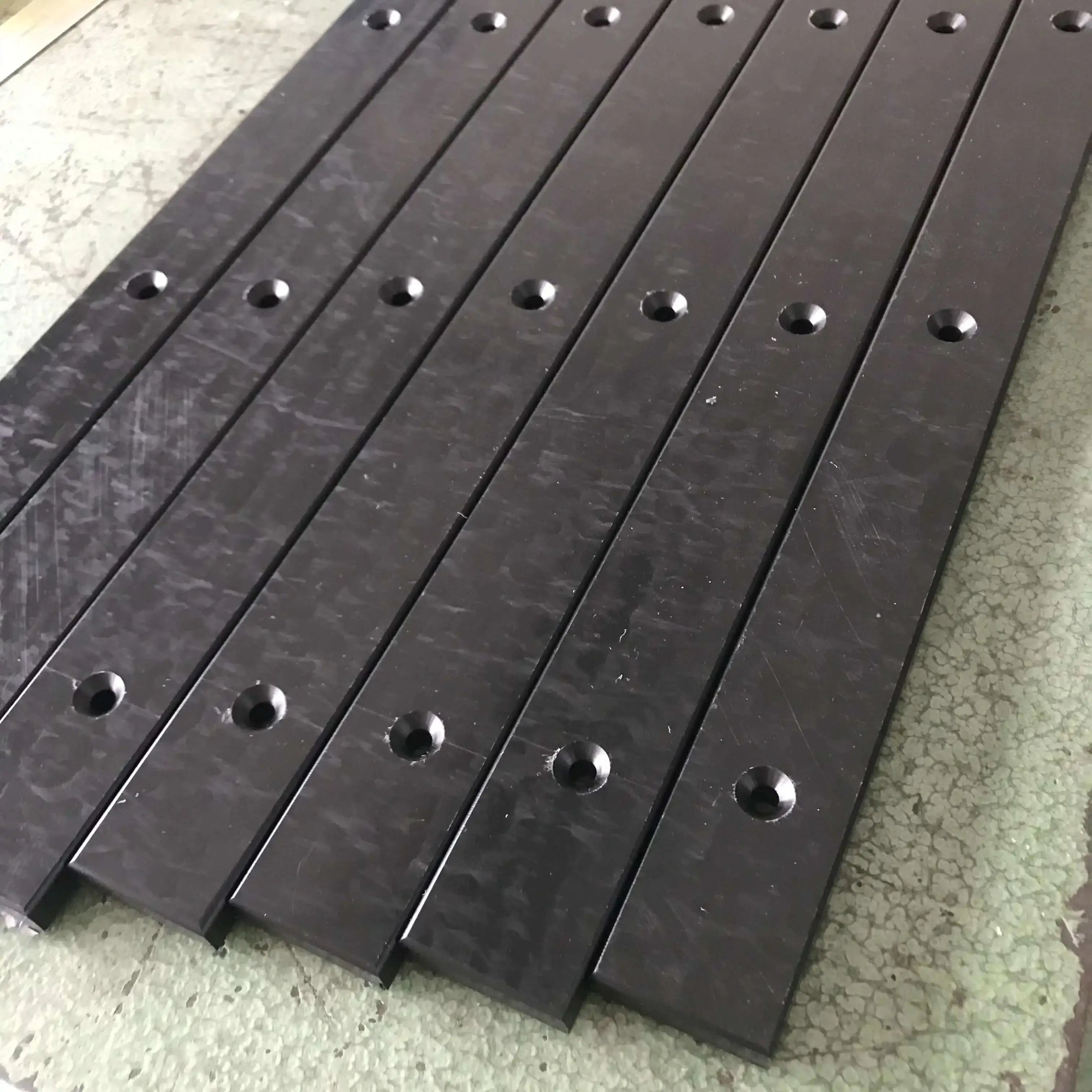
POM plastic parts
🎉🎉🎉Limited Time Offer Use code: QR4GNY08SHVR at checkout and enjoy a special discount on your entire order! 👉 POM plastic

Have a project in mind? Fill out the contact form to get started on your custom POM plastic order, or check out our available POM sheets and rods here to find the right materials for your needs.

Leave a comment


Please note, comments must be approved before they are published


Custom Plastic Fabrication

Send your drawing, material and quantity for review

🔧
Precision Machining
CNC milling & turning
✂️
Cutting & Engraving
Laser & waterjet cutting
🏭
Forming & Molding
Thermoforming & injection
🔗
Joining & Assembly
Welding & bonding
📐
Design & Prototyping
CAD design & samples

General

HDPE

PP

PVC

ABS

Engineering

POM

Nylon

PC

PMMA

High-Performance

PEEK

PEI

PTFE

Composites

FR-4

G10

Flexible

TPU

Silicone

Why Choose BeePlastic?

🎯
Perfect Fit
Custom specs eliminate adaptation needs
⚡
Clear Lead Times
Lead time confirmed with every quote
💰
Volume Pricing
Volume pricing available on bulk orders
🤝
Expert Support
Free engineering consultation included
📋
Submit
→
🔍
Review
→
💵
Quote
→
✅
Production
→
📦
Deliver

Request a Quote

Share your project details, selected material and quantity on our quote page. You can add a file link or use the email drawing route shown there.


Request Quote

Industries: Automotive • Medical • Food • Lab • Semiconductor

beeplastic@beeplastic.com


The Essential Guide to POM Plastic Products: Applications and Mechanical Properties

POM support strip

Offers a deep dive into the world of POM plastic, a material renowned for its versatility and strength. This guide explores the wide range of POM plastic products, focusing on their diverse applications and robust mechanical properties. Whether you’re dealing with POM acetal plastic or looking for insights into POM engineering plastic, this post covers it all. Learn about the advantages of POM plastic material in industrial settings, including the benefits of using POM plastic sheets for high-precision tasks. Discover how POM plastic uses span across various industries and why its mechanical properties make it a top choice for engineers and manufacturers alike. If you need a comprehensive understanding of POM plastic and how it can be applied to your projects, this guide is your go-to resource.

🎉🎉🎉Limited Time Offer Use code: QR4GNY08SHVR at checkout and enjoy a special discount on your entire order! 👉 HDPE plastic
POM plastic sheets and components

Understanding the Core Features of POM Plastic: A Look at Its Engineering Advantages

Strength and Rigidity of POM Plastic

POM plastic is widely recognized for its exceptional strength and rigidity, making it a top choice in engineering applications that require materials capable of withstanding substantial mechanical stress. This high-tensile strength ensures that components made from POM acetal plastic can endure heavy loads without deforming, which is particularly important in the manufacturing of precision parts such as gears, bearings, and fasteners. The rigidity of POM plastic also contributes to its ability to maintain dimensional stability, even under varying environmental conditions, further solidifying its role as a preferred material in high-performance engineering.

Durability and Wear Resistance

Another key feature of POM plastic is its outstanding durability. It exhibits excellent wear resistance, which means that it can withstand repeated use and friction without significant degradation. This characteristic makes POM engineering plastic ideal for applications where long-term performance is crucial, such as in automotive components, mechanical linkages, and industrial machinery. The low coefficient of friction associated with POM plastic material also enhances its wear resistance, reducing the need for frequent maintenance or part replacement in high-wear environments.

Chemical and Moisture Resistance

POM plastic also stands out for its chemical resistance, which allows it to perform reliably in environments exposed to various chemicals, including fuels, solvents, and alkalis. This resistance is particularly valuable in automotive and industrial applications where exposure to harsh chemicals is common. Additionally, POM plastic exhibits excellent moisture resistance, preventing it from absorbing water and swelling, which can compromise the mechanical properties of other materials. This combination of chemical and moisture resistance ensures that POM acetal plastic remains stable and functional in a wide range of challenging conditions.

Thermal Stability

The thermal stability of POM plastic is another reason why it is favored in engineering applications. POM plastic sheets and components can maintain their mechanical properties across a broad temperature range, making them suitable for use in environments where temperature fluctuations are frequent. Unlike some other plastics that may soften or lose their structural integrity at elevated temperatures, POM plastic retains its rigidity and strength, ensuring consistent performance in precision engineering tasks.

Versatility in Applications

The versatility of POM plastic extends beyond its physical properties. It is easily machinable, allowing for the production of complex parts with tight tolerances. This makes POM engineering plastic an excellent choice for custom applications where precise dimensions and high quality are essential. Whether used in automotive systems, electronic components, or industrial machinery, the adaptability of POM plastic products makes them invaluable across a wide range of industries.

Comparing POM Acetal Plastic with Other Engineering Materials: What Sets It Apart?

Mechanical Strength and Durability

When comparing POM Acetal Plastic with other engineering materials, one of the most significant differences lies in its mechanical strength and durability. POM plastic is renowned for its high tensile strength and stiffness, which allows it to withstand substantial mechanical stress without deformation. This makes POM engineering plastic an ideal choice for applications where maintaining dimensional stability under load is crucial. In contrast, materials like Nylon or Polypropylene may offer good strength but often lack the same level of rigidity and creep resistance, particularly in high-stress environments.

POM Acetal Plastic

Wear Resistance and Low Friction

Another key advantage of POM Acetal Plastic over other engineering plastics is its exceptional wear resistance and low coefficient of friction. These properties make POM plastic highly suitable for precision components such as gears, bearings, and sliding mechanisms where long-term wear resistance and smooth operation are essential. While materials like ABS and HDPE also provide good wear resistance, they do not match the friction-reducing capabilities of POM, making it the superior choice in dynamic applications where parts are subjected to continuous movement.

Chemical and Moisture Resistance

POM Acetal Plastic also excels in its chemical resistance compared to many other engineering plastics. It is highly resistant to a wide range of chemicals, including organic solvents, fuels, and alkaline solutions, making it ideal for use in environments where exposure to harsh chemicals is common. Additionally, POM plastic boasts excellent moisture resistance, preventing it from absorbing water and compromising its structural integrity. This sets POM apart from materials like Nylon, which can absorb moisture and swell, leading to dimensional changes and a reduction in mechanical properties.

Thermal Stability and Temperature Tolerance

When it comes to thermal stability, POM Acetal Plastic offers robust performance across a broad temperature range. It maintains its mechanical properties and dimensional stability even in environments with fluctuating temperatures, making it a reliable material for precision engineering applications. Compared to materials like Polycarbonate or Nylon, POM exhibits better thermal resistance, particularly in applications where maintaining structural integrity at elevated temperatures is critical. This makes POM plastic an excellent choice for components that must operate reliably in both hot and cold environments.

Ease of Machining and Fabrication

One of the most practical advantages of POM Acetal Plastic over other engineering materials is its ease of machining and fabrication. POM plastic can be easily machined into complex shapes with tight tolerances, making it ideal for the production of custom parts and precision components. Unlike Polyethylene or ABS, which may require more extensive processing to achieve similar precision, POM can be cut, drilled, and shaped with minimal effort, reducing both production time and costs.

Application Versatility

POM Acetal Plastic is incredibly versatile and can be used across a wide range of industries, from automotive to electronics to industrial machinery. Its combination of mechanical strength, wear resistance, chemical resistance, and thermal stability makes it suitable for numerous high-performance applications where other materials might fall short. Whether you need a material for precision gears, bushings, or valves, POM plastic consistently delivers outstanding performance, setting it apart as a top choice among engineering materials.

Top Applications for POM Plastic Products in Industrial Manufacturing

Precision Gears and Bearings

POM plastic products are widely used in the manufacturing of precision gears and bearings due to their exceptional mechanical properties. POM Acetal Plastic offers high tensile strength and low friction, which are crucial for gears that need to operate smoothly and efficiently over long periods. The material’s dimensional stability ensures that these components maintain their shape and size, even under heavy loads and varying temperatures, making them ideal for high-precision industrial applications where reliability is key.

POM plastic products

Automotive Components

In the automotive industry, POM plastic is a go-to material for a variety of components, including fuel systems, interior parts, and engineered fasteners. POM engineering plastic is valued for its resistance to chemicals and fuels, as well as its ability to withstand high temperatures without losing its mechanical integrity. This makes POM particularly useful for under-the-hood applications where components are exposed to harsh environments and must perform consistently to ensure vehicle safety and efficiency.

Electrical and Electronic Insulators

POM plastic products are also extensively used as insulators in the electrical and electronics industries. The material’s excellent dielectric properties and high thermal stability make it suitable for use in connectors, switches, and housings for electronic devices. POM plastic can withstand the rigors of electronic manufacturing processes, including soldering and assembly, while providing reliable insulation that helps prevent electrical failures.

Industrial Machinery Parts

POM engineering plastic is a top choice for machinery parts in a wide range of industrial applications. The material’s low coefficient of friction and high wear resistance make it ideal for sliding components, bushings, and guide rails that require long-term durability. POM plastic products perform exceptionally well in dynamic environments where parts are subjected to continuous movement, reducing maintenance needs and extending the lifespan of industrial machinery.

Medical Device Components

The medical industry relies on POM plastic for the production of high-precision components used in medical devices. POM Acetal Plastic is favored for its biocompatibility and ability to be sterilized without degrading, making it suitable for surgical instruments, diagnostic equipment, and drug delivery systems. The material’s precision machining capabilities allow for the creation of intricate parts with tight tolerances, which are essential in the medical field where accuracy can impact patient outcomes.

Consumer Goods Manufacturing

In the consumer goods sector, POM plastic is commonly used in the production of durable goods such as kitchen appliances, toys, and sporting equipment. The material’s combination of strength, resilience, and aesthetic appeal makes it ideal for products that need to withstand frequent use while maintaining their appearance. POM plastic can be easily molded and finished, allowing manufacturers to produce high-quality goods that meet consumer expectations for durability and design.

Fluid Handling Systems

POM plastic products are also crucial in fluid handling systems, including pumps, valves, and flow meters. The material’s resistance to a wide range of chemicals and its ability to maintain mechanical properties in wet environments make it an excellent choice for components that come into direct contact with liquids. POM is used in industries such as water treatment, chemical processing, and food and beverage production, where hygiene and reliability are paramount.

POM is used in industries

POM Plastic Sheets: Versatile Solutions for High-Performance Engineering Needs

The Versatility of POM Plastic Sheets in Engineering Applications

POM plastic sheets are recognized for their versatility in a wide range of engineering projects. These sheets offer a combination of mechanical strength, rigidity, and dimensional stability, making them ideal for applications where precision and durability are paramount. Whether used in automotive parts, machinery components, or industrial equipment, POM sheets consistently deliver high performance, even in demanding conditions.

Mechanical Strength and Rigidity

One of the primary reasons POM plastic sheets are favored in engineering is their exceptional mechanical strength and rigidity. These properties ensure that components made from POM maintain their structural integrity under stress, making them suitable for load-bearing applications. The stiffness of POM sheets also contributes to their ability to maintain dimensional accuracy, which is crucial in precision engineering where even minor deformations can lead to significant performance issues.

Wear Resistance and Low Friction

POM plastic sheets are also highly valued for their wear resistance and low coefficient of friction. These characteristics make them an excellent choice for components that experience frequent movement or sliding, such as gears, bushings, and guide rails. The low friction provided by POM sheets reduces wear and tear on moving parts, leading to longer component life and reduced maintenance needs. This makes POM a cost-effective solution for high-performance applications where reliability and longevity are critical.

Chemical and Moisture Resistance

In environments where exposure to chemicals and moisture is a concern, POM plastic sheets offer superior resistance. POM is resistant to a wide range of chemicals, including fuels, oils, and solvents, making it suitable for use in automotive and industrial applications where such exposure is common. Additionally, POM’s moisture resistance prevents water absorption, which can otherwise lead to swelling and a reduction in mechanical properties. This resistance ensures that POM sheets maintain their performance in harsh environments, contributing to the overall durability of the end product.

Precision Machining and Customization

Another significant advantage of POM plastic sheets is their ease of precision machining and customization. POM can be easily cut, drilled, and shaped into complex geometries with tight tolerances, making it ideal for custom parts in high-performance engineering projects. The material’s ability to be machined with precision ensures that the final components meet exact specifications, which is essential in industries such as automotive, electronics, and medical device manufacturing. POM sheets provide the flexibility needed to create tailored solutions that enhance the performance of the finished product.

Applications in High-Performance Industries

The versatility of POM plastic sheets makes them indispensable in various high-performance industries. In the automotive industry, they are used for manufacturing precision gears, fuel system components, and interior parts. In industrial machinery, POM sheets are used to produce durable bearings, bushings, and sliding components that require high wear resistance and low friction. POM’s properties also make it ideal for medical devices, where biocompatibility and precision are crucial. Across these industries, POM plastic sheets contribute to enhancing the performance, reliability, and longevity of critical components.

POM sheets are used to produce durable bearings, bushings, and sliding components

Exploring POM Plastic Mechanical Properties: What Engineers Need to Know

Tensile Strength: A Measure of Durability

Tensile strength is one of the most critical mechanical properties of POM plastic. This property defines the material’s ability to withstand forces that attempt to pull it apart. POM Acetal Plastic is known for its high tensile strength, which allows it to maintain structural integrity under significant loads. This makes it an excellent choice for applications that require materials to endure high levels of stress without deforming or breaking. Engineers often choose POM for components such as gears, fasteners, and mechanical linkages, where durability and reliability are paramount.

Impact Resistance: Withstanding Sudden Forces

Another essential property of POM plastic is its impact resistance. POM can absorb and dissipate energy from sudden impacts, reducing the risk of material failure. This characteristic is particularly important in environments where components may be subjected to abrupt forces, such as in automotive or industrial machinery applications. POM’s ability to resist cracking and breaking under impact makes it a preferred material for safety-critical components that must remain intact under adverse conditions.

Thermal Stability: Performance Across Temperatures

Thermal stability is crucial for materials used in environments with fluctuating temperatures. POM Acetal Plastic maintains its mechanical properties over a wide temperature range, from sub-zero conditions to moderately high temperatures. This stability ensures that POM components do not lose their strength or deform when exposed to heat, making it suitable for automotive and electrical applications where temperature variations are common. The thermal resistance of POM also contributes to its long-term reliability, reducing the risk of failure due to thermal expansion or contraction.

Creep Resistance: Maintaining Shape Under Load

Creep resistance is the ability of a material to resist deformation under constant load over time. POM plastic exhibits excellent creep resistance, meaning it maintains its shape and dimensions even when subjected to continuous pressure. This property is vital in applications where parts must hold their form under sustained loads, such as in bearing surfaces, bushings, and structural supports. Engineers rely on POM for projects that require materials to deliver consistent performance without gradual deformation.

Dimensional Stability: Precision in Manufacturing

Dimensional stability is a key factor in precision engineering, where maintaining exact dimensions is critical for the proper functioning of components. POM plastic is known for its ability to retain precise measurements even under varying environmental conditions. This property is essential in industries such as automotive, aerospace, and electronics, where even the slightest dimensional change can lead to significant performance issues. POM’s high dimensional stability ensures that components fit and function as designed, minimizing the need for adjustments or replacements.

Chemical Resistance: Protection Against Corrosion

POM plastic offers excellent chemical resistance, making it suitable for use in environments exposed to various chemicals, including fuels, oils, and solvents. This resistance prevents POM from degrading or corroding when in contact with harsh substances, which is crucial for applications in the automotive, industrial, and chemical processing industries. Engineers choose POM for parts that must endure chemical exposure without losing their mechanical properties, ensuring long-term performance and safety.

Wear Resistance: Longevity in Motion

The wear resistance of POM plastic is another reason it is favored in engineering applications. POM can withstand continuous movement and friction without significant wear, making it ideal for components such as gears, sliding elements, and bearings. The material’s low coefficient of friction reduces wear and tear, extending the lifespan of components and reducing maintenance requirements. POM’s superior wear resistance ensures that parts remain functional and reliable, even in demanding operational environments.

POM plastic gears

How POM Plastic Material is Revolutionizing the Automotive and Electronics Industries

Durability in Automotive Applications

POM plastic material has become a cornerstone in the automotive industry due to its exceptional durability. The material’s high tensile strength and impact resistance make it ideal for components that must withstand the rigors of daily use and harsh environmental conditions. POM plastic is commonly used in fuel systems, powertrain components, and interior mechanisms, where its ability to maintain mechanical integrity under stress is crucial. The material’s resistance to wear and tear ensures that automotive parts made from POM have a longer lifespan, reducing the need for frequent replacements and contributing to overall vehicle reliability.

Precision in Electronics Manufacturing

In the electronics industry, POM plastic material plays a vital role in the manufacturing of high-precision components. The material’s dimensional stability and low friction properties make it ideal for connectors, switches, and gears used in electronic devices. POM plastic can be machined to exact specifications, ensuring that each component fits perfectly within complex assemblies. This precision is essential for maintaining the performance and reliability of electronic devices, where even minor deviations can lead to malfunctions or reduced efficiency.

Thermal Stability in High-Performance Applications

POM plastic is also valued for its thermal stability, which is particularly important in both the automotive and electronics industries. In automotive applications, components made from POM are often exposed to varying temperatures, from engine heat to the cold of winter. POM plastic maintains its mechanical properties across a wide temperature range, ensuring consistent performance in high-stress environments. Similarly, in electronics, where heat dissipation and thermal management are critical, POM‘s ability to remain stable under thermal stress helps prevent warping or failure, making it an excellent choice for components that must operate reliably in high-temperature conditions.

Chemical Resistance for Automotive Durability

The chemical resistance of POM plastic further enhances its suitability for the automotive industry. Automotive components are frequently exposed to fuels, oils, and other corrosive substances that can degrade materials over time. POM plastic resists chemical corrosion, maintaining its structural integrity even in the presence of harsh chemicals. This resistance is particularly beneficial for components such as fuel pumps, valves, and seals, where maintaining a tight seal and preventing leaks are critical to vehicle safety and efficiency.

Wear Resistance in Moving Parts

Both the automotive and electronics industries require materials that can withstand continuous motion and friction without significant wear. POM plastic material excels in these applications due to its low coefficient of friction and high wear resistance. In automotive applications, POM is used for sliding components, bushings, and gears that must endure constant movement without degrading. In electronics, POM is employed in moving parts such as gears and actuators, where smooth operation and long-term durability are essential. The material’s wear resistance reduces maintenance needs and extends the lifespan of components, making it a cost-effective choice for manufacturers.

Lightweight and Versatile Solutions

The lightweight nature of POM plastic contributes to its widespread use in both automotive and electronics manufacturing. In the automotive sector, reducing vehicle weight is a key factor in improving fuel efficiency and reducing emissions. POM plastic provides the necessary strength and durability while contributing to overall weight reduction. In electronics, the material’s lightweight properties are beneficial in producing compact, portable devices without compromising on strength or performance. POM plastic offers versatile solutions that meet the demands of modern manufacturing, driving innovation in both industries.

POM plastic

Innovative Uses of POM Plastic in Custom-Made Parts and Components

Adaptability of POM Plastic in Custom Manufacturing

POM plastic has become a go-to material for custom-made parts and components across various industries due to its exceptional adaptability. The material’s ability to be precisely machined and molded makes it ideal for creating tailored components that meet specific design and functional requirements. Whether in automotive, aerospace, or medical devices, POM plastic offers the flexibility needed to produce custom parts that are not only high in quality but also perfectly suited to the unique demands of each application.

Precision in Machining and Fabrication

The precision with which POM plastic can be machined is one of its most significant advantages in custom manufacturing. POM can be cut, drilled, and shaped with incredible accuracy, allowing for the creation of complex geometries and intricate designs. This precision is critical in industries such as electronics and medical technology, where even the smallest deviations from the design specifications can lead to performance issues. POM’s consistency in maintaining tight tolerances ensures that each custom component performs reliably, making it a preferred material for engineers and manufacturers looking for exacting standards.

Versatility Across Industries

The versatility of POM plastic extends its application across multiple industries. In the automotive industry, POM is used to produce custom parts such as gears, bushings, and fasteners that require both strength and precision. In the aerospace industry, the material’s lightweight yet durable properties make it ideal for custom components that must withstand extreme conditions without adding unnecessary weight. POM plastic is also widely used in consumer electronics, where its ability to be molded into intricate shapes allows for the creation of custom housing and connectors that are both functional and aesthetically pleasing.

Durability in Custom Components

Durability is a key consideration when producing custom parts, and POM plastic excels in this area. The material’s high wear resistance and low friction make it ideal for custom components that will be subjected to frequent use and movement. This is particularly important in the production of custom mechanical parts, such as sliding mechanisms and moving joints, where longevity is critical. The ability of POM to maintain its mechanical properties over time ensures that custom-made parts deliver long-lasting performance, reducing the need for frequent replacements and minimizing downtime.

Chemical and Environmental Resistance

In addition to its mechanical properties, POM plastic is also valued for its chemical resistance. Custom components made from POM can withstand exposure to various chemicals, including fuels, solvents, and cleaning agents, without degrading. This resistance is essential in industries such as chemical processing and automotive manufacturing, where custom parts must maintain their integrity in harsh environments. POM’s resistance to moisture and temperature fluctuations further enhances its suitability for custom applications, ensuring that parts perform consistently regardless of environmental conditions.

Cost-Effective Customization

While POM plastic offers high performance, it also provides a cost-effective solution for custom manufacturing. The material’s ease of machining and versatility in design allow manufacturers to produce custom components with fewer processing steps, reducing production costs. Additionally, the durability and reliability of POM parts mean that the overall lifecycle costs are lower, as parts last longer and require less maintenance. This cost-effectiveness makes POM plastic an attractive option for companies looking to balance quality and budget in their custom manufacturing processes.

custom components

Frequently Asked Questions about BeePlastics Customization Services

1. What types of customization services does BeePlastics offer?

Answer: BeePlastics offers comprehensive customization services to meet the specific needs of our clients. We can undertake any type of customization, including sample customization for prototyping and batch customization for larger production runs. Whether you need a single piece or a full production order, BeePlastics can tailor materials to your exact specifications.

2. What file formats does BeePlastics accept for custom orders?

Answer: To ensure a smooth customization process, BeePlastics accepts a variety of file formats, including PDF, CAD, DWG, and DXF. This flexibility allows you to submit your designs in the format that works best for you, ensuring accuracy and efficiency in the production of your custom components.

3. Is there a minimum order quantity (MOQ) for placing a custom order at BeePlastics?

Answer: No, there is no minimum order quantity (MOQ) at BeePlastics. We understand that different projects have different needs, so we are equipped to handle both small and large orders. Whether you need a single prototype or a large batch of components, we are here to assist you.

4. How does BeePlastics manage the production cycle for custom orders?

Answer: The production cycle at BeePlastics is tailored to the specifics of each order, taking into account the quantity and complexity of the products being made. We prioritize transparency and communication, keeping you updated on the progress of your order in real time. This ensures that you are always informed about the status of your project.

5. Can BeePlastics provide samples before full production?

Answer: Yes, BeePlastics supports the provision of samples before proceeding with full production. This allows you to assess the quality and suitability of the materials before committing to a larger order. The samples are provided free of charge, with the only cost being the shipping fees, which are the responsibility of the customer.

6. How does BeePlastics ensure the quality of customized products?

Answer: Quality control is a top priority at BeePlastics. We implement rigorous quality checks at every stage of the production process, from initial material selection to final product inspection. Our team uses advanced tools and techniques to ensure that each customized product meets the highest standards of precision and durability.

7. What industries does BeePlastics cater to with its customization services?

Answer: BeePlastics serves a wide range of industries, including automotive, aerospace, medical, electronics, and industrial manufacturing. Our versatile customization services are designed to meet the unique demands of each sector, providing high-quality materials that are tailored to specific applications.

8. How long does the customization process typically take at BeePlastics?

Answer: The lead time for custom orders at BeePlastics varies depending on the size and complexity of the order. We strive to complete all projects efficiently without compromising quality. An estimated production timeline is provided at the outset of the project, and we keep you informed of any changes to the schedule.

9. What communication channels are available to track my order’s progress?

Answer: BeePlastics offers multiple communication channels to keep you updated on your order’s progress. You can receive updates via email, have direct consultations over the phone, or access real-time information through our online customer portal. These options ensure that you are always informed about the status of your order.

10. Does BeePlastics offer assistance with design and material selection?

Answer: Yes, BeePlastics provides expert assistance with design optimization and material selection. Our engineering team works closely with you to ensure that your custom components are designed for optimal performance and manufacturability, helping you choose the best materials and processes for your project.

This FAQ section is designed to address common questions and provide clear, detailed answers about BeePlastics’ customization services, helping potential customers understand the full scope of what we offer.

To wrap up, POM plastic material has proven to be a game-changer in various industries, particularly in automotive and electronics, due to its exceptional durability, precision, and versatility. Whether you’re developing high-performance components or seeking reliable solutions for complex engineering challenges, POM plastic consistently delivers outstanding results. As you consider your next project, leveraging the unique properties of POM can lead to enhanced product performance, longevity, and overall success. Don’t hesitate to explore the potential of POM plastic in transforming your industrial applications.

POM plastic material

🎉🎉🎉Limited Time Offer Use code: QR4GNY08SHVR at checkout and enjoy a special discount on your entire order! 👉 HDPE plastic

Ready to enhance your products with high-quality POM plastic? Complete the contact form below to connect with our team for customized solutions, or jump to our POM Plastic Sheets & Rods Collection to discover the right materials for your application.

Leave a comment


Please note, comments must be approved before they are published


Custom Plastic Fabrication

Send your drawing, material and quantity for review

🔧
Precision Machining
CNC milling & turning
✂️
Cutting & Engraving
Laser & waterjet cutting
🏭
Forming & Molding
Thermoforming & injection
🔗
Joining & Assembly
Welding & bonding
📐
Design & Prototyping
CAD design & samples

General

HDPE

PP

PVC

ABS

Engineering

POM

Nylon

PC

PMMA

High-Performance

PEEK

PEI

PTFE

Composites

FR-4

G10

Flexible

TPU

Silicone

Why Choose BeePlastic?

🎯
Perfect Fit
Custom specs eliminate adaptation needs
⚡
Clear Lead Times
Lead time confirmed with every quote
💰
Volume Pricing
Volume pricing available on bulk orders
🤝
Expert Support
Free engineering consultation included
📋
Submit
→
🔍
Review
→
💵
Quote
→
✅
Production
→
📦
Deliver

Request a Quote

Share your project details, selected material and quantity on our quote page. You can add a file link or use the email drawing route shown there.


Request Quote

Industries: Automotive • Medical • Food • Lab • Semiconductor

beeplastic@beeplastic.com