UHMW Sheets Versus Other Plastics: A Comprehensive Comparison Guide
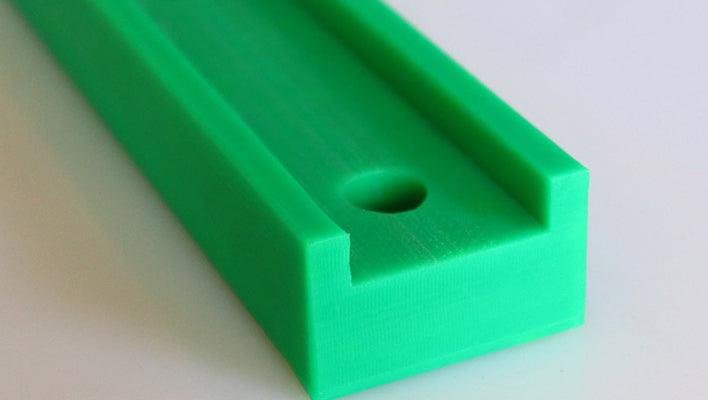
Ultra High Polymer Polyethylene Guide Strip

Ultra High Molecular Weight Polyethylene (UHMW) sheets are gradually gaining prominence across various industries requiring materials with high strength, durability and chemical resistance. Compared to traditional plastics, UHMW sheets manifest exceptional properties like abrasion resistance, low friction coefficient and impact resistance.

🎉 Limited Time Offer

Use code: QR4GNY08SHVR at checkout and enjoy a special discount on your entire order!
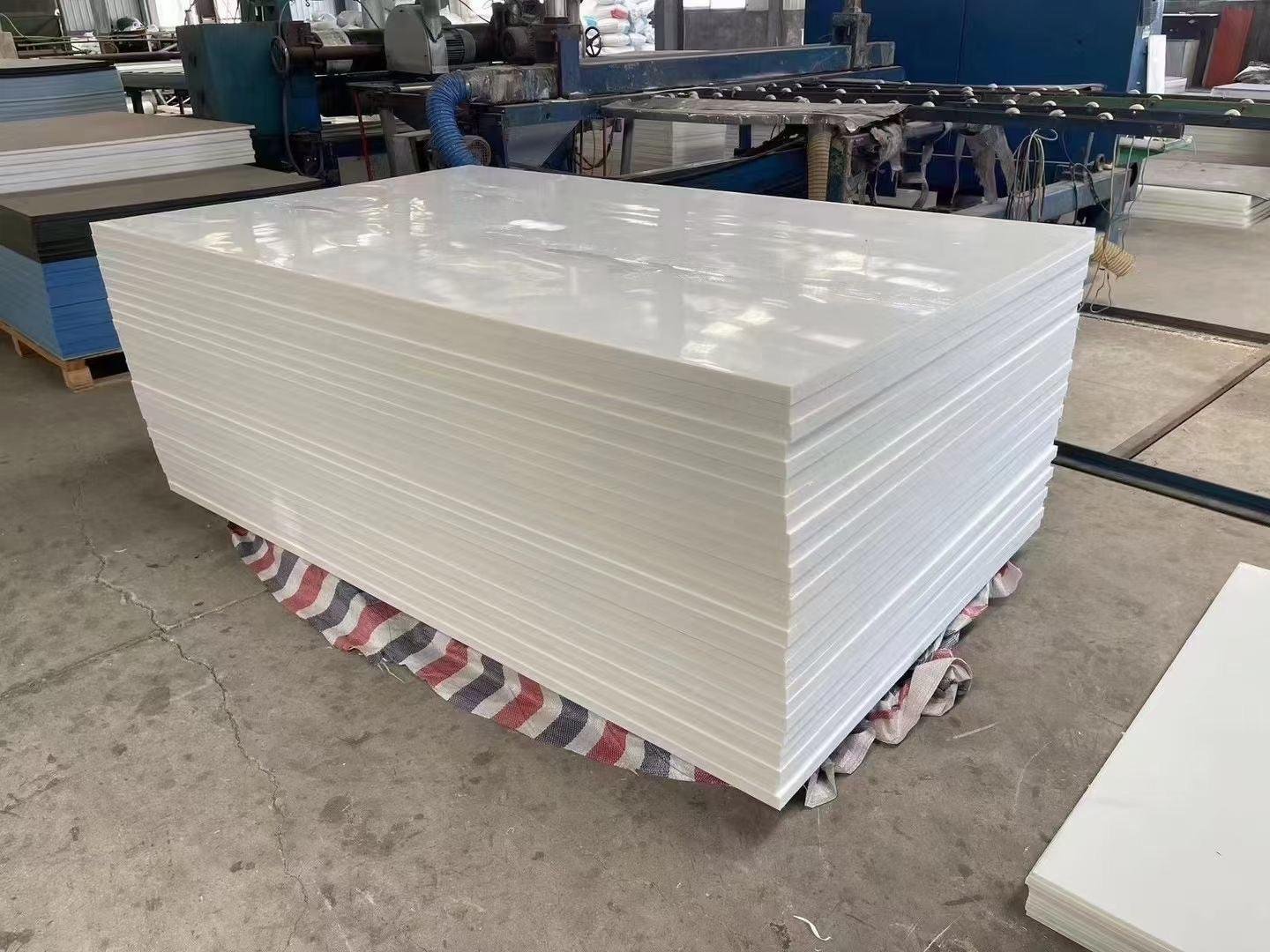
👉 Shop UHMWPE Plastic

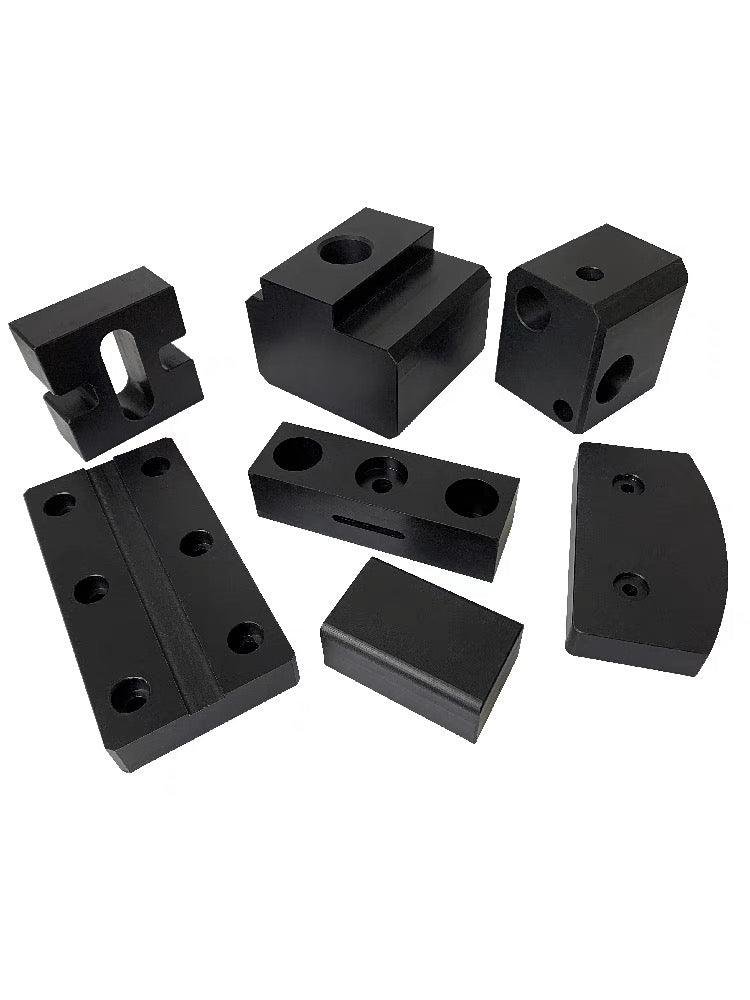
Custom machined UHMW PE plastic sheets and parts

As demands grow for lightweight and reliable materials in manufacturing, UHMW rises as a sustainable and cost-effective alternative to metals or wood. Global UHMW sheets market is projected to reach $1.8 billion by 2027, at an annual growth rate of 9.4% from 2020 to 2027 (Allied Market Research).

Hence an in-depth comparison of UHMW’s properties with existing thermoplastics is meaningful for both engineers and procurement managers innovating this versatile material into their production line or end-products. This article provides a detailed feature-by-feature analysis on how UHMW polyethylene fares across key parameters and helps identify the right fit for specific applications.

What are UHMW Sheets?

UHMW belongs to the broader family of polyethylene plastics, but with an ultra high molecular weight (3.1 to 6 million g/mol) that sets it apart. These long polymer chains bolster UHMW with exceptional strength and resistance capacities suited for the most demanding applications.

Some standout properties of UHMW sheets are:

  • Extreme abrasion resistance, beyond other engineering plastics

    • Up to 250 times of HDPE, 500 times for polypropylene
  • Low coefficient of friction

    • Static COF: 0.1 to 0.3, Dynamic COF: 0.03 to 0.3
  • High impact strength

    • No break up to -150°C, suitably performing at sub-zero temperatures
  • Lightweight, EASY to fabricate into components using CNC plastic machining services.
  • Excellent chemical resistance to acids, bases, alcohols etc.
  • Weathering resistance, stable against UV rays, moisture etc.
  • Bio-inertness.
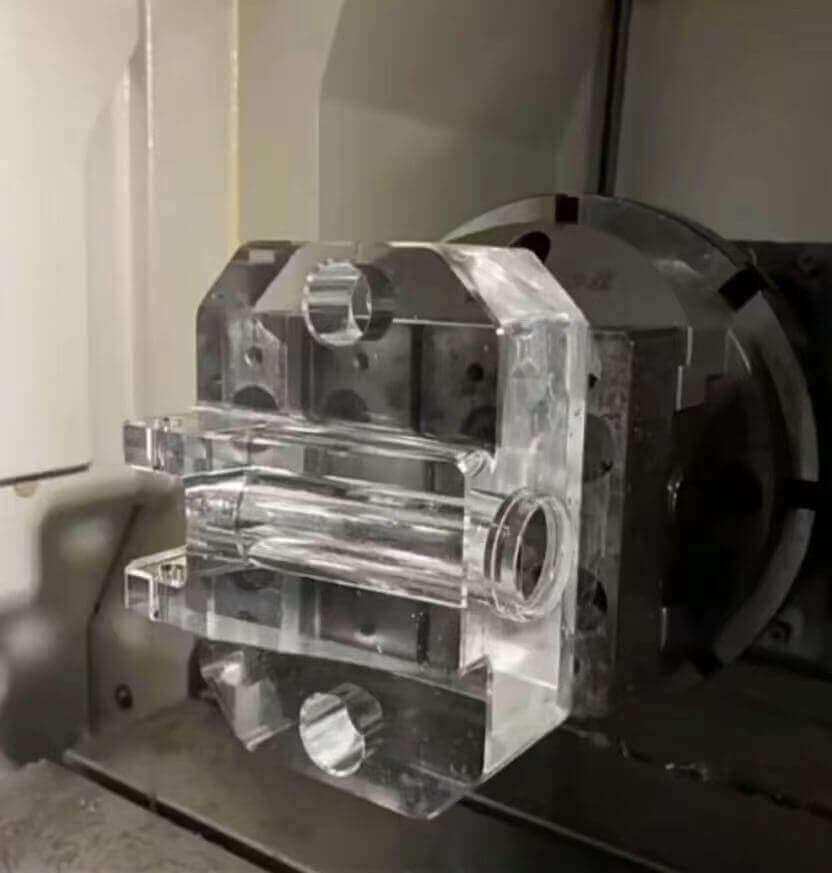
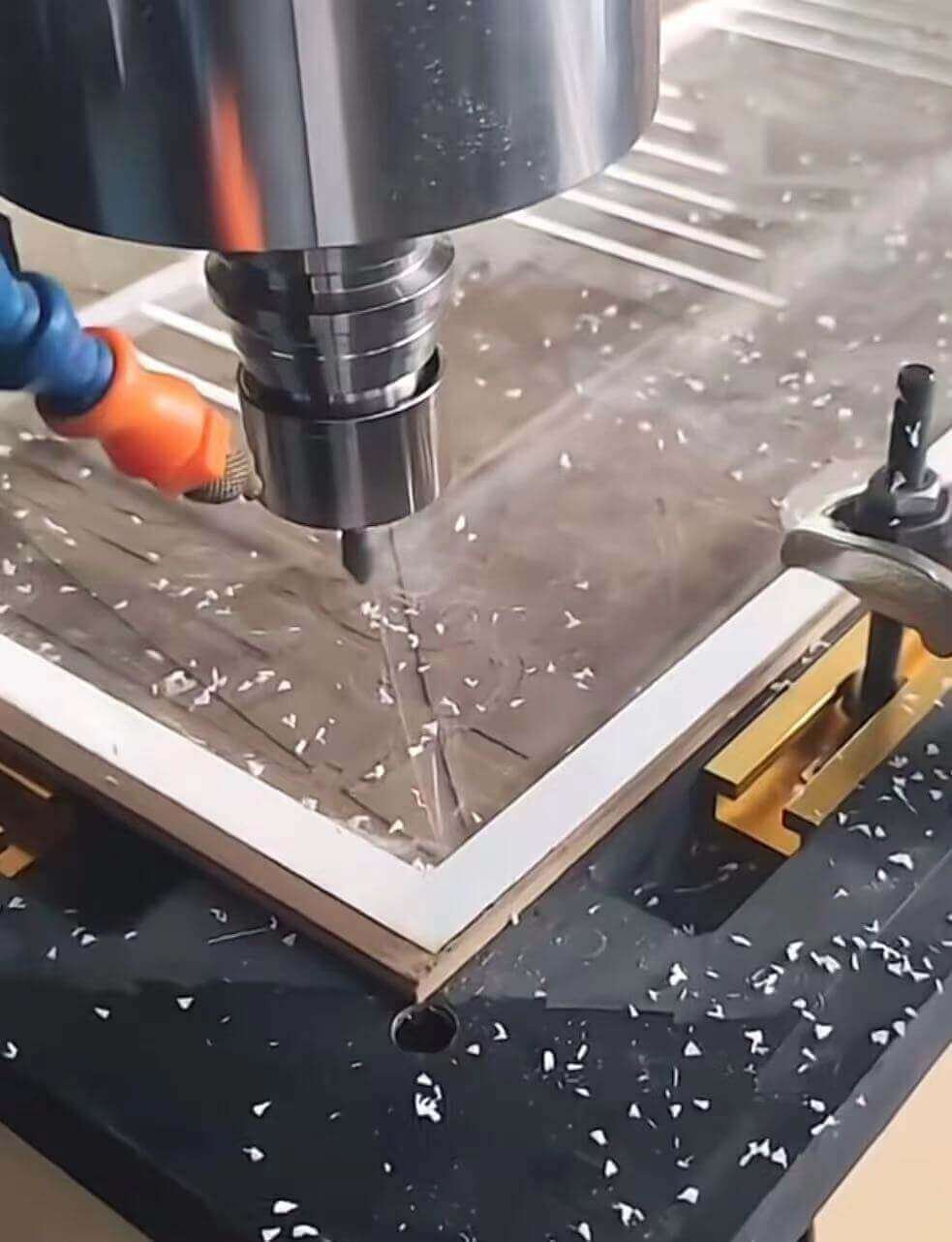
UHMW PE plastic CNC machining center and custom parts

Owing to this exclusive combination of features, UHMW sheets find widespread use in parts and components exposed to friction, corrosion, harsh weather elements or requiring to withstand impact. This includes materials handling equipment, dock fenders, star-wheels, conveyor side guards, processing machine parts amongst others. Further sections analyze how UHMW sheets fare when compared to other competing plastics.

Detailed Comparison with Other Plastics

1. UHMW vs Acrylic
Transparent Acrylic Sheet vs UHMW

Acrylic is a popular material when optical clarity and UV resistance are vital, for applications like signboards, aquariums, lenses or lighting fixtures. But UHMW trumps heavily in mechanical strengths.

UHMW sheets have outstanding abrasion resistance that acrylic lacks, causing the latter to become stress cracked and opaque under repeated surface wear conditions. UHMW retains dimensional stability and functionally even when dragged over abrasive belt surfaces over long durations.
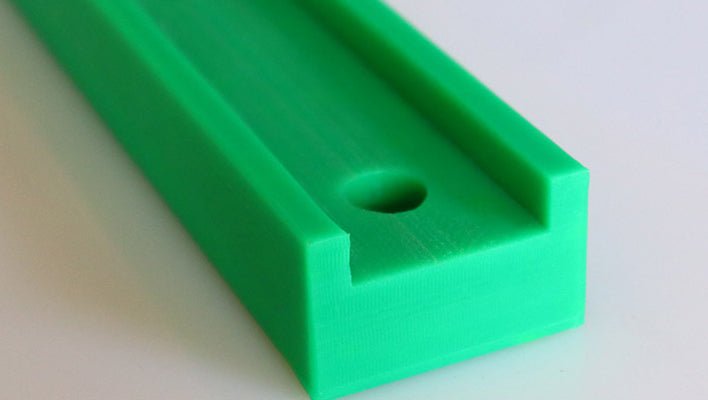
Customized Ultra High Polymer Polyethylene Sheathing

This durability is vital in parts like conveyor side guards, hopper liners for movement of hard minerals, blast booth wall protection applications demanding wear resistance under heavy friction conditions etc. Tests have revealed UHMW sheets to demonstrate abrasion resistance of 4-10 times that of acrylic material.

Further, UHMW’s resistance to corrosive chemicals and most solvents gives it an edge over acrylic’s higher susceptibility when chemical contact is involved. Acrylic tends to crack easily upon exposure to chemicals like acetone, methylene chloride or dimethyl formamide that UHMW withstands.

That said, acrylic continues to be a choice material when optical clarity is required, like in sterile transparent panels or green house glazing applications. But UHMW steals the show in mechanical wear performance – vital for parts seeing high friction contact.

2. UHMW vs HDPE

High density polyethylene (HDPE) is known for excellent chemical resistance properties. Combined with low coefficient of friction, HDPE sees widespread use in the bottle, container and packaging industry.

However, HDPE has much lower abrasion and scratch resistance capacities compared to UHMW. On relative scale, UHMW demonstrates nearly 100-250 times the wear strength of HDPE material. Thus while HDPE suffices for packaging applications seeing limited mechanical wear, UHMW is the material of choice where friction and scratch resistance are vital – like in conveyor side guards, chute/hopper liners, gear wheels etc.

Further, UHMW demonstrates superior low temperature impact strength retaining good tensile strength even at cryogenic temperatures as low as -150°C. HDPE turns brittle and gets fracture prone upon lower temperature exposure below -60°C. Thus UHMW demonstrates better versatility – combining chemical inertness for which HDPE is known – while also possessing mechanical strengths much higher.
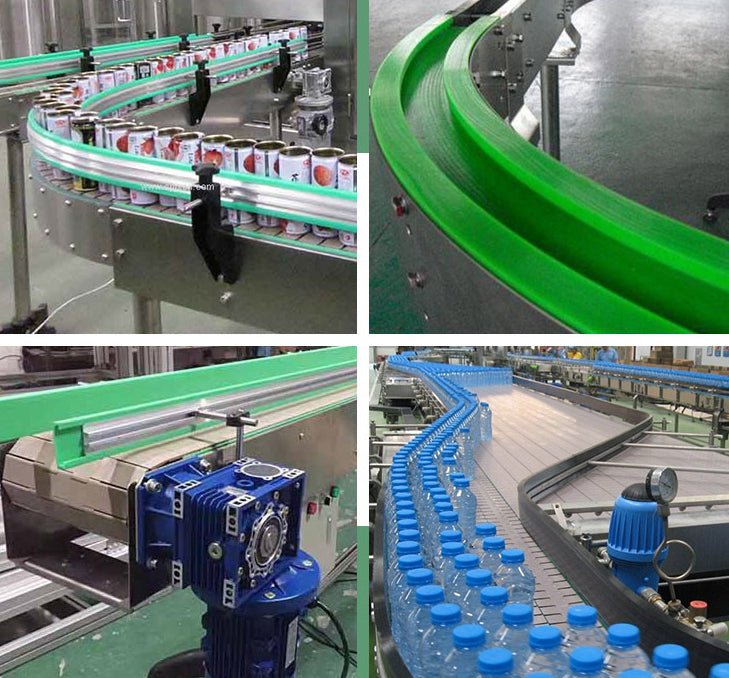
Ultra-high polymer polyethylene conveying line side plate vs HDPE

3. UHMW vs Polycarbonate and PVC

Polycarbonate CNC machining parts

Polycarbonate is a high performing clear amorphous thermoplastic. Optical clarity combined with high impact strength and heat resistance makes polycarbonate a good choice for applications like machine covers, lenses, transparent sheeting.

PVC or Polyvinyl chloride offers excellent corrosion resistance like UHMW, which when combined with low cost, makes it attractive for the construction industry – pipes, window frames, door / window fittings like handles etc.

But UHMW sheets outperform both polycarbonate and PVC on parameters like tensile/compressive strength, rigidity, abrasion resistance and bearing strength. UHMW offers 2-10 times the abrasion and wear resistance of polycarbonate and PVC, thus proving more long lasting in mechanically wearing conditions. Tests reveal that UHMW retains functionality despite loss of 250 times more volume material loss to wear, compared to PVC and acrylic plastics.

Further, while initial material price per pound of UHMW is higher than polycarbonate and PVC, the exponential lifecycle cost gains due to exceptional operational durability provide better value over longer term.

Unique Advantages of UHMW Sheets

We observed how UHMW sheets fare comparably or outperform acrylic, HDPE, polycarbonate and PVC on several vital parameters. But what truly sets UHMW apart is some unique value offerings:

  • 🛡️ Abrasion Resistance – UHMW demonstrates abrasion resistance upto hundreds of times stronger than competing plastics. This contributes to exceptionally long working lifespans over 30-40 years in abrasive conditions.
  • ❄️ Impact Resistance – With high strength retention even as temperatures dip to sub-zero ranges, UHMW provides consistent impact resistance performance over a wide working temperature range of –150°C to +80°C.
  • 🧪 Chemical Resistance – Broad chemical compatibility allows use of UHMW parts in chemical transport, storage equipment – resisting exposure to acids, alkalis, ethanol, fuels etc.
  • 🔇 Noise Dampening – Up to 20-25% lower noise ranges during functioning compared to metals – an additional side benefit.
  • 🍽️ Bio-inertness – No reactivity or leaching into food media as per FDA compliance enables extensive usage replacing stainless steel in food production equipment.
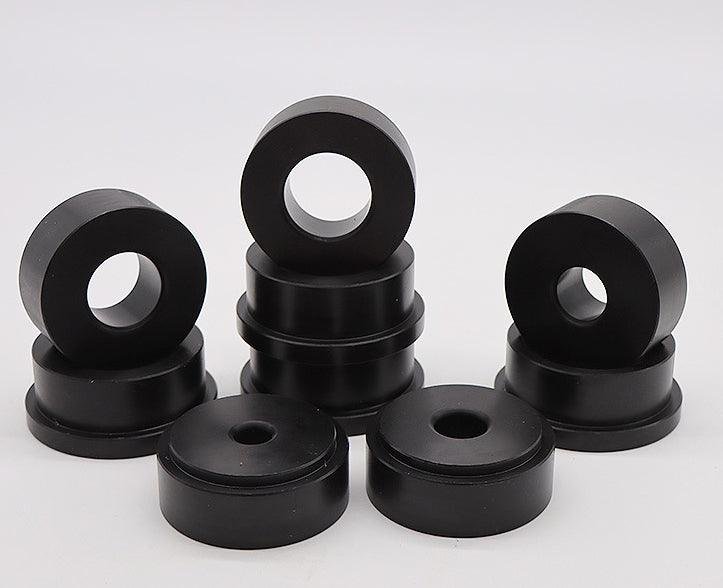
Sustainable UHMW plastic recycling

Above advantages make UHMW a high performing substitute choice invading traditional metal, wood and alloy applications across industries. Custom potential through machining or molding capacities contributes to its growing appeal.

Further, easy disposability after use and recycling without deterioration of properties grant UHMW environmentally responsible credentials.

Applications and Versatility

We saw UHMW’s expanding penetration as an effective alternative dislodging hazardous plastics, conventional materials like wood, rubber, steel from demanding applications. A few areas worth highlighting where UHMW brings tremendous value are:

  • Food Processing – Compliant for direct food contact as per FDA, UHMW offers corrosion resistance replacing metals combined with mechanical wear strength vital for equipment life. Used in extruders, slicers, dicers, conveyors etc.
  • Mining – Hopper, chute, screen and vibrating equipment liners benefit from UHMW’s shielding against highly abrasive ores/minerals handled.
  • Chemical Transport – Whole tanker bodies, valves, seals being actively replaced by custom molded UHMW parts, preventing cross contamination while offering structural reliability.

From telescope mirror covers needing scratch protection, to field research station wall panels in Antarctica able to withstand freezing temperatures, to portable synthetic ice rink surfaces, UHMW demonstrates versatile utility across vastly different engineering domains.

UHMW applications in engineering design also gain from UHMW’s lubricant-free movement as well as noise dampening abilities. Expanding customization and secondary fabrication potential enables meeting specific user requirements.

Engineering applications of UHMW sheets

Cost and Manufacturing Considerations
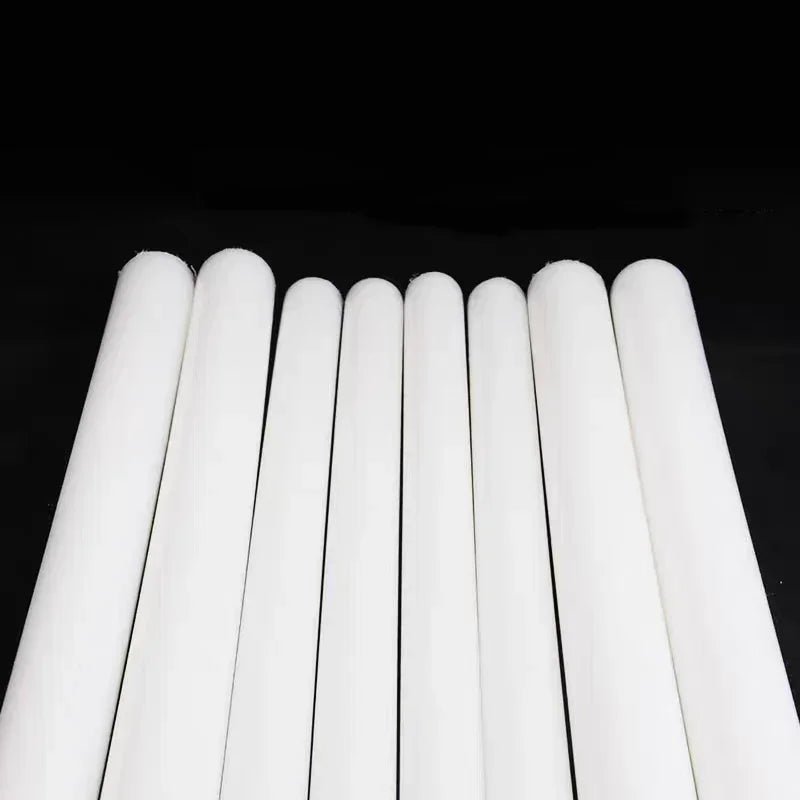
Plastic rod cutting service for processing equipment

Against perception of plastic solutions being low-cost, UHMW sheets come at a higher initial purchasing price than competing plastics. However the exponential gains in operational lifespan and low replacement frequency offset this initial investment.

Industry pricing of standard UHMW sheets – 2m x 1m of 10mm thickness, range within US$ 250-400 per sheet. Compared to other materials (metals, fiberglass) for equivalent sized sheets/plates used in high wearability applications, UHMW remains overall economical choice considering lifecycle.

On manufacturing front, choice of quality assurance and sustainability practices by producers merits consideration:

  • UHMW manufacturers with in-house resin production offer consistency versus compounding from external resin sources
  • Quality certifications like FDA, REACH, RoHS signal controlled and standardized manufacturing practices
  • Environmentally responsible production – non-toxic emissions, recycling practices etc add value

Procurement decision makers stand to gain by factoring these aspects influencing quality, replacement cycles and ESG performance.

Manufacturing & Disposal Considerations

An important contributor to UHMW sheets’ growing appeal is the relative ease and environment-friendliness related to both manufacture as well as post-use disposal.

Manufacturing

  • Base polyethylene resin manufacture uses heat, pressure and Ziegler-Natta catalysts
  • Sheets made through calendaring and compression molding offer dimensional stability
  • Ease of custom fabricating – machining, laser cutting, welding, secondary molding
  • Consistent quality output aided by process automation

Disposal

Sustainable virtues are:

  • Recyclability – Capability to reprocess and repurpose post-use UHMW instead of landfill waste
  • Non-toxic – Free of additives like plasticizers or BPA, avoids soil/groundwater contamination
  • Chemically inert, non-hazardous emissions when incinerated
  • Low carbon footprint relative to traditional materials like metals/alloys

Thus UHMW scores on safe recyclability and environmentally clean exit from usable lifecycle.

Conclusion

Diverse UHMW sheets for specific industries

Through a detailed comparison of material properties, performance metrics and end-application fitment analysis, this guide aims to develop an understanding into:

  • The composition and properties of UHMW sheets
  • How they compare against workhorse plastics – acrylic, HDPE, polycarbonate and PVC
  • The unique advantages UHMW presents over competing materials
  • Diverse expanding application landscape for UHMW sheets
  • Cost, manufacturing & sustainability considerations

Engineers exploring UHMW as a high-strength substitute even in demanding applications can make an informed adoption decision based on above comparative understanding.

UHMW sheets for specific industries With custom fabricating ease, recyclability and long operational lifespan, UHMW sheet usage continues strong growth across industries like bulk materials handling, food processing, mining, transportation, sports infrastructure etc.

FAQs

Q1. How easy or difficult is it to machine UHMW sheets into custom parts compared to metals and fiberglass?

Answer: UHMW is significantly easier to machine than metals and does not produce hazardous dust like fiberglass. It can be milled, turned, sawed, and drilled using standard plastic working tools. However, due to its low friction and potential for heat build-up, sharp tools and correct feed rates are essential for precision CNC machining.

Q2. Which plastic would last longer in an outdoor application – UHMW or Polycarbonate? How do their weathering resistances compare?

Answer: For pure weather/UV resistance without modification, Polycarbonate generally performs better than standard natural UHMW, which can degrade under intense UV. However, for durability in outdoor abrasive environments (like mining chutes), a UV-stabilized grade of UHMW will vastly outlast Polycarbonate due to superior wear resistance.

Q3. Can UHMW sheets withstand freezing temperatures without growing brittle or losing impact strength?

Answer: Yes, absolutely. UHMW is one of the distinct plastics that Retains its high impact strength even at cryogenic temperatures as low as -150°C. Unlike HDPE or PVC which may become brittle and crack, UHMW remains tough and reliable in freezing conditions.

Unlock the Potential of UHMW Plastic for Your Projects: Your Gateway to Customized Solutions!

Are you on the lookout for top-tier UHMW Plastic for your next big project, or simply eager to dive deeper into its possibilities? Look no further! At BeePlastic, we’re not just suppliers; we’re innovators and craftsmen in the world of custom plastic processing and production.

Our dedicated team of engineering experts, armed with precision CNC equipment, stands ready to tailor plastic solutions that align perfectly with your unique specifications and budget. We’re more than just a service; we’re your partners in bringing visions to life.

Ready to take the first step or have questions? Click above for Custom UHMW Plastic solutions and let’s start a conversation that could transform your ideas into reality!

🎉 Limited Time Offer Reminder: Use code QR4GNY08SHVR at checkout!

Leave a comment


Please note, comments must be approved before they are published


Custom Plastic Fabrication

Send your drawing, material and quantity for review

🔧
Precision Machining
CNC milling & turning
✂️
Cutting & Engraving
Laser & waterjet cutting
🏭
Forming & Molding
Thermoforming & injection
🔗
Joining & Assembly
Welding & bonding
📐
Design & Prototyping
CAD design & samples

General

HDPE

PP

PVC

ABS

Engineering

POM

Nylon

PC

PMMA

High-Performance

PEEK

PEI

PTFE

Composites

FR-4

G10

Flexible

TPU

Silicone

Why Choose BeePlastic?

🎯
Perfect Fit
Custom specs eliminate adaptation needs
⚡
Clear Lead Times
Lead time confirmed with every quote
💰
Volume Pricing
Volume pricing available on bulk orders
🤝
Expert Support
Free engineering consultation included
📋
Submit
→
🔍
Review
→
💵
Quote
→
✅
Production
→
📦
Deliver

Request a Quote

Share your project details, selected material and quantity on our quote page. You can add a file link or use the email drawing route shown there.


Request Quote

Industries: Automotive • Medical • Food • Lab • Semiconductor

beeplastic@beeplastic.com


The Ultimate Material Showdown: HDPE Sheets vs. Other Plastics

HDPE sheets and rods

Selecting the right material for your project can make all the difference between success and failure. Using a material not suited for the intended application can lead to product failure, high replacement costs, and disappointed customers. Of all the plastic materials available, high-density polyethylene (HDPE) sheets offer an optimal balance of properties and affordability for a wide range of applications.

But how exactly does HDPE compare to other popular plastics like acrylic, PVC, polycarbonate, and ABS? This article provides an in-depth comparison of HDPE sheets and other plastics to help you make an informed decision when choosing materials for your next CNC plastic machining or fabrication project.

Custom-cut food-safe HDPE boards for commercial kitchens and manufacturing

🎉 Limited Time Offer

Use code: QR4GNY08SHVR at checkout and enjoy a special discount on your entire order!

👉 Shop HDPE Plastic Now

Understanding HDPE Sheets

HDPE sheets are a versatile, durable, and cost-effective plastic material made from thermoplastic polyethylene. The high-density designation indicates its higher strength relative to lower density polyethylene. HDPE sheets have a smooth surface and a resistance to moisture, chemicals, and impact. Their well-balanced physical and mechanical properties make HDPE sheets suitable for a diverse range of applications across many industries.

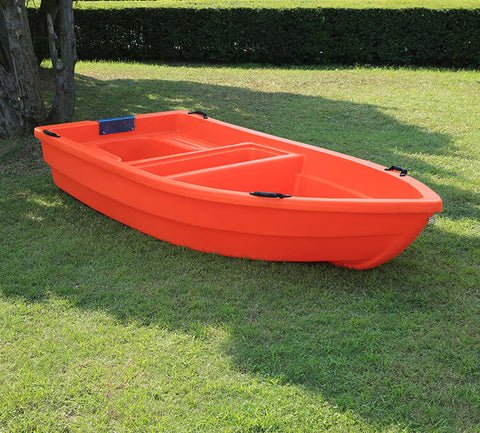
HDPE boat marine application

Common uses of HDPE sheets include signage, display cases, construction materials, chemical tanks, playground equipment, marine parts, and more. HDPE’s high strength-to-density ratio, weather and chemical resistance, easy machinability (perfect for CNC milling), and affordability make it an ideal choice for both indoor and outdoor applications. HDPE sheets up to several inches thick are extruded and thermoformed into a variety of shapes for end-use products.

The Plastic Comparison Breakdown

How does HDPE compare against other common plastics? Here is an overview:

Material Strength Impact Resistance Weatherability Chemical Resistance Price
HDPE Good Fair Excellent Good Low
Acrylic Medium Poor Good Poor Medium
PVC Good Good Fair Good Low
Polycarbonate Excellent Excellent Good Good High
ABS Good Good Poor Medium Medium

As we can see, HDPE offers a unique balance of properties compared to other plastics:

  • HDPE vs. Acrylic: HDPE is far more durable and weather-resistant than acrylic. Acrylic has clarity benefits but lacks strength.
  • Benefits of HDPE sheets over PVC: HDPE matches PVC’s strength but has superior weather resistance. It is also safer and more environmentally friendly.

Let’s take a more in-depth look at how the properties of HDPE and other plastics affect material selection.

Green HDPE processed parts custom machining

Analyzing Plastic Properties

A key property to consider when choosing a plastic is its durability. HDPE has excellent impact strength and tensile strength properties which allow it to withstand various long-term loads and impacts without cracking or deforming. HDPE maintains its mechanical strength and chemical resistance in both indoor and outdoor environments. Its high durability makes it suitable for load-bearing structures, playgrounds, marine applications, and more.

Acrylic and polycarbonate have clarity and optical benefits over HDPE but lack its sheer strength. Items like acrylic displays will show wear and scratches over time. PVC can become brittle in outdoor settings. HDPE’s durability outperforms these alternatives. For high-impact applications demanding resilience, plastic materials like HDPE and ABS have sufficient toughness. Polycarbonate also has extremely high impact strength but at a higher cost.

Environmental Considerations in Material Selection

HDPE is one of the most recycled plastics today, with recycling rates continuing to increase. It is accepted by most curbside recycling programs. Recycled HDPE pellets and resin are remanufactured into many new plastic products. This gives HDPE environmental benefits over other plastics.

PVC contains hazardous additives and limited recycling options, while polycarbonate does not readily biodegrade. Acrylic’s lack of strength means products require frequent replacement. The durability and recyclability of HDPE make it a more eco-friendly choice with lower long-term environmental impact. LEED and other green building standards recognize HDPE as a preferred plastic.

Plastic Recycling Sustainable Materials

HDPE for Outdoor and Construction Use

The weather and UV resistance of HDPE makes it ideal for long-term outdoor usage. HDPE retains its mechanical properties and appearance over years of sun, snow, and temperature extremes. It does not require surface protection or frequent replacement like other plastics. Common applications include:

  • HDPE sheets for outdoor signs, marine components, playground structures
  • Agricultural storage units, chemical tanks
  • Construction wall lining, vapor barriers
  • Stadium seating, decking

HDPE is also widely used in industrial fabrication and construction:

  • Chemical plant equipment and piping
  • Mining equipment, waste management parts
  • Spacers, compression frames, and structures via CNC turning
  • Road barriers, construction site sheeting

Its machinability, weldability, and corrosion resistance allow HDPE to be easily formed into durable parts able to withstand heavy loads. HDPE is lighter than metals and reduces transportation costs. Whether you need standard sheets or cut-to-size panels, HDPE delivers performance.

HDPE card strip flexible

Cost-Effectiveness of HDPE Sheets

HDPE is one of the most affordably priced plastic materials. Dollar for dollar, it offers high durability and performance capabilities comparable to costlier engineering plastics. While acrylic, polycarbonate, and ABS provide certain benefits, their price can be 2-5 times higher than HDPE.

Over the lifetime of a product, HDPE’s lower purchase cost and reduced replacement frequency compared to other plastics make it a cost-effective investment. Its energy efficiency in manufacturing and favorable recycling value also provide long-term savings. HDPE strikes an optimal balance between performance and economics.

With its well-rounded mechanical properties, chemical resistance, durability, and recyclability, HDPE is a versatile and eco-friendly plastic for a wide range of applications. It compares favorably to materials like acrylic, PVC, polycarbonate, and ABS across factors like weatherability, impact resistance, and price. Taking the time to analyze and compare plastic properties ensures you select the ideal material to maximize product performance while minimizing costs and environmental impact. For many applications, HDPE provides an optimal combination of strength, lifespan, and affordability. When searching for your next construction material or component plastic, keep HDPE sheets in mind as a tried-and-true choice.

HDPE sheets and rods standard sizes

Ready to Start Your Project?

If you are interested in using HDPE Plastic in your project or want to learn more, welcome to contact us. We are a professional supplier and manufacturer of all kinds of plastic custom processing and production. With a professional team of engineers and precision equipment, we provide customized plastic solutions that meet your specifications and budget.

We are happy to serve you and help you fulfill your needs. Do you need a free quote or help with any questions?

🎉 Don’t forget code: QR4GNY08SHVR

Leave a comment


Please note, comments must be approved before they are published


Custom Plastic Fabrication

Send your drawing, material and quantity for review

🔧
Precision Machining
CNC milling & turning
✂️
Cutting & Engraving
Laser & waterjet cutting
🏭
Forming & Molding
Thermoforming & injection
🔗
Joining & Assembly
Welding & bonding
📐
Design & Prototyping
CAD design & samples

General

HDPE

PP

PVC

ABS

Engineering

POM

Nylon

PC

PMMA

High-Performance

PEEK

PEI

PTFE

Composites

FR-4

G10

Flexible

TPU

Silicone

Why Choose BeePlastic?

🎯
Perfect Fit
Custom specs eliminate adaptation needs
⚡
Clear Lead Times
Lead time confirmed with every quote
💰
Volume Pricing
Volume pricing available on bulk orders
🤝
Expert Support
Free engineering consultation included
📋
Submit
→
🔍
Review
→
💵
Quote
→
✅
Production
→
📦
Deliver

Request a Quote

Share your project details, selected material and quantity on our quote page. You can add a file link or use the email drawing route shown there.


Request Quote

Industries: Automotive • Medical • Food • Lab • Semiconductor

beeplastic@beeplastic.com


POM vs Other Engineering Plastics: A Comprehensive Comparison

POM plastic

If you are looking for a high-performance engineering plastic that can withstand demanding conditions, you might have heard of POM. POM, or polyoxymethylene, is a thermoplastic polymer that has excellent mechanical, thermal, and chemical properties. It is widely used in various industries, such as automotive, medical, electrical, and consumer goods.

POM plastic rods and sheets

🎉 Limited Time Offer: Use code QR4GNY08SHVR at checkout and enjoy a special discount on your entire order! Shop POM plastic 👉

But how does POM compare with other engineering plastics, such as nylon, ABS, and PET? These plastics are also popular choices for many applications, and they have their own strengths and weaknesses. In this article, we will compare POM with nylon, ABS, and PET in terms of mechanical properties, thermal properties, chemical resistance, and cost. We will also provide some examples of applications where each plastic is preferred.

Mechanical Properties

One of the main criteria for comparing different plastics is their mechanical properties. These include strength, stiffness, toughness, impact resistance, wear resistance, and fatigue resistance. Mechanical properties determine how well a plastic can handle stress, strain, impact, friction, and vibration.

CNC Machining POM Plastic

POM is known for its high strength and stiffness. It can resist deformation and maintain its shape under high loads and temperatures. It also has good toughness and impact resistance. It can absorb shocks and impacts without cracking or breaking. POM has excellent wear resistance and low friction. It can slide smoothly against other surfaces without wearing out or generating heat. POM also has good fatigue resistance. It can endure repeated stress cycles without losing its strength or stiffness.

Nylon is another strong and stiff plastic. It has high tensile strength and modulus. It can withstand stretching and bending forces without breaking or snapping. Nylon also has good toughness and impact resistance. It can handle shocks and impacts better than most plastics. Nylon has moderate wear resistance and low friction. It can slide against other surfaces with minimal wear or noise. Nylon has fair fatigue resistance. It can withstand some stress cycles but not as many as POM.

Nylon plastic
ABS plastic

ABS is a plastic that has moderate strength and stiffness. It has lower tensile strength and modulus than POM or nylon. It can handle some loads and temperatures but not as much as POM or nylon. ABS has good toughness and impact resistance. It can absorb shocks and impacts better than most plastics. ABS has fair wear resistance and low friction. It can slide against other surfaces with some wear or noise. ABS has poor fatigue resistance. It can lose its strength or stiffness after a few stress cycles.

PET is a plastic that has high strength and stiffness. It has higher tensile strength and modulus than POM or nylon. It can withstand high loads and temperatures without deformation or creep. PET also has good toughness and impact resistance. It can handle shocks and impacts better than most plastics. PET has poor wear resistance and high friction. It can slide against other surfaces with high wear or heat generation. PET also has poor fatigue resistance. It can lose its strength or stiffness after a few stress cycles.

PET plastic

Comparison POM Nylon ABS
Stiffness High High Moderate
Wear Resistance Excellent Moderate Fair

Thermal Properties

Another important criterion for comparing different plastics is their thermal properties. These include melting point, glass transition temperature, thermal expansion coefficient, thermal conductivity, heat deflection temperature, and flammability. Thermal properties determine how well a plastic can handle heat, cold, fire, and thermal stress.

POM has a high melting point of about 175°C (347°F). This means it can resist melting or softening at high temperatures. POM also has a high glass transition temperature of about 105°C (221°F). This means it can maintain its stiffness and strength at high temperatures. POM has a low thermal expansion coefficient of about 110 x 10^-6 /°C (61 x 10^-6 /°F). This means it does not expand or contract much when heated or cooled. POM has a low thermal conductivity of about 0.23 W/mK (0.13 BTU/hr ft °F). This means it does not conduct heat well from one part to another. POM has a high heat deflection temperature of about 110°C (230°F) at 0.46 MPa (66 psi) or 95°C (203°F) at 1.82 MPa (264 psi). This means it can resist deformation or sagging when heated under load. POM is flammable but self-extinguishing when removed from the flame source.

White POM plastic parts

Nylon has a lower melting point than POM, ranging from 160°C to 260°C (320°F to 500°F) depending on the type of nylon. This means it can melt or soften at lower temperatures than POM. Nylon also has a lower glass transition temperature than POM, ranging from 40°C to 80°C (104°F to 176°F) depending on the type of nylon. This means it can lose its stiffness and strength at lower temperatures than POM. Nylon has a higher thermal expansion coefficient than POM, ranging from 80 x 10^-6 /°C to 200 x 10^-6 /°C (44 x 10^-6 /°F to 111 x 10^-6 /°F) depending on the type of nylon. This means it can expand or contract more when heated or cooled than POM. Nylon has a higher thermal conductivity than POM, ranging from 0.25 W/mK to 0.4 W/mK (0.14 BTU/hr ft °F to 0.23 BTU/hr ft °F) depending on the type of nylon. This means it can conduct heat better from one part to another than POM. Nylon has a lower heat deflection temperature than POM, ranging from 60°C to 100°C (140°F to 212°F) at 0.46 MPa (66 psi) or 50°C to 80°C (122°F to 176°F) at 1.82 MPa (264 psi) depending on the type of nylon. This means it can deform or sag more when heated under load than POM. Nylon is flammable but self-extinguishing when removed from the flame source.

ABS has a lower melting point than POM, ranging from 105°C to 125°C (221°F to 257°F). This means it can melt or soften at much lower temperatures than POM. ABS also has a lower glass transition temperature than POM, ranging from 85°C to 110°C (185°F to 230°F). This means it can lose its stiffness and strength at much lower temperatures than POM. ABS has a higher thermal expansion coefficient than POM, ranging from 70 x 10^-6 /°C to 120 x 10^-6 /°C (39 x 10^-6 /°F to 67 x 10^-6 /°F). This means it can expand or contract more when heated or cooled than POM. ABS has a higher thermal conductivity than POM, ranging from 0.19 W/mK to 0.25 W/mK (0.11 BTU/hr ft °F to 0.14 BTU/hr ft °F). This means it can conduct heat better from one part to another than POM. ABS has a lower heat deflection temperature than POM, ranging from 85°C to 100°C (185°F to 212°F) at 0.46 MPa (66 psi) or 75°C to 90°C (167°F to 194°F) at 1.82 MPa (264 psi). This means it can deform or sag more when heated under load than POM. ABS is flammable but self-extinguishing when removed from the flame source.

PET has a higher melting point than POM, ranging from 250°C to 280°C (482°F to 536°F). This means it can resist melting or softening at higher temperatures than POM. PET also has a higher glass transition temperature than POM, ranging from 70°C to 90°C (158°F to 194°F). This means it can maintain its stiffness and strength at higher temperatures than POM. PET has a lower thermal expansion coefficient than POM, ranging from 50 x 10^-6 /°C to 80 x 10^-6 /°C (28 x 10^-6 /°F to 44 x 10^-6 /°F). This means it does not expand or contract much when heated or cooled than POM. PET has a higher thermal conductivity than POM, ranging from 0.24 W/mK to 0.34 W/mK (0.14 BTU/hr ft °F to 0.2 BTU/hr ft °F). This means it can conduct heat better from one part to another than POM. PET has a higher heat deflection temperature than POM, ranging from 115°C to 150°C (239°F to 302°F) at 0.46 MPa (66 psi) or 100°C to 130°C (212°F to 266°F) at 1.82 MPa (264 psi). This means it can resist deformation or sagging when heated under load better than POM. PET is flammable but self-extinguishing when removed from the flame source.

POM vs ABS CNC machining

Chemical Resistance

Another key criterion for comparing different plastics is their chemical resistance. This refers to how well a plastic can resist corrosion, degradation, or dissolution by various chemicals, such as acids, bases, solvents, oils, fuels, and water. Chemical resistance determines how long a plastic can last in a harsh environment without losing its properties or functionality.

POM has good chemical resistance to most chemicals. It can resist corrosion by acids, bases, solvents, oils, fuels, and water. It can also resist hydrolysis and oxidation. However, POM is not resistant to strong acids, such as sulfuric acid or nitric acid. It can also be attacked by chlorine or ozone.

Nylon has fair chemical resistance to most chemicals. It can resist corrosion by some acids, bases, solvents, oils, fuels, and water. It can also resist oxidation. However, nylon is not resistant to strong acids or bases. It can also be hydrolyzed by water or steam at high temperatures or pressures.

ABS has poor chemical resistance to most chemicals. It can be corroded by acids, bases, solvents, oils, fuels, and water. It can also be oxidized by air or sunlight. ABS is especially vulnerable to organic solvents, such as acetone or benzene.

PET has good chemical resistance to most chemicals. It can resist corrosion by acids, bases, solvents, oils, fuels, and water. It can also resist hydrolysis and oxidation. However, PET is not resistant to strong acids or bases. It can also be attacked by some organic solvents, such as methylene chloride or chloroform.

Summary

In this article, we have compared POM with other engineering plastics such as nylon, ABS, and PET in terms of mechanical properties, thermal properties, chemical resistance, and cost. We have seen that POM is a versatile and high-performance engineering plastic that can meet various requirements for different applications. However, POM is not perfect and it has some limitations and disadvantages compared to other plastics.

Therefore, when choosing the best plastic for a specific application, it is important to consider several factors such as:

  • The design and function of the part
  • The operating conditions and environment of the part
  • The performance and durability requirements of the part
  • The availability and affordability of the plastic

By doing so, you can select the most suitable plastic that can deliver the best results for your project.

I hope you found this article helpful and informative. If you have any questions or comments about POM or other engineering plastics, please feel free to contact me or leave a comment below. I would love to hear from you and answer your queries. Thank you for reading and have a great day!

You are interested in trying out POM material products or would like more information, please come and harass us. We’d love to be bothered by you and help you with your needs. Whether you need a free quote or any questions about the material or help with its use.

GET A CUSTOM QUOTE

SHOP POM STANDARD PARTS

Don’t forget code: QR4GNY08SHVR

Leave a comment


Please note, comments must be approved before they are published


Custom Plastic Fabrication

Send your drawing, material and quantity for review

🔧
Precision Machining
CNC milling & turning
✂️
Cutting & Engraving
Laser & waterjet cutting
🏭
Forming & Molding
Thermoforming & injection
🔗
Joining & Assembly
Welding & bonding
📐
Design & Prototyping
CAD design & samples

General

HDPE

PP

PVC

ABS

Engineering

POM

Nylon

PC

PMMA

High-Performance

PEEK

PEI

PTFE

Composites

FR-4

G10

Flexible

TPU

Silicone

Why Choose BeePlastic?

🎯
Perfect Fit
Custom specs eliminate adaptation needs
⚡
Clear Lead Times
Lead time confirmed with every quote
💰
Volume Pricing
Volume pricing available on bulk orders
🤝
Expert Support
Free engineering consultation included
📋
Submit
→
🔍
Review
→
💵
Quote
→
✅
Production
→
📦
Deliver

Request a Quote

Share your project details, selected material and quantity on our quote page. You can add a file link or use the email drawing route shown there.


Request Quote

Industries: Automotive • Medical • Food • Lab • Semiconductor

beeplastic@beeplastic.com