Polyurethane Plastic: Understanding PU Material, Its Structure, and Applications

Polyurethane Plastic

Polyurethane (PU) is one of the most versatile plastic materials available today, known for its incredible flexibility, durability, and wide range of applications. Whether you’re exploring rigid PU plastic sheets for structural components, or polyurethane coatings for industrial protection, this material offers solutions for various industries.

In this blog, I’ll break down the key properties of PU material, its unique chemical structure, and the reasons behind its widespread use. From its impressive hardness and density to its role in custom custom polyurethane products, you’ll understand why polyurethane applications continue to expand. Plus, I’ll compare polyurethane vs. polypropylene and explain how manufacturers customize PU plastic material for different uses.

🟩 Order Industrial-Grade PU Sheets and Rods with Confidence

BeePlastic offers durable polyurethane sheets and hollow rods ideal for impact-resistant, abrasion-resistant, and custom-mold applications.

  • ✅ Smooth Surface Finish & Precision Quality
  • ✅ Multiple Sizes Available (Thickness: 1mm – 100mm+)
  • ✅ Ships with Free Standard Delivery

🎉 Limited Time Offer: Use code QR4GNY08SHVR at checkout for a special discount!

Shop PU Board & Rods Now 👉

Polyurethane (PU) as a Plastic Material

Polyurethane (PU) is widely recognized for its exceptional versatility and resilience. Classified as a thermosetting plastic, it undergoes a chemical reaction during its manufacturing process that creates a permanent bond, making it resistant to melting or reshaping. This characteristic gives PU material a distinct advantage in industrial applications where long-term durability and resistance to harsh conditions are crucial.

What Makes Polyurethane (PU) Unique?

Polyurethane plastic can be produced in both flexible and rigid forms, allowing it to meet a broad spectrum of industrial requirements. Whether used for cushioning applications in its foam form or as rigid sheets for structural components, the adaptability of PU is unmatched.

Durability and Resistance to Wear

One of the standout features of PU plastic material is its high resistance to abrasion and wear. This makes it a preferred choice for machinery components, automotive parts, and other products that need to endure prolonged exposure to friction or harsh environments.

Chemical and Environmental Resistance

Polyurethane material is also highly resistant to chemicals, oils, and solvents, which further broadens its applications. In industries where exposure to such elements is frequent, PU products provide a reliable and long-lasting solution.

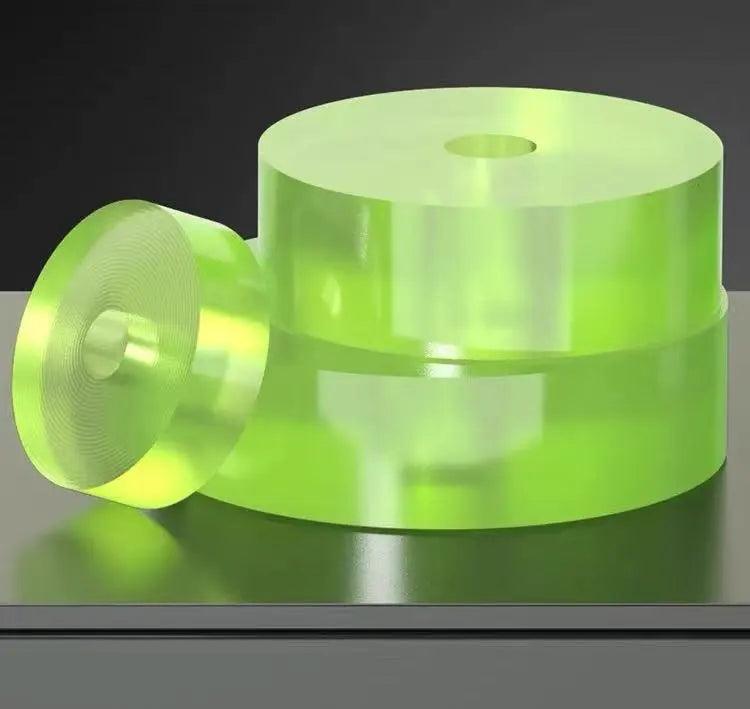
500x500mm polyurethane shim sheet (19.7 x 19.7 inches) – full size display

Applications of Polyurethane in Various Industries

The ability to tailor the properties of PU material makes it suitable for a wide range of applications. Flexible polyurethane foam is commonly used in automotive seating, furniture, and insulation, while rigid polyurethane sheets and coatings are often found in construction, flooring, and protective equipment.

Flexibility in Customization

The flexibility of polyurethane allows manufacturers to adjust its hardness, density, and other mechanical properties to meet specific industry needs. Whether it’s used for soft, cushioning materials or hard, load-bearing components, custom polyurethane products are essential across numerous sectors.

Why Choose Polyurethane Over Other Plastics?

In comparison to other materials like polypropylene, polyurethane offers greater mechanical strength, thermal stability, and chemical resistance. This makes it an ideal material for industries requiring products that can withstand both environmental stress and high-performance demands.

PU Plastic Sheets and Rods: Key Features and Customization Options

PU plastic sheets and PU rods are highly versatile materials used across various industries due to their customizable properties. From their thickness to hardness levels, polyurethane (PU) plastic can be tailored to meet specific industrial requirements, offering both flexibility for dynamic applications and rigidity for heavy-duty use.

Thickness Variations in PU Plastic Sheets and Rods

The thickness of PU plastic sheets is an important factor when determining their use in different applications. Thinner polyurethane sheets are typically employed in situations requiring flexibility, such as gaskets, seals, and liners. These thinner sheets conform to surfaces easily, making them ideal for applications where the material needs to adapt to irregular shapes.

On the other hand, thicker PU plastic sheets provide enhanced rigidity and are used in more demanding environments, such as machinery guards, protective pads, and heavy-duty flooring. The added thickness increases the material’s ability to absorb impact and resist wear, which is why thick PU sheets are favored for industrial settings involving heavy machinery or frequent mechanical stress.

Flexible Applications for Dynamic Industries

For industries requiring materials that can withstand constant movement and stress, thin polyurethane sheets offer the perfect balance of elasticity and durability. In automotive and construction industries, thinner PU rods and sheets are commonly used in dynamic components such as vibration dampeners and shock absorbers. Their ability to flex and return to shape without losing integrity ensures longevity in applications where traditional materials would degrade quickly.

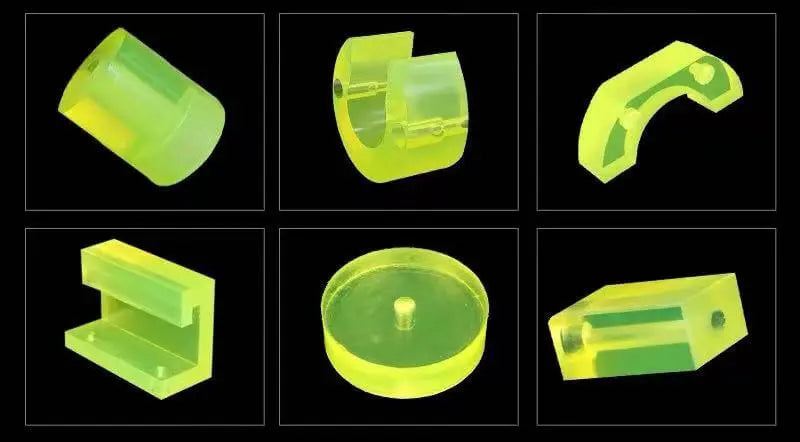
Custom molded polyurethane products in various colors and shapes

Hardness Levels and Customization

PU plastic can be produced in a wide range of hardness levels, measured using the Shore A and Shore D scales. This flexibility in hardness allows polyurethane rods and sheets to be customized for specific uses, from soft, flexible materials to extremely rigid structures.

Soft PU Plastic for Cushioning

Soft polyurethane sheets with lower hardness levels (measured on the Shore A scale) are used in applications where cushioning and flexibility are critical. For example, in seals, gaskets, and pads, soft PU provides the necessary compression and resilience to absorb energy while maintaining a tight seal. Flexible PU sheets are often found in the automotive and furniture industries, where comfort and durability are priorities.

Rigid PU for Structural Applications

At the other end of the spectrum, rigid polyurethane sheets with higher Shore D hardness ratings are used in structural applications that demand high strength and impact resistance. These rigid PU rods and sheets are commonly found in industrial equipment, machine parts, and protective coverings. Their toughness and durability make them ideal for applications where long-term performance is necessary, such as in heavy-duty flooring or machinery components.

Customization Options for PU Sheets and Rods

The ability to tailor PU plastic material to specific needs is one of the reasons it is so widely used across industries. Manufacturers can adjust the thickness, hardness, and density of PU plastic to meet the unique demands of different sectors. Whether you’re looking for a high-density polyurethane sheet for structural integrity or a soft PU rod for shock absorption, customization is key to maximizing the material’s effectiveness.

Adaptability in Various Industries

Industries such as aerospace, marine, and automotive all rely on custom polyurethane products to meet their specific needs. For instance, high-density PU foam is commonly used for marine flotation devices due to its water resistance and durability, while automotive components benefit from the impact resistance of rigid PU sheets.

By tailoring the chemical structure and physical properties of polyurethane sheets and rods, manufacturers can create materials that perform exceptionally well under diverse conditions, making PU plastic one of the most versatile materials in the market today.

Comparing Polyurethane and Polypropylene

Polypropylene production line - comparison of plastic materials

Polyurethane (PU) and polypropylene (PP) are two commonly used plastic materials in various industrial applications. While both offer benefits in terms of durability and flexibility, PU plastic often outperforms polypropylene in industries that demand longevity, environmental resistance, and chemical durability. Understanding the differences between these materials can help determine which is best suited for specific applications.

Durability: Polyurethane vs. Polypropylene

Superior Strength and Longevity of Polyurethane

Polyurethane is widely regarded for its high durability and resistance to wear. It is a thermosetting polymer, which means that once it is formed, it cannot be melted or reshaped. This inherent property provides long-lasting durability in industrial settings, making PU plastic ideal for applications that require heavy-duty performance. Products like PU plastic sheets and PU rods maintain their integrity even under constant mechanical stress, which is why polyurethane is often preferred in applications involving machinery components, industrial flooring, and heavy equipment.

In contrast, polypropylene is a thermoplastic material, meaning it can be melted and reformed. While this feature is useful for molding and recycling, polypropylene tends to break down more quickly when exposed to harsh conditions, particularly in applications involving high wear and abrasion. Polypropylene is more likely to suffer from cracks or fractures over time, especially in outdoor applications where exposure to UV light and temperature fluctuations is frequent.

Flexibility: PU Offers Greater Versatility

In terms of flexibility, polyurethane outperforms polypropylene. PU plastic material can be engineered to offer a wide range of flexibility options, from soft, flexible forms to rigid, durable structures. This adaptability allows polyurethane to be used in both dynamic applications that require frequent movement, such as shock absorbers and vibration dampeners, as well as in more structural roles, such as rigid foam panels used in insulation.

Polypropylene, while flexible, tends to be more brittle in colder environments and can crack under pressure or impact. Its lower flexibility compared to polyurethane makes it less suitable for applications requiring elasticity and long-term stress endurance.

Chemical Resistance: PU Excels in Harsh Environments

Chemical resistance is another critical factor that distinguishes polyurethane from polypropylene. PU coatings and PU plastic sheets are highly resistant to a wide range of chemicals, oils, and solvents, making polyurethane a reliable choice for industries like chemical processing, automotive, and oil and gas. The chemical resistance of polyurethane ensures that equipment and components last longer in environments where exposure to corrosive substances is common.

On the other hand, polypropylene also offers good chemical resistance but tends to degrade when exposed to certain solvents and acids. While it performs well in less aggressive environments, polypropylene may not be the best option for industrial settings where continuous exposure to harsh chemicals is unavoidable.

Applications: Why Polyurethane is Preferred in Industrial Settings

Polyurethane for Industrial and Heavy-Duty Uses

Given its durability, flexibility, and chemical resistance, polyurethane plastic is frequently chosen for industrial applications that require materials to withstand tough conditions. PU material offers a wide range of solutions for industries that prioritize longevity and performance.

For example, in automotive applications, polyurethane is often used for suspension bushings, engine mounts, and seals, where its ability to resist wear and withstand exposure to chemicals makes it a superior choice. Similarly, PU coatings are commonly applied to industrial machinery and flooring, where they protect against abrasion and corrosion.

Polypropylene for Lightweight and Cost-Effective Applications

While polypropylene is not as durable or flexible as polyurethane, it is often chosen for lightweight and cost-effective applications where longevity is not the primary concern. PP plastic is commonly found in consumer goods, packaging, and disposable items. Its ability to be molded easily into different shapes and its resistance to water and chemicals in less aggressive environments make it a viable option for products with shorter life cycles.

For instance, polypropylene is widely used in food containers, storage bins, and outdoor furniture, where cost efficiency and recyclability are key factors.

Customization and Adaptability

Both polyurethane and polypropylene can be customized for specific uses, but PU plastic offers greater versatility in terms of formulation. The ability to adjust density, hardness, and flexibility in PU products allows for more tailored solutions in demanding industries. In contrast, polypropylene is more limited in terms of hardness and rigidity, making it less adaptable to applications requiring specific performance characteristics.

By understanding the strengths of polyurethane over polypropylene, particularly in terms of durability, flexibility, and chemical resistance, it’s clear why PU plastic is often preferred for industrial applications that require long-term reliability.

Applications of Polyurethane Plastic in Various Industries

Polyurethane (PU) has become an indispensable material in numerous industries due to its unique combination of durability, flexibility, and resistance to various environmental factors. Its adaptability allows for extensive use across sectors such as construction, automotive, marine, electrical, and textiles, making it ideal for demanding environments that require high performance and reliability.

Structural Uses of Polyurethane in Construction

In addition to its role in insulation, polyurethane plastic sheets and PU rods are utilized as structural components in the construction sector. Their strength and rigidity make them suitable for reinforcing concrete and composite materials. The lightweight yet durable properties of PU plastic material reduce the overall weight of structural elements without compromising on strength, making it a preferred choice for modern construction applications.

Automotive Industry: Bushings, Seals, and Noise Dampening

Polyurethane in Automotive Components

The automotive industry relies heavily on polyurethane plastic for its ability to endure mechanical stress while maintaining flexibility. Polyurethane bushings are commonly used in suspension systems, where their ability to absorb shock and reduce noise is critical for improving vehicle performance and passenger comfort. The toughness of PU material allows these bushings to withstand prolonged exposure to wear, vibration, and chemical exposure without degrading.

🔧 Need Custom PU Parts for Specialized Applications?

We provide custom CNC machining, die-cutting, pouring, and milling of PU components tailored to your specific performance needs.

  • 📩 Get a Fast Quote: Simply upload your drawings to our engineers.
  • 🔷 Tolerance Control & Precise Color Matching.
  • 🔷 No MOQ: Custom Hardness from Shore A to D.

✨ Special Offer: Use code QR4GNY08SHVR to enjoy a discount on your order!

Submit Your Project Specs 👉

Electrical Industry: Insulation and Potting Compounds

PU for Electrical Insulation

Polyurethane is also widely used in the electrical industry due to its excellent dielectric properties. PU coatings and potting compounds are used to insulate electrical components and protect them from environmental factors such as moisture, heat, and chemicals. In applications where electrical equipment must be safeguarded against short circuits or physical damage, polyurethane insulation provides a reliable and long-lasting solution.

Potting and Encapsulation

For more delicate electrical systems, polyurethane potting compounds are employed to encapsulate electronic circuits and prevent damage from external forces. These compounds shield sensitive components from vibration, shock, and thermal fluctuations, which can otherwise lead to malfunctions or shortened lifespans of electronic devices.

Polyurethane’s Versatility Across Multiple Industries

The adaptability of polyurethane plastic allows it to serve a broad range of industries, from construction to automotive, marine, electrical, and textile applications. Its unique combination of durability, chemical resistance, and flexibility ensures that PU material remains a key component in many demanding environments, providing solutions that enhance performance, reduce costs, and extend the lifespan of products and structures.

Environmental Considerations and Recycling of Polyurethane

Close-up view of polyurethane sheet surface clarity

As industries increasingly focus on sustainability, the recyclability of polyurethane (PU) has come to the forefront of discussions. While polyurethane plastic has long been valued for its durability and versatility, its environmental impact has raised concerns. However, emerging recycling technologies and innovative production methods are making PU material more sustainable. These advancements allow industries like automotive and construction to reduce waste while maintaining the high performance of polyurethane products.

Recycling Methods for Polyurethane

Mechanical Recycling of Polyurethane

One of the most common methods for recycling polyurethane is mechanical recycling. In this process, PU foam and plastic materials are shredded into small pieces and then reprocessed into new products. This process, while relatively straightforward, is limited by the degradation of polyurethane’s mechanical properties after each recycling cycle.

For rigid polyurethane, mechanical recycling is used to create new building materials, including insulation panels. These products help to reduce the carbon footprint of new construction projects, making the recycling process highly valuable in the construction industry.

Chemical Recycling: Breaking Down Polyurethane to Its Base Components

Chemical recycling is a more advanced process that involves breaking down polyurethane into its base components, such as polyols and isocyanates. These components can then be used to create new polyurethane products. This method offers greater potential for producing high-quality recycled polyurethane while maintaining the material’s original performance properties.

Chemical recycling of PU materials is still being developed, but it holds promise for industries seeking to reduce waste without sacrificing material quality. Innovations in this area could revolutionize polyurethane recycling, making it easier to recycle large amounts of industrial PU waste.

Emerging Technologies for Sustainable Polyurethane Production

Bio-Based Polyurethane: A Renewable Alternative

One of the most exciting advancements in polyurethane production is the development of bio-based polyurethane, which uses renewable resources like plant oils instead of petroleum-based products. This reduces the reliance on fossil fuels and lowers the overall carbon emissions associated with PU manufacturing. Bio-based polyurethane also maintains the same performance characteristics as traditional polyurethane, making it a viable option for industries looking to improve their environmental impact.

Closed-Loop Recycling Systems for PU

Closed-loop recycling systems for polyurethane are becoming more common as industries look to minimize waste. In a closed-loop system, PU waste generated during manufacturing is collected, reprocessed, and reused to create new polyurethane products. This system helps reduce the need for raw materials and cuts down on industrial waste, making PU production more sustainable.

The development of these technologies marks a significant step forward in reducing the environmental impact of polyurethane while maintaining its critical role in industrial applications. Polyurethane’s recyclability and the shift toward more sustainable production methods ensure that it will continue to be a valuable material for the automotive, construction, and manufacturing industries.

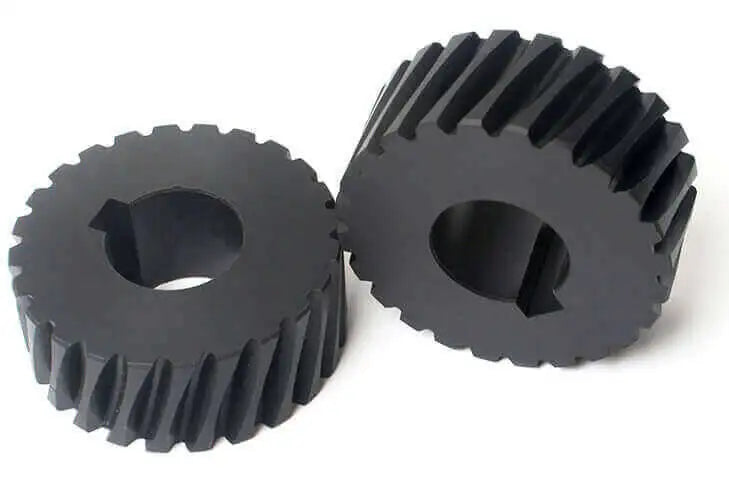
Assortment of polyurethane products and sheets

Frequently Asked Questions (FAQs) About Polyurethane Plastic and BeePlastic Customization Services

Here are some common questions related to polyurethane plastic and customization services provided by BeePlastic:

1. What is polyurethane plastic, and how is it used?

Polyurethane plastic is a versatile material used in industries like automotive, construction, furniture, and electronics. It can be rigid or flexible, making it ideal for products like bushings, seals, and coatings. Its properties, such as durability, flexibility, and chemical resistance, make it suitable for both light and heavy-duty applications.

2. Can BeePlastic customize polyurethane products to specific requirements?

Yes, BeePlastic specializes in customizing polyurethane products to fit your exact specifications. We handle sample customization and batch production based on your project needs. Whether you require specific sizes, shapes, or hardness levels, we are equipped to meet your custom polyurethane requirements.

3. What file formats do BeePlastic accept for design and customization?

We accept a wide range of file formats to streamline the customization process. You can send your design files in PDF, CAD, or other commonly used formats. This flexibility ensures that your designs are accurately translated into the final product.

4. Is there a minimum order quantity (MOQ) required for polyurethane product orders?

No, BeePlastic does not have a minimum order quantity (MOQ). Whether you need a single sample or a large batch, we are ready to accommodate your production needs without any limitations on the order size.

5. What is the typical production cycle for custom polyurethane products?

The production cycle at BeePlastic depends on factors such as the size of the order and the complexity of the manufacturing process. We ensure real-time communication about production progress, keeping you informed every step of the way. This helps us maintain transparency and meet delivery timelines efficiently.

6. Does BeePlastic offer free samples for polyurethane products?

Yes, we offer free samples of our polyurethane products. However, customers are responsible for the shipping costs. This gives you an opportunity to test our products before placing a larger order.

7. Can BeePlastic customize polyurethane products for specific industries like automotive or construction?

Absolutely. We have extensive experience customizing polyurethane products for various industries, including automotive, construction, marine, and more. From PU bushings to insulation sheets, we tailor our materials to fit the unique demands of each sector.

8. How durable are polyurethane products compared to other plastics like polypropylene?

Polyurethane is known for its superior durability, especially in harsh environments. Compared to polypropylene, PU plastic offers better resistance to chemical exposure, temperature fluctuations, and mechanical stress, making it a preferred choice for industrial applications requiring longevity.

9. What are the environmental considerations of using polyurethane plastic, and can it be recycled?

Polyurethane plastic is recyclable through both mechanical and chemical recycling processes. At BeePlastic, we are committed to sustainability and can provide insights into the recyclability of your custom polyurethane products, especially for industries looking to reduce waste.

10. How can I request a customized quote for my polyurethane project?

To request a quote, simply provide us with your design specifications, including the material type, dimensions, and quantity needed. You can submit this information through our website or by sending us the details in PDF or CAD format. We will assess your requirements and provide a detailed quote that includes production timelines and costs.

These questions provide insight into polyurethane plastic as well as BeePlastic’s customization capabilities, helping clients understand the full range of services and benefits available to them.

In the ever-evolving world of industrial materials, polyurethane plastic continues to stand out for its remarkable versatility, durability, and adaptability across various industries. From automotive bushings and construction insulation to customized solutions, PU material proves to be an essential component in meeting the demands of modern manufacturing. With BeePlastic’s extensive experience in customization, offering tailored polyurethane products for specific needs—without minimum order requirements—businesses can benefit from sustainable, high-performance materials that drive both efficiency and innovation in their fields.

PU material

Looking for durable, customizable polyurethane products?

Fill out our form to get a free consultation, or browse our extensive range of PU sheets and rods below to see how BeePlastic can meet your needs.

Explore PU Collection Get a Custom Quote

Leave a comment


Please note, comments must be approved before they are published


Custom Plastic Fabrication

Send your drawing, material and quantity for review

🔧
Precision Machining
CNC milling & turning
✂️
Cutting & Engraving
Laser & waterjet cutting
🏭
Forming & Molding
Thermoforming & injection
🔗
Joining & Assembly
Welding & bonding
📐
Design & Prototyping
CAD design & samples

General

HDPE

PP

PVC

ABS

Engineering

POM

Nylon

PC

PMMA

High-Performance

PEEK

PEI

PTFE

Composites

FR-4

G10

Flexible

TPU

Silicone

Why Choose BeePlastic?

🎯
Perfect Fit
Custom specs eliminate adaptation needs
⚡
Clear Lead Times
Lead time confirmed with every quote
💰
Volume Pricing
Volume pricing available on bulk orders
🤝
Expert Support
Free engineering consultation included
📋
Submit
→
🔍
Review
→
💵
Quote
→
✅
Production
→
📦
Deliver

Request a Quote

Share your project details, selected material and quantity on our quote page. You can add a file link or use the email drawing route shown there.


Request Quote

Industries: Automotive • Medical • Food • Lab • Semiconductor

beeplastic@beeplastic.com


What is PU Plastic Material? Discover the Properties and Uses of Polyurethane

Customizing polyurethane plastic

Discover the versatility and strength of PU plastic material, also known as polyurethane, in this comprehensive guide. Polyurethane is a resilient and flexible material used across various industries, from construction to automotive. We’ll explore the chemical structure of PU material, highlighting its unique blend of density, hardness, and flexibility. Learn how polyurethane foam provides superior insulation and cushioning, while polyurethane coatings enhance the durability of products in high-wear environments. We’ll also compare polyurethane plastic with other materials, such as polypropylene, to help you make informed decisions for your next project. Whether you’re interested in custom polyurethane products or need insight into PU plastic sheets for your application, this post covers everything you need to know about this adaptable material. If you’re looking for a trusted PU plastic supplier, you’ll find valuable information here too.

🎉🎉🎉Limited Time Offer Use code: QR4GNY08SHVR at checkout and enjoy a special discount on your entire order! 👉PU board

PU plastic material

Understanding the Chemical Structure of PU Plastic Material

Polyurethane (PU) is renowned for its exceptional versatility and durability, which stem directly from its distinctive chemical structure. This plastic material is synthesized through a reaction between a polyol and an isocyanate, forming what is known in the chemistry world as a polymer. This process, known as polymerization, involves the linking of these molecules in long chains, giving PU its characteristic strength and elasticity.

The Role of Polyols and Isocyanates

Polyols are types of alcohols that contain multiple hydroxyl groups, which contribute to the flexibility of the material. On the other hand, isocyanates are highly reactive chemicals that provide the hardness and rigidity necessary for durable polyurethane. The proportion and type of each component can be varied to produce polyurethanes with specific properties tailored to different applications, ranging from soft foam in upholstered furniture to rigid insulation panels.

How Polymerization Influences PU Properties

During polymerization, the molecular weight and cross-linking density of the polyurethane can be controlled to fine-tune its properties. High cross-linking density typically leads to tougher and more heat-resistant materials, while lower cross-linking results in materials with greater flexibility and resilience. This manipulation at the molecular level allows manufacturers to exploit polyurethane in diverse industries such as automotive, construction, and textiles.

Polyurethane’s Structural Diversity

The versatility of polyurethane also extends to its forms; it can be engineered into foams, elastomers, or solid plastics. Each form utilizes different catalysts and additives to achieve the desired physical and chemical characteristics, such as increased impact resistance, thermal stability, and chemical resistance. These modifications make polyurethane an ideal choice for a myriad of applications, highlighting its role as a critical material in modern manufacturing.

By understanding the chemical foundations of polyurethane, manufacturers and engineers can continue to innovate and expand its applications, ensuring that PU remains a key material in both current and future technologies. The exploration of polyurethane’s molecular structure is more than just academic—it’s a gateway to new advancements in material science.

The Versatility of Polyurethane in Industrial Applications

Polyurethane (PU) has become a vital material across various industries due to its durability, flexibility, and ability to be tailored to meet specific requirements. From automotive to construction and manufacturing, polyurethane’s customizable properties make it a go-to solution for critical applications.

Polyurethane in the Construction Sector

In the construction industry, polyurethane plastic is widely used for insulation and structural applications. PU foam material, specifically high-density polyurethane foam, is a top choice for building insulation due to its excellent thermal properties. This material helps reduce energy consumption by minimizing heat transfer, which is especially important in energy-efficient buildings.

Polyurethane’s chemical resistance and weather-resistant properties make it an ideal material for roof coatings, sealants, and adhesives. These products help protect buildings from moisture, UV rays, and extreme weather conditions, contributing to the longevity of construction materials. Additionally, polyurethane sheets are often used in flooring, offering both durability and aesthetic appeal.

Manufacturing with Polyurethane: Endless Possibilities

In manufacturing, the adaptability of polyurethane has led to its use in a wide range of applications, from machinery parts to molds and custom products. Manufacturers frequently opt for structural polyurethane due to its ability to be molded into complex shapes while retaining its strength. This makes PU plastic material an ideal candidate for producing gaskets, rollers, and machine guards, which need to withstand constant wear and tear.

Custom polyurethane products are also extensively used in molding processes. The flexibility of PU material plastic allows for the creation of intricate designs without compromising on durability, making it highly sought after in tooling and prototype development. Additionally, polyurethane resins are a critical component in casting and adhesive applications, further showcasing the material’s versatility in industrial settings.

Why Polyurethane is a Preferred Choice

What sets polyurethane apart from other materials, such as polypropylene, is its ability to be fine-tuned to meet specific requirements. Whether manufacturers need a rigid, impact-resistant part or a soft, flexible material, polyurethane plastic can be engineered to meet those needs. The density, hardness, and chemical structure of polyurethane are customizable, making it an invaluable material in industries where performance and durability are paramount.

For industries looking for a durable, flexible, and reliable material, polyurethane offers an unparalleled range of applications and benefits. Its adaptability ensures it remains a preferred choice for engineers and manufacturers across a variety of sectors.

polyurethane plastic

PU Plastic vs. Polypropylene: Which One is Right for Your Project?

When choosing between PU plastic (polyurethane) and polypropylene, understanding their distinct properties is crucial for selecting the right material for your project. Both materials are highly valued in industrial applications, but they differ significantly in their flexibility, chemical resistance, and overall suitability for various applications.

Flexibility: Polyurethane’s Advantage

One of the primary differences between polyurethane plastic and polypropylene lies in their flexibility. PU material is highly elastic, allowing it to stretch and return to its original shape without deforming, making it an ideal choice for applications requiring shock absorption or cushioning. Polyurethane foam is frequently used in products such as seat cushions, insoles, and flexible gaskets, where comfort and durability are essential.

On the other hand, polypropylene is much more rigid, offering limited flexibility. While this rigidity can be advantageous in applications where a firm structure is needed, such as plastic containers or automotive components, it is not suitable for products that need to flex or absorb impacts consistently over time.

Chemical Resistance: Polypropylene for Harsh Environments

When it comes to chemical resistance, polypropylene often outperforms polyurethane. Polypropylene is highly resistant to a wide range of acids, alkalis, and organic solvents, making it a preferred choice for applications in chemical processing or laboratory environments where exposure to corrosive substances is common. Its resistance to moisture and chemicals also makes it ideal for water pipes, storage tanks, and medical equipment.

While polyurethane also offers good chemical resistance, it is more prone to degradation when exposed to certain chemicals over time, especially in environments involving strong acids or solvents. However, polyurethane coatings and sealants are often used to protect surfaces in less chemically aggressive environments, providing a balance between durability and chemical resistance.

Application Suitability: Which is the Better Fit?

Polyurethane for Flexible and Resilient Applications

Polyurethane plastic shines in applications requiring both flexibility and resilience. It can be tailored to specific hardness levels, making it a versatile choice for everything from high-density polyurethane foam to rigid structural components. Its ability to absorb vibrations, resist wear and tear, and withstand mechanical stress makes it ideal for parts like wheels, rollers, and suspension components in the automotive and manufacturing industries.

When it comes to engineering solutions that need durability and flexibility, polyurethane plastic is often the preferred choice. Custom polyurethane products are frequently used in industries that require molded parts with high tolerance for mechanical forces.

Polypropylene for Lightweight and Cost-Effective Solutions

Polypropylene, on the other hand, is often selected for applications that demand a lightweight and cost-effective material. Its low density makes it ideal for packaging materials, storage containers, and disposable items like medical syringes or laboratory test tubes. In industries where weight and budget are significant factors, polypropylene offers an affordable alternative without compromising on strength.

Furthermore, polypropylene’s high melting point allows it to be used in applications requiring exposure to elevated temperatures, such as hot water pipes or automotive parts exposed to engine heat. Its resistance to fatigue and bending over time also makes it a reliable material for hinged or moving parts.

Durability and Hardness: Tailoring to Application Needs

Polyurethane offers a wide range of hardness levels—from soft, spongy foams to rigid, structural plastics—making it highly versatile. This adaptability enables engineers to design custom polyurethane products that meet the exact requirements of their projects. Polypropylene, while durable, cannot match this level of customization in terms of hardness or flexibility.

Cost Considerations: Polypropylene’s Edge

While both materials offer significant advantages, polypropylene generally has a cost advantage over polyurethane. For projects where cost is a primary consideration, and the application does not require the high level of flexibility or customization that polyurethane provides, polypropylene becomes the more economical choice.

Choosing the right material depends largely on the specific requirements of the application. Whether you need the flexibility and resilience of polyurethane or the chemical resistance and cost-effectiveness of polypropylene, understanding these key differences will help ensure that your project is a success.

polypropylene material

Key Properties of PU Plastic: Density, Hardness, and Flexibility

Polyurethane (PU plastic) is a highly versatile material that can be customized to meet the specific needs of various industries. Its density, hardness, and flexibility are among the most important characteristics that determine its performance in different applications. Understanding these properties is key to optimizing the use of PU material in industrial and commercial products.

Density of PU Plastic: A Wide Range for Versatility

One of the most defining properties of polyurethane is its density, which can range from soft, low-density foams to rigid, high-density materials. Low-density polyurethane foams are widely used in applications like cushioning for furniture and automotive seating, where comfort and light weight are crucial. These flexible polyurethane foams offer excellent shock absorption and durability, making them a popular choice for comfort-based applications.

On the other hand, high-density polyurethane sheets and blocks are used in structural components where strength and wear resistance are required. The ability to customize the density allows manufacturers to create products tailored to specific weight and durability needs, making PU plastic material suitable for a variety of uses—from lightweight insulation to heavy-duty industrial parts.

Hardness: Tailoring PU for Durability

Hardness is another critical factor that makes polyurethane plastic stand out in industrial applications. Measured on the Shore A or Shore D scale, the hardness of polyurethane can vary significantly depending on its formulation. Soft PU materials, which fall lower on the Shore scale, are often used in products like gaskets, seals, and elastomeric coatings where flexibility and compression set resistance are needed. These softer PU products are ideal for dynamic environments where the material must compress and return to its original form without losing its integrity.

Conversely, rigid PU materials with higher hardness ratings are used in components that require durability and resistance to impact or abrasion. For example, polyurethane coatings applied to industrial floors or equipment are designed to withstand harsh environments, protecting surfaces from chemical spills, heavy loads, and abrasion.

Flexibility: The Key to PU’s Adaptability

One of the most notable characteristics of polyurethane plastic is its flexibility. PU material can be engineered to retain elasticity while offering exceptional resistance to tearing, making it ideal for dynamic applications. Flexible polyurethane sheets are widely used in industries that require materials to endure repeated movement and stress without deforming. This flexibility, combined with its resilience, ensures that PU performs well in applications such as automotive bushings, shock absorbers, and noise-dampening components.

Additionally, polyurethane’s flexibility extends to its temperature tolerance. It remains flexible even at low temperatures, which is an important feature for industries operating in cold environments. This adaptability allows polyurethane products to be used in everything from refrigeration systems to outdoor construction materials.

polyurethane’s flexibility

Customization of PU Properties for Industrial Needs

The ability to fine-tune the density, hardness, and flexibility of PU plastic material makes it one of the most adaptable materials in modern manufacturing. Manufacturers can produce custom polyurethane products with the exact specifications needed for any given application, from soft foam padding to rigid machine parts. By altering the ratio of polyols and isocyanates during the production process, PU suppliers can offer a wide range of polyurethane resins tailored for different industries.

Whether it’s used for structural polyurethane components or flexible coatings, polyurethane’s unique properties make it indispensable in a wide array of industrial applications. The adaptability of PU plastic allows for endless customization, ensuring that manufacturers can select the right balance of properties for their specific needs.

By understanding and optimizing the density, hardness, and flexibility of polyurethane material, industries can leverage its full potential to create durable, high-performance products.

Customizing Polyurethane Sheets and Products: What Are Your Options?

Polyurethane (PU) is a versatile material that can be tailored to meet the specific needs of various industries. Whether you’re working with PU sheets or PU rods, customization is key to optimizing the material’s properties for particular applications. The ability to adjust parameters like thickness, hardness, and moldability makes polyurethane plastic an ideal choice for diverse uses, from industrial machinery to construction.

Customizing Thickness for Different Applications

One of the most significant ways to customize PU plastic sheets is by adjusting their thickness. The thickness of a sheet directly impacts its durability, flexibility, and load-bearing capacity. For example, thicker polyurethane sheets are used in heavy-duty applications, such as machine guards, protective pads, and industrial flooring, where greater resistance to impact and wear is necessary.

On the other hand, thinner PU sheets are often employed in applications requiring flexibility, such as gaskets, seals, and liners. In these scenarios, the reduced thickness allows for easier installation and conformation to irregular surfaces, while still providing the resilience and chemical resistance that polyurethane is known for.

When selecting the right thickness, it’s essential to balance the need for flexibility and strength based on the specific demands of the application. Polyurethane’s ability to be manufactured in various thicknesses, from thin films to heavy sheets, provides extensive design flexibility for engineers and manufacturers.

thinner PU sheets

Hardness Customization: From Soft to Rigid Polyurethane

The hardness of polyurethane plastic is another critical factor that can be customized to suit different environments. Polyurethane hardness is measured on the Shore scale, with Shore A representing softer materials and Shore D used for harder, more rigid varieties.

  • Soft polyurethane (Shore A): Soft PU sheets and rods are ideal for cushioning, vibration dampening, and sealing applications. They offer high elasticity and can absorb significant mechanical shock, making them perfect for use in automotive suspension bushings, vibration mounts, and flexible couplings.

  • Hard polyurethane (Shore D): On the other end of the spectrum, rigid polyurethane is used in applications requiring abrasion resistance and structural integrity. Hard PU sheets can be found in wear pads, rollers, and conveyor belts, where the material needs to withstand repetitive friction and mechanical stress without losing its shape or effectiveness.

The ability to fine-tune the hardness of PU plastic means manufacturers can create custom products with the ideal balance of flexibility and strength. This customization is essential in industries like manufacturing, mining, and construction, where conditions vary widely, and materials must be highly specialized to perform optimally.

Moldability: Creating Complex Shapes with PU Plastic

One of the standout properties of polyurethane plastic is its moldability. Unlike many other materials, PU plastic can be shaped into complex geometries with ease. This property is invaluable for industries requiring precision components, such as automotive or medical device manufacturing.

PU rods and sheets can be cast or molded into highly intricate parts, from custom seals and gaskets to machined components that fit specific design requirements. The material’s ability to flow into tight spaces and take on detailed shapes means it’s often used for producing parts with complex internal structures or intricate surface textures.

Additionally, custom polyurethane products can be molded with additives to enhance properties such as chemical resistance, UV stability, or flame retardancy, making them suitable for specialized environments like chemical processing plants, outdoor construction, or fire safety equipment.

Color Customization and Surface Finishes

Beyond physical properties like hardness and thickness, polyurethane can also be customized in terms of color and surface finish. Color customization is often used to match specific branding needs or to indicate the application of a particular product in industrial settings. For instance, colored PU sheets are frequently used in construction zones or manufacturing facilities to differentiate materials and improve safety.

Additionally, surface finishes can be tailored to create smoother or textured surfaces depending on the application. A smooth polyurethane sheet might be required for gliding components or protective surfaces, while a textured finish could enhance grip in handrails or anti-slip flooring.

Custom Polyurethane Products for Industry-Specific Solutions

PU plastic suppliers can offer custom solutions tailored to the specific demands of industries such as oil and gas, mining, aerospace, and transportation. By combining various customizations—such as thickness, hardness, shape, and additive properties—polyurethane manufacturers can deliver high-performance products designed to thrive in the most demanding environments.

Whether you’re working on a project that requires flexible polyurethane sheets, rigid PU rods, or custom-molded components, the adaptability of PU plastic material makes it a top choice for both performance and longevity across a range of industries.

flexible polyurethane sheets

Frequently Asked Questions About Customization at BeePlastics

Here’s a comprehensive list of the most common questions customers ask about customizing polyurethane products and other materials with BeePlastics. These questions cover everything from file formats to production timelines and sample customization.


1. Can BeePlastics handle custom polyurethane orders, including both small batches and large-scale production?

Yes, BeePlastics offers full customization services, regardless of order size. Whether you need a single prototype or a bulk order of custom polyurethane products, we can manage the entire process. Sample customization is also available to ensure the product meets your requirements before scaling up production.


2. What types of file formats do you accept for custom design submissions?

We accept a variety of file formats to make the customization process as smooth as possible. You can submit your designs in PDF, CAD, or other compatible file formats. Our team will review the files and ensure they are optimized for production, whether it’s for polyurethane sheets, rods, or any other material.


3. Is there a minimum order quantity (MOQ) required for customization at BeePlastics?

No, BeePlastics has no minimum MOQ for custom orders. We believe in flexibility, so whether you’re ordering a single unit or hundreds, we are ready to accommodate your needs. This makes it easy for customers to order prototypes or test products without the pressure of large-volume commitments.


4. How does the production timeline work for custom orders?

The production timeline depends on the quantity and complexity of your order. Once the order is placed, we will assess the project and provide you with an estimated timeline. Our team will communicate with you in real time throughout the production process, ensuring that you stay informed about the progress and delivery schedule.


5. Can I request a sample before placing a large order?

Yes, BeePlastics supports the provision of free samples so you can assess the product quality before placing a larger order. However, please note that while the sample itself is free, customers are responsible for covering shipping costs. This is a great option for ensuring the material meets your specifications before scaling up production.


6. What customization options are available for polyurethane sheets and rods?

At BeePlastics, you can customize your polyurethane sheets and rods in terms of thickness, hardness, color, and size. Additionally, we offer molding and cutting services to create complex shapes and tailored designs based on your project’s requirements. If you have specific needs for additives, finishes, or surface textures, we can accommodate those as well.


7. How can I track the progress of my custom order?

Once your order is in production, we will provide you with real-time updates on its progress. BeePlastics is committed to keeping customers informed throughout the production cycle. You will receive notifications regarding the manufacturing status, any potential delays, and expected delivery dates.


8. What industries does BeePlastics serve with custom polyurethane products?

BeePlastics serves a wide range of industries, including automotive, construction, manufacturing, medical, and electronics. Our custom polyurethane products are designed to meet the unique demands of each sector, whether it’s for insulation, shock absorption, or chemical resistance.


9. Can BeePlastics customize other materials besides polyurethane?

Yes, in addition to polyurethane, BeePlastics can customize a variety of other materials such as ABS, PVC, PEEK, nylon, and more. We offer the same flexibility in design and production for these materials, ensuring that your project requirements are met regardless of the material chosen.


10. What if I need help designing my product? Does BeePlastics offer design support?

Yes, if you need assistance with product design, our team of engineers and design experts can help refine your concept and ensure that it’s optimized for production. Whether you need adjustments for performance or cost-efficiency, we’ll work with you to create the ideal custom solution.


These FAQs should provide a clear understanding of BeePlastics’ customization process and options for polyurethane and other plastic materials. Whether you’re interested in a small prototype or large-scale production, BeePlastics offers the flexibility and support needed for a successful project.

Final Thoughts on Customizing Polyurethane Plastic Products

Customizing polyurethane plastic opens up a world of possibilities for various industries, from automotive to construction and beyond. With the ability to adjust critical factors such as thickness, hardness, and moldability, PU materials offer unmatched versatility and performance. Whether you’re looking for durable polyurethane sheets, flexible rods, or specialized coatings, tailoring these products to your specific requirements ensures you get the best results for your project. At BeePlastics, customization is not just an option—it’s a solution designed to meet the diverse needs of today’s demanding industries.

Customizing polyurethane plastic

🎉🎉🎉Limited Time Offer Use code: QR4GNY08SHVR at checkout and enjoy a special discount on your entire order! 👉PU board

Ready to take your project to the next level? Fill out the contact form below, and let BeePlastics help you customize the perfect polyurethane products for your needs. For more details on available options, explore our full selection of PU plastic sheets and rods here. 

Leave a comment


Please note, comments must be approved before they are published


Custom Plastic Fabrication

Send your drawing, material and quantity for review

🔧
Precision Machining
CNC milling & turning
✂️
Cutting & Engraving
Laser & waterjet cutting
🏭
Forming & Molding
Thermoforming & injection
🔗
Joining & Assembly
Welding & bonding
📐
Design & Prototyping
CAD design & samples

General

HDPE

PP

PVC

ABS

Engineering

POM

Nylon

PC

PMMA

High-Performance

PEEK

PEI

PTFE

Composites

FR-4

G10

Flexible

TPU

Silicone

Why Choose BeePlastic?

🎯
Perfect Fit
Custom specs eliminate adaptation needs
⚡
Clear Lead Times
Lead time confirmed with every quote
💰
Volume Pricing
Volume pricing available on bulk orders
🤝
Expert Support
Free engineering consultation included
📋
Submit
→
🔍
Review
→
💵
Quote
→
✅
Production
→
📦
Deliver

Request a Quote

Share your project details, selected material and quantity on our quote page. You can add a file link or use the email drawing route shown there.


Request Quote

Industries: Automotive • Medical • Food • Lab • Semiconductor

beeplastic@beeplastic.com


The Essential Guide to POM Plastic Products: Applications and Mechanical Properties

POM support strip

Offers a deep dive into the world of POM plastic, a material renowned for its versatility and strength. This guide explores the wide range of POM plastic products, focusing on their diverse applications and robust mechanical properties. Whether you’re dealing with POM acetal plastic or looking for insights into POM engineering plastic, this post covers it all. Learn about the advantages of POM plastic material in industrial settings, including the benefits of using POM plastic sheets for high-precision tasks. Discover how POM plastic uses span across various industries and why its mechanical properties make it a top choice for engineers and manufacturers alike. If you need a comprehensive understanding of POM plastic and how it can be applied to your projects, this guide is your go-to resource.

🎉🎉🎉Limited Time Offer Use code: QR4GNY08SHVR at checkout and enjoy a special discount on your entire order! 👉 HDPE plastic
POM plastic sheets and components

Understanding the Core Features of POM Plastic: A Look at Its Engineering Advantages

Strength and Rigidity of POM Plastic

POM plastic is widely recognized for its exceptional strength and rigidity, making it a top choice in engineering applications that require materials capable of withstanding substantial mechanical stress. This high-tensile strength ensures that components made from POM acetal plastic can endure heavy loads without deforming, which is particularly important in the manufacturing of precision parts such as gears, bearings, and fasteners. The rigidity of POM plastic also contributes to its ability to maintain dimensional stability, even under varying environmental conditions, further solidifying its role as a preferred material in high-performance engineering.

Durability and Wear Resistance

Another key feature of POM plastic is its outstanding durability. It exhibits excellent wear resistance, which means that it can withstand repeated use and friction without significant degradation. This characteristic makes POM engineering plastic ideal for applications where long-term performance is crucial, such as in automotive components, mechanical linkages, and industrial machinery. The low coefficient of friction associated with POM plastic material also enhances its wear resistance, reducing the need for frequent maintenance or part replacement in high-wear environments.

Chemical and Moisture Resistance

POM plastic also stands out for its chemical resistance, which allows it to perform reliably in environments exposed to various chemicals, including fuels, solvents, and alkalis. This resistance is particularly valuable in automotive and industrial applications where exposure to harsh chemicals is common. Additionally, POM plastic exhibits excellent moisture resistance, preventing it from absorbing water and swelling, which can compromise the mechanical properties of other materials. This combination of chemical and moisture resistance ensures that POM acetal plastic remains stable and functional in a wide range of challenging conditions.

Thermal Stability

The thermal stability of POM plastic is another reason why it is favored in engineering applications. POM plastic sheets and components can maintain their mechanical properties across a broad temperature range, making them suitable for use in environments where temperature fluctuations are frequent. Unlike some other plastics that may soften or lose their structural integrity at elevated temperatures, POM plastic retains its rigidity and strength, ensuring consistent performance in precision engineering tasks.

Versatility in Applications

The versatility of POM plastic extends beyond its physical properties. It is easily machinable, allowing for the production of complex parts with tight tolerances. This makes POM engineering plastic an excellent choice for custom applications where precise dimensions and high quality are essential. Whether used in automotive systems, electronic components, or industrial machinery, the adaptability of POM plastic products makes them invaluable across a wide range of industries.

Comparing POM Acetal Plastic with Other Engineering Materials: What Sets It Apart?

Mechanical Strength and Durability

When comparing POM Acetal Plastic with other engineering materials, one of the most significant differences lies in its mechanical strength and durability. POM plastic is renowned for its high tensile strength and stiffness, which allows it to withstand substantial mechanical stress without deformation. This makes POM engineering plastic an ideal choice for applications where maintaining dimensional stability under load is crucial. In contrast, materials like Nylon or Polypropylene may offer good strength but often lack the same level of rigidity and creep resistance, particularly in high-stress environments.

POM Acetal Plastic

Wear Resistance and Low Friction

Another key advantage of POM Acetal Plastic over other engineering plastics is its exceptional wear resistance and low coefficient of friction. These properties make POM plastic highly suitable for precision components such as gears, bearings, and sliding mechanisms where long-term wear resistance and smooth operation are essential. While materials like ABS and HDPE also provide good wear resistance, they do not match the friction-reducing capabilities of POM, making it the superior choice in dynamic applications where parts are subjected to continuous movement.

Chemical and Moisture Resistance

POM Acetal Plastic also excels in its chemical resistance compared to many other engineering plastics. It is highly resistant to a wide range of chemicals, including organic solvents, fuels, and alkaline solutions, making it ideal for use in environments where exposure to harsh chemicals is common. Additionally, POM plastic boasts excellent moisture resistance, preventing it from absorbing water and compromising its structural integrity. This sets POM apart from materials like Nylon, which can absorb moisture and swell, leading to dimensional changes and a reduction in mechanical properties.

Thermal Stability and Temperature Tolerance

When it comes to thermal stability, POM Acetal Plastic offers robust performance across a broad temperature range. It maintains its mechanical properties and dimensional stability even in environments with fluctuating temperatures, making it a reliable material for precision engineering applications. Compared to materials like Polycarbonate or Nylon, POM exhibits better thermal resistance, particularly in applications where maintaining structural integrity at elevated temperatures is critical. This makes POM plastic an excellent choice for components that must operate reliably in both hot and cold environments.

Ease of Machining and Fabrication

One of the most practical advantages of POM Acetal Plastic over other engineering materials is its ease of machining and fabrication. POM plastic can be easily machined into complex shapes with tight tolerances, making it ideal for the production of custom parts and precision components. Unlike Polyethylene or ABS, which may require more extensive processing to achieve similar precision, POM can be cut, drilled, and shaped with minimal effort, reducing both production time and costs.

Application Versatility

POM Acetal Plastic is incredibly versatile and can be used across a wide range of industries, from automotive to electronics to industrial machinery. Its combination of mechanical strength, wear resistance, chemical resistance, and thermal stability makes it suitable for numerous high-performance applications where other materials might fall short. Whether you need a material for precision gears, bushings, or valves, POM plastic consistently delivers outstanding performance, setting it apart as a top choice among engineering materials.

Top Applications for POM Plastic Products in Industrial Manufacturing

Precision Gears and Bearings

POM plastic products are widely used in the manufacturing of precision gears and bearings due to their exceptional mechanical properties. POM Acetal Plastic offers high tensile strength and low friction, which are crucial for gears that need to operate smoothly and efficiently over long periods. The material’s dimensional stability ensures that these components maintain their shape and size, even under heavy loads and varying temperatures, making them ideal for high-precision industrial applications where reliability is key.

POM plastic products

Automotive Components

In the automotive industry, POM plastic is a go-to material for a variety of components, including fuel systems, interior parts, and engineered fasteners. POM engineering plastic is valued for its resistance to chemicals and fuels, as well as its ability to withstand high temperatures without losing its mechanical integrity. This makes POM particularly useful for under-the-hood applications where components are exposed to harsh environments and must perform consistently to ensure vehicle safety and efficiency.

Electrical and Electronic Insulators

POM plastic products are also extensively used as insulators in the electrical and electronics industries. The material’s excellent dielectric properties and high thermal stability make it suitable for use in connectors, switches, and housings for electronic devices. POM plastic can withstand the rigors of electronic manufacturing processes, including soldering and assembly, while providing reliable insulation that helps prevent electrical failures.

Industrial Machinery Parts

POM engineering plastic is a top choice for machinery parts in a wide range of industrial applications. The material’s low coefficient of friction and high wear resistance make it ideal for sliding components, bushings, and guide rails that require long-term durability. POM plastic products perform exceptionally well in dynamic environments where parts are subjected to continuous movement, reducing maintenance needs and extending the lifespan of industrial machinery.

Medical Device Components

The medical industry relies on POM plastic for the production of high-precision components used in medical devices. POM Acetal Plastic is favored for its biocompatibility and ability to be sterilized without degrading, making it suitable for surgical instruments, diagnostic equipment, and drug delivery systems. The material’s precision machining capabilities allow for the creation of intricate parts with tight tolerances, which are essential in the medical field where accuracy can impact patient outcomes.

Consumer Goods Manufacturing

In the consumer goods sector, POM plastic is commonly used in the production of durable goods such as kitchen appliances, toys, and sporting equipment. The material’s combination of strength, resilience, and aesthetic appeal makes it ideal for products that need to withstand frequent use while maintaining their appearance. POM plastic can be easily molded and finished, allowing manufacturers to produce high-quality goods that meet consumer expectations for durability and design.

Fluid Handling Systems

POM plastic products are also crucial in fluid handling systems, including pumps, valves, and flow meters. The material’s resistance to a wide range of chemicals and its ability to maintain mechanical properties in wet environments make it an excellent choice for components that come into direct contact with liquids. POM is used in industries such as water treatment, chemical processing, and food and beverage production, where hygiene and reliability are paramount.

POM is used in industries

POM Plastic Sheets: Versatile Solutions for High-Performance Engineering Needs

The Versatility of POM Plastic Sheets in Engineering Applications

POM plastic sheets are recognized for their versatility in a wide range of engineering projects. These sheets offer a combination of mechanical strength, rigidity, and dimensional stability, making them ideal for applications where precision and durability are paramount. Whether used in automotive parts, machinery components, or industrial equipment, POM sheets consistently deliver high performance, even in demanding conditions.

Mechanical Strength and Rigidity

One of the primary reasons POM plastic sheets are favored in engineering is their exceptional mechanical strength and rigidity. These properties ensure that components made from POM maintain their structural integrity under stress, making them suitable for load-bearing applications. The stiffness of POM sheets also contributes to their ability to maintain dimensional accuracy, which is crucial in precision engineering where even minor deformations can lead to significant performance issues.

Wear Resistance and Low Friction

POM plastic sheets are also highly valued for their wear resistance and low coefficient of friction. These characteristics make them an excellent choice for components that experience frequent movement or sliding, such as gears, bushings, and guide rails. The low friction provided by POM sheets reduces wear and tear on moving parts, leading to longer component life and reduced maintenance needs. This makes POM a cost-effective solution for high-performance applications where reliability and longevity are critical.

Chemical and Moisture Resistance

In environments where exposure to chemicals and moisture is a concern, POM plastic sheets offer superior resistance. POM is resistant to a wide range of chemicals, including fuels, oils, and solvents, making it suitable for use in automotive and industrial applications where such exposure is common. Additionally, POM’s moisture resistance prevents water absorption, which can otherwise lead to swelling and a reduction in mechanical properties. This resistance ensures that POM sheets maintain their performance in harsh environments, contributing to the overall durability of the end product.

Precision Machining and Customization

Another significant advantage of POM plastic sheets is their ease of precision machining and customization. POM can be easily cut, drilled, and shaped into complex geometries with tight tolerances, making it ideal for custom parts in high-performance engineering projects. The material’s ability to be machined with precision ensures that the final components meet exact specifications, which is essential in industries such as automotive, electronics, and medical device manufacturing. POM sheets provide the flexibility needed to create tailored solutions that enhance the performance of the finished product.

Applications in High-Performance Industries

The versatility of POM plastic sheets makes them indispensable in various high-performance industries. In the automotive industry, they are used for manufacturing precision gears, fuel system components, and interior parts. In industrial machinery, POM sheets are used to produce durable bearings, bushings, and sliding components that require high wear resistance and low friction. POM’s properties also make it ideal for medical devices, where biocompatibility and precision are crucial. Across these industries, POM plastic sheets contribute to enhancing the performance, reliability, and longevity of critical components.

POM sheets are used to produce durable bearings, bushings, and sliding components

Exploring POM Plastic Mechanical Properties: What Engineers Need to Know

Tensile Strength: A Measure of Durability

Tensile strength is one of the most critical mechanical properties of POM plastic. This property defines the material’s ability to withstand forces that attempt to pull it apart. POM Acetal Plastic is known for its high tensile strength, which allows it to maintain structural integrity under significant loads. This makes it an excellent choice for applications that require materials to endure high levels of stress without deforming or breaking. Engineers often choose POM for components such as gears, fasteners, and mechanical linkages, where durability and reliability are paramount.

Impact Resistance: Withstanding Sudden Forces

Another essential property of POM plastic is its impact resistance. POM can absorb and dissipate energy from sudden impacts, reducing the risk of material failure. This characteristic is particularly important in environments where components may be subjected to abrupt forces, such as in automotive or industrial machinery applications. POM’s ability to resist cracking and breaking under impact makes it a preferred material for safety-critical components that must remain intact under adverse conditions.

Thermal Stability: Performance Across Temperatures

Thermal stability is crucial for materials used in environments with fluctuating temperatures. POM Acetal Plastic maintains its mechanical properties over a wide temperature range, from sub-zero conditions to moderately high temperatures. This stability ensures that POM components do not lose their strength or deform when exposed to heat, making it suitable for automotive and electrical applications where temperature variations are common. The thermal resistance of POM also contributes to its long-term reliability, reducing the risk of failure due to thermal expansion or contraction.

Creep Resistance: Maintaining Shape Under Load

Creep resistance is the ability of a material to resist deformation under constant load over time. POM plastic exhibits excellent creep resistance, meaning it maintains its shape and dimensions even when subjected to continuous pressure. This property is vital in applications where parts must hold their form under sustained loads, such as in bearing surfaces, bushings, and structural supports. Engineers rely on POM for projects that require materials to deliver consistent performance without gradual deformation.

Dimensional Stability: Precision in Manufacturing

Dimensional stability is a key factor in precision engineering, where maintaining exact dimensions is critical for the proper functioning of components. POM plastic is known for its ability to retain precise measurements even under varying environmental conditions. This property is essential in industries such as automotive, aerospace, and electronics, where even the slightest dimensional change can lead to significant performance issues. POM’s high dimensional stability ensures that components fit and function as designed, minimizing the need for adjustments or replacements.

Chemical Resistance: Protection Against Corrosion

POM plastic offers excellent chemical resistance, making it suitable for use in environments exposed to various chemicals, including fuels, oils, and solvents. This resistance prevents POM from degrading or corroding when in contact with harsh substances, which is crucial for applications in the automotive, industrial, and chemical processing industries. Engineers choose POM for parts that must endure chemical exposure without losing their mechanical properties, ensuring long-term performance and safety.

Wear Resistance: Longevity in Motion

The wear resistance of POM plastic is another reason it is favored in engineering applications. POM can withstand continuous movement and friction without significant wear, making it ideal for components such as gears, sliding elements, and bearings. The material’s low coefficient of friction reduces wear and tear, extending the lifespan of components and reducing maintenance requirements. POM’s superior wear resistance ensures that parts remain functional and reliable, even in demanding operational environments.

POM plastic gears

How POM Plastic Material is Revolutionizing the Automotive and Electronics Industries

Durability in Automotive Applications

POM plastic material has become a cornerstone in the automotive industry due to its exceptional durability. The material’s high tensile strength and impact resistance make it ideal for components that must withstand the rigors of daily use and harsh environmental conditions. POM plastic is commonly used in fuel systems, powertrain components, and interior mechanisms, where its ability to maintain mechanical integrity under stress is crucial. The material’s resistance to wear and tear ensures that automotive parts made from POM have a longer lifespan, reducing the need for frequent replacements and contributing to overall vehicle reliability.

Precision in Electronics Manufacturing

In the electronics industry, POM plastic material plays a vital role in the manufacturing of high-precision components. The material’s dimensional stability and low friction properties make it ideal for connectors, switches, and gears used in electronic devices. POM plastic can be machined to exact specifications, ensuring that each component fits perfectly within complex assemblies. This precision is essential for maintaining the performance and reliability of electronic devices, where even minor deviations can lead to malfunctions or reduced efficiency.

Thermal Stability in High-Performance Applications

POM plastic is also valued for its thermal stability, which is particularly important in both the automotive and electronics industries. In automotive applications, components made from POM are often exposed to varying temperatures, from engine heat to the cold of winter. POM plastic maintains its mechanical properties across a wide temperature range, ensuring consistent performance in high-stress environments. Similarly, in electronics, where heat dissipation and thermal management are critical, POM‘s ability to remain stable under thermal stress helps prevent warping or failure, making it an excellent choice for components that must operate reliably in high-temperature conditions.

Chemical Resistance for Automotive Durability

The chemical resistance of POM plastic further enhances its suitability for the automotive industry. Automotive components are frequently exposed to fuels, oils, and other corrosive substances that can degrade materials over time. POM plastic resists chemical corrosion, maintaining its structural integrity even in the presence of harsh chemicals. This resistance is particularly beneficial for components such as fuel pumps, valves, and seals, where maintaining a tight seal and preventing leaks are critical to vehicle safety and efficiency.

Wear Resistance in Moving Parts

Both the automotive and electronics industries require materials that can withstand continuous motion and friction without significant wear. POM plastic material excels in these applications due to its low coefficient of friction and high wear resistance. In automotive applications, POM is used for sliding components, bushings, and gears that must endure constant movement without degrading. In electronics, POM is employed in moving parts such as gears and actuators, where smooth operation and long-term durability are essential. The material’s wear resistance reduces maintenance needs and extends the lifespan of components, making it a cost-effective choice for manufacturers.

Lightweight and Versatile Solutions

The lightweight nature of POM plastic contributes to its widespread use in both automotive and electronics manufacturing. In the automotive sector, reducing vehicle weight is a key factor in improving fuel efficiency and reducing emissions. POM plastic provides the necessary strength and durability while contributing to overall weight reduction. In electronics, the material’s lightweight properties are beneficial in producing compact, portable devices without compromising on strength or performance. POM plastic offers versatile solutions that meet the demands of modern manufacturing, driving innovation in both industries.

POM plastic

Innovative Uses of POM Plastic in Custom-Made Parts and Components

Adaptability of POM Plastic in Custom Manufacturing

POM plastic has become a go-to material for custom-made parts and components across various industries due to its exceptional adaptability. The material’s ability to be precisely machined and molded makes it ideal for creating tailored components that meet specific design and functional requirements. Whether in automotive, aerospace, or medical devices, POM plastic offers the flexibility needed to produce custom parts that are not only high in quality but also perfectly suited to the unique demands of each application.

Precision in Machining and Fabrication

The precision with which POM plastic can be machined is one of its most significant advantages in custom manufacturing. POM can be cut, drilled, and shaped with incredible accuracy, allowing for the creation of complex geometries and intricate designs. This precision is critical in industries such as electronics and medical technology, where even the smallest deviations from the design specifications can lead to performance issues. POM’s consistency in maintaining tight tolerances ensures that each custom component performs reliably, making it a preferred material for engineers and manufacturers looking for exacting standards.

Versatility Across Industries

The versatility of POM plastic extends its application across multiple industries. In the automotive industry, POM is used to produce custom parts such as gears, bushings, and fasteners that require both strength and precision. In the aerospace industry, the material’s lightweight yet durable properties make it ideal for custom components that must withstand extreme conditions without adding unnecessary weight. POM plastic is also widely used in consumer electronics, where its ability to be molded into intricate shapes allows for the creation of custom housing and connectors that are both functional and aesthetically pleasing.

Durability in Custom Components

Durability is a key consideration when producing custom parts, and POM plastic excels in this area. The material’s high wear resistance and low friction make it ideal for custom components that will be subjected to frequent use and movement. This is particularly important in the production of custom mechanical parts, such as sliding mechanisms and moving joints, where longevity is critical. The ability of POM to maintain its mechanical properties over time ensures that custom-made parts deliver long-lasting performance, reducing the need for frequent replacements and minimizing downtime.

Chemical and Environmental Resistance

In addition to its mechanical properties, POM plastic is also valued for its chemical resistance. Custom components made from POM can withstand exposure to various chemicals, including fuels, solvents, and cleaning agents, without degrading. This resistance is essential in industries such as chemical processing and automotive manufacturing, where custom parts must maintain their integrity in harsh environments. POM’s resistance to moisture and temperature fluctuations further enhances its suitability for custom applications, ensuring that parts perform consistently regardless of environmental conditions.

Cost-Effective Customization

While POM plastic offers high performance, it also provides a cost-effective solution for custom manufacturing. The material’s ease of machining and versatility in design allow manufacturers to produce custom components with fewer processing steps, reducing production costs. Additionally, the durability and reliability of POM parts mean that the overall lifecycle costs are lower, as parts last longer and require less maintenance. This cost-effectiveness makes POM plastic an attractive option for companies looking to balance quality and budget in their custom manufacturing processes.

custom components

Frequently Asked Questions about BeePlastics Customization Services

1. What types of customization services does BeePlastics offer?

Answer: BeePlastics offers comprehensive customization services to meet the specific needs of our clients. We can undertake any type of customization, including sample customization for prototyping and batch customization for larger production runs. Whether you need a single piece or a full production order, BeePlastics can tailor materials to your exact specifications.

2. What file formats does BeePlastics accept for custom orders?

Answer: To ensure a smooth customization process, BeePlastics accepts a variety of file formats, including PDF, CAD, DWG, and DXF. This flexibility allows you to submit your designs in the format that works best for you, ensuring accuracy and efficiency in the production of your custom components.

3. Is there a minimum order quantity (MOQ) for placing a custom order at BeePlastics?

Answer: No, there is no minimum order quantity (MOQ) at BeePlastics. We understand that different projects have different needs, so we are equipped to handle both small and large orders. Whether you need a single prototype or a large batch of components, we are here to assist you.

4. How does BeePlastics manage the production cycle for custom orders?

Answer: The production cycle at BeePlastics is tailored to the specifics of each order, taking into account the quantity and complexity of the products being made. We prioritize transparency and communication, keeping you updated on the progress of your order in real time. This ensures that you are always informed about the status of your project.

5. Can BeePlastics provide samples before full production?

Answer: Yes, BeePlastics supports the provision of samples before proceeding with full production. This allows you to assess the quality and suitability of the materials before committing to a larger order. The samples are provided free of charge, with the only cost being the shipping fees, which are the responsibility of the customer.

6. How does BeePlastics ensure the quality of customized products?

Answer: Quality control is a top priority at BeePlastics. We implement rigorous quality checks at every stage of the production process, from initial material selection to final product inspection. Our team uses advanced tools and techniques to ensure that each customized product meets the highest standards of precision and durability.

7. What industries does BeePlastics cater to with its customization services?

Answer: BeePlastics serves a wide range of industries, including automotive, aerospace, medical, electronics, and industrial manufacturing. Our versatile customization services are designed to meet the unique demands of each sector, providing high-quality materials that are tailored to specific applications.

8. How long does the customization process typically take at BeePlastics?

Answer: The lead time for custom orders at BeePlastics varies depending on the size and complexity of the order. We strive to complete all projects efficiently without compromising quality. An estimated production timeline is provided at the outset of the project, and we keep you informed of any changes to the schedule.

9. What communication channels are available to track my order’s progress?

Answer: BeePlastics offers multiple communication channels to keep you updated on your order’s progress. You can receive updates via email, have direct consultations over the phone, or access real-time information through our online customer portal. These options ensure that you are always informed about the status of your order.

10. Does BeePlastics offer assistance with design and material selection?

Answer: Yes, BeePlastics provides expert assistance with design optimization and material selection. Our engineering team works closely with you to ensure that your custom components are designed for optimal performance and manufacturability, helping you choose the best materials and processes for your project.

This FAQ section is designed to address common questions and provide clear, detailed answers about BeePlastics’ customization services, helping potential customers understand the full scope of what we offer.

To wrap up, POM plastic material has proven to be a game-changer in various industries, particularly in automotive and electronics, due to its exceptional durability, precision, and versatility. Whether you’re developing high-performance components or seeking reliable solutions for complex engineering challenges, POM plastic consistently delivers outstanding results. As you consider your next project, leveraging the unique properties of POM can lead to enhanced product performance, longevity, and overall success. Don’t hesitate to explore the potential of POM plastic in transforming your industrial applications.

POM plastic material

🎉🎉🎉Limited Time Offer Use code: QR4GNY08SHVR at checkout and enjoy a special discount on your entire order! 👉 HDPE plastic

Ready to enhance your products with high-quality POM plastic? Complete the contact form below to connect with our team for customized solutions, or jump to our POM Plastic Sheets & Rods Collection to discover the right materials for your application.

Leave a comment


Please note, comments must be approved before they are published


Custom Plastic Fabrication

Send your drawing, material and quantity for review

🔧
Precision Machining
CNC milling & turning
✂️
Cutting & Engraving
Laser & waterjet cutting
🏭
Forming & Molding
Thermoforming & injection
🔗
Joining & Assembly
Welding & bonding
📐
Design & Prototyping
CAD design & samples

General

HDPE

PP

PVC

ABS

Engineering

POM

Nylon

PC

PMMA

High-Performance

PEEK

PEI

PTFE

Composites

FR-4

G10

Flexible

TPU

Silicone

Why Choose BeePlastic?

🎯
Perfect Fit
Custom specs eliminate adaptation needs
⚡
Clear Lead Times
Lead time confirmed with every quote
💰
Volume Pricing
Volume pricing available on bulk orders
🤝
Expert Support
Free engineering consultation included
📋
Submit
→
🔍
Review
→
💵
Quote
→
✅
Production
→
📦
Deliver

Request a Quote

Share your project details, selected material and quantity on our quote page. You can add a file link or use the email drawing route shown there.


Request Quote

Industries: Automotive • Medical • Food • Lab • Semiconductor

beeplastic@beeplastic.com


What is POM Plastic? A Complete Guide to Acetal Plastic Properties and Applications

Black POM Insulation Gasket

POM, which stands for polyoxymethylene, is a high performing engineering thermoplastic that belongs to a group known as acetal plastics. With its high strength, rigidity and durability, POM plastic is ideal for mechanical parts which require tight dimensional tolerances across a wide range of applications.

🎉🎉🎉Limited Time Offer Use code: QR4GNY08SHVR at checkout and enjoy a special discount on your entire order! 👉 POM plastic

Also known by its common brand names Delrin and Celcon, POM acetal resin first came into commercial production in the 1950s as an alternative to metal parts in the emerging plastics industry. Since then, continuous innovation and development has led to improved POM material grades and properties to suit modern manufacturing needs.

This article provides a complete overview of POM plastic – its properties, production, grades and usage across various industries. We’ll also compare POM to other thermoplastics to give you a perspective of where acetal plastics fit among today’s high performance engineering materials.

Black POM pad strip

Key Properties and Characteristics of POM Plastic

So what makes POM such a versatile engineering plastic? Here are some of the standout material properties and characteristics:

High Stiffness and Hardness

POM plastic possesses high rigidity and hardness similar to die-cast metals, despite its low specific gravity. The stiffness of POM acetal resin allows it to maintain shape even under high loads.

Excellent Dimensional Stability

A POM part can hold its precise dimensions extremely well throughout its lifespan even in fluctuating temperatures. This gives POM an edge for parts which need to maintain tight tolerances.

Low Coefficient of Friction

The slippery surface of POM plastic results in low friction against other surfaces. This self-lubricating behavior also provides high abrasion and wear resistance.

Good Chemical Resistance

POM offers relatively good resistance to a wide range of organic solvents, fuels, oils and greases. It has better chemical stability than most other plastics.

High Mechanical Strength

POM plastic possesses high tensile strength, flexural strength and impact strength for an unfilled thermoplastic. This allows POM parts to withstand high mechanical loads.

POM support strip

POM Plastic Grades and Variants

POM acetal resin comes in a variety of grades and structural modifications to suit different applications:

Unfilled POM

The pure polymer without any fillers or reinforcements. Provides optimal machinability, low friction and high impact strength.

Glass Fiber Reinforced POM

Contains up to 40% glass fiber which improves tensile strength, rigidity, dimensional stability and thermal resistance.

Lubricated POM

Contains internal lubricants which enhance machinability and lower friction. Used for sliding components.

Copolymer POM

Copolymerization with other monomers improves thermal stability and impact resistance compared to homopolymer POM.

Conductive POM

Contains conductive fillers like carbon fibers or carbon black to dissipate electrostatic charges. Used in electronics applications.

POM Gear

How Does POM Stack Up Against Other Engineering Thermoplastics?

POM plastic offers some distinct advantages over other popular engineering thermoplastics like nylon, PTFE and basic acetal:

POM vs Nylon

  • POM has lower water absorption than nylon, retaining better dimensional stability in humid environments.
  • POM also handles oils and solvents much better than moisture-sensitive nylons.Nylon sheet

POM vs PTFE (Teflon)

  • POM is easier to machine than PTFE due to its lower abrasiveness.
  • POM plastic is also more economical compared to premium-priced PTFE.

POM vs Unfilled Acetal

  • POM has higher tensile strength, hardness and rigidity owing to its higher crystallinity.
  • POM shows better creep resistance and stability under load than basic acetal plastic.

So POM strikes an optimal balance of mechanical properties, chemical resistance, machinability and cost-effectiveness unmatched by other thermoplastics.

Where is POM Plastic Used? – Overview of Applications

The unique benefits of POM acetal plastic make it a highly versatile material suitable for the following applications:

Gears

POM is widely used for small to medium sized gears across industries like automotive, business machines and consumer appliances.

Rollers and Wheels

The high wear resistance of POM is ideal for rollers and wheels which need to glide smoothly under high loads.

Bearings

POM bearings provide smooth running motion while retaining lubricants well. The dimensional stability of POM allows precise bearing fits.

Food Processing Equipment

POM meets FDA regulations for repeated food contact. It resists moisture, oils and cleaning chemicals used in food processing.

Automotive Parts

POM is used for small precison parts in automobile interiors and under-the-hood components that are exposed to fuels and oils.

Electrical Housings and Connectors

With its electrical insulation properties, POM is suitable for casings, connectors and plugs that house sensitive electronics.

Medical Devices

POM acetal is used in medical devices like respirators, autoclaves and nebulizers that demand durability, precision and chemical resistance.

Black POM Insulation Gasket

POM plastic has carved a niche in high-performance applications where its distinctive balance of mechanical and chemical properties outperforms other thermoplastics.

With its high strength, excellent dimensional stability and good chemical resistance, POM offers valuable properties unmatched by other plastics. POM plastic has become a popular choice for small, high-precision parts across industrial, automotive and medical applications.

The various grades of POM make it adaptable for different requirements – from low friction to high temperatures. Continued innovation in POM plastic technology will open up new possibilities for this versatile engineering thermoplastic.

POM welding accessories

If you are interested in using POM Plastic in your project or want to know more information, welcome to harass us. We are a professional supplier and manufacturer of all kinds of plastic custom processing and production, with a professional team of engineers and precision equipment, we can provide you with customized plastic solutions that meet your specifications and budget. We are happy to serve you and help you fulfill your needs. Do you need a free quote or help with any questions or materials?
🎉🎉🎉Limited Time Offer Use code: QR4GNY08SHVR at checkout and enjoy a special discount on your entire order! 👉 POM plastic
Our website: www.BeePlastic.com
Click to contact: Custom POM Plastic

Leave a comment


Please note, comments must be approved before they are published


Custom Plastic Fabrication

Send your drawing, material and quantity for review

🔧
Precision Machining
CNC milling & turning
✂️
Cutting & Engraving
Laser & waterjet cutting
🏭
Forming & Molding
Thermoforming & injection
🔗
Joining & Assembly
Welding & bonding
📐
Design & Prototyping
CAD design & samples

General

HDPE

PP

PVC

ABS

Engineering

POM

Nylon

PC

PMMA

High-Performance

PEEK

PEI

PTFE

Composites

FR-4

G10

Flexible

TPU

Silicone

Why Choose BeePlastic?

🎯
Perfect Fit
Custom specs eliminate adaptation needs
⚡
Clear Lead Times
Lead time confirmed with every quote
💰
Volume Pricing
Volume pricing available on bulk orders
🤝
Expert Support
Free engineering consultation included
📋
Submit
→
🔍
Review
→
💵
Quote
→
✅
Production
→
📦
Deliver

Request a Quote

Share your project details, selected material and quantity on our quote page. You can add a file link or use the email drawing route shown there.


Request Quote

Industries: Automotive • Medical • Food • Lab • Semiconductor

beeplastic@beeplastic.com


ABS Plastic Sheet in the Machinery Industry: Uses, Advantages, Examples and Trends

ABS bearing housing

ABS plastic sheet is a type of engineering plastic that is made of acrylonitrile, butadiene and styrene monomers. It has high strength, impact resistance, chemical resistance and high and low temperature resistance. ABS plastic sheet can not only be used in various industries such as automotive, refrigerator, electronics, etc., but also in the machinery industry to manufacture various machine casings, parts brackets, molds and other products. This article will introduce the main uses, advantages, examples and development trends of ABS plastic sheet in the machinery industry.

🎉🎉🎉Limited Time Offer Use code: QR4GNY08SHVR at checkout and enjoy a special discount on your entire order! 👉 ABS plastic

ABS plastic material

The Main Uses of ABS Plastic Sheet in the Machinery Industry

ABS plastic sheet has excellent physical and chemical properties, as well as easy processing and molding characteristics. It is widely used in the machinery industry to manufacture various machine casings, parts brackets, molds and other products. For example:

  • Machine casings: ABS plastic sheet can be used to make various machine casings, such as printers, copiers, scanners, fax machines, computers, TVs and so on. ABS plastic sheet can not only provide good protection and support for the machines, but also improve their appearance and brand image.
    ABS housing
  • Parts brackets: ABS plastic sheet can be used to make various parts brackets, such as bearing seats, gear seats, bushings, bearing covers and so on. ABS plastic sheet can not only provide good fixation and positioning for the parts, but also reduce friction and wear, prolong their service life.
  • Molds: ABS plastic sheet can be used to make various molds, such as injection molds, die casting molds, stamping molds and so on. ABS plastic sheet can not only provide good molding effect and accuracy for the products, but also resist high temperature and high pressure, improve the durability and stability of the molds.
    ABS mold

The Advantages of ABS Plastic Sheet in the Machinery Industry

ABS plastic sheet has the following advantages in the machinery industry:

  • Wear resistance: ABS plastic sheet has high hardness and stiffness, which can resist various friction and impact, reduce surface scratches and damage, and maintain the integrity and functionality of the products.
  • Pressure resistance: ABS plastic sheet has high strength and toughness, which can withstand large loads and pressures, prevent product deformation and fracture, ensure product safety and reliability.
  • Easy molding: ABS plastic sheet has good fluidity and plasticity, which can be processed and molded by injection molding, die casting, stamping other methods, making products of various shapes sizes, meeting different design requirements.
  • Economy: ABS plastic sheet has low cost high cost performance, which can save material human resources, reduce production cost operation cost, improve product competitiveness.
ABS injection molded parts

The Examples of ABS Plastic Sheet in the Machinery Industry

To better show the application effect of ABS plastic sheet in the machinery industry, here are some pictures examples of mechanical products made of ABS plastic sheet:

  • Printer casing: This is a printer casing made of ABS plastic sheet, which has black white colors, smooth flat surface, rounded edges, simple elegant shape. ABS plastic sheet not only makes the printer casing have good impact heat resistance, but also makes the printer casing have good appearance brand image.
  • Bearing seat: This is a bearing seat made of ABS plastic sheet, which has gray red colors, smooth flat surface, clear edges, accurate reasonable shape. ABS plastic sheet not only makes the bearing seat have good wear pressure resistance, but also makes the bearing seat have good fixation positioning function, ensuring the normal operation of the bearing.
ABS bearing housing
  • Injection mold: This is an injection mold made of ABS plastic sheet, which has black white colors, smooth flat surface, sharp edges, complex fine shape. ABS plastic sheet not only makes the injection mold have good molding effect accuracy, but also makes the injection mold have good resistance to high temperature high pressure, improving the durability stability of the mold.

The Development Trends and Prospects of ABS Plastic Sheet in the Machinery Industry

With the progress of technology and the change of market, ABS plastic sheet in the machinery industry will also face new challenges and opportunities. Here are some possible development trends and prospects:

  • Environmental protection: ABS plastic sheet is considered as an environmental friendly material because of its easy processing and recycling characteristics. However, with the increase of environmental awareness and the improvement of regulations, ABS plastic sheet also needs to constantly improve its production process and material formula, to reduce its impact and pollution on the environment.
  • Multifunctionality: ABS plastic sheet has excellent physical and chemical properties, which has been applied to various mechanical products. However, with the diversification and personalization of user needs, ABS plastic sheet also needs to constantly increase its functionality and added value, to meet different design needs and use scenarios.
  • Diversification: ABS plastic sheet has easy coloring and coating characteristics, which has provided various colors and surface textures. However, with the fierce market competition and the change of aesthetic concepts, ABS plastic sheet also needs to constantly innovate its colors and surface textures, to improve its appearance and brand image.
ABS recycled plastic chair

    In conclusion, ABS plastic sheet is a high-quality engineering plastic, which has a wide range of applications in the machinery industry. It provides high-performance, high-quality and high-efficiency solutions for various machine products. ABS plastic sheet not only has the advantages of wear resistance, pressure resistance, easy molding and economy, but also has the characteristics of environmental protection, multifunctionality and diversification. It can meet different needs and scenarios. If you are looking for a suitable material for your machine products, ABS plastic sheet is worth your choice.

    ABS parts holder

    If you are interested in using ABS plastic sheet or would like to know more information, welcome to harass us. We are a source manufacturer specializing in custom processing and production of various plastic products and parts. With a professional engineer team and sophisticated equipment, we are happy to be bothered by you and help you meet your needs. Do you need a free quote or help with any questions or materials?

    🎉🎉🎉Limited Time Offer Use code: QR4GNY08SHVR at checkout and enjoy a special discount on your entire order! 👉 ABS plastic

    Our website: www.beeplastic.com

    Click to contact: Customized ABS plastic board

    ABS indoor accessories

    Leave a comment


    Please note, comments must be approved before they are published


    Custom Plastic Fabrication

    Send your drawing, material and quantity for review

    🔧
    Precision Machining
    CNC milling & turning
    ✂️
    Cutting & Engraving
    Laser & waterjet cutting
    🏭
    Forming & Molding
    Thermoforming & injection
    🔗
    Joining & Assembly
    Welding & bonding
    📐
    Design & Prototyping
    CAD design & samples

    General

    HDPE

    PP

    PVC

    ABS

    Engineering

    POM

    Nylon

    PC

    PMMA

    High-Performance

    PEEK

    PEI

    PTFE

    Composites

    FR-4

    G10

    Flexible

    TPU

    Silicone

    Why Choose BeePlastic?

    🎯
    Perfect Fit
    Custom specs eliminate adaptation needs
    ⚡
    Clear Lead Times
    Lead time confirmed with every quote
    💰
    Volume Pricing
    Volume pricing available on bulk orders
    🤝
    Expert Support
    Free engineering consultation included
    📋
    Submit
    →
    🔍
    Review
    →
    💵
    Quote
    →
    ✅
    Production
    →
    📦
    Deliver

    Request a Quote

    Share your project details, selected material and quantity on our quote page. You can add a file link or use the email drawing route shown there.


    Request Quote

    Industries: Automotive • Medical • Food • Lab • Semiconductor

    beeplastic@beeplastic.com


    The Benefits of POM Sheet Over Other Plastics: Everything You Need to Know

    POM sheets

    Are you looking for a durable, versatile and cost-effective plastic material for your next project? If so, you might want to consider POM sheet. POM sheet, also known as acetal sheet, is a type of engineering thermoplastic that offers many advantages over other plastics. In this article, we will explain what POM sheet is, what are its properties and benefits, how it compares with other plastics, and how you can use it for various applications. By the end of this article, you will have a better understanding of why POM sheet is a great choice for your plastic needs.

    🎉🎉🎉Limited Time Offer Use code: QR4GNY08SHVR at checkout and enjoy a special discount on your entire order! 👉 POM plastic

    custom POM sheets

    What is POM Sheet?

    POM sheet is a semi-crystalline plastic material that is made from Polyoxymethylene (POM) custom processing, also known as polyacetal or polyformaldehyde. POM is a polymer that consists of repeating units of formaldehyde (CH2O). POM sheet is produced by different chemical firms with slightly different formulas and sold under various brand names such as Delrin, Kocetal, Ultraform, Celcon, Ramtal, Duracon, Kepital, Polypenco, Tenac and Hostaform.

    POM sheet is widely used in precision parts that require high stiffness, low friction and excellent dimensional stability. It has a high melting point (165 °C) and a high crystallinity (60-80%), which give it a high strength and hardness. It also has a low coefficient of friction and a high resistance to wear and abrasion. It has a low moisture absorption (0.2-0.8%) and a low shrinkage (1-2%), which make it resistant to warping and swelling. It has a good chemical resistance to most solvents, oils, fuels and acids. It also has a good thermal resistance to temperatures up to 120 °C.

    POM sheet can be easily machined, welded, glued and painted. It can be molded into various shapes and sizes by injection molding or extrusion. It can also be cut, drilled, tapped and threaded by conventional tools. POM sheet can be colored or dyed in various shades.

    POM material ultrasonic welding

    What are the Benefits of POM Sheet Over Other Plastics?

    POM sheet has many benefits over other plastics that make it suitable for a wide range of applications. Some of the main benefits are:

    • High stiffness: POM sheet has a high modulus of elasticity (2.8-3.5 GPa), which means it can withstand high loads without deforming or breaking. It also has a high flexural modulus (2.6-3 GPa), which means it can resist bending or twisting forces.
    • Low friction: POM sheet has a low coefficient of friction (0.1-0.35), which means it can slide smoothly over other surfaces without sticking or squeaking. It also has a low static friction (0.05-0.2), which means it can start moving easily without much force.
    • Excellent dimensional stability: POM sheet has a low thermal expansion coefficient (80-110 x 10^-6/K), which means it does not change its shape or size much when exposed to heat or cold. It also has a low moisture absorption (0.2-0.8%), which means it does not swell or shrink when exposed to water or humidity.
    • Good wear resistance: POM sheet has a high abrasion resistance (200-600 mg/1000 cycles), which means it can withstand rubbing or scraping without losing its surface quality or performance. It also has a high fatigue resistance (>10^7 cycles), which means it can endure repeated stress or strain without cracking or breaking.
    • Good chemical resistance: POM sheet has a good resistance to most solvents, oils, fuels and acids. It does not corrode or degrade easily when exposed to these substances.
    • Good thermal resistance: POM sheet has a good resistance to temperatures up to 130 °C. It does not melt or burn easily when exposed to heat or fire.
    POM performance table

    How Does POM Sheet Compare with Other Plastics?

    POM sheet can be compared with other plastics based on their properties and applications. Some of the common plastics that are compared with POM sheet are:

    • Nylon: Nylon is another type of engineering thermoplastic that is used for precision parts that require high strength and toughness. Nylon has a higher impact strength and elongation than POM sheet, which means it can absorb more energy and stretch more before breaking. However, nylon has a lower stiffness and dimensional stability than POM sheet, which means it can deform or warp more easily. Nylon also has a higher moisture absorption and thermal expansion than POM sheet, which means it can swell or shrink more when exposed to water or heat. Nylon also has a lower chemical resistance and thermal resistance than POM sheet, which means it can corrode or degrade more easily when exposed to harsh substances or temperatures.

      custom Nylon material
    • Polypropylene: Polypropylene is a type of thermoplastic that is used for general-purpose applications that require low cost and light weight. Polypropylene has a lower density and a lower melting point than POM sheet, which means it is lighter and easier to process. However, polypropylene has a lower stiffness and strength than POM sheet, which means it can break or deform more easily. Polypropylene also has a lower dimensional stability and wear resistance than POM sheet, which means it can change its shape or size more easily and lose its surface quality or performance more quickly. Polypropylene also has a lower chemical resistance and thermal resistance than POM sheet, which means it can corrode or degrade more easily when exposed to harsh substances or temperatures.

      PP material size cutting
    • Polycarbonate: Polycarbonate is a type of thermoplastic that is used for applications that require high transparency and impact resistance. Polycarbonate has a higher transparency and a higher impact strength than POM sheet, which means it can transmit light and withstand shocks better. However, polycarbonate has a lower stiffness and hardness than POM sheet, which means it can scratch or dent more easily. Polycarbonate also has a lower dimensional stability and wear resistance than POM sheet, which means it can change its shape or size more easily and lose its surface quality or performance more quickly. Polycarbonate also has a lower chemical resistance and thermal resistance than POM sheet, which means it can corrode or degrade more easily when exposed to harsh substances or temperatures.

      PC material products

    How to Use POM Sheet for Various Applications?

    POM sheet can be used for various applications in different industries and sectors. Some of the examples are:

    • Engineering and mechanical components: POM sheet can be used to make gears, bearings, bushings, couplings, cams, rollers, pulleys, sprockets, screws, nuts, bolts, washers, spacers, springs, clips, clamps, hinges, latches, handles, knobs, levers, valves, pumps, pistons, cylinders, seals, gaskets, etc. These components require high stiffness, low friction and good wear resistance.
    POM precision parts
    • Consumer products: POM sheet can be used to make eyeglasses frames, zippers, buttons, snaps, buckles, hooks, rings, chains, bracelets, necklaces, earrings, watches, pens, pencils, rulers, scissors, knives, forks, spoons, cups, plates, bowls, trays, containers, boxes, cases, etc. These products require high strength, hardness and durability.
    • Electrical and electronic devices: POM sheet can be used to make connectors, switches, sockets, plugs, terminals, contacts, relays, circuit breakers, fuses, resistors, capacitors, transistors, diodes, LEDs, sensors, actuators, motors, generators, transformers, coils, speakers, microphones, headphones, earphones, cameras, keyboards, mice, joysticks, game controllers, remotes, etc. These devices require good electrical and thermal properties and dimensional stability.
    • Food processing and packaging equipment: POM sheet can be used to make valves, pumps, conveyor belts, chains, rollers, guides, rails, screws, nuts, bolts, washers, spacers, clips, clamps, hinges, latches, handles, knobs, levers, nozzles, sprayers, injectors, fillers, sealers, cutters, slicers, grinders, mixers, blenders, juicers, etc. These equipment require good chemical resistance and food grade quality.
    • Medical devices and instruments: POM sheet can be used to make surgical tools, implants, catheters, tubes, syringes, needles, scalpels, forceps, scissors, clamps, staplers, sutures, stents, valves, pumps etc. These devices and instruments require high biocompatibility and sterilizability.
      POM wire harness workwear

    Conclusion

    POM sheet is a type of engineering thermoplastic that has many benefits over other plastics. It has high stiffness low friction excellent dimensional stability good wear resistance good chemical resistance and good thermal resistance. It can be used for various applications in different industries and sectors. It can be easily machined welded glued and painted. It can be molded into various shapes and sizes by injection molding or extrusion. It can also be cut drilled tapped and threaded by conventional tools. POM sheet can be colored or dyed in various shades.

    POM precision parts processing

    If you are interested in POM sheet products or want to learn more about them please contact us today. We are a plastic custom production factory that can provide you with high-quality POM sheet products at competitive prices. We can also help you with writing POM sheet related blog posts on your website so that everyone can learn the related knowledge of POM sheet. We look forward to hearing from you soon. 

    🎉🎉🎉Limited Time Offer Use code: QR4GNY08SHVR at checkout and enjoy a special discount on your entire order! 👉 POM plastic
    custom POM material

    Leave a comment


    Please note, comments must be approved before they are published


    Custom Plastic Fabrication

    Send your drawing, material and quantity for review

    🔧
    Precision Machining
    CNC milling & turning
    ✂️
    Cutting & Engraving
    Laser & waterjet cutting
    🏭
    Forming & Molding
    Thermoforming & injection
    🔗
    Joining & Assembly
    Welding & bonding
    📐
    Design & Prototyping
    CAD design & samples

    General

    HDPE

    PP

    PVC

    ABS

    Engineering

    POM

    Nylon

    PC

    PMMA

    High-Performance

    PEEK

    PEI

    PTFE

    Composites

    FR-4

    G10

    Flexible

    TPU

    Silicone

    Why Choose BeePlastic?

    🎯
    Perfect Fit
    Custom specs eliminate adaptation needs
    ⚡
    Clear Lead Times
    Lead time confirmed with every quote
    💰
    Volume Pricing
    Volume pricing available on bulk orders
    🤝
    Expert Support
    Free engineering consultation included
    📋
    Submit
    →
    🔍
    Review
    →
    💵
    Quote
    →
    ✅
    Production
    →
    📦
    Deliver

    Request a Quote

    Share your project details, selected material and quantity on our quote page. You can add a file link or use the email drawing route shown there.


    Request Quote

    Industries: Automotive • Medical • Food • Lab • Semiconductor

    beeplastic@beeplastic.com


    Nylon Plastic: A Versatile and Cost-Effective Engineering Material

    Nylon parts

    Nylon plastic is one of the most widely used engineering materials in the world. It has a range of properties and characteristics that make it suitable for various applications in different industries. But what is nylon plastic and how is it made? What are the advantages and disadvantages of using nylon plastic over metal or other plastics? In this article, we will answer these questions and more.

    🎉🎉🎉Limited Time Offer Use code: QR4GNY08SHVR at checkout and enjoy a special discount on your entire order! 👉 Nylon plastic
    Nylom material

    Nylon Plastic Sheet: Properties and Characteristics

    Nylon plastic sheet is a type of thermoplastic that can be molded or extruded into thin or thick sheets. Nylon plastic sheet has high tensile strength, stiffness, abrasion resistance, and dimensional stability. It also has good resistance to chemicals, heat, and moisture. Nylon plastic sheet can be modified with fillers, fibers, lubricants, and impact modifiers to enhance its performance for specific applications. Nylon plastic sheet is used for making gears, bearings, bushings, washers, spacers, and other parts that require low friction and high wear resistance.

    Nylon washers

    Nylon Plastic Material: Products and Applications

    Nylon plastic material is a general term that refers to any product or application that uses nylon as the main component. Nylon plastic material can be found in many everyday items, such as clothing, carpets, luggage, umbrellas, toothbrushes, fishing nets, and more. Nylon plastic material can also be used for more specialized purposes, such as medical devices, aerospace components, automotive parts, electrical insulation, and food packaging. Nylon plastic material is versatile and flexible, as it can be molded, extruded, cast, spun, or woven into different shapes and forms.

    Nylon Plastic vs. Rubber: Differences and Similarities

    Nylon plastic and rubber are both synthetic polymers that have some similarities and differences. Both materials are elastic and resilient, meaning they can stretch and return to their original shape. Both materials are also resistant to abrasion and impact. However, nylon plastic has some advantages over rubber in terms of cost-effectiveness, durability, temperature resistance, and chemical compatibility. Nylon plastic is cheaper to produce and manufacture than rubber. Nylon plastic also lasts longer than rubber, as it does not degrade or crack over time. Nylon plastic can withstand higher temperatures than rubber without melting or deforming. Nylon plastic also has better resistance to oils, solvents, acids, and bases than rubber.

    Nylon and Rubber

    Nylon Plastic Melting Point: Effects and Implications

    The melting point of nylon plastic is the temperature at which it changes from a solid to a liquid state. The melting point of nylon plastic depends on the type and grade of nylon used. For example, nylon 6 has a melting point of about 220°C (428°F), while nylon 6/6 has a melting point of about 265°C (509°F). The melting point of nylon plastic affects its processing and performance in several ways. For instance, the melting point of nylon plastic determines the temperature range that it can be molded or extruded at. The melting point of nylon plastic also influences its thermal stability and resistance to heat distortion.

    Painting Nylon Plastic: Tips and Tricks

    Painting nylon plastic can be a challenging task, as nylon plastic has a smooth and slippery surface that does not adhere well to paint. However, with some preparation and techniques, painting nylon plastic can be done successfully. Here are some tips and tricks for painting nylon plastic:

    • Clean the nylon plastic surface thoroughly with soap and water to remove any dirt or grease.
    • Sand the nylon plastic surface lightly with fine-grit sandpaper to create some texture for the paint to stick to.
    • Apply a primer coat to the nylon plastic surface using a spray can or a brush. Choose a primer that is compatible with both nylon plastic and the paint you will use.
    • Let the primer dry completely before applying the paint coat.
    • Apply the paint coat to the nylon plastic surface using a spray can or a brush. Choose a paint that is suitable for plastics and has good adhesion and durability.
    • Let the paint dry completely before handling or using the painted nylon plastic part.
    Nylon spray paint

    Nylon Plastic Rope: Pros and Cons

    Nylon plastic rope is a type of synthetic rope that is made from twisted or braided strands of nylon fibers. Nylon plastic rope has many pros and cons compared to other types of rope. Some of the pros of nylon plastic rope are:

    • It has high strength and elasticity, meaning it can support heavy loads and absorb shocks without breaking or stretching.
    • It has good resistance to abrasion, UV rays, rotting, mildew, insects, and chemicals.
    • It has low water absorption and does not shrink or swell when wet.
    • It has a smooth surface that does not cause friction burns or splinters.

    Some of the cons of nylon plastic rope are:

    • It has low melting point and can melt or catch fire when exposed to heat or sparks.
    • It has high elongation and can stretch up to 40% of its original length, which can cause slack or sagging.
    • It has high cost and is more expensive than natural or other synthetic ropes.

    Bonding Nylon Plastic with Adhesive: Best Practices

    Bonding nylon plastic with adhesive can be a difficult process, as nylon plastic has a low surface energy and does not bond well with most adhesives. However, with some best practices, bonding nylon plastic with adhesive can be achieved effectively. Here are some best practices for bonding nylon plastic with adhesive:

    • Choose an adhesive that is specially formulated for bonding plastics and has good compatibility with nylon plastic. Some examples are cyanoacrylate, epoxy, polyurethane, and acrylic adhesives.
    • Prepare the nylon plastic surface by cleaning it with alcohol or acetone to remove any dirt or grease. Then, roughen it with sandpaper or a wire brush to increase its surface area and improve its adhesion.
    • Apply the adhesive to the nylon plastic surface according to the manufacturer’s instructions. Use a thin and even layer of adhesive and avoid any gaps or bubbles.
    • Clamp or press the nylon plastic parts together firmly and align them properly. Maintain the pressure until the adhesive cures completely.
    • Remove any excess adhesive with a knife or a cloth. Avoid using solvents that can damage the nylon plastic or the adhesive.
    Bonding

    Nylon Plastic: Advantages and Disadvantages

    Nylon plastic is a versatile and cost-effective engineering material that has many advantages and disadvantages. Some of the advantages of nylon plastic are:

    • It has high strength, stiffness, abrasion resistance, and dimensional stability.
    • It has good resistance to chemicals, heat, and moisture.
    • It has low friction and wear properties that make it ideal for bearings, gears, and other moving parts.
    • It has good shock and noise absorption properties that reduce vibration and noise in machinery and equipment.
    • It can be modified with fillers, fibers, lubricants, and impact modifiers to enhance its performance for different applications.
    • It can be molded, extruded, cast, spun, or woven into various shapes and forms.
    Nylon injection molding product

    Some of the disadvantages of nylon plastic are:

    • It has high water absorption that can affect its mechanical and electrical properties.
    • It has high elongation that can cause slack or sagging in ropes or cables.
    • It has low melting point that can limit its use in high temperature applications.
    • It has poor resistance to strong acids, bases, and oxidizing agents.
    • It has high environmental impact due to its petroleum-based production and non-biodegradable nature.

    Nylon Plastic: Current and Future Trends

    Nylon plastic is a widely used engineering material that has many current and future trends in various industries. Some of the current trends of nylon plastic are:

    • The development of bio-based nylon from renewable sources such as vegetable oils, starches, sugars, and proteins. Bio-based nylon aims to reduce the environmental impact of nylon production and disposal by using less energy and emitting less greenhouse gases.
    • The use of recycled nylon from post-consumer or post-industrial waste. Recycled nylon helps to conserve natural resources and reduce waste by reusing existing nylon materials.
    • The innovation of new grades and formulations of nylon that offer improved properties and performance for specific applications. For example, high-performance nylon that has higher strength, stiffness, temperature resistance, and flame retardance than conventional nylon.

    Some of the future trends of nylon plastic are:

    • The expansion of nylon applications in emerging markets such as medical devices, aerospace components, automotive parts, electrical insulation, and food packaging. Nylon offers many benefits for these applications such as biocompatibility, lightweight, durability, and thermal stability.
    • The integration of nylon with other materials such as metals, ceramics, composites, or smart materials. Nylon can enhance the functionality and performance of these materials by providing strength, flexibility, compatibility, or conductivity.
    Fiber reinforced nylon sheet

    Nylon plastic is a versatile and cost-effective engineering material that has many benefits over metal or other plastics. Nylon plastic has high strength, stiffness, abrasion resistance, dimensional stability, chemical resistance, heat resistance, moisture resistance, low friction, wear resistance, shock absorption, noise absorption, versatility, flexibility, moldability, machinability, elasticity, and resilience. Nylon plastic also has some drawbacks such as high water absorption, high elongation, low melting point, poor resistance to strong acids, bases, and oxidizing agents, and high environmental impact. Nylon plastic can be modified with fillers, fibers, lubricants, and impact modifiers to enhance its performance for different applications. Nylon plastic can also be molded, extruded, cast, spun, or woven into various shapes and forms. Nylon plastic is used for making products and applications in many industries such as clothing, carpets, luggage, umbrellas, toothbrushes, fishing nets, gears, bearings, bushings, washers, spacers, medical devices, aerospace components, automotive parts, electrical insulation, and food packaging. Nylon plastic has many current and future trends in terms of production, recycling, innovation, and expansion. Nylon plastic is a widely used engineering material that offers many advantages and disadvantages over metal or other plastics. By understanding the properties and characteristics of nylon plastic and its variations, we can choose the best type of nylon for our specific needs and applications.

    If you need to customize and process nylon plastic parts, then beeplastic is your reliable manufacturer. Our high-quality nylon materials, combined with professional teams and precise equipment, can meet your project needs. Come on! Drop by us for an instant free quote and answers to your nylon material questions. 

    🎉🎉🎉Limited Time Offer Use code: QR4GNY08SHVR at checkout and enjoy a special discount on your entire order! 👉 Nylon plastic
    Nylon parts

    Leave a comment


    Please note, comments must be approved before they are published


    Custom Plastic Fabrication

    Send your drawing, material and quantity for review

    🔧
    Precision Machining
    CNC milling & turning
    ✂️
    Cutting & Engraving
    Laser & waterjet cutting
    🏭
    Forming & Molding
    Thermoforming & injection
    🔗
    Joining & Assembly
    Welding & bonding
    📐
    Design & Prototyping
    CAD design & samples

    General

    HDPE

    PP

    PVC

    ABS

    Engineering

    POM

    Nylon

    PC

    PMMA

    High-Performance

    PEEK

    PEI

    PTFE

    Composites

    FR-4

    G10

    Flexible

    TPU

    Silicone

    Why Choose BeePlastic?

    🎯
    Perfect Fit
    Custom specs eliminate adaptation needs
    ⚡
    Clear Lead Times
    Lead time confirmed with every quote
    💰
    Volume Pricing
    Volume pricing available on bulk orders
    🤝
    Expert Support
    Free engineering consultation included
    📋
    Submit
    →
    🔍
    Review
    →
    💵
    Quote
    →
    ✅
    Production
    →
    📦
    Deliver

    Request a Quote

    Share your project details, selected material and quantity on our quote page. You can add a file link or use the email drawing route shown there.


    Request Quote

    Industries: Automotive • Medical • Food • Lab • Semiconductor

    beeplastic@beeplastic.com


    High Density Polyethylene: A Versatile, Durable, and Eco-friendly Plastic Material for Various Applications

    HDPE sheets and rods

    If you are looking for a plastic material that can meet your various needs and requirements, you may want to consider High Density Polyethylene. High Density Polyethylene, or HDPE for short, is a type of polyethylene that is made from the polymerization of ethylene. HDPE has high strength, high rigidity, high heat resistance, high chemical resistance, and high UV resistance. HDPE is widely used in various industries and applications, such as packaging, construction, automotive, medical, and more. In this blog post, we will introduce you to some of the main features and benefits of HDPE, as well as some of the processing and molding methods that can create different shapes and sizes of products from HDPE. We will also discuss the environmental and sustainability aspects of HDPE, and how it can fit the needs and preferences of European and American users who care about the planet and society. Let’s get started!

    🎉🎉🎉Limited Time Offer Use code: QR4GNY08SHVR at checkout and enjoy a special discount on your entire order! 👉 HDPE plastic

    HDPE sheets and rods

    Features and Benefits of HDPE

    HDPE has several features and benefits that make it a versatile, durable, and eco-friendly plastic material, such as:

    • It has a high strength-to-density ratio. HDPE has a density of about 0.95 g/cm3, which is higher than other grades of polyethylene, but still lower than many other polymers. This means that HDPE is lightweight but strong, and has excellent impact strength. HDPE can withstand temperatures up to 90°C, which makes it suitable for applications that require heat resistance. HDPE is also resistant to most chemicals, solvents, acids, and bases, which makes it suitable for applications that require chemical resistance. HDPE is also resistant to UV rays, which makes it suitable for outdoor applications that require weather resistance.
    • It can be processed and molded by various methods. HDPE can be processed and molded by different methods that can create different shapes and sizes of products from HDPE, such as extrusion, injection molding, blow molding, thermoforming, etc. These methods have their own advantages and disadvantages depending on the desired product characteristics and specifications. Extrusion is a process that involves forcing molten plastic through a die to form a continuous shape. Injection molding is a process that involves injecting molten plastic into a mold cavity to form a discrete shape. Blow molding is a process that involves inflating a hollow plastic tube inside a mold cavity to form a hollow shape. Thermoforming is a process that involves heating a plastic sheet and forming it over a mold or vacuum to form a shape.
    • It is recyclable and reusable. HDPE is an eco-friendly and sustainable plastic material because it can be recycled and reused without losing its quality or properties. HDPE can be melted down and reprocessed into new products without generating much waste or pollution. HDPE can also replace some heavier or more harmful materials in some applications, such as metal or wood in some construction or packaging applications. This can reduce the energy consumption and carbon emission associated with producing and transporting these materials.
    HDPE environmental protection cutting board

    How to Choose HDPE for Your Plastic Products

    If you are interested in choosing HDPE for your plastic products, you need to consider some factors, such as:

    • The type of HDPE. There are different types of HDPE with different properties and characteristics, such as density, melt flow index, molecular weight distribution, etc. You need to choose the type of HDPE that suits your product specifications and requirements.
    • The processing method. There are different processing methods that can create different shapes and sizes of products from HDPE, such as extrusion, injection molding, blow molding, thermoforming, etc. You need to choose the processing method that suits your product design and functionality.
    • The supplier. There are different suppliers that can provide you with high-quality HDPE at competitive prices and fast delivery times. You need to choose a supplier that has rich experience and expertise in plastic processing and molding, such as www.beeplastic.com.
    HDPE card strip

    Conclusion

    HDPE is a versatile, durable, and eco-friendly plastic material that can meet various needs and requirements in different industries and applications. It has excellent physical and chemical properties that make it adaptable to different environments and demands. It can be processed and molded by different methods that create different shapes and sizes of products from HDPE. It also has environmental and sustainability aspects that make it fit the needs and preferences of European and American users who care about the planet and society.

    🎉🎉🎉Limited Time Offer Use code: QR4GNY08SHVR at checkout and enjoy a special discount on your entire order! 👉 HDPE plastic

    If you want to learn more about HDPE or order some customized products from us, please visit our website www.beeplastic.com or send us an email at beeplastic@beeplastic.com. We are a professional plastic customization service provider with rich experience and expertise in plastic processing and molding. We can offer you high-quality products at competitive prices and fast delivery times. We look forward to hearing from you soon! 

    Leave a comment


    Please note, comments must be approved before they are published


    Custom Plastic Fabrication

    Send your drawing, material and quantity for review

    🔧
    Precision Machining
    CNC milling & turning
    ✂️
    Cutting & Engraving
    Laser & waterjet cutting
    🏭
    Forming & Molding
    Thermoforming & injection
    🔗
    Joining & Assembly
    Welding & bonding
    📐
    Design & Prototyping
    CAD design & samples

    General

    HDPE

    PP

    PVC

    ABS

    Engineering

    POM

    Nylon

    PC

    PMMA

    High-Performance

    PEEK

    PEI

    PTFE

    Composites

    FR-4

    G10

    Flexible

    TPU

    Silicone

    Why Choose BeePlastic?

    🎯
    Perfect Fit
    Custom specs eliminate adaptation needs
    ⚡
    Clear Lead Times
    Lead time confirmed with every quote
    💰
    Volume Pricing
    Volume pricing available on bulk orders
    🤝
    Expert Support
    Free engineering consultation included
    📋
    Submit
    →
    🔍
    Review
    →
    💵
    Quote
    →
    ✅
    Production
    →
    📦
    Deliver

    Request a Quote

    Share your project details, selected material and quantity on our quote page. You can add a file link or use the email drawing route shown there.


    Request Quote

    Industries: Automotive • Medical • Food • Lab • Semiconductor

    beeplastic@beeplastic.com


    ABS Plastic Parts: What You Need to Know About This Versatile Material

    ABS plastic products limit block

    If you are looking for a durable, impact-resistant, and easy-to-form plastic material for your parts, you might want to consider ABS plastic. ABS stands for Acrylonitrile Butadiene Styrene, which is a thermoplastic polymer made from the combination of three different monomers. ABS plastic has many advantages over other types of plastics, such as high mechanical strength, hardness, scratch resistance, surface strength, and low-temperature impact resistance. It also does not burn when heated, but rather becomes liquid, making it suitable for injection molding and recycling. In this article, we will introduce you to some of the main applications, benefits, and drawbacks of ABS plastic parts, and how you can get them customized at www.beeplastic.com.

    🎉🎉🎉Limited Time Offer Use code: QR4GNY08SHVR at checkout and enjoy a special discount on your entire order! 👉 ABS plastic

    ABS raw materials

    One of the most common applications of ABS plastic parts is in the electronics industry. ABS plastic is widely used for making housings and enclosures for various devices, such as computers, phones, TVs, printers, cameras, and more. ABS plastic can protect the electronic components from dust, moisture, heat, and impact. It can also be easily dyed and painted to achieve different colors and finishes.

    ABS waterproof housing

    Some examples of ABS plastic housings and enclosures are shown below:

    Another major application of ABS plastic parts is in the automotive industry. ABS plastic is used for making various interior and exterior parts of cars, such as bumpers, dashboards, door handles, grilles, wheel covers, and more. ABS plastic can withstand high temperatures and vibrations, as well as resist corrosion and abrasion. It can also be combined with other materials, such as metal or rubber, to enhance its properties.

    ABS medical rubber puller

    Some examples of ABS plastic automotive parts are shown below:

    A third application of ABS plastic parts is in the construction industry. ABS plastic is used for making pipes and fittings that are durable and resistant to chemicals and impacts. ABS plastic pipes and fittings are easy to install and maintain, as they can be glued, welded, or threaded together. They are also lightweight and flexible, making them suitable for various plumbing and drainage systems.

    Some examples of ABS plastic pipes and fittings are shown below:

    A third application of ABS plastic parts is in the construction industry. ABS plastic is used for making pipes and fittings that are durable and resistant to chemicals and impacts. ABS plastic pipes and fittings are easy to install and maintain, as they can be glued, welded, or threaded together. They are also lightweight and flexible, making them suitable for various plumbing and drainage systems. Some examples of ABS plastic pipes and fittings are shown below:

    As you can see, ABS plastic parts have a wide range of applications in different industries, thanks to their versatile properties and characteristics. However, ABS plastic also has some drawbacks that you should be aware of before choosing it for your parts.

    ABS mold molding

    Some of the main disadvantages of ABS plastic are:

    Fortunately, there are some solutions and suggestions that can help you overcome these drawbacks and improve the performance and durability of your ABS plastic parts. Some of them are:

    ABS plastic products limit block

    In conclusion, ABS plastic is a versatile material that can be used for making parts that require strength and impact resistance. It can be easily molded into various shapes and sizes, and dyed and painted into different colors and finishes. It also has some drawbacks that can be solved by using appropriate methods and materials. If you are interested in getting customized ABS plastic parts for your projects, you can visit our website www.beeplastic.com to learn more about our services and information. We are a professional plastic injection molding company that can provide you with high-quality ABS plastic parts at competitive prices. You can also send us an email at beeplastic@beeplastic.com to get a free quote and consultation. We look forward to hearing from you soon.

    🎉🎉🎉Limited Time Offer Use code: QR4GNY08SHVR at checkout and enjoy a special discount on your entire order! 👉 ABS plastic

    Leave a comment


    Please note, comments must be approved before they are published


    Custom Plastic Fabrication

    Send your drawing, material and quantity for review

    🔧
    Precision Machining
    CNC milling & turning
    ✂️
    Cutting & Engraving
    Laser & waterjet cutting
    🏭
    Forming & Molding
    Thermoforming & injection
    🔗
    Joining & Assembly
    Welding & bonding
    📐
    Design & Prototyping
    CAD design & samples

    General

    HDPE

    PP

    PVC

    ABS

    Engineering

    POM

    Nylon

    PC

    PMMA

    High-Performance

    PEEK

    PEI

    PTFE

    Composites

    FR-4

    G10

    Flexible

    TPU

    Silicone

    Why Choose BeePlastic?

    🎯
    Perfect Fit
    Custom specs eliminate adaptation needs
    ⚡
    Clear Lead Times
    Lead time confirmed with every quote
    💰
    Volume Pricing
    Volume pricing available on bulk orders
    🤝
    Expert Support
    Free engineering consultation included
    📋
    Submit
    →
    🔍
    Review
    →
    💵
    Quote
    →
    ✅
    Production
    →
    📦
    Deliver

    Request a Quote

    Share your project details, selected material and quantity on our quote page. You can add a file link or use the email drawing route shown there.


    Request Quote

    Industries: Automotive • Medical • Food • Lab • Semiconductor

    beeplastic@beeplastic.com


    Is ABS Plastic Safe? Everything You Need to Know About This Common Plastic Material

    ABS wire wheel processing

    If you have ever used or seen products made of plastic, chances are you have encountered ABS plastic. ABS plastic is one of the most widely used plastic materials in the world, especially in the fields of electronics, automotive, construction, and toys. But what exactly is ABS plastic, and is it safe to use? In this blog post, we will answer these questions and more, and help you understand everything you need to know about this common plastic material.

    🟧 Need Safe, Reliable ABS Sheets or Rods?

    ABS is widely used for consumer products, appliance housings, fixtures, jigs, and educational projects. We stock high-quality ABS sheets & rods that are easy to machine, thermoform, and finish.

    • ✅ Multiple colors (natural / black / white)
    • ✅ Popular thicknesses: 2mm to 100mm (Cut-to-size available)
    • ✅ Smooth or textured finish options
    • 🚚 Fast global shipping & small MOQ friendly

    Browse ABS Materials Now

    🎉 Limited Time Offer! Use code: QR4GNY08SHVR at checkout for a generic discount on ABS plastic.

    What is ABS plastic and how is it made?

    Raw ABS plastic granules material

    ABS plastic is short for acrylonitrile butadiene styrene, which are the names of three different chemicals that make up this plastic. ABS plastic is a type of thermoplastic polymer, which means it can be melted and reshaped by applying heat and pressure.

    ABS plastic is made by combining these three chemicals through a process called polymerization, which creates long chains of molecules that give ABS plastic its strength and durability. This versatility makes it a perfect candidate for CNC plastic machining and injection molding.

    What are the characteristics and uses of ABS plastic?

    CNC processing of ABS plastic wire wheel

    ABS plastic has many desirable characteristics that make it suitable for various applications. Some of these characteristics are:

    • High impact resistance: ABS plastic can withstand strong impacts and shocks without breaking or cracking.
    • High heat resistance: ABS plastic can withstand high temperatures up to 100°C without deforming or melting.
    • High electrical insulation: ABS plastic can prevent electric currents from passing through it, making it ideal for electronic devices and components.
    • High dimensional stability: ABS plastic can maintain its shape and size even when exposed to changes in temperature and humidity, which is crucial for precision cut-to-size parts.
    • High surface gloss: ABS plastic has a smooth and shiny surface that can be easily painted or coated.

    Because of these characteristics, ABS plastic is widely used in many industries and products, such as:

    • Electronics: ABS plastic is used to make cases, housings, keyboards, monitors, printers, and other electronic devices and components.
    • Automotive: ABS plastic is used to make bumpers, dashboards, wheel covers, grilles, and other car parts and accessories.
    • Construction: ABS plastic is used to make pipes, fittings, panels, tiles, and other building materials and fixtures.
    • Toys: ABS plastic is used to make Lego bricks, action figures, dolls, puzzles, and other toys and games.

    Is ABS plastic safe?

    Safe ABS plastic widely used in children's toys

    One of the most common concerns about ABS plastic is whether it is safe to use or not. The answer is not so simple, as it depends on several factors, such as:

    • The quality of the ABS plastic: Not all ABS plastics are created equal. Some may contain impurities or additives that may affect their safety. For example, some low-quality ABS plastics may contain bisphenol A (BPA), a chemical that may interfere with the hormonal system and cause health problems. Therefore, it is important to choose high-quality ABS plastics that are certified by reputable organizations or standards.
    • The exposure to the ABS plastic: The safety of ABS plastic also depends on how much and how often you are exposed to it. For example, if you are using an ABS plastic product occasionally and for a short period of time, you may not experience any adverse effects. However, if you are using an ABS plastic product frequently and for a long time, you may be exposed to higher levels of chemicals that may leach out from the plastic over time. Therefore, it is important to follow the instructions and precautions of the manufacturer or supplier when using ABS plastic products.
    • The disposal of the ABS plastic: The safety of ABS plastic also depends on how you dispose of it after use. For example, if you throw away an ABS plastic product in the trash or landfill, you may contribute to environmental pollution and waste. However, if you recycle or reuse an ABS plastic product properly, you may reduce your environmental impact and save resources.

    How to use ABS plastic safely?

    Charger ABS plastic shell housing

    To use ABS plastic safely, you should follow these tips:

    • Choose high-quality ABS plastics that are certified by reputable organizations or standards, such as ISO 9001 or ASTM D4673.
    • Follow the instructions and precautions of the manufacturer or supplier when using ABS plastic products. For example, avoid exposing them to direct sunlight or extreme temperatures.
    • Wash your hands before and after handling ABS plastic products. Avoid touching your eyes, nose, mouth, or food with ABS plastic products. If you experience any allergic reactions or symptoms, seek medical attention immediately.
    • Recycle or reuse ABS plastic products properly when you no longer need them. Check with your local authorities for the best ways to dispose of ABS plastic products in your area.

    Why choose Bee Plastic for your customized ABS plastic products?

    Custom ABS waterproof housing by BeePlastic

    If you are looking for high-quality and safe ABS plastic products for your business or personal needs, you should choose Bee Plastic as your trusted supplier. Bee Plastic is a professional plastic product manufacturer and supplier with over 20 years of experience in the industry. We offer a wide range of ABS plastic products, such as plastic sheets, rods, and machined parts.

    We can also customize ABS plastic products according to your specifications through our ABS Plastic Machining Services. Here are some of the reasons why you should choose Bee Plastic for your customized ABS plastic products:

    • We use high-quality ABS plastics from established material suppliers. We do not use any harmful chemicals or additives that may compromise the safety of our ABS plastic products.
    • We have advanced equipment and technology to produce ABS plastic products with high precision and efficiency. We can handle any order size and deliver your ABS plastic products on time and within budget.
    • We have a team of experienced and skilled engineers and designers who can help you design and optimize your customized ABS plastic products. We can provide you with professional advice and suggestions to make your ABS plastic products more functional and attractive.
    • We have a strict quality control system to ensure that every ABS plastic product we produce meets your expectations and standards. We test every batch of ABS plastic products before shipping them to you, and we offer a warranty and after-sales service for any issues or problems you may encounter.

    If you are interested in our customized ABS plastic products, please feel free to contact us by email at beeplastic@beeplastic.com. We will reply to you as soon as possible and provide you with a free quote and sample. We look forward to hearing from you and working with you soon.

    🛠 Want Us to Make the ABS Parts for You?

    If you need CNC-machined, laser-cut, engraved, or thermoformed ABS parts, our engineering team can help you move from idea/drawing → finished parts quickly and safely.

    • 📩 Upload your drawings – Get a quote within 1 business day
    • 🎯 Tight tolerance machining (down to ±0.05 mm)
    • 🧑💻 DFM feedback included | NDA available
    • 📦 Prototype to low-volume production

    Start Your Custom Project

    Conclusion

    ABS plastic is one of the most common and versatile plastic materials in the world. It has many characteristics and uses that make it suitable for various industries and products. However, ABS plastic also has some safety concerns that need to be addressed and considered. By choosing high-quality ABS plastics, following the instructions and precautions of the manufacturer or supplier, and disposing of ABS plastic products properly, you can use ABS plastic safely and responsibly.

    If you need customized ABS plastic products for your business or personal needs, you can trust Bee Plastic as your reliable supplier. We offer high-quality, safe, and affordable ABS plastic products that can meet your specifications and requirements. Contact us today by email at beeplastic@beeplastic.com or visit our Inquiry Page to get started on your customized ABS plastic project.

    🎉 Limited Time Offer! Use code: QR4GNY08SHVR at checkout to enjoy a special discount on your entire order! 👉 Shop ABS Plastic


    Leave a comment


    Please note, comments must be approved before they are published


    Custom Plastic Fabrication

    Send your drawing, material and quantity for review

    🔧
    Precision Machining
    CNC milling & turning
    ✂️
    Cutting & Engraving
    Laser & waterjet cutting
    🏭
    Forming & Molding
    Thermoforming & injection
    🔗
    Joining & Assembly
    Welding & bonding
    📐
    Design & Prototyping
    CAD design & samples

    General

    HDPE

    PP

    PVC

    ABS

    Engineering

    POM

    Nylon

    PC

    PMMA

    High-Performance

    PEEK

    PEI

    PTFE

    Composites

    FR-4

    G10

    Flexible

    TPU

    Silicone

    Why Choose BeePlastic?

    🎯
    Perfect Fit
    Custom specs eliminate adaptation needs
    ⚡
    Clear Lead Times
    Lead time confirmed with every quote
    💰
    Volume Pricing
    Volume pricing available on bulk orders
    🤝
    Expert Support
    Free engineering consultation included
    📋
    Submit
    →
    🔍
    Review
    →
    💵
    Quote
    →
    ✅
    Production
    →
    📦
    Deliver

    Request a Quote

    Share your project details, selected material and quantity on our quote page. You can add a file link or use the email drawing route shown there.


    Request Quote

    Industries: Automotive • Medical • Food • Lab • Semiconductor

    beeplastic@beeplastic.com