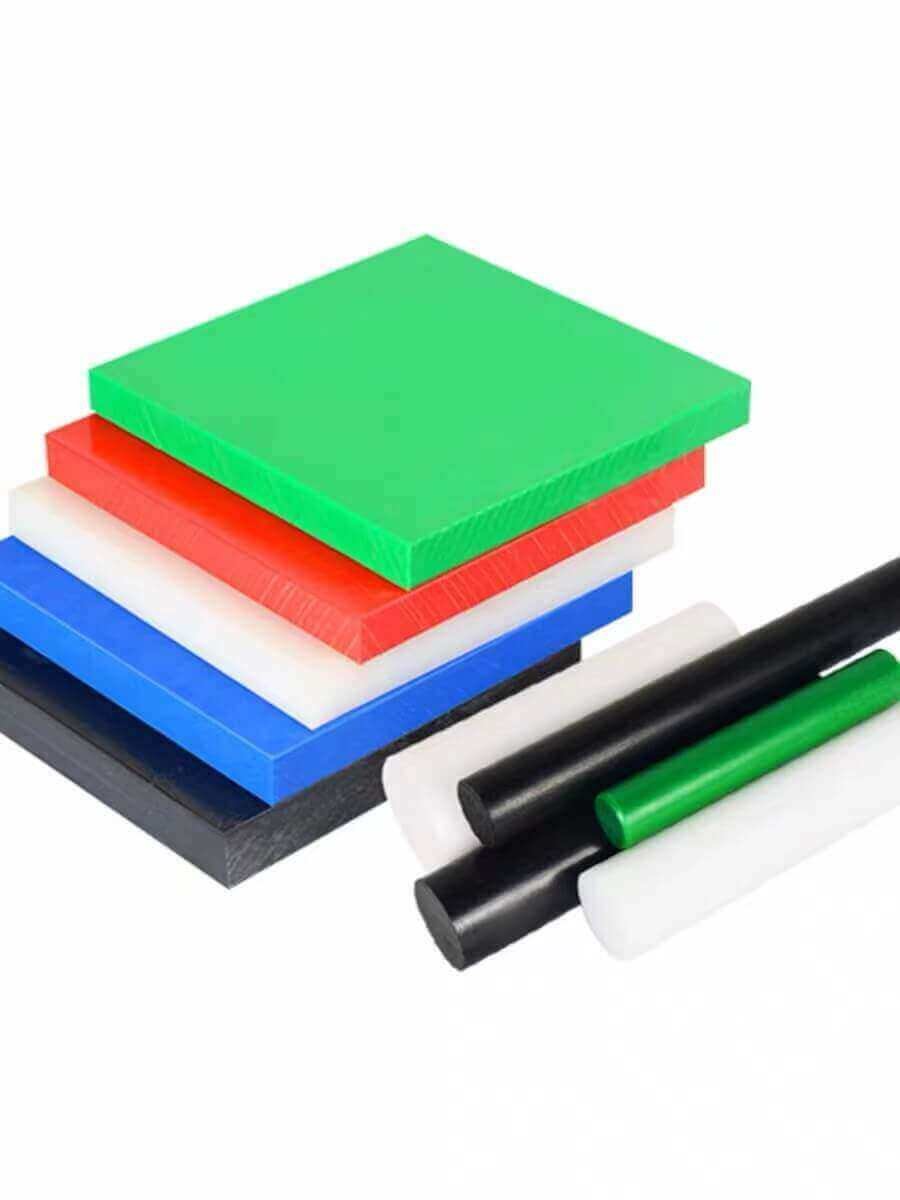
How ABS Plastic Sheets Enhance Healthcare Equipment and Devices

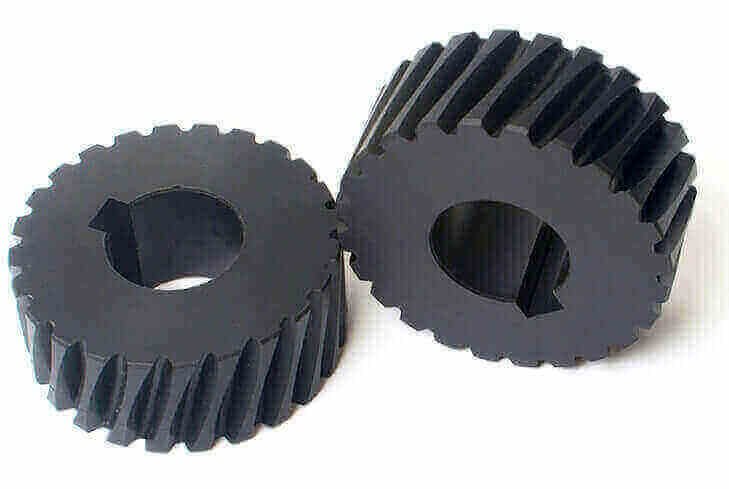
ABS plastic parts

Enhancing Healthcare with ABS Plastic Sheets: Durability, Safety, and Innovation

Discover how ABS plastic sheets revolutionize healthcare equipment and devices, offering unmatched durability, cost-effectiveness, and versatility. This blog post delves into the sterilization capabilities of ABS plastic, ensuring repeated use in medical settings without compromising safety. Learn about the regulatory compliance and non-toxic nature of ABS plastic, making it a preferred choice for medical device manufacturers. Explore specific applications, such as black ABS plastic sheets in diagnostic equipment and their role in improving patient care. Real-world examples highlight how ABS plastic enhances medical devices, from diagnostic tools to hospital beds. Understand the environmental benefits and recyclability of ABS plastic, contributing to sustainable healthcare solutions. Finally, stay informed about the latest innovations in medical device manufacturing using ABS plastic, including advancements in 3D printing for custom prosthetics and surgical instruments. This comprehensive guide offers a deep dive into the myriad benefits of ABS plastic in the healthcare industry, ensuring you stay ahead in delivering top-notch medical solutions.
🎉🎉🎉Limited Time Offer Use code: QR4GNY08SHVR at checkout and enjoy a special discount on your entire order! 👉 ABS plastic
ABS plastic parts

Durability and Sterilization of ABS Plastic in Medical Applications

Inherent Properties of ABS Plastic

ABS plastic, known for its exceptional durability and resistance to chemicals and heat, is a popular choice in the healthcare industry. This robust material can withstand the rigorous demands of medical environments, making it ideal for the production of a wide range of medical equipment and devices.

Chemical Resistance and Heat Tolerance

One of the key advantages of ABS plastic is its chemical resistance. This property ensures that ABS can endure exposure to various disinfectants and cleaning agents without degrading or losing its structural integrity. Medical settings require frequent and thorough sterilization processes to maintain a sterile environment and prevent contamination. ABS plastic’s resilience to harsh chemicals makes it a reliable material for equipment that undergoes regular cleaning and disinfection.

Ideal for Repeated Sterilization

The heat tolerance of ABS plastic further enhances its suitability for medical applications. Many sterilization methods involve high temperatures, such as autoclaving, which subjects equipment to pressurized steam at temperatures exceeding 120°C (248°F). ABS plastic can withstand these conditions without warping, melting, or losing its shape, ensuring that medical devices and equipment remain safe and functional after repeated sterilization cycles.

Applications in Medical Devices

Due to its durability and resistance to both chemicals and heat, ABS plastic is widely used in the manufacture of various medical devices. For instance, diagnostic equipment such as housings for imaging machines and laboratory instruments often utilize ABS plastic. Its robust nature ensures that these critical devices can endure the demanding conditions of medical environments while maintaining their precision and reliability.

Ensuring Patient Safety

The use of ABS plastic in medical applications is not only about durability but also about patient safety. The material’s ability to withstand repeated sterilization processes means that medical equipment can be kept free from pathogens, reducing the risk of infections. This is particularly important in settings where patient contact is frequent, such as hospitals and clinics, where maintaining a sterile environment is paramount.

Sustainability and Longevity

In addition to its practical benefits, ABS plastic contributes to the sustainability of medical equipment. The longevity of ABS-made devices means that they do not need to be replaced as frequently, reducing waste and the environmental impact associated with medical device manufacturing. This aligns with the increasing focus on sustainable practices within the healthcare industry.

Future Prospects of ABS Plastic in Healthcare

As technology advances, the role of ABS plastic in healthcare continues to grow. Innovations such as 3D printing are leveraging the material’s properties to create custom prosthetics, surgical instruments, and other specialized medical devices. The ongoing research and development in the field of medical-grade plastics promise even greater applications and improvements in patient care.

By understanding the inherent properties of ABS plastic and its applications in medical devices, healthcare professionals can make informed decisions about the materials they use. The durability, chemical resistance, and heat tolerance of ABS plastic make it an invaluable asset in creating reliable, safe, and long-lasting medical equipment.
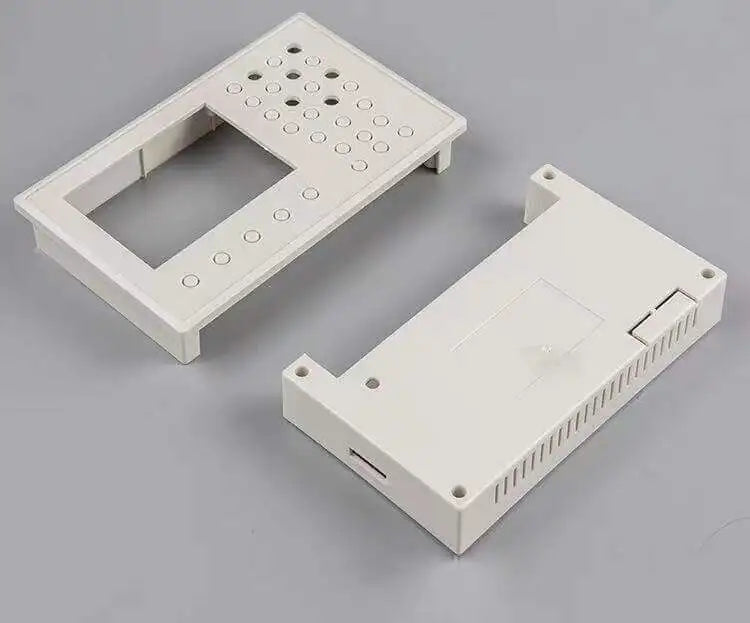
ABS plastic and its applications in medical devices

Cost-Effectiveness and Versatility of ABS Plastic Sheets in Healthcare

Affordable and Efficient Material Choice

One of the standout features of ABS plastic sheets is their cost-effectiveness. Compared to other materials commonly used in healthcare, ABS offers a balance of affordability and high performance. This makes it a preferred choice for manufacturers aiming to produce quality medical devices without inflating costs. The lower material costs associated with ABS plastic contribute to reducing the overall expenses in medical device manufacturing, which can ultimately lead to more affordable healthcare solutions.

Wide Range of Applications

ABS plastic sheets boast impressive versatility, making them suitable for a myriad of applications in the healthcare industry. From diagnostic equipment to hospital furniture, ABS plastic is utilized in the production of various healthcare devices. For example, the durable and easy-to-mold nature of ABS plastic makes it ideal for crafting housings for medical imaging machines and laboratory instruments. Its ability to be easily thermoformed means that complex shapes and intricate designs can be achieved, catering to specific needs and innovations within medical technology.

Diagnostic Equipment and Device Housings

Diagnostic equipment relies heavily on materials that are both robust and adaptable. ABS plastic meets these requirements, providing a sturdy yet lightweight solution for device housings. The material’s impact resistance ensures that the equipment remains protected during regular use and transportation. Moreover, ABS plastic’s smooth surface finish is not only aesthetically pleasing but also easy to clean, which is crucial in maintaining hygiene standards in medical environments.

Hospital Furniture and Fixtures

The use of ABS plastic sheets extends beyond medical devices to include hospital furniture and fixtures. Items such as hospital beds, bedside tables, and seating often incorporate ABS plastic due to its durability and ease of maintenance. The material’s resistance to wear and tear makes it ideal for high-traffic areas in healthcare facilities. Additionally, ABS plastic can be produced in a variety of colors and finishes, allowing for customization to match the design and functionality requirements of different healthcare settings.

Customized Medical Solutions

The versatility of ABS plastic sheets also supports the creation of customized medical solutions. For instance, bespoke components for medical devices can be easily manufactured to meet specific dimensions and performance criteria. This capability is particularly beneficial in producing tailored prosthetics and orthotic devices, where precision and patient-specific customization are essential.

Sustainability and Recyclability

In addition to its cost-effectiveness and versatility, ABS plastic is also known for its sustainability. The material is recyclable, which aligns with the growing emphasis on eco-friendly practices within the healthcare industry. By choosing ABS plastic, manufacturers can contribute to reducing environmental impact while still providing high-quality medical products. The recyclability of ABS plastic also adds to its cost-effectiveness, as it can be reused in various applications, further lowering production costs.

Future Prospects in Healthcare

The continued advancements in ABS plastic technology are set to expand its applications in healthcare even further. Innovations in 3D printing using ABS plastic are paving the way for the production of intricate and highly customized medical devices at a fraction of the cost and time required by traditional manufacturing methods. As the healthcare industry evolves, the role of ABS plastic is likely to grow, providing versatile, cost-effective, and sustainable solutions to meet the ever-changing demands of medical technology.

By leveraging the affordable and versatile nature of ABS plastic sheets, the healthcare industry can enhance the efficiency and functionality of medical devices and equipment, ultimately leading to improved patient care and operational efficiency.

ABS material processing

Safety and Compliance: Why ABS Plastic is Preferred in Medical Devices

Meeting Stringent Safety Standards

ABS plastic is widely recognized for its ability to meet the stringent safety standards required in the healthcare industry. Medical devices must adhere to rigorous guidelines to ensure they are safe for patient use, and ABS plastic excels in this area. The material undergoes extensive testing to comply with various regulatory requirements, ensuring it does not pose any health risks.

Non-Toxic Nature

A crucial factor in the selection of materials for medical devices is their non-toxic nature. ABS plastic is inherently non-toxic, which makes it suitable for applications where it comes into direct contact with patients. This characteristic is particularly important for devices such as inhalers, surgical instruments, and diagnostic tools, where the safety and health of patients are paramount. The non-toxic properties of ABS plastic ensure that it does not release harmful substances, even under conditions of high heat or chemical exposure, making it a reliable choice for medical applications.

Regulatory Compliance and Approval

The healthcare industry is heavily regulated, and materials used in medical devices must comply with strict regulatory standards. ABS plastic has been approved for medical use by various regulatory bodies, including the FDA (Food and Drug Administration). This approval signifies that ABS plastic meets all necessary safety and performance criteria, providing manufacturers with confidence in its suitability for medical applications. Regulatory compliance is essential for gaining market access and ensuring that medical devices are both safe and effective.

Biocompatibility and Sterilization

In addition to being non-toxic, ABS plastic is also biocompatible, meaning it does not induce an immune response when in contact with human tissues. This property is essential for medical devices that are implanted or used internally. Moreover, ABS plastic can withstand multiple sterilization processes, including autoclaving, without degrading or losing its structural integrity. This durability ensures that medical devices made from ABS plastic remain safe and effective over their lifespan, even with repeated use and sterilization.

Versatility in Medical Applications

The versatility of ABS plastic extends to its use in a wide range of medical devices. From housings for electronic medical equipment to disposable instruments and prosthetics, ABS plastic is chosen for its combination of safety, durability, and ease of manufacturing. Its ability to be easily molded and shaped allows for the creation of complex and precise medical components, catering to the specific needs of healthcare providers and patients.

Environmental Considerations

In today’s healthcare industry, there is also a growing emphasis on environmental sustainability. ABS plastic is not only safe and effective but also recyclable, contributing to the reduction of medical waste. This aligns with the industry’s move towards more sustainable practices, ensuring that the use of ABS plastic supports both patient safety and environmental responsibility.

Future Innovations

The future of ABS plastic in healthcare looks promising, with ongoing innovations aimed at enhancing its properties and applications. Advances in material science are continuously improving the performance of ABS plastic, making it even more suitable for cutting-edge medical technologies. These innovations promise to expand the role of ABS plastic in creating safer, more effective, and sustainable medical devices.

By understanding the safety standards and regulatory compliance associated with ABS plastic, healthcare professionals and manufacturers can appreciate why it remains a preferred material in the development of medical devices. Its non-toxic nature, regulatory approval, and versatility ensure that ABS plastic continues to play a crucial role in advancing healthcare technology and patient care.

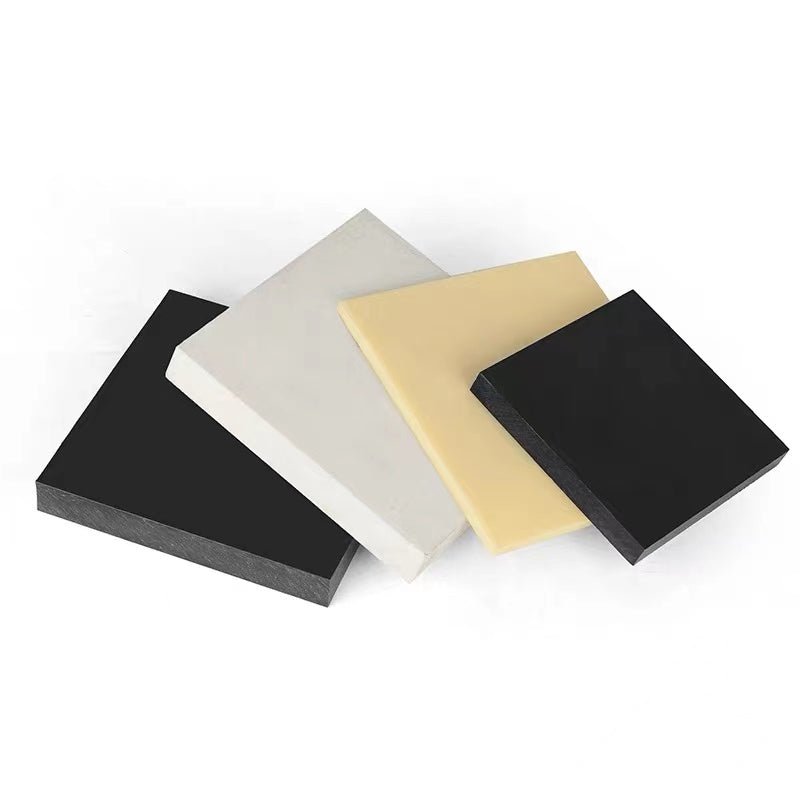
white ABS Plastic Sheets in the development of medical devices

Applications of Black ABS Plastic Sheets in Diagnostic Equipment

Housings for Medical Imaging Machines

Black ABS plastic sheets are extensively used in the production of housings for medical imaging machines. These machines, such as MRI scanners, CT scanners, and X-ray machines, require sturdy and reliable materials for their outer casings. The durability and impact resistance of black ABS plastic make it an ideal choice for protecting the sensitive internal components of these devices. Additionally, the aesthetic appeal of black ABS plastic provides a sleek and professional appearance, which is crucial in maintaining a high standard of presentation in medical facilities.

Durability and Protection

The inherent strength and durability of ABS plastic ensure that the housings can withstand the rigors of daily use in busy medical environments. These housings protect the delicate electronics and sensors inside imaging machines from physical damage and environmental factors. The material’s resistance to impact and wear ensures a long lifespan, reducing the need for frequent replacements and maintenance, thereby lowering operational costs for healthcare providers.

Compatibility with Sterilization Processes

Medical imaging equipment must be kept sterile to ensure patient safety. Black ABS plastic sheets are highly compatible with various sterilization processes, including autoclaving and chemical disinfection. This compatibility ensures that the housings can be thoroughly cleaned and sterilized without degrading, maintaining the hygiene standards required in medical settings.

Laboratory Instruments and Enclosures

Black ABS plastic sheets are also used in the production of housings for laboratory instruments. These instruments, such as centrifuges, spectrophotometers, and pipette controllers, require robust enclosures to protect their sensitive components. The chemical resistance of ABS plastic ensures that these housings can withstand exposure to various reagents and solvents commonly used in laboratories, ensuring long-term reliability and safety.

Customization and Ease of Manufacturing

The versatility of ABS plastic allows for easy customization to meet specific design requirements. This is particularly important in the healthcare industry, where equipment often needs to be tailored to specific applications. Black ABS plastic sheets can be easily thermoformed or injection-molded into complex shapes, allowing manufacturers to create intricate designs and detailed components with high precision. This ease of manufacturing facilitates the production of custom housings and enclosures that meet the unique needs of different diagnostic devices.

Enhancing Diagnostic Accuracy

By providing robust protection and ensuring the reliability of diagnostic equipment, black ABS plastic sheets play a crucial role in enhancing diagnostic accuracy. Well-protected imaging machines and laboratory instruments can operate more consistently and accurately, leading to better patient outcomes. The use of high-quality materials like ABS plastic helps maintain the precision and functionality of diagnostic tools, which is essential for accurate medical diagnoses.

Aesthetic and Functional Advantages

In addition to their functional benefits, black ABS plastic sheets offer aesthetic advantages. The sleek, polished finish of black ABS plastic provides a modern and professional look, which is important for maintaining the visual appeal of medical equipment. This not only enhances the overall environment of medical facilities but also instills confidence in patients regarding the quality and reliability of the medical devices being used.

By leveraging the durability, sterilization compatibility, and customization capabilities of black ABS plastic sheets, manufacturers can produce high-quality housings and enclosures for diagnostic equipment that meet the demanding requirements of the healthcare industry.

black ABS plastic sheets

Enhancing Patient Care with ABS Plastic Sheeting: Case Studies and Examples

Patient Monitoring Devices

ABS plastic sheeting has significantly improved the development and functionality of patient monitoring devices. These devices, which include heart rate monitors, blood pressure cuffs, and respiratory monitors, rely on durable and lightweight materials to ensure patient comfort and device reliability. For example, a leading medical device manufacturer used ABS plastic to create ergonomic and robust enclosures for their new line of wearable patient monitors. The durability of ABS plastic ensures that these devices can withstand daily wear and tear while maintaining their accuracy and functionality.

Hospital Beds and Furniture

Hospital beds and related furniture benefit greatly from the use of ABS plastic sheeting. ABS plastic is used to manufacture components such as bed rails, headboards, and footboards due to its strength, ease of cleaning, and aesthetic appeal. In a case study, a hospital outfitted their entire patient care unit with beds featuring ABS plastic components. The result was a noticeable improvement in patient comfort and safety, as the beds were not only more durable but also easier to sanitize, reducing the risk of hospital-acquired infections. The lightweight nature of ABS plastic also allowed for easier maneuverability of the beds, enhancing the efficiency of hospital staff.

Medical Device Housings

Another significant application of ABS plastic sheeting is in the creation of housings for various medical devices. A notable example is the production of enclosures for portable ultrasound machines. These devices require a material that can protect sensitive electronic components while being lightweight enough for portability. ABS plastic provides the perfect balance of strength and lightness. A medical technology company reported that using ABS plastic for their portable ultrasound devices reduced manufacturing costs and improved device longevity, directly benefiting both healthcare providers and patients by offering reliable and cost-effective diagnostic tools.

Patient Safety Enhancements

The chemical resistance and biocompatibility of ABS plastic play a crucial role in enhancing patient safety. For instance, in the development of infusion pumps, ABS plastic is used to construct casings that are resistant to chemical exposure from various medications. This ensures that the pumps remain safe and effective throughout their use. A healthcare facility documented a decrease in device malfunctions and maintenance costs after switching to ABS plastic casings for their infusion pumps, leading to more reliable patient care.

Rehabilitation Equipment

ABS plastic sheeting is also used in the production of rehabilitation equipment such as wheelchairs and mobility aids. The material’s durability and lightweight properties make it ideal for these applications. A case study involving a rehabilitation center highlighted the benefits of using ABS plastic in their wheelchairs. The new wheelchairs were not only more comfortable for patients but also easier for caregivers to handle and maintain. The versatility of ABS plastic allowed for customizable designs, catering to the specific needs of each patient and improving their overall rehabilitation experience.

Cost-Effective Solutions

The cost-effectiveness of ABS plastic sheeting allows healthcare facilities to allocate resources more efficiently. For example, a hospital implemented ABS plastic sheeting in the construction of custom storage solutions for medical supplies. The result was a durable and hygienic storage system that significantly reduced costs compared to traditional materials. This allowed the hospital to invest in other critical areas, ultimately enhancing patient care across multiple departments.

Future Prospects

The future of ABS plastic sheeting in healthcare looks promising, with ongoing advancements aimed at further improving its applications. Innovations in 3D printing and material science are expanding the possibilities for using ABS plastic in more complex and specialized medical devices. These developments promise to continue enhancing patient care by providing durable, cost-effective, and versatile solutions for a wide range of healthcare needs.

By leveraging the benefits of ABS plastic sheeting, the healthcare industry can continue to improve patient care through durable, safe, and cost-effective solutions. These real-world examples and case studies illustrate the transformative impact of ABS plastic in medical applications, showcasing its critical role in advancing healthcare technology.

ABS medical rubber puller

Environmental and Recyclable Benefits of Using ABS Plastic in Healthcare

Recyclability of ABS Plastic

One of the standout environmental benefits of ABS plastic is its recyclability. ABS plastic can be easily recycled, which significantly reduces the environmental impact associated with medical waste. By recycling ABS plastic, healthcare facilities can divert a considerable amount of waste from landfills, contributing to more sustainable waste management practices. The recycling process involves shredding the plastic into smaller pieces, which can then be reprocessed and used to manufacture new products. This closed-loop system ensures that ABS plastic products have a prolonged lifecycle, reducing the demand for virgin plastic materials.

Reduction of Medical Waste

The healthcare industry generates a substantial amount of waste, much of which comprises single-use items and disposable medical products. By utilizing durable and long-lasting ABS plastic for medical devices and equipment, healthcare providers can significantly reduce the volume of waste produced. For example, medical devices made from ABS plastic, such as diagnostic equipment housings and hospital furniture, are designed to withstand frequent use and cleaning, extending their usable life. This durability means that devices do not need to be replaced as often, leading to a reduction in waste generation and disposal costs.

Durability and Longevity

ABS plastic is renowned for its durability and long-lasting nature. In the context of healthcare, this means that medical products made from ABS plastic can endure the rigorous demands of daily use in hospitals and clinics. The impact resistance and chemical stability of ABS plastic ensure that it remains intact and functional over long periods, even when exposed to harsh cleaning agents and repeated sterilization processes. This longevity not only reduces the need for frequent replacements but also minimizes the environmental impact associated with the production and disposal of medical devices.

Energy Efficiency in Production

The production of ABS plastic is also relatively energy-efficient compared to other materials. The manufacturing processes for ABS plastic, including injection molding and extrusion, consume less energy and produce fewer emissions. This contributes to a lower carbon footprint for medical devices made from ABS plastic. Additionally, the ability to recycle ABS plastic means that less energy is required to produce new products from recycled material than from raw resources. This energy efficiency is an important factor in the overall environmental sustainability of using ABS plastic in healthcare.

Versatility and Resource Efficiency

The versatility of ABS plastic allows it to be used in a wide range of medical applications, from protective housings for electronic devices to components for hospital beds. This versatility means that a single type of material can fulfill multiple roles, reducing the need for different materials and simplifying the manufacturing process. By streamlining production with a versatile material like ABS plastic, manufacturers can optimize resource use and reduce waste. This efficiency extends to the end of the product lifecycle, where recycled ABS plastic can be repurposed for various applications, further enhancing resource conservation.

Supporting Sustainable Healthcare Practices

By choosing recyclable and durable ABS plastic, healthcare providers can support broader sustainable practices within their operations. The environmental benefits of ABS plastic align with initiatives aimed at reducing the healthcare sector’s ecological footprint. For example, hospitals that implement recycling programs for ABS plastic products can significantly cut down on waste and promote sustainability. Additionally, the use of long-lasting ABS plastic equipment reduces the frequency of procurement and disposal, leading to cost savings and environmental benefits.

Future Prospects for Sustainable Medical Devices

The future of sustainable medical devices is closely tied to the development and use of materials like ABS plastic. Innovations in material science continue to enhance the properties of ABS plastic, making it even more suitable for high-performance medical applications. As the healthcare industry moves towards more sustainable practices, the role of recyclable and durable materials like ABS plastic will become increasingly important. These advancements promise to further reduce the environmental impact of medical devices while maintaining high standards of patient care and safety.

By leveraging the environmental benefits and recyclability of ABS plastic, the healthcare industry can make significant strides towards sustainability. The use of durable, long-lasting medical products made from ABS plastic not only reduces waste but also supports efficient resource use and energy conservation. These practices are essential for creating a more sustainable and environmentally responsible healthcare system.
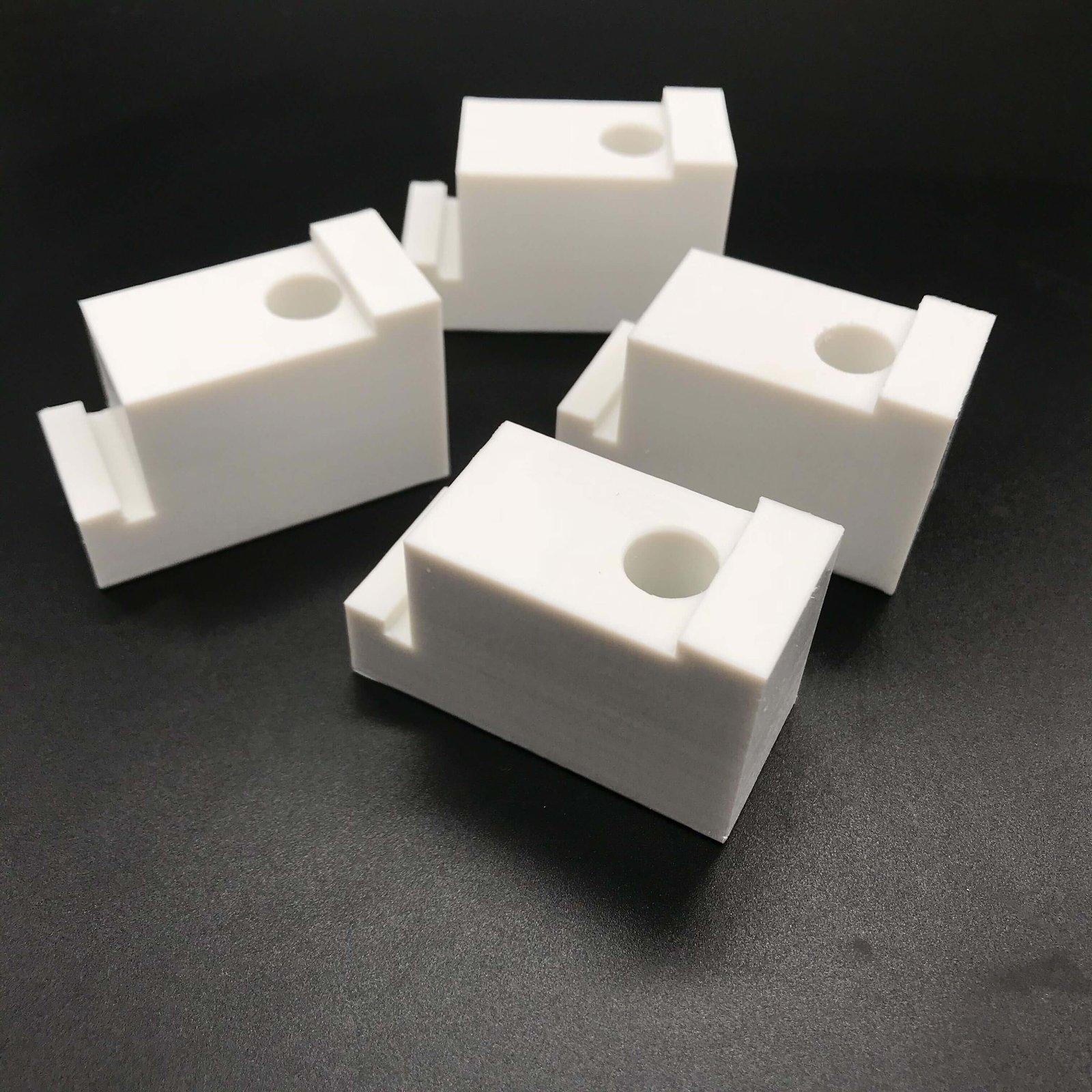
ABS plastic parts

Innovations in Medical Device Manufacturing with ABS Plastic

Advancements in 3D Printing Technology

One of the most significant recent innovations in medical device manufacturing using ABS plastic is the advent of 3D printing. This technology allows for the creation of highly customized and precise medical devices, such as custom prosthetics and surgical instruments. 3D printing with ABS plastic enables manufacturers to produce complex geometries that would be challenging or impossible with traditional manufacturing methods. The use of ABS plastic in 3D printing offers numerous advantages, including durability, lightweight properties, and ease of sterilization.

Custom Prosthetics

3D printing has revolutionized the production of custom prosthetics. Traditional prosthetics manufacturing is often time-consuming and expensive, with limited options for customization. However, with 3D printing and ABS plastic, prosthetics can be tailored to the exact specifications of individual patients. This customization ensures a better fit and improved functionality, significantly enhancing the quality of life for patients. For instance, a company specializing in 3D printed prosthetics used ABS plastic to create a series of prosthetic limbs that are both durable and lightweight, allowing patients greater mobility and comfort.

Surgical Instruments

The use of ABS plastic in the 3D printing of surgical instruments has also seen considerable advancements. Surgical tools such as forceps, clamps, and retractors can be produced quickly and cost-effectively using 3D printing technology. These instruments can be customized to the specific needs of surgeons and the procedures they perform. ABS plastic’s ability to withstand high temperatures and chemical exposure makes it ideal for surgical instruments that require frequent sterilization. This innovation not only improves the efficiency of surgical procedures but also enhances patient safety by ensuring the availability of precise and sterile tools.

Rapid Prototyping and Customization

Rapid prototyping is another area where ABS plastic and 3D printing have made significant impacts. The ability to quickly produce prototypes allows for rapid iteration and testing of new medical device designs. This process accelerates the development cycle, enabling faster introduction of innovative medical devices to the market. With ABS plastic, prototypes can be created that closely mimic the final product in terms of material properties and functionality. This capability is crucial for developing new diagnostic equipment, wearable medical devices, and other healthcare innovations.

Patient-Specific Implants

The development of patient-specific implants is another exciting application of 3D printing with ABS plastic. These implants can be designed to match the unique anatomy of each patient, improving the fit and effectiveness of the implant. For example, cranial implants, dental implants, and joint replacements can be customized to the patient’s specific needs, reducing the risk of complications and improving patient outcomes. The use of ABS plastic ensures that these implants are both durable and biocompatible, meeting the stringent requirements of medical applications.

Cost-Effective Manufacturing Solutions

The cost-effectiveness of using ABS plastic in 3D printing is another significant advantage. Traditional manufacturing methods for medical devices often involve expensive materials and labor-intensive processes. In contrast, 3D printing with ABS plastic reduces material waste and allows for the production of devices at a fraction of the cost. This cost savings can be passed on to healthcare providers and patients, making advanced medical devices more accessible and affordable. The ability to produce devices on-demand also reduces the need for large inventories, further lowering costs and improving supply chain efficiency.

Future Prospects in Medical Device Innovation

The future of medical device manufacturing with ABS plastic looks promising, with ongoing advancements in 3D printing technology and material science. Researchers are continually exploring new ways to enhance the properties of ABS plastic, making it even more suitable for a broader range of medical applications. Innovations such as bioprinting and the integration of smart materials into ABS plastic are poised to open new frontiers in personalized medicine and advanced healthcare solutions.

By embracing the innovations and technological advancements in medical device manufacturing with ABS plastic, the healthcare industry can continue to improve patient care, enhance device functionality, and reduce costs. These developments highlight the transformative potential of ABS plastic in creating the next generation of medical devices.

ABS plastic

Common Questions and Answers about ABS Plastic Sheets and BeePlastics Customization

1. What are the primary applications of ABS plastic sheets in healthcare?

ABS plastic sheets are widely used in healthcare for various applications due to their durability, chemical resistance, and ease of sterilization. Common uses include housings for medical imaging machines, components for hospital beds, and custom prosthetics made using 3D printing technology. These applications benefit from ABS plastic’s ability to withstand frequent cleaning and high temperatures.

2. How does BeePlastics handle customization for ABS plastic products?

BeePlastics can undertake any customization, including sample customization and batch customization. We work closely with our clients to ensure their specific requirements are met, whether they need a small prototype or a large production run. Our team is equipped to handle a variety of customization requests to deliver high-quality, tailored ABS plastic products.

3. What file formats does BeePlastics accept for custom designs?

BeePlastics accepts a variety of file formats for custom designs, including PDF and CAD files. This flexibility allows our clients to submit their designs in the format that best suits their needs, ensuring accurate and efficient production of custom ABS plastic products.

4. Is there a minimum order quantity (MOQ) for custom ABS plastic products at BeePlastics?

No, there is no minimum order quantity (MOQ) at BeePlastics. We understand that our clients may have different needs, from single prototypes to large batch productions. We are committed to providing high-quality ABS plastic products regardless of the order size.

5. What is the typical production cycle for custom ABS plastic products at BeePlastics?

The production cycle for custom ABS plastic products at BeePlastics depends on the order quantity and the complexity of the process. We communicate the production progress in real time with our clients, ensuring transparency and timely delivery of the final products. Each project is managed carefully to meet the specified deadlines and quality standards.

6. Does BeePlastics provide samples for custom ABS plastic products?

Yes, BeePlastics supports the provision of samples. The samples are provided free of charge, and the customer is only responsible for the shipping costs. This allows our clients to evaluate the quality and suitability of our ABS plastic products before placing a larger order.

7. What are the benefits of using ABS plastic sheets in medical device manufacturing?

ABS plastic sheets offer several benefits for medical device manufacturing, including high durability, excellent chemical resistance, and the ability to withstand high temperatures. These properties make ABS plastic ideal for creating long-lasting, safe, and reliable medical devices such as diagnostic equipment housings and surgical instruments.

8. How does BeePlastics ensure the quality of its ABS plastic products?

BeePlastics ensures the quality of its ABS plastic products through rigorous quality control processes. Each product undergoes thorough testing to meet industry standards and client specifications. Our commitment to quality guarantees that our clients receive ABS plastic products that are reliable and perform as expected.

9. Can ABS plastic be used for eco-friendly and sustainable medical solutions?

Yes, ABS plastic can contribute to eco-friendly and sustainable medical solutions due to its recyclability and long-lasting properties. By using ABS plastic, healthcare providers can reduce waste and the environmental impact associated with medical device manufacturing. BeePlastics is dedicated to promoting sustainability in all our products and processes.

10. What are the recent innovations in medical device manufacturing with ABS plastic?

Recent innovations in medical device manufacturing with ABS plastic include the use of 3D printing to create custom prosthetics and surgical instruments. These advancements allow for highly customized and precise medical devices, improving patient care and expanding the possibilities for medical treatments. BeePlastics stays at the forefront of these innovations, offering cutting-edge solutions to our clients.

These questions and answers provide a comprehensive overview of the applications, customization options, and benefits of ABS plastic sheets in healthcare, as well as the capabilities and services offered by BeePlastics.

By embracing the versatility and cost-effectiveness of ABS plastic sheets, the healthcare industry can significantly enhance the durability, safety, and sustainability of medical devices and equipment. From the robust housings of diagnostic machines to the custom prosthetics and surgical instruments enabled by 3D printing, ABS plastic proves to be a vital material in advancing medical technology. Its recyclability further supports eco-friendly practices, reducing medical waste and promoting sustainability. BeePlastics stands at the forefront of these innovations, offering comprehensive customization services to meet diverse healthcare needs. As the industry continues to evolve, the applications and benefits of ABS plastic in healthcare will undoubtedly expand, driving improvements in patient care and operational efficiency.


ABS sheet

Get Your Custom ABS Plastic Solutions Today!

Whether you need durable housings for medical devices or custom 3D printed prosthetics, BeePlastics has you covered. Fill out the contact form at the bottom of the page to discuss your project needs. Click here to learn more about our ABS plastic machining services.
 

🎉🎉🎉Limited Time Offer Use code: QR4GNY08SHVR at checkout and enjoy a special discount on your entire order! 👉 ABS plastic

Leave a comment


Please note, comments must be approved before they are published


Custom Plastic Fabrication

Send your drawing, material and quantity for review

🔧
Precision Machining
CNC milling & turning
✂️
Cutting & Engraving
Laser & waterjet cutting
🏭
Forming & Molding
Thermoforming & injection
🔗
Joining & Assembly
Welding & bonding
📐
Design & Prototyping
CAD design & samples

General

HDPE

PP

PVC

ABS

Engineering

POM

Nylon

PC

PMMA

High-Performance

PEEK

PEI

PTFE

Composites

FR-4

G10

Flexible

TPU

Silicone

Why Choose BeePlastic?

🎯
Perfect Fit
Custom specs eliminate adaptation needs
⚡
Clear Lead Times
Lead time confirmed with every quote
💰
Volume Pricing
Volume pricing available on bulk orders
🤝
Expert Support
Free engineering consultation included
📋
Submit
→
🔍
Review
→
💵
Quote
→
✅
Production
→
📦
Deliver

Request a Quote

Share your project details, selected material and quantity on our quote page. You can add a file link or use the email drawing route shown there.


Request Quote

Industries: Automotive • Medical • Food • Lab • Semiconductor

beeplastic@beeplastic.com


How FR-4 Epoxy Glass Cloth Laminates Elevate Your Product Quality

FR-4 material

Discover How FR-4 Epoxy Glass Cloth Laminates Elevate Your Product Quality! This insightful blog post dives deep into the unparalleled mechanical properties of FR-4 material, showcasing its high tensile, compressive, and flexural strength, essential for durable PCB applications. Learn about FR-4’s superior electrical insulation capabilities, which ensure the reliability and safety of your electronic devices. We also highlight the thermal stability and flame retardant nature of FR-4, which withstands high temperatures and meets safety standards. Understand how FR-4’s low moisture absorption rate protects against environmental damage, making it ideal for humid conditions. Discover the versatility of FR-4 in fabrication and applications across industries like aerospace, automotive, and consumer electronics. Finally, explore the cost-effectiveness and wide availability of FR-4 materials, making it a practical choice for various manufacturing needs. Enhance your product quality with FR-4 epoxy glass cloth laminates today!

🎉🎉🎉Limited Time Offer Use code: QR4GNY08SHVR at checkout and enjoy a special discount on your entire order! 👉 FR4 fiberglass plastic

FR-4 material

Unmatched Mechanical Properties of FR-4 Material

High Tensile Strength

One of the standout features of FR-4 material is its high tensile strength, which typically reaches up to 65,000 psi. This remarkable strength makes FR-4 an ideal choice for high-stress applications where durability is paramount. PCB manufacturers and electronics fabricators rely on this property to ensure that the circuit boards maintain their integrity even under significant mechanical stress. The high tensile strength allows the boards to withstand pulling forces without breaking, contributing to the longevity and reliability of electronic devices.

Impressive Compressive Strength

In addition to its tensile strength, FR-4 glass epoxy exhibits impressive compressive strength, typically around 38,000 psi. This property is crucial for applications that involve high-pressure environments. Electronic manufacturing services (EMS) benefit greatly from using FR-4 in their PCB designs, as the material can endure substantial compressive forces without deformation. This ensures that the components remain firmly in place, maintaining the structural integrity and performance of the circuit boards.

Exceptional Flexural Strength

The flexural strength of FR-4 material is another critical attribute, with values often reaching 60,000 psi. This property measures the material’s ability to resist deformation under load, which is particularly important for PCBs that must withstand bending and flexing during installation and operation. Original equipment manufacturers (OEMs) in industries such as telecommunications and automotive rely on FR-4’s flexural strength to produce robust and flexible electronic components that can adapt to various form factors and usage conditions.

Enhanced Durability for Demanding Environments

The combination of high tensile, compressive, and flexural strengths makes FR-4 epoxy a superior choice for demanding environments. Its mechanical properties ensure that PCBs can perform reliably in harsh conditions, such as high-vibration settings found in automotive and aerospace applications. Research institutions and hobbyists also benefit from the material’s durability, allowing them to create experimental and DIY electronics projects that can withstand rigorous testing and usage.

Impact on PCB Performance and Longevity

The mechanical properties of FR-4 laminate directly impact the performance and longevity of PCBs. By providing a strong and stable substrate, FR-4 ensures that the electronic components mounted on the boards remain securely in place, reducing the risk of mechanical failures. This results in more reliable and long-lasting electronic devices, which is a significant advantage for electronics distributors and resellers looking to supply high-quality products to their customers.

Conclusion

Choosing FR-4 glass epoxy for PCB manufacturing offers numerous benefits due to its unmatched mechanical properties. Its high tensile, compressive, and flexural strengths enhance the durability and performance of electronic devices in various industries. These properties make FR-4 a versatile and reliable material for producing robust and long-lasting PCBs.

FR-4 glass epoxy for PCB

Superior Electrical Insulation Capabilities

Dielectric Constant of FR-4

FR-4 material is renowned for its excellent dielectric constant, typically ranging from 3.8 to 4.8, depending on the glass weaving style and resin content. This high dielectric constant is crucial for maintaining the electrical performance of PCBs, especially in high-frequency applications. PCB manufacturers value this property because it ensures minimal signal loss and interference, which is essential for maintaining signal integrity in complex electronic circuits.

Electrical Insulation Strength

Another significant attribute of FR-4 glass epoxy is its outstanding electrical insulation strength, measured at approximately 800 V/mil. This property makes FR-4 an ideal choice for high-voltage applications, where maintaining insulation between conductive elements is critical. Electronics manufacturing services (EMS) leverage this strength to design PCBs that can operate safely and reliably under high electrical stress, reducing the risk of short circuits and electrical failures.

Reliability in High-Frequency Applications

The electrical properties of FR-4 epoxy are particularly beneficial in high-frequency applications. The material’s stable dielectric constant ensures consistent signal propagation, which is vital for high-speed data transmission and communication devices. Telecommunications and consumer electronics OEMs often prefer FR-4 for its ability to support high-frequency signals without significant attenuation or distortion, thereby enhancing the overall performance of their products.

Safety in High-Voltage Applications

FR-4 laminate provides exceptional safety benefits in high-voltage applications. Its high electrical insulation strength prevents electrical arcing and breakdowns, which can lead to equipment damage or even hazards like fires. By using FR-4, electronics distributors and resellers can offer products that meet stringent safety standards, thereby gaining the trust of their customers and reducing the risk of liability issues.

Moisture Resistance and Electrical Performance

FR-4’s low moisture absorption rate of approximately 0.10% also contributes to its electrical insulation capabilities. Moisture can degrade the insulation properties of many materials, but FR-4 maintains its performance even in humid conditions. This makes it a reliable choice for research institutions and hobbyists who need durable and stable materials for their electronic projects, regardless of the environmental conditions.

Versatility Across Industries

The superior electrical insulation provided by FR-4 epoxy glass cloth laminates makes them suitable for a wide range of industries. From aerospace to automotive, the material’s ability to maintain electrical integrity under various conditions ensures that it can be used in diverse applications. This versatility is a key reason why FR-4 remains a popular choice for PCB fabricators and electronics manufacturers worldwide.

By leveraging the superior electrical insulation capabilities of FR-4, manufacturers can produce high-quality, reliable, and safe electronic devices that meet the demands of various high-frequency and high-voltage applications.

Thermal Stability and Flame Retardance

Flame Retardant Properties

One of the most critical features of FR-4 material is its exceptional flame retardant properties. The material achieves a UL 94V-0 rating, which is the highest standard for flammability of plastic materials. This rating indicates that FR-4 can extinguish itself within 10 seconds after the ignition source is removed and does not produce flaming drips, ensuring that it prevents the spread of fire. PCB manufacturers and electronics fabricators favor FR-4 for this reason, as it significantly enhances the safety of electronic devices and components.

High Thermal Stability

FR-4 glass epoxy also boasts remarkable thermal stability, making it an ideal choice for applications that involve high temperatures. The material can withstand continuous operating temperatures of up to 140°C (284°F) without losing its structural integrity or electrical properties. This thermal resilience is crucial for original equipment manufacturers (OEMs) who need reliable materials that perform consistently under thermal stress, such as in automotive or industrial applications where devices are exposed to high heat.

Longevity of Electronic Components

The ability of FR-4 epoxy to endure high temperatures without melting or charring directly contributes to the longevity of electronic components. When subjected to high temperatures, many materials can degrade, leading to failures and reduced lifespans of electronic devices. However, FR-4 maintains its properties, ensuring that the PCBs and components it supports remain functional and reliable over time. This durability is particularly beneficial for electronics manufacturing services (EMS), which require materials that support the longevity of their products, reducing the need for frequent replacements and maintenance.

Safety in High-Temperature Environments

FR-4 laminate is not only flame retardant but also highly resistant to thermal shock, making it a safe choice for use in high-temperature environments. This resistance to thermal shock ensures that FR-4 can withstand sudden changes in temperature without cracking or losing its insulating properties. Electronics distributors and resellers benefit from offering products made with FR-4, as they can assure their customers of the material’s safety and reliability in various thermal conditions, enhancing their reputation for quality.

Applications in High-Heat Industries

The thermal stability and flame retardance of FR-4 epoxy glass cloth laminates make them indispensable in industries that demand high performance under thermal stress. For example, in the aerospace industry, electronic components must operate reliably under extreme conditions, including high temperatures and rapid temperature fluctuations. FR-4’s ability to maintain its properties under these conditions makes it the material of choice for aerospace applications. Similarly, in the automotive industry, where components are exposed to high engine temperatures, FR-4 ensures that electronic control units and other critical systems remain operational.

Enhanced Performance and Safety

Overall, the thermal stability and flame retardant properties of FR-4 material enhance the performance and safety of electronic devices across various industries. By choosing FR-4, manufacturers can produce high-quality, reliable, and safe electronic products that meet stringent industry standards. This makes FR-4 an essential material for research institutions, hobbyists, and professional manufacturers who prioritize safety and longevity in their electronic designs.

FR-4 material

Low Moisture Absorption for Enhanced Reliability

Exceptional Moisture Resistance

One of the most advantageous properties of FR-4 material is its exceptionally low moisture absorption rate, which is typically around 0.10% when immersed in water for 24 hours. This property is crucial for protecting printed circuit boards (PCBs) from environmental damage and degradation. In environments where humidity or exposure to water is a concern, PCB manufacturers rely on FR-4 to maintain the integrity and performance of their products. The low moisture absorption ensures that the material does not swell, warp, or degrade over time, which is essential for maintaining dimensional stability and mechanical strength.

Electrical Performance in Humid Conditions

The low moisture absorption of FR-4 epoxy is particularly important for maintaining electrical performance in humid or wet conditions. Moisture can significantly affect the electrical properties of PCB materials, potentially leading to short circuits, increased leakage currents, and signal loss. However, FR-4’s resistance to moisture helps to prevent these issues, ensuring that the PCBs retain their insulation resistance and dielectric properties. Electronics fabricators benefit from this property by being able to produce reliable and high-performance electronic devices that operate effectively in a variety of environmental conditions.

Structural Integrity Under Moisture Exposure

Maintaining structural integrity in the presence of moisture is another critical benefit of FR-4 glass epoxy. Materials that absorb moisture can become brittle or lose their mechanical properties, leading to potential failures in electronic assemblies. FR-4’s low moisture absorption rate ensures that it remains robust and durable, even in humid environments. This property is particularly valuable for original equipment manufacturers (OEMs) who need to guarantee the long-term reliability of their products, especially those used in outdoor or high-humidity applications, such as consumer electronics and telecommunications equipment.

Applications in Humid Environments

The moisture-resistant properties of FR-4 laminates make them ideal for applications in humid or wet environments. For instance, in the automotive industry, electronic components often face exposure to varying levels of humidity and temperature changes. FR-4 ensures that these components continue to function reliably without being compromised by moisture. Similarly, in the aerospace industry, where equipment may be exposed to extreme weather conditions, FR-4’s low moisture absorption helps maintain the safety and reliability of critical electronic systems.

Benefits for Research and DIY Projects

Research institutions and hobbyists also benefit from the low moisture absorption of FR-4 epoxy glass cloth laminates. For experimental and DIY projects, using a material that withstands moisture without degrading allows for consistent results and dependable performance. This reliability is essential for accurate testing and long-term use, whether in academic research or personal electronic projects.

Overall Enhanced Reliability

The combination of low moisture absorption and superior mechanical and electrical properties makes FR-4 material a top choice for a wide range of applications. By protecting PCBs from environmental damage and ensuring structural integrity in humid conditions, FR-4 contributes to the enhanced reliability and longevity of electronic devices. This makes it an invaluable material for PCB fabricators, electronics manufacturers, and anyone involved in producing high-quality, durable electronic products.

Versatility in Fabrication and Applications

Machinability of FR-4 Material

FR-4 material is renowned for its exceptional machinability, making it an ideal choice for a wide range of manufacturing processes. The material can be easily cut, drilled, and shaped using standard machining tools, which simplifies the production of complex PCB designs. PCB manufacturers appreciate this adaptability, as it allows them to produce precise and intricate board layouts without compromising on quality or structural integrity. The ease of machining FR-4 also reduces production time and costs, making it a cost-effective option for large-scale manufacturing.

Adaptability to Various Manufacturing Processes

The adaptability of FR-4 glass epoxy extends to various manufacturing processes such as lamination, etching, and plating. These processes are essential for creating multilayer PCBs, which are crucial for modern electronics. FR-4’s ability to withstand these processes without degrading ensures that the finished products meet high standards of performance and reliability. This versatility is particularly valuable for electronics manufacturing services (EMS) that handle diverse and complex projects, allowing them to deliver high-quality products across different sectors.

Applications in the Aerospace Industry

In the aerospace industry, FR-4 epoxy glass cloth laminates are used extensively due to their excellent thermal stability, flame retardance, and mechanical strength. These properties make FR-4 suitable for use in critical electronic systems that must operate reliably under extreme conditions. For instance, avionics systems, which control various flight operations, rely on the robustness and durability of FR-4 to ensure safety and functionality. The material’s resistance to vibration and thermal shock also makes it ideal for aerospace applications, where consistent performance is essential.

Automotive Industry Applications

The automotive industry benefits greatly from the versatility of FR-4 material. Electronic control units (ECUs), sensors, and other automotive electronics require materials that can endure high temperatures and harsh environments. FR-4’s thermal stability and low moisture absorption make it an ideal choice for these applications. Automotive OEMs use FR-4 in the production of various electronic components, ensuring that they can withstand the demanding conditions of automotive environments, such as high engine temperatures and exposure to moisture.

Consumer Electronics Applications

FR-4 laminate is also widely used in the consumer electronics sector, where reliability, performance, and cost-effectiveness are paramount. Devices such as smartphones, tablets, and laptops rely on the robust properties of FR-4 for their PCBs. The material’s high dielectric constant and excellent electrical insulation ensure efficient performance of these devices. Additionally, the ease of fabricating FR-4 allows for the production of intricate and compact PCB designs required for modern, slim-profile electronics. Consumer electronics manufacturers leverage these properties to produce high-quality, durable, and reliable products.

Diverse Industry Applications

Beyond the primary sectors of aerospace, automotive, and consumer electronics, FR-4 epoxy finds applications in various other industries. For instance, in the telecommunications sector, FR-4 is used in the production of routers, switches, and other networking equipment that require stable and reliable performance. The medical electronics industry also utilizes FR-4 for diagnostic equipment, patient monitoring systems, and other medical devices, where precision and reliability are critical. The material’s versatility and adaptability make it an essential component in the manufacturing of a broad spectrum of electronic devices.

The versatility in fabrication and wide range of applications make FR-4 material a cornerstone in modern electronics manufacturing. Its machinability, adaptability to various processes, and suitability for diverse industries underscore its importance in producing high-quality, reliable electronic components and systems.

FR-4 material

Cost-Effectiveness and Availability

Cost-Effectiveness of FR-4 Material

FR-4 material is renowned for its cost-effectiveness compared to other PCB substrates like polyimide or ceramic. The manufacturing process of FR-4 involves relatively lower costs due to the abundance of raw materials and the established production techniques. PCB manufacturers benefit from this cost efficiency, allowing them to produce high-quality PCBs at a lower cost. This affordability makes FR-4 an attractive choice for a wide range of applications, from consumer electronics to industrial controls. Moreover, the durability and reliability of FR-4 mean fewer replacements and repairs, further reducing long-term costs for manufacturers and end-users.

Versatility in Forms and Availability

The availability of FR-4 glass epoxy in various forms significantly enhances its utility across different manufacturing needs. FR-4 is readily available in sheets, rods, and custom shapes, providing flexibility for various applications. This versatility supports both large-scale production and custom manufacturing. For example, electronics manufacturing services (EMS) can source FR-4 sheets for standard PCB production while also ordering custom-shaped FR-4 components for specialized projects. The wide availability of FR-4 in different dimensions and thicknesses ensures that manufacturers can find the exact specifications needed for their designs.

Supporting Large-Scale Manufacturing

The widespread availability of FR-4 materials ensures that large-scale manufacturing operations can maintain consistent supply chains. This is crucial for industries such as automotive and consumer electronics, where production volumes are high, and consistency is key. By utilizing FR-4, manufacturers can scale their operations without worrying about material shortages or increased costs. This reliability in supply supports the production of millions of electronic devices annually, maintaining a balance between cost and quality.

Custom Manufacturing Needs

FR-4 epoxy glass cloth laminates cater to custom manufacturing needs as well. The material can be easily machined and fabricated into various shapes and sizes, allowing for bespoke solutions tailored to specific applications. Original equipment manufacturers (OEMs) often require unique components that meet precise specifications. The ability to order FR-4 in custom dimensions ensures that these requirements can be met efficiently. Whether it’s for prototype development or specialized electronic assemblies, the customizable nature of FR-4 supports innovation and flexibility in product design.

Economic Advantage in Various Industries

Different industries, from telecommunications to aerospace, gain significant economic advantages by using FR-4. The material’s low cost combined with its excellent performance characteristics makes it a preferred choice for applications that demand both reliability and budget efficiency. For instance, telecommunications OEMs utilize FR-4 for high-frequency circuit boards, benefiting from its cost-effectiveness without compromising on performance. Similarly, in the aerospace industry, where materials must meet stringent safety and performance standards, FR-4 provides a reliable yet economical solution.

Global Availability and Supply Chain Stability

The global availability of FR-4 laminate materials ensures supply chain stability for manufacturers worldwide. Suppliers across different regions stock FR-4 in various forms, ensuring that manufacturers can source the material locally or internationally as needed. This widespread availability helps prevent disruptions in production due to material shortages and supports just-in-time manufacturing strategies. Electronics distributors and resellers can also stock FR-4 products confidently, knowing that there is a steady and reliable supply to meet customer demands.

FR-4 material stands out for its cost-effectiveness and versatile availability, making it a cornerstone in the electronics manufacturing industry. Its affordability, coupled with its adaptability to various forms and custom needs, supports both large-scale and specialized manufacturing, offering significant economic advantages across multiple industries.

FR-4 material

Frequently Asked Questions About FR-4 Material and BeePlastics Customization

1. What are the primary advantages of using FR-4 material in PCB manufacturing?

Answer:
FR-4 material offers several key advantages in PCB manufacturing, including high mechanical strength, excellent electrical insulation, superior thermal stability, and flame retardance. These properties make FR-4 ideal for a wide range of electronic applications, ensuring the reliability and durability of PCBs in various environments. Its cost-effectiveness and versatility in fabrication further enhance its appeal for manufacturers.

2. How does the dielectric constant of FR-4 material affect its performance?

Answer:
The dielectric constant of FR-4 material typically ranges from 3.8 to 4.8. This high dielectric constant is crucial for maintaining signal integrity in high-frequency applications, minimizing signal loss, and preventing interference. This makes FR-4 a preferred choice for high-speed data transmission and communication devices, ensuring reliable and efficient performance.

3. Can BeePlastics undertake any type of customization for FR-4 components?

Answer:
Yes, BeePlastics can undertake any customization, including sample customization and batch customization. We cater to specific requirements, ensuring that the FR-4 components meet your precise specifications, whether for prototypes or large-scale production.

4. What file formats does BeePlastics accept for customization orders?

Answer:
BeePlastics accepts a variety of file formats for customization orders, including PDF and CAD files. This flexibility allows you to submit your designs in the format that works best for you, ensuring accurate and efficient production.

5. Is there a minimum order quantity (MOQ) for customized FR-4 components at BeePlastics?

Answer:
No, BeePlastics does not require a minimum order quantity (MOQ). We accommodate both small and large orders, making it easy for you to get the exact number of components you need, whether it’s a single prototype or a full production run.

6. How does BeePlastics handle the production cycle for customization orders?

Answer:
The production cycle at BeePlastics is tailored according to the order quantity and the complexity of the process. We communicate with you in real-time regarding the production progress, ensuring that you are kept informed every step of the way.

7. Can BeePlastics provide samples of customized FR-4 components?

Answer:
Yes, BeePlastics supports the provision of samples. We offer free samples of customized FR-4 components, with the only cost being the shipping. This allows you to evaluate the quality and suitability of our products before placing a larger order.

8. What are the common applications of FR-4 material in different industries?

Answer:
FR-4 material is used across various industries due to its versatile properties. In the aerospace industry, it is used for critical electronic systems due to its thermal stability and flame retardance. In the automotive industry, FR-4 is used in electronic control units and sensors, benefiting from its durability and resistance to harsh conditions. Consumer electronics rely on FR-4 for compact and reliable PCB designs, ensuring high performance in devices like smartphones and laptops.

9. How does FR-4 material ensure the safety and longevity of electronic components?

Answer:
FR-4 material ensures safety and longevity through its high thermal stability and flame retardant properties. It can withstand high temperatures and prevent the spread of fire, protecting electronic components from damage. Its low moisture absorption also maintains electrical insulation and mechanical integrity, further enhancing the reliability of electronic devices.

10. What makes FR-4 material a cost-effective choice for manufacturers?

Answer:
FR-4 material is cost-effective due to its affordability, ease of machining, and availability in various forms. Its durability reduces the need for frequent replacements, and its adaptability to different manufacturing processes supports both large-scale and custom production needs. This makes it a practical and economical choice for a wide range of applications in multiple industries.

Incorporating FR-4 epoxy glass cloth laminates into your electronic manufacturing processes offers numerous advantages, from unmatched mechanical properties and superior electrical insulation to exceptional thermal stability and flame retardance. The low moisture absorption rate of FR-4 ensures reliability and structural integrity even in humid conditions, while its versatility in fabrication supports a wide range of applications across various industries. Moreover, the cost-effectiveness and availability of FR-4 in multiple forms make it an ideal choice for both large-scale production and custom projects. By choosing FR-4, you not only enhance the quality and durability of your products but also gain the flexibility to meet diverse manufacturing needs efficiently and economically. Whether you are in aerospace, automotive, consumer electronics, or any other industry, BeePlastics is committed to providing high-quality FR-4 materials and customized solutions to support your innovation and growth.

FR-4 epoxy glass cloth laminates
🎉🎉🎉Limited Time Offer Use code: QR4GNY08SHVR at checkout and enjoy a special discount on your entire order! 👉 FR4 fiberglass plastic

Ready to enhance your electronic products with the superior properties of FR-4 epoxy glass cloth laminates? Contact us today by filling out the form below to discuss your customization needs and get a quote. For more detailed information about FR-4 material, click here to visit our FR-4 Epoxy Glass Fiber page. 

Leave a comment


Please note, comments must be approved before they are published


Custom Plastic Fabrication

Send your drawing, material and quantity for review

🔧
Precision Machining
CNC milling & turning
✂️
Cutting & Engraving
Laser & waterjet cutting
🏭
Forming & Molding
Thermoforming & injection
🔗
Joining & Assembly
Welding & bonding
📐
Design & Prototyping
CAD design & samples

General

HDPE

PP

PVC

ABS

Engineering

POM

Nylon

PC

PMMA

High-Performance

PEEK

PEI

PTFE

Composites

FR-4

G10

Flexible

TPU

Silicone

Why Choose BeePlastic?

🎯
Perfect Fit
Custom specs eliminate adaptation needs
⚡
Clear Lead Times
Lead time confirmed with every quote
💰
Volume Pricing
Volume pricing available on bulk orders
🤝
Expert Support
Free engineering consultation included
📋
Submit
→
🔍
Review
→
💵
Quote
→
✅
Production
→
📦
Deliver

Request a Quote

Share your project details, selected material and quantity on our quote page. You can add a file link or use the email drawing route shown there.


Request Quote

Industries: Automotive • Medical • Food • Lab • Semiconductor

beeplastic@beeplastic.com


What Plastic Is Best for Mechanical Parts? A Guide for Engineers and Manufacturers

Nylon products

Mechanical parts are components that are used as the main structure or function of various machines and devices. They can range from simple screws and bolts to complex gears and valves. Mechanical parts are essential for many applications and industries, such as robotics, aerospace, automotive, medical, and more. 

Job Robot

However, using traditional materials such as metals and alloys for mechanical parts can pose some challenges and limitations. For example, metals and alloys can be heavy, expensive, difficult to process, prone to corrosion, and harmful to the environment. Therefore, engineers and manufacturers are always looking for alternative materials that can offer better performance and efficiency for mechanical parts.

Metal

One of the most promising and popular alternatives is plastic. Plastic is a synthetic material that can be molded or shaped into various forms and sizes. Plastic has many advantages over metals and alloys, such as:

  • Corrosion resistance. Plastic can withstand harsh environments that contain moisture, salt, acids, or oxidizers without rusting or deteriorating. Plastic can also resist UV rays, heat, cold, and fire.
  • Lower weight. Plastic is lighter than most metals and alloys, which can reduce the overall weight and energy consumption of machines and devices. Plastic can also improve the speed and agility of mechanical parts.
  • Easier processing. Plastic can be easily processed by various methods, such as injection molding, extrusion, thermoforming, or 3D printing. Plastic can also be cut, drilled, or machined by CNC machines with less wear and tear on the tools.
  • Cost saving. Plastic is cheaper than most metals and alloys, which can lower the production cost and increase the profit margin of mechanical parts. Plastic can also reduce the maintenance and repair cost of mechanical parts by lasting longer and requiring less lubrication.
  • Improved sliding properties. Plastic has a low coefficient of friction, which means it can slide smoothly and quietly against other surfaces without generating heat or noise. Plastic can also reduce the wear and tear of mechanical parts by minimizing friction.
    Plastic Size Application

But what plastic is best for mechanical parts? There are many types of plastics with different properties and characteristics that suit different applications and requirements. In this article, we will help you choose the right plastic for mechanical parts by explaining the factors and criteria that influence the selection process, the methods and tools that can help you make the decision, and some tips and recommendations for choosing the best plastic for mechanical parts.

Plastic Solutions for Mechanical Engineering

Plastic is a broad term that covers a wide range of synthetic materials that are composed of polymers. Polymers are long chains of repeating units called monomers that are linked together by chemical bonds. The type, number, arrangement, and configuration of monomers determine the properties and characteristics of polymers.

There are many types of plastics that can be classified into different categories based on their structure, composition, behavior, or application. Some of the most common categories are:

  • Thermoplastics. Thermoplastics are plastics that can be heated and melted into a liquid state and then cooled and solidified into a solid state repeatedly without changing their properties or structure. Thermoplastics are easy to process by various methods such as injection molding or extrusion. Some examples of thermoplastics are polyethylene (PE), polypropylene (PP), polyvinyl chloride (PVC), polystyrene (PS), nylon (PA), acrylic (PMMA), polycarbonate (PC), etc.
PE
  • Thermosets. Thermosets are plastics that undergo a chemical reaction when heated that causes them to cross-link into a rigid network that cannot be melted or reshaped again. Thermosets are hard and durable but difficult to process by conventional methods. Some examples of thermosets are epoxy resin (EP), phenolic resin (PF), urea-formaldehyde resin (UF), melamine-formaldehyde resin (MF), etc.
  • Elastomers. Elastomers are plastics that have high elasticity and flexibility that allow them to stretch and deform under stress and return to their original shape when the stress is removed. Elastomers are soft and rubbery but resistant to abrasion and impact. Some examples of elastomers are natural rubber (NR), synthetic rubber (SR), silicone rubber (SI), polyurethane rubber (PU), etc.
    PU plastic
  • Composites. Composites are plastics that consist of two or more different materials that are combined together to create a new material with enhanced properties or characteristics. Composites usually have a matrix material that binds together a reinforcement material that provides strength or stiffness. Some examples of composites are fiberglass (FRP), carbon fiber (CFRP), wood plastic (WPC), etc.

Plastic solutions for mechanical engineering are often considered as a convenient and effective option for mechanical parts such as gears, supports, sliding elements, spacers, valve components, and many other applications. Plastic solutions for mechanical engineering can offer various benefits, such as:

  • Higher strength and stiffness. Plastic solutions for mechanical engineering can have high tensile strength and modulus of elasticity that can withstand high loads and stresses without breaking or deforming. Plastic solutions for mechanical engineering can also have high impact strength and toughness that can resist shocks and vibrations without cracking or shattering.
  • Better wear and fatigue resistance. Plastic solutions for mechanical engineering can have low friction and abrasion that can reduce the wear and tear of mechanical parts and extend their service life. Plastic solutions for mechanical engineering can also have high fatigue resistance that can endure repeated cycles of loading and unloading without losing their properties or performance.
  • Lower noise and vibration. Plastic solutions for mechanical engineering can have low density and damping that can reduce the noise and vibration of mechanical parts and improve their comfort and safety. Plastic solutions for mechanical engineering can also have low thermal expansion and contraction that can prevent noise and vibration caused by temperature changes.
  • Higher corrosion and chemical resistance. Plastic solutions for mechanical engineering can have high resistance to various corrosive agents, such as water, salt, acids, alkalis, oils, fuels, solvents, etc. Plastic solutions for mechanical engineering can also have high resistance to various chemical reactions, such as oxidation, hydrolysis, degradation, etc.
    Black POM gears

How to Choose the Right Plastic for Mechanical Parts

Choosing the right plastic for mechanical parts is not a simple or straightforward task. There are many factors and criteria that influence the selection process, such as:

  • Performance requirements. The first and foremost factor to consider is the performance requirements of the mechanical part, such as the load, stress, speed, temperature, pressure, etc. that the part will be subjected to during its operation. The performance requirements will determine the properties and characteristics that the plastic should have, such as strength, stiffness, toughness, wear resistance, fatigue resistance, etc.
  • Environmental conditions. The second factor to consider is the environmental conditions that the mechanical part will be exposed to during its operation or storage, such as moisture, heat, cold, UV rays, fire, chemicals, etc. The environmental conditions will determine the properties and characteristics that the plastic should have, such as corrosion resistance, thermal stability, UV stability, fire retardancy, chemical resistance, etc.
  • Design specifications. The third factor to consider is the design specifications of the mechanical part, such as the shape, size, dimension, tolerance, feature, etc. that the part will have. The design specifications will determine the properties and characteristics that the plastic should have, such as shape memory, biocompatibility, conductivity, etc.
Equipment Design

Choosing the right plastic for mechanical parts can be a complex and challenging task that requires careful analysis and evaluation of various factors and criteria. However, there are some methods and tools that can help in the selection process, such as:

  • Material data sheets. Material data sheets are documents that provide detailed information about the properties and characteristics of different plastics, such as physical, mechanical, thermal, electrical, optical, etc. Material data sheets can help compare and contrast different plastics and choose the most suitable one for the mechanical part.
  • Testing standards. Testing standards are guidelines or protocols that specify how to test and measure the properties and characteristics of different plastics under various conditions and scenarios. Testing standards can help verify and validate the performance and quality of different plastics and choose the most reliable one for the mechanical part.
  • Simulation software. Simulation software are programs that can model and simulate the behavior and performance of different plastics under various conditions and scenarios. Simulation software can help predict and optimize the outcome and efficiency of different plastics and choose the most effective one for the mechanical part.

Using these methods and tools can help simplify and streamline the selection process of choosing the right plastic for mechanical parts. However, they are not foolproof or definitive, and they may require some expertise and experience to use properly. Therefore, some tips and recommendations for choosing the right plastic for mechanical parts are:

  • Consulting experts. Consulting experts such as material scientists, engineers, or manufacturers can help provide valuable insights and advice on choosing the right plastic for mechanical parts. Experts can help identify the needs and requirements of the mechanical part, suggest suitable plastics or combinations of plastics, and recommend appropriate methods and tools for testing and evaluation.
  • Comparing alternatives. Comparing alternatives such as different types or grades of plastics or different combinations or blends of plastics can help find the best plastic for mechanical parts. Comparing alternatives can help weigh the pros and cons of each option, assess their strengths and weaknesses, and determine their trade-offs and compromises.
  • Considering future needs. Considering future needs such as changes in performance requirements, environmental conditions, design specifications, etc. can help choose the right plastic for mechanical parts. Considering future needs can help anticipate potential problems or challenges, plan ahead for possible solutions or improvements, and ensure long-term sustainability and viability.
Black POM gears

A machine is composed of various mechanical parts, and the reliability of the parts is the guarantee of the machine. Therefore, it is very important to follow a systematic and rigorous process that combines various factors and criteria while using various methods and tools.

So which plastic is best for mechanical parts? – The decision should be made based on the requirements of the machine. When it comes to choosing the right plastic for a mechanical part, there is no one-size-fits-all solution. Different applications and requirements need to be matched according to the characteristics of different plastics. Therefore, it should be analyzed in multiple directions, including performance requirements of plastics, environmental conditions, design specifications, etc.

In this article we also explain how to choose the right plastic for mechanical parts through various methods and tools such as material data sheets, test standards, simulation software, etc. We also provide some tips and advice on choosing the right plastic for your mechanical parts, such as consulting an expert, comparing alternatives, considering future needs, and more.

We hope this article helped you understand how to choose the right plastic for your mechanical parts and how it can benefit your engineering and manufacturing projects. If you need more information or assistance, please feel free to contact us or visit our website. We are happy to assist you with your mechanical engineering plastic solutions.
If you are interested in using engineering plastics or would like more information, please feel free to harass us. We are a source manufacturer specialising in the custom processing and production of plastics. With a team of professional engineers and sophisticated equipment we would be happy to be disturbed and help you with your needs. Do you need a free quote or help with any questions or materials?

Our website: www.beeplastic.com
Click to contact: Mechanical Engineering Plastics

Nylon products

Leave a comment


Please note, comments must be approved before they are published


Custom Plastic Fabrication

Send your drawing, material and quantity for review

🔧
Precision Machining
CNC milling & turning
✂️
Cutting & Engraving
Laser & waterjet cutting
🏭
Forming & Molding
Thermoforming & injection
🔗
Joining & Assembly
Welding & bonding
📐
Design & Prototyping
CAD design & samples

General

HDPE

PP

PVC

ABS

Engineering

POM

Nylon

PC

PMMA

High-Performance

PEEK

PEI

PTFE

Composites

FR-4

G10

Flexible

TPU

Silicone

Why Choose BeePlastic?

🎯
Perfect Fit
Custom specs eliminate adaptation needs
⚡
Clear Lead Times
Lead time confirmed with every quote
💰
Volume Pricing
Volume pricing available on bulk orders
🤝
Expert Support
Free engineering consultation included
📋
Submit
→
🔍
Review
→
💵
Quote
→
✅
Production
→
📦
Deliver

Request a Quote

Share your project details, selected material and quantity on our quote page. You can add a file link or use the email drawing route shown there.


Request Quote

Industries: Automotive • Medical • Food • Lab • Semiconductor

beeplastic@beeplastic.com