Discover the Versatility of FR-4 Materials for Next-Gen Consumer Electronics

FR-4 material

Unleash the full potential of FR-4 material in your next electronics project! This comprehensive guide explores the robust composition and properties of FR-4, detailing its flame retardancy, mechanical strength, and excellent electrical insulation capabilities. Dive deep into the mechanical and thermal properties that ensure durability and reliability in demanding applications.

🎉🎉🎉Limited Time Offer Use code: QR4GNY08SHVR at checkout and enjoy a special discount on your entire order! 👉 FR4 fiberglass plastic
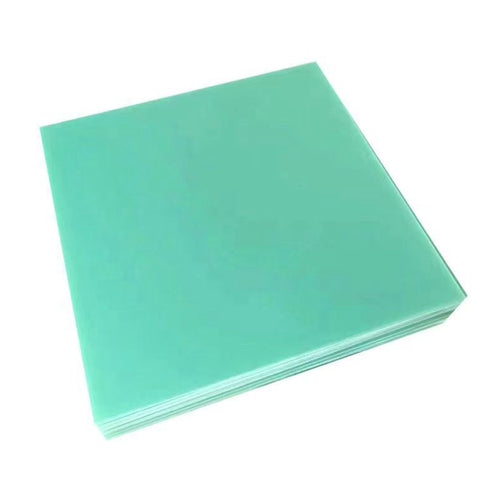
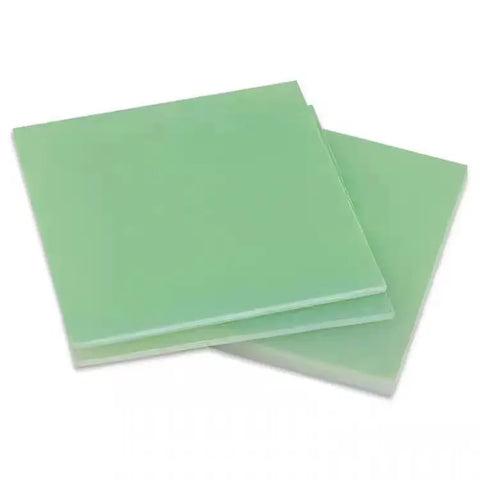
FR-4 material sheets

Understand why FR-4 glass epoxy is the backbone of modern consumer electronics, offering an optimal balance of cost and performance. Learn about the diverse applications of FR-4 in devices ranging from smartphones to automotive electronics. Stay ahead of the curve with insights into innovations and future trends, including halogen-free variants and advancements in flame retardancy.

Finally, navigate the landscape of PCB materials with a thorough comparison of FR-4 to alternatives like G-10 and high-frequency laminates, guiding you to make informed decisions for your specific needs. Embrace the versatility and discover why FR-4 is the go-to choice for next-gen consumer electronics.

For more detailed insights, check out the full blog post and elevate your knowledge of FR-4 materials!

Understanding FR-4 Material: Composition and Properties

Composition of FR-4 Material

FR-4 material is a crucial component in the electronics industry, especially for printed circuit boards (PCBs). It is composed of a woven fiberglass cloth and an epoxy resin binder. This combination provides the material with its unique properties. The fiberglass cloth offers excellent mechanical strength, while the epoxy resin acts as a binder, giving the material its electrical insulation and flame retardant properties.

Key Properties of FR-4 Material

Flame Retardancy

One of the standout features of FR-4 material is its flame retardancy. It meets stringent safety standards, such as UL 94V-0, indicating its ability to self-extinguish once the flame source is removed. This property makes FR-4 a safe choice for electronic applications, minimizing the risk of fire hazards.

Mechanical Strength

FR-4 exhibits high mechanical strength, which is essential for supporting and protecting the delicate electronic components on a PCB. The woven fiberglass fabric contributes to this strength, allowing FR-4 to withstand significant mechanical stresses without deforming or breaking​.

Electrical Insulation

Another critical property of FR-4 is its excellent electrical insulation. The epoxy resin ensures that the material can effectively insulate electronic components, preventing electrical shorts and enhancing the overall reliability of electronic devices. This makes FR-4 ideal for high-performance electronic applications​.

Low Water Absorption

FR-4 material has a low moisture absorption rate, which ensures that its properties remain stable even in humid environments. This low water absorption rate makes FR-4 suitable for use in various climates and conditions, maintaining the integrity and performance of the PCBs.

Applications of FR-4 Material

Consumer Electronics

FR-4 is extensively used in the manufacturing of consumer electronics, including smartphones, tablets, and laptops. Its balance of cost, performance, and reliability makes it a preferred choice for mass-produced electronics​.

Industrial Applications

In industrial settings, FR-4 is utilized in control systems, instrumentation, and power supplies. Its durability and resistance to harsh conditions make it ideal for demanding industrial environments.

Telecommunications

The telecommunications industry relies on FR-4 for devices such as routers, switches, and other networking equipment. The material’s ability to maintain stable electrical properties across various frequencies ensures reliable communication performance.

By understanding the composition and properties of FR-4 material, professionals in the electronics industry can make informed decisions when selecting materials for PCB manufacturing and other applications, ensuring optimal performance and reliability of their electronic devices.

FR-4 material

Mechanical and Thermal Properties of FR-4

Mechanical Properties of FR-4

FR-4 material is renowned for its excellent mechanical properties, which make it an ideal choice for a variety of applications in the electronics industry.

Tensile Strength

Tensile strength is a critical factor in determining a material’s ability to withstand pulling forces without breaking. FR-4 exhibits a high tensile strength, typically around 45,000 psi (pounds per square inch). This robust property ensures that FR-4 laminates can endure significant mechanical stress during manufacturing and usage, providing stability and durability to printed circuit boards (PCBs).

Flexural Strength

Flexural strength measures a material’s capacity to resist deformation under load. FR-4 materials have an impressive flexural strength of approximately 70,000 psi. This high value indicates that FR-4 can maintain its shape and integrity under bending forces, which is crucial for maintaining the structural integrity of PCBs in dynamic environments​.

Impact Resistance

Impact resistance refers to the material’s ability to absorb energy and resist impact forces. FR-4 demonstrates good impact resistance, with an Izod impact strength of about 14 ft-lbs/in. This property ensures that FR-4 PCBs can withstand shocks and impacts during handling and operation, making them suitable for applications where mechanical stress is a concern​.

Thermal Properties of FR-4

In addition to its mechanical properties, FR-4 also boasts impressive thermal properties that contribute to its widespread use in the electronics industry.

Service Temperature Ranges

FR-4 material can operate within a broad range of temperatures. The continuous service temperature for FR-4 is typically up to 130°C, with short-term exposure tolerances up to 180°C. This makes FR-4 suitable for applications where heat resistance is essential, such as in high-temperature environments found in various electronic devices​.

Thermal Expansion

Thermal expansion measures how much a material expands when heated. FR-4 has a coefficient of thermal expansion (CTE) of about 15-18 ppm/°C, indicating it has low expansion rates under temperature variations. This low CTE ensures that FR-4 PCBs remain dimensionally stable, preventing warping or distortion that could affect the performance and reliability of electronic circuits​.

Contribution to Durability and Reliability

The combination of high mechanical strength and excellent thermal properties makes FR-4 material incredibly durable and reliable. These characteristics ensure that FR-4 PCBs can withstand the mechanical stresses and thermal cycles encountered during manufacturing and operation, making them ideal for a wide range of applications in consumer electronics, industrial equipment, and telecommunications​.

By understanding the mechanical and thermal properties of FR-4, professionals in the electronics industry can appreciate why this material remains a top choice for PCB manufacturing and other demanding applications.

Advantages of FR-4 Glass Epoxy in Consumer Electronics

Cost-Effectiveness of FR-4 Glass Epoxy

FR-4 glass epoxy is highly favored in the consumer electronics industry due to its remarkable balance of cost-effectiveness and performance. This material is relatively inexpensive compared to other high-performance alternatives like ceramic substrates or polyimide laminates. The affordability of FR-4 makes it an attractive choice for mass production of electronic devices, ensuring that manufacturers can keep production costs low while maintaining high-quality standards​.

Performance and Reliability

Despite its affordability, FR-4 glass epoxy does not compromise on performance. It provides excellent electrical insulation, which is crucial for the safety and functionality of electronic devices. The material’s high dielectric strength ensures that electronic components are well-insulated, preventing electrical shorts and enhancing device reliability. This is particularly important in consumer electronics, where devices are expected to perform consistently under various conditions.

Insulation and Stability

One of the key reasons why FR-4 glass epoxy is preferred in consumer electronics is its superior insulation properties. The epoxy resin used in FR-4 acts as a robust insulator, protecting sensitive electronic components from electrical interference. Additionally, FR-4’s low water absorption ensures that the material remains stable in humid environments, which is essential for devices that may be exposed to moisture, such as smartphones and tablets.

Environmental Resilience

FR-4 material excels in providing stability and reliability under varying environmental conditions. Its thermal stability allows it to withstand high operating temperatures without degrading, making it suitable for devices that generate significant heat. The material’s mechanical strength ensures that it can endure physical stress and impact, protecting electronic components during drops or rough handling. This resilience is critical for consumer electronics, which are often subject to harsh and unpredictable conditions​.

Versatility in Applications

The versatility of FR-4 glass epoxy further enhances its appeal in the consumer electronics sector. It can be used in a wide range of applications, from motherboards and graphic cards to mobile phones and home appliances. This versatility is due to its excellent combination of mechanical and electrical properties, making it a go-to material for various electronic devices​.

Ease of Manufacturing

Another significant advantage of FR-4 glass epoxy is its compatibility with standard PCB manufacturing processes. It can be easily drilled, etched, and soldered, simplifying the production process and reducing manufacturing time and costs. This ease of fabrication makes FR-4 an efficient choice for large-scale production, meeting the high demand for consumer electronics without sacrificing quality.

By understanding these advantages, it’s clear why FR-4 glass epoxy remains a preferred material in the consumer electronics industry. Its cost-effectiveness, combined with superior performance, reliability, and versatility, ensures that manufacturers can produce high-quality devices that meet consumer expectations and withstand the rigors of everyday use.

advantage of FR-4 glass epoxy

Applications of FR-4 in Modern Electronics

Consumer Electronics

FR-4 material is a staple in the consumer electronics industry, finding extensive use in devices such as smartphones, tablets, and laptops. Its combination of mechanical strength and electrical insulation makes it ideal for the densely packed circuits in these devices. Smartphones and tablets require materials that can withstand frequent handling, drops, and various environmental conditions. The low water absorption and high dielectric strength of FR-4 ensure that these devices remain reliable and functional over time, even in humid environments​.

Automotive Electronics

In the automotive industry, FR-4 is utilized in advanced electronic systems, including engine control units (ECUs), infotainment systems, and sensor modules. The high thermal stability of FR-4 is crucial for withstanding the elevated temperatures often found in engine compartments. Additionally, its mechanical durability ensures that automotive electronic components can endure the vibrations and shocks experienced during vehicle operation. The electrical insulation properties of FR-4 also protect sensitive electronics from electrical interference, enhancing the reliability of automotive systems.

Aerospace Electronics

The aerospace sector demands materials that can perform reliably under extreme conditions, and FR-4 meets these requirements with its superior mechanical and thermal properties. FR-4 is used in various aerospace applications, including navigation systems, communication equipment, and control systems. The material’s ability to maintain dimensional stability and resist thermal expansion ensures that electronic components function correctly at high altitudes and during rapid temperature changes. The flame retardancy of FR-4 also adds an essential safety layer, making it suitable for use in critical aerospace systems.

Telecommunication Devices

FR-4 is widely used in the telecommunications industry for routers, switches, and other networking equipment. Its high-frequency performance is essential for ensuring reliable data transmission and minimizing signal loss. The dielectric properties of FR-4 allow for stable impedance, which is critical in maintaining the integrity of high-speed communication signals. The material’s electrical insulation capabilities prevent interference between densely packed circuits, ensuring that telecommunication devices operate efficiently.

Industrial Equipment

In industrial electronics, FR-4 is used in control systems, power supplies, and automation equipment. The robust mechanical strength of FR-4 allows it to withstand the demanding conditions of industrial environments, including exposure to chemicals, moisture, and mechanical stress. Its thermal stability ensures that electronic components can operate reliably in high-temperature settings, which is often required in industrial applications.

Medical Devices

FR-4 also plays a crucial role in the medical electronics field. It is used in devices such as diagnostic equipment, patient monitors, and medical imaging systems. The electrical insulation and reliability of FR-4 are paramount in ensuring the safety and effectiveness of medical devices. Additionally, the material’s low water absorption and chemical resistance make it suitable for use in environments where hygiene and durability are critical​.

By leveraging the unique properties of FR-4 material, manufacturers across various industries can produce electronic devices that are reliable, durable, and capable of meeting the specific demands of their applications.

Innovations and Future Trends in FR-4 Materials

Halogen-Free FR-4 Variants

One of the significant innovations in FR-4 materials is the development of halogen-free variants. Traditional FR-4 materials often contain halogens such as bromine, which act as flame retardants. However, halogens can release toxic gases when burned, posing environmental and health risks. Halogen-free FR-4 materials address these concerns by using alternative flame retardants that do not release harmful substances. These materials maintain the high flame retardancy and mechanical properties of traditional FR-4, making them a safer and more environmentally friendly option for PCB manufacturing.

Improvements in Flame Retardancy

Recent advancements have also focused on enhancing the flame retardancy of FR-4 materials. Researchers are developing new formulations that improve the material’s ability to withstand high temperatures and resist ignition. For instance, incorporating advanced epoxy resins and additives has led to FR-4 materials with higher thermal stability and better flame retardant properties. These improvements make FR-4 even more suitable for applications in critical industries such as aerospace and automotive electronics, where safety is paramount​.

Enhanced Thermal and Electrical Performance

Ongoing research aims to boost the thermal and electrical performance of FR-4 materials. Innovations include the development of FR-4 variants with higher thermal conductivity, which helps in better heat dissipation from electronic components. This is particularly important for high-density PCBs used in modern consumer electronics and telecommunication devices, where managing heat is crucial to ensure device reliability and longevity. Additionally, advancements in resin technology are leading to FR-4 materials with improved dielectric properties, reducing signal loss and enhancing high-frequency performance​.

Nanotechnology Integration

Nanotechnology is another promising area of research for enhancing FR-4 materials. By incorporating nanomaterials such as carbon nanotubes or graphene, researchers can significantly improve the mechanical, thermal, and electrical properties of FR-4. These nano-enhanced FR-4 materials exhibit higher strength, better thermal conductivity, and superior electrical performance. This makes them ideal for next-generation electronic applications, including flexible electronics and wearable devices, where traditional materials might fall short.

Eco-Friendly and Sustainable Options

With growing environmental concerns, there is a strong push towards developing more eco-friendly and sustainable FR-4 materials. This includes the use of bio-based resins and recyclable composites that reduce the environmental footprint of PCB manufacturing. Additionally, advancements in manufacturing processes aim to minimize waste and improve the efficiency of material usage. These sustainable innovations not only benefit the environment but also align with the increasing demand for green technologies in the electronics industry​.

Future Trends in FR-4 Applications

The future of FR-4 materials looks promising, with continuous improvements and innovations enhancing their performance and expanding their applications. As the demand for more compact, powerful, and efficient electronic devices grows, FR-4 materials will play a crucial role in meeting these requirements. Future trends include the integration of FR-4 in 5G technology, Internet of Things (IoT) devices, and advanced automotive systems. These applications will benefit from the improved properties of next-generation FR-4 materials, driving the evolution of electronics and supporting technological advancements across various sectors​.

By staying ahead of these innovations and future trends, professionals in the electronics industry can leverage the enhanced capabilities of FR-4 materials to develop cutting-edge products that meet the evolving demands of consumers and industries alike.
FR-4 materials to develop cutting

Comparing FR-4 with Alternative PCB Materials

FR-4 vs. G-10

G-10 and FR-4 are both types of fiberglass laminates commonly used in PCB manufacturing. While they share many similarities, there are some key differences:

Strengths of G-10

  • Mechanical Strength: G-10 is known for its excellent mechanical strength and rigidity. It is highly durable and can withstand significant mechanical stress, making it suitable for high-impact applications.
  • Cost-Effective: G-10 is generally less expensive than FR-4, which makes it a cost-effective option for applications that do not require flame retardancy​.

Limitations of G-10

  • Lack of Flame Retardancy: Unlike FR-4, G-10 does not possess flame retardant properties, which limits its use in applications where fire safety is a concern.
  • Electrical Insulation: While G-10 provides good electrical insulation, it is not as effective as FR-4 in environments where electrical insulation properties are critical.

FR-4 vs. High-Frequency Laminates

High-frequency laminates are designed for applications that require stable electrical performance at high frequencies, such as RF (radio frequency) and microwave circuits.

Strengths of High-Frequency Laminates

  • Electrical Performance: High-frequency laminates offer superior electrical properties, including low dielectric constant (Dk) and dissipation factor (Df), which are essential for maintaining signal integrity at high frequencies.
  • Thermal Stability: These laminates also provide better thermal stability, which is crucial for high-frequency applications that generate significant heat​.

Limitations of High-Frequency Laminates

  • Cost: High-frequency laminates are typically more expensive than FR-4, which can be a limiting factor for cost-sensitive projects.
  • Manufacturing Complexity: The manufacturing process for high-frequency laminates can be more complex and requires specialized equipment and techniques, potentially increasing production time and costs​.

FR-4 vs. Carbon Fiber Composites

Carbon fiber composites are known for their exceptional strength-to-weight ratio and are used in applications where weight reduction is critical, such as aerospace and high-performance automotive components.

Strengths of Carbon Fiber Composites

  • High Strength and Low Weight: Carbon fiber composites provide high mechanical strength while being significantly lighter than FR-4. This makes them ideal for applications requiring strong yet lightweight materials.
  • Thermal Conductivity: Carbon fiber materials can offer better thermal conductivity, which is beneficial for dissipating heat in high-power electronic applications​.

Limitations of Carbon Fiber Composites

  • Cost: Carbon fiber composites are generally more expensive than FR-4, which can be a significant drawback for large-scale or budget-constrained projects.
  • Electrical Conductivity: Unlike FR-4, carbon fiber composites can be electrically conductive, which may require additional insulation measures in electronic applications.

Selecting the Right Material

When selecting the appropriate material for a specific application, consider the following factors:

Application Requirements

  • Electrical Performance: For high-frequency applications, high-frequency laminates are preferable due to their superior electrical properties.
  • Mechanical Durability: If the application requires high mechanical strength and impact resistance, G-10 or carbon fiber composites might be suitable options.
  • Flame Retardancy: For applications where fire safety is critical, FR-4 is the optimal choice due to its flame retardant properties.

Cost Considerations

  • Budget Constraints: If cost is a significant factor, G-10 offers a more affordable alternative to FR-4, provided that flame retardancy is not required.
  • Performance vs. Cost: Balance the need for advanced properties with budget considerations. While high-frequency laminates and carbon fiber composites offer superior performance, their higher costs may not be justified for all applications​.

By understanding the strengths and limitations of these materials, professionals in the electronics industry can make informed decisions to select the best material for their specific PCB manufacturing and electronic applications.

G-10 or carbon fiber composites

Frequently Asked Questions about FR-4 Material and Beeplastics Customization

1. What is FR-4 material and why is it used in PCB manufacturing?

Answer: FR-4 is a grade designation for fiberglass reinforced epoxy laminate material. It is widely used in PCB manufacturing because of its excellent electrical insulation properties, high mechanical strength, flame retardancy, and low water absorption. These properties make FR-4 ideal for supporting and insulating electronic components in various environmental conditions.

2. What are the mechanical properties of FR-4?

Answer: The mechanical properties of FR-4 include high tensile strength (approximately 45,000 psi), impressive flexural strength (around 70,000 psi), and good impact resistance (with an Izod impact strength of about 14 ft-lbs/in). These properties ensure that FR-4 can withstand significant mechanical stress without deforming, making it suitable for high-impact applications.

3. How does FR-4 perform in high-temperature environments?

Answer: FR-4 exhibits excellent thermal stability, with a continuous service temperature up to 130°C and short-term exposure tolerances up to 180°C. Its low coefficient of thermal expansion (15-18 ppm/°C) ensures that it remains dimensionally stable under varying temperatures, preventing warping or distortion of PCBs.

4. Why is FR-4 favored in consumer electronics?

Answer: FR-4 is favored in consumer electronics due to its balance of cost-effectiveness and high performance. It provides superior electrical insulation, mechanical strength, and thermal stability, ensuring the reliability and longevity of devices like smartphones, tablets, and laptops even under frequent use and diverse environmental conditions.

5. Can Beeplastics undertake any customization for FR-4 materials?

Answer: Yes, Beeplastics can undertake any customization, including sample customization and batch customization. They cater to various customer needs by offering tailored solutions for both small and large orders.

6. What file formats does Beeplastics accept for custom orders?

Answer: Beeplastics accepts a variety of file formats for custom orders, including PDF and CAD. This flexibility allows customers to provide their design specifications in the format that best suits their project requirements.

7. Is there a minimum order quantity (MOQ) for Beeplastics customization?

Answer: No, Beeplastics does not have a minimum order quantity (MOQ). This allows customers to order exactly what they need, whether it’s a single prototype or a large batch for mass production.

8. How does Beeplastics handle the production cycle for custom orders?

Answer: The production cycle at Beeplastics is determined by the order volume and the complexity of the process. They communicate with customers in real-time about the production progress, ensuring transparency and timely delivery of orders.

9. Does Beeplastics provide samples before full production?

Answer: Yes, Beeplastics supports the provision of samples. Customers are only responsible for the shipping costs, as the samples themselves are provided free of charge. This allows customers to evaluate the quality and suitability of the material before committing to a larger order.

10. What are the environmental benefits of using halogen-free FR-4 variants?

Answer: Halogen-free FR-4 variants offer significant environmental benefits by eliminating the release of toxic halogen gases during combustion. These materials use alternative flame retardants that do not pose environmental or health risks, making them safer for use in various electronic applications while maintaining the high performance and reliability of traditional FR-4 materials.

By understanding the properties, applications, and customization options for FR-4 materials, professionals in the electronics industry can make informed decisions to optimize their PCB manufacturing processes and ensure the performance and reliability of their electronic devices. Beeplastics provides comprehensive customization services to meet the specific needs of their customers, enhancing the overall value and quality of their products.

Conclusion

In the rapidly evolving field of electronics, FR-4 material remains a cornerstone due to its exceptional balance of cost-effectiveness, mechanical strength, and thermal stability. From consumer electronics to aerospace applications, the versatility of FR-4 ensures its continued relevance and indispensability. Recent innovations, such as halogen-free variants and enhanced flame retardancy, underscore the ongoing advancements aimed at improving the material’s performance and safety. By understanding the properties, applications, and customization options available through providers like Beeplastics, professionals can make informed decisions to meet the specific needs of their projects. With no minimum order quantities and a commitment to real-time production updates, Beeplastics offers a flexible and customer-focused approach to PCB manufacturing and material customization. Embrace the future of electronics with confidence, knowing that FR-4 and innovative companies like Beeplastics are at the forefront of supporting your technological advancements.

FR4 PBC

🎉🎉🎉Limited Time Offer Use code: QR4GNY08SHVR at checkout and enjoy a special discount on your entire order! 👉 FR4 fiberglass plastic

Get your custom FR-4 solutions today! Contact us using the form at the bottom of this page to start your project. Explore the extensive benefits of our FR-4 materials by clicking here: FR-4 Epoxy Glass Fiber.

Leave a comment


Please note, comments must be approved before they are published


Custom Plastic Fabrication

Send your drawing, material and quantity for review

🔧
Precision Machining
CNC milling & turning
✂️
Cutting & Engraving
Laser & waterjet cutting
🏭
Forming & Molding
Thermoforming & injection
🔗
Joining & Assembly
Welding & bonding
📐
Design & Prototyping
CAD design & samples

General

HDPE

PP

PVC

ABS

Engineering

POM

Nylon

PC

PMMA

High-Performance

PEEK

PEI

PTFE

Composites

FR-4

G10

Flexible

TPU

Silicone

Why Choose BeePlastic?

🎯
Perfect Fit
Custom specs eliminate adaptation needs
⚡
Clear Lead Times
Lead time confirmed with every quote
💰
Volume Pricing
Volume pricing available on bulk orders
🤝
Expert Support
Free engineering consultation included
📋
Submit
→
🔍
Review
→
💵
Quote
→
✅
Production
→
📦
Deliver

Request a Quote

Share your project details, selected material and quantity on our quote page. You can add a file link or use the email drawing route shown there.


Request Quote

Industries: Automotive • Medical • Food • Lab • Semiconductor

beeplastic@beeplastic.com


The Ultimate Guide to UHMW-PE for Aerospace Applications: Enhancing Aircraft Performance

UHMW-PE in aerospace
Ultra-High Molecular Weight Polyethylene (UHMW-PE)

Dive into the world of Ultra-High Molecular Weight Polyethylene (UHMW-PE), a groundbreaking material reshaping the aerospace industry through its exceptional properties and applications. Our comprehensive guide, “The Ultimate Guide to UHMW-PE for Aerospace Applications: Enhancing Aircraft Performance,” explores the pivotal role of UHMW-PE in modern aerospace engineering, detailing its high strength-to-weight ratio, superior wear resistance, and unparalleled chemical resistance.

🎉🎉🎉Limited Time Offer Use code: QR4GNY08SHVR at checkout and enjoy a special discount on your entire order! 👉 UHMWPE plastic


Discover how UHMW-PE is used in critical aerospace components like cargo liners and bushings, contributing to significant enhancements in fuel efficiency and safety. We delve into the material’s robust thermal properties that allow it to perform under extreme environmental conditions, ensuring reliability and performance in the skies.

Our guide also addresses the challenges of working with UHMW-PE, including its processing complexities and how cutting-edge advancements are making it more adaptable and effective for aerospace use. A detailed comparative analysis with other materials highlights why UHMW-PE often outperforms traditional options like aluminum and composites.

Stay ahead of the curve by understanding the latest innovations and future trends in UHMW-PE applications within the aerospace sector. Whether you’re an engineer, designer, or industry enthusiast, this guide offers essential insights into how UHMW-PE continues to push the boundaries of aerospace technology, promising a lighter, more efficient, and more durable future for aircraft manufacturing.

Introduction to Ultra-High Molecular Weight Polyethylene (UHMW-PE)

Ultra-High Molecular Weight Polyethylene, commonly abbreviated as UHMW-PE, is a standout material in the realm of engineering plastics. Its extraordinary molecular weight, ranging from 3.1 to 6 million g/mol, confers a suite of unique properties that are highly valued across various industries, particularly in aerospace.

Distinctive Properties of UHMW-PE

UHMW-PE is renowned for its high strength-to-weight ratio, a crucial feature that allows for the creation of lighter components without sacrificing durability or performance. This characteristic is particularly beneficial in aerospace applications, where reducing the overall weight of an aircraft can lead to improved fuel efficiency and better overall performance.

Additionally, UHMW-PE exhibits excellent wear resistance. Its ability to withstand abrasive conditions without deteriorating makes it ideal for parts that experience high levels of friction. The polymer’s wear resistance ensures longevity and reliability of aerospace components under rigorous operational conditions.

Another significant advantage of UHMW-PE is its chemical resistance. This material stands up well against a wide range of chemical agents, including many acids and alkalis, which makes it suitable for aerospace components that may be exposed to harsh chemical environments.

advantage of UHMW-PE is its chemical resistance

Applications in Aerospace

In the aerospace industry, UHMW-PE’s properties translate into practical applications such as protective gear, cargo liners, and various structural components. Its impact resistance and ability to absorb energy without fracturing are critical for components that must endure the stresses of takeoff, flight, and landing.

The utilization of UHMW-PE in aerospace demonstrates the material’s versatility and ability to meet stringent industry requirements, underscoring its importance as a material of choice for high-performance applications.

Aerospace Applications of UHMW-PE

Ultra-High Molecular Weight Polyethylene (UHMW-PE) has become a cornerstone material in the aerospace industry due to its outstanding properties. This section explores the various ways UHMW-PE is used, particularly focusing on components like cargo liners, bushings, and bearing pads.

Critical Components Made from UHMW-PE

One of the primary uses of UHMW-PE in aerospace is in the manufacturing of cargo liners. These liners benefit significantly from UHMW-PE’s lightweight nature, which contributes to overall aircraft weight reduction and, by extension, fuel efficiency. The durability and abrasion resistance of UHMW-PE ensure that these cargo liners can withstand the rigors of frequent loading and unloading, which is common in air transport.

Bushings made from UHMW-PE are another critical application. These components are essential for reducing friction in mechanical systems, which is vital for the moving parts in aircraft. The low friction coefficient of UHMW-PE not only enhances the operational efficiency of these systems but also increases their lifespan by reducing wear and tear.

Bearing pads are also commonly crafted from UHMW-PE. These pads support structural components of the aircraft and absorb shocks and vibrations during flight. The high impact strength of UHMW-PE is crucial for these applications, ensuring that the bearing pads can endure the stresses encountered during takeoff, flight, and landing without compromising the integrity of the aircraft structure.

Benefits of UHMW-PE in Aerospace

The use of UHMW-PE in aerospace engineering brings numerous benefits. Its chemical resistance makes it ideal for parts that might be exposed to corrosive fluids, such as fuels and lubricants. Moreover, the material’s resistance to UV radiation and extreme temperatures makes it suitable for the external as well as internal components of an aircraft.

Overall, UHMW-PE stands out in the aerospace sector for its ability to meet the demanding requirements of the industry. Its adoption continues to grow as engineers seek materials that combine strength, durability, and lightweight characteristics in order to improve aircraft performance and safety.

UHMW-PE in aerospace engineering

Thermal and Chemical Properties of UHMW-PE

UHMW-PE’s resilience in harsh environments makes it an indispensable material in the aerospace industry. This section delves into the thermal and chemical properties of UHMW-PE, highlighting its capacity to withstand extreme conditions.

Exceptional Thermal Resistance

UHMW-PE is known for its outstanding thermal stability, an essential property for materials used in aerospace applications. It can operate efficiently within a wide temperature range, typically from -269°C to about 80°C. This broad range allows it to perform reliably in both high-altitude cold environments and during high-friction operations that generate heat.

The material’s low thermal conductivity ensures that it does not easily transfer heat, which is crucial for components that must insulate sensitive electronic systems within the aircraft. Additionally, UHMW-PE’s ability to maintain its properties at low temperatures makes it ideal for exterior aerospace applications, where materials are routinely subjected to extreme cold during flight.

Robust Chemical Resistance

Chemical resistance is another critical feature of UHMW-PE. This polymer is highly resistant to corrosive chemicals, including acids, alkalis, and various organic solvents. This resistance is vital for aerospace components that may come into contact with aggressive fuels, hydraulic fluids, and de-icing chemicals, which are commonplace in the aerospace industry.

UHMW-PE’s chemical inertness also means that it does not react with these substances, which helps prevent material degradation and extends the lifespan of the components made from it. The stability of UHMW-PE under chemical exposure ensures that aerospace components remain reliable over their operational life, reducing maintenance costs and improving safety.

Applications in Harsh Environments

The combination of thermal and chemical stability in UHMW-PE allows it to be used in some of the most challenging environments imaginable. In aerospace, this includes everything from the internal mechanisms that require consistent performance despite varying atmospheric conditions to exterior applications where resistance to UV exposure and weathering is critical.

UHMW-PE’s properties make it particularly suited for roles where material failure is not an option, such as in critical flight systems and safety components. The ongoing research and development in enhancing these properties ensure that UHMW-PE continues to meet the evolving demands of the aerospace sector, confirming its status as a material of choice for high-performance applications.

Enhancing Aircraft Performance with UHMW-PE

The incorporation of Ultra-High Molecular Weight Polyethylene (UHMW-PE) into aircraft design significantly enhances overall performance. This section discusses how UHMW-PE contributes to improved fuel efficiency and safety in aerospace applications, focusing on its lightweight characteristics and exceptional impact resistance.

UHMW-PE

Boosting Fuel Efficiency through Lightweight Design

One of the foremost benefits of UHMW-PE in aerospace is its lightweight nature. Aircraft efficiency largely hinges on the weight of the materials used in its construction. Lighter materials like UHMW-PE reduce the overall weight of the aircraft, which directly translates to lower fuel consumption. This efficiency is crucial for reducing operational costs and minimizing environmental impact.

UHMW-PE is particularly valued for parts such as interior panels, cargo liners, and seating components, where weight reduction can be achieved without compromising the strength and durability required for aerospace standards. The ability to use lighter components that maintain the necessary performance specifications is a key factor in the ongoing efforts to make more fuel-efficient and cost-effective aircraft.

Enhancing Safety with Impact Resistance

Another critical advantage of UHMW-PE is its impact resistance. This property is vital for the safety and reliability of aerospace components that must endure extreme forces during takeoffs, landings, and unforeseen turbulence. UHMW-PE’s ability to absorb and dissipate energy without fracturing helps prevent catastrophic failures in critical components.

Components made from UHMW-PE, such as door hinges, handles, and protective coverings, contribute to the overall structural integrity of the aircraft. This impact resistance ensures that these components remain functional and intact, even under high stress, enhancing the safety of the aircraft and its occupants.

Contributing to Advanced Aerospace Technologies

The use of UHMW-PE also aligns with the aerospace industry’s shift towards more advanced, lightweight composites that offer enhanced performance capabilities. As aircraft designs evolve to become more efficient and capable, materials like UHMW-PE play a pivotal role in facilitating these advancements by providing a balance of lightweight construction and high-performance durability.

In summary, UHMW-PE’s contribution to aircraft performance is multifaceted, impacting everything from the basic operational costs associated with fuel use to critical safety features that protect passengers and crew. The ongoing development and application of UHMW-PE in aerospace are crucial for the continued advancement of this field, pushing the boundaries of what is possible in aircraft design and functionality.

Innovations in UHMW-PE Technology for Aerospace Applications

The continuous advancements in Ultra-High Molecular Weight Polyethylene (UHMW-PE) technology are significantly enhancing its applications within the aerospace sector. These innovations focus primarily on improving wear resistance and reducing friction, two factors that are crucial for the longevity and efficiency of aerospace components.

Enhanced Wear Resistance

Recent developments in UHMW-PE technology have led to significant improvements in wear resistance. Engineers and researchers have been focusing on modifying the molecular structure of UHMW-PE to increase its durability under extreme operational conditions. By incorporating reinforcing fillers or through the use of advanced polymerization techniques, the modified UHMW-PE exhibits enhanced resistance to abrasion and extended life in high-wear applications. These improvements are crucial for parts such as gears, bearings, and slides that are integral to the mechanical systems of aircraft.

Reduction in Friction

Another critical area of innovation is the reduction of friction in UHMW-PE components. Lowering the friction coefficient not only enhances the material’s wear properties but also significantly reduces the energy consumption of moving parts. This is particularly beneficial in aerospace, where efficiency is paramount. Techniques such as surface treatment and the addition of specialized additives have been developed to achieve smoother surfaces and more lubricious behavior, which greatly contribute to the overall performance improvements in aerospace systems.

Impact on Aerospace Technologies

The ongoing enhancements in UHMW-PE are not just improving existing applications but are also opening up new possibilities within the aerospace industry. For instance, the improved material properties allow for the design of lighter, more efficient aircraft structures with increased payload capacities and greater fuel efficiency. Additionally, these advancements support the aerospace industry’s push towards more sustainable practices by extending the service life of components and reducing maintenance needs.

The innovations in UHMW-PE technology represent a pivotal development in aerospace materials science, offering significant benefits in terms of performance, safety, and cost-effectiveness. As this technology continues to evolve, it will play a crucial role in shaping the future of aerospace engineering, driving further advancements in aircraft design and functionality.

UHMW-PE

Challenges and Solutions in UHMW-PE Aerospace Applications

Implementing Ultra-High Molecular Weight Polyethylene (UHMW-PE) in aerospace poses unique challenges, primarily related to its processing difficulties. However, significant strides in technology have provided innovative solutions to these obstacles, enhancing its viability and performance in aerospace engineering.

Processing Challenges of UHMW-PE

One of the main challenges with UHMW-PE is its processing difficulty due to its extremely high molecular weight. Traditional molding and extrusion techniques are often inadequate because UHMW-PE does not melt flow like typical thermoplastics. Instead, it requires specialized processing methods such as compression molding or ram extrusion, which can be costly and time-consuming. Additionally, achieving precision in the dimensions of parts made from UHMW-PE can be challenging, impacting the consistency and reliability of aerospace components.

Technological Advancements Overcoming Processing Issues

Recent technological advancements have begun to address these processing challenges. Innovative sintering techniques have been developed that allow for more precise control over the shaping and sizing of UHMW-PE parts. These methods facilitate the production of complex shapes and sizes with improved dimensional accuracy, essential for aerospace components that must meet stringent specifications.

Furthermore, enhancements in additive manufacturing, or 3D printing, have opened new avenues for using UHMW-PE in aerospace applications. These advancements enable the creation of detailed, custom-shaped parts without the need for traditional molding processes, significantly reducing the time and cost associated with manufacturing UHMW-PE components.

Improvements in Material Formulations

To further mitigate processing challenges, scientists and engineers have also developed new material formulations. These formulations blend UHMW-PE with other polymers or additives to improve its processability and enhance properties such as impact resistance and durability. These modified materials retain the beneficial characteristics of traditional UHMW-PE while being easier to work with, allowing for broader application in aerospace designs.

Conclusion

The integration of UHMW-PE in aerospace continues to evolve as industry professionals tackle its processing challenges through technological innovation and material science advancements. These developments not only make UHMW-PE more adaptable to aerospace needs but also push the boundaries of what’s possible in aircraft manufacturing, promising a future where UHMW-PE’s superior properties can be fully leveraged for high-performance aerospace applications.

UHMW-PE in aerospace

Comparative Analysis: UHMW-PE vs. Traditional Aerospace Materials

The aerospace industry continually seeks materials that provide the best balance of performance, weight, and cost. Ultra-High Molecular Weight Polyethylene (UHMW-PE) offers distinct advantages over traditional materials like aluminum and carbon composites. This section provides a detailed comparison, highlighting scenarios where UHMW-PE is particularly beneficial.

UHMW-PE vs. Aluminum

Aluminum is well-known for its strength and light weight, which has made it a staple in aerospace manufacturing. However, UHMW-PE surpasses aluminum in several key areas, particularly in weight reduction and corrosion resistance. UHMW-PE is significantly lighter than aluminum, which can lead to further efficiencies in fuel consumption and increased payload capacities. Unlike aluminum, UHMW-PE does not corrode, which eliminates the need for protective coatings and reduces maintenance costs associated with corrosion management.

UHMW-PE vs. Carbon Composites

Carbon composites are favored in aerospace for their high stiffness and strength-to-weight ratio. While UHMW-PE does not match the stiffness of carbon composites, it excels in impact resistance and wear resistance. These properties make UHMW-PE ideal for parts that are subject to frequent mechanical stress and where longevity is critical. Additionally, UHMW-PE is easier to process and generally more cost-effective compared to carbon composites, offering a significant advantage in applications where complex geometries are not required.

Advantages in Specific Aerospace Applications

UHMW-PE is particularly beneficial in applications where durability and resistance to environmental factors are paramount. For example, in interior components such as seat tracks and door hinges, UHMW-PE’s superior wear resistance extends the lifecycle of these parts compared to those made from traditional materials. Moreover, its excellent chemical resistance makes it ideal for fuel tanks and fluid handling systems where exposure to harsh chemicals is routine.

Optimizing Material Selection in Aerospace Design

Choosing the right material for aerospace applications involves a thorough understanding of the specific requirements of each part and the overall goals of the aircraft design. UHMW-PE’s unique properties make it an excellent choice in scenarios where light weight, high impact resistance, and chemical stability are crucial. While it may not replace aluminum or carbon composites in all aspects, its use can be strategically optimized to enhance aircraft performance, safety, and operational efficiency.

Future Trends in UHMW-PE Applications in Aerospace

As the aerospace industry continues to evolve, so too does the role of materials like Ultra-High Molecular Weight Polyethylene (UHMW-PE). This section explores the future trends and potential new uses for UHMW-PE as technology advances.

Expanding Applications through Material Innovation

One of the key areas of growth for UHMW-PE in aerospace is through material innovation. Researchers are constantly working on enhancing the properties of UHMW-PE to make it even more suitable for aerospace applications. This includes increasing its temperature resistance and improving its mechanical strength through new formulations and composite materials. Such innovations could open up new applications within more extreme segments of aerospace, such as space exploration, where materials must withstand the harsh conditions of space.

Integration with Additive Manufacturing

Additive manufacturing, or 3D printing, offers significant potential for expanding the use of UHMW-PE in aerospace. The ability to print parts with complex geometries directly from digital designs can reduce production costs and time. UHMW-PE is well-suited for this technology due to its wear resistance and durability. As 3D printing technology improves, it could become possible to produce more critical flight components from UHMW-PE, further integrating the material into the aerospace supply chain.

Sustainability and UHMW-PE

Another growing trend is the focus on sustainability. UHMW-PE is already favored for its durability and resistance to wear, which contribute to longer life spans of components and reduced waste. Future developments may enhance these properties, allowing for the creation of even more environmentally friendly aerospace components. Additionally, research into recyclable UHMW-PE composites could help reduce the environmental impact of aerospace manufacturing.

Collaboration Between Industries

The future of UHMW-PE in aerospace may also benefit from increased collaboration between industries. Insights from sectors like automotive and sports, where UHMW-PE is used for similar properties, can inspire innovative applications in aerospace. Such cross-industry collaboration can accelerate the development of new technologies and material formulations, pushing the boundaries of what’s possible with UHMW-PE.

The ongoing advancements in UHMW-PE technology and its applications in aerospace promise to enhance the performance, efficiency, and sustainability of future aircraft. As these trends continue to develop, UHMW-PE is set to play an even more crucial role in the aerospace materials landscape.

UHMW-PE in aerospace

Frequently Asked Questions About UHMW-PE and BeePlastic’s Customization Services

1. What is UHMW-PE and why is it used in aerospace?

Answer: Ultra-High Molecular Weight Polyethylene (UHMW-PE) is a high-performance plastic known for its high strength-to-weight ratio, wear resistance, and chemical resistance. It’s used in aerospace for parts like cargo liners and bushings because it reduces aircraft weight, enhancing fuel efficiency and safety.

2. Can BeePlastic undertake any form of customization?

Answer: Yes, BeePlastic can handle all types of customization requests, from single-sample customization to full-scale batch production, tailored to meet specific customer needs.

3. What file formats does BeePlastic accept for project submissions?

Answer: BeePlastic accepts a variety of file formats, including PDF and CAD files, ensuring flexibility and convenience for clients during the submission process.

4. Is there a minimum order quantity (MOQ) required at BeePlastic?

Answer: No, there is no minimum order quantity at BeePlastic. We accommodate orders of all sizes, from small prototypes to large-scale production runs.

5. What determines the production cycle at BeePlastic?

Answer: The production cycle at BeePlastic depends on the volume of the order and the complexity of the customization process. We maintain open communication with our clients about production progress to ensure transparency.

6. Does BeePlastic provide samples?

Answer: Yes, BeePlastic supports the provision of samples. The samples are free of charge; however, customers are responsible for covering the shipping costs.

7. How does UHMW-PE compare to other aerospace materials like aluminum?

Answer: UHMW-PE is lighter than aluminum, which helps in reducing the overall weight of the aircraft. Although it isn’t as stiff as aluminum, its superior wear and impact resistance make it valuable for certain aerospace applications.

8. Are there any innovative developments in UHMW-PE technology for aerospace?

Answer: Yes, recent advancements include improving its wear resistance and reducing friction, which enhance its performance in aerospace applications. Innovations in additive manufacturing are also expanding its use in creating complex aerospace components.

9. What sustainability benefits does UHMW-PE offer?

Answer: UHMW-PE is durable and resistant to wear and corrosion, which extends the lifespan of aerospace components and reduces the need for replacements, contributing to sustainability in aerospace manufacturing.

10. How does BeePlastic handle complex custom projects?

Answer: BeePlastic has a streamlined process for handling complex projects. We work closely with clients from the design phase through to production, ensuring every detail is captured accurately and that the final product meets all specifications.

In conclusion, Ultra-High Molecular Weight Polyethylene (UHMW-PE) continues to play a pivotal role in advancing aerospace technology through its exceptional strength-to-weight ratio, superior wear resistance, and excellent chemical stability. As we’ve explored, the innovative applications and enhancements in UHMW-PE manufacturing processes not only promise more efficient and sustainable aerospace components but also pave the way for broader applications across various demanding environments. With ongoing advancements in material science and manufacturing technologies, such as additive manufacturing, UHMW-PE is set to further revolutionize the aerospace sector, offering new possibilities for safety, performance, and environmental sustainability. At BeePlastic, we are committed to leveraging these advancements, providing tailored solutions that meet the complex demands of today’s aerospace industry and beyond.

UHMW-PE in aerospace

Have Questions? We’re Here to Help!

If you need assistance or have specific requirements for your UHMW-PE applications, don’t hesitate to reach out. Fill out our contact form at the bottom of this page, and let’s make your project a success together!”

🎉🎉🎉Limited Time Offer Use code: QR4GNY08SHVR at checkout and enjoy a special discount on your entire order! 👉 UHMWPE plastic

Leave a comment


Please note, comments must be approved before they are published


Custom Plastic Fabrication

Send your drawing, material and quantity for review

🔧
Precision Machining
CNC milling & turning
✂️
Cutting & Engraving
Laser & waterjet cutting
🏭
Forming & Molding
Thermoforming & injection
🔗
Joining & Assembly
Welding & bonding
📐
Design & Prototyping
CAD design & samples

General

HDPE

PP

PVC

ABS

Engineering

POM

Nylon

PC

PMMA

High-Performance

PEEK

PEI

PTFE

Composites

FR-4

G10

Flexible

TPU

Silicone

Why Choose BeePlastic?

🎯
Perfect Fit
Custom specs eliminate adaptation needs
⚡
Clear Lead Times
Lead time confirmed with every quote
💰
Volume Pricing
Volume pricing available on bulk orders
🤝
Expert Support
Free engineering consultation included
📋
Submit
→
🔍
Review
→
💵
Quote
→
✅
Production
→
📦
Deliver

Request a Quote

Share your project details, selected material and quantity on our quote page. You can add a file link or use the email drawing route shown there.


Request Quote

Industries: Automotive • Medical • Food • Lab • Semiconductor

beeplastic@beeplastic.com


The Ultimate Guide to Bakelite: For DIY Enthusiasts and OEM Purchasers Alike

custom Bakelite materials parts

Limited Time Offer: Use code QR4GNY08SHVR at checkout for a special discount on your entire order! Shop Now 👉

Embark on a fascinating journey through the world of Bakelite, a material that has captured the imagination of DIY enthusiasts and OEM purchasers alike. Our comprehensive guide, “The Ultimate Guide to Bakelite: For DIY Enthusiasts and OEM Purchasers Alike,” delves deep into the heart of Bakelite materials, sheets, and boards, unraveling the mysteries of this versatile and enduring substance.

Bakelite cut to size electrical insulation materials

We kick off with a captivating exploration of Bakelite’s history and composition, shedding light on its origins as the first synthetic plastic and its evolution into a cornerstone of modern manufacturing and design. Discover the chemical ingenuity that makes Bakelite an unparalleled choice for a myriad of applications.

Dive into the specific qualities of Bakelite sheets, celebrated for their durability and versatility. Learn why these sheets have become indispensable in both industrial settings and personal projects, offering unparalleled heat resistance and insulating properties.

Our guide doesn’t stop there; we spotlight the innovative uses of Bakelite materials in today’s manufacturing landscape. From electrical insulators to automotive parts, see how Bakelite’s reliability and efficiency continue to make it a go-to material for cutting-edge applications.

Selecting the perfect Bakelite board for your project can be daunting. We provide expert guidance on choosing the right board to meet your specific needs, considering factors like thickness, size, and type to ensure your project’s success.

For those ready to get their hands dirty, our section on working with Bakelite offers valuable tips and techniques. Whether you’re a seasoned professional or a crafting newbie, learn how to cut, shape, and finish Bakelite materials with confidence and creativity.

Finally, our guide concludes with a practical buyer’s guide for sourcing Bakelite sheets, materials, and boards. Discover where to find high-quality Bakelite products, how to assess supplier reliability, and ensure you get the best value for your investment.

“The Ultimate Guide to Bakelite: For DIY Enthusiasts and OEM Purchasers Alike” is more than just a blog post; it’s your gateway to mastering Bakelite in all its forms. Whether you’re embarking on a personal project or sourcing materials for large-scale manufacturing, this guide is an indispensable resource for anyone looking to harness the potential of this extraordinary material.

Bakelite boards for sale

Discovering Bakelite: History and Composition

The Birth of Bakelite

The journey of Bakelite takes us back to the dawn of the 20th century, introducing us to the first synthetic plastic to ever grace the world. Invented in 1907 by the innovative Belgian-American chemist Leo Baekeland, Bakelite was not just any material; it was the herald of the age of plastics. Created as an answer to the insatiable demand for an insulating material within the burgeoning electrical industry, Bakelite set the stage for the diverse and ubiquitous world of plastic products we see today.

The Chemical Composition of Bakelite

At its heart, the magic of Bakelite lies in its unique chemical structure. This material is the result of a chemical romance between phenol and formaldehyde, bonded through a condensation reaction known as polycondensation. Baekeland’s patented process transformed these substances into a hard, infusible, and thermosetting polymer, endowing Bakelite with its iconic properties: unparalleled resistance to electricity, heat, and chemical corrosion. It’s these properties that propelled Bakelite into the limelight as the ideal substance for electrical insulators and a myriad of other applications.

Bakelite’s Multifaceted Applications

The adaptability of Bakelite is truly remarkable. Classified under phenolic resins, it not only spearheaded the development of various synthetic polymers but also boasted a wide array of applications. From electrical insulators to automotive components, and even into the realm of household items like radio casings, kitchenware, and jewelry, Bakelite demonstrated its versatility. Its capability to be molded into any desired shape, coupled with its aesthetic appeal – characterized by rich colors and a glossy finish – secured its place in both functional and ornamental domains.

Legacy and Modern Relevance of Bakelite

The legacy of Bakelite extends far beyond its historical inception. Today, it is revered not only for its pivotal role in the advancement of materials science but also as a cherished collectible among vintage enthusiasts. The narrative of Bakelite, labeled as the “material of a thousand uses,” is a testament to the profound impact that thoughtful chemical engineering can have on technological progress and societal trends. As we venture into new territories of material innovation, the story of Bakelite serves as an enduring emblem of the transformative potential inherent in scientific exploration.

This deep dive into the history and composition of Bakelite enriches our understanding of this pioneering material. From its initial development from phenolic resin and formaldehyde to its widespread integration across diverse industries, Bakelite’s journey encapsulates the essence of innovation. Whether you’re a DIY enthusiast eager to infuse your projects with a touch of vintage elegance or an OEM purchaser in search of robust materials, the enduring saga of Bakelite continues to inspire and inform a wide audience.

Customized Bakelite sheets and insulation components

Bakelite Sheets: Versatility Meets Durability

Unveiling the Strength of Bakelite Sheets

Bakelite sheets, known for their remarkable durability and versatility, stand as a testament to the enduring legacy of Bakelite material. These sheets, often referred to as phenolic panels or laminate sheets, are celebrated for their robustness, making them an excellent choice for both DIY enthusiasts and industrial applications. The unique composition of Bakelite lends these sheets exceptional heat resistance and insulating properties, positioning them as an ideal material for a myriad of uses.

Orange Bakelite Sheet Standard Material

Bakelite Sheets & Rods (In Stock)

Standard Phenolic Laminate Sheets available in thicknesses from 3mm to 100mm. Perfect for electrical insulation, jigs, and fixtures.

  • Heat Resistant & Electrical Insulation
  • Custom Cut-to-Size Available
  • No Minimum Order Quantity

Shop Bakelite Sheets →

The Composition and Properties of Bakelite Sheets

At the heart of Bakelite sheets lies their chemical makeup, a harmonious blend of phenol-formaldehyde resin, hardened under high pressure and temperature. This process imbues the sheets with a set of properties that are highly sought after in materials used for electrical and mechanical applications. Notably, their non-conductivity, resistance to heat, and chemical inertness make Bakelite sheets a safe and reliable choice for environments where these properties are paramount.

Applications in DIY Projects and Beyond

For DIY enthusiasts, the appeal of Bakelite sheets extends into their ease of use and the aesthetic qualities they offer. Whether it’s for crafting custom jewelry, creating unique home decor, or building prototype models, these sheets provide a durable yet easily workable material. Their ability to be cut, shaped, and drilled into without compromising their structural integrity allows for endless creativity in projects.

On the industrial front, Bakelite sheets serve a critical role in the manufacturing of electrical components, such as insulators, circuit boards, and switchgear. The material’s inherent fire retardancy and electrical insulation capabilities ensure safety and efficiency in high-stakes applications. Moreover, their use in automotive parts, particularly under the hood, highlights their ability to withstand extreme conditions without degradation.

The Sustainable Choice

In today’s environmentally conscious world, the sustainability of materials is more important than ever. Bakelite sheets offer an advantage in this area as well, being long-lasting and requiring less frequent replacement than less durable alternatives. This longevity contributes to a reduction in waste, positioning Bakelite as a choice that benefits not only the end-user but also the environment.

Bakelite sheets embody the perfect blend of historical significance and contemporary relevance. Their wide range of applications, from artistic DIY projects to critical industrial components, underscores the material’s unparalleled flexibility and endurance. As we continue to explore and innovate within the realms of material science, Bakelite sheets remain a steadfast reminder of the possibilities that arise when durability meets versatility.

custom Bakelite materials

Choosing the Right Bakelite Board for Your Project

Understanding Bakelite Board Varieties

When embarking on a project that requires the unique properties of Bakelite boards, understanding the variety available is crucial. Bakelite boards, known for their durability, heat resistance, and electrical insulation properties, come in a range of thicknesses, sizes, and types. This diversity makes them suitable for a wide array of applications, from electrical engineering projects to decorative pieces. However, selecting the right Bakelite board requires a thoughtful consideration of your project’s specific needs.

Factor 1: Determining the Thickness Required

The thickness of the Bakelite board is one of the first factors to consider. The choice here largely depends on the structural demands of your project. For instance, thicker boards offer greater rigidity and are ideal for high-stress applications such as mechanical supports or heavy-duty electrical insulators. On the other hand, thinner sheets may be preferable for applications requiring flexibility, such as in some types of decorative arts. The thickness will also affect the board’s heat resistance and electrical insulation capabilities, which are critical for safety in electrical applications.

Factor 2: Size Matters

Next, consider the size of the Bakelite board. This decision should be guided by the dimensions of the final product. Larger boards are useful for projects that require single, uninterrupted pieces, offering aesthetic coherence or structural integrity. Smaller sizes, however, may suffice for projects that involve detailed work or where the Bakelite will be used sparingly. Remember, choosing the right size can minimize waste and optimize the cost-effectiveness of your material selection.

Factor 3: Selecting the Appropriate Type

Bakelite boards are not a one-size-fits-all solution. They come in various types, each tailored for specific applications. For example, some boards are reinforced with materials like cotton or glass fibers to enhance their mechanical strength or thermal stability. Others may contain additives that improve their machinability or color. When selecting the type, consider the environmental conditions the board will be subjected to, such as exposure to chemicals, extreme temperatures, or physical stress.

Balancing Project Requirements with Material Properties

Choosing the right Bakelite board boils down to a balance between your project’s requirements and the material’s properties. Consider not only the physical demands of the application but also the aesthetic or regulatory requirements that may apply. For electrical applications, ensuring the board meets the necessary insulation standards is paramount. For decorative projects, the board’s color, texture, and ability to hold a finish could be key considerations.

Material selection is a critical phase in any project’s planning and execution. By carefully evaluating the factors of thickness, size, and type, you can select a Bakelite board that not only meets your project’s demands but also optimizes performance and safety. Whether you’re a hobbyist working on a personal project or an engineer designing for industrial applications, the right choice of Bakelite board can be the cornerstone of your success.

Bakelite plate

Working with Bakelite: Tips and Techniques for DIY and Professional Projects

Getting Started: Understanding Bakelite

Before diving into projects involving Bakelite, it’s crucial to grasp the unique properties of this material. Known for its durability, heat resistance, and electrical insulation capabilities, Bakelite offers a plethora of applications in both DIY and professional settings. However, working with Bakelite requires a certain level of know-how to ensure both the quality of your project and your safety.

Cutting and Shaping Bakelite

When it comes to cutting and shaping Bakelite, selecting the right tools is paramount. High-speed rotary tools and fine-toothed saws are ideal for making precise cuts without causing the material to crack or chip. For shaping, files and sandpaper can be used to smooth edges and create desired contours. It’s important to work in a well-ventilated area and wear protective gear, such as masks and goggles, to avoid inhaling dust particles.

Drilling Bakelite also requires attention to detail. Using drill bits designed for plastics will minimize the risk of cracking or splitting the material. Start with a small pilot hole and gradually increase to the desired size to ensure accuracy and prevent damage.

CNC Machined Bakelite Parts Custom Service

Need Precise Custom Parts?

Don’t have the tools to cut or shape Bakelite? Our professional CNC machining service can turn your drawings into reality with high precision. Milling, Turning, and Drilling services available.

  • Precision CNC Machining
  • Complex Geometries & Tight Tolerances
  • Fast Global Shipping (DHL/FedEx)

Get a Free CNC Quote →

Finishing Techniques for Bakelite

Achieving a professional finish on Bakelite involves several steps. After shaping, start with coarse sandpaper and work your way up to finer grits for a smooth surface. For a glossy finish, buffing wheels and polishing compounds can bring out the material’s natural luster. For those looking to add color or designs, acrylic paints or specialty dyes designed for plastics can be applied. Always test these finishes on a small area first to ensure compatibility with the Bakelite.

Safety Measures and Best Practices

Safety should never be an afterthought when working with Bakelite. The material can produce fine dust when cut or sanded, which is irritating to the lungs and skin. Always use dust masks, safety goggles, and protective clothing. Additionally, work in an area with good airflow or consider using a dust extraction system to minimize airborne particles.

It’s also worth noting that Bakelite can generate heat when being worked on extensively, especially during cutting or drilling. Take breaks to allow the material to cool down and prevent any tools from overheating.

Creative Ideas and Applications

Bakelite’s versatility opens up a world of creative possibilities for both hobbyists and professionals. Its electrical insulation properties make it ideal for custom electronics projects, while its aesthetic appeal can be leveraged in jewelry making, home decor, or restoration of vintage items. With the right techniques, Bakelite can be incorporated into modern design projects, blending its historical charm with contemporary flair.

Working with Bakelite offers a unique opportunity to explore a material that bridges the gap between past and present. By adhering to these tips and techniques, you can unlock the full potential of Bakelite in your DIY or professional projects, ensuring safety, quality, and creativity in every endeavor.

Bakelite materials parts

Where to Buy Bakelite Sheets, Materials, and Boards: A Buyer’s Guide

Navigating the Market: Local Suppliers vs. Online Marketplaces

When on the hunt for Bakelite sheets, materials, and boards, the journey begins with choosing between local suppliers and online marketplaces. Both avenues have their perks, but the key lies in understanding your project needs and balancing them with concerns about quality, pricing, and supplier reliability.

Local suppliers offer the advantage of physical inspection and immediate availability. You can touch, feel, and visually inspect the quality of the Bakelite products before making a purchase, ensuring that the material meets your expectations. Additionally, establishing a relationship with local suppliers can lead to valuable advice and insights specific to your projects, as well as potential discounts for repeat business.

On the flip side, online marketplaces broaden your options significantly, often providing a wider range of products at competitive prices. They allow you to easily compare pricing and product specifications across multiple sellers. However, the inability to inspect the products physically before purchase means you must rely on seller ratings, reviews, and clear return policies to gauge quality and reliability.

Key Considerations for Quality and Pricing

When evaluating Bakelite products, whether online or in person, prioritize quality above all. Look for trusted suppliers known for offering quality phenolic products. Certifications and product specifications can serve as indicators of quality, so don’t hesitate to ask for these details.

Pricing is another crucial consideration. While it’s tempting to opt for the lowest price, remember that this could affect the material’s quality. Competitive pricing is important, but it shouldn’t compromise the quality you need for your project. Consider the long-term durability and reliability of the Bakelite material, as these factors can offset initial costs by reducing the need for replacements.

Bakelite phenolic resin custom machining for electrical insulation and heat-resistant parts

Assessing Supplier Reliability

Supplier reliability is paramount, whether you’re dealing with local vendors or online sellers. Reliable suppliers ensure that you receive the Bakelite materials you need, when you need them, and in the condition you expect. For online purchases, thoroughly review customer feedback and seller ratings. For local suppliers, ask for references or examples of businesses that have successfully used their products.

It’s also wise to evaluate the supplier’s knowledge of Bakelite products. A supplier well-versed in Bakelite can provide invaluable advice on the best type of material for your specific application, ensuring that your project is a success.

Making the Choice

Choosing where to buy Bakelite sheets, materials, and boards ultimately hinges on your specific project needs, preferences for purchasing (in-person vs. online), and the importance of factors like material quality, cost, and supplier reliability. By carefully considering these aspects, you can select a sourcing option that not only meets your immediate project requirements but also supports your long-term success.

Armed with this knowledge, you’re well-prepared to navigate the market for Bakelite products. Whether you opt for the convenience and variety of online marketplaces or the personalized service and immediacy of local suppliers, ensuring the quality and reliability of your Bakelite materials will pave the way for your project’s success.

Embarking on a journey with Bakelite, whether for a personal DIY project or a professional manufacturing endeavor, unveils a world of possibilities. From understanding the rich history and composition of Bakelite to mastering the techniques for shaping and finishing this versatile material, we’ve explored how to make informed choices about thickness, size, and type suitable for any task. Furthermore, navigating the purchasing landscape with insights on where to find quality Bakelite products ensures that your projects not only start on solid ground but are destined for success. Equipped with this comprehensive guide, you’re now ready to harness the full potential of Bakelite, leveraging its timeless qualities to bring your creative visions to life or to solve practical challenges with confidence and skill.

custom Bakelite materials parts

Take the Next Step in Innovation with Bakelite – Your project deserves the best materials and expertise. If you’re eager to explore how Bakelite can elevate your work, we’re here to help. Complete the contact form at the bottom of the page and connect with us today. Let’s make your ideas a reality!

🚀 Ready to Order or Customize?

Use limited time code QR4GNY08SHVR at checkout.

Leave a comment


Please note, comments must be approved before they are published


Custom Plastic Fabrication

Send your drawing, material and quantity for review

🔧
Precision Machining
CNC milling & turning
✂️
Cutting & Engraving
Laser & waterjet cutting
🏭
Forming & Molding
Thermoforming & injection
🔗
Joining & Assembly
Welding & bonding
📐
Design & Prototyping
CAD design & samples

General

HDPE

PP

PVC

ABS

Engineering

POM

Nylon

PC

PMMA

High-Performance

PEEK

PEI

PTFE

Composites

FR-4

G10

Flexible

TPU

Silicone

Why Choose BeePlastic?

🎯
Perfect Fit
Custom specs eliminate adaptation needs
⚡
Clear Lead Times
Lead time confirmed with every quote
💰
Volume Pricing
Volume pricing available on bulk orders
🤝
Expert Support
Free engineering consultation included
📋
Submit
→
🔍
Review
→
💵
Quote
→
✅
Production
→
📦
Deliver

Request a Quote

Share your project details, selected material and quantity on our quote page. You can add a file link or use the email drawing route shown there.


Request Quote

Industries: Automotive • Medical • Food • Lab • Semiconductor

beeplastic@beeplastic.com


Unlocking the Potential of Bakelite: A Buyer’s Guide to Sheets, Materials, and Boards

bakelite

Dive into the captivating world of Bakelite, a material that’s as versatile as it is durable, with our comprehensive guide, “Unlocking the Potential of Bakelite: A Buyer’s Guide to Sheets, Materials, and Boards”. Whether you’re a seasoned professional in the OEM purchasing business or an enthusiastic DIYer, this post has something for everyone.

🎉🎉🎉Limited Time Offer Use code: QR4GNY08SHVR at checkout and enjoy a special discount on your entire order! 👉 Bakelite plastic
Bakelite sheets

We kick things off by exploring the history and resurgence of Bakelite, tracing its journey from a revolutionary material of the early 20th century to its modern-day applications. This section not only pays homage to its rich heritage but also demonstrates why Bakelite has remained a material of choice for various industries.

Next, we delve into the composition and characteristics of Bakelite, revealing what sets it apart from other materials in terms of durability, heat resistance, and electrical insulation. Understanding these properties is key to unlocking the full potential of Bakelite in both creative projects and industrial applications.

Choosing the right type of Bakelite can be daunting, which is why we’ve dedicated an entire section to explaining the differences between Bakelite sheets, panels, and boards. Here, you’ll find practical advice on selecting the perfect Bakelite material for your specific needs, whether it’s for crafting unique jewelry or manufacturing electrical components.

Our guide also highlights innovative uses of Bakelite, showcasing its versatility across a wide range of projects. From DIY crafts to industrial manufacturing, Bakelite’s applications are nearly limitless, sparking inspiration for your next big idea.

Maintaining and working with Bakelite doesn’t have to be a challenge. We offer best practices for care and manipulation, ensuring that your Bakelite materials remain in top condition and your projects turn out just as you envisioned.

Finally, we provide valuable tips on where to buy Bakelite, helping you navigate the market to find high-quality materials at a competitive prices. Whether you’re purchasing small quantities for personal use or sourcing bulk materials for your business, our guide makes it easier to find reliable suppliers.

Join us as we unlock the endless possibilities of Bakelite, offering insights, tips, and inspiration for everyone from individual hobbyists to business owners. Discover why Bakelite remains a sought-after material in a vast array of applications, and how you can harness its potential in your own projects.

Bakelite boards  product designs

The Legacy and Revival of Bakelite: A Century of Innovation

Bakelite’s Origins: The Birth of Synthetic Plastic

At the dawn of the 20th century, Leo Baekeland, a Belgian-American chemist, introduced the world to Bakelite, marking the advent of synthetic plastics. This revolutionary material quickly gained acclaim for its unprecedented properties: heat resistance, electrical insulation, and structural integrity. Bakelite’s introduction not only heralded a new era in manufacturing but also demonstrated the potential for synthetic materials to transform industries.

The Golden Age of Bakelite: Versatility Unleashed

Bakelite found its way into an astonishing array of products, from the everyday to the exotic. Its ability to be molded into durable, heat-resistant shapes made it ideal for electrical insulators, automotive parts, and even fashionable jewelry. This period highlighted Bakelite’s versatility, earning it the moniker “the material of a thousand uses.” Its significance in the early 20th century cannot be overstated, as it played a pivotal role in the development of consumer goods and industrial components alike.

Bakelite Today: A Renaissance in Design and Sustainability

In recent years, Bakelite has experienced a resurgence, particularly within the realms of design and sustainability. Its appeal lies not only in its retro aesthetic but also in its eco-friendly attributes, making it a sought-after material among contemporary designers and environmentally conscious consumers. This renaissance is evident in its use in high-end fashion, vintage collectibles, and even in the electronics and automotive industries, where its insulating properties are invaluable.

Modern Applications: Bakelite in the 21st Century

The modern applications of Bakelite are as diverse as they were a century ago. Today, it’s celebrated for both its historical significance and its practicality in current manufacturing practices. Its durability and resistance to heat and electricity make it an ideal choice for specialized industrial components, while the sustainability movement has reignited interest in Bakelite as an alternative to more harmful plastics.

The Timeless Material: Bakelite’s Enduring Appeal

The story of Bakelite is a testament to the power of innovation and the lasting impact of materials science. From its early days as the first synthetic plastic to its contemporary resurgence, Bakelite remains a symbol of creativity and sustainability. Its journey through the decades demonstrates not only the versatility and durability of this material but also our ongoing quest for materials that combine form, function, and environmental responsibility.

Bakelite’s enduring legacy is a reminder of the material’s unique place in both history and modernity. Its ability to adapt and remain relevant through changing times speaks to the ingenuity of its creator and the timeless appeal of Bakelite itself. As we continue to explore and appreciate this remarkable material, it’s clear that Bakelite will continue to inspire and innovate for generations to come.

Bakelite boards  product designs

Unveiling Bakelite: The Science Behind the Revolutionary Material

The Building Blocks of Bakelite

At the heart of Bakelite’s revolutionary impact on the world of materials is its unique composition. Created from phenolic resin and formaldehyde, this synthetic polymer was the first of its kind, paving the way for the diverse world of plastics we know today. The chemical reaction between phenol and formaldehyde under heat and pressure produces a hard, infusible, and rigid material known for its remarkable durability. This process, known as polymerization, results in a substance that is not only strong but also resistant to heat and chemical actions.

Bakelite’s Remarkable Properties

What sets Bakelite apart from other materials is its impressive array of physical and chemical properties. Its durability makes it resistant to physical impacts and wear, standing the test of time in a variety of applications. The material’s heat resistance is another notable feature, allowing it to maintain its integrity under conditions that would compromise or degrade other plastics. This characteristic, in particular, made Bakelite an ideal choice for electrical and automotive components, where materials are often exposed to high temperatures.

Furthermore, Bakelite’s electrical nonconductivity ensures its safety and efficacy in electrical insulation. This property is crucial in preventing electrical shocks and fires, making Bakelite a trusted material in the electronics industry. Its nonporous surface also prevents it from absorbing water, further enhancing its insulative capabilities.

The Versatility of Bakelite in Applications

The combination of these properties grants Bakelite unparalleled versatility. Its application extends beyond simple household items to critical components in the automotive, aerospace, and electrical industries. From radio and telephone casings in the early 20th century to contemporary circuit boards and insulators, Bakelite’s role in technological advancements cannot be overstated. The material’s ability to be molded into various shapes before curing also allows for creative and functional design possibilities, making it a favorite among manufacturers and designers alike.

Bakelite: A Material Ahead of Its Time

Bakelite’s introduction to the market marked a significant milestone in the development of modern synthetic materials. Its composition of phenolic resin and formaldehyde, coupled with its exceptional durability, heat resistance, and electrical insulation, showcases the ingenuity of early 20th-century science. As we continue to explore and develop new materials, Bakelite serves as a reminder of the potential for innovation in material science. Its enduring presence in various industries underscores the importance of materials that are not only functional but also safe and sustainable.

Bakelite leaning board

Navigating the World of Bakelite: Sheets, Panels, and Boards

Understanding the Differences: Sheets, Panels, and Boards

When delving into Bakelite products, it’s crucial to distinguish between Bakelite sheets, panels, and boards, as each type serves unique purposes across different industries. Bakelite sheets are renowned for their versatility and are commonly used in electrical insulation applications due to their excellent heat resistance and electrical nonconductivity. These sheets can be easily machined into various shapes, making them ideal for intricate components.

Bakelite panels, on the other hand, are thicker and more rigid, offering enhanced durability for structural applications. Their robustness is particularly valued in the construction and automotive industries, where strength and longevity are paramount.

Bakelite boards are designed for high-stress environments and are often employed in electronic circuitry and aerospace applications. Their superior mechanical strength and insulation properties make them indispensable in settings that demand utmost reliability and safety.

Selecting the Right Type for Your Project

Choosing the right Bakelite product requires careful consideration of the project’s specific needs. For projects requiring excellent electrical insulation, such as circuit breakers or electrical switchgear, Bakelite sheets are often the go-to choice due to their customizability and insulative properties.

In scenarios where structural integrity is a priority, such as in building constructions or automotive parts, Bakelite panels provide the necessary strength and durability. Their ability to withstand physical stresses makes them an excellent option for heavy-duty applications.

For high-tech applications, including aerospace components or advanced electronic devices, Bakelite boards offer the required precision, strength, and thermal stability. Their exceptional performance in extreme conditions ensures the reliability and safety of sophisticated equipment.

Tips for Choosing the Right Bakelite Product

  1. Identify the primary requirements of your project, whether it be electrical insulation, structural strength, or mechanical durability. This step is crucial in narrowing down your options to the most suitable type of Bakelite.

  2. Consider the environmental conditions the product will be subjected to, such as temperature extremes or potential chemical exposures. Certain types of Bakelite perform better under specific conditions.

  3. Consult with suppliers or manufacturers to get expert advice on the best Bakelite product for your application. They can provide valuable insights into the properties and performance of different Bakelite materials.

  4. Evaluate the cost-effectiveness of each option. While some Bakelite products may offer superior performance, they might also come with a higher price tag. Balancing quality and budget is key to making the right choice.

By understanding the distinctive features and applications of Bakelite sheets, panels, and boards, and following these tips, you can select the most appropriate Bakelite product for your project. This ensures not only the success of your endeavors but also the longevity and reliability of the final product.

Bakelite Fixture

Exploring the Creative and Industrial World of Bakelite

Bakelite in DIY Projects: Unleashing Creativity

Bakelite’s unique properties have not only made it a staple in industrial applications but also a favorite among DIY enthusiasts. Its easy-to-manipulate nature before curing allows for the creation of a wide array of homemade crafts and jewelry. For instance, Bakelite beads and bangles have become popular items among vintage jewelry collectors and creators, prized for their durability and distinctive look. Additionally, DIYers have embraced Bakelite for making custom knobs and handles for furniture, providing a retro flair to modern pieces.

Transforming Spaces with Bakelite

Beyond jewelry and decorative items, Bakelite is also used in home decor projects. Its ability to be molded into various shapes and polished to a high shine makes it ideal for creating unique light fixtures and switch plates, adding a touch of vintage elegance to any room. The material’s heat resistance and electrical nonconductivity further ensure safety in applications close to electrical sources, combining functionality with style.

Bakelite in Industrial Manufacturing: A Pillar of Reliability

In the realm of industrial manufacturing, Bakelite proves indispensable. Its high mechanical strength and resistance to electricity, heat, and chemicals make it an excellent material for electrical insulators, gears, and seals in machinery. These components are crucial in ensuring the safety and efficiency of electrical systems and mechanical devices, particularly in high-demand environments such as automotive and aerospace industries.

Bakelite’s Role in Modern Electronics

With the electronics industry continually evolving, Bakelite remains a material of choice for manufacturing circuit boards and electronic casings. Its insulative properties are vital in preventing short circuits and protecting sensitive electronic components. Furthermore, Bakelite’s durability and resistance to environmental factors ensure that electronic devices can withstand regular use and harsh conditions, exemplifying the material’s adaptability to modern technological needs.

Bakelite: Bridging Tradition and Innovation

The enduring appeal and utility of Bakelite lie in its versatility. From handcrafted jewelry and decorative home items to critical industrial components and cutting-edge electronic applications, Bakelite continues to serve a wide range of purposes. Its presence in both traditional crafts and modern manufacturing highlights the material’s unique ability to adapt to various demands while maintaining its inherent qualities. As we explore new uses for Bakelite, we celebrate its role in both preserving tradition and fostering innovation.

Bakelite Fixture

Best Practices for Handling and Preserving Bakelite

Caring for Bakelite: Ensuring Long-Term Durability

When it comes to Bakelite, its longevity and aesthetic appeal can be significantly enhanced with proper care. For vintage Bakelite collectors or those who incorporate Bakelite into their products, regular cleaning is essential. It’s recommended to gently clean Bakelite items with a soft, damp cloth. Avoid harsh chemicals or abrasive cleaners, as they can damage Bakelite’s unique surface. For an extra layer of protection and to maintain its lustrous shine, applying a mild polish formulated for plastics can keep Bakelite looking its best.

Manipulating Bakelite: Cutting, Shaping, and Joining

Working with Bakelite to create or modify parts requires specific considerations due to its hard, durable nature. When cutting or shaping Bakelite, using tools equipped with fine-toothed blades or bits designed for hard plastics is crucial to prevent chipping or cracking. It’s advisable to proceed slowly and use steady, even pressure to achieve precise cuts and shapes. For drilling holes or adding intricate details, specialized drill bits for plastics ensure clean, crisp finishes without causing stress fractures.

Joining Bakelite pieces can be achieved through various methods, including adhesives designed for plastics or mechanical fasteners. When selecting adhesives, it’s important to choose types that are compatible with Bakelite to ensure a strong bond without damaging the material. Clamping the pieces together while the adhesive cures can help maintain alignment and pressure, resulting in a seamless join.

Maintaining Bakelite in Industrial Applications

For OEM business owners and industrial users of Bakelite, maintenance practices are slightly different. Industrial components made of Bakelite should be regularly inspected for signs of wear or damage, particularly in high-stress environments. Replacing worn or damaged parts promptly can prevent failures in machinery or electrical systems, ensuring operational safety and efficiency. Additionally, adhering to the manufacturer’s guidelines for the specific type of Bakelite used in your application is critical for maintaining its integrity and performance.

Ensuring the Integrity of Bakelite Products

Whether you’re a DIY enthusiast, a collector, or an OEM business owner, understanding the best practices for maintaining and working with Bakelite is essential. Proper care, combined with correct cutting, shaping, and joining techniques, can significantly extend the life and preserve the beauty of Bakelite items. By following these guidelines, you can ensure that your Bakelite materials and products remain functional and attractive for years to come, reflecting the timeless appeal and durability that Bakelite is known for.

Bakelite Experiment Board

Navigating the Marketplace: Acquiring High-Quality Bakelite

Identifying Reliable Bakelite Suppliers

When it comes to sourcing Bakelite sheets, materials, and boards, the quality and reliability of your supplier are paramount. For both local crafters and businesses requiring bulk quantities, the first step is to research potential suppliers thoroughly. Look for suppliers with a strong reputation in the industry, positive customer reviews, and a history of supplying high-quality Bakelite products. Certifications and memberships in relevant industry associations can also be indicators of a supplier’s commitment to quality and reliability.

Assessing Quality and Authenticity

Given Bakelite’s unique properties and applications, ensuring the authenticity and quality of the material is crucial. Ask potential suppliers for detailed product specifications and, if possible, material samples before making a large purchase. For vintage Bakelite collectors, knowledge of the material’s distinct characteristics, such as its weight, sound, and reaction to Simichrome polish, can help in verifying authenticity. When purchasing new Bakelite materials for manufacturing or crafting, technical datasheets that specify the material’s properties, such as heat resistance and electrical insulation, are invaluable.

Cost-Effectiveness Without Compromising Quality

Finding a balance between cost and quality is essential, especially for businesses looking to purchase Bakelite in bulk. While negotiating prices, keep in mind the total value offered by the supplier, including shipping costs, payment terms, and after-sales support. Bulk purchasing agreements can often be customized to secure better prices, but ensure that this does not lead to compromises on material quality. Remember, investing in higher-quality Bakelite can reduce the need for frequent replacements and save money in the long run.

Building Strong Supplier Relationships

Developing a good relationship with your Bakelite supplier can offer numerous benefits beyond the initial purchase. Reliable suppliers can provide valuable insights into new and existing Bakelite materials, offer recommendations based on your specific needs, and may provide favorable terms for repeat business. Regular communication and feedback can help in refining your procurement process and ensuring a steady supply of high-quality Bakelite for your projects.

Leveraging Online Resources and Communities

In the digital age, online marketplaces, forums, and social media groups can be excellent resources for finding Bakelite suppliers. These platforms allow you to connect with other Bakelite enthusiasts and professionals who can share their experiences and recommend trustworthy suppliers. However, when sourcing Bakelite online, extra diligence is required to verify the credibility of the suppliers and the quality of their products.

When sourcing Bakelite, taking the time to research and vet suppliers thoroughly will pay off in the quality and reliability of the materials you procure. Whether you’re a hobbyist in need of a small quantity of Bakelite for a personal project or a business looking to buy in bulk, following these tips can help ensure that you find the best possible materials for your needs, fostering successful projects and products.

bakelite boards

Common Questions About Bakelite

Q: What is Bakelite?
A: Bakelite is the first synthetic plastic, invented in 1907 by Belgian-American chemist Leo Baekeland. It’s made from phenol and formaldehyde and is known for its heat resistance, electrical nonconductivity, and durability.

Q: Why is Bakelite still used today?
A: Despite the development of newer plastics, Bakelite remains popular due to its unique properties, including high mechanical strength, excellent insulating capabilities, and resistance to heat and chemical corrosion. These attributes make it suitable for a wide range of applications, from electrical insulators and automotive parts to collectible jewelry and household items.

Q: Can Bakelite be recycled?
A: Recycling Bakelite is more challenging than recycling many other types of plastic due to its thermosetting properties, which mean it cannot be melted down and reshaped. However, recycling efforts typically focus on repurposing or reusing Bakelite items rather than breaking them down chemically.

Q: How can you tell if something is made of Bakelite?
A: There are a few methods to identify Bakelite, including the smell test (Bakelite gives off a formaldehyde smell when rubbed or heated), the hot water test (immersing it in hot water releases a formaldehyde scent), and using specialized polishes like Simichrome, which can turn yellow when applied to Bakelite due to its phenol content.

Q: Are there health concerns associated with Bakelite?
A: Bakelite itself is considered safe and inert once fully cured and is not known to release harmful substances during normal use. However, caution should be taken during the manufacturing process or when cutting or sanding Bakelite, as inhaling fine particles or fumes can be harmful.

Q: How do you care for Bakelite items?
A: Bakelite items can be cleaned with a soft, damp cloth. Avoid using abrasive cleaners or chemicals that could damage the surface. For a deeper clean or to restore shine, use a mild plastic polish designed for use on Bakelite.

Q: What distinguishes Bakelite from other plastics?
A: Bakelite is a thermosetting plastic, meaning it cannot be melted and reshaped after it has been cured. This is in contrast to thermoplastics, which can be melted and remolded multiple times. Bakelite’s thermosetting property contributes to its durability and heat resistance.

Q: Can Bakelite be repaired if it’s damaged?
A: Minor scratches or surface damage on Bakelite can often be polished out or minimized. For larger repairs, such as cracks or breaks, it’s sometimes possible to use adhesives designed for plastics or to create a physical patch with a matching piece of Bakelite, although color matching can be challenging.

Q: How is Bakelite used in electrical applications?
A: Bakelite’s nonconductive and heat-resistant properties make it ideal for use in electrical applications, including as an insulating material in wiring, switches, and electrical components. It helps prevent electrical shocks and fires.

Q: Why has Bakelite become a collectible material?
A: Bakelite has become collectible due to its historical significance as the first synthetic plastic, its unique aesthetic qualities, and its presence in a variety of vintage items, such as jewelry, radios, and household goods. Collectors value Bakelite for its beauty, durability, and the nostalgia it evokes.

Exploring the multifaceted world of Bakelite has unveiled a material that transcends its origins, proving to be as innovative and versatile today as it was over a century ago. From its unique composition and remarkable properties to its applications in DIY projects, industrial manufacturing, and beyond, Bakelite continues to leave an indelible mark on various industries. The guidance provided on maintaining, working with, and sourcing Bakelite underscores its enduring relevance and adaptability. Whether you’re an individual enthusiast, a DIY hobbyist, or an OEM business owner, the journey through the world of Bakelite offers valuable insights and inspiration. Embracing Bakelite not only connects us to a pivotal chapter in the history of materials science but also equips us with a timeless resource for creative and industrial endeavors. As we continue to innovate and explore the possibilities of materials like Bakelite, we pay homage to the legacy of Leo Baekeland while paving the way for future advancements.

Bakelite Fixture

Ready to revolutionize your projects with Bakelite? Dive deeper into the world of durable and versatile materials by filling out the contact form below. Let’s shape the future together!

🎉🎉🎉Limited Time Offer Use code: QR4GNY08SHVR at checkout and enjoy a special discount on your entire order! 👉 Bakelite plastic

Leave a comment


Please note, comments must be approved before they are published


Custom Plastic Fabrication

Send your drawing, material and quantity for review

🔧
Precision Machining
CNC milling & turning
✂️
Cutting & Engraving
Laser & waterjet cutting
🏭
Forming & Molding
Thermoforming & injection
🔗
Joining & Assembly
Welding & bonding
📐
Design & Prototyping
CAD design & samples

General

HDPE

PP

PVC

ABS

Engineering

POM

Nylon

PC

PMMA

High-Performance

PEEK

PEI

PTFE

Composites

FR-4

G10

Flexible

TPU

Silicone

Why Choose BeePlastic?

🎯
Perfect Fit
Custom specs eliminate adaptation needs
⚡
Clear Lead Times
Lead time confirmed with every quote
💰
Volume Pricing
Volume pricing available on bulk orders
🤝
Expert Support
Free engineering consultation included
📋
Submit
→
🔍
Review
→
💵
Quote
→
✅
Production
→
📦
Deliver

Request a Quote

Share your project details, selected material and quantity on our quote page. You can add a file link or use the email drawing route shown there.


Request Quote

Industries: Automotive • Medical • Food • Lab • Semiconductor

beeplastic@beeplastic.com


Bakelite Sheet: What It Is, How It’s Made, and Why It’s Useful

bakelite plate
⚡ MATERIAL GUIDE

Learn what Bakelite sheet is, how phenolic laminates are made, and which grade and drawing details matter when buying material or requesting custom parts.

📖 8 min read
🔧 Technical Guide
⚙️ CNC Machining Ready

Have you ever heard of bakelite? If you work in electrical engineering, manufacturing, or industrial applications, you probably have. Bakelite is the world’s first synthetic plastic, invented over a century ago by Leo Baekeland in 1907. Today, bakelite sheet remains an essential material for electrical insulation, mechanical components, and high-temperature applications across multiple industries.

Bakelite sheet is a flat, rigid phenolic laminate that can be precisely cut, drilled, CNC machined, or turned into various custom shapes and sizes to meet specific engineering requirements. Whether you need electrical insulators for switchgear panels, heat-resistant mechanical parts, or durable structural components, understanding bakelite sheet properties and applications is crucial for making informed material selection decisions.

In this comprehensive guide, we will explore what bakelite sheet is, how it’s manufactured through advanced lamination processes, why its unique combination of electrical insulation and thermal resistance makes it invaluable for demanding applications, and how our precision CNC machining services can transform bakelite sheets into custom-engineered components for your specific project needs.

Need Bakelite Material or a Machined Part?

Choose a listed sheet, rod or component, or send your drawing for cutting, drilling and CNC machining. Listed material prices and custom machining quotes cover different requirements.

For a useful machining quote: provide STEP/STP or PDF drawings, quantity, material grade if known, critical dimensions and tolerances, application conditions, delivery destination and target date.

You can email drawings to beeplastic@beeplastic.com. If the grade is undecided, describe the electrical, temperature, moisture or mechanical requirements. Grade availability, achievable tolerances, documentation and lead time need project review.

Read the guide below for material background, or view our phenolic machining service.

High-quality bakelite phenolic sheet for electrical insulation and industrial applications

What Bakelite Sheet Is: Composition and Types

Bakelite is a thermosetting plastic made from phenol formaldehyde resin, one of the earliest and most reliable synthetic polymers developed for industrial use. Unlike thermoplastics that can be melted and reshaped, phenol formaldehyde resin is a thermosetting polymer that undergoes an irreversible chemical transformation when cured by heat and pressure, resulting in a hard, rigid, and dimensionally stable material that maintains its properties even under elevated temperatures.

This revolutionary discovery by Leo Baekeland in 1907 sparked the polymer age and fundamentally changed the chemical industry, paving the way for modern plastic manufacturing. Bakelite sheet represents one of the most versatile product forms of this groundbreaking material, offering engineers and manufacturers a reliable solution for applications requiring exceptional electrical insulation, heat resistance, and mechanical strength.

Types of Bakelite Sheet by Reinforcement Material

Bakelite sheet is available in various types and grades, each engineered with specific reinforcement materials to optimize performance for different industrial applications. Available thicknesses and dimensions depend on the product and grade. Check the listed dimensions and confirm availability before ordering.

  • Paper-Reinforced Phenolic Sheet: Layers of paper impregnated with phenolic resin form a rigid laminate used for selected electrical-insulation parts. Grades such as XX and XXX have different properties; the name “Bakelite” or sheet color does not establish a NEMA grade. Check the grade, thickness, electrical requirements and applicable data before choosing a bakelite sheet.
  • Fabric-Reinforced Phenolic Sheet: Cotton canvas or linen reinforcement is combined with phenolic resin. These grades may be considered for gears, bushings, wear components, jigs and fixtures, subject to load, moisture, wear and drawing requirements. Specify reinforcement and grade; performance is not identical across all fabric-based sheets.
  • Glass Phenolic and Glass Epoxy Are Different Materials: Glass-reinforced phenolic grades exist, but G-10 and FR-4 use glass cloth with an epoxy resin binder. They are not phenolic-resin Bakelite grades. Do not substitute paper or fabric phenolic for G-10/FR-4, or the reverse, without checking drawing and application requirements. Temperature, electrical and fire-performance requirements depend on the exact grade.
🛠️

Need Custom-Machined Bakelite Components?

Send your drawing for Bakelite cutting, drilling or CNC machining. Identify the material grade, quantity, critical dimensions and fits so we can review feasibility and prepare a project-specific quote.

📐 How It Works:
  1. Email STEP/STP or PDF drawings with your quantity and delivery destination
  2. We review the material, geometry, critical tolerances and missing information
  3. Confirm the quoted scope, price, lead time and available documentation
  4. Agree the drawing revision, specifications and order terms before production is scheduled
✓ Include Your Quantity
✓ Prototype Requirements
✓ Drawing-Based Review
✓ Grade Confirmation

Request a Bakelite Machining Quote →

How Bakelite Sheet Is Made: The Manufacturing Process

The manufacturing of bakelite sheet involves two sophisticated processes that require precise control of temperature, pressure, and chemical composition to ensure consistent quality and performance characteristics.

Step 1: Bakelite Resin Production

The first stage involves producing the phenol formaldehyde resin itself through a carefully controlled condensation polymerization reaction. Phenol (C₆H₅OH) and formaldehyde (CH₂O) are organic compounds that react together in a reactor vessel under controlled heat (typically 100-150°C) and pressure conditions in the presence of either acid or base catalysts.

During this exothermic reaction, the phenol and formaldehyde molecules form cross-linked polymer chains, creating a complex three-dimensional molecular network known as phenol formaldehyde resin. The reaction produces an initial liquid or semi-solid resin called a resol (when using base catalysts) or novolac (when using acid catalysts), which can still be processed before final curing.

The resin properties can be precisely modified and optimized by adding various fillers (such as wood flour, mineral fillers, or carbon black), curing catalysts (hexamethylenetetramine for novolacs), colorants (typically orange or black pigments), and other performance-enhancing additives to achieve specific mechanical, electrical, and thermal characteristics required for different applications.

Step 2: Lamination and Sheet Formation

The second manufacturing stage transforms the liquid phenolic resin into solid bakelite sheet through a high-pressure lamination process. Base materials—either paper sheets, fabric layers (cotton canvas or linen), or woven glass cloth—are first impregnated or saturated with the liquid bakelite resin using dip tanks or coating machines. The impregnated layers are then partially dried to remove excess solvents and achieve the proper resin content.

Multiple layers of the resin-saturated material are carefully stacked together in precise alignment to achieve the desired final thickness. This assembly is placed between highly polished steel caul plates in a large hydraulic press capable of generating pressures between 1,000 to 2,000 PSI (7 to 14 MPa).

The hydraulic press simultaneously applies intense heat (typically 140-180°C) and pressure to the layered assembly for a controlled cure cycle lasting 30 minutes to several hours, depending on thickness. During this curing process, the thermosetting resin undergoes complete polymerization and cross-linking, transforming from a pliable prepreg into a fully cured, rigid, and dimensionally stable bakelite sheet.

After curing and cooling, the finished sheets can be cut to size using industrial saws, precisely machined using CNC milling operations, drilled to create mounting holes and features, or turned on lathes to produce cylindrical components like bushings and insulators.

Why CNC Machining Is Optimal for Bakelite

CNC (Computer Numerical Control) machining represents the most efficient and precise method for fabricating custom bakelite components from sheet stock. This advanced manufacturing process uses computer-controlled multi-axis machines (mills, lathes, routers, and drilling centers) to cut, drill, mill, bore, and turn phenolic materials into highly precise and geometrically complex parts with repeatable accuracy.

CNC machining of bakelite sheet offers significant advantages over alternative manufacturing methods such as compression molding, transfer molding, or 3D printing:

  • Drawing-Based Precision: Feasible tolerances and inspection requirements depend on the grade, geometry and machining setup; confirm critical features in the quote.
  • Rapid Turnaround: Eliminates expensive tooling development time, enabling fast production from prototype to production volumes
  • Project Cost: Machining can avoid dedicated mold tooling, but cost depends on material, geometry, quantity and inspection requirements.
  • Design Flexibility: Easy design iterations and modifications without retooling costs; handles complex 3D geometries efficiently
  • Grade-Specific Machining: Paper, fabric and glass-reinforced laminates require grade-specific cutting, tooling and handling decisions.
Precision CNC machined bakelite fixtures and custom components for industrial applications

Why Bakelite Sheet Is Useful: Key Properties and Performance Characteristics

Bakelite sheet continues to be specified by engineers and procurement specialists worldwide because it offers a unique combination of properties and performance characteristics that make it ideally suited for demanding electrical, mechanical, and thermal applications. Understanding these material properties enables optimal material selection for specific application requirements.

Critical Performance Properties

  • Mechanical Properties: Strength varies with reinforcement, laminate direction, thickness and test conditions. Use grade-specific data and consider load direction, notches, impact and safety factors; the material name does not guarantee a part will withstand a given load.
  • Moisture and Dimensional Stability: Moisture absorption varies by resin, reinforcement, thickness and test conditions. Paper and cotton-fabric phenolic laminates can absorb moisture, affecting dimensions and electrical performance. Check the selected grade data for humid or wet service.
  • Electrical Insulation: Electrical-grade phenolic laminates can be used for insulating supports and barriers. Dielectric strength, arc/tracking performance and moisture-conditioned properties vary by grade and test method. Select material and geometry for the specified voltage and environment; material choice alone does not guarantee protection against arcing or fire.
  • Chemical Compatibility: Compatibility depends on the exact grade, chemical concentration, temperature and exposure time. Some phenolic grades are unsuitable for strong alkalis or aggressive chemicals. Verify compatibility for the actual service fluid.
  • Temperature and Fire Performance: Phenolic laminates are thermosets and do not melt for reshaping, but excessive heat can damage or degrade them. Continuous and short-term temperature limits depend on grade, load and conditions. Confirm temperature data and the required flame rating; do not assume all phenolic sheets are self-extinguishing.
  • Machining Considerations: Phenolic laminates can be cut, drilled and CNC machined. Tool wear, edge chipping, surface finish and achievable tolerances depend on reinforcement, geometry, tooling and setup; review requirements for the selected grade.
Diverse bakelite sheet applications including electrical insulators and mechanical components

Common Industrial Applications and Use Cases

The exceptional combination of electrical, mechanical, thermal, and chemical properties enables bakelite sheet to serve critical functions across diverse industries and applications:

  • Electrical Insulation Components: Selected grades may be used for terminal boards, switchboard panels, supports and insulating components. Confirm voltage, clearances, environment and required electrical or fire-performance tests; suitability depends on the complete design.
  • Electronics Components: Selected grades may be used for insulating panels, supports and electronic equipment components. Do not assume electromagnetic shielding, waterproofing or impact protection from the material name alone.
  • Mechanical Components and Wear Parts: Fabric-based phenolic grades may be considered for gears, bushings, bearings, washers and fixtures. Check load, speed, wear, mating surfaces, moisture and lubrication requirements.
  • Decorative and Structural Laminates: Industrial phenolic sheets, decorative laminates and laboratory-grade panels can have different constructions and specifications. Confirm the specified product and grade for work surfaces or building applications rather than treating every Bakelite sheet as interchangeable.
  • Thermal Barriers and Fixtures: Some grades can be considered where thermal isolation is needed. Confirm service temperature, exposure duration, load and fire-performance requirements; Suitability for oven components or heat shields must be established for the specific grade and design.
  • Jigs, Fixtures, and Manufacturing Tooling: Bakelite’s dimensional stability, machinability, and electrical insulation properties make it valuable for custom manufacturing fixtures, assembly jigs, testing platforms, and tooling components used in production environments.

Limitations and Considerations

While bakelite sheet offers numerous advantages, engineers should also consider certain material limitations when evaluating it for specific applications:

  • Brittleness: Bakelite is more brittle compared to modern engineering thermoplastics and can fracture under sharp impact or shock loading
  • Limited Color Range: Available colors depend on the product and grade. Orange, brown or black color alone does not identify reinforcement, grade, electrical properties or filler composition.
  • Moderate Impact Resistance: Not suitable for applications requiring high impact or shock resistance; consider fabric or glass-reinforced grades for improved impact performance
  • Chemical Limitations: Can be attacked by strong oxidizing acids (concentrated nitric acid, concentrated sulfuric acid) and some strong alkalis at elevated temperatures

However, these limitations can often be overcome by selecting the appropriate bakelite grade (paper vs. fabric vs. glass reinforced), adjusting design parameters to avoid stress concentrations, combining bakelite with protective coatings or encapsulation, or using bakelite in hybrid designs with complementary materials.

Bakelite electrical test board and experimental panel applications

Recommended Bakelite Sheet Products for Your Project

Orange Bakelite Sheet (30-100mm)

Premium paper-based phenolic laminate in natural orange color. Excellent for electrical insulation, terminal blocks, and switchboard panels. Available in thicknesses from 30mm to 100mm with custom cutting services.

  • ✓ High dielectric strength
  • ✓ Confirm grade and service temperature
  • ✓ Confirm moisture requirements
  • ✓ Standard & custom sizes

View Product Details →

Canvas Phenolic Fabric Sheet (2-50mm)

High-strength fabric-reinforced phenolic laminate. Superior mechanical properties for gears, bearings, bushings, and wear-resistant components. Available in 2mm to 50mm thickness range.

  • ✓ High impact resistance
  • ✓ Excellent wear properties
  • ✓ Low friction coefficient
  • ✓ CNC machining ready

View Product Details →

Looking for other bakelite sheet sizes or grades? Browse our complete Bakelite & Phenolic Laminate Collection for currently listed sizes, thicknesses and reinforcement types.

Professional Bakelite Machining and Cutting Services

At BeePlastic, we understand that standard bakelite sheets often require custom fabrication to meet your specific application requirements. Our comprehensive plastic fabrication services transform raw bakelite sheet material into precision-engineered components tailored to your exact specifications.

Our Bakelite Processing Capabilities Include:

  • Precision CNC Machining: Milling and turning requirements are reviewed from your drawing. Material grade, geometry, critical tolerances and inspection needs determine the machining approach and quoted scope.
  • Custom Cutting to Size: Precision cutting of bakelite sheets to your exact dimensional requirements using advanced CNC routers and industrial saws. Perfect for plates, panels, and flat components.
  • Drilling and Tapping: Accurate hole drilling, countersinking, counterboring, and thread tapping operations for mounting holes, fastener locations, and assembly features.
  • Edge Finishing: Deburring, edge rounding, chamfering, and surface finishing to achieve specified edge conditions and surface quality requirements.
  • Material Selection Consulting: Our experienced engineers provide expert guidance on selecting the optimal bakelite grade (paper, fabric, or glass reinforced) based on your specific electrical, mechanical, thermal, and chemical requirements.

Why Choose BeePlastic for Bakelite Fabrication?

  • Material Identification: State the required reinforcement and grade, or describe the application so the choice can be reviewed.
  • Quantity-Based Quoting: Include prototype and production quantities for a quote covering your requested scope.
  • Confirmed Lead Time: Availability, quantity, geometry and inspection affect scheduling; use the lead time confirmed for your order.
  • Inspection Requirements: Specify critical dimensions, fits and required records. Confirm available documentation with the quote.
  • Defined Quote Scope: Confirm material, machining, inspection, packing and shipping requirements when reviewing price.
  • Delivery Planning: Provide the destination and target date so shipping options and costs can be checked.
  • Drawing Review: Identify the application, unclear features and critical requirements for manufacturability review.
📐 CUSTOM FABRICATION

Get Your Custom Bakelite Components Quote

Send your drawing, quantity and material requirements for a machining quote. If the grade is undecided, describe the application conditions so it can be reviewed.

📄
Email Drawings
STEP/STP or PDF; other formats can be discussed
🔍
Engineering Review
Material, geometry and critical requirements
💰
Detailed Quote
Scope, price and lead time
⚙️
Production Start
Schedule after order confirmation
✨ What You’ll Receive:
✓ Detailed cost breakdown
✓ Lead time estimation
✓ Material recommendations
✓ DFM optimization tips
✓ Alternative material options
✓ Validity stated in your quote
Request a Bakelite Machining Quote →

No obligation • Fast response • Expert guidance

Conclusion: Bakelite Sheet for Reliable Industrial Performance

Bakelite sheet represents a time-tested, reliable solution for applications demanding exceptional electrical insulation, thermal stability, mechanical strength, and chemical resistance. As the world’s first synthetic plastic invented over a century ago, bakelite has proven its value across generations of industrial applications and continues to be specified by engineers worldwide for critical components.

Whether you need paper-reinforced bakelite sheets for electrical insulation in switchgear and control panels, fabric-reinforced grades for mechanical components like gears and bearings, or glass-reinforced laminates for high-temperature and chemically demanding environments, understanding the material properties, manufacturing processes, and application considerations enables optimal material selection.

Bakelite sheet is manufactured through a sophisticated lamination process involving phenol formaldehyde resin and reinforcement materials (paper, fabric, or glass cloth), resulting in a rigid thermosetting plastic with unique properties. The material excels in applications where high dielectric strength, low moisture absorption, heat resistance, dimensional stability, and excellent machinability are essential requirements.

At BeePlastic, we’re committed to helping you leverage the proven performance of bakelite sheet in your applications. With experience in plastic materials and precision CNC machining, we provide not just high-quality bakelite sheets in various grades and sizes, but also comprehensive custom fabrication services to transform raw materials into finished components that meet your exact specifications.

Ready to get started with bakelite sheet for your project? Whether you need standard sheet materials, custom-cut pieces, or precision-machined components, our team is here to help with expert material selection guidance, competitive pricing, and fast turnaround times.

🚀 START YOUR PROJECT

Transform Your Bakelite Vision Into Reality

Get expert assistance with material selection, technical specifications, and precision CNC machining. From concept to completion.

✓
Quantity
✓
Project Quote
✓
Critical Tolerances
✓
Material Grade
💬

Questions About Bakelite Sheet?

Our experienced engineering team is ready to assist you with technical support, material selection guidance, and project consultation. We’re here to help you find the perfect bakelite solution for your application.

🌐

Visit Website

www.beeplastic.com

📋 Need a Custom Quote?

Submit Your Requirements →

🤝 Our Commitment

At BeePlastic, we’re not just a supplier – we’re your manufacturing partner dedicated to delivering precision, quality, and reliability in every component. From single prototypes to production runs, we provide exceptional service and attention to detail.

Related Topics: Bakelite sheet, phenolic laminate, phenolic resin sheet, electrical insulation materials, paper bakelite, fabric bakelite, glass epoxy laminate, heat resistant plastic sheet, CNC machining bakelite, custom bakelite components, electrical grade phenolic, mechanical grade phenolic, bakelite properties, phenolic sheet applications, industrial laminates, thermosetting plastics, precision plastic machining

Leave a comment


Please note, comments must be approved before they are published


Custom Plastic Fabrication

Send your drawing, material and quantity for review

🔧
Precision Machining
CNC milling & turning
✂️
Cutting & Engraving
Laser & waterjet cutting
🏭
Forming & Molding
Thermoforming & injection
🔗
Joining & Assembly
Welding & bonding
📐
Design & Prototyping
CAD design & samples

General

HDPE

PP

PVC

ABS

Engineering

POM

Nylon

PC

PMMA

High-Performance

PEEK

PEI

PTFE

Composites

FR-4

G10

Flexible

TPU

Silicone

Why Choose BeePlastic?

🎯
Perfect Fit
Custom specs eliminate adaptation needs
⚡
Clear Lead Times
Lead time confirmed with every quote
💰
Volume Pricing
Volume pricing available on bulk orders
🤝
Expert Support
Free engineering consultation included
📋
Submit
→
🔍
Review
→
💵
Quote
→
✅
Production
→
📦
Deliver

Request a Quote

Share your project details, selected material and quantity on our quote page. You can add a file link or use the email drawing route shown there.


Request Quote

Industries: Automotive • Medical • Food • Lab • Semiconductor

beeplastic@beeplastic.com