Exploring G10 and FR4: Applications, Properties, and Uses in Electronics

FR4 and G10 fiberglass epoxy sheets

G10 and FR4 are two of the most widely used glass epoxy laminates in various industries, but how do they differ? In this blog, I’ll take you through the key differences in G10 vs FR4, focusing on G10 mechanical strength and FR4’s flame retardant properties. Whether you’re working with FR4 printed circuit boards or need high-temperature insulation, understanding these materials is crucial. I’ll explain how FR4’s electrical insulation laminate is ideal for electronics, while G10 is perfect for mechanical parts. From moisture resistance to thermal stability, these materials excel in aerospace and industrial applications. You’ll also learn about CNC machining G10 and CNC machining FR4, which ensures precision in creating durable, dielectric components. Whether you’re choosing for FR4 applications in electronics or G10 applications in heavy-duty industries, this post covers it all.

glass epoxy laminates

🎉🎉🎉Limited Time Offer Use code: QR4GNY08SHVR at checkout and enjoy a special discount on your entire order! 👉 FR4 fiberglass plastic

What Are G10 and FR4? Understanding Glass Epoxy Laminates

G10 and FR4 are two of the most widely used glass epoxy laminates, prized for their mechanical strength, electrical insulation, and moisture resistance. Both materials are essential in electronics, aerospace, and other high-performance industries. However, the key difference between them lies in their flame retardancy—FR4 is flame retardant, while G10 is not.

Composition of G10 and FR4

Both G10 and FR4 are made by reinforcing epoxy resin with woven glass fabric, which creates a robust and highly durable material. This glass cloth is embedded in epoxy resin through a high-pressure and high-temperature process, resulting in fiberglass composite sheets that exhibit strong dimensional stability.

G10 was originally developed as a mechanical strength laminate, making it ideal for mechanical applications that require high impact resistance and excellent wear properties. Meanwhile, FR4 evolved from G10 to meet flame resistance standards, adding brominated chemicals to make it comply with the UL 94V-0 rating.

Structural Similarities and Differences Between G10 and FR4

While G10 and FR4 share a similar base composition of glass-reinforced epoxy laminate, FR4 stands out because of its flame retardant properties. The addition of a flame-retardant additive to FR4 makes it suitable for applications where fire resistance is critical, such as in printed circuit boards (PCBs) for electronics.

On the other hand, G10 maintains high mechanical strength, making it the go-to choice for applications that don’t require flame resistance. It is often used in knife handles, aerospace components, and electrical insulation in non-flame-sensitive environments.

Core Properties of G10 and FR4

Mechanical Strength

Both G10 and FR4 provide high mechanical strength and are capable of withstanding impact, vibration, and extreme conditions. However, G10 is particularly noted for its toughness, making it ideal for high-wear environments like military and industrial applications.

Dielectric Properties

The dielectric strength of FR4 and G10 makes them perfect for electrical insulation applications. While both materials excel in electrical insulation, FR4 is preferred for applications where flame retardancy is essential, particularly in electronics and high-voltage devices.

Moisture Resistance

One of the standout features of both G10 and FR4 is their low moisture absorption, which allows them to maintain their electrical and mechanical properties even in high-humidity environments. This makes these laminates particularly useful in aerospace and marine applications, where exposure to moisture is frequent.

Understanding the similarities and differences between G10 and FR4 is crucial when selecting the right material for your project, particularly when flame resistance or mechanical durability is a key requirement.

glass epoxy laminates

G10 vs FR4: Key Differences in Electrical Insulation and Flame Resistance

When comparing G10 and FR4, it’s essential to consider both their electrical insulation properties and flame resistance capabilities. These two laminates are often used interchangeably in industries requiring strong electrical insulation, but the introduction of flame-retardant FR4 created a clear distinction, especially in applications that involve high temperatures or fire hazards.

Electrical Insulation Properties of G10 and FR4

Both G10 and FR4 are excellent electrical insulators, making them popular choices for applications where dielectric strength is essential. These materials can effectively prevent the flow of electric current, which is why they are used extensively in electronics, electrical enclosures, and insulation laminates.

However, FR4 takes the lead in environments where high voltage and thermal stability are critical. It’s specifically designed to provide reliable insulation even at higher temperatures, which is a common requirement in the PCB (Printed Circuit Board) industry. Thanks to its dielectric properties, FR4 excels in maintaining consistent performance under varying conditions of heat and humidity, ensuring long-term reliability in sensitive electronics.

FR4 is the industry standard for printed circuit boards, offering electrical insulation laminate properties that help reduce the risk of short circuits, fires, and electrical failure. Its stability in high-voltage environments makes it indispensable for electronic devices that require continuous operation under stressful conditions.

FR4’s Flame Resistance (UL 94V-0)

One of the standout features of FR4 is its flame retardant capabilities. The UL 94V-0 rating certifies that FR4 is able to self-extinguish when exposed to flames, making it a fire-resistant material that is highly sought after in environments with fire hazards. This characteristic makes FR4 essential in the electronics industry, where flame resistance is a non-negotiable requirement.

In contrast, G10 lacks this flame retardant additive and is not suited for applications that involve significant fire risks. Instead, G10 is better for mechanical applications that require durability and high impact resistance. While FR4 is favored for PCBs and other electrical components that face flame exposure, G10 is used in non-flame-sensitive applications where high strength is the priority.

Where G10 Excels: Mechanical Strength in Non-Flame-Sensitive Applications

Although G10 doesn’t offer flame resistance, it boasts superior mechanical strength, making it ideal for high-wear environments. It has been the material of choice in aerospace and mechanical industries, where components need to withstand extreme stress and high-impact environments. G10 is commonly used in knife handles, tooling parts, and mechanical insulators, where strength and durability outweigh the need for flame resistance.

G10 retains excellent dimensional stability, even under extreme conditions. Its high impact resistance makes it valuable for industries like military equipment and aerospace, where structural integrity and shock resistance are crucial. Moreover, G10 offers flexibility in CNC machining, allowing it to be shaped into complex components while maintaining its strength and durability.

By understanding the specific differences between G10 and FR4, especially in terms of electrical insulation and flame resistance, you can make an informed decision about which material best suits your project’s requirements. Whether it’s FR4 for fire-sensitive electronics or G10 for mechanical durability, these two materials offer unique advantages tailored to specific industrial needs.

Applications of G10 and FR4 in Electronics and Aerospace

Both G10 and FR4 are highly versatile glass epoxy laminates with distinct applications in electronics and aerospace. While FR4 is primarily known for its role in printed circuit boards (PCBs), G10 excels in more mechanical-heavy industries like aerospace and military equipment. The choice between these two materials often comes down to flame resistance, mechanical strength, and thermal stability, depending on the specific application.

G10 in Aerospace: High Mechanical Strength and Durability

In the aerospace industry, G10 is a favored material because of its high mechanical strength and impact resistance. It is widely used in the fabrication of aircraft components, structural parts, and high-wear parts that need to withstand extreme conditions.

G10 is highly valued for its dimensional stability, which allows it to maintain its integrity even under stressful conditions like high-speed impacts or constant vibrations. The material’s low moisture absorption also makes it ideal for applications where exposure to humidity and extreme temperatures is a factor, such as in aircraft interiors or fuselage components. Aerospace engineers often use CNC machining G10 to fabricate highly complex parts that require precise dimensions and mechanical strength.

glass epoxy laminates

FR4 in Electronics: The Backbone of PCB Manufacturing

On the other hand, FR4 plays a critical role in electronics, particularly in PCB manufacturing. Due to its flame retardant properties (certified by UL 94V-0), FR4 is the material of choice for printed circuit boards, which are found in virtually all electronic devices, from smartphones to industrial control systems.

The dielectric properties of FR4 make it an ideal electrical insulation laminate, preventing the risk of short circuits and electrical failure in devices that require constant operation. Moreover, FR4’s thermal stability ensures that it can endure high temperatures generated by electronic components, making it a reliable material for long-term use in high-performance electronics.

Relevance of High-Temperature Insulation in Aerospace and Electronics

Both G10 and FR4 are known for their high-temperature insulation properties, which are crucial in their respective industries. In electronics, the ability to resist heat is vital in preventing overheating in PCB components. FR4‘s thermal stability allows it to perform consistently under high temperatures, making it indispensable for high-voltage applications and power electronics.

In the aerospace sector, where aircraft parts can be exposed to extreme thermal environments, G10 provides excellent insulation and mechanical stability at high temperatures. It’s commonly used in thermal shielding components and structural parts that require both insulation and strength.

Moisture Resistance in Critical Applications

Moisture resistance is another critical factor in the use of G10 and FR4 in electronics and aerospace. FR4, with its excellent moisture-resistant properties, is favored for PCBs and electrical insulation in environments where humidity could compromise performance. This makes FR4 particularly effective in outdoor electronics or devices exposed to moisture.

Similarly, G10‘s low moisture absorption makes it suitable for aerospace applications, especially in parts that are exposed to high-altitude environments where condensation can occur. Its ability to maintain mechanical strength and insulating properties under moist conditions ensures that G10 remains durable and reliable in critical aerospace components.

Both G10 and FR4 are indispensable in their respective fields, and understanding their thermal stability, moisture resistance, and mechanical strength is key to selecting the right material for demanding electronics and aerospace applications.

The Role of CNC Machining in Shaping G10 and FR4

In high-precision industries, the use of CNC machining has revolutionized the way materials like G10 and FR4 are shaped into specialized components. Both glass epoxy laminates are prized for their durability and unique properties, making them ideal for electronics, aerospace, and industrial applications. The ability to precisely machine these materials ensures they meet the exacting standards of these industries.

CNC Machining Enhances G10 and FR4 Usability

CNC machining (Computer Numerical Control) allows for precise cutting, drilling, and shaping of G10 and FR4 materials to meet specific industrial requirements. This precision is critical in industries where tight tolerances and complex geometries are necessary.

G10 and FR4 can be notoriously difficult to machine manually due to their hardness and abrasiveness, but CNC machining overcomes these challenges by using advanced tools that ensure smooth cuts and perfectly accurate dimensions. Whether it’s machining FR4 for printed circuit boards (PCBs) or CNC machining G10 for mechanical strength parts, the results are consistently reliable with minimal waste.

FR-4 and G-10 epoxy glass materials known for their exceptional mechanical strength, electrical insulation, and dimensional stability.

CNC Machining FR4 for Electrical Insulation Components

One of the most common applications of CNC machining is in shaping FR4 electrical insulation laminate for PCBs and other electrical components. FR4‘s flame resistance and electrical insulating properties make it the perfect material for high-voltage applications. By using CNC machining, manufacturers can produce customized FR4 parts that fit the exact needs of electronics manufacturers.

The high dielectric strength and thermal stability of FR4 are critical in ensuring that components perform consistently, even under high heat and electrical stress. With CNC machining, FR4 sheets can be turned into intricate parts, such as PCB bases, terminal strips, and switchboard components, with extreme accuracy. The precision of CNC machining ensures that these parts maintain their insulating properties and meet the strict safety standards required for electronics and electrical equipment.

CNC Machining G10 for Mechanical Strength Parts

While FR4 is commonly associated with electrical insulation, G10 is preferred for mechanical strength applications. The rigidity and impact resistance of G10 make it ideal for structural parts in industries such as aerospace, military, and industrial manufacturing. When CNC machined, G10 can be precisely shaped into parts that withstand high mechanical loads, vibrations, and impact forces.

CNC machining G10 allows for the creation of mechanical parts like knife handles, jigs, fixtures, and support structures. The high dimensional stability of G10 ensures that even in high-wear environments, the parts remain reliable and resistant to environmental factors such as humidity and chemical exposure. The versatility of G10 means it can be machined into both large structural components and small precision parts that require intricate detailing.

Advanced Capabilities of CNC Machining for G10 and FR4

The advanced capabilities of modern CNC machining equipment make it possible to shape G10 and FR4 into components with complex geometries, such as holes, slots, and angles, with consistent precision. CNC machines are equipped with multi-axis systems that allow for the simultaneous cutting of complex shapes without the need for additional manual intervention. This is particularly useful when machining FR4 for multi-layer PCBs or G10 for complex aerospace components.

CNC machining ensures that tolerances are maintained throughout the manufacturing process, which is critical for industries like electronics and aerospace, where even the smallest variations in part dimensions can lead to system failures. Additionally, CNC machining offers rapid prototyping capabilities, enabling manufacturers to quickly produce and test custom parts made from G10 and FR4 before moving into full production.

Through CNC machining, both G10 and FR4 can be transformed into high-performance components that meet the specific requirements of their respective industries, ensuring reliability, durability, and performance in even the most demanding applications.

High-Temperature Insulation and Moisture Resistance in G10 and FR4

Both G10 and FR4 excel in environments where thermal stability and moisture resistance are critical. These glass-reinforced epoxy laminates are designed to maintain their structural integrity and insulating properties even under extreme temperatures and humid conditions. This makes them ideal for applications in electronics, aerospace, and other high-performance industries where high-temperature insulation and moisture resistance are essential.

Thermal Stability in G10 and FR4

The thermal stability of both G10 and FR4 allows them to function in environments with high temperatures without degrading or losing their mechanical properties. In electronics, where components like printed circuit boards (PCBs) need to operate consistently under intense heat, FR4 provides excellent high-temperature insulation, maintaining its performance even when exposed to continuous heat.

FR4 is particularly well-suited for high-temperature applications because of its UL 94V-0 flame retardant rating, meaning it can withstand and even self-extinguish in the presence of flames. This makes FR4 a preferred choice in high-voltage electrical systems and power electronics, where both thermal stability and fire resistance are critical.

While G10 does not offer the same flame retardant properties as FR4, it remains highly effective in high-temperature environments. G10 is often used in aerospace applications, where heat resistance and mechanical strength are essential for parts exposed to friction and extreme heat. Its dimensional stability ensures that G10 components retain their shape and performance under varying temperature conditions.

A robust G-10 mechanical part, highlighting its use for high-strength, wear-resistant applications like custom tooling, jigs, and durable knife handles.

High-Temperature Insulation for Critical Applications

Both G10 and FR4 exhibit superior insulating properties, making them reliable materials for thermal shielding and high-temperature insulation. In aerospace, G10 is commonly used for thermal insulators and structural parts that need to withstand extreme heat without losing their mechanical integrity. Its ability to maintain dimensional stability under heat and mechanical stress makes G10 an ideal material for high-performance environments.

On the other hand, FR4 is more widely used in electronics and electrical insulation applications due to its excellent heat resistance and flame-retardant properties. FR4 is the material of choice in PCBs, where high-temperature insulation is required to prevent heat-related failures in electronic devices. The material’s ability to handle thermal cycling—repeated exposure to high and low temperatures—makes it indispensable in environments where heat dissipation is crucial.

Moisture Resistance: Durability in Humid Environments

Both G10 and FR4 are designed to perform well in humid environments due to their low moisture absorption. In applications where exposure to moisture is a concern, such as marine or outdoor electrical systems, these materials ensure that components remain durable and insulating properties stay intact.

Moisture resistance is particularly important for FR4, which is often used in electronics that operate in high-humidity environments. FR4’s low water absorption prevents it from degrading when exposed to moisture, ensuring that electrical insulation remains effective in moisture-rich environments like power stations or outdoor transformers. Similarly, G10‘s water resistance allows it to be used in aerospace and marine environments, where condensation and humidity could otherwise impact the performance of components.

Performance in Extreme Conditions

When exposed to extreme conditions, both G10 and FR4 exhibit excellent durability and insulating performance. G10 is commonly used in applications that face mechanical wear and thermal cycling, where its heat resistance and impact strength are vital. FR4, on the other hand, stands out in environments where flame resistance and high-temperature insulation are required, particularly in electronics that need to function reliably under continuous thermal stress.

Both materials are essential in ensuring long-term reliability in electronics, aerospace, and marine applications where thermal insulation and moisture resistance are critical for performance.

Choosing Between G10 and FR4 for Industrial and Electronic Applications

When selecting the right laminate for your project, it’s essential to weigh the differences between G10 and FR4 based on your specific needs. Both materials are glass-reinforced epoxy laminates, but their properties make them more suited to distinct applications. By considering factors such as dielectric properties, flame resistance, and mechanical strength, you can make an informed decision about whether G10 or FR4 is the right choice for your industry.

Dielectric Properties: Electrical Insulation for Sensitive Electronics

Dielectric properties are a critical consideration when choosing between G10 and FR4, especially in applications where electrical insulation is paramount. Both materials provide excellent dielectric strength, but FR4 stands out as the preferred choice for printed circuit boards (PCBs) and other electrical components due to its ability to maintain consistent insulation even under high-voltage conditions.

FR4 is renowned for its dielectric properties, which prevent electrical current from traveling through the material, making it ideal for electronics. In contrast, G10 offers similar electrical insulation but lacks the flame retardant qualities of FR4. This makes FR4 more suitable for high-voltage or high-temperature applications, especially where safety and fire resistance are critical.

When working with high-performance electronics, FR4 is the go-to material because of its superior electrical insulation. However, G10 remains an excellent alternative in situations where flame resistance is not a requirement, but mechanical durability is.
FR4 is renowned for its dielectric properties

Flame Resistance: Fire Safety in Electronics and High-Temperature Applications

Flame resistance is another major factor to consider when selecting between G10 and FR4. FR4 is designed with a flame retardant additive and meets the UL 94V-0 standard, which means it can self-extinguish when exposed to flames. This property makes FR4 ideal for electronic applications, where components are at risk of overheating or being exposed to high temperatures.

FR4’s flame retardancy makes it the top choice for printed circuit boards and electrical insulation in power electronics, automotive electronics, and industrial control systems. Its ability to prevent electrical fires ensures that components made from FR4 can function reliably in high-stress environments, such as power stations or industrial automation systems.

On the other hand, G10 does not offer flame retardancy, making it less suitable for applications where fire hazards are present. However, its mechanical strength makes it a preferred choice for non-flame-sensitive environments like aerospace, military equipment, and heavy-duty industrial applications.

Mechanical Strength: Durability for High-Stress Industrial Applications

When it comes to mechanical strength, G10 surpasses FR4 due to its superior impact resistance and dimensional stability. G10 is widely used in industries that require tough, durable materials, such as aerospace, marine applications, and military components.

G10 is particularly valued for its rigidity and ability to withstand mechanical wear. It is commonly used in applications where parts are subject to constant vibration, impact, or stress, such as structural components, jigs, and fixtures. Additionally, CNC machining G10 allows for the creation of highly detailed, durable parts that retain their shape and functionality even in extreme conditions.

While FR4 also provides mechanical strength, its primary strength lies in its electrical insulation and fire resistance. It is not designed for high-impact environments like G10, making it less suitable for mechanical parts that require extreme durability.

Making the Right Choice: Industry-Specific Applications

In electronics, FR4 is the clear choice due to its flame resistance and superior dielectric properties, making it the industry standard for PCBs and other high-voltage applications. If your project involves high-temperature insulation or requires materials with flame retardant properties, FR4 should be your first consideration.

For mechanical applications where flame resistance is not required, G10 is the ideal choice. Its high mechanical strength, impact resistance, and dimensional stability make it a versatile option for industries like aerospace, military, and heavy machinery. Whether it’s for structural supports or high-impact components, G10 excels in demanding environments.

By understanding the specific requirements of your industry and weighing the dielectric properties, flame resistance, and mechanical strength of G10 and FR4, you can select the best material for your next project.

A custom CNC-machined green FR-4 test fixture designed for securing a printed circuit board (PCB) during a high-temperature soldering process.

Frequently Asked Questions: G10 vs FR4 and Customization at BeePlastic


1. What is the main difference between G10 and FR4?

G10 and FR4 are both glass-reinforced epoxy laminates, but the key difference is that FR4 contains a flame-retardant additive and is UL 94V-0 rated, making it suitable for high-temperature environments and printed circuit boards. G10 lacks this flame retardancy, making it ideal for mechanical applications where flame resistance isn’t necessary.

2. Which material should I choose for high-temperature applications?

For applications that involve high temperatures or where fire resistance is critical, FR4 is the better option due to its UL 94V-0 flame-retardant rating. However, if your project requires mechanical strength but not flame resistance, G10 is a good choice.

3. Can I use G10 for printed circuit boards (PCBs)?

While G10 has excellent mechanical strength and electrical insulation, FR4 is the industry standard for PCBs because of its flame retardant properties. If fire safety is a concern, FR4 is the recommended material.

4. How does BeePlastic handle customization requests for G10 and FR4 materials?

BeePlastic offers customization services for both G10 and FR4 materials, including sample customization and batch production. We can accommodate unique project requirements, from precise CNC machining to specialized thicknesses and sizes. Whether you need parts for electronics or industrial applications, we can customize according to your specifications.

5. What file formats does BeePlastic accept for custom orders?

BeePlastic accepts a variety of file formats, including PDF and CAD, ensuring flexibility in the design and production process. Whether you have detailed blueprints or basic sketches, we can work with your files to create the right product for your needs.

6. Is there a minimum order quantity (MOQ) for custom orders at BeePlastic?

There is no minimum order quantity (MOQ) at BeePlastic. Whether you need a single sample or a large production run, we are happy to meet your needs. This makes us an ideal partner for both prototyping and full-scale production.

7. How does BeePlastic manage the production cycle for custom orders?

The production cycle at BeePlastic depends on the order volume and the complexity of the project. We provide real-time updates on the production progress, ensuring that you are kept informed throughout the entire process. This transparency helps you manage deadlines and expectations effectively.

8. Does BeePlastic provide free samples for G10 and FR4 materials?

Yes, BeePlastic offers free samples of both G10 and FR4 materials. Customers are only responsible for the shipping costs. This allows you to evaluate the material before placing a large order, ensuring that it meets your project requirements.

9. What industries commonly use G10 and FR4 materials?

FR4 is widely used in electronics, particularly for PCBs, electrical insulation, and high-voltage applications. G10 is more commonly found in aerospace, military, and industrial applications where mechanical strength and impact resistance are critical.

10. Can BeePlastic handle large-scale orders for G10 and FR4?

Yes, BeePlastic has the capacity to handle large-scale orders for both G10 and FR4 materials. Whether you need parts for a massive industrial project or continuous PCB production, we can deliver in the required quantities while maintaining the highest standards of quality.

FR4 and G10 fiberglass epoxy sheets

Ready to take the next step?

🎉🎉🎉Limited Time Offer Use code: QR4GNY08SHVR at checkout and enjoy a special discount on your entire order! 👉 FR4 fiberglass plastic

Fill out the contact form below to discuss your custom G10 and FR4 needs, and let BeePlastic’s experts guide you to the perfect solution. Need materials now? Jump over to our full collection of FR4 and G10 fiberglass epoxy sheets and find exactly what you’re looking for! 

Leave a comment


Please note, comments must be approved before they are published


Custom Plastic Fabrication

Send your drawing, material and quantity for review

🔧
Precision Machining
CNC milling & turning
✂️
Cutting & Engraving
Laser & waterjet cutting
🏭
Forming & Molding
Thermoforming & injection
🔗
Joining & Assembly
Welding & bonding
📐
Design & Prototyping
CAD design & samples

General

HDPE

PP

PVC

ABS

Engineering

POM

Nylon

PC

PMMA

High-Performance

PEEK

PEI

PTFE

Composites

FR-4

G10

Flexible

TPU

Silicone

Why Choose BeePlastic?

🎯
Perfect Fit
Custom specs eliminate adaptation needs
⚡
Clear Lead Times
Lead time confirmed with every quote
💰
Volume Pricing
Volume pricing available on bulk orders
🤝
Expert Support
Free engineering consultation included
📋
Submit
→
🔍
Review
→
💵
Quote
→
✅
Production
→
📦
Deliver

Request a Quote

Share your project details, selected material and quantity on our quote page. You can add a file link or use the email drawing route shown there.


Request Quote

Industries: Automotive • Medical • Food • Lab • Semiconductor

beeplastic@beeplastic.com


The Science Behind Bakelite: Electrical Insulation and Heat Resistance Explained

Bakelite's dielectric properties

Quick Summary: The Science of Bakelite

Bakelite is a thermosetting phenolic resin known for its irreversible cross-linked structure. This unique chemistry makes it unmeltable and non-conductive, serving as the gold standard for high-voltage insulation and high-temperature automotive components. Unlike thermoplastics, it offers superior mechanical rigidity without the risk of deformation.

Uncover the science behind one of the most reliable materials in industrial applications—Bakelite. This blog post delves deep into the unique properties of Bakelite material, explaining why it’s the go-to choice for electrical insulation and high-temperature applications. From its chemical structure, which provides unmatched dielectric strength, to its superior thermal stability, discover how Bakelite plastic withstands the demands of modern industries.

We’ll also compare Bakelite synthetics with other insulating materials, showcasing why Bakelite sheets remain essential for switchgear, circuit boards, and automotive components. Whether you’re looking for Bakelite sheet for sale or sourcing from a trusted Bakelite board supplier, this post offers valuable insights into the Bakelite properties that continue to make it indispensable. Perfect for engineers, procurement managers, and anyone interested in the durability and performance of Bakelite in industrial settings.

🎉 Limited Time Offer for New Partners

Use code QR4GNY08SHVR at checkout for a special discount on your order!

Shop Bakelite Materials 👉

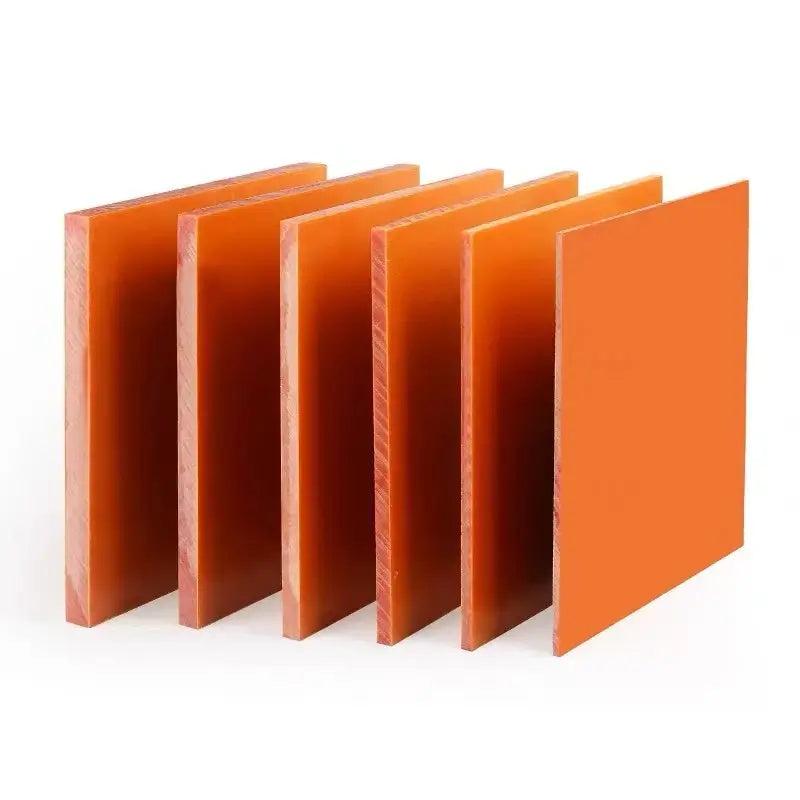
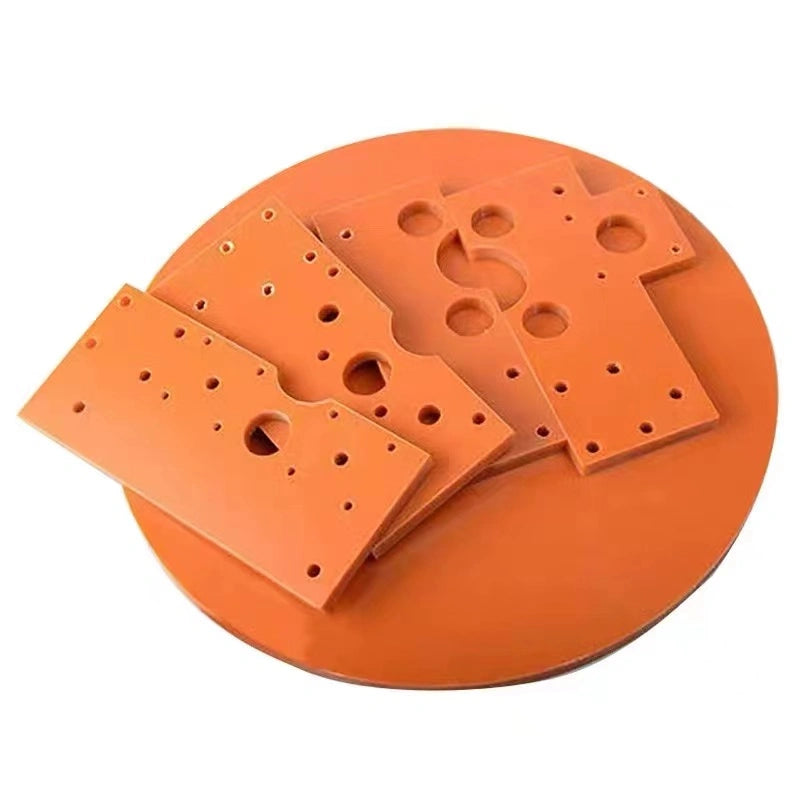
Orange Bakelite boards and insulating products for industrial use

The Chemical Structure of Bakelite: The Key to Its Exceptional Insulating Properties

Bakelite stands out among materials used for electrical insulation due to its unique chemical composition, which directly influences its remarkable insulating capabilities. The creation of Bakelite material begins with the polymerization of phenol and formaldehyde, two compounds that react under controlled conditions to form a highly cross-linked structure. This thermosetting polymer is what gives Bakelite plastic its ability to maintain integrity under high temperatures and resist electrical currents effectively.

Polymerization Process: Building a Cross-Linked Structure

The polymerization process of Bakelite involves a condensation reaction between phenol and formaldehyde, resulting in a dense, interconnected network of molecular chains. Unlike thermoplastics, which can be melted and reshaped, Bakelite synthetics are thermosetting. Once the material cures, it cannot be melted down again. This cross-linked structure is responsible for the material’s dielectric strength, allowing Bakelite sheets to withstand high voltages without breaking down.

Dielectric Strength: A Result of Cross-Linking

The cross-linked molecular structure of Bakelite not only provides mechanical rigidity but also enhances its electrical insulating properties. The tightly bonded network creates a barrier that prevents the free movement of electrons, which is crucial in applications where electrical insulation is paramount. This characteristic makes Bakelite sheets ideal for use in high-voltage environments, where maintaining the integrity of insulation is critical.

Thermal Stability and Electrical Resistance

The same cross-linked structure that gives Bakelite its dielectric strength also contributes to its thermal stability. Bakelite can withstand high temperatures without degrading, making it suitable for environments where both heat and electrical insulation are concerns. This thermal stability ensures that Bakelite plastic retains its properties even under extreme conditions, making it a preferred material in the electrical and automotive industries.

Applications of Bakelite in High-Voltage Insulation

Given its exceptional electrical insulation and thermal stability, Bakelite is extensively used in manufacturing components like switchgear, circuit boards, and motor housings. These applications require materials that can endure significant electrical and thermal stress without compromising performance. The cross-linked structure of Bakelite material ensures that these components remain safe and reliable, even in the most demanding environments.

Understanding the chemical structure of Bakelite sheds light on why this material continues to be indispensable in industries requiring reliable electrical insulation. The cross-linked nature of Bakelite synthetics not only provides outstanding dielectric strength but also ensures that the material can withstand high temperatures, making it a robust and versatile option for a wide range of applications.

Bakelite synthetics accessories and components

Why Bakelite’s Thermal Stability Makes It a Go-To Material for High-Temperature Applications

Bakelite has long been revered for its exceptional thermal stability, a property that sets it apart from many other insulating materials. This thermosetting polymer is designed to withstand extreme temperatures while maintaining its structural integrity and electrical insulating properties. This makes Bakelite material particularly valuable in applications where both heat resistance and durability are crucial, such as in electrical insulators and automotive components.

Need Standard Bakelite Sheets?

BeePlastic stocks high-quality Orange and Black Bakelite sheets (Phenolic Resin) ready for global shipping.

  • ✅ No Minimum Order Quantity (MOQ)
  • ✅ Thickness from 2mm to 100mm
  • ✅ Cut-to-size service available

Browse Catalog →

Thermal resistant Bakelite plate in stock

The Science Behind Bakelite’s Thermal Stability

The thermal stability of Bakelite is primarily attributed to its cross-linked molecular structure, formed during the polymerization of phenol and formaldehyde. Unlike thermoplastics, which soften when exposed to heat, Bakelite synthetics are thermosetting. This means that once cured, the material’s molecular chains are locked into a rigid, interconnected network, making it resistant to deformation under heat. This cross-linked structure not only provides mechanical strength but also ensures that Bakelite can endure elevated temperatures without losing its insulating properties.

High-Temperature Applications: Electrical Insulators

Bakelite’s ability to maintain its dielectric strength at high temperatures is a key reason why it is widely used in electrical insulation. Components such as switchgear, transformers, and circuit boards often operate in environments where heat is a significant factor. Bakelite sheets, known for their heat resistance, provide a reliable barrier against electrical currents, even in high-voltage situations. The material’s stability ensures that it continues to prevent electrical breakdown, protecting both equipment and users from potential hazards.

Automotive Components: Withstanding Extreme Conditions

In the automotive industry, Bakelite is a material of choice for parts exposed to high temperatures and mechanical stress. Automotive components such as brake pads, clutch plates, and engine housings are often subjected to extreme heat due to friction and combustion processes. The thermal stability of Bakelite plastic ensures that these components do not deform or degrade under such conditions. This makes Bakelite an essential material for maintaining the performance and safety of vehicles in demanding environments.

Durability Under Thermal Stress

The durability of Bakelite under thermal stress is further enhanced by its low thermal expansion coefficient. This means that Bakelite does not expand or contract significantly with temperature changes, maintaining its shape and functional properties. This characteristic is particularly important in precision applications, where dimensional stability is critical. The ability of Bakelite synthetics to retain their form and insulating capabilities under prolonged exposure to heat makes them ideal for a variety of high-temperature applications.

Advantages Over Other Materials

When compared to other insulating materials like ceramics or fiberglass, Bakelite offers a unique combination of heat resistance and mechanical strength. While ceramics may provide good thermal resistance, they are often brittle and prone to cracking under mechanical stress. Fiberglass, on the other hand, can withstand high temperatures but may lose its structural integrity over time. Bakelite bridges the gap by providing both thermal stability and mechanical durability, making it a more reliable option for industries where these properties are essential.

Tailored Solutions for High-Temperature Needs

Manufacturers can customize Bakelite sheets to meet specific high-temperature requirements, offering solutions that are tailored to the needs of various industries. Whether it’s for electrical insulation in power systems or durable automotive components, the thermal stability of Bakelite ensures that it remains a material of choice for applications where reliability under heat is non-negotiable.

By understanding the thermal stability of Bakelite, it becomes clear why this material continues to play a vital role in industries requiring high-temperature performance and durability. Its ability to withstand extreme conditions without compromising its insulating properties makes Bakelite an indispensable material in both traditional and advanced applications.

Diverse Bakelite products for high heat applications

Comparing Bakelite with Modern Insulating Materials: Where It Excels

Material Heat Resistance Mechanical Strength Cost Efficiency
Bakelite High (Does not melt) Excellent (Impact resistant) Best Value
Ceramics Very High Low (Brittle) Mid/High
Fiberglass Moderate/High Good (Can delaminate) Moderate

Bakelite remains a highly valued material in the field of electrical insulation, even in the face of modern alternatives like ceramics and fiberglass. Its unique combination of electrical insulating properties, mechanical strength, and cost-effectiveness ensures that it continues to be a preferred choice across various industries. When comparing Bakelite to other materials, several key advantages become apparent, making it a reliable option for high-performance applications.

Electrical Insulation: Bakelite vs. Ceramics

Ceramics have long been recognized for their excellent electrical insulation and thermal resistance. These materials are often used in applications where heat resistance is a primary concern, such as in high-temperature electrical insulators. However, ceramics are inherently brittle, making them prone to fractures and breakage under mechanical stress. This brittleness limits their application in environments where mechanical durability is crucial.

On the other hand, Bakelite offers a unique combination of electrical insulation and mechanical resilience. Unlike ceramics, Bakelite is not only capable of withstanding high temperatures but also maintains its structural integrity under significant physical stress. This mechanical strength makes Bakelite a more versatile option in demanding industrial settings, where both insulating properties and durability are essential.

Mechanical Strength: Bakelite vs. Fiberglass

Fiberglass is another popular insulating material known for its thermal stability and non-conductive properties. It is commonly used in environments where heat resistance and lightweight materials are needed. However, fiberglass can be more challenging to fabricate and handle, as its fibrous nature can cause irritation during processing and installation. Additionally, fiberglass may lose its mechanical strength over time, especially when exposed to harsh environmental conditions.

In contrast, Bakelite is easier to machine and mold into various shapes and sizes, which simplifies the manufacturing process. This ease of fabrication, combined with Bakelite’s robust insulating capabilities, often makes it a more economical choice, particularly for large-scale applications. Moreover, Bakelite offers a higher degree of mechanical strength, ensuring that components made from Bakelite maintain their structural integrity over prolonged periods of use, even in harsh environments.

Cost-Effectiveness: Bakelite vs. Newer Synthetics

With the development of newer synthetic materials like polyimides and PEEK, the landscape of insulating materials has expanded, offering options with high-temperature resistance and superior electrical properties. However, these advanced materials come at a significantly higher cost, which may not always be justified depending on the application.

Bakelite strikes an effective balance between performance and affordability. While newer synthetics might offer marginal improvements in specific areas, Bakelite provides reliable insulation, heat resistance, and mechanical strength at a fraction of the cost. For industries where cost-effectiveness is a priority, without sacrificing essential performance characteristics, Bakelite remains a preferred choice.

Versatility in Industrial Applications

The versatility of Bakelite is another key factor that sets it apart from other insulating materials. Bakelite sheets can be customized to meet the specific needs of various industries, from automotive components to electrical insulators. This adaptability, combined with its thermal stability and mechanical durability, ensures that Bakelite continues to play a vital role in both traditional and modern industrial applications.

Bakelite’s unique properties make it an indispensable material in environments where electrical insulation, mechanical strength, and cost-effectiveness are paramount. By comparing Bakelite to other insulating materials, it becomes clear why this early synthetic polymer continues to be a material of choice in industries requiring reliable performance under demanding conditions.

Applications of Bakelite in Electrical Insulation: From Circuit Boards to Switchgear

Bakelite has established itself as a cornerstone in the field of electrical insulation, offering unmatched dielectric strength and thermal stability. Its unique properties make it an ideal material for a variety of high-stress environments, particularly where reliable insulation is critical. The following sections will delve into the specific applications of Bakelite in circuit boards, switchgear, motor components, and other electrical devices.

Custom Plastic Machining Services

Do you need standard Bakelite sheets modified? We offer professional CNC machining, milling, and cut-to-size services.

Send us your CAD/PDF drawings. No order is too small (No MOQ) or too complex.

CNC Machining Bakelite Parts at BeePlastic

Bakelite in Circuit Boards: The Backbone of Electronics

Circuit boards are the foundation of modern electronics, responsible for connecting and supporting various electronic components. Bakelite sheets are widely used as the base material for printed circuit boards (PCBs) due to their excellent electrical insulating properties. The dielectric strength of Bakelite ensures that electrical currents are confined to their designated paths, preventing short circuits and enhancing the safety and reliability of electronic devices.

Moreover, Bakelite’s thermal stability allows it to withstand the heat generated by electrical components during operation. This heat resistance is crucial in maintaining the integrity of PCBs, especially in high-performance electronics where overheating can be a significant concern. As a result, Bakelite continues to be a preferred material for circuit boards in a wide range of applications, from consumer electronics to industrial machinery.

Switchgear Components: Ensuring Safe and Reliable Operation

Switchgear is a critical component of electrical distribution systems, responsible for controlling, protecting, and isolating electrical equipment. The reliability of switchgear depends heavily on the insulating materials used in its construction, and Bakelite is often the material of choice.

Bakelite’s high dielectric strength makes it ideal for insulating the various components within switchgear, such as busbars, contactors, and circuit breakers. Its ability to withstand high voltages without degrading ensures that switchgear operates safely and efficiently, even in environments with significant electrical stress. Additionally, Bakelite’s mechanical strength provides the durability needed to endure the physical demands of switchgear operation, including mechanical shock and vibration.

Motor Components: Enhancing Performance and Safety

Electric motors are another area where Bakelite plays a vital role in electrical insulation. Motor components such as commutators, brush holders, and insulating plates are often made from Bakelite due to its ability to resist electrical currents and maintain structural integrity under high temperatures.

The thermal stability of Bakelite is particularly important in motor applications, where heat generated by the motor can compromise the performance and safety of the insulation. Bakelite’s low moisture absorption also ensures that it remains effective in humid environments, preventing the deterioration of insulating properties that could lead to electrical failures. As a result, Bakelite is widely used in motors for industrial machinery, transportation, and other high-stress applications.

Electrical Panels and High-Stress Environments

Bakelite’s versatility extends to its use in electrical panels and other high-stress environments where reliable insulation is paramount. Electrical panels house a variety of components, including circuit breakers, fuse boxes, and relays, all of which require effective insulation to prevent electrical hazards.

Bakelite sheets are often used as the insulating material in these panels due to their dielectric strength and thermal resistance. The material’s ability to withstand both high temperatures and mechanical stress ensures that electrical panels remain safe and functional, even under the most demanding conditions. This makes Bakelite a go-to material for electrical insulation in industrial settings, power plants, and other critical infrastructure.

Customization and Adaptability in Electrical Applications

One of the key advantages of Bakelite in electrical insulation is its ability to be customized to meet specific requirements. Bakelite sheets can be produced in various thicknesses and dimensions, allowing manufacturers to tailor the material to the precise needs of different electrical systems. Whether it’s for circuit boards, switchgear, or motor components, Bakelite’s adaptability ensures that it can provide reliable insulation in a wide range of applications.

The material’s cost-effectiveness further enhances its appeal, making Bakelite an economical choice for large-scale manufacturing without sacrificing performance. This combination of customizability, durability, and affordability solidifies Bakelite’s position as a leading material in electrical insulation across multiple industries.

Exploring the Mechanical Strength of Bakelite: More Than Just Insulation

Bakelite is widely recognized for its exceptional electrical insulation properties, but its mechanical strength also plays a crucial role in its versatility and widespread use. This thermosetting polymer offers a unique combination of strength-to-weight ratio and durability, making it suitable not only for electrical applications but also for various mechanical uses. Understanding these mechanical properties highlights why Bakelite is more than just an insulating material; it is a robust solution for a range of demanding environments.

Strength-to-Weight Ratio: A Lightweight Yet Strong Material

One of the key attributes of Bakelite is its strength-to-weight ratio, which makes it an ideal material for applications requiring both durability and ease of handling. Bakelite material is significantly lighter than many traditional metals, such as steel or aluminum, yet it provides comparable mechanical strength in many applications. This lightweight characteristic is particularly valuable in industries like automotive and aerospace, where reducing the weight of components can lead to improved performance and fuel efficiency.

The ability of Bakelite to maintain structural integrity while minimizing weight makes it an attractive option for manufacturers seeking to balance strength with cost-effectiveness. This balance is crucial in applications where heavy materials would otherwise compromise efficiency or increase production costs.

Durability Under Mechanical Stress

Bakelite is renowned for its ability to withstand significant mechanical stress without deforming or breaking. The cross-linked structure of this thermosetting polymer provides rigidity and resistance to impact, making it an excellent choice for components subjected to repeated use or mechanical shock. For instance, Bakelite is commonly used in gears, bearings, and other moving parts where wear resistance and durability are critical.

High mechanical strength Bakelite gear components

The material’s rigidity ensures that it does not flex or bend under pressure, which is essential in maintaining the precision and performance of mechanical components. This mechanical stability makes Bakelite suitable for use in industrial machinery, where consistent performance is required over long periods and under harsh conditions.

Wear Resistance: Extending the Lifespan of Components

Another significant advantage of Bakelite is its wear resistance. Unlike softer materials that may degrade over time, Bakelite can endure prolonged exposure to abrasive conditions without significant wear and tear. This property is especially important in automotive and industrial applications, where components are in constant contact with other surfaces or materials.

For example, Bakelite is used in the production of brake pads and clutch plates, where its ability to resist wear extends the lifespan of these critical components. This durability reduces the need for frequent replacements and maintenance, offering long-term cost savings and improved reliability.

Thermal Stability and Mechanical Strength

The thermal stability of Bakelite also contributes to its mechanical strength. The material’s ability to maintain its properties at elevated temperatures ensures that it remains effective in high-temperature applications. Bakelite’s thermal resistance prevents it from softening or losing its structural integrity under heat, making it suitable for engine components, motor housings, and other environments where both mechanical strength and heat resistance are required.

Versatility in Mechanical Applications

The versatility of Bakelite extends beyond its use as an insulating material. Its mechanical properties make it a valuable asset in a wide range of mechanical applications. From automotive parts to industrial machinery, Bakelite’s strength, durability, and cost-effectiveness make it a material of choice for manufacturers seeking reliable performance in demanding environments.

By leveraging the mechanical strength of Bakelite, industries can benefit from a material that not only insulates but also provides the durability and resilience needed to withstand the rigors of mechanical stress and wear. This combination of properties solidifies Bakelite’s position as a critical material in both electrical and mechanical applications.

The Role of Bakelite in Automotive Components: Heat Resistance and Durability

Bakelite has become an indispensable material in the automotive industry, particularly for components that must endure high temperatures and mechanical stress. Its heat resistance and durability make it the go-to choice for manufacturing critical parts like brake pads and clutch plates, where performance under extreme conditions is non-negotiable.

Heat Resistance in Automotive Applications

One of the most crucial properties of Bakelite in automotive applications is its exceptional heat resistance. Brake pads and clutch plates are subject to intense friction, which generates significant heat. Bakelite’s thermal stability ensures that these components maintain their structural integrity even at elevated temperatures. Unlike some materials that may soften or degrade under heat, Bakelite remains rigid and durable, providing consistent performance throughout the vehicle’s lifespan.

This heat resistance is especially important in brake systems, where failure due to overheating can lead to catastrophic results. Bakelite not only withstands the high temperatures generated during braking but also helps to dissipate heat, ensuring that the brake pads cool down quickly and maintain their effectiveness. This property makes Bakelite an ideal material for automotive braking systems, contributing to both safety and performance.

Custom Bakelite components for automotive use

Durability Under Mechanical Stress

In addition to its heat resistance, Bakelite is known for its remarkable durability under mechanical stress. Clutch plates made from Bakelite are required to endure continuous engagement and disengagement, which subjects them to repeated mechanical stress. Bakelite’s cross-linked polymer structure provides the strength needed to withstand these forces without deforming or wearing out prematurely.

The mechanical strength of Bakelite also ensures that clutch plates retain their precise dimensions and performance characteristics over time. This durability reduces the need for frequent replacements, lowering maintenance costs and enhancing the overall reliability of the vehicle. The wear resistance of Bakelite further extends the lifespan of clutch systems, making it a cost-effective material for automotive manufacturers.

Other Automotive Components: Versatility of Bakelite

Beyond brake pads and clutch plates, Bakelite is used in a variety of other automotive components due to its versatility and reliable performance. For example, Bakelite is often used in engine housings, ignition systems, and electrical insulation components, where both heat resistance and electrical insulating properties are required.

The material’s ability to withstand high temperatures and mechanical stress makes it suitable for components that are exposed to harsh environments, such as those found in engine compartments. Bakelite’s thermal stability ensures that these components do not fail under extreme conditions, contributing to the overall safety and efficiency of the vehicle.

Cost-Effectiveness in Automotive Manufacturing

The cost-effectiveness of Bakelite is another reason why it is favored in the automotive industry. While newer synthetic materials may offer similar properties, they often come at a higher cost. Bakelite provides a balance between performance and affordability, making it an economical choice for large-scale manufacturing of automotive components. This affordability, combined with its durability and heat resistance, makes Bakelite a preferred material for many automotive manufacturers looking to produce reliable and long-lasting vehicle parts.

By leveraging the unique properties of Bakelite, the automotive industry can produce components that not only meet the demanding requirements of modern vehicles but also offer cost-effective solutions for maintaining safety, performance, and reliability.

Cost effective Bakelite parts for mass production

How Low Moisture Absorption Enhances Bakelite’s Performance in Humid Environments

Bakelite is well-known for its exceptional electrical insulation and mechanical strength, but one of its lesser-known yet equally important properties is its low moisture absorption. This characteristic plays a critical role in maintaining Bakelite’s insulating properties, particularly in environments where humidity levels can fluctuate significantly. Bakelite’s resistance to moisture ensures that it remains effective and reliable, even in challenging conditions.

The Importance of Low Moisture Absorption in Electrical Insulation

In electrical applications, moisture is one of the most common threats to the performance and longevity of insulating materials. When insulating materials absorb moisture, their dielectric strength can be compromised, leading to potential electrical failures. Bakelite, however, exhibits low moisture absorption, which means that it does not readily absorb water from the surrounding environment. This property is crucial in preventing the degradation of electrical insulation in humid conditions.

The low moisture absorption of Bakelite helps to maintain its dielectric properties, ensuring that it continues to provide effective insulation even in the presence of moisture. This makes Bakelite particularly suitable for use in humid environments where other materials might fail. Whether it’s in outdoor electrical systems, marine applications, or industrial settings with high humidity, Bakelite remains a reliable choice for electrical insulation.

Maintaining Structural Integrity in Humid Conditions

Beyond its role in preserving electrical insulation, Bakelite’s resistance to moisture also contributes to its mechanical durability. When materials absorb moisture, they can swell, warp, or lose their structural integrity over time. Bakelite’s low moisture absorption ensures that it retains its mechanical properties even when exposed to high humidity. This stability is essential in applications where precise dimensions and structural integrity are critical.

For example, in automotive or industrial components that are exposed to varying environmental conditions, Bakelite ensures that parts remain stable and functional. This resistance to moisture-induced degradation makes Bakelite an ideal material for components that must withstand both mechanical stress and environmental challenges.

Applications in High-Humidity Environments

Bakelite’s low moisture absorption makes it a preferred material in various applications where humidity is a concern. In marine environments, where equipment is constantly exposed to water and salt, Bakelite provides reliable insulation and structural stability. Similarly, in outdoor electrical installations subject to rain, fog, or high humidity, Bakelite’s properties ensure that the components remain insulated and protected against moisture-related failures.

In industrial settings, such as chemical processing plants or food production facilities where humidity levels can fluctuate, Bakelite is often used in electrical panels, insulating barriers, and motor housings. The material’s ability to resist moisture absorption ensures that these components maintain their performance and safety standards, even in harsh environments.

Enhancing Longevity and Reducing Maintenance

The combination of low moisture absorption and high mechanical strength contributes to the longevity of Bakelite components. By preventing moisture-related degradation, Bakelite reduces the need for frequent maintenance and replacement of parts, leading to lower overall costs and increased reliability. This makes Bakelite a cost-effective solution for long-term applications in industries where equipment is exposed to humid conditions.

Manufacturers and engineers can rely on Bakelite to deliver consistent performance in environments where moisture is a significant challenge. Its low moisture absorption is a key factor in its widespread use across various industries, ensuring that Bakelite remains a trusted material for both electrical and mechanical applications in humid environments.

Bakelite rods

Common Questions and Answers About Bakelite and BeePlastic Customization

1. What is Bakelite, and why is it widely used in electrical insulation?

Answer:
Bakelite is one of the first synthetic plastics, known for its excellent electrical insulating properties and thermal stability. It is a thermosetting polymer made from the polymerization of phenol and formaldehyde, resulting in a rigid, durable material that does not melt when exposed to heat. These properties make Bakelite an ideal choice for applications such as circuit boards, switchgear, and other high-stress electrical environments where reliable insulation is critical.

2. How does Bakelite compare to other insulating materials like ceramics and fiberglass?

Answer:
Bakelite offers a unique combination of electrical insulation, mechanical strength, and cost-effectiveness. Unlike ceramics, which can be brittle, Bakelite is more resilient under mechanical stress. Fiberglass may offer good insulation, but Bakelite is easier to machine and provides greater mechanical strength, making it a more versatile and economical choice for many applications.

3. Can BeePlastics provide custom Bakelite components?

Answer:
Yes, BeePlastics specializes in customization and can produce custom Bakelite components tailored to your specific needs. Whether you require sample customization or batch production, BeePlastics can handle any level of customization, ensuring that the finished products meet your exact specifications.

4. What file formats does BeePlastics accept for custom designs?

Answer:
BeePlastics accepts a variety of file formats for custom designs, including PDF and CAD. This flexibility allows you to provide detailed specifications and ensures that the final product matches your design requirements accurately.

5. Is there a minimum order quantity (MOQ) for custom Bakelite components?

Answer:
No, there is no minimum order quantity (MOQ) at BeePlastics. Whether you need a single prototype or a large batch of custom components, BeePlastics can accommodate your order size without any restrictions on MOQ.

6. How does BeePlastics manage the production cycle for custom orders?

Answer:
The production cycle at BeePlastics is tailored to the size and complexity of your order. They maintain close communication with clients throughout the production process, providing real-time updates on progress to ensure that the final product meets your expectations and is delivered on time.

7. Can BeePlastics provide samples before proceeding with full-scale production?

Answer:
Yes, BeePlastics supports the provision of samples before full-scale production. The sample is provided free of charge, with the customer only responsible for the shipping costs. This allows you to review the product and make any necessary adjustments before committing to larger production runs.

8. What industries commonly use Bakelite in their applications?

Answer:
Bakelite is widely used in industries such as automotive, electrical, aerospace, and industrial machinery. Its heat resistance, mechanical strength, and electrical insulating properties make it suitable for components like brake pads, clutch plates, circuit boards, and switchgear, among others.

9. How does Bakelite perform in humid environments?

Answer:
Bakelite has low moisture absorption, which helps maintain its insulating properties even in humid conditions. This makes it ideal for use in environments with varying humidity levels, such as outdoor electrical installations or marine applications, where maintaining insulation integrity is crucial.

10. What are the key benefits of using Bakelite for automotive components?

Answer:
Bakelite offers several benefits for automotive components, including heat resistance, durability, and mechanical strength. It is commonly used in brake pads, clutch plates, and engine housings due to its ability to withstand high temperatures and mechanical stress, ensuring the reliability and safety of automotive systems.

In the evolving landscape of materials science, Bakelite continues to stand out as a remarkable material, offering a blend of electrical insulation, mechanical strength, and thermal stability that is hard to match. Whether in electrical applications, automotive components, or environments with varying humidity, Bakelite proves its versatility and reliability. By choosing Bakelite, industries can benefit from a material that not only meets but often exceeds the demands of high-stress environments. Its enduring qualities make Bakelite an essential part of modern manufacturing, ensuring safety, efficiency, and long-lasting performance across a wide range of applications.

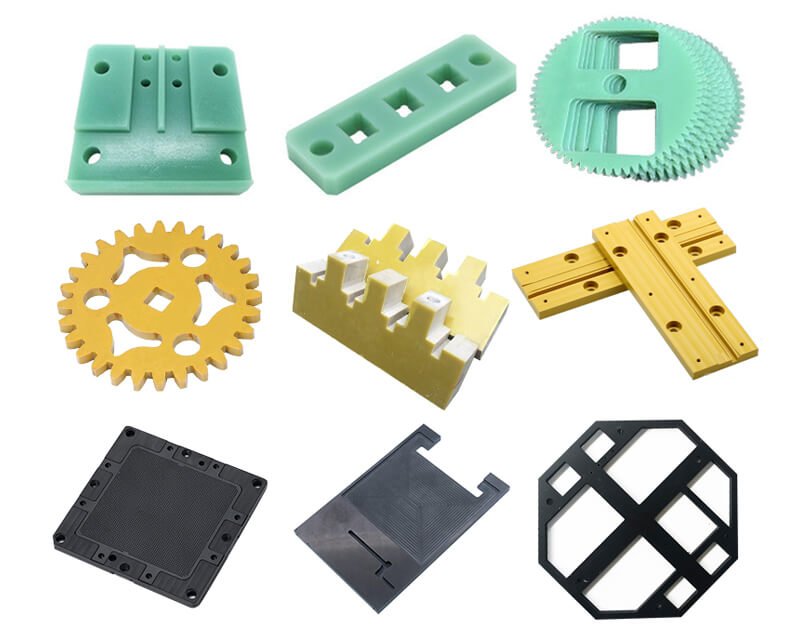
An assortment of custom-machined phenolic laminate parts by Beeplastic, showcasing orange Bakelite for electrical insulation and black Garolite (phenolic cloth) for mechanical strength.

Transform Your Manufacturing with Bakelite

Fill out the contact form to start your customization journey with us. Whether you need a sample or a bulk order, we’ve got you covered.

Discover why Bakelite is the material of choice for industry leaders.

🎉 Limited Time Offer

Use code QR4GNY08SHVR at checkout for a special discount!

Shop Bakelite Inventory →

Leave a comment


Please note, comments must be approved before they are published


Custom Plastic Fabrication

Send your drawing, material and quantity for review

🔧
Precision Machining
CNC milling & turning
✂️
Cutting & Engraving
Laser & waterjet cutting
🏭
Forming & Molding
Thermoforming & injection
🔗
Joining & Assembly
Welding & bonding
📐
Design & Prototyping
CAD design & samples

General

HDPE

PP

PVC

ABS

Engineering

POM

Nylon

PC

PMMA

High-Performance

PEEK

PEI

PTFE

Composites

FR-4

G10

Flexible

TPU

Silicone

Why Choose BeePlastic?

🎯
Perfect Fit
Custom specs eliminate adaptation needs
⚡
Clear Lead Times
Lead time confirmed with every quote
💰
Volume Pricing
Volume pricing available on bulk orders
🤝
Expert Support
Free engineering consultation included
📋
Submit
→
🔍
Review
→
💵
Quote
→
✅
Production
→
📦
Deliver

Request a Quote

Share your project details, selected material and quantity on our quote page. You can add a file link or use the email drawing route shown there.


Request Quote

Industries: Automotive • Medical • Food • Lab • Semiconductor

beeplastic@beeplastic.com