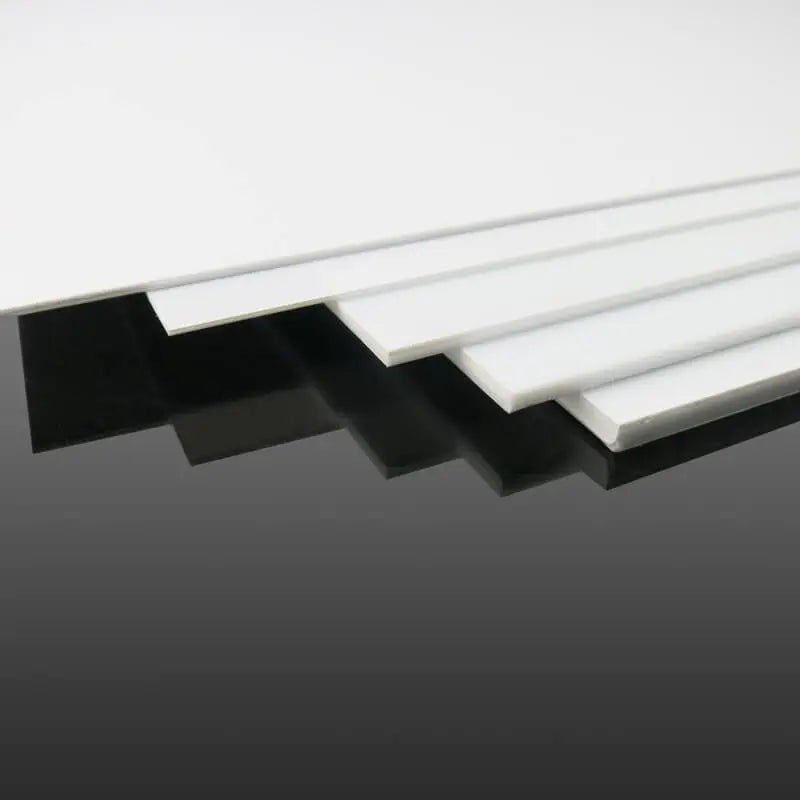
The Ultimate Guide to Custom Polyurethane Sheets: From Manufacturing to Industrial Applications

Unlocking the Power of Custom Polyurethane Sheets: From Manufacturing Excellence to Industrial Mastery
Dive into The Ultimate Guide to Custom Polyurethane Sheets, where I explore the incredible versatility and unmatched performance of PU plastic in today’s demanding industries. Whether you’re in automotive, construction, or furniture manufacturing, Polyurethane sheets are revolutionizing product design and functionality. In this comprehensive guide, learn how Custom PU plastic is meticulously engineered to meet specific PU sheet thickness requirements, offering superior insulation, cushioning, and protective coatings. Discover the durability and adaptability of Urethane sheets, and why they outperform traditional materials like rubber and metal. From Polyurethane elastomers that enhance industrial machinery to tailored PU sheet applications that meet the exacting standards of the automotive sector, this guide covers it all. Explore how Polyurethane material is shaping the future of these industries with custom solutions that are both innovative and efficient.
🎉🎉🎉Limited Time Offer Use code: QR4GNY08SHVR at checkout and enjoy a special discount on your entire order! 👉PU board

Revolutionizing Automotive Interiors with Custom Polyurethane Sheets
Custom polyurethane sheets are transforming the landscape of automotive interior design. These PU sheets are increasingly favored for crafting seat cushioning, providing unmatched comfort while maintaining structural integrity over prolonged use. The inherent flexibility and durability of polyurethane material ensure that car seats not only offer superior comfort but also withstand the rigors of daily use.
Crafting Durable Dashboard Components with Polyurethane Sheets
The versatility of polyurethane sheets extends to the creation of dashboard components, where precise molding capabilities allow for sleek, integrated designs. PU sheets are ideal for dashboards because they offer a combination of aesthetic appeal and functional resilience. Their impact resistance ensures that the dashboard can endure significant wear and tear, maintaining both its appearance and performance over time.
Enhancing Exterior Protection with Custom Polyurethane Products
Polyurethane sheets are not limited to interior applications; they also play a crucial role in protecting the vehicle’s exterior. These sheets can be custom-fitted to various parts of the car’s exterior, providing a robust barrier against environmental damage and physical impacts. The urethane sheet material is particularly effective in applications where flexibility and durability are essential, such as in protective coatings and exterior panels.
Optimizing Manufacturing with Custom PU Sheet Solutions
The ability to customize PU sheets according to specific thickness and hardness requirements makes them an invaluable asset in automotive manufacturing. This customization allows for the production of components that meet exacting standards for both performance and aesthetics. Polyurethane elastomers are especially useful in applications requiring a combination of flexibility, strength, and durability, ensuring that each component performs optimally in its designated role.
Polyurethane Sheets in Automotive Soundproofing
Another critical application of polyurethane sheets in automotive interiors is soundproofing. PU foam materials are excellent at absorbing sound and vibrations, making them ideal for reducing noise within the cabin. This contributes to a quieter, more comfortable ride, enhancing the overall driving experience.
The Role of PU Sheets in Enhancing Vehicle Safety
In addition to comfort and aesthetics, polyurethane sheets play a significant role in vehicle safety. Their impact-resistant properties make them suitable for use in areas of the car that need to absorb energy during a collision, such as in bumpers or side panels. This application not only improves the vehicle’s safety but also contributes to its overall durability.
Future Trends: The Growing Importance of Custom Polyurethane Sheets in the Automotive Industry
As the automotive industry continues to evolve, the demand for custom polyurethane products is set to grow. With advancements in PU material technology, manufacturers can expect even greater flexibility in designing components that meet specific performance criteria. From PU rods to urethane plates, the possibilities are virtually limitless, making polyurethane sheets a cornerstone of modern automotive manufacturing.

The Manufacturing Process Behind High-Performance Polyurethane Sheets
The creation of high-performance polyurethane sheets involves a meticulous manufacturing process that ensures their durability, flexibility, and adaptability to various industry requirements. The process begins with selecting the right polyurethane material, which is critical for achieving the desired properties in the final product.
Raw Material Selection and Preparation
The first step in manufacturing PU sheets is the careful selection of raw materials. Polyurethane is a versatile polymer that can be formulated to meet specific needs by adjusting the polyol and isocyanate components. The choice of these materials determines the hardness, elasticity, and chemical resistance of the final product. Once selected, the raw materials undergo rigorous testing to ensure consistency and quality, which is crucial for producing custom polyurethane products that meet the stringent demands of industries like automotive, construction, and furniture.
Customizing Thickness, Hardness, and Size
One of the key advantages of polyurethane sheets is their ability to be customized in terms of thickness, hardness, and size. During the manufacturing process, the polyurethane elastomer mixture is poured into molds designed to achieve the desired specifications. The thickness of the sheet can be precisely controlled, ranging from a few millimeters to several inches, depending on the application. Additionally, the hardness of the sheet can be adjusted by altering the formulation, allowing manufacturers to produce everything from soft, flexible PU foam to rigid, durable sheets.
Curing and Finishing
After the PU material has been molded, it undergoes a curing process that solidifies the material and enhances its properties. The curing time and temperature are carefully controlled to ensure that the polyurethane sheet achieves the desired level of performance. This step is crucial for developing the impact resistance, abrasion resistance, and chemical stability that make PU sheets suitable for demanding environments. Once cured, the sheets are finished with precision cutting, ensuring that they meet the exact dimensions required by the client.
Quality Control and Testing
Quality control is integral to the manufacturing process of polyurethane sheets. Each batch undergoes stringent testing to verify that it meets the specified mechanical properties, such as tensile strength, tear resistance, and elongation at break. This ensures that the custom PU sheets can withstand the harsh conditions they may face in automotive, construction, and other industrial applications.
Versatility in Applications
The ability to tailor polyurethane sheets to specific requirements makes them ideal for a wide range of applications. For example, in the automotive industry, these sheets are used for soundproofing, cushioning, and protective coatings. In the construction sector, they serve as insulation materials, protective linings, and vibration dampeners. The versatility of custom polyurethane products stems from their customizable nature, which allows them to be adapted to meet the unique challenges of each industry.
Future Innovations in Polyurethane Sheet Manufacturing
As technology advances, so does the potential for innovation in the manufacturing of polyurethane sheets. Emerging techniques in material science are paving the way for PU sheets with enhanced properties, such as increased thermal resistance and improved environmental sustainability. These developments are set to expand the applications of polyurethane sheets even further, solidifying their role as a critical material in modern manufacturing.
Polyurethane Sheets in Construction: Enhancing Insulation and Structural Integrity
Polyurethane sheets play a vital role in modern construction, offering a range of benefits that contribute to the efficiency and durability of buildings. These PU sheets are known for their exceptional insulation properties, making them a preferred choice for both residential and commercial projects. Their ability to provide thermal insulation helps in maintaining energy efficiency, which is crucial in today’s construction industry where sustainability is a growing concern.
The Role of Polyurethane Sheets in Insulation
One of the primary uses of polyurethane sheets in construction is for insulation. These sheets have a high R-value, which indicates their superior ability to resist heat flow. This property makes PU sheets an excellent material for reducing heat transfer, keeping buildings warmer in the winter and cooler in the summer. By minimizing the need for excessive heating or cooling, polyurethane sheets contribute to significant energy savings, thereby lowering the overall carbon footprint of a building.
In addition to thermal insulation, PU sheets are also effective in providing soundproofing. In urban environments, where noise pollution can be a significant issue, the ability of polyurethane foam to absorb sound waves makes it an ideal material for walls, floors, and ceilings. This not only enhances the comfort of living or working spaces but also adds value to the property by improving its acoustic performance.
Enhancing Structural Integrity with Polyurethane Sheets
Beyond insulation, polyurethane sheets are also utilized to enhance the structural integrity of buildings. These sheets are highly durable and can withstand significant wear and tear, making them ideal for use as protective coatings on building materials. When applied to surfaces such as concrete or steel, urethane sheets offer a protective barrier against environmental factors like moisture, chemicals, and physical impacts. This protection extends the lifespan of the building materials, reducing maintenance costs and improving the overall durability of the structure.
Application of Polyurethane Sheets as Protective Coatings
Polyurethane sheets are also popular in construction for their role as durable protective coatings. These coatings are crucial in areas that are exposed to harsh environmental conditions. For example, PU sheets can be applied to the exterior of buildings to protect against water infiltration, which is a common cause of structural damage. The water-resistant properties of polyurethane ensure that the building remains protected from moisture-related issues such as mold growth and material degradation.
Additionally, polyurethane coatings are used on floors in industrial and commercial buildings due to their abrasion resistance and ease of maintenance. These coatings not only protect the underlying materials from damage but also provide a non-slip surface that enhances safety. The versatility of custom polyurethane products allows them to be tailored to specific requirements, ensuring optimal performance in a wide range of construction applications.
Polyurethane Sheets in Sustainable Construction
With the increasing focus on sustainable building practices, polyurethane sheets have become a critical component in eco-friendly construction. The insulation properties of PU sheets contribute to energy-efficient buildings, while their durability reduces the need for frequent replacements, minimizing waste. Moreover, advancements in PU material technology have led to the development of low-VOC polyurethane products, which further support green building initiatives by reducing the emission of harmful chemicals during application.
The use of polyurethane sheets in construction is not just about meeting the demands of today’s industry; it’s about preparing for the future. As building codes and environmental standards become more stringent, the ability of polyurethane to adapt to these changing requirements makes it an invaluable material in modern construction.
Innovations in Polyurethane Sheet Technology
As construction techniques evolve, so too does the technology behind polyurethane sheets. Recent innovations have focused on improving the fire resistance of PU sheets, making them even safer for use in both residential and commercial buildings. Additionally, the development of recyclable polyurethane materials is paving the way for more sustainable construction practices. These innovations are ensuring that polyurethane sheets remain at the forefront of building materials, providing solutions that are not only effective but also environmentally responsible.

Enhancing Furniture Design with Custom Polyurethane Products
Custom polyurethane products are revolutionizing the furniture industry by offering unparalleled benefits in terms of comfort, durability, and aesthetic appeal. The versatility of PU sheets makes them an ideal choice for both high-end and commercial furniture, where the demand for quality and longevity is paramount.
The Role of Polyurethane Sheets in Comfort Enhancement
One of the key advantages of using polyurethane sheets in furniture manufacturing is their ability to significantly enhance comfort. PU foam, a common application of polyurethane, is widely used in cushions, mattresses, and seating because of its ability to conform to body shapes while providing firm support. This material distributes weight evenly, reducing pressure points and ensuring long-term comfort. For high-end furniture, custom polyurethane products can be tailored to achieve the perfect balance between softness and support, making them a preferred choice for luxury sofas, chairs, and beds.
Durability: Ensuring Long-Lasting Furniture
Durability is a critical factor in furniture design, and polyurethane sheets excel in this regard. The inherent toughness of PU plastic allows it to withstand daily wear and tear, making it ideal for both residential and commercial furniture. Unlike traditional materials that may sag or degrade over time, polyurethane retains its shape and resilience, ensuring that the furniture remains as comfortable and aesthetically pleasing as the day it was made. Additionally, the abrasion resistance of urethane sheets makes them particularly suitable for high-traffic areas, such as hotel lobbies or office lounges, where furniture is subject to constant use.
Aesthetic Versatility with Polyurethane Sheets
Beyond comfort and durability, polyurethane products offer significant aesthetic versatility. Custom PU sheets can be produced in a variety of colors, textures, and finishes, allowing furniture designers to create pieces that are both visually appealing and unique. Whether it’s a sleek, modern look or a more traditional design, PU sheets can be customized to meet specific aesthetic requirements. This adaptability makes polyurethane an excellent choice for designers who want to experiment with new styles or create bespoke furniture that stands out in the market.
Protecting and Enhancing Furniture with Polyurethane Coatings
Polyurethane sheets are not only used in the core components of furniture but also as protective coatings. These coatings add an extra layer of protection to wooden or metal parts, preventing damage from moisture, heat, and scratches. The chemical resistance of urethane coatings ensures that the furniture can withstand spills and stains, making maintenance easier and extending the life of the piece. Additionally, the flexibility of PU coatings means they can be applied to various shapes and surfaces without cracking or peeling, preserving the furniture’s appearance and function over time.
Innovations in Polyurethane Technology for Furniture Design
As technology advances, so do the possibilities for polyurethane in furniture manufacturing. Recent innovations include low-VOC polyurethane products that contribute to healthier indoor air quality, an increasingly important factor in furniture design. Furthermore, recyclable polyurethane materials are gaining popularity as sustainability becomes a key consideration for consumers and manufacturers alike. These developments are ensuring that polyurethane remains a vital material in the production of modern, durable, and eco-friendly furniture.
The Future of Furniture Design with Polyurethane Products
Looking ahead, the role of custom polyurethane products in furniture design is set to expand even further. With the ability to tailor PU materials to meet specific functional and aesthetic needs, furniture designers are empowered to create innovative products that meet the evolving demands of both residential and commercial markets. From PU rods used in structural components to urethane plates that add durability to surfaces, the future of furniture design will be shaped by the continued evolution of polyurethane technology.
Comparing Polyurethane Sheets with Traditional Materials: Why PU is the Superior Choice
In the world of industrial materials, polyurethane sheets are gaining recognition for their versatility and superior performance compared to traditional materials like rubber and metal. This comparative analysis will explore why PU sheets have become the preferred choice in many applications, highlighting their wear resistance, flexibility, and cost-effectiveness.

Superior Wear Resistance of Polyurethane Sheets
When it comes to wear resistance, polyurethane sheets outshine traditional materials such as rubber and metal. Polyurethane is known for its exceptional ability to withstand abrasion, which makes it an ideal material for applications that involve continuous friction or heavy impact. For instance, in industrial settings where conveyor belts or rollers are subjected to constant use, PU sheets maintain their integrity far longer than rubber, reducing the need for frequent replacements.
Moreover, unlike metal, which can corrode or develop surface imperfections over time, polyurethane offers consistent performance without degradation. This durability not only ensures longer-lasting components but also contributes to lower maintenance costs, making PU sheets a more cost-effective option in the long run.
Flexibility: A Key Advantage of Polyurethane
Flexibility is another area where polyurethane sheets excel. Unlike metal, which is rigid and can be difficult to work with, PU sheets offer a high degree of flexibility. This characteristic allows polyurethane to absorb shocks and vibrations, making it ideal for use in environments where materials need to withstand dynamic forces.
For example, custom polyurethane products are often used in automotive applications, where PU foam and urethane sheets provide cushioning and noise reduction. The ability of polyurethane to flex without cracking or losing its shape also makes it suitable for applications where components are required to move or bend, something that metal cannot achieve without permanent deformation.
Cost-Effectiveness of Polyurethane Sheets
When comparing cost-effectiveness, polyurethane sheets provide a significant advantage over both rubber and metal. While the initial cost of PU sheets may be comparable to or slightly higher than rubber, the extended lifespan and reduced maintenance requirements of polyurethane translate to substantial savings over time. In contrast, rubber components often need frequent replacement due to wear and tear, and metal parts can incur high maintenance costs due to corrosion or the need for regular lubrication.
Moreover, polyurethane is easier to mold and customize, which reduces manufacturing costs for specialized parts. The ability to produce custom polyurethane sheets in various thicknesses and hardness levels allows manufacturers to meet specific needs without the additional expense of complex machining processes required for metal parts.
Versatility in Application
Polyurethane sheets offer unmatched versatility in application, further setting them apart from traditional materials. PU sheets can be tailored to meet a wide range of specifications, from rigid plates to flexible foams, making them suitable for diverse industries such as automotive, construction, and manufacturing. This adaptability means that polyurethane can be used in both heavy-duty industrial applications and delicate precision components, a level of versatility that rubber and metal cannot match.
In automotive design, for example, urethane sheets are used for everything from soundproofing to protective coatings, providing a multifunctional solution that enhances both performance and durability. In construction, polyurethane serves as insulation, sealing, and vibration damping, showcasing its ability to function across various domains with equal efficiency.
Environmental Impact and Sustainability
As industries move towards more sustainable practices, the environmental impact of materials becomes increasingly important. Polyurethane has the advantage of being recyclable, and advancements in polyurethane technology are leading to the development of low-VOC and eco-friendly products. This makes PU sheets a more environmentally responsible choice compared to traditional materials like metal, which require energy-intensive processes for recycling, and rubber, which can be challenging to dispose of sustainably.
Future Trends in Polyurethane Use
The future of material selection in various industries looks increasingly likely to favor polyurethane due to its combination of performance, flexibility, and sustainability. As manufacturing technologies continue to evolve, PU sheets are expected to become even more prevalent, replacing traditional materials in applications where wear resistance, flexibility, and cost-efficiency are paramount. With the ongoing advancements in polyurethane elastomers and custom polyurethane products, the potential applications for this versatile material are virtually limitless.
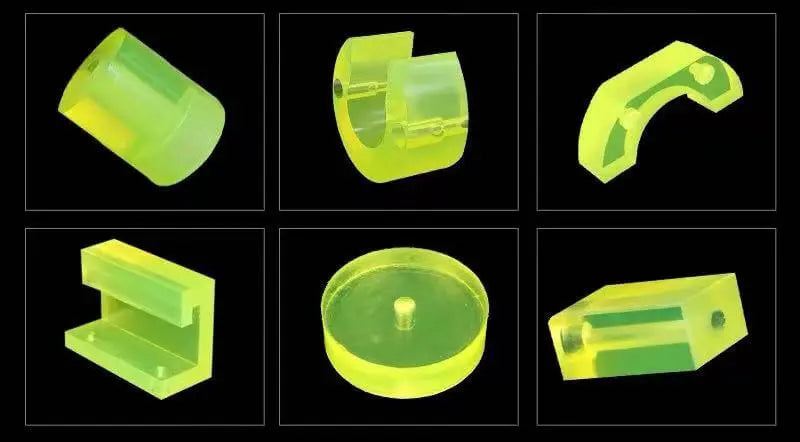
Understanding Polyurethane Elastomers: Versatile Solutions for Industrial Applications
Polyurethane elastomers are a class of highly resilient and flexible materials known for their exceptional performance in demanding industrial environments. These elastomers combine the elasticity of rubber with the toughness of plastic, making them ideal for applications that require both durability and flexibility. In industries where machinery is subjected to intense wear and high-impact forces, polyurethane elastomers provide solutions that extend the lifespan of equipment and improve overall operational efficiency.
Properties of Polyurethane Elastomers
The unique properties of polyurethane elastomers make them particularly well-suited for heavy-duty industrial use. One of the most notable characteristics of these materials is their high tear and abrasion resistance. Unlike traditional rubbers, polyurethane can withstand repeated stress without cracking or degrading, making it an excellent choice for parts that are exposed to continuous friction and impact.
Additionally, polyurethane elastomers exhibit outstanding load-bearing capacity. This property allows them to support heavy weights without permanent deformation, which is crucial in applications like conveyor belts, rollers, and other components that must endure significant mechanical stress. The shock absorption capabilities of polyurethane elastomers also contribute to their effectiveness in high-impact areas, where they help to dampen vibrations and protect machinery from damage.
Applications in Heavy Machinery
In the context of heavy machinery, polyurethane elastomers are frequently used in the production of seals, gaskets, bushings, and rollers. These components are integral to the smooth operation of equipment in industries such as mining, construction, and manufacturing. The chemical resistance of polyurethane elastomers further enhances their suitability for these environments, as they can withstand exposure to oils, solvents, and other harsh substances without deteriorating.
For example, custom polyurethane seals are often employed in hydraulic systems, where they prevent leaks and maintain pressure in the presence of high temperatures and aggressive chemicals. Similarly, polyurethane rollers are used in conveyor systems to transport heavy loads, benefiting from the material’s combination of strength and elasticity.
High-Impact Industrial Applications
Polyurethane elastomers are particularly valuable in high-impact applications where materials must absorb significant energy without failing. This is evident in their use in shock absorbers, vibration dampeners, and protective pads. In these applications, the energy-absorbing properties of polyurethane help to reduce the wear and tear on machinery, thereby extending its operational life.
For instance, in the mining industry, polyurethane liners are used to protect equipment from the constant impact of abrasive materials like rocks and ore. These liners not only shield the machinery from damage but also reduce noise levels and improve safety conditions for workers. The versatility of polyurethane elastomers allows them to be molded into various shapes and sizes, making them adaptable to a wide range of industrial applications.
Customization and Adaptability
The ability to customize polyurethane elastomers is another significant advantage in industrial settings. Manufacturers can tailor the hardness, color, and size of polyurethane components to meet specific operational requirements. This customization ensures that each part performs optimally in its intended application, whether it involves bearing heavy loads, withstanding high temperatures, or resisting chemical exposure.
For example, in the automotive industry, custom polyurethane bushings are designed to enhance the performance and durability of suspension systems. These bushings must be precisely engineered to balance flexibility and strength, providing a smoother ride while maintaining the integrity of the vehicle’s suspension.
Future Trends in Polyurethane Elastomer Applications
As industries continue to push the boundaries of what machinery can achieve, the demand for advanced materials like polyurethane elastomers is expected to grow. Innovations in polyurethane technology are leading to the development of even more durable and adaptable elastomers that can meet the challenges of increasingly complex industrial environments.
Emerging trends include the use of eco-friendly polyurethane elastomers, which offer the same high performance while reducing environmental impact. These materials are being designed to be more sustainable, with lower emissions during production and improved recyclability at the end of their lifecycle. The continued evolution of polyurethane elastomers will undoubtedly play a key role in the future of industrial applications, providing versatile solutions that enhance both performance and sustainability.
Exploring the Customization Options for Polyurethane Sheets: From Color to Thickness
Polyurethane sheets are highly versatile materials that can be customized to meet the specific needs of various industries. The ability to adjust color, thickness, and hardness makes PU sheets an ideal choice for a wide range of applications, from automotive components to industrial machinery. This customization is crucial for optimizing performance, durability, and aesthetic appeal in products that rely on polyurethane.
Customizing Color for Aesthetic and Functional Purposes
One of the most significant advantages of polyurethane sheets is their ability to be produced in a wide array of colors. This feature is not just about aesthetics; it also serves functional purposes in different industries. For example, in the automotive sector, custom-colored polyurethane sheets are used to match or complement the interior design of vehicles, providing a seamless integration of components such as dashboards, seats, and panels.
In industrial settings, color-coding PU sheets can help in quickly identifying different parts or materials, streamlining processes and enhancing safety. For instance, using different colors for urethane sheets in a factory setting can indicate specific uses or chemical resistances, ensuring that the right material is used in the right application. This level of customization enhances both the functionality and visual appeal of the products, making polyurethane a preferred material across various sectors.
Adjusting Thickness for Specific Applications
The thickness of polyurethane sheets is another critical factor that can be customized to suit specific needs. PU sheets can be manufactured in a range of thicknesses, from thin, flexible layers used in protective coatings to thick, robust sheets designed for impact resistance and load-bearing applications.

For example, in the construction industry, thick polyurethane sheets are often used for insulation and as protective barriers. These sheets need to be durable enough to withstand the elements and the mechanical stress of the construction environment. Conversely, thinner PU sheets are used in applications like soundproofing, where flexibility and ease of installation are more critical than sheer strength.
Customizing Hardness to Enhance Performance
Hardness is a key property of polyurethane sheets that can be adjusted to meet the demands of different applications. By altering the polyurethane material composition, manufacturers can produce PU sheets that range from soft and elastic to hard and rigid. This flexibility in hardness allows polyurethane to be used in a diverse set of environments.
In automotive manufacturing, for instance, softer polyurethane sheets are used in seat cushions and interior components to provide comfort and shock absorption, while harder sheets are employed in parts that require greater structural integrity, such as engine mounts and suspension bushings. The ability to customize the hardness of urethane sheets ensures that each component performs optimally in its intended role, whether it needs to absorb impacts, resist abrasion, or maintain flexibility under stress.
Importance of Tailored Customization in Industry Applications
The ability to customize polyurethane sheets is not just an added benefit—it’s often a necessity for meeting the precise requirements of different industries. For example, in the medical industry, custom polyurethane sheets might need to meet stringent standards for biocompatibility, while in the oil and gas sector, these sheets must resist chemical degradation and extreme temperatures.
In the furniture industry, the customization of PU sheets in terms of color, thickness, and hardness allows manufacturers to create products that are not only aesthetically pleasing but also durable and comfortable. This adaptability ensures that polyurethane remains a competitive material in markets where product differentiation and performance are key drivers of success.
Emerging Trends in Polyurethane Customization
As industries continue to evolve, the demand for more specialized and sophisticated polyurethane products is growing. Innovations in polyurethane technology are expanding the possibilities for customization, allowing for even more precise control over properties like UV resistance, flame retardancy, and electrical conductivity. These advancements are enabling manufacturers to develop custom polyurethane sheets that meet the most challenging specifications, ensuring that PU sheets remain at the forefront of material solutions across a broad spectrum of industries.

Common Questions and Answers Related to BeePlastic’s Customization Services
1. Can BeePlastic handle both sample customization and large batch production?
Yes, BeePlastic offers comprehensive customization services, including both sample customization and large batch production. Whether you need a prototype or a full production run, we can accommodate your needs. Our team is equipped to handle projects of any scale, ensuring that each product meets your specifications.
2. What file formats does BeePlastic accept for custom orders?
BeePlastic accepts a variety of file formats to make the customization process as smooth as possible. We work with PDF, CAD, and other common file types to ensure that your design is accurately translated into the final product. If you have a specific format in mind, please contact us, and we’ll do our best to accommodate your needs.
3. Is there a minimum order quantity (MOQ) for custom orders at BeePlastic?
No, BeePlastic does not have a minimum order quantity (MOQ) for custom orders. We understand that each project is unique, and we are happy to assist with both small and large orders. Whether you need a single item or a full production run, we are here to help.
4. How does BeePlastic manage production cycles for custom orders?
The production cycle at BeePlastic is tailored to the specific requirements of each order. We take into account the complexity of the design and the quantity needed. Our team will provide you with a detailed timeline and keep you updated on the progress in real-time, ensuring that you are always informed about the status of your order.
5. Does BeePlastic provide samples before the final production?
Yes, BeePlastic supports the provision of samples before moving forward with full production. This allows you to review the product and make any necessary adjustments. The sample is provided free of charge, but the customer is responsible for shipping costs. This service ensures that you are fully satisfied with the product before committing to a larger order.
6. What customization options does BeePlastic offer for polyurethane sheets?
BeePlastic offers a wide range of customization options for polyurethane sheets, including adjustments in color, thickness, hardness, and size. We can tailor the material to meet specific industry requirements, ensuring that the final product performs exactly as needed.
7. Can BeePlastic create custom colors and finishes for my products?
Yes, BeePlastic can customize the color and finish of your products to meet your specific design needs. Whether you need a particular shade or a unique texture, our customization process allows for a high degree of flexibility to match your aesthetic and functional requirements.
8. How does BeePlastic ensure the quality of custom orders?
BeePlastic maintains strict quality control processes to ensure that every custom order meets our high standards. Each product undergoes rigorous testing and inspection throughout the production process. We also offer the option to review samples before proceeding with full production to ensure your complete satisfaction.
9. What industries does BeePlastic serve with its customization services?
BeePlastic serves a wide range of industries, including automotive, construction, furniture, and more. Our customizable polyurethane sheets and other materials are designed to meet the unique needs of various sectors, providing solutions that enhance performance, durability, and aesthetics.
10. How can I get started with a custom order at BeePlastic?
To get started with a custom order, simply contact BeePlastic with your project details. You can submit your design files in PDF or CAD format, specify your customization preferences, and our team will guide you through the process. We’ll provide a detailed quote and timeline based on your specific needs, ensuring a smooth and efficient production experience.
As industries continue to demand more from their materials, the versatility and customization options offered by polyurethane sheets position them as an indispensable choice for a wide range of applications. Whether it’s enhancing the comfort and durability of furniture, providing robust solutions in industrial settings, or ensuring the aesthetic and functional needs of automotive components, custom polyurethane sheets offer unmatched benefits. By tailoring these sheets in terms of color, thickness, and hardness, manufacturers can meet specific requirements with precision, ensuring that each product performs optimally in its intended environment. As advancements in polyurethane technology continue to evolve, the potential for even more innovative applications will only expand, solidifying polyurethane’s role as a cornerstone material in modern manufacturing and design.

Ready to transform your projects with top-quality polyurethane materials? Fill out the contact form below to get in touch with our team of experts today. Whether you need custom solutions or want to explore our wide range of PU sheets and rods, we’re here to help. Jump straight to our collection here: Explore PU Plastic Sheets & Rods.
-
Posted in
chemical resistance, custom polyurethane sheets, durability, flexibility, industrial applications, industrial uses, manufacturing processes, polyurethane benefits, polyurethane manufacturing, sheet materials, wear resistance