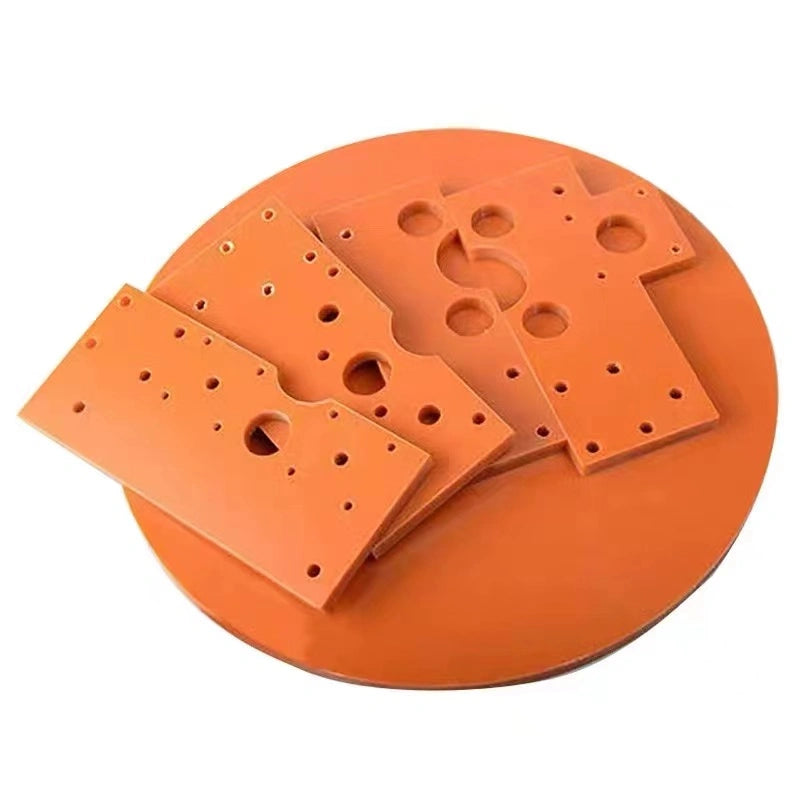
PEEK Sheets: A Game-Changer for Industrial and Machinery Applications

Key Properties of PEEK Sheets

PEEK sheets have revolutionized the industrial and machinery sectors by providing unmatched performance in high-stress environments. This blog post explores the key advantages of PEEK sheets, including their high tensile strength and thermal stability, making them indispensable for critical machinery components such as gears, seals, and bushings. You’ll discover how customization options and varying thicknesses of PEEK sheets (from 1mm to 3mm) can meet specific industrial needs, helping to reduce machinery downtime and enhance efficiency. With real-world case studies and insights into future trends, this post is your guide to understanding why PEEK sheets are the go-to material for today’s industrial challenges.

🎉🎉🎉Limited Time Offer Use code: QR4GNY08SHVR at checkout and enjoy a special discount on your entire order! 👉 PEEK plastic

PEEK sheets

Unleashing the Power of PEEK Sheets in High-Performance Machinery

PEEK sheets have emerged as a leading material in the world of high-performance machinery, thanks to their extraordinary combination of properties. These thermoplastic polymers are not only durable but also offer unique advantages that set them apart from traditional materials. Whether it’s the ability to withstand extreme temperatures, resist chemical corrosion, or maintain structural integrity under stress, PEEK sheets are increasingly becoming the material of choice for manufacturers aiming to enhance the longevity and reliability of their machinery components.

High Tensile Strength: The Backbone of Reliable Machinery

One of the standout features of PEEK sheets is their high tensile strength, which makes them exceptionally resistant to being pulled apart under tension. This property is critical in industrial applications where components such as gears, seals, and bushings are subjected to intense mechanical stresses. The superior strength of PEEK sheets ensures that these components maintain their shape and function even under heavy loads, reducing the risk of mechanical failure and the associated downtime.

Thermal Stability: Withstanding Extreme Conditions

In the demanding environments of industrial machinery, components often need to operate at high temperatures. PEEK sheets offer remarkable thermal stability, maintaining their structural integrity even when exposed to temperatures as high as 250°C. This makes PEEK sheets ideal for use in engine parts, compressor components, and other machinery that must perform reliably under extreme heat. By using PEEK sheets, manufacturers can ensure that their machinery components remain stable and efficient, even in the most challenging conditions.

Chemical Resistance: Protection Against Corrosive Environments

The chemical resistance of PEEK sheets is another key factor that contributes to their widespread use in industrial machinery. These sheets are highly resistant to a wide range of chemicals, including acids, bases, and organic solvents. This resistance is particularly valuable in industries such as chemical processing and oil and gas, where machinery components are frequently exposed to harsh substances that could degrade lesser materials. With PEEK sheets, manufacturers can protect their machinery from chemical corrosion, extending the lifespan of critical components and ensuring consistent performance.

PEEK Sheets for Gears, Seals, and Bushings

Gears, seals, and bushings are some of the most common components made from PEEK sheets in high-performance machinery. The high tensile strength of PEEK ensures that gears can handle heavy loads without deforming, while the material’s thermal stability allows seals to maintain their effectiveness in high-temperature environments. Bushings made from PEEK benefit from the material’s low friction and wear resistance, which help reduce maintenance needs and prolong the life of the machinery.

The Future of Machinery with PEEK Sheets

As industries continue to push the boundaries of what machinery can achieve, the demand for materials that can meet these new challenges will only grow. PEEK sheets are positioned to play a crucial role in this future, offering a combination of strength, stability, and resistance that few other materials can match. By integrating PEEK sheets into their machinery, manufacturers can not only enhance performance but also ensure that their products are built to last in even the harshest environments.

By understanding and leveraging the key advantages of PEEK sheets, industries can significantly improve the durability and efficiency of their machinery, making PEEK an essential component in the pursuit of high-performance solutions.

key advantages of PEEK sheets

PEEK Sheets vs. Traditional Materials in Industrial Applications

When it comes to industrial applications, selecting the right material is crucial for ensuring the performance, durability, and safety of machinery components. PEEK sheets have gained prominence as a superior choice compared to traditional materials like PTFE and PEK, particularly in harsh environments where high-temperature and high-pressure conditions are prevalent.

Understanding PEEK Sheets and Their Unique Properties

PEEK sheets (Polyether Ether Ketone) are high-performance thermoplastics known for their exceptional mechanical properties, including high tensile strength, thermal stability, and chemical resistance. These characteristics make PEEK an ideal material for industrial applications where reliability and durability are paramount. Unlike PTFE (Polytetrafluoroethylene), which is often used for its low friction and chemical inertness, PEEK sheets offer a more balanced combination of properties, making them suitable for more demanding applications.

PTFE vs. PEEK: A Closer Look at Performance

PTFE, commonly recognized by the brand name Teflon, is valued for its excellent chemical resistance and non-stick properties. However, it falls short when subjected to high mechanical loads and elevated temperatures. PEEK sheets, on the other hand, can withstand continuous use at temperatures up to 250°C, making them far more suitable for applications in high-temperature environments. Additionally, PEEK offers superior mechanical strength and creep resistance, ensuring that components retain their shape and functionality even under prolonged stress. This makes PEEK the material of choice for gears, seals, and bushings in high-performance machinery.

PEEK vs. PEK: The High-Temperature Challenge

PEK (Polyether Ketone) is another high-performance polymer similar to PEEK, but with a slightly higher thermal stability. While PEK can withstand temperatures up to 300°C, PEEK provides a better balance of toughness and chemical resistance, making it more versatile across various industrial applications. In settings where mechanical strength is as crucial as thermal stability, PEEK sheets outperform PEK by offering not only resistance to high temperatures but also to chemical exposure and wear and tear.

Why PEEK Sheets Are the Superior Choice

In the context of industrial applications, the choice between PEEK, PTFE, and PEK depends heavily on the specific requirements of the environment. PEEK sheets stand out because they combine the best attributes of both PTFE and PEK. They offer the chemical resistance and low friction of PTFE while also providing the high mechanical strength and thermal stability associated with PEK. This versatility allows PEEK sheets to be used in a broader range of applications, from chemical processing equipment to aerospace components, where both durability and performance are critical.

Applications Where PEEK Excels Over Traditional Materials

In high-pressure and high-temperature settings, such as in aerospace, automotive, and oil and gas industries, PEEK sheets are preferred for their ability to maintain structural integrity and performance where other materials might fail. For instance, PTFE may be unsuitable in situations requiring load-bearing capabilities under extreme conditions, while PEK, despite its thermal advantage, may lack the chemical versatility of PEEK. Thus, PEEK sheets offer the most comprehensive solution, ensuring long-term reliability and reduced maintenance costs.

Conclusion: The Future of Industrial Applications with PEEK

As industries continue to evolve, the demand for materials that can meet increasingly stringent requirements will grow. PEEK sheets are well-positioned to lead this evolution, offering a combination of strength, resilience, and versatility that traditional materials like PTFE and PEK cannot match. By choosing PEEK sheets for their machinery components, manufacturers can ensure that their products remain at the cutting edge of industrial innovation.

PEEK sheets for their machinery components

The Role of PEEK Sheets in Reducing Machinery Downtime

Enhancing Durability with PEEK Sheets

In the demanding world of industrial operations, machinery downtime can be costly, both in terms of productivity and maintenance expenses. The choice of materials used in machinery components plays a critical role in determining how often maintenance is required and how long the machinery can operate without interruptions. PEEK sheets (Polyether Ether Ketone) have gained prominence due to their exceptional durability and wear resistance, qualities that significantly extend the service life of machinery components and minimize the need for frequent repairs.

Superior Wear Resistance for High-Stress Applications

PEEK sheets are renowned for their outstanding wear resistance, making them ideal for components subjected to continuous friction and mechanical stress. In industrial settings where parts such as gears, seals, and bushings are in constant motion, the ability of PEEK to resist wear ensures that these components maintain their integrity over prolonged periods. Unlike traditional materials, which may degrade or wear out quickly under similar conditions, PEEK sheets retain their structural properties, reducing the likelihood of component failure and the associated downtime.

Reducing Maintenance Frequency with High-Performance PEEK

One of the key advantages of using PEEK sheets in industrial machinery is the material’s ability to withstand harsh environments without losing performance. This high-performance thermoplastic is resistant to a wide range of chemicals, extreme temperatures, and mechanical stress, which means that components made from PEEK require less frequent maintenance compared to those made from conventional materials. By choosing PEEK sheets for critical machinery components, manufacturers can significantly reduce the time and resources spent on maintenance, allowing for longer operational periods without interruptions.

Minimizing Downtime with Long-Lasting Components

The durability of PEEK sheets directly contributes to minimizing machinery downtime, a crucial factor in maintaining the efficiency and profitability of industrial operations. Because PEEK is capable of withstanding the rigors of high-stress environments, components made from this material are less likely to suffer from unexpected failures. This reliability translates into fewer emergency repairs and less unplanned downtime, which can disrupt production schedules and lead to substantial financial losses.

PEEK Sheets in Harsh Industrial Environments

Industrial environments often involve exposure to corrosive chemicals, abrasive materials, and extreme temperatures. Traditional materials may struggle to maintain their integrity under such conditions, leading to frequent breakdowns and the need for replacement parts. However, PEEK sheets excel in these environments, offering unparalleled resistance to chemical degradation and thermal stress. This resilience ensures that machinery components made from PEEK remain operational for extended periods, even in the most challenging industrial settings.

Cost-Effective Solutions with PEEK Sheets

While the initial cost of PEEK sheets may be higher than some traditional materials, the long-term benefits far outweigh the upfront investment. The reduced need for frequent maintenance, combined with the extended lifespan of PEEK components, results in significant cost savings over time. By reducing both planned and unplanned downtime, PEEK sheets offer a cost-effective solution for industries looking to maximize the efficiency and longevity of their machinery.

By understanding the pivotal role that PEEK sheets play in reducing machinery downtime, industries can make informed decisions about the materials they use in their operations. The durability, wear resistance, and reliability of PEEK sheets make them an invaluable asset in maintaining the smooth and efficient operation of industrial machinery.

durability, wear resistance, and reliability of PEEK sheets

Customization of PEEK Sheets for Specific Industrial Needs

Tailoring Thickness for Precision Applications

One of the most significant customization options available for PEEK sheets is the ability to choose from a wide range of thickness variations. Depending on the specific requirements of an industrial application, manufacturers can select PEEK sheets in thicknesses ranging from 1mm to 3mm and beyond. For applications requiring precise tolerances, such as in semiconductor manufacturing or medical device components, the ability to specify the exact thickness of PEEK sheets is crucial. This customization ensures that components not only meet but exceed performance standards, offering the perfect balance of strength, flexibility, and thermal stability.

Glass-Filled PEEK: Enhanced Strength and Stiffness

In industrial sectors where high mechanical strength and rigidity are paramount, glass-filled PEEK sheets offer a compelling solution. By incorporating glass fibers into the PEEK matrix, the material’s stiffness and tensile strength are significantly enhanced. This makes glass-filled PEEK ideal for applications such as structural components in aerospace or automotive industries, where components must withstand heavy loads without deforming. Additionally, the glass reinforcement improves the material’s dimensional stability, ensuring that parts maintain their shape and performance even under prolonged stress and high temperatures.

Carbon-Filled PEEK: Superior Wear Resistance and Conductivity

For applications that demand not only high wear resistance but also electrical conductivity, carbon-filled PEEK is the material of choice. By adding carbon fibers or carbon powder to the PEEK base, this variant offers exceptional resistance to abrasion and friction, making it ideal for gears, bushings, and seals in industrial machinery. Furthermore, carbon-filled PEEK provides enhanced thermal conductivity and electrical dissipation, making it suitable for applications in the electronics and aerospace industries where managing heat and electrical currents is critical. This customization allows for components that not only perform reliably under harsh conditions but also help in maintaining overall system efficiency.

Specialized Grades for Extreme Conditions

Beyond standard glass-filled and carbon-filled options, PEEK sheets can be customized into specialized grades designed for extreme environments. For instance, bearing-grade PEEK includes lubricants such as PTFE or graphite, further reducing friction and extending the lifespan of components in high-wear applications. In sectors such as oil and gas, where exposure to corrosive chemicals and high pressures is common, these specialized grades of PEEK provide unparalleled performance. The ability to customize PEEK sheets to such specific requirements ensures that industries can maintain high levels of reliability and safety in their operations.

Meeting Industry-Specific Standards

Customization of PEEK sheets goes beyond just material composition; it also involves meeting stringent industry-specific standards. For example, in the medical sector, PEEK must be biocompatible and suitable for sterilization processes, which can be achieved through customization. Similarly, aerospace applications may require PEEK sheets that comply with FAA flammability standards or provide resistance to radiation. By tailoring PEEK sheets to meet these specific regulatory requirements, manufacturers can ensure that their components are not only high-performing but also compliant with industry norms, reducing the risk of non-compliance and enhancing the safety of the final product.

Implantable PEEK

Custom Dimensions and Formats for Unique Applications

In addition to material properties, PEEK sheets can be customized in terms of dimensions and formats. Whether it’s cut-to-size sheets, complex shapes, or machined components, the flexibility in customizing PEEK ensures that it fits seamlessly into a wide variety of industrial applications. This is particularly beneficial in prototyping and specialized equipment manufacturing, where standard sizes may not meet the unique demands of the project. The ability to provide PEEK sheets in custom dimensions reduces material waste and optimizes the production process, leading to cost savings and improved efficiency.

Advanced Manufacturing Techniques for PEEK Customization

The customization of PEEK sheets is further enhanced by advanced manufacturing techniques such as CNC machining, injection molding, and 3D printing. These methods allow for the precise shaping and finishing of PEEK components, ensuring that they meet the exact specifications required for their intended application. For industries that require high precision and complex geometries, such as medical devices or microelectronics, these manufacturing capabilities enable the production of components that are both high-quality and reliable.

By leveraging the customization options available for PEEK sheets, industries can achieve unparalleled performance and efficiency in their operations, ensuring that their machinery and components meet the highest standards of quality and durability.

Case Studies: Successful Implementation of PEEK Sheets in Industrial Machinery

Chemical Processing Industry Enhancements

In the chemical processing industry, PEEK sheets have revolutionized equipment design and functionality. A notable case involves a large chemical plant that transitioned from traditional metal-based components to PEEK sheets for its valve seats and seals. This change was driven by PEEK’s exceptional chemical resistance, which proved essential in environments exposed to aggressive acids and solvents. The implementation of PEEK sheets led to a significant reduction in maintenance requirements and extended the service life of the equipment. Previously, frequent replacements due to corrosion and material degradation were common, but with PEEK, the plant saw a decrease in operational disruptions, enhancing overall productivity and safety.

Automotive Manufacturing Advancements

In automotive manufacturing, PEEK sheets have been instrumental in developing more durable and lightweight components. A leading automotive OEM introduced PEEK into the production of engine components, specifically in areas subject to high heat and friction. The high thermal stability and wear resistance of PEEK sheets allowed for thinner, lighter parts that sustained less wear over time compared to traditional materials. This integration not only improved engine efficiency but also contributed to the overall vehicle performance by reducing weight and enhancing fuel efficiency. The shift to PEEK components exemplifies the material’s role in pushing forward automotive design and sustainability goals.

Power Generation Reliability Improvements

The power generation sector has also benefited greatly from the adoption of PEEK sheets. In one instance, a power plant used PEEK to replace metal in parts of its turbine assembly exposed to superheated steam. The thermal properties of PEEK enabled these components to withstand continuous exposure to extreme temperatures without losing structural integrity. As a result, the power plant experienced fewer failures and unscheduled maintenance outages, which are critical factors in energy production reliability and efficiency. The durability of PEEK ensured continuous operation under harsh conditions, thereby supporting consistent power output and reducing operational costs.

Broad-Spectrum Industrial Applications

These real-world examples across various industries underscore the transformative impact of PEEK sheets in industrial applications. By providing a material solution that excels in harsh environments, PEEK enhances the efficiency, reliability, and longevity of machinery. This broad-spectrum utility highlights PEEK’s role as a game-changing material in modern industry, capable of meeting diverse and demanding requirements with unparalleled success.

The successful integration of PEEK sheets in these sectors demonstrates their potential to address some of the most pressing challenges in industrial machinery today, confirming PEEK’s status as a critical material in advancing industrial innovation and operational excellence.
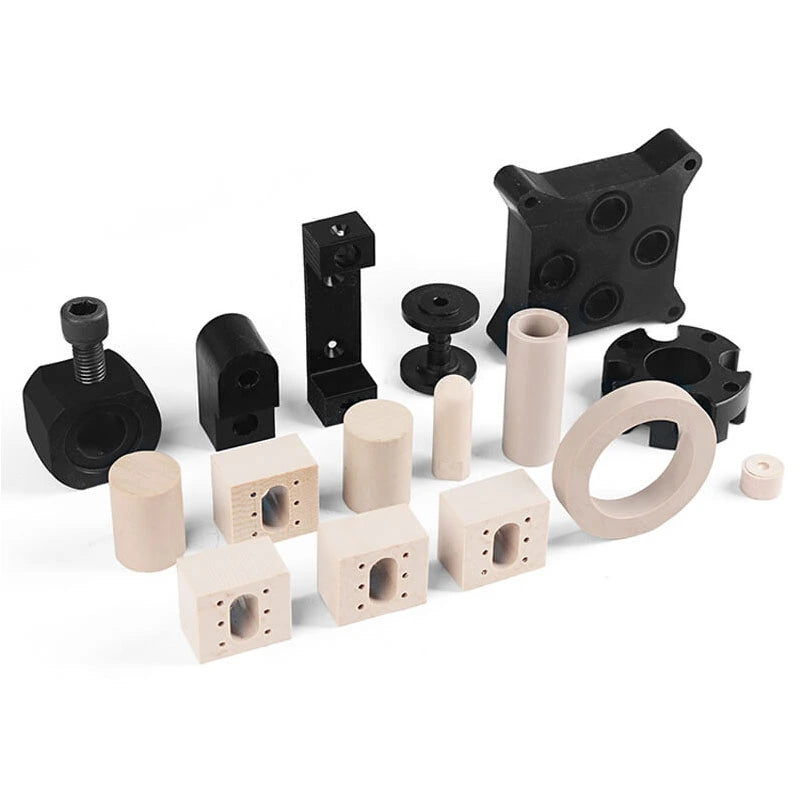
PEEK sheets

Selecting the Right PEEK Sheet Thickness for Your Application

Understanding the Importance of Thickness in PEEK Sheets

When choosing PEEK sheets for industrial applications, the thickness of the material is a critical factor that directly impacts performance. Whether you’re working in aerospace, automotive, or chemical processing, selecting the appropriate thickness ensures that the PEEK components can withstand the mechanical stresses, temperatures, and chemical exposures they will encounter. PEEK sheets are available in a variety of thicknesses, commonly ranging from 1mm to 3mm, each suited to different applications based on the required durability, flexibility, and load-bearing capacity.

Applications for 1mm PEEK Sheets: Flexibility and Precision

1mm PEEK sheets are often chosen for applications where flexibility and precision are paramount. Due to their relatively thin profile, 1mm sheets are ideal for components that require detailed machining or where space constraints are significant. In the electronics industry, for example, 1mm PEEK sheets are used for insulation layers and printed circuit board (PCB) components, where the material needs to fit into compact designs while providing excellent thermal and chemical resistance. The thinness of these sheets also makes them suitable for seals and gaskets in fluid systems, where they must conform to irregular surfaces without compromising on sealing integrity.

2mm PEEK Sheets: Balancing Strength and Flexibility

When a balance between strength and flexibility is needed, 2mm PEEK sheets are often the preferred choice. These sheets provide increased mechanical strength compared to their thinner counterparts while retaining some flexibility. 2mm thickness is particularly effective in applications such as pump components and valve seats, where the material must withstand significant pressure and wear while still being capable of minor deformation without cracking. The 2mm PEEK sheets also offer enhanced impact resistance, making them suitable for components that must endure sudden mechanical shocks in industries like automotive manufacturing.

Applications for 3mm PEEK Sheets: Maximum Durability and Load-Bearing

For applications that demand maximum durability and load-bearing capacity, 3mm PEEK sheets are the go-to option. The thicker profile provides exceptional structural integrity, making these sheets ideal for heavy-duty industrial applications. In aerospace and power generation, 3mm PEEK sheets are commonly used for bearing cages, bushings, and brackets, where the components must support substantial loads and maintain their shape under continuous mechanical stress. The thickness also contributes to higher thermal insulation, which is critical in environments exposed to extreme temperatures, such as engine compartments and turbine housings.

Matching PEEK Sheet Thickness with Application Requirements

Selecting the right PEEK sheet thickness involves evaluating the specific demands of your application, including the mechanical loads, thermal environment, and chemical exposure. For instance, if the application involves high-speed machinery where wear and tear are significant, opting for a thicker PEEK sheet (such as 3mm) may be necessary to ensure longevity and performance. Conversely, for precision instruments or lightweight components, a 1mm or 2mm sheet might be sufficient, offering the needed flexibility without adding unnecessary bulk.

The Role of Customization in Thickness Selection

While standard thicknesses of PEEK sheets are widely available, customization allows for tailored solutions that meet the exact specifications of your machinery. Custom thicknesses can be engineered to provide the optimal balance between strength and weight, ensuring that your components perform efficiently and reliably. In sectors like medical device manufacturing, where every component must meet stringent regulatory standards, the ability to customize the thickness of PEEK sheets can be crucial in achieving both compliance and performance goals.

By carefully selecting the appropriate PEEK sheet thickness, industries can optimize the performance and durability of their machinery, ensuring that components meet the specific demands of their operating environments. This strategic approach to material selection not only enhances the efficiency of industrial processes but also contributes to the overall reliability and longevity of the equipment.

PEEK sheet thickness

Future Trends: The Evolving Use of PEEK Sheets in Industrial Innovation

Advancements in Sustainable PEEK Sheet Production

As industries increasingly prioritize sustainability, the production of PEEK sheets is expected to evolve with a focus on reducing environmental impact. Innovations in recycling technologies and eco-friendly manufacturing processes are likely to lead the way. Manufacturers are investing in the development of recycled PEEK materials that maintain the high-performance characteristics of virgin PEEK while reducing the need for raw material extraction. This shift toward sustainable practices not only meets regulatory demands but also aligns with the growing consumer preference for environmentally responsible products. The result is a greener approach to industrial applications, where PEEK sheets play a crucial role in reducing the carbon footprint of manufacturing processes.

Integration of PEEK Sheets in Automated Manufacturing

The rise of automation in industrial manufacturing is another area where PEEK sheets are expected to make significant contributions. The material’s inherent strength and durability make it ideal for use in components of automated systems, such as robotic arms, conveyor belts, and precision tools. As automation becomes more sophisticated, the demand for materials that can withstand the rigorous demands of 24/7 operation will increase. PEEK sheets, with their ability to perform consistently under continuous stress, are poised to become a key material in the next generation of automated machinery. This integration not only enhances the efficiency of production lines but also ensures the longevity and reliability of automated systems.

Enhanced Efficiency Through Advanced PEEK Sheet Composites

PEEK sheet technology is advancing toward the creation of new composites that offer enhanced properties tailored to specific industrial needs. For example, nanocomposites that incorporate nanofillers are being developed to improve the mechanical strength, thermal conductivity, and electrical insulation of PEEK sheets. These advanced composites are particularly beneficial in sectors such as electronics and aerospace, where materials must meet stringent performance criteria while maintaining a lightweight profile. The ongoing research and development in PEEK composites are expected to drive further innovation in industrial applications, leading to materials that offer both high performance and cost-effectiveness.

PEEK Sheets in 3D Printing and Additive Manufacturing

The adoption of 3D printing and additive manufacturing technologies is reshaping the landscape of industrial production, and PEEK sheets are at the forefront of this transformation. PEEK‘s high-temperature resistance and mechanical strength make it suitable for use in 3D printing applications that require precision and durability. The ability to print customized PEEK components on demand reduces material waste and shortens production cycles, offering significant advantages in industries such as medical device manufacturing and automotive engineering. As additive manufacturing technology continues to evolve, the role of PEEK sheets in creating high-performance, custom components is expected to expand, driving further innovation in industrial design.

The Role of PEEK Sheets in Smart Manufacturing

The future of industrial manufacturing lies in the development of smart factories, where real-time data and automated systems work together to optimize production processes. PEEK sheets are expected to play a vital role in this shift toward smart manufacturing, particularly in the creation of sensor-integrated components and intelligent machinery parts. By embedding sensors within PEEK components, manufacturers can monitor the performance and condition of machinery in real time, enabling predictive maintenance and reducing the risk of unexpected failures. This integration of PEEK sheets into the Internet of Things (IoT) infrastructure will enhance the efficiency and resilience of industrial operations, setting the stage for a new era of intelligent manufacturing.

Expanding Applications in Emerging Industries

As emerging industries such as renewable energy and space exploration continue to grow, the demand for high-performance materials like PEEK sheets is expected to increase. PEEK’s ability to withstand extreme temperatures, radiation, and chemical exposure makes it an ideal material for applications in these cutting-edge fields. For instance, in solar energy, PEEK sheets are being explored for use in solar panel components that require long-term durability under harsh environmental conditions. Similarly, in space exploration, PEEK is being used in the development of lightweight, durable components that can survive the rigors of space travel. The expansion of PEEK sheet applications in these emerging industries will further solidify its position as a critical material in the future of industrial innovation.
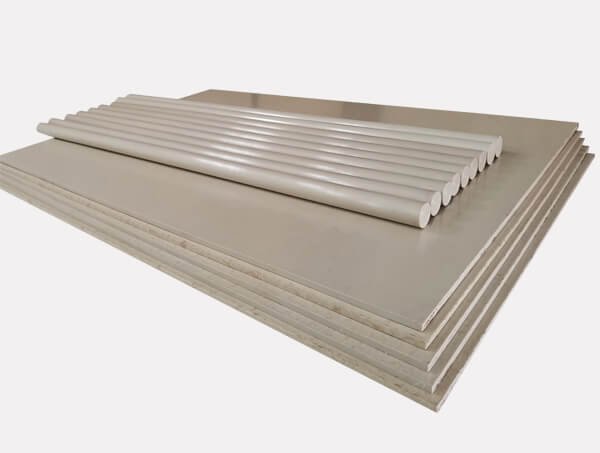
peek sheet

Common Questions and Answers Related to PEEK Sheets and BeePlastics Customization

1. What customization options are available for PEEK sheets at BeePlastics?

Answer: BeePlastics offers comprehensive customization options for PEEK sheets to meet your specific industrial needs. Whether you require sample customization for prototyping or batch customization for large-scale production, we can accommodate your requirements. Our customization services include options for thickness, size, shape, and special grades such as glass-filled or carbon-filled PEEK. We ensure that each PEEK sheet is tailored to your precise specifications.

2. What file formats does BeePlastics accept for custom PEEK sheet designs?

Answer: BeePlastics accepts a variety of file formats to facilitate seamless customization of PEEK sheets. We support PDF and CAD files, allowing you to provide detailed designs and specifications for your custom orders. If you have a specific file format in mind, please let us know, and we’ll do our best to accommodate it.

3. Is there a minimum order quantity (MOQ) for custom PEEK sheets at BeePlastics?

Answer: No, BeePlastics does not have a minimum order quantity (MOQ) for custom PEEK sheets. Whether you need a single prototype or a large batch of components, we can fulfill your order. Our flexible ordering system is designed to meet the needs of both small businesses and large-scale industrial operations.

4. How long does the production cycle take for custom PEEK sheets?

Answer: The production cycle for custom PEEK sheets at BeePlastics varies depending on the size and complexity of the order. Typically, we assess the order volume, material specifications, and design intricacies to determine the production timeline. Throughout the process, we will communicate the production progress in real-time to ensure you are informed of your order’s status and expected delivery date.

5. Does BeePlastics provide samples for custom PEEK sheets, and are they free of charge?

Answer: Yes, BeePlastics provides samples for custom PEEK sheets to help you assess the material and design before proceeding with full-scale production. The samples are free of charge; however, the customer is responsible for the shipping costs. This service ensures you are completely satisfied with the customization before committing to larger orders.

6. What industries can benefit from customized PEEK sheets from BeePlastics?

Answer: Customized PEEK sheets from BeePlastics are highly beneficial for a wide range of industries, including aerospace, automotive, chemical processing, electronics, and medical device manufacturing. Each industry can take advantage of PEEK’s unique properties, such as high-temperature resistance, chemical stability, and mechanical strength, tailored to specific application needs through our customization services.

7. How does BeePlastics ensure the quality of custom PEEK sheets?

Answer: At BeePlastics, quality assurance is paramount. We utilize advanced manufacturing processes and stringent quality control measures to ensure that every custom PEEK sheet meets the highest industry standards. Our team conducts thorough inspections and tests to verify that each product conforms to your specifications and performs reliably in its intended application.

8. Can I receive real-time updates on my custom PEEK sheet order?

Answer: Absolutely. BeePlastics is committed to keeping you informed throughout the production process. We provide real-time updates on your order status, including milestones such as production start, quality checks, and shipping schedules. This transparency helps you plan accordingly and ensures a smooth delivery process.

9. What are the benefits of choosing glass-filled or carbon-filled PEEK sheets?

Answer: Glass-filled PEEK sheets offer enhanced mechanical strength and stiffness, making them ideal for structural components in high-stress applications. Carbon-filled PEEK sheets, on the other hand, provide superior wear resistance and electrical conductivity, making them perfect for use in gears, seals, and electrical insulation. BeePlastics can customize PEEK sheets with these fillers to match the specific requirements of your industry.

10. How do I start a custom PEEK sheet order with BeePlastics?

Answer: To start a custom order with BeePlastics, simply contact our sales team with your design specifications and requirements. We’ll guide you through the customization process, from selecting the appropriate PEEK sheet thickness and grade to finalizing the design and production timeline. Our team is here to ensure that your custom order meets your exact needs and is delivered on time.

Incorporating PEEK sheets into your industrial applications offers a remarkable opportunity to enhance performance, efficiency, and reliability. Whether you’re optimizing machinery for chemical processing, advancing automotive manufacturing, or driving innovation in power generation, the unique properties of PEEK—from its thermal stability and wear resistance to its customization flexibility—make it an indispensable material for today’s demanding environments. As industries evolve towards greater sustainability and automation, PEEK sheets are poised to lead the way, ensuring that your operations not only meet current challenges but are also prepared for future advancements. Embrace the potential of PEEK sheets and position your machinery at the forefront of industrial innovation.

PEEK sheets
🎉🎉🎉Limited Time Offer Use code: QR4GNY08SHVR at checkout and enjoy a special discount on your entire order! 👉 PEEK plastic

Ready to take your industrial machinery to the next level? Fill out the contact form below to discuss how our custom PEEK sheets can meet your specific needs. Or, jump straight to our high-performance PEEK collection here to explore your options!

Leave a comment


Please note, comments must be approved before they are published


Custom Plastic Fabrication

Send your drawing, material and quantity for review

🔧
Precision Machining
CNC milling & turning
✂️
Cutting & Engraving
Laser & waterjet cutting
🏭
Forming & Molding
Thermoforming & injection
🔗
Joining & Assembly
Welding & bonding
📐
Design & Prototyping
CAD design & samples

General

HDPE

PP

PVC

ABS

Engineering

POM

Nylon

PC

PMMA

High-Performance

PEEK

PEI

PTFE

Composites

FR-4

G10

Flexible

TPU

Silicone

Why Choose BeePlastic?

🎯
Perfect Fit
Custom specs eliminate adaptation needs
⚡
Clear Lead Times
Lead time confirmed with every quote
💰
Volume Pricing
Volume pricing available on bulk orders
🤝
Expert Support
Free engineering consultation included
📋
Submit
→
🔍
Review
→
💵
Quote
→
✅
Production
→
📦
Deliver

Request a Quote

Share your project details, selected material and quantity on our quote page. You can add a file link or use the email drawing route shown there.


Request Quote

Industries: Automotive • Medical • Food • Lab • Semiconductor

beeplastic@beeplastic.com


Bakelite in Industrial Equipment: Sturdy, Reliable, and Heat-Resistant

Bakelite cut to size

Synopsis for “Bakelite in Industrial Equipment: Sturdy, Reliable, and Heat-Resistant”

Discover the incredible benefits of Bakelite in industrial applications with our comprehensive guide. This blog post delves into the history and evolution of Bakelite, tracing its journey from its invention to its current widespread use in various industries. We explore the key properties that make Bakelite a preferred choice for industrial equipment, including its high strength, durability, and excellent electrical insulation and heat resistance.

🎉 Limited Time Offer
Use code QR4GNY08SHVR at checkout and enjoy a special discount on your entire order!

👉 Shop Bakelite Materials Now

Learn about the manufacturing process of Bakelite sheets, from lamination to curing, and understand how these processes contribute to the material’s robustness. We also highlight the diverse applications of Bakelite in electrical and electronic equipment, showcasing its superior insulating properties and resistance to heat and moisture.

In the automotive industry, Bakelite proves indispensable in creating durable components like brake parts, clutch plates, and gears. Our maintenance section offers practical tips on caring for Bakelite components, ensuring their longevity and performance.

Finally, we discuss the advantages and disadvantages of using Bakelite in industrial equipment, providing a balanced view of its strengths and potential drawbacks. Whether you’re in the electrical, automotive, or any industrial sector, this post will equip you with the knowledge to leverage Bakelite’s unique properties for optimal results.

Stay informed and ahead of the curve with insights into Bakelite, the phenolic resin that’s revolutionizing industrial equipment.

Bakelite phenolic resin parts for industrial equipment cut to size

The History and Evolution of Bakelite in Industrial Applications

The Origins of Bakelite

Bakelite, a revolutionary material, was invented by Leo Baekeland in 1907. Baekeland, a Belgian-born American chemist, sought to develop a synthetic substitute for shellac, a natural insulator used in electrical applications. By combining phenol and formaldehyde, Baekeland created the first fully synthetic plastic, phenolic resin, which he patented as Bakelite. This invention marked a significant milestone in the development of synthetic materials and set the stage for the modern plastics industry.

Early Uses and Industrial Adoption

Initially, Bakelite found applications in electrical insulators and early consumer goods due to its excellent electrical insulation and heat resistance properties. It quickly gained popularity for use in electrical switches, sockets, and circuit breakers. The material’s ability to withstand high temperatures and its non-conductive nature made it ideal for these applications. Industries soon recognized the potential of Bakelite for various uses beyond electrical components, leading to its widespread adoption.

Evolution and Expanded Applications

As the demand for durable and reliable materials grew, Bakelite’s applications expanded. During the 1920s and 1930s, Bakelite was extensively used in the automotive industry for producing parts such as brake components, clutch plates, and gears. Its robustness and heat resistance made it a preferred material for these high-stress applications. Additionally, Bakelite became popular in the production of household items and consumer goods, including radio casings, telephone handsets, and kitchenware.

Bakelite in Modern Industrial Equipment

Today, Bakelite continues to be a vital material in various industrial applications. Its use in industrial equipment spans multiple sectors, including automotive, electrical, and aerospace. Bakelite’s unique properties, such as chemical resistance, mechanical strength, and thermal stability, make it suitable for manufacturing industrial gears, insulators, valves, and pump components. The material’s versatility and reliability ensure its continued relevance in modern industry.

The Impact of Bakelite on Material Science

Bakelite’s invention marked the beginning of the polymer age, significantly impacting material science and engineering. The success of Bakelite paved the way for the development of other synthetic plastics, transforming manufacturing processes and product designs across industries. Its legacy continues as an example of innovation in creating materials that meet specific industrial needs.

By understanding the history and evolution of Bakelite, we gain insight into its lasting importance and the reasons it remains a preferred choice for industrial applications today. Its unique combination of properties makes it indispensable in the ongoing development of reliable and durable industrial equipment.

Key Properties of Bakelite for Industrial Use

High Strength and Durability

One of the primary reasons Bakelite is favored in industrial applications is its high strength and durability. This phenolic resin is a thermosetting polymer, meaning it hardens permanently when heated. Once cured, Bakelite becomes extremely rigid and maintains its structural integrity under stress. This property is particularly beneficial for industrial equipment that undergoes high mechanical loads and requires materials that do not easily deform or break.

Excellent Electrical Insulation

Bakelite’s excellent electrical insulation properties make it indispensable in the electrical and electronics industries. The material’s ability to resist electrical conductivity ensures safety and reliability in applications such as switches, sockets, circuit breakers, and other electrical components. This characteristic helps prevent electrical shorts and reduces the risk of fire hazards, making Bakelite a preferred choice for insulating materials in high-voltage environments.

Orange Bakelite Board Electrical Insulation Sheet

Need Standard Bakelite Sheets?

We offer high-quality Phenolic Bakelite insulation boards (3-100mm) with global shipping. Perfect for electrical boards, mechanical parts, and high-temp environments. No MOQ required.

View Bakelite Plates →

Heat Resistance

Another significant property of Bakelite is its heat resistance. The material can withstand high temperatures without melting or deforming, which is crucial for many industrial applications. Bakelite maintains its stability and performance even under continuous exposure to heat, making it ideal for use in automotive components like brake pads, clutch plates, and engine parts. Its heat-resistant nature also makes it suitable for industrial machinery that operates at elevated temperatures.

Chemical Resistance

Bakelite’s chemical resistance further enhances its suitability for industrial use. The material is resistant to many chemicals, oils, and solvents, which ensures longevity and performance in harsh environments. This property is particularly useful in industries such as chemical processing and aerospace, where components are regularly exposed to corrosive substances. Bakelite’s ability to withstand chemical attacks helps maintain the integrity of industrial equipment and reduces maintenance costs.

Mechanical Stability

Mechanical stability is another critical attribute of Bakelite. It exhibits low thermal expansion, meaning it does not expand or contract significantly with temperature changes. This stability ensures that Bakelite components retain their shape and size, which is essential for precision applications in machinery and instrumentation. The material’s ability to maintain dimensional stability under various conditions makes it a reliable choice for industrial parts and fixtures.

Cost-Effectiveness

Beyond its physical and chemical properties, Bakelite is also known for its cost-effectiveness. The material is relatively inexpensive to produce and mold, which makes it a cost-efficient option for manufacturing durable industrial components. Its affordability, combined with its robust performance characteristics, offers industries a practical solution for creating high-quality products without incurring excessive costs.

Versatility

Finally, Bakelite’s versatility is a significant advantage. It can be molded into complex shapes and sizes, allowing for diverse applications across different industries. Whether used in electrical insulators, mechanical gears, or decorative items, Bakelite’s adaptability makes it a go-to material for manufacturers looking to leverage its unique properties in innovative ways.

Understanding these key properties highlights why Bakelite continues to be a material of choice for various industrial applications. Its combination of strength, durability, electrical insulation, heat resistance, chemical resistance, mechanical stability, cost-effectiveness, and versatility ensures it meets the rigorous demands of modern industry.

Versatile Bakelite phenolic sheets for various applications

Manufacturing Process of Bakelite Sheets

Raw Material Preparation

The manufacturing process of Bakelite sheets begins with the preparation of raw materials. The primary ingredients are phenol and formaldehyde, which are reacted together to form phenolic resin. This resin is the foundational element of Bakelite. The phenol-formaldehyde reaction creates a thermosetting polymer that, once set, becomes hard and inflexible. This polymerization process is controlled under specific conditions of temperature and pressure to achieve the desired resin properties.

Impregnation and Layering

The next step involves impregnating layers of paper, fabric, or glass with the phenolic resin. These substrates are chosen based on the intended application of the final product. For instance, paper-reinforced Bakelite sheets are typically used for electrical insulation due to their excellent insulating properties, while fabric-reinforced sheets offer higher mechanical strength and are used in mechanical components.

The impregnated layers are then stacked in a predetermined order to form a laminate. The orientation and number of layers can be adjusted to enhance specific properties such as strength, thickness, and durability. This layering process is crucial as it determines the final characteristics of the Bakelite sheet.

Lamination

The stacked layers are placed between steel plates in a hydraulic press for the lamination process. The press applies high pressure and heat to the layers, causing the phenolic resin to flow and bond the layers together. This step is critical in ensuring the material’s robustness and suitability for high-stress environments. The heat and pressure cause the resin to undergo polymerization, transforming it from a flexible state into a rigid, durable structure.

Curing

After lamination, the Bakelite sheets undergo a curing process. Curing involves maintaining the laminated sheets under high temperature and pressure for an extended period, allowing the chemical reactions to complete fully. This process ensures that the phenolic resin achieves its final, hardened state. The curing process is meticulously controlled to prevent any defects and to ensure uniformity throughout the sheet. The result is a material that is not only strong and durable but also capable of withstanding high temperatures and mechanical stress.

Post-Processing and Quality Control

Once the Bakelite sheets are cured, they undergo various post-processing steps, including cutting, trimming, and finishing to meet specific size and shape requirements. CNC machining and other precision tools are often used to achieve the desired dimensions and tolerances. Each sheet is then subjected to rigorous quality control tests to ensure it meets industry standards and specifications. Tests may include checking for mechanical strength, thermal stability, and electrical insulation properties.

Ensuring Robustness and Suitability

The meticulous manufacturing process of Bakelite sheets ensures that they are robust and suitable for high-stress industrial environments. The combination of raw material selection, precise lamination, and thorough curing creates a material that excels in mechanical strength, thermal stability, and chemical resistance. These properties make Bakelite sheets an ideal choice for a wide range of industrial applications, from electrical insulators to automotive components.

By understanding the detailed manufacturing process, it’s clear why Bakelite remains a preferred material in industries that demand reliability and performance under extreme conditions. Its unique properties and the careful control of its production process make it indispensable in modern industrial applications.

Stacked Bakelite boards in manufacturing facility

Applications of Bakelite in Electrical and Electronic Equipment

Insulating Properties

Bakelite is renowned for its excellent insulating properties, making it an ideal material for use in electrical and electronic equipment. Its ability to resist electrical conductivity ensures that it effectively prevents electrical currents from passing through, which is critical for maintaining safety and functionality in electrical applications. This property makes Bakelite an essential component in the manufacturing of switches, sockets, and circuit breakers. These applications benefit from Bakelite’s insulation capabilities, which help in avoiding electrical shorts and ensuring safe operation.

Heat Resistance

Another significant advantage of Bakelite in electrical and electronic applications is its resistance to heat. Bakelite can withstand high temperatures without melting or deforming, which is vital for components exposed to substantial heat during operation. For example, transformers and motor components made from Bakelite remain stable and perform reliably even under prolonged exposure to high temperatures. This heat resistance also extends to printed circuit boards (PCBs), where Bakelite serves as a base material that can handle the thermal stresses associated with electronic circuits.

Moisture Resistance

Moisture resistance is another key property that makes Bakelite suitable for electrical and electronic applications. In environments where humidity or moisture is a concern, Bakelite’s ability to resist water absorption ensures that electrical components remain functional and free from moisture-related damages. This makes Bakelite an excellent choice for outdoor electrical applications or equipment used in damp conditions. Insulators made from Bakelite, for instance, maintain their performance and reliability even in high-humidity environments.

Specific Applications in Electrical Equipment

Switches and Sockets

Switches and sockets are ubiquitous in electrical systems, and Bakelite is a preferred material for these components due to its insulating and heat-resistant properties. Bakelite switches are durable and capable of withstanding the high temperatures generated by electrical currents. Additionally, Bakelite sockets provide a safe and reliable connection point for electrical plugs, ensuring consistent performance over time.

Circuit Breakers and Insulators

Circuit breakers are critical for protecting electrical systems from overloads and short circuits. Bakelite is used extensively in these devices because of its high dielectric strength and thermal stability. Similarly, insulators made from Bakelite are used in various electrical applications to prevent unintended electrical flow, thus protecting both equipment and users from electrical hazards.

Printed Circuit Boards (PCBs)

In printed circuit boards (PCBs), Bakelite serves as a substrate that supports electronic components while providing insulation and heat resistance. PCBs require materials that can handle the assembly process’s high temperatures and ensure long-term reliability. Bakelite’s properties make it an ideal choice for this application, helping to maintain the integrity and performance of electronic circuits.

Benefits for Industrial Equipment

The use of Bakelite in industrial equipment extends beyond electrical insulation. Its robustness and ability to maintain performance under high stress and adverse conditions make it a valuable material in a variety of industrial settings. Components made from Bakelite are not only heat and moisture resistant but also exhibit excellent chemical resistance, adding to their suitability for harsh industrial environments.

Bakelite’s combination of properties ensures its continued relevance in the electrical and electronic industries. Its insulating capabilities, resistance to heat and moisture, and overall durability make it an indispensable material for a wide range of applications, from everyday household items to sophisticated industrial machinery. By leveraging these properties, manufacturers can create safer, more reliable, and longer-lasting electrical and electronic equipment.

🔧 Custom CNC Machining Services

Do you need Machined Bakelite Parts for your equipment?

  • Precision CNC Milling, Drilling & Cutting
  • Custom Gears, Insulators, Washers & Brake components
  • No Minimum Order Quantity (MOQ)
  • Fast Turnaround & Sample Availability

Get a Custom Quote

Custom CNC machined Bakelite phenolic parts

Bakelite’s Role in the Automotive Industry

Brake Components

Bakelite plays a crucial role in the automotive industry, particularly in the production of brake components. Its high strength and thermal stability make it an ideal material for brake pads and linings. Brake components made from Bakelite can withstand the intense friction and heat generated during braking. This ensures that the brakes maintain their effectiveness over time, even under harsh driving conditions. The material’s durability also contributes to the longevity of brake components, reducing the need for frequent replacements and ensuring consistent performance.

Clutch Plates

In clutch systems, Bakelite is used to manufacture clutch plates due to its excellent heat resistance and wear resistance. Clutch plates need to endure significant friction and heat as they engage and disengage during gear shifts. Bakelite’s ability to maintain structural integrity under these conditions makes it a reliable material for clutch plates. Its low friction coefficient helps in smooth operation, enhancing the overall driving experience. Additionally, Bakelite’s chemical resistance ensures that the clutch plates remain unaffected by oils and other automotive fluids, further extending their lifespan.

Gears and Bearings

Gears and bearings are critical components in the automotive industry, requiring materials that can handle high loads and rotational speeds. Bakelite’s mechanical stability and low thermal expansion make it suitable for these applications. Gears made from Bakelite can operate efficiently without significant wear, reducing maintenance requirements and improving the vehicle’s reliability. Similarly, Bakelite bearings provide smooth and consistent performance, helping to reduce noise and friction in various automotive systems. The material’s robustness ensures that these components can withstand the mechanical stresses encountered during vehicle operation.

Electrical Components

The use of Bakelite extends to electrical components in automobiles. Its excellent electrical insulation properties make it ideal for use in ignition systems, voltage regulators, and distributor caps. Bakelite components help in maintaining the integrity of electrical systems by preventing short circuits and electrical failures. The material’s resistance to moisture and heat further ensures that the electrical components remain functional under varying environmental conditions. This reliability is crucial for modern vehicles that rely heavily on electronic systems for optimal performance and safety.

Benefits of Bakelite in Automotive Applications

Durability

Durability is one of the most significant benefits of using Bakelite in automotive applications. The material’s ability to withstand mechanical stress, heat, and chemical exposure ensures that components made from Bakelite have a long service life. This durability translates to fewer replacements and repairs, contributing to the overall cost-effectiveness of automotive maintenance. Manufacturers can rely on Bakelite to produce components that meet the high standards of the automotive industry, ensuring vehicle safety and reliability.

Thermal Stability

Thermal stability is another key advantage of Bakelite. Automotive components often operate under high temperatures, and materials that can maintain their properties under such conditions are essential. Bakelite’s resistance to heat prevents deformation and degradation, ensuring that components like brake pads, clutch plates, and electrical insulators perform consistently. This thermal stability is particularly important for high-performance vehicles and applications where precision and reliability are paramount.

By leveraging the unique properties of Bakelite, the automotive industry can produce components that offer superior performance, durability, and safety. The material’s versatility and reliability make it an indispensable part of modern automotive engineering, contributing to advancements in vehicle design and technology.

Bakelite materials and automotive parts

Maintenance and Care of Bakelite Industrial Components

Regular Cleaning Practices

Maintaining the cleanliness of Bakelite industrial components is crucial for ensuring their longevity and performance. Regular cleaning helps prevent the accumulation of dirt, grime, and other contaminants that could degrade the material over time. Use a mild soap and water solution for routine cleaning. Gently scrub the Bakelite surface with a soft cloth or sponge to remove any surface dirt. Avoid using abrasive materials that could scratch or damage the surface. For more stubborn stains, consider using a mild detergent but always test it on a small area first to ensure it does not harm the Bakelite.

Avoiding Exposure to Harsh Chemicals

Bakelite is resistant to many chemicals, but prolonged exposure to harsh chemicals can still cause damage. Avoid using strong acids, bases, or solvents for cleaning or in environments where Bakelite components are used. Chemicals like acetone, ammonia, and bleach can cause the Bakelite to become brittle or discolored over time. If Bakelite components must be exposed to such chemicals due to operational requirements, ensure they are thoroughly cleaned and dried afterward to minimize any adverse effects.

Protecting from Excessive Heat

Although Bakelite is known for its heat resistance, prolonged exposure to excessive heat can still compromise its integrity. Avoid placing Bakelite components near direct heat sources or in environments where temperatures exceed the material’s tolerance. High temperatures can cause the Bakelite to warp, crack, or lose its mechanical strength. If Bakelite components are used in high-temperature applications, ensure they are designed to withstand such conditions and regularly inspect them for any signs of heat-related damage.

Regular Inspections

Conducting regular inspections is essential for maintaining the performance and reliability of Bakelite components. Inspect the components for any signs of wear and tear, such as cracks, chips, or discoloration. Pay special attention to areas that are subject to high mechanical stress or environmental exposure. Early detection of damage can prevent more severe issues and prolong the component’s life. Implement a scheduled inspection routine based on the operational conditions and usage frequency of the Bakelite components.

Proper Storage

Proper storage conditions are vital for preserving the quality of Bakelite components when they are not in use. Store Bakelite in a cool, dry place away from direct sunlight and moisture. Excessive humidity can lead to the material absorbing moisture, which can affect its electrical insulation properties. Additionally, avoid stacking heavy objects on top of Bakelite components to prevent any potential deformation or damage.

Handling and Transportation

Handle Bakelite components with care during transportation and installation to avoid mechanical damage. Use protective padding or packaging materials to cushion the components and prevent them from being scratched or cracked during transit. When installing Bakelite parts, ensure they are correctly aligned and secured to avoid any unnecessary stress that could lead to damage.

Best Practices for Longevity

To maximize the lifespan and performance of Bakelite industrial components, adhere to the following best practices:

  • Regular Maintenance: Schedule regular cleaning and inspection routines.
  • Proper Handling: Handle with care to avoid mechanical damage.
  • Controlled Environment: Maintain a stable environment, avoiding extreme temperatures and humidity.
  • Protective Measures: Use protective coatings or housings if the Bakelite components are exposed to harsh conditions.

By following these maintenance and care guidelines, you can ensure that Bakelite components continue to perform reliably and efficiently in their industrial applications. Proper care not only extends the life of the components but also enhances the overall safety and effectiveness of the equipment in which they are used.

Close-up of Bakelite Plate Texture

Advantages and Disadvantages of Using Bakelite in Industrial Equipment

Advantages of Bakelite

Cost-Effectiveness

One of the most significant advantages of using Bakelite in industrial applications is its cost-effectiveness. Bakelite is relatively inexpensive to produce compared to other high-performance materials. Its low production cost makes it an attractive option for manufacturers looking to keep expenses down while still obtaining a material with excellent performance characteristics. The affordability of Bakelite allows for the production of a wide range of industrial components without compromising on quality.

Durability

Durability is another key strength of Bakelite. This material is known for its high mechanical strength and resistance to wear and tear. Bakelite components can withstand significant stress and mechanical loads, making them suitable for use in various high-stress industrial environments. The durability of Bakelite ensures that parts and equipment made from this material have a long service life, reducing the need for frequent replacements and maintenance. This longevity translates to lower long-term costs and improved reliability of industrial systems.

Heat Resistance

Heat resistance is a critical property of Bakelite that makes it ideal for use in high-temperature applications. Bakelite can endure high temperatures without melting, deforming, or losing its structural integrity. This makes it particularly useful in industries where components are exposed to intense heat, such as in automotive and electrical equipment. The ability to maintain performance under extreme heat conditions ensures the safety and efficiency of industrial operations that rely on Bakelite components.

Electrical Insulation

Bakelite is widely valued for its excellent electrical insulation properties. It is an effective insulator, preventing electrical currents from passing through and causing potential hazards. This property is essential for components used in electrical and electronic equipment, where preventing electrical shorts and ensuring safe operation are paramount. Bakelite’s insulating capabilities help protect both the equipment and the operators from electrical risks.

Disadvantages of Bakelite

Brittleness

Despite its many advantages, Bakelite does have some drawbacks, one of which is brittleness. While Bakelite is strong and durable under compression, it can be brittle and prone to cracking or breaking under high impact or tensile stress. This brittleness limits its use in applications where components are subject to significant bending or impact forces. Manufacturers must carefully consider the mechanical stresses that Bakelite components will encounter to avoid failure.

Environmental Considerations

Environmental considerations are another important factor when evaluating the use of Bakelite. Bakelite is a thermosetting plastic, which means it cannot be melted down and recycled like thermoplastics. This lack of recyclability poses environmental challenges, as discarded Bakelite components contribute to plastic waste. Additionally, the production process of Bakelite involves the use of phenol and formaldehyde, both of which are chemicals that can have environmental and health impacts if not managed properly. Efforts to mitigate these environmental concerns are essential for sustainable use.

Limited Flexibility

Bakelite’s limited flexibility can also be a disadvantage in some applications. Unlike more flexible materials, Bakelite does not easily conform to shapes or bend without breaking. This rigidity restricts its use to applications where the material’s shape does not need to be altered after curing. In situations where flexibility and adaptability are required, alternative materials may be more suitable.

Considerations for Use

When considering Bakelite for industrial applications, it’s important to weigh these advantages and disadvantages. Its cost-effectiveness, durability, heat resistance, and electrical insulation properties make it a valuable material for many uses. However, its brittleness, environmental impact, and limited flexibility must be taken into account to ensure it is the best fit for the specific application.

By understanding both the strengths and limitations of Bakelite, industries can make informed decisions about its use in their equipment and processes, optimizing performance and sustainability.

Bakelite materials pros and cons

Common Questions and Answers About Bakelite and BeePlastics Customization

1. What are the key properties that make Bakelite suitable for industrial applications?

Answer: Bakelite is favored in industrial applications due to its high strength, durability, excellent electrical insulation, and heat resistance. These properties make it ideal for manufacturing components that need to withstand high mechanical stress, resist electrical currents, and endure high temperatures.

2. How is Bakelite used in the automotive industry?

Answer: In the automotive industry, Bakelite is used to produce brake components, clutch plates, gears, and electrical components. Its durability and thermal stability ensure that these parts can handle high friction, heat, and mechanical loads, providing reliable performance over time.

3. What types of electrical equipment commonly use Bakelite?

Answer: Bakelite is commonly used in switches, sockets, circuit breakers, and insulators in electrical equipment. Its excellent insulating properties and resistance to heat and moisture make it ideal for these applications, ensuring safety and reliability in electrical systems.

4. How do I maintain and care for Bakelite industrial components?

Answer: To maintain and care for Bakelite components, clean them regularly with mild soap and water, avoid harsh chemicals, protect them from excessive heat, conduct regular inspections, and store them in a cool, dry place away from direct sunlight and moisture. Proper handling during transportation and installation is also crucial to prevent damage.

5. What are the environmental considerations when using Bakelite?

Answer: Bakelite is a thermosetting plastic, meaning it cannot be melted and recycled like thermoplastics. This lack of recyclability poses environmental challenges, as discarded Bakelite components contribute to plastic waste. Additionally, the production process involves chemicals like phenol and formaldehyde, which require careful management to mitigate environmental and health impacts.

6. Can BeePlastics undertake custom orders, including samples and batches?

Answer: Yes, BeePlastics can undertake any customization, including sample customization and batch customization. They are equipped to handle various orders, ensuring that each customer’s specific needs are met.

7. What file formats does BeePlastics accept for customization?

Answer: BeePlastics accepts a variety of file formats for customization, including PDF and CAD. This flexibility allows customers to provide their designs in the format that is most convenient for them.

8. Is there a minimum order quantity (MOQ) for BeePlastics customizations?

Answer: There is no minimum order quantity (MOQ) for BeePlastics customizations. Customers can order as little or as much as they need, making it accessible for both small and large projects.

9. How does BeePlastics manage the production cycle for custom orders?

Answer: The production cycle at BeePlastics is carried out according to the amount of orders and the complexity of the process. They communicate the production progress in real time, ensuring that customers are kept informed throughout the manufacturing process.

10. Does BeePlastics provide samples, and what are the costs involved?

Answer: BeePlastics supports the provision of samples. The samples are free of charge, but customers are responsible for the shipping costs. This allows customers to evaluate the quality and suitability of the products before placing larger orders.

These common questions and answers provide a comprehensive overview of Bakelite’s applications and the customization services offered by BeePlastics, helping customers understand the benefits and processes involved.

Conclusion

Bakelite’s enduring relevance in industrial applications is a testament to its exceptional properties, such as high strength, durability, heat resistance, and electrical insulation. From its historical origins and evolution to its current uses in automotive, electrical, and electronic equipment, Bakelite has proven itself as a versatile and reliable material. Additionally, the customization services offered by BeePlastics provide a flexible and comprehensive solution for manufacturers needing specialized Bakelite components. By leveraging Bakelite’s unique properties and BeePlastics’ expertise in customization, industries can enhance the performance, safety, and longevity of their equipment and products. Whether you are looking to incorporate Bakelite into high-stress industrial environments or require precise custom components, Bakelite remains a material that stands the test of time.

High-quality custom Bakelite components

Transform your industrial equipment with high-quality Bakelite components. Complete the contact form at the bottom of the page to discuss your customization requirements with our experts. Discover the durability and versatility of our Bakelite plates by visiting our dedicated page.

Click here to learn more and make the switch today!

🎉 Limited Time Offer Use code: QR4GNY08SHVR at checkout and enjoy a special discount on your entire order! 👉 Bakelite plastic


Leave a comment


Please note, comments must be approved before they are published


Custom Plastic Fabrication

Send your drawing, material and quantity for review

🔧
Precision Machining
CNC milling & turning
✂️
Cutting & Engraving
Laser & waterjet cutting
🏭
Forming & Molding
Thermoforming & injection
🔗
Joining & Assembly
Welding & bonding
📐
Design & Prototyping
CAD design & samples

General

HDPE

PP

PVC

ABS

Engineering

POM

Nylon

PC

PMMA

High-Performance

PEEK

PEI

PTFE

Composites

FR-4

G10

Flexible

TPU

Silicone

Why Choose BeePlastic?

🎯
Perfect Fit
Custom specs eliminate adaptation needs
⚡
Clear Lead Times
Lead time confirmed with every quote
💰
Volume Pricing
Volume pricing available on bulk orders
🤝
Expert Support
Free engineering consultation included
📋
Submit
→
🔍
Review
→
💵
Quote
→
✅
Production
→
📦
Deliver

Request a Quote

Share your project details, selected material and quantity on our quote page. You can add a file link or use the email drawing route shown there.


Request Quote

Industries: Automotive • Medical • Food • Lab • Semiconductor

beeplastic@beeplastic.com