Expert Insights: Cutting ABS Sheets for Enhanced Machine and Equipment Performance
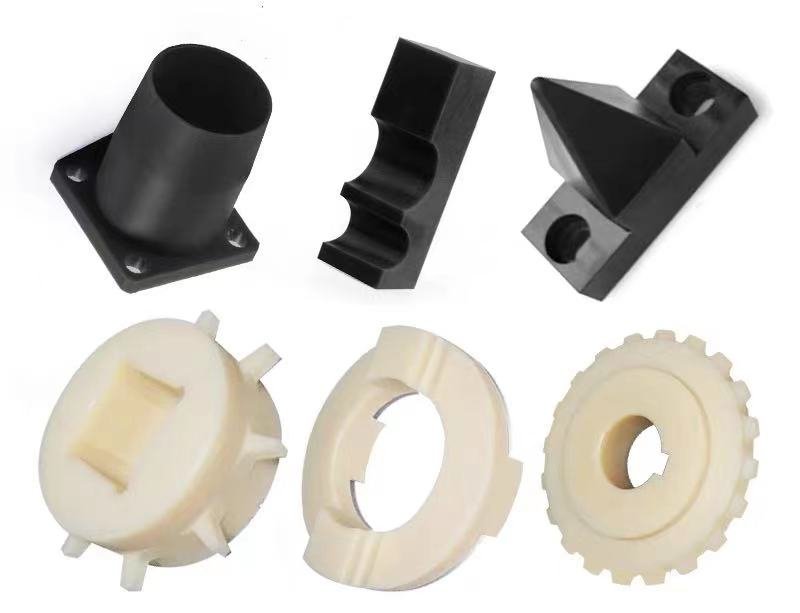
In the blog post “Expert Insights: Cutting ABS Sheets for Enhanced Machine and Equipment Performance,” I delve into the world of ABS Sheets and their transformative impact on industrial machinery and equipment. This comprehensive guide begins with “Choosing the Right Tools for Cutting ABS Plastic,” where I discuss the optimal tools like Dremel tools, jigsaws, and hot knives, essential for precision cutting.

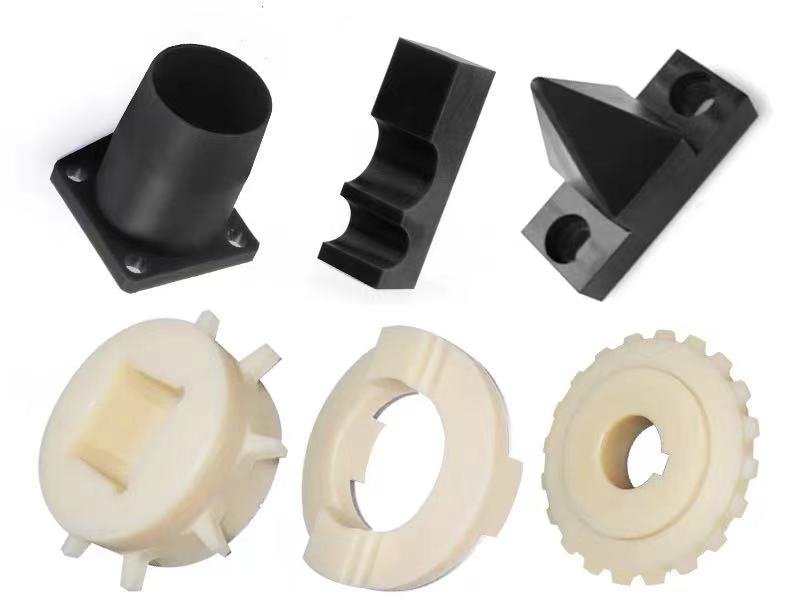
Moving forward, the post explores “Laser Cutting ABS Sheets: Precision and Efficiency,” highlighting the cutting-edge technology that brings unmatched accuracy and speed, crucial for intricate designs in ABS Sheets. In “Custom Cut ABS Sheet Solutions for Industrial Needs,” I emphasize the importance of tailor-made solutions, showcasing how custom cuts cater to specific industrial requirements.
The practical aspect of the post is evident in “Techniques for Cutting ABS Plastic with Jigsaws and Dremels,” providing a hands-on guide complete with safety tips and best practices. This is followed by an insightful section on “Bending and Molding ABS Sheets After Cutting,” where I explain the techniques to shape these sheets post-cutting, a vital skill for creating functional industrial components.
Lastly, “Maintaining Precision in ABS Sheet Cutting for Industrial Applications” underscores the necessity of accuracy in cutting ABS Sheets for optimal performance in machinery and equipment. This blog post is a must-read for anyone in the industrial sector looking to enhance their machine and equipment performance using ABS Sheets.
Choosing the Right Tools for Cutting ABS Plastic
When it comes to working with ABS plastic sheets, selecting the right tools is crucial for achieving precision, efficiency, and safety. In this section, we’ll explore the various tools that are most suitable for cutting ABS sheets, such as Dremel tools, jigsaws, and hot knives, and discuss their specific applications in industrial settings.

Dremel Tools for Detailed Cuts
Dremel tools are a popular choice for cutting ABS plastic sheets, especially when intricate, detailed work is required. These versatile rotary tools come with a variety of attachments and can be used to make precise cuts and engravings on ABS plastic. They are particularly useful for creating small holes, fine lines, and detailed patterns. In an industrial setting, a Dremel tool is ideal for customizing parts that require a high level of detail and precision.
Jigsaws for Curved and Straight Cuts
Jigsaws are another essential tool for cutting ABS sheets. Known for their ability to make both straight and curved cuts, jigsaws are incredibly versatile. When equipped with the right blade, a jigsaw can easily cut through ABS plastic, making it a go-to tool for larger or more complex shapes. In industrial applications, jigsaws are often used to cut out large components or to create curved edges on parts and tools.
Hot Knives for Smooth Edges
For achieving smooth, clean edges while cutting ABS sheets, hot knives are an excellent choice. These tools use heat to melt through the plastic, resulting in a smooth, sealed edge that requires minimal finishing. Hot knives are particularly useful in situations where the aesthetics of the cut edge are important, such as in visible parts of machinery or equipment. In industrial settings, a hot knife can be used to create clean, professional-looking cuts on ABS plastic components.
Tool Selection: A Key to Precision
Choosing the right tool for cutting ABS plastic is not just about the cut itself; it’s about precision, efficiency, and the quality of the final product. Whether it’s the detailed work possible with a Dremel tool, the versatility of a jigsaw, or the clean edges provided by a hot knife, each tool has its unique advantages in an industrial context. Understanding these tools and their applications is essential for anyone working with ABS plastic sheets in an industrial environment.
In conclusion, whether you’re creating intricate parts with a Dremel tool, shaping larger components with a jigsaw, or seeking smooth finishes with a hot knife, the right tool selection is critical for optimal results when working with ABS plastic sheets. These tools not only ensure precision and efficiency but also enhance the overall performance and appearance of industrial machines and equipment.
Laser Cutting ABS Sheets: Precision and Efficiency
Laser cutting stands out as a modern, highly efficient method for shaping ABS plastic sheets. This technology offers unparalleled precision and speed, making it an ideal choice for various industrial applications. In this section, we’ll delve into the advantages of using laser cutting for ABS sheets, focusing on its precision, speed, and versatility in creating complex shapes and designs.

Unmatched Precision in Cutting
One of the most significant advantages of laser cutting is its extraordinary precision. The laser beam used in this process is incredibly focused, allowing for extremely accurate cuts with minimal deviation. This level of precision is particularly beneficial when working with ABS plastic sheets in industrial settings, where even the slightest inaccuracy can compromise the functionality of a machine or part. Laser cutting ensures that every cut is consistent, which is crucial for mass production and maintaining quality standards.
Speed and Efficiency in Production
Another key benefit of laser cutting is its speed. Compared to traditional cutting methods, laser cutting can significantly reduce production time. This efficiency is due to the laser’s ability to quickly and smoothly cut through ABS plastic, coupled with the technology’s ability to make multiple cuts simultaneously. For industries where time is of the essence, the speed of laser cutting not only boosts productivity but also helps in meeting tight deadlines without compromising on quality.
Creating Complex Shapes and Designs
The versatility of laser cutting is particularly evident in its ability to create complex shapes and designs with ease. Unlike some traditional cutting methods, laser cutting is not limited by the complexity of the design. This capability allows for the production of intricate patterns, detailed cut-outs, and precise engravings on ABS sheets. In industrial applications, this means that parts and components can be customized to exact specifications, opening up possibilities for innovative designs and solutions.
The Role of Laser Cutting in Modern Industry
The integration of laser cutting technology in industrial manufacturing has revolutionized the way ABS plastic sheets are processed. Its precision, speed, and versatility make it an invaluable tool in the production of high-quality, complex parts and components. Whether it’s for creating detailed components in the automotive industry, precise parts in robotics, or custom designs in consumer products, laser cutting provides a level of accuracy and efficiency that is hard to match.
In conclusion, the use of laser cutting for ABS plastic sheets is a game-changer in industrial manufacturing. Its ability to deliver precise, fast, and complex cuts makes it an indispensable tool for businesses looking to enhance their production capabilities. As industries continue to evolve, the role of laser cutting in processing ABS plastic sheets will undoubtedly become even more significant, driving innovation and efficiency in manufacturing.
Custom Cut ABS Sheet Solutions for Industrial Needs
In the realm of industrial manufacturing, the ability to tailor materials to specific requirements is crucial. Custom-cut ABS sheets stand out as a versatile solution, meeting diverse industrial needs with precision. This section highlights how custom-cut ABS sheets can address unique industrial requirements, providing examples of custom solutions for machines, equipment, and tools.

Tailoring to Specific Industrial Applications
Custom-cut ABS sheets are particularly valuable in industries where standard sizes and shapes do not suffice. The flexibility to cut ABS plastic to specific dimensions and shapes allows for a perfect fit in various applications. This customization is essential in sectors like automotive manufacturing, where components must conform to exact specifications for optimal performance and safety. Similarly, in the aerospace industry, custom-cut ABS parts are used for lightweight, durable components that adhere to stringent standards.
Advantages in Machinery and Equipment Manufacturing
In machinery and equipment manufacturing, custom-cut ABS sheets offer several advantages. Their high impact resistance and durability make them ideal for protective casings and panels. Customization allows for the creation of parts that fit perfectly within complex machinery, ensuring seamless integration and functionality. For example, in the production of medical equipment, ABS sheets can be cut to form parts of diagnostic devices, where precision and reliability are paramount.
Custom Solutions for Tools and Devices
The versatility of custom-cut ABS sheets extends to the creation of specialized tools and devices. In industries such as electronics and robotics, ABS plastic can be cut into intricate shapes and sizes to house sensitive components. This customization not only provides protection but also contributes to the ergonomic design of hand-held devices, enhancing user comfort and efficiency.
Meeting the Demands of Innovation
The demand for custom-cut ABS sheets in industrial settings is driven by the need for innovation and efficiency. As industries evolve, the requirements for materials that can be precisely tailored to new designs and concepts become increasingly important. Custom-cut ABS sheets offer the adaptability and precision needed to keep pace with these advancements, making them a key component in the development of cutting-edge industrial products.
In conclusion, custom-cut ABS sheets are an essential element in modern industrial manufacturing. Their ability to be tailored to specific needs makes them invaluable in a wide range of applications, from machinery and equipment to specialized tools and devices. As industries continue to advance and seek innovative solutions, the role of custom-cut ABS in meeting these challenges will undoubtedly grow, underscoring its importance in the industrial landscape.

Techniques for Cutting ABS Plastic with Jigsaws and Dremels
Cutting ABS plastic efficiently and safely requires the right techniques and tools. In this guide, we’ll explore the step-by-step process of using jigsaws and Dremel tools for cutting ABS plastic, along with essential safety tips and best practices.
Using a Jigsaw for Cutting ABS Plastic
Preparing Your Workspace and Material
- Safety First: Always wear protective gear, including safety glasses and gloves, when working with power tools.
- Secure the ABS Sheet: Clamp down the ABS plastic sheet to your workbench to prevent movement during cutting.
- Mark Your Cut: Use a marker to draw the line where you intend to cut. This will serve as a guide and ensure precision.
Cutting Process
- Choose the Right Blade: Select a fine-toothed blade for your jigsaw, ideal for cutting plastic to prevent chipping and melting.
- Set the Correct Speed: Use a medium speed setting on your jigsaw. High speeds can melt the plastic, while too slow can lead to uneven cuts.
- Begin Cutting: Start the jigsaw and gently guide it along the marked line. Keep the tool steady and let the blade do the work.

Post-Cutting Finishing
- Smoothing Edges: After cutting, you may find rough edges. Use fine-grit sandpaper to smooth these out for a clean finish.
Utilizing Dremel Tools for Detailed Cuts
Setting Up for Precision Work
- Select the Appropriate Attachment: For cutting ABS plastic with a Dremel, use a cutting wheel suitable for plastic materials.
- Adjust the Tool Speed: A higher speed setting is generally effective for Dremel tools, but adjust based on the thickness of the plastic.
The Cutting Process
- Guide the Tool Carefully: Dremel tools are excellent for detailed work. Gently guide the tool along the marked line, focusing on maintaining control for intricate cuts.
- Cooling the Plastic: If you notice the plastic starting to melt, pause and allow it to cool before continuing.
Finishing Touches
- Refining Edges: Use a smaller sanding attachment or hand sandpaper to smooth out any imperfections along the cut edges.
Safety Tips and Best Practices
- Work in a Well-Ventilated Area: Cutting plastic can produce fumes, so ensure good ventilation.
- Regular Breaks: Take breaks during long cutting sessions to prevent the plastic from overheating.
- Check Tool Condition: Regularly inspect your tools for wear and tear to maintain safety and efficiency.
In conclusion, using jigsaws and Dremel tools for cutting ABS plastic can be highly effective when done correctly. By following these steps and adhering to safety guidelines, you can achieve precise, clean cuts, whether you’re working on large pieces with a jigsaw or intricate details with a Dremel. Remember, the key to successful cutting lies in preparation, the right tool selection, and a steady, controlled approach.
Bending and Molding ABS Sheets After Cutting
After cutting ABS plastic sheets, bending and molding them into desired shapes is a critical step in creating functional parts and components for industrial applications. This process requires precision and an understanding of the material’s properties. In this guide, we’ll explore how to properly bend and mold ABS sheets post-cutting.
Understanding ABS Plastic Properties
Before diving into the bending and molding process, it’s important to understand the properties of ABS plastic. ABS is a thermoplastic polymer known for its strength, rigidity, and heat resistance. These properties make it ideal for bending and molding, as it softens when heated and retains its shape once cooled.
Preparing for Bending and Molding
- Gather Necessary Tools: You’ll need a heat gun, a bending jig, or a mold, depending on the desired shape.
- Mark the Bend Lines: Clearly mark on the ABS sheet where the bends are to be made. This ensures accuracy in the bending process.
 The Bending Process
Heating the ABS Sheet
- Apply Heat Evenly: Use a heat gun to evenly heat the area along the marked bend line. The key is to heat the plastic until it becomes pliable but not so much that it melts or warps.
- Monitor the Temperature: ABS plastic typically becomes bendable at around 221°F (105°C). Use a thermometer to monitor the temperature, if possible.
Bending the Heated Plastic
- Use a Bending Jig: For straight bends, place the heated section of the ABS sheet against a bending jig and apply gentle pressure to achieve the desired angle.
- Cooling Down: Hold the plastic in place until it cools and solidifies in the new shape.
Molding ABS Sheets
Creating Complex Shapes
- Use Molds for Complex Shapes: For more complex shapes, press the heated ABS sheet into or over a pre-made mold.
- Even Pressure: Apply even pressure to ensure the plastic conforms to the mold’s shape.
Cooling and Setting
- Allow Time to Cool: Leave the ABS in the mold until it cools completely and sets into the new shape.
- Remove from Mold: Once cooled, carefully remove the ABS part from the mold.
 Finishing Touches
After bending or molding, you may need to do some finishing work. This can include:
- Trimming: Remove any excess material for a clean finish.
- Sanding: Smooth out any rough edges or surfaces.
Safety Tips and Best Practices
- Wear Protective Gear: Always wear gloves and safety glasses when handling heated materials.
- Ensure Good Ventilation: Heating ABS can release fumes, so work in a well-ventilated area.
- Avoid Overheating: Be cautious not to overheat the ABS, as this can cause deformation or release harmful fumes.
In conclusion, bending and molding ABS sheets post-cutting is a process that requires attention to detail and an understanding of the material’s properties. By carefully heating, shaping, and cooling the ABS, you can create a wide range of functional parts and components for various industrial applications. Remember, safety and precision are key to achieving the best results in your ABS plastic projects.
Maintaining Precision in ABS Sheet Cutting for Industrial Applications
Precision and accuracy in cutting ABS sheets are paramount, especially in industrial contexts where every millimeter can impact the performance of machines and equipment. This section offers insights into ensuring precision during the cutting process and highlights the significance of accuracy in industrial applications.
The Importance of Precision in Industrial Settings
Why Accuracy Matters
In industrial manufacturing, the dimensions and shapes of components often have tight tolerances. Precision in cutting ABS sheets is crucial because even minor deviations can lead to parts that don’t fit correctly, resulting in compromised machine performance or even equipment failure. In sectors like aerospace, automotive, and electronics, where the integrity of each component is critical, maintaining high accuracy is non-negotiable.

Strategies for Achieving Precision
Selecting the Right Cutting Tools
- Tool Quality: Invest in high-quality cutting tools that offer greater control and precision. Tools like precision-guided lasers, fine-toothed jigsaws, and high-speed Dremel tools are ideal for cutting ABS sheets with accuracy.
- Regular Maintenance: Keep your tools in top condition. Dull blades or improperly calibrated equipment can lead to inaccurate cuts.
Accurate Measurement and Marking
- Precise Measurements: Use accurate measuring tools and take the time to double-check measurements before cutting.
- Clear Marking: Use non-permanent, fine-point markers to draw cut lines. Ensure that these lines are as precise as possible to guide your cutting.
Implementing Cutting Techniques
Controlled Cutting Process
- Steady Pace: Maintain a consistent speed while cutting. Rushing the process can lead to mistakes and inaccuracies.
- Guided Cuts: Use guides or jigs where possible to ensure straight, precise cuts. This is especially important for long cuts or complex shapes.
Post-Cutting Adjustments
- Fine-Tuning: After cutting, make any necessary adjustments. This might involve sanding down edges or trimming excess material for a perfect fit.
- Quality Checks: Implement a quality control process to check the accuracy of each cut piece. This step is crucial in industrial settings to ensure all components meet the required specifications.
Safety and Precision
Prioritizing Safety
- Safe Practices: Always prioritize safety when cutting ABS sheets. Use protective gear and follow safety protocols to prevent accidents, which can also lead to imprecise cuts.
- Training and Skill Development: Ensure that operators are well-trained and skilled in using cutting tools. Skilled handling contributes significantly to the precision of cuts.
The Impact of Precision on Performance
Enhancing Machine and Equipment Efficiency
Precise cuts in ABS sheets lead to components that fit perfectly, enhancing the overall efficiency and performance of industrial machines and equipment. This precision directly impacts the reliability, durability, and functionality of the machinery, making it a critical aspect of industrial manufacturing.
In conclusion, maintaining precision in cutting ABS sheets is a critical factor in industrial applications. By selecting the right tools, implementing accurate measuring and marking techniques, and following controlled cutting processes, industries can ensure the high level of accuracy required for optimal machine and equipment performance. Remember, precision in cutting not only affects the quality of the individual components but also the efficiency and reliability of the entire industrial system.
In summary, the art of cutting, bending, and molding ABS sheets is a crucial skill set in the realm of industrial manufacturing. From selecting the right tools like jigsaws and Dremel tools for precise cuts, to mastering the techniques of laser cutting for efficiency and intricacy, each step plays a pivotal role in ensuring the quality and functionality of the final product. The ability to customize ABS sheets through precise cutting and molding opens up a world of possibilities for creating parts and components that meet exact industrial specifications. Furthermore, maintaining precision in these processes is not just about adhering to technical requirements; it’s about upholding the integrity and performance of the machinery and equipment that drive our industries forward. As we continue to innovate and evolve in the industrial sector, the skills and knowledge shared in this guide will remain invaluable, ensuring that the potential of ABS plastic is fully realized in every application.
Get Your Custom ABS Sheet Solutions Today!
Have specific requirements or need expert advice on ABS sheet cutting? We’re here to help. Complete the contact form below and let’s discuss how we can meet your industrial needs with precision and efficiency.
-
Posted in
ABS, cutting, equipment, machine, manufacturing





