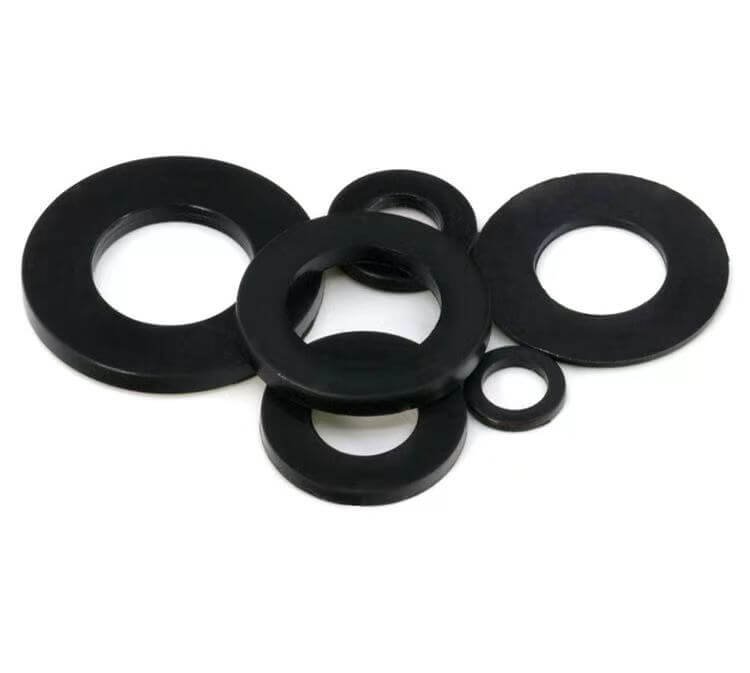
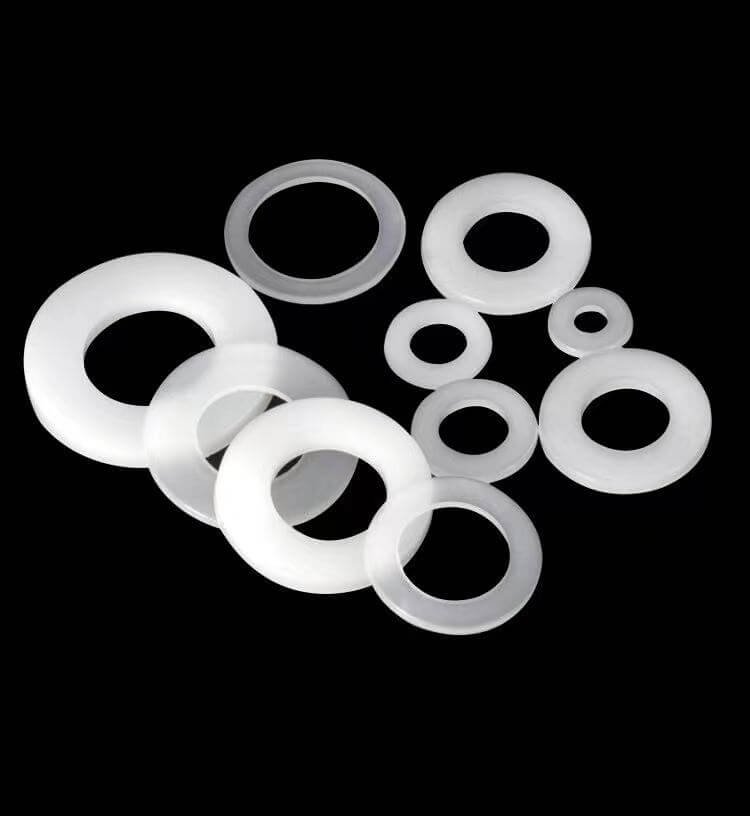
Bakelite Sheets: The Perfect Choice for Electrical Insulators and Beyond

key properties of Bakelite

Bakelite sheets are more than just a relic of the past—they are a powerhouse material that continues to shine in modern applications, particularly in electrical insulation. In this post, I delve into the remarkable properties of Bakelite material that make it the perfect choice for electrical insulators and a variety of other industrial uses. We’ll explore the unique composition of Bakelite plastic, how it compares to newer synthetics, and why it remains a top choice in high-voltage electrical systems. Whether you’re an industrial manufacturer or searching for Bakelite sheets for sale, this guide will help you understand the value of partnering with a reliable Bakelite board supplier. Discover why Bakelite properties like low water absorption, high thermal stability, and mechanical strength make it a material you can count on for durability and performance.

🎉🎉🎉Limited Time Offer Use code: QR4GNY08SHVR at checkout and enjoy a special discount on your entire order! 👉 Bakelite plastic
Bakelite plastic

This synopsis integrates keywords strategically to optimize search engine visibility while providing a compelling overview of the post’s content.

Understanding the Unique Composition of Bakelite Material for Electrical Insulation

The Chemistry Behind Bakelite Material

Bakelite, also known as phenolic resin, is a thermosetting plastic renowned for its outstanding dielectric properties. The material is synthesized through the polymerization of phenol and formaldehyde, a process that results in a strong, heat-resistant compound. This chemical reaction forms a cross-linked polymer network, which imparts Bakelite material with its characteristic rigidity and stability. The ability of Bakelite plastic to maintain its shape and structure even under high temperatures makes it an excellent choice for electrical insulation.

The Role of Synthetic Resins in Electrical Insulation

The synthetic resin used in Bakelite is crucial to its performance as an insulator. Phenolic resins are known for their high dielectric strength, meaning they can withstand significant electrical voltage without breaking down. This property is essential for materials used in high-voltage applications, such as electrical insulators in transformers, switchgear, and other electrical equipment. The resin is typically reinforced with materials like paper or fabric, which are impregnated with the phenolic resin to create Bakelite sheets. These sheets are then molded into various shapes and sizes, tailored to specific industrial applications.

Why Bakelite Synthetics are Ideal for Electrical Applications

One of the key reasons Bakelite synthetics are preferred for electrical insulation is their resistance to electric current. Unlike other materials that might conduct electricity, Bakelite acts as a barrier, preventing the flow of current and thus reducing the risk of short circuits or electrical fires. Additionally, the low water absorption rate of Bakelite sheets ensures that the material’s insulating properties remain stable even in humid environments. This makes Bakelite particularly valuable in applications where long-term reliability and safety are paramount.

Exploring the Composition and Structure of Bakelite Sheets

Bakelite sheets are produced by applying heat and pressure to layers of paper or fabric impregnated with phenolic resin. The resulting laminate is a dense, hard material with excellent mechanical strength and dimensional stability. These properties make Bakelite sheets not only ideal for electrical insulation but also suitable for use in various other industrial applications, such as automotive and aerospace components.

Advantages of Bakelite in High-Voltage Electrical Systems

In high-voltage environments, the heat resistance of Bakelite becomes particularly important. Unlike other materials that might soften or degrade under high temperatures, Bakelite maintains its integrity, providing consistent performance. The dielectric properties of Bakelite material are also enhanced by its ability to resist moisture and chemicals, further extending its lifespan in challenging conditions.

Conclusion: Why Bakelite Remains a Top Choice for Electrical Insulation

Understanding the unique composition of Bakelite material helps to appreciate why it remains a go-to material for electrical insulation. From its chemical structure to its mechanical properties, Bakelite plastic offers a combination of strength, stability, and safety that few other materials can match. Whether you’re working with high-voltage systems or simply need a reliable insulating material, Bakelite sheets provide a tried-and-true solution that stands the test of time.

Bakelite material

Bakelite vs. Modern Plastics: A Comparative Analysis

In the evolving world of material science, Bakelite continues to stand the test of time, particularly in the realm of electrical applications. While newer plastic materials offer various advantages, they often fall short when compared to Bakelite’s unmatched insulation, heat resistance, and mechanical strength. This comparison highlights why Bakelite remains a go-to material for electrical components, even in today’s advanced industries.

Superior Insulation Properties

Bakelite is renowned for its exceptional dielectric properties, making it a superior insulator. This is particularly important in applications requiring high electrical insulation, where materials need to resist the flow of electric current. While modern plastics like PVC and polyethylene also offer insulation, they cannot match the high-voltage resistance that Bakelite provides. This makes Bakelite the preferred choice for components like transformer coils and switchgear that operate in environments with significant electrical stress.

Unmatched Heat Resistance

The thermal stability of Bakelite is another area where it outperforms modern plastics. Bakelite material can withstand temperatures up to 150°C without losing its structural integrity, making it ideal for components exposed to heat. Plastics like polypropylene and nylon, though versatile, often degrade or lose their effectiveness at lower temperatures, which limits their use in high-temperature environments. This characteristic of Bakelite makes it invaluable for motor housings, circuit boards, and automotive parts that need to maintain performance under heat stress.

Mechanical Strength and Durability

Bakelite sheets are known for their mechanical strength and durability, making them ideal for use in applications where materials are subjected to physical stress. Unlike many modern plastics, which may be more flexible or prone to wear and tear, Bakelite maintains its form and function over extended periods. This rigidity and resistance to deformation are critical in industrial settings where components are expected to withstand constant stress without compromising performance.

The Cost-Effectiveness of Bakelite

While modern synthetic plastics can be more affordable upfront, the long-term costs associated with wear, replacement, and potential failures make Bakelite a more cost-effective solution in the long run. The durability and low maintenance needs of Bakelite translate into reduced downtime and fewer replacements, making it a more economical choice for industrial applications.

Environmental Impact and Sustainability

In addition to its technical advantages, Bakelite also has a lower environmental impact compared to some modern plastics. Bakelite’s durability means that it does not need to be replaced as often, reducing the waste generated from discarded materials. Moreover, its manufacturing process has a smaller carbon footprint compared to some of the more complex processes required for newer synthetic plastics.

Applications Across Industries

Given its superior properties, Bakelite finds applications across various industries, from automotive to aerospace and electrical engineering. Its ability to combine high performance with reliability makes it a material of choice for critical applications that cannot afford failure. Bakelite is also commonly used in the manufacturing of molds and dies, where its precision and wear resistance are highly valued.

The continued relevance of Bakelite in today’s high-tech industries underscores its unmatched combination of insulation, heat resistance, and mechanical strength. As modern industries demand materials that can perform reliably under stress, Bakelite remains a material that engineers and manufacturers can rely on. Whether you’re in electrical engineering, automotive manufacturing, or any other industry that requires high-performance materials, Bakelite stands as a testament to the enduring value of quality engineering.

Bakelite is also commonly used in the manufacturing of molds and dies

The Role of Bakelite Sheets in High-Voltage Electrical Systems

Bakelite Sheets: The Backbone of High-Voltage Insulation

Bakelite sheets play a critical role in the reliable operation of high-voltage electrical systems. Their ability to withstand significant electrical stress while maintaining structural integrity makes them indispensable in components such as transformers and switchgear. These systems, which are vital for power distribution and regulation, require materials that offer both electrical insulation and mechanical strength—qualities that Bakelite material consistently delivers.

Application in Transformers

Transformers are essential for converting electricity from one voltage level to another, and they operate under high-stress conditions that demand exceptional insulating materials. Bakelite sheets are commonly used to insulate the windings in transformers, preventing electrical leakage and ensuring efficient operation. The dielectric strength of Bakelite allows it to resist breakdown even under the high-voltage conditions typical in transformers, thereby reducing the risk of electrical faults and extending the lifespan of the equipment.

Switchgear Insulation with Bakelite

In switchgear systems, which are responsible for controlling, protecting, and isolating electrical circuits, Bakelite sheets are used as insulating barriers and support structures. These components must endure the mechanical forces generated during the switching process, as well as the thermal stresses from electrical current. Bakelite’s combination of mechanical strength and thermal resistance ensures that these systems can operate safely and reliably, even under the demanding conditions of high-voltage environments.

Durability and Long-Term Performance

The long-term reliability of Bakelite sheets in high-voltage systems is one of their key advantages. Unlike many modern plastics, which can degrade over time when exposed to continuous electrical and thermal stress, Bakelite maintains its insulating properties and structural integrity for decades. This durability reduces the need for frequent maintenance or replacement, making Bakelite a cost-effective solution for high-voltage applications.

Comparing Bakelite to Alternative Materials

While other materials like epoxy resins or polyimides are also used in high-voltage systems, Bakelite offers a unique balance of cost-effectiveness and ease of fabrication. For instance, while epoxy might offer higher temperature resistance, it comes at a significantly higher cost and can be more challenging to work with. Bakelite sheets, on the other hand, provide a reliable, durable, and affordable solution for most high-voltage applications.

The use of Bakelite sheets in high-voltage electrical systems underscores their critical role in ensuring the safety and efficiency of power distribution networks. Their ability to withstand high electrical stress, combined with their mechanical strength and thermal stability, makes Bakelite an enduring material of choice for transformers, switchgear, and other critical components in the electrical industry.

Bakelite sheets in high-voltage electrical systems

Bakelite Sheets for Sale: What to Look for When Choosing a Reliable Supplier

When you’re in the market for Bakelite sheets, selecting a reliable supplier is crucial to ensuring you receive high-quality materials that meet your specific needs. Whether you’re using Bakelite for electrical insulation, mechanical components, or any other application, the quality of the sheets you purchase can significantly impact the performance and durability of your final products. Here are some essential factors to consider when choosing a Bakelite board supplier.

Importance of Sheet Thickness

One of the first considerations when selecting Bakelite sheets is the thickness. The thickness of the Bakelite material can affect both its mechanical properties and its suitability for different applications. For instance, thicker Bakelite sheets provide better mechanical strength and are more suitable for applications that require high impact resistance or load-bearing capacity, such as machinery parts or switchgear components. On the other hand, thinner sheets may be more appropriate for electrical insulation where flexibility and precision are important.

When evaluating a supplier, ensure they offer a wide range of thickness options to suit your project requirements. This flexibility is a sign of a well-stocked and experienced supplier who can cater to various industry needs.

Assessing Quality Standards

Quality is paramount when it comes to Bakelite. Not all Bakelite sheets are created equal, and the difference in quality can have a significant impact on the material’s performance, especially in demanding environments. High-quality Bakelite sheets should exhibit consistent dielectric properties, heat resistance, and mechanical stability. Look for suppliers who adhere to strict quality control measures and can provide certifications or documentation that verify the material’s performance standards.

It is also advisable to ask for samples before making a large purchase. Testing these samples in real-world conditions will help you assess whether the Bakelite material meets your specific needs.

The Reputation of the Supplier

Partnering with a trusted and reputable Bakelite board supplier is essential for long-term success. A supplier’s reputation in the industry is often a reflection of their reliability, customer service, and the quality of the products they offer. Look for suppliers with positive reviews, testimonials, or case studies that demonstrate their expertise in providing Bakelite sheets to various industries. A well-established supplier is more likely to have the experience and resources to handle large orders and provide technical support when needed.

Additionally, consider the supplier’s ability to offer customization options. A reliable supplier should be able to provide custom-cut Bakelite sheets to your specifications, ensuring that you get exactly what you need for your project.

Evaluating Pricing and Value

While cost is always a consideration, it should not be the only factor when selecting a Bakelite sheet supplier. Cheaper Bakelite sheets may save money upfront, but if the quality is compromised, it could lead to higher costs in the long run due to material failure or the need for frequent replacements. Instead, focus on finding a supplier that offers a good balance between quality and price. Look for transparent pricing structures that allow you to understand what you are paying for, whether it’s the raw material, custom processing, or additional services.

Availability and Lead Times

The availability of Bakelite sheets and the supplier’s ability to meet your timeline is another critical factor. A supplier with a large inventory and efficient logistics will be able to fulfill your order promptly, minimizing downtime in your production process. In contrast, delays in receiving materials can disrupt your project schedule and increase costs. Before committing to a supplier, confirm their lead times and ensure they can meet your deadlines consistently.

After-Sales Support and Service

Finally, consider the level of after-sales support and service the supplier offers. A reliable Bakelite supplier should provide excellent customer service, including technical support and assistance with any issues that arise after purchase. This is particularly important if you are working on complex projects where material performance is critical. Good after-sales support can make a significant difference in the success of your project and your overall satisfaction with the supplier.

By considering these factors—sheet thickness, quality standards, supplier reputation, pricing, availability, and after-sales support—you can select a Bakelite board supplier that will meet your needs and contribute to the success of your projects. Whether you’re purchasing Bakelite sheets for electrical insulation or other industrial applications, making an informed choice will ensure you get the best value and performance from your materials.

Bakelite sheets for electrical insulation

Industrial Applications of Bakelite: Beyond Electrical Insulation

Automotive Industry: Bakelite’s Role in High-Performance Parts

Bakelite has established itself as a vital material in the automotive industry, where its unique combination of durability and heat resistance is highly valued. Components such as distributor caps, brake pads, and clutch facings often rely on Bakelite due to its ability to withstand extreme temperatures and mechanical stress. The heat resistance of Bakelite material makes it ideal for automotive applications where components are regularly exposed to high temperatures, such as near the engine or braking systems. Moreover, Bakelite’s mechanical strength ensures that these parts maintain their integrity under continuous use, reducing wear and tear and extending the lifespan of the vehicle’s components.

Aerospace Components: Lightweight and Strong

In the aerospace industry, Bakelite is prized for its lightweight properties combined with high strength. Aerospace components demand materials that not only provide structural stability but also contribute to overall weight reduction—a crucial factor in aircraft design. Bakelite sheets are often used in the construction of instrument panels, insulators, and structural components within aircraft. The material’s thermal stability also plays a significant role in aerospace applications, as it can withstand the extreme temperatures encountered during flight without degrading. This ensures the reliability and safety of aerospace systems, where failure is not an option.

Machinery and Industrial Equipment: Durability Under Stress

Bakelite is a staple material in the manufacturing of industrial machinery and equipment due to its robust mechanical properties. It is commonly used in gears, bearings, and machinery housings where mechanical strength and wear resistance are critical. The ability of Bakelite material to endure repeated stress without significant wear makes it an excellent choice for moving parts that must remain functional over long periods. Additionally, Bakelite’s chemical resistance ensures that it performs well in environments where machinery is exposed to oils, solvents, and other harsh chemicals, further extending the lifespan of industrial equipment.

Electrical Components in Industrial Applications

Beyond its well-known role in electrical insulation, Bakelite is also widely used in the production of electrical components within industrial settings. Bakelite sheets and molded parts are used in switches, relays, and circuit breakers, where their dielectric properties ensure safe and efficient operation. The heat resistance of Bakelite is particularly important in these applications, as it allows electrical components to operate at high temperatures without risk of malfunction. The material’s stability under electrical stress also reduces the likelihood of short circuits and electrical failures, making it a reliable choice for industrial electrical systems.

Mold and Die Manufacturing: Precision and Longevity

In the world of mold and die manufacturing, Bakelite is valued for its ability to be precisely machined into complex shapes. Bakelite molds are used to produce a wide range of industrial components, from plastic parts to metal castings. The dimensional stability of Bakelite ensures that molds maintain their precise dimensions over repeated uses, making them ideal for high-volume production. Additionally, Bakelite’s resistance to deformation under heat and pressure allows for the production of consistent, high-quality components, reducing the need for frequent mold replacements.

Versatility Across Industries

The versatility of Bakelite extends beyond these specific applications. Its unique properties make it suitable for a wide range of industries, including medical devices, consumer electronics, and construction materials. Bakelite’s ability to combine mechanical strength, thermal stability, and electrical insulation makes it a go-to material for engineers and designers looking for reliable performance across various demanding environments. Whether used in the automotive or aerospace industry, Bakelite continues to be a material of choice for applications that require a balance of strength, durability, and precision.

Bakelite molds

Customizing Bakelite Sheets for Specific Electrical and Industrial Needs

The Flexibility of Bakelite Sheets in Industrial Applications

Bakelite sheets are renowned for their versatility, particularly when it comes to customization for specific electrical and industrial applications. Given the diverse requirements across industries, the ability to customize Bakelite to meet precise specifications is crucial. From cutting and shaping to fabrication, Bakelite material can be tailored to suit the exact needs of your project, ensuring optimal performance and efficiency.

Cutting Bakelite Sheets to Precision

One of the most common customization processes for Bakelite sheets is cutting. Whether you need sheets in specific dimensions or intricate shapes, Bakelite can be precisely cut using advanced techniques such as CNC machining or laser cutting. The mechanical strength and rigidity of Bakelite ensure that it can be cut with minimal wear on the tools, maintaining accuracy and consistency across large production runs. This is particularly important in industries like electronics and automotive manufacturing, where precision is critical for components like insulators and circuit boards.

Shaping and Molding for Complex Designs

Beyond cutting, Bakelite can be shaped and molded into a variety of forms, making it ideal for complex designs and specialized applications. Through compression molding, Bakelite can be formed into intricate components with tight tolerances, perfect for electrical housings, gears, and valves. The material’s ability to maintain its dimensional stability under heat and pressure makes it a reliable choice for parts that need to retain their shape and function over time. Additionally, Bakelite’s resistance to deformation ensures that once shaped, the components will maintain their integrity even under heavy use.

Fabricating Bakelite for Specialized Applications

Fabrication is another key aspect of Bakelite customization. This process involves combining Bakelite sheets with other materials or incorporating additional features such as drilled holes, slots, or threaded inserts. Fabrication allows for the creation of multi-functional components that can perform in specialized environments, such as chemical processing or high-temperature applications. Bakelite’s compatibility with various adhesives and coatings also expands its range of applications, allowing it to be integrated into systems that require both insulation and structural support.

Customizing Bakelite for Electrical Insulation

In the realm of electrical insulation, Bakelite sheets can be customized to meet specific dielectric strength and thermal resistance requirements. By adjusting the thickness or adding layers of insulating material, Bakelite can be optimized for use in high-voltage systems, transformers, and switchgear. The customization process ensures that the material provides the necessary insulation while maintaining the structural properties required for the application. This level of customization is essential for industries that demand safety and reliability in their electrical components.

Custom-Cut Bakelite Sheets for Industrial Equipment

For industrial applications, custom-cut Bakelite sheets offer a solution that meets the exact specifications of machinery and equipment. Whether you need large panels or small, intricately shaped pieces, Bakelite can be cut to size and fabricated to fit your equipment perfectly. The material’s durability and wear resistance make it suitable for use in gears, bearings, and support structures, where precise fitting and long-lasting performance are critical.

Partnering with a Reliable Supplier for Customization

To fully leverage the customization capabilities of Bakelite sheets, it’s essential to partner with a trusted supplier who understands the specific requirements of your industry. A reliable supplier will offer a range of customization options, including cutting, shaping, and fabrication, along with the technical support needed to ensure that the final product meets your exact specifications. This partnership ensures that you receive high-quality Bakelite sheets that are perfectly tailored to your project’s needs.

Customizing Bakelite sheets offers significant advantages in terms of performance, reliability, and efficiency across various industrial applications. Whether you’re working in electronics, automotive, or industrial machinery, tailored Bakelite components can enhance the functionality and longevity of your products, making them a valuable investment for any high-performance application.

Customizing Bakelite sheets

Why Bakelite Properties Make It the Material of Choice for Electrical Insulators

Low Water Absorption: Ensuring Long-Term Insulation

One of the critical properties that make Bakelite ideal for use in electrical insulators is its low water absorption. Water can significantly degrade the insulating properties of many materials, leading to reduced performance or even failure in electrical systems. Bakelite is highly resistant to water absorption, meaning it can maintain its dielectric properties even in humid or wet environments. This resistance is essential for electrical components that operate in challenging conditions, such as outdoor power lines, marine equipment, or high-humidity industrial settings. By preventing moisture from compromising its insulating capabilities, Bakelite ensures that electrical systems remain safe and reliable over long periods.

High Thermal Stability: Withstanding Extreme Temperatures

Bakelite’s high thermal stability is another reason it is favored for electrical insulators. Electrical components often generate heat during operation, and materials used in these components must be able to withstand high temperatures without degrading. Bakelite material can endure temperatures up to 150°C without losing its structural integrity or insulating properties. This thermal resistance makes Bakelite particularly suitable for applications where heat exposure is a constant, such as in transformers, switchgear, and motor windings. The ability to perform reliably under extreme thermal stress reduces the risk of overheating, ensuring the long-term safety and efficiency of electrical systems.

Strong Mechanical Properties: Durability Under Stress

The mechanical strength of Bakelite is another key property that makes it a preferred material for electrical insulators. Bakelite sheets and components can withstand significant mechanical stress without deforming or breaking, which is crucial in applications where the insulator may be subjected to physical forces. This durability is especially important in industrial environments where machinery and equipment are subject to vibrations, impacts, and other stresses. The robust nature of Bakelite ensures that the insulating components remain intact and functional, even under challenging conditions. This mechanical strength also contributes to the material’s long lifespan, reducing the need for frequent replacements and maintenance.

High Dielectric Strength: Superior Electrical Insulation

Bakelite’s dielectric strength is perhaps its most defining feature as an electrical insulator. This property refers to the material’s ability to resist electrical breakdown and maintain insulation even under high-voltage conditions. Bakelite has a high dielectric strength, which makes it ideal for use in components like circuit boards, transformer coils, and switchgear. The material’s ability to prevent electrical currents from passing through it, even at high voltages, ensures that Bakelite can provide reliable insulation in critical applications. This high dielectric strength is a major reason why Bakelite remains a trusted material in the electrical industry, particularly in safety-critical components where failure is not an option.

Chemical Resistance: Performance in Harsh Environments

In addition to its mechanical and thermal properties, Bakelite is also resistant to many chemicals, making it suitable for use in environments where exposure to corrosive substances is a concern. This chemical resistance ensures that Bakelite insulators can maintain their performance even when exposed to oils, acids, or solvents that might otherwise degrade other materials. This makes Bakelite an excellent choice for electrical components in chemical processing plants, marine environments, and other settings where resistance to corrosion is crucial.

Versatility Across Various Applications

The combination of these properties—low water absorption, high thermal stability, strong mechanical strength, high dielectric strength, and chemical resistance—makes Bakelite a versatile material that can be used across a wide range of electrical and industrial applications. Whether in automotive, aerospace, industrial machinery, or consumer electronics, Bakelite continues to be the material of choice for ensuring safe, reliable, and durable electrical insulation.

By understanding and leveraging these key properties, engineers and designers can utilize Bakelite to its full potential, ensuring that their electrical systems are built to last and perform under the most demanding conditions.

Bakelite is also resistant to many chemicals

Frequently Asked Questions (FAQs) About Bakelite and BeePlastic Customization

1. What customization options does BeePlastic offer for Bakelite sheets?

Answer: BeePlastic offers a wide range of customization options for Bakelite sheets. These include cutting, shaping, drilling, and molding to meet specific project requirements. Whether you need a sample for a small project or a large batch for industrial use, BeePlastic can accommodate your needs. The customization process can be tailored to create insulators, machine parts, and other specialized components.

2. Can BeePlastic provide sample customization before placing a bulk order?

Answer: Yes, BeePlastic can provide sample customization to ensure that the final product meets your specifications. This allows you to evaluate the quality and suitability of the Bakelite material for your application before committing to a larger order. Samples are offered free of charge, with customers only responsible for the shipping costs.

3. What file formats does BeePlastic accept for customization orders?

Answer: BeePlastic accepts a variety of file formats for customization orders, including PDF, CAD, and other common design files. This flexibility ensures that your designs are accurately translated into the final product, whether you’re ordering Bakelite sheets or other materials.

4. Is there a minimum order quantity (MOQ) for customized Bakelite sheets?

Answer: There is no minimum order quantity (MOQ) for customized Bakelite sheets at BeePlastic. Whether you need a single sheet or a large batch, BeePlastic is equipped to handle orders of all sizes, making it convenient for both small-scale projects and large industrial requirements.

5. How does BeePlastic manage the production cycle for customized orders?

Answer: The production cycle at BeePlastic is carefully managed according to the volume of orders and the complexity of the customization process. BeePlastic ensures real-time communication throughout the production process, keeping customers informed about progress and any potential delays. This proactive approach helps maintain transparency and ensures timely delivery of customized products.

6. Can BeePlastic provide real-time updates on the production progress?

Answer: Yes, BeePlastic provides real-time updates on the production progress for all customized orders. This includes regular communication about the status of your order, estimated completion dates, and any issues that may arise during production. This ensures that you are always informed and can plan your projects accordingly.

7. Does BeePlastic support bulk customization for industrial applications?

Answer: Absolutely, BeePlastic supports bulk customization for various industrial applications. Whether you need Bakelite sheets for automotive parts, aerospace components, or machinery, BeePlastic can produce large quantities with consistent quality and precision. The company is well-equipped to handle high-volume orders with tight deadlines.

8. What should I consider when providing a design file for Bakelite customization?

Answer: When providing a design file for Bakelite customization, ensure that the file is in a supported format (such as PDF or CAD) and that all dimensions, tolerances, and specifications are clearly defined. Detailed and accurate design files help BeePlastic deliver a final product that meets your exact requirements.

9. Are there any specific considerations for customizing Bakelite sheets for electrical insulation?

Answer: Yes, when customizing Bakelite sheets for electrical insulation, it’s important to specify the required dielectric strength, thermal resistance, and thickness. BeePlastic can tailor the Bakelite material to meet these needs, ensuring that the customized sheets provide effective insulation and durability in high-voltage applications.

10. How do I request a quote for customized Bakelite sheets from BeePlastic?

Answer: To request a quote for customized Bakelite sheets, you can contact BeePlastic directly through their website, providing details about your project, including design files, quantities, and any specific requirements. BeePlastic’s team will assess your needs and provide a detailed quote, along with recommendations to optimize your order for both cost and performance.

In exploring the versatility and enduring value of Bakelite as a material for electrical insulators and beyond, it’s clear why it remains a preferred choice across various industries. With its low water absorption, high thermal stability, and strong mechanical properties, Bakelite offers unmatched performance in demanding applications. Whether you’re customizing Bakelite sheets for specific industrial needs or leveraging its properties in high-voltage electrical systems, Bakelite provides a reliable, durable, and cost-effective solution. As industries continue to seek materials that combine performance, durability, and precision, Bakelite stands out as a time-tested option that meets these criteria and more. By partnering with a trusted supplier like BeePlastic, you can ensure that your projects benefit from the best that Bakelite has to offer.
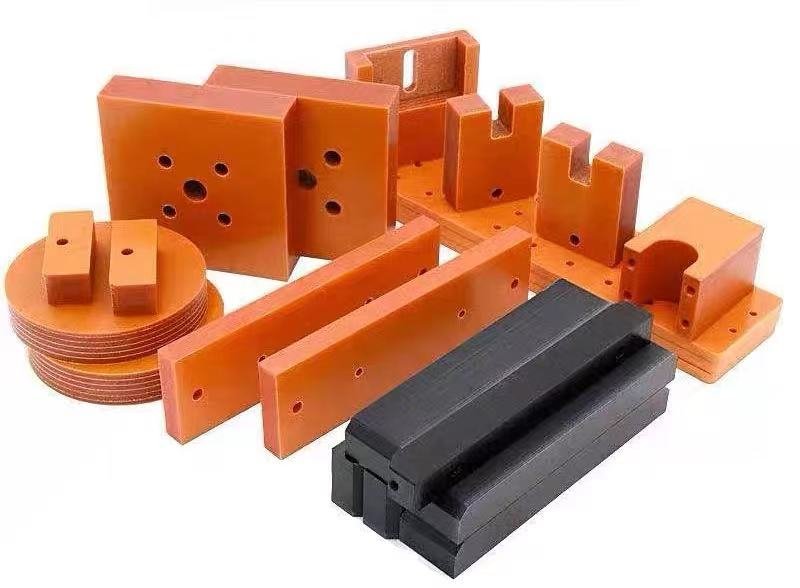
customized Bakelite sheets

Get started with your custom Bakelite order now! Simply fill out the contact form below, and be sure to visit our Bakelite collection page here to see how BeePlastic can bring your ideas to life with precision and quality.

🎉🎉🎉Limited Time Offer Use code: QR4GNY08SHVR at checkout and enjoy a special discount on your entire order! 👉 Bakelite plastic

Leave a comment


Please note, comments must be approved before they are published


Custom Plastic Fabrication

Send your drawing, material and quantity for review

🔧
Precision Machining
CNC milling & turning
✂️
Cutting & Engraving
Laser & waterjet cutting
🏭
Forming & Molding
Thermoforming & injection
🔗
Joining & Assembly
Welding & bonding
📐
Design & Prototyping
CAD design & samples

General

HDPE

PP

PVC

ABS

Engineering

POM

Nylon

PC

PMMA

High-Performance

PEEK

PEI

PTFE

Composites

FR-4

G10

Flexible

TPU

Silicone

Why Choose BeePlastic?

🎯
Perfect Fit
Custom specs eliminate adaptation needs
⚡
Clear Lead Times
Lead time confirmed with every quote
💰
Volume Pricing
Volume pricing available on bulk orders
🤝
Expert Support
Free engineering consultation included
📋
Submit
→
🔍
Review
→
💵
Quote
→
✅
Production
→
📦
Deliver

Request a Quote

Share your project details, selected material and quantity on our quote page. You can add a file link or use the email drawing route shown there.


Request Quote

Industries: Automotive • Medical • Food • Lab • Semiconductor

beeplastic@beeplastic.com


Why Bakelite Sheets Are Essential for Electrical Insulation: The Ultimate Guide

bakelite board electrical

Discover the unmatched benefits of Bakelite sheets in electrical insulation. This comprehensive guide delves into the composition and properties of Bakelite, highlighting its high dielectric strength, thermal stability, and mechanical robustness. Understand why Bakelite is the preferred material for electrical insulation, capable of withstanding high voltages and providing reliable performance in various electrical components like switchboards, circuit boards, transformers, and motor parts.

🎉 Limited Time Offer

Unlock special savings on your next order.

QR4GNY08SHVR
thickness of Bakelite sheets

Various thicknesses of Bakelite sheets available strictly for electrical insulation applications.

Explore the versatility of Bakelite as we compare it to other insulating materials such as ceramics and fiberglass, showcasing its cost-effectiveness and superior performance. Learn how to choose the right thickness of Bakelite sheets for different applications, ensuring you get the best results whether for delicate PCBs or heavy-duty industrial use.

This guide also covers maintenance tips to extend the longevity of Bakelite insulators, emphasizing its durability and low maintenance needs, making it a cost-effective solution for long-term applications. Additionally, uncover the innovative uses of Bakelite beyond electrical insulation, including its applications in the automotive industry, aerospace components, and crafting, showcasing its versatility and durability.

Stay informed and make the best choices for your projects with this ultimate guide on why Bakelite sheets are essential for electrical insulation.

Understanding Bakelite: Composition and Properties

The Chemical Structure of Bakelite

Bakelite, known chemically as phenol-formaldehyde resin, stands out as one of the first synthetic polymers, developed by Leo Baekeland in 1907. The material results from a condensation reaction between phenol and formaldehyde, creating a robust, highly cross-linked polymer structure. This intricate chemical composition provides Bakelite with its exceptional thermal stability and rigidity, making it suitable for numerous industrial applications.

High Dielectric Strength

One of the key attributes of Bakelite is its high dielectric strength. This property ensures that Bakelite can withstand high voltages without electrical breakdown, making it an ideal material for electrical insulation. The high dielectric strength of Bakelite protects electrical components from short circuits and enhances the overall safety and reliability of electrical systems. For more on this topic, check out high dielectric strength of Bakelite.

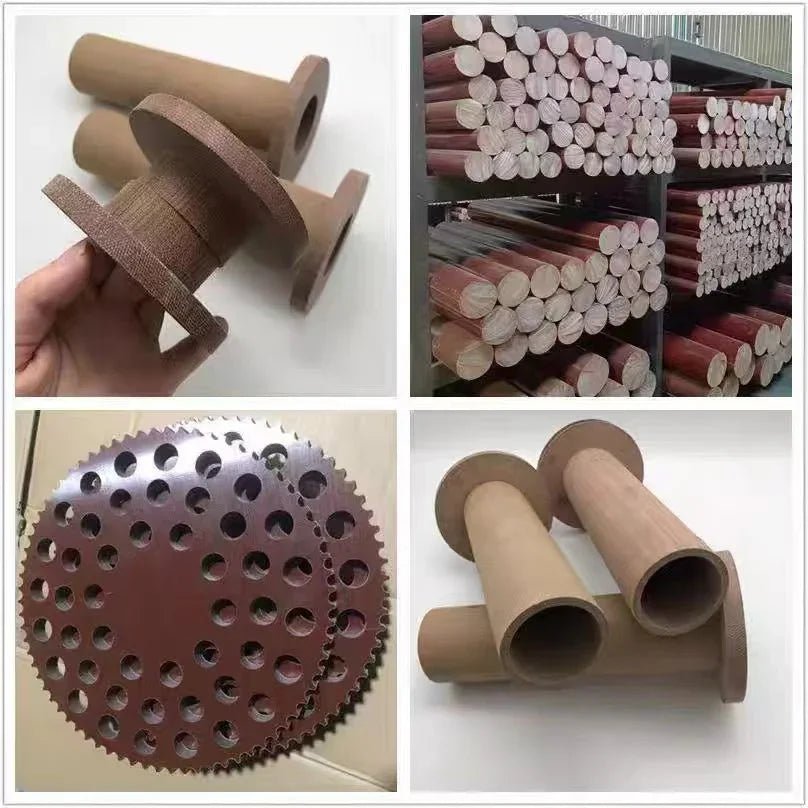
Custom cut and drilled phenolic Bakelite rods offered by BeePlastic with fast delivery and OEM service

BeePlastic offers custom-cut Phenolic Rods and Sheets.

Thermal Stability

Bakelite exhibits outstanding thermal stability, maintaining its properties even at elevated temperatures. This stability is crucial for applications involving high thermal stress, such as in electrical insulators, circuit boards, and various automotive components. The ability of Bakelite to withstand high temperatures without degrading ensures long-lasting performance and safety in these critical applications. Learn more about thermal stability of Bakelite.

Mechanical Strength

In addition to its electrical and thermal properties, Bakelite is renowned for its mechanical strength. This thermosetting plastic boasts a high strength-to-weight ratio, allowing it to endure significant mechanical stress without deformation. Its rigidity and durability make it an excellent choice for mechanical parts, gears, bearings, and other components that require robust performance under pressure. Explore more about mechanical strength of Bakelite.

Chemical Resistance

Bakelite is also valued for its chemical resistance. It withstands exposure to a variety of chemicals, including acids and bases, without significant degradation. This resistance makes Bakelite suitable for use in harsh chemical environments, adding to its versatility across different industries. For detailed insights, see chemical resistance of Bakelite.

Low Moisture Absorption

Another beneficial property of Bakelite is its low moisture absorption. This characteristic ensures that Bakelite does not swell or lose its insulating properties when exposed to humidity or moisture. This makes it an excellent material for applications in humid or wet conditions, maintaining its structural and functional integrity. Discover more about low moisture absorption of Bakelite.

Versatility in Applications

The unique combination of high dielectric strength, thermal stability, mechanical strength, chemical resistance, and low moisture absorption makes Bakelite an invaluable material in many fields. From electrical insulation to automotive components and industrial machinery, Bakelite’s properties cater to a wide range of applications, ensuring reliability and performance in demanding environments. Learn more about the versatile applications of Bakelite.

The Role of Bakelite in Electrical Insulation

Bakelite is widely recognized for its superior electrical insulation properties. The material’s high dielectric strength ensures it can withstand significant voltages without breaking down, making it ideal for a range of electrical applications. Bakelite’s molecular structure, formed through the polymerization of phenol and formaldehyde, creates a highly cross-linked network that resists electrical currents effectively. This ability to prevent the flow of electricity is crucial for protecting electrical components and ensuring the safety and reliability of electrical systems. Learn more about high dielectric strength in Bakelite.

advantages of Bakelite in electrical systems

Resistance to Electrical Currents

One of the standout features of Bakelite is its resistance to electrical currents. This property is essential for materials used in electrical insulation, as it prevents short circuits and reduces the risk of electrical fires. Bakelite’s resistance to electrical currents is due to its tightly bound molecular structure, which does not allow free movement of electrons. This makes Bakelite an excellent choice for insulating high-voltage components and systems. For further details, explore electrical current resistance of Bakelite.

Durability Under High Voltage

Bakelite’s ability to withstand high voltages without degrading makes it a reliable material for use in electrical insulation. Electrical components that are exposed to high voltages require materials that can endure these conditions without compromising performance. Bakelite’s high dielectric strength ensures that it remains stable and effective even under extreme electrical stress. This durability is crucial for applications such as circuit boards, switchgear, and transformers, where reliable insulation is paramount. Check out more about Bakelite’s voltage durability.

Low Moisture Absorption

Another critical factor contributing to Bakelite’s effectiveness as an electrical insulator is its low moisture absorption. Electrical insulating materials must maintain their insulating properties even in humid or wet conditions. Bakelite’s low moisture absorption means that it does not swell or lose its insulating capabilities when exposed to moisture. This property is especially beneficial in environments where humidity is a concern, ensuring consistent performance and safety. Discover more about low moisture absorption in Bakelite.

Heat Resistance and Stability

Bakelite’s heat resistance further enhances its suitability for electrical insulation. Electrical components often generate heat during operation, and insulating materials must be able to withstand these temperatures without melting or degrading. Bakelite’s thermal stability ensures that it can endure high temperatures, maintaining its structural integrity and insulating properties. This makes it an excellent choice for high-temperature electrical applications, providing reliable insulation and protection. Learn more about Bakelite’s heat resistance.

Versatile Applications in Electrical Systems

The combination of high dielectric strength, resistance to electrical currents, low moisture absorption, and heat resistance makes Bakelite an invaluable material in various electrical insulation applications. It is used in the manufacturing of switchboards, circuit boards, transformers, and motor components, among others. These applications benefit from Bakelite’s robust insulating properties, ensuring the safety and efficiency of electrical systems. Explore the versatile applications of Bakelite in electrical insulation.

By understanding the unique properties and advantages of Bakelite, it becomes clear why this material is essential for electrical insulation. Its ability to withstand high voltages, resist electrical currents, and maintain performance under various conditions makes it a preferred choice for engineers and manufacturers in the electrical industry.

Choose Your Bakelite Solution

📦

Standard Bakelite Sheets

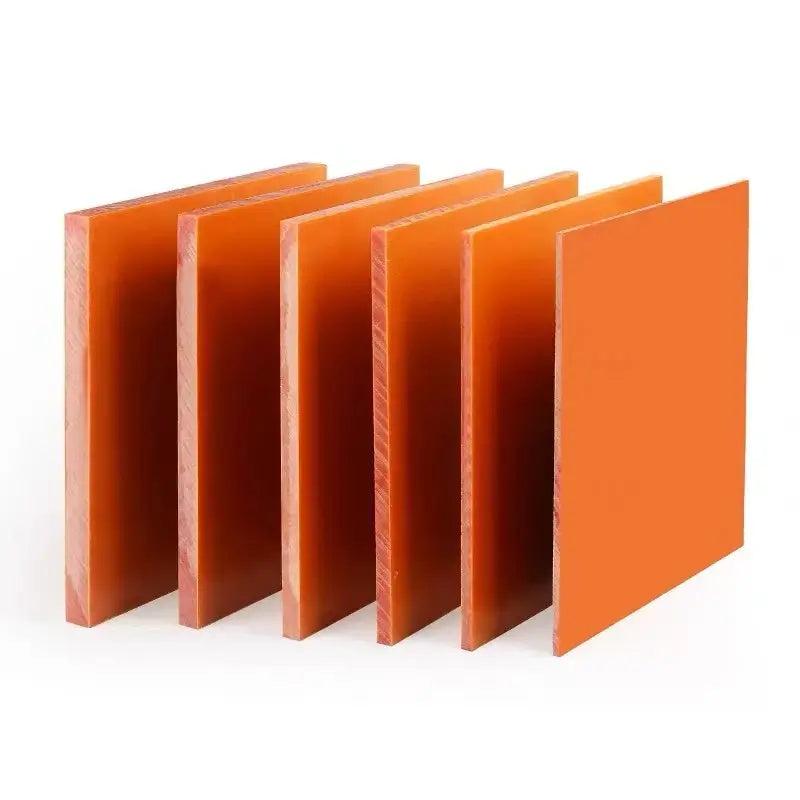
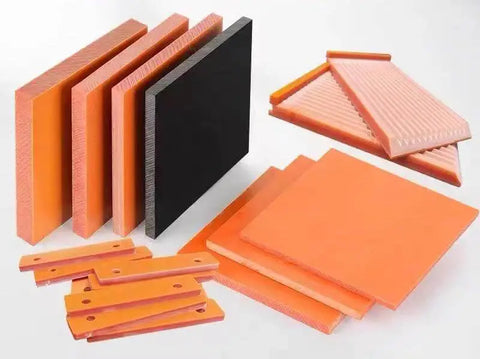
Ready-to-ship orange & black phenolic sheets. Thickness: 1mm – 50mm. No MOQ.

Browse Catalog

⚙️

Custom CNC Machining

Expert manufacturing to your drawings (CAD/PDF). Precision drilling, milling, and turning.

Get a Quote

Applications of Bakelite Sheets in Electrical Components

Bakelite Accessories

Switchboards

Bakelite sheets are widely used in the manufacturing of switchboards due to their exceptional electrical insulation properties. Switchboards, which distribute electrical power within a building, require materials that can handle high voltages and prevent electrical shorts. Bakelite’s high dielectric strength and thermal stability make it an ideal choice. Its ability to withstand high temperatures ensures that switchboards remain safe and functional even under heavy electrical loads. For more details on this, explore Bakelite’s use in switchboards.

Circuit Boards

Another crucial application of Bakelite sheets is in the production of circuit boards. These boards form the backbone of most electronic devices, providing a platform for mounting and connecting various electronic components. Bakelite circuit boards benefit from the material’s rigid structure and excellent insulating properties. This ensures that the electronic circuits remain isolated from external interference, enhancing the performance and reliability of the devices. Learn more about the benefits of Bakelite in circuit boards.

Transformers

Transformers are essential components in electrical systems, used to step up or step down voltage levels. The insulation material within a transformer must withstand high electrical stresses and temperatures. Bakelite sheets provide the perfect solution due to their high dielectric strength and thermal resistance. By using Bakelite, manufacturers can ensure that transformers operate efficiently and safely over long periods. For additional information, see Bakelite’s role in transformers.

Motor Components

In electric motors, various components such as commutator segments, brush holders, and insulating plates are often made from Bakelite. The material’s ability to resist electrical currents and endure high mechanical stresses makes it suitable for these applications. Bakelite motor components ensure reliable operation and longevity, even in demanding industrial environments. Discover more about Bakelite in motor components.

Switchgear

Switchgear systems, which control, protect, and isolate electrical equipment, also benefit from the use of Bakelite sheets. These systems handle high power levels and need robust insulating materials to prevent electrical failures. Bakelite switchgear components offer excellent thermal and electrical insulation, ensuring the safety and efficiency of the system. For more insights, explore Bakelite in switchgear systems.

Electrical Insulators

Electrical insulators made from Bakelite are used extensively in various electrical applications. These insulators prevent the unwanted flow of current, protecting both the equipment and users from electrical hazards. Bakelite insulators are particularly valued for their durability and resistance to moisture, making them suitable for both indoor and outdoor applications. Check out more about Bakelite electrical insulators.

Connectors and Terminals

Bakelite sheets are also used in the production of connectors and terminals. These components require materials that can maintain electrical insulation while providing structural support. Bakelite’s resistance to electrical currents and its mechanical strength ensure that connectors and terminals remain reliable and safe throughout their use. Learn more about the advantages of Bakelite in connectors and terminals.

By understanding the diverse applications of Bakelite sheets in electrical components, it becomes clear why this material is highly regarded in the electrical industry. Its combination of high dielectric strength, thermal stability, and mechanical robustness makes it an invaluable asset for ensuring the safety and efficiency of electrical systems.

Comparing Bakelite with Other Insulating Materials

Cost-Effectiveness

Bakelite is often favored for its cost-effectiveness compared to other insulating materials. The production process of Bakelite involves relatively inexpensive raw materials, and the manufacturing techniques are well-established, leading to lower production costs. When comparing Bakelite to ceramics, for instance, ceramics can be more expensive due to the complexity of their production process and the cost of raw materials. On the other hand, fiberglass can be cost-competitive with Bakelite, but its handling and installation costs might be higher due to the need for protective measures against its fibrous nature. Learn more about cost-effective insulation materials.

Versatility

The versatility of Bakelite makes it suitable for a wide range of applications. It can be easily molded into various shapes and sizes, which is a significant advantage over materials like ceramics and fiberglass. Ceramics are generally brittle and challenging to shape into complex forms without specialized equipment, limiting their versatility in certain applications. Fiberglass, while flexible and moldable, can pose health risks during handling and installation due to the fine glass fibers. Newer synthetic options, such as polyimides and PEEK, offer excellent versatility but often come at a higher cost, making Bakelite a more affordable alternative for many applications. Explore versatile insulating materials for more information.

Bakelite parts

Versatile machined Bakelite parts showing complex shapes.

Performance Under Stress

Bakelite performs exceptionally well under various types of stress, including electrical, thermal, and mechanical stress. Its high dielectric strength ensures it can handle high voltages without breaking down, making it ideal for electrical insulation. Additionally, Bakelite’s thermal stability allows it to withstand high temperatures, which is crucial for components exposed to heat, such as in electrical transformers and motor parts.

In contrast, ceramics also offer excellent thermal and electrical insulation properties but can be brittle under mechanical stress. They are prone to cracking or shattering when subjected to impact or vibration, which can limit their use in applications requiring high mechanical strength.

Fiberglass, while strong and resistant to heat, can degrade over time when exposed to continuous high temperatures and mechanical vibrations. The fine glass fibers can also pose health hazards during manufacturing and installation.

Newer synthetic materials, like polyimides and PEEK, provide superior performance under stress, offering high dielectric strength, thermal stability, and mechanical robustness. However, these materials are significantly more expensive than Bakelite, making them less accessible for cost-sensitive applications. Check out high-performance insulating materials for more details.

Specific Use Cases

Bakelite’s use cases are extensive due to its unique combination of properties. It is commonly used in switchboards, circuit boards, motor components, and transformers. The material’s ability to provide reliable insulation while being cost-effective makes it a preferred choice for many electrical applications.

Ceramics are often used in high-temperature applications such as furnace linings and thermal barriers due to their excellent heat resistance. They are also used in high-frequency electronic components where minimal dielectric loss is required.

Fiberglass is widely used in construction and marine applications for its strength and resistance to corrosion. It is also used in electrical applications where lightweight and durable insulation is needed.

Newer synthetic options, such as polyimides and PEEK, are used in aerospace, medical, and high-performance electronic applications where superior performance justifies the higher cost. These materials are selected for their exceptional mechanical strength, thermal stability, and dielectric properties. Discover more about specific use cases for insulating materials.

By comparing Bakelite with ceramics, fiberglass, and newer synthetic materials, it becomes evident that Bakelite offers a balanced combination of cost-effectiveness, versatility, and performance under stress. This makes it an ideal choice for many electrical insulation applications, providing reliable and durable performance while remaining budget-friendly.

Choosing the Right Thickness of Bakelite Sheets for Your Project

Standard Bakelite plate

Thin Bakelite Sheets (1mm – 3mm)

Thin Bakelite sheets, ranging from 1mm to 3mm in thickness, are ideal for applications requiring precision and flexibility. These sheets are commonly used in printed circuit boards (PCBs) and other delicate electronic components. Their slim profile allows for effective electrical insulation without adding significant bulk, which is crucial for maintaining the compactness and efficiency of electronic devices. The 1mm Bakelite sheets are particularly suited for intricate designs where space constraints are a concern. For more details on their uses, explore thin Bakelite sheets for PCBs.

Medium Thickness Bakelite Sheets (5mm – 10mm)

For projects demanding a balance between mechanical strength and flexibility, medium thickness Bakelite sheets (5mm to 10mm) are an excellent choice. These sheets are robust enough to be used in more demanding electrical applications, such as switchboards, motor components, and electrical insulators. The 5mm Bakelite sheets provide sufficient durability while remaining relatively easy to manipulate, making them suitable for crafting small parts and components that need to maintain a fine balance between strength and flexibility. Check out more about medium thickness Bakelite sheets for electrical components.

Thick Bakelite Sheets (12mm – 20mm)

Thick Bakelite sheets, typically 12mm to 20mm thick, are designed for heavy-duty industrial applications. These sheets offer maximum mechanical strength and thermal resistance, making them ideal for components that must endure significant stress and high temperatures. Applications include industrial machinery parts, structural components, and heavy-duty electrical insulators. The 12mm Bakelite sheets provide the necessary robustness for such applications, ensuring that the components can handle the rigors of industrial use. Learn more about the applications of thick Bakelite sheets in industrial settings.

Very Thick Bakelite Sheets (25mm and Above)

For the most demanding applications, very thick Bakelite sheets (25mm and above) offer unparalleled durability and resistance to mechanical stress. These sheets are used in environments where the material must withstand extreme conditions, such as in high-temperature industrial equipment and heavy structural applications. The thickness of these sheets ensures that they remain stable and perform reliably even under the harshest conditions. Explore the benefits of very thick Bakelite sheets for extreme applications.

Choosing the Right Thickness

When selecting the appropriate thickness of Bakelite sheets for your project, consider the specific requirements of your application. Thin sheets (1mm – 3mm) are perfect for electronic applications where space and precision are critical. Medium thickness sheets (5mm – 10mm) are suitable for electrical components that require a balance of strength and flexibility. Thick sheets (12mm – 20mm) cater to heavy-duty industrial applications, providing the necessary robustness and thermal resistance. For the most extreme conditions, very thick sheets (25mm and above) offer the highest level of durability and performance.

By understanding the unique properties and advantages of each thickness category, you can make informed decisions that ensure the success and longevity of your projects. Whether you’re working on delicate electronic components or heavy industrial machinery, selecting the right thickness of Bakelite sheets is crucial for achieving optimal performance and reliability.

Maintenance and Longevity of Bakelite Insulators

Bakelite boards and products

Routine Maintenance Practices

Bakelite insulators are known for their durability and low maintenance needs, but implementing routine maintenance practices can significantly extend their lifespan. Regular inspection is crucial to identify any signs of wear or damage early. Look for cracks, discoloration, or surface degradation, as these can indicate potential issues. Cleaning the insulators periodically with a soft cloth and mild detergent helps remove dust and contaminants that could compromise their performance. Avoid using abrasive cleaners or tools that could scratch the surface and reduce the insulator’s effectiveness. For more details, see maintenance tips for Bakelite insulators.

Protection from Environmental Factors

To ensure the longevity of Bakelite products, it is essential to protect them from extreme environmental conditions. Direct sunlight can cause Bakelite to discolor and become brittle over time, so it is advisable to store and use Bakelite insulators away from windows or direct UV exposure. Additionally, while Bakelite has low moisture absorption, prolonged exposure to high humidity can still impact its properties. Using Bakelite insulators in controlled environments where temperature and humidity are regulated can help maintain their integrity and performance. Learn more about environmental protection for Bakelite insulators.

Handling and Storage

Proper handling and storage practices are vital for maintaining the durability of Bakelite insulators. When handling Bakelite products, avoid dropping or subjecting them to mechanical shocks, as this can cause cracks or fractures. Store Bakelite insulators in a dry, cool place where they are protected from physical damage and environmental stresses. Use appropriate packaging materials that cushion the insulators and prevent them from coming into contact with abrasive surfaces or substances. Check out handling and storage tips for Bakelite products for more information.

Cost-Effectiveness and Longevity

One of the significant advantages of Bakelite is its cost-effectiveness due to its long-lasting nature and minimal maintenance requirements. Unlike some other materials that require frequent replacement or intensive upkeep, Bakelite’s inherent durability reduces the need for constant maintenance and replacement. This long-term reliability translates into cost savings for businesses and industries using Bakelite insulators, making it an economically sound choice. Explore the cost benefits of Bakelite insulators.

Addressing Wear and Tear

Even though Bakelite insulators are highly durable, they can still experience wear and tear over time. To address minor damages, such as small cracks or surface abrasions, specialized repair kits are available that can restore the insulators to their original condition. Regular monitoring and prompt repair of any damage ensure that Bakelite insulators continue to perform effectively. For more information on this, visit repairing Bakelite insulators.

Long-Term Performance

The longevity of Bakelite insulators is a testament to their robust mechanical properties and chemical resistance. Their ability to withstand high temperatures, resist chemical corrosion, and maintain structural integrity under mechanical stress makes them ideal for long-term applications in demanding environments. These properties ensure that Bakelite insulators provide reliable performance over extended periods, contributing to their widespread use in electrical systems and industrial applications. Learn more about the long-term performance of Bakelite insulators.

By following these maintenance practices and understanding the inherent durability of Bakelite, users can maximize the lifespan and effectiveness of their Bakelite insulators. Whether used in electrical systems, industrial machinery, or other applications, Bakelite’s low maintenance needs and long-term reliability make it a cost-effective solution for various industries.

Innovative Uses of Bakelite Beyond Electrical Insulation

Bakelite Furniture and Decor

Automotive Components

Bakelite has found significant applications in the automotive industry due to its high mechanical strength, thermal stability, and wear resistance. It is commonly used in manufacturing brake pads, clutch plates, and distributor caps. These components benefit from Bakelite’s ability to withstand high friction and temperatures without degrading. Bakelite brake pads, for instance, provide reliable performance under intense braking conditions, ensuring vehicle safety and longevity. Similarly, clutch plates made from Bakelite maintain their structural integrity and effectiveness even with continuous use. Discover more about Bakelite in automotive components.

Aerospace Applications

In the aerospace industry, Bakelite’s lightweight properties and high strength-to-weight ratio make it an ideal material for various applications. It is used in manufacturing aircraft interior panels, insulation parts, and structural components that require high durability and resistance to extreme temperatures. Bakelite’s ability to maintain performance under high stress and thermal conditions ensures the safety and efficiency of aerospace components. Aircraft interior panels made from Bakelite are particularly valued for their fire-resistant properties and mechanical robustness. Learn more about Bakelite in aerospace applications.

Crafting and Decorative Items

Beyond industrial applications, Bakelite is also popular in the world of crafting and decorative items. Its ability to be easily molded and colored makes it a favorite material for creating jewelry, buttons, and collectibles. During the early 20th century, Bakelite became a sought-after material for costume jewelry, including bracelets, bangles, and earrings, due to its vibrant colors and durability. Today, vintage Bakelite items are highly prized by collectors and artisans. The material’s versatility allows crafters to create intricate and unique designs, making it a staple in the crafting community. Explore more about Bakelite in crafting and decorative items.

Industrial Machinery Parts

Bakelite’s durability and resistance to wear make it suitable for industrial machinery parts. It is used in the production of gears, bearings, and bushings that must withstand constant mechanical stress and friction. Bakelite’s low moisture absorption and chemical resistance further enhance its suitability for industrial environments. Gears and bearings made from Bakelite ensure smooth and efficient operation of machinery, reducing maintenance needs and downtime. For more insights, see Bakelite in industrial machinery parts.

Musical Instruments

In the realm of musical instruments, Bakelite has been used to create durable and high-quality components such as clarinet mouthpieces and guitar picks. The material’s ability to be finely machined and polished allows for the production of precise and smooth surfaces, which are essential for musical performance. Bakelite’s resistance to moisture and temperature changes also ensures that these components maintain their shape and functionality over time. Discover more about Bakelite in musical instruments.

Home and Kitchenware

Historically, Bakelite has been used extensively in the production of home and kitchenware items, including utensil handles, radio casings, and telephones. Its heat-resistant properties make it an ideal material for items exposed to high temperatures. Bakelite handles for kitchen utensils provide a comfortable grip and remain cool to the touch, ensuring safety and convenience. The iconic vintage Bakelite radios and telephones are also prized for their durability and aesthetic appeal. Explore more about Bakelite in home and kitchenware.

By exploring these innovative uses of Bakelite, it becomes evident that its versatility and durability extend far beyond electrical insulation. From automotive and aerospace components to crafting and household items, Bakelite continues to be a valuable material in various industries, showcasing its enduring relevance and adaptability.

Common Questions and Answers about Bakelite and BeePlastics Customization

1. What are the main properties of Bakelite that make it suitable for electrical insulation?

Answer: Bakelite is ideal for electrical insulation due to its high dielectric strength, thermal stability, and mechanical robustness. It can withstand high voltages without breaking down, endure high temperatures without degrading, and resist mechanical stress effectively. These properties ensure reliable and safe performance in electrical components.

2. What are some modern applications of Bakelite beyond electrical insulation?

Answer: Beyond electrical insulation, Bakelite is used in automotive components like brake pads and clutch plates, aerospace applications such as aircraft interior panels, crafting and decorative items like jewelry and buttons, industrial machinery parts including gears and bearings, and musical instruments such as clarinet mouthpieces and guitar picks. Its versatility and durability make it valuable in various industries.

3. How does Bakelite compare to other insulating materials like ceramics and fiberglass?

Answer: Compared to ceramics and fiberglass, Bakelite is more cost-effective and versatile. Ceramics offer excellent insulation but can be brittle and expensive. Fiberglass is strong and heat-resistant but can pose handling challenges due to its fibrous nature. Bakelite provides a balance of high dielectric strength, thermal stability, and mechanical strength at a lower cost.

4. What thickness of Bakelite sheets should I choose for my project?

Answer: The appropriate thickness of Bakelite sheets depends on the application. Thin sheets (1mm – 3mm) are suitable for PCBs and delicate electronic components. Medium thickness sheets (5mm – 10mm) are ideal for electrical components like switchboards and motor parts. Thick sheets (12mm – 20mm) cater to heavy-duty industrial applications, while very thick sheets (25mm and above) are used in extreme conditions requiring maximum durability.

5. What maintenance practices are recommended to extend the life of Bakelite insulators?

Answer: To extend the life of Bakelite insulators, perform regular inspections for cracks or discoloration, clean with a soft cloth and mild detergent, and protect them from direct sunlight and high humidity. Proper handling and storage in a dry, cool place are also crucial. Addressing minor damages promptly can further enhance their longevity.

6. Can BeePlastics undertake customizations for Bakelite products?

Answer: Yes, BeePlastics can undertake any customization, including sample customization and batch customization. We can tailor Bakelite products to meet your specific requirements, ensuring you get the best solution for your application.

7. What file formats does BeePlastics accept for customization orders?

Answer: BeePlastics accepts a variety of file formats, including PDF and CAD. This flexibility allows us to work accurately with your design specifications, ensuring the final product meets your expectations.

8. Is there a minimum order quantity (MOQ) for customization at BeePlastics?

Answer: No, there is no minimum order quantity (MOQ) at BeePlastics. We cater to both small and large orders, providing the same level of quality and attention to detail regardless of the order size.

9. How does BeePlastics manage the production cycle for customization orders?

Answer: The production cycle at BeePlastics is carried out according to the amount of orders and the complexity of the process. We communicate the production progress in real-time, keeping you informed at every stage to ensure transparency and timely delivery.

10. Does BeePlastics provide samples for customization orders?

Answer: Yes, BeePlastics supports the provision of samples. The sample is free of charge, but the customer is responsible for the shipping costs. This allows you to evaluate the quality and suitability of the product before placing a larger order.

Conclusion

In exploring the various facets of Bakelite, it becomes evident why this material has remained a staple across numerous industries for over a century. From its unparalleled electrical insulation properties and cost-effectiveness to its versatile applications in automotive, aerospace, and crafting, Bakelite continues to prove its value. BeePlastics’ ability to customize Bakelite products to meet specific needs, combined with their commitment to quality and customer satisfaction, further enhances the material’s appeal. Whether you need thin sheets for delicate electronics or thick, robust sheets for heavy-duty industrial use, Bakelite offers a reliable, durable solution that meets a wide range of demands. With proper maintenance, Bakelite insulators can provide long-term, cost-effective performance, solidifying their place as a preferred choice for both traditional and innovative applications.

Bakelite leaning board

Discover why Bakelite is the top choice for so many industries.

Complete the contact form at the bottom of this page to learn more about how BeePlastics can customize Bakelite products to meet your specific requirements. Click here to browse our extensive range of Bakelite products and get started today!

🎉 Don’t Forget Your Offer!

Code: QR4GNY08SHVR at checkout.

👉 Shop Bakelite Plastic Now

Leave a comment


Please note, comments must be approved before they are published


Custom Plastic Fabrication

Send your drawing, material and quantity for review

🔧
Precision Machining
CNC milling & turning
✂️
Cutting & Engraving
Laser & waterjet cutting
🏭
Forming & Molding
Thermoforming & injection
🔗
Joining & Assembly
Welding & bonding
📐
Design & Prototyping
CAD design & samples

General

HDPE

PP

PVC

ABS

Engineering

POM

Nylon

PC

PMMA

High-Performance

PEEK

PEI

PTFE

Composites

FR-4

G10

Flexible

TPU

Silicone

Why Choose BeePlastic?

🎯
Perfect Fit
Custom specs eliminate adaptation needs
⚡
Clear Lead Times
Lead time confirmed with every quote
💰
Volume Pricing
Volume pricing available on bulk orders
🤝
Expert Support
Free engineering consultation included
📋
Submit
→
🔍
Review
→
💵
Quote
→
✅
Production
→
📦
Deliver

Request a Quote

Share your project details, selected material and quantity on our quote page. You can add a file link or use the email drawing route shown there.


Request Quote

Industries: Automotive • Medical • Food • Lab • Semiconductor

beeplastic@beeplastic.com


Do You Know How Nylon Plastic Gaskets Work and Why They Rock?

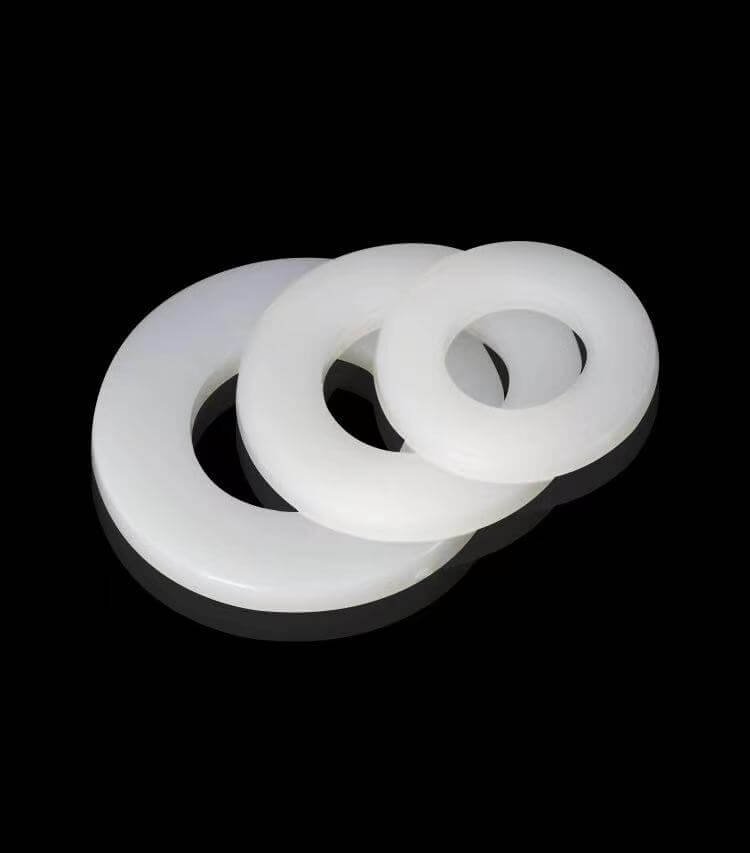
Nylon Plastic Washers

You may not realize it, but nylon plastic gaskets are everywhere. They are those thin plastic pieces that seal the gaps between two surfaces or parts, keeping them from leaking or getting contaminated. You can find them in things like water pipes, faucets, valves, pumps, engines, appliances, furniture, and electronics. In this post, we’ll show you how nylon plastic gaskets are made and why they rock compared to other materials.
🎉🎉🎉Limited Time Offer Use code: QR4GNY08SHVR at checkout and enjoy a special discount on your entire order! 👉 Nylon plastic
Nylon Gaskets

How Nylon Plastic Gaskets Are Made

Making nylon plastic gaskets is pretty simple. You just need two main ingredients: nylon resin and additives. Nylon resin is a kind of plastic that can melt and mold into different shapes. Additives are stuff that make the nylon resin better, like colors, stabilizers, fillers, or modifiers.
You mix and heat the ingredients in a machine called an extruder, which squeezes the melted material through a hole or a nozzle. The hole or nozzle decides the shape and size of the nylon plastic gasket, like flat, ring, flange, or custom. The material then cools down and gets cut into the right length.
Some nylon plastic gaskets are made using a cool technology called FIPFG (formed in place foam gasket) or FIPG (formed in place gasket). This technology lets you apply a liquid or foam material directly on the surface or part where you need the gasket. The material then hardens and forms a tight seal. This way, you can make more complex or irregular shapes easily.
Nylon Gaskets

Why Nylon Plastic Gaskets Rock

Nylon plastic gaskets have many benefits over other materials, like rubber, metal, or silicone. Here are some of the reasons why nylon plastic gaskets rock:
  • Durability and strength: Nylon plastic gaskets can handle a lot of wear and tear. They don’t get scratched, torn, smashed, or cracked easily. They can also take high pressure and temperature without changing shape or breaking. They have high tensile and flexural strength, which means they can resist stretching and bending forces.
  • Versatility and flexibility: Nylon plastic gaskets can fit any shape and size of the application. They can also be customized to meet your needs, like color, hardness, or thickness. You can cut, drill, punch, or weld them to suit different needs.
  • Resistance and protection: Nylon plastic gaskets can deal with moderate chemicals, oils, hydrocarbons, greases, fats, and ozone. They can also protect the components from moisture, dust, dirt, and corrosion. They have low permeability and porosity, which means they don’t let fluids or gases pass through them easily.

Nylon washers

Nylon plastic gaskets are awesome choices for sealing and protecting various components in different industries and applications. They are made from high-quality materials that offer great properties and performance. They are also easy to use and install.
If you are interested in using nylon plastic washers in your project or want to know more information, welcome to harass us. We are a professional supplier and manufacturer of all kinds of plastic custom processing and production, with a professional team of engineers and precision equipment, we can provide you with customized plastic solutions that meet your specifications and budget. We are happy to serve you and help you fulfill your needs. Do you need a free quote or help with any questions or materials?
Our website: www.beePlastic.com
Click to contact: Custom Nylon Plastic Washers 
🎉🎉🎉Limited Time Offer Use code: QR4GNY08SHVR at checkout and enjoy a special discount on your entire order! 👉 Nylon plastic
Nylon Plastic Washers

Leave a comment


Please note, comments must be approved before they are published


Custom Plastic Fabrication

Send your drawing, material and quantity for review

🔧
Precision Machining
CNC milling & turning
✂️
Cutting & Engraving
Laser & waterjet cutting
🏭
Forming & Molding
Thermoforming & injection
🔗
Joining & Assembly
Welding & bonding
📐
Design & Prototyping
CAD design & samples

General

HDPE

PP

PVC

ABS

Engineering

POM

Nylon

PC

PMMA

High-Performance

PEEK

PEI

PTFE

Composites

FR-4

G10

Flexible

TPU

Silicone

Why Choose BeePlastic?

🎯
Perfect Fit
Custom specs eliminate adaptation needs
⚡
Clear Lead Times
Lead time confirmed with every quote
💰
Volume Pricing
Volume pricing available on bulk orders
🤝
Expert Support
Free engineering consultation included
📋
Submit
→
🔍
Review
→
💵
Quote
→
✅
Production
→
📦
Deliver

Request a Quote

Share your project details, selected material and quantity on our quote page. You can add a file link or use the email drawing route shown there.


Request Quote

Industries: Automotive • Medical • Food • Lab • Semiconductor

beeplastic@beeplastic.com


PEEK vs PPS: Which is the Better Insulating Material?

PPS plastic

Insulating materials are essential for many applications that require thermal protection, electrical insulation, or mechanical stability. Among the various types of insulating materials, polyurethane (PUR) and polyisocyanurate (PIR) are widely used because of their excellent insulation properties, low thermal conductivity, and high strength. However, there are also other high-performance thermoplastics that can be used as insulating materials, such as polyether ether ketone (PEEK) and polyphenylene sulfide (PPS). In this article, we will compare PEEK and PPS based on their advantages and disadvantages, and help you decide which one is the better insulating material for your needs.

🎉🎉🎉Limited Time Offer Use code: QR4GNY08SHVR at checkout and enjoy a special discount on your entire order! 👉 PEEK plastic

materials

PEEK: Pros and Cons

PEEK is a semicrystalline thermoplastic that has a high maximum operating temperature of 480°F, compared to 430°F for PPS . This means that PEEK can withstand higher temperatures without losing its mechanical properties or thermal stability. PEEK also has a higher tensile strength and impact resistance than PPS , which makes it more durable and resistant to cracking or breaking. PEEK is available in FDA-approved grades for medical applications , which means that it can be used for implants, surgical instruments, or other devices that require biocompatibility and sterilization.

However, PEEK also has some drawbacks that limit its use as an insulating material. One of them is its high cost, which is much higher than PPS . PEEK is also prone to hydrolysis in hot water or steam , which means that it can degrade or lose its properties when exposed to moisture or humidity. PEEK is also difficult to process and requires special equipment , which increases the complexity and cost of manufacturing.

PEEK turbine

PPS: Pros and Cons

PPS is another semicrystalline thermoplastic that has similar properties to PEEK, such as low friction, good wear resistance, good chemical resistance, and good dimensional stability. However, PPS has some advantages over PEEK that make it a more economical and versatile insulating material. One of them is its lower cost, which is substantially lower than PEEK . PPS also has better chemical resistance than PEEK, with no known solvents below 400°F . This means that PPS can resist corrosion or degradation by acids, bases, salts, or organic solvents. PPS also has better compressive strength than PEEK , which means that it can withstand higher pressures or loads without deformation.

However, PPS also has some limitations that prevent it from being the best insulating material for all applications. One of them is its lower maximum operating temperature than PEEK (430°F vs 480°F) . This means that PPS cannot be used for applications that require higher temperatures or thermal shock resistance. PPS also has a lower PV limit and strength than PEEK , which means that it cannot handle high speeds or friction as well as PEEK. PPS also has a lower elongation and impact resistance than PEEK , which means that it is more brittle and prone to cracking or breaking.

PEEK turbine

In conclusion, both PEEK and PPS are high-performance thermoplastics that can be used as insulating materials for various applications. However, they have different advantages and disadvantages that make them suitable for different needs and requirements. If you need an insulating material that can withstand high temperatures, high impacts, or high biocompatibility, then PEEK might be the better choice for you. However, if you need an insulating material that can resist chemicals, compression, or pigmentation, then PPS might be the better choice for you. Ultimately, the best insulating material depends on your specific design and application.

PEEK medical implants

We hope this article has helped you understand the differences between PEEK and PPS as insulating materials. If you have any questions or comments, please feel free to contact us. We would love to hear from you.

If you are interested in using polyurethane products or want to know more information, welcome to harass us. We’d love to be bothered by you and help you with your needs. Do you need a free quote or any questions or help with the material.

Our website: www.beeplastic.com
Click to contact: PEEK vs PPS

🎉🎉🎉Limited Time Offer Use code: QR4GNY08SHVR at checkout and enjoy a special discount on your entire order! 👉 PEEK plastic

PPS VS PEEK

Leave a comment


Please note, comments must be approved before they are published


Custom Plastic Fabrication

Send your drawing, material and quantity for review

🔧
Precision Machining
CNC milling & turning
✂️
Cutting & Engraving
Laser & waterjet cutting
🏭
Forming & Molding
Thermoforming & injection
🔗
Joining & Assembly
Welding & bonding
📐
Design & Prototyping
CAD design & samples

General

HDPE

PP

PVC

ABS

Engineering

POM

Nylon

PC

PMMA

High-Performance

PEEK

PEI

PTFE

Composites

FR-4

G10

Flexible

TPU

Silicone

Why Choose BeePlastic?

🎯
Perfect Fit
Custom specs eliminate adaptation needs
⚡
Clear Lead Times
Lead time confirmed with every quote
💰
Volume Pricing
Volume pricing available on bulk orders
🤝
Expert Support
Free engineering consultation included
📋
Submit
→
🔍
Review
→
💵
Quote
→
✅
Production
→
📦
Deliver

Request a Quote

Share your project details, selected material and quantity on our quote page. You can add a file link or use the email drawing route shown there.


Request Quote

Industries: Automotive • Medical • Food • Lab • Semiconductor

beeplastic@beeplastic.com