Why POM Processing Delivers Unmatched Durability: A Guide for Manufacturers

Why POM Processing Delivers Unmatched Durability: A Guide for Manufacturers

Unlocking the Potential of POM: A Material Built for Modern Manufacturing

Polyoxymethylene (POM) stands out as a high-performance material that combines strength, durability, and adaptability. Known as acetal or polyacetal in various industries, POM’s unique molecular structure and exceptional properties make it a vital component in modern manufacturing. Its versatility and reliability position it as a key material in applications ranging from high-stress industrial environments to precision medical tools.

🎉🎉🎉Limited Time Offer Use code: QR4GNY08SHVR at checkout and enjoy a special discount on your entire order! 👉 POM plastic

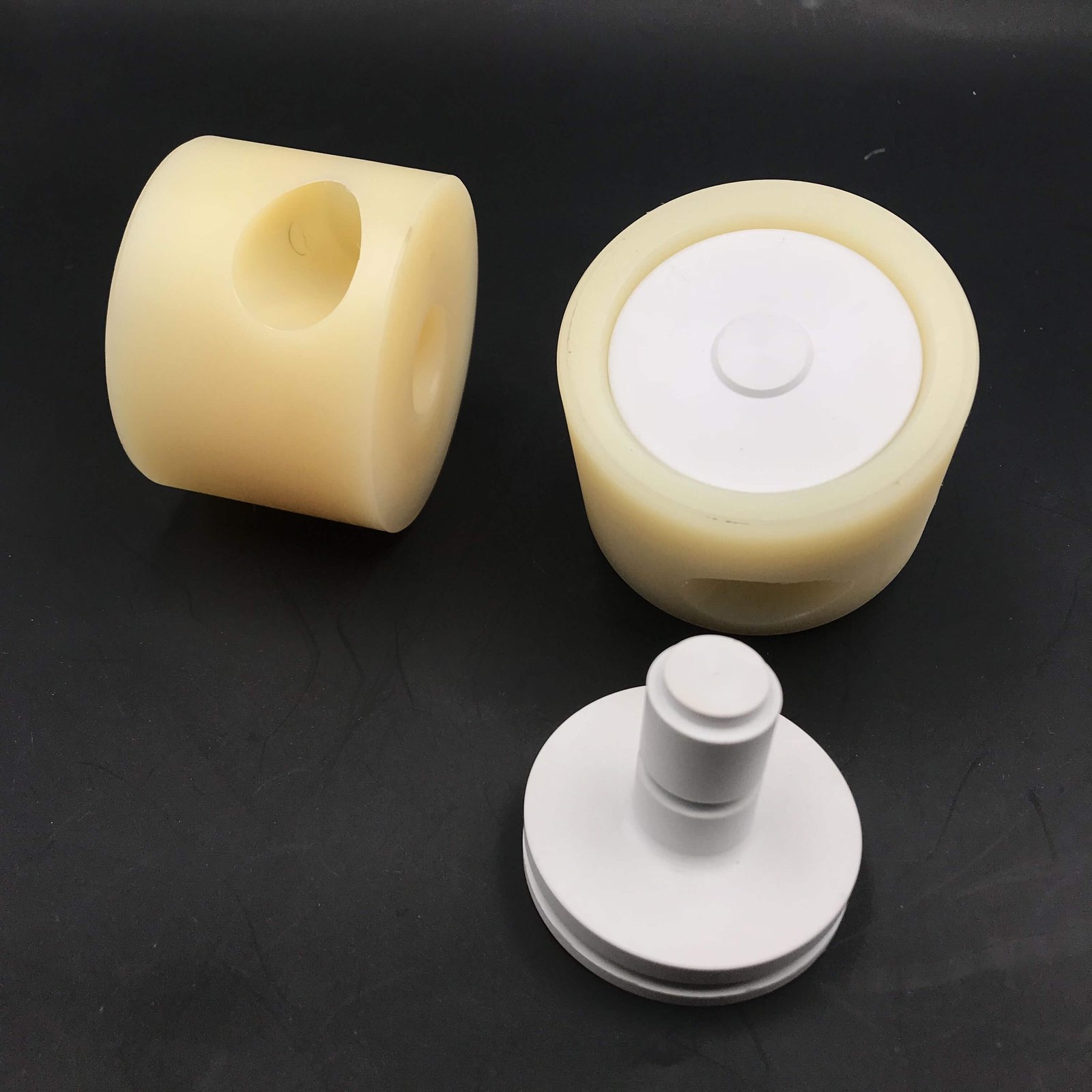
High-performance POM bushings used in industrial machinery

From automotive gears to medical device housings, POM thrives under demanding conditions, delivering unparalleled performance and longevity. Its low coefficient of friction, resistance to wear, and high dimensional stability make it indispensable for components that require consistency and precision. The transformative power of POM processing lies in its ability to enhance these innate material properties, enabling manufacturers to achieve superior performance and long-term reliability.


Key Subtopics

The Science Behind POM’s Durability

POM’s molecular structure is defined by high crystallinity, which contributes to its rigidity and resistance to wear. This structural advantage ensures that POM components perform consistently in demanding applications requiring mechanical precision and endurance. Its ability to maintain performance under heavy loads and continuous operation sets it apart from other engineering plastics.

Unlike competing materials such as nylon, which absorbs moisture and can deform, or ABS, which struggles with wear under stress, POM maintains its structural integrity in challenging conditions. This makes it a superior choice for industries like automotive and aerospace, where durability is non-negotiable. For example, automotive gears and fuel system components made from POM consistently outperform alternatives, reducing maintenance costs and increasing operational efficiency.


Dimensional Stability: A Key Differentiator

One of POM’s standout properties is its dimensional stability, which allows it to retain its shape and functionality even in fluctuating environmental conditions. This stability stems from its low moisture absorption and resistance to thermal expansion, making it ideal for applications exposed to humidity or extreme temperatures.

In marine environments, for instance, where humidity and saltwater are constant challenges, POM gears and bushings outperform nylon by maintaining their shape and performance over extended periods. Similarly, in outdoor systems exposed to direct sunlight and varying temperatures, POM components provide consistent reliability. These qualities ensure that manufacturers can depend on POM for products that demand durability and precision.

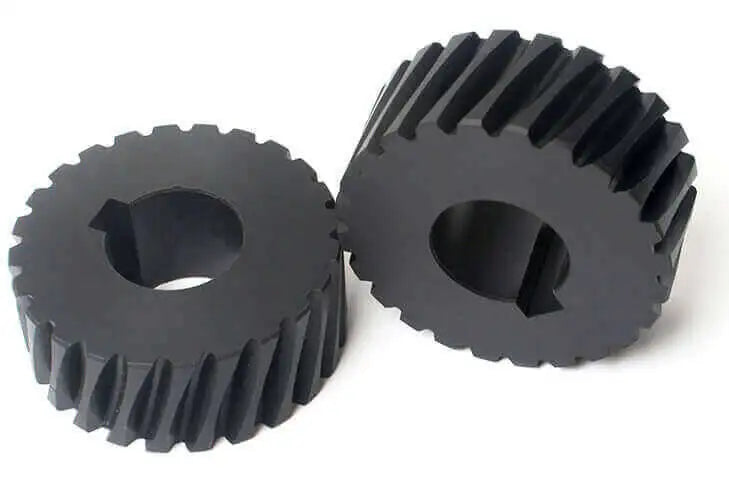
Close-up of POM automotive gears showcasing durability and precision

Advanced Techniques in POM Processing

Injection Molding: Precision and Efficiency

Injection molding is a cornerstone of POM processing, enabling the creation of intricate parts with tight tolerances. This method is widely used in the automotive and medical industries to produce components like fuel caps and device housings. By precisely controlling temperature and pressure, injection molding minimizes defects and ensures uniformity across large production volumes.

CNC Machining: Customization at Its Best

For applications that require bespoke designs and tight tolerances, CNC machining offers unmatched precision. This technique is essential in aerospace and industrial manufacturing, where custom parts must meet exacting standards. CNC machining allows manufacturers to create POM components with intricate geometries, catering to specialized needs without compromising quality.

Hot Pressing: Enhanced Material Properties

Hot pressing is another critical technique for processing POM, particularly for heavy-duty applications. By applying controlled heat and pressure, this method enhances the material’s durability and consistency. Seals, bearings, and other components exposed to high stress benefit from the improved mechanical properties achieved through hot pressing.


Industry Applications Showcasing POM’s Versatility

Automotive Applications

POM’s low friction and high wear resistance make it an essential material for automotive components. From gears and bushings to fuel system parts, POM ensures longevity and efficiency in vehicles. Its ability to withstand mechanical stress and chemical exposure further cements its role in automotive manufacturing.

Medical Applications

Precision and biocompatibility are critical in the medical field, and POM excels in both areas. Its resistance to sterilization methods, including autoclaving, makes it suitable for surgical instruments and device housings. Medical manufacturers rely on POM for components that require consistent performance and compliance with stringent safety standards.

Industrial Applications

In industrial manufacturing, POM’s durability and low maintenance requirements make it ideal for conveyor systems, bearings, and rollers. These components often operate continuously under high loads, and POM’s properties ensure they perform reliably over extended periods. Its chemical resistance also makes it suitable for food processing equipment, where hygiene and durability are paramount.

CNC-machined POM rollers for conveyor systems

Sustainable Practices in POM Processing

Eco-Friendly Advancements

Sustainability is increasingly important in modern manufacturing, and POM processing has made significant strides in this area. Recyclable grades of POM and energy-efficient molding machines have reduced environmental impact while lowering production costs. These advancements align with global efforts to promote sustainable practices in manufacturing.

Economic and Environmental Benefits

A leading automotive manufacturer implemented a closed-loop recycling system for POM, achieving a 40% reduction in material waste. This initiative not only minimized the company’s environmental footprint but also resulted in significant cost savings. Such practices demonstrate how manufacturers can balance economic efficiency with environmental responsibility.


Take the Next Step with Precision POM Solutions

Precision POM processing transforms a high-performance material into industry-leading components. From its unmatched strength to its environmental resilience, POM is the key to durable, reliable manufacturing.

Looking to enhance your manufacturing processes with durable and precise POM solutions? Our expertise in POM processing ensures high-quality components tailored to your needs. Discover how we can elevate your operations with:

Fill out the contact form below to start your journey toward superior precision and reliability.

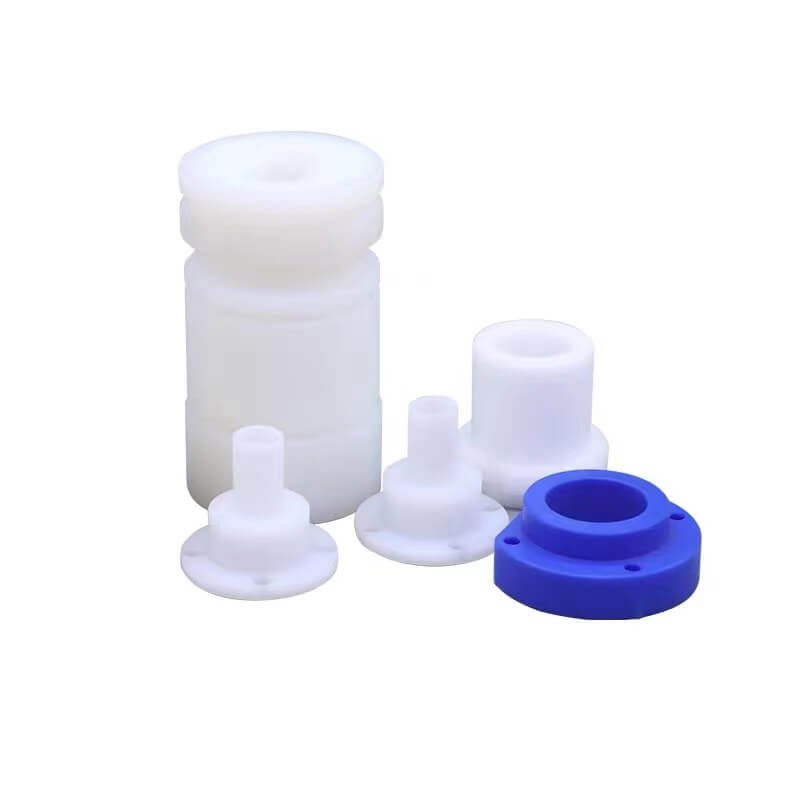
Custom POM parts designed with CNC machining

🎉🎉🎉Limited Time Offer Use code: QR4GNY08SHVR at checkout and enjoy a special discount on your entire order! 👉 POM plastic

Let us know if additional refinements or expansions are needed to tailor this further for your SEO and reader engagement goals!

Leave a comment


Please note, comments must be approved before they are published


Custom Plastic Fabrication

Send your drawing, material and quantity for review

🔧
Precision Machining
CNC milling & turning
✂️
Cutting & Engraving
Laser & waterjet cutting
🏭
Forming & Molding
Thermoforming & injection
🔗
Joining & Assembly
Welding & bonding
📐
Design & Prototyping
CAD design & samples

General

HDPE

PP

PVC

ABS

Engineering

POM

Nylon

PC

PMMA

High-Performance

PEEK

PEI

PTFE

Composites

FR-4

G10

Flexible

TPU

Silicone

Why Choose BeePlastic?

🎯
Perfect Fit
Custom specs eliminate adaptation needs
⚡
Clear Lead Times
Lead time confirmed with every quote
💰
Volume Pricing
Volume pricing available on bulk orders
🤝
Expert Support
Free engineering consultation included
📋
Submit
→
🔍
Review
→
💵
Quote
→
✅
Production
→
📦
Deliver

Request a Quote

Share your project details, selected material and quantity on our quote page. You can add a file link or use the email drawing route shown there.


Request Quote

Industries: Automotive • Medical • Food • Lab • Semiconductor

beeplastic@beeplastic.com


The Durability of POM: How Precision Processing Unlocks Its Full Potential in Manufacturing

POM processing

Polyoxymethylene (POM), often referred to as acetal or polyacetal, is celebrated for its unmatched strength, durability, and adaptability. In the automotive industry, POM plays a crucial role in creating gears and fuel system components that must withstand mechanical stress and chemical exposure. Similarly, in the medical field, POM is relied upon for its precision and biocompatibility, making it indispensable for device housings and critical moving parts. This versatility underscores its essential role across diverse manufacturing sectors. In industries like automotive, medical, and industrial manufacturing, it stands out as a material that delivers consistent performance under demanding conditions. But the true magic lies in precision POM processing, a set of advanced techniques that enhance its properties and make it indispensable for modern engineering. This article delves deep into the durability of POM and how precision processing maximizes its potential, bringing remarkable benefits to a variety of industries.

🎉🎉🎉Limited Time Offer Use code: QR4GNY08SHVR at checkout and enjoy a special discount on your entire order! 👉 POM plastic

Sustainable POM solutions for industrial applications

Unmatched Mechanical Strength: Unlocking POM’s Core Advantage

How Molecular Structure Enhances Durability

At the heart of POM’s exceptional mechanical strength lies its highly crystalline molecular structure. This unique arrangement provides rigidity and resistance to deformation, even under intense loads. For example, in the automotive sector, gears and fuel system components made from POM perform flawlessly over extended periods, maintaining their integrity despite constant mechanical stress. POM’s strength translates directly into cost savings for manufacturers by reducing the need for frequent replacements and repairs.

Real-World Applications in High-Stress Environments

Industrial machinery is another arena where POM thrives. Imagine conveyor systems in factories that operate non-stop: POM bushings and gears ensure smooth operations, significantly reducing downtime. Its low friction properties further enhance efficiency, allowing machines to run longer and more reliably. In high-performance environments, such as aerospace applications, POM ensures reliability where precision and strength are critical. The versatility of this material positions it as a cornerstone in demanding industries.


Dimensional Stability: The Competitive Edge in Challenging Environments

Resistance to Environmental Factors

Dimensional stability is one of POM’s defining characteristics. Unlike nylon, which absorbs moisture and swells, POM maintains its structural integrity in humid or wet conditions. This quality is crucial for applications like marine equipment, where exposure to water is unavoidable. By resisting environmental factors, POM guarantees consistent performance, even in the most challenging environments.

Comparisons with Other Materials

Consider water treatment facilities. Nylon gears often swell and malfunction over time, leading to costly repairs. By switching to POM, one facility reduced its annual maintenance costs by 25%, saving thousands of dollars in replacements and downtime. This clear advantage highlights POM’s superior performance and cost-effectiveness in critical applications. In contrast, POM gears remain unaffected, delivering long-term efficiency. This stark difference underscores why POM is often the material of choice in such critical applications. Moreover, POM’s resistance to thermal expansion ensures it maintains performance even in fluctuating temperatures, making it invaluable in precision engineering tasks.

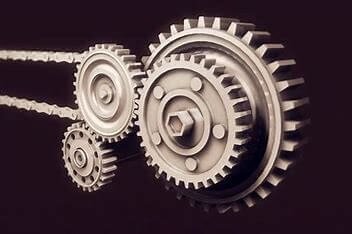
Precision POM gears ensuring smooth industrial operations

Innovative Techniques in POM Processing

Advanced Methods in POM Processing

  • Injection Molding: This process is perfect for creating complex parts like medical device housings and automotive fuel caps. The precise control over temperature and pressure ensures defect-free components with consistent quality, allowing manufacturers to meet exact specifications with ease.

  • CNC Machining: Ideal for custom parts such as industrial gears, CNC machining guarantees precision and accuracy, making it a staple in aerospace and medical applications. The adaptability of CNC machining ensures manufacturers can quickly pivot to meet unique project requirements.

  • Hot Pressing: By applying uniform heat and pressure, hot pressing enhances POM’s durability, making it suitable for heavy-duty seals and components exposed to extreme conditions. This technique also ensures material consistency, further improving the lifespan of critical components.

A Real-World Example

An industrial pump manufacturer recently switched to hot-pressed POM seals, leading to a 30% improvement in operational efficiency. This multinational company, operating across multiple continents, utilized the seals in high-pressure systems within its water treatment division. By improving reliability and reducing failures, the switch saved the company hundreds of thousands of dollars annually in maintenance and downtime. The switch not only reduced part replacements but also enhanced the reliability of the equipment, showcasing the transformative power of precision processing. Additionally, the adoption of POM resulted in measurable energy savings, as machines experienced less wear and tear during operation.


Industry-Specific Applications Highlighting POM’s Versatility

Automotive

From gears to bushings, POM components in the automotive industry stand out for their ability to endure mechanical stress and exposure to chemicals. These features ensure that vehicles run efficiently, reducing the need for frequent part replacements. For example, POM’s low friction properties make it an ideal material for components in high-performance engines, where minimizing energy loss is critical.

Medical

In medical manufacturing, precision and reliability are paramount. POM’s durability makes it an excellent material for device housings and moving parts, ensuring safety and compliance with industry standards. Furthermore, POM’s biocompatibility and resistance to sterilization methods like autoclaving make it indispensable for critical medical tools and equipment.

Industrial

Industrial applications rely on POM for its low friction and wear resistance. Conveyor systems, bearings, and other high-demand components benefit from POM’s ability to handle continuous operations without compromising efficiency. In food processing plants, for instance, POM’s chemical resistance ensures safe and hygienic operations, even under rigorous cleaning protocols.

Automotive POM gears designed for stress resistance

Sustainability in Modern POM Manufacturing

Eco-Friendly Processing

Sustainability is no longer optional in manufacturing—it’s essential. Energy-efficient molding machines and advanced recycling systems have revolutionized POM processing. These advancements significantly benefit manufacturers by reducing energy consumption by up to 30%, leading to lower operational costs. Moreover, recycling systems allow for the reuse of POM waste, cutting material expenses and minimizing environmental impact. Together, these innovations make POM processing both economically and environmentally sustainable, ensuring a competitive edge for manufacturers embracing these technologies. These innovations not only reduce environmental impact but also cut production costs, making POM an eco-friendly choice. Recyclable POM grades have gained traction, offering manufacturers a way to minimize waste without sacrificing quality.

A Case Study in Sustainability

A leading automotive manufacturer implemented a closed-loop recycling system for POM components, achieving a 40% reduction in material waste. This initiative highlights how sustainability and efficiency can go hand in hand, setting a benchmark for responsible manufacturing practices. Such practices are increasingly becoming a competitive advantage in industries prioritizing eco-conscious solutions.


Achieve Excellence with Custom POM Processing Solutions

Precision POM processing is the cornerstone of high-performance manufacturing, directly contributing to the production of durable, reliable components while significantly reducing production costs. By employing advanced techniques such as CNC machining and injection molding, manufacturers can achieve unmatched precision, ensuring their products meet the highest industry standards while optimizing material usage and operational efficiency. From its unmatched mechanical strength to its resistance to environmental factors, POM proves to be an invaluable material across industries. With the right processing techniques, the potential of POM can be fully realized, ensuring durability and efficiency in every application.

Are you ready to unlock the full potential of POM? Explore our specialized services tailored to your needs:

CNC-machined POM bushings for enhanced durability

🎉🎉🎉Limited Time Offer Use code: QR4GNY08SHVR at checkout and enjoy a special discount on your entire order! 👉 POM plastic

Let us help you achieve precision and durability in your projects. Fill out the contact form below to get started, and transform your manufacturing processes with industry-leading POM processing solutions.

Leave a comment


Please note, comments must be approved before they are published


Custom Plastic Fabrication

Send your drawing, material and quantity for review

🔧
Precision Machining
CNC milling & turning
✂️
Cutting & Engraving
Laser & waterjet cutting
🏭
Forming & Molding
Thermoforming & injection
🔗
Joining & Assembly
Welding & bonding
📐
Design & Prototyping
CAD design & samples

General

HDPE

PP

PVC

ABS

Engineering

POM

Nylon

PC

PMMA

High-Performance

PEEK

PEI

PTFE

Composites

FR-4

G10

Flexible

TPU

Silicone

Why Choose BeePlastic?

🎯
Perfect Fit
Custom specs eliminate adaptation needs
⚡
Clear Lead Times
Lead time confirmed with every quote
💰
Volume Pricing
Volume pricing available on bulk orders
🤝
Expert Support
Free engineering consultation included
📋
Submit
→
🔍
Review
→
💵
Quote
→
✅
Production
→
📦
Deliver

Request a Quote

Share your project details, selected material and quantity on our quote page. You can add a file link or use the email drawing route shown there.


Request Quote

Industries: Automotive • Medical • Food • Lab • Semiconductor

beeplastic@beeplastic.com


How Durable is POM? Discover the Strength of Polyoxymethylene with Precision Processing

Advanced POM blends with enhanced UV resistance

Why POM is the Material of Choice for Durability and Reliability

Polyoxymethylene (POM), commonly known as acetal or polyacetal, is renowned for its exceptional durability and mechanical properties. What sets POM apart from other engineering plastics is its combination of high stiffness, excellent dimensional stability, and low friction. For instance, compared to nylon, which tends to absorb moisture and lose stability in humid environments, POM maintains its structure and performance. Similarly, while ABS offers affordability, it cannot match POM’s wear resistance and ability to handle continuous mechanical stress. This makes POM uniquely suited for precision applications requiring durability and reliability. Unlike materials that compromise between flexibility and strength, POM offers a balanced profile, making it ideal for precision applications. Its unique molecular structure allows it to perform reliably under heavy loads, while its wear resistance ensures long-term functionality in demanding environments. This makes POM an indispensable material for industries requiring high-performance components. From automotive gears to medical device housings, this engineering plastic has earned its reputation as a reliable choice for demanding applications. Its ability to combine strength, stability, and resistance to environmental factors ensures it stands out as a premium material.

POM gear in automotive applications showcasing durability and strength

POM is specifically engineered to perform under challenging conditions, making it ideal for industries that demand precision and reliability. But what makes POM so durable? The secret lies in its high crystallinity and advanced POM processing techniques. Let’s delve deeper into the key factors that contribute to POM’s remarkable strength and how precision processing unlocks its full potential for modern manufacturing.


Understanding the Durability of POM

POM’s durability stems from its unique molecular structure. As a highly crystalline thermoplastic, POM features tightly packed molecular chains that enhance its rigidity and resistance to deformation. This high crystallinity allows POM to handle mechanical stress efficiently, making it particularly well-suited for applications such as automotive gears that require consistent performance under load. In aerospace applications, POM’s molecular alignment ensures reliability in components exposed to vibrations and fluctuating pressures, demonstrating its capacity to maintain integrity in challenging environments. This high degree of crystallinity allows POM to distribute mechanical stress evenly across its structure, minimizing weak points and reducing the risk of failure under load. Compared to less crystalline materials like polypropylene, POM offers superior strength and stability, making it the material of choice for components that must endure prolonged mechanical and environmental stress. Understanding these characteristics reveals why it outperforms other materials in demanding environments.

Exceptional Mechanical Strength

POM’s tight molecular alignment distributes stress uniformly, reducing weak points and enhancing its ability to withstand heavy loads. This structure ensures exceptional rigidity even under constant mechanical stress, making it indispensable in industrial machinery, automotive systems, and high-performance equipment. For instance, components like sprockets and conveyor belt guides depend on POM’s mechanical stability to maintain performance over extended periods of operation. Unlike amorphous plastics like ABS, which can deform or warp over time, POM retains its shape and stability even when exposed to continuous strain.

Superior Wear Resistance

Thanks to its low coefficient of friction, POM excels in applications involving sliding or rotating components. For example, conveyor belt rollers made from POM offer superior wear resistance and smooth operation, reducing maintenance and ensuring consistent performance in industrial settings. These qualities make POM an essential material for applications requiring long-lasting and efficient movement of components. Parts such as gears, bearings, and conveyor elements made from POM resist surface abrasion, ensuring long-lasting performance. For example, in high-speed assembly lines, POM gears deliver consistent performance without significant wear, reducing downtime and maintenance. Its ability to maintain functionality under repetitive movement reduces wear and prolongs component life, making it indispensable in high-performance systems.

Polyoxymethylene gear systems for high-stress applications

Resistance to Environmental Factors

POM resists moisture absorption, a significant advantage over materials like nylon, which can swell and warp in humid environments. This characteristic ensures that POM components maintain their structural integrity even when exposed to varying temperatures or wet conditions. In marine equipment or outdoor machinery, this resistance is critical for maintaining consistent performance. Additionally, POM’s resistance to chemicals such as fuels, solvents, and oils solidifies its reputation as a robust material for challenging environments, including automotive fuel systems and chemical handling equipment.

These properties make POM a reliable and versatile material capable of withstanding the most demanding industrial conditions.


Advanced Techniques in POM Processing

The remarkable durability of POM is further enhanced through advanced processing methods. Each technique maximizes the material’s inherent properties while tailoring it to meet specific application requirements. These methods ensure that POM components deliver consistent quality and high performance.

Injection Molding

Injection molding is widely used for manufacturing intricate components, such as precision fuel system parts and housings for sensitive medical devices. This process is particularly effective because it allows for the mass production of highly detailed parts with consistent quality. By using controlled temperatures and pressures, injection molding ensures that POM maintains its mechanical strength and dimensional accuracy, even for components with complex geometries. This makes it a preferred choice for industries requiring both precision and reliability. The process ensures consistent quality and precise replication of complex shapes. For example, in automotive applications, injection molding creates fuel pump components that must withstand exposure to high pressure and corrosive substances. Proper temperature and pressure control during injection molding preserve POM’s high mechanical strength and dimensional stability, ensuring parts meet exacting standards and perform flawlessly.

CNC Machining

CNC machining offers unmatched precision, making it ideal for producing custom components such as automotive gears and industrial bushings. This technique enables the creation of parts with intricate designs and tight tolerances, ensuring reliability and superior performance. For instance, CNC machining is critical in manufacturing medical implants and instrumentation where precision can impact patient safety. The versatility of CNC machining allows manufacturers to adapt POM for a wide range of applications across different industries.

Hot Pressing

Hot pressing is a specialized technique that enhances POM’s strength and durability by applying uniform heat and pressure. This method is particularly useful for producing heavy-duty seals and bushings that require high resilience and long-term reliability. For example, heavy machinery components often rely on hot-pressed POM parts to maintain stability under high loads and abrasive conditions. By controlling heat application, manufacturers ensure that POM retains its integrity during processing while achieving superior performance in demanding applications.

These POM processing methods allow manufacturers to produce high-quality, durable components that meet the rigorous demands of diverse industries.

Energy-efficient POM processing equipment in operation

Benefits of POM Processing for High-Performance Applications

Custom POM processing unlocks a host of benefits, making it an indispensable material for applications where performance and reliability are paramount. From its dimensional stability to its chemical resistance, POM’s unique properties ensure long-term success in various industries.

Dimensional Stability

POM’s ability to maintain its shape under mechanical stress makes it a superior choice for precision applications. This is especially important in aerospace, robotics, and industrial automation, where even slight deviations can compromise functionality. For example, robotic arms with POM components maintain consistent accuracy in repetitive tasks, ensuring efficiency and reliability.

Chemical Resistance

The chemical resilience of POM allows it to perform reliably in environments exposed to fuels, oils, and industrial solvents. This property makes it a preferred material in automotive and heavy machinery industries, where exposure to harsh substances is common. For instance, POM is often used in fuel injector components that require resistance to corrosive liquids, maintaining functionality even under extreme chemical exposure.

Long-Lasting Performance

Components made from POM exhibit exceptional wear resistance, reducing maintenance requirements and ensuring long service life. For manufacturers, this translates to lower operational costs and fewer interruptions. For example, conveyor systems with POM components experience reduced downtime, enabling continuous production and enhancing profitability over time.


Comparing POM Processing with Other Engineering Plastics

When compared to other engineering plastics, POM consistently delivers superior performance. Let’s examine how it stacks up against some popular alternatives:

POM vs. Nylon

While nylon is valued for its flexibility, its high moisture absorption can lead to swelling and dimensional instability. POM’s superior resistance to water and environmental factors makes it a reliable choice for outdoor and marine applications, where stability and durability are essential. For example, marine pump components made from POM outperform those made from nylon, maintaining efficiency even in wet conditions.

POM vs. ABS

ABS offers affordability and ease of processing, but it lacks the strength and wear resistance of POM. For applications demanding precision and long-term durability, such as automotive gears or mechanical components, POM’s rigidity and surface finish make it the better choice. For instance, precision timing gears benefit significantly from POM’s low friction and high wear resistance.

POM vs. Polypropylene

Polypropylene is known for its chemical resistance and low cost, but it cannot match POM’s stiffness or ability to maintain dimensional accuracy under stress. This makes POM ideal for high-load environments where consistent performance is required, such as in heavy-duty agricultural equipment components.

These comparisons highlight why POM processing is integral to manufacturing advanced, reliable components for various industries.

Injection-molding setup for polyoxymethylene components

Innovations and Future Trends in POM Processing

As industries evolve, new technologies and techniques are shaping the future of POM processing. Key trends include:

Automation in Manufacturing

The integration of robotics and AI in POM processing workflows is enhancing efficiency, reducing errors, and streamlining production. These advancements enable manufacturers to meet increasing demand while maintaining high quality. For example, automated systems can produce POM components with greater speed and precision, reducing production time.

Sustainable Practices

Sustainability is becoming a core focus, with recyclable POM grades and energy-efficient processing techniques gaining popularity. For instance, closed-loop recycling systems are being used to collect and repurpose POM waste, converting it into high-quality pellets for reuse in manufacturing. Additionally, innovative technologies like hybrid molding machines significantly reduce energy consumption during processing, lowering the environmental impact. These sustainable advancements showcase how manufacturers are aligning with eco-friendly practices while maintaining production efficiency. For example, manufacturers are increasingly adopting closed-loop recycling systems to repurpose POM waste into high-quality pellets for reuse. Additionally, energy-efficient molding machines, which consume significantly less electricity, are reducing the carbon footprint associated with POM processing. These advancements not only make production more eco-friendly but also align with global efforts to create sustainable manufacturing practices. These practices help manufacturers reduce their environmental footprint while meeting regulatory standards. For instance, energy-efficient molding machines significantly reduce power consumption during POM processing.

Enhanced Material Blends

Advances in polymer science are introducing innovative POM blends with enhanced properties. These include improved UV resistance, higher thermal stability, and increased impact strength, expanding POM’s application range in industries such as renewable energy and aerospace. For example, POM blends are now being utilized in solar panel components to withstand prolonged UV exposure.

By adopting these innovations, manufacturers ensure that POM remains a leading material in high-performance applications.


Unlock the Full Potential of POM with Custom Processing

Transform Your Manufacturing with Custom POM Solutions

POM’s durability, versatility, and reliability make it a cornerstone of modern manufacturing. For manufacturers, this translates into tangible benefits such as reduced operational costs, extended product lifespan, and improved performance consistency. For instance, the exceptional wear resistance of POM significantly lowers maintenance requirements, minimizing downtime in high-demand industries like automotive and industrial automation. Additionally, its ability to maintain dimensional stability under varying conditions ensures fewer part replacements and enhanced long-term efficiency, making it a highly cost-effective solution. However, its true strength is realized through precision POM processing techniques. From injection molding to CNC machining, advanced methods ensure that POM components meet the highest standards of quality and performance.

Are you ready to elevate your products with custom POM solutions? Explore our specialized services:

Ready to bring your project to the next level? Let us help you harness the power of precision POM processing for your needs. Whether you’re developing automotive components, medical devices, or industrial machinery, our expertise ensures high-quality solutions tailored to your industry. Whether you require custom POM plastic solutions, high-quality polyoxymethylene sheets and rods, or advanced manufacturing capabilities, we’re here to deliver. Fill out the contact form below and take the first step toward innovative and reliable solutions.

Highly durable POM parts in automotive fuel systems


Leave a comment


Please note, comments must be approved before they are published


Custom Plastic Fabrication

Send your drawing, material and quantity for review

🔧
Precision Machining
CNC milling & turning
✂️
Cutting & Engraving
Laser & waterjet cutting
🏭
Forming & Molding
Thermoforming & injection
🔗
Joining & Assembly
Welding & bonding
📐
Design & Prototyping
CAD design & samples

General

HDPE

PP

PVC

ABS

Engineering

POM

Nylon

PC

PMMA

High-Performance

PEEK

PEI

PTFE

Composites

FR-4

G10

Flexible

TPU

Silicone

Why Choose BeePlastic?

🎯
Perfect Fit
Custom specs eliminate adaptation needs
⚡
Clear Lead Times
Lead time confirmed with every quote
💰
Volume Pricing
Volume pricing available on bulk orders
🤝
Expert Support
Free engineering consultation included
📋
Submit
→
🔍
Review
→
💵
Quote
→
✅
Production
→
📦
Deliver

Request a Quote

Share your project details, selected material and quantity on our quote page. You can add a file link or use the email drawing route shown there.


Request Quote

Industries: Automotive • Medical • Food • Lab • Semiconductor

beeplastic@beeplastic.com


POM Processing Explained: Why Polyoxymethylene is the Gold Standard for Durability in Manufacturing

POM plastic

Polyoxymethylene (POM), also known as acetal or polyacetal, has earned its reputation as one of the most durable engineering plastics available today. Renowned for its high mechanical strength and low friction properties, POM outperforms other materials in applications that demand precision, reliability, and long-term performance, such as automotive gears, conveyor components, and medical device housings. Its ability to resist wear and maintain dimensional stability under extreme conditions makes it indispensable across industries such as automotive, medical, and industrial manufacturing. Its high mechanical strength, excellent wear resistance, and precision machining capabilities make it the material of choice for a wide range of industrial applications. Whether used in automotive components, medical devices, or industrial machinery, POM consistently delivers performance that exceeds expectations. In this post, I’ll explain why POM processing is the key to maximizing the material’s durability and how it contributes to its widespread use in manufacturing. By delving into its properties, processing techniques, and applications, you’ll discover why POM remains indispensable in modern industries and how tailored solutions unlock its potential.

🎉🎉🎉Limited Time Offer Use code: QR4GNY08SHVR at checkout and enjoy a special discount on your entire order! 👉 POM plastic

POM processing

Understanding Polyoxymethylene: What Makes It So Durable?

POM’s unique composition sets it apart from other engineering plastics. As a thermoplastic with high crystallinity, it boasts several distinct advantages that make it the backbone of many high-performance applications:

High Mechanical Strength and Stiffness

POM’s molecular structure, characterized by its high degree of crystallinity, ensures it can handle significant mechanical stress without deformation. This crystalline structure aligns polymer chains tightly, distributing stress uniformly and preventing weak points that can lead to deformation. Compared to amorphous plastics like ABS, which lack such alignment, POM offers superior mechanical stability and performance under prolonged or dynamic loads. This tight molecular arrangement distributes stress evenly throughout the material, reducing weak points and enhancing its ability to maintain consistent dimensional stability over time. Unlike softer plastics, POM retains its rigidity, even under prolonged load-bearing conditions. This stability ensures that POM components can withstand demanding environments where precision is critical, such as industrial machinery and robotic systems.

Low Friction and Wear Resistance

Thanks to its naturally low coefficient of friction, POM excels in applications involving moving parts like gears, bearings, and conveyor systems. This quality ensures smooth and long-lasting performance, even under heavy use. Furthermore, its ability to resist surface abrasion extends the lifespan of components made from POM, reducing the frequency of replacements and downtime in manufacturing processes.

Chemical Resistance

POM resists damage from oils, solvents, and fuels, making it a reliable choice for demanding industrial environments. This property is particularly valued in sectors where exposure to harsh chemicals is inevitable, such as automotive systems, chemical processing equipment, and fluid handling devices. POM’s resilience ensures consistent functionality even under chemical stress.

POM’s durability makes it indispensable for industries that demand high-performance parts. These properties are directly enhanced and preserved through precision POM processing workflows tailored to each application’s needs. Without proper processing, its potential may remain untapped, underscoring the importance of expert handling and advanced techniques.


The POM Processing Workflow: Turning Raw Material into Durable Components

Effective POM processing involves multiple steps that ensure the material’s properties are fully realized. Each stage plays a crucial role in transforming raw POM into precision-engineered components capable of meeting the most stringent requirements. These stages combine material science and manufacturing precision to deliver unmatched quality.

POM sheet

Polymerization

The process begins with synthesizing raw POM into a stable, high-crystallinity polymer. This foundational step determines the material’s inherent strength, uniformity, and ability to maintain performance under stress. The quality of polymerization directly impacts the mechanical properties and durability of the final product.

Pellet Production

Once polymerized, the material is formed into uniform pellets for easy handling and further processing. Consistency in pellet quality is critical to ensuring uniformity in the finished product, regardless of the application. These pellets form the foundation for advanced machining techniques, ensuring that no compromise occurs during manufacturing.

Precision Machining

Advanced techniques like injection molding, CNC machining, and hot pressing are used to create custom components with exact specifications. For instance, injection molding is often utilized to produce precision fuel system components in the automotive industry, CNC machining is ideal for crafting intricate medical device housings, and hot pressing is frequently employed for creating robust industrial bushings with enhanced durability. For example, in the automotive industry, injection molding is widely used to produce fuel system components that require precise dimensional accuracy, while CNC machining is crucial for manufacturing gears and bushings with intricate designs and tight tolerances. These methods ensure that each part meets the highest quality standards demanded by modern industries. During injection molding, precise temperature and pressure control prevents material degradation. CNC machining adds another level of precision, enabling intricate designs and tight tolerances. These techniques collectively ensure that POM’s inherent strength, wear resistance, and surface finish remain intact in the final product.

By leveraging advanced POM processing techniques, manufacturers can push the limits of what the material can achieve, delivering components that perform under extreme conditions with consistent quality.


Why Manufacturers Choose POM: Durability and Key Advantages

POM is the material of choice for manufacturers worldwide because of its exceptional properties that combine performance with processing efficiency. Here’s an in-depth exploration of the advantages that make POM indispensable:

Exceptional Stiffness and Dimensional Stability

These qualities make POM essential for parts that must maintain their shape and performance under mechanical stress or extreme temperature conditions. For example, in high-speed industrial machines, components made of POM stay reliable and consistent over time. POM’s stability ensures accurate performance, even in equipment operating under high vibration.

POM’s stability

Low Moisture Absorption

Unlike many other plastics, POM does not easily absorb moisture. For instance, nylon, a commonly used engineering plastic, tends to absorb moisture, which can lead to dimensional changes, warping, and reduced mechanical performance in humid environments. This makes POM particularly advantageous in applications where long-term dimensional stability and reliability are critical, such as marine equipment or precision fluid handling systems. For instance, nylon, a commonly used engineering plastic, has higher moisture absorption, which can lead to swelling and dimensional instability in humid environments. POM’s resistance to moisture makes it particularly advantageous in applications requiring long-term reliability, such as marine equipment or precision fluid systems. This characteristic prevents warping and ensures long-term reliability, even in humid or wet conditions. Its resistance to water makes it a favorite for marine applications, outdoor machinery, and precision fluid systems where environmental factors are critical.

High Resistance to Fatigue

POM is capable of withstanding repeated cycles of stress without structural failure. This makes it ideal for components subjected to continuous motion, such as springs, levers, and actuators. Over time, this resistance reduces maintenance costs and downtime, providing economic advantages for large-scale industrial systems.

By combining these properties with precision POM processing, manufacturers can create parts that meet stringent performance requirements while remaining cost-effective. This balance of durability and ease of processing is why POM is so prevalent in industries like automotive, consumer electronics, and medical devices.


Comparing POM with Other Engineering Plastics: A Performance Perspective

How does POM stack up against other materials commonly used in manufacturing? Here’s a closer examination of its competitive edge:

Nylon vs. POM

While nylon offers greater flexibility, POM excels in dimensional stability, wear resistance, and mechanical strength. These attributes make POM the superior choice for precision parts used in high-stress environments, such as gears and bushings. Additionally, POM’s resistance to creep ensures components maintain their shape and performance over extended periods, even in applications with sustained loads.

ABS vs. POM

ABS is lightweight and affordable, but it is less durable and more prone to scratching compared to POM. With its superior strength and smoother finish, POM is often the preferred material for components that require both aesthetic appeal and long-term performance. POM’s ability to maintain its integrity under stress makes it more versatile for industrial use, particularly in environments requiring both strength and durability.

Other Materials

POM’s unique combination of properties—high stiffness, low friction, and chemical resistance—sets it apart from polypropylene and polyethylene, particularly in applications demanding high wear resistance and tight tolerances. Its ability to balance rigidity with machinability makes it an unmatched choice for demanding industries.

These comparisons highlight why polyoxymethylene processing is integral to industries requiring durable and reliable components.

polyoxymethylene processing

Real-World Applications: The Durability of POM in Action

The versatility of POM is evident in its wide-ranging applications across multiple industries. Here are some examples of how its durability and precision make a difference:

Automotive Parts

POM is a staple material for gears, fuel system components, and safety locks. Its strength, wear resistance, and ability to withstand high temperatures make it indispensable for ensuring safety and reliability in automotive systems. POM’s ability to reduce friction in moving parts enhances vehicle efficiency and minimizes wear.

Medical Devices

With FDA-approved grades available, POM is used to manufacture surgical instruments, drug delivery systems, and other medical devices requiring biocompatibility and precision. Its low moisture absorption and chemical resistance make it a reliable choice in sterile environments, ensuring patient safety and device longevity. Custom machining ensures that even the most intricate medical components meet strict standards.

Industrial Equipment

POM’s low friction and high durability make it a go-to material for bushings, bearings, and conveyor belt components. These parts benefit from POM’s ability to perform consistently under heavy loads and constant motion, reducing wear and tear over time. This reliability minimizes operational interruptions, boosting overall productivity.

Consumer Electronics

POM’s excellent mechanical and aesthetic properties make it ideal for precision parts in electronic devices, such as connectors and housings, where durability and a polished finish are essential. It is increasingly used in smart device components that demand reliability, compact design, and sleek appearance.

Through custom POM machining, manufacturers can tailor components to meet the unique demands of these applications, ensuring maximum performance and longevity.


Unlock the Full Potential of POM with Custom Processing

Polyoxymethylene’s durability, versatility, and reliability make it an unparalleled choice for manufacturing. However, the key to unlocking its full potential lies in precise POM processing techniques. From injection molding to CNC machining, attention to detail at every stage ensures POM’s remarkable properties are fully realized in the final product.

Are you looking to create durable, high-performance components tailored to your needs? Whether you’re designing intricate medical devices, developing reliable automotive parts, or innovating industrial systems, our custom POM processing services are here to help you achieve unparalleled quality and precision. Explore our specialized services for:

Custom POM plastic solutions

Fill out the contact form at the bottom of this page to discuss your project requirements, whether you’re in the automotive, medical, or industrial manufacturing sectors. Our expertise in custom POM processing ensures we can meet the demands of your specific application with precision and reliability. Let us help you achieve precision, durability, and excellence in every product. Whether you need custom components or want to learn more about how POM processing can benefit your business, we’re here to assist every step of the way.

Leave a comment


Please note, comments must be approved before they are published


Custom Plastic Fabrication

Send your drawing, material and quantity for review

🔧
Precision Machining
CNC milling & turning
✂️
Cutting & Engraving
Laser & waterjet cutting
🏭
Forming & Molding
Thermoforming & injection
🔗
Joining & Assembly
Welding & bonding
📐
Design & Prototyping
CAD design & samples

General

HDPE

PP

PVC

ABS

Engineering

POM

Nylon

PC

PMMA

High-Performance

PEEK

PEI

PTFE

Composites

FR-4

G10

Flexible

TPU

Silicone

Why Choose BeePlastic?

🎯
Perfect Fit
Custom specs eliminate adaptation needs
⚡
Clear Lead Times
Lead time confirmed with every quote
💰
Volume Pricing
Volume pricing available on bulk orders
🤝
Expert Support
Free engineering consultation included
📋
Submit
→
🔍
Review
→
💵
Quote
→
✅
Production
→
📦
Deliver

Request a Quote

Share your project details, selected material and quantity on our quote page. You can add a file link or use the email drawing route shown there.


Request Quote

Industries: Automotive • Medical • Food • Lab • Semiconductor

beeplastic@beeplastic.com


Innovative Techniques in CNC Machining: A Focus on UHMW-PE Accessory Procurement

UHMW-PE

Dive into the cutting-edge world of CNC machining with our latest blog post, “Innovative Techniques in CNC Machining: A Focus on UHMW-PE Accessory Procurement.” This comprehensive guide illuminates the remarkable properties and benefits of UHMW-PE (Ultra-High Molecular Weight Polyethylene), a material celebrated for its durability, wear resistance, and low friction, making it an ideal candidate for precision CNC machined parts and accessories.

🎉🎉🎉Limited Time Offer Use code: QR4GNY08SHVR at checkout and enjoy a special discount on your entire order! 👉 UHMWPE plastic
UHMW-PE (Ultra-High Molecular Weight Polyethylene) plastic

We begin by exploring the Understanding UHMW-PE: Properties and Benefits for CNC Machining, where we delve into why UHMW-PE stands out in the realm of materials for CNC machining. Discover the science behind its strength and how it translates to superior performance in demanding applications.

Next, our journey takes us through The Evolution of CNC Machining Techniques for UHMW-PE Parts, highlighting the technological advancements that have refined the production of UHMW-PE accessories. Learn about the innovative methods that enhance precision and efficiency, setting new standards in the industry.

In Key Considerations in Procuring UHMW-PE Machined Accessories, we offer valuable insights for buyers. This section is a must-read for anyone looking to navigate the complexities of procuring the highest quality UHMW-PE machined parts, ensuring you make informed decisions that meet your specific needs.

Our exploration continues with Case Studies: Successful Applications of UHMW-PE CNC Machined Parts. Real-world examples showcase the versatility and effectiveness of UHMW-PE in various sectors, from medical devices to industrial machinery, providing a glimpse into the material’s transformative potential.

Finally, we peer into the future with Future Trends in UHMW-PE Machining and Accessory Design. Anticipate the next wave of innovations in UHMW-PE machining and how they might revolutionize accessory design and procurement, promising exciting possibilities for industries worldwide.

Join us as we navigate the forefront of UHMW-PE parts CNC machining, offering a treasure trove of expert advice, innovative techniques, and insightful case studies. Whether you’re a seasoned engineer, a procurement specialist, or simply fascinated by the advancements in CNC machining, this post is your gateway to understanding and leveraging the power of UHMW-PE in your projects.

UHMW-PE parts CNC machining

Understanding UHMW-PE: Properties and Benefits for CNC Machining

Ultra-High Molecular Weight Polyethylene, or UHMW-PE, stands as a cornerstone in the world of CNC machining. This thermoplastic is renowned for its exceptional properties, which make it an indispensable material for crafting high-quality machine parts and accessories. Let’s delve deeper into the characteristics of UHMW-PE that set it apart and explore how these properties translate into tangible benefits for CNC machining applications.

Exceptional Durability and Impact Strength

One of the most celebrated attributes of UHMW-PE is its unparalleled durability. The material’s high impact strength allows it to withstand severe conditions without succumbing to wear and tear. This resilience is particularly beneficial in industries where parts are exposed to high-stress environments, ensuring longevity and reliability of machinery components. The impact strength of UHMW-PE not only enhances the performance of machined parts but also significantly reduces the need for frequent replacements, offering a cost-effective solution for businesses.

Superior Wear Resistance

The wear resistance of UHMW-PE is another key factor that makes it a preferred choice for CNC machined parts. Its ability to resist abrasion and maintain integrity under constant friction is unparalleled. This property is especially valuable in the manufacturing of gears, bearings, and other components that are subject to continuous movement and contact. By opting for UHMW-PE, manufacturers can ensure that their products exhibit minimal wear over time, maintaining optimal performance and reducing maintenance costs.

Low Friction Coefficient

UHMW-PE‘s low friction coefficient is a critical attribute that contributes to its efficiency in various applications. This property minimizes resistance during operation, facilitating smoother motion in machined parts and accessories. The reduced friction not only enhances the operational efficiency of machinery but also contributes to energy savings and prolongs the lifespan of components. For applications requiring seamless movement, such as conveyor systems and sliding mechanisms, UHMW-PE proves to be an ideal material choice.

Versatility in Applications

The versatility of UHMW-PE is evident in its wide range of applications across various industries. From medical devices to food processing equipment and heavy machinery, UHMW-PE’s properties make it adaptable to diverse manufacturing needs. Its resistance to chemicals, low moisture absorption, and FDA compliance for food contact make it particularly suitable for sectors requiring stringent hygiene standards. This adaptability underscores UHMW-PE’s role as a multifaceted material capable of meeting the demands of different engineering and design challenges.

CNC Machining of UHMW-PE

The process of CNC machining UHMW-PE leverages the material’s properties to produce parts with high precision and customizability. Advanced CNC techniques allow for the meticulous crafting of components with complex geometries and tight tolerances, ensuring a perfect fit and function in the final application. The machinability of UHMW-PE, coupled with CNC technology, opens up a realm of possibilities for creating bespoke solutions tailored to specific requirements.

The unique combination of durability, wear resistance, low friction, and versatility makes UHMW-PE an exceptional material for CNC machining. Its properties not only ensure the production of high-quality parts and accessories but also contribute to the efficiency and longevity of machinery across various sectors. As we continue to explore and innovate within the realm of materials science, UHMW-PE stands out as a key player in advancing the capabilities of CNC machined components, promising enhanced performance and reliability for a wide array of applications.

UHMW-PE

The Evolution of CNC Machining Techniques for UHMW-PE Parts

The journey of CNC machining techniques, especially for UHMW-PE parts, is a testament to the relentless pursuit of innovation in the manufacturing sector. This evolution has been driven by the need to meet increasingly complex design requirements while enhancing efficiency and reducing costs. Let’s delve into the transformative advancements in CNC machining that have revolutionized the production of UHMW-PE accessories.

From Manual to Precision CNC Machining

The initial stages of machining UHMW-PE, like many other materials, relied heavily on manual processes. These were not only time-consuming but also lacked the precision required for intricate designs. The advent of CNC technology marked a significant leap forward, introducing automation and computer-controlled precision to the machining process. This shift allowed for the production of UHMW-PE parts with unparalleled accuracy, consistency, and speed, setting a new standard in the manufacturing industry.

Advancements in CNC Machining Technology

Recent years have seen remarkable advancements in CNC machining technology, with innovations that specifically enhance the machining of UHMW-PE. High-speed machining techniques, for instance, have significantly reduced production times while maintaining high-quality finishes. Additionally, the integration of sophisticated software allows for complex 3D modeling and simulation, ensuring that potential issues are addressed before the machining process begins. These technological advancements have made it possible to produce UHMW-PE parts that meet exact specifications with minimal waste and error.

Enhanced Precision with Multi-Axis Machining

The introduction of multi-axis CNC machines has been a game-changer for machining UHMW-PE parts. Unlike traditional 3-axis systems, multi-axis machines can operate on five, six, or even more axes, offering unprecedented flexibility and precision. This capability allows for the machining of complex shapes and geometries in a single setup, reducing processing time and improving the overall efficiency of production. The ability to create intricate and detailed UHMW-PE accessories with such precision has opened up new possibilities in design and functionality.

Cost-Effectiveness and Sustainability

One of the most significant impacts of the evolution in CNC machining techniques is the improvement in cost-effectiveness and sustainability. Modern CNC machines are designed to optimize material usage, reducing waste and lowering the environmental impact of production. Furthermore, the efficiency and speed of these advanced machines have lowered production costs, making the manufacturing of UHMW-PE parts more economically viable. This cost reduction is particularly beneficial for industries looking to adopt UHMW-PE for its superior properties without significantly increasing expenses.

The Future of CNC Machining for UHMW-PE

Looking ahead, the future of CNC machining for UHMW-PE parts promises even greater advancements. Ongoing research and development are focused on further enhancing precision, efficiency, and sustainability. Innovations such as artificial intelligence (AI) and machine learning are set to revolutionize CNC machining processes, offering smarter, faster, and more adaptable manufacturing solutions. These advancements will continue to push the boundaries of what is possible with UHMW-PE, ensuring that its applications expand and evolve in tandem with technological progress.

The evolution of CNC machining techniques for UHMW-PE parts is a clear reflection of the manufacturing industry’s commitment to innovation and excellence. As technology continues to advance, the possibilities for UHMW-PE accessories are boundless, promising a future where design complexity, efficiency, and sustainability go hand in hand.

UHMW-PE parts

Key Considerations in Procuring UHMW-PE Machined Accessories

Procuring UHMW-PE machined accessories requires a nuanced understanding of several critical factors to ensure that the final products meet the desired specifications and performance criteria. From selecting the appropriate material grade to understanding the machining process’s limitations, each aspect plays a pivotal role in achieving optimal results. Let’s explore the key considerations buyers should keep in mind when sourcing UHMW-PE machined parts.

Material Grade Selection

The first step in procuring UHMW-PE machined accessories is selecting the correct material grade. UHMW-PE comes in various grades, each with unique properties tailored to different applications. For instance, some grades offer enhanced wear resistance, while others are designed for better impact strength or are FDA approved for food contact. Understanding the specific requirements of your application is crucial in choosing a UHMW-PE grade that will deliver the best performance. Consulting with material specialists or suppliers can provide valuable insights into the most suitable grade for your needs.

Understanding Machining Process Limitations

Familiarity with the limitations of the CNC machining process for UHMW-PE is essential. While UHMW-PE’s machinability is one of its advantages, certain complexities, such as its tendency to deform under high temperatures, require careful consideration. Advanced machining techniques and tooling adjustments may be necessary to mitigate these challenges. Knowledge of these limitations and how they can be addressed will guide you in setting realistic expectations and ensuring that the machining process aligns with your project’s specifications.

Ensuring Compatibility with Intended Application

Ensuring that the UHMW-PE machined accessories are compatible with their intended application is paramount. This involves considering factors such as the material’s chemical resistance, temperature tolerance, and physical properties in relation to the environment they will be exposed to. For applications in harsh chemical environments, for example, it’s crucial to verify that the selected UHMW-PE grade has the necessary chemical resistance. Similarly, for components subject to high loads or impacts, choosing a grade with superior strength and durability is key. Compatibility assessments can prevent potential failures and ensure long-term reliability.

Supplier Expertise and Quality Assurance

Selecting a supplier with expertise in CNC machining UHMW-PE is another critical consideration. A supplier’s ability to navigate the nuances of machining UHMW-PE, along with their commitment to quality assurance, can significantly impact the quality of the finished parts. Look for suppliers with a proven track record, who can offer insights into the machining process and suggest design optimizations. Additionally, quality certifications and adherence to industry standards are indicators of a supplier’s capability to deliver high-quality machined accessories.

Cost and Lead Time

Finally, cost and lead time are practical considerations that cannot be overlooked. While UHMW-PE’s machining efficiency generally results in cost savings, complex parts or specialized material grades may incur higher costs. Understanding the factors that influence cost and lead time, such as part complexity, material availability, and machining requirements, will help in planning and budgeting for your project. Engaging with suppliers early in the design process can aid in identifying cost-saving opportunities without compromising on quality or performance.

Procuring UHMW-PE machined accessories involves a careful balance of technical, practical, and economic considerations. By paying close attention to material grade selection, machining process limitations, application compatibility, supplier expertise, and cost factors, buyers can ensure that they acquire high-quality UHMW-PE accessories tailored to their specific needs. This strategic approach not only enhances the performance and reliability of the machined parts but also optimizes the procurement process for maximum efficiency and value.

UHMW-PE

Case Studies: Successful Applications of UHMW-PE CNC Machined Parts

The versatility and effectiveness of UHMW-PE CNC machined parts are best illustrated through real-world applications across various industries. From the medical field to heavy industrial machinery, UHMW-PE has proven to be a material of choice due to its outstanding properties. These case studies highlight the material’s adaptability and the innovative solutions it provides.

Medical Devices: Prosthetics and Surgical Instruments

In the medical industry, the biocompatibility and wear resistance of UHMW-PE make it an ideal material for prosthetics and surgical instruments. A notable example is its use in artificial joints. UHMW-PE’s ability to mimic the smoothness and durability of human cartilage has significantly improved the longevity and performance of hip and knee replacements. This application not only showcases UHMW-PE’s physical properties but also its capacity to enhance the quality of life for patients worldwide.

Food Processing Equipment: Conveyor Systems and Guides

The food processing industry benefits greatly from UHMW-PE’s FDA compliance and resistance to chemicals and moisture. A case study in this sector involves the use of UHMW-PE CNC machined parts in conveyor systems and guides. These components require materials that can withstand constant exposure to food products, cleaning agents, and varying temperatures without degrading. UHMW-PE’s durability and non-toxic nature have made it a standard for ensuring safe and efficient food handling and processing operations.

Marine Industry: Dock Fenders and Wear Strips

UHMW-PE’s impact strength and resistance to saltwater corrosion have led to its adoption in the marine industry, particularly in the construction of dock fenders and wear strips. These applications capitalize on UHMW-PE’s ability to absorb shocks and resist abrasion, protecting vessels and docking structures from damage. The material’s low-friction surface also minimizes wear on ropes and cables, demonstrating its multifunctional benefits in harsh marine environments.

Mining and Heavy Machinery: Liners and Gears

The mining sector presents some of the most challenging conditions for machinery components, with high levels of abrasion, impact, and chemical exposure. UHMW-PE CNC machined parts, such as liners and gears, have been successfully implemented to extend the life of equipment used in these environments. The material’s exceptional wear resistance and impact strength ensure that machinery can operate more efficiently and with less downtime, leading to significant cost savings and operational improvements.

Aerospace: Interior Cabin Components

In aerospace, the lightweight and high strength-to-weight ratio of UHMW-PE are critical for optimizing fuel efficiency and performance. CNC machined UHMW-PE parts are used in interior cabin components, such as hinges, locks, and seating mechanisms. These applications benefit from UHMW-PE’s durability and low maintenance requirements, contributing to safer and more comfortable passenger experiences.

These case studies across diverse industries underscore the versatility and effectiveness of UHMW-PE CNC machined parts. Whether improving patient outcomes in the medical field, enhancing food safety in processing plants, protecting marine equipment, increasing the efficiency of mining operations, or ensuring the safety and comfort of aerospace applications, UHMW-PE continues to offer innovative solutions. Its widespread use is a testament to the material’s exceptional properties and the precision and flexibility offered by CNC machining techniques.

Future Trends in UHMW-PE Machining and Accessory Design

The landscape of UHMW-PE machining and accessory design is poised for exciting advancements. As industries continue to evolve, the demand for materials that offer superior performance while meeting sustainability goals is increasing. This section explores potential trends in the machining of UHMW-PE, focusing on innovations in technology, material formulations, and expanding application areas.

Innovations in CNC Machining Technology

One of the most significant trends is the advancement in CNC machining technology tailored for UHMW-PE. We anticipate the development of more specialized CNC machines that can handle UHMW-PE’s unique properties more efficiently, reducing waste and enhancing precision. These machines may incorporate AI and machine learning algorithms to optimize machining parameters in real-time, ensuring optimal tool paths and speeds for each unique piece. This technological leap would not only improve the quality of UHMW-PE parts but also significantly reduce production times and costs.

Advanced Material Formulations

The future will likely see the introduction of new UHMW-PE formulations with enhanced properties. Researchers are working on blending UHMW-PE with other materials to create composites that offer improved strength, temperature resistance, or electrical conductivity. These advanced formulations could open up new application areas for UHMW-PE parts, such as in electric vehicle components or high-temperature environments. By expanding the material’s capabilities, manufacturers can meet the increasingly complex demands of modern applications.

Sustainable Manufacturing and Recycling

Sustainability will play a crucial role in the future of UHMW-PE machining and accessory design. Efforts to make the production process more eco-friendly, including the recycling of UHMW-PE scraps and the development of biodegradable UHMW-PE alternatives, are expected to gain momentum. These initiatives will not only reduce the environmental impact of UHMW-PE machining but also appeal to the growing market of consumers and industries prioritizing sustainability.

Expanding Application Areas

UHMW-PE’s application areas are set to broaden, driven by its advantageous properties and the ongoing innovations in machining technology. Emerging sectors such as renewable energy, advanced robotics, and space exploration could benefit from UHMW-PE’s lightweight, durable, and wear-resistant characteristics. For instance, UHMW-PE could be used in the production of components for solar panels, robotic joints, or spacecraft, where its resistance to extreme conditions and low outgassing rates are invaluable.

Customization and On-Demand Manufacturing

Finally, the trend towards customization and on-demand manufacturing will influence UHMW-PE accessory design. With advancements in CNC machining and 3D printing technologies, it will become easier and more cost-effective to produce custom UHMW-PE parts in small batches. This flexibility will enable manufacturers to offer bespoke solutions to their clients, catering to specific needs and applications without the constraints of traditional mass production.

The future of UHMW-PE machining and accessory design is bright, with technological innovations, advanced material formulations, and a focus on sustainability shaping the industry. These trends will not only enhance the capabilities of UHMW-PE parts but also expand their application to new and exciting fields, ensuring that UHMW-PE remains a material of choice for a wide range of industries.

As we navigate the evolving landscape of manufacturing and design, the role of UHMW-PE in CNC machining continues to stand out for its unparalleled versatility, durability, and efficiency. From the medical field to aerospace, food processing, and beyond, UHMW-PE machined parts have proven their value across a myriad of applications, showcasing the material’s ability to meet diverse industry needs. Looking ahead, the future of UHMW-PE machining promises even greater innovations, with advancements in technology, material formulations, and sustainable practices set to expand its applications and enhance its appeal. As we embrace these changes, UHMW-PE remains at the forefront of material science, ready to meet the challenges of tomorrow’s manufacturing demands with resilience and adaptability.

UHMW-PE sheets

Ready to Elevate Your Project with Precision UHMW-PE Parts?

Don’t miss out on the opportunity to transform your manufacturing process with our cutting-edge UHMW-PE machining solutions. Fill out the contact form below and let’s discuss how we can bring your project to the next level. Your innovation starts here! 

🎉🎉🎉Limited Time Offer Use code: QR4GNY08SHVR at checkout and enjoy a special discount on your entire order! 👉 UHMWPE plastic

Leave a comment


Please note, comments must be approved before they are published


Custom Plastic Fabrication

Send your drawing, material and quantity for review

🔧
Precision Machining
CNC milling & turning
✂️
Cutting & Engraving
Laser & waterjet cutting
🏭
Forming & Molding
Thermoforming & injection
🔗
Joining & Assembly
Welding & bonding
📐
Design & Prototyping
CAD design & samples

General

HDPE

PP

PVC

ABS

Engineering

POM

Nylon

PC

PMMA

High-Performance

PEEK

PEI

PTFE

Composites

FR-4

G10

Flexible

TPU

Silicone

Why Choose BeePlastic?

🎯
Perfect Fit
Custom specs eliminate adaptation needs
⚡
Clear Lead Times
Lead time confirmed with every quote
💰
Volume Pricing
Volume pricing available on bulk orders
🤝
Expert Support
Free engineering consultation included
📋
Submit
→
🔍
Review
→
💵
Quote
→
✅
Production
→
📦
Deliver

Request a Quote

Share your project details, selected material and quantity on our quote page. You can add a file link or use the email drawing route shown there.


Request Quote

Industries: Automotive • Medical • Food • Lab • Semiconductor

beeplastic@beeplastic.com


Choosing Your Fabrication Method: CNC Machining vs. Injection Molding for Plastic Parts

Plastic CNC custom machining and injection molding

In the dynamic world of plastic fabrication, two primary technologies stand out in the manufacturing of plastic parts: CNC Machining and Injection Molding. Each method boasts unique strengths and applications, making them go-to choices for manufacturers worldwide. This article aims to delve deep into the nuances of these two prominent fabrication methods, comparing their advantages and challenges.

Customized POM insulating material processing

CNC Machining, a process known for its precision and versatility, has become a staple in creating complex and customized plastic parts. This method’s ability to produce intricately designed parts with high accuracy makes it ideal for applications where detail and customization are paramount. On the other hand, Injection Molding is renowned for its efficiency and ability to mass-produce parts at a relatively lower cost. This method is often the preferred choice for large-scale production runs where uniformity and speed are crucial.

In this comprehensive comparison, we aim to explore various facets of both methods. We will examine their methodologies, dissect their advantages and drawbacks, and provide insights into which method could be more suitable for specific types of plastic part fabrication. Whether you’re a seasoned manufacturer, a budding engineer, or simply curious about the world of plastic fabrication, this article promises to provide valuable insights into these two dominant manufacturing techniques.

As we embark on this journey of exploration, it’s essential to understand the critical role these technologies play in the modern manufacturing landscape. The choice between CNC Machining and Injection Molding is not just a technical decision; it’s a strategic one that can significantly influence the efficiency, cost, and quality of the end product.

In the forthcoming sections, we will dissect the technicalities of each method, understand their optimal use cases, and discuss how they align with various project requirements. By the end of this article, you will have a clearer understanding of which fabrication method aligns best with your specific needs, be it for intricate, one-off designs or high-volume production runs.

Our comprehensive comparison will also touch upon the recent advancements in both fields, how these have impacted the industry standards, and what future developments we can anticipate. This information will not only guide manufacturers and designers in making informed decisions but also shed light on the evolving trends in plastic fabrication technology.

What is CNC Machining?

The Genesis of a Precision Craft

CNC Machining, standing for Computer Numerical Control Machining, is a manufacturing process known for its precision and versatility in fabricating various materials, including plastics. This process involves using computer-controlled machine tools to shape the material into the desired design and dimensions.

The Core Principles of CNC Machining

At its heart, CNC Machining operates on digital instructions derived from a Computer-Aided Design (CAD) file. These instructions guide the machine tools to cut and shape the material precisely. This technology enables the production of complex shapes that would be difficult or impossible to achieve with manual machining.

The Machinery Behind the Magic

CNC machines come in various forms, including mills, lathes, and routers. Each type of machine offers unique capabilities, from creating cylindrical shapes with lathes to intricate patterns with routers. The choice of machine depends on the specific requirements of the project.

HDPE plastic U-shaped mat

The Process: From Design to Reality

The CNC Machining process starts with a detailed design, typically created in a CAD program. This design is then converted into a CNC program, which translates it into instructions for the machine. This programming stage is crucial as it determines how the machine tools will move, the speed of operation, and the path they will take to remove material and create the part.

Materials and Versatility

While CNC Machining is versatile across various materials, its application in plastic fabrication is particularly notable. It can work with a wide range of plastics, offering flexibility in choosing materials based on the specific properties required, such as strength, flexibility, or resistance to heat and chemicals.

Precision and Customization

One of the most significant advantages of CNC Machining is its high level of precision. It can produce parts with extremely tight tolerances, which is essential in applications where even a minor deviation could be critical. This precision also allows for a high degree of customization, making it ideal for producing bespoke parts or prototypes.

Advancements and Innovations in CNC Technology

In recent years, CNC Machining technology has seen significant advancements. The integration of automation and advanced software has not only streamlined the manufacturing process but also increased the production speed and consistency of output. Innovations in CNC technology have expanded its capabilities, allowing for more complex and intricate designs to be fabricated with precision.

Customized CNC machining of plastic materials

The Role of CNC Machining in Custom Plastic Fabrication
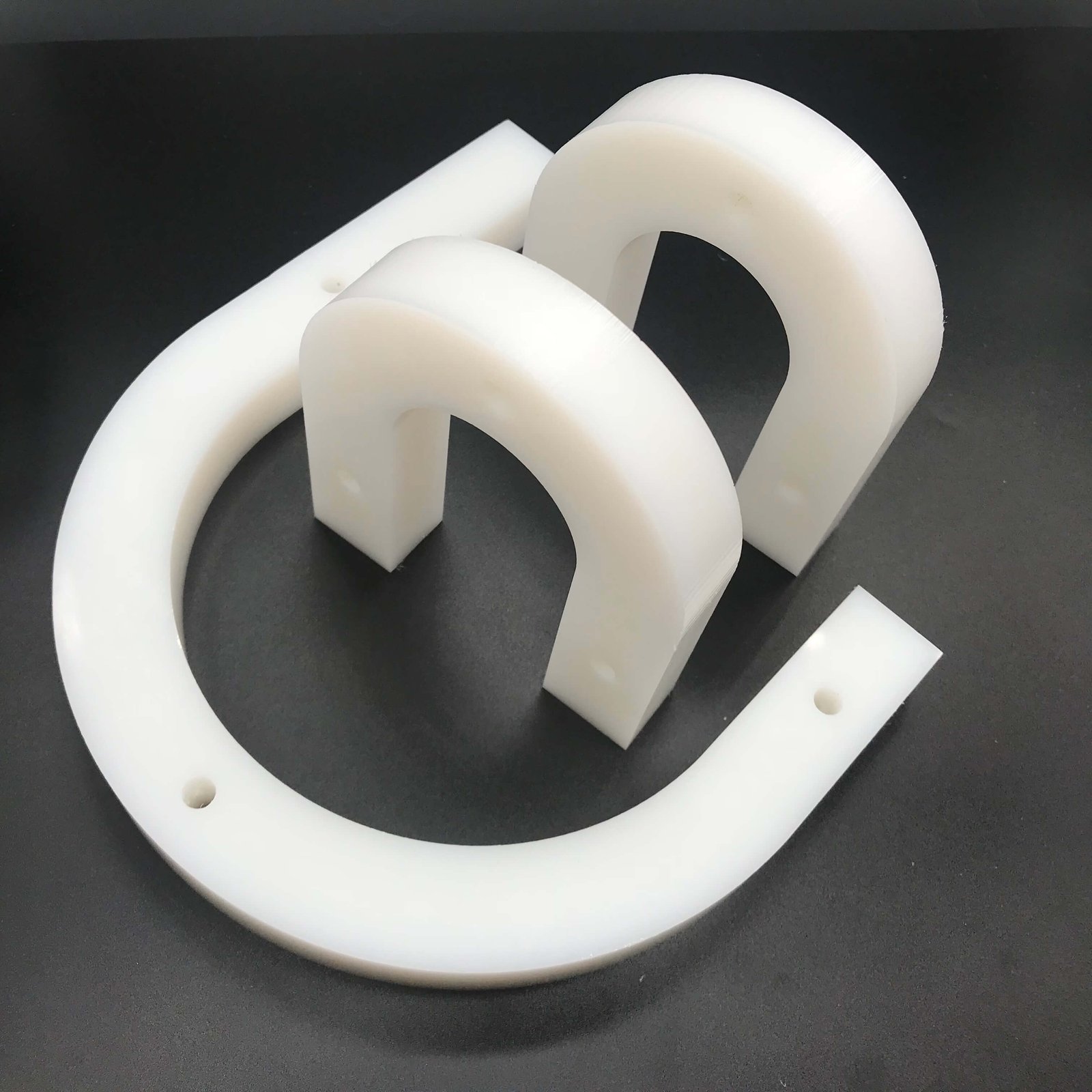
In the context of custom plastic fabrication, CNC Machining stands out for its ability to adapt to unique design specifications. This flexibility makes it an invaluable tool for industries requiring tailor-made components, such as aerospace, automotive, and particularly in medical devices where customization is often a necessity.

What is Injection Molding?

Injection Molding is a manufacturing process widely used in the mass production of plastic parts. Known for its efficiency and ability to produce large quantities of parts with consistent quality, injection molding has become a cornerstone in the plastic manufacturing industry.

The Process of Injection Molding

At its core, injection molding involves melting plastic pellets and injecting the molten plastic into a mold under high pressure. Once the plastic cools and solidifies, the mold opens to eject the finished part. This process can be repeated rapidly, making it ideal for high-volume production.

Key Components of Injection Molding

  1. The Injection Unit: This part of the machine melts and injects the plastic into the mold.
  2. The Clamping Unit: It holds the mold in place during the injection and cooling process.
  3. The Mold: Custom-designed for each project, the mold is a critical component that determines the shape and specifications of the final product.

Materials Used in Injection Molding

Injection molding is versatile in terms of the materials it can process. Commonly used plastics include ABS, Polyethylene, Polycarbonate, and many others, each offering different properties to suit various product requirements.

Customized CNC machining and injection molding of plastic materials

Advantages of Injection Molding

  1. Efficiency in Mass Production: Injection molding’s most significant advantage lies in its ability to produce large quantities of parts in a relatively short time, making it cost-effective for mass production.
  2. Consistency and Reproducibility: The precision of the molding process ensures that each part produced is virtually identical to the next, crucial in applications demanding uniformity.
  3. Complex Part Design: Modern injection molding techniques can produce complex parts, reducing the need for additional assembly and processing.

Limitations and Challenges

However, injection molding does have its limitations:

  1. High Initial Costs: The cost of creating molds, especially for complex parts, can be substantial.
  2. Design Restrictions: Although capable of producing complex designs, certain geometries can be challenging and costly to mold.
  3. Material Limitations: While versatile, not all materials are suitable for injection molding, sometimes limiting design choices.

Comparing CNC Machining and Injection Molding

When deciding on the best method for fabricating plastic parts, manufacturers often weigh the strengths and weaknesses of CNC Machining and Injection Molding. Both processes have their distinct advantages and are suited to different types of projects.

Efficiency and Volume

  • Injection Molding: Known for its high efficiency in mass production, injection molding is ideal for producing large volumes of identical parts. This process significantly reduces the cost per unit when manufacturing at scale.
  • CNC Machining: While CNC machining is less efficient for high-volume production, it excels in low-to-medium volume production runs. Its flexibility is unmatched when it comes to producing complex designs or parts requiring tight tolerances.

Precision and Customization

  • CNC Machining: This method stands out for its exceptional precision. CNC machines can produce intricately detailed parts with extremely tight tolerances. This precision is crucial for parts that require exact specifications.
  • Injection Molding: While it also offers precision, injection molding may be less suitable for parts with complex geometries or those requiring extremely tight tolerances. However, once the mold is created, it can produce parts with consistent accuracy.

Material Options

  • CNC Machining: Offers a broad range of material options, allowing for the use of various types of plastics and composites. This versatility is beneficial for projects requiring specific material properties.
  • Injection Molding: Also provides a wide range of material options but is typically limited to materials that flow easily when melted. The choice of material may impact the durability and finish of the final product.

Cost Implications

  • Injection Molding: While the initial setup and creation of molds can be costly, the per-unit cost in injection molding decreases significantly with larger production volumes. This makes it a cost-effective choice for large-scale manufacturing.
  • CNC Machining: Although there’s less upfront investment compared to injection molding, the per-unit cost remains relatively constant, regardless of the volume. This can make CNC machining more expensive for mass production but cost-effective for smaller runs or prototypes.
ABS injection molded parts

Turnaround Time

  • Injection Molding: Once the mold is created, injection molding can produce parts rapidly, which significantly reduces the turnaround time for large orders.
  • CNC Machining: It typically has a quicker setup time compared to injection molding, making it ideal for projects with tight deadlines, especially when dealing with small to medium production volumes.

Design Flexibility and Revisions

  • CNC Machining: Offers high design flexibility, allowing for easy modifications and revisions. This adaptability is vital for prototypes and parts undergoing iterative design processes.
  • Injection Molding: Design changes in injection molding require modifying or creating new molds, which can be time-consuming and costly. Hence, it is less flexible for design alterations once production has started.

Environmental Considerations

  • CNC Machining: Generates waste material during the machining process, which can be a concern from an environmental perspective. However, advancements in recycling and material reuse are helping mitigate this issue.
  • Injection Molding: While the process itself is relatively efficient with minimal waste, concerns arise regarding the environmental impact of producing and disposing of the molds, especially when they are made from non-recyclable materials.

Pros and Cons of CNC Machining and Injection Molding

In the realm of plastic part fabrication, both CNC Machining and Injection Molding offer unique advantages and face certain limitations. Understanding these can help in making informed decisions based on the specific requirements of a project.

Pros of CNC Machining

  1. High Precision: CNC machines are capable of extremely precise cuts, ideal for complex designs and tight tolerances.
  2. Material Versatility: They can work with a wide range of materials, offering flexibility in material selection.
  3. Customization: CNC machining excels in producing custom, one-off parts or prototypes quickly and efficiently.
CNC precision cutting of HDPE materials

Cons of CNC Machining

  1. Higher Cost for Large Volumes: It can be more expensive than injection molding for large production runs due to slower output.
  2. Material Waste: The subtractive nature of CNC machining can result in more material wastage compared to other methods.

Pros of Injection Molding

  1. Mass Production: Ideal for high-volume production runs, offering a lower per-unit cost for large quantities.
  2. Consistent Quality: Once the mold is perfected, injection molding can produce thousands to millions of parts with consistent quality.
  3. Efficiency: Injection molding machines can run 24/7 with minimal supervision once set up.

Cons of Injection Molding

  1. High Initial Costs: The cost of designing and producing molds can be significant, especially for complex parts.
  2. Less Flexibility: Once a mold is made, changing the design can be costly and time-consuming.

Limitations in Design Flexibility

  • Injection Molding: While efficient for producing large quantities of identical parts, it offers limited design flexibility. Any design changes require creating a new mold, which can be costly and time-consuming.
  • CNC Machining: In contrast, CNC machining provides greater design flexibility. Modifications can be easily made by adjusting the machine’s programming, making it ideal for prototypes and custom designs.

Environmental Impact

  • CNC Machining: The subtractive nature of CNC machining can result in significant material waste, though advancements in technology are helping to minimize this.
  • Injection Molding: It typically produces less waste since the excess plastic can often be recycled and reused. However, the energy consumption and the environmental impact of producing and disposing of the molds should be considered.

Turnaround Time

  • Injection Molding: It requires significant upfront time for mold design and production. However, once the mold is ready, parts can be produced quickly.
  • CNC Machining: Generally offers faster turnaround times for small to medium-sized production runs, as it doesn’t require the creation of molds.

Case Studies/Examples of CNC Machining and Injection Molding

Case Study 1: CNC Machining in Aerospace Component Manufacturing

Project Overview

In the highly specialized field of aerospace, precision and reliability are paramount. A leading aerospace company faced the challenge of manufacturing complex components for a new jet engine. They chose CNC Machining for this critical task due to its unparalleled precision and flexibility.

PEEK materials for aerospace applications

Implementation and Process

The project involved creating intricate parts with exact dimensions and tolerances that could only be achieved through advanced CNC techniques. The CNC machines were programmed to handle high-grade aerospace materials, ensuring strength and durability under extreme conditions.

Challenges Overcome

One of the primary challenges was maintaining absolute precision across all components, as even the slightest deviation could have significant consequences. The CNC Machining process allowed for real-time adjustments and quality control checks, ensuring each part met the stringent aerospace standards.

Successful Outcomes

The use of CNC Machining in this project led to the successful production of reliable, high-quality aerospace components. These parts played a crucial role in enhancing the performance and safety of the new jet engines, contributing to the overall success of the aerospace company’s project.

Implications for the Industry

This case study demonstrates CNC Machining’s vital role in aerospace manufacturing, where its accuracy, efficiency, and adaptability make it an indispensable tool. It highlights the technology’s potential in crafting components that meet the aerospace industry’s demanding requirements, paving the way for further innovations in aerospace technology.

Case Study 2: Injection Molding in Consumer Electronics

Project Overview

A prominent consumer electronics company embarked on a project to mass-produce components for a new line of smartphones. To meet the high demand and maintain consistency, they opted for Injection Molding.

Injection molding in the electronics industry

Implementation and Process

The focus was on producing durable, yet lightweight plastic parts for the smartphone casing. Injection Molding was selected for its ability to produce high volumes quickly. The company developed specialized molds to match the intricate design and aesthetic requirements of the smartphone.

Challenges and Solutions

Ensuring uniform quality across millions of units was a significant challenge. The company implemented rigorous quality control processes at each stage of the Injection Molding process to maintain consistency.

Successful Outcomes

The use of Injection Molding resulted in the efficient production of high-quality, uniform smartphone components. This process significantly reduced production costs while meeting the high-volume demand, contributing to the successful launch of the new smartphone series.

Industry Impact

This case study highlights Injection Molding’s role in consumer electronics, particularly in situations where scale, cost-efficiency, and product uniformity are critical. It demonstrates the process’s suitability for large-scale manufacturing projects in the electronics industry.

Case Study 3: Combining CNC Machining and Injection Molding in Medical Devices

Project Overview

A medical device manufacturer aimed to create a highly specialized surgical instrument. This project required the precise engineering of complex components and mass production of certain parts. They employed a novel approach by combining CNC Machining and Injection Molding.

Implementation and Process

CNC Machining was used for creating intricate parts requiring high precision and customization, such as the instrument’s complex mechanism. For larger quantities of uniform components, like casings and handles, Injection Molding was chosen for its efficiency and consistency.

Challenges and Innovative Solutions

One of the biggest challenges was ensuring seamless integration of parts made from both methods. The team meticulously designed the components to ensure compatibility and functionality when assembled.Design and manufacture of PEEK materials


Successful Outcomes

The combination of both manufacturing methods led to the successful production of the surgical instrument, meeting both the precision requirements and the need for mass production efficiently.

Implications for the Medical Device Industry

This case study illustrates the effective combination of CNC Machining and Injection Molding in medical device manufacturing. It highlights how leveraging the strengths of both methods can lead to innovative solutions in the medical field.

    As we have explored the intricate details of CNC Machining and Injection Molding, it becomes clear that each method holds its unique place in the realm of plastic fabrication. The choice between these two methods depends largely on the specific requirements of your project, including the volume of production, level of detail needed, material choices, and budget constraints.

    • CNC Machining stands out for its precision, flexibility, and suitability for custom, one-off projects or prototypes.
    • Injection Molding, on the other hand, excels in high-volume production, offering efficiency and cost-effectiveness for large runs.

    In making a decision between CNC Machining and Injection Molding, it is crucial to consider the long-term goals and specifics of the project at hand. Both methods have evolved significantly and continue to play pivotal roles in the manufacturing sector.

    Bulk injection molding processing of HDPE materials

    Take the Next Step in Plastic Fabrication

    Whether you are leaning towards CNC Machining for its unparalleled precision and customization or considering Injection Molding for its efficiency in high-volume production, the decision is crucial for the success of your project.

    • Seek Expert Advice: Unsure which method is best for your needs? Reach out to our team of experts for guidance tailored to your specific requirements in plastic fabrication.
    • Stay Informed: Keep up-to-date with the latest advancements in plastic manufacturing by subscribing to our newsletter.
    • Join the Community: Share your experiences, ask questions, and connect with other professionals in the field.

    Your Journey to Excellence in Plastic Fabrication Begins Here

      Leave a comment


      Please note, comments must be approved before they are published


      Custom Plastic Fabrication

      Send your drawing, material and quantity for review

      🔧
      Precision Machining
      CNC milling & turning
      ✂️
      Cutting & Engraving
      Laser & waterjet cutting
      🏭
      Forming & Molding
      Thermoforming & injection
      🔗
      Joining & Assembly
      Welding & bonding
      📐
      Design & Prototyping
      CAD design & samples

      General

      HDPE

      PP

      PVC

      ABS

      Engineering

      POM

      Nylon

      PC

      PMMA

      High-Performance

      PEEK

      PEI

      PTFE

      Composites

      FR-4

      G10

      Flexible

      TPU

      Silicone

      Why Choose BeePlastic?

      🎯
      Perfect Fit
      Custom specs eliminate adaptation needs
      ⚡
      Clear Lead Times
      Lead time confirmed with every quote
      💰
      Volume Pricing
      Volume pricing available on bulk orders
      🤝
      Expert Support
      Free engineering consultation included
      📋
      Submit
      →
      🔍
      Review
      →
      💵
      Quote
      →
      ✅
      Production
      →
      📦
      Deliver

      Request a Quote

      Share your project details, selected material and quantity on our quote page. You can add a file link or use the email drawing route shown there.


      Request Quote

      Industries: Automotive • Medical • Food • Lab • Semiconductor

      beeplastic@beeplastic.com


      The Advantages of ABS Plastic for Auto Manufacturing

      ABS bearing housing

      ABS (Acrylonitrile Butadiene Styrene) plastic has become a top choice for many automotive components and parts. This versatile thermoplastic polymer offers an excellent balance of properties that make it well-suited for use in vehicles. In this article, we’ll examine the benefits of ABS for auto manufacturing and why it has emerged as a leading material for car makers in the United States and worldwide.

      🎉 Limited Time Offer: Use code QR4GNY08SHVR at checkout and enjoy a special discount on your entire order!
      👉 Shop ABS Plastic Materials

      What is ABS Plastic?

      ABS injection molded parts for automotive industry

      ABS is a common thermoplastic polymer made from acrylonitrile, butadiene, and styrene. It was first produced commercially in the 1950s and today has a wide range of applications from Lego bricks to auto parts. ABS is lightweight, rugged, and economical, which helps explain its prevalence in many industries. For the automotive sector, it provides an optimal combination of strength, impact resistance, and heat tolerance.

      ABS is considered an engineering plastic due to its enhanced mechanical properties versus standard plastics. But it is still relatively inexpensive compared to specialty polymers. This combination of high performance and affordability is what makes ABS such a popular choice for vehicle components.

      Why Use ABS Plastic for Auto Parts?

      There are several key properties that make ABS ideal for many automotive applications:

      • Impact Resistance – ABS absorbs shocks and crashes well, making it perfect for bumpers, body panels, and interior trim parts. The butadiene rubber component gives ABS toughness and flexibility on impact. This ability to withstand accidents helps protect passengers and the rest of the vehicle.
      • Strength and Durability – In addition to withstanding impacts, ABS has high tensile strength and hardness for long-lasting components. It stands up well to chemicals and environmental conditions like temperature swings, road grime, and UV exposure. Parts keep their shape and structural integrity.
      • Lightweight – ABS is much lighter than metals like steel traditionally used in car bodies and frames. This helps to substantially cut weight and improve fuel efficiency and performance. Being up to 10% lighter than metal alternatives is a major advantage.
      • Heat Resistance – While not for engine parts, ABS can withstand temperatures up to 180°F, sufficient for under-hood components. This is a key reason ABS is popular for custom engine bay dress-up and covers.
      • Easy to Manufacture – ABS can be injection molded into complex shapes that would be difficult or impossible with other plastics or metals. This allows great flexibility in aesthetic designs. It also enables consolidation of multiple parts into single components.

      Durable Black ABS Plastic Board Cut to Size

      Black ABS Plastic Sheets (Cut-to-Size)

      High-impact strength and easy to machine. Ideal for automotive prototypes and parts. Available in 2mm to 30mm thicknesses.

      View Product

      ABS medical rubber puller parts

      ABS Plastic vs. Other Polymers for Auto Parts

      Compared to other plastics used in vehicle manufacturing, ABS offers some advantages:

      Comparison Factor ABS Plastic Performance
      Impact Strength Higher strength than Polypropylene (PP), making it better for bumpers and trim.
      Cost More economical than Nylon, Acetal, and Polycarbonate (which can cost 2-3x more).
      Temperature Resilience Not as brittle as Acrylic and Polystyrene in cold temperatures (crucial for cold climates).
      Weight Lighter than glass-filled nylon.

      For automakers, ABS hits a sweet spot between performance, cost, and manufacturability. It’s easy to see why it is prevalent.

      Specific Applications of ABS in Vehicles

      ABS bearing housing

      Some of the many uses of ABS plastic in cars and trucks include:

      • Dashboard and interior trim – ABS withstands daily wear and tear from drivers and passengers. Its finish has a pleasant feel and appearance. ABS remains a primary plastic for interior fittings.
      • Wheels and hubcaps – ABS is easily colored and provides a glossy, attractive surface. It resists curb damage and corrosion from road salt far better than steel wheels.
      • Bumpers – The impact strength of ABS makes it perfect for absorbing low speed crashes. Bumpers keep damage away from more fragile components like headlights.
      • Various under-hood parts – ABS resists temperatures and chemicals in the engine compartment better than other thermoplastics. Use it for custom covers and dress-up engine bay parts.
      • Body panels – New manufacturing techniques allow ABS plastic panels to replace metal ones. This increases styling flexibility and reduces weight. Expect greater use of ABS body components moving forward.

      ABS plastic has proven effective in both visible interior and functional under-hood applications thanks to its well-balanced properties.

      Manufacturing Process of ABS Parts

      The vast majority of ABS components in vehicles are injection molded. Some advantages of this process include:

      • Ability to mold complex and detailed shapes not possible with steel or other materials. This allows freedom of design.
      • Consistent quality and dimensional precision from mass production. Modern manufacturing ensures tight tolerances.
      • Automated manufacturing drives down per part costs. ABS is cheaper to produce than machining metal.
      • Minimal secondary finishing required compared to other processes. Parts come out ready for assembly.
      • Tooling costs are lower for ABS injection molding versus metal stamping. This makes ABS ideal for moderate production runs.

      Injection molding enables efficient, high-volume production of ABS parts to meet automakers’ demands. It’s the go-to manufacturing technique for quality ABS components.

      ABS wire wheel processing

      Need Custom ABS Parts?

      We specialize in CNC plastic machining and production. With no minimum order quantity, our professional engineering team delivers solutions that match your exact specs.

      Request a Free Quote
      Explore our CNC Services

      The Future of ABS in Automotive Design

      As cars continue evolving, especially with electrification, plastics like ABS will take on an even greater role. Some trends include:

      • Lightweighting – New fuel economy standards will drive increased use of plastics to replace metals. This can reduce vehicle weight by 10% or more. Lighter cars boost range and performance.
      • Customization – ABS lends itself to mass customization through innovative manufacturing techniques. Parts can be personalized for individual models.
      • Reinforced composites – Adding reinforcements like glass fiber to ABS creates hybrid materials with even greater mechanical properties. This improves capabilities.
      • 3D printing – Additive manufacturing opens new possibilities for low volume production of customized ABS parts. The aftermarket, in particular, can benefit from 3D printed ABS components.
      ABS material CNC kit processing

      ABS plastic still has much untapped potential for the next generation of ecologically-friendly automobiles. Expect its use to grow.

      ABS has cemented itself as a mainstay material for both interior and exterior auto parts thanks to its excellent balance of properties. It combines strength, dimensional stability, and impact resistance with lightweight, easy manufacturing, and cost-effectiveness. Ongoing materials research and advances in manufacturing techniques like 3D printing will open new doors for ABS applications in ground transportation. Both for OEM and aftermarket parts, expect ABS to remain a top choice plastic material among professional mechanics and automotive enthusiasts.

      Your Custom Plastic Partner

      If you are interested in using ABS plastic in your project or want to know more information, welcome to contact us (whether for questions or orders). We are a professional supplier and manufacturer of all kinds of plastic custom processing and production. With a professional team of engineers and precision equipment, we can provide you with customized plastic solutions that meet your specifications and budget.

      Do you need a free quote or help with any questions or materials?

      Our website: www.BeePlastic.com

      Quick Reference: Custom ABS plastic | Machining Services

      Leave a comment


      Please note, comments must be approved before they are published


      Custom Plastic Fabrication

      Send your drawing, material and quantity for review

      🔧
      Precision Machining
      CNC milling & turning
      ✂️
      Cutting & Engraving
      Laser & waterjet cutting
      🏭
      Forming & Molding
      Thermoforming & injection
      🔗
      Joining & Assembly
      Welding & bonding
      📐
      Design & Prototyping
      CAD design & samples

      General

      HDPE

      PP

      PVC

      ABS

      Engineering

      POM

      Nylon

      PC

      PMMA

      High-Performance

      PEEK

      PEI

      PTFE

      Composites

      FR-4

      G10

      Flexible

      TPU

      Silicone

      Why Choose BeePlastic?

      🎯
      Perfect Fit
      Custom specs eliminate adaptation needs
      ⚡
      Clear Lead Times
      Lead time confirmed with every quote
      💰
      Volume Pricing
      Volume pricing available on bulk orders
      🤝
      Expert Support
      Free engineering consultation included
      📋
      Submit
      →
      🔍
      Review
      →
      💵
      Quote
      →
      ✅
      Production
      →
      📦
      Deliver

      Request a Quote

      Share your project details, selected material and quantity on our quote page. You can add a file link or use the email drawing route shown there.


      Request Quote

      Industries: Automotive • Medical • Food • Lab • Semiconductor

      beeplastic@beeplastic.com


      POM vs Nylon: Case Studies on Performance in Consumer Products

      POM Gear

      When selecting materials for different components and parts in consumer products, engineers must balance factors like cost, durability, and manufacturing requirements. Two thermoplastics often considered are polyoxymethylene (POM) and nylon. While nylon has been a popular choice for years, POM offers some advantages that make it outperform nylon in certain applications. 

      🎉🎉🎉Limited Time Offer Use code: QR4GNY08SHVR at checkout and enjoy a special discount on your entire order! 👉 POM plastic

      POM and Nylon Plastic


      POM vs Nylon in Appliance Components

      In appliances that utilize water and get washed regularly, POM can be the better material option compared to nylon. One case study looked at food processor blades – those made of nylon tended to warp and degrade over time when exposed to hot water and dishwasher cleaning cycles. POM blades maintained their shape and performance after repeated washings.

      Another example is humidifier water tanks. The humidity and temperature fluctuations in these appliances contributed to cracking in nylon tanks. Switching to POM fully eliminated the cracking issue for one major manufacturer. The improved thermal and chemical resistance of POM made it outlast nylon.

      Black POM bearing


      POM vs Nylon in Power Tools

      Power tools like drills operate under high torque and temperatures, where POM also has advantages over nylon. One power tool company replaced nylon gears with POM, which reduced wear and friction while improving durability. This translated into tools that could handle more heavy-duty use before needing repair.

      POM bushings are another power tool component that see heavy wear. Milwaukee Tools switched from nylon bushings to POM bushings in their latest high-use models, increasing lifespan and reducing noise from friction. The POM parts handled heat generation and load impacts much better compared to nylon.

      POM Gear


      POM vs Nylon in Electronics

      Consumer electronics represent another application where POM has started replacing nylon. For example, Sony chosen POM for many components in their latest Playstation 5 controllers, citing both lower costs and easier coloring while retaining strength compared to nylon.

      POM’s superior electrical insulation properties also make it an alternative to nylon for connectors and other components that require insulation. POM maintains its dielectric properties across a wide temperature range, outperforming nylon.

      POM bushings


      When looking at these real-world examples, we see that POM can outperform nylon in certain high-impact consumer product applications. From food processor blades able to withstand hot water, to humidifier tanks not cracking under humidity, to power tool components lasting longer under high torque, POM demonstrates advantages. Its unique mechanical, chemical, and electrical properties allow it to outlast nylon when factors like heat, chemicals, torque, and humidity are present.

      While nylon has been popular for years, the case studies show POM’s superior performance under stress. Considering POM as an alternative can result in appliances, power tools, and electronics with improved lifespans. POM’s properties translate to consumer products that can handle real-world conditions and avoid failure. When performance matters, these examples make clear that POM can be a better material choice than nylon.

      POM humidifier tank


      If you are interested in using POM plastic or Nylon plastic in your project or want to know more information, welcome to harass us. We are a professional supplier and manufacturer of all kinds of plastic custom processing and production, with a professional team of engineers and precision equipment, we can provide you with customized plastic solutions that meet your specifications and budget. We are happy to serve you and help you fulfill your needs. Do you need a free quote or help with any questions or materials? 
      🎉🎉🎉Limited Time Offer Use code: QR4GNY08SHVR at checkout and enjoy a special discount on your entire order! 👉 POM plastic
      Our website: www.BeePlastic.com
      Click to contact: Custom POM plastic or Nylon plastic

      Leave a comment


      Please note, comments must be approved before they are published


      Custom Plastic Fabrication

      Send your drawing, material and quantity for review

      🔧
      Precision Machining
      CNC milling & turning
      ✂️
      Cutting & Engraving
      Laser & waterjet cutting
      🏭
      Forming & Molding
      Thermoforming & injection
      🔗
      Joining & Assembly
      Welding & bonding
      📐
      Design & Prototyping
      CAD design & samples

      General

      HDPE

      PP

      PVC

      ABS

      Engineering

      POM

      Nylon

      PC

      PMMA

      High-Performance

      PEEK

      PEI

      PTFE

      Composites

      FR-4

      G10

      Flexible

      TPU

      Silicone

      Why Choose BeePlastic?

      🎯
      Perfect Fit
      Custom specs eliminate adaptation needs
      ⚡
      Clear Lead Times
      Lead time confirmed with every quote
      💰
      Volume Pricing
      Volume pricing available on bulk orders
      🤝
      Expert Support
      Free engineering consultation included
      📋
      Submit
      →
      🔍
      Review
      →
      💵
      Quote
      →
      ✅
      Production
      →
      📦
      Deliver

      Request a Quote

      Share your project details, selected material and quantity on our quote page. You can add a file link or use the email drawing route shown there.


      Request Quote

      Industries: Automotive • Medical • Food • Lab • Semiconductor

      beeplastic@beeplastic.com


      Comparing POM vs. Nylon Applications Across Manufacturing Sectors

      POM pump housing

      Engineering thermoplastics like POM (acetal) and nylon play vital roles across industrial manufacturing sectors. With a balanced mix of mechanical, thermal, and chemical properties, cost-effectiveness, and production scalability, POM and nylon parts are ubiquitous. Understanding where each material excels guides appropriate selection for optimal performance.

      🎉🎉🎉Limited Time Offer Use code: QR4GNY08SHVR at checkout and enjoy a special discount on your entire order! 👉 POM plastic


      In automotive applications, POM’s dimensional stability, low friction, and heat resistance allow it to withstand demanding engine environments. POM timing gears maintain precision synchronization of valve and camshaft timing at elevated temperatures. Fuel system components like fuel rails and pump housings made of POM endure hydrocarbon fuels while providing vibration damping. Pedal assemblies and gear shift levers take advantage of POM’s low friction surface.

      Black POM gears

      Nylon excels in underhood parts needing heat and UV resistance like air intake manifolds and tubing. As wire and cable insulation, nylon jacketing resists abrasion, fuels, and oils. Inside vehicles, molded nylon interior parts offer sound dampening, abrasion resistance, and styling flexibility.

      nylon piping

      Across consumer products, POM and nylon continue complementing each other in appliances, electronics, sporting goods, textiles, and luggage. POM provides dimensional precision in gears, bearings, and pumps within washing machines, blenders, mixers, and vacuum cleaners. Nylon luggage and backpacks withstand travel abuse while remaining lightweight.

      POM pump housing

      Industrial machinery heavily leverages POM’s stiffness, hardness, and low-friction. Gears, rollers, latches, fasteners, and bushings made of POM endure continuous operation and heavy loads. Nylon contributes to less critical components like bolts, washers, and spacers that benefit from nylon’s noise dampening.

      POM’s FDA compliance makes it ideal throughout food processing machinery as bearings, rollers, slicer blades, and robot grippers. Nylon is avoided in food contact applications without additional regulatory approvals. Medical devices use machined POM parts for precision instruments and housings requiring chemical resistance. Nylon excels in single-use medical tubing and catheter lumens.

      Nylon Interior Buckle

      Aerospace applications take advantage of POM’s stability, electrical insulation, and flame resistance for uses like connectors, insulators, and structural components. Nylons serve interior panels and auxiliary parts needing a balance of strength, temperature resistance, and fire retardance.

      In summary, POM and nylon cover a wide range of engineering part requirements across industries. Matching application needs to material capabilities drives proper selection. Both thermoplastics will continue serving critical roles thanks to their complementary performance profiles.

      Nylon washers
      If you are interested in using POM plastic or Nylon plastic in your project or want to know more information, welcome to harass us. We are a professional supplier and manufacturer of all kinds of plastic custom processing and production, with a professional team of engineers and precision equipment, we can provide you with customized plastic solutions that meet your specifications and budget. We are happy to serve you and help you fulfill your needs. Do you need a free quote or help with any questions or materials? 
      🎉🎉🎉Limited Time Offer Use code: QR4GNY08SHVR at checkout and enjoy a special discount on your entire order! 👉 POM plastic
      Our website: www.BeePlastic.com
      Click to contact: Custom POM plastic or Nylon plastic

      Leave a comment


      Please note, comments must be approved before they are published


      Custom Plastic Fabrication

      Send your drawing, material and quantity for review

      🔧
      Precision Machining
      CNC milling & turning
      ✂️
      Cutting & Engraving
      Laser & waterjet cutting
      🏭
      Forming & Molding
      Thermoforming & injection
      🔗
      Joining & Assembly
      Welding & bonding
      📐
      Design & Prototyping
      CAD design & samples

      General

      HDPE

      PP

      PVC

      ABS

      Engineering

      POM

      Nylon

      PC

      PMMA

      High-Performance

      PEEK

      PEI

      PTFE

      Composites

      FR-4

      G10

      Flexible

      TPU

      Silicone

      Why Choose BeePlastic?

      🎯
      Perfect Fit
      Custom specs eliminate adaptation needs
      ⚡
      Clear Lead Times
      Lead time confirmed with every quote
      💰
      Volume Pricing
      Volume pricing available on bulk orders
      🤝
      Expert Support
      Free engineering consultation included
      📋
      Submit
      →
      🔍
      Review
      →
      💵
      Quote
      →
      ✅
      Production
      →
      📦
      Deliver

      Request a Quote

      Share your project details, selected material and quantity on our quote page. You can add a file link or use the email drawing route shown there.


      Request Quote

      Industries: Automotive • Medical • Food • Lab • Semiconductor

      beeplastic@beeplastic.com


      POM vs Nylon: How to Choose the Best Plastic Material for Your Application

      NYLON processing

      Plastics are ubiquitous in countless industrial and consumer products today. Two of the most common plastics used in manufacturing are POM (polyoxymethylene) and nylon. These plastic materials each offer distinct mechanical, thermal, chemical and economic characteristics. When selecting between POM or nylon for an application, it is crucial to understand their relative strengths and limitations. This article provides a detailed comparison of POM and nylon properties to help guide your material selection.

      🎉 Limited Time Offer 🎉

      Use code: QR4GNY08SHVR at checkout and enjoy a special discount on your entire order!

      👉 Shop POM Plastic Collection Now

      POM vs Nylon: Property Comparison

      POM vs Nylon Plastic Material Comparison

      Strength and durability are key considerations for most applications. In general, POM plastics exhibit very high tensile strength and rigidity. POM has impressive creep resistance and fatigue endurance compared to other thermoplastics like nylon. POM’s high modulus of elasticity results in excellent dimensional stability under load.

      In contrast, nylons boast high toughness and impact strength with good ductility and elasticity. While nylon has greater resilience against fracture, POM’s superior rigidity makes it better for load-bearing parts.

      Property POM (Acetal) Nylon (Polyamide)
      Strength & Rigidity High Stiffness, Low Creep High Toughness, Good Impact Strength
      Moisture Absorption Low (Stable dimensions) High (Absorbs moisture, can swell)
      Best For Precision gears, structural parts Wheels, rollers, wear pads

      Thermal and Chemical Resistance

      From a thermal perspective, POM maintains its excellent mechanical properties at elevated temperatures up to 175°C. It retains dimensional stability and strength when exposed to hot water or steam. Nylon has a much lower melting point around 220°C (for specific grades like PA6, though processing varies), limiting its use in high temperature environments compared to high-performance plastics.

      In chemically aggressive conditions, POM demonstrates broad chemical resistance, especially to acids. Nylon is particularly resistant to oils, greases, and other organic compounds.

      Plastic Standard Parts and Machining

      Surface Hardness and UV Stability

      When it comes to surface hardness, POM generally has a harder surface than nylon. The high degree of crystallinity in POM results in good surface wear properties and abrasion resistance. For nylon, additives are often used to improve surface hardness and wear resistance. Lastly, nylon has inherently better UV light stability over POM, an advantage in outdoor applications.

      Machining Differences: POM vs Nylon

      Nylon CNC Machining Process

      Ease of machining is another key factor in plastic selection. POM is notoriously easy to precisely machine into complex geometries with clean, crisp edges. Its high thermal conductivity prevents localized melting in machining. Tool wear is generally lower with POM, maximizing productivity.

      In contrast, nylon is more prone to smearing and melting due to its lower thermal conductivity. Nylon’s tendency to grab and stick to cutting tools accelerates tool wear.

      Custom POM Gear and Rods

      POM Sheets & Rods

      High stiffness and precision for machining.

      View POM Products

      Nylon Rods and Sheets

      Nylon (PA6) Materials

      Tough, durable, and impact resistant.

      View Nylon Products

      Durability and Application Examples

      From a durability standpoint, POM has very high fatigue strength allowing it to endure cyclic stress applications. The acetal polymer in POM resists creep and deformation better than nylon over prolonged use. For low friction sliding applications, nylon’s higher water absorption can lead to dimensional changes and poorer performance compared to POM.

      POM and Nylon Application Examples: The balance of properties make POM ideal for precision gears and other dynamic load components. POM’s high rigidity suits precise, low-backlash gearing applications. For food contact applications, POM complies with FDA regulations for repeated use.

      Nylon is not recommended for food contact. In automotive engines, nylon’s heat and UV resistance serve well in air intake manifolds and other under-hood components.

      Nylon Plastic Material Application

      Conclusion

      To conclude, understanding the nuanced differences in material characteristics between POM and nylon is imperative for selecting the optimal plastic. Matching the mechanical, thermal, chemical and economic requirements of the application with the inherent capabilities of the material will lead to a successful design. Always consult manufacturers’ data sheets and plastic selection resources when making a choice. We hope this comparison provides greater clarity when deciding between POM or nylon for your next project.

      Custom POM Gear Manufacturing

      Need Custom Plastic Solutions?

      If you are interested in using POM plastic or Nylon plastic in your project or want to know more information, welcome to contact us.

      We are a professional supplier and manufacturer of all kinds of plastic custom processing and production, with a professional team of engineers and precision equipment, we can provide you with customized plastic solutions that meet your specifications and budget.

      We are happy to serve you and help you fulfill your needs. Do you need a free quote or help with any questions or materials?

      Get a Free Quote Now

      Special Discount Reminder: Use code QR4GNY08SHVR at checkout.

      Leave a comment


      Please note, comments must be approved before they are published


      Custom Plastic Fabrication

      Send your drawing, material and quantity for review

      🔧
      Precision Machining
      CNC milling & turning
      ✂️
      Cutting & Engraving
      Laser & waterjet cutting
      🏭
      Forming & Molding
      Thermoforming & injection
      🔗
      Joining & Assembly
      Welding & bonding
      📐
      Design & Prototyping
      CAD design & samples

      General

      HDPE

      PP

      PVC

      ABS

      Engineering

      POM

      Nylon

      PC

      PMMA

      High-Performance

      PEEK

      PEI

      PTFE

      Composites

      FR-4

      G10

      Flexible

      TPU

      Silicone

      Why Choose BeePlastic?

      🎯
      Perfect Fit
      Custom specs eliminate adaptation needs
      ⚡
      Clear Lead Times
      Lead time confirmed with every quote
      💰
      Volume Pricing
      Volume pricing available on bulk orders
      🤝
      Expert Support
      Free engineering consultation included
      📋
      Submit
      →
      🔍
      Review
      →
      💵
      Quote
      →
      ✅
      Production
      →
      📦
      Deliver

      Request a Quote

      Share your project details, selected material and quantity on our quote page. You can add a file link or use the email drawing route shown there.


      Request Quote

      Industries: Automotive • Medical • Food • Lab • Semiconductor

      beeplastic@beeplastic.com