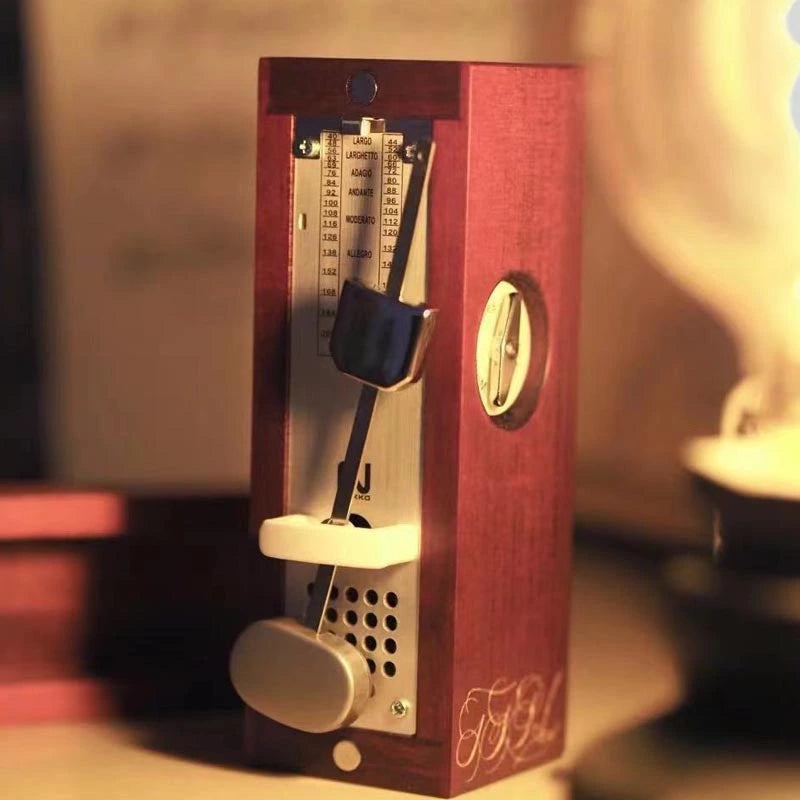
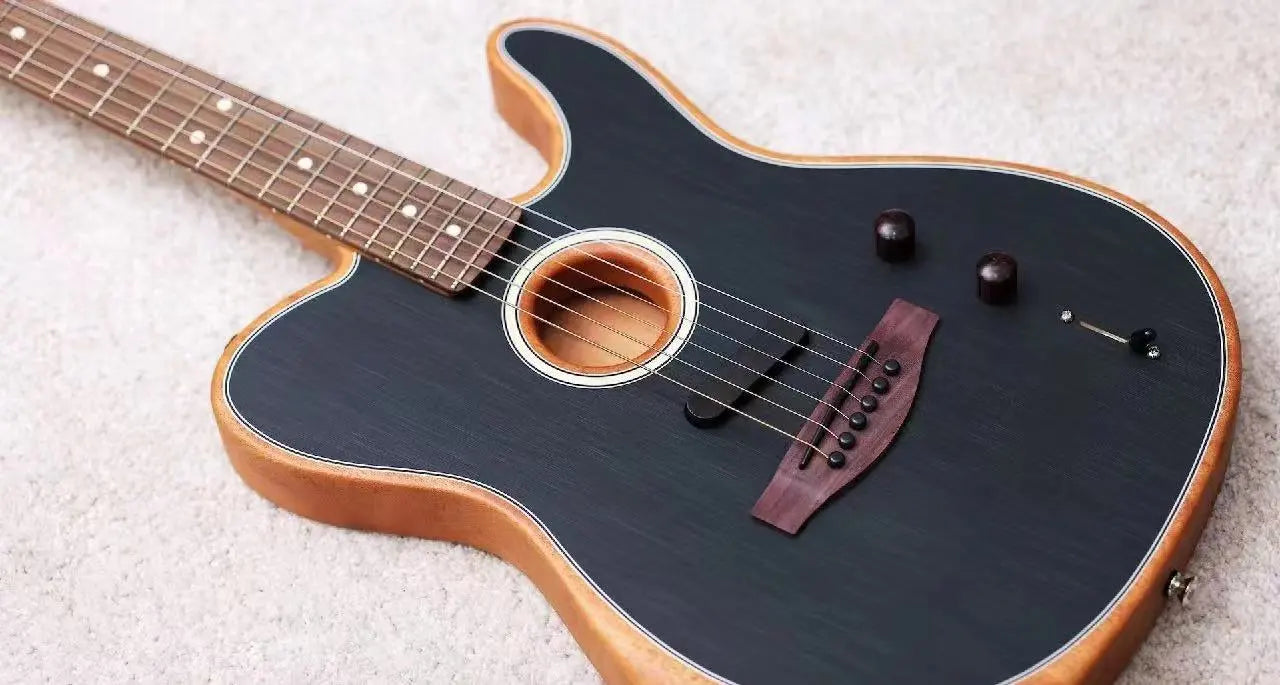
Discover how Bakelite has transformed the world of musical instruments with its unique properties and applications. In this comprehensive guide, you’ll delve into the history of Bakelite and its pivotal role in musical instrument manufacturing. Learn about the benefits of Bakelite, including its durability, heat resistance, and electrical insulation properties, making it an ideal material for various instrument components.
🎉🎉🎉Limited Time Offer Use code: QR4GNY08SHVR at checkout and enjoy a special discount on your entire order! 👉 Bakelite plastic
Explore the different types of Bakelite components used in instruments, such as Bakelite pickguards, fingerboards, and knobs. A detailed case study on Bakelite’s use in electric guitars highlights how this material enhances performance and longevity.
Compare Bakelite with other materials like celluloid and modern plastics to understand its unique advantages. Get practical tips on maintenance and care for Bakelite components to ensure they remain in top condition. Finally, stay ahead of the curve by exploring innovations and future trends in Bakelite usage within the musical instrument industry.
Join me on this journey to appreciate how Bakelite continues to craft excellence in the realm of musical instruments, offering a blend of history, practical insights, and forward-looking innovations.
The History of Bakelite in Musical Instruments
The Origin of Bakelite
Bakelite, the first synthetic plastic, was invented by Leo Baekeland in 1907. This innovative material, known as phenol-formaldehyde resin, was created through a condensation reaction of phenol with formaldehyde. Baekeland’s invention was revolutionary, offering a durable, heat-resistant, and non-conductive material that quickly found applications across various industries.
Early Adoption in Musical Instruments
Bakelite’s Unique Properties
Bakelite’s introduction to the musical instrument industry came as manufacturers sought out materials that could provide both durability and unique aesthetic qualities. The material’s ability to withstand high temperatures and resist electrical conductivity made it an ideal choice for many components of musical instruments. Unlike traditional materials, Bakelite did not warp or degrade easily, which was crucial for maintaining the quality and longevity of musical instruments.
Bakelite in Guitars
One of the earliest and most notable uses of Bakelite in musical instruments was in the construction of guitars. Manufacturers like Rickenbacker began using Bakelite for guitar bodies and components, leveraging its strength and smooth finish. Bakelite guitar pickguards, for example, became popular due to their ability to withstand the rigors of frequent playing and their resistance to scratches and wear.
Expansion to Other Instruments
Wind Instruments
Bakelite’s application wasn’t limited to string instruments. It also found its way into wind instruments. Clarinets and saxophones, for instance, started incorporating Bakelite parts. The material’s stability and resistance to moisture were particularly beneficial for these instruments, which are exposed to varying humidity levels that can affect traditional materials like wood.
Percussion Instruments
In the realm of percussion instruments, Bakelite was used for drum shells and other components. Its acoustic properties helped in producing a clear, resonant sound, while its durability ensured that the instruments could endure the physical demands of regular use.
Bakelite’s Legacy in Music
The use of Bakelite in musical instruments marked a significant advancement in the industry. It allowed for the creation of instruments that were not only more durable but also more affordable to produce. This democratization of musical instruments helped to broaden access to music-making, contributing to the development of music culture throughout the 20th century.
Conclusion
Bakelite’s impact on the musical instrument industry is a testament to its versatility and durability. From guitars to wind and percussion instruments, Bakelite revolutionized the way these instruments were made, providing musicians with reliable and high-quality tools to create their art. The legacy of Bakelite continues to be felt today, as collectors and musicians alike appreciate the historical significance and enduring quality of Bakelite-made instruments.
Benefits of Bakelite in Musical Instrument Manufacturing
Durability of Bakelite
One of the primary advantages of Bakelite in musical instrument manufacturing is its exceptional durability. Bakelite is a thermosetting plastic, meaning it does not melt or deform under heat once it has been set. This property makes Bakelite highly resistant to physical wear and tear, which is crucial for instruments subjected to frequent use and transport. For example, Bakelite guitar pickguards and knobs can endure the rigors of daily play without losing their structural integrity or aesthetic appeal.
Heat Resistance
Heat resistance is another significant benefit of Bakelite. Musical instruments, especially those used in live performances or outdoor settings, can be exposed to varying temperatures. Bakelite can withstand high temperatures without degrading, ensuring that the instrument remains reliable and functional under different conditions. This heat resistance is particularly valuable for components like Bakelite fingerboards and wind instrument parts, which need to maintain their shape and functionality even when exposed to body heat or warm environments.
Electrical Insulation
Bakelite’s excellent electrical insulation properties make it an ideal material for electronic musical instruments. Instruments such as electric guitars and amplifiers require components that can safely conduct electricity without the risk of short circuits or electrical interference. Bakelite provides reliable insulation, making it a preferred choice for parts like switches, sockets, and housing in electronic instruments. This insulation property not only enhances the safety of the instrument but also contributes to its overall performance and longevity.
Aesthetic Appeal
Beyond its functional advantages, Bakelite also offers unique aesthetic qualities. Its ability to be molded into various shapes and colors allows instrument makers to create visually appealing components that enhance the overall design of the instrument. Black Bakelite sheets and Bakelite laminated sheets can be polished to a high gloss, giving instruments a vintage yet sophisticated look. This aesthetic versatility has made Bakelite a popular choice for high-end musical instruments and custom designs.
Moisture Resistance
Moisture resistance is another critical benefit of Bakelite, especially for wind instruments. Instruments like clarinets and saxophones are exposed to moisture from breath, which can damage materials like wood over time. Bakelite’s resistance to moisture ensures that these instruments remain unaffected by prolonged exposure to humidity, maintaining their sound quality and structural integrity.
Versatility in Manufacturing
Bakelite’s versatility in manufacturing is evident in its application across various components of musical instruments. From Bakelite pickguards and knobs to instrument bodies and hardware, Bakelite can be used to produce a wide range of parts with consistent quality. This versatility allows manufacturers to create instruments that are both durable and aesthetically pleasing, catering to the diverse needs of musicians and collectors alike.
Historical Significance
Lastly, the historical significance of Bakelite adds to its appeal in musical instrument manufacturing. As one of the first synthetic plastics, Bakelite represents a pivotal moment in material science. Instruments made with Bakelite not only benefit from its physical properties but also carry a sense of history and innovation. This historical value makes Bakelite instruments sought after by collectors and enthusiasts, further cementing its place in the world of music.
Types of Bakelite Components in Musical Instruments
Bakelite Pickguards
Bakelite pickguards are a common component in many guitars, particularly in vintage and high-end models. The durability and scratch resistance of Bakelite make it an excellent material for protecting the guitar’s body from damage caused by picks during play. Additionally, the aesthetic appeal of Bakelite, which can be polished to a high gloss, adds a classic look to the instrument. The ability to mold Bakelite into various shapes and colors allows for custom designs that enhance the visual appeal of the guitar.
Bakelite Fingerboards
Bakelite fingerboards are another significant use of this material in musical instruments. Fingerboards made from Bakelite benefit from the material’s heat resistance and stability, which ensures they remain straight and true even with frequent use and changes in temperature. This stability is crucial for maintaining the instrument’s intonation and playability. Furthermore, Bakelite’s smooth surface provides a comfortable playing experience, reducing friction for the fingers and allowing for faster playing.
Bakelite Knobs
Bakelite knobs are used in various musical instruments, including electric guitars and amplifiers. The electrical insulation properties of Bakelite make it ideal for knobs that need to control electronic components safely. Bakelite knobs are also known for their durability and ability to maintain their shape and finish over time, even with constant handling. This durability ensures that the knobs continue to function smoothly and look good, enhancing the overall user experience of the instrument.
Bakelite Bridges
Bakelite bridges are utilized in some string instruments, including guitars and ukuleles. The strength and resonance of Bakelite contribute to a stable and consistent transfer of string vibrations to the body of the instrument, which is crucial for producing a clear and vibrant sound. The heat resistance of Bakelite also ensures that the bridge does not warp or degrade over time, maintaining the instrument’s tonal quality and structural integrity.
Bakelite Tuning Pegs
Bakelite tuning pegs are found in various string instruments, providing a reliable and durable mechanism for tuning strings. The moisture resistance of Bakelite ensures that the tuning pegs do not swell or contract with changes in humidity, which can affect the tuning stability of the instrument. Additionally, the smooth surface of Bakelite allows for precise and easy adjustments, making it easier for musicians to keep their instruments in tune.
Bakelite Mouthpieces
Bakelite mouthpieces are used in wind instruments such as clarinets and saxophones. The non-porous nature of Bakelite makes it resistant to moisture and bacteria, which is essential for hygiene and maintenance. The durability of Bakelite ensures that the mouthpiece can withstand the pressures and moisture levels associated with playing wind instruments without degrading or losing its shape.
Bakelite Buttons and Switches
Bakelite buttons and switches are commonly used in electronic musical instruments and amplifiers. The excellent electrical insulation properties of Bakelite make it a safe choice for these components, reducing the risk of electrical faults. The durability of Bakelite ensures that these buttons and switches can endure frequent use without wearing out, providing reliable performance over the lifespan of the instrument.
Case Study: Bakelite in Electric Guitars
Introduction to Bakelite in Electric Guitars
The use of Bakelite in electric guitars represents a fascinating intersection of material science and musical innovation. Notably, Rickenbacker guitars incorporated Bakelite extensively in their early electric guitar models. This case study explores how Bakelite contributed to the performance, durability, and overall appeal of these iconic instruments.
Rickenbacker’s Innovation with Bakelite
Early Adoption
Rickenbacker, founded in the 1930s, was one of the first companies to embrace Bakelite for its electric guitars. The Rickenbacker “Frying Pan” (also known as the Model A-22), introduced in 1931, was the world’s first commercially successful electric guitar. This instrument featured a Bakelite body and neck, a pioneering choice at the time.
Durability and Structural Integrity
The use of Bakelite in the Frying Pan provided exceptional durability and structural integrity. Unlike wood, Bakelite did not warp or crack over time, ensuring that the guitar maintained its shape and functionality even under varying environmental conditions. This robustness was particularly beneficial for musicians who traveled frequently or performed in diverse settings.
Performance Enhancements
Sound Quality
Bakelite contributed significantly to the sound quality of early Rickenbacker guitars. The material’s density and rigidity helped produce a clear and sustained tone. The electric pickups embedded in Bakelite bodies also benefitted from the material’s insulating properties, reducing electrical noise and interference. This combination allowed for a purer, more consistent sound.
Aesthetic Appeal
The aesthetic appeal of Bakelite was another advantage. Bakelite could be molded into smooth, sleek shapes and polished to a high gloss, giving Rickenbacker guitars a distinctive and attractive look. The material was available in various colors, though black Bakelite was the most common, adding to the instrument’s classic and professional appearance.
Iconic Models and Their Legacy
The Rickenbacker “Frying Pan”
The Rickenbacker “Frying Pan” remains a celebrated model in the history of electric guitars. Its Bakelite construction set a precedent for future innovations and demonstrated the potential of synthetic materials in musical instrument manufacturing. Collectors and enthusiasts still seek out these vintage instruments for their historical significance and unique sound.
Other Bakelite Models
Following the success of the Frying Pan, Rickenbacker continued to experiment with Bakelite in other models, such as the Electro Spanish series. These guitars featured Bakelite bodies and components, further cementing the material’s reputation for durability and performance.
Influence on Modern Guitar Manufacturing
The early success of Bakelite in electric guitars influenced the development of other synthetic materials in guitar manufacturing. While Bakelite is no longer commonly used, its legacy lives on in the exploration of new materials that offer similar benefits of durability, stability, and unique sound qualities.
Conclusion
The use of Bakelite in Rickenbacker electric guitars showcases the material’s significant impact on musical instrument manufacturing. By providing unparalleled durability, enhancing sound quality, and offering unique aesthetic options, Bakelite helped shape the future of electric guitars and left a lasting legacy in the world of music.
Comparing Bakelite with Other Materials
Bakelite vs. Celluloid
Composition and Properties
Bakelite and celluloid are two early forms of synthetic plastics, but they differ significantly in composition and properties. Bakelite is a thermosetting plastic made from phenol-formaldehyde resin. Once set, it cannot be melted and reshaped, which gives it exceptional heat resistance and durability. On the other hand, celluloid is made from nitrocellulose and camphor, making it highly flammable and less stable over time.
Bakelite is known for its excellent electrical insulation properties, making it ideal for use in electrical components of musical instruments, such as pickups and switches in electric guitars. Celluloid, however, is prized for its aesthetic qualities. It can mimic natural materials like ivory and tortoiseshell, which has made it popular for decorative parts of instruments, such as guitar picks and pickguards.
Advantages of Bakelite
Bakelite’s key advantages in musical instrument manufacturing include:
-
Durability: Bakelite components, like fingerboards and knobs, resist wear and tear better than celluloid, maintaining their structural integrity over time.
-
Heat Resistance: Bakelite can withstand high temperatures without deforming, making it suitable for components that endure significant heat, such as electric guitar pickups.
-
Electrical Insulation: Its superior insulating properties make Bakelite a safer choice for electronic components, reducing the risk of electrical faults.
Bakelite vs. Modern Plastics
Advancements in Material Science
While Bakelite was a pioneering material in the early 20th century, modern plastics have since emerged with advanced properties that sometimes surpass those of Bakelite. Modern plastics like ABS, polycarbonate, and acrylic are now commonly used in musical instruments for their specific benefits.
Comparison of Properties
-
ABS Plastic: Known for its impact resistance and strength, ABS is often used for durable, lightweight components. However, it lacks the heat resistance and electrical insulation properties of Bakelite.
-
Polycarbonate: This material offers high impact resistance and clarity, making it ideal for transparent components like drum shells. It is more flexible than Bakelite but not as heat-resistant.
-
Acrylic: Popular for its transparency and glossy finish, acrylic is used in parts where visual appeal is important. While it shares Bakelite’s durability, it does not provide the same level of heat resistance.
Unique Qualities of Bakelite
Despite the advancements in modern plastics, Bakelite remains a preferred choice for certain applications due to its unique qualities:
-
Historical Significance: Instruments made with Bakelite have a vintage appeal that modern materials cannot replicate. Collectors and enthusiasts value the historical authenticity of Bakelite components.
-
Aesthetic and Acoustic Properties: Bakelite’s density and rigidity contribute to a distinctive sound quality, particularly in vintage electric guitars like those made by Rickenbacker.
-
Unmatched Heat Resistance: For components that require stability under high temperatures, such as pickups and amplifier housings, Bakelite is still unmatched by many modern materials.
Applications in Different Instruments
Bakelite has been used in various musical instruments due to its versatility and unique properties:
-
Electric Guitars: Used for pickguards, knobs, and pickups, providing durability and electrical insulation.
-
Wind Instruments: Employed in mouthpieces and keys for its moisture resistance and stability.
-
Percussion Instruments: Applied in drum shells and hardware for its strength and acoustic properties.
Maintenance and Care for Bakelite Musical Instruments
Importance of Proper Maintenance
Proper maintenance and care of Bakelite components in musical instruments are essential to ensure their longevity and preserve their aesthetic qualities. Bakelite is known for its durability and heat resistance, but it still requires regular maintenance to keep it in the best condition.
Cleaning Bakelite Components
Regular Dusting and Wiping
Regularly dusting and wiping Bakelite components helps prevent the buildup of dirt and grime. Use a soft, dry cloth or a microfiber cloth to gently remove dust. For more thorough cleaning, slightly dampen the cloth with water, but avoid using too much moisture as it can affect the material.
Avoiding Harsh Chemicals
When cleaning Bakelite, it is crucial to avoid harsh chemicals and abrasive cleaners. Mild soap and water are sufficient for most cleaning needs. Mix a small amount of mild soap with water and use a soft cloth to gently clean the surface. Make sure to dry the Bakelite thoroughly with a clean, dry cloth to prevent water spots and damage.
Storing Bakelite Instruments
Ideal Storage Conditions
Store Bakelite instruments in a cool, dry place away from direct sunlight and extreme temperatures. Sunlight can cause the Bakelite to fade, and extreme temperatures can lead to warping or cracking. A temperature-controlled environment is ideal for maintaining the integrity of Bakelite components.
Protective Cases
Using protective cases for Bakelite instruments, such as guitar cases or instrument covers, can help shield them from dust, moisture, and physical damage. Ensure that the case is well-padded and fits the instrument snugly to prevent movement and potential damage during storage or transport.
Handling Bakelite Instruments
Gentle Handling
Always handle Bakelite instruments with care. Avoid dropping or banging the instrument, as Bakelite, while durable, can still chip or crack under impact. When moving the instrument, hold it securely and avoid placing undue stress on Bakelite components.
Regular Inspections
Regularly inspect Bakelite components for any signs of wear or damage. Look for cracks, chips, or discoloration that may indicate the need for repair or further maintenance. Early detection of issues can prevent more significant problems down the line.
Polishing Bakelite
Restoring Shine
Over time, Bakelite can lose its shine and develop a dull appearance. To restore its luster, you can use a specialized Bakelite polish or a non-abrasive metal polish. Apply the polish with a soft cloth in gentle, circular motions. Buff the surface to bring back the shine, but avoid over-polishing as it can wear down the material.
Protecting the Surface
After polishing, consider applying a protective wax or a silicone-based spray to seal the surface and protect it from future damage. This added layer of protection can help maintain the polished look and prevent scratches and grime buildup.
Avoiding Common Mistakes
Exposure to Heat and Moisture
Avoid exposing Bakelite components to excessive heat or moisture. These elements can weaken the material and cause damage. Keep Bakelite instruments away from radiators, humidifiers, and areas with high humidity.
Use of Abrasive Materials
Do not use abrasive materials like steel wool or rough sponges on Bakelite. These can scratch the surface and remove the polished finish. Always opt for soft, non-abrasive cleaning tools to preserve the integrity of the Bakelite.
By following these maintenance and care tips, you can ensure that your Bakelite musical instruments remain in excellent condition, retaining their functionality and visual appeal for years to come. If you need more detailed information or specific product recommendations for cleaning and polishing Bakelite, feel free to reach out!
Innovations and Future Trends
Recent Innovations in Bakelite Usage
Advanced Manufacturing Techniques
Recent advancements in manufacturing techniques have significantly enhanced the application of Bakelite in the musical instrument industry. Modern injection molding and precision machining technologies allow for more intricate and consistent Bakelite components. These methods enable manufacturers to produce complex shapes and detailed designs that were previously difficult to achieve with Bakelite. This precision has opened up new possibilities for customizing instrument parts, such as pickguards and knobs, to meet specific aesthetic and functional requirements.
Enhanced Material Properties
Innovations in material science have also led to the development of enhanced Bakelite formulations. These new formulations improve the mechanical properties of Bakelite, such as impact resistance and flexural strength, making it even more durable and suitable for high-stress applications. Additionally, advancements in chemical engineering have produced Bakelite variants with better UV resistance and color stability, ensuring that Bakelite components retain their appearance and functionality over longer periods.
Modern Applications in Musical Instruments
Custom Instrument Components
With the improved versatility of Bakelite, manufacturers are now able to create custom instrument components that cater to the specific needs of musicians. Bakelite bridges, tuning pegs, and fingerboards can be tailored to enhance the playability and sound quality of instruments. This customization extends to aesthetic elements, allowing for unique color combinations and finishes that were not possible before.
Integration with Electronic Components
Bakelite’s excellent electrical insulation properties continue to be a significant advantage in modern musical instruments, especially in the integration of electronic components. Innovations in embedded electronics have allowed for the development of Bakelite parts that house sensitive electronic circuits, providing protection and reducing electrical interference. This integration is particularly beneficial in electric guitars and amplifiers, where maintaining signal clarity is crucial.
Future Trends in Bakelite Applications
Sustainable Manufacturing Practices
As the demand for environmentally friendly materials grows, the future of Bakelite in the musical instrument industry will likely focus on sustainable manufacturing practices. Researchers are exploring ways to produce Bakelite using bio-based phenolic resins, which reduce the reliance on petrochemicals and lower the environmental impact. This shift towards sustainability could make Bakelite an even more attractive option for eco-conscious manufacturers and consumers.
Hybrid Materials
The future may also see the development of hybrid materials that combine Bakelite with other advanced polymers or natural fibers. These hybrid materials could offer enhanced properties, such as increased flexibility, lighter weight, and improved acoustic performance. For example, a combination of Bakelite and carbon fiber could result in a material that retains Bakelite’s durability and heat resistance while being lighter and more resonant, ideal for high-performance musical instruments.
New Aesthetic Possibilities
Innovative Finishes and Textures
Future innovations may also bring new aesthetic possibilities for Bakelite components. Advances in surface treatment technologies, such as nano-coatings and laser engraving, can create unique finishes and textures on Bakelite surfaces. These treatments can add visual interest and tactile quality to instrument components, appealing to musicians who value both function and style.
Potential for Smart Instruments
Incorporation of Smart Technologies
Looking ahead, there is potential for smart technologies to be incorporated into Bakelite components. Embedded sensors and wireless connectivity can transform Bakelite parts into interactive elements of musical instruments. For instance, Bakelite pickguards with touch-sensitive controls or tuning pegs that automatically adjust to the correct pitch could revolutionize the way musicians interact with their instruments.
Common Questions About Bakelite in Musical Instruments and BeePlastics Customization
Bakelite in Musical Instruments
1. What are the benefits of using Bakelite in musical instruments?
Bakelite offers several benefits in musical instruments, including durability, heat resistance, and excellent electrical insulation properties. These characteristics make Bakelite ideal for components like pickguards, fingerboards, and knobs. It also provides a unique vintage aesthetic that is highly valued in certain instrument designs.
2. How does Bakelite contribute to the sound quality of electric guitars?
Bakelite’s density and rigidity help produce a clear and sustained tone. Its excellent electrical insulation properties reduce electrical noise and interference, enhancing the overall sound quality of electric guitars.
3. Are there specific models of electric guitars that use Bakelite?
Yes, notable examples include Rickenbacker guitars, such as the Rickenbacker “Frying Pan”. These models utilized Bakelite for their bodies and necks, contributing to their distinctive sound and durability.
4. How should I clean and maintain Bakelite components in my musical instruments?
Use a soft, dry cloth or a microfiber cloth for regular dusting. For thorough cleaning, use mild soap and water, but avoid harsh chemicals and excessive moisture. Store Bakelite instruments in a cool, dry place away from direct sunlight and extreme temperatures.
5. What makes Bakelite a preferred material over other plastics in musical instruments?
Bakelite is preferred for its heat resistance, durability, and historical significance. Unlike other plastics, Bakelite does not melt or deform under heat, making it ideal for high-stress applications in musical instruments.
BeePlastics Customization
6. Can BeePlastics undertake any type of customization?
Yes, BeePlastics can undertake any type of customization, including sample customization and batch customization. Whether you need a unique design for a single prototype or a large batch for mass production, BeePlastics can accommodate your needs.
7. What file formats does BeePlastics accept for custom designs?
BeePlastics accepts a variety of file formats, including PDF and CAD. This flexibility allows you to submit your designs in the format that works best for you, ensuring precise and accurate customization.
8. Is there a minimum order quantity (MOQ) for custom orders at BeePlastics?
No, there is no minimum order quantity (MOQ) for custom orders at BeePlastics. This means you can order exactly the number of items you need, whether it’s a single prototype or a large production run.
9. How does BeePlastics manage the production cycle for custom orders?
The production cycle at BeePlastics is carried out according to the amount of orders and the complexity of the process. BeePlastics communicates the production progress in real time, ensuring you are always updated on the status of your order.
10. Does BeePlastics provide samples for custom orders, and what are the costs involved?
Yes, BeePlastics supports the provision of samples. The samples are provided free of charge, but the customer is responsible for the shipping costs. This allows you to evaluate the quality and suitability of the custom products before committing to a larger order.
Additional Questions
11. How can I ensure the longevity of Bakelite components in my instruments?
To ensure longevity, store Bakelite components in a controlled environment, clean them regularly with mild soap and water, and avoid exposure to direct sunlight and extreme temperatures. Using protective cases can also help preserve the components.
12. Are there modern alternatives to Bakelite for musical instruments?
Yes, modern alternatives to Bakelite include ABS, polycarbonate, and acrylic. These materials offer different benefits, such as higher impact resistance and flexibility, but may not provide the same level of heat resistance and electrical insulation as Bakelite.
By addressing these common questions, you can provide valuable information to your readers and potential customers, helping them understand the benefits and options available for Bakelite in musical instruments and customizations at BeePlastics. If you need further details or additional questions, feel free to let me know!
Get Your Custom Bakelite Solutions Today!
Don’t wait to experience the superior quality of Bakelite products. Whether you need custom samples or batch orders, BeePlastics is here to help. Jump to our Bakelite plate page for more details or fill out the contact form at the bottom of the page to get started on your custom order.
🎉🎉🎉Limited Time Offer Use code: QR4GNY08SHVR at checkout and enjoy a special discount on your entire order! 👉 Bakelite plastic