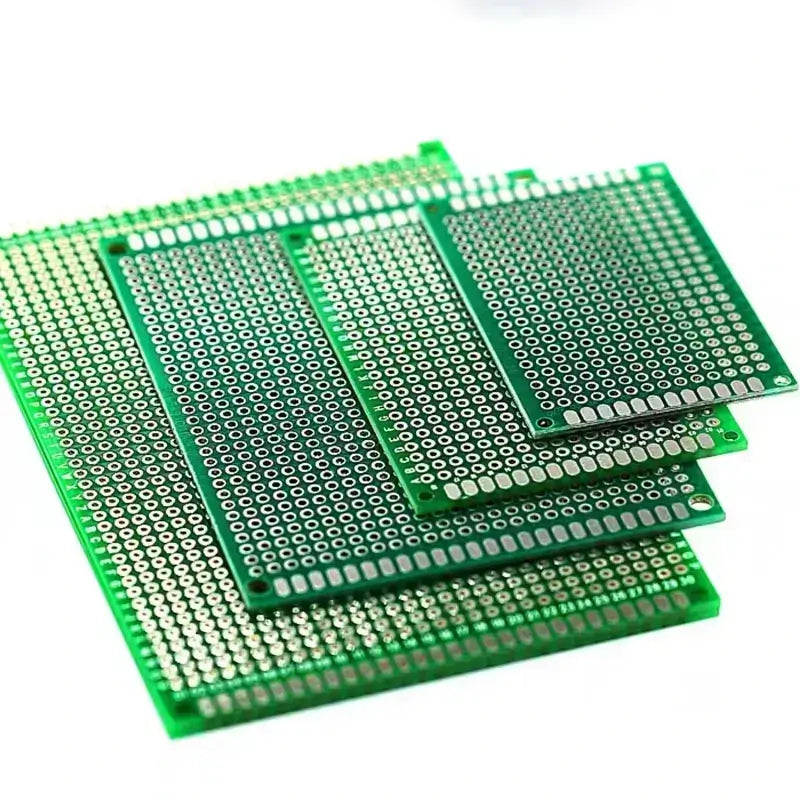
FR-4 vs G10: Properties, Machining & How to Choose

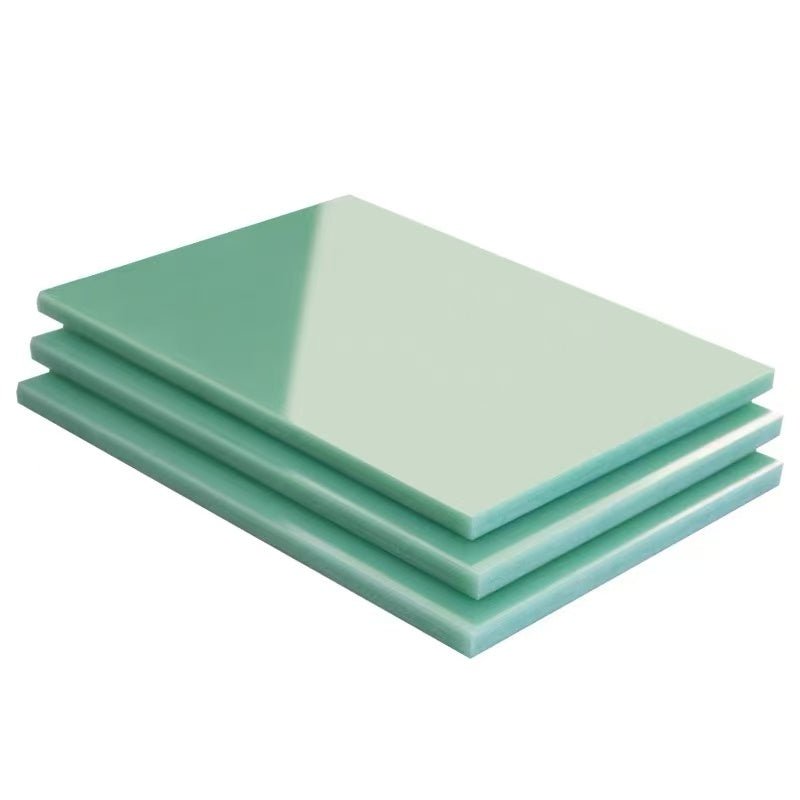
FR-4, G10 and Garolite laminate sheet stock in multiple thicknesses

FR-4 is flame-retardant G10. Same woven glass fabric, same epoxy base — FR-4 just carries an additive package that lets it pass the UL94 V-0 burn test. That single fact resolves most of the fr4 vs g10 confusion before you read another line.

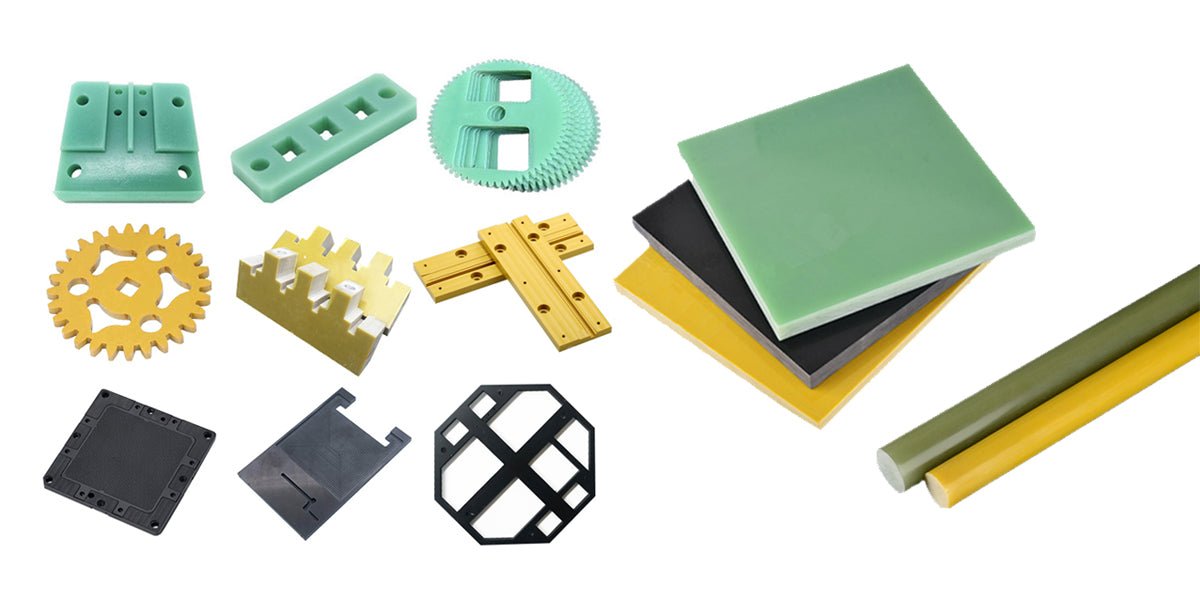
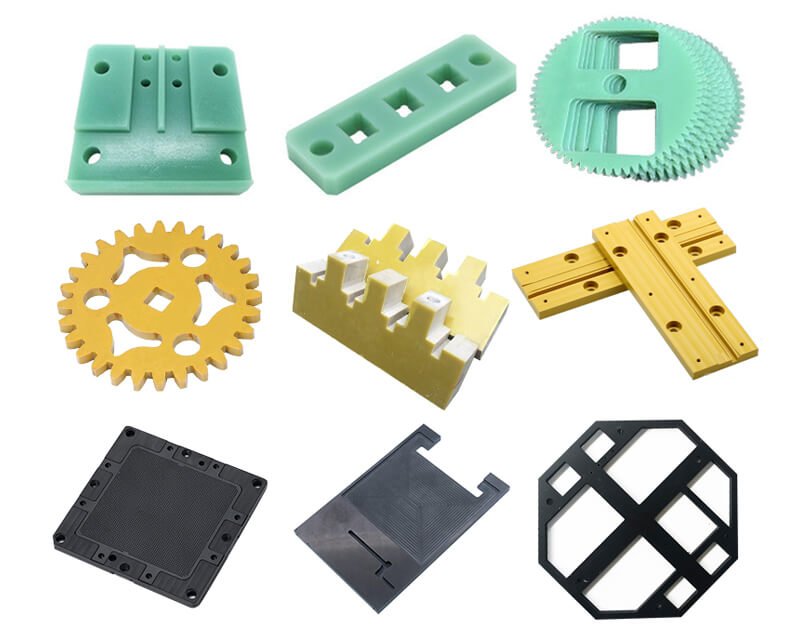
Custom CNC-machined FR-4 and G10 glass-epoxy parts beside laminate sheets

Here is the decision rule. Start with flammability. If your application has a flammability requirement — a UL listing, enclosed electronics, anything where a self-extinguishing rating is mandatory — specify FR-4. If it does not, G10 is usually the sound engineering choice, and often the better-performing one. That is the g10 vs fr4 question in a single sentence.

Most readers can stop there and spec correctly. The two materials are far closer than their separate names suggest, and the property gap is narrower than most spec habits assume.

If you need the full picture — where the numbers actually differ, how G11 and FR-5 fit above them, and how to avoid paying for a property your part never uses — the comparison below walks every axis that matters. Skip straight to the property table if you already know the basics and just need the data side by side.

What G10 and FR-4 actually are

Both are thermoset laminates. You take continuous woven fiberglass cloth, saturate it with epoxy resin, then cure it under heat and pressure into a rigid sheet. The glass carries the mechanical load. The epoxy binds the structure and provides the electrical insulation. This is the glass epoxy laminate family, and G10 is its reference grade.

The naming comes from NEMA, which classifies industrial laminates by grade letter. G10 is the NEMA designation for a woven-glass-fabric, epoxy-resin laminate with high mechanical and dielectric strength. FR-4 sits in the same NEMA system as the flame-retardant grade built on that same construction. So the two are not competing materials from different families. They are neighbors on the same grade chart.

This is also where the trade-name confusion starts. You will see G10 sold as Garolite, a common shorthand distributors use for glass-epoxy sheet. Garolite is not a separate material — it is a brand-style name covering G10, FR-4, and related grades. An engineer who specs “Garolite” and a buyer who quotes G10 may be talking about the same stock or two different grades, which is exactly how mis-specs happen.

The practical takeaway for g10 material selection: treat G10 and FR-4 as two configurations of one laminate system, then choose between them on requirements — not on habit or on whichever name the datasheet happened to use.

FR-4 and G10 glass-epoxy laminate stock in aqua-green, yellow and black

The core difference — flame retardancy

The real differentiator is in the name. The “FR” in FR-4 means flame retardant. FR-4 is formulated to meet UL94 V-0, the rating that requires a sample to self-extinguish within a defined time after the flame is removed, with no flaming drips that ignite the material below. G10 is not formulated for that. Standard G10 carries a UL94 HB rating — it will support combustion and is not self-extinguishing.

That rating gap is the entire reason FR-4 exists as a separate grade. The flame retardancy comes from an additive built into the resin system. Historically that meant brominated epoxy, a halogenated compound that interrupts combustion. Many modern FR-4 grades are halogen-free, using phosphorus-based chemistry to hit the same UL94 V-0 rating without bromine — relevant if your spec or your end market restricts halogens.

So when you choose FR-4, you are buying one property: a flame rating. Everything else — the glass reinforcement, the mechanical behavior, the dielectric performance — carries over from G10 largely intact. Hold that point. It is what makes the rest of the fr4 vs g10 decision an engineering judgment rather than a coin flip, and it is the reason over-specifying FR-4 wastes the additive cost on a property the part may never need.

FR-4 vs G10 property comparison

Diagram of glass-epoxy laminate built from woven fiberglass layers in epoxy resinHere is where the assumption breaks. Engineers expect FR-4 to be the “better” grade because it is the one with the burn rating. On the property axes that drive most designs, the two are close. The dielectric strength, the flexural and compressive strength, and the thermal limits track each other within a narrow band, because the underlying laminate is the same.

The dimensions worth comparing are dielectric strength, mechanical strength in flexure and compression, maximum continuous operating temperature, water absorption, and arc resistance / CTI. Those are the properties that decide whether a grade clears your design margins. Read the table by the fourth column — that is where each row tells you whether it should change your decision.

Property G10 FR-4 What it means for your spec
NEMA grade / classification G10 FR-4 Both sit in the same NEMA glass-epoxy family; the grade letter, not the brand name, defines the material.
Reinforcement + resin Woven glass + epoxy Woven glass + epoxy Identical base construction. The mechanical and dielectric behavior comes from this — and it is shared.
Flammability rating UL94 HB UL94 V-0 The decisive difference. V-0 self-extinguishes; HB does not. If a flame rating is mandatory, this row alone selects FR-4.
Max continuous operating temp Comparable to FR-4 170°C Comparable for both. If you need a real margin above this band, G10/FR-4 is the wrong grade — go to G11/FR-5.
Dielectric strength (perpendicular) Comparable to FR-4 16.5 kV/mm Both are strong insulators in the same range. Rarely the deciding factor between the two.
Volume / surface resistivity Comparable to FR-4 Vol: 10^6 Ω×CM / Sur: 10^13 Ω Comparable. Confirm against your insulation-resistance spec, not against the grade label.
Flexural strength Comparable to FR-4 382 MPa Close enough that FR-4 is not a mechanical upgrade. Do not spec it expecting more strength.
Tensile strength Comparable to FR-4 ≥300 MPa Similar across both grades.
Water absorption Comparable to FR-4 <0.15% Low for both. Check the actual figure if the part runs in humid or wet service.
Density / specific gravity Comparable to FR-4 1.99 g/cm³ Effectively the same — the additive does not change part weight meaningfully.
Machinability Abrasive; machinable to tight tolerance Abrasive; machinable to tight tolerance Both are glass-loaded and abrasive. Edge quality on thin sections depends on tooling and feeds, not on which grade you picked.
Relative cost Baseline Premium for the flame-retardant additive FR-4 costs more because of the additive package. Specifying it without a flammability requirement means paying for a property the part never uses.

Every numeric value above is pulled from real material datasheets at the verification step.

Diagram comparing UL94 V-0 FR-4 with UL94 HB rated G10

Where G11 and FR-5 fit

G10 and FR-4 are not the top of the temperature ladder. When your continuous operating temperature pushes past their limit, you step up to G11 and FR-5.

G11 is the higher-temperature woven-glass-epoxy grade. Same construction principle as G10, but with a resin system that holds its mechanical and electrical properties at elevated temperature, giving it a higher maximum continuous operating temperature 180°C(356°F). It is the non-flame-retardant grade, the way G10 is.

FR-5 is to G11 what FR-4 is to G10 — the flame-retardant version, formulated to meet UL94 V-0 while keeping the higher thermal rating. So the four grades form a clean two-by-two: G10 and FR-4 at the standard temperature band, G11 and FR-5 above it, with the FR grades adding the burn rating in each pair.

The decision logic is the same one flammability question, asked at a higher temperature. If your part runs hot enough to need G11-class thermal performance and also carries a flame requirement, FR-5 is the grade. If it runs hot with no flame requirement, G11 is the value-correct choice. For everything inside the standard temperature band, you are back to the fr4 vs g10 decision.

Diagram comparing UL94 V-0 FR-4 with UL94 HB rated G10

How to choose — the decision framework

Work it in order. Each step either selects a grade or passes you to the next.

1. Is a flammability rating required? If your application demands a self-extinguishing material — UL-listed equipment, enclosed or densely packed electronics, anything where a regulatory or customer spec calls out UL94 V-0 — specify FR-4. The decision ends here, and it is the one case where the fr4 vs g10 question is not really a question.

2. Is there no flammability requirement? Then G10 is the default. It matches FR-4 on mechanical and dielectric performance, sometimes edges it out, and skips the additive. This is the most common mis-spec we see: a part with no flame requirement specified in FR-4 out of habit. FR-4 carries a price premium for its flame-retardant additive. Spec it where no flammability is needed and you are paying for a property the part never uses — while G10 performs equally well or better. Specifying the right grade here is an engineering and value decision, not a sourcing trick.

3. Check the temperature margin. If continuous service temperature exceeds the G10/FR-4 band, step up: G11 if no flame requirement, FR-5 if there is one.

4. Check electrical and mechanical margins. Confirm dielectric strength, CTI, and flexural/compressive values against your real design margins using verified datasheet figures — not the grade label. For the great majority of insulation and structural laminate parts, both grades clear comfortably.

That is the full g10 vs fr4 framework. Flammability first, temperature second, margins third, cost as the tiebreaker that usually favors the grade you were not in the habit of specifying.

Selection matrix of G10, FR-4, G11 and FR-5 by temperature and flame rating
FR-4 and G10 fiberglass epoxy laminate sheets in stock
Shop the material

FR-4 / G10 Fiberglass Epoxy Sheets

In-stock FR-4 and G10 laminate sheets across common thicknesses — in aqua-green, yellow and black, available cut-to-size.

No MOQCut-to-sizeShips worldwide

View FR-4 / G10 Sheets

Machining FR-4 and G10

Both grades cut well — but only on a process built for them. Glass-epoxy laminate is abrasive. The woven glass fibers that give the material its strength also grind down cutting edges fast, so FR-4 machining and G10 machining demand the right tooling from the first pass. Solid carbide is the floor. For volume work and the cleanest edges, diamond-coated or PCD tooling holds up where carbide dulls. Tool wear is the hidden cost on this material, and a worn edge is what produces the chipping and fraying buyers worry about.

Feeds and speeds matter as much as the tool. Run too aggressive and you fracture the glass; run too slow and you generate heat that softens the resin and smears the cut. The FR-4 CNC process also has to manage workholding — the laminate must sit rigid and fully supported, or thin sheet flexes and the cut wanders. And the dust is abrasive and must be extracted at the source, both for edge quality and for the machine itself.

This is the practical reason process knowledge matters. A general shop that cuts mostly metal or the occasional plastic block tends to reach for the wrong tooling, burn through it, and hand back parts with chipped glass edges and ragged holes. Specialized laminate experience is what separates a clean, dimensionally stable part from a reject. Our CNC machining services are set up specifically for this material class.

Avoiding delamination, burring, and chipped glass edges

This is the recurring concern in procurement, and it is solved at the process level. When machining G10 material in thin sections, edge defects come from the wrong tool, wrong feed, or unsupported stock — not from the laminate itself. Sharp carbide or PCD tooling, conservative feed rates, the correct climb-versus-conventional strategy for the cut direction, and full backing under thin sheet keep the glass intact. Done right, edges come off clean, with no delamination at the layers and no burr to deflash.

Holding tolerances on thin sections and small features

Tight tolerances hold on small parts when the setup is right. We machine to ±0.03mm, which covers the close-fit holes, slots, and outside dimensions typical of insulating washers, spacers, and small brackets. The risk on thin laminate is real, but it is predictable: knife-edge features, undersized holes near an edge, or unsupported spans. That is what a free DFM review catches before any material is cut. Send a drawing or CAD file and we flag the at-risk features first, so the first article comes back right.

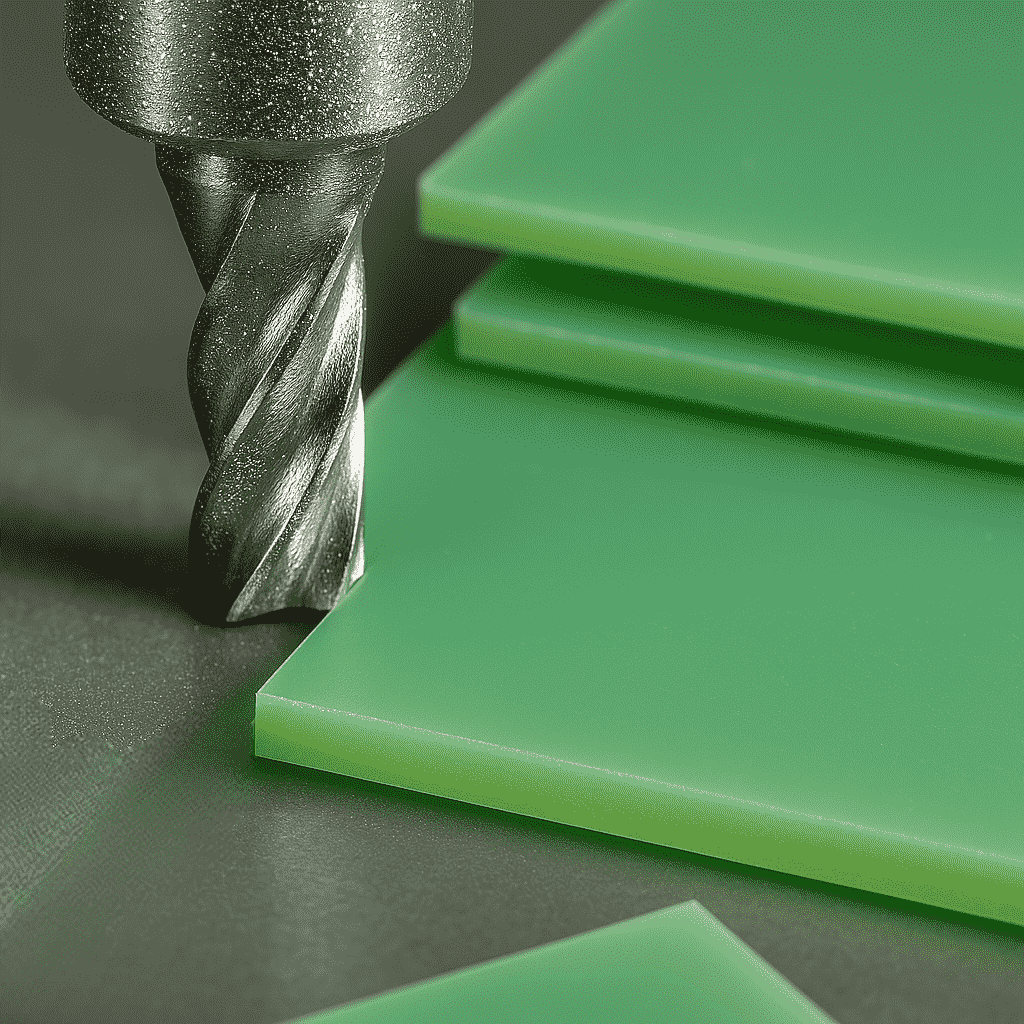
Precision-machined G10 part with a clean chip-free edge, no delamination

Parts we machine most in FR-4 and G10

The bulk of the work in these grades is insulation and structural support for electrical and electronic assemblies. The most common parts are insulating washers, standoffs and spacers, terminal boards, and busbar support boards — the components that hold conductors apart and keep clearances honest inside a panel or transformer. Structural brackets in glass-epoxy are common too, where a part needs dimensional stability and electrical insulation in one piece.

What ties these together is geometry: most are thin sections with features close to the edge, where edge quality is not cosmetic but functional. A frayed edge on a busbar support compromises creepage. A chipped washer cracks under clamp load. A burr in a terminal board hole interferes with assembly. These are exactly the parts where the machining process described above earns its place, and exactly the work our custom FR-4/G10 machining parts service is built around — single prototypes through production runs, with no minimum order quantity.

Need a custom part?

Custom-Machined FR-4 / G10 Parts

Send a drawing or CAD file and get a quote back within 1 business day — with a free DFM review and ±0.03 mm precision, from single prototypes to production runs.

Quote in 1 Business DayFree DFM review±0.03 mm

Get a Custom Quote

Precision CNC-machined G10 part with clean, chip-free edges

Grades, sheet stock, and availability

Both grades are held in depth across the common thickness range, in the standard aqua-green, yellow, and black sheet. Large laminate stock on hand means quotes do not wait on sourcing, and there is no minimum order quantity — a single washer is as welcome as a full panel run.

Not every job needs full machining. If you only need flat sheet brought to a finished outside dimension, our cut-to-size service handles that directly, without the cost of a machined-feature quote. To check thickness and grade availability before you spec, browse our FR-4/G10 stock sheets and grades. Confirm the grade against your real requirement, then send the part.

FR-4, G10 and Garolite laminate sheet stock in multiple thicknesses

FR-4 vs G10 FAQ

Are G10 and FR-4 interchangeable?

Often, but not always. If your application has no flammability requirement, G10 substitutes for FR-4 with equal or better performance. If a UL94 V-0 rating is specified, they are not interchangeable — only FR-4 carries the self-extinguishing rating. Check the flame requirement first.

Is FR-4 stronger than G10?

No. The flame-retardant additive does not add mechanical strength. Flexural, compressive, and tensile properties are comparable between the two grades because the woven-glass-and-epoxy base is the same. Specifying FR-4 expecting a stronger part is a common and costly mistake.

What does “FR” in FR-4 mean, and what is UL94 V-0?

“FR” means flame retardant. UL94 V-0 is the flammability rating requiring a sample to self-extinguish within a defined time after the flame is removed, with no flaming drips. FR-4 meets it; standard G10 carries the lower UL94 HB rating.

Is G10 the same as Garolite?

Garolite is a distributor trade name covering glass-epoxy laminate, including G10 and FR-4 — not a separate material. Specifying “Garolite” alone is ambiguous. State the NEMA grade (G10, FR-4, G11, FR-5) and any required flame rating so the quote matches the part.

When should I use G11 or FR-5 instead?

Step up when continuous operating temperature exceeds the G10/FR-4 band. G11 is the higher-temperature non-flame-retardant grade; FR-5 is its UL94 V-0 equivalent. Choose G11 with no flame requirement, FR-5 when both higher temperature and a flame rating apply.

Can thin G10/FR-4 parts be machined without delamination or chipped edges?

Yes, with the right process. Sharp carbide or PCD tooling, controlled feeds, the correct cut strategy, and full backing under thin sheet keep glass edges clean and layers intact. Edge defects come from the wrong setup, not the material.

What tolerances can you hold on small G10/FR-4 features?

We machine to ±0.03mm, which covers close-fit holes, slots, and outside dimensions on small parts like washers and spacers. At-risk features — knife edges, holes near an edge — are flagged in a free DFM review before cutting.

DFM review of a custom FR-4  G10 part drawing flagging at-risk features

Get your part quoted

Spec the right grade, then send the part. Upload your CAD files or a drawing and you get a quote back within 1 business day, plus a free DFM review that flags any at-risk features before a single chip is cut. The work is backed by in-house material expertise, large laminate stock, and ±0.03mm precision on the thin, edge-critical parts these grades are used for. Start your custom FR-4/G10 machining quote and we’ll confirm the grade fits the application before we make anything.

Start your project

No minimum order · quote reply in 1 business day · Ships to the US, EU & Australia

Leave a comment


Please note, comments must be approved before they are published


Custom Plastic Fabrication

1pc to 10,000+ | ±0.03mm | No MOQ

🔧
Precision Machining
CNC milling & turning
✂️
Cutting & Engraving
Laser & waterjet cutting
🏭
Forming & Molding
Thermoforming & injection
🔗
Joining & Assembly
Welding & bonding
📐
Design & Prototyping
CAD design & samples

General

HDPE

PP

PVC

ABS

Engineering

POM

Nylon

PC

PMMA

High-Performance

PEEK

PEI

PTFE

Composites

FR-4

G10

Flexible

TPU

Silicone

Why Choose BeePlastic?

🎯
Perfect Fit
Custom specs eliminate adaptation needs
⚡
Clear Lead Times
Lead time confirmed with every quote
💰
Volume Pricing
Volume pricing available on bulk orders
🤝
Expert Support
Free engineering consultation included
📋
Submit
→
🔍
Review
→
💵
Quote
→
✅
Production
→
📦
Deliver

Request a Quote


Industries: Automotive • Medical • Food • Lab • Semiconductor

Free consultation → beeplastic@beeplastic.com


Kapton vs. G10: Choosing the Right Material for Electrical Insulation

epoxy sheet

Introduction to Electrical Insulation Materials

Selecting the right insulation material for electrical applications is essential for ensuring safety, reliability, and performance. Insulation materials are critical for protecting electrical components, preventing short circuits, and ensuring that electrical systems operate at peak efficiency. With a variety of insulation options available, understanding the unique properties of each material is key to making an informed decision.

🎉🎉🎉Limited Time Offer Use code: QR4GNY08SHVR at checkout and enjoy a special discount on your entire order! 👉 FR4 fiberglass plastic

G10 Glass Fibre Sheet 335x300mm Water Green Front View

Among the most widely used materials for electrical insulation, Kapton and G10 are considered top choices. These two materials are known for their exceptional electrical insulating properties, making them suitable for a wide range of industries, from electronics to industrial manufacturing.

The Importance of Electrical Insulation in Different Industries

Electrical insulation plays a crucial role in several industries, from electronics to telecommunications and industrial manufacturing. The purpose of insulation materials is to isolate electrical components, preventing leakage and protecting sensitive circuits from electrical faults or damage. Whether you’re working with high-voltage systems, high-performance electronics, or manufacturing equipment, the insulation material you choose can affect both the safety and efficiency of the system.

For industries like electronics, where systems require precise control and stability, selecting the right insulation material is vital. In industrial manufacturing, insulation materials such as G10 and Kapton are often used to protect high-voltage components and ensure the long-term performance of machinery.

What is Kapton? Why Is It Popular in Electrical Insulation?

Kapton is a polyimide film that is renowned for its thermal stability and electrical insulating properties. It can withstand extreme temperatures, ranging from -269°C to +400°C, making it a popular choice for high-performance applications. Kapton is not only flexible but also has a high dielectric strength, which makes it ideal for use in electronics, telecommunications, and even aerospace industries.

This material is highly valued for its chemical resistance and ability to function in both high-temperature and low-temperature environments, making it a versatile option in various high-demand applications, including electrical cables, circuit boards, and flexible electronics.

What is G10? A Durable Solution for Electrical Insulation

In contrast, G10 is a fiberglass-reinforced epoxy laminate that combines fiberglass with an epoxy resin to create a material known for its mechanical strength and electrical insulation capabilities. Often referred to as Garolite G10, this material is extremely durable, offering high resistance to electrical current and thermal stability.

G10 is primarily used in situations where both electrical insulation and structural integrity are needed. It’s commonly employed in power distribution systems, switchgear, and circuit boards, offering an excellent balance between strength and insulating properties. Due to its robust construction, G10 material sheets are used in high-voltage environments where other materials might be less effective.

FR4 Fiberglass Sheet and G10 Epoxy Plate Overview

Choosing the Right Insulation Material: Kapton vs. G10

Both Kapton and G10 excel in their ability to insulate electrical components, but each material offers distinct advantages depending on the application.

  • Kapton: Ideal for environments that require extreme temperature resistance and flexibility. It’s perfect for applications where high dielectric strength is crucial, such as high-voltage electronics and aerospace.

  • G10: Known for its mechanical strength and durability, G10 is best suited for industrial applications and heavy-duty machinery where structural integrity is just as important as electrical insulation.

Understanding the specific requirements of your electrical system is essential when selecting the right material. Consider factors such as voltage, temperature conditions, and mechanical stress to determine whether Kapton or G10 is the better choice for your needs.

What is Kapton?

Kapton is a high-performance polyimide film known for its exceptional thermal stability and electrical insulation properties. Originally developed by DuPont in the early 1960s, Kapton has since become one of the most versatile materials for use in extreme environments. Its remarkable ability to resist both high and low temperatures makes it invaluable for applications that require stability and durability in challenging conditions.

Chemical Composition and Structure of Kapton

The primary base material in Kapton is polyimide, a type of polymer known for its resistance to extreme temperatures and its strong insulating properties. Polyimide films like Kapton are typically made by combining imide monomers with aromatic hydrocarbons, creating a structure that provides outstanding electrical insulation and thermal resistance. This makes Kapton material suitable for environments where other materials would degrade or fail, such as in high-voltage applications or electronics exposed to intense heat or chemicals.

One of the main reasons Kapton is so widely used is its superior dielectric strength, which ensures it can handle high voltages without compromising performance. It also retains its mechanical properties, even at extremely low temperatures, making it an ideal material for industries that require robust and reliable insulation.

Exceptional Temperature Resistance and Flexibility

One of the standout properties of Kapton is its temperature resistance. Kapton can operate effectively across a vast temperature range, from as low as -269°C (-452°F) to as high as 400°C (752°F), without losing its insulating properties. This remarkable thermal stability allows it to perform well in harsh environments, including those involving extreme heat, cold, or rapid temperature fluctuations.

In addition to its temperature resistance, Kapton is also known for its flexibility. This flexibility allows it to be used in a variety of configurations, such as thin films, flexible tapes, and coatings, which are commonly used in electronic devices, printed circuit boards, and even in aerospace applications. Its ability to bend without breaking or losing its insulating properties is a key feature that makes it a go-to choice in industries that demand versatility and reliability.

Electrical Insulation Properties of Kapton

As an electrical insulation material, Kapton excels in preventing the flow of electricity between components. This is essential in high-voltage systems, where proper insulation can prevent dangerous short circuits and ensure that electrical components function efficiently. Kapton’s dielectric properties also make it useful in capacitors, insulating wires, and other electrical components that require high dielectric strength to maintain performance under load.

The unique combination of low dielectric constant and high dielectric strength makes Kapton an optimal material for electronics and telecommunications. It is widely used in applications such as flexible circuit boards, electrical cables, wire insulation, and electronic components that require efficient and long-lasting insulation.

Common Industries Using Kapton

Due to its outstanding properties, Kapton is used in a variety of industries where high-performance insulation is needed. Here are some common industries that benefit from Kapton’s unique capabilities:

Aerospace Industry

In the aerospace industry, Kapton is used extensively for thermal insulation on spacecraft, satellites, and aircraft. Its ability to endure extreme temperatures—both hot and cold—makes it essential in spacecraft insulation and in protecting sensitive electrical components from harsh environments in outer space.

Electronics Industry

Kapton plays a vital role in the electronics industry, especially in flexible printed circuit boards (PCBs), electrical cables, and wire coatings. Its flexibility and dielectric strength make it ideal for modern, high-performance electronics such as smartphones, computers, LED lighting, and other consumer electronics.

Industrial Applications

In industrial applications, Kapton is used for insulating wires and electrical components in environments where durability and thermal resistance are critical. It is particularly useful in motors, transformers, and high-voltage equipment that require robust insulation under high-stress conditions.

Additionally, Kapton is found in automotive electronics, medical devices, and power distribution systems, where it provides effective electrical insulation while maintaining its structural integrity over time.

G10 Epoxy Plate Used for 3D Printing, High Durability and Precision

What is G10?

G10 is a high-performance material widely used for its electrical insulating properties and mechanical strength. It is primarily known as a fiberglass-reinforced epoxy laminate, which means it combines the lightweight, durable nature of fiberglass with the enhanced strength and electrical resistance of epoxy resin. This unique construction gives G10 material its superior ability to withstand both thermal stress and electrical current, making it an ideal choice for various industrial applications.

The Composition and Construction of G10 Material

G10 material is primarily composed of fiberglass layers that are bound together by an epoxy resin matrix. The fiberglass provides strength and rigidity, while the epoxy resin offers electrical insulation and resistance to harsh environments. This laminate construction ensures that G10 is not only durable and resilient but also highly effective at preventing the flow of electricity.

The G10 fiberglass sheets are manufactured by stacking multiple layers of fiberglass cloth, impregnated with epoxy resin, and then curing them under heat and pressure. This process creates a solid, compact, and uniform material with excellent dielectric properties. Once cured, G10 sheets can be cut, drilled, or machined into custom shapes and sizes, making them versatile for a wide range of uses.

The Electrical Insulation Properties of G10 Material

One of the main reasons G10 is so highly regarded is for its exceptional electrical insulation capabilities. As a fiberglass-reinforced laminate, G10 material can effectively isolate electrical components, preventing short circuits and protecting sensitive equipment. Its dielectric strength ensures that it can withstand high voltages without breaking down, making it an essential material for electrical systems that require reliable, long-lasting insulation.

Unlike many other materials, G10 maintains its electrical insulating properties even in harsh environments. It is resistant to moisture, chemicals, and extreme temperatures, which makes it ideal for use in both indoor and outdoor electrical applications.

Common Industries and Applications for G10 Material

Given its strength, resilience, and electrical insulation properties, G10 is used across a wide array of industries and applications. Some of the most common uses for G10 sheets include electrical enclosures, switchgear, and insulation boards.

Electrical Enclosures and Switchgear

In the electrical industry, G10 is often used for making electrical enclosures that house sensitive components like switches, fuses, and circuit breakers. The dielectric properties of G10 make it an excellent choice for switchgear components, as it can protect electrical circuits from short circuits, electrical arcing, and other malfunctions. Its ability to withstand high voltages makes it ideal for use in power distribution and high-voltage applications.

Insulation Boards and Electrical Components

Another common use for G10 material is in the manufacturing of insulation boards. These boards are widely used in transformers, motors, and electrical panels to ensure that electrical current does not travel where it’s not needed. The high dielectric strength of G10 helps prevent electrical interference and maintains the efficiency of the system.

Additionally, G10 fiberglass is used in the creation of insulating components for high-performance electronics. Its mechanical strength also makes it a popular choice for applications that require both electrical insulation and structural integrity.

Aerospace and Industrial Applications

G10 is also used in aerospace and industrial manufacturing, where durability and electrical safety are paramount. The material’s ability to withstand high temperatures and its resistance to chemicals make it ideal for use in aerospace applications, such as in the construction of electrical panels and circuit boards for spacecraft or aircraft.

In industrial applications, G10 material is used for insulating and reinforcing parts in heavy machinery, motors, pumps, and transformers. Its ability to withstand both mechanical stress and electrical overloads makes it indispensable in environments where reliability is crucial.

Close-up of 3mm and 5mm Thick G10 Epoxy Plates, High-Performance Resin Board

What is G10 Made of?

G10 is a fiberglass-reinforced epoxy laminate that combines the lightweight strength of fiberglass with the durability and electrical insulation properties of epoxy resin. The material is widely known for its exceptional mechanical strength, resistance to high temperatures, and ability to act as an excellent electrical insulator. Let’s take a closer look at the composition of G10, how it’s made, and why it’s such a valuable material in a wide range of industries.

The Layers of Fiberglass and Epoxy Resin in G10

At its core, G10 is made up of multiple layers of fiberglass cloth that are carefully saturated with epoxy resin. The process begins with sheets of fiberglass, which are woven into a fabric-like structure. This fiberglass provides the base strength and rigidity of the material, ensuring that G10 remains both tough and durable, even in demanding environments. The fiberglass layers are then impregnated with epoxy resin, which acts as the binding agent and provides additional electrical insulation and chemical resistance.

Once the fiberglass layers are coated with epoxy resin, they are stacked together and cured under high heat and pressure, creating a solid, dense material known as G10 fiberglass. This construction is what gives G10 its impressive mechanical strength, while also allowing it to remain relatively lightweight compared to other industrial materials. The result is a robust, versatile material that can withstand harsh conditions while maintaining excellent dielectric properties.

Durability, Lightweight Nature, and Electrical Insulation

The combination of fiberglass and epoxy resin makes G10 an extremely durable material, capable of withstanding mechanical stress, high temperatures, and electrical currents. G10 fiberglass has a high tensile strength, making it resistant to breaking or cracking under pressure. It also has good thermal stability, allowing it to endure temperatures from -50°C to 130°C (-58°F to 266°F) without losing its form or functionality.

In terms of electrical insulation, G10 material excels due to the high dielectric strength provided by its epoxy resin matrix. This makes it an ideal material for use in electrical components, high-voltage equipment, and electronics where reliable insulation is critical. It effectively prevents the flow of electricity between conductive parts, ensuring safety and optimal performance of electrical systems.

The lightweight nature of G10 makes it a preferred material in applications where weight is a concern, such as in electronics and aerospace. Despite its strength and durability, G10 remains much lighter than traditional metals or ceramics, giving it an edge in industries that demand both strength and lightweight performance.

Common Forms of G10 Material

G10 is commonly available in several forms, making it adaptable for different applications. The most popular form is G10 sheets, which can be customized into various thicknesses and sizes depending on the specific needs of the project. These sheets are often used for electrical insulation boards, circuit boards, and electrical enclosures in industrial, automotive, and aerospace applications.

Another common form of G10 material is G10 fiberglass boards, which are often used in larger structural applications where a higher degree of strength and durability is required. These boards are also used in the production of insulation barriers in high-voltage electrical components such as transformers and electrical panels. Both G10 material sheets and fiberglass boards are highly versatile and can be easily fabricated to meet custom design specifications.

Additionally, Garolite G10, a specific variant of G10 material, is often used in electronics and military applications where additional strength and dimensional stability are necessary. Garolite G10 is known for its resistance to moisture and environmental factors, which makes it an excellent choice for use in harsh outdoor conditions or for critical electronic components that need to withstand extreme environments.

Kapton vs. G10: A Comparison of Key Properties

Choosing the right material for electrical insulation and other industrial applications is critical to the success of any project. Kapton and G10 are two widely used materials, each with its own unique properties and benefits. Understanding the key differences between Kapton and G10 can help determine which material is the best fit for specific applications. In this section, we’ll compare Kapton and G10 based on important properties such as thermal resistance, electrical insulation, mechanical strength, and cost.

Thermal Resistance: Kapton’s High-Temperature Resistance vs. G10’s Heat Tolerance

Kapton is renowned for its exceptional thermal stability, especially at high temperatures. This material can withstand continuous exposure to temperatures ranging from -269°C to 400°C (-452°F to 752°F) without losing its structural integrity. Kapton’s ability to maintain its properties under such extreme conditions makes it an ideal choice for aerospace and electronics applications where parts may be exposed to high heat over extended periods of time. Its high-temperature tolerance allows Kapton to function effectively in environments where other materials would degrade or fail.

In comparison, G10 has a more moderate heat tolerance, typically withstanding temperatures between -50°C to 130°C (-58°F to 266°F). While G10 offers solid thermal resistance, it does not match Kapton in terms of heat tolerance for extreme environments. However, for most industrial and electrical insulation needs, G10’s heat resistance is more than adequate, making it a popular choice for applications where high temperatures are not a primary concern.

Electrical Insulation: Effectiveness of Kapton and G10 in Insulating Electrical Components

Both Kapton and G10 excel in providing electrical insulation, but they do so in different ways and for different applications. Kapton offers superior dielectric properties, making it highly effective for use in high-voltage systems and electronics where minimal electrical interference is crucial. The material’s low dielectric constant and high dielectric strength allow it to effectively isolate electrical components, preventing short circuits and ensuring the safe operation of sensitive systems.

G10, on the other hand, is also an excellent electrical insulator, particularly in more industrial settings. It is commonly used in the production of insulation boards, circuit boards, and electrical enclosures. While it does not match Kapton’s electrical performance in extremely high-voltage applications, it still offers high dielectric strength and is highly effective in electrical systems that operate at lower voltage levels. G10’s superior mechanical strength and impact resistance further enhance its suitability for electrical insulation in tough environments.

Mechanical Strength: Flexibility, Strength, and Impact Resistance

When it comes to mechanical strength, G10 outperforms Kapton in several key areas. G10 is known for its exceptional impact resistance and flexural strength, making it ideal for applications that require a material to withstand physical stress and mechanical deformation. Its fiberglass reinforcement provides high tensile strength, allowing G10 to resist cracking, warping, and other forms of mechanical failure.

While Kapton is highly flexible and can withstand thermal expansion and compression in thin-film applications, it is more prone to tearing or breaking under high mechanical stress. This makes Kapton a better fit for aerospace and electronics applications where flexibility is key, but not necessarily a material that needs to withstand significant impact or physical pressure.

In contrast, G10 is the go-to material when strength and impact resistance are the primary concerns. Its rigid structure makes it ideal for use in electrical enclosures, circuit boards, and machine parts that will experience high levels of mechanical force.

Water Green G10 Glass Fibre Sheet Detail

Cost and Availability: How Pricing Affects Material Choice

The cost of Kapton and G10 can vary significantly depending on the application and form required. Kapton, being a specialized high-performance material, tends to be more expensive than G10. This higher cost is justified by its extreme thermal resistance and flexible applications in industries such as aerospace, electronics, and high-performance engineering. However, because of its price, Kapton is typically reserved for applications that require its unique high-temperature properties and excellent electrical insulation capabilities.

G10, on the other hand, is a more cost-effective option for general electrical insulation and mechanical applications. While it doesn’t have the same high-temperature resistance as Kapton, G10 offers a strong balance of thermal resistance, electrical insulation, and mechanical durability at a lower price point. As a result, G10 is often preferred for industrial applications, machine parts, and electrical components where extreme heat tolerance is not as critical.

Choosing the Right Material for Your Application

When deciding between Kapton and G10, it is important to consider the specific requirements of your project. If your application involves extreme temperatures or requires a flexible material with excellent dielectric properties, Kapton may be the better option. On the other hand, if you need a cost-effective, mechanically robust material for electrical insulation or industrial manufacturing, G10 is likely the preferred choice.

Each material has its own set of advantages depending on the demands of the project, and understanding these differences can help guide you to the right decision.

Applications in Electrical Insulation

Both Kapton and G10 are highly effective materials for electrical insulation, but their unique properties make them suited to different types of applications. From aerospace to industrial manufacturing, the versatility of these materials allows them to be used in a wide range of electrical insulation applications. In this section, we will explore how each material is utilized in real-world scenarios and the factors that influence the choice of material.

Kapton Applications in Extreme Temperature Environments

One of the primary advantages of Kapton is its ability to withstand extreme temperatures, making it an ideal material for high-voltage electronics and aerospace components. Kapton’s high-temperature resistance allows it to operate in environments where other materials would fail, especially in aerospace where parts are often exposed to extreme heat fluctuations.

For example, Kapton is commonly used in spacecraft wiring and satellite components. The material’s thermal stability ensures that electrical components remain insulated even in the harshest environments, where temperatures can vary from sub-zero conditions in space to intense heat when re-entering the Earth’s atmosphere. Kapton’s ability to maintain its insulating properties over such a wide temperature range makes it indispensable for applications where failure could have catastrophic consequences.

In addition to aerospace, Kapton is used extensively in high-voltage electronics such as transformers and power distribution equipment. Its dielectric strength and ability to withstand high temperatures without degrading make it an excellent choice for applications in electrical insulation that demand both high performance and reliability.

G10 Applications in Electrical Insulation

While Kapton excels in high-temperature applications, G10 is a versatile material that performs well in many other types of electrical insulation applications. G10, made of fiberglass-reinforced epoxy laminate, is known for its mechanical strength, impact resistance, and high dielectric strength, making it perfect for applications in transformers, circuit boards, and electrical panels.

G10 in Transformers and Electrical Panels

G10’s durability and electrical insulating properties make it a go-to material for transformers and electrical panels. Fiberglass sheets made from G10 are often used as insulation layers in transformer windings, ensuring that electrical currents do not short-circuit between windings or other components. The material’s electrical insulation properties help to maintain safe operation in high-power systems, preventing equipment failure and improving system efficiency.

In electrical panels, G10 is used to provide reliable insulation between metal components. Its mechanical strength also ensures that it can withstand the physical stresses of electrical systems without cracking or deforming. G10 fiberglass sheets are frequently used in the construction of enclosures and electrical boxes, providing an insulating barrier that protects against electrical shocks and maintains safe operation of the equipment.

G10 in Circuit Boards

G10 is widely used in printed circuit boards (PCBs) due to its high dielectric strength and thermal stability. The material’s combination of fiberglass and epoxy resin allows for excellent electrical insulation while maintaining structural integrity. In electronics manufacturing, G10 is often used for high-performance PCBs in devices such as consumer electronics, medical equipment, and industrial machinery.

Since G10 is a reliable and cost-effective option for electrical insulation, it is a preferred material for applications where high-voltage isolation and thermal stability are important but extreme temperature resistance (like Kapton) is not necessary.

FR4 Epoxy Resin Board in Black for DIY Projects

Factors Affecting the Choice of Material for Electrical Insulation

The decision to use Kapton or G10 often depends on the specific electrical, thermal, and mechanical requirements of the application. Here are the key factors that influence material selection:

Electrical Needs

When electrical systems require high dielectric strength and minimal electrical interference, both Kapton and G10 are strong candidates. Kapton excels in high-voltage applications where electrical insulation must be paired with high-temperature resistance, especially in aerospace and electronics. On the other hand, G10 is often used in industrial applications where its robust electrical insulation properties combined with mechanical strength are needed.

Thermal Needs

If an application involves extreme temperatures, Kapton is often the preferred choice due to its exceptional ability to handle both high and low temperatures. Its resistance to thermal expansion makes it ideal for environments with fluctuating temperatures. G10, while resistant to moderate heat, is better suited for applications that do not involve the extreme conditions that Kapton can handle.

Mechanical Needs

When mechanical strength and impact resistance are crucial, G10 is the better option. Its fiberglass-reinforced structure gives it superior tensile strength and rigidity, which is critical for applications in transformers, electrical panels, and machine parts. Kapton, while flexible, does not offer the same level of impact resistance and is better suited for applications that prioritize thermal stability and electrical insulation.

Conclusion

The versatility of Kapton and G10 in electrical insulation applications demonstrates their critical role in the electrical industry. Kapton is ideal for applications that demand extreme thermal resistance and high-performance electrical insulation, while G10 is a durable, cost-effective option for industrial applications requiring reliable electrical insulation and mechanical strength.

By understanding the key properties and applications of these materials, engineers and manufacturers can select the best material to meet their project requirements, ensuring optimal performance and safety.

Custom Processing Solutions for Kapton and G10

At Bee Plastic, we understand that each project has its unique requirements, and selecting the right materials, such as Kapton and G10, is just the beginning. To fully realize the potential of these materials, our custom processing services enable us to tailor them to meet your exact specifications. Whether you need precision CNC machining, cutting, or die-cutting, our team is equipped with the tools and expertise to deliver solutions that exceed expectations. In this section, we will showcase our custom processing capabilities for Kapton and G10, and how these services can help create tailored solutions for a wide range of industrial needs.

Custom Processing Capabilities for G10 Materials

G10, a fiberglass-reinforced epoxy laminate, is highly valued for its mechanical strength and electrical insulation properties. However, to maximize its effectiveness, custom processing is often required to shape it into parts and products that fit specific applications. At Bee Plastic, we specialize in a variety of custom processing methods for G10 material sheets, including CNC machining, laser cutting, and die-cutting.

CNC Machining for Precision Parts

One of the most popular processing methods we offer for G10 material sheets is CNC machining. This advanced technique allows us to create highly precise components, such as electrical insulation boards, circuit board laminates, and machine parts. G10 CNC machining can be used to create custom shapes, holes, and slots to meet the exact specifications required for industrial applications. The versatility of CNC machining ensures that we can produce custom G10 parts that meet strict tolerances, providing the necessary performance and reliability in demanding environments.

Die-Cutting for Customized Shapes and Sizes

In addition to CNC machining, we also offer die-cutting services for G10. This method is particularly useful for producing large volumes of custom G10 parts in standardized shapes and sizes. Whether you need G10 sheets cut into specific dimensions or want to create intricate cutouts for electrical panels or transformers, die-cutting is an efficient and cost-effective solution. Our die-cutting service ensures fast, precise, and repeatable results, allowing us to meet large production demands while maintaining high quality.

Custom Processing Capabilities for Kapton Materials

Kapton, known for its exceptional thermal resistance and electrical insulation properties, is often used in aerospace, electronics, and high-performance engineering. To bring out the full potential of Kapton, we offer specialized custom processing services, including Kapton die-cutting, laser cutting, and CNC machining. These methods enable us to tailor Kapton sheets and films into precise components that meet the unique demands of your project.

Kapton Die-Cutting for Flexible Insulation Solutions

One of the most commonly used custom processing methods for Kapton is die-cutting, which is ideal for producing custom Kapton parts in a variety of shapes and sizes. Whether you need small Kapton gaskets, insulating films for electronic devices, or specialized high-voltage insulation components, our die-cutting services can handle even the most intricate designs. Kapton die-cutting allows us to cut through the material with precision, ensuring that each part is dimensionally accurate and performs optimally in its intended application.

CNC Machining for Custom Kapton Parts

In addition to die-cutting, we also offer CNC machining for Kapton to create more complex, three-dimensional components. Our CNC machining services for Kapton are perfect for applications that require precise cutouts, shapes, or holes in thicker pieces of the material. Whether you are creating custom electrical insulation components for high-voltage electronics or precision thermal barrier parts for aerospace, CNC machining ensures that the final product meets your exact specifications.

Custom Solutions for Industrial Applications

One of the key advantages of our custom processing services for Kapton and G10 is our ability to offer tailored solutions for a wide range of industrial applications. Here are a few examples of how we can help:

G10 in Electrical Panels and Transformers

Using G10 CNC machining, we can create custom G10 material sheets that fit perfectly into electrical panels and transformers. For instance, we can machine fiberglass sheets to specific thicknesses or cut them into shapes that are ideal for insulating electrical components. This custom approach ensures that your electrical systems are fully insulated, preventing shorts and improving overall safety and performance.

Kapton in Aerospace and Electronics

In aerospace and electronics, we provide custom Kapton die-cutting and machining services to meet the demanding requirements of these industries. Whether it’s Kapton insulation films for satellite wiring or Kapton sheets for electronics packaging, we work closely with our clients to ensure that the materials are processed to exact specifications. Our Kapton custom processing services enable us to deliver high-performance parts that perform reliably in extreme conditions.

Tailored Solutions for Your Needs

At Bee Plastic, our custom processing services for Kapton and G10 materials allow us to provide unique solutions for your industrial needs. Whether you require custom G10 material sheets, precision Kapton components, or tailored electrical insulation parts, we have the experience and tools to meet your needs. Our dedicated team ensures that every part is processed with the highest level of precision, quality, and reliability, so you can trust that your products will perform exactly as needed.

FR4 Fiberglass Sheet – Different Angles

Case Study: Custom G10 Solutions for Electrical Insulation

At Bee Plastic, we take pride in offering custom G10 solutions tailored to the specific needs of our clients. In this case study, we’ll highlight a recent project where we worked with a client in the electrical industry to provide customized G10 material for their electrical insulation needs. By utilizing our expertise in CNC machining and custom processing, we were able to deliver a solution that met the client’s exact specifications and helped them improve both the safety and performance of their electrical systems.

Project Overview: Custom G10 Material for Electrical Insulation

Our client, a leading manufacturer of high-voltage equipment, came to us with a challenge: they required a custom G10 material solution that could effectively insulate components in high-powered electrical panels. The existing materials they were using were not able to withstand the high-voltage environments, and they needed a more reliable, durable material to ensure both electrical insulation and mechanical stability in their products.

The client’s specifications included a material that could handle high dielectric strength, be resistant to thermal stress, and provide sufficient impact resistance. After evaluating their needs, we recommended custom G10 solutions due to its excellent combination of fiberglass reinforcement, electrical insulating properties, and mechanical durability.

The Challenges Faced

One of the main challenges in this project was the client’s need for precise custom G10 parts that would fit into a range of complex configurations within their electrical panels. The G10 material needed to be custom cut and shaped to ensure that it provided optimal insulation while also fitting seamlessly into their electrical systems. Additionally, the parts had to be produced quickly to meet tight production deadlines.

Another challenge was the need to maintain high precision during the CNC machining process, as even the slightest deviation in dimensions could compromise the integrity of the electrical insulation. The client also required G10 material sheets in various thicknesses, which added complexity to the project.

Our Solution: CNC Machining Custom G10 Parts

To address these challenges, we employed our advanced CNC machining capabilities to process the G10 material sheets according to the client’s exact specifications. Our CNC machining process allowed us to produce custom G10 parts with the required precision and tight tolerances, ensuring that each component was an exact fit for the client’s electrical panels.

We used our state-of-the-art machinery to cut, shape, and drill the G10 material into parts that would fit the client’s complex design. Our team also ensured that the custom parts met the required dielectric strength to withstand the high-voltage electrical systems in which they would be used. By leveraging our experience with fiberglass-reinforced epoxy laminates, we were able to produce G10 material sheets that not only provided excellent electrical insulation but also withstood the mechanical stresses of the electrical panel environments.

The Benefits: Enhanced Performance and Reliability

The final custom G10 solutions we provided helped the client achieve significant improvements in both the safety and performance of their electrical systems. With the customized G10 parts integrated into their high-voltage electrical panels, the client experienced:

  • Improved electrical insulation: The custom G10 parts provided superior dielectric strength, ensuring safe operation of the electrical systems even under high voltage.
  • Increased durability: The fiberglass reinforcement in the G10 material provided excellent mechanical strength, preventing deformation or breakage in the electrical panels.
  • Faster production turnaround: Thanks to our precise CNC machining capabilities, the client was able to meet their production deadlines without compromising quality.

By choosing the right material and working with Bee Plastic for custom processing, the client was able to significantly improve the reliability and performance of their electrical systems, ultimately ensuring greater safety and operational efficiency.

The Importance of Custom Processing for Optimal Results

This case study illustrates the importance of selecting the right material and custom processing methods to meet the specific needs of a project. While G10 is a versatile and durable material, achieving the best results requires precision processing that tailors the material to the client’s unique specifications. At Bee Plastic, our expertise in CNC machining, laser cutting, and die-cutting ensures that every project is completed with the highest level of quality and precision.

Whether you are working on high-voltage electrical insulation, machine parts, or electrical components, our team can provide the custom solutions you need to achieve optimal performance. Our commitment to delivering quality custom G10 solutions ensures that our clients can trust us to meet their needs and exceed their expectations.

Black FR4 Fiberglass Sheet Under Light

Making the Right Choice: Kapton vs. G10 for Electrical Insulation

When it comes to selecting the best material for electrical insulation, understanding the distinct properties of Kapton and G10 is essential. These two materials stand out in the market for their exceptional capabilities, but their suitability depends heavily on the specific requirements of your application. Kapton offers superior thermal resistance and flexibility, ideal for high-temperature environments, while G10, with its fiberglass reinforcement, provides excellent dielectric strength and mechanical durability, making it perfect for structural applications like circuit boards and electrical panels.

Key Differences Between Kapton and G10: What’s Best for Your Project?

The decision between Kapton and G10 ultimately boils down to the unique needs of your project. If your work involves components exposed to extreme temperatures, Kapton is the top choice due to its exceptional resistance to heat. On the other hand, if your project demands a robust material that offers both electrical insulation and mechanical strength, G10 should be your go-to option. Each material has its strengths, so choosing the right one will directly impact the performance, safety, and longevity of your electrical systems.

Selecting the Best Material: Expert Guidance for Your Electrical Needs

Choosing the right material for your electrical insulation needs is critical to ensuring that your components perform at their best, especially in demanding environments. The selection of Kapton vs. G10 should be made based on the specific thermal, electrical, and mechanical requirements of your project. Working with a trusted expert can help you navigate these choices, ensuring that the material you choose will meet both your technical and budgetary needs.

Ready to Find the Perfect Material? Contact Us for Custom Processing Solutions!

At Bee Plastic, we specialize in providing custom G10 processing and solutions tailored to your specific needs. Our team of experts can help you choose the right material and guide you through the custom processing options, such as CNC machining, die-cutting, and laser cutting, to create precisely what your project requires.

G10, with its fiberglass reinforcement

🎉🎉🎉Limited Time Offer Use code: QR4GNY08SHVR at checkout and enjoy a special discount on your entire order! 👉 FR4 fiberglass plastic

Reach out today to discuss your project’s needs and let us help you find the perfect electrical insulation material. Whether you’re working with Kapton or G10, we’re here to ensure you get the best results for your applications.

Leave a comment


Please note, comments must be approved before they are published


Custom Plastic Fabrication

Send your drawing, material and quantity for review

🔧
Precision Machining
CNC milling & turning
✂️
Cutting & Engraving
Laser & waterjet cutting
🏭
Forming & Molding
Thermoforming & injection
🔗
Joining & Assembly
Welding & bonding
📐
Design & Prototyping
CAD design & samples

General

HDPE

PP

PVC

ABS

Engineering

POM

Nylon

PC

PMMA

High-Performance

PEEK

PEI

PTFE

Composites

FR-4

G10

Flexible

TPU

Silicone

Why Choose BeePlastic?

🎯
Perfect Fit
Custom specs eliminate adaptation needs
⚡
Clear Lead Times
Lead time confirmed with every quote
💰
Volume Pricing
Volume pricing available on bulk orders
🤝
Expert Support
Free engineering consultation included
📋
Submit
→
🔍
Review
→
💵
Quote
→
✅
Production
→
📦
Deliver

Request a Quote

Share your project details, selected material and quantity on our quote page. You can add a file link or use the email drawing route shown there.


Request Quote

Industries: Automotive • Medical • Food • Lab • Semiconductor

beeplastic@beeplastic.com


The Essential Guide to G10 Materials for Electrical Engineering

G10 material

Introduction:

G10 material is renowned for its exceptional strength and electrical insulation properties, making it a staple in the electrical engineering industry. Composed of woven fiberglass cloth and epoxy resin, G10 offers a combination of high mechanical strength, excellent electrical insulation, and durability against environmental factors. This guide delves deep into the significance of G10 in electrical applications, exploring its composition, key properties, and the customization options that make it ideal for specific engineering needs.

  • Composition: Detailed look at the materials that make up G10, focusing on the synergy between fiberglass and epoxy.
  • Key Properties: Highlights of G10’s mechanical strength, electrical insulation capabilities, and environmental resistance.
  • Customization Options: Overview of how G10 can be tailored for unique electrical engineering projects.

🎉🎉🎉Limited Time Offer Use code: QR4GNY08SHVR at checkout and enjoy a special discount on your entire order! 👉 FR4 fiberglass plastic

FR4 fiberglass plastic

Blog Post Summary in Bullet Points:

  • Introduction to G10: Overview of G10 and its critical role in electrical engineering.
  • Composition of G10: Breakdown of the fiberglass and epoxy resin components.
  • Properties of G10:

    • Mechanical Strength: Emphasizes G10’s robustness suitable for demanding applications.
    • Electrical Insulation: Details the material’s capacity to resist electrical currents, enhancing safety.
    • Environmental Resistance: Describes G10’s ability to withstand harsh conditions without degradation.
  • Applications in Electrical Engineering:

    • Uses in circuit boards, insulators, and other critical components.
    • Specific examples of G10 parts improving system performance.
  • Custom G10 Solutions:

  • Comparison with Other Materials:

    • Comparative analysis of G10 versus materials like Phenolic and FR-4.
    • Advantages of G10 in terms of fire resistance and thermal stability.
  • Selecting the Right G10 Material:

    • Criteria for choosing G10 types based on project needs.
    • Tips on specifying the right material for specific applications.
  • Frequently Asked Questions:

    • Answers to common inquiries about G10’s properties and uses.
  • Conclusion and Call to Action:

    • Summary of G10 benefits.
    • Invitation to contact Bee Plastic for expert G10 solutions.

Composition and Manufacturing of G10

Composition of G10

G10 is composed of woven fiberglass cloth and epoxy resin, creating a robust composite material renowned for its superior mechanical and electrical insulation properties. The fiberglass cloth provides essential tensile strength, while the epoxy resin ensures that the material is cohesive, stable, and capable of resisting electrical currents effectively. This combination is particularly critical in applications requiring high durability and excellent electrical insulation, such as in electrical insulators and circuit boards.

The Manufacturing Process of G10

The manufacturing of G10 involves a precise lamination process where layers of fiberglass cloth are impregnated with epoxy resin and then compressed under heat and pressure. This method is known as the lamination process, and it’s crucial for achieving the high strength and durability for which G10 is known.

Step-by-Step Lamination

  1. Layering: Sheets of fiberglass cloth are laid out and coated with epoxy resin, ensuring each layer is uniformly saturated.
  2. Pressing: The impregnated sheets are stacked to the desired thickness and placed under high-pressure presses.
  3. Heating: Heat is applied to cure the resin, which bonds the fiberglass layers into a solid, unified block. The controlled application of heat and pressure ensures minimal internal stresses and excellent dimensional stability in the final product.

Quality Control in G10 Fabrication

Each step of the G10 fabrication process is monitored under strict quality control guidelines to ensure the material meets all required specifications and properties. Consistent quality checks are performed to detect any irregularities in the material’s density, uniformity, and electrical insulating capabilities, which are critical for its performance in electrical engineering applications.

Advantages of G10 Material

G10’s unique manufacturing process contributes to its several advantages:

  • High Mechanical Strength: The material exhibits exceptional resistance to physical stress and high impact, making it suitable for robust engineering applications.
  • Excellent Electrical Insulation: G10 provides superior insulation, making it ideal for use in electrical systems where high voltage and insulation reliability are paramount.
  • Environmental Resistance: Resistant to water, humidity, and various corrosive agents, G10 maintains its integrity and performance even in harsh environments.

By understanding the detailed composition and manufacturing process of G10, engineers and manufacturers can better utilize this material in applications that require high strength, precision, and long-term reliability. The ability to customize the thickness and dimensions during the lamination process also makes G10 highly adaptable to specific project needs, enhancing its utility in a diverse range of industrial applications.

Key Properties of G10 Materials

High Mechanical Strength

G10 material is highly sought after for its outstanding mechanical strength, which makes it an essential component in high-stress applications across various industries. The intrinsic strength of G10 is derived from its fiberglass and epoxy resin composition, which provides a high strength-to-weight ratio. This property is particularly beneficial in the manufacturing of electrical insulators and protective gear where durability and reliability are paramount. The ability of G10 sheets to withstand extreme physical loads without deformation ensures longevity and structural integrity in challenging environments.

45mm diameter epoxy resin FR4 fiberglass rod

Superior Electrical Insulation

One of the most notable properties of G10 is its superior electrical insulation capabilities. This characteristic makes it an ideal choice for use in electronic and electrical engineering applications where safety and performance are critical. The material’s high dielectric strength prevents electrical discharge and allows it to serve as an effective barrier against the flow of electricity, safeguarding sensitive components from electrical interference and enhancing the overall safety of electrical systems.

Ensuring Reliable Insulation

The G10 material not only resists electrical currents but also maintains its insulative properties across a wide range of temperatures and operational conditions. This reliability makes G10 sheets particularly useful in both indoor and outdoor applications, including high voltage applications and complex electronic assemblies where consistent performance is crucial.

Resistance to Moisture and Chemical Exposure

G10’s resistance to moisture and chemicals is another key attribute that adds to its versatility and applicability in harsh environments. This resistance ensures that the material does not swell, corrode, or degrade when exposed to water, humidity, or corrosive chemicals. Such robust chemical and moisture resistance is critical in industries such as chemical processing, marine, and outdoor electrical installations where materials are frequently exposed to hostile conditions.

Advantages of Chemical and Moisture Resistance

The chemical inertness of G10 allows it to be used in environments where other materials would suffer degradation, thus prolonging the lifespan of products and reducing maintenance costs. Additionally, the moisture resistance of G10 helps preserve the integrity of electrical systems, especially in outdoor or marine applications where exposure to moisture is inevitable.

Each of these properties—high mechanical strength, superior electrical insulation, and resistance to moisture and chemicals—makes G10 material a preferred choice in a variety of applications, particularly in electrical engineering where performance and safety cannot be compromised. The ability of G10 to meet rigorous industrial demands confirms its standing as a reliable and multifunctional material in both conventional and advanced engineering projects. By leveraging the unique benefits of G10, engineers and designers can achieve enhanced durability, reliability, and efficiency in their products.

Applications of G10 in the Electrical Industry

Circuit Boards

G10 is extensively used in the manufacture of circuit boards due to its exceptional electrical insulation properties and mechanical stability. The material’s ability to resist electricity and heat makes it an ideal substrate for printed circuit boards (PCBs) used in a wide range of electronic devices. G10 sheets serve as the backbone of PCBs, providing a durable and stable platform that supports various electronic components while preventing electrical shorts across conductive paths.

Benefits for PCB Manufacturing

The dimensional stability of G10 material under thermal stress is a significant advantage in electronics manufacturing, where temperature fluctuations are common during both assembly and operation. This stability helps in maintaining the integrity of the circuit design even under challenging conditions, ensuring reliability and functionality of the final electronic products.

Electrical Insulators

In the realm of electrical insulation, G10 excels by providing robust insulative protection in electrical systems and machinery. This material is often used to create electrical insulators that play a crucial role in preventing unwanted electrical conductance. Whether used in residential wiring systems or in large-scale industrial power applications, G10’s non-conductive properties ensure that electricity is safely contained within its designated pathways.

Key Applications in Insulation

G10 is particularly valuable in high voltage applications where superior insulating strength is required to handle increased electrical loads without compromising safety. The material’s resistance to degradation also makes it a long-term solution for insulating critical electrical components, helping to prevent faults and extend the lifespan of electrical systems.

Barrier and Slot Insulation in Motors and Generators

Another critical application of G10 in the electrical industry is in the construction of barrier and slot insulation for motors and generators. These components are essential for the efficient operation of these machines, and G10 material provides the necessary insulation to prevent electrical shorts between winding wires and other metallic parts of the motor or generator.

Enhancing Motor Efficiency and Safety

The use of G10 sheets in motors and generators not only improves their performance but also enhances their safety by ensuring that electrical currents are properly isolated. This is particularly important in industrial settings, where equipment reliability and safety are paramount. The durability of G10 under mechanical and thermal stress also means that it can withstand the rigorous operational demands of motors and generators, which often operate under high loads and temperatures.

Each of these applications—circuit boards, electrical insulators, and barrier and slot insulation—highlights the versatility of G10 material in the electrical industry. Its ability to perform reliably in various electrical applications makes it a trusted material for engineers and manufacturers aiming to enhance the safety, efficiency, and durability of their electrical products. By utilizing G10, the electrical industry can achieve higher standards of performance while ensuring the safety and reliability of its applications.

Customized G10 Solutions for Electrical Companies

Case Study: Enhancing System Integrity and Safety with Custom G10 Components

The Challenge

An established electrical company faced significant challenges with the insulation materials used in their high-voltage transformers. The primary issue was the material’s inability to withstand prolonged exposure to high temperatures and electrical stresses, leading to frequent system failures and safety hazards. The company needed a solution that would not only improve the longevity of their transformers but also enhance their safety and reliability.

The G10 Solution

The electrical company turned to G10, specifically customized G10 solutions, to address these challenges. Known for its superior thermal resistance and excellent electrical insulation properties, G10 was an ideal choice. Custom G10 parts, tailored to fit the specific dimensions and specifications required by the transformers, were designed to replace the existing insulation.

Implementation and Customization Process

Garolite G10, a variant of G10 known for its enhanced mechanical and insulation properties, was selected for this project. The customization process involved:

  • Precision Engineering: Using CAD software, the parts were designed to meet exact specifications for fitting within the transformers.
  • CNC Machining: The parts were then machined using state-of-the-art CNC technology, ensuring high precision and consistency.
  • Quality Assurance: Each component underwent rigorous testing to ensure it met the high standards required for thermal stability and electrical insulation.

The Outcome

The implementation of custom Garolite G10 components led to a significant improvement in the transformers’ performance and safety. The enhanced material properties of G10 allowed the transformers to operate more efficiently, even under high electrical and thermal loads. The durability of the custom parts reduced maintenance costs and extended the service life of the transformers.

Benefits for the Electrical Company

  • Increased Safety: Enhanced insulation properties reduced the risk of electrical failures and increased overall system safety.
  • Improved Efficiency: The high thermal resistance of G10 ensured that the transformers operated within optimal temperature ranges, improving their efficiency.
  • Cost Savings: The longevity and durability of the custom G10 parts decreased the frequency and cost of repairs and replacements.

This case study exemplifies how customized G10 solutions can be effectively utilized to solve specific challenges in the electrical industry, demonstrating G10’s versatility and reliability as an insulation material. By opting for custom G10 components, companies can achieve superior performance and safety standards, ensuring their electrical systems operate at peak efficiency with minimal downtime.

Machining black FR4 fiberglass with CNC tools for custom components

Comparing G10 with Other Insulation Materials

G10 vs. Phenolic and FR-4 in Electrical Engineering Applications

When selecting insulation materials for electrical engineering projects, it’s crucial to consider several key aspects that can impact system performance and safety. G10, along with other common materials such as Phenolic and FR-4, are frequently used due to their distinct properties. Here, we focus on comparing these materials in terms of fire resistance, thermal stability, and dielectric strength.

Fire Resistance

G10 is renowned for its excellent fire resistance. Unlike Phenolic, which can char and emit smoke under intense heat, G10 maintains its structural integrity and produces minimal smoke. This makes G10 a safer option in environments where fire risk is a concern. Compared to FR-4, which also has good fire resistance due to its brominated flame retardants, G10 offers a similar level of protection without the use of additional chemicals, making it a more environmentally friendly option.

Enhancing Safety Standards

Both G10 and FR-4 meet the UL 94V-0 standard for flame retardancy, ensuring that they extinguish quickly after being ignited. This characteristic is crucial in preventing the spread of fires in electrical applications.

Thermal Stability

The thermal stability of an insulation material is critical, especially in applications involving high operating temperatures. G10 excels in this area, withstanding continuous exposure to temperatures up to 180°C without degradation. Phenolic materials, while stable, generally offer less thermal resistance compared to G10 and are more prone to moisture absorption at high temperatures, which can affect their insulative properties.

Maintaining Performance Under Heat

FR-4 shares similar thermal properties to G10, largely due to their common base of epoxy resin and fiberglass. However, G10 often has a slight edge in applications requiring pure thermal resistance without the need for enhanced flame retardancy, which is where FR-4’s additives come into play.

Dielectric Strength

Dielectric strength is a measure of a material’s ability to resist electrical breakdown. This is perhaps one of the most crucial factors in choosing insulation materials for electrical engineering. G10 boasts a high dielectric strength, making it an excellent insulator for preventing electrical discharges and breakdowns in electrical components.

Superior Electrical Insulation

G10 typically has a higher dielectric strength than Phenolic, which can vary significantly based on its formulation and the conditions to which it is subjected. FR-4 also has a high dielectric strength, comparable to G10, making both materials suitable for intricate electronic applications like PCBs where preventing electrical leakage and shorts is vital.

Summary of Material Comparisons

Each material—G10, Phenolic, and FR-4—has its strengths and specific applications where it excels. G10’s combination of fire resistance, thermal stability, and excellent dielectric properties makes it a highly versatile and reliable choice for a wide range of electrical engineering applications. These comparisons help engineers and designers make informed decisions based on the specific requirements of their projects, ensuring optimal performance and safety.

Close-up of 3mm and 5mm Thick G10 Epoxy Plates, High-Performance Resin Board

Choosing the Right G10 Material for Your Electrical Project

Selecting the ideal G10 material for an electrical project involves a thorough understanding of the material’s properties and how they align with the specific requirements of the application. Whether you are dealing with high-voltage electrical installations, intricate circuit boards, or demanding environmental conditions, choosing the right G10 can make a significant difference in the performance and longevity of your project.

Understanding G10 Material Composition

Before selecting a G10 material, it’s essential to understand what it is made of. G10 is composed of woven fiberglass cloth impregnated with an epoxy resin binder. This combination provides a high degree of mechanical strength, excellent electrical insulation, and chemical resistance. Knowing the basic composition helps in assessing how well G10 can meet the specific needs of your project.

Assessing Material Suitability

  • Mechanical Strength: For projects requiring high mechanical stability under physical stress, G10’s robust structure offers the necessary rigidity and durability.
  • Electrical Insulation: For applications involving electrical insulation, the dielectric properties of G10 ensure safety and efficiency in preventing electrical leaks and shorts.
  • Environmental Resistance: If the project environment involves exposure to chemicals, moisture, or extreme temperatures, G10’s resistance to these factors makes it a suitable choice.

Factors to Consider When Choosing G10

When selecting the appropriate G10 material for an electrical project, consider the following factors to ensure you match the material properties with the application demands:

Project Specifications

  • Thermal Requirements: Evaluate the thermal stability of the G10 material, especially if the application will undergo high temperatures during operation or processing.
  • Electrical Requirements: Consider the dielectric strength required for your application to choose the right type of G10 material that can provide optimal electrical insulation.
  • Physical Dimensions: G10 sheets are available in various thicknesses and sizes. Determine the dimensions needed for your project to ensure proper fit and function.

Customization Capabilities

G10 can be machined and customized to meet specific design requirements. If your project requires unique shapes, sizes, or even pre-drilled holes, ensure that the G10 material you select can be effectively modified without compromising its structural integrity or insulating properties.

Evaluating Suppliers and Quality

Selecting the right supplier is as important as choosing the right material. Look for suppliers who provide high-quality G10 materials with consistent properties and reliable performance. Verify supplier credentials, quality control processes, and the ability to provide custom solutions tailored to your specific needs.

Implementing Quality Control

Once the appropriate G10 material has been selected, implementing stringent quality control measures during the fabrication and installation phases is crucial. This ensures that the G10 maintains its properties as specified and performs reliably in its intended application.

By thoroughly assessing the requirements of your electrical project and understanding the properties of G10, you can make an informed decision that enhances the efficiency, safety, and durability of your applications. The correct choice of G10 material not only meets immediate project needs but also contributes to the long-term success and reliability of your electrical installations.

epoxy resin

FAQs About G10 Material

What is G10 Material Made Of?

G10 material is a high-pressure laminate made from multiple layers of woven fiberglass cloth impregnated with epoxy resin. This construction provides G10 with exceptional mechanical strength and high resistance to both electrical and environmental stresses. The epoxy resin acts as a binder that holds the fiberglass fabric together and contributes to the overall dielectric strength of the material, making it an ideal choice for various industrial and electrical applications.

What Applications Are G10 Sheets Used For?

G10 sheets are incredibly versatile and used in a wide range of applications. Due to their high mechanical strength and excellent insulation properties, they are particularly valued in the electrical industry. Some common applications include:

  • Electrical Insulators: G10’s excellent dielectric properties make it suitable for use in electrical systems where insulation from electric currents is crucial.
  • Circuit Boards: G10 is commonly used in printed circuit boards (PCBs) because it does not conduct electricity and can withstand the heat generated by electronic components.
  • Structural Supports: The material’s strength and durability make it ideal for use in various structural applications requiring robust, lightweight, and insulating materials.

Can G10 Be Customized for Specific Electrical Projects?

Yes, G10 can be customized for specific electrical projects. Its machinability allows it to be cut, milled, and shaped into precise dimensions required for specific applications, which is a significant advantage when custom solutions are necessary. Customization can include:

  • Precision Cutting: G10 can be precisely cut to fit specific assembly sizes and shapes, essential for components like insulating barriers or mounting brackets in electrical assemblies.
  • Drilling and Milling: Custom holes and slots can be machined into G10 to accommodate wiring, fasteners, or other assembly requirements.
  • Surface Treatments: Although G10 naturally possesses excellent properties, surface treatments can be applied to enhance its performance under particular environmental conditions or to meet specific regulatory requirements.

This flexibility in customization makes G10 an invaluable material in the electrical industry, where tailored solutions are often required to meet complex design and functionality standards. Whether you need a material that can withstand extreme environmental conditions or one that can be engineered to precise specifications, G10 offers the adaptability and performance needed for challenging electrical projects.

Your Trusted Partner for Custom G10 Solutions

The Advantages of G10 in Electrical Engineering

G10 material has established itself as an essential component in the electrical engineering industry, thanks to its unmatched combination of mechanical strength, electrical insulation, and environmental resistance. From high-performance G10 sheets used in circuit boards to custom-fabricated components for specialized applications, G10 continues to set the standard for reliability and versatility. Its ability to handle high voltages, resist moisture and chemicals, and maintain dimensional stability makes it a preferred choice for electrical systems demanding long-term performance and safety.

Key Benefits of G10 for Electrical Applications

  • Dielectric Strength: Ensures superior insulation for high-voltage systems, safeguarding components from electrical interference.
  • Thermal and Chemical Resistance: Withstands harsh environments, maintaining performance even under extreme conditions.
  • Customizability: Can be tailored to fit unique design requirements, providing flexibility across various electrical applications.

Bee Plastic: Delivering Excellence in G10 Solutions

At Bee Plastic, we understand the critical role that high-quality materials play in ensuring the safety and efficiency of electrical projects. With years of expertise in the plastic manufacturing and machining industry, we specialize in delivering premium G10 sheets and custom solutions designed to meet the unique demands of our clients.

Our Capabilities

  • Precision Fabrication: Using advanced CNC machining and laser cutting technology, we produce custom G10 components with exact dimensions and superior finishes.
  • Material Expertise: Our team of specialists ensures that every project benefits from the best material selection and processing techniques.
  • Quality Assurance: Rigorous quality control processes guarantee that all our G10 materials meet or exceed industry standards for performance and durability.

Partner with Us for Custom G10 Solutions

Whether you need G10 material for insulating high-voltage equipment, fabricating circuit board laminates, or creating specialized components for your electrical systems, Bee Plastic is here to assist. Our team works closely with you to design and manufacture solutions that align with your project specifications, ensuring the highest standards of quality and performance.

Ready to Get Started?

We invite you to contact us today to learn more about how our custom G10 solutions can support your electrical engineering projects. Our experts are ready to answer your questions, provide guidance on material selection, and deliver tailor-made products that meet your exact requirements. Together, we can achieve exceptional results for your applications, powered by the reliability and versatility of G10.

g10 fr4 board thickness 0.5mm to 5mm

🎉🎉🎉Limited Time Offer Use code: QR4GNY08SHVR at checkout and enjoy a special discount on your entire order! 👉 FR4 fiberglass plastic

Leave a comment


Please note, comments must be approved before they are published


Custom Plastic Fabrication

Send your drawing, material and quantity for review

🔧
Precision Machining
CNC milling & turning
✂️
Cutting & Engraving
Laser & waterjet cutting
🏭
Forming & Molding
Thermoforming & injection
🔗
Joining & Assembly
Welding & bonding
📐
Design & Prototyping
CAD design & samples

General

HDPE

PP

PVC

ABS

Engineering

POM

Nylon

PC

PMMA

High-Performance

PEEK

PEI

PTFE

Composites

FR-4

G10

Flexible

TPU

Silicone

Why Choose BeePlastic?

🎯
Perfect Fit
Custom specs eliminate adaptation needs
⚡
Clear Lead Times
Lead time confirmed with every quote
💰
Volume Pricing
Volume pricing available on bulk orders
🤝
Expert Support
Free engineering consultation included
📋
Submit
→
🔍
Review
→
💵
Quote
→
✅
Production
→
📦
Deliver

Request a Quote

Share your project details, selected material and quantity on our quote page. You can add a file link or use the email drawing route shown there.


Request Quote

Industries: Automotive • Medical • Food • Lab • Semiconductor

beeplastic@beeplastic.com


What is G10? Understanding Its Role in High Voltage Electrical Applications

epoxy plate

G10 electrical insulation material is renowned for its exceptional properties in high voltage applications, making it a top choice for electrical companies seeking reliable and durable insulation solutions. G10 combines superior electrical insulation with robust mechanical and thermal stability. This blog post explores the reasons behind G10’s popularity in the electrical industry, comparing it with other materials like Kapton and FR-4 and providing real-world applications through detailed case studies.

G10 Epoxy Plate Used for 3D Printing, High Durability and Precision

🎉🎉🎉Limited Time Offer Use code: QR4GNY08SHVR at checkout and enjoy a special discount on your entire order! 👉 FR4 fiberglass plastic

Blog Post Summary in Bullet Points:

  • Introduction to G10: Brief overview of what G10 is and why it is pivotal in electrical insulation.
  • Properties of G10: Discusses the key properties such as high electrical resistivity, thermal stability, and mechanical strength that make G10 ideal for electrical applications.
  • Uses in High Voltage Applications: Explains how G10 is used in the electrical industry, focusing on applications like switchgear and busbar insulation.
  • Comparison with Other Materials: Compares G10 with Kapton and FR-4, highlighting why G10 often outperforms other materials in electrical insulation.
  • Case Studies: Provides case studies from electrical companies that illustrate successful implementations of G10 in their projects.
  • Advantages of Using G10: Summarizes the benefits of using G10, such as improved safety and cost-effectiveness.
  • Procuring G10 for Electrical Projects: Offers guidance on how to source and specify G10 for projects, emphasizing the support available from your company.
  • Conclusion: Recaps the importance of G10 in the electrical sector and invites readers to contact your company for more information or to discuss potential projects.

Properties of G10

G10 is recognized for its remarkable properties that make it an excellent choice for electrical insulation across various industries. This section details the specific properties such as high electrical resistivity, thermal stability, and mechanical strength, and explains how these properties contribute to safety and operational efficiency in electrical applications.

High Electrical Resistivity

One of the foremost attributes of G10 is its high electrical resistivity, which makes it an ideal insulator for electrical and electronic equipment. This property ensures that G10 can effectively prevent electrical currents from unintended paths, thereby enhancing the safety and performance of electrical systems. The ability of G10 to resist electrical interference is crucial in applications such as power distribution panels, circuit breakers, and switchgear, where insulation integrity is paramount.

Thermal Stability

G10 also exhibits excellent thermal stability, meaning it can withstand high temperatures without losing its structural integrity or performance. This thermal resilience is particularly important in environments that experience extreme heat, such as in electrical power equipment or in applications near engines and heating units. G10’s ability to maintain its properties under such conditions contributes significantly to its reliability and longevity in demanding applications.

Mechanical Strength

In addition to its electrical and thermal properties, G10 is known for its outstanding mechanical strength. It possesses high tensile strength and compressive strength, making it resistant to physical stresses and impacts. This durability is critical in manufacturing settings where materials must endure harsh operational conditions without deforming or breaking. G10’s robustness ensures that it remains effective as an insulator and protective barrier, even under mechanical stress, thereby safeguarding equipment and enhancing workplace safety.

Contribution to Safety and Efficiency

The combination of G10’s high electrical resistivity, thermal stability, and mechanical strength makes it an indispensable material in the electrical industry. These properties ensure that G10 not only protects electrical systems from common hazards such as short circuits, overheating, and physical damage but also boosts the efficiency of these systems by maintaining consistent performance. As a result, G10 is instrumental in reducing maintenance needs and downtime, leading to cost savings and improved operational efficiency for businesses.

FR4 Fiberglass Sheet and G10 Epoxy Plate Overview

G10 in Electrical Insulation for High Voltage Applications

G10 is renowned in the electrical industry for its superior insulation properties, particularly in high voltage environments. This section explores specific applications of G10, such as in switchgear, busbar insulation, and protective panels, and highlights how this material enhances both the safety and reliability of electrical systems.

Use of G10 in Switchgear

Switchgear systems are crucial for controlling electrical power systems and protecting electrical equipment. G10 plays a pivotal role in these systems by providing robust electrical insulation, which prevents faults and ensures uninterrupted power distribution. The material’s high dielectric strength makes it an excellent choice for switchgear applications, where it helps to isolate electrical conductors and prevent arcing or short circuits. This capability not only enhances the safety of the switchgear but also extends its operational life by reducing wear and tear.

G10 as Busbar Insulation

Busbars are integral components in power distribution systems, used to distribute power from a supply point to different outgoing sources. Using G10 as insulation material in busbars is essential due to its non-conductive properties, which safeguard against accidental contact and electrical leaks. The excellent thermal stability and mechanical strength of G10 ensure that the busbars can handle high currents without overheating or deforming, thus maintaining the integrity and efficiency of power distribution networks.

Protective Panels Made from G10

Protective panels fabricated from G10 are employed in various electrical applications to shield sensitive components from mechanical damage and electrical interference. These panels are especially valuable in high voltage applications where they provide additional layers of protection against external influences. The rigidity and durability of G10 make it an ideal choice for these applications, ensuring that the panels can withstand physical impacts and environmental stressors while continuing to perform their protective functions.

Enhancing Safety and Reliability

The inclusion of G10 in electrical systems significantly enhances both safety and reliability. Its ability to resist high temperatures and prevent electrical discharge makes G10 an indispensable material in high voltage applications. By integrating G10 into critical electrical components, manufacturers can ensure that these systems are not only safe to operate but also more reliable over their lifespan. This reliability is crucial for minimizing downtime and maintenance costs, ultimately leading to more stable and efficient electrical infrastructure.

Comparison with Other Insulation Materials

G10 stands out in the marketplace of insulation materials due to its exceptional properties, which often make it the preferred choice over other materials like Kapton and FR-4. This section delves into the characteristics of these materials and highlights why G10 is frequently chosen for its superior insulation properties and durability.

G10 vs. Kapton

Kapton, a polyimide film, is well-known for its excellent heat resistance and is commonly used in applications where high temperature endurance is crucial. While Kapton performs well in extreme temperatures, G10 excels in environments where both thermal stability and mechanical strength are required. G10’s robustness and higher structural integrity under mechanical stress make it more suitable than Kapton in applications demanding high physical durability along with thermal resistance. Additionally, G10 offers better rigidity and resistance to wear, which are critical in heavy-duty electrical applications.

G10 vs. FR-4

FR-4 is another popular glass epoxy laminate similar to G10 but includes a flame retardant, making it a common choice in consumer electronics where fire resistance is a priority. However, for pure insulation performance and mechanical robustness, G10 is often superior. G10 provides excellent electrical isolation and thermal stability without the FR-4’s flame retardant additives, which can sometimes compromise the material’s mechanical properties. Thus, for high-stress applications where durability and insulation are paramount, G10 is frequently the better choice.

Durability and Longevity

One of the main reasons G10 is preferred over other materials is its exceptional durability. Unlike Kapton, which can be susceptible to tearing and puncture in rough environments, G10 maintains its structural integrity in both mechanical and thermal challenges. Similarly, while FR-4 is tailored for flame resistance, G10 offers a broader range of temperature stability and mechanical strength, making it ideal for demanding industrial applications that require long-term reliability and safety.

Close-up of 3mm and 5mm Thick G10 Epoxy Plates, High-Performance Resin Board

Case Studies: Electrical Companies Utilizing G10

G10 has been instrumental in various successful projects within the electrical industry, showcasing its unique properties and the solutions it offers. Below are detailed case studies that illustrate how electrical companies have leveraged G10 to overcome challenges and achieve significant outcomes.

Case Study 1: High-Voltage Switchgear Application

One notable application of G10 was in the development of high-voltage switchgear for a leading power distribution company. The challenge was to ensure reliable insulation in a compact design while maintaining the ability to withstand high electrical stresses and thermal conditions. G10 was selected for its excellent dielectric strength and thermal stability, which were crucial in these high-stress environments.

Solution: Custom G10 panels were designed and integrated into the switchgear systems. These panels provided superior insulation and mechanical strength, reducing the risk of electrical failures and enhancing the system’s overall reliability.

Outcome: The implementation of G10 significantly improved the safety and efficiency of the switchgear, resulting in enhanced performance metrics for the company and reducing maintenance costs due to the durability of the panels.

Case Study 2: Busbar Insulation in Renewable Energy Systems

Another significant use of G10 was in a renewable energy project, where it was used to insulate busbars in solar power converters. The project required a material that could not only withstand the electrical demands but also resist environmental degradation.

Solution: G10 was chosen for its high electrical resistivity and resistance to environmental factors such as UV exposure and temperature fluctuations. Custom-cut G10 sheets were fabricated to fit the specific dimensions of the solar converters, providing effective insulation and enhancing the longevity of the busbar system.

Outcome: The use of G10 ensured that the solar power converters operated efficiently and with greater reliability. The project saw a decrease in energy losses and an increase in the operational lifespan of the equipment, showcasing G10’s contribution to sustainable energy solutions.

Case Study 3: Upgrade of Electrical Safety Barriers in Industrial Automation

In an industrial automation scenario, a client needed to upgrade their electrical safety barriers to prevent accidents and enhance system integrity. The existing barriers were not withstanding the mechanical stresses of the factory environment.

Solution: G10 was selected for its robust mechanical strength and excellent insulative properties. The material was used to create new, more durable safety barriers that could resist both physical impacts and electrical interference.

Outcome: The upgraded barriers made with G10 significantly reduced workplace accidents and increased the efficiency of the automated systems. The company benefited from lower downtime and better compliance with safety standards, affirming G10’s role in improving industrial safety and productivity.

Why Choose G10 for Your Electrical Projects?

G10 is highly valued in the electrical sector for its exceptional properties that contribute to both the reliability and cost-effectiveness of projects. This section outlines the key benefits of G10 and explains why it is the preferred material for a wide range of electrical applications.

Outstanding Reliability

One of the primary reasons G10 is chosen for electrical projects is its outstanding reliability. Known for its excellent dielectric strength and thermal resistance, G10 ensures that electrical systems operate safely even under high voltage and varying temperatures. This material’s ability to maintain its insulative properties over time reduces the risk of system failures and extends the lifespan of electrical components, making it indispensable in power generation, distribution, and industrial applications.

Cost-effectiveness

G10 is not only effective but also economical. Its durability translates to less frequent replacements and lower maintenance costs. By using G10, companies can avoid the frequent downtimes and extensive repairs often associated with less durable materials. Additionally, the longevity of G10 means that investments in electrical insulation and safety pay off over longer periods, providing substantial cost savings in large-scale projects and routine operations.

Customized Solutions with G10

Our company specializes in providing customized G10 solutions tailored to meet the specific needs of our clients. Whether you require unique sizes, shapes, or properties modified for specialized applications, our expertise in advanced material technology allows us to deliver precise and effective G10 configurations. Our capabilities include everything from custom cutting and machining to specialized finishes that enhance the material’s natural properties.

Our Expertise in G10 Applications

We take pride in our deep understanding of G10 and our ability to engineer solutions that maximize its benefits. Our team works closely with clients to assess their specific needs and challenges, offering consultations and prototypes that help refine the final product. With years of experience in the field, we ensure that each G10 application is optimized for performance, safety, and cost-efficiency.

G10 Glass Fibre Sheet 335x300mm Water Green Front View

How to Procure G10 for Your Electrical Insulation Needs

Procuring the right G10 materials for your electrical insulation projects is crucial for ensuring safety, efficiency, and cost-effectiveness. This section offers guidance on how to source and specify G10 sheets and materials, and highlights how our company can assist you in obtaining the best solutions tailored to your needs.

Understanding Your Requirements

The first step in procuring G10 is to thoroughly understand your project’s specific requirements. Consider factors such as the electrical and mechanical demands, environmental conditions, and regulatory standards that the G10 materials need to meet. Identifying these parameters will help determine the appropriate grade and specifications of G10 that will provide optimal performance and safety.

Sourcing G10 Materials

When sourcing G10, it is essential to choose suppliers with a proven track record of delivering high-quality materials. Look for suppliers that offer certifications and testing data that back up the performance claims of their G10 products. It’s also beneficial to select vendors who can provide a wide range of G10 sheets and custom fabrication options to meet the diverse needs of electrical projects.

Customization Options

We specialize in providing custom G10 solutions that are specifically engineered to meet the unique challenges of your projects. Our capabilities include precision cutting, machining, and finishing of G10 sheets to any specification required. Whether you need standard flat sheets, complex shapes, or custom thicknesses, we have the technology and expertise to deliver products that fit your exact requirements.

Partnering with Experts

Partnering with an experienced G10 supplier can significantly enhance the success of your electrical insulation projects. Our team of experts is available to provide consultations, helping you choose the right type of G10, and advising on the best practices for installation and maintenance. We can also assist with designing custom parts and components that utilize G10’s superior properties.

Ready to Enhance Your Electrical Systems? Connect With Us Today!

Don’t compromise on the safety and efficiency of your electrical systems. Contact us today to learn more about our G10 solutions and how we can help tailor them to your project’s specific needs. Our dedicated professionals are ready to assist you with expert advice and quality G10 materials that will exceed your expectations.

Discover the Power of G10 for Superior Electrical Insulation

As we’ve explored throughout this post, G10 plays a pivotal role in ensuring the safety and efficiency of electrical systems, particularly in high voltage applications. Its outstanding properties make it an indispensable material in the electrical engineering sector.

Recap of G10’s Advantages

G10 is celebrated for its exceptional dielectric strength and thermal stability, which make it an ideal choice for use in environments that challenge the limits of lesser materials. Its ability to withstand high temperatures and resist electrical interference helps prevent system failures, making it a reliable choice for critical electrical infrastructure. Furthermore, the mechanical strength of G10 ensures that it can endure physical stresses without compromising its insulative properties.

The Role of G10 in Electrical Safety

The integration of G10 into electrical systems significantly enhances their safety, providing robust protection against the risks associated with high voltage currents. Whether used in switchgear, busbar insulation, or protective panels, G10 ensures that all components operate within safe parameters, reducing the likelihood of accidents and enhancing the overall reliability of power distribution networks.

Invitation to Connect

We understand the importance of choosing the right materials for your electrical projects and the impact they can have on the success of your operations. If you are considering G10 for your next project, or if you have any questions about how G10 can be integrated into your specific applications, we encourage you to reach out. Our team is on hand to provide you with expert advice and to help you tailor G10 solutions that meet your exact requirements.

Black FR4 Fiberglass Sheet Under Light

🎉🎉🎉Limited Time Offer Use code: QR4GNY08SHVR at checkout and enjoy a special discount on your entire order! 👉 FR4 fiberglass plastic

Whether you are in the planning stages or ready to initiate a project, we are here to support you with top-quality G10 materials and customized solutions that align with your technical and budgetary needs.

Leave a comment


Please note, comments must be approved before they are published


Custom Plastic Fabrication

Send your drawing, material and quantity for review

🔧
Precision Machining
CNC milling & turning
✂️
Cutting & Engraving
Laser & waterjet cutting
🏭
Forming & Molding
Thermoforming & injection
🔗
Joining & Assembly
Welding & bonding
📐
Design & Prototyping
CAD design & samples

General

HDPE

PP

PVC

ABS

Engineering

POM

Nylon

PC

PMMA

High-Performance

PEEK

PEI

PTFE

Composites

FR-4

G10

Flexible

TPU

Silicone

Why Choose BeePlastic?

🎯
Perfect Fit
Custom specs eliminate adaptation needs
⚡
Clear Lead Times
Lead time confirmed with every quote
💰
Volume Pricing
Volume pricing available on bulk orders
🤝
Expert Support
Free engineering consultation included
📋
Submit
→
🔍
Review
→
💵
Quote
→
✅
Production
→
📦
Deliver

Request a Quote

Share your project details, selected material and quantity on our quote page. You can add a file link or use the email drawing route shown there.


Request Quote

Industries: Automotive • Medical • Food • Lab • Semiconductor

beeplastic@beeplastic.com


The Ultimate Guide to G10 and FR4: CNC Machining, Electrical Insulation, and More

fiberglass plate


Discover everything you need to know about G10 vs FR4 in this comprehensive guide! G10 and FR4 are two versatile glass epoxy laminates widely used in industries ranging from aerospace to electronics. In this post, I’ll explore the key differences, including G10’s mechanical strength and FR4’s flame retardant properties, ideal for printed circuit boards (PCBs). Learn how their moisture resistance and thermal stability make them perfect for high-temperature insulation and industrial applications. We’ll dive into how CNC machining works for both G10 and FR4, and discuss the dielectric properties that make these materials essential for electrical insulation laminates. Whether you’re working with fiberglass composites or specialized epoxy resin sheets, this guide has you covered. Don’t miss out on tips for CNC machining FR4 and G10 for precise fabrication!

🎉 Special Offer for Our Readers 🎉

Use code: QR4GNY08SHVR at checkout for a special discount!

Shop FR4 Materials Now →

Green G10 fiberglass sheet for electrical insulation

G10 vs FR4: Key Differences in Mechanical Strength and Flame Resistance

Exploring the Mechanical Prowess of G10 in Demanding Industries

Quick Comparison

Property G10 FR4
Flame Retardant No Flame-retardant grade; confirm the specified rating
Strength High High
Main Use Structural Electronics

G10 is a high-pressure fiberglass laminate, a type of composite material made from epoxy resin reinforced with woven fiberglass cloth. Its exceptional mechanical strength and durability make G10 an ideal material for applications in aerospace and structural engineering. This material is not only noted for its robustness but also for its outstanding electrical insulation capabilities, making it suitable for a variety of industrial applications.

In aerospace, G10 is frequently employed in the manufacture of interior and exterior aircraft components due to its high strength-to-weight ratio. This quality is critical in applications where every kilogram matters, such as in the construction of airframes and aerospace instrumentation panels. Additionally, G10’s resistance to water absorption and ability to withstand harsh environmental conditions make it an excellent choice for marine applications, where materials must endure constant exposure to moisture and varying temperatures.

FR4: The Preferred Choice for Electrical Insulation and Fire Safety

On the other side of the spectrum, FR4 stands out primarily for its flame retardant properties, making it a staple material in the electronics industry, especially for printed circuit boards (PCBs). Flame performance depends on the supplied grade, thickness and test documentation. A specified UL 94 V-0 rating must be verified for that material. This is particularly important in consumer electronics and other applications where electrical safety is paramount.

FR4’s thermal stability and excellent dielectric properties also make it ideal for use in electrical insulators, switchgears, and barrier materials in electrical applications where high heat resistance is required. Its ability to maintain structural integrity and insulation capabilities at high temperatures helps prevent system failures, which is crucial in high-stakes environments such as power generation plants and industrial electronics.

Material Selection: G10 vs FR4

Choosing between G10 and FR4 depends significantly on the specific needs of the application. For environments that demand high mechanical strength and durability without the need for flame retardancy, G10 is the optimal choice. Its superior performance in harsh environments makes it suitable for everything from sporting goods to military applications.

Conversely, in settings where electrical safety and fire resistance are critical, FR4 is the go-to material. The supplied grade and its documented flame performance must be checked against the application requirements; material selection alone does not establish end-product compliance.

CNC Machining and Custom Applications

Both G10 and FR4 can be precisely shaped and tailored through CNC machining, offering versatility for custom designs. This process allows for the production of complex parts with tight tolerances and is particularly beneficial for creating intricate components found in electronic devices and durable goods.

The decision between using G10 and FR4 should be informed by a thorough understanding of the materials’ properties and the environmental demands of the application. Whether you are dealing with high-impact sports equipment or sensitive electronic components, the choice of material can significantly influence the performance and safety of the final product.

By carefully considering the unique attributes of G10 and FR4, designers and engineers can effectively harness these materials to enhance the durability, safety, and efficiency of their projects. This guide aims to provide you with the knowledge needed to make an informed decision on the best material for your specific applications, ensuring optimal performance and compliance with industry standards.

G10 and FR4 comparison for industrial use

Applications of G10 and FR4 in Electronics and Industrial Settings

G10 in Mechanical and Aerospace Fields

G10 is widely recognized for its exceptional mechanical strength and durability, making it indispensable in various aerospace and mechanical applications. This glass epoxy laminate offers a high strength-to-weight ratio, which is crucial for aircraft components where weight reduction directly impacts fuel efficiency and performance. In aerospace engineering, G10 is commonly used for interior structural panels, instrument housings, and support brackets, where mechanical resilience is needed without compromising weight or performance.

Additionally, G10’s resistance to corrosion and low moisture absorption make it an ideal material for use in marine and industrial settings. Its ability to perform reliably in humid and wet environments ensures its longevity and functionality, even under harsh conditions. As a result, G10 is frequently used in applications such as marine equipment, heavy-duty gears, and industrial jigs, where both mechanical strength and environmental resistance are paramount.

FR4 in Electronics and Electrical Insulation

On the other hand, FR4 has solidified its position as the material of choice in electrical insulation and electronic components, especially in the manufacturing of printed circuit boards (PCBs). The addition of brominated compounds to FR4’s epoxy matrix gives it flame retardant properties, making it highly suitable for environments where fire safety is critical, such as in consumer electronics, automotive control systems, and telecommunications equipment.

FR4’s thermal stability and excellent dielectric properties can support insulation of high-voltage components when the supplied grade and design are suitable. Dielectric performance, operating conditions, spacing and acceptance requirements must be reviewed for the intended electrical devices. The material’s low water absorption also enhances its insulation capabilities, as moisture can otherwise degrade electrical performance and increase the risk of failure.

FR4 parts machined

Comparison of G10 and FR4 in Industrial Applications

The key difference between G10 and FR4 lies in the latter’s flame retardant characteristics, which make FR4 ideal for electronic applications where both heat resistance and electrical insulation are crucial. For example, in PCBs, FR4 not only provides structural support but also helps prevent electrical fires by self-extinguishing when exposed to flames. In contrast, G10 excels in environments where mechanical durability is prioritized over flame resistance, such as in heavy machinery and automotive components.

Another distinguishing factor is the use of FR4 in electrical enclosures and transformer insulation, where its high dielectric strength and low conductivity can support its use in engineered electrical systems when the supplied grade and application requirements are confirmed. Meanwhile, G10 is more commonly used in structural frames, motor housings, and supporting fixtures in industrial machines, offering the necessary mechanical strength without the need for flame retardancy.

By understanding the specific advantages of G10 and FR4 in their respective fields, designers and engineers can select the most appropriate material to ensure optimal performance, longevity, and safety in their applications. Whether you’re working in the electronics industry or dealing with aerospace engineering, choosing between G10 and FR4 requires a clear understanding of their unique properties.

Why Flame Retardant FR4 Is Crucial for Printed Circuit Boards

The Role of Flame Retardant FR4 in Fire Safety

FR4 is the industry standard for printed circuit boards (PCBs) due to its flame retardant properties, which are crucial for ensuring the safety and durability of electronic devices. FR4 is a flame-retardant grade. Where a UL 94 V-0 rating is specified, verify the supplied grade, thickness, colour and supporting documentation. Flame performance is one part of managing electrical and thermal risks in consumer electronics, automotive electronics, and industrial control systems.

A UL 94 V-0 rating describes performance under a defined test; it is not a guarantee that a finished device cannot burn or fail. Confirm the rating for the supplied grade and relevant thickness and colour, and check the applicable safety requirements for the finished device. Electrical, mechanical and thermal design requirements still need their own verification.

FR4’s Importance in High-Temperature Environments

Thermal stability is another key characteristic that makes FR4 indispensable in PCBs. In many electronic devices, components can reach high temperatures during operation, especially in power supplies, switchgear, and signal amplifiers. The supplied FR4 grade’s temperature capability and dielectric strength must be assessed for the operating conditions; elevated-temperature electrical insulation cannot be guaranteed from the material name alone.

This ability to resist heat while maintaining electrical insulation properties is relevant to PCB design, but reliability must be checked for the supplied grade and the operating environment. In industries like aerospace, automotive, and telecommunications, where equipment often operates in high-temperature and high-power conditions, temperature limits, loading and the required validation must be reviewed for the specific FR4 grade.

Why FR4 Is Essential for Printed Circuit Boards

When it comes to PCBs, FR4 is the preferred material due to its flame resistance, mechanical strength, and excellent electrical insulation. These boards often have multiple layers of electrical connections and components that generate heat, making them susceptible to overheating and potential fire hazards. FR4’s flame-retardant epoxy laminate acts as a barrier, slowing down the spread of fire and providing the necessary thermal stability to protect the circuitry.

Moreover, FR4 can contribute to the design of products subject to industry safety standards, with compliance determined for the supplied material and finished product. For example, in consumer electronics like smartphones and laptops, where PCB density is high, heat dissipation and fire prevention are essential. FR4 meets these challenges by providing a material that not only resists combustion but also supports the smooth operation of the electronic components embedded within it.

The Critical Need for Flame Retardancy in Electronics

Beyond PCBs, FR4 is used in many other electronic components where thermal management and fire safety are critical. In high-power applications like data centers, servers, and telecom systems, the supplied grade’s thermal and flame performance must be confirmed at the intended operating conditions. Its use extends to transformers, switchgears, and power distribution systems, where its fire-resistant qualities are assessed as part of the protection and reliability requirements for the complete high-current or high-voltage design.

The flame-resistant properties of FR4 also allow manufacturers to integrate CNC machining processes for custom PCB layouts, with the process and finished part reviewed for the intended safety and functionality requirements. These benefits make FR4 a cornerstone material in the ever-expanding world of electronics.

G10 and FR4 are glass epoxy laminates

CNC Machining G10 vs FR4: How to Get the Perfect Cut

Understanding the Machinability of G10 and FR4

Both G10 and FR4 are glass epoxy laminates, which present unique challenges when it comes to CNC machining. These materials are widely used in industries such as aerospace, electronics, and mechanical applications due to their high mechanical strength, dimensional stability, and electrical insulation properties. However, their fiberglass reinforcement makes them difficult to machine, as the epoxy resin can be abrasive and lead to tool wear, while the glass fibers can cause delamination or warping if not handled properly.

While G10 and FR4 share many similarities, there are key differences in how they should be approached during CNC machining. These differences arise primarily due to FR4’s flame retardant properties, which require different handling techniques compared to G10.

CNC Machining Techniques for G10: Precision and Durability

G10 is known for its mechanical strength and durability, but these very characteristics make it challenging to machine. The material tends to be abrasive, which means that cutting tools can wear down quickly if they’re not suited for the task. To achieve a clean, precise cut on G10, it’s essential to use tools made from materials like carbide or diamond-coated tools that are more resistant to wear.

During CNC machining of G10, it’s important to monitor tool speeds and feeds carefully. If the tool moves too quickly, it can generate excess heat, leading to material warping or surface degradation. Using coolant or air blasts during the machining process helps to reduce the heat buildup, ensuring the material retains its structural integrity. Additionally, multi-axis CNC machines provide more control over complex geometries, allowing for high-precision cuts with minimal stress on the material.

Choose sheet material or request a machined part

Need a sheet for your own workshop? View the listed FR4 sheet sizes and thicknesses and check your selected option before ordering.

For a custom outline, holes, spacers or insulation panels, see our FR4 and G10 machining review. Material grade, critical dimensions and acceptance requirements are reviewed for the specific part.

Request a quote with dimensions, quantity, critical tolerances, delivery postcode and target arrival date. Include any specified flame rating, material standard, documentation or country-of-origin requirement. If a sample or design adjustment would help, tell us which features can change.

You can email a drawing, sketch or part photo to beeplastic@beeplastic.com. Include your requirements with the attachment so we can review the part and quotation details together.

CNC Machining FR4: Handling Flame Retardant Laminates

Machining FR4 presents additional challenges due to its flame retardant properties. The brominated epoxy resin used in FR4 can be more prone to cracking and chipping compared to G10, especially if the material is not properly supported during the cutting process. To avoid these issues, it’s essential to reduce tool feed rates and ensure that the machining tools are sharp and in excellent condition.

One of the biggest risks when machining FR4 is the potential for delamination. The presence of flame retardant additives makes FR4 more brittle, so care must be taken to prevent layers of the material from separating during the cutting process. Using down-cutting techniques or compression bits can help prevent delamination by applying even pressure on both sides of the laminate, keeping it intact while cutting.

To avoid excessive tool wear from the abrasive nature of the glass fibers, diamond-coated cutting tools or solid carbide tools are recommended. These tools are highly durable and maintain their sharpness, allowing for smoother cuts on FR4 without causing material damage. Also, as with G10, using coolants or air blowers during machining helps to minimize heat buildup, which can compromise the material’s flame retardant properties.

Common Pitfalls and How to Avoid Them

Both G10 and FR4 require careful planning and attention to detail during the CNC machining process. One common issue when working with these materials is tool wear, which can affect the accuracy of cuts and cause surface damage. Regularly inspecting and replacing tools is critical to maintaining the quality of the machined parts.

Another common challenge is material warping due to heat buildup during the machining process. To counter this, I recommend using lower spindle speeds and ensuring that coolants or air blasts are consistently applied throughout the machining process. This reduces the risk of thermal damage and helps the material maintain its shape.

Choosing the Right Tools for the Job

For both G10 and FR4, it’s important to select the right cutting tools and machining techniques to achieve optimal results. Diamond-coated and solid carbide tools offer the durability needed to handle the abrasive glass fibers in these materials. Additionally, utilizing multi-axis CNC machines ensures greater precision when cutting complex parts.

Ultimately, achieving the perfect cut on G10 and FR4 requires careful consideration of tool selection, cutting speeds, and temperature control. By using the right tools and techniques, it’s possible to machine these fiberglass epoxy laminates with high precision and minimal material waste, with finished-part tolerances and acceptance requirements confirmed for industries such as aerospace, electronics, and industrial manufacturing.

A durable G-10 structural component designed for cryogenic applications, maintaining its mechanical strength and non-brittle properties at extremely low temperatures.

Electrical Insulation Laminates: G10 and FR4 in High-Voltage Applications

The Importance of Electrical Insulation in High-Voltage Applications

When dealing with high-voltage applications, materials with excellent electrical insulation properties are crucial to ensure safety and operational efficiency. Both G10 and FR4 are considered for insulation based on grade-specific dielectric data and the intended operating conditions in industries such as power generation, telecommunications, and heavy industrial equipment. These glass epoxy laminates offer a combination of mechanical strength and insulation properties, which make them ideal for components like transformers, switchgear, and high-voltage insulators.

G10: A Reliable Material for Mechanical and Electrical Insulation

G10 is known for its high dielectric strength, which supports its use in electrical insulation when the supplied grade and design requirements are confirmed. This property makes G10 a go-to material in transformers and motor housings, where maintaining separation between high-voltage components is critical to preventing electrical arcing. G10’s low water absorption further enhances its insulating properties, as moisture can often degrade electrical performance and increase the risk of system failures.

Another advantage of G10 in high-voltage applications is its mechanical robustness. The material’s ability to retain its structural integrity under both mechanical stress and electrical load makes it ideal for use in switchgear, where components must endure both high voltage and physical wear. Its thermal stability must also be checked against the required temperature, loading and service conditions in power systems.

FR4: The Flame-Retardant Insulator for Electrical Systems

While G10 offers excellent insulation and mechanical strength, FR4 adds an essential layer of flame retardancy, which is often required in electrical systems. In high-voltage transformers, FR4’s flame retardant properties can be one part of an engineered fire-risk strategy, with the grade, rating and finished design assessed for the intended conditions. This is particularly critical in industrial settings where electrical fires can cause significant damage to equipment and infrastructure.

FR4 also boasts impressive dielectric properties, making it a popular choice in high-voltage circuit breakers, electrical panels, and protective insulation layers. Performance under voltage spikes and the risk of electrical breakdown require grade-specific data and design validation. A specified UL 94 V-0 rating must be confirmed for the supplied grade, thickness and colour; it does not establish the safety of a complete high-voltage electrical system.

Applications of G10 and FR4 in Transformers and Switchgear

In the field of transformers, both G10 and FR4 are used extensively due to their ability to isolate high-voltage components. G10 is typically used for coil forms, barriers, and insulating supports that require high mechanical strength and electrical insulation. FR4, with its added flame-retardant properties, is often employed in the core insulation of transformers, where thermal management and fire prevention are critical.

Switchgear—the components that control and protect electrical systems—relies heavily on both G10 and FR4 for insulation and arc suppression. These materials are used in bus bar supports, arc barriers, and insulation plates when their material properties and the complete design have been evaluated for the intended voltage and environment. The laminate name alone does not establish protection against electrical faults or arc flash.

Dielectric Strength and Thermal Stability: The Key to High-Voltage Insulation

Both G10 and FR4 exhibit high dielectric strength, meaning they can withstand large electrical fields without breaking down. For high-voltage applications, this characteristic is non-negotiable, as even a minor dielectric failure can result in catastrophic electrical short circuits. The thermal stability of the supplied grade must be checked under the heat generated by the intended electrical loads, including the requirements for thermal breakdown and material deformation.

By combining mechanical strength, thermal resilience, and dielectric insulation, both G10 and FR4 serve as the backbone of high-voltage electrical systems, with grade selection and application validation required for the intended industrial environment.

G10 and FR4 are glass epoxy laminates

Moisture Resistance and Thermal Stability: How G10 and FR4 Hold Up in Extreme Environments

The Importance of Moisture Resistance in Extreme Conditions

When materials are used in extreme environments, such as marine and industrial applications, their ability to resist moisture is critical. Both G10 and FR4 excel in moisture resistance, making them ideal for situations where high humidity or direct exposure to water is a concern. These glass epoxy laminates exhibit extremely low water absorption, allowing them to maintain their structural integrity and electrical insulation properties even when exposed to wet or humid environments.

G10, in particular, is widely used in marine applications such as boat components, underwater equipment, and even offshore structures due to its excellent water resistance. It retains its mechanical strength and dimensional stability, preventing warping, swelling, or degradation when submerged or exposed to constant moisture. FR4, while slightly more focused on electrical insulation, also boasts strong moisture resistance, making it useful in industrial electrical enclosures and outdoor switchgear, where the environment is frequently damp.

Thermal Stability: Withstanding High Temperatures in Industrial Applications

Thermal stability is another critical factor that makes G10 and FR4 the go-to materials in extreme environments. G10 is known for maintaining its mechanical properties under high temperatures, which is essential for industrial machinery and heavy-duty equipment. Its ability to resist deformation or structural breakdown in high-heat situations makes it ideal for components in motor housings, bearings, and heat shields.

8mm FR4 epoxy laminate sheet with fiberglass core for high-voltage insulation

On the other hand, FR4 not only offers thermal stability but also has the added benefit of being flame retardant, with any specified UL 94 V-0 rating verified for the supplied grade and relevant thickness and colour. This makes FR4 indispensable in electronic components, particularly printed circuit boards (PCBs), which often operate in high-heat conditions. For prolonged heat exposure, confirm the supplied grade’s temperature and insulating properties against the operating and acceptance requirements for the electronics.

Applications of G10 and FR4 in Marine and Outdoor Settings

Due to their low moisture absorption and high thermal resistance, both G10 and FR4 are widely used in outdoor applications. In marine environments, G10 is often found in marine-grade components like structural parts of boats, underwater pipelines, and even navigational equipment. Its resistance to saltwater corrosion further enhances its performance, ensuring long-term durability and reducing the need for frequent maintenance or replacement.

FR4, although more specialized for electronics, is frequently used in outdoor switchgear, transformers, and electrical panels that are exposed to fluctuating temperatures and moisture. Its combination of flame retardancy and thermal stability should be evaluated against the actual temperature, moisture and electrical conditions. This combination does not eliminate electrical or fire risks in a finished system.

Performance in Industrial and High-Temperature Environments

In industrial settings, both G10 and FR4 have demonstrated superior performance in environments where high heat and moisture are constant challenges. G10 is often used for mechanical support structures and insulating barriers in heavy-duty machinery due to its ability to endure high temperatures without losing strength. FR4, favored in the electronics industry, can be reviewed for thermal stress and humidity requirements in high-voltage transformers and industrial control systems, using the supplied grade’s data and the specific design conditions.

The thermal stability of FR4 must be checked for the supplied grade in high-temperature equipment, together with its electrical insulation properties and the design requirements for managing short-circuit risks. G10, while non-flame retardant, is known for its resilience in extreme heat, which is why it’s used in high-impact applications where mechanical durability is a priority.

How Low Water Absorption and Thermal Stability Make G10 and FR4 Versatile

The combination of low water absorption and thermal stability helps inform selection of G10 and FR4 for extreme conditions, with the supplied grade evaluated for conditions including outdoor, marine, and industrial environments. These properties make them versatile materials for applications ranging from electronics and machinery to marine infrastructure and heavy equipment, providing durability, safety, and efficiency across a range of industries.

By excelling in both thermal resistance and moisture protection, G10 and FR4 remain some of the most widely used materials in demanding industrial applications, with performance and reliability confirmed for the supplied grade and specific service conditions.

Close-up of a specialized diamond-coated end mill used by Beeplastic for machining abrasive composites like FR-4, demonstrating our material-specific tooling strategy.

Have questions about how CNC machining can shape G10 and FR4 into high-performance components? Fill out the contact form below to discuss your customization needs. Also, explore our advanced CNC Machining Center for expert machining services or see our full range of Fiberglass Epoxy Sheets for more options.

Frequently Asked Questions: Customization Services at BeePlastics

Here is a list of the most common questions and answers related to BeePlastics’ customization services for materials like G10 and FR4, with specific attention to file formats, production cycles, and sample requests:

1. Can BeePlastics customize materials based on specific requirements?

Yes, BeePlastics offers complete customization services. Whether you need sample customization for prototypes or batch customization for large-scale production, we are equipped to handle a wide range of requests. Our team works closely with customers to ensure the product meets exact specifications.

2. What file formats does BeePlastics accept for customization?

We accept a variety of file formats for design submissions, including PDF and CAD. This allows us to ensure that the designs you provide are translated accurately into production-ready formats.

3. Is there a minimum order quantity (MOQ) for customization orders?

No, there is no minimum order quantity (MOQ) required at BeePlastics. Whether you need a single custom piece or a large batch, we are happy to accommodate your needs.

4. How does BeePlastics determine the production cycle for customized orders?

The production cycle depends on the size of the order and the complexity of the customization. We tailor the process to your specific order, and we communicate the production progress with you in real time to ensure transparency throughout the entire process.

5. Can I request samples before placing a full order?

Yes, we provide free samples to help you evaluate the product quality. However, the customer is responsible for covering the shipping costs. This way, you can assess the materials before committing to a full order.

6. What customization options are available for G10 and FR4 materials?

At BeePlastics, we offer a variety of customization services for G10 and FR4 materials, including CNC machining, cutting to specific dimensions, and creating specialized shapes for use in various industrial applications.

7. Does BeePlastics provide real-time updates on the production process?

Yes, we believe in maintaining clear communication with our clients. You will receive real-time updates on your order’s production status, ensuring that your customized product is delivered within the agreed-upon time frame.

8. What industries can benefit from BeePlastics’ customized G10 and FR4 materials?

Our customized G10 and FR4 materials are widely used in industries such as electronics, aerospace, marine, automotive, and telecommunications. These materials are known for their thermal stability, moisture resistance, and flame retardant properties, making them ideal for various high-performance applications.

9. Can BeePlastics assist in the design process if I’m unsure of the exact specifications?

Absolutely! Our experienced team can assist in refining your design specifications based on your application needs. We can guide you through the material selection process and recommend the best options for your project.

10. What is the typical lead time for customized G10 or FR4 parts?

The lead time depends on the complexity of the customization and the size of the order. Once we review the specifics of your request, we will provide an estimated production schedule. Rest assured, we work efficiently to meet deadlines while maintaining high-quality standards.

🎉 Use code: QR4GNY08SHVR at checkout for a special discount!

Claim Your Offer & Shop FR4 →

A durable G-10 structural component designed for cryogenic applications, maintaining its mechanical strength and non-brittle properties at extremely low temperatures.

To wrap up, G10 and FR4 are essential materials for a wide range of industries, offering unique benefits depending on the application. G10’s mechanical strength and moisture resistance make it perfect for aerospace, marine, and structural applications, while FR4’s flame retardant properties and electrical insulation capabilities ensure its dominance in electronics, particularly in printed circuit boards (PCBs) and high-voltage environments. Whether you need precision CNC machining, custom designs, or materials that withstand high temperatures and humidity, selecting the right laminate is key to ensuring safety, durability, and performance in your project. Explore more about our range of G10 and FR4 fiberglass epoxy sheets or our advanced CNC machining services at BeePlastics to get started on your next project.


Leave a comment


Please note, comments must be approved before they are published


Custom Plastic Fabrication

Send your drawing, material and quantity for review

🔧
Precision Machining
CNC milling & turning
✂️
Cutting & Engraving
Laser & waterjet cutting
🏭
Forming & Molding
Thermoforming & injection
🔗
Joining & Assembly
Welding & bonding
📐
Design & Prototyping
CAD design & samples

General

HDPE

PP

PVC

ABS

Engineering

POM

Nylon

PC

PMMA

High-Performance

PEEK

PEI

PTFE

Composites

FR-4

G10

Flexible

TPU

Silicone

Why Choose BeePlastic?

🎯
Perfect Fit
Custom specs eliminate adaptation needs
⚡
Clear Lead Times
Lead time confirmed with every quote
💰
Volume Pricing
Volume pricing available on bulk orders
🤝
Expert Support
Free engineering consultation included
📋
Submit
→
🔍
Review
→
💵
Quote
→
✅
Production
→
📦
Deliver

Request a Quote

Share your project details, selected material and quantity on our quote page. You can add a file link or use the email drawing route shown there.


Request Quote

Industries: Automotive • Medical • Food • Lab • Semiconductor

beeplastic@beeplastic.com


FR4 vs G10: Dielectric Properties, Moisture Resistance, and Thermal Stability

Fiberglass Epoxy Sheets

Choosing the right glass epoxy laminate for industrial and electronic applications often comes down to a close comparison between G10 and FR4. While both materials offer impressive mechanical strength and electrical insulation, their unique properties cater to different needs. In this post, I’ll break down the key differences between G10 vs FR4, focusing on their dielectric properties, ability to withstand moisture, and performance in high-temperature insulation settings. With flame retardant FR4 being the go-to for printed circuit boards and G10 excelling in aerospace applications, the choice depends on your specific project requirements. Learn how FR4’s UL 94V-0 certification impacts flame resistance, why G10’s mechanical strength holds up under CNC machining, and how both materials are utilized in fiberglass composites and epoxy resin sheets across industries.

🎉 Limited Time Offer
Use code QR4GNY08SHVR at checkout and enjoy a special discount on your entire order!
👉 Bakelite | FR4 Custom Parts | Standard Sheets

glass epoxy laminate FR4 vs G10 comparison

Understanding the Core Differences Between G10 and FR4 Glass Epoxy Laminates

Feature FR4 (Flame Retardant) G10 (Glass Epoxy)
Flame Resistance UL 94V-0 Certified (Yes) Not Flame Retardant
Moisture Absorption ~0.15% – 0.20% ~0.10% (Superior)
Key Application PCB, Electronics Structural, Aerospace

When delving into the world of glass epoxy laminates, it becomes clear that G10 and FR4 serve as foundational materials within the electronics and aerospace industries due to their robust mechanical and electrical properties. However, the decision between using G10 or FR4 hinges on understanding their distinct characteristics, especially in terms of flame retardancy, mechanical strength, and application suitability.

The Significance of Flame Retardant Additives in FR4

FR4 stands out from its counterpart primarily because it includes flame retardant additives. These additives imbue FR4 with critical properties that make it compliant with the UL 94V-0 standard, which is a benchmark for materials that must self-extinguish after being exposed to a flame. This attribute is particularly vital in environments where fire risk is a concern, such as in the manufacturing of printed circuit boards (PCBs) and other electronic components where safety standards cannot be compromised.

The inclusion of these flame retardants does not just contribute to safety but also enhances the material’s suitability for use in high-risk electrical applications, making FR4 a preferred choice in the electronic manufacturing industry. The flame-resistant nature of FR4 ensures that it remains a staple in applications where both high electrical insulation and strict fire safety standards are pivotal.

G10’s Excellence in Mechanical Applications

G10 or FR4 structural difference

Conversely, G10 lacks these flame retardant properties, which shapes its use in different contexts. Absence of these additives makes G10 less suitable for electronic applications where fire safety is paramount but opens up a plethora of opportunities in areas where high mechanical strength and durability are more critical. G10’s robustness makes it ideal for aerospace applications, where materials need to withstand extreme conditions without compromising structural integrity.

G10’s performance in non-flame-sensitive environments is noteworthy, particularly in the aerospace and defense sectors. Here, materials are required to endure rigorous conditions, and G10’s capacity to maintain high mechanical strength under stress makes it an invaluable resource. It is also frequently used in the production of heavy-duty industrial machines and sports equipment, where durability and reliability are key.

Electrical Insulation and Moisture Resistance

Both materials are celebrated for their excellent electrical insulation capabilities, which make them indispensable in electrical and electronic applications. However, the choice between G10 and FR4 often comes down to the specific environmental conditions they will be subjected to. While FR4’s flame retardancy is crucial for indoor electronics prone to overheating or fire hazards, G10’s superior moisture resistance makes it suitable for outdoor or marine environments where materials must withstand humid conditions.

Comparing Thermal and Dielectric Properties

In applications where thermal stability is crucial, FR4’s ability to resist fire can significantly impact the longevity and reliability of electronic components operating at high temperatures. Meanwhile, G10’s dielectric strength, which measures its ability to prevent electrical conductivity, makes it suitable for high-voltage applications where insulative properties are a priority.

In summary, the decision to use G10 or FR4 depends largely on the specific requirements of the project at hand. For applications demanding stringent fire resistance and thermal stability, FR4 is the unequivocal choice. Conversely, for projects requiring superior mechanical strength and durability, particularly where flame retardancy is not a concern, G10 offers an unparalleled advantage. Understanding these nuances allows engineers and designers to select the most appropriate material to meet the exacting demands of their applications, ensuring both safety and functionality.

Dielectric Properties of G10 vs FR4: Which Offers Better Electrical Insulation?

High voltage insulation bracket CNC machined from FR4

The dielectric properties of materials like G10 and FR4 are critical when selecting the appropriate laminate for electronic and electrical applications. Both materials offer high levels of electrical insulation, but their dielectric strength—which is the maximum electric field a material can withstand without breaking down—varies slightly, influencing their specific uses in different industries.

What Is Dielectric Strength and Why Does It Matter?

Dielectric strength is a crucial factor in selecting materials for electronic applications, particularly in high-voltage environments. This property measures a material’s ability to act as an insulator by preventing electrical currents from passing through it. The higher the dielectric strength, the more effective the material is at withstanding high electric fields without experiencing electrical breakdown.

For instance, FR4 and G10 are both widely used in printed circuit boards (PCBs) due to their excellent insulation capacity. However, their respective dielectric strengths make them suitable for different scenarios within the electronics industry.

FR4: Superior Dielectric Properties for High-Voltage Applications

FR4, with its flame retardant additives and high dielectric strength, is typically used in high-voltage environments where safety is paramount. Its ability to resist electrical breakdown makes it an ideal material for printed circuit boards (PCBs), especially in applications that require both electrical insulation and thermal stability.

FR4’s dielectric strength typically ranges between 19 kV/mm and 24 kV/mm, depending on the thickness and processing of the laminate. This makes FR4 the preferred choice in high-voltage electronics and power distribution systems where preventing electrical discharge is critical to maintaining safety and functionality.


Light Green FR4 G10 Epoxy Sheets

Light Green FR4 / G10 Sheets

Premium standard sheets available in 0.5mm to 5mm thickness for immediate shipment.

View Product


Custom FR4 G10 Machining Service

Custom CNC Machining

Precision milling and turning for FR4/G10 parts. No MOQ. Fast turnaround.

Get Quote

G10: Strong Electrical Insulation Without Flame Retardancy

While G10 also offers excellent dielectric properties, it falls slightly behind FR4 in terms of electrical insulation capacity. G10 typically has a dielectric strength of around 19 kV/mm, which is sufficient for many electronic applications but does not provide the same flame-resistant protection as FR4.

That said, G10 excels in applications where flame retardancy is not required but mechanical strength is critical. Its dielectric properties still make it highly suitable for use in electrical enclosures, insulators, and non-flame-sensitive electronics where moisture resistance and toughness are important factors. Industries such as aerospace and industrial machinery often favor G10 for its durability combined with its adequate electrical insulation.

Applications in PCBs and Electrical Systems

The difference in dielectric strength between G10 and FR4 means that FR4 is often the go-to material for printed circuit boards (PCBs), especially in high-voltage applications. In contrast, G10 finds more frequent use in lower-voltage systems or applications where mechanical durability outweighs the need for flame resistance.

Both materials can be CNC machined into intricate parts for electrical systems, but when it comes to electrical insulation in high-risk environments, FR4’s superior dielectric properties provide the necessary edge. However, in situations where cost and mechanical properties are more important, G10 remains an excellent alternative.

Choosing Between G10 and FR4 for Electrical Insulation

Ultimately, the decision between G10 and FR4 comes down to the specific electrical insulation needs of your project. If your application demands a material that can withstand high-voltage and offers flame resistance, FR4 is the clear winner. However, if you are working on a project that values mechanical strength and cost efficiency, and does not require flame retardant properties, G10 is a robust alternative that still provides solid electrical insulation.

Both materials excel in their respective roles, but FR4’s dielectric strength and thermal stability make it the industry standard for printed circuit boards and electronic components that need to operate safely under extreme conditions.

FR4's dielectric strength sheet material

Moisture Resistance in Industrial Laminates: How G10 and FR4 Perform Under Humidity

When selecting industrial laminates like G10 and FR4, one of the most important factors to consider is their moisture resistance. Both materials have excellent water absorption resistance, but they perform differently under varying environmental conditions, especially in high-humidity environments. Understanding the moisture absorption rates of these materials is critical to ensuring they perform optimally in your application.

Water Absorption Rates of G10 and FR4

G10 and FR4 both exhibit low water absorption rates, which makes them excellent choices for electrical insulation and mechanical applications in environments where moisture exposure is likely. However, they have slight differences in how they handle prolonged exposure to water and humidity.

G10, which is known for its mechanical strength and structural integrity, has a water absorption rate of around 0.10% to 0.15%. This low rate ensures that G10 remains dimensionally stable and retains its high tensile strength, even in damp environments. However, since G10 lacks flame retardant additives, it is best suited for dry conditions or environments where the risk of fire is minimal.

On the other hand, FR4 has a slightly higher moisture absorption rate, typically around 0.15% to 0.20%, but it offers superior performance in humid environments due to its flame retardant properties. FR4 maintains its electrical insulation capacity and mechanical strength even when exposed to high levels of moisture, which makes it the preferred choice for applications like printed circuit boards (PCBs) and electrical insulation in high-humidity or wet environments.

G10’s Durability in Dry Conditions

In dry environments, G10 stands out due to its superior mechanical strength and resistance to wear and tear. This makes it an ideal material for structural components and mechanical parts that need to endure high levels of stress without being compromised by moisture. The low water absorption of G10 ensures that it remains dimensionally stable, even over extended periods, making it a popular choice for aerospace applications, defense systems, and heavy-duty industrial machinery.

Additionally, G10’s mechanical properties make it highly suitable for applications where flame retardancy is not a concern, but where humidity resistance is still necessary. Its high moisture resistance ensures that it does not swell or degrade when exposed to damp conditions, making it a reliable material for outdoor equipment and machinery that may come into contact with moisture.

FR4’s Stability in Humid Environments

When it comes to humid environments, FR4 excels due to its ability to resist moisture absorption while maintaining flame resistance. FR4 is specifically designed for applications where both electrical insulation and flame retardancy are critical. This makes FR4 the preferred choice in high-humidity applications like marine electronics, power distribution systems, and printed circuit boards (PCBs).

Even when exposed to high levels of moisture, FR4 retains its high dielectric properties and thermal stability, ensuring that electronic systems remain safe and operational. Its moisture resistance also prevents electrical breakdown, making it ideal for industrial laminates used in wet or humid settings where flame resistance is necessary.

High-Temperature and Humidity Endurance

Both G10 and FR4 have excellent performance in high-temperature environments, but FR4’s flame retardant additives give it an edge when dealing with both high humidity and elevated temperatures. FR4’s thermal stability allows it to function effectively in electronics and high-temperature systems, where maintaining insulation and fire safety are crucial. Its ability to withstand both heat and moisture without losing structural integrity makes it a reliable material for long-term applications in humid environments.

Conversely, G10 is better suited for dry, high-temperature conditions, where moisture resistance is important but flame retardancy is not a requirement. G10’s mechanical strength and low water absorption make it a valuable material for environments where impact resistance and toughness are prioritized over fire safety.

Applications Where Moisture Resistance is Critical

Industries that operate in wet environments, such as marine and outdoor industrial equipment, often turn to FR4 for its combination of flame resistance and moisture endurance. Printed circuit boards and other electronic components rely on FR4’s superior dielectric properties, which remain stable in high-humidity situations. For mechanical applications requiring strength and durability, G10 is often the material of choice in environments where humidity may be present but fire resistance is not required.

FR-4 G10 fiberglass epoxy laminate CNC machining for electrical insulation and structural components

Both G10 and FR4 offer excellent moisture resistance, but the decision between the two materials ultimately depends on the specific requirements of the project, such as whether flame resistance is necessary and the environmental conditions the materials will face.

Thermal Stability: High-Temperature Performance of G10 vs Flame Retardant FR4

Thermal stability is a crucial factor when selecting industrial laminates like G10 and FR4, especially in applications where high temperatures are a constant challenge. Both materials are known for their mechanical strength and electrical insulation properties, but they perform differently under varying temperature ranges. Understanding their distinct heat resistance and thermal endurance helps in making the right material choice for high-temperature applications.

High-Temperature Performance of G10: Superior Mechanical Stability

G10 is renowned for its mechanical stability under high temperatures. Composed of glass cloth and epoxy resin, G10 maintains its structural integrity even when exposed to extreme heat. This makes it an excellent choice for high-impact mechanical applications such as aerospace components, defense equipment, and heavy-duty industrial parts.

One of the key advantages of G10 is its ability to withstand high heat without losing its mechanical strength. While G10’s flame resistance is not as robust as FR4, it offers thermal endurance in non-flame-sensitive environments, performing well at temperatures up to 140°C (284°F). This makes G10 a reliable material for applications where high mechanical stress and heat resistance are essential, but where fire retardancy is not required.

Flame Retardant Properties of FR4 and UL 94V-0 Certification

FR4, in contrast, is specifically designed to perform in high-temperature environments where fire safety is a concern. Thanks to its flame retardant additives, FR4 meets the UL 94V-0 certification, which ensures that the material is capable of self-extinguishing when exposed to flames. This certification makes FR4 the preferred choice in high-risk environments like electrical insulation, printed circuit boards (PCBs), and high-temperature electronics where both fire safety and thermal stability are critical.

FR4’s thermal performance is impressive, with a working temperature range similar to G10 but with the added benefit of flame retardancy. FR4 can also endure temperatures up to 140°C (284°F), but its flame-resistant properties allow it to operate safely in applications where heat and fire hazards are prevalent.

Thermal Endurance and Heat Resistance

Both G10 and FR4 have excellent heat resistance and are capable of maintaining their mechanical and electrical properties at high temperatures. However, FR4 is the better option in environments where fire resistance is mandatory, as its UL 94V-0 certification ensures compliance with fire safety standards. This makes FR4 a superior choice for electronic components and industrial applications where thermal stability and fire resistance must work hand in hand.

In applications where high temperatures are present but flame retardancy is not a concern, G10 excels due to its toughness and mechanical endurance under heat. The material is particularly useful in industries where impact resistance and heat stability are more important than fire protection, such as in industrial machinery, aerospace, and defense applications.

Applications That Demand High Thermal Stability

In the world of industrial laminates, FR4 is frequently chosen for applications like printed circuit boards (PCBs) in electronics, where high thermal stability is required alongside fire safety. Its ability to withstand both heat and flame hazards makes it a valuable material in power distribution and high-temperature environments.

G10, on the other hand, shines in environments where high mechanical performance under heat is required without the need for flame retardancy. This makes G10 an excellent material for structural components, mechanical insulators, and machinery parts where heat resistance is necessary, but fire hazards are less of a concern.

Both materials exhibit strong thermal performance, but their flame resistance capabilities distinguish them for use in specific industries. While FR4’s UL 94V-0 certification offers the reassurance of safety in high-temperature, fire-prone environments, G10 continues to deliver exceptional mechanical stability under high heat for heavy-duty applications.

Applications of G10 and FR4: From Aerospace to Electronics

Both G10 and FR4 are widely used in various industries, including aerospace, electronics, and mechanical engineering, due to their specific thermal, mechanical, and dielectric properties. While both materials are classified as glass epoxy laminates, their unique attributes make them better suited to different environments and applications. Below, I’ll explore the primary industries where these materials excel and why they are chosen for specific roles.

G10 in Aerospace and High-Impact Applications

A precision-machined green FR-4 component, demonstrating its use as a flame-retardant electrical insulator

G10 is highly regarded in the aerospace industry because of its superior mechanical strength and durability under extreme conditions. Its ability to maintain structural integrity at elevated temperatures, combined with its lightweight nature, makes it an excellent choice for aerospace components that need to withstand high mechanical stress while minimizing weight. This balance of toughness and low weight is critical in aerospace applications, where performance and safety are paramount.

The high tensile strength of G10, combined with its resistance to wear and tear, also makes it suitable for parts subjected to mechanical loads, such as brackets, insulating plates, and structural components in aircraft and spacecraft. Additionally, G10’s moisture resistance makes it ideal for environments where condensation or exposure to moisture is a factor, such as in the upper atmosphere or space missions where environmental conditions fluctuate drastically.

FR4 in Electronics and Electrical Insulation

In contrast, FR4 finds its primary use in the electronics industry, particularly in the production of printed circuit boards (PCBs). Its flame retardant properties, certified by the UL 94V-0 standard, make it essential in high-risk environments where fire safety is critical. **FR4’s combination of excellent electrical insulation and flame resistance allows it to safely carry electrical currents without compromising the system’s integrity under high temperatures.

FR4’s dielectric properties are a key reason why it is the material of choice for PCBs. Its high dielectric strength ensures that electrical signals can pass through circuits without interference, making it a reliable material for consumer electronics, telecommunications equipment, and power distribution systems. Furthermore, FR4’s moisture resistance adds to its appeal for electronic applications in humid environments or where moisture exposure is likely, such as marine electronics or industrial equipment.

Thermal and Dielectric Properties for Industrial Applications

In industrial applications, both G10 and FR4 are used for their excellent thermal stability and dielectric properties. However, the decision to use one material over the other depends on whether flame retardancy is required. G10’s superior mechanical strength and heat resistance make it suitable for machinery components, insulation in motors, and structural parts in high-stress environments. Its ability to maintain dimensional stability at high temperatures and resist wear makes it a go-to material for machined parts and insulators in industrial settings.

FR4, on the other hand, is widely used in electronic components where both electrical insulation and fire safety are needed. Its thermal endurance and flame resistance make it an ideal material for industrial laminates that need to operate safely at high temperatures while maintaining electrical performance. FR4 is often used in power generation systems and high-voltage equipment, where heat dissipation and fire resistance are critical to maintaining operational safety.

Fiberglass Composite in Electronics and Mechanical Engineering

Both G10 and FR4 are classified as fiberglass composites, but their specific properties make them valuable in different engineering disciplines. In electronics, FR4’s glass fiber reinforcement ensures that it can handle high voltages while preventing electrical breakdowns, making it indispensable for circuit boards and electronic insulation. The material’s ability to withstand high temperatures and humidity further enhances its use in complex electronic systems.

In mechanical engineering, G10’s fiberglass composite structure provides impact resistance and dimensional stability under stress. These qualities are important in the manufacturing of mechanical components, where structural reliability is key. G10’s CNC machinability makes it ideal for custom parts in both prototype development and mass production.

CNC Machining of G10 and FR4 for Custom Parts

One of the standout features of both G10 and FR4 is their compatibility with CNC machining, allowing for the precise cutting and shaping of custom components. CNC machining ensures that G10 and FR4 can be tailored to specific design requirements, making them versatile for industries that need custom insulators, mechanical parts, and electrical components. For G10, this machinability is often applied in producing high-strength parts for aerospace and defense. Meanwhile, FR4 is machined for electronic insulation and PCBs.

This machinability also allows manufacturers to optimize material usage, reduce waste, and create components with precise tolerances, enhancing the performance and reliability of the final product in both electronic and mechanical applications.

CNC Machining: Why G10 and FR4 Are Perfect for Precision Manufacturing

6mm green FR4 board for PCB prototyping and CNC dielectric applications

Both G10 and FR4 are highly machinable glass epoxy laminates, making them excellent choices for CNC machining. Their combination of mechanical strength, dimensional stability, and durability enables them to be crafted into high-precision components across various industries. Whether you need parts for electronic systems, aerospace applications, or industrial machinery, the machinability of G10 and FR4 allows for the creation of detailed, custom parts that meet stringent performance requirements.

CNC Machining for High-Precision Parts

CNC machining plays a critical role in modern manufacturing, offering unmatched precision and repeatability for both simple and complex geometries. In the case of G10 and FR4, CNC techniques like milling, cutting, and forming are essential to producing components with tight tolerances. These materials are designed to be compatible with high-speed CNC milling, allowing manufacturers to create intricate shapes without sacrificing material integrity.

The machinability of laminates like G10 and FR4 makes them ideal for high-precision parts in electronics and mechanical systems. By using CNC machines, manufacturers can achieve consistent dimensions, smooth finishes, and accurate cuts, ensuring that parts fit perfectly into the assembly.

CNC Cutting and Forming for Electronics and Mechanical Components

In electronic applications, CNC cutting of FR4 is particularly important for producing printed circuit boards (PCBs). The process involves precise cutting of the laminate into the desired shape and size, creating the foundation for electrical circuits. CNC machining allows for detailed etching, drilling, and cutting of complex patterns, ensuring the accuracy required for PCB manufacturing.

Similarly, G10 is commonly CNC machined into insulators, brackets, and mechanical components. Its high mechanical strength and impact resistance make it perfect for creating parts that need to endure mechanical loads and harsh conditions. CNC forming and milling techniques allow for the creation of custom G10 parts with precise tolerances, making it a favorite in aerospace and industrial applications.

Machinability of Laminates: Advantages of Precision Milling

One of the greatest advantages of CNC precision milling is the ability to create parts with minimal material waste while achieving consistent results. G10 and FR4 laminates can be machined to exact specifications, enabling manufacturers to produce high-precision parts quickly and efficiently. The dimensional stability of these materials ensures that they maintain their shape throughout the machining process, resulting in components that are both accurate and durable.

Additionally, CNC machining reduces the need for manual intervention, leading to lower production costs and faster turnaround times. The ability to work with G10 and FR4 using CNC milling or laser cutting also enhances the overall machinability of these materials, making them highly versatile for a range of applications in electronic insulation, mechanical engineering, and aerospace.

Customization Through CNC Machining

CNC machining not only ensures precision but also enables the customization of G10 and FR4 parts for specialized uses. Whether you need custom shapes, sizes, or finishes, CNC techniques allow manufacturers to tailor components to exact requirements. For example, FR4 sheets can be cut to specific dimensions for PCB applications, while G10 can be machined into brackets and insulators that fit unique designs in high-stress mechanical environments.

By employing advanced CNC techniques like routing, drilling, and turning, manufacturers can create highly customized components from G10 and FR4, enhancing the performance of products in electronics, aerospace, and industrial systems.

CNC Machining G10 vs FR4: Key Considerations

While both materials are highly machinable, there are some key differences in how they perform under CNC processes. FR4 requires more attention during machining due to its flame retardant properties, which can affect cutting speeds and tool selection. However, its excellent electrical insulation and thermal stability make it indispensable in applications like high-voltage electronics.

On the other hand, G10 offers superior machinability for mechanical components due to its high mechanical strength and impact resistance. CNC milling of G10 allows for intricate detailing without compromising the material’s structural integrity, making it a go-to material for heavy-duty applications.

Both G10 and FR4 benefit greatly from CNC machining, ensuring precision, efficiency, and customization for a wide range of industrial and electronic applications.

Frequently Asked Questions About G10 and FR4 Customization at BeePlastics

1. Can BeePlastics handle custom orders for both G10 and FR4 materials?

Yes, BeePlastics offers complete customization for G10 and FR4 epoxy glass fiber laminates, including both sample customization and batch orders. Whether you need a small run of custom parts or a large production order, we can accommodate your needs with precision.


2. What file formats does BeePlastics accept for custom CNC machining projects?

BeePlastics accepts a wide variety of file formats to ensure compatibility with our CNC machining services. We work with formats such as PDF, CAD, and other industry-standard design files, allowing us to deliver accurate and detailed parts based on your designs.


3. Is there a minimum order quantity (MOQ) required for custom G10 or FR4 parts?

No, there is no minimum order quantity (MOQ) at BeePlastics. We understand that some projects may require only a few custom parts, while others involve large-scale production. We cater to both, providing flexibility based on your specific project needs.


4. How long is the production cycle for customized G10 and FR4 parts?

The production cycle at BeePlastics depends on the complexity of the design and the order size. We tailor our production schedule to meet your specific requirements and will communicate with you in real time about the progress of your order, ensuring that you’re updated at every stage of the process.

FR4 probe card stiffener semiconductor testing


5. Can I request a sample of G10 or FR4 materials before placing a bulk order?

Yes, BeePlastics provides free samples of G10 and FR4 materials. However, the customer is responsible for shipping costs. This allows you to evaluate the material before committing to a larger order, ensuring it meets your specifications.


6. Does BeePlastics offer batch customization for G10 and FR4 materials?

Absolutely! BeePlastics specializes in batch customization for both G10 and FR4 materials. Whether you require a small batch or a large production run, our manufacturing process is designed to handle orders of any size while maintaining high quality.


7. What industries typically use BeePlastics’ customized G10 and FR4 parts?

Our customized G10 and FR4 parts are widely used in various industries, including aerospace, electronics, automotive, and industrial machinery. The combination of high mechanical strength, thermal stability, and electrical insulation makes these materials ideal for a broad range of applications.


8. How can I ensure that the custom part I order will meet my exact specifications?

BeePlastics employs precise CNC machining and offers real-time communication throughout the production process to ensure that your custom G10 or FR4 parts meet your exact specifications. We also work with your submitted CAD or PDF files to ensure accuracy from design to final product.


9. What is the maximum size of custom G10 or FR4 sheets BeePlastics can produce?

BeePlastics can accommodate a variety of sheet sizes for custom orders. We offer flexibility in sizing, and depending on your project requirements, we can work with you to determine the most suitable dimensions for your custom G10 or FR4 sheets.


10. How do I place a custom order for G10 or FR4 materials at BeePlastics?

To place a custom order, you can visit our CNC Machining Center page to explore the options. Simply fill out the contact form with your project details, upload your design files, and we will get back to you promptly with a tailored quote. You can also explore our FR4 and G10 Epoxy Glass Fiber Sheets for more information on our products.

G10 FR4 Epoxy Sheet Material Stock

Leave a comment


Please note, comments must be approved before they are published


Custom Plastic Fabrication

Send your drawing, material and quantity for review

🔧
Precision Machining
CNC milling & turning
✂️
Cutting & Engraving
Laser & waterjet cutting
🏭
Forming & Molding
Thermoforming & injection
🔗
Joining & Assembly
Welding & bonding
📐
Design & Prototyping
CAD design & samples

General

HDPE

PP

PVC

ABS

Engineering

POM

Nylon

PC

PMMA

High-Performance

PEEK

PEI

PTFE

Composites

FR-4

G10

Flexible

TPU

Silicone

Why Choose BeePlastic?

🎯
Perfect Fit
Custom specs eliminate adaptation needs
⚡
Clear Lead Times
Lead time confirmed with every quote
💰
Volume Pricing
Volume pricing available on bulk orders
🤝
Expert Support
Free engineering consultation included
📋
Submit
→
🔍
Review
→
💵
Quote
→
✅
Production
→
📦
Deliver

Request a Quote

Share your project details, selected material and quantity on our quote page. You can add a file link or use the email drawing route shown there.


Request Quote

Industries: Automotive • Medical • Food • Lab • Semiconductor

beeplastic@beeplastic.com


G10 in Aerospace, FR4 in Electronics: Choosing the Right Epoxy Sheet

FR4’s flame resistance

Choosing the right glass epoxy laminate can make all the difference in critical industries like aerospace and electronics. In this post, I’ll break down the essential properties of G10 vs FR4, helping you decide which epoxy resin sheet is best for your needs. G10 is known for its superior mechanical strength, making it a top choice for aerospace applications that demand high-temperature insulation and moisture resistance. On the other hand, FR4 excels in flame resistance and dielectric properties, making it the go-to material for printed circuit boards and electrical insulation laminate in electronics. I’ll also cover the thermal stability of both materials, their uses in CNC machining, and their differences in industrial environments where UL 94V-0 compliance is crucial. Whether you need strength for demanding mechanical tasks or flame retardancy for sensitive electronics, I’ll help you make the best choice.

glass epoxy laminate

🎉🎉🎉Limited Time Offer Use code: QR4GNY08SHVR at checkout and enjoy a special discount on your entire order! 👉 FR4 fiberglass plastic

Mechanical Strength and Durability: Why G10 Is the Aerospace Standard

Mechanical Strength of G10: Built to Endure in Aerospace Applications

In aerospace, mechanical strength is a non-negotiable requirement. G10 stands out as a leading material due to its exceptional ability to endure the rigorous demands placed on aerospace components. Whether subjected to the constant vibration of an aircraft or the sudden mechanical shocks during launch, G10 provides the resilience needed to keep components intact. This fiberglass-reinforced epoxy laminate combines high tensile strength with durability, ensuring it can withstand extreme physical stresses without deformation.

The strength-to-weight ratio is particularly crucial in aerospace, where materials need to be lightweight yet incredibly strong. G10’s low density coupled with its superior strength makes it the ideal candidate for components that must bear heavy loads but add minimal weight. This balance is essential in applications such as aircraft interior components, structural panels, and support brackets, where both weight and performance must be optimized.

Fiberglass Composite Properties: A Perfect Blend of Strength and Flexibility

G10 is not just a strong material; it’s a carefully engineered glass epoxy laminate designed for resilience. This material consists of layers of woven fiberglass cloth, which are bonded together using an epoxy resin binder. The resulting laminate offers a unique combination of strength and flexibility, allowing it to absorb and dissipate mechanical stresses effectively.

This flexibility ensures that G10 can handle mechanical shocks without permanent deformation, making it ideal for dynamic aerospace environments where vibrations and impact are inevitable. In addition to its mechanical strength, the fiberglass composite structure gives G10 superior resistance to wear and tear, extending its lifespan in demanding conditions. When used in parts like electrical enclosures or support frames, G10 ensures that the components will maintain their integrity even under continuous stress.

Thermal Stability: Operating Reliably in Extreme Temperatures

Aerospace components often operate in extreme temperature environments, from the heat near engines to the freezing temperatures encountered in high-altitude or space applications. G10 is renowned for its thermal stability, meaning it maintains its structural integrity across a wide range of temperatures. This makes it a go-to material for aerospace parts that must withstand both high-temperature insulation and cryogenic conditions.

G10’s heat resistance enables it to function effectively in components such as insulation boards, firewalls, and engine compartments, where the material must resist warping, melting, or losing strength at high temperatures. Additionally, G10 retains its properties in sub-zero conditions, which is critical in space missions or high-altitude flight. This dual capability ensures that G10 components are reliable, regardless of the external thermal environment.

G10’s heat resistance

Moisture Resistance: Preserving Performance in Harsh Conditions

Beyond its thermal capabilities, G10 offers exceptional moisture resistance, an important trait for aerospace components exposed to varying humidity levels and condensation. Unlike other materials that may swell or lose strength when exposed to moisture, G10 has extremely low water absorption, meaning it remains dimensionally stable and electrically insulating even in moist or wet conditions.

For aerospace applications, this moisture resistance is vital. Components such as aircraft electrical insulation and control panels need to perform consistently, even when subjected to humidity or sudden environmental changes. G10’s ability to resist moisture degradation ensures that these systems maintain functionality and safety in the long run.

CNC Machining G10: Precision Engineering for Aerospace Parts

One of the most significant advantages of G10 in aerospace manufacturing is its adaptability for CNC machining. This material’s toughness does not compromise its machinability, making it ideal for crafting custom aerospace components with precision. CNC machining G10 allows for intricate designs and tight tolerances, which are necessary for aerospace parts that must meet strict safety and performance standards.

From high-precision insulation panels to custom brackets, G10 can be easily fabricated into complex shapes while retaining its mechanical properties. Its dimensional stability post-machining further ensures that components fit and function as intended, even in critical systems like avionics enclosures and aircraft structural parts.

Why G10 Outperforms Alternatives in Aerospace Applications

While other materials like FR4 may offer superior flame resistance, G10’s mechanical strength, thermal stability, and moisture resistance make it the best choice for demanding aerospace applications. FR4, often used in electronics and printed circuit boards, lacks the mechanical toughness that G10 provides. G10 excels in high-stress environments where physical impact, temperature extremes, and moisture exposure are routine.

For aerospace engineers looking to optimize both weight and durability, G10 delivers unmatched performance in structural parts, insulating panels, and support systems. Its ability to maintain integrity under extreme conditions makes it the go-to material for components that need to perform flawlessly across a variety of challenging environments.

FR4 and Printed Circuit Boards: The Flame Retardant Choice for Electronics

Why Flame Retardant Properties Matter in Electronics

In electronics, safety is paramount, especially in environments where high temperatures or potential electrical fires are risks. This is where FR4 material stands out. Known for its excellent flame retardant properties, FR4 is a fiberglass-reinforced epoxy laminate that meets stringent safety standards, making it a go-to material in the manufacturing of printed circuit boards (PCBs).

The “FR” in FR4 stands for “flame retardant,” highlighting one of its primary advantages. FR4’s flame retardant nature ensures that even under intense heat, it will not catch fire easily. If it does, it will self-extinguish, a property that makes it invaluable in protecting sensitive electronic components from thermal damage. This characteristic is particularly important in devices that are continuously in operation or that handle large electrical loads, such as power supplies and telecommunications equipment.

Compliance with UL 94V-0 Standards: A Benchmark for Fire Safety

One of the key reasons FR4 is preferred for PCBs is its compliance with the UL 94V-0 standard. This standard, set by Underwriters Laboratories (UL), is a widely recognized flame retardant certification for plastics. Materials like FR4 that meet UL 94V-0 must self-extinguish within 10 seconds after the removal of a flame and should not emit flaming droplets, making them ideal for use in high-temperature electronics environments.

In the context of PCBs, this certification means that FR4 can withstand exposure to potential short circuits or overheating without contributing to the spread of fire. This ensures the safety and reliability of electronic systems where fire hazards are a concern, such as in consumer electronics, industrial controls, and automotive electronics.

FR4 is preferred for PCBs

Thermal Stability: Ensuring Performance in High-Temperature Environments

Thermal stability is another critical factor in the selection of FR4 for printed circuit boards. In electronics, particularly high-performance devices like servers, telecommunication systems, or power amplifiers, components generate significant heat. Without proper insulation, excessive heat can lead to component failure or even catastrophic fires.

FR4 excels in these environments due to its ability to withstand high temperatures without degrading. The material can operate continuously at temperatures up to 130°C (266°F) and withstand short-term exposure to even higher temperatures. This makes FR4 ideal for use in power electronics or automotive electronics, where thermal resistance and consistent performance are essential.

The Role of FR4 in Modern Printed Circuit Boards

The rise of high-density electronics has increased the demand for reliable, flame-retardant materials like FR4. As devices become smaller and more powerful, printed circuit boards must handle greater electrical loads and heat generation. FR4’s flame resistance, combined with its insulating properties, makes it perfect for handling high-power circuits and multi-layer PCB designs.

By providing both structural support and electrical insulation, FR4 is at the heart of modern PCB technology. It ensures that circuits remain intact and safe, even when subjected to mechanical stress or high temperatures. In addition, FR4’s dielectric properties are crucial in preventing electrical interference, which is especially important in high-frequency electronics like communication devices.

CNC Machining FR4 for High-Precision Electronics Components

Another significant advantage of FR4 is its machinability. Using CNC machining, manufacturers can fabricate customized PCB designs that meet exact specifications. FR4’s stability during the machining process ensures that even complex PCB layouts retain their structural integrity and flame retardant properties.

By maintaining tight tolerances during CNC machining, manufacturers can ensure that FR4 PCBs are suitable for high-precision applications, such as medical electronics, aerospace systems, and automotive electronics. The ability to create complex multi-layer PCB designs further enhances FR4’s role in today’s high-performance electronic devices.

G10 vs FR4: Key Differences in Industrial and Electrical Applications

Mechanical Applications of G10 in Aerospace

G10 is renowned for its high mechanical strength and durability, which makes it a leading choice in aerospace and industrial applications. As a glass epoxy laminate, G10 offers the ideal balance of strength and flexibility, essential for components that must endure heavy mechanical loads and continuous vibration. These features make it highly valuable in aerospace, where materials are subjected to high stress environments.

A major advantage of G10 is its resistance to wear, enabling it to maintain structural integrity in extreme conditions such as high temperatures and intense physical stress. Its lightweight yet strong properties make it an excellent option for structural components, support systems, and electrical insulators in aircraft. Additionally, G10 is also used in automotive and marine industries, where mechanical resilience and moisture resistance are critical factors for maintaining long-term performance.

advantage of G10 is its resistance to wear

Electrical Dominance of FR4 in Electronics

On the other hand, FR4 dominates the electronics industry, especially in the production of printed circuit boards (PCBs). The key factor that differentiates FR4 from G10 is its flame retardant properties, certified under UL 94V-0 standards. This makes FR4 highly suited for high-temperature electronics environments, where safety from electrical fires is paramount.

The flame-resistant properties of FR4 make it the go-to material for electromechanical insulation, used in telecommunication devices, consumer electronics, and automotive electronics. The material’s ability to resist fire while providing excellent dielectric strength allows manufacturers to safely integrate FR4 into devices that handle high electrical loads, ensuring both thermal stability and electrical insulation.

G10 vs FR4: Industry-Specific Roles

When comparing G10 vs FR4, the differences in their applications are clear. G10’s mechanical strength makes it ideal for industrial applications that prioritize durability and structural support. Industries such as aerospace, automotive, and marine engineering benefit from G10’s toughness, as it performs well under both mechanical stress and exposure to moisture or chemicals.

FR4, in contrast, serves as the material of choice for electronics, particularly for PCB manufacturing. Its ability to withstand high temperatures while providing electrical insulation and flame resistance makes it essential in environments where fire hazards are a concern. This includes sectors like consumer electronics, telecommunications, and high-performance computing, where FR4’s thermal stability is critical for safety and device longevity.

Thermal and Moisture Resistance: A Shared Feature

Both G10 and FR4 offer strong resistance to moisture and humidity, making them valuable across a variety of environmental conditions. However, while G10 excels in maintaining its mechanical properties under physical stress, FR4 provides superior electrical insulation and thermal performance in high-temperature environments. This makes FR4 the better choice for electrical insulation in high-performance devices that must operate under continuous heat, while G10 shines in mechanical applications requiring durability and moisture protection.

CNC Machining: Precision in Both Materials

One notable similarity between G10 and FR4 is their suitability for CNC machining. Both materials are easily machined into complex shapes while maintaining their core properties. CNC machining G10 is typically used to craft structural aerospace components or mechanical parts, while FR4 CNC machining is widely used for creating intricate printed circuit boards and electromechanical insulation components. Despite the differences in their primary uses, both materials can be precisely shaped to meet the demands of modern high-precision industries.

CNC plastic

Choosing Between G10 and FR4

When selecting between G10 and FR4, the decision largely depends on the intended application. G10 excels in high-stress industrial environments, providing mechanical strength, moisture resistance, and long-lasting durability, making it an indispensable material for aerospace, marine, and automotive industries. FR4, on the other hand, is unmatched in its ability to provide flame retardant electrical insulation, making it the preferred material for electronics, telecommunication systems, and power electronics.

Both materials bring unique advantages to their respective industries, but understanding the specific requirements of each application—whether it’s mechanical resilience or flame-resistant insulation—will guide the selection process effectively.

CNC Machining G10 and FR4: Precision in Aerospace and Electronics

The Importance of CNC Machining in Fabricating G10 and FR4

CNC machining has revolutionized the way industries like aerospace and electronics manufacture critical components. Both G10 and FR4 are highly machinable materials that lend themselves well to precision fabrication. Whether creating structural components for aircraft or intricate insulation boards for electronic devices, the ability to machine these materials with accuracy and repeatability is essential.

G10 and FR4 share similar fabrication processes due to their fiberglass epoxy laminate composition, which allows them to be milled, drilled, cut, and shaped with CNC technology. The precision offered by CNC machining is crucial for ensuring that parts meet exact specifications, especially in industries where tolerances are tight and performance standards are high.

CNC Machining G10 for Aerospace: High-Precision Parts with Strength

In aerospace, G10 is frequently used for structural components that require high mechanical strength and thermal stability. The ability to machine G10 into precise shapes while maintaining its integrity under high stress makes it indispensable for aerospace parts like brackets, panels, and insulation boards. CNC machining G10 allows manufacturers to achieve the complex geometries needed for aircraft components while ensuring that the material’s mechanical properties remain intact.

Furthermore, G10’s machinability ensures that it can be used for custom parts that are critical in both manned and unmanned aerospace vehicles. The accuracy of CNC machining allows manufacturers to tailor parts to specific aerospace design requirements, which often include low weight combined with high tensile strength. This is especially important in creating aircraft structural components where weight savings are vital for performance.

CNC Machining FR4 for Electronics: Precision in Printed Circuit Boards

When it comes to electronics, FR4 is the preferred material for printed circuit boards (PCBs), due to its flame-retardant properties and excellent dielectric strength. CNC machining FR4 enables manufacturers to create complex multi-layer PCBs with high accuracy, ensuring that the material’s insulating properties are fully utilized without compromising on precision. The ability to machine FR4 with tight tolerances ensures that PCBs can be made to exact specifications, which is crucial in electronics, where even minor deviations can lead to component failure.

FR4’s flame resistance, as certified by UL 94V-0 standards, makes it an ideal material for high-temperature electronics, and CNC machining allows for the production of custom PCB designs that incorporate intricate electrical pathways. By utilizing advanced CNC techniques, manufacturers can machine FR4 into detailed shapes, such as board layouts, insulation shields, and electromechanical device components, ensuring reliable performance in high-demand industries like telecommunications, automotive electronics, and consumer electronics.

The Role of CNC Machining in Maintaining Material Integrity

One of the primary benefits of using CNC machining for both G10 and FR4 is that it maintains the structural and electrical integrity of these materials throughout the machining process. Despite the high temperatures generated during machining, CNC systems ensure that the laminates are cut and shaped without causing material degradation. For G10, this means maintaining its high mechanical strength and moisture resistance, while for FR4, it ensures that the material’s dielectric properties and flame resistance are preserved.

CNC machining offers the flexibility to produce small batch runs of custom parts, making it ideal for both prototyping and full-scale production. This precision-driven process ensures that aerospace components and electronic boards meet the necessary safety and performance standards across industries that demand reliable, high-performance materials.

CNC Machining: Customization and Versatility for Complex Designs

Whether for aerospace structural elements or electronic insulation systems, CNC machining provides the ability to customize G10 and FR4 to fit highly specific applications. By using 5-axis CNC machines and other advanced tooling technologies, manufacturers can create parts with complex geometries, ensuring that every component fits seamlessly into the larger system. For example, aerospace components may require intricate curves, holes, and threading, while PCBs need precision engraving for electrical pathways.

Additionally, CNC machining allows for rapid prototyping, enabling designers to test multiple iterations of G10 or FR4 components before committing to mass production. This flexibility reduces lead times and ensures that parts can be manufactured to meet the exact tolerances required by the aerospace and electronics industries.

Flame Resistance vs Mechanical Strength: Which Epoxy Sheet Do You Need?

Understanding Flame Resistance: Why FR4 Excels in Electronics

When it comes to flame resistance, FR4 stands out as the premier material in high-temperature electronics environments. Its primary advantage is its ability to meet the stringent UL 94V-0 standard, which requires that materials must self-extinguish within 10 seconds and not emit flaming drips when exposed to a flame. This makes FR4 an essential material for printed circuit boards (PCBs) and electromechanical devices, where fire hazards pose a significant risk.

The flame retardant properties of FR4 make it a reliable choice for industries such as consumer electronics, automotive electronics, and telecommunication devices. These applications often generate significant heat, and FR4’s flame resistance ensures that even in cases of electrical shorts or overheating, the material will not contribute to the spread of fire. This makes it ideal for PCB insulation, power supplies, and high-voltage electrical equipment.

Moreover, FR4’s thermal stability allows it to operate effectively in temperatures up to 130°C (266°F), ensuring it retains its structural integrity and electrical insulation properties under continuous heat. This characteristic makes FR4 indispensable in devices and environments where fire prevention and high-temperature insulation are crucial.

Mechanical Strength: Why G10 is the Aerospace Material of Choice

While FR4 dominates in environments where flame resistance is critical, G10 shines in industries that demand high mechanical strength. G10 is engineered from fiberglass cloth impregnated with an epoxy resin binder, resulting in a material that excels at withstanding physical stress, impact, and vibration. This makes G10 the top choice for aerospace applications where components must endure extreme conditions without deforming.

In aerospace, materials need to offer a balance of strength and weight. G10 offers the perfect solution, combining high tensile strength with lightweight properties, making it ideal for structural parts like support brackets, panels, and insulation boards. Its resistance to mechanical wear and tear ensures long-term reliability, even when exposed to harsh environments such as high altitudes, vibrations, or extreme temperatures.

G10’s mechanical strength also makes it suitable for automotive, marine, and industrial applications where components must withstand continuous physical stress. Unlike FR4, which is more suited to electronic insulation, G10 is favored in mechanical environments, where structural integrity is key.

Flame Resistance vs Mechanical Strength: Which One Should You Choose?

The choice between FR4 and G10 ultimately comes down to the environment and specific requirements of your project. If your primary concern is fire safety or thermal insulation, particularly in high-temperature electronics, then FR4 is the clear winner. Its ability to prevent fire spread, combined with its electrical insulation properties, makes it indispensable in electronics manufacturing.

However, if your project requires mechanical durability, such as in aerospace, automotive, or marine applications, then G10 is the material you need. G10’s superior mechanical strength and resistance to wear and tear make it perfect for applications where components are exposed to physical stress and environmental extremes.

CNC Machining and Customization for Both Materials

Both G10 and FR4 are highly suitable for CNC machining, allowing manufacturers to create precise and custom parts for various industries. Whether you need G10 components for high-stress aerospace parts or FR4 insulation boards for PCBs, CNC machining ensures that both materials can be fabricated to meet exact specifications.

For G10, CNC machining is often used to produce structural elements, fixtures, and electrical insulators in aircraft, where tolerances are tight and mechanical strength is non-negotiable. On the other hand, FR4 CNC machining is essential for creating intricate PCB layouts, ensuring that electrical insulation and thermal resistance are optimized for high-performance electronics.

Durability in Moisture-Rich Environments

Both G10 and FR4 offer excellent moisture resistance, making them valuable in humid environments or applications exposed to condensation. However, G10’s higher mechanical strength gives it an edge in environments where both moisture and physical stress are factors. In contrast, FR4’s moisture resistance makes it ideal for electronic components, where it prevents electrical shorts or degradation due to humidity.

By understanding the key strengths of G10 and FR4, you can make an informed choice based on the specific needs of your project—whether that’s mechanical resilience or flame resistance. Both materials serve distinct purposes in the aerospace and electronics industries, offering unique benefits in their respective applications.

Thermal Stability and Dielectric Properties: How to Choose Between G10 and FR4

Thermal Stability of G10: High-Temperature Performance for Aerospace

G10 is highly valued in aerospace applications for its exceptional thermal stability. This material is designed to maintain its structural integrity even when exposed to extreme high temperatures, making it ideal for environments where heat is a constant factor. G10 can endure continuous exposure to temperatures up to 140°C (284°F) and short-term peaks at even higher temperatures without losing its mechanical properties. This ability to remain stable under thermal stress is essential for aerospace components that face intense heat from engines, friction, or high-altitude solar exposure.

For aerospace applications, thermal stability is crucial because components must maintain their shape and function without warping or degrading. G10 is used in applications such as aircraft structural components, engine insulation panels, and electrical insulators within spacecraft. Its resistance to thermal deformation ensures that critical systems operate safely and effectively under extreme conditions, providing reliability in both manned and unmanned missions.

FR4’s Thermal Stability: Ideal for High-Temperature Electronics

While G10 excels in high-stress mechanical environments, FR4 offers excellent thermal stability for electronics. With an operating range that can withstand temperatures up to 130°C (266°F), FR4 is commonly used in printed circuit boards (PCBs) where heat generation from electronic components is common. The ability of FR4 to resist thermal breakdown makes it essential in high-performance electronics such as power supplies, telecommunication systems, and automotive electronics.

FR4 is also used in high-voltage applications, where thermal stability is necessary to prevent component failures due to heat exposure. Its ability to retain dimensional stability under temperature fluctuations ensures that PCBs remain reliable, even in temperature-sensitive environments like consumer electronics or industrial controls. This stability is enhanced by FR4’s flame-retardant properties, which add an extra layer of safety for electronics exposed to overheating risks.

Dielectric Properties of FR4: Protecting Sensitive Electronics

One of the standout features of FR4 is its excellent dielectric properties, which make it ideal for electrical insulation. Dielectric strength refers to a material’s ability to resist electrical breakdown when subjected to high voltages. In FR4, this property is enhanced by its low water absorption, meaning it can perform consistently in moisture-heavy environments without risking electrical shorts.

For printed circuit boards, FR4’s dielectric strength ensures that electrical signals can flow without interference, which is essential for signal integrity in high-frequency devices. Additionally, FR4’s ability to maintain insulation properties in humid environments makes it ideal for consumer electronics that may be exposed to condensation, as well as telecommunication equipment used in outdoor environments.

G10’s Dielectric Properties: Supporting Aerospace Electronics

While G10 is more commonly recognized for its mechanical strength, it also offers strong dielectric properties that make it suitable for aerospace electronic insulation. G10’s electrical insulation capabilities ensure that it can be used in high-voltage applications within aerospace, such as power distribution systems and control boards in aircraft and spacecraft. Its moisture resistance ensures that the material remains a reliable insulator, even in high-altitude environments where condensation is a risk.

The dielectric properties of G10 make it valuable for hybrid applications, where both mechanical strength and electrical insulation are required. For instance, in unmanned aerial vehicles (UAVs) and satellite systems, G10 can serve as both a structural component and an insulation barrier, reducing the need for multiple materials and ensuring long-term reliability.

Choosing the Right Material: G10 for Durability, FR4 for Insulation

When deciding between G10 and FR4, the choice largely depends on the specific thermal and dielectric needs of your application. If you require high-temperature resistance and mechanical strength, especially in environments where components are exposed to physical stress, then G10 is the ideal material. Its ability to perform reliably in aerospace and industrial applications makes it a trusted choice for structural stability under extreme conditions.

On the other hand, if your focus is on electrical insulation in high-temperature electronics, then FR4’s dielectric properties and thermal stability make it the better option. Its flame retardancy and ability to operate effectively in moisture-heavy environments ensure that sensitive electronics remain protected and function reliably.

CNC Machining for Customization and Precision

Both G10 and FR4 are easily adaptable for CNC machining, allowing manufacturers to create custom components with tight tolerances. For G10, this means producing parts that require both mechanical resilience and insulation properties, such as structural brackets and power distribution boards. For FR4, CNC machining is essential for creating intricate PCB designs, ensuring that electrical insulation is maintained across complex electronic systems.

Both materials can be machined to exact specifications, making them suitable for high-precision industries like aerospace, automotive electronics, and telecommunication systems.

Ready to get started with custom CNC machining solutions for your FR4 or G10 components? Fill out our contact form to discuss your needs, and be sure to check out our CNC Machining Center to see how we bring your projects to life with precision.

One of the standout features of FR4 is its excellent dielectric properties

Frequently Asked Questions About G10 and FR4 Customization at BeePlastics

  1. Can BeePlastics handle custom orders, including sample and batch customization?

  2. What file formats do you accept for custom orders?

    • We accept a variety of file formats to make the customization process as smooth as possible. Common formats include PDF and CAD, but if you have a different file type, please feel free to contact us to confirm compatibility.
  3. Is there a minimum order quantity (MOQ) for custom orders?

  4. How is the production timeline determined for custom orders?

    • The production timeline for custom orders is based on the size of the order and the complexity of the process. We will work closely with you to establish a timeline and provide real-time updates on the progress of your order. This ensures transparency and helps you plan accordingly.
  5. Does BeePlastics offer free samples?

    • Yes, we offer free samples for all our products. The only cost you will incur is for shipping. We believe in giving you a chance to see and test the materials before committing to a larger order.
  6. What types of customizations can you do with G10 and FR4 materials?

    • BeePlastics offers a wide range of customizations for G10 and FR4 materials, including precision CNC machining, cutting, drilling, laminating, and milling. We can create custom shapes, sizes, and thicknesses based on your specific requirements.
  7. How can I provide my specifications for a custom order?

    • You can provide your specifications by submitting your design files (PDF, CAD, etc.) through our contact form or by directly communicating with our team. If you have any questions, we are here to help ensure that all details are clear before production begins.
  8. Can I track the progress of my custom order?

  9. Do you offer batch production for high-volume orders?

    • Absolutely! We specialize in batch production for high-volume orders. Whether your project requires hundreds or thousands of components, we have the capacity to meet your demands without compromising on quality.
  10. What kind of materials do you customize besides G10 and FR4?

    • While we specialize in G10 and FR4 epoxy glass laminates, we also customize a variety of other industrial plastics and composite materials. If you have specific material requirements, reach out to us and we’ll find the best solution for your project.

🎉🎉🎉Limited Time Offer Use code: QR4GNY08SHVR at checkout and enjoy a special discount on your entire order! 👉 FR4 fiberglass plastic

G10 and FR4 epoxy glass laminates

When choosing between G10 and FR4, understanding the unique strengths of each material is essential. G10 offers superior mechanical strength and thermal stability, making it the perfect choice for aerospace and industrial applications where durability and resilience are critical. On the other hand, FR4’s flame resistance and excellent dielectric properties make it indispensable for electrical insulation in high-temperature electronics. Whether you need precision CNC machining for aerospace components or printed circuit boards, both materials provide tailored solutions for demanding environments. Whatever your project requires, choosing the right epoxy laminate will ensure long-lasting, reliable performance.

Leave a comment


Please note, comments must be approved before they are published


Custom Plastic Fabrication

Send your drawing, material and quantity for review

🔧
Precision Machining
CNC milling & turning
✂️
Cutting & Engraving
Laser & waterjet cutting
🏭
Forming & Molding
Thermoforming & injection
🔗
Joining & Assembly
Welding & bonding
📐
Design & Prototyping
CAD design & samples

General

HDPE

PP

PVC

ABS

Engineering

POM

Nylon

PC

PMMA

High-Performance

PEEK

PEI

PTFE

Composites

FR-4

G10

Flexible

TPU

Silicone

Why Choose BeePlastic?

🎯
Perfect Fit
Custom specs eliminate adaptation needs
⚡
Clear Lead Times
Lead time confirmed with every quote
💰
Volume Pricing
Volume pricing available on bulk orders
🤝
Expert Support
Free engineering consultation included
📋
Submit
→
🔍
Review
→
💵
Quote
→
✅
Production
→
📦
Deliver

Request a Quote

Share your project details, selected material and quantity on our quote page. You can add a file link or use the email drawing route shown there.


Request Quote

Industries: Automotive • Medical • Food • Lab • Semiconductor

beeplastic@beeplastic.com


Exploring G10 and FR4: Applications, Properties, and Uses in Electronics

FR4 and G10 fiberglass epoxy sheets

G10 and FR4 are two of the most widely used glass epoxy laminates in various industries, but how do they differ? In this blog, I’ll take you through the key differences in G10 vs FR4, focusing on G10 mechanical strength and FR4’s flame retardant properties. Whether you’re working with FR4 printed circuit boards or need high-temperature insulation, understanding these materials is crucial. I’ll explain how FR4’s electrical insulation laminate is ideal for electronics, while G10 is perfect for mechanical parts. From moisture resistance to thermal stability, these materials excel in aerospace and industrial applications. You’ll also learn about CNC machining G10 and CNC machining FR4, which ensures precision in creating durable, dielectric components. Whether you’re choosing for FR4 applications in electronics or G10 applications in heavy-duty industries, this post covers it all.

glass epoxy laminates

🎉🎉🎉Limited Time Offer Use code: QR4GNY08SHVR at checkout and enjoy a special discount on your entire order! 👉 FR4 fiberglass plastic

What Are G10 and FR4? Understanding Glass Epoxy Laminates

G10 and FR4 are two of the most widely used glass epoxy laminates, prized for their mechanical strength, electrical insulation, and moisture resistance. Both materials are essential in electronics, aerospace, and other high-performance industries. However, the key difference between them lies in their flame retardancy—FR4 is flame retardant, while G10 is not.

Composition of G10 and FR4

Both G10 and FR4 are made by reinforcing epoxy resin with woven glass fabric, which creates a robust and highly durable material. This glass cloth is embedded in epoxy resin through a high-pressure and high-temperature process, resulting in fiberglass composite sheets that exhibit strong dimensional stability.

G10 was originally developed as a mechanical strength laminate, making it ideal for mechanical applications that require high impact resistance and excellent wear properties. Meanwhile, FR4 evolved from G10 to meet flame resistance standards, adding brominated chemicals to make it comply with the UL 94V-0 rating.

Structural Similarities and Differences Between G10 and FR4

While G10 and FR4 share a similar base composition of glass-reinforced epoxy laminate, FR4 stands out because of its flame retardant properties. The addition of a flame-retardant additive to FR4 makes it suitable for applications where fire resistance is critical, such as in printed circuit boards (PCBs) for electronics.

On the other hand, G10 maintains high mechanical strength, making it the go-to choice for applications that don’t require flame resistance. It is often used in knife handles, aerospace components, and electrical insulation in non-flame-sensitive environments.

Core Properties of G10 and FR4

Mechanical Strength

Both G10 and FR4 provide high mechanical strength and are capable of withstanding impact, vibration, and extreme conditions. However, G10 is particularly noted for its toughness, making it ideal for high-wear environments like military and industrial applications.

Dielectric Properties

The dielectric strength of FR4 and G10 makes them perfect for electrical insulation applications. While both materials excel in electrical insulation, FR4 is preferred for applications where flame retardancy is essential, particularly in electronics and high-voltage devices.

Moisture Resistance

One of the standout features of both G10 and FR4 is their low moisture absorption, which allows them to maintain their electrical and mechanical properties even in high-humidity environments. This makes these laminates particularly useful in aerospace and marine applications, where exposure to moisture is frequent.

Understanding the similarities and differences between G10 and FR4 is crucial when selecting the right material for your project, particularly when flame resistance or mechanical durability is a key requirement.

glass epoxy laminates

G10 vs FR4: Key Differences in Electrical Insulation and Flame Resistance

When comparing G10 and FR4, it’s essential to consider both their electrical insulation properties and flame resistance capabilities. These two laminates are often used interchangeably in industries requiring strong electrical insulation, but the introduction of flame-retardant FR4 created a clear distinction, especially in applications that involve high temperatures or fire hazards.

Electrical Insulation Properties of G10 and FR4

Both G10 and FR4 are excellent electrical insulators, making them popular choices for applications where dielectric strength is essential. These materials can effectively prevent the flow of electric current, which is why they are used extensively in electronics, electrical enclosures, and insulation laminates.

However, FR4 takes the lead in environments where high voltage and thermal stability are critical. It’s specifically designed to provide reliable insulation even at higher temperatures, which is a common requirement in the PCB (Printed Circuit Board) industry. Thanks to its dielectric properties, FR4 excels in maintaining consistent performance under varying conditions of heat and humidity, ensuring long-term reliability in sensitive electronics.

FR4 is the industry standard for printed circuit boards, offering electrical insulation laminate properties that help reduce the risk of short circuits, fires, and electrical failure. Its stability in high-voltage environments makes it indispensable for electronic devices that require continuous operation under stressful conditions.

FR4’s Flame Resistance (UL 94V-0)

One of the standout features of FR4 is its flame retardant capabilities. The UL 94V-0 rating certifies that FR4 is able to self-extinguish when exposed to flames, making it a fire-resistant material that is highly sought after in environments with fire hazards. This characteristic makes FR4 essential in the electronics industry, where flame resistance is a non-negotiable requirement.

In contrast, G10 lacks this flame retardant additive and is not suited for applications that involve significant fire risks. Instead, G10 is better for mechanical applications that require durability and high impact resistance. While FR4 is favored for PCBs and other electrical components that face flame exposure, G10 is used in non-flame-sensitive applications where high strength is the priority.

Where G10 Excels: Mechanical Strength in Non-Flame-Sensitive Applications

Although G10 doesn’t offer flame resistance, it boasts superior mechanical strength, making it ideal for high-wear environments. It has been the material of choice in aerospace and mechanical industries, where components need to withstand extreme stress and high-impact environments. G10 is commonly used in knife handles, tooling parts, and mechanical insulators, where strength and durability outweigh the need for flame resistance.

G10 retains excellent dimensional stability, even under extreme conditions. Its high impact resistance makes it valuable for industries like military equipment and aerospace, where structural integrity and shock resistance are crucial. Moreover, G10 offers flexibility in CNC machining, allowing it to be shaped into complex components while maintaining its strength and durability.

By understanding the specific differences between G10 and FR4, especially in terms of electrical insulation and flame resistance, you can make an informed decision about which material best suits your project’s requirements. Whether it’s FR4 for fire-sensitive electronics or G10 for mechanical durability, these two materials offer unique advantages tailored to specific industrial needs.

Applications of G10 and FR4 in Electronics and Aerospace

Both G10 and FR4 are highly versatile glass epoxy laminates with distinct applications in electronics and aerospace. While FR4 is primarily known for its role in printed circuit boards (PCBs), G10 excels in more mechanical-heavy industries like aerospace and military equipment. The choice between these two materials often comes down to flame resistance, mechanical strength, and thermal stability, depending on the specific application.

G10 in Aerospace: High Mechanical Strength and Durability

In the aerospace industry, G10 is a favored material because of its high mechanical strength and impact resistance. It is widely used in the fabrication of aircraft components, structural parts, and high-wear parts that need to withstand extreme conditions.

G10 is highly valued for its dimensional stability, which allows it to maintain its integrity even under stressful conditions like high-speed impacts or constant vibrations. The material’s low moisture absorption also makes it ideal for applications where exposure to humidity and extreme temperatures is a factor, such as in aircraft interiors or fuselage components. Aerospace engineers often use CNC machining G10 to fabricate highly complex parts that require precise dimensions and mechanical strength.

glass epoxy laminates

FR4 in Electronics: The Backbone of PCB Manufacturing

On the other hand, FR4 plays a critical role in electronics, particularly in PCB manufacturing. Due to its flame retardant properties (certified by UL 94V-0), FR4 is the material of choice for printed circuit boards, which are found in virtually all electronic devices, from smartphones to industrial control systems.

The dielectric properties of FR4 make it an ideal electrical insulation laminate, preventing the risk of short circuits and electrical failure in devices that require constant operation. Moreover, FR4’s thermal stability ensures that it can endure high temperatures generated by electronic components, making it a reliable material for long-term use in high-performance electronics.

Relevance of High-Temperature Insulation in Aerospace and Electronics

Both G10 and FR4 are known for their high-temperature insulation properties, which are crucial in their respective industries. In electronics, the ability to resist heat is vital in preventing overheating in PCB components. FR4‘s thermal stability allows it to perform consistently under high temperatures, making it indispensable for high-voltage applications and power electronics.

In the aerospace sector, where aircraft parts can be exposed to extreme thermal environments, G10 provides excellent insulation and mechanical stability at high temperatures. It’s commonly used in thermal shielding components and structural parts that require both insulation and strength.

Moisture Resistance in Critical Applications

Moisture resistance is another critical factor in the use of G10 and FR4 in electronics and aerospace. FR4, with its excellent moisture-resistant properties, is favored for PCBs and electrical insulation in environments where humidity could compromise performance. This makes FR4 particularly effective in outdoor electronics or devices exposed to moisture.

Similarly, G10‘s low moisture absorption makes it suitable for aerospace applications, especially in parts that are exposed to high-altitude environments where condensation can occur. Its ability to maintain mechanical strength and insulating properties under moist conditions ensures that G10 remains durable and reliable in critical aerospace components.

Both G10 and FR4 are indispensable in their respective fields, and understanding their thermal stability, moisture resistance, and mechanical strength is key to selecting the right material for demanding electronics and aerospace applications.

The Role of CNC Machining in Shaping G10 and FR4

In high-precision industries, the use of CNC machining has revolutionized the way materials like G10 and FR4 are shaped into specialized components. Both glass epoxy laminates are prized for their durability and unique properties, making them ideal for electronics, aerospace, and industrial applications. The ability to precisely machine these materials ensures they meet the exacting standards of these industries.

CNC Machining Enhances G10 and FR4 Usability

CNC machining (Computer Numerical Control) allows for precise cutting, drilling, and shaping of G10 and FR4 materials to meet specific industrial requirements. This precision is critical in industries where tight tolerances and complex geometries are necessary.

G10 and FR4 can be notoriously difficult to machine manually due to their hardness and abrasiveness, but CNC machining overcomes these challenges by using advanced tools that ensure smooth cuts and perfectly accurate dimensions. Whether it’s machining FR4 for printed circuit boards (PCBs) or CNC machining G10 for mechanical strength parts, the results are consistently reliable with minimal waste.

FR-4 and G-10 epoxy glass materials known for their exceptional mechanical strength, electrical insulation, and dimensional stability.

CNC Machining FR4 for Electrical Insulation Components

One of the most common applications of CNC machining is in shaping FR4 electrical insulation laminate for PCBs and other electrical components. FR4‘s flame resistance and electrical insulating properties make it the perfect material for high-voltage applications. By using CNC machining, manufacturers can produce customized FR4 parts that fit the exact needs of electronics manufacturers.

The high dielectric strength and thermal stability of FR4 are critical in ensuring that components perform consistently, even under high heat and electrical stress. With CNC machining, FR4 sheets can be turned into intricate parts, such as PCB bases, terminal strips, and switchboard components, with extreme accuracy. The precision of CNC machining ensures that these parts maintain their insulating properties and meet the strict safety standards required for electronics and electrical equipment.

CNC Machining G10 for Mechanical Strength Parts

While FR4 is commonly associated with electrical insulation, G10 is preferred for mechanical strength applications. The rigidity and impact resistance of G10 make it ideal for structural parts in industries such as aerospace, military, and industrial manufacturing. When CNC machined, G10 can be precisely shaped into parts that withstand high mechanical loads, vibrations, and impact forces.

CNC machining G10 allows for the creation of mechanical parts like knife handles, jigs, fixtures, and support structures. The high dimensional stability of G10 ensures that even in high-wear environments, the parts remain reliable and resistant to environmental factors such as humidity and chemical exposure. The versatility of G10 means it can be machined into both large structural components and small precision parts that require intricate detailing.

Advanced Capabilities of CNC Machining for G10 and FR4

The advanced capabilities of modern CNC machining equipment make it possible to shape G10 and FR4 into components with complex geometries, such as holes, slots, and angles, with consistent precision. CNC machines are equipped with multi-axis systems that allow for the simultaneous cutting of complex shapes without the need for additional manual intervention. This is particularly useful when machining FR4 for multi-layer PCBs or G10 for complex aerospace components.

CNC machining ensures that tolerances are maintained throughout the manufacturing process, which is critical for industries like electronics and aerospace, where even the smallest variations in part dimensions can lead to system failures. Additionally, CNC machining offers rapid prototyping capabilities, enabling manufacturers to quickly produce and test custom parts made from G10 and FR4 before moving into full production.

Through CNC machining, both G10 and FR4 can be transformed into high-performance components that meet the specific requirements of their respective industries, ensuring reliability, durability, and performance in even the most demanding applications.

High-Temperature Insulation and Moisture Resistance in G10 and FR4

Both G10 and FR4 excel in environments where thermal stability and moisture resistance are critical. These glass-reinforced epoxy laminates are designed to maintain their structural integrity and insulating properties even under extreme temperatures and humid conditions. This makes them ideal for applications in electronics, aerospace, and other high-performance industries where high-temperature insulation and moisture resistance are essential.

Thermal Stability in G10 and FR4

The thermal stability of both G10 and FR4 allows them to function in environments with high temperatures without degrading or losing their mechanical properties. In electronics, where components like printed circuit boards (PCBs) need to operate consistently under intense heat, FR4 provides excellent high-temperature insulation, maintaining its performance even when exposed to continuous heat.

FR4 is particularly well-suited for high-temperature applications because of its UL 94V-0 flame retardant rating, meaning it can withstand and even self-extinguish in the presence of flames. This makes FR4 a preferred choice in high-voltage electrical systems and power electronics, where both thermal stability and fire resistance are critical.

While G10 does not offer the same flame retardant properties as FR4, it remains highly effective in high-temperature environments. G10 is often used in aerospace applications, where heat resistance and mechanical strength are essential for parts exposed to friction and extreme heat. Its dimensional stability ensures that G10 components retain their shape and performance under varying temperature conditions.

A robust G-10 mechanical part, highlighting its use for high-strength, wear-resistant applications like custom tooling, jigs, and durable knife handles.

High-Temperature Insulation for Critical Applications

Both G10 and FR4 exhibit superior insulating properties, making them reliable materials for thermal shielding and high-temperature insulation. In aerospace, G10 is commonly used for thermal insulators and structural parts that need to withstand extreme heat without losing their mechanical integrity. Its ability to maintain dimensional stability under heat and mechanical stress makes G10 an ideal material for high-performance environments.

On the other hand, FR4 is more widely used in electronics and electrical insulation applications due to its excellent heat resistance and flame-retardant properties. FR4 is the material of choice in PCBs, where high-temperature insulation is required to prevent heat-related failures in electronic devices. The material’s ability to handle thermal cycling—repeated exposure to high and low temperatures—makes it indispensable in environments where heat dissipation is crucial.

Moisture Resistance: Durability in Humid Environments

Both G10 and FR4 are designed to perform well in humid environments due to their low moisture absorption. In applications where exposure to moisture is a concern, such as marine or outdoor electrical systems, these materials ensure that components remain durable and insulating properties stay intact.

Moisture resistance is particularly important for FR4, which is often used in electronics that operate in high-humidity environments. FR4’s low water absorption prevents it from degrading when exposed to moisture, ensuring that electrical insulation remains effective in moisture-rich environments like power stations or outdoor transformers. Similarly, G10‘s water resistance allows it to be used in aerospace and marine environments, where condensation and humidity could otherwise impact the performance of components.

Performance in Extreme Conditions

When exposed to extreme conditions, both G10 and FR4 exhibit excellent durability and insulating performance. G10 is commonly used in applications that face mechanical wear and thermal cycling, where its heat resistance and impact strength are vital. FR4, on the other hand, stands out in environments where flame resistance and high-temperature insulation are required, particularly in electronics that need to function reliably under continuous thermal stress.

Both materials are essential in ensuring long-term reliability in electronics, aerospace, and marine applications where thermal insulation and moisture resistance are critical for performance.

Choosing Between G10 and FR4 for Industrial and Electronic Applications

When selecting the right laminate for your project, it’s essential to weigh the differences between G10 and FR4 based on your specific needs. Both materials are glass-reinforced epoxy laminates, but their properties make them more suited to distinct applications. By considering factors such as dielectric properties, flame resistance, and mechanical strength, you can make an informed decision about whether G10 or FR4 is the right choice for your industry.

Dielectric Properties: Electrical Insulation for Sensitive Electronics

Dielectric properties are a critical consideration when choosing between G10 and FR4, especially in applications where electrical insulation is paramount. Both materials provide excellent dielectric strength, but FR4 stands out as the preferred choice for printed circuit boards (PCBs) and other electrical components due to its ability to maintain consistent insulation even under high-voltage conditions.

FR4 is renowned for its dielectric properties, which prevent electrical current from traveling through the material, making it ideal for electronics. In contrast, G10 offers similar electrical insulation but lacks the flame retardant qualities of FR4. This makes FR4 more suitable for high-voltage or high-temperature applications, especially where safety and fire resistance are critical.

When working with high-performance electronics, FR4 is the go-to material because of its superior electrical insulation. However, G10 remains an excellent alternative in situations where flame resistance is not a requirement, but mechanical durability is.

FR4 is renowned for its dielectric properties

Flame Resistance: Fire Safety in Electronics and High-Temperature Applications

Flame resistance is another major factor to consider when selecting between G10 and FR4. FR4 is designed with a flame retardant additive and meets the UL 94V-0 standard, which means it can self-extinguish when exposed to flames. This property makes FR4 ideal for electronic applications, where components are at risk of overheating or being exposed to high temperatures.

FR4’s flame retardancy makes it the top choice for printed circuit boards and electrical insulation in power electronics, automotive electronics, and industrial control systems. Its ability to prevent electrical fires ensures that components made from FR4 can function reliably in high-stress environments, such as power stations or industrial automation systems.

On the other hand, G10 does not offer flame retardancy, making it less suitable for applications where fire hazards are present. However, its mechanical strength makes it a preferred choice for non-flame-sensitive environments like aerospace, military equipment, and heavy-duty industrial applications.

Mechanical Strength: Durability for High-Stress Industrial Applications

When it comes to mechanical strength, G10 surpasses FR4 due to its superior impact resistance and dimensional stability. G10 is widely used in industries that require tough, durable materials, such as aerospace, marine applications, and military components.

G10 is particularly valued for its rigidity and ability to withstand mechanical wear. It is commonly used in applications where parts are subject to constant vibration, impact, or stress, such as structural components, jigs, and fixtures. Additionally, CNC machining G10 allows for the creation of highly detailed, durable parts that retain their shape and functionality even in extreme conditions.

While FR4 also provides mechanical strength, its primary strength lies in its electrical insulation and fire resistance. It is not designed for high-impact environments like G10, making it less suitable for mechanical parts that require extreme durability.

Making the Right Choice: Industry-Specific Applications

In electronics, FR4 is the clear choice due to its flame resistance and superior dielectric properties, making it the industry standard for PCBs and other high-voltage applications. If your project involves high-temperature insulation or requires materials with flame retardant properties, FR4 should be your first consideration.

For mechanical applications where flame resistance is not required, G10 is the ideal choice. Its high mechanical strength, impact resistance, and dimensional stability make it a versatile option for industries like aerospace, military, and heavy machinery. Whether it’s for structural supports or high-impact components, G10 excels in demanding environments.

By understanding the specific requirements of your industry and weighing the dielectric properties, flame resistance, and mechanical strength of G10 and FR4, you can select the best material for your next project.

A custom CNC-machined green FR-4 test fixture designed for securing a printed circuit board (PCB) during a high-temperature soldering process.

Frequently Asked Questions: G10 vs FR4 and Customization at BeePlastic


1. What is the main difference between G10 and FR4?

G10 and FR4 are both glass-reinforced epoxy laminates, but the key difference is that FR4 contains a flame-retardant additive and is UL 94V-0 rated, making it suitable for high-temperature environments and printed circuit boards. G10 lacks this flame retardancy, making it ideal for mechanical applications where flame resistance isn’t necessary.

2. Which material should I choose for high-temperature applications?

For applications that involve high temperatures or where fire resistance is critical, FR4 is the better option due to its UL 94V-0 flame-retardant rating. However, if your project requires mechanical strength but not flame resistance, G10 is a good choice.

3. Can I use G10 for printed circuit boards (PCBs)?

While G10 has excellent mechanical strength and electrical insulation, FR4 is the industry standard for PCBs because of its flame retardant properties. If fire safety is a concern, FR4 is the recommended material.

4. How does BeePlastic handle customization requests for G10 and FR4 materials?

BeePlastic offers customization services for both G10 and FR4 materials, including sample customization and batch production. We can accommodate unique project requirements, from precise CNC machining to specialized thicknesses and sizes. Whether you need parts for electronics or industrial applications, we can customize according to your specifications.

5. What file formats does BeePlastic accept for custom orders?

BeePlastic accepts a variety of file formats, including PDF and CAD, ensuring flexibility in the design and production process. Whether you have detailed blueprints or basic sketches, we can work with your files to create the right product for your needs.

6. Is there a minimum order quantity (MOQ) for custom orders at BeePlastic?

There is no minimum order quantity (MOQ) at BeePlastic. Whether you need a single sample or a large production run, we are happy to meet your needs. This makes us an ideal partner for both prototyping and full-scale production.

7. How does BeePlastic manage the production cycle for custom orders?

The production cycle at BeePlastic depends on the order volume and the complexity of the project. We provide real-time updates on the production progress, ensuring that you are kept informed throughout the entire process. This transparency helps you manage deadlines and expectations effectively.

8. Does BeePlastic provide free samples for G10 and FR4 materials?

Yes, BeePlastic offers free samples of both G10 and FR4 materials. Customers are only responsible for the shipping costs. This allows you to evaluate the material before placing a large order, ensuring that it meets your project requirements.

9. What industries commonly use G10 and FR4 materials?

FR4 is widely used in electronics, particularly for PCBs, electrical insulation, and high-voltage applications. G10 is more commonly found in aerospace, military, and industrial applications where mechanical strength and impact resistance are critical.

10. Can BeePlastic handle large-scale orders for G10 and FR4?

Yes, BeePlastic has the capacity to handle large-scale orders for both G10 and FR4 materials. Whether you need parts for a massive industrial project or continuous PCB production, we can deliver in the required quantities while maintaining the highest standards of quality.

FR4 and G10 fiberglass epoxy sheets

Ready to take the next step?

🎉🎉🎉Limited Time Offer Use code: QR4GNY08SHVR at checkout and enjoy a special discount on your entire order! 👉 FR4 fiberglass plastic

Fill out the contact form below to discuss your custom G10 and FR4 needs, and let BeePlastic’s experts guide you to the perfect solution. Need materials now? Jump over to our full collection of FR4 and G10 fiberglass epoxy sheets and find exactly what you’re looking for! 

Leave a comment


Please note, comments must be approved before they are published


Custom Plastic Fabrication

Send your drawing, material and quantity for review

🔧
Precision Machining
CNC milling & turning
✂️
Cutting & Engraving
Laser & waterjet cutting
🏭
Forming & Molding
Thermoforming & injection
🔗
Joining & Assembly
Welding & bonding
📐
Design & Prototyping
CAD design & samples

General

HDPE

PP

PVC

ABS

Engineering

POM

Nylon

PC

PMMA

High-Performance

PEEK

PEI

PTFE

Composites

FR-4

G10

Flexible

TPU

Silicone

Why Choose BeePlastic?

🎯
Perfect Fit
Custom specs eliminate adaptation needs
⚡
Clear Lead Times
Lead time confirmed with every quote
💰
Volume Pricing
Volume pricing available on bulk orders
🤝
Expert Support
Free engineering consultation included
📋
Submit
→
🔍
Review
→
💵
Quote
→
✅
Production
→
📦
Deliver

Request a Quote

Share your project details, selected material and quantity on our quote page. You can add a file link or use the email drawing route shown there.


Request Quote

Industries: Automotive • Medical • Food • Lab • Semiconductor

beeplastic@beeplastic.com