Unlocking the Potential: How PEEK Parts Are Revolutionizing CNC Machinin

PEEK material

Dive deep into the revolutionary world of PEEK parts and discover how they’re setting new benchmarks in the realm of CNC machining. Our latest blog post, “Unlocking the Potential: How PEEK Parts Are Revolutionizing CNC Machining,” sheds light on the unparalleled strengths and applications of PEEK material in precision engineering. Starting with an exploration of PEEK’s composition and capabilities, we unravel the secrets behind its extraordinary thermal stability and chemical resistance, which make it a top choice for high-performance machined components.

🎉🎉🎉Limited Time Offer Use code: QR4GNY08SHVR at checkout and enjoy a special discount on your entire order! 👉 PEEK plastic
PEEK plastic CNC machining

Delving further, we share expert insights on the best practices for PEEK machining, from selecting the right tools to fine-tuning machining parameters for flawless results. Through engaging case studies, we illustrate PEEK’s transformative impact across diverse sectors, highlighting its role in advancing aerospace, medical devices, and automotive engineering.

A special focus is given to the innovation of PEEK bearings, showcasing their superiority in reducing friction and enhancing durability in mechanical systems. Lastly, we peer into the future, discussing emerging trends and how ongoing advancements in CNC machining technologies are poised to unlock even greater possibilities with PEEK.

Join us as we navigate the exciting landscape of PEEK CNC machining, where the fusion of material science and cutting-edge technology is driving the evolution of industries worldwide. This post is not just a journey through the technicalities of PEEK parts but a glimpse into the future of manufacturing excellence.

The Anatomy of PEEK: Understanding Its Composition and Capabilities

PEEK (Polyether Ether Ketone) stands as a beacon of innovation in the realm of thermoplastics, known for its remarkable blend of features that cater to high-demand applications across various industries. This section delves into the core attributes of PEEK, shedding light on why it’s increasingly becoming the material of choice for precision CNC machining and the creation of durable machined components.

PEEK CNC machining

What Sets PEEK Apart?

At its core, PEEK is a semi-crystalline thermoplastic with a unique set of properties that distinguishes it from other materials in its category. The first thing that catches the eye of engineers and designers is its high thermal stability. PEEK can withstand continuous exposure to high temperatures, typically up to 250°C (482°F), and in some cases, even higher. This resilience makes it an ideal candidate for applications where components are subjected to harsh thermal environments, such as in the aerospace and automotive sectors.

Moreover, PEEK’s resistance to chemicals is unparalleled. It exhibits an innate ability to resist degradation when exposed to a wide range of chemicals, including hydrocarbons, acids, and solvents. This characteristic ensures that PEEK components maintain their integrity and performance even in aggressive chemical environments, making them perfect for use in the chemical processing industry, as well as in medical devices where sterilization processes are rigorous.

Mechanical Properties that Matter

When it comes to mechanical properties, PEEK is nothing short of impressive. It combines high strength and stiffness with outstanding wear and fatigue resistance. These qualities not only allow PEEK parts to endure the stresses of mechanical processes and environmental factors but also contribute to their longevity and reliability. For industries like medical, aerospace, and automotive, where durability and performance are paramount, PEEK offers a solution that few other materials can match.

Ideal for CNC Machining

CNC machining of PEEK parts is where this material truly shines, thanks to its excellent machinability. Despite its toughness, PEEK can be precisely machined to tight tolerances, which is crucial for the production of complex components used in high-tech applications. The ability to machine PEEK with precision allows for the creation of parts with intricate geometries and detailed features, all while maintaining the material’s inherent benefits.

This adaptability to CNC machining opens up a world of possibilities for designing and manufacturing high-performance parts. Whether it’s custom gears, seals, bearings, or electronic connectors, PEEK can be tailored to meet the specific requirements of the application, ensuring optimal performance and longevity.

PEEK plastic gears

A Material for the Future

The exploration into PEEK’s composition and capabilities underscores its position as a leading material in the engineering and manufacturing sectors. Its combination of thermal stability, chemical resistance, and mechanical strength, paired with its machinability, makes PEEK an invaluable resource for innovators looking to push the boundaries of what’s possible with CNC machined components.

As industries continue to evolve and demand more from the materials they use, PEEK stands ready to meet those challenges head-on. Its versatility and durability not only make it a practical choice for today’s applications but also a cornerstone material for the future of manufacturing and design.

PEEK Machining Mastery: Techniques and Tools for Optimal Results

Mastering the art of machining PEEK parts requires an in-depth understanding of the specific methods and machinery that yield the best outcomes. This detailed exploration sheds light on the essential techniques and tools that are pivotal for achieving precision in CNC machining of PEEK, ensuring the material’s integrity is preserved throughout the manufacturing process.

Selecting the Right Tools for PEEK Machining

When it comes to machining PEEK, the choice of tools plays a significant role in the quality of the final product. Utilizing sharp, high-speed steel or carbide tools is crucial for maintaining a clean cut and preventing material degradation. The inherent toughness of PEEK means that dull tools can lead to poor surface finishes and diminished part accuracy. Therefore, selecting tools with the right geometry and sharpness is paramount to optimize the machining process and achieve the desired precision in machined components.

Optimizing Machining Parameters for PEEK

The machining parameters, including speed and feed rates, are vital factors that influence the efficiency and quality of PEEK machining. Finding the perfect balance is key; too high speeds can cause thermal degradation of PEEK, while too slow speeds may lead to suboptimal cutting action and excessive wear on the tooling. Adjusting these parameters to suit the specific characteristics of PEEK can significantly enhance the machining process, resulting in parts that meet tight tolerances and have excellent surface quality.

Cooling Strategies to Preserve PEEK Integrity

Maintaining the integrity of PEEK during machining also involves the effective management of heat generated during the process. Employing a suitable cooling strategy is essential to prevent overheating, which can adversely affect the material’s properties. Coolants or air blasts can be used to dissipate heat, ensuring the PEEK does not reach temperatures that could lead to melting or warping. This approach helps in preserving the dimensional accuracy and mechanical properties of the machined PEEK parts.

PEEK Aerospace Applications

The Importance of Expertise in PEEK Machining

Achieving mastery in PEEK machining is not just about having the right tools and parameters; it also requires a deep understanding of the material’s behavior under different machining conditions. The expertise of the machinist plays a crucial role in navigating the challenges posed by PEEK’s unique properties. Experienced machinists can make informed decisions on tool selection, parameter adjustments, and cooling techniques, all of which are critical for producing high-quality PEEK machined parts.

Machining PEEK to precision demands a comprehensive approach that encompasses the selection of appropriate tools, optimization of machining parameters, and the implementation of effective cooling strategies. By focusing on these aspects, manufacturers can ensure the production of PEEK parts that not only meet but exceed the expectations of high-performance applications across various industries.

Innovations in Engineering: Case Studies of PEEK in Action

The remarkable properties of PEEK have found applications across a spectrum of industries, illustrating its ability to drive innovation and exceed performance expectations. These real-world case studies demonstrate the transformative impact of PEEK machined parts in aerospace, medical devices, automotive engineering, and beyond, showcasing the material’s unparalleled versatility and efficacy.

Aerospace Applications: Soaring with PEEK

In the aerospace sector, PEEK stands out for its high strength-to-weight ratio, thermal stability, and resistance to chemicals and wear. A notable application is in the construction of aircraft components where weight reduction without compromising durability is critical. For instance, PEEK composites are used in the manufacturing of door and window frames, providing significant weight savings over traditional materials like aluminum. Additionally, PEEK‘s inherent flame retardancy and low smoke and toxic gas emission make it an ideal choice for interior cabin components, enhancing passenger safety in the event of a fire.

Medical Device Innovation: PEEK’s Role in Advancing Healthcare

In the medical field, PEEK‘s biocompatibility and stability under sterilization processes make it a prime material for medical devices and implants. A groundbreaking application is in spinal fusion devices, where PEEK cages are utilized to promote bone growth while providing the necessary structural support. This use of PEEK not only improves patient outcomes but also offers a more natural fusion process compared to metal implants, showcasing PEEK‘s potential to revolutionize surgical procedures and patient care.

Automotive Engineering: Driving Forward with PEEK

The automotive industry benefits from PEEK‘s thermal resistance and mechanical strength in developing components that can withstand high temperatures and stresses. A compelling use case is in the creation of engine components, such as piston parts, seals, and bearings, where PEEK‘s durability significantly extends the lifespan and reliability of these critical parts. Furthermore, the material’s resistance to automotive fluids ensures long-term performance, marking a significant advancement in materials engineering within the automotive sector.

Pushing Boundaries Across Industries

The versatility of PEEK extends beyond these industries, finding innovative applications in electronics for connectors and insulators, in the oil and gas sector for seals and back-up rings, and even in the food and beverage industry for components that require high purity and compliance with strict hygiene standards. Each of these case studies underscores PEEK‘s ability to meet diverse challenges, pushing the boundaries of what’s possible in engineering and manufacturing.

Through these examples, PEEK‘s role in advancing technology and improving the quality of products across various sectors is unequivocally demonstrated. Its unmatched blend of thermal stability, mechanical strength, chemical resistance, and versatility not only enables the development of superior machined parts but also drives innovation, setting new benchmarks for performance and durability in engineering.

PEEK Bearings: Revolutionizing Mechanical Movements

PEEK bearings are at the forefront of engineering innovation, offering a groundbreaking alternative to traditional bearing materials. Their remarkable combination of low friction, wear resistance, and longevity sets new standards in the performance of mechanical components. This exploration highlights the specialized use of PEEK as a bearing material and its significant advantages in demanding applications.

Unparalleled Durability and Performance

One of the standout features of PEEK bearings is their exceptional durability. Unlike metal bearings, which can corrode, or plastic bearings that may lack strength, PEEK offers the best of both worlds. Its wear resistance ensures that bearings maintain their integrity and functionality over long periods, even under the stress of continuous operation. This durability translates to reduced maintenance requirements and lower lifecycle costs, making PEEK bearings a cost-effective solution for many industries.

Thriving Under Extreme Conditions

PEEK bearings excel in environments that would compromise lesser materials. Their ability to withstand high-temperature environments is particularly noteworthy. PEEK maintains its mechanical properties at temperatures up to 250°C (482°F), making it an ideal choice for applications in the aerospace, automotive, and manufacturing industries where components are exposed to high heat.

Moreover, PEEK‘s chemical resistance allows it to perform reliably in situations where exposure to harsh chemicals is a concern. This makes PEEK bearings suitable for use in the chemical processing industry, medical devices, and even in food processing equipment, where resistance to cleaning agents and food substances is required.

Reducing Friction, Enhancing Efficiency

The low friction coefficient of PEEK not only contributes to the longevity of the bearings but also improves the efficiency of the machinery in which they are used. This reduction in friction means that less energy is required to move or rotate parts, leading to greater energy efficiency and lower operational costs. Additionally, the low friction nature of PEEK bearings minimizes the generation of heat during operation, further enhancing their performance and durability.

A Versatile Solution for Diverse Applications

The benefits of PEEK bearings are not limited to a single industry or application. They are making significant performance improvements in a variety of settings. From the high-speed rotors in aerospace engines to the precision components in medical diagnostic equipment, and the heavy-duty machinery in automotive manufacturing, PEEK bearings are providing solutions that traditional materials cannot match.

The integration of PEEK bearings into these diverse applications not only demonstrates their versatility but also their potential to revolutionize mechanical movements. By offering a combination of durability, efficiency, and performance under extreme conditions, PEEK bearings are setting a new benchmark for what is possible in bearing technology.
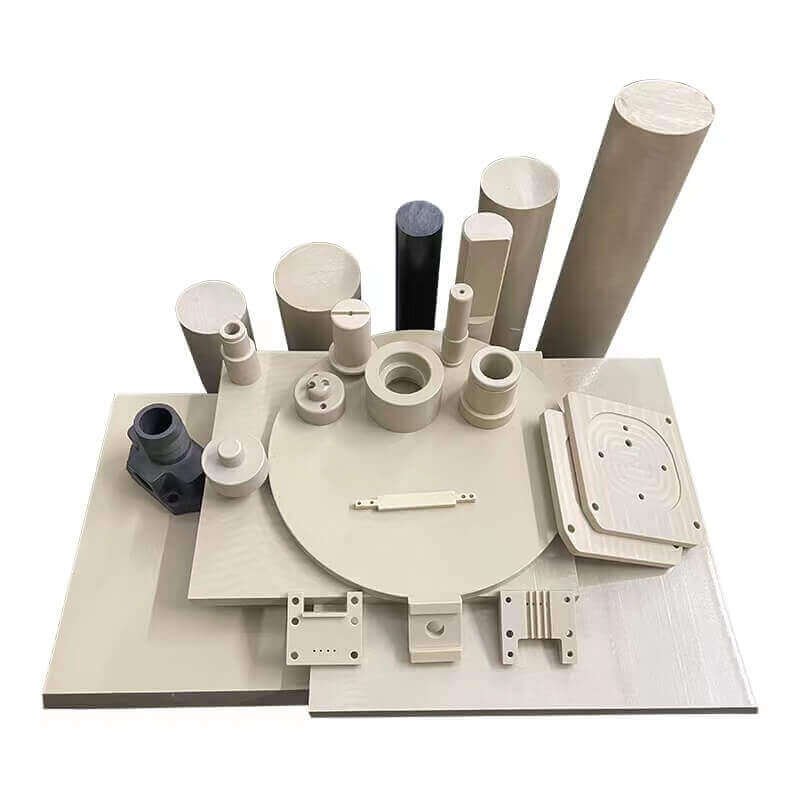
Navigating the Future with PEEK: Trends and Predictions in CNC Machining

The landscape of CNC machining is witnessing a transformative shift with the integration of PEEK parts, propelled by continuous technological advancements and material science innovations. As we look towards the future, it’s evident that PEEK is set to play a pivotal role in shaping next-generation machining solutions. This discussion delves into the emerging trends, potential applications, and how engineers and designers are leveraging PEEK‘s exceptional properties for futuristic applications.

Technological Advancements Enhancing PEEK Machinability

Recent technological advancements in CNC machining equipment and techniques have significantly improved the machinability of PEEK, making it more accessible for a broader range of applications. Innovations in tool design, cutting fluids, and machine programming have enabled more precise and efficient machining of PEEK, reducing waste and improving the overall quality of the machined parts. These advancements not only enhance the economic viability of using PEEK but also expand its applicability to industries seeking high-precision components.

Emerging Material Science Trends in PEEK

Material science is at the heart of PEEK‘s evolution, with research focused on developing new blends and composites that enhance its already impressive properties. By incorporating fillers such as glass fibers, carbon fibers, or proprietary nano-materials, scientists are enhancing PEEK‘s mechanical strength, thermal resistance, and electrical conductivity. These material innovations open up new avenues for PEEK applications, from more efficient electric vehicle components to advanced aerospace structures that withstand extreme environmental conditions.

The Rise of Customization and Complex Geometries

One of the most exciting trends in CNC machining of PEEK is the push towards customization and the production of complex geometries that were previously impossible to achieve. Engineers and designers are now able to exploit PEEK‘s versatility to create bespoke parts tailored to specific application requirements. This capability is particularly beneficial in industries like healthcare, where customized medical implants or devices can significantly improve patient outcomes. Similarly, the aerospace and automotive sectors are exploring complex PEEK components that contribute to lighter, more efficient designs.

PEEK in Sustainable Manufacturing Practices

As sustainability becomes a driving force in manufacturing, PEEK is emerging as a material of choice due to its durability and recyclability. The long lifespan of PEEK parts reduces the need for frequent replacements, lowering the environmental impact of industries that rely on high-performance components. Furthermore, the ability to recycle PEEK waste from the machining process into new products aligns with the circular economy principles, making PEEK a key player in sustainable manufacturing practices.

Anticipating the Future

The future of CNC machining with PEEK is not just about continuing the trends of today but about anticipating the needs of tomorrow. Engineers and material scientists are exploring the potential of PEEK in emerging sectors such as renewable energy, where its resistance to environmental stressors can significantly enhance the longevity and reliability of equipment. Similarly, in the realm of electronics, PEEK‘s electrical insulation properties are being harnessed for high-performance electrical connectors and components.

The journey ahead for PEEK in CNC machining is marked by innovation, sustainability, and an ever-expanding horizon of applications. By leveraging the unique properties of PEEK, industries are poised to embrace a future where the limitations of traditional materials are no longer a constraint, paving the way for breakthroughs that redefine what’s possible in design and manufacturing.

As we venture further into the intricacies of PEEK and its integration into CNC machining, it’s clear that this material is not just enhancing current manufacturing capabilities but is also paving the way for future innovations. The synergy between PEEK’s unique properties and the cutting-edge advancements in machining technology heralds a new era of engineering possibilities. From creating more efficient aerospace components to pioneering medical implants that improve patient care, PEEK is at the forefront of transforming industries. As engineers and designers continue to unlock its potential, PEEK stands as a testament to the power of innovation, driving us towards a future where the boundaries of what we can create are ever-expanding. Embracing PEEK within CNC machining is not just an investment in material science; it’s a commitment to pioneering the next generation of engineering marvels that will shape our world.

PEEK's unique properties

Ready to Elevate Your Projects with PEEK? Don’t miss the opportunity to transform your engineering applications with the superior performance of PEEK parts. Dive into the future of CNC machining today. Fill out our contact form below to get started on revolutionizing your designs!

🎉🎉🎉Limited Time Offer Use code: QR4GNY08SHVR at checkout and enjoy a special discount on your entire order! 👉 PEEK plastic


Leave a comment


Please note, comments must be approved before they are published


Custom Plastic Fabrication

Send your drawing, material and quantity for review

🔧
Precision Machining
CNC milling & turning
✂️
Cutting & Engraving
Laser & waterjet cutting
🏭
Forming & Molding
Thermoforming & injection
🔗
Joining & Assembly
Welding & bonding
📐
Design & Prototyping
CAD design & samples

General

HDPE

PP

PVC

ABS

Engineering

POM

Nylon

PC

PMMA

High-Performance

PEEK

PEI

PTFE

Composites

FR-4

G10

Flexible

TPU

Silicone

Why Choose BeePlastic?

🎯
Perfect Fit
Custom specs eliminate adaptation needs
⚡
Clear Lead Times
Lead time confirmed with every quote
💰
Volume Pricing
Volume pricing available on bulk orders
🤝
Expert Support
Free engineering consultation included
📋
Submit
→
🔍
Review
→
💵
Quote
→
✅
Production
→
📦
Deliver

Request a Quote

Share your project details, selected material and quantity on our quote page. You can add a file link or use the email drawing route shown there.


Request Quote

Industries: Automotive • Medical • Food • Lab • Semiconductor

beeplastic@beeplastic.com


Designing the Future: The Benefits of CNC Machined PTFE Parts for Innovative Creations

PTFE plastic sheet

In the blog post “Designing the Future: The Benefits of CNC Machined PTFE Parts for Innovative Creations,” we embark on an enlightening journey through the world of CNC machined PTFE parts, a cornerstone in modern product design. We begin by Understanding CNC Machined PTFE Parts, offering a comprehensive overview that demystifies this material’s unique properties and its significance in innovative design.

🎉🎉🎉Limited Time Offer Use code: QR4GNY08SHVR at checkout and enjoy a special discount on your entire order! 👉 PTFE plastic
CNC Machined PTFE Parts

Delving deeper, we explore The Role of CNC Machined PTFE in Modern Manufacturing Processes, highlighting how CNC machining has revolutionized manufacturing, bringing unmatched precision and customization capabilities. This leads us to the heart of creativity in Innovative Applications of CNC Machined PTFE in Product Design, where we showcase a range of groundbreaking uses of CNC machined PTFE, from intricate components in electronics to bespoke parts in automotive design.

A critical comparison comes next in Comparing CNC Machined PTFE with Other Materials: A Designer’s Perspective. Here, we weigh the advantages and potential limitations of CNC machined PTFE against other traditional materials, providing a balanced view for product designers.

Finally, we gaze into the crystal ball with Future Trends: The Evolving Landscape of CNC Machined PTFE in Design. This section predicts emerging trends and potential new applications, painting a picture of how CNC machined PTFE parts will continue to shape the future of product design and innovation.

This post is not just a read; it’s an expedition into the future of design, highlighting the pivotal role of CNC machined PTFE parts in pushing the boundaries of creativity and functionality in product design.

Understanding CNC Machined PTFE Parts: An Overview for Product Designers

In the realm of modern product design, the use of CNC machined PTFE parts stands out as a game-changer. This section delves into the essentials of CNC machined PTFE, highlighting its unique properties and significance in the world of design.

CNC Machined PTFE plastic Parts

What are CNC Machined PTFE Parts?

CNC (Computer Numerical Control) machining is a process used to manufacture precision parts. When applied to PTFE (Polytetrafluoroethylene), a material renowned for its high resistance to heat, chemicals, and electricity, it results in parts that are not only precise but also highly durable. These CNC machined PTFE parts are crafted using advanced computer-controlled machinery, ensuring unparalleled accuracy and consistency.

Unique Properties of CNC Machined PTFE

One of the standout features of CNC machined PTFE is its exceptional resistance to extreme temperatures. This makes it an ideal choice for applications in challenging environments. Additionally, its non-stick surface and chemical inertness make it suitable for use in the food industry, medical field, and beyond. The material’s low friction coefficient also means that parts made from PTFE operate smoothly, with minimal wear and tear.

Why CNC Machined PTFE is Significant in Product Design

For product designers, CNC machined PTFE parts offer a multitude of benefits. Their precision and reliability make them indispensable in creating complex components where tolerances are tight. This precision allows designers to push the boundaries of innovation, knowing that the parts can be manufactured to exact specifications. Furthermore, the versatility of PTFE means it can be used in a wide range of applications, from aerospace components to household appliances.

The Impact of CNC Machining on PTFE Parts

The impact of CNC machining on PTFE cannot be overstated. This technology has transformed how PTFE parts are made, allowing for more complex and intricate designs that were previously impossible. The ability to produce consistent, high-quality parts quickly and efficiently is a significant advantage in today’s fast-paced market.

Embracing CNC Machined PTFE in Design

In conclusion, CNC machined PTFE parts represent a significant advancement in the field of product design. Their unique properties, combined with the precision of CNC machining, open up new possibilities for designers to explore. As we continue to push the limits of what’s possible, CNC machined PTFE will undoubtedly play a crucial role in the future of design and manufacturing.

The Role of CNC Machined PTFE in Modern Manufacturing Processes

The integration of CNC machined PTFE into modern manufacturing processes marks a significant evolution in the production of high-performance parts. This section explores how CNC machining has revolutionized the use of PTFE, focusing on the precision and customization it offers.

CNC Machined PTFE Parts

Revolutionizing Manufacturing with CNC Machined PTFE

CNC machining has transformed the landscape of manufacturing, particularly with materials like PTFE (Polytetrafluoroethylene). This advanced manufacturing technique uses computer-controlled systems to ensure high precision in producing parts. When applied to PTFE, a material known for its versatility and durability, CNC machining opens up a world of possibilities in manufacturing.

Precision: The Hallmark of CNC Machined PTFE

One of the most significant advantages of using CNC machined PTFE is the level of precision it brings to manufacturing. CNC machines can produce parts with extremely tight tolerances, essential in industries where precision is paramount, such as aerospace, automotive, and medical devices. This precision ensures that each part is consistent, fitting perfectly into its intended application without the need for adjustments.

Customization Capabilities of CNC Machining

Another key benefit of CNC machining in the context of PTFE is its customization capabilities. Unlike traditional manufacturing methods, CNC machines can easily be programmed to produce complex shapes and designs. This flexibility allows manufacturers to create bespoke PTFE parts tailored to specific requirements, making it an ideal solution for custom projects and innovative applications.

Enhancing Efficiency and Reducing Wast

CNC machining not only offers precision and customization but also enhances efficiency in the manufacturing process. The high level of accuracy reduces material waste, as parts are made exactly to specification. This efficiency is particularly beneficial when working with PTFE, a valuable material, ensuring that every bit is utilized effectively.

CNC Machined PTFE – A Cornerstone in Modern Manufacturing

In conclusion, the role of CNC machined PTFE in modern manufacturing processes cannot be overstated. Its ability to deliver precision, customization, and efficiency has made it a cornerstone in the production of high-quality, reliable parts. As manufacturing continues to evolve, the use of CNC machined PTFE is set to grow, further revolutionizing the industry and paving the way for more innovative and effective manufacturing solutions.

Innovative Applications of CNC Machined PTFE in Product Design

The versatility of CNC machined PTFE has opened up a plethora of innovative applications in product design. This section highlights various ways in which product designers are incorporating CNC machined PTFE parts into their creations, showcasing specific case studies and examples.

CNC Machined PTFE Parts

Unleashing Creativity with CNC Machined PTFE

The advent of CNC machining technology has given product designers a powerful tool to realize their most creative ideas, especially when working with PTFE (Polytetrafluoroethylene). This material’s unique properties, combined with the precision of CNC machining, allow for the creation of complex, high-performance parts.

Case Study: Aerospace Industry

In the aerospace industry, the use of CNC machined PTFE parts has been groundbreaking. For instance, PTFE’s high resistance to extreme temperatures and chemicals makes it ideal for components exposed to harsh environmental conditions. A notable example is the use of CNC machined PTFE in creating seals and gaskets for aircraft engines, where they ensure reliability and safety under high-stress conditions.

Automotive Applications

The automotive sector has also seen a surge in the use of CNC machined PTFE parts. Their durability and low friction coefficient make them perfect for components like gears and bearings, which require smooth operation and longevity. This application not only enhances the performance of vehicles but also contributes to their overall efficiency and lifespan.

Medical Device Innovations

In the medical field, CNC machined PTFE is used to create intricate components for various devices. Its biocompatibility makes it safe for use in medical implants and surgical instruments. For example, PTFE’s non-reactive nature is ideal for creating parts of heart valves and stents, significantly improving patient outcomes.

The Future of Design with CNC Machined PTFE

In conclusion, the innovative applications of CNC machined PTFE in product design are vast and varied. From aerospace to automotive, and medical devices, the impact of this technology is profound. As designers continue to explore the potential of CNC machined PTFE, we can expect to see even more groundbreaking uses in various industries.

Comparing CNC Machined PTFE with Other Materials: A Designer’s Perspective

In the dynamic world of product design, the choice of materials plays a pivotal role. This section offers a detailed analysis of CNC machined PTFE compared to other commonly used materials, highlighting both the advantages and potential limitations from a designer’s perspective.

CNC machined PTFE

CNC Machined PTFE vs Traditional Materials

When it comes to material selection, CNC machined PTFE stands out for several reasons. Its unique properties offer distinct advantages over more traditional materials like metals, plastics, and ceramics. Understanding these differences is crucial for designers in making informed decisions about material selection.

Advantages of CNC Machined PTFE

Superior Chemical Resistance

One of the most significant advantages of CNC machined PTFE is its exceptional chemical resistance. Unlike metals that can corrode or plastics that may degrade, PTFE remains stable in a wide range of chemical environments. This property is particularly beneficial in industries like chemical processing or where parts are exposed to corrosive substances.

High-Temperature Tolerance

Another key advantage is PTFE’s ability to withstand extreme temperatures. While materials like plastics may melt or deform under high heat, CNC machined PTFE maintains its integrity, making it ideal for applications in aerospace and automotive industries.

Low Friction and Non-Stick Properties

PTFE’s low friction coefficient and non-stick nature are also noteworthy. These properties reduce wear and tear, extending the lifespan of parts, a feature not always present in other materials like metals or standard plastics.

Potential Limitations of CNC Machined PTFE

Despite its many advantages, CNC machined PTFE is not without its limitations. One potential drawback is its lower strength compared to some metals, which might limit its use in applications requiring high structural integrity. Additionally, PTFE’s cost can be higher than some conventional materials, which might be a consideration for budget-sensitive projects.

Comparing with Other Advanced Materials

CNC Machined PTFE vs Composites

When compared to advanced composite materials, CNC machined PTFE offers better chemical resistance but may lack the structural strength that composites provide. Composites, however, can be more expensive and less resistant to high temperatures.

CNC Machined PTFE vs Ceramics

Ceramics are known for their hardness and heat resistance, but they can be brittle. CNC machined PTFE, while not as hard, offers greater flexibility and resistance to thermal shock, making it more suitable for certain applications.

Balancing Pros and Cons in Material Selection

In conclusion, while CNC machined PTFE excels in chemical resistance, temperature tolerance, and low friction properties, it’s important to balance these benefits against its strength limitations and cost. For product designers, understanding these trade-offs is key to selecting the right material for their specific needs.

Future Trends: The Evolving Landscape of CNC Machined PTFE in Design

As we look towards the future, the role of CNC machined PTFE in product design is poised for even more groundbreaking developments. This section explores the emerging trends, potential new applications, and the continuing influence of CNC machined PTFE parts in the evolving field of product design.

CNC machined PTFE

Emerging Trends in CNC Machined PTFE Applications

The advancement of CNC technology and material science is set to expand the capabilities and applications of CNC machined PTFE. These trends are not just shaping the present but are also paving the way for future innovations.

Integration with Smart Technology

One of the most exciting trends is the integration of CNC machined PTFE parts with smart technology. The potential for PTFE components in IoT (Internet of Things) devices and smart sensors is vast, given their durability and resistance to environmental factors. This integration could lead to more efficient, self-monitoring systems in industries ranging from automotive to home appliances.

Sustainable and Eco-Friendly Manufacturing

Sustainability is becoming increasingly important in manufacturing. The production of CNC machined PTFE is evolving to become more eco-friendly, with a focus on reducing waste and improving recycling methods. This shift not only addresses environmental concerns but also meets the growing demand for sustainable manufacturing practices.

Potential New Applications

Biomedical Advances

In the biomedical field, the use of CNC machined PTFE is expected to grow, particularly in prosthetics and implantable devices. Its biocompatibility makes it an ideal choice for medical applications, and CNC machining allows for the creation of highly customized parts tailored to individual patient needs.

Aerospace and Defense Innovations

The aerospace and defense industries are also likely to see increased use of CNC machined PTFE. Its resistance to extreme temperatures and chemicals makes it suitable for critical components in spacecraft and military equipment, where reliability is paramount.

The Future of Design with CNC Machined PTFE

Looking ahead, the possibilities for CNC machined PTFE in product design are limitless. As technology advances, we can expect to see PTFE used in more innovative and complex ways, further solidifying its role in the future of design.

A Bright Future for CNC Machined PTFE in Design

In conclusion, the future trends in CNC machined PTFE point to a landscape of innovation and advancement. From smart technology integration to sustainable manufacturing and new applications in various industries, CNC machined PTFE is set to continue its significant impact on product design.

In conclusion, our journey through the world of CNC machined PTFE in product design has revealed its remarkable versatility and potential. From revolutionizing manufacturing processes with unparalleled precision and customization to inspiring innovative applications across various industries, CNC machined PTFE stands as a testament to the power of modern engineering and design. As we look towards the future, the evolving landscape of CNC machined PTFE promises even more exciting possibilities, blending sustainability with advanced technology. For product designers and manufacturers, embracing the capabilities of CNC machined PTFE means not just keeping pace with current trends but also shaping the future of design and innovation. This exploration into CNC machined PTFE not only highlights its current significance but also ignites imagination for what is yet to come, ensuring its role as a pivotal material in the ever-evolving realm of product design.

PTFE plastic CNC machining center

Ready to Transform Your Designs with CNC Machined PTFE?

Let’s make it happen! Share your ideas and questions with us. Fill out the contact form below and join the forefront of innovative product design. We’re excited to collaborate and bring your visions to life!

🎉🎉🎉Limited Time Offer Use code: QR4GNY08SHVR at checkout and enjoy a special discount on your entire order! 👉 PTFE plastic

Leave a comment


Please note, comments must be approved before they are published


Custom Plastic Fabrication

Send your drawing, material and quantity for review

🔧
Precision Machining
CNC milling & turning
✂️
Cutting & Engraving
Laser & waterjet cutting
🏭
Forming & Molding
Thermoforming & injection
🔗
Joining & Assembly
Welding & bonding
📐
Design & Prototyping
CAD design & samples

General

HDPE

PP

PVC

ABS

Engineering

POM

Nylon

PC

PMMA

High-Performance

PEEK

PEI

PTFE

Composites

FR-4

G10

Flexible

TPU

Silicone

Why Choose BeePlastic?

🎯
Perfect Fit
Custom specs eliminate adaptation needs
⚡
Clear Lead Times
Lead time confirmed with every quote
💰
Volume Pricing
Volume pricing available on bulk orders
🤝
Expert Support
Free engineering consultation included
📋
Submit
→
🔍
Review
→
💵
Quote
→
✅
Production
→
📦
Deliver

Request a Quote

Share your project details, selected material and quantity on our quote page. You can add a file link or use the email drawing route shown there.


Request Quote

Industries: Automotive • Medical • Food • Lab • Semiconductor

beeplastic@beeplastic.com


The Future is Electric: How PEI Plastic is Powering Electronics Forward

PEI Plastic

Advances in plastic materials are enabling the future of electronics. One of the most promising plastics for electronics is polyetherimide, or PEI. This high-performance plastic has unique electrical properties that make it ideal for various electronics applications. As electronic devices become smaller, faster, and more powerful, the right materials are crucial. PEI plastic allows electronics manufacturers to innovate and push boundaries.

🎉🎉🎉Limited Time Offer Use code: QR4GNY08SHVR at checkout and enjoy a special discount on your entire order! 👉 Polyetherimide (PEI) plastic
custom PEI Plastic

An Introduction to PEI Plastic

PEI plastic, also known as Ultem, is an amorphous thermoplastic that offers an exceptional combination of properties. It has high heat resistance and mechanical strength combined with inherent flame retardancy. Importantly, PEI boasts excellent electrical properties like high dielectric strength. This enables it to insulate and protect components from electrical interference.

PEI plastic maintains its strength and stiffness even at elevated temperatures. It has a high heat deflection temperature around 217°C. This high-performance material also provides great chemical resistance and corrosion protection. PEI resists a wide range of solvents, fuels, and acids.

These properties make PEI an ideal choice for electronics and electrical applications where heat, corrosion, and dielectric strength are critical factors. As technology continues advancing, the capabilities of PEI will allow electronics to keep pace.

PEI processed parts

Key Properties That Enable Electronics Innovation

PEI plastic possesses key characteristics that make it well-suited for the demands of modern and future electronics. Two of its most important electrical properties are high dielectric strength and heat resistance.

High Dielectric Strength

Dielectric strength refers to a material’s ability to act as an electrical insulator. The higher the dielectric strength, the better it can prevent current flow and resist electrical breakdown. PEI has a dielectric strength of 20 kV/mm.

This high electrical insulation capacity allows PEI to inhibit current flow and prevent arcing in printed circuit boards, connectors, and other components. By controlling stray current, PEI protects sensitive electronic parts from interference and damage.

Thermal Endurance

In addition to dielectric strength, PEI plastic offers exceptional thermal properties. Its glass transition temperature is 217°C, and its heat deflection temperature is even higher at 260°C.

This heat resistance allows PEI plastic to maintain its integrity and shape at the high temperatures encountered during electronics manufacturing processes. The stability also enables long-term use in hot operating environments.

As electronic devices become more powerful and compact, heat management is crucial. PEI’s temperature durability provides the thermal endurance needed for robust and reliable electronics, even when miniaturized.

Key Applications of PEI in Modern Electronics

Thanks to these impressive electrical and thermal characteristics, PEI plastic is being utilized across a wide range of electronics applications:

Semiconductors and Printed Circuits

PEI offers an ideal substrate for manufacturing printed circuit boards (PCBs) to mount components like semiconductors. The high dielectric strength insulates against shorts and current leakage. This allows circuits to be packed more densely.

PEI plastic also withstands the heat of soldering PCBs. And its dimensional stability enables highly precise circuit patterning for complex circuit designs. PEI plastic is revolutionizing PCB capabilities.

5G Networks and High-Frequency Electronics

The next generation of wireless communication depends on higher frequencies. 5G networks will utilize high-frequency bands up to 30GHz or more.

These higher frequencies allow for faster data transmission rates and increased bandwidth. But they also introduce new engineering challenges.

PEI provides the perfect balance of dielectric performance and heat resistance required for building 5G infrastructure hardware and devices. It will play a major role in ushering in tomorrow’s hyper-connected world.

Aerospace and Automotive Applications

The aerospace industry leverages PEI plastic for electrical components to be used in the extreme operating conditions encountered by aircraft.

In jets, PEI provides reliable structural integrity along with electrical and flame resistance. It withstands the thin atmosphere at high altitudes, large swings in temperature, and exposure to fuels and hydraulic fluids.

The auto industry also values PEI plastic for its robustness. It’s used for high-voltage electric vehicle battery packs and charging systems. PEI withstands heat and humidity inside vehicles while preventing dangerous electrical shorts.

PEI processed part

The Future: PEI Plastic & Emerging Technologies

PEI plastic has already proven itself vital for current electronics like smartphones, WiFi routers, and laptops. But perhaps more exciting is how it will power emerging technologies, including:

Flexible and Wearable Electronics

Lightweight, flexible electronic components are the basis for wearable technology and foldable mobile devices. PEI films offer high flexibility while retaining dielectric strength, chemical resistance, and heat tolerance.

Flexible PEI substrates will enable new form factors for electronics to be embedded into clothing, skin patches, and bendable displays. This will fuel innovation in smart wearables and medical technology.

Internet of Things and Smart Devices

The Internet of Things (IoT) depends on billions of connected smart devices, from home appliances to sensors. PEI can support the miniaturization and intelligence needed for ubiquitous computing.

PEI plastic housings provide rugged protection for compact IoT endpoints. PEI PCBs allow for densely integrated device electronics. And PEI withstands the demands of edge computing hardware.

Polymer Electronics and Printed Electronics

Printed electronics and PEI plastic polymer electronics allow electronic circuits to be fabricated on flexible plastic substrates like PEI. This enables large areas to be covered, and even unconventional materials and surfaces.

PEI’s heat and chemical resistance are critical when using printing techniques like inkjet printing. PEI plastic will enable electronics to become ubiquitous through rapid printed fabrication.

The Future is Electric

Electronics are an integral part of modern life, and innovation is rapidly accelerating. As components become smarter, smaller, and more integrated, materials science plays an increasingly important role. PEI plastic possesses the ideal combination of properties needed for the electronics systems of tomorrow.

With its high dielectric strength, heat endurance, and design flexibility, PEI plastic will quite literally power the future. It will provide the electrical insulation, thermal stability, and resilience needed for emerging applications. PEI is transforming possibilities for printed circuits, high-frequency wireless, smart wearables, and flexible electronics.

The unique electrical properties of PEI plastic make it an indispensable material for enabling the next generation of electronics. As technology progresses, so too will PEI progress the field of electronics into new and exciting directions. The future is electric, and PEI plastic has electrified the path ahead.

Applications of polyetherimide (PEI)
If you are interested in using PEI Plastic in your project or want to know more information, welcome to harass us. We are a professional supplier and manufacturer of all kinds of plastic custom processing and production, with a professional team of engineers and precision equipment, we can provide you with customized plastic solutions that meet your specifications and budget. We are happy to serve you and help you fulfill your needs. Do you need a free quote or help with any questions or materials?
🎉🎉🎉Limited Time Offer Use code: QR4GNY08SHVR at checkout and enjoy a special discount on your entire order! 👉 Polyetherimide (PEI) plastic
Our website: www.BeePlastic.com 
Click to contact: Custom PEI Plastic


Leave a comment


Please note, comments must be approved before they are published


Custom Plastic Fabrication

Send your drawing, material and quantity for review

🔧
Precision Machining
CNC milling & turning
✂️
Cutting & Engraving
Laser & waterjet cutting
🏭
Forming & Molding
Thermoforming & injection
🔗
Joining & Assembly
Welding & bonding
📐
Design & Prototyping
CAD design & samples

General

HDPE

PP

PVC

ABS

Engineering

POM

Nylon

PC

PMMA

High-Performance

PEEK

PEI

PTFE

Composites

FR-4

G10

Flexible

TPU

Silicone

Why Choose BeePlastic?

🎯
Perfect Fit
Custom specs eliminate adaptation needs
⚡
Clear Lead Times
Lead time confirmed with every quote
💰
Volume Pricing
Volume pricing available on bulk orders
🤝
Expert Support
Free engineering consultation included
📋
Submit
→
🔍
Review
→
💵
Quote
→
✅
Production
→
📦
Deliver

Request a Quote

Share your project details, selected material and quantity on our quote page. You can add a file link or use the email drawing route shown there.


Request Quote

Industries: Automotive • Medical • Food • Lab • Semiconductor

beeplastic@beeplastic.com
