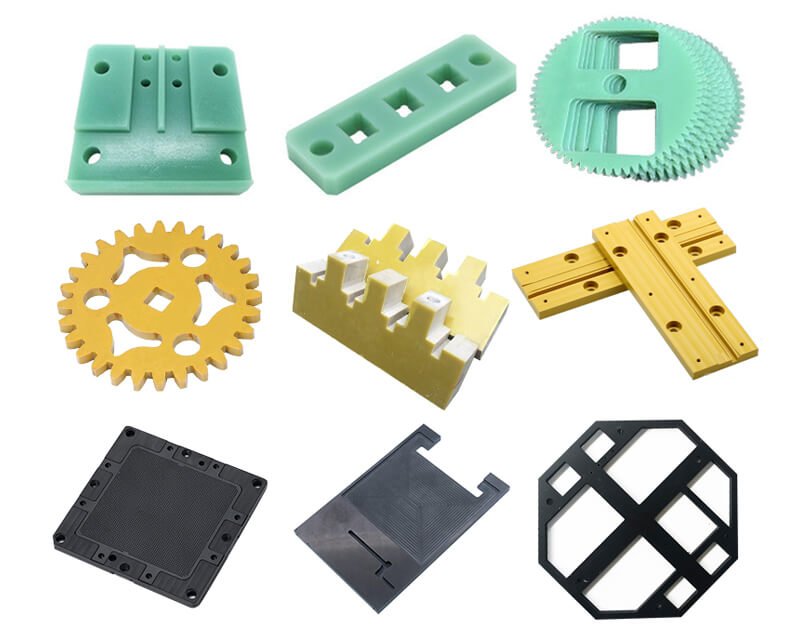
What Epoxy Can Be Machined? A Guide for Industrial and Electrical Applications

Epoxy resins

Epoxy resins have carved a niche in industrial and electrical manufacturing, celebrated for their adaptability and reliability. For example, the global epoxy resin market reached over $10 billion in 2021, driven by its widespread use in critical industries like aerospace and electronics. These materials, prized for their exceptional thermal stability and chemical resistance, lend themselves to precision machining processes. But not every epoxy resin is up to the task when it comes to machining. This guide explores the specifics of machinable epoxy types, their critical applications, and how to achieve the best results using proven techniques.

light green g10 fr4 epoxy fiberglass sheet

🎉🎉🎉Limited Time Offer Use code: QR4GNY08SHVR at checkout and enjoy a special discount on your entire order! 👉 FR4 fiberglass plastic

Understanding Machinable Epoxy Resins

Not all epoxies are created equal—some excel in machining, while others falter. Machinable epoxy resins offer a unique combination of properties that make them suitable for cutting, shaping, and finishing with high precision. Unlike non-machinable epoxies, these materials maintain their integrity under stress, resist deformation, and allow for intricate detailing, making them invaluable in high-performance manufacturing applications. Understanding these properties is crucial to leveraging their potential in demanding manufacturing environments.

Hardness and Stability

The ability of epoxy to resist deformation and cracking under mechanical stress is key to its machinability. Hard epoxy resins maintain their structural integrity during machining, ensuring precise outcomes even for intricate designs. For instance, in automotive applications, these resins are used to create components that endure repeated mechanical loads without losing functionality. This stability is also essential in aerospace manufacturing, where precision and durability are paramount.

Thermal Resistance

Epoxy resins with excellent heat resistance handle the friction generated during machining without distortion. This characteristic is particularly important in electronics manufacturing, where thermal stability ensures the reliability of circuit boards, insulators, and other critical components. Materials like FR4 epoxy sheets stand out for their ability to maintain performance under high temperatures, making them indispensable in high-stress environments.

Reinforcement for Durability

Reinforced epoxy resins, such as those containing glass fibers, bring added structural integrity and stability. A standout example is G10 glass epoxy, commonly used in aerospace and industrial applications. Its ability to remain dimensionally stable under extreme conditions makes it indispensable in high-performance industries. These reinforced materials are also valued for their resistance to wear and longevity in repeated use scenarios.

close-up g10 epoxy fiberglass surface

Tools and Techniques for Machining Epoxy

Achieving precision in epoxy machining hinges on using the right tools and following proven techniques. These strategies not only enhance efficiency but also help minimize material waste and ensure high-quality results.

Choosing the Right Tools

  1. CNC Machines: With their unparalleled accuracy and programmability, CNC machines are the backbone of intricate epoxy machining. They are particularly effective for producing complex geometries.

  2. Carbide-Tipped Tools: Known for their durability and sharpness, these tools are ideal for cutting tough epoxy materials and ensuring smooth edges.

  3. Diamond-Coated Tools: When working with abrasive composites like G10, diamond-coated tools provide a smooth finish and withstand wear and tear over extended use. Their precision is invaluable for achieving tight tolerances in critical applications.

Techniques for Precision Machining

Controlling Heat

Excessive heat can distort epoxy, undermining the precision of machined parts. Coolants, combined with adjustments in cutting speed and depth, mitigate heat buildup. Cooling systems integrated into CNC setups significantly enhance material stability during high-speed machining, ensuring a flawless finish.

Maintaining Consistent Feed Rates

A steady feed rate prevents chipping or cracking. This is particularly crucial for large-scale components, where inconsistencies can result in costly material waste and project delays. Automated feed rate controls on modern machinery can optimize this process, delivering consistent results.

Effective Dust Management

Fine dust generated during epoxy machining can pose significant health and safety risks. Using dust extraction systems and maintaining proper ventilation ensures a clean, safe workspace. Without adequate ventilation, workers may face health risks such as respiratory irritation, long-term lung conditions, or allergic reactions due to prolonged exposure to fine epoxy dust particles. Advanced filtration systems can further enhance air quality, making them essential in sensitive environments like electronics manufacturing.

Industrial and Electrical Applications of Machined Epoxy

Machined epoxy components are vital across diverse industries, delivering performance and reliability in demanding environments. Here are three key areas where epoxy shines:
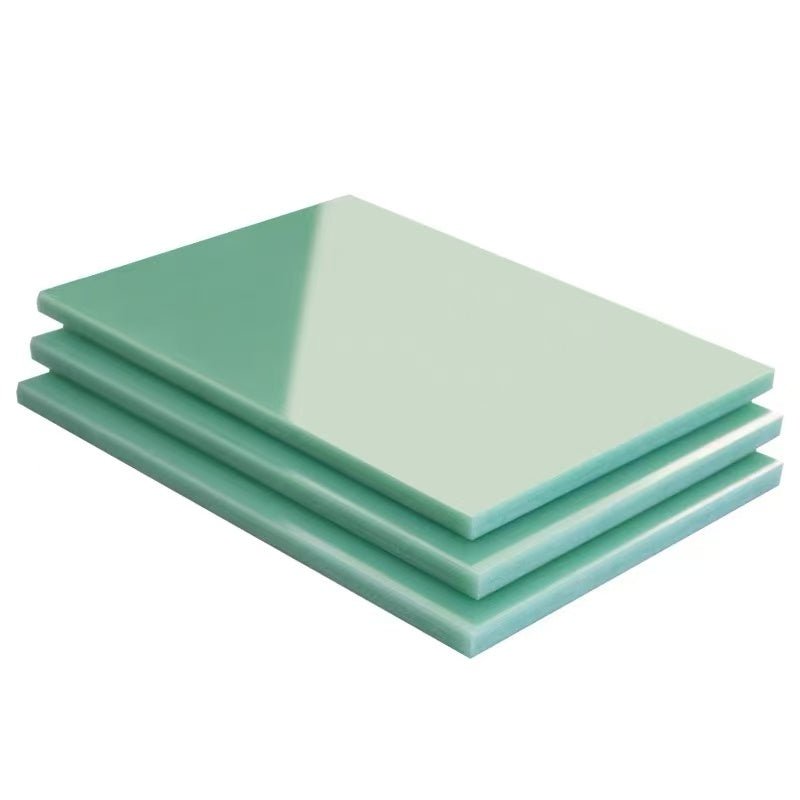
8mm FR4 epoxy laminate sheet with fiberglass core for high-voltage insulation

Electronics Manufacturing

Epoxy plays a foundational role in electronic components, from circuit boards to insulators. G10 glass epoxy stands out for its unparalleled thermal stability and electrical insulation properties, making it a preferred choice for high-performance electronics. Additionally, its machinability allows for the creation of intricate designs, ensuring compatibility with advanced electronic assemblies.

Mold Making

Epoxy’s detail retention and durability make it a popular choice for molds used in prototyping and production. Compared to metals, epoxy molds are significantly lighter and more cost-effective, reducing material and operational expenses. Unlike plastics, epoxy offers superior dimensional stability and the ability to endure repeated use without deformation, making it ideal for high-precision industries like automotive and aerospace. Unlike metals, epoxy molds are lightweight, cost-effective, and easier to maintain, providing a significant edge in industries like automotive manufacturing. For example, epoxy molds are widely used for producing custom automotive parts, where precision and efficiency are essential.

Structural Components

From aerospace to automotive, epoxy’s lightweight yet strong nature supports its use in structural components. Brackets, enclosures, and other critical parts benefit from epoxy’s resistance to corrosion and its ability to perform under extreme temperatures and mechanical stress. These features make epoxy indispensable for high-demand applications requiring reliability and long-term performance.

Challenges and Safety Tips in Epoxy Machining

While machining epoxy opens up new manufacturing possibilities, it also comes with challenges that require careful handling.

Common Challenges

Chipping During Machining

Improper tooling or inconsistent feed rates often lead to chipping, reducing precision. Selecting high-quality tools and maintaining steady machining conditions can address this issue effectively. Additionally, experimenting with tool angles can help minimize chipping.

Heat-Induced Deformation

Excessive heat can compromise epoxy’s properties, leading to warping or surface irregularities. Cooling systems and precise cutting parameters are crucial to avoiding such issues. Investing in heat-resistant epoxy grades can also mitigate this challenge.

Safety Tips for Machining Epoxy

Protective Gear

Always wear appropriate personal protective equipment (PPE), including gloves, safety goggles, and dust masks. Exposure to fine epoxy dust can irritate the skin and respiratory system, making proper protection essential. For added safety, consider full-face shields during high-dust operations.

Ventilation and Filtration

Maintaining adequate airflow minimizes dust accumulation, ensuring a safer and cleaner workspace. Advanced filtration systems are highly recommended for regular epoxy machining setups, especially in enclosed environments.

Regular Tool Maintenance

Sharpening and cleaning tools ensure consistent performance and reduce the risk of accidents. Well-maintained tools also extend their lifespan, contributing to cost savings over time. Routine inspections can help identify wear early, preventing unexpected downtime.

Unlock the Full Potential of Machinable Epoxy Materials

Machining epoxy offers unmatched opportunities for precision manufacturing. Whether you’re working with standard resins or advanced composites like G10 glass epoxy, understanding their applications and properties can revolutionize your production processes. By selecting the right materials and techniques, you can ensure efficiency, accuracy, and long-term reliability in your projects.

Black FR4 G10 fiberglass sheet for electrical insulation applications

Take Your Manufacturing to the Next Level

Elevate your manufacturing processes with premium machinable epoxy materials tailored for industrial and electrical applications. Discover the exceptional properties of FR4/G10 epoxy glass fiber sheets in the FR4/G10 epoxy materials category or browse our wide-ranging selection of fiberglass epoxy sheets in the fiberglass epoxy materials collection. For detailed insights into our manufacturing capabilities, learn more about our comprehensive capabilities in the manufacturing solutions overview. Fill out the contact form below to discuss your custom requirements and achieve precision like never before!

🎉🎉🎉Limited Time Offer Use code: QR4GNY08SHVR at checkout and enjoy a special discount on your entire order! 👉 FR4 fiberglass plastic

Leave a comment


Please note, comments must be approved before they are published


Custom Plastic Fabrication

Send your drawing, material and quantity for review

🔧
Precision Machining
CNC milling & turning
✂️
Cutting & Engraving
Laser & waterjet cutting
🏭
Forming & Molding
Thermoforming & injection
🔗
Joining & Assembly
Welding & bonding
📐
Design & Prototyping
CAD design & samples

General

HDPE

PP

PVC

ABS

Engineering

POM

Nylon

PC

PMMA

High-Performance

PEEK

PEI

PTFE

Composites

FR-4

G10

Flexible

TPU

Silicone

Why Choose BeePlastic?

🎯
Perfect Fit
Custom specs eliminate adaptation needs
⚡
Clear Lead Times
Lead time confirmed with every quote
💰
Volume Pricing
Volume pricing available on bulk orders
🤝
Expert Support
Free engineering consultation included
📋
Submit
→
🔍
Review
→
💵
Quote
→
✅
Production
→
📦
Deliver

Request a Quote

Share your project details, selected material and quantity on our quote page. You can add a file link or use the email drawing route shown there.


Request Quote

Industries: Automotive • Medical • Food • Lab • Semiconductor

beeplastic@beeplastic.com


Machining Epoxy: Discover Which Types Are Best for Precision Manufacturing

Machining Epoxy: Discover Which Types Are Best for Precision Manufacturing

Epoxy resin is a foundational material in industrial manufacturing due to its unparalleled versatility and reliability, enabling advancements across multiple industries. For instance, epoxy’s role in producing high-performance aerospace components and durable electronic insulators highlights its adaptability and unmatched benefits across industries. From high-performance aerospace components to durable electronic insulators, epoxy demonstrates unmatched adaptability across multiple sectors by excelling in roles that demand precision, durability, and thermal resistance. Its versatility is evident in its ability to replace traditional materials while enhancing performance, whether in cutting-edge electronics or industrial molds. For example, the global epoxy market reached over $10 billion in 2021, driven by its extensive use in industries ranging from aerospace to electronics, showcasing its critical role in modern manufacturing.

A precision-machined green FR-4 component, demonstrating its use as a flame-retardant electrical insulator for a printed circuit board (PCB).

🎉🎉🎉Limited Time Offer Use code: QR4GNY08SHVR at checkout and enjoy a special discount on your entire order! 👉 FR4 fiberglass plastic

In this guide, I will delve deeper into the types of epoxy resins that are most suitable for machining, explain the essential tools and techniques, and explore their wide-ranging applications. Along the way, I’ll share safety tips and insights to help you select the best epoxy for your specific project needs. Additionally, we’ll look at how advancements in epoxy formulations continue to open new possibilities for precision manufacturing.

Understanding the Machinability of Epoxy Resin

Epoxy resins differ significantly in their composition and properties, which directly affect their machinability. Selecting the right type involves evaluating key factors that determine how well the material responds to machining processes. As the demand for customized parts increases, understanding the machinability of epoxy becomes even more critical.

Key Factors Influencing Epoxy Machinability

Understanding these factors is critical for ensuring successful machining outcomes. For example, selecting a heat-resistant epoxy can prevent deformation during high-speed machining, leading to cleaner finishes and more reliable components in industries like aerospace and automotive manufacturing. Each property plays a pivotal role in determining how well epoxy resins respond to cutting, shaping, and finishing processes, ultimately impacting the quality and efficiency of the final product.

  1. Hardness and Heat Resistance: Harder epoxy resins resist deformation under cutting forces, allowing for clean and precise results. Their ability to withstand significant heat without softening ensures structural integrity during high-speed machining. For instance, G10 glass epoxy’s high hardness and thermal stability make it ideal for electronics and aerospace applications, where both precision and durability are paramount.

  2. Reinforcement: Glass-filled or fiber-reinforced epoxies, such as G10 glass epoxy, offer superior stability and durability. These materials are less prone to cracking or chipping, making them suitable for demanding applications where precision is critical. Glass-filled epoxy is widely used in automotive manufacturing for components that require enhanced strength and resistance to wear under mechanical stress.

Types of Machinable Epoxy Resins

Standard Epoxy Resins

Standard epoxy resins are widely used for light-duty machining tasks. They are effective for producing molds, prototypes, and components that do not require exceptional strength or durability. While they are versatile for general applications, their limitations in high-stress environments mean they may not always be the best choice for industrial projects. These resins often serve as an entry point for manufacturers looking to explore epoxy machining.

Epoxy resin

Glass-Filled Epoxy

Glass-filled epoxy incorporates fine glass particles to enhance its strength and machinability. In aerospace applications, these particles help create lightweight yet highly durable brackets and panels capable of withstanding extreme conditions. In the automotive industry, glass-filled epoxy ensures precision in manufacturing gears and bushings that demand minimal wear and high performance over time. This combination of reduced tool wear and enhanced part quality makes glass-filled epoxy indispensable in these sectors. These particles improve tool longevity by reducing friction and wear during cutting operations, ensuring consistent performance over extended machining tasks. Additionally, the uniform distribution of stress provided by the glass particles leads to greater precision, resulting in smoother finishes and tighter tolerances, which are critical in aerospace and automotive applications. For example, glass-filled epoxy enables the production of intricate aerospace brackets or precision automotive gears that demand flawless execution and durability.

G10 Glass Epoxy

G10 glass epoxy is a high-pressure fiberglass laminate known for its machinability and exceptional properties. It is extensively utilized in electronics and industrial applications due to its superior thermal stability and mechanical strength. The addition of glass fibers ensures that G10 can withstand rigorous machining processes without compromising its dimensional stability. Its popularity in manufacturing extends to applications such as circuit boards and structural supports, where it consistently meets demanding performance standards.

Tools and Techniques for Effective Epoxy Machining

Machining epoxy requires precision and proper handling to achieve high-quality results. Employing the right tools and techniques ensures efficiency while minimizing risks of material damage. With advancements in machining technology, achieving precision with epoxy has never been more accessible.

Essential Tools for Machining Epoxy

  • CNC Machines: CNC machines offer unparalleled precision, making them the preferred choice for machining intricate designs in epoxy materials. Their programmability ensures consistent results across complex geometries and reduces the likelihood of operator error.

  • Carbide-Tipped Tools: Carbide-tipped tools maintain sharpness for longer periods, providing clean cuts through tough epoxy materials without frequent replacements. This durability makes them indispensable in high-volume production settings.

  • Diamond-Coated Tools: For abrasive composites like G10 glass epoxy, diamond-coated tools provide durability and precision, reducing wear and tear during machining. Their ability to achieve ultra-smooth finishes is particularly valuable in industries like medical equipment manufacturing.

Techniques for Optimized Machining

  • Controlling Heat: Excessive heat can soften epoxy, leading to poor finishes and deformation. Use coolants or adjust cutting speeds and depths to manage heat effectively. Segmenting larger pieces during machining can also help mitigate prolonged heat exposure.

  • Maintaining Consistent Feed Rates: Steady feed rates ensure smooth cuts and minimize the risk of chipping or cracking. Avoid sudden changes in speed or direction to maintain material integrity.

  • Implementing Dust Control Measures: Epoxy machining generates fine dust particles that can pose health hazards. Ensure the use of high-quality dust extraction systems and maintain proper ventilation. Additionally, investing in advanced dust management solutions can improve overall workplace safety.

Industrial Applications of Machined Epoxy

Electronics Manufacturing

In electronics, epoxy components like circuit boards crafted from G10 glass epoxy provide excellent insulation and dimensional stability. These properties are crucial for maintaining performance in demanding environments. Epoxy’s resistance to environmental factors such as moisture and heat makes it a reliable choice for electronic housings and insulators. Its machinability allows manufacturers to achieve precise dimensions, ensuring seamless integration into complex electronic systems.

Mold Making

Epoxy’s ability to hold intricate details makes it a popular choice for mold making. Compared to metals, epoxy molds are lighter, easier to machine, and more cost-effective, reducing overall production costs. Unlike traditional plastics, epoxy offers superior durability and can maintain dimensional accuracy across multiple production cycles, making it ideal for industries requiring high precision, such as automotive and electronics manufacturing. Compared to metals or other traditional materials, epoxy molds are far more cost-effective due to their lower material and machining expenses. Additionally, they require less maintenance, further reducing operational costs. These advantages make epoxy molds a staple in industries like automotive and consumer electronics, where precision and efficiency are paramount. Machined epoxy molds are extensively used in prototyping and plastic manufacturing, offering durability and precision. Unlike metals or traditional plastics, epoxy molds maintain dimensional stability over multiple production cycles, making them cost-effective for high-volume manufacturing. Their ability to capture intricate details ensures superior quality in prototype designs, making them indispensable in industries like automotive and consumer electronics.

G10 epoxy molds

Structural Components

Reinforced epoxy materials find applications in aerospace, automotive, and industrial equipment manufacturing. Their lightweight yet durable nature makes them ideal for structural components that require high performance under varying conditions. Epoxy’s resistance to chemical corrosion also makes it a preferred choice for components exposed to harsh environments. Structural parts such as brackets, housings, and enclosures benefit from epoxy’s unique combination of machinability and resilience.

Safety Measures When Machining Epoxy

Machining epoxy can pose risks if proper safety protocols are not followed. Adhering to these measures ensures the safety of workers and the surrounding environment:

Personal Protective Equipment (PPE)

Always wear appropriate PPE, including gloves, safety goggles, and dust masks, to protect against fine epoxy particles that can irritate the skin and respiratory system. For instance, a 2020 study highlighted that prolonged exposure to epoxy dust can increase the risk of chronic respiratory diseases and exacerbate skin conditions like eczema, emphasizing the critical role of PPE in maintaining health and safety.

Ventilation and Dust Control

Use dust extraction systems to minimize airborne particles and maintain adequate ventilation in the workspace. Proper air circulation reduces the risk of inhaling hazardous materials and helps maintain a cleaner work environment. Advanced filtration systems can further enhance safety.

Regular Tool Maintenance

Keep tools in optimal condition through regular inspection and maintenance. Dull tools can lead to poor machining results and increase the risk of accidents. Regular sharpening and cleaning of tools extend their lifespan and ensure consistent performance. Investing in high-quality tools can also reduce long-term costs by minimizing the need for replacements.

Choosing the Right Epoxy for Your Project

Selecting the appropriate epoxy material is vital for achieving desired outcomes in machining projects. Consider the following factors:

Evaluating Application Requirements

Understand the mechanical, thermal, and environmental demands of your project. For instance, G10 glass epoxy is suitable for high-temperature applications requiring robust mechanical strength. Evaluating these factors ensures the material aligns with the project’s performance needs.

Balancing Cost and Performance

Weigh the material’s cost against its performance characteristics to ensure an efficient and budget-friendly solution. Reinforced epoxies may come at a premium, but their durability and stability often justify the investment for long-term projects. Consider how the material’s properties can reduce operational expenses over time.

Seeking Expert Advice

Consult material specialists or manufacturers to identify the best epoxy for your specific needs. Expert input can also help optimize machining parameters for better results. Collaborating with professionals ensures that your project leverages the full potential of epoxy materials.

Unlock Precision with Machinable Epoxy Materials

Machining epoxy is a specialized process that, when executed correctly, can unlock new possibilities in precision manufacturing. Whether you’re working with standard epoxy resins or advanced composites like G10 glass epoxy, understanding their properties and applications ensures the best results for your projects.

Act now to elevate your manufacturing capabilities with the finest machinable epoxy materials available—don’t wait to start improving your processes today! Fill out the contact form at the bottom of the page to discuss your custom requirements. Explore our premium FR4/G10 epoxy glass fiber sheets in our dedicated section for high-performance materials or browse through our extensive range of fiberglass epoxy sheets in our product collection. For a comprehensive overview of our extensive manufacturing capabilities, explore our detailed manufacturing capabilities section. Let’s make your project a success!

🎉🎉🎉Limited Time Offer Use code: QR4GNY08SHVR at checkout and enjoy a special discount on your entire order! 👉 FR4 fiberglass plastic

FR4/G10 epoxy glass fiber sheets and rods

Leave a comment


Please note, comments must be approved before they are published


Custom Plastic Fabrication

Send your drawing, material and quantity for review

🔧
Precision Machining
CNC milling & turning
✂️
Cutting & Engraving
Laser & waterjet cutting
🏭
Forming & Molding
Thermoforming & injection
🔗
Joining & Assembly
Welding & bonding
📐
Design & Prototyping
CAD design & samples

General

HDPE

PP

PVC

ABS

Engineering

POM

Nylon

PC

PMMA

High-Performance

PEEK

PEI

PTFE

Composites

FR-4

G10

Flexible

TPU

Silicone

Why Choose BeePlastic?

🎯
Perfect Fit
Custom specs eliminate adaptation needs
⚡
Clear Lead Times
Lead time confirmed with every quote
💰
Volume Pricing
Volume pricing available on bulk orders
🤝
Expert Support
Free engineering consultation included
📋
Submit
→
🔍
Review
→
💵
Quote
→
✅
Production
→
📦
Deliver

Request a Quote

Share your project details, selected material and quantity on our quote page. You can add a file link or use the email drawing route shown there.


Request Quote

Industries: Automotive • Medical • Food • Lab • Semiconductor

beeplastic@beeplastic.com