Exploring G10 and FR4: Applications, Properties, and Uses in Electronics

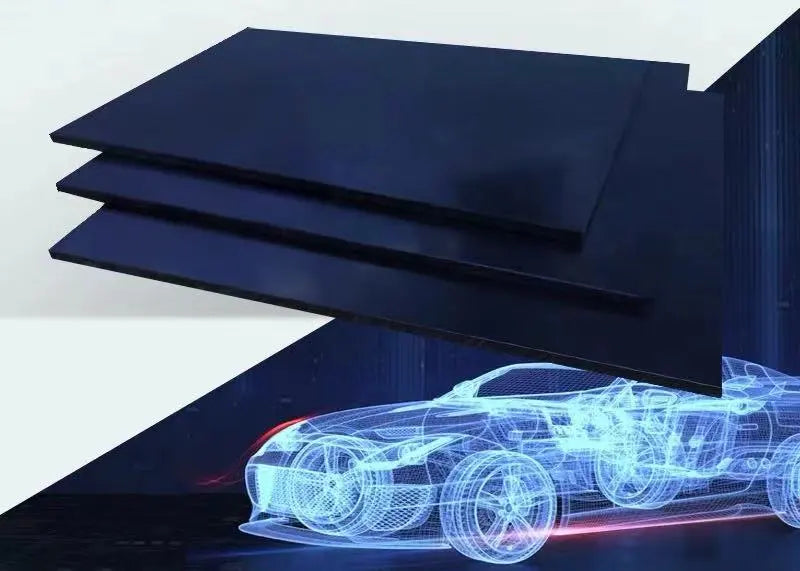
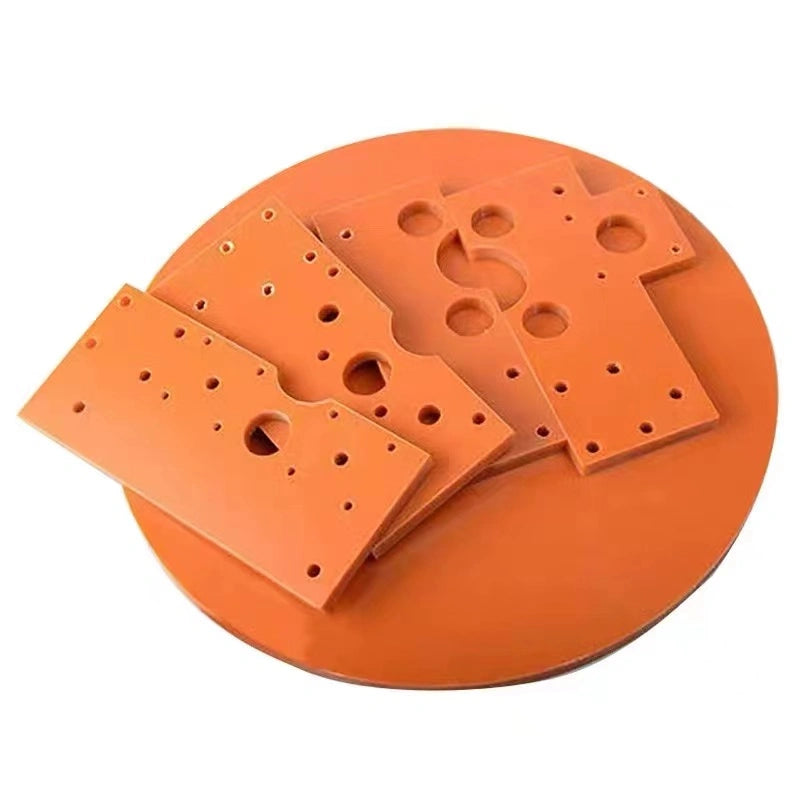
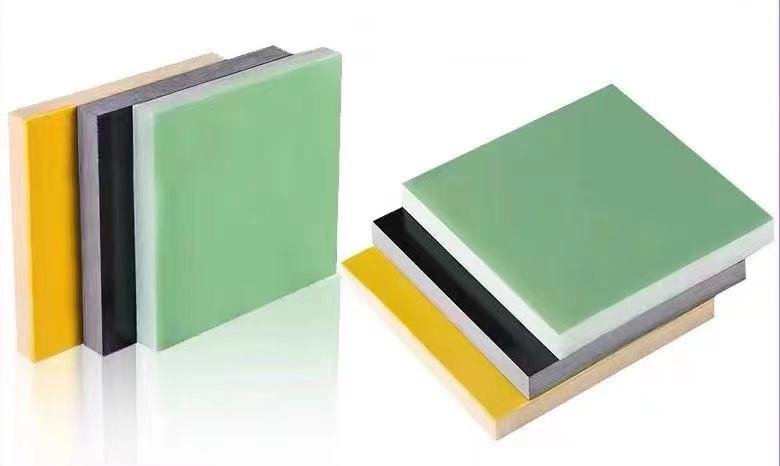
FR4 and G10 fiberglass epoxy sheets

G10 and FR4 are two of the most widely used glass epoxy laminates in various industries, but how do they differ? In this blog, I’ll take you through the key differences in G10 vs FR4, focusing on G10 mechanical strength and FR4’s flame retardant properties. Whether you’re working with FR4 printed circuit boards or need high-temperature insulation, understanding these materials is crucial. I’ll explain how FR4’s electrical insulation laminate is ideal for electronics, while G10 is perfect for mechanical parts. From moisture resistance to thermal stability, these materials excel in aerospace and industrial applications. You’ll also learn about CNC machining G10 and CNC machining FR4, which ensures precision in creating durable, dielectric components. Whether you’re choosing for FR4 applications in electronics or G10 applications in heavy-duty industries, this post covers it all.

glass epoxy laminates

🎉🎉🎉Limited Time Offer Use code: QR4GNY08SHVR at checkout and enjoy a special discount on your entire order! 👉 FR4 fiberglass plastic

What Are G10 and FR4? Understanding Glass Epoxy Laminates

G10 and FR4 are two of the most widely used glass epoxy laminates, prized for their mechanical strength, electrical insulation, and moisture resistance. Both materials are essential in electronics, aerospace, and other high-performance industries. However, the key difference between them lies in their flame retardancy—FR4 is flame retardant, while G10 is not.

Composition of G10 and FR4

Both G10 and FR4 are made by reinforcing epoxy resin with woven glass fabric, which creates a robust and highly durable material. This glass cloth is embedded in epoxy resin through a high-pressure and high-temperature process, resulting in fiberglass composite sheets that exhibit strong dimensional stability.

G10 was originally developed as a mechanical strength laminate, making it ideal for mechanical applications that require high impact resistance and excellent wear properties. Meanwhile, FR4 evolved from G10 to meet flame resistance standards, adding brominated chemicals to make it comply with the UL 94V-0 rating.

Structural Similarities and Differences Between G10 and FR4

While G10 and FR4 share a similar base composition of glass-reinforced epoxy laminate, FR4 stands out because of its flame retardant properties. The addition of a flame-retardant additive to FR4 makes it suitable for applications where fire resistance is critical, such as in printed circuit boards (PCBs) for electronics.

On the other hand, G10 maintains high mechanical strength, making it the go-to choice for applications that don’t require flame resistance. It is often used in knife handles, aerospace components, and electrical insulation in non-flame-sensitive environments.

Core Properties of G10 and FR4

Mechanical Strength

Both G10 and FR4 provide high mechanical strength and are capable of withstanding impact, vibration, and extreme conditions. However, G10 is particularly noted for its toughness, making it ideal for high-wear environments like military and industrial applications.

Dielectric Properties

The dielectric strength of FR4 and G10 makes them perfect for electrical insulation applications. While both materials excel in electrical insulation, FR4 is preferred for applications where flame retardancy is essential, particularly in electronics and high-voltage devices.

Moisture Resistance

One of the standout features of both G10 and FR4 is their low moisture absorption, which allows them to maintain their electrical and mechanical properties even in high-humidity environments. This makes these laminates particularly useful in aerospace and marine applications, where exposure to moisture is frequent.

Understanding the similarities and differences between G10 and FR4 is crucial when selecting the right material for your project, particularly when flame resistance or mechanical durability is a key requirement.

glass epoxy laminates

G10 vs FR4: Key Differences in Electrical Insulation and Flame Resistance

When comparing G10 and FR4, it’s essential to consider both their electrical insulation properties and flame resistance capabilities. These two laminates are often used interchangeably in industries requiring strong electrical insulation, but the introduction of flame-retardant FR4 created a clear distinction, especially in applications that involve high temperatures or fire hazards.

Electrical Insulation Properties of G10 and FR4

Both G10 and FR4 are excellent electrical insulators, making them popular choices for applications where dielectric strength is essential. These materials can effectively prevent the flow of electric current, which is why they are used extensively in electronics, electrical enclosures, and insulation laminates.

However, FR4 takes the lead in environments where high voltage and thermal stability are critical. It’s specifically designed to provide reliable insulation even at higher temperatures, which is a common requirement in the PCB (Printed Circuit Board) industry. Thanks to its dielectric properties, FR4 excels in maintaining consistent performance under varying conditions of heat and humidity, ensuring long-term reliability in sensitive electronics.

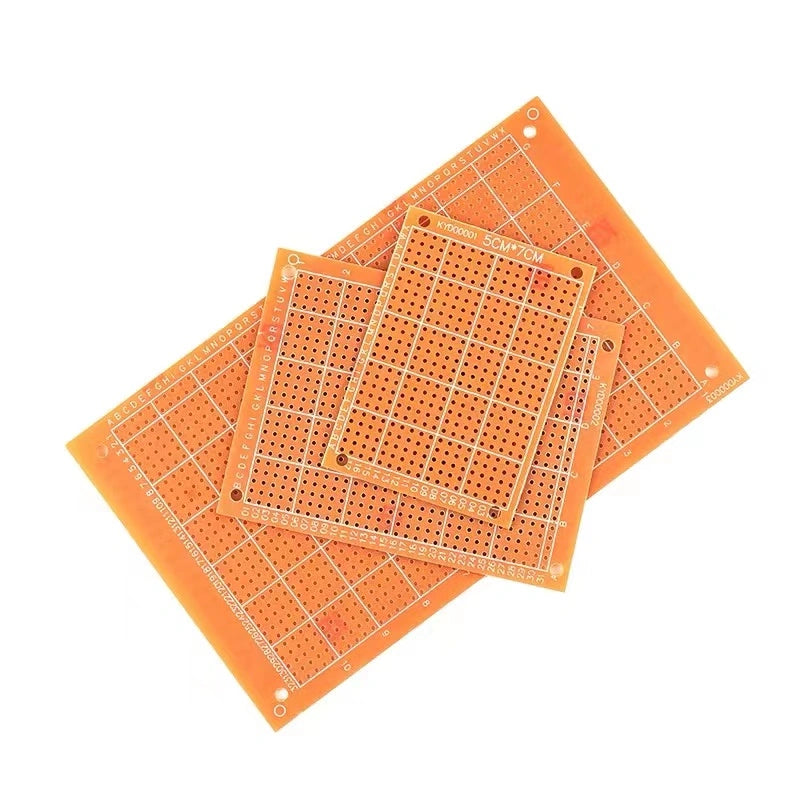
FR4 is the industry standard for printed circuit boards, offering electrical insulation laminate properties that help reduce the risk of short circuits, fires, and electrical failure. Its stability in high-voltage environments makes it indispensable for electronic devices that require continuous operation under stressful conditions.

FR4’s Flame Resistance (UL 94V-0)

One of the standout features of FR4 is its flame retardant capabilities. The UL 94V-0 rating certifies that FR4 is able to self-extinguish when exposed to flames, making it a fire-resistant material that is highly sought after in environments with fire hazards. This characteristic makes FR4 essential in the electronics industry, where flame resistance is a non-negotiable requirement.

In contrast, G10 lacks this flame retardant additive and is not suited for applications that involve significant fire risks. Instead, G10 is better for mechanical applications that require durability and high impact resistance. While FR4 is favored for PCBs and other electrical components that face flame exposure, G10 is used in non-flame-sensitive applications where high strength is the priority.

Where G10 Excels: Mechanical Strength in Non-Flame-Sensitive Applications

Although G10 doesn’t offer flame resistance, it boasts superior mechanical strength, making it ideal for high-wear environments. It has been the material of choice in aerospace and mechanical industries, where components need to withstand extreme stress and high-impact environments. G10 is commonly used in knife handles, tooling parts, and mechanical insulators, where strength and durability outweigh the need for flame resistance.

G10 retains excellent dimensional stability, even under extreme conditions. Its high impact resistance makes it valuable for industries like military equipment and aerospace, where structural integrity and shock resistance are crucial. Moreover, G10 offers flexibility in CNC machining, allowing it to be shaped into complex components while maintaining its strength and durability.

By understanding the specific differences between G10 and FR4, especially in terms of electrical insulation and flame resistance, you can make an informed decision about which material best suits your project’s requirements. Whether it’s FR4 for fire-sensitive electronics or G10 for mechanical durability, these two materials offer unique advantages tailored to specific industrial needs.

Applications of G10 and FR4 in Electronics and Aerospace

Both G10 and FR4 are highly versatile glass epoxy laminates with distinct applications in electronics and aerospace. While FR4 is primarily known for its role in printed circuit boards (PCBs), G10 excels in more mechanical-heavy industries like aerospace and military equipment. The choice between these two materials often comes down to flame resistance, mechanical strength, and thermal stability, depending on the specific application.

G10 in Aerospace: High Mechanical Strength and Durability

In the aerospace industry, G10 is a favored material because of its high mechanical strength and impact resistance. It is widely used in the fabrication of aircraft components, structural parts, and high-wear parts that need to withstand extreme conditions.

G10 is highly valued for its dimensional stability, which allows it to maintain its integrity even under stressful conditions like high-speed impacts or constant vibrations. The material’s low moisture absorption also makes it ideal for applications where exposure to humidity and extreme temperatures is a factor, such as in aircraft interiors or fuselage components. Aerospace engineers often use CNC machining G10 to fabricate highly complex parts that require precise dimensions and mechanical strength.

glass epoxy laminates

FR4 in Electronics: The Backbone of PCB Manufacturing

On the other hand, FR4 plays a critical role in electronics, particularly in PCB manufacturing. Due to its flame retardant properties (certified by UL 94V-0), FR4 is the material of choice for printed circuit boards, which are found in virtually all electronic devices, from smartphones to industrial control systems.

The dielectric properties of FR4 make it an ideal electrical insulation laminate, preventing the risk of short circuits and electrical failure in devices that require constant operation. Moreover, FR4’s thermal stability ensures that it can endure high temperatures generated by electronic components, making it a reliable material for long-term use in high-performance electronics.

Relevance of High-Temperature Insulation in Aerospace and Electronics

Both G10 and FR4 are known for their high-temperature insulation properties, which are crucial in their respective industries. In electronics, the ability to resist heat is vital in preventing overheating in PCB components. FR4‘s thermal stability allows it to perform consistently under high temperatures, making it indispensable for high-voltage applications and power electronics.

In the aerospace sector, where aircraft parts can be exposed to extreme thermal environments, G10 provides excellent insulation and mechanical stability at high temperatures. It’s commonly used in thermal shielding components and structural parts that require both insulation and strength.

Moisture Resistance in Critical Applications

Moisture resistance is another critical factor in the use of G10 and FR4 in electronics and aerospace. FR4, with its excellent moisture-resistant properties, is favored for PCBs and electrical insulation in environments where humidity could compromise performance. This makes FR4 particularly effective in outdoor electronics or devices exposed to moisture.

Similarly, G10‘s low moisture absorption makes it suitable for aerospace applications, especially in parts that are exposed to high-altitude environments where condensation can occur. Its ability to maintain mechanical strength and insulating properties under moist conditions ensures that G10 remains durable and reliable in critical aerospace components.

Both G10 and FR4 are indispensable in their respective fields, and understanding their thermal stability, moisture resistance, and mechanical strength is key to selecting the right material for demanding electronics and aerospace applications.

The Role of CNC Machining in Shaping G10 and FR4

In high-precision industries, the use of CNC machining has revolutionized the way materials like G10 and FR4 are shaped into specialized components. Both glass epoxy laminates are prized for their durability and unique properties, making them ideal for electronics, aerospace, and industrial applications. The ability to precisely machine these materials ensures they meet the exacting standards of these industries.

CNC Machining Enhances G10 and FR4 Usability

CNC machining (Computer Numerical Control) allows for precise cutting, drilling, and shaping of G10 and FR4 materials to meet specific industrial requirements. This precision is critical in industries where tight tolerances and complex geometries are necessary.

G10 and FR4 can be notoriously difficult to machine manually due to their hardness and abrasiveness, but CNC machining overcomes these challenges by using advanced tools that ensure smooth cuts and perfectly accurate dimensions. Whether it’s machining FR4 for printed circuit boards (PCBs) or CNC machining G10 for mechanical strength parts, the results are consistently reliable with minimal waste.

FR-4 and G-10 epoxy glass materials known for their exceptional mechanical strength, electrical insulation, and dimensional stability.

CNC Machining FR4 for Electrical Insulation Components

One of the most common applications of CNC machining is in shaping FR4 electrical insulation laminate for PCBs and other electrical components. FR4‘s flame resistance and electrical insulating properties make it the perfect material for high-voltage applications. By using CNC machining, manufacturers can produce customized FR4 parts that fit the exact needs of electronics manufacturers.

The high dielectric strength and thermal stability of FR4 are critical in ensuring that components perform consistently, even under high heat and electrical stress. With CNC machining, FR4 sheets can be turned into intricate parts, such as PCB bases, terminal strips, and switchboard components, with extreme accuracy. The precision of CNC machining ensures that these parts maintain their insulating properties and meet the strict safety standards required for electronics and electrical equipment.

CNC Machining G10 for Mechanical Strength Parts

While FR4 is commonly associated with electrical insulation, G10 is preferred for mechanical strength applications. The rigidity and impact resistance of G10 make it ideal for structural parts in industries such as aerospace, military, and industrial manufacturing. When CNC machined, G10 can be precisely shaped into parts that withstand high mechanical loads, vibrations, and impact forces.

CNC machining G10 allows for the creation of mechanical parts like knife handles, jigs, fixtures, and support structures. The high dimensional stability of G10 ensures that even in high-wear environments, the parts remain reliable and resistant to environmental factors such as humidity and chemical exposure. The versatility of G10 means it can be machined into both large structural components and small precision parts that require intricate detailing.

Advanced Capabilities of CNC Machining for G10 and FR4

The advanced capabilities of modern CNC machining equipment make it possible to shape G10 and FR4 into components with complex geometries, such as holes, slots, and angles, with consistent precision. CNC machines are equipped with multi-axis systems that allow for the simultaneous cutting of complex shapes without the need for additional manual intervention. This is particularly useful when machining FR4 for multi-layer PCBs or G10 for complex aerospace components.

CNC machining ensures that tolerances are maintained throughout the manufacturing process, which is critical for industries like electronics and aerospace, where even the smallest variations in part dimensions can lead to system failures. Additionally, CNC machining offers rapid prototyping capabilities, enabling manufacturers to quickly produce and test custom parts made from G10 and FR4 before moving into full production.

Through CNC machining, both G10 and FR4 can be transformed into high-performance components that meet the specific requirements of their respective industries, ensuring reliability, durability, and performance in even the most demanding applications.

High-Temperature Insulation and Moisture Resistance in G10 and FR4

Both G10 and FR4 excel in environments where thermal stability and moisture resistance are critical. These glass-reinforced epoxy laminates are designed to maintain their structural integrity and insulating properties even under extreme temperatures and humid conditions. This makes them ideal for applications in electronics, aerospace, and other high-performance industries where high-temperature insulation and moisture resistance are essential.

Thermal Stability in G10 and FR4

The thermal stability of both G10 and FR4 allows them to function in environments with high temperatures without degrading or losing their mechanical properties. In electronics, where components like printed circuit boards (PCBs) need to operate consistently under intense heat, FR4 provides excellent high-temperature insulation, maintaining its performance even when exposed to continuous heat.

FR4 is particularly well-suited for high-temperature applications because of its UL 94V-0 flame retardant rating, meaning it can withstand and even self-extinguish in the presence of flames. This makes FR4 a preferred choice in high-voltage electrical systems and power electronics, where both thermal stability and fire resistance are critical.

While G10 does not offer the same flame retardant properties as FR4, it remains highly effective in high-temperature environments. G10 is often used in aerospace applications, where heat resistance and mechanical strength are essential for parts exposed to friction and extreme heat. Its dimensional stability ensures that G10 components retain their shape and performance under varying temperature conditions.

A robust G-10 mechanical part, highlighting its use for high-strength, wear-resistant applications like custom tooling, jigs, and durable knife handles.

High-Temperature Insulation for Critical Applications

Both G10 and FR4 exhibit superior insulating properties, making them reliable materials for thermal shielding and high-temperature insulation. In aerospace, G10 is commonly used for thermal insulators and structural parts that need to withstand extreme heat without losing their mechanical integrity. Its ability to maintain dimensional stability under heat and mechanical stress makes G10 an ideal material for high-performance environments.

On the other hand, FR4 is more widely used in electronics and electrical insulation applications due to its excellent heat resistance and flame-retardant properties. FR4 is the material of choice in PCBs, where high-temperature insulation is required to prevent heat-related failures in electronic devices. The material’s ability to handle thermal cycling—repeated exposure to high and low temperatures—makes it indispensable in environments where heat dissipation is crucial.

Moisture Resistance: Durability in Humid Environments

Both G10 and FR4 are designed to perform well in humid environments due to their low moisture absorption. In applications where exposure to moisture is a concern, such as marine or outdoor electrical systems, these materials ensure that components remain durable and insulating properties stay intact.

Moisture resistance is particularly important for FR4, which is often used in electronics that operate in high-humidity environments. FR4’s low water absorption prevents it from degrading when exposed to moisture, ensuring that electrical insulation remains effective in moisture-rich environments like power stations or outdoor transformers. Similarly, G10‘s water resistance allows it to be used in aerospace and marine environments, where condensation and humidity could otherwise impact the performance of components.

Performance in Extreme Conditions

When exposed to extreme conditions, both G10 and FR4 exhibit excellent durability and insulating performance. G10 is commonly used in applications that face mechanical wear and thermal cycling, where its heat resistance and impact strength are vital. FR4, on the other hand, stands out in environments where flame resistance and high-temperature insulation are required, particularly in electronics that need to function reliably under continuous thermal stress.

Both materials are essential in ensuring long-term reliability in electronics, aerospace, and marine applications where thermal insulation and moisture resistance are critical for performance.

Choosing Between G10 and FR4 for Industrial and Electronic Applications

When selecting the right laminate for your project, it’s essential to weigh the differences between G10 and FR4 based on your specific needs. Both materials are glass-reinforced epoxy laminates, but their properties make them more suited to distinct applications. By considering factors such as dielectric properties, flame resistance, and mechanical strength, you can make an informed decision about whether G10 or FR4 is the right choice for your industry.

Dielectric Properties: Electrical Insulation for Sensitive Electronics

Dielectric properties are a critical consideration when choosing between G10 and FR4, especially in applications where electrical insulation is paramount. Both materials provide excellent dielectric strength, but FR4 stands out as the preferred choice for printed circuit boards (PCBs) and other electrical components due to its ability to maintain consistent insulation even under high-voltage conditions.

FR4 is renowned for its dielectric properties, which prevent electrical current from traveling through the material, making it ideal for electronics. In contrast, G10 offers similar electrical insulation but lacks the flame retardant qualities of FR4. This makes FR4 more suitable for high-voltage or high-temperature applications, especially where safety and fire resistance are critical.

When working with high-performance electronics, FR4 is the go-to material because of its superior electrical insulation. However, G10 remains an excellent alternative in situations where flame resistance is not a requirement, but mechanical durability is.
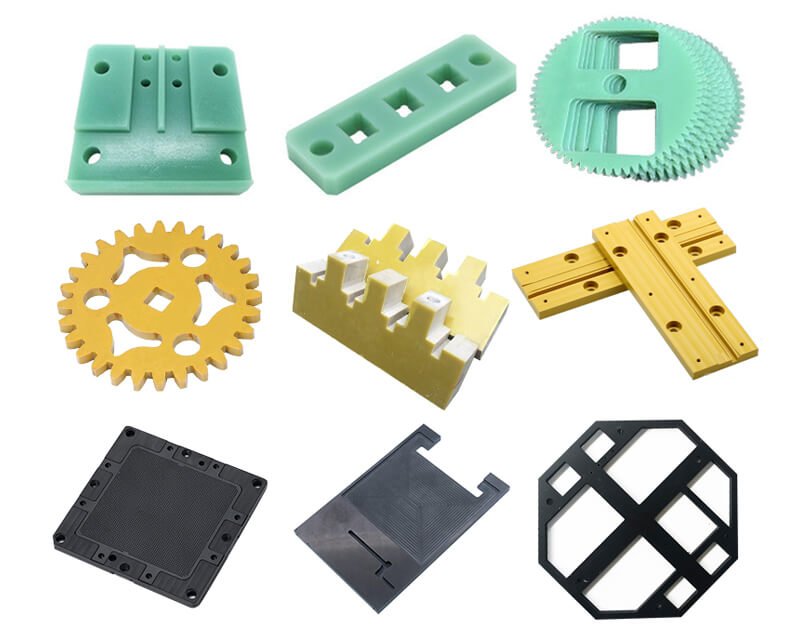
FR4 is renowned for its dielectric properties

Flame Resistance: Fire Safety in Electronics and High-Temperature Applications

Flame resistance is another major factor to consider when selecting between G10 and FR4. FR4 is designed with a flame retardant additive and meets the UL 94V-0 standard, which means it can self-extinguish when exposed to flames. This property makes FR4 ideal for electronic applications, where components are at risk of overheating or being exposed to high temperatures.

FR4’s flame retardancy makes it the top choice for printed circuit boards and electrical insulation in power electronics, automotive electronics, and industrial control systems. Its ability to prevent electrical fires ensures that components made from FR4 can function reliably in high-stress environments, such as power stations or industrial automation systems.

On the other hand, G10 does not offer flame retardancy, making it less suitable for applications where fire hazards are present. However, its mechanical strength makes it a preferred choice for non-flame-sensitive environments like aerospace, military equipment, and heavy-duty industrial applications.

Mechanical Strength: Durability for High-Stress Industrial Applications

When it comes to mechanical strength, G10 surpasses FR4 due to its superior impact resistance and dimensional stability. G10 is widely used in industries that require tough, durable materials, such as aerospace, marine applications, and military components.

G10 is particularly valued for its rigidity and ability to withstand mechanical wear. It is commonly used in applications where parts are subject to constant vibration, impact, or stress, such as structural components, jigs, and fixtures. Additionally, CNC machining G10 allows for the creation of highly detailed, durable parts that retain their shape and functionality even in extreme conditions.

While FR4 also provides mechanical strength, its primary strength lies in its electrical insulation and fire resistance. It is not designed for high-impact environments like G10, making it less suitable for mechanical parts that require extreme durability.

Making the Right Choice: Industry-Specific Applications

In electronics, FR4 is the clear choice due to its flame resistance and superior dielectric properties, making it the industry standard for PCBs and other high-voltage applications. If your project involves high-temperature insulation or requires materials with flame retardant properties, FR4 should be your first consideration.

For mechanical applications where flame resistance is not required, G10 is the ideal choice. Its high mechanical strength, impact resistance, and dimensional stability make it a versatile option for industries like aerospace, military, and heavy machinery. Whether it’s for structural supports or high-impact components, G10 excels in demanding environments.

By understanding the specific requirements of your industry and weighing the dielectric properties, flame resistance, and mechanical strength of G10 and FR4, you can select the best material for your next project.

A custom CNC-machined green FR-4 test fixture designed for securing a printed circuit board (PCB) during a high-temperature soldering process.

Frequently Asked Questions: G10 vs FR4 and Customization at BeePlastic


1. What is the main difference between G10 and FR4?

G10 and FR4 are both glass-reinforced epoxy laminates, but the key difference is that FR4 contains a flame-retardant additive and is UL 94V-0 rated, making it suitable for high-temperature environments and printed circuit boards. G10 lacks this flame retardancy, making it ideal for mechanical applications where flame resistance isn’t necessary.

2. Which material should I choose for high-temperature applications?

For applications that involve high temperatures or where fire resistance is critical, FR4 is the better option due to its UL 94V-0 flame-retardant rating. However, if your project requires mechanical strength but not flame resistance, G10 is a good choice.

3. Can I use G10 for printed circuit boards (PCBs)?

While G10 has excellent mechanical strength and electrical insulation, FR4 is the industry standard for PCBs because of its flame retardant properties. If fire safety is a concern, FR4 is the recommended material.

4. How does BeePlastic handle customization requests for G10 and FR4 materials?

BeePlastic offers customization services for both G10 and FR4 materials, including sample customization and batch production. We can accommodate unique project requirements, from precise CNC machining to specialized thicknesses and sizes. Whether you need parts for electronics or industrial applications, we can customize according to your specifications.

5. What file formats does BeePlastic accept for custom orders?

BeePlastic accepts a variety of file formats, including PDF and CAD, ensuring flexibility in the design and production process. Whether you have detailed blueprints or basic sketches, we can work with your files to create the right product for your needs.

6. Is there a minimum order quantity (MOQ) for custom orders at BeePlastic?

There is no minimum order quantity (MOQ) at BeePlastic. Whether you need a single sample or a large production run, we are happy to meet your needs. This makes us an ideal partner for both prototyping and full-scale production.

7. How does BeePlastic manage the production cycle for custom orders?

The production cycle at BeePlastic depends on the order volume and the complexity of the project. We provide real-time updates on the production progress, ensuring that you are kept informed throughout the entire process. This transparency helps you manage deadlines and expectations effectively.

8. Does BeePlastic provide free samples for G10 and FR4 materials?

Yes, BeePlastic offers free samples of both G10 and FR4 materials. Customers are only responsible for the shipping costs. This allows you to evaluate the material before placing a large order, ensuring that it meets your project requirements.

9. What industries commonly use G10 and FR4 materials?

FR4 is widely used in electronics, particularly for PCBs, electrical insulation, and high-voltage applications. G10 is more commonly found in aerospace, military, and industrial applications where mechanical strength and impact resistance are critical.

10. Can BeePlastic handle large-scale orders for G10 and FR4?

Yes, BeePlastic has the capacity to handle large-scale orders for both G10 and FR4 materials. Whether you need parts for a massive industrial project or continuous PCB production, we can deliver in the required quantities while maintaining the highest standards of quality.

FR4 and G10 fiberglass epoxy sheets

Ready to take the next step?

🎉🎉🎉Limited Time Offer Use code: QR4GNY08SHVR at checkout and enjoy a special discount on your entire order! 👉 FR4 fiberglass plastic

Fill out the contact form below to discuss your custom G10 and FR4 needs, and let BeePlastic’s experts guide you to the perfect solution. Need materials now? Jump over to our full collection of FR4 and G10 fiberglass epoxy sheets and find exactly what you’re looking for! 

Leave a comment


Please note, comments must be approved before they are published


Custom Plastic Fabrication

Send your drawing, material and quantity for review

🔧
Precision Machining
CNC milling & turning
✂️
Cutting & Engraving
Laser & waterjet cutting
🏭
Forming & Molding
Thermoforming & injection
🔗
Joining & Assembly
Welding & bonding
📐
Design & Prototyping
CAD design & samples

General

HDPE

PP

PVC

ABS

Engineering

POM

Nylon

PC

PMMA

High-Performance

PEEK

PEI

PTFE

Composites

FR-4

G10

Flexible

TPU

Silicone

Why Choose BeePlastic?

🎯
Perfect Fit
Custom specs eliminate adaptation needs
⚡
Clear Lead Times
Lead time confirmed with every quote
💰
Volume Pricing
Volume pricing available on bulk orders
🤝
Expert Support
Free engineering consultation included
📋
Submit
→
🔍
Review
→
💵
Quote
→
✅
Production
→
📦
Deliver

Request a Quote

Share your project details, selected material and quantity on our quote page. You can add a file link or use the email drawing route shown there.


Request Quote

Industries: Automotive • Medical • Food • Lab • Semiconductor

beeplastic@beeplastic.com


How ABS Plastic Sheets Revolutionize Consumer Products Manufacturing

ABS plastic sheets

In today’s rapidly evolving manufacturing landscape, ABS plastic sheets have become a cornerstone for consumer product innovation. This blog post explores the multifaceted advantages and applications of ABS plastic sheets in various industries, showcasing their transformative impact.

🎉🎉🎉Limited Time Offer Use code: QR4GNY08SHVR at checkout and enjoy a special discount on your entire order! 👉 ABS plastic
ABS sheets

1. The Versatility of ABS Plastic Sheets in Consumer Electronics
Discover how ABS sheets are utilized in the production of phone cases, computer housings, and other electronic devices, leveraging their durability and ease of molding for high-quality consumer electronics.

2. ABS Plastic Sheets in Household Appliances: Enhancing Durability and Aesthetics
Learn how ABS plastic sheets are integral to household appliances, such as refrigerator linings and washing machine parts, where their impact resistance and customizable appearance play crucial roles.

3. Injection Molding and 3D Printing with ABS Plastic Sheets
Explore the benefits of using ABS plastic sheets in injection molding and 3D printing, enabling manufacturers to produce complex parts and prototypes with precise dimensions efficiently.

4. Advantages of Using ABS Plastic Sheets in Toy Manufacturing
Understand why ABS plastic sheets are ideal for toy manufacturing due to their non-toxic nature, flexibility, and vibrant color options, ensuring safety and attractiveness in children’s products.

5. Impact Resistance and Flexibility: Key Benefits of ABS Plastic Sheets
Highlight the superior impact resistance and flexibility of ABS plastic sheets, making them suitable for various consumer products requiring long-lasting durability.

6. Environmental Considerations: Recycled ABS Plastic Sheets in Manufacturing
Discuss the sustainable use of recycled ABS plastic sheets in manufacturing, emphasizing the environmental benefits without compromising on quality or performance.

7. Customization Capabilities of ABS Plastic Sheets in Consumer Goods
Showcase the extensive customization options available with ABS plastic sheets in terms of color, texture, and finish, enabling manufacturers to create unique and visually appealing products.

This comprehensive overview demonstrates how ABS plastic sheets are revolutionizing the manufacturing of consumer products across various industries, from electronics to household appliances, toys, and beyond. By leveraging their versatility, durability, and customization capabilities, manufacturers can continue to innovate and meet the evolving demands of consumers.

The Versatility of ABS Plastic Sheets in Consumer Electronics

Introduction to ABS Plastic Sheets in Consumer Electronics

ABS plastic sheets have transformed the consumer electronics industry, offering a blend of durability, versatility, and cost-effectiveness. These characteristics make ABS sheets ideal for manufacturing a wide range of electronic devices, from phone cases to computer housings. The adaptability of ABS plastic ensures it meets the demanding requirements of modern electronics.

ABS plastic sheets have transformed the consumer electronics industry

The Durability and Strength of ABS Plastic Sheets

One of the primary reasons for the widespread use of ABS plastic sheets in electronics is their exceptional durability. ABS sheets are known for their high impact resistance, which is crucial for products like phone cases and laptop housings that need to withstand daily use and occasional drops. This durability not only protects the device but also extends its lifespan, making ABS plastic a preferred material in the industry.

Ease of Molding and Customization

Another significant advantage of ABS plastic sheets is their ease of molding. Manufacturers can easily shape ABS sheets into various forms to meet specific design requirements. This moldability allows for the production of intricate designs and complex shapes, which are essential for modern consumer electronics. For instance, phone cases and tablet covers often require precise and detailed molds to fit devices perfectly.

Thermal and Chemical Resistance

ABS plastic sheets exhibit excellent thermal and chemical resistance, making them suitable for consumer electronics that operate in various environments. ABS sheets can withstand high temperatures without deforming, ensuring the longevity of products like laptop housings and gaming console enclosures. Additionally, their resistance to chemicals ensures that devices remain unaffected by common household substances, maintaining their appearance and functionality.

Lightweight and Cost-Effective Solutions

In addition to their strength and durability, ABS plastic sheets are also lightweight, which is a critical factor in consumer electronics. The lightweight nature of ABS sheets contributes to the overall portability of devices like smartphones, tablets, and wearable technology. Moreover, the cost-effectiveness of ABS plastic makes it an attractive option for manufacturers looking to produce high-quality products at a lower cost.

Environmental Considerations

The use of recycled ABS plastic sheets is becoming increasingly popular in the consumer electronics industry. Recycled ABS sheets offer the same benefits as virgin material, including durability and moldability, while also contributing to environmental sustainability. This practice helps reduce the carbon footprint associated with manufacturing and promotes a more eco-friendly approach to production.

Conclusion

By leveraging the unique properties of ABS plastic sheets, manufacturers in the consumer electronics industry can create durable, versatile, and cost-effective products. From phone cases to laptop housings, the use of ABS sheets ensures high-quality and long-lasting electronic devices that meet the needs of today’s consumers.

laptop housings

ABS Plastic Sheets in Household Appliances: Enhancing Durability and Aesthetics

The Role of ABS Plastic Sheets in Household Appliances

ABS plastic sheets play a crucial role in the manufacturing of various household appliances. Their combination of durability and customizability makes them an ideal choice for components such as refrigerator linings and washing machine parts. The impact resistance and aesthetic versatility of ABS sheets enhance both the functionality and appearance of these appliances.

Impact Resistance for Everyday Use

ABS plastic sheets are renowned for their high impact resistance, making them perfect for the demanding environments of household appliances. For instance, refrigerator linings made from ABS sheets can withstand constant use, occasional impacts from food items, and regular cleaning without cracking or breaking. This durability ensures a longer lifespan for the appliance, reducing the need for frequent repairs or replacements.

Customizable Aesthetics

The customizability of ABS plastic sheets allows manufacturers to create aesthetically pleasing appliance components. ABS sheets can be easily colored, textured, and finished to match various design specifications. This flexibility is particularly valuable for visible parts of appliances, such as washing machine panels and refrigerator doors, where appearance is as important as functionality. Custom finishes, such as high-gloss or matte surfaces, can be achieved to enhance the overall look of the appliance.

Thermal and Chemical Resistance

ABS plastic sheets exhibit excellent thermal resistance, which is essential for appliances that operate under varying temperature conditions. For example, ABS sheets used in dishwasher interiors can withstand high temperatures during washing cycles without deforming or losing their structural integrity. Additionally, their chemical resistance ensures that they remain unaffected by detergents and cleaning agents, maintaining their appearance and performance over time.

Lightweight and Efficient

The lightweight nature of ABS plastic sheets contributes to the efficiency and ease of use of household appliances. Components made from ABS sheets are easier to handle and install, which can streamline the manufacturing process and reduce production costs. Furthermore, the reduced weight of appliances benefits consumers by making them easier to move and operate.

Environmental Sustainability

With the growing emphasis on environmental sustainability, the use of recycled ABS plastic sheets in household appliances is gaining traction. Recycled ABS sheets provide the same benefits as virgin materials while promoting eco-friendly practices. Manufacturers can reduce their environmental impact by incorporating recycled content into their products, aligning with consumer preferences for sustainable solutions.

Versatility in Applications

ABS plastic sheets are used in a wide range of household appliance components, showcasing their versatility. From microwave oven interiors to vacuum cleaner housings, ABS sheets provide the necessary strength, durability, and aesthetic appeal. Their ability to be molded into complex shapes and customized with various finishes makes them indispensable in the appliance industry.

By leveraging the unique properties of ABS plastic sheets, manufacturers can produce household appliances that are not only durable and functional but also visually appealing and environmentally sustainable. This versatility makes ABS sheets a vital material in the modern appliance manufacturing sector.

ABS laptop housings

Injection Molding and 3D Printing with ABS Plastic Sheets

Advantages of Injection Molding with ABS Plastic Sheets

Injection molding is a widely-used manufacturing process that involves injecting molten material into a mold to create precise and complex parts. ABS plastic sheets are particularly well-suited for this process due to their excellent flow characteristics, high impact resistance, and dimensional stability.

High Precision and Complexity

The use of ABS plastic sheets in injection molding allows manufacturers to produce parts with intricate designs and tight tolerances. The material’s fluidity when molten ensures it fills every cavity of the mold, capturing fine details and producing parts with consistent quality. This capability is essential for applications in consumer electronics, automotive components, and medical devices where precision is critical.

Durability and Strength

ABS sheets provide superior durability and strength, which are crucial for parts subjected to mechanical stress and impact. This makes them ideal for producing robust components such as automotive dashboards, tool housings, and protective casings for electronic devices. The resulting parts not only meet stringent performance standards but also exhibit long-term reliability.

Benefits of 3D Printing with ABS Plastic Sheets

3D printing, also known as additive manufacturing, is a transformative technology that builds objects layer by layer from digital models. ABS plastic sheets are a popular material for 3D printing due to their versatility and ease of use.

Prototyping and Rapid Development

ABS plastic sheets are extensively used in 3D printing for prototyping and rapid product development. This method allows designers and engineers to quickly create and test prototypes, making iterative design changes with minimal cost and time. The ability to produce functional prototypes helps in identifying design flaws early and refining the final product before mass production.

Customization and Flexibility

3D printing with ABS sheets offers unparalleled customization and flexibility. Manufacturers can create bespoke parts tailored to specific requirements, from customized phone cases to unique medical device components. The material’s compatibility with various 3D printing technologies, including Fused Deposition Modeling (FDM) and Stereolithography (SLA), further expands its applications.

Cost-Effectiveness and Efficiency

Reduced Waste

Both injection molding and 3D printing with ABS plastic sheets are cost-effective manufacturing methods. Injection molding produces minimal waste as excess material can be recycled, while 3D printing adds material only where needed, significantly reducing scrap. This efficiency translates to lower production costs and a smaller environmental footprint.

Short Production Cycles

ABS sheets facilitate short production cycles, especially in injection molding where the rapid cooling and solidification of ABS allow for high-speed manufacturing. In 3D printing, the ability to produce parts on-demand eliminates the need for extensive inventories, optimizing the supply chain and reducing lead times.

Applications Across Industries

Consumer Electronics

In the consumer electronics industry, ABS plastic sheets are used to manufacture durable and aesthetically pleasing components such as laptop housings, smartphone cases, and gaming console shells. The combination of precision and durability ensures these products meet high consumer expectations.

Automotive Components

ABS sheets are also prevalent in the automotive sector, where they are used to produce parts that require high impact resistance and heat stability, such as dashboard panels, mirror housings, and air vent covers. The material’s versatility allows for innovative designs that enhance both functionality and aesthetics.

Medical Devices

The medical field benefits from the use of ABS plastic sheets in 3D printing for creating custom-fit prosthetics, surgical guides, and other medical devices. The material’s biocompatibility and ease of sterilization make it suitable for applications that demand stringent hygiene and safety standards.

By leveraging the unique properties of ABS plastic sheets, manufacturers can achieve high precision, durability, and efficiency in producing complex parts through injection molding and 3D printing. This versatility makes ABS sheets an indispensable material in various industries, driving innovation and improving product quality.

ABS plastic 3D printing

Advantages of Using ABS Plastic Sheets in Toy Manufacturing

Non-Toxic Nature of ABS Plastic Sheets

ABS plastic sheets are highly regarded in the toy manufacturing industry due to their non-toxic nature. ABS sheets do not contain harmful chemicals like BPA, phthalates, or heavy metals, which are commonly found in other plastics. This makes ABS plastic a safe choice for children’s toys, ensuring that products meet stringent safety standards and regulations.

Flexibility and Ease of Molding

The flexibility of ABS plastic sheets is another key advantage in toy manufacturing. ABS sheets can be easily molded into various shapes and sizes, allowing manufacturers to create intricate and detailed toy designs. This ease of molding ensures that toys are not only functional but also aesthetically pleasing and engaging for children. The flexibility of ABS plastic also means that toys can withstand rough handling and play without breaking or deforming, enhancing their durability.

Vibrant Color Options

ABS plastic sheets offer vibrant color options, which are crucial for making toys attractive to children. The material can be dyed in a wide range of bright and appealing colors, maintaining color consistency and vibrancy throughout the product’s lifespan. This capability allows toy manufacturers to produce visually stimulating toys that capture children’s attention and imagination.

Durability and Impact Resistance

ABS plastic sheets are known for their durability and impact resistance, making them ideal for toys that need to endure frequent use and rough play. The robust nature of ABS plastic ensures that toys remain intact and safe, even when subjected to significant force or impact. This durability reduces the risk of toys breaking into small, potentially hazardous pieces, thus providing an additional layer of safety for children.

Cost-Effectiveness

Using ABS plastic sheets in toy manufacturing is also cost-effective. The material is relatively inexpensive compared to other high-performance plastics, which helps manufacturers keep production costs low without compromising on quality. The cost-effectiveness of ABS plastic enables toy companies to offer high-quality products at competitive prices, making safe and durable toys accessible to a broader market.

Compliance with Safety Standards

Toys made from ABS plastic sheets easily comply with various international safety standards and regulations. The material’s non-toxic properties, combined with its durability and impact resistance, ensure that toys meet the safety requirements set by regulatory bodies such as the Consumer Product Safety Commission (CPSC) and the European Toy Safety Directive. Compliance with these standards is crucial for manufacturers looking to distribute their products globally.

Eco-Friendly Options

The growing emphasis on sustainability has led to the increased use of recycled ABS plastic sheets in toy manufacturing. Recycled ABS plastic retains all the beneficial properties of virgin material, including durability, flexibility, and vibrant color options, while reducing the environmental impact. Using recycled ABS sheets helps toy manufacturers align with eco-friendly practices and meet the demands of environmentally conscious consumers.

By leveraging the unique properties of ABS plastic sheets, toy manufacturers can produce safe, durable, and visually appealing toys that comply with safety standards and meet the expectations of both children and parents. The non-toxic nature, flexibility, vibrant colors, durability, cost-effectiveness, and eco-friendly options of ABS plastic sheets make them an ideal choice for the modern toy industry.

ABS 3D Printing

Impact Resistance and Flexibility: Key Benefits of ABS Plastic Sheets

Superior Impact Resistance of ABS Plastic Sheets

ABS plastic sheets are renowned for their superior impact resistance, making them a preferred material in various consumer products. The high impact resistance of ABS sheets ensures that they can withstand significant force without cracking or breaking. This property is particularly valuable in products that are subject to frequent use and potential abuse, such as luggage, sports equipment, and automotive parts.

Impact resistance is a critical factor for maintaining the integrity and longevity of products. For example, luggage made from ABS plastic sheets can endure the rough handling often encountered during travel, ensuring that the contents remain protected. Similarly, sports equipment such as helmets and protective gear benefit from the robust nature of ABS plastic, providing essential safety for users.

Flexibility and Versatility in Applications

ABS plastic sheets are not only impact-resistant but also highly flexible, allowing them to be molded into a variety of shapes and sizes. This flexibility makes ABS sheets ideal for manufacturing products with complex designs and intricate details. The material’s adaptability ensures that it meets diverse manufacturing requirements, from automotive interiors to consumer electronics.

The flexibility of ABS sheets enables manufacturers to create custom solutions for specific applications. For instance, automotive interior components such as dashboards and trim panels benefit from the material’s ability to be precisely molded, ensuring a perfect fit and finish. In consumer electronics, ABS plastic is used to produce durable and aesthetically pleasing housings for devices like smartphones and tablets.

Long-Lasting Durability

The combination of impact resistance and flexibility in ABS plastic sheets results in products that offer long-lasting durability. This durability is essential for consumer goods that need to maintain their functionality and appearance over time. ABS sheets provide a reliable solution for products that require both strength and aesthetic appeal.

Products made from ABS plastic sheets can withstand daily wear and tear, making them suitable for high-usage items. For example, kitchen appliances like blenders and food processors benefit from the durability of ABS plastic, which ensures that they remain operational and visually appealing despite frequent use. Similarly, furniture components such as chair bases and armrests benefit from the material’s robust nature, providing long-term stability and support.

Environmental Sustainability

In addition to their physical properties, ABS plastic sheets offer environmental benefits. Many manufacturers now use recycled ABS plastic to produce durable and sustainable products. Recycled ABS sheets retain the same impact resistance and flexibility as virgin material, reducing the environmental footprint of manufacturing processes. This practice aligns with growing consumer demand for eco-friendly products and sustainable manufacturing practices.

Cost-Effective Manufacturing

The cost-effectiveness of ABS plastic sheets makes them an attractive option for manufacturers. The material’s durability and ease of processing reduce production costs and improve efficiency. ABS sheets can be easily thermoformed, machined, and assembled, streamlining the manufacturing process and reducing waste. This cost-effectiveness allows manufacturers to produce high-quality products at competitive prices, benefiting both the industry and consumers.

By leveraging the impact resistance, flexibility, and cost-effectiveness of ABS plastic sheets, manufacturers can create a wide range of durable and versatile consumer products. The material’s unique properties make it an ideal choice for applications requiring long-lasting durability and adaptability.

ABS board stool

Environmental Considerations: Recycled ABS Plastic Sheets in Manufacturing

The Importance of Sustainability in Manufacturing

In today’s world, sustainability has become a key focus in manufacturing. The use of recycled ABS plastic sheets is an important step towards achieving environmentally friendly production processes. By incorporating recycled materials, manufacturers can significantly reduce their environmental impact while maintaining high standards of quality and performance.

Benefits of Recycled ABS Plastic Sheets

Recycled ABS plastic sheets offer numerous environmental benefits without compromising on the essential qualities that make ABS plastic a preferred material. These benefits include:

  • Reduction in Waste: Using recycled ABS helps decrease the amount of plastic waste that ends up in landfills. By recycling post-consumer and post-industrial ABS, manufacturers contribute to a more sustainable cycle of material use.
  • Lower Carbon Footprint: The production of recycled ABS plastic sheets generally requires less energy compared to manufacturing virgin ABS. This reduction in energy consumption translates to a lower carbon footprint, aiding efforts to combat climate change.
  • Conservation of Resources: Utilizing recycled ABS conserves natural resources by reducing the need for new raw materials. This conservation helps preserve the environment for future generations.

Maintaining Quality and Performance

One of the significant advantages of using recycled ABS plastic sheets is that they retain the same high level of quality and performance as virgin ABS. The recycling process is carefully managed to ensure that the resulting material maintains its durability, impact resistance, and flexibility. This consistency allows manufacturers to use recycled ABS in a wide range of applications, from automotive parts to consumer electronics and household appliances.

Applications of Recycled ABS Plastic Sheets

The versatility of recycled ABS plastic sheets makes them suitable for various applications across different industries:

  • Automotive Industry: Recycled ABS is used in producing durable and lightweight components such as dashboards, instrument panels, and interior trim. These parts benefit from the material’s robustness and environmental sustainability.
  • Consumer Electronics: Manufacturers of smartphone cases, laptop housings, and other electronic devices utilize recycled ABS plastic sheets to create products that are both high-performing and eco-friendly.
  • Household Appliances: Components like refrigerator linings, washing machine parts, and vacuum cleaner housings made from recycled ABS contribute to sustainable household products without sacrificing durability or aesthetic appeal.

Advancing Eco-Friendly Manufacturing Practices

By integrating recycled ABS plastic sheets into their production processes, manufacturers demonstrate a commitment to eco-friendly practices. This integration not only helps meet regulatory standards and consumer demands for sustainable products but also positions companies as leaders in environmental responsibility.

Challenges and Innovations in Recycling

While the use of recycled ABS plastic sheets presents numerous benefits, it also comes with challenges. Ensuring the consistent quality of recycled materials can be complex due to variations in the feedstock. However, advancements in recycling technologies and processes continue to improve the quality and reliability of recycled ABS.

Manufacturers are investing in innovative methods to enhance the recycling process, such as better sorting techniques and purification processes that remove impurities. These innovations help produce higher-quality recycled ABS plastic sheets that meet stringent industry standards.

Supporting a Circular Economy

The use of recycled ABS plastic sheets supports the concept of a circular economy, where materials are reused and recycled continuously. This approach reduces the reliance on finite resources and minimizes waste, creating a more sustainable and resilient manufacturing ecosystem. By adopting recycled ABS, manufacturers contribute to a closed-loop system that benefits both the environment and the economy.

Recycled ABS plastic sheets offer a sustainable solution for manufacturers looking to reduce their environmental impact while maintaining the high performance and versatility of ABS plastic. Embracing recycled materials is a crucial step towards sustainable manufacturing practices and a greener future.

recycled ABS plastic sheets

Customization Capabilities of ABS Plastic Sheets in Consumer Goods

Extensive Color Options

ABS plastic sheets offer a wide range of color options, providing manufacturers with the ability to create vibrant and appealing consumer products. The material can be easily dyed to match specific color requirements, ensuring consistency and precision in the final product. This capability is particularly beneficial for industries such as toy manufacturing, where bright and attractive colors are essential to capture the interest of children. Additionally, custom colors can enhance brand identity, allowing companies to produce products that align with their branding and aesthetic goals.

Versatile Textures

The ability to apply various textures to ABS plastic sheets significantly expands the design possibilities for consumer goods. Textured ABS sheets can be used to add tactile elements to products, improving their feel and functionality. For example, textured surfaces on kitchen appliances can enhance grip and ease of use, while in automotive interiors, textured ABS sheets can add a luxurious feel to dashboards and door panels. Common textures include matte, glossy, brushed, and embossed finishes, each offering unique visual and tactile experiences.

High-Quality Finishes

ABS plastic sheets can be finished with a variety of techniques to achieve the desired look and performance. Glossy finishes provide a sleek and modern appearance, ideal for electronic device housings and high-end consumer products. On the other hand, matte finishes offer a subtle and sophisticated look, reducing glare and fingerprints, which is advantageous for automotive and household appliances. Additionally, custom finishes such as metallic or pearlescent coatings can be applied to ABS sheets to create visually stunning products that stand out in the market.

Custom Shapes and Sizes

The moldability of ABS plastic sheets allows manufacturers to create custom shapes and sizes, catering to specific design requirements. This versatility is crucial for producing parts with complex geometries and detailed features, which are often needed in consumer electronics and medical devices. The ability to customize the dimensions of ABS sheets ensures that products meet precise specifications, enhancing their functionality and aesthetic appeal.

Branding and Embellishments

ABS plastic sheets can be easily customized with branding elements and embellishments. Manufacturers can incorporate logos, graphics, and text onto the surface of ABS sheets through techniques such as screen printing, laser engraving, and embossing. These customizations not only enhance the visual appeal of the product but also reinforce brand recognition and consumer loyalty. For instance, custom-branded phone cases and laptop covers made from ABS plastic can effectively promote a brand while providing durable protection for the devices.

Environmental Considerations

With growing consumer demand for sustainable products, manufacturers are increasingly using recycled ABS plastic sheets. Recycled ABS sheets offer the same customization capabilities as virgin material, including color, texture, and finish options, while contributing to environmental sustainability. This practice allows companies to produce eco-friendly products without compromising on quality or design, aligning with modern consumer values and regulatory requirements.

Cost-Effective Customization

The cost-effectiveness of customizing ABS plastic sheets makes them an attractive option for manufacturers. The material’s ease of processing and compatibility with various finishing techniques reduce production costs and improve efficiency. This cost advantage allows companies to offer high-quality, customized products at competitive prices, benefiting both the industry and consumers.

By leveraging the extensive customization capabilities of , manufacturers can create unique and visually appealing consumer goods that meet the diverse needs and preferences of today’s market. The material’s versatility in color, texture, finish, shape, and branding ensures that products are not only functional and durable but also aesthetically pleasing and aligned with brand identities.

ABS plastic sheets

Frequently Asked Questions About ABS Plastic Sheets and BeePlastics Customization

General Questions about ABS Plastic Sheets

Q1: What are ABS plastic sheets?
A1: ABS plastic sheets are versatile thermoplastic materials made from Acrylonitrile Butadiene Styrene (ABS). They are known for their durability, impact resistance, and ease of molding, making them ideal for a wide range of applications, including automotive parts, consumer electronics, and household appliances.

Q2: What are the key benefits of using ABS plastic sheets?
A2: The key benefits of ABS plastic sheets include their high impact resistance, flexibility, excellent thermal and chemical resistance, and ease of customization. These properties make them suitable for producing durable and visually appealing consumer products.

Q3: How are ABS plastic sheets used in consumer electronics?
A3: In the consumer electronics industry, ABS plastic sheets are used to manufacture housings and casings for devices such as smartphones, laptops, and gaming consoles. Their durability and ability to be molded into intricate shapes ensure that electronic devices are both robust and aesthetically pleasing.

Q4: Can ABS plastic sheets be recycled?
A4: Yes, ABS plastic sheets can be recycled. The recycling process involves reprocessing used ABS plastic into new sheets, which retain the same high-quality properties as virgin material. This makes recycled ABS an environmentally friendly option for various applications.

Q5: What customization options are available for ABS plastic sheets?
A5: ABS plastic sheets offer extensive customization options, including a wide range of colors, textures, and finishes. They can be molded into custom shapes and sizes, and can be printed, engraved, or embossed with logos and graphics to meet specific design requirements.

Questions Related to BeePlastics Customization

Q6: Can BeePlastics undertake sample customization and batch customization?
A6: Yes, BeePlastics can undertake any customization, including both sample customization and batch customization. This flexibility allows customers to order prototypes or large quantities based on their specific needs.

Q7: What file formats does BeePlastics accept for customization?
A7: BeePlastics accepts a variety of file formats for customization, including PDF and CAD. This ensures that customers can submit their designs in the most convenient format for precise and accurate production.

Q8: Is there a minimum order quantity (MOQ) for customization at BeePlastics?
A8: No, there is no minimum order quantity (MOQ) at BeePlastics. Customers can order any quantity of customized ABS plastic sheets, making it ideal for both small-scale projects and large-scale production runs.

Q9: How is the production cycle managed at BeePlastics?
A9: The production cycle at BeePlastics is carried out according to the amount of orders and the complexity of the process. BeePlastics ensures real-time communication with customers about the production progress, allowing for transparency and timely updates.

Q10: Does BeePlastics provide samples for customized orders?
A10: Yes, BeePlastics supports the provision of samples for customized orders. The samples are provided free of charge, but the customer is responsible for the shipping costs. This allows customers to evaluate the quality and suitability of the customized ABS plastic sheets before placing larger orders.

Additional Questions

Q11: How durable are ABS plastic sheets for outdoor use?
A11: ABS plastic sheets are highly durable for outdoor use, offering excellent resistance to impact, weather conditions, and UV radiation. This makes them suitable for applications such as outdoor signage, protective coverings, and automotive parts exposed to the elements.

Q12: What are the typical applications of ABS plastic sheets in the automotive industry?
A12: In the automotive industry, ABS plastic sheets are used to produce interior components like dashboards, door panels, and trim pieces. Their impact resistance and ability to be precisely molded make them ideal for both functional and decorative parts.

Q13: Are ABS plastic sheets suitable for use in medical devices?
A13: Yes, ABS plastic sheets are suitable for use in medical devices due to their biocompatibility, ease of sterilization, and durability. They are commonly used in housings for medical equipment, surgical instruments, and other healthcare applications.

Q14: How can I order customized ABS plastic sheets from BeePlastics?
A14: To order customized ABS plastic sheets from BeePlastics, you can submit your design files (PDF or CAD) along with your specific requirements. BeePlastics will provide a quote and estimated production timeline, ensuring clear communication throughout the process.

Q15: What makes ABS plastic sheets a cost-effective choice for manufacturers?
A15: ABS plastic sheets are a cost-effective choice for manufacturers due to their low material cost, ease of processing, and high durability. These factors contribute to lower production costs and long-lasting products, providing excellent value for both manufacturers and consumers.

These FAQs cover a range of common inquiries related to ABS plastic sheets and the customization services offered by BeePlastics, ensuring customers have the information they need to make informed decisions.

In embracing the diverse and dynamic properties of ABS plastic sheets, manufacturers across various industries can achieve unparalleled innovation and efficiency. From the precise and robust components in consumer electronics and household appliances to the vibrant and safe toys, ABS plastic sheets offer a combination of durability, flexibility, and customization that is hard to match. Furthermore, the use of recycled ABS plastic sheets not only maintains high standards of quality and performance but also significantly contributes to environmental sustainability. By leveraging these advantages, businesses can produce high-quality, cost-effective, and eco-friendly products that meet the evolving demands of modern consumers. The customization capabilities of ABS plastic sheets ensure that each product is not only functional but also aesthetically pleasing, aligning perfectly with brand identities and consumer preferences. As industries continue to advance, the integral role of ABS plastic sheets in driving innovation and sustainability cannot be overstated.

ABS plastic sheets

Have specific customization requirements? Let us help you bring your vision to life with our comprehensive ABS plastic solutions. Get in touch by filling out the contact form below, and start your journey towards creating unique and high-quality products. Contact Us Now

🎉🎉🎉Limited Time Offer Use code: QR4GNY08SHVR at checkout and enjoy a special discount on your entire order! 👉 ABS plastic

Leave a comment


Please note, comments must be approved before they are published


Custom Plastic Fabrication

Send your drawing, material and quantity for review

🔧
Precision Machining
CNC milling & turning
✂️
Cutting & Engraving
Laser & waterjet cutting
🏭
Forming & Molding
Thermoforming & injection
🔗
Joining & Assembly
Welding & bonding
📐
Design & Prototyping
CAD design & samples

General

HDPE

PP

PVC

ABS

Engineering

POM

Nylon

PC

PMMA

High-Performance

PEEK

PEI

PTFE

Composites

FR-4

G10

Flexible

TPU

Silicone

Why Choose BeePlastic?

🎯
Perfect Fit
Custom specs eliminate adaptation needs
⚡
Clear Lead Times
Lead time confirmed with every quote
💰
Volume Pricing
Volume pricing available on bulk orders
🤝
Expert Support
Free engineering consultation included
📋
Submit
→
🔍
Review
→
💵
Quote
→
✅
Production
→
📦
Deliver

Request a Quote

Share your project details, selected material and quantity on our quote page. You can add a file link or use the email drawing route shown there.


Request Quote

Industries: Automotive • Medical • Food • Lab • Semiconductor

beeplastic@beeplastic.com


Discover the Versatility of FR-4 Materials for Next-Gen Consumer Electronics

FR-4 material

Unleash the full potential of FR-4 material in your next electronics project! This comprehensive guide explores the robust composition and properties of FR-4, detailing its flame retardancy, mechanical strength, and excellent electrical insulation capabilities. Dive deep into the mechanical and thermal properties that ensure durability and reliability in demanding applications.

🎉🎉🎉Limited Time Offer Use code: QR4GNY08SHVR at checkout and enjoy a special discount on your entire order! 👉 FR4 fiberglass plastic

FR-4 material sheets

Understand why FR-4 glass epoxy is the backbone of modern consumer electronics, offering an optimal balance of cost and performance. Learn about the diverse applications of FR-4 in devices ranging from smartphones to automotive electronics. Stay ahead of the curve with insights into innovations and future trends, including halogen-free variants and advancements in flame retardancy.

Finally, navigate the landscape of PCB materials with a thorough comparison of FR-4 to alternatives like G-10 and high-frequency laminates, guiding you to make informed decisions for your specific needs. Embrace the versatility and discover why FR-4 is the go-to choice for next-gen consumer electronics.

For more detailed insights, check out the full blog post and elevate your knowledge of FR-4 materials!

Understanding FR-4 Material: Composition and Properties

Composition of FR-4 Material

FR-4 material is a crucial component in the electronics industry, especially for printed circuit boards (PCBs). It is composed of a woven fiberglass cloth and an epoxy resin binder. This combination provides the material with its unique properties. The fiberglass cloth offers excellent mechanical strength, while the epoxy resin acts as a binder, giving the material its electrical insulation and flame retardant properties.

Key Properties of FR-4 Material

Flame Retardancy

One of the standout features of FR-4 material is its flame retardancy. It meets stringent safety standards, such as UL 94V-0, indicating its ability to self-extinguish once the flame source is removed. This property makes FR-4 a safe choice for electronic applications, minimizing the risk of fire hazards.

Mechanical Strength

FR-4 exhibits high mechanical strength, which is essential for supporting and protecting the delicate electronic components on a PCB. The woven fiberglass fabric contributes to this strength, allowing FR-4 to withstand significant mechanical stresses without deforming or breaking​.

Electrical Insulation

Another critical property of FR-4 is its excellent electrical insulation. The epoxy resin ensures that the material can effectively insulate electronic components, preventing electrical shorts and enhancing the overall reliability of electronic devices. This makes FR-4 ideal for high-performance electronic applications​.

Low Water Absorption

FR-4 material has a low moisture absorption rate, which ensures that its properties remain stable even in humid environments. This low water absorption rate makes FR-4 suitable for use in various climates and conditions, maintaining the integrity and performance of the PCBs.

Applications of FR-4 Material

Consumer Electronics

FR-4 is extensively used in the manufacturing of consumer electronics, including smartphones, tablets, and laptops. Its balance of cost, performance, and reliability makes it a preferred choice for mass-produced electronics​.

Industrial Applications

In industrial settings, FR-4 is utilized in control systems, instrumentation, and power supplies. Its durability and resistance to harsh conditions make it ideal for demanding industrial environments.

Telecommunications

The telecommunications industry relies on FR-4 for devices such as routers, switches, and other networking equipment. The material’s ability to maintain stable electrical properties across various frequencies ensures reliable communication performance.

By understanding the composition and properties of FR-4 material, professionals in the electronics industry can make informed decisions when selecting materials for PCB manufacturing and other applications, ensuring optimal performance and reliability of their electronic devices.

FR-4 material

Mechanical and Thermal Properties of FR-4

Mechanical Properties of FR-4

FR-4 material is renowned for its excellent mechanical properties, which make it an ideal choice for a variety of applications in the electronics industry.

Tensile Strength

Tensile strength is a critical factor in determining a material’s ability to withstand pulling forces without breaking. FR-4 exhibits a high tensile strength, typically around 45,000 psi (pounds per square inch). This robust property ensures that FR-4 laminates can endure significant mechanical stress during manufacturing and usage, providing stability and durability to printed circuit boards (PCBs).

Flexural Strength

Flexural strength measures a material’s capacity to resist deformation under load. FR-4 materials have an impressive flexural strength of approximately 70,000 psi. This high value indicates that FR-4 can maintain its shape and integrity under bending forces, which is crucial for maintaining the structural integrity of PCBs in dynamic environments​.

Impact Resistance

Impact resistance refers to the material’s ability to absorb energy and resist impact forces. FR-4 demonstrates good impact resistance, with an Izod impact strength of about 14 ft-lbs/in. This property ensures that FR-4 PCBs can withstand shocks and impacts during handling and operation, making them suitable for applications where mechanical stress is a concern​.

Thermal Properties of FR-4

In addition to its mechanical properties, FR-4 also boasts impressive thermal properties that contribute to its widespread use in the electronics industry.

Service Temperature Ranges

FR-4 material can operate within a broad range of temperatures. The continuous service temperature for FR-4 is typically up to 130°C, with short-term exposure tolerances up to 180°C. This makes FR-4 suitable for applications where heat resistance is essential, such as in high-temperature environments found in various electronic devices​.

Thermal Expansion

Thermal expansion measures how much a material expands when heated. FR-4 has a coefficient of thermal expansion (CTE) of about 15-18 ppm/°C, indicating it has low expansion rates under temperature variations. This low CTE ensures that FR-4 PCBs remain dimensionally stable, preventing warping or distortion that could affect the performance and reliability of electronic circuits​.

Contribution to Durability and Reliability

The combination of high mechanical strength and excellent thermal properties makes FR-4 material incredibly durable and reliable. These characteristics ensure that FR-4 PCBs can withstand the mechanical stresses and thermal cycles encountered during manufacturing and operation, making them ideal for a wide range of applications in consumer electronics, industrial equipment, and telecommunications​.

By understanding the mechanical and thermal properties of FR-4, professionals in the electronics industry can appreciate why this material remains a top choice for PCB manufacturing and other demanding applications.

Advantages of FR-4 Glass Epoxy in Consumer Electronics

Cost-Effectiveness of FR-4 Glass Epoxy

FR-4 glass epoxy is highly favored in the consumer electronics industry due to its remarkable balance of cost-effectiveness and performance. This material is relatively inexpensive compared to other high-performance alternatives like ceramic substrates or polyimide laminates. The affordability of FR-4 makes it an attractive choice for mass production of electronic devices, ensuring that manufacturers can keep production costs low while maintaining high-quality standards​.

Performance and Reliability

Despite its affordability, FR-4 glass epoxy does not compromise on performance. It provides excellent electrical insulation, which is crucial for the safety and functionality of electronic devices. The material’s high dielectric strength ensures that electronic components are well-insulated, preventing electrical shorts and enhancing device reliability. This is particularly important in consumer electronics, where devices are expected to perform consistently under various conditions.

Insulation and Stability

One of the key reasons why FR-4 glass epoxy is preferred in consumer electronics is its superior insulation properties. The epoxy resin used in FR-4 acts as a robust insulator, protecting sensitive electronic components from electrical interference. Additionally, FR-4’s low water absorption ensures that the material remains stable in humid environments, which is essential for devices that may be exposed to moisture, such as smartphones and tablets.

Environmental Resilience

FR-4 material excels in providing stability and reliability under varying environmental conditions. Its thermal stability allows it to withstand high operating temperatures without degrading, making it suitable for devices that generate significant heat. The material’s mechanical strength ensures that it can endure physical stress and impact, protecting electronic components during drops or rough handling. This resilience is critical for consumer electronics, which are often subject to harsh and unpredictable conditions​.

Versatility in Applications

The versatility of FR-4 glass epoxy further enhances its appeal in the consumer electronics sector. It can be used in a wide range of applications, from motherboards and graphic cards to mobile phones and home appliances. This versatility is due to its excellent combination of mechanical and electrical properties, making it a go-to material for various electronic devices​.

Ease of Manufacturing

Another significant advantage of FR-4 glass epoxy is its compatibility with standard PCB manufacturing processes. It can be easily drilled, etched, and soldered, simplifying the production process and reducing manufacturing time and costs. This ease of fabrication makes FR-4 an efficient choice for large-scale production, meeting the high demand for consumer electronics without sacrificing quality.

By understanding these advantages, it’s clear why FR-4 glass epoxy remains a preferred material in the consumer electronics industry. Its cost-effectiveness, combined with superior performance, reliability, and versatility, ensures that manufacturers can produce high-quality devices that meet consumer expectations and withstand the rigors of everyday use.

advantage of FR-4 glass epoxy

Applications of FR-4 in Modern Electronics

Consumer Electronics

FR-4 material is a staple in the consumer electronics industry, finding extensive use in devices such as smartphones, tablets, and laptops. Its combination of mechanical strength and electrical insulation makes it ideal for the densely packed circuits in these devices. Smartphones and tablets require materials that can withstand frequent handling, drops, and various environmental conditions. The low water absorption and high dielectric strength of FR-4 ensure that these devices remain reliable and functional over time, even in humid environments​.

Automotive Electronics

In the automotive industry, FR-4 is utilized in advanced electronic systems, including engine control units (ECUs), infotainment systems, and sensor modules. The high thermal stability of FR-4 is crucial for withstanding the elevated temperatures often found in engine compartments. Additionally, its mechanical durability ensures that automotive electronic components can endure the vibrations and shocks experienced during vehicle operation. The electrical insulation properties of FR-4 also protect sensitive electronics from electrical interference, enhancing the reliability of automotive systems.

Aerospace Electronics

The aerospace sector demands materials that can perform reliably under extreme conditions, and FR-4 meets these requirements with its superior mechanical and thermal properties. FR-4 is used in various aerospace applications, including navigation systems, communication equipment, and control systems. The material’s ability to maintain dimensional stability and resist thermal expansion ensures that electronic components function correctly at high altitudes and during rapid temperature changes. The flame retardancy of FR-4 also adds an essential safety layer, making it suitable for use in critical aerospace systems.

Telecommunication Devices

FR-4 is widely used in the telecommunications industry for routers, switches, and other networking equipment. Its high-frequency performance is essential for ensuring reliable data transmission and minimizing signal loss. The dielectric properties of FR-4 allow for stable impedance, which is critical in maintaining the integrity of high-speed communication signals. The material’s electrical insulation capabilities prevent interference between densely packed circuits, ensuring that telecommunication devices operate efficiently.

Industrial Equipment

In industrial electronics, FR-4 is used in control systems, power supplies, and automation equipment. The robust mechanical strength of FR-4 allows it to withstand the demanding conditions of industrial environments, including exposure to chemicals, moisture, and mechanical stress. Its thermal stability ensures that electronic components can operate reliably in high-temperature settings, which is often required in industrial applications.

Medical Devices

FR-4 also plays a crucial role in the medical electronics field. It is used in devices such as diagnostic equipment, patient monitors, and medical imaging systems. The electrical insulation and reliability of FR-4 are paramount in ensuring the safety and effectiveness of medical devices. Additionally, the material’s low water absorption and chemical resistance make it suitable for use in environments where hygiene and durability are critical​.

By leveraging the unique properties of FR-4 material, manufacturers across various industries can produce electronic devices that are reliable, durable, and capable of meeting the specific demands of their applications.

Innovations and Future Trends in FR-4 Materials

Halogen-Free FR-4 Variants

One of the significant innovations in FR-4 materials is the development of halogen-free variants. Traditional FR-4 materials often contain halogens such as bromine, which act as flame retardants. However, halogens can release toxic gases when burned, posing environmental and health risks. Halogen-free FR-4 materials address these concerns by using alternative flame retardants that do not release harmful substances. These materials maintain the high flame retardancy and mechanical properties of traditional FR-4, making them a safer and more environmentally friendly option for PCB manufacturing.

Improvements in Flame Retardancy

Recent advancements have also focused on enhancing the flame retardancy of FR-4 materials. Researchers are developing new formulations that improve the material’s ability to withstand high temperatures and resist ignition. For instance, incorporating advanced epoxy resins and additives has led to FR-4 materials with higher thermal stability and better flame retardant properties. These improvements make FR-4 even more suitable for applications in critical industries such as aerospace and automotive electronics, where safety is paramount​.

Enhanced Thermal and Electrical Performance

Ongoing research aims to boost the thermal and electrical performance of FR-4 materials. Innovations include the development of FR-4 variants with higher thermal conductivity, which helps in better heat dissipation from electronic components. This is particularly important for high-density PCBs used in modern consumer electronics and telecommunication devices, where managing heat is crucial to ensure device reliability and longevity. Additionally, advancements in resin technology are leading to FR-4 materials with improved dielectric properties, reducing signal loss and enhancing high-frequency performance​.

Nanotechnology Integration

Nanotechnology is another promising area of research for enhancing FR-4 materials. By incorporating nanomaterials such as carbon nanotubes or graphene, researchers can significantly improve the mechanical, thermal, and electrical properties of FR-4. These nano-enhanced FR-4 materials exhibit higher strength, better thermal conductivity, and superior electrical performance. This makes them ideal for next-generation electronic applications, including flexible electronics and wearable devices, where traditional materials might fall short.

Eco-Friendly and Sustainable Options

With growing environmental concerns, there is a strong push towards developing more eco-friendly and sustainable FR-4 materials. This includes the use of bio-based resins and recyclable composites that reduce the environmental footprint of PCB manufacturing. Additionally, advancements in manufacturing processes aim to minimize waste and improve the efficiency of material usage. These sustainable innovations not only benefit the environment but also align with the increasing demand for green technologies in the electronics industry​.

Future Trends in FR-4 Applications

The future of FR-4 materials looks promising, with continuous improvements and innovations enhancing their performance and expanding their applications. As the demand for more compact, powerful, and efficient electronic devices grows, FR-4 materials will play a crucial role in meeting these requirements. Future trends include the integration of FR-4 in 5G technology, Internet of Things (IoT) devices, and advanced automotive systems. These applications will benefit from the improved properties of next-generation FR-4 materials, driving the evolution of electronics and supporting technological advancements across various sectors​.

By staying ahead of these innovations and future trends, professionals in the electronics industry can leverage the enhanced capabilities of FR-4 materials to develop cutting-edge products that meet the evolving demands of consumers and industries alike.

FR-4 materials to develop cutting

Comparing FR-4 with Alternative PCB Materials

FR-4 vs. G-10

G-10 and FR-4 are both types of fiberglass laminates commonly used in PCB manufacturing. While they share many similarities, there are some key differences:

Strengths of G-10

  • Mechanical Strength: G-10 is known for its excellent mechanical strength and rigidity. It is highly durable and can withstand significant mechanical stress, making it suitable for high-impact applications.
  • Cost-Effective: G-10 is generally less expensive than FR-4, which makes it a cost-effective option for applications that do not require flame retardancy​.

Limitations of G-10

  • Lack of Flame Retardancy: Unlike FR-4, G-10 does not possess flame retardant properties, which limits its use in applications where fire safety is a concern.
  • Electrical Insulation: While G-10 provides good electrical insulation, it is not as effective as FR-4 in environments where electrical insulation properties are critical.

FR-4 vs. High-Frequency Laminates

High-frequency laminates are designed for applications that require stable electrical performance at high frequencies, such as RF (radio frequency) and microwave circuits.

Strengths of High-Frequency Laminates

  • Electrical Performance: High-frequency laminates offer superior electrical properties, including low dielectric constant (Dk) and dissipation factor (Df), which are essential for maintaining signal integrity at high frequencies.
  • Thermal Stability: These laminates also provide better thermal stability, which is crucial for high-frequency applications that generate significant heat​.

Limitations of High-Frequency Laminates

  • Cost: High-frequency laminates are typically more expensive than FR-4, which can be a limiting factor for cost-sensitive projects.
  • Manufacturing Complexity: The manufacturing process for high-frequency laminates can be more complex and requires specialized equipment and techniques, potentially increasing production time and costs​.

FR-4 vs. Carbon Fiber Composites

Carbon fiber composites are known for their exceptional strength-to-weight ratio and are used in applications where weight reduction is critical, such as aerospace and high-performance automotive components.

Strengths of Carbon Fiber Composites

  • High Strength and Low Weight: Carbon fiber composites provide high mechanical strength while being significantly lighter than FR-4. This makes them ideal for applications requiring strong yet lightweight materials.
  • Thermal Conductivity: Carbon fiber materials can offer better thermal conductivity, which is beneficial for dissipating heat in high-power electronic applications​.

Limitations of Carbon Fiber Composites

  • Cost: Carbon fiber composites are generally more expensive than FR-4, which can be a significant drawback for large-scale or budget-constrained projects.
  • Electrical Conductivity: Unlike FR-4, carbon fiber composites can be electrically conductive, which may require additional insulation measures in electronic applications.

Selecting the Right Material

When selecting the appropriate material for a specific application, consider the following factors:

Application Requirements

  • Electrical Performance: For high-frequency applications, high-frequency laminates are preferable due to their superior electrical properties.
  • Mechanical Durability: If the application requires high mechanical strength and impact resistance, G-10 or carbon fiber composites might be suitable options.
  • Flame Retardancy: For applications where fire safety is critical, FR-4 is the optimal choice due to its flame retardant properties.

Cost Considerations

  • Budget Constraints: If cost is a significant factor, G-10 offers a more affordable alternative to FR-4, provided that flame retardancy is not required.
  • Performance vs. Cost: Balance the need for advanced properties with budget considerations. While high-frequency laminates and carbon fiber composites offer superior performance, their higher costs may not be justified for all applications​.

By understanding the strengths and limitations of these materials, professionals in the electronics industry can make informed decisions to select the best material for their specific PCB manufacturing and electronic applications.

G-10 or carbon fiber composites

Frequently Asked Questions about FR-4 Material and Beeplastics Customization

1. What is FR-4 material and why is it used in PCB manufacturing?

Answer: FR-4 is a grade designation for fiberglass reinforced epoxy laminate material. It is widely used in PCB manufacturing because of its excellent electrical insulation properties, high mechanical strength, flame retardancy, and low water absorption. These properties make FR-4 ideal for supporting and insulating electronic components in various environmental conditions.

2. What are the mechanical properties of FR-4?

Answer: The mechanical properties of FR-4 include high tensile strength (approximately 45,000 psi), impressive flexural strength (around 70,000 psi), and good impact resistance (with an Izod impact strength of about 14 ft-lbs/in). These properties ensure that FR-4 can withstand significant mechanical stress without deforming, making it suitable for high-impact applications.

3. How does FR-4 perform in high-temperature environments?

Answer: FR-4 exhibits excellent thermal stability, with a continuous service temperature up to 130°C and short-term exposure tolerances up to 180°C. Its low coefficient of thermal expansion (15-18 ppm/°C) ensures that it remains dimensionally stable under varying temperatures, preventing warping or distortion of PCBs.

4. Why is FR-4 favored in consumer electronics?

Answer: FR-4 is favored in consumer electronics due to its balance of cost-effectiveness and high performance. It provides superior electrical insulation, mechanical strength, and thermal stability, ensuring the reliability and longevity of devices like smartphones, tablets, and laptops even under frequent use and diverse environmental conditions.

5. Can Beeplastics undertake any customization for FR-4 materials?

Answer: Yes, Beeplastics can undertake any customization, including sample customization and batch customization. They cater to various customer needs by offering tailored solutions for both small and large orders.

6. What file formats does Beeplastics accept for custom orders?

Answer: Beeplastics accepts a variety of file formats for custom orders, including PDF and CAD. This flexibility allows customers to provide their design specifications in the format that best suits their project requirements.

7. Is there a minimum order quantity (MOQ) for Beeplastics customization?

Answer: No, Beeplastics does not have a minimum order quantity (MOQ). This allows customers to order exactly what they need, whether it’s a single prototype or a large batch for mass production.

8. How does Beeplastics handle the production cycle for custom orders?

Answer: The production cycle at Beeplastics is determined by the order volume and the complexity of the process. They communicate with customers in real-time about the production progress, ensuring transparency and timely delivery of orders.

9. Does Beeplastics provide samples before full production?

Answer: Yes, Beeplastics supports the provision of samples. Customers are only responsible for the shipping costs, as the samples themselves are provided free of charge. This allows customers to evaluate the quality and suitability of the material before committing to a larger order.

10. What are the environmental benefits of using halogen-free FR-4 variants?

Answer: Halogen-free FR-4 variants offer significant environmental benefits by eliminating the release of toxic halogen gases during combustion. These materials use alternative flame retardants that do not pose environmental or health risks, making them safer for use in various electronic applications while maintaining the high performance and reliability of traditional FR-4 materials.

By understanding the properties, applications, and customization options for FR-4 materials, professionals in the electronics industry can make informed decisions to optimize their PCB manufacturing processes and ensure the performance and reliability of their electronic devices. Beeplastics provides comprehensive customization services to meet the specific needs of their customers, enhancing the overall value and quality of their products.

Conclusion

In the rapidly evolving field of electronics, FR-4 material remains a cornerstone due to its exceptional balance of cost-effectiveness, mechanical strength, and thermal stability. From consumer electronics to aerospace applications, the versatility of FR-4 ensures its continued relevance and indispensability. Recent innovations, such as halogen-free variants and enhanced flame retardancy, underscore the ongoing advancements aimed at improving the material’s performance and safety. By understanding the properties, applications, and customization options available through providers like Beeplastics, professionals can make informed decisions to meet the specific needs of their projects. With no minimum order quantities and a commitment to real-time production updates, Beeplastics offers a flexible and customer-focused approach to PCB manufacturing and material customization. Embrace the future of electronics with confidence, knowing that FR-4 and innovative companies like Beeplastics are at the forefront of supporting your technological advancements.

FR4 PBC

🎉🎉🎉Limited Time Offer Use code: QR4GNY08SHVR at checkout and enjoy a special discount on your entire order! 👉 FR4 fiberglass plastic

Get your custom FR-4 solutions today! Contact us using the form at the bottom of this page to start your project. Explore the extensive benefits of our FR-4 materials by clicking here: FR-4 Epoxy Glass Fiber.

Leave a comment


Please note, comments must be approved before they are published


Custom Plastic Fabrication

Send your drawing, material and quantity for review

🔧
Precision Machining
CNC milling & turning
✂️
Cutting & Engraving
Laser & waterjet cutting
🏭
Forming & Molding
Thermoforming & injection
🔗
Joining & Assembly
Welding & bonding
📐
Design & Prototyping
CAD design & samples

General

HDPE

PP

PVC

ABS

Engineering

POM

Nylon

PC

PMMA

High-Performance

PEEK

PEI

PTFE

Composites

FR-4

G10

Flexible

TPU

Silicone

Why Choose BeePlastic?

🎯
Perfect Fit
Custom specs eliminate adaptation needs
⚡
Clear Lead Times
Lead time confirmed with every quote
💰
Volume Pricing
Volume pricing available on bulk orders
🤝
Expert Support
Free engineering consultation included
📋
Submit
→
🔍
Review
→
💵
Quote
→
✅
Production
→
📦
Deliver

Request a Quote

Share your project details, selected material and quantity on our quote page. You can add a file link or use the email drawing route shown there.


Request Quote

Industries: Automotive • Medical • Food • Lab • Semiconductor

beeplastic@beeplastic.com


Choosing the Right FR-4 Plate: Expert Tips for PCB Fabricators

FR-4 glass epoxy

Choosing the right FR-4 plate for your PCB fabrication needs can be challenging, but it’s crucial for achieving optimal performance and reliability. In this comprehensive guide, I’ll explore everything you need to know about FR-4 material and how to select the best type for your projects. We’ll start by understanding the fundamental composition and properties of FR-4 glass epoxy, highlighting its mechanical and thermal properties that impact its application. Next, I’ll compare standard FR-4 with high-Tg and other specialized variants to help you make an informed decision based on your specific requirements.

🎉🎉🎉Limited Time Offer Use code: QR4GNY08SHVR at checkout and enjoy a special discount on your entire order! 👉 FR4 fiberglass plastic

FR-4 glass epoxy

We’ll also delve into the signal integrity and impedance considerations that are vital for high-frequency applications, ensuring you understand the impact of the dielectric constant on signal loss and stability. Moreover, I’ll address the moisture absorption characteristics and environmental resistance of FR-4 epoxy, providing tips on choosing the right material for different conditions. Finally, I’ll share practical best practices for selecting and using FR-4 in PCB fabrication, including advice on avoiding common issues like delamination and warping.

Whether you’re a seasoned professional or new to PCB fabrication, this guide will equip you with the expert knowledge to choose the right FR-4 plate for your needs, ensuring the best performance for your electronic devices.

Understanding FR-4 Material Composition and Properties

What is FR-4 Material?

FR-4 material is a composite material extensively used in PCB fabrication. It consists of woven fiberglass cloth and an epoxy resin binder, which gives it unique properties that make it ideal for various electronic applications. The term “FR” stands for flame retardant, a crucial feature that ensures the material complies with safety standards for electronic devices.

Composition of FR-4 Material

FR-4 glass epoxy is composed primarily of woven fiberglass, which provides excellent structural strength and rigidity. This fiberglass is embedded in an epoxy resin binder, which offers additional mechanical stability and electrical insulation properties. The combination of these materials results in a substrate that is both durable and reliable for PCB applications.

Key Properties of FR-4 Material

Flame Retardance

One of the most significant properties of FR-4 material is its flame retardance. This property ensures that the material can withstand high temperatures without igniting, which is essential for maintaining the safety and integrity of electronic components. The flame retardant characteristic of FR-4 meets the UL94V-0 standard, indicating its effectiveness in preventing fire hazards.

Dielectric Constant

The dielectric constant of FR-4 material is another critical property. It measures the material’s ability to store electrical energy in an electric field. For FR-4, this value typically ranges from 4.5 to 4.8, which is suitable for most electronic applications. A stable dielectric constant ensures consistent performance in high-frequency circuits and helps maintain signal integrity.

Mechanical Strength
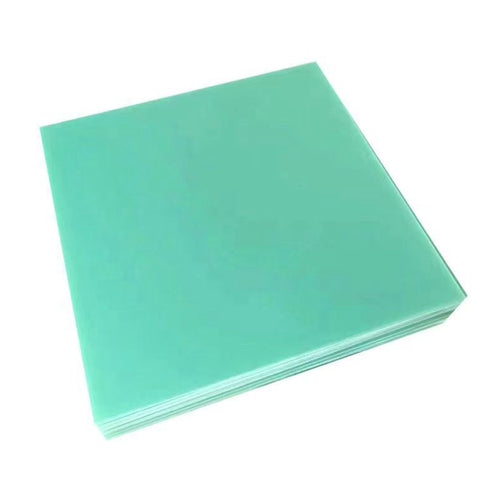
The mechanical strength of FR-4 glass epoxy is derived from its fiberglass content. This gives the material a high strength-to-weight ratio, making it robust enough to withstand mechanical stresses during PCB manufacturing and operation. It also exhibits good dimensional stability, which means it maintains its shape and size under varying environmental conditions.

FR-4 glass epoxy is derived from its fiberglass content

Why Choose FR-4 for PCB Fabrication?

FR-4 material is favored in PCB fabrication due to its balanced properties. Its flame retardance ensures safety, while its dielectric properties support efficient electrical performance. The mechanical strength and stability of FR-4 make it a reliable choice for creating durable PCBs that can withstand the demands of various electronic applications.

Applications of FR-4 Material

FR-4 laminate is used in single-sided, double-sided, and multi-layered PCBs across various industries, including consumer electronics, telecommunications, automotive, aerospace, and industrial equipment. Its versatility and performance make it the go-to material for manufacturers seeking quality and reliability in their electronic components.

Considerations When Selecting FR-4 Material

When choosing FR-4 material for your PCBs, consider the specific requirements of your application. Factors such as operating temperature, mechanical stress, and electrical performance needs should guide your selection. High-Tg FR-4 variants are available for applications requiring higher thermal performance, while halogen-free options provide environmentally friendly solutions without compromising on quality.

Incorporating FR-4 glass epoxy into your PCB designs ensures you leverage a material known for its robust performance, safety, and versatility, making it a cornerstone in the world of electronics manufacturing.

Evaluating Mechanical and Thermal Properties of FR-4

Mechanical Properties of FR-4

Tensile Strength

Tensile strength is a crucial mechanical property of FR-4 material. This property measures the resistance of the material to breaking under tension. FR-4 glass epoxy typically exhibits high tensile strength due to the fiberglass content, which ensures the material can withstand significant pulling forces without breaking. This strength makes FR-4 a reliable choice for applications that require durable and resilient PCB substrates.

Flexural Strength

Another vital mechanical property is flexural strength, which indicates the material’s ability to resist deformation under load. FR-4 plates have excellent flexural strength, allowing them to bend without cracking or breaking. This property is particularly important in PCBs that may be subject to mechanical stresses during installation or operation. The flexibility of FR-4 ensures that the boards remain intact and functional, even in demanding environments.

Thermal Properties of FR-4

Glass Transition Temperature (Tg)

The glass transition temperature (Tg) is a critical thermal property of FR-4 epoxy. Tg is the temperature at which the material transitions from a rigid state to a more pliable, rubber-like state. For standard FR-4, the Tg typically ranges from 130°C to 140°C, but high-Tg variants can exceed 170°C. A higher Tg is essential for applications that involve high-temperature processes, such as lead-free soldering, which requires temperatures up to 250°C. Choosing the right Tg rating ensures the PCB can endure these conditions without losing structural integrity.

Thermal Expansion Coefficient

The thermal expansion coefficient of FR-4 material measures how much the material expands when heated. This property is crucial for maintaining the dimensional stability of PCBs under thermal stress. FR-4 glass epoxy exhibits a relatively low thermal expansion coefficient, which means it does not expand significantly with temperature changes. This stability is vital for maintaining the alignment and reliability of electronic components mounted on the PCB, particularly in high-precision applications.

Impact of Mechanical and Thermal Properties on Application Selection

Durability and Reliability

The combined mechanical and thermal properties of FR-4 material significantly influence its selection for various applications. The high tensile and flexural strength ensure that FR-4 PCBs can withstand physical stresses during manufacturing, installation, and use. This durability is essential for applications in harsh environments, such as automotive, aerospace, and industrial electronics, where the PCBs are exposed to mechanical vibrations and shocks.

High-Temperature Applications

For high-temperature applications, selecting an FR-4 variant with an appropriate glass transition temperature (Tg) is crucial. High-Tg FR-4 materials are necessary for processes involving lead-free soldering or for use in environments where the PCB is exposed to elevated temperatures. The low thermal expansion coefficient further ensures that the PCBs maintain their shape and functionality, preventing issues such as warping or misalignment of components.

Conclusion

Understanding and evaluating the mechanical and thermal properties of FR-4 are essential steps in selecting the right material for your PCB fabrication needs. By considering factors such as tensile strength, flexural strength, glass transition temperature, and thermal expansion coefficient, you can ensure that your PCBs will perform reliably in their intended applications. This knowledge helps in making informed decisions that enhance the durability, performance, and longevity of electronic devices.

FR-4 materials

Comparing Standard FR-4 with High-Tg and Other Variants

Standard FR-4 Material

Standard FR-4 is the most commonly used material in PCB fabrication due to its balance of cost, performance, and ease of manufacturing. Composed of woven fiberglass cloth and an epoxy resin binder, it provides good mechanical strength and electrical insulation. Standard FR-4 typically has a glass transition temperature (Tg) of around 130°C, making it suitable for most general-purpose electronic applications. Its flame retardance, as indicated by the “FR” in its name, ensures safety by meeting the UL94V-0 standard.

High-Tg FR-4

High-Tg FR-4 materials are designed to perform in higher temperature environments. They have a Tg exceeding 170°C, which provides better thermal stability and reliability under extreme heat conditions. This higher Tg is crucial for applications involving lead-free soldering processes that can reach temperatures up to 250°C. High-Tg FR-4 also exhibits lower thermal expansion, reducing the risk of PCB warping and maintaining the integrity of electronic components under thermal stress.

Halogen-Free FR-4

Halogen-free FR-4 is an environmentally friendly variant that eliminates halogens from its composition to reduce toxic emissions during manufacturing and disposal. This type of FR-4 material is increasingly preferred in applications where environmental impact and regulatory compliance are critical. Halogen-free FR-4 still retains the essential properties of standard FR-4, such as mechanical strength and electrical insulation, but with added benefits of being more sustainable and safer for use in sensitive environments.

Specialized FR-4 Types

Other specialized FR-4 variants include those with enhanced properties for specific applications. For example, FR-4 epoxy glass cloth laminate offers superior dimensional stability and moisture resistance, making it ideal for marine and outdoor applications. High CTI (Comparative Tracking Index) FR-4 materials provide improved resistance to electrical arcing, which is crucial in high-voltage applications.

Scenarios for Each FR-4 Type

General-Purpose Applications

Standard FR-4 is suitable for most general-purpose electronic applications where moderate thermal performance and cost-effectiveness are key considerations. It is commonly used in consumer electronics, industrial equipment, and telecommunications devices.

High-Temperature Environments

High-Tg FR-4 is essential for applications that involve high operating temperatures, such as automotive electronics, aerospace systems, and advanced industrial machinery. Its enhanced thermal stability ensures reliable performance under thermal stress.

Environmentally Sensitive Applications

Halogen-free FR-4 is the material of choice for environmentally sensitive applications, including consumer electronics that must comply with stringent environmental regulations like RoHS (Restriction of Hazardous Substances). This variant is also preferred in green manufacturing processes where reducing toxic emissions is a priority.

Moisture and Outdoor Applications

For applications exposed to moisture or outdoor environments, FR-4 epoxy glass cloth laminate provides the necessary resistance to environmental factors. It is used in marine electronics, outdoor telecommunications equipment, and any other applications requiring robust moisture resistance.

Conclusion

When selecting the appropriate FR-4 laminate for your PCB fabrication needs, it is crucial to consider the specific requirements of your application. By understanding the differences between standard FR-4, high-Tg FR-4, and specialized variants like halogen-free FR-4, you can ensure that your PCBs will perform reliably and meet all necessary safety and environmental standards. This knowledge helps in making informed decisions that enhance the durability, performance, and longevity of electronic devices.

FR-4 laminate

Signal Integrity and Impedance Considerations with FR-4

Impact of Dielectric Constant on Signal Integrity

The dielectric constant (Dk) of FR-4 material plays a crucial role in determining the signal integrity of printed circuit boards (PCBs). FR-4 glass epoxy typically has a dielectric constant ranging from 4.2 to 4.8, depending on the specific formulation and frequency. This variability in Dk can affect the propagation speed of electrical signals, leading to potential issues in high-frequency applications. A stable dielectric constant is essential for maintaining consistent signal transmission and preventing signal degradation.

Dielectric Constant Variability and Signal Loss

Signal loss in FR-4 laminates is directly influenced by the dielectric constant. As the frequency increases, the dielectric constant can vary, which in turn affects the impedance of the PCB. Impedance stability is critical in high-frequency circuits to ensure that signals are transmitted efficiently without excessive loss. Variability in Dk can cause mismatched impedance, leading to reflections, crosstalk, and other forms of signal integrity degradation. This is particularly problematic in high-speed digital circuits where precise control of impedance is necessary for optimal performance.

Dissipation Factor and Signal Attenuation

The dissipation factor (Df) of FR-4 material is another important parameter that impacts signal integrity. The dissipation factor represents the material’s inherent electrical losses, which translate into signal attenuation. Standard FR-4 materials typically have a higher Df compared to high-frequency laminates, leading to greater signal loss at high frequencies. For instance, FR-4 materials might exhibit a Df around 0.020, while specialized high-frequency laminates have a much lower Df, around 0.004, resulting in significantly less signal attenuation.

Impedance Control in High-Frequency Applications

In high-frequency applications, maintaining impedance control is essential for signal integrity. The dielectric constant of FR-4 glass epoxy can vary with frequency, temperature, and humidity, making it challenging to achieve stable impedance. High-speed digital circuits, RF circuits, and microwave applications require materials with minimal variation in Dk to ensure consistent impedance. This stability helps prevent signal reflections and ensures reliable signal transmission across the PCB.

Design Strategies for Improved Signal Integrity

To mitigate the effects of dielectric constant variability and achieve better signal integrity, PCB designers can implement several strategies:

Use of Low-Dk Variants

Opting for low-Dk FR-4 variants can help reduce signal loss and improve impedance control. These materials offer more stable dielectric properties across a range of frequencies, making them suitable for high-frequency applications.

Controlled Impedance Design

Implementing controlled impedance design techniques, such as precise trace width and spacing, can help manage the effects of Dk variability. Designers can use simulation tools to model the impedance of PCB traces and adjust the layout accordingly to achieve the desired impedance.

Shielding and Grounding

Effective shielding and grounding techniques can minimize crosstalk and electromagnetic interference (EMI), further enhancing signal integrity. Using ground planes and careful routing of high-frequency signals can reduce the impact of Dk variability on signal performance.

Applications Requiring High Signal Integrity

Applications that demand high signal integrity include:

  • High-speed digital circuits: Used in data centers, telecommunications, and computing, where consistent signal transmission is crucial.
  • RF and microwave circuits: Used in wireless communication devices, satellite systems, and radar, requiring precise impedance control.
  • Automotive and aerospace electronics: Where reliability and performance are critical under varying environmental conditions.

By understanding the impact of FR-4 material properties on signal integrity and impedance, PCB designers and manufacturers can make informed choices to ensure optimal performance in their high-frequency applications.

FR-4 material properties

Moisture Absorption and Environmental Resistance of FR-4

Moisture Absorption Characteristics of FR-4

FR-4 material is known for its low moisture absorption properties, which is a crucial factor for maintaining the integrity and performance of PCBs in various environmental conditions. The epoxy resin in FR-4 acts as a barrier to moisture, while the woven fiberglass provides additional stability. Typically, FR-4 laminates absorb moisture at a rate of 0.10% to 0.20%, depending on the specific formulation and environmental conditions. This low absorption rate helps prevent swelling, delamination, and other moisture-induced issues that can compromise the functionality of the PCB.

Suitability for Different Environmental Conditions

FR-4 epoxy laminates are well-suited for applications exposed to varying humidity levels and other harsh environmental conditions. The combination of low moisture absorption and high mechanical strength makes FR-4 an ideal choice for electronics used in outdoor and industrial settings. For instance, in marine and automotive applications, where exposure to moisture and fluctuating temperatures is common, FR-4 provides the necessary resistance to maintain performance and reliability.

Tips for Choosing FR-4 for Harsh Conditions

When selecting FR-4 material for environments with high humidity or extreme conditions, consider the following tips:

Opt for High-Performance Variants

Choose high-performance FR-4 variants that offer enhanced moisture resistance and stability. These variants often have improved resin formulations that further reduce moisture absorption and enhance durability.

Use Protective Coatings

Applying protective coatings, such as conformal coatings, can provide an additional barrier against moisture and environmental contaminants. These coatings help seal the PCB surface, preventing moisture ingress and corrosion.

Consider Halogen-Free FR-4

For applications requiring environmentally friendly solutions, halogen-free FR-4 is an excellent choice. It not only reduces the environmental impact but also maintains the critical properties needed for reliable performance under harsh conditions.

Applications of Moisture-Resistant FR-4

Marine Electronics

In marine environments, electronics are constantly exposed to saltwater, humidity, and varying temperatures. FR-4 epoxy glass cloth laminate is commonly used in these applications due to its superior moisture resistance and robustness.

Outdoor Telecommunications

Telecommunications equipment installed outdoors must withstand weather extremes, including high humidity, rain, and temperature fluctuations. FR-4 laminates provide the necessary environmental resistance to ensure long-term reliability and performance.

Industrial Control Systems

Industrial environments often involve exposure to moisture, chemicals, and high temperatures. FR-4 material is suitable for PCBs used in these settings, offering the durability and resistance required to operate reliably in such demanding conditions.

Conclusion

By understanding the moisture absorption characteristics and environmental resistance of FR-4 material, manufacturers can make informed decisions to enhance the performance and longevity of their electronic devices. Selecting the appropriate FR-4 epoxy variants and implementing protective measures will ensure that PCBs can withstand the challenges posed by harsh environmental conditions, maintaining their functionality and reliability across various applications.

FR-4 material properties

Best Practices for Selecting and Using FR-4 in PCB Fabrication

Selecting the Right FR-4 Thickness

Choosing the appropriate FR-4 plate thickness is crucial for ensuring the durability and functionality of your PCBs. The thickness of the FR-4 material can significantly impact the mechanical strength, flexibility, and heat dissipation properties of the PCB.

Factors to Consider

  • Application Requirements: Different applications may require different FR-4 thicknesses. For high-power applications, a thicker FR-4 plate might be necessary to handle the heat dissipation. Conversely, for compact electronic devices, a thinner plate might be preferable to save space and reduce weight.
  • Mechanical Strength: Thicker FR-4 materials generally provide better mechanical strength, which is important for PCBs that will be subjected to physical stress or handling during installation and use.
  • Thermal Management: Consider the thermal performance of the FR-4 material. Thicker plates can dissipate heat more effectively, which is beneficial for high-power or high-temperature applications.

Handling and Processing FR-4 Materials

Proper handling and processing of FR-4 materials are essential to avoid defects and ensure high-quality PCB production.

Handling Tips

  • Storage Conditions: Store FR-4 glass epoxy materials in a controlled environment to prevent moisture absorption and contamination. Use desiccant packs and maintain a low humidity level in storage areas.
  • Cleanliness: Keep the work area clean and free from dust and debris to prevent contamination of the FR-4 plates. Wear gloves to avoid transferring oils and dirt from hands to the material.

Processing Tips

  • Cutting and Drilling: Use sharp and well-maintained tools for cutting and drilling FR-4 materials to avoid chipping and delamination. Ensure that the cutting tools are suitable for the thickness and hardness of the FR-4 plate.
  • Lamination Process: During the lamination process, maintain consistent pressure and temperature to ensure proper adhesion of the copper foil to the FR-4 substrate. Monitor the lamination parameters closely to prevent warping and delamination.

Avoiding Common Issues

Delamination

Delamination occurs when the layers of the FR-4 laminate separate, which can compromise the electrical and mechanical integrity of the PCB.

  • Proper Lamination: Ensure that the lamination process is done correctly, with appropriate pressure and temperature settings. Avoid excessive thermal cycling that can stress the material and lead to delamination.
  • Quality Control: Implement thorough quality control checks to detect and address delamination early. Use X-ray inspection and other non-destructive testing methods to assess the integrity of the laminated boards.

Warping

Warping can cause misalignment and mechanical stress in the PCB, leading to failures in the electronic components.

  • Balanced Layer Stackup: Design the PCB with a balanced layer stackup to distribute mechanical stresses evenly. Use symmetrical layer configurations to minimize warping during thermal cycles.
  • Controlled Cooling: Allow the laminated boards to cool gradually and evenly to prevent thermal shock, which can cause warping. Use controlled cooling methods to ensure uniform temperature distribution across the board.

Ensuring Consistency in Production

Consistency in production is key to manufacturing high-quality PCBs with FR-4 material properties that meet industry standards.

  • Standardized Procedures: Implement standardized procedures for handling, processing, and inspecting FR-4 materials. Train staff to follow these procedures diligently.
  • Regular Maintenance: Maintain and calibrate equipment regularly to ensure they are functioning correctly. Properly maintained tools and machines produce more consistent and reliable results.
  • Continuous Monitoring: Continuously monitor the production process for any deviations or anomalies. Use statistical process control (SPC) methods to track and analyze production data, identifying areas for improvement.

By following these best practices, fabricators can optimize the selection and use of FR-4 materials in PCB fabrication, ensuring high-quality, reliable, and durable electronic components.

FR-4 materials in PCB fabrication

Frequently Asked Questions (FAQs) about FR-4 Material and BeePlastics Customization

General Questions about FR-4 Material

Q1: What is FR-4 material? A1: FR-4 material is a composite material made from woven fiberglass cloth and an epoxy resin binder, known for its flame retardant properties. It is widely used as the substrate for printed circuit boards (PCBs) due to its excellent mechanical strength, electrical insulation, and thermal stability.

Q2: What are the key properties of FR-4 material? A2: The key properties of FR-4 material include high tensile strength, good flexural strength, a stable dielectric constant, low moisture absorption, and excellent flame retardance. These properties make it suitable for a wide range of electronic applications.

Q3: How does the glass transition temperature (Tg) of FR-4 affect its performance? A3: The glass transition temperature (Tg) of FR-4 indicates the temperature at which the material changes from a rigid state to a more flexible one. High-Tg FR-4 materials can withstand higher operating temperatures, making them ideal for applications involving high thermal stress, such as lead-free soldering processes.

Q4: What are the differences between standard FR-4 and high-Tg FR-4? A4: Standard FR-4 typically has a Tg around 130°C, suitable for general applications. High-Tg FR-4 has a Tg exceeding 170°C, offering better thermal stability and reliability under high-temperature conditions. High-Tg variants are preferred for high-performance and high-temperature applications.

Q5: How does moisture absorption affect FR-4 materials? A5: Moisture absorption in FR-4 materials can lead to swelling, delamination, and reduced electrical performance. However, FR-4 has a low moisture absorption rate (0.10% to 0.20%), making it suitable for applications exposed to varying humidity levels and harsh environmental conditions.

BeePlastics Customization Questions

Q6: Can BeePlastics handle customizations, including sample and batch customizations? A6: Yes, BeePlastics can undertake any customization, including both sample customization and batch customization. We cater to specific needs and specifications, ensuring that each product meets the client’s requirements.

Q7: What file formats does BeePlastics accept for customization requests? A7: BeePlastics accepts a variety of file formats for customization requests, including PDF and CAD. This flexibility allows clients to provide their designs in the format that best suits their workflow.

Q8: Is there a minimum order quantity (MOQ) for customizations at BeePlastics? A8: No, BeePlastics does not require a minimum order quantity (MOQ) for customizations. We are happy to accommodate orders of all sizes, from single prototypes to large-scale production runs.

Q9: How does BeePlastics manage the production cycle and communicate progress? A9: The production cycle at BeePlastics is managed based on the order volume and the complexity of the customization process. We ensure transparent communication with clients, providing real-time updates on the production progress to keep them informed throughout the process.

Q10: Does BeePlastics provide samples, and what are the terms? A10: Yes, BeePlastics supports the provision of samples. Customers are responsible for the shipping costs, but the samples themselves are provided free of charge. This allows clients to evaluate the quality and suitability of our products before placing larger orders.

These FAQs provide a comprehensive overview of both the technical aspects of FR-4 material and the customization services offered by BeePlastics, ensuring that clients have all the information they need to make informed decisions.

In conclusion, selecting the right FR-4 plate for PCB fabrication is a critical step in ensuring the durability, reliability, and performance of your electronic devices. By understanding the mechanical and thermal properties of FR-4, such as its tensile and flexural strength, glass transition temperature (Tg), and thermal expansion coefficient, fabricators can make informed decisions that meet the specific needs of their applications. Additionally, comparing standard FR-4 with high-Tg and other specialized variants helps in choosing the best material for high-temperature and environmentally sensitive conditions. Adhering to best practices in handling and processing FR-4 materials, and considering factors like thickness and protective coatings, further enhances the quality and consistency of PCBs. With this knowledge, you can leverage the advantages of FR-4 glass epoxy to produce high-quality, reliable, and efficient electronic components, ensuring the success of your projects and the satisfaction of your customers.

FR-4 glass epoxy
🎉🎉🎉Limited Time Offer Use code: QR4GNY08SHVR at checkout and enjoy a special discount on your entire order! 👉 FR4 fiberglass plastic

Get Expert Guidance on FR-4 Customizations!

Don’t miss out on optimizing your PCBs with our high-quality FR-4 materials. Complete the contact form at the bottom of this page to connect with our experts. For in-depth information and customization options, click here: Learn More.


Leave a comment


Please note, comments must be approved before they are published


Custom Plastic Fabrication

Send your drawing, material and quantity for review

🔧
Precision Machining
CNC milling & turning
✂️
Cutting & Engraving
Laser & waterjet cutting
🏭
Forming & Molding
Thermoforming & injection
🔗
Joining & Assembly
Welding & bonding
📐
Design & Prototyping
CAD design & samples

General

HDPE

PP

PVC

ABS

Engineering

POM

Nylon

PC

PMMA

High-Performance

PEEK

PEI

PTFE

Composites

FR-4

G10

Flexible

TPU

Silicone

Why Choose BeePlastic?

🎯
Perfect Fit
Custom specs eliminate adaptation needs
⚡
Clear Lead Times
Lead time confirmed with every quote
💰
Volume Pricing
Volume pricing available on bulk orders
🤝
Expert Support
Free engineering consultation included
📋
Submit
→
🔍
Review
→
💵
Quote
→
✅
Production
→
📦
Deliver

Request a Quote

Share your project details, selected material and quantity on our quote page. You can add a file link or use the email drawing route shown there.


Request Quote

Industries: Automotive • Medical • Food • Lab • Semiconductor

beeplastic@beeplastic.com


The Complete Guide to FR-4 Material Properties for Electronics Professionals

FR-4 laminate

Unlock the secrets of FR-4 material with my comprehensive guide, perfect for electronics professionals seeking to enhance their knowledge and applications. In this blog post, I explore the composition of FR-4 material, highlighting its unique glass-reinforced epoxy structure. Delve into the key properties that make FR-4 indispensable, such as its dielectric constant, thermal conductivity, flame retardancy, and mechanical strength. Understand the mechanical and thermal characteristics that ensure FR-4’s reliability in various environments.

🎉 Limited Time Special Offer

Ready to order FR-4 sheets or custom parts? Use the code below at checkout to enjoy a special discount on your entire order!

CODE: QR4GNY08SHVR

Discover the diverse applications of FR-4 in communication devices, computer hardware, consumer electronics, industrial electronics, and medical devices. Learn how to choose the right FR-4 material for your PCB design by considering factors like board thickness, dielectric properties, and thermal performance. Finally, compare FR-4 with alternative PCB materials to understand its advantages and limitations.

This guide provides practical insights and expert tips, making it a must-read for anyone working with FR-4 glass epoxy and looking to optimize their electronic designs. Dive into the complete guide and elevate your understanding of FR-4 material properties today!

Cross-section structure of FR-4 epoxy glass laminate material

Understanding the Composition of FR-4 Material

What is FR-4 Material?

FR-4 material is a popular substrate used in the electronics industry, especially for printed circuit boards (PCBs). The term “FR” stands for “flame retardant,” while “4” indicates the specific NEMA (National Electrical Manufacturers Association) grade of this material. This classification ensures that FR-4 complies with the UL94V-0 standard, crucial for materials used in electronic applications requiring flame retardancy.

The Core Components of FR-4 Material

The composition of FR-4 material primarily consists of glass-reinforced epoxy, providing a unique balance of mechanical strength and electrical insulation.

Glass Fiber Cloth

One of the fundamental components of FR-4 is glass fiber cloth. This cloth is woven from strands of glass fibers, which are known for their high tensile strength and durability. The glass fiber cloth serves as the reinforcing agent, contributing to the overall mechanical integrity of the FR-4 laminate. This reinforcement ensures that the material can withstand physical stresses during the manufacturing and operational phases of electronic devices.

Epoxy Resin

The second critical component is epoxy resin. This thermosetting polymer acts as the binding matrix that holds the glass fibers together. Epoxy resin is valued for its excellent adhesive properties, chemical resistance, and thermal stability. When combined with glass fibers, it forms a rigid, durable material capable of providing robust electrical insulation. This combination is essential for maintaining the reliability and performance of PCBs in various electronic applications.

The Role of Glass-Reinforced Epoxy in FR-4

The synergy between glass fiber cloth and epoxy resin creates a composite material that excels in multiple domains:

  • Mechanical Strength: The glass fibers provide high tensile strength, making the FR-4 material resistant to bending and breaking under stress.
  • Electrical Insulation: The epoxy resin ensures excellent insulation, preventing electrical shorts and maintaining signal integrity within the PCB.
  • Flame Retardancy: Both components contribute to the material’s ability to resist ignition and self-extinguish if exposed to fire, complying with the UL94V-0 standard.

Applications of FR-4 Material

Given its balanced properties, FR-4 material is extensively used in various electronic applications. These include consumer electronics, telecommunication devices, automotive electronics, and industrial control systems. Its versatility and reliability make it a preferred choice for engineers and designers aiming to create robust and efficient electronic devices.

Conclusion

Understanding the composition of FR-4 material highlights why it remains a cornerstone in PCB manufacturing. Its unique blend of glass fiber cloth and epoxy resin offers a combination of mechanical strength, electrical insulation, and flame retardancy, making it indispensable for modern electronics. For more detailed insights, explore our complete guide on FR-4 material properties and applications.

Detailed composition of FR-4 epoxy glass cloth laminate sheets

Key Properties of FR-4 Material

Need Standard FR-4 / G10 Sheets?

We offer high-quality Light Green, Black, and Yellow FR4/G10 Epoxy Sheets.

  • Thickness: 0.5mm to 50mm
  • No Minimum Order Quantity (MOQ)
  • Global Shipping & Fast Delivery

Browse Collection

Dielectric Constant

One of the most crucial FR-4 material properties is its dielectric constant (Dk). The dielectric constant of FR-4 typically ranges from 4.2 to 4.8, depending on the resin content and fiberglass weave. This property is essential because it influences the signal propagation and impedance characteristics of the PCB. A stable dielectric constant ensures consistent electrical performance across various frequencies, making FR-4 laminate ideal for many electronic applications, including high-speed digital circuits and RF designs.

Thermal Conductivity

Thermal conductivity is another significant aspect of FR-4 mechanical properties. FR-4 material exhibits moderate thermal conductivity, typically in the range of 0.3 to 0.5 watts per meter-kelvin (W/m·K). This property facilitates efficient heat dissipation from electronic components mounted on the board. Effective thermal management is crucial in preventing overheating and ensuring the long-term reliability of electronic devices. For applications requiring higher thermal performance, advanced FR-4 laminates with enhanced thermal conductivity are available.

Flame Retardancy

Flame retardancy is a defining feature of FR-4 material. Complying with the UL94V-0 standard, FR-4 exhibits excellent resistance to ignition and self-extinguishes if exposed to fire. This characteristic is vital for maintaining safety and reliability in electronic devices, especially in consumer electronics, automotive systems, and industrial equipment. The flame retardant nature of FR-4 is achieved through the incorporation of brominated epoxy resin, which helps in preventing the spread of fire and minimizing fire-related hazards.

Mechanical Strength

The mechanical strength of FR-4 laminate is another key property that makes it highly suitable for PCB applications. The combination of glass fiber cloth and epoxy resin provides a robust and rigid structure. This high tensile strength and rigidity ensure that the PCB can withstand physical stresses during both the manufacturing process and operational use. The durability of FR-4 makes it a preferred choice for applications requiring reliable and long-lasting performance, such as in industrial control systems and automotive electronics.

Moisture Resistance

Moisture resistance is a critical property of FR-4 material, particularly for applications in humid or marine environments. FR-4 exhibits low water absorption, which helps maintain its electrical and mechanical properties even under adverse conditions. This resistance to moisture makes FR-4 suitable for use in outdoor and moisture-sensitive devices, ensuring consistent performance and reliability.

Versatility and Cost-Effectiveness

The versatility and cost-effectiveness of FR-4 laminate are notable advantages. FR-4 is compatible with standard PCB fabrication processes, including drilling, etching, and soldering, which simplifies manufacturing and reduces production costs. Its relatively low cost compared to alternative materials makes it an attractive choice for mass production and cost-sensitive applications, such as consumer electronics and communication devices.

Summary of Key Properties

To summarize, the essential properties of FR-4 material include its dielectric constant, thermal conductivity, flame retardancy, mechanical strength, moisture resistance, and cost-effectiveness. These properties collectively make FR-4 an ideal choice for a wide range of PCB applications, ensuring reliable performance, safety, and efficiency in various electronic devices.

Green FR-4 material properties breakdown

Mechanical and Thermal Characteristics of FR-4

Mechanical and thermal characteristics of FR-4 material CNC machining

Density and Thickness Range

FR-4 mechanical properties are highly influenced by its density and thickness. The density of FR-4 epoxy glass cloth laminate typically ranges from 1.7 to 1.9 grams per cubic centimeter (g/cm³), which provides a balance between mechanical strength and weight. This density is crucial for ensuring the PCB’s durability while keeping it lightweight enough for various applications.

The thickness of FR-4 plates varies widely to cater to different design requirements. Common thicknesses range from 0.4 millimeters to 3.2 millimeters. Thinner laminates are used in applications where space-saving is critical, such as in compact consumer electronics. On the other hand, thicker laminates are preferred for applications requiring additional mechanical strength and rigidity, like in industrial control systems.

Thermal Stability

Thermal stability is a key factor in the performance of FR-4 material. FR-4 exhibits excellent thermal stability with a glass transition temperature (Tg) typically between 115°C and 200°C, depending on the specific formulation. This property ensures that the material maintains its structural integrity and electrical properties even under high temperatures encountered during soldering processes and operational use.

High Tg FR-4 materials are available for applications requiring greater thermal endurance, such as in automotive and aerospace electronics. These materials can withstand higher operational temperatures without degrading, making them suitable for demanding environments.

Resistance to Moisture and Chemical Exposure

Moisture resistance is another critical characteristic of FR-4 epoxy glass cloth laminate. FR-4 has low water absorption, typically less than 0.10%, which helps maintain its mechanical and electrical properties in humid environments. This resistance to moisture is vital for applications in marine and outdoor settings, ensuring consistent performance and longevity.

Chemical resistance is also a significant advantage of FR-4 material. The epoxy resin used in FR-4 laminates provides good resistance to a wide range of chemicals, including solvents, acids, and bases. This property is essential for PCBs used in industrial and harsh environments where exposure to chemicals is common.

Practical Insights into PCB Performance

The mechanical and thermal characteristics of FR-4 plates directly impact the performance and reliability of PCBs. For instance, the high mechanical strength of FR-4 ensures that PCBs can withstand physical stresses during manufacturing and use, reducing the risk of damage or failure. This is particularly important in applications involving vibration or mechanical shocks, such as in automotive and industrial electronics.

The excellent thermal stability of FR-4 allows it to endure the high temperatures of soldering processes without losing its properties. This stability is crucial for maintaining the integrity of solder joints and preventing thermal deformation of the PCB, which can lead to electrical failures.

Moreover, the moisture and chemical resistance of FR-4 materials make them ideal for use in environments where PCBs are exposed to harsh conditions. These characteristics ensure that the PCBs remain functional and reliable over extended periods, even in challenging applications.

Conclusion

Understanding the mechanical and thermal characteristics of FR-4 material is essential for optimizing PCB performance in various applications. The combination of density, thickness, thermal stability, and resistance to moisture and chemicals makes FR-4 a versatile and reliable choice for numerous electronic devices. For further insights, explore resources from beeplastic.com.

Applications of FR-4 Material in Electronics

Communication Equipment

FR-4 glass epoxy is extensively used in communication equipment due to its excellent electrical insulation and mechanical strength. Devices such as routers, switches, modems, and antennas rely on FR-4 laminates to ensure reliable signal transmission and minimal interference. The stability and durability of FR-4 epoxy make it ideal for these high-frequency applications, where maintaining signal integrity is crucial.

Computer Hardware

In the realm of computer hardware, FR-4 material is a staple for manufacturing various components, including motherboards, graphic cards, memory modules, and CPUs. The mechanical properties of FR-4 epoxy glass cloth laminate provide the necessary rigidity and support for these intricate circuits. Additionally, its thermal stability ensures that the PCBs can withstand the heat generated during operation, preventing damage and ensuring long-term performance.

Consumer Electronics

FR-4 laminate is a preferred choice in consumer electronics due to its cost-effectiveness and versatile properties. Products such as smartphones, tablets, televisions, and gaming consoles incorporate FR-4 epoxy PCBs to achieve a balance of performance and affordability. The material’s ability to maintain electrical performance under various environmental conditions makes it suitable for the diverse range of consumer electronics applications.

Yellow Epoxy Board and FR4 Applications

Industrial Electronics

In industrial electronics, FR-4 material is used in control systems, instrumentation, power supplies, and automation equipment. The high mechanical strength and chemical resistance of FR-4 epoxy glass cloth laminate enable it to endure harsh industrial environments. Its reliability ensures that electronic systems remain functional and efficient, even under demanding operational conditions.

Medical Devices

FR-4 glass epoxy is also pivotal in the development of medical devices. Equipment such as diagnostic tools, patient monitors, and imaging systems utilize FR-4 laminates for their PCBs. The material’s excellent electrical insulation and thermal stability are critical for the precision and reliability required in medical applications. Furthermore, its resistance to moisture and chemicals ensures that the devices can operate safely in various healthcare settings.

Automotive Electronics

FR-4 epoxy is essential in automotive electronics, where it is used in engine control units, infotainment systems, and safety devices. The material’s ability to withstand high temperatures and mechanical stresses makes it suitable for the rigorous demands of the automotive industry. FR-4 laminates provide the necessary durability and reliability to ensure that electronic components function correctly and safely in vehicles.

Aerospace Electronics

The aerospace industry also benefits from FR-4 material in manufacturing avionics and other critical electronic systems. The high thermal stability and flame retardancy of FR-4 epoxy are essential for ensuring the safety and reliability of aerospace applications. The material’s ability to maintain performance under extreme conditions makes it a valuable component in this field.

FR-4 material is indispensable across various electronic devices and industries, from communication equipment and computer hardware to consumer electronics, industrial electronics, medical devices, automotive electronics, and aerospace electronics. Its unique properties ensure that it meets the diverse requirements of these applications, making it a preferred choice for PCB manufacturing.

Require Custom FR-4 / G10 Machining?

BeePlastic offers expert CNC Machining Services for all insulation materials. From prototype to mass production.

  • ✅ No MOQ – Order 1 piece or 10,000
  • ✅ Fast Turnaround & Global Shipping
  • ✅ Accepts PDF/CAD/STEP files

Get A Free Quote

Custom FR-4 Machined Parts

Choosing the Right FR-4 Material for Your PCB Design

Understanding FR-4 Material Types

Selecting the appropriate FR-4 material is crucial for optimizing PCB performance based on specific design requirements. FR-4 plates come in various types, including standard FR-4, high Tg FR-4, and high CTI FR-4. Each type offers distinct advantages depending on the application’s demands. Standard FR-4 is suitable for general applications, while high Tg FR-4 provides enhanced thermal performance, making it ideal for high-temperature environments. High CTI FR-4, with its high Comparative Tracking Index, is perfect for applications requiring superior electrical insulation.

Board Thickness

Board thickness is a vital factor in choosing the right FR-4 laminate. The thickness impacts the mechanical strength, flexibility, and impedance of the PCB. Thinner boards, ranging from 0.4 to 1.6 millimeters, are preferred for compact devices such as smartphones and tablets due to their space-saving properties. Thicker boards, from 1.6 to 3.2 millimeters, offer enhanced rigidity and are suitable for applications that demand robust mechanical strength, such as industrial control systems and automotive electronics.

Dielectric Properties

The dielectric properties of FR-4 material play a significant role in determining the PCB’s electrical performance. The dielectric constant (Dk) and dissipation factor (Df) affect signal propagation and impedance control. For high-frequency applications, selecting an FR-4 laminate with a low Dk and Df is essential to minimize signal loss and ensure stable impedance. This is particularly important in communication devices and high-speed digital circuits, where maintaining signal integrity is crucial.

Thermal Performance

Thermal performance is another critical consideration when selecting FR-4 material. The glass transition temperature (Tg) of FR-4 indicates the temperature at which the material transitions from a rigid to a more flexible state. Standard FR-4 has a Tg of around 130°C, which is sufficient for many applications. However, high Tg FR-4 materials, with Tg values exceeding 170°C, are necessary for high-temperature environments, such as automotive and aerospace electronics. These materials ensure the PCB can withstand soldering processes and operational heat without degrading.

Compatibility with Components

Ensuring compatibility with components is essential when choosing the right FR-4 plate for your design. The PCB material must support the components’ mounting and soldering requirements. For instance, surface-mount technology (SMT) components require a smooth and flat surface, while through-hole components need sufficient thickness for secure mounting. Additionally, the chosen FR-4 laminate should accommodate the thermal and mechanical stresses imposed by the components during operation.

Practical Tips for Selection

When selecting FR-4 material, consider the following practical tips:

  • Assess Application Requirements: Determine the environmental conditions, such as temperature and humidity, and choose an FR-4 type that meets these requirements.
  • Evaluate Electrical Needs: For high-frequency applications, prioritize laminates with low Dk and Df values.
  • Consider Mechanical Demands: Ensure the chosen board thickness and mechanical properties align with the device’s structural needs.
  • Check Manufacturer Specifications: Refer to the datasheets provided by FR-4 manufacturers to compare properties and ensure compatibility with your design.

For more detailed information, consult resources like Beeplastic.com. These sources offer comprehensive guides and datasheets to help you make an informed decision.

epoxy plate

Comparing FR-4 with Alternative PCB Materials

High-Frequency Laminates

High-frequency laminates are designed to offer superior performance at higher frequencies compared to FR-4 material. These laminates typically have a lower dielectric constant (Dk) and dissipation factor (Df), which are crucial for minimizing signal loss and ensuring stable impedance in high-speed digital and RF applications. Materials like Rogers 4000 series and Taconic TLY series are popular choices for high-frequency PCBs.

Advantages of High-Frequency Laminates:

  • Low Signal Loss: Their low Dk and Df values ensure minimal signal degradation.
  • Stable Impedance: Ideal for applications requiring precise impedance control.
  • Thermal Management: Often possess better thermal conductivity compared to standard FR-4.

Limitations of High-Frequency Laminates:

  • Cost: These materials are significantly more expensive than FR-4 epoxy.
  • Complex Manufacturing: They may require specialized manufacturing processes.

Polyimide

Polyimide is another alternative to FR-4 laminate, known for its excellent thermal stability and mechanical flexibility. Polyimide substrates are used in applications that require high heat resistance, such as in aerospace and military electronics.

Advantages of Polyimide:

  • High Thermal Stability: Can withstand temperatures up to 250°C or higher.
  • Flexibility: Suitable for flexible PCBs used in applications with dynamic bending and flexing.
  • Chemical Resistance: Excellent resistance to chemicals, making it suitable for harsh environments.

Limitations of Polyimide:

  • Cost: More expensive than standard FR-4 material.
  • Moisture Absorption: Higher moisture absorption compared to FR-4, which can affect performance in humid conditions.

Ceramic Substrates

Ceramic substrates such as alumina and aluminum nitride are used for high-power and high-frequency applications due to their superior thermal conductivity and electrical insulation properties.

Advantages of Ceramic Substrates:

  • Thermal Conductivity: Exceptional thermal management capabilities.
  • Electrical Insulation: High dielectric strength and stability.
  • Durability: Excellent mechanical strength and resistance to environmental factors.

Limitations of Ceramic Substrates:

  • Cost: Significantly more expensive than FR-4 epoxy.
  • Brittleness: More brittle compared to organic laminates, which can be a disadvantage in certain applications.

Comparing Advantages and Limitations

Advantages of FR-4 Material

FR-4 material remains a popular choice due to its balance of cost, performance, and versatility. It offers:

  • Cost-Effectiveness: More affordable than high-frequency laminates and ceramics.
  • Mechanical Strength: Adequate mechanical strength for most applications.
  • Electrical Insulation: Reliable electrical insulation for general-purpose PCBs.
  • Flame Retardancy: Complies with UL94V-0 standards, ensuring safety in electronic devices.

Limitations of FR-4 Material

However, FR-4 laminate has its limitations, especially when compared to specialized materials:

  • High-Frequency Performance: Higher dielectric constant and dissipation factor, which can result in greater signal loss at high frequencies.
  • Thermal Stability: Limited thermal performance compared to polyimide and ceramic substrates.
  • Flexibility: Lacks the flexibility of polyimide, making it less suitable for applications requiring frequent bending.

Making an Informed Decision

When choosing the right material for your PCB design, consider the specific requirements of your application. If cost and general-purpose use are primary concerns, FR-4 material is often sufficient. For high-frequency applications, high-frequency laminates offer the best performance despite their higher cost. For high-temperature and flexible applications, polyimide is a suitable choice. For superior thermal management and electrical insulation, ceramic substrates are unmatched, although they come at a premium price.

Frequently Asked Questions About FR-4 Material and BeePlastics Customization

General Questions About FR-4 Material

1. What is FR-4 material?

FR-4 is a widely used grade of printed circuit board (PCB) material that is made from woven fiberglass cloth with an epoxy resin binder that is flame resistant (self-extinguishing). It stands for “Flame Retardant 4,” a designation given by the National Electrical Manufacturers Association (NEMA). FR-4 is known for its excellent balance of mechanical strength, electrical insulation, and cost-effectiveness.

2. What are the key properties of FR-4 material?

The key properties of FR-4 include:

  • Dielectric Constant (Dk): Typically ranges from 4.2 to 4.8.
  • Thermal Conductivity: 0.3 to 0.5 W/m·K.
  • Flame Retardancy: Complies with UL94V-0 standards.
  • Mechanical Strength: High tensile strength and durability.
  • Moisture Resistance: Low water absorption, making it suitable for humid environments.
3. What are the common applications of FR-4 material in electronics?

FR-4 material is used in various electronic applications, including:

  • Communication Equipment: Routers, switches, modems, and antennas.
  • Computer Hardware: Motherboards, graphic cards, memory modules, and CPUs.
  • Consumer Electronics: Smartphones, tablets, televisions, and gaming consoles.
  • Industrial Electronics: Control systems, instrumentation, and power supplies.
  • Medical Devices: Diagnostic tools, patient monitors, and imaging systems.
  • Automotive Electronics: Engine control units, infotainment systems, and safety devices.
  • Aerospace Electronics: Avionics and other critical electronic systems.
4. How does FR-4 compare with alternative PCB materials?

Compared to alternative PCB materials:

  • High-Frequency Laminates: Superior for high-frequency applications but more expensive.
  • Polyimide: Offers better thermal stability and flexibility but at a higher cost.
  • Ceramic Substrates: Excellent thermal conductivity and electrical insulation but are brittle and costly. FR-4 is favored for its balance of performance, cost-effectiveness, and versatility.

Customization Questions for BeePlastics

5. Can BeePlastics undertake any customization, including sample customization and batch customization?

Yes, BeePlastics offers comprehensive customization services, including both sample customization and batch customization. This flexibility ensures that customers can get precisely what they need, whether for prototype development or large-scale production runs.

6. What file formats does BeePlastics accept for customization projects?

BeePlastics accepts a variety of file formats to accommodate different design needs. Common formats include PDF and CAD files, ensuring compatibility with most design software and easy integration into the production process.

7. Is there a minimum order quantity (MOQ) for BeePlastics customization?

No, BeePlastics does not require a minimum order quantity (MOQ). This policy allows customers to order exactly what they need, whether it’s a single prototype or a large batch of products, making it ideal for both small-scale and large-scale projects.

8. How does BeePlastics manage the production cycle for customized orders?

The production cycle at BeePlastics is tailored according to the volume and complexity of the orders. The team communicates in real-time with customers about the production progress, ensuring transparency and timely updates throughout the manufacturing process.

9. Does BeePlastics provide sample products for evaluation?

Yes, BeePlastics supports the provision of samples for customer evaluation. The samples are free of charge, with customers only responsible for the shipping costs. This allows clients to assess the quality and suitability of the products before committing to larger orders.

10. What are the advantages of choosing BeePlastics for FR-4 material customization?

BeePlastics offers several advantages for FR-4 material customization:

  • Flexibility: No MOQ, accommodating both small and large orders.
  • File Compatibility: Acceptance of various file formats, including PDF and CAD.
  • Real-Time Communication: Updates on production progress, ensuring customer satisfaction.
  • Sample Provision: Free samples for quality evaluation, enhancing customer confidence.

For more detailed information or specific inquiries, visit the BeePlastics website.

Conclusion

Understanding the properties and applications of FR-4 material is essential for electronics professionals aiming to optimize their PCB designs. From its excellent mechanical strength and electrical insulation to its versatility in various industries, FR-4 remains a cornerstone in modern electronics. Whether you’re developing communication equipment, consumer electronics, or medical devices, choosing the right FR-4 laminate can significantly impact the performance and reliability of your products. BeePlastics offers comprehensive customization services, ensuring that you get the exact specifications you need for your project, with the flexibility of no minimum order quantities and support for various file formats. By leveraging these insights and services, you can confidently enhance your electronic designs and meet the demands of today’s technological landscape. For further guidance and custom solutions, visit BeePlastics and explore their offerings to support your next innovation.

FR-4 material warehouse BeePlastic

🎉 Limited Time Offer

Use code: QR4GNY08SHVR at checkout and enjoy a special discount on your entire order!

Take the next step in enhancing your electronic components with our superior FR-4 solutions. Submit your details through the contact form below to get started. For further information and to dive deeper into our FR-4 offerings, click here now.

CONTACT US FOR A QUOTE

Leave a comment


Please note, comments must be approved before they are published


Custom Plastic Fabrication

Send your drawing, material and quantity for review

🔧
Precision Machining
CNC milling & turning
✂️
Cutting & Engraving
Laser & waterjet cutting
🏭
Forming & Molding
Thermoforming & injection
🔗
Joining & Assembly
Welding & bonding
📐
Design & Prototyping
CAD design & samples

General

HDPE

PP

PVC

ABS

Engineering

POM

Nylon

PC

PMMA

High-Performance

PEEK

PEI

PTFE

Composites

FR-4

G10

Flexible

TPU

Silicone

Why Choose BeePlastic?

🎯
Perfect Fit
Custom specs eliminate adaptation needs
⚡
Clear Lead Times
Lead time confirmed with every quote
💰
Volume Pricing
Volume pricing available on bulk orders
🤝
Expert Support
Free engineering consultation included
📋
Submit
→
🔍
Review
→
💵
Quote
→
✅
Production
→
📦
Deliver

Request a Quote

Share your project details, selected material and quantity on our quote page. You can add a file link or use the email drawing route shown there.


Request Quote

Industries: Automotive • Medical • Food • Lab • Semiconductor

beeplastic@beeplastic.com


Enhancing Electronics with High-Quality PC ABS Sheet Stock

ABS bearing housing

Discover the transformative power of PC ABS sheet stock in the electronics industry. This blog post dives deep into the benefits of PC ABS sheets for electronic enclosures, highlighting their durability and versatility. Learn why PC plastic sheets are ideal for electronics and explore the precision applications of PC sheet 1mm and DnD PC sheets. Uncover innovative uses of PC roofing sheets in protecting outdoor electronics and see how PC ABS sheets enhance the performance of consumer electronics. Find out how to select the right PC sheet supplier for high-quality electronic components and understand the role of PC sheets in boosting the safety and efficiency of electronic devices. Whether you’re in construction, automotive, signage, industrial equipment, greenhouse manufacturing, or electronics, this guide will provide valuable insights to enhance your projects with high-quality PC ABS sheet stock.

🎉 Limited Time Offer

Use code: QR4GNY08SHVR at checkout and enjoy a special discount on your entire order!

Shop PC Board Now 👉

White PC ABS Plastic Sheets used for electronic enclosures and automotive parts

Understanding the Benefits of PC ABS Sheet Stock for Electronic Enclosures

The Durability of PC ABS Sheet Stock

When it comes to electronic enclosures, durability is paramount. PC ABS sheet stock offers exceptional strength and impact resistance, making it an ideal material for protecting sensitive electronic components. The blend of polycarbonate (PC) and acrylonitrile butadiene styrene (ABS) combines the best properties of both materials, resulting in a sheet that can withstand harsh environments and physical stress. This ensures that electronic devices remain safe and functional, even under challenging conditions.

Versatility in Design

PC ABS sheets are highly versatile, allowing for a wide range of design possibilities. This flexibility is crucial for manufacturers who need to create custom electronic enclosures with specific dimensions and features. Whether you require complex shapes or simple, sleek designs, PC ABS sheet stock can be easily molded and shaped to meet your needs. We also offer CNC machining services to precisely cut these materials. This adaptability not only simplifies the manufacturing process but also enhances the aesthetic appeal of the final product.

Excellent Heat Resistance

One of the standout features of PC ABS sheet stock is its excellent heat resistance. Electronic devices often generate significant amounts of heat, which can damage internal components if not properly managed. PC ABS sheets are designed to withstand high temperatures without deforming or losing their structural integrity. This makes them an ideal choice for enclosures that need to provide thermal protection for electronic components, ensuring longevity and reliability.

Electrical Insulation Properties

In addition to physical protection, PC ABS sheet stock offers excellent electrical insulation properties. This is essential for preventing short circuits and other electrical issues that can arise in electronic enclosures. The insulating capabilities of PC ABS sheets help maintain the safety and functionality of electronic devices, providing peace of mind for manufacturers and end-users alike.

Cost-Effective Solution

PC ABS sheet stock is not only high-performing but also cost-effective. Its durability and versatility mean that manufacturers can rely on it to create robust and reliable electronic enclosures without incurring excessive costs. The material’s ease of processing and forming also reduces production times and labor costs, making it an economical choice for large-scale manufacturing.

Environmental Considerations

In today’s world, environmental sustainability is a critical consideration. PC ABS sheets can be recycled, reducing the environmental impact of manufacturing processes. By choosing PC ABS sheet stock for electronic enclosures, companies can contribute to a more sustainable future while still benefiting from a high-performance material.

The benefits of PC ABS sheet stock for electronic enclosures are clear. Its durability, versatility, heat resistance, electrical insulation properties, cost-effectiveness, and environmental sustainability make it an ideal choice for a wide range of applications. Whether you are a manufacturer looking to protect sensitive electronics or an engineer seeking reliable materials for your designs, PC ABS sheet stock offers the perfect solution.

Custom machined plastic parts showing benefits of PC ABS sheet stock

Why PC Plastic Sheets Are Ideal for Electronics: Durability and Versatility

Unmatched Durability

PC plastic sheets are renowned for their exceptional durability, making them an ideal choice for electronics. These sheets are highly resistant to impact, which is crucial for protecting delicate electronic components from physical damage. The inherent strength of polycarbonate (PC) sheets ensures that they can withstand significant stress without cracking or breaking, providing a reliable barrier against external forces.

Versatile Applications

One of the key reasons why PC plastic sheets are favored in the electronics industry is their versatility. These sheets can be easily molded and fabricated into various shapes and sizes, catering to a wide range of electronic applications. Whether you need enclosures, panels, or housings, PC plastic sheets offer the flexibility to meet diverse design requirements. Their adaptability makes them suitable for everything from small consumer electronics to large industrial equipment.

Heat Resistance

PC sheets exhibit excellent heat resistance, which is essential for electronic devices that generate heat during operation. This property allows PC plastic sheets to maintain their structural integrity even at elevated temperatures, ensuring that electronic components remain protected. The ability to withstand high temperatures without deforming or degrading makes PC sheets a preferred material for electronics that require thermal management.

Electrical Insulation

In addition to their physical robustness, PC plastic sheets provide excellent electrical insulation. This characteristic is vital for preventing electrical shorts and ensuring the safe operation of electronic devices. PC sheets effectively isolate electrical components, reducing the risk of malfunctions and enhancing the overall safety of the device. This makes them an indispensable material for manufacturers looking to produce high-quality, reliable electronics.

Aesthetic Appeal

Beyond functionality, PC plastic sheets offer aesthetic benefits as well. They can be produced in various finishes and colors, allowing designers to create visually appealing electronic devices. The ability to customize the appearance of PC sheets means that they can enhance the overall look and feel of the product, making it more attractive to consumers. This combination of form and function is why PC plastic sheets are so popular in the electronics industry.

Cost-Effectiveness

Another advantage of PC plastic sheets is their cost-effectiveness. Despite their high performance, PC sheets are relatively affordable, providing a cost-efficient solution for electronic manufacturers. The ease of processing and forming PC sheets also reduces production costs, making them an economical choice for large-scale manufacturing. This affordability, combined with their durability and versatility, makes PC plastic sheets a smart investment for any electronics producer.

Finding the Right Supplier

To maximize the benefits of PC plastic sheets, it’s crucial to work with a reliable PC sheet supplier. A reputable supplier can provide high-quality materials that meet specific requirements, ensuring that the final product performs as expected. When selecting a PC sheet supplier, consider factors such as material quality, delivery times, and customer support. Partnering with a trusted supplier can make all the difference in the success of your electronic products.

PC plastic sheets offer a combination of durability, versatility, heat resistance, electrical insulation, aesthetic appeal, and cost-effectiveness that is hard to beat. Whether you’re designing consumer electronics, industrial equipment, or anything in between, PC sheets provide a reliable and flexible solution that meets the demands of modern electronics.

PC plastic sheets for electronic housing

Comparing PC Sheet 1mm and DnD PC Sheets for Precision Electronics Applications

High Transparency Polycarbonate Sheet 1mm-50mm

Clear PC Sheets (1mm – 50mm)

High transparency & Impact resistant

Shop Now

Overview of PC Sheet 1mm

PC sheet 1mm is a popular choice in the electronics industry, particularly for applications requiring precision electronics. The thinness of the 1mm PC sheet makes it suitable for intricate designs and small-scale electronic components. Despite its slim profile, it offers excellent strength and durability, ensuring that delicate electronic parts are well-protected.

Key Features of PC Sheet 1mm

PC sheet 1mm boasts several key features that make it ideal for precision electronics. Its lightweight nature reduces the overall weight of electronic devices, making it perfect for portable electronics. Additionally, its high transparency allows for clear visibility of internal components, which is beneficial for certain applications like display screens and protective covers. The heat resistance of PC sheet 1mm ensures that it can withstand the thermal stresses encountered during device operation, maintaining structural integrity.

Exploring DnD PC Sheets

DnD PC sheets are another versatile option for precision electronics applications. These sheets are known for their dimensional stability and high impact resistance, making them suitable for environments where durability is paramount. DnD PC sheets offer a balance between flexibility and rigidity, providing a reliable solution for various electronic components.

Key Features of DnD PC Sheets

DnD PC sheets are prized for their excellent mechanical properties. They can withstand significant impact without cracking, ensuring the longevity of the electronic devices they encase. The dimensional stability of DnD PC sheets means they maintain their shape and size even under varying environmental conditions, which is crucial for precision electronics where exact measurements are essential. Additionally, DnD PC sheets provide superior chemical resistance, protecting electronic components from potential damage due to exposure to chemicals.

Comparative Analysis: PC Sheet 1mm vs. DnD PC Sheets

When comparing PC sheet 1mm and DnD PC sheets, it’s important to consider the specific requirements of your precision electronics applications. PC sheet 1mm is ideal for situations where lightweight and transparent materials are needed. Its thin profile and high transparency make it a great choice for display screens and small-scale components.

On the other hand, DnD PC sheets excel in applications requiring high impact resistance and dimensional stability. If your electronics are exposed to harsh environments or require precise measurements that must remain stable over time, DnD PC sheets offer a more suitable solution.

Practical Applications

PC sheet 1mm is frequently used in the manufacture of display screens, protective covers, and lightweight electronic casings. Its thinness and transparency make it an ideal material for applications where visibility and weight are critical factors.

DnD PC sheets, with their enhanced durability and stability, are often utilized in industrial electronic components, protective housings, and chemically exposed environments. Their robust nature ensures that the electronics remain protected, regardless of the external conditions.

Choosing the Right Material

Selecting between PC sheet 1mm and DnD PC sheets depends on the specific needs of your project. If your priority is lightweight and transparent materials for intricate designs, PC sheet 1mm is the way to go. Conversely, if you need a material that offers high impact resistance and dimensional stability, DnD PC sheets will better suit your requirements.

Both PC sheet 1mm and DnD PC sheets provide unique advantages for precision electronics applications. By understanding the strengths of each material, you can make an informed decision that enhances the performance and reliability of your electronic devices.

PC roofing sheets protecting outdoor electronics

Innovative Uses of PC Roofing Sheets in Protecting Outdoor Electronics

Unparalleled Weather Resistance

PC roofing sheets are renowned for their exceptional weather resistance, making them ideal for protecting outdoor electronics. These sheets can withstand extreme temperatures, heavy rain, and harsh UV radiation, ensuring that electronic devices remain safe and operational regardless of the weather conditions. The durability of PC roofing sheets means they provide long-term protection, reducing the need for frequent replacements or repairs.

UV Protection for Sensitive Electronics

One of the key benefits of PC roofing sheets is their ability to block harmful UV rays. Outdoor electronics exposed to direct sunlight can suffer from UV degradation, which can impair their functionality and lifespan. PC roofing sheets offer UV protection, shielding electronic components from potential damage and ensuring their longevity. This makes them an excellent choice for installations where electronics are exposed to prolonged sunlight.

Impact Resistance and Durability

PC roofing sheets are highly impact-resistant, providing robust protection against physical damage. This is particularly important for outdoor electronics that may be subjected to falling debris, hail, or other impacts. The strong and resilient nature of PC sheets ensures that electronic devices remain unharmed, even in environments with high physical stress.

Lightweight and Easy Installation

The lightweight nature of PC roofing sheets makes them easy to handle and install. This is a significant advantage for outdoor applications where ease of installation can save time and labor costs. Despite their light weight, PC sheets do not compromise on strength or durability, providing a reliable protective barrier for outdoor electronics.

Versatile Design Options

PC roofing sheets come in various designs and finishes, allowing for versatile applications. They can be customized to fit different shapes and sizes, making them suitable for a wide range of outdoor electronics installations. Whether you need a transparent cover for visibility or a tinted sheet for additional shading, PC sheets offer the flexibility to meet diverse design requirements.

Thermal Insulation Properties

In addition to their physical protection, PC roofing sheets provide excellent thermal insulation. This is crucial for outdoor electronics that need to maintain stable operating temperatures. The insulating properties of PC sheets help regulate temperature fluctuations, protecting electronic components from overheating or freezing. This ensures the consistent performance of outdoor electronics in various climates.

Cost-Effective Solution

PC roofing sheets offer a cost-effective solution for protecting outdoor electronics. Their durability and long lifespan reduce the need for frequent replacements, while their ease of installation lowers labor costs. Additionally, PC sheets require minimal maintenance, further contributing to their cost-effectiveness. This makes them an economical choice for both small-scale and large-scale outdoor electronic installations.

Environmental Considerations

Using PC roofing sheets can also be an environmentally friendly choice. These sheets are recyclable, which helps reduce waste and promote sustainability. By opting for PC sheets, companies can contribute to a greener future while still benefiting from high-quality protective materials for their outdoor electronics.

PC roofing sheets offer a range of innovative uses for protecting outdoor electronics. Their weather resistance, UV protection, impact resistance, lightweight nature, versatile design options, thermal insulation properties, cost-effectiveness, and environmental benefits make them an ideal choice for safeguarding electronic devices in various outdoor environments.

Black PC ABS sheets for consumer electronics

How PC ABS Sheets Improve the Performance of Consumer Electronics

Enhanced Durability and Impact Resistance

PC ABS sheet stock is known for its exceptional durability and impact resistance, which are critical features for consumer electronics. The combination of polycarbonate (PC) and acrylonitrile butadiene styrene (ABS) results in a material that can withstand physical shocks and impacts without cracking or breaking. This robustness ensures that electronic devices are protected from everyday wear and tear, accidental drops, and other forms of mechanical stress. By using PC ABS sheets, manufacturers can significantly enhance the lifespan and reliability of their products.

Superior Heat Resistance

Heat management is a crucial aspect of designing consumer electronics, and PC ABS sheet stock excels in this area. These sheets offer excellent heat resistance, preventing deformation and maintaining structural integrity even at high temperatures. This makes PC ABS sheets an ideal choice for electronic enclosures that need to dissipate heat effectively. By ensuring that devices remain cool and operational, PC ABS sheets contribute to the overall performance and safety of consumer electronics.

Lightweight and Versatile Design

The lightweight nature of PC ABS sheet stock makes it perfect for consumer electronics where portability is essential. Despite being lightweight, these sheets do not compromise on strength or durability. Additionally, PC ABS sheets are highly versatile, allowing for easy molding and fabrication into various shapes and sizes. This flexibility enables manufacturers to create innovative and ergonomic designs that enhance user experience. Whether for smartphones, tablets, or other handheld devices, PC ABS sheets provide the versatility needed for modern electronics.

Aesthetic Appeal

PC ABS sheet stock is available in a range of finishes and colors, offering aesthetic benefits in addition to functional advantages. This variety allows manufacturers to create visually appealing electronic devices that attract consumers. The ability to customize the appearance of PC ABS sheets means that they can be used to produce sleek, modern designs that stand out in the market. This combination of form and function helps boost the appeal and competitiveness of consumer electronics.

Electrical Insulation Properties

Another significant advantage of PC ABS sheet stock is its excellent electrical insulation properties. This is particularly important for consumer electronics, which require reliable insulation to prevent electrical shorts and ensure safe operation. PC ABS sheets effectively isolate electronic components, reducing the risk of malfunctions and enhancing the overall safety of the device. This insulation capability makes PC ABS sheets a preferred material for various electronic applications.

Cost-Effectiveness and Availability

PC ABS sheet stock offers a cost-effective solution for manufacturers of consumer electronics. Despite its high-performance characteristics, PC ABS sheet stock is relatively affordable, providing excellent value for money. Additionally, working with a reliable PC sheet supplier ensures that manufacturers have access to high-quality materials that meet their specific requirements. The combination of affordability and availability makes PC ABS sheets an attractive choice for large-scale production of consumer electronics.

Environmental Benefits

Environmental sustainability is an increasingly important consideration in the electronics industry. PC ABS sheet stock is recyclable, which helps reduce the environmental impact of manufacturing processes. By choosing PC ABS sheets, companies can contribute to a more sustainable future while still benefiting from a high-performance material. This eco-friendly aspect adds to the appeal of PC ABS sheets for manufacturers and consumers alike.

PC ABS sheet stock significantly improves the performance of consumer electronics through its durability, heat resistance, lightweight nature, aesthetic appeal, electrical insulation properties, cost-effectiveness, and environmental benefits. By incorporating PC ABS sheets into their designs, manufacturers can create high-quality, reliable, and attractive electronic devices that meet the demands of modern consumers.

Selecting high-quality PC ABS sheet supplier

Selecting the Right PC Sheet Supplier for High-Quality Electronic Components

Understanding Your Material Needs

Before selecting a PC sheet supplier, it is essential to understand your specific material needs. Different electronic components may require varying types of PC ABS sheet stock. Evaluate the properties required for your high-quality electronic components, such as durability, heat resistance, and electrical insulation. Knowing these requirements will help you identify a supplier that can provide materials tailored to your needs.

Assessing Supplier Quality

The quality of PC sheets directly impacts the performance and longevity of your electronic components. Look for a PC sheet supplier known for delivering consistent, high-quality materials. Check for certifications and industry standards that the supplier adheres to, such as ISO certifications. Quality assurance processes, such as material testing and traceability, are also critical factors in ensuring that you receive the best PC ABS sheet stock.

Evaluating Supplier Experience

Experience matters when it comes to selecting a PC sheet supplier. Suppliers with a long history in the industry are more likely to have refined their processes and built a reputation for reliability. Experienced suppliers can offer valuable insights and recommendations based on their extensive knowledge of high-quality electronic components. This expertise can be particularly beneficial when selecting the right type of PC ABS sheet stock for your specific applications.

Customization Capabilities

Every electronic component has unique requirements, and a good PC sheet supplier should offer customization options. Whether you need specific thicknesses, colors, or finishes, the supplier should be able to accommodate your requests. Customization ensures that the PC ABS sheet stock you receive is perfectly suited to your production needs. Ask potential suppliers about their ability to provide customized solutions and how flexible they are in meeting special requirements.

Lead Times and Delivery

Timely delivery is crucial for maintaining your production schedules. When choosing a PC sheet supplier, consider their lead times and delivery reliability. Delays in receiving PC ABS sheet stock can disrupt your manufacturing process and impact your time to market. Look for suppliers with a track record of on-time deliveries and inquire about their inventory levels and logistics capabilities. Reliable delivery ensures a steady supply of high-quality electronic components.

Cost and Value

While cost is an important factor, it should not be the sole criterion for selecting a PC sheet supplier. Evaluate the overall value that the supplier provides, considering factors such as material quality, customization options, and customer service. A slightly higher upfront cost may be justified if it comes with the assurance of receiving high-quality electronic components that meet your exact specifications. Balance cost considerations with the need for reliable and high-performance PC ABS sheet stock.

Customer Support and Service

Effective communication and customer support are essential when working with a PC sheet supplier. Choose a supplier that offers responsive customer service and is willing to work closely with you to address any issues or concerns. Good customer support ensures a smooth collaboration and helps resolve any potential problems quickly. A supplier that values its customers and provides excellent service can become a long-term partner in your manufacturing process.

Reputation and Reviews

Research the reputation of potential PC sheet suppliers by looking at customer reviews and testimonials. Positive feedback from other companies in the electronics industry can provide valuable insights into the supplier’s reliability and quality. Ask for references and contact other businesses that have worked with the supplier to get firsthand accounts of their experiences. A supplier with a strong reputation and positive reviews is more likely to meet your expectations for high-quality electronic components.

Choosing the right PC sheet supplier involves careful consideration of various factors, including material quality, supplier experience, customization capabilities, lead times, cost, customer support, and reputation. By thoroughly evaluating these aspects, you can ensure that you partner with a supplier who provides reliable, high-quality PC ABS sheet stock that meets the needs of your electronic components.

PC sheets usage for enhancing safety and efficiency in electronics

The Role of PC Sheets in Enhancing the Safety and Efficiency of Electronic Devices

Ensuring Physical Protection

PC sheets are renowned for their exceptional strength and durability, making them an ideal material for protecting electronic devices. These PC plastic sheets offer superior impact resistance, safeguarding sensitive components from physical damage due to drops, bumps, or other external forces. The robustness of PC sheets ensures that devices remain intact and functional, even under harsh conditions, significantly enhancing their overall safety.

Heat Resistance for Optimal Performance

Managing heat is crucial for the efficient operation of electronic devices. PC sheets provide excellent thermal resistance, preventing overheating and ensuring that devices maintain optimal performance. By effectively dissipating heat, PC plastic sheets help electronic components operate within safe temperature ranges, reducing the risk of damage and prolonging the lifespan of the device. This thermal management is vital for maintaining both the efficiency and safety of electronics.

Electrical Insulation Properties

One of the critical roles of PC sheets in electronic devices is their electrical insulation capability. PC plastic sheets offer excellent insulating properties, which prevent electrical shorts and protect users from potential electric shocks. This insulation ensures that the internal circuits of electronic devices are safely isolated, enhancing the overall safety of the device. Reliable electrical insulation is essential for the safe operation of both consumer and industrial electronic products.

Lightweight and Flexible Design

Despite their strength, PC sheets are lightweight, making them ideal for modern electronic devices that require both durability and portability. The flexibility of PC plastic sheets allows for innovative and ergonomic designs, improving user experience and device functionality. The lightweight nature of PC sheets does not compromise on protection, making them an excellent choice for enhancing both the safety and efficiency of electronic devices.

UV Resistance for Longevity

PC sheets also offer UV resistance, which is crucial for electronic devices exposed to sunlight. Prolonged exposure to UV rays can degrade materials and affect the performance of electronic components. PC plastic sheets block harmful UV radiation, protecting the device’s exterior and internal components from UV-induced damage. This UV protection ensures that electronic devices remain efficient and functional over extended periods, even in outdoor environments.

Versatility in Application

The versatility of PC sheets allows them to be used in a wide range of electronic devices, from consumer gadgets to industrial machinery. Their ability to be molded into various shapes and sizes means they can be tailored to meet specific design and protection requirements. This adaptability makes PC plastic sheets a valuable material for enhancing the safety and efficiency of a diverse array of electronic devices.

Environmentally Friendly Options

Environmental considerations are increasingly important in the electronics industry. PC sheets can be recycled, making them an environmentally friendly option for manufacturers. Using recyclable PC plastic sheets helps reduce waste and supports sustainable manufacturing practices. This environmental benefit adds to the overall appeal of PC sheets in enhancing the safety and efficiency of electronic devices, aligning with industry trends towards greener solutions.

PC sheets play a vital role in enhancing the safety and efficiency of electronic devices. Their physical protection, heat resistance, electrical insulation, lightweight design, UV resistance, versatility, and environmental benefits make them an indispensable material in the electronics industry. By integrating PC plastic sheets into their designs, manufacturers can ensure that their electronic devices are not only safe and efficient but also durable and environmentally responsible.

Common Questions and Answers About BeePlastics Customization

1. Can BeePlastics undertake any type of customization?

Question: Can BeePlastics undertake any type of customization, including sample and batch customization?

Answer: Yes, BeePlastics can undertake any type of customization. We offer both sample customization and batch customization to meet your specific needs. Whether you need a single prototype or a large production run, we have the capabilities to deliver high-quality customized plastic products.

2. What file formats does BeePlastics accept for customization?

Question: What file formats does BeePlastics accept for customization projects?

Answer: BeePlastics accepts a variety of file formats to make the customization process as seamless as possible. We can work with PDF and CAD files, among other formats. If you have a specific format you prefer, feel free to let us know, and we will do our best to accommodate your requirements.

3. Is there a minimum order quantity (MOQ) for customizations?

Question: Is there a minimum order quantity (MOQ) required for customizations at BeePlastics?

Answer: No, there is no minimum order quantity (MOQ) required for customizations at BeePlastics. We are flexible and can handle both small and large orders, providing the same level of quality and attention to detail regardless of the order size.

4. How does the production cycle work for customized orders?

Question: How does the production cycle work for customized orders at BeePlastics?

Answer: The production cycle at BeePlastics is tailored to the amount and complexity of your order. We plan our production schedule based on the specific requirements of each project. Additionally, we communicate with you in real-time throughout the production process, keeping you informed about the progress and expected delivery times.

5. Does BeePlastics provide samples for custom orders?

Question: Does BeePlastics provide samples for custom orders?

Answer: Yes, BeePlastics supports the provision of samples for custom orders. The sample is free of charge; however, customers are responsible for the shipping costs. This allows you to evaluate the quality and suitability of our products before proceeding with larger orders.

6. What types of custom plastic products can BeePlastics create?

Question: What types of custom plastic products can BeePlastics create?

Answer: BeePlastics can create a wide range of custom plastic products, including but not limited to, plastic sheets, rods, tubes, and complex molded parts. Our advanced manufacturing capabilities allow us to produce high-quality custom plastic components for various industries and applications.

7. How do I submit a customization request to BeePlastics?

Question: How do I submit a customization request to BeePlastics?

Answer: To submit a customization request, you can contact us directly through our website or email. Provide us with the necessary details, including design specifications and file formats (PDF, CAD, etc.), and our team will work with you to finalize the project requirements and provide a quote.

8. What is the typical lead time for customized orders?

Question: What is the typical lead time for customized orders at BeePlastics?

Answer: The lead time for customized orders depends on the complexity and volume of the order. Generally, we strive to complete and deliver custom projects within a reasonable timeframe. Upon receiving your order details, we will provide an estimated lead time and keep you updated on the progress throughout the production cycle.

9. How does BeePlastics ensure the quality of custom plastic products?

Question: How does BeePlastics ensure the quality of custom plastic products?

Answer: BeePlastics ensures the quality of custom plastic products through stringent quality control measures at every stage of the production process. We use high-quality materials and advanced manufacturing techniques to meet your exact specifications. Additionally, we perform thorough inspections and testing to ensure that the final products meet our high standards of quality and performance.

10. Can BeePlastics assist with the design and development of custom plastic products?

Question: Can BeePlastics assist with the design and development of custom plastic products?

Answer: Yes, BeePlastics can assist with the design and development of custom plastic products. Our experienced team of engineers and designers can work with you to create innovative solutions tailored to your specific needs. From concept to final production, we provide support and expertise to help you achieve your project goals.

By leveraging the exceptional properties of PC ABS sheet stock, manufacturers can significantly enhance the performance and reliability of consumer electronics. The durability, heat resistance, lightweight nature, and excellent electrical insulation offered by these materials ensure that electronic devices remain safe and efficient, even in demanding environments. Choosing the right PC sheet supplier is crucial to obtaining high-quality materials that meet specific requirements, ultimately leading to superior products that stand out in the competitive electronics market. With the added benefits of cost-effectiveness and environmental sustainability, PC ABS sheet stock emerges as a vital component in the design and production of modern electronic devices, driving innovation and excellence across the industry.

High quality PC ABS sheet shell

Ready to enhance your electronic devices?

Get high-quality PC ABS sheet stock or custom CNC parts today.

Request a Quote Explore PC Sheets

Don’t forget your discount!

Use code QR4GNY08SHVR at checkout.

Shop Collection Here

Leave a comment


Please note, comments must be approved before they are published


Custom Plastic Fabrication

Send your drawing, material and quantity for review

🔧
Precision Machining
CNC milling & turning
✂️
Cutting & Engraving
Laser & waterjet cutting
🏭
Forming & Molding
Thermoforming & injection
🔗
Joining & Assembly
Welding & bonding
📐
Design & Prototyping
CAD design & samples

General

HDPE

PP

PVC

ABS

Engineering

POM

Nylon

PC

PMMA

High-Performance

PEEK

PEI

PTFE

Composites

FR-4

G10

Flexible

TPU

Silicone

Why Choose BeePlastic?

🎯
Perfect Fit
Custom specs eliminate adaptation needs
⚡
Clear Lead Times
Lead time confirmed with every quote
💰
Volume Pricing
Volume pricing available on bulk orders
🤝
Expert Support
Free engineering consultation included
📋
Submit
→
🔍
Review
→
💵
Quote
→
✅
Production
→
📦
Deliver

Request a Quote

Share your project details, selected material and quantity on our quote page. You can add a file link or use the email drawing route shown there.


Request Quote

Industries: Automotive • Medical • Food • Lab • Semiconductor

beeplastic@beeplastic.com


Innovative Uses of Bakelite Sheets: From Electronics to Art

Bakelite housing

In my latest blog post, “Innovative Uses of Bakelite Sheets: From Electronics to Art,” I dive deep into the multifaceted world of Bakelite and its modern applications. This versatile material, known for its durability and heat resistance, is making waves in various industries today.

🎉🎉🎉Limited Time Offer Use code: QR4GNY08SHVR at checkout and enjoy a special discount on your entire order! 👉 Bakelite plastic
Bakelite Sheets

Bakelite in High-Frequency Electronics

Learn how Bakelite sheets are revolutionizing high-frequency electronics with their excellent insulation properties, providing cost-effective solutions for RF insulators and specialized electronic circuits.

Heat Management Solutions

Discover the innovative role of Bakelite in managing heat within electronic devices. Its thermal stability makes it perfect for heat sinks and thermal insulators, crucial for the longevity and reliability of power electronics.

Advanced Composite Materials

Explore the creation of advanced composites by combining Bakelite with materials like carbon fibers or metals. These composites enhance mechanical strength and electrical properties, making them ideal for aerospace and automotive electronics.

Sustainable Electronic Components

Find out how Bakelite promotes sustainability in electronics manufacturing. Its durability reduces environmental impact, making it a preferred choice for components in renewable energy systems like solar panels and wind turbines.

Artistic and Decorative Applications

Uncover the artistic potential of Bakelite sheets. From jewelry to decorative objects, this material’s unique aesthetic appeal and ability to be intricately carved make it a favorite among artists and crafters.

Architectural and Interior Design Uses

Discover how Bakelite sheets are used in architectural and interior design for countertops, wall tiles, partitions, and decorative accents, thanks to their sleek appearance and heat resistance.

Industrial and Mechanical Applications

Learn about Bakelite’s role in industrial and mechanical products such as gears, bearings, housings, and fittings. Its properties like reducing friction and maintaining dimensional stability under high loads make it indispensable in these fields.

Join me as I explore the versatility and innovation behind Bakelite sheets and their growing importance across various industries. Whether you’re in electronics, design, or manufacturing, you’ll find valuable insights on how to leverage this incredible material.

Bakelite in High-Frequency Electronics

The Role of Bakelite Sheets in High-Frequency Electronics

Bakelite sheets are essential in high-frequency electronics due to their outstanding insulation properties and cost-effectiveness. These properties make Bakelite an ideal material for components such as RF insulators and specialized electronic circuits.

Bakelite sheets are essential in high-frequency electronics

Applications in RF Insulators

RF insulators are critical in maintaining the efficiency and performance of high-frequency electronic devices. Bakelite sheets provide excellent electrical insulation, ensuring that signals remain uninterrupted and free from interference. Their stability under varying environmental conditions makes them a reliable choice for such applications.

Specialized Electronic Circuits

In specialized electronic circuits, Bakelite plays a pivotal role. Its low moisture absorption is crucial in preventing short circuits and maintaining the integrity of electronic components. This characteristic ensures that Bakelite-based components perform consistently even in humid conditions, which is vital for maintaining the reliability of high-frequency electronics.

Cost-Effectiveness of Bakelite

One of the major advantages of using Bakelite sheets in high-frequency electronics is their cost-effectiveness. While newer materials are available, Bakelite offers a balance of performance and affordability. This makes it a preferred choice for manufacturers looking to optimize costs without compromising on quality.

Stability and Durability

Bakelite’s stability under various environmental conditions is another significant benefit. It does not deform or degrade easily, which is essential for components exposed to high frequencies and varying temperatures. This durability ensures a longer lifespan for electronic components, reducing the need for frequent replacements and maintenance.

Advancements in Material Science

Recent advancements in material science have further enhanced the properties of Bakelite. Researchers are continuously exploring ways to improve its thermal stability and electrical insulation, making it even more suitable for high-frequency applications. These innovations are expanding the potential uses of Bakelite in the electronics industry.

Environmental Considerations

In addition to its technical advantages, Bakelite is also considered a more environmentally friendly option compared to some modern plastics. Its durability reduces the frequency of replacements, leading to less electronic waste. As industries move towards sustainable practices, Bakelite’s long lifespan and reliability make it an attractive choice for eco-conscious manufacturers.

Conclusion

The use of Bakelite sheets in high-frequency electronics highlights their versatility and reliability. From RF insulators to specialized electronic circuits, Bakelite’s properties make it an indispensable material in the electronics industry. Its cost-effectiveness, stability, and advancements in material science ensure that Bakelite remains a vital component in modern high-frequency electronics.

By incorporating Bakelite into high-frequency electronics, manufacturers can achieve a balance of performance, durability, and environmental responsibility, making it a smart choice for the future of electronic device design and production.

Heat Management Solutions in Electronics

The Role of Bakelite in Heat Management

Bakelite plays a pivotal role in managing heat within electronic devices. Its exceptional thermal stability and resistance to degradation make it an ideal material for heat sinks and thermal insulators in power electronics. These properties ensure that electronic components remain cool and function optimally, even under high thermal loads.

custom Bakelite materials

Thermal Stability of Bakelite

The thermal stability of Bakelite is one of its most significant advantages. Unlike many other materials, Bakelite can withstand high temperatures without losing its structural integrity. This makes it an excellent choice for components that are exposed to continuous heat, such as power transistors and voltage regulators. By maintaining its form and function under extreme conditions, Bakelite helps prevent overheating and prolongs the lifespan of electronic devices.

Resistance to Degradation

Bakelite’s resistance to degradation is another critical feature that enhances its suitability for heat management in electronics. It does not easily degrade when exposed to high temperatures, chemicals, or moisture, which are common in electronic environments. This resistance ensures that Bakelite components remain reliable and efficient over time, reducing the need for frequent replacements and maintenance.

Applications in Heat Sinks

Heat sinks are essential components in electronic devices, designed to dissipate heat away from sensitive parts. Bakelite is used in heat sinks due to its ability to conduct heat efficiently while remaining electrically insulating. This combination ensures that heat is effectively managed without causing electrical interference, which is crucial in maintaining the performance and safety of electronic devices.

Thermal Insulators in Power Electronics

In power electronics, managing heat is vital for device longevity and reliability. Bakelite serves as an excellent thermal insulator, preventing heat from spreading to other components and maintaining optimal operating temperatures. Its use in components like transformers, inductors, and capacitors highlights its importance in protecting and enhancing the efficiency of power electronic systems.

Durability and Longevity

The durability of Bakelite further contributes to its effectiveness in heat management. Its robust nature ensures that it can endure harsh conditions without compromising its insulating properties. This durability not only enhances the performance of electronic devices but also contributes to sustainability by reducing the frequency of replacements and associated waste.

Innovations in Material Science

Recent advancements in material science have led to the development of enhanced Bakelite composites. These innovations improve the thermal conductivity and mechanical strength of Bakelite, making it even more effective in managing heat in advanced electronic applications. By incorporating these composites, manufacturers can achieve better thermal management and overall device performance.

Environmental Considerations

In addition to its technical benefits, Bakelite is also considered a more sustainable option compared to some modern plastics. Its long lifespan reduces electronic waste, aligning with the growing emphasis on environmental responsibility in manufacturing. This makes Bakelite an attractive choice for eco-conscious manufacturers looking to improve the thermal management of their electronic devices.

Bakelite continues to prove its value in the electronics industry, especially in managing heat within devices. Its unique combination of thermal stability, resistance to degradation, and durability makes it a preferred material for heat sinks and thermal insulators in power electronics.

Bakelite materials parts

Advanced Composite Materials

Combining Bakelite with Carbon Fibers

Bakelite, when combined with carbon fibers, creates advanced composite materials that offer enhanced mechanical strength and improved electrical characteristics. These composites leverage the inherent properties of both materials to produce components that are not only robust but also lightweight and electrically insulating. Carbon fibers provide high tensile strength and stiffness, which complement Bakelite’s thermal stability and durability. This combination is particularly useful in applications where high performance and reliability are crucial.

Enhancing Mechanical Strength

The incorporation of carbon fibers into Bakelite composites significantly enhances their mechanical properties. Carbon fibers are known for their exceptional strength-to-weight ratio, making the resulting composites ideal for demanding environments. These advanced composites can withstand high mechanical loads without deforming or breaking, making them suitable for use in automotive electronics and aerospace applications. In these industries, components must endure extreme conditions, such as high stress, vibration, and temperature fluctuations.

Improving Electrical Characteristics

In addition to mechanical strength, Bakelite-carbon fiber composites also offer improved electrical characteristics. The non-conductive nature of Bakelite ensures excellent electrical insulation, while the structural integrity provided by carbon fibers ensures that the components remain stable and reliable. This makes these composites ideal for use in high-performance electronic circuits and components where electrical insulation is critical. Applications include printed circuit boards (PCBs), insulators, and electronic housings that need to operate reliably in harsh conditions.

Applications in Aerospace Electronics

Bakelite composites are extensively used in the aerospace industry due to their ability to withstand high temperatures and mechanical stress. Components made from these composites are used in various parts of aircraft, including avionics and sensor housings. The lightweight nature of carbon fibers helps reduce the overall weight of the aircraft, contributing to better fuel efficiency and performance. Moreover, the thermal stability and durability of Bakelite ensure that these components can endure the rigorous demands of aerospace environments.

Applications in Automotive Electronics

In the automotive industry, Bakelite-carbon fiber composites are used in the production of high-performance electronic components. These include ignition systems, control units, and sensor housings. The combination of mechanical strength and electrical insulation provided by these composites ensures that automotive electronics can operate reliably under the hood, where they are exposed to high temperatures and mechanical vibrations. This enhances the safety and efficiency of modern vehicles, making them more reliable and longer-lasting.

Integration with Metallic Components

Bakelite can also be combined with metallic components to create composites with unique properties. By integrating metals like aluminum or copper, the resulting Bakelite-metal composites offer enhanced thermal conductivity while maintaining good electrical insulation. These composites are useful in applications that require efficient heat dissipation, such as power electronics and thermal management systems. The metallic components help to spread heat away from sensitive areas, while the Bakelite ensures that electrical insulation is maintained.

Future Innovations in Composite Materials

Ongoing research and development in material science are continually pushing the boundaries of Bakelite composites. Innovations aim to further enhance the properties of these materials, making them even more suitable for advanced electronic applications. This includes the development of nano-composites and the use of bio-based materials to improve sustainability. These advancements are expected to open new possibilities for Bakelite composites in various high-tech industries, ensuring their relevance and importance in the future of electronics and beyond.

By integrating Bakelite with advanced materials like carbon fibers and metals, manufacturers can produce components that meet the stringent requirements of modern electronic and industrial applications. The result is a range of high-performance, durable, and reliable materials that continue to drive innovation in aerospace, automotive, and beyond.

integrating Bakelite with advanced materials like carbon fibers and metals

Sustainable Electronic Components

Promoting Sustainability in Electronics Manufacturing with Bakelite

Bakelite plays a significant role in promoting sustainability within the electronics manufacturing sector. Its inherent durability and long lifespan make it an eco-friendly choice compared to other materials. By using Bakelite, manufacturers can create products that last longer, reducing the need for frequent replacements and minimizing electronic waste. This reduction in waste contributes to a lower environmental footprint, aligning with the growing emphasis on sustainability in manufacturing.

Durability Reduces Environmental Impact

One of the standout features of Bakelite is its exceptional durability. Unlike many modern plastics, Bakelite does not degrade easily over time. This durability means that components made from Bakelite can withstand harsh conditions and remain functional for extended periods. In electronic devices, this translates to a longer lifespan, reducing the frequency of replacements. Fewer replacements mean less waste, contributing to a more sustainable approach to electronics manufacturing. By extending the life of electronic components, Bakelite helps reduce the overall environmental impact of production and disposal.

Bakelite in Renewable Energy Systems

Bakelite’s potential extends beyond traditional electronics into the realm of renewable energy systems. Its excellent thermal stability and electrical insulation properties make it an ideal material for components in solar panels and wind turbines. In solar panels, Bakelite can be used in various insulating parts to protect electrical components from heat and environmental exposure. Its ability to withstand high temperatures without degrading ensures that solar panels remain efficient and reliable over their operational lifespan.

Components in Solar Panels

Solar panels require materials that can endure constant exposure to sunlight and fluctuating temperatures. Bakelite is an excellent choice for insulating components within solar panels due to its heat resistance and durability. By using Bakelite, manufacturers can ensure that these critical parts do not degrade quickly, thereby maintaining the efficiency and effectiveness of the solar panels. This durability not only enhances the performance of renewable energy systems but also contributes to their overall sustainability by reducing the need for frequent maintenance and replacements.

Applications in Wind Turbines

In wind turbines, Bakelite is used for similar purposes. Its electrical insulating properties are crucial for components that must resist electrical interference and heat generated by mechanical operations. Bakelite’s robustness ensures that these components remain operational under the stress of continuous movement and exposure to the elements. By integrating Bakelite into wind turbine designs, manufacturers can create more durable and reliable systems that contribute to the long-term viability of renewable energy.

Environmental Benefits of Using Bakelite

The environmental benefits of using Bakelite are manifold. Its long lifespan means less frequent replacements, which translates to reduced waste. Furthermore, the manufacturing process of Bakelite, while involving synthetic materials, results in a product that does not easily break down into microplastics. This characteristic is significant in the context of reducing pollution and maintaining cleaner ecosystems. Additionally, ongoing research into bio-based Bakelite and other sustainable innovations aims to further reduce its environmental footprint, making it an even more attractive option for eco-conscious manufacturers.

Advancements in Sustainable Bakelite

Recent advancements in material science are making Bakelite even more sustainable. Researchers are developing bio-based Bakelite by using renewable resources for its production, reducing reliance on fossil fuels. These innovations not only lower the environmental impact of Bakelite’s production but also enhance its properties, making it more versatile for a wider range of applications. By adopting these advancements, manufacturers can contribute to a more sustainable future while benefiting from the robust and reliable nature of Bakelite.

Bakelite’s role in promoting sustainability in electronics manufacturing is clear. Its durability, thermal stability, and potential applications in renewable energy systems make it a valuable material for creating long-lasting, eco-friendly electronic components. As industries continue to prioritize environmental responsibility, Bakelite’s contributions to sustainability will only grow more significant.

Bakelite's role in promoting sustainability in electronics manufacturing is clear

Bakelite in Artistic and Decorative Applications

The Unique Aesthetic Appeal of Bakelite

Bakelite has a distinct and timeless aesthetic that has captured the attention of artists and designers for decades. Its rich colors, glossy finish, and ability to be intricately carved and polished make it a favorite material for creating artistic and decorative objects. Unlike many modern plastics, Bakelite has a vintage charm that adds a touch of elegance and nostalgia to any piece. This unique appeal has ensured Bakelite’s place in the world of art and craft, where it continues to inspire creativity and innovation.

Bakelite in Jewelry

One of the most popular artistic applications of Bakelite sheets is in the creation of jewelry. From the early 20th century to the present, Bakelite has been used to craft a wide range of jewelry items, including bracelets, bangles, earrings, and rings. The material’s ability to be easily carved and polished allows artisans to create intricate and detailed designs that are both beautiful and durable. Bakelite jewelry is prized for its vibrant colors and smooth finish, making it a standout choice for those looking to add a retro touch to their accessory collection.

Decorative Objects and Retro-Style Items

Bakelite is also widely used in making decorative objects and retro-style items. Its versatility allows it to be shaped into a variety of forms, from small figurines and ornaments to larger home decor pieces like vases and picture frames. The vintage aesthetic of Bakelite adds a unique charm to these objects, making them popular among collectors and interior designers. The material’s durability ensures that these decorative items maintain their appearance over time, preserving their beauty and value for years to come.

Intricate Carving and Polishing

The ability to intricately carve and polish Bakelite is one of its most appealing characteristics. Artists and crafters appreciate how Bakelite can be worked into fine details, allowing for the creation of complex patterns and shapes. This makes Bakelite an ideal material for custom, one-of-a-kind pieces that require precision and attention to detail. The smooth, polished surface of Bakelite also enhances its visual appeal, adding a professional finish to any artistic creation.

Popularity Among Artists and Crafters

Bakelite remains a popular choice among artists and crafters due to its unique properties and aesthetic qualities. It is celebrated for its ease of use, allowing creators to experiment with various techniques and styles. Whether used in jewelry making, decorative arts, or crafting retro-style items, Bakelite offers endless possibilities for artistic expression. Its enduring popularity is a testament to its versatility and the timeless appeal of its distinctive look.

Modern Innovations and Uses

While Bakelite is often associated with vintage and retro styles, modern artists and designers continue to find new and innovative ways to incorporate it into their work. Advances in material science have expanded the potential applications of Bakelite, allowing it to be used in contemporary designs that blend old-world charm with modern aesthetics. This fusion of past and present ensures that Bakelite remains relevant and continues to inspire new generations of artists and crafters.

Bakelite‘s role in artistic and decorative applications highlights its versatility and enduring appeal. Its unique combination of aesthetic qualities, durability, and workability makes it a valuable material for a wide range of creative projects. Whether used to craft stunning jewelry, elegant decorative objects, or innovative modern designs, Bakelite continues to be a source of inspiration and beauty in the world of art and craft.

Bakelite's role in promoting sustainability in electronics manufacturing is clear

Architectural and Interior Design Uses

Bakelite in Countertops

Bakelite sheets are widely used in countertops due to their durability and heat resistance. These properties make Bakelite an ideal material for kitchen and bathroom countertops where surfaces are frequently exposed to high temperatures from cooking appliances or hot water. The sleek, polished appearance of Bakelite adds a touch of modernity and elegance to any space, making it a favored choice among interior designers.

Wall Tiles and Partitions

In architectural design, Bakelite wall tiles and partitions offer both aesthetic appeal and practical benefits. The material’s heat resistance ensures that it can withstand the environmental stresses found in both residential and commercial settings. Additionally, Bakelite’s durability means that these tiles and partitions are less prone to damage and can maintain their appearance over time. The versatility of Bakelite allows it to be used in a variety of colors and finishes, providing designers with the flexibility to create unique and personalized spaces.

Decorative Accents

Decorative accents made from Bakelite add a distinctive touch to both interior and architectural designs. Items such as molding, trim, and decorative panels benefit from Bakelite’s ability to be intricately carved and polished. These accents can enhance the visual appeal of a room by adding intricate details and a polished look. Bakelite’s ability to hold its shape and finish makes it an excellent choice for detailed work that requires a high level of craftsmanship.

Durability and Heat Resistance

The durability of Bakelite is one of its most significant advantages in architectural and interior design. Unlike many modern materials, Bakelite can withstand significant wear and tear without losing its structural integrity. This makes it ideal for high-traffic areas where surfaces are subjected to frequent use and potential damage. Additionally, Bakelite’s heat resistance is crucial in environments where it might be exposed to high temperatures, such as near stoves or heating systems. These properties ensure that Bakelite components remain functional and aesthetically pleasing for many years.

Sleek Appearance

Bakelite’s sleek appearance is another reason it is favored in design applications. Its smooth, glossy finish can be easily maintained, making it an attractive option for surfaces that need to look clean and polished. The material’s ability to be produced in a variety of colors and finishes means that it can be tailored to suit different design aesthetics, from classic to contemporary. This versatility allows designers to use Bakelite in a wide range of applications, creating cohesive and visually appealing spaces.

Sustainable Design Choices

Using Bakelite in architectural and interior design also supports sustainable practices. The material’s long lifespan reduces the need for frequent replacements, minimizing waste and the environmental impact associated with the production and disposal of building materials. Additionally, ongoing research into more sustainable production methods for Bakelite, such as using bio-based phenols, is making it an even more eco-friendly option. This aligns with the growing emphasis on sustainability in architecture and design.

Versatility in Application

The versatility of Bakelite in architectural and interior design cannot be overstated. Its ability to be molded into various shapes and sizes makes it suitable for a wide range of applications, from large structural elements to small decorative details. This flexibility allows designers to experiment and innovate, using Bakelite to achieve unique and customized design solutions. Whether used in traditional or modern settings, Bakelite offers the reliability and aesthetic appeal needed to enhance any architectural or interior design project.

By leveraging the unique properties of Bakelite, architects and interior designers can create spaces that are not only beautiful and functional but also durable and sustainable. The material’s durability, heat resistance, and sleek appearance make it an excellent choice for various design applications, ensuring that it remains a valued material in the design industry.

Bakelite Furniture

Industrial and Mechanical Applications

Bakelite in Gears and Bearings

Bakelite is widely used in the production of gears and bearings due to its excellent mechanical properties. These components benefit from Bakelite’s ability to reduce friction and maintain dimensional stability under high loads. In industrial machinery, where precision and reliability are crucial, Bakelite gears and bearings ensure smooth operation and long-lasting performance. The low friction coefficient of Bakelite minimizes wear and tear, extending the lifespan of the machinery and reducing maintenance costs.

Housings and Enclosures

Bakelite housings and enclosures are essential in protecting sensitive mechanical and electronic components from environmental factors. The material’s resistance to chemicals and heat makes it ideal for use in harsh industrial environments. Bakelite can withstand exposure to various chemicals and high temperatures without degrading, ensuring that the components inside remain safe and functional. This durability is particularly important in industries such as automotive and aerospace, where components are exposed to extreme conditions.

Fittings and Connectors

In the realm of fittings and connectors, Bakelite excels due to its dimensional stability and ease of machining. These properties make Bakelite an ideal material for creating precise and reliable fittings that are essential in maintaining the integrity of mechanical systems. Bakelite connectors are commonly used in electrical applications due to their excellent insulating properties, ensuring safe and efficient connections in complex industrial setups.

Reducing Friction and Wear

One of the key advantages of using Bakelite in industrial and mechanical applications is its ability to reduce friction. This property is crucial in components such as bearings and gears, where reducing friction can significantly enhance performance and efficiency. By minimizing friction, Bakelite helps prevent excessive wear and tear, reducing the need for frequent replacements and maintenance. This not only extends the life of the machinery but also lowers operational costs.

Maintaining Dimensional Stability

Bakelite’s dimensional stability under high loads and varying temperatures is another critical factor that makes it suitable for industrial use. Components made from Bakelite do not easily deform or change shape, ensuring consistent performance even under stress. This stability is particularly valuable in precision machinery where even slight deviations can lead to malfunctions or inefficiencies. Bakelite’s ability to maintain its shape and dimensions under pressure makes it a reliable choice for high-stress applications.

Chemical and Heat Resistance

Bakelite’s resistance to chemicals and heat is essential for many industrial applications. In environments where components are exposed to harsh chemicals, Bakelite remains unaffected, ensuring long-term durability and reliability. Its heat resistance makes it suitable for use in high-temperature applications, such as in the automotive and aerospace industries, where components must endure extreme heat without compromising their structural integrity. This resistance to both chemicals and heat ensures that Bakelite components perform consistently and reliably in demanding environments.

Applications in the Automotive Industry

In the automotive industry, Bakelite is used to manufacture various components, including ignition systems, brake components, and dashboard panels. The material’s ability to withstand high temperatures and its insulating properties make it ideal for automotive applications. Bakelite’s durability ensures that these components can endure the rigors of daily use, contributing to the overall reliability and safety of vehicles.

Applications in Aerospace

The aerospace industry also benefits from Bakelite‘s unique properties. Components made from Bakelite, such as insulators, brackets, and housings, are used in aircraft and spacecraft to ensure reliable performance under extreme conditions. The material’s ability to maintain its properties in high-stress environments makes it an essential component in the design and manufacturing of aerospace systems.

By leveraging Bakelite’s exceptional properties, industries can enhance the performance, durability, and reliability of their mechanical and industrial products. The material’s ability to reduce friction, maintain dimensional stability, and resist chemicals and heat makes it a versatile and valuable choice for a wide range of applications.

Bakelite sheets

Frequently Asked Questions (FAQs) About Bakelite and BeePlastics Customization

1. What is Bakelite, and what are its primary uses?

Bakelite is one of the first synthetic plastics, developed by Dr. Leo Baekeland in 1907. It is known for its excellent electrical insulation properties, heat resistance, and durability. Bakelite is commonly used in electrical insulators, automotive components, jewelry, decorative items, and various industrial applications.

2. What makes Bakelite suitable for high-frequency electronics?

Bakelite is ideal for high-frequency electronics due to its excellent insulation properties and low moisture absorption. These characteristics prevent electrical interference and short circuits, making Bakelite a reliable material for components like RF insulators and specialized electronic circuits.

3. How does Bakelite contribute to sustainability in electronics manufacturing?

Bakelite promotes sustainability by offering durability and a long lifespan, which reduce the need for frequent replacements. Its use in renewable energy systems, such as components in solar panels and wind turbines, further supports sustainability by enhancing the efficiency and longevity of these systems.

4. Can Bakelite be customized for specific industrial applications?

Yes, Bakelite can be customized for various industrial applications. At BeePlastics, we undertake any form of customization, including sample and batch customization. We accept a variety of file formats, including PDF and CAD, to meet your specific design requirements.

5. What are the advantages of using Bakelite in automotive and aerospace industries?

In the automotive industry, Bakelite is used for ignition systems, brake components, and dashboard panels due to its heat resistance and electrical insulating properties. In the aerospace industry, Bakelite components such as insulators and housings offer reliability and durability under extreme conditions, making them essential for aircraft and spacecraft.

6. Does BeePlastics have a minimum order quantity (MOQ) for custom Bakelite products?

No, at BeePlastics, there is no minimum order quantity (MOQ) for custom Bakelite products. We cater to projects of all sizes, whether you need a single prototype or a full-scale production run.

7. How does BeePlastics manage the production cycle for custom orders?

The production cycle at BeePlastics is tailored according to the amount of orders and the complexity of the process. We ensure real-time communication with our clients regarding the production progress to keep them informed at every stage.

8. Can BeePlastics provide samples for custom Bakelite products?

Yes, BeePlastics supports the provision of samples for custom Bakelite products. The sample itself is free of charge, but the customer is responsible for the shipping costs. This allows clients to evaluate the product before committing to larger orders.

9. What types of file formats does BeePlastics accept for customization orders?

BeePlastics accepts a variety of file formats for customization orders, including PDF and CAD files. This flexibility ensures that we can accommodate different design specifications and make the customization process as smooth as possible for our clients.

10. What are the main properties of Bakelite that make it ideal for industrial and mechanical applications?

Bakelite is ideal for industrial and mechanical applications due to its properties such as reducing friction, maintaining dimensional stability under high loads, and resistance to chemicals and heat. These characteristics make it suitable for producing gears, bearings, housings, and fittings that need to perform reliably under demanding conditions.

By addressing these common questions, you can better understand the versatility and benefits of Bakelite and the comprehensive customization services offered by BeePlastics. Whether you are involved in electronics, automotive, aerospace, or industrial manufacturing, Bakelite offers reliable solutions tailored to meet your specific needs.

In exploring the innovative and versatile uses of Bakelite, we see how this remarkable material continues to be a cornerstone in various industries. From its crucial role in high-frequency electronics and heat management solutions to its application in advanced composites and sustainable energy systems, Bakelite proves to be indispensable. Its aesthetic appeal and workability make it a favorite in artistic and decorative applications, while its durability and resilience ensure its prominence in architectural design and industrial mechanics. The customization capabilities at BeePlastics further enhance the value of Bakelite, offering tailored solutions that meet diverse needs without compromising on quality or sustainability. Whether you are looking to enhance your electronics, create beautiful decorative pieces, or build robust industrial components, Bakelite offers the reliability and versatility needed to achieve your goals.

Bakelite parts

Get Customized Bakelite Solutions Now!

Let us help you bring your vision to life with our expert Bakelite customization services. Complete the contact form at the bottom of this page to get started, and don’t forget to check out our detailed Bakelite product options at BeePlastics.

🎉🎉🎉Limited Time Offer Use code: QR4GNY08SHVR at checkout and enjoy a special discount on your entire order! 👉 Bakelite plastic

Leave a comment


Please note, comments must be approved before they are published


Custom Plastic Fabrication

Send your drawing, material and quantity for review

🔧
Precision Machining
CNC milling & turning
✂️
Cutting & Engraving
Laser & waterjet cutting
🏭
Forming & Molding
Thermoforming & injection
🔗
Joining & Assembly
Welding & bonding
📐
Design & Prototyping
CAD design & samples

General

HDPE

PP

PVC

ABS

Engineering

POM

Nylon

PC

PMMA

High-Performance

PEEK

PEI

PTFE

Composites

FR-4

G10

Flexible

TPU

Silicone

Why Choose BeePlastic?

🎯
Perfect Fit
Custom specs eliminate adaptation needs
⚡
Clear Lead Times
Lead time confirmed with every quote
💰
Volume Pricing
Volume pricing available on bulk orders
🤝
Expert Support
Free engineering consultation included
📋
Submit
→
🔍
Review
→
💵
Quote
→
✅
Production
→
📦
Deliver

Request a Quote

Share your project details, selected material and quantity on our quote page. You can add a file link or use the email drawing route shown there.


Request Quote

Industries: Automotive • Medical • Food • Lab • Semiconductor

beeplastic@beeplastic.com


The Ultimate Guide to Bakelite: Electrical Insulation and Beyond

Bakelite plastic materials

Discover the Multifaceted World of Bakelite with “The Ultimate Guide to Bakelite: Electrical Insulation and Beyond”! This comprehensive guide dives deep into the history and chemical composition of Bakelite (phenolic resin), the first synthetic plastic. Learn about the various types of Bakelite products, including Bakelite sheets, phenolic sheets, and laminated sheets available for cut-to-size and precision machining.

🎉 Limited Time Offer

Looking for high-quality Phenolic or Bakelite materials? Use code QR4GNY08SHVR at checkout and enjoy a special discount on your entire order!

Shop Bakelite Plastic Now 👉

Bakelite plastic materials including orange phenolic sheets and rods

Explore how Bakelite’s exceptional insulation properties make it a cornerstone in the electrical and electronics industry. Understand its crucial role in the automotive industry, where its durability and heat resistance are indispensable. For musicians, discover why Bakelite is the preferred material for guitar pickguards and other musical instrument components.

This guide also highlights Bakelite’s applications in industrial machinery—specifically for CNC machined parts and heavy-duty gears—and household items, showcasing its versatility. You’ll find practical tips on the maintenance and care of Bakelite products, ensuring their longevity and preserving their vintage charm.

Whether you’re an industry professional, a hobbyist, or an antique collector, this guide offers valuable insights into the enduring legacy and modern applications of Bakelite. Dive in to uncover why Bakelite remains a material of choice across various fields, celebrated for its reliability, versatility, and timeless appeal.

The Birth of Synthetic Plastics

Pioneering material in the world of synthetic plastics, known for its role in revolutionizing various industries. In 1907, Belgian-American chemist Dr. Leo Baekeland invented Bakelite. Seeking an alternative to shellac, which was commonly used for electrical insulation at the time, Baekeland’s innovation addressed the need for a more durable and versatile material.

The Impact on Industrial Applications

Baekeland’s creation, Bakelite, was the first plastic made from synthetic components, marking a significant milestone in the field of chemistry. This material, a phenol-formaldehyde resin, was produced through a process of polymerization that resulted in a hard, moldable substance. Its introduction heralded the age of synthetic plastics, providing a foundation for the development of countless other materials.

The invention of Bakelite revolutionized many industries. Its unique properties made it an ideal choice for various applications, from electrical insulators to automotive parts. Bakelite’s durability, heat resistance, and electrical insulating properties ensured its widespread adoption and lasting impact on industrial manufacturing.

Chemical Composition and Properties

Garolite sheets and custom CNC machined phenolic parts

Bakelite’s chemical composition is based on the polymerization of phenol and formaldehyde. This reaction creates a thermosetting polymer, which means that once it is cured, it cannot be melted and reshaped. This characteristic sets Bakelite apart from many other plastics, which are thermoplastics.

Thermosetting Properties

The thermosetting properties of Bakelite contribute to its high mechanical strength and dimensional stability. Once set, Bakelite maintains its shape and does not soften under heat, making it suitable for applications requiring long-term reliability and resistance to high temperatures.

Resistance to Heat and Chemicals

Bakelite is highly resistant to heat and chemicals, which further enhances its suitability for demanding environments. It can withstand temperatures up to 250°C without degrading, making it a preferred material for electrical insulators and heat-resistant components. Additionally, its chemical resistance ensures it remains stable and effective in various industrial settings.

Electrical Insulation

One of the most celebrated properties of Bakelite is its excellent electrical insulation. This makes it invaluable in the production of electrical components such as circuit boards, switches, and insulators. Bakelite’s ability to prevent electrical conduction and withstand high temperatures ensures the safety and efficiency of electrical systems.

Mechanical Strength and Machinability
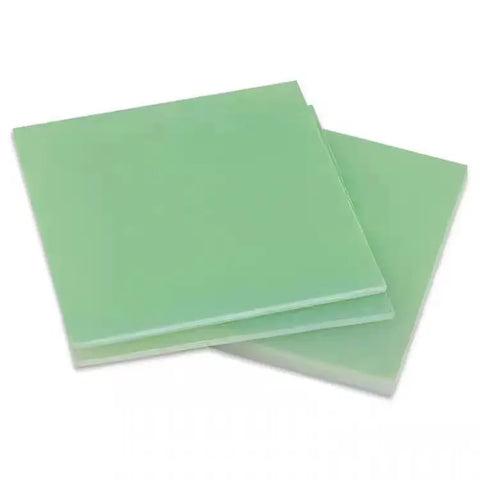
Bakelite’s mechanical strength is another key attribute. It is a rigid material that can be easily machined into various shapes and sizes using CNC plastic milling services. This makes it ideal for manufacturing intricate components and detailed designs. Its machinability, combined with its strength, has made Bakelite a staple in many industrial and consumer applications.

Versatility in Applications

The versatility of Bakelite is evident in its wide range of applications. From automotive parts to household items and industrial machinery, Bakelite’s unique properties have made it a preferred material for diverse uses. Its ability to be molded or CNC machined into complex shapes and its durability make it suitable for both functional and decorative purposes.

By understanding the history, invention, and chemical properties of Bakelite, we can appreciate its lasting impact and continued relevance in modern industries. Whether used for its insulating properties, mechanical strength, or heat resistance, Bakelite remains a material of choice for many applications.

Assorted Bakelite parts showing durability

Types of Bakelite Products

Before diving into specific types, explore our most popular standard Bakelite stock available for immediate shipping. At BeePlastic, we offer cut-to-size services for all sheets and rods.

Bakelite Sheets

Bakelite sheets are among the most versatile and widely used forms of Bakelite products. These sheets come in various types, each tailored to specific applications and industries.

Electrical Bakelite Sheets

Electrical Bakelite sheets are designed specifically for insulating electrical components. These sheets exhibit exceptional electrical insulation properties, making them ideal for use in circuit boards, switchgear, and other electrical apparatus. The sheets can withstand high temperatures and prevent electrical conduction, ensuring safety and efficiency in electrical systems.

Phenolic Bakelite Sheets

Phenolic Bakelite sheets are known for their high mechanical strength and thermal stability. These sheets are created by impregnating layers of fabric or paper with phenolic resin and then curing them under heat and pressure. This process results in a material that is not only strong and durable but also resistant to heat and chemicals. Phenolic Bakelite sheets are widely used in applications requiring robust performance and long-term reliability.

Laminated Bakelite Sheets

Laminated Bakelite sheets, often referred to in the industry as phenolic laminates or Garolite, are formed by layering multiple sheets of Bakelite together, enhancing their strength and rigidity. These sheets are particularly useful in applications where additional mechanical support is needed. The lamination process also improves the sheet’s resistance to warping and cracking, making them suitable for demanding environments such as industrial machinery and structural components.

Bakelite Components

In addition to sheets, Bakelite is also used to manufacture a variety of components. These components leverage Bakelite’s unique properties to provide durable and reliable solutions for various applications.

Bakelite Rods

Bakelite rods are cylindrical pieces made from Bakelite resin. These rods are known for their high dimensional stability and machinability, making them suitable for precision parts in electrical and mechanical applications. Bakelite rods are often used in the production of bushings, spacers, and insulating sleeves.

Bakelite Tubes

Bakelite tubes are hollow cylinders that offer excellent insulation and heat resistance. These tubes are commonly used in electrical insulation, where they provide a protective barrier for wiring and other conductive elements. Bakelite tubes are also utilized in mechanical applications for bearing sleeves and protective covers.

Molded Bakelite Parts

Molded Bakelite parts are custom-shaped components created by molding Bakelite resin into specific forms. This process allows for the production of intricate and detailed parts, such as switches, knobs, and handles. Molded Bakelite parts are valued for their durability, heat resistance, and aesthetic appeal, making them a popular choice in both industrial and consumer products.

Bakelite in Automotive Applications

Bakelite’s properties make it an excellent material for various automotive components. Its high heat resistance and mechanical strength ensure that parts such as distributor caps, insulation pads, and trim pieces remain reliable under the demanding conditions of automotive use. Bakelite’s durability also makes it ideal for vintage car restoration, where maintaining the authenticity and performance of original components is crucial.

By understanding the different types of Bakelite products and their specific applications, it’s clear why Bakelite remains a preferred material across various industries. Its unique combination of properties—electrical insulation, mechanical strength, and heat resistance—makes it a versatile and reliable choice for numerous applications.

BeePlastic offers advanced CNC machining services to turn these standard materials into your custom parts.

For more detailed information on Bakelite products, you can explore resources from Bee Plastic.

Applications in the Electrical and Electronics Industry

Insulation Properties of Bakelite

Bakelite circuit boards with high electrical insulation

Bakelite is renowned for its exceptional electrical insulation properties, making it a vital material in the electrical and electronics industry. The key to Bakelite’s insulating capabilities lies in its phenol-formaldehyde resin composition, which creates a dense, cross-linked polymer structure. This structure effectively prevents the flow of electrical current, ensuring that components remain electrically isolated.

Thermal Stability and Dielectric Strength

One of Bakelite’s most significant advantages is its thermal stability. It can withstand high temperatures without losing its insulating properties, which is crucial in electrical applications where components often operate under heat. Additionally, Bakelite exhibits excellent dielectric strength, meaning it can endure high voltages without breaking down.

Resistance to Moisture and Chemicals

Bakelite’s resistance to moisture and chemicals further enhances its suitability for electrical applications. Unlike other materials that may degrade or conduct electricity when exposed to moisture, Bakelite maintains its insulating properties in humid or chemically aggressive environments.

Examples of Usage in Electrical Insulation

Circuit Boards: Bakelite circuit boards are a prime example of its application in electrical insulation. These boards provide a stable, non-conductive platform for mounting electronic components. The high mechanical strength and thermal resistance of Bakelite ensure that circuit boards remain robust and reliable, even under strenuous conditions. Bakelite’s insulating properties prevent short circuits and ensure the safe operation of electronic devices.

Switches and Relays: Bakelite is widely used in the manufacture of switches and relays due to its ability to insulate electrical contacts. The material’s rigidity and durability allow it to endure the mechanical stresses of repeated use, while its insulating properties ensure that electrical contacts remain isolated.

Transformers and Capacitors: In transformers and capacitors, Bakelite plays a critical role in insulation. Its high dielectric strength ensures that these components can handle high voltages without risk of breakdown. Bakelite is used to insulate windings and internal structures, preventing electrical arcing and ensuring efficient operation.

Protective Covers and Insulating Barriers: Bakelite is also used to manufacture protective covers and insulating barriers for various electrical components. These covers and barriers provide an additional layer of insulation, preventing accidental contact with live electrical parts and enhancing overall safety.

Motor Components: In electric motors, Bakelite is used for components such as commutator segments and insulating plates. These parts are critical for the motor’s operation, providing electrical insulation while withstanding the mechanical stresses of rotation and thermal loads generated during operation. Bakelite’s properties ensure that motor components remain reliable and efficient throughout their service life.

Bakelite’s unique combination of electrical insulation, thermal stability, and mechanical strength makes it an indispensable material in the electrical and electronics industry. From circuit boards to motor components, Bakelite continues to play a crucial role in ensuring the safety and reliability of electrical systems. For more detailed information on Bakelite applications, you can explore resources from Bee Plastic.

Bakelite in the Automotive Industry

Bakelite automotive testing

Durability and Heat Resistance

Bakelite is renowned for its exceptional durability and heat resistance, making it an ideal material for various automotive components. One of the primary applications of Bakelite in the automotive industry is in the production of distributor caps. These components are crucial for the proper functioning of a vehicle’s ignition system. Bakelite’s ability to withstand high temperatures and mechanical stress ensures that distributor caps remain reliable under the hood’s intense conditions.

Insulation Pads and Trim Pieces: Insulation pads made from Bakelite are another vital application in automobiles. These pads provide excellent thermal insulation, protecting sensitive components from engine heat. Additionally, Bakelite’s resistance to chemical corrosion ensures that these pads maintain their integrity over time, even when exposed to oil and other automotive fluids.

Trim pieces and various interior components also benefit from Bakelite’s properties. Its rigidity and ability to be molded into complex shapes make it perfect for producing durable, aesthetically pleasing trim parts. These components can withstand the wear and tear of daily use, maintaining their appearance and functionality for the vehicle’s lifespan.

Modern Applications in High-Performance Vehicles

Continued Use in Modern Vehicles: Despite the advent of newer materials, Bakelite continues to find applications in modern vehicles, especially in high-performance and racing cars. The material’s thermal stability and mechanical strength make it suitable for components that need to perform reliably under extreme conditions. For example, brake pads in racing cars often use Bakelite due to its ability to handle the intense heat generated during high-speed braking.

Innovative Uses in Racing Cars: In the realm of racing, where performance and reliability are paramount, Bakelite is used for components such as insulating panels and engine components. These parts benefit from Bakelite’s ability to maintain structural integrity at high temperatures and its excellent electrical insulating properties. This ensures that the electrical systems in racing cars function correctly, even under the most demanding conditions.

Bakelite in Electric Vehicles: With the rise of electric vehicles (EVs), Bakelite’s properties are once again proving invaluable. EVs require materials that can handle high electrical loads and provide reliable insulation. Bakelite’s dielectric strength and heat resistance make it an ideal choice for components such as battery housings and charging infrastructure. As the automotive industry continues to evolve, Bakelite remains a versatile and reliable material, adapting to new technologies and applications.

Bakelite’s unique combination of durability, heat resistance, and electrical insulation properties ensures its continued relevance in the automotive industry. Whether in classic cars or cutting-edge electric vehicles, Bakelite remains a material of choice for critical components that demand high performance and reliability. For more detailed information on Bakelite applications, you can explore resources from Bee Plastic.

Musical Instruments and Bakelite

Bakelite artistic and musical components

Pickguards and Components

Bakelite has found a unique and valuable niche in the world of musical instruments, particularly in the production of guitar pickguards, knobs, and other components. The material’s ability to be molded into intricate shapes while maintaining its structural integrity makes it ideal for these applications.

Guitar Pickguards: Guitar pickguards made from Bakelite are highly prized for their durability and aesthetic appeal. These pickguards protect the guitar’s body from scratches and damage caused by picks and fingers during playing. Bakelite’s smooth surface and ability to be polished to a high sheen make it an attractive choice for guitar manufacturers and musicians alike. The material can also be easily colored or patterned, adding to the visual appeal of the instrument.

Knobs and Switches: In addition to pickguards, Bakelite knobs and switches are commonly used in guitars and other musical instruments. These components benefit from Bakelite’s heat resistance and electrical insulating properties, which are essential for maintaining the safety and functionality of electric guitars. Bakelite knobs and switches are known for their tactile feel and vintage look, which many musicians appreciate.

Benefits for Musicians

Durability: One of the key benefits of Bakelite for musicians is its durability. Bakelite is a hard and rigid material that can withstand the wear and tear of regular use. Unlike other materials that may crack or degrade over time, Bakelite remains intact, ensuring that musical instruments maintain their functionality and appearance for many years.

Aesthetic Appeal: Bakelite’s aesthetic appeal is another significant advantage. The material can be molded into various shapes and designs, allowing for customization and creativity in instrument design. Bakelite can also be colored and polished, giving instruments a unique and attractive finish. This versatility in appearance makes Bakelite a popular choice among musicians who want their instruments to stand out visually.

Acoustic Properties: While Bakelite is primarily valued for its durability and appearance, it also offers favorable acoustic properties. The material’s density and rigidity contribute to the resonance and tone quality of the instruments. For example, Bakelite pickguards and knobs do not dampen the vibrations of the guitar body, allowing for a clear and bright sound. Musicians appreciate this feature as it enhances the overall performance of their instruments.

Vintage Appeal: Bakelite’s vintage appeal adds to its desirability among musicians. Many classic guitars and musical instruments from the mid-20th century featured Bakelite components, giving them a distinct and recognizable look. Modern musicians and collectors often seek out instruments with Bakelite parts for their historical significance and unique charm.

By understanding the various applications and benefits of Bakelite in musical instruments, it is clear why this material remains a popular choice among musicians. Its combination of durability, aesthetic appeal, and acoustic properties ensures that Bakelite continues to play an essential role in the world of music. For more detailed information on Bakelite applications in musical instruments, you can explore resources from Bee Plastic.

Industrial and Household Uses

Heat-Resistant Components

Bakelite is renowned for its exceptional heat resistance, making it an indispensable material in both industrial machinery and household items. In industrial settings, Bakelite (often referred to as phenolic laminate or Garolite) is often used for manufacturing heat-resistant components such as bearings, brake pads, and electrical insulators. These components benefit from Bakelite’s ability to withstand high temperatures without degrading, ensuring reliable performance even in harsh conditions.

Industrial Machinery: In industrial machinery, Bakelite’s thermal stability and mechanical strength are crucial. For example, bearings and bushings made from Bakelite can endure the friction and heat generated by moving parts. Bakelite’s resistance to wear and its insulating properties make it ideal for electrical insulators in high-voltage equipment, ensuring safety and efficiency in industrial operations.

Household Items: Bakelite is also widely used in household items due to its heat resistance and durability. Kitchen utensils such as handles for pots and pans, as well as appliance handles, are often made from Bakelite. These items need to withstand high temperatures and frequent use, and Bakelite’s properties ensure they remain functional and safe over time. Additionally, Bakelite’s ability to maintain its shape and appearance under heat makes it a popular choice for these applications.

Architectural and Decorative Uses

Furniture and Countertops: Beyond its industrial and household applications, Bakelite plays a significant role in architectural and decorative uses. Its versatility and aesthetic appeal make it an excellent material for furniture and countertops. Bakelite can be molded and polished to a high sheen, giving it a luxurious appearance. It is also available in a variety of colors and patterns, allowing for creative and custom designs.

Decorative Items: Bakelite is popular in the creation of decorative items due to its malleability and durability. It can be crafted into intricate shapes and designs, making it suitable for jewelry, buttons, and art pieces. The material’s ability to hold fine details and its resistance to wear and tear ensure that decorative items made from Bakelite remain beautiful and intact for many years.

Architectural Accents: In architecture, Bakelite is used for wall panels, trim pieces, and decorative accents. Its robustness and resistance to environmental factors make it suitable for both interior and exterior applications. Bakelite panels can add a touch of elegance and sophistication to any space, while also providing functional benefits such as insulation and durability.

Historical Significance and Modern Revival: Bakelite holds a significant place in design history, often associated with the Art Deco movement of the early 20th century. Its unique blend of functionality and aesthetic versatility made it a favorite among designers and architects of that era. Today, there is a renewed interest in Bakelite for its vintage appeal and sustainable qualities. Modern designers and architects are rediscovering Bakelite’s potential, using it in contemporary projects that blend retro charm with modern innovation.

Custom CNC-machined phenolic Bakelite bushings sleeves

For further reading on Bakelite’s applications and benefits, you can explore resources from Bee Plastic.

Maintenance and Care of Bakelite Products

Customized Bakelite sheets maintenance

Cleaning and Storage Tips

Proper maintenance and care are essential to ensure the longevity of Bakelite products. Here are some practical tips to keep your Bakelite items in excellent condition.

Cleaning Bakelite: To clean Bakelite products, always use a gentle approach. Avoid harsh chemicals or abrasive cleaners, as they can damage the surface. Instead, follow these steps:

  • Dusting: Begin by dusting the item with a soft, dry cloth to remove any loose dirt or debris.
  • Mild Soap Solution: Prepare a solution of warm water and a few drops of mild dish soap. Dampen a soft cloth with this solution and gently wipe the surface of the Bakelite item.
  • Rinsing: After cleaning, rinse the cloth with clean water and wipe the item again to remove any soap residue.
  • Drying: Use a clean, dry cloth to thoroughly dry the Bakelite item. Ensure no moisture remains, as prolonged exposure to water can damage Bakelite.

Polishing Bakelite: To restore the shine of Bakelite products, you can use a specialized Bakelite polish or a mild abrasive like Brasso. Apply a small amount to a soft cloth and gently buff the surface in a circular motion. This will help remove minor scratches and restore the original luster.

Storing Bakelite: When storing Bakelite items, keep them in a cool, dry place away from direct sunlight. Prolonged exposure to heat and UV rays can cause Bakelite to discolor or become brittle. Additionally, avoid storing Bakelite items in damp or humid environments to prevent moisture damage.

Avoiding Contact with Harmful Substances: Ensure that Bakelite products do not come into contact with harsh chemicals, including acetone, alcohol, and strong acids, as these substances can deteriorate the material. Store Bakelite items separately from such chemicals to maintain their integrity.

Repair and Restoration

Restoring vintage Bakelite items is particularly important for antique collectors and hobbyists. Here are some tips to repair and restore Bakelite products:

Repairing Cracks and Chips: For minor cracks or chips in Bakelite, use a high-quality epoxy resin or super glue. Apply a small amount to the damaged area and allow it to set according to the manufacturer’s instructions. Once the adhesive is dry, you can gently sand the area with fine-grit sandpaper to smooth it out.

Removing Surface Scratches: To remove surface scratches, you can use a fine abrasive polish. Apply the polish to a soft cloth and gently rub it into the scratched area using a circular motion. This will help to blend the scratch with the surrounding surface. For deeper scratches, start with a coarser polish and gradually move to a finer one for the best results.

Restoring Color and Shine: Over time, Bakelite can lose its color and shine due to oxidation. To restore the color, you can use a mixture of baking soda and water to create a mild abrasive paste. Apply the paste to the Bakelite surface with a soft cloth and gently rub in a circular motion. Rinse with clean water and dry thoroughly.

Professional Restoration Services: For significant damage or valuable vintage items, consider seeking the help of a professional restoration service. These experts have the tools and experience to restore Bakelite items to their original condition, ensuring they retain their value and appearance.

Proper care and maintenance are crucial for preserving the beauty and functionality of Bakelite products. By following these tips, you can ensure your Bakelite items remain in excellent condition for years to come. For more detailed information on maintaining and restoring Bakelite, you can explore resources from Bee Plastic.

Frequently Asked Questions about Bakelite and BeePlastics

1. What is Bakelite and why is it significant?

Bakelite is the first synthetic plastic, invented by Dr. Leo Baekeland in 1907. It is known for its high heat resistance, electrical insulation properties, and mechanical strength. These properties make it suitable for a wide range of applications, including electrical insulators, automotive components, and household items.

2. What types of Bakelite products are available?

There are various types of Bakelite products, including:

  • Bakelite sheets (electrical, phenolic, and laminated/Garolite)
  • Bakelite rods and tubes
  • Molded Bakelite parts (such as switches, knobs, and handles)
  • Automotive components (like distributor caps and insulation pads)
  • Musical instrument parts (such as guitar pickguards and knobs)

3. Why is Bakelite used in the electrical and electronics industry?

Bakelite is used in the electrical and electronics industry because of its excellent electrical insulation properties, thermal stability, and resistance to moisture and chemicals. It is commonly used in circuit boards, switches, transformers, capacitors, and protective covers.

4. How does Bakelite benefit the automotive industry?

In the automotive industry, Bakelite is valued for its durability and heat resistance. It is used in components such as distributor caps, insulation pads, and various trim pieces. Bakelite’s ability to withstand high temperatures and mechanical stress makes it ideal for automotive applications.

5. What are the uses of Bakelite in musical instruments?

Bakelite is used in musical instruments for making guitar pickguards, knobs, and other components. Its durability, aesthetic appeal, and favorable acoustic properties make it a popular choice among musicians.

6. How should I clean and maintain Bakelite products?

To clean Bakelite products:

  • Use a soft, dry cloth to dust the item.
  • Clean with a mild soap solution and a soft cloth.
  • Rinse with clean water and dry thoroughly.
  • Avoid harsh chemicals and abrasive cleaners.

For polishing, use a specialized Bakelite polish or a mild abrasive like Brasso.

7. Can Bakelite items be repaired or restored?

Yes, Bakelite items can be repaired or restored. For minor cracks or chips, use high-quality epoxy resin or super glue. Surface scratches can be removed with fine abrasive polish. For significant damage or valuable items, consider professional restoration services.

8. What customization services does BeePlastics offer?

BeePlastics can undertake any customization, including sample customization and batch customization. They accept various file formats, including PDF and CAD for CNC milling, and support the provision of free samples, with customers only responsible for shipping costs.

9. Is there a minimum order quantity (MOQ) for customization at BeePlastics?

No, BeePlastics does not have a minimum order quantity (MOQ) requirement. They cater to both small and large orders, providing flexibility for all customers.

10. What is the production cycle for customized orders at BeePlastics?

The production cycle at BeePlastics depends on the order volume and the complexity of the process. They communicate with customers in real-time about the production progress to ensure transparency and timely delivery.

For more detailed information about Bakelite and customization services, visit BeePlastic.

In exploring the multifaceted applications and benefits of Bakelite, it’s evident that this pioneering material continues to play a crucial role in various industries. From its origins as the first synthetic plastic to its enduring use in electrical insulation, automotive components, musical instruments, and household items, Bakelite’s unique properties of durability, heat resistance, and mechanical strength ensure its relevance and utility.

Additionally, the customizable solutions provided by BeePlastics offer unmatched flexibility, catering to a wide range of customer needs with no minimum order quantity and real-time production updates. Whether for industrial use, decorative purposes, or innovative new applications like custom cut-to-size plastic panels, Bakelite remains a material of choice for its reliability and versatility. For more information and to explore customized Bakelite products, visit BeePlastics.

Bakelite stock plate available for shipping

Have specific requirements or need a custom solution?

Contact us now by filling out the form on the right, and let us help you find the perfect Bakelite product for your needs. We specialize in Cut-to-Size and CNC Plastic Machining.

PROMO CODE: QR4GNY08SHVR – Don’t forget your discount at checkout!


Leave a comment


Please note, comments must be approved before they are published


Custom Plastic Fabrication

Send your drawing, material and quantity for review

🔧
Precision Machining
CNC milling & turning
✂️
Cutting & Engraving
Laser & waterjet cutting
🏭
Forming & Molding
Thermoforming & injection
🔗
Joining & Assembly
Welding & bonding
📐
Design & Prototyping
CAD design & samples

General

HDPE

PP

PVC

ABS

Engineering

POM

Nylon

PC

PMMA

High-Performance

PEEK

PEI

PTFE

Composites

FR-4

G10

Flexible

TPU

Silicone

Why Choose BeePlastic?

🎯
Perfect Fit
Custom specs eliminate adaptation needs
⚡
Clear Lead Times
Lead time confirmed with every quote
💰
Volume Pricing
Volume pricing available on bulk orders
🤝
Expert Support
Free engineering consultation included
📋
Submit
→
🔍
Review
→
💵
Quote
→
✅
Production
→
📦
Deliver

Request a Quote

Share your project details, selected material and quantity on our quote page. You can add a file link or use the email drawing route shown there.


Request Quote

Industries: Automotive • Medical • Food • Lab • Semiconductor

beeplastic@beeplastic.com


Unlock the Potential of FR-4 Material for Superior PCB Manufacturing

FR-4 PCBs

Dive deep into the robust world of FR-4 material and discover its critical role in superior PCB manufacturing with our latest blog post, “Unlock the Potential of FR-4 Material for Superior PCB Manufacturing”. This comprehensive guide begins by exploring the essential properties of FR-4 glass epoxy laminates, including their renowned flame retardancy, moisture resistance, and electrical insulation capabilities, making them indispensable in various environmental conditions.

🎉🎉🎉Limited Time Offer Use code: QR4GNY08SHVR at checkout and enjoy a special discount on your entire order! 👉 FR4 fiberglass plastic

FR-4 material

We’ll also delve into advanced fabrication techniques, showcasing the precision required to achieve the high-quality mechanical strength and dimensional stability that FR-4 offers. Learn about the latest in thermal and electrical performance and how FR-4 meets the high-tech demands in industries like aerospace and automotive.

A comparative analysis highlights how FR-4 stands against other materials like Aluminum or G-10/G-11, shedding light on scenarios where FR-4’s higher TG values and superior flame resistance are most beneficial. The evolution of FR-4 PCB designs from single-sided to complex multilayer boards illustrates how these innovations enhance functionality and circuit density for efficient electronic assemblies.

Finally, the post examines the sustainability and cost-effectiveness of FR-4, discussing its economic benefits and environmental impacts, including the potential for recycling and regulatory considerations concerning flame retardants.

Join us as we unlock the myriad benefits and applications of FR-4, ensuring you’re informed and equipped to make the best material choices in your PCB designs.

Exploring the Fundamental Characteristics of FR-4 Glass Epoxy Laminates

FR-4 glass epoxy laminates are foundational in the world of printed circuit board (PCB) manufacturing, prized for their robust properties that ensure reliability across a wide range of electronics applications.

Flame Retardancy and Enhanced Safety

One of the most critical features of FR-4 is its inherent flame retardancy. This characteristic is largely due to the inclusion of halogenated compounds such as bromine, which enhance the material’s ability to resist ignition and slow the spread of flames​. This makes FR-4 an ideal choice for applications that require stringent safety measures against fire hazards.

Moisture Resistance and Environmental Adaptability

Another key attribute of FR-4 laminates is their excellent moisture resistance. The material’s structure minimizes water absorption, ensuring that it maintains its dimensional stability and electrical integrity even in humid conditions​. This property is particularly beneficial for electronics that may be exposed to varying environmental conditions, providing consistent performance without the risk of moisture-induced degradation.

Superior Electrical Insulation

FR-4 materials are renowned for their outstanding electrical insulation properties. They have a high dielectric strength and a relatively stable dielectric constant, which ensures efficient electrical insulation and minimal electromagnetic interference. This is crucial for maintaining signal integrity in a variety of electronic applications, from consumer electronics to high-end aerospace components​.

These characteristics of FR-4 not only underscore its versatility and reliability but also highlight why it remains a material of choice for PCB manufacturers aiming to meet diverse application requirements efficiently and safely.

characteristics of FR-4

Advanced Fabrication Techniques for FR-4

FR-4 glass epoxy laminates are crucial in the manufacturing of high-quality PCBs and other electronic components, where precision and reliability are paramount. Here’s a deeper look at the advanced fabrication processes used to shape and perfect FR-4 materials, focusing on CNC machining and batch testing, alongside thermoset manufacturing techniques that ensure optimal mechanical strength and dimensional stability.

CNC Machining: Precision and Versatility

CNC machining stands out as a pivotal technique in the fabrication of FR-4. This process allows for high precision in cutting, milling, and drilling FR-4 sheets to exact specifications, ensuring components fit perfectly in their designated applications. The CNC machines handle FR-4 with a tolerance level that guarantees the uniformity and quality essential for electronic insulations and mechanical parts​.

Batch and Sheet Testing: Ensuring Quality

To further ensure each batch of FR-4 meets stringent quality standards, batch and sheet testing are integral parts of the production process. This testing phase assesses the mechanical strength, moisture resistance, and electrical insulation properties of FR-4 sheets, ensuring each piece performs reliably under operational stresses​.

Thermoset Manufacturing: Creating Durable Composites

The thermoset manufacturing process is particularly well-suited for creating FR-4 materials. This method involves heating polymers and fibers until they form a liquid, shaping them as needed, and then allowing them to cool and harden. The cooling process causes the materials to crosslink and cure, creating an irreversible bond that provides FR-4 with its notable heat resistance and structural integrity. This makes FR-4 materials exceptionally durable and capable of withstanding high temperatures and chemical exposures, making them ideal for a range of industrial applications​.

Sanding and Finishing: The Final Touches

Post-manufacturing, FR-4 sheets often undergo sanding to achieve a smooth finish, crucial for applications that require a polished appearance or precise thickness. CNC sanding is used to ensure uniform thickness across the entire sheet, essential for high-quality end products. This step not only enhances the visual appeal but also prepares the surfaces for any necessary bonding or additional processing​.

These advanced fabrication techniques collectively ensure that FR-4 materials meet the high standards required in various demanding applications, from aerospace to consumer electronics, providing manufacturers with a reliable base material that supports innovation and quality in product development.

FR-4 materials

Thermal and Electrical Performance of FR-4 in High-Tech Applications

FR-4 is a popular choice for various high-tech applications due to its impressive thermal and electrical properties. It’s commonly employed in industries such as aerospace, automotive, and consumer electronics, where materials must withstand high temperatures and demanding electrical conditions while maintaining structural integrity.

Exceptional Thermal Stability

FR-4 is noted for its excellent thermal stability, which allows it to perform reliably across a broad operating temperature range. Typically, FR-4 materials can handle temperatures from 50℃ to 115℃, with high Tg variants capable of enduring up to 180℃. This makes it suitable for environments that experience high thermal stress, ensuring that FR-4 does not lose its mechanical or electrical integrity under heat exposure​.

Robust Electrical Insulation

Electrical insulation is another key attribute of FR-4, making it a preferred material for printed circuit boards (PCBs) and other electrical insulators. It boasts a high dielectric strength, which reduces the risk of short circuits and electrical interference, thus enhancing overall device safety and functionality. The material’s low dielectric constant ensures effective signal integrity, crucial for maintaining the performance of electronic circuits in devices like smartphones, laptops, and advanced automotive systems​.

Adaptability to High-Stakes Fields

The combination of thermal resistance and electrical insulation makes FR-4 particularly valuable in high-stakes fields such as aerospace and automotive industries. In aerospace applications, for instance, materials need to offer not only mechanical strength and light weight but also high thermal resistance due to the extreme conditions encountered during flight. Similarly, in automotive electronics, FR-4’s ability to withstand high temperatures and mechanical stress makes it ideal for use in engine controls, infotainment systems, and other critical electronic components​.

Versatility Across Applications

FR-4’s versatility is further demonstrated by its adaptability to various environmental conditions and its compliance with rigorous industry standards. This adaptability, combined with its cost-effectiveness and wide availability, contributes to its extensive use across multiple domains, reinforcing its position as a foundational material in the electronics manufacturing industry​.

In summary, FR-4’s superior thermal and electrical performance, coupled with its robustness in face of environmental challenges, solidifies its role as a critical material in high-tech applications. This ensures ongoing reliability and efficiency in some of the most demanding industrial applications.

Black Glass Fiberboard

Comparative Analysis of FR-4 with Other PCB Materials

When comparing FR-4 to other materials like Aluminum and G-10/G-11, it’s crucial to consider the specific requirements of your application to make an informed choice.

FR-4 vs. Aluminum

Aluminum stands out in scenarios requiring excellent thermal management due to its superior heat dissipation properties. This makes it ideal for high-power applications where heat buildup is a concern. However, FR-4 is generally preferred when cost-effectiveness and excellent electrical insulation are required. Aluminum substrates can be more expensive and typically don’t provide the same level of electrical insulation as FR-4​.

FR-4 vs. G-10/G-11

FR-4 and G-10/G-11 share many characteristics as they are both made from glass epoxy laminates. The key difference is that FR-4 includes flame-retardant additives, making it more suitable for applications where fire resistance is crucial. G-10 offers slightly better mechanical strength, making it ideal for applications requiring high durability and minimal electrical insulation. G-11, much like G-10, provides even greater thermal stability and is thus preferred in high-temperature environments. However, FR-4 is typically chosen for its balance of good electrical insulation, flame retardancy, and cost-effectiveness, making it a versatile choice for a wide range of electronic applications​.

Specific Scenarios Favoring FR-4

FR-4’s higher TG (glass transition temperature) values make it particularly beneficial in scenarios that involve prolonged exposure to high temperatures, yet do not reach the thresholds that might require the use of materials like G-11 or specialized high-TG FR-4 variants. Its flame-retardant properties are also crucial in applications that must adhere to strict safety standards related to fire risks, such as in consumer electronics and automotive sectors​.

In summary, the selection between FR-4, Aluminum, and G-10/G-11 should be guided by factors such as thermal requirements, electrical insulation needs, mechanical strength, and cost considerations. FR-4 generally offers a balanced performance with excellent flame retardancy and electrical insulation at a competitive price, making it a widely used material in various PCB applications.

Innovations in FR-4 PCB Designs: From Single to Multilayer Boards

Evolution of FR-4 PCBs

The evolution of FR-4 PCBs has been marked by significant advancements, transitioning from basic single-sided boards to complex multilayer and rigid-flexible designs. Originally, FR-4 PCBs were simple, featuring components glued to one side of the epoxy resin with copper foil. These single-sided boards were economical and straightforward, providing the foundation for more advanced PCB technology​.

Development of Double-Sided and Multilayer FR-4 PCBs

As technology progressed, double-sided FR-4 PCBs emerged, allowing components to be mounted on both sides of the board. This innovation enabled crossing paths and increased conductivity, effectively doubling the circuit density compared to single-sided versions. The introduction of multilayer FR-4 PCBs further revolutionized design capabilities by incorporating three or more layers of conductive material. These layers are laminated under high pressure and temperature, creating a complex network of pathways that enhance functionality and electrical performance​.

Rigid-Flexible FR-4 PCBs

The latest innovation in FR-4 technology includes rigid-flexible PCBs, which combine the rigidity of traditional FR-4 with the adaptability of flexible materials. This hybrid design allows the PCB to be bent to specific angles during soldering, which is particularly advantageous for compact and mechanically dynamic applications. Rigid-flexible PCBs are ideal for modern electronic needs where space is at a premium and durability under physical stress is required​.

Enhancing Circuit Density and Functionality

These advancements in FR-4 PCB designs significantly enhance circuit density and functionality. Multilayer boards, in particular, allow for more complex routing and increased component density, which is crucial for the miniaturization of modern electronics. Rigid-flex boards offer the added benefit of mechanical flexibility, making them suitable for cutting-edge applications such as wearable technology and foldable devices​.

The transition from single-sided to multilayer FR-4 PCBs has been driven by the need for more compact, efficient, and high-performing electronic assemblies. These innovations not only cater to the shrinking size of modern gadgets but also improve the overall reliability and performance of electronic systems, ensuring they meet the rigorous demands of contemporary applications.

FR-4 PCBs

Sustainability and Cost-Effectiveness of Using FR-4

Economic and Environmental Impacts

FR-4 is recognized for its cost-effectiveness, making it a popular choice in various industries due to its low cost and reliable performance. Economically, it offers a balanced solution between performance and expenditure, which is critical in the competitive markets of consumer electronics and automotive manufacturing​.

Recycling and Reuse Potential

The potential for recycling or reusing FR-4 is significant, especially in the context of reducing electronic waste. The material’s robustness supports multiple life cycles through refurbishing and repurposing, especially in less critical applications. This recycling potential is crucial as global electronic waste continues to surge​.

Regulatory and Sustainability Concerns

Regulatory aspects concerning the use of flame retardants in FR-4 involve compliance with environmental safety standards. The push towards more sustainable manufacturing practices is leading to innovations in flame retardant coatings and other additives that reduce environmental impact without compromising material integrity or safety​.

Overall, FR-4 remains a staple in PCB manufacturing due to its ability to balance cost, performance, and sustainability. The ongoing developments in environmental compliance and recycling technologies further enhance its standing as a preferred material in various high-demand industries.

Frequently Asked Questions about Beeplastic Customization Services

1. Can Beeplastic handle custom and batch customization orders?
Yes, Beeplastic can undertake any customization, including sample and batch customization to meet diverse customer needs.

2. What file formats does Beeplastic accept for designs?
Beeplastic accepts a variety of file formats including PDF and CAD files, ensuring flexibility in design submission.

3. Is there a minimum order quantity (MOQ) required at Beeplastic?
No, there is no minimum order quantity at Beeplastic, accommodating projects of all sizes.

4. How does the production cycle work at Beeplastic?
The production cycle is dependent on the order quantity and the complexity of the customization. Beeplastic also commits to real-time communication about production progress.

5. Does Beeplastic provide samples?
Yes, Beeplastic supports providing samples free of charge, with customers only responsible for the shipping costs.

6. What are the shipping options available?
Beeplastic offers various shipping options, tailored to meet different deadlines and budget requirements.

7. How does Beeplastic ensure product quality?
Quality assurance at Beeplastic involves rigorous testing and compliance checks to meet industry standards.

8. Can customers request changes to orders in progress?
Yes, customers can request changes during the production cycle, subject to certain conditions and potential adjustments in timelines and costs.

9. What support services does Beeplastic offer?
Beeplastic provides comprehensive customer support, including technical assistance and after-sales service.

10. How does Beeplastic handle urgent orders?
For urgent orders, Beeplastic offers expedited production options to meet tight deadlines without compromising quality.

In conclusion, embracing the versatility and adaptability of FR-4 in PCB manufacturing unlocks a multitude of benefits, ranging from improved product durability and enhanced performance to cost-effectiveness and sustainability. As industries continue to demand more sophisticated electronic solutions, the innovations in FR-4 technology not only respond to these needs but also push the boundaries of what’s possible in electronics design. Whether through advanced multi-layer configurations or the integration of rigid-flex designs, FR-4 remains at the forefront of PCB technology, proving itself as an indispensable asset in the evolving landscape of electronic components.

FR-4 PCBs
🎉🎉🎉Limited Time Offer Use code: QR4GNY08SHVR at checkout and enjoy a special discount on your entire order! 👉 FR4 fiberglass plastic

Ready to elevate your electronics projects with superior FR-4 materials? Visit our detailed guide now and discover how Beeplastics can transform your ideas into reality! Explore More.

Leave a comment


Please note, comments must be approved before they are published


Custom Plastic Fabrication

Send your drawing, material and quantity for review

🔧
Precision Machining
CNC milling & turning
✂️
Cutting & Engraving
Laser & waterjet cutting
🏭
Forming & Molding
Thermoforming & injection
🔗
Joining & Assembly
Welding & bonding
📐
Design & Prototyping
CAD design & samples

General

HDPE

PP

PVC

ABS

Engineering

POM

Nylon

PC

PMMA

High-Performance

PEEK

PEI

PTFE

Composites

FR-4

G10

Flexible

TPU

Silicone

Why Choose BeePlastic?

🎯
Perfect Fit
Custom specs eliminate adaptation needs
⚡
Clear Lead Times
Lead time confirmed with every quote
💰
Volume Pricing
Volume pricing available on bulk orders
🤝
Expert Support
Free engineering consultation included
📋
Submit
→
🔍
Review
→
💵
Quote
→
✅
Production
→
📦
Deliver

Request a Quote

Share your project details, selected material and quantity on our quote page. You can add a file link or use the email drawing route shown there.


Request Quote

Industries: Automotive • Medical • Food • Lab • Semiconductor

beeplastic@beeplastic.com


The Strength Behind Structural Components: Exploring the Use of ABS Sheets

ABS sheets offer a compelling blend of durability

Explore the robust capabilities of in structural applications with our deep dive into “The Strength Behind Structural Components: Exploring the Use of ABS Sheets.” This post unpacks the inherent properties of ABS plastic, emphasizing its impact resistance, durability, and thermal stability, making it a standout choice for various industries. Compare ABS with other popular plastics to understand why it often emerges as the superior option for structural components. Delve into innovative and effective uses of ABS plastic sheets in structural design, showcasing real-world examples that highlight its versatility. Gain insights into the best practices and processing techniques for handling ABS, ensuring optimal performance and efficiency. Finally, look ahead at the future of ABS usage, focusing on sustainability and material advancements that enhance environmental compatibility. Join us to understand why ABS remains a cornerstone material in modern manufacturing.
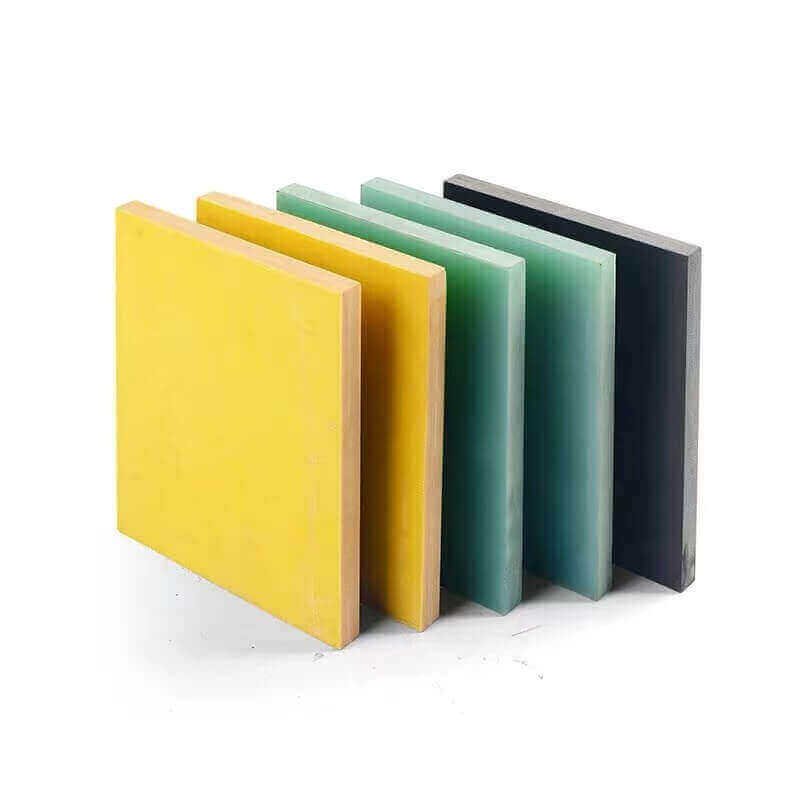
🎉🎉🎉Limited Time Offer Use code: QR4GNY08SHVR at checkout and enjoy a special discount on your entire order! 👉 ABS plastic


ABS sheets

Understanding ABS Material Properties

ABS (Acrylonitrile Butadiene Styrene) is highly valued for its exceptional blend of properties, making it an indispensable material in many structural applications. This thermoplastic is recognized for its toughness, high impact resistance, and heat stability, securing its place as a favored choice across diverse industries.

High Impact Resistance

One of the key attributes of ABS is its high impact resistance. This characteristic ensures that products crafted from ABS can endure harsh conditions without damage. This resilience is particularly critical in industries like automotive and construction, where materials are subjected to severe wear and tear. ABS’s capacity to absorb shocks and resist impacts makes it ideal for components that face high mechanical stress.

Toughness and Durability

ABS is also celebrated for its overall toughness, which translates into notable durability. This durability makes ABS a cost-effective option for manufacturers, as the material’s robust nature helps maintain structural integrity over time, reducing the frequency of replacements and enhancing cost efficiency.

Heat Stability

Another significant advantage of ABS is its heat stability. It can withstand temperatures that might deform or degrade other plastics. This thermal resistance is crucial for use in environments with fluctuating temperatures or constant exposure to heat. The electronics industry, for example, benefits greatly from ABS for components like casings and mounts, which require resistance to thermal distortion.

Versatility Across Industries

The amalgamation of these properties renders ABS an ideal choice for a plethora of applications. Its versatility is demonstrated by its prevalence in products ranging from consumer goods to high-stress industrial components. Industries such as medical devices, automotive, and consumer electronics rely on ABS for parts that require both aesthetic appeal and functional performance.

Benefits in Structural Applications

In structural applications, the properties of ABS ensure it meets the demanding conditions of various manufacturing environments. Whether used in prototyping or as part of the final products, ABS provides a dependable foundation that engineers and designers rely on. Its ease of fabrication and ability to be customized through colors and finishes only add to its broad appeal for comprehensive industrial use.

This section details how ABS’s inherent qualities help manufacturers achieve greater design flexibility, enhance product longevity, and adhere to stringent performance standards. ABS remains a cornerstone material, driving innovation and efficiency in manufacturing sectors worldwide.

ABS (Acrylonitrile Butadiene Styrene)

Comparison of ABS with Other Plastics in Structural Applications

When selecting materials for structural applications, the choice often boils down to comparing ABS (Acrylonitrile Butadiene Styrene) with other common plastics like PVC (Polyvinyl Chloride), polycarbonate, and polyethylene. Each of these materials brings its own set of properties to the table, making them suitable for various applications. However, ABS often stands out due to its durability, cost-effectiveness, and ease of manufacturing.

Durability Compared to Other Plastics

ABS is renowned for its exceptional durability. This characteristic makes it more robust than polyethylene and often more suitable for applications that require a sturdy, impact-resistant material. Unlike PVC, which can become brittle and crack under extreme conditions, ABS maintains its integrity, providing a reliable choice for products that endure high stress or impact. Furthermore, compared to polycarbonate, while both materials offer high impact resistance, ABS tends to be the preferred option in scenarios where a good balance between strength, rigidity, and cost is necessary.

Cost-Effectiveness of ABS

In terms of cost-effectiveness, ABS generally provides more bang for the buck. It is typically less expensive than polycarbonate and offers similar, if not superior, durability and ease of use. While polyethylene can be cheaper, it does not match the rigidity and heat resistance that ABS offers, making ABS a more cost-efficient option for applications that demand these qualities without the high expense of more premium plastics like polycarbonate.

Manufacturing Ease

The ease of manufacturing with ABS is another critical factor in its favor. ABS can be easily molded and machined to high tolerances, making it highly versatile for complex designs and applications. This ease of processing makes ABS particularly attractive for manufacturers who require precision and repeatability in large-scale production. PVC, while also easy to mold, does not provide the same level of precision as ABS. Similarly, polycarbonate is more challenging to handle due to its higher melting point, requiring more energy and careful processing to shape.

Scenarios Where ABS Sheets Outperform Others

In scenarios such as automotive parts, consumer electronics casings, and toys, ABS sheets often outperform other plastics. For example, in the automotive industry, ABS is used for dashboard trim, interior cladding, and other components where its durability, aesthetic appeal, and resistance to heat and impact are crucial. In electronics, ABS is favored for its ability to be fabricated into complex shapes while providing excellent thermal stability and shock resistance.

This comparative analysis shows that while other plastics like PVC, polycarbonate, and polyethylene have their specific applications, ABS sheets frequently provide the most balanced solution for structural components across various industries. Its blend of physical properties and cost-efficiency makes it a top choice among materials engineers and designers alike.

ABS sheets frequently provide the most balanced solution

Innovative Uses of ABS Plastic Sheets in Structural Design

ABS plastic sheets are not just a staple in traditional manufacturing sectors; they are also at the forefront of innovation in structural design. The versatility and adaptability of ABS make it a preferred material for pioneering new design methodologies and enhancing product performance across diverse industries.

Enabling New Design Possibilities

One of the most significant advantages of ABS sheets is their ability to foster new design possibilities. Designers and engineers can exploit the material’s excellent machinability and thermoforming capabilities to create complex, intricate shapes that would be difficult or impossible with more rigid materials. This flexibility opens up a world of design options, particularly in industries such as automotive and consumer electronics, where aesthetic form and functional design are tightly integrated.

Case Studies: ABS in Action

Automotive Industry Innovations

In the automotive sector, ABS sheets have revolutionized the design of interior components. For example, a leading car manufacturer has utilized ABS for creating a lightweight, durable dashboard that integrates all electronic components seamlessly. This not only enhances the aesthetic appeal of the vehicle’s interior but also improves the overall safety and functionality by reducing the dashboard’s weight, which contributes to better fuel efficiency and lower emissions.

Revolutionizing Consumer Electronics

In consumer electronics, a notable case involves a company that used ABS sheets to develop a new range of ergonomic and durable computer keyboard cases. These cases were designed to withstand high impacts and frequent use, showcasing ABS’s durability and resilience. The use of ABS allowed for sleeker, more attractive designs without compromising the product’s structural integrity or performance.

Innovative Applications in Robotics

ABS sheets are also making waves in robotics, where they are used to create robust, lightweight frames and protective casings for delicate electronic components. One robotics startup has leveraged ABS to produce customizable and modular robot frames that offer flexibility in design and use, adapting to different environments and tasks.

Improving Product Performance with ABS

The intrinsic properties of ABS sheets, such as high impact resistance, strength, and thermal stability, contribute significantly to improved product performance. These characteristics ensure that products not only meet the required design specifications but also stand up to real-world use conditions. For instance, in the sporting goods industry, ABS is used to manufacture helmets and protective gear that offer superior protection and comfort compared to products made from other plastics.

ABS sheets

These examples illustrate how ABS plastic sheets are instrumental in driving innovation and performance improvements across multiple sectors. By embracing the unique attributes of ABS, companies are able to push the boundaries of traditional manufacturing and product design, leading to more advanced, reliable, and user-friendly products.

Processing Techniques and Best Practices for ABS Sheets

ABS plastic sheets are versatile in their applications, largely due to the various processing techniques that can be applied. Understanding these techniques and following best practices are crucial for maximizing the performance and aesthetic qualities of ABS products.

Key Manufacturing Processes for ABS

Thermoforming ABS Sheets

Thermoforming is one of the most common methods used to shape ABS sheets into desired forms. This process involves heating a plastic sheet until it becomes pliable, then molding it over a form and trimming it to create a finished product. The ability to produce large parts with relatively low-cost tooling makes thermoforming a preferred choice for items such as automotive body panels, refrigerator liners, and more. Best practices for thermoforming ABS include ensuring uniform heating and avoiding over-stretching the material to maintain thickness and strength.

Injection Molding of ABS

Injection molding is another prevalent technique for manufacturing ABS plastic products. This process involves melting the plastic and injecting it under pressure into a mold cavity where it cools and solidifies into the final part. Injection molding is highly efficient for high-volume production and allows for intricate designs with excellent surface finish. Best practices here include using precise temperature controls to prevent degradation of the ABS material and employing high mold temperatures to reduce internal stresses and warpage.

Machining ABS Plastic

Machining is a subtractive process used to create precision parts from ABS sheets. Techniques such as CNC (Computer Numerical Control) machining are commonly employed to achieve intricate details and tight tolerances. When machining ABS, it is important to use sharp tools and correct cutting parameters to prevent melting or chipping the material. Cooling fluids can also be used to enhance the finish and dimensional accuracy of the machined parts.

Best Practices for Handling ABS Sheets

Proper handling and treatment of ABS sheets are essential to maintain their structural integrity and aesthetic appeal. Some key practices include:

  • Storing ABS Sheets Properly: Keep ABS sheets in a cool, dry place away from direct sunlight to prevent premature aging and warping.
  • Pre-drying the Material: Before processing, particularly in injection molding and thermoforming, pre-drying ABS can be crucial to prevent moisture from causing defects like blisters or splay.
  • Maintaining Optimal Processing Temperatures: Each processing technique requires specific temperature settings. Adhering to these settings helps preserve the mechanical properties of ABS and ensures high-quality outputs.

By following these manufacturing processes and best practices, manufacturers can effectively utilize ABS sheets to produce high-quality, durable products across various industries. The adaptability and robustness of ABS make it an invaluable material in the production landscape, where precision, efficiency, and reliability are paramount.

ABS sheets to produce high-quality

Future Trends and Sustainability of ABS Sheet Usage

As industries continue to evolve, the use of ABS (Acrylonitrile Butadiene Styrene) sheets is also adapting to meet new challenges and opportunities, particularly in the realm of sustainability and technological advancements. Future trends in ABS usage are likely to be heavily influenced by the push towards more sustainable practices and the development of new material blends that enhance performance and environmental friendliness.

Advancements in Material Blends

The ongoing development of new material blends that incorporate ABS is aimed at enhancing the properties of the sheets while reducing environmental impact. For example, blending ABS with natural fibers or other biodegradable materials can decrease the reliance on purely synthetic resources and improve the biodegradability of the final products. These advancements not only improve the environmental profile of ABS sheets but also open up new applications in industries seeking greener alternatives.

Recycling Efforts for ABS

Recycling of ABS sheets is a critical area of focus as industries aim to reduce waste and reuse materials. Advances in chemical recycling techniques have made it possible to break down ABS waste into its original monomers, which can then be repurposed to create new ABS sheets with minimal quality loss. This circular approach to using ABS helps diminish landfill waste and the carbon footprint associated with the production of new plastics.

Integration of Sustainable Practices

Integrating sustainable practices into the lifecycle of ABS products is increasingly becoming a priority for manufacturers. This includes optimizing manufacturing processes to reduce energy consumption and waste, as well as implementing take-back programs for ABS products at the end of their life. By doing so, companies not only adhere to stricter environmental regulations but also appeal to a growing base of environmentally conscious consumers.

Future Industry Applications

Looking forward, ABS sheets are expected to play a pivotal role in emerging technologies such as 3D printing, where their versatility and strength are invaluable. The ability of ABS to be easily printed while maintaining high dimensional stability makes it an ideal candidate for additive manufacturing applications, from prototyping to finished goods.

These trends reflect a broader movement within the plastics industry towards more sustainable materials and processes. As ABS continues to evolve, its role in the global manufacturing landscape is set to become even more significant, driven by innovation and a commitment to environmental stewardship.

ABS sheets are expected to play a pivotal role in emerging technologies such as 3D printing

Frequently Asked Questions About ABS Sheets and Beeplastics Customization

Here are some of the most common questions regarding ABS sheets and specific customization services provided by Beeplastics:

1. What properties make ABS sheets ideal for structural applications?

Answer: ABS sheets are favored for their high impact resistance, toughness, and heat stability. These properties make them suitable for various applications across industries, including automotive, electronics, and consumer products, where durability and performance are crucial.

2. Can Beeplastics undertake any type of customization?

Answer: Yes, Beeplastics offers extensive customization services, including sample customization and batch customization. We can handle everything from small, one-off projects to large-scale production runs, adapting to the specific needs of our clients.

3. What file formats does Beeplastics accept for designs?

Answer: Beeplastics accepts a variety of file formats, making it easy for clients to submit their designs. Popular formats include PDF and CAD files, which facilitate straightforward integration into our manufacturing process.

4. Is there a minimum order quantity (MOQ) required at Beeplastics?

Answer: No, there is no minimum order quantity at Beeplastics. We support projects of all sizes, from single prototypes to large batch orders, ensuring flexibility for our customers’ varying needs.

5. How does Beeplastics determine the production cycle for custom orders?

Answer: The production cycle at Beeplastics is determined based on the order volume and the complexity of the process involved. We communicate the production progress in real time with our clients to ensure transparency and timely delivery.

6. Does Beeplastics provide samples before full production?

Answer: Yes, Beeplastics supports the provision of samples. We offer free samples to our customers; however, the customer is responsible for the shipping costs. This policy allows customers to evaluate the quality and suitability of our products before committing to a larger order.

7. How do ABS sheets compare to other plastics like PVC or polycarbonate in terms of cost-effectiveness?

Answer: ABS sheets are generally more cost-effective than polycarbonate and offer comparable, if not superior, properties compared to PVC. ABS provides a good balance of strength, durability, and ease of manufacturing, making it a cost-efficient option for many applications.

8. Are recycled ABS sheets available, and do they maintain the same quality as virgin material?

Answer: Recycled ABS sheets are available and can be a good choice for environmentally conscious projects. While recycled ABS generally maintains good quality, it’s essential to ensure that the recycling process and the source of recycled material meet high standards to preserve the material’s inherent properties.

9. What are the environmental impacts of using ABS sheets, and how is Beeplastics addressing sustainability?

Answer: ABS sheets are derived from fossil fuels, which has implications for environmental sustainability. Beeplastics is committed to reducing this impact by implementing recycling programs and exploring new blends of materials that include biodegradable components to improve the sustainability of our products.

10. Can Beeplastics assist with the design process for custom ABS sheet applications?

Answer: Absolutely! Beeplastics offers design assistance to ensure that your custom ABS sheet applications meet all functional and aesthetic requirements. Our team can help refine your designs and suggest the best manufacturing techniques to achieve optimal results.

In conclusion, ABS sheets offer a compelling blend of durability, cost-effectiveness, and versatility, making them an invaluable resource across a diverse range of industries. From the automotive sector to consumer electronics and beyond, the qualities of ABS ensure it is perfectly suited to meet the demands of modern manufacturing. Beeplastics’ commitment to providing extensive customization options, including sample and batch customization without minimum order requirements, further enhances the potential applications for ABS sheets. By supporting a variety of file formats and engaging in real-time communication about production progress, we ensure a seamless and efficient process for our clients. Embracing both innovation and sustainability, Beeplastics is dedicated to advancing the use of ABS in the industry while maintaining a focus on environmental responsibility. Whether you’re starting with a small prototype or gearing up for large-scale production, our tailored solutions are designed to meet your specific needs, ensuring that every project achieves success.

ABS sheets offer a compelling blend of durability

🎉🎉🎉Limited Time Offer Use code: QR4GNY08SHVR at checkout and enjoy a special discount on your entire order! 👉 ABS plastic

Get Started on Your Next Innovation with Beeplastics!

Whether you’re prototyping or ready for full-scale production, our expertly crafted ABS sheets are the key to your success. Dive deeper into our offerings by visiting our ABS Plastic Machining page. Have specific needs or questions? We’re just a form away. Fill out the contact form below and let’s make your vision a reality!

Leave a comment


Please note, comments must be approved before they are published


Custom Plastic Fabrication

Send your drawing, material and quantity for review

🔧
Precision Machining
CNC milling & turning
✂️
Cutting & Engraving
Laser & waterjet cutting
🏭
Forming & Molding
Thermoforming & injection
🔗
Joining & Assembly
Welding & bonding
📐
Design & Prototyping
CAD design & samples

General

HDPE

PP

PVC

ABS

Engineering

POM

Nylon

PC

PMMA

High-Performance

PEEK

PEI

PTFE

Composites

FR-4

G10

Flexible

TPU

Silicone

Why Choose BeePlastic?

🎯
Perfect Fit
Custom specs eliminate adaptation needs
⚡
Clear Lead Times
Lead time confirmed with every quote
💰
Volume Pricing
Volume pricing available on bulk orders
🤝
Expert Support
Free engineering consultation included
📋
Submit
→
🔍
Review
→
💵
Quote
→
✅
Production
→
📦
Deliver

Request a Quote

Share your project details, selected material and quantity on our quote page. You can add a file link or use the email drawing route shown there.


Request Quote

Industries: Automotive • Medical • Food • Lab • Semiconductor

beeplastic@beeplastic.com