Bakelite Solutions for Modern Applications: A Deep Dive into Sheets, Materials, and Boards

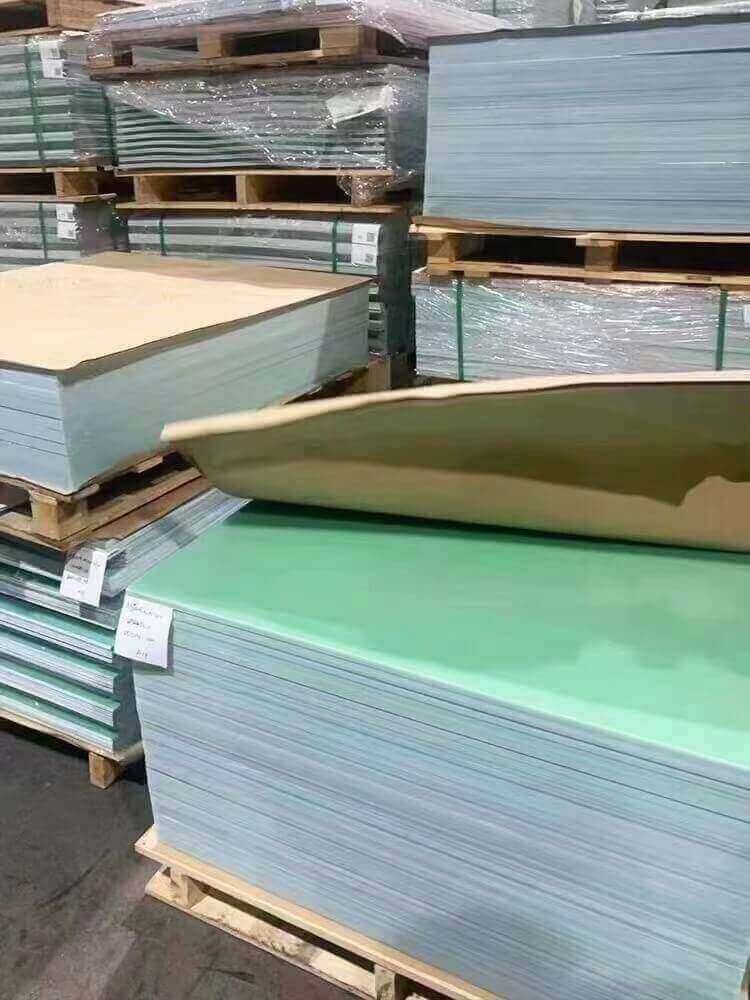
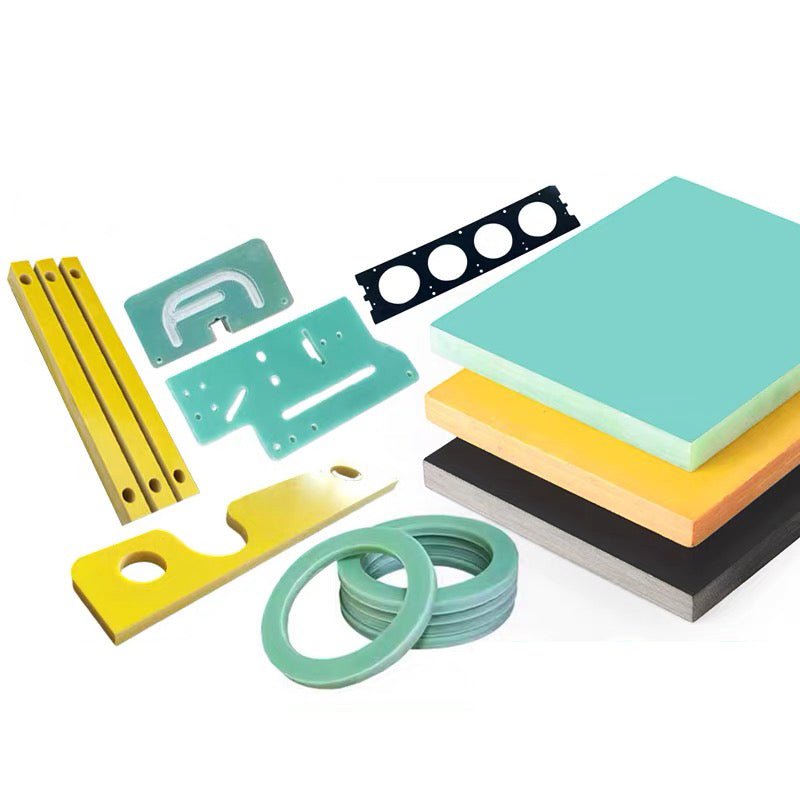
Bakelite plate

In the heart of modern innovation lies a material with roots deeply embedded in the past, yet its applications are as contemporary as they come. “Bakelite Solutions for Modern Applications: A Deep Dive into Sheets, Materials, and Boards” unravels the story of Bakelite, a pioneering plastic that has transcended its historical confines to become a cornerstone in modern manufacturing and DIY projects alike.

🎉🎉🎉Limited Time Offer Use code: QR4GNY08SHVR at checkout and enjoy a special discount on your entire order! 👉 Bakelite plastic
Bakelite: Durability & Versatility of Sheets, Materials & Boards

Our journey begins with a nod to the past, acknowledging Bakelite’s resurgence in the 21st century. This isn’t just a trip down memory lane; it’s a revelation of how a classic material has adapted to meet the demands of modern applications, proving its versatility and durability across a multitude of platforms—from household items to the forefront of high-tech industries.

As we delve deeper, we explore the inherent qualities that make Bakelite boards and sheets a reliable choice for various uses. The narrative weaves through the material’s longevity, highlighting why Bakelite remains unbeaten in terms of durability and performance, making it indispensable in environments that demand resilience and reliability.

The spotlight then shifts to everyday life, showcasing Bakelite’s adaptability. Here, readers will discover the surprising array of products and innovative uses of Bakelite that touch our lives in unexpected ways, bridging the gap between historical significance and contemporary relevance.

Sustainability takes center stage as we address the growing concern for eco-friendly materials. This section uncovers Bakelite’s role in the sustainable practices of today’s eco-conscious world, evaluating its impact from production to product lifespan, and ultimately, recyclability.

For those intrigued by the practical aspects of sourcing and utilizing Bakelite, we offer insider tips for navigating the market. This guidance ensures readers are well-equipped to identify and procure the finest Bakelite materials, whether for personal projects or OEM manufacturing needs.

Finally, we spotlight Bakelite in OEM manufacturing, illustrating its indispensable role in the creation of innovative products. This segment emphasizes the material’s contribution to manufacturing efficiency and product development, proving that Bakelite is not just a material of the past, but a solution for the future.

“Bakelite Solutions for Modern Applications: A Deep Dive into Sheets, Materials, and Boards” is more than a blog post; it’s a comprehensive guide that highlights Bakelite’s versatility, durability, and sustainability. It’s a testament to how a material invented over a century ago continues to play a pivotal role in shaping our modern world.

Bakelite's versatility, durability, and sustainability

The Resurgence of Bakelite: A Modern Take on Classic Materials

In the realm of materials that have shaped the world, Bakelite stands out as a pioneer of plastic innovation. Once hailed as a revolutionary product in the early 20th century, Bakelite’s journey from ubiquity to obscurity and back to relevance is a fascinating tale of resilience and adaptability. Today, we’re witnessing a resurgence of Bakelite, as it finds its place in both traditional uses and cutting-edge applications, reaffirming its status as a versatile and durable material.

Rediscovering Bakelite’s Charm

Bakelite’s comeback can be attributed to its unique properties and the growing trend towards sustainability. Unlike many modern plastics, Bakelite possesses a certain charm—a nostalgic quality that appeals to both collectors and designers. Its durability and resistance to electricity and heat not only make it ideal for vintage and retro products but also for applications requiring high material integrity. The versatility of Bakelite sheets, materials, and boards is being rediscovered by industries ranging from jewelry and electrical components to automotive and aerospace engineering.

Bakelite in Contemporary Design

The appeal of Bakelite extends into the realm of contemporary design, where its rich colors and distinctive finish are being utilized in everything from high-end consumer electronics to bespoke furniture. Designers are drawn to Bakelite for its unique aesthetic qualities, as well as its environmental edge over some modern plastics. The ability to infuse modern products with the look and feel of a classic material, while ensuring durability, is a testament to Bakelite’s versatility.

The Role of Bakelite in Sustainability

Sustainability is a critical concern in today’s manufacturing and product development landscapes. Bakelite’s role in sustainable practices is being reassessed, as the material’s longevity and potential for recyclability offer advantages over disposable plastics. While Bakelite production originally was not environmentally friendly by modern standards, its durability means products last longer, reducing the need for frequent replacements and thus lessening waste. Efforts to improve Bakelite’s environmental impact through better manufacturing processes are also contributing to its resurgence.

Bakelite’s Versatility Across Industries

From the electrical industry, where Bakelite’s insulating properties are unmatched, to the world of fashion, where its unique appearance makes for eye-catching accessories, Bakelite’s applications are vast. Its heat-resistant qualities make it perfect for automotive parts, while its aesthetic appeal has seen a resurgence in the production of musical instruments and decorative items. The material’s adaptability is a significant factor in its renewed popularity, offering solutions that other materials cannot.

Embracing the Future with Bakelite

The resurgence of Bakelite is not merely a nod to the past but a stride towards the future. As we explore innovative uses and sustainable practices, Bakelite’s place in modern applications is solidified. Its ability to blend the classic with the contemporary, durability with design, and tradition with innovation makes Bakelite a material that transcends time. The ongoing exploration of Bakelite in new technologies and industries ensures that this once-forgotten material will continue to be part of our material landscape, demonstrating that true innovation is timeless.

Bakelite’s story is one of innovation, decline, and revival. As we continue to push the boundaries of what materials can achieve, the resurgence of Bakelite stands as a powerful reminder of the importance of durability, versatility, and sustainability in our quest for modern solutions. The enduring legacy of Bakelite, with its deep roots in the past and branches reaching into the future, proves that some materials are indeed forever.

Bakelite sheets

Decoding the Durability: Why Bakelite Boards Stand the Test of Time

Bakelite’s enduring presence in the world of materials is not just a testament to its historical significance but also to its unparalleled durability and reliability. This section delves into the unique properties of Bakelite boards, highlighting why they have remained a steadfast choice across myriad applications, from industrial settings to personal projects.

The Unmatched Durability of Bakelite

At the heart of Bakelite’s longevity lies its chemical composition. As the first synthetic plastic, Bakelite is formed from phenol-formaldehyde resin, undergoing a thermosetting process that cures the material into a dense, tightly cross-linked polymer network. This process results in a material that is not only hard and heat-resistant but also impervious to water, chemicals, and electricity. These properties make Bakelite boards exceptionally durable, capable of withstanding harsh environments without deteriorating, making them ideal for applications requiring materials that can last for decades without significant wear and tear.

Bakelite’s Resistance to Heat and Chemicals

One of the most celebrated attributes of Bakelite is its remarkable resistance to heat and chemicals. Unlike many other plastics, Bakelite does not melt under high temperatures. Instead, it retains its shape and strength, making it an indispensable material in electrical insulators, automotive parts, and industrial machinery. Furthermore, its resistance to acids, alkalis, and solvents adds to its versatility, allowing for its use in environments where many other materials would degrade quickly.

The Role of Bakelite in Electrical and Thermal Insulation

Bakelite’s insulating properties are unparalleled, making it a cornerstone material for electrical and thermal insulation applications. Its ability to act as an excellent insulator against electricity, heat, and sound has led to its widespread use in circuit boards, switches, and handles for cooking utensils and irons. This property is not just beneficial for industrial applications but also enhances the safety and functionality of consumer products, contributing to Bakelite’s reputation as a reliable material for various projects.

Bakelite in Industrial and Personal Projects

The appeal of Bakelite boards extends beyond their physical properties to their versatility in shaping and coloring, which makes them suitable for a wide range of applications. From the creation of custom jewelry and durable household items to its use in machinery parts and automotive components, Bakelite’s adaptability has made it a favored choice among manufacturers and hobbyists alike. Its ability to be molded into precise shapes before curing allows for the production of complex and detailed items that are both functional and aesthetically pleasing.

Sustaining Legacy Through Innovation

The story of Bakelite’s durability and its ability to stand the test of time is not just about a material’s resistance to physical wear but also its continual adaptation to meet modern needs. As we move forward, the legacy of Bakelite boards in various industries serves as a foundation for new innovations, ensuring that this timeless material remains relevant in an ever-evolving world of technology and design. The enduring qualities of Bakelite, combined with its potential for sustainability and innovation, underscore its status as a material that is not merely surviving but thriving, decades after its invention.

The unique blend of durability, reliability, and versatility has cemented Bakelite’s place in the pantheon of materials that have significantly impacted both industrial achievements and daily life. Its continued relevance in modern applications is a testament to the vision of its creators and the inherent properties that make Bakelite boards an ideal choice for a multitude of projects, echoing the material’s legacy of innovation and endurance.

Bakelite board

Bakelite in Everyday Life: From Household to High Tech

Bakelite’s journey from an innovative material of the early 20th century to a staple in both household items and cutting-edge technology is a testament to its adaptability and efficiency. This versatile material has seamlessly woven itself into the fabric of daily life, proving that its applications extend far beyond what its inventors might have imagined.

The Unseen Hero in Household Items

In the realm of household goods, Bakelite has made a significant impact, thanks to its durability, heat resistance, and electrical insulation properties. From the sleek handles of kitchen utensils to the robust casings of vintage telephones and radios, Bakelite adds a touch of retro charm and practicality to everyday items. Its ability to withstand high temperatures and its non-conductivity make it an ideal choice for small appliances, where safety and longevity are paramount. The presence of Bakelite in these items is a subtle reminder of the material’s timeless appeal and utility.

Bakelite’s Role in the Tech World

Venturing into the high-tech arena, Bakelite demonstrates its versatility and efficiency in a different light. Its insulating and heat-resistant qualities are invaluable in the electronics industry, where Bakelite is often found in circuit boards and connectors. In environments where components must endure extreme conditions without degrading, Bakelite’s properties ensure reliability and performance. This application of Bakelite in technology underscores its adaptability, bridging the gap between historical significance and future innovations.

The Aesthetic Appeal of Bakelite

Beyond functionality, Bakelite’s unique aesthetic has made it a favorite among designers and collectors. The material’s rich coloration and ability to take on fine detail make it suitable for decorative items, jewelry, and collectibles. The allure of Bakelite pieces, with their distinctive look and feel, continues to captivate enthusiasts and adds a vintage flair to modern interiors. This fusion of form and function illustrates Bakelite’s versatility, making it a material cherished not only for its practical applications but also for its beauty.

Bakelite in Automotive and Aerospace Applications

Extending its reach into more demanding sectors, Bakelite finds a place in automotive and aerospace applications where its strength, thermal stability, and electrical insulation are critical. Components made from Bakelite can endure the rigors of harsh environments, contributing to the safety and efficiency of vehicles and aircraft. This aspect of Bakelite’s use highlights the material’s ability to meet stringent requirements, providing solutions that other materials cannot.

Sustaining Through Innovation

The story of Bakelite in everyday life and high-tech applications is one of continual adaptation and innovation. Its presence in a wide range of products, from the mundane to the sophisticated, speaks volumes about the material’s inherent qualities. As we look to the future, Bakelite’s role in new and emerging technologies remains promising, with potential applications in renewable energy, advanced manufacturing, and beyond. The adaptability and efficiency of Bakelite ensure its place in both current and future landscapes, bridging the gap between tradition and innovation.

The widespread use of Bakelite in various facets of daily life and advanced sectors underscores its significance as a material that not only made history but continues to shape our present and future. Its journey from household items to the forefront of technological advancement is a testament to Bakelite’s enduring legacy, adaptability, and the pivotal role it plays across different environments.

widespread use of Bakelite

Sustainability and Bakelite: Understanding Eco-Friendly Aspects

In an era where sustainability is not just a choice but a necessity, the conversation around materials like Bakelite and their environmental impact has become increasingly pertinent. As a material that has been around for over a century, Bakelite’s sustainability features, recyclability, and alignment with eco-conscious decisions of consumers and businesses merit a closer look.

The Durability Factor: A Sustainability Edge

One of Bakelite’s most significant contributions to sustainability is its durability. Products made from Bakelite tend to have a longer lifespan compared to those made from other plastics. This inherent durability reduces the need for frequent replacements, thereby diminishing the volume of waste generated over time. In an age where reducing waste is crucial for environmental sustainability, the long-lasting nature of Bakelite products aligns well with the principles of reduce, reuse, and recycle.

Bakelite and Recyclability: Navigating Challenges

The topic of recycling Bakelite presents a complex picture. Due to its thermosetting polymer structure, Bakelite cannot be melted down and reshaped like thermoplastic materials. This characteristic poses challenges for traditional recycling processes. However, innovative methods are being explored to repurpose Bakelite waste into filler materials for construction and other industries, offering a pathway to circularity and reducing landfill contributions. These efforts highlight the importance of finding creative solutions for materials that are not easily recyclable in the conventional sense.

Aligning with Eco-Conscious Choices

For modern consumers and businesses, making eco-conscious choices involves considering the lifecycle and environmental impact of the materials they use. Bakelite’s longevity and potential for repurposing play into this decision-making process. By choosing materials that are durable and have potential for reuse in other forms, businesses can contribute to a more sustainable model of consumption and production. Consumers, on their part, can favor products that are built to last, thereby supporting sustainability goals.

The Role of Bakelite in Sustainable Practices

Incorporating Bakelite into sustainable practices also means recognizing its role in applications where its unique properties can lead to overall environmental benefits. For example, Bakelite’s use in electrical components and insulation can enhance energy efficiency and safety, contributing to reduced energy consumption and minimizing the risk of fire hazards. These applications demonstrate how Bakelite’s functional benefits can support broader sustainability objectives, beyond the material’s direct environmental footprint.

Future Directions: Bakelite and Environmental Responsibility

Looking ahead, the conversation around Bakelite and sustainability is evolving. Research into eco-friendly manufacturing processes for Bakelite and the development of biodegradable versions of the material are areas of potential growth. These advancements could further enhance Bakelite’s position as a material that not only meets the needs of today’s industries but does so in a way that is mindful of tomorrow’s environmental challenges.

The discourse on sustainability and Bakelite reflects a broader dialogue about balancing material benefits with environmental responsibilities. As we continue to navigate these complexities, understanding the eco-friendly aspects of Bakelite and its role in modern sustainability efforts becomes essential. Through innovation and informed choices, Bakelite can contribute to a more sustainable future, echoing the principles of durability, efficiency, and environmental stewardship.

Bakelite boards

Navigating the Market: Tips for Purchasing Bakelite Sheets and Products

In today’s market, where the demand for durable and high-quality materials is ever-present, Bakelite stands out as a preferred choice for various applications. However, navigating the market to purchase Bakelite sheets and products requires knowledge and vigilance to ensure you’re getting authentic and high-quality materials. Here are essential tips and considerations for potential buyers looking to make informed choices when selecting Bakelite materials.

Understanding Bakelite Specifications

The first step in purchasing Bakelite is to understand the specifications that indicate quality and suitability for your specific needs. Look for density, heat resistance, electrical insulation properties, and mechanical strength as key indicators of quality. These specifications can vary depending on the formulation of the Bakelite material, so it’s crucial to identify the properties that are most relevant to your application. For instance, if you’re using Bakelite for electrical insulation, focus on its dielectric strength and heat resistance.

Verifying Authenticity

With the proliferation of materials in the market, verifying the authenticity of Bakelite is paramount. Authentic Bakelite has distinct characteristics, such as a dense, hard texture and a distinctive smell when rubbed or heated. Conduct simple tests, or consult with experts to ensure the material you’re considering is genuine Bakelite. This step is crucial not only for ensuring the quality of the material but also for the success of your project, as authentic Bakelite offers unique properties that imitation materials cannot replicate.

Assessing Supplier Credibility

The credibility of the supplier is another critical factor to consider when purchasing Bakelite materials. Look for suppliers with a strong reputation in the industry, positive customer reviews, and a history of supplying high-quality Bakelite products. Reputable suppliers are more likely to provide authentic Bakelite materials and can often offer valuable advice on selecting the right type of Bakelite for your project. Don’t hesitate to ask for references or case studies that demonstrate the supplier’s expertise and reliability.

Requesting Samples

Before making a large purchase, requesting samples of the Bakelite material can be an invaluable step. Samples allow you to personally evaluate the material’s quality, authenticity, and suitability for your application. This hands-on assessment can provide peace of mind and prevent potential issues down the line. When examining samples, pay attention to the material’s texture, color, and any other physical properties that are critical to your project’s requirements.

Considering Environmental and Safety Standards

Lastly, consider the environmental and safety standards associated with the Bakelite materials you’re purchasing. Ensure that the materials comply with relevant regulations and standards, especially if they will be used in applications where safety is paramount. Reputable suppliers should be transparent about their materials’ compliance with environmental and safety standards, providing documentation and certifications upon request.

Navigating the market for Bakelite sheets and products requires diligence, knowledge, and a strategic approach. By understanding specifications, verifying authenticity, assessing supplier credibility, requesting samples, and considering environmental and safety standards, buyers can make informed decisions and select high-quality Bakelite materials that meet their specific needs. These steps not only ensure the success of your projects but also contribute to the long-term reliability and performance of the Bakelite products you choose.

Bakelite sheets and products

Innovative Uses of Bakelite Material in OEM Manufacturing

Bakelite, a pioneering phenolic resin material, has carved a unique niche in the realm of Original Equipment Manufacturing (OEM). Its remarkable properties, such as heat resistance, electrical insulation, and mechanical strength, have made it an invaluable asset for businesses aiming to enhance product development and manufacturing efficiency. This section explores the innovative applications of Bakelite in OEM manufacturing, highlighting how its characteristics are leveraged for cutting-edge solutions.

Bakelite in Electrical and Automotive Components

One of the primary arenas where Bakelite shines is in the manufacturing of electrical and automotive components. Its exceptional electrical insulation capabilities make it an ideal choice for electrical connectors, switchgear, and insulation plates used in high-voltage applications. In the automotive sector, Bakelite’s heat resistance and mechanical durability are leveraged in under-the-hood components such as distributor caps and coil housings. These applications benefit from Bakelite’s ability to withstand extreme conditions while maintaining structural integrity and performance.

Enhancing Aesthetics and Durability with Bakelite

Beyond its functional benefits, Bakelite is also appreciated for its aesthetic versatility and durability in consumer goods. OEMs utilize Bakelite in the creation of durable, high-quality handles and knobs for appliances, as well as in decorative items where its unique finish and coloration add value. The material’s resistance to chemicals and heat ensures that these products remain in pristine condition for longer, enhancing consumer satisfaction and brand reputation.

Bakelite in Aerospace and Defense

The aerospace and defense industries require materials that can perform under the most demanding conditions. Bakelite is employed in various components where its lightweight yet strong characteristics are crucial. From insulating elements in electrical systems to durable parts in aircraft interiors, Bakelite provides an optimal balance of weight, strength, and safety, critical for aerospace applications. Its role in these sectors demonstrates Bakelite’s versatility and ability to meet stringent industry standards.

Leveraging Bakelite for Environmental Sustainability

As industries increasingly focus on sustainability, Bakelite’s role in OEM manufacturing also encompasses environmental considerations. Its durability translates to longer-lasting products, reducing the need for frequent replacements and thereby minimizing waste. Moreover, ongoing innovations in Bakelite production are aimed at making its synthesis and processing more environmentally friendly, aligning with the eco-conscious goals of modern businesses.

The Future of Bakelite in OEM Manufacturing

Looking ahead, the potential for Bakelite in OEM manufacturing continues to expand. Advancements in material science are opening new avenues for Bakelite, including its incorporation into composite materials that offer enhanced properties for specialized applications. As OEMs push the boundaries of product design and efficiency, Bakelite’s adaptability and proven track record make it a material of choice for innovative solutions.

The innovative use of Bakelite in OEM manufacturing underscores its enduring relevance in a rapidly evolving industrial landscape. By leveraging Bakelite’s unique properties, businesses are able to develop products that are not only efficient and durable but also aligned with the sustainability and performance demands of the modern world. Bakelite’s role in the development of cutting-edge manufacturing solutions exemplifies its versatility and capacity for innovation, marking it as a material that continues to contribute significantly to advancements in OEM manufacturing.

Bakelite materials

FAQ: Bakelite Materials & Customization at BeePlastics

1. What is Bakelite, and why is it used in manufacturing? Bakelite is a thermosetting phenol-formaldehyde resin, known for its high strength, heat resistance, and electrical insulating properties. It’s used in manufacturing for applications that require durable materials, such as electrical insulators, automotive parts, and consumer goods.

2. Can BeePlastics undertake any form of customization? Yes, BeePlastics offers comprehensive customization services, including both sample customization and batch customization. Our capabilities allow us to tailor solutions to meet the specific needs of our clients, ensuring the final product aligns with their requirements.

3. What file formats does BeePlastics accept for design submissions? BeePlastics accepts a variety of file formats for design submissions, including PDF and CAD files. These formats enable us to accurately assess and implement your design specifications.

4. Is there a minimum order quantity (MOQ) for custom orders? No, there is no minimum order quantity at BeePlastics. We are committed to supporting projects of all sizes, from small sample orders to large batch productions.

5. How is the production cycle determined at BeePlastics? The production cycle at BeePlastics is tailored according to the volume of orders and the complexity of the customization process. We communicate with our clients about the production progress in real-time to ensure transparency and satisfaction.

6. Does BeePlastics support the provision of samples? Yes, BeePlastics supports providing samples to clients. The samples are free of charge; however, the client is responsible for the shipping costs.

7. What makes Bakelite an ideal choice for electrical applications? Bakelite’s non-conductivity and heat resistance make it an ideal choice for electrical applications. It ensures safety and durability in products like electrical insulators, connectors, and switchgear.

8. How does BeePlastics ensure the quality of its Bakelite products? BeePlastics adheres to strict quality control procedures throughout the production process, from material selection to final product testing. This ensures that all Bakelite products meet our high standards of quality and reliability.

9. Can BeePlastics provide design assistance for Bakelite products? Yes, our team at BeePlastics can provide design assistance to help bring your Bakelite product ideas to life. We offer guidance on material properties, design optimization, and manufacturing techniques.

10. What industries commonly use Bakelite materials provided by BeePlastics? Bakelite materials from BeePlastics are commonly used in a wide range of industries, including automotive, electrical, aerospace, and consumer goods. Its versatility and durability make it a preferred choice for various applications.

Navigating the world of Bakelite, from its rich history to its application in modern manufacturing and sustainability efforts, reveals a material that is not only versatile and durable but also increasingly relevant in today’s eco-conscious and technologically advanced landscape. BeePlastics stands at the forefront of this resurgence, offering unparalleled customization services that cater to a wide array of needs, from individual projects to large-scale OEM manufacturing. With our commitment to quality, innovation, and customer satisfaction, we ensure that every piece of Bakelite we produce meets the high standards our clients expect. As we continue to explore and expand the potential of Bakelite, BeePlastics is excited to be part of your journey, transforming ideas into reality with a material that has proven its worth over a century of use. Whether you’re diving into a new project or seeking the perfect material solution, BeePlastics is here to guide and support you every step of the way.

Bakelite materials

Don’t Miss Out on Custom Bakelite Solutions! Whether it’s a unique prototype or a large-scale production, BeePlastics is your go-to partner. Complete the contact form at the bottom of this page and kickstart your project with us today!

🎉🎉🎉Limited Time Offer Use code: QR4GNY08SHVR at checkout and enjoy a special discount on your entire order! 👉 Bakelite plastic

Leave a comment


Please note, comments must be approved before they are published


Custom Plastic Fabrication

Send your drawing, material and quantity for review

🔧
Precision Machining
CNC milling & turning
✂️
Cutting & Engraving
Laser & waterjet cutting
🏭
Forming & Molding
Thermoforming & injection
🔗
Joining & Assembly
Welding & bonding
📐
Design & Prototyping
CAD design & samples

General

HDPE

PP

PVC

ABS

Engineering

POM

Nylon

PC

PMMA

High-Performance

PEEK

PEI

PTFE

Composites

FR-4

G10

Flexible

TPU

Silicone

Why Choose BeePlastic?

🎯
Perfect Fit
Custom specs eliminate adaptation needs
⚡
Clear Lead Times
Lead time confirmed with every quote
💰
Volume Pricing
Volume pricing available on bulk orders
🤝
Expert Support
Free engineering consultation included
📋
Submit
→
🔍
Review
→
💵
Quote
→
✅
Production
→
📦
Deliver

Request a Quote

Share your project details, selected material and quantity on our quote page. You can add a file link or use the email drawing route shown there.


Request Quote

Industries: Automotive • Medical • Food • Lab • Semiconductor

beeplastic@beeplastic.com


Why Bakelite? Exploring the Durability and Versatility of Sheets, Materials, and Boards

Bakelite sieve plate

Dive into the fascinating world of Bakelite, the trailblazer of modern plastics, in our latest blog post titled “Why Bakelite? Exploring the Durability and Versatility of Sheets, Materials, and Boards.” This comprehensive guide illuminates the enduring legacy and unparalleled benefits of Bakelite sheets, materials, and boards, showcasing why it continues to be a staple in industries and hobbies alike.

🎉🎉🎉Limited Time Offer Use code: QR4GNY08SHVR at checkout and enjoy a special discount on your entire order! 👉 Bakelite plastic
Bakelite sheets

We kick off with a nostalgic journey back to the history of Bakelite, unveiling its revolutionary inception and how it paved the way for the future of synthetic materials. From there, we delve into the heart of Bakelite, exploring its composition and characteristics that set it apart from contemporaries—highlighting its exceptional heat resistance, electrical insulation, and robust mechanical strength.

The versatility of Bakelite is on full display as we explore its myriad of applications. From critical electrical components to chic fashion accessories, we reveal the vast diverse applications that make Bakelite an incredibly adaptable material.

But why choose Bakelite over other materials? We answer this by examining its advantages, such as cost-effectiveness, durability, and aesthetic versatility, comparing it to other materials to underline why Bakelite remains unparalleled in its utility and appeal.

For those looking to procure this versatile material, we offer practical tips for buyers and OEM purchasers, guiding you through sourcing high-quality Bakelite with insider advice on ensuring you receive the best products for your needs.

Lastly, we gaze into the crystal ball to discuss the future and sustainability of Bakelite in modern manufacturing and eco-conscious initiatives, pondering how it continues to evolve and contribute to sustainable practices.

Join us as we navigate the intriguing world of Bakelite, a material that has stood the test of time, proving its worth and versatility time and again. Whether you’re a seasoned professional, an OEM business owner, or a curious newcomer, this post promises to enrich your understanding and appreciation of Bakelite.

The Birth of Bakelite: A Revolution Begins

In the early 20th century, the invention of Bakelite marked a monumental milestone in the world of material science and manufacturing. Created by Belgian-American chemist Leo Baekeland in 1907, Bakelite was the first synthetic plastic, heralding a new era of polymers. This groundbreaking development was not just a scientific achievement; it was the dawn of an era that would see the rise of synthetic materials shaping the modern world.

Bakelite materials

Baekeland’s quest for a synthetic substitute for shellac led to the serendipitous discovery of phenol-formaldehyde resin, the chemical backbone of Bakelite. Through controlled heat and pressure, Baekeland transformed these chemicals into a hard, heat-resistant, and non-conductive material. The ability of Bakelite to be molded into virtually any shape, retain its form under stress and heat, and its excellent electrical insulation properties made it an instant success across various industries.

Bakelite’s Pioneering Role and Applications

Bakelite’s versatility saw its adoption in an array of applications. Initially, it became a go-to material for electrical insulators, automotive parts, and telephone casings due to its non-conductivity and heat resistance. Its ability to be dyed led to its use in colorful, fashionable jewelry and durable household items like radios and kitchenware. The term “Bakelite” became synonymous with durability and innovation, paving the way for the polymers that followed.

A Material Ahead of Its Time

Bakelite stood out not only for its chemical properties but also for its role in the evolution of manufacturing and design. It demonstrated the potential of synthetic polymers, inspiring further research and the development of new plastics. Its impact extended beyond functional uses; Bakelite became a symbol of modernity and progress, influencing design aesthetics from Art Deco to streamline moderne.

Connecting Past and Present: Bakelite’s Legacy

Today, Bakelite sheets, phenolic compounds, and boards continue to be used in a variety of applications, from industrial settings to musical instruments. Its historical significance and utility make it a fascinating subject for collectors and historians alike. The legacy of Bakelite is not just in the items made from it but in its contribution to the advancement of material science and the proliferation of synthetic polymers in everyday life.

Bakelite’s journey from a laboratory curiosity to a foundational material of the modern age is a testament to human ingenuity and the endless possibilities of science. Its story is a vivid chapter in the history of innovation, underscoring the transformative power of chemistry in creating materials that shape our world. As we continue to explore and expand the boundaries of material science, Bakelite serves as a beacon of innovation, reminding us of the profound impact that materials can have on technology, culture, and industry.

Unraveling Bakelite: A Chemical Perspective

At the heart of Bakelite’s unique composition is the phenol-formaldehyde resin, a result of the polymerization reaction between phenol and formaldehyde. This synthetic resin forms when phenol, an aromatic organic compound, reacts under heat and pressure with formaldehyde, a simple but powerful aldehyde. The process, known as condensation polymerization, yields a hard, dense, and durable plastic that set the stage for the future of synthetic materials.

The Signature Properties of Bakelite

Bakelite is celebrated for its remarkable properties, which have cemented its place in manufacturing and design history. Its heat resistance is one of its most notable characteristics. Unlike many early plastics that would melt or deform under high temperatures, Bakelite maintains its integrity, making it ideal for applications requiring proximity to heat sources or electrical currents.

Bakelite materials

Equally important is Bakelite’s electrical nonconductivity. This characteristic made it a revolutionary material in the electrical and electronics industries, finding its way into everything from radio casings to telephone handsets and electrical insulators. The safety and efficiency it brought to electrical components are unparalleled, marking a significant advancement in the early 20th century and beyond.

Moreover, Bakelite’s mechanical strength is a key attribute. Its resistance to physical stress and its structural stability under pressure make it suitable for a wide range of applications, including automotive parts, kitchenware, and even musical instruments like guitar picks and drum shells.

Why Bakelite’s Popularity Endures

Understanding the composition and characteristics of Bakelite highlights why it remains a sought-after material. Its durability, combined with electrical insulation and heat resistance, positions Bakelite as an irreplaceable component in various fields. Furthermore, its ability to be molded into precise shapes before curing allows for intricate designs and applications, from industrial machinery components to decorative items.

The synthesis of Bakelite marked a pivotal moment in material science, introducing the world to the possibilities of synthetic polymers. Its enduring popularity underscores the material’s versatility and efficiency, qualities that continue to make it relevant in modern manufacturing and design. Whether for its historical significance, its unique properties, or its role in the development of plastics, Bakelite’s legacy as a pioneering material is undeniable. Its story is a testament to the transformative power of chemistry and innovation in creating materials that not only shaped the 20th century but continue to influence the future.

Bakelite’s journey from a groundbreaking synthetic plastic to a material of choice across numerous industries highlights its unparalleled versatility and enduring appeal. This versatility isn’t just about the wide range of products it has been used to create but also about the innovation and creativity it inspires in various fields.

Bakelite in the Electrical and Electronics Industry

The electrical and electronics industries were among the first to embrace Bakelite due to its excellent electrical insulation properties. From the early days of radio to the development of telecommunication devices, Bakelite provided a safe, durable, and aesthetically pleasing material for casings, knobs, and switches. Its nonconductivity ensured that devices were safer and more reliable, a vital feature in the rapid advancement of electrical technology.

Bakelite radio

Automotive Applications: From Durability to Design

In the automotive world, Bakelite’s heat resistance and mechanical strength made it an ideal material for components subject to high temperatures and stress. Distributor caps, handles, and dashboard panels crafted from Bakelite not only offered durability but also contributed to the vehicles’ overall design aesthetic, showcasing the material’s blend of form and function.

The Aesthetic Appeal of Bakelite in Fashion and Design

Perhaps one of the most visually captivating applications of Bakelite is found in the realm of fashion and design. In the early to mid-20th century, Bakelite jewelry became a symbol of modernity and sophistication. Its ability to be dyed in a plethora of vibrant colors made it a popular choice for necklaces, bracelets, and earrings, propelling it to a must-have accessory status. Beyond jewelry, Bakelite was used in a variety of decorative objects, from clock faces to handles and furniture accents, highlighting its aesthetic versatility as well as its practical applications.

Bakelite in the Home: From Functional to Fashionable

The kitchen and home were not immune to the Bakelite revolution. Utensils, cutlery handles, and even entire radio casings were made from Bakelite, taking advantage of its heat-resistant and nonconductive properties. These items combined functionality with style, introducing colorful and durable products into the domestic sphere.

Industrial Strength: Bakelite in Manufacturing

On the industrial front, Bakelite found applications in an array of machinery and equipment parts. Its resistance to chemicals, heat, and electricity made it a staple in factories and workshops. From insulators and electrical components to gears and protective covers, Bakelite materials proved essential for their reliability and durability in harsh environments.

The diverse applications of Bakelite from electrical insulation to fashion, and from automotive parts to household items, underscore its remarkable versatility. This adaptability has made it a material cherished not only by industries and designers but also by individual hobbyists and collectors. Bakelite’s ability to meet various technical and aesthetic needs continues to make it a compelling choice for a wide range of projects and products. Its legacy, rooted in innovation and versatility, ensures that Bakelite remains a fascinating and relevant material in both historical and contemporary contexts.

Choosing the right material for any project or product is crucial, impacting everything from durability and safety to aesthetics and cost. In the realm of synthetic polymers, Bakelite stands out for several compelling reasons, offering advantages that many contemporary materials struggle to match.

Customized Bakelite Boards

Durability and Reliability: Bakelite vs. Modern Plastics

Bakelite’s unmatched durability is one of its key advantages. Unlike many modern plastics that can degrade, warp, or become brittle over time, Bakelite maintains its integrity under a variety of environmental conditions. Its resistance to heat, chemicals, and electricity makes it exceptionally reliable for applications where safety and longevity are paramount. This resilience gives Bakelite an edge over materials like PVC or ABS, which, while versatile, do not offer the same level of heat resistance or mechanical strength.

Cost-Effectiveness: High Value for Money

When it comes to cost-effectiveness, Bakelite presents a significant advantage. The manufacturing process of Bakelite—though intricate—allows for the production of components at a lower cost compared to metals or high-grade thermoplastics. This affordability, coupled with its durability, means that products made from Bakelite offer great value over their lifecycle, reducing the need for frequent replacements or repairs.

Aesthetic Appeal: Unique and Timeless

The unique aesthetic appeal of Bakelite is another compelling reason for its choice in various projects. Its smooth, glossy finish and the ability to be dyed in an array of colors make it a favorite among designers and artisans. Bakelite can emulate the look of precious stones, metals, and other natural materials, providing a vintage charm that many modern materials cannot replicate. This has made Bakelite a sought-after material for jewelry, decorative items, and collectibles, where its appearance adds value beyond mere functionality.

Bakelite in Eco-Friendly Perspectives

In an era increasingly focused on sustainability, Bakelite’s long lifespan and potential for recycling and repurposing offer an advantage over single-use or less durable plastics. While not biodegradable, the durability of Bakelite products means they are less likely to end up in landfills compared to disposable, low-quality plastics. Efforts to recycle and creatively reuse Bakelite also contribute to its eco-friendly credentials, providing an alternative to discarding and replacing with new materials.

The Verdict: Why Bakelite Stands Out

In comparing Bakelite with other materials, it’s clear that its blend of durability, cost-effectiveness, and unique aesthetic appeal makes it a preferred choice for a wide range of applications. From industrial components to fashion accessories, Bakelite’s properties allow it to serve multiple purposes effectively, often outperforming newer materials. Whether for its historical significance, its performance, or its look, Bakelite remains a distinguished choice among materials, proving that its invention was not just a momentary breakthrough but a lasting contribution to material science and design.

Navigating the procurement process for Bakelite materials, whether you’re an individual hobbyist or an OEM (Original Equipment Manufacturer) purchasing manager, requires a keen eye for quality and a thorough understanding of the market. Here are some tailored tips to guide you in sourcing high-quality Bakelite sheets, boards, and other materials, ensuring you get the best value and performance for your investment.

Customized Bakelite plates

Identifying Reputable Suppliers

Start with Research

Begin your journey by conducting in-depth research to identify suppliers with a solid reputation for providing high-quality Bakelite products. Look for reviews, testimonials, and case studies from previous customers to gauge the reliability and quality of the supplier’s materials. It’s crucial to partner with suppliers who not only understand the material’s unique properties but also have a proven track record of delivering high-quality Bakelite.

Certifications and Standards

Opt for suppliers who adhere to recognized industry standards and hold relevant certifications. This adherence indicates a commitment to quality and reliability, essential factors when sourcing materials for professional or hobbyist projects. Certifications can include ISO (International Organization for Standardization) standards, which are a testament to the supplier’s operational efficiency and product quality.

Evaluating Bakelite Quality

Inspect for Consistency and Flaws

When assessing Bakelite materials, pay close attention to the consistency of color, texture, and density. High-quality Bakelite should be free from air bubbles, cracks, or any signs of brittleness, which can affect its durability and performance. If possible, request samples to personally evaluate the material’s quality before making a bulk purchase.

Understand the Material Grades

Bakelite comes in various grades, each suited to different applications. From electrical insulation to mechanical strength, understanding the specific grades of Bakelite and their properties will ensure you select the right material for your project’s requirements. Consult with your supplier about the best Bakelite grade for your needs, whether it’s for electrical components, decorative items, or industrial applications.

Building Strong Supplier Relationships

Communication is Key

Effective communication with your supplier is crucial. Establish clear expectations regarding quality, delivery timelines, and pricing from the outset. A reliable supplier should be transparent about their production capabilities, lead times, and any potential challenges that might affect your order. Regular updates and open lines of communication can help mitigate risks and ensure a smooth procurement process.

Long-term Partnerships

Consider building long-term relationships with your Bakelite suppliers. A trusted partnership can lead to better pricing, priority service, and access to a wider range of products. Demonstrating loyalty and consistent business can also encourage suppliers to go the extra mile to meet your specific needs.

Procuring high-quality Bakelite requires diligence, research, and a proactive approach to supplier selection and relationship management. By following these guidelines, both individual buyers and OEM purchasing managers can secure the best materials for their projects, ensuring the durability, performance, and aesthetic appeal that Bakelite is known for.

As we navigate the complexities of modern manufacturing and the pressing need for sustainable practices, Bakelite emerges not just as a material of historical significance but as a potential key player in eco-friendly solutions. The future of Bakelite offers exciting possibilities for innovation, recycling, and repurposing, underscoring its relevance in today’s environmentally conscious landscape.

Bakelite sieve plate

Bakelite and Sustainability: A New Chapter

Recycling and Repurposing Efforts

One of the pivotal areas where Bakelite can contribute to sustainability is through recycling and repurposing initiatives. While traditional Bakelite recycling processes are complex due to its thermosetting properties, which prevent it from being melted down and reshaped like thermoplastics, innovative methods are being explored. These include mechanical recycling to create filler materials for other products and chemical recycling processes that break down Bakelite into its constituent chemicals for reuse. Such efforts can minimize waste and open new avenues for using Bakelite in various applications.

Bakelite in Eco-friendly Manufacturing

Bakelite’s durability and longevity also position it as a sustainable choice in manufacturing. Products made from Bakelite tend to have a longer lifespan than those made from less durable materials, reducing the frequency of replacement and, consequently, the environmental impact. Furthermore, the inherent strength and heat resistance of Bakelite mean that it can be used to create products that require less material overall, contributing to resource conservation.

The Future of Innovation with Bakelite

Advancements in Material Science

The ongoing advancements in material science present numerous opportunities for enhancing Bakelite’s eco-friendly attributes. Researchers are exploring ways to make Bakelite and other phenolic resins more sustainable, including the development of bio-based phenols from renewable resources. These innovations could reduce the reliance on fossil fuels for Bakelite production, aligning it more closely with green manufacturing principles.

Expanding Applications

The potential for Bakelite in future applications is vast. Its electrical insulation properties, combined with durability, make it an ideal candidate for components in renewable energy systems, such as solar panels and wind turbines. Additionally, Bakelite’s aesthetic appeal and versatility offer opportunities for its use in sustainable architecture and interior design, where its durability and unique appearance can be leveraged in eco-friendly building projects.

Bakelite’s journey from a revolutionary synthetic plastic to a material with the potential to contribute to sustainability efforts highlights its enduring legacy and adaptability. As we continue to prioritize environmental responsibility in manufacturing and product design, Bakelite’s role in eco-friendly solutions and innovative applications is poised to grow. Embracing recycling, repurposing, and advancements in material science will be key to unlocking Bakelite’s potential in supporting a more sustainable future.

General Bakelite FAQs

1. What is Bakelite, and why is it still used today? Bakelite is the first synthetic plastic, known for its exceptional heat resistance, electrical nonconductivity, and mechanical strength. Despite the advent of newer materials, it remains popular for its durability, aesthetic versatility, and applications in electrical insulators, automotive parts, jewelry, and more.

2. Can Bakelite be recycled or repurposed? Yes, while Bakelite cannot be melted and reshaped like some plastics, innovative recycling methods are being explored. These include mechanical recycling to create filler materials and chemical processes to break it down for reuse. Additionally, repurposing vintage Bakelite items is a popular way to honor its historical value.

beeplastics Customization FAQs

3. Can beeplastics undertake any form of customization? Absolutely! beeplastics specializes in both sample customization and batch customization, accommodating your unique requirements and ensuring your project’s success.

4. What file formats does beeplastics accept for designs? We accept a variety of file formats, including PDF and CAD files, making it easy for you to submit your designs in a format that works best for you.

5. Is there a minimum order quantity (MOQ) for custom orders? At beeplastics, we’re committed to supporting projects of all sizes, which is why we have no minimum MOQ. Whether you’re looking to prototype a single item or ready for full-scale production, we’re here to help.

6. How does the production cycle work at beeplastics? The production cycle is tailored to the specifics of your order, taking into account the quantity and the complexity of the process. We maintain open communication about production progress, ensuring you’re informed every step of the way.

7. Does beeplastics offer sample provisioning? Yes, we support the provision of samples to ensure your satisfaction before moving forward with a larger order. The sample is free of charge; we only ask that you cover the shipping costs.

8. How does beeplastics ensure the quality of customized Bakelite products? Quality is paramount at beeplastics. We follow strict quality control processes throughout production, from material selection to final inspection, ensuring every customized product meets our high standards and your expectations.

9. Can beeplastics assist in the design process for customized Bakelite items? Certainly! Our team is equipped to assist in the design process, offering expert advice on how to best utilize Bakelite’s properties for your project. We can help refine your ideas into practical, manufacturable designs.

10. What industries commonly use customized Bakelite products from beeplastics? Our customized Bakelite products find applications across a wide range of industries, including electrical, automotive, jewelry, and household goods. The versatility of Bakelite, combined with our customization capabilities, makes our products ideal for various applications.

As we journey through the multifaceted world of Bakelite, from its historic roots as the pioneering synthetic plastic to its modern-day applications and sustainability potential, it’s clear that Bakelite’s legacy is as durable as the material itself. For enthusiasts, professionals, and newcomers alike, the allure of Bakelite lies in its unique blend of durability, versatility, and aesthetic appeal—a testament to its continued relevance in an ever-evolving material science landscape. At beeplastics, we’re not just embracing this legacy; we’re pushing its boundaries through innovative customization services that cater to a diverse range of needs and industries. Whether you’re bringing a vintage vision to life or crafting cutting-edge components, our commitment to quality, flexibility, and customer satisfaction ensures that the timeless appeal of Bakelite remains accessible to all. As we look to the future, Bakelite’s role in sustainable solutions and creative endeavors is undeniably promising, inviting us all to explore, innovate, and appreciate this remarkable material in new and exciting ways.

Bakelite sieve plate

Take the First Step Towards Innovation

If you’re ready to elevate your project with the versatility and durability of Bakelite, we’re here to help. Start your journey by completing the contact form below, and our team will be in touch to discuss how we can meet your specific needs with customized Bakelite solutions.

🎉🎉🎉Limited Time Offer Use code: QR4GNY08SHVR at checkout and enjoy a special discount on your entire order! 👉 Bakelite plastic

Leave a comment


Please note, comments must be approved before they are published


Custom Plastic Fabrication

Send your drawing, material and quantity for review

🔧
Precision Machining
CNC milling & turning
✂️
Cutting & Engraving
Laser & waterjet cutting
🏭
Forming & Molding
Thermoforming & injection
🔗
Joining & Assembly
Welding & bonding
📐
Design & Prototyping
CAD design & samples

General

HDPE

PP

PVC

ABS

Engineering

POM

Nylon

PC

PMMA

High-Performance

PEEK

PEI

PTFE

Composites

FR-4

G10

Flexible

TPU

Silicone

Why Choose BeePlastic?

🎯
Perfect Fit
Custom specs eliminate adaptation needs
⚡
Clear Lead Times
Lead time confirmed with every quote
💰
Volume Pricing
Volume pricing available on bulk orders
🤝
Expert Support
Free engineering consultation included
📋
Submit
→
🔍
Review
→
💵
Quote
→
✅
Production
→
📦
Deliver

Request a Quote

Share your project details, selected material and quantity on our quote page. You can add a file link or use the email drawing route shown there.


Request Quote

Industries: Automotive • Medical • Food • Lab • Semiconductor

beeplastic@beeplastic.com


FR4 Fiberglass Sheets: Your Secret Weapon in Accessory Manufacturing

high-quality FR4 fiberglass sheets

🎉 Limited Time Online Offer

Enhance your manufacturing with premium materials. Use code at checkout:

QR4GNY08SHVR

👉 Shop FR4 Fiberglass Plastic Now & Save

Yellow green black FR4 Fiberglass Sheets for accessory manufacturing

In the dynamic world of accessory manufacturing, FR4 fiberglass sheets stand out as a pivotal material, offering unmatched durability, versatility, and cost-effectiveness. Our latest blog post, “FR4 Fiberglass Sheets: Your Secret Weapon in Accessory Manufacturing,” delves deep into the essence of these remarkable materials, shedding light on their composition, benefits, and the myriad of applications they empower.

Starting with an Understanding of FR4 Fiberglass Sheets, we explore the unique composition and benefits that make FR4 the go-to material for manufacturers seeking reliability and excellence. We unravel the mysteries behind its superior performance, highlighting how its thermal resistance and electrical insulation properties are revolutionizing accessory manufacturing.

Diving deeper, we navigate through the Types of FR4 Fiberglass Sheets and Their Applications, offering a clear view of the spectrum of FR4 variants like FR4 epoxy fiberglass sheet and FR4 glass fiber sheet. This section illuminates the specific applications of each type, guiding manufacturers in choosing the right FR4 sheet for their unique project needs.

The Procurement Process segment is a treasure trove of insights on sourcing high-quality FR4 sheets. It equips you with knowledge on identifying premium materials, ensuring that your manufacturing process is not just efficient but also cost-effective.

Cost Considerations take center stage as we delve into the FR4 Sheet Price and budgeting strategies. This part of the post is dedicated to helping you navigate the financial aspects of FR4 procurement, ensuring that you get the best value for your investment without compromising on quality.

Lastly, we explore the Innovative Uses of FR4 Fiberglass Sheets in Accessory Design, showcasing real-world applications that highlight the material’s versatility. From cutting-edge electronics to bespoke jewelry, FR4 fiberglass sheets are proving to be a game-changer in the creative world.

Join us as we uncover the secrets behind FR4 fiberglass sheets, your ultimate ally in accessory manufacturing. Whether you’re a seasoned manufacturer or a curious newcomer, this post is your comprehensive guide to harnessing the power of FR4 in your next project.


Understanding FR4 Fiberglass Sheets: Composition and Benefits

Close-up texture of Black FR4 Epoxy Fiberglass Sheet

FR4 fiberglass sheets are a cornerstone in the realm of electronic and accessory manufacturing, renowned for their exceptional strength, durability, and electrical insulation properties. At the heart of these sheets is a woven fiberglass cloth, impregnated with an epoxy resin binder, which is what gives FR4 its name – Flame Retardant level 4. This unique composition not only makes FR4 sheets flame-resistant but also remarkably versatile across a wide range of applications.

The Composition of FR4 Fiberglass Sheets

The foundation of FR4 fiberglass sheets lies in their sophisticated material composition. The sheets are crafted from a fine weave of fiberglass cloth, which provides an excellent strength-to-weight ratio. This fiberglass cloth is then saturated with an epoxy resin, creating a rigid sheet that is both lightweight and extremely strong. The epoxy resin not only contributes to the sheet’s structural integrity but also enhances its moisture resistance, making FR4 sheets ideal for use in humid or wet conditions.

One of the standout features of FR4 is its excellent electrical insulation properties. This is primarily due to the non-conductive nature of both the fiberglass cloth and the epoxy resin. As a result, FR4 fiberglass sheets are widely used in the electrical and electronics industries, serving as circuit boards, insulators, and various types of electrical enclosures.

Benefits of FR4 Fiberglass Sheets in Accessory Manufacturing

FR4 fiberglass sheets offer a multitude of benefits for accessory manufacturing, making them a preferred material choice for designers and engineers alike. Their high strength and durability mean that products made from FR4 can withstand significant wear and tear, extending the lifespan of the accessories they are used in. This durability is particularly important in the production of electronic accessories, where reliability and longevity are paramount.

Another significant advantage of FR4 is its thermal resistance. Accessories that operate under high temperatures or are exposed to fluctuating thermal conditions benefit immensely from the thermal stability of FR4. This material can withstand a wide range of temperatures without degrading, ensuring that accessories maintain their integrity and performance over time.

Moreover, the versatility of FR4 fiberglass sheets cannot be overstated. They can be easily machined, drilled, and cut to fit specific designs, allowing for a high degree of customization in accessory manufacturing. This adaptability, combined with the material’s inherent properties, opens up a world of possibilities for innovative accessory design and production.

The use of FR4 fiberglass sheets in accessory manufacturing also underscores a commitment to safety. Their flame retardant properties ensure that accessories meet stringent safety standards, providing peace of mind to manufacturers and end-users alike.

In the ever-evolving landscape of accessory manufacturing, FR4 fiberglass sheets stand out for their unparalleled composition and benefits. From their robust physical and electrical properties to their adaptability and safety features, FR4 sheets are indeed a secret weapon for manufacturers looking to push the boundaries of innovation and quality.

CNC Processing of FR4 Fiberglass parts

Types of FR4 Fiberglass Sheets and Their Applications

The versatility of FR4 fiberglass sheets is further exemplified by the variety of types available, each suited to specific applications within the realm of accessory manufacturing. From FR4 epoxy fiberglass sheets to FR4 glass fiber sheets, the diversity of these materials allows for a broad range of uses, from high-end electronics to everyday consumer products.

Product Spotlight: Light Green FR4/G10 Series

Looking for premium standard sheets? Our Light Green FR4 G10 Epoxy Sheets (0.5mm-5mm) are perfect for PCB insulation and structural parts.

View Product Details

Light Green FR4 Sheets Stack

FR4 Epoxy Fiberglass Sheet

FR4 epoxy fiberglass sheets are renowned for their exceptional mechanical and electrical properties. These sheets are made by reinforcing an epoxy resin matrix with fiberglass cloth, which results in a material that is not only strong but also resistant to electrical currents. This makes the FR4 epoxy fiberglass sheet an ideal choice for printed circuit boards (PCBs) and electronic insulators, where both strength and electrical insulation are paramount. The durability and moisture resistance of these sheets also make them suitable for use in environments where they may be exposed to humidity or water.

FR4 Glass Fiber Sheet

FR4 glass fiber sheets, while similar in composition to their epoxy counterparts, are often utilized in situations requiring enhanced structural integrity and thermal stability. These sheets are characterized by their glass fiber reinforcement, which provides an excellent strength-to-weight ratio and makes them incredibly durable. Applications for FR4 glass fiber sheets include structural components for electronic devices, such as mounting brackets and enclosures, where rigidity and resistance to thermal expansion are necessary.

Applications in Accessory Manufacturing

The applications of FR4 fiberglass sheets in accessory manufacturing are vast and varied. In the electronics industry, for instance, the FR4 epoxy fiberglass sheet is the material of choice for PCBs due to its excellent electrical insulation properties and thermal resistance. These characteristics are crucial in preventing circuit failure and ensuring the longevity and reliability of electronic accessories.

Beyond electronics, FR4 sheets are also used in the creation of mechanical accessories and components. Their ability to be precisely machined and customized makes them ideal for producing intricate parts for automotive accessories, aerospace components, and even sporting goods. The strength and durability of FR4 ensure that these accessories can withstand the rigors of use without compromising on performance or safety.

Moreover, the adaptability of FR4 fiberglass sheets extends to the realm of consumer products. From smartphone cases to drone frames, FR4’s lightweight and durable nature make it an excellent choice for accessories that require a high degree of protection and resilience.

The diversity of FR4 fiberglass sheets, from FR4 epoxy fiberglass to FR4 glass fiber, underscores their indispensability in accessory manufacturing. Each type offers unique properties that can be leveraged to meet the specific needs of a wide array of products. Whether it’s for high-tech electronics, durable mechanical components, or everyday consumer goods, FR4 sheets provide the foundation for innovation and quality in accessory design and production.

Comparison of FR4 epoxy fiberglass to FR4 glass fiber sheets

The Procurement Process: Sourcing High-Quality FR4 Sheets

Various thickness ranges of FR4 sheets for procurement

Navigating the procurement process for FR4 fiberglass sheets can be a complex task, given the critical role these materials play in the manufacturing of high-quality accessories. Understanding how to source high-quality FR4 epoxy fiberglass laminate sheets is essential for ensuring the durability, reliability, and performance of the final products. This section provides valuable insights into the procurement process, highlighting key considerations and strategies for acquiring the best FR4 materials for your projects.

Identifying Reliable Suppliers

The first step in procuring high-quality FR4 sheets is identifying and partnering with reliable suppliers. Look for suppliers with a strong reputation in the industry, known for providing FR4 epoxy fiberglass laminate sheets that meet or exceed industry standards. Researching supplier history, customer reviews, and quality certifications can provide insights into their reliability and the consistency of their products. Establishing a relationship with suppliers who are committed to quality will ensure a steady supply of superior FR4 sheets for your manufacturing needs.

Understanding FR4 Specifications

A thorough understanding of FR4 specifications is crucial when sourcing materials. FR4 sheets come in various grades, thicknesses, and sizes, each suited to different applications. Familiarize yourself with the specific requirements of your project, including the required thermal resistance, electrical insulation properties, and mechanical strength. Communicating these specifications clearly to your supplier will help in sourcing FR4 sheets that precisely meet your project’s needs.

Quality Assurance and Testing

Quality assurance is a vital aspect of the procurement process. Before finalizing any purchase, ensure that the FR4 sheets have undergone rigorous testing and quality checks. This may include tests for thermal stability, electrical insulation, and mechanical strength, among others. Requesting test reports and quality certifications from suppliers can provide assurance that the FR4 sheets meet all necessary standards and regulations. Additionally, consider conducting your own quality checks upon receipt of the materials to verify their suitability for your projects.

Negotiating Price and Terms

While quality should never be compromised, negotiating price and terms is a standard part of the procurement process. Given the significant role of FR4 sheets in manufacturing, securing favorable terms can have a substantial impact on project costs and profitability. Discuss pricing, payment terms, and delivery schedules with suppliers to find a mutually beneficial arrangement. Remember, the cheapest option is not always the best when it comes to sourcing materials critical to the success of your products.

Building Long-Term Relationships

Building long-term relationships with FR4 sheet suppliers can offer numerous benefits, including improved pricing, priority service, and access to the latest materials and technologies. A strong partnership based on trust and mutual respect can ensure a reliable supply of high-quality FR4 sheets, facilitating smoother production processes and enabling more innovative product development.

Procuring high-quality FR4 fiberglass sheets is a strategic process that requires careful consideration and planning. By focusing on reliable suppliers, understanding project specifications, ensuring quality assurance, negotiating favorable terms, and building long-term relationships, manufacturers can secure the best materials for their projects, ensuring the success and longevity of their accessories.

Stack of high-quality FR4 fiberglass sheets

Cost Considerations: FR4 Sheet Price and Budgeting

Analysis of FR4 sheet costs and budgeting

When planning for accessory manufacturing projects, understanding and managing the cost of FR4 sheets is crucial for maintaining profitability and ensuring the success of your products. The price of FR4 fiberglass sheets can vary widely based on several factors, making effective budgeting a complex but essential task. This section explores the key elements that influence FR4 sheet price and offers strategies for budgeting effectively in your manufacturing projects.

Factors Affecting FR4 Sheet Price

Several factors can significantly impact the cost of FR4 sheets, including:

  • Material Quality and Specifications: Higher grades of FR4, which offer superior mechanical and electrical properties, typically come at a higher price. The thickness and size of the sheets also play a crucial role in determining cost.
  • Quantity Ordered: Bulk purchases often come with discounts, whereas smaller orders may cost more per unit. Planning your needs and ordering in bulk can lead to substantial savings.
  • Market Demand and Supply: Fluctuations in the demand for FR4 sheets and the availability of raw materials can affect prices. Keeping an eye on market trends can help anticipate changes in costs.
  • Supplier Relationships: Established relationships with suppliers can sometimes result in better pricing or favorable terms, which can help manage costs more effectively.

Budgeting for FR4 Sheets in Manufacturing Projects

Effective budgeting for FR4 sheets requires a comprehensive understanding of your project’s specific needs and the factors that influence costs. Here are some strategies to budget effectively:

  • Accurate Specification: Clearly define the specifications of the FR4 sheets needed for your project, including grade, thickness, and size. This precision will help avoid overspending on materials that exceed your requirements.
  • Cost-Benefit Analysis: Consider the trade-offs between cost and quality. While higher-quality FR4 sheets may have a higher upfront cost, they could lead to savings in the long run by reducing waste and rework.
  • Volume Planning: Estimate your material needs as accurately as possible and consider bulk purchasing to take advantage of volume discounts. However, be wary of overordering, as excess materials can tie up capital and storage space.
  • Supplier Negotiation: Don’t hesitate to negotiate with suppliers. Discuss pricing, payment terms, and delivery options to find the most cost-effective solution for your project.
  • Monitor Market Trends: Stay informed about market trends affecting the supply and price of FR4 sheets. This knowledge can help you time your purchases to take advantage of lower prices.

Incorporating FR4 Costs into Overall Project Budget

Incorporating the cost of FR4 sheets into your overall project budget requires careful planning and monitoring. Allocate a portion of your budget to materials, taking into account the factors mentioned above. Regularly review and adjust your budget as needed, especially if there are significant changes in material costs or project scope.

Effective management of FR4 sheet costs is essential for the financial health of your manufacturing projects. By understanding the factors that affect prices and employing strategic budgeting practices, you can ensure that your projects remain profitable and competitive in the market.

Innovative Uses of FR4 Fiberglass Sheets in Accessory Design

The versatility and superior properties of FR4 fiberglass sheets have paved the way for their innovative use in accessory design, transforming traditional concepts and introducing new possibilities in the industry. This material’s unique blend of durability, electrical insulation, and thermal resistance makes it an ideal choice for a wide range of creative applications. Here, we explore some of the groundbreaking ways FR4 sheets are being utilized in accessory design, underscoring their impact as a game-changer in the field.

Need Custom Machined Parts?

Beyond standard sheets, we offer full-service CNC machining for FR4/G10 parts with no MOQ. Precise cutting, milling, and turning for your custom projects.

Explore CNC Services →

Revolutionizing Electronics Accessories

One of the most notable applications of FR4 sheets is in the electronics industry, where they serve as the backbone for printed circuit boards (PCBs). Beyond this traditional use, designers are leveraging FR4’s properties to create innovative electronics accessories. For instance, FR4 is being used to develop durable and heat-resistant casings for electronic devices, offering protection without compromising on style or functionality. The material’s ability to be precisely machined allows for the creation of custom-fit enclosures for smartphones, tablets, and other tech gadgets, providing a unique aesthetic appeal while ensuring optimal performance.

Enhancing Wearable Technology

FR4 fiberglass sheets are also making waves in the realm of wearable technology. Designers are experimenting with FR4 to produce lightweight, durable components for wearable devices, such as smartwatches and fitness trackers. The material’s flexibility, when thinly processed, combined with its robustness, makes it an excellent choice for creating comfortable, yet resilient wearable accessories that can withstand everyday use and exposure to elements.

Pioneering in Automotive Accessories

In the automotive sector, FR4 sheets are being utilized to create innovative accessories that enhance functionality and safety. From lightweight, heat-resistant panels that can be used in car interiors to durable mounts for electronic displays and sensors, FR4’s properties are being exploited to improve vehicle design and user experience. The material’s resistance to thermal expansion ensures that these accessories perform reliably in the varying temperatures encountered in automotive environments.

Advancing Sports Equipment and Accessories

The sports industry is another area where FR4 fiberglass sheets are making a significant impact. Designers are using FR4 to develop high-performance sports equipment and accessories, such as protective gear, helmets, and components for racing bikes and skateboards. The material’s strength and lightweight nature contribute to enhanced performance and safety for athletes, offering a competitive edge in high-stakes environments.

A robust custom FR-4 insulating barrier for power supply systems

Customization and Personalization in Accessory Design

Finally, the adaptability of FR4 fiberglass sheets allows for unprecedented levels of customization and personalization in accessory design. Whether it’s through intricate machining, laser cutting, or embedding colors and patterns within the laminate, FR4 enables designers to create accessories that truly stand out. This capability opens up new avenues for bespoke product development, catering to consumers seeking unique and personalized items.

The innovative uses of FR4 fiberglass sheets in accessory design are a testament to the material’s versatility and potential to revolutionize the industry. From electronics and wearable technology to automotive and sports accessories, FR4 is proving to be a valuable asset for designers looking to push the boundaries of creativity and functionality.

As we’ve explored the remarkable versatility, durability, and innovative applications of FR4 fiberglass sheets in accessory design, it’s clear that this material stands at the forefront of manufacturing innovation. From revolutionizing electronics accessories to pioneering advancements in wearable technology, automotive enhancements, and sports equipment, FR4 fiberglass sheets have proven to be an indispensable resource for designers and manufacturers alike. Their unique properties not only meet the demanding requirements of modern accessory design but also open up a world of possibilities for future innovations. Embracing FR4 in your projects means stepping into a realm where the only limit is your imagination, ensuring that the accessories you create are not just products but embodiments of cutting-edge design and engineering excellence.

High-quality finished FR4 fiberglass accessories

Take Your Accessory Manufacturing to the Next Level!

Are you ready to harness the game-changing benefits of FR4 fiberglass sheets for your projects? Don’t wait any longer to start your journey towards superior accessory design and production. Complete the contact form below, and let’s discuss how we can support your success.

Limited Time Offer Code: QR4GNY08SHVR

Leave a comment


Please note, comments must be approved before they are published


Custom Plastic Fabrication

Send your drawing, material and quantity for review

🔧
Precision Machining
CNC milling & turning
✂️
Cutting & Engraving
Laser & waterjet cutting
🏭
Forming & Molding
Thermoforming & injection
🔗
Joining & Assembly
Welding & bonding
📐
Design & Prototyping
CAD design & samples

General

HDPE

PP

PVC

ABS

Engineering

POM

Nylon

PC

PMMA

High-Performance

PEEK

PEI

PTFE

Composites

FR-4

G10

Flexible

TPU

Silicone

Why Choose BeePlastic?

🎯
Perfect Fit
Custom specs eliminate adaptation needs
⚡
Clear Lead Times
Lead time confirmed with every quote
💰
Volume Pricing
Volume pricing available on bulk orders
🤝
Expert Support
Free engineering consultation included
📋
Submit
→
🔍
Review
→
💵
Quote
→
✅
Production
→
📦
Deliver

Request a Quote

Share your project details, selected material and quantity on our quote page. You can add a file link or use the email drawing route shown there.


Request Quote

Industries: Automotive • Medical • Food • Lab • Semiconductor

beeplastic@beeplastic.com


ABS DIY Model Sheet: A Suitable Plastic Customization Material for Various Creative Projects

ABS stool model

Do you have a passion for creating your own models, instruments, panels, or other objects with plastic materials? Do you want a material that is easy to cut, drill, saw, and paint? Do you care about the quality and durability of your plastic products? If you answered yes to any of these questions, then you should consider using ABS DIY Model Sheet.

🎉🎉🎉Limited Time Offer Use code: QR4GNY08SHVR at checkout and enjoy a special discount on your entire order! 👉 ABS plastic

ABS stool model

What is ABS DIY Model Sheet?

ABS DIY Model Sheet is a type of plastic sheet that is made of ABS (Acrylonitrile Butadiene Styrene) resin. ABS is a thermoplastic polymer that has excellent mechanical properties, such as strength, toughness, and impact resistance. ABS DIY Model Sheet is designed to be used for various creative projects that involve plastic customization processing. It can be shaped into different forms and sizes according to your specifications. It can also be glued, painted, and decorated with other materials.

What are the advantages of ABS DIY Model Sheet?

ABS DIY Model Sheet has many advantages over other plastic customization materials, such as nylon, PVC, PE, etc. Here are some of them:

  • High temperature resistance: ABS DIY Model Sheet can withstand temperatures up to 100°C without deforming or melting. This makes it suitable for projects that involve heat sources or high ambient temperatures.
  • Corrosion resistance: ABS DIY Model Sheet can resist acids, alkalis, salts, oils, and other chemicals that may cause damage to other plastic materials. This makes it suitable for projects that involve exposure to corrosive environments or substances.
  • Flame retardant: ABS DIY Model Sheet has a high oxygen index and a low smoke density. This means that it can prevent or delay combustion and produce less toxic fumes when exposed to fire. This makes it suitable for projects that involve safety and fire prevention.

    ABS DIY model
  • Eco-friendly: ABS DIY Model Sheet is made of recyclable and biodegradable materials. It does not contain harmful substances such as lead, mercury, cadmium, etc. It also has a low carbon footprint and a low energy consumption during production. This makes it suitable for projects that involve environmental protection and sustainability.

How to use ABS DIY Model Sheet?

ABS DIY Model Sheet is easy to use and install. You just need to choose the right size and shape of the sheet according to your project specifications. Then you need to cut, drill, saw, or paint the sheet as you wish. You can also use glue or other materials to attach the sheet to other objects or surfaces.

ABS Keyboard

Where to use ABS DIY Model Sheet?

ABS DIY Model Sheet has a wide range of applications in different types of creative projects. Here are some examples:

  • Building models: ABS DIY Model Sheet can be used to make various models of buildings, such as houses, bridges, towers, etc. You can also add details and decorations to make your models more realistic and attractive.
  • Instruments: ABS DIY Model Sheet can be used to make various instruments, such as guitars, drums, keyboards, etc. You can also customize your instruments with different colors and patterns to express your personality and style.

    ABS material musical instruments
  • Switch panels: ABS DIY Model Sheet can be used to make various switch panels, such as for lights, fans, heaters, etc. You can also design your own switch panels with different shapes and functions to suit your needs and preferences.
  • Bracket panels: ABS DIY Model Sheet can be used to make various bracket panels, such as for shelves, frames, holders, etc. You can also adjust the height and distance of your bracket panels with different numbers and sizes of sheets.

Why choose us for plastic customization?

If you are interested in using ABS DIY Model Sheet or any other plastic customization material for your project or business, you should choose us as your partner. We are a professional website that specializes in plastic customization processing. We have more than 10 years of experience in this field and we have served thousands of customers from different countries and regions.

We offer high-quality products at competitive prices. We have advanced equipment and technology to produce various shapes and sizes of plastic sheets according to your specifications. We also have strict quality control procedures to ensure that every product meets your expectations.

ABS furniture model

We offer fast delivery and excellent customer service. We have a large inventory of plastic sheets ready for shipment at any time. We also have a dedicated team of customer service representatives who are ready to answer your questions and solve your problems.

We offer free samples and quotations. If you want to try our products before placing an order, you can request a free sample from us. We will send it to you as soon as possible. You can also request a free quotation from us by filling out a simple form on our website.

🎉🎉🎉Limited Time Offer Use code: QR4GNY08SHVR at checkout and enjoy a special discount on your entire order! 👉 ABS plastic

How to contact us?

If you want to know more about our products or services, or if you want to place an order with us, you can contact us by email at beeplastic@beeplastic.com . We will reply to you within 1 business day.

We look forward to hearing from you soon!


Leave a comment


Please note, comments must be approved before they are published


Custom Plastic Fabrication

Send your drawing, material and quantity for review

🔧
Precision Machining
CNC milling & turning
✂️
Cutting & Engraving
Laser & waterjet cutting
🏭
Forming & Molding
Thermoforming & injection
🔗
Joining & Assembly
Welding & bonding
📐
Design & Prototyping
CAD design & samples

General

HDPE

PP

PVC

ABS

Engineering

POM

Nylon

PC

PMMA

High-Performance

PEEK

PEI

PTFE

Composites

FR-4

G10

Flexible

TPU

Silicone

Why Choose BeePlastic?

🎯
Perfect Fit
Custom specs eliminate adaptation needs
⚡
Clear Lead Times
Lead time confirmed with every quote
💰
Volume Pricing
Volume pricing available on bulk orders
🤝
Expert Support
Free engineering consultation included
📋
Submit
→
🔍
Review
→
💵
Quote
→
✅
Production
→
📦
Deliver

Request a Quote

Share your project details, selected material and quantity on our quote page. You can add a file link or use the email drawing route shown there.


Request Quote

Industries: Automotive • Medical • Food • Lab • Semiconductor

beeplastic@beeplastic.com


ABS Insulation: Advantages and Applications

ABS sheet

Introduction: What is ABS insulation?

ABS insulation is a type of insulation material made from acrylonitrile butadiene styrene (ABS), a thermoplastic polymer. ABS is composed of three monomers: acrylonitrile, butadiene, and styrene. Each monomer contributes to the properties of ABS, such as chemical resistance, heat stability, toughness, and rigidity.

🎉🎉🎉Limited Time Offer Use code: QR4GNY08SHVR at checkout and enjoy a special discount on your entire order! 👉 ABS plastic

ABS sheet

ABS insulation is widely used in various industries and fields because of its excellent performance and versatility. It can be molded, extruded, or blow-molded into different shapes and sizes to fit different applications. ABS insulation can also be easily colored with pigments or dyes to enhance its appearance.

ABS plastic spray paint

Body: What are the advantages and applications of ABS insulation?

Advantages: How does ABS insulation compare with other insulation materials?

ABS insulation has many advantages over other insulation materials, such as:

Applications: Where is ABS insulation used?

ABS insulation has a wide range of applications in different industries and fields, such as:

  • Electronics: ABS insulation is used to protect electronic components from heat, moisture, dust, and shock. It is also used to make casings, keyboards, monitors, printers, and other devices.
  • Automotive: ABS insulation is used to make parts such as bumpers, dashboards, door panels, fenders, and grilles. It is also used to improve the sound insulation and vibration damping of vehicles.
  • Construction: ABS insulation is used to make products such as roofing tiles, siding panels, window frames, doors, and flooring. It is also used to improve the thermal insulation and fire resistance of buildings.

    Medical ABS rubber puller

Conclusion: What are the benefits and prospects of ABS insulation?

ABS insulation is a versatile and high-performance material that offers many benefits for various applications. It has high temperature resistance, chemical resistance, aging resistance, and other desirable properties. It can also be easily processed and colored to meet different needs.

ABS insulation is expected to have a bright future in the market due to its increasing demand in various sectors. It can also be combined with other materials or additives to enhance its functionality or create new products. For example, ABS can be blended with polycarbonate (PC) to form PC/ABS alloys that have higher impact strength and heat resistance than pure ABS.

ABS board stool

🎉🎉🎉Limited Time Offer Use code: QR4GNY08SHVR at checkout and enjoy a special discount on your entire order! 👉 ABS plastic

If you are interested in learning more about ABS insulation or customizing your own plastic products with ABS or other materials, please contact us at our website. We are a professional plastic manufacturer with rich experience and advanced technology.Contact us today by sending an email to beeplastic@beeplastic.com,We can provide you with high-quality products at competitive prices. We look forward to hearing from you soon.

Leave a comment


Please note, comments must be approved before they are published


Custom Plastic Fabrication

Send your drawing, material and quantity for review

🔧
Precision Machining
CNC milling & turning
✂️
Cutting & Engraving
Laser & waterjet cutting
🏭
Forming & Molding
Thermoforming & injection
🔗
Joining & Assembly
Welding & bonding
📐
Design & Prototyping
CAD design & samples

General

HDPE

PP

PVC

ABS

Engineering

POM

Nylon

PC

PMMA

High-Performance

PEEK

PEI

PTFE

Composites

FR-4

G10

Flexible

TPU

Silicone

Why Choose BeePlastic?

🎯
Perfect Fit
Custom specs eliminate adaptation needs
⚡
Clear Lead Times
Lead time confirmed with every quote
💰
Volume Pricing
Volume pricing available on bulk orders
🤝
Expert Support
Free engineering consultation included
📋
Submit
→
🔍
Review
→
💵
Quote
→
✅
Production
→
📦
Deliver

Request a Quote

Share your project details, selected material and quantity on our quote page. You can add a file link or use the email drawing route shown there.


Request Quote

Industries: Automotive • Medical • Food • Lab • Semiconductor

beeplastic@beeplastic.com