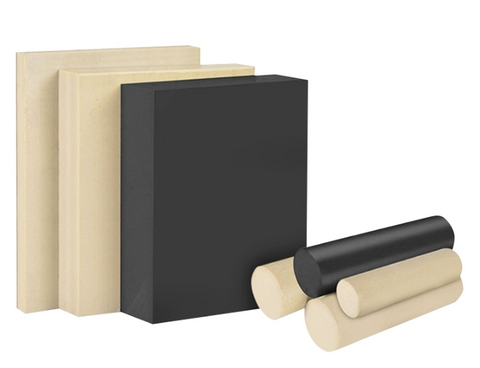
Why POM Engineering Plastic Is the Top Choice for High-Performance Applications

Black POM gears

Discover why POM engineering plastic stands out as the ultimate choice for high-performance applications in various industries. This blog post delves into the unique benefits of POM plastic, including its exceptional mechanical properties, such as strength, rigidity, and wear resistance. Learn how POM acetal plastic compares to other engineering plastics, and explore top applications where POM excels, from automotive and aerospace to industrial machinery. Uncover the transformative impact of POM plastic sheets in manufacturing and design, and understand why POM plastic products are crucial for achieving superior performance. Join me as I highlight the innovative uses of POM plastic and showcase how it revolutionizes both industrial components and consumer goods.
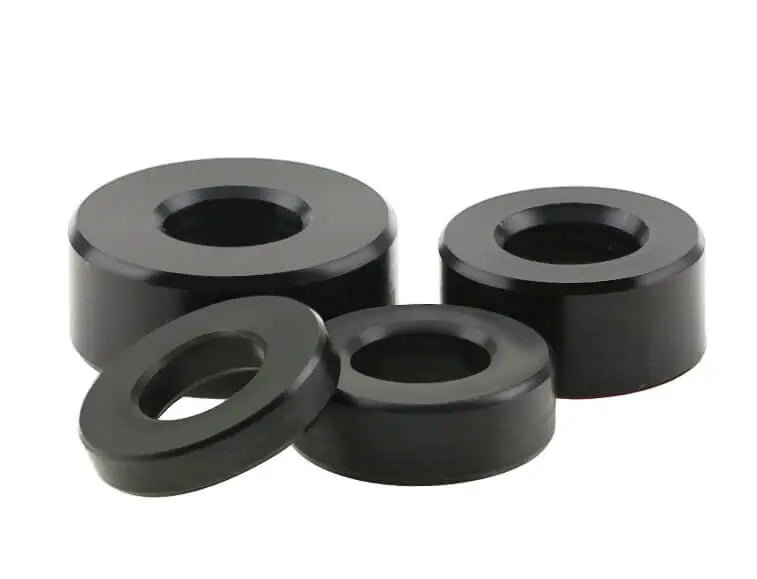
🎉🎉🎉Limited Time Offer Use code: QR4GNY08SHVR at checkout and enjoy a special discount on your entire order! 👉 POM plastic

Black POM Insulation Gasket

Understanding POM Plastic: An Overview of Its Properties and Benefits

What Is POM Plastic?

POM plastic, also known as polyoxymethylene or acetal, is a versatile engineering plastic renowned for its exceptional properties. POM plastic material is used across various industries due to its superior performance in demanding environments. This material offers a unique combination of characteristics that make it ideal for high-performance applications.

Key Properties of POM Plastic

Strength and Rigidity

One of the standout features of POM engineering plastic is its strength and rigidity. This material boasts a high tensile strength, allowing it to withstand significant loads without deforming. Its rigidity ensures that POM plastic products maintain their shape and performance, even under stress. This makes it a preferred choice for applications requiring durable and stable components.

Wear Resistance

POM plastic excels in wear resistance, which is crucial for components subjected to continuous friction and movement. The low coefficient of friction inherent in POM means that it performs exceptionally well in sliding applications. This property helps reduce wear and extend the lifespan of parts such as gears, bearings, and sliding rails. For industries where reducing maintenance and downtime is essential, POM plastic sheets and components provide an effective solution.

Applications of POM Plastic

Industrial Machinery

In industrial machinery, POM plastic is used to produce high-performance parts like gears, pulleys, and bearings. Its mechanical strength and durability make it suitable for components that operate under high loads and frequent use. The material’s resistance to deformation and wear ensures reliable performance and longevity.

Automotive Components

POM plastic plays a vital role in the automotive industry, where it is used in the manufacture of various automotive components. Parts such as fuel system components, window regulators, and gear shift knobs benefit from POM’s strength and dimensional stability. Its ability to withstand harsh conditions makes it ideal for automotive applications.

Aerospace Applications

In the aerospace industry, the lightweight and strong characteristics of POM plastic make it valuable for aerospace components. POM’s stability under different temperatures and environmental conditions ensures that it meets the rigorous standards required for aerospace applications. It is used in parts that demand high precision and reliability.

Why Choose POM Plastic?

The combination of strength, rigidity, and wear resistance makes POM plastic a top choice for engineering solutions. Whether used in industrial machinery, automotive parts, or aerospace applications, POM provides a reliable and high-performance material option. Its ability to maintain performance under demanding conditions and its versatile applications highlight its importance in various high-performance settings.

Explore the benefits of POM plastic and consider how its unique properties can enhance the performance and durability of your components.

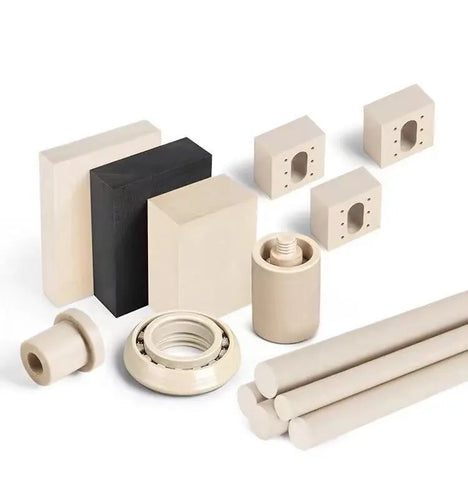
POM precision parts

Comparing POM Acetal Plastic to Other Engineering Plastics: Why POM Stands Out

Introduction to POM Acetal Plastic

POM acetal plastic, commonly referred to as polyoxymethylene (POM), is a high-performance engineering plastic known for its excellent mechanical properties and versatility. While POM is a standout material, comparing it to other engineering plastics like Nylon and Polycarbonate reveals why it is often the preferred choice for specific applications.

POM Acetal Plastic vs. Nylon

Strength and Rigidity

POM plastic and Nylon are both known for their strength, but POM often offers superior rigidity and dimensional stability. POM acetal plastic has a higher tensile strength and stiffness compared to Nylon, making it more suitable for applications requiring precise tolerances and minimal deformation under load. For instance, POM plastic products used in high-stress environments, such as gears and bearings, benefit from its rigidity.

Wear Resistance

When it comes to wear resistance, POM acetal plastic excels over Nylon. POM has a lower coefficient of friction, which reduces wear and extends the lifespan of components subjected to sliding and friction. This makes POM plastic sheets ideal for applications like sliding rails and pulleys, where durability and performance are crucial.

Moisture Absorption

Nylon is known for its tendency to absorb moisture, which can affect its mechanical properties and dimensional stability. POM plastic, on the other hand, has minimal moisture absorption, maintaining its performance and dimensional accuracy in varying environmental conditions. This characteristic is particularly important for applications in humid or wet environments.

POM Acetal Plastic vs. Polycarbonate

Impact Resistance

While Polycarbonate is renowned for its high impact resistance, POM acetal plastic offers superior mechanical strength and rigidity. POM plastic maintains its shape and performance better under load, while Polycarbonate may be more prone to deformation under high stress. For applications requiring both high impact resistance and dimensional stability, POM’s unique balance of properties often makes it the better choice.

Chemical Resistance

POM acetal plastic has excellent chemical resistance, particularly to fuels, solvents, and oils, making it suitable for various industrial environments. While Polycarbonate has good chemical resistance, POM’s durability in harsh chemical environments provides an added advantage for applications in industries like automotive and aerospace.

Temperature Stability

POM plastic performs well across a broad temperature range, maintaining its mechanical properties and dimensional stability. Polycarbonate can become brittle at low temperatures, which limits its use in extreme conditions. For applications involving temperature fluctuations, POM acetal plastic offers better reliability and performance.

POM support limit block

Why POM Stands Out

POM acetal plastic distinguishes itself from other engineering plastics through its unique combination of strength, rigidity, wear resistance, and low moisture absorption. While Nylon and Polycarbonate have their advantages, POM’s superior mechanical properties and stability under various conditions make it a standout choice for high-performance applications. Whether you are considering POM plastic sheets, acetal plastic gears, or other components, POM provides a robust solution for demanding engineering challenges.

Explore the benefits of POM plastic and see why it remains a top choice in the world of engineering plastics.

Top 5 High-Performance Applications of POM Engineering Plastic in Industry

1. Automotive Components

POM engineering plastic plays a crucial role in the automotive industry due to its strength, rigidity, and wear resistance. It is used in various automotive components such as fuel system parts, window regulators, and gear shift knobs. The high-performance characteristics of POM make it ideal for components that endure mechanical stress and harsh environmental conditions. For example, POM plastic products in fuel systems must withstand exposure to fuels and oils, and POM’s low moisture absorption ensures that these parts remain dimensionally stable and reliable over time.

2. Aerospace Components

In the aerospace industry, POM plastic is valued for its dimensional stability and temperature resistance. Components like aircraft interior fittings, control mechanisms, and landing gear components benefit from POM’s ability to perform consistently under varying temperatures and mechanical loads. The material’s strength and rigidity contribute to its use in high-precision applications where reliability and performance are paramount. POM’s lightweight nature also helps in reducing the overall weight of aircraft, contributing to fuel efficiency and performance.

3. Industrial Machinery

POM acetal plastic is widely used in industrial machinery due to its excellent wear resistance and low friction properties. Components such as gears, bearings, and pulleys made from POM plastic exhibit minimal wear and high durability under continuous use. This makes POM an ideal choice for parts that require high performance and longevity in demanding environments. For instance, POM plastic sheets are used in machinery parts that experience significant mechanical stress, ensuring smooth operation and reduced maintenance.

4. Electronics and Electrical Engineering

POM plastic is also utilized in the electronics and electrical engineering sectors for its electrical insulating properties and mechanical strength. Components like switch housings, connector bodies, and insulating parts benefit from POM’s stability and durability. Its low electrical conductivity and resistance to electrical arcing make it suitable for use in electronic devices where reliable insulation and mechanical integrity are essential. POM’s ability to maintain its properties over a wide range of temperatures adds to its appeal in this sector.

5. Consumer Goods

In the consumer goods sector, POM plastic is employed in products that require high durability and aesthetic quality. Items such as kitchen appliances, sporting equipment, and household items often use POM for its impact resistance and surface finish. POM’s ease of machining allows for the production of complex shapes and high-quality finishes, which enhances the functionality and appearance of consumer products. Its resistance to wear and deformation ensures that these items retain their performance and visual appeal over time.

Explore the diverse applications of POM engineering plastic and see how its exceptional properties make it a top choice for high-performance solutions across various industries.

POM support strip

How POM Plastic Sheets Are Revolutionizing Manufacturing and Design

Introduction to POM Plastic Sheets

POM plastic sheets are transforming the landscape of manufacturing and design with their exceptional performance and versatility. POM plastic, known for its high strength, rigidity, and wear resistance, offers a range of benefits that make it a popular choice in various industrial and design applications. This section explores how POM plastic sheets are revolutionizing different sectors through their unique properties and applications.

Versatility in Manufacturing

Precision Engineering

One of the standout features of POM plastic sheets is their ability to support precision engineering. The material’s dimensional stability ensures that POM plastic sheets maintain their shape and size even under mechanical stress. This makes them ideal for creating precision components such as gears, pulleys, and bearings that require exact specifications. The ease of machining POM sheets allows for intricate designs and detailed components, which are crucial in high-precision industries like aerospace and automotive.

Custom Fabrication

POM plastic sheets offer remarkable flexibility in custom fabrication. They can be easily cut, drilled, and machined to create customized parts that meet specific requirements. This adaptability is particularly valuable in prototyping and short-run manufacturing, where quick adjustments and modifications are often necessary. The ability to fabricate custom POM plastic products allows manufacturers to respond swiftly to changing needs and innovate rapidly.

Performance in Design

Aesthetic Quality

In design applications, POM plastic sheets are valued for their high-quality surface finish. The material can be polished to achieve a smooth and glossy appearance, making it suitable for consumer goods, furniture, and architectural elements. POM sheets’ excellent machinability allows designers to create sleek and aesthetically pleasing products that also benefit from the material’s durability.

Durability and Longevity

The durability of POM plastic sheets contributes to their effectiveness in various design applications. The material’s wear resistance and impact strength ensure that products made from POM sheets withstand daily use and environmental factors. This makes POM plastic an excellent choice for high-traffic areas and products exposed to wear and tear. For instance, POM sheets used in industrial machinery covers or high-use consumer items offer long-lasting performance and reduced maintenance needs.

Applications Across Industries

Automotive and Aerospace

In the automotive and aerospace industries, POM plastic sheets are used to manufacture components that require both high strength and precise tolerances. Parts such as interior panels, gear housings, and structural supports benefit from POM’s mechanical properties and resistance to various environmental conditions. The ability to produce lightweight yet strong components enhances performance and efficiency in these high-demand sectors.

Medical and Electronics

POM plastic sheets also find applications in the medical and electronics fields. For medical devices, POM’s biocompatibility and cleanability make it suitable for components such as surgical instruments and medical housings. In electronics, POM sheets are used in connector housings and insulating parts, where the material’s electrical insulating properties and mechanical strength are critical.

Explore the transformative impact of POM plastic sheets in manufacturing and design. Their versatility and performance make them a key material for achieving innovation and excellence across various applications.

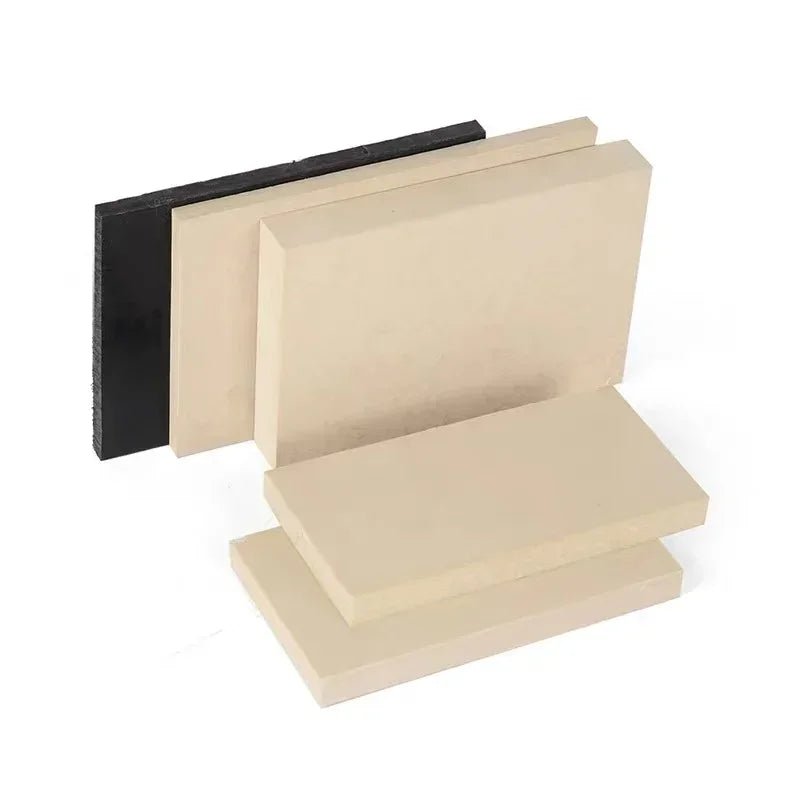
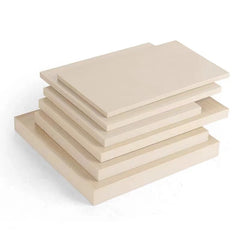
POM plastic sheets

The Mechanical Properties of POM Plastic: What Makes It a Superior Choice?

Introduction to POM Plastic Properties

POM plastic, also known as polyoxymethylene, is renowned for its exceptional mechanical properties that make it a preferred choice in various high-performance applications. This material exhibits remarkable attributes such as tensile strength, impact resistance, and dimensional stability, which contribute to its versatility and reliability. Understanding these properties can help illustrate why POM plastic stands out in the world of engineering materials.

Tensile Strength

High Load-Bearing Capacity

One of the most notable mechanical properties of POM plastic is its tensile strength. POM plastic demonstrates a high capacity to bear loads without deforming, making it suitable for applications that experience significant mechanical stress. The material’s tensile strength allows it to maintain its shape and performance under heavy loads, which is crucial for components like gears, bearings, and structural supports. This strength is especially valuable in industries such as automotive and aerospace, where component reliability is essential.

Comparison with Other Plastics

When compared to other engineering plastics, POM plastic often exhibits superior tensile strength. For instance, while Nylon and Polycarbonate also offer good strength, POM’s higher rigidity and resistance to deformation make it a better choice for applications requiring precise tolerances and minimal flexing. This attribute is particularly important in high-load applications where maintaining dimensional accuracy is critical.

Impact Resistance

Durability in High-Stress Environments

Impact resistance is another key mechanical property of POM plastic. The material’s ability to absorb and dissipate impact forces makes it highly durable in high-stress environments. POM plastic is less likely to crack or break under sudden impacts compared to many other materials. This durability is essential for parts subjected to frequent or severe mechanical impacts, such as machinery components, automotive parts, and consumer goods.

Applications Requiring Toughness

The superior impact resistance of POM plastic is utilized in various applications that demand toughness and resilience. For example, POM sheets used in industrial settings must withstand frequent use and potential collisions. Similarly, components in electronic devices and medical equipment benefit from POM’s resistance to impact and stress, ensuring longevity and reliability.

Dimensional Stability

Minimal Deformation

Dimensional stability refers to a material’s ability to maintain its shape and size under varying conditions. POM plastic excels in this area, exhibiting minimal shrinkage or expansion when exposed to changes in temperature or humidity. This property ensures that POM plastic components retain their precision and functionality over time, which is crucial for applications requiring high accuracy.

Consistency in Precision Engineering

The dimensional stability of POM plastic makes it a preferred material for precision engineering. Components such as gears, pulleys, and bearing housings benefit from POM’s ability to maintain exact dimensions even under stress. This consistency is essential for applications where precise fitting and operational accuracy are required.

Conclusion

POM plastic stands out due to its exceptional tensile strength, impact resistance, and dimensional stability. These mechanical properties make it a superior choice for various high-performance applications. By understanding these attributes, it becomes clear why POM plastic is widely used in demanding industries and critical components.

Why POM Plastic Products Are Essential for High-Performance Engineering Solutions

Introduction to POM Plastic Products

POM plastic—or polyoxymethylene—is a material renowned for its exceptional mechanical properties, which make it indispensable in high-performance engineering applications. Various POM plastic products are designed to leverage these properties, including gears, bearings, pulleys, and sheets. Understanding the roles these products play in engineering can illuminate why POM plastic is a top choice for demanding applications.

Gears

Precision and Durability

POM plastic gears are a prime example of how POM’s properties are utilized in engineering. These gears offer high dimensional stability and wear resistance, ensuring that they maintain accuracy and reliability over time. POM’s low friction coefficient makes these gears highly efficient, reducing the need for lubrication and minimizing maintenance. The durability of POM plastic gears is critical in applications such as automotive transmissions and industrial machinery, where consistent performance under mechanical stress is essential.

Black POM bearing

Applications in Robotics and Automation

In robotics and automation, POM gears are favored for their ability to operate smoothly and efficiently. Their precision and resistance to deformation ensure that robotic systems perform complex tasks accurately. The low noise and vibration associated with POM gears contribute to quieter and more reliable robotic operations, which is crucial for maintaining high performance in automated systems.

Bearings

Reduced Friction and Enhanced Performance

POM plastic bearings are another essential product in high-performance engineering. These bearings benefit from POM’s self-lubricating properties, which significantly reduce friction and wear. This results in smoother operation and longer service life compared to traditional metal bearings. The impact resistance and tensile strength of POM ensure that these bearings can handle heavy loads and high speeds without compromising performance.

Versatility in Various Industries

POM bearings are used across multiple industries, including automotive, aerospace, and medical devices. Their ability to perform in challenging environments—where metal bearings might fail due to corrosion or lubrication issues—makes POM an attractive option. For instance, POM bearings used in automotive components can withstand high-speed rotations and heavy loads, enhancing vehicle performance and reliability.

Pulleys

Strength and Efficiency

POM plastic pulleys are valued for their strength and efficiency in mechanical systems. The material’s rigidity and low friction properties allow POM pulleys to transmit power effectively while minimizing energy losses. These pulleys are particularly useful in systems that require precise power transmission and minimal maintenance, such as conveyor systems and machinery drives.

POM plastic pulleys

Applications in Industrial Machinery

In industrial machinery, POM pulleys are employed for their durability and performance. Their ability to operate without the need for additional lubrication makes them suitable for environments where maintenance is challenging. The dimensional stability of POM ensures that pulleys maintain their shape and performance over extended periods, contributing to overall system efficiency.

Sheets

Versatility in Design and Manufacturing

POM plastic sheets offer remarkable versatility in design and manufacturing. These sheets can be easily machined to create custom parts, such as machine components, enclosures, and structural elements. The machinability of POM sheets allows for the production of complex and precise parts that meet specific engineering requirements.

Applications in High-Precision Environments

POM sheets are used in high-precision environments where accuracy and durability are critical. For instance, they are utilized in aerospace and automotive industries to manufacture components that need to maintain precise dimensions and perform reliably under stress. The impact resistance and mechanical strength of POM sheets ensure that these components function effectively even in demanding conditions.

The Impact on Engineering Solutions

The use of POM plastic products—including gears, bearings, pulleys, and sheets—demonstrates how this material can enhance engineering solutions. POM’s superior mechanical properties ensure that these products perform reliably, efficiently, and durably, making POM plastic an essential choice for high-performance applications across various industries.

Innovative Uses of POM Plastic: From Industrial Components to Consumer Goods

Introduction to POM Plastic Versatility

POM plastic—also known as polyoxymethylene—is celebrated for its impressive range of uses in various fields due to its versatility and performance characteristics. From industrial components to consumer goods, POM plastic’s unique properties make it a valuable material across many applications. This exploration will highlight how POM plastic is revolutionizing both sectors by showcasing its innovative applications.

POM support strip

Industrial Components

High-Performance Mechanical Parts

In the realm of industrial components, POM plastic excels due to its high strength, rigidity, and wear resistance. Industries such as automotive, aerospace, and manufacturing rely on POM plastic for producing critical components that require durability and precision. For example, POM gears and bearings are commonly used in machinery due to their low friction and self-lubricating properties. These parts are essential for the smooth operation of complex systems where failure can lead to significant downtime and costs.

Precision in Aerospace Applications

POM plastic is also crucial in the aerospace industry, where it is used to manufacture parts that must withstand extreme conditions while maintaining precision. POM plastic components are used in various aerospace applications, including actuators, valves, and instrument panels. The material’s dimensional stability ensures that these parts perform reliably over time, even under fluctuating temperatures and mechanical stresses.

Consumer Goods

Durable and Lightweight Products

In the consumer goods sector, POM plastic is valued for its lightweight and durable properties. Products such as sports equipment, household appliances, and consumer electronics benefit from POM’s impact resistance and wear resistance. For instance, POM plastic is used in camera housings, electronic enclosures, and durable handles due to its ability to withstand daily use while maintaining its appearance and functionality.

Innovative Design Solutions

POM plastic allows for innovative design solutions in consumer products, offering designers and engineers the flexibility to create complex shapes and features. Its machinability and ease of processing enable the production of custom parts with intricate details. This flexibility is particularly useful in fashion accessories, gadget components, and ergonomic tools, where aesthetics and performance are crucial.

POM Plastic in Diverse Applications

Medical Devices

POM plastic is increasingly used in the medical field for its biocompatibility and sterilizability. It is used to manufacture surgical instruments, implantable devices, and diagnostic equipment. The material’s tensile strength and impact resistance ensure that these devices perform reliably under medical conditions.

Automotive Innovations

In the automotive industry, POM plastic is utilized for various components that benefit from its high performance and durability. Applications include fuel system parts, interior components, and mechanical linkages. The material’s ability to withstand harsh conditions, such as exposure to fuels and lubricants, makes it ideal for these uses.

Conclusion

The innovative uses of POM plastic span a wide range of applications, demonstrating its versatility and effectiveness in both industrial and consumer contexts. From high-performance mechanical parts and aerospace applications to durable consumer goods and medical devices, POM plastic’s unique properties make it a standout material across diverse fields.

POM precision parts processing

Common Questions and Answers About POM Plastic and BeePlastics Customization

1. What is POM plastic and why is it used in engineering applications?

POM plastic, also known as polyoxymethylene, is an engineering plastic known for its high strength, rigidity, and low friction properties. It is used in engineering applications due to its excellent dimensional stability and wear resistance, making it ideal for components that need to perform reliably under mechanical stress.

2. What types of customization does BeePlastics offer?

BeePlastics offers comprehensive customization options including both sample customization and batch customization. This means that you can get customized solutions for small quantities or larger production runs, tailored to your specific needs.

3. Which file formats are accepted for customization requests?

BeePlastics accepts a variety of file formats for customization, including PDF and CAD. This flexibility ensures that clients can provide detailed designs in the format that suits their needs best.

4. Is there a minimum order quantity (MOQ) at BeePlastics?

There is no minimum order quantity (MOQ) at BeePlastics. Whether you need a small batch or a large volume, BeePlastics can accommodate your order requirements without any restrictions on quantity.

5. How does BeePlastics handle the production cycle?

The production cycle at BeePlastics is tailored according to the amount of orders and the complexity of the process. BeePlastics will communicate the production progress in real time, keeping you informed about the status of your order throughout the manufacturing process.

6. Can I request samples before placing a bulk order?

Yes, BeePlastics supports the provision of samples. You can request samples to evaluate the quality and suitability of the materials before placing a bulk order. Please note that while the sample is free of charge, the customer is responsible for the shipping costs.

7. What are the benefits of using POM plastic in industrial components?

POM plastic offers several benefits for industrial components, including high strength, low friction, and excellent wear resistance. These properties make it ideal for applications such as gears, bearings, and pulleys, where durability and performance are crucial.

8. How does POM plastic compare to other engineering plastics like Nylon and Polycarbonate?

POM plastic generally offers superior dimensional stability and low friction compared to Nylon and Polycarbonate. It also exhibits better wear resistance and impact resistance, making it a preferred choice for high-performance engineering applications.

9. What industries commonly use POM plastic products?

POM plastic products are widely used in various industries, including automotive, aerospace, industrial machinery, and consumer goods. Its versatility and performance make it suitable for applications ranging from mechanical components to durable consumer products.

10. How can I place an order for customized POM plastic products with BeePlastics?

To place an order for customized POM plastic products with BeePlastics, you can contact their sales team directly. Provide the necessary details about your requirements, including the type of customization needed and your preferred file formats. The team will guide you through the process and ensure that your specifications are met.

In exploring the extensive capabilities and applications of POM plastic, it’s clear why this material stands out in both industrial and consumer contexts. From its remarkable strength and rigidity to its excellent wear resistance and low friction properties, POM plastic proves to be a superior choice for high-performance applications. Whether used in automotive parts, aerospace components, or consumer goods, the versatility and reliability of POM plastic make it indispensable for achieving exceptional results. By choosing POM plastic, industries can ensure that their products not only meet but exceed performance expectations, delivering durability and efficiency across various applications.

🎉🎉🎉Limited Time Offer Use code: QR4GNY08SHVR at checkout and enjoy a special discount on your entire order! 👉 POM plastic
POM material industry applications

Transform your designs with high-quality POM plastic products. Contact us today by filling out the form at the bottom of this page, or visit our custom POM plastic page to see how we can meet your specific needs.

Leave a comment


Please note, comments must be approved before they are published


Custom Plastic Fabrication

Send your drawing, material and quantity for review

🔧
Precision Machining
CNC milling & turning
✂️
Cutting & Engraving
Laser & waterjet cutting
🏭
Forming & Molding
Thermoforming & injection
🔗
Joining & Assembly
Welding & bonding
📐
Design & Prototyping
CAD design & samples

General

HDPE

PP

PVC

ABS

Engineering

POM

Nylon

PC

PMMA

High-Performance

PEEK

PEI

PTFE

Composites

FR-4

G10

Flexible

TPU

Silicone

Why Choose BeePlastic?

🎯
Perfect Fit
Custom specs eliminate adaptation needs
⚡
Clear Lead Times
Lead time confirmed with every quote
💰
Volume Pricing
Volume pricing available on bulk orders
🤝
Expert Support
Free engineering consultation included
📋
Submit
→
🔍
Review
→
💵
Quote
→
✅
Production
→
📦
Deliver

Request a Quote

Share your project details, selected material and quantity on our quote page. You can add a file link or use the email drawing route shown there.


Request Quote

Industries: Automotive • Medical • Food • Lab • Semiconductor

beeplastic@beeplastic.com


Why UHMW-PE Machine Parts are the Best Choice for Industrial Applications

Polyethylene Applications

Catchy Synopsis for “Why UHMW-PE Machine Parts are the Best Choice for Industrial Applications”

Discover why UHMW-PE machine parts are revolutionizing industrial applications across various sectors. This comprehensive guide dives into the unique properties of UHMW-PE that make it indispensable, such as high abrasion resistance, low friction, and exceptional impact strength. Explore its pivotal role in the food and beverage industry for conveyor systems and food contact surfaces, and learn how the mining industry benefits from its durability in liners and hoppers. Understand the advantages of UHMW-PE in the automotive sector for gears and bushings, and see why it’s the go-to material in the marine industry for dock fenders and marine constructions. Uncover how packaging lines rely on UHMW-PE for cost-efficiency and longevity, and how agricultural machinery benefits from its robustness in harsh environments. Finally, appreciate the customization and versatility of UHMW-PE sheets, available in various sizes like UHMW plastic 4×8. This post provides a thorough look at why UHMW-PE is the superior choice for machine parts in demanding industrial settings.

🎉🎉🎉Limited Time Offer Use code: QR4GNY08SHVR at checkout and enjoy a special discount on your entire order! 👉 UHMWPE plastic

Polyethylene Applications

This synopsis not only captures the essence of the blog post but also ensures that SEO-friendly keywords are highlighted to attract the right audience.

The Unique Properties of UHMW-PE

High Molecular Weight and Its Benefits

Ultra-High Molecular Weight Polyethylene (UHMW-PE) is distinguished by its exceptionally high molecular weight, typically ranging between 3.1 to 5 million g/mol. This high molecular weight contributes to its remarkable strength and durability, making it an ideal choice for industrial applications. The long polymer chains in UHMW-PE create a robust material structure that can withstand significant wear and tear, providing a longer lifespan for machine parts and reducing the need for frequent replacements.

Exceptional Abrasion Resistance

One of the standout features of UHMW-PE is its abrasion resistance. This property makes UHMW-PE an excellent material for applications where surfaces are subject to continuous friction and wear. For instance, in industries such as mining and mineral processing, UHMW-PE is used to line chutes, hoppers, and truck beds, significantly extending the life of these components. The material’s ability to resist wear ensures that equipment operates smoothly and efficiently, reducing downtime and maintenance costs.

Low Friction for Smooth Operation

UHMW-PE boasts a very low coefficient of friction, which is crucial for applications involving moving parts. This property minimizes drag and wear between surfaces, making UHMW-PE ideal for use in conveyor belts, gears, and bearings. The low friction characteristic of UHMW-PE also helps in reducing energy consumption in machinery, as less force is required to move parts. This efficiency is particularly beneficial in the food and beverage industry, where conveyor systems must operate seamlessly to maintain high productivity levels.

Impact Strength for Durability

Another significant advantage of UHMW-PE is its high impact strength. This material can absorb shocks and impacts without cracking or breaking, making it perfect for demanding environments. In the automotive industry, for example, UHMW-PE is used in bushings and wear strips, where components are subjected to constant stress and impact. The high impact strength of UHMW-PE ensures that these parts remain intact and functional, thereby enhancing the overall reliability and safety of the vehicles.

Chemical Resistance and Versatility

UHMW-PE is also known for its chemical resistance, which allows it to withstand exposure to various chemicals without degrading. This property makes it suitable for use in environments where exposure to harsh chemicals is common, such as in the chemical processing industry. Additionally, UHMW-PE can be easily machined into different shapes and sizes, including sheets, rods, and custom parts, providing flexibility in meeting specific industrial needs.

Applications in Various Industries

The unique properties of UHMW-PE make it a preferred material across multiple industries. Its use in the marine industry for dock fenders and marine constructions showcases its impact resistance and buoyancy. In the packaging industry, UHMW-PE‘s low maintenance and durability are highly valued for automated packaging lines. Agricultural machinery also benefits from UHMW-PE‘s robustness, ensuring reliable performance in harsh outdoor conditions.

Customization and Versatility

The versatility of UHMW-PE allows it to be tailored to specific requirements, with options such as black UHMW offering UV resistance for outdoor applications. Custom UHMW-PE machine parts can be designed to meet the exact needs of different industries, providing a reliable and long-lasting solution. For instance, UHMW plastic 4×8 sheets are widely used in various applications due to their size and ease of machining.

Incorporating UHMW-PE into your projects ensures enhanced performance, durability, and efficiency, making it the superior choice for machine parts in industrial applications.

UHMW-PE

Applications of UHMW-PE in the Food and Beverage Industry

Enhancing Conveyor Systems with UHMW-PE

Conveyor systems are the backbone of food processing operations, ensuring the efficient and smooth transport of products from one stage to another. UHMW-PE machine parts are crucial in these systems due to their exceptional properties. The low friction coefficient of UHMW polyethylene plastic reduces the wear and tear on both the conveyor belts and the transported items, leading to fewer breakdowns and maintenance needs. This not only improves the efficiency of the conveyor system but also extends its lifespan, making it a cost-effective solution for food processing plants.

Optimal Performance in Chutes and Hoppers

In addition to conveyor systems, UHMW-PE is extensively used in chutes and hoppers within the food and beverage industry. The material’s abrasion resistance ensures that these components can handle the constant flow of abrasive materials without degrading. This is particularly important in operations involving the transport of grains, powders, or other particulate food products. The FDA compliance of UHMW-PE further ensures that it is safe for contact with food items, maintaining hygiene standards while providing durability and efficiency.

Food Contact Surfaces and Safety

Safety and hygiene are paramount in the food and beverage industry. UHMW-PE is an excellent material for food contact surfaces due to its non-toxic and FDA-approved nature. It does not absorb moisture, which helps in preventing bacterial growth, making it ideal for surfaces that come in direct contact with food. Whether used in cutting boards, food processing equipment, or packaging machinery, UHMW-PE provides a safe and hygienic solution that meets stringent industry standards.

Advantages of Low Friction in Food Processing

The low friction property of UHMW-PE is particularly beneficial in food processing applications. It allows for the smooth movement of products without sticking or causing jams. This is crucial in high-speed production environments where efficiency and reliability are key. The low friction also minimizes energy consumption, as less force is required to move products along the processing line. This not only enhances productivity but also reduces operational costs, making UHMW-PE a preferred material for many food and beverage manufacturers.

Versatility in Food Processing Applications

UHMW-PE is a versatile material that can be machined into various shapes and sizes to fit specific needs within the food and beverage industry. From UHMW-PE sheets used in large conveyor belts to custom machine parts designed for specialized equipment, the adaptability of UHMW polyethylene plastic ensures it can meet diverse requirements. The availability of black UHMW adds the benefit of UV resistance, making it suitable for outdoor applications or areas exposed to sunlight.

Improving Hygiene and Maintenance

Using UHMW-PE in food processing equipment helps maintain high hygiene standards. Its smooth surface is easy to clean and does not harbor bacteria, which is essential in environments where contamination must be minimized. Furthermore, the durability of UHMW-PE means that equipment requires less frequent replacement or repair, reducing downtime and maintenance costs. This contributes to a more efficient and hygienic food processing operation, ensuring the delivery of safe and high-quality products to consumers.

Key Benefits for Food and Beverage Manufacturers

For manufacturers in the food and beverage industry, the choice of materials for machinery and equipment is critical. UHMW-PE offers numerous benefits, including high impact strength, chemical resistance, and easy machinability. These properties make it an ideal choice for a wide range of applications, from simple conveyor belts to complex processing machinery. By incorporating UHMW-PE machine parts into their operations, manufacturers can enhance their productivity, maintain high hygiene standards, and achieve long-term cost savings.

Incorporating UHMW-PE into the food and beverage industry’s processing and handling equipment offers unmatched benefits. Its unique properties, such as high molecular weight, low friction, abrasion resistance, and FDA compliance, make it the material of choice for ensuring efficient, safe, and cost-effective operations. Whether it’s for conveyor systems, chutes, food contact surfaces, or custom machine parts, UHMW-PE proves to be an indispensable asset in enhancing industrial applications within this sector.

UHMW-PE

The Role of UHMW-PE in the Mining and Mineral Processing Industry

UHMW-PE Liners: Enhancing Equipment Longevity

In the mining industry, equipment longevity and efficiency are paramount. UHMW-PE (Ultra-High Molecular Weight Polyethylene) liners play a critical role in extending the lifespan of various mining equipment. The abrasion resistance of UHMW-PE makes it an ideal choice for lining chutes, hoppers, and other areas where materials are constantly in motion. The material’s ability to withstand continuous friction and abrasive wear ensures that the equipment remains functional for longer periods, reducing the need for frequent replacements and maintenance.

The Durability of UHMW-PE in Hoppers

Hoppers are essential components in mining operations, facilitating the controlled flow of materials. The use of UHMW-PE in hopper linings offers significant benefits due to its high impact strength and low friction properties. These characteristics help prevent material buildup and sticking, ensuring a smooth and continuous flow. Additionally, UHMW-PE‘s durability under harsh conditions means it can handle heavy loads and impact without deteriorating, making it a reliable choice for maintaining the efficiency of mining operations.

Truck Beds Lined with UHMW-PE

Mining trucks are subjected to some of the most demanding conditions, constantly transporting heavy and abrasive materials. Lining truck beds with UHMW-PE provides a robust solution that enhances the vehicle’s performance. The low coefficient of friction of UHMW-PE minimizes wear on the truck bed, allowing for easier unloading of materials and reducing the risk of damage. This not only extends the life of the truck bed but also improves operational efficiency by reducing downtime and maintenance costs.

UHMW-PE Applications in Crushing and Screening

Crushing and screening operations in mining involve the handling of extremely abrasive materials. UHMW-PE is used in these processes to line transfer points, screens, and other critical components. The material’s chemical resistance ensures it remains unaffected by harsh substances, while its abrasion resistance protects against the constant wear from crushed materials. These properties make UHMW-PE an indispensable material in optimizing the efficiency and longevity of crushing and screening equipment.

Cost-Efficiency and Maintenance Benefits

The use of UHMW-PE in mining applications offers considerable cost-efficiency. Its durability and abrasion resistance reduce the frequency of equipment replacements and maintenance, leading to significant savings over time. Moreover, the ease of machining UHMW-PE into various shapes and sizes, including UHMW plastic 4×8 sheets, allows for custom solutions tailored to specific mining needs. This versatility ensures that equipment can be optimized for maximum performance, further enhancing operational efficiency.

Environmental Impact and Sustainability

In addition to its functional benefits, UHMW-PE also contributes to sustainability in the mining industry. By extending the lifespan of equipment and reducing the need for frequent replacements, UHMW-PE helps minimize waste and the environmental impact associated with manufacturing and disposing of worn-out parts. This aligns with the growing emphasis on sustainable practices within the industry, making UHMW-PE a material of choice for environmentally conscious mining operations.

Key Advantages of UHMW-PE in Mining

The key advantages of using UHMW-PE in the mining industry include its high abrasion resistance, low friction, and chemical resistance. These properties ensure that equipment can handle the rigorous demands of mining operations, maintaining efficiency and reducing downtime. Whether used in liners, hoppers, truck beds, or crushing and screening equipment, UHMW-PE proves to be a versatile and reliable material that enhances the performance and longevity of mining machinery.

By leveraging the unique properties of UHMW-PE, mining companies can achieve significant improvements in equipment durability, operational efficiency, and cost-effectiveness. This makes UHMW-PE an essential material for modern mining and mineral processing applications.

UHMW-PE sheets

Benefits of UHMW-PE in the Automotive Sector

Superior Wear Resistance for Automotive Components

Ultra-High Molecular Weight Polyethylene (UHMW-PE) is renowned for its wear resistance, making it an excellent material for various automotive components. In the automotive industry, parts like gears, bushings, and wear strips are subject to constant friction and wear. The high wear resistance of UHMW-PE parts ensures these components maintain their integrity and functionality over extended periods, reducing the need for frequent replacements and minimizing maintenance costs.

High Impact Strength for Durability

The impact strength of UHMW-PE is another crucial benefit, particularly for automotive applications that endure significant mechanical stresses. Components such as bushings and wear strips made from UHMW-PE can absorb shocks and impacts without cracking or breaking. This durability is essential for maintaining the performance and safety of vehicles, especially in demanding driving conditions. The ability to withstand high impacts ensures that UHMW-PE parts contribute to the longevity and reliability of automotive systems.

Low Friction for Enhanced Performance

UHMW-PE possesses a low coefficient of friction, which is beneficial for automotive parts that require smooth operation. Gears and wear strips made from UHMW-PE can operate with minimal friction, reducing energy loss and improving overall efficiency. This property not only enhances the performance of the vehicle but also contributes to lower fuel consumption and reduced emissions. The low friction characteristic of UHMW-PE helps in maintaining the smooth operation of moving parts, thereby extending their lifespan and improving the vehicle’s performance.

Chemical Resistance for Versatile Applications

In the automotive industry, components often come into contact with various chemicals, including oils, fuels, and cleaning agents. UHMW-PE is known for its chemical resistance, which ensures that parts made from this material do not degrade when exposed to harsh substances. This resistance to chemicals makes UHMW-PE parts suitable for a wide range of applications within the automotive sector, including under-the-hood components and fluid handling systems. The chemical resistance of UHMW-PE helps in maintaining the integrity and performance of automotive parts in diverse environmental conditions.

Lightweight Material for Improved Efficiency

One of the notable benefits of UHMW-PE is its lightweight nature. Compared to metals and other traditional materials used in automotive manufacturing, UHMW-PE is significantly lighter. This reduction in weight translates to better fuel efficiency and lower emissions, which are critical factors in modern automotive design. Using UHMW-PE parts helps manufacturers meet stringent environmental regulations and improve the overall efficiency of their vehicles.

Customizability and Versatility

UHMW-PE can be easily machined and fabricated into various shapes and sizes, including UHMW sheets that can be customized to fit specific automotive applications. The versatility of UHMW-PE allows for the creation of parts that meet exact specifications and performance requirements. This customizability ensures that UHMW-PE parts can be tailored to address unique challenges within the automotive sector, providing solutions that enhance the functionality and durability of vehicles.

Environmental Benefits and Sustainability

Using UHMW-PE in automotive applications also offers environmental benefits. The durability and longevity of UHMW-PE parts mean less frequent replacements and reduced material waste. Additionally, the lightweight nature of UHMW-PE contributes to lower fuel consumption and reduced greenhouse gas emissions. By integrating UHMW-PE into their designs, automotive manufacturers can enhance the sustainability of their products and contribute to a greener future.

Incorporating UHMW-PE into automotive manufacturing not only improves the performance and durability of components but also aligns with industry trends towards efficiency and sustainability. The unique properties of UHMW-PE, such as wear resistance, impact strength, low friction, and chemical resistance, make it an invaluable material for advancing automotive technology.

UHMW-PE parts

Marine Industry Applications of UHMW-PE

Impact Resistance for Dock Fenders

In the marine industry, Ultra-High Molecular Weight Polyethylene (UHMW-PE) is extensively used for dock fenders due to its exceptional impact resistance. Dock fenders are critical in protecting vessels and dock structures from the forces generated during docking. UHMW-PE machine parts are highly effective in absorbing and dissipating these impacts, preventing damage to both the dock and the vessel. The material’s ability to withstand repeated impacts without cracking or degrading ensures long-term durability, making it a reliable choice for harsh marine environments.

Buoyancy in Marine Constructions

Another significant advantage of UHMW-PE is its natural buoyancy. This property is particularly beneficial in marine constructions where materials need to remain afloat or provide structural support in water. UHMW-PE is used in the fabrication of floating docks, pontoons, and other buoyant structures. Its buoyant nature, combined with its chemical resistance and durability, makes it ideal for long-term use in marine applications. The use of UHMW-PE ensures that these structures remain stable and functional over time, even in challenging conditions.

Versatility of Black UHMW

Black UHMW offers additional benefits, particularly its resistance to UV radiation. This makes it suitable for outdoor marine applications where prolonged exposure to sunlight could degrade other materials. Black UHMW retains the same impact resistance and buoyancy properties as standard UHMW-PE, with the added advantage of enhanced UV stability. This ensures that dock fenders, floating docks, and other marine structures made from black UHMW maintain their integrity and performance even after extended exposure to harsh sunlight.

Customization for Specific Marine Needs

The versatility of UHMW-PE allows for its customization to meet specific requirements in the marine industry. UHMW-PE sheets can be machined into various shapes and sizes to fit the unique designs of dock fenders, floating docks, and other marine constructions. This adaptability ensures that UHMW-PE machine parts can be precisely tailored to provide optimal performance in different marine environments. Whether it’s for protecting dock structures or enhancing the buoyancy of marine platforms, UHMW-PE can be customized to deliver the best results.

Resistance to Harsh Marine Conditions

Marine environments are characterized by exposure to saltwater, extreme temperatures, and mechanical wear. UHMW-PE is highly resistant to these harsh conditions, making it an excellent material for marine applications. Its chemical resistance ensures that it does not corrode or degrade when exposed to saltwater, while its impact resistance and durability allow it to withstand the mechanical stresses encountered in marine operations. This combination of properties ensures that UHMW-PE machine parts remain functional and reliable in the most demanding marine conditions.

Maintenance and Cost Efficiency

The use of UHMW-PE in the marine industry also offers significant maintenance and cost benefits. Due to its high durability and resistance to wear and tear, UHMW-PE components require less frequent replacement and maintenance. This reduces downtime and operational costs, providing a cost-effective solution for marine constructions. The long lifespan of UHMW-PE machine parts ensures that investments in this material yield long-term benefits, making it a preferred choice for marine applications.

Enhancing Safety and Performance

By incorporating UHMW-PE into dock fenders and other marine structures, the marine industry can enhance both safety and performance. The material’s ability to absorb impacts and resist environmental degradation ensures that docks and vessels are protected, reducing the risk of accidents and damage. Additionally, the buoyancy and stability provided by UHMW-PE improve the functionality of floating structures, contributing to safer and more efficient marine operations.

Incorporating UHMW-PE into marine constructions and dock fenders leverages its unique properties to enhance durability, safety, and performance in demanding marine environments. This makes UHMW-PE an invaluable material for modern marine applications, providing reliable and cost-effective solutions for protecting and supporting marine infrastructure.

UHMW-PE

Cost-Efficiency and Longevity of UHMW-PE in Packaging

Low Maintenance Needs of UHMW-PE

Ultra-High Molecular Weight Polyethylene (UHMW-PE) is highly valued in the packaging industry for its low maintenance requirements. The inherent properties of UHMW polyethylene make it resistant to abrasion, impact, and chemicals, which significantly reduces the wear and tear on packaging equipment. This durability translates to fewer breakdowns and less frequent maintenance, allowing packaging lines to operate continuously without interruption. The reduced need for maintenance not only lowers labor costs but also minimizes the downtime that can lead to production losses, enhancing overall operational efficiency.

Durability Enhances Cost-Efficiency

The durability of UHMW-PE is a key factor in its cost-efficiency. Packaging equipment components made from UHMW plastic can withstand the rigors of constant use in automated packaging lines. This material’s ability to endure high-speed operations and repetitive motion without degrading ensures a longer lifespan for parts such as conveyor belts, gears, and guides. By extending the replacement cycle of these components, companies can achieve significant cost savings over time. The longevity of UHMW-PE parts reduces the frequency of purchasing new components, thereby lowering capital expenditures and maintenance budgets.

Impact Resistance in Packaging Lines

Automated packaging lines involve various mechanical processes that can subject equipment to substantial impacts. UHMW-PE is known for its high impact resistance, which protects equipment from damage caused by these mechanical stresses. Components made from UHMW polyethylene can absorb shocks and impacts, preventing cracks and breaks that would otherwise lead to equipment failure. This resilience ensures that packaging lines can handle heavy loads and high-speed operations without compromising on performance, further contributing to the cost-efficiency of using UHMW-PE in packaging applications.

Reducing Downtime with UHMW-PE

One of the significant advantages of using UHMW-PE in the packaging industry is its ability to reduce downtime. The low friction and self-lubricating properties of UHMW plastic ensure smooth operation of moving parts, which decreases the likelihood of mechanical failures. This reliability means that packaging lines can run longer between maintenance intervals, enhancing productivity and throughput. Minimizing downtime is crucial for maintaining the efficiency of automated packaging systems, and UHMW-PE plays a vital role in achieving this goal.

Chemical Resistance and Hygiene

In packaging environments, especially those involving food and pharmaceuticals, maintaining hygiene is paramount. UHMW-PE offers excellent chemical resistance, which makes it suitable for environments where exposure to cleaning agents and other chemicals is common. This resistance ensures that UHMW-PE components do not degrade or contaminate the packaged products. The material’s non-porous surface also helps in maintaining cleanliness, as it does not harbor bacteria or other contaminants. By supporting high hygiene standards, UHMW-PE helps packaging companies comply with regulatory requirements while ensuring the safety and quality of their products.

Versatility of UHMW-PE in Packaging Applications

UHMW-PE can be fabricated into various shapes and sizes, making it a versatile material for different packaging applications. From UHMW sheets used in conveyor systems to custom-machined parts for specific packaging machinery, the adaptability of UHMW polyethylene ensures that it can meet diverse operational needs. This versatility allows for the optimization of packaging equipment, enhancing performance and efficiency. Custom UHMW-PE parts can be designed to address specific challenges in packaging processes, providing tailored solutions that improve productivity and reduce costs.

Long-Term Investment in UHMW-PE

Investing in UHMW-PE for packaging applications is a strategic decision that offers long-term benefits. The combination of durability, low maintenance, and cost-efficiency makes UHMW-PE an attractive material for packaging companies looking to improve their operations. The extended lifespan of UHMW-PE components reduces the total cost of ownership, making it a cost-effective solution for modern packaging lines. By choosing UHMW-PE, companies can enhance their competitive edge through improved operational efficiency and reduced maintenance costs.

UHMW-PE‘s unique properties make it an ideal material for enhancing the efficiency and longevity of automated packaging lines, providing substantial cost savings and operational benefits for the packaging industry.

UHMW-PE's unique properties

UHMW-PE in Agricultural Machinery

Resistance to Harsh Environments

Ultra-High Molecular Weight Polyethylene (UHMW-PE) is widely utilized in the agricultural industry due to its exceptional resistance to harsh environments. Agricultural machinery often operates in challenging conditions, including exposure to dirt, moisture, chemicals, and extreme temperatures. UHMW-PE machine parts are designed to withstand these conditions without degrading. The material’s chemical resistance ensures that it does not corrode or break down when exposed to fertilizers, pesticides, and other agricultural chemicals, making it a reliable choice for long-term use in agricultural equipment.

Enhancing Equipment Longevity

The longevity of agricultural machinery components is crucial for maintaining productivity and reducing operational costs. UHMW-PE parts are known for their durability and long lifespan, which significantly reduces the frequency of replacements and maintenance. This material’s high abrasion resistance means it can endure constant friction and wear without losing its integrity. Components such as bushings, wear strips, and guides made from UHMW-PE ensure that machinery can continue to function efficiently over extended periods, even under demanding conditions. This durability translates to lower maintenance costs and improved equipment reliability.

Impact Resistance and Load Bearing

Agricultural equipment must handle heavy loads and impacts during operation. UHMW-PE is renowned for its impact resistance and ability to absorb shocks without cracking or breaking. This makes it ideal for use in components that are subjected to high stress, such as plow blades, grain elevators, and conveyor systems. The material’s toughness ensures that it can withstand the mechanical forces encountered in farming operations, enhancing the safety and performance of agricultural machinery.

Low Friction for Smooth Operation

The low friction coefficient of UHMW-PE is particularly beneficial for moving parts in agricultural machinery. This property minimizes drag and wear, ensuring smooth and efficient operation of components such as sliding surfaces, rollers, and bearings. The reduced friction also means that less energy is required to move parts, improving the overall efficiency of the equipment. By incorporating UHMW-PE machine parts into their designs, manufacturers can enhance the performance and lifespan of agricultural machinery.

Customizability and Versatility

UHMW-PE can be easily machined and fabricated into various shapes and sizes, making it a versatile material for different agricultural applications. From large UHMW sheets used in silo linings to custom-molded parts for specific machinery, the adaptability of UHMW material ensures it can meet diverse operational needs. This versatility allows for the optimization of equipment designs, ensuring that each component provides maximum efficiency and reliability. Custom UHMW-PE parts can be tailored to address specific challenges in farming operations, providing solutions that enhance productivity and reduce costs.

Environmental Sustainability

In addition to its functional benefits, UHMW-PE also contributes to environmental sustainability in the agricultural industry. The extended lifespan of UHMW-PE machine parts reduces the need for frequent replacements, minimizing waste and the environmental impact associated with manufacturing and disposing of worn-out components. Furthermore, the material’s resistance to chemical degradation ensures that it does not release harmful substances into the environment, supporting sustainable farming practices.

Improving Operational Efficiency

Using UHMW-PE in agricultural machinery improves operational efficiency by reducing downtime and maintenance requirements. The durability and low maintenance needs of UHMW-PE parts ensure that machinery can operate continuously without interruptions, enhancing productivity. The material’s ability to withstand harsh conditions and heavy use means that equipment remains functional and reliable, allowing farmers to focus on their operations without worrying about frequent repairs and part replacements.

Incorporating UHMW-PE into agricultural machinery leverages its unique properties to enhance durability, efficiency, and sustainability, making it an invaluable material for modern farming operations.

Machined parts for lathes

Customization and Versatility of UHMW-PE Sheets

Ease of Machining UHMW-PE

Ultra-High Molecular Weight Polyethylene (UHMW-PE) is renowned for its ease of machining, which makes it an ideal material for creating custom parts. The material can be easily cut, shaped, and drilled using standard machining equipment, allowing for precise customization to meet specific industrial needs. This customizability is particularly beneficial in industries where unique part specifications are critical for the performance and efficiency of machinery. Whether it’s for creating intricate UHMW-PE machine parts or simple components, the versatility of UHMW-PE ensures that it can be tailored to fit a wide range of applications.

Versatility in Sizes and Shapes

UHMW-PE sheets are available in various sizes and thicknesses, making them highly versatile for different industrial uses. One of the most popular sizes is the UHMW plastic 4×8 sheet, which provides ample material for large-scale applications. These sheets can be machined into smaller parts or used as large liners and surfaces, depending on the requirements. The availability of different sizes and the material’s adaptability allow for cost-effective solutions in manufacturing, where precise dimensions and reliable performance are crucial.

Industrial Applications of Customized UHMW-PE Parts

Customized UHMW-PE parts find applications across numerous industries due to their durability and low maintenance requirements. In the agricultural industry, for example, custom UHMW-PE liners and wear strips enhance the lifespan of equipment exposed to abrasive materials and harsh conditions. In the food processing sector, tailored UHMW-PE components ensure compliance with hygiene standards while providing long-lasting performance. The marine industry also benefits from custom UHMW-PE parts that resist impact and corrosion, making them ideal for dock fenders and other marine constructions.

Advantages of UHMW-PE Customization

The ability to customize UHMW-PE parts offers significant advantages, including improved equipment performance and reduced operational costs. Custom parts are designed to meet exact specifications, ensuring a perfect fit and optimal functionality. This precision helps in minimizing wear and tear, which translates to longer equipment life and fewer maintenance interventions. Additionally, the adaptability of UHMW-PE to various shapes and sizes allows for innovative design solutions that can address specific challenges in different industrial settings.

UHMW-PE in Specialized Applications

In specialized applications, the versatility of UHMW-PE sheets becomes even more apparent. For instance, in the packaging industry, custom UHMW-PE guides and conveyor components ensure smooth and efficient operation. In the automotive sector, UHMW-PE bushings and gears are machined to precise tolerances to enhance performance and reduce noise. The material’s chemical resistance and impact strength make it suitable for environments where other materials might fail, providing reliable and cost-effective solutions for critical applications.

Environmental and Economic Benefits

The customization and versatility of UHMW-PE also contribute to environmental sustainability and economic efficiency. By producing parts that exactly meet operational needs, waste is minimized, and the material’s long lifespan reduces the frequency of replacements. This not only lowers the environmental impact but also cuts down on material and labor costs. Furthermore, the ability to repurpose UHMW-PE sheets into various components reduces the need for multiple raw materials, streamlining the supply chain and enhancing economic sustainability.

Future Prospects of UHMW-PE Customization

As industries continue to evolve, the demand for customized and versatile materials like UHMW-PE is expected to grow. Advances in machining technology will further enhance the precision and efficiency of producing custom UHMW-PE parts, opening new possibilities for innovative applications. Companies investing in UHMW-PE customization will likely benefit from increased operational efficiency, reduced costs, and improved sustainability, positioning them well in competitive markets.

The ease of machining and the availability of UHMW-PE sheets in various sizes, such as the popular UHMW plastic 4×8, underline the material’s versatility and customizability. These properties make UHMW-PE an invaluable resource for creating durable, cost-effective, and efficient solutions tailored to specific industrial needs.

UHMW-PE sheets in various sizes,

Common Questions and Answers about UHMW-PE and BeePlastics Customization

1. What is UHMW-PE and what are its main applications?

Answer: UHMW-PE (Ultra-High Molecular Weight Polyethylene) is a type of polyethylene with high molecular weight, known for its exceptional durability, abrasion resistance, and low friction. Its main applications include machine parts, conveyor systems, chutes, food contact surfaces, dock fenders, marine constructions, and agricultural machinery.

2. How does UHMW-PE compare to other materials in terms of wear resistance?

Answer: UHMW-PE outperforms many other materials in wear resistance due to its high molecular weight. This property makes it ideal for applications where components are subjected to constant friction and abrasion, such as in the mining, automotive, and packaging industries.

3. What customization options does BeePlastics offer for UHMW-PE parts?

Answer: BeePlastics can undertake any customization, including sample customization and batch customization. They can machine UHMW-PE into various shapes and sizes to meet specific requirements for different industrial applications.

4. What file formats does BeePlastics accept for customization projects?

Answer: BeePlastics accepts a variety of file formats for customization, including PDF and CAD. This flexibility allows for precise and detailed designs to be executed accurately.

5. Is there a minimum order quantity (MOQ) for custom UHMW-PE parts at BeePlastics?

Answer: No, there is no minimum order quantity (MOQ) at BeePlastics. They accommodate orders of all sizes, from single prototypes to large batch productions.

6. What factors affect the production cycle for custom UHMW-PE parts at BeePlastics?

Answer: The production cycle at BeePlastics depends on the quantity of orders and the complexity of the process. They communicate with customers in real-time about production progress to ensure transparency and timely delivery.

7. Does BeePlastics provide samples for UHMW-PE customization?

Answer: Yes, BeePlastics supports the provision of samples. The samples are free of charge, but customers are responsible for the shipping costs. This allows customers to evaluate the material and design before committing to larger orders.

8. What are the benefits of using UHMW-PE in agricultural machinery?

Answer: UHMW-PE offers excellent resistance to harsh environments and has a long lifespan. It is ideal for agricultural machinery as it can withstand exposure to dirt, moisture, chemicals, and extreme temperatures, ensuring reliable and durable performance.

9. How can UHMW-PE sheets be used in various industrial applications?

Answer: UHMW-PE sheets, including UHMW plastic 4×8, are versatile and can be machined into custom parts for various industrial applications. They are used in conveyor systems, wear strips, liners, and more, providing solutions tailored to specific operational needs.

10. What makes UHMW-PE an environmentally sustainable choice?

Answer: UHMW-PE is environmentally sustainable due to its long lifespan and durability, which reduce the need for frequent replacements and minimize waste. Its resistance to chemical degradation ensures that it does not release harmful substances into the environment, supporting sustainable industrial practices.

These questions and answers provide comprehensive information on UHMW-PE and the customization services offered by BeePlastics, addressing common inquiries and highlighting the material’s advantages in various applications.

Incorporating UHMW-PE into your industrial applications offers unparalleled benefits in terms of durability, efficiency, and cost-effectiveness. Whether used in automotive, agricultural, marine, packaging, or mining industries, this versatile material enhances performance while reducing maintenance and operational costs. By leveraging the customization capabilities and high-quality standards provided by BeePlastics, you can ensure that your machinery and equipment operate at peak efficiency with parts that are tailored to meet your specific needs. The combination of UHMW-PE’s unique properties and BeePlastics’ expertise makes it an invaluable choice for businesses aiming to achieve long-term reliability and sustainability in their operations.

UHMW-PE into your industrial applications

Ready to Enhance Your Operations with UHMW-PE?

Fill out the contact form below to get personalized advice and a quote for your specific needs. Explore our customization options and see how we can tailor UHMW-PE parts to optimize your machinery. For more details, visit our dedicated page at Custom UHMW-PE.

🎉🎉🎉Limited Time Offer Use code: QR4GNY08SHVR at checkout and enjoy a special discount on your entire order! 👉 UHMWPE plastic

Leave a comment


Please note, comments must be approved before they are published


Custom Plastic Fabrication
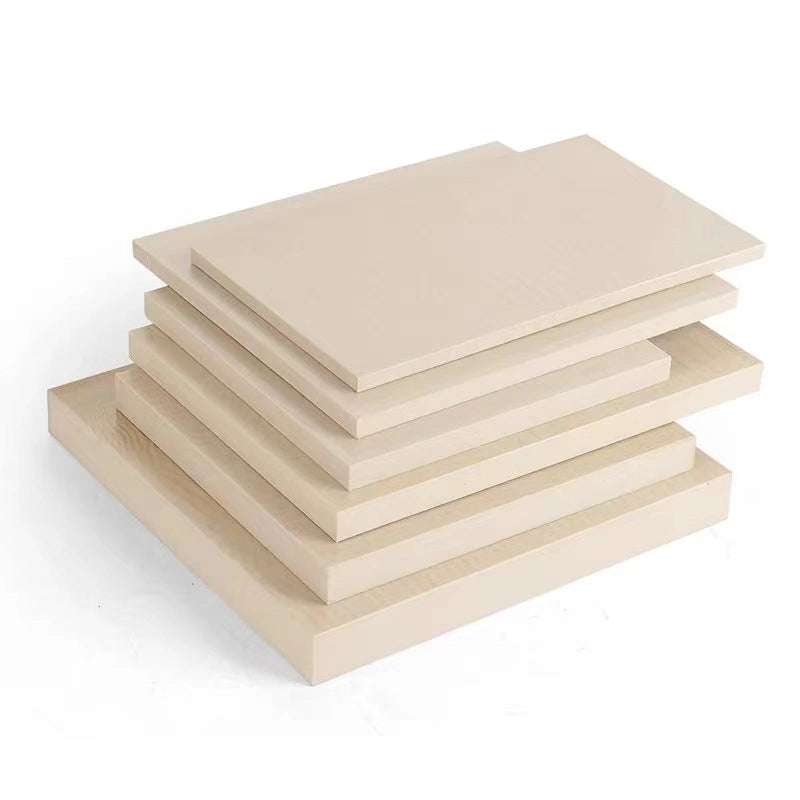
Send your drawing, material and quantity for review

🔧
Precision Machining
CNC milling & turning
✂️
Cutting & Engraving
Laser & waterjet cutting
🏭
Forming & Molding
Thermoforming & injection
🔗
Joining & Assembly
Welding & bonding
📐
Design & Prototyping
CAD design & samples

General

HDPE

PP

PVC

ABS

Engineering

POM

Nylon

PC

PMMA

High-Performance

PEEK

PEI

PTFE

Composites

FR-4

G10

Flexible

TPU

Silicone

Why Choose BeePlastic?

🎯
Perfect Fit
Custom specs eliminate adaptation needs
⚡
Clear Lead Times
Lead time confirmed with every quote
💰
Volume Pricing
Volume pricing available on bulk orders
🤝
Expert Support
Free engineering consultation included
📋
Submit
→
🔍
Review
→
💵
Quote
→
✅
Production
→
📦
Deliver

Request a Quote

Share your project details, selected material and quantity on our quote page. You can add a file link or use the email drawing route shown there.


Request Quote

Industries: Automotive • Medical • Food • Lab • Semiconductor

beeplastic@beeplastic.com


The Role of UHMW-PE in Food and Beverage Industries: From Processing to Packaging

UHMW-PE plastic sheets

Discover how UHMW-PE (Ultra-High Molecular Weight Polyethylene) is revolutionizing the food and beverage industry by enhancing efficiency and safety from processing to packaging. This versatile material meets stringent FDA and USDA regulations, ensuring food safety and hygiene. Explore its exceptional durability and wear resistance, making it perfect for conveyor systems, wear strips, and material handling components. Learn about the sanitation benefits of non-porous surfaces that resist moisture and bacteria, simplifying cleaning processes. Delve into real-world case studies, like those of Southern Glazer’s Wine & Spirits and Cargill, showcasing significant improvements in operational efficiency. Understand the cost-effective nature of UHMW-PE, with long-term savings due to reduced maintenance and downtime. Additionally, discover the advantages of antistatic and colored UHMW-PE variants for specific applications, and its wide range of uses in material handling. Enhance your knowledge on how this innovative material is transforming the food and beverage industry for better safety, efficiency, and cost savings.

🎉🎉🎉Limited Time Offer Use code: QR4GNY08SHVR at checkout and enjoy a special discount on your entire order! 👉 UHMWPE plastic
UHMW-PE (Ultra-High Molecular Weight Polyethylene)

Compliance with Food Safety Standards

Meeting FDA and USDA Regulations

UHMW-PE materials are meticulously engineered to comply with stringent FDA and USDA regulations, ensuring their suitability for direct contact with food. These regulations are crucial as they guarantee that the materials used in food processing do not contaminate the food products, thereby safeguarding consumer health. UHMW-PE’s compliance with these standards means it is free from harmful chemicals and does not leach any substances that could compromise food safety.

Importance of Food Safety Standards

Adhering to food safety standards is essential in the food and beverage industry. These standards are designed to maintain high levels of hygiene and sanitation throughout the food production process. By using FDA-approved UHMW-PE, manufacturers ensure that their operations are in line with legal requirements, thereby avoiding potential penalties and product recalls. This compliance not only protects consumers but also enhances the reputation of food producers as reliable and safety-conscious.

Hygienic Properties of UHMW-PE

One of the standout features of UHMW-PE is its non-porous surface, which makes it resistant to moisture absorption and bacterial growth. This property is particularly important in food processing environments where maintaining cleanliness is paramount. Unlike other materials that can harbor bacteria and lead to contamination, UHMW-PE provides a sanitary solution that supports rigorous hygiene protocols. This makes it an ideal choice for components that come into direct contact with food, such as conveyor belts, cutting boards, and wear strips.

Enhancing Consumer Safety

By utilizing UHMW-PE in food processing, manufacturers can significantly enhance consumer safety. The material’s compliance with FDA and USDA standards ensures that it does not contribute to any contamination risks, thereby maintaining the integrity of the food products. Additionally, the ease of cleaning and maintenance associated with UHMW-PE further supports a hygienic production environment, reducing the likelihood of foodborne illnesses.

Advantages Over Alternative Materials

Compared to other materials, UHMW-PE offers superior safety and hygiene benefits. Metals, for instance, can corrode and introduce contaminants, while other plastics may not meet the stringent regulatory requirements or may degrade over time. UHMW-PE’s robustness and compliance with safety standards provide a reliable and durable solution for food processing applications. This makes it a preferred choice for manufacturers looking to maintain the highest levels of food safety and quality.

Real-World Applications

Numerous companies in the food and beverage industry have successfully implemented UHMW-PE in their operations. For example, Cargill uses UHMW-PE in their packaging lines, benefiting from its durability and compliance with food safety standards. Such applications demonstrate the material’s effectiveness in maintaining hygiene and improving operational efficiency, further establishing its role as an essential component in food processing.

By choosing UHMW-PE for their food processing needs, manufacturers can ensure compliance with safety standards, maintain hygiene, and ultimately protect consumer health.

Durability and Longevity of UHMW-PE Components

Exceptional Durability and Wear Resistance

UHMW-PE (Ultra-High Molecular Weight Polyethylene) is renowned for its exceptional durability and wear resistance, making it a preferred material in industries that demand high-performance and long-lasting components. This material’s high molecular weight grants it superior strength, enabling it to withstand constant use and harsh conditions without degrading. Components such as conveyor parts, wear strips, and guide rails benefit immensely from these properties, ensuring reliable and continuous operation in demanding environments.

Ideal for High-Use Applications

The robustness of UHMW-PE makes it particularly suitable for applications that experience significant wear and tear. In the food and beverage industry, for instance, conveyor systems and wear strips made from UHMW-PE are subject to continuous use and must resist abrasion and impact. UHMW-PE’s low friction coefficient further enhances its performance by reducing operational resistance, which in turn minimizes energy consumption and extends the lifespan of the machinery.

Reduced Maintenance Costs

One of the standout benefits of using UHMW-PE components is the significant reduction in maintenance costs. The material’s wear resistance means that parts do not need to be replaced as frequently as those made from alternative materials. This durability leads to fewer interruptions in production, lowering the frequency of maintenance shutdowns. Companies can thus save on both the direct costs of spare parts and the indirect costs associated with downtime.

Minimizing Downtime

UHMW-PE components contribute to minimized downtime in production lines. The inherent strength and resilience of the material ensure that components such as chain guides and chute liners remain operational for longer periods. This continuous operation is crucial in industries where production efficiency and reliability are paramount. By reducing the need for frequent replacements and maintenance interventions, UHMW-PE helps maintain a smooth and uninterrupted workflow.

Versatility in Harsh Environments

UHMW-PE is not only durable but also versatile enough to perform well in harsh environments. Its chemical resistance makes it suitable for use in areas exposed to aggressive substances, such as in chemical processing plants and mining operations. The material’s ability to withstand extreme conditions without compromising its structural integrity further underscores its suitability for high-stress applications.

Long-Term Cost Efficiency

The longevity of UHMW-PE components translates to long-term cost efficiency. Although the initial investment in UHMW-PE parts might be higher compared to other materials, the extended service life and reduced maintenance requirements result in overall savings. This cost-efficiency is particularly beneficial for industries with high operational demands, where ensuring continuous production and minimizing downtime are critical.

Real-World Applications

Real-world applications of UHMW-PE showcase its effectiveness and reliability. In sectors like food processing, companies have successfully integrated UHMW-PE into their material handling and packaging systems, experiencing enhanced performance and durability. For example, conveyor belts lined with UHMW-PE offer smoother and more efficient movement of products, reducing wear on both the conveyor and the products being transported.

Enhancing Operational Efficiency

By choosing UHMW-PE for critical components, manufacturers can enhance their overall operational efficiency. The material’s properties support a more reliable and sustainable production process, ensuring that machinery operates at optimal performance levels. This enhancement not only improves productivity but also contributes to a safer and more cost-effective production environment.

Through its exceptional durability, wear resistance, and versatility, UHMW-PE proves to be an invaluable material in the food and beverage industry and beyond, supporting efficient, reliable, and cost-effective operations.

UHMW-PE in the food and beverage industry

Innovations in Conveyor Systems with UHMW-PE

Enhancing Efficiency with Low Friction Coefficient

UHMW-PE (Ultra-High Molecular Weight Polyethylene) is revolutionizing conveyor systems in the food and beverage industry due to its exceptionally low friction coefficient. This characteristic is crucial because it significantly minimizes resistance, allowing conveyor belts to operate more smoothly and efficiently. The reduced resistance directly translates to lower energy consumption, making the overall system more cost-effective and environmentally friendly.

Custom-Engineered Components for Improved Material Flow

The versatility of UHMW-PE allows for the creation of custom-engineered components tailored to specific applications within conveyor systems. These components include wear strips, chain guides, and guide rails, all designed to optimize material flow and reduce production bottlenecks. For example, custom UHMW-PE wear strips can be manufactured to fit unique conveyor layouts, ensuring seamless and efficient movement of products. This customization helps prevent delays and enhances the overall productivity of the production line.

Case Study: Smoother Operations in Food Processing

A notable application of UHMW-PE in conveyor systems is its use in food processing plants. These facilities require materials that can withstand continuous operation and frequent cleaning without degrading. UHMW-PE components, such as conveyor belt rollers and side guides, have demonstrated their ability to maintain smooth operations by minimizing friction and wear. This results in fewer maintenance requirements and prolonged equipment life, which are essential for maintaining high efficiency in food processing.

Reducing Energy Consumption

The low friction properties of UHMW-PE not only enhance operational efficiency but also contribute to significant energy savings. In conveyor systems, reduced friction means that less force is required to move products along the line. This reduction in force translates to lower energy usage by the motors driving the conveyors. Over time, these energy savings can lead to a considerable decrease in operational costs, making UHMW-PE an economically advantageous choice for manufacturers.

Custom Solutions for Specific Needs

Manufacturers can leverage the unique properties of UHMW-PE to develop custom solutions that address specific challenges in their conveyor systems. For instance, antistatic UHMW-PE can be used in environments where static electricity poses a risk to product integrity or operational safety. Similarly, colored UHMW-PE can be utilized to comply with industry regulations or for easy identification of different conveyor parts, enhancing operational efficiency and safety.

Versatility Across Industries

While the food and beverage industry benefits significantly from UHMW-PE, its applications extend to other sectors as well. In the automotive industry, for example, UHMW-PE is used in conveyor systems to transport heavy components without causing damage. The chemical industry employs UHMW-PE for its chemical resistance and durability, ensuring that conveyor systems remain operational even in harsh environments.

Real-World Example: Improving Production Lines

A practical example of UHMW-PE’s impact can be seen in a large-scale bottling plant, where custom UHMW-PE guides and rollers were installed to handle high-speed production lines. The low friction and high wear resistance of these components resulted in a smoother, more efficient operation, reducing downtime and maintenance costs. The plant experienced a notable improvement in production throughput and a reduction in operational expenses, demonstrating the tangible benefits of UHMW-PE in conveyor applications.

By utilizing UHMW-PE in conveyor systems, manufacturers can achieve enhanced efficiency, reduced energy consumption, and improved material flow, ultimately leading to more productive and cost-effective operations. This material’s unique properties make it an indispensable component in the modern food and beverage industry, as well as in various other sectors.

Sanitation and Hygiene Benefits

Non-Porous Surface for Enhanced Hygiene

UHMW-PE (Ultra-High Molecular Weight Polyethylene) boasts a non-porous surface, making it an ideal material for environments where hygiene is paramount. Unlike porous materials that can absorb moisture and harbor bacteria, UHMW-PE resists moisture absorption. This non-porous quality ensures that the surface remains impermeable, preventing the growth of bacteria, mold, and other microorganisms that could compromise food safety. This characteristic is crucial in the food and beverage industry, where maintaining high sanitation standards is essential for consumer safety.

Easy Cleaning and Maintenance

The smooth, non-porous surface of UHMW-PE facilitates easy cleaning and maintenance, a critical feature in food processing environments. This ease of cleaning ensures that sanitation processes can be carried out quickly and effectively, reducing the risk of contamination. Traditional cleaning methods can be employed without the need for harsh chemicals, which might otherwise degrade other materials. The ability to maintain a clean surface with minimal effort helps in adhering to strict hygiene protocols mandated by FDA and USDA regulations.

Resistance to Chemicals and Stains

UHMW-PE is highly resistant to a wide range of chemicals, including cleaning agents and sanitizers used in food processing plants. This chemical resistance ensures that the material does not degrade or stain over time, maintaining its hygienic properties throughout its lifespan. The stain resistance of UHMW-PE also prevents discoloration and retains the aesthetic quality of the equipment, which is important for visual inspections and maintaining a clean working environment.

Supporting High Sanitation Standards

By incorporating UHMW-PE into food processing equipment, manufacturers can ensure that their operations meet and exceed high sanitation standards. The material’s inherent properties reduce the risk of cross-contamination and ensure that food contact surfaces remain clean and safe. This compliance with stringent health and safety regulations helps protect consumers from foodborne illnesses and supports the overall quality of food products.

Applications in Food Processing

UHMW-PE is utilized in various applications within the food and beverage industry to maintain hygiene standards. Common applications include cutting boards, conveyor belts, and wear strips. For instance, cutting boards made from UHMW-PE do not harbor bacteria, ensuring that food preparation surfaces remain sanitary. Similarly, conveyor belts and wear strips benefit from the material’s easy-to-clean properties, which are essential in high-speed production lines where cleanliness cannot be compromised.

Enhancing Operational Efficiency

The easy maintenance and high sanitation standards provided by UHMW-PE not only ensure food safety but also enhance operational efficiency. Reduced cleaning time and less frequent maintenance mean that production lines can operate continuously with fewer interruptions. This efficiency is crucial in industries where downtime can significantly impact productivity and profitability. By maintaining a clean and hygienic environment, UHMW-PE helps streamline operations and supports consistent, high-quality output.

Compliance with Industry Regulations

The use of UHMW-PE helps manufacturers comply with industry regulations set by organizations such as the FDA and USDA. These regulations require materials that come into contact with food to be non-toxic, non-absorbent, and resistant to bacterial growth. UHMW-PE meets these criteria, making it a trusted choice for food processing equipment. Compliance with these regulations not only ensures consumer safety but also protects manufacturers from potential legal issues and recalls.

Incorporating UHMW-PE in food and beverage processing is a strategic decision that enhances hygiene, simplifies maintenance, and ensures compliance with regulatory standards, ultimately contributing to safer and more efficient food production.

UHMW-PE proves to be an invaluable material in the food and beverage industry

Cost-Effective Solutions

Longevity and Reduced Replacements

UHMW-PE (Ultra-High Molecular Weight Polyethylene) is known for its exceptional durability and wear resistance, which contribute significantly to its long lifespan. This longevity means that components made from UHMW-PE do not need frequent replacements, resulting in substantial cost savings over time. For food and beverage manufacturers, this translates to reduced operational costs and less frequent downtime for maintenance. By choosing UHMW-PE, manufacturers invest in a material that ensures long-term performance and reliability, thereby enhancing the overall cost-effectiveness of their operations.

Long-Term Cost Savings

The initial investment in UHMW-PE components may be higher compared to other materials, but the long-term savings are considerable. The reduced need for replacements and the minimal maintenance required for UHMW-PE components lower the total cost of ownership. This material’s ability to withstand harsh conditions and continuous use without significant wear and tear means that manufacturers can rely on their equipment for longer periods, reducing both direct and indirect costs associated with maintenance and part replacements.

Applications Beyond Traditional Material Handling

UHMW-PE is versatile and finds applications beyond traditional material handling components. For instance, it is used in protective linings in food processing equipment, which help protect machinery from damage and wear. These linings extend the life of the equipment and reduce the frequency of expensive repairs or replacements. Additionally, UHMW-PE is employed in noise-dampening parts, which are essential in reducing the operational noise in manufacturing environments. This not only improves the working conditions but also minimizes noise pollution, contributing to a healthier and more productive work environment.

Protective Linings

In the food and beverage industry, maintaining the integrity of processing equipment is crucial. UHMW-PE protective linings offer an effective solution to protect machinery from abrasive materials and mechanical impacts. These linings are particularly beneficial in high-wear areas, such as chutes, hoppers, and bins, where material flow can cause significant wear over time. By using UHMW-PE linings, manufacturers can ensure that their equipment remains functional and efficient for longer periods, thus avoiding costly downtime and repairs.

Noise-Dampening Parts

Operational noise can be a significant issue in manufacturing environments, affecting both worker health and overall productivity. UHMW-PE components, such as noise-dampening pads and panels, effectively reduce noise levels by absorbing sound and vibrations. This application not only creates a quieter work environment but also extends the life of the machinery by reducing the impact of vibrations. The use of UHMW-PE for noise reduction is a cost-effective solution that addresses both environmental and operational concerns.

Real-World Examples

Numerous manufacturers have successfully integrated UHMW-PE into their operations, reaping the benefits of its durability and cost-effectiveness. For example, a major food processing plant replaced its traditional conveyor belts with UHMW-PE belts. The result was a significant reduction in maintenance costs and downtime, as the new belts required less frequent replacement and repair. Another example is a beverage bottling facility that utilized UHMW-PE noise-dampening panels to create a quieter working environment, leading to improved worker satisfaction and productivity.

Enhancing Operational Efficiency

The use of UHMW-PE in various applications contributes to the overall operational efficiency of food and beverage manufacturers. By reducing the frequency of maintenance and replacements, UHMW-PE helps ensure that production lines remain operational for longer periods, thus maximizing output and profitability. The material’s versatility allows it to be used in innovative ways that further enhance efficiency and cost-effectiveness across different areas of manufacturing.

UHMW-PE provides a comprehensive solution for food and beverage manufacturers looking to optimize their operations through durable, cost-effective, and versatile material choices. Its applications in protective linings and noise-dampening parts, among others, demonstrate its value in enhancing both the efficiency and sustainability of manufacturing processes.

UHMW-PE provides a comprehensive solution for food

Case Studies of UHMW-PE in Food Processing

Southern Glazer’s Wine & Spirits

Southern Glazer’s Wine & Spirits is the largest wine and spirits distributor in the United States, and their operations require highly efficient and reliable material handling systems. To enhance their operational efficiency, Southern Glazer’s incorporated UHMW-PE components into their conveyor systems. The low friction coefficient and high wear resistance of UHMW-PE significantly reduced the wear and tear on their conveyor belts and other moving parts. This resulted in lower maintenance costs and less downtime, enabling smoother and more efficient operations. The use of UHMW-PE also ensured that the conveyor systems met stringent sanitation standards, crucial for maintaining the quality and safety of their products.

Cargill’s Packaging Operations

Cargill, a global food corporation, faced challenges in their secondary packaging operations, particularly with their robotic palletizing systems. The integration of UHMW-PE components proved to be a game-changer. The high durability and low friction properties of UHMW-PE improved the reliability and speed of the packaging lines. By reducing the friction between moving parts, UHMW-PE helped in minimizing wear and extending the lifespan of the machinery. This resulted in fewer breakdowns and lower maintenance requirements, significantly enhancing the overall efficiency of Cargill’s packaging operations. The smooth surface of UHMW-PE also facilitated easier cleaning, ensuring compliance with FDA and USDA hygiene regulations.

JFC International’s Distribution Enhancements

JFC International, a leading distributor of Asian food products, implemented UHMW-PE in their distribution facilities to address issues with material handling equipment. The abrasion resistance and impact strength of UHMW-PE were critical in protecting their conveyor systems and reducing the need for frequent repairs. By using UHMW-PE liners and guides, JFC International achieved more reliable and efficient material flow, minimizing disruptions and maximizing throughput. The durability of UHMW-PE components also contributed to significant cost savings by extending the service life of their equipment.

General Mills’ Food Processing

General Mills, a major food processing company, integrated UHMW-PE into their production lines to improve the handling and processing of bulk materials. The non-porous surface of UHMW-PE ensured that it did not absorb moisture or harbor bacteria, making it an ideal material for maintaining high sanitation standards. The use of UHMW-PE wear strips and chutes improved the flow of materials, reducing blockages and downtime. Additionally, the chemical resistance of UHMW-PE allowed for easy cleaning with standard sanitizing agents, further enhancing the hygiene and safety of their food processing operations.

Tyson Foods’ Meat Processing

Tyson Foods, a leader in meat processing, adopted UHMW-PE for various applications in their facilities, including cutting boards, conveyor belts, and wear strips. The easy-to-clean nature of UHMW-PE and its resistance to bacteria growth were crucial in maintaining the stringent hygiene standards required in meat processing. The material’s durability and low friction properties also ensured that equipment operated smoothly and required less maintenance. This implementation not only improved the efficiency and reliability of Tyson’s processing lines but also enhanced the overall safety and quality of their products.

Kellogg’s Cereal Production

Kellogg’s, a global cereal manufacturer, utilized UHMW-PE in their cereal production lines to address issues related to material handling and equipment wear. The incorporation of UHMW-PE components in chutes and hoppers reduced the friction and wear caused by the constant movement of cereal grains. This resulted in fewer blockages and a smoother production process. The longevity of UHMW-PE components also meant that Kellogg’s experienced fewer interruptions for maintenance, leading to higher productivity and lower operational costs.

Nestlé’s Beverage Bottling

Nestlé, a leading food and beverage company, integrated UHMW-PE in their beverage bottling lines to enhance efficiency and reduce operational noise. The use of UHMW-PE rollers and guides minimized friction and wear, ensuring that bottles moved smoothly through the production line. The noise-dampening properties of UHMW-PE also created a quieter work environment, which improved worker comfort and safety. The durability of UHMW-PE components reduced the frequency of replacements and maintenance, contributing to significant cost savings and more efficient operations.

These case studies illustrate the versatility and effectiveness of UHMW-PE in improving operational efficiency, reliability, and hygiene in the food and beverage industry. By adopting UHMW-PE, companies can achieve long-term cost savings and maintain high standards of quality and safety in their production processes.

UHMW-PE plastic applications in aerospace

Antistatic and Color Variants of UHMW-PE

Availability of Antistatic UHMW-PE

Antistatic UHMW-PE is specifically engineered to dissipate static electricity, a crucial feature in environments where static buildup could pose safety hazards. This variant of Ultra-High Molecular Weight Polyethylene is widely available and is used in applications where static discharge could ignite flammable substances or disrupt sensitive electronic components. In the food and beverage industry, antistatic UHMW-PE is often employed in packaging and processing areas to prevent static electricity from affecting the quality and safety of food products.

Benefits of Antistatic Properties

The antistatic properties of this UHMW-PE variant help to maintain a safe working environment by reducing the risk of static discharge. This is particularly important in environments where fine powders or other combustible materials are present. By dissipating static electricity, antistatic UHMW-PE minimizes the risk of sparks that could lead to explosions or fires. Additionally, these properties help in maintaining the integrity of electronic components used in automated food processing machinery, ensuring that static discharge does not interfere with their operation.

Applications in the Food and Beverage Industry

In the food and beverage industry, antistatic UHMW-PE is used in various applications to enhance safety and efficiency. For example, it is commonly used in the construction of conveyor belts, chutes, and hoppers where the movement of materials can generate static electricity. The use of antistatic materials ensures that the production line operates smoothly and safely. Furthermore, packaging lines that handle dry goods like flour or sugar benefit from antistatic UHMW-PE by preventing clinging and buildup of these materials due to static, thus improving the packaging process.

Availability of Colored UHMW-PE

Colored UHMW-PE is available in a range of colors, including black, blue, green, and red. These color variants are achieved by adding pigments during the manufacturing process. Colored UHMW-PE retains all the beneficial properties of natural UHMW-PE, such as high abrasion resistance, low friction, and excellent durability, while providing additional benefits related to color coding and aesthetics.

Benefits of Color Coding

Color coding with UHMW-PE can significantly enhance operational efficiency and safety in the food and beverage industry. Different colors can be used to designate specific zones or purposes within a production facility, making it easier to identify equipment and components at a glance. For example, blue UHMW-PE might be used in areas where allergen-free processing is conducted, while green could denote areas for organic product handling. This visual differentiation helps in maintaining strict hygiene protocols and preventing cross-contamination.

Applications of Colored UHMW-PE

Colored UHMW-PE is used in various applications within the food and beverage sector to meet unique operational requirements. Wear strips, guide rails, and conveyor components made from colored UHMW-PE not only perform their primary functions effectively but also contribute to a well-organized and visually efficient workspace. For instance, black UHMW-PE is often used in high-wear areas due to its ability to hide dirt and wear marks, thereby maintaining a clean appearance even in heavy-duty applications.

Enhancing Safety with Color Variants

In addition to operational efficiency, the use of colored UHMW-PE enhances safety by providing clear visual indicators for different parts of the processing line. For example, red UHMW-PE can be used to mark emergency stop zones or hazardous areas, ensuring that workers are immediately aware of potential dangers. This color differentiation aids in quick decision-making and enhances overall workplace safety.

Real-World Example: Beverage Bottling Facility

A beverage bottling facility implemented colored UHMW-PE in their production line to improve organization and safety. By using blue UHMW-PE for allergen-free zones and red UHMW-PE for emergency stops, the facility achieved better operational clarity and reduced the risk of cross-contamination. The visual cues provided by the colored UHMW-PE components helped workers to quickly identify specific areas and adhere to safety protocols, leading to a more efficient and safer production environment.

The use of antistatic and

colored UHMW-PE

 variants in the food and beverage industry provides significant benefits in terms of safety, operational efficiency, and compliance with hygiene standards. These materials help manufacturers meet unique requirements and ensure the smooth, safe, and efficient operation of their production lines.


Versatility in Material Handling Applications

UHMW-PE in Chute Liners

UHMW-PE (Ultra-High Molecular Weight Polyethylene) is widely used in chute liners due to its high abrasion resistance and low friction properties. In the food and beverage industry, chute liners made from UHMW-PE are essential for ensuring smooth and efficient material flow. These liners prevent materials from sticking to the chute surfaces, reducing blockages and ensuring a consistent flow of products. The durability of UHMW-PE also means that chute liners require less frequent replacement, minimizing downtime and maintenance costs.

Enhancing Efficiency with Star Wheels

Star wheels are crucial components in many conveyor systems, particularly in the bottling and packaging sectors of the food and beverage industry. UHMW-PE is an ideal material for star wheels due to its wear resistance and self-lubricating properties. These features ensure that star wheels operate smoothly, reducing friction and wear. The use of UHMW-PE in star wheels enhances the efficiency of the conveyor systems by ensuring reliable and continuous operation, thereby improving the overall productivity of the production line.

Durable Truck Bed Liners

Truck bed liners made from UHMW-PE are essential for protecting truck beds from impact and abrasion during the transport of goods. In the food and beverage industry, these liners are particularly beneficial for transporting bulk materials such as grains, fruits, and other perishables. The impact resistance and durability of UHMW-PE protect the truck beds from damage, reducing repair and replacement costs. Additionally, the non-stick surface of UHMW-PE ensures that materials are easily unloaded, enhancing the efficiency of the transport process.

Adaptability to Different Environments

One of the key advantages of UHMW-PE is its adaptability to different environments. This material performs exceptionally well under a variety of conditions, making it suitable for use in diverse applications. Whether in dry, wet, or chemically aggressive environments, UHMW-PE maintains its structural integrity and performance. This versatility is particularly beneficial in the food and beverage industry, where equipment is often exposed to different types of materials and cleaning agents. The resistance of UHMW-PE to chemicals and moisture ensures long-lasting performance in these demanding conditions.

Improving Production Line Efficiency

The use of UHMW-PE in material handling applications significantly enhances the overall efficiency of production lines in the food and beverage industry. By reducing friction and wear, UHMW-PE components such as chute liners, star wheels, and truck bed liners help maintain a smooth and continuous flow of materials. This reduction in operational interruptions leads to higher throughput and productivity. Moreover, the low maintenance requirements of UHMW-PE components translate to less downtime, allowing for more consistent and reliable production schedules.

Real-World Applications

Many companies in the food and beverage industry have successfully implemented UHMW-PE in their material handling systems. For instance, a major cereal manufacturer uses UHMW-PE chute liners to ensure smooth material flow and prevent blockages during the production process. Similarly, a large bottling plant has integrated UHMW-PE star wheels in their conveyor systems to enhance efficiency and reduce maintenance needs. These real-world applications highlight the versatility and effectiveness of UHMW-PE in improving operational efficiency and reliability.

Versatility Across Applications

Beyond traditional material handling components, UHMW-PE is also used in a variety of other applications within the food and beverage industry. These include protective linings for equipment, guide rails for conveyors, and impact pads for high-wear areas. The versatility of UHMW-PE allows it to be tailored to specific needs, ensuring optimal performance and durability across different applications. This adaptability makes UHMW-PE an invaluable material for enhancing the efficiency and reliability of food and beverage production lines.

UHMW-PE provides a comprehensive solution for the material handling needs of the food and beverage industry, offering unmatched durability, low maintenance, and versatility across a broad range of applications.

Ultra-High Molecular Weight Polyethylene (UHMW PE

Common Questions and Answers about UHMW-PE and BeePlastic’s Customization Services

General Questions about UHMW-PE

1. What is UHMW-PE and what are its main properties?

Answer: UHMW-PE (Ultra-High Molecular Weight Polyethylene) is a type of plastic known for its high abrasion resistance, low friction coefficient, and exceptional durability. It is non-porous, which makes it resistant to moisture and bacterial growth, and it can withstand a wide range of temperatures and chemical exposures, making it ideal for various industrial applications.

2. What industries commonly use UHMW-PE?

Answer: UHMW-PE is widely used in industries such as food and beverage, automotive, chemical processing, mining, material handling, and medical sectors. Its versatility and durability make it suitable for applications like conveyor parts, wear strips, chute liners, and truck bed liners.

3. How does UHMW-PE improve operational efficiency in the food and beverage industry?

Answer: In the food and beverage industry, UHMW-PE enhances operational efficiency by reducing friction and wear on conveyor systems, ensuring smooth material flow, and minimizing maintenance needs. Its non-porous surface also supports high sanitation standards, reducing the risk of contamination and simplifying cleaning processes.

4. What are the benefits of using antistatic UHMW-PE?

Answer: Antistatic UHMW-PE helps to dissipate static electricity, preventing static discharge that can cause safety hazards in environments with flammable substances or sensitive electronic components. This makes it particularly valuable in packaging and processing areas of the food and beverage industry.

5. Why is colored UHMW-PE used in industrial applications?

Answer: Colored UHMW-PE is used for color coding and visual differentiation within production facilities. This helps in organizing operations, ensuring compliance with hygiene protocols, and enhancing safety by clearly marking different zones or types of processing areas. It retains all the beneficial properties of natural UHMW-PE while adding functional visual cues.

BeePlastic Customization Services

6. Can BeePlastic undertake any type of customization?

Answer: Yes, BeePlastic can undertake any type of customization, including sample customization and batch customization. We cater to specific client needs by customizing products to exact specifications, ensuring the highest quality and performance.

7. What file formats does BeePlastic accept for customization?

Answer: BeePlastic accepts a variety of file formats for customization, including PDF and CAD files. This flexibility allows us to work with detailed and precise designs, ensuring accurate production according to the client’s requirements.

8. Is there a minimum order quantity (MOQ) for custom orders at BeePlastic?

Answer: There is no minimum order quantity (MOQ) at BeePlastic. We are committed to supporting both small and large orders, making our services accessible to businesses of all sizes.

9. How does BeePlastic determine the production cycle for custom orders?

Answer: The production cycle at BeePlastic is determined by the amount of orders and the complexity of the process. We communicate the production progress in real-time, ensuring transparency and allowing clients to stay informed about the status of their orders.

10. Does BeePlastic provide samples, and what are the conditions?

Answer: Yes, BeePlastic supports the provision of samples. The samples are free of charge; however, customers are responsible for the shipping costs. This allows clients to evaluate the quality and suitability of the products before placing larger orders.

These questions and answers provide a comprehensive overview of UHMW-PE and the customization services offered by BeePlastic, highlighting the benefits, applications, and flexibility of this versatile material.

UHMW-PE offers unmatched versatility, durability, and efficiency in the food and beverage industry, making it an indispensable material for enhancing production processes and maintaining high sanitation standards. From chute liners and star wheels to truck bed liners and protective linings, UHMW-PE’s adaptability to various environments ensures reliable performance across a wide range of applications. The material’s low friction coefficient, non-porous surface, and chemical resistance contribute to its effectiveness in reducing maintenance costs, minimizing downtime, and ensuring smooth, continuous operations. Additionally, the availability of antistatic and colored UHMW-PE variants further enhances its applicability, offering specialized solutions to meet unique operational needs and improve safety. By integrating UHMW-PE into their production lines, manufacturers can achieve significant long-term cost savings, operational efficiency, and compliance with stringent health and safety regulations, ultimately driving the success and sustainability of their operations. 

Ultra-high molecular weight polyethylene (UHMWPE)

Optimize Your Operations with Custom UHMW-PE Solutions!

🎉🎉🎉Limited Time Offer Use code: QR4GNY08SHVR at checkout and enjoy a special discount on your entire order! 👉 UHMWPE plastic

Whether you need chute liners, star wheels, or truck bed liners, our UHMW-PE products offer unmatched performance. Contact us by filling out the form at the bottom of this page, or click here to explore our Custom UHMW-PE Page for more details.

Leave a comment


Please note, comments must be approved before they are published


Custom Plastic Fabrication

Send your drawing, material and quantity for review

🔧
Precision Machining
CNC milling & turning
✂️
Cutting & Engraving
Laser & waterjet cutting
🏭
Forming & Molding
Thermoforming & injection
🔗
Joining & Assembly
Welding & bonding
📐
Design & Prototyping
CAD design & samples

General

HDPE

PP

PVC

ABS

Engineering

POM

Nylon

PC

PMMA

High-Performance

PEEK

PEI

PTFE

Composites

FR-4

G10

Flexible

TPU

Silicone

Why Choose BeePlastic?

🎯
Perfect Fit
Custom specs eliminate adaptation needs
⚡
Clear Lead Times
Lead time confirmed with every quote
💰
Volume Pricing
Volume pricing available on bulk orders
🤝
Expert Support
Free engineering consultation included
📋
Submit
→
🔍
Review
→
💵
Quote
→
✅
Production
→
📦
Deliver

Request a Quote

Share your project details, selected material and quantity on our quote page. You can add a file link or use the email drawing route shown there.


Request Quote

Industries: Automotive • Medical • Food • Lab • Semiconductor

beeplastic@beeplastic.com


Why PEEK Sheets Are Essential for Automotive and Transportation Industries

PEEK sheets

Synopsis: Why PEEK Sheets Are Essential for Automotive and Transportation Industries

Discover why PEEK sheets are revolutionizing the automotive and transportation sectors. This comprehensive guide explores the superior thermal stability of PEEK, making it ideal for high-temperature applications like engines and braking systems. Learn about PEEK’s mechanical strength and durability, which ensure reliability in load-bearing components such as gears and bearings.

🎉🎉🎉Limited Time Offer Use code: QR4GNY08SHVR at checkout and enjoy a special discount on your entire order! 👉 PEEK plastic
EEK sheets

Understand the benefits of PEEK’s chemical resistance and longevity, crucial for components exposed to aggressive fluids in fuel systems and engine seals. Highlight the lightweight properties of PEEK sheets that contribute to fuel efficiency and reduced emissions by lowering vehicle weight.

Explore PEEK’s wear and friction resistance, perfect for high-wear applications including braking systems and transmission parts, reducing maintenance costs. See how PEEK is driving innovation in electric vehicles (EVs), providing excellent thermal management and weight reduction for battery insulation and electric motor components.

Finally, delve into the cost-effectiveness and processing advantages of PEEK, showcasing its ease of machining and molding, and how it can replace metals in many applications, offering a cost-effective solution without compromising performance.

By covering these key aspects, this blog post highlights why PEEK sheets are indispensable for modern automotive and transportation industries, ensuring high performance, reliability, and efficiency.

Superior Thermal Stability of PEEK Sheets

Exceptional Thermal Stability

PEEK sheets are renowned for their exceptional thermal stability, making them a superior choice for high-temperature applications in the automotive industry. These properties are critical in components such as automotive engines and braking systems, where maintaining performance at elevated temperatures is essential.

High Heat Deflection Temperature

One of the standout features of PEEK is its high heat deflection temperature (HDT). PEEK can withstand temperatures up to 260°C (500°F) without losing its mechanical integrity, which is significantly higher than many other polymers. This makes PEEK an ideal material for engine components and brake systems, which regularly operate under extreme thermal conditions.

Low Thermal Expansion

In addition to its high HDT, PEEK sheets exhibit a low coefficient of thermal expansion (CTE). This means that PEEK components will not expand or contract significantly with temperature changes, maintaining precise tolerances and reducing the risk of thermal deformation. This property is particularly beneficial in braking systems, where precise operation is critical for safety and performance.

Consistent Performance at Elevated Temperatures

PEEK maintains its mechanical strength even at high temperatures, unlike many traditional plastics that soften or degrade. For example, PEEK’s tensile strength remains largely unaffected at temperatures up to 250°C, ensuring that components such as gears, bearings, and bushings continue to perform reliably under harsh conditions. This consistency in performance makes PEEK a preferred material for critical automotive applications where durability and reliability are paramount.

Resistance to Thermal Degradation

PEEK also resists thermal degradation, which is a common issue with many polymers when exposed to continuous high temperatures. This resistance extends the lifespan of PEEK components, reducing maintenance costs and downtime for automotive manufacturers. The stability of PEEK in high-temperature environments makes it ideal for use in engine management systems, where thermal stability directly impacts the efficiency and longevity.

By leveraging these exceptional thermal properties, PEEK sheets play a crucial role in enhancing the performance, reliability, and safety of automotive components, making them an indispensable material in the automotive industry.

Mechanical Strength and Durability

High Mechanical Strength

PEEK sheets are highly valued in the automotive industry for their exceptional mechanical strength. This robust material can withstand significant stress and maintain its integrity under heavy loads, making it ideal for load-bearing components in vehicles. The tensile strength of PEEK is impressive, ensuring that it can handle the demands of high-pressure environments without deforming or failing. This strength is particularly beneficial in transmission thrust washers, gears, and bearings, where reliability is paramount.

PEEK sheets

Durability in Harsh Conditions

PEEK exhibits outstanding durability, even in the harshest conditions. This includes resistance to high temperatures, which is critical for components exposed to the extreme heat of engines and braking systems. The material’s ability to maintain its properties at elevated temperatures ensures that parts like gears and bearings remain functional and reliable, reducing the need for frequent replacements and maintenance.

Applications in Automotive Components

Transmission Thrust Washers

In the realm of transmission systems, PEEK thrust washers are favored for their ability to endure high loads and resist wear. These components benefit from PEEK’s low coefficient of friction, which minimizes wear and tear and extends the lifespan of the washers. The material’s inherent strength and durability ensure that the transmission system operates smoothly and efficiently.

Gears and Bearings

PEEK gears and bearings are integral to the performance of modern vehicles. The material’s high wear resistance and low friction make it an excellent choice for these critical components. Gears made from PEEK can handle high rotational speeds and significant loads without degrading, ensuring long-lasting performance. Similarly, PEEK bearings offer superior durability and reduced maintenance needs, thanks to their ability to withstand constant motion and stress without significant wear (Aalborg Engineering).

Chemical and Wear Resistance

PEEK also boasts excellent chemical resistance, making it suitable for use in environments where exposure to various automotive fluids is common. This resistance extends to acids, alkalis, and organic chemicals, ensuring that PEEK components do not degrade when in contact with these substances. Additionally, PEEK’s low wear rate contributes to its longevity, allowing components to maintain their performance over extended periods, even in challenging conditions.

Conclusion

The mechanical strength and durability of PEEK sheets make them indispensable in the automotive industry. Their ability to withstand high loads, resist wear, and perform reliably under extreme conditions ensures that components like transmission thrust washers, gears, and bearings deliver optimal performance. By leveraging these properties, PEEK enhances the reliability, efficiency, and longevity of automotive systems, making it a crucial material for modern vehicle design and manufacturing.

PEEK parts

Chemical Resistance and Longevity

Outstanding Chemical Resistance

PEEK sheets exhibit outstanding chemical resistance, making them ideal for use in harsh automotive environments. Unlike many traditional plastics, PEEK can withstand exposure to a wide range of chemicals without degrading. This includes resistance to automotive fluids such as fuels, lubricants, coolants, and hydraulic fluids. The ability to resist chemical attack ensures that PEEK components maintain their integrity and performance over time, even when exposed to aggressive chemicals.

Applications in Fuel Systems

In fuel systems, PEEK is used extensively due to its exceptional resistance to fuel and its by-products. Components such as fuel pumps, fuel injectors, and fuel line connectors benefit from PEEK’s stability in the presence of hydrocarbons and other fuel additives. PEEK’s chemical resistance prevents swelling, cracking, or degradation, which can occur with other plastics, thereby enhancing the reliability and lifespan of fuel system components.

Engine Seals and Gaskets

PEEK is also widely used in engine seals and gaskets. These components are critical in preventing leaks and maintaining the pressure within the engine. PEEK’s resistance to high temperatures and aggressive chemicals, such as oils and coolants, makes it an excellent material for cylinder head gaskets, valve seals, and O-rings. The use of PEEK in these applications ensures that the seals remain effective and durable, even under extreme operating conditions.

Additional Automotive Components

Beyond fuel systems and engine seals, PEEK is used in various other automotive components exposed to harsh environments. This includes parts like transmission components, braking systems, and electrical connectors. PEEK’s ability to resist acids, bases, and organic solvents ensures that these parts maintain their performance and do not require frequent replacement or maintenance. This reliability is crucial for components that must endure the constant exposure to harsh chemicals and high temperatures typical in automotive applications.

Long-Term Performance and Cost Efficiency

The longevity of PEEK components translates to reduced maintenance costs and downtime for automotive manufacturers. By preventing chemical-induced wear and degradation, PEEK parts offer a longer service life compared to traditional materials. This durability not only enhances vehicle reliability but also contributes to overall cost savings in the long term. The chemical resistance of PEEK ensures that it remains a preferred choice for critical automotive applications, providing both performance and economic benefits.

By leveraging PEEK’s chemical resistance and durability, automotive manufacturers can ensure that their components perform reliably under the most demanding conditions, making PEEK an invaluable material in modern automotive engineering.

PEEK's chemical resistance and durability

Lightweight and Fuel Efficiency

Contribution to Weight Reduction

PEEK sheets are increasingly adopted in the automotive industry due to their lightweight nature, which significantly contributes to vehicle weight reduction. Reducing the weight of a vehicle is crucial for improving fuel efficiency and reducing emissions. PEEK, being lighter than metals such as steel and aluminum, allows manufacturers to replace heavier components without sacrificing strength and durability.

Enhanced Fuel Efficiency and Reduced Emissions

By utilizing PEEK in various automotive parts, manufacturers can achieve notable fuel efficiency improvements. A reduction in vehicle weight directly correlates to better fuel economy. For instance, replacing metal parts with PEEK can lead to a weight reduction of up to 60%, translating into a 6-8% improvement in fuel efficiency. This not only lowers fuel consumption but also helps in reducing greenhouse gas emissions, supporting global sustainability goals.

Applications in Engine Components

Engine Parts

PEEK is ideal for manufacturing critical engine components due to its high heat tolerance and resistance to wear. Components such as piston parts, pumps, clutches, and valve components benefit from PEEK’s ability to maintain structural integrity and performance under extreme temperatures. The lightweight nature of PEEK also reduces the overall weight of these components, enhancing engine efficiency and performance.

Fuel System Components

In fuel systems, PEEK’s chemical resistance makes it suitable for parts like fuel rails, fuel pump parts, and fuel line connectors. These components must withstand continuous exposure to hydrocarbons and other aggressive fluids without degrading. The lightweight properties of PEEK contribute to overall vehicle weight reduction, supporting improved fuel efficiency.

Structural Parts and Safety Components

Safety Components

PEEK’s inherent strength and rigidity allow it to be used in critical safety components such as airbag housings and seat belt anchors. These parts require materials that can maintain their integrity under stress. PEEK’s lightweight nature does not compromise on strength, ensuring safety while reducing vehicle weight.

Structural Integrity

PEEK is also used in structural parts like engine mounts and suspension components. These parts benefit from PEEK’s vibration damping properties, which enhance durability and comfort. The reduced weight of these components further contributes to overall vehicle performance and fuel efficiency.

Bearings, Bushings, and Wear Parts

PEEK’s low friction and high abrasion resistance make it suitable for bearings, bushings, and other wear parts. These components experience constant motion and stress, and PEEK’s properties help in reducing wear and maintenance costs. The lightweight nature of PEEK also helps in minimizing the weight of these parts, contributing to the vehicle’s overall efficiency.

By integrating PEEK sheets into various automotive components, manufacturers can achieve significant weight savings, leading to improved fuel efficiency and reduced emissions. The versatility and performance benefits of PEEK make it an indispensable material in the quest for more efficient and sustainable vehicles.

PEEK's chemical resistance and durability

Wear and Friction Resistance

Low Friction Properties

PEEK (Polyetheretherketone) is widely recognized for its low friction properties, making it an ideal material for applications where reducing friction is crucial. The low coefficient of friction in PEEK ensures minimal resistance between moving parts, which is particularly beneficial in automotive applications like braking systems and transmission parts. This characteristic reduces the wear on components, thereby enhancing their longevity and reliability.

High Wear Resistance

PEEK’s high wear resistance makes it suitable for high-wear applications, such as braking systems and transmission components. Its ability to withstand continuous mechanical stress without significant degradation ensures that PEEK components can endure the rigorous demands of automotive environments. For instance, PEEK is often used in brake wear sensors, transmission bushings, and power window gearings due to its durability and resistance to wear.

Applications in Braking Systems

In braking systems, PEEK components like brake wear sensors and brake cylinder components benefit from the material’s low friction and high wear resistance. These properties ensure that the braking system operates smoothly and reliably, reducing the risk of failure and the need for frequent maintenance. The robustness of PEEK in these high-stress environments contributes to safer and more efficient vehicle operation.

Transmission Parts

PEEK is also extensively used in transmission parts. Components such as transmission thrust washers and gears are exposed to high rotational speeds and significant mechanical loads. The low friction and high wear resistance of PEEK help in maintaining the efficiency and reliability of the transmission system. By minimizing wear, PEEK reduces maintenance requirements and extends the lifespan of these critical components.

Reduction in Maintenance Costs

The use of PEEK in automotive applications leads to a significant reduction in maintenance costs. The material’s durability and resistance to wear mean that components need to be replaced less frequently, resulting in lower maintenance expenses and less downtime for vehicle repairs. This is particularly advantageous for parts that are difficult to access or replace, as it enhances overall vehicle reliability and operational efficiency.

Extending Component Lifespan

By utilizing PEEK’s superior wear and friction resistance, automotive manufacturers can extend the lifespan of various components. This not only improves the performance and safety of vehicles but also contributes to cost savings over the vehicle’s lifecycle. PEEK’s ability to maintain its properties under high stress and temperature conditions ensures that it remains a reliable material for demanding automotive applications.

By integrating PEEK into automotive design, manufacturers can leverage its low friction and high wear resistance to produce more durable, efficient, and cost-effective vehicles. These properties make PEEK an invaluable material in enhancing the performance and reliability of modern automotive systems.

Applications in Electric Vehicles (EVs)

Role in Battery Insulation

PEEK sheets play a crucial role in the battery insulation of electric vehicles (EVs). The high dielectric strength of PEEK ensures effective insulation of battery packs, preventing electrical arcing and thermal runaway, which are critical safety concerns in high-voltage battery systems. PEEK’s superior thermal stability and resistance to aggressive chemicals make it ideal for maintaining the integrity of battery cells, even under extreme conditions. This enhances the overall safety and longevity of EV battery systems, supporting the move towards higher voltage batteries (up to 800V) that offer faster charging and greater efficiency.

Use in Electric Motor Components

PEEK is extensively used in electric motor components due to its excellent thermal conductivity and mechanical strength. Components such as magnet wire insulation and slot liners benefit from PEEK’s ability to manage heat effectively, which is essential for maintaining motor efficiency and reliability. The use of PEEK in these applications helps in increasing the power density of motors by allowing for higher copper content and improved thermal management. This leads to enhanced motor performance, reduced weight, and extended operational life, which are vital for the demanding requirements of electric vehicle motors.

High-Voltage Connectors

High-voltage connectors in EVs also leverage PEEK’s exceptional properties. These connectors need to ensure safe and reliable transmission of high-voltage currents while minimizing the risk of electrical faults. PEEK’s high dielectric strength and chemical resistance make it ideal for high-voltage interlock (HVIL) systems, which are critical for the safety of electric vehicles. HVIL connectors using PEEK ensure that high-voltage circuits are safely isolated during maintenance or in case of accidents, thereby protecting both the vehicle and its occupants.

Benefits of Thermal Management

PEEK’s high thermal conductivity significantly improves the thermal management of electric vehicle components. Effective thermal management is essential to prevent overheating and ensure the efficient operation of EV systems. PEEK’s ability to dissipate heat efficiently helps maintain optimal operating temperatures for battery packs and electric motors, thereby enhancing performance and reliability. Improved thermal management also contributes to the overall efficiency and safety of electric vehicles, making PEEK an indispensable material in modern EV design.

Weight Reduction in EVs

The lightweight nature of PEEK is another critical advantage in electric vehicles. Reducing the weight of components like battery insulation, motor parts, and connectors helps in improving the overall efficiency and range of EVs. Lighter vehicles require less energy to operate, which translates to longer driving ranges and better fuel efficiency. By replacing heavier materials with PEEK, automotive manufacturers can achieve significant weight savings without compromising on performance or safety, supporting the development of more efficient and environmentally friendly electric vehicles.

By incorporating PEEK sheets into various components of electric vehicles, manufacturers can leverage its unique properties to enhance the performance, safety, and efficiency of EVs, driving the future of sustainable transportation.

PEEK's chemical resistance and durability

Cost-Effectiveness and Processing Advantages

Cost Benefits in Automotive Manufacturing

PEEK sheets offer significant cost benefits in automotive manufacturing. One of the primary advantages is their ability to replace traditional metal components, which are often heavier and more expensive to produce. PEEK provides a cost-effective alternative without compromising on performance, making it an attractive option for manufacturers looking to optimize production costs. The initial material cost of PEEK can be higher than some metals, but the overall savings come from reduced machining, lower weight, and enhanced durability.

Ease of Machining and Molding

PEEK’s ease of machining and molding is another critical factor contributing to its cost-effectiveness. PEEK can be easily machined into complex shapes with high precision, reducing the need for additional processing steps. This ease of fabrication allows manufacturers to produce intricate components more efficiently, saving time and labor costs. Additionally, PEEK can be injection molded, which is a cost-effective method for mass production of parts. This versatility in processing methods makes PEEK suitable for a wide range of automotive applications, from small gears to large structural components.

Replacing Metals with PEEK

PEEK’s ability to replace metals in many applications offers substantial cost savings. Metals like steel and aluminum are traditionally used for their strength and durability, but they are also heavier and require more energy-intensive processing. PEEK, on the other hand, provides similar or superior mechanical properties while being much lighter. This weight reduction translates to improved fuel efficiency and lower emissions, further enhancing the cost benefits. For example, replacing metal gears and bearings with PEEK components not only reduces weight but also lowers wear and maintenance costs due to PEEK’s high wear resistance and low friction properties.

Performance without Compromise

Despite being more cost-effective, PEEK does not compromise on performance. It maintains excellent mechanical properties even at high temperatures and in chemically aggressive environments. This makes PEEK ideal for use in demanding automotive applications such as engine components, transmission parts, and braking systems. The durability and reliability of PEEK ensure that the components have a long service life, which reduces the frequency and cost of replacements. This performance consistency is crucial for automotive manufacturers aiming to produce high-quality, reliable vehicles.

Additional Processing Advantages

Beyond cost and performance, PEEK offers several additional processing advantages. Its high thermal stability allows it to withstand the heat generated during machining and molding processes without degrading. PEEK also has excellent dimensional stability, ensuring that components remain precise and functional even after processing. These properties make PEEK a versatile and efficient material for a wide range of automotive applications, further contributing to its cost-effectiveness in manufacturing.

By leveraging the cost benefits and processing advantages of PEEK sheets, automotive manufacturers can produce high-performance, durable, and lightweight components more efficiently. This not only reduces production costs but also enhances the overall quality and performance of the vehicles, making PEEK an indispensable material in modern automotive manufacturing.

PEEK sheets are used extensively in the automotive industry

Frequently Asked Questions (FAQ) about PEEK Sheets and Beeplastics Customization

1. What are the primary applications of PEEK sheets in the automotive industry?

Answer: PEEK sheets are used extensively in the automotive industry due to their excellent thermal stability, mechanical strength, and chemical resistance. Common applications include engine components, transmission parts, and braking systems. PEEK is also used in fuel system components, electric motor parts, and high-voltage connectors due to its superior properties.

2. How does the use of PEEK sheets improve fuel efficiency in vehicles?

Answer: The lightweight nature of PEEK sheets contributes to significant weight reduction in vehicles. By replacing heavier metal components with PEEK, vehicles become lighter, which directly improves fuel efficiency and reduces emissions. This is crucial for enhancing the overall performance and sustainability of modern vehicles.

3. What makes PEEK sheets suitable for high-wear automotive applications?

Answer: PEEK sheets exhibit low friction and high wear resistance, making them ideal for high-wear applications such as braking systems and transmission parts. These properties reduce maintenance costs and extend the lifespan of automotive components, ensuring reliable performance under demanding conditions.

4. Can PEEK sheets replace metals in automotive manufacturing without compromising performance?

Answer: Yes, PEEK sheets can effectively replace metals in many automotive applications. They offer similar or superior mechanical properties while being much lighter. This replacement results in cost savings, improved fuel efficiency, and enhanced performance without compromising the durability and reliability of the components.

5. What are the customization options available at Beeplastics?

Answer: Beeplastics offers extensive customization options, including sample customization and batch customization. We can tailor PEEK sheets and other plastic components to meet specific requirements, ensuring they fit perfectly within your application.

6. What file formats does Beeplastics accept for customization orders?

Answer: Beeplastics accepts a variety of file formats for customization orders, including PDF and CAD files. This flexibility allows us to work with detailed designs and specifications, ensuring the final product meets your exact needs.

7. Is there a minimum order quantity (MOQ) for customized orders at Beeplastics?

Answer: No, there is no minimum MOQ for customized orders at Beeplastics. We cater to both small and large orders, providing flexibility for customers with varying needs.

8. How is the production cycle determined for customized orders at Beeplastics?

Answer: The production cycle at Beeplastics is determined based on the order quantity and the complexity of the process. We communicate the production progress in real-time, ensuring transparency and timely delivery.

9. Does Beeplastics provide samples of customized products?

Answer: Yes, Beeplastics supports the provision of samples. Customers are responsible only for the shipping costs, and the sample itself is provided free of charge. This allows you to evaluate the product before placing a larger order.

10. What are the cost benefits of using PEEK sheets in automotive manufacturing?

Answer: Using PEEK sheets in automotive manufacturing offers several cost benefits. PEEK’s ease of machining and molding reduces production costs, while its ability to replace metals without compromising performance leads to significant cost savings. Additionally, the durability and reduced maintenance costs associated with PEEK components contribute to overall economic efficiency.

These FAQs provide a comprehensive overview of the advantages and customization options associated with PEEK sheets and the services offered by Beeplastics. For more detailed information or specific inquiries, please contact Beeplastics directly.

PEEK sheets are revolutionizing the automotive industry with their superior thermal stability, mechanical strength, and chemical resistance. Their lightweight nature enhances fuel efficiency and reduces emissions, while their low friction and high wear resistance ensure durability and reliability in high-stress applications like braking systems and transmission parts. The cost-effectiveness of PEEK, combined with its ease of machining and molding, makes it an invaluable material for automotive manufacturers. By adopting PEEK, the industry can achieve significant improvements in performance, sustainability, and economic efficiency, paving the way for the future of automotive innovation.

PEEK sheets

Ready to enhance your automotive components with the superior performance of PEEK sheets? Fill out our contact form below to get started on your customization order today. For more detailed information on PEEK and its applications, visit our dedicated page here. 

🎉🎉🎉Limited Time Offer Use code: QR4GNY08SHVR at checkout and enjoy a special discount on your entire order! 👉 PEEK plastic

Leave a comment


Please note, comments must be approved before they are published


Custom Plastic Fabrication

Send your drawing, material and quantity for review

🔧
Precision Machining
CNC milling & turning
✂️
Cutting & Engraving
Laser & waterjet cutting
🏭
Forming & Molding
Thermoforming & injection
🔗
Joining & Assembly
Welding & bonding
📐
Design & Prototyping
CAD design & samples

General

HDPE

PP

PVC

ABS

Engineering

POM

Nylon

PC

PMMA

High-Performance

PEEK

PEI

PTFE

Composites

FR-4

G10

Flexible

TPU

Silicone

Why Choose BeePlastic?

🎯
Perfect Fit
Custom specs eliminate adaptation needs
⚡
Clear Lead Times
Lead time confirmed with every quote
💰
Volume Pricing
Volume pricing available on bulk orders
🤝
Expert Support
Free engineering consultation included
📋
Submit
→
🔍
Review
→
💵
Quote
→
✅
Production
→
📦
Deliver

Request a Quote

Share your project details, selected material and quantity on our quote page. You can add a file link or use the email drawing route shown there.


Request Quote

Industries: Automotive • Medical • Food • Lab • Semiconductor

beeplastic@beeplastic.com


The Ultimate Guide to PEEK Sheets: Applications in Aerospace and Aviation

PEEK sheet

Unlocking the Potential of PEEK Sheets in Aerospace and Aviation

Dive into “The Ultimate Guide to PEEK Sheets: Applications in Aerospace and Aviation”, where I explore how PEEK sheets are revolutionizing the industry. Discover the advantages of PEEK sheets, including their high-temperature resistance, mechanical strength, and chemical stability, making them indispensable for aerospace applications.

High performance PEEK sheets stacked for aerospace manufacturing

Compare PEEK sheets to traditional materials like aluminum and titanium, highlighting the weight savings and cost-efficiency benefits. Learn about specific applications of PEEK sheets in aircraft manufacturing, from engine components to interior fittings.

🎉 Limited Time Reader Offer 🎉

Use code: QR4GNY08SHVR at checkout.

Get a special discount on your order of PEEK plastic or Bakelite plastic.

Explore the role of PEEK sheets in spacecraft and satellite components, capable of withstanding the harsh conditions of space. Uncover the latest innovations in PEEK sheet manufacturing, such as 3D printing and CNC machining, enhancing design flexibility and production efficiency. Understand the environmental and economic benefits of using PEEK sheets, including reduced carbon emissions and long-term cost savings. Finally, get insights into future trends in aerospace materials and the expanding role of PEEK sheets in the industry.

Join me as I delve into these topics, providing a comprehensive and engaging overview of how PEEK sheets are driving advancements in aerospace and aviation.

Advantages of PEEK Sheets in Aerospace

Unique Properties of PEEK Sheets

PEEK sheets (Polyetheretherketone) offer exceptional properties that make them ideal for aerospace applications. One of the most notable attributes is their high-temperature resistance. PEEK can continuously function at temperatures up to 260°C (500°F) and withstand short-term exposure to temperatures as high as 300°C (572°F). This high thermal stability ensures that PEEK components maintain their mechanical integrity under extreme conditions, such as those found in aircraft engines and external components subjected to high temperatures during flight.

Mechanical Strength and Durability

PEEK plastic sheets are renowned for their outstanding mechanical strength. They feature a high strength-to-weight ratio, providing substantial strength without adding excessive weight to the aircraft. This characteristic is crucial in aerospace applications, where every kilogram saved significantly impacts fuel efficiency and overall performance. Additionally, PEEK sheets exhibit excellent fatigue resistance, meaning they can endure repetitive stress and strain without failing. This durability ensures a longer service life for components, reducing the need for frequent replacements and maintenance.

Chemical Stability and Resistance

Another critical property of PEEK sheets is their chemical stability. PEEK is highly resistant to a wide range of chemicals, including aviation fuels, hydraulic fluids, and solvents. This resistance makes it ideal for use in environments where exposure to harsh chemicals is common, such as in fuel systems and hydraulic components. The chemical stability of PEEK also contributes to its long-term reliability, as it does not degrade or weaken over time when exposed to these substances.

PEEK 3D printing and machining technology

Enhancing Performance and Safety

The unique combination of high-temperature resistance, mechanical strength, and chemical stability makes PEEK sheets invaluable for enhancing the performance and safety of aerospace components. For instance, using PEEK in engine components can lead to improved efficiency and reliability, as the material withstands high temperatures and corrosive environments without compromising its integrity. Similarly, PEEK’s strength and durability make it an excellent choice for structural components, contributing to the overall safety and longevity of the aircraft.

Design Flexibility with PEEK Sheets

PEEK sheets offer unparalleled design flexibility, which is a significant advantage in aerospace engineering. The material can be easily machined, molded, and thermoformed into complex shapes, allowing engineers to create intricate and customized components that meet specific design requirements. This flexibility is further enhanced by PEEK’s compatibility with advanced manufacturing techniques such as 3D printing and CNC machining. These technologies enable the production of lightweight, high-performance parts with precision and efficiency, reducing production times and costs.

Weight Reduction and Fuel Efficiency

In the aerospace industry, reducing weight is a constant goal. PEEK sheets are significantly lighter than traditional materials like aluminum and titanium, leading to considerable weight savings. This reduction in weight directly translates to improved fuel efficiency, lower emissions, and the ability to carry larger payloads. For instance, PEEK sheet material can replace metal components in aircraft interiors, engines, and structural parts, reducing overall weight and enhancing performance.

Long-Term Economic Benefits

While the initial cost of PEEK sheets may be higher than other materials, the long-term economic benefits are substantial. The durability and low maintenance requirements of PEEK components lead to reduced downtime and lower replacement costs. Additionally, the fuel savings achieved through weight reduction can offset the initial investment in PEEK materials. As aerospace companies continue to prioritize efficiency and sustainability, the use of PEEK plastic sheets is likely to become even more prevalent.

By leveraging the unique properties of PEEK sheets, the aerospace industry can achieve significant advancements in performance, safety, and efficiency. This high-performance material is paving the way for the future of aerospace engineering, offering solutions that meet the demanding requirements of modern aircraft and spacecraft.

PEEK Sheets vs. Traditional Materials

PEEK material vs traditional metal comparison

Weight Savings with PEEK Sheets

One of the most significant advantages of PEEK sheets over traditional aerospace materials like aluminum and titanium is their weight savings. PEEK (Polyetheretherketone) is a high-performance thermoplastic with a specific gravity of approximately 1.3 g/cm³, compared to aluminum at 2.7 g/cm³ and titanium at 4.5 g/cm³. This substantial difference in density means that components made from PEEK sheets are significantly lighter, which is crucial in the aerospace industry where reducing weight directly impacts fuel efficiency and payload capacity.

Replacing metal components with PEEK can lead to weight reductions of up to 50% or more, depending on the application. This weight savings translates into improved fuel efficiency, allowing aircraft to operate more economically and with lower emissions. Additionally, lighter aircraft can carry more passengers or cargo, enhancing overall operational efficiency.

Durability and Longevity

PEEK sheets also offer remarkable durability and longevity compared to traditional materials. While metals like aluminum and titanium are prone to corrosion and fatigue, PEEK exhibits excellent resistance to chemical and environmental degradation. PEEK plastic sheets are highly resistant to aviation fuels, hydraulic fluids, and other harsh chemicals commonly encountered in aerospace applications. This resistance helps extend the lifespan of components, reducing the frequency of replacements and maintenance.

Furthermore, PEEK maintains its mechanical properties over a wide temperature range, from -50°C to 250°C, without significant degradation. This stability under extreme conditions ensures that PEEK components remain reliable and functional throughout their service life. The ability of PEEK sheets to withstand high temperatures and mechanical stress makes them ideal for critical aerospace applications, such as engine parts and structural components.

Cost-Efficiency

While the initial cost of PEEK sheets may be higher than traditional materials, the overall cost-efficiency of using PEEK in aerospace applications is notable. The reduced weight of PEEK components leads to significant fuel savings over the operational life of the aircraft. These fuel savings can offset the higher initial material costs, making PEEK a cost-effective choice in the long term.

Additionally, the durability and resistance of PEEK plastic sheets result in lower maintenance and replacement costs. Aircraft components made from PEEK require less frequent servicing and have longer service intervals compared to those made from metals. This reduction in maintenance downtime translates to increased aircraft availability and operational efficiency, further enhancing the cost benefits of using PEEK sheets.

Improved Fuel Efficiency and Reduced Maintenance Costs

The combination of weight savings, durability, and cost-efficiency makes PEEK sheets an excellent alternative to traditional materials like aluminum and titanium. By replacing metals with PEEK, aerospace manufacturers can achieve significant fuel efficiency improvements. Lighter aircraft consume less fuel, leading to reduced operational costs and lower environmental impact.

Reduced maintenance costs with PEEK components

Moreover, the enhanced durability and resistance to corrosion and fatigue of PEEK components result in reduced maintenance costs. Aircraft operators can benefit from longer service intervals and fewer replacements, minimizing downtime and maximizing the utilization of their fleets. This overall improvement in operational efficiency makes PEEK sheets a valuable material for the aerospace industry, driving advancements in aircraft design and performance.

Applications of PEEK Sheets in Aircraft Manufacturing

Engine Components

PEEK sheets are widely used in the manufacturing of engine components for both commercial and military aircraft. The high thermal stability and mechanical strength of PEEK make it an ideal material for parts that must endure extreme temperatures and stresses. For instance, PEEK is commonly used in engine casings, seals, and thrust washers. These components benefit from PEEK’s ability to maintain its properties at temperatures up to 260°C (500°F) and its resistance to wear and corrosion. PEEK engine parts have been successfully implemented in various aircraft models, improving their performance and durability.

Structural Parts

The mechanical strength and lightweight nature of PEEK sheets make them suitable for various structural components in aircraft. PEEK is often used in brackets, bearings, and fasteners that require high strength but must also contribute to weight reduction. The use of PEEK in these structural parts not only helps in reducing the overall weight of the aircraft, which improves fuel efficiency, but also ensures that these components can withstand the mechanical stresses encountered during flight. In some commercial aircraft, PEEK has replaced traditional metals, leading to significant weight savings and enhanced performance.

PEEK used in aviation interior and structural parts

Interior Fittings

PEEK sheets are extensively used in the interior fittings of aircraft due to their excellent flame retardance and low smoke emissions. Components such as seat frames, tray tables, and luggage bins are often made from PEEK to ensure passenger safety and comfort. The material’s ability to resist high temperatures and its compliance with stringent fire safety regulations make it an ideal choice for interior applications. Real-world implementations have shown that PEEK interior fittings not only enhance safety but also reduce maintenance requirements due to their durability and resistance to wear and tear.

Insulation Materials

In addition to mechanical and structural applications, PEEK sheets are used as insulation materials in aircraft. PEEK’s excellent electrical insulation properties and its ability to withstand harsh environmental conditions make it suitable for insulating electrical components and wiring. This application is particularly important in military aircraft, where reliable insulation can be critical to the performance of electronic systems. PEEK insulation helps protect sensitive electronics from temperature fluctuations and electromagnetic interference, ensuring their optimal functioning.

Real-World Case Studies

One notable example of PEEK sheet implementation is in the Boeing 787 Dreamliner. In this aircraft, PEEK is used for various interior and structural components, contributing to weight reduction and increased fuel efficiency. Another example is the Airbus A350 XWB, which utilizes PEEK in its brackets and clamps to enhance performance and durability while reducing overall weight. These case studies highlight the successful integration of PEEK into modern aircraft designs, demonstrating its value in achieving superior performance and efficiency.

By leveraging the unique properties of PEEK sheets, aircraft manufacturers can achieve significant advancements in the design and performance of both commercial and military aircraft. The material’s versatility, combined with its superior mechanical and thermal properties, makes it an indispensable component in the aerospace industry.

PEEK Sheets in Spacecraft and Satellite Components

Harsh Conditions of Space

PEEK sheets (Polyetheretherketone) are becoming increasingly vital in the construction of spacecraft and satellite components due to their exceptional ability to withstand the harsh conditions of space. Space presents extreme challenges, including extreme temperatures, radiation exposure, and vacuum conditions, all of which can significantly affect the performance and longevity of materials. PEEK excels in these environments, making it a preferred choice for various critical components.

Extreme Temperature Resistance

One of the key advantages of PEEK sheets is their outstanding thermal stability. In space, temperatures can vary drastically, from the intense heat of direct sunlight to the frigid cold of shadowed regions. PEEK maintains its mechanical properties and dimensional stability across a wide temperature range, typically from -50°C to 260°C (-58°F to 500°F). This temperature resistance ensures that PEEK components do not become brittle or lose strength, making them reliable for long-term use in space missions.

PEEK sheets for space satellite components

Radiation Resistance

Spacecraft and satellites are continuously exposed to high levels of cosmic radiation and solar radiation. These radiation levels can degrade many materials, leading to structural failures and reduced functionality. PEEK offers excellent resistance to radiation, maintaining its properties even after prolonged exposure. This radiation resistance makes PEEK sheets ideal for use in critical components such as external panels, housings, and shields that protect sensitive equipment from radiation damage.

Lightweight and High Strength

In the aerospace industry, reducing weight is crucial for improving efficiency and reducing launch costs. PEEK sheets provide an excellent balance of lightweight and high strength. With a specific gravity of around 1.3 g/cm³, PEEK is much lighter than traditional metals like aluminum and titanium, yet it offers comparable strength and stiffness. This weight reduction translates into lower fuel consumption and higher payload capacity, which are essential for successful space missions.

Versatile Applications

PEEK sheets are used in a variety of applications within spacecraft and satellite construction. These include:

  • Structural components: Frames, brackets, and supports that require high strength and durability.
  • Thermal insulation: Insulation panels and thermal barriers that protect against extreme temperature fluctuations.
  • Electrical insulation: Insulating materials for electrical systems and wiring to prevent short circuits and electrical failures.
  • Radiation shielding: Shields and covers that protect sensitive instruments and electronics from harmful radiation.

Real-World Implementations

Several successful space missions have demonstrated the effectiveness of PEEK sheets. For instance, components made from PEEK have been used in the construction of the Mars Rover, providing both structural support and insulation for electronic systems. Additionally, satellite manufacturers have utilized PEEK for its lightweight and durable properties, enhancing the performance and longevity of satellites in orbit.

The unique combination of thermal stability, radiation resistance, lightweight, and high strength makes PEEK sheets an indispensable material for spacecraft and satellite components. As space exploration and satellite technology continue to advance, the use of PEEK is likely to expand, offering reliable solutions to the challenges of space environments.

Innovations in PEEK Sheet Manufacturing for Aerospace

3D Printing Advancements

3D printing has revolutionized the manufacturing of PEEK sheets, bringing unprecedented design flexibility and efficiency to aerospace component production. With 3D printing, manufacturers can create complex geometries that were previously impossible or highly impractical using traditional methods. This technology allows for the production of lightweight, high-strength parts with intricate designs tailored to specific aerospace applications.

Additive manufacturing with PEEK offers several advantages:

  • Reduced Material Waste: Traditional subtractive methods, such as CNC machining, often result in significant material waste. 3D printing builds components layer by layer, minimizing waste and making more efficient use of raw materials.
  • Customization and Prototyping: 3D printing enables rapid prototyping and customization. Engineers can quickly produce and test multiple iterations of a component, refining the design before full-scale production. This agility is crucial in the aerospace industry, where precision and performance are paramount.
  • Lightweight Structures: The ability to design and print lattice structures and other weight-saving geometries enhances the overall performance of aerospace components. These designs reduce weight without compromising strength, leading to improved fuel efficiency and payload capacity.
PEEK sheet raw material for machining

CNC Machining Precision

CNC machining remains a vital technology in the production of PEEK sheets, especially for components that require high precision and tight tolerances. Computer Numerical Control (CNC) machining uses computer-aided design (CAD) software to control the movement of machinery and tools, ensuring consistent and accurate production of parts.

Key benefits of CNC machining with PEEK include:

  • High Precision: CNC machines can achieve extremely tight tolerances, which is essential for aerospace components that must fit and function perfectly within larger systems. This precision ensures the reliability and performance of critical parts such as bearings, bushings, and gears.
  • Surface Finish: PEEK components produced via CNC machining often exhibit superior surface finishes, reducing the need for additional processing. This high-quality finish is crucial for parts that interact with other components and require smooth surfaces to minimize friction and wear.
  • Scalability: Once a design is finalized, CNC machining can easily scale up production to meet high-volume demands. This scalability is vital for aerospace manufacturers who need to produce large quantities of components with consistent quality.

Hybrid Manufacturing Techniques

Combining 3D printing and CNC machining leverages the strengths of both technologies to produce high-performance PEEK components. This hybrid approach starts with 3D printing to create the initial complex geometries, followed by CNC machining to refine critical dimensions and achieve the desired surface finish.

Enhancing Design Flexibility and Efficiency

The integration of advanced manufacturing technologies like 3D printing and CNC machining enhances the design flexibility and efficiency of producing aerospace components. These innovations enable:

  • Complex Designs: Engineers can push the boundaries of design, creating parts that are lighter, stronger, and more efficient. The ability to incorporate complex internal structures, such as cooling channels and weight-saving lattices, optimizes performance and functionality.
  • Rapid Iteration and Development: The speed at which prototypes can be produced and tested accelerates the development process. Engineers can quickly iterate on designs, incorporating feedback and making improvements in real-time.
  • Cost Savings: By reducing material waste and streamlining the production process, these technologies lower overall manufacturing costs. The long-term savings from improved fuel efficiency and reduced maintenance further justify the investment in advanced PEEK manufacturing methods.

Real-World Applications

PEEK components manufactured using these advanced techniques are already being implemented in various aerospace applications. For example, GE Aviation uses 3D-printed PEEK parts in its engines, while Airbus employs CNC-machined PEEK components in its aircraft interiors and structural parts. These real-world applications demonstrate the transformative impact of innovative manufacturing on the aerospace industry.

Embracing these innovations in PEEK sheet manufacturing not only enhances the performance and efficiency of aerospace components but also drives the industry towards greater sustainability and technological advancement.

Environmental and Economic Benefits of Using PEEK Sheets

PEEK Gear Applications suitable for aerospace

Reducing Carbon Emissions through Weight Savings

PEEK sheets (Polyetheretherketone) play a significant role in reducing the carbon emissions of aircraft. One of the primary advantages of PEEK is its lightweight nature compared to traditional aerospace materials such as aluminum and titanium. Aircraft components made from PEEK are significantly lighter, which directly translates to lower fuel consumption. Reduced fuel consumption leads to fewer greenhouse gas emissions, thereby decreasing the carbon footprint of aircraft.

For instance, replacing metal components with PEEK in critical areas such as engine parts, structural supports, and interior fittings can result in substantial weight savings. These weight reductions enhance fuel efficiency, allowing aircraft to travel further on the same amount of fuel or carry additional payloads without increasing fuel consumption. This not only benefits the environment by reducing emissions but also aligns with the aviation industry’s goals of improving fuel efficiency and sustainability.

Long-Term Durability and Low Maintenance Requirements

The durability of PEEK sheets significantly contributes to their economic benefits. PEEK exhibits excellent resistance to high temperatures, chemicals, and wear, which ensures that components made from this material have a long service life. This durability is particularly advantageous in aerospace applications where reliability and longevity are critical.

PEEK components require less frequent maintenance and replacement compared to those made from traditional materials. For example, PEEK does not corrode like metals, reducing the need for anti-corrosion treatments and frequent inspections. Additionally, its high fatigue resistance means that PEEK parts can withstand repeated stress and strain without failure, leading to fewer breakdowns and maintenance interventions.

Cost Savings from Reduced Maintenance and Longer Service Life

The economic benefits of using PEEK sheets extend beyond initial material costs. While PEEK may be more expensive upfront compared to some metals, the long-term savings are substantial. The reduced need for maintenance and longer service intervals result in lower operational costs for airlines and aerospace manufacturers. This is particularly important in an industry where downtime can be extremely costly.

For instance, the extended service life of PEEK components reduces the frequency of replacements, which not only saves on the cost of parts but also minimizes labor costs associated with maintenance. Furthermore, the reliability of PEEK enhances the overall safety and efficiency of aircraft operations, contributing to lower overall lifecycle costs.

Environmental Impact of Sustainable Manufacturing

The manufacturing process of PEEK sheets also has environmental benefits. PEEK production involves fewer harmful chemicals and generates less waste compared to some traditional metalworking processes. Additionally, the ability to use additive manufacturing (such as 3D printing) with PEEK further reduces material waste, as components are built layer by layer with minimal excess.

Case Studies Demonstrating Environmental and Economic Benefits

Several aerospace companies have successfully implemented PEEK in their designs, showcasing both environmental and economic advantages. For example, Boeing and Airbus have integrated PEEK components into their aircraft, achieving significant weight reductions and improved fuel efficiency. These implementations demonstrate the material’s potential to drive sustainable practices in aerospace manufacturing while delivering long-term cost savings.

The use of PEEK sheets in aerospace applications offers substantial environmental and economic benefits. The reduction in carbon emissions due to weight savings, coupled with the material’s durability and low maintenance requirements, makes PEEK a valuable asset in advancing the sustainability and efficiency of the aerospace industry.

Future Trends in Aerospace Materials: The Role of PEEK Sheets

Secure packaging and shipping of custom cut PEEK sheets by BeePlastic

Increasing Adoption of PEEK Sheets

PEEK sheets (Polyetheretherketone) are poised to play a significant role in the future of aerospace materials due to their exceptional properties and versatile applications. The aerospace industry is increasingly adopting PEEK for its high strength-to-weight ratio, excellent thermal stability, and resistance to chemicals and radiation. As the demand for more efficient and sustainable materials grows, PEEK is becoming a go-to solution for both commercial and military aerospace applications.

Ongoing Research and Development

Advanced Manufacturing Techniques

Ongoing research is focused on enhancing the properties and applications of PEEK sheets through advanced manufacturing techniques. 3D printing and additive manufacturing are at the forefront of these developments. By utilizing these technologies, manufacturers can create complex, lightweight structures that were previously impossible to produce with traditional methods. The ability to design and print intricate parts with PEEK not only reduces material waste but also significantly lowers production costs and time.

Research is exploring new ways to optimize the 3D printing process for PEEK, improving its mechanical properties and expanding its range of applications. For example, advancements in high-temperature 3D printers enable the production of PEEK components with enhanced thermal and mechanical performance, suitable for critical aerospace applications.

Nanocomposites and Enhanced PEEK Materials

Another exciting area of research involves the development of PEEK nanocomposites. By incorporating nanoparticles such as carbon nanotubes or graphene into PEEK, researchers aim to create materials with superior strength, conductivity, and thermal properties. These enhanced PEEK materials could lead to the production of even lighter and more durable aerospace components, further improving fuel efficiency and performance.

Potential Future Applications

Lightweight Structural Components

As the aerospace industry continues to push the boundaries of performance and efficiency, the use of PEEK sheets for lightweight structural components is expected to increase. PEEK’s high strength-to-weight ratio makes it ideal for applications where reducing weight is critical. Future aircraft designs may incorporate more PEEK parts in the fuselage, wings, and other structural elements, contributing to overall weight reduction and fuel savings.

Electrical and Thermal Insulation

PEEK sheets are also expected to see broader use in electrical and thermal insulation applications. The material’s excellent insulating properties make it suitable for protecting electronic components and wiring from extreme temperatures and electromagnetic interference. As the demand for advanced avionics and more sophisticated electrical systems grows, PEEK’s role in ensuring the reliability and safety of these systems will become increasingly important.

Space Exploration and Satellite Technology

The future of space exploration and satellite technology will likely see a greater reliance on PEEK sheets. The material’s resistance to radiation and extreme temperatures makes it ideal for use in spacecraft and satellite components. As missions to more distant and harsh environments become more common, PEEK will be essential in building reliable and long-lasting equipment capable of withstanding the rigors of space.

Collaborative Research and Industry Partnerships

Academia and Industry Collaborations

Collaborative research between academia and industry is driving innovations in PEEK sheet manufacturing. Universities and research institutions are partnering with aerospace companies to develop new PEEK-based materials and manufacturing techniques. These collaborations are essential for translating laboratory discoveries into practical applications that can be implemented in commercial and military aircraft.

Government and Private Sector Initiatives

Government agencies and private sector initiatives are also playing a crucial role in advancing the use of PEEK sheets in aerospace. Funding and support for research and development projects focused on high-performance materials are helping accelerate the adoption of PEEK. These initiatives aim to enhance the competitiveness of the aerospace industry by providing access to cutting-edge materials and technologies.

The increasing adoption of PEEK sheets in aerospace applications, combined with ongoing research and development, is set to revolutionize the industry. The continued exploration of advanced manufacturing techniques, the development of PEEK nanocomposites, and the expanding range of applications will ensure that PEEK remains at the forefront of aerospace innovation. As the industry evolves, PEEK sheets will play a crucial role in meeting the demands for higher performance, greater efficiency, and improved sustainability.

PEEK machined parts

Common Questions and Answers about PEEK Sheets and BeePlastics Customization

1. What are the unique properties of PEEK sheets that make them suitable for aerospace applications?

Answer: PEEK sheets (Polyetheretherketone) are ideal for aerospace applications due to their high-temperature resistance, mechanical strength, and chemical stability. They can withstand temperatures up to 260°C (500°F) continuously, resist a wide range of chemicals, and maintain their properties under mechanical stress. These properties ensure the reliability and longevity of aerospace components.

2. How do PEEK sheets compare to traditional materials like aluminum and titanium in aerospace applications?

Answer: PEEK sheets offer significant weight savings compared to aluminum and titanium, which improves fuel efficiency and reduces emissions. They also exhibit excellent durability and require less maintenance due to their resistance to corrosion and fatigue. While the initial cost may be higher, the long-term economic benefits of using PEEK make it a cost-effective choice for aerospace manufacturers.

3. What are the specific applications of PEEK sheets in aircraft manufacturing?

Answer: PEEK sheets are used in various aircraft components, including engine parts, structural components, interior fittings, and insulation materials. They provide high strength, lightweight, and durability, making them suitable for critical areas that require reliability and performance.

4. How are PEEK sheets utilized in spacecraft and satellite components?

Answer: PEEK sheets are used in spacecraft and satellite components due to their ability to withstand extreme temperatures, radiation, and vacuum conditions. Applications include structural components, insulation materials, and radiation shields. These properties ensure the durability and reliability of spacecraft and satellite systems.

5. What are the latest advancements in PEEK sheet manufacturing for aerospace?

Answer: Recent advancements include the use of 3D printing and CNC machining. 3D printing allows for the creation of complex geometries with minimal material waste, while CNC machining ensures high precision and tight tolerances. These technologies enhance the design flexibility and efficiency of producing aerospace components.

6. What are the environmental benefits of using PEEK sheets in aerospace applications?

Answer: PEEK sheets contribute to reducing carbon emissions through significant weight savings in aircraft, leading to improved fuel efficiency. Additionally, their durability and low maintenance requirements reduce the environmental impact associated with frequent replacements and repairs.

7. What are the potential future applications of PEEK sheets in aerospace?

Answer: Future applications of PEEK sheets include increased use in lightweight structural components, electrical and thermal insulation, and space exploration. Ongoing research into PEEK nanocomposites and advanced manufacturing techniques promises to further expand their use in the aerospace industry.

8. Can BeePlastics undertake any customization, including sample and batch customization?

Answer: Yes, BeePlastics can handle any customization needs, from sample customization to batch customization. Whether you need a prototype or a large production run, BeePlastics has the capabilities to meet your requirements.

9. What file formats does BeePlastics accept for customization projects?

Answer: BeePlastics accepts a variety of file formats for customization projects, including PDF and CAD files. This flexibility ensures that your designs can be accurately and efficiently translated into high-quality plastic components.

10. Does BeePlastics have a minimum order quantity (MOQ)?

Answer: No, there is no minimum order quantity (MOQ) at BeePlastics. You can order as few or as many parts as you need, making it convenient for both small and large projects.

11. How does BeePlastics manage the production cycle for customized orders?

Answer: The production cycle at BeePlastics is managed according to the volume of orders and the complexity of the process. They will communicate with you in real-time about the production progress to ensure transparency and timely delivery.

12. Does BeePlastics provide samples for customization projects?

Answer: Yes, BeePlastics supports the provision of samples for customization projects. The samples are free of charge, with the customer only responsible for the shipping costs. This allows you to evaluate the quality and suitability of the components before committing to a larger order.

Incorporating PEEK sheets into aerospace applications offers numerous advantages, from enhancing fuel efficiency through weight savings to ensuring the reliability and durability of critical components. The ongoing innovations in PEEK sheet manufacturing, such as 3D printing and CNC machining, provide unprecedented design flexibility and production efficiency, enabling the aerospace industry to meet ever-evolving demands for performance and sustainability. By embracing these advanced materials and technologies, the aerospace sector is well-positioned to achieve significant advancements, paving the way for a future of more efficient, reliable, and environmentally friendly aviation and space exploration. As research and development continue to push the boundaries of what PEEK can achieve, its role in the aerospace industry will undoubtedly expand, driving further innovation and excellence.

PEEK sheets in aerospace applications

Design Your Aerospace Components Today

Experience the unmatched performance of PEEK sheets in your next project.

Whether you need standard PEEK sheets or valid prototypes, we are ready to assist.

Contact Our Experts

Complete the contact form to discuss your needs. Visit our PEEK page.

Final Reminder: Limited Time Offer

Use code: QR4GNY08SHVR at checkout and enjoy a special discount on your entire order! 👉 PEEK Plastic


Leave a comment


Please note, comments must be approved before they are published


Custom Plastic Fabrication

Send your drawing, material and quantity for review

🔧
Precision Machining
CNC milling & turning
✂️
Cutting & Engraving
Laser & waterjet cutting
🏭
Forming & Molding
Thermoforming & injection
🔗
Joining & Assembly
Welding & bonding
📐
Design & Prototyping
CAD design & samples

General

HDPE

PP

PVC

ABS

Engineering

POM

Nylon

PC

PMMA

High-Performance

PEEK

PEI

PTFE

Composites

FR-4

G10

Flexible

TPU

Silicone

Why Choose BeePlastic?

🎯
Perfect Fit
Custom specs eliminate adaptation needs
⚡
Clear Lead Times
Lead time confirmed with every quote
💰
Volume Pricing
Volume pricing available on bulk orders
🤝
Expert Support
Free engineering consultation included
📋
Submit
→
🔍
Review
→
💵
Quote
→
✅
Production
→
📦
Deliver

Request a Quote

Share your project details, selected material and quantity on our quote page. You can add a file link or use the email drawing route shown there.


Request Quote

Industries: Automotive • Medical • Food • Lab • Semiconductor

beeplastic@beeplastic.com


Transform Your Production Line with UPE CNC Machining: Top Solutions for Automotive Durability

UPE CNC machining

In the blog post “Transform Your Production Line with UPE CNC Machining: Top Solutions for Automotive Durability,” explore the game-changing potential of UPE (Ultra-High Molecular Weight Polyethylene) for the automotive industry. We begin with an introduction to the essential properties of UPE and its significance in CNC machining for creating wear-resistant and impact-resistant automotive components. Discover the advantages that set UPE apart from other materials, ensuring enhanced durability and performance of vehicle parts.

🎉🎉🎉Limited Time Offer Use code: QR4GNY08SHVR at checkout and enjoy a special discount on your entire order! 👉 UPE plastic

UPE (Ultra-High Molecular Weight Polyethylene)

Delve into a detailed cost analysis, providing an insightful pricelist to guide manufacturers in budgeting effectively for UPE CNC machining. We’ll also help you choose the right manufacturing partner by highlighting key factors to consider when selecting a UPE CNC machining factory. Lastly, uncover upcoming trends and technological innovations in UPE processing that promise to boost efficiency and redefine automotive manufacturing standards.

This post is your comprehensive guide to leveraging UPE’s remarkable qualities to optimize your production line for superior automotive durability and efficiency.

Introduction to UPE CNC Machining in the Automotive Industry

Ultra-high molecular weight polyethylene, or UPE, is revolutionizing the automotive sector with its application in CNC machining for the production of high-performance automotive parts. Known for its superior durability and resistance qualities, UPE is becoming a go-to material for manufacturers seeking to enhance the longevity and efficiency of their products.

The Role of UPE in Automotive Manufacturing

UPE stands out in the realm of plastics due to its exceptional resistance to wear, impact, and corrosion, which makes it particularly suitable for automotive applications. Its usage spans a variety of components, including gears, bushings, and bearings, all of which benefit from UPE’s low friction and excellent wear resistance. This plastic’s robustness ensures that parts can withstand the rigorous demands of automotive operations without compromising on performance.

Advantages of CNC Machining UPE

CNC (Computer Numerical Control) machining of UPE offers unparalleled precision in manufacturing complex parts. This method allows for exacting tolerances and repeatable production essential for automotive manufacturing scales. The ability to program CNC machines to carve intricate designs from UPE blocks ensures high-quality, consistent outputs that are crucial for the mass production of vehicle components.

UPE’s Impact on Automotive Durability and Efficiency

Utilizing UPE in the production of automotive parts significantly enhances the durability and operational efficiency of vehicles. Parts made from UPE are not only stronger and more resistant to wear but also lighter than those made from traditional materials like metal. This reduction in weight contributes to greater fuel efficiency and lower emissions, aligning with global trends towards more environmentally friendly automotive technologies.

The integration of UPE into automotive manufacturing through CNC machining represents a significant advancement in the design and functionality of vehicle components. As this technology evolves, it promises to further drive the efficiency and sustainability of automotive production processes, offering substantial benefits to manufacturers and consumers alike.

By embracing UPE CNC machining, automotive manufacturers are setting new standards in vehicle performance and part longevity, ensuring they remain competitive in a rapidly evolving industry. The ongoing developments in precision machining and material science continue to unlock new possibilities for the use of UPE in automotive applications, making it a pivotal material in the future of automotive engineering.

UPE CNC machining

Advantages of UPE for Wear and Impact Resistance in Vehicles

Ultra-high molecular weight polyethylene (UPE) is increasingly recognized for its outstanding material properties that make it ideal for automotive components requiring high durability and resistance. In the automotive industry, the ability to withstand intense wear and impact without significant degradation is crucial. UPE offers a compelling advantage in these areas compared to traditional plastics.

Material Properties of UPE

The molecular structure of UPE is characterized by extremely long chains, which provide exceptional strength and durability. This structure allows for a high resistance to wear and abrasion, which is essential for automotive parts that experience frequent or intense contact with other surfaces. The high impact strength of UPE ensures that it can absorb shocks and impacts without fracturing, making it perfect for high-stress applications in vehicles.

Comparison with Other Plastics

When compared to other commonly used plastics in the automotive industry, such as ABS or polypropylene, UPE stands out for its superior wear and impact resistance. While materials like ABS offer good toughness and impact resistance, UPE’s performance in extreme conditions is significantly better. For instance, UPE’s ability to resist abrasion and maintain its properties at very low temperatures makes it more suitable for outdoor automotive applications.

UPE’s Role in Enhancing Vehicle Longevity and Safety

The use of UPE in automotive components directly contributes to the longevity and safety of vehicles. Parts made from UPE, such as bushings, gears, and liners, require less frequent replacement due to their durability. This not only reduces maintenance costs but also enhances the overall safety of the vehicle by ensuring that critical components remain functional under harsh operating conditions. Additionally, UPE’s resistance to chemicals and corrosion further extends the life of these parts.

The incorporation of UPE in the manufacturing of automotive parts represents a significant step forward in achieving higher performance and reliability. Automotive engineers and designers are increasingly turning to UPE CNC machining to meet the demands of modern vehicle design, where durability, efficiency, and safety are paramount.

By selecting UPE for components that are subject to severe wear and impact, manufacturers are not only improving the quality of their vehicles but are also contributing to more sustainable manufacturing practices by reducing the need for frequent parts replacement. This move towards more durable materials like UPE is indicative of the industry’s commitment to innovation and excellence in automotive design and manufacturing.

UPE for components

Cost-Effective Solutions: UPE CNC Machining Price List Explained

Navigating the costs of UPE CNC machining can be complex due to the various factors that influence pricing. Understanding these factors and how they impact the overall cost of UPE components is essential for automotive manufacturers looking to optimize their budget while maintaining high-quality production standards.

Factors Affecting UPE CNC Machining Costs

The cost of UPE CNC machining is influenced by several key factors, including the complexity of the part design, the size of the order, and the specific requirements for finishing and tolerance. The complexity of the part often determines the amount of time and resources needed to machine a component, with more intricate designs requiring longer machining times and potentially more advanced machinery. Similarly, the volume of the order can significantly affect pricing, as larger orders typically benefit from economies of scale, reducing the cost per unit.

Material Costs and Availability

The price of raw UPE material is another crucial component of the overall cost. Fluctuations in the market price of UPE can affect the cost-effectiveness of producing parts using this material. Additionally, the availability of UPE can also impact pricing, especially in regions where the material is less commonly stocked, leading to higher import or shipping costs.

Budgeting Tips for Automotive Manufacturers

For automotive manufacturers, effective budgeting for UPE CNC machining involves several strategic considerations. Firstly, partnering with a reliable supplier who can offer competitive pricing and consistent quality is vital. It is also beneficial to plan for bulk purchasing if possible, to leverage lower per-unit costs. Manufacturers should also consider the long-term benefits of investing in UPE parts, such as reduced maintenance costs and longer service life, which can offset the initial higher costs associated with UPE machining.

Strategic Sourcing and Cost Management

Establishing long-term relationships with UPE suppliers and CNC machining services can lead to more favorable pricing and terms. Additionally, staying informed about market trends in UPE pricing and availability can help manufacturers anticipate changes in costs and adjust their budgeting strategies accordingly.

Understanding these cost dynamics is crucial for automotive manufacturers to make informed decisions about incorporating UPE CNC machining into their production processes. By carefully evaluating the factors affecting costs and implementing strategic budgeting practices, manufacturers can effectively manage expenses while still benefiting from the superior properties of UPE for their automotive components.

UPE CNC machining

Selecting the Right UPE CNC Machining Factory for Your Automotive Needs

Choosing the appropriate UPE CNC machining factory is crucial for automotive manufacturers who require high-quality, durable parts for their vehicles. The selection process involves evaluating various factors that can significantly impact the quality and reliability of the manufactured components.

Key Factors in Factory Selection

Certifications and Standards

When evaluating potential factories, one of the first aspects to consider is their certifications. Factories that adhere to international standards such as ISO 9001 for quality management systems are often more reliable. These certifications indicate that the factory maintains high standards in its operations and product quality. Manufacturers should look for facilities that have specific certifications related to CNC machining and plastics engineering, which provide an additional layer of assurance regarding their capability to handle UPE effectively.

Quality Control Processes

Another critical factor is the factory’s quality control (QC) processes. Effective QC measures ensure that every part produced meets strict specifications and tolerances, which is essential for automotive components that must perform reliably under various conditions. Ask potential factories about their QC protocols, including how they manage batch testing and whether they have in-house capabilities to test the properties and durability of UPE components.

Technological Capabilities

The technological capabilities of a factory also play a significant role. A factory equipped with the latest CNC machining technology and software is more likely to produce precision parts consistently. Additionally, factories that invest in advanced technology are generally better at adapting to new production methods and materials, which can be beneficial as automotive design specifications evolve.

Assessing Factory Reputation and Experience

Market Reputation

Reputation in the market can provide valuable insights into a factory’s reliability and quality of work. Automotive manufacturers should research potential factories’ histories, looking at past projects and client testimonials. A factory with a strong reputation is likely to provide more dependable and high-quality services.

Experience with UPE

Specific experience with UPE is crucial. Due to UPE’s unique properties, not all CNC machining factories may be adept at handling this material. It’s beneficial to choose a factory with a proven track record of working with UPE, as they are more likely to understand the nuances of machining this specific type of plastic.

Conclusion

Selecting the right UPE CNC machining factory involves careful consideration of several factors, including certifications, quality control measures, technological capabilities, and market reputation. By prioritizing these elements, automotive manufacturers can ensure they partner with a factory that will meet their needs for high-quality, durable UPE components, contributing to the overall success of their production operations.

UPE CNC machining factory

Future Trends: UPE CNC Machining and Automotive Manufacturing Innovations

The landscape of UPE CNC machining is poised for significant transformations as emerging technologies and innovative techniques continue to develop. These advancements promise to enhance both the efficiency and performance of automotive part production, leading to more sophisticated and durable components.

Technological Advancements in CNC Machining of UPE

Integration of Automation and Robotics

One of the most exciting trends in CNC machining is the increased integration of automation and robotics. Automated systems are becoming more prevalent in the machining of UPE, allowing for more precise and consistent production with minimal human intervention. This shift not only improves the efficiency of the manufacturing process but also reduces the likelihood of errors, ensuring higher quality parts with greater uniformity.

Advancements in Precision Machining

Further advancements in precision machining technologies are enabling factories to produce UPE parts with even tighter tolerances. High-precision CNC machines equipped with advanced sensors and software can now monitor the machining process in real-time, adjusting parameters on-the-fly to maintain the quality and specificity of each component. This capability is crucial for automotive parts that must meet exacting standards.

New Techniques in Material Handling and Processing

Enhanced Material Properties

Researchers are also focusing on enhancing the material properties of UPE to better suit automotive applications. Through modifications at the molecular level, UPE can be engineered to have improved impact resistance, wear resistance, and thermal stability. These material innovations extend the life of automotive parts and reduce maintenance needs, which is especially important in high-stress automotive applications.

Eco-Friendly Manufacturing Practices

Sustainability is becoming increasingly important in automotive manufacturing. New techniques in CNC machining of UPE are emerging that prioritize eco-friendly practices, such as reducing waste and recycling UPE offcuts. These practices not only help manufacturers adhere to environmental regulations but also appeal to consumers who value sustainability.

The Future of UPE in Automotive Design

The ongoing developments in CNC machining technology and material science are setting the stage for revolutionary changes in how automotive parts are designed and produced. As these technologies mature, we can expect to see lighter, stronger, and more efficient automotive components that push the boundaries of what is currently possible.

The innovations in UPE CNC machining and automotive manufacturing are not just enhancing the way parts are made but are also helping the automotive industry meet the increasing demands for higher performance and sustainability. These trends highlight the growing importance of UPE in the future of automotive engineering, promising a new era of innovation and efficiency in automotive part production.

UPE CNC machining

Frequently Asked Questions About Beeplastics UPE CNC Machining Services

Here are some of the most common questions and answers regarding Beeplastics and our UPE CNC machining services, addressing everything from customization capabilities to order specifics:

1. Can Beeplastics handle both sample and batch customizations for UPE CNC machining?

Answer: Yes, Beeplastics is fully equipped to undertake any customization requests, including both sample customizations and large batch productions. We tailor our services to meet specific client needs, ensuring precision and quality regardless of the scale of the project.

2. What file formats does Beeplastics accept for custom orders?

Answer: Beeplastics accepts a variety of file formats to make the submission process as convenient as possible for our clients. This includes popular formats such as PDF and CAD files, which allow us to accurately translate your designs into finished products.

3. Is there a minimum order quantity (MOQ) required at Beeplastics?

Answer: No, there is no minimum order quantity at Beeplastics. We aim to support projects of all sizes, from single prototypes to large-scale productions, providing flexibility for businesses and individuals alike.

4. How does Beeplastics determine the production cycle for UPE CNC machining orders?

Answer: The production cycle for each order depends on several factors, including the volume of the order and the complexity of the machining process required. Beeplastics communicates with customers throughout the process to provide updates and ensure transparency regarding timelines.

5. Does Beeplastics provide samples, and what is the cost?

Answer: Beeplastics supports the provision of samples to ensure your requirements are met before proceeding with larger orders. Samples are provided free of charge; however, customers are responsible for the shipping costs.

6. How does Beeplastics ensure quality in UPE CNC machining?

Answer: Quality is paramount at Beeplastics. We utilize advanced CNC machining technology and stringent quality control processes to ensure that every product meets our high standards. Regular inspections and adherence to industry best practices guarantee the reliability and durability of our machined parts.

7. Can Beeplastics assist with the design process for custom UPE parts?

Answer: Absolutely. Our team of experts is available to assist with the design process, offering advice on optimizing designs for CNC machining to ensure the best results. We can help refine your designs to enhance functionality and manufacturability.

8. What industries does Beeplastics serve with its UPE CNC machining services?

Answer: Beeplastics serves a wide range of industries requiring high-quality UPE components. This includes automotive, aerospace, industrial machinery, and more, where durability and precision are critical.

9. How does Beeplastics handle complex UPE CNC machining projects?

Answer: For complex projects, Beeplastics employs a combination of advanced machining technology, experienced engineers, and iterative testing to ensure the final products meet all specifications. We tackle each challenge with a solution-oriented approach to deliver superior results.

10. How can clients get a quote for their UPE CNC machining needs from Beeplastics?

Answer: Clients can easily request a quote by contacting us through our website or by sending their design files and project requirements directly to our sales team. We respond promptly with detailed pricing and project timelines to help you make informed decisions.

To sum up, embracing UPE CNC machining offers remarkable advantages for automotive manufacturers, from enhancing the durability and efficiency of parts to ensuring flexibility in production through custom orders. At Beeplastics, we are committed to delivering excellence and precision with every project, whether it’s a single prototype or a large-scale production run. By leveraging advanced technologies, accommodating a range of file formats, and offering detailed communication throughout the production process, we tailor our services to meet your specific needs. With no minimum order quantity and the option for free samples, Beeplastics is your trusted partner in driving innovation and quality in automotive manufacturing. Choose Beeplastics for your next project to experience the cutting-edge of UPE CNC machining, where every detail counts towards crafting the future of automotive components.

UPE CNC machining

Ready to Elevate Your Production with Precision? 

Don’t miss out on the superior performance and durability that our UPE CNC machining can offer. Visit our custom UHMW PE page now to see how we can transform your manufacturing process. Explore our solutions.
🎉🎉🎉Limited Time Offer Use code: QR4GNY08SHVR at checkout and enjoy a special discount on your entire order! 👉 UPE plastic

Leave a comment


Please note, comments must be approved before they are published


Custom Plastic Fabrication

Send your drawing, material and quantity for review

🔧
Precision Machining
CNC milling & turning
✂️
Cutting & Engraving
Laser & waterjet cutting
🏭
Forming & Molding
Thermoforming & injection
🔗
Joining & Assembly
Welding & bonding
📐
Design & Prototyping
CAD design & samples

General

HDPE

PP

PVC

ABS

Engineering

POM

Nylon

PC

PMMA

High-Performance

PEEK

PEI

PTFE

Composites

FR-4

G10

Flexible

TPU

Silicone

Why Choose BeePlastic?

🎯
Perfect Fit
Custom specs eliminate adaptation needs
⚡
Clear Lead Times
Lead time confirmed with every quote
💰
Volume Pricing
Volume pricing available on bulk orders
🤝
Expert Support
Free engineering consultation included
📋
Submit
→
🔍
Review
→
💵
Quote
→
✅
Production
→
📦
Deliver

Request a Quote

Share your project details, selected material and quantity on our quote page. You can add a file link or use the email drawing route shown there.


Request Quote

Industries: Automotive • Medical • Food • Lab • Semiconductor

beeplastic@beeplastic.com


Transform Your Projects with the Right PEEK Sheet Accessories

Polyether Ether Ketone (PEEK)

Dive into the world of PEEK sheets and discover how the right accessories can revolutionize your projects. In “Transform Your Projects with the Right PEEK Sheet Accessories,” we embark on a journey through the essential aspects of working with this versatile material. Starting with an in-depth look at Understanding PEEK Sheets: Properties and Benefits, we unveil the remarkable properties and benefits that make PEEK sheets a go-to choice for high-performance applications.

🎉🎉🎉Limited Time Offer Use code: QR4GNY08SHVR at checkout and enjoy a special discount on your entire order! 👉 PEEK plastic
PEEK sheets

Moving on, Selecting the Right Accessories for Your PEEK Sheets guides you through the maze of tools and hardware, ensuring you make informed decisions that enhance your project’s integrity and functionality. We then explore Innovative Uses of PEEK Sheets in Project Design, showcasing real-world applications that highlight the material’s adaptability and strength in challenging environments.

Maintenance is key, and our section on Maintenance and Care for PEEK Sheet Accessories offers practical advice to prolong the life of your tools and accessories, ensuring your projects remain pristine and functional over time. Finally, Where to Source Quality PEEK Sheets and Accessories provides invaluable tips on identifying reputable suppliers, ensuring you have access to the best materials for your needs.

Join us as we delve into the world of PEEK sheets, transforming the way you approach your projects with the perfect blend of knowledge, innovation, and quality.

Understanding PEEK Sheets: Properties and Benefits

PEEK sheets, known for their high-temperature resilience, chemical resistance, and mechanical robustness, stand out as a premier choice for engineering and manufacturing projects across a broad spectrum of industries. This section delves into the core attributes of PEEK sheets and elucidates why they are increasingly becoming indispensable in high-performance applications.

PEEK sheets, known for their high-temperature resilience

High-Temperature Resilience

One of the hallmark features of PEEK (Polyether ether ketone) sheets is their exceptional ability to withstand extreme temperatures without compromising their structural integrity or performance. This thermal stability makes PEEK sheets an ideal material for applications in aerospace, automotive, and electronics, where materials are often subjected to harsh thermal environments.

Chemical Resistance

PEEK sheets exhibit unparalleled chemical resistance, enabling their use in corrosive environments where other materials would degrade. This resistance to acids, bases, and solvents makes PEEK an excellent choice for chemical processing equipment, medical devices, and any application where exposure to harsh chemicals is a concern.

Mechanical Robustness

The mechanical strength of PEEK sheets is another critical attribute that makes them highly sought after. Their robustness ensures durability and longevity, even in the most demanding mechanical applications. This strength, coupled with a low coefficient of friction and excellent wear resistance, makes PEEK sheets suitable for gears, bearings, and seals.

Versatility and Sustainability

Beyond these core properties, PEEK sheets offer remarkable versatility and sustainability. They can be easily machined and fabricated to fit specific project requirements, making them highly adaptable to various design needs. Additionally, their longevity and resistance to harsh environments reduce the need for frequent replacements, contributing to more sustainable engineering practices.

PEEK sheets’ unique combination of high-temperature resilience, chemical resistance, and mechanical robustness not only enhances the performance and reliability of projects but also opens up new possibilities for innovation and design. Whether in the creation of complex components for the aerospace industry, durable parts for automotive applications, or precision devices for medical technology, PEEK sheets are transforming project outcomes with their superior properties and benefits.

Selecting the Right Accessories for Your PEEK Sheets

When it comes to maximizing the potential of PEEK sheets in your projects, choosing the right accessories for cutting, shaping, and joining is crucial. These tools and hardware must not only be compatible with PEEK’s unique properties but also enhance its performance in various applications. This section explores how to select the best accessories to complement the durability, resilience, and versatility of PEEK sheets.

PEEK sheets, known for their high-temperature resilience

Cutting and Machining PEEK Sheets

The process of cutting PEEK sheets requires precision tools that can handle its high-temperature resistance and mechanical strength. Opt for cutting tools made from materials like diamond or carbide that can maintain sharpness and accuracy at high cutting speeds. This ensures clean cuts without compromising the integrity of the PEEK material. Additionally, using waterjet cutting or laser cutting techniques can offer precision and minimal thermal impact, ideal for intricate designs and shapes.

Shaping PEEK Sheets

Shaping PEEK sheets into complex geometries or specific dimensions demands tools that can offer precision without causing stress or deformation. Techniques such as CNC machining are particularly effective, allowing for the creation of detailed components with tight tolerances. When selecting machining services or tools, ensure they have experience with high-performance polymers like PEEK to avoid common pitfalls like overheating or material wastage.

Joining PEEK Sheets

Joining PEEK sheets, whether through welding, adhesive bonding, or mechanical fastening, requires a thoughtful approach to maintain the material’s integrity. For welding, equipment designed for high-performance plastics is necessary, capable of reaching the temperatures needed to create strong, seamless joints. When using adhesives, opt for chemically resistant types that can withstand similar environments as PEEK. Mechanical fasteners, on the other hand, should be made of materials that match or exceed the strength and thermal stability of PEEK to ensure a durable connection.

Compatible Hardware for PEEK Sheets

The selection of compatible hardware, such as screws, bolts, and nuts, is equally important. These components should not only be chemically compatible with PEEK but also capable of withstanding similar temperatures and mechanical loads. Materials like titanium or high-grade stainless steel are often recommended due to their strength and corrosion resistance.

Expert Consultation

Lastly, consulting with experts in PEEK applications can provide valuable insights into the best practices for selecting accessories. They can offer advice tailored to your specific project needs, ensuring that every aspect of your PEEK sheet application is optimized for success.

PEEK CNC machining

Innovative Uses of PEEK Sheets in Project Design

PEEK sheets, renowned for their high-temperature tolerance, chemical resistance, and mechanical durability, are revolutionizing project designs across a myriad of industries. This versatility not only enhances the performance of traditional applications but also paves the way for innovative uses in aerospace, automotive, and medical devices. Let’s explore how PEEK sheets are being creatively integrated into cutting-edge designs.

Aerospace Applications

In the aerospace industry, the lightweight and high-strength characteristics of PEEK sheets have led to their use in critical components designed to withstand extreme conditions. For instance, PEEK sheets are used in the fabrication of interior cabin panels, insulation brackets, and ventilation system components. These applications benefit from PEEK’s ability to maintain structural integrity and resistance to chemicals and high temperatures, significantly reducing the aircraft’s overall weight and enhancing fuel efficiency.

Automotive Innovations

The automotive sector has embraced PEEK sheets for their exceptional durability and thermal stability. Components such as electrical insulation parts, under-the-hood components, and various seals and gaskets are now being manufactured from PEEK sheets. These materials contribute to the vehicle’s longevity by offering resistance to wear and tear, high temperatures, and aggressive chemicals. Moreover, PEEK’s lightweight nature contributes to improved vehicle performance and reduced emissions, aligning with the industry’s shift towards more sustainable practices.

Medical Device Breakthroughs

Perhaps one of the most transformative arenas for PEEK sheets is in medical device manufacturing. Their biocompatibility makes them an excellent choice for implantable devices, such as spinal fusion devices and dental implants. PEEK sheets offer a combination of strength and flexibility that mimics the natural properties of bone, promoting better patient outcomes. Additionally, their resistance to sterilization processes and bodily fluids ensures the longevity and safety of medical implants.

Beyond Conventional Boundaries

The exploration of PEEK sheets in project design is not limited to these industries. Innovators are continually finding new ways to leverage the material’s unique properties. For example, in electronics, PEEK’s excellent insulative properties and durability at high temperatures are being utilized in semiconductor manufacturing. In the energy sector, PEEK sheets are used in components that must withstand harsh environments, such as in oil and gas extraction.

PEEK sheets are transforming industries by offering solutions that combine durability, efficiency, and innovation. Their application in aerospace, automotive, and medical devices showcases the material’s versatility and potential to meet the demands of modern engineering challenges. As technology advances, the innovative use of PEEK sheets is set to expand, further unlocking the potential of this remarkable material in project design.

PEEK sheets

Maintenance and Care for PEEK Sheet Accessories

Ensuring the longevity and performance of accessories used with PEEK sheets requires a dedicated approach to maintenance and care. Given the high-temperature tolerance, chemical resistance, and mechanical durability of PEEK, the accessories chosen for cutting, shaping, and joining these sheets must be kept in optimal condition. Here are some essential tips on maintaining these critical tools and hardware.

Cleaning and Inspection

Regular cleaning and inspection are paramount for maintaining the quality of tools and accessories. For cutting tools and machining parts, use solvents that are compatible with both the tool material and PEEK to remove any residues or particulates. This prevents contamination of the PEEK sheets during subsequent uses. Inspect tools for signs of wear or damage, such as dull blades or compromised structural integrity, which could affect performance or damage the PEEK material.

Proper Storage

Store PEEK sheet accessories in a clean, dry environment to prevent corrosion or degradation. For precision tools, consider climate-controlled storage to protect against humidity and temperature fluctuations that could cause expansion or contraction, potentially altering tool dimensions and accuracy. Organize tools and accessories in a manner that prevents them from coming into contact with each other, reducing the risk of scratches or other damage.

Handling and Usage

Handle all accessories with care to maintain their precision and effectiveness. Use the correct tool for the task to avoid undue stress or damage. For example, when cutting PEEK sheets, ensure the cutting tool is specifically designed for high-performance polymers to maintain a clean, precise cut. This not only extends the life of the tool but also protects the integrity of the PEEK sheet.

Regular Maintenance

Adhere to a regular maintenance schedule for all accessories. This includes sharpening cutting tools, calibrating measuring instruments, and replacing any components that show signs of wear. For complex machinery, follow the manufacturer’s recommended maintenance procedures to ensure all parts are functioning correctly, which will help in avoiding unexpected breakdowns or subpar performance.

Special Considerations for Chemical and Thermal Exposure

When accessories are exposed to chemicals or high temperatures during the processing of PEEK sheets, special care should be taken to neutralize any potential adverse effects. After exposure, thoroughly clean and dry the tools to remove any chemical residues or moisture that could lead to corrosion or material degradation. If tools are used in high-temperature environments, allow them to cool gradually to room temperature before storage to avoid thermal shock.

Maintaining and caring for the accessories used with PEEK sheets is crucial for ensuring their longevity and performance. By implementing regular cleaning, proper storage, careful handling, and diligent maintenance, you can extend the life of these tools and ensure they continue to produce high-quality work with PEEK materials.

Where to Source Quality PEEK Sheets and Accessories

Finding reputable suppliers for high-quality PEEK sheets and accessories is crucial for ensuring the success of your projects. The unique properties of PEEK, such as its high-temperature tolerance, chemical resistance, and mechanical durability, demand that both the material and its associated accessories meet the highest standards. Here’s how to ensure you’re choosing the best sources for your needs.

The unique properties of PEEK, such as its high-temperature tolerance, chemical resistance, and mechanical durability

Identifying Reputable Suppliers

Start by seeking suppliers with a strong track record in the industry. Look for companies that specialize in high-performance polymers and have extensive experience with PEEK materials. Reputable suppliers often have comprehensive websites detailing their product ranges, specifications, and applications, along with customer testimonials and case studies. Participation in industry associations and recognition through awards can also be indicators of a supplier’s commitment to quality and innovation.

Evaluating Product Quality

When evaluating the quality of PEEK sheets and accessories, consider the material’s source, manufacturing processes, and compliance with international standards. High-quality PEEK should meet or exceed ASTM or ISO standards for polymers, indicating that the material has undergone rigorous testing for properties like tensile strength, chemical resistance, and thermal stability. Ask potential suppliers for material data sheets and test reports to verify these aspects.

Certifications and Compliance

Certifications are a key factor in assessing the credibility of a supplier. Look for certifications such as ISO 9001 for quality management systems, ISO 13485 for medical devices, or specific aerospace quality standards if applicable to your project. These certifications demonstrate a supplier’s ability to consistently provide products that meet customer and regulatory requirements.

Material Traceability and Quality Control

Ensure that the supplier offers full traceability of their PEEK sheets and accessories, from the raw material to the final product. This traceability is crucial for applications in critical industries such as aerospace, medical, and automotive, where material integrity can directly impact safety and performance. Inquire about the supplier’s quality control processes, including how they manage and document inspections, testing, and any non-conformities.

Technical Support and Customer Service

A supplier’s ability to provide technical support and customer service is as important as the quality of their products. The best suppliers offer comprehensive support, including material selection advice, machining and processing guidelines, and after-sales service. This support ensures that you can make the most of the PEEK materials and accessories for your specific applications.

Leveraging Industry Networks

Finally, leverage your industry networks to gather recommendations and insights about potential suppliers. Online forums, trade shows, and professional associations can be valuable resources for finding trusted suppliers and hearing firsthand experiences from other users.

Selecting the right supplier for PEEK sheets and accessories is a critical decision that affects the quality, performance, and success of your projects. By focusing on reputable suppliers, evaluating product quality, checking for relevant certifications, ensuring material traceability, and seeking excellent customer service, you can establish a reliable source for your high-performance polymer needs.

Polyether Ether Ketone (PEEK)

FQAs

1. Can Beeplastics undertake any customization, including sample and batch customization?

Answer: Yes, Beeplastics specializes in both sample and batch customization to meet the specific needs of our clients. Whether you require a single prototype or a large-scale production run, we have the capabilities to accommodate your project requirements.

2. What file formats does Beeplastics accept for designs?

Answer: Beeplastics accepts a variety of file formats for designs, including PDF and CAD files. These formats allow us to accurately understand and implement your design specifications into the final product.

3. Is there a minimum order quantity (MOQ) for PEEK sheet products or customizations?

Answer: No, there is no minimum order quantity at Beeplastics. We are committed to supporting projects of all sizes, from small, specialized orders to large-scale productions.

4. How is the production cycle determined for custom PEEK sheet orders?

Answer: The production cycle for custom PEEK sheet orders is determined by the order size and the complexity of the customization process. We communicate with our clients throughout the production process to provide updates on progress and any adjustments to timelines.

5. Does Beeplastics provide samples, and what is the cost?

Answer: Yes, Beeplastics supports the provision of samples. The samples are free of charge; however, the customer is responsible for covering the shipping costs. This allows you to assess the quality and suitability of our products for your projects without a significant financial commitment.

6. Can Beeplastics assist in the design process for custom PEEK sheet applications?

Answer: Absolutely! Our team of experts can assist in the design process, offering guidance on material selection, design optimization, and manufacturing techniques to ensure your project benefits from the unique properties of PEEK sheets.

7. What industries does Beeplastics serve with its PEEK sheet products and customization services?

Answer: Beeplastics serves a wide range of industries, including aerospace, automotive, medical devices, electronics, and more. Our PEEK sheet products and customization services are designed to meet the stringent requirements of these diverse sectors.

8. How does Beeplastics ensure the quality of its PEEK sheets and customized products?

Answer: Beeplastics adheres to strict quality control procedures throughout the manufacturing process, from raw material selection to final product inspection. We also comply with relevant industry standards and certifications to ensure our products meet the highest quality benchmarks.

9. Are there any limitations to the customization options available for PEEK sheets?

Answer: While we strive to meet all our clients’ customization needs, certain limitations may arise due to the physical properties of PEEK material or manufacturing capabilities. However, our team works closely with clients to find innovative solutions and alternatives to overcome these challenges.

10. How can clients get a quote for custom PEEK sheet products or services?

Answer: Clients can request a quote for custom PEEK sheet products or services by contacting us directly through our website, email, or phone. Providing detailed information about your project, including design files and specifications, will help us generate an accurate quote more quickly.

In wrapping up, it’s clear that the versatility and superior properties of PEEK sheets make them an invaluable resource across a wide array of industries, from aerospace to medical devices. Beeplastics stands at the forefront of this innovation, offering unparalleled customization services, including sample and batch customization, to meet the unique needs of every project. With a commitment to quality, flexibility in design file formats, no minimum order quantity, and a client-focused approach to the production cycle, Beeplastics not only ensures the delivery of high-quality PEEK sheet products but also fosters a collaborative environment for bringing your vision to life. Whether you’re in the initial stages of design or ready for production, Beeplastics is equipped to support your project every step of the way, guaranteeing satisfaction and success.

Polyether Ether Ketone (PEEK)

Don’t Miss Out on the PEEK Advantage! Complete the contact form below and start your journey towards unparalleled project success. Your innovation starts here!

🎉🎉🎉Limited Time Offer Use code: QR4GNY08SHVR at checkout and enjoy a special discount on your entire order! 👉 PEEK plastic

Leave a comment


Please note, comments must be approved before they are published


Custom Plastic Fabrication

Send your drawing, material and quantity for review

🔧
Precision Machining
CNC milling & turning
✂️
Cutting & Engraving
Laser & waterjet cutting
🏭
Forming & Molding
Thermoforming & injection
🔗
Joining & Assembly
Welding & bonding
📐
Design & Prototyping
CAD design & samples

General

HDPE

PP

PVC

ABS

Engineering

POM

Nylon

PC

PMMA

High-Performance

PEEK

PEI

PTFE

Composites

FR-4

G10

Flexible

TPU

Silicone

Why Choose BeePlastic?

🎯
Perfect Fit
Custom specs eliminate adaptation needs
⚡
Clear Lead Times
Lead time confirmed with every quote
💰
Volume Pricing
Volume pricing available on bulk orders
🤝
Expert Support
Free engineering consultation included
📋
Submit
→
🔍
Review
→
💵
Quote
→
✅
Production
→
📦
Deliver

Request a Quote

Share your project details, selected material and quantity on our quote page. You can add a file link or use the email drawing route shown there.


Request Quote

Industries: Automotive • Medical • Food • Lab • Semiconductor

beeplastic@beeplastic.com


Streamline Your Supply Chain with UHMW Plastic Sheets Cut to Perfection

UHMW plastic sheets cut to size

In the fast-paced world of manufacturing and supply chain management, efficiency and reliability are paramount. “Streamline Your Supply Chain with UHMW Plastic Sheets Cut to Perfection” dives deep into the transformative power of UHMW Plastic Sheet Cut To Size solutions, offering a comprehensive guide to revolutionizing your operations.

🎉🎉🎉Limited Time Offer Use code: QR4GNY08SHVR at checkout and enjoy a special discount on your entire order! 👉 UHMWPE plastic

UHMW Plastic Sheet Cut To Size

We begin by Understanding UHMW Plastic: Properties and Advantages for Supply Chain Optimization, where we unravel the exceptional characteristics of UHMW plastic that make it indispensable for enhancing durability and operational efficiency. From its unparalleled wear resistance to its impact and chemical resilience, discover how this material stands as a cornerstone for supply chain innovation.

Transitioning to The Customization Edge: How Cut-to-Size UHMW Sheets Enhance Manufacturing Efficiency, we explore the pivotal role of precision-cut UHMW sheets in minimizing waste and accelerating production timelines. This section emphasizes the tailored approach to material use, showcasing how custom dimensions directly contribute to a leaner, more agile supply chain.

Our journey includes Case Studies: Success Stories of UHMW Plastic Sheets in Action, presenting tangible evidence of UHMW’s versatility and impact across industries. These narratives not only highlight the material’s broad applicability but also its role in driving significant supply chain improvements, from cost savings to enhanced product quality.

In Procurement Tips: Sourcing UHMW Plastic Sheets Cut to Size, readers will find invaluable advice on navigating the procurement landscape. This segment offers a roadmap for identifying and partnering with the right suppliers, ensuring that your UHMW plastic sheets meet the highest standards of quality and precision, all while aligning with your budgetary and logistical requirements.

Lastly, Future Trends: Innovations in UHMW Plastic and Supply Chain Management looks ahead, examining the cutting-edge developments in UHMW technology and sustainability practices. Understand how these advancements promise to further refine supply chain strategies, making them more resilient and adaptable to the demands of tomorrow’s market.

Join us as we delve into each of these facets, illustrating how UHMW plastic sheets cut to size are not just a material choice but a strategic asset in streamlining your supply chain. Whether you’re a seasoned professional or new to the field, this post is your gateway to unlocking efficiency, sustainability, and success in your operations.

UHMW plastic sheets cut to size

Understanding UHMW Plastic: Properties and Advantages for Supply Chain Optimization

Ultra High Molecular Weight Polyethylene, or UHMW, stands as a beacon of innovation in the realm of industrial materials. Its unique set of properties not only sets it apart from other plastics but also makes it an indispensable ally in the quest for supply chain optimization. Let’s delve deeper into the characteristics of UHMW and uncover how it can significantly benefit various sectors by enhancing efficiency and reducing operational costs.

The Unmatched Properties of UHMW

High Resistance to Wear

One of the most celebrated attributes of UHMW is its high resistance to wear. This quality is paramount in environments subjected to continuous friction and abrasion. Unlike other materials that deteriorate quickly under such conditions, UHMW maintains its integrity, ensuring longevity and reliability of components. This property is especially beneficial in conveyor systems, where the durability of parts directly influences the efficiency and downtime of operations.

Impact Strength

UHMW‘s impact strength is another cornerstone of its appeal. In industries where equipment or components are prone to sudden impacts, UHMW offers unmatched resilience, absorbing shocks without sustaining damage. This capability not only prevents frequent replacements but also safeguards against unexpected breakdowns, keeping the supply chain moving smoothly.

Chemical Resistance

The chemical resistance of UHMW is a critical advantage in sectors dealing with corrosive substances. This material stands up to a wide range of chemicals, making it ideal for applications in chemical processing, pharmaceuticals, and food and beverage industries. By resisting corrosion, UHMW helps in maintaining the integrity of machinery and equipment, thereby minimizing maintenance requirements and associated costs.

Advantages for Supply Chain Optimization

The properties of UHMW translate into tangible benefits for supply chain optimization. By incorporating UHMW plastic sheets cut to size into their operations, businesses can achieve:

  • Reduced Maintenance Costs: The durability and resistance of UHMW to wear, impact, and chemicals significantly lower the need for frequent maintenance and part replacement. This reduction in downtime and repair expenses directly contributes to a more cost-effective supply chain.

  • Extended Life of Components: Components made from UHMW have a longer service life compared to those fabricated from less durable materials. This longevity means fewer interruptions in production processes and a more stable supply chain.

  • Enhanced Operational Efficiency: The reliability of UHMW-based components ensures smoother operations with fewer breakdowns. This reliability is crucial for maintaining a seamless flow of goods and services across the supply chain.

By leveraging the unique properties of UHMW, industries can not only optimize their supply chain but also achieve a competitive edge in the market. The material’s versatility and durability make it a smart investment for any business looking to enhance its operational efficiency and reduce overhead costs. Whether it’s for conveyor systems, packaging machinery, or component liners, UHMW plastic sheets cut to size offer a tailored solution that meets the specific needs of various applications, promising a future where supply chains are not just efficient but also resilient and sustainable.

UHMW plastic component liners

The Customization Edge: How Cut-to-Size UHMW Sheets Enhance Manufacturing Efficiency

In the competitive landscape of manufacturing, efficiency and precision are not just goals but necessities for survival and growth. UHMW plastic sheets cut to size embody a solution that directly addresses these critical needs. This customization aspect of UHMW offers a myriad of benefits, from reducing waste to streamlining production processes. Let’s delve into how tailored UHMW sheets can transform manufacturing efficiency and contribute to a more streamlined supply chain.

Tailored to Perfection: The Impact of Customization

Precision Cutting for Reduced Waste

The ability to have UHMW plastic sheets cut to size means that manufacturers can receive materials that fit their exact specifications. This precision not only minimizes material waste but also aligns with sustainable manufacturing practices. By reducing waste, companies can lower their material costs and contribute to environmental conservation, a crucial aspect of modern business ethics.

Streamlined Production Processes

Custom-sized UHMW sheets streamline production processes by eliminating the need for in-house cutting and resizing. This reduction in processing steps leads to faster production times, allowing manufacturers to meet deadlines more efficiently and respond to market demands with agility. The time saved can be redirected to other critical areas of the production cycle, enhancing overall operational efficiency.

Enhanced Product Quality

The precision that comes with UHMW sheets cut to size also plays a significant role in improving the quality of the final products. Accurate dimensions ensure that components fit perfectly, reducing the likelihood of malfunctions and increasing the durability of the product. This precision contributes to higher customer satisfaction and fewer returns or complaints, bolstering a company’s reputation in the market.

UHMW sheets cut to size also plays a significant role

The Strategic Advantage of UHMW Customization

The customization of UHMW plastic sheets offers a strategic advantage in the competitive manufacturing sector. By optimizing material usage and production workflows, companies can achieve a leaner, more efficient supply chain. This efficiency is not just about speed but also about the quality and sustainability of the manufacturing process.

Cost-Effective Operations

The economic benefits of using UHMW sheets cut to size are significant. Reduced waste and improved production efficiency translate into cost savings, which can be a game-changer in price-sensitive markets. These savings can be reinvested into the business, fueling innovation, and further improvements in the supply chain.

Meeting Industry-Specific Needs

The versatility of UHMW allows it to be customized for a wide range of industries, from food processing to aerospace. This adaptability means that regardless of the specific requirements or challenges of a sector, UHMW plastic sheets can be tailored to meet those needs, providing solutions that are not just effective but also innovative.

By embracing the customization edge that UHMW plastic sheets cut to size offer, manufacturers can significantly enhance their operations. This approach not only improves efficiency and product quality but also positions companies as leaders in sustainable manufacturing. As the demand for personalized and environmentally friendly solutions grows, the strategic importance of UHMW customization becomes ever more apparent, promising a future where manufacturing is not just faster and cheaper but smarter and more responsible.

Case Studies: Success Stories of UHMW Plastic Sheets in Action

The application of UHMW plastic sheets cut to size has revolutionized operations across various industries, demonstrating the material’s versatility and the significant impact it can have on enhancing supply chain efficiency. Through these case studies, we explore real-world examples where UHMW has been instrumental in solving complex challenges in the food processing, material handling, and automotive sectors.

UHMW has been instrumental in solving complex challenges in the food processing, material handling, and automotive sectors

Food Processing Industry: Enhancing Hygiene and Efficiency

In the food processing industry, maintaining hygiene while ensuring efficient production is paramount. A leading food processing company faced challenges with their conveyor system, where traditional materials were wearing out quickly, leading to frequent downtime and potential contamination risks. By switching to UHMW plastic sheets cut to size for their conveyor components, they achieved a breakthrough in operational efficiency. UHMW‘s resistance to wear and its non-porous surface significantly reduced maintenance needs and enhanced the cleanliness of the production line. This transition not only improved the company’s productivity but also complied with stringent hygiene standards, ensuring safer food products for consumers.

Material Handling Sector: Reducing Downtime and Costs

A material handling equipment manufacturer sought to reduce the downtime caused by frequent replacements of wear parts in their machinery. The introduction of UHMW plastic sheets cut to size for wear strips and guides marked a turning point. The UHMW components exhibited exceptional durability and resistance to abrasion, which substantially extended the service life of the machinery. This adaptation resulted in a notable decrease in maintenance costs and downtime, directly contributing to a more streamlined and cost-effective operation. The success of this initiative underscored UHMW‘s value in applications where high wear resistance is crucial.

Automotive Industry: Innovation in Component Manufacturing

The automotive sector continually seeks materials that can withstand harsh conditions while contributing to lighter and more efficient designs. An automotive manufacturer integrated UHMW plastic sheets cut to size into the design of specific vehicle components, such as bushings and liners, which were traditionally made from metals. The lightweight nature of UHMW, combined with its high resistance to impact and wear, resulted in lighter vehicles with improved fuel efficiency and reduced wear on moving parts. This innovation not only enhanced the performance and sustainability of the vehicles but also demonstrated UHMW‘s potential to replace heavier, less efficient materials in critical applications.

These case studies illustrate the transformative impact of UHMW plastic sheets cut to size across diverse industries. By offering solutions that improve efficiency, reduce costs, and enhance product quality, UHMW has proven to be a versatile and valuable material for addressing specific operational challenges. Its application in the food processing, material handling, and automotive sectors showcases its adaptability and the broad range of problems it can solve, making it a key component in the optimization of supply chains worldwide.

UHMW plastic sheets

Procurement Tips: Sourcing UHMW Plastic Sheets Cut to Size

Sourcing UHMW plastic sheets cut to size is a critical task that requires careful consideration and strategic planning. The quality, precision, and reliability of your UHMW sheets can significantly impact your manufacturing processes and product quality. Here are essential tips to guide you through the procurement process, ensuring you select the right supplier, guarantee quality and precision, and negotiate favorable terms.

Identifying the Right Supplier

Research and Reputation

Start by conducting thorough research on potential suppliers. Look for suppliers with a strong reputation in the market for providing high-quality UHMW plastic sheets. Reviews, testimonials, and case studies can be invaluable in assessing a supplier’s reliability and quality of service. A supplier with a proven track record in your specific industry or application is often a good choice.

Technical Expertise and Support

Select a supplier that offers not just products but also technical support and expertise. Suppliers who can provide guidance on the best type of UHMW for your specific applications, as well as customization advice, are invaluable. This level of support can help you avoid costly mistakes and ensure that the product meets your needs precisely.

Ensuring Quality and Precision in Cuts

Quality Standards

Ensure that your supplier adheres to recognized quality standards. Suppliers who can provide certification or proof of compliance with industry standards for their UHMW sheets are generally more reliable. This compliance is a testament to their commitment to quality and consistency in their products.

Precision Cutting Technology

Inquire about the technology and processes used for cutting the UHMW sheets. Advanced cutting technology, such as CNC machining, ensures high precision and consistency in the dimensions of the sheets, which is crucial for applications requiring tight tolerances. A supplier equipped with state-of-the-art cutting facilities is more likely to deliver products that meet your exact specifications.

UHMW plastic CNC machining center

Negotiating Terms

Cost Savings Without Compromising Quality

While negotiating prices, aim for cost savings but not at the expense of quality. Discuss volume discounts or long-term partnership benefits without compromising the material’s quality or the precision of the cuts. Remember, investing in higher quality UHMW can lead to longer-term savings by reducing maintenance and replacement costs.

Reliable Delivery Schedules

Reliable delivery schedules are crucial for maintaining your production timelines. Negotiate clear terms regarding lead times and delivery schedules. Suppliers who can offer guaranteed delivery dates, along with flexibility to accommodate urgent orders, can be crucial partners in ensuring your operations run smoothly.

After-Sales Support

After-sales support is an often overlooked aspect of supplier negotiations. Ensure that your supplier offers robust after-sales service, including return policies for defective products and technical support for any issues that may arise. This support can be invaluable in resolving any unforeseen problems quickly, minimizing disruptions to your operations.

Selecting the right supplier for UHMW plastic sheets cut to size involves a comprehensive evaluation of their reputation, quality standards, technological capabilities, and the terms they offer. By focusing on these key areas, you can establish a partnership with a supplier that not only meets your current needs but also supports your future growth and success.

Future Trends: Innovations in UHMW Plastic and Supply Chain Management

The landscape of manufacturing and supply chain management is continually evolving, with UHMW plastic sheets at the forefront of this transformation. Innovations in material technology and sustainability practices are shaping the future, offering new possibilities for efficiency, performance, and environmental stewardship. Let’s explore the upcoming trends in UHMW plastic manufacturing and how these advancements could redefine supply chain strategies.

UHMW plastic

Advancements in Material Technology

Enhanced Material Properties

Research and development efforts are focused on enhancing the intrinsic properties of UHMW plastics. This includes improving wear resistance, impact strength, and chemical stability, making UHMW even more versatile for a broader range of applications. Innovations such as nano-composite additives and molecular weight optimization are paving the way for UHMW sheets with unprecedented performance characteristics.

Smart UHMW Plastics

The integration of smart technologies into UHMW plastics is an exciting frontier. Imagine UHMW sheets embedded with sensors that can monitor stress, temperature, or even detect chemical exposures in real-time. This capability would not only extend the lifespan of the material in critical applications but also enhance safety and predictive maintenance within supply chains.

Sustainability Practices

Recycling and Reusability

Sustainability is a key driver of innovation in the UHMW plastic industry. The development of more efficient recycling processes for UHMW is a priority, aiming to reduce waste and promote circular economy principles. Efforts to make UHMW plastic sheets more easily recyclable without degrading their quality are underway, promising a future where sustainability and high performance go hand in hand.

Bio-based UHMW Plastics

The exploration of bio-based feedstocks for producing UHMW plastics represents a significant leap towards reducing the carbon footprint of these materials. By sourcing raw materials from renewable resources, the industry can decrease its reliance on fossil fuels. This shift not only aligns with global sustainability goals but also meets the growing consumer demand for environmentally friendly products.

Impact on Supply Chain Strategies

Agile Supply Chains

Innovations in UHMW plastic manufacturing will enable more agile and responsive supply chains. With materials that offer longer lifespans and require less maintenance, companies can reduce downtime and improve overall efficiency. The ability to monitor material conditions in real-time will also allow for more precise inventory management and predictive maintenance scheduling.

Sustainability as a Competitive Advantage

As sustainability becomes an increasingly important criterion for consumers and businesses alike, supply chains that prioritize eco-friendly materials like bio-based UHMW plastics will gain a competitive edge. Companies can leverage their commitment to sustainability to enhance their brand reputation, comply with regulatory requirements, and appeal to a broader market.

The future of UHMW plastic and supply chain management is bright, with innovations that promise to enhance material performance, sustainability, and operational efficiency. As these trends continue to unfold, businesses that adapt and incorporate these advancements into their strategies will be well-positioned to lead in their respective markets.

As we navigate the evolving landscape of manufacturing and supply chain management, the role of UHMW plastic sheets cut to size becomes increasingly pivotal. The advancements in material technology and sustainability practices not only promise to enhance the efficiency and performance of UHMW plastics but also align them with future environmental and operational requirements. By embracing these innovations, businesses can leverage UHMW plastic sheets as a strategic asset, optimizing their supply chains for greater resilience, sustainability, and competitiveness. As we look forward to a future marked by continuous improvement and innovation, the potential of UHMW plastics in transforming industries and supply chains is undeniable, making it an exciting time for stakeholders across various sectors to explore and adopt these cutting-edge solutions.

UHMW plastic sheets cut to size
🎉🎉🎉Limited Time Offer Use code: QR4GNY08SHVR at checkout and enjoy a special discount on your entire order! 👉 UHMWPE plastic

Take the first step towards optimizing your manufacturing efficiency with precision-cut UHMW plastic sheets. Complete the contact form at the bottom of this page and connect with our experts. Your future in innovation begins now!

Leave a comment


Please note, comments must be approved before they are published


Custom Plastic Fabrication

Send your drawing, material and quantity for review

🔧
Precision Machining
CNC milling & turning
✂️
Cutting & Engraving
Laser & waterjet cutting
🏭
Forming & Molding
Thermoforming & injection
🔗
Joining & Assembly
Welding & bonding
📐
Design & Prototyping
CAD design & samples

General

HDPE

PP

PVC

ABS

Engineering

POM

Nylon

PC

PMMA

High-Performance

PEEK

PEI

PTFE

Composites

FR-4

G10

Flexible

TPU

Silicone

Why Choose BeePlastic?

🎯
Perfect Fit
Custom specs eliminate adaptation needs
⚡
Clear Lead Times
Lead time confirmed with every quote
💰
Volume Pricing
Volume pricing available on bulk orders
🤝
Expert Support
Free engineering consultation included
📋
Submit
→
🔍
Review
→
💵
Quote
→
✅
Production
→
📦
Deliver

Request a Quote

Share your project details, selected material and quantity on our quote page. You can add a file link or use the email drawing route shown there.


Request Quote

Industries: Automotive • Medical • Food • Lab • Semiconductor

beeplastic@beeplastic.com


The Future of Industrial Manufacturing: Embracing PPS CNC Machining Technology

PPS CNC Machining for Machine Building

Discover the Future of Industrial Manufacturing as we delve into the game-changing world of PPS CNC Machining Technology. Uncover the Advantages it offers, explore its wide-ranging Applications across industries, and learn about the innovative use of materials and components. Stay ahead of the curve with insights into Future Trends and Innovations, and gain inspiration from Case Studies showcasing its transformative potential. Join us on a journey towards more precise, efficient, and cost-effective industrial manufacturing.

🎉🎉🎉Limited Time Offer Use code: QR4GNY08SHVR at checkout and enjoy a special discount on your entire order! 👉PPS board

PPS CNC Machining Technology

The Advantages of PPS CNC Machining in Industrial Manufacturing

In the realm of industrial manufacturing, the adoption of PPS CNC Machining technology has brought about a transformative wave of benefits, revolutionizing the way components and parts are crafted. This advanced machining technique stands out for its impeccable precision, unparalleled efficiency, and remarkable cost-effectiveness, making it a cornerstone of modern manufacturing processes.

Precision Beyond Compare

One of the standout advantages of PPS CNC machining is its exceptional precision. Utilizing computer numerical control (CNC) systems, this technology allows for the creation of intricate, highly detailed components with micron-level accuracy. Manufacturers can confidently craft parts that meet the most demanding specifications, ensuring a level of precision that was once unimaginable.

Enhanced Efficiency

Efficiency is the lifeblood of any industrial operation, and PPS CNC machining excels in this department. With its automated, computer-guided processes, it significantly reduces the margin of error and minimizes material wastage. Manufacturers can achieve consistent, repeatable results with minimal human intervention, leading to streamlined production and faster turnaround times.

Cost-Effectiveness Unveiled

Cost-effectiveness is a key driver in industrial manufacturing, and PPS CNC machining shines brightly in this regard. The precision and efficiency it offers translate into reduced labor costs, lower material wastage, and fewer defects in the final product. This means not only a reduction in production expenses but also increased competitiveness in the market.

PPS CNC machining

Versatility in Material Choice

Another noteworthy aspect is the versatility of materials that can be used with PPS CNC machining. PPS (Polyphenylene Sulfide) itself is known for its excellent thermal stability, chemical resistance, and electrical properties. This opens the door to manufacturing a wide range of components suitable for various industrial applications, from automotive to aerospace.

Meeting the Demands of Modern Industry

In an era where precision, efficiency, and cost-effectiveness reign supreme, PPS CNC machining technology stands as a beacon of innovation in industrial manufacturing. It not only meets the demands of modern industry but also sets new standards for quality and productivity. Embracing this technology is not just an option; it’s a strategic move towards a brighter, more efficient future in the industrial manufacturing landscape.

PPS CNC machining technology is a game-changer, offering precision, efficiency, and cost-effectiveness that are redefining the industrial manufacturing landscape. By embracing this innovative approach, manufacturers can stay ahead of the curve, deliver higher-quality components, and remain competitive in a fast-paced market.

PPS CNC Machining: Revolutionizing Industrial Manufacturing Across Diverse Sectors

When it comes to industrial manufacturing, the versatility of PPS CNC machining knows no bounds. This technology has found its place in a multitude of industries and sectors, making significant strides in improving manufacturing processes and delivering high-quality components that meet the stringent demands of modern production.

Automotive Excellence

In the automotive industry, precision and durability are non-negotiable. PPS CNC machining plays a pivotal role in crafting engine components, transmission parts, and intricate electrical connectors. Its ability to withstand extreme temperatures and corrosive environments makes it an ideal choice for automotive applications. From fuel systems to sensor housings, PPS CNC machining ensures peak performance.

PPS CNC machining

Aerospace Advancements

Aerospace manufacturing demands components that can withstand the rigors of space travel and extreme atmospheric conditions. PPS CNC machining is utilized to create critical parts such as aircraft engine components, structural elements, and intricate airframe details. Its lightweight yet robust nature contributes to fuel efficiency and enhanced safety in the skies.

Medical Marvels

In the medical field, precision and biocompatibility are paramount. PPS CNC machining is employed to create medical devices, surgical instruments, and diagnostic equipment. Its ability to maintain sterilization and resist chemical agents makes it an excellent choice for healthcare applications. From implantable devices to laboratory tools, PPS CNC machining ensures the highest level of quality and safety.

Electronics and Electrical Engineering

The electronics industry relies on PPS CNC machining for the production of circuit boards, connectors, and insulating components. Its exceptional electrical properties and resistance to heat make it an ideal material for safeguarding delicate electronic systems. From smartphones to aerospace avionics, PPS CNC machining contributes to the reliability of electronic devices.

Oil and Gas Innovation

In the oil and gas sector, where harsh environments are the norm, PPS CNC machining is invaluable. It’s used to create critical components such as valves, seals, and connectors that can withstand extreme temperatures and corrosive substances. Its durability ensures the safety and efficiency of drilling and extraction operations.

In each of these industries and more, PPS CNC machining technology has not only found a niche but has become an indispensable tool for achieving precision, durability, and efficiency. Real-world examples abound, showcasing how this technology is transforming the way components are manufactured across diverse sectors. Embracing PPS CNC machining isn’t just a choice; it’s a strategic move towards excellence in industrial manufacturing.

PPS CNC machining center

H1: Materials and Components in PPS CNC Machining: A World of Possibilities

In the realm of industrial manufacturing, the choice of materials and components can make or break a project’s success. PPS CNC machining offers a wide array of options, allowing manufacturers to create components that cater to the unique demands of their respective industries. Let’s delve into the diverse materials that can be used with this technology, explore the range of components that can be produced, and understand why PPS is an excellent choice for industrial applications.

H2: The Versatility of PPS Material

Polyphenylene Sulfide, or PPS, is a high-performance polymer known for its exceptional properties. It boasts impressive thermal stability, excellent chemical resistance, and remarkable electrical insulation capabilities. This versatility makes PPS a go-to choice for industrial applications where precision and durability are paramount.

H3: Materials Compatible with PPS CNC Machining

PPS CNC machining is not limited to PPS alone. It can also work with various other materials, including metals, plastics, and composites. Whether you require the robustness of stainless steel, the lightweight properties of aluminum, or the intricate detailing of engineering plastics, PPS CNC machining seamlessly adapts to your material needs.

H4: Components Crafted to Perfection

The range of components that can be produced through PPS CNC machining is vast and diverse. From intricate gears and impellers to complex housings and connectors, the technology offers a level of precision that is unmatched. Its ability to handle small-scale to large-scale components ensures that manufacturers can cater to a wide spectrum of industrial needs.

PPS CNC machining parts

Why PPS is Ideal for Industrial Applications

PPS stands out as an ideal choice for industrial applications for several reasons. Its resistance to high temperatures, chemicals, and wear and tear ensures that components crafted with PPS can endure the harshest of environments. This makes it indispensable in industries like automotive, aerospace, and oil and gas, where durability is non-negotiable.

Precision and Consistency

PPS CNC machining delivers not only precision but also consistency in the manufacturing process. Manufacturers can rely on its computer-guided accuracy to produce components that meet exacting standards time and again. This level of consistency is a game-changer in industries where quality control is paramount.

The world of materials and components in PPS CNC machining is a realm of endless possibilities. With PPS as a versatile base material and the ability to work with a range of other materials, manufacturers can create components tailored to their specific needs. The inherent properties of PPS make it an excellent choice for industrial applications, providing durability, precision, and consistency that are second to none. Embracing PPS CNC machining is a strategic move towards elevating the quality and performance of industrial components.

Future Trends and Innovations in PPS CNC Machining Technology

In the dynamic world of industrial manufacturing, staying ahead of the curve is imperative. PPS CNC machining has proven to be a game-changer, but what lies ahead in terms of future trends and innovations? Let’s delve into the exciting developments that are shaping the evolution of PPS CNC machining and how it’s poised to meet the changing needs of industrial manufacturing.

Advancements in Automation

Automation is at the forefront of future trends in PPS CNC machining. Manufacturers are increasingly integrating artificial intelligence and machine learning algorithms into CNC systems. This enables real-time adjustments, predictive maintenance, and even self-optimizing machining processes. The result? Enhanced efficiency, reduced downtime, and improved overall productivity.

3D Printing Integration

The convergence of 3D printing technology with CNC machining is opening new doors in industrial manufacturing. PPS, known for its compatibility with 3D printing, is becoming a popular choice for creating complex prototypes and tooling components. This integration allows for rapid prototyping and customization, reducing lead times and costs.

Sustainable Manufacturing Practices

Sustainability is a driving force in industrial manufacturing, and PPS CNC machining is no exception. Innovations in materials and processes are focusing on reducing waste and energy consumption. PPS materials with enhanced biodegradability and recyclability are emerging, aligning with the growing demand for eco-friendly manufacturing solutions.

IoT-Enabled Machining

The Internet of Things (IoT) is ushering in a new era of connectivity in PPS CNC machining. Sensors and IoT devices are being incorporated into machining equipment to monitor performance, collect data, and provide real-time insights. This data-driven approach enables manufacturers to optimize processes, minimize errors, and ensure consistent quality.

Customization and Personalization

As consumer demands for customized products rise, PPS CNC machining is adapting to meet this need. Future trends include the ability to easily reconfigure CNC machines for different tasks and a focus on rapid customization. Manufacturers will have the flexibility to produce tailored components on-demand, catering to individual client requirements.

PPS CNC machining center

The future of PPS CNC machining is filled with exciting possibilities. From advancements in automation and 3D printing integration to a strong emphasis on sustainability, IoT-enabled machining, and increased customization, the technology is evolving to address the ever-changing needs of industrial manufacturing. Embracing these future trends and innovations will not only keep manufacturers competitive but also lead to more efficient, sustainable, and personalized solutions in the industrial landscape.

Case Studies: The Transformational Power of PPS CNC Machining

The real-world impact of PPS CNC machining on industrial manufacturing cannot be overstated. To truly understand the significance of this technology, let’s dive into some compelling case studies that shed light on how industrial businesses have embraced PPS CNC machining and achieved remarkable improvements in their manufacturing processes and products.

Automotive Industry Marvel

In one remarkable case study, a leading automotive manufacturer turned to PPS CNC machining to enhance the performance of their fuel system components. By leveraging the precision and durability of PPS, they achieved a significant reduction in component weight while maintaining superior strength and chemical resistance. This not only improved fuel efficiency but also contributed to reduced emissions, aligning with the industry’s drive towards sustainability.

Aerospace Excellence

A prominent aerospace company embarked on a journey to improve the reliability and safety of their aircraft components. PPS CNC machining emerged as the solution of choice for crafting intricate engine components and airframe details. The result? Enhanced performance, increased fuel efficiency, and a notable decrease in maintenance costs. The adoption of PPS CNC machining allowed them to maintain their reputation for quality and reliability in the aerospace industry.

Medical Breakthroughs

In the realm of medical manufacturing, a medical device company sought to create cutting-edge, biocompatible components for implantable devices. PPS CNC machining provided the precision required to meet stringent medical standards. The use of PPS not only ensured the biocompatibility of components but also improved their longevity and performance. Patients benefitted from safer and more effective medical solutions.

Electronics Advancements

A global electronics manufacturer embraced PPS CNC machining to elevate the quality of their connectors and insulating components. The exceptional electrical properties of PPS ensured optimal performance in a range of electronic devices, from consumer electronics to critical aerospace avionics. The company saw a significant reduction in defects and increased customer satisfaction.

Oil and Gas Reliability

In the demanding world of oil and gas, a drilling equipment manufacturer sought to enhance the reliability of their critical components. PPS CNC machining was instrumental in crafting seals, valves, and connectors that could withstand extreme temperatures and corrosive environments. The result was reduced downtime, improved safety, and increased efficiency in drilling operations.

These case studies serve as compelling evidence of the transformative power of PPS CNC machining in industrial manufacturing. They illustrate how embracing this technology can lead to improved product performance, cost savings, and a competitive edge in diverse industries. These success stories stand as a testament to the potential of PPS CNC machining to revolutionize the world of manufacturing.

In conclusion, the future of industrial manufacturing is undeniably intertwined with the advancements in PPS CNC machining technology. Its advantages in precision, efficiency, and cost-effectiveness have reshaped industries ranging from automotive and aerospace to medical and electronics. As we look ahead, the evolution of PPS CNC machining promises even more exciting developments, including automation, 3D printing integration, sustainability, IoT-enabled machining, and enhanced customization. The case studies we’ve explored demonstrate its real-world impact, showcasing how businesses have harnessed its potential to achieve remarkable improvements in their manufacturing processes and products. Embracing PPS CNC machining isn’t just about keeping up; it’s about staying at the forefront of innovation, delivering higher quality, and ensuring competitiveness in the dynamic landscape of industrial manufacturing. So, as we stand on the brink of the future, remember that PPS CNC machining isn’t just a technology; it’s a catalyst for excellence in industrial manufacturing, a journey toward a brighter, more efficient future.

PPS CNC machining technology

Don’t miss out on the future of industrial manufacturing. Get in touch today to discuss how PPS CNC machining can revolutionize your components and take your business to the next level. Let’s shape the future together!

🎉🎉🎉Limited Time Offer Use code: QR4GNY08SHVR at checkout and enjoy a special discount on your entire order! 👉PPS board

Leave a comment


Please note, comments must be approved before they are published


Custom Plastic Fabrication

Send your drawing, material and quantity for review

🔧
Precision Machining
CNC milling & turning
✂️
Cutting & Engraving
Laser & waterjet cutting
🏭
Forming & Molding
Thermoforming & injection
🔗
Joining & Assembly
Welding & bonding
📐
Design & Prototyping
CAD design & samples

General

HDPE

PP

PVC

ABS

Engineering

POM

Nylon

PC

PMMA

High-Performance

PEEK

PEI

PTFE

Composites

FR-4

G10

Flexible

TPU

Silicone

Why Choose BeePlastic?

🎯
Perfect Fit
Custom specs eliminate adaptation needs
⚡
Clear Lead Times
Lead time confirmed with every quote
💰
Volume Pricing
Volume pricing available on bulk orders
🤝
Expert Support
Free engineering consultation included
📋
Submit
→
🔍
Review
→
💵
Quote
→
✅
Production
→
📦
Deliver

Request a Quote

Share your project details, selected material and quantity on our quote page. You can add a file link or use the email drawing route shown there.


Request Quote

Industries: Automotive • Medical • Food • Lab • Semiconductor

beeplastic@beeplastic.com


Optimizing Parts Processing: The Essential Role of UHMW Sheets

Customized ultra-high polymer guide strips

Parts processing is crucial for product quality, efficiency and safety across manufacturing industries. As a vital step in production workflows, optimizing parts processing presents immense value in reducing costs and downtime while boosting output. This is where ultra high molecular weight (UHMW) sheets serve an indispensable role across the automotive, aerospace, food processing, packaging, and medical device sectors.

🎉🎉🎉Limited Time Offer Use code: QR4GNY08SHVR at checkout and enjoy a special discount on your entire order! 👉 UHMWPE plastic
ultra high molecular weight (UHMW) sheets

What Are UHMW Sheets?

UHMW sheets refer to polyethylene thermoplastic sheets made up of extremely long molecular chains, lending unmatched durability and abrasion-resistance. Their standout properties include:

  • Extreme durability to withstand wear and tear
  • Low friction surface to prevent clogging and resist corrosion
  • High impact strength across varying temperatures
  • Lightweight compared to metals
  • Chemical resistance to oils, acids, alkalis etc.

Unlike regular polyethylene, UHMW sheets contain no fillers or additives. Their exceptional performance stems from long polymer chains with up to six million molecular weight, acting as a barrier against friction and impact.

This optimal balance makes UHMW a go-to choice over other materials like nylons, acetals, steel, wood, and laminates for heavy-duty parts processing.

custom UHMW sheets

Unrivaled Advantages of UHMW Sheets in Parts Processing

When compared to traditional materials, UHMW sheets unlock immense advantages:

1. Superlative Lifespan

The extreme durability of UHMW leads to 5-10 times longer lifespan over other plastics and metals. This translates to:

  • Lower replacement rates: Less wear and tear cuts back on replacing damaged parts.
  • Enhanced uptime: Due to higher abrasion resistance and strength, operations face less downtime for repairs and haltages.
  • Cost savings: Greater longevity results in significant long term cost savings from reduced replacement and maintenance overall.

2. Material Versatility

UHMW provides consistent performance across temperatures from -400°F to 180°F. Their tensile strength also remains unaltered in contact with acids, alkalis, solvents etc.

This makes UHMW fitting for diverse parts and conditions – including cryogenic environments.

3. Processing Ease

UHMW offers exceptional machinability and fabrication properties. Common techniques like cutting, sawing, drilling and milling prove more feasible over other plastics and metals.

UHMW sheets CNC machining center

The sheets remain unaffected by mechanical stress concentration effects, facilitating processing ease. Their lightweight nature also eases handling and maneuvering requirements.

Through the core advantages highlighted above, UHMW establishes itself as an indispensable asset enhancing productivity, safety and sustainability – while achieving higher parts processing quality.

Customizing UHMW Sheets for Parts Processing Needs

Beyond standard specifications, UHMW sheets allow immense scope for customization to achieve tailored performance. These include:

Thickness

UHMW sheets are available from 1/16 inch to 4 inches in thickness. Choosing optimal thickness depends on:

  • Application areas subject to impact, abrasion etc.
  • Weight considerations
  • Cost factors

Thicker sheets provide higher durability for heavy-duty processes. Thinner variants suit low friction glide requirements.

Size

UHMW sheets can be manufactured in desired lengths and widths as per application dimensions. This enhances efficiency via:

  • Reduced scrap generation
  • Eliminating secondary cutting/drilling steps

Common size customization options include 4ft x 8ft, 4ft x 10ft and 5ft x 10ft.

Additives

Introducing additives like oils, fibers, graphite or molybdenum disulfide further bolsters specific characteristics:

  • Friction reduction using oil or moly lubricants
  • Reinforcing strength through carbon or glass fibers
  • Preventing static build-up using graphite

The tailored additive blends assist in fine-tuning performance as per parts processing needs.

Through leveraging such custom capabilities, UHMW helps tackle unique demands posed across automotive, food, packaging and medical sectors.

custom uhmw pe plastic parts

Innovations in UHMW Sheet Technology

Ongoing R&D continues to expand capabilities and applications for UHMW sheets in parts processing:

1. Hybrid UHMW Composites

Reinforcing UHMW using advanced materials like graphene and carbon nanotubes shows early promise. The resulting hybrid composites indicate:

  • 5-6 times improved tensile strength
  • 9-10 times boost in modulus

This can exponentially bolster wear resistance in high-impact zones like punching and stamping.

2. Smart UHMW Sheets

Early research by Strathclyde University incorporates thin-film senors within UHMW to enable real-time diagnostics. Potential capabilities include:

  • Detecting microscopic cracks
  • Monitoring temperature fluctuations
  • Assessing pressure gradients

The smart UHMW sheets aim to forecast maintenance needs through actionable insights. This facilitates predictive parts processing management.

3. UHMW Coatings

Applying UHMW as spray or brush-on coatings provides a cost-effective alternative to conventional lining solutions. These coatings showcase tremendous sticking power on steel, aluminum and fiberglass – while retaining native UHMW properties.

Ongoing innovation continues to unlock smarter, economical and specialized applications for UHMW – cementing their vital role in parts processing advancements.

UHMW Sheets in Action: Application Case Studies

UHMW sheets serve as the top liner of choice in diverse parts processing applications, as evidenced by their extensive real-world usage:

Automotive Stamping

Leading truck manufacturer Lion Engineering uses 3/8 inch thick UHMW sheets to line high-impact press platens for truck body panel stamping. The application demands enduring 400 tons of pressure without deformation.

Compared to using laminates, UHMW liners last over 3 years – enhancing uptime and quality. They also facilitate easier part ejection after hot stamping.

Food Processing Conveyors

Maple Leaf Foods leverages 1/4 inch UHMW sheets to line sanitary conveyors for meat processing. Requirements include FDA compliance, moisture-resistance, and corrosion resistance when handling salt, chlorine and marinades over 10 hour shifts.

uhmw pe plastic

Here, UHMW stands up to punishing demands while meeting stringent food safety needs.

Medical Equipment Slides

For manufacturing CT scan patient tables, Aurora Medical relies on UHMW slide pads between the base and movable top. The pads minimize friction for smooth sliding even with frequent 200 lbs to 300 lbs patient loading.

Zero lubrication requirements are met through UHMW’s self-lubricating properties – saving recurring costs.

Through these real-world cases, UHMW cements unparalleled value enhancing output, longevity and compliance.

Cost-Benefit Analysis of Using UHMW Sheets

Deploying UHMW sheets necessitates upfront investment. But their marked longevity and performance benefits realize immense long-term value:

Reduced Lifecycle Costs

Replacing conventional materials like plastics, nylons and steel proves expensive – incurring recurring purchase, machining and downtime costs.

UHMW sheets easily outlast these alternatives by up to 10 times. This saves significant replacement and maintenance expenses.

Improved Uptime

Minimal wear and tear minimizes line stoppages for fixing or replacing damaged parts. Higher production uptime directly correlates with capacity utilization.

Enhanced Quality

UHMW’s durability and strength also assures consistent, flawless parts processing – resulting in higher end-product quality and customer satisfaction.

Sustainability

Furthermore, the exceptional lifespan results in lower waste generation. This offers both economic and environmental gains.

Factoring lifecycle costs and total cost of ownership,UHMW delivers outstanding ROI – making it a sound investment for parts processing needs.

UHMW sheets

Maintenance and Care for UHMW Sheets

While UHMW sheets minimize upkeep needs due to innate durability, following best practices further optimizes performance:

Cleaning

For general cleaning, use non-abrasive soap and water solutions. Avoid solvents like acetone or abrasive pads which can erode surfaces. Inline mechanical brush washers also work well for heavier contaminant removal while protecting sheet integrity.

Storage

Always rest sheets on a flat, dry surface and away from direct sunlight when storing. Improper storage leading to warping can compromise strength. Stacking plates on top of another with spacers in between prevents deformation under load.

Inspection

Periodically inspect UHMW assets in use for recognizing signs of damage early. This includes checking for cracks, gouges, loosening of bolts/fasteners, oxidation etc. Early identification allows prompt maintenance – extending lifespan.

Adhering to these best practices enhances longevity while avoiding untimely failures. This maintains productivity and assures safety simultaneously.

UHMW Sheets and Environmental Sustainability

Beyond operational efficiency, UHMW sheets deliver notable environmental advantages:

Recyclable Material

UHMW sheets comprise of pure polyethylene without composite fillers. This allows full recyclability at end-of-life using conventional plastic recycling streams. Parts can also be repurposed by machining sheets from salvaged materials.

Reduced Waste

Exceptional durability also cuts back on waste generation through lower replacement frequency. Landfill contributions are minimized compared to substituting traditional materials repeatedly.

Clean Material

UHMW does not contain BPA, plasticizers or volatile organics risky for health and ecological impacts. This assures safe, ethical usage even for food contact applications. Compliance is validated through RoHS, REACH, and FDA conformance certifications.

Lightweight

The low density polyethylene composition reduces transportation emissions associated with bulk logistics of heavier alternatives like metals and wooden pallets.

Through these sustainability credentials, UHMW empowers manufacturers to lower their carbon footprint – facilitating ESG commitments.

UHMW empowers manufacturers to lower their carbon footprint

Safety Protocols for Handling UHMW Sheets

Like any industrial material, following right protocols during storage, processing and disposal is vital for safety:

Workplace Exposure

As an inert plastic, UHMW itself poses limited health hazards barring risks like dust inhalation when mechanically worked. Maintaining ventilation standards per OSHA1910 helps control particulate exposure.

Musculoskeletal Injury

Manual lifting and handling risks injury given large sheet sizes. Use mechanical assists like hoists, grabbers and lift tables for moving. Ergonomic movement principles help prevent strains.

Machine Hazards

High-speed machining and shear forces pose dangers. Ensure correct feed rates, fixtures use, guards and wear PPE like gloves/goggles. Allow only trained technicians to operate machinery.

Disposal Methods

While recycling is feasible, landfilling or incinerating sheets also bears minimal impact thanks to UHMW’s stable composition. However, dispose per EPA 40 CFR 261.2 guidelines.

Following such protocols is indispensable, even if UHMW poses significantly lower risks than metal or glass composites. This maintains workplace safety alongside operational productivity.

Future Prospects: The Evolving Role of UHMW Sheets

Continual R&D promises exciting possibilities as UHMW cements itself as a staple for quality parts processing:

Mainstream Adoption

As more manufacturers recognize UHMW’s value proposition, adoption rates continue rising across machining, stamping and automation OEMs. This self-perpetuates demand.

Novel Applications

From aerospace molds to medical device fabrication, UHMW shows potential for penetrating newer, specialized avenues beyond conventional bases like packaging and food sectors.

Hybrid Composite Advancements

Reinforcing UHMW with nanoparticles and carbon for next-gen composites remains an active domain. This can stretch capabilities to demanding sectors like defense, oil/gas, semiconductors.

Smart UHMW Development

Early research on self-diagnostic UHMW variants is advancing to commercialization. As costs reduce, smart UMHW can become prevalent – enabling predictive maintenance at scale.

While already notching strong growth for optimizing parts processing, UHMW sheets are still yet to realize their full potential. Their future spearheading sustainability and customization indeed looks bright.

The Indispensable Value of UHMW Sheets

As elaborated throughout, UHMW polyethylene sheets deliver unrivaled value in enhancing quality, longevity, efficiency and safety of parts processing across engineering sectors.

Their peerless durability, wear performance, low friction properties, and ease of fabrication directly bolster production output while lowering TCO. Customization potentials further aid tackling unique demands.

Continual innovation around UHMW materials science additionally opens new possibilities for more demanding and dynamic applications. As emissions pose greater importance, the sustainability edge of UHMW also accelerates desirability.

For both end-product quality assurance and responsible production,  satisfy vital needs – making them indispensable assets for parts processing.

Production of ultra-high polymer polyethylene sheet

Seizing the Potential of UHMW Sheets

To learn more about deploying UHMW sheets in your specific application, please reach out to Bee Plastic consultations. Our technical experts can advise the ideal material grade, thickness, size and customization needs – ensuring performance fit. 

🎉🎉🎉Limited Time Offer Use code: QR4GNY08SHVR at checkout and enjoy a special discount on your entire order! 👉 UHMWPE plastic

Request an obligation-free quote today to evaluate the safety, economic and productivity benefits unlocked by UHMW sheets. Let’s discuss how UHMW polyethylene can become your competitive advantage.

Leave a comment


Please note, comments must be approved before they are published


Custom Plastic Fabrication

Send your drawing, material and quantity for review

🔧
Precision Machining
CNC milling & turning
✂️
Cutting & Engraving
Laser & waterjet cutting
🏭
Forming & Molding
Thermoforming & injection
🔗
Joining & Assembly
Welding & bonding
📐
Design & Prototyping
CAD design & samples

General

HDPE

PP

PVC

ABS

Engineering

POM

Nylon

PC

PMMA

High-Performance

PEEK

PEI

PTFE

Composites

FR-4

G10

Flexible

TPU

Silicone

Why Choose BeePlastic?

🎯
Perfect Fit
Custom specs eliminate adaptation needs
⚡
Clear Lead Times
Lead time confirmed with every quote
💰
Volume Pricing
Volume pricing available on bulk orders
🤝
Expert Support
Free engineering consultation included
📋
Submit
→
🔍
Review
→
💵
Quote
→
✅
Production
→
📦
Deliver

Request a Quote

Share your project details, selected material and quantity on our quote page. You can add a file link or use the email drawing route shown there.


Request Quote

Industries: Automotive • Medical • Food • Lab • Semiconductor

beeplastic@beeplastic.com