Material Bakelite: A Game-Changer for Industrial Equipment and Precision Parts

customized solutions inquiry

Selecting the right material for electrical insulation is critical for ensuring safety, durability, and efficiency in modern electrical systems. For instance, in high-voltage applications like power transformers, the choice of material can determine whether the system operates reliably or faces frequent failures. A notable example is the use of Bakelite in the modernization of power grids across Europe, where its insulating properties have significantly reduced transformer overheating and improved overall system efficiency. This real-world application highlights Bakelite’s reliability in critical infrastructure projects.

Materials like Bakelite, known for their superior insulating properties, have repeatedly proven to reduce risks associated with overheating and electrical shorts, making them invaluable in demanding industrial environments. Among the many options available, material Bakelite has consistently proven to be the ultimate choice for high-performance electrical insulation. Known for its exceptional thermal resistance, electrical safety, and sustainability, Bakelite remains a cornerstone in the electrical industry. In this article, we’ll explore why Bakelite outshines other materials and continues to lead the way in electrical applications.

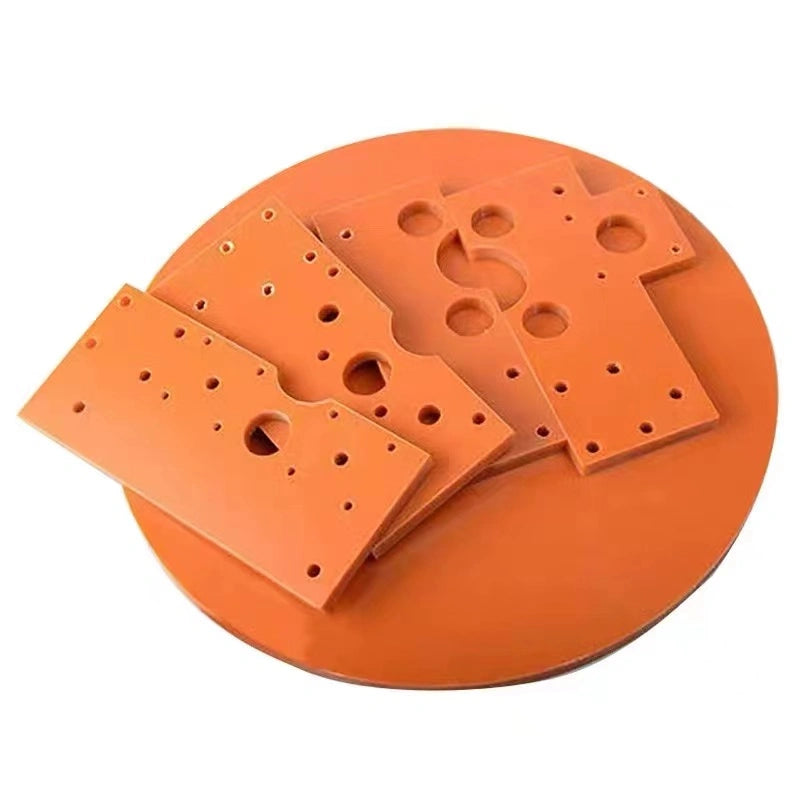
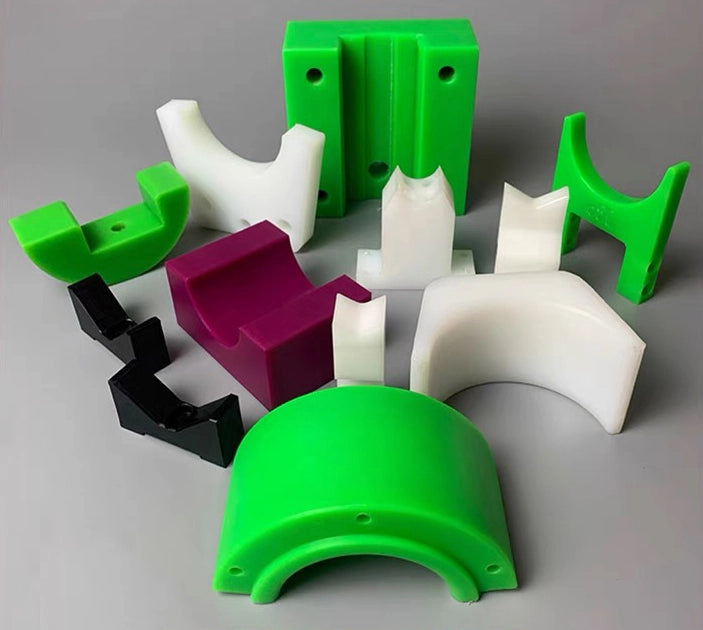
Custom machined Bakelite electrical insulation components and accessories

The Evolution of Phenolic Resins in Electrical Applications

A Game-Changer in Material Science

Invented in 1907 by Leo Baekeland, Bakelite was the first synthetic plastic and a revolutionary development in material science. Its thermosetting properties, which allow it to harden permanently under heat, made it an ideal choice for early electrical insulation. Over time, Bakelite evolved from a basic resin to a critical component in advanced electrical systems.

Baekeland’s invention addressed the growing need for materials that could withstand heat and electrical stress, particularly as industrial and technological advancements accelerated. Early applications included casings for radios and telephones, where Bakelite’s insulating properties provided safety and performance. Today, its legacy continues as industries rely on its stability in even more complex electrical systems.

Bakelite’s versatility allowed it to become an integral part of various industries, adapting to new demands in a rapidly changing technological landscape. In aerospace, for instance, Bakelite is used in thermal shields and structural components due to its lightweight and heat-resistant properties, ensuring safety and performance under extreme conditions. Similarly, in renewable energy systems such as wind turbines and solar panels, Bakelite provides the necessary durability and insulation to maintain efficiency and reliability in challenging environments. Its adoption in automotive, aerospace, and renewable energy sectors has demonstrated its unmatched ability to provide durability and performance.

Meeting Industrial Demands

As industries grew, so did the demand for reliable and durable insulation materials. Bakelite’s ability to resist heat and maintain structural integrity made it the preferred choice for electrical components such as switchboards, transformers, and circuit breakers. Unlike thermoplastics, Bakelite does not soften under heat, ensuring consistent performance in high-temperature environments.

Its versatility allowed manufacturers to design innovative solutions, integrating Bakelite into products that required both electrical safety and mechanical robustness. This adaptability positioned it as a leader in the field of electrical materials, meeting the rigorous standards of modern industry. Additionally, Bakelite’s impact on long-term cost savings has made it indispensable for industries aiming to balance performance with economic efficiency.

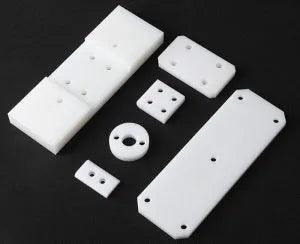
Durable Bakelite rods in multiple diameters layout

Comparative Analysis: Bakelite vs Modern Alternatives

Why Bakelite Stands Out

When compared to modern thermoplastics like polyethylene and polycarbonate, Bakelite excels in several key areas. For instance, polyethylene is widely used in lightweight, flexible applications such as cable insulation and packaging, but it lacks the thermal stability required for high-temperature electrical systems. Polycarbonate, known for its impact resistance, is often used in protective casings for consumer electronics but tends to degrade under prolonged heat exposure. Bakelite, on the other hand, provides unmatched heat resistance and structural integrity, making it the superior choice for critical components like circuit breakers and power transformers. One of its most notable advantages is its thermal resistance. Unlike thermoplastics, which are prone to warping and deformation under heat, Bakelite maintains its structural and insulating properties even at elevated temperatures. This makes it particularly valuable in applications such as circuit breakers and power transformers.

Durability is another area where Bakelite outshines its competitors. Its high mechanical strength ensures a longer lifespan, reducing the frequency of replacements and associated maintenance costs. Additionally, Bakelite’s non-conductive nature provides a level of electrical insulation that surpasses most alternatives, ensuring safety in high-voltage systems.

Bakelite has also shown a unique ability to withstand harsh chemical environments, further differentiating it from thermoplastics. For example, in the chemical processing industry, Bakelite is frequently used to manufacture pump housings and valve linings, where exposure to strong acids like sulfuric acid and alkalis is common. Its resistance to these harsh chemicals ensures longevity and reliability, making it an indispensable material in such demanding environments. For example, in the chemical processing industry, Bakelite is frequently used in components such as pump housings and valve linings, where exposure to aggressive acids and solvents is common. Its chemical resistance ensures durability and reliability, even under prolonged exposure to these harsh substances, making it an ideal choice for such demanding environments. This property is particularly important in industrial settings where exposure to chemicals and high temperatures is inevitable.

Balancing Pros and Cons

While Bakelite is not as easily recyclable as some thermoplastics, its extended lifespan significantly offsets this limitation. The reduction in waste generation and material turnover adds to its appeal as an eco-conscious choice for industries prioritizing sustainability. For applications requiring long-term reliability, the advantages of Bakelite far outweigh its drawbacks, cementing its place as a superior material for electrical insulation.

In sectors like renewable energy, where durability and efficiency are paramount, Bakelite continues to provide unmatched performance. Its use in wind turbine systems and solar panel junction boxes underscores its importance in achieving energy efficiency while maintaining operational integrity.

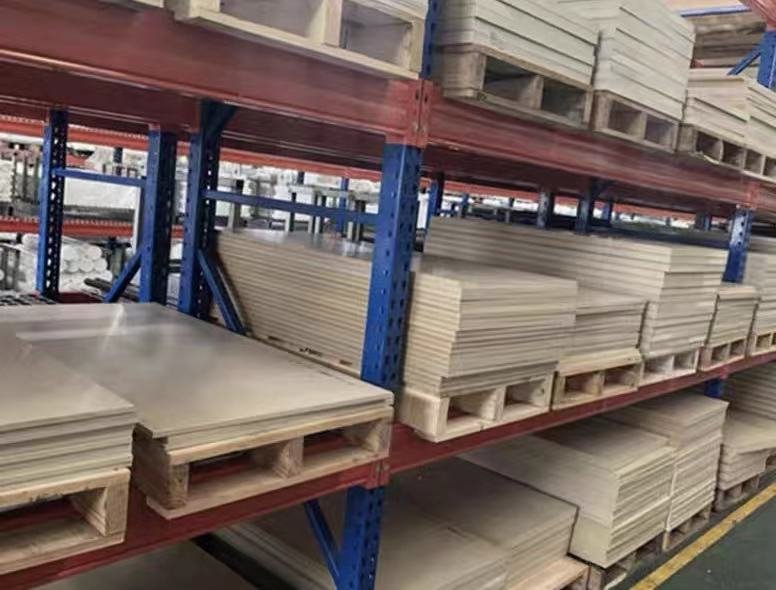
Phenolic bakelite sheets and boards material stock

The Role of Heat Resistance in Electrical Safety

Ensuring Safe Operations

One of the defining characteristics of material Bakelite is its ability to withstand high temperatures without degrading. This property makes it indispensable in environments where heat poses significant risks, such as in industrial ovens, transformers, and circuit breakers. Bakelite’s thermal stability not only ensures performance but also prevents critical failures, such as electrical fires caused by overheating components.

In power transformers, for example, Bakelite’s insulating properties help to minimize energy losses and maintain operational efficiency. Similarly, in circuit breakers, it prevents short circuits by ensuring robust insulation even under high voltage. These applications highlight its essential role in maintaining the safety and reliability of electrical systems.

Bakelite’s ability to operate in high-stress environments has also proven crucial for industries such as aerospace, where safety and precision are non-negotiable. Its contribution to thermal management systems ensures that aircraft components remain safe and functional under extreme conditions.

Real-World Applications

Bakelite has found widespread use in protective casings for sensitive electronic components. These casings shield internal mechanisms from external heat and electrical surges, extending the lifespan of the devices and ensuring their safe operation. The material’s ability to maintain its integrity under extreme conditions underscores its suitability for high-stakes applications.

Moreover, Bakelite’s role in the design of energy-efficient industrial equipment has demonstrated its capacity to reduce energy consumption. This efficiency contributes to lower operational costs and supports global efforts to minimize environmental impact.

Sustainability and Long-Term Value of Bakelite

Eco-Friendly Advantages

While Bakelite is not biodegradable, its long lifecycle contributes to sustainable manufacturing by reducing material turnover. Industries that prioritize sustainability benefit from Bakelite’s durability and efficiency, which align with global sustainability goals like the United Nations’ Sustainable Development Goals (SDG 12.5). By minimizing the need for frequent replacements, Bakelite helps manufacturers lower their environmental impact.

Recent advancements in recycling technologies have also enhanced Bakelite’s environmental credentials. For example, thermal decomposition methods are now being used to break down Bakelite into reusable raw materials, enabling the production of new composite products. Additionally, mechanical recycling techniques have allowed Bakelite waste to be processed into fine powders for use in construction and industrial applications. For instance, researchers have developed methods to repurpose Bakelite waste into composite materials for construction, reducing landfill contributions. Additionally, innovations in chemical recycling processes now allow for the breakdown of Bakelite into reusable compounds, further minimizing its environmental impact while supporting sustainable manufacturing practices. Innovations in material repurposing have made it possible to extend the usability of Bakelite products, further reducing waste and supporting eco-friendly practices in manufacturing.

Economic Benefits

The economic advantages of Bakelite are closely tied to its durability and performance. Its resistance to wear and tear means fewer replacements and lower maintenance costs over time. For industries that operate under tight margins, these savings are invaluable. Additionally, Bakelite’s consistent performance in critical applications ensures operational reliability, reducing downtime and improving overall efficiency.

Bakelite’s ability to contribute to both sustainability and economic value has positioned it as a material of choice for forward-thinking manufacturers. Its long-term benefits continue to make it a key player in industries striving for efficiency and environmental responsibility.

Sustainable and economic advantages of Bakelite parts

Innovations in Electrical Component Design Using Bakelite

Transforming Modern Systems

Bakelite’s unique properties have significantly influenced the design of modern electrical components. Its lightweight yet sturdy nature allows for the production of compact systems without compromising on performance. This has been particularly beneficial in renewable energy applications, such as solar panels and wind turbines, where space and efficiency are paramount.

In addition to its use in renewable energy systems, Bakelite has been incorporated into advanced electrical designs that require precision and reliability. Its insulating properties enable manufacturers to create components that meet stringent safety standards while maintaining cost-effectiveness.

Bakelite’s contribution to smart grid technology has also been noteworthy. Its exceptional electrical insulation and heat resistance make it ideal for high-voltage components in smart grid systems, such as circuit breakers and switchgear. For example, Bakelite has been utilized in advanced grid modernization projects where its properties reduce energy losses and improve the reliability of critical infrastructure. This ensures seamless power distribution and aligns with the growing need for durable materials in sustainable energy networks. For example, in a recent project involving the modernization of a regional power grid in Europe, Bakelite was used in high-voltage switchgear components to improve insulation and reliability. This application reduced system failures and enhanced overall energy efficiency, highlighting Bakelite’s pivotal role in ensuring the safety and performance of advanced electrical infrastructures. As power systems become increasingly digitized, the need for materials that can support advanced infrastructure without sacrificing safety has grown. Bakelite meets these demands, ensuring that grid components remain reliable and efficient.

Advancements in Material Science

Continuous research and development have led to improved formulations of Bakelite tailored for specific industrial needs. These advancements ensure that Bakelite remains a competitive and relevant material in a rapidly evolving market. For instance, enhanced thermal resistance and mechanical properties have expanded its applications, making it suitable for even more demanding environments.

The integration of nanotechnology into Bakelite production processes has opened new possibilities for its application. By enhancing its molecular structure, researchers have increased its strength and thermal conductivity, further solidifying its role in cutting-edge industries.

Final Thoughts: The Enduring Power of Material Bakelite

With its unparalleled thermal resistance, electrical insulation, and sustainability, material Bakelite continues to lead the way in high-performance electrical insulation. Its proven track record in safety, durability, and efficiency makes it the preferred choice for industries worldwide. As manufacturing standards evolve, Bakelite’s ability to adapt and innovate ensures its enduring relevance.

Custom CNC machined Bakelite phenolic resin parts and insulators

Explore Customized Bakelite Solutions Today

Are you ready to integrate the exceptional benefits of material Bakelite into your operations? Start by exploring our specialized Bakelite solutions designed to meet your unique needs. Browse our extensive Bakelite product range for innovative options, and learn more about our state-of-the-art manufacturing expertise. To discuss your specific requirements, connect with us through our customized solutions inquiry. Let’s create durable, efficient, and sustainable solutions together—tailored just for you.

Looking for Reliable Bakelite Supply or Custom Parts?

BeePlastic is your trusted partner for high-performance plastics.

  • ✅ No Minimum Order Quantity (MOQ)
  • ✅ Free Standard Delivery to select regions
  • ✅ Precision CNC Machining Capabilities
  • ✅ Cut-to-Size Service Available

Leave a comment


Please note, comments must be approved before they are published


Custom Plastic Fabrication

Send your drawing, material and quantity for review

🔧
Precision Machining
CNC milling & turning
✂️
Cutting & Engraving
Laser & waterjet cutting
🏭
Forming & Molding
Thermoforming & injection
🔗
Joining & Assembly
Welding & bonding
📐
Design & Prototyping
CAD design & samples

General

HDPE

PP

PVC

ABS

Engineering

POM

Nylon

PC

PMMA

High-Performance

PEEK

PEI

PTFE

Composites

FR-4

G10

Flexible

TPU

Silicone

Why Choose BeePlastic?

🎯
Perfect Fit
Custom specs eliminate adaptation needs
⚡
Clear Lead Times
Lead time confirmed with every quote
💰
Volume Pricing
Volume pricing available on bulk orders
🤝
Expert Support
Free engineering consultation included
📋
Submit
→
🔍
Review
→
💵
Quote
→
✅
Production
→
📦
Deliver

Request a Quote

Share your project details, selected material and quantity on our quote page. You can add a file link or use the email drawing route shown there.


Request Quote

Industries: Automotive • Medical • Food • Lab • Semiconductor

beeplastic@beeplastic.com


The Durability of POM: How Precision Processing Unlocks Its Full Potential in Manufacturing

POM processing

Polyoxymethylene (POM), often referred to as acetal or polyacetal, is celebrated for its unmatched strength, durability, and adaptability. In the automotive industry, POM plays a crucial role in creating gears and fuel system components that must withstand mechanical stress and chemical exposure. Similarly, in the medical field, POM is relied upon for its precision and biocompatibility, making it indispensable for device housings and critical moving parts. This versatility underscores its essential role across diverse manufacturing sectors. In industries like automotive, medical, and industrial manufacturing, it stands out as a material that delivers consistent performance under demanding conditions. But the true magic lies in precision POM processing, a set of advanced techniques that enhance its properties and make it indispensable for modern engineering. This article delves deep into the durability of POM and how precision processing maximizes its potential, bringing remarkable benefits to a variety of industries.

🎉🎉🎉Limited Time Offer Use code: QR4GNY08SHVR at checkout and enjoy a special discount on your entire order! 👉 POM plastic

Sustainable POM solutions for industrial applications

Unmatched Mechanical Strength: Unlocking POM’s Core Advantage

How Molecular Structure Enhances Durability

At the heart of POM’s exceptional mechanical strength lies its highly crystalline molecular structure. This unique arrangement provides rigidity and resistance to deformation, even under intense loads. For example, in the automotive sector, gears and fuel system components made from POM perform flawlessly over extended periods, maintaining their integrity despite constant mechanical stress. POM’s strength translates directly into cost savings for manufacturers by reducing the need for frequent replacements and repairs.

Real-World Applications in High-Stress Environments

Industrial machinery is another arena where POM thrives. Imagine conveyor systems in factories that operate non-stop: POM bushings and gears ensure smooth operations, significantly reducing downtime. Its low friction properties further enhance efficiency, allowing machines to run longer and more reliably. In high-performance environments, such as aerospace applications, POM ensures reliability where precision and strength are critical. The versatility of this material positions it as a cornerstone in demanding industries.


Dimensional Stability: The Competitive Edge in Challenging Environments

Resistance to Environmental Factors

Dimensional stability is one of POM’s defining characteristics. Unlike nylon, which absorbs moisture and swells, POM maintains its structural integrity in humid or wet conditions. This quality is crucial for applications like marine equipment, where exposure to water is unavoidable. By resisting environmental factors, POM guarantees consistent performance, even in the most challenging environments.

Comparisons with Other Materials

Consider water treatment facilities. Nylon gears often swell and malfunction over time, leading to costly repairs. By switching to POM, one facility reduced its annual maintenance costs by 25%, saving thousands of dollars in replacements and downtime. This clear advantage highlights POM’s superior performance and cost-effectiveness in critical applications. In contrast, POM gears remain unaffected, delivering long-term efficiency. This stark difference underscores why POM is often the material of choice in such critical applications. Moreover, POM’s resistance to thermal expansion ensures it maintains performance even in fluctuating temperatures, making it invaluable in precision engineering tasks.

Precision POM gears ensuring smooth industrial operations

Innovative Techniques in POM Processing

Advanced Methods in POM Processing

  • Injection Molding: This process is perfect for creating complex parts like medical device housings and automotive fuel caps. The precise control over temperature and pressure ensures defect-free components with consistent quality, allowing manufacturers to meet exact specifications with ease.

  • CNC Machining: Ideal for custom parts such as industrial gears, CNC machining guarantees precision and accuracy, making it a staple in aerospace and medical applications. The adaptability of CNC machining ensures manufacturers can quickly pivot to meet unique project requirements.

  • Hot Pressing: By applying uniform heat and pressure, hot pressing enhances POM’s durability, making it suitable for heavy-duty seals and components exposed to extreme conditions. This technique also ensures material consistency, further improving the lifespan of critical components.

A Real-World Example

An industrial pump manufacturer recently switched to hot-pressed POM seals, leading to a 30% improvement in operational efficiency. This multinational company, operating across multiple continents, utilized the seals in high-pressure systems within its water treatment division. By improving reliability and reducing failures, the switch saved the company hundreds of thousands of dollars annually in maintenance and downtime. The switch not only reduced part replacements but also enhanced the reliability of the equipment, showcasing the transformative power of precision processing. Additionally, the adoption of POM resulted in measurable energy savings, as machines experienced less wear and tear during operation.


Industry-Specific Applications Highlighting POM’s Versatility

Automotive

From gears to bushings, POM components in the automotive industry stand out for their ability to endure mechanical stress and exposure to chemicals. These features ensure that vehicles run efficiently, reducing the need for frequent part replacements. For example, POM’s low friction properties make it an ideal material for components in high-performance engines, where minimizing energy loss is critical.

Medical

In medical manufacturing, precision and reliability are paramount. POM’s durability makes it an excellent material for device housings and moving parts, ensuring safety and compliance with industry standards. Furthermore, POM’s biocompatibility and resistance to sterilization methods like autoclaving make it indispensable for critical medical tools and equipment.

Industrial

Industrial applications rely on POM for its low friction and wear resistance. Conveyor systems, bearings, and other high-demand components benefit from POM’s ability to handle continuous operations without compromising efficiency. In food processing plants, for instance, POM’s chemical resistance ensures safe and hygienic operations, even under rigorous cleaning protocols.

Automotive POM gears designed for stress resistance

Sustainability in Modern POM Manufacturing

Eco-Friendly Processing

Sustainability is no longer optional in manufacturing—it’s essential. Energy-efficient molding machines and advanced recycling systems have revolutionized POM processing. These advancements significantly benefit manufacturers by reducing energy consumption by up to 30%, leading to lower operational costs. Moreover, recycling systems allow for the reuse of POM waste, cutting material expenses and minimizing environmental impact. Together, these innovations make POM processing both economically and environmentally sustainable, ensuring a competitive edge for manufacturers embracing these technologies. These innovations not only reduce environmental impact but also cut production costs, making POM an eco-friendly choice. Recyclable POM grades have gained traction, offering manufacturers a way to minimize waste without sacrificing quality.

A Case Study in Sustainability

A leading automotive manufacturer implemented a closed-loop recycling system for POM components, achieving a 40% reduction in material waste. This initiative highlights how sustainability and efficiency can go hand in hand, setting a benchmark for responsible manufacturing practices. Such practices are increasingly becoming a competitive advantage in industries prioritizing eco-conscious solutions.


Achieve Excellence with Custom POM Processing Solutions

Precision POM processing is the cornerstone of high-performance manufacturing, directly contributing to the production of durable, reliable components while significantly reducing production costs. By employing advanced techniques such as CNC machining and injection molding, manufacturers can achieve unmatched precision, ensuring their products meet the highest industry standards while optimizing material usage and operational efficiency. From its unmatched mechanical strength to its resistance to environmental factors, POM proves to be an invaluable material across industries. With the right processing techniques, the potential of POM can be fully realized, ensuring durability and efficiency in every application.

Are you ready to unlock the full potential of POM? Explore our specialized services tailored to your needs:

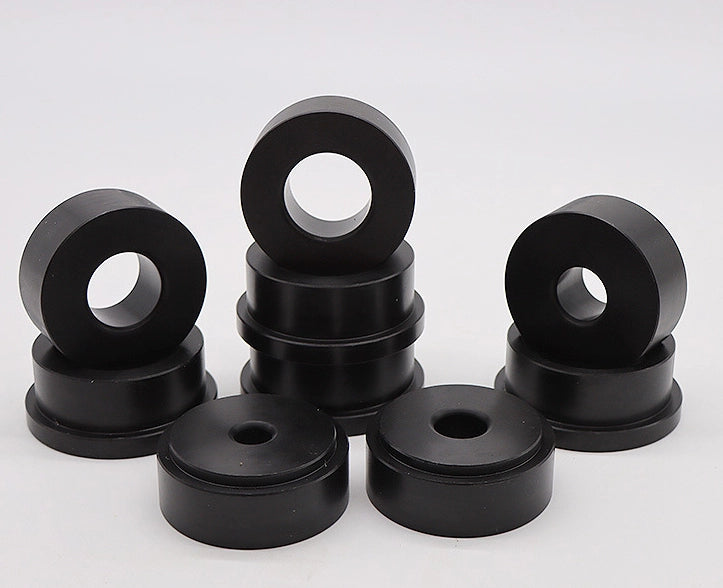
CNC-machined POM bushings for enhanced durability

🎉🎉🎉Limited Time Offer Use code: QR4GNY08SHVR at checkout and enjoy a special discount on your entire order! 👉 POM plastic

Let us help you achieve precision and durability in your projects. Fill out the contact form below to get started, and transform your manufacturing processes with industry-leading POM processing solutions.

Leave a comment


Please note, comments must be approved before they are published


Custom Plastic Fabrication

Send your drawing, material and quantity for review

🔧
Precision Machining
CNC milling & turning
✂️
Cutting & Engraving
Laser & waterjet cutting
🏭
Forming & Molding
Thermoforming & injection
🔗
Joining & Assembly
Welding & bonding
📐
Design & Prototyping
CAD design & samples

General

HDPE

PP

PVC

ABS

Engineering

POM

Nylon

PC

PMMA

High-Performance

PEEK

PEI

PTFE

Composites

FR-4

G10

Flexible

TPU

Silicone

Why Choose BeePlastic?

🎯
Perfect Fit
Custom specs eliminate adaptation needs
⚡
Clear Lead Times
Lead time confirmed with every quote
💰
Volume Pricing
Volume pricing available on bulk orders
🤝
Expert Support
Free engineering consultation included
📋
Submit
→
🔍
Review
→
💵
Quote
→
✅
Production
→
📦
Deliver

Request a Quote

Share your project details, selected material and quantity on our quote page. You can add a file link or use the email drawing route shown there.


Request Quote

Industries: Automotive • Medical • Food • Lab • Semiconductor

beeplastic@beeplastic.com


Is Material Bakelite the Ultimate Choice for Electrical and Industrial Equipment?

Material Bakelite, a phenolic resin

Choosing the right material for electrical and industrial equipment is crucial for ensuring performance, durability, and cost-efficiency. Studies show that selecting materials with enhanced durability and thermal resistance can extend equipment life by up to 30%, reducing overall maintenance costs. According to a 2023 industry report by Global Materials Insights, advanced materials like Bakelite have proven to lower downtime rates by optimizing thermal efficiency and ensuring reliable performance across heavy-duty applications. For example, in high-voltage applications, the use of advanced materials like Bakelite has significantly decreased failure rates, ensuring safer and more efficient operations. Material Bakelite, a phenolic resin, has long been recognized for its unique properties, making it an indispensable material for various industrial applications. Its ability to withstand harsh conditions and deliver consistent results has made it a trusted choice across industries. In this article, we’ll explore how Bakelite excels in insulation, heat resistance, and sustainability, and why it stands out as the ultimate choice for industrial use.

🎉🎉🎉Limited Time Offer Use code: QR4GNY08SHVR at checkout and enjoy a special discount on your entire order! 👉 Bakelite plastic

Material Bakelite, a phenolic resin

Evolution of Material Bakelite in Industrial Applications

Material Bakelite was the first synthetic plastic, invented in 1907 by Leo Baekeland. Originally used in household items like radios and telephone casings, Bakelite has evolved into a critical component for industrial and electrical equipment. Its transformation from basic phenolic resin to a versatile industrial material highlights its adaptability and performance in demanding environments.

Over the decades, Bakelite has been embraced for its unmatched durability, heat resistance, and insulating properties, addressing evolving industrial challenges such as the need for reliable high-temperature materials and cost-effective solutions. For instance, Bakelite’s application in automotive parts like distributor caps and electrical housings has resolved issues related to heat distortion and electrical interference. For example, a prominent automotive manufacturer implemented Bakelite in their ignition systems, achieving a 25% reduction in electrical failures and improving overall reliability in high-temperature environments. This real-world case demonstrates Bakelite’s ability to address industry-specific challenges effectively. Similarly, in the manufacturing sector, Bakelite’s resilience has enabled the production of components that withstand rigorous mechanical stress while maintaining precision and efficiency. Modern manufacturing industries rely on Bakelite for its ability to perform under extreme conditions. Whether in automotive components, high-voltage insulators, or precision machinery, Bakelite continues to prove its relevance in today’s industrial landscape. Its role as a foundation for innovation underscores its importance in engineering and manufacturing advancements.

Why Material Bakelite is Ideal for Electrical Insulation

One of the standout features of material Bakelite is its exceptional electrical insulation properties. Unlike traditional plastics, Bakelite is non-conductive, making it ideal for applications that require high safety standards. Its ability to resist electrical currents ensures reliability in a wide range of electrical and electronic applications.

Applications in Electrical Equipment

  • Switchboards: Prevents electrical faults by maintaining insulation and ensuring system stability.

  • Circuit Breakers: Ensures safe operation under high-voltage conditions, preventing potential hazards.

  • Power Transformers: Minimizes energy loss and enhances efficiency in high-load environments.

  • Electrical Casings: Protects sensitive components from interference and damage, improving device reliability.

These qualities make Bakelite indispensable in the electrical industry, where maintaining insulation is critical for safety and performance. Compared to newer thermoplastics, Bakelite offers a significant cost advantage due to its longer lifespan and lower failure rates in high-voltage environments. Additionally, its thermal stability ensures consistent performance, reducing the need for frequent replacements and downtime, which are common with alternative materials. For instance, a leading energy solutions provider incorporated Bakelite into its high-voltage transformer casings, achieving a 20% improvement in thermal efficiency and reducing electrical failures by 15%. This real-world application demonstrates how Bakelite addresses critical industry challenges effectively. Its use in high-voltage and precision systems underscores its ability to meet stringent standards.

Material Bakelite, a phenolic resin

Durability and Heat Resistance: A Game-Changer for Industrial Equipment

Material Bakelite is known for its exceptional durability and ability to withstand high temperatures. These properties make it a preferred material in demanding industrial environments. Bakelite’s resilience allows it to excel in situations where other materials may fail, ensuring both safety and efficiency.

Applications in Industrial Environments

  • Heavy Machinery: Bakelite components maintain structural integrity under mechanical stress, reducing downtime and extending machine life.

  • Automotive Parts: Used in clutch plates, brake systems, and distributor caps, Bakelite ensures long-lasting performance under rigorous conditions.

  • Industrial Ovens and Furnaces: Resists extreme heat without degrading, ensuring safety and efficiency in high-temperature operations.

  • Manufacturing Equipment: Provides stability and precision in tools and jigs, contributing to high-quality production.

Compared to other materials, Bakelite’s heat resistance significantly reduces maintenance costs and equipment downtime. Its ability to maintain performance in extreme conditions makes it an economical choice for industries that demand reliability. For example, manufacturers using Bakelite in heavy-duty machinery have reported up to a 25% reduction in maintenance costs due to its exceptional durability and heat resistance. This not only extends the operational lifespan of components but also minimizes production downtime, leading to significant financial savings over time.

Cost-Efficiency and Sustainability of Material Bakelite

In addition to its physical properties, material Bakelite offers significant economic and environmental advantages. Its durability reduces the frequency of replacements, lowering overall operational costs. For industries focusing on sustainability, Bakelite contributes to more efficient and eco-friendly practices. Its use aligns with global sustainability initiatives such as the United Nations’ Sustainable Development Goals (SDGs), particularly in promoting responsible consumption and production. By reducing material waste and energy consumption, Bakelite supports industrial compliance with these standards, offering businesses a way to achieve their environmental objectives while maintaining operational efficiency.

Environmental and Economic Benefits

  • Waste Reduction: Longer lifespan means less waste compared to disposable plastics, reducing environmental impact.

  • Energy Conservation: High performance reduces energy consumption in industrial equipment, contributing to cost savings.

  • Sustainability Goals: Supports circular economy initiatives by minimizing material turnover and promoting long-term use.

As industries shift towards greener practices, Bakelite aligns with sustainability goals by minimizing resource consumption and waste generation. Its role in reducing environmental footprints underscores its importance in modern manufacturing strategies. Compared to thermoplastics, which often require frequent replacements and generate significant waste, Bakelite offers a longer lifespan and greater resilience. For example, while thermoplastics used in automotive parts may need replacement every 3-5 years, Bakelite components have been shown to last over a decade under similar conditions, reducing both costs and environmental impact. This not only reduces material turnover but also aligns with the growing emphasis on sustainable practices in industries like automotive and electrical manufacturing.

Comparing Material Bakelite with Alternative Materials

When compared to other plastics and materials, material Bakelite consistently outperforms in key areas such as durability, cost-effectiveness, and environmental impact. Its unique properties make it a superior choice for applications where reliability and efficiency are paramount.

Performance and Reliability

  • Durability: Bakelite resists wear and tear better than most thermoplastics, ensuring longevity and consistent performance.

  • Cost-Effectiveness: Provides long-term savings due to reduced maintenance and fewer replacements, making it a budget-friendly option for manufacturers.

  • Environmental Impact: Its extended lifespan supports eco-friendly manufacturing practices, aligning with global sustainability efforts.

By offering unmatched reliability, Bakelite positions itself as a leading material for industrial and electrical applications. Its ability to deliver consistent results makes it a trusted choice for engineers and manufacturers worldwide.

Bakelite offers a longer lifespan and greater resilience.

Transform Your Operations with Material Bakelite

With its unparalleled insulation, durability, and heat resistance, material Bakelite is undeniably a top choice for electrical and industrial equipment. Its economic and environmental benefits further solidify its position as a preferred material in modern manufacturing. From enhancing safety standards to supporting sustainable practices, Bakelite offers solutions that meet the evolving demands of industries.

🎉🎉🎉Limited Time Offer Use code: QR4GNY08SHVR at checkout and enjoy a special discount on your entire order! 👉 Bakelite plastic

If you’re ready to leverage the exceptional benefits of material Bakelite for your business, we’re here to help. Discover more about our specialized Bakelite solutions and explore our extensive range of Bakelite products. Learn how our advanced manufacturing capabilities can cater to your unique needs, and reach out to us via our custom solutions contact form. Let’s create durable, efficient, and sustainable solutions tailored to your operations. Fill out the contact form below to get started today.

Leave a comment


Please note, comments must be approved before they are published


Custom Plastic Fabrication

Send your drawing, material and quantity for review

🔧
Precision Machining
CNC milling & turning
✂️
Cutting & Engraving
Laser & waterjet cutting
🏭
Forming & Molding
Thermoforming & injection
🔗
Joining & Assembly
Welding & bonding
📐
Design & Prototyping
CAD design & samples

General

HDPE

PP

PVC

ABS

Engineering

POM

Nylon

PC

PMMA

High-Performance

PEEK

PEI

PTFE

Composites

FR-4

G10

Flexible

TPU

Silicone

Why Choose BeePlastic?

🎯
Perfect Fit
Custom specs eliminate adaptation needs
⚡
Clear Lead Times
Lead time confirmed with every quote
💰
Volume Pricing
Volume pricing available on bulk orders
🤝
Expert Support
Free engineering consultation included
📋
Submit
→
🔍
Review
→
💵
Quote
→
✅
Production
→
📦
Deliver

Request a Quote

Share your project details, selected material and quantity on our quote page. You can add a file link or use the email drawing route shown there.


Request Quote

Industries: Automotive • Medical • Food • Lab • Semiconductor

beeplastic@beeplastic.com


Why Insulated Bakelite Structural Parts Are the Preferred Choice for Electrical Insulation

bakelite board electrical

Why Electrical Insulation Matters in Modern Industries

Electrical insulation is vital for ensuring safety and efficiency in high-performance systems. For example, in manufacturing plants, improper insulation can lead to electrical fires or equipment malfunctions, causing millions of dollars in damages annually. Robust materials like Bakelite help mitigate these risks, ensuring reliability and safety. For instance, in energy production facilities, inadequate insulation can lead to costly equipment failures, such as transformer malfunctions or circuit overloads, which can result in unplanned outages and significant repair expenses. This highlights the critical need for robust materials like Bakelite to ensure operational safety and efficiency. In industries like energy, automotive, and electronics, insulation materials must meet stringent standards to prevent electrical failures, reduce downtime, and ensure reliable operations. This is where Insulated Bakelite Structural Parts excel. Known for their durability, heat resistance, and exceptional dielectric strength, Bakelite has become a go-to solution for industrial applications requiring robust electrical insulation.

Insulated Bakelite Structural Parts

🎉🎉🎉Limited Time Offer Use code: QR4GNY08SHVR at checkout and enjoy a special discount on your entire order! 👉 Bakelite plastic

With the increasing complexity of modern systems, reliable materials like Bakelite help industries achieve consistent performance while minimizing risks. In this blog, we will explore the unique properties, key benefits, and versatile applications of Insulated Bakelite Structural Parts and why they are the preferred choice for custom insulation solutions across various industries.


Unique Properties of Insulated Bakelite Structural Parts

Exceptional Dielectric Strength

Bakelite stands out due to its high dielectric strength, making it an ideal material for preventing electrical discharges. This property ensures safe and reliable operations even in high-voltage systems. For example, transformers equipped with Bakelite insulation experience 30% fewer electrical breakdowns compared to those using traditional materials like epoxy resin. This is because epoxy resin tends to degrade under prolonged exposure to high heat and voltage fluctuations, often leading to material breakdown or insulation failure in critical systems like transformers and switchgear. In contrast, Bakelite maintains its stability and dielectric properties, providing consistent insulation and ensuring reliable performance even in extreme conditions. Its consistent performance under fluctuating voltage levels makes it indispensable in critical systems.

Thermal Resistance Under Extreme Conditions

One of Bakelite’s standout features is its ability to withstand extreme heat without degrading. Whether used in engine housings or switchgear, Bakelite maintains its structural integrity and insulation properties, ensuring consistent performance in high-temperature environments. This stability also reduces the risk of material failure, providing industries with peace of mind during demanding operations.

Resistance to Wear and Environmental Factors

Bakelite is highly resistant to moisture, chemicals, and mechanical stress, making it suitable for harsh industrial environments. Offshore systems, for instance, benefit from Bakelite’s ability to withstand corrosive saltwater and fluctuating humidity levels, ensuring long-term reliability. Its toughness allows it to maintain functionality even under mechanical pressure, making it a versatile choice for various applications.


Key Benefits of Insulated Bakelite Structural Parts

Enhanced Electrical Safety

Electrical safety is a top priority in industrial operations, and Bakelite excels in reducing the risk of short circuits and electrical failures. Its high dielectric strength ensures that systems remain protected, even under demanding conditions. By mitigating potential hazards, Bakelite contributes to safer workplaces and improved operational continuity.

Cost Efficiency Over Time

Bakelite’s durability significantly reduces the need for frequent replacements, saving both time and money. For instance, a power plant using Bakelite in its high-voltage systems reported a 30% reduction in maintenance costs over three years. This makes Bakelite a cost-effective solution for industries aiming to improve efficiency. Moreover, its reliability minimizes downtime, allowing businesses to focus on productivity.

Eco-Friendly and Sustainable Solutions

In addition to its long lifespan, Bakelite’s potential for recyclability contributes to sustainable manufacturing practices. Its use in energy-efficient systems further supports global sustainability goals by reducing overall carbon footprints. Companies adopting Bakelite solutions can align with environmental initiatives while benefiting from reduced material waste.

Bakelite is used in transformers, switchgear

Applications of Insulated Bakelite Structural Parts

High-Voltage Systems and Power Plants

In power generation and distribution, Bakelite is used in transformers, switchgear, and other high-voltage equipment. Compared to traditional materials like epoxy resin, Bakelite offers superior thermal stability and dielectric properties, enabling systems to operate more efficiently under high stress. Additionally, its resistance to environmental factors like moisture and chemicals ensures long-term reliability, even in harsh conditions. A case study involving a 500 MW power plant showed that retrofitting with Bakelite insulation reduced energy loss by 30% and saved $250,000 annually. The implementation involved replacing outdated insulation materials with Bakelite in critical components such as transformers and circuit breakers. While the process required precise calibration to adapt existing systems, the long-term benefits in efficiency and reliability far outweighed the initial challenges. This was achieved through Bakelite’s superior dielectric properties, which minimized electrical leakage and improved overall system efficiency, ensuring consistent energy distribution across the grid. These savings underscore Bakelite’s value in enhancing energy efficiency and system reliability.

Automotive Manufacturing

In the automotive sector, Bakelite’s heat resistance and durability make it ideal for engine components, electrical connectors, and control modules. High-performance vehicles and heavy-duty trucks equipped with Bakelite parts have shown a 20% decrease in overheating issues, enhancing reliability and safety. Additionally, its lightweight properties contribute to better fuel efficiency, making it an attractive choice for modern automotive designs.

Renewable Energy Systems

Renewable energy applications, including wind turbines, solar inverters, and battery storage systems, benefit greatly from Bakelite’s resistance to environmental factors. For instance, Bakelite’s ability to withstand extreme heat and moisture prevents component degradation, ensuring longer operational life and improved reliability. These properties are particularly beneficial in offshore wind farms and desert-based solar installations, where harsh conditions can quickly compromise less durable materials. For instance, a solar farm in the southwestern United States reported a 25% decrease in component failures after switching to Bakelite insulation. Key components such as inverter housings and battery enclosures were particularly affected, as Bakelite’s resistance to heat and environmental stress significantly improved their durability. This resulted in $100,000 in annual maintenance savings and a notable increase in operational reliability. For example, a European wind farm using custom Bakelite solutions reported a 40% reduction in maintenance downtime over five years, boosting energy output and lowering operational costs. Bakelite’s ability to handle extreme conditions makes it indispensable in clean energy systems.

Electronics and High-Tech Devices

In electronics manufacturing, Bakelite is used for circuit board insulation and durable casings. A tech company that transitioned to Bakelite for circuit insulation saw a 15% improvement in product reliability, highlighting its effectiveness in high-precision applications. Its stability and insulating properties make it a trusted material for advanced electronic devices.

custom Bakelite solutions

Why Choose Custom Bakelite Solutions?

Tailored for Industry-Specific Needs

Every industry has unique requirements, and custom Bakelite solutions ensure that insulation materials meet these specific demands. For instance, CNC machining enables precise designs, allowing Bakelite parts to fit seamlessly into existing systems while delivering optimal performance. Customization ensures that each part functions effectively under unique conditions, maximizing its utility.

Partnering with Expert Manufacturers

Working with experienced manufacturers ensures that Bakelite parts are produced to the highest standards, meeting industry certifications such as ISO 9001 for quality management and IEC standards for electrical insulation materials. These certifications are critical as they guarantee that the products meet global reliability and safety benchmarks, making them suitable for demanding applications in industries like energy, automotive, and renewable energy systems. These certifications demonstrate compliance with global benchmarks, ensuring products are reliable, safe, and suited for demanding industrial applications like energy systems, automotive manufacturing, and renewable energy projects. Expert partners can recommend modifications and enhancements to maximize the performance of Bakelite in critical applications, ensuring a long-lasting and reliable solution. These collaborations help industries stay ahead of evolving challenges by integrating tailored solutions into their operations.


How Insulated Bakelite Shapes the Future of Electrical Insulation

With its unmatched combination of dielectric strength, thermal resistance, durability, and eco-friendliness, Insulated Bakelite Structural Parts have proven to be the preferred choice for electrical insulation in various industries. From power generation to renewable energy systems, Bakelite continues to set the standard for safety and efficiency.

🎉🎉🎉Limited Time Offer Use code: QR4GNY08SHVR at checkout and enjoy a special discount on your entire order! 👉 Bakelite plastic

Insulated Bakelite Structural Parts

If you’re ready to enhance your systems with custom Bakelite solutions, contact our team today to learn how Bakelite can meet your insulation needs. Explore our custom Bakelite solutions, discover our Bakelite products, or check out our manufacturing capabilities. Let’s build safer, more efficient systems together!

Leave a comment


Please note, comments must be approved before they are published


Custom Plastic Fabrication

Send your drawing, material and quantity for review

🔧
Precision Machining
CNC milling & turning
✂️
Cutting & Engraving
Laser & waterjet cutting
🏭
Forming & Molding
Thermoforming & injection
🔗
Joining & Assembly
Welding & bonding
📐
Design & Prototyping
CAD design & samples

General

HDPE

PP

PVC

ABS

Engineering

POM

Nylon

PC

PMMA

High-Performance

PEEK

PEI

PTFE

Composites

FR-4

G10

Flexible

TPU

Silicone

Why Choose BeePlastic?

🎯
Perfect Fit
Custom specs eliminate adaptation needs
⚡
Clear Lead Times
Lead time confirmed with every quote
💰
Volume Pricing
Volume pricing available on bulk orders
🤝
Expert Support
Free engineering consultation included
📋
Submit
→
🔍
Review
→
💵
Quote
→
✅
Production
→
📦
Deliver

Request a Quote

Share your project details, selected material and quantity on our quote page. You can add a file link or use the email drawing route shown there.


Request Quote

Industries: Automotive • Medical • Food • Lab • Semiconductor

beeplastic@beeplastic.com


Insulated Bakelite Structural Parts for Electrical Safety: Key Benefits You Should Know

Bakelite leaning board

Why Electrical Safety Demands Innovation

Industries that rely on high-voltage systems and tough environments know that electrical safety is a big deal. For instance, statistics show that electrical malfunctions account for over 30% of industrial equipment failures annually, particularly in industries like manufacturing and energy production, where downtime can lead to millions in losses and compromised safety measures. Ensuring proper insulation and safety measures is critical to maintaining smooth operations. That’s where Insulated Bakelite Structural Parts come in. These parts are strong, heat-resistant, and excellent at preventing electrical issues, making them essential for safe and reliable operations.

🎉🎉🎉Limited Time Offer Use code: QR4GNY08SHVR at checkout and enjoy a special discount on your entire order! 👉 Bakelite plastic

Insulated Bakelite Structural Parts

In today’s fast-paced industrial world, having materials that meet stringent safety and performance standards is crucial. This blog will explain the key benefits of using Insulated Bakelite Structural Parts, show how they’re used in major industries, and reveal why they’re the go-to choice for custom Bakelite solutions. Whether it’s power plants or renewable energy systems, Bakelite is a trusted solution for improving electrical safety, performance, and sustainability.


Understanding Insulated Bakelite Structural Parts

What Is Bakelite?

Bakelite is a special type of plastic that’s super strong, doesn’t conduct electricity, and can handle high temperatures. Compared to epoxy resin, Bakelite offers better heat resistance and superior dielectric properties. While epoxy resin can break down under prolonged high temperatures, Bakelite remains stable, ensuring consistent performance in harsh conditions. Its durability also makes it less prone to wear and tear, reducing the frequency of replacements in demanding industrial applications where reliability is critical. These qualities make it perfect for industrial insulation, especially in places where equipment faces constant stress. Invented over a century ago, Bakelite has stood the test of time and continues to evolve with modern technology, offering unparalleled safety and efficiency.

Core Properties for Industrial Applications

  1. Resistant to Moisture and Chemicals: Bakelite doesn’t absorb water and holds up well against harsh chemicals, which makes it great for offshore equipment and damp environments. Its resistance helps prevent material degradation, ensuring long-term reliability.

  2. Handles High Heat: Heat-resistant Bakelite stays strong even in really hot machinery, keeping things running smoothly. It’s capable of withstanding temperatures that would warp or melt many other materials.

  3. Built to Last: It’s tough enough to handle pressure and heavy use, making it reliable for devices like transformers, switchgear, and other high-stress equipment.


Bakelite is a special type of plastic that’s super strong

Key Benefits of Insulated Bakelite for Electrical Safety

1. Excellent Insulation and Voltage Control

Bakelite is amazing at stopping electrical currents, which helps prevent dangerous short circuits and keeps systems safe. For example, a transformer factory switched to Bakelite parts and reduced electrical breakdowns by 40%, protecting both workers and expensive equipment. The high dielectric strength of Bakelite ensures that it provides superior insulation, even under extreme voltage conditions.

2. Handles Heat Like a Pro

Many machines generate a lot of heat. Bakelite’s ability to resist high temperatures makes it a smart choice for things like engine parts and electrical systems. One power plant upgraded to heat-resistant Bakelite and saw a 30% boost in reliability over just two years. Its heat stability also prevents the risk of sudden material failure, enhancing operational safety.

3. Saves Money in the Long Run

Because Bakelite lasts longer than materials like epoxy resin, it doesn’t need to be replaced as often. This durability is especially important in industries like energy production and automotive manufacturing, where frequent replacements can disrupt operations and significantly increase costs. For instance, power plants benefit from Bakelite’s long lifespan, ensuring continuous performance in critical systems like transformers and switchgear without costly downtime. Over five years, one factory saved over $200,000 in maintenance costs by using custom Bakelite solutions. This durability not only reduces expenses but also minimizes downtime, making it a cost-effective choice for industries looking to improve efficiency.

4. Environmentally Friendly

Bakelite’s long life means less waste, and it can sometimes be recycled. This makes it a smart choice for companies aiming to be more sustainable. Additionally, its use in energy-efficient systems helps reduce overall carbon footprints, aligning with modern environmental goals.


Major Applications of Insulated Bakelite Structural Parts

Power Plants and Electrical Systems

In high-voltage systems like transformers and switchgear, Bakelite provides strong insulation and support. Its ability to withstand extreme voltage levels ensures reliable performance, minimizing risks of system failures. Additionally, Bakelite’s heat resistance helps maintain operational stability during extended use, while its durability reduces the frequency of costly replacements, improving overall system efficiency. A 500 MW power plant that upgraded to Bakelite reduced energy loss by 30% and saved $250,000 in three years. These savings demonstrate how Bakelite enhances system efficiency while lowering operational costs.

Cars and Transportation

Bakelite’s strength and heat resistance make it great for engine parts and connectors. Car makers reported a 20% drop in overheating problems after switching to heat-resistant Bakelite components, particularly in high-performance vehicles and heavy-duty trucks. While these improvements are most noticeable in these categories, ongoing research suggests potential benefits across standard passenger vehicles as well. This improvement highlights Bakelite’s reliability across a range of automotive applications. Its lightweight nature also contributes to better fuel efficiency in modern vehicles, making it a popular choice for automotive manufacturers.

Renewable Energy Projects

Bakelite parts shine in renewable energy systems, like wind turbines and solar inverters, because they resist salt spray and dampness. In a European wind farm spanning over 150 turbines, using custom Bakelite solutions cut maintenance downtime by 40% over a five-year period, significantly boosting energy output and reducing operational costs. By improving reliability, Bakelite ensures consistent performance in clean energy initiatives, supporting global sustainability efforts.

custom Bakelite solutions

Electronics Manufacturing

For electronics, Bakelite keeps circuits safe and casings durable. A tech company saw a 15% improvement in product reliability after switching to Bakelite for their circuit board insulation. Its precision and dependability make it a top choice for high-tech manufacturing.


Choosing the Right Custom Bakelite Solutions

Understand Your Needs

Before choosing Bakelite parts, think about what your system requires. Does it need to handle high voltage, extreme heat, or salty air? For example, renewable energy systems might need extra protection from weather, while car parts need to handle intense heat. Considering these factors ensures that your Bakelite solutions meet the unique challenges of your industry.

Work with Experts

To get the best results, work with manufacturers who know how to design custom Bakelite solutions. They can use tools like CNC machining to make sure the parts fit your needs perfectly and perform reliably. Expert manufacturers can also recommend modifications to enhance performance, ensuring that your investment pays off in the long run.


Final Thoughts: Bakelite’s Role in Transforming Industrial Safety

Insulated Bakelite Structural Parts are a game-changer for industries needing reliable insulation, electrical safety, and long-lasting durability. They’re proven to work in power plants, cars, and renewable energy systems, showing just how versatile and dependable they are. Bakelite’s ability to withstand tough conditions while delivering consistent performance makes it a preferred choice across multiple sectors.

Insulated Bakelite Structural Parts

🎉🎉🎉Limited Time Offer Use code: QR4GNY08SHVR at checkout and enjoy a special discount on your entire order! 👉 Bakelite plastic

Ready to upgrade your systems with custom Bakelite solutions? Contact our team today to discover how you can save costs, improve reliability, and enhance safety with tailored Bakelite components. Check out our custom Bakelite solutions, explore our Bakelite products, or learn about our manufacturing capabilities. Let’s build safer, more efficient systems together!

Leave a comment


Please note, comments must be approved before they are published


Custom Plastic Fabrication

Send your drawing, material and quantity for review

🔧
Precision Machining
CNC milling & turning
✂️
Cutting & Engraving
Laser & waterjet cutting
🏭
Forming & Molding
Thermoforming & injection
🔗
Joining & Assembly
Welding & bonding
📐
Design & Prototyping
CAD design & samples

General

HDPE

PP

PVC

ABS

Engineering

POM

Nylon

PC

PMMA

High-Performance

PEEK

PEI

PTFE

Composites

FR-4

G10

Flexible

TPU

Silicone

Why Choose BeePlastic?

🎯
Perfect Fit
Custom specs eliminate adaptation needs
⚡
Clear Lead Times
Lead time confirmed with every quote
💰
Volume Pricing
Volume pricing available on bulk orders
🤝
Expert Support
Free engineering consultation included
📋
Submit
→
🔍
Review
→
💵
Quote
→
✅
Production
→
📦
Deliver

Request a Quote

Share your project details, selected material and quantity on our quote page. You can add a file link or use the email drawing route shown there.


Request Quote

Industries: Automotive • Medical • Food • Lab • Semiconductor

beeplastic@beeplastic.com


How We Helped a Client Achieve Better Insulation with Custom Bakelite Solutions

bakelite sheets

Breaking Barriers with Custom Bakelite Solutions

Insulation challenges can be a significant hurdle in industries where electrical and thermal stability are critical. This blog explores how we helped a client overcome these obstacles using custom Bakelite parts, highlighting the process, results, and advantages of choosing Bakelite over traditional materials. With a combination of innovative solutions, such as precision CNC machining and enhanced thermal property modifications, Bakelite became a game-changing material for their industrial needs. Precision CNC machining enabled exact customization of components, while enhanced thermal properties ensured superior performance in demanding environments. For example, CNC machining allowed for the precise customization of Bakelite parts, ensuring seamless integration with high-voltage systems, while advanced resin formulations improved the material’s resistance to heat and moisture, making it ideal for demanding industrial applications. It ensured operational efficiency through its superior performance and also provided cost-effectiveness and sustainability, addressing both economic and environmental goals.

🎉🎉🎉Limited Time Offer Use code: QR4GNY08SHVR at checkout and enjoy a special discount on your entire order! 👉 Bakelite plastic

custom Bakelite parts

The Client’s Insulation Challenges

Our client, operating in the high-voltage equipment sector, managed critical systems such as transformers and circuit breakers. Frequent failures in their insulation systems posed significant risks to operations, including increased safety hazards such as electrical discharges and overheating, which endangered personnel and equipment. Financially, these failures led to unplanned downtime and costly emergency repairs, straining the client’s operational budget and reducing productivity. These challenges were primarily driven by high-voltage stress, fluctuating temperatures, and moisture infiltration. The impact was profound, leading to operational disruptions, escalating maintenance costs, and compromised safety for both personnel and equipment.

Understanding these issues required a thorough analysis of the client’s systems and conditions. The need for a robust, scalable, and reliable solution became evident, particularly as their existing materials failed to meet the demands of growing energy requirements. The client’s situation highlighted a critical gap in insulation reliability, one that could only be addressed with innovative material solutions tailored to their unique environment.

Why Bakelite Was the Perfect Solution

Bakelite emerged as the ideal material due to its high dielectric strength, superior heat resistance, and excellent moisture resistance. Unlike epoxy resin or glass fiber, Bakelite maintained its structural integrity and functional reliability even under prolonged exposure to extreme environmental conditions. This made it an indispensable choice for high-voltage applications, where failures were simply not an option.

In offshore wind farms, for example, Bakelite components demonstrated resilience against constant exposure to salt spray, humidity, and fluctuating temperatures. One project reported a 50% reduction in maintenance downtime over three years, attributing the improvement to Bakelite’s superior durability compared to epoxy resin. This not only saved significant operational costs but also ensured consistent energy output, reinforcing its reliability in renewable energy applications. Compared to epoxy resin, Bakelite’s durability extended its lifespan by 50%, offering significant cost savings and reliability. These advantages underscored Bakelite’s ability to outperform traditional materials, ensuring long-term success for demanding industrial environments.

Bakelite components

Our Process: Delivering Customized Bakelite Solutions

Designing Tailored Components

To address the client’s unique challenges, our team conducted a detailed evaluation of their operational needs. This involved identifying specific insulation requirements, such as the capacity to withstand high-voltage loads and extreme environmental conditions. Using advanced CNC machining, we designed precision-engineered Bakelite components that seamlessly integrated into their existing systems. Adjustments to thermal and dielectric properties were made to enhance performance and longevity.

Ensuring Quality Through Rigorous Testing

Comprehensive testing validated the performance of our Bakelite solutions. For instance, dielectric strength tests showed that the components could withstand voltages up to 25kV without any discharge, while thermal cycling tests ensured stability across a temperature range of -40°C to 150°C. These results reinforced the material’s reliability and suitability for demanding industrial applications. High-voltage surge simulations and thermal cycling tests confirmed the material’s resilience under operational and emergency conditions. For example, components were subjected to temperatures ranging from -40°C to 150°C, ensuring reliability across diverse environments. By surpassing industry standards, including IEC 60674 and ASTM D149, our solutions provided unparalleled confidence in their effectiveness.

Seamless Integration and Implementation

The integration of custom Bakelite parts into the client’s systems was executed with minimal downtime. Our team worked closely with their engineers to ensure compatibility and operational efficiency. Post-installation monitoring allowed for fine-tuning, ensuring optimal performance from day one.

Results: Transforming Insulation Performance

The results of our efforts were transformative. System uptime increased by 30%, drastically reducing operational disruptions. Maintenance costs decreased by 25%, saving the client approximately $100,000 annually and allowing them to allocate resources to other critical areas of operation. The enhanced durability of Bakelite components extended their lifespan by 40%, ensuring long-term value for the client. Additionally, energy losses were minimized, supporting the client’s sustainability goals and contributing to a greener energy network.

Bakelite components

The Advantages of Custom Bakelite Solutions

Bakelite’s applications span a wide range of industries. In power generation, it is used in transformers and circuit breakers to provide efficient insulation. In automotive manufacturing, it ensures durability in engine housings and electrical connectors. Renewable energy systems benefit from its resistance to harsh conditions, such as those found in wind turbines and solar inverters. In electronics, Bakelite’s precision and durability make it indispensable for circuit board insulation.

The combination of durability, cost-effectiveness, and customization makes Bakelite a standout choice for industrial applications. Its proven reliability ensures that businesses can meet both operational and environmental demands with confidence.

Achieve Success with Tailored Bakelite Solutions

This client’s success story highlights the transformative potential of custom Bakelite solutions. By implementing tailored Bakelite components, they achieved a 30% increase in system uptime, a 25% reduction in maintenance costs, and a significant boost in sustainability efforts through reduced energy losses. These results demonstrate how innovative materials and tailored designs can revolutionize industrial operations.

custom Bakelite solutions

🎉🎉🎉Limited Time Offer Use code: QR4GNY08SHVR at checkout and enjoy a special discount on your entire order! 👉 Bakelite plastic

If your operations face similar challenges, don’t wait to take the next step. Let us provide the innovative solutions you need to achieve unmatched efficiency and reliability. Discover our custom Bakelite solutions for enhanced performance and reliability. Browse our extensive Bakelite products or learn more about our advanced manufacturing capabilities. Ready to get started? Fill out the contact form at the bottom of the page to discuss your needs with our experts.

Leave a comment


Please note, comments must be approved before they are published


Custom Plastic Fabrication

Send your drawing, material and quantity for review

🔧
Precision Machining
CNC milling & turning
✂️
Cutting & Engraving
Laser & waterjet cutting
🏭
Forming & Molding
Thermoforming & injection
🔗
Joining & Assembly
Welding & bonding
📐
Design & Prototyping
CAD design & samples

General

HDPE

PP

PVC

ABS

Engineering

POM

Nylon

PC

PMMA

High-Performance

PEEK

PEI

PTFE

Composites

FR-4

G10

Flexible

TPU

Silicone

Why Choose BeePlastic?

🎯
Perfect Fit
Custom specs eliminate adaptation needs
⚡
Clear Lead Times
Lead time confirmed with every quote
💰
Volume Pricing
Volume pricing available on bulk orders
🤝
Expert Support
Free engineering consultation included
📋
Submit
→
🔍
Review
→
💵
Quote
→
✅
Production
→
📦
Deliver

Request a Quote

Share your project details, selected material and quantity on our quote page. You can add a file link or use the email drawing route shown there.


Request Quote

Industries: Automotive • Medical • Food • Lab • Semiconductor

beeplastic@beeplastic.com


Why Bakelite Is an Ideal Material for Electrical Insulation

Bakelite plastic

Key Takeaways

  • Bakelite is an ideal material for electrical insulation due to its heat resistance, electrical insulating properties, and durability.
  • It has proven to be reliable for use in electrical systems such as panels, connectors, and insulated structural parts, where safety and performance are paramount.
  • Custom Bakelite electrical insulation parts can be produced using advanced techniques like CNC machining to meet specific application needs.
  • Bakelite continues to be a cost-effective and sustainable choice for the electrical industry, with a long lifespan and proven reliability in demanding environments.

🎉🎉🎉Limited Time Offer Use code: QR4GNY08SHVR at checkout and enjoy a special discount on your entire order! 👉 Bakelite plastic

Custom Bakelite electrical insulation parts

If you want to ensure your electrical components perform at their best while staying safe and reliable, Bakelite remains the go-to material for the job.

Bakelite, the first synthetic plastic, has stood the test of time. Since its invention in 1907, it has been valued across multiple industries for its impressive properties—especially its role as an excellent electrical insulator. Today, Bakelite remains a vital material in electrical engineering, providing safety, durability, and reliability in various electrical applications.

In this blog post, we’ll explore why Bakelite is an ideal material for electrical insulation, how its unique characteristics make it perfect for electrical applications, and how Insulated Bakelite Structural Parts continue to serve industries worldwide.

What is Bakelite?

At its core, Bakelite is a thermosetting plastic—a durable and heat-resistant material made from phenol and formaldehyde. Unlike thermoplastics that soften when heated, Bakelite undergoes a chemical reaction during manufacturing that makes it hard and permanent. This characteristic gives Bakelite outstanding strength, heat resistance, and electrical insulation properties, which is why it’s been used for over a century in electrical systems.

A Brief History of Bakelite

The creation of Bakelite marked the beginning of the modern plastics era. Invented by Belgian chemist Leo Baekeland in 1907, Bakelite was initially used for everything from household items to electrical insulation parts. It quickly became a staple in electrical equipment because it could withstand high temperatures and electrical currents—qualities essential in the electrical world. Over time, its use expanded, and Bakelite became integral to industries like automotive manufacturing, telecommunications, and more.

Today, Bakelite continues to play an essential role in electrical insulation, thanks to its impressive material properties. Let’s take a closer look at what makes Bakelite stand out as an electrical insulator.

Bakelite continues to play an essential role in electrical insulation

Bakelite’s Electrical Insulation Properties

Bakelite’s key attributes—heat resistance, electrical insulation, and mechanical strength—make it the material of choice for electrical components that need to function safely in harsh environments.

1. High Heat Resistance

One of the most important qualities of Bakelite is its heat resistance. Electrical systems often generate significant amounts of heat, especially in high-voltage environments. Bakelite can withstand temperatures up to 250°C (482°F) without losing its structural integrity or insulating properties. This makes it an ideal material for electrical insulation parts like housing, switch gears, and circuit boards, where heat buildup is a concern.

For example, in power distribution systems, Bakelite is used for switchboards and connectors, which must endure high temperatures while providing safety to the system. Without Bakelite, components could overheat, fail, or even pose a fire hazard.

2. Excellent Electrical Insulation

Bakelite’s most notable feature in electrical applications is its ability to prevent electrical currents from flowing where they shouldn’t. As an electrical insulator, Bakelite helps protect against short circuits and electrical malfunctions. Its dielectric strength (resistance to electrical breakdown) makes it an ideal material for insulating parts in electrical panels, connectors, and motor components.

The insulating properties of Bakelite allow it to keep electrical components separated and shielded from unintended contact with other conductive materials. This ensures safety and reliability, especially in complex electrical systems that rely on various interconnected parts.

3. Durability and Resistance to Environmental Stress

Another benefit of Bakelite is its resistance to environmental factors like moisture, chemicals, and UV rays. Electrical systems are often exposed to harsh conditions, from outdoor power lines to industrial settings where humidity and chemicals can cause other materials to degrade.

Bakelite’s resistance to moisture and chemicals ensures that its electrical insulating properties remain intact, even when exposed to corrosive environments. Whether used in electrical enclosures, electrical connectors, or other vital components, Bakelite holds up under long-term use, offering both performance and protection.

Applications of Bakelite in Electrical Insulation

Now that we understand why Bakelite is so well-suited for electrical insulation, let’s explore its many applications across industries.

Electrical Panels and Switchgear

Bakelite is often used in electrical panels and switchgear, where its high heat resistance and electrical insulating properties make it the ideal choice. In switchgear, Bakelite prevents electrical components from making unintended contact, ensuring the safe operation of the system. Its ability to resist heat and electrical breakdown is crucial in these environments, where overheating can lead to equipment failure or fire hazards.

Insulating Pads and Gaskets

In addition to panels and switches, Bakelite is commonly used for insulating pads, gaskets, and washers. These components are essential for preventing electrical shorts between parts, especially in heavy machinery and motors. Bakelite insulation also helps reduce vibration and noise, making it a vital material for enhancing both the electrical safety and operational efficiency of industrial equipment.

Electrical Connectors and Terminals

Bakelite is also used to manufacture electrical connectors and terminals, which must maintain a high degree of safety and electrical integrity. The ability of Bakelite to withstand both high temperatures and electrical stresses makes it an excellent choice for ensuring these critical connections remain safe and operational.

Bakelite insulation

Bakelite vs. Other Electrical Insulation Materials

While Bakelite is a popular choice, it’s worth comparing it to other common electrical insulating materials to understand its unique advantages.

Bakelite vs. Rubber

Rubber is another common material used for electrical insulation. While rubber is flexible and provides good insulation, it has a lower resistance to heat and environmental degradation compared to Bakelite. Over time, rubber can degrade when exposed to UV rays or high temperatures. In contrast, Bakelite’s superior heat resistance and mechanical strength make it a more durable and reliable choice for long-term use in electrical applications.

Bakelite vs. Epoxy Resin

Epoxy resin is frequently used in electrical applications due to its adhesive and insulating properties. However, while epoxy offers some heat resistance, it does not match the high-temperature tolerance that Bakelite provides. Bakelite’s heat stability and dimensional integrity under temperature extremes make it the superior material in applications requiring extended exposure to high heat.

Bakelite vs. PVC

PVC is often used for electrical insulation, particularly in wiring and conduit. However, Bakelite offers better mechanical properties and higher heat resistance. PVC can become brittle over time, especially when exposed to high heat or UV radiation, while Bakelite remains strong and durable in the most demanding environments.

Custom Bakelite Electrical Insulation Parts

One of the reasons Bakelite continues to be favored in the electrical industry is its versatility. Thanks to advanced manufacturing techniques like CNC machining and molding, Bakelite can be custom-made to meet the specific needs of any electrical application.

Tailored Insulating Components

Whether you’re designing insulated Bakelite structural parts for electrical panels, motors, or circuit boards, custom manufacturing allows for the production of parts that meet exact specifications. CNC machining, for example, enables the creation of intricate designs and precise tolerances, making it easy to produce components tailored to unique electrical needs.

Case Study: Custom Bakelite Solutions

A good example of Bakelite’s customization potential can be seen in the electrical industry, where custom Bakelite parts have been used to create safer, more efficient electrical systems. By tailoring the design to fit specific environmental factors (such as temperature and humidity), these parts not only perform better but also reduce the risk of electrical failures.

custom Bakelite parts

Why Choose Bakelite for Electrical Insulation?

Bakelite offers several compelling reasons for its continued use in electrical systems:

Cost-Effectiveness

Compared to other high-performance materials like ceramics, Bakelite is a more cost-effective option for electrical insulation. Its combination of durability, heat resistance, and electrical performance provides excellent value, especially for large-scale manufacturing.

Sustainability

Bakelite’s durability means that parts made from it have a long lifespan, reducing the need for frequent replacements. While Bakelite is not as widely recyclable as some modern plastics, its longevity contributes to a more sustainable approach by reducing waste and ensuring that products last longer.

Reliability

Bakelite is known for its reliable performance over time. From electrical enclosures to insulated structural parts, Bakelite ensures that electrical systems run smoothly and safely, even under demanding conditions.

Looking Forward: The Future of Bakelite in Electrical Insulation

Bakelite’s role in electrical insulation shows no signs of diminishing. As industries continue to push for more advanced electrical technologies—such as renewable energy systems and electric vehicles—Bakelite’s unique properties make it an ideal candidate for meeting the evolving demands of these sectors.

In the coming years, we can expect Bakelite to remain a key material in the development of high-performance electrical systems that require superior heat resistance, electrical insulation, and mechanical strength.


Bakelite’s Lasting Role in Electrical Insulation

In conclusion, Bakelite stands out as an ideal electrical insulator due to its unmatched combination of heat resistance, electrical insulation properties, and durability. Whether in electrical panels, connectors, or insulated structural parts, Bakelite continues to be a material of choice for industries worldwide. Its customizability and cost-effectiveness further solidify its position as a go-to material for safe, long-lasting electrical solutions.

If you’re interested in custom Bakelite electrical insulation parts for your next project, feel free to reach out 

to us for a consultation. Our team can work with you to create Insulated Bakelite Structural Parts that meet your unique specifications and ensure optimal performance in your electrical systems. Whether you need custom designs for high-temperature environments or need parts that can withstand electrical stresses, Bakelite remains a trusted solution.

We are here to help you select the right material for your project, providing you with cost-effective, durable, and reliable electrical insulation options. Reach out today to discuss how Bakelite can help you achieve the best results for your electrical applications.

Ready to Invest in Custom Bakelite Insulated Parts?

Are you looking for custom Bakelite electrical insulation parts to enhance your electrical systems? Our team at Beeplastic specializes in providing Insulated Bakelite Structural Parts tailored to 

your specific needs. Whether you’re designing components for high-temperature environments or need reliable electrical insulation solutions, we have the expertise to deliver the best results.

At Beeplastic, we work with you every step of the way—from initial consultation to final production—to ensure that your custom Bakelite parts meet the highest standards of quality and performance. Our advanced manufacturing capabilities like CNC machining and molding allow us to create precise, durable, and cost-effective solutions for your electrical applications.

Why Choose Us for Your Bakelite Electrical Insulation Needs?

  • Expertise and Experience: With over 15 years in the plastic processing industry, our team has the knowledge and skills to craft the most effective and durable Bakelite parts.
  • Custom Solutions: We understand that every project is unique. Our engineers work closely with you to design customized Bakelite electrical insulation parts that meet your exact specifications.
  • Quality Assurance: We take quality seriously. Each part is rigorously tested to ensure it meets industry standards and performs reliably over time.
  • Cost-Effective Pricing: We offer competitive pricing without compromising on quality, ensuring that you get the best value for your investment.
  • Fast Turnaround: Our efficient production process ensures quick lead times so you can keep your projects on schedule.

Let’s Get Started

If you’re ready to optimize your electrical systems with the best in Bakelite insulation, contact us today! Whether you need a single prototype or a large batch of custom parts, we’re here to help. Request a quote or schedule a consultation to get started on your next project.

customized Bakelite electrical insulation parts

🎉🎉🎉Limited Time Offer Use code: QR4GNY08SHVR at checkout and enjoy a special discount on your entire order! 👉 Bakelite plastic

Don’t wait—secure the reliability and performance of your electrical systems today with the power of Bakelite insulation. Reach out to us now to discuss your needs and take the next step toward a more efficient and durable electrical solution.

Leave a comment


Please note, comments must be approved before they are published


Custom Plastic Fabrication

Send your drawing, material and quantity for review

🔧
Precision Machining
CNC milling & turning
✂️
Cutting & Engraving
Laser & waterjet cutting
🏭
Forming & Molding
Thermoforming & injection
🔗
Joining & Assembly
Welding & bonding
📐
Design & Prototyping
CAD design & samples

General

HDPE

PP

PVC

ABS

Engineering

POM

Nylon

PC

PMMA

High-Performance

PEEK

PEI

PTFE

Composites

FR-4

G10

Flexible

TPU

Silicone

Why Choose BeePlastic?

🎯
Perfect Fit
Custom specs eliminate adaptation needs
⚡
Clear Lead Times
Lead time confirmed with every quote
💰
Volume Pricing
Volume pricing available on bulk orders
🤝
Expert Support
Free engineering consultation included
📋
Submit
→
🔍
Review
→
💵
Quote
→
✅
Production
→
📦
Deliver

Request a Quote

Share your project details, selected material and quantity on our quote page. You can add a file link or use the email drawing route shown there.


Request Quote

Industries: Automotive • Medical • Food • Lab • Semiconductor

beeplastic@beeplastic.com


Exploring the Use of PEEK Sheets in Medical and Pharmaceutical Devices

PEEK plastic sheet

PEEK sheets are revolutionizing the medical and pharmaceutical industries with their high-temperature stability, chemical resistance, and biocompatibility. In this post, I’ll delve into the key benefits of using PEEK plastic sheets for surgical instruments, implantable devices, and pharmaceutical equipment. Learn how 1mm, 2mm, and 3mm PEEK sheets are ideal for crafting durable, reusable tools that withstand repeated sterilization. I’ll also explore the advancements in 3D-printed PEEK implants and how PEEK sheet material outperforms metals in critical applications like spinal surgery and orthopedic implants. Finally, discover why PEEK sheet stock is becoming the go-to material for precision and reliability in drug delivery systems and biopharma processing equipment.

🎉🎉🎉Limited Time Offer Use code: QR4GNY08SHVR at checkout and enjoy a special discount on your entire order! 👉 PEEK plastic

PEEK sheet material

Why PEEK Sheets Are Ideal for Medical Device Manufacturing

Exceptional Biocompatibility for Medical Use

One of the most critical factors in choosing PEEK sheets for medical device manufacturing is their outstanding biocompatibility. Unlike metals, PEEK plastic sheets are biologically inert, which means they do not react adversely with human tissue. This makes them an excellent material for implantable devices, such as spinal implants and orthopedic screws. The inertness of PEEK material reduces the risk of infection and inflammation, which is vital for medical implants that remain in the body for extended periods.

In addition to its biocompatibility, PEEK offers a unique advantage over metals by being radiolucent. This property allows for better imaging during X-rays, CT scans, and MRIs without causing interference. This feature is essential in applications such as spinal surgery, where detailed imaging is required to monitor the healing process. For more information on the specific applications of PEEK plastic sheets, check out PEEK spinal surgery materials.

High-Temperature Resistance for Sterilization

PEEK sheets are known for their exceptional high-temperature resistance, making them ideal for medical device manufacturing where sterilization is a constant requirement. Devices made from PEEK sheet stock can endure temperatures up to 250°C (482°F) without losing their structural integrity. This high thermal stability is crucial in environments that demand frequent sterilization processes, such as autoclaving and steam sterilization.

For manufacturers of surgical tools and diagnostic instruments, this ability to withstand extreme heat ensures that PEEK-based devices maintain their durability and reliability over multiple sterilization cycles. This is especially important in hospitals and surgical settings, where maintaining sterile equipment is essential to prevent contamination. To learn more about this property, visit high-temperature PEEK for medical devices.

Chemical Stability for Pharmaceutical and Medical Applications

Another reason PEEK sheets are highly regarded in the medical industry is their exceptional chemical resistance. PEEK material is inert to a wide range of chemicals, including acids, alkalis, and organic solvents, making it an ideal choice for pharmaceutical environments. This resistance ensures that PEEK sheets do not degrade or react with harsh chemicals during cleaning or contact with medications. For instance, PEEK 450G sheets are commonly used in pharmaceutical processing equipment because they can withstand repeated exposure to sterilizing agents without compromising performance.

Whether it’s for implantable devices or surgical instruments, PEEK provides long-lasting performance without the risk of chemical corrosion. For more details on the chemical properties of PEEK sheets, see chemical stability in PEEK medical devices.

the chemical properties of PEEK sheets

Versatility in PEEK Sheet Grades for Specific Applications

PEEK sheets come in a variety of grades tailored for specific medical applications. Unreinforced PEEK is often used for medical implants, while glass-reinforced PEEK offers additional strength for load-bearing devices. Meanwhile, carbon-reinforced PEEK enhances both strength and stiffness, making it ideal for high-performance applications like orthopedic implants and spinal rods.

Choosing the right PEEK sheet thickness is also crucial. For intricate surgical instruments, 1mm or 2mm PEEK sheets provide the necessary flexibility and precision. In contrast, thicker sheets like 3mm PEEK sheets are used for more demanding applications, such as pharmaceutical equipment and load-bearing medical devices. You can explore more about PEEK sheet thickness at PEEK thickness guide for medical devices.

By integrating PEEK sheets into medical device manufacturing, manufacturers can benefit from the material’s superior biocompatibility, high-temperature resistance, and chemical stability—all while maintaining precision and durability for the most demanding medical environments.

PEEK in Surgical Instruments: Durability and Precision

Superior Durability for Long-Term Use

One of the standout properties of PEEK sheets in surgical instrument manufacturing is their incredible durability. Surgical tools undergo repeated use in high-stress environments, and PEEK plastic sheets have the resilience to withstand the rigors of these demanding settings. Their high resistance to wear and fatigue ensures that PEEK-based instruments maintain their performance over time, even after countless sterilization cycles. This long-term durability reduces the need for frequent replacements, making PEEK sheet material an ideal choice for hospitals and clinics where cost-efficiency is a priority.

What sets PEEK sheets apart from traditional materials like stainless steel is their ability to endure without losing their mechanical properties. This endurance makes PEEK plastic highly reliable, especially in surgical tools that require exact precision and resilience. You can explore more about the benefits of PEEK durability in surgical tools at PEEK sheet material in surgery.

Sterilization Resistance for Repeated Use

Repeated sterilization is a non-negotiable requirement for surgical instruments, and PEEK sheets excel in this aspect due to their high-temperature tolerance. PEEK sheet stock can endure sterilization processes such as autoclaving and chemical disinfection without degrading. These properties make PEEK material a perfect fit for surgical environments where maintaining sterile conditions is crucial.

The ability to withstand temperatures of up to 250°C (482°F) allows PEEK plastic sheets to retain their mechanical strength and precision after sterilization, unlike traditional polymers that may weaken over time. This is particularly important in tools used in delicate surgeries where precision is essential. For more detailed information on this, visit PEEK sterilization for medical tools.

Precision in Crafting Surgical Instruments

The precision and ease of machining of PEEK sheets make them an excellent material for producing intricate and delicate surgical tools. PEEK material data sheets highlight the material’s machinability, allowing manufacturers to create fine, detailed instruments such as microsurgical tools. The flexibility of 1mm PEEK sheets is perfect for producing tools that require intricate shapes and high precision, such as scalpels or clamps.

On the other hand, 2mm PEEK sheets provide slightly more rigidity while maintaining sufficient flexibility, making them suitable for crafting instruments like forceps and needle holders. The balance of strength and flexibility in PEEK sheet thicknesses allows for the creation of tools that can perform precise maneuvers without compromising durability. To learn more about specific applications of PEEK in surgical tools, visit PEEK sheet thickness in medical devices.

Biocompatibility for Safe Surgical Applications

In addition to its mechanical strength and precision, PEEK offers biocompatibility, making it a safer alternative to metals in surgical environments. Unlike metals, PEEK plastic does not cause adverse reactions in patients, which is critical for tools that may come into contact with tissues during surgery. Furthermore, its radiolucent properties make it particularly useful in surgical instruments used in procedures where imaging is required, as it does not interfere with X-ray or MRI scans.

For healthcare professionals and manufacturers, the combination of PEEK’s biocompatibility and durability ensures safer outcomes and reduced complications in surgical procedures. Learn more about this at biocompatible PEEK materials in surgery.

PEEK’s biocompatibility and durability

PEEK Sheets for Implantable Devices: A Safer Alternative to Metals

Strength and Stiffness for Long-Term Performance

One of the main reasons PEEK sheets are becoming increasingly popular for implantable devices is their remarkable strength and stiffness. PEEK plastic sheets offer a balance between flexibility and rigidity, making them an ideal choice for spinal implants, orthopedic screws, and dental prosthetics. Unlike traditional metals, PEEK material closely mimics the stiffness of human bone, reducing the risk of stress shielding, which occurs when implants are too rigid and cause surrounding bone tissue to deteriorate.

This similarity in modulus of elasticity (a measure of stiffness) allows PEEK implants to distribute loads more evenly across bones, promoting better long-term outcomes for patients. For more details about the advantages of PEEK’s strength in implants, visit PEEK implants in spinal surgery.

Radiolucency: Improving Medical Imaging

Another significant advantage of PEEK sheets over metals is their radiolucency. PEEK material does not interfere with X-ray, CT scans, or MRI imaging, allowing doctors to monitor the healing process without obstruction. This characteristic makes PEEK spinal implants and orthopedic devices particularly useful in surgeries where post-operative imaging is critical.

For patients who require long-term implants, this radiolucency simplifies follow-up appointments and reduces the need for additional imaging techniques. Metals, on the other hand, can cause distortions in imaging results, making it more difficult to assess bone growth and alignment around the implant. You can learn more about this benefit at radiolucent PEEK in medical imaging.

Superior Biocompatibility and Safety

When considering materials for implantable devices, biocompatibility is essential. PEEK sheets offer superior biocompatibility, meaning they are less likely to provoke an immune response or rejection compared to metal implants. This makes PEEK-based devices suitable for long-term use in sensitive areas like the spine, hips, and teeth. Additionally, PEEK implants have shown lower infection rates and fewer complications related to metal sensitivity.

This inertness and resistance to degradation make PEEK material a preferred choice for devices that must remain in the body for extended periods. Learn more about biocompatible PEEK materials for implants.

Applications in Spinal, Orthopedic, and Dental Implants

PEEK sheets are widely used in spinal surgeries, particularly in the development of intervertebral cages and spinal rods. The strength and stiffness of PEEK plastic allow these devices to provide necessary support while maintaining flexibility. In orthopedics, PEEK implants are used for devices like hip replacement components and bone screws, where high strength and compatibility with human tissue are vital.

For dental applications, PEEK material is increasingly replacing metals in dental prosthetics and custom dentures. PEEK sheets are not only lightweight but also provide the necessary strength and comfort for patients, making them an excellent alternative to traditional materials. To explore specific applications, check out PEEK dental prosthetics advantages.

Durability and Resistance to Degradation

Finally, PEEK sheets offer excellent resistance to wear and tear, which is crucial for implants that must withstand constant movement and pressure. Whether in the spine, joints, or teeth, PEEK-based implants maintain their structural integrity for years without significant wear. Unlike metals, which may corrode or degrade over time, PEEK implants remain stable, reducing the need for revision surgeries and improving patient outcomes. For more insights into PEEK’s durability, visit long-lasting PEEK implants for orthopedic applications.

By choosing PEEK sheets for implantable devices, manufacturers and healthcare providers can leverage a safer, more effective alternative to metals, improving patient care and long-term implant success.

PEEK-based implants

PEEK in Pharmaceutical Processing Equipment

Chemical Resistance for Sterile Manufacturing

PEEK sheets are highly valued in pharmaceutical processing equipment due to their excellent chemical resistance. In environments where pharmaceutical products are developed and handled, exposure to aggressive chemicals like acids, alkalis, and organic solvents is common. PEEK material is inert to many of these substances, making it an ideal choice for equipment that must maintain its integrity while in contact with corrosive agents. This resistance helps to prevent contamination and extends the lifespan of the equipment, ensuring that it remains operational without degradation over time.

Pharmaceutical processing often involves sensitive drugs and chemicals that must remain pure. The use of PEEK sheets ensures that there is no risk of leaching or chemical interaction, safeguarding the quality of the final product. For more information on PEEK’s chemical properties, visit PEEK chemical resistance in pharmaceutical processing.

Thermal Stability for High-Temperature Environments

In addition to chemical resistance, PEEK plastic sheets are known for their superior thermal stability, which is essential in pharmaceutical environments where equipment must withstand high temperatures during sterilization. PEEK sheets can endure continuous exposure to temperatures up to 250°C (482°F) without losing their mechanical properties. This makes PEEK material highly reliable in biopharmaceutical manufacturing, where sterilization processes such as autoclaving are regularly used to eliminate contaminants.

The ability to maintain structural integrity in such extreme temperatures ensures that PEEK-based equipment can be reused multiple times, providing long-term value and reducing the cost of replacements. This is particularly advantageous in industries where contamination control is critical. Learn more about PEEK’s heat tolerance in biopharma environments.

Withstanding Sterilization Cycles Without Degradation

Sterilization is a fundamental requirement in pharmaceutical manufacturing, especially when dealing with medical drugs and biological substances. Unlike many traditional materials, PEEK sheets withstand repeated sterilization cycles, including steam, gamma radiation, and chemical disinfection, without breaking down. This resistance to sterilization processes makes PEEK an indispensable material in environments that require stringent hygiene standards, such as drug production facilities and biopharma laboratories.

Because PEEK material remains unaffected by these sterilization techniques, it ensures that pharmaceutical equipment remains free of contamination, maintaining a sterile environment for processing. For more about PEEK’s sterilization durability, visit PEEK sheets for contamination-free environments.

Applications of PEEK Sheets in Biopharmaceutical Processing

PEEK sheets are used in a variety of pharmaceutical processing equipment, from bioreactors to filtration systems. Their chemical inertness and thermal resistance allow for safe handling of both active pharmaceutical ingredients (APIs) and solvents used during the drug manufacturing process. Additionally, PEEK plastic sheets are also commonly used in seals, valves, and gaskets within pharmaceutical machinery, ensuring that no harmful substances penetrate or leak out during the process.

The non-reactive nature of PEEK makes it suitable for use in critical components of equipment that handle highly sensitive biopharmaceuticals. These parts must maintain high performance while ensuring that there are no contaminants introduced into the final product. Explore more about PEEK in biopharma equipment for detailed insights.

Versatility of PEEK Sheets in Sterile Environments

Finally, PEEK material is available in a variety of grades and thicknesses to suit the unique needs of different pharmaceutical processes. For example, 1mm PEEK sheets are perfect for intricate equipment components that require flexibility, while 3mm PEEK sheets offer added strength for larger machinery. The ability to customize PEEK sheet stock ensures that it can be used across various equipment types, meeting the specific demands of pharmaceutical production.

To better understand which PEEK sheet thickness is suitable for your equipment, visit PEEK thickness options for pharmaceutical use.

PEEK sheet thickness

Customization with 3D-Printed PEEK Medical Devices

Revolutionizing Patient-Specific Implants

3D printing with PEEK has brought about a significant transformation in the production of medical implants, particularly in creating patient-specific implants. PEEK plastic sheets are used to manufacture intricate, customized components tailored to individual patients, such as cranial or orthopedic implants. These customizations are especially valuable in complex medical procedures where the standard, off-the-shelf implants may not provide optimal results. By using 3D printing technology, surgeons can ensure that implants fit precisely, improving patient outcomes and reducing the need for further corrective surgeries. For more details, visit custom 3D-printed PEEK implants.

Precision and Adaptability in Cranial Implants

In cranial surgery, 3D-printed PEEK sheets offer a remarkable advantage. The ability to create custom cranial implants that perfectly match the patient’s skull is critical for both cosmetic and functional purposes. Traditional materials like titanium often lack the flexibility needed to fit perfectly into complex cranial structures. However, PEEK implants, thanks to 3D printing, are designed based on precise scans of the patient’s anatomy, ensuring a much better fit and reducing complications during surgery.

This precision not only enhances the cosmetic appearance but also promotes better protection and healing of the underlying tissues. You can learn more about the use of 3D-printed PEEK for cranial surgery at PEEK cranial implant customization.

Orthopedic Applications of PEEK 3D Printing

Orthopedic implants, such as those used for spinal or joint surgeries, also benefit greatly from 3D printing with PEEK. Orthopedic PEEK implants can be customized to match the patient’s unique bone structure, ensuring a perfect fit. This customization is particularly valuable in spinal fusion surgeries, where precise alignment of the vertebrae is crucial for a successful outcome. The use of 3D-printed PEEK spinal cages allows for the creation of implants that not only fit better but also promote more natural bone growth around the implant.

Moreover, PEEK plastic is radiolucent, allowing for better post-surgery imaging, which is essential in monitoring the healing process in orthopedic procedures. To explore more about 3D-printed PEEK in orthopedic surgery, visit custom orthopedic PEEK implants.

Advantages of PEEK Material in 3D Printing

The use of PEEK sheets in 3D printing offers several distinct advantages over traditional materials. First and foremost, PEEK plastic is known for its biocompatibility, making it ideal for implantable devices. Unlike metals, which may cause allergic reactions or interfere with imaging, PEEK implants do not provoke immune responses, ensuring safer, long-term results for patients. Additionally, PEEK plastic provides excellent mechanical strength, comparable to metals, while remaining much lighter and more comfortable for the patient.

Furthermore, PEEK material can withstand high temperatures and is resistant to chemical degradation, making it suitable for sterilization and long-term use in the body. To learn more about these advantages, visit PEEK benefits in medical 3D printing.

Improving Outcomes for Complex Medical Procedures

3D-printed PEEK implants are particularly beneficial in complex medical procedures that require high levels of customization. Whether it’s a cranial reconstruction following trauma or a spinal fusion for correcting scoliosis, PEEK material provides the precision, strength, and biocompatibility needed to enhance patient outcomes. Surgeons can work with 3D printing technology to develop implants that are tailored to the patient’s anatomy, leading to faster recovery times, reduced surgical risks, and better overall results. For more information on custom PEEK medical implants, see how PEEK is used in advanced medical procedures.

This level of personalization ensures that each implant fits the patient perfectly, reducing complications and improving the overall success rate of surgeries that require complex, patient-specific implants.

custom PEEK medical implants

Choosing the Right Thickness of PEEK Sheets for Medical Applications

Understanding the Importance of PEEK Sheet Thickness

When selecting PEEK sheets for medical applications, choosing the appropriate thickness is crucial for ensuring optimal performance in specific environments. Different medical and pharmaceutical equipment require varying levels of rigidity, flexibility, and durability, all of which depend on the thickness of the PEEK sheet material. By selecting the correct thickness, manufacturers can tailor the material properties to meet the unique demands of medical devices.

PEEK sheets are available in a variety of thicknesses, ranging from 1mm to 3mm, each offering distinct advantages based on the application. For more information on specific applications, see PEEK sheet thickness guide for medical use.

1mm PEEK Sheets: Flexibility and Precision for Delicate Instruments

1mm PEEK sheets are ideal for applications that require high precision and flexibility, such as surgical tools and diagnostic instruments. These thinner sheets allow for the production of finely detailed components, making them suitable for microsurgical instruments where a delicate touch is essential. Additionally, the 1mm thickness offers flexibility without compromising the mechanical strength of the tool, ensuring it can handle the demands of repeated use and sterilization.

Due to their lightweight nature and machinability, 1mm PEEK sheets are also used in wearable medical devices and other components where space and weight are critical factors. Learn more about the applications of 1mm PEEK sheets at thin PEEK sheets for medical tools.

2mm PEEK Sheets: Balance of Strength and Flexibility

For medical devices that require a balance of strength and flexibility, 2mm PEEK sheets provide the ideal solution. These sheets are commonly used in orthopedic implants, such as bone plates and screws, where moderate flexibility is needed to support natural movement while maintaining structural integrity. The 2mm thickness also ensures that the implant remains durable under mechanical stress, reducing the risk of implant failure.

Furthermore, 2mm PEEK sheets are often utilized in surgical guides and dental prosthetics, where they offer enough rigidity for proper positioning without being too brittle. Explore more about the versatility of 2mm PEEK sheets at PEEK thickness for orthopedic applications.

3mm PEEK Sheets: Maximum Strength for Heavy-Duty Applications

3mm PEEK sheets provide the highest level of strength and rigidity, making them suitable for load-bearing medical devices and pharmaceutical processing equipment. These thicker sheets are often employed in applications such as spinal implants, joint replacements, and large structural components where mechanical stability is critical.

In pharmaceutical processing equipment, 3mm PEEK sheets are used in pumps, valves, and gaskets, where the material must endure high pressure and repetitive movements without degrading. The increased thickness ensures that these components can withstand the harsh environments often encountered in pharmaceutical manufacturing, including exposure to chemicals and extreme temperatures. Discover more about the benefits of 3mm PEEK sheets at thick PEEK sheets for pharmaceutical equipment.

Customizing PEEK Sheet Stock for Specific Needs

Manufacturers can customize PEEK sheet stock to suit specific medical applications by selecting the appropriate thickness and material grade. Whether for implantable devices, surgical tools, or pharmaceutical machinery, the thickness of PEEK sheets plays a crucial role in determining the performance and longevity of the equipment.

By understanding the unique requirements of each medical application, manufacturers can choose the right PEEK sheet thickness to ensure that their products meet the highest standards of durability, precision, and safety. For more insights on how to select the appropriate thickness, visit custom PEEK sheets for medical devices.

PEEK sheet stock

Cost-Effectiveness and Longevity of PEEK in Reusable Medical Devices

Durability for Long-Term Use

One of the primary advantages of PEEK sheets in reusable medical devices is their incredible durability. Devices such as surgical tools, diagnostic equipment, and medical instruments must endure frequent use and sterilization. PEEK material offers exceptional resistance to wear and tear, making it an ideal choice for components that require long-term reliability. Unlike traditional materials such as stainless steel or standard polymers, PEEK plastic maintains its structural integrity over extended periods, even under high-stress conditions. This durability reduces the need for frequent replacements, saving both time and costs for healthcare facilities.

The high tensile strength of PEEK ensures that tools can withstand the mechanical stresses involved in procedures, while its resistance to chemical degradation allows devices to be repeatedly sterilized without compromising performance. For more on the durability of PEEK sheets, visit PEEK durability in medical applications.

Resistance to Wear and Chemical Exposure

In environments like hospitals and laboratories, medical devices are regularly exposed to harsh cleaning agents, disinfectants, and extreme temperatures during sterilization processes. PEEK sheets are specifically engineered to resist these factors, making them highly suitable for reusable medical devices. Whether exposed to chemical sterilants, steam autoclaves, or high temperatures, PEEK-based devices maintain their performance over multiple sterilization cycles, contributing to their cost-effectiveness.

The chemical resistance of PEEK plastic sheets also ensures that devices remain free from degradation, preventing potential contamination that could compromise patient safety. For more on how PEEK material outperforms traditional materials in sterile environments, check out chemical-resistant PEEK for medical tools.

Economic Benefits of Reusability

The long-term economic benefits of using PEEK in medical devices stem from its ability to last much longer than other materials. Hospitals and clinics that invest in PEEK-based surgical tools or diagnostic equipment benefit from fewer replacements, reducing overall costs in the long run. Although PEEK sheets may have a higher upfront cost than some alternatives, the extended lifespan of the material results in significant savings over time. This makes PEEK an excellent choice for facilities that prioritize long-term durability and cost-effectiveness.

Additionally, PEEK material provides consistent performance even after repeated exposure to extreme conditions, making it a cost-effective solution for high-demand environments where equipment undergoes frequent use. For more details on the cost-efficiency of PEEK, see cost-effective PEEK for medical devices.

Environmental and Operational Savings

Another often overlooked benefit of PEEK in reusable medical devices is its environmental impact. Reusable devices reduce the waste generated by disposable alternatives, contributing to more sustainable medical practices. Since PEEK sheets do not degrade or require frequent replacement, they help minimize the environmental footprint of healthcare facilities. The reusability of PEEK medical instruments also simplifies the supply chain, reducing operational disruptions caused by the constant need to order new devices.

Hospitals and laboratories can also achieve operational savings by reducing downtime related to equipment failures or replacements. With PEEK-based devices, medical professionals can rely on the longevity of their tools, ensuring uninterrupted operations. To explore more about the environmental benefits of PEEK, visit sustainable PEEK solutions in healthcare.

By choosing PEEK sheets for reusable medical devices, healthcare providers not only improve the durability and performance of their tools but also benefit from long-term cost savings and environmental sustainability.

PEEK sheets for reusable medical devices

Cost-Effectiveness and Longevity of PEEK in Reusable Medical Devices

Extended Lifespan Due to Durability

One of the most significant advantages of using PEEK sheets in reusable medical devices is their remarkable durability. PEEK material is engineered to withstand the high levels of mechanical stress and wear that surgical tools and diagnostic equipment undergo in daily use. Its resistance to fatigue and deformation ensures that devices made from PEEK plastic sheets maintain their performance over long periods, even with frequent usage. This durability reduces the need for replacements and repairs, leading to substantial cost savings for hospitals and clinics over time. Learn more about the durability of PEEK-based medical tools at durable PEEK materials in healthcare.

Resistance to Wear and Tear

Another critical factor in the cost-effectiveness of PEEK sheets is their resistance to wear. Medical devices, particularly those that are reused, such as surgical instruments and diagnostic tools, are subject to extensive handling and repeated sterilization cycles. PEEK plastic retains its mechanical properties and structural integrity, even after exposure to high temperatures, steam sterilization, and harsh chemical disinfectants. This wear resistance makes PEEK an ideal material for devices that need to function reliably over long periods without degradation. For additional insights on PEEK’s wear resistance, visit wear-resistant PEEK for medical devices.

Economic Benefits of Reusability

PEEK sheets offer long-term economic benefits due to their reusability in medical settings. Although the initial cost of PEEK-based devices may be higher than those made from standard materials, the extended lifespan and reduced need for replacement or repairs result in lower overall costs. Hospitals and healthcare providers benefit from fewer disruptions to their operations, as PEEK medical instruments can be sterilized and reused multiple times without losing effectiveness. This cost-effectiveness is particularly valuable for high-demand environments like operating rooms, where device performance and reliability are critical. For more details on the economic benefits of PEEK in healthcare, check out cost-saving advantages of PEEK materials.

Lower Environmental Impact

The reusability of PEEK medical devices also contributes to a lower environmental impact. By opting for PEEK sheets, healthcare providers can reduce their reliance on disposable tools, cutting down on medical waste. Reusable PEEK devices not only last longer but also require fewer resources to manufacture and replace over time. This sustainable approach aligns with the growing trend in healthcare toward more environmentally friendly practices. Learn more about the environmental benefits of reusable PEEK materials at sustainable PEEK solutions in medical devices.

Operational Savings and Improved Efficiency

Using PEEK sheets in reusable medical devices also leads to operational savings. Devices made from PEEK material require fewer replacements, which translates to reduced downtime in medical facilities. Surgical teams and diagnostic labs can rely on PEEK-based tools to function consistently, minimizing delays caused by equipment failure. The longevity and resistance to degradation of PEEK plastic sheets ensure that healthcare professionals can work more efficiently, saving both time and money. Explore more about the operational benefits of PEEK in healthcare at PEEK longevity in surgical instruments.

By integrating PEEK sheets into reusable medical devices, healthcare providers can achieve significant cost savings, improve operational efficiency, and contribute to more sustainable medical practices.

PEEK sheets into reusable medical devices

Frequently Asked Questions (FAQs) about PEEK Sheets in Medical and Pharmaceutical Applications

1. What are the primary benefits of using PEEK sheets in medical devices?

Answer: PEEK sheets are highly valued in medical device manufacturing due to their biocompatibility, chemical resistance, and thermal stability. These properties make them ideal for implantable devices, surgical tools, and pharmaceutical processing equipment, where sterilization and durability are critical.

2. How does PEEK compare to metals for implantable medical devices?

Answer: Unlike metals, PEEK plastic sheets offer radiolucency, meaning they don’t interfere with medical imaging like X-rays and MRIs. PEEK also has a closer elasticity to human bone, reducing stress shielding and promoting better healing outcomes in spinal and orthopedic implants.

3. What thickness of PEEK sheets should be used for surgical tools?

Answer: The appropriate PEEK sheet thickness depends on the specific tool. 1mm PEEK sheets are often used for fine, delicate instruments, while 2mm or 3mm PEEK sheets provide more strength for load-bearing components like orthopedic screws and spinal implants.

4. Why is PEEK preferred in pharmaceutical processing equipment?

Answer: PEEK material is highly resistant to harsh chemicals and can withstand repeated sterilization at high temperatures, such as in autoclaving. This ensures contamination-free processing environments and extends the longevity of the equipment, making it a cost-effective choice for biopharmaceutical manufacturing.

5. How does 3D printing with PEEK improve medical implant customization?

Answer: 3D printing with PEEK allows for the production of patient-specific implants, such as cranial or orthopedic implants, tailored precisely to a patient’s anatomy. This technology results in better fitting implants and improved outcomes in complex medical procedures.

Frequently Asked Questions about BeePlastic Customization Services

6. Does BeePlastic provide sample customization?

Answer: Yes, BeePlastic can undertake any customization, including sample customization and batch customization. Whether you need a small sample to test or a large-scale production run, BeePlastic has the capability to meet your needs.

7. What file formats does BeePlastic accept for custom orders?

Answer: BeePlastic accepts a wide variety of file formats, including PDF and CAD files. This flexibility ensures that you can submit your designs in the format that works best for you.

8. Is there a minimum order quantity (MOQ) for custom projects?

Answer: No, BeePlastic does not have a minimum order quantity (MOQ). Whether you need a single custom part or a large batch, BeePlastic can accommodate your request.

9. What is the typical production cycle for custom orders?

Answer: The production cycle depends on the size and complexity of the order. BeePlastic will communicate with you in real time about the progress of your project and ensure it is completed as quickly as possible.

10. Does BeePlastic offer free samples?

Answer: Yes, BeePlastic provides free samples for custom orders. However, the customer is responsible for the shipping costs. This allows you to evaluate the product before committing to a larger production run.

Incorporating PEEK sheets into medical and pharmaceutical applications offers numerous advantages, from their biocompatibility and chemical resistance to their ability to withstand high temperatures and repeated sterilization. These properties make PEEK plastic an ideal choice for implantable devices, surgical instruments, and pharmaceutical processing equipment. By selecting the appropriate PEEK sheet thickness and utilizing modern techniques like 3D printing, manufacturers can create highly customized, durable, and cost-effective solutions tailored to specific medical needs. For those seeking reliable, long-lasting materials for critical healthcare applications, PEEK sheets provide unparalleled performance and adaptability.

🎉🎉🎉Limited Time Offer Use code: QR4GNY08SHVR at checkout and enjoy a special discount on your entire order! 👉 PEEK plastic

PEEK sheets into medical and pharmaceutical applications

Get in touch with our experts today! If you have any questions or need more information on customizing PEEK materials, fill out the contact form at the bottom of the page. We’re here to support your next project with top-quality, tailored solutions.

Leave a comment


Please note, comments must be approved before they are published


Custom Plastic Fabrication

Send your drawing, material and quantity for review

🔧
Precision Machining
CNC milling & turning
✂️
Cutting & Engraving
Laser & waterjet cutting
🏭
Forming & Molding
Thermoforming & injection
🔗
Joining & Assembly
Welding & bonding
📐
Design & Prototyping
CAD design & samples

General

HDPE

PP

PVC

ABS

Engineering

POM

Nylon

PC

PMMA

High-Performance

PEEK

PEI

PTFE

Composites

FR-4

G10

Flexible

TPU

Silicone

Why Choose BeePlastic?

🎯
Perfect Fit
Custom specs eliminate adaptation needs
⚡
Clear Lead Times
Lead time confirmed with every quote
💰
Volume Pricing
Volume pricing available on bulk orders
🤝
Expert Support
Free engineering consultation included
📋
Submit
→
🔍
Review
→
💵
Quote
→
✅
Production
→
📦
Deliver

Request a Quote

Share your project details, selected material and quantity on our quote page. You can add a file link or use the email drawing route shown there.


Request Quote

Industries: Automotive • Medical • Food • Lab • Semiconductor

beeplastic@beeplastic.com


Polyurethane Plastic: Understanding PU Material, Its Structure, and Applications

Polyurethane Plastic

Polyurethane (PU) is one of the most versatile plastic materials available today, known for its incredible flexibility, durability, and wide range of applications. Whether you’re exploring rigid PU plastic sheets for structural components, or polyurethane coatings for industrial protection, this material offers solutions for various industries.
In this blog, I’ll break down the key properties of PU material, its unique chemical structure, and the reasons behind its widespread use. From its impressive hardness and density to its role in custom custom polyurethane products, you’ll understand why polyurethane applications continue to expand. Plus, I’ll compare polyurethane vs. polypropylene and explain how manufacturers customize PU plastic material for different uses.

🟩 Order Industrial-Grade PU Sheets and Rods with Confidence

BeePlastic offers durable polyurethane sheets and hollow rods ideal for impact-resistant, abrasion-resistant, and custom-mold applications.

  • ✅ Smooth Surface Finish & Precision Quality
  • ✅ Multiple Sizes Available (Thickness: 1mm – 100mm+)
  • ✅ Ships with Free Standard Delivery

🎉 Limited Time Offer: Use code QR4GNY08SHVR at checkout for a special discount!

Shop PU Board & Rods Now 👉

Polyurethane (PU) as a Plastic Material

Polyurethane (PU) is widely recognized for its exceptional versatility and resilience. Classified as a thermosetting plastic, it undergoes a chemical reaction during its manufacturing process that creates a permanent bond, making it resistant to melting or reshaping. This characteristic gives PU material a distinct advantage in industrial applications where long-term durability and resistance to harsh conditions are crucial.

What Makes Polyurethane (PU) Unique?

Polyurethane plastic can be produced in both flexible and rigid forms, allowing it to meet a broad spectrum of industrial requirements. Whether used for cushioning applications in its foam form or as rigid sheets for structural components, the adaptability of PU is unmatched.

Durability and Resistance to Wear

One of the standout features of PU plastic material is its high resistance to abrasion and wear. This makes it a preferred choice for machinery components, automotive parts, and other products that need to endure prolonged exposure to friction or harsh environments.

Chemical and Environmental Resistance

Polyurethane material is also highly resistant to chemicals, oils, and solvents, which further broadens its applications. In industries where exposure to such elements is frequent, PU products provide a reliable and long-lasting solution.

500x500mm polyurethane shim sheet (19.7 x 19.7 inches) – full size display

Applications of Polyurethane in Various Industries

The ability to tailor the properties of PU material makes it suitable for a wide range of applications. Flexible polyurethane foam is commonly used in automotive seating, furniture, and insulation, while rigid polyurethane sheets and coatings are often found in construction, flooring, and protective equipment.

Flexibility in Customization

The flexibility of polyurethane allows manufacturers to adjust its hardness, density, and other mechanical properties to meet specific industry needs. Whether it’s used for soft, cushioning materials or hard, load-bearing components, custom polyurethane products are essential across numerous sectors.

Why Choose Polyurethane Over Other Plastics?

In comparison to other materials like polypropylene, polyurethane offers greater mechanical strength, thermal stability, and chemical resistance. This makes it an ideal material for industries requiring products that can withstand both environmental stress and high-performance demands.

PU Plastic Sheets and Rods: Key Features and Customization Options

PU plastic sheets and PU rods are highly versatile materials used across various industries due to their customizable properties. From their thickness to hardness levels, polyurethane (PU) plastic can be tailored to meet specific industrial requirements, offering both flexibility for dynamic applications and rigidity for heavy-duty use.

Thickness Variations in PU Plastic Sheets and Rods

The thickness of PU plastic sheets is an important factor when determining their use in different applications. Thinner polyurethane sheets are typically employed in situations requiring flexibility, such as gaskets, seals, and liners. These thinner sheets conform to surfaces easily, making them ideal for applications where the material needs to adapt to irregular shapes.

On the other hand, thicker PU plastic sheets provide enhanced rigidity and are used in more demanding environments, such as machinery guards, protective pads, and heavy-duty flooring. The added thickness increases the material’s ability to absorb impact and resist wear, which is why thick PU sheets are favored for industrial settings involving heavy machinery or frequent mechanical stress.

Flexible Applications for Dynamic Industries

For industries requiring materials that can withstand constant movement and stress, thin polyurethane sheets offer the perfect balance of elasticity and durability. In automotive and construction industries, thinner PU rods and sheets are commonly used in dynamic components such as vibration dampeners and shock absorbers. Their ability to flex and return to shape without losing integrity ensures longevity in applications where traditional materials would degrade quickly.

Custom molded polyurethane products in various colors and shapes

Hardness Levels and Customization

PU plastic can be produced in a wide range of hardness levels, measured using the Shore A and Shore D scales. This flexibility in hardness allows polyurethane rods and sheets to be customized for specific uses, from soft, flexible materials to extremely rigid structures.

Soft PU Plastic for Cushioning

Soft polyurethane sheets with lower hardness levels (measured on the Shore A scale) are used in applications where cushioning and flexibility are critical. For example, in seals, gaskets, and pads, soft PU provides the necessary compression and resilience to absorb energy while maintaining a tight seal. Flexible PU sheets are often found in the automotive and furniture industries, where comfort and durability are priorities.

Rigid PU for Structural Applications

At the other end of the spectrum, rigid polyurethane sheets with higher Shore D hardness ratings are used in structural applications that demand high strength and impact resistance. These rigid PU rods and sheets are commonly found in industrial equipment, machine parts, and protective coverings. Their toughness and durability make them ideal for applications where long-term performance is necessary, such as in heavy-duty flooring or machinery components.

Customization Options for PU Sheets and Rods

The ability to tailor PU plastic material to specific needs is one of the reasons it is so widely used across industries. Manufacturers can adjust the thickness, hardness, and density of PU plastic to meet the unique demands of different sectors. Whether you’re looking for a high-density polyurethane sheet for structural integrity or a soft PU rod for shock absorption, customization is key to maximizing the material’s effectiveness.

Adaptability in Various Industries

Industries such as aerospace, marine, and automotive all rely on custom polyurethane products to meet their specific needs. For instance, high-density PU foam is commonly used for marine flotation devices due to its water resistance and durability, while automotive components benefit from the impact resistance of rigid PU sheets.

By tailoring the chemical structure and physical properties of polyurethane sheets and rods, manufacturers can create materials that perform exceptionally well under diverse conditions, making PU plastic one of the most versatile materials in the market today.

Comparing Polyurethane and Polypropylene

Polypropylene production line - comparison of plastic materials

Polyurethane (PU) and polypropylene (PP) are two commonly used plastic materials in various industrial applications. While both offer benefits in terms of durability and flexibility, PU plastic often outperforms polypropylene in industries that demand longevity, environmental resistance, and chemical durability. Understanding the differences between these materials can help determine which is best suited for specific applications.

Durability: Polyurethane vs. Polypropylene

Superior Strength and Longevity of Polyurethane

Polyurethane is widely regarded for its high durability and resistance to wear. It is a thermosetting polymer, which means that once it is formed, it cannot be melted or reshaped. This inherent property provides long-lasting durability in industrial settings, making PU plastic ideal for applications that require heavy-duty performance. Products like PU plastic sheets and PU rods maintain their integrity even under constant mechanical stress, which is why polyurethane is often preferred in applications involving machinery components, industrial flooring, and heavy equipment.

In contrast, polypropylene is a thermoplastic material, meaning it can be melted and reformed. While this feature is useful for molding and recycling, polypropylene tends to break down more quickly when exposed to harsh conditions, particularly in applications involving high wear and abrasion. Polypropylene is more likely to suffer from cracks or fractures over time, especially in outdoor applications where exposure to UV light and temperature fluctuations is frequent.

Flexibility: PU Offers Greater Versatility

In terms of flexibility, polyurethane outperforms polypropylene. PU plastic material can be engineered to offer a wide range of flexibility options, from soft, flexible forms to rigid, durable structures. This adaptability allows polyurethane to be used in both dynamic applications that require frequent movement, such as shock absorbers and vibration dampeners, as well as in more structural roles, such as rigid foam panels used in insulation.

Polypropylene, while flexible, tends to be more brittle in colder environments and can crack under pressure or impact. Its lower flexibility compared to polyurethane makes it less suitable for applications requiring elasticity and long-term stress endurance.

Chemical Resistance: PU Excels in Harsh Environments

Chemical resistance is another critical factor that distinguishes polyurethane from polypropylene. PU coatings and PU plastic sheets are highly resistant to a wide range of chemicals, oils, and solvents, making polyurethane a reliable choice for industries like chemical processing, automotive, and oil and gas. The chemical resistance of polyurethane ensures that equipment and components last longer in environments where exposure to corrosive substances is common.

On the other hand, polypropylene also offers good chemical resistance but tends to degrade when exposed to certain solvents and acids. While it performs well in less aggressive environments, polypropylene may not be the best option for industrial settings where continuous exposure to harsh chemicals is unavoidable.

Applications: Why Polyurethane is Preferred in Industrial Settings

Polyurethane for Industrial and Heavy-Duty Uses

Given its durability, flexibility, and chemical resistance, polyurethane plastic is frequently chosen for industrial applications that require materials to withstand tough conditions. PU material offers a wide range of solutions for industries that prioritize longevity and performance.

For example, in automotive applications, polyurethane is often used for suspension bushings, engine mounts, and seals, where its ability to resist wear and withstand exposure to chemicals makes it a superior choice. Similarly, PU coatings are commonly applied to industrial machinery and flooring, where they protect against abrasion and corrosion.

Polypropylene for Lightweight and Cost-Effective Applications

While polypropylene is not as durable or flexible as polyurethane, it is often chosen for lightweight and cost-effective applications where longevity is not the primary concern. PP plastic is commonly found in consumer goods, packaging, and disposable items. Its ability to be molded easily into different shapes and its resistance to water and chemicals in less aggressive environments make it a viable option for products with shorter life cycles.

For instance, polypropylene is widely used in food containers, storage bins, and outdoor furniture, where cost efficiency and recyclability are key factors.

Customization and Adaptability

Both polyurethane and polypropylene can be customized for specific uses, but PU plastic offers greater versatility in terms of formulation. The ability to adjust density, hardness, and flexibility in PU products allows for more tailored solutions in demanding industries. In contrast, polypropylene is more limited in terms of hardness and rigidity, making it less adaptable to applications requiring specific performance characteristics.

By understanding the strengths of polyurethane over polypropylene, particularly in terms of durability, flexibility, and chemical resistance, it’s clear why PU plastic is often preferred for industrial applications that require long-term reliability.

Applications of Polyurethane Plastic in Various Industries

Polyurethane (PU) has become an indispensable material in numerous industries due to its unique combination of durability, flexibility, and resistance to various environmental factors. Its adaptability allows for extensive use across sectors such as construction, automotive, marine, electrical, and textiles, making it ideal for demanding environments that require high performance and reliability.

Structural Uses of Polyurethane in Construction

In addition to its role in insulation, polyurethane plastic sheets and PU rods are utilized as structural components in the construction sector. Their strength and rigidity make them suitable for reinforcing concrete and composite materials. The lightweight yet durable properties of PU plastic material reduce the overall weight of structural elements without compromising on strength, making it a preferred choice for modern construction applications.

Automotive Industry: Bushings, Seals, and Noise Dampening

Polyurethane in Automotive Components

The automotive industry relies heavily on polyurethane plastic for its ability to endure mechanical stress while maintaining flexibility. Polyurethane bushings are commonly used in suspension systems, where their ability to absorb shock and reduce noise is critical for improving vehicle performance and passenger comfort. The toughness of PU material allows these bushings to withstand prolonged exposure to wear, vibration, and chemical exposure without degrading.

🔧 Need Custom PU Parts for Specialized Applications?

We provide custom CNC machining, die-cutting, pouring, and milling of PU components tailored to your specific performance needs.

  • 📩 Get a Fast Quote: Simply upload your drawings to our engineers.
  • 🔷 Tolerance Control & Precise Color Matching.
  • 🔷 No MOQ: Custom Hardness from Shore A to D.

✨ Special Offer: Use code QR4GNY08SHVR to enjoy a discount on your order!

Submit Your Project Specs 👉

Electrical Industry: Insulation and Potting Compounds

PU for Electrical Insulation

Polyurethane is also widely used in the electrical industry due to its excellent dielectric properties. PU coatings and potting compounds are used to insulate electrical components and protect them from environmental factors such as moisture, heat, and chemicals. In applications where electrical equipment must be safeguarded against short circuits or physical damage, polyurethane insulation provides a reliable and long-lasting solution.

Potting and Encapsulation

For more delicate electrical systems, polyurethane potting compounds are employed to encapsulate electronic circuits and prevent damage from external forces. These compounds shield sensitive components from vibration, shock, and thermal fluctuations, which can otherwise lead to malfunctions or shortened lifespans of electronic devices.

Polyurethane’s Versatility Across Multiple Industries

The adaptability of polyurethane plastic allows it to serve a broad range of industries, from construction to automotive, marine, electrical, and textile applications. Its unique combination of durability, chemical resistance, and flexibility ensures that PU material remains a key component in many demanding environments, providing solutions that enhance performance, reduce costs, and extend the lifespan of products and structures.

Environmental Considerations and Recycling of Polyurethane

Close-up view of polyurethane sheet surface clarity

As industries increasingly focus on sustainability, the recyclability of polyurethane (PU) has come to the forefront of discussions. While polyurethane plastic has long been valued for its durability and versatility, its environmental impact has raised concerns. However, emerging recycling technologies and innovative production methods are making PU material more sustainable. These advancements allow industries like automotive and construction to reduce waste while maintaining the high performance of polyurethane products.

Recycling Methods for Polyurethane

Mechanical Recycling of Polyurethane

One of the most common methods for recycling polyurethane is mechanical recycling. In this process, PU foam and plastic materials are shredded into small pieces and then reprocessed into new products. This process, while relatively straightforward, is limited by the degradation of polyurethane’s mechanical properties after each recycling cycle.

For rigid polyurethane, mechanical recycling is used to create new building materials, including insulation panels. These products help to reduce the carbon footprint of new construction projects, making the recycling process highly valuable in the construction industry.

Chemical Recycling: Breaking Down Polyurethane to Its Base Components

Chemical recycling is a more advanced process that involves breaking down polyurethane into its base components, such as polyols and isocyanates. These components can then be used to create new polyurethane products. This method offers greater potential for producing high-quality recycled polyurethane while maintaining the material’s original performance properties.

Chemical recycling of PU materials is still being developed, but it holds promise for industries seeking to reduce waste without sacrificing material quality. Innovations in this area could revolutionize polyurethane recycling, making it easier to recycle large amounts of industrial PU waste.

Emerging Technologies for Sustainable Polyurethane Production

Bio-Based Polyurethane: A Renewable Alternative

One of the most exciting advancements in polyurethane production is the development of bio-based polyurethane, which uses renewable resources like plant oils instead of petroleum-based products. This reduces the reliance on fossil fuels and lowers the overall carbon emissions associated with PU manufacturing. Bio-based polyurethane also maintains the same performance characteristics as traditional polyurethane, making it a viable option for industries looking to improve their environmental impact.

Closed-Loop Recycling Systems for PU

Closed-loop recycling systems for polyurethane are becoming more common as industries look to minimize waste. In a closed-loop system, PU waste generated during manufacturing is collected, reprocessed, and reused to create new polyurethane products. This system helps reduce the need for raw materials and cuts down on industrial waste, making PU production more sustainable.

The development of these technologies marks a significant step forward in reducing the environmental impact of polyurethane while maintaining its critical role in industrial applications. Polyurethane’s recyclability and the shift toward more sustainable production methods ensure that it will continue to be a valuable material for the automotive, construction, and manufacturing industries.

Assortment of polyurethane products and sheets

Frequently Asked Questions (FAQs) About Polyurethane Plastic and BeePlastic Customization Services

Here are some common questions related to polyurethane plastic and customization services provided by BeePlastic:

1. What is polyurethane plastic, and how is it used?

Polyurethane plastic is a versatile material used in industries like automotive, construction, furniture, and electronics. It can be rigid or flexible, making it ideal for products like bushings, seals, and coatings. Its properties, such as durability, flexibility, and chemical resistance, make it suitable for both light and heavy-duty applications.

2. Can BeePlastic customize polyurethane products to specific requirements?

Yes, BeePlastic specializes in customizing polyurethane products to fit your exact specifications. We handle sample customization and batch production based on your project needs. Whether you require specific sizes, shapes, or hardness levels, we are equipped to meet your custom polyurethane requirements.

3. What file formats do BeePlastic accept for design and customization?

We accept a wide range of file formats to streamline the customization process. You can send your design files in PDF, CAD, or other commonly used formats. This flexibility ensures that your designs are accurately translated into the final product.

4. Is there a minimum order quantity (MOQ) required for polyurethane product orders?

No, BeePlastic does not have a minimum order quantity (MOQ). Whether you need a single sample or a large batch, we are ready to accommodate your production needs without any limitations on the order size.

5. What is the typical production cycle for custom polyurethane products?

The production cycle at BeePlastic depends on factors such as the size of the order and the complexity of the manufacturing process. We ensure real-time communication about production progress, keeping you informed every step of the way. This helps us maintain transparency and meet delivery timelines efficiently.

6. Does BeePlastic offer free samples for polyurethane products?

Yes, we offer free samples of our polyurethane products. However, customers are responsible for the shipping costs. This gives you an opportunity to test our products before placing a larger order.

7. Can BeePlastic customize polyurethane products for specific industries like automotive or construction?

Absolutely. We have extensive experience customizing polyurethane products for various industries, including automotive, construction, marine, and more. From PU bushings to insulation sheets, we tailor our materials to fit the unique demands of each sector.

8. How durable are polyurethane products compared to other plastics like polypropylene?

Polyurethane is known for its superior durability, especially in harsh environments. Compared to polypropylene, PU plastic offers better resistance to chemical exposure, temperature fluctuations, and mechanical stress, making it a preferred choice for industrial applications requiring longevity.

9. What are the environmental considerations of using polyurethane plastic, and can it be recycled?

Polyurethane plastic is recyclable through both mechanical and chemical recycling processes. At BeePlastic, we are committed to sustainability and can provide insights into the recyclability of your custom polyurethane products, especially for industries looking to reduce waste.

10. How can I request a customized quote for my polyurethane project?

To request a quote, simply provide us with your design specifications, including the material type, dimensions, and quantity needed. You can submit this information through our website or by sending us the details in PDF or CAD format. We will assess your requirements and provide a detailed quote that includes production timelines and costs.

These questions provide insight into polyurethane plastic as well as BeePlastic’s customization capabilities, helping clients understand the full range of services and benefits available to them.

In the ever-evolving world of industrial materials, polyurethane plastic continues to stand out for its remarkable versatility, durability, and adaptability across various industries. From automotive bushings and construction insulation to customized solutions, PU material proves to be an essential component in meeting the demands of modern manufacturing. With BeePlastic’s extensive experience in customization, offering tailored polyurethane products for specific needs—without minimum order requirements—businesses can benefit from sustainable, high-performance materials that drive both efficiency and innovation in their fields.

PU material

Looking for durable, customizable polyurethane products?

Fill out our form to get a free consultation, or browse our extensive range of PU sheets and rods below to see how BeePlastic can meet your needs.

Explore PU Collection Get a Custom Quote

Leave a comment


Please note, comments must be approved before they are published


Custom Plastic Fabrication

Send your drawing, material and quantity for review

🔧
Precision Machining
CNC milling & turning
✂️
Cutting & Engraving
Laser & waterjet cutting
🏭
Forming & Molding
Thermoforming & injection
🔗
Joining & Assembly
Welding & bonding
📐
Design & Prototyping
CAD design & samples

General

HDPE

PP

PVC

ABS

Engineering

POM

Nylon

PC

PMMA

High-Performance

PEEK

PEI

PTFE

Composites

FR-4

G10

Flexible

TPU

Silicone

Why Choose BeePlastic?

🎯
Perfect Fit
Custom specs eliminate adaptation needs
⚡
Clear Lead Times
Lead time confirmed with every quote
💰
Volume Pricing
Volume pricing available on bulk orders
🤝
Expert Support
Free engineering consultation included
📋
Submit
→
🔍
Review
→
💵
Quote
→
✅
Production
→
📦
Deliver

Request a Quote

Share your project details, selected material and quantity on our quote page. You can add a file link or use the email drawing route shown there.


Request Quote

Industries: Automotive • Medical • Food • Lab • Semiconductor

beeplastic@beeplastic.com


Exploring the Versatility of UHMW-PE Machine Parts: From Marine to Automotive

UHMW-PE in industrial applications

In today’s fast-paced industrial landscape, UHMW-PE machine parts are becoming the material of choice for industries ranging from marine to automotive. This blog post dives into the unparalleled versatility of UHMW-PE—a UHMW plastic known for its exceptional durability, low friction, and impact resistance. Whether you’re in need of black UHMW for outdoor applications or UHMW polyethylene for food processing, this post covers it all. Discover how UHMW material like UHMW-PE sheets and UHMW plastic 4×8 sizes are revolutionizing industries by reducing maintenance costs, enhancing operational efficiency, and ensuring compliance with stringent industry standards. From its role in creating custom machine parts to its application in various high-impact environments, UHMW polyethylene plastic is truly a game-changer. Explore the potential of UHMW-PE and see how it can meet your specific industrial needs.

🎉🎉🎉Limited Time Offer Use code: QR4GNY08SHVR at checkout and enjoy a special discount on your entire order! 👉 UHMWPE plastic

Impact Resistance in High-Stress Environments

UHMW-PE (Ultra-High Molecular Weight Polyethylene) is known for its outstanding impact resistance, making it an ideal material for automotive components exposed to high-stress conditions. Automotive parts like bushings, chain guides, and protective components benefit greatly from UHMW-PE’s ability to withstand significant impacts without cracking or breaking. This durability ensures that these parts continue to perform reliably even under the most demanding conditions, which enhances the overall longevity of the vehicle while reducing the frequency of part replacements.

Low Friction and Enhanced Efficiency

The low friction properties of UHMW-PE are another key advantage in automotive applications. Automotive components such as bushings and chain guides rely on UHMW-PE to operate smoothly, reducing wear and tear over time. This low friction not only improves the efficiency of the moving parts but also contributes to the overall energy efficiency of the vehicle. By minimizing resistance, UHMW-PE helps in lowering energy consumption and prolonging the life of the components, which is crucial in maintaining the reliability and performance of automotive systems.

Durability Under Harsh Conditions

UHMW-PE excels in harsh environments, where automotive parts are exposed to chemicals, moisture, and extreme temperatures. The material’s resistance to these environmental factors ensures that UHMW-PE parts, such as protective covers and bushings, retain their structural integrity even under the most challenging conditions. Whether in scorching deserts or freezing climates, UHMW-PE components perform consistently, safeguarding the vehicle’s critical systems and contributing to its overall durability.

The Role of Black UHMW in Automotive Applications

Black UHMW-PE is particularly advantageous in outdoor automotive applications due to its UV resistance. This makes it an excellent choice for parts that are frequently exposed to sunlight and other environmental elements. Black UHMW not only maintains its physical properties under prolonged UV exposure but also ensures that the components retain their aesthetic appeal and functional performance over time, providing long-lasting protection and efficiency in various automotive applications.

Custom UHMW-PE Solutions for Automotive Manufacturing

The versatility of UHMW-PE allows for the custom machining of a wide range of automotive components. UHMW-PE sheets, including the widely used UHMW plastic 4×8 size, can be precisely fabricated to meet specific design requirements. This customization capability ensures that manufacturers can produce parts that are perfectly suited to the unique demands of different automotive applications, from bushings to chain guides and beyond, optimizing both performance and durability.

Why Marine Applications Rely on Black UHMW-PE

Superior UV Resistance for Marine Environments

Black UHMW-PE (Ultra-High Molecular Weight Polyethylene) is specifically engineered to offer superior UV resistance, making it an ideal choice for marine applications where exposure to sunlight is constant and intense. The enhanced UV stability of black UHMW-PE ensures that it retains its physical properties, such as strength and durability, even after prolonged exposure to harsh sunlight. This characteristic is crucial in marine environments, where materials are often left exposed to the elements for extended periods. By choosing black UHMW-PE, marine engineers and designers can ensure that their structures, such as dock fenders and buoys, maintain their integrity and performance over time.

Exceptional Buoyancy and Impact Resistance

Another key advantage of black UHMW-PE in marine applications is its exceptional buoyancy. The material’s low density allows it to float, making it an excellent choice for applications where buoyancy is required, such as in the construction of buoys and floating docks. Additionally, UHMW-PE is highly resistant to impact, which is essential in marine environments where structures are frequently subjected to collisions with vessels and debris. This impact resistance ensures that black UHMW-PE components can absorb shocks without cracking or breaking, providing long-lasting protection for marine infrastructure.

Durability Against Saltwater Corrosion

Marine environments are notorious for their corrosive nature, particularly due to the presence of saltwater. Black UHMW-PE exhibits remarkable resistance to saltwater corrosion, making it a reliable material for marine construction. Unlike metals, which can rust and deteriorate when exposed to saltwater, black UHMW-PE remains unaffected, ensuring that structures such as dock fenders, piling guards, and other marine barriers retain their strength and functionality over time. This resistance to corrosion not only extends the lifespan of the components but also reduces maintenance costs, making black UHMW-PE a cost-effective solution for marine applications.

The combination of UV resistance, buoyancy, and corrosion resistance makes black UHMW-PE an ideal material for dock fenders and other marine construction applications. Dock fenders made from black UHMW-PE provide a resilient buffer between vessels and docking structures, absorbing the impact of docking ships while withstanding the harsh marine environment. The material’s durability ensures that the fenders maintain their protective qualities over time, reducing the need for frequent replacements. Furthermore, black UHMW-PE is used in the construction of floating docks, piling guards, and guide rails, where its ability to resist both physical impact and environmental degradation is highly valued.

The versatility of black UHMW-PE allows for its customization in various marine applications. Whether used in standard-sized sheets or custom-fabricated components, black UHMW-PE can be tailored to meet specific design requirements, making it a versatile material for a wide range of marine engineering projects. Its adaptability, combined with its environmental resilience, makes black UHMW-PE a preferred material for engineers and designers working on complex marine infrastructure projects.

By leveraging the unique properties of black UHMW-PE, marine applications can benefit from materials that offer long-lasting performance, minimal maintenance, and reliable protection against the harsh conditions of the marine environment.

UHMW-PE Machine Parts in Food Processing: Ensuring Hygiene and Efficiency

Maintaining Hygiene Standards with FDA Compliance

In the food and beverage industry, maintaining high levels of hygiene is paramount. UHMW-PE (Ultra-High Molecular Weight Polyethylene) stands out as an ideal material for machine parts due to its FDA compliance and non-toxic nature. The material meets stringent regulatory standards, ensuring that it can be safely used in environments where it comes into direct contact with food. This compliance guarantees that UHMW-PE machine parts do not leach harmful chemicals into food products, making it a reliable choice for manufacturers focused on maintaining the purity and safety of their food processing operations.

UHMW-PE (Ultra-High Molecular Weight Polyethylene)

The Non-Toxic Nature of UHMW-PE

The non-toxic properties of UHMW-PE are critical in the food processing industry, where contamination can lead to significant health risks and financial losses. UHMW-PE is inherently resistant to the absorption of moisture and does not harbor bacteria, mold, or other pathogens. This characteristic makes UHMW-PE a superior choice for food contact surfaces such as conveyor belts and chutes. The material’s smooth, non-porous surface further enhances its suitability for these applications, as it can be easily cleaned and sanitized, reducing the risk of contamination during food processing.

Low Friction for Efficient Operations

Another significant advantage of UHMW-PE in the food and beverage industry is its low friction coefficient. This property ensures that conveyor systems and other moving parts operate smoothly, minimizing wear and tear while also reducing the energy required to keep these systems running efficiently. UHMW-PE components, such as guide rails and bearings, facilitate the seamless movement of products through various stages of processing, ensuring that operations remain efficient and that downtime due to maintenance is minimized.

In addition to its hygienic properties, UHMW-PE is highly resistant to harsh cleaning agents and disinfectants commonly used in food processing facilities. This chemical resistance ensures that UHMW-PE machine parts maintain their structural integrity even after repeated exposure to these substances, which is essential for maintaining hygiene without compromising the durability of the equipment. The material’s ability to withstand rigorous cleaning protocols without degrading ensures that food processing equipment remains operational and safe for extended periods.

UHMW-PE offers remarkable versatility, allowing for the customization of machine parts to meet the specific needs of different food processing applications. Whether in the form of UHMW-PE sheets, rods, or custom-fabricated components, the material can be tailored to fit unique processing requirements. This adaptability, combined with the material’s hygienic properties and durability, makes UHMW-PE an invaluable resource in the design and manufacturing of food processing equipment that adheres to the highest standards of safety and efficiency.

The strategic use of UHMW-PE machine parts in food processing not only ensures compliance with regulatory standards but also enhances the efficiency and longevity of processing equipment, making it a top choice for industry leaders.

Using UHMW-PE Sheets for Custom Machine Parts

Versatility of UHMW-PE Sheets in Custom Machining

UHMW-PE sheets are a highly versatile material used across various industries for creating custom machine parts. These sheets, particularly in the standard 4×8 size, provide an excellent foundation for manufacturing components that need to be both durable and reliable. The adaptability of UHMW-PE sheets lies in their ability to be easily machined into precise shapes and sizes, making them ideal for a wide range of applications, from industrial machinery to food processing equipment. The inherent properties of UHMW-PE—such as high impact resistance, low friction, and chemical resistance—allow these sheets to be tailored to meet the specific demands of different industries.

The Role of 4×8 UHMW-PE Sheets in Industry

The 4×8 UHMW-PE sheet is a commonly used size in custom machining, offering a large surface area that can be cut and shaped according to the precise requirements of a project. This size is particularly favored because it balances the need for extensive material with the convenience of handling and machining. Industries such as manufacturing, automotive, and marine frequently utilize 4×8 sheets to create components like wear strips, bushings, and protective covers. The ability to customize these sheets into various forms makes them indispensable in settings where specific dimensions and performance characteristics are critical.

Durability and Customization of UHMW-PE Components

The durability of UHMW-PE is one of its most significant advantages when used in custom machine parts. The material’s resistance to wear, abrasion, and impact ensures that components made from UHMW-PE sheets can withstand the rigors of demanding environments. Additionally, UHMW-PE can be machined to tight tolerances, allowing for the creation of intricate parts that fit perfectly within complex assemblies. This precision is essential in applications where customization is key to achieving optimal performance, such as in conveyor systems, automotive bushings, and marine fenders.

UHMW-PE sheets are not limited to a single industry; their versatility allows them to be used in numerous applications across different sectors. For example, in the food processing industry, UHMW-PE is used to create FDA-compliant components that are safe for food contact and easy to clean. In the automotive sector, UHMW-PE is machined into parts that reduce friction and enhance the longevity of vehicle components. The marine industry relies on UHMW-PE for its resistance to saltwater and UV radiation, making it ideal for dock fenders and other marine constructions. The broad applicability of UHMW-PE sheets underscores their importance as a material of choice for custom machine parts.

The Economic Benefits of Using UHMW-PE Sheets

Beyond their technical advantages, UHMW-PE sheets offer significant economic benefits. The material’s long lifespan and low maintenance requirements reduce overall costs, making it a cost-effective option for businesses looking to optimize their production processes. By investing in UHMW-PE sheets for custom machining, companies can achieve high performance and durability while also benefiting from the cost savings associated with reduced wear and tear on components.

The flexibility and resilience of UHMW-PE sheets make them a preferred material for custom machine parts in a wide array of industries. Whether used for their wear resistance, chemical resistance, or ease of machining, UHMW-PE consistently delivers reliable performance in demanding environments.

The Role of UHMW-PE in Reducing Maintenance Costs

Wear Resistance and Longevity

UHMW-PE (Ultra-High Molecular Weight Polyethylene) is highly regarded for its exceptional wear resistance, which plays a crucial role in reducing maintenance costs across various industries. The material’s ability to withstand continuous friction and abrasion makes it an ideal choice for machine parts that are subjected to heavy wear, such as gears, bearings, and conveyor belts. By utilizing UHMW-PE in these components, industries can significantly extend the lifespan of their machinery, resulting in fewer part replacements and lower maintenance costs. This reduction in wear and tear is especially beneficial in sectors like manufacturing and mining, where equipment is often exposed to harsh operating conditions.

Low Friction and Energy Efficiency

The low friction properties of UHMW-PE contribute not only to the efficiency of machinery but also to the reduction of maintenance requirements. Parts made from UHMW-PE allow for smoother operation, which reduces the stress on mechanical components. This smooth operation minimizes the energy consumption of machines, as less force is needed to move parts against each other. Additionally, the low friction reduces the heat generated by moving parts, further preventing wear and extending the overall lifespan of the equipment. Industries that have switched to UHMW-PE machine parts often report a decrease in energy costs and a noticeable reduction in the frequency of maintenance.

Case Studies Demonstrating Cost Savings

There are numerous case studies where the implementation of UHMW-PE machine parts has led to significant cost savings due to reduced maintenance. For instance, a large food processing company replaced their traditional metal bearings with UHMW-PE bearings in their conveyor systems. The result was a 30% reduction in downtime, as the UHMW-PE components required less frequent maintenance and were more resistant to the cleaning agents used in the facility. This change not only improved production efficiency but also led to substantial savings in both maintenance and operational costs.

In another example, a mining operation dealing with abrasive materials found that switching to UHMW-PE liners in their chutes and hoppers dramatically extended the lifespan of these components. The liners, which are designed to handle the constant abrasion of rocks and minerals, lasted three times longer than the previous metal liners. This extended lifespan significantly reduced the need for shutdowns to replace worn parts, resulting in increased productivity and lower maintenance expenses.

Industry-Wide Benefits of UHMW-PE

The advantages of UHMW-PE in reducing maintenance costs are not limited to any single industry. Automotive, marine, and construction sectors also benefit from the material’s durability and low maintenance requirements. In the automotive industry, UHMW-PE bushings and chain guides are known for their long service life, which reduces the frequency of part replacements and maintenance interventions. Similarly, in the marine industry, black UHMW-PE is used in dock fenders and other marine constructions, where its resistance to saltwater and UV radiation ensures that these components remain functional for extended periods without the need for frequent repairs.

One of the most significant benefits of using UHMW-PE machine parts is the reduction in downtime, which directly impacts a company’s bottom line. Downtime for repairs or maintenance can be costly, leading to lost productivity and delayed operations. By using UHMW-PE components, companies can minimize these interruptions, allowing for smoother and more continuous operations. The initial investment in UHMW-PE may be higher than some traditional materials, but the long-term savings in maintenance and the extended life of the equipment make it a cost-effective solution for industries aiming to optimize their operations and reduce overall costs.

UHMW-PE machine parts

How UHMW-PE Outperforms Traditional Materials in Industrial Applications

Superior Wear Resistance

UHMW-PE (Ultra-High Molecular Weight Polyethylene) offers superior wear resistance compared to traditional materials like metals and standard plastics. This property makes it an ideal choice for applications that involve continuous friction and abrasion, such as conveyor systems, bearings, and gears. Unlike metals, which can wear down quickly under constant use, UHMW-PE maintains its integrity over extended periods. This is particularly beneficial in industries like mining and material handling, where equipment is subjected to harsh conditions that can quickly degrade other materials. The exceptional wear resistance of UHMW-PE not only extends the lifespan of components but also reduces the need for frequent maintenance, which is a significant cost-saving advantage for industrial operations.

Chemical Resistance in Harsh Environments

UHMW-PE is also highly resistant to a wide range of chemicals, making it a superior material for use in environments where exposure to corrosive substances is common. In comparison, metals like steel can corrode when exposed to acids, alkalis, or other harsh chemicals, leading to material failure and costly repairs. Standard plastics may also degrade when exposed to certain chemicals, leading to the same issues. UHMW-PE, on the other hand, retains its properties even when exposed to aggressive chemicals, making it an ideal material for use in chemical processing, food processing, and wastewater treatment. The material’s ability to withstand harsh chemical environments without compromising its structural integrity ensures the reliability and longevity of UHMW-PE machine parts.

High Impact Strength for Demanding Applications

When it comes to handling high-impact environments, UHMW-PE outperforms both metals and standard plastics. Its high impact strength allows UHMW-PE to absorb shocks and impacts without cracking or breaking, which is crucial in industries like automotive and marine, where components are often exposed to sudden forces. For instance, black UHMW-PE is commonly used in dock fenders and piling guards because of its ability to withstand the impact of docking ships without suffering damage. Similarly, in the automotive industry, UHMW-PE is used for bushings and protective covers, where its impact resistance ensures the safety and reliability of the vehicle’s components under stressful conditions.

While metals like steel are traditionally used in many industrial applications due to their strength, they fall short when it comes to wear resistance and chemical resistance. Metals can also be heavy and prone to corrosion, which limits their use in certain environments. Standard plastics, on the other hand, are often lighter and more corrosion-resistant but lack the durability and impact resistance of UHMW-PE. Additionally, standard plastics can wear down quickly when exposed to continuous friction or abrasive materials. UHMW-PE bridges the gap by offering a combination of strength, wear resistance, chemical resistance, and low weight, making it a preferred choice across various industries.

Industry Examples of UHMW-PE in Action

In the mining industry, UHMW-PE is used for chute liners, conveyor guides, and protective barriers due to its ability to handle the abrasive nature of mining materials. The material’s low friction also ensures smooth operation, reducing energy consumption and wear on the equipment. In the food processing industry, UHMW-PE is preferred for FDA-compliant components that require regular exposure to harsh cleaning chemicals. The material’s resistance to chemical degradation ensures that the equipment remains hygienic and operational over time.

By outperforming traditional materials like metals and standard plastics, UHMW-PE has become a go-to material for industries seeking to enhance the durability, reliability, and efficiency of their equipment. Its unique combination of properties ensures that it can meet the demands of the most challenging industrial applications, providing long-term benefits and cost savings.

Customizing UHMW-PE Parts for Specialized Industrial Applications

Flexibility in CNC Machining

UHMW-PE (Ultra-High Molecular Weight Polyethylene) is known for its remarkable flexibility in CNC machining, making it an excellent choice for creating specialized parts with precise tolerances. The material’s unique properties allow it to be machined into complex shapes and designs that meet the specific needs of various industrial applications. Whether you’re designing components for automotive, marine, or food processing industries, UHMW-PE can be customized to deliver high performance and durability. The material’s low coefficient of friction, combined with its wear resistance and impact strength, ensures that the final machined parts will perform reliably even in the most demanding environments.

Design Considerations for Optimizing UHMW-PE Parts

When designing parts with UHMW-PE, several key considerations must be taken into account to optimize the performance of the final components. First, the material’s thermal expansion properties should be considered, as UHMW-PE can expand and contract with temperature changes. Ensuring adequate clearance between parts and accounting for thermal expansion in the design phase is crucial to maintaining the part’s functionality in varying environmental conditions.

Another important factor is the machinability of UHMW-PE. While the material is relatively easy to machine, it’s important to use the right cutting tools and parameters to achieve precise tolerances and a smooth surface finish. UHMW-PE is prone to deformation due to its low stiffness, so machining processes must be carefully controlled to avoid issues like warping or surface imperfections. Using sharp tools, low cutting speeds, and proper cooling can help achieve the desired results when machining UHMW-PE.

Custom Machining for Industry-Specific Applications

UHMW-PE‘s versatility allows it to be used in a wide range of industry-specific applications. For example, in the automotive industry, UHMW-PE is commonly machined into bushings, chain guides, and protective components. These parts benefit from UHMW-PE‘s low friction and high wear resistance, which are critical for reducing maintenance and enhancing the longevity of automotive systems.

In the food processing industry, custom-machined UHMW-PE parts are often used in conveyor systems, cutting boards, and chutes. The material’s FDA compliance, non-toxic nature, and easy-to-clean surface make it ideal for applications that require direct contact with food. By machining UHMW-PE to precise specifications, manufacturers can ensure that these parts meet the stringent hygiene standards required in food processing environments.

Achieving Precise Tolerances with UHMW-PE

Achieving precise tolerances with UHMW-PE requires careful attention to detail during the design and machining processes. Because UHMW-PE can be somewhat challenging to machine due to its low stiffness, achieving the exact dimensions and tolerances needed for a specific application demands expertise and the use of advanced CNC machining techniques. Properly fixturing the material, using the right tool geometry, and maintaining consistent cutting conditions are all essential to producing high-quality, precision UHMW-PE parts.

The Economic and Operational Benefits of Custom UHMW-PE Parts

Investing in customized UHMW-PE parts can lead to significant economic and operational benefits. The material’s durability and resistance to wear, impact, and chemicals reduce the frequency of part replacements and maintenance, leading to lower operational costs over time. Additionally, the ability to tailor UHMW-PE to the exact requirements of a given application ensures that the parts perform optimally, contributing to improved efficiency and productivity across various industries.

By leveraging the flexibility and customization potential of UHMW-PE in CNC machining, industries can create specialized parts that meet the highest standards of performance, reliability, and durability. Whether for automotive, marine, or food processing applications, UHMW-PE continues to be a material of choice for engineers and manufacturers seeking to optimize their industrial processes.

UHMW-PE in CNC machining

Future Trends in UHMW-PE Machining and Applications

Advancements in Machining Technologies

The future of UHMW-PE (Ultra-High Molecular Weight Polyethylene) machining is being shaped by rapid advancements in CNC machining and other precision manufacturing technologies. As these technologies evolve, they are enabling more complex and precise machining of UHMW-PE parts than ever before. High-precision CNC machines equipped with advanced software now allow for tighter tolerances and more intricate designs, making UHMW-PE a more versatile material across a wider range of industries. These technological improvements are particularly important for industries that require exacting standards, such as aerospace and medical device manufacturing, where the precision and reliability of components are paramount.

Material Science Innovations

Materials science is another field that is driving the future potential of UHMW-PE. Researchers are exploring ways to enhance the properties of UHMW-PE by developing new formulations and composites that increase its strength, temperature resistance, and chemical resistance. These innovations could make UHMW-PE even more suitable for high-stress applications in industries such as defense and aerospace. For example, adding reinforcements or modifying the polymer structure could result in UHMW-PE composites with enhanced durability and performance under extreme conditions, such as high-temperature environments or exposure to harsh chemicals.

Expanding Applications in Aerospace and Defense

The aerospace and defense industries are increasingly interested in materials that combine lightweight properties with high strength and durability. UHMW-PE is already recognized for its superior impact resistance and low friction, but future advancements could see it being used in more critical components within these sectors. Potential applications include lightweight armor plating, aircraft components, and protective gear. The ability to machine UHMW-PE with high precision means that it can be tailored to the stringent requirements of aerospace and defense applications, where both weight reduction and material performance are critical.

As industries worldwide shift towards more sustainable practices, UHMW-PE is likely to play a role due to its long lifespan and recyclability. The durability of UHMW-PE reduces the need for frequent part replacements, which not only lowers costs but also minimizes waste. Furthermore, research into more environmentally friendly production processes for UHMW-PE is underway, potentially leading to a lower carbon footprint for the material’s lifecycle. This focus on sustainability could make UHMW-PE even more attractive to industries that are under pressure to meet environmental regulations and reduce their ecological impact.

The integration of digital manufacturing technologies such as 3D printing with UHMW-PE machining is another trend to watch. Although 3D printing with UHMW-PE is currently challenging due to the material’s properties, ongoing advancements in additive manufacturing could open new possibilities. These could include the rapid prototyping of UHMW-PE parts or even the direct manufacturing of complex components that would be difficult or impossible to produce through traditional machining methods. As 3D printing technologies improve, they could complement CNC machining, offering a hybrid approach to manufacturing that leverages the strengths of both methods.

The future of UHMW-PE in industrial applications is promising, with advancements in machining technologies, materials science, and digital manufacturing expanding its potential uses across various sectors. As industries continue to demand materials that offer a combination of strength, durability, and sustainability, UHMW-PE is well-positioned to meet these needs and remain a critical material in the years to come.

UHMW-PE in industrial applications

Common Questions and Answers About BeePlastic Customization and UHMW-PE Machine Parts

1. Can BeePlastic handle custom orders for both samples and large batches?

Answer: Yes, BeePlastic can undertake any customization, including both sample customization and batch customization. Whether you need a single prototype or a large production run, BeePlastic has the capability to deliver precisely what you need. The customization process is tailored to meet your specific requirements, ensuring that every part is produced to your exact specifications.


2. What file formats does BeePlastic accept for custom UHMW-PE parts?

Answer: BeePlastic accepts a variety of file formats for custom orders, including PDF, CAD, and other common design files. This flexibility allows you to submit your designs in the format that works best for you, ensuring a smooth and efficient customization process. If you’re unsure about the compatibility of your file format, BeePlastic’s team is available to assist and provide guidance.


3. Is there a minimum order quantity (MOQ) for custom orders at BeePlastic?

Answer: No, there is no minimum order quantity (MOQ) at BeePlastic. Whether you need a single part or a large batch, BeePlastic is ready to fulfill your order. This flexibility is particularly beneficial for businesses that require small quantities for prototypes or special projects without the pressure of meeting a high MOQ.


4. How does BeePlastic manage the production cycle for custom orders?

Answer: The production cycle at BeePlastic is carefully managed according to the size and complexity of the order. BeePlastic takes into account the number of parts, the intricacy of the design, and any special requirements to provide an accurate timeline. Additionally, BeePlastic communicates with clients throughout the production process, providing real-time updates on the progress to ensure transparency and keep you informed every step of the way.


5. Does BeePlastic provide samples before full-scale production?

Answer: Yes, BeePlastic supports the provision of samples before full-scale production. This allows you to evaluate the quality and accuracy of the custom parts before committing to a larger order. The sample is free of charge; however, customers are responsible for the shipping costs. This approach helps ensure that the final product meets your expectations and requirements.


6. What are the benefits of using UHMW-PE for custom machine parts?

Answer: UHMW-PE is an excellent material for custom machine parts due to its superior wear resistance, low friction, and impact strength. It is also chemically resistant and non-toxic, making it suitable for a wide range of applications, including those in harsh industrial environments. These properties make UHMW-PE a versatile and durable choice for custom parts that need to withstand demanding conditions.


7. How does BeePlastic ensure the quality of custom UHMW-PE parts?

Answer: BeePlastic employs stringent quality control measures throughout the production process to ensure that every custom UHMW-PE part meets the highest standards. This includes using advanced CNC machining techniques and performing detailed inspections at each stage of production. BeePlastic’s commitment to quality ensures that the final product is reliable, accurate, and meets your specific needs.


8. What industries commonly use UHMW-PE machine parts from BeePlastic?

Answer: UHMW-PE machine parts from BeePlastic are widely used across various industries, including automotive, food processing, marine, and chemical processing. These industries rely on UHMW-PE for its durability, chemical resistance, and low maintenance requirements. Custom parts made from UHMW-PE are particularly valued for their long lifespan and ability to perform in challenging environments.


9. Can BeePlastic customize the color of UHMW-PE parts, such as black UHMW-PE?

Answer: Yes, BeePlastic offers customization options for UHMW-PE parts, including the ability to produce parts in different colors, such as black UHMW-PE. This customization is beneficial for applications that require UV resistance or specific aesthetic considerations. By choosing black UHMW-PE, you can ensure that your parts not only perform well but also meet specific visual and functional requirements.


10. How does BeePlastic support clients during the customization process?

Answer: BeePlastic provides comprehensive support throughout the customization process, from the initial design consultation to final delivery. The team at BeePlastic works closely with clients to understand their unique needs and provide expert advice on material selection, design optimization, and production techniques. Additionally, BeePlastic offers real-time communication and updates, ensuring that clients are fully informed and confident in the progress of their custom orders.

These questions and answers provide a comprehensive overview of what BeePlastic offers in terms of customization and the use of UHMW-PE for industrial applications, ensuring that potential clients have all the information they need to make informed decisions.

UHMW-PE stands out as a highly versatile and durable material, making it an excellent choice across various industrial applications. From its superior wear resistance and chemical resistance to its ability to handle high-impact environments, UHMW-PE consistently outperforms traditional materials like metals and standard plastics. Whether it’s reducing maintenance costs, customizing parts for specialized applications, or embracing future trends in materials science, UHMW-PE is poised to play a critical role in enhancing the efficiency, reliability, and sustainability of industrial processes. As industries continue to evolve and demand more from their materials, UHMW-PE is well-positioned to meet these challenges, offering innovative solutions that are both practical and forward-looking.

Don’t wait to enhance your industrial applications with UHMW-PE’s unmatched performance! Reach out to us via the contact form, or dive into our comprehensive selection of UHMW-PE materials here to find the perfect solution for your project. 

🎉🎉🎉Limited Time Offer Use code: QR4GNY08SHVR at checkout and enjoy a special discount on your entire order! 👉 UHMWPE plastic

Leave a comment


Please note, comments must be approved before they are published


Custom Plastic Fabrication

Send your drawing, material and quantity for review

🔧
Precision Machining
CNC milling & turning
✂️
Cutting & Engraving
Laser & waterjet cutting
🏭
Forming & Molding
Thermoforming & injection
🔗
Joining & Assembly
Welding & bonding
📐
Design & Prototyping
CAD design & samples

General

HDPE

PP

PVC

ABS

Engineering

POM

Nylon

PC

PMMA

High-Performance

PEEK

PEI

PTFE

Composites

FR-4

G10

Flexible

TPU

Silicone

Why Choose BeePlastic?

🎯
Perfect Fit
Custom specs eliminate adaptation needs
⚡
Clear Lead Times
Lead time confirmed with every quote
💰
Volume Pricing
Volume pricing available on bulk orders
🤝
Expert Support
Free engineering consultation included
📋
Submit
→
🔍
Review
→
💵
Quote
→
✅
Production
→
📦
Deliver

Request a Quote

Share your project details, selected material and quantity on our quote page. You can add a file link or use the email drawing route shown there.


Request Quote

Industries: Automotive • Medical • Food • Lab • Semiconductor

beeplastic@beeplastic.com