How Bakelite Sheets Revolutionize Laboratory Equipment Manufacturing

Bakelite plastic

Revolutionizing Laboratory Equipment with Bakelite Sheets: Durability, Insulation, and Precision

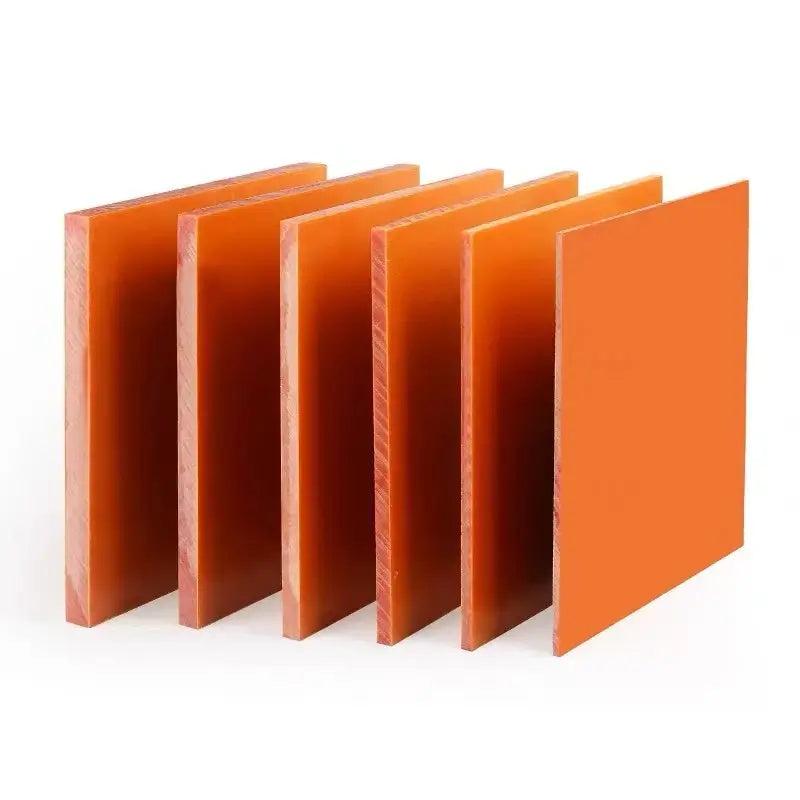
Bakelite sheets have become a cornerstone in laboratory equipment manufacturing due to their remarkable durability, thermal stability, and chemical resistance. This blog post explores how Bakelite material stands out in the industry, offering unmatched mechanical strength and the ability to withstand high temperatures, making it the ideal choice for lab surfaces and components. The post also delves into Bakelite’s electrical insulation properties, crucial for safeguarding sensitive lab instruments. Whether you’re seeking customized solutions or exploring environmentally sustainable options, Bakelite’s versatility shines through. As a trusted Bakelite board supplier, discover why this synthetic material continues to be a top choice for manufacturers, ensuring long-lasting and reliable performance across various laboratory applications. Learn more about where to find Bakelite sheets for sale and how they can enhance your lab’s functionality.

🎉🎉🎉Limited Time Offer Use code: QR4GNY08SHVR at checkout and enjoy a special discount on your entire order! 👉 Bakelite plastic
Bakelite material

Enhancing Laboratory Equipment Durability with Bakelite Sheets

Unmatched Mechanical Strength and Longevity

Bakelite sheets are renowned for their mechanical strength, a critical factor in extending the lifespan of laboratory equipment. Laboratories are environments where machinery and instruments are regularly subjected to rigorous use, often involving significant physical stress. The high-strength properties of Bakelite ensure that equipment remains durable even under these demanding conditions. Unlike other materials that may crack or wear down over time, Bakelite material maintains its integrity, reducing the need for frequent replacements and repairs. This characteristic makes it an indispensable choice for manufacturers aiming to produce robust and reliable laboratory tools.

Superior Wear Resistance for High-Stress Environments

In addition to its mechanical strength, Bakelite exhibits exceptional wear resistance. Laboratory environments can be harsh, with equipment exposed to various chemicals, repeated use, and physical abrasion. Bakelite plastic resists these elements, providing a protective barrier that minimizes surface degradation. This wear resistance is crucial for components that are frequently handled or come into contact with other surfaces, ensuring they remain functional and aesthetically pleasing over time. As a result, equipment made with Bakelite synthetics is not only long-lasting but also continues to perform at optimal levels, even after prolonged exposure to challenging conditions.

The Role of Bakelite in Reducing Maintenance Costs

The durability of Bakelite sheets directly impacts maintenance costs, a significant concern for any laboratory. Frequent breakdowns and the need for replacements can lead to substantial expenses. By using Bakelite material, laboratories can reduce these costs significantly. The material’s ability to withstand wear and tear means that equipment lasts longer without requiring constant upkeep. This longevity not only saves money but also minimizes downtime, ensuring that laboratory operations continue smoothly without interruption. For manufacturers and lab managers alike, this makes Bakelite an economically sound choice.

Customization and Versatility in Laboratory Equipment

Another advantage of Bakelite sheets is their versatility in customization. Manufacturers can easily mold and shape Bakelite plastic to meet the specific needs of different laboratory equipment. Whether for countertops, instrument casings, or other critical components, Bakelite offers the flexibility required for precision manufacturing. This adaptability ensures that the material can be used across various applications within the lab, enhancing the overall durability and functionality of the equipment. By choosing Bakelite synthetics, laboratories can achieve a higher standard of quality and performance.

Conclusion: Bakelite’s Essential Role in Laboratory Manufacturing

The durability and wear resistance of Bakelite sheets make them an ideal material for laboratory equipment. By providing unmatched mechanical strength and reducing maintenance costs, Bakelite ensures that lab instruments and machinery can withstand the rigorous demands of daily use. For those in search of a reliable, cost-effective, and long-lasting solution, Bakelite material stands out as the superior choice.
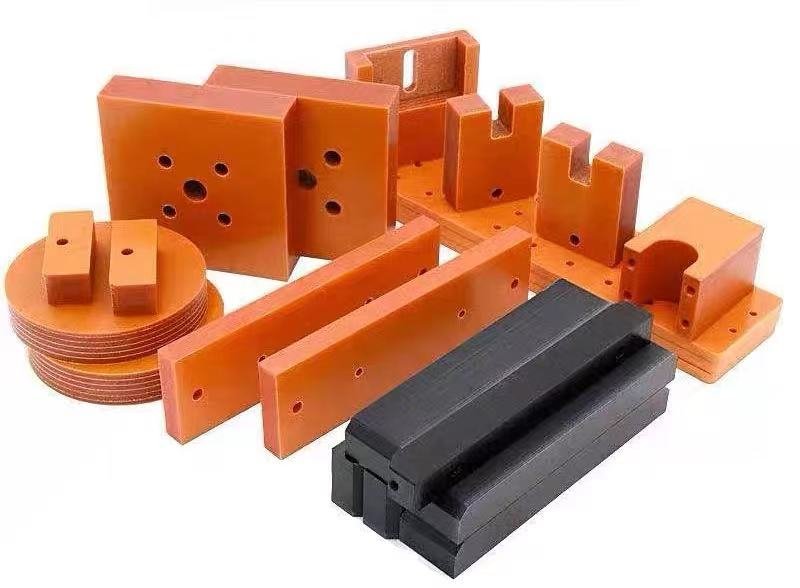
Bakelite material

Why Bakelite is the Perfect Material for Chemical-Resistant Laboratory Surfaces

Unparalleled Chemical Resistance

Bakelite material is highly regarded for its exceptional chemical resistance, making it the ideal choice for laboratory countertops, instrument bases, and other surfaces that frequently come into contact with corrosive substances. Unlike many other materials that may degrade or react when exposed to harsh chemicals, Bakelite remains stable and resistant, ensuring that lab surfaces maintain their integrity and functionality over time. This resistance is crucial in environments where substances such as acids, solvents, and other reactive chemicals are regularly used, as it prevents damage that could compromise safety and performance.

Suitability for High-Risk Laboratory Applications

In high-risk laboratory settings, where the use of corrosive chemicals is routine, the need for durable, chemical-resistant surfaces cannot be overstated. Bakelite sheets provide a robust solution, offering a protective barrier that shields the underlying surfaces from potential damage. This is particularly important for laboratory countertops, which are often the first point of contact with hazardous substances. By choosing Bakelite, laboratories can ensure that their workspaces are not only durable but also safer, reducing the risk of chemical reactions that could lead to contamination or equipment failure.

The Role of Bakelite in Maintaining Clean and Safe Laboratory Environments

Maintaining a clean and safe environment is a top priority in any laboratory. Bakelite plastic excels in this regard due to its non-porous nature, which prevents the absorption of chemicals and liquids. This characteristic makes it easy to clean and decontaminate, ensuring that lab surfaces remain hygienic and free from residues that could interfere with experiments or pose health risks. For laboratory managers and safety officers, Bakelite synthetics offer peace of mind, knowing that their surfaces can withstand the rigorous cleaning protocols required in high-standards laboratory environments.

Long-Term Durability in Chemical-Heavy Settings

The long-term durability of Bakelite sheets in chemically aggressive environments is another factor that makes them the material of choice for laboratory surfaces. Over time, even the most resilient materials can degrade under constant exposure to corrosive substances. However, Bakelite is engineered to endure such conditions, retaining its strength, appearance, and protective properties over years of use. This longevity not only reduces the need for frequent replacements but also ensures that laboratory equipment remains functional and reliable, even in the most demanding conditions.

Versatility in Application and Design

Beyond its chemical resistance, Bakelite is also valued for its versatility. It can be molded and shaped to fit a variety of laboratory applications, from countertops to instrument casings and beyond. This flexibility allows laboratory designers to incorporate Bakelite sheets into their designs seamlessly, ensuring that all surfaces are equipped with the same level of protection against chemical damage. Additionally, Bakelite’s properties make it suitable for both traditional and modern laboratory setups, offering a blend of durability and aesthetic appeal that is hard to match.

A Cost-Effective Solution for Long-Term Laboratory Needs

Investing in Bakelite surfaces is a cost-effective decision for laboratories looking to maximize their budget without compromising on quality. The chemical resistance and durability of Bakelite plastic mean that laboratories will save on maintenance and replacement costs over time. Furthermore, the material’s ability to withstand harsh chemicals ensures that expensive lab equipment and infrastructure are protected, reducing the likelihood of costly repairs or downtime.

Conclusion: The Future of Laboratory Surfaces with Bakelite

By leveraging the chemical-resistant properties of Bakelite material, laboratories can enhance the safety, durability, and efficiency of their workspaces. Whether for countertops, instrument bases, or other critical surfaces, Bakelite stands out as the superior choice for environments where chemical exposure is a constant concern.

chemical-resistant properties of Bakelite material

Electrical Insulation with Bakelite: Safeguarding Sensitive Lab Instruments

The Importance of Electrical Insulation in Laboratory Equipment

Electrical insulation is a critical factor in the design and functionality of laboratory equipment, particularly in settings where sensitive electronic instruments are in use. The insulation properties of a material determine its ability to prevent the unwanted flow of electrical current, which is essential for protecting both the equipment and the user. Bakelite, known for its superior dielectric strength, excels in providing reliable electrical insulation, making it an ideal choice for insulating various components within laboratory environments.

Bakelite’s Superior Dielectric Strength

At the core of Bakelite’s effectiveness as an insulator is its high dielectric strength. This property allows Bakelite material to withstand significant electrical voltage without breaking down, ensuring that sensitive electronic instruments remain safe from electrical faults. In laboratories where precise measurements and consistent performance are paramount, Bakelite’s insulation capabilities help maintain the integrity of the equipment, preventing issues such as short circuits and electrical interference that could compromise results.

Application of Bakelite in Insulating Lab Instruments

Bakelite sheets are commonly used to insulate components in laboratory equipment, including printed circuit boards (PCBs), transformers, and other electronic devices. The ability of Bakelite plastic to maintain its insulating properties even under high stress and varying environmental conditions makes it particularly valuable in settings where reliability is non-negotiable. For instance, in devices where maintaining a stable electrical environment is crucial, Bakelite’s insulation ensures that the instruments operate efficiently without the risk of electrical leakage or failure.

Enhancing Safety and Efficiency with Bakelite

Safety is a primary concern in any laboratory, especially when dealing with electronic equipment that could pose a hazard if not properly insulated. Bakelite’s electrical insulation properties are vital in enhancing the safety of laboratory environments. By preventing the escape of electrical currents, Bakelite not only protects the equipment but also reduces the risk of accidents, such as electrical shocks or fires. This makes Bakelite sheets an essential component in the manufacturing of laboratory instruments that must meet stringent safety standards.

Longevity and Stability in Insulation

One of the standout features of Bakelite material is its ability to retain its insulating properties over time, even in harsh laboratory environments. Unlike other materials that may degrade or lose their effectiveness with prolonged exposure to heat or chemicals, Bakelite remains stable, ensuring that the insulation it provides is long-lasting. This durability is especially important in laboratories where equipment is expected to perform reliably over extended periods without frequent maintenance or replacement.

Customization of Insulating Components with Bakelite

The versatility of Bakelite plastic extends to its application in customized laboratory equipment. Manufacturers can tailor Bakelite sheets to meet specific insulation requirements, whether for unique instrument designs or specialized applications. This customization ensures that each component is perfectly suited to its intended function, maximizing the safety and efficiency of the equipment. By choosing Bakelite, laboratories can benefit from insulation solutions that are both high-performing and adaptable to their specific needs.

Bakelite plastic

Thermal Stability of Bakelite: Withstanding the Heat in Laboratory Settings

The Importance of Thermal Stability in Laboratory Environments

In laboratory settings, where equipment is frequently exposed to high temperatures during experiments or thermal processes, the thermal stability of materials is critical. Bakelite material is renowned for its ability to maintain structural integrity and performance even under extreme heat, making it a superior choice for laboratory equipment that must endure harsh thermal conditions. The stability provided by Bakelite ensures that lab instruments and surfaces remain functional and reliable, regardless of the thermal stresses they encounter.

How Bakelite Maintains Structural Integrity Under Heat

Bakelite’s composition, primarily consisting of phenolic resin, gives it exceptional resistance to thermal degradation. When exposed to high temperatures, Bakelite plastic does not soften or melt, as is common with many other materials. Instead, it retains its rigid structure, which is crucial for applications where maintaining shape and form is necessary for accurate and consistent results. For laboratory countertops, instrument bases, and other surfaces that regularly encounter heat, Bakelite sheets offer a durable solution that prevents warping or deformation.

Applications of Bakelite in High-Temperature Laboratory Processes

In laboratories where experiments involve high-temperature processes, such as chemical reactions, sterilization, or material testing, Bakelite’s thermal stability becomes particularly valuable. Equipment such as heating mantles, thermal shields, and hot plates often require materials that can withstand prolonged exposure to heat without compromising their function. Bakelite excels in these applications by providing a stable platform that supports the accurate conduction of experiments without the risk of material failure due to thermal stress.

Bakelite’s Resistance to Thermal Degradation and Chemical Exposure

In addition to resisting heat, Bakelite is also highly resistant to the chemical degradation that often accompanies high-temperature environments. Many materials that perform well under heat may still degrade when exposed to certain chemicals at elevated temperatures. However, Bakelite material combines both thermal stability and chemical resistance, making it a reliable choice for complex laboratory environments where both factors are at play. This dual resistance ensures that Bakelite sheets continue to perform well, even in settings where other materials might fail.

Enhancing Laboratory Safety with Heat-Resistant Bakelite

Laboratory safety is greatly enhanced by using materials that can withstand the stresses of high temperatures without releasing harmful fumes or breaking down. Bakelite plastic is inherently flame-resistant, meaning it does not contribute to the spread of fire, which is a critical safety feature in laboratories that deal with volatile substances. This fire-resistant property, combined with its thermal stability, makes Bakelite an ideal material for lab equipment and surfaces that must adhere to stringent safety standards.

Long-Term Benefits of Using Bakelite in Heat-Intensive Laboratories

The long-term durability of Bakelite material in high-temperature settings means that laboratories can rely on their equipment for extended periods without the need for frequent replacements. This cost-effective solution not only reduces downtime but also ensures that laboratory processes remain uninterrupted, even in the face of demanding thermal challenges. By choosing Bakelite sheets for their heat-intensive applications, laboratories can achieve a higher level of efficiency and reliability in their operations.

Bakelite material in high-temperature

Customizing Laboratory Equipment with Bakelite Sheets: Flexibility and Precision

The Versatility of Bakelite Sheets in Laboratory Customization

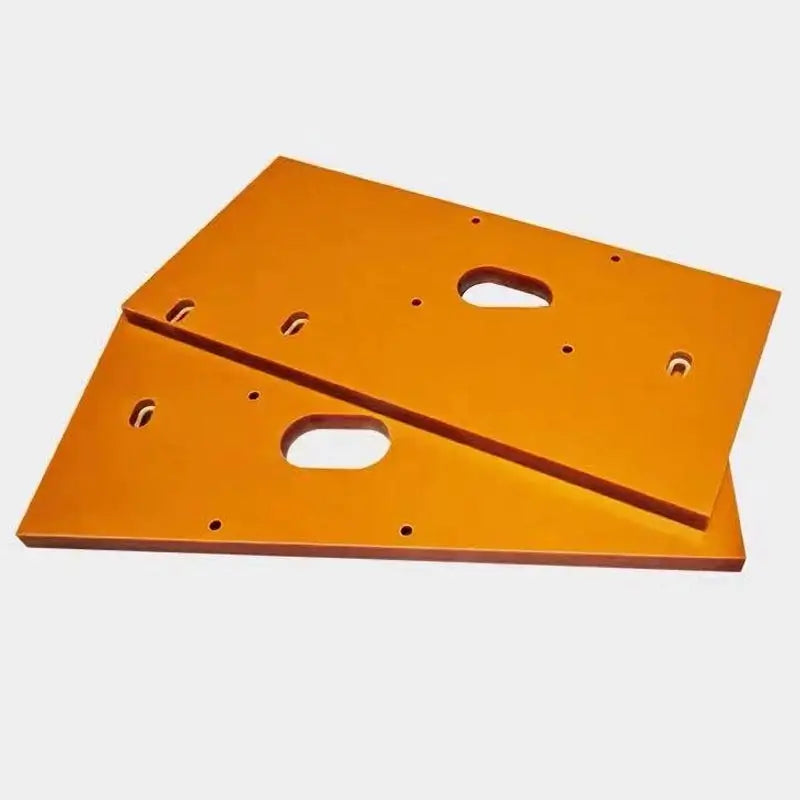
Bakelite sheets are celebrated for their remarkable versatility, making them an ideal material for customizing laboratory equipment. This flexibility allows manufacturers to create components with precise dimensions tailored to the unique demands of various research environments. Whether for specialized countertops, intricate instrument casings, or custom-made laboratory surfaces, Bakelite material can be molded and shaped with a high degree of accuracy, ensuring that each piece meets the exact specifications required by researchers and technicians.

Precision in Manufacturing Laboratory Equipment

When it comes to the manufacturing of laboratory equipment, precision is paramount. Bakelite plastic offers the ability to produce components with tight tolerances, which is essential for ensuring the proper fit and function of lab instruments. The material’s stable and consistent properties allow for detailed machining, enabling the creation of complex shapes and designs that would be difficult to achieve with other materials. This precision ensures that Bakelite sheets can be used to produce high-quality lab equipment that meets the stringent requirements of scientific research.

Tailoring Bakelite Properties to Specific Research Needs

One of the significant advantages of using Bakelite in laboratory customization is the ability to tailor its properties to meet specific research needs. Bakelite sheets can be customized in terms of thickness, hardness, and chemical resistance, depending on the application. For example, in environments where equipment is exposed to harsh chemicals, Bakelite material can be formulated to enhance its resistance to corrosion, ensuring longevity and reliability. Similarly, for applications requiring thermal stability, Bakelite can be engineered to withstand high temperatures without compromising its structural integrity.

Custom-Made Laboratory Surfaces for Enhanced Performance

The ability to create custom-made laboratory surfaces with Bakelite sheets enhances the overall performance and efficiency of the lab. Laboratories often require surfaces that are not only durable and resistant to chemicals but also precisely sized to fit within specific spaces. Bakelite plastic provides the ideal solution, allowing for the fabrication of countertops, workbenches, and other surfaces that are perfectly aligned with the laboratory’s layout and operational needs. This level of customization ensures that the lab environment is optimized for productivity, safety, and ease of use.

Advantages of Bakelite in Creating Ergonomic Laboratory Equipment

Customization with Bakelite sheets also extends to the creation of ergonomic laboratory equipment. By utilizing the flexibility of Bakelite, manufacturers can design equipment that is comfortable and easy to use, reducing strain on lab personnel and improving overall workflow. Whether it’s creating ergonomic handles, knobs, or instrument panels, Bakelite material can be molded into shapes that enhance user interaction and efficiency. This customization not only contributes to a safer working environment but also helps in achieving more accurate and consistent results in research.

The Future of Laboratory Equipment Customization with Bakelite

As the demands of scientific research continue to evolve, the need for highly customized laboratory equipment becomes increasingly important. Bakelite sheets, with their versatility and precision, are well-positioned to meet these demands. The ability to tailor Bakelite properties to specific applications ensures that laboratories can continue to innovate and advance in their research, supported by equipment that is not only durable and reliable but also perfectly suited to their unique requirements.

By leveraging the customizable nature of Bakelite material, laboratories can enhance their capabilities and push the boundaries of scientific discovery.

Bakelite material

Comparing Bakelite to Alternative Materials in Laboratory Manufacturing

Durability: Bakelite vs. Ceramics and Fiberglass

When it comes to durability, Bakelite material stands out due to its robust mechanical properties. Unlike ceramics, which are prone to cracking and shattering under mechanical stress, Bakelite maintains its structural integrity even when subjected to heavy use in laboratory environments. Fiberglass, while also durable, can become brittle over time, particularly when exposed to constant mechanical stress or fluctuating temperatures. Bakelite plastic, on the other hand, combines mechanical strength with resilience, making it an ideal choice for laboratory equipment that must endure daily wear and tear without compromising performance.

Electrical Insulation: A Comparative Advantage for Bakelite

Electrical insulation is another area where Bakelite excels compared to ceramics and fiberglass. Ceramics are excellent insulators, particularly at high temperatures, but they can be challenging to work with due to their rigidity and brittleness. Fiberglass also offers good insulation properties; however, it may not provide the same level of protection against electrical currents as Bakelite. Bakelite sheets offer a unique combination of high dielectric strength and durability, ensuring that sensitive laboratory instruments are well-protected from electrical interference. This makes Bakelite a superior choice for applications requiring reliable and consistent electrical insulation.

Cost-Effectiveness: Bakelite as a Budget-Friendly Option

When considering cost-effectiveness, Bakelite offers a significant advantage over both ceramics and fiberglass. Ceramics can be expensive to produce and difficult to replace when damaged, leading to higher overall costs for laboratories. Fiberglass, while generally more affordable than ceramics, can incur additional costs due to its handling challenges and potential health risks associated with its fibrous nature. Bakelite material, however, is both economical and easy to manufacture, providing a cost-effective solution that does not compromise on quality or performance. Laboratories looking to optimize their budget without sacrificing durability or functionality will find Bakelite to be a highly attractive option.

Versatility in Application: Bakelite’s Unique Strength

Another key advantage of Bakelite over ceramics and fiberglass is its versatility in application. Bakelite sheets can be easily molded and shaped to meet specific laboratory needs, from intricate instrument casings to custom-designed countertops. Ceramics, while highly durable and heat-resistant, lack the flexibility required for customization, often limiting their use to specific applications. Fiberglass can be molded into various shapes, but its fibrous nature can make detailed work challenging and potentially hazardous. Bakelite’s adaptability ensures that it can be used across a wide range of laboratory equipment, providing the exact specifications needed for diverse research environments.

Chemical Resistance: A Shared Strength with Notable Differences

Both Bakelite and ceramics are known for their excellent chemical resistance, making them ideal for use in environments where exposure to harsh chemicals is common. However, Bakelite offers an added advantage with its thermal stability, which ensures that it can withstand chemical exposure even at elevated temperatures. Fiberglass also provides good chemical resistance but may not perform as well as Bakelite under high-heat conditions. This combination of chemical and thermal resistance makes Bakelite a more reliable choice for laboratories that require materials capable of enduring both chemical and thermal challenges.

Long-Term Reliability: The Superior Choice for Laboratories

In terms of long-term reliability, Bakelite outperforms both ceramics and fiberglass in laboratory settings. The material’s ability to maintain its insulating properties, mechanical strength, and chemical resistance over extended periods ensures that laboratory equipment remains functional and safe for use. While ceramics and fiberglass have their respective strengths, they often fall short in terms of flexibility, ease of handling, and overall cost-effectiveness. Bakelite sheets, therefore, present a balanced solution, offering the best combination of durability, insulation, and adaptability for a wide range of laboratory applications.

Bakelite outperforms both ceramics

The Environmental Impact of Bakelite: Sustainable Choices in Lab Equipment

The Longevity of Bakelite and Its Role in Reducing Waste

Bakelite is renowned for its long lifespan, a key factor that contributes to its sustainability in laboratory equipment. Unlike other materials that may degrade or wear out quickly, requiring frequent replacement, Bakelite sheets are incredibly durable and resistant to the types of wear and tear common in lab environments. This durability reduces the overall consumption of materials and energy, as equipment made with Bakelite does not need to be replaced as often. By extending the life cycle of laboratory tools and surfaces, Bakelite helps to minimize waste, aligning with modern sustainable practices aimed at reducing environmental impact.

Potential for Recycling and Repurposing

While traditional Bakelite material is a thermosetting plastic, meaning it cannot be easily melted down and reshaped like thermoplastics, there are emerging methods for recycling and repurposing Bakelite that contribute to sustainability. Mechanical recycling processes can break down Bakelite sheets into smaller particles that can be used as fillers in other materials. Additionally, chemical recycling technologies are being developed to recover the phenolic resin and other components from used Bakelite, which can then be repurposed into new products. These innovations in Bakelite recycling demonstrate how even materials traditionally considered non-recyclable can play a role in a circular economy.

Aligning with Sustainable Manufacturing Practices

Incorporating Bakelite into laboratory equipment supports sustainable manufacturing practices, especially when considering the material’s low environmental footprint during production. Bakelite plastic requires relatively low energy to produce compared to some other plastics and synthetic materials, making it a more energy-efficient option. Furthermore, as industries increasingly focus on sustainability, the ability to repurpose and extend the life of materials like Bakelite becomes crucial. By choosing Bakelite sheets for laboratory applications, manufacturers contribute to a more sustainable production process, reducing the overall environmental impact of their products.

The Environmental Benefits of Bakelite’s Chemical and Thermal Resistance

Bakelite’s chemical resistance not only enhances the durability of laboratory equipment but also reduces the need for potentially harmful cleaning agents. Since Bakelite surfaces do not degrade or react with most chemicals, laboratories can use milder, more environmentally friendly cleaning products. This reduces the environmental impact associated with harsh chemicals that may be required for less resistant materials. Additionally, Bakelite’s thermal stability means it can withstand high temperatures without releasing toxic fumes or breaking down, further minimizing its environmental footprint and making it a safer choice for both laboratory personnel and the environment.

Contribution to a Circular Economy in Laboratory Manufacturing

The integration of Bakelite into laboratory manufacturing supports the broader goals of a circular economy, where products are designed for longevity, reuse, and recycling. As Bakelite is repurposed and its use extended over multiple product life cycles, laboratories can reduce their reliance on new materials, thereby conserving resources and reducing waste. The development of new recycling techniques for Bakelite plastic not only enhances its sustainability but also positions it as a key material in the shift towards more sustainable laboratory practices. By leveraging Bakelite’s unique properties, laboratories can contribute to a more sustainable future while maintaining high standards of performance and safety.

Bakelite plastic

Common Questions and Answers Related to BeePlastics Customization

1. Can BeePlastics undertake any customization, including sample and batch customization?

Answer:
Yes, BeePlastics can handle any type of customization, whether you need a single sample or a large batch of products. We have the capability to tailor our materials to your specific requirements, ensuring that you get exactly what you need for your project. Whether it’s a unique design or specific dimensions, BeePlastics is equipped to deliver customized solutions that meet your expectations.

2. What file formats does BeePlastics accept for design submissions?

Answer:
BeePlastics accepts a variety of file formats, making it easy for you to submit your designs. We commonly work with PDF and CAD files, which are preferred for their accuracy and ease of use. However, if you have a different file format, please let us know, and we will do our best to accommodate your needs.

3. Is there a minimum order quantity (MOQ) for custom orders at BeePlastics?

Answer:
No, BeePlastics does not have a minimum order quantity (MOQ). We understand that every project is different, and whether you need a single prototype or a full production run, we are here to assist you. Our flexibility ensures that you can order exactly the quantity you need without worrying about minimum requirements.

4. How does BeePlastics handle the production cycle for custom orders?

Answer:
The production cycle at BeePlastics is tailored to the specific details of your order, including the complexity of the design and the quantity required. We work closely with you throughout the process, providing real-time updates on production progress to ensure that everything is on track. This transparent communication helps to manage timelines effectively and ensures that you are always informed about the status of your order.

5. Does BeePlastics provide samples, and is there a cost associated with them?

Answer:
Yes, BeePlastics provides samples to help you evaluate the material and design before committing to a full order. The sample itself is free of charge, but customers are responsible for the shipping costs. This allows you to test the product without significant upfront investment, ensuring that it meets your specifications before proceeding with larger orders.

6. What customization options are available for laboratory equipment at BeePlastics?

Answer:
BeePlastics offers extensive customization options for laboratory equipment, including the ability to adjust dimensions, material properties, and design specifications to suit your unique requirements. Whether you need specific chemical resistance, thermal stability, or mechanical strength, we can tailor our materials to meet the exact demands of your laboratory applications.

7. How does BeePlastics ensure the quality of customized products?

Answer:
Quality is a top priority at BeePlastics. We use high-grade materials and advanced manufacturing processes to ensure that every customized product meets stringent quality standards. Our team conducts thorough inspections at each stage of production, and we work closely with you to ensure that the final product aligns with your expectations.

8. Can BeePlastics assist with the design process for custom products?

Answer:
Yes, BeePlastics can assist with the design process. Our experienced team is available to collaborate with you on your project, providing insights and suggestions to optimize the design for functionality, durability, and cost-effectiveness. Whether you have a complete design ready or need help refining your ideas, we are here to support you throughout the process.

9. What industries does BeePlastics serve with its customized products?

Answer:
BeePlastics serves a wide range of industries with its customized products, including laboratories, automotive, aerospace, medical, and industrial manufacturing. Our materials are designed to meet the specific needs of each industry, whether it’s for electrical insulation, chemical resistance, or mechanical components.

10. How can I request a quote for a custom order from BeePlastics?

Answer:
Requesting a quote from BeePlastics is simple. You can visit our website and fill out the custom order request form, providing details about your project, including design files, material preferences, and quantity. Alternatively, you can contact our sales team directly to discuss your needs. We will review your request and provide a detailed quote, including pricing, lead times, and any additional information you may need to proceed with your order.

To sum up, Bakelite remains an indispensable material in laboratory manufacturing due to its unmatched durability, superior electrical insulation, and excellent thermal stability. Its versatility in customization and the ability to meet specific laboratory requirements make it an ideal choice for a wide range of applications. Moreover, its long lifespan and emerging recycling methods align with modern sustainable practices, further enhancing its appeal as a reliable and eco-friendly option. By choosing Bakelite sheets for your laboratory equipment, you are investing in a material that not only ensures the safety and efficiency of your operations but also supports a more sustainable and cost-effective future.

Bakelite sheets

Interested in how Bakelite can transform your laboratory? Reach out to us today by filling out the contact form below. For more details on our Bakelite offerings, jump to our product page and discover the possibilities here.

🎉🎉🎉Limited Time Offer Use code: QR4GNY08SHVR at checkout and enjoy a special discount on your entire order! 👉 Bakelite plastic

Leave a comment


Please note, comments must be approved before they are published


Custom Plastic Fabrication

Send your drawing, material and quantity for review

🔧
Precision Machining
CNC milling & turning
✂️
Cutting & Engraving
Laser & waterjet cutting
🏭
Forming & Molding
Thermoforming & injection
🔗
Joining & Assembly
Welding & bonding
📐
Design & Prototyping
CAD design & samples

General

HDPE

PP

PVC

ABS

Engineering

POM

Nylon

PC

PMMA

High-Performance

PEEK

PEI

PTFE

Composites

FR-4

G10

Flexible

TPU

Silicone

Why Choose BeePlastic?

🎯
Perfect Fit
Custom specs eliminate adaptation needs
⚡
Clear Lead Times
Lead time confirmed with every quote
💰
Volume Pricing
Volume pricing available on bulk orders
🤝
Expert Support
Free engineering consultation included
📋
Submit
→
🔍
Review
→
💵
Quote
→
✅
Production
→
📦
Deliver

Request a Quote

Share your project details, selected material and quantity on our quote page. You can add a file link or use the email drawing route shown there.


Request Quote

Industries: Automotive • Medical • Food • Lab • Semiconductor

beeplastic@beeplastic.com


The Ultimate Guide to Custom Polyurethane Sheets: From Manufacturing to Industrial Applications

Polyurethane plate

Unlocking the Power of Custom Polyurethane Sheets: From Manufacturing Excellence to Industrial Mastery

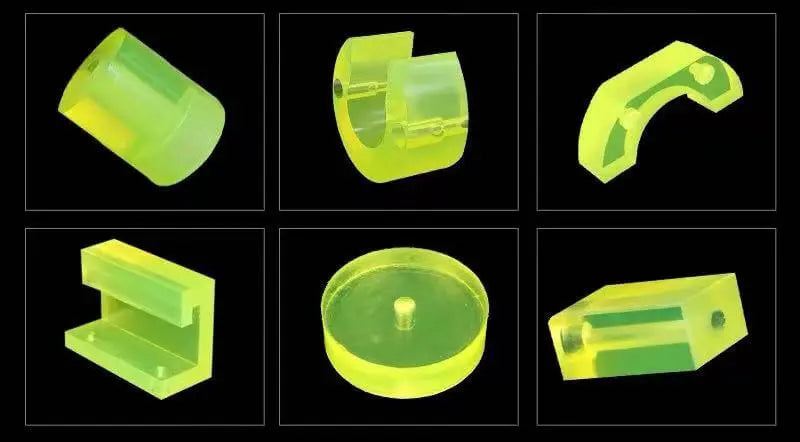
Dive into The Ultimate Guide to Custom Polyurethane Sheets, where I explore the incredible versatility and unmatched performance of PU plastic in today’s demanding industries. Whether you’re in automotive, construction, or furniture manufacturing, Polyurethane sheets are revolutionizing product design and functionality. In this comprehensive guide, learn how Custom PU plastic is meticulously engineered to meet specific PU sheet thickness requirements, offering superior insulation, cushioning, and protective coatings. Discover the durability and adaptability of Urethane sheets, and why they outperform traditional materials like rubber and metal. From Polyurethane elastomers that enhance industrial machinery to tailored PU sheet applications that meet the exacting standards of the automotive sector, this guide covers it all. Explore how Polyurethane material is shaping the future of these industries with custom solutions that are both innovative and efficient.

🎉🎉🎉Limited Time Offer Use code: QR4GNY08SHVR at checkout and enjoy a special discount on your entire order! 👉PU board

Polyurethane material

Revolutionizing Automotive Interiors with Custom Polyurethane Sheets

Custom polyurethane sheets are transforming the landscape of automotive interior design. These PU sheets are increasingly favored for crafting seat cushioning, providing unmatched comfort while maintaining structural integrity over prolonged use. The inherent flexibility and durability of polyurethane material ensure that car seats not only offer superior comfort but also withstand the rigors of daily use.

Crafting Durable Dashboard Components with Polyurethane Sheets

The versatility of polyurethane sheets extends to the creation of dashboard components, where precise molding capabilities allow for sleek, integrated designs. PU sheets are ideal for dashboards because they offer a combination of aesthetic appeal and functional resilience. Their impact resistance ensures that the dashboard can endure significant wear and tear, maintaining both its appearance and performance over time.

Enhancing Exterior Protection with Custom Polyurethane Products

Polyurethane sheets are not limited to interior applications; they also play a crucial role in protecting the vehicle’s exterior. These sheets can be custom-fitted to various parts of the car’s exterior, providing a robust barrier against environmental damage and physical impacts. The urethane sheet material is particularly effective in applications where flexibility and durability are essential, such as in protective coatings and exterior panels.

Optimizing Manufacturing with Custom PU Sheet Solutions

The ability to customize PU sheets according to specific thickness and hardness requirements makes them an invaluable asset in automotive manufacturing. This customization allows for the production of components that meet exacting standards for both performance and aesthetics. Polyurethane elastomers are especially useful in applications requiring a combination of flexibility, strength, and durability, ensuring that each component performs optimally in its designated role.

Polyurethane Sheets in Automotive Soundproofing

Another critical application of polyurethane sheets in automotive interiors is soundproofing. PU foam materials are excellent at absorbing sound and vibrations, making them ideal for reducing noise within the cabin. This contributes to a quieter, more comfortable ride, enhancing the overall driving experience.

The Role of PU Sheets in Enhancing Vehicle Safety

In addition to comfort and aesthetics, polyurethane sheets play a significant role in vehicle safety. Their impact-resistant properties make them suitable for use in areas of the car that need to absorb energy during a collision, such as in bumpers or side panels. This application not only improves the vehicle’s safety but also contributes to its overall durability.

Future Trends: The Growing Importance of Custom Polyurethane Sheets in the Automotive Industry

As the automotive industry continues to evolve, the demand for custom polyurethane products is set to grow. With advancements in PU material technology, manufacturers can expect even greater flexibility in designing components that meet specific performance criteria. From PU rods to urethane plates, the possibilities are virtually limitless, making polyurethane sheets a cornerstone of modern automotive manufacturing.

PU rods to urethane plates

The Manufacturing Process Behind High-Performance Polyurethane Sheets

The creation of high-performance polyurethane sheets involves a meticulous manufacturing process that ensures their durability, flexibility, and adaptability to various industry requirements. The process begins with selecting the right polyurethane material, which is critical for achieving the desired properties in the final product.

Raw Material Selection and Preparation

The first step in manufacturing PU sheets is the careful selection of raw materials. Polyurethane is a versatile polymer that can be formulated to meet specific needs by adjusting the polyol and isocyanate components. The choice of these materials determines the hardness, elasticity, and chemical resistance of the final product. Once selected, the raw materials undergo rigorous testing to ensure consistency and quality, which is crucial for producing custom polyurethane products that meet the stringent demands of industries like automotive, construction, and furniture.

Customizing Thickness, Hardness, and Size

One of the key advantages of polyurethane sheets is their ability to be customized in terms of thickness, hardness, and size. During the manufacturing process, the polyurethane elastomer mixture is poured into molds designed to achieve the desired specifications. The thickness of the sheet can be precisely controlled, ranging from a few millimeters to several inches, depending on the application. Additionally, the hardness of the sheet can be adjusted by altering the formulation, allowing manufacturers to produce everything from soft, flexible PU foam to rigid, durable sheets.

Curing and Finishing

After the PU material has been molded, it undergoes a curing process that solidifies the material and enhances its properties. The curing time and temperature are carefully controlled to ensure that the polyurethane sheet achieves the desired level of performance. This step is crucial for developing the impact resistance, abrasion resistance, and chemical stability that make PU sheets suitable for demanding environments. Once cured, the sheets are finished with precision cutting, ensuring that they meet the exact dimensions required by the client.

Quality Control and Testing

Quality control is integral to the manufacturing process of polyurethane sheets. Each batch undergoes stringent testing to verify that it meets the specified mechanical properties, such as tensile strength, tear resistance, and elongation at break. This ensures that the custom PU sheets can withstand the harsh conditions they may face in automotive, construction, and other industrial applications.

Versatility in Applications

The ability to tailor polyurethane sheets to specific requirements makes them ideal for a wide range of applications. For example, in the automotive industry, these sheets are used for soundproofing, cushioning, and protective coatings. In the construction sector, they serve as insulation materials, protective linings, and vibration dampeners. The versatility of custom polyurethane products stems from their customizable nature, which allows them to be adapted to meet the unique challenges of each industry.

Future Innovations in Polyurethane Sheet Manufacturing

As technology advances, so does the potential for innovation in the manufacturing of polyurethane sheets. Emerging techniques in material science are paving the way for PU sheets with enhanced properties, such as increased thermal resistance and improved environmental sustainability. These developments are set to expand the applications of polyurethane sheets even further, solidifying their role as a critical material in modern manufacturing.

Polyurethane Sheets in Construction: Enhancing Insulation and Structural Integrity

Polyurethane sheets play a vital role in modern construction, offering a range of benefits that contribute to the efficiency and durability of buildings. These PU sheets are known for their exceptional insulation properties, making them a preferred choice for both residential and commercial projects. Their ability to provide thermal insulation helps in maintaining energy efficiency, which is crucial in today’s construction industry where sustainability is a growing concern.

Polyurethane sheets play a vital role in modern construction

The Role of Polyurethane Sheets in Insulation

One of the primary uses of polyurethane sheets in construction is for insulation. These sheets have a high R-value, which indicates their superior ability to resist heat flow. This property makes PU sheets an excellent material for reducing heat transfer, keeping buildings warmer in the winter and cooler in the summer. By minimizing the need for excessive heating or cooling, polyurethane sheets contribute to significant energy savings, thereby lowering the overall carbon footprint of a building.

In addition to thermal insulation, PU sheets are also effective in providing soundproofing. In urban environments, where noise pollution can be a significant issue, the ability of polyurethane foam to absorb sound waves makes it an ideal material for walls, floors, and ceilings. This not only enhances the comfort of living or working spaces but also adds value to the property by improving its acoustic performance.

Enhancing Structural Integrity with Polyurethane Sheets

Beyond insulation, polyurethane sheets are also utilized to enhance the structural integrity of buildings. These sheets are highly durable and can withstand significant wear and tear, making them ideal for use as protective coatings on building materials. When applied to surfaces such as concrete or steel, urethane sheets offer a protective barrier against environmental factors like moisture, chemicals, and physical impacts. This protection extends the lifespan of the building materials, reducing maintenance costs and improving the overall durability of the structure.

Application of Polyurethane Sheets as Protective Coatings

Polyurethane sheets are also popular in construction for their role as durable protective coatings. These coatings are crucial in areas that are exposed to harsh environmental conditions. For example, PU sheets can be applied to the exterior of buildings to protect against water infiltration, which is a common cause of structural damage. The water-resistant properties of polyurethane ensure that the building remains protected from moisture-related issues such as mold growth and material degradation.

Additionally, polyurethane coatings are used on floors in industrial and commercial buildings due to their abrasion resistance and ease of maintenance. These coatings not only protect the underlying materials from damage but also provide a non-slip surface that enhances safety. The versatility of custom polyurethane products allows them to be tailored to specific requirements, ensuring optimal performance in a wide range of construction applications.

Polyurethane Sheets in Sustainable Construction

With the increasing focus on sustainable building practices, polyurethane sheets have become a critical component in eco-friendly construction. The insulation properties of PU sheets contribute to energy-efficient buildings, while their durability reduces the need for frequent replacements, minimizing waste. Moreover, advancements in PU material technology have led to the development of low-VOC polyurethane products, which further support green building initiatives by reducing the emission of harmful chemicals during application.

The use of polyurethane sheets in construction is not just about meeting the demands of today’s industry; it’s about preparing for the future. As building codes and environmental standards become more stringent, the ability of polyurethane to adapt to these changing requirements makes it an invaluable material in modern construction.

Innovations in Polyurethane Sheet Technology

As construction techniques evolve, so too does the technology behind polyurethane sheets. Recent innovations have focused on improving the fire resistance of PU sheets, making them even safer for use in both residential and commercial buildings. Additionally, the development of recyclable polyurethane materials is paving the way for more sustainable construction practices. These innovations are ensuring that polyurethane sheets remain at the forefront of building materials, providing solutions that are not only effective but also environmentally responsible.

polyurethane sheets

Enhancing Furniture Design with Custom Polyurethane Products

Custom polyurethane products are revolutionizing the furniture industry by offering unparalleled benefits in terms of comfort, durability, and aesthetic appeal. The versatility of PU sheets makes them an ideal choice for both high-end and commercial furniture, where the demand for quality and longevity is paramount.

The Role of Polyurethane Sheets in Comfort Enhancement

One of the key advantages of using polyurethane sheets in furniture manufacturing is their ability to significantly enhance comfort. PU foam, a common application of polyurethane, is widely used in cushions, mattresses, and seating because of its ability to conform to body shapes while providing firm support. This material distributes weight evenly, reducing pressure points and ensuring long-term comfort. For high-end furniture, custom polyurethane products can be tailored to achieve the perfect balance between softness and support, making them a preferred choice for luxury sofas, chairs, and beds.

Durability: Ensuring Long-Lasting Furniture

Durability is a critical factor in furniture design, and polyurethane sheets excel in this regard. The inherent toughness of PU plastic allows it to withstand daily wear and tear, making it ideal for both residential and commercial furniture. Unlike traditional materials that may sag or degrade over time, polyurethane retains its shape and resilience, ensuring that the furniture remains as comfortable and aesthetically pleasing as the day it was made. Additionally, the abrasion resistance of urethane sheets makes them particularly suitable for high-traffic areas, such as hotel lobbies or office lounges, where furniture is subject to constant use.

Aesthetic Versatility with Polyurethane Sheets

Beyond comfort and durability, polyurethane products offer significant aesthetic versatility. Custom PU sheets can be produced in a variety of colors, textures, and finishes, allowing furniture designers to create pieces that are both visually appealing and unique. Whether it’s a sleek, modern look or a more traditional design, PU sheets can be customized to meet specific aesthetic requirements. This adaptability makes polyurethane an excellent choice for designers who want to experiment with new styles or create bespoke furniture that stands out in the market.

Protecting and Enhancing Furniture with Polyurethane Coatings

Polyurethane sheets are not only used in the core components of furniture but also as protective coatings. These coatings add an extra layer of protection to wooden or metal parts, preventing damage from moisture, heat, and scratches. The chemical resistance of urethane coatings ensures that the furniture can withstand spills and stains, making maintenance easier and extending the life of the piece. Additionally, the flexibility of PU coatings means they can be applied to various shapes and surfaces without cracking or peeling, preserving the furniture’s appearance and function over time.

Innovations in Polyurethane Technology for Furniture Design

As technology advances, so do the possibilities for polyurethane in furniture manufacturing. Recent innovations include low-VOC polyurethane products that contribute to healthier indoor air quality, an increasingly important factor in furniture design. Furthermore, recyclable polyurethane materials are gaining popularity as sustainability becomes a key consideration for consumers and manufacturers alike. These developments are ensuring that polyurethane remains a vital material in the production of modern, durable, and eco-friendly furniture.

The Future of Furniture Design with Polyurethane Products

Looking ahead, the role of custom polyurethane products in furniture design is set to expand even further. With the ability to tailor PU materials to meet specific functional and aesthetic needs, furniture designers are empowered to create innovative products that meet the evolving demands of both residential and commercial markets. From PU rods used in structural components to urethane plates that add durability to surfaces, the future of furniture design will be shaped by the continued evolution of polyurethane technology.

Comparing Polyurethane Sheets with Traditional Materials: Why PU is the Superior Choice

In the world of industrial materials, polyurethane sheets are gaining recognition for their versatility and superior performance compared to traditional materials like rubber and metal. This comparative analysis will explore why PU sheets have become the preferred choice in many applications, highlighting their wear resistance, flexibility, and cost-effectiveness.
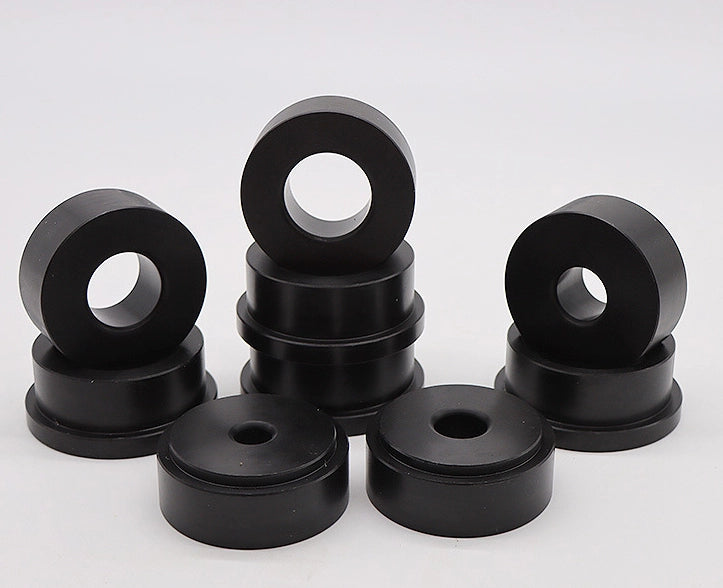
polyurethane sheets

Superior Wear Resistance of Polyurethane Sheets

When it comes to wear resistance, polyurethane sheets outshine traditional materials such as rubber and metal. Polyurethane is known for its exceptional ability to withstand abrasion, which makes it an ideal material for applications that involve continuous friction or heavy impact. For instance, in industrial settings where conveyor belts or rollers are subjected to constant use, PU sheets maintain their integrity far longer than rubber, reducing the need for frequent replacements.

Moreover, unlike metal, which can corrode or develop surface imperfections over time, polyurethane offers consistent performance without degradation. This durability not only ensures longer-lasting components but also contributes to lower maintenance costs, making PU sheets a more cost-effective option in the long run.

Flexibility: A Key Advantage of Polyurethane

Flexibility is another area where polyurethane sheets excel. Unlike metal, which is rigid and can be difficult to work with, PU sheets offer a high degree of flexibility. This characteristic allows polyurethane to absorb shocks and vibrations, making it ideal for use in environments where materials need to withstand dynamic forces.

For example, custom polyurethane products are often used in automotive applications, where PU foam and urethane sheets provide cushioning and noise reduction. The ability of polyurethane to flex without cracking or losing its shape also makes it suitable for applications where components are required to move or bend, something that metal cannot achieve without permanent deformation.

Cost-Effectiveness of Polyurethane Sheets

When comparing cost-effectiveness, polyurethane sheets provide a significant advantage over both rubber and metal. While the initial cost of PU sheets may be comparable to or slightly higher than rubber, the extended lifespan and reduced maintenance requirements of polyurethane translate to substantial savings over time. In contrast, rubber components often need frequent replacement due to wear and tear, and metal parts can incur high maintenance costs due to corrosion or the need for regular lubrication.

Moreover, polyurethane is easier to mold and customize, which reduces manufacturing costs for specialized parts. The ability to produce custom polyurethane sheets in various thicknesses and hardness levels allows manufacturers to meet specific needs without the additional expense of complex machining processes required for metal parts.

Versatility in Application

Polyurethane sheets offer unmatched versatility in application, further setting them apart from traditional materials. PU sheets can be tailored to meet a wide range of specifications, from rigid plates to flexible foams, making them suitable for diverse industries such as automotive, construction, and manufacturing. This adaptability means that polyurethane can be used in both heavy-duty industrial applications and delicate precision components, a level of versatility that rubber and metal cannot match.
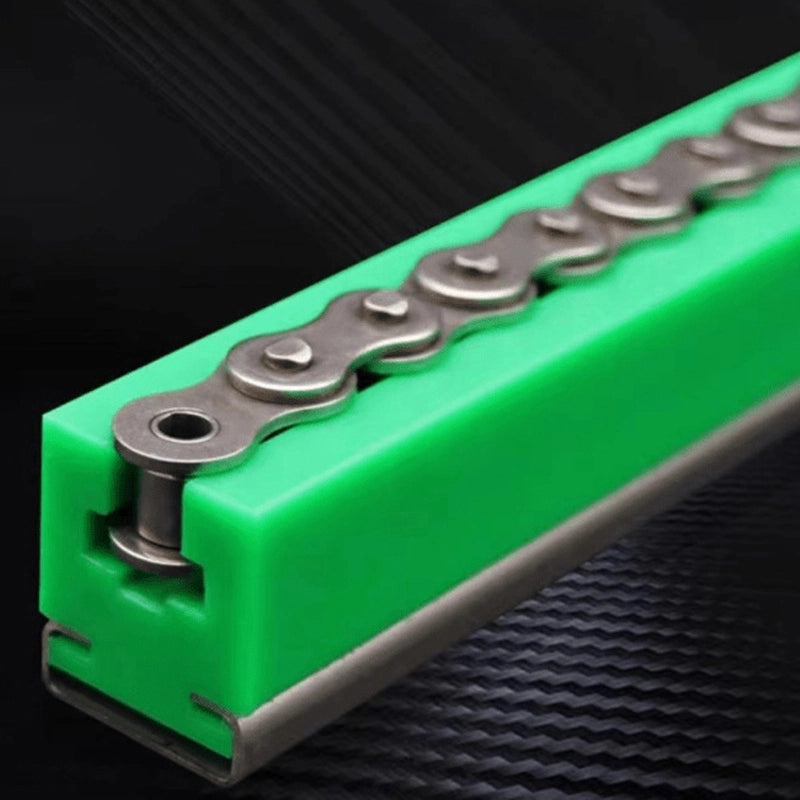
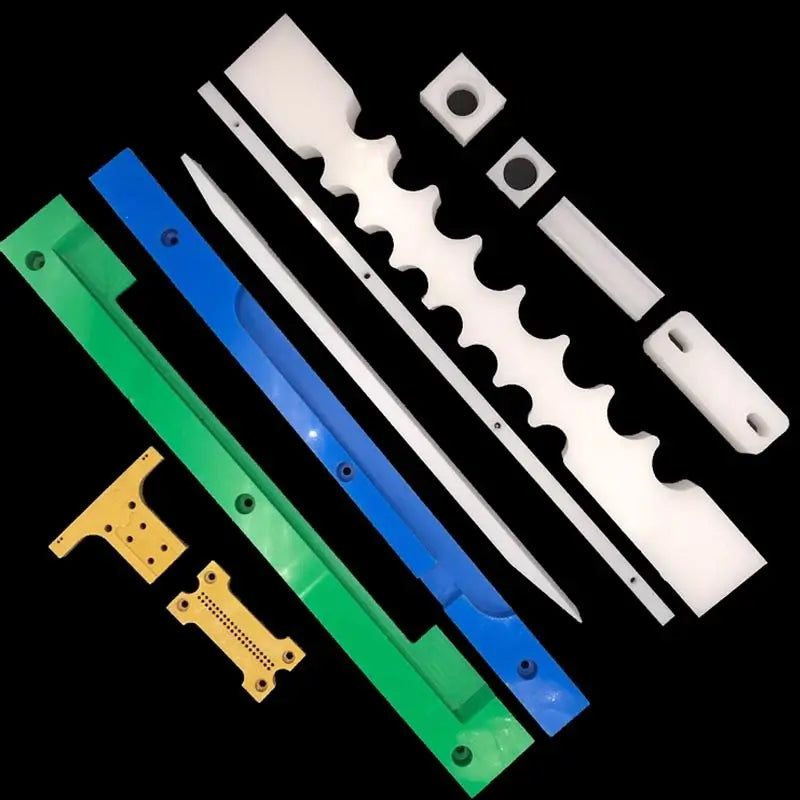
In automotive design, for example, urethane sheets are used for everything from soundproofing to protective coatings, providing a multifunctional solution that enhances both performance and durability. In construction, polyurethane serves as insulation, sealing, and vibration damping, showcasing its ability to function across various domains with equal efficiency.

Environmental Impact and Sustainability

As industries move towards more sustainable practices, the environmental impact of materials becomes increasingly important. Polyurethane has the advantage of being recyclable, and advancements in polyurethane technology are leading to the development of low-VOC and eco-friendly products. This makes PU sheets a more environmentally responsible choice compared to traditional materials like metal, which require energy-intensive processes for recycling, and rubber, which can be challenging to dispose of sustainably.

Future Trends in Polyurethane Use

The future of material selection in various industries looks increasingly likely to favor polyurethane due to its combination of performance, flexibility, and sustainability. As manufacturing technologies continue to evolve, PU sheets are expected to become even more prevalent, replacing traditional materials in applications where wear resistance, flexibility, and cost-efficiency are paramount. With the ongoing advancements in polyurethane elastomers and custom polyurethane products, the potential applications for this versatile material are virtually limitless.

polyurethane products

Understanding Polyurethane Elastomers: Versatile Solutions for Industrial Applications

Polyurethane elastomers are a class of highly resilient and flexible materials known for their exceptional performance in demanding industrial environments. These elastomers combine the elasticity of rubber with the toughness of plastic, making them ideal for applications that require both durability and flexibility. In industries where machinery is subjected to intense wear and high-impact forces, polyurethane elastomers provide solutions that extend the lifespan of equipment and improve overall operational efficiency.

Properties of Polyurethane Elastomers

The unique properties of polyurethane elastomers make them particularly well-suited for heavy-duty industrial use. One of the most notable characteristics of these materials is their high tear and abrasion resistance. Unlike traditional rubbers, polyurethane can withstand repeated stress without cracking or degrading, making it an excellent choice for parts that are exposed to continuous friction and impact.

Additionally, polyurethane elastomers exhibit outstanding load-bearing capacity. This property allows them to support heavy weights without permanent deformation, which is crucial in applications like conveyor belts, rollers, and other components that must endure significant mechanical stress. The shock absorption capabilities of polyurethane elastomers also contribute to their effectiveness in high-impact areas, where they help to dampen vibrations and protect machinery from damage.

Applications in Heavy Machinery

In the context of heavy machinery, polyurethane elastomers are frequently used in the production of seals, gaskets, bushings, and rollers. These components are integral to the smooth operation of equipment in industries such as mining, construction, and manufacturing. The chemical resistance of polyurethane elastomers further enhances their suitability for these environments, as they can withstand exposure to oils, solvents, and other harsh substances without deteriorating.

For example, custom polyurethane seals are often employed in hydraulic systems, where they prevent leaks and maintain pressure in the presence of high temperatures and aggressive chemicals. Similarly, polyurethane rollers are used in conveyor systems to transport heavy loads, benefiting from the material’s combination of strength and elasticity.

High-Impact Industrial Applications

Polyurethane elastomers are particularly valuable in high-impact applications where materials must absorb significant energy without failing. This is evident in their use in shock absorbers, vibration dampeners, and protective pads. In these applications, the energy-absorbing properties of polyurethane help to reduce the wear and tear on machinery, thereby extending its operational life.

For instance, in the mining industry, polyurethane liners are used to protect equipment from the constant impact of abrasive materials like rocks and ore. These liners not only shield the machinery from damage but also reduce noise levels and improve safety conditions for workers. The versatility of polyurethane elastomers allows them to be molded into various shapes and sizes, making them adaptable to a wide range of industrial applications.
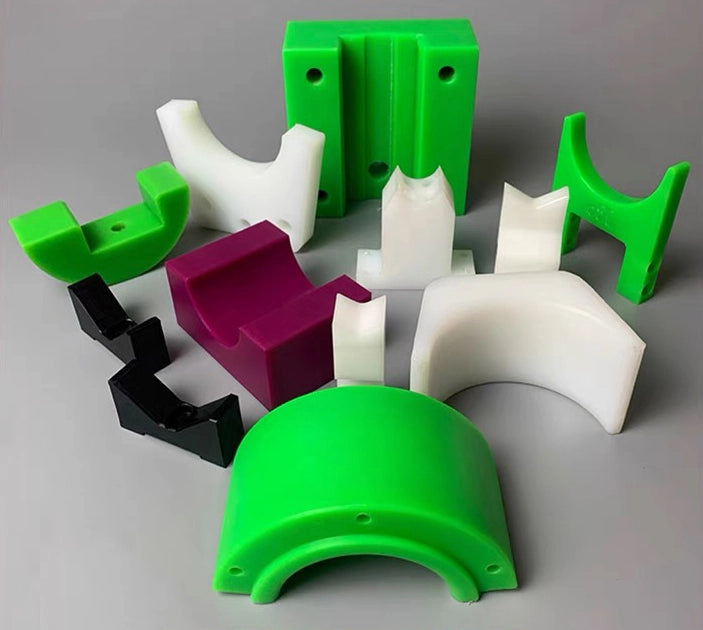
polyurethane elastomers

Customization and Adaptability

The ability to customize polyurethane elastomers is another significant advantage in industrial settings. Manufacturers can tailor the hardness, color, and size of polyurethane components to meet specific operational requirements. This customization ensures that each part performs optimally in its intended application, whether it involves bearing heavy loads, withstanding high temperatures, or resisting chemical exposure.

For example, in the automotive industry, custom polyurethane bushings are designed to enhance the performance and durability of suspension systems. These bushings must be precisely engineered to balance flexibility and strength, providing a smoother ride while maintaining the integrity of the vehicle’s suspension.

Future Trends in Polyurethane Elastomer Applications

As industries continue to push the boundaries of what machinery can achieve, the demand for advanced materials like polyurethane elastomers is expected to grow. Innovations in polyurethane technology are leading to the development of even more durable and adaptable elastomers that can meet the challenges of increasingly complex industrial environments.

Emerging trends include the use of eco-friendly polyurethane elastomers, which offer the same high performance while reducing environmental impact. These materials are being designed to be more sustainable, with lower emissions during production and improved recyclability at the end of their lifecycle. The continued evolution of polyurethane elastomers will undoubtedly play a key role in the future of industrial applications, providing versatile solutions that enhance both performance and sustainability.

Exploring the Customization Options for Polyurethane Sheets: From Color to Thickness

Polyurethane sheets are highly versatile materials that can be customized to meet the specific needs of various industries. The ability to adjust color, thickness, and hardness makes PU sheets an ideal choice for a wide range of applications, from automotive components to industrial machinery. This customization is crucial for optimizing performance, durability, and aesthetic appeal in products that rely on polyurethane.

Customizing Color for Aesthetic and Functional Purposes

One of the most significant advantages of polyurethane sheets is their ability to be produced in a wide array of colors. This feature is not just about aesthetics; it also serves functional purposes in different industries. For example, in the automotive sector, custom-colored polyurethane sheets are used to match or complement the interior design of vehicles, providing a seamless integration of components such as dashboards, seats, and panels.

In industrial settings, color-coding PU sheets can help in quickly identifying different parts or materials, streamlining processes and enhancing safety. For instance, using different colors for urethane sheets in a factory setting can indicate specific uses or chemical resistances, ensuring that the right material is used in the right application. This level of customization enhances both the functionality and visual appeal of the products, making polyurethane a preferred material across various sectors.

Adjusting Thickness for Specific Applications

The thickness of polyurethane sheets is another critical factor that can be customized to suit specific needs. PU sheets can be manufactured in a range of thicknesses, from thin, flexible layers used in protective coatings to thick, robust sheets designed for impact resistance and load-bearing applications.

thickness of polyurethane sheets

For example, in the construction industry, thick polyurethane sheets are often used for insulation and as protective barriers. These sheets need to be durable enough to withstand the elements and the mechanical stress of the construction environment. Conversely, thinner PU sheets are used in applications like soundproofing, where flexibility and ease of installation are more critical than sheer strength.

Customizing Hardness to Enhance Performance

Hardness is a key property of polyurethane sheets that can be adjusted to meet the demands of different applications. By altering the polyurethane material composition, manufacturers can produce PU sheets that range from soft and elastic to hard and rigid. This flexibility in hardness allows polyurethane to be used in a diverse set of environments.

In automotive manufacturing, for instance, softer polyurethane sheets are used in seat cushions and interior components to provide comfort and shock absorption, while harder sheets are employed in parts that require greater structural integrity, such as engine mounts and suspension bushings. The ability to customize the hardness of urethane sheets ensures that each component performs optimally in its intended role, whether it needs to absorb impacts, resist abrasion, or maintain flexibility under stress.

Importance of Tailored Customization in Industry Applications

The ability to customize polyurethane sheets is not just an added benefit—it’s often a necessity for meeting the precise requirements of different industries. For example, in the medical industry, custom polyurethane sheets might need to meet stringent standards for biocompatibility, while in the oil and gas sector, these sheets must resist chemical degradation and extreme temperatures.

In the furniture industry, the customization of PU sheets in terms of color, thickness, and hardness allows manufacturers to create products that are not only aesthetically pleasing but also durable and comfortable. This adaptability ensures that polyurethane remains a competitive material in markets where product differentiation and performance are key drivers of success.

Emerging Trends in Polyurethane Customization

As industries continue to evolve, the demand for more specialized and sophisticated polyurethane products is growing. Innovations in polyurethane technology are expanding the possibilities for customization, allowing for even more precise control over properties like UV resistance, flame retardancy, and electrical conductivity. These advancements are enabling manufacturers to develop custom polyurethane sheets that meet the most challenging specifications, ensuring that PU sheets remain at the forefront of material solutions across a broad spectrum of industries.

polyurethane plastic

Common Questions and Answers Related to BeePlastic’s Customization Services

1. Can BeePlastic handle both sample customization and large batch production?

Yes, BeePlastic offers comprehensive customization services, including both sample customization and large batch production. Whether you need a prototype or a full production run, we can accommodate your needs. Our team is equipped to handle projects of any scale, ensuring that each product meets your specifications.

2. What file formats does BeePlastic accept for custom orders?

BeePlastic accepts a variety of file formats to make the customization process as smooth as possible. We work with PDF, CAD, and other common file types to ensure that your design is accurately translated into the final product. If you have a specific format in mind, please contact us, and we’ll do our best to accommodate your needs.

3. Is there a minimum order quantity (MOQ) for custom orders at BeePlastic?

No, BeePlastic does not have a minimum order quantity (MOQ) for custom orders. We understand that each project is unique, and we are happy to assist with both small and large orders. Whether you need a single item or a full production run, we are here to help.

4. How does BeePlastic manage production cycles for custom orders?

The production cycle at BeePlastic is tailored to the specific requirements of each order. We take into account the complexity of the design and the quantity needed. Our team will provide you with a detailed timeline and keep you updated on the progress in real-time, ensuring that you are always informed about the status of your order.

5. Does BeePlastic provide samples before the final production?

Yes, BeePlastic supports the provision of samples before moving forward with full production. This allows you to review the product and make any necessary adjustments. The sample is provided free of charge, but the customer is responsible for shipping costs. This service ensures that you are fully satisfied with the product before committing to a larger order.

6. What customization options does BeePlastic offer for polyurethane sheets?

BeePlastic offers a wide range of customization options for polyurethane sheets, including adjustments in color, thickness, hardness, and size. We can tailor the material to meet specific industry requirements, ensuring that the final product performs exactly as needed.

7. Can BeePlastic create custom colors and finishes for my products?

Yes, BeePlastic can customize the color and finish of your products to meet your specific design needs. Whether you need a particular shade or a unique texture, our customization process allows for a high degree of flexibility to match your aesthetic and functional requirements.

8. How does BeePlastic ensure the quality of custom orders?

BeePlastic maintains strict quality control processes to ensure that every custom order meets our high standards. Each product undergoes rigorous testing and inspection throughout the production process. We also offer the option to review samples before proceeding with full production to ensure your complete satisfaction.

9. What industries does BeePlastic serve with its customization services?

BeePlastic serves a wide range of industries, including automotive, construction, furniture, and more. Our customizable polyurethane sheets and other materials are designed to meet the unique needs of various sectors, providing solutions that enhance performance, durability, and aesthetics.

10. How can I get started with a custom order at BeePlastic?

To get started with a custom order, simply contact BeePlastic with your project details. You can submit your design files in PDF or CAD format, specify your customization preferences, and our team will guide you through the process. We’ll provide a detailed quote and timeline based on your specific needs, ensuring a smooth and efficient production experience.

As industries continue to demand more from their materials, the versatility and customization options offered by polyurethane sheets position them as an indispensable choice for a wide range of applications. Whether it’s enhancing the comfort and durability of furniture, providing robust solutions in industrial settings, or ensuring the aesthetic and functional needs of automotive components, custom polyurethane sheets offer unmatched benefits. By tailoring these sheets in terms of color, thickness, and hardness, manufacturers can meet specific requirements with precision, ensuring that each product performs optimally in its intended environment. As advancements in polyurethane technology continue to evolve, the potential for even more innovative applications will only expand, solidifying polyurethane’s role as a cornerstone material in modern manufacturing and design.

custom polyurethane sheets
🎉🎉🎉Limited Time Offer Use code: QR4GNY08SHVR at checkout and enjoy a special discount on your entire order! 👉PU board

Ready to transform your projects with top-quality polyurethane materials? Fill out the contact form below to get in touch with our team of experts today. Whether you need custom solutions or want to explore our wide range of PU sheets and rods, we’re here to help. Jump straight to our collection here: Explore PU Plastic Sheets & Rods.


Leave a comment


Please note, comments must be approved before they are published


Custom Plastic Fabrication

Send your drawing, material and quantity for review

🔧
Precision Machining
CNC milling & turning
✂️
Cutting & Engraving
Laser & waterjet cutting
🏭
Forming & Molding
Thermoforming & injection
🔗
Joining & Assembly
Welding & bonding
📐
Design & Prototyping
CAD design & samples

General

HDPE

PP

PVC

ABS

Engineering

POM

Nylon

PC

PMMA

High-Performance

PEEK

PEI

PTFE

Composites

FR-4

G10

Flexible

TPU

Silicone

Why Choose BeePlastic?

🎯
Perfect Fit
Custom specs eliminate adaptation needs
⚡
Clear Lead Times
Lead time confirmed with every quote
💰
Volume Pricing
Volume pricing available on bulk orders
🤝
Expert Support
Free engineering consultation included
📋
Submit
→
🔍
Review
→
💵
Quote
→
✅
Production
→
📦
Deliver

Request a Quote

Share your project details, selected material and quantity on our quote page. You can add a file link or use the email drawing route shown there.


Request Quote

Industries: Automotive • Medical • Food • Lab • Semiconductor

beeplastic@beeplastic.com


Enhancing Aerospace Components with High-Strength Bakelite Sheets

Bakelite material science

In the demanding world of aerospace engineering, material selection is critical to ensuring performance, safety, and longevity. Bakelite, a pioneering synthetic plastic, has proven to be an indispensable material in this sector due to its unique properties. This blog post delves into the advantages of using Bakelite sheets in aerospace applications, focusing on their exceptional heat resistance and mechanical strength. You’ll discover how Bakelite material provides unparalleled electrical insulation capabilities, making it a top choice for high-frequency electronics in aircraft systems. We also explore the customization options available for Bakelite board suppliers to meet specific aerospace needs and compare Bakelite to alternative materials. Real-world case studies highlight successful implementations, and we look ahead at future innovations in Bakelite properties that could further enhance its role in aerospace. Whether you’re looking for Bakelite sheet for sale or simply interested in learning about Bakelite synthetics in high-performance environments, this comprehensive guide has you covered.

🎉🎉🎉Limited Time Offer Use code: QR4GNY08SHVR at checkout and enjoy a special discount on your entire order! 👉 Bakelite plastic
Bakelite material

The Critical Importance of Thermal Stability in Aerospace Applications

In the aerospace sector, thermal stability is not just beneficial—it’s essential. Aircraft components are routinely subjected to extreme temperatures, particularly in high-stress areas like engines and exhaust systems. To maintain safety and performance, these parts must be crafted from materials that can withstand such conditions without degradation. Bakelite, a robust synthetic plastic, has proven to be an ideal material in these demanding environments.

Bakelite’s Heat Resistance: A Key Asset in Aerospace

One of the standout features of Bakelite material is its exceptional ability to resist heat, enduring temperatures up to 250°C without losing its structural integrity. This is due to the thermosetting phenol-formaldehyde resin that forms the basis of Bakelite. When heated, this resin undergoes a curing process that creates a dense, cross-linked polymer network. This network is what gives Bakelite its impressive heat resistance, making it indispensable in aerospace applications where high temperatures are a constant challenge.

Applications in High-Temperature Aerospace Components

Bakelite sheets are widely used in various aerospace components that are exposed to extreme heat. For instance, Bakelite is a common material in the construction of engine parts and thermal insulation components. These parts must maintain their shape and functionality despite prolonged exposure to high temperatures, and Bakelite’s properties ensure they can do just that.

Bakelite in Engine Parts

In aerospace engines, where temperatures can soar, Bakelite plastic is often chosen for critical components due to its stability and durability under heat stress. This material’s ability to maintain its mechanical properties even in extreme conditions makes it an essential part of the engine’s construction, helping to ensure the safe and efficient operation of the aircraft.

The Role of Bakelite in Thermal Insulation

Beyond mechanical components, Bakelite also excels as a thermal insulator. Its low thermal conductivity and high resistance to heat make it an excellent material for insulating various parts of an aircraft, preventing heat transfer to sensitive areas and maintaining overall system integrity.

Electrical Insulation Properties of Bakelite in Aerospace

Another significant advantage of Bakelite is its electrical insulation capabilities, which are crucial in the aerospace industry. In addition to withstanding high temperatures, Bakelite effectively prevents electrical conductivity, making it ideal for components like connectors, housings, and other electronic systems within aircraft. By providing both thermal and electrical insulation, Bakelite ensures the reliability and safety of the aircraft’s electronic systems.

Incorporating Bakelite into aerospace components not only enhances the thermal stability and durability of the aircraft but also contributes to the overall safety and efficiency of its operations. Learn more about Bakelite sheets for aerospace applications to understand how this material can meet your specific needs.

The Superior Mechanical Strength of Bakelite in Aerospace Applications

The aerospace industry demands materials that can endure intense physical stress without sacrificing performance. Bakelite, a pioneering synthetic plastic, is highly regarded for its exceptional mechanical strength, making it a crucial material in the construction of various aerospace components.

Understanding Bakelite’s Mechanical Strength

Bakelite material is composed of a thermosetting phenol-formaldehyde resin, which forms a highly cross-linked polymer structure. This dense network of bonds gives Bakelite its notable rigidity and durability. Unlike thermoplastics that may soften and lose their shape under stress, Bakelite plastic retains its form and strength even when subjected to continuous mechanical loads. This property is especially important in the aerospace industry, where components must withstand the rigors of flight, including extreme pressure, vibration, and mechanical stress.

Bakelite material is composed of a thermosetting phenol-formaldehyde resin

Applications of Bakelite in High-Stress Aerospace Environments

The mechanical strength of Bakelite makes it ideal for use in components that are exposed to constant stress in aerospace environments. For instance, Bakelite sheets are commonly used in the fabrication of structural elements such as bearings, gears, and insulation plates within aircraft. These parts need to endure the dynamic forces generated during takeoff, flight, and landing without deforming or breaking, and Bakelite provides the necessary durability to meet these demands.

Bakelite in Aircraft Bearings and Gears

Aircraft bearings and gears made from Bakelite benefit from its high tensile strength and resistance to wear. These components are crucial for the smooth operation of various systems within the aircraft, including engines and control surfaces. The ability of Bakelite plastic to maintain its mechanical properties under high stress ensures that these parts function reliably over time, reducing the need for frequent maintenance or replacement.

The Role of Bakelite in Aerospace Insulation Plates

In addition to its use in mechanical parts, Bakelite’s mechanical strength also plays a significant role in its application as insulation plates. These plates must not only insulate but also support other components, often under high pressure. Bakelite sheets are designed to bear such loads without compromising their insulating properties, ensuring both structural integrity and safety in high-stress environments.

Enhancing Aircraft Durability with Bakelite

The use of Bakelite in aerospace components contributes to the overall durability and longevity of aircraft. The material’s ability to withstand physical stress without degradation ensures that critical parts continue to perform effectively throughout the lifespan of the aircraft. This reliability is particularly important in an industry where material failure can lead to catastrophic consequences.

By integrating Bakelite into the design and construction of aerospace components, manufacturers can achieve a balance of strength, durability, and performance, making it an essential material in the advancement of modern aerospace technology. Explore the mechanical properties of Bakelite to understand how it can enhance the durability and safety of your aerospace projects.

Bakelite’s Electrical Insulation Properties for Aircraft Systems

The aerospace industry demands materials that ensure the utmost safety and reliability, especially when it comes to electrical systems. Bakelite, known for its outstanding electrical insulation properties, plays a crucial role in protecting sensitive electronic components within aircraft. Its high dielectric strength makes it an excellent choice for various insulation applications, particularly in high-frequency electronic systems where maintaining signal integrity and preventing electrical failures are paramount.

Bakelite, known for its outstanding electrical insulation properties

The Importance of Dielectric Strength in Aircraft Systems

Dielectric strength refers to a material’s ability to withstand electric stress without breaking down. In the context of aerospace, where electrical components are exposed to high voltages and frequencies, a material’s dielectric strength is critical. Bakelite material excels in this regard, offering a robust barrier against electrical currents. This property is essential for the safe operation of aircraft systems, where even minor electrical failures can lead to significant risks.

Bakelite’s Role in High-Frequency Electronic Systems

Aircraft are equipped with sophisticated electronic systems that operate at high frequencies. These systems require materials that not only insulate but also prevent signal interference and degradation. Bakelite plastic, with its low dielectric loss and high resistance to electrical conductivity, ensures that signals within the aircraft’s electronic systems remain clear and uninterrupted. This is particularly important in radar systems, communication devices, and navigation instruments, where precision and reliability are non-negotiable.

Applications of Bakelite in Aircraft Electrical Insulation

Bakelite sheets are commonly used to insulate electrical components such as transformers, connectors, and circuit boards within aircraft. These components must operate efficiently under high-stress conditions, and Bakelite’s properties provide the necessary protection. For instance, Bakelite is often used in the insulation of high-voltage circuits, where it prevents short circuits and ensures the safe flow of electricity throughout the aircraft.

Insulation in Transformers and Connectors

In aircraft transformers, Bakelite acts as a reliable insulating material, preventing electrical leakage and ensuring that the transformers operate efficiently at high voltages. Similarly, Bakelite insulation in connectors ensures that the connections between different electronic systems are secure and free from electrical faults. This is vital in maintaining the overall integrity of the aircraft’s electrical network.

Ensuring Reliability in Circuit Boards

Circuit boards in aircraft are another critical area where Bakelite is extensively used. The material’s ability to provide both electrical insulation and structural support makes it ideal for this application. By preventing electrical interference and ensuring stable connections between components, Bakelite helps maintain the reliability of the aircraft’s electronic systems, even under extreme conditions.

Enhancing Safety with Bakelite Insulation

The safety of an aircraft is heavily dependent on the reliability of its electrical systems. Bakelite’s high dielectric strength and excellent insulating properties significantly reduce the risk of electrical failures, such as short circuits or insulation breakdowns. By incorporating Bakelite into the design of aircraft electrical systems, manufacturers can ensure that these systems not only perform efficiently but also contribute to the overall safety of the aircraft.

Explore more about Bakelite’s applications in electrical insulation to understand how this material can enhance the safety and reliability of your aerospace projects.

Bakelite's high dielectric strength

Customizing Bakelite Sheets for Specific Aerospace Needs

The diverse requirements of the aerospace industry necessitate materials that can be tailored to meet specific demands. Bakelite sheets, known for their superior thermal stability and mechanical strength, are highly versatile and can be customized in various ways to suit different aerospace applications. This flexibility ensures that Bakelite material remains an integral component in the manufacturing of aerospace parts, providing both durability and reliability.

Customization in Thickness: Meeting Specific Load and Stress Requirements

One of the most important customization options for Bakelite sheets is thickness. The thickness of a Bakelite sheet can significantly impact its performance, particularly in applications where mechanical strength and load-bearing capacity are critical. For instance, thicker Bakelite sheets are ideal for components that must withstand high mechanical stress, such as structural supports or insulation plates within aircraft. These thicker sheets provide enhanced durability, ensuring that the components can endure the intense physical demands of aerospace environments.

Conversely, thinner Bakelite sheets may be used in applications where flexibility and weight reduction are prioritized, such as in electronic components or insulation for less stressed parts of the aircraft. The ability to choose from a wide range of thicknesses allows manufacturers to optimize the material for specific applications, ensuring both performance and efficiency.

Customization in Size: Adapting to Complex Geometries and Space Constraints

The size of Bakelite sheets can also be customized to fit the exact specifications required by aerospace engineers. In the aerospace industry, space is often at a premium, and components must be designed to fit precisely within the available space without compromising functionality. Bakelite sheets can be produced in various sizes, from large panels used in insulation to smaller, precision-cut pieces for specific parts like electrical connectors or circuit boards.

This flexibility in size customization is particularly beneficial in the design of aerospace components that must conform to complex geometries. Whether for large surface areas or intricately shaped components, Bakelite can be fabricated to meet the exact dimensions required, ensuring a perfect fit within the aircraft’s design parameters.

Surface Treatments and Coatings: Enhancing Performance for Specific Applications

Beyond thickness and size, Bakelite sheets can also be customized with surface treatments or coatings to enhance their performance in specific aerospace applications. For example, Bakelite can be coated with additional insulating layers to improve its electrical insulation properties, making it even more effective for use in high-voltage electrical systems. Alternatively, surface treatments can be applied to increase the material’s resistance to environmental factors such as moisture, UV radiation, or chemical exposure, further extending the lifespan and reliability of Bakelite components in harsh aerospace environments.

Precision Machining and Custom Shapes: Tailoring Bakelite for Complex Aerospace Parts

Another significant customization option is the ability to machine Bakelite into precise shapes and configurations. Aerospace components often require complex designs that must meet stringent tolerances. Bakelite plastic can be precisely machined using advanced techniques such as CNC milling or laser cutting, allowing for the creation of custom parts that match the exact specifications of the aerospace application. This capability is essential for producing components like gears, bearings, or electrical insulators, where precision is critical to ensuring the overall performance and safety of the aircraft.

Bakelite plastic

Collaborative Customization: Working with Suppliers for Optimal Solutions

To achieve the best results, aerospace manufacturers often collaborate closely with Bakelite board suppliers. These partnerships allow for the development of custom solutions that address specific challenges in aerospace design and engineering. By working with suppliers, manufacturers can access a broader range of customization options and receive expert guidance on the best ways to tailor Bakelite material to their needs.

Explore the various customization options for Bakelite sheets to find out how this versatile material can be adapted to meet your specific aerospace requirements, ensuring both performance and safety in critical applications.

Comparing Bakelite to Alternative Materials in Aerospace Engineering

In aerospace engineering, selecting the right material for components is crucial, as it impacts the overall performance, safety, and cost of the aircraft. Bakelite, a pioneering synthetic plastic, is often compared to other materials like polyimides and metals due to its unique properties. This section explores how Bakelite stacks up against these alternatives, focusing on key factors such as heat resistance, weight, and cost-effectiveness.

Heat Resistance: Bakelite vs. Polyimides and Metals

Bakelite is renowned for its excellent heat resistance, making it a reliable choice for aerospace components exposed to high temperatures. It can withstand temperatures up to 250°C without losing its structural integrity, making it comparable to high-performance polyimides. Polyimides, known for their ability to resist extreme temperatures, often exceed Bakelite in heat resistance, capable of enduring even higher temperatures, sometimes above 300°C. However, polyimides are significantly more expensive, which can be a limiting factor in their widespread use.

When compared to metals such as aluminum and steel, Bakelite offers a distinct advantage in thermal insulation. Metals, while capable of withstanding high temperatures, tend to conduct heat, which can be a disadvantage in applications where thermal insulation is required. Bakelite, on the other hand, provides both heat resistance and insulation, making it an ideal material for components that need to remain cool under thermal stress.

Weight Considerations: Bakelite’s Lightweight Advantage

Weight reduction is a critical factor in aerospace engineering, as it directly impacts the efficiency and fuel consumption of aircraft. Bakelite is significantly lighter than most metals, providing a clear advantage in applications where reducing weight is essential. For example, aluminum, while lighter than steel, is still considerably heavier than Bakelite plastic. The use of Bakelite in non-structural components can lead to substantial weight savings, contributing to improved fuel efficiency and overall performance.

In comparison to polyimides, Bakelite is similarly lightweight, but its cost advantage makes it a more attractive option for certain applications. Polyimides may be chosen for specific high-performance components where their superior heat resistance is necessary, but Bakelite offers a more balanced solution when both weight and cost are considered.

Cost-Effectiveness: Bakelite’s Economic Benefits

Cost-effectiveness is a major consideration in aerospace material selection, and Bakelite excels in this area. Bakelite material is generally more affordable than polyimides and many metals, making it a cost-efficient choice for large-scale production. The affordability of Bakelite does not come at the expense of performance; it still provides excellent mechanical strength, heat resistance, and electrical insulation properties, making it suitable for a wide range of aerospace applications.

Polyimides, while offering superior performance in some areas, are considerably more expensive, which limits their use to specific, high-demand applications where their properties are absolutely necessary. Metals, depending on the type and application, can also be more expensive to process and integrate into designs, especially when additional insulation or weight reduction measures are required.

Practical Applications: Where Bakelite Shines

In practical aerospace applications, Bakelite is often chosen for components like insulation plates, bearings, and electrical connectors, where its combination of heat resistance, lightweight nature, and cost-effectiveness provide a balanced solution. For structural components or those exposed to extreme heat beyond Bakelite’s capacity, polyimides or metals may be preferred despite their higher costs.

By understanding the strengths and limitations of Bakelite compared to polyimides and metals, aerospace engineers can make informed decisions that optimize both performance and cost, ensuring the safety and efficiency of their designs. Explore more about Bakelite’s benefits in aerospace engineering to determine how it can be effectively integrated into your projects.

Bakelite's benefits in aerospace engineering

Case Studies: Successful Aerospace Applications of Bakelite Sheets

The versatility and reliability of Bakelite sheets have made them indispensable in various aerospace applications. This section presents real-world examples of how Bakelite has been effectively utilized in the aerospace industry, highlighting its role in enhancing the safety, efficiency, and performance of aircraft components.

Electrical Insulation in High-Voltage Systems

One notable application of Bakelite sheets is in the insulation of high-voltage electrical systems within aircraft. In a recent project involving the modernization of avionics in a fleet of commercial airliners, Bakelite was selected for its superior dielectric strength and ability to prevent electrical leakage. Engineers used Bakelite sheets to insulate high-voltage connections and transformers, ensuring that the electrical systems remained stable and free from interference. The material’s excellent electrical insulation properties were crucial in maintaining the reliability of these systems, particularly during takeoff and landing, where electrical demands are highest.

Thermal Insulation in Engine Components

In another case, Bakelite plastic was used as a thermal insulator in the development of advanced aircraft engines. The project required materials that could withstand extreme temperatures without degrading or losing their insulating properties. Bakelite sheets were employed to insulate components within the engine’s high-temperature zones, including areas around the combustion chamber. The heat resistance of Bakelite ensured that these components remained protected from thermal damage, contributing to the engine’s overall efficiency and longevity.

Structural Support in Aerospace Bearings

Bakelite’s mechanical strength was leveraged in a project involving the design of aerospace bearings. These bearings, integral to the operation of various aircraft control systems, needed to withstand continuous mechanical stress without compromising performance. Bakelite sheets were used to construct the bearings, providing the necessary structural support while also reducing the overall weight of the components. The use of Bakelite resulted in bearings that were not only durable but also lightweight, enhancing the aircraft’s performance and fuel efficiency.

Lightweight Components for Aircraft Interiors

The lightweight nature of Bakelite was a key factor in its selection for various aircraft interior components. In a recent interior redesign project for a major airline, Bakelite sheets were used to create lightweight yet durable seat trays, armrests, and overhead bins. These components needed to meet strict weight requirements to optimize the aircraft’s fuel efficiency while also being strong enough to withstand regular use by passengers. The use of Bakelite allowed the design team to achieve both goals, resulting in a more efficient and comfortable cabin environment.

Enhancing Safety with Flame-Resistant Panels

Safety is always a top priority in aerospace engineering, and Bakelite’s flame-resistant properties have been effectively utilized in the creation of fire-resistant panels for aircraft. In a project focused on improving the safety of commercial jets, Bakelite sheets were chosen to construct panels for the aircraft’s electrical compartments. These panels not only provided excellent electrical insulation but also served as a crucial barrier against potential fires. The flame-resistant nature of Bakelite helped prevent the spread of fire within the aircraft, significantly enhancing onboard safety.

High-Performance Applications in Military Aircraft

Bakelite has also been successfully used in military aircraft, where performance and reliability are critical. In a defense project aimed at upgrading the avionics of fighter jets, Bakelite sheets were used to insulate and protect sensitive electronic components. The material’s heat resistance, mechanical strength, and electrical insulation capabilities made it an ideal choice for this high-stakes environment, where even minor failures could have severe consequences. The use of Bakelite contributed to the improved performance and reliability of the aircraft’s systems, ensuring mission success.

Discover more about Bakelite’s applications in aerospace by exploring how this versatile material can meet your specific project requirements, ensuring safety, performance, and cost-efficiency.

Bakelite sheets

Future Trends: Innovations in Bakelite for the Aerospace Industry

The aerospace industry is continuously evolving, and so are the materials that support it. Bakelite, long valued for its mechanical strength and thermal stability, is undergoing significant advancements that promise to enhance its applications in this high-demand sector. Ongoing research and development are focused on improving Bakelite’s properties to meet the increasingly stringent requirements of modern aerospace engineering.

Advancements in Thermal Properties

One of the most exciting areas of innovation in Bakelite material science is the enhancement of its thermal properties. Researchers are working on new formulations that could push Bakelite’s heat resistance beyond its current threshold of 150°C. These innovations involve the integration of advanced additives and fillers that enhance thermal stability without compromising the material’s other properties. This could make Bakelite even more suitable for extreme aerospace environments, such as in high-temperature engine components and thermal shields, where maintaining material integrity under intense heat is critical.

Enhanced Mechanical Strength and Durability

Another key focus of ongoing research is improving the mechanical strength and durability of Bakelite plastic. Advances in polymer chemistry are enabling the development of Bakelite composites that offer superior tensile strength and resistance to wear and tear. These composites incorporate high-strength fibers or nanomaterials that reinforce the Bakelite matrix, resulting in a material that can withstand even greater mechanical stresses. Such innovations are particularly valuable for aerospace applications where components are subjected to continuous mechanical loads and need to maintain their performance over extended periods.

Lightweight Bakelite Composites for Aerospace

Weight reduction is a perpetual goal in aerospace engineering, and recent developments in Bakelite composites are making strides in this area. By incorporating lightweight fillers such as carbon nanotubes or hollow microspheres, researchers are creating Bakelite sheets that maintain the material’s inherent strength while significantly reducing its weight. These lightweight Bakelite composites could be game-changers for aerospace applications, particularly in non-structural components where reducing weight without compromising functionality can lead to significant gains in fuel efficiency and overall aircraft performance.

Improved Electrical Insulation Capabilities

Bakelite’s electrical insulation properties have always been one of its strongest attributes, especially in high-frequency aerospace electronics. Recent research is focused on further enhancing these capabilities by developing Bakelite formulations with even higher dielectric strength and lower dielectric loss. Innovations in this area are exploring the use of novel polymers and hybrid materials that can be integrated into the Bakelite matrix, providing superior electrical insulation while maintaining the material’s thermal and mechanical properties. These advancements could lead to Bakelite sheets that are even more effective in protecting sensitive electronic components from electrical interference and ensuring reliable operation in demanding aerospace environments.

Eco-Friendly and Sustainable Bakelite Formulations

Sustainability is becoming increasingly important in the aerospace industry, and researchers are responding by developing more eco-friendly Bakelite formulations. These innovations involve the use of bio-based resins and recycled materials in the production of Bakelite, reducing the environmental impact of its manufacture. Additionally, new processes are being explored to make Bakelite more recyclable at the end of its life cycle, aligning with the industry’s push towards more sustainable practices. These eco-friendly Bakelite options could soon play a significant role in aerospace manufacturing, helping companies meet their sustainability goals without sacrificing performance.

Customizable Bakelite for Niche Aerospace Applications

Another emerging trend is the development of customizable Bakelite materials tailored for specific aerospace applications. Advances in material science are enabling the fine-tuning of Bakelite’s properties to meet the unique requirements of different aerospace components. Whether it’s adjusting the thermal expansion coefficient for precision parts or enhancing the flame resistance for safety-critical applications, these customizable Bakelite formulations provide aerospace engineers with more flexibility and control over the materials they use.

Explore more about the future of Bakelite in aerospace and discover how these cutting-edge innovations could benefit your next project by ensuring superior performance, reliability, and sustainability in the most challenging environments.

Bakelite board

Common Questions and Answers about Bakelite and BeePlastics Customization

1. What customization options does BeePlastics offer for Bakelite sheets?

Answer: BeePlastics can undertake any customization for Bakelite sheets, including sample customization and batch production. Whether you need a small prototype or a large-scale batch, BeePlastics can tailor the Bakelite material to your specific requirements, ensuring that the final product meets your exact specifications.

2. What file formats does BeePlastics accept for custom Bakelite projects?

Answer: BeePlastics accepts a variety of file formats for custom projects, including PDF and CAD files. This flexibility allows you to submit your designs in the format that works best for you, ensuring seamless communication and accurate production.

3. Is there a minimum order quantity (MOQ) for custom Bakelite sheets at BeePlastics?

Answer: There is no minimum order quantity (MOQ) for custom Bakelite sheets at BeePlastics. Whether you need a single piece or a large batch, BeePlastics can accommodate your order, making it easy to get exactly what you need without unnecessary restrictions.

4. How does BeePlastics handle the production cycle for custom Bakelite orders?

Answer: The production cycle for custom Bakelite orders at BeePlastics is carried out according to the quantity and complexity of the order. BeePlastics will also communicate the production progress in real-time, ensuring you are kept informed every step of the way, from initial design to final delivery.

5. Can BeePlastics provide samples of custom Bakelite products?

Answer: Yes, BeePlastics supports the provision of samples for custom Bakelite products. The samples are provided free of charge, with the customer only responsible for the shipping costs. This allows you to evaluate the quality and suitability of the material before committing to a larger order.

6. What are the typical applications of customized Bakelite sheets provided by BeePlastics?

Answer: Customized Bakelite sheets from BeePlastics are commonly used in aerospace components, electrical insulation, automotive parts, and industrial machinery. The material’s thermal stability, mechanical strength, and electrical insulation properties make it ideal for demanding applications across various industries.

7. How does BeePlastics ensure the quality of custom Bakelite products?

Answer: BeePlastics ensures the quality of custom Bakelite products through strict quality control measures at every stage of production. From selecting the best raw materials to precision machining and final inspection, BeePlastics maintains high standards to deliver products that meet your specifications and industry standards.

8. Can BeePlastics customize the thickness and size of Bakelite sheets?

Answer: Yes, BeePlastics can customize both the thickness and size of Bakelite sheets to meet specific requirements. Whether you need a thin, flexible sheet or a thick, robust panel, BeePlastics can adjust the dimensions to suit your application needs.

9. How long does it take to complete a custom Bakelite order at BeePlastics?

Answer: The time required to complete a custom Bakelite order at BeePlastics depends on the complexity and quantity of the order. BeePlastics prioritizes timely production and keeps you informed of the progress, ensuring that you receive your custom products as quickly as possible without compromising on quality.

10. What are the benefits of choosing BeePlastics for custom Bakelite projects?

Answer: Choosing BeePlastics for your custom Bakelite projects offers several benefits, including flexible customization options, no MOQ, acceptance of multiple file formats, real-time communication during production, and the provision of free samples. These advantages make BeePlastics a reliable partner for delivering high-quality, customized Bakelite solutions tailored to your specific needs.

These questions and answers should provide comprehensive insights into the customization services offered by BeePlastics, making it easier for you to decide on your Bakelite project needs.

As the aerospace industry continues to evolve, the role of Bakelite as a reliable, versatile material becomes increasingly important. Its unique combination of thermal stability, mechanical strength, and electrical insulation properties ensures that it remains an indispensable choice for a wide range of aerospace applications. From insulating high-voltage systems to providing structural support in critical components, Bakelite has proven its worth in real-world scenarios. Moreover, ongoing innovations in Bakelite material science promise to enhance its capabilities even further, making it an even more valuable asset in the future of aerospace engineering. By choosing Bakelite, you’re investing in a material that not only meets the stringent demands of today’s aerospace industry but also positions your projects for success in the years to come.

Bakelite material science

Ready to start your next project with premium Bakelite plastic? Contact us today by filling out the form below or visit our dedicated Bakelite collection here.

🎉🎉🎉Limited Time Offer Use code: QR4GNY08SHVR at checkout and enjoy a special discount on your entire order! 👉 Bakelite plastic

Leave a comment


Please note, comments must be approved before they are published


Custom Plastic Fabrication

Send your drawing, material and quantity for review

🔧
Precision Machining
CNC milling & turning
✂️
Cutting & Engraving
Laser & waterjet cutting
🏭
Forming & Molding
Thermoforming & injection
🔗
Joining & Assembly
Welding & bonding
📐
Design & Prototyping
CAD design & samples

General

HDPE

PP

PVC

ABS

Engineering

POM

Nylon

PC

PMMA

High-Performance

PEEK

PEI

PTFE

Composites

FR-4

G10

Flexible

TPU

Silicone

Why Choose BeePlastic?

🎯
Perfect Fit
Custom specs eliminate adaptation needs
⚡
Clear Lead Times
Lead time confirmed with every quote
💰
Volume Pricing
Volume pricing available on bulk orders
🤝
Expert Support
Free engineering consultation included
📋
Submit
→
🔍
Review
→
💵
Quote
→
✅
Production
→
📦
Deliver

Request a Quote

Share your project details, selected material and quantity on our quote page. You can add a file link or use the email drawing route shown there.


Request Quote

Industries: Automotive • Medical • Food • Lab • Semiconductor

beeplastic@beeplastic.com


How UHMW-PE Machine Parts Revolutionize Food and Beverage Processing

Custom-machined UHMW PE parts

Synopsis:

In the competitive world of food and beverage processing, UHMW-PE machine parts are revolutionizing efficiency and hygiene. This post delves into how UHMW-PE (Ultra-High Molecular Weight Polyethylene)—a highly durable and low-friction UHMW material—is transforming the industry. From improving conveyor systems with UHMW plastic components to ensuring compliance with strict FDA regulations, UHMW-PE stands out as the ideal choice for food contact applications. The post also explores the benefits of black UHMW for outdoor applications, the cost-effectiveness of UHMW sheets, and how UHMW polyethylene plastic reduces maintenance costs and downtime. Discover why industries are shifting to UHMW-PE for their machinery needs and how custom UHMW machine parts can be tailored to fit any specific processing requirement. Learn more about why UHMW plastic 4×8 sheets and other UHMW polyethylene products are the future of safe, efficient, and durable food processing equipment.

🎉🎉🎉Limited Time Offer Use code: QR4GNY08SHVR at checkout and enjoy a special discount on your entire order! 👉 UHMWPE plastic
UHMW-PE machine parts

The Role of UHMW-PE in Ensuring Food Safety and Sanitation

Meeting FDA and USDA Standards with UHMW-PE

When selecting materials for food processing equipment, compliance with FDA and USDA regulations is critical. UHMW-PE (Ultra-High Molecular Weight Polyethylene) is an ideal material for this purpose due to its exceptional properties and ability to meet these strict regulatory standards. This UHMW material is not only certified for direct contact with food but also provides a reliable barrier against contamination, ensuring a safer processing environment. The FDA-compliant UHMW-PE surfaces resist bacteria, mold, and other harmful pathogens, making them essential for maintaining food safety.

Why UHMW-PE is the Best Choice for Hygienic Applications

The use of UHMW-PE in food processing equipment extends beyond mere compliance. Its unique properties, including low moisture absorption and high chemical resistance, make it a superior choice for environments where hygiene is paramount. UHMW polyethylene plastic does not harbor bacteria or fungi, significantly reducing the risk of contamination. Additionally, its ability to withstand harsh cleaning agents and processes ensures that the material remains sanitary over extended periods.

The Impact of UHMW-PE on Food Processing Efficiency

Incorporating UHMW-PE machine parts into food processing systems can greatly enhance operational efficiency. The material’s low coefficient of friction allows for smoother operation of conveyor belts and other moving parts, reducing wear and tear. This not only extends the life of the equipment but also minimizes the downtime needed for maintenance and cleaning, which is crucial in high-volume production settings. UHMW-PE sheets and black UHMW components are particularly valued for their durability and performance in rigorous food processing environments.

Sustainable and Cost-Effective Solutions with UHMW-PE

Beyond its safety and efficiency benefits, UHMW-PE is also an environmentally friendly and cost-effective solution. The long lifespan of UHMW-PE parts reduces the need for frequent replacements, lowering overall material costs and reducing waste. Additionally, the material’s robustness means that it can withstand repeated use in extreme conditions, making it an investment that pays off in the long term.

UHMW-PE is also an environmentally friendly and cost-effective solution

Why UHMW-PE is the Best Choice for Conveyor Systems in Food Processing

Low Friction: Enhancing Efficiency in Conveyor Systems

UHMW-PE (Ultra-High Molecular Weight Polyethylene) is renowned for its exceptionally low coefficient of friction, which makes it an ideal material for conveyor systems in the food processing industry. The low friction of UHMW plastic ensures smooth operation of conveyor belts and other moving components, reducing the energy required to keep the system running. This efficiency not only lowers operational costs but also minimizes the wear and tear on the conveyor system, leading to longer-lasting equipment and reduced downtime. When using UHMW-PE sheets for conveyor belt surfaces or UHMW machine parts for guides and bearings, the result is a more reliable and cost-effective production line.

Wear Resistance: Extending the Lifespan of Conveyor Components

Another key advantage of UHMW-PE in food processing is its high resistance to wear. Conveyor systems in food processing facilities often operate continuously, handling heavy loads and abrasive materials. The durability of UHMW-PE ensures that these components can withstand constant use without significant degradation. Black UHMW parts, in particular, are often used in high-stress areas of the conveyor system due to their enhanced wear resistance and UV stability. By incorporating UHMW-PE into the design of conveyor systems, manufacturers can significantly extend the lifespan of critical components, reducing the frequency and cost of replacements.

Hygienic and Easy to Clean: Maintaining Food Safety Standards

Maintaining hygiene is paramount in food processing environments, and UHMW polyethylene plastic is well-suited for this purpose. The material’s non-porous surface resists the buildup of bacteria, mold, and other contaminants, making it easier to clean and sanitize. This is crucial for conveyor systems that come into direct contact with food products. The use of UHMW-PE machine parts in areas where cleanliness is essential ensures that food safety standards are consistently met, reducing the risk of contamination and ensuring that the processing facility operates within regulatory guidelines.

Cost-Effective Maintenance: Reducing Downtime and Labor Costs

The combination of low friction and high wear resistance in UHMW-PE results in conveyor systems that require less maintenance. Components made from UHMW-PE are less prone to damage and require less frequent lubrication, which not only reduces the time and cost associated with maintenance but also minimizes production downtime. The use of UHMW plastic 4×8 sheets for large surface areas or UHMW machine parts for high-contact zones further contributes to a more efficient and reliable system. This makes UHMW-PE a cost-effective choice for any food processing facility looking to optimize its conveyor system’s performance and longevity.

By highlighting these benefits, it’s clear that UHMW-PE is an exceptional material choice for conveyor systems in food processing. Its unique properties of low friction, high wear resistance, and hygienic surface make it a vital component in maintaining an efficient, safe, and cost-effective production environment.

UHMW-PE is an exceptional material

Temperature and Chemical Resistance: UHMW-PE in High-Heat Food Processing Applications

High-Temperature Tolerance: Ensuring Durability in Harsh Conditions

UHMW-PE (Ultra-High Molecular Weight Polyethylene) is well-regarded for its ability to withstand high temperatures, making it an ideal choice for components in food processing applications where heat is a constant factor. In environments where equipment is regularly exposed to elevated temperatures, materials must maintain their structural integrity to avoid failures that could halt production. UHMW-PE can withstand sustained temperatures up to 180°F (82°C) and short-term exposure to even higher temperatures without compromising its properties. This resistance is crucial in processes like baking, sterilization, and other high-heat operations where traditional materials might degrade or lose their effectiveness. The ability of UHMW-PE to perform reliably under these conditions extends the lifespan of machine parts, reducing the need for frequent replacements and ensuring that the production line remains efficient and uninterrupted.

Chemical Resistance: Protecting Equipment from Harsh Cleaning Agents

In the food processing industry, stringent cleaning protocols are essential to maintain hygiene and safety standards. These protocols often involve the use of harsh chemicals, including strong acids and alkalis, which can corrode or weaken standard materials. UHMW-PE is highly resistant to a wide range of chemicals, making it an excellent choice for components that must endure frequent cleaning cycles. This chemical resistance ensures that UHMW-PE machine parts remain intact and functional, even after prolonged exposure to aggressive cleaning agents. As a result, UHMW polyethylene plastic helps to maintain the integrity of food processing equipment, preventing contamination and ensuring compliance with safety standards such as those mandated by the FDA and USDA.

Maintaining Compliance with Safety Standards Through Material Integrity

The ability of UHMW-PE to resist both high temperatures and harsh chemicals plays a significant role in ensuring that food processing facilities remain compliant with industry safety standards. The material’s durability under extreme conditions prevents the degradation that could lead to contamination, equipment failure, or non-compliance with FDA and USDA regulations. By using UHMW-PE for critical components like conveyor belts, wear strips, and guide rails, food processing facilities can safeguard their operations against the risks associated with material failure. Moreover, black UHMW adds an additional layer of protection, especially in environments where UV resistance is necessary, further enhancing the material’s suitability for a wide range of applications.

Cost-Effective and Sustainable: Reducing the Need for Frequent Replacements

The combination of temperature resistance and chemical resistance in UHMW-PE not only enhances the safety and reliability of food processing equipment but also contributes to cost savings. Components made from UHMW plastic require less frequent replacement due to their durability, leading to lower maintenance costs and reduced downtime. This makes UHMW-PE a sustainable choice for manufacturers looking to invest in materials that offer long-term benefits. Additionally, the availability of UHMW plastic 4×8 sheets allows for easy fabrication and customization of parts, ensuring that each piece meets the specific needs of the facility while maintaining the highest standards of performance and safety.

Using UHMW-PE in high-heat and chemically demanding food processing applications is a strategic choice that ensures both the longevity of the equipment and the safety of the final product. Its unique properties make it an indispensable material in the quest for efficiency and reliability in the food industry.

Cost-Effective Solutions: How UHMW-PE Reduces Downtime and Maintenance Costs

Durability and Longevity: The Foundation of Cost Savings


UHMW-PE (Ultra-High Molecular Weight Polyethylene) is widely recognized for its exceptional durability,

UHMW-PE (Ultra-High Molecular Weight Polyethylene) is widely recognized for its exceptional durability, which directly contributes to significant cost savings in industrial settings, particularly in food processing facilities. The UHMW material possesses a high resistance to wear and abrasion, making it ideal for components that are subjected to constant friction and impact. This resistance means that UHMW-PE machine parts can endure longer periods of operation without succumbing to the wear and tear that typically plagues other materials. By reducing the frequency of part replacements, companies can save considerably on maintenance costs. The long lifespan of UHMW-PE parts also minimizes the need for regular maintenance checks, allowing facilities to focus their resources on more critical areas of operation.


Minimizing Downtime: Keeping Production Lines Running Smoothly

One of the most significant economic benefits of using UHMW-PE is its ability to reduce equipment downtime. In food processing, downtime can be extremely costly, not only in terms of lost production time but also in the potential for spoiled products and delayed deliveries. UHMW-PE machine parts help to prevent these costly interruptions by maintaining their performance over extended periods. The material’s inherent properties, such as its low coefficient of friction and high impact resistance, ensure that machinery operates smoothly, with fewer breakdowns and stoppages. By investing in UHMW polyethylene plastic components, facilities can maintain a more consistent production flow, which is crucial for meeting tight schedules and maintaining customer satisfaction.

Reducing Maintenance Costs with UHMW-PE

Maintenance is a necessary aspect of any industrial operation, but it can be a significant drain on both time and resources. The use of UHMW-PE in machinery parts significantly reduces the need for frequent maintenance. Its resistance to chemicals and temperature fluctuations means that UHMW-PE parts do not degrade quickly, even in harsh cleaning environments or high-heat applications. This durability translates to fewer maintenance cycles, which lowers labor costs and minimizes the disruption to production schedules. Additionally, UHMW-PE sheets and black UHMW components are known for their ease of installation and replacement, which further reduces the time and labor required during maintenance activities.

Long-Term Economic Benefits: A Sustainable Investment

While the initial cost of UHMW-PE may be higher than some other materials, the long-term savings it provides far outweigh the upfront investment. The material’s durability leads to fewer part replacements, and its low maintenance requirements further enhance its cost-effectiveness. Moreover, UHMW-PE contributes to a more sustainable operation by reducing waste and extending the service life of machinery. For companies looking to optimize their operations, investing in UHMW plastic parts and UHMW plastic 4×8 sheets is a strategic decision that pays off in the form of reduced operational costs and increased efficiency.

By focusing on these key aspects, UHMW-PE proves to be an invaluable material for companies aiming to reduce downtime and maintenance costs while maintaining high levels of productivity and safety in their operations.

Enhancing Equipment Longevity with UHMW-PE: The Perfect Material for High-Impact Applications

Unmatched Impact Resistance: Protecting Critical Components

UHMW-PE (Ultra-High Molecular Weight Polyethylene) is renowned for its superior impact resistance, making it an ideal material for high-impact applications, especially in the demanding environments of food and beverage processing. The high molecular weight of UHMW-PE gives it exceptional toughness, allowing it to absorb impacts that would cause other materials to crack, deform, or fail. This toughness is crucial in environments where machinery is constantly exposed to high loads, impacts, and abrasive forces. By using UHMW-PE in critical machine components, such as gears, bushings, and wear strips, companies can significantly reduce the wear and tear that typically shortens the lifespan of equipment. The result is a more durable and reliable system that requires less frequent part replacements, leading to lower maintenance costs and increased operational efficiency.

UHMW-PE (Ultra-High Molecular Weight Polyethylene) is renowned for its superior impact resistance

Protecting Against Wear and Tear in Rigorous Environments

In food and beverage processing facilities, machinery often operates under continuous and rigorous conditions. Components are exposed to a variety of stressors, including constant movement, heavy loads, and abrasive materials. UHMW polyethylene plastic is uniquely suited to withstand these challenges due to its low coefficient of friction and high resistance to abrasion. These properties ensure that UHMW-PE machine parts can endure prolonged use without significant degradation. For instance, black UHMW is often used in areas where additional UV resistance is required, providing even greater durability in outdoor or high-UV exposure settings. The ability of UHMW-PE to maintain its integrity under such conditions not only extends the life of individual components but also enhances the overall longevity of the machinery.

Minimizing Downtime with UHMW-PE’s Durability

The impact resistance of UHMW-PE directly contributes to reducing equipment downtime, which is a critical factor in maintaining production efficiency. When machinery components fail due to impact or wear, it can lead to costly interruptions in the production process. By incorporating UHMW-PE into machine designs, manufacturers can ensure that their equipment is better protected against such failures. This durability reduces the likelihood of unexpected breakdowns, keeping the production line running smoothly and minimizing the need for emergency repairs. UHMW plastic 4×8 sheets and other UHMW-PE components can be easily integrated into existing systems, offering a straightforward solution for enhancing the impact resistance of machinery.

Optimizing Performance in High-Impact Applications

Beyond its impact resistance, UHMW-PE also provides excellent performance in applications where precision and reliability are paramount. The material’s ability to resist deformation under stress ensures that machine components made from UHMW-PE maintain their shape and function over time. This consistency is particularly important in food and beverage processing, where precision is essential for maintaining product quality and safety. UHMW-PE sheets can be custom-machined to fit specific applications, ensuring that each part meets the exacting standards required in high-impact environments. The combination of impact resistance, durability, and precision makes UHMW-PE an invaluable material for industries that demand the highest levels of performance from their equipment.

By emphasizing these qualities, UHMW-PE proves to be the ideal material for enhancing the longevity and reliability of equipment used in high-impact applications, particularly within the food and beverage processing industry. Its ability to withstand extreme conditions while protecting critical components makes it a cost-effective and sustainable choice for manufacturers.

Ultra High Molecular Weight Polyethylene UHMW-PE

Custom UHMW-PE Machine Parts: Tailoring Solutions for the Food and Beverage Industry

Versatility of UHMW-PE in Custom Fabrication

UHMW-PE (Ultra-High Molecular Weight Polyethylene) is a highly adaptable material, making it an ideal choice for custom machine parts in the food and beverage industry. The ability to tailor UHMW-PE to meet specific application needs is one of its most significant advantages. Whether it’s custom-cut sheets, gears, guides, or other components, UHMW-PE can be precisely machined to match the exact dimensions and specifications required by different food processing operations. This level of customization ensures that each component is optimized for its intended use, providing superior performance and reliability in demanding environments.

Custom-Cut UHMW-PE Sheets: Precision and Flexibility

One of the most common applications of UHMW-PE in the food and beverage industry is in the form of custom-cut sheets. These UHMW-PE sheets can be fabricated to fit specific areas of machinery, such as conveyor belt surfaces, cutting boards, or protective liners. The precision with which UHMW-PE sheets can be cut allows for seamless integration into existing systems, ensuring that the material provides maximum protection and durability. Custom UHMW-PE sheets are particularly beneficial in environments where hygiene is critical, as they can be designed to cover surfaces that come into direct contact with food, reducing the risk of contamination.

Tailoring Gears and Guides for Optimal Performance

In addition to custom-cut sheets, UHMW-PE is also widely used to create custom gears and guides that are essential for the smooth operation of food processing machinery. The low friction and high wear resistance of UHMW-PE make it an excellent material for gears, which need to operate efficiently under continuous load. Custom UHMW-PE gears can be designed to match the specific torque and speed requirements of different machines, ensuring that they perform optimally without excessive wear. Similarly, custom UHMW-PE guides can be fabricated to direct the movement of products along production lines, reducing the risk of misalignment or jamming, which can disrupt the production process.

Adapting UHMW-PE for Specialized Applications

The customization options available with UHMW-PE extend beyond standard parts to more specialized applications within the food and beverage industry. For example, black UHMW is often used in outdoor applications where UV resistance is required, while UHMW plastic 4×8 sheets can be used for larger-scale projects that require extensive coverage. Additionally, UHMW polyethylene plastic can be machined into complex shapes and profiles, allowing manufacturers to develop unique solutions that address specific challenges in food processing. This adaptability ensures that UHMW-PE machine parts are not only functional but also tailored to enhance the overall efficiency and safety of the production environment.

Ensuring Compliance with Industry Standards

Custom UHMW-PE parts are designed with compliance in mind, ensuring that all components meet the stringent requirements set by the FDA and USDA. By tailoring UHMW-PE to the precise needs of food processing equipment, manufacturers can ensure that their machinery operates within regulatory guidelines, reducing the risk of non-compliance and associated penalties. The ability to customize parts also allows for the integration of features that enhance cleanliness and sanitation, such as smooth, non-porous surfaces that resist the buildup of bacteria and other contaminants.

The customization of UHMW-PE parts offers significant benefits for the food and beverage industry, providing tailored solutions that improve the performance, reliability, and compliance of processing equipment. Whether through custom-cut sheets, gears, guides, or specialized applications, UHMW-PE delivers the versatility and durability needed to meet the unique demands of this critical industry.

customization of UHMW-PE parts

Comparing UHMW-PE to Traditional Materials: Why UHMW-PE Leads in Food Processing

Friction and Wear Resistance: The Key to Long-Lasting Performance

When comparing UHMW-PE (Ultra-High Molecular Weight Polyethylene) to traditional materials like stainless steel and other plastics commonly used in food processing, one of the most significant advantages of UHMW-PE is its superior friction and wear resistance. UHMW-PE boasts a remarkably low coefficient of friction, which is crucial in applications involving conveyor belts, gears, and other moving components. This low friction not only reduces the energy required to move materials but also minimizes wear on both the UHMW-PE parts and the contacting surfaces, extending the lifespan of the equipment.

In contrast, stainless steel, while durable, has a much higher coefficient of friction, which can lead to faster wear and tear on both the metal parts and the materials they come into contact with. Additionally, UHMW-PE outperforms other plastics, such as PVC or nylon, which may suffer from higher friction levels and faster degradation in high-wear environments. The abrasion resistance of UHMW-PE further ensures that it can withstand the rigorous demands of food processing without losing its structural integrity, making it a more cost-effective choice in the long run.

Chemical Resistance: Protecting Against Harsh Cleaning Agents

In the food processing industry, materials must endure regular exposure to harsh cleaning agents used to maintain hygiene standards. UHMW-PE excels in this area with its high resistance to a wide range of chemicals, including strong acids and alkalis. This chemical resistance ensures that UHMW-PE machine parts remain unaffected by the cleaning processes, retaining their durability and effectiveness over time.

While stainless steel also offers excellent chemical resistance, it is susceptible to corrosion, particularly in environments where it is exposed to chlorine-based cleaners. Over time, this corrosion can compromise the material’s integrity, leading to potential contamination risks and higher maintenance costs. Other plastics, such as polypropylene or ABS, may not withstand repeated exposure to harsh chemicals as effectively as UHMW-PE, making them less suitable for applications where frequent cleaning is necessary.

Cost-Effectiveness: Balancing Initial Investment with Long-Term Savings

One of the most compelling reasons to choose UHMW-PE over traditional materials is its cost-effectiveness. Although the initial cost of UHMW-PE may be higher than some alternatives, its long-term benefits far outweigh the upfront investment. UHMW-PE’s superior durability means that parts made from this material require less frequent replacement, reducing maintenance costs and minimizing downtime. This is particularly advantageous in food processing, where equipment must operate continuously and any interruption can be costly.

Stainless steel, while robust, tends to be more expensive both in terms of material costs and the labor required for machining and installation. Additionally, the need for regular maintenance to prevent corrosion and wear adds to the overall expense. Other plastics, such as PVC or nylon, may offer lower initial costs but often require more frequent replacements due to their lower durability and wear resistance. In contrast, UHMW-PE provides a balanced solution that combines long-term performance with cost savings, making it an ideal choice for food processing applications.

UHMW-PE

Weight and Ease of Machining: Streamlining Manufacturing Processes

Another area where UHMW-PE shines is in its lightweight nature and ease of machining. UHMW-PE is significantly lighter than stainless steel, which can be a critical factor in applications where weight reduction is essential. This lighter weight not only reduces the overall load on the machinery but also makes installation and handling easier and more cost-effective.

Furthermore, UHMW-PE is easier to machine than stainless steel or other metals, which often require specialized tools and processes. The ease with which UHMW-PE can be cut, shaped, and molded allows for more flexible and customized solutions, such as UHMW plastic 4×8 sheets that can be tailored to specific needs. This flexibility in manufacturing helps streamline the production process, reducing lead times and costs associated with fabrication.

By comparing UHMW-PE with traditional materials, it becomes evident that UHMW-PE offers several superior properties that make it the leading choice for food processing applications. Its combination of low friction, high wear resistance, chemical durability, cost-effectiveness, and ease of machining positions UHMW-PE as a material that not only enhances the efficiency and longevity of equipment but also provides significant long-term savings.

The Future of Food Processing: Innovations in UHMW-PE Machine Parts

Advancements in Detectable Plastics: Enhancing Food Safety

One of the most significant innovations in UHMW-PE (Ultra-High Molecular Weight Polyethylene) applications within the food processing industry is the development of detectable plastics. As food safety regulations become increasingly stringent, the ability to detect foreign objects in food products is critical. Traditional UHMW-PE offers excellent properties for food contact applications, but the introduction of metal-detectable and X-ray detectable UHMW-PE takes food safety to the next level. These detectable plastics are engineered with additives that allow them to be identified by standard detection systems used in food processing facilities, such as metal detectors and X-ray machines.

This innovation ensures that even the smallest fragments of UHMW-PE machine parts that may accidentally break off during processing can be quickly detected and removed from the production line, preventing contamination. The use of metal-detectable UHMW-PE is particularly beneficial in environments where high-speed processing and rigorous safety standards are the norms, providing an additional layer of security in the production process.

Sustainability: Driving Material Selection in Food Processing

As the global focus on sustainability intensifies, the food processing industry is increasingly prioritizing materials that align with environmental goals. UHMW-PE is gaining attention not only for its performance but also for its potential contributions to sustainability. The long lifespan and durability of UHMW-PE machine parts mean fewer replacements, reducing material waste and lowering the overall environmental impact of manufacturing processes.

Moreover, advances in recyclable UHMW-PE formulations are making it easier for companies to incorporate sustainable practices into their operations. These formulations retain the key properties of traditional UHMW-PE—such as low friction, high wear resistance, and chemical durability—while offering improved environmental credentials. As more companies adopt circular economy principles, the use of sustainable UHMW-PE in machine parts is likely to grow, contributing to the industry’s efforts to reduce its carbon footprint and promote resource efficiency.

Customization and Precision: Meeting the Demands of Modern Food Processing

Another emerging trend in the application of UHMW-PE is the increasing demand for customized and precision-engineered machine parts. With food processing becoming more complex and diverse, manufacturers require materials that can be tailored to meet specific operational needs. UHMW-PE is highly versatile and can be machined into various shapes and sizes, from custom-cut sheets to intricate gears and guides. This customization capability allows food processors to optimize their equipment for specific tasks, improving efficiency and reducing downtime.

In addition to customization, the push for greater precision in food processing is driving innovations in UHMW-PE machining techniques. Advanced CNC machining and laser cutting technologies enable the production of UHMW-PE parts with tight tolerances and complex geometries, ensuring that each component fits perfectly within the machinery. This precision not only enhances the performance of the equipment but also helps maintain the high standards required in food safety and quality control.

UHMW-PE machining techniques

Integrating Smart Technologies: The Future of Food Processing Equipment

The integration of smart technologies into food processing equipment is another area where UHMW-PE is playing a pivotal role. As the industry moves towards more automated and data-driven operations, the materials used in machinery must support these advancements. UHMW-PE parts are increasingly being designed to incorporate sensors and other smart components that monitor wear, temperature, and other critical parameters in real-time. This integration allows for predictive maintenance, where equipment can be serviced before failures occur, minimizing unplanned downtime and enhancing operational efficiency.

Additionally, UHMW-PE’s compatibility with various coatings and surface treatments is expanding its use in smart applications. For example, UHMW-PE can be treated with anti-microbial coatings or low-friction finishes, further enhancing its suitability for use in cutting-edge food processing environments where hygiene and efficiency are paramount.

As these trends and innovations continue to evolve, UHMW-PE is set to play an increasingly central role in the food and beverage industry, offering solutions that not only meet the current demands for safety and efficiency but also align with future trends in sustainability and smart manufacturing.

Ultra High Molecular Weight Polyethylene UHMW-PE

Frequently Asked Questions about UHMW-PE and BeePlastics Customization Services

1. What types of customization does BeePlastics offer for UHMW-PE machine parts?

Answer: BeePlastics offers a wide range of customization options for UHMW-PE machine parts. This includes everything from sample customization for prototype development to batch customization for full production runs. Whether you need specific dimensions, unique shapes, or custom finishes, BeePlastics can tailor solutions to meet your exact requirements.

2. Can BeePlastics handle small orders, or is there a minimum order quantity (MOQ) for UHMW-PE parts?

Answer: BeePlastics does not have a minimum order quantity (MOQ), making it ideal for both small and large projects. Whether you need a single part or a large batch, BeePlastics can accommodate your needs, ensuring you receive the exact quantity you require without any unnecessary constraints.

3. What file formats does BeePlastics accept for custom UHMW-PE part designs?

Answer: BeePlastics accepts a variety of file formats to facilitate the customization of UHMW-PE parts. These formats include PDF, CAD files, and other standard design formats. This flexibility ensures that customers can easily submit their designs for production without needing to convert files into a specific format.

4. How does BeePlastics manage the production cycle for customized UHMW-PE parts?

Answer: The production cycle at BeePlastics is tailored to the specifics of each order, taking into account the quantity of parts needed and the complexity of the design. BeePlastics also offers real-time communication throughout the production process, providing updates and ensuring that the project stays on track from start to finish.

5. Is it possible to receive a sample of a customized UHMW-PE part before placing a large order?

Answer: Yes, BeePlastics supports the provision of samples for customized UHMW-PE parts. Customers are responsible only for the shipping costs, while the sample itself is provided free of charge. This allows clients to evaluate the quality and fit of the part before committing to a larger order.

6. What industries commonly use UHMW-PE parts from BeePlastics, and why?

Answer: BeePlastics supplies UHMW-PE parts to a wide range of industries, including food and beverage processing, automotive, marine, and pharmaceutical sectors. These industries rely on UHMW-PE for its exceptional wear resistance, low friction, and chemical resistance, which are critical for maintaining efficient and safe operations.

7. How does BeePlastics ensure the quality of its customized UHMW-PE parts?

Answer: Quality is a top priority at BeePlastics. Each custom UHMW-PE part undergoes rigorous quality control processes, including dimensional checks and material integrity tests. This ensures that every part meets the precise specifications and high standards required by the client.

8. Can BeePlastics create custom UHMW-PE parts with specific surface finishes or treatments?

Answer: Yes, BeePlastics offers various surface finishes and treatments for UHMW-PE parts, including textured finishes, polished surfaces, and coatings that enhance performance or appearance. These customizations can be tailored to meet the specific needs of your application, improving both functionality and aesthetics.

9. What are the typical lead times for custom UHMW-PE parts at BeePlastics?

Answer: Lead times for custom UHMW-PE parts vary depending on the complexity of the design and the size of the order. BeePlastics strives to provide realistic timelines and maintains open communication throughout the process, keeping customers informed of any updates or changes to the expected delivery date.

10. How can I get a quote for a custom UHMW-PE part from BeePlastics?

Answer: To get a quote for a custom UHMW-PE part, you can submit your design specifications and requirements via BeePlastics’ online platform or contact their customer service team directly. The quote will be based on the design complexity, material requirements, and order quantity, ensuring you receive a fair and accurate estimate.

These questions and answers cover the essential aspects of UHMW-PE and BeePlastics’ customization services, helping potential customers understand the full range of options available to them.

By leveraging the exceptional properties of UHMW-PE, the food and beverage industry can achieve unparalleled efficiency, safety, and sustainability in their processing operations. From custom machine parts to innovative applications in high-impact and high-heat environments, UHMW-PE stands out as the material of choice for modern food processing facilities. With its ability to be tailored to specific needs, resistance to wear, and compliance with stringent safety standards, UHMW-PE not only enhances equipment longevity but also provides significant cost savings over time. As the industry continues to evolve, the adoption of UHMW-PE will undoubtedly play a critical role in driving forward innovation and maintaining the highest levels of operational excellence.

UHMW-PE stands out as the material of choice for modern food processing facilities

Unlock the benefits of UHMW-PE for your food processing facility. Complete the contact form below to connect with our experts, or dive straight into our extensive UHMW-PE product lineup to find exactly what you need.

🎉🎉🎉Limited Time Offer Use code: QR4GNY08SHVR at checkout and enjoy a special discount on your entire order! 👉 UHMWPE plastic

Leave a comment


Please note, comments must be approved before they are published


Custom Plastic Fabrication

Send your drawing, material and quantity for review

🔧
Precision Machining
CNC milling & turning
✂️
Cutting & Engraving
Laser & waterjet cutting
🏭
Forming & Molding
Thermoforming & injection
🔗
Joining & Assembly
Welding & bonding
📐
Design & Prototyping
CAD design & samples

General

HDPE

PP

PVC

ABS

Engineering

POM

Nylon

PC

PMMA

High-Performance

PEEK

PEI

PTFE

Composites

FR-4

G10

Flexible

TPU

Silicone

Why Choose BeePlastic?

🎯
Perfect Fit
Custom specs eliminate adaptation needs
⚡
Clear Lead Times
Lead time confirmed with every quote
💰
Volume Pricing
Volume pricing available on bulk orders
🤝
Expert Support
Free engineering consultation included
📋
Submit
→
🔍
Review
→
💵
Quote
→
✅
Production
→
📦
Deliver

Request a Quote

Share your project details, selected material and quantity on our quote page. You can add a file link or use the email drawing route shown there.


Request Quote

Industries: Automotive • Medical • Food • Lab • Semiconductor

beeplastic@beeplastic.com


Top 5 Benefits of Using UHMW-PE Machine Parts in Manufacturing

UHMW-PE machine parts

Synopsis

Discover the Top 5 Benefits of Using UHMW-PE Machine Parts in Manufacturing! This insightful blog post delves into why UHMW-PE (Ultra-High Molecular Weight Polyethylene) is a game-changer for the manufacturing sector. Learn how UHMW-PE machine parts enhance efficiency and reduce costs with their exceptional wear resistance, low friction, and high impact strength. Explore the chemical and moisture resistance of this versatile UHMW material, making it ideal for harsh environments. Understand the importance of FDA compliance in food safety applications and the cost-effectiveness of UHMW-PE plastic. Discover why black UHMW and UHMW plastic 4×8 sheets are preferred in various industries. Uncover the precision of CNC machining in customizing UHMW polyethylene parts. This comprehensive guide will help you make informed decisions, ensuring durability and longevity in your manufacturing processes. Dive into the world of UHMW polyethylene plastic and see how it can revolutionize your operations.

🎉🎉🎉Limited Time Offer Use code: QR4GNY08SHVR at checkout and enjoy a special discount on your entire order! 👉 UHMWPE plastic
white UH-MWPE sheets

Exceptional Wear Resistance of UHMW-PE Machine Parts

The Importance of Wear Resistance in Manufacturing

In high-wear environments, the durability of machine parts is paramount. UHMW-PE (Ultra-High Molecular Weight Polyethylene) stands out due to its remarkable wear resistance. This property ensures that parts made from UHMW-PE can withstand continuous abrasion and friction, significantly extending their lifespan compared to other materials. As a result, UHMW-PE machine parts reduce the need for frequent replacements, leading to lower maintenance costs and minimized downtime in manufacturing processes.

How UHMW-PE Reduces Part Replacements

UHMW-PE’s high abrasion resistance means it can endure harsh conditions without deteriorating quickly. This exceptional property is due to its unique molecular structure, which provides UHMW-PE with superior toughness and durability. In industries where equipment is subjected to constant wear and tear, such as mining, food processing, and packaging, UHMW-PE machine parts offer a reliable solution that ensures consistent performance and longevity. The reduction in part replacements not only cuts costs but also enhances operational efficiency.

Minimizing Downtime with UHMW-PE

Frequent equipment breakdowns and part replacements can lead to significant downtime, disrupting manufacturing schedules and increasing labor costs. By incorporating UHMW-PE machine parts, businesses can minimize these interruptions. The high wear resistance of UHMW polyethylene ensures that machine parts remain functional for extended periods, even in the most demanding environments. This translates to fewer unscheduled maintenance activities and longer intervals between planned maintenance, keeping production lines running smoothly.

Applications Benefiting from UHMW-PE’s Wear Resistance

Several industries benefit from the exceptional wear resistance of UHMW-PE. For example, in the food and beverage industry, UHMW-PE is used in conveyor belts and food processing equipment, where it handles continuous movement and contact with abrasive materials. In the mining industry, UHMW-PE liners protect chutes, hoppers, and truck beds from constant abrasion, enhancing the longevity of these components. Additionally, black UHMW provides UV resistance, making it suitable for outdoor applications where exposure to sunlight could degrade other materials.

Comparative Advantage Over Other Materials

When compared to traditional materials like metals and other plastics, UHMW-PE offers a significant advantage in terms of wear resistance. Metals, although strong, are prone to corrosion and can wear down quickly when exposed to abrasive substances. Other plastics may not have the same level of toughness and can degrade faster under similar conditions. UHMW-PE’s unique properties ensure that it maintains its structural integrity and performance, providing a cost-effective and durable solution for various applications.

The Science Behind UHMW-PE’s Wear Resistance

The molecular structure of UHMW-PE contributes to its superior wear resistance. The long polymer chains of UHMW polyethylene provide high impact strength and low friction, which are critical for reducing wear. This makes UHMW-PE an ideal material for applications requiring high durability and low maintenance. The material’s self-lubricating properties further enhance its wear resistance, reducing the need for additional lubrication and ensuring smoother operation of machinery.

Real-World Examples of UHMW-PE’s Durability

In practical applications, the benefits of UHMW-PE machine parts are evident. For instance, UHMW-PE sheets used in the construction of wear strips and guide rails in conveyor systems demonstrate exceptional longevity and performance. These components handle continuous wear from moving parts and abrasive materials, yet they maintain their integrity and function over time. This real-world durability underscores the value of UHMW-PE in industrial settings.

Investing in UHMW-PE for Long-Term Benefits

Businesses looking to enhance their manufacturing efficiency and reduce operational costs should consider investing in UHMW-PE machine parts. The initial investment in UHMW-PE may be higher than other materials, but the long-term benefits, including reduced maintenance, fewer replacements, and minimized downtime, provide a significant return on investment. By choosing UHMW-PE, companies can ensure reliable and efficient operations, ultimately leading to greater productivity and profitability.

By understanding and leveraging the exceptional wear resistance of UHMW-PE, manufacturers can make informed decisions that enhance their operations and deliver superior results. For more insights into the benefits and applications of UHMW-PE machine parts, explore the resources available at BeePlastic.

Low Friction and Self-Lubricating Properties of UHMW-PE

Enhancing Efficiency with Low Friction

UHMW-PE (Ultra-High Molecular Weight Polyethylene) is renowned for its exceptionally low coefficient of friction. This characteristic is crucial in applications where smooth operation and minimal resistance are essential. The low friction of UHMW-PE machine parts reduces the energy required to move components, leading to more efficient machinery operation. This efficiency is particularly beneficial in conveyor systems, automotive parts, and sliding components, where reduced friction directly translates to enhanced performance and longevity.

Self-Lubricating Nature of UHMW-PE

One of the standout features of UHMW-PE is its self-lubricating property. Unlike other materials that require additional lubrication to operate smoothly, UHMW-PE inherently possesses a slick surface that minimizes friction. This self-lubricating nature eliminates the need for constant maintenance and lubrication, making it an ideal choice for environments where regular maintenance is challenging or undesirable. By using self-lubricating UHMW-PE parts, manufacturers can ensure consistent and reliable operation with minimal upkeep.

Black and white UHMWPE rods in various diameters and lengths

Applications Benefiting from Low Friction UHMW-PE

Conveyor Systems and Material Handling

In conveyor systems, UHMW-PE’s low friction reduces wear and tear on belts and rollers, ensuring smoother and more efficient material transport. This results in less frequent maintenance, lower operational costs, and increased productivity. The self-lubricating UHMW-PE components are especially advantageous in these settings, as they maintain their performance without the need for external lubricants.

Automotive Components

UHMW-PE is widely used in the automotive industry for parts such as bushings, bearings, and gears. The low friction and self-lubricating properties of UHMW-PE enhance the efficiency of these moving parts, reducing the wear on metal components and prolonging their lifespan. This leads to more reliable vehicle performance and reduced maintenance requirements.

Reducing Maintenance Requirements

The low friction and self-lubricating properties of UHMW-PE significantly reduce the maintenance requirements for machinery and equipment. Components made from UHMW-PE experience less wear and tear, which means fewer breakdowns and less downtime. This is particularly beneficial in industries where equipment operates continuously and any downtime can be costly. By incorporating UHMW-PE machine parts, businesses can achieve more reliable and efficient operations.

Environmental and Cost Benefits

Using low friction, self-lubricating UHMW-PE parts also has environmental and cost benefits. The reduction in the need for external lubricants decreases the environmental impact associated with their production, use, and disposal. Additionally, the extended lifespan and reduced maintenance of UHMW-PE parts lead to cost savings over time, making it a financially sound choice for many industries.

Optimizing Design with UHMW-PE

When designing machinery and equipment, engineers can take advantage of the low friction and self-lubricating properties of UHMW-PE to create more efficient and durable systems. For example, in designing sliding components or guides, using UHMW-PE can significantly enhance performance and reduce the need for frequent maintenance. This optimization can lead to more innovative and reliable machinery designs, improving overall operational efficiency.

Conclusion

The low friction and self-lubricating properties of UHMW-PE make it an indispensable material in various industries, from manufacturing and automotive to material handling and beyond. Its ability to enhance the efficiency of moving parts, reduce maintenance requirements, and provide long-term cost savings makes UHMW-PE a superior choice for a wide range of applications. For those seeking to improve their machinery’s performance and reliability, UHMW-PE machine parts offer a highly effective solution.

Explore more about the benefits and applications of UHMW-PE on the BeePlastic website, where you can find detailed insights and resources to help you make informed decisions for your manufacturing needs.

High Impact Strength of UHMW-PE

Understanding Impact Resistance

UHMW-PE (Ultra-High Molecular Weight Polyethylene) is renowned for its high impact strength, which makes it an ideal material for applications that require resistance to heavy loads and dynamic forces. The impact resistance of UHMW-PE is significantly higher than that of many other plastics, ensuring that it can absorb energy without cracking or breaking. This exceptional property allows UHMW-PE machine parts to maintain their integrity and performance under extreme conditions, reducing the risk of damage and extending the lifespan of machinery.

Applications in High-Stress Environments

Mining and Material Handling

In the mining industry, equipment is often subjected to intense stress and heavy impacts. UHMW-PE liners are used in chutes, hoppers, and truck beds to protect against the constant abrasion and impact of moving materials. The superior impact resistance of UHMW-PE ensures that these liners can withstand harsh conditions, minimizing downtime and maintenance costs. The material’s ability to endure repeated impacts without deteriorating makes it indispensable for maintaining efficient operations in mining and material handling applications.

Automotive Industry

UHMW-PE is also highly valued in the automotive industry for parts such as bumpers, fender liners, and protective panels. The high impact strength of UHMW-PE helps absorb shocks from collisions and road debris, protecting the vehicle’s structure and enhancing safety. This durability translates to longer-lasting components that require less frequent replacement, thereby reducing maintenance costs and improving vehicle reliability.

FDA approved white UHMW polyethylene sheet used as cutting board in food preparation

Advantages Over Other Materials

When compared to traditional materials like metals and other plastics, UHMW-PE offers a significant advantage in terms of impact resistance. Metals can be prone to deformation and fatigue under repeated impacts, while other plastics may crack or shatter. UHMW-PE’s molecular structure provides exceptional toughness and flexibility, allowing it to absorb impacts and distribute the energy evenly across the material. This property not only prevents immediate damage but also reduces the risk of stress fractures over time.

Enhancing Machinery Lifespan

The high impact strength of UHMW-PE machine parts contributes to the extended lifespan of machinery. By using UHMW-PE in components that are regularly exposed to dynamic forces, manufacturers can ensure that their equipment remains functional and reliable for longer periods. This reduces the need for frequent part replacements and repairs, leading to lower operational costs and improved efficiency. The durability of UHMW-PE parts ensures that machinery can operate at peak performance even in the most demanding environments.

Real-World Examples of Impact Resistance

In practical applications, the benefits of UHMW-PE’s impact resistance are evident. For instance, UHMW-PE sheets used in the construction of protective barriers and guards in industrial settings demonstrate exceptional durability. These components withstand the impact of moving machinery and tools, protecting workers and equipment from potential hazards. Similarly, UHMW-PE is used in marine fenders to absorb the impact of docking vessels, preventing damage to both the dock and the boats.

Customization for Specific Needs

One of the advantages of UHMW-PE is its ability to be customized to meet specific application requirements. Black UHMW-PE, for example, offers additional UV resistance, making it suitable for outdoor applications where exposure to sunlight is a concern. UHMW-PE sheets can be fabricated into various shapes and sizes to fit specific machinery components, ensuring optimal performance and protection. This flexibility allows manufacturers to leverage the high impact strength of UHMW-PE in a wide range of applications, enhancing the overall resilience of their equipment.

For more detailed insights into the benefits and applications of UHMW-PE, explore the resources available at BeePlastic. Their extensive selection of UHMW-PE machine parts and expert guidance can help you make informed decisions to enhance the durability and efficiency of your operations.

Chemical and Moisture Resistance of UHMW-PE

Resistance to a Wide Range of Chemicals

UHMW-PE (Ultra-High Molecular Weight Polyethylene) is highly resistant to a broad spectrum of chemicals, making it a preferred material in industries where exposure to corrosive substances is common. Its molecular structure provides a barrier that protects against chemical reactions, ensuring that UHMW-PE machine parts remain intact and functional even in harsh environments. This chemical resistance extends to acids, alkalis, solvents, and many other corrosive agents, making UHMW-PE an ideal choice for applications in the chemical processing and wastewater treatment industries.

Non-Absorbent Properties

One of the standout features of UHMW-PE is its non-absorbent nature. Unlike some other materials that may absorb moisture and chemicals, leading to swelling, degradation, or contamination, UHMW-PE maintains its integrity in wet and chemically aggressive environments. This non-absorbent property ensures that UHMW-PE parts do not change in size or shape when exposed to liquids, which is critical for maintaining tight tolerances and reliable performance in precision applications.

Applications in Harsh Industrial Environments

Chemical Processing Industry

In the chemical processing industry, equipment and components are often exposed to a variety of harsh chemicals. UHMW-PE’s chemical resistance ensures that parts such as pumps, valves, and piping components can withstand continuous exposure without corroding or breaking down. This durability reduces the frequency of part replacements and maintenance, leading to more efficient and cost-effective operations.

Water Treatment Facilities

UHMW-PE is also widely used in water treatment facilities due to its resistance to chemicals used in water purification processes. Components such as scrapers, liners, and wear rings benefit from UHMW-PE’s non-absorbent properties, ensuring they perform reliably without degradation over time. This makes UHMW-PE an essential material for maintaining the integrity and efficiency of water treatment systems.

Enhancing Longevity and Performance

The chemical and moisture resistance of UHMW-PE significantly enhances the longevity and performance of machinery and components. By preventing chemical reactions and moisture absorption, UHMW-PE parts retain their physical properties and dimensional stability over prolonged use. This results in fewer downtimes due to part failure, increased safety, and lower operational costs, making UHMW-PE a valuable investment for industries operating in harsh environments.

Comparative Advantages Over Other Materials

When compared to metals and other plastics, UHMW-PE offers superior resistance to chemicals and moisture. Metals, although strong, can corrode when exposed to certain chemicals, while many plastics can swell or degrade. UHMW-PE stands out by maintaining its structural integrity and performance, providing a reliable alternative that outperforms many traditional materials in corrosive and wet conditions.

Real-World Examples of UHMW-PE’s Resistance

Industrial Chemical Tanks

In industrial settings, UHMW-PE is often used to line chemical tanks and containers. These liners protect the tanks from corrosive chemicals, preventing leaks and prolonging the tank’s lifespan. The use of UHMW-PE in such applications demonstrates its ability to withstand aggressive chemical environments while maintaining its protective properties.

Marine Applications

The marine industry also benefits from UHMW-PE’s resistance to moisture and chemicals. UHMW-PE parts, such as dock fenders and marine bumpers, are exposed to seawater and harsh marine conditions. The material’s resistance to saltwater corrosion and its non-absorbent nature ensure that these components perform reliably, protecting vessels and marine structures from damage.

For further details on the benefits and applications of UHMW-PE machine parts, visit BeePlastic, where you can find comprehensive resources and expert guidance on incorporating UHMW-PE into your industrial operations.

UHMWPE Wear Guide

FDA Compliance and Food Safety of UHMW-PE

Ensuring Safe and Hygienic Food Processing

UHMW-PE (Ultra-High Molecular Weight Polyethylene) is an excellent material for food processing and handling equipment due to its FDA compliance. This compliance ensures that UHMW-PE meets the stringent standards set by the U.S. Food and Drug Administration for materials that come into contact with food. As a result, UHMW-PE machine parts provide a safe and hygienic solution for manufacturers, helping them maintain high hygiene standards and comply with regulatory requirements.

Benefits of FDA-Compliant UHMW-PE

Non-Toxic and Safe for Food Contact

UHMW-PE is non-toxic and does not leach harmful substances into food, making it a safe choice for various food processing applications. Its FDA compliance means that it has been tested and certified to be safe for direct contact with food, ensuring that food products remain uncontaminated and safe for consumption. This property is crucial for maintaining the integrity and safety of food products throughout the processing and packaging stages.

Easy to Clean and Maintain

The smooth, non-porous surface of UHMW-PE prevents the accumulation of food particles and bacteria, making it easy to clean and sanitize. This hygienic property is essential for food processing environments where maintaining cleanliness is critical to preventing contamination and ensuring food safety. UHMW-PE machine parts can withstand frequent cleaning and sanitizing without degrading, ensuring long-lasting performance and reliability in food processing equipment.

Applications in Food Processing and Handling

Conveyor Systems

In conveyor systems used in food processing, UHMW-PE is an ideal material for belts, guides, and rollers. Its FDA compliance and low friction properties ensure that food products are transported smoothly and safely, reducing the risk of contamination and damage. The easy-to-clean nature of UHMW-PE also helps maintain the hygiene of conveyor systems, contributing to the overall safety and quality of food products.

Cutting Boards and Surfaces

UHMW-PE is commonly used for cutting boards and surfaces in food preparation areas. Its non-toxic and FDA-compliant properties make it safe for direct contact with food, while its durability and ease of cleaning ensure that it remains hygienic and functional over time. UHMW-PE cutting boards are resistant to knife marks and do not harbor bacteria, making them a preferred choice in commercial kitchens and food processing facilities.

Regulatory Compliance and Quality Assurance

Meeting Industry Standards

Manufacturers using UHMW-PE in food processing equipment can be confident that their products meet industry standards for food safety. The FDA compliance of UHMW-PE provides assurance that the material has been rigorously tested and approved for use in food contact applications. This compliance helps manufacturers avoid regulatory issues and ensures that their equipment meets the necessary safety standards.

Enhancing Consumer Trust

Using FDA-compliant UHMW-PE in food processing and handling equipment also enhances consumer trust in food products. Consumers are increasingly concerned about food safety and contamination, and the use of certified materials like UHMW-PE helps reassure them that food products are processed and handled safely. This trust can translate into a competitive advantage for food manufacturers, as they can market their products as being processed with the highest safety standards.

Conclusion

The FDA compliance and food safety properties of UHMW-PE make it an indispensable material in the food processing and handling industry. Its non-toxic, easy-to-clean, and durable nature ensures that UHMW-PE machine parts maintain high hygiene standards and comply with regulatory requirements. For manufacturers looking to enhance the safety and reliability of their food processing equipment, UHMW-PE offers an excellent solution that meets the stringent demands of the industry.

For more information on the benefits and applications of FDA-compliant UHMW-PE, visit BeePlastic, where you can find comprehensive resources and expert guidance on incorporating UHMW-PE into your food processing operations.

yellow UHMWPE parts

Versatility Across Industries

Adaptability of UHMW-PE in Various Sectors

UHMW-PE (Ultra-High Molecular Weight Polyethylene) stands out for its remarkable versatility, making it suitable for a wide range of applications across different industries. Its unique properties, such as high impact strength, low friction, chemical resistance, and FDA compliance, enable UHMW-PE machine parts to perform effectively in diverse environments. Let’s explore how UHMW-PE adapts to the specific needs of various sectors, showcasing its broad application range.

Automotive Industry Applications

Durability and Efficiency in Automotive Components

In the automotive industry, UHMW-PE is highly valued for its durability and efficiency. Components such as bushings, bearings, gears, and fender liners benefit from the high impact strength and low friction of UHMW-PE. These properties help to absorb shocks, reduce wear and tear, and ensure smooth operation of moving parts, thereby enhancing the overall performance and longevity of vehicles. The material’s resistance to chemicals and moisture also makes it ideal for use in under-the-hood applications, where exposure to fluids and harsh conditions is common.

Marine Industry Applications

Enhancing Longevity in Marine Environments

UHMW-PE’s resistance to moisture, chemicals, and UV radiation makes it an excellent choice for the marine industry. Components such as dock fenders, marine bumpers, and sliding pads are often made from UHMW-PE to withstand the harsh conditions of marine environments. The material’s ability to resist saltwater corrosion and its non-absorbent properties ensure that marine structures remain functional and protected from damage caused by constant exposure to water and sunlight. This enhances the longevity and reliability of marine equipment, reducing maintenance costs and downtime.

Medical Industry Applications

Safety and Reliability in Medical Devices

In the medical industry, UHMW-PE is prized for its biocompatibility and chemical resistance. Medical device components such as prosthetics, implants, and surgical instruments are often made from UHMW-PE to ensure patient safety and product reliability. The material’s FDA compliance guarantees that it meets stringent safety standards, making it suitable for use in direct contact with human tissues and fluids. Additionally, the high impact strength and low friction of UHMW-PE contribute to the durability and effectiveness of medical devices, ensuring they perform reliably under various conditions.

Versatility in Industrial Applications

Diverse Uses in Manufacturing and Processing

UHMW-PE demonstrates remarkable versatility in industrial applications. Its chemical resistance and wear resistance make it ideal for use in conveyor systems, wear strips, and liners in manufacturing and material handling processes. The low friction and self-lubricating properties of UHMW-PE enhance the efficiency of moving parts, reducing maintenance requirements and operational costs. This adaptability allows UHMW-PE machine parts to be tailored to specific industrial needs, providing reliable and cost-effective solutions for a wide range of applications.

UHMW-PE machine parts

Customization for Specific Needs

Tailoring UHMW-PE for Unique Applications

One of the key advantages of UHMW-PE is its ability to be customized to meet the unique requirements of different industries. For example, black UHMW-PE offers additional UV resistance, making it suitable for outdoor applications where exposure to sunlight is a concern. UHMW-PE sheets can be fabricated into various shapes and sizes to fit specific machinery components, ensuring optimal performance and protection. This flexibility allows manufacturers to leverage the high impact strength, low friction, and chemical resistance of UHMW-PE in a wide range of applications, enhancing the overall resilience of their equipment.

For more insights into the versatility and applications of UHMW-PE machine parts, explore the resources available at BeePlastic. Their comprehensive selection and expert guidance can help you understand how UHMW-PE can meet the diverse needs of your industry.

Cost-Effectiveness and Longevity of UHMW-PE

Reducing Maintenance Costs

UHMW-PE (Ultra-High Molecular Weight Polyethylene) is renowned for its cost-effectiveness due to its durability and low maintenance requirements. The high wear resistance and low friction properties of UHMW-PE machine parts significantly reduce the frequency of maintenance and part replacements. This directly translates to lower maintenance costs, as equipment remains operational for longer periods without the need for constant repairs or part replacements. Industries such as mining, automotive, and food processing benefit greatly from the reduced downtime and labor costs associated with UHMW-PE components.

Extending Service Life

Longevity in Harsh Conditions

UHMW-PE’s durability ensures that parts can withstand harsh operating conditions, including high impact, abrasive environments, and exposure to chemicals. This resilience extends the service life of UHMW-PE parts, making them a more reliable and long-lasting option compared to other materials like metals and conventional plastics. For example, UHMW-PE liners in mining chutes and hoppers can endure the constant abrasion from moving materials, significantly outlasting metal liners that would require frequent replacement due to wear and corrosion.

Substantial Long-Term Economic Benefits

Initial Investment and Long-Term Savings

While the initial cost of UHMW-PE components may be higher than some other materials, the long-term economic benefits are substantial. The extended service life and reduced maintenance needs lead to significant savings over time. Companies that invest in UHMW-PE experience fewer interruptions in production, lower labor costs for maintenance, and reduced expenditure on replacement parts. This long-term cost-effectiveness makes UHMW-PE a smart investment for industries seeking to enhance their operational efficiency and profitability.

Comparative Analysis with Other Materials

Superior Performance Over Metals and Plastics

When compared to metals, UHMW-PE offers several advantages. Metals are prone to corrosion, especially in environments exposed to chemicals and moisture. This requires additional protective coatings and frequent replacements. On the other hand, UHMW-PE’s chemical resistance and non-absorbent properties eliminate these concerns, ensuring consistent performance without the need for extra treatments. Additionally, other plastics may not match the impact resistance and wear properties of UHMW-PE, leading to more frequent part failures and higher maintenance costs.

Real-World Examples of Cost Savings

Case Studies in Various Industries

In the food processing industry, UHMW-PE conveyor belts and guides help maintain high hygiene standards while reducing wear and the need for lubrication. This leads to lower cleaning and maintenance costs, contributing to overall operational savings. Similarly, in the automotive sector, UHMW-PE bushings and bearings enhance the durability and performance of moving parts, reducing the frequency of part replacements and associated labor costs.

Enhancing Economic Efficiency

By choosing UHMW-PE machine parts, companies can achieve significant economic efficiency. The initial investment in this durable material is offset by the long-term benefits of reduced maintenance, extended part life, and lower overall costs. This makes UHMW-PE an attractive option for businesses aiming to improve their bottom line through strategic material selection.

For more detailed insights into the cost-effectiveness and long-term benefits of UHMW-PE, visit BeePlastic, where you can find comprehensive resources and expert advice on incorporating UHMW-PE into your industrial applications.

UHMW-PE machine parts

Customization and Precision in CNC Machining

Precision Machining with CNC Technology

UHMW-PE (Ultra-High Molecular Weight Polyethylene) is highly suitable for precision machining using CNC (Computer Numerical Control) technology. The low friction and high impact strength of UHMW-PE make it an ideal material for creating custom parts tailored to specific industrial needs. CNC machining allows for the accurate and repeatable production of complex shapes and intricate designs, enhancing the efficiency and effectiveness of manufacturing processes. This level of precision ensures that each part meets the exact specifications required for its application, providing superior performance and reliability.

Customization for Specific Industrial Applications

Tailoring Parts to Meet Unique Requirements

CNC technology enables the customization of UHMW-PE parts to meet the unique requirements of various industries. For instance, in the automotive industry, UHMW-PE bushings and bearings can be machined to precise tolerances, ensuring smooth operation and reducing wear on metal components. Similarly, in the food processing industry, UHMW-PE conveyor belts and guides can be crafted to exact dimensions, facilitating seamless integration into existing systems and maintaining high hygiene standards due to the material’s FDA compliance.

Advantages of Using CNC Machining for UHMW-PE

High Precision and Accuracy

The use of CNC machining ensures high precision and accuracy in the production of UHMW-PE parts. The computer-controlled process allows for tight tolerances and intricate detailing, which are essential for components that require exact specifications. This precision reduces the risk of part failure and enhances the overall efficiency of machinery.

Efficiency in Production

CNC machining of UHMW-PE is not only precise but also highly efficient. The automated nature of CNC technology minimizes human error and speeds up production times. This efficiency is crucial in industries where time-sensitive production schedules are critical. By streamlining the manufacturing process, companies can reduce lead times and increase their production capacity.

Real-World Applications of Customized UHMW-PE Parts

Case Studies in Various Industries

In the marine industry, custom UHMW-PE dock fenders are designed to absorb the impact of docking vessels, protecting both the dock and the boats. The precision of CNC machining ensures that these fenders fit perfectly and provide optimal performance under harsh marine conditions.

In the medical industry, UHMW-PE prosthetics and surgical instruments require exact measurements and smooth finishes to ensure patient safety and comfort. CNC technology allows for the creation of these critical components with the highest degree of accuracy, meeting stringent medical standards.

Benefits of Custom UHMW-PE Parts

Enhanced Performance and Longevity

Custom UHMW-PE parts designed through CNC machining offer enhanced performance and longevity. The precise fit and finish of these parts ensure they function optimally within their designated applications, reducing wear and tear and extending their service life. This durability translates to lower maintenance costs and improved reliability of machinery.

Future Trends in CNC Machining of UHMW-PE

Innovations in Material Science and Machining Techniques

The future of CNC machining for UHMW-PE looks promising with ongoing innovations in material science and machining techniques. Advancements in cutting tools and cooling systems are expected to further enhance the precision and efficiency of machining UHMW-PE, making it an even more valuable material for industrial applications.

For more insights into the customization and precision of UHMW-PE machine parts using CNC technology, visit BeePlastic. Their extensive resources and expert guidance can help you leverage the benefits of UHMW-PE in your specific industrial applications.

UHMW-PE machine parts

Frequently Asked Questions about UHMW-PE Machine Parts and BeePlastics Customization

1. What customization options does BeePlastics offer for UHMW-PE machine parts?

Answer: BeePlastics can undertake any customization, including sample customization and batch customization. Whether you need a small prototype or a large production run, we can tailor our services to meet your specific requirements.

2. What file formats does BeePlastics accept for custom orders?

Answer: BeePlastics accepts a variety of file formats for custom orders, including PDF and CAD. This flexibility ensures that you can submit your design in the format that is most convenient for you.

3. Is there a minimum order quantity (MOQ) for custom UHMW-PE parts?

Answer: There is no minimum order quantity (MOQ) at BeePlastics. We are committed to meeting the needs of our customers, whether they require a single part or a large batch.

4. How does BeePlastics manage the production cycle for custom orders?

Answer: The production cycle at BeePlastics is managed according to the amount of orders and the complexity of the process. We will communicate with you in real-time to update you on the production progress, ensuring transparency and reliability.

5. Can I get a sample of my custom UHMW-PE part before placing a full order?

Answer: Yes, BeePlastics supports the provision of samples. The sample is free of charge, but the customer is responsible for the shipping costs. This allows you to review the part and ensure it meets your specifications before committing to a larger order.

6. What are the benefits of using UHMW-PE machine parts?

Answer: UHMW-PE machine parts offer exceptional wear resistance, low friction, high impact strength, chemical resistance, and FDA compliance. These properties make them ideal for a wide range of applications in industries such as automotive, food processing, and marine.

7. How can UHMW-PE parts be customized using CNC machining?

Answer: UHMW-PE can be precisely machined using CNC technology to create custom parts tailored to specific industrial needs. CNC machining allows for high precision and repeatability, ensuring that each part meets exact specifications.

8. Why is UHMW-PE considered cost-effective for industrial applications?

Answer: UHMW-PE is cost-effective because of its durability and long service life. The material’s high wear resistance and low maintenance requirements reduce the frequency of part replacements and maintenance costs, providing substantial long-term economic benefits.

9. What industries benefit from UHMW-PE’s versatility?

Answer: UHMW-PE is versatile and used in various industries, including automotive, marine, medical, and industrial manufacturing. Its adaptability and broad application range make it a valuable material for many different sectors.

10. How does BeePlastics ensure the quality of custom UHMW-PE parts?

Answer: BeePlastics ensures the quality of custom UHMW-PE parts through rigorous quality control measures. We use advanced CNC machining techniques and real-time communication to monitor production progress and ensure that each part meets the highest standards of quality and precision.

For more detailed information and to explore how BeePlastics can meet your customization needs, visit our website.

To Draw A Conclusion

Investing in UHMW-PE machine parts offers numerous benefits that enhance the efficiency, reliability, and longevity of industrial applications. From exceptional wear resistance and low friction to high impact strength and excellent chemical resistance, UHMW-PE proves to be a superior material across various sectors, including automotive, marine, and medical industries. The customization capabilities enabled by CNC machining allow for precise and tailored solutions that meet specific industrial needs, ensuring optimal performance. Furthermore, the cost-effectiveness of UHMW-PE due to its durability and low maintenance requirements provides substantial long-term economic benefits. By choosing UHMW-PE and leveraging the expertise of BeePlastics for your custom parts, you can significantly enhance your manufacturing processes and achieve greater operational efficiency. Explore the extensive resources and expert guidance available at BeePlastics to learn more about how UHMW-PE can revolutionize your industrial applications.

UHMW-PE machine parts

Don’t miss out on enhancing your manufacturing efficiency with our durable and cost-effective UHMW-PE parts. Fill out the contact form at the bottom of this page to connect with our experts. For comprehensive information on our custom solutions, visit this page and see how BeePlastics can transform your operations!

🎉🎉🎉Limited Time Offer Use code: QR4GNY08SHVR at checkout and enjoy a special discount on your entire order! 👉 UHMWPE plastic

Leave a comment


Please note, comments must be approved before they are published


Custom Plastic Fabrication

Send your drawing, material and quantity for review

🔧
Precision Machining
CNC milling & turning
✂️
Cutting & Engraving
Laser & waterjet cutting
🏭
Forming & Molding
Thermoforming & injection
🔗
Joining & Assembly
Welding & bonding
📐
Design & Prototyping
CAD design & samples

General

HDPE

PP

PVC

ABS

Engineering

POM

Nylon

PC

PMMA

High-Performance

PEEK

PEI

PTFE

Composites

FR-4

G10

Flexible

TPU

Silicone

Why Choose BeePlastic?

🎯
Perfect Fit
Custom specs eliminate adaptation needs
⚡
Clear Lead Times
Lead time confirmed with every quote
💰
Volume Pricing
Volume pricing available on bulk orders
🤝
Expert Support
Free engineering consultation included
📋
Submit
→
🔍
Review
→
💵
Quote
→
✅
Production
→
📦
Deliver

Request a Quote

Share your project details, selected material and quantity on our quote page. You can add a file link or use the email drawing route shown there.


Request Quote

Industries: Automotive • Medical • Food • Lab • Semiconductor

beeplastic@beeplastic.com


Top 5 Benefits of Bakelite Material for Electrical Equipment Manufacturers

Bakelite Accessories

Discover the top 5 benefits of using Bakelite material for electrical equipment manufacturers. This versatile and reliable material offers superior electrical insulation properties, ensuring safety and efficiency in high-frequency applications. Learn about Bakelite’s heat resistance and thermal stability, making it perfect for components exposed to high temperatures. Understand the mechanical strength and durability that make Bakelite ideal for heavy-duty industrial parts. Explore its chemical and corrosion resistance, which guarantees longevity in harsh environments. Finally, discover the customizability of Bakelite, allowing for precise specifications in various applications. Enhance your manufacturing processes with the unmatched properties of Bakelite.

🎉🎉🎉Limited Time Offer Use code: QR4GNY08SHVR at checkout and enjoy a special discount on your entire order! 👉 Bakelite plastic
Bakelite Processing Customization

Superior Electrical Insulation Properties

High Dielectric Strength

Bakelite material is renowned for its exceptional dielectric strength, making it an ideal choice for electrical insulation in high-frequency applications. This high dielectric strength ensures that Bakelite can withstand significant electrical voltage without breaking down, which is crucial for maintaining safety and efficiency in electronic devices. By preventing electrical shorts, Bakelite helps in protecting sensitive components and circuits from potential damage.

Low Dielectric Loss

Another significant advantage of Bakelite is its low dielectric loss, which means it minimizes energy loss when used as an insulator in electronic devices. This property is particularly beneficial in high-frequency applications, where maintaining signal integrity is critical. Bakelite’s low dielectric loss ensures that signals remain strong and clear, which is essential for the optimal performance of high-frequency circuits and communication devices.

Prevention of Electrical Shorts

In addition to its dielectric properties, Bakelite is also effective in preventing electrical shorts. Its non-conductive nature means that it can effectively isolate electrical currents, reducing the risk of short circuits. This makes Bakelite an essential material for components that need to operate safely under varying electrical stresses. By using Bakelite, manufacturers can enhance the reliability and safety of their electrical equipment.

Maintaining Signal Integrity

For electronic devices, maintaining signal integrity is of utmost importance. Bakelite’s unique combination of high dielectric strength and low dielectric loss ensures that electronic signals are transmitted without significant degradation. This is particularly important in high-frequency applications, where even minor signal loss can impact overall device performance. Bakelite helps in preserving signal quality, making it a preferred choice for high-frequency electronic components.

Applications in High-Frequency Electronics

Bakelite is widely used in high-frequency electronic applications due to its superior electrical insulation properties. Components such as RF insulators, circuit boards, and other high-frequency devices benefit from Bakelite’s ability to maintain stable performance under various conditions. The material’s robustness and reliability make it an excellent choice for applications that demand consistent and high-quality electrical insulation.

By understanding the superior electrical insulation properties of Bakelite, manufacturers can make informed decisions about its use in high-frequency electronic applications, ensuring safety, reliability, and performance in their products.

Bakelite material

Heat Resistance and Thermal Stability

Exceptional Heat Resistance

Bakelite material is highly valued for its exceptional heat resistance, making it an indispensable choice for components exposed to high temperatures. This property allows Bakelite to withstand intense heat without losing its structural integrity, ensuring the longevity and reliability of the components it is used in. For instance, in high-temperature environments such as automotive engines, Bakelite remains stable and maintains its performance, providing a safe and durable solution.

Performance in High-Temperature Environments

When it comes to high-temperature environments, the ability of Bakelite to endure heat without degrading is critical. Components like brake pads, which experience extreme friction and heat during operation, benefit greatly from Bakelite’s heat-resistant properties. Bakelite brake pads can handle the high temperatures generated during braking, ensuring that the pads do not wear out quickly and maintain their effectiveness over time.

Durability in Engine Parts

Bakelite’s durability is especially important in engine parts where the material is subjected to continuous high temperatures and mechanical stress. For example, distributor caps made from Bakelite can resist the heat and electrical stress within the engine, providing reliable performance throughout the vehicle’s lifespan. This durability ensures that Bakelite components do not need frequent replacements, reducing maintenance costs and enhancing overall safety.

Ensuring Safety in High-Heat Applications

Safety is a paramount concern in applications involving high heat, and Bakelite excels in providing this. Its thermal stability ensures that components made from Bakelite do not melt or deform under high temperatures, preventing potential failures that could lead to accidents. This makes Bakelite an ideal material for safety-critical components in various industries, including automotive and aerospace.

Applications in High-Performance Settings

The high-performance settings where Bakelite is used highlight its versatility and reliability. In addition to automotive applications, Bakelite is also used in industrial machinery and electrical equipment that operate at high temperatures. Its ability to maintain structural integrity and performance in such demanding conditions underscores its importance as a material of choice for high-heat applications.

By leveraging the heat resistance and thermal stability of Bakelite, manufacturers can ensure the durability and safety of their high-temperature components, making it a valuable material for a wide range of applications.

Mechanical Strength and Durability

Exceptional Mechanical Strength

Bakelite material is highly regarded for its exceptional mechanical strength, making it a reliable choice for various industrial applications. This mechanical strength enables Bakelite to withstand heavy loads and significant mechanical stress without deforming or breaking. Its robustness ensures that components made from Bakelite maintain their integrity and functionality even under demanding conditions. This property is particularly valuable in environments where mechanical parts are subject to constant pressure and wear.

Resistance to Deformation

One of the key advantages of Bakelite is its resistance to deformation. Unlike many other materials that may bend or warp under stress, Bakelite retains its shape and structural integrity. This makes it ideal for high-stress applications such as gears, bearings, and other mechanical components that require precise dimensions and stability. The ability to resist deformation ensures that these parts operate smoothly and efficiently, contributing to the overall reliability of the machinery.

advantages of Bakelite is its resistance to deformation

Industrial Applications

Bakelite’s mechanical strength and durability make it suitable for a wide range of industrial applications. In heavy machinery, Bakelite components such as gears and bearings are essential for ensuring smooth operation and long-term reliability. These parts need to handle high loads and friction without wearing out quickly, and Bakelite’s properties make it an excellent material for these purposes. Additionally, its use in high-stress components helps improve the performance and lifespan of industrial equipment.

High-Stress Components

In applications involving high-stress components, Bakelite proves to be a superior material due to its strength and durability. Components like gears, bearings, and structural parts in heavy machinery benefit from Bakelite’s ability to withstand mechanical stress and heavy loads. This resistance to wear and tear extends the lifespan of these components, reducing the need for frequent replacements and maintenance. As a result, machinery that utilizes Bakelite parts operates more efficiently and with greater reliability.

Durability in Harsh Environments

Bakelite is not only strong but also highly durable in harsh environments. Its resistance to chemicals, moisture, and high temperatures makes it suitable for use in various industrial settings. This durability ensures that Bakelite components continue to perform well even when exposed to adverse conditions, such as chemical processing plants or marine environments. By choosing Bakelite, manufacturers can rely on its long-lasting performance and minimal degradation over time.

Benefits for Manufacturers

For manufacturers, the use of Bakelite offers several benefits. Its mechanical strength and durability lead to lower maintenance costs and less downtime, as components made from Bakelite require fewer replacements. The material’s ability to maintain performance under stress enhances the overall efficiency and reliability of industrial machinery. Additionally, Bakelite’s resistance to environmental factors means that it can be used in a variety of applications without compromising on quality or longevity.

By leveraging the mechanical strength and durability of Bakelite, industries can ensure the optimal performance and longevity of their machinery and components. This makes Bakelite a valuable material for applications requiring robust and reliable solutions.

Chemical and Corrosion Resistance

Exceptional Chemical Resistance

Bakelite material stands out for its exceptional chemical resistance, which makes it a preferred choice for components used in harsh environments. Unlike many other materials that degrade when exposed to chemicals, Bakelite maintains its integrity and performance. This resistance to chemicals ensures that Bakelite components can withstand prolonged exposure to a variety of substances without suffering from corrosion or degradation. This property is particularly valuable in industries where chemical exposure is a constant concern.

Ideal for Marine Environments

In marine environments, materials are constantly exposed to saltwater and other corrosive elements. Bakelite’s resistance to corrosion makes it an ideal material for marine applications. Components made from Bakelite can endure the harsh conditions of marine environments, including exposure to saltwater, humidity, and varying temperatures, without deteriorating. This longevity ensures that marine equipment and structures remain reliable and functional over extended periods, reducing maintenance costs and improving overall performance.

Applications in Chemical Processing

Bakelite is also widely used in the chemical processing industry due to its ability to resist a wide range of chemicals. Components such as gaskets, seals, and protective covers benefit from Bakelite’s durability in the face of chemical exposure. In chemical plants, where equipment is frequently exposed to harsh substances, Bakelite’s chemical resistance helps in maintaining the integrity and safety of the components. This property ensures that equipment operates smoothly and efficiently, even in challenging conditions.

Bakelite is also widely used in the chemical processing industry

Longevity and Reliability

The longevity and reliability of Bakelite components in harsh environments are significant advantages. Because Bakelite does not corrode or degrade easily, components made from this material have a longer lifespan compared to those made from less resistant materials. This durability translates to fewer replacements and lower maintenance costs over time. For industries that operate in challenging environments, using Bakelite means improved reliability and reduced downtime, which is crucial for maintaining productivity.

Benefits for Industrial Applications

In industrial applications, Bakelite’s resistance to chemicals and corrosion offers numerous benefits. Whether used in marine, chemical processing, or other harsh environments, Bakelite ensures that components remain intact and functional. Its ability to resist the effects of chemicals and corrosive substances makes it a valuable material for creating durable and reliable industrial equipment. This ensures that industries can rely on Bakelite for critical components that need to withstand harsh conditions without compromising on performance.

Enhancing Equipment Performance

Bakelite’s resistance to chemicals not only protects individual components but also enhances the overall performance of the equipment. By preventing corrosion and degradation, Bakelite helps maintain the efficiency and functionality of machinery. This protection is especially important in environments where equipment is exposed to aggressive chemicals or extreme conditions. Using Bakelite ensures that the equipment operates at optimal levels, providing consistent and reliable performance.

Customization for Specific Needs

Bakelite’s versatility allows it to be customized for specific applications, ensuring that it meets the unique needs of different industries. Whether it’s for marine components, chemical processing equipment, or other industrial uses, Bakelite can be tailored to provide the best possible resistance to chemicals and corrosion. This customization ensures that Bakelite components deliver maximum durability and reliability, making it a preferred material for various challenging applications.

By understanding the chemical and corrosion resistance of Bakelite, industries can make informed decisions about its use in harsh environments, ensuring longevity and reliability in their components and equipment.

Versatility in Industrial Applications

Tailored Thicknesses and Sizes

Bakelite sheets are available in a variety of thicknesses and sizes, making them highly versatile and adaptable to specific industrial needs. This versatility ensures that Bakelite can be used in a wide range of applications, each requiring different physical properties. For example, thin Bakelite sheets (such as those in 1mm or 3mm thicknesses) are ideal for applications where flexibility and precision are paramount, whereas thicker sheets (like 10mm or 12mm) provide the necessary strength and durability for heavy-duty uses.

Applications in Control Panels and Switchgear

In the electrical industry, Bakelite sheets play a crucial role in the manufacturing of control panels and switchgear. These components require materials that provide excellent electrical insulation and structural stability. Bakelite’s ability to withstand high voltages and its non-conductive properties make it an ideal choice for these applications. The material’s robustness ensures that control panels and switchgear can operate safely and efficiently, even under high electrical stress.

Automotive Interiors and Components

Bakelite is also extensively used in the automotive industry for interior components and other crucial parts. Its heat resistance and mechanical strength make it perfect for manufacturing dashboards, interior panels, and various engine components. These applications demand materials that can endure high temperatures and mechanical stress without degrading. Bakelite’s properties ensure that automotive components remain reliable and maintain their aesthetic appeal over time, providing both safety and durability.

Bakelite is also extensively used in the automotive industry

Adaptability to Specific Needs

The adaptability of Bakelite allows it to be customized for a wide range of industrial applications. Whether used in chemical processing, marine environments, or heavy machinery, Bakelite can be tailored to meet the specific requirements of each industry. For example, in chemical processing plants, Bakelite’s chemical resistance makes it ideal for creating gaskets, seals, and protective covers that must withstand harsh chemicals. In marine environments, its corrosion resistance ensures long-lasting performance despite exposure to saltwater and humidity.

Enhancing Industrial Efficiency

The use of Bakelite sheets in various industries enhances overall industrial efficiency by providing reliable and durable components. In heavy machinery, Bakelite parts such as gears, bearings, and structural components help maintain operational stability and reduce maintenance needs. This not only improves the efficiency of the machinery but also extends its lifespan, resulting in cost savings for manufacturers.

Custom Fabrication for Precision

Bakelite’s versatility is further highlighted by its ability to be custom-fabricated to precise specifications. This flexibility ensures that manufacturers can produce components that fit exact design requirements, enhancing the performance and reliability of the final product. Custom fabrication allows for the optimization of both performance and cost, making Bakelite an attractive material for a wide range of industrial applications​.

Diverse Industrial Applications

From electrical insulation to mechanical components, Bakelite sheets are used across a multitude of industrial applications. This diversity showcases Bakelite’s adaptability and the broad range of benefits it offers. Its unique combination of properties makes it a go-to material for industries seeking high-performance and durable solutions for their manufacturing needs.

By understanding the versatility in industrial applications of Bakelite, industries can leverage its unique properties to enhance the efficiency, reliability, and longevity of their products and components.

Safety and Reliability Enhancements

Non-Conductive Nature

Bakelite is renowned for its non-conductive nature, which significantly enhances the safety and reliability of electrical systems. By preventing the flow of electrical currents, Bakelite reduces the risk of electrical fires and short circuits. This property is crucial for components that must adhere to strict safety standards, ensuring that electrical systems remain safe and efficient. The non-conductive nature of Bakelite makes it an essential material for various electrical insulation applications, providing a reliable barrier against electrical hazards​.

Bakelite's dielectric properties

Prevention of Electrical Fires

Bakelite effectively prevents electrical fires due to its high resistance to electrical conductivity. In environments where electrical components are prone to overheating or short-circuiting, Bakelite serves as a critical safeguard. Its ability to withstand high voltages without conducting electricity minimizes the chances of sparks and fire outbreaks, ensuring a safer operational environment. This is particularly important in industries where safety is paramount, such as electrical and electronic manufacturing​.

Ensuring Short Circuit Protection

One of the key benefits of Bakelite is its role in short circuit protection. Electrical systems often face the risk of short circuits, which can cause significant damage to equipment and pose safety hazards. Bakelite’s insulating properties ensure that electrical currents do not stray from their intended paths, thereby preventing short circuits. This reliability makes Bakelite a preferred material for components such as circuit breakers, switches, and other critical electrical parts​.

Adherence to Safety Standards

Bakelite components are designed to meet stringent safety standards, ensuring their suitability for use in high-risk environments. Regulatory bodies require materials used in electrical systems to meet specific safety criteria, and Bakelite’s properties align perfectly with these requirements. Its use in manufacturing electrical components ensures that the final products adhere to industry safety standards, providing peace of mind to manufacturers and end-users alike.

Applications in Critical Components

Bakelite is used extensively in critical electrical components that require high reliability and safety. For instance, in the manufacturing of switches, sockets, and circuit boards, Bakelite’s insulating properties are leveraged to enhance safety and performance. These components are integral to the functioning of electrical systems, and the use of Bakelite ensures that they operate safely under various conditions. By preventing electrical failures, Bakelite contributes to the longevity and reliability of these components.

Enhancing System Reliability

The use of Bakelite in electrical systems not only enhances safety but also improves overall system reliability. Components made from Bakelite are less likely to fail due to electrical stress or environmental factors. This durability ensures that electrical systems can function continuously without frequent maintenance or replacements, leading to increased efficiency and reduced downtime. For industries that rely heavily on electrical systems, the reliability offered by Bakelite is invaluable​.

Versatility in Safety Applications

Bakelite’s versatility extends to various safety applications across different industries. Its ability to function effectively as an insulator in diverse environments makes it suitable for use in industrial machinery, consumer electronics, and automotive systems. The consistent performance of Bakelite in preventing electrical hazards ensures that it remains a trusted material for safety-critical applications.

By understanding how Bakelite enhances the safety and reliability of electrical systems, industries can leverage its properties to improve the performance and safety of their products. This makes Bakelite an essential material for manufacturers aiming to meet high safety standards and ensure the reliability of their electrical components.

Bakelite Experiment Board

Customizability for Specific Requirements

Precision Manufacturing

Bakelite is renowned for its customizability, allowing manufacturers to produce components that meet precise specifications. This flexibility is crucial in various industries where specific dimensions, shapes, and properties are required to optimize performance and cost. By tailoring Bakelite to exact requirements, manufacturers can ensure that each component delivers the best possible performance for its intended application. This precision manufacturing is especially important for industries that demand high accuracy and reliability.

Electrical Insulators

In the realm of electrical insulators, Bakelite’s customizability is a significant advantage. Electrical components often require materials that can be molded into specific shapes and sizes to fit various designs and configurations. Bakelite can be precisely fabricated to create insulators that provide excellent dielectric properties, ensuring safe and efficient electrical operation. This capability allows for the production of custom insulators that meet the unique needs of different electrical systems, enhancing both safety and performance.

Mechanical Parts

For mechanical parts, the customizability of Bakelite enables the creation of components that can withstand specific mechanical stresses and environmental conditions. Gears, bearings, and structural parts can be manufactured to precise dimensions, ensuring they fit perfectly within machinery and perform reliably under operational stress. This level of customization helps in reducing wear and tear, extending the lifespan of mechanical parts, and maintaining the efficiency of industrial equipment​.

Optimizing Performance and Cost

Bakelite’s customizability is not just about meeting technical specifications; it also plays a crucial role in optimizing performance and cost. By producing components that are tailored to specific applications, manufacturers can avoid the inefficiencies associated with using standard, off-the-shelf parts. Custom Bakelite components ensure that machinery and equipment operate at peak performance, reducing the likelihood of malfunctions and the need for frequent repairs. This optimization leads to significant cost savings over time, as well as improved overall efficiency​.

Diverse Applications

The ability to customize Bakelite makes it suitable for a wide range of applications. In the automotive industry, custom Bakelite parts are used for dashboards, interior panels, and various engine components, each tailored to meet the specific requirements of different vehicle models. In the electronics industry, Bakelite is customized to create circuit boards, switchgear, and other components that require precise electrical properties. This versatility highlights the material’s adaptability and the benefits of using custom solutions in diverse industrial contexts​.

Custom Fabrication Techniques

The custom fabrication techniques used for Bakelite involve advanced manufacturing processes that ensure high precision and quality. These techniques include molding, machining, and laminating, each tailored to produce components that meet specific design and performance criteria. By employing these methods, manufacturers can create custom Bakelite parts that offer superior reliability and durability, meeting the exact needs of their clients and applications​.

Meeting Industry Standards

Custom Bakelite components are designed to meet stringent industry standards, ensuring that they comply with all relevant regulations and requirements. This compliance is essential for applications in critical sectors such as aerospace, automotive, and electrical engineering, where safety and performance standards are particularly high. Customization allows manufacturers to produce Bakelite parts that not only meet but often exceed these standards, providing an added layer of assurance for end-users​.

By leveraging the customizability of Bakelite, industries can achieve optimal performance and cost-efficiency in their applications, ensuring that each component is perfectly suited to its intended purpose.

key properties of Bakelite

Common Questions and Answers about Bakelite and BeePlastics Customization

1. What is Bakelite and why is it commonly used in industrial applications?

Answer: Bakelite is a thermosetting plastic known for its excellent electrical insulation, heat resistance, and mechanical strength. These properties make it ideal for a variety of industrial applications, including electrical insulators, mechanical parts, and chemical-resistant components. Its durability and reliability in harsh environments ensure long-lasting performance in critical applications.

2. Can BeePlastics customize Bakelite components to specific requirements?

Answer: Yes, BeePlastics can undertake any customization, including sample customization and batch customization. We have the capability to tailor Bakelite components to meet precise specifications, ensuring that they fit perfectly within your application and deliver optimal performance.

3. What file formats does BeePlastics accept for custom designs?

Answer: BeePlastics accepts a variety of file formats for custom designs, including PDF and CAD. This flexibility allows customers to provide their designs in the format that is most convenient for them, ensuring a smooth customization process.

4. Is there a minimum order quantity (MOQ) for custom Bakelite products at BeePlastics?

Answer: No, there is no minimum order quantity (MOQ) for custom Bakelite products at BeePlastics. Whether you need a single item or a large batch, we can accommodate your order, making our services accessible to businesses of all sizes.

5. How does BeePlastics manage the production cycle for custom orders?

Answer: The production cycle at BeePlastics is carried out according to the amount of orders and the complexity of the process. We communicate the production progress in real-time, ensuring that customers are kept informed throughout the manufacturing process. This transparency helps in managing timelines and expectations effectively.

6. Does BeePlastics provide samples of custom Bakelite products?

Answer: Yes, BeePlastics supports the provision of samples. The samples are free of charge, but customers are responsible for the shipping costs. This allows customers to evaluate the quality and specifications of our products before committing to a larger order.

7. What are the benefits of using Bakelite for electrical insulators?

Answer: Bakelite is an excellent material for electrical insulators due to its high dielectric strength, low dielectric loss, and non-conductive nature. These properties prevent electrical shorts and fires, making Bakelite a reliable choice for ensuring the safety and efficiency of electrical systems.

8. How does Bakelite’s heat resistance benefit industrial applications?

Answer: Bakelite’s heat resistance allows it to withstand high temperatures without degrading, making it suitable for applications such as brake pads, engine parts, and other components exposed to significant heat. This ensures durability and safety in high-temperature environments, enhancing the performance and longevity of industrial equipment.

9. Why is Bakelite preferred in environments with chemical exposure?

Answer: Bakelite’s resistance to chemicals and corrosion makes it ideal for use in harsh environments, such as marine and chemical processing industries. This property ensures that components made from Bakelite remain reliable and functional, even when exposed to corrosive substances, thereby extending their lifespan and reducing maintenance needs.

10. Can BeePlastics customize Bakelite for specific industrial applications?

Answer: Absolutely. BeePlastics can customize Bakelite components to meet the unique needs of various industrial applications. Whether it’s for electrical insulation, mechanical parts, or chemical-resistant components, we can tailor Bakelite to provide the best possible performance for your specific requirements. This customization ensures that each component is perfectly suited to its intended purpose, optimizing both performance and cost.

Conclusion

Incorporating Bakelite material into your manufacturing processes offers a multitude of benefits, from its superior electrical insulation properties to its exceptional heat resistance and mechanical strength. Whether you are in the electrical, automotive, or chemical processing industry, Bakelite’s versatility and durability make it an ideal choice for various applications. With the added advantage of customizability, manufacturers can ensure that Bakelite components meet precise specifications, optimizing performance and cost. By leveraging the unique properties of Bakelite, you can enhance the safety, reliability, and efficiency of your products, making it a valuable material for any industrial application.

Bakelite products

Explore Bakelite Products

Discover the full range of Bakelite products tailored to meet your specific industrial requirements. Click here to explore our collection: Bakelite Plastic Collection.

🎉🎉🎉Limited Time Offer Use code: QR4GNY08SHVR at checkout and enjoy a special discount on your entire order! 👉 Bakelite plastic

Leave a comment


Please note, comments must be approved before they are published


Custom Plastic Fabrication

Send your drawing, material and quantity for review

🔧
Precision Machining
CNC milling & turning
✂️
Cutting & Engraving
Laser & waterjet cutting
🏭
Forming & Molding
Thermoforming & injection
🔗
Joining & Assembly
Welding & bonding
📐
Design & Prototyping
CAD design & samples

General

HDPE

PP

PVC

ABS

Engineering

POM

Nylon

PC

PMMA

High-Performance

PEEK

PEI

PTFE

Composites

FR-4

G10

Flexible

TPU

Silicone

Why Choose BeePlastic?

🎯
Perfect Fit
Custom specs eliminate adaptation needs
⚡
Clear Lead Times
Lead time confirmed with every quote
💰
Volume Pricing
Volume pricing available on bulk orders
🤝
Expert Support
Free engineering consultation included
📋
Submit
→
🔍
Review
→
💵
Quote
→
✅
Production
→
📦
Deliver

Request a Quote

Share your project details, selected material and quantity on our quote page. You can add a file link or use the email drawing route shown there.


Request Quote

Industries: Automotive • Medical • Food • Lab • Semiconductor

beeplastic@beeplastic.com


Why POM Engineering Plastic Is the Top Choice for High-Performance Applications

Black POM gears

Discover why POM engineering plastic stands out as the ultimate choice for high-performance applications in various industries. This blog post delves into the unique benefits of POM plastic, including its exceptional mechanical properties, such as strength, rigidity, and wear resistance. Learn how POM acetal plastic compares to other engineering plastics, and explore top applications where POM excels, from automotive and aerospace to industrial machinery. Uncover the transformative impact of POM plastic sheets in manufacturing and design, and understand why POM plastic products are crucial for achieving superior performance. Join me as I highlight the innovative uses of POM plastic and showcase how it revolutionizes both industrial components and consumer goods.

🎉🎉🎉Limited Time Offer Use code: QR4GNY08SHVR at checkout and enjoy a special discount on your entire order! 👉 POM plastic

Black POM Insulation Gasket

Understanding POM Plastic: An Overview of Its Properties and Benefits

What Is POM Plastic?

POM plastic, also known as polyoxymethylene or acetal, is a versatile engineering plastic renowned for its exceptional properties. POM plastic material is used across various industries due to its superior performance in demanding environments. This material offers a unique combination of characteristics that make it ideal for high-performance applications.

Key Properties of POM Plastic

Strength and Rigidity

One of the standout features of POM engineering plastic is its strength and rigidity. This material boasts a high tensile strength, allowing it to withstand significant loads without deforming. Its rigidity ensures that POM plastic products maintain their shape and performance, even under stress. This makes it a preferred choice for applications requiring durable and stable components.

Wear Resistance

POM plastic excels in wear resistance, which is crucial for components subjected to continuous friction and movement. The low coefficient of friction inherent in POM means that it performs exceptionally well in sliding applications. This property helps reduce wear and extend the lifespan of parts such as gears, bearings, and sliding rails. For industries where reducing maintenance and downtime is essential, POM plastic sheets and components provide an effective solution.

Applications of POM Plastic

Industrial Machinery

In industrial machinery, POM plastic is used to produce high-performance parts like gears, pulleys, and bearings. Its mechanical strength and durability make it suitable for components that operate under high loads and frequent use. The material’s resistance to deformation and wear ensures reliable performance and longevity.

Automotive Components

POM plastic plays a vital role in the automotive industry, where it is used in the manufacture of various automotive components. Parts such as fuel system components, window regulators, and gear shift knobs benefit from POM’s strength and dimensional stability. Its ability to withstand harsh conditions makes it ideal for automotive applications.

Aerospace Applications

In the aerospace industry, the lightweight and strong characteristics of POM plastic make it valuable for aerospace components. POM’s stability under different temperatures and environmental conditions ensures that it meets the rigorous standards required for aerospace applications. It is used in parts that demand high precision and reliability.

Why Choose POM Plastic?

The combination of strength, rigidity, and wear resistance makes POM plastic a top choice for engineering solutions. Whether used in industrial machinery, automotive parts, or aerospace applications, POM provides a reliable and high-performance material option. Its ability to maintain performance under demanding conditions and its versatile applications highlight its importance in various high-performance settings.

Explore the benefits of POM plastic and consider how its unique properties can enhance the performance and durability of your components.

POM precision parts

Comparing POM Acetal Plastic to Other Engineering Plastics: Why POM Stands Out

Introduction to POM Acetal Plastic

POM acetal plastic, commonly referred to as polyoxymethylene (POM), is a high-performance engineering plastic known for its excellent mechanical properties and versatility. While POM is a standout material, comparing it to other engineering plastics like Nylon and Polycarbonate reveals why it is often the preferred choice for specific applications.

POM Acetal Plastic vs. Nylon

Strength and Rigidity

POM plastic and Nylon are both known for their strength, but POM often offers superior rigidity and dimensional stability. POM acetal plastic has a higher tensile strength and stiffness compared to Nylon, making it more suitable for applications requiring precise tolerances and minimal deformation under load. For instance, POM plastic products used in high-stress environments, such as gears and bearings, benefit from its rigidity.

Wear Resistance

When it comes to wear resistance, POM acetal plastic excels over Nylon. POM has a lower coefficient of friction, which reduces wear and extends the lifespan of components subjected to sliding and friction. This makes POM plastic sheets ideal for applications like sliding rails and pulleys, where durability and performance are crucial.

Moisture Absorption

Nylon is known for its tendency to absorb moisture, which can affect its mechanical properties and dimensional stability. POM plastic, on the other hand, has minimal moisture absorption, maintaining its performance and dimensional accuracy in varying environmental conditions. This characteristic is particularly important for applications in humid or wet environments.

POM Acetal Plastic vs. Polycarbonate

Impact Resistance

While Polycarbonate is renowned for its high impact resistance, POM acetal plastic offers superior mechanical strength and rigidity. POM plastic maintains its shape and performance better under load, while Polycarbonate may be more prone to deformation under high stress. For applications requiring both high impact resistance and dimensional stability, POM’s unique balance of properties often makes it the better choice.

Chemical Resistance

POM acetal plastic has excellent chemical resistance, particularly to fuels, solvents, and oils, making it suitable for various industrial environments. While Polycarbonate has good chemical resistance, POM’s durability in harsh chemical environments provides an added advantage for applications in industries like automotive and aerospace.

Temperature Stability

POM plastic performs well across a broad temperature range, maintaining its mechanical properties and dimensional stability. Polycarbonate can become brittle at low temperatures, which limits its use in extreme conditions. For applications involving temperature fluctuations, POM acetal plastic offers better reliability and performance.

POM support limit block

Why POM Stands Out

POM acetal plastic distinguishes itself from other engineering plastics through its unique combination of strength, rigidity, wear resistance, and low moisture absorption. While Nylon and Polycarbonate have their advantages, POM’s superior mechanical properties and stability under various conditions make it a standout choice for high-performance applications. Whether you are considering POM plastic sheets, acetal plastic gears, or other components, POM provides a robust solution for demanding engineering challenges.

Explore the benefits of POM plastic and see why it remains a top choice in the world of engineering plastics.

Top 5 High-Performance Applications of POM Engineering Plastic in Industry

1. Automotive Components

POM engineering plastic plays a crucial role in the automotive industry due to its strength, rigidity, and wear resistance. It is used in various automotive components such as fuel system parts, window regulators, and gear shift knobs. The high-performance characteristics of POM make it ideal for components that endure mechanical stress and harsh environmental conditions. For example, POM plastic products in fuel systems must withstand exposure to fuels and oils, and POM’s low moisture absorption ensures that these parts remain dimensionally stable and reliable over time.

2. Aerospace Components

In the aerospace industry, POM plastic is valued for its dimensional stability and temperature resistance. Components like aircraft interior fittings, control mechanisms, and landing gear components benefit from POM’s ability to perform consistently under varying temperatures and mechanical loads. The material’s strength and rigidity contribute to its use in high-precision applications where reliability and performance are paramount. POM’s lightweight nature also helps in reducing the overall weight of aircraft, contributing to fuel efficiency and performance.

3. Industrial Machinery

POM acetal plastic is widely used in industrial machinery due to its excellent wear resistance and low friction properties. Components such as gears, bearings, and pulleys made from POM plastic exhibit minimal wear and high durability under continuous use. This makes POM an ideal choice for parts that require high performance and longevity in demanding environments. For instance, POM plastic sheets are used in machinery parts that experience significant mechanical stress, ensuring smooth operation and reduced maintenance.

4. Electronics and Electrical Engineering

POM plastic is also utilized in the electronics and electrical engineering sectors for its electrical insulating properties and mechanical strength. Components like switch housings, connector bodies, and insulating parts benefit from POM’s stability and durability. Its low electrical conductivity and resistance to electrical arcing make it suitable for use in electronic devices where reliable insulation and mechanical integrity are essential. POM’s ability to maintain its properties over a wide range of temperatures adds to its appeal in this sector.

5. Consumer Goods

In the consumer goods sector, POM plastic is employed in products that require high durability and aesthetic quality. Items such as kitchen appliances, sporting equipment, and household items often use POM for its impact resistance and surface finish. POM’s ease of machining allows for the production of complex shapes and high-quality finishes, which enhances the functionality and appearance of consumer products. Its resistance to wear and deformation ensures that these items retain their performance and visual appeal over time.

Explore the diverse applications of POM engineering plastic and see how its exceptional properties make it a top choice for high-performance solutions across various industries.

POM support strip

How POM Plastic Sheets Are Revolutionizing Manufacturing and Design

Introduction to POM Plastic Sheets

POM plastic sheets are transforming the landscape of manufacturing and design with their exceptional performance and versatility. POM plastic, known for its high strength, rigidity, and wear resistance, offers a range of benefits that make it a popular choice in various industrial and design applications. This section explores how POM plastic sheets are revolutionizing different sectors through their unique properties and applications.

Versatility in Manufacturing

Precision Engineering

One of the standout features of POM plastic sheets is their ability to support precision engineering. The material’s dimensional stability ensures that POM plastic sheets maintain their shape and size even under mechanical stress. This makes them ideal for creating precision components such as gears, pulleys, and bearings that require exact specifications. The ease of machining POM sheets allows for intricate designs and detailed components, which are crucial in high-precision industries like aerospace and automotive.

Custom Fabrication

POM plastic sheets offer remarkable flexibility in custom fabrication. They can be easily cut, drilled, and machined to create customized parts that meet specific requirements. This adaptability is particularly valuable in prototyping and short-run manufacturing, where quick adjustments and modifications are often necessary. The ability to fabricate custom POM plastic products allows manufacturers to respond swiftly to changing needs and innovate rapidly.

Performance in Design

Aesthetic Quality

In design applications, POM plastic sheets are valued for their high-quality surface finish. The material can be polished to achieve a smooth and glossy appearance, making it suitable for consumer goods, furniture, and architectural elements. POM sheets’ excellent machinability allows designers to create sleek and aesthetically pleasing products that also benefit from the material’s durability.

Durability and Longevity

The durability of POM plastic sheets contributes to their effectiveness in various design applications. The material’s wear resistance and impact strength ensure that products made from POM sheets withstand daily use and environmental factors. This makes POM plastic an excellent choice for high-traffic areas and products exposed to wear and tear. For instance, POM sheets used in industrial machinery covers or high-use consumer items offer long-lasting performance and reduced maintenance needs.

Applications Across Industries

Automotive and Aerospace

In the automotive and aerospace industries, POM plastic sheets are used to manufacture components that require both high strength and precise tolerances. Parts such as interior panels, gear housings, and structural supports benefit from POM’s mechanical properties and resistance to various environmental conditions. The ability to produce lightweight yet strong components enhances performance and efficiency in these high-demand sectors.

Medical and Electronics

POM plastic sheets also find applications in the medical and electronics fields. For medical devices, POM’s biocompatibility and cleanability make it suitable for components such as surgical instruments and medical housings. In electronics, POM sheets are used in connector housings and insulating parts, where the material’s electrical insulating properties and mechanical strength are critical.

Explore the transformative impact of POM plastic sheets in manufacturing and design. Their versatility and performance make them a key material for achieving innovation and excellence across various applications.

POM plastic sheets

The Mechanical Properties of POM Plastic: What Makes It a Superior Choice?

Introduction to POM Plastic Properties

POM plastic, also known as polyoxymethylene, is renowned for its exceptional mechanical properties that make it a preferred choice in various high-performance applications. This material exhibits remarkable attributes such as tensile strength, impact resistance, and dimensional stability, which contribute to its versatility and reliability. Understanding these properties can help illustrate why POM plastic stands out in the world of engineering materials.

Tensile Strength

High Load-Bearing Capacity

One of the most notable mechanical properties of POM plastic is its tensile strength. POM plastic demonstrates a high capacity to bear loads without deforming, making it suitable for applications that experience significant mechanical stress. The material’s tensile strength allows it to maintain its shape and performance under heavy loads, which is crucial for components like gears, bearings, and structural supports. This strength is especially valuable in industries such as automotive and aerospace, where component reliability is essential.

Comparison with Other Plastics

When compared to other engineering plastics, POM plastic often exhibits superior tensile strength. For instance, while Nylon and Polycarbonate also offer good strength, POM’s higher rigidity and resistance to deformation make it a better choice for applications requiring precise tolerances and minimal flexing. This attribute is particularly important in high-load applications where maintaining dimensional accuracy is critical.

Impact Resistance

Durability in High-Stress Environments

Impact resistance is another key mechanical property of POM plastic. The material’s ability to absorb and dissipate impact forces makes it highly durable in high-stress environments. POM plastic is less likely to crack or break under sudden impacts compared to many other materials. This durability is essential for parts subjected to frequent or severe mechanical impacts, such as machinery components, automotive parts, and consumer goods.

Applications Requiring Toughness

The superior impact resistance of POM plastic is utilized in various applications that demand toughness and resilience. For example, POM sheets used in industrial settings must withstand frequent use and potential collisions. Similarly, components in electronic devices and medical equipment benefit from POM’s resistance to impact and stress, ensuring longevity and reliability.

Dimensional Stability

Minimal Deformation

Dimensional stability refers to a material’s ability to maintain its shape and size under varying conditions. POM plastic excels in this area, exhibiting minimal shrinkage or expansion when exposed to changes in temperature or humidity. This property ensures that POM plastic components retain their precision and functionality over time, which is crucial for applications requiring high accuracy.

Consistency in Precision Engineering

The dimensional stability of POM plastic makes it a preferred material for precision engineering. Components such as gears, pulleys, and bearing housings benefit from POM’s ability to maintain exact dimensions even under stress. This consistency is essential for applications where precise fitting and operational accuracy are required.

Conclusion

POM plastic stands out due to its exceptional tensile strength, impact resistance, and dimensional stability. These mechanical properties make it a superior choice for various high-performance applications. By understanding these attributes, it becomes clear why POM plastic is widely used in demanding industries and critical components.

Why POM Plastic Products Are Essential for High-Performance Engineering Solutions

Introduction to POM Plastic Products

POM plastic—or polyoxymethylene—is a material renowned for its exceptional mechanical properties, which make it indispensable in high-performance engineering applications. Various POM plastic products are designed to leverage these properties, including gears, bearings, pulleys, and sheets. Understanding the roles these products play in engineering can illuminate why POM plastic is a top choice for demanding applications.

Gears

Precision and Durability

POM plastic gears are a prime example of how POM’s properties are utilized in engineering. These gears offer high dimensional stability and wear resistance, ensuring that they maintain accuracy and reliability over time. POM’s low friction coefficient makes these gears highly efficient, reducing the need for lubrication and minimizing maintenance. The durability of POM plastic gears is critical in applications such as automotive transmissions and industrial machinery, where consistent performance under mechanical stress is essential.

Black POM bearing

Applications in Robotics and Automation

In robotics and automation, POM gears are favored for their ability to operate smoothly and efficiently. Their precision and resistance to deformation ensure that robotic systems perform complex tasks accurately. The low noise and vibration associated with POM gears contribute to quieter and more reliable robotic operations, which is crucial for maintaining high performance in automated systems.

Bearings

Reduced Friction and Enhanced Performance

POM plastic bearings are another essential product in high-performance engineering. These bearings benefit from POM’s self-lubricating properties, which significantly reduce friction and wear. This results in smoother operation and longer service life compared to traditional metal bearings. The impact resistance and tensile strength of POM ensure that these bearings can handle heavy loads and high speeds without compromising performance.

Versatility in Various Industries

POM bearings are used across multiple industries, including automotive, aerospace, and medical devices. Their ability to perform in challenging environments—where metal bearings might fail due to corrosion or lubrication issues—makes POM an attractive option. For instance, POM bearings used in automotive components can withstand high-speed rotations and heavy loads, enhancing vehicle performance and reliability.

Pulleys

Strength and Efficiency

POM plastic pulleys are valued for their strength and efficiency in mechanical systems. The material’s rigidity and low friction properties allow POM pulleys to transmit power effectively while minimizing energy losses. These pulleys are particularly useful in systems that require precise power transmission and minimal maintenance, such as conveyor systems and machinery drives.

POM plastic pulleys

Applications in Industrial Machinery

In industrial machinery, POM pulleys are employed for their durability and performance. Their ability to operate without the need for additional lubrication makes them suitable for environments where maintenance is challenging. The dimensional stability of POM ensures that pulleys maintain their shape and performance over extended periods, contributing to overall system efficiency.

Sheets

Versatility in Design and Manufacturing

POM plastic sheets offer remarkable versatility in design and manufacturing. These sheets can be easily machined to create custom parts, such as machine components, enclosures, and structural elements. The machinability of POM sheets allows for the production of complex and precise parts that meet specific engineering requirements.

Applications in High-Precision Environments

POM sheets are used in high-precision environments where accuracy and durability are critical. For instance, they are utilized in aerospace and automotive industries to manufacture components that need to maintain precise dimensions and perform reliably under stress. The impact resistance and mechanical strength of POM sheets ensure that these components function effectively even in demanding conditions.

The Impact on Engineering Solutions

The use of POM plastic products—including gears, bearings, pulleys, and sheets—demonstrates how this material can enhance engineering solutions. POM’s superior mechanical properties ensure that these products perform reliably, efficiently, and durably, making POM plastic an essential choice for high-performance applications across various industries.

Innovative Uses of POM Plastic: From Industrial Components to Consumer Goods

Introduction to POM Plastic Versatility

POM plastic—also known as polyoxymethylene—is celebrated for its impressive range of uses in various fields due to its versatility and performance characteristics. From industrial components to consumer goods, POM plastic’s unique properties make it a valuable material across many applications. This exploration will highlight how POM plastic is revolutionizing both sectors by showcasing its innovative applications.

POM support strip

Industrial Components

High-Performance Mechanical Parts

In the realm of industrial components, POM plastic excels due to its high strength, rigidity, and wear resistance. Industries such as automotive, aerospace, and manufacturing rely on POM plastic for producing critical components that require durability and precision. For example, POM gears and bearings are commonly used in machinery due to their low friction and self-lubricating properties. These parts are essential for the smooth operation of complex systems where failure can lead to significant downtime and costs.

Precision in Aerospace Applications

POM plastic is also crucial in the aerospace industry, where it is used to manufacture parts that must withstand extreme conditions while maintaining precision. POM plastic components are used in various aerospace applications, including actuators, valves, and instrument panels. The material’s dimensional stability ensures that these parts perform reliably over time, even under fluctuating temperatures and mechanical stresses.

Consumer Goods

Durable and Lightweight Products

In the consumer goods sector, POM plastic is valued for its lightweight and durable properties. Products such as sports equipment, household appliances, and consumer electronics benefit from POM’s impact resistance and wear resistance. For instance, POM plastic is used in camera housings, electronic enclosures, and durable handles due to its ability to withstand daily use while maintaining its appearance and functionality.

Innovative Design Solutions

POM plastic allows for innovative design solutions in consumer products, offering designers and engineers the flexibility to create complex shapes and features. Its machinability and ease of processing enable the production of custom parts with intricate details. This flexibility is particularly useful in fashion accessories, gadget components, and ergonomic tools, where aesthetics and performance are crucial.

POM Plastic in Diverse Applications

Medical Devices

POM plastic is increasingly used in the medical field for its biocompatibility and sterilizability. It is used to manufacture surgical instruments, implantable devices, and diagnostic equipment. The material’s tensile strength and impact resistance ensure that these devices perform reliably under medical conditions.

Automotive Innovations

In the automotive industry, POM plastic is utilized for various components that benefit from its high performance and durability. Applications include fuel system parts, interior components, and mechanical linkages. The material’s ability to withstand harsh conditions, such as exposure to fuels and lubricants, makes it ideal for these uses.

Conclusion

The innovative uses of POM plastic span a wide range of applications, demonstrating its versatility and effectiveness in both industrial and consumer contexts. From high-performance mechanical parts and aerospace applications to durable consumer goods and medical devices, POM plastic’s unique properties make it a standout material across diverse fields.

POM precision parts processing

Common Questions and Answers About POM Plastic and BeePlastics Customization

1. What is POM plastic and why is it used in engineering applications?

POM plastic, also known as polyoxymethylene, is an engineering plastic known for its high strength, rigidity, and low friction properties. It is used in engineering applications due to its excellent dimensional stability and wear resistance, making it ideal for components that need to perform reliably under mechanical stress.

2. What types of customization does BeePlastics offer?

BeePlastics offers comprehensive customization options including both sample customization and batch customization. This means that you can get customized solutions for small quantities or larger production runs, tailored to your specific needs.

3. Which file formats are accepted for customization requests?

BeePlastics accepts a variety of file formats for customization, including PDF and CAD. This flexibility ensures that clients can provide detailed designs in the format that suits their needs best.

4. Is there a minimum order quantity (MOQ) at BeePlastics?

There is no minimum order quantity (MOQ) at BeePlastics. Whether you need a small batch or a large volume, BeePlastics can accommodate your order requirements without any restrictions on quantity.

5. How does BeePlastics handle the production cycle?

The production cycle at BeePlastics is tailored according to the amount of orders and the complexity of the process. BeePlastics will communicate the production progress in real time, keeping you informed about the status of your order throughout the manufacturing process.

6. Can I request samples before placing a bulk order?

Yes, BeePlastics supports the provision of samples. You can request samples to evaluate the quality and suitability of the materials before placing a bulk order. Please note that while the sample is free of charge, the customer is responsible for the shipping costs.

7. What are the benefits of using POM plastic in industrial components?

POM plastic offers several benefits for industrial components, including high strength, low friction, and excellent wear resistance. These properties make it ideal for applications such as gears, bearings, and pulleys, where durability and performance are crucial.

8. How does POM plastic compare to other engineering plastics like Nylon and Polycarbonate?

POM plastic generally offers superior dimensional stability and low friction compared to Nylon and Polycarbonate. It also exhibits better wear resistance and impact resistance, making it a preferred choice for high-performance engineering applications.

9. What industries commonly use POM plastic products?

POM plastic products are widely used in various industries, including automotive, aerospace, industrial machinery, and consumer goods. Its versatility and performance make it suitable for applications ranging from mechanical components to durable consumer products.

10. How can I place an order for customized POM plastic products with BeePlastics?

To place an order for customized POM plastic products with BeePlastics, you can contact their sales team directly. Provide the necessary details about your requirements, including the type of customization needed and your preferred file formats. The team will guide you through the process and ensure that your specifications are met.

In exploring the extensive capabilities and applications of POM plastic, it’s clear why this material stands out in both industrial and consumer contexts. From its remarkable strength and rigidity to its excellent wear resistance and low friction properties, POM plastic proves to be a superior choice for high-performance applications. Whether used in automotive parts, aerospace components, or consumer goods, the versatility and reliability of POM plastic make it indispensable for achieving exceptional results. By choosing POM plastic, industries can ensure that their products not only meet but exceed performance expectations, delivering durability and efficiency across various applications.

🎉🎉🎉Limited Time Offer Use code: QR4GNY08SHVR at checkout and enjoy a special discount on your entire order! 👉 POM plastic
POM material industry applications

Transform your designs with high-quality POM plastic products. Contact us today by filling out the form at the bottom of this page, or visit our custom POM plastic page to see how we can meet your specific needs.

Leave a comment


Please note, comments must be approved before they are published


Custom Plastic Fabrication

Send your drawing, material and quantity for review

🔧
Precision Machining
CNC milling & turning
✂️
Cutting & Engraving
Laser & waterjet cutting
🏭
Forming & Molding
Thermoforming & injection
🔗
Joining & Assembly
Welding & bonding
📐
Design & Prototyping
CAD design & samples

General

HDPE

PP

PVC

ABS

Engineering

POM

Nylon

PC

PMMA

High-Performance

PEEK

PEI

PTFE

Composites

FR-4

G10

Flexible

TPU

Silicone

Why Choose BeePlastic?

🎯
Perfect Fit
Custom specs eliminate adaptation needs
⚡
Clear Lead Times
Lead time confirmed with every quote
💰
Volume Pricing
Volume pricing available on bulk orders
🤝
Expert Support
Free engineering consultation included
📋
Submit
→
🔍
Review
→
💵
Quote
→
✅
Production
→
📦
Deliver

Request a Quote

Share your project details, selected material and quantity on our quote page. You can add a file link or use the email drawing route shown there.


Request Quote

Industries: Automotive • Medical • Food • Lab • Semiconductor

beeplastic@beeplastic.com


Why UHMW-PE Machine Parts are the Best Choice for Industrial Applications

Polyethylene Applications

Catchy Synopsis for “Why UHMW-PE Machine Parts are the Best Choice for Industrial Applications”

Discover why UHMW-PE machine parts are revolutionizing industrial applications across various sectors. This comprehensive guide dives into the unique properties of UHMW-PE that make it indispensable, such as high abrasion resistance, low friction, and exceptional impact strength. Explore its pivotal role in the food and beverage industry for conveyor systems and food contact surfaces, and learn how the mining industry benefits from its durability in liners and hoppers. Understand the advantages of UHMW-PE in the automotive sector for gears and bushings, and see why it’s the go-to material in the marine industry for dock fenders and marine constructions. Uncover how packaging lines rely on UHMW-PE for cost-efficiency and longevity, and how agricultural machinery benefits from its robustness in harsh environments. Finally, appreciate the customization and versatility of UHMW-PE sheets, available in various sizes like UHMW plastic 4×8. This post provides a thorough look at why UHMW-PE is the superior choice for machine parts in demanding industrial settings.

🎉🎉🎉Limited Time Offer Use code: QR4GNY08SHVR at checkout and enjoy a special discount on your entire order! 👉 UHMWPE plastic

Polyethylene Applications

This synopsis not only captures the essence of the blog post but also ensures that SEO-friendly keywords are highlighted to attract the right audience.

The Unique Properties of UHMW-PE

High Molecular Weight and Its Benefits

Ultra-High Molecular Weight Polyethylene (UHMW-PE) is distinguished by its exceptionally high molecular weight, typically ranging between 3.1 to 5 million g/mol. This high molecular weight contributes to its remarkable strength and durability, making it an ideal choice for industrial applications. The long polymer chains in UHMW-PE create a robust material structure that can withstand significant wear and tear, providing a longer lifespan for machine parts and reducing the need for frequent replacements.

Exceptional Abrasion Resistance

One of the standout features of UHMW-PE is its abrasion resistance. This property makes UHMW-PE an excellent material for applications where surfaces are subject to continuous friction and wear. For instance, in industries such as mining and mineral processing, UHMW-PE is used to line chutes, hoppers, and truck beds, significantly extending the life of these components. The material’s ability to resist wear ensures that equipment operates smoothly and efficiently, reducing downtime and maintenance costs.

Low Friction for Smooth Operation

UHMW-PE boasts a very low coefficient of friction, which is crucial for applications involving moving parts. This property minimizes drag and wear between surfaces, making UHMW-PE ideal for use in conveyor belts, gears, and bearings. The low friction characteristic of UHMW-PE also helps in reducing energy consumption in machinery, as less force is required to move parts. This efficiency is particularly beneficial in the food and beverage industry, where conveyor systems must operate seamlessly to maintain high productivity levels.

Impact Strength for Durability

Another significant advantage of UHMW-PE is its high impact strength. This material can absorb shocks and impacts without cracking or breaking, making it perfect for demanding environments. In the automotive industry, for example, UHMW-PE is used in bushings and wear strips, where components are subjected to constant stress and impact. The high impact strength of UHMW-PE ensures that these parts remain intact and functional, thereby enhancing the overall reliability and safety of the vehicles.

Chemical Resistance and Versatility

UHMW-PE is also known for its chemical resistance, which allows it to withstand exposure to various chemicals without degrading. This property makes it suitable for use in environments where exposure to harsh chemicals is common, such as in the chemical processing industry. Additionally, UHMW-PE can be easily machined into different shapes and sizes, including sheets, rods, and custom parts, providing flexibility in meeting specific industrial needs.

Applications in Various Industries

The unique properties of UHMW-PE make it a preferred material across multiple industries. Its use in the marine industry for dock fenders and marine constructions showcases its impact resistance and buoyancy. In the packaging industry, UHMW-PE‘s low maintenance and durability are highly valued for automated packaging lines. Agricultural machinery also benefits from UHMW-PE‘s robustness, ensuring reliable performance in harsh outdoor conditions.

Customization and Versatility

The versatility of UHMW-PE allows it to be tailored to specific requirements, with options such as black UHMW offering UV resistance for outdoor applications. Custom UHMW-PE machine parts can be designed to meet the exact needs of different industries, providing a reliable and long-lasting solution. For instance, UHMW plastic 4×8 sheets are widely used in various applications due to their size and ease of machining.

Incorporating UHMW-PE into your projects ensures enhanced performance, durability, and efficiency, making it the superior choice for machine parts in industrial applications.

UHMW-PE

Applications of UHMW-PE in the Food and Beverage Industry

Enhancing Conveyor Systems with UHMW-PE

Conveyor systems are the backbone of food processing operations, ensuring the efficient and smooth transport of products from one stage to another. UHMW-PE machine parts are crucial in these systems due to their exceptional properties. The low friction coefficient of UHMW polyethylene plastic reduces the wear and tear on both the conveyor belts and the transported items, leading to fewer breakdowns and maintenance needs. This not only improves the efficiency of the conveyor system but also extends its lifespan, making it a cost-effective solution for food processing plants.

Optimal Performance in Chutes and Hoppers

In addition to conveyor systems, UHMW-PE is extensively used in chutes and hoppers within the food and beverage industry. The material’s abrasion resistance ensures that these components can handle the constant flow of abrasive materials without degrading. This is particularly important in operations involving the transport of grains, powders, or other particulate food products. The FDA compliance of UHMW-PE further ensures that it is safe for contact with food items, maintaining hygiene standards while providing durability and efficiency.

Food Contact Surfaces and Safety

Safety and hygiene are paramount in the food and beverage industry. UHMW-PE is an excellent material for food contact surfaces due to its non-toxic and FDA-approved nature. It does not absorb moisture, which helps in preventing bacterial growth, making it ideal for surfaces that come in direct contact with food. Whether used in cutting boards, food processing equipment, or packaging machinery, UHMW-PE provides a safe and hygienic solution that meets stringent industry standards.

Advantages of Low Friction in Food Processing

The low friction property of UHMW-PE is particularly beneficial in food processing applications. It allows for the smooth movement of products without sticking or causing jams. This is crucial in high-speed production environments where efficiency and reliability are key. The low friction also minimizes energy consumption, as less force is required to move products along the processing line. This not only enhances productivity but also reduces operational costs, making UHMW-PE a preferred material for many food and beverage manufacturers.

Versatility in Food Processing Applications

UHMW-PE is a versatile material that can be machined into various shapes and sizes to fit specific needs within the food and beverage industry. From UHMW-PE sheets used in large conveyor belts to custom machine parts designed for specialized equipment, the adaptability of UHMW polyethylene plastic ensures it can meet diverse requirements. The availability of black UHMW adds the benefit of UV resistance, making it suitable for outdoor applications or areas exposed to sunlight.

Improving Hygiene and Maintenance

Using UHMW-PE in food processing equipment helps maintain high hygiene standards. Its smooth surface is easy to clean and does not harbor bacteria, which is essential in environments where contamination must be minimized. Furthermore, the durability of UHMW-PE means that equipment requires less frequent replacement or repair, reducing downtime and maintenance costs. This contributes to a more efficient and hygienic food processing operation, ensuring the delivery of safe and high-quality products to consumers.

Key Benefits for Food and Beverage Manufacturers

For manufacturers in the food and beverage industry, the choice of materials for machinery and equipment is critical. UHMW-PE offers numerous benefits, including high impact strength, chemical resistance, and easy machinability. These properties make it an ideal choice for a wide range of applications, from simple conveyor belts to complex processing machinery. By incorporating UHMW-PE machine parts into their operations, manufacturers can enhance their productivity, maintain high hygiene standards, and achieve long-term cost savings.

Incorporating UHMW-PE into the food and beverage industry’s processing and handling equipment offers unmatched benefits. Its unique properties, such as high molecular weight, low friction, abrasion resistance, and FDA compliance, make it the material of choice for ensuring efficient, safe, and cost-effective operations. Whether it’s for conveyor systems, chutes, food contact surfaces, or custom machine parts, UHMW-PE proves to be an indispensable asset in enhancing industrial applications within this sector.

UHMW-PE

The Role of UHMW-PE in the Mining and Mineral Processing Industry

UHMW-PE Liners: Enhancing Equipment Longevity

In the mining industry, equipment longevity and efficiency are paramount. UHMW-PE (Ultra-High Molecular Weight Polyethylene) liners play a critical role in extending the lifespan of various mining equipment. The abrasion resistance of UHMW-PE makes it an ideal choice for lining chutes, hoppers, and other areas where materials are constantly in motion. The material’s ability to withstand continuous friction and abrasive wear ensures that the equipment remains functional for longer periods, reducing the need for frequent replacements and maintenance.

The Durability of UHMW-PE in Hoppers

Hoppers are essential components in mining operations, facilitating the controlled flow of materials. The use of UHMW-PE in hopper linings offers significant benefits due to its high impact strength and low friction properties. These characteristics help prevent material buildup and sticking, ensuring a smooth and continuous flow. Additionally, UHMW-PE‘s durability under harsh conditions means it can handle heavy loads and impact without deteriorating, making it a reliable choice for maintaining the efficiency of mining operations.

Truck Beds Lined with UHMW-PE

Mining trucks are subjected to some of the most demanding conditions, constantly transporting heavy and abrasive materials. Lining truck beds with UHMW-PE provides a robust solution that enhances the vehicle’s performance. The low coefficient of friction of UHMW-PE minimizes wear on the truck bed, allowing for easier unloading of materials and reducing the risk of damage. This not only extends the life of the truck bed but also improves operational efficiency by reducing downtime and maintenance costs.

UHMW-PE Applications in Crushing and Screening

Crushing and screening operations in mining involve the handling of extremely abrasive materials. UHMW-PE is used in these processes to line transfer points, screens, and other critical components. The material’s chemical resistance ensures it remains unaffected by harsh substances, while its abrasion resistance protects against the constant wear from crushed materials. These properties make UHMW-PE an indispensable material in optimizing the efficiency and longevity of crushing and screening equipment.

Cost-Efficiency and Maintenance Benefits

The use of UHMW-PE in mining applications offers considerable cost-efficiency. Its durability and abrasion resistance reduce the frequency of equipment replacements and maintenance, leading to significant savings over time. Moreover, the ease of machining UHMW-PE into various shapes and sizes, including UHMW plastic 4×8 sheets, allows for custom solutions tailored to specific mining needs. This versatility ensures that equipment can be optimized for maximum performance, further enhancing operational efficiency.

Environmental Impact and Sustainability

In addition to its functional benefits, UHMW-PE also contributes to sustainability in the mining industry. By extending the lifespan of equipment and reducing the need for frequent replacements, UHMW-PE helps minimize waste and the environmental impact associated with manufacturing and disposing of worn-out parts. This aligns with the growing emphasis on sustainable practices within the industry, making UHMW-PE a material of choice for environmentally conscious mining operations.

Key Advantages of UHMW-PE in Mining

The key advantages of using UHMW-PE in the mining industry include its high abrasion resistance, low friction, and chemical resistance. These properties ensure that equipment can handle the rigorous demands of mining operations, maintaining efficiency and reducing downtime. Whether used in liners, hoppers, truck beds, or crushing and screening equipment, UHMW-PE proves to be a versatile and reliable material that enhances the performance and longevity of mining machinery.

By leveraging the unique properties of UHMW-PE, mining companies can achieve significant improvements in equipment durability, operational efficiency, and cost-effectiveness. This makes UHMW-PE an essential material for modern mining and mineral processing applications.

UHMW-PE sheets

Benefits of UHMW-PE in the Automotive Sector

Superior Wear Resistance for Automotive Components

Ultra-High Molecular Weight Polyethylene (UHMW-PE) is renowned for its wear resistance, making it an excellent material for various automotive components. In the automotive industry, parts like gears, bushings, and wear strips are subject to constant friction and wear. The high wear resistance of UHMW-PE parts ensures these components maintain their integrity and functionality over extended periods, reducing the need for frequent replacements and minimizing maintenance costs.

High Impact Strength for Durability

The impact strength of UHMW-PE is another crucial benefit, particularly for automotive applications that endure significant mechanical stresses. Components such as bushings and wear strips made from UHMW-PE can absorb shocks and impacts without cracking or breaking. This durability is essential for maintaining the performance and safety of vehicles, especially in demanding driving conditions. The ability to withstand high impacts ensures that UHMW-PE parts contribute to the longevity and reliability of automotive systems.

Low Friction for Enhanced Performance

UHMW-PE possesses a low coefficient of friction, which is beneficial for automotive parts that require smooth operation. Gears and wear strips made from UHMW-PE can operate with minimal friction, reducing energy loss and improving overall efficiency. This property not only enhances the performance of the vehicle but also contributes to lower fuel consumption and reduced emissions. The low friction characteristic of UHMW-PE helps in maintaining the smooth operation of moving parts, thereby extending their lifespan and improving the vehicle’s performance.

Chemical Resistance for Versatile Applications

In the automotive industry, components often come into contact with various chemicals, including oils, fuels, and cleaning agents. UHMW-PE is known for its chemical resistance, which ensures that parts made from this material do not degrade when exposed to harsh substances. This resistance to chemicals makes UHMW-PE parts suitable for a wide range of applications within the automotive sector, including under-the-hood components and fluid handling systems. The chemical resistance of UHMW-PE helps in maintaining the integrity and performance of automotive parts in diverse environmental conditions.

Lightweight Material for Improved Efficiency

One of the notable benefits of UHMW-PE is its lightweight nature. Compared to metals and other traditional materials used in automotive manufacturing, UHMW-PE is significantly lighter. This reduction in weight translates to better fuel efficiency and lower emissions, which are critical factors in modern automotive design. Using UHMW-PE parts helps manufacturers meet stringent environmental regulations and improve the overall efficiency of their vehicles.

Customizability and Versatility

UHMW-PE can be easily machined and fabricated into various shapes and sizes, including UHMW sheets that can be customized to fit specific automotive applications. The versatility of UHMW-PE allows for the creation of parts that meet exact specifications and performance requirements. This customizability ensures that UHMW-PE parts can be tailored to address unique challenges within the automotive sector, providing solutions that enhance the functionality and durability of vehicles.

Environmental Benefits and Sustainability

Using UHMW-PE in automotive applications also offers environmental benefits. The durability and longevity of UHMW-PE parts mean less frequent replacements and reduced material waste. Additionally, the lightweight nature of UHMW-PE contributes to lower fuel consumption and reduced greenhouse gas emissions. By integrating UHMW-PE into their designs, automotive manufacturers can enhance the sustainability of their products and contribute to a greener future.

Incorporating UHMW-PE into automotive manufacturing not only improves the performance and durability of components but also aligns with industry trends towards efficiency and sustainability. The unique properties of UHMW-PE, such as wear resistance, impact strength, low friction, and chemical resistance, make it an invaluable material for advancing automotive technology.

UHMW-PE parts

Marine Industry Applications of UHMW-PE

Impact Resistance for Dock Fenders

In the marine industry, Ultra-High Molecular Weight Polyethylene (UHMW-PE) is extensively used for dock fenders due to its exceptional impact resistance. Dock fenders are critical in protecting vessels and dock structures from the forces generated during docking. UHMW-PE machine parts are highly effective in absorbing and dissipating these impacts, preventing damage to both the dock and the vessel. The material’s ability to withstand repeated impacts without cracking or degrading ensures long-term durability, making it a reliable choice for harsh marine environments.

Buoyancy in Marine Constructions

Another significant advantage of UHMW-PE is its natural buoyancy. This property is particularly beneficial in marine constructions where materials need to remain afloat or provide structural support in water. UHMW-PE is used in the fabrication of floating docks, pontoons, and other buoyant structures. Its buoyant nature, combined with its chemical resistance and durability, makes it ideal for long-term use in marine applications. The use of UHMW-PE ensures that these structures remain stable and functional over time, even in challenging conditions.

Versatility of Black UHMW

Black UHMW offers additional benefits, particularly its resistance to UV radiation. This makes it suitable for outdoor marine applications where prolonged exposure to sunlight could degrade other materials. Black UHMW retains the same impact resistance and buoyancy properties as standard UHMW-PE, with the added advantage of enhanced UV stability. This ensures that dock fenders, floating docks, and other marine structures made from black UHMW maintain their integrity and performance even after extended exposure to harsh sunlight.

Customization for Specific Marine Needs

The versatility of UHMW-PE allows for its customization to meet specific requirements in the marine industry. UHMW-PE sheets can be machined into various shapes and sizes to fit the unique designs of dock fenders, floating docks, and other marine constructions. This adaptability ensures that UHMW-PE machine parts can be precisely tailored to provide optimal performance in different marine environments. Whether it’s for protecting dock structures or enhancing the buoyancy of marine platforms, UHMW-PE can be customized to deliver the best results.

Resistance to Harsh Marine Conditions

Marine environments are characterized by exposure to saltwater, extreme temperatures, and mechanical wear. UHMW-PE is highly resistant to these harsh conditions, making it an excellent material for marine applications. Its chemical resistance ensures that it does not corrode or degrade when exposed to saltwater, while its impact resistance and durability allow it to withstand the mechanical stresses encountered in marine operations. This combination of properties ensures that UHMW-PE machine parts remain functional and reliable in the most demanding marine conditions.

Maintenance and Cost Efficiency

The use of UHMW-PE in the marine industry also offers significant maintenance and cost benefits. Due to its high durability and resistance to wear and tear, UHMW-PE components require less frequent replacement and maintenance. This reduces downtime and operational costs, providing a cost-effective solution for marine constructions. The long lifespan of UHMW-PE machine parts ensures that investments in this material yield long-term benefits, making it a preferred choice for marine applications.

Enhancing Safety and Performance

By incorporating UHMW-PE into dock fenders and other marine structures, the marine industry can enhance both safety and performance. The material’s ability to absorb impacts and resist environmental degradation ensures that docks and vessels are protected, reducing the risk of accidents and damage. Additionally, the buoyancy and stability provided by UHMW-PE improve the functionality of floating structures, contributing to safer and more efficient marine operations.

Incorporating UHMW-PE into marine constructions and dock fenders leverages its unique properties to enhance durability, safety, and performance in demanding marine environments. This makes UHMW-PE an invaluable material for modern marine applications, providing reliable and cost-effective solutions for protecting and supporting marine infrastructure.

UHMW-PE

Cost-Efficiency and Longevity of UHMW-PE in Packaging

Low Maintenance Needs of UHMW-PE

Ultra-High Molecular Weight Polyethylene (UHMW-PE) is highly valued in the packaging industry for its low maintenance requirements. The inherent properties of UHMW polyethylene make it resistant to abrasion, impact, and chemicals, which significantly reduces the wear and tear on packaging equipment. This durability translates to fewer breakdowns and less frequent maintenance, allowing packaging lines to operate continuously without interruption. The reduced need for maintenance not only lowers labor costs but also minimizes the downtime that can lead to production losses, enhancing overall operational efficiency.

Durability Enhances Cost-Efficiency

The durability of UHMW-PE is a key factor in its cost-efficiency. Packaging equipment components made from UHMW plastic can withstand the rigors of constant use in automated packaging lines. This material’s ability to endure high-speed operations and repetitive motion without degrading ensures a longer lifespan for parts such as conveyor belts, gears, and guides. By extending the replacement cycle of these components, companies can achieve significant cost savings over time. The longevity of UHMW-PE parts reduces the frequency of purchasing new components, thereby lowering capital expenditures and maintenance budgets.

Impact Resistance in Packaging Lines

Automated packaging lines involve various mechanical processes that can subject equipment to substantial impacts. UHMW-PE is known for its high impact resistance, which protects equipment from damage caused by these mechanical stresses. Components made from UHMW polyethylene can absorb shocks and impacts, preventing cracks and breaks that would otherwise lead to equipment failure. This resilience ensures that packaging lines can handle heavy loads and high-speed operations without compromising on performance, further contributing to the cost-efficiency of using UHMW-PE in packaging applications.

Reducing Downtime with UHMW-PE

One of the significant advantages of using UHMW-PE in the packaging industry is its ability to reduce downtime. The low friction and self-lubricating properties of UHMW plastic ensure smooth operation of moving parts, which decreases the likelihood of mechanical failures. This reliability means that packaging lines can run longer between maintenance intervals, enhancing productivity and throughput. Minimizing downtime is crucial for maintaining the efficiency of automated packaging systems, and UHMW-PE plays a vital role in achieving this goal.

Chemical Resistance and Hygiene

In packaging environments, especially those involving food and pharmaceuticals, maintaining hygiene is paramount. UHMW-PE offers excellent chemical resistance, which makes it suitable for environments where exposure to cleaning agents and other chemicals is common. This resistance ensures that UHMW-PE components do not degrade or contaminate the packaged products. The material’s non-porous surface also helps in maintaining cleanliness, as it does not harbor bacteria or other contaminants. By supporting high hygiene standards, UHMW-PE helps packaging companies comply with regulatory requirements while ensuring the safety and quality of their products.

Versatility of UHMW-PE in Packaging Applications

UHMW-PE can be fabricated into various shapes and sizes, making it a versatile material for different packaging applications. From UHMW sheets used in conveyor systems to custom-machined parts for specific packaging machinery, the adaptability of UHMW polyethylene ensures that it can meet diverse operational needs. This versatility allows for the optimization of packaging equipment, enhancing performance and efficiency. Custom UHMW-PE parts can be designed to address specific challenges in packaging processes, providing tailored solutions that improve productivity and reduce costs.

Long-Term Investment in UHMW-PE

Investing in UHMW-PE for packaging applications is a strategic decision that offers long-term benefits. The combination of durability, low maintenance, and cost-efficiency makes UHMW-PE an attractive material for packaging companies looking to improve their operations. The extended lifespan of UHMW-PE components reduces the total cost of ownership, making it a cost-effective solution for modern packaging lines. By choosing UHMW-PE, companies can enhance their competitive edge through improved operational efficiency and reduced maintenance costs.

UHMW-PE‘s unique properties make it an ideal material for enhancing the efficiency and longevity of automated packaging lines, providing substantial cost savings and operational benefits for the packaging industry.

UHMW-PE's unique properties

UHMW-PE in Agricultural Machinery

Resistance to Harsh Environments

Ultra-High Molecular Weight Polyethylene (UHMW-PE) is widely utilized in the agricultural industry due to its exceptional resistance to harsh environments. Agricultural machinery often operates in challenging conditions, including exposure to dirt, moisture, chemicals, and extreme temperatures. UHMW-PE machine parts are designed to withstand these conditions without degrading. The material’s chemical resistance ensures that it does not corrode or break down when exposed to fertilizers, pesticides, and other agricultural chemicals, making it a reliable choice for long-term use in agricultural equipment.

Enhancing Equipment Longevity

The longevity of agricultural machinery components is crucial for maintaining productivity and reducing operational costs. UHMW-PE parts are known for their durability and long lifespan, which significantly reduces the frequency of replacements and maintenance. This material’s high abrasion resistance means it can endure constant friction and wear without losing its integrity. Components such as bushings, wear strips, and guides made from UHMW-PE ensure that machinery can continue to function efficiently over extended periods, even under demanding conditions. This durability translates to lower maintenance costs and improved equipment reliability.

Impact Resistance and Load Bearing

Agricultural equipment must handle heavy loads and impacts during operation. UHMW-PE is renowned for its impact resistance and ability to absorb shocks without cracking or breaking. This makes it ideal for use in components that are subjected to high stress, such as plow blades, grain elevators, and conveyor systems. The material’s toughness ensures that it can withstand the mechanical forces encountered in farming operations, enhancing the safety and performance of agricultural machinery.

Low Friction for Smooth Operation

The low friction coefficient of UHMW-PE is particularly beneficial for moving parts in agricultural machinery. This property minimizes drag and wear, ensuring smooth and efficient operation of components such as sliding surfaces, rollers, and bearings. The reduced friction also means that less energy is required to move parts, improving the overall efficiency of the equipment. By incorporating UHMW-PE machine parts into their designs, manufacturers can enhance the performance and lifespan of agricultural machinery.

Customizability and Versatility

UHMW-PE can be easily machined and fabricated into various shapes and sizes, making it a versatile material for different agricultural applications. From large UHMW sheets used in silo linings to custom-molded parts for specific machinery, the adaptability of UHMW material ensures it can meet diverse operational needs. This versatility allows for the optimization of equipment designs, ensuring that each component provides maximum efficiency and reliability. Custom UHMW-PE parts can be tailored to address specific challenges in farming operations, providing solutions that enhance productivity and reduce costs.

Environmental Sustainability

In addition to its functional benefits, UHMW-PE also contributes to environmental sustainability in the agricultural industry. The extended lifespan of UHMW-PE machine parts reduces the need for frequent replacements, minimizing waste and the environmental impact associated with manufacturing and disposing of worn-out components. Furthermore, the material’s resistance to chemical degradation ensures that it does not release harmful substances into the environment, supporting sustainable farming practices.

Improving Operational Efficiency

Using UHMW-PE in agricultural machinery improves operational efficiency by reducing downtime and maintenance requirements. The durability and low maintenance needs of UHMW-PE parts ensure that machinery can operate continuously without interruptions, enhancing productivity. The material’s ability to withstand harsh conditions and heavy use means that equipment remains functional and reliable, allowing farmers to focus on their operations without worrying about frequent repairs and part replacements.

Incorporating UHMW-PE into agricultural machinery leverages its unique properties to enhance durability, efficiency, and sustainability, making it an invaluable material for modern farming operations.

Machined parts for lathes

Customization and Versatility of UHMW-PE Sheets

Ease of Machining UHMW-PE

Ultra-High Molecular Weight Polyethylene (UHMW-PE) is renowned for its ease of machining, which makes it an ideal material for creating custom parts. The material can be easily cut, shaped, and drilled using standard machining equipment, allowing for precise customization to meet specific industrial needs. This customizability is particularly beneficial in industries where unique part specifications are critical for the performance and efficiency of machinery. Whether it’s for creating intricate UHMW-PE machine parts or simple components, the versatility of UHMW-PE ensures that it can be tailored to fit a wide range of applications.

Versatility in Sizes and Shapes

UHMW-PE sheets are available in various sizes and thicknesses, making them highly versatile for different industrial uses. One of the most popular sizes is the UHMW plastic 4×8 sheet, which provides ample material for large-scale applications. These sheets can be machined into smaller parts or used as large liners and surfaces, depending on the requirements. The availability of different sizes and the material’s adaptability allow for cost-effective solutions in manufacturing, where precise dimensions and reliable performance are crucial.

Industrial Applications of Customized UHMW-PE Parts

Customized UHMW-PE parts find applications across numerous industries due to their durability and low maintenance requirements. In the agricultural industry, for example, custom UHMW-PE liners and wear strips enhance the lifespan of equipment exposed to abrasive materials and harsh conditions. In the food processing sector, tailored UHMW-PE components ensure compliance with hygiene standards while providing long-lasting performance. The marine industry also benefits from custom UHMW-PE parts that resist impact and corrosion, making them ideal for dock fenders and other marine constructions.

Advantages of UHMW-PE Customization

The ability to customize UHMW-PE parts offers significant advantages, including improved equipment performance and reduced operational costs. Custom parts are designed to meet exact specifications, ensuring a perfect fit and optimal functionality. This precision helps in minimizing wear and tear, which translates to longer equipment life and fewer maintenance interventions. Additionally, the adaptability of UHMW-PE to various shapes and sizes allows for innovative design solutions that can address specific challenges in different industrial settings.

UHMW-PE in Specialized Applications

In specialized applications, the versatility of UHMW-PE sheets becomes even more apparent. For instance, in the packaging industry, custom UHMW-PE guides and conveyor components ensure smooth and efficient operation. In the automotive sector, UHMW-PE bushings and gears are machined to precise tolerances to enhance performance and reduce noise. The material’s chemical resistance and impact strength make it suitable for environments where other materials might fail, providing reliable and cost-effective solutions for critical applications.

Environmental and Economic Benefits

The customization and versatility of UHMW-PE also contribute to environmental sustainability and economic efficiency. By producing parts that exactly meet operational needs, waste is minimized, and the material’s long lifespan reduces the frequency of replacements. This not only lowers the environmental impact but also cuts down on material and labor costs. Furthermore, the ability to repurpose UHMW-PE sheets into various components reduces the need for multiple raw materials, streamlining the supply chain and enhancing economic sustainability.

Future Prospects of UHMW-PE Customization

As industries continue to evolve, the demand for customized and versatile materials like UHMW-PE is expected to grow. Advances in machining technology will further enhance the precision and efficiency of producing custom UHMW-PE parts, opening new possibilities for innovative applications. Companies investing in UHMW-PE customization will likely benefit from increased operational efficiency, reduced costs, and improved sustainability, positioning them well in competitive markets.

The ease of machining and the availability of UHMW-PE sheets in various sizes, such as the popular UHMW plastic 4×8, underline the material’s versatility and customizability. These properties make UHMW-PE an invaluable resource for creating durable, cost-effective, and efficient solutions tailored to specific industrial needs.

UHMW-PE sheets in various sizes,

Common Questions and Answers about UHMW-PE and BeePlastics Customization

1. What is UHMW-PE and what are its main applications?

Answer: UHMW-PE (Ultra-High Molecular Weight Polyethylene) is a type of polyethylene with high molecular weight, known for its exceptional durability, abrasion resistance, and low friction. Its main applications include machine parts, conveyor systems, chutes, food contact surfaces, dock fenders, marine constructions, and agricultural machinery.

2. How does UHMW-PE compare to other materials in terms of wear resistance?

Answer: UHMW-PE outperforms many other materials in wear resistance due to its high molecular weight. This property makes it ideal for applications where components are subjected to constant friction and abrasion, such as in the mining, automotive, and packaging industries.

3. What customization options does BeePlastics offer for UHMW-PE parts?

Answer: BeePlastics can undertake any customization, including sample customization and batch customization. They can machine UHMW-PE into various shapes and sizes to meet specific requirements for different industrial applications.

4. What file formats does BeePlastics accept for customization projects?

Answer: BeePlastics accepts a variety of file formats for customization, including PDF and CAD. This flexibility allows for precise and detailed designs to be executed accurately.

5. Is there a minimum order quantity (MOQ) for custom UHMW-PE parts at BeePlastics?

Answer: No, there is no minimum order quantity (MOQ) at BeePlastics. They accommodate orders of all sizes, from single prototypes to large batch productions.

6. What factors affect the production cycle for custom UHMW-PE parts at BeePlastics?

Answer: The production cycle at BeePlastics depends on the quantity of orders and the complexity of the process. They communicate with customers in real-time about production progress to ensure transparency and timely delivery.

7. Does BeePlastics provide samples for UHMW-PE customization?

Answer: Yes, BeePlastics supports the provision of samples. The samples are free of charge, but customers are responsible for the shipping costs. This allows customers to evaluate the material and design before committing to larger orders.

8. What are the benefits of using UHMW-PE in agricultural machinery?

Answer: UHMW-PE offers excellent resistance to harsh environments and has a long lifespan. It is ideal for agricultural machinery as it can withstand exposure to dirt, moisture, chemicals, and extreme temperatures, ensuring reliable and durable performance.

9. How can UHMW-PE sheets be used in various industrial applications?

Answer: UHMW-PE sheets, including UHMW plastic 4×8, are versatile and can be machined into custom parts for various industrial applications. They are used in conveyor systems, wear strips, liners, and more, providing solutions tailored to specific operational needs.

10. What makes UHMW-PE an environmentally sustainable choice?

Answer: UHMW-PE is environmentally sustainable due to its long lifespan and durability, which reduce the need for frequent replacements and minimize waste. Its resistance to chemical degradation ensures that it does not release harmful substances into the environment, supporting sustainable industrial practices.

These questions and answers provide comprehensive information on UHMW-PE and the customization services offered by BeePlastics, addressing common inquiries and highlighting the material’s advantages in various applications.

Incorporating UHMW-PE into your industrial applications offers unparalleled benefits in terms of durability, efficiency, and cost-effectiveness. Whether used in automotive, agricultural, marine, packaging, or mining industries, this versatile material enhances performance while reducing maintenance and operational costs. By leveraging the customization capabilities and high-quality standards provided by BeePlastics, you can ensure that your machinery and equipment operate at peak efficiency with parts that are tailored to meet your specific needs. The combination of UHMW-PE’s unique properties and BeePlastics’ expertise makes it an invaluable choice for businesses aiming to achieve long-term reliability and sustainability in their operations.

UHMW-PE into your industrial applications

Ready to Enhance Your Operations with UHMW-PE?

Fill out the contact form below to get personalized advice and a quote for your specific needs. Explore our customization options and see how we can tailor UHMW-PE parts to optimize your machinery. For more details, visit our dedicated page at Custom UHMW-PE.

🎉🎉🎉Limited Time Offer Use code: QR4GNY08SHVR at checkout and enjoy a special discount on your entire order! 👉 UHMWPE plastic

Leave a comment


Please note, comments must be approved before they are published


Custom Plastic Fabrication

Send your drawing, material and quantity for review

🔧
Precision Machining
CNC milling & turning
✂️
Cutting & Engraving
Laser & waterjet cutting
🏭
Forming & Molding
Thermoforming & injection
🔗
Joining & Assembly
Welding & bonding
📐
Design & Prototyping
CAD design & samples

General

HDPE

PP

PVC

ABS

Engineering

POM

Nylon

PC

PMMA

High-Performance

PEEK

PEI

PTFE

Composites

FR-4

G10

Flexible

TPU

Silicone

Why Choose BeePlastic?

🎯
Perfect Fit
Custom specs eliminate adaptation needs
⚡
Clear Lead Times
Lead time confirmed with every quote
💰
Volume Pricing
Volume pricing available on bulk orders
🤝
Expert Support
Free engineering consultation included
📋
Submit
→
🔍
Review
→
💵
Quote
→
✅
Production
→
📦
Deliver

Request a Quote

Share your project details, selected material and quantity on our quote page. You can add a file link or use the email drawing route shown there.


Request Quote

Industries: Automotive • Medical • Food • Lab • Semiconductor

beeplastic@beeplastic.com


The Ultimate Guide to UHMW-PE Machine Parts: Durability Meets Performance

UHMW-PE machine parts

Synopsis for “The Ultimate Guide to UHMW-PE Machine Parts: Durability Meets Performance”

Unlock the full potential of UHMW-PE machine parts with this comprehensive guide that emphasizes their unmatched durability and performance. Discover the unique properties and benefits of UHMW-PE (Ultra-High Molecular Weight Polyethylene), including its exceptional wear resistance, low friction, and high impact strength. Learn about the various applications across industries such as manufacturing, food processing, automotive, marine, and medical, where UHMW-PE parts like gears, bushings, and conveyor components excel.

🎉🎉🎉Limited Time Offer Use code: QR4GNY08SHVR at checkout and enjoy a special discount on your entire order! 👉 UHMWPE plasticc

UHMW-PE machine parts

Dive into the detailed manufacturing process, from UHMW sheets to finished parts, showcasing the precision and quality control involved. Compare UHMW-PE with other materials, highlighting its advantages in durability, maintenance, cost, and performance. Explore the extensive customization options, including different grades and colors like black UHMW, tailored to specific needs.

Read about the specific benefits of black UHMW-PE, particularly its UV resistance for outdoor applications. Gain insights from case studies on successful implementations that demonstrate how UHMW-PE parts improve performance and reduce maintenance costs. Finally, stay ahead of the curve with future trends and innovations in UHMW-PE machine parts, covering new developments in materials science and machining technologies.

This guide is your go-to resource for understanding the immense potential of UHMW-PE machine parts, ensuring you make informed decisions to enhance your projects’ efficiency and longevity.

Understanding UHMW-PE: Properties and Benefits

What is UHMW-PE?

Ultra-High Molecular Weight Polyethylene (UHMW-PE) is a highly versatile and durable plastic material renowned for its unique set of properties. This thermoplastic polyethylene is characterized by its extremely high molecular weight, which contributes to its exceptional strength and performance. Due to these properties, UHMW-PE is widely used in various industrial applications, making it a go-to material for many engineers and manufacturers.

Key Properties of UHMW-PE

High Molecular Weight

UHMW-PE boasts a molecular weight that ranges from 3.1 million to 10 million grams per mole. This high molecular weight provides the material with exceptional tensile strength and durability. The long polymer chains give UHMW-PE its ability to withstand heavy loads and high impacts, making it an ideal choice for machine parts that require high performance.

Exceptional Wear Resistance

One of the standout properties of UHMW-PE is its remarkable wear resistance. This material can endure constant friction and abrasion without degrading, which significantly extends the lifespan of the components made from it. Industries that require materials to withstand continuous wear, such as mining, manufacturing, and food processing, highly value UHMW-PE for this reason.

Low Friction

UHMW-PE has a very low coefficient of friction, which means that it allows surfaces to slide over it smoothly with minimal resistance. This property is particularly beneficial in applications such as conveyor belts, guide rails, and other moving parts where reducing friction is crucial for efficiency and longevity. The low friction also contributes to lower energy consumption and maintenance costs.

High Impact Strength

Another critical property of UHMW-PE is its high impact strength. The material can absorb significant impact forces without cracking or breaking. This makes it suitable for applications that involve heavy impacts or require high shock absorption, such as in automotive parts, protective gear, and heavy machinery components.

UHMW-PE parts

Why UHMW-PE is Ideal for Machine Parts

Versatility in Industrial Applications

The combination of high molecular weight, exceptional wear resistance, low friction, and high impact strength makes UHMW-PE an ideal material for a wide range of industrial applications. It is commonly used to manufacture machine parts such as gears, bushings, and bearings that need to perform reliably under harsh conditions.

Chemical Resistance

UHMW-PE also offers excellent resistance to a variety of chemicals, including acids, alkalis, and organic solvents. This property makes it suitable for use in chemical processing industries where exposure to corrosive substances is common. The material’s chemical resistance ensures that it remains stable and retains its properties over time, even in aggressive environments.

FDA Compliance

For industries such as food processing and packaging, UHMW-PE is particularly advantageous because it is FDA compliant. This means it can be safely used in applications that involve direct contact with food. Its non-toxic nature and easy-to-clean surface help maintain high hygiene standards, making it a preferred choice for food industry machinery and components.

By leveraging the unique properties of UHMW-PE, manufacturers can create machine parts that not only last longer but also perform more efficiently and reliably. This comprehensive understanding of UHMW-PE’s properties highlights why it continues to be a top choice for engineers and designers in various industrial sectors.

Applications of UHMW-PE Machine Parts

Manufacturing Industry

UHMW-PE (Ultra-High Molecular Weight Polyethylene) is extensively used in the manufacturing industry due to its exceptional durability and wear resistance. This material is ideal for producing machine parts that experience high levels of abrasion and impact. For example, gears, bushings, and wear strips made from UHMW-PE can significantly extend the lifespan of machinery, reducing downtime and maintenance costs. The low coefficient of friction of UHMW-PE ensures smooth operation of moving parts, which is crucial for maintaining the efficiency of manufacturing processes.

Food Processing Industry

In the food processing industry, UHMW-PE machine parts play a vital role in maintaining hygiene and efficiency. Due to its FDA compliance and non-toxic nature, UHMW-PE is perfect for applications that involve direct contact with food. It is commonly used to manufacture conveyor belts, chutes, and guides, where its low friction and easy-to-clean surface help maintain high hygiene standards. The material’s resistance to chemicals and moisture ensures that it remains stable and functional even in the demanding environments of food processing facilities.

Automotive Industry

The automotive industry benefits greatly from the use of UHMW-PE machine parts due to their high impact strength and durability. Parts such as chain guides, protective coverings, and bushings are often made from UHMW-PE to withstand the harsh conditions of automotive applications. The material’s resistance to wear and ability to absorb shocks make it ideal for use in vehicle components that are subject to constant stress and friction. Additionally, UHMW-PE’s lightweight nature helps in reducing the overall weight of automotive parts, contributing to better fuel efficiency.

Marine Industry

In the marine industry, UHMW-PE is used for its excellent resistance to impact, abrasion, and corrosion. It is commonly employed in the construction of dock fenders, marine bearings, and wear plates. The material’s low moisture absorption and buoyancy make it suitable for use in aquatic environments. UHMW-PE parts help protect marine structures and equipment from damage caused by constant exposure to water and other harsh conditions.

UHMW-PE parts

Medical Industry

The medical industry utilizes UHMW-PE for various applications due to its biocompatibility and high wear resistance. It is often used in the manufacture of prosthetics, implants, and medical device components. The material’s ability to withstand repeated sterilization processes without degrading makes it ideal for medical applications. UHMW-PE’s smooth surface and low friction properties are particularly beneficial in reducing wear and tear in joint replacements and other medical devices that require long-term reliability.

Specific Examples of UHMW-PE Machine Parts

Gears

UHMW-PE gears are used in many industrial applications where high durability and low maintenance are essential. These gears operate smoothly with minimal friction and are highly resistant to wear, making them ideal for continuous operation in manufacturing and processing machinery.

Bushings

UHMW-PE bushings provide excellent performance in high-wear applications. Their ability to absorb shocks and reduce friction helps in extending the life of the machinery they are used in. These bushings are commonly found in automotive and industrial equipment.

Conveyor Components

UHMW-PE conveyor components, such as belts and rollers, are critical in industries like food processing and packaging. The material’s low friction and easy-to-clean surface ensure efficient and hygienic handling of products, reducing contamination risks and improving overall process efficiency.

By leveraging the unique properties of UHMW-PE, industries can significantly enhance the performance and durability of their machine parts, leading to reduced maintenance costs and improved operational efficiency.

The Manufacturing Process: From UHMW Sheets to Finished Parts

Step 1: Material Selection and Preparation

The journey of transforming UHMW-PE sheets into finished machine parts begins with selecting the appropriate grade of UHMW-PE. The material’s properties, such as molecular weight, impact resistance, and wear resistance, are crucial factors in this selection process. UHMW-PE sheets, particularly the popular 4×8 size, are chosen based on the specific requirements of the application.

Once the material is selected, it is prepared for machining. This preparation involves cutting the large sheets into smaller, more manageable pieces that can be easily handled by the machining equipment. Precision in this initial cutting stage is essential to ensure minimal waste and optimal use of the material.

UHMW-PE sheets

Step 2: Cutting and Shaping

CNC Machining

The next step involves CNC (Computer Numerical Control) machining, a process that uses computer-controlled tools to precisely cut and shape the UHMW-PE material. The CNC machine follows detailed CAD (Computer-Aided Design) blueprints to achieve the desired dimensions and geometries of the parts. This process allows for high precision and repeatability, ensuring that each part meets the exact specifications.

Laser Cutting

For applications requiring intricate designs and tight tolerances, laser cutting is often employed. This method uses a high-powered laser to cut through the UHMW-PE sheets, providing clean edges and precise cuts. Laser cutting is particularly effective for creating complex shapes and patterns that would be challenging to achieve with traditional cutting tools.

Step 3: Machining and Finishing

Milling and Drilling

After the initial cutting, the UHMW-PE parts undergo further machining processes such as milling and drilling. Milling involves using rotating cutting tools to remove material from the workpiece, shaping it into the final form. Drilling creates precise holes and cavities needed for assembly or functional purposes. Both processes require careful control of cutting speeds and feeds to prevent material deformation and ensure high-quality finishes.

Finishing Techniques

Once the parts are machined to the desired shape, various finishing techniques are applied to enhance their surface quality and performance. These techniques include:

  • Sanding and Polishing: Smooth the surface and remove any rough edges or tool marks.
  • Deburring: Eliminates sharp edges and burrs that can occur during machining, ensuring safe handling and assembly.
  • Annealing: A heat treatment process that reduces internal stresses and improves the dimensional stability of the parts.

Step 4: Quality Control

Throughout the manufacturing process, stringent quality control measures are implemented to ensure the finished UHMW-PE parts meet the required standards. This includes:

  • Dimensional Inspections: Using precise measuring tools to verify that the parts conform to the specified dimensions and tolerances.
  • Surface Finish Checks: Ensuring that the surface quality meets the necessary criteria for smooth operation and longevity.
  • Material Integrity Tests: Assessing the mechanical properties of the parts to ensure they retain the inherent strengths of UHMW-PE.

Step 5: Assembly and Final Inspection

The final stage involves assembling the machined parts, if necessary, and conducting a comprehensive inspection to ensure all components fit together correctly and function as intended. This step is crucial for applications where multiple UHMW-PE parts are used in conjunction with each other or with parts made from other materials.

Precision and Quality Control Measures

The entire manufacturing process emphasizes precision and strict quality control. From the initial cutting of UHMW-PE sheets to the final assembly and inspection, every step is meticulously monitored to ensure the highest standards are met. This dedication to quality ensures that UHMW-PE machine parts deliver exceptional performance and durability in their respective applications.

By following these detailed steps, manufacturers can produce high-quality UHMW-PE machine parts that meet the demanding requirements of various industries, ensuring reliability and longevity in their applications.

high-quality UHMW-PE machine parts

Comparing UHMW-PE with Other Materials

UHMW-PE vs. Metals

Durability

UHMW-PE (Ultra-High Molecular Weight Polyethylene) stands out due to its exceptional wear resistance and ability to withstand heavy impacts. Metals, such as steel and aluminum, offer high strength and durability but can suffer from corrosion and fatigue over time. UHMW-PE, being a plastic, does not corrode and retains its structural integrity in harsh environments.

Maintenance

Maintenance requirements for UHMW-PE machine parts are generally lower compared to metals. Metal parts often require regular lubrication to prevent rust and wear, while UHMW-PE is self-lubricating, reducing the need for frequent maintenance. Additionally, UHMW-PE‘s resistance to chemicals means it can be cleaned easily without risk of degradation.

Cost

The cost of UHMW-PE is generally lower than that of metals. Manufacturing metal parts involves processes like casting, forging, and machining, which can be costly and time-consuming. In contrast, UHMW-PE can be easily machined and formed, leading to lower production costs and faster turnaround times. This makes UHMW-PE a cost-effective alternative for many applications.

Performance

While metals offer superior tensile strength and heat resistance, UHMW-PE excels in applications requiring low friction, high impact resistance, and chemical stability. UHMW-PE parts are ideal for environments where metals might degrade, such as in food processing or marine applications.

UHMW-PE vs. Nylon

Durability

Both UHMW-PE and nylon are known for their durability, but UHMW-PE has a slight edge in terms of impact resistance and wear properties. Nylon is also strong and durable but can absorb moisture, which may affect its mechanical properties over time.

Maintenance

UHMW-PE requires minimal maintenance due to its self-lubricating nature and resistance to moisture and chemicals. Nylon parts, on the other hand, might need more attention, especially in humid environments, as they can swell and lose dimensional stability.

Cost

The costs of UHMW-PE and nylon are comparable, but UHMW-PE may be more economical in applications where low friction and high impact resistance are crucial. The ease of machining UHMW-PE also contributes to its cost-effectiveness.

Performance

UHMW-PE outperforms nylon in low-temperature environments and applications requiring low friction surfaces. Nylon is preferable for applications needing higher temperature resistance and mechanical strength. Both materials are valuable, but the choice depends on specific application requirements.

UHMW-PE vs. Other Plastics

Durability

Compared to other common plastics like polypropylene and acetal, UHMW-PE offers superior wear resistance and impact strength. While polypropylene is also durable and chemical-resistant, it doesn’t match the wear properties of UHMW-PE. Acetal (Delrin) provides excellent dimensional stability and strength but lacks the high impact resistance of UHMW-PE.

Maintenance

UHMW-PE‘s low friction and self-lubricating properties make it easier to maintain than many other plastics. Polypropylene and acetal require more frequent checks and maintenance to ensure optimal performance, especially in high-wear applications.

Cost

UHMW-PE is generally cost-competitive with polypropylene and acetal. While polypropylene might be cheaper, it doesn’t offer the same performance benefits. Acetal is often more expensive, but its high mechanical strength justifies the cost in specific applications.

Performance

UHMW-PE excels in applications needing low friction and high impact resistance. Polypropylene is suitable for less demanding applications where chemical resistance is needed, and acetal is ideal for parts requiring precise tolerances and high mechanical strength.

By understanding these comparisons, you can better assess which material fits your specific needs, ensuring optimal performance and cost-efficiency for your machine parts.

UHMW-PE's low friction and self-lubricating

Customization Options for UHMW-PE Machine Parts

Different Grades of UHMW-PE

UHMW-PE (Ultra-High Molecular Weight Polyethylene) comes in various grades, each tailored to specific applications and performance requirements. The standard grade is widely used for its general-purpose properties, offering a balance of wear resistance, impact strength, and low friction. However, specialized grades are available to meet more stringent demands:

  • Reprocessed UHMW-PE: This environmentally friendly option incorporates recycled materials, making it cost-effective for non-critical applications while maintaining good performance.
  • FDA Compliant UHMW-PE: Ideal for the food and beverage industry, this grade meets all necessary regulations for food contact, ensuring safety and hygiene.
  • Antistatic UHMW-PE: Used in environments where static electricity can pose a risk, such as in electronics manufacturing. This grade prevents static buildup, protecting sensitive equipment and components.
  • Enhanced UV Resistance UHMW-PE: Suitable for outdoor applications, this grade resists degradation from prolonged exposure to sunlight, ensuring long-term durability.

Custom Colors Including Black UHMW-PE

UHMW-PE is available in a variety of colors, allowing for customization to meet aesthetic and functional needs. While natural white is common, black UHMW-PE is particularly popular due to its enhanced UV resistance and ability to hide dirt and wear marks, making it ideal for outdoor and heavy-duty applications.

Benefits of Black UHMW-PE

  • UV Resistance: Black UHMW-PE is formulated to withstand UV exposure, making it suitable for applications such as dock fenders and outdoor machinery parts.
  • Aesthetic Appeal: The black color helps to mask wear and stains, maintaining a cleaner appearance over time.
  • Heat Absorption: Black UHMW-PE can absorb and dissipate heat more effectively, which can be beneficial in certain thermal applications.

Machining Techniques for Custom UHMW-PE Parts

CNC Machining

CNC (Computer Numerical Control) machining is the most common method for fabricating custom UHMW-PE parts. This process allows for high precision and repeatability, ensuring that each part meets exact specifications. CNC machining can produce intricate shapes and complex geometries, making it ideal for parts such as gears, bushings, and wear strips.

  • Precision Cutting: Achieves tight tolerances and smooth finishes, essential for high-performance applications.
  • Scalability: Suitable for both small and large production runs, making it versatile for various project sizes.

Laser Cutting

Laser cutting is used for creating detailed and precise cuts in UHMW-PE sheets. This technique is particularly useful for applications requiring intricate designs and sharp edges.

  • High Precision: Laser cutting provides clean and accurate cuts, ideal for components with complex shapes.
  • Minimal Material Waste: The precision of laser cutting reduces material waste, making it a cost-effective option.

Water Jet Cutting

Water jet cutting is another technique used for UHMW-PE machining, especially for thick or layered materials. This method uses a high-pressure stream of water mixed with abrasive particles to cut through the material.

  • Cold Cutting Process: Prevents heat-related distortions, preserving the material’s properties.
  • Versatility: Can cut through thick sheets and create intricate patterns, suitable for a wide range of applications.

Tailoring UHMW-PE to Specific Application Needs

Customizing UHMW-PE machine parts involves more than just choosing the right grade and color. It also includes designing parts that meet specific application requirements. By selecting the appropriate machining technique, manufacturers can tailor the UHMW-PE to achieve the desired performance characteristics.

  • Design Flexibility: UHMW-PE can be machined into a variety of shapes and sizes, accommodating unique design needs.
  • Performance Optimization: Custom machining ensures that each part performs optimally in its intended application, whether it’s for reducing friction in conveyor systems or withstanding impact in automotive components.

By leveraging the versatility of UHMW-PE and the advanced machining techniques available, manufacturers can create highly customized parts that meet the exact needs of their applications, ensuring reliability and efficiency.

UHMW-PE

Benefits of Using Black UHMW-PE

UV Resistance for Outdoor Applications

Black UHMW-PE (Ultra-High Molecular Weight Polyethylene) is specially formulated to resist the damaging effects of ultraviolet (UV) radiation. This UV resistance is a significant advantage for outdoor applications where materials are exposed to sunlight for extended periods. Traditional UHMW-PE can degrade under UV exposure, leading to reduced mechanical properties and a shorter lifespan. However, the addition of black pigments and stabilizers in black UHMW-PE enhances its ability to withstand UV rays, maintaining its integrity and performance.

Extended Lifespan

The UV-resistant properties of black UHMW-PE significantly extend the lifespan of machine parts used in outdoor environments. Components such as dock fenders, marine bearings, and outdoor conveyor systems benefit from this durability. The material’s resistance to UV-induced degradation means that it retains its toughness, impact resistance, and low friction characteristics much longer than non-UV-stabilized materials. This results in lower replacement costs and less frequent maintenance, providing long-term cost savings.

Enhanced Aesthetic and Functional Properties

Black UHMW-PE not only offers functional advantages but also aesthetic benefits. The black color helps to hide dirt, stains, and wear marks, keeping parts looking clean and well-maintained even in harsh conditions. This is particularly useful in applications where appearance matters, such as in public-facing structures and equipment.

Improved Heat Absorption

The black color of UHMW-PE also aids in better heat absorption and dissipation, which can be beneficial in specific applications. For instance, in environments where parts are exposed to intermittent heating and cooling cycles, black UHMW-PE can help manage thermal stress more effectively. This property is advantageous in applications like outdoor machinery and equipment exposed to varying temperatures.

Reliability in Harsh Environmental Conditions

Black UHMW-PE is engineered to perform reliably in various harsh environmental conditions. Its inherent properties, combined with the added benefits of UV resistance, make it suitable for applications in challenging settings. For example, in marine environments, black UHMW-PE components such as fender pads and buoys withstand the combined effects of saltwater, sunlight, and mechanical stress.

Chemical Resistance

Like all grades of UHMW-PE, the black variant retains its excellent chemical resistance. It is impervious to most chemicals, including acids, alkalis, and organic solvents. This resistance ensures that black UHMW-PE parts do not degrade when exposed to industrial chemicals or harsh cleaning agents, making them ideal for use in chemical processing plants and industrial cleaning equipment.

Versatility in Applications

The versatility of black UHMW-PE extends to numerous industries and applications. Its unique combination of UV resistance, durability, and aesthetic appeal makes it a preferred choice for a wide range of uses, including:

  • Marine Industry: Used in dock fenders, bumpers, and marine bearings, where UV exposure and water resistance are critical.
  • Automotive Industry: Applied in exterior components and protective parts that benefit from enhanced durability and aesthetic maintenance.
  • Construction Industry: Utilized in outdoor structures and equipment that require long-lasting performance under sunlight and varying weather conditions.

By leveraging the benefits of black UHMW-PE, industries can ensure the longevity and reliability of their machine parts, even in the most demanding outdoor environments. The material’s UV resistance and robust properties provide a durable and cost-effective solution for a wide array of applications, making it an indispensable choice for manufacturers and engineers.

black UHMW-PE

Case Studies: Successful Implementations of UHMW-PE Machine Parts

Manufacturing Industry: Reducing Wear and Tear

Company: Precision Manufacturing Inc.

Precision Manufacturing Inc., a leading manufacturer of industrial machinery, faced significant wear and tear issues with their conveyor systems. The company switched to UHMW-PE wear strips and guide rails for their conveyor belts. The transition resulted in a dramatic reduction in maintenance costs and downtime.

  • Problem: Frequent wear and failure of metal wear strips, leading to high maintenance costs and production delays.
  • Solution: Replacing metal strips with UHMW-PE wear strips, which offer superior wear resistance and low friction.
  • Outcome: The implementation of UHMW-PE parts extended the lifespan of the conveyor system components, reduced maintenance frequency, and lowered operational costs by 30%.

Food Processing Industry: Enhancing Hygiene and Efficiency

Company: Fresh Foods Co.

Fresh Foods Co., a large-scale food processing company, needed to ensure high hygiene standards while maintaining efficient production. They integrated UHMW-PE conveyor belts and chutes into their processing lines, benefiting from the material’s FDA compliance and ease of cleaning.

  • Problem: Metal conveyor parts were prone to contamination and required frequent cleaning, causing production halts.
  • Solution: Implementing FDA-compliant UHMW-PE parts, which are non-toxic and easy to clean.
  • Outcome: The new UHMW-PE components not only met hygiene standards but also increased production efficiency by 25%, reducing cleaning time and minimizing contamination risks.

Automotive Industry: Improving Component Longevity

Company: AutoParts Manufacturing Ltd.

AutoParts Manufacturing Ltd. faced challenges with the durability of their automotive bushings and bearings. By switching to UHMW-PE bushings, the company saw significant improvements in component longevity and vehicle performance.

  • Problem: Traditional materials used for bushings and bearings were wearing out quickly, leading to frequent replacements.
  • Solution: Replacing these components with UHMW-PE bushings, known for their high impact resistance and low friction.
  • Outcome: The UHMW-PE parts lasted longer and performed better under stress, reducing replacement frequency by 40% and enhancing overall vehicle reliability.

Marine Industry: Withstanding Harsh Environments

Company: Marine Equipment Co.

Marine Equipment Co. required durable materials for dock fenders and marine bearings that could withstand harsh marine environments. They adopted black UHMW-PE for its UV resistance and impact durability.

  • Problem: Conventional materials were deteriorating rapidly due to UV exposure and saltwater corrosion.
  • Solution: Using black UHMW-PE for its enhanced UV resistance and superior performance in wet environments.
  • Outcome: The switch resulted in fenders and bearings that lasted twice as long as previous materials, significantly reducing maintenance and replacement costs.

Medical Industry: Reliable Prosthetics and Implants

Company: HealthTech Innovations

HealthTech Innovations specializes in developing medical devices and prosthetics. They chose UHMW-PE for its biocompatibility and wear resistance, particularly in joint replacements and orthopedic implants.

  • Problem: Ensuring long-term reliability and safety of medical implants.
  • Solution: Utilizing medical-grade UHMW-PE for prosthetics and implants, which provides excellent wear resistance and is biocompatible.
  • Outcome: The use of UHMW-PE improved the durability and performance of the medical devices, leading to better patient outcomes and reduced revision surgeries.

These case studies illustrate the versatile applications and significant benefits of UHMW-PE machine parts across various industries. By choosing UHMW-PE, companies have been able to improve performance, reduce maintenance costs, and achieve long-term solutions for their specific needs.

benefits of UHMW-PE machine parts

Future Trends and Innovations in UHMW-PE Machine Parts

Advanced Material Enhancements

UHMW-PE (Ultra-High Molecular Weight Polyethylene) is continually evolving, with ongoing research focused on enhancing its already impressive properties. One of the key trends is the development of composite UHMW-PE materials, which combine UHMW-PE with other polymers or reinforcing fibers to improve specific characteristics such as strength, wear resistance, and thermal stability. These composite materials are particularly beneficial for applications requiring higher performance in extreme conditions.

Nanotechnology Integration

The integration of nanotechnology into UHMW-PE is another exciting innovation. By incorporating nanoparticles into the UHMW-PE matrix, researchers can significantly improve the material’s mechanical properties, including its strength, durability, and thermal conductivity. This advancement opens up new possibilities for UHMW-PE in high-stress applications, such as aerospace and advanced manufacturing, where traditional UHMW-PE might fall short.

Additive Manufacturing

Additive manufacturing, or 3D printing, is revolutionizing the way UHMW-PE parts are produced. While traditionally challenging to print due to its high melt viscosity, recent developments in 3D printing technology have enabled the production of complex UHMW-PE components. This innovation allows for greater design flexibility, reduced waste, and the ability to create custom parts quickly and efficiently. Companies are now able to produce prototypes and small batches of UHMW-PE parts with unprecedented precision and speed.

Enhanced Machining Technologies

Advancements in machining technologies are also enhancing the production of UHMW-PE machine parts. CNC machining continues to evolve with more sophisticated software and precision tools that allow for tighter tolerances and more complex geometries. Innovations in laser cutting and water jet cutting further enhance the capabilities of machining UHMW-PE, enabling the production of intricate and precise components that meet specific industry needs.

Sustainable and Eco-Friendly Solutions

Sustainability is a growing focus in materials science, and UHMW-PE is no exception. Researchers are exploring ways to produce UHMW-PE using more sustainable methods, such as incorporating recycled materials and developing bio-based UHMW-PE. These eco-friendly alternatives aim to reduce the environmental impact of UHMW-PE production and disposal, aligning with global efforts to promote sustainability in manufacturing.

Smart Materials and IoT Integration

The future of UHMW-PE machine parts includes the integration of smart materials and Internet of Things (IoT) technology. By embedding sensors and other smart technologies into UHMW-PE components, it is possible to monitor their performance in real-time, predict maintenance needs, and optimize their usage. This innovation is particularly valuable in industries such as manufacturing and logistics, where downtime and maintenance costs can be significantly reduced through proactive management.

Potential Future Applications

With these innovations, the potential applications for UHMW-PE are expanding. In the medical field, enhanced UHMW-PE could lead to more durable and reliable implants and prosthetics. In aerospace, the improved material properties could contribute to lighter and stronger components, improving fuel efficiency and performance. Additionally, the construction of smart infrastructures and advanced machinery will benefit from the superior performance and longevity of next-generation UHMW-PE parts.

Conclusion

The continuous advancements in UHMW-PE technology promise to further enhance its utility and performance in various industries. From composite materials and nanotechnology to 3D printing and sustainable solutions, the future of UHMW-PE machine parts is bright, offering more efficient, durable, and versatile solutions for complex industrial challenges.

UHMW-PE technology

Common Questions and Answers About UHMW-PE Machine Parts and BeePlastics Customization

1. What are the key properties of UHMW-PE that make it suitable for machine parts?

Answer:
UHMW-PE (Ultra-High Molecular Weight Polyethylene) is highly valued for its exceptional properties:

  • High wear resistance: It withstands abrasion better than most other materials.
  • Low friction: Its low coefficient of friction ensures smooth operation of moving parts.
  • High impact strength: UHMW-PE can absorb heavy impacts without cracking or breaking.
  • Chemical resistance: It is resistant to a wide range of chemicals, including acids and alkalis.
  • FDA compliance: UHMW-PE is safe for food contact applications.

2. What types of UHMW-PE grades are available for different applications?

Answer:
There are several grades of UHMW-PE tailored for specific uses:

  • Standard UHMW-PE: Suitable for general-purpose applications.
  • Reprocessed UHMW-PE: Eco-friendly option with recycled content.
  • FDA Compliant UHMW-PE: Approved for food contact.
  • Antistatic UHMW-PE: Prevents static buildup in electronics manufacturing.
  • Enhanced UV Resistance UHMW-PE: Ideal for outdoor applications due to its resistance to UV degradation.

3. How does BeePlastics handle customization requests?

Answer:
BeePlastics can undertake any customization, including:

  • Sample customization: For prototype and small batch runs.
  • Batch customization: For larger production runs. They work closely with customers to ensure all specifications are met and can adapt to various project needs.

4. What file formats does BeePlastics accept for custom UHMW-PE parts?

Answer:
BeePlastics accepts a variety of file formats for custom parts, including:

  • PDF
  • CAD These formats ensure that detailed specifications and designs are accurately translated into the final product.

5. Is there a minimum order quantity (MOQ) for custom UHMW-PE parts at BeePlastics?

Answer:
No, there is no minimum order quantity (MOQ) at BeePlastics. They cater to both small and large orders, making it accessible for customers with varying project sizes and needs.

6. How does BeePlastics manage the production cycle for custom orders?

Answer:
The production cycle at BeePlastics is tailored to the amount and complexity of the order. They provide real-time communication with customers regarding production progress, ensuring transparency and timely delivery of the final products.

7. Can BeePlastics provide samples of custom UHMW-PE parts?

Answer:
Yes, BeePlastics supports the provision of samples. Customers are only responsible for the shipping costs, while the samples themselves are free of charge. This allows customers to evaluate the quality and suitability of the parts before committing to larger orders.

8. What are the common applications of UHMW-PE in various industries?

Answer:
UHMW-PE is used in a wide range of industries due to its versatile properties:

  • Manufacturing: For gears, bushings, and wear strips.
  • Food Processing: For conveyor belts and chutes.
  • Automotive: For bushings and protective coverings.
  • Marine: For dock fenders and marine bearings.
  • Medical: For prosthetics and implants.

9. How do UHMW-PE parts compare to parts made from other materials?

Answer:
UHMW-PE parts offer several advantages over other materials:

  • Compared to metals: They are lighter, corrosion-resistant, and require less maintenance.
  • Compared to nylon: They offer better impact resistance and do not absorb moisture.
  • Compared to other plastics: They provide superior wear resistance and lower friction.

10. What are the latest trends and innovations in UHMW-PE machine parts?

Answer:
Recent trends and innovations in UHMW-PE include:

  • Composite UHMW-PE materials: Combining UHMW-PE with other polymers for enhanced properties.
  • Nanotechnology integration: Improving strength and thermal conductivity.
  • Additive manufacturing: Advancements in 3D printing for complex UHMW-PE components.
  • Sustainable production: Development of eco-friendly UHMW-PE options.

These common questions and answers provide a comprehensive overview of UHMW-PE machine parts and the customization services offered by BeePlastics, helping potential customers make informed decisions.

Conclusion

The versatility and durability of UHMW-PE machine parts make them an indispensable choice across various industries. From manufacturing and food processing to automotive, marine, and medical applications, UHMW-PE consistently outperforms traditional materials in terms of wear resistance, impact strength, and low friction. The ability to customize UHMW-PE parts, whether through different grades, colors like black UHMW-PE, or advanced machining techniques, ensures that specific application needs are met with precision. With ongoing innovations in materials science and machining technologies, the potential for UHMW-PE continues to expand, promising even greater performance and utility in the future. By leveraging these advancements, businesses can achieve enhanced efficiency, reduced maintenance costs, and long-term reliability in their operations. Explore the endless possibilities of UHMW-PE with BeePlastics, where customized solutions and superior quality meet to elevate your projects to new heights.

UHMW polyethylene  trowel

Looking for high-quality, customized UHMW-PE parts? Contact us today by filling out the form at the bottom of the page. Explore all the possibilities on our custom UHMW-PE page and see how BeePlastics can provide the perfect solution for your unique needs. 

🎉🎉🎉Limited Time Offer Use code: QR4GNY08SHVR at checkout and enjoy a special discount on your entire order! 👉 UHMWPE plastic

Leave a comment


Please note, comments must be approved before they are published


Custom Plastic Fabrication

Send your drawing, material and quantity for review

🔧
Precision Machining
CNC milling & turning
✂️
Cutting & Engraving
Laser & waterjet cutting
🏭
Forming & Molding
Thermoforming & injection
🔗
Joining & Assembly
Welding & bonding
📐
Design & Prototyping
CAD design & samples

General

HDPE

PP

PVC

ABS

Engineering

POM

Nylon

PC

PMMA

High-Performance

PEEK

PEI

PTFE

Composites

FR-4

G10

Flexible

TPU

Silicone

Why Choose BeePlastic?

🎯
Perfect Fit
Custom specs eliminate adaptation needs
⚡
Clear Lead Times
Lead time confirmed with every quote
💰
Volume Pricing
Volume pricing available on bulk orders
🤝
Expert Support
Free engineering consultation included
📋
Submit
→
🔍
Review
→
💵
Quote
→
✅
Production
→
📦
Deliver

Request a Quote

Share your project details, selected material and quantity on our quote page. You can add a file link or use the email drawing route shown there.


Request Quote

Industries: Automotive • Medical • Food • Lab • Semiconductor

beeplastic@beeplastic.com


Beyond Glass: Exploring Acrylic Applications in Construction and Renovation

Dazzling Color Acrylic Building Sign
Clear cut-to-size acrylic sheets for construction

Dive into the versatile world of acrylic (PMMA) and discover why it’s revolutionizing the construction and renovation industries. This blog post covers durability and weather resistance, highlighting how acrylic sheets stand up to harsh outdoor conditions, making them perfect for windows, skylights, and protective barriers. Learn about the role of acrylic in modern interior design, with applications in partitions, wall cladding, and decorative panels that offer lightweight and impact-resistant solutions.

🎉 Limited Time Offer

Use code: QR4GNY08SHVR at checkout and enjoy a special discount on your entire order – No MOQ Required!

Shop Acrylic Plastic 👉

Explore how acrylic ensures safe and secure environments by providing durable railings, handrails, and protective barriers in public and commercial spaces. Enhance aesthetics with acrylic furniture and fixtures, including tables, chairs, shelves, and unique lighting designs, known for their high-gloss finishes and modern appeal. Discover the sustainability and eco-friendliness of acrylic, which boasts low VOC emissions and recyclability, contributing to greener building practices.

Lastly, delve into the customization and flexibility of acrylic in construction projects. From signage and display cases to architectural glazing, acrylic’s ease of cutting, molding, and shaping using CNC machining offers endless creative possibilities for architects and builders. This comprehensive guide showcases why acrylic is the material of choice for contemporary construction and renovation needs.


Durability and Weather Resistance of Acrylic Sheets

Exceptional Durability and Impact Resistance

Acrylic sheets are known for their remarkable durability and impact resistance, making them an ideal choice for outdoor use. Unlike traditional glass, acrylic does not shatter easily, ensuring safety and longevity in high-traffic areas. This makes acrylic sheets perfect for applications like windows, skylights, and protective barriers, where durability is crucial.

UV Radiation Resistance

Colorful rainbow PMMA sheet suitable for CNC machining

One of the standout features of acrylic is its excellent resistance to UV radiation. Acrylic sheets are designed to withstand prolonged exposure to sunlight without yellowing or becoming brittle. This UV resistance ensures that acrylic windows and skylights maintain their clarity and structural integrity over time, providing long-lasting performance in any weather condition.

Weathering and Environmental Protection

Acrylic sheets excel in weather resistance, effectively standing up to various environmental elements such as rain, wind, and extreme temperatures. This resilience makes acrylic an excellent material for exterior protective barriers and outdoor installations. Whether used in construction projects or as part of architectural designs, acrylic sheets offer reliable protection against weathering, ensuring structures remain in pristine condition.

Applications in Construction and Renovation

Windows and Skylights

In construction and renovation projects, acrylic windows and skylights are popular choices due to their light weight and superior thermal insulation properties. Acrylic’s clarity allows for excellent light transmission, enhancing natural lighting in buildings while providing energy efficiency. Its impact resistance adds an extra layer of safety, making it a preferred alternative to traditional glass.

Protective Barriers

Acrylic protective barriers are commonly used in various settings, including commercial and public spaces. These barriers provide a clear, durable solution for separation and protection while maintaining visibility. Their ability to withstand environmental stresses makes them ideal for long-term use in both indoor and outdoor environments.

Longevity and Maintenance

Installing acrylic sheets into construction projects

The longevity of acrylic sheets is a significant advantage for both residential and commercial applications. Acrylic’s resistance to UV radiation and weathering ensures that it maintains its appearance and performance over time. Maintenance is straightforward, requiring only mild soap and water for cleaning, making acrylic an easy-to-maintain option for various applications.

By incorporating acrylic sheets into construction and renovation projects, you can achieve a combination of durability, clarity, and weather resistance that outperforms traditional materials. Whether you’re enhancing a building’s aesthetic appeal or ensuring its structural integrity, acrylic offers a versatile and reliable solution.

Acrylic in Modern Interior Design

Versatility in Partitions and Wall Cladding

Acrylic has become a popular material in modern interior design due to its versatility and aesthetic appeal. One of the primary uses of acrylic in contemporary spaces is in partitions and wall cladding. Acrylic partitions offer a sleek and modern alternative to traditional materials, providing both transparency and privacy in open-plan layouts. They can be used in offices, homes, and public spaces to create distinct areas without obstructing light flow. Additionally, acrylic wall cladding adds a polished look to interiors, with the material’s smooth finish and available color options enhancing the visual appeal of any room.

Lightweight and Easy to Install

The lightweight nature of acrylic makes it easy to handle and install, which is a significant advantage in interior design. This property reduces the structural load on buildings, making it suitable for high-rise constructions and renovations. Compared to glass, acrylic is much lighter, facilitating quicker and safer installations. This ease of use extends to DIY home improvement projects, where homeowners can achieve professional results with minimal effort.

Modern Acrylic curtain wall

Impact Resistance for Safety

Impact resistance is another crucial benefit of acrylic in interior design. Unlike glass, which can shatter and pose safety risks, acrylic is highly resistant to impacts, making it a safer choice for areas prone to accidents or heavy use. This quality is especially beneficial in family homes, schools, and public buildings where safety is a priority. For instance, acrylic panels used in doors, windows, and partitions can withstand significant force without breaking, ensuring that interiors remain safe and secure.

Superior Thermal Insulation

Acrylic offers superior thermal insulation compared to many other materials, making it an excellent choice for energy-efficient interiors. Its insulating properties help maintain consistent indoor temperatures, reducing the need for excessive heating or cooling. This energy efficiency not only contributes to a comfortable living or working environment but also supports sustainability efforts by lowering energy consumption. Acrylic windows and skylights, in particular, benefit from this property, providing natural light while keeping interiors warm in winter and cool in summer.

Aesthetic Appeal in Decorative Panels

The aesthetic appeal of acrylic is unparalleled, with its high-gloss finish and clarity adding a touch of elegance to any space. Decorative panels made from acrylic can be customized in various colors, patterns, and finishes to match the design theme of a room. These panels are often used in feature walls, kitchen backsplashes, and bathroom decor to create striking visual effects. The ability to bend and mold acrylic into different shapes further enhances its design potential, allowing for creative and unique interior solutions that stand out.

Customization and Design Flexibility

One of the standout features of acrylic in modern interior design is its customization and design flexibility. Acrylic can be easily cut, shaped, and molded to fit specific design requirements, providing designers with endless possibilities. From intricate patterns in decorative panels to custom-shaped partitions, the material’s adaptability allows for personalized and innovative interior solutions. This flexibility ensures that every design element can be tailored to the client’s vision, creating bespoke interiors that are both functional and aesthetically pleasing.

By incorporating acrylic into modern interior design, architects and designers can achieve a perfect balance of aesthetic appeal, functionality, and safety. Whether used in partitions, wall cladding, or decorative panels, acrylic offers a versatile and reliable solution for creating contemporary, stylish, and efficient interiors.

Acrylic Solutions for Safe and Secure Environments

Impact Resistance for Enhanced Safety

Acrylic is renowned for its exceptional impact resistance, making it an ideal material for safety and security applications in both public and commercial spaces. Unlike traditional glass, which can shatter upon impact, acrylic remains intact, significantly reducing the risk of injury. This property is particularly beneficial in environments such as schools, hospitals, and public transportation hubs where safety is paramount. For instance, using acrylic railings and handrails can prevent accidents and injuries, providing a robust barrier that withstands heavy use without compromising safety.

Optical Clarity for Clear Visibility

Bending PMMA and acrylic sheet fabrication

One of the key advantages of acrylic over other materials is its optical clarity. Acrylic provides crystal-clear visibility, which is essential for applications where transparency is crucial for safety. In settings like banks, retail stores, and healthcare facilities, acrylic protective barriers allow for clear communication and visibility while ensuring a safe separation between individuals. This clarity ensures that protective measures do not hinder interactions or obstruct views, maintaining both safety and functionality in various environments.

Protective Barriers in Public Spaces

Acrylic protective barriers have become increasingly important in public spaces, especially in response to the need for enhanced hygiene and safety measures. These barriers are used in a wide range of applications, from cashier counters and reception desks to restaurant booths and office cubicles. The durability and ease of cleaning make acrylic barriers a practical choice for preventing the spread of germs while maintaining a visually appealing environment. Their lightweight nature also makes installation and repositioning convenient, allowing for flexible safety solutions in dynamic public spaces.

Safety in High-Traffic Areas

In high-traffic areas such as airports, train stations, and shopping malls, the durability and impact resistance of acrylic play a crucial role in maintaining safety. Acrylic railings and handrails not only provide support and guidance but also withstand the constant wear and tear of heavy foot traffic. Their smooth surfaces are easy to clean, ensuring that hygiene standards are maintained even in the busiest environments.

Versatility in Design and Functionality

The versatility of acrylic allows it to be used in a wide range of safety and security applications, tailored to meet specific needs. From protective barriers in medical facilities to safety partitions in offices, acrylic can be easily shaped and molded to fit any space. Its adaptability means that it can be used in both temporary and permanent installations.

Acrylic used in railings and protective barriers for schools

Eco-Friendly and Sustainable Safety Solutions

In addition to its safety and security benefits, acrylic is also an eco-friendly material. Acrylic products are recyclable and have a long lifespan, reducing the need for frequent replacements and minimizing environmental impact.

By incorporating acrylic solutions into safety and security applications, public and commercial spaces can achieve a balance of impact resistance, optical clarity, and durability.

Enhanced Aesthetics with Acrylic Furniture and Fixtures

Versatility in Design

Acrylic furniture and home accessories have gained immense popularity due to their versatility in design. Acrylic can be molded and shaped into various forms, allowing designers to create unique and innovative pieces that stand out. From sleek acrylic tables to modern acrylic chairs, the material offers endless possibilities for creative expression.

High-Gloss Finish for Visual Appeal

One of the most striking features of acrylic furniture is its high-gloss finish, which adds a touch of elegance and sophistication to any space. This glossy surface not only enhances the visual appeal of furniture pieces but also reflects light, making rooms appear brighter and more spacious.

Functional and Aesthetic Integration

Acrylic seamlessly integrates functionality and aesthetics, making it an ideal choice for both decorative and practical applications. Acrylic tables and chairs are not only visually appealing but also highly durable and easy to maintain. The material’s resistance to scratches and impact ensures that these pieces remain in excellent condition over time.

Lightweight and Easy to Move

The lightweight nature of acrylic furniture makes it easy to move and rearrange, offering flexibility in interior design. This is particularly beneficial for homeowners and designers who enjoy frequently updating their decor.

Durability and Maintenance

Despite its lightweight and delicate appearance, acrylic is incredibly durable and easy to maintain. Acrylic furniture is resistant to moisture, UV rays, and chemicals, making it suitable for various environments, including kitchens and bathrooms.

Customization and Personalization

The ability to customize acrylic furniture and fixtures adds a personal touch to interior spaces. Acrylic can be colored, frosted, or even engraved with designs, allowing for unique and personalized pieces that reflect individual style and preferences.

By incorporating acrylic furniture and home accessories into interior design, you can achieve a perfect blend of aesthetic appeal and functionality.

Acrylic in Sustainable and Eco-Friendly Construction

Low VOC Emissions for Healthier Environments

One of the significant environmental benefits of using acrylic in construction is its low VOC emissions. Volatile Organic Compounds (VOCs) are harmful chemicals found in many building materials, which can off-gas into the air and contribute to indoor air pollution. Acrylic products make for a healthier choice for indoor environments.

Recyclability and Reduced Waste

Acrylic is a highly recyclable material, contributing to sustainable construction practices by reducing waste. Acrylic scraps and off-cuts from manufacturing processes can be collected and recycled into new products. Additionally, the durability and longevity of acrylic products mean they require less frequent replacement, further reducing waste.

Long Lifespan and Durability

The long lifespan and durability of acrylic contribute significantly to its environmental benefits. Acrylic materials are known for their resistance to UV radiation, weathering, and impact, ensuring that they maintain their performance and appearance over time.

Energy Efficiency and Thermal Insulation

Acrylic materials also contribute to energy efficiency in buildings. Acrylic windows and skylights offer superior thermal insulation, helping to maintain consistent indoor temperatures and reduce the need for heating and cooling.

Examples of Sustainable Acrylic Applications

  • Acrylic Coatings: Ideal for roofs, walls, and floors, providing a durable finish that resists weathering and UV radiation.
  • Acrylic Adhesives: Essential for bonding various building materials while supporting eco-friendly construction practices.

By integrating acrylic into sustainable construction practices, builders and designers can achieve a balance of environmental responsibility and high-performance building solutions.

Customization and Flexibility of Acrylic in Construction Projects

Custom laser cut acrylic signage

Versatility in Custom Projects

Acrylic stands out for its exceptional versatility in custom projects, making it a preferred material for a wide range of applications. In the realm of signage, display cases, and architectural glazing, acrylic offers unparalleled flexibility, allowing for innovative and customized designs.

Custom Signage

In the field of custom signage, acrylic is a material of choice due to its ability to be precisely cut and engraved. Whether for indoor or outdoor use, acrylic signs can be tailored to any shape and size, offering sharp, clean edges and vibrant colors via laser cutting services.

Display Cases

Acrylic display cases are widely used in various settings, from retail stores to museums, due to their clarity and protective properties. Acrylic can be seamlessly molded into display cases of any dimension, providing a crystal-clear view of the contents while offering robust protection against dust, UV rays, and physical impact.

Architectural Glazing

Architectural glazing with acrylic offers a modern and innovative alternative to traditional glass. Acrylic’s optical clarity rivals that of glass, but with added benefits such as lighter weight and greater impact resistance. This makes acrylic glazing perfect for applications such as windows, skylights, and transparent facades.

Easy Cutting and Molding

The customization capabilities of acrylic are largely attributed to how easily it can be cut and molded. Using techniques such as laser cutting, CNC machining, and heating, acrylic can be shaped into complex designs with high precision. Laser cutting allows for intricate patterns and smooth edges, making it ideal for detailed work.

Custom Color Acrylic Blocks - Cut to Size

Creative Opportunities for Architects and Builders

Architects and builders benefit immensely from the creative opportunities that acrylic provides. The material’s adaptability means it can be used in a variety of applications, from decorative partitions and art installations to functional furniture and lighting solutions.

Practical Examples of Acrylic Customization

  • Signage: Custom options include illuminated signs, 3D lettering, and engraved plaques.
  • Display Cases: Museum-grade cases with UV protection and anti-reflective coatings.
  • Architectural Glazing: Custom-shaped panels for facades, canopies, and partitions.

By leveraging the customization and flexibility of acrylic, construction projects can achieve a perfect balance of functionality and aesthetic appeal.

Frequently Asked Questions about BeePlastics Customization Services

1. Can BeePlastics undertake any customization, including sample customization and batch customization?
Yes, BeePlastics can handle any type of customization, whether it’s for a single sample or for larger batch production. Our capabilities include tailoring our acrylic products to meet specific design and functional requirements for various projects.

2. What file formats does BeePlastics accept for custom orders?
BeePlastics accepts a variety of file formats for custom orders, including PDF, CAD, and other commonly used formats. This flexibility ensures that we can work with your preferred design files without any compatibility issues.

3. Is there a minimum order quantity (MOQ) for custom orders at BeePlastics?
No, there is no minimum order quantity (MOQ) at BeePlastics. We cater to both small and large orders, allowing you to order exactly what you need without being restricted by minimum purchase requirements.

4. How is the production cycle managed at BeePlastics for custom orders?
The production cycle at BeePlastics is managed according to the volume and complexity of the orders. We provide real-time updates on the production progress to keep you informed. This ensures transparency and allows us to address any concerns promptly.

5. Does BeePlastics provide samples for custom orders, and what are the costs involved?
Yes, BeePlastics supports the provision of samples for custom orders. The samples are free of charge, but the customer is responsible for the shipping costs. This allows you to evaluate the product quality before placing a larger order.

6. What types of acrylic products can BeePlastics customize?
BeePlastics can customize a wide range of acrylic products, including but not limited to, acrylic signage, display cases, architectural glazing, furniture, and fixtures. Our customization services cover various applications across different industries.

7. How can I submit a design for a custom acrylic product at BeePlastics?
You can submit your design for a custom acrylic product by sending us your design files in accepted formats such as PDF or CAD. Our team will review the files and provide feedback or further instructions if needed.

8. What is the typical lead time for custom acrylic orders at BeePlastics?
The lead time for custom acrylic orders at BeePlastics varies depending on the complexity and size of the order. Generally, we aim to complete custom orders within a specified timeframe and will provide an estimated completion date upon order confirmation.

9. Can BeePlastics assist with design modifications for custom orders?
Yes, BeePlastics can assist with design modifications to ensure the final product meets your specifications. Our team of experts can provide recommendations and make necessary adjustments to optimize the design for manufacturing.

10. How does BeePlastics ensure the quality of custom acrylic products?
BeePlastics ensures the quality of custom acrylic products through stringent quality control measures. Each product undergoes thorough inspection during and after production to ensure it meets the highest standards of quality and precision.

By addressing these common questions, BeePlastics aims to provide clarity and assurance regarding our customization services, helping customers make informed decisions and achieve the best possible outcomes for their projects.

By leveraging the versatility and innovative potential of acrylic in construction projects, you can achieve unparalleled results in both aesthetic appeal and functionality. From custom signage and display cases to architectural glazing, water-clear acrylic sheets provide architects and builders with endless creative opportunities. Its ability to be easily cut, molded, and shaped ensures that every design requirement can be met with precision and style. Embrace the customization capabilities of acrylic to enhance your construction projects, delivering unique and high-performance solutions that stand out in today’s competitive market.

Enhance Your Projects with BeePlastic

Ready to start? Fill out our contact form to discuss your custom acrylic needs. From CNC machining to cut-to-size sheets, we have the solution.

Leave a comment


Please note, comments must be approved before they are published


Custom Plastic Fabrication

Send your drawing, material and quantity for review

🔧
Precision Machining
CNC milling & turning
✂️
Cutting & Engraving
Laser & waterjet cutting
🏭
Forming & Molding
Thermoforming & injection
🔗
Joining & Assembly
Welding & bonding
📐
Design & Prototyping
CAD design & samples

General

HDPE

PP

PVC

ABS

Engineering

POM

Nylon

PC

PMMA

High-Performance

PEEK

PEI

PTFE

Composites

FR-4

G10

Flexible

TPU

Silicone

Why Choose BeePlastic?

🎯
Perfect Fit
Custom specs eliminate adaptation needs
⚡
Clear Lead Times
Lead time confirmed with every quote
💰
Volume Pricing
Volume pricing available on bulk orders
🤝
Expert Support
Free engineering consultation included
📋
Submit
→
🔍
Review
→
💵
Quote
→
✅
Production
→
📦
Deliver

Request a Quote

Share your project details, selected material and quantity on our quote page. You can add a file link or use the email drawing route shown there.


Request Quote

Industries: Automotive • Medical • Food • Lab • Semiconductor

beeplastic@beeplastic.com