Explore Bakelite: Essential Material for Hobbyists and Crafters

Bakelite materials

Synopsis for Blog Post: “Explore Bakelite: Essential Material for Hobbyists and Crafters”

Discover the versatile world of Bakelite, an essential material for hobbyists and crafters alike. In this comprehensive guide, I delve into why Bakelite stands out as a preferred choice for DIY enthusiasts. You’ll learn about the unique properties that make Bakelite ideal for various crafting projects and explore popular Bakelite products like Bakelite sheets, fiber sheets, and phenolic sheets.

🎉🎉🎉Limited Time Offer Use code: QR4GNY08SHVR at checkout and enjoy a special discount on your entire order! 👉 Bakelite plastic
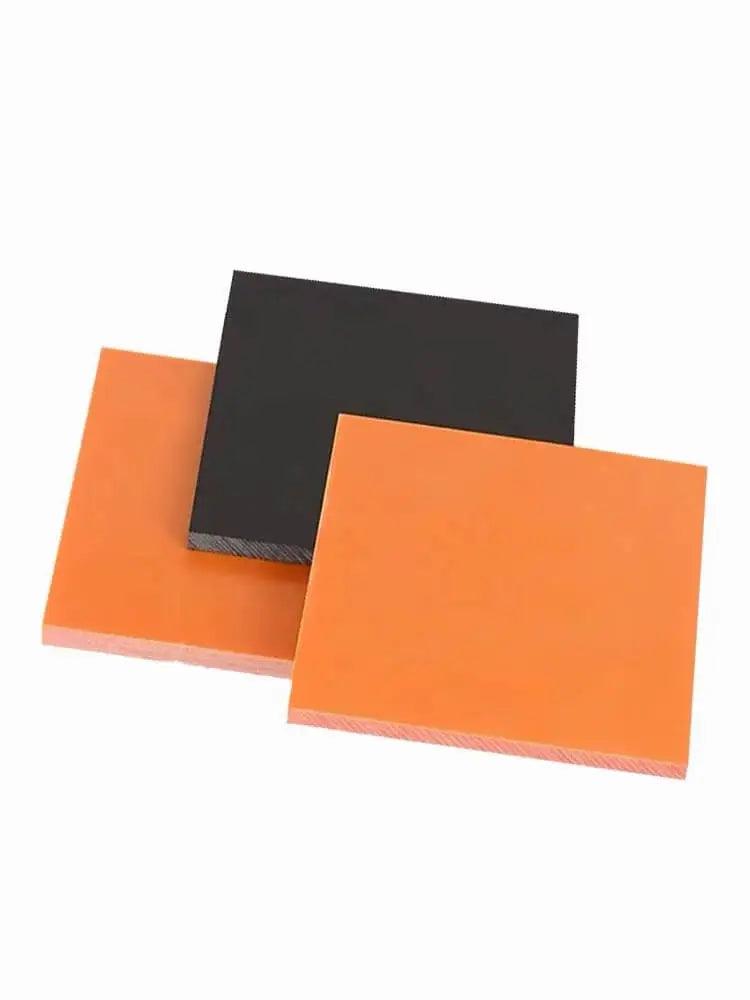
Bakelite sheets

I provide detailed insights on working with different types of Bakelite sheets (including 1mm, 3mm, and 10mm thicknesses), offering tips on cutting, shaping, and finishing these materials for your custom projects. Get inspired by creative project ideas, from jewelry to home decor, with step-by-step guides to bring your DIY visions to life.

Understand the benefits of using Bakelite in your projects, including its durability, heat resistance, and aesthetic versatility. Learn the best practices for maintaining and caring for your Bakelite creations to ensure they last. Finally, I share where to buy high-quality Bakelite products, highlighting trusted suppliers and online marketplaces.

Join me in exploring the endless possibilities with Bakelite, and elevate your crafting projects with this remarkable material.

Introduction to Bakelite Phenolic Sheets

Bakelite phenolic sheets are a cornerstone in the world of crafting and DIY projects, celebrated for their exceptional durability and versatility. These sheets are made from phenolic resin, a type of synthetic polymer that offers remarkable mechanical strength and thermal stability. Whether you’re creating intricate jewelry pieces or robust industrial components, Bakelite phenolic sheets provide a reliable foundation for a variety of applications.

Unique Properties of Bakelite Phenolic Sheets

The distinct properties of Bakelite phenolic sheets set them apart from other materials. They exhibit excellent electrical insulation, making them ideal for electrical and electronic applications. Additionally, their heat resistance ensures they maintain integrity under high temperatures, which is crucial for many crafting and industrial uses. These sheets are also highly rigid, providing a sturdy and stable material for various projects.

Why Bakelite Phenolic Sheets Are Preferred by Hobbyists

Hobbyists and crafters often prefer Bakelite phenolic sheets due to their ease of use and versatile nature. The material can be easily cut, shaped, and finished, allowing for a high degree of customization in projects. Whether you’re working on a small-scale DIY craft or a larger, more complex project, Bakelite phenolic sheets offer the flexibility and reliability needed to bring your creative visions to life.

Applications of Bakelite Phenolic Sheets in DIY Projects

Bakelite phenolic sheets are used in a wide range of DIY projects. They are perfect for creating custom jewelry, art pieces, and home decor items due to their ability to hold fine details and their robust nature. Additionally, these sheets are used in making musical instrument components such as pickguards, knobs, and other parts, showcasing their versatility and reliability.

Benefits of Using Bakelite Phenolic Sheets

Using Bakelite phenolic sheets in your DIY projects offers several benefits. Their durability ensures that your creations will last for years, even with frequent use. The heat resistance of the material allows you to use it in applications that might involve high temperatures without worrying about deformation or damage. Furthermore, the electrical insulation properties make it a safe choice for projects involving electrical components.

Tips for Working with Bakelite Phenolic Sheets

When working with Bakelite phenolic sheets, it’s essential to use the right tools and techniques. Always use sharp cutting tools to ensure clean cuts and avoid chipping. When shaping the material, take your time to sand the edges smoothly to prevent any rough spots. For finishing, a clear coat can be applied to enhance the appearance and protect the surface of your Bakelite phenolic sheets creations.

Where to Buy Bakelite Phenolic Sheets

Finding high-quality Bakelite phenolic sheets is crucial for ensuring the success of your projects. Look for reputable suppliers who offer a variety of thicknesses and sizes to suit your specific needs. Online marketplaces and specialty stores often carry a wide selection of Bakelite products, making it easy to find exactly what you need for your next DIY endeavor.

high-quality Bakelite phenolic sheets

Popular Bakelite Products for Crafting

When it comes to crafting, Bakelite offers a diverse range of products that cater to various needs. From Bakelite sheets to phenolic sheets and fiber sheets, each type provides unique properties that make it suitable for specific applications. Here, I’ll explore some of the most popular Bakelite products and how they can be used in crafting projects.

Bakelite Sheets

Bakelite sheets are one of the most versatile materials available for crafters. These sheets come in various thicknesses, including 1mm, 3mm, and 10mm, allowing for a wide range of applications. Bakelite sheets are known for their rigidity, heat resistance, and electrical insulation properties. These features make them ideal for projects that require durable and stable materials.

  • 1mm Bakelite Sheet: Perfect for intricate designs and delicate crafts.
  • 3mm Bakelite Sheet: Offers a balance of flexibility and strength, suitable for moderate-duty projects.
  • 10mm Bakelite Sheet: Best for heavy-duty applications where maximum strength is required.

Bakelite Fiber Sheets

Bakelite fiber sheets combine the strength of phenolic resin with the flexibility of fibers, creating a material that is both strong and versatile. These sheets are particularly useful for applications that require high mechanical strength and thermal stability. Fiber sheets are commonly used in making musical instrument components, such as pickguards and knobs, due to their durability and aesthetic appeal.

Bakelite Phenolic Sheets

Phenolic sheets made from Bakelite are another popular choice among crafters. These sheets are known for their excellent electrical insulation and heat resistance. They are often used in creating electrical components and industrial parts that need to withstand high temperatures and electrical currents.

Examples of Bakelite Products in Crafting

Jewelry Making

Bakelite has a long history in jewelry making, particularly in the creation of vintage and retro pieces. The material’s ability to be easily molded and colored makes it perfect for crafting unique and intricate jewelry designs. From bracelets to earrings, Bakelite jewelry remains highly sought after by collectors and crafters alike.

Home Decor

Crafters also use Bakelite sheets to create stunning home decor items. The material’s durability and resistance to heat make it ideal for crafting items such as coasters, picture frames, and decorative panels. With Bakelite, you can create pieces that not only look beautiful but also stand the test of time.

Musical Instruments

In the realm of musical instruments, Bakelite is often used to make components like pickguards and knobs. These parts require materials that are both durable and aesthetically pleasing, and Bakelite fits the bill perfectly. Its resistance to wear and tear ensures that these components maintain their appearance and functionality over time.

Conclusion

By understanding the various Bakelite products available and their applications in crafting, hobbyists and crafters can leverage the material’s unique properties to create stunning and durable projects. Whether you’re making jewelry, home decor, or musical instrument components, Bakelite offers a reliable and versatile solution for all your crafting needs.

Bakelite products

Crafting with Bakelite Sheets

Bakelite sheets are incredibly versatile and widely used in various crafting projects. Their unique properties make them ideal for creating a range of items, from intricate jewelry to robust industrial components. Understanding the different types of Bakelite sheets and how to work with them can help you achieve the best results in your DIY projects.

Different Types of Bakelite Sheets

Bakelite sheets come in various thicknesses, each suited for different applications:

  • 1mm Bakelite Sheets: These thin sheets are perfect for detailed and intricate work. They are easy to cut and shape, making them ideal for creating fine jewelry and decorative items.
  • 3mm Bakelite Sheets: Offering a balance between flexibility and strength, these sheets are versatile and can be used for a wide range of projects, including small household items and craft components.
  • 10mm Bakelite Sheets: These thick sheets provide maximum strength and durability. They are best used for heavy-duty applications, such as industrial components and large decorative pieces.

Tips on Cutting Bakelite Sheets

Working with Bakelite sheets requires some specific techniques to ensure clean and precise cuts. Here are some tips:

  • Use Sharp Tools: Always use sharp cutting tools, such as carbide-tipped saw blades or high-speed rotary cutters, to minimize chipping and ensure smooth edges.
  • Secure the Sheet: Firmly secure the Bakelite sheet on a stable surface to prevent movement during cutting. This helps achieve more accurate cuts and reduces the risk of accidents.
  • Cut Slowly: Take your time and cut slowly to avoid overheating the material, which can cause it to warp or crack.

Shaping and Finishing Bakelite Sheets

Once you have cut the Bakelite sheets to the desired size, the next steps are shaping and finishing:

  • Sanding: Use fine-grit sandpaper to smooth out any rough edges. Sand in a circular motion to achieve a polished finish. For intricate shapes, consider using small sanding tools or files.
  • Drilling: When drilling holes in Bakelite, use a sharp drill bit and apply gentle pressure to avoid cracking. It’s best to drill at a slow speed and periodically cool the bit to prevent overheating.
  • Polishing: After shaping and sanding, polish the Bakelite sheet to enhance its appearance. Use a polishing compound and a soft cloth or polishing wheel to achieve a high-gloss finish.

Creative Ideas for Crafting with Bakelite Sheets

Bakelite sheets can be used in a variety of creative projects. Here are a few ideas:

By understanding the different types of Bakelite sheets and how to work with them, you can unlock their full potential and create stunning, durable projects. Whether you’re a hobbyist or a professional crafter, Bakelite provides a versatile and reliable material for all your creative endeavors.

Bakelite sheets

Creative Projects Using Bakelite

Bakelite is a fantastic material for a wide range of DIY projects, thanks to its versatility and durability. Whether you’re interested in making jewelry, art pieces, or home decor, Bakelite provides endless possibilities. Here are some creative ideas and step-by-step guides to help you get started with your Bakelite crafts.

Ideas for DIY Projects

Jewelry Making

Bakelite jewelry has a rich history and remains popular due to its vibrant colors and ease of shaping. You can create unique and personalized pieces such as earrings, bracelets, and pendants. Bakelite is perfect for intricate designs, allowing you to experiment with various styles and patterns.

Art Pieces

Create stunning art pieces with Bakelite by taking advantage of its ability to hold fine details. You can carve intricate designs into Bakelite sheets or combine different colored sheets to create eye-catching mosaics. Whether it’s a small decorative item or a large wall piece, Bakelite offers the flexibility to bring your artistic visions to life.

Home Decor

Bakelite is ideal for crafting durable and stylish home decor items. Consider making coasters, picture frames, and decorative panels. The material’s resistance to wear and tear ensures that your home decor items will remain beautiful for years to come.

Step-by-Step Guides for Specific Bakelite Crafts

Creating Bakelite Earrings

  1. Gather Materials: You’ll need Bakelite sheets, a fine-toothed saw, sandpaper, a drill with small bits, earring hooks, and jewelry pliers.
  2. Design and Cut: Draw your earring designs on the Bakelite sheet and carefully cut them out using a fine-toothed saw.
  3. Sand Edges: Smooth the edges with fine-grit sandpaper to remove any rough spots.
  4. Drill Holes: Drill small holes at the top of the earrings for attaching the hooks.
  5. Attach Hooks: Use jewelry pliers to attach the earring hooks through the drilled holes.
  6. Polish: Polish the earrings with a soft cloth and a suitable polishing compound to give them a glossy finish.

Making a Bakelite Picture Frame

  1. Materials Needed: Bakelite sheets, a saw, sandpaper, adhesive, and a picture frame backing.
  2. Cut Frame Pieces: Cut the Bakelite sheets into four strips for the frame sides. Ensure the lengths match the dimensions of the picture you intend to frame.
  3. Smooth Edges: Sand the edges of the cut pieces to achieve a smooth finish.
  4. Assemble Frame: Use adhesive to join the pieces at the corners, forming a rectangular frame.
  5. Add Backing: Attach a picture frame backing to hold the picture in place.
  6. Polish Frame: Finish by polishing the frame to enhance its appearance.

Crafting Bakelite Coasters

  1. Materials: Bakelite sheets, a circular saw, sandpaper, and a clear sealant.
  2. Cut Shapes: Use a circular saw to cut the Bakelite sheets into desired shapes for the coasters, such as circles or squares.
  3. Sand Edges: Smooth the edges with sandpaper to remove any rough spots.
  4. Apply Sealant: Apply a clear sealant to protect the coasters and enhance their shine.
  5. Allow to Dry: Let the sealant dry completely before using the coasters.

These step-by-step guides and project ideas demonstrate the versatility and ease of working with Bakelite. By experimenting with different designs and applications, you can create beautiful and durable items that showcase your creativity and craftsmanship.

Bakelite plastic sheets

Benefits of Using Bakelite in DIY Projects

Bakelite is a highly sought-after material for DIY projects due to its numerous beneficial properties. Its durability, heat resistance, and aesthetic versatility make it an excellent choice for crafters and hobbyists looking to create long-lasting and visually appealing items. Let’s explore these benefits in detail and understand why Bakelite is a favorite among DIY enthusiasts.

Durability and Heat Resistance of Bakelite

One of the standout features of Bakelite is its exceptional durability. This material is known for its mechanical strength and ability to withstand significant wear and tear. Whether you are creating jewelry, home decor, or industrial components, Bakelite ensures that your creations will endure frequent use without losing their integrity.

Bakelite’s heat resistance is another critical advantage. Unlike many other materials that may warp or degrade under high temperatures, Bakelite maintains its structural integrity even in extreme conditions. This property makes it particularly useful for applications involving heat, such as electrical insulation and kitchenware. By using Bakelite, you can create items that are both functional and resilient, capable of withstanding daily challenges.

Aesthetic Versatility of Bakelite

Bakelite offers incredible aesthetic versatility, allowing crafters to explore a wide range of design possibilities. The material comes in various colors and finishes, enabling you to create vibrant and unique items. Whether you prefer a glossy finish or a matte look, Bakelite can be customized to meet your aesthetic preferences.

This versatility extends to the types of items you can create. From intricate jewelry pieces to large decorative panels, Bakelite can be molded, cut, and shaped into virtually any form. Its ability to hold fine details makes it ideal for custom projects, where precision and uniqueness are key. As a result, crafters can experiment with different styles and techniques, bringing their creative visions to life.

Ease of Working with Bakelite

Working with Bakelite is relatively straightforward, making it a favorite among both novice and experienced crafters. The material is easy to cut and shape using standard crafting tools, allowing for a high degree of customization. Additionally, Bakelite sands smoothly and can be polished to a high sheen, enhancing the finished product’s appearance.

Here are some tips for working with Bakelite:

  • Cutting: Use sharp cutting tools to achieve clean and precise cuts.
  • Shaping: Employ fine-grit sandpaper to smooth edges and create detailed shapes.
  • Polishing: Use a polishing compound to give your Bakelite creations a professional finish.

These characteristics make Bakelite an accessible material for a wide range of projects. Whether you are making practical items or decorative pieces, the ease of working with Bakelite ensures that you can achieve high-quality results with minimal effort.

By understanding and leveraging the benefits of Bakelite, you can enhance the quality and longevity of your DIY projects. Its durability, heat resistance, and aesthetic versatility make it a superior choice for crafting enthusiasts looking to create beautiful and enduring items.

benefits of Bakelite

Maintenance and Care for Bakelite Creations

Proper maintenance and care are essential to preserve the beauty and functionality of your Bakelite creations. By following best practices for cleaning and storing Bakelite products, you can ensure their longevity and keep them looking their best. Here are some effective methods and tips for maintaining your Bakelite items.

Best Practices for Cleaning Bakelite Products

Cleaning Bakelite requires gentle yet effective methods to avoid damaging the material. Here are some best practices:

  • Use Mild Cleaners: Avoid harsh chemicals that can degrade the surface of Bakelite. Instead, use mild soap and water to clean your items. Mix a few drops of mild dish soap with warm water and use a soft cloth to gently wipe the surface.
  • Avoid Abrasive Materials: Do not use abrasive sponges or brushes, as they can scratch the surface of Bakelite. Opt for a soft microfiber cloth or a cotton pad to clean your items.
  • Dry Thoroughly: After cleaning, make sure to dry your Bakelite products thoroughly with a soft, dry cloth. This prevents water spots and helps maintain the material’s luster.
  • Polish for Shine: To restore the shine of Bakelite, use a non-abrasive polish specifically designed for plastics. Apply a small amount of polish to a soft cloth and gently buff the surface in circular motions.

Tips on Storing Bakelite Items to Ensure Longevity

Proper storage is crucial to protect Bakelite items from damage and prolong their lifespan. Here are some tips for storing Bakelite creations:

  • Keep Away from Direct Sunlight: Prolonged exposure to sunlight can cause Bakelite to fade and become brittle. Store your items in a cool, dry place away from direct sunlight to maintain their color and integrity.
  • Avoid Extreme Temperatures: Bakelite can be sensitive to extreme temperatures. Avoid storing your items in places that experience significant temperature fluctuations, such as attics or basements. Instead, keep them in a stable, moderate environment.
  • Use Protective Covers: If you are storing Bakelite jewelry or other small items, consider using protective covers or pouches to prevent scratches and dust accumulation. Soft fabric pouches or velvet-lined boxes are ideal for this purpose.
  • Store Separately: To avoid scratches and damage, store Bakelite items separately from other materials. If possible, use individual compartments or soft dividers in storage boxes to keep items from touching each other.
  • Regular Inspection: Periodically inspect your Bakelite products for any signs of damage or wear. Early detection of issues allows you to address them promptly, ensuring that your items remain in excellent condition.

By adhering to these maintenance and storage tips, you can preserve the quality and appearance of your Bakelite creations for years to come. Proper care not only extends the lifespan of your items but also keeps them looking as beautiful as the day you made them.

Where to Buy Bakelite for Crafting

Finding high-quality Bakelite materials is essential for successful crafting projects. Whether you are looking for Bakelite sheets, fiber sheets, or phenolic sheets, several suppliers and online resources offer a wide range of products to meet your needs. Here are some recommended suppliers and online marketplaces where you can purchase Bakelite products.

Recommended Suppliers and Stores for Purchasing Bakelite Products

When searching for reliable suppliers, it’s crucial to choose reputable stores that offer genuine and high-quality Bakelite materials. Here are some top suppliers to consider:

  • Professional Plastics: This supplier offers a comprehensive range of Bakelite sheets and other phenolic materials. They are known for their high-quality products and excellent customer service. Professional Plastics provides detailed product specifications, making it easy to find the right material for your project.
  • Total Plastics, Int’l: Known for their extensive selection of engineering plastics, Total Plastics, Int’l stocks various Bakelite products, including sheets and rods. They cater to both small-scale crafters and large industrial buyers, ensuring you get the quantity and quality you need.
  • Curbell Plastics: This supplier offers a wide range of plastic materials, including Bakelite. They provide custom cutting services, so you can order Bakelite sheets in the exact dimensions required for your projects. Curbell Plastics also offers helpful resources and technical support to assist with your purchase.

Online Resources and Marketplaces for Finding Bakelite Materials

For convenience and a broader selection, many crafters turn to online marketplaces to purchase Bakelite materials. Here are some popular online resources where you can find a variety of Bakelite products:

  • Amazon: A well-known marketplace that offers a vast array of Bakelite products from various sellers. You can find different sizes and types of Bakelite sheets, as well as customer reviews to help you make an informed purchase. Amazon is a convenient option for quick and reliable shipping.
  • eBay: This platform is excellent for finding unique and vintage Bakelite items. Whether you’re looking for specific Bakelite sheets or collectible pieces, eBay provides a wide range of options. Be sure to check the seller’s ratings and reviews to ensure you are buying from a reputable source.
  • Etsy: Known for its handmade and vintage items, Etsy is a great place to find Bakelite products for crafting. Many sellers offer custom sizes and unique colors, catering to the needs of DIY enthusiasts and hobbyists. Etsy also allows you to support small businesses and independent sellers.
  • Alibaba: If you need to purchase Bakelite materials in bulk, Alibaba is a valuable resource. This platform connects you with manufacturers and suppliers from around the world, offering competitive prices and a wide selection of Bakelite products. Ensure you communicate your specific requirements to the supplier to get the best quality material.

Tips for Buying Bakelite Online

When purchasing Bakelite online, keep the following tips in mind to ensure a smooth and satisfactory shopping experience:

  • Read Reviews: Check customer reviews and ratings to gauge the quality of the products and the reliability of the seller.
  • Verify Product Specifications: Ensure that the product descriptions match your requirements, including the thickness, color, and size of the Bakelite sheets.
  • Check Return Policies: Understand the seller’s return and exchange policies in case the product does not meet your expectations.
  • Communicate with Sellers: Don’t hesitate to ask questions about the product to clarify any doubts before making a purchase.

By choosing reputable suppliers and utilizing reliable online marketplaces, you can source high-quality Bakelite materials for all your crafting needs.
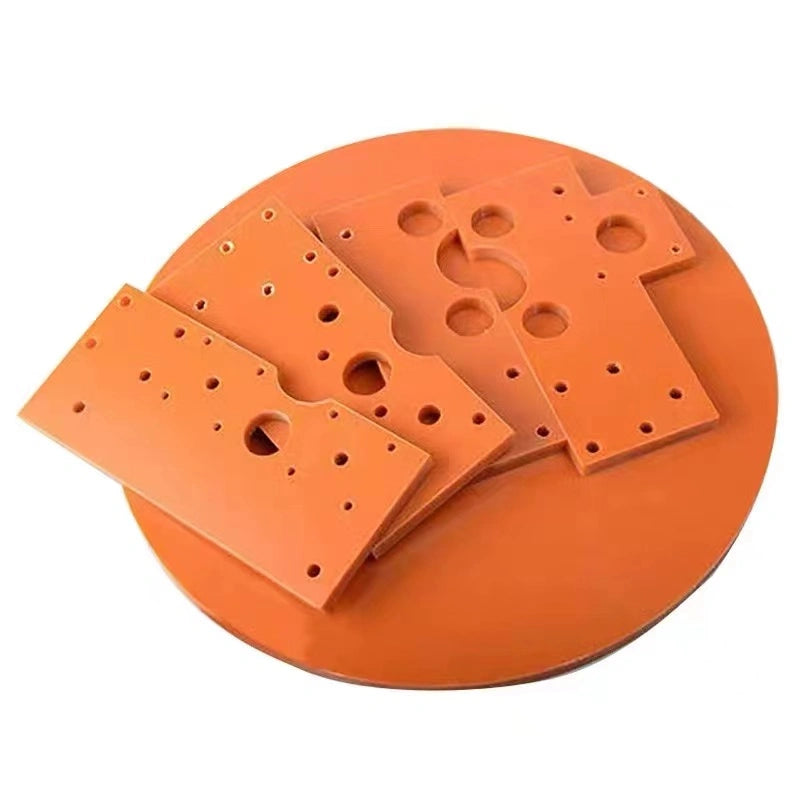
high-quality Bakelite materials for all your crafting needs

Frequently Asked Questions About Bakelite and BeePlastics Customization

1. What types of Bakelite products are available for crafting?

Bakelite is available in various forms, including Bakelite sheets, fiber sheets, phenolic sheets, and Bakelite rods. Each type has unique properties making it suitable for different applications. For example, Bakelite sheets are excellent for creating durable and heat-resistant items, while fiber sheets provide added flexibility for intricate designs.

2. How do I clean and maintain Bakelite products?

To clean Bakelite products, use mild soap and water with a soft cloth. Avoid abrasive materials that can scratch the surface. Dry the items thoroughly after cleaning to prevent water spots. For polishing, use a non-abrasive polish designed for plastics to restore shine and enhance appearance.

3. Can Bakelite be used for making jewelry?

Yes, Bakelite is a popular material for making jewelry due to its vibrant colors, ease of shaping, and durability. It is commonly used to create unique earrings, bracelets, pendants, and other decorative items. Bakelite jewelry can hold fine details, making it ideal for custom designs.

4. What are the advantages of using Bakelite in DIY projects?

Bakelite offers several advantages for DIY projects, including its durability, heat resistance, and aesthetic versatility. It can be easily cut, shaped, and polished, making it suitable for various applications from jewelry to home decor. Bakelite also maintains its structural integrity under high temperatures, making it ideal for heat-related projects.

5. Where can I buy high-quality Bakelite for crafting?

High-quality Bakelite can be purchased from reputable suppliers such as Professional Plastics, Total Plastics, Int’l, and Curbell Plastics. Additionally, online marketplaces like Amazon, eBay, Etsy, and Alibaba offer a wide selection of Bakelite products. Always check reviews and product specifications before purchasing to ensure quality.

6. What customization options does BeePlastics offer?

BeePlastics can undertake any customization, including sample customization and batch customization. They accept various file formats, including PDF and CAD, making it easy to submit your designs. There is no minimum order quantity (MOQ), so you can order exactly what you need without restrictions.

7. What file formats does BeePlastics accept for custom orders?

BeePlastics accepts a variety of file formats for custom orders, including PDF and CAD. This flexibility allows you to submit your designs in the format that works best for you, ensuring that your customization needs are met accurately.

8. Is there a minimum order quantity (MOQ) for custom orders at BeePlastics?

No, there is no minimum order quantity (MOQ) for custom orders at BeePlastics. You can order any quantity, whether you need a single sample or a large batch. This flexibility makes BeePlastics an ideal choice for both small and large projects.

9. How does BeePlastics manage the production cycle for custom orders?

The production cycle at BeePlastics depends on the amount of orders and the complexity of the process. They ensure efficient production by tailoring the cycle to each order’s specific requirements. Additionally, BeePlastics communicates the production progress in real time, keeping you informed every step of the way.

10. Does BeePlastics provide samples for custom orders?

Yes, BeePlastics supports the provision of samples. The samples are free of charge, and customers are only responsible for the shipping costs. This allows you to evaluate the quality and suitability of the customized Bakelite products before placing a larger order.

These frequently asked questions and answers provide valuable information about Bakelite products and BeePlastics’ customization services, helping you make informed decisions for your crafting and DIY projects.

Conclusion

Exploring the world of Bakelite opens up endless possibilities for hobbyists and crafters. Its exceptional durability, heat resistance, and aesthetic versatility make it a superior choice for a wide range of DIY projects. Whether you’re creating intricate jewelry, unique art pieces, or durable home decor, Bakelite provides the perfect material to bring your creative visions to life. With the right maintenance and care, your Bakelite creations will stand the test of time. For those looking to customize their projects, BeePlastics offers unparalleled flexibility and quality, accepting various file formats and providing free samples with customer-covered shipping. By leveraging the unique properties of Bakelite and the customization services of BeePlastics, you can elevate your crafting projects to new heights. Dive into your next project with confidence, knowing you have the best materials and support at your fingertips.

Bakelite creations

Get Started on Your Bakelite Project Today!

Discover the endless possibilities with Bakelite. Fill out our contact form below to get personalized assistance and explore our customization options. Ready to dive in? Click here to view our Bakelite plate selection now!

🎉🎉🎉Limited Time Offer Use code: QR4GNY08SHVR at checkout and enjoy a special discount on your entire order! 👉 Bakelite plastic

Leave a comment


Please note, comments must be approved before they are published


Custom Plastic Fabrication

Send your drawing, material and quantity for review

🔧
Precision Machining
CNC milling & turning
✂️
Cutting & Engraving
Laser & waterjet cutting
🏭
Forming & Molding
Thermoforming & injection
🔗
Joining & Assembly
Welding & bonding
📐
Design & Prototyping
CAD design & samples

General

HDPE

PP

PVC

ABS

Engineering

POM

Nylon

PC

PMMA

High-Performance

PEEK

PEI

PTFE

Composites

FR-4

G10

Flexible

TPU

Silicone

Why Choose BeePlastic?

🎯
Perfect Fit
Custom specs eliminate adaptation needs
⚡
Clear Lead Times
Lead time confirmed with every quote
💰
Volume Pricing
Volume pricing available on bulk orders
🤝
Expert Support
Free engineering consultation included
📋
Submit
→
🔍
Review
→
💵
Quote
→
✅
Production
→
📦
Deliver

Request a Quote

Share your project details, selected material and quantity on our quote page. You can add a file link or use the email drawing route shown there.


Request Quote

Industries: Automotive • Medical • Food • Lab • Semiconductor

beeplastic@beeplastic.com


Innovative Uses of Bakelite Sheets: From Electronics to Art

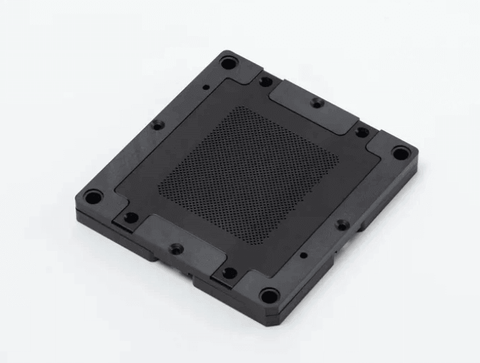
Bakelite housing

In my latest blog post, “Innovative Uses of Bakelite Sheets: From Electronics to Art,” I dive deep into the multifaceted world of Bakelite and its modern applications. This versatile material, known for its durability and heat resistance, is making waves in various industries today.

🎉🎉🎉Limited Time Offer Use code: QR4GNY08SHVR at checkout and enjoy a special discount on your entire order! 👉 Bakelite plastic
Bakelite Sheets

Bakelite in High-Frequency Electronics

Learn how Bakelite sheets are revolutionizing high-frequency electronics with their excellent insulation properties, providing cost-effective solutions for RF insulators and specialized electronic circuits.

Heat Management Solutions

Discover the innovative role of Bakelite in managing heat within electronic devices. Its thermal stability makes it perfect for heat sinks and thermal insulators, crucial for the longevity and reliability of power electronics.

Advanced Composite Materials

Explore the creation of advanced composites by combining Bakelite with materials like carbon fibers or metals. These composites enhance mechanical strength and electrical properties, making them ideal for aerospace and automotive electronics.

Sustainable Electronic Components

Find out how Bakelite promotes sustainability in electronics manufacturing. Its durability reduces environmental impact, making it a preferred choice for components in renewable energy systems like solar panels and wind turbines.

Artistic and Decorative Applications

Uncover the artistic potential of Bakelite sheets. From jewelry to decorative objects, this material’s unique aesthetic appeal and ability to be intricately carved make it a favorite among artists and crafters.

Architectural and Interior Design Uses

Discover how Bakelite sheets are used in architectural and interior design for countertops, wall tiles, partitions, and decorative accents, thanks to their sleek appearance and heat resistance.

Industrial and Mechanical Applications

Learn about Bakelite’s role in industrial and mechanical products such as gears, bearings, housings, and fittings. Its properties like reducing friction and maintaining dimensional stability under high loads make it indispensable in these fields.

Join me as I explore the versatility and innovation behind Bakelite sheets and their growing importance across various industries. Whether you’re in electronics, design, or manufacturing, you’ll find valuable insights on how to leverage this incredible material.

Bakelite in High-Frequency Electronics

The Role of Bakelite Sheets in High-Frequency Electronics

Bakelite sheets are essential in high-frequency electronics due to their outstanding insulation properties and cost-effectiveness. These properties make Bakelite an ideal material for components such as RF insulators and specialized electronic circuits.

Bakelite sheets are essential in high-frequency electronics

Applications in RF Insulators

RF insulators are critical in maintaining the efficiency and performance of high-frequency electronic devices. Bakelite sheets provide excellent electrical insulation, ensuring that signals remain uninterrupted and free from interference. Their stability under varying environmental conditions makes them a reliable choice for such applications.

Specialized Electronic Circuits

In specialized electronic circuits, Bakelite plays a pivotal role. Its low moisture absorption is crucial in preventing short circuits and maintaining the integrity of electronic components. This characteristic ensures that Bakelite-based components perform consistently even in humid conditions, which is vital for maintaining the reliability of high-frequency electronics.

Cost-Effectiveness of Bakelite

One of the major advantages of using Bakelite sheets in high-frequency electronics is their cost-effectiveness. While newer materials are available, Bakelite offers a balance of performance and affordability. This makes it a preferred choice for manufacturers looking to optimize costs without compromising on quality.

Stability and Durability

Bakelite’s stability under various environmental conditions is another significant benefit. It does not deform or degrade easily, which is essential for components exposed to high frequencies and varying temperatures. This durability ensures a longer lifespan for electronic components, reducing the need for frequent replacements and maintenance.

Advancements in Material Science

Recent advancements in material science have further enhanced the properties of Bakelite. Researchers are continuously exploring ways to improve its thermal stability and electrical insulation, making it even more suitable for high-frequency applications. These innovations are expanding the potential uses of Bakelite in the electronics industry.

Environmental Considerations

In addition to its technical advantages, Bakelite is also considered a more environmentally friendly option compared to some modern plastics. Its durability reduces the frequency of replacements, leading to less electronic waste. As industries move towards sustainable practices, Bakelite’s long lifespan and reliability make it an attractive choice for eco-conscious manufacturers.

Conclusion

The use of Bakelite sheets in high-frequency electronics highlights their versatility and reliability. From RF insulators to specialized electronic circuits, Bakelite’s properties make it an indispensable material in the electronics industry. Its cost-effectiveness, stability, and advancements in material science ensure that Bakelite remains a vital component in modern high-frequency electronics.

By incorporating Bakelite into high-frequency electronics, manufacturers can achieve a balance of performance, durability, and environmental responsibility, making it a smart choice for the future of electronic device design and production.

Heat Management Solutions in Electronics

The Role of Bakelite in Heat Management

Bakelite plays a pivotal role in managing heat within electronic devices. Its exceptional thermal stability and resistance to degradation make it an ideal material for heat sinks and thermal insulators in power electronics. These properties ensure that electronic components remain cool and function optimally, even under high thermal loads.

custom Bakelite materials

Thermal Stability of Bakelite

The thermal stability of Bakelite is one of its most significant advantages. Unlike many other materials, Bakelite can withstand high temperatures without losing its structural integrity. This makes it an excellent choice for components that are exposed to continuous heat, such as power transistors and voltage regulators. By maintaining its form and function under extreme conditions, Bakelite helps prevent overheating and prolongs the lifespan of electronic devices.

Resistance to Degradation

Bakelite’s resistance to degradation is another critical feature that enhances its suitability for heat management in electronics. It does not easily degrade when exposed to high temperatures, chemicals, or moisture, which are common in electronic environments. This resistance ensures that Bakelite components remain reliable and efficient over time, reducing the need for frequent replacements and maintenance.

Applications in Heat Sinks

Heat sinks are essential components in electronic devices, designed to dissipate heat away from sensitive parts. Bakelite is used in heat sinks due to its ability to conduct heat efficiently while remaining electrically insulating. This combination ensures that heat is effectively managed without causing electrical interference, which is crucial in maintaining the performance and safety of electronic devices.

Thermal Insulators in Power Electronics

In power electronics, managing heat is vital for device longevity and reliability. Bakelite serves as an excellent thermal insulator, preventing heat from spreading to other components and maintaining optimal operating temperatures. Its use in components like transformers, inductors, and capacitors highlights its importance in protecting and enhancing the efficiency of power electronic systems.

Durability and Longevity

The durability of Bakelite further contributes to its effectiveness in heat management. Its robust nature ensures that it can endure harsh conditions without compromising its insulating properties. This durability not only enhances the performance of electronic devices but also contributes to sustainability by reducing the frequency of replacements and associated waste.

Innovations in Material Science

Recent advancements in material science have led to the development of enhanced Bakelite composites. These innovations improve the thermal conductivity and mechanical strength of Bakelite, making it even more effective in managing heat in advanced electronic applications. By incorporating these composites, manufacturers can achieve better thermal management and overall device performance.

Environmental Considerations

In addition to its technical benefits, Bakelite is also considered a more sustainable option compared to some modern plastics. Its long lifespan reduces electronic waste, aligning with the growing emphasis on environmental responsibility in manufacturing. This makes Bakelite an attractive choice for eco-conscious manufacturers looking to improve the thermal management of their electronic devices.

Bakelite continues to prove its value in the electronics industry, especially in managing heat within devices. Its unique combination of thermal stability, resistance to degradation, and durability makes it a preferred material for heat sinks and thermal insulators in power electronics.

Bakelite materials parts

Advanced Composite Materials

Combining Bakelite with Carbon Fibers

Bakelite, when combined with carbon fibers, creates advanced composite materials that offer enhanced mechanical strength and improved electrical characteristics. These composites leverage the inherent properties of both materials to produce components that are not only robust but also lightweight and electrically insulating. Carbon fibers provide high tensile strength and stiffness, which complement Bakelite’s thermal stability and durability. This combination is particularly useful in applications where high performance and reliability are crucial.

Enhancing Mechanical Strength

The incorporation of carbon fibers into Bakelite composites significantly enhances their mechanical properties. Carbon fibers are known for their exceptional strength-to-weight ratio, making the resulting composites ideal for demanding environments. These advanced composites can withstand high mechanical loads without deforming or breaking, making them suitable for use in automotive electronics and aerospace applications. In these industries, components must endure extreme conditions, such as high stress, vibration, and temperature fluctuations.

Improving Electrical Characteristics

In addition to mechanical strength, Bakelite-carbon fiber composites also offer improved electrical characteristics. The non-conductive nature of Bakelite ensures excellent electrical insulation, while the structural integrity provided by carbon fibers ensures that the components remain stable and reliable. This makes these composites ideal for use in high-performance electronic circuits and components where electrical insulation is critical. Applications include printed circuit boards (PCBs), insulators, and electronic housings that need to operate reliably in harsh conditions.

Applications in Aerospace Electronics

Bakelite composites are extensively used in the aerospace industry due to their ability to withstand high temperatures and mechanical stress. Components made from these composites are used in various parts of aircraft, including avionics and sensor housings. The lightweight nature of carbon fibers helps reduce the overall weight of the aircraft, contributing to better fuel efficiency and performance. Moreover, the thermal stability and durability of Bakelite ensure that these components can endure the rigorous demands of aerospace environments.

Applications in Automotive Electronics

In the automotive industry, Bakelite-carbon fiber composites are used in the production of high-performance electronic components. These include ignition systems, control units, and sensor housings. The combination of mechanical strength and electrical insulation provided by these composites ensures that automotive electronics can operate reliably under the hood, where they are exposed to high temperatures and mechanical vibrations. This enhances the safety and efficiency of modern vehicles, making them more reliable and longer-lasting.

Integration with Metallic Components

Bakelite can also be combined with metallic components to create composites with unique properties. By integrating metals like aluminum or copper, the resulting Bakelite-metal composites offer enhanced thermal conductivity while maintaining good electrical insulation. These composites are useful in applications that require efficient heat dissipation, such as power electronics and thermal management systems. The metallic components help to spread heat away from sensitive areas, while the Bakelite ensures that electrical insulation is maintained.

Future Innovations in Composite Materials

Ongoing research and development in material science are continually pushing the boundaries of Bakelite composites. Innovations aim to further enhance the properties of these materials, making them even more suitable for advanced electronic applications. This includes the development of nano-composites and the use of bio-based materials to improve sustainability. These advancements are expected to open new possibilities for Bakelite composites in various high-tech industries, ensuring their relevance and importance in the future of electronics and beyond.

By integrating Bakelite with advanced materials like carbon fibers and metals, manufacturers can produce components that meet the stringent requirements of modern electronic and industrial applications. The result is a range of high-performance, durable, and reliable materials that continue to drive innovation in aerospace, automotive, and beyond.

integrating Bakelite with advanced materials like carbon fibers and metals

Sustainable Electronic Components

Promoting Sustainability in Electronics Manufacturing with Bakelite

Bakelite plays a significant role in promoting sustainability within the electronics manufacturing sector. Its inherent durability and long lifespan make it an eco-friendly choice compared to other materials. By using Bakelite, manufacturers can create products that last longer, reducing the need for frequent replacements and minimizing electronic waste. This reduction in waste contributes to a lower environmental footprint, aligning with the growing emphasis on sustainability in manufacturing.

Durability Reduces Environmental Impact

One of the standout features of Bakelite is its exceptional durability. Unlike many modern plastics, Bakelite does not degrade easily over time. This durability means that components made from Bakelite can withstand harsh conditions and remain functional for extended periods. In electronic devices, this translates to a longer lifespan, reducing the frequency of replacements. Fewer replacements mean less waste, contributing to a more sustainable approach to electronics manufacturing. By extending the life of electronic components, Bakelite helps reduce the overall environmental impact of production and disposal.

Bakelite in Renewable Energy Systems

Bakelite’s potential extends beyond traditional electronics into the realm of renewable energy systems. Its excellent thermal stability and electrical insulation properties make it an ideal material for components in solar panels and wind turbines. In solar panels, Bakelite can be used in various insulating parts to protect electrical components from heat and environmental exposure. Its ability to withstand high temperatures without degrading ensures that solar panels remain efficient and reliable over their operational lifespan.

Components in Solar Panels

Solar panels require materials that can endure constant exposure to sunlight and fluctuating temperatures. Bakelite is an excellent choice for insulating components within solar panels due to its heat resistance and durability. By using Bakelite, manufacturers can ensure that these critical parts do not degrade quickly, thereby maintaining the efficiency and effectiveness of the solar panels. This durability not only enhances the performance of renewable energy systems but also contributes to their overall sustainability by reducing the need for frequent maintenance and replacements.

Applications in Wind Turbines

In wind turbines, Bakelite is used for similar purposes. Its electrical insulating properties are crucial for components that must resist electrical interference and heat generated by mechanical operations. Bakelite’s robustness ensures that these components remain operational under the stress of continuous movement and exposure to the elements. By integrating Bakelite into wind turbine designs, manufacturers can create more durable and reliable systems that contribute to the long-term viability of renewable energy.

Environmental Benefits of Using Bakelite

The environmental benefits of using Bakelite are manifold. Its long lifespan means less frequent replacements, which translates to reduced waste. Furthermore, the manufacturing process of Bakelite, while involving synthetic materials, results in a product that does not easily break down into microplastics. This characteristic is significant in the context of reducing pollution and maintaining cleaner ecosystems. Additionally, ongoing research into bio-based Bakelite and other sustainable innovations aims to further reduce its environmental footprint, making it an even more attractive option for eco-conscious manufacturers.

Advancements in Sustainable Bakelite

Recent advancements in material science are making Bakelite even more sustainable. Researchers are developing bio-based Bakelite by using renewable resources for its production, reducing reliance on fossil fuels. These innovations not only lower the environmental impact of Bakelite’s production but also enhance its properties, making it more versatile for a wider range of applications. By adopting these advancements, manufacturers can contribute to a more sustainable future while benefiting from the robust and reliable nature of Bakelite.

Bakelite’s role in promoting sustainability in electronics manufacturing is clear. Its durability, thermal stability, and potential applications in renewable energy systems make it a valuable material for creating long-lasting, eco-friendly electronic components. As industries continue to prioritize environmental responsibility, Bakelite’s contributions to sustainability will only grow more significant.

Bakelite's role in promoting sustainability in electronics manufacturing is clear

Bakelite in Artistic and Decorative Applications

The Unique Aesthetic Appeal of Bakelite

Bakelite has a distinct and timeless aesthetic that has captured the attention of artists and designers for decades. Its rich colors, glossy finish, and ability to be intricately carved and polished make it a favorite material for creating artistic and decorative objects. Unlike many modern plastics, Bakelite has a vintage charm that adds a touch of elegance and nostalgia to any piece. This unique appeal has ensured Bakelite’s place in the world of art and craft, where it continues to inspire creativity and innovation.
Bakelite in Jewelry

One of the most popular artistic applications of Bakelite sheets is in the creation of jewelry. From the early 20th century to the present, Bakelite has been used to craft a wide range of jewelry items, including bracelets, bangles, earrings, and rings. The material’s ability to be easily carved and polished allows artisans to create intricate and detailed designs that are both beautiful and durable. Bakelite jewelry is prized for its vibrant colors and smooth finish, making it a standout choice for those looking to add a retro touch to their accessory collection.

Decorative Objects and Retro-Style Items

Bakelite is also widely used in making decorative objects and retro-style items. Its versatility allows it to be shaped into a variety of forms, from small figurines and ornaments to larger home decor pieces like vases and picture frames. The vintage aesthetic of Bakelite adds a unique charm to these objects, making them popular among collectors and interior designers. The material’s durability ensures that these decorative items maintain their appearance over time, preserving their beauty and value for years to come.

Intricate Carving and Polishing

The ability to intricately carve and polish Bakelite is one of its most appealing characteristics. Artists and crafters appreciate how Bakelite can be worked into fine details, allowing for the creation of complex patterns and shapes. This makes Bakelite an ideal material for custom, one-of-a-kind pieces that require precision and attention to detail. The smooth, polished surface of Bakelite also enhances its visual appeal, adding a professional finish to any artistic creation.

Popularity Among Artists and Crafters

Bakelite remains a popular choice among artists and crafters due to its unique properties and aesthetic qualities. It is celebrated for its ease of use, allowing creators to experiment with various techniques and styles. Whether used in jewelry making, decorative arts, or crafting retro-style items, Bakelite offers endless possibilities for artistic expression. Its enduring popularity is a testament to its versatility and the timeless appeal of its distinctive look.

Modern Innovations and Uses

While Bakelite is often associated with vintage and retro styles, modern artists and designers continue to find new and innovative ways to incorporate it into their work. Advances in material science have expanded the potential applications of Bakelite, allowing it to be used in contemporary designs that blend old-world charm with modern aesthetics. This fusion of past and present ensures that Bakelite remains relevant and continues to inspire new generations of artists and crafters.

Bakelite‘s role in artistic and decorative applications highlights its versatility and enduring appeal. Its unique combination of aesthetic qualities, durability, and workability makes it a valuable material for a wide range of creative projects. Whether used to craft stunning jewelry, elegant decorative objects, or innovative modern designs, Bakelite continues to be a source of inspiration and beauty in the world of art and craft.

Bakelite's role in promoting sustainability in electronics manufacturing is clear

Architectural and Interior Design Uses

Bakelite in Countertops

Bakelite sheets are widely used in countertops due to their durability and heat resistance. These properties make Bakelite an ideal material for kitchen and bathroom countertops where surfaces are frequently exposed to high temperatures from cooking appliances or hot water. The sleek, polished appearance of Bakelite adds a touch of modernity and elegance to any space, making it a favored choice among interior designers.

Wall Tiles and Partitions

In architectural design, Bakelite wall tiles and partitions offer both aesthetic appeal and practical benefits. The material’s heat resistance ensures that it can withstand the environmental stresses found in both residential and commercial settings. Additionally, Bakelite’s durability means that these tiles and partitions are less prone to damage and can maintain their appearance over time. The versatility of Bakelite allows it to be used in a variety of colors and finishes, providing designers with the flexibility to create unique and personalized spaces.

Decorative Accents

Decorative accents made from Bakelite add a distinctive touch to both interior and architectural designs. Items such as molding, trim, and decorative panels benefit from Bakelite’s ability to be intricately carved and polished. These accents can enhance the visual appeal of a room by adding intricate details and a polished look. Bakelite’s ability to hold its shape and finish makes it an excellent choice for detailed work that requires a high level of craftsmanship.

Durability and Heat Resistance

The durability of Bakelite is one of its most significant advantages in architectural and interior design. Unlike many modern materials, Bakelite can withstand significant wear and tear without losing its structural integrity. This makes it ideal for high-traffic areas where surfaces are subjected to frequent use and potential damage. Additionally, Bakelite’s heat resistance is crucial in environments where it might be exposed to high temperatures, such as near stoves or heating systems. These properties ensure that Bakelite components remain functional and aesthetically pleasing for many years.

Sleek Appearance

Bakelite’s sleek appearance is another reason it is favored in design applications. Its smooth, glossy finish can be easily maintained, making it an attractive option for surfaces that need to look clean and polished. The material’s ability to be produced in a variety of colors and finishes means that it can be tailored to suit different design aesthetics, from classic to contemporary. This versatility allows designers to use Bakelite in a wide range of applications, creating cohesive and visually appealing spaces.

Sustainable Design Choices

Using Bakelite in architectural and interior design also supports sustainable practices. The material’s long lifespan reduces the need for frequent replacements, minimizing waste and the environmental impact associated with the production and disposal of building materials. Additionally, ongoing research into more sustainable production methods for Bakelite, such as using bio-based phenols, is making it an even more eco-friendly option. This aligns with the growing emphasis on sustainability in architecture and design.

Versatility in Application

The versatility of Bakelite in architectural and interior design cannot be overstated. Its ability to be molded into various shapes and sizes makes it suitable for a wide range of applications, from large structural elements to small decorative details. This flexibility allows designers to experiment and innovate, using Bakelite to achieve unique and customized design solutions. Whether used in traditional or modern settings, Bakelite offers the reliability and aesthetic appeal needed to enhance any architectural or interior design project.

By leveraging the unique properties of Bakelite, architects and interior designers can create spaces that are not only beautiful and functional but also durable and sustainable. The material’s durability, heat resistance, and sleek appearance make it an excellent choice for various design applications, ensuring that it remains a valued material in the design industry.

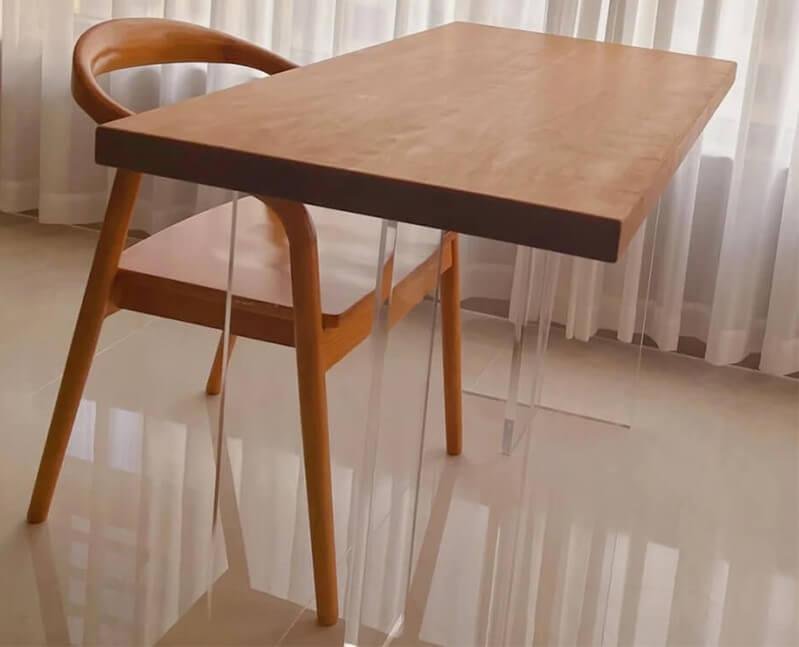
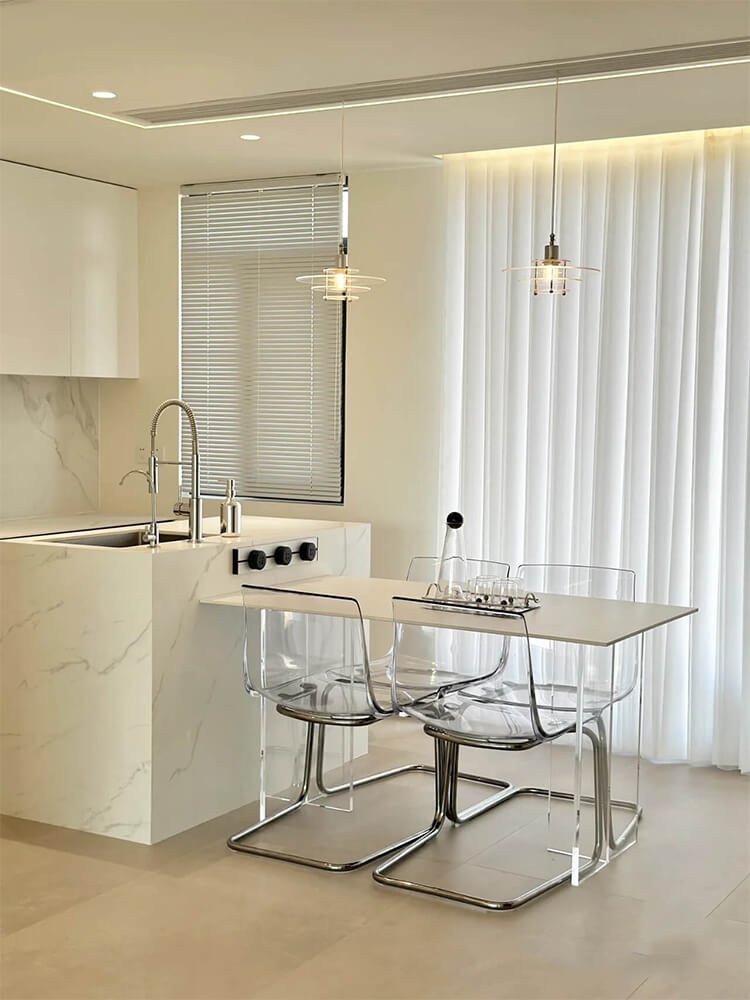
Bakelite Furniture

Industrial and Mechanical Applications

Bakelite in Gears and Bearings

Bakelite is widely used in the production of gears and bearings due to its excellent mechanical properties. These components benefit from Bakelite’s ability to reduce friction and maintain dimensional stability under high loads. In industrial machinery, where precision and reliability are crucial, Bakelite gears and bearings ensure smooth operation and long-lasting performance. The low friction coefficient of Bakelite minimizes wear and tear, extending the lifespan of the machinery and reducing maintenance costs.

Housings and Enclosures

Bakelite housings and enclosures are essential in protecting sensitive mechanical and electronic components from environmental factors. The material’s resistance to chemicals and heat makes it ideal for use in harsh industrial environments. Bakelite can withstand exposure to various chemicals and high temperatures without degrading, ensuring that the components inside remain safe and functional. This durability is particularly important in industries such as automotive and aerospace, where components are exposed to extreme conditions.

Fittings and Connectors

In the realm of fittings and connectors, Bakelite excels due to its dimensional stability and ease of machining. These properties make Bakelite an ideal material for creating precise and reliable fittings that are essential in maintaining the integrity of mechanical systems. Bakelite connectors are commonly used in electrical applications due to their excellent insulating properties, ensuring safe and efficient connections in complex industrial setups.

Reducing Friction and Wear

One of the key advantages of using Bakelite in industrial and mechanical applications is its ability to reduce friction. This property is crucial in components such as bearings and gears, where reducing friction can significantly enhance performance and efficiency. By minimizing friction, Bakelite helps prevent excessive wear and tear, reducing the need for frequent replacements and maintenance. This not only extends the life of the machinery but also lowers operational costs.

Maintaining Dimensional Stability

Bakelite’s dimensional stability under high loads and varying temperatures is another critical factor that makes it suitable for industrial use. Components made from Bakelite do not easily deform or change shape, ensuring consistent performance even under stress. This stability is particularly valuable in precision machinery where even slight deviations can lead to malfunctions or inefficiencies. Bakelite’s ability to maintain its shape and dimensions under pressure makes it a reliable choice for high-stress applications.

Chemical and Heat Resistance

Bakelite’s resistance to chemicals and heat is essential for many industrial applications. In environments where components are exposed to harsh chemicals, Bakelite remains unaffected, ensuring long-term durability and reliability. Its heat resistance makes it suitable for use in high-temperature applications, such as in the automotive and aerospace industries, where components must endure extreme heat without compromising their structural integrity. This resistance to both chemicals and heat ensures that Bakelite components perform consistently and reliably in demanding environments.

Applications in the Automotive Industry

In the automotive industry, Bakelite is used to manufacture various components, including ignition systems, brake components, and dashboard panels. The material’s ability to withstand high temperatures and its insulating properties make it ideal for automotive applications. Bakelite’s durability ensures that these components can endure the rigors of daily use, contributing to the overall reliability and safety of vehicles.

Applications in Aerospace

The aerospace industry also benefits from Bakelite‘s unique properties. Components made from Bakelite, such as insulators, brackets, and housings, are used in aircraft and spacecraft to ensure reliable performance under extreme conditions. The material’s ability to maintain its properties in high-stress environments makes it an essential component in the design and manufacturing of aerospace systems.

By leveraging Bakelite’s exceptional properties, industries can enhance the performance, durability, and reliability of their mechanical and industrial products. The material’s ability to reduce friction, maintain dimensional stability, and resist chemicals and heat makes it a versatile and valuable choice for a wide range of applications.

Bakelite sheets

Frequently Asked Questions (FAQs) About Bakelite and BeePlastics Customization

1. What is Bakelite, and what are its primary uses?

Bakelite is one of the first synthetic plastics, developed by Dr. Leo Baekeland in 1907. It is known for its excellent electrical insulation properties, heat resistance, and durability. Bakelite is commonly used in electrical insulators, automotive components, jewelry, decorative items, and various industrial applications.

2. What makes Bakelite suitable for high-frequency electronics?

Bakelite is ideal for high-frequency electronics due to its excellent insulation properties and low moisture absorption. These characteristics prevent electrical interference and short circuits, making Bakelite a reliable material for components like RF insulators and specialized electronic circuits.

3. How does Bakelite contribute to sustainability in electronics manufacturing?

Bakelite promotes sustainability by offering durability and a long lifespan, which reduce the need for frequent replacements. Its use in renewable energy systems, such as components in solar panels and wind turbines, further supports sustainability by enhancing the efficiency and longevity of these systems.

4. Can Bakelite be customized for specific industrial applications?

Yes, Bakelite can be customized for various industrial applications. At BeePlastics, we undertake any form of customization, including sample and batch customization. We accept a variety of file formats, including PDF and CAD, to meet your specific design requirements.

5. What are the advantages of using Bakelite in automotive and aerospace industries?

In the automotive industry, Bakelite is used for ignition systems, brake components, and dashboard panels due to its heat resistance and electrical insulating properties. In the aerospace industry, Bakelite components such as insulators and housings offer reliability and durability under extreme conditions, making them essential for aircraft and spacecraft.

6. Does BeePlastics have a minimum order quantity (MOQ) for custom Bakelite products?

No, at BeePlastics, there is no minimum order quantity (MOQ) for custom Bakelite products. We cater to projects of all sizes, whether you need a single prototype or a full-scale production run.

7. How does BeePlastics manage the production cycle for custom orders?

The production cycle at BeePlastics is tailored according to the amount of orders and the complexity of the process. We ensure real-time communication with our clients regarding the production progress to keep them informed at every stage.

8. Can BeePlastics provide samples for custom Bakelite products?

Yes, BeePlastics supports the provision of samples for custom Bakelite products. The sample itself is free of charge, but the customer is responsible for the shipping costs. This allows clients to evaluate the product before committing to larger orders.

9. What types of file formats does BeePlastics accept for customization orders?

BeePlastics accepts a variety of file formats for customization orders, including PDF and CAD files. This flexibility ensures that we can accommodate different design specifications and make the customization process as smooth as possible for our clients.

10. What are the main properties of Bakelite that make it ideal for industrial and mechanical applications?

Bakelite is ideal for industrial and mechanical applications due to its properties such as reducing friction, maintaining dimensional stability under high loads, and resistance to chemicals and heat. These characteristics make it suitable for producing gears, bearings, housings, and fittings that need to perform reliably under demanding conditions.

By addressing these common questions, you can better understand the versatility and benefits of Bakelite and the comprehensive customization services offered by BeePlastics. Whether you are involved in electronics, automotive, aerospace, or industrial manufacturing, Bakelite offers reliable solutions tailored to meet your specific needs.

In exploring the innovative and versatile uses of Bakelite, we see how this remarkable material continues to be a cornerstone in various industries. From its crucial role in high-frequency electronics and heat management solutions to its application in advanced composites and sustainable energy systems, Bakelite proves to be indispensable. Its aesthetic appeal and workability make it a favorite in artistic and decorative applications, while its durability and resilience ensure its prominence in architectural design and industrial mechanics. The customization capabilities at BeePlastics further enhance the value of Bakelite, offering tailored solutions that meet diverse needs without compromising on quality or sustainability. Whether you are looking to enhance your electronics, create beautiful decorative pieces, or build robust industrial components, Bakelite offers the reliability and versatility needed to achieve your goals.

Bakelite parts

Get Customized Bakelite Solutions Now!

Let us help you bring your vision to life with our expert Bakelite customization services. Complete the contact form at the bottom of this page to get started, and don’t forget to check out our detailed Bakelite product options at BeePlastics.

🎉🎉🎉Limited Time Offer Use code: QR4GNY08SHVR at checkout and enjoy a special discount on your entire order! 👉 Bakelite plastic

Leave a comment


Please note, comments must be approved before they are published


Custom Plastic Fabrication

Send your drawing, material and quantity for review

🔧
Precision Machining
CNC milling & turning
✂️
Cutting & Engraving
Laser & waterjet cutting
🏭
Forming & Molding
Thermoforming & injection
🔗
Joining & Assembly
Welding & bonding
📐
Design & Prototyping
CAD design & samples

General

HDPE

PP

PVC

ABS

Engineering

POM

Nylon

PC

PMMA

High-Performance

PEEK

PEI

PTFE

Composites

FR-4

G10

Flexible

TPU

Silicone

Why Choose BeePlastic?

🎯
Perfect Fit
Custom specs eliminate adaptation needs
⚡
Clear Lead Times
Lead time confirmed with every quote
💰
Volume Pricing
Volume pricing available on bulk orders
🤝
Expert Support
Free engineering consultation included
📋
Submit
→
🔍
Review
→
💵
Quote
→
✅
Production
→
📦
Deliver

Request a Quote

Share your project details, selected material and quantity on our quote page. You can add a file link or use the email drawing route shown there.


Request Quote

Industries: Automotive • Medical • Food • Lab • Semiconductor

beeplastic@beeplastic.com


The Ultimate Guide to Bakelite: For DIY Enthusiasts and OEM Purchasers Alike

custom Bakelite materials parts

Limited Time Offer: Use code QR4GNY08SHVR at checkout for a special discount on your entire order! Shop Now 👉

Embark on a fascinating journey through the world of Bakelite, a material that has captured the imagination of DIY enthusiasts and OEM purchasers alike. Our comprehensive guide, “The Ultimate Guide to Bakelite: For DIY Enthusiasts and OEM Purchasers Alike,” delves deep into the heart of Bakelite materials, sheets, and boards, unraveling the mysteries of this versatile and enduring substance.

Bakelite cut to size electrical insulation materials

We kick off with a captivating exploration of Bakelite’s history and composition, shedding light on its origins as the first synthetic plastic and its evolution into a cornerstone of modern manufacturing and design. Discover the chemical ingenuity that makes Bakelite an unparalleled choice for a myriad of applications.

Dive into the specific qualities of Bakelite sheets, celebrated for their durability and versatility. Learn why these sheets have become indispensable in both industrial settings and personal projects, offering unparalleled heat resistance and insulating properties.

Our guide doesn’t stop there; we spotlight the innovative uses of Bakelite materials in today’s manufacturing landscape. From electrical insulators to automotive parts, see how Bakelite’s reliability and efficiency continue to make it a go-to material for cutting-edge applications.

Selecting the perfect Bakelite board for your project can be daunting. We provide expert guidance on choosing the right board to meet your specific needs, considering factors like thickness, size, and type to ensure your project’s success.

For those ready to get their hands dirty, our section on working with Bakelite offers valuable tips and techniques. Whether you’re a seasoned professional or a crafting newbie, learn how to cut, shape, and finish Bakelite materials with confidence and creativity.

Finally, our guide concludes with a practical buyer’s guide for sourcing Bakelite sheets, materials, and boards. Discover where to find high-quality Bakelite products, how to assess supplier reliability, and ensure you get the best value for your investment.

“The Ultimate Guide to Bakelite: For DIY Enthusiasts and OEM Purchasers Alike” is more than just a blog post; it’s your gateway to mastering Bakelite in all its forms. Whether you’re embarking on a personal project or sourcing materials for large-scale manufacturing, this guide is an indispensable resource for anyone looking to harness the potential of this extraordinary material.

Bakelite boards for sale

Discovering Bakelite: History and Composition

The Birth of Bakelite

The journey of Bakelite takes us back to the dawn of the 20th century, introducing us to the first synthetic plastic to ever grace the world. Invented in 1907 by the innovative Belgian-American chemist Leo Baekeland, Bakelite was not just any material; it was the herald of the age of plastics. Created as an answer to the insatiable demand for an insulating material within the burgeoning electrical industry, Bakelite set the stage for the diverse and ubiquitous world of plastic products we see today.

The Chemical Composition of Bakelite

At its heart, the magic of Bakelite lies in its unique chemical structure. This material is the result of a chemical romance between phenol and formaldehyde, bonded through a condensation reaction known as polycondensation. Baekeland’s patented process transformed these substances into a hard, infusible, and thermosetting polymer, endowing Bakelite with its iconic properties: unparalleled resistance to electricity, heat, and chemical corrosion. It’s these properties that propelled Bakelite into the limelight as the ideal substance for electrical insulators and a myriad of other applications.

Bakelite’s Multifaceted Applications

The adaptability of Bakelite is truly remarkable. Classified under phenolic resins, it not only spearheaded the development of various synthetic polymers but also boasted a wide array of applications. From electrical insulators to automotive components, and even into the realm of household items like radio casings, kitchenware, and jewelry, Bakelite demonstrated its versatility. Its capability to be molded into any desired shape, coupled with its aesthetic appeal – characterized by rich colors and a glossy finish – secured its place in both functional and ornamental domains.

Legacy and Modern Relevance of Bakelite

The legacy of Bakelite extends far beyond its historical inception. Today, it is revered not only for its pivotal role in the advancement of materials science but also as a cherished collectible among vintage enthusiasts. The narrative of Bakelite, labeled as the “material of a thousand uses,” is a testament to the profound impact that thoughtful chemical engineering can have on technological progress and societal trends. As we venture into new territories of material innovation, the story of Bakelite serves as an enduring emblem of the transformative potential inherent in scientific exploration.

This deep dive into the history and composition of Bakelite enriches our understanding of this pioneering material. From its initial development from phenolic resin and formaldehyde to its widespread integration across diverse industries, Bakelite’s journey encapsulates the essence of innovation. Whether you’re a DIY enthusiast eager to infuse your projects with a touch of vintage elegance or an OEM purchaser in search of robust materials, the enduring saga of Bakelite continues to inspire and inform a wide audience.

Customized Bakelite sheets and insulation components

Bakelite Sheets: Versatility Meets Durability

Unveiling the Strength of Bakelite Sheets

Bakelite sheets, known for their remarkable durability and versatility, stand as a testament to the enduring legacy of Bakelite material. These sheets, often referred to as phenolic panels or laminate sheets, are celebrated for their robustness, making them an excellent choice for both DIY enthusiasts and industrial applications. The unique composition of Bakelite lends these sheets exceptional heat resistance and insulating properties, positioning them as an ideal material for a myriad of uses.

Orange Bakelite Sheet Standard Material

Bakelite Sheets & Rods (In Stock)

Standard Phenolic Laminate Sheets available in thicknesses from 3mm to 100mm. Perfect for electrical insulation, jigs, and fixtures.

  • Heat Resistant & Electrical Insulation
  • Custom Cut-to-Size Available
  • No Minimum Order Quantity

Shop Bakelite Sheets →

The Composition and Properties of Bakelite Sheets

At the heart of Bakelite sheets lies their chemical makeup, a harmonious blend of phenol-formaldehyde resin, hardened under high pressure and temperature. This process imbues the sheets with a set of properties that are highly sought after in materials used for electrical and mechanical applications. Notably, their non-conductivity, resistance to heat, and chemical inertness make Bakelite sheets a safe and reliable choice for environments where these properties are paramount.

Applications in DIY Projects and Beyond

For DIY enthusiasts, the appeal of Bakelite sheets extends into their ease of use and the aesthetic qualities they offer. Whether it’s for crafting custom jewelry, creating unique home decor, or building prototype models, these sheets provide a durable yet easily workable material. Their ability to be cut, shaped, and drilled into without compromising their structural integrity allows for endless creativity in projects.

On the industrial front, Bakelite sheets serve a critical role in the manufacturing of electrical components, such as insulators, circuit boards, and switchgear. The material’s inherent fire retardancy and electrical insulation capabilities ensure safety and efficiency in high-stakes applications. Moreover, their use in automotive parts, particularly under the hood, highlights their ability to withstand extreme conditions without degradation.

The Sustainable Choice

In today’s environmentally conscious world, the sustainability of materials is more important than ever. Bakelite sheets offer an advantage in this area as well, being long-lasting and requiring less frequent replacement than less durable alternatives. This longevity contributes to a reduction in waste, positioning Bakelite as a choice that benefits not only the end-user but also the environment.

Bakelite sheets embody the perfect blend of historical significance and contemporary relevance. Their wide range of applications, from artistic DIY projects to critical industrial components, underscores the material’s unparalleled flexibility and endurance. As we continue to explore and innovate within the realms of material science, Bakelite sheets remain a steadfast reminder of the possibilities that arise when durability meets versatility.

custom Bakelite materials

Choosing the Right Bakelite Board for Your Project

Understanding Bakelite Board Varieties

When embarking on a project that requires the unique properties of Bakelite boards, understanding the variety available is crucial. Bakelite boards, known for their durability, heat resistance, and electrical insulation properties, come in a range of thicknesses, sizes, and types. This diversity makes them suitable for a wide array of applications, from electrical engineering projects to decorative pieces. However, selecting the right Bakelite board requires a thoughtful consideration of your project’s specific needs.

Factor 1: Determining the Thickness Required

The thickness of the Bakelite board is one of the first factors to consider. The choice here largely depends on the structural demands of your project. For instance, thicker boards offer greater rigidity and are ideal for high-stress applications such as mechanical supports or heavy-duty electrical insulators. On the other hand, thinner sheets may be preferable for applications requiring flexibility, such as in some types of decorative arts. The thickness will also affect the board’s heat resistance and electrical insulation capabilities, which are critical for safety in electrical applications.

Factor 2: Size Matters

Next, consider the size of the Bakelite board. This decision should be guided by the dimensions of the final product. Larger boards are useful for projects that require single, uninterrupted pieces, offering aesthetic coherence or structural integrity. Smaller sizes, however, may suffice for projects that involve detailed work or where the Bakelite will be used sparingly. Remember, choosing the right size can minimize waste and optimize the cost-effectiveness of your material selection.

Factor 3: Selecting the Appropriate Type

Bakelite boards are not a one-size-fits-all solution. They come in various types, each tailored for specific applications. For example, some boards are reinforced with materials like cotton or glass fibers to enhance their mechanical strength or thermal stability. Others may contain additives that improve their machinability or color. When selecting the type, consider the environmental conditions the board will be subjected to, such as exposure to chemicals, extreme temperatures, or physical stress.

Balancing Project Requirements with Material Properties

Choosing the right Bakelite board boils down to a balance between your project’s requirements and the material’s properties. Consider not only the physical demands of the application but also the aesthetic or regulatory requirements that may apply. For electrical applications, ensuring the board meets the necessary insulation standards is paramount. For decorative projects, the board’s color, texture, and ability to hold a finish could be key considerations.

Material selection is a critical phase in any project’s planning and execution. By carefully evaluating the factors of thickness, size, and type, you can select a Bakelite board that not only meets your project’s demands but also optimizes performance and safety. Whether you’re a hobbyist working on a personal project or an engineer designing for industrial applications, the right choice of Bakelite board can be the cornerstone of your success.

Bakelite plate

Working with Bakelite: Tips and Techniques for DIY and Professional Projects

Getting Started: Understanding Bakelite

Before diving into projects involving Bakelite, it’s crucial to grasp the unique properties of this material. Known for its durability, heat resistance, and electrical insulation capabilities, Bakelite offers a plethora of applications in both DIY and professional settings. However, working with Bakelite requires a certain level of know-how to ensure both the quality of your project and your safety.

Cutting and Shaping Bakelite

When it comes to cutting and shaping Bakelite, selecting the right tools is paramount. High-speed rotary tools and fine-toothed saws are ideal for making precise cuts without causing the material to crack or chip. For shaping, files and sandpaper can be used to smooth edges and create desired contours. It’s important to work in a well-ventilated area and wear protective gear, such as masks and goggles, to avoid inhaling dust particles.

Drilling Bakelite also requires attention to detail. Using drill bits designed for plastics will minimize the risk of cracking or splitting the material. Start with a small pilot hole and gradually increase to the desired size to ensure accuracy and prevent damage.

CNC Machined Bakelite Parts Custom Service

Need Precise Custom Parts?

Don’t have the tools to cut or shape Bakelite? Our professional CNC machining service can turn your drawings into reality with high precision. Milling, Turning, and Drilling services available.

  • Precision CNC Machining
  • Complex Geometries & Tight Tolerances
  • Fast Global Shipping (DHL/FedEx)

Get a Free CNC Quote →

Finishing Techniques for Bakelite

Achieving a professional finish on Bakelite involves several steps. After shaping, start with coarse sandpaper and work your way up to finer grits for a smooth surface. For a glossy finish, buffing wheels and polishing compounds can bring out the material’s natural luster. For those looking to add color or designs, acrylic paints or specialty dyes designed for plastics can be applied. Always test these finishes on a small area first to ensure compatibility with the Bakelite.

Safety Measures and Best Practices

Safety should never be an afterthought when working with Bakelite. The material can produce fine dust when cut or sanded, which is irritating to the lungs and skin. Always use dust masks, safety goggles, and protective clothing. Additionally, work in an area with good airflow or consider using a dust extraction system to minimize airborne particles.

It’s also worth noting that Bakelite can generate heat when being worked on extensively, especially during cutting or drilling. Take breaks to allow the material to cool down and prevent any tools from overheating.

Creative Ideas and Applications

Bakelite’s versatility opens up a world of creative possibilities for both hobbyists and professionals. Its electrical insulation properties make it ideal for custom electronics projects, while its aesthetic appeal can be leveraged in jewelry making, home decor, or restoration of vintage items. With the right techniques, Bakelite can be incorporated into modern design projects, blending its historical charm with contemporary flair.

Working with Bakelite offers a unique opportunity to explore a material that bridges the gap between past and present. By adhering to these tips and techniques, you can unlock the full potential of Bakelite in your DIY or professional projects, ensuring safety, quality, and creativity in every endeavor.

Bakelite materials parts

Where to Buy Bakelite Sheets, Materials, and Boards: A Buyer’s Guide

Navigating the Market: Local Suppliers vs. Online Marketplaces

When on the hunt for Bakelite sheets, materials, and boards, the journey begins with choosing between local suppliers and online marketplaces. Both avenues have their perks, but the key lies in understanding your project needs and balancing them with concerns about quality, pricing, and supplier reliability.

Local suppliers offer the advantage of physical inspection and immediate availability. You can touch, feel, and visually inspect the quality of the Bakelite products before making a purchase, ensuring that the material meets your expectations. Additionally, establishing a relationship with local suppliers can lead to valuable advice and insights specific to your projects, as well as potential discounts for repeat business.

On the flip side, online marketplaces broaden your options significantly, often providing a wider range of products at competitive prices. They allow you to easily compare pricing and product specifications across multiple sellers. However, the inability to inspect the products physically before purchase means you must rely on seller ratings, reviews, and clear return policies to gauge quality and reliability.

Key Considerations for Quality and Pricing

When evaluating Bakelite products, whether online or in person, prioritize quality above all. Look for trusted suppliers known for offering quality phenolic products. Certifications and product specifications can serve as indicators of quality, so don’t hesitate to ask for these details.

Pricing is another crucial consideration. While it’s tempting to opt for the lowest price, remember that this could affect the material’s quality. Competitive pricing is important, but it shouldn’t compromise the quality you need for your project. Consider the long-term durability and reliability of the Bakelite material, as these factors can offset initial costs by reducing the need for replacements.

Bakelite phenolic resin custom machining for electrical insulation and heat-resistant parts

Assessing Supplier Reliability

Supplier reliability is paramount, whether you’re dealing with local vendors or online sellers. Reliable suppliers ensure that you receive the Bakelite materials you need, when you need them, and in the condition you expect. For online purchases, thoroughly review customer feedback and seller ratings. For local suppliers, ask for references or examples of businesses that have successfully used their products.

It’s also wise to evaluate the supplier’s knowledge of Bakelite products. A supplier well-versed in Bakelite can provide invaluable advice on the best type of material for your specific application, ensuring that your project is a success.

Making the Choice

Choosing where to buy Bakelite sheets, materials, and boards ultimately hinges on your specific project needs, preferences for purchasing (in-person vs. online), and the importance of factors like material quality, cost, and supplier reliability. By carefully considering these aspects, you can select a sourcing option that not only meets your immediate project requirements but also supports your long-term success.

Armed with this knowledge, you’re well-prepared to navigate the market for Bakelite products. Whether you opt for the convenience and variety of online marketplaces or the personalized service and immediacy of local suppliers, ensuring the quality and reliability of your Bakelite materials will pave the way for your project’s success.

Embarking on a journey with Bakelite, whether for a personal DIY project or a professional manufacturing endeavor, unveils a world of possibilities. From understanding the rich history and composition of Bakelite to mastering the techniques for shaping and finishing this versatile material, we’ve explored how to make informed choices about thickness, size, and type suitable for any task. Furthermore, navigating the purchasing landscape with insights on where to find quality Bakelite products ensures that your projects not only start on solid ground but are destined for success. Equipped with this comprehensive guide, you’re now ready to harness the full potential of Bakelite, leveraging its timeless qualities to bring your creative visions to life or to solve practical challenges with confidence and skill.

custom Bakelite materials parts

Take the Next Step in Innovation with Bakelite – Your project deserves the best materials and expertise. If you’re eager to explore how Bakelite can elevate your work, we’re here to help. Complete the contact form at the bottom of the page and connect with us today. Let’s make your ideas a reality!

🚀 Ready to Order or Customize?

Use limited time code QR4GNY08SHVR at checkout.

Leave a comment


Please note, comments must be approved before they are published


Custom Plastic Fabrication

Send your drawing, material and quantity for review

🔧
Precision Machining
CNC milling & turning
✂️
Cutting & Engraving
Laser & waterjet cutting
🏭
Forming & Molding
Thermoforming & injection
🔗
Joining & Assembly
Welding & bonding
📐
Design & Prototyping
CAD design & samples

General

HDPE

PP

PVC

ABS

Engineering

POM

Nylon

PC

PMMA

High-Performance

PEEK

PEI

PTFE

Composites

FR-4

G10

Flexible

TPU

Silicone

Why Choose BeePlastic?

🎯
Perfect Fit
Custom specs eliminate adaptation needs
⚡
Clear Lead Times
Lead time confirmed with every quote
💰
Volume Pricing
Volume pricing available on bulk orders
🤝
Expert Support
Free engineering consultation included
📋
Submit
→
🔍
Review
→
💵
Quote
→
✅
Production
→
📦
Deliver

Request a Quote

Share your project details, selected material and quantity on our quote page. You can add a file link or use the email drawing route shown there.


Request Quote

Industries: Automotive • Medical • Food • Lab • Semiconductor

beeplastic@beeplastic.com


Transform Your Furniture: A Guide to Acrylic Floating Table Legs

acrylic floating table legs

Dive into the world of modern furniture design with our latest blog post, “**Transform Your Furniture: A Guide to Acrylic Floating Table Legs.” This comprehensive guide is your ultimate resource for elevating your home’s aesthetics and embracing the sleek, contemporary vibe that acrylic furniture brings.

🎉🎉🎉Limited Time Offer Use code: QR4GNY08SHVR at checkout and enjoy a special discount on your entire order! 👉 Acrylic plastic
Acrylic Floating Table Legs

Starting with “The Basics of Acrylic Floating Table Legs,” we introduce you to the allure and functionality of these innovative furniture pieces. Discover why acrylic legs have become a must-have for modern furniture enthusiasts seeking to add a touch of elegance and the illusion of space to their interiors.

Next, our “Design Ideas and Inspiration” section is a treasure trove of creative possibilities. Whether you’re revamping a coffee table, designing a chic desk, or updating your dining table, we provide a plethora of design ideas to spark your creativity. Accompanied by inspiring visuals, this segment ensures you’re never short of ideas for integrating acrylic legs into your furniture.

For the DIYers, “DIY Tutorial: Installing Acrylic Floating Table Legs” offers a detailed, step-by-step guide on how to securely and stylishly add acrylic legs to your furniture. From selecting the right tools to achieving a flawless finish, we cover everything you need to know to undertake this project with confidence.

Maintaining the pristine look of your acrylic furniture is key, which is why our “Maintenance and Care Tips” section is indispensable. Learn the dos and don’ts of acrylic care, including effective cleaning methods and how to keep your acrylic legs scratch-free and sparkling.

Lastly, “Where to Buy Acrylic Floating Table Legs” rounds off our guide by pointing you towards the best places to find high-quality acrylic legs. We share insider tips on choosing the right legs for your furniture projects, ensuring you make informed decisions that reflect quality and style.

Join us as we explore the transformative power of Acrylic Floating Table Legs in “Transform Your Furniture: A Guide to Acrylic Floating Table Legs.” Whether you’re a seasoned DIY enthusiast or a lover of modern furniture solutions, this post is packed with valuable insights, tips, and inspiration to help you bring your furniture transformation dreams to life.

Acrylic Floating Table Legs

The Basics of Acrylic Floating Table Legs

Acrylic floating table legs represent a revolutionary trend in the realm of modern furniture design, merging functionality with aesthetic appeal. These innovative components are not just ordinary furniture legs; they are a statement of style and sophistication. In this section, we delve into what acrylic floating table legs are, their distinctive allure, and the reasons behind their growing popularity among interior design enthusiasts and furniture makers.

What Are Acrylic Floating Table Legs?

At their core, acrylic floating table legs are made from a transparent, durable material known as acrylic or polymethyl methacrylate (PMMA). This material is renowned for its strength, clarity, and versatility. Unlike traditional wooden or metal legs, acrylic legs offer a unique visual effect: they create the illusion that the table top is floating, hence the term “floating.” This optical illusion adds a touch of elegance and lightness to any piece of furniture, making it a focal point in a room.

The Unique Appeal of Acrylic Legs

The appeal of acrylic floating table legs lies in their ability to blend seamlessly with any decor style, from minimalist to eclectic. Their transparency allows them to integrate into the environment without overpowering it, making them ideal for small spaces where maintaining an open, airy feel is essential. Moreover, the reflective quality of acrylic can enhance the natural light in a room, contributing to a brighter, more welcoming atmosphere.

Another significant advantage of acrylic legs is their durability and ease of maintenance. Despite their delicate appearance, they are remarkably sturdy and resistant to impact. Cleaning them is a breeze; a simple wipe with a soft cloth and mild detergent will keep them looking pristine.

Why They’re Gaining Popularity

The rising popularity of acrylic floating table legs can be attributed to several factors. Firstly, the contemporary aesthetic they offer aligns perfectly with current trends in interior design, which favor clean lines and uncluttered spaces. Additionally, the versatility of acrylic makes it suitable for a wide range of furniture pieces, from coffee tables and dining tables to desks and console tables.

Another reason for their popularity is the DIY-friendly nature of acrylic legs. They offer homeowners and DIY enthusiasts the opportunity to customize their furniture without extensive woodworking skills or tools. This accessibility has sparked a surge in creative furniture projects, further cementing the status of acrylic floating table legs as a favored choice among modern furniture solutions.

As we explore the world of acrylic floating table legs, it’s clear that their unique blend of style, functionality, and versatility makes them a standout choice for anyone looking to elevate their home decor. Whether you’re a seasoned interior designer or a DIY enthusiast, incorporating acrylic legs into your furniture projects can transform ordinary pieces into works of art, reflecting your personal style and enhancing the overall aesthetic of your space.

acrylic floating table legs

Design Ideas and Inspiration: Acrylic Floating Table Legs

Incorporating acrylic floating table legs into your furniture not only adds a modern twist but also infuses your space with a sense of innovation and creativity. This section explores various design ideas and creative ways to integrate these versatile legs into different types of furniture, such as coffee tables, desks, and dining tables. Let’s dive into a world where functionality meets unparalleled style, providing you with the inspiration needed to transform your living space.

Coffee Tables with a Twist

A coffee table is often the centerpiece of a living room, and adding acrylic floating table legs can turn an ordinary table into a stunning focal point. Imagine a rustic wooden tabletop paired with clear acrylic legs, creating a beautiful contrast between the natural and the modern. This combination not only highlights the warmth of the wood but also gives the piece a contemporary edge. For a more avant-garde approach, consider a coffee table entirely made of acrylic, offering a sleek, futuristic look that still maintains the floating illusion.

Desks That Elevate Your Workspace

In today’s world, a desk is more than just a workspace; it’s a statement of personal style and functionality. Acrylic floating table legs can transform a simple desk into an elegant and inspiring workspace. Opt for a minimalist design with a clear acrylic top and legs for a seamless, airy feel that enhances productivity and creativity. Alternatively, a glass top desk with acrylic legs can add a touch of sophistication to your home office, blending seamlessly with any decor while keeping the focus on openness and light.

Dining Tables Redefined

The dining table is where families gather, making it a vital piece of furniture in any home. Integrating acrylic floating table legs with a solid wood, glass, or marble top can create a stunning piece that becomes the heart of your dining room. The transparency of the legs allows the beauty of the tabletop material to stand out, offering a modern twist on traditional dining furniture. For a more cohesive look, consider chairs with acrylic elements, tying the room together in a symphony of style and elegance.

Creative Integrations and Custom Projects

Beyond the standard furniture pieces, acrylic floating table legs offer endless possibilities for creative integrations and custom projects. Use them to support a unique shelving unit, as part of a bench in an entryway, or even to create a statement bar cart. The key is to think outside the box and use acrylic legs to add a touch of modernity and lightness to any piece of furniture.

As you explore these design ideas and begin to envision the possibilities, remember that acrylic floating table legs are more than just a furniture component; they are a design statement. Whether you’re looking to update a single piece of furniture or embark on a larger home renovation project, incorporating acrylic legs can transform your space, making it feel more open, modern, and inviting. Let these ideas inspire you to create a home that reflects your unique style and vision, where every piece of furniture tells a story of innovation and elegance.

acrylic floating table legs

DIY Tutorial: Installing Acrylic Floating Table Legs

Transforming your furniture with acrylic floating table legs is a straightforward process that can dramatically change the look and feel of your space. This DIY tutorial will guide you through the steps to install these chic legs, ensuring stability, durability, and a professional finish. Whether you’re updating an existing piece or creating something new, follow these instructions to achieve the best results.

Tools and Materials Needed

Before you begin, gather the following tools and materials:

  • Acrylic floating table legs
  • Drill with various drill bits
  • Screwdriver
  • Measuring tape
  • Level
  • Pencil for marking
  • Screws (ensure they are the correct size for your table and legs)
  • Sandpaper (optional, for finishing edges)

Step 1: Planning and Preparation

Start by deciding on the placement of your acrylic legs. Use the measuring tape to ensure even spacing and mark the positions with a pencil. It’s crucial to consider the weight distribution of the table to maintain balance and stability. For larger tables, consider using more legs to support the weight evenly.

Step 2: Drilling Pilot Holes

Once you’ve marked the leg positions, drill pilot holes at these points. Pilot holes should be slightly smaller than the diameter of your screws. This step is essential for preventing the acrylic from cracking when you insert the screws. Be sure to choose a drill bit that matches the size of your pilot holes accurately.

Step 3: Attaching the Legs

Align the acrylic legs with the pilot holes you’ve drilled. Using a screwdriver, carefully screw the legs into place. Do not over-tighten, as this could crack the acrylic. Instead, aim for a snug fit that securely attaches the legs to the table without applying excessive pressure.

Step 4: Ensuring Stability and Level

With all the legs attached, place your table upright and use a level to check that it sits flat. If any adjustments are needed, you may slightly loosen or tighten the screws to balance the table. This step is crucial for ensuring that your table is stable and functional.

Step 5: Finishing Touches

For a professional-looking finish, you may want to sand the edges of the acrylic legs if they feel sharp or rough. Use a fine-grit sandpaper and gently round the edges. This not only improves the appearance but also prevents any potential scratches or damage from sharp corners.

Tips for Success

  • Always wear protective eyewear when drilling or sanding.
  • If your table top is particularly heavy, consider using acrylic legs with a thicker diameter for added strength.
  • Regularly check the tightness of the screws over time to ensure the legs remain securely attached.

By following these steps, you can successfully install acrylic floating table legs on your furniture, adding a modern and sophisticated touch to your home. This DIY project is not only rewarding but also allows you to customize your furniture to suit your style and needs. With the right tools and a bit of patience, you’ll be able to achieve a stunning transformation that will impress anyone who sees it.

acrylic floating table legs

Maintenance and Care Tips for Acrylic Floating Table Legs

Ensuring your acrylic floating table legs remain in top condition requires a bit of care and attention. Acrylic, while durable and visually appealing, can be susceptible to scratches and cloudiness if not properly maintained. Follow these maintenance and care tips to keep your acrylic legs looking pristine and stylish over time.

Regular Cleaning

The key to maintaining the clear, glass-like appearance of your acrylic legs is regular cleaning. Use a soft, damp cloth and a mild detergent or soap to gently wipe down the legs. Avoid abrasive sponges or cleaners, as these can leave scratches. For a streak-free finish, you can follow up with a microfiber cloth or use a specialized acrylic cleaner that will not damage the surface.

Scratch Removal

Even with careful handling, scratches may occur. Minor scratches can often be buffed out using a fine-grit sandpaper or a plastic polish. Begin with a gentle sanding, moving in circular motions, and then apply the polish according to the product’s instructions. For deeper scratches, it may be necessary to use a more abrasive sandpaper before polishing. Always test a small, inconspicuous area first to ensure the finish will be to your satisfaction.

Avoiding Damage

To prevent damage to your acrylic floating table legs, there are several precautions you can take:

  • Avoid placing sharp or heavy objects directly on the legs without protection.
  • Use coasters or felt pads under items that may scratch the surface.
  • Keep the legs away from extreme heat sources, such as radiators or direct sunlight, which can cause warping or discoloration.
  • Be mindful of chemical exposure. Acrylic can react to certain chemicals, so avoid using harsh cleaning agents or solvents near your acrylic furniture.

Long-Term Care

For long-term care, consider applying a silicone-based polish to your acrylic legs every few months. This can help repel dust and reduce static, which attracts dust particles. Additionally, periodically check and tighten any screws or fittings that attach the legs to the furniture, ensuring they remain secure and stable.

By following these maintenance and care tips, you can enjoy the beauty and elegance of your acrylic floating table legs for many years to come. Regular cleaning, careful handling, and a bit of preventative maintenance will keep your acrylic furniture looking as stunning as the day you installed it, enhancing the overall aesthetic of your home.

acrylic floating table legs

Where to Buy Acrylic Floating Table Legs

Finding the perfect acrylic floating table legs for your furniture projects is crucial for achieving the desired aesthetic and functionality. This guide will help you navigate where to purchase high-quality acrylic legs and provide tips on selecting the right ones for your specific needs. Whether you’re a DIY enthusiast or a professional designer, knowing where to look and what to look for is key.

Online Retailers and Specialty Stores

One of the most convenient places to find a wide selection of acrylic floating table legs is online. Retailers such as Amazon, Etsy, and eBay offer a variety of options from different sellers, allowing you to compare styles, sizes, and prices. Specialty online stores focused on modern furniture components or acrylic products can also be valuable sources, often providing higher quality and more unique designs.

When shopping online, read customer reviews and look at customer-submitted photos to get a better idea of the quality and appearance of the legs in real-life settings. Also, check the return policy in case the legs don’t meet your expectations once you see them in person.

Local Furniture and Hardware Stores

Don’t overlook local furniture stores and hardware shops. While their selection might be more limited compared to online options, you can see and feel the quality of the acrylic legs firsthand. Some stores might even offer custom fabrication services, allowing you to get the exact size and design you need for your project.

Tips for Choosing the Right Legs

When selecting acrylic floating table legs, consider the following factors to ensure you choose the right ones for your furniture:

  • Size and Strength: Make sure the legs are the correct height for your furniture piece and strong enough to support its weight. Thicker legs offer more stability, especially for heavier tables.
  • Design and Style: Look for legs that complement the style of your furniture and the overall decor of the room. Clear acrylic legs are versatile and suit many designs, but tinted or frosted options can add a unique touch.
  • Quality of Acrylic: High-quality acrylic should be clear, without bubbles or imperfections. It should also be durable and resistant to yellowing over time. Check the specifications or ask the seller about the material’s quality.
  • Mounting Options: Consider how the legs will attach to your furniture. Some legs come with pre-drilled holes and mounting hardware, while others may require you to figure out the attachment method.

What to Look for in Terms of Quality and Design

Quality and design are paramount when selecting acrylic floating table legs. High-quality acrylic is characterized by its clarity, resistance to scratches, and durability. In terms of design, the legs should not only match your aesthetic preferences but also be functional and appropriately scaled for your furniture piece.

Investing in high-quality acrylic legs can elevate the look of your furniture and ensure it stands the test of time. By following these recommendations and tips, you can find the perfect acrylic floating table legs to transform your furniture projects into modern, stylish pieces that enhance your living space.

Embracing acrylic floating table legs in your furniture projects is not just a nod to contemporary design but a bold step towards redefining the aesthetics and functionality of your living space. From the sleek illusion of floating furniture that adds a touch of elegance and openness to any room, to the practical insights on installation, care, and where to source the best quality legs, this guide aims to empower you to make informed decisions that reflect your unique style and vision. Whether you’re undertaking a DIY project or seeking to refresh your home decor, the versatility and modern appeal of acrylic legs offer endless possibilities to transform ordinary furniture into statement pieces. Let the lightness, durability, and chic sophistication of acrylic floating table legs inspire your next home improvement project, creating spaces that are not only visually stunning but also uniquely yours.

acrylic floating table legs

Are you excited to incorporate the chic and contemporary look of acrylic floating table legs into your furniture projects? Connect with us now! Fill out the contact form below, and we’ll help you turn those design dreams into reality. Your journey to a more stylish space starts here! 

🎉🎉🎉Limited Time Offer Use code: QR4GNY08SHVR at checkout and enjoy a special discount on your entire order! 👉 Acrylic plastic


Leave a comment


Please note, comments must be approved before they are published


Custom Plastic Fabrication

Send your drawing, material and quantity for review

🔧
Precision Machining
CNC milling & turning
✂️
Cutting & Engraving
Laser & waterjet cutting
🏭
Forming & Molding
Thermoforming & injection
🔗
Joining & Assembly
Welding & bonding
📐
Design & Prototyping
CAD design & samples

General

HDPE

PP

PVC

ABS

Engineering

POM

Nylon

PC

PMMA

High-Performance

PEEK

PEI

PTFE

Composites

FR-4

G10

Flexible

TPU

Silicone

Why Choose BeePlastic?

🎯
Perfect Fit
Custom specs eliminate adaptation needs
⚡
Clear Lead Times
Lead time confirmed with every quote
💰
Volume Pricing
Volume pricing available on bulk orders
🤝
Expert Support
Free engineering consultation included
📋
Submit
→
🔍
Review
→
💵
Quote
→
✅
Production
→
📦
Deliver

Request a Quote

Share your project details, selected material and quantity on our quote page. You can add a file link or use the email drawing route shown there.


Request Quote

Industries: Automotive • Medical • Food • Lab • Semiconductor

beeplastic@beeplastic.com


How to Make Awesome Things with Polypropylene and CNC Machines

PP diy Furniture

Have you ever wondered what polypropylene is and why it’s so cool? Polypropylene is a type of plastic that you can use to make all kinds of things with CNC machines and DIY projects. In this blog post, you will learn:

  • What polypropylene is and why it’s great for CNC machines and DIY projects
  • How to pick the right tools and settings for CNC engraving, cutting, and milling polypropylene
  • How to use polypropylene for fun and creative DIY projects at home or in the workshop

Let’s dive in!

🎉🎉🎉Limited Time Offer Use code: QR4GNY08SHVR at checkout and enjoy a special discount on your entire order! 👉 PP plastic

PP precision machining

What is polypropylene and why is it great for CNC machines and DIY projects?

Polypropylene (PP) is a type of plastic that you can find in many products and industries. It has some awesome features that make it better than other plastics, such as:

  • PP chemistry lab bench

    It can resist most chemicals, so you can use it to make containers and equipment for labs or experiments .

  • It can bend and stretch without breaking, so you can use it to make things that need to be flexible and strong .
  • It can be heated and molded into different shapes and forms, so you can use it to make things that need to be customized and unique .
  • It doesn’t absorb water or humidity, so you can use it to make things that need to be dry and stable .

These features make polypropylene a great material for CNC machines and DIY projects. CNC machines are machines that use computers to control tools that can create precise and complex shapes and parts from various materials. DIY projects are things that you can make or modify by yourself, usually for fun or personal use.

Polypropylene can be easily used with standard CNC equipment, such as engraving tools, cutting tools, and milling tools. It can also be used for various DIY projects at home or in the workshop, such as toys, furniture, art, crafts, etc.

But polypropylene also has some drawbacks that you should know before using it. For example:

  • It doesn’t stick well to paints or inks, so you might have trouble coloring or decorating it.
  • It melts at around 160°C (320°F), so you might have trouble using it with high temperatures .
  • It fades or cracks when exposed to sunlight, so you might have trouble using it outdoors.

So, you should keep these factors in mind when choosing polypropylene for your CNC machines or DIY projects.

PP custom processing

How to pick the right tools and settings for CNC engraving, cutting, and milling polypropylene

CNC engraving, cutting, and milling are three common types of CNC machine processes that you can use to make different shapes and parts from polypropylene. Here are some tips on how to pick the right tools and settings for each process.

CNC Engraving

CNC engraving is when you use a tool with a sharp tip to carve or etch patterns or designs on the surface of a material. To engrave polypropylene with CNC machines, you should:

  • Use sharp engraving tools with small sizes (like 0.1 mm or 0.004 in) to make fine details .
  • Use low speeds (like 10,000 rpm) to avoid making too much heat that might melt or deform the material .
  • Use low feeds (like 100 mm/min or 4 in/min) to make sure your engraving is smooth and accurate .
  • Use shallow cuts (like 0.1 mm or 0.004 in) to avoid ripping or chipping the material .
  • Use coolant or lubricant to reduce friction and heat that might damage the tool or the material .
  • Clamp the material firmly to prevent shaking or moving during engraving .

Some examples of things you can make with CNC engraved polypropylene are signs, logos, labels, etc.

PP CNC processing

CNC Cutting

CNC cutting is when you use a tool with a sharp edge to cut through a material along a path. To cut polypropylene with CNC machines, you should:

  • Use sharp cutting tools with large sizes (like 6 mm or 0.24 in) to make smooth and clean cuts .
  • Use high speeds (like 20,000 rpm) to make fast and efficient cuts .
  • Use high feeds (like 500 mm/min or 20 in/min) to reduce the time and heat that might melt or deform the material .
  • Use moderate cuts (like 1 mm or 0.04 in) to avoid making too many chips that might clog the tool or the machine .
  • Use coolant or lubricant to reduce friction and heat that might damage the tool or the material .
  • Clamp the material firmly to prevent shaking or moving during cutting .

Some examples of things you can make with CNC cut polypropylene are containers, parts, shapes, etc.

CNC cutting size

CNC Milling

CNC milling is when you use a tool with multiple cutting edges to remove material from a piece along a path. To mill polypropylene with CNC machines, you should:

  • Use end mills with large flutes (like 4 or more) to allow for easy chip removal and prevent clogging .
  • Use moderate speeds (like 15,000 rpm) to balance between cutting efficiency and heat generation .
  • Use moderate feeds (like 300 mm/min or 12 in/min) to balance between cutting speed and accuracy .
  • Use shallow cuts (like 0.5 mm or 0.02 in) to avoid making too much heat that might melt or deform the material .
  • Use coolant or lubricant to reduce friction and heat that might damage the tool or the material .
  • Clamp the material firmly to prevent shaking or moving during milling .

Some examples of things you can make with CNC milled polypropylene are orthotic and prosthetic devices, plenums and manifolds, valve bodies, etc.

PP precision parts processing

How to use polypropylene for fun and creative DIY projects at home or in the workshop

Polypropylene can be used for fun and creative DIY projects at home or in the workshop, such as toys, furniture, art, crafts, etc. Here are some ideas and inspiration for things you can make with polypropylene:

  • Toys: You can use polypropylene sheets to make various toys for your kids, such as cars, planes, boats, puzzles, etc. You can cut out the shapes with a CNC machine or a hobby knife, and then glue them together with hot glue or epoxy. You can also color them with acrylic paints or markers.
  • Furniture: You can use polypropylene sheets to make various furniture items for your home, such as chairs, tables, shelves, cabinets, etc. You can cut out the pieces with a CNC machine or a circular saw, and then join them together with screws or bolts. You can also add cushions or upholstery for comfort and style.
    PP diy Furniture
  • Art: You can use polypropylene sheets to make various art pieces for your walls, such as paintings, sculptures, collages, etc. You can cut out the shapes with a CNC machine or a hobby knife, and then glue them together with hot glue or epoxy. You can also color them with acrylic paints or markers.
  • Crafts: You can use polypropylene sheets to make various crafts for your hobbies, such as jewelry, accessories, ornaments, etc. You can cut out the shapes with a CNC machine or a hobby knife, and then glue them together with hot glue or epoxy. You can also add beads, sequins, feathers, etc. for decoration.

You can find polypropylene sheets online or offline from various suppliers. The price may vary depending on the size, thickness, color, and quality of the material.

Polypropylene is a cool and useful plastic that you can use to make all kinds of things with CNC machines and DIY projects. It has some awesome features that make it better than other plastics, such as chemical resistance, elasticity, fatigue resistance, thermoforming performance, low moisture absorption, etc.

But it also has some drawbacks that you should know before using it. For example:

  • It doesn’t stick well to paints or inks
  • It melts at around 160°C (320°F)
  • It fades or cracks when exposed to sunlight

So, you should keep these factors in mind when choosing polypropylene for your CNC machines or DIY projects.

To use polypropylene for CNC machines and DIY projects, you need to pick the right tools and settings for each process. 

I hope you enjoyed this blog post and learned something new. If you have any questions or comments, feel free to leave them below. And if you want to see more posts like this one, don’t forget to subscribe to our blog!

🎉🎉🎉Limited Time Offer Use code: QR4GNY08SHVR at checkout and enjoy a special discount on your entire order! 👉 PP plastic

PP funnel

Leave a comment


Please note, comments must be approved before they are published


Custom Plastic Fabrication

Send your drawing, material and quantity for review

🔧
Precision Machining
CNC milling & turning
✂️
Cutting & Engraving
Laser & waterjet cutting
🏭
Forming & Molding
Thermoforming & injection
🔗
Joining & Assembly
Welding & bonding
📐
Design & Prototyping
CAD design & samples

General

HDPE

PP

PVC

ABS

Engineering

POM

Nylon

PC

PMMA

High-Performance

PEEK

PEI

PTFE

Composites

FR-4

G10

Flexible

TPU

Silicone

Why Choose BeePlastic?

🎯
Perfect Fit
Custom specs eliminate adaptation needs
⚡
Clear Lead Times
Lead time confirmed with every quote
💰
Volume Pricing
Volume pricing available on bulk orders
🤝
Expert Support
Free engineering consultation included
📋
Submit
→
🔍
Review
→
💵
Quote
→
✅
Production
→
📦
Deliver

Request a Quote

Share your project details, selected material and quantity on our quote page. You can add a file link or use the email drawing route shown there.


Request Quote

Industries: Automotive • Medical • Food • Lab • Semiconductor

beeplastic@beeplastic.com


ABS DIY Model Sheet: A Suitable Plastic Customization Material for Various Creative Projects

ABS stool model

Do you have a passion for creating your own models, instruments, panels, or other objects with plastic materials? Do you want a material that is easy to cut, drill, saw, and paint? Do you care about the quality and durability of your plastic products? If you answered yes to any of these questions, then you should consider using ABS DIY Model Sheet.

🎉🎉🎉Limited Time Offer Use code: QR4GNY08SHVR at checkout and enjoy a special discount on your entire order! 👉 ABS plastic

ABS stool model

What is ABS DIY Model Sheet?

ABS DIY Model Sheet is a type of plastic sheet that is made of ABS (Acrylonitrile Butadiene Styrene) resin. ABS is a thermoplastic polymer that has excellent mechanical properties, such as strength, toughness, and impact resistance. ABS DIY Model Sheet is designed to be used for various creative projects that involve plastic customization processing. It can be shaped into different forms and sizes according to your specifications. It can also be glued, painted, and decorated with other materials.

What are the advantages of ABS DIY Model Sheet?

ABS DIY Model Sheet has many advantages over other plastic customization materials, such as nylon, PVC, PE, etc. Here are some of them:

  • High temperature resistance: ABS DIY Model Sheet can withstand temperatures up to 100°C without deforming or melting. This makes it suitable for projects that involve heat sources or high ambient temperatures.
  • Corrosion resistance: ABS DIY Model Sheet can resist acids, alkalis, salts, oils, and other chemicals that may cause damage to other plastic materials. This makes it suitable for projects that involve exposure to corrosive environments or substances.
  • Flame retardant: ABS DIY Model Sheet has a high oxygen index and a low smoke density. This means that it can prevent or delay combustion and produce less toxic fumes when exposed to fire. This makes it suitable for projects that involve safety and fire prevention.

    ABS DIY model
  • Eco-friendly: ABS DIY Model Sheet is made of recyclable and biodegradable materials. It does not contain harmful substances such as lead, mercury, cadmium, etc. It also has a low carbon footprint and a low energy consumption during production. This makes it suitable for projects that involve environmental protection and sustainability.

How to use ABS DIY Model Sheet?

ABS DIY Model Sheet is easy to use and install. You just need to choose the right size and shape of the sheet according to your project specifications. Then you need to cut, drill, saw, or paint the sheet as you wish. You can also use glue or other materials to attach the sheet to other objects or surfaces.

ABS Keyboard

Where to use ABS DIY Model Sheet?

ABS DIY Model Sheet has a wide range of applications in different types of creative projects. Here are some examples:

  • Building models: ABS DIY Model Sheet can be used to make various models of buildings, such as houses, bridges, towers, etc. You can also add details and decorations to make your models more realistic and attractive.
  • Instruments: ABS DIY Model Sheet can be used to make various instruments, such as guitars, drums, keyboards, etc. You can also customize your instruments with different colors and patterns to express your personality and style.

    ABS material musical instruments
  • Switch panels: ABS DIY Model Sheet can be used to make various switch panels, such as for lights, fans, heaters, etc. You can also design your own switch panels with different shapes and functions to suit your needs and preferences.
  • Bracket panels: ABS DIY Model Sheet can be used to make various bracket panels, such as for shelves, frames, holders, etc. You can also adjust the height and distance of your bracket panels with different numbers and sizes of sheets.

Why choose us for plastic customization?

If you are interested in using ABS DIY Model Sheet or any other plastic customization material for your project or business, you should choose us as your partner. We are a professional website that specializes in plastic customization processing. We have more than 10 years of experience in this field and we have served thousands of customers from different countries and regions.

We offer high-quality products at competitive prices. We have advanced equipment and technology to produce various shapes and sizes of plastic sheets according to your specifications. We also have strict quality control procedures to ensure that every product meets your expectations.

ABS furniture model

We offer fast delivery and excellent customer service. We have a large inventory of plastic sheets ready for shipment at any time. We also have a dedicated team of customer service representatives who are ready to answer your questions and solve your problems.

We offer free samples and quotations. If you want to try our products before placing an order, you can request a free sample from us. We will send it to you as soon as possible. You can also request a free quotation from us by filling out a simple form on our website.

🎉🎉🎉Limited Time Offer Use code: QR4GNY08SHVR at checkout and enjoy a special discount on your entire order! 👉 ABS plastic

How to contact us?

If you want to know more about our products or services, or if you want to place an order with us, you can contact us by email at beeplastic@beeplastic.com . We will reply to you within 1 business day.

We look forward to hearing from you soon!


Leave a comment


Please note, comments must be approved before they are published


Custom Plastic Fabrication

Send your drawing, material and quantity for review

🔧
Precision Machining
CNC milling & turning
✂️
Cutting & Engraving
Laser & waterjet cutting
🏭
Forming & Molding
Thermoforming & injection
🔗
Joining & Assembly
Welding & bonding
📐
Design & Prototyping
CAD design & samples

General

HDPE

PP

PVC

ABS

Engineering

POM

Nylon

PC

PMMA

High-Performance

PEEK

PEI

PTFE

Composites

FR-4

G10

Flexible

TPU

Silicone

Why Choose BeePlastic?

🎯
Perfect Fit
Custom specs eliminate adaptation needs
⚡
Clear Lead Times
Lead time confirmed with every quote
💰
Volume Pricing
Volume pricing available on bulk orders
🤝
Expert Support
Free engineering consultation included
📋
Submit
→
🔍
Review
→
💵
Quote
→
✅
Production
→
📦
Deliver

Request a Quote

Share your project details, selected material and quantity on our quote page. You can add a file link or use the email drawing route shown there.


Request Quote

Industries: Automotive • Medical • Food • Lab • Semiconductor

beeplastic@beeplastic.com