The Industrial Edge: Cutting ABS Sheets for Superior Machine Parts

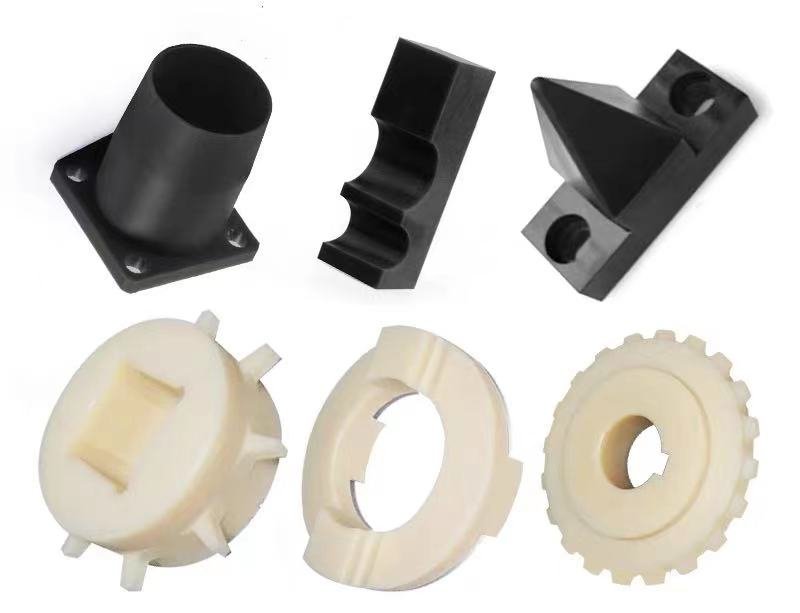
ABS material processing

In the blog post “The Industrial Edge: Cutting ABS Sheets for Superior Machine Parts,” I delve into the world of industrial-grade ABS plastic, a material crucial for fabricating high-quality machine parts. This comprehensive guide begins with “Choosing the Right Tools for Cutting ABS Plastic,” where I discuss the importance of selecting the appropriate tools like Dremel tools, jigsaws, and hot knives for precise and efficient cutting.

🎉🎉🎉Limited Time Offer Use code: QR4GNY08SHVR at checkout and enjoy a special discount on your entire order! 👉 ABS plastic

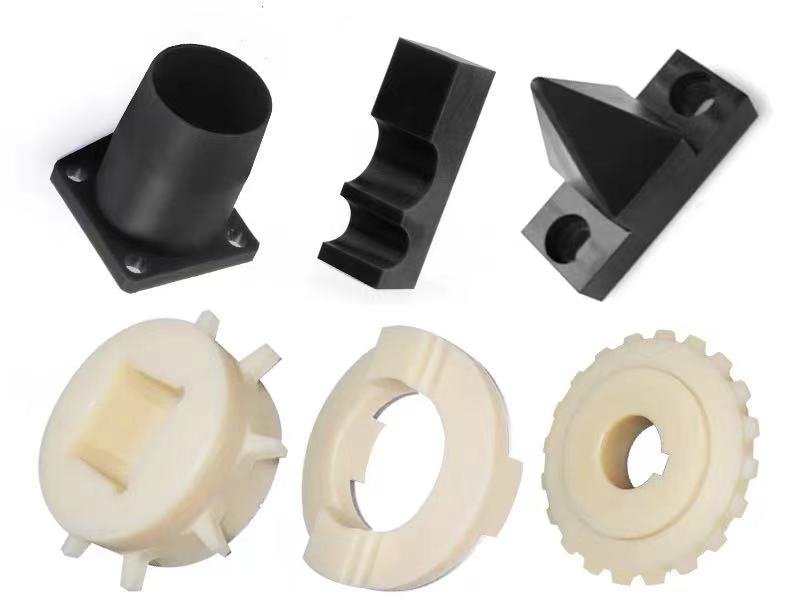
ABS raw materials

Moving forward, the post explores the cutting-edge technology of “Laser Cutting ABS Sheets: Precision and Efficiency,” highlighting how laser cutting offers unparalleled accuracy and speed in industrial applications. For those preferring traditional methods, “Step-by-Step Guide to Cutting ABS Plastic with a Jigsaw” provides a practical tutorial, ensuring you can achieve clean and accurate cuts every time.

In the section “Hot Knife Techniques for Cutting ABS Plastic,” I share expert tips on using a hot knife for smooth and effortless cuts, a method especially beneficial for complex shapes and sizes. The post then shifts focus to “Fabricating Industrial Parts: Cutting ABS Sheets for Custom Applications,” emphasizing the versatility of ABS sheets in creating customized parts for machines, tools, and equipment.

Lastly, the importance of safety and efficiency is addressed in “Safety and Best Practices in Cutting ABS Plastic.” This part of the post is dedicated to ensuring you maintain the highest standards of safety while achieving optimal results in your cutting processes.

Whether you’re a seasoned professional or new to the field of industrial manufacturing, “The Industrial Edge: Cutting ABS Sheets for Superior Machine Parts” is your go-to resource for mastering the art of cutting ABS sheets, ensuring your projects stand out in terms of quality and precision.

Choosing the Right Tools for Cutting ABS Plastic

When it comes to fabricating high-quality parts from ABS sheets, selecting the right cutting tools is crucial. In this section, we’ll explore the most effective tools for cutting ABS plastic, focusing on their specific applications in industrial settings.

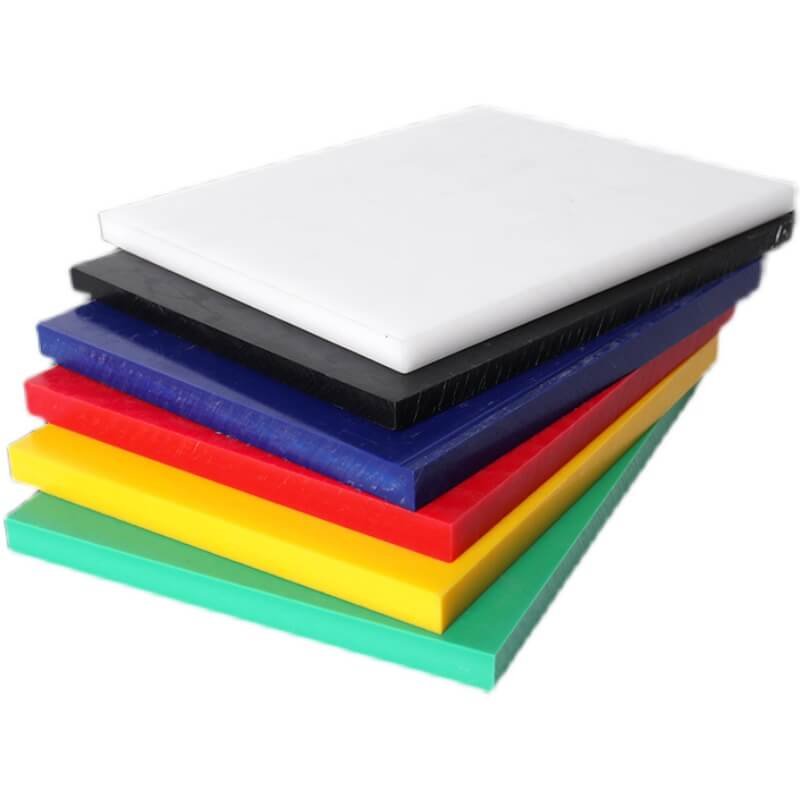
White ABS plastic CNC machining

Dremel Tools for Precision Cutting

Dremel tools are a popular choice for cutting ABS plastic due to their precision and versatility. Ideal for intricate designs and fine cuts, Dremel tools can be equipped with various attachments and bits, making them suitable for a range of applications. Whether you’re trimming small parts or engraving details, a Dremel tool offers the control and accuracy needed for delicate tasks. The high-speed rotary action of these tools allows for clean, crisp cuts, minimizing the need for post-cut finishing.

Jigsaws: Ideal for Curved and Complex Cuts

For larger or more complex shapes, jigsaws are the go-to tool. Capable of handling thicker ABS sheets, jigsaws offer the flexibility to make curved and straight cuts with ease. When using a jigsaw, selecting the right blade is key. Blades designed for plastic will reduce melting and ensure smoother cuts. Jigsaws are particularly useful in industrial settings where larger parts or irregular shapes are required. Their ability to quickly and efficiently cut through ABS sheets makes them invaluable for rapid prototyping and bulk manufacturing.

Hot Knives for Seamless Edges

Hot knives are another essential tool for cutting ABS plastic, especially when you need seamless edges. By heating the blade, a hot knife can slice through ABS sheets with minimal resistance, resulting in clean, smooth edges that require little to no sanding. This method is particularly effective for cutting out intricate shapes or when working with thinner sheets. In industrial applications, hot knives are often used for creating custom parts that require a high level of finish and precision.

Safety and Maintenance

While discussing these tools, it’s important to emphasize safety and proper maintenance. Always wear protective gear, such as safety glasses and gloves, when cutting ABS plastic. Regularly check your tools for wear and tear, and ensure they are properly maintained for optimal performance.

Whether you’re using a Dremel tool, a jigsaw, or a hot knife, understanding the strengths and applications of each tool is key to achieving the best results when cutting ABS sheets. By choosing the right tool for your specific needs, you can ensure precision, efficiency, and safety in all your industrial projects.

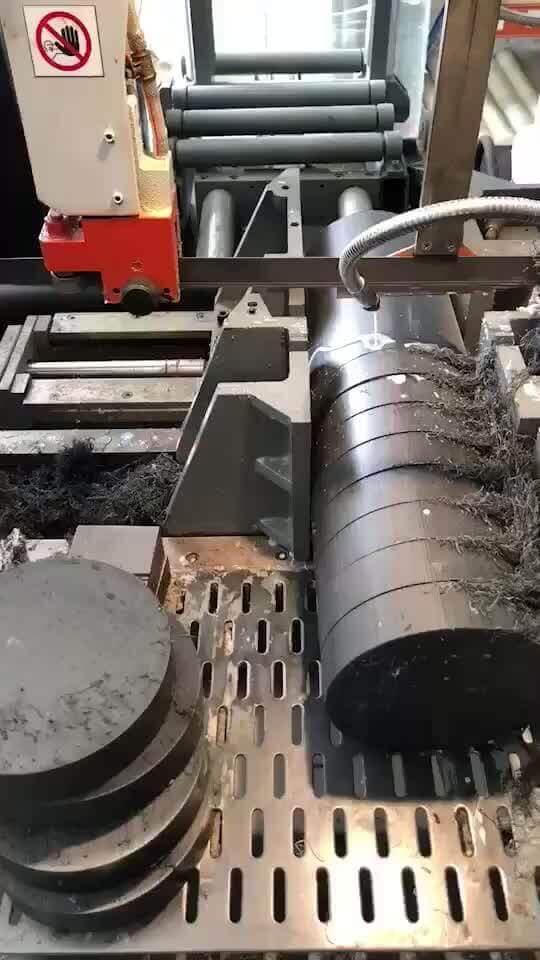
ABS hot air gun blow molding

Laser Cutting ABS Sheets: Precision and Efficiency

In the realm of industrial fabrication, laser cutting stands out as a highly efficient and precise method, especially when working with ABS plastic sheets. This section delves into the numerous advantages of using laser cutting technology, emphasizing its impact on precision, efficiency, and the overall quality of the finished parts.

Unmatched Precision with Laser Cutting

One of the most significant benefits of laser cutting is its extraordinary precision. Unlike mechanical cutting tools, lasers can achieve incredibly fine cuts with a high degree of accuracy. This precision is crucial when creating complex shapes or detailed parts where even a small deviation can compromise the component’s functionality. Laser cutting eliminates the risk of mechanical errors, ensuring that each cut is exactly as intended.

Efficiency in Production

Efficiency is another key advantage of laser cutting. The process is much faster than traditional cutting methods, allowing for rapid production without sacrificing quality. This speed is particularly beneficial in industrial settings where time is often a critical factor. With laser cutting, it’s possible to increase output significantly while maintaining a high standard of quality. Additionally, the ability to program and automate the laser cutting process further enhances its efficiency, reducing the need for manual intervention and minimizing the potential for human error.

Quality of Finished Parts

The quality of parts produced through laser cutting is superior in many ways. The laser’s precision results in clean, smooth edges that often require no further finishing, saving time and resources in the post-production phase. This clean cutting process also reduces material wastage, making it a more sustainable option. Furthermore, laser cutting minimizes the physical stress on the ABS sheets, preserving the material’s integrity and ensuring that the finished parts are strong and durable.

Versatility and Customization

Laser cutting is not just limited to straight cuts; it offers immense versatility, allowing for intricate designs and customization. This adaptability makes it an ideal choice for industries requiring bespoke components or those who frequently update designs.

Safety and Environmental Considerations

While discussing laser cutting, it’s important to address safety and environmental considerations. Proper ventilation and safety equipment are essential due to the fumes and heat generated during the cutting process. Additionally, laser cutting is a more environmentally friendly option as it reduces waste and energy consumption compared to traditional methods.

Laser cutting is a game-changer for cutting ABS sheets, offering unmatched precision, efficiency, and quality. Its ability to produce complex, high-quality parts quickly and sustainably makes it an invaluable tool in the industrial sector.

Laser cutting ABS plastic

Step-by-Step Guide to Cutting ABS Plastic with a Jigsaw

Cutting ABS plastic sheets with a jigsaw is a common practice in many industrial settings. This guide provides a detailed walkthrough on how to use a jigsaw effectively, ensuring clean and precise cuts. We’ll cover everything from blade selection to cutting techniques.

Choosing the Right Jigsaw Blade

The first step in cutting ABS plastic with a jigsaw is selecting the appropriate blade. For ABS plastic, you want a blade with fine teeth to ensure a smooth cut and to minimize melting. Look for blades specifically designed for cutting plastics or metals, as these typically have the finer teeth necessary for a clean cut. Remember, the right blade not only improves the quality of the cut but also extends the life of your jigsaw.

Preparing the ABS Sheet

Before you start cutting, it’s important to properly prepare the ABS sheet. Measure and mark the cutting line clearly using a non-permanent marker. Secure the sheet to your work surface using clamps to prevent any movement during cutting. This step is crucial for safety and precision.

Setting Up Your Jigsaw

When setting up your jigsaw, adjust the speed setting according to the thickness of the ABS sheet. A slower speed is generally better for thicker sheets to prevent the blade from overheating and melting the plastic. Ensure that the jigsaw’s base plate is clean and free from any debris that could scratch the surface of the ABS sheet.

The Cutting Process

Now, you’re ready to start cutting. Begin by aligning the jigsaw blade with your marked line. Start the jigsaw at a slow speed, gradually increasing as you begin to move along the line. It’s important to let the blade do the work and not force it through the material. Apply steady, even pressure and guide the jigsaw carefully along the marked line. If you need to make curved cuts, do so slowly and gently to maintain control and accuracy.

Finishing the Cut

Once you’ve completed the cut, turn off the jigsaw and wait for the blade to stop moving before lifting it from the material. If there are any rough edges, you can smooth them out using fine-grit sandpaper. This step is essential for a professional finish and to ensure the part fits perfectly in its intended application.

Safety Tips

Always wear safety glasses and hearing protection when using a jigsaw. Keep your fingers away from the blade, and be aware of the power cord’s location to prevent accidental cuts or trips.

Cutting ABS plastic with a jigsaw can be a straightforward process if you follow these steps. With the right blade, proper setup, and careful technique, you can achieve clean, precise cuts every time.
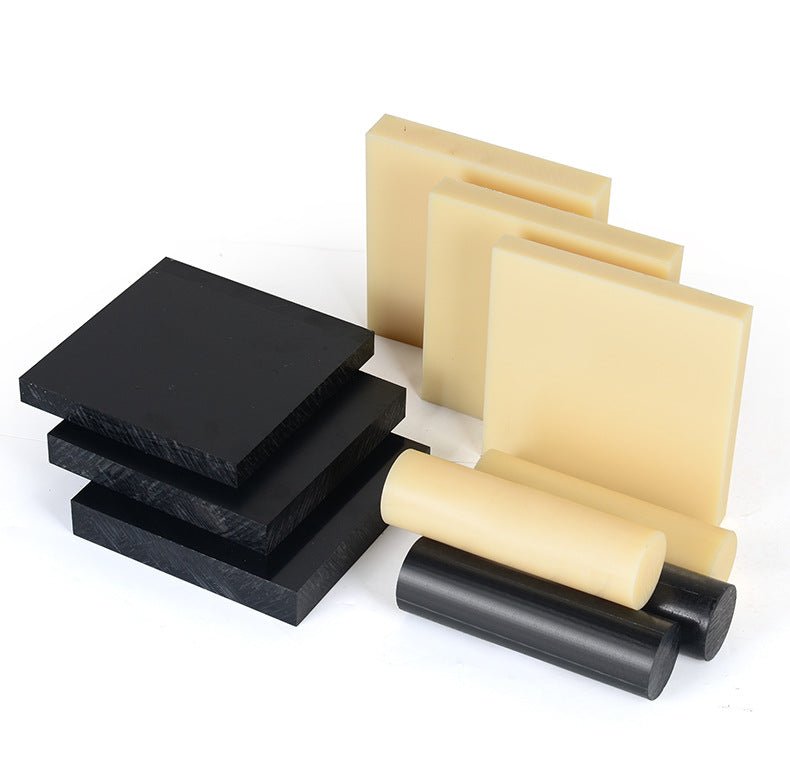
ABS plastic

Hot Knife Techniques for Cutting ABS Plastic

Using a hot knife to cut ABS plastic is an effective technique that offers precision and ease. This method is particularly beneficial for achieving clean, precise cuts with minimal physical effort. In this guide, we’ll explore how to use a hot knife for cutting ABS plastic and highlight its advantages.

Understanding the Hot Knife Tool

A hot knife is a specialized tool that heats up to cut through plastic by melting it along the desired line. This tool is ideal for cutting complex shapes or long, straight cuts in ABS plastic sheets. The key advantage of a hot knife is its ability to seal the edges as it cuts, reducing the need for post-cut finishing.

Preparing for the Cut

Before you start cutting, it’s important to prepare your workspace. Ensure that your work area is well-ventilated, as melting plastic can release fumes. Mark the cutting line on the ABS sheet using a non-permanent marker. Secure the plastic sheet to your work surface to prevent movement during cutting.

Setting the Temperature

The next step is to set the correct temperature on your hot knife. The ideal temperature will depend on the thickness of the ABS sheet. Thicker sheets require a higher temperature to cut effectively. It’s important to find a balance – too hot, and the plastic may burn; too cool, and the cuts will be uneven.

The Cutting Process

Once the hot knife is at the correct temperature, align it with the marked line on your ABS sheet. Gently guide the knife along the line, applying consistent pressure. The hot knife should glide through the plastic, leaving a clean, sealed edge. For curves or intricate shapes, move slowly and steadily to maintain control and accuracy.

Finishing Touches

After completing the cut, turn off the hot knife and allow it to cool before storing it safely. If there are any minor imperfections along the cut edge, you can clean them up with fine-grit sandpaper. However, one of the benefits of using a hot knife is that it often eliminates the need for additional finishing.

Safety Considerations

Safety is paramount when using a hot knife. Always wear protective gloves and safety glasses. Be cautious of the high temperatures and never touch the blade with your bare hands. Ensure that your work area is free from flammable materials.

A hot knife is an excellent tool for cutting ABS plastic, offering clean, precise cuts with minimal effort. Its ability to seal edges as it cuts makes it a valuable tool for any project involving ABS plastic.

Medical ABS rubber parts plum handle

Fabricating Industrial Parts: Cutting ABS Sheets for Custom Applications

Cutting ABS sheets for custom industrial applications is a critical process in the manufacturing of specific machine parts, tools, and equipment. This versatility makes ABS plastic a preferred material in various industries. In this section, we’ll explore how cutting ABS sheets can be tailored to meet the unique needs of custom industrial applications.

The Versatility of ABS Plastic in Industrial Manufacturing

ABS plastic is renowned for its strength, durability, and flexibility, making it an ideal material for a wide range of industrial applications. From automotive components to electronic housings, ABS can be molded and cut to fit virtually any specification. Its ability to withstand high temperatures and resist impact makes it particularly suitable for demanding industrial environments.

Tailoring Cuts for Custom Parts

Customization is key in industrial manufacturing, and cutting ABS sheets to specific dimensions and shapes is essential for creating custom parts. Precision cutting techniques like laser cutting, CNC machining, and the use of jigsaws or hot knives allow for the fabrication of parts with exact tolerances and intricate designs. This precision ensures that each part fits perfectly into its intended application, whether it’s a component in a complex machine or a bespoke tool for a specialized task.

Design and Prototyping

The design and prototyping phase is crucial in custom part fabrication. During this stage, ABS sheets can be rapidly cut and shaped to test and refine designs. This flexibility accelerates the development process, allowing for quick iterations and adjustments before final production. It ensures that the final product meets all the required specifications and functions as intended.

Meeting Industry-Specific Needs

Different industries have unique requirements for their parts and tools. Cutting ABS sheets for custom applications means adapting to these specific needs. For instance, in the aerospace industry, parts may need to be lightweight yet strong, while in the automotive sector, durability and heat resistance might be the priority. Tailoring the cutting process to these requirements is essential for producing parts that not only fit but also perform optimally in their respective environments.

Ensuring Quality and Consistency

Quality and consistency are paramount in industrial part fabrication. When cutting ABS sheets for custom parts, it’s important to maintain high standards of quality control. This includes regular checks during the cutting process to ensure each part meets the required specifications and consistent quality across all batches.

The ability to tailor cuts of ABS sheets for custom industrial applications is a significant advantage in manufacturing. It allows for the creation of specialized parts that meet the exact needs of various industries, ensuring functionality, reliability, and efficiency.
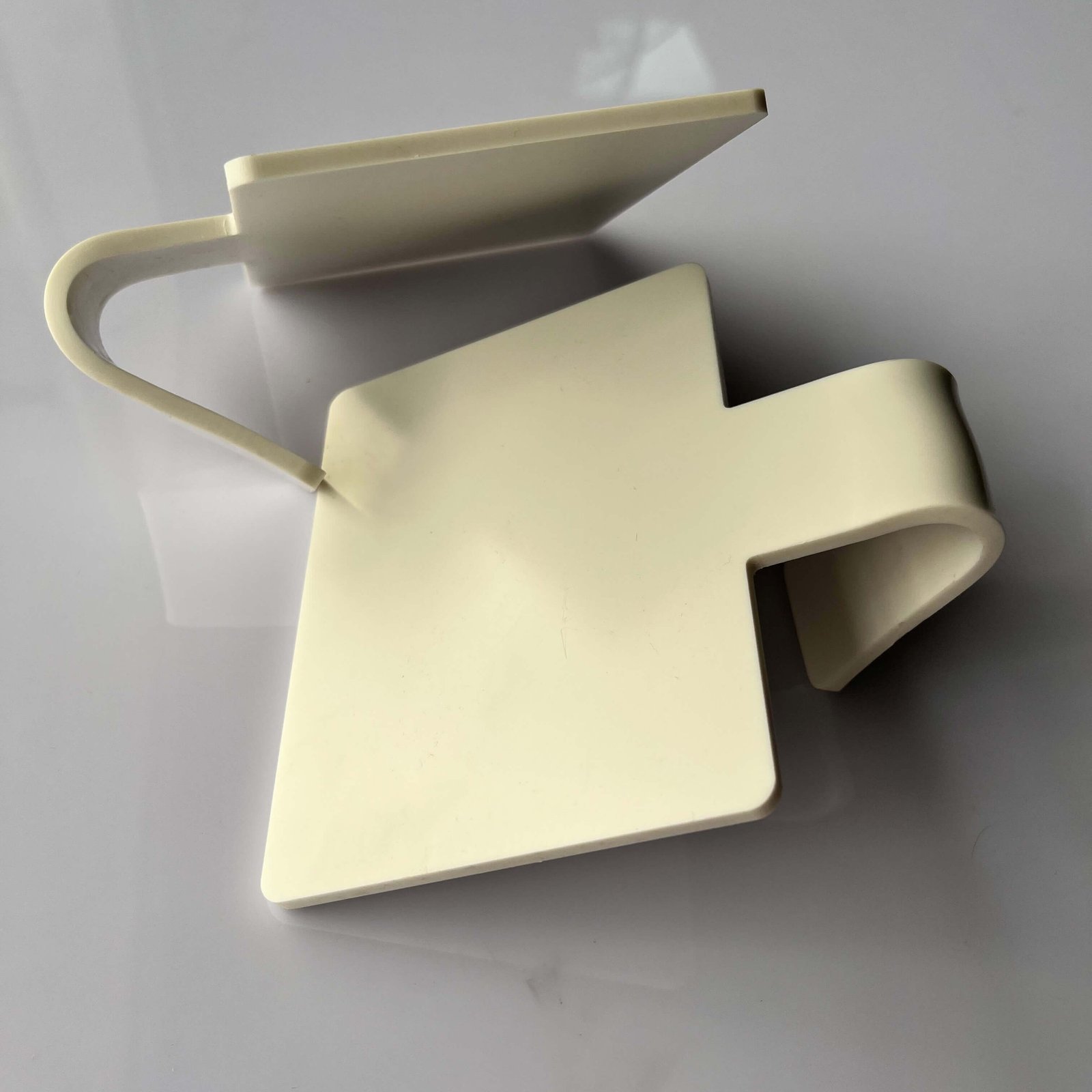
ABS sheet Bending process

Safety and Best Practices in Cutting ABS Plastic

Working with ABS plastic sheets requires adherence to certain safety measures and best practices to ensure a safe and efficient cutting process. This section focuses on the essential guidelines for handling ABS plastic and maintaining cutting equipment, emphasizing the importance of safety in the workplace.

Understanding the Risks

Before delving into the cutting process, it’s important to understand the risks involved. Cutting ABS plastic can produce fumes, especially when using high-temperature tools like hot knives or laser cutters. These fumes can be harmful if inhaled. Additionally, the cutting process can create sharp edges and debris, posing a risk of cuts or other injuries.

Personal Protective Equipment (PPE)

The use of Personal Protective Equipment (PPE) is crucial when cutting ABS plastic. This includes wearing safety glasses to protect your eyes from flying debris, respiratory masks to avoid inhaling fumes, and protective gloves to safeguard your hands. Ensuring that you are properly equipped reduces the risk of accidents and health hazards.

Proper Ventilation

When cutting ABS plastic, especially in enclosed spaces, proper ventilation is essential. This helps to disperse harmful fumes and maintain a safe working environment. If possible, use exhaust systems or work in well-ventilated areas to minimize exposure to fumes.

Equipment Maintenance

Regular equipment maintenance is key to safe and effective cutting. Ensure that your cutting tools, whether they are jigsaws, hot knives, or laser cutters, are in good working condition. Regularly check for dull blades, damaged cords, and other wear and tear. Using well-maintained equipment not only ensures safety but also improves the quality of your cuts.

Safe Handling Practices

When cutting ABS sheets, follow safe handling practices. This includes securing the material properly to prevent movement during cutting, using clamps or other holding devices. Always keep your hands away from the cutting path and be mindful of where the power cord is to avoid tripping or cutting hazards.

Training and Awareness

Ensure that anyone involved in the cutting process is properly trained and aware of the safety protocols. This includes understanding how to operate the cutting equipment safely, knowing emergency procedures, and being aware of the potential hazards associated with cutting ABS plastic.

Prioritizing safety and adhering to best practices when cutting ABS plastic is essential. By understanding the risks, using the right protective gear, ensuring proper ventilation, maintaining your equipment, practicing safe handling, and staying informed and trained, you can create a safe and efficient working environment.

In conclusion, mastering the art of cutting ABS sheets is pivotal for fabricating high-quality industrial parts. From selecting the right tools like Dremel tools, jigsaws, and hot knives, to embracing advanced techniques such as laser cutting, each method offers unique benefits tailored to specific needs. We’ve explored the precision and efficiency of laser cutting, the versatility of jigsaws, the finesse of hot knives, and the customization possibilities in fabricating industrial parts. Moreover, we emphasized the paramount importance of safety and best practices in this process. By understanding and applying these insights, you can enhance the quality, efficiency, and safety of your ABS sheet cutting projects, ensuring that your industrial parts not only meet but exceed expectations. Remember, the key to successful ABS plastic cutting lies in precision, attention to detail, and adherence to safety protocols, setting the foundation for excellence in industrial manufacturing.
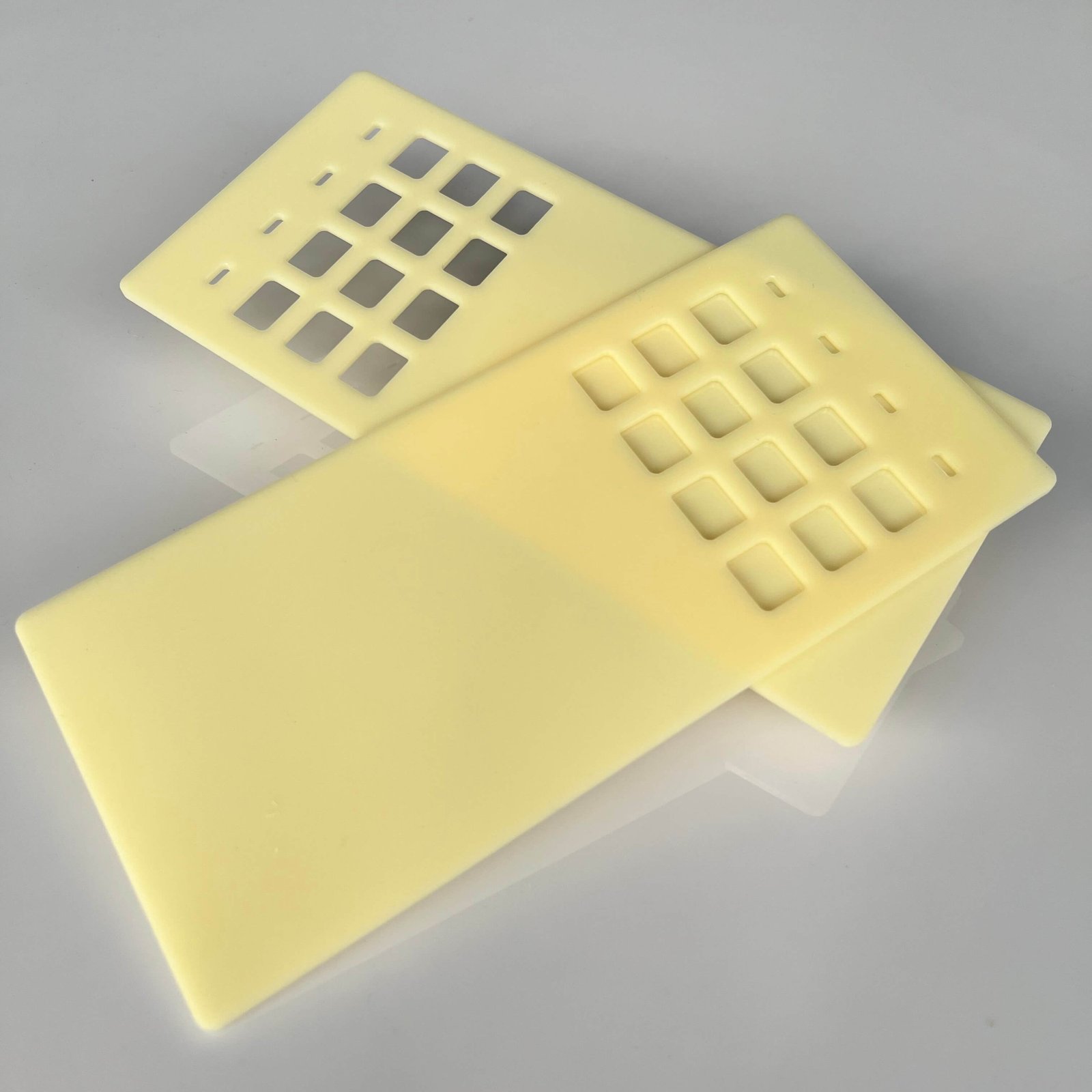
ABS material processing

Take Your Industrial Fabrication to the Next Level!

Interested in learning more about our specialized cutting techniques and services? Fill out the contact form below and let’s start a conversation. Whether it’s a query or a request for a quote, we’re ready to provide the insights and support you need to succeed.

🎉🎉🎉Limited Time Offer Use code: QR4GNY08SHVR at checkout and enjoy a special discount on your entire order! 👉 ABS plastic

Leave a comment


Please note, comments must be approved before they are published


Custom Plastic Fabrication

Send your drawing, material and quantity for review

🔧
Precision Machining
CNC milling & turning
✂️
Cutting & Engraving
Laser & waterjet cutting
🏭
Forming & Molding
Thermoforming & injection
🔗
Joining & Assembly
Welding & bonding
📐
Design & Prototyping
CAD design & samples

General

HDPE

PP

PVC

ABS

Engineering

POM

Nylon

PC

PMMA

High-Performance

PEEK

PEI

PTFE

Composites

FR-4

G10

Flexible

TPU

Silicone

Why Choose BeePlastic?

🎯
Perfect Fit
Custom specs eliminate adaptation needs
⚡
Clear Lead Times
Lead time confirmed with every quote
💰
Volume Pricing
Volume pricing available on bulk orders
🤝
Expert Support
Free engineering consultation included
📋
Submit
→
🔍
Review
→
💵
Quote
→
✅
Production
→
📦
Deliver

Request a Quote

Share your project details, selected material and quantity on our quote page. You can add a file link or use the email drawing route shown there.


Request Quote

Industries: Automotive • Medical • Food • Lab • Semiconductor

beeplastic@beeplastic.com


Cutting ABS Sheets Like a Pro: A Must-Read for Industrial Parts Fabricators

ABS plastic material

In the blog post “Cutting ABS Sheets Like a Pro: A Must-Read for Industrial Parts Fabricators,” I delve into the world of industrial fabrication, offering a treasure trove of insights and tips for professionals looking to master the art of cutting ABS plastic. This comprehensive guide kicks off with “The Basics of Cutting ABS Plastic: Tools and Techniques,” where I introduce you to the essential tools like Dremel, jigsaw, and hot knife, and the techniques that make cutting ABS sheets a breeze.

🎉 Limited Time Offer 🎉

Use code: QR4GNY08SHVR at checkout

Enjoy a special discount on your entire order! 👉 Shop ABS Plastic Now

custom cut ABS plastic sheets for industrial applications

Moving forward, the post dives into “Precision Cutting with Jigsaws and Dremels: A Step-by-Step Guide,” providing a detailed walkthrough on using these specific tools for achieving the utmost precision in your cuts. This is especially crucial for fabricating intricate industrial parts via CNC machining.

For those interested in cutting-edge technology, “Laser Cutting ABS Sheets: Advantages for Industrial Fabrication” highlights the efficiency and precision of laser cutting in industrial manufacturing, a game-changer for many fabricators.

In “Customizing ABS Sheets: Tips for Tailored Cuts and Shapes,” I share valuable advice on achieving custom cuts and shapes, a must-know for fabricators looking to meet specific industrial requirements.

Safety is paramount in any industrial setting, and in “Safety First: Best Practices for Cutting ABS Plastic,” I emphasize the importance of safety measures and proper handling techniques to ensure a hazard-free work environment.

Lastly, “Innovative Applications: Cutting ABS Sheets for Advanced Industrial Use” explores the versatile applications of ABS sheets in various industrial scenarios, showcasing how this material can revolutionize machinery and equipment manufacturing.

This blog post is not just a guide; it’s an essential read for anyone in the field of industrial parts fabrication, packed with practical advice, safety tips, and innovative applications. Whether you’re a seasoned pro or just starting, this post will elevate your skills in cutting ABS sheets to the next level.

The Basics of Cutting ABS Plastic: Tools and Techniques

When it comes to fabricating parts for industrial applications, understanding the basics of cutting ABS plastic is crucial. ABS (Acrylonitrile Butadiene Styrene) is a widely used thermoplastic known for its strength, durability, and versatility. In this section, I’ll guide you through the fundamental methods and tools necessary for cutting ABS sheets effectively and efficiently.

Understanding ABS Plastic

Before diving into the cutting techniques, it’s important to understand what makes ABS plastic a preferred choice in industrial fabrication. ABS combines the strength and rigidity of acrylonitrile and styrene polymers with the toughness of polybutadiene rubber. This unique composition results in a material that is resistant to physical impacts and chemical corrosion, making it ideal for a wide range of industrial applications, including industrial plastic rods and sheets.

Selecting the Right Tools

Industrial Dremel tool cutting ABS plastic detail

1. Dremel: Precision and Versatility
A Dremel tool is often the go-to choice for cutting ABS plastic due to its precision. Ideal for detailed work, a Dremel can make intricate cuts and shapes. When using a Dremel, selecting the right bit is key. For ABS, use a high-speed cutter or a multipurpose cutting bit. The speed and maneuverability of a Dremel make it perfect for small or complex cuts.

2. Jigsaw: Ideal for Curved Cuts
For larger pieces or curved cuts, a jigsaw is incredibly effective. When using a jigsaw to cut ABS sheets, opt for a blade designed for cutting plastics. This will ensure smoother cuts and reduce the risk of melting the plastic. Remember to clamp down your ABS sheet securely and work at a steady pace for the best results.

3. Hot Knife: Clean and Controlled Cuts
A hot knife is another excellent tool for cutting ABS plastic, especially when you need a clean, sealed edge. It works by melting through the plastic, which means there’s no sawdust or rough edges. However, it requires a steady hand and some practice to master. Always work in a well-ventilated area when using a hot knife, as it can produce fumes.

Cutting Techniques and Tips

When cutting ABS plastic, regardless of the tool, there are several techniques and tips that can help achieve the best results:

  • Measure and Mark Accurately: Before cutting, always measure and mark your cutting line clearly. This ensures precision in your cuts and reduces material wastage.
  • Secure the Material: Ensure the ABS sheet is securely clamped down to your work surface. This prevents movement and potential inaccuracies while cutting.
  • Use Protective Gear: Safety should always be a priority. Wear protective eyewear and gloves to safeguard against flying debris and sharp edges.
  • Controlled Speed: Maintain a steady speed while cutting. Going too fast can melt the plastic, while too slow can lead to uneven cuts.

By understanding and applying these basic tools and techniques, you can effectively and efficiently cut ABS sheets for your industrial applications. Whether you’re creating custom parts, prototypes, or final products, mastering these skills is essential for any industrial parts fabricator.

📦 Need Standard ABS Sheets?

We supply high-quality Black & White ABS sheets (2mm-30mm) with No Minimum Order Quantity.

Perfect for DIY, Automotive repair, and CNC projects immediately available from stock.

Shop Black ABS Sheets →

Precision Cutting with Jigsaws and Dremels: A Step-by-Step Guide

In the realm of industrial fabrication, achieving precision in cutting ABS plastic is paramount, especially when creating accurate parts and components. Two tools that stand out for their precision and versatility are jigsaws and Dremels. This guide will walk you through the steps to use these tools effectively for precise cuts in ABS plastic.

Using a Jigsaw for Precise Cuts

Step 1: Choosing the Right Blade
The first step in precision cutting with a jigsaw is selecting the appropriate blade. For ABS plastic, a blade with fine teeth is ideal, as it reduces the chances of melting the plastic and ensures a smoother cut. Look for blades specifically designed for cutting plastics.

Step 2: Marking and Clamping
Before cutting, accurately mark the area you wish to cut on the ABS sheet. Use a ruler and a marker for precise lines. Once marked, securely clamp the ABS sheet to your workbench. This stability is crucial for precision and safety.

Step 3: Cutting Process
With your ABS sheet clamped and your jigsaw set at a moderate speed, begin cutting along the marked line. Maintain a steady pace, allowing the blade to do the work without forcing it. If you need to make curved cuts, a jigsaw is particularly adept at this, but remember to maneuver slowly to maintain control and accuracy.

Mastering the Dremel for Detailed Cuts

Step 1: Selecting the Right Bit
When using a Dremel for cutting ABS plastic, choosing the correct bit is essential. High-speed cutter bits or multipurpose cutting bits are most effective. Ensure the bit is securely attached to the Dremel before starting.

Step 2: Marking and Securing the ABS Sheet
As with the jigsaw, begin by marking your cutting line on the ABS sheet. Once marked, secure the sheet to prevent any movement during the cutting process. This step is vital for achieving precise cuts, especially when working on detailed or small-scale projects.

Step 3: The Cutting Technique
Turn on your Dremel to a suitable speed – not too fast to melt the plastic, but fast enough to cut through efficiently. Gently guide the Dremel along the marked line, letting the tool do the work. For intricate cuts or shapes, the Dremel’s precision can be incredibly beneficial. Keep a steady hand and focus on following the line accurately.

Tips for Precision Cutting with Jigsaws and Dremels

  • Practice Makes Perfect: If you’re new to using these tools, practice on scrap pieces of ABS plastic to get a feel for the cutting process.
  • Maintain Your Tools: Regularly check and maintain your jigsaw and Dremel to ensure they are in good working condition. This includes checking the sharpness of blades and bits.
  • Safety First: Always wear safety glasses and gloves. Cutting plastic can create sharp edges and debris.
  • Clean Cuts: After cutting, you may need to sand the edges for a smoother finish, especially if the cuts will be visible in the final product.

By following these steps and tips, you can achieve precise and clean cuts in ABS plastic using jigsaws and Dremels. This precision is crucial in industrial fabrication, where the accuracy of parts and components can significantly impact the quality and functionality of the final product.

Laser Cutting ABS Sheets: Advantages for Industrial Fabrication

In the world of industrial manufacturing, laser cutting stands out as a highly efficient and precise method, especially when working with materials like ABS plastic. This section explores the numerous benefits and techniques of laser cutting ABS sheets, emphasizing why it’s a preferred method in many industrial fabrication scenarios.

Laser cutting machine processing ABS plastic sheet with high precision

The Precision of Laser Cutting

Unmatched Accuracy
One of the most significant advantages of laser cutting is its incredible precision. Lasers can produce extremely accurate cuts, with a level of detail that is often unachievable with traditional cutting methods. This precision is crucial for creating complex parts and components in industrial manufacturing, where even the slightest deviation can lead to significant issues in the final product.

Consistency in Repetitive Cuts
Laser cutting is not only precise but also consistent. When producing multiple pieces of the same design, laser cutting ensures that each piece is identical to the last. This consistency is vital in industrial production runs where uniformity is essential.

Efficiency and Versatility of Laser Cutting

Speed and Productivity
Laser cutting is much faster than traditional mechanical cutting methods. The speed of a laser cutter can significantly increase productivity, allowing for quicker turnaround times in manufacturing processes. This efficiency is a substantial advantage in industries where time is of the essence.

Versatility in Design
Laser cutters are incredibly versatile and can handle complex designs and shapes with ease. This flexibility allows manufacturers to experiment with intricate designs and patterns, something that would be challenging or impossible with other cutting methods.

Safety and Cleanliness in Laser Cutting

Reduced Physical Contact
Unlike traditional cutting methods, laser cutting involves very little physical contact with the material, reducing the risk of accidental injuries and material contamination. This aspect is particularly important in industries where cleanliness and safety are paramount.

Clean Edges and Minimal Waste
Laser cutting produces clean, sealed edges on ABS sheets, minimizing the need for additional finishing processes. Additionally, it generates less waste material compared to mechanical cutting methods, making it a more sustainable choice for environmentally conscious manufacturers.

High quality ABS rod connecting parts machined via laser

Implementing Laser Cutting in Industrial Fabrication

Choosing the Right Laser Cutter
Selecting the appropriate laser cutter for ABS sheets is crucial. Factors to consider include the power of the laser, the thickness of the material, and the complexity of the designs you intend to cut.

Understanding the Material
Before starting the laser cutting process, it’s essential to understand the properties of ABS plastic. Being aware of its melting point and how it reacts to high heat can help in adjusting the laser settings for optimal results.

Regular Maintenance and Safety Measures
Regular maintenance of the laser cutter ensures its longevity and performance. Additionally, always adhere to safety guidelines, such as using protective eyewear and operating the machine in well-ventilated areas.

By leveraging the precision, efficiency, and versatility of laser cutting, industrial manufacturers can significantly enhance their fabrication processes. Laser cutting ABS sheets offers a modern solution that meets the high standards of today’s industrial applications, making it an invaluable technique in the manufacturing toolkit.

Customizing ABS Sheets: Tips for Tailored Cuts and Shapes

Customizing ABS sheets to create specific parts and tools is a critical aspect of industrial fabrication. Achieving tailored cuts and shapes in ABS plastic requires a combination of the right techniques, tools, and a bit of creativity. This section provides essential advice on how to effectively customize ABS sheets for your industrial needs.

Planning Your Design

Understanding the Material
Before you start cutting, it’s important to understand the properties of ABS plastic. ABS is known for its strength, rigidity, and thermal stability, which makes it ideal for a variety of industrial applications. However, it also has a specific melting point and can be sensitive to certain types of cutting methods. Keeping these properties in mind will help you choose the best approach for customizing your ABS sheets.

Detailed Designing
Start with a detailed design or blueprint of the part or tool you intend to create. This design should include precise measurements and a clear vision of the final product. Using CAD (Computer-Aided Design) software can be incredibly helpful in this stage, especially for complex shapes and patterns.

White ABS plastic CNC machining for custom parts

Choosing the Right Cutting Method

Laser Cutting for Complex Designs
For intricate designs and high precision, laser cutting is the most effective method. It allows for complex cuts with a high degree of accuracy and can be programmed to replicate designs consistently.

Mechanical Cutting for Larger Pieces
For larger or less complex shapes, mechanical cutting methods like jigsaws or CNC (Computer Numerical Control) routers can be more appropriate. These tools offer more flexibility in terms of the size of the ABS sheet you can work with.

⚙️ Require Precision Custom Parts?

Don’t just buy the material—let us machine it for you. BeePlastic offers professional CNC Machining, Bending, and Milling services.

  • Send us your CAD/PDF drawings.
  • High precision tolerances.
  • One-stop solution: Material + Machining.

Get a Custom Fabrication Quote →

Executing the Cut

Preparing the ABS Sheet
Before cutting, ensure that the ABS sheet is clean and free from any debris. Any imperfections on the surface can affect the quality of the cut.

Processing ABS rod with band saw

Secure Clamping
Securely clamp the ABS sheet to your work surface. This prevents any movement during the cutting process, which is crucial for achieving precise cuts.

Slow and Steady
Whether you’re using a laser cutter, jigsaw, or CNC router, it’s important to maintain a steady pace. Rushing the process can lead to mistakes or uneven cuts. With mechanical cutting methods, be mindful of the speed to avoid melting the plastic.

Finishing Touches

Sanding and Polishing
After cutting, you might find that the edges of the ABS plastic are a bit rough. Use fine-grit sandpaper to smooth out these edges. For a polished finish, you can also use a buffing wheel or a polishing compound.

Testing and Adjusting
Once the part or tool is cut, it’s important to test it in its intended application. This may reveal the need for slight adjustments or refinements to the shape or size.

Customizing ABS sheets for specific industrial applications requires careful planning, the right tools, and attention to detail. By following these tips, you can achieve tailored cuts and shapes that meet the exact needs of your industrial projects. Remember, the key to successful customization lies in precision, patience, and a thorough understanding of the material you’re working with.

Safety First: Best Practices for Cutting ABS Plastic

When working with ABS plastic, especially in industrial settings, prioritizing safety is paramount. Cutting ABS plastic, like any manufacturing process, involves risks, and it’s essential to understand and implement best safety practices. This section focuses on the key aspects of safety, including the proper handling of tools and the use of protective gear.

Understanding the Risks

Hazard Awareness
Before starting any cutting project, it’s important to be aware of the potential hazards. These can include the risk of physical injury from sharp tools, the possibility of inhaling harmful fumes, especially when heating or melting the plastic, and the chance of eye injury from flying debris.

Proper Tool Handling

Using Tools Correctly
Each tool used for cutting ABS plastic, whether it’s a jigsaw, Dremel, laser cutter, or hot knife, has its specific safety protocols. Always use the tool according to the manufacturer’s instructions. Ensure that all tools are in good working condition before use, as damaged or malfunctioning tools can increase the risk of accidents.

Maintaining a Clean Workspace
A cluttered workspace can lead to accidents. Keep your work area clean and organized. Ensure that all necessary tools are within easy reach and that there is enough space to maneuver safely.

Protective Gear

Eye Protection
Always wear safety goggles or glasses when cutting ABS plastic. This protects your eyes from harmful debris that can result from cutting or trimming the material.

Respiratory Protection
When cutting ABS plastic, especially using methods that generate heat, harmful fumes can be released. It’s crucial to work in a well-ventilated area and consider wearing a mask or respirator to avoid inhaling these fumes.

Hand Protection
Wear gloves to protect your hands from sharp edges and to provide a better grip on your tools. This is particularly important when handling hot tools or when doing intricate work that requires a steady hand.

CNC processing of ABS plastic focusing on safety

Emergency Preparedness

First Aid and Fire Safety
Always have a first aid kit and a fire extinguisher accessible in your workspace. Knowing basic first aid procedures and how to quickly respond to a fire can prevent accidents from turning into serious injuries.

Training and Knowledge
If you’re working in an industrial setting, ensure that all personnel are trained in the safe handling of tools and materials. Regular safety training sessions can help maintain a safe working environment.

Safety should always be the top priority when cutting ABS plastic. By understanding the risks, using tools correctly, wearing the right protective gear, and being prepared for emergencies, you can ensure a safer working environment. Remember, taking the time to implement these safety measures not only protects you and your colleagues but also leads to more efficient and effective work processes.

Innovative Applications: Cutting ABS Sheets for Advanced Industrial Use

ABS plastic, known for its strength, durability, and versatility, has become a cornerstone material in various industrial applications. This section explores the innovative and advanced uses of ABS sheets in industrial machinery and equipment, highlighting the material’s adaptability across different industrial scenarios.

The Versatility of ABS in Industrial Manufacturing

A Material for Multiple Uses
ABS plastic is not just popular for its physical properties; its ease of fabrication makes it suitable for a wide range of industrial applications. From automotive parts to electronic housings, ABS’s ability to be easily cut, shaped, and molded allows for its use in diverse manufacturing processes.

Custom Parts Fabrication

Tailoring to Specific Needs
One of the most significant advantages of using ABS sheets in industrial settings is the ability to customize parts. Whether it’s for specialized machinery, bespoke tools, or unique components, ABS can be cut and shaped to meet specific design requirements. This customization is particularly beneficial in industries where standard parts are insufficient or unavailable.

Prototyping and Model Making

Rapid and Cost-Effective
ABS sheets are widely used in prototyping and model making. Their ease of cutting and shaping allows for rapid production of prototypes, enabling engineers and designers to test and refine their ideas quickly and cost-effectively. This rapid prototyping is crucial in industries like automotive and aerospace, where design precision and innovation are key.

Use in Robotics and Automation

Durability in Motion
In the field of robotics and automation, ABS sheets are often used to create parts and components that require both strength and lightness. ABS’s durability makes it ideal for moving parts in robotic assemblies, where resistance to wear and tear is essential.

ABS plastic custom machining for prototypes housings and cost-effective production parts

Safety Equipment and Enclosures

Protecting Machinery and Operators
ABS’s impact resistance and strength make it suitable for creating safety enclosures and guards for machinery. These applications are vital in ensuring the safety of operators and the protection of sensitive equipment in industrial environments.

Environmental and Chemical Resistance

Withstanding Harsh Conditions
ABS sheets are known for their resistance to environmental factors and certain chemicals. This makes them suitable for use in industries like chemical processing or outdoor applications where materials are exposed to harsh conditions.

Embracing ABS Plastic’s Potential

The innovative applications of cutting ABS sheets for advanced industrial use demonstrate the material’s incredible versatility. From custom part fabrication to its use in robotics, prototyping, and safety equipment, ABS plastic continues to play a pivotal role in advancing industrial manufacturing processes. Its adaptability to various scenarios underscores its importance as a key material in modern industry, offering solutions that are both practical and innovative. As technology evolves, so too will the ways in which ABS plastic is used, further cementing its status as an indispensable resource in industrial applications.


In conclusion, the journey through the world of cutting ABS sheets for industrial applications reveals a landscape rich with possibilities. From the precision and intricacy achievable with tools like jigsaws and Dremels, to the cutting-edge efficiency of laser cutting, each technique opens new doors for innovation in industrial fabrication. The ability to customize ABS sheets for specific needs, coupled with the essential practice of maintaining safety standards, highlights the material’s versatility and the importance of skillful handling. Moreover, the exploration of ABS plastic in advanced industrial applications, from robotics to safety equipment, underscores its pivotal role in modern manufacturing. This guide not only serves as a practical resource for industrial parts fabricators but also as an inspiration to embrace the full potential of ABS plastic. As we continue to push the boundaries of what’s possible in industrial manufacturing, the knowledge and techniques shared here will undoubtedly be integral in shaping a future where precision, efficiency, and innovation are at the forefront.

ABS plastic material final product display

Got Questions About Cutting ABS Sheets? We Have Answers!

If you’re looking to enhance your industrial fabrication skills or need tailored advice, we’re here to help. Drop us a message through the contact form below and let’s start a conversation that could revolutionize your manufacturing approach.

Contact Our Engineers Now →

BeePlastic offers Fast Global Shipping and No Minimum Order Quantity for standard sheets and custom parts.

Leave a comment


Please note, comments must be approved before they are published


Custom Plastic Fabrication

Send your drawing, material and quantity for review

🔧
Precision Machining
CNC milling & turning
✂️
Cutting & Engraving
Laser & waterjet cutting
🏭
Forming & Molding
Thermoforming & injection
🔗
Joining & Assembly
Welding & bonding
📐
Design & Prototyping
CAD design & samples

General

HDPE

PP

PVC

ABS

Engineering

POM

Nylon

PC

PMMA

High-Performance

PEEK

PEI

PTFE

Composites

FR-4

G10

Flexible

TPU

Silicone

Why Choose BeePlastic?

🎯
Perfect Fit
Custom specs eliminate adaptation needs
⚡
Clear Lead Times
Lead time confirmed with every quote
💰
Volume Pricing
Volume pricing available on bulk orders
🤝
Expert Support
Free engineering consultation included
📋
Submit
→
🔍
Review
→
💵
Quote
→
✅
Production
→
📦
Deliver

Request a Quote

Share your project details, selected material and quantity on our quote page. You can add a file link or use the email drawing route shown there.


Request Quote

Industries: Automotive • Medical • Food • Lab • Semiconductor

beeplastic@beeplastic.com


Expert Insights: Cutting ABS Sheets for Enhanced Machine and Equipment Performance

custom ABS plastic

In the blog post “Expert Insights: Cutting ABS Sheets for Enhanced Machine and Equipment Performance,” I delve into the world of ABS Sheets and their transformative impact on industrial machinery and equipment. This comprehensive guide begins with “Choosing the Right Tools for Cutting ABS Plastic,” where I discuss the optimal tools like Dremel tools, jigsaws, and hot knives, essential for precision cutting.

🎉🎉🎉Limited Time Offer Use code: QR4GNY08SHVR at checkout and enjoy a special discount on your entire order! 👉 ABS plastic
custom ABS plastic

Moving forward, the post explores “Laser Cutting ABS Sheets: Precision and Efficiency,” highlighting the cutting-edge technology that brings unmatched accuracy and speed, crucial for intricate designs in ABS Sheets. In “Custom Cut ABS Sheet Solutions for Industrial Needs,” I emphasize the importance of tailor-made solutions, showcasing how custom cuts cater to specific industrial requirements.

The practical aspect of the post is evident in “Techniques for Cutting ABS Plastic with Jigsaws and Dremels,” providing a hands-on guide complete with safety tips and best practices. This is followed by an insightful section on “Bending and Molding ABS Sheets After Cutting,” where I explain the techniques to shape these sheets post-cutting, a vital skill for creating functional industrial components.

Lastly, “Maintaining Precision in ABS Sheet Cutting for Industrial Applications” underscores the necessity of accuracy in cutting ABS Sheets for optimal performance in machinery and equipment. This blog post is a must-read for anyone in the industrial sector looking to enhance their machine and equipment performance using ABS Sheets.

Choosing the Right Tools for Cutting ABS Plastic

When it comes to working with ABS plastic sheets, selecting the right tools is crucial for achieving precision, efficiency, and safety. In this section, we’ll explore the various tools that are most suitable for cutting ABS sheets, such as Dremel tools, jigsaws, and hot knives, and discuss their specific applications in industrial settings.

Dremel tools for ABS plastic sheet

Dremel Tools for Detailed Cuts

Dremel tools are a popular choice for cutting ABS plastic sheets, especially when intricate, detailed work is required. These versatile rotary tools come with a variety of attachments and can be used to make precise cuts and engravings on ABS plastic. They are particularly useful for creating small holes, fine lines, and detailed patterns. In an industrial setting, a Dremel tool is ideal for customizing parts that require a high level of detail and precision.

Jigsaws for Curved and Straight Cuts

Jigsaws are another essential tool for cutting ABS sheets. Known for their ability to make both straight and curved cuts, jigsaws are incredibly versatile. When equipped with the right blade, a jigsaw can easily cut through ABS plastic, making it a go-to tool for larger or more complex shapes. In industrial applications, jigsaws are often used to cut out large components or to create curved edges on parts and tools.

Hot Knives for Smooth Edges

For achieving smooth, clean edges while cutting ABS sheets, hot knives are an excellent choice. These tools use heat to melt through the plastic, resulting in a smooth, sealed edge that requires minimal finishing. Hot knives are particularly useful in situations where the aesthetics of the cut edge are important, such as in visible parts of machinery or equipment. In industrial settings, a hot knife can be used to create clean, professional-looking cuts on ABS plastic components.

Tool Selection: A Key to Precision

Choosing the right tool for cutting ABS plastic is not just about the cut itself; it’s about precision, efficiency, and the quality of the final product. Whether it’s the detailed work possible with a Dremel tool, the versatility of a jigsaw, or the clean edges provided by a hot knife, each tool has its unique advantages in an industrial context. Understanding these tools and their applications is essential for anyone working with ABS plastic sheets in an industrial environment.

In conclusion, whether you’re creating intricate parts with a Dremel tool, shaping larger components with a jigsaw, or seeking smooth finishes with a hot knife, the right tool selection is critical for optimal results when working with ABS plastic sheets. These tools not only ensure precision and efficiency but also enhance the overall performance and appearance of industrial machines and equipment.

Laser Cutting ABS Sheets: Precision and Efficiency

Laser cutting stands out as a modern, highly efficient method for shaping ABS plastic sheets. This technology offers unparalleled precision and speed, making it an ideal choice for various industrial applications. In this section, we’ll delve into the advantages of using laser cutting for ABS sheets, focusing on its precision, speed, and versatility in creating complex shapes and designs.

laser cutting ABS plastic sheet

Unmatched Precision in Cutting

One of the most significant advantages of laser cutting is its extraordinary precision. The laser beam used in this process is incredibly focused, allowing for extremely accurate cuts with minimal deviation. This level of precision is particularly beneficial when working with ABS plastic sheets in industrial settings, where even the slightest inaccuracy can compromise the functionality of a machine or part. Laser cutting ensures that every cut is consistent, which is crucial for mass production and maintaining quality standards.

Speed and Efficiency in Production

Another key benefit of laser cutting is its speed. Compared to traditional cutting methods, laser cutting can significantly reduce production time. This efficiency is due to the laser’s ability to quickly and smoothly cut through ABS plastic, coupled with the technology’s ability to make multiple cuts simultaneously. For industries where time is of the essence, the speed of laser cutting not only boosts productivity but also helps in meeting tight deadlines without compromising on quality.

Creating Complex Shapes and Designs

The versatility of laser cutting is particularly evident in its ability to create complex shapes and designs with ease. Unlike some traditional cutting methods, laser cutting is not limited by the complexity of the design. This capability allows for the production of intricate patterns, detailed cut-outs, and precise engravings on ABS sheets. In industrial applications, this means that parts and components can be customized to exact specifications, opening up possibilities for innovative designs and solutions.

The Role of Laser Cutting in Modern Industry

The integration of laser cutting technology in industrial manufacturing has revolutionized the way ABS plastic sheets are processed. Its precision, speed, and versatility make it an invaluable tool in the production of high-quality, complex parts and components. Whether it’s for creating detailed components in the automotive industry, precise parts in robotics, or custom designs in consumer products, laser cutting provides a level of accuracy and efficiency that is hard to match.

In conclusion, the use of laser cutting for ABS plastic sheets is a game-changer in industrial manufacturing. Its ability to deliver precise, fast, and complex cuts makes it an indispensable tool for businesses looking to enhance their production capabilities. As industries continue to evolve, the role of laser cutting in processing ABS plastic sheets will undoubtedly become even more significant, driving innovation and efficiency in manufacturing.

Custom Cut ABS Sheet Solutions for Industrial Needs

In the realm of industrial manufacturing, the ability to tailor materials to specific requirements is crucial. Custom-cut ABS sheets stand out as a versatile solution, meeting diverse industrial needs with precision. This section highlights how custom-cut ABS sheets can address unique industrial requirements, providing examples of custom solutions for machines, equipment, and tools.

Custom-cut ABS sheets

Tailoring to Specific Industrial Applications

Custom-cut ABS sheets are particularly valuable in industries where standard sizes and shapes do not suffice. The flexibility to cut ABS plastic to specific dimensions and shapes allows for a perfect fit in various applications. This customization is essential in sectors like automotive manufacturing, where components must conform to exact specifications for optimal performance and safety. Similarly, in the aerospace industry, custom-cut ABS parts are used for lightweight, durable components that adhere to stringent standards.

Advantages in Machinery and Equipment Manufacturing

In machinery and equipment manufacturing, custom-cut ABS sheets offer several advantages. Their high impact resistance and durability make them ideal for protective casings and panels. Customization allows for the creation of parts that fit perfectly within complex machinery, ensuring seamless integration and functionality. For example, in the production of medical equipment, ABS sheets can be cut to form parts of diagnostic devices, where precision and reliability are paramount.

Custom Solutions for Tools and Devices

The versatility of custom-cut ABS sheets extends to the creation of specialized tools and devices. In industries such as electronics and robotics, ABS plastic can be cut into intricate shapes and sizes to house sensitive components. This customization not only provides protection but also contributes to the ergonomic design of hand-held devices, enhancing user comfort and efficiency.

Meeting the Demands of Innovation

The demand for custom-cut ABS sheets in industrial settings is driven by the need for innovation and efficiency. As industries evolve, the requirements for materials that can be precisely tailored to new designs and concepts become increasingly important. Custom-cut ABS sheets offer the adaptability and precision needed to keep pace with these advancements, making them a key component in the development of cutting-edge industrial products.

In conclusion, custom-cut ABS sheets are an essential element in modern industrial manufacturing. Their ability to be tailored to specific needs makes them invaluable in a wide range of applications, from machinery and equipment to specialized tools and devices. As industries continue to advance and seek innovative solutions, the role of custom-cut ABS in meeting these challenges will undoubtedly grow, underscoring its importance in the industrial landscape.

ABS plastic CNC machining center

Techniques for Cutting ABS Plastic with Jigsaws and Dremels

Cutting ABS plastic efficiently and safely requires the right techniques and tools. In this guide, we’ll explore the step-by-step process of using jigsaws and Dremel tools for cutting ABS plastic, along with essential safety tips and best practices.

Using a Jigsaw for Cutting ABS Plastic

Preparing Your Workspace and Material

  1. Safety First: Always wear protective gear, including safety glasses and gloves, when working with power tools.
  2. Secure the ABS Sheet: Clamp down the ABS plastic sheet to your workbench to prevent movement during cutting.
  3. Mark Your Cut: Use a marker to draw the line where you intend to cut. This will serve as a guide and ensure precision.

Cutting Process

  1. Choose the Right Blade: Select a fine-toothed blade for your jigsaw, ideal for cutting plastic to prevent chipping and melting.
  2. Set the Correct Speed: Use a medium speed setting on your jigsaw. High speeds can melt the plastic, while too slow can lead to uneven cuts.
  3. Begin Cutting: Start the jigsaw and gently guide it along the marked line. Keep the tool steady and let the blade do the work.
Cutting ABS plastic

Post-Cutting Finishing

  1. Smoothing Edges: After cutting, you may find rough edges. Use fine-grit sandpaper to smooth these out for a clean finish.

Utilizing Dremel Tools for Detailed Cuts

Setting Up for Precision Work

  1. Select the Appropriate Attachment: For cutting ABS plastic with a Dremel, use a cutting wheel suitable for plastic materials.
  2. Adjust the Tool Speed: A higher speed setting is generally effective for Dremel tools, but adjust based on the thickness of the plastic.

The Cutting Process

  1. Guide the Tool Carefully: Dremel tools are excellent for detailed work. Gently guide the tool along the marked line, focusing on maintaining control for intricate cuts.
  2. Cooling the Plastic: If you notice the plastic starting to melt, pause and allow it to cool before continuing.

Finishing Touches

  1. Refining Edges: Use a smaller sanding attachment or hand sandpaper to smooth out any imperfections along the cut edges.

Safety Tips and Best Practices

  • Work in a Well-Ventilated Area: Cutting plastic can produce fumes, so ensure good ventilation.
  • Regular Breaks: Take breaks during long cutting sessions to prevent the plastic from overheating.
  • Check Tool Condition: Regularly inspect your tools for wear and tear to maintain safety and efficiency.

In conclusion, using jigsaws and Dremel tools for cutting ABS plastic can be highly effective when done correctly. By following these steps and adhering to safety guidelines, you can achieve precise, clean cuts, whether you’re working on large pieces with a jigsaw or intricate details with a Dremel. Remember, the key to successful cutting lies in preparation, the right tool selection, and a steady, controlled approach.

Bending and Molding ABS Sheets After Cutting

After cutting ABS plastic sheets, bending and molding them into desired shapes is a critical step in creating functional parts and components for industrial applications. This process requires precision and an understanding of the material’s properties. In this guide, we’ll explore how to properly bend and mold ABS sheets post-cutting.

Understanding ABS Plastic Properties

Before diving into the bending and molding process, it’s important to understand the properties of ABS plastic. ABS is a thermoplastic polymer known for its strength, rigidity, and heat resistance. These properties make it ideal for bending and molding, as it softens when heated and retains its shape once cooled.

Preparing for Bending and Molding

  1. Gather Necessary Tools: You’ll need a heat gun, a bending jig, or a mold, depending on the desired shape.
  2. Mark the Bend Lines: Clearly mark on the ABS sheet where the bends are to be made. This ensures accuracy in the bending process.

ABS sheet Bending processThe Bending Process

Heating the ABS Sheet

  1. Apply Heat Evenly: Use a heat gun to evenly heat the area along the marked bend line. The key is to heat the plastic until it becomes pliable but not so much that it melts or warps.
  2. Monitor the Temperature: ABS plastic typically becomes bendable at around 221°F (105°C). Use a thermometer to monitor the temperature, if possible.

Bending the Heated Plastic

  1. Use a Bending Jig: For straight bends, place the heated section of the ABS sheet against a bending jig and apply gentle pressure to achieve the desired angle.
  2. Cooling Down: Hold the plastic in place until it cools and solidifies in the new shape.

Molding ABS Sheets

Creating Complex Shapes

  1. Use Molds for Complex Shapes: For more complex shapes, press the heated ABS sheet into or over a pre-made mold.
  2. Even Pressure: Apply even pressure to ensure the plastic conforms to the mold’s shape.

Cooling and Setting

  1. Allow Time to Cool: Leave the ABS in the mold until it cools completely and sets into the new shape.
  2. Remove from Mold: Once cooled, carefully remove the ABS part from the mold.

ABS mold moldingFinishing Touches

After bending or molding, you may need to do some finishing work. This can include:

  • Trimming: Remove any excess material for a clean finish.
  • Sanding: Smooth out any rough edges or surfaces.

Safety Tips and Best Practices

  • Wear Protective Gear: Always wear gloves and safety glasses when handling heated materials.
  • Ensure Good Ventilation: Heating ABS can release fumes, so work in a well-ventilated area.
  • Avoid Overheating: Be cautious not to overheat the ABS, as this can cause deformation or release harmful fumes.

In conclusion, bending and molding ABS sheets post-cutting is a process that requires attention to detail and an understanding of the material’s properties. By carefully heating, shaping, and cooling the ABS, you can create a wide range of functional parts and components for various industrial applications. Remember, safety and precision are key to achieving the best results in your ABS plastic projects.

Maintaining Precision in ABS Sheet Cutting for Industrial Applications

Precision and accuracy in cutting ABS sheets are paramount, especially in industrial contexts where every millimeter can impact the performance of machines and equipment. This section offers insights into ensuring precision during the cutting process and highlights the significance of accuracy in industrial applications.

The Importance of Precision in Industrial Settings

Why Accuracy Matters

In industrial manufacturing, the dimensions and shapes of components often have tight tolerances. Precision in cutting ABS sheets is crucial because even minor deviations can lead to parts that don’t fit correctly, resulting in compromised machine performance or even equipment failure. In sectors like aerospace, automotive, and electronics, where the integrity of each component is critical, maintaining high accuracy is non-negotiable.

ABS plastic part

Strategies for Achieving Precision

Selecting the Right Cutting Tools

  1. Tool Quality: Invest in high-quality cutting tools that offer greater control and precision. Tools like precision-guided lasers, fine-toothed jigsaws, and high-speed Dremel tools are ideal for cutting ABS sheets with accuracy.
  2. Regular Maintenance: Keep your tools in top condition. Dull blades or improperly calibrated equipment can lead to inaccurate cuts.

Accurate Measurement and Marking

  1. Precise Measurements: Use accurate measuring tools and take the time to double-check measurements before cutting.
  2. Clear Marking: Use non-permanent, fine-point markers to draw cut lines. Ensure that these lines are as precise as possible to guide your cutting.

Implementing Cutting Techniques

Controlled Cutting Process

  1. Steady Pace: Maintain a consistent speed while cutting. Rushing the process can lead to mistakes and inaccuracies.
  2. Guided Cuts: Use guides or jigs where possible to ensure straight, precise cuts. This is especially important for long cuts or complex shapes.

Post-Cutting Adjustments

  1. Fine-Tuning: After cutting, make any necessary adjustments. This might involve sanding down edges or trimming excess material for a perfect fit.
  2. Quality Checks: Implement a quality control process to check the accuracy of each cut piece. This step is crucial in industrial settings to ensure all components meet the required specifications.

Safety and Precision

Prioritizing Safety

  1. Safe Practices: Always prioritize safety when cutting ABS sheets. Use protective gear and follow safety protocols to prevent accidents, which can also lead to imprecise cuts.
  2. Training and Skill Development: Ensure that operators are well-trained and skilled in using cutting tools. Skilled handling contributes significantly to the precision of cuts.

The Impact of Precision on Performance

Enhancing Machine and Equipment Efficiency

Precise cuts in ABS sheets lead to components that fit perfectly, enhancing the overall efficiency and performance of industrial machines and equipment. This precision directly impacts the reliability, durability, and functionality of the machinery, making it a critical aspect of industrial manufacturing.

In conclusion, maintaining precision in cutting ABS sheets is a critical factor in industrial applications. By selecting the right tools, implementing accurate measuring and marking techniques, and following controlled cutting processes, industries can ensure the high level of accuracy required for optimal machine and equipment performance. Remember, precision in cutting not only affects the quality of the individual components but also the efficiency and reliability of the entire industrial system.

In summary, the art of cutting, bending, and molding ABS sheets is a crucial skill set in the realm of industrial manufacturing. From selecting the right tools like jigsaws and Dremel tools for precise cuts, to mastering the techniques of laser cutting for efficiency and intricacy, each step plays a pivotal role in ensuring the quality and functionality of the final product. The ability to customize ABS sheets through precise cutting and molding opens up a world of possibilities for creating parts and components that meet exact industrial specifications. Furthermore, maintaining precision in these processes is not just about adhering to technical requirements; it’s about upholding the integrity and performance of the machinery and equipment that drive our industries forward. As we continue to innovate and evolve in the industrial sector, the skills and knowledge shared in this guide will remain invaluable, ensuring that the potential of ABS plastic is fully realized in every application.

custom ABS plastic

Get Your Custom ABS Sheet Solutions Today!

Have specific requirements or need expert advice on ABS sheet cutting? We’re here to help. Complete the contact form below and let’s discuss how we can meet your industrial needs with precision and efficiency.

🎉🎉🎉Limited Time Offer Use code: QR4GNY08SHVR at checkout and enjoy a special discount on your entire order! 👉 ABS plastic

Leave a comment


Please note, comments must be approved before they are published


Custom Plastic Fabrication

Send your drawing, material and quantity for review

🔧
Precision Machining
CNC milling & turning
✂️
Cutting & Engraving
Laser & waterjet cutting
🏭
Forming & Molding
Thermoforming & injection
🔗
Joining & Assembly
Welding & bonding
📐
Design & Prototyping
CAD design & samples

General

HDPE

PP

PVC

ABS

Engineering

POM

Nylon

PC

PMMA

High-Performance

PEEK

PEI

PTFE

Composites

FR-4

G10

Flexible

TPU

Silicone

Why Choose BeePlastic?

🎯
Perfect Fit
Custom specs eliminate adaptation needs
⚡
Clear Lead Times
Lead time confirmed with every quote
💰
Volume Pricing
Volume pricing available on bulk orders
🤝
Expert Support
Free engineering consultation included
📋
Submit
→
🔍
Review
→
💵
Quote
→
✅
Production
→
📦
Deliver

Request a Quote

Share your project details, selected material and quantity on our quote page. You can add a file link or use the email drawing route shown there.


Request Quote

Industries: Automotive • Medical • Food • Lab • Semiconductor

beeplastic@beeplastic.com


How to Use Pi Plastic Sheets for Amazing Projects – Discover the Unique Properties and Applications of Polyimide Plastic

Polyimide plus parts

Pi Plastic Sheets, also known as Polyimide Plastic, are a type of high temperature polymer that have excellent thermal stability, mechanical strength, chemical resistance, and dielectric properties. They are widely used in various industries, such as electronics, aerospace, automobiles, and vacuum. In this article, we will explore some of the unique uses for Pi Plastic Sheets that you can try for your own creative and innovative projects.

🎉🎉🎉Limited Time Offer Use code: QR4GNY08SHVR at checkout and enjoy a special discount on your entire order! 👉 Polyimide plastic
PI plastic plate and bar

What are Pi Plastic Sheets and Why are They So Special?

Pi Plastic Sheets are made from polyimide, a high-performance plastic material that can withstand extreme temperatures. The sheets are formed through a process called imidization, where the polyamic acid is transformed into polyimide through a chemical reaction.

Polyimide plastic comes in different forms like film, rod, tube, powder, laminating resins, insulating coatings, and structural adhesives. The most common type is polyimide film, which is what Pi Plastic Sheets are made of.

PI plastic gasket

Pi Plastic Sheets stand out from other plastics due to their exceptional properties:

  • High temperature resistance – Can withstand continuous use up to 300°C and peaks up to 500°C. The glass transition temperature is around 360°C.
  • Low coefficient of thermal expansion – Dimensional stability across a wide temperature range.
  • High tensile strength – Up to 231 MPa, does not become brittle when exposed to cryogenic temperatures.
  • Low moisture absorption – Absorbs very little water vapor.
  • Excellent electrical insulation – High dielectric strength of up to 7700 V/mm. Used as wire and cable insulation.

These properties allow polyimide plastic to be used in applications where high heat and mechanical stress are present. Some examples include:

  • Flexible printed circuits in consumer electronics
  • Thermal insulation blankets in spacecraft
  • Seals, gaskets and wear pads in automobiles
  • Protective coatings for industrial equipment
  • High temperature membranes for gas separation
PI Goldfinger

How to Process Pi Plastic Sheets for Your Projects

There are a few techniques used to process Pi Plastic Sheets so they can be formed into different shapes:

Sintering

  • Sheets stacked and compressed under heat and pressure
  • Causes partial melting and fusion between layers
  • Used to produce intricate 3D shapes
  • Achievable feature size around 0.4mm

Machining

  • Cutting, drilling, milling,turning and other mechanical processes
  • Allows precise shaping with tight tolerances
  • CNC machining is preferable for complex parts

Direct Forming

  • Stamping, thermoforming and injection molding
  • Efficient for mass production of parts
  • Rapid prototyping methods like 3D printing also usable

When working with polyimide sheets, keep these processing guidelines in mind:

  • Maintain temperatures between 340-370°C for best formability
  • Apply pressure uniformly to prevent internal stresses
  • Allow sufficient time for even heating/cooling to avoid warpage
  • Design molds with draft angles for easy part ejection
  • Pretreat material surface to improve adhesion if coating/joining
  • Use diamond-tipped tools and low cutting speeds during machining

Adhering to these basic rules will help you get the most out of

Polyimide plus parts

 while avoiding common processing pitfalls. Don’t be afraid to experiment – polyimide’s resilience makes it very forgiving!


How to Use Pi Plastic Sheets for Amazing Projects

The creative possibilities with polyimide sheets are endless! Here are just some of the unique projects you can create with a little skill and imagination:

Making a Solar Cooker

  • Take a sheet of Pi Plastic 2ft x 2ft in size
  • Shape into a parabolic dish using a mold
  • Line dish with aluminium foil
  • Attach to a wooden stand with adjustable angle
  • Position to concentrate sunlight on a focal point
  • Put a cooking vessel at the focal point
  • Adjust reflector angle to track the sun
  • Temperatures can reach 150°C to cook food!


Polyimide’s heat resistance is perfect for solar cooking applications. Its transparency also allows light to pass through effectively. Aligning the angles properly is key to reaching cooking temperatures.

Creating a Holographic Display

  • Take a 3″ x 3″ Pi Plastic square
  • Use sandpaper to frost one surface
  • Secure sheet at 45° angle on a stand
  • Shine a laser pointer onto the frosted side
  • Angle laser so beam strikes surface at precise 90° angle
  • A vibrant 3D hologram will form on the opposite side!


The frosted polyimide sheet diffuses the laser beam to form a holographic interference pattern. Positioning is critical to get the best holographic effect. Try using different laser pointer colors!

Building a Matchstick Rocket

  • Cut polyimide sheet into 4 x 6 inch rounded rectangle
  • Roll into cone, overlap edges by 1 inch
  • Bond edges using cyanoacrylate adhesive
  • Cut small triangles around the bottom opening
  • Fold triangles in to create ridges
  • Secure cone on launch platform upright
  • Drop small matchstick rocket through top
  • Ignite rocket – it will launch over 50 feet high!

The heat resistance allows the plastic cone to withstand the matchstick exhaust safely. The ridges help guide the rocket straight upwards. Make sure to launch rockets safely away from people and buildings!

Crafting a Pi Plastic Jewelry Box

  • Design a jewelry box with lid using CAD software
  • Import design into a 3D printer
  • Use 1.5mm thick polyimide sheets as printing material
  • Print jewelry box and lid as separate parts
  • The fine resolution allows intricate decorative patterns
  • Polyimide’s strength makes the box very durable
  • Sections slide smoothly together thanks to low friction


Polyimide’s electrical insulation allows conductive prints for circuits or embedded electronics. Print vertical partitions to safely organize jewelry inside the box.

Processed parts of special materials

Making Wearable Sensors

  • Laser cut Pi Plastic Sheets into desired wearable product shapes
  • Use conductive silver ink on sheets to print flexible circuits
  • Mount components like LEDs and microcontrollers on circuits
  • Write code to control LED light patterns
  • Embed circuits into fabrics using thermal bonding
  • Attach battery holder and power switch with conductive thread
  • Add snaps, velcro or elastic for easy wearing

<img src=”images/wearable.jpg”>

Thin polyimide film makes flexible substrates for printed electronics. Wearables with intricate circuitry and functionality can be created and washed repeatedly.

The versatility of polyimide means there are almost no limits on what you can design and make! Share your own awesome polyimide projects with the community.

Conclusion

Pi Plastic Sheets made of polyimide have a rare combination of thermal, mechanical and electrical properties unmatched by other plastics. This lets them excel in demanding applications across industries.

As we’ve shown, polyimide sheets offer astounding potential for DIY projects due to their resilience and formability. From solar cookers to wearable microelectronics, you’re limited only by your creativity!

We carry a wide selection of polyimide films and laminates at Bee Plastic available for purchase online. Visit our shop at www.beeplastic.com to get high quality Pi Plastic Sheets for your next project!

Polyimide processed products
🎉🎉🎉Limited Time Offer Use code: QR4GNY08SHVR at checkout and enjoy a special discount on your entire order! 👉 Polyimide plastic

Did you find this article useful? Don’t forget to subscribe to our blog for tips, guides and innovative ideas using engineering plastics. You can also connect with us on Facebook and Twitter @beeplastic to share your own polyimide projects! 

Leave a comment


Please note, comments must be approved before they are published


Custom Plastic Fabrication

Send your drawing, material and quantity for review

🔧
Precision Machining
CNC milling & turning
✂️
Cutting & Engraving
Laser & waterjet cutting
🏭
Forming & Molding
Thermoforming & injection
🔗
Joining & Assembly
Welding & bonding
📐
Design & Prototyping
CAD design & samples

General

HDPE

PP

PVC

ABS

Engineering

POM

Nylon

PC

PMMA

High-Performance

PEEK

PEI

PTFE

Composites

FR-4

G10

Flexible

TPU

Silicone

Why Choose BeePlastic?

🎯
Perfect Fit
Custom specs eliminate adaptation needs
⚡
Clear Lead Times
Lead time confirmed with every quote
💰
Volume Pricing
Volume pricing available on bulk orders
🤝
Expert Support
Free engineering consultation included
📋
Submit
→
🔍
Review
→
💵
Quote
→
✅
Production
→
📦
Deliver

Request a Quote

Share your project details, selected material and quantity on our quote page. You can add a file link or use the email drawing route shown there.


Request Quote

Industries: Automotive • Medical • Food • Lab • Semiconductor

beeplastic@beeplastic.com


Cutting, Welding and Polishing Tips for Black POM Plastic Sheet

POM sheet

Do you know what Black POM Plastic Sheet is? If not, you’re missing out on a fantastic material that can do amazing things. Black POM Plastic Sheet is a type of plastic that has a special structure: it’s semi-crystalline, which means it has both solid and liquid parts. This gives it some awesome properties, such as being strong, hard, resistant to chemicals, and able to slide and wear well. It also doesn’t absorb much water, so it won’t swell or shrink. And it can withstand sunlight and contact with food without any problems. Sounds great, right? But what can you do with Black POM Plastic Sheet? Well, a lot of things. You can use it to make precision parts for various industries and applications, such as building, cars, food processing, conveyor belts, gears, and more. You can cut it, weld it, and polish it to suit your needs. But how do you do that? In this article, we’ll share some tips on how to work with Black POM Plastic Sheet and get the best results. 

🎉🎉🎉Limited Time Offer Use code: QR4GNY08SHVR at checkout and enjoy a special discount on your entire order! 👉 POM plastic
POM sheet

Cutting

Cutting Black POM Plastic Sheet requires proper tools, methods and precautions to avoid damaging the material or causing accidents. Here are some tips for cutting Black POM Plastic Sheet:

  • Use sharp and clean cutting tools that are suitable for plastic materials, such as circular saws, band saws, jigsaws or routers. Avoid using tools that generate excessive heat or friction, such as abrasive wheels or torches.
  • Adjust the cutting speed and feed rate according to the thickness and hardness of the material. Generally, the thicker and harder the material, the lower the speed and feed rate should be. A recommended cutting speed for Black POM Plastic Sheet is 3000-4000 m/min.
  • Use a cooling lubricant or compressed air to reduce the heat generation and improve the cutting quality. Avoid using water or oil-based lubricants that may contaminate the material or cause corrosion.
  • Cut the material at a right angle to avoid chipping or cracking. Use a guide or a clamp to ensure a straight and smooth cut. Remove any burrs or rough edges with a file or a sandpaper after cutting.
Band saw cutting size

Welding

Welding Black POM Plastic Sheet requires proper tools, methods and precautions to avoid damaging the material or causing accidents. Here are some tips for welding Black POM Plastic Sheet:

  • Use a hot air welding gun with a suitable nozzle and a welding rod made of the same material as the sheet. The welding rod should have a diameter of about 3-4 mm and a length of about 1 m.
  • Adjust the temperature and air flow of the welding gun according to the thickness and hardness of the material. Generally, the thicker and harder the material, the higher the temperature and air flow should be. A recommended temperature for Black POM Plastic Sheet is 350-400 °C.
  • Clean and dry the surfaces to be welded with a solvent or a cloth. Make sure there is no dust, grease or moisture on the surfaces.
  • Cut a V-shaped groove along the joint line with a knife or a router. The groove should have a depth of about half of the sheet thickness and a width of about 2-3 mm. This will create a space for the welding rod to fill in and form a strong bond.
  • Hold the welding gun at a 45-degree angle to the joint line and move it along the groove at a steady speed. The hot air should heat both the sheet and the welding rod until they melt and fuse together. Make sure the welding rod is fully inserted into the groove and fills it completely.
  • Trim off any excess welding rod with a knife or a file. Smooth out the weld seam with a sandpaper or a polishing compound. Check the weld strength and appearance for any defects or cracks.
POM welding accessories

Polishing

Polishing Black POM Plastic Sheet requires proper tools, methods and precautions to avoid damaging the material or causing accidents. Here are some tips for polishing Black POM Plastic Sheet:

  • Use a polishing machine with a soft cloth or a sponge pad and a suitable polishing compound. Avoid using abrasive materials that may scratch or dull the surface.
  • Adjust the speed and pressure of the polishing machine according to the thickness and hardness of the material. Generally, the thicker and harder the material, the lower the speed and pressure should be. A recommended speed for Black POM Plastic Sheet is 1000-2000 rpm.
  • Clean and dry the surface to be polished with a solvent or a cloth. Make sure there is no dust, grease or moisture on the surface.
  • Do you want to make your Black POM Plastic Sheet shine like a mirror? It’s easier than you think. All you need is a polishing machine and some compound. Here’s how to do it. First, apply some compound to the surface of the sheet. Then, turn on the polishing machine and move it in circular motions over the sheet. Be careful not to use too much heat or pressure, as this can damage the material. Keep polishing until you get a smooth and glossy finish. That’s it! You’ve just polished your Black POM Plastic Sheet like a pro!
  • Wipe off any excess polishing compound with a clean cloth. Buff the surface with a soft cloth or a wool pad to enhance the gloss and smoothness. Check the surface for any scratches or marks.
POM ball polishing

Do you know what Black POM Plastic Sheet is? It’s a material that has many advantages for various applications, such as high strength, rigidity, hardness, chemical resistance, low water absorption, and good sliding and wear properties. It also comes in different colors, including black, which can be suitable for direct contact with food and has improved UV protection for outdoor use. Sounds amazing, right?

You must be curious about how to work with Black POM Plastic Sheet, right? Well, you’re in luck, because there’s a website that can help you with that. It’s www.beeplastic.com, a custom plastic fabrication company that specializes in this material. They have great prices and quality for Black POM Plastic Sheet, and they can give you more information and a free quote if you contact them. No matter what kind of product you want to make with Black POM Plastic Sheet, whether it’s sheets, rods, tubes, or machined components, they have the skills and experience to make it happen. What are you waiting for? Go to www.beeplastic.com and get started on your project today!

🎉🎉🎉Limited Time Offer Use code: QR4GNY08SHVR at checkout and enjoy a special discount on your entire order! 👉 POM plastic
custom POM plastics


Leave a comment


Please note, comments must be approved before they are published


Custom Plastic Fabrication

Send your drawing, material and quantity for review

🔧
Precision Machining
CNC milling & turning
✂️
Cutting & Engraving
Laser & waterjet cutting
🏭
Forming & Molding
Thermoforming & injection
🔗
Joining & Assembly
Welding & bonding
📐
Design & Prototyping
CAD design & samples

General

HDPE

PP

PVC

ABS

Engineering

POM

Nylon

PC

PMMA

High-Performance

PEEK

PEI

PTFE

Composites

FR-4

G10

Flexible

TPU

Silicone

Why Choose BeePlastic?

🎯
Perfect Fit
Custom specs eliminate adaptation needs
⚡
Clear Lead Times
Lead time confirmed with every quote
💰
Volume Pricing
Volume pricing available on bulk orders
🤝
Expert Support
Free engineering consultation included
📋
Submit
→
🔍
Review
→
💵
Quote
→
✅
Production
→
📦
Deliver

Request a Quote

Share your project details, selected material and quantity on our quote page. You can add a file link or use the email drawing route shown there.


Request Quote

Industries: Automotive • Medical • Food • Lab • Semiconductor

beeplastic@beeplastic.com