Polycarbonate Machine Guards in 10 Days: CNC-Cut, UV-Resistant
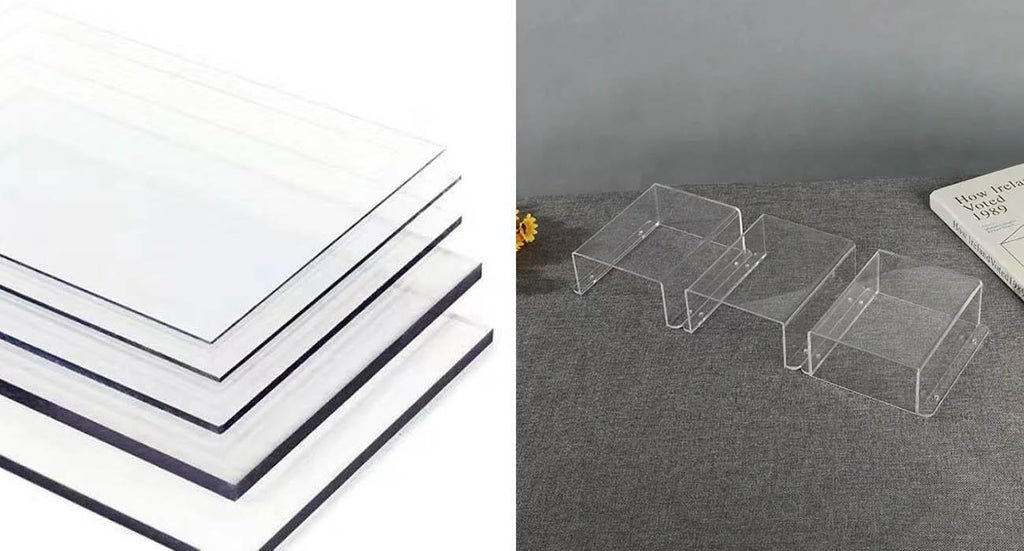
polycarbonate machine guard

1. The Email That Spelled “Enough”

Subject: “Repeated Guard Failures — Need a Real Fix”

Mark’s email arrived mid-morning. It wasn’t the first time we’d heard from a maintenance manager dealing with cracked guards, but this one had urgency written all over it.

Polycarbonate Gasket Sheet for Heat-Resistant Industrial Use

Attached were high-resolution photos: a clear acrylic machine guard with a fracture radiating from a bolt hole, the edges clouded, and notes scrawled alongside a measuring tape. In the body, he detailed the history:

  • Three replacements in two months on the same production line.

  • Downtime averaging 90 minutes per incident.

  • Operators frustrated by poor visibility during inspection.

  • Mounting holes that no longer matched perfectly due to years of inconsistent replacements.

Mark’s closing line was blunt:

“We can’t keep doing this. If you can give me a polycarbonate machine guard that fits, stays clear, and doesn’t crack, I’m ready to move now.”


2. Seeing the Problem Through the Customer’s Eyes

From our experience, replacing acrylic with more acrylic wasn’t going to solve anything. But before suggesting materials, we needed to understand his exact environment.

Our reply didn’t include a price — it included questions:

  • What cleaning chemicals are used, and how often?

  • What’s the lighting like over the line? Any UV exposure?

  • Which measurements are critical, and which can be adjusted?

  • How much time can the team allow for a changeover?

  • Is operator visibility just for convenience, or a safety requirement?

Mark’s responses painted a clear picture:
Daily caustic washdowns. Bright, UV-heavy LED lighting. Mounting holes that had drifted slightly over the years. A strict target of five minutes max per guard during changeovers. And yes — clear visibility was mandated by their safety protocols.


💡 Need Material Now?

For tough, clear machine guards, choose polycarbonate sheets—cut to your size, UV-resistant, impact-safe.

✅ Cut-to-size & fast dispatch 🚚
✅ Clear / UV-stabilized options
✅ Great for CNC & drilling

👇 Click the image below to shop polycarbonate sheets 👇

Cut-to-Size Polycarbonate Sheets - Multiple Thickness Options


3. Why UV-Resistant Polycarbonate Was the Right Choice

We explained to Mark why UV-resistant polycarbonate machine guards were the logical solution:

  • Impact resistance: Multiple times stronger than acrylic, able to handle repeated fastening without cracking.

  • UV stability: Maintains clarity under constant bright lighting and harsh cleaning.

  • CNC cut to size: Matches existing mounts exactly, avoiding costly frame modifications.

  • From-stock availability: Our cut-to-size polycarbonate sheet inventory meant no lead time waiting for material.

We sent him our material spec link so he could see exactly what we were proposing:
Clear Polycarbonate Sheets – Cut to Size & Impact-Resistant

And for the complete, ready-to-install option:
Precision CNC Plastic Machining Services


4. From Measurements to a Mount-Matched CAD

Mark’s email included precise measurements, but we’ve learned that real-world parts don’t always match drawings. We asked him to ship one of the old guards to us for verification.

Our inspection revealed two mounting holes were off by 1.5 mm from the drawing. In a rigid install, that’s the difference between a guard that slides into place and one that needs to be forced — which can start micro-cracks.

We rebuilt the CAD around the actual hole positions. The guard edges were adjusted for smooth clearance, and corner radii were added to reduce stress concentrations.

This is part of our Mount-Match First approach — designing to fit the reality of your equipment, not just the paper spec.


5. The BeePlastic 10-Day Timeline

Day 1–2 — Problem review, environment assessment, CAD corrections based on the physical sample.
Day 3 — Material selection from in-stock UV-resistant clear PC sheets — 8 mm for larger guards, 6 mm for smaller panels.
Day 4–5 — CNC programming with optimized nesting for minimal waste and lower reorder cost.
Day 6 — Machined two trial guards, performed edge trimming and deburring for safe handling, shipped them overnight to Mark.
Day 7 — Trial installation. Mark emailed back:

“Perfect fit. Holes line up without effort. Proceed with full run.”
Day 8–9 — Full production run. Every guard passed our go/no-go template for hole accuracy.
Day 10 — Shipment arrived labeled by station, with corner protectors and mounting notes.

Thick transparent polycarbonate sheet with natural blue tint effect

6. Installation Day — A Different Experience

When the guards arrived, Mark’s team didn’t have to hunt for where each piece went — every panel was labeled with its exact location. The installation took under an hour for the full set.

Operators noticed the difference instantly:

  • Crystal-clear visibility during product checks.

  • No glare under the UV-heavy lights.

  • Safe, smooth edges that made handling comfortable.

Mark’s maintenance log now showed zero guard-related stoppages. For him, it wasn’t just about the material — it was about knowing the guards were designed for his line, by a team that understood the environment.


7. Three Weeks Later — The Follow-Up

Three weeks after installation, we received another email from Mark:

Subject: “No Failures”

“It’s been three weeks with no cracks, no haze, and changeovers under five minutes. The team is happy, and I’m not getting late-night failure reports. Keep the CAD and order notes — we’ll be upgrading the second line next quarter.”


8. Why Teams Choose BeePlastic for Polycarbonate Machine Guards

1) We start with your reality, not a catalog size
Our Mount-Match First process means we measure, verify, and design for your actual mounting points — so installation is fast and stress-free.

2) In-stock UV-resistant PC sheets
No waiting weeks for material. We stock a full range of cut-to-size polycarbonate sheets so urgent projects start immediately.

3) CNC precision for repeatable quality
Your first guard, your tenth guard, or your hundredth — all cut from the same CNC program, with the same fit.

4) Edge finishing for safety and longevity
We trim and deburr every edge to remove handling hazards and reduce stress points.

5) Reorder-ready documentation
Every project gets labeled parts, mounting notes, and stored CAD files for fast repeat orders.


9. Ready to End Your Guard Failures?

Option 1 — Material Now
Order from our Clear Polycarbonate Sheets – Cut to Size & Impact-Resistant. Choose your thickness, and we’ll cut to size for quick delivery.

Option 2 — Complete Solution
Upload your CAD to Precision CNC Plastic Machining Services. We’ll review, recommend the right material and thickness, and send a custom quote within 1 business day.


10. Final Word

Mark’s line hasn’t had a guard-related stoppage since. The operators work with better visibility, the changeovers are faster, and maintenance no longer worries about cracks under pressure.

When downtime costs add up, the right material and the right process aren’t an expense — they’re an investment.


🛠 We Build the Guard. You Run the Line.

Send your drawing, we CNC cut, drill, bend, and finish polycarbonate guards—as fast as 10 days.

✔ MOQ 1 piece | sample friendly
✔ Clean edges, accurate holes, repeatable fit
✔ Engineer reply within 1 business day 📩

👇 Click the image below to request your custom quote 👇

300x300mm Clear Polycarbonate Sheet - Size Comparison

BeePlastic delivers both.

Leave a comment


Please note, comments must be approved before they are published


Custom Plastic Fabrication

1pc to 10,000+ | ±0.03mm | No MOQ

🔧
Precision Machining
CNC milling & turning
✂️
Cutting & Engraving
Laser & waterjet cutting
🏭
Forming & Molding
Thermoforming & injection
🔗
Joining & Assembly
Welding & bonding
📐
Design & Prototyping
CAD design & samples

General

HDPE

PP

PVC

ABS

Engineering

POM

Nylon

PC

PMMA

High-Performance

PEEK

PEI

PTFE

Composites

FR-4

G10

Flexible

TPU

Silicone

Why Choose BeePlastic?

🎯
Perfect Fit
Custom specs eliminate adaptation needs
⚡
Clear Lead Times
Lead time confirmed with every quote
💰
Volume Pricing
Volume pricing available on bulk orders
🤝
Expert Support
Free engineering consultation included
📋
Submit
→
🔍
Review
→
💵
Quote
→
✅
Production
→
📦
Deliver

Request a Quote


Industries: Automotive • Medical • Food • Lab • Semiconductor

Free consultation → beeplastic@beeplastic.com


Choosing Between HDPE and UHMWPE for Custom Components: What Every Manufacturer Should Know

HDPE machining solutions

Selecting the appropriate plastic material for custom manufacturing projects is more than just a technical decision—it’s a strategic investment in product quality, operational efficiency, and long-term cost savings. Two of the most prominent and widely adopted materials for industrial and manufacturing applications today are High-Density Polyethylene (HDPE) and Ultra-High Molecular Weight Polyethylene (UHMWPE). While both derive from the polyethylene family, their unique properties significantly influence their suitability for specific applications. As a manufacturer, understanding the distinct advantages and limitations of each is critical to ensuring optimal component performance, durability, and overall success.
Limited Time Manufacturer Offer
Use code QR4GNY08SHVR at checkout and enjoy a special discount on your entire order! 👉 Shop UPE Plastic Standard Parts

Comparative Analysis – HDPE vs UHMWPE in Custom Fabrication

High-Density Polyethylene (HDPE) sheets prepared for CNC machining

In custom component fabrication, machinability can substantially impact productivity and cost-efficiency. HDPE is renowned among manufacturers for its excellent machinability, facilitating straightforward CNC machining, routing, welding, and thermoforming. Its relatively low melting point and predictable behavior under fabrication processes make it especially advantageous for rapid prototyping and high-volume production. HDPE’s easy machinability translates to reduced labor costs, shorter production cycles, and minimal tool wear, thus offering significant economic benefits for projects requiring efficient turnaround times.

Conversely, UHMWPE, while more challenging to fabricate due to its exceptionally high molecular weight and extremely low friction characteristics, excels in specialized applications. Machining UHMWPE requires precise control of cutting parameters, specialized tooling, and often slower operational speeds to prevent deformation and maintain dimensional accuracy. However, once mastered, UHMWPE’s machinability challenges are significantly outweighed by its superior performance in high-wear and friction-intensive environments. Its unparalleled resistance to abrasion and impact makes it an indispensable material for components like conveyor guides, wear strips, and bearing surfaces, where prolonged durability significantly reduces maintenance intervals and replacement costs.
Comparison Metric HDPE UHMWPE
Machinability Excellent (Easy to CNC, Weld) Moderate (Requires Specialized Tooling)
Impact Resistance Good Superior (No-break)
Friction Coefficient Low Extremely Low (Self-Lubricating)

Understanding Material Properties and Performance Metrics

UHMWPE’s self-lubricating rods and sheets ready for delivery

HDPE and UHMWPE present distinct sets of material properties that manufacturers must carefully evaluate against their specific application requirements. HDPE exhibits strong structural integrity, commendable tensile strength, and good chemical resistance, making it suitable for applications such as chemical containment, storage tanks, and structural support panels. Its rigidity and stability under moderate load conditions often fulfill requirements in general industrial applications where cost-effectiveness and material reliability are paramount.

UHMWPE, however, stands out significantly with its exceptional impact resistance and wear performance. Its molecular composition provides remarkable resistance to abrasive environments, mechanical stress, and repeated impact, making UHMWPE ideal for rigorous applications demanding consistent performance under severe operational conditions. Furthermore, UHMWPE’s self-lubricating properties reduce friction and maintenance demands, offering further long-term operational benefits. Components fabricated from UHMWPE can handle heavy-duty usage in industries such as mining, material handling, and manufacturing assembly lines, where material failure translates directly into operational downtime and substantial financial implications.

Cost-Benefit Evaluation in Real Manufacturing Scenarios

A thorough cost-benefit analysis of HDPE and UHMWPE goes beyond initial purchase prices, encompassing machining costs, operational efficiencies, and maintenance considerations. HDPE’s lower initial cost and ease of machining provide immediate financial benefits, especially for projects with limited budgets, rapid prototyping requirements, or parts not subjected to intensive wear or mechanical stress.

In contrast, UHMWPE, while demanding higher initial investments and specialized machining techniques, often delivers substantial long-term savings. Its superior durability significantly prolongs component lifespan, thereby reducing the frequency of replacements and associated downtime. In industries where the cost of operational interruptions is high, the initial investment in UHMWPE can quickly translate into substantial financial advantages. Consequently, manufacturers should carefully balance immediate budget constraints against the anticipated lifecycle performance and associated costs when selecting between these materials.

Industry Applications and Case Studies

Industry-specific examples highlight the effectiveness of HDPE and UHMWPE, underscoring the necessity of material alignment with operational requirements. HDPE finds extensive use in food processing environments, marine applications, and outdoor structures due to its chemical resistance, ease of maintenance, and overall affordability. For instance, food-grade cutting boards and chemical storage containers benefit from HDPE’s non-toxic, FDA-compliant nature.

Conversely, UHMWPE is often the material of choice in sectors requiring extreme resilience and longevity under harsh conditions. Its widespread adoption in conveyor systems, wear components for manufacturing machinery, and automotive bushings illustrates its value. A notable example is its use in conveyor belt guide rails within manufacturing plants, where UHMWPE dramatically reduces wear and extends replacement intervals, minimizing costly production downtime and labor expenses.

Environmental and Regulatory Compliance Considerations

CNC milled White HDPE board showing surface quality

As environmental sustainability and regulatory compliance become increasingly critical in material selection, both HDPE and UHMWPE offer noteworthy advantages. HDPE’s recyclability and compliance with FDA regulations make it a preferred choice in industries emphasizing sustainable practices and food safety.

Similarly, UHMWPE complies with stringent FDA standards and offers remarkable chemical inertness and stability under variable environmental conditions, positioning it ideally for applications in pharmaceutical, food processing, and chemical manufacturing industries. Its resistance to degradation in chemically aggressive or challenging environmental scenarios ensures consistent regulatory compliance and aligns with contemporary environmental stewardship objectives.

Making the Right Material Choice for Your Custom Components

Ultimately, choosing between HDPE and UHMWPE demands a comprehensive evaluation of your project’s specific requirements, including machinability, operational environment, lifecycle costs, and regulatory obligations. By understanding the nuanced differences between these two widely adopted industrial plastics, manufacturers can confidently select the material best suited to their needs, ensuring superior component performance and cost-effective production outcomes.

Ready to optimize your material selection and custom component manufacturing?

Explore our comprehensive HDPE machining solutions, specialized UHMWPE custom fabrication services, or browse our UHMWPE product catalog. Learn about our extensive plastic machining capabilities, or contact our team for tailored consultations today.

Selecting the right material today ensures a successful manufacturing future. Let’s collaborate to produce high-quality, durable, and efficient custom components tailored precisely to your requirements.

Custom UHMWPE parts fabrication service overview

Leave a comment


Please note, comments must be approved before they are published


Custom Plastic Fabrication

1pc to 10,000+ | ±0.03mm | No MOQ

🔧
Precision Machining
CNC milling & turning
✂️
Cutting & Engraving
Laser & waterjet cutting
🏭
Forming & Molding
Thermoforming & injection
🔗
Joining & Assembly
Welding & bonding
📐
Design & Prototyping
CAD design & samples

General

HDPE

PP

PVC

ABS

Engineering

POM

Nylon

PC

PMMA

High-Performance

PEEK

PEI

PTFE

Composites

FR-4

G10

Flexible

TPU

Silicone

Why Choose BeePlastic?

🎯
Perfect Fit
Custom specs eliminate adaptation needs
⚡
Clear Lead Times
Lead time confirmed with every quote
💰
Volume Pricing
Volume pricing available on bulk orders
🤝
Expert Support
Free engineering consultation included
📋
Submit
→
🔍
Review
→
💵
Quote
→
✅
Production
→
📦
Deliver

Request a Quote


Industries: Automotive • Medical • Food • Lab • Semiconductor

Free consultation → beeplastic@beeplastic.com


Custom Processing HDPE or UHMWPE: The Smart Choice for Industrial Applications

HDPE (High-Density Polyethylene) sheets

In the industrial world, materials aren’t just components—they’re strategic assets. Whether you’re optimizing production lines, replacing worn-out machine parts, or fabricating new custom components, choosing between HDPE and UHMWPE isn’t just a technical decision—it’s a competitive one. The right plastic material can reduce downtime, increase efficiency, and drive long-term value. This article is your practical guide to understanding how these two high-performance thermoplastics compare in structure, performance, cost, and real-world functionality—so you can make smarter decisions for your operations.

🎉🎉🎉Limited Time Offer Use code: QR4GNY08SHVR at checkout and enjoy a special discount on your entire order! 👉 UPE plastic

HDPE (High-Density Polyethylene)

Understanding HDPE and UHMWPE: Key Differences and Properties

Though both HDPE (High-Density Polyethylene) and UHMWPE (Ultra-High Molecular Weight Polyethylene) belong to the polyethylene family, their differences in molecular weight result in unique mechanical characteristics that affect performance, durability, and suitability for different environments.

HDPE features a tightly packed polymer structure, giving it strong rigidity and moderate impact resistance. This makes it ideal for applications requiring dimensional stability and chemical resistance—such as chemical tanks, industrial panels, and food-safe cutting boards. Its balance between machinability and performance has made HDPE a staple across various industrial applications, especially when cost-effectiveness and fabrication speed are priorities.

UHMWPE, in contrast, has ultra-long polymer chains that create a much more abrasion-resistant, impact-absorbing material. It doesn’t just withstand abuse—it thrives in high-wear environments where constant movement, sliding contact, or mechanical shock would degrade other materials. For components like conveyor guides, chute liners, sliding bearings, or protective pads, UHMWPE offers unmatched longevity.

Machining HDPE vs UHMWPE: Techniques for Custom Plastic Fabrication

Fabricating custom plastic parts requires not only understanding the material’s behavior but also how it responds under machining conditions. HDPE is generally regarded as user-friendly. It machines cleanly, responds well to cutting and routing, and can be easily welded or thermoformed with minimal setup. It’s the preferred choice when quick turnaround or low tooling complexity is required.

UHMWPE, however, presents a unique challenge. Its slick surface and high impact strength mean it resists traditional bonding methods and often causes tool slippage if not managed correctly. Specialized sharp tools, slower speeds, and steady feed rates are necessary to maintain precision. Despite this, once fabricated, UHMWPE parts often outlast alternatives by several factors, offering a compelling return on investment in the right scenarios.

For any project involving custom plastic machining, choosing between the ease of HDPE and the durability of UHMWPE depends heavily on how critical part longevity and performance are in your system.

UHMWPE parts

Wear Resistance and Friction: Which Performs Better?

Wear resistance is one of the most defining factors in the decision-making process, especially for moving parts or contact surfaces. UHMWPE is engineered to thrive in this arena. Its extremely low coefficient of friction makes it naturally self-lubricating, which reduces operational noise and the need for external lubricants. In high-speed packaging lines or material transfer systems, UHMWPE components maintain their structure and functionality far longer than most plastics.

While HDPE does offer commendable wear resistance, particularly for static parts or low-friction environments, it doesn’t match UHMWPE’s capacity to withstand abrasive conditions. Over time, in highly dynamic applications, HDPE may require more frequent replacement, which can affect overall system efficiency and maintenance budgets.

So if your project involves repetitive motion, sliding contact, or abrasive materials, UHMWPE should be considered the default choice for performance-driven outcomes.

Cost Considerations: Finding the Right Balance Between Price and Performance

When evaluating materials, cost isn’t just about price per pound—it’s about lifecycle value. HDPE’s lower material and machining costs make it a clear winner for applications with moderate wear and less demanding performance requirements. It is also ideal for prototypes or non-critical components where budget is a primary concern.

UHMWPE, with its higher upfront cost, can be viewed as an investment in reliability. It reduces the frequency of part replacements, minimizes system downtime, and lowers long-term maintenance costs. For businesses where equipment reliability directly affects productivity or revenue, UHMWPE often proves to be more cost-efficient over time.

Therefore, the smarter approach is to align your material selection with operational demands. In many cases, the additional cost of UHMWPE is quickly justified by performance and longevity in harsh industrial environments.

HDPE’s lower material and machining costs

Choosing the Right Plastic for Your Application: Real-World Use Cases

Instead of offering a generic comparison, it’s more helpful to look at how these materials are actually used in practice.

HDPE shines in industries such as agriculture, marine fabrication, water treatment, and chemical handling. Its ability to resist moisture, chemical corrosion, and UV exposure (with additives) makes it perfect for outdoor enclosures, containment systems, and fluid transport components.

On the other hand, UHMWPE is a go-to solution for logistics, material handling, food processing, and heavy-duty manufacturing. It’s commonly used in sliding tracks, robotic arms, guide rails, and any area where wear and friction dominate. Its natural toughness and non-stick properties make it food-safe and efficient in automated systems.

By analyzing the mechanical needs of your environment, you can map each material to the right role. Smart material matching ensures your components don’t just survive—they perform optimally.

Final Takeaway: Turn Industrial Performance into Long-Term Savings

Smart material selection is the foundation of smart manufacturing. Whether your project demands the affordable rigidity of HDPE or the extreme durability of UHMWPE, your success starts with choosing the plastic that fits your environment and expectations. And when you’re customizing parts for high-demand industrial applications, that decision can have a direct impact on performance, cost, and scalability.

Looking to make the right choice for your next custom plastic machining project?

Custom-cut HDPE and UPE plastic sheets for machining and fabrication services

🎉🎉🎉Limited Time Offer Use code: QR4GNY08SHVR at checkout and enjoy a special discount on your entire order! 👉 UPE plastic

Let your material work as hard as your equipment does—request a quote today and get started with expert plastic processing designed for performance and precision.

Leave a comment


Please note, comments must be approved before they are published


Custom Plastic Fabrication

Send your drawing, material and quantity for review

🔧
Precision Machining
CNC milling & turning
✂️
Cutting & Engraving
Laser & waterjet cutting
🏭
Forming & Molding
Thermoforming & injection
🔗
Joining & Assembly
Welding & bonding
📐
Design & Prototyping
CAD design & samples

General

HDPE

PP

PVC

ABS

Engineering

POM

Nylon

PC

PMMA

High-Performance

PEEK

PEI

PTFE

Composites

FR-4

G10

Flexible

TPU

Silicone

Why Choose BeePlastic?

🎯
Perfect Fit
Custom specs eliminate adaptation needs
⚡
Clear Lead Times
Lead time confirmed with every quote
💰
Volume Pricing
Volume pricing available on bulk orders
🤝
Expert Support
Free engineering consultation included
📋
Submit
→
🔍
Review
→
💵
Quote
→
✅
Production
→
📦
Deliver

Request a Quote

Share your project details, selected material and quantity on our quote page. You can add a file link or use the email drawing route shown there.


Request Quote

Industries: Automotive • Medical • Food • Lab • Semiconductor

beeplastic@beeplastic.com


HDPE vs UHMWPE: Which Plastic Is Right for Your Custom Manufacturing Needs?

HDPE vs UHMWPE

When it comes to industrial-grade plastics, I know firsthand how overwhelming it can feel to choose the right material for your custom applications. Especially in manufacturing, processing, or equipment fabrication, you can’t afford to guess. That’s why I’m diving deep into a common comparison many engineers, procurement officers, and technical buyers face—HDPE vs UHMWPE. Whether you’re designing sliding parts, protective liners, or chemical-resistant containers, understanding the strengths and limitations of each material could save you time, money, and stress. Let’s figure out which plastic fits your needs best and why making the right decision matters more than ever in a competitive production environment.

🎉 Exclusive Offer for Custom Projects

Ready to optimize your production costs? Use code QR4GNY08SHVR at checkout to enjoy a special discount on your entire order!

Understanding the Basics: HDPE and UHMWPE Defined

Visual comparison reference of HDPE vs UHMWPE plastic sheets

HDPE vs UHMWPE visual texture comparison

Though HDPE and UHMWPE originate from the same polyethylene family, they are engineered for different purposes and offer dramatically different performance in real-world applications. The distinction lies in their molecular structure—something invisible to the eye but powerful enough to determine how a material behaves under stress, temperature, friction, and impact.

What is HDPE?

HDPE, or High-Density Polyethylene, is a widely used thermoplastic made from petroleum. It’s recognized for its high strength-to-density ratio and is a reliable solution for applications that require chemical resistance, moisture protection, and ease of fabrication. HDPE shows up in everything from cutting boards and food bins to chemical tanks, water piping, and outdoor paneling. It’s a favorite in sectors like agriculture, marine construction, and industrial packaging.

In fabrication environments, HDPE is easy to work with. It can be routed, milled, welded, or thermoformed without excessive tool wear or special handling. Whether you’re machining custom shims or assembling structural panels, HDPE offers repeatable performance and cost-effectiveness—especially for high-volume production.

Technical chart showing UHMWPE molecular weight advantages

What is UHMWPE?

UHMWPE stands for Ultra-High Molecular Weight Polyethylene. It’s a mouthful, but the performance speaks for itself. UHMWPE features extremely long polymer chains, which translate into high impact strength, abrasion resistance, and a remarkably low coefficient of friction. In other words, it’s tough, it lasts, and it slides like a dream.

Commonly used in conveyor wear strips, liner systems, snowplow blades, dock bumpers, and even ballistic applications, UHMWPE is ideal for components exposed to ongoing friction, heavy impact, or rough materials. It’s self-lubricating, noise-reducing, and doesn’t crack or chip under pressure. It’s less about affordability and more about long-term endurance in the harshest settings.

Comparing Mechanical Properties: Durability, Friction, and Impact Resistance

Let’s get into the performance specs—the part every engineer wants to see. Choosing between HDPE and UHMWPE often comes down to how each material behaves under mechanical stress.

Feature HDPE UHMWPE
Impact Strength Good / Standard Excellent (No-break)
Friction Low Extremely Low (Self-lubricating)
Stiffness Higher (Better for tanks) Moderate

Durability and Impact Strength: UHMWPE takes the lead when it comes to toughness. It can withstand repeated pounding, scraping, and sliding without deforming or breaking down. In contrast, HDPE offers solid durability in static or low-impact environments but may show signs of wear more quickly in aggressive conditions.

Friction and Surface Wear: UHMWPE is known for having one of the lowest coefficients of friction among plastics. That means less drag, less heat, and less noise—making it a preferred choice for moving assemblies and sliding contact points. HDPE has decent wear resistance, but if you’re dealing with high-speed movement or abrasive flow, UHMWPE will simply last longer.

Stiffness and Load-Bearing: HDPE is the winner in rigidity. It holds its shape better, making it a solid option for parts that need to stay flat or bear structural loads. If you’re machining precision panels, mounting surfaces, or pipe flanges, HDPE gives you more control.

Chemical and Environmental Resistance: Both materials perform well against acids, bases, and solvents, but UHMWPE handles extreme chemical exposure better. Both resist water, UV exposure (with additives), and most weathering conditions, but UHMWPE performs more reliably in aggressive industrial settings.

Processing & Machining: Which One Works Better for Custom Jobs?

In my experience, how a material machines is just as important as how it performs in use. That’s where HDPE really proves itself.

HDPE can be processed with standard plastic fabrication equipment. It cuts cleanly, produces minimal burrs, and forms easily with heat or pressure. For CNC routing, sheet bending, or simple thermoforming, HDPE gives you fast results without driving up tool wear. This translates to lower labor costs and tighter lead times.

UHMWPE, while unmatched in toughness, does come with challenges. Its slick surface and high molecular weight make it difficult to glue or weld. It must be machined using very sharp tools and slower feed rates to avoid surface melting or irregular finishes. The material also tends to “creep” or deform under prolonged stress, which must be factored into tight-tolerance parts.

Still, if you need a low-maintenance, high-performance component in a demanding environment, UHMWPE can outlast other plastics—offsetting the added machining effort with fewer replacements.

Choosing by Application: Real-World Use Cases in Industry

Now, let’s look at how each material plays out in real-world settings:

HDPE Applications

  • Water treatment systems
  • Chemical processing tanks
  • Agricultural equipment housings
  • Cutting boards and food-grade liners
  • Marine structures and dock fenders

UHMWPE Applications

  • Conveyor belt wear strips and guide rails
  • High-impact sliding surfaces
  • Chute and hopper liners
  • Packaging machinery components
  • Bullet-resistant panels and protective shields

In short: if your components face repetitive wear, impact, or the need for near-zero maintenance, UHMWPE is likely your best investment. If your goal is versatile, easy-to-process material for a broad range of moderate-duty tasks, HDPE offers tremendous value.

Cost Considerations and Material Value

Stock of HDPE sheets and rods at BeePlastic warehouse

Here’s where practical decisions are made. Price always matters—but it’s the total lifecycle cost that tells the real story.

Initial Cost: HDPE is less expensive per sheet, rod, or part. For standard applications or prototyping runs, this can significantly reduce project budgets.

Processing Costs: HDPE also costs less to fabricate. It’s faster to cut, easier to form, and places less strain on your equipment—keeping tool replacements and operator fatigue to a minimum.

Long-Term Value: UHMWPE may cost more upfront, but in harsh environments, it can last 3-5 times longer than HDPE. Fewer breakdowns and part replacements mean lower maintenance costs, less downtime, and better ROI over time.

Your decision shouldn’t just hinge on price per pound. Factor in how often a part will need replacing, the cost of unscheduled shutdowns, and your team’s ability to machine or maintain each plastic. The smarter choice may not be the cheaper one—but the one that performs longer.

Final Thoughts: Making the Right Choice for Your Custom Project

So, which material wins in the HDPE vs UHMWPE debate? That depends on your priorities. If your job calls for simple fabrication, structural rigidity, and budget-conscious scaling, HDPE is a workhorse that’s hard to beat. If you need maximum resistance to friction, abrasion, and impact, UHMWPE is the premium solution built for rugged reliability.

Don’t choose based on guesswork or assumptions. The right plastic makes a real difference in productivity, performance, and profitability.

Ready to Get the Right Plastic for Your Project?

If you’re looking for custom HDPE machining for panels, spacers, tanks, or structural applications, explore the full range of HDPE sheets and rods available for machining.

Need industrial-grade UHMW plastic components designed for high-impact or sliding applications? Browse our dedicated UHMWPE custom fabrication services, or review our complete line of UHMWPE sheets, rods, and machined parts.

If you’re working on more complex assemblies or seeking high-clarity alternatives, check out our premium acrylic materials for every need—perfect for transparent, structural, or display components.

Want a full breakdown of what we can handle? Visit the BeePlastic manufacturing capabilities page to discover how we tackle CNC machining, thermoforming, welding, and more.

Have a spec in hand or just an idea in mind?

Submit Your Project Inquiry →

No MOQ Required • Global Shipping Available

Leave a comment


Please note, comments must be approved before they are published


Custom Plastic Fabrication

Send your drawing, material and quantity for review

🔧
Precision Machining
CNC milling & turning
✂️
Cutting & Engraving
Laser & waterjet cutting
🏭
Forming & Molding
Thermoforming & injection
🔗
Joining & Assembly
Welding & bonding
📐
Design & Prototyping
CAD design & samples

General

HDPE

PP

PVC

ABS

Engineering

POM

Nylon

PC

PMMA

High-Performance

PEEK

PEI

PTFE

Composites

FR-4

G10

Flexible

TPU

Silicone

Why Choose BeePlastic?

🎯
Perfect Fit
Custom specs eliminate adaptation needs
⚡
Clear Lead Times
Lead time confirmed with every quote
💰
Volume Pricing
Volume pricing available on bulk orders
🤝
Expert Support
Free engineering consultation included
📋
Submit
→
🔍
Review
→
💵
Quote
→
✅
Production
→
📦
Deliver

Request a Quote

Share your project details, selected material and quantity on our quote page. You can add a file link or use the email drawing route shown there.


Request Quote

Industries: Automotive • Medical • Food • Lab • Semiconductor

beeplastic@beeplastic.com


Custom Machining of UHMWPE Conveyor Chain Guides: The Smart Investment for Long-Lasting Performance

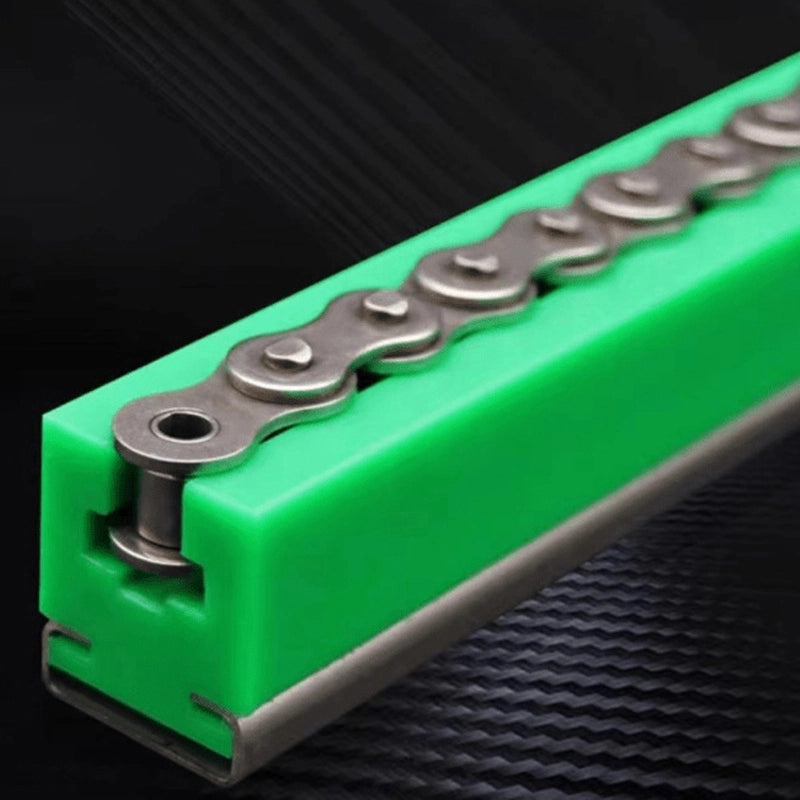
conveyor chain guides

Why Custom-Machined Chain Guides Matter in Industrial Operations

In high-performance industrial environments, precision, durability, and efficiency are non-negotiable. Conveyor systems lie at the core of modern production lines—responsible for ensuring that goods, materials, and components move smoothly and reliably from point A to point B. But while the motors, belts, and control systems often receive the spotlight, it is the conveyor chain guides—a relatively small yet crucial component—that significantly impact the entire system’s performance.

🎉🎉🎉Limited Time Offer Use code: QR4GNY08SHVR at checkout and enjoy a special discount on your entire order! 👉 UPE plastic

conveyor chain guides

When these guides are poorly designed, made from low-grade material, or incorrectly matched to the conveyor’s operational parameters, they can cause significant issues. These include chain misalignment, excessive friction, surface wear, and noise pollution, which collectively lead to increased maintenance, downtime, and operational costs.

UHMWPE (Ultra High Molecular Weight Polyethylene) has emerged as a material of choice for chain guides thanks to its unique combination of high abrasion resistance, low coefficient of friction, chemical inertness, and long service life. But it’s the custom machining of UHMWPE conveyor chain guides that elevates their benefits—allowing the component to fit seamlessly into the specific layout, pressure, and performance requirements of a conveyor system.


Advantages of Custom UHMWPE Chain Guides Over Standard Plastic Components

While many facilities rely on generic plastic chain guides for simplicity and upfront cost savings, these standard options are often ill-suited for today’s fast-paced, heavy-duty operations. Custom UHMWPE chain guides are precision-engineered to the exact dimensions and shape of the chain, rails, and rollers they serve, dramatically improving the system’s efficiency and reliability.

Here’s how custom UHMWPE guides outperform standard ones:

  1. Tailored Fit for Optimal Contact
    Unlike standard guides, which come in fixed dimensions, custom-machined UHMWPE guides are designed to match your exact chain profile and conveyor frame. This precise fit ensures smooth contact and minimizes the risk of misalignment or chain derailment.

  2. Reduced Friction and Energy Consumption
    UHMWPE’s naturally low surface friction means that chains can move more freely, with minimal drag. In turn, this reduces the strain on drive motors, contributing to measurable energy savings over time.

  3. Superior Wear Resistance
    When exposed to repeated mechanical motion, UHMWPE outlasts many traditional materials like HDPE or nylon. Its dense molecular structure resists surface abrasion, helping maintain consistent performance even under high-speed, high-load conditions.

  4. Maintenance Cost Reduction
    Standard guides often require frequent replacement or lubrication. Custom UHMWPE guides, on the other hand, offer self-lubricating properties and longer wear cycles—meaning fewer stoppages, lower replacement costs, and reduced labor time.

  5. Noise Reduction
    Custom UHMWPE guides help dampen the metal-on-metal or plastic-on-metal contact that typically occurs in conveyor setups, leading to a quieter and more comfortable working environment.


Custom UHMWPE guides

Boosting Conveyor System Efficiency with Tailored UHMWPE Chain Rails

Chain rails are structural elements that help direct and stabilize conveyor chains along their operational path. The smoother and more precise the rail interface, the more efficient the system becomes.

When off-the-shelf chain rails are installed, they often introduce inconsistencies in chain movement. These inconsistencies can include minor shakes, unexpected vibrations, or slight deflections—all of which might seem negligible at first but can lead to cumulative wear, reduced output, or even system failure.

Custom-machined UHMWPE chain rails eliminate these issues by:

  • Aligning perfectly with the chain’s contour and travel path, ensuring consistent movement even at high speeds.

  • Reducing impact stress caused by sudden directional changes, turns, or heavy loads.

  • Allowing the integration of specialized profiles (T-rails, V-tracks, L-guides, etc.) that fit complex conveyor designs.

For example, in a high-speed bottling plant, replacing steel chain rails with custom-machined UHMWPE rails led to a 20% improvement in throughput by reducing slippage and chain wear while eliminating the need for external lubricants.


Comparing UHMWPE Chain Tracks to Traditional Metal Conveyor Guides

Metal chain guides, typically made from aluminum or stainless steel, have been the default for decades. While these materials are sturdy, they come with trade-offs: higher noise levels, greater weight, corrosion risk, and a higher coefficient of friction.

Custom UHMWPE chain tracks, however, offer a future-ready alternative:

  • Lightweight and Easier to Install
    UHMWPE weighs significantly less than steel or aluminum, making installation easier and reducing strain on supporting structures.

  • Chemical and Moisture Resistant
    Metal guides are prone to rust or corrosion in humid or chemical-rich environments. UHMWPE’s resistance to most chemicals makes it ideal for food processing, pharmaceutical, and marine applications.

  • Noise and Vibration Control
    In busy facilities, reducing operational noise is critical for safety and communication. UHMWPE’s shock-absorbing properties help control vibration and reduce noise levels dramatically.

  • Non-Marking and Non-Abrasive
    Metal may scratch or mark the product being conveyed. UHMWPE is gentle on goods, protecting sensitive materials during transport.

In one case study, a meat processing plant in Wisconsin replaced their stainless-steel guides with custom UHMWPE tracks. The result: a 50% reduction in maintenance labor, fewer product scuffs, and a drop in system-related injuries due to reduced noise and slip risks.

white UH-MWPE sheets

How Custom UHMWPE Chain Supports Reduce Operational Costs

Chain supports are the backbone of a conveyor system’s stability. When they’re not designed to accommodate specific loads, temperatures, or chain dimensions, operational costs start piling up.

Custom UHMWPE chain supports offer the following benefits:

  • Extended Lifespan of Components
    By evenly distributing pressure and reducing stress on sprockets and bearings, UHMWPE supports help extend the service life of the entire conveyor assembly.

  • Reduction in Downtime
    With fewer breakdowns and a lower risk of chain derailment, production can continue with minimal interruption.

  • Lower Lubrication and Maintenance Needs
    UHMWPE’s self-lubricating nature significantly reduces friction, making it easier to maintain and reducing the need for costly lubricants.

Case Story: Custom UHMWPE Support in a Glass Bottle Packaging Facility
A European beverage manufacturer struggled with bottlenecks caused by broken chain supports on a high-volume packaging line. The original supports—made from generic plastic—were cracking under load and deforming from heat. After switching to custom-machined UHMWPE supports, the facility saw:

  • A 3x increase in support lifespan

  • A 90% drop in lubrication requirements

  • 40% faster throughput on peak production days

This transformation helped the company avoid a costly system overhaul, instead optimizing the existing system with smarter, more robust components.


custom-machined UHMWPE supports

Industry Applications of UHMWPE Conveyor Chain Guides

Food & Beverage

In this hygiene-critical sector, UHMWPE’s FDA compliance, chemical resistance, and ease of cleaning make it the go-to material. It’s widely used in meat processing lines, dairy conveyor systems, and bottle filling stations.

Automotive & Logistics

For high-load, high-speed chains moving metal parts or pallets, UHMWPE guides reduce noise and vibration. Their resilience helps withstand shocks and impacts from dynamic loads.

Pharmaceutical & Medical

Environments requiring low contamination and precision benefit from UHMWPE’s non-toxic, non-absorbent surface. It’s often found in sterile conveyor setups transporting packaging materials or diagnostic instruments.

E-commerce Fulfillment & Warehousing

Custom guides improve the routing of belt and chain-driven systems for high-volume picking, sorting, and packaging operations. Their ability to run without lubrication reduces mess and improves cleanliness in climate-controlled spaces.


A Long-Term Investment in Performance and Savings

Investing in custom-machined UHMWPE conveyor chain guides is more than an upgrade—it’s a long-term strategy for achieving better performance, increased uptime, and reduced total cost of ownership. Their adaptability, durability, and ease of maintenance make them a smart fit for virtually every conveyor-intensive industry.

By working with a trusted machining partner, you can ensure your guides are engineered to meet the exact specifications of your system—resulting in better performance today and fewer breakdowns tomorrow.


✅ Ready to Improve Your Conveyor System?

Request a Custom Quote for UHMWPE Machining

🎉🎉🎉Limited Time Offer Use code: QR4GNY08SHVR at checkout and enjoy a special discount on your entire order! 👉 UPE plastic

Transform your chain guide strategy today—engineered for reliability, designed for results.

Leave a comment


Please note, comments must be approved before they are published


Custom Plastic Fabrication

Send your drawing, material and quantity for review

🔧
Precision Machining
CNC milling & turning
✂️
Cutting & Engraving
Laser & waterjet cutting
🏭
Forming & Molding
Thermoforming & injection
🔗
Joining & Assembly
Welding & bonding
📐
Design & Prototyping
CAD design & samples

General

HDPE

PP

PVC

ABS

Engineering

POM

Nylon

PC

PMMA

High-Performance

PEEK

PEI

PTFE

Composites

FR-4

G10

Flexible

TPU

Silicone

Why Choose BeePlastic?

🎯
Perfect Fit
Custom specs eliminate adaptation needs
⚡
Clear Lead Times
Lead time confirmed with every quote
💰
Volume Pricing
Volume pricing available on bulk orders
🤝
Expert Support
Free engineering consultation included
📋
Submit
→
🔍
Review
→
💵
Quote
→
✅
Production
→
📦
Deliver

Request a Quote

Share your project details, selected material and quantity on our quote page. You can add a file link or use the email drawing route shown there.


Request Quote

Industries: Automotive • Medical • Food • Lab • Semiconductor

beeplastic@beeplastic.com


Transform Your Production with Precision Custom POM Machining

custom POM machining

Unlocking Excellence: The Power of Precision Custom POM Machining

In today’s competitive manufacturing landscape, precision and reliability are not just advantages—they’re necessities. Polyoxymethylene (POM), also recognized as Acetal or Delrin®, has rapidly become the material of choice for engineers and manufacturers worldwide due to its unique combination of exceptional machinability, dimensional stability, and robust mechanical properties. Custom POM machining enables businesses to produce highly accurate, durable, and reliable parts that precisely match the exacting specifications required by diverse industries, including automotive, aerospace, medical devices, electronics, and industrial automation. For example, in the automotive industry, custom-machined POM components such as precision gears and bushings help reduce friction, improve fuel efficiency, and enhance vehicle durability. Similarly, in the medical sector, precisely machined acetal parts are used in surgical instruments and diagnostic devices due to their biocompatibility and resistance to sterilization processes. These real-world applications showcase the transformative benefits of precision POM machining across multiple industries.

🎉🎉🎉Limited Time Offer Use code: QR4GNY08SHVR at checkout and enjoy a special discount on your entire order! 👉 POM plastic

custom-machined POM components

This comprehensive guide explores the detailed advantages of precision custom POM machining, highlights advanced manufacturing techniques, compares POM with alternative engineering plastics, and examines emerging industry trends to illustrate how leveraging this technology can significantly transform your manufacturing operations.

Understanding Acetal Machining: Key Benefits for Manufacturers

Polyoxymethylene (POM) machining stands out in the engineering plastics sector due to several intrinsic advantages. First and foremost, the exceptional dimensional stability of POM makes it highly suited for creating intricate and precision-engineered parts. Components machined from acetal maintain their shape and tolerances consistently, ensuring reliable performance even under demanding operational conditions.

Acetal’s inherent low friction and remarkable wear resistance make it ideal for critical moving parts such as precision gears, bearings, bushings, valves, and other mechanical fittings. Its outstanding machinability results in smoother surfaces directly after machining, minimizing the need for secondary finishing processes and thus reducing manufacturing time and costs.

Moreover, acetal’s excellent strength-to-weight ratio means lighter yet robust components can be manufactured. This not only contributes to increased operational efficiency but also helps reduce energy consumption and associated costs, further enhancing product sustainability.

Enhancing Component Precision: CNC Techniques in Polyoxymethylene Fabrication

The advent and continuous evolution of Computer Numerical Control (CNC) machining have revolutionized the fabrication of polyoxymethylene components. CNC machining significantly improves precision, repeatability, and efficiency compared to traditional manual machining techniques. CNC equipment, governed by precise computer programming, can easily produce highly complex geometries with pinpoint accuracy and consistency.

By utilizing advanced CNC machining techniques, manufacturers can dramatically reduce production cycles while ensuring the production of parts with consistently high quality and dimensional accuracy. Compared to traditional machining, CNC technology enables faster processing speeds, significantly reducing lead times and increasing overall efficiency. Additionally, CNC machining minimizes material waste and labor costs, making it a more cost-effective solution in the long run. Traditional manual machining, while effective for simpler designs, often results in inconsistencies and requires longer production times, making it less viable for high-precision manufacturing needs. Optimization of cutting tools, careful selection of machining parameters, and the implementation of strategic cooling measures further ensure the stability of dimensions and prevent thermal expansion or warping of components during production.

This precision and repeatability not only increase overall production efficiency but also minimize costly downtime due to part failure or inaccuracies, ultimately providing significant long-term operational and financial benefits.

CNC machining techniques

Delrin Machining vs. Other Engineering Plastics

When precision and performance are critical, material selection becomes paramount. Delrin, a homopolymer form of POM, often surpasses other popular engineering plastics such as Nylon, PTFE, and UHMW-PE in crucial performance areas. Delrin offers superior structural integrity, exceptional mechanical strength, and significantly higher resistance to friction and wear compared to these alternative materials.

Unlike Nylon, which is susceptible to moisture absorption leading to swelling and dimensional instability, Delrin maintains its shape and properties even in humid environments. Compared to PTFE, Delrin exhibits much greater stiffness and strength, making it a preferred choice for applications involving high loads or stress. Delrin’s robust performance and durability, therefore, translate into fewer maintenance requirements and enhanced component longevity. For example, in high-speed industrial conveyor systems, manufacturers have replaced traditional metal components with Delrin due to its low-friction properties, reducing wear and extending part lifespan by over 50%. Additionally, in automotive applications, custom-machined Delrin bushings outperform traditional rubber or metal alternatives by offering better dimensional stability and lower noise levels, leading to enhanced vehicle performance and reduced maintenance costs.

Understanding these differences helps manufacturers make informed decisions, selecting Delrin for applications demanding exceptional stability, reliability, and resistance to environmental stresses.

Optimizing Your Production: Custom Polyacetal Machining Solutions

Tailored polyacetal machining solutions offer manufacturers significant opportunities for production optimization. Customizing machining processes specifically for individual components ensures that the unique requirements of each application are fully met, enhancing overall performance and efficiency.

Industries adopting custom POM machining have consistently reported remarkable improvements in component durability, reduced maintenance schedules, and enhanced operational reliability. For example, one leading manufacturer successfully transitioned from using metal to POM components in their industrial conveyor systems. This change resulted in a 30% reduction in system downtime, as POM’s low friction properties decreased wear and tear on moving parts. Additionally, the shift led to a 25% decrease in maintenance costs, as POM components required fewer replacements and less lubrication than their metal counterparts. By adopting precision-machined POM parts, the company improved overall production efficiency while extending the lifespan of critical conveyor system components. This strategic shift resulted in substantial reductions in downtime, lower maintenance costs, extended component lifespan, and a notable boost in overall system performance and reliability.

This real-world example underscores the transformative potential of custom polyacetal machining, illustrating how careful material and machining process selection can profoundly impact manufacturing outcomes.

POM components

Innovations and Future Trends in POM Machining

The future of custom POM machining is bright, fueled by continuous innovations and industry advancements. Sustainability initiatives have become central, driving manufacturers toward eco-friendly practices such as increased material recycling, waste reduction strategies, and environmentally conscious machining methods.

Furthermore, the integration of POM machining with Industry 4.0 technologies such as automated machining processes, real-time operational monitoring, and predictive maintenance analytics promises to elevate manufacturing efficiency to new heights. These cutting-edge advancements offer greater control over production processes, enabling even higher precision, reduced operational costs, and enhanced product quality.

As POM machining continues to evolve and integrate with advanced manufacturing technologies, it is positioned to become a cornerstone of modern production, driving innovation and setting new standards of excellence. Over the next decade, advancements in automation, AI-driven machining optimization, and sustainable material processing are expected to revolutionize the industry. Experts predict that AI-integrated CNC systems will enable real-time adjustments for even greater precision, while improvements in eco-friendly POM formulations will make the material even more attractive for manufacturers aiming to reduce their environmental footprint. The demand for high-precision, lightweight, and durable components will continue to grow, further cementing POM machining as a key solution in high-performance manufacturing.

Revolutionize Your Production: Embrace Custom POM Machining Excellence

Incorporating precision custom POM machining into your manufacturing strategy can significantly improve the quality, reliability, and overall competitiveness of your products. Leveraging the superior material characteristics of Acetal, advanced CNC machining capabilities, and tailored production solutions ensures optimized performance tailored to specific industry demands.

Ready to Transform Your Production?

Take the next step toward revolutionizing your manufacturing processes. Explore our extensive range of custom POM machining solutions, access high-quality polyoxymethylene sheets and rods, discover our advanced manufacturing capabilities, or contact our expert team to discuss your specific requirements. Start enhancing your production today with precision custom POM machining!

🎉🎉🎉Limited Time Offer Use code: QR4GNY08SHVR at checkout and enjoy a special discount on your entire order! 👉 POM plastic

custom POM machining

Leave a comment


Please note, comments must be approved before they are published


Custom Plastic Fabrication

Send your drawing, material and quantity for review

🔧
Precision Machining
CNC milling & turning
✂️
Cutting & Engraving
Laser & waterjet cutting
🏭
Forming & Molding
Thermoforming & injection
🔗
Joining & Assembly
Welding & bonding
📐
Design & Prototyping
CAD design & samples

General

HDPE

PP

PVC

ABS

Engineering

POM

Nylon

PC

PMMA

High-Performance

PEEK

PEI

PTFE

Composites

FR-4

G10

Flexible

TPU

Silicone

Why Choose BeePlastic?

🎯
Perfect Fit
Custom specs eliminate adaptation needs
⚡
Clear Lead Times
Lead time confirmed with every quote
💰
Volume Pricing
Volume pricing available on bulk orders
🤝
Expert Support
Free engineering consultation included
📋
Submit
→
🔍
Review
→
💵
Quote
→
✅
Production
→
📦
Deliver

Request a Quote

Share your project details, selected material and quantity on our quote page. You can add a file link or use the email drawing route shown there.


Request Quote

Industries: Automotive • Medical • Food • Lab • Semiconductor

beeplastic@beeplastic.com


Customized Excellence: PPS CNC Machining for Your Industrial Machinery Needs

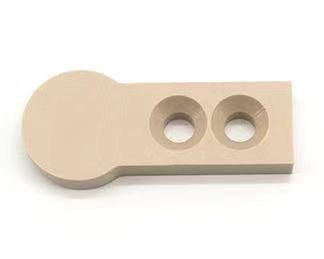
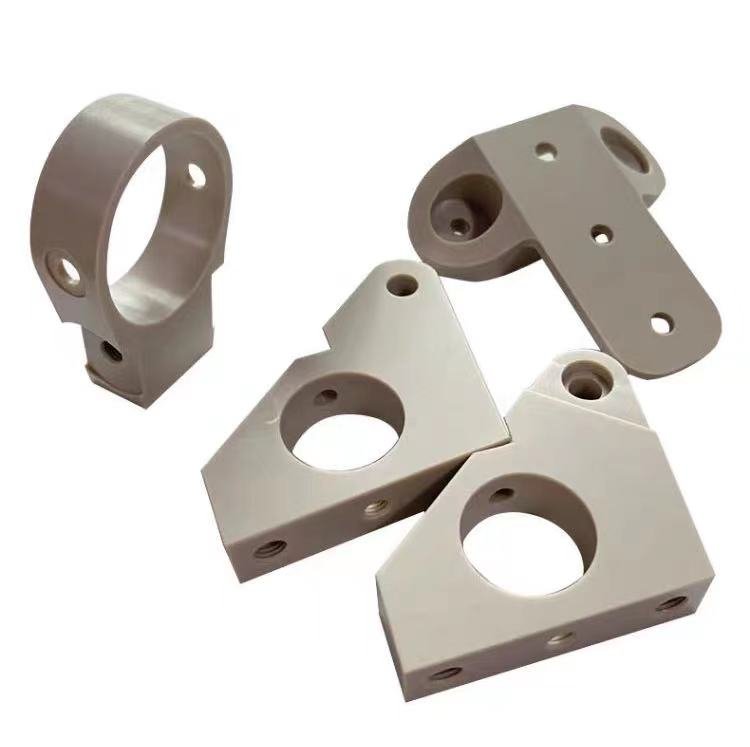
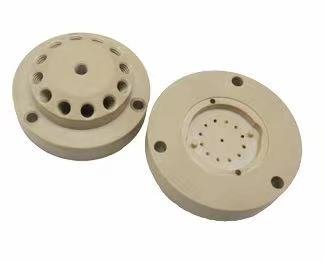
appropriate PPS material

Unlocking Customized Excellence in Industrial Machinery: Explore the Power of PPS CNC Machining! Discover the benefits of precision and durability, delve into its applications in the industrial machinery sector, learn to choose the right PPS material, and be inspired by real-life success stories. Elevate your industrial machinery game with the cutting-edge technology of PPS CNC machining!

🎉🎉🎉Limited Time Offer Use code: QR4GNY08SHVR at checkout and enjoy a special discount on your entire order! 👉PPS board

PPS material CNC machining

Unveiling the Wonders of PPS CNC Machining

When it comes to precision engineering and customization in the world of industrial machinery, one technology stands out as a true game-changer: PPS CNC Machining. If you’re new to this innovative method or simply seeking a comprehensive understanding, you’ve come to the right place. In this article, we’ll embark on a journey through the fundamentals of PPS CNC machining, unraveling its inner workings and shedding light on its incredible potential.

What is PPS CNC Machining?

PPS, short for Polyphenylene Sulfide, is a high-performance thermoplastic polymer known for its exceptional heat resistance, chemical stability, and mechanical strength. PPS CNC machining leverages the power of computer numerical control (CNC) technology to craft intricate parts and components from this remarkable material.

In essence, PPS CNC machining combines the precision of computer-guided tools with the versatility of PPS, enabling the creation of intricate and customized parts with unparalleled accuracy. This technology has revolutionized the industrial machinery sector by providing engineers and manufacturers with a versatile, durable, and customizable solution for a wide range of applications.

advantages of PPS CNC

How Does PPS CNC Machining Work?

At its core, PPS CNC machining is a subtractive manufacturing process, meaning it starts with a solid block or sheet of PPS material and carves away excess material until the desired shape is achieved. The process involves several key steps:

1. Design and Programming: First, engineers create a detailed digital model of the component they want to produce. This model serves as the blueprint for the CNC machine.

2. Material Preparation: A high-quality PPS material block or sheet is selected based on the project’s requirements. This material is then securely fastened to the CNC machine’s worktable.

3. CNC Machining: The CNC machine, guided by the programmed design, precisely cuts, mills, drills, and shapes the PPS material to match the desired specifications. This process ensures a high degree of accuracy and repeatability.

4. Quality Control: After machining, the finished component undergoes rigorous quality control checks to verify its dimensions, tolerances, and overall quality. This step ensures that the final product meets the strictest industry standards.

5. Customization: One of the most significant advantages of PPS CNC machining is its ability to create highly customized parts. Engineers can easily adjust designs to accommodate specific industrial machinery needs, making it an ideal choice for a wide range of applications.

In the world of industrial machinery, where precision and reliability are paramount, PPS CNC machining offers a level of customization and accuracy that is hard to match with traditional manufacturing methods. It’s a technology that empowers engineers to push the boundaries of what’s possible and deliver exceptional results in the field.

In our journey through the world of PPS CNC machining, we’ll explore its numerous benefits, dive deeper into its applications, and provide valuable insights into choosing the right PPS material for your industrial machinery projects. So, stay with us as we continue to unravel the possibilities of this remarkable technology!

PPS CNC machining

Unleashing the Advantages of PPS CNC Machining in Industrial Machinery

As we delve deeper into the realm of PPS CNC machining, it’s time to uncover the multitude of benefits that this cutting-edge technology brings to the world of industrial machinery. Whether you’re an engineer, a manufacturer, or an enthusiast in this field, understanding the advantages of PPS CNC machining is crucial for making informed decisions and optimizing your projects.

Precision Beyond Compare

Precision is the hallmark of PPS CNC machining. Thanks to its computer-guided precision tools, this technology achieves levels of accuracy that are simply unparalleled. The CNC machine meticulously follows the programmed design, leaving no room for human error. This precision is especially critical in industrial machinery, where even the slightest deviation can lead to costly downtime and inefficiencies.

When intricate components and parts demand tight tolerances and exact specifications, PPS CNC machining shines. It ensures that each piece produced adheres to the highest standards, guaranteeing a seamless fit and optimal performance within the machinery.

Unrivaled Durability

Industrial machinery operates in demanding environments, often exposed to extreme temperatures, corrosive substances, and intense mechanical stress. In such conditions, the durability of components is paramount. This is where PPS CNC machining excels.

Durability is an inherent characteristic of PPS material itself. PPS is known for its resistance to heat, chemicals, and mechanical wear. When processed through CNC machining, it retains these qualities while achieving the required shape and functionality. As a result, components manufactured using PPS CNC machining can withstand harsh conditions, ensuring longevity and reliability in industrial settings.

Tailored to Perfection

The ability to customize components to exact specifications is a game-changer in the industrial machinery sector. PPS CNC machining offers engineers and manufacturers the freedom to design and produce parts that precisely meet their needs. Whether it’s a unique gear, a specialized bracket, or a complex housing, PPS CNC machining can bring any concept to life.

Customization extends beyond form; it also includes material selection. PPS comes in various grades, each with distinct properties. Engineers can select the most suitable PPS material for the specific application, taking into account factors such as temperature resistance, chemical compatibility, and mechanical strength.

By harnessing the customization capabilities of PPS CNC machining, industrial machinery professionals can optimize their equipment for peak performance, reduce maintenance costs, and even explore innovative designs that push the boundaries of what’s achievable.

The advantages of PPS CNC machining for industrial machinery are clear: unrivaled precision, exceptional durability, and limitless customization possibilities. It’s a technology that empowers professionals in this sector to enhance the performance, reliability, and longevity of their machinery, ultimately contributing to increased efficiency and competitiveness. In our journey through the world of PPS CNC machining, we’ll continue to explore its applications and practical insights, ensuring you have the knowledge needed to harness its full potential.

PPS material screws

PPS CNC Machining: Powering Innovation in Industrial Machinery

Having uncovered the remarkable benefits of PPS CNC machining, it’s time to turn our attention to its specific applications within the industrial machinery sector. By delving into real-world examples of components and parts that benefit from this technology, we can gain a deeper appreciation of its versatility and transformative capabilities.

1. Precision Gears and Bearings

Gears and bearings are the heartbeat of industrial machinery. They are responsible for transmitting motion and ensuring smooth, reliable operation. PPS CNC machining plays a pivotal role in crafting these crucial components. The precision and durability of PPS material make it ideal for manufacturing gears and bearings that can withstand heavy loads, high speeds, and harsh operating conditions. Whether it’s a gear in a conveyor system or a bearing in a rotating assembly, PPS CNC machining ensures optimal performance and longevity.

2. Robust Housings and Enclosures

Industrial machinery often operates in challenging environments, exposed to dust, moisture, and temperature fluctuations. Housings and enclosures protect sensitive components from these harsh conditions. PPS CNC machining enables the creation of customized, robust housings and enclosures that offer superior protection. The inherent resistance of PPS to chemicals and extreme temperatures ensures that these critical components remain intact and functional, even in the harshest industrial settings.

3. Complex Pump Components

Pumps are vital in industrial machinery, serving functions such as fluid transfer and pressure generation. PPS CNC machining is particularly well-suited for crafting pump components that demand precision and resistance to chemicals. Pump impellers, diaphragms, and valve bodies benefit from the dimensional accuracy and durability that PPS CNC machining provides, ensuring efficient fluid handling and minimal maintenance.

4. Electrical Insulation

In machinery with electrical components, such as motors and control systems, electrical insulation is paramount. PPS material possesses excellent electrical insulating properties, making it an ideal choice for manufacturing insulators, connectors, and electrical housings. PPS CNC machining ensures that these components meet stringent electrical insulation requirements, contributing to the safe and reliable operation of industrial machinery.

5. Structural Brackets and Supports

Industrial machinery often requires structural brackets and supports to maintain stability and alignment. PPS CNC machining allows engineers to design and produce these components with precision. The lightweight yet robust nature of PPS makes it an excellent choice for structural elements, reducing overall weight while ensuring structural integrity.

These are just a few examples of how PPS CNC machining can be applied in the industrial machinery sector. Its versatility and adaptability enable engineers and manufacturers to optimize a wide range of components, from small, intricate parts to larger, load-bearing elements. As you explore the possibilities of PPS CNC machining in your industrial machinery projects, keep in mind that its customization capabilities can be tailored to meet the unique requirements of your specific application. The result? Enhanced performance, extended equipment lifespan, and a competitive edge in the ever-evolving world of industrial machinery.

PPS CNC Processing

Navigating the PPS Landscape: Choosing the Right PPS Material for Your Industrial Machinery Projects

Selecting the appropriate PPS material for your industrial machinery projects is a pivotal decision that can significantly impact the performance and longevity of your equipment. In this section, we’ll provide a comprehensive guide to help you navigate the diverse world of PPS materials. We’ll explore key factors such as temperature resistance, chemical compatibility, and mechanical properties, ensuring that you make informed choices tailored to your specific application.

1. Temperature Resistance

One of the standout features of PPS material is its exceptional temperature resistance. However, not all PPS materials are created equal in this regard. When choosing the right PPS material for your project, consider the following:

a. Operating Temperature: Determine the temperature range within which your industrial machinery operates. Some PPS materials can withstand higher temperatures than others. If your equipment is exposed to extreme heat or frequent temperature fluctuations, opt for a high-temperature PPS variant.

b. Thermal Stability: Assess the long-term thermal stability requirements of your components. Certain PPS materials exhibit superior resistance to heat-induced degradation, making them suitable for applications where thermal stress is a concern.

2. Chemical Compatibility

Industrial machinery often encounters a variety of chemicals, including lubricants, solvents, and cleaning agents. The chemical compatibility of your chosen PPS material is critical to prevent degradation or failure. Here’s what to consider:

a. Exposure to Chemicals: Identify the specific chemicals that your components may come into contact with during operation. PPS materials vary in their resistance to different chemicals, so ensure compatibility with the substances in your industrial environment.

b. Corrosion Resistance: Evaluate the susceptibility of your PPS material to chemical corrosion. Some PPS variants offer enhanced resistance to corrosive agents, making them suitable for aggressive industrial settings.

3. Mechanical Properties

The mechanical properties of PPS materials play a vital role in determining their suitability for your industrial machinery projects. Pay attention to the following aspects:

a. Strength and Toughness: Consider the mechanical stresses that your components will experience. Different PPS materials offer varying levels of strength and toughness, so choose one that aligns with your application’s demands.

b. Wear Resistance: If your components are subject to friction and wear, prioritize PPS materials with excellent wear resistance to prolong their lifespan and minimize maintenance requirements.

c. Dimensional Stability: Ensure that your chosen PPS material maintains its dimensional stability under load and temperature variations. Dimensional changes can lead to performance issues in precision components.

4. Customization Possibilities

Beyond the fundamental properties, take advantage of the customization capabilities offered by PPS CNC machining. Tailor your PPS material selection to meet the specific requirements of your industrial machinery projects. The ability to design and produce custom components is a powerful advantage that allows you to optimize your equipment for peak performance.

By carefully considering factors such as temperature resistance, chemical compatibility, and mechanical properties, you can confidently select the ideal PPS material for your industrial machinery needs. Remember that making the right choice can enhance the efficiency, reliability, and longevity of your equipment, ultimately contributing to your success in the competitive industrial landscape.

PPS CNC machining.

Realizing Excellence: PPS CNC Machining Case Studies and Success Stories

To truly appreciate the transformative power of PPS CNC machining in industrial machinery, let’s dive into real-life case studies and success stories that vividly illustrate the technology’s value and potential. These instances of innovation and problem-solving demonstrate how PPS CNC machining has made a significant impact on industrial machinery development and modification.

1. Precision Components for Aerospace Manufacturing

In the aerospace industry, where precision and reliability are non-negotiable, PPS CNC machining has proven to be a game-changer. One noteworthy case involved the production of intricate aircraft engine components. By utilizing PPS CNC machining, engineers were able to create high-precision parts with complex geometries that were otherwise unattainable through traditional methods. These components not only met stringent quality standards but also contributed to fuel efficiency improvements and reduced maintenance costs, underscoring the technology’s value in this high-stakes sector.

2. Enhancing Chemical Processing Equipment

In the chemical processing industry, equipment durability and resistance to corrosive substances are paramount. PPS CNC machining came to the rescue in a project involving the development of specialized chemical processing components. By selecting PPS materials with exceptional chemical resistance and utilizing CNC machining precision, engineers designed and produced components that could withstand aggressive chemical environments. This not only extended the lifespan of the equipment but also minimized downtime and maintenance, delivering significant cost savings.

3. Optimizing Semiconductor Manufacturing

Semiconductor manufacturing demands the utmost precision and cleanliness. PPS CNC machining played a pivotal role in a case where wafer handling equipment required customization. By crafting PPS components with exacting tolerances and ultra-smooth surfaces, engineers improved the wafer handling process, reducing the risk of contamination and enhancing semiconductor yield. This success story underscores how PPS CNC machining can elevate performance in highly specialized industries.

4. Increasing Efficiency in Food Processing

Food processing equipment must meet strict hygiene standards while delivering efficient performance. PPS CNC machining was employed to create custom food-grade conveyor components. The result was equipment that not only met stringent food safety requirements but also exhibited superior wear resistance and longevity. This success story exemplifies how PPS CNC machining can address the unique challenges of diverse industries while enhancing productivity and product quality.

5. Advancing Automotive Production

In the automotive sector, where efficiency and cost-effectiveness are paramount, PPS CNC machining has been a driving force in tool and die manufacturing. By producing intricate molds and dies with PPS materials, manufacturers achieved shorter lead times, reduced tool wear, and improved product consistency. This case highlights how PPS CNC machining can streamline production processes and enhance competitiveness.

These real-life case studies and success stories vividly demonstrate the versatility, precision, and durability of PPS CNC machining in various industrial sectors. They underscore how this technology not only solves complex engineering challenges but also delivers tangible benefits such as cost savings, improved efficiency, and enhanced product quality. As you explore the potential of PPS CNC machining for your industrial machinery projects, these success stories serve as compelling evidence of its value and its ability to drive innovation and excellence.

In conclusion, PPS CNC machining stands as a remarkable testament to innovation and precision in the realm of industrial machinery. We’ve delved into its customized excellence, explored its myriad of benefits, examined its specific applications, and learned the art of choosing the right PPS material. Moreover, we’ve been inspired by real-life case studies and success stories where PPS CNC machining has not only met but exceeded the expectations of engineers and manufacturers across diverse industries.

As you embark on your industrial machinery projects, remember that PPS CNC machining is more than a technology; it’s a gateway to limitless possibilities. It empowers you to craft components with unparalleled precision, durability, and customization. Whether you’re in aerospace, chemical processing, semiconductor manufacturing, food processing, or automotive production, PPS CNC machining can be your trusted ally in achieving excellence and elevating your performance.

So, embrace the future of industrial machinery with confidence, armed with the knowledge of how PPS CNC machining can transform your projects. Your machinery can be more precise, more reliable, and more efficient than ever before. It’s time to harness the full potential of PPS CNC machining and unlock a world of possibilities for your industrial machinery needs.

PPS CNC machining center

Ready to Elevate Your Industrial Machinery?

Contact us now to explore how PPS CNC machining can revolutionize your projects. Let’s discuss your unique needs and discover the customized solutions that await.

🎉🎉🎉Limited Time Offer Use code: QR4GNY08SHVR at checkout and enjoy a special discount on your entire order! 👉PPS board

Leave a comment


Please note, comments must be approved before they are published


Custom Plastic Fabrication

Send your drawing, material and quantity for review

🔧
Precision Machining
CNC milling & turning
✂️
Cutting & Engraving
Laser & waterjet cutting
🏭
Forming & Molding
Thermoforming & injection
🔗
Joining & Assembly
Welding & bonding
📐
Design & Prototyping
CAD design & samples

General

HDPE

PP

PVC

ABS

Engineering

POM

Nylon

PC

PMMA

High-Performance

PEEK

PEI

PTFE

Composites

FR-4

G10

Flexible

TPU

Silicone

Why Choose BeePlastic?

🎯
Perfect Fit
Custom specs eliminate adaptation needs
⚡
Clear Lead Times
Lead time confirmed with every quote
💰
Volume Pricing
Volume pricing available on bulk orders
🤝
Expert Support
Free engineering consultation included
📋
Submit
→
🔍
Review
→
💵
Quote
→
✅
Production
→
📦
Deliver

Request a Quote

Share your project details, selected material and quantity on our quote page. You can add a file link or use the email drawing route shown there.


Request Quote

Industries: Automotive • Medical • Food • Lab • Semiconductor

beeplastic@beeplastic.com