What Makes Epoxy Machinable? Insights for Precision and Electrical Equipment

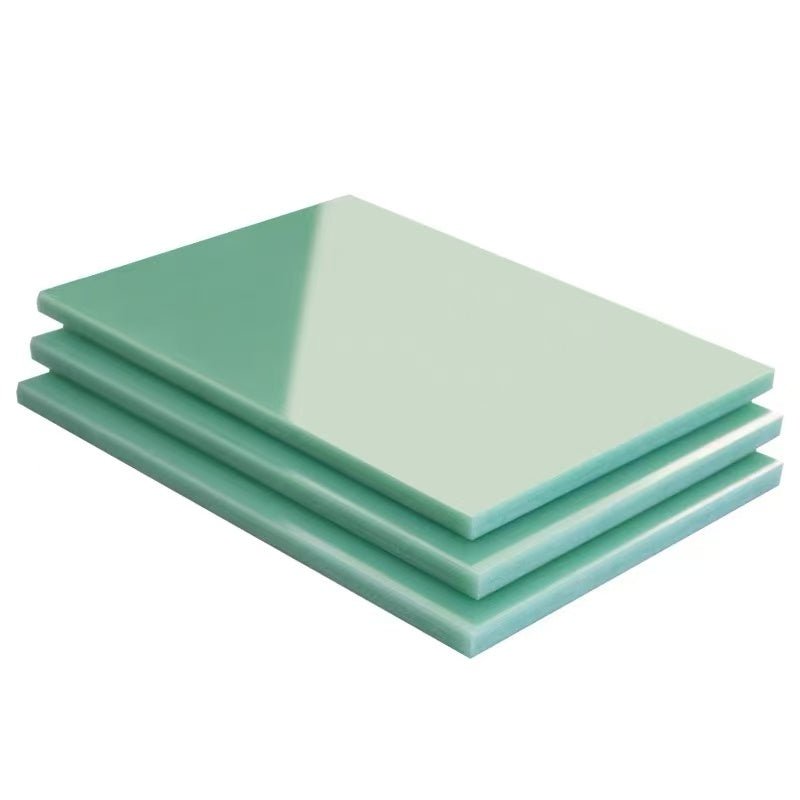
FR4/G10 epoxy glass fiber sheets

Epoxy materials have become essential in industries requiring precision and reliability. In electronics, epoxy serves as a critical component for circuit boards, providing insulation and structural support. Similarly, in aerospace, its lightweight and durable properties make it ideal for crafting high-performance parts like brackets and panels. Automotive manufacturers also rely on epoxy for heat-resistant components that enhance vehicle durability. These applications highlight epoxy’s versatility and its revolutionary impact across various sectors, ensuring consistent performance in demanding environments. From high-performance electronics to durable industrial components, epoxy’s unique properties make it a favorite choice for machining. But what exactly makes epoxy machinable? This blog explores the nuances of machining epoxy, providing insights into its compositions, thermal properties, tools, safety measures, and applications in precision and electrical equipment manufacturing. By delving into each aspect in detail, you’ll gain a comprehensive understanding of what makes epoxy stand out.

Black FR4 Fiberglass Sheet Under Light

🎉🎉🎉Limited Time Offer Use code: QR4GNY08SHVR at checkout and enjoy a special discount on your entire order! 👉 FR4 fiberglass plastic


Understanding Epoxy Compositions and Their Impact on Machinability

The machinability of epoxy is largely determined by its composition, which includes varying amounts of resin and fillers. Each type of epoxy presents distinct challenges and advantages in machining, which makes understanding their differences crucial for achieving optimal results.

Unfilled Epoxy Resins

Unfilled epoxy resins are the easiest to machine due to their lack of abrasive fillers. These materials are lightweight and ideal for applications that prioritize cost-efficiency and design flexibility. For instance, they are widely used in prototype development, allowing manufacturers to test designs without significant investment in materials or tooling. Their simplicity enables faster turnaround times, making them a preferred choice in the early stages of product development.

Glass-Filled Epoxy

Glass-filled epoxy is reinforced with glass fibers, making it much stronger than unfilled variants. Compared to materials like polycarbonate or ABS plastic, glass-filled epoxy offers superior strength-to-weight ratios and enhanced resistance to environmental stressors, such as heat and chemical exposure. This makes it a preferred choice for applications where durability under extreme conditions is essential, such as wind turbine components and aerospace brackets. Its rigidity and thermal stability also give it an edge over traditional plastics in high-performance settings. However, its abrasiveness can wear down tools quickly, necessitating specialized equipment. This type of epoxy is commonly used in aerospace and electrical insulation applications due to its high strength-to-weight ratio and excellent thermal properties. The strength of glass-filled epoxy allows it to endure high mechanical stress, making it indispensable in high-performance applications such as wind turbines and heavy machinery components. Machining glass-filled epoxy requires diamond-coated tools to maintain precision and extend tool life, which also reduces operational costs over time.

Carbon-Filled Epoxy

Carbon-filled epoxy combines thermal and electrical conductivity with exceptional strength, making it suitable for demanding environments. High-performance industries such as electronics and automotive sectors rely on this material for components like enclosures and panels that must withstand extreme temperatures. Machining carbon-filled epoxy often involves precise CNC operations to achieve smooth finishes and tight tolerances. Its thermal conductivity makes it ideal for heat-sensitive components, ensuring reliable performance in environments where heat dissipation is critical.

Role of Fillers

The type and quantity of fillers, such as glass or carbon fibers, significantly influence machinability. Fillers enhance mechanical and thermal properties but also increase abrasiveness, requiring tailored machining techniques to avoid excessive tool wear and ensure a clean finish. Advanced planning and material-specific adjustments play a vital role in achieving desired outcomes.

Yellow FR4 Fiberglass Sheet Close-Up Texture

Thermal Properties and Their Role in Machining Epoxy

Epoxy’s ability to withstand high temperatures is one of its defining characteristics, but heat management during machining is equally important to preserve its structural integrity and performance.

Heat Management During Machining

Excessive heat generated during machining can lead to material distortion, surface cracking, and diminished functionality. For example, during a project involving high-performance electrical insulators, improper heat management caused micro-cracks in the epoxy, compromising its dielectric properties. By introducing water-cooled tools and optimizing cutting speeds, the team successfully mitigated these issues, resulting in components that met stringent industry standards. This case highlights how effective heat management is critical to preserving the integrity and functionality of machined epoxy parts. To mitigate these risks, manufacturers employ advanced techniques, including:

  • Using water-cooled cutting tools to dissipate heat efficiently. This prevents overheating and maintains material properties.

  • Reducing cutting speeds to minimize friction and temperature spikes, ensuring smoother machining processes.

  • Implementing intermittent cutting techniques to allow heat to disperse naturally between passes. This not only improves precision but also extends tool longevity.

For example, in the production of circuit boards, proper heat management ensures that the epoxy base remains stable, preventing warping or cracking that could compromise electronic performance. Precision in these processes directly impacts the reliability of devices like smartphones and industrial control systems.

Thermal Resistance for Electrical Applications

Epoxy’s thermal resistance makes it indispensable in electrical applications. Transformers, switchgear components, and high-frequency PCBs utilize epoxy for its ability to maintain performance under fluctuating thermal conditions. Its dielectric properties also ensure minimal signal interference, making it critical for modern telecommunications infrastructure. The rise of 5G technology has further highlighted epoxy’s role in enabling efficient data transmission with minimal losses.


Choosing the Right Tools for Machining Epoxy

The choice of tools plays a pivotal role in achieving precision and efficiency when machining epoxy. Proper tool selection reduces wear and enhances the quality of the finished product.

Diamond-Coated vs. Carbide Tools

  • Diamond-Coated Tools: These tools are ideal for machining reinforced epoxies like glass-filled or carbon-filled variants. Their superior durability and resistance to wear make them indispensable for high-abrasion materials. They are especially effective in large-scale industrial applications where prolonged tool life is crucial.

  • Carbide Tools: While less durable than diamond-coated tools, carbide tools are effective for machining unfilled epoxy and other less abrasive materials. They offer a cost-efficient solution for low-volume or prototype projects, providing excellent results when used with precise parameter adjustments.

CNC Machining for Complex Designs

CNC machining allows manufacturers to achieve intricate designs and maintain tight tolerances. For example, aerospace manufacturers often use CNC systems to produce lightweight brackets from glass-filled epoxy. These components must meet rigorous quality standards, which CNC machining ensures by providing consistent precision. CNC systems also enable scalability, making them an essential tool for industries requiring mass production of high-quality components.

FR4 Fiberglass Sheet


Safety and Dust Management When Machining Epoxy

Epoxy machining generates fine dust particles that can pose health risks and compromise workplace safety. Adopting effective safety measures is essential to protect workers and maintain compliance with industry regulations.

Health Risks of Epoxy Dust

Exposure to epoxy dust can irritate the respiratory system, skin, and eyes. Long-term exposure may lead to chronic health issues, including respiratory conditions and skin sensitization. Ensuring proper ventilation and protective measures mitigates these risks, creating a safer work environment for employees.

Effective Dust Control Solutions

  • Dust Extraction Systems: High-efficiency extraction systems capture airborne particles, preventing them from spreading through the workspace. These systems are especially crucial in enclosed environments.

  • Personal Protective Equipment (PPE): Workers should wear masks, goggles, and gloves to minimize exposure. Specialized PPE designed for epoxy machining ensures maximum protection.

  • Regular Maintenance: Cleaning workspaces and tools reduces the accumulation of hazardous dust, ensuring a safer environment. Scheduled inspections of dust control equipment enhance long-term workplace safety.


Applications of Machinable Epoxy in Precision and Electrical Industries

Epoxy’s versatility makes it a cornerstone material in a wide range of industrial applications. Here are some examples where machinable epoxy excels:

Electrical Applications

Epoxy’s insulating properties and durability make it ideal for:

  • Circuit Boards: Acting as a stable, non-conductive base for intricate circuits, ensuring reliability in high-tech devices. For instance, in 5G technology, epoxy ensures minimal signal interference and maintains the structural integrity of high-frequency PCBs. Similarly, in renewable energy systems, epoxy is used in critical components like wind turbine insulators and solar panel junction boxes, where its thermal resistance and durability ensure long-term reliability under varying environmental conditions.

  • Transformers and Insulators: Providing reliable insulation and thermal resistance in high-voltage systems, maintaining operational safety and efficiency.

Industrial Components

In precision manufacturing, epoxy is used for:

  • Aerospace Components: Lightweight brackets and panels that reduce overall weight without compromising strength. These components are integral to modern aircraft designs, where weight savings translate to fuel efficiency.

  • Automotive Parts: Heat-resistant gears and enclosures that enhance durability and vehicle performance. Epoxy’s resilience in high-temperature environments ensures consistent performance even in demanding driving conditions.


Partnering with Experts for Superior Epoxy Machining

Collaborating with experienced professionals can significantly improve the outcomes of machining epoxy. For example, a manufacturer specializing in electronic circuit boards partnered with experts to resolve machining challenges related to glass-filled epoxy. The collaboration introduced advanced CNC techniques and optimized tool selections, leading to a 30% reduction in material waste and improved product consistency. This success not only enhanced the manufacturer’s production efficiency but also reinforced their reputation for delivering high-quality components in a competitive market. For example, a renewable energy company tasked with creating durable epoxy components for wind turbines partnered with industry specialists. The collaboration resulted in optimized machining techniques, reduced material waste, and enhanced product quality, ultimately boosting operational efficiency. The partnership also introduced innovative methods, setting new benchmarks for sustainability and performance in the sector.

Benefits of Expert Collaboration

  • Premium Materials: Access to high-quality epoxy tailored to specific applications.

  • Customized Machining Solutions: Techniques designed to maximize precision and efficiency.

  • Technical Support: Expert guidance in selecting tools and machining parameters ensures consistent success in complex projects.


Take the Next Step with Expert Epoxy Machining
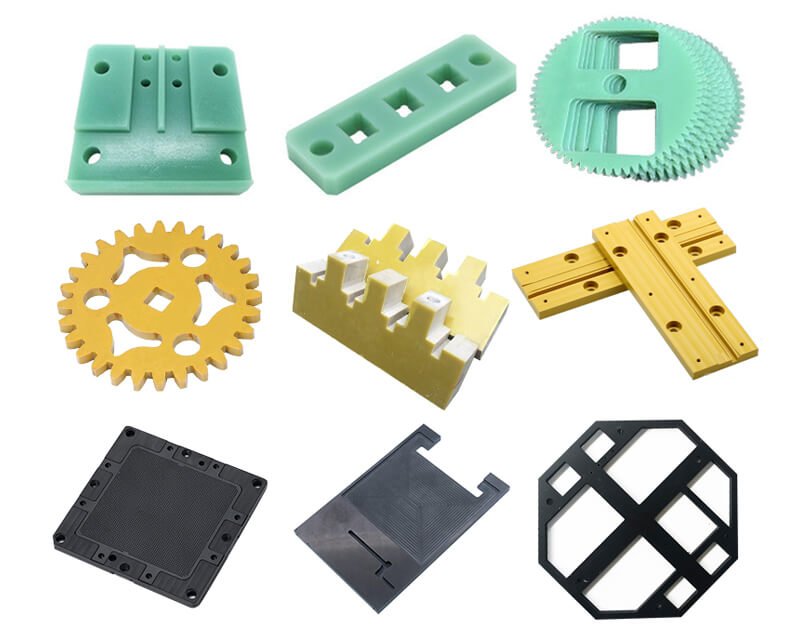
CNC machining FR4

🎉🎉🎉Limited Time Offer Use code: QR4GNY08SHVR at checkout and enjoy a special discount on your entire order! 👉 FR4 fiberglass plastic

Transform your manufacturing processes with expertly machined epoxy solutions. Discover our FR4/G10 epoxy glass fiber sheets, explore our comprehensive epoxy product collection, and learn about our custom machining capabilities. Fill out the contact form below to discuss your project requirements and achieve precision like never before!

Leave a comment


Please note, comments must be approved before they are published


Custom Plastic Fabrication

Send your drawing, material and quantity for review

🔧
Precision Machining
CNC milling & turning
✂️
Cutting & Engraving
Laser & waterjet cutting
🏭
Forming & Molding
Thermoforming & injection
🔗
Joining & Assembly
Welding & bonding
📐
Design & Prototyping
CAD design & samples

General

HDPE

PP

PVC

ABS

Engineering

POM

Nylon

PC

PMMA

High-Performance

PEEK

PEI

PTFE

Composites

FR-4

G10

Flexible

TPU

Silicone

Why Choose BeePlastic?

🎯
Perfect Fit
Custom specs eliminate adaptation needs
⚡
Clear Lead Times
Lead time confirmed with every quote
💰
Volume Pricing
Volume pricing available on bulk orders
🤝
Expert Support
Free engineering consultation included
📋
Submit
→
🔍
Review
→
💵
Quote
→
✅
Production
→
📦
Deliver

Request a Quote

Share your project details, selected material and quantity on our quote page. You can add a file link or use the email drawing route shown there.


Request Quote

Industries: Automotive • Medical • Food • Lab • Semiconductor

beeplastic@beeplastic.com


Unlocking the Potential of Epoxy: What Types Can Be Machined?

epoxy machining

Epoxy is a highly versatile material known for its exceptional strength, chemical resistance, and thermal stability. It is a cornerstone in industries like aerospace, electronics, and automotive manufacturing. However, not all types of epoxy are created equal when it comes to machinability. This article explores the different types of epoxy that can be machined, key factors influencing machinability, and practical applications across various industries.

🎉🎉🎉Limited Time Offer Use code: QR4GNY08SHVR at checkout and enjoy a special discount on your entire order! 👉 FR4 fiberglass plastic

FR4 Epoxy Resin Board in Black for DIY Projects

Understanding Epoxy Machinability

Machining epoxy involves cutting, shaping, or drilling the material into precise components, making it a critical process in industries such as aerospace, automotive, and electronics. For instance, in aerospace applications, machined epoxy is used to produce lightweight yet durable brackets, while in electronics, it enables the creation of high-precision circuit boards that ensure optimal performance in complex devices. These diverse use cases highlight the importance of understanding epoxy’s properties and machining requirements to achieve the desired results. This process is essential for creating components tailored to specific industrial needs. While epoxy is valued for its durability, its machinability depends on its composition, including whether it is unfilled, glass-filled, or carbon-filled. By understanding these types, manufacturers can achieve better results and extend the lifespan of their tools. For example, a project requiring highly precise gears for an aerospace application would demand epoxy with specific properties to ensure long-term reliability.

Epoxy’s adaptability has led to its widespread adoption in manufacturing environments where customization and precision are key. Whether creating small-scale prototypes or large industrial components, machining epoxy offers a reliable path to meet diverse requirements. Moreover, its ability to maintain structural integrity under stress makes it a material of choice for critical applications across multiple industries.

Types of Epoxy and Their Machinability

Epoxy machinability varies significantly based on the type of epoxy and its composition. Below is a detailed exploration of each type and its industrial relevance.

Unfilled Epoxy Resins

Unfilled epoxy is pure resin without additives or fillers, making it the easiest type to machine. This material is commonly used for small-scale manufacturing projects, prototypes, and components that do not experience significant stress. The simplicity of unfilled epoxy also makes it ideal for educational and experimental purposes, where ease of use and low cost are priorities.

Unfilled epoxy’s ease of machining allows it to be shaped quickly and efficiently. Manufacturers often rely on this type for products requiring intricate designs or experimental components where tool wear needs to be minimal. Despite its simplicity, unfilled epoxy remains a cost-effective choice for a wide array of applications, from basic prototyping to precision components in light-duty machinery.

Glass-Filled Epoxy

Reinforced with glass fibers, this type of epoxy is tougher and more durable but presents challenges in machining due to its abrasive nature. It is widely used in industries that require components capable of withstanding high mechanical stress, such as aerospace and industrial equipment manufacturing.

Glass-filled epoxy, while challenging to machine, is indispensable for structural components exposed to extreme conditions. For example, this material played a critical role in a recent aerospace project where it was used to produce high-strength insulators for a spacecraft. These components not only endured intense mechanical stress during launch but also provided reliable insulation against electrical and thermal fluctuations in space. Such applications underscore the material’s unmatched combination of durability and performance in demanding environments. For instance, its exceptional strength makes it ideal for use in insulators, which demand both mechanical robustness and resistance to electrical stress. Machining this material typically requires diamond-coated tools to achieve precision without excessive tool wear. Additionally, its resistance to environmental degradation ensures long-term performance, even in demanding settings.

Black FR4 Fiberglass Sheet Under Light

Carbon-Filled Epoxy

Carbon-filled epoxy offers superior thermal and electrical properties, making it ideal for high-performance applications. Industries such as aerospace, automotive, and electronics benefit greatly from this material. Its high strength-to-weight ratio also makes it a popular choice for applications where both durability and lightweight materials are critical.

Carbon-filled epoxy components often feature in environments where heat management is critical, such as electronic enclosures and aerospace brackets. The high thermal conductivity of this material ensures efficient heat dissipation, reducing the risk of overheating. However, machining carbon-filled epoxy requires advanced tooling techniques to address its hardness and ensure a smooth finish. Proper handling and optimized cutting speeds are essential to maintaining the integrity of the material during machining.

Specialized Epoxy Composites

Specialized epoxy composites are engineered with additives like flame retardants, UV resistance, or unique chemical properties tailored for specific industrial applications. For example, flame-resistant epoxy panels are commonly used in public buildings and industrial facilities to meet stringent safety regulations. Similarly, UV-resistant epoxies are often employed in outdoor applications where prolonged sun exposure is a factor.

By tailoring machining processes to the specific properties of these composites, manufacturers can optimize their performance while minimizing waste. These materials often require precise cutting parameters to preserve their unique attributes during machining. Advanced techniques, such as CNC machining with customized settings, are frequently employed to achieve the desired results.

Factors Influencing Epoxy Machinability

The machinability of epoxy depends on several factors, including its material composition and the tools and techniques employed. A deeper understanding of these factors enables manufacturers to optimize machining processes and achieve consistently high-quality results.

Material Composition

Epoxy with fillers like glass or carbon fibers increases strength and resistance but also accelerates tool wear. For instance, glass-filled epoxy demands diamond-coated tools for efficient cutting, while carbon-filled epoxy requires advanced tooling to manage its hardness. Each composition presents unique challenges, making material-specific strategies essential. Manufacturers often test material samples to determine the optimal machining parameters for their specific epoxy type.

Tool Selection

Selecting the correct tools is critical for achieving precision and reducing operational costs. Carbide tools are suitable for machining unfilled epoxy, while diamond-coated tools offer the durability needed for reinforced materials. Regular maintenance and sharpening of tools further enhance their efficiency and lifespan. Investing in high-quality tools not only improves machining outcomes but also minimizes downtime caused by frequent replacements.

FR4 Fiberglass Sheet

Heat Management

Machining generates heat, which can distort epoxy and degrade its properties. Effective strategies to manage heat include:

  • Using cooling systems to reduce heat buildup during cutting.

  • Lowering cutting speeds to minimize friction.

  • Employing intermittent cutting techniques to allow heat to dissipate over longer machining sessions.

Proper heat management is especially important for thick or highly reinforced epoxy components, where overheating can lead to internal stress and material failure. For instance, in a recent case study involving the production of precision aerospace brackets, improper heat control during machining resulted in microcracks that compromised structural integrity. By implementing a water-based cooling system and optimizing cutting speeds, the manufacturer was able to significantly reduce heat generation and prevent such failures, ultimately enhancing both productivity and product quality.

Dust Control and Safety

Epoxy machining produces fine dust particles that can pose health risks if inhaled. To ensure workplace safety and maintain clean conditions:

  • Install dust extraction systems to capture airborne particulates.

  • Equip workers with personal protective equipment (PPE), including masks and goggles.

  • Schedule regular cleaning of machinery and workspaces to prevent dust accumulation.

Employers should also provide training on the safe handling of epoxy materials to minimize exposure risks and promote a healthy working environment.

Practical Applications of Machined Epoxy

Machined epoxy finds widespread use across various industries, thanks to its versatility and reliability. Detailed examples of its applications include:

Electronics and Electrical Components

Epoxy is indispensable in the electronics industry for creating components like circuit boards, transformers, and switchgear parts. Recent advancements, such as the integration of epoxy-based materials in high-frequency PCBs, have revolutionized electronic design by providing superior insulation and reduced signal loss. This trend underscores epoxy’s pivotal role in supporting next-generation technologies like 5G networks and advanced automotive electronics. These products often require a stable, non-conductive base to ensure durability and performance, even in high-voltage environments. Epoxy’s insulating properties make it ideal for such applications, offering long-term reliability. Advanced machining techniques ensure precision, which is critical for the performance of electronic devices.

Aerospace and Automotive Parts

The aerospace and automotive industries rely on epoxy for its lightweight yet robust properties. For instance, epoxy brackets reduce overall vehicle weight without compromising structural integrity. Heat-resistant panels and components further enhance the material’s appeal by protecting sensitive equipment from thermal damage. Machined epoxy gears, with their exceptional wear resistance, are also used in high-performance engines and systems.

Water Green Epoxy Plate – FR4 Fiberglass Sheet

Chemical Processing Equipment

Epoxy’s resistance to corrosive chemicals makes it ideal for manufacturing industrial tanks, liners, and pipes. These components are essential in chemical plants, where safety and durability are top priorities. By machining epoxy to precise specifications, manufacturers can ensure these parts meet stringent operational standards. Specialized epoxy grades are often chosen for their ability to withstand both chemical exposure and mechanical stress.

Custom Industrial Solutions

Epoxy machining supports innovative applications, including:

  • Producing medical devices with high biocompatibility and precision.

  • Developing renewable energy components for wind turbines and solar panel systems.

  • Crafting specialized molds for precision casting in industries like jewelry and aerospace.

Partner with Experts for Machined Epoxy Solutions

Achieving optimal results with epoxy requires specialized knowledge and tools. For example, a manufacturing company specializing in renewable energy components faced challenges in machining high-strength epoxy for wind turbine parts. By partnering with expert suppliers, they received tailored machining solutions and advanced tooling recommendations that minimized material waste and ensured consistent quality. This collaboration not only improved the efficiency of their production line but also enhanced the performance of the final components, demonstrating the value of working with seasoned professionals in epoxy machining. Collaborating with experienced suppliers provides access to:

  • Premium Materials: Tailored epoxy products designed for specific applications.

  • Custom Machining Services: Precision-crafted solutions that align with unique industrial needs.

  • Technical Support: Expert guidance for selecting the best epoxy materials and machining techniques.

Start Your Epoxy Machining Journey Today

🎉🎉🎉Limited Time Offer Use code: QR4GNY08SHVR at checkout and enjoy a special discount on your entire order! 👉 FR4 fiberglass plastic

Discover how expertly machined epoxy can elevate your industrial projects. Learn more about our premium FR4/G10 epoxy glass fiber sheets for enhanced performance. Explore the extensive selection of epoxy products we offer, and see how our custom manufacturing capabilities can bring your vision to life. For tailored solutions, fill out the form below and let’s discuss how we can meet your unique needs!

Leave a comment


Please note, comments must be approved before they are published


Custom Plastic Fabrication

Send your drawing, material and quantity for review

🔧
Precision Machining
CNC milling & turning
✂️
Cutting & Engraving
Laser & waterjet cutting
🏭
Forming & Molding
Thermoforming & injection
🔗
Joining & Assembly
Welding & bonding
📐
Design & Prototyping
CAD design & samples

General

HDPE

PP

PVC

ABS

Engineering

POM

Nylon

PC

PMMA

High-Performance

PEEK

PEI

PTFE

Composites

FR-4

G10

Flexible

TPU

Silicone

Why Choose BeePlastic?

🎯
Perfect Fit
Custom specs eliminate adaptation needs
⚡
Clear Lead Times
Lead time confirmed with every quote
💰
Volume Pricing
Volume pricing available on bulk orders
🤝
Expert Support
Free engineering consultation included
📋
Submit
→
🔍
Review
→
💵
Quote
→
✅
Production
→
📦
Deliver

Request a Quote

Share your project details, selected material and quantity on our quote page. You can add a file link or use the email drawing route shown there.


Request Quote

Industries: Automotive • Medical • Food • Lab • Semiconductor

beeplastic@beeplastic.com


The Ultimate Guide to Machining Epoxy: Techniques and Best Practices

Epoxy materials

Epoxy materials have emerged as a cornerstone of industrial and electrical manufacturing, celebrated for their robustness, adaptability, and resistance to extreme conditions. For example, the global epoxy resin market reached over $10 billion in 2021, driven by its widespread application in critical sectors like aerospace, automotive, and electronics. Yet, machining epoxy is no ordinary task—it demands precision, the right tools, and an in-depth understanding of the material’s unique properties. This guide unpacks the nuances of machining epoxy, providing actionable insights for manufacturers seeking perfection and innovation in their processes.

Close-up detail of green FR4 epoxy glass fiber sheet surface texture for PCB applications

Understanding Epoxy’s Machinability

Epoxy’s machinability isn’t a one-size-fits-all quality. Factors like composition, reinforcement, and application determine how well epoxy materials can be machined. Selecting the right type of epoxy is crucial for ensuring both efficiency and precision in manufacturing. Moreover, understanding its limitations can prevent costly mistakes during the machining process.

Key Properties of Machinable Epoxy

The properties that set machinable epoxy apart make it an essential material for high-performance industries. These characteristics not only ensure reliability but also enhance productivity across various applications:

Hardness and Stability

Epoxy materials with high hardness withstand stress and deformation, enabling precision cutting and shaping. For instance, in electronics, where intricate circuit board designs are the norm, epoxy’s stability ensures reliability and long-term performance. This durability also makes epoxy ideal for molds used in prototyping, where detail retention is critical.

Thermal Resistance

Thermally resistant epoxies endure the heat generated during high-friction machining processes. In aerospace manufacturing, these materials are essential for components exposed to extreme temperature fluctuations, ensuring stability and performance under stress. Similarly, in electronics, thermal resistance allows epoxies to maintain insulation and structural integrity even when used in devices that generate significant heat, such as power converters and processors. This makes them ideal for applications like aerospace components, which must withstand extreme conditions without losing structural integrity. In high-speed CNC machining, the ability to maintain thermal stability prevents deformation and ensures consistent outcomes.

Need FR4/G10 Sheets for Your Project?

Explore our full range of Light Green FR4/G10 Epoxy Sheets. Available from 0.5mm to 50mm thickness. Perfect for CNC machining and insulation.

View Product Catalog →

FR4 Epoxy Board Product

Reinforcement for Durability

Reinforced epoxies, such as those embedded with glass fibers, excel in mechanical strength and wear resistance. G10 epoxy sheets are a prime example, widely used for structural and industrial applications that demand both durability and machinability. Their versatility extends to creating parts that endure repeated mechanical stress without compromise.

Types of Machinable Epoxy

Understanding the varieties of machinable epoxy can help tailor material selection to specific project needs. Choosing the right epoxy ensures that manufacturing processes are both efficient and cost-effective:

  • Standard Epoxy Resins: Versatile and economical, these are best suited for general prototyping and light-duty applications. Their adaptability makes them a staple in research and development environments.
  • Glass-Filled Epoxy: Known for its enhanced strength, this epoxy type is a go-to choice for high-stress environments like industrial equipment and heavy machinery parts.
  • G10 Epoxy Sheets: Famous for their insulating properties, G10 sheets are indispensable in electronics and precision manufacturing. They are also favored for their ability to combine electrical performance with mechanical robustness.

Tools and Techniques for Precision Machining

Success in machining epoxy relies on a combination of the right tools and refined techniques. By aligning these elements, manufacturers can achieve unparalleled precision and avoid common pitfalls.

Tool Type Compatible Material Key Benefit
Carbide-Tipped Standard Epoxy Cost-effective for non-abrasive resins
Diamond-Coated (PCD) FR4 / G10 (Glass-Filled) Prevents rapid wear & delamination

Recommended Tools for Machining Epoxy

FR-4 and G-10 epoxy glass materials known for their exceptional mechanical strength

CNC Machines

CNC machines are indispensable for epoxy machining. Their programmability ensures uniformity and precision, particularly in complex geometries. These machines enable the automation of intricate cuts, saving time and reducing human error.

Carbide-Tipped Tools

Designed to withstand wear, carbide-tipped tools are ideal for cutting dense and durable epoxy materials, ensuring smooth edges and reducing tool replacement costs. They excel in maintaining sharpness even during prolonged operations.

Diamond-Coated Tools

For abrasive composites like glass-filled epoxy, diamond-coated tools are essential. They deliver exceptional finishes and endure extended use, making them a staple in high-precision industries. These tools also minimize chipping, a common issue with less durable options.

Machining Best Practices

Heat Management

Excess heat can distort epoxy, compromising precision. For example, a recent case study in electronics manufacturing revealed that using integrated cooling systems during CNC machining of G10 epoxy significantly reduced material deformation and improved overall product quality. Proper heat management not only enhances machining outcomes but also extends the lifespan of cutting tools, ultimately lowering production costs. Employ cooling systems and adjust cutting speeds to mitigate heat buildup. For example, CNC operations with integrated cooling systems can prolong tool life and maintain material integrity. Using thermally resistant epoxy grades further enhances machining outcomes.

Feed Rate Consistency

A steady feed rate is critical to prevent chipping and cracking. Automated controls on modern CNC machines can ensure smooth, uniform cuts, even in high-volume production. Consistency in feed rates also reduces material waste and increases overall efficiency.

Stack of 5mm FR4 G10 Fiberglass Sheets – Cut-to-Size Electrical Laminate

Dust Control and Workplace Safety

Machining epoxy generates fine dust, which can pose health risks. Invest in advanced dust extraction systems and maintain adequate ventilation. Wearing personal protective equipment (PPE), including gloves, goggles, and masks, further ensures operator safety. Proper workspace design, including airflow optimization, enhances safety and compliance with industrial standards.

Applications of Machined Epoxy

FR4 epoxy sheets available in 100x100mm to 500x300mm sizes

The versatility of epoxy materials has cemented their role across diverse industries, where their properties enable high-performance solutions. These applications highlight epoxy’s adaptability to meet the demands of modern manufacturing:

Electronics Manufacturing

In the electronics industry, epoxy’s insulating capabilities are essential. G10 glass epoxy, with its superior machinability and thermal resistance, is frequently used for circuit boards, connectors, and protective casings. These materials also provide reliability in harsh environments, ensuring the longevity of electronic devices.

Mold Making

Epoxy molds are prized for their ability to capture intricate details. Unlike metal molds, they are lightweight, cost-effective, and easier to maintain. Automotive manufacturing often relies on epoxy molds for high-precision components, reducing production costs while maintaining quality.

Structural Components

Reinforced epoxy materials are integral to aerospace and automotive industries. For example, in aerospace, reinforced epoxy is commonly used to manufacture lightweight yet strong brackets that support critical structures without adding excessive weight. In automotive applications, epoxy composites are crafted into durable enclosures for electric vehicle batteries, providing both mechanical protection and thermal insulation. Lightweight yet durable, they are used for brackets, enclosures, and other structural elements. Their resistance to corrosion and environmental factors enhances their appeal in critical applications. Additionally, epoxy’s ability to perform in extreme temperatures ensures reliability in demanding operational conditions.

Overcoming Challenges in Epoxy Machining

While epoxy machining offers numerous advantages, it presents unique challenges that require strategic solutions. Understanding and addressing these challenges can lead to improved outcomes and reduced operational disruptions.

Facing Machining Challenges?

Don’t let chipping or heat deformation ruin your batch. BeePlastic offers professional CNC Plastic Milling and Turning Services tailored for FR4/G10.

Chipping and Cracking

Using dull tools or inconsistent machining conditions can lead to chipping. To mitigate this, ensure tools are sharp and cutting speeds are optimized. Experimenting with different tool angles can also reduce stress on the material. Regular maintenance of tools and equipment prevents unexpected issues during production.

Heat-Induced Deformation

Monitor and regulate cutting speeds to prevent heat damage. Cooling systems are invaluable in maintaining epoxy’s structural integrity during machining. Heat-resistant epoxy grades can further reduce deformation risks. Advanced monitoring systems can also provide real-time feedback, enabling immediate adjustments.

Ensuring Safety

The fine dust generated during machining can harm operators. Implement ventilation systems and require PPE to protect against respiratory and skin irritants. Advanced filtration systems can significantly enhance air quality in workspaces with frequent epoxy machining. Training workers on best practices and safety protocols ensures long-term compliance and safety.

Unlock the Power of Epoxy Machining

CNC machined green plastic frame - custom FR4 fabrication

Mastering epoxy machining opens the door to innovative solutions in industrial and electrical manufacturing. By understanding the material’s properties, choosing the right tools, and following best practices, you can achieve precision and efficiency in every project. Epoxy’s adaptability and performance make it an invaluable asset in modern manufacturing.

Transform Your Projects with Custom Epoxy Solutions

Boost your manufacturing capabilities with high-quality FR4/G10 epoxy glass fiber sheets, featured in our specialized FR4/G10 materials section. Explore the fiberglass epoxy product catalog to find the perfect match for your needs.

CNC Machinable G10 FR4 Epoxy Laminate Sheet

For an overview of our expertise, visit the manufacturing solutions overview.

Contact Our Engineers Code

Leave a comment


Please note, comments must be approved before they are published


Custom Plastic Fabrication

Send your drawing, material and quantity for review

🔧
Precision Machining
CNC milling & turning
✂️
Cutting & Engraving
Laser & waterjet cutting
🏭
Forming & Molding
Thermoforming & injection
🔗
Joining & Assembly
Welding & bonding
📐
Design & Prototyping
CAD design & samples

General

HDPE

PP

PVC

ABS

Engineering

POM

Nylon

PC

PMMA

High-Performance

PEEK

PEI

PTFE

Composites

FR-4

G10

Flexible

TPU

Silicone

Why Choose BeePlastic?

🎯
Perfect Fit
Custom specs eliminate adaptation needs
⚡
Clear Lead Times
Lead time confirmed with every quote
💰
Volume Pricing
Volume pricing available on bulk orders
🤝
Expert Support
Free engineering consultation included
📋
Submit
→
🔍
Review
→
💵
Quote
→
✅
Production
→
📦
Deliver

Request a Quote

Share your project details, selected material and quantity on our quote page. You can add a file link or use the email drawing route shown there.


Request Quote

Industries: Automotive • Medical • Food • Lab • Semiconductor

beeplastic@beeplastic.com


What Epoxy Can Be Machined? A Guide for Industrial and Electrical Applications

Epoxy resins

Epoxy resins have carved a niche in industrial and electrical manufacturing, celebrated for their adaptability and reliability. For example, the global epoxy resin market reached over $10 billion in 2021, driven by its widespread use in critical industries like aerospace and electronics. These materials, prized for their exceptional thermal stability and chemical resistance, lend themselves to precision machining processes. But not every epoxy resin is up to the task when it comes to machining. This guide explores the specifics of machinable epoxy types, their critical applications, and how to achieve the best results using proven techniques.

light green g10 fr4 epoxy fiberglass sheet

🎉🎉🎉Limited Time Offer Use code: QR4GNY08SHVR at checkout and enjoy a special discount on your entire order! 👉 FR4 fiberglass plastic

Understanding Machinable Epoxy Resins

Not all epoxies are created equal—some excel in machining, while others falter. Machinable epoxy resins offer a unique combination of properties that make them suitable for cutting, shaping, and finishing with high precision. Unlike non-machinable epoxies, these materials maintain their integrity under stress, resist deformation, and allow for intricate detailing, making them invaluable in high-performance manufacturing applications. Understanding these properties is crucial to leveraging their potential in demanding manufacturing environments.

Hardness and Stability

The ability of epoxy to resist deformation and cracking under mechanical stress is key to its machinability. Hard epoxy resins maintain their structural integrity during machining, ensuring precise outcomes even for intricate designs. For instance, in automotive applications, these resins are used to create components that endure repeated mechanical loads without losing functionality. This stability is also essential in aerospace manufacturing, where precision and durability are paramount.

Thermal Resistance

Epoxy resins with excellent heat resistance handle the friction generated during machining without distortion. This characteristic is particularly important in electronics manufacturing, where thermal stability ensures the reliability of circuit boards, insulators, and other critical components. Materials like FR4 epoxy sheets stand out for their ability to maintain performance under high temperatures, making them indispensable in high-stress environments.

Reinforcement for Durability

Reinforced epoxy resins, such as those containing glass fibers, bring added structural integrity and stability. A standout example is G10 glass epoxy, commonly used in aerospace and industrial applications. Its ability to remain dimensionally stable under extreme conditions makes it indispensable in high-performance industries. These reinforced materials are also valued for their resistance to wear and longevity in repeated use scenarios.

close-up g10 epoxy fiberglass surface

Tools and Techniques for Machining Epoxy

Achieving precision in epoxy machining hinges on using the right tools and following proven techniques. These strategies not only enhance efficiency but also help minimize material waste and ensure high-quality results.

Choosing the Right Tools

  1. CNC Machines: With their unparalleled accuracy and programmability, CNC machines are the backbone of intricate epoxy machining. They are particularly effective for producing complex geometries.

  2. Carbide-Tipped Tools: Known for their durability and sharpness, these tools are ideal for cutting tough epoxy materials and ensuring smooth edges.

  3. Diamond-Coated Tools: When working with abrasive composites like G10, diamond-coated tools provide a smooth finish and withstand wear and tear over extended use. Their precision is invaluable for achieving tight tolerances in critical applications.

Techniques for Precision Machining

Controlling Heat

Excessive heat can distort epoxy, undermining the precision of machined parts. Coolants, combined with adjustments in cutting speed and depth, mitigate heat buildup. Cooling systems integrated into CNC setups significantly enhance material stability during high-speed machining, ensuring a flawless finish.

Maintaining Consistent Feed Rates

A steady feed rate prevents chipping or cracking. This is particularly crucial for large-scale components, where inconsistencies can result in costly material waste and project delays. Automated feed rate controls on modern machinery can optimize this process, delivering consistent results.

Effective Dust Management

Fine dust generated during epoxy machining can pose significant health and safety risks. Using dust extraction systems and maintaining proper ventilation ensures a clean, safe workspace. Without adequate ventilation, workers may face health risks such as respiratory irritation, long-term lung conditions, or allergic reactions due to prolonged exposure to fine epoxy dust particles. Advanced filtration systems can further enhance air quality, making them essential in sensitive environments like electronics manufacturing.

Industrial and Electrical Applications of Machined Epoxy

Machined epoxy components are vital across diverse industries, delivering performance and reliability in demanding environments. Here are three key areas where epoxy shines:

8mm FR4 epoxy laminate sheet with fiberglass core for high-voltage insulation

Electronics Manufacturing

Epoxy plays a foundational role in electronic components, from circuit boards to insulators. G10 glass epoxy stands out for its unparalleled thermal stability and electrical insulation properties, making it a preferred choice for high-performance electronics. Additionally, its machinability allows for the creation of intricate designs, ensuring compatibility with advanced electronic assemblies.

Mold Making

Epoxy’s detail retention and durability make it a popular choice for molds used in prototyping and production. Compared to metals, epoxy molds are significantly lighter and more cost-effective, reducing material and operational expenses. Unlike plastics, epoxy offers superior dimensional stability and the ability to endure repeated use without deformation, making it ideal for high-precision industries like automotive and aerospace. Unlike metals, epoxy molds are lightweight, cost-effective, and easier to maintain, providing a significant edge in industries like automotive manufacturing. For example, epoxy molds are widely used for producing custom automotive parts, where precision and efficiency are essential.

Structural Components

From aerospace to automotive, epoxy’s lightweight yet strong nature supports its use in structural components. Brackets, enclosures, and other critical parts benefit from epoxy’s resistance to corrosion and its ability to perform under extreme temperatures and mechanical stress. These features make epoxy indispensable for high-demand applications requiring reliability and long-term performance.

Challenges and Safety Tips in Epoxy Machining

While machining epoxy opens up new manufacturing possibilities, it also comes with challenges that require careful handling.

Common Challenges

Chipping During Machining

Improper tooling or inconsistent feed rates often lead to chipping, reducing precision. Selecting high-quality tools and maintaining steady machining conditions can address this issue effectively. Additionally, experimenting with tool angles can help minimize chipping.

Heat-Induced Deformation

Excessive heat can compromise epoxy’s properties, leading to warping or surface irregularities. Cooling systems and precise cutting parameters are crucial to avoiding such issues. Investing in heat-resistant epoxy grades can also mitigate this challenge.

Safety Tips for Machining Epoxy

Protective Gear

Always wear appropriate personal protective equipment (PPE), including gloves, safety goggles, and dust masks. Exposure to fine epoxy dust can irritate the skin and respiratory system, making proper protection essential. For added safety, consider full-face shields during high-dust operations.

Ventilation and Filtration

Maintaining adequate airflow minimizes dust accumulation, ensuring a safer and cleaner workspace. Advanced filtration systems are highly recommended for regular epoxy machining setups, especially in enclosed environments.

Regular Tool Maintenance

Sharpening and cleaning tools ensure consistent performance and reduce the risk of accidents. Well-maintained tools also extend their lifespan, contributing to cost savings over time. Routine inspections can help identify wear early, preventing unexpected downtime.

Unlock the Full Potential of Machinable Epoxy Materials

Machining epoxy offers unmatched opportunities for precision manufacturing. Whether you’re working with standard resins or advanced composites like G10 glass epoxy, understanding their applications and properties can revolutionize your production processes. By selecting the right materials and techniques, you can ensure efficiency, accuracy, and long-term reliability in your projects.

Black FR4 G10 fiberglass sheet for electrical insulation applications

Take Your Manufacturing to the Next Level

Elevate your manufacturing processes with premium machinable epoxy materials tailored for industrial and electrical applications. Discover the exceptional properties of FR4/G10 epoxy glass fiber sheets in the FR4/G10 epoxy materials category or browse our wide-ranging selection of fiberglass epoxy sheets in the fiberglass epoxy materials collection. For detailed insights into our manufacturing capabilities, learn more about our comprehensive capabilities in the manufacturing solutions overview. Fill out the contact form below to discuss your custom requirements and achieve precision like never before!

🎉🎉🎉Limited Time Offer Use code: QR4GNY08SHVR at checkout and enjoy a special discount on your entire order! 👉 FR4 fiberglass plastic

Leave a comment


Please note, comments must be approved before they are published


Custom Plastic Fabrication

Send your drawing, material and quantity for review

🔧
Precision Machining
CNC milling & turning
✂️
Cutting & Engraving
Laser & waterjet cutting
🏭
Forming & Molding
Thermoforming & injection
🔗
Joining & Assembly
Welding & bonding
📐
Design & Prototyping
CAD design & samples

General

HDPE

PP

PVC

ABS

Engineering

POM

Nylon

PC

PMMA

High-Performance

PEEK

PEI

PTFE

Composites

FR-4

G10

Flexible

TPU

Silicone

Why Choose BeePlastic?

🎯
Perfect Fit
Custom specs eliminate adaptation needs
⚡
Clear Lead Times
Lead time confirmed with every quote
💰
Volume Pricing
Volume pricing available on bulk orders
🤝
Expert Support
Free engineering consultation included
📋
Submit
→
🔍
Review
→
💵
Quote
→
✅
Production
→
📦
Deliver

Request a Quote

Share your project details, selected material and quantity on our quote page. You can add a file link or use the email drawing route shown there.


Request Quote

Industries: Automotive • Medical • Food • Lab • Semiconductor

beeplastic@beeplastic.com


Machining Epoxy: Discover Which Types Are Best for Precision Manufacturing

Machining Epoxy: Discover Which Types Are Best for Precision Manufacturing

Epoxy resin is a foundational material in industrial manufacturing due to its unparalleled versatility and reliability, enabling advancements across multiple industries. For instance, epoxy’s role in producing high-performance aerospace components and durable electronic insulators highlights its adaptability and unmatched benefits across industries. From high-performance aerospace components to durable electronic insulators, epoxy demonstrates unmatched adaptability across multiple sectors by excelling in roles that demand precision, durability, and thermal resistance. Its versatility is evident in its ability to replace traditional materials while enhancing performance, whether in cutting-edge electronics or industrial molds. For example, the global epoxy market reached over $10 billion in 2021, driven by its extensive use in industries ranging from aerospace to electronics, showcasing its critical role in modern manufacturing.

A precision-machined green FR-4 component, demonstrating its use as a flame-retardant electrical insulator for a printed circuit board (PCB).

🎉🎉🎉Limited Time Offer Use code: QR4GNY08SHVR at checkout and enjoy a special discount on your entire order! 👉 FR4 fiberglass plastic

In this guide, I will delve deeper into the types of epoxy resins that are most suitable for machining, explain the essential tools and techniques, and explore their wide-ranging applications. Along the way, I’ll share safety tips and insights to help you select the best epoxy for your specific project needs. Additionally, we’ll look at how advancements in epoxy formulations continue to open new possibilities for precision manufacturing.

Understanding the Machinability of Epoxy Resin

Epoxy resins differ significantly in their composition and properties, which directly affect their machinability. Selecting the right type involves evaluating key factors that determine how well the material responds to machining processes. As the demand for customized parts increases, understanding the machinability of epoxy becomes even more critical.

Key Factors Influencing Epoxy Machinability

Understanding these factors is critical for ensuring successful machining outcomes. For example, selecting a heat-resistant epoxy can prevent deformation during high-speed machining, leading to cleaner finishes and more reliable components in industries like aerospace and automotive manufacturing. Each property plays a pivotal role in determining how well epoxy resins respond to cutting, shaping, and finishing processes, ultimately impacting the quality and efficiency of the final product.

  1. Hardness and Heat Resistance: Harder epoxy resins resist deformation under cutting forces, allowing for clean and precise results. Their ability to withstand significant heat without softening ensures structural integrity during high-speed machining. For instance, G10 glass epoxy’s high hardness and thermal stability make it ideal for electronics and aerospace applications, where both precision and durability are paramount.

  2. Reinforcement: Glass-filled or fiber-reinforced epoxies, such as G10 glass epoxy, offer superior stability and durability. These materials are less prone to cracking or chipping, making them suitable for demanding applications where precision is critical. Glass-filled epoxy is widely used in automotive manufacturing for components that require enhanced strength and resistance to wear under mechanical stress.

Types of Machinable Epoxy Resins

Standard Epoxy Resins

Standard epoxy resins are widely used for light-duty machining tasks. They are effective for producing molds, prototypes, and components that do not require exceptional strength or durability. While they are versatile for general applications, their limitations in high-stress environments mean they may not always be the best choice for industrial projects. These resins often serve as an entry point for manufacturers looking to explore epoxy machining.

Epoxy resin

Glass-Filled Epoxy

Glass-filled epoxy incorporates fine glass particles to enhance its strength and machinability. In aerospace applications, these particles help create lightweight yet highly durable brackets and panels capable of withstanding extreme conditions. In the automotive industry, glass-filled epoxy ensures precision in manufacturing gears and bushings that demand minimal wear and high performance over time. This combination of reduced tool wear and enhanced part quality makes glass-filled epoxy indispensable in these sectors. These particles improve tool longevity by reducing friction and wear during cutting operations, ensuring consistent performance over extended machining tasks. Additionally, the uniform distribution of stress provided by the glass particles leads to greater precision, resulting in smoother finishes and tighter tolerances, which are critical in aerospace and automotive applications. For example, glass-filled epoxy enables the production of intricate aerospace brackets or precision automotive gears that demand flawless execution and durability.

G10 Glass Epoxy

G10 glass epoxy is a high-pressure fiberglass laminate known for its machinability and exceptional properties. It is extensively utilized in electronics and industrial applications due to its superior thermal stability and mechanical strength. The addition of glass fibers ensures that G10 can withstand rigorous machining processes without compromising its dimensional stability. Its popularity in manufacturing extends to applications such as circuit boards and structural supports, where it consistently meets demanding performance standards.

Tools and Techniques for Effective Epoxy Machining

Machining epoxy requires precision and proper handling to achieve high-quality results. Employing the right tools and techniques ensures efficiency while minimizing risks of material damage. With advancements in machining technology, achieving precision with epoxy has never been more accessible.

Essential Tools for Machining Epoxy

  • CNC Machines: CNC machines offer unparalleled precision, making them the preferred choice for machining intricate designs in epoxy materials. Their programmability ensures consistent results across complex geometries and reduces the likelihood of operator error.

  • Carbide-Tipped Tools: Carbide-tipped tools maintain sharpness for longer periods, providing clean cuts through tough epoxy materials without frequent replacements. This durability makes them indispensable in high-volume production settings.

  • Diamond-Coated Tools: For abrasive composites like G10 glass epoxy, diamond-coated tools provide durability and precision, reducing wear and tear during machining. Their ability to achieve ultra-smooth finishes is particularly valuable in industries like medical equipment manufacturing.

Techniques for Optimized Machining

  • Controlling Heat: Excessive heat can soften epoxy, leading to poor finishes and deformation. Use coolants or adjust cutting speeds and depths to manage heat effectively. Segmenting larger pieces during machining can also help mitigate prolonged heat exposure.

  • Maintaining Consistent Feed Rates: Steady feed rates ensure smooth cuts and minimize the risk of chipping or cracking. Avoid sudden changes in speed or direction to maintain material integrity.

  • Implementing Dust Control Measures: Epoxy machining generates fine dust particles that can pose health hazards. Ensure the use of high-quality dust extraction systems and maintain proper ventilation. Additionally, investing in advanced dust management solutions can improve overall workplace safety.

Industrial Applications of Machined Epoxy

Electronics Manufacturing

In electronics, epoxy components like circuit boards crafted from G10 glass epoxy provide excellent insulation and dimensional stability. These properties are crucial for maintaining performance in demanding environments. Epoxy’s resistance to environmental factors such as moisture and heat makes it a reliable choice for electronic housings and insulators. Its machinability allows manufacturers to achieve precise dimensions, ensuring seamless integration into complex electronic systems.

Mold Making

Epoxy’s ability to hold intricate details makes it a popular choice for mold making. Compared to metals, epoxy molds are lighter, easier to machine, and more cost-effective, reducing overall production costs. Unlike traditional plastics, epoxy offers superior durability and can maintain dimensional accuracy across multiple production cycles, making it ideal for industries requiring high precision, such as automotive and electronics manufacturing. Compared to metals or other traditional materials, epoxy molds are far more cost-effective due to their lower material and machining expenses. Additionally, they require less maintenance, further reducing operational costs. These advantages make epoxy molds a staple in industries like automotive and consumer electronics, where precision and efficiency are paramount. Machined epoxy molds are extensively used in prototyping and plastic manufacturing, offering durability and precision. Unlike metals or traditional plastics, epoxy molds maintain dimensional stability over multiple production cycles, making them cost-effective for high-volume manufacturing. Their ability to capture intricate details ensures superior quality in prototype designs, making them indispensable in industries like automotive and consumer electronics.

G10 epoxy molds

Structural Components

Reinforced epoxy materials find applications in aerospace, automotive, and industrial equipment manufacturing. Their lightweight yet durable nature makes them ideal for structural components that require high performance under varying conditions. Epoxy’s resistance to chemical corrosion also makes it a preferred choice for components exposed to harsh environments. Structural parts such as brackets, housings, and enclosures benefit from epoxy’s unique combination of machinability and resilience.

Safety Measures When Machining Epoxy

Machining epoxy can pose risks if proper safety protocols are not followed. Adhering to these measures ensures the safety of workers and the surrounding environment:

Personal Protective Equipment (PPE)

Always wear appropriate PPE, including gloves, safety goggles, and dust masks, to protect against fine epoxy particles that can irritate the skin and respiratory system. For instance, a 2020 study highlighted that prolonged exposure to epoxy dust can increase the risk of chronic respiratory diseases and exacerbate skin conditions like eczema, emphasizing the critical role of PPE in maintaining health and safety.

Ventilation and Dust Control

Use dust extraction systems to minimize airborne particles and maintain adequate ventilation in the workspace. Proper air circulation reduces the risk of inhaling hazardous materials and helps maintain a cleaner work environment. Advanced filtration systems can further enhance safety.

Regular Tool Maintenance

Keep tools in optimal condition through regular inspection and maintenance. Dull tools can lead to poor machining results and increase the risk of accidents. Regular sharpening and cleaning of tools extend their lifespan and ensure consistent performance. Investing in high-quality tools can also reduce long-term costs by minimizing the need for replacements.

Choosing the Right Epoxy for Your Project

Selecting the appropriate epoxy material is vital for achieving desired outcomes in machining projects. Consider the following factors:

Evaluating Application Requirements

Understand the mechanical, thermal, and environmental demands of your project. For instance, G10 glass epoxy is suitable for high-temperature applications requiring robust mechanical strength. Evaluating these factors ensures the material aligns with the project’s performance needs.

Balancing Cost and Performance

Weigh the material’s cost against its performance characteristics to ensure an efficient and budget-friendly solution. Reinforced epoxies may come at a premium, but their durability and stability often justify the investment for long-term projects. Consider how the material’s properties can reduce operational expenses over time.

Seeking Expert Advice

Consult material specialists or manufacturers to identify the best epoxy for your specific needs. Expert input can also help optimize machining parameters for better results. Collaborating with professionals ensures that your project leverages the full potential of epoxy materials.

Unlock Precision with Machinable Epoxy Materials

Machining epoxy is a specialized process that, when executed correctly, can unlock new possibilities in precision manufacturing. Whether you’re working with standard epoxy resins or advanced composites like G10 glass epoxy, understanding their properties and applications ensures the best results for your projects.

Act now to elevate your manufacturing capabilities with the finest machinable epoxy materials available—don’t wait to start improving your processes today! Fill out the contact form at the bottom of the page to discuss your custom requirements. Explore our premium FR4/G10 epoxy glass fiber sheets in our dedicated section for high-performance materials or browse through our extensive range of fiberglass epoxy sheets in our product collection. For a comprehensive overview of our extensive manufacturing capabilities, explore our detailed manufacturing capabilities section. Let’s make your project a success!

🎉🎉🎉Limited Time Offer Use code: QR4GNY08SHVR at checkout and enjoy a special discount on your entire order! 👉 FR4 fiberglass plastic

FR4/G10 epoxy glass fiber sheets and rods

Leave a comment


Please note, comments must be approved before they are published


Custom Plastic Fabrication

Send your drawing, material and quantity for review

🔧
Precision Machining
CNC milling & turning
✂️
Cutting & Engraving
Laser & waterjet cutting
🏭
Forming & Molding
Thermoforming & injection
🔗
Joining & Assembly
Welding & bonding
📐
Design & Prototyping
CAD design & samples

General

HDPE

PP

PVC

ABS

Engineering

POM

Nylon

PC

PMMA

High-Performance

PEEK

PEI

PTFE

Composites

FR-4

G10

Flexible

TPU

Silicone

Why Choose BeePlastic?

🎯
Perfect Fit
Custom specs eliminate adaptation needs
⚡
Clear Lead Times
Lead time confirmed with every quote
💰
Volume Pricing
Volume pricing available on bulk orders
🤝
Expert Support
Free engineering consultation included
📋
Submit
→
🔍
Review
→
💵
Quote
→
✅
Production
→
📦
Deliver

Request a Quote

Share your project details, selected material and quantity on our quote page. You can add a file link or use the email drawing route shown there.


Request Quote

Industries: Automotive • Medical • Food • Lab • Semiconductor

beeplastic@beeplastic.com