Polyurethane Plastic: Understanding PU Material, Its Structure, and Applications

Polyurethane Plastic

Polyurethane (PU) is one of the most versatile plastic materials available today, known for its incredible flexibility, durability, and wide range of applications. Whether you’re exploring rigid PU plastic sheets for structural components, or polyurethane coatings for industrial protection, this material offers solutions for various industries.

In this blog, I’ll break down the key properties of PU material, its unique chemical structure, and the reasons behind its widespread use. From its impressive hardness and density to its role in custom custom polyurethane products, you’ll understand why polyurethane applications continue to expand. Plus, I’ll compare polyurethane vs. polypropylene and explain how manufacturers customize PU plastic material for different uses.

🟩 Order Industrial-Grade PU Sheets and Rods with Confidence

BeePlastic offers durable polyurethane sheets and hollow rods ideal for impact-resistant, abrasion-resistant, and custom-mold applications.

  • ✅ Smooth Surface Finish & Precision Quality
  • ✅ Multiple Sizes Available (Thickness: 1mm – 100mm+)
  • ✅ Ships with Free Standard Delivery

🎉 Limited Time Offer: Use code QR4GNY08SHVR at checkout for a special discount!

Shop PU Board & Rods Now 👉

Polyurethane (PU) as a Plastic Material

Polyurethane (PU) is widely recognized for its exceptional versatility and resilience. Classified as a thermosetting plastic, it undergoes a chemical reaction during its manufacturing process that creates a permanent bond, making it resistant to melting or reshaping. This characteristic gives PU material a distinct advantage in industrial applications where long-term durability and resistance to harsh conditions are crucial.

What Makes Polyurethane (PU) Unique?

Polyurethane plastic can be produced in both flexible and rigid forms, allowing it to meet a broad spectrum of industrial requirements. Whether used for cushioning applications in its foam form or as rigid sheets for structural components, the adaptability of PU is unmatched.

Durability and Resistance to Wear

One of the standout features of PU plastic material is its high resistance to abrasion and wear. This makes it a preferred choice for machinery components, automotive parts, and other products that need to endure prolonged exposure to friction or harsh environments.

Chemical and Environmental Resistance

Polyurethane material is also highly resistant to chemicals, oils, and solvents, which further broadens its applications. In industries where exposure to such elements is frequent, PU products provide a reliable and long-lasting solution.

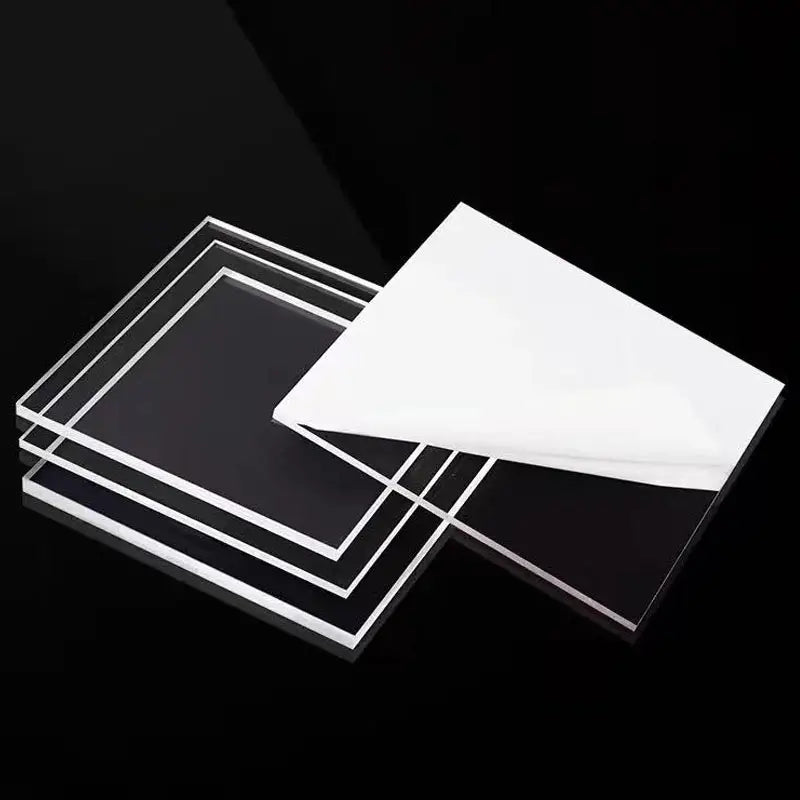
500x500mm polyurethane shim sheet (19.7 x 19.7 inches) – full size display

Applications of Polyurethane in Various Industries

The ability to tailor the properties of PU material makes it suitable for a wide range of applications. Flexible polyurethane foam is commonly used in automotive seating, furniture, and insulation, while rigid polyurethane sheets and coatings are often found in construction, flooring, and protective equipment.

Flexibility in Customization

The flexibility of polyurethane allows manufacturers to adjust its hardness, density, and other mechanical properties to meet specific industry needs. Whether it’s used for soft, cushioning materials or hard, load-bearing components, custom polyurethane products are essential across numerous sectors.

Why Choose Polyurethane Over Other Plastics?

In comparison to other materials like polypropylene, polyurethane offers greater mechanical strength, thermal stability, and chemical resistance. This makes it an ideal material for industries requiring products that can withstand both environmental stress and high-performance demands.

PU Plastic Sheets and Rods: Key Features and Customization Options

PU plastic sheets and PU rods are highly versatile materials used across various industries due to their customizable properties. From their thickness to hardness levels, polyurethane (PU) plastic can be tailored to meet specific industrial requirements, offering both flexibility for dynamic applications and rigidity for heavy-duty use.

Thickness Variations in PU Plastic Sheets and Rods

The thickness of PU plastic sheets is an important factor when determining their use in different applications. Thinner polyurethane sheets are typically employed in situations requiring flexibility, such as gaskets, seals, and liners. These thinner sheets conform to surfaces easily, making them ideal for applications where the material needs to adapt to irregular shapes.

On the other hand, thicker PU plastic sheets provide enhanced rigidity and are used in more demanding environments, such as machinery guards, protective pads, and heavy-duty flooring. The added thickness increases the material’s ability to absorb impact and resist wear, which is why thick PU sheets are favored for industrial settings involving heavy machinery or frequent mechanical stress.

Flexible Applications for Dynamic Industries

For industries requiring materials that can withstand constant movement and stress, thin polyurethane sheets offer the perfect balance of elasticity and durability. In automotive and construction industries, thinner PU rods and sheets are commonly used in dynamic components such as vibration dampeners and shock absorbers. Their ability to flex and return to shape without losing integrity ensures longevity in applications where traditional materials would degrade quickly.

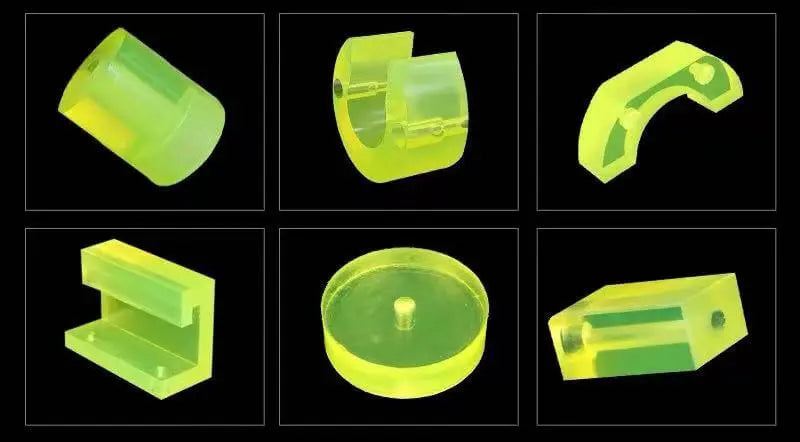
Custom molded polyurethane products in various colors and shapes

Hardness Levels and Customization

PU plastic can be produced in a wide range of hardness levels, measured using the Shore A and Shore D scales. This flexibility in hardness allows polyurethane rods and sheets to be customized for specific uses, from soft, flexible materials to extremely rigid structures.

Soft PU Plastic for Cushioning

Soft polyurethane sheets with lower hardness levels (measured on the Shore A scale) are used in applications where cushioning and flexibility are critical. For example, in seals, gaskets, and pads, soft PU provides the necessary compression and resilience to absorb energy while maintaining a tight seal. Flexible PU sheets are often found in the automotive and furniture industries, where comfort and durability are priorities.

Rigid PU for Structural Applications

At the other end of the spectrum, rigid polyurethane sheets with higher Shore D hardness ratings are used in structural applications that demand high strength and impact resistance. These rigid PU rods and sheets are commonly found in industrial equipment, machine parts, and protective coverings. Their toughness and durability make them ideal for applications where long-term performance is necessary, such as in heavy-duty flooring or machinery components.

Customization Options for PU Sheets and Rods

The ability to tailor PU plastic material to specific needs is one of the reasons it is so widely used across industries. Manufacturers can adjust the thickness, hardness, and density of PU plastic to meet the unique demands of different sectors. Whether you’re looking for a high-density polyurethane sheet for structural integrity or a soft PU rod for shock absorption, customization is key to maximizing the material’s effectiveness.

Adaptability in Various Industries

Industries such as aerospace, marine, and automotive all rely on custom polyurethane products to meet their specific needs. For instance, high-density PU foam is commonly used for marine flotation devices due to its water resistance and durability, while automotive components benefit from the impact resistance of rigid PU sheets.

By tailoring the chemical structure and physical properties of polyurethane sheets and rods, manufacturers can create materials that perform exceptionally well under diverse conditions, making PU plastic one of the most versatile materials in the market today.

Comparing Polyurethane and Polypropylene

Polypropylene production line - comparison of plastic materials

Polyurethane (PU) and polypropylene (PP) are two commonly used plastic materials in various industrial applications. While both offer benefits in terms of durability and flexibility, PU plastic often outperforms polypropylene in industries that demand longevity, environmental resistance, and chemical durability. Understanding the differences between these materials can help determine which is best suited for specific applications.

Durability: Polyurethane vs. Polypropylene

Superior Strength and Longevity of Polyurethane

Polyurethane is widely regarded for its high durability and resistance to wear. It is a thermosetting polymer, which means that once it is formed, it cannot be melted or reshaped. This inherent property provides long-lasting durability in industrial settings, making PU plastic ideal for applications that require heavy-duty performance. Products like PU plastic sheets and PU rods maintain their integrity even under constant mechanical stress, which is why polyurethane is often preferred in applications involving machinery components, industrial flooring, and heavy equipment.

In contrast, polypropylene is a thermoplastic material, meaning it can be melted and reformed. While this feature is useful for molding and recycling, polypropylene tends to break down more quickly when exposed to harsh conditions, particularly in applications involving high wear and abrasion. Polypropylene is more likely to suffer from cracks or fractures over time, especially in outdoor applications where exposure to UV light and temperature fluctuations is frequent.

Flexibility: PU Offers Greater Versatility

In terms of flexibility, polyurethane outperforms polypropylene. PU plastic material can be engineered to offer a wide range of flexibility options, from soft, flexible forms to rigid, durable structures. This adaptability allows polyurethane to be used in both dynamic applications that require frequent movement, such as shock absorbers and vibration dampeners, as well as in more structural roles, such as rigid foam panels used in insulation.

Polypropylene, while flexible, tends to be more brittle in colder environments and can crack under pressure or impact. Its lower flexibility compared to polyurethane makes it less suitable for applications requiring elasticity and long-term stress endurance.

Chemical Resistance: PU Excels in Harsh Environments

Chemical resistance is another critical factor that distinguishes polyurethane from polypropylene. PU coatings and PU plastic sheets are highly resistant to a wide range of chemicals, oils, and solvents, making polyurethane a reliable choice for industries like chemical processing, automotive, and oil and gas. The chemical resistance of polyurethane ensures that equipment and components last longer in environments where exposure to corrosive substances is common.

On the other hand, polypropylene also offers good chemical resistance but tends to degrade when exposed to certain solvents and acids. While it performs well in less aggressive environments, polypropylene may not be the best option for industrial settings where continuous exposure to harsh chemicals is unavoidable.

Applications: Why Polyurethane is Preferred in Industrial Settings

Polyurethane for Industrial and Heavy-Duty Uses

Given its durability, flexibility, and chemical resistance, polyurethane plastic is frequently chosen for industrial applications that require materials to withstand tough conditions. PU material offers a wide range of solutions for industries that prioritize longevity and performance.

For example, in automotive applications, polyurethane is often used for suspension bushings, engine mounts, and seals, where its ability to resist wear and withstand exposure to chemicals makes it a superior choice. Similarly, PU coatings are commonly applied to industrial machinery and flooring, where they protect against abrasion and corrosion.

Polypropylene for Lightweight and Cost-Effective Applications

While polypropylene is not as durable or flexible as polyurethane, it is often chosen for lightweight and cost-effective applications where longevity is not the primary concern. PP plastic is commonly found in consumer goods, packaging, and disposable items. Its ability to be molded easily into different shapes and its resistance to water and chemicals in less aggressive environments make it a viable option for products with shorter life cycles.

For instance, polypropylene is widely used in food containers, storage bins, and outdoor furniture, where cost efficiency and recyclability are key factors.

Customization and Adaptability

Both polyurethane and polypropylene can be customized for specific uses, but PU plastic offers greater versatility in terms of formulation. The ability to adjust density, hardness, and flexibility in PU products allows for more tailored solutions in demanding industries. In contrast, polypropylene is more limited in terms of hardness and rigidity, making it less adaptable to applications requiring specific performance characteristics.

By understanding the strengths of polyurethane over polypropylene, particularly in terms of durability, flexibility, and chemical resistance, it’s clear why PU plastic is often preferred for industrial applications that require long-term reliability.

Applications of Polyurethane Plastic in Various Industries

Polyurethane (PU) has become an indispensable material in numerous industries due to its unique combination of durability, flexibility, and resistance to various environmental factors. Its adaptability allows for extensive use across sectors such as construction, automotive, marine, electrical, and textiles, making it ideal for demanding environments that require high performance and reliability.

Structural Uses of Polyurethane in Construction

In addition to its role in insulation, polyurethane plastic sheets and PU rods are utilized as structural components in the construction sector. Their strength and rigidity make them suitable for reinforcing concrete and composite materials. The lightweight yet durable properties of PU plastic material reduce the overall weight of structural elements without compromising on strength, making it a preferred choice for modern construction applications.

Automotive Industry: Bushings, Seals, and Noise Dampening

Polyurethane in Automotive Components

The automotive industry relies heavily on polyurethane plastic for its ability to endure mechanical stress while maintaining flexibility. Polyurethane bushings are commonly used in suspension systems, where their ability to absorb shock and reduce noise is critical for improving vehicle performance and passenger comfort. The toughness of PU material allows these bushings to withstand prolonged exposure to wear, vibration, and chemical exposure without degrading.

🔧 Need Custom PU Parts for Specialized Applications?

We provide custom CNC machining, die-cutting, pouring, and milling of PU components tailored to your specific performance needs.

  • 📩 Get a Fast Quote: Simply upload your drawings to our engineers.
  • 🔷 Tolerance Control & Precise Color Matching.
  • 🔷 No MOQ: Custom Hardness from Shore A to D.

✨ Special Offer: Use code QR4GNY08SHVR to enjoy a discount on your order!

Submit Your Project Specs 👉

Electrical Industry: Insulation and Potting Compounds

PU for Electrical Insulation

Polyurethane is also widely used in the electrical industry due to its excellent dielectric properties. PU coatings and potting compounds are used to insulate electrical components and protect them from environmental factors such as moisture, heat, and chemicals. In applications where electrical equipment must be safeguarded against short circuits or physical damage, polyurethane insulation provides a reliable and long-lasting solution.

Potting and Encapsulation

For more delicate electrical systems, polyurethane potting compounds are employed to encapsulate electronic circuits and prevent damage from external forces. These compounds shield sensitive components from vibration, shock, and thermal fluctuations, which can otherwise lead to malfunctions or shortened lifespans of electronic devices.

Polyurethane’s Versatility Across Multiple Industries

The adaptability of polyurethane plastic allows it to serve a broad range of industries, from construction to automotive, marine, electrical, and textile applications. Its unique combination of durability, chemical resistance, and flexibility ensures that PU material remains a key component in many demanding environments, providing solutions that enhance performance, reduce costs, and extend the lifespan of products and structures.

Environmental Considerations and Recycling of Polyurethane

Close-up view of polyurethane sheet surface clarity

As industries increasingly focus on sustainability, the recyclability of polyurethane (PU) has come to the forefront of discussions. While polyurethane plastic has long been valued for its durability and versatility, its environmental impact has raised concerns. However, emerging recycling technologies and innovative production methods are making PU material more sustainable. These advancements allow industries like automotive and construction to reduce waste while maintaining the high performance of polyurethane products.

Recycling Methods for Polyurethane

Mechanical Recycling of Polyurethane

One of the most common methods for recycling polyurethane is mechanical recycling. In this process, PU foam and plastic materials are shredded into small pieces and then reprocessed into new products. This process, while relatively straightforward, is limited by the degradation of polyurethane’s mechanical properties after each recycling cycle.

For rigid polyurethane, mechanical recycling is used to create new building materials, including insulation panels. These products help to reduce the carbon footprint of new construction projects, making the recycling process highly valuable in the construction industry.

Chemical Recycling: Breaking Down Polyurethane to Its Base Components

Chemical recycling is a more advanced process that involves breaking down polyurethane into its base components, such as polyols and isocyanates. These components can then be used to create new polyurethane products. This method offers greater potential for producing high-quality recycled polyurethane while maintaining the material’s original performance properties.

Chemical recycling of PU materials is still being developed, but it holds promise for industries seeking to reduce waste without sacrificing material quality. Innovations in this area could revolutionize polyurethane recycling, making it easier to recycle large amounts of industrial PU waste.

Emerging Technologies for Sustainable Polyurethane Production

Bio-Based Polyurethane: A Renewable Alternative

One of the most exciting advancements in polyurethane production is the development of bio-based polyurethane, which uses renewable resources like plant oils instead of petroleum-based products. This reduces the reliance on fossil fuels and lowers the overall carbon emissions associated with PU manufacturing. Bio-based polyurethane also maintains the same performance characteristics as traditional polyurethane, making it a viable option for industries looking to improve their environmental impact.

Closed-Loop Recycling Systems for PU

Closed-loop recycling systems for polyurethane are becoming more common as industries look to minimize waste. In a closed-loop system, PU waste generated during manufacturing is collected, reprocessed, and reused to create new polyurethane products. This system helps reduce the need for raw materials and cuts down on industrial waste, making PU production more sustainable.

The development of these technologies marks a significant step forward in reducing the environmental impact of polyurethane while maintaining its critical role in industrial applications. Polyurethane’s recyclability and the shift toward more sustainable production methods ensure that it will continue to be a valuable material for the automotive, construction, and manufacturing industries.

Assortment of polyurethane products and sheets

Frequently Asked Questions (FAQs) About Polyurethane Plastic and BeePlastic Customization Services

Here are some common questions related to polyurethane plastic and customization services provided by BeePlastic:

1. What is polyurethane plastic, and how is it used?

Polyurethane plastic is a versatile material used in industries like automotive, construction, furniture, and electronics. It can be rigid or flexible, making it ideal for products like bushings, seals, and coatings. Its properties, such as durability, flexibility, and chemical resistance, make it suitable for both light and heavy-duty applications.

2. Can BeePlastic customize polyurethane products to specific requirements?

Yes, BeePlastic specializes in customizing polyurethane products to fit your exact specifications. We handle sample customization and batch production based on your project needs. Whether you require specific sizes, shapes, or hardness levels, we are equipped to meet your custom polyurethane requirements.

3. What file formats do BeePlastic accept for design and customization?

We accept a wide range of file formats to streamline the customization process. You can send your design files in PDF, CAD, or other commonly used formats. This flexibility ensures that your designs are accurately translated into the final product.

4. Is there a minimum order quantity (MOQ) required for polyurethane product orders?

No, BeePlastic does not have a minimum order quantity (MOQ). Whether you need a single sample or a large batch, we are ready to accommodate your production needs without any limitations on the order size.

5. What is the typical production cycle for custom polyurethane products?

The production cycle at BeePlastic depends on factors such as the size of the order and the complexity of the manufacturing process. We ensure real-time communication about production progress, keeping you informed every step of the way. This helps us maintain transparency and meet delivery timelines efficiently.

6. Does BeePlastic offer free samples for polyurethane products?

Yes, we offer free samples of our polyurethane products. However, customers are responsible for the shipping costs. This gives you an opportunity to test our products before placing a larger order.

7. Can BeePlastic customize polyurethane products for specific industries like automotive or construction?

Absolutely. We have extensive experience customizing polyurethane products for various industries, including automotive, construction, marine, and more. From PU bushings to insulation sheets, we tailor our materials to fit the unique demands of each sector.

8. How durable are polyurethane products compared to other plastics like polypropylene?

Polyurethane is known for its superior durability, especially in harsh environments. Compared to polypropylene, PU plastic offers better resistance to chemical exposure, temperature fluctuations, and mechanical stress, making it a preferred choice for industrial applications requiring longevity.

9. What are the environmental considerations of using polyurethane plastic, and can it be recycled?

Polyurethane plastic is recyclable through both mechanical and chemical recycling processes. At BeePlastic, we are committed to sustainability and can provide insights into the recyclability of your custom polyurethane products, especially for industries looking to reduce waste.

10. How can I request a customized quote for my polyurethane project?

To request a quote, simply provide us with your design specifications, including the material type, dimensions, and quantity needed. You can submit this information through our website or by sending us the details in PDF or CAD format. We will assess your requirements and provide a detailed quote that includes production timelines and costs.

These questions provide insight into polyurethane plastic as well as BeePlastic’s customization capabilities, helping clients understand the full range of services and benefits available to them.

In the ever-evolving world of industrial materials, polyurethane plastic continues to stand out for its remarkable versatility, durability, and adaptability across various industries. From automotive bushings and construction insulation to customized solutions, PU material proves to be an essential component in meeting the demands of modern manufacturing. With BeePlastic’s extensive experience in customization, offering tailored polyurethane products for specific needs—without minimum order requirements—businesses can benefit from sustainable, high-performance materials that drive both efficiency and innovation in their fields.

PU material

Looking for durable, customizable polyurethane products?

Fill out our form to get a free consultation, or browse our extensive range of PU sheets and rods below to see how BeePlastic can meet your needs.

Explore PU Collection Get a Custom Quote

Leave a comment


Please note, comments must be approved before they are published


Custom Plastic Fabrication

Send your drawing, material and quantity for review

🔧
Precision Machining
CNC milling & turning
✂️
Cutting & Engraving
Laser & waterjet cutting
🏭
Forming & Molding
Thermoforming & injection
🔗
Joining & Assembly
Welding & bonding
📐
Design & Prototyping
CAD design & samples

General

HDPE

PP

PVC

ABS

Engineering

POM

Nylon

PC

PMMA

High-Performance

PEEK

PEI

PTFE

Composites

FR-4

G10

Flexible

TPU

Silicone

Why Choose BeePlastic?

🎯
Perfect Fit
Custom specs eliminate adaptation needs
⚡
Clear Lead Times
Lead time confirmed with every quote
💰
Volume Pricing
Volume pricing available on bulk orders
🤝
Expert Support
Free engineering consultation included
📋
Submit
→
🔍
Review
→
💵
Quote
→
✅
Production
→
📦
Deliver

Request a Quote

Share your project details, selected material and quantity on our quote page. You can add a file link or use the email drawing route shown there.


Request Quote

Industries: Automotive • Medical • Food • Lab • Semiconductor

beeplastic@beeplastic.com


Maximizing Durability with Customizable PU Rubber Sheets: Solutions for Heavy-Duty Industries

Polyurethane sheets

Industries explores the transformative impact of polyurethane (PU) sheets in industrial applications, focusing on automotive, furniture, and construction sectors. These PU plastic materials are engineered for superior durability, offering unmatched abrasion resistance, impact protection, and chemical resistance. The blog delves into the versatility of Polyurethane sheets, emphasizing their role in insulation, cushioning, and as protective barriers. Learn how custom PU sheets are tailored to specific industry needs, with options for varying PU sheet thickness, PU foam properties, and specialized urethane sheet applications. Whether you’re seeking to enhance the longevity of heavy-duty equipment or optimize your manufacturing process, this post reveals how custom polyurethane products can meet both performance and sustainability goals. Discover the advantages of partnering with a leading PU plastic supplier to leverage the full potential of PU materials.

🎉🎉🎉Limited Time Offer Use code: QR4GNY08SHVR at checkout and enjoy a special discount on your entire order! 👉PU board

Polyurethane sheets

Enhancing Automotive Durability with Custom Polyurethane Sheets

Custom polyurethane (PU) sheets are integral to the automotive industry, especially in applications requiring high durability and resilience. These PU plastic materials are engineered to withstand the harsh conditions often encountered in automotive environments, making them the ideal choice for components such as engine mounts, bushings, and gaskets.

The Importance of PU Sheets in Engine Mounts

PU sheets play a crucial role in engine mounts by providing exceptional vibration dampening and impact resistance. This capability ensures that the engine remains securely attached to the vehicle’s frame, reducing noise and protecting the vehicle’s structure. The durability of PU materials helps extend the lifespan of engine mounts, even under extreme conditions.

Advantages of Custom PU Sheets for Bushings

Bushings are essential for absorbing shocks and reducing friction between moving parts. Custom PU sheets are highly effective in this role due to their abrasion resistance and flexibility. These properties enable the bushings to absorb significant amounts of energy, which minimizes the risk of damage to other vehicle components.

Gaskets and Seals: Leveraging PU Sheets

Polyurethane sheets are also widely used in the production of gaskets and seals. These components are critical for preventing leaks and maintaining pressure within various systems. The chemical resistance and durability of PU materials ensure that gaskets and seals can withstand the rigors of automotive use, contributing to the overall longevity and reliability of the vehicle.

Why Choose Polyurethane Sheets for Automotive Applications?

The unique properties of custom PU sheets—such as their flexibility, impact resistance, and chemical resistance—make them indispensable in automotive applications. Whether it’s enhancing the durability of engine mounts, improving the performance of bushings, or ensuring the reliability of gaskets and seals, PU materials offer a robust solution for heavy-duty vehicles.

By choosing custom polyurethane products, automotive manufacturers can significantly improve the longevity and performance of their vehicles, ensuring that they meet the rigorous demands of modern transportation.

PU automotive applications

The Role of Polyurethane Sheets in Advanced Construction Projects

Polyurethane (PU) sheets have become an essential material in modern construction, thanks to their versatility, durability, and customizable properties. These PU plastic materials are used extensively in various aspects of construction, providing solutions that enhance both the performance and longevity of buildings. Their application ranges from insulation to protective linings and impact-resistant barriers, making them a crucial component in diverse construction environments.

Insulation: Enhancing Energy Efficiency with Polyurethane Sheets

One of the most significant uses of polyurethane sheets in construction is for insulation. These sheets offer excellent thermal resistance, which helps in maintaining consistent indoor temperatures and reducing energy consumption. By installing PU sheets in walls, roofs, and floors, builders can create more energy-efficient structures that meet stringent environmental standards. The lightweight yet robust nature of PU sheets makes them easy to handle and install, while their closed-cell structure ensures minimal thermal bridging, a common issue in traditional insulation materials.

Protective Linings: Safeguarding Structures with PU Sheets

In addition to insulation, polyurethane sheets are widely used as protective linings in construction projects. These linings provide a durable barrier that protects building structures from moisture, chemicals, and abrasion. For instance, PU sheets are commonly applied in underground constructions such as basements and tunnels, where they prevent water ingress and protect against soil chemicals that could otherwise compromise the integrity of the structure. The chemical resistance of PU materials ensures long-term protection, reducing the need for frequent repairs and maintenance.

Impact-Resistant Barriers: Strengthening Construction Safety

Impact resistance is another critical feature of polyurethane sheets, making them ideal for use as impact-resistant barriers in construction. These barriers are often installed in areas that are prone to heavy loads or impacts, such as parking garages, industrial floors, and heavy traffic zones within buildings. The flexibility of PU sheets allows them to absorb and distribute impact forces, preventing damage to both the barrier and the underlying structure. This property not only enhances the safety of the building but also extends its lifespan by reducing the wear and tear typically caused by impacts.

Customizable Thickness and Properties: Tailoring PU Sheets to Construction Needs

One of the standout features of polyurethane sheets is their ability to be customized to meet specific construction requirements. Whether a project demands a particular thickness, density, or chemical formulation, PU sheets can be tailored to fit. This customization is particularly beneficial in construction environments where standard materials may not provide the necessary performance. For example, in high-temperature environments, PU sheets can be formulated to resist heat, while in areas requiring greater flexibility, sheets with lower hardness can be produced. This adaptability makes custom PU sheets a preferred choice for architects and builders looking to optimize their projects.

Versatility in Diverse Construction Environments

The versatility of polyurethane sheets is evident in their wide range of applications across different construction environments. From residential buildings to large-scale commercial projects, PU sheets offer solutions that enhance energy efficiency, structural integrity, and safety. Their ability to be customized and their superior performance characteristics make them indispensable in modern construction. As the demand for sustainable and durable building materials continues to grow, the role of polyurethane sheets in construction is set to expand even further.

Polyurethane material

Customizable PU Sheets for Furniture: Combining Comfort with Durability

Polyurethane (PU) sheets have revolutionized the furniture industry, offering a blend of comfort, durability, and flexibility that few other materials can match. These PU plastic materials are widely used in cushioning and upholstery, where their unique properties contribute significantly to the longevity and comfort of furniture in both residential and commercial settings.

The Role of PU Sheets in Cushioning

One of the primary applications of polyurethane sheets in the furniture industry is in cushioning. PU foam is favored for its ability to provide support while maintaining comfort. The flexibility of PU sheets allows them to conform to the shape of the body, providing consistent support and enhancing the overall comfort of furniture pieces such as sofas, chairs, and mattresses. Additionally, PU foam retains its shape and resilience over time, preventing the sagging and flattening that commonly occurs with other cushioning materials.

Upholstery: Enhancing Furniture Longevity with PU Sheets

In upholstery, custom PU sheets are essential for creating durable and comfortable surfaces. The durability of polyurethane materials ensures that upholstered furniture can withstand daily use without showing signs of wear and tear. This is particularly important in commercial environments such as hotels, restaurants, and offices, where furniture is subject to constant use. PU sheets resist abrasion, tearing, and chemical exposure, making them an ideal choice for upholstery that needs to be both attractive and long-lasting.

Flexibility and Resilience: Key to PU’s Success in Furniture

The flexibility and resilience of PU sheets are what set them apart from other materials used in furniture production. These properties allow polyurethane to adapt to various design requirements, whether it’s for soft cushions that offer luxurious comfort or firmer supports that provide necessary structure. The resilience of PU materials ensures that furniture maintains its shape and comfort level even after extended use, contributing to the overall durability of the product.

Customization for Diverse Furniture Needs

One of the significant advantages of using custom PU sheets in furniture is the ability to tailor the material to specific needs. Whether a manufacturer requires a certain thickness, density, or firmness, PU sheets can be customized to meet these specifications. This customization is particularly valuable in creating specialized furniture pieces, such as ergonomic office chairs, where precise support and comfort are essential.

Applications in Residential and Commercial Furniture

The versatility of polyurethane sheets makes them suitable for both residential and commercial furniture. In residential settings, PU sheets enhance the comfort and longevity of sofas, recliners, and beds, ensuring that these pieces remain inviting and supportive for years. In commercial environments, where furniture must endure heavier use, PU materials provide the necessary durability without compromising on comfort. The ability to withstand frequent use while maintaining their structural integrity makes PU sheets a preferred choice for furniture manufacturers catering to both markets.

Polyurethane plate

Eco-Friendly Options: Sustainability in PU Sheets

As the demand for sustainable materials grows, eco-friendly PU sheets are becoming more popular in furniture production. These sheets are designed to be more environmentally friendly, using processes and materials that reduce their ecological impact. For furniture manufacturers and consumers alike, the availability of sustainable PU materials offers a way to create comfortable and durable products without sacrificing environmental responsibility.

The Future of Furniture Design with PU Sheets

The continued innovation in polyurethane technology promises even more advanced applications in furniture design. With the ability to customize PU sheets to meet increasingly specific needs, the future of furniture will likely see even greater integration of these materials, further enhancing both the functionality and aesthetics of modern furniture. The versatility, durability, and comfort provided by custom PU sheets ensure that they will remain a cornerstone of the furniture industry for years to come.

Why PU Rubber Sheets are Essential for Industrial Machinery Protection

Polyurethane (PU) rubber sheets are crucial in safeguarding industrial machinery from the wear and tear that comes with continuous operation. These PU sheets offer superior protection against abrasion, impact, and chemical exposure, which are common in industrial settings. The durability and versatility of PU materials make them an indispensable choice for extending the lifespan of heavy-duty equipment.

Protecting Machinery from Abrasion

In industrial environments, machinery is often exposed to materials that cause significant abrasion over time. PU rubber sheets are engineered to withstand this abrasion, providing a protective layer that absorbs and disperses the wear forces that would otherwise damage the machinery. The abrasion resistance of PU sheets is superior to many other materials, making them ideal for use in applications such as conveyor belts, liners, and chutes where continuous friction is a concern. This protective quality not only preserves the machinery but also reduces maintenance costs and downtime.

Impact Resistance: A Key Advantage of PU Sheets

Another critical feature of PU rubber sheets is their impact resistance. In heavy-duty industrial settings, machinery is often subject to sudden impacts from moving parts or falling objects. PU sheets are designed to absorb these impacts, preventing damage to the machinery’s surface and internal components. This impact resistance is particularly important in industries like mining, construction, and manufacturing, where equipment is regularly exposed to high-impact forces. By using custom PU products, manufacturers can ensure that their machinery is protected from these damaging forces, thereby enhancing the overall durability of the equipment.

Chemical Exposure and PU Sheet Durability

Industrial machinery often operates in environments where exposure to chemicals is inevitable. These chemicals can cause significant degradation to unprotected machinery, leading to costly repairs and replacements. PU rubber sheets offer excellent chemical resistance, providing a barrier that protects machinery from corrosive substances. Whether it’s oils, solvents, or acidic compounds, PU sheets maintain their integrity and continue to provide protection, even in harsh chemical environments. This resistance to chemical exposure is a key reason why PU materials are preferred in industries such as chemical processing, pharmaceuticals, and food production, where machinery is regularly exposed to potentially harmful substances.

PU raw materials

Custom PU Sheets for Tailored Protection

One of the most significant advantages of PU rubber sheets is their ability to be customized to meet the specific needs of different industrial applications. Whether a piece of machinery requires protection from abrasion, impact, or chemical exposure, custom PU products can be designed to provide the exact level of protection needed. This customization includes adjusting the thickness, hardness, and composition of the PU sheets to suit the machinery’s operating conditions. By tailoring PU sheets to specific requirements, manufacturers can significantly extend the lifespan of their equipment, ensuring reliable operation and reducing the frequency of maintenance and repairs.

Versatility in Industrial Applications

The versatility of PU rubber sheets is evident in their wide range of applications across various industries. From protective linings in chutes and hoppers to cushioning pads for heavy machinery, PU sheets provide essential protection that enhances the efficiency and longevity of industrial equipment. Their ability to withstand abrasion, impact, and chemical exposure while being customizable makes them a valuable asset in any industrial setting.

Enhancing Machinery Performance with PU Rubber Sheets

By incorporating PU rubber sheets into their machinery protection strategies, industrial operators can significantly improve the performance and reliability of their equipment. The protective qualities of PU materials ensure that machinery can withstand the harsh conditions of industrial environments, reducing the risk of unexpected breakdowns and extending the operational life of the equipment. This enhancement in machinery performance not only improves productivity but also offers long-term cost savings by minimizing the need for repairs and replacements.

The use of PU rubber sheets in industrial machinery protection is a strategic investment in the durability and efficiency of heavy-duty equipment, making them an essential component in modern industrial operations.

Exploring the Versatility of Polyurethane Elastomers in Custom Solutions

Polyurethane elastomers are among the most versatile materials in modern manufacturing, offering a unique combination of flexibility and durability that makes them ideal for a wide range of custom applications. These PU elastomers are particularly valued in industries such as automotive and construction, where they often outperform traditional materials in demanding environments.

The Unique Properties of Polyurethane Elastomers

Polyurethane elastomers are known for their exceptional mechanical properties, which include high tensile strength, elongation, and tear resistance. These materials maintain their flexibility even under extreme conditions, making them suitable for applications that require both resilience and durability. Unlike other elastomers, PU elastomers exhibit excellent abrasion resistance and chemical stability, allowing them to withstand harsh industrial environments. Their ability to be formulated with varying degrees of hardness—from soft and rubbery to rigid—adds to their versatility in custom solutions.

Custom Solutions in the Automotive Industry

In the automotive industry, custom polyurethane elastomers are used to create components that need to endure continuous stress and exposure to various elements. For instance, PU elastomers are frequently utilized in the production of suspension bushings, engine mounts, and gaskets. These components benefit from the material’s ability to absorb vibrations and reduce noise, which is crucial for enhancing the comfort and performance of vehicles. The impact resistance and temperature stability of PU elastomers ensure that these parts remain functional and reliable over long periods, even under the most challenging driving conditions.

Applications in the Construction Industry

In construction, polyurethane elastomers are used in a variety of applications that require both flexibility and strength. For example, PU elastomers are employed in the creation of expansion joints, sealants, and coatings that protect buildings from water infiltration, thermal expansion, and mechanical damage. The material’s resistance to weathering and UV radiation makes it an excellent choice for outdoor applications, where longevity and durability are essential. Additionally, PU elastomers can be tailored to meet specific needs, such as increasing abrasion resistance for surfaces that are subjected to heavy foot traffic or machinery.

Advantages Over Traditional Materials

One of the key advantages of polyurethane elastomers over traditional materials, such as rubber or metal, is their versatility. While rubber might offer flexibility, it often lacks the abrasion resistance and load-bearing capacity of PU elastomers. Similarly, metals, while strong, do not provide the flexibility and shock absorption that elastomers can offer. This combination of flexibility and strength allows PU elastomers to be used in applications where other materials would fail, providing a longer service life and reducing maintenance costs.

Polyurethane sheet

Customization for Specific Industrial Needs

The ability to customize PU elastomers is one of their most significant benefits. Manufacturers can adjust the formulation of these elastomers to meet the exact requirements of an application, whether it involves adjusting the hardness, color, or chemical composition. This customization is particularly beneficial in industries where specific performance characteristics are needed, such as in the automotive or construction sectors. By tailoring PU elastomers to specific needs, manufacturers can create products that deliver superior performance, durability, and efficiency.

The Future of Polyurethane Elastomers in Industry

As technology continues to advance, the applications of polyurethane elastomers are expected to expand further. Innovations in material science are likely to enhance the properties of these elastomers, making them even more versatile and valuable in custom solutions. The demand for durable, flexible, and customizable materials will continue to drive the use of PU elastomers in industries that require high-performance solutions, ensuring that they remain a critical component in the development of modern industrial products.

Choosing the Right PU Sheet Thickness for Your Industry

Selecting the appropriate polyurethane (PU) sheet thickness is crucial for meeting the specific demands of various industries, including automotive, furniture, and construction. The thickness of a PU sheet directly influences its performance, durability, and application suitability. Understanding the specific needs of your industry can help you make the best choice, ensuring that the material meets the functional requirements of your projects.

Determining Thickness for Automotive Applications

In the automotive industry, the thickness of PU sheets is a critical factor in applications such as vibration dampening, insulation, and protective coatings. For instance, thicker PU sheets are often preferred for engine mounts and bushings because they provide enhanced impact resistance and noise reduction. The added thickness helps absorb vibrations from the engine, protecting the vehicle’s frame and improving ride quality.

For interior applications like seat cushioning and dashboard covers, a medium-thickness PU sheet can offer a balance between comfort and durability. It ensures that the material remains flexible enough to conform to various shapes while providing sufficient protection against wear and tear.

Optimizing Thickness for Furniture Cushioning

In the furniture industry, the thickness of PU sheets plays a pivotal role in determining the comfort and longevity of products such as sofas, chairs, and mattresses. Thicker PU sheets are ideal for high-density cushioning, providing robust support and comfort that can withstand frequent use, especially in commercial settings like hotels or offices.

For residential furniture, where softer cushioning might be preferred, a thinner PU sheet might be more suitable. This allows the material to be more pliable, creating a softer seating experience while still maintaining durability. The thickness should also be tailored to match the design aesthetics of the furniture, ensuring that the final product is both comfortable and visually appealing.

Selecting Thickness for Construction Insulation and Protection

In the construction industry, PU sheet thickness is crucial for applications such as thermal insulation, soundproofing, and protective barriers. For insulation purposes, a thicker PU sheet is generally more effective, as it provides greater thermal resistance and helps maintain consistent indoor temperatures, which is essential in both residential and commercial buildings. The additional thickness also aids in soundproofing, reducing the transmission of noise between rooms or from external sources.

For protective linings and impact-resistant barriers, the required thickness will depend on the specific environmental stresses the material will face. Thicker PU sheets offer superior protection against abrasion, chemical exposure, and physical impacts, making them ideal for use in areas subjected to heavy traffic or industrial activity.

PU cushion

Balancing Performance and Cost with Custom Thickness Options

Choosing the right PU sheet thickness also involves considering the cost and material efficiency. While thicker sheets provide more protection and durability, they also increase the material cost and may be more challenging to work with in certain applications. Therefore, it’s important to strike a balance between performance requirements and budget constraints.

Manufacturers often offer custom thickness options to cater to specific industry needs, allowing businesses to select the exact thickness that will deliver optimal performance for their applications. This customization ensures that the PU sheets are neither over-engineered nor under-equipped for the task, resulting in a more efficient use of resources.

The thickness of polyurethane sheets is a key determinant of their suitability for various applications in the automotive, furniture, and construction industries. By understanding the specific requirements of your industry and considering factors such as impact resistance, comfort, and thermal insulation, you can select the right PU sheet thickness that will enhance the performance and longevity of your products.

Sustainable Manufacturing with Customizable PU Sheets

As industries increasingly shift towards more sustainable practices, polyurethane (PU) sheets have emerged as a key material in achieving environmental goals without compromising on performance. The recyclability and versatility of customizable PU sheets make them a valuable resource for manufacturers looking to reduce their ecological footprint while maintaining high-quality standards in their products.

The Environmental Benefits of Polyurethane Sheets

One of the most significant environmental advantages of PU sheets is their recyclability. Unlike many traditional materials, polyurethane can be recycled and repurposed, reducing the amount of waste that ends up in landfills. This is particularly important in industries where large quantities of materials are used and disposed of regularly. By opting for recycled PU sheets, manufacturers can contribute to the circular economy, where materials are continuously reused, minimizing the need for virgin resources.

Additionally, the durability of PU materials means that products made from these sheets tend to have a longer lifespan, further reducing the environmental impact associated with frequent replacements. The ability of PU sheets to withstand wear and tear, chemical exposure, and extreme temperatures ensures that they remain functional over extended periods, thereby decreasing the overall consumption of materials.

Custom PU Solutions for Sustainable Manufacturing

Customizable PU sheets offer industries the flexibility to design products that meet both performance and environmental criteria. For instance, manufacturers can specify the thickness, density, and composition of PU sheets to optimize their use in various applications, ensuring that no excess material is wasted. This level of customization not only enhances the efficiency of the production process but also contributes to more sustainable manufacturing practices by reducing material waste.

PU plastic

Moreover, the ability to produce PU sheets with varying recycled content allows industries to tailor their products to meet specific sustainability goals. For example, construction companies can choose PU sheets with higher recycled content for insulation and soundproofing, aligning with green building certifications and reducing the overall carbon footprint of their projects.

Reducing Carbon Footprint with Polyurethane

The production of PU sheets can also be aligned with sustainable manufacturing practices by utilizing eco-friendly processes and raw materials. Manufacturers are increasingly adopting methods that lower the carbon footprint of polyurethane production, such as using bio-based polyols derived from renewable sources. These innovations help reduce the reliance on fossil fuels and decrease the greenhouse gas emissions associated with manufacturing.

Furthermore, polyurethane sheets can contribute to energy efficiency in various applications, particularly in insulation. The superior thermal insulation properties of PU sheets help reduce energy consumption in buildings, leading to lower greenhouse gas emissions over the building’s lifecycle. This makes PU materials a critical component in the construction of energy-efficient structures.

Sustainable Applications Across Industries

The versatility of custom PU sheets enables their use in a wide range of sustainable applications across different industries. In the automotive industry, for instance, PU sheets are used in lightweight components that improve fuel efficiency, reducing emissions. In the furniture industry, PU foam made from sustainable polyurethane is increasingly popular for its ability to combine comfort with environmental responsibility.

In the construction industry, PU sheets are utilized in green building projects where sustainability is a key focus. The use of recycled and sustainably sourced PU materials helps construction companies meet stringent environmental regulations and certifications, contributing to the development of eco-friendly infrastructure.

Advancing Sustainability with Polyurethane

As industries continue to evolve towards more sustainable practices, the role of customizable PU sheets in manufacturing will only become more significant. By leveraging the environmental benefits of PU materials, manufacturers can create products that not only meet high-performance standards but also align with global sustainability goals. Whether through recyclability, customization, or energy efficiency, PU sheets provide a versatile and eco-friendly solution for modern industrial needs.

Polyurethane Plastic

Common Questions and Answers Related to Customization at BeePlastics

1. Can BeePlastics handle custom orders, including both sample and batch customizations?

Answer: Yes, BeePlastics can undertake any customization request, whether it’s for a small sample or a large batch order. We understand the importance of meeting specific client needs, which is why we offer tailored solutions for both individual prototypes and full-scale production runs.

2. What file formats does BeePlastics accept for custom design orders?

Answer: BeePlastics accepts a wide variety of file formats to ensure smooth and precise customization. You can submit your designs in PDF, CAD, or other commonly used formats. Our team is equipped to work with different file types to bring your designs to life accurately.

3. Is there a minimum order quantity (MOQ) for custom orders at BeePlastics?

Answer: No, there is no minimum order quantity at BeePlastics. We cater to all orders, whether you need a single piece or a large batch. This flexibility allows our customers to order exactly what they need without worrying about exceeding a minimum limit.

4. How does BeePlastics manage the production cycle for custom orders?

Answer: The production cycle at BeePlastics is tailored according to the order’s size and complexity. We maintain close communication with our clients throughout the process, providing real-time updates on the production progress. This approach ensures transparency and helps us deliver high-quality products within the agreed timeline.

5. Does BeePlastics provide samples before the full production run?

Answer: Yes, BeePlastics supports the provision of samples to ensure that the final product meets your expectations. The sample is free of charge, and you are only responsible for the shipping costs. This allows you to review and approve the design before proceeding with full-scale production.

6. What is the lead time for custom orders at BeePlastics?

Answer: The lead time for custom orders varies based on the order’s complexity and quantity. However, we strive to complete orders as efficiently as possible while maintaining our high standards of quality. During the production process, we will keep you informed about the estimated completion time.

7. Can BeePlastics customize materials for specific industrial applications?

Answer: Absolutely! BeePlastics specializes in customizing materials like PU sheets, polyurethane, and other plastics for a wide range of industries, including automotive, furniture, and construction. We work closely with you to understand your application needs and deliver materials that meet your exact specifications.

8. What kind of quality control measures does BeePlastics implement for custom orders?

Answer: BeePlastics employs rigorous quality control measures at every stage of the production process. We ensure that each custom order meets our high standards for durability, precision, and performance. Our team carefully inspects each item before it is shipped to you, ensuring that it meets your exact requirements.

9. How does BeePlastics ensure that custom orders match the original design specifications?

Answer: To ensure accuracy, BeePlastics uses advanced manufacturing techniques and equipment that align with the design specifications provided. Our experienced team meticulously checks each detail against the original design files, whether in CAD, PDF, or other formats, to ensure that the final product is an exact match.

10. Does BeePlastics offer any post-production services for custom orders?

Answer: Yes, BeePlastics offers a range of post-production services, including finishing, assembly, and packaging. We ensure that your custom products are ready for use or distribution as soon as they leave our facility. Additionally, we can provide ongoing support and advice for the maintenance and use of your custom products.

These common questions and answers provide a comprehensive overview of the customization capabilities at BeePlastics, highlighting our commitment to quality, flexibility, and customer satisfaction.

Crafting a sustainable future in manufacturing requires materials that not only meet performance standards but also align with environmental goals. Customizable PU sheets stand out as a solution that bridges the gap between durability and sustainability. Their recyclability, coupled with the ability to tailor their properties for specific industrial needs, makes them an ideal choice for manufacturers committed to reducing their ecological footprint. By integrating PU sheets into their processes, industries can achieve a balance between high performance and environmental responsibility, paving the way for innovations that are both robust and eco-friendly.

PU potting

Have specific requirements? Get in touch today by filling out the contact form, and our team will guide you through the best options for your project. Don’t wait—discover our extensive selection by visiting the PU Plastic Sheets & Rods Collection now! 

🎉🎉🎉Limited Time Offer Use code: QR4GNY08SHVR at checkout and enjoy a special discount on your entire order! 👉PU board

Leave a comment


Please note, comments must be approved before they are published


Custom Plastic Fabrication

Send your drawing, material and quantity for review

🔧
Precision Machining
CNC milling & turning
✂️
Cutting & Engraving
Laser & waterjet cutting
🏭
Forming & Molding
Thermoforming & injection
🔗
Joining & Assembly
Welding & bonding
📐
Design & Prototyping
CAD design & samples

General

HDPE

PP

PVC

ABS

Engineering

POM

Nylon

PC

PMMA

High-Performance

PEEK

PEI

PTFE

Composites

FR-4

G10

Flexible

TPU

Silicone

Why Choose BeePlastic?

🎯
Perfect Fit
Custom specs eliminate adaptation needs
⚡
Clear Lead Times
Lead time confirmed with every quote
💰
Volume Pricing
Volume pricing available on bulk orders
🤝
Expert Support
Free engineering consultation included
📋
Submit
→
🔍
Review
→
💵
Quote
→
✅
Production
→
📦
Deliver

Request a Quote

Share your project details, selected material and quantity on our quote page. You can add a file link or use the email drawing route shown there.


Request Quote

Industries: Automotive • Medical • Food • Lab • Semiconductor

beeplastic@beeplastic.com


Discover the Versatility of PC Sheets for Outdoor Shelters and Greenhouses

PC sheets

Explore why PC sheets are the top choice for greenhouse construction and outdoor shelters. Learn about the benefits of using PC plastic sheets, including their weather-resistant properties. Understand how PC sheet 1mm offers both flexibility and strength for greenhouses. Find out why PC ABS sheet stock is perfect for custom greenhouse solutions and how PC roofing sheets provide UV protection and longevity for outdoor structures. Get tips on selecting the best PC sheet supplier for your needs and see a comparison of PC sheets versus traditional materials for greenhouse and outdoor shelters.

🎉 Limited Time Offer! Use code: QR4GNY08SHVR at checkout for a special discount on your entire order!
👉 Shop PC Board Now

PC sheets

Why Choose PC Sheets for Greenhouse Construction?

The Advantages of PC Sheets for Greenhouses

Choosing PC sheets for your greenhouse construction can make a significant difference in the longevity and effectiveness of your structure. PC sheets are known for their durability and versatility, making them a preferred choice over traditional materials like glass or acrylic. These durable plastic sheets are designed to withstand harsh weather conditions, providing excellent protection for your plants year-round.

Superior Greenhouse Roofing with PC Sheets

One of the main reasons to use PC sheets for greenhouse roofing is their exceptional impact resistance. Unlike glass, PC plastic sheets are virtually unbreakable, which means they can withstand severe weather such as hailstorms, high winds, and heavy snowfall. This resilience not only protects your plants but also reduces the maintenance and replacement costs associated with greenhouse upkeep.

Enhanced Light Transmission and UV Protection

PC sheets offer superior light transmission compared to other materials, ensuring that your plants receive ample sunlight necessary for their growth. Additionally, these sheets come with built-in UV protection, which prevents harmful UV rays from penetrating the greenhouse and damaging your plants. The combination of high light transmission and UV resistance makes PC sheets an ideal choice for any greenhouse setup.

Flexibility and Strength: PC Sheet 1mm

When it comes to versatility, PC sheet 1mm stands out. This thin yet strong plastic sheet provides the perfect balance of flexibility and strength, making it easy to work with during the construction process. Whether you’re creating curved surfaces or complex shapes, PC sheet 1mm can be easily manipulated to fit your design needs without compromising on durability.

Long-Lasting Durability with PC Sheets

The durable plastic sheets used in greenhouses are designed to last. PC sheets have a long lifespan, often outlasting traditional materials like glass. Their resistance to weathering, abrasion, and chemical damage ensures that your greenhouse will remain in excellent condition for years to come, providing a stable environment for your plants.

Cost-Effective Solution for Greenhouse Construction

Using PC sheets for your greenhouse is not only a practical choice but also a cost-effective one. The initial investment in PC plastic sheets pays off over time due to their low maintenance requirements and long lifespan. You’ll save money on repairs and replacements, making PC sheets a smart investment for any greenhouse project.

By opting for PC sheets, you are choosing a material that combines durability, flexibility, and cost-efficiency. These qualities make PC sheets the ideal solution for any greenhouse construction, ensuring a robust and long-lasting structure that will protect your plants and enhance their growth.

Need Material for your Greenhouse?

Explore our High-Transparency Polycarbonate Sheets (1mm to 50mm). UV resistant, impact resistant, and cut to your exact size.

View PC Sheets →

PC plastic sheets

The Benefits of Using PC Plastic Sheets in Outdoor Shelters

Durability and Strength of PC Plastic Sheets

When selecting outdoor shelter materials, one of the top considerations is durability. PC plastic sheets are renowned for their strength and resilience, making them an excellent choice for various outdoor applications. These sheets are designed to withstand impacts, ensuring that your shelter remains intact even in harsh conditions.

Weather Resistance for All Seasons

One of the standout features of PC plastic sheets is their exceptional weather resistance. Unlike other materials that may deteriorate over time when exposed to the elements, PC plastic sheets maintain their integrity, providing a weather-resistant solution that can handle everything from intense sunlight to heavy rainfall. This makes them ideal for outdoor shelters that need to endure various weather conditions throughout the year.

PC board canopy

UV Protection and Clarity

PC plastic sheets come with built-in UV protection, which is crucial for outdoor applications. This UV resistance not only helps in preserving the material itself but also protects the occupants or contents of the shelter from harmful ultraviolet rays. Additionally, PC plastic sheets offer excellent clarity, allowing natural light to pass through while blocking harmful UV radiation, creating a bright and safe environment.

Flexibility in Design and Application

The versatility of PC plastic sheets makes them suitable for a wide range of designs and applications. Whether you’re constructing a simple canopy or a more complex outdoor structure, these sheets can be easily cut and shaped to meet your specific needs. Their flexibility allows for creative designs without compromising on strength and durability.

Lightweight and Easy to Install

Another advantage of PC plastic sheets is their lightweight nature. Compared to traditional materials like glass or metal, PC plastic sheets are much easier to handle and install. This reduces the labor and time required for construction, making the process more efficient and cost-effective. Additionally, their lightweight properties do not compromise their strength, ensuring a robust structure.

Cost-Effective and Low Maintenance

Choosing PC plastic sheets for your outdoor shelter is a cost-effective solution. These sheets require minimal maintenance compared to other materials, saving you time and money in the long run. Their durability and weather-resistant properties mean that you won’t have to worry about frequent repairs or replacements, making them a smart investment for any outdoor project.

Environmentally Friendly Option

In today’s eco-conscious world, using environmentally friendly materials is becoming increasingly important. PC plastic sheets are recyclable, making them a sustainable choice for your outdoor shelter projects. By opting for these sheets, you contribute to reducing environmental impact while still benefiting from their numerous advantages.

PC plastic sheets offer a combination of durability, weather resistance, and flexibility, making them the perfect material for outdoor shelters. Whether you’re building a canopy, greenhouse, or any other outdoor structure, PC plastic sheets provide a reliable and efficient solution that will stand the test of time.

How PC Sheet 1mm Provides Flexibility and Strength for Greenhouses

PC sheet 1mm

Unmatched Flexibility for Innovative Greenhouse Designs

PC sheet 1mm offers exceptional flexibility, making it an ideal choice for constructing greenhouses with unique and innovative designs. These flexible greenhouse panels can be easily bent and shaped to fit various architectural styles, allowing for creative and customized greenhouse structures. This flexibility ensures that your greenhouse can accommodate different plant types and growing methods, providing a versatile environment for horticultural activities.

Superior Strength and Durability

Despite its thin profile, PC sheet 1mm is incredibly strong. This strong plastic sheet can withstand significant impacts and harsh weather conditions, ensuring the longevity and stability of your greenhouse. Whether you’re dealing with heavy winds, hailstorms, or heavy snow, PC sheet 1mm provides reliable protection, keeping your plants safe and secure.

Lightweight Yet Sturdy

One of the key benefits of PC sheet 1mm is its lightweight nature. Unlike heavier materials such as glass, this strong plastic sheet is easy to handle and install, reducing the labor and time required for construction. Despite being lightweight, PC sheet 1mm does not compromise on strength, offering a sturdy and resilient solution for greenhouse construction.

Enhanced Light Transmission

PC sheet 1mm provides excellent light transmission, ensuring that your plants receive the optimal amount of sunlight necessary for growth. The clarity of these flexible greenhouse panels allows natural light to penetrate efficiently, creating a bright and healthy environment for your plants. This feature is crucial for maximizing photosynthesis and promoting robust plant development.

Cost-Effective Solution for Greenhouse Construction

Using PC sheet 2mm for greenhouse construction is a cost-effective choice. The initial investment in these flexible greenhouse panels pays off over time due to their low maintenance requirements and long lifespan. You’ll save money on repairs and replacements, making PC sheet 2mm a smart and economical option for greenhouse projects.

UV Protection for Plant Health

PC sheet 1mm comes with built-in UV protection, safeguarding your plants from harmful ultraviolet rays. This UV resistance not only helps in preserving the sheet itself but also protects the plants inside the greenhouse, ensuring their health and vitality. By blocking harmful UV radiation, PC sheet 1mm helps maintain an optimal growing environment.

Versatility in Application

The versatility of PC sheet 1mm extends beyond just greenhouse construction. These flexible greenhouse panels can be used in various other applications, including outdoor shelters, pergolas, and even DIY projects. Their adaptability makes them a valuable material for any project requiring both flexibility and strength.

Environmental Benefits

Choosing PC sheet 1mm is also an environmentally friendly decision. These sheets are recyclable, contributing to sustainable building practices. By using strong plastic sheets that can be recycled, you are supporting eco-friendly construction methods and reducing your environmental footprint.

PC sheet 1mm combines flexibility, strength, and durability, making it the perfect material for building robust and versatile greenhouses. Its lightweight nature, enhanced light transmission, and UV protection further enhance its appeal, providing a comprehensive solution for all your greenhouse construction needs.

Looking for Custom Greenhouse Solutions?

We specialize in CNC machining, bending, and cutting PC sheets to any shape or size. No Minimum Order Quantity (MOQ).

PC Sheet Stock: The Ideal Choice for Custom Greenhouse Solutions

Versatility and Customization with PC Sheet Stock

PC sheet stock offers unparalleled versatility, making it the perfect material for creating custom greenhouse panels. The blend of polycarbonate (PC) provides a unique combination of properties that cater to the specific needs of greenhouse construction. This high-quality plastic sheet can be easily molded and shaped, allowing for innovative designs and tailored solutions that meet the unique requirements of any greenhouse project.

Superior Strength and Durability

When it comes to durability, PC sheet stock stands out. This high-quality plastic sheet is known for its exceptional impact resistance, which is crucial for protecting greenhouses against harsh weather conditions and physical damage. The robust nature of PC sheet stock ensures that your custom greenhouse panels will remain intact and functional, providing long-lasting protection for your plants.

Enhanced UV Protection

PC sheet stock offers excellent UV protection, which is essential for maintaining the health of your greenhouse plants. The built-in UV resistance helps to block harmful ultraviolet rays, preventing them from penetrating the greenhouse and causing damage to the plants. This feature not only protects the plants but also extends the lifespan of the custom greenhouse panels, ensuring they remain effective over time.

Optimal Light Transmission

One of the key benefits of using PC sheet stock for custom greenhouse solutions is its ability to provide optimal light transmission. These high-quality plastic sheets allow natural light to pass through while diffusing it evenly, creating a well-lit environment that promotes healthy plant growth. The clarity and light diffusion properties of PC sheet stock make it an ideal choice for maximizing the benefits of natural sunlight in your greenhouse.

Lightweight and Easy to Install

PC sheet stock is not only strong and durable but also lightweight, making it easy to handle and install. This characteristic simplifies the construction process, reducing labor and time costs associated with building custom greenhouse panels. The ease of installation provided by PC sheet stock ensures that your greenhouse project can be completed efficiently and effectively.

Customization Options for Unique Greenhouse Designs

The flexibility of PC sheet stock allows for extensive customization options, enabling you to create unique and innovative greenhouse designs. Whether you need specific shapes, sizes, or configurations, PC sheet stock can be tailored to meet your exact specifications. This adaptability ensures that your greenhouse can be customized to optimize space, enhance functionality, and cater to the specific needs of the plants you are growing.

Cost-Effective and Low Maintenance

Choosing PC sheet stock for your custom greenhouse solutions is a cost-effective decision. The durability and longevity of this high-quality plastic sheet mean that you will save money on maintenance and replacement costs over time. Additionally, the low maintenance requirements of PC sheet stock make it a practical and economical choice for greenhouse construction.

Environmental Benefits of PC Sheet Stock

Incorporating PC sheet stock into your greenhouse construction is also an environmentally friendly choice. These sheets are recyclable, contributing to sustainable building practices. By opting for PC sheet stock, you are supporting eco-friendly construction methods and reducing your environmental footprint.

PC sheet stock combines versatility, strength, and durability, making it the ideal material for custom greenhouse solutions. Its ability to provide UV protection, optimal light transmission, and ease of installation further enhances its appeal, offering a comprehensive solution for all your greenhouse construction needs.

PC sheets custom greenhouse solutions

PC Roofing Sheets: Ensuring Longevity and UV Protection for Outdoor Structures

The Durability of PC Roofing Sheets

When it comes to roofing materials for outdoor structures, PC roofing sheets stand out for their exceptional durability. These long-lasting plastic sheets are designed to withstand the toughest environmental conditions, from heavy snowfall to high winds. Their impact resistance ensures that they won’t crack or break easily, providing reliable protection for years to come.

Superior UV Protection

PC roofing sheets offer superior UV protection, which is crucial for maintaining the integrity of your outdoor structures. The UV-protected roofing prevents harmful ultraviolet rays from degrading the material, ensuring that the sheets remain robust and effective over time. This protection also helps in reducing the heat transmission, keeping the interior of the structures cooler and more comfortable.

Enhanced Light Transmission

One of the significant benefits of PC roofing sheets is their ability to provide excellent light transmission while blocking harmful UV rays. This feature allows natural light to illuminate the space beneath, creating a bright and pleasant environment. The combination of high light transmission and UV protection makes these sheets ideal for applications where both light and protection are necessary, such as greenhouses and pergolas.

Weather Resistance for All Climates

PC roofing sheets are designed to endure a wide range of weather conditions. Whether it’s heavy rain, strong winds, or snow, these long-lasting plastic sheets maintain their structural integrity, ensuring that your outdoor structures remain protected. Their weather-resistant properties make them suitable for use in various climates, providing reliable performance year-round.

Easy Installation and Maintenance

The lightweight nature of PC roofing sheets makes them easy to handle and install. Unlike heavier materials, these sheets do not require specialized equipment for installation, reducing labor costs and installation time. Additionally, PC roofing sheets require minimal maintenance, saving you time and money in the long run. Their low maintenance requirements make them a practical choice for both residential and commercial outdoor structures.

Aesthetic Appeal and Versatility

PC roofing sheets are available in various colors and finishes, allowing you to choose a look that complements your outdoor structure. Their aesthetic appeal adds value to your property, enhancing its overall appearance. Moreover, the versatility of PC roofing sheets means they can be used in a variety of applications, from carports and patios to greenhouses and gazebos.

Cost-Effective Roofing Solution

Investing in PC roofing sheets is a cost-effective solution for your outdoor structures. The durability and longevity of these sheets mean fewer replacements and repairs over time, reducing overall costs. Additionally, their energy-efficient properties can help lower cooling expenses, making them a financially savvy choice.

Environmentally Friendly Roofing Option

Choosing PC roofing sheets is also an environmentally friendly decision. These long-lasting plastic sheets are recyclable, contributing to sustainable building practices. By opting for PC roofing sheets, you are supporting eco-friendly construction methods and reducing your environmental impact.

PC roofing sheets offer a perfect blend of durability, UV protection, and aesthetic appeal, making them the ideal choice for a variety of outdoor structures. Their weather-resistant and cost-effective nature ensures that your investment will provide long-lasting benefits, enhancing both the functionality and beauty of your outdoor spaces.

PC roofing sheets offer a perfect blend of durability, UV protection

Finding the Best PC Sheet Supplier for Your Greenhouse Needs

The Importance of Choosing the Right PC Sheet Supplier

Selecting the right PC sheet supplier is crucial for the success of your greenhouse project. A reliable plastic sheet provider ensures that you receive high-quality materials that meet your specific requirements. When looking for a supplier, it is essential to consider factors such as product quality, reliability, and customer service to ensure you get the best value for your investment.

Evaluating Product Quality

The quality of PC sheets is paramount for building a durable and efficient greenhouse. Look for a PC sheet supplier that offers products with excellent UV protection, light transmission, and weather resistance. High-quality PC sheets will provide the necessary protection and support for your greenhouse, ensuring it remains functional and effective over time. Check for certifications and standards that the supplier adheres to, as these can be indicators of product quality.

Reliability and Reputation

A reliable plastic sheet provider should have a proven track record of delivering quality products on time. Research the supplier’s reputation by reading customer reviews and testimonials. You can also ask for references from previous clients to get a better understanding of their reliability. A supplier with a strong reputation is more likely to provide consistent quality and reliable service, which is essential for the smooth execution of your greenhouse project.

Range of Products and Customization Options

Choose a PC sheet supplier that offers a wide range of products and customization options. This flexibility allows you to select the most suitable materials for your specific greenhouse design and requirements. Whether you need standard PC sheets or customized greenhouse panels, a supplier with diverse product offerings can cater to your unique needs, ensuring that your greenhouse is built to your exact specifications.

Customer Service and Support

Excellent customer service is a key factor in choosing the right PC sheet supplier. A supplier that provides comprehensive support throughout the purchasing process can make a significant difference. Look for suppliers who offer technical assistance, installation guidance, and after-sales support. Good communication and prompt responses to your inquiries indicate a supplier’s commitment to customer satisfaction.

Competitive Pricing and Value for Money

While it is important to find a supplier that offers competitive pricing, it is equally important to consider the value for money. The cheapest option may not always be the best choice if it compromises on quality. Evaluate the pricing of PC sheets in relation to their quality and the services provided by the supplier. A top greenhouse material supplier should offer a balance between affordability and high-quality products, ensuring you get the best return on your investment.

Delivery and Logistics

Timely delivery is crucial for the success of your greenhouse project. Ensure that the PC sheet supplier has efficient logistics and delivery systems in place. Reliable delivery schedules prevent delays in your project timeline and ensure that you have the materials when you need them. Discuss delivery options and lead times with potential suppliers to ensure they can meet your project deadlines.

Environmental Considerations

In today’s eco-conscious world, it is important to consider the environmental impact of the materials you use. Look for a PC sheet supplier that offers recyclable and environmentally friendly products. By choosing a supplier committed to sustainability, you are supporting eco-friendly practices and contributing to the reduction of environmental impact.

Choosing the right PC sheet supplier involves careful consideration of several factors, including product quality, reliability, customization options, customer service, pricing, delivery logistics, and environmental impact. By thoroughly evaluating potential suppliers, you can ensure that you select a reliable plastic sheet provider that meets all your greenhouse construction needs, leading to a successful and long-lasting project.

PC sheet supplier

Comparing PC Sheets to Traditional Materials for Greenhouse and Outdoor Shelters

Strength and Durability: PC Sheets vs. Traditional Materials

When comparing PC sheets to traditional materials like glass and metal for greenhouse construction, PC sheets offer superior strength and durability. PC sheets are impact-resistant and can withstand severe weather conditions, including hailstorms and heavy winds, without cracking or breaking. This resilience makes them an excellent choice for long-lasting outdoor structures.

Lightweight and Easy to Install

PC sheets are much lighter than traditional materials such as glass and metal. This lightweight nature simplifies the installation process, reducing labor costs and time. Unlike heavy glass panels, PC sheets can be easily handled and installed without the need for specialized equipment. This advantage makes PC sheets more practical for DIY projects and quick installations.

Cost-Effectiveness

When it comes to cost, PC sheets are a cost-effective solution compared to traditional materials. Glass and metal can be expensive, both in terms of material costs and installation expenses. PC sheets offer a more affordable alternative without compromising on quality. Additionally, the low maintenance requirements of PC sheets further reduce long-term costs, making them a financially savvy choice for greenhouse and outdoor shelter projects.

Light Transmission and UV Protection

PC sheets provide excellent light transmission while also offering UV protection. This combination ensures that plants receive adequate sunlight for growth while being shielded from harmful UV rays. Traditional materials like glass may offer good light transmission but often lack built-in UV protection, making PC sheets the superior choice for creating a controlled environment in greenhouses and outdoor shelters.

Flexibility in Design

The flexibility of PC sheets allows for a wide range of design options that are not possible with traditional materials. PC sheets can be easily bent and shaped to create custom structures, enabling innovative and creative designs. This versatility is particularly beneficial for greenhouse construction, where different shapes and configurations can optimize space and functionality.

Environmental Impact

In terms of environmental impact, PC sheets are a more sustainable choice compared to traditional materials. PC sheets are recyclable, contributing to eco-friendly building practices. Using recyclable materials helps reduce waste and supports sustainable construction methods, making PC sheets an environmentally responsible option.

Maintenance and Longevity

PC sheets require minimal maintenance compared to traditional materials. Glass can break easily and metal can rust, both of which require regular upkeep and replacements. PC sheets, on the other hand, are designed to be weather-resistant and long-lasting, reducing the need for frequent maintenance. This durability ensures that your greenhouse or outdoor shelter will remain in excellent condition for years to come.

Safety Considerations

Safety is a critical factor when choosing materials for greenhouses and outdoor shelters. PC sheets are much safer than glass, as they do not shatter upon impact. This shatter-resistant property makes PC sheets a safer option, especially in areas prone to severe weather or in structures that house people or animals.

Aesthetic Appeal

While functionality is crucial, the aesthetic appeal of materials also matters. PC sheets are available in various colors and finishes, allowing for aesthetically pleasing designs that complement the surrounding environment. Traditional materials may not offer the same level of customization in terms of appearance, giving PC sheets an edge in creating visually appealing outdoor structures.

Comparing PC sheets to traditional materials for greenhouse and outdoor shelters reveals the numerous advantages of PC sheets in terms of strength, durability, cost-effectiveness, light transmission, design flexibility, environmental impact, maintenance, safety, and aesthetic appeal. These benefits make PC sheets the best outdoor shelter materials for modern construction needs.

PC roofing sheets offer a perfect blend of durability, UV protection

Frequently Asked Questions About PC Sheets and BeePlastics Customization

1. What types of customization can BeePlastics undertake?

BeePlastics can undertake any customization, including sample customization and batch customization. Whether you need a unique design for a small project or a large-scale production run, BeePlastics has the expertise and capabilities to meet your specific needs.

2. What file formats does BeePlastics accept for custom orders?

BeePlastics accepts a variety of file formats, including PDF and CAD. This flexibility ensures that you can submit your designs in the format that works best for you, making the customization process seamless and efficient.

3. Is there a minimum order quantity (MOQ) for custom orders at BeePlastics?

There is no minimum MOQ at BeePlastics. Whether you need a single custom piece or a large batch, BeePlastics is equipped to handle orders of any size, providing you with the flexibility you need for your projects.

4. How is the production cycle determined for custom orders at BeePlastics?

The production cycle at BeePlastics is determined based on the amount of orders and the complexity of the process. BeePlastics will also communicate the production progress in real-time, ensuring that you are kept informed throughout the manufacturing process.

5. Does BeePlastics provide samples before finalizing a large order?

BeePlastics supports the provision of samples. Customers are responsible for the shipping costs, but the sample itself is provided free of charge. This allows you to verify the quality and specifications before committing to a larger order.

6. Why should I choose PC sheets over traditional materials for my greenhouse?

PC sheets offer several advantages over traditional materials like glass, including superior strength, durability, and UV protection. They are also lightweight, making them easier to handle and install, and provide excellent light transmission for optimal plant growth.

7. How do PC sheets compare to glass in terms of safety?

PC sheets are much safer than glass because they are shatter-resistant. Unlike glass, which can break into sharp pieces, PC sheets are designed to withstand impacts without breaking, making them a safer option for greenhouses and outdoor shelters.

8. Are PC sheets environmentally friendly?

Yes, PC sheets are environmentally friendly. They are recyclable, contributing to sustainable building practices and reducing the environmental impact of your projects.

9. What are the benefits of using PCsheet stock for custom greenhouse solutions?

PC sheet stock combines the properties of polycarbonate and acrylonitrile butadiene styrene, offering superior strength, durability, and UV protection. It is an ideal material for creating custom greenhouse panels that are both high-quality and long-lasting.

10. How can I ensure I am choosing the best PC sheet supplier for my needs?

To choose the best PC sheet supplier, consider factors such as product quality, reliability, range of products, customer service, and competitive pricing. A reliable supplier will offer high-quality PC sheets, provide excellent customer support, and deliver products on time, ensuring the success of your greenhouse or outdoor shelter project.

These FAQs address common questions and concerns related to PC sheets and BeePlastics customization services, providing valuable information for potential customers.

Choosing PC sheets for your greenhouse and outdoor shelter projects offers numerous advantages over traditional materials. With their superior strength, durability, and UV protection, PC sheets ensure that your structures remain resilient and functional for years to come. The flexibility, lightweight nature, and cost-effectiveness of PC sheets make them an ideal choice for innovative designs and efficient installations. By partnering with a reliable PC sheet supplier like BeePlastics, you can achieve customized solutions tailored to your specific needs, backed by exceptional customer service and support. Embrace the benefits of PC sheets and transform your outdoor projects with materials that provide both performance and sustainability.

PC sheets

Ready to Upgrade Your Greenhouse?

Ready to upgrade your greenhouse or outdoor shelter with high-quality PC sheets? Fill out our contact form below to get personalized assistance and expert advice.

Contact Custom Solutions

For more details, click here to explore our range.

🎉 Limited Time Offer
Use code: QR4GNY08SHVR for a special discount!

Shop PC board →

Leave a comment


Please note, comments must be approved before they are published


Custom Plastic Fabrication

Send your drawing, material and quantity for review

🔧
Precision Machining
CNC milling & turning
✂️
Cutting & Engraving
Laser & waterjet cutting
🏭
Forming & Molding
Thermoforming & injection
🔗
Joining & Assembly
Welding & bonding
📐
Design & Prototyping
CAD design & samples

General

HDPE

PP

PVC

ABS

Engineering

POM

Nylon

PC

PMMA

High-Performance

PEEK

PEI

PTFE

Composites

FR-4

G10

Flexible

TPU

Silicone

Why Choose BeePlastic?

🎯
Perfect Fit
Custom specs eliminate adaptation needs
⚡
Clear Lead Times
Lead time confirmed with every quote
💰
Volume Pricing
Volume pricing available on bulk orders
🤝
Expert Support
Free engineering consultation included
📋
Submit
→
🔍
Review
→
💵
Quote
→
✅
Production
→
📦
Deliver

Request a Quote

Share your project details, selected material and quantity on our quote page. You can add a file link or use the email drawing route shown there.


Request Quote

Industries: Automotive • Medical • Food • Lab • Semiconductor

beeplastic@beeplastic.com


The Strength Behind Structural Components: Exploring the Use of ABS Sheets

ABS sheets offer a compelling blend of durability

Explore the robust capabilities of in structural applications with our deep dive into “The Strength Behind Structural Components: Exploring the Use of ABS Sheets.” This post unpacks the inherent properties of ABS plastic, emphasizing its impact resistance, durability, and thermal stability, making it a standout choice for various industries. Compare ABS with other popular plastics to understand why it often emerges as the superior option for structural components. Delve into innovative and effective uses of ABS plastic sheets in structural design, showcasing real-world examples that highlight its versatility. Gain insights into the best practices and processing techniques for handling ABS, ensuring optimal performance and efficiency. Finally, look ahead at the future of ABS usage, focusing on sustainability and material advancements that enhance environmental compatibility. Join us to understand why ABS remains a cornerstone material in modern manufacturing.

🎉🎉🎉Limited Time Offer Use code: QR4GNY08SHVR at checkout and enjoy a special discount on your entire order! 👉 ABS plastic


ABS sheets

Understanding ABS Material Properties

ABS (Acrylonitrile Butadiene Styrene) is highly valued for its exceptional blend of properties, making it an indispensable material in many structural applications. This thermoplastic is recognized for its toughness, high impact resistance, and heat stability, securing its place as a favored choice across diverse industries.

High Impact Resistance

One of the key attributes of ABS is its high impact resistance. This characteristic ensures that products crafted from ABS can endure harsh conditions without damage. This resilience is particularly critical in industries like automotive and construction, where materials are subjected to severe wear and tear. ABS’s capacity to absorb shocks and resist impacts makes it ideal for components that face high mechanical stress.

Toughness and Durability

ABS is also celebrated for its overall toughness, which translates into notable durability. This durability makes ABS a cost-effective option for manufacturers, as the material’s robust nature helps maintain structural integrity over time, reducing the frequency of replacements and enhancing cost efficiency.

Heat Stability

Another significant advantage of ABS is its heat stability. It can withstand temperatures that might deform or degrade other plastics. This thermal resistance is crucial for use in environments with fluctuating temperatures or constant exposure to heat. The electronics industry, for example, benefits greatly from ABS for components like casings and mounts, which require resistance to thermal distortion.

Versatility Across Industries

The amalgamation of these properties renders ABS an ideal choice for a plethora of applications. Its versatility is demonstrated by its prevalence in products ranging from consumer goods to high-stress industrial components. Industries such as medical devices, automotive, and consumer electronics rely on ABS for parts that require both aesthetic appeal and functional performance.

Benefits in Structural Applications

In structural applications, the properties of ABS ensure it meets the demanding conditions of various manufacturing environments. Whether used in prototyping or as part of the final products, ABS provides a dependable foundation that engineers and designers rely on. Its ease of fabrication and ability to be customized through colors and finishes only add to its broad appeal for comprehensive industrial use.

This section details how ABS’s inherent qualities help manufacturers achieve greater design flexibility, enhance product longevity, and adhere to stringent performance standards. ABS remains a cornerstone material, driving innovation and efficiency in manufacturing sectors worldwide.

ABS (Acrylonitrile Butadiene Styrene)

Comparison of ABS with Other Plastics in Structural Applications

When selecting materials for structural applications, the choice often boils down to comparing ABS (Acrylonitrile Butadiene Styrene) with other common plastics like PVC (Polyvinyl Chloride), polycarbonate, and polyethylene. Each of these materials brings its own set of properties to the table, making them suitable for various applications. However, ABS often stands out due to its durability, cost-effectiveness, and ease of manufacturing.

Durability Compared to Other Plastics

ABS is renowned for its exceptional durability. This characteristic makes it more robust than polyethylene and often more suitable for applications that require a sturdy, impact-resistant material. Unlike PVC, which can become brittle and crack under extreme conditions, ABS maintains its integrity, providing a reliable choice for products that endure high stress or impact. Furthermore, compared to polycarbonate, while both materials offer high impact resistance, ABS tends to be the preferred option in scenarios where a good balance between strength, rigidity, and cost is necessary.

Cost-Effectiveness of ABS

In terms of cost-effectiveness, ABS generally provides more bang for the buck. It is typically less expensive than polycarbonate and offers similar, if not superior, durability and ease of use. While polyethylene can be cheaper, it does not match the rigidity and heat resistance that ABS offers, making ABS a more cost-efficient option for applications that demand these qualities without the high expense of more premium plastics like polycarbonate.

Manufacturing Ease

The ease of manufacturing with ABS is another critical factor in its favor. ABS can be easily molded and machined to high tolerances, making it highly versatile for complex designs and applications. This ease of processing makes ABS particularly attractive for manufacturers who require precision and repeatability in large-scale production. PVC, while also easy to mold, does not provide the same level of precision as ABS. Similarly, polycarbonate is more challenging to handle due to its higher melting point, requiring more energy and careful processing to shape.

Scenarios Where ABS Sheets Outperform Others

In scenarios such as automotive parts, consumer electronics casings, and toys, ABS sheets often outperform other plastics. For example, in the automotive industry, ABS is used for dashboard trim, interior cladding, and other components where its durability, aesthetic appeal, and resistance to heat and impact are crucial. In electronics, ABS is favored for its ability to be fabricated into complex shapes while providing excellent thermal stability and shock resistance.

This comparative analysis shows that while other plastics like PVC, polycarbonate, and polyethylene have their specific applications, ABS sheets frequently provide the most balanced solution for structural components across various industries. Its blend of physical properties and cost-efficiency makes it a top choice among materials engineers and designers alike.

ABS sheets frequently provide the most balanced solution

Innovative Uses of ABS Plastic Sheets in Structural Design

ABS plastic sheets are not just a staple in traditional manufacturing sectors; they are also at the forefront of innovation in structural design. The versatility and adaptability of ABS make it a preferred material for pioneering new design methodologies and enhancing product performance across diverse industries.

Enabling New Design Possibilities

One of the most significant advantages of ABS sheets is their ability to foster new design possibilities. Designers and engineers can exploit the material’s excellent machinability and thermoforming capabilities to create complex, intricate shapes that would be difficult or impossible with more rigid materials. This flexibility opens up a world of design options, particularly in industries such as automotive and consumer electronics, where aesthetic form and functional design are tightly integrated.

Case Studies: ABS in Action

Automotive Industry Innovations

In the automotive sector, ABS sheets have revolutionized the design of interior components. For example, a leading car manufacturer has utilized ABS for creating a lightweight, durable dashboard that integrates all electronic components seamlessly. This not only enhances the aesthetic appeal of the vehicle’s interior but also improves the overall safety and functionality by reducing the dashboard’s weight, which contributes to better fuel efficiency and lower emissions.

Revolutionizing Consumer Electronics

In consumer electronics, a notable case involves a company that used ABS sheets to develop a new range of ergonomic and durable computer keyboard cases. These cases were designed to withstand high impacts and frequent use, showcasing ABS’s durability and resilience. The use of ABS allowed for sleeker, more attractive designs without compromising the product’s structural integrity or performance.

Innovative Applications in Robotics

ABS sheets are also making waves in robotics, where they are used to create robust, lightweight frames and protective casings for delicate electronic components. One robotics startup has leveraged ABS to produce customizable and modular robot frames that offer flexibility in design and use, adapting to different environments and tasks.

Improving Product Performance with ABS

The intrinsic properties of ABS sheets, such as high impact resistance, strength, and thermal stability, contribute significantly to improved product performance. These characteristics ensure that products not only meet the required design specifications but also stand up to real-world use conditions. For instance, in the sporting goods industry, ABS is used to manufacture helmets and protective gear that offer superior protection and comfort compared to products made from other plastics.

ABS sheets

These examples illustrate how ABS plastic sheets are instrumental in driving innovation and performance improvements across multiple sectors. By embracing the unique attributes of ABS, companies are able to push the boundaries of traditional manufacturing and product design, leading to more advanced, reliable, and user-friendly products.

Processing Techniques and Best Practices for ABS Sheets

ABS plastic sheets are versatile in their applications, largely due to the various processing techniques that can be applied. Understanding these techniques and following best practices are crucial for maximizing the performance and aesthetic qualities of ABS products.

Key Manufacturing Processes for ABS

Thermoforming ABS Sheets

Thermoforming is one of the most common methods used to shape ABS sheets into desired forms. This process involves heating a plastic sheet until it becomes pliable, then molding it over a form and trimming it to create a finished product. The ability to produce large parts with relatively low-cost tooling makes thermoforming a preferred choice for items such as automotive body panels, refrigerator liners, and more. Best practices for thermoforming ABS include ensuring uniform heating and avoiding over-stretching the material to maintain thickness and strength.

Injection Molding of ABS

Injection molding is another prevalent technique for manufacturing ABS plastic products. This process involves melting the plastic and injecting it under pressure into a mold cavity where it cools and solidifies into the final part. Injection molding is highly efficient for high-volume production and allows for intricate designs with excellent surface finish. Best practices here include using precise temperature controls to prevent degradation of the ABS material and employing high mold temperatures to reduce internal stresses and warpage.

Machining ABS Plastic

Machining is a subtractive process used to create precision parts from ABS sheets. Techniques such as CNC (Computer Numerical Control) machining are commonly employed to achieve intricate details and tight tolerances. When machining ABS, it is important to use sharp tools and correct cutting parameters to prevent melting or chipping the material. Cooling fluids can also be used to enhance the finish and dimensional accuracy of the machined parts.

Best Practices for Handling ABS Sheets

Proper handling and treatment of ABS sheets are essential to maintain their structural integrity and aesthetic appeal. Some key practices include:

  • Storing ABS Sheets Properly: Keep ABS sheets in a cool, dry place away from direct sunlight to prevent premature aging and warping.
  • Pre-drying the Material: Before processing, particularly in injection molding and thermoforming, pre-drying ABS can be crucial to prevent moisture from causing defects like blisters or splay.
  • Maintaining Optimal Processing Temperatures: Each processing technique requires specific temperature settings. Adhering to these settings helps preserve the mechanical properties of ABS and ensures high-quality outputs.

By following these manufacturing processes and best practices, manufacturers can effectively utilize ABS sheets to produce high-quality, durable products across various industries. The adaptability and robustness of ABS make it an invaluable material in the production landscape, where precision, efficiency, and reliability are paramount.

ABS sheets to produce high-quality

Future Trends and Sustainability of ABS Sheet Usage

As industries continue to evolve, the use of ABS (Acrylonitrile Butadiene Styrene) sheets is also adapting to meet new challenges and opportunities, particularly in the realm of sustainability and technological advancements. Future trends in ABS usage are likely to be heavily influenced by the push towards more sustainable practices and the development of new material blends that enhance performance and environmental friendliness.

Advancements in Material Blends

The ongoing development of new material blends that incorporate ABS is aimed at enhancing the properties of the sheets while reducing environmental impact. For example, blending ABS with natural fibers or other biodegradable materials can decrease the reliance on purely synthetic resources and improve the biodegradability of the final products. These advancements not only improve the environmental profile of ABS sheets but also open up new applications in industries seeking greener alternatives.

Recycling Efforts for ABS

Recycling of ABS sheets is a critical area of focus as industries aim to reduce waste and reuse materials. Advances in chemical recycling techniques have made it possible to break down ABS waste into its original monomers, which can then be repurposed to create new ABS sheets with minimal quality loss. This circular approach to using ABS helps diminish landfill waste and the carbon footprint associated with the production of new plastics.

Integration of Sustainable Practices

Integrating sustainable practices into the lifecycle of ABS products is increasingly becoming a priority for manufacturers. This includes optimizing manufacturing processes to reduce energy consumption and waste, as well as implementing take-back programs for ABS products at the end of their life. By doing so, companies not only adhere to stricter environmental regulations but also appeal to a growing base of environmentally conscious consumers.

Future Industry Applications

Looking forward, ABS sheets are expected to play a pivotal role in emerging technologies such as 3D printing, where their versatility and strength are invaluable. The ability of ABS to be easily printed while maintaining high dimensional stability makes it an ideal candidate for additive manufacturing applications, from prototyping to finished goods.

These trends reflect a broader movement within the plastics industry towards more sustainable materials and processes. As ABS continues to evolve, its role in the global manufacturing landscape is set to become even more significant, driven by innovation and a commitment to environmental stewardship.

ABS sheets are expected to play a pivotal role in emerging technologies such as 3D printing

Frequently Asked Questions About ABS Sheets and Beeplastics Customization

Here are some of the most common questions regarding ABS sheets and specific customization services provided by Beeplastics:

1. What properties make ABS sheets ideal for structural applications?

Answer: ABS sheets are favored for their high impact resistance, toughness, and heat stability. These properties make them suitable for various applications across industries, including automotive, electronics, and consumer products, where durability and performance are crucial.

2. Can Beeplastics undertake any type of customization?

Answer: Yes, Beeplastics offers extensive customization services, including sample customization and batch customization. We can handle everything from small, one-off projects to large-scale production runs, adapting to the specific needs of our clients.

3. What file formats does Beeplastics accept for designs?

Answer: Beeplastics accepts a variety of file formats, making it easy for clients to submit their designs. Popular formats include PDF and CAD files, which facilitate straightforward integration into our manufacturing process.

4. Is there a minimum order quantity (MOQ) required at Beeplastics?

Answer: No, there is no minimum order quantity at Beeplastics. We support projects of all sizes, from single prototypes to large batch orders, ensuring flexibility for our customers’ varying needs.

5. How does Beeplastics determine the production cycle for custom orders?

Answer: The production cycle at Beeplastics is determined based on the order volume and the complexity of the process involved. We communicate the production progress in real time with our clients to ensure transparency and timely delivery.

6. Does Beeplastics provide samples before full production?

Answer: Yes, Beeplastics supports the provision of samples. We offer free samples to our customers; however, the customer is responsible for the shipping costs. This policy allows customers to evaluate the quality and suitability of our products before committing to a larger order.

7. How do ABS sheets compare to other plastics like PVC or polycarbonate in terms of cost-effectiveness?

Answer: ABS sheets are generally more cost-effective than polycarbonate and offer comparable, if not superior, properties compared to PVC. ABS provides a good balance of strength, durability, and ease of manufacturing, making it a cost-efficient option for many applications.

8. Are recycled ABS sheets available, and do they maintain the same quality as virgin material?

Answer: Recycled ABS sheets are available and can be a good choice for environmentally conscious projects. While recycled ABS generally maintains good quality, it’s essential to ensure that the recycling process and the source of recycled material meet high standards to preserve the material’s inherent properties.

9. What are the environmental impacts of using ABS sheets, and how is Beeplastics addressing sustainability?

Answer: ABS sheets are derived from fossil fuels, which has implications for environmental sustainability. Beeplastics is committed to reducing this impact by implementing recycling programs and exploring new blends of materials that include biodegradable components to improve the sustainability of our products.

10. Can Beeplastics assist with the design process for custom ABS sheet applications?

Answer: Absolutely! Beeplastics offers design assistance to ensure that your custom ABS sheet applications meet all functional and aesthetic requirements. Our team can help refine your designs and suggest the best manufacturing techniques to achieve optimal results.

In conclusion, ABS sheets offer a compelling blend of durability, cost-effectiveness, and versatility, making them an invaluable resource across a diverse range of industries. From the automotive sector to consumer electronics and beyond, the qualities of ABS ensure it is perfectly suited to meet the demands of modern manufacturing. Beeplastics’ commitment to providing extensive customization options, including sample and batch customization without minimum order requirements, further enhances the potential applications for ABS sheets. By supporting a variety of file formats and engaging in real-time communication about production progress, we ensure a seamless and efficient process for our clients. Embracing both innovation and sustainability, Beeplastics is dedicated to advancing the use of ABS in the industry while maintaining a focus on environmental responsibility. Whether you’re starting with a small prototype or gearing up for large-scale production, our tailored solutions are designed to meet your specific needs, ensuring that every project achieves success.

ABS sheets offer a compelling blend of durability

🎉🎉🎉Limited Time Offer Use code: QR4GNY08SHVR at checkout and enjoy a special discount on your entire order! 👉 ABS plastic

Get Started on Your Next Innovation with Beeplastics!

Whether you’re prototyping or ready for full-scale production, our expertly crafted ABS sheets are the key to your success. Dive deeper into our offerings by visiting our ABS Plastic Machining page. Have specific needs or questions? We’re just a form away. Fill out the contact form below and let’s make your vision a reality!

Leave a comment


Please note, comments must be approved before they are published


Custom Plastic Fabrication

Send your drawing, material and quantity for review

🔧
Precision Machining
CNC milling & turning
✂️
Cutting & Engraving
Laser & waterjet cutting
🏭
Forming & Molding
Thermoforming & injection
🔗
Joining & Assembly
Welding & bonding
📐
Design & Prototyping
CAD design & samples

General

HDPE

PP

PVC

ABS

Engineering

POM

Nylon

PC

PMMA

High-Performance

PEEK

PEI

PTFE

Composites

FR-4

G10

Flexible

TPU

Silicone

Why Choose BeePlastic?

🎯
Perfect Fit
Custom specs eliminate adaptation needs
⚡
Clear Lead Times
Lead time confirmed with every quote
💰
Volume Pricing
Volume pricing available on bulk orders
🤝
Expert Support
Free engineering consultation included
📋
Submit
→
🔍
Review
→
💵
Quote
→
✅
Production
→
📦
Deliver

Request a Quote

Share your project details, selected material and quantity on our quote page. You can add a file link or use the email drawing route shown there.


Request Quote

Industries: Automotive • Medical • Food • Lab • Semiconductor

beeplastic@beeplastic.com