PU Plastic Explained: Key Features, Flexibility, and Why It’s a Top Choice

Polyurethane (PU) plastic

Polyurethane (PU) is one of the most versatile plastic materials available today, known for its incredible flexibility, durability, and wide range of applications. Whether you’re exploring rigid PU plastic sheets for structural components, or polyurethane coatings for industrial protection, this material offers solutions for various industries.

In this blog, I’ll break down the key properties of PU material, its unique chemical structure, and the reasons behind its widespread use. From its impressive hardness and density to its role in custom custom polyurethane products, you’ll understand why polyurethane applications continue to expand. Plus, I’ll compare polyurethane vs. polypropylene and explain how manufacturers customize PU plastic material for different uses.

🟩 Order Industrial-Grade PU Sheets and Rods with Confidence

BeePlastic offers durable polyurethane sheets and hollow rods ideal for impact-resistant, abrasion-resistant, and custom-mold applications.

  • ✅ Smooth Surface Finish & Precision Quality
  • ✅ Multiple Sizes Available (Thickness: 1mm – 100mm+)
  • ✅ Ships with Free Standard Delivery

🎉 Limited Time Offer: Use code QR4GNY08SHVR at checkout for a special discount!

Shop PU Board & Rods Now 👉

Polyurethane (PU) as a Plastic Material

Polyurethane (PU) is widely recognized for its exceptional versatility and resilience. Classified as a thermosetting plastic, it undergoes a chemical reaction during its manufacturing process that creates a permanent bond, making it resistant to melting or reshaping. This characteristic gives PU material a distinct advantage in industrial applications where long-term durability and resistance to harsh conditions are crucial.

What Makes Polyurethane (PU) Unique?

Polyurethane plastic can be produced in both flexible and rigid forms, allowing it to meet a broad spectrum of industrial requirements. Whether used for cushioning applications in its foam form or as rigid sheets for structural components, the adaptability of PU is unmatched.

Durability and Resistance to Wear

One of the standout features of PU plastic material is its high resistance to abrasion and wear. This makes it a preferred choice for machinery components, automotive parts, and other products that need to endure prolonged exposure to friction or harsh environments.

Chemical and Environmental Resistance

Polyurethane material is also highly resistant to chemicals, oils, and solvents, which further broadens its applications. In industries where exposure to such elements is frequent, PU products provide a reliable and long-lasting solution.

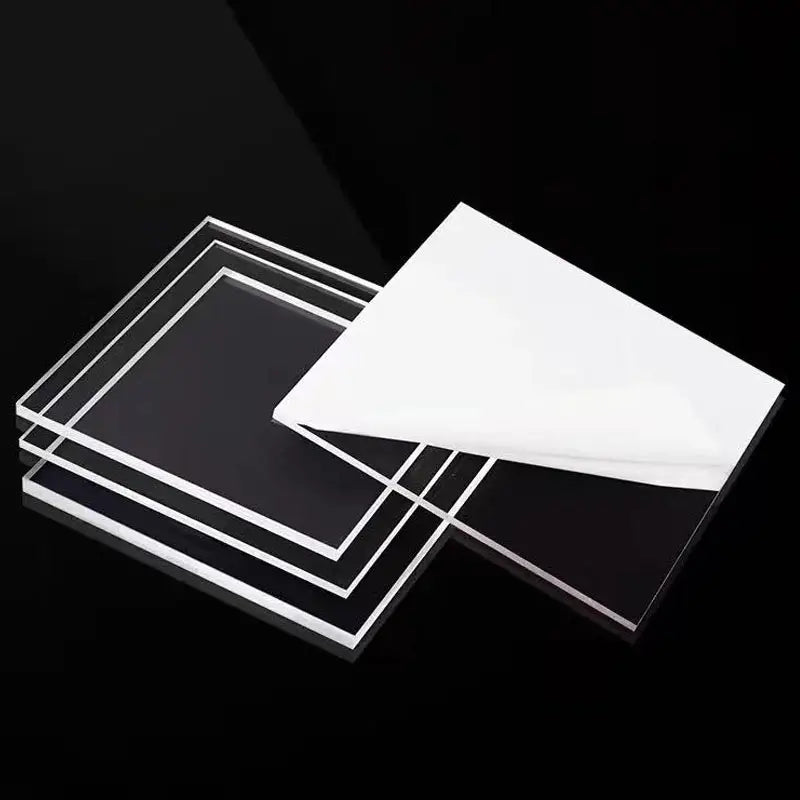
500x500mm polyurethane shim sheet (19.7 x 19.7 inches) – full size display

Applications of Polyurethane in Various Industries

The ability to tailor the properties of PU material makes it suitable for a wide range of applications. Flexible polyurethane foam is commonly used in automotive seating, furniture, and insulation, while rigid polyurethane sheets and coatings are often found in construction, flooring, and protective equipment.

Flexibility in Customization

The flexibility of polyurethane allows manufacturers to adjust its hardness, density, and other mechanical properties to meet specific industry needs. Whether it’s used for soft, cushioning materials or hard, load-bearing components, custom polyurethane products are essential across numerous sectors.

Why Choose Polyurethane Over Other Plastics?

In comparison to other materials like polypropylene, polyurethane offers greater mechanical strength, thermal stability, and chemical resistance. This makes it an ideal material for industries requiring products that can withstand both environmental stress and high-performance demands.

PU Plastic Sheets and Rods: Key Features and Customization Options

PU plastic sheets and PU rods are highly versatile materials used across various industries due to their customizable properties. From their thickness to hardness levels, polyurethane (PU) plastic can be tailored to meet specific industrial requirements, offering both flexibility for dynamic applications and rigidity for heavy-duty use.

Thickness Variations in PU Plastic Sheets and Rods

The thickness of PU plastic sheets is an important factor when determining their use in different applications. Thinner polyurethane sheets are typically employed in situations requiring flexibility, such as gaskets, seals, and liners. These thinner sheets conform to surfaces easily, making them ideal for applications where the material needs to adapt to irregular shapes.

On the other hand, thicker PU plastic sheets provide enhanced rigidity and are used in more demanding environments, such as machinery guards, protective pads, and heavy-duty flooring. The added thickness increases the material’s ability to absorb impact and resist wear, which is why thick PU sheets are favored for industrial settings involving heavy machinery or frequent mechanical stress.

Flexible Applications for Dynamic Industries

For industries requiring materials that can withstand constant movement and stress, thin polyurethane sheets offer the perfect balance of elasticity and durability. In automotive and construction industries, thinner PU rods and sheets are commonly used in dynamic components such as vibration dampeners and shock absorbers. Their ability to flex and return to shape without losing integrity ensures longevity in applications where traditional materials would degrade quickly.

Custom molded polyurethane products in various colors and shapes

Hardness Levels and Customization

PU plastic can be produced in a wide range of hardness levels, measured using the Shore A and Shore D scales. This flexibility in hardness allows polyurethane rods and sheets to be customized for specific uses, from soft, flexible materials to extremely rigid structures.

Soft PU Plastic for Cushioning

Soft polyurethane sheets with lower hardness levels (measured on the Shore A scale) are used in applications where cushioning and flexibility are critical. For example, in seals, gaskets, and pads, soft PU provides the necessary compression and resilience to absorb energy while maintaining a tight seal. Flexible PU sheets are often found in the automotive and furniture industries, where comfort and durability are priorities.

Rigid PU for Structural Applications

At the other end of the spectrum, rigid polyurethane sheets with higher Shore D hardness ratings are used in structural applications that demand high strength and impact resistance. These rigid PU rods and sheets are commonly found in industrial equipment, machine parts, and protective coverings. Their toughness and durability make them ideal for applications where long-term performance is necessary, such as in heavy-duty flooring or machinery components.

Customization Options for PU Sheets and Rods

The ability to tailor PU plastic material to specific needs is one of the reasons it is so widely used across industries. Manufacturers can adjust the thickness, hardness, and density of PU plastic to meet the unique demands of different sectors. Whether you’re looking for a high-density polyurethane sheet for structural integrity or a soft PU rod for shock absorption, customization is key to maximizing the material’s effectiveness.

Adaptability in Various Industries

Industries such as aerospace, marine, and automotive all rely on custom polyurethane products to meet their specific needs. For instance, high-density PU foam is commonly used for marine flotation devices due to its water resistance and durability, while automotive components benefit from the impact resistance of rigid PU sheets.

By tailoring the chemical structure and physical properties of polyurethane sheets and rods, manufacturers can create materials that perform exceptionally well under diverse conditions, making PU plastic one of the most versatile materials in the market today.

Comparing Polyurethane and Polypropylene

Polypropylene production line - comparison of plastic materials

Polyurethane (PU) and polypropylene (PP) are two commonly used plastic materials in various industrial applications. While both offer benefits in terms of durability and flexibility, PU plastic often outperforms polypropylene in industries that demand longevity, environmental resistance, and chemical durability. Understanding the differences between these materials can help determine which is best suited for specific applications.

Durability: Polyurethane vs. Polypropylene

Superior Strength and Longevity of Polyurethane

Polyurethane is widely regarded for its high durability and resistance to wear. It is a thermosetting polymer, which means that once it is formed, it cannot be melted or reshaped. This inherent property provides long-lasting durability in industrial settings, making PU plastic ideal for applications that require heavy-duty performance. Products like PU plastic sheets and PU rods maintain their integrity even under constant mechanical stress, which is why polyurethane is often preferred in applications involving machinery components, industrial flooring, and heavy equipment.

In contrast, polypropylene is a thermoplastic material, meaning it can be melted and reformed. While this feature is useful for molding and recycling, polypropylene tends to break down more quickly when exposed to harsh conditions, particularly in applications involving high wear and abrasion. Polypropylene is more likely to suffer from cracks or fractures over time, especially in outdoor applications where exposure to UV light and temperature fluctuations is frequent.

Flexibility: PU Offers Greater Versatility

In terms of flexibility, polyurethane outperforms polypropylene. PU plastic material can be engineered to offer a wide range of flexibility options, from soft, flexible forms to rigid, durable structures. This adaptability allows polyurethane to be used in both dynamic applications that require frequent movement, such as shock absorbers and vibration dampeners, as well as in more structural roles, such as rigid foam panels used in insulation.

Polypropylene, while flexible, tends to be more brittle in colder environments and can crack under pressure or impact. Its lower flexibility compared to polyurethane makes it less suitable for applications requiring elasticity and long-term stress endurance.

Chemical Resistance: PU Excels in Harsh Environments

Chemical resistance is another critical factor that distinguishes polyurethane from polypropylene. PU coatings and PU plastic sheets are highly resistant to a wide range of chemicals, oils, and solvents, making polyurethane a reliable choice for industries like chemical processing, automotive, and oil and gas. The chemical resistance of polyurethane ensures that equipment and components last longer in environments where exposure to corrosive substances is common.

On the other hand, polypropylene also offers good chemical resistance but tends to degrade when exposed to certain solvents and acids. While it performs well in less aggressive environments, polypropylene may not be the best option for industrial settings where continuous exposure to harsh chemicals is unavoidable.

Applications: Why Polyurethane is Preferred in Industrial Settings

Polyurethane for Industrial and Heavy-Duty Uses

Given its durability, flexibility, and chemical resistance, polyurethane plastic is frequently chosen for industrial applications that require materials to withstand tough conditions. PU material offers a wide range of solutions for industries that prioritize longevity and performance.

For example, in automotive applications, polyurethane is often used for suspension bushings, engine mounts, and seals, where its ability to resist wear and withstand exposure to chemicals makes it a superior choice. Similarly, PU coatings are commonly applied to industrial machinery and flooring, where they protect against abrasion and corrosion.

Polypropylene for Lightweight and Cost-Effective Applications

While polypropylene is not as durable or flexible as polyurethane, it is often chosen for lightweight and cost-effective applications where longevity is not the primary concern. PP plastic is commonly found in consumer goods, packaging, and disposable items. Its ability to be molded easily into different shapes and its resistance to water and chemicals in less aggressive environments make it a viable option for products with shorter life cycles.

For instance, polypropylene is widely used in food containers, storage bins, and outdoor furniture, where cost efficiency and recyclability are key factors.

Customization and Adaptability

Both polyurethane and polypropylene can be customized for specific uses, but PU plastic offers greater versatility in terms of formulation. The ability to adjust density, hardness, and flexibility in PU products allows for more tailored solutions in demanding industries. In contrast, polypropylene is more limited in terms of hardness and rigidity, making it less adaptable to applications requiring specific performance characteristics.

By understanding the strengths of polyurethane over polypropylene, particularly in terms of durability, flexibility, and chemical resistance, it’s clear why PU plastic is often preferred for industrial applications that require long-term reliability.

Applications of Polyurethane Plastic in Various Industries

Polyurethane (PU) has become an indispensable material in numerous industries due to its unique combination of durability, flexibility, and resistance to various environmental factors. Its adaptability allows for extensive use across sectors such as construction, automotive, marine, electrical, and textiles, making it ideal for demanding environments that require high performance and reliability.

Structural Uses of Polyurethane in Construction

In addition to its role in insulation, polyurethane plastic sheets and PU rods are utilized as structural components in the construction sector. Their strength and rigidity make them suitable for reinforcing concrete and composite materials. The lightweight yet durable properties of PU plastic material reduce the overall weight of structural elements without compromising on strength, making it a preferred choice for modern construction applications.

Automotive Industry: Bushings, Seals, and Noise Dampening

Polyurethane in Automotive Components

The automotive industry relies heavily on polyurethane plastic for its ability to endure mechanical stress while maintaining flexibility. Polyurethane bushings are commonly used in suspension systems, where their ability to absorb shock and reduce noise is critical for improving vehicle performance and passenger comfort. The toughness of PU material allows these bushings to withstand prolonged exposure to wear, vibration, and chemical exposure without degrading.

🔧 Need Custom PU Parts for Specialized Applications?

We provide custom CNC machining, die-cutting, pouring, and milling of PU components tailored to your specific performance needs.

  • 📩 Get a Fast Quote: Simply upload your drawings to our engineers.
  • 🔷 Tolerance Control & Precise Color Matching.
  • 🔷 No MOQ: Custom Hardness from Shore A to D.

✨ Special Offer: Use code QR4GNY08SHVR to enjoy a discount on your order!

Submit Your Project Specs 👉

Electrical Industry: Insulation and Potting Compounds

PU for Electrical Insulation

Polyurethane is also widely used in the electrical industry due to its excellent dielectric properties. PU coatings and potting compounds are used to insulate electrical components and protect them from environmental factors such as moisture, heat, and chemicals. In applications where electrical equipment must be safeguarded against short circuits or physical damage, polyurethane insulation provides a reliable and long-lasting solution.

Potting and Encapsulation

For more delicate electrical systems, polyurethane potting compounds are employed to encapsulate electronic circuits and prevent damage from external forces. These compounds shield sensitive components from vibration, shock, and thermal fluctuations, which can otherwise lead to malfunctions or shortened lifespans of electronic devices.

Polyurethane’s Versatility Across Multiple Industries

The adaptability of polyurethane plastic allows it to serve a broad range of industries, from construction to automotive, marine, electrical, and textile applications. Its unique combination of durability, chemical resistance, and flexibility ensures that PU material remains a key component in many demanding environments, providing solutions that enhance performance, reduce costs, and extend the lifespan of products and structures.

Environmental Considerations and Recycling of Polyurethane

Close-up view of polyurethane sheet surface clarity

As industries increasingly focus on sustainability, the recyclability of polyurethane (PU) has come to the forefront of discussions. While polyurethane plastic has long been valued for its durability and versatility, its environmental impact has raised concerns. However, emerging recycling technologies and innovative production methods are making PU material more sustainable. These advancements allow industries like automotive and construction to reduce waste while maintaining the high performance of polyurethane products.

Recycling Methods for Polyurethane

Mechanical Recycling of Polyurethane

One of the most common methods for recycling polyurethane is mechanical recycling. In this process, PU foam and plastic materials are shredded into small pieces and then reprocessed into new products. This process, while relatively straightforward, is limited by the degradation of polyurethane’s mechanical properties after each recycling cycle.

For rigid polyurethane, mechanical recycling is used to create new building materials, including insulation panels. These products help to reduce the carbon footprint of new construction projects, making the recycling process highly valuable in the construction industry.

Chemical Recycling: Breaking Down Polyurethane to Its Base Components

Chemical recycling is a more advanced process that involves breaking down polyurethane into its base components, such as polyols and isocyanates. These components can then be used to create new polyurethane products. This method offers greater potential for producing high-quality recycled polyurethane while maintaining the material’s original performance properties.

Chemical recycling of PU materials is still being developed, but it holds promise for industries seeking to reduce waste without sacrificing material quality. Innovations in this area could revolutionize polyurethane recycling, making it easier to recycle large amounts of industrial PU waste.

Emerging Technologies for Sustainable Polyurethane Production

Bio-Based Polyurethane: A Renewable Alternative

One of the most exciting advancements in polyurethane production is the development of bio-based polyurethane, which uses renewable resources like plant oils instead of petroleum-based products. This reduces the reliance on fossil fuels and lowers the overall carbon emissions associated with PU manufacturing. Bio-based polyurethane also maintains the same performance characteristics as traditional polyurethane, making it a viable option for industries looking to improve their environmental impact.

Closed-Loop Recycling Systems for PU

Closed-loop recycling systems for polyurethane are becoming more common as industries look to minimize waste. In a closed-loop system, PU waste generated during manufacturing is collected, reprocessed, and reused to create new polyurethane products. This system helps reduce the need for raw materials and cuts down on industrial waste, making PU production more sustainable.

The development of these technologies marks a significant step forward in reducing the environmental impact of polyurethane while maintaining its critical role in industrial applications. Polyurethane’s recyclability and the shift toward more sustainable production methods ensure that it will continue to be a valuable material for the automotive, construction, and manufacturing industries.

Assortment of polyurethane products and sheets

Frequently Asked Questions (FAQs) About Polyurethane Plastic and BeePlastic Customization Services

Here are some common questions related to polyurethane plastic and customization services provided by BeePlastic:

1. What is polyurethane plastic, and how is it used?

Polyurethane plastic is a versatile material used in industries like automotive, construction, furniture, and electronics. It can be rigid or flexible, making it ideal for products like bushings, seals, and coatings. Its properties, such as durability, flexibility, and chemical resistance, make it suitable for both light and heavy-duty applications.

2. Can BeePlastic customize polyurethane products to specific requirements?

Yes, BeePlastic specializes in customizing polyurethane products to fit your exact specifications. We handle sample customization and batch production based on your project needs. Whether you require specific sizes, shapes, or hardness levels, we are equipped to meet your custom polyurethane requirements.

3. What file formats do BeePlastic accept for design and customization?

We accept a wide range of file formats to streamline the customization process. You can send your design files in PDF, CAD, or other commonly used formats. This flexibility ensures that your designs are accurately translated into the final product.

4. Is there a minimum order quantity (MOQ) required for polyurethane product orders?

No, BeePlastic does not have a minimum order quantity (MOQ). Whether you need a single sample or a large batch, we are ready to accommodate your production needs without any limitations on the order size.

5. What is the typical production cycle for custom polyurethane products?

The production cycle at BeePlastic depends on factors such as the size of the order and the complexity of the manufacturing process. We ensure real-time communication about production progress, keeping you informed every step of the way. This helps us maintain transparency and meet delivery timelines efficiently.

6. Does BeePlastic offer free samples for polyurethane products?

Yes, we offer free samples of our polyurethane products. However, customers are responsible for the shipping costs. This gives you an opportunity to test our products before placing a larger order.

7. Can BeePlastic customize polyurethane products for specific industries like automotive or construction?

Absolutely. We have extensive experience customizing polyurethane products for various industries, including automotive, construction, marine, and more. From PU bushings to insulation sheets, we tailor our materials to fit the unique demands of each sector.

8. How durable are polyurethane products compared to other plastics like polypropylene?

Polyurethane is known for its superior durability, especially in harsh environments. Compared to polypropylene, PU plastic offers better resistance to chemical exposure, temperature fluctuations, and mechanical stress, making it a preferred choice for industrial applications requiring longevity.

9. What are the environmental considerations of using polyurethane plastic, and can it be recycled?

Polyurethane plastic is recyclable through both mechanical and chemical recycling processes. At BeePlastic, we are committed to sustainability and can provide insights into the recyclability of your custom polyurethane products, especially for industries looking to reduce waste.

10. How can I request a customized quote for my polyurethane project?

To request a quote, simply provide us with your design specifications, including the material type, dimensions, and quantity needed. You can submit this information through our website or by sending us the details in PDF or CAD format. We will assess your requirements and provide a detailed quote that includes production timelines and costs.

These questions provide insight into polyurethane plastic as well as BeePlastic’s customization capabilities, helping clients understand the full range of services and benefits available to them.

In the ever-evolving world of industrial materials, polyurethane plastic continues to stand out for its remarkable versatility, durability, and adaptability across various industries. From automotive bushings and construction insulation to customized solutions, PU material proves to be an essential component in meeting the demands of modern manufacturing. With BeePlastic’s extensive experience in customization, offering tailored polyurethane products for specific needs—without minimum order requirements—businesses can benefit from sustainable, high-performance materials that drive both efficiency and innovation in their fields.

PU material

Looking for durable, customizable polyurethane products?

Fill out our form to get a free consultation, or browse our extensive range of PU sheets and rods below to see how BeePlastic can meet your needs.

Explore PU Collection Get a Custom Quote

Leave a comment


Please note, comments must be approved before they are published


Custom Plastic Fabrication

Send your drawing, material and quantity for review

🔧
Precision Machining
CNC milling & turning
✂️
Cutting & Engraving
Laser & waterjet cutting
🏭
Forming & Molding
Thermoforming & injection
🔗
Joining & Assembly
Welding & bonding
📐
Design & Prototyping
CAD design & samples

General

HDPE

PP

PVC

ABS

Engineering

POM

Nylon

PC

PMMA

High-Performance

PEEK

PEI

PTFE

Composites

FR-4

G10

Flexible

TPU

Silicone

Why Choose BeePlastic?

🎯
Perfect Fit
Custom specs eliminate adaptation needs
⚡
Clear Lead Times
Lead time confirmed with every quote
💰
Volume Pricing
Volume pricing available on bulk orders
🤝
Expert Support
Free engineering consultation included
📋
Submit
→
🔍
Review
→
💵
Quote
→
✅
Production
→
📦
Deliver

Request a Quote

Share your project details, selected material and quantity on our quote page. You can add a file link or use the email drawing route shown there.


Request Quote

Industries: Automotive • Medical • Food • Lab • Semiconductor

beeplastic@beeplastic.com


Top Benefits of PC Sheets for Industrial Equipment Manufacturers

PC sheets for your industrial applications

Top Benefits of PC Sheets for Industrial Equipment Manufacturers

Are you an industrial equipment manufacturer looking for a material that offers superior performance and reliability? Discover the top benefits of PC sheets and why they are the ideal choice for your industrial applications. In this comprehensive guide, you’ll learn how PC sheets provide superior durability and outlast traditional materials. Explore the versatile applications of PC plastic sheets and how they enhance the efficiency of your equipment. Understand the advantages of lightweight yet strong PC sheets for heavy machinery components. Learn about the fire-resistant properties of PC roofing sheets and how they enhance safety in industrial settings. Find out how cost-effective solutions with PC sheets can reduce maintenance and replacement costs. Discover the customizable options available with DnD PC sheets to meet your specific needs. Finally, delve into the eco-friendly manufacturing benefits of using PC ABS sheet stock in your industrial processes. Equip your business with the best materials and stay ahead of the competition with the unmatched benefits of PC sheets.

🎉🎉🎉Limited Time Offer Use code: QR4GNY08SHVR at checkout and enjoy a special discount on your entire order! 👉PC board

PC sheets

Superior Durability: Why PC Sheets Outlast Traditional Materials in Industrial Applications

Unmatched Strength and Resilience

PC sheets are renowned for their unmatched strength and resilience. Unlike traditional materials, PC plastic sheets can withstand heavy impacts and extreme conditions without cracking or breaking. This makes them an ideal choice for industrial environments where durability is a top priority. Manufacturers and suppliers who switch to PC sheets often experience a significant reduction in maintenance and replacement costs, as these sheets last much longer than their traditional counterparts.

Enhanced Impact Resistance

One of the most notable properties of PC sheets is their enhanced impact resistance. In industries where machinery and equipment are subject to frequent impacts and stresses, using PC plastic sheets can prevent costly damages and downtime. The ability to absorb and disperse energy efficiently makes PC sheets a reliable option for protective barriers, machine guards, and other high-stress applications.

Superior Weatherability

Industrial equipment often operates in environments where exposure to UV radiation, moisture, and temperature fluctuations can degrade materials. PC sheets offer superior weatherability, maintaining their properties even under prolonged exposure to harsh conditions. This durability ensures that equipment and components made from PC sheets remain functional and reliable over time, reducing the need for frequent repairs or replacements.

Chemical Resistance

In many industrial settings, equipment and materials are exposed to various chemicals that can cause corrosion and damage. PC sheets exhibit excellent chemical resistance, making them suitable for use in environments where chemical exposure is a concern. This property further enhances the longevity of PC sheets, ensuring that they outlast traditional materials in challenging conditions.

Versatile Applications

The durability of PC sheets opens up a wide range of applications in the industrial sector. From protective covers and machine guards to structural components and insulating materials, PC sheets provide a reliable solution that meets the demands of various industries. Their ability to retain their properties under stress and exposure makes them a versatile choice for manufacturers looking to improve the durability and performance of their products.

Cost-Effective Longevity

Switching to PC sheets can lead to significant cost savings over time. While the initial investment might be higher than traditional materials, the long-term benefits far outweigh the costs. PC sheets require less frequent replacement, lower maintenance costs, and reduced downtime, all of which contribute to a more cost-effective solution for industrial applications.

Investing in PC sheets for industrial applications ensures superior durability and longevity. Their strength, impact resistance, weatherability, chemical resistance, and versatile applications make them a valuable choice for manufacturers and suppliers aiming to enhance the performance and reliability of their equipment. By choosing PC sheets, businesses can achieve greater efficiency, lower costs, and improved overall performance in their industrial operations.

PC sheets for industrial applications

Versatile Applications: How PC Sheets Enhance the Efficiency of Industrial Equipment

Innovative Uses in Machinery

PC sheets are incredibly versatile, finding innovative uses in various types of machinery. Their strength and durability make them ideal for protective covers, machine guards, and transparent panels that allow for safe monitoring of equipment. PC ABS sheet stock is particularly valued for its balance of toughness and heat resistance, making it suitable for components that must withstand high temperatures and mechanical stress.

Improved Safety and Functionality

Safety is paramount in industrial settings, and PC sheets contribute significantly to improved safety and functionality. These sheets can be molded into protective shields and barriers that safeguard workers from moving parts and hazardous materials. Their transparency allows for visibility while maintaining a strong barrier, enhancing both the safety and efficiency of operations.

Customizable Solutions for Specific Needs

The adaptability of PC sheets makes them perfect for customizable solutions tailored to specific industrial needs. Whether it’s custom-fit guards or precision-cut components, PC ABS sheet stock can be easily fabricated to meet exact specifications. This customization ensures that industrial equipment operates more efficiently and fits seamlessly into existing workflows.

Enhanced Durability for Harsh Environments

Industrial equipment often operates in harsh environments that demand materials with exceptional durability. PC sheets are resistant to impact, chemicals, and extreme temperatures, making them ideal for use in outdoor machinery, chemical processing equipment, and high-impact applications. This resilience helps extend the life of equipment, reducing downtime and maintenance costs.

Efficiency in Manufacturing Processes

Using PC sheets in manufacturing processes can enhance overall efficiency. Their ease of fabrication and installation speeds up production times and reduces labor costs. PC ABS sheet stock can be thermoformed, cut, and drilled with standard tools, allowing for quick and efficient integration into various manufacturing processes. This versatility contributes to smoother operations and faster turnaround times.

Lightweight and Strong

The combination of being lightweight yet strong makes PC sheets advantageous for industrial applications where weight reduction is crucial. This property is especially beneficial in automotive manufacturing and transportation equipment, where reducing weight can lead to better fuel efficiency and performance. Despite being lightweight, PC sheets do not compromise on strength, providing robust solutions for demanding industrial environments.

Sustainable and Cost-Effective

PC sheets are not only durable and versatile but also offer sustainable and cost-effective benefits. Their long lifespan means fewer replacements and less material waste, contributing to more sustainable industrial practices. Additionally, the cost savings from reduced maintenance and extended equipment life make PC sheets a financially sound choice for industrial manufacturers.

PC sheets advantageous for industrial applications

Lightweight Yet Strong: The Advantages of Using PC Sheets for Heavy Machinery Components

Superior Strength-to-Weight Ratio

One of the most compelling reasons to use PC sheets in heavy machinery is their superior strength-to-weight ratio. Despite being significantly lighter than traditional materials like metal, PC sheets offer comparable, if not greater, strength. This makes them ideal for applications where reducing weight is crucial without sacrificing durability. For instance, PC sheet 1mm can provide robust support while contributing to overall weight reduction in machinery.

Enhanced Performance and Efficiency

The lightweight nature of PC sheets contributes to enhanced performance and efficiency in heavy machinery. By reducing the weight of components, machinery can operate more smoothly and at higher speeds. This not only improves the performance but also reduces the wear and tear on moving parts, leading to longer equipment lifespan and lower maintenance costs. Utilizing PC sheet 1mm in key areas can result in significant performance boosts.

Easy Fabrication and Installation

PC sheets are known for their ease of fabrication and installation, which is a significant advantage in the manufacturing of heavy machinery components. These sheets can be easily cut, drilled, and shaped to fit precise specifications. This flexibility allows manufacturers to quickly produce and install components, reducing production times and costs. The versatility of PC sheet 1mm makes it a preferred choice for custom parts and rapid prototyping.

Resistance to Environmental Stress

Heavy machinery often operates in challenging environments where exposure to harsh conditions is common. PC sheets exhibit excellent resistance to environmental stressors such as UV radiation, extreme temperatures, and chemical exposure. This resistance ensures that components made from PC sheets maintain their integrity and performance over time, even in the most demanding settings. PC sheet 1mm is particularly effective in applications requiring both strength and environmental resilience.

Cost-Effective Solutions

Using PC sheets for heavy machinery components can lead to significant cost savings. The material’s durability and low maintenance requirements reduce long-term operational costs. Additionally, the lightweight nature of PC sheets can lower transportation and handling expenses. Implementing PC sheet 1mm in machinery design offers a cost-effective solution that does not compromise on quality or performance.

Versatility in Application

The versatility of PC sheets allows them to be used in a wide range of applications within heavy machinery. From protective covers and housings to structural components and panels, PC sheets can be tailored to meet diverse needs. Their adaptability ensures that manufacturers can find the perfect fit for any component, enhancing the overall design and functionality of the machinery.

Improved Safety

The use of PC sheets also contributes to improved safety in heavy machinery. Their strength and impact resistance provide reliable protection for both the equipment and operators. Components made from PC sheet 1mm can absorb and disperse impact energy, reducing the risk of damage and injury. This safety feature is crucial in industries where machinery operates under high stress and potential hazards.

Enhanced Safety: Fire-Resistant Properties of PC Sheets in Industrial Settings

Superior Fire Resistance

One of the most critical safety features of PC sheets is their superior fire resistance. PC plastic sheets are designed to withstand high temperatures and resist ignition, making them a safer option for industrial settings prone to fire hazards. The fire-resistant properties of PC sheets help prevent the spread of flames and reduce the risk of significant damage and injury in case of a fire.

Compliance with Safety Standards

PC sheets meet rigorous fire safety standards and regulations required in industrial environments. These standards ensure that materials used in construction and manufacturing provide maximum safety for workers and equipment. By using PC plastic sheets, companies can comply with industry regulations and enhance their safety protocols, minimizing potential liabilities and ensuring a safer working environment.

Applications in Roofing and Cladding

PC roofing sheets are particularly beneficial in industrial applications where fire safety is a top priority. These sheets provide a durable and fire-resistant solution for roofing and cladding, protecting buildings and machinery from fire hazards. The use of PC roofing sheets in construction projects helps create safer industrial facilities, reducing the risk of fire-related incidents.

Durability in High-Temperature Environments

Industrial settings often involve high-temperature operations that can pose fire risks. PC sheets are engineered to maintain their structural integrity under extreme heat, making them ideal for use in such environments. This durability ensures that PC plastic sheets continue to offer protection even under prolonged exposure to high temperatures, enhancing overall safety.

Enhanced Protection for Critical Areas

Certain areas within industrial facilities are more susceptible to fire hazards, such as electrical rooms and chemical storage areas. PC sheets provide enhanced protection for these critical areas by acting as fire-resistant barriers. Installing PC plastic sheets in vulnerable locations can help contain potential fires and prevent them from spreading to other parts of the facility.

Improved Safety for Workers

The use of PC sheets significantly improves safety for workers in industrial settings. By reducing the risk of fire and containing potential outbreaks, PC plastic sheets create a safer working environment. This protection is crucial in industries where workers are exposed to high-risk conditions, ensuring their safety and well-being.

Cost-Effective Safety Solutions

Investing in PC sheets for fire safety is a cost-effective solution for industrial facilities. The long-lasting durability and fire-resistant properties of PC plastic sheets reduce the need for frequent replacements and repairs. Additionally, the enhanced safety provided by PC roofing sheets can lower insurance costs and minimize financial losses due to fire-related incidents.

Cost-Effective Solutions: Reducing Maintenance and Replacement Costs with PC Sheets

Long-Lasting Durability

One of the key benefits of using PC sheets is their long-lasting durability. Unlike traditional materials that may degrade or fail over time, PC sheets are designed to withstand harsh industrial conditions. This durability significantly reduces the frequency of replacements, saving both time and money for industrial operations. Partnering with a reliable PC sheet supplier ensures that you get high-quality sheets that offer maximum longevity.

Reduced Maintenance Costs

PC sheets require minimal maintenance compared to other materials. Their resistance to scratches, impacts, and environmental stressors means they stay in good condition for longer periods. This low maintenance requirement translates to cost savings on repairs and upkeep. By choosing PC sheets, industries can allocate fewer resources to maintenance tasks and focus more on their core operations.

Improved Efficiency and Productivity

The robustness of PC sheets contributes to improved efficiency and productivity in industrial settings. Equipment and machinery that incorporate PC sheets experience fewer breakdowns and disruptions. This reliability ensures continuous operation, reducing downtime and enhancing overall productivity. A trusted PC sheet supplier can provide sheets that meet specific industrial needs, further optimizing performance.

Versatility in Applications

PC sheets offer versatility in a wide range of industrial applications. Whether used for protective barriers, machine guards, or structural components, PC sheets provide a cost-effective solution without compromising on quality. Their adaptability allows industries to use them in various settings, maximizing the return on investment. Working with an experienced PC sheet supplier can help identify the best applications for your specific requirements.

Enhanced Resistance to Environmental Factors

Industrial environments often expose materials to extreme temperatures, UV radiation, and chemicals. PC sheets are engineered to resist these environmental factors, maintaining their integrity and performance over time. This enhanced resistance reduces the need for frequent replacements due to environmental damage, offering a cost-effective and sustainable solution for industrial applications.

Lightweight and Easy to Handle

Another cost-saving advantage of PC sheets is their lightweight nature. Being lighter than many traditional materials, PC sheets are easier to transport and install. This ease of handling reduces labor costs and installation time, contributing to overall cost efficiency. A reputable PC sheet supplier can provide sheets that are precisely cut and ready for immediate use, streamlining the installation process.

Sustainable and Economical

Using PC sheets aligns with sustainable industrial practices. Their long lifespan and low maintenance needs contribute to less material waste and a smaller environmental footprint. Additionally, the cost savings from reduced maintenance and replacement needs make PC sheets an economical choice. Partnering with a PC sheet supplier committed to sustainability can further enhance these benefits, supporting both economic and environmental goals.

Using PC sheets aligns with sustainable industrial practices.

Customizable Options: Tailoring PC Sheets to Meet Specific Industrial Needs

Precision Fabrication

PC sheets are renowned for their ability to be precisely fabricated to meet specific industrial requirements. Whether you need protective covers, machine guards, or transparent panels, PC sheets can be cut, drilled, and molded to exact specifications. This level of customization ensures that the components fit perfectly within your machinery or equipment, enhancing both functionality and aesthetics. The adaptability of DnD PC sheets makes them an ideal choice for industries that demand precision.

Wide Range of Thicknesses and Sizes

One of the key benefits of PC sheets is the availability in a wide range of thicknesses and sizes. This versatility allows manufacturers to select the appropriate thickness for their specific application, whether it’s a thin, flexible DnD PC sheet or a thicker, more rigid PC sheet. This variety ensures that every industrial need can be met, from lightweight barriers to heavy-duty structural components.

Custom Colors and Finishes

In addition to varying thicknesses, PC sheets can be customized with different colors and finishes. This feature is particularly beneficial for industries that require specific visual properties for safety or branding purposes. PC sheets can be manufactured in opaque, translucent, or transparent finishes, and can be colored to match company branding or to indicate different zones within an industrial setting. These customizable options enhance both the functionality and the visual appeal of the materials.

Specialized Coatings and Treatments

PC sheets can also be enhanced with specialized coatings and treatments to meet unique industrial challenges. For instance, DnD PC sheets can be treated with anti-scratch or anti-reflective coatings to improve their durability and visibility. UV-resistant coatings can be applied to PC sheets used in outdoor applications to prevent degradation from sunlight exposure. These specialized treatments ensure that PC sheets perform optimally in their intended environments.

Enhanced Performance Features

Industries often require materials that can withstand extreme conditions, and PC sheets can be tailored to meet these demands. Customizable options include fire-retardant treatments, enhanced impact resistance, and improved thermal stability. By selecting PC sheets with these enhanced performance features, industries can ensure that their equipment operates safely and efficiently under challenging conditions.

Custom Shapes and Forming

The ability to create custom shapes is another significant advantage of PC sheets. These sheets can be thermoformed into complex shapes and contours, making them suitable for intricate industrial applications. Whether you need curved panels, intricate cut-outs, or other specialized forms, PC sheets can be shaped to meet your precise needs. DnD PC sheets are particularly well-suited for applications requiring detailed and complex shapes.

Collaboration with Experts

Working with a knowledgeable PC sheet supplier can further enhance the customization process. Suppliers with expertise in PC sheets can provide valuable insights and recommendations, ensuring that you select the best materials and customization options for your specific application. Their experience can help streamline the customization process, resulting in high-quality, tailored solutions that meet all your industrial needs.

PC sheet supplier

Eco-Friendly Manufacturing: The Environmental Benefits of Using PC Sheets in Industry

Sustainable Material Production

PC sheets are increasingly recognized for their role in sustainable material production. The manufacturing process of PC sheets involves less energy consumption compared to traditional materials like glass and metal. This reduced energy requirement translates to lower carbon emissions, making PC sheets a more environmentally friendly option. Utilizing PC ABS sheet stock further enhances sustainability efforts by combining the benefits of both materials in a single, eco-efficient product.

Reduced Waste and Recycling

The use of PC sheets contributes significantly to waste reduction in industrial processes. These sheets can be recycled and repurposed, minimizing the amount of waste sent to landfills. PC ABS sheet stock is particularly advantageous due to its high recyclability, allowing manufacturers to recover and reuse material, thereby reducing their environmental footprint. This recycling capability supports a circular economy, where materials are continually reused, reducing the need for virgin resources.

Longer Lifespan and Durability

The durability and long lifespan of PC sheets mean fewer replacements and less frequent production, which contributes to environmental sustainability. Products made from PC sheets and PC ABS sheet stock last longer, reducing the overall consumption of raw materials. This extended lifespan not only lowers costs but also decreases the environmental impact associated with manufacturing and transporting replacement materials.

Energy Efficiency in Applications

PC sheets offer excellent insulating properties, which can lead to significant energy savings in industrial applications. For instance, PC roofing sheets provide superior thermal insulation, helping to maintain stable temperatures within industrial facilities. This insulation reduces the need for heating and cooling, thereby lowering energy consumption and reducing greenhouse gas emissions. Using PC ABS sheet stock in various applications can also contribute to improved energy efficiency due to its inherent thermal properties.

Lightweight and Reduced Transportation Emissions

The lightweight nature of PC sheets results in lower transportation emissions. Transporting materials like PC sheets and PC ABS sheet stock requires less fuel compared to heavier alternatives such as glass and metal. This reduction in fuel consumption directly correlates to fewer emissions of pollutants and greenhouse gases, making PC sheets a more eco-friendly choice for industries committed to reducing their carbon footprint.

Enhanced Environmental Compliance

Industries are increasingly facing stringent environmental regulations and standards. Utilizing PC sheets helps companies meet these compliance requirements more easily. The eco-friendly attributes of PC ABS sheet stock align with global sustainability goals and regulatory standards, ensuring that businesses can operate within legal frameworks while contributing positively to environmental conservation efforts.

Supporting Green Building Initiatives

PC sheets play a crucial role in supporting green building initiatives and sustainable construction practices. Their use in construction and industrial applications promotes energy efficiency, waste reduction, and the use of sustainable materials. PC ABS sheet stock is particularly valued in green building projects for its combination of durability, recyclability, and environmental performance. Integrating PC sheets into industrial designs helps achieve certifications like LEED (Leadership in Energy and Environmental Design), reinforcing a company’s commitment to sustainability.

PC ABS sheet stock

Frequently Asked Questions About BeePlastics Customization

1. What types of customization can BeePlastics undertake?

BeePlastics can handle any type of customization, including both sample customization and batch customization. Whether you need a single prototype or a large production run, BeePlastics has the capabilities to meet your specific needs.

2. What file formats does BeePlastics accept for custom orders?

BeePlastics accepts a variety of file formats to make the customization process as convenient as possible. The most commonly accepted formats include PDF and CAD files. This flexibility allows customers to submit their designs in the format they are most comfortable with.

3. Is there a minimum order quantity (MOQ) for custom orders at BeePlastics?

No, there is no minimum order quantity (MOQ) at BeePlastics. Whether you need a single item or a large batch, BeePlastics can accommodate your order, making it ideal for both small and large projects.

4. How does BeePlastics handle the production cycle for custom orders?

The production cycle at BeePlastics is tailored to the specific amount of orders and the complexity of the process. BeePlastics ensures clear and real-time communication regarding the production progress, keeping customers informed every step of the way.

5. Does BeePlastics provide samples for custom orders?

Yes, BeePlastics supports the provision of samples for custom orders. The sample is provided free of charge, with the customer only responsible for the shipping costs. This allows customers to review and approve the product before proceeding with larger orders.

6. How long does the customization process take at BeePlastics?

The customization process duration depends on the complexity and quantity of the order. BeePlastics strives to complete orders efficiently and communicates the estimated timeline during the order process to ensure transparency.

7. Can BeePlastics handle urgent orders?

Yes, BeePlastics can accommodate urgent orders depending on the current production schedule and the specific requirements of the order. It is best to contact BeePlastics directly to discuss the feasibility and potential rush fees associated with urgent orders.

8. What industries does BeePlastics serve with its custom plastic solutions?

BeePlastics serves a wide range of industries including construction, automotive, signage and display, industrial equipment, greenhouse and outdoor shelter, and electronics and appliance manufacturing. Their versatile customization capabilities make them a valuable partner across various sectors.

9. How can I ensure my custom design meets BeePlastics’ production capabilities?

To ensure your custom design meets BeePlastics’ production capabilities, it is recommended to consult with their design team. They can provide guidance on material selection, design adjustments, and feasibility to ensure the final product meets your specifications.

10. What are the advantages of choosing BeePlastics for custom plastic products?

Choosing BeePlastics for custom plastic products offers several advantages, including no MOQ, variety of accepted file formats, real-time production updates, and the ability to handle both small and large orders. Their commitment to quality and customer satisfaction makes them a reliable choice for custom plastic solutions.

Conclusion

Investing in PC sheets for your industrial applications offers a multitude of benefits that go beyond durability and strength. From their customizable options and eco-friendly properties to their cost-effectiveness and fire-resistant capabilities, PC sheets prove to be an invaluable asset in enhancing the efficiency, safety, and sustainability of industrial operations. By partnering with a reliable PC sheet supplier, you can ensure that your machinery and equipment are equipped with the best materials available, driving your business towards greater success and innovation.

PC sheets for your industrial applications

Transform your industrial operations with our high-quality PC sheets. Complete the contact form below to discuss your project with us, or click here to explore our extensive range of PC sheet products.

🎉🎉🎉Limited Time Offer Use code: QR4GNY08SHVR at checkout and enjoy a special discount on your entire order! 👉PC board

Leave a comment


Please note, comments must be approved before they are published


Custom Plastic Fabrication

Send your drawing, material and quantity for review

🔧
Precision Machining
CNC milling & turning
✂️
Cutting & Engraving
Laser & waterjet cutting
🏭
Forming & Molding
Thermoforming & injection
🔗
Joining & Assembly
Welding & bonding
📐
Design & Prototyping
CAD design & samples

General

HDPE

PP

PVC

ABS

Engineering

POM

Nylon

PC

PMMA

High-Performance

PEEK

PEI

PTFE

Composites

FR-4

G10

Flexible

TPU

Silicone

Why Choose BeePlastic?

🎯
Perfect Fit
Custom specs eliminate adaptation needs
⚡
Clear Lead Times
Lead time confirmed with every quote
💰
Volume Pricing
Volume pricing available on bulk orders
🤝
Expert Support
Free engineering consultation included
📋
Submit
→
🔍
Review
→
💵
Quote
→
✅
Production
→
📦
Deliver

Request a Quote

Share your project details, selected material and quantity on our quote page. You can add a file link or use the email drawing route shown there.


Request Quote

Industries: Automotive • Medical • Food • Lab • Semiconductor

beeplastic@beeplastic.com